



Key Takeaways
Discover how digital hall of fame displays can function as donor walls with integrated sponsor recognition. Compare features, costs, and implementation strategies for dual-purpose recognition systems.
Organizations managing recognition programs face a common dilemma: limited budget and physical space force difficult choices between celebrating achievements and acknowledging donor support. Traditional approaches require separate displays—trophy cases for athletics, plaques for academic honors, wall-mounted recognition for donors, additional installations for corporate sponsors. Each system demands independent maintenance, occupies valuable real estate, and operates in isolation despite overlapping audiences and shared institutional missions.
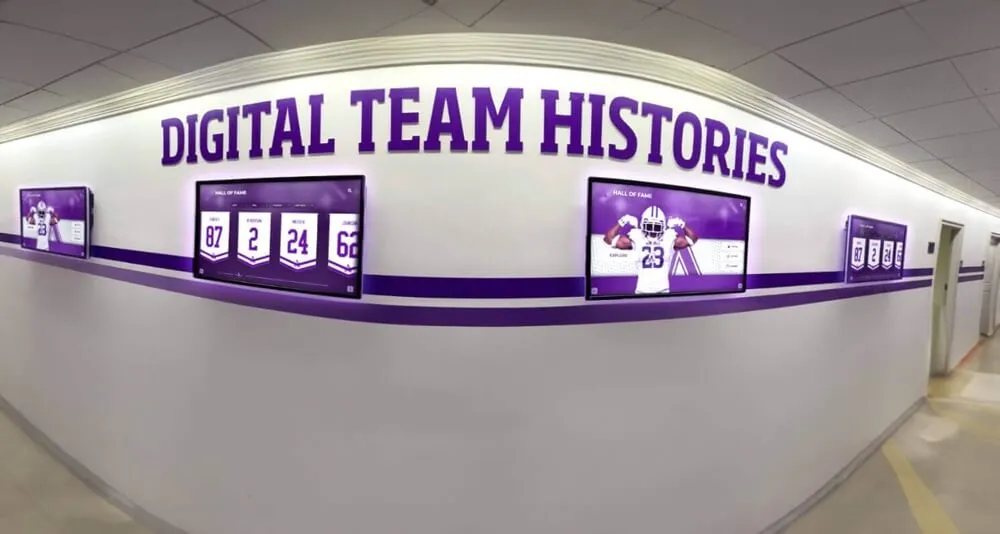
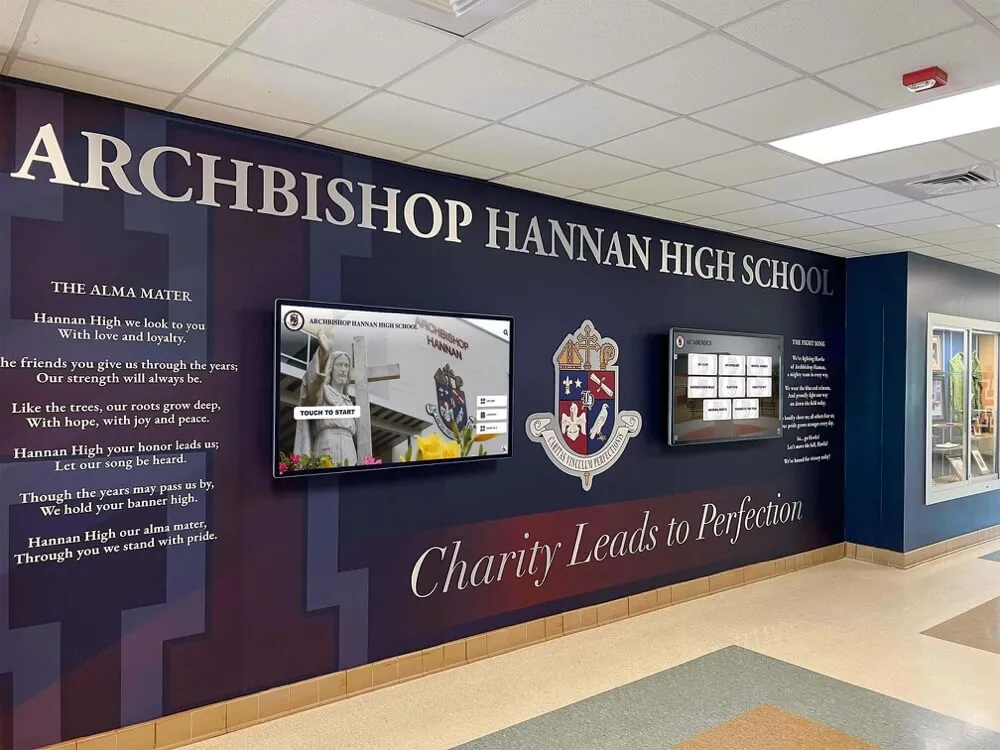
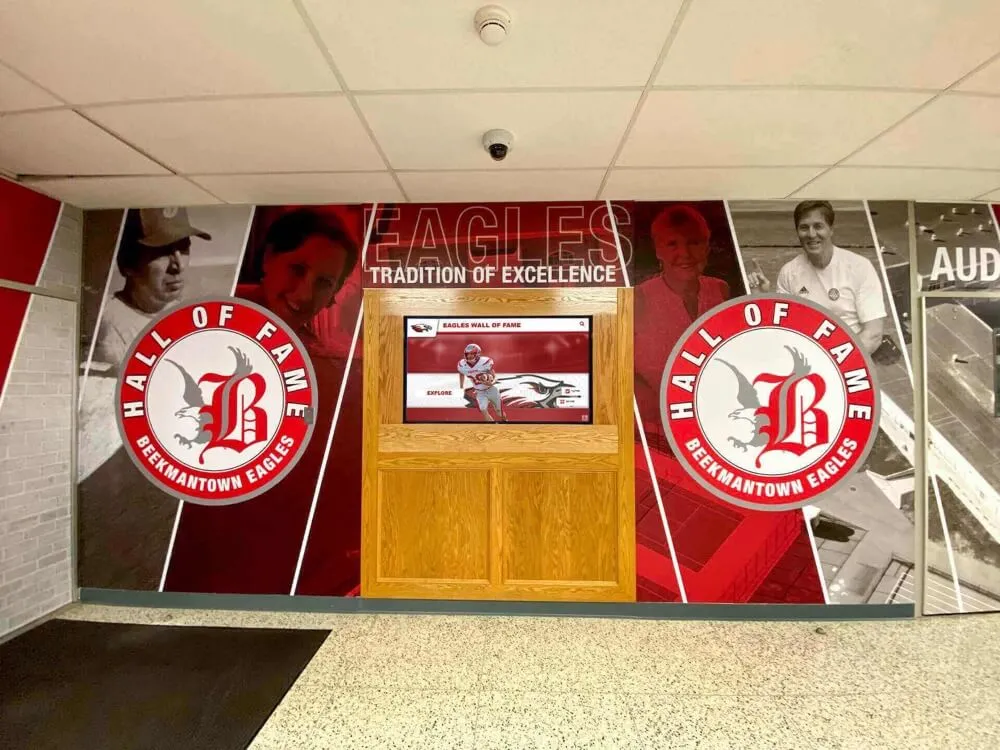
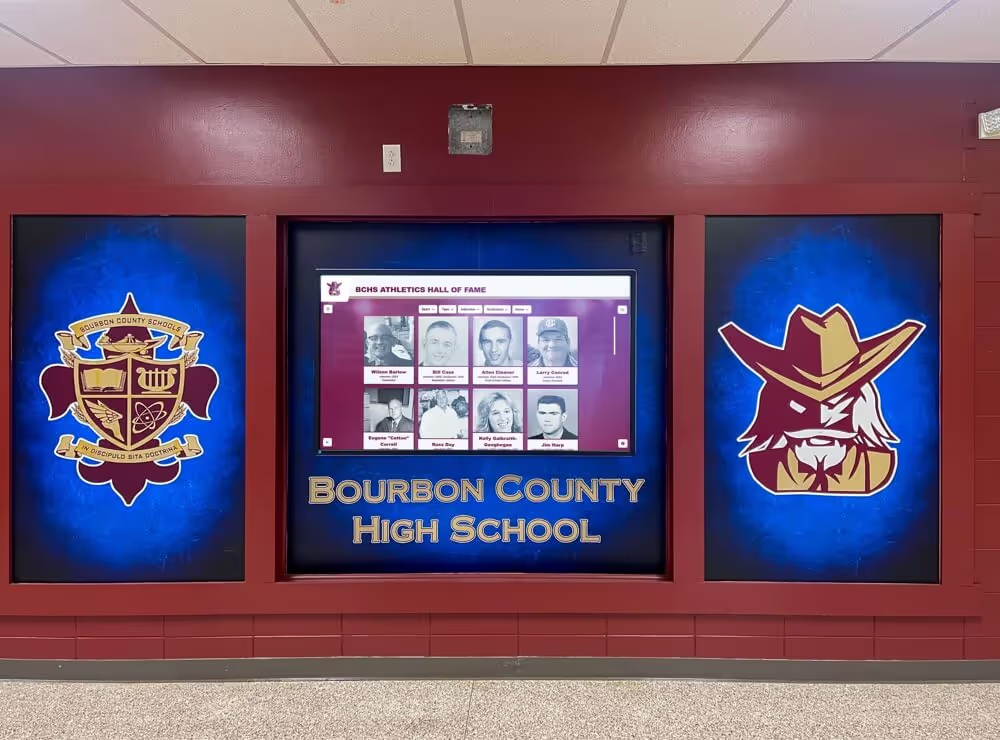

Digital recognition platforms offer a different approach. A single integrated system can serve as hall of fame display showcasing athletic, academic, and arts achievements while simultaneously functioning as comprehensive donor wall with sophisticated sponsor recognition capabilities. This dual-purpose functionality addresses budget constraints, space limitations, and maintenance complexity while providing superior recognition experiences compared to disconnected traditional installations.
However, not all digital recognition systems handle multiple purposes equally well. Generic digital signage platforms adapted for recognition lack purpose-built features organizations need. Understanding how effective dual-purpose systems manage diverse content, structure sponsor tiers, balance competing visibility needs, and deliver appropriate recognition for distinct audiences determines implementation success.
This guide examines how digital hall of fame displays function as donor walls, evaluates sponsor recognition capabilities, compares integrated versus separate system approaches, and provides decision frameworks helping organizations select solutions matching specific recognition requirements, fundraising goals, and community engagement objectives.
Understanding Integrated Recognition Systems: How Single Platforms Serve Multiple Purposes
Before evaluating specific capabilities, organizations should understand how well-designed systems manage diverse recognition types within unified platforms without creating confusion or diminishing acknowledgment impact for any audience.
The Content Organization Challenge
Effective dual-purpose recognition requires clear content separation maintaining distinct identity for each category while enabling unified access and cross-category connections:
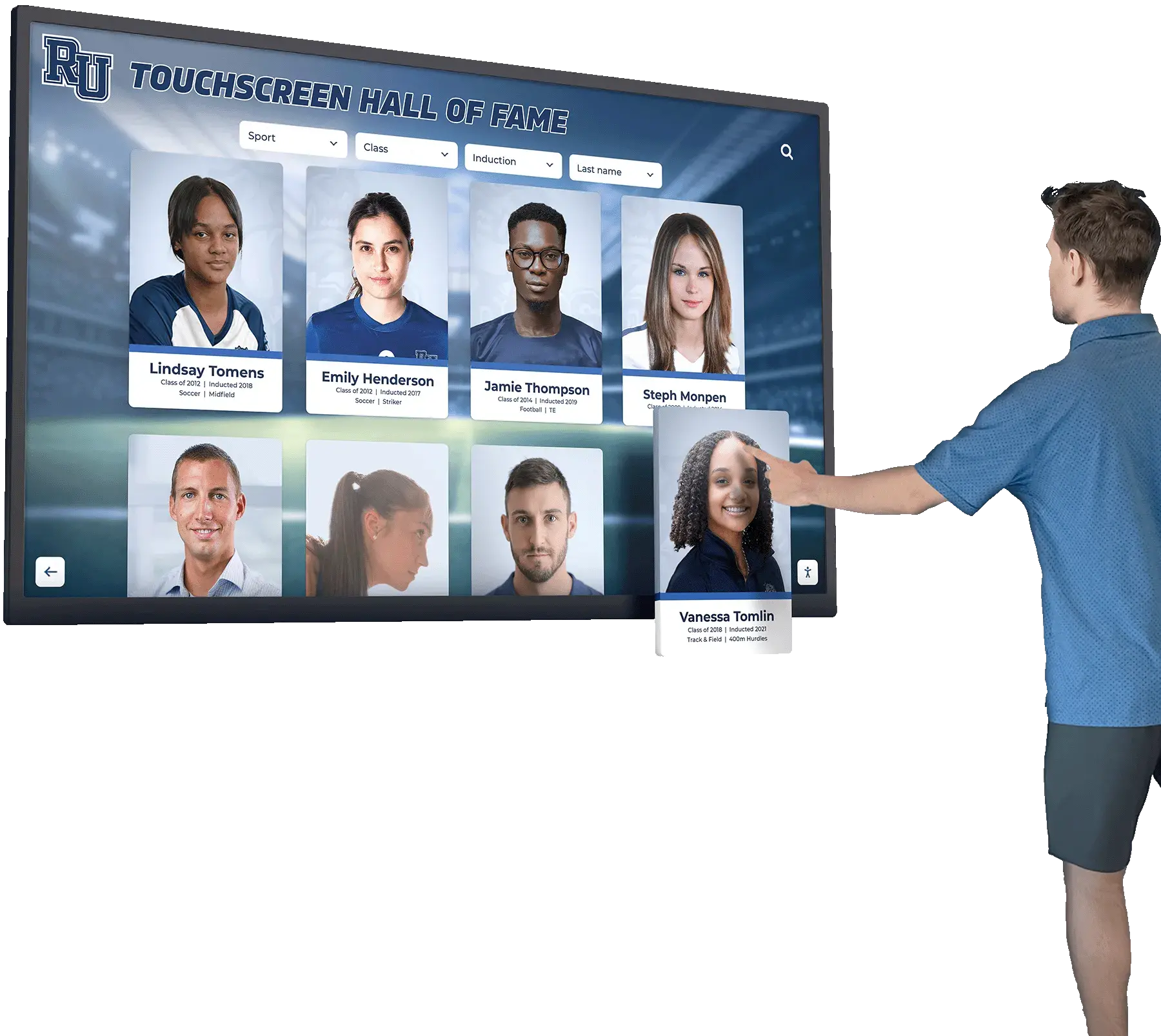
Category-Based Navigation: Well-structured systems organize content into logical sections accessible through intuitive menu navigation. Primary categories typically include Athletics, Academics, Arts & Activities, Donors & Sponsors, and Historical Archives. Visitors understand immediately where to find specific recognition types without confusion between achievement displays and donor acknowledgment.
Hierarchical Information Architecture: Within each primary category, additional organizational layers provide granular access. Athletics sections subdivide by sport and achievement type. Donor categories organize by giving levels, campaign designations, or recognition societies. This hierarchy prevents overwhelming interfaces while accommodating thousands of individual recognition entries across all categories.
Unified Search Functionality: Despite category separation, comprehensive search capabilities allow visitors to locate specific individuals regardless of where their recognition appears. Alumni donors who were also student athletes appear in search results showing all relevant recognitions—athletic achievements, academic honors, and philanthropic contributions—providing complete profiles celebrating multifaceted community connections.
Cross-Category Relationships: Advanced systems identify and highlight connections between categories. Donor profiles can display their athletic achievements if applicable. Athletic hall of fame inductees who became major donors receive appropriate acknowledgment in both contexts. These connections enrich storytelling while demonstrating long-term institutional relationships spanning decades.
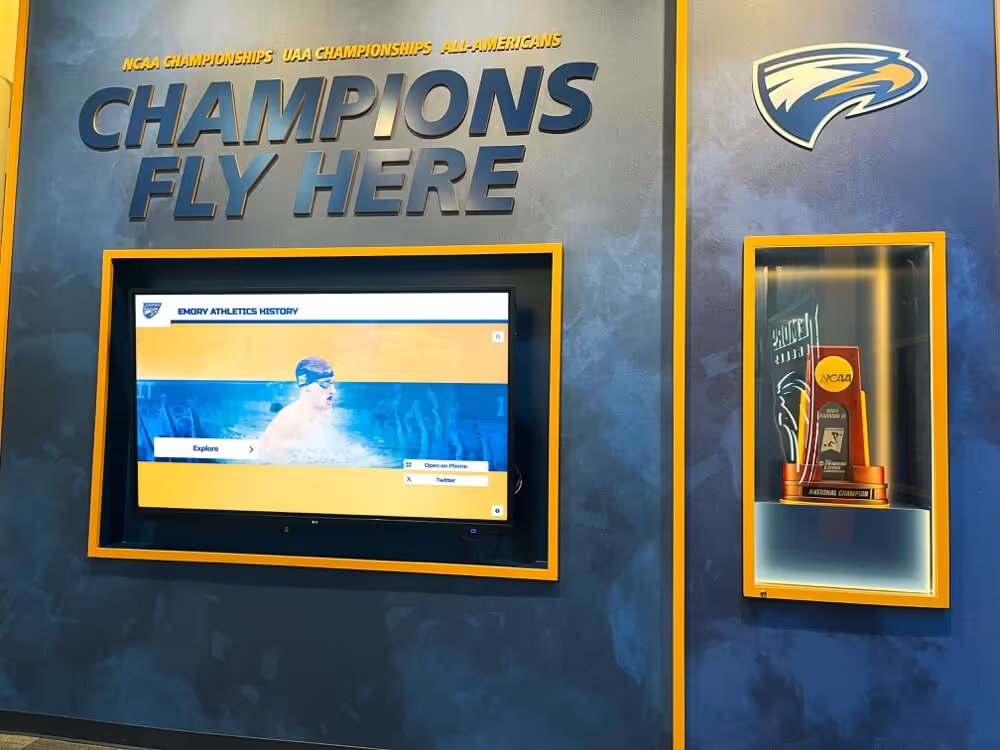
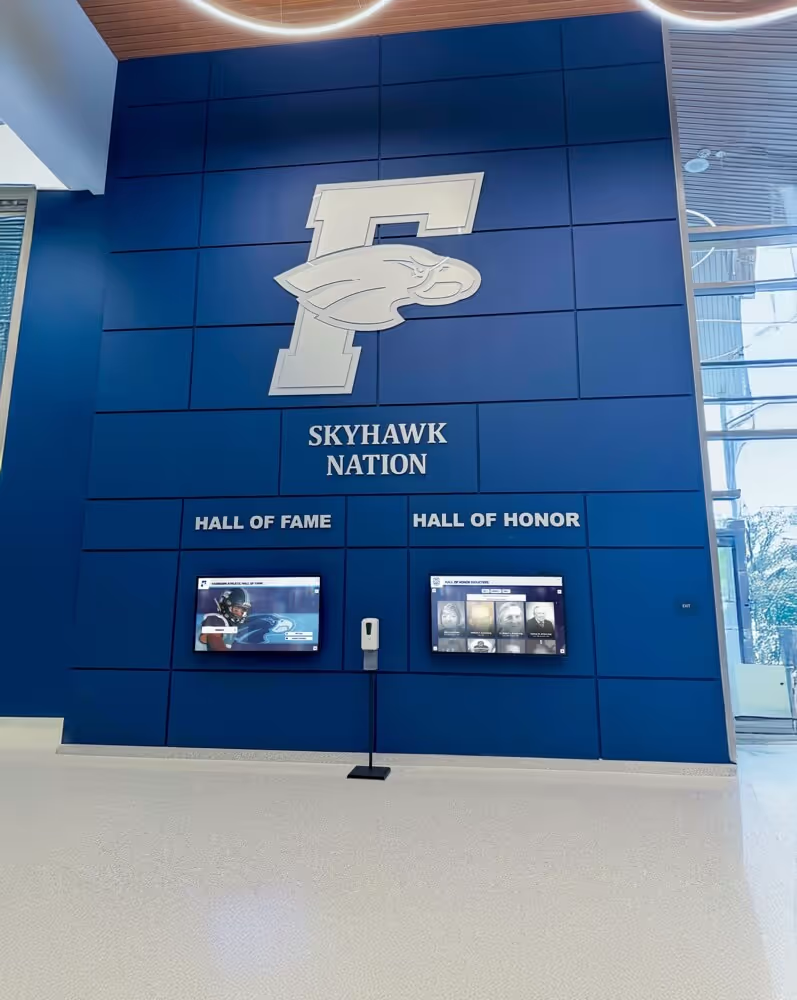
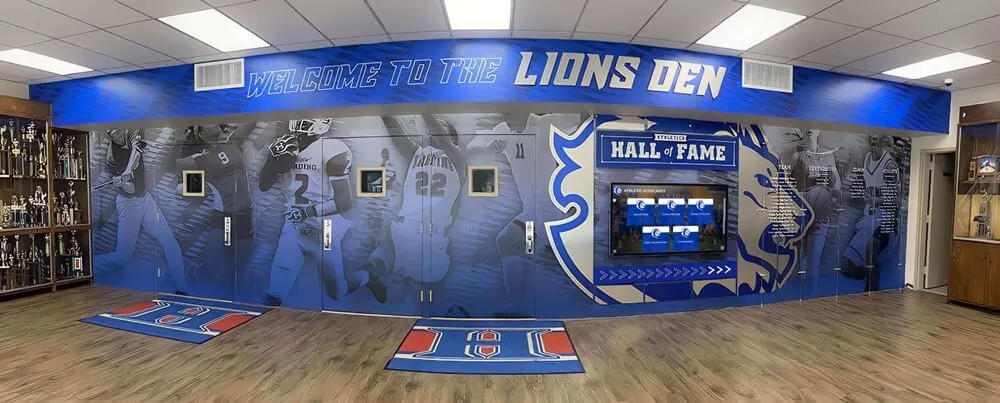
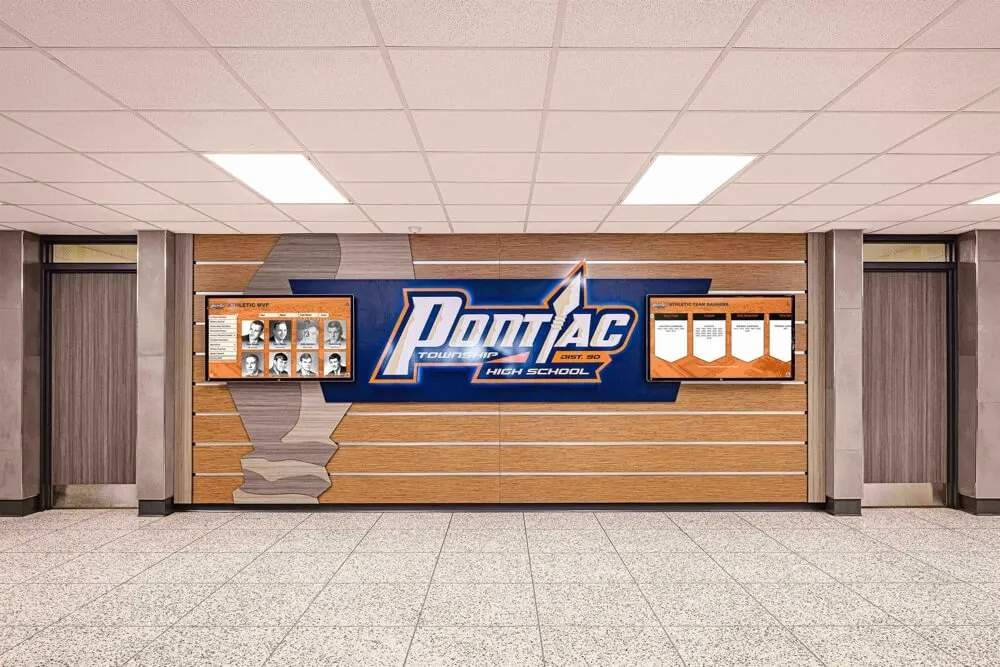
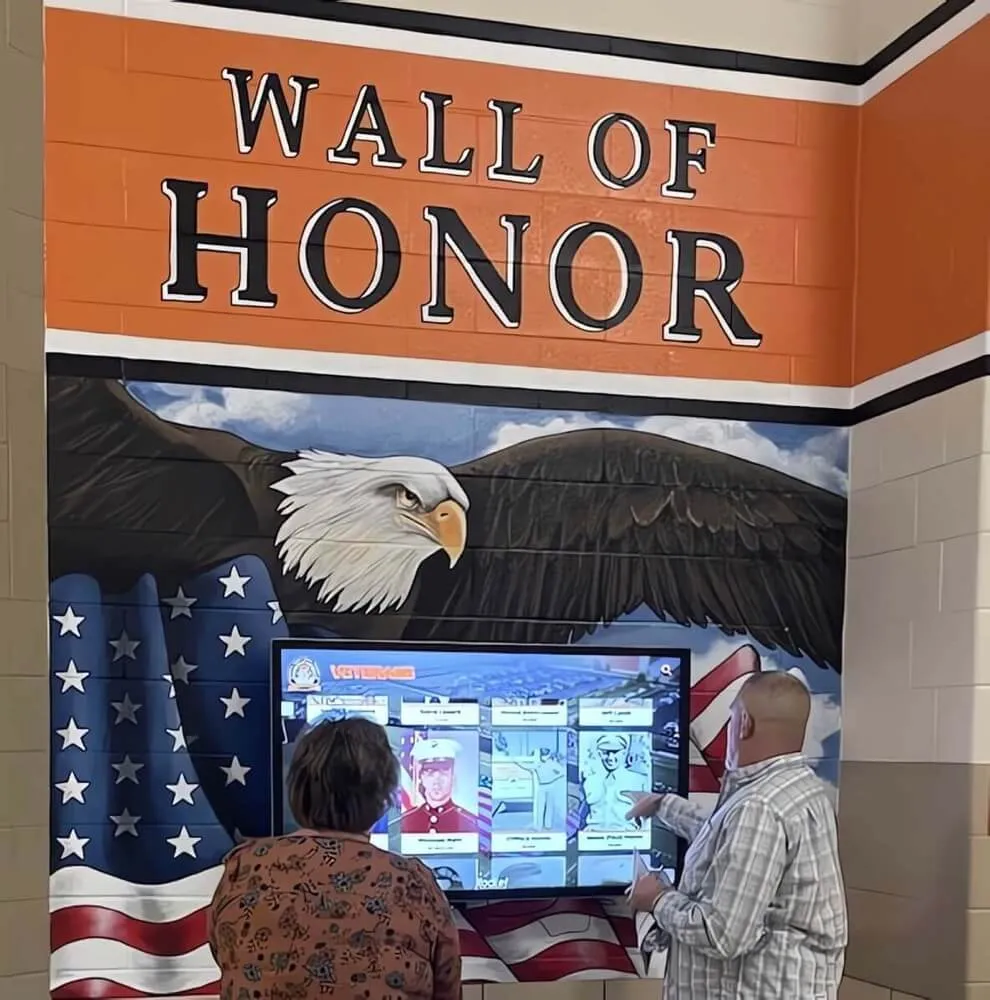
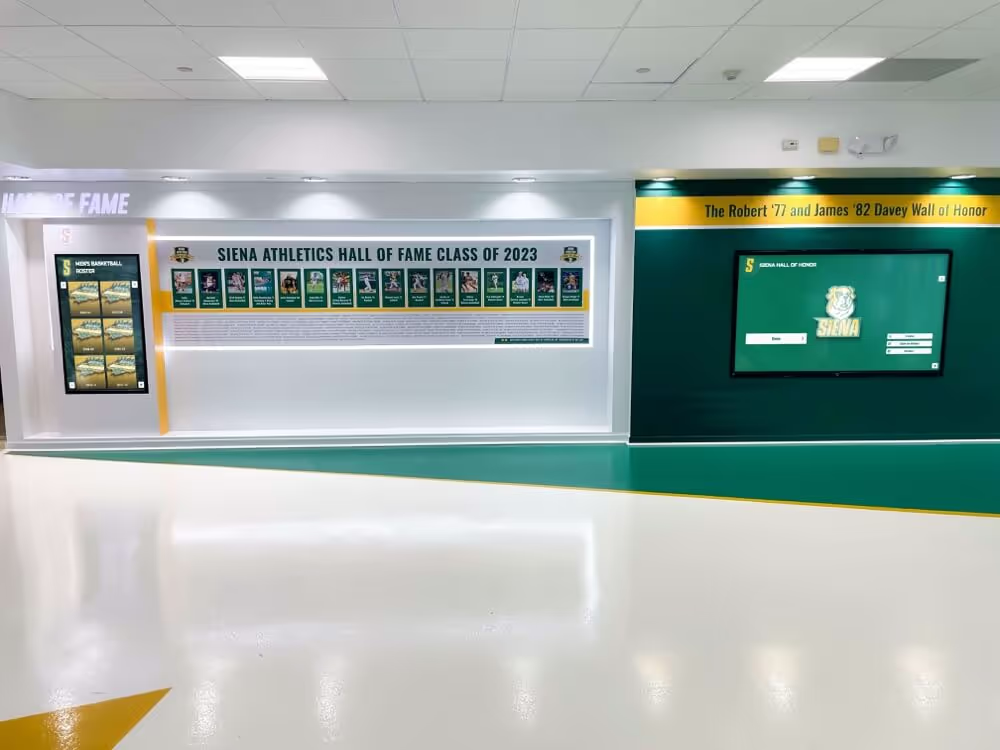
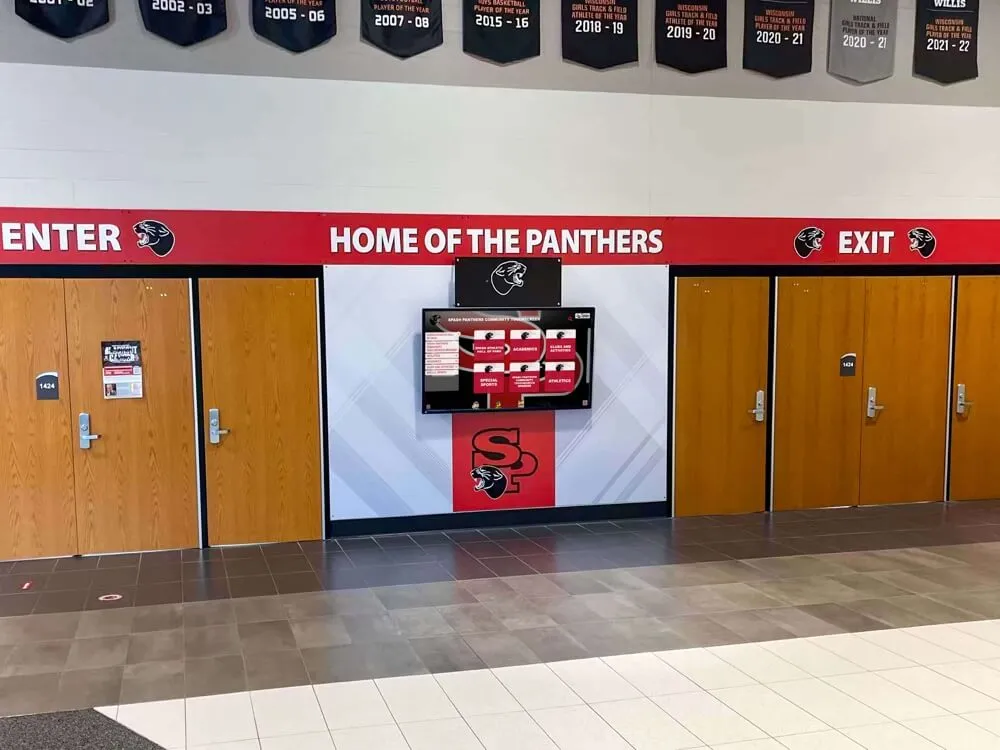
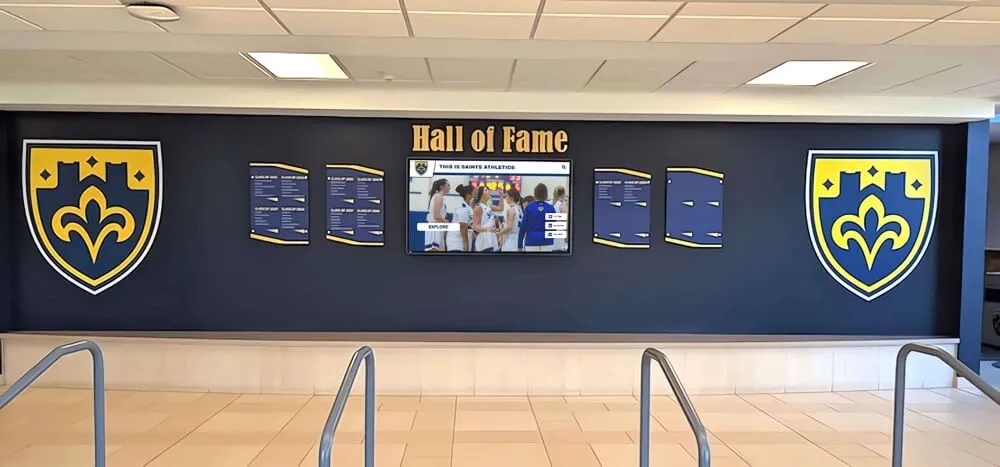
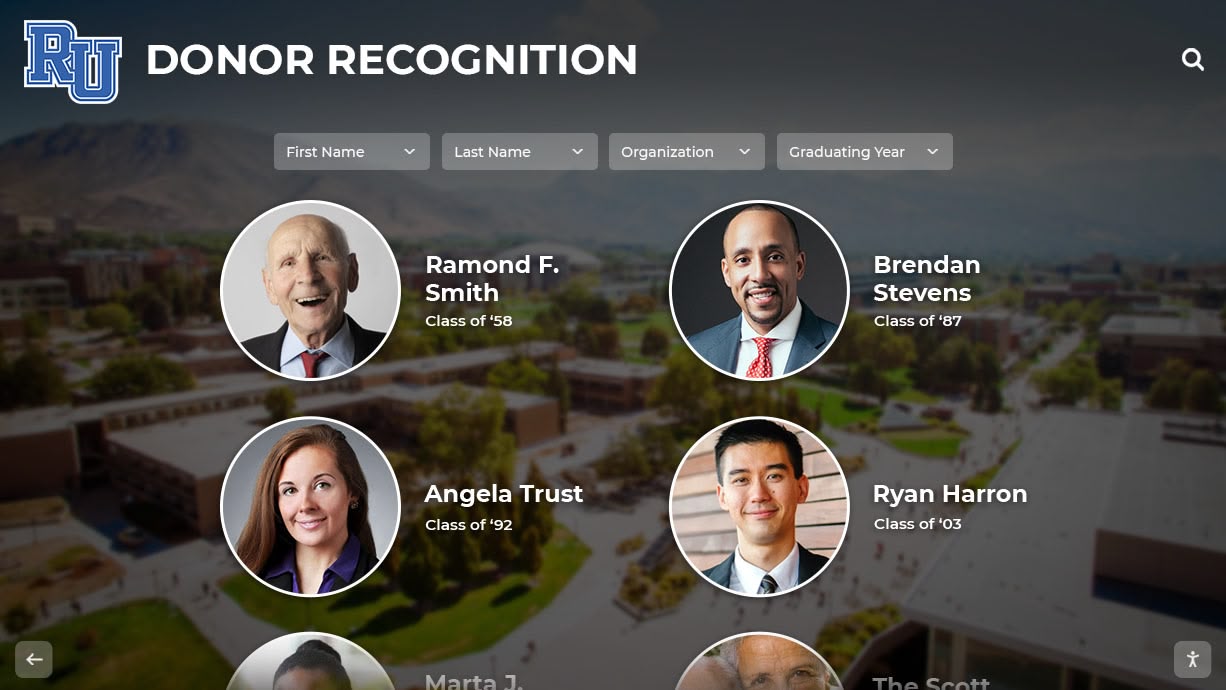
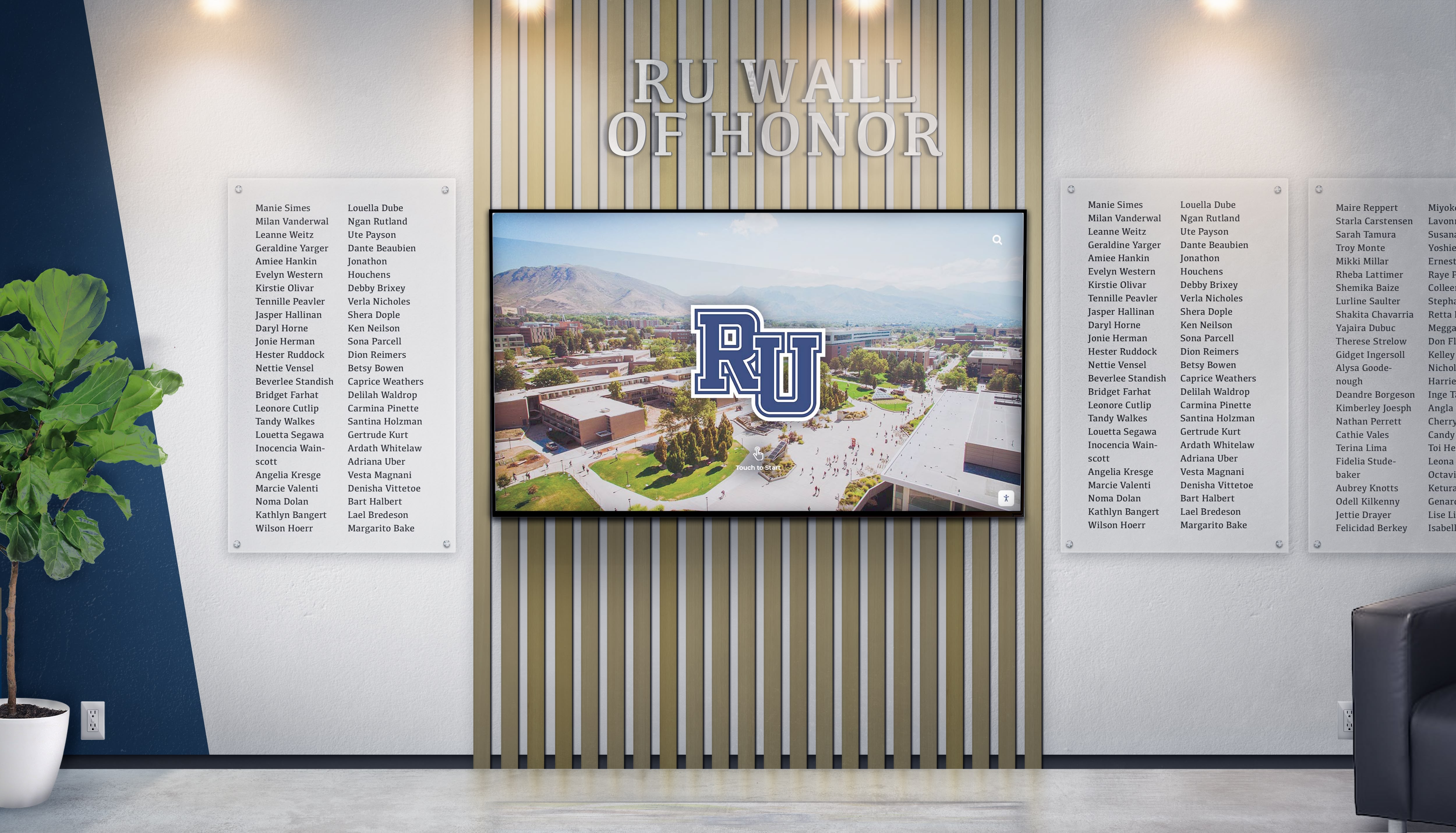
Organizations can explore effective content organization through digital donor wall examples showcasing how modern platforms structure diverse recognition types.
Technical Requirements for Dual-Purpose Functionality
Not all platforms claiming multi-purpose capability deliver genuine functionality:
Database Flexibility: Systems must support distinct data models for different recognition types. Athletic achievements require sport, position, records, and years competed. Donor recognition needs contribution amounts, giving levels, campaign designations, and recognition preferences. Sponsor acknowledgment includes logo assets, partnership terms, and benefit packages. Platforms with rigid data structures force inappropriate standardization across recognition types.
Content Management Permissions: Different staff members manage different recognition categories. Athletic directors update sports achievements. Advancement offices control donor recognition. Marketing teams manage sponsor displays. Effective systems provide role-based access allowing each department to manage their content independently without affecting other sections or requiring IT intervention.
Visual Design Consistency: While content differs, visual presentation should maintain consistent institutional branding across all categories. Recognition displays for donors should feel cohesive with athletic achievements rather than appearing as disconnected add-ons. Color schemes, typography, layout structures, and navigation patterns should unify the experience while allowing category-specific customization where appropriate.
Capacity Considerations: Planning for Growth Across Multiple Recognition Types
Integrated systems must accommodate indefinite growth across all categories simultaneously:
Physical displays constrain recognition to available space. Adding donor categories reduces space for athletic achievements. Expanding athletic recognition limits donor visibility. Integrated digital systems eliminate these zero-sum tradeoffs through unlimited capacity. Organizations can continuously add athletic records, academic honors, arts achievements, donor acknowledgments, and sponsor recognitions without removing existing content or purchasing additional hardware.
This unlimited scalability particularly benefits institutions experiencing growth in multiple areas—expanding athletic programs adding more sports, increasing donor bases requiring more giving level categories, growing corporate sponsorship programs, and expanding alumni populations generating more achievement recognition. Solutions like Rocket Alumni Solutions provide purpose-built platforms designed specifically for multi-category recognition with unlimited inductee capacity across all sections, ensuring recognition programs scale naturally with institutional growth.
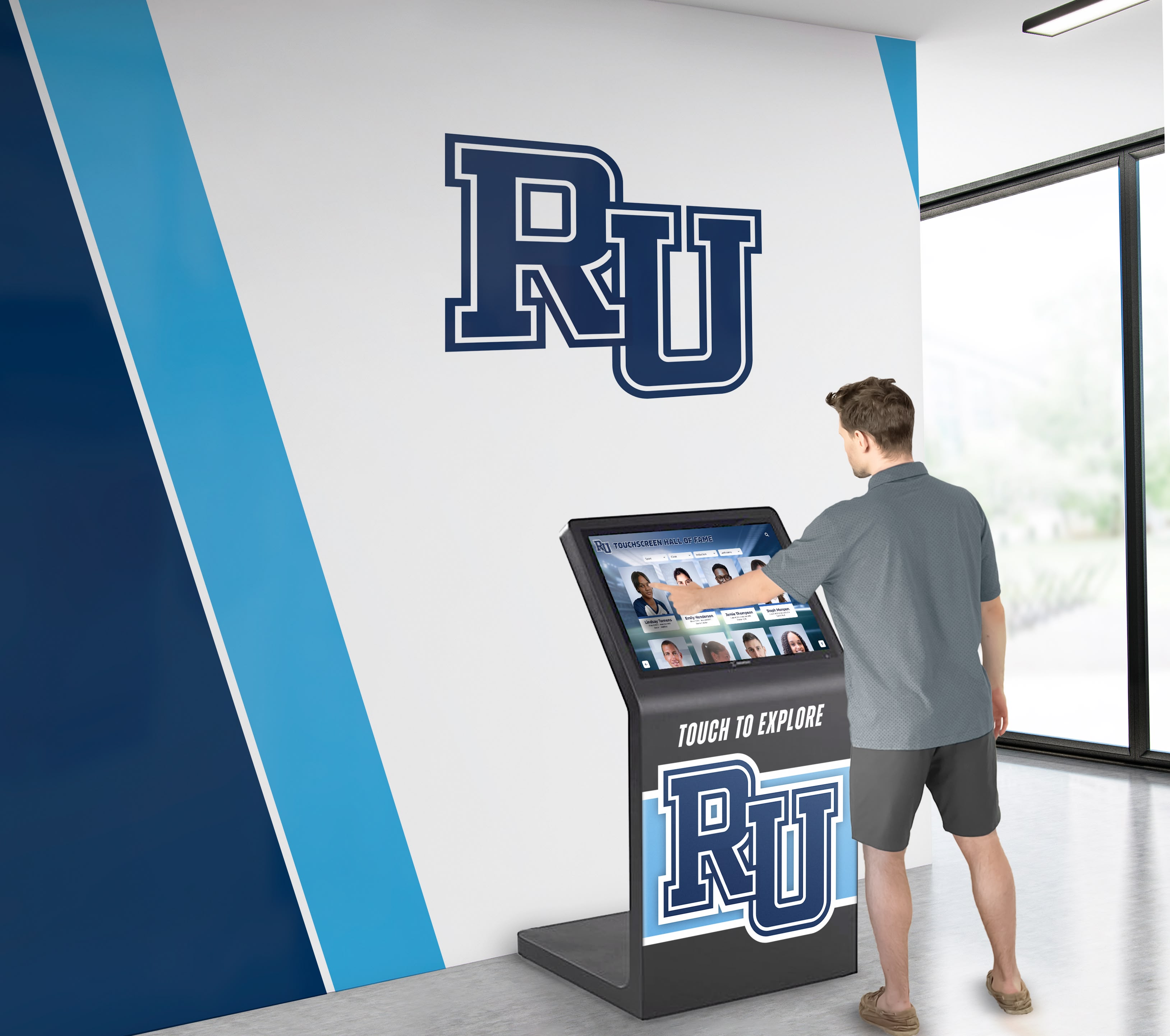
Donor Recognition Functionality: How Digital Systems Manage Giving Levels and Philanthropic Acknowledgment
Moving beyond basic name listings, effective donor recognition within hall of fame displays requires sophisticated features addressing fundraising objectives and donor stewardship needs.
Giving Level Structures and Tiered Recognition
Digital systems support complex giving level hierarchies organizations use for campaign structure and donor cultivation:
Customizable Tier Names and Thresholds: Organizations establish giving societies with mission-aligned names rather than generic categories. Educational institutions might use “President’s Circle ($100,000+), Dean’s Society ($50,000-$99,999), Benefactor ($25,000-$49,999), Patron ($10,000-$24,999), Supporter ($5,000-$9,999), Friend ($1,000-$4,999).” Digital platforms allow unlimited customization of tier names, thresholds, and visual treatments without physical constraints limiting creativity.
Annual Versus Lifetime Giving Recognition: Some organizations recognize annual contributions encouraging sustained giving. Others acknowledge cumulative lifetime contributions honoring long-term donors. Advanced systems support both structures simultaneously—separate sections for annual giving societies and lifetime recognition walls, or unified displays showing both annual and cumulative totals for each donor.
Multiple Campaign Recognition: Institutions running simultaneous campaigns—capital campaigns, endowment building, annual funds—require distinct recognition for each initiative. Digital systems create campaign-specific donor sections allowing contributors to see exactly where their support appears while maintaining comprehensive master lists showing all giving across programs.
Recognition Level Adjustments: Donors advancing between tiers over time receive updated recognition without physical reinstallation costs. When supporters increase contributions qualifying for higher levels, staff update recognition instantly through content management systems. This real-time responsiveness demonstrates attention to donor relationships impossible with static physical plaques.
Organizations seeking comprehensive approaches can explore donor recognition wall best practices balancing giving level structures with inclusive acknowledgment.
Donor Profiles and Multimedia Storytelling
Beyond name listings, digital recognition enables rich donor profiles creating emotional connections impossible with traditional plaques:
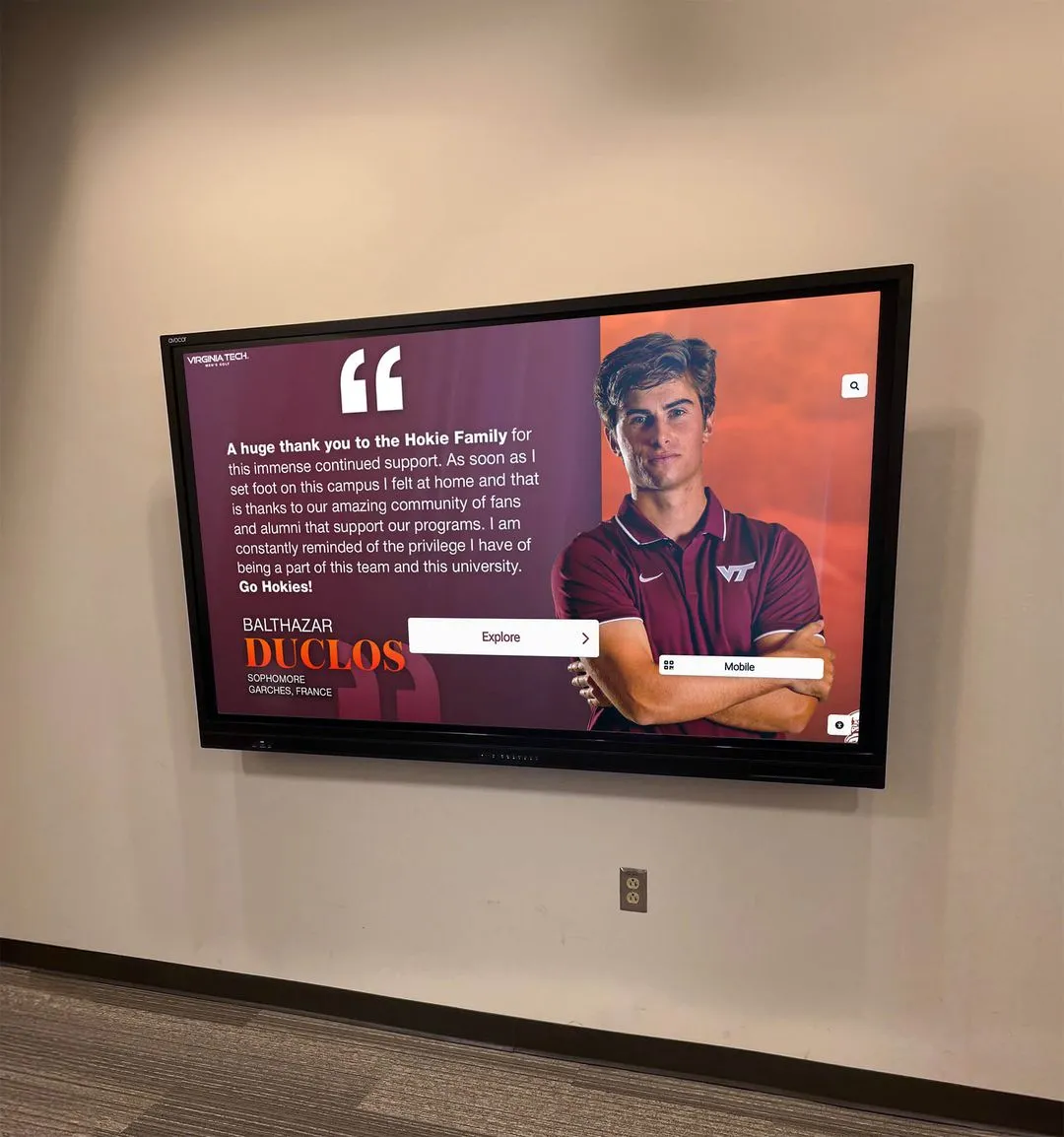
Impact Stories and Giving Motivations: Donor profiles can include personal statements explaining why supporters contribute, describing causes important to them, or sharing family connections to institutions. These narratives transform transactional giving into relationship-based philanthropy while providing social proof encouraging additional support from prospective donors seeing peer motivations.
Photo and Video Content: Visual content personalizes recognition. Donor headshots create personal connections. Photos showing funded programs demonstrate contribution impact. Videos featuring donor testimonials or tours of funded facilities provide compelling acknowledgment elevating recognition beyond simple name lists.
Giving History and Progression: Complete donor profiles show contribution timelines demonstrating sustained support across years or decades. Seeing how donors progressed from modest initial gifts to major contributions over time creates aspirational examples for current supporters while validating long-term relationships with featured donors.
Memorial and Tribute Information: Donors giving in memory of loved ones receive appropriate acknowledgment including honoree information, memorial dedications, and biographical content when families provide it. This sensitive recognition serves dual purposes—thanking donors while celebrating individuals being honored through gifts.
Privacy Controls and Recognition Preferences
Not all donors desire public recognition despite qualifying for acknowledgment:
Anonymous Giving Options: Some supporters prefer anonymous giving for personal, religious, or privacy reasons. Digital systems accommodate these preferences by listing donors as “Anonymous Friend” within appropriate giving tiers or excluding them from public displays entirely while maintaining internal records for organizational stewardship.
Partial Recognition Preferences: Certain donors accept limited recognition—appearing in annual reports but not public displays, or allowing name listing without photos or detailed profiles. Flexible systems respect these preferences through granular privacy controls unavailable with all-or-nothing physical plaque approaches.
Name Format Preferences: Donors may prefer recognition under personal names, family names, foundation names, or corporate entities. Platforms accommodating these format preferences demonstrate attention to donor preferences while simplifying administration compared to physical systems requiring reinstallation for preference changes.
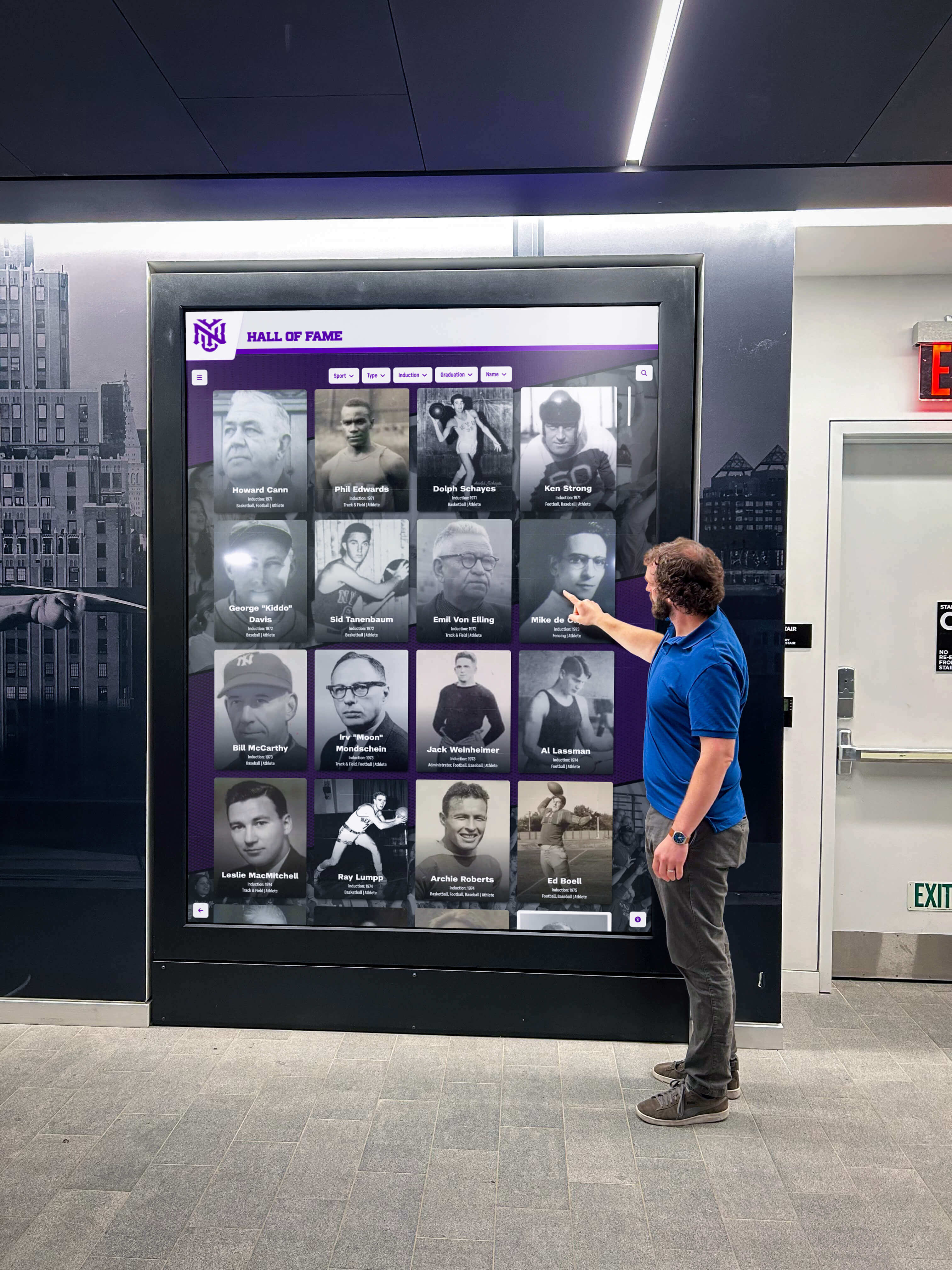
Sponsor Recognition Capabilities: Managing Corporate Partnerships and Business Support
Corporate sponsors and business partners require different recognition approaches compared to individual donors, emphasizing marketing value, logo visibility, and partnership benefits.
Sponsor Tier Structures and Benefit Packages
Business sponsorships typically involve structured partnerships with defined recognition benefits:
Presenting and Title Sponsor Recognition: Highest-tier sponsors receiving naming rights or presenting designations require prominent visibility. Digital systems provide homepage features, large-format logo displays, rotating spotlight positions, and dedicated profile pages showcasing partnership scope and community impact.
Platinum, Gold, Silver, Bronze Hierarchies: Common sponsorship structures organize businesses into metal-tier categories corresponding to contribution levels. Each tier receives proportional recognition—Platinum sponsors might occupy 25 percent of logo rotation time, Gold 20 percent, Silver 15 percent, Bronze 10 percent—ensuring visibility balances contribution amounts.
In-Kind Sponsor Acknowledgment: Businesses providing products, services, or expertise rather than cash contributions deserve appropriate recognition. Digital platforms accommodate in-kind sponsors through dedicated sections explaining non-monetary support while maintaining clear distinction from financial contribution tiers.
Multi-Year Partnership Recognition: Long-term sponsors maintaining support across multiple years merit enhanced acknowledgment. Systems can display tenure indicators (“Proud Partner Since 2018”), cumulative support totals, or elite status categories (“Decade Partner, Legacy Sponsor”) validating sustained commitments.
Organizations can learn effective approaches through corporate sponsor recognition strategies balancing business marketing objectives with institutional recognition programs.
Logo Display and Brand Guidelines
Corporate sponsors expect professional brand representation:
High-Resolution Logo Assets: Platforms must support various logo formats including vector graphics scaling to any size without quality loss. Sponsors providing multiple logo versions—full color, grayscale, white knockout, horizontal, vertical stacked—require systems accommodating appropriate versions for different background contexts.
Brand Consistency Requirements: Many corporations maintain strict brand guidelines governing logo usage, color specifications, clear space requirements, and prohibited modifications. Systems allowing sponsors to review and approve recognition displays before publication ensure brand guideline compliance avoiding partnership complications.
Logo Sizing and Prominence: Recognition tiers correspond to logo size and placement prominence. Premium sponsors receive larger displays, more visible positions, and greater rotation frequency compared to basic tier supporters. Digital platforms provide precise control over sizing ratios and display duration ensuring appropriate visibility proportional to sponsorship levels.
Sponsor Profile Content and Marketing Value
Beyond logo displays, comprehensive sponsor recognition includes profile content providing marketing value:
Business Information and Offerings: Sponsor profiles can describe products, services, locations, and contact information transforming recognition into marketing exposure. Schools showcasing athletic booster sponsors benefit when community members viewing displays discover local businesses supporting programs.
Partnership Impact Stories: Content explaining how sponsor support enables programs, funds equipment, or provides opportunities demonstrates tangible contribution impact. These narratives validate sponsorship investments while encouraging prospective sponsors seeing clear benefit examples.
Website and Social Media Links: Active links connecting sponsor profiles to business websites and social media accounts extend recognition value beyond display visibility. This digital connectivity impossible with physical recognition provides measurable marketing benefits sponsors appreciate.
Call-to-Action Integration: Some organizations allow sponsor recognition to include promotional elements—special offers for school families, discount codes for community members, or event invitations. This commercial functionality requires careful policy consideration balancing sponsor value with institutional appropriateness.
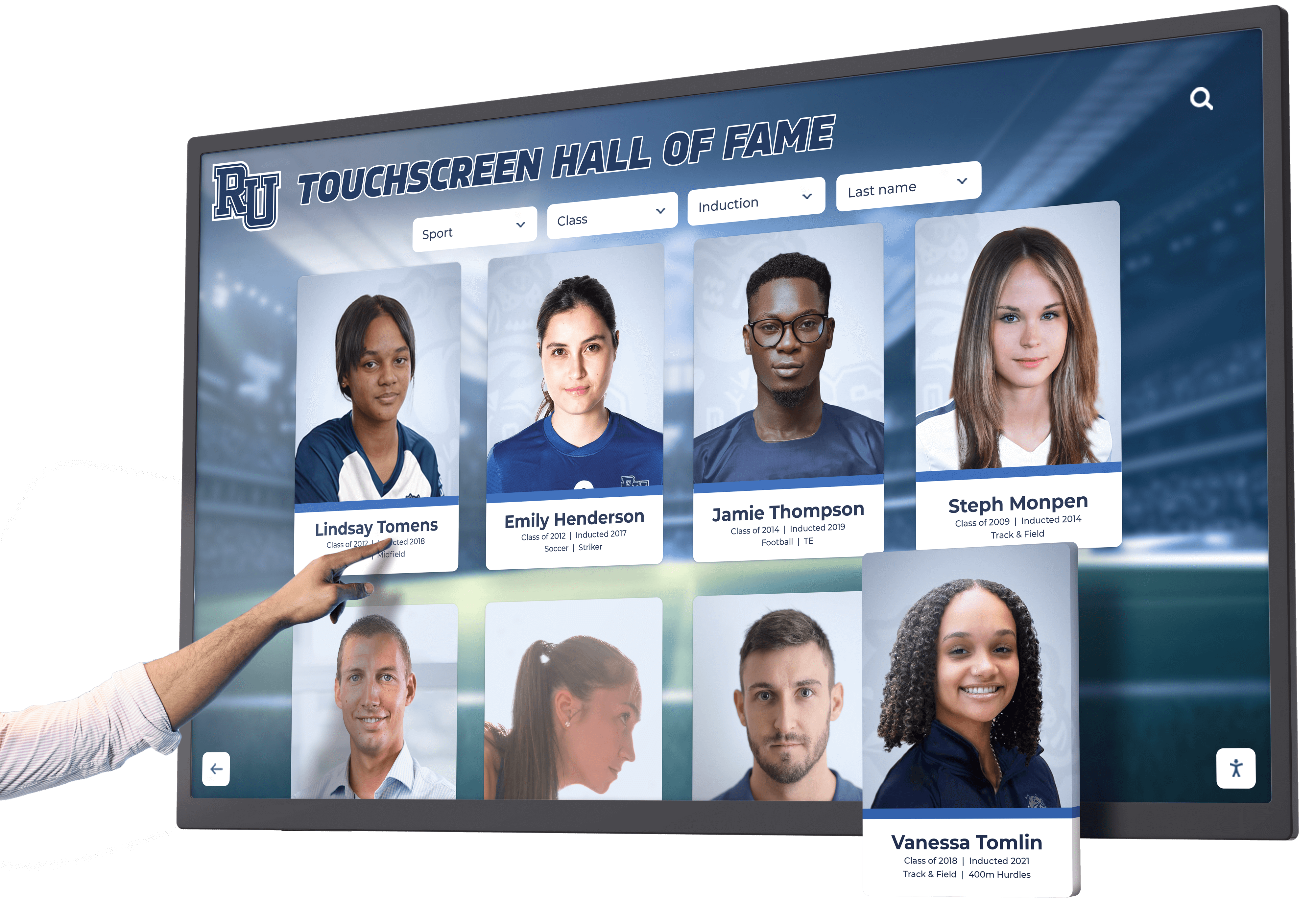
Balancing Multiple Recognition Types: Visibility, Fairness, and Content Rotation Strategies
Organizations implementing dual-purpose systems must carefully balance visibility across achievement recognition, donor acknowledgment, and sponsor displays avoiding perceptions of commercial overemphasis or insufficient donor appreciation.
Content Rotation and Display Time Allocation
Managing screen time across categories requires intentional strategy:
Homepage Rotation Formulas: Display homepages typically rotate between category highlights—30 seconds showing recent athletic achievements, 30 seconds featuring major donors, 30 seconds acknowledging sponsors, 30 seconds highlighting academic honors. This balanced rotation ensures all audiences receive appropriate visibility during typical visitor viewing periods.
Event-Based Content Prioritization: Organizations can schedule content emphasis based on context. During athletic competitions, sports achievements occupy more rotation time. During fundraising galas, donor recognition receives enhanced visibility. At graduation ceremonies, academic honors dominate. This contextual flexibility maximizes relevance while maintaining baseline recognition for all categories.
Weighted Rotation by Recognition Purpose: Some implementations assign rotation weights reflecting institutional priorities. Organizations emphasizing student achievement might allocate 50 percent to hall of fame content, 30 percent to donors, 20 percent to sponsors. Institutions during capital campaigns might temporarily adjust to 40 percent hall of fame, 40 percent donors, 20 percent sponsors emphasizing fundraising while maintaining achievement recognition.
Random Versus Sequential Display Logic: Display algorithms determine whether content appears in predictable sequence or random order. Sequential approaches ensure every item receives equal exposure but may feel repetitive. Random algorithms create varied experiences but require careful weighting preventing disproportionate visibility for certain content.
Section Separation and Unified Identity
Physical organization helps visitors understand content categories:
Menu Navigation Clarity: Primary navigation clearly labels sections—Hall of Fame, Donor Recognition, Sponsors, Historical Archives. Visitors select categories intentionally rather than encountering mixed content creating confusion about recognition purpose.
Visual Design Differentiation: While maintaining overall brand consistency, subtle design variations help differentiate categories. Athletic sections might emphasize school colors and mascot imagery. Donor areas could feature more formal photography and elegant typography. Sponsor sections might allow more colorful brand presentation. These variations signal category differences while preserving cohesive institutional identity.
Welcome Screens and Instructions: Brief orientation text on homepage or category entry screens explains content organization—“Celebrate Excellence: Explore Athletic Achievements, Academic Honors, Generous Donors, and Community Partners.” This guidance prevents confusion while setting appropriate expectations for what visitors will find.
Avoiding Commercial Overemphasis While Honoring Business Support
Sponsor recognition must balance gratitude with institutional dignity:
Proportion Guidelines: Even with generous corporate support, sponsor content should not overwhelm achievement or donor recognition. Common approaches limit sponsor visibility to maximum 25-30 percent of total display time preventing perceptions of excessive commercialism.
Separation of Naming Rights and General Recognition: Presenting sponsors receiving facility naming rights might warrant permanent homepage acknowledgment. However, general sponsor rotations should integrate appropriately with other content rather than dominating displays. Physical placement decisions matter—sponsor-heavy displays might locate near athletics facilities while donor recognition occupies advancement office lobbies.
Non-Profit Context Framing: Content framing sponsor displays within mission context rather than purely commercial terms helps maintain appropriate tone. Text like “Community Partners Supporting Student Success” or “Business Leaders Investing in Excellence” emphasizes partnership mission alignment over transactional advertising.
Organizations seeking balanced approaches can review recognition display implementation guides addressing multi-stakeholder visibility challenges.
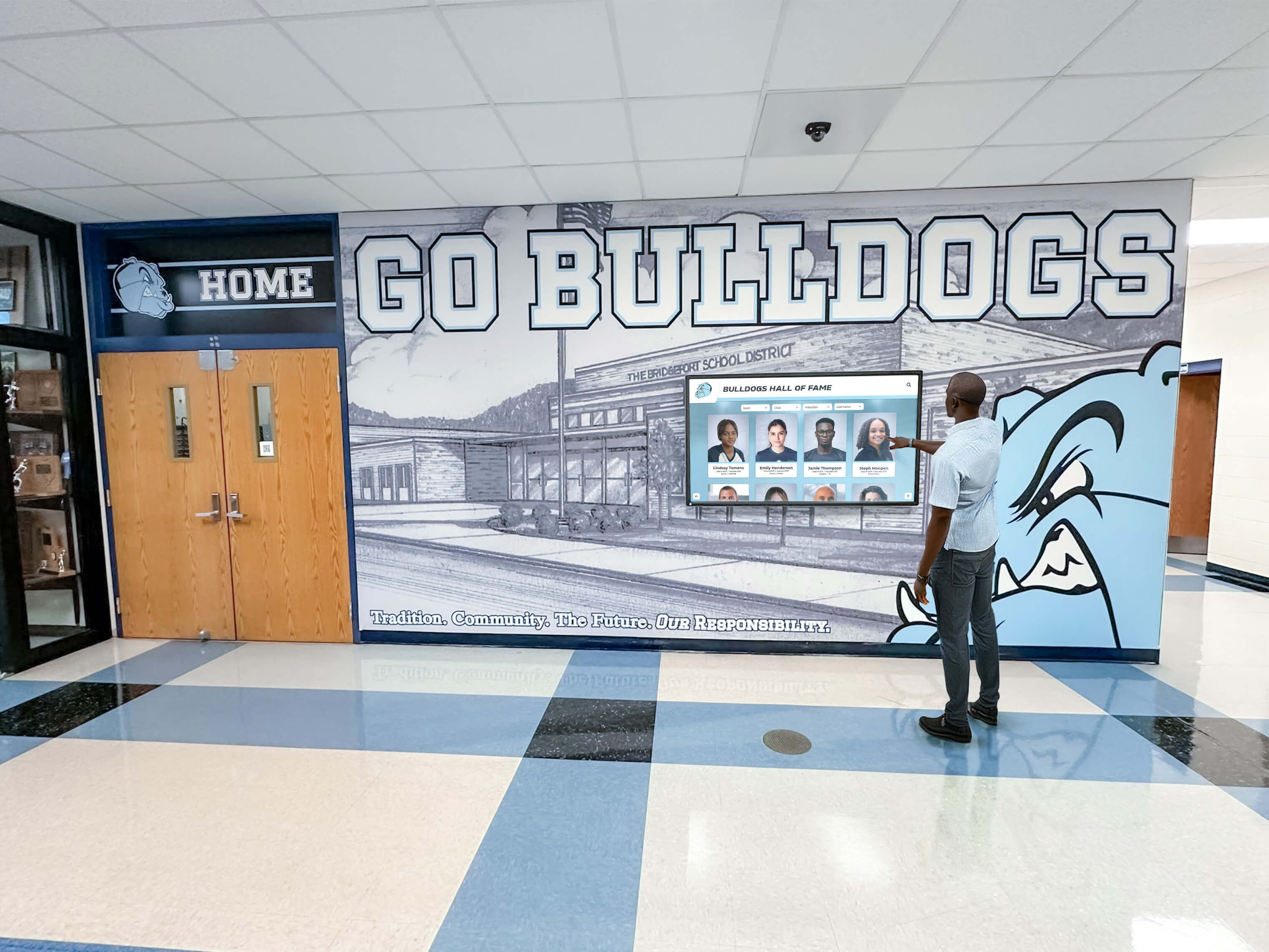
Cost Analysis: Integrated Digital Systems Versus Separate Physical Installations
Understanding total cost of ownership helps organizations evaluate whether integrated digital recognition delivers superior value compared to traditional separate displays for achievements, donors, and sponsors.
Initial Investment Comparison
Separate Physical System Costs:
Traditional approaches installing distinct recognition systems for different purposes require multiple investments:
- Athletic Hall of Fame: Trophy cases, wall-mounted plaques, or display cabinetry: $8,000-$30,000 depending on size and materials
- Donor Recognition Wall: Engraved plaques, acrylic panels, or bronze installations: $5,000-$35,000 based on donor numbers and quality
- Sponsor Display: Banner systems, logo walls, or recognition signage: $2,000-$15,000 for professional installations
- Combined Initial Investment: $15,000-$80,000+ for separate systems serving different recognition purposes
Integrated Digital Platform Costs:
Single systems serving all recognition categories through unified platforms:
- Hardware: Commercial-grade touchscreen displays (55-75 inches), mounting systems, media players: $8,000-$15,000
- Software: Purpose-built recognition platform with content management, unlimited capacity, analytics: $4,000-$10,000 initial setup
- Content Development: Initial design, photo processing, data migration, staff training: $2,000-$5,000
- Installation and Configuration: Professional mounting, network integration, system testing: $1,000-$3,000
- Annual Subscription and Support: Software updates, cloud hosting, technical support: $1,200-$3,500
- Combined Initial Investment: $15,000-$33,000 with ongoing $1,200-$3,500 annual costs
While initial costs appear comparable, integrated digital systems provide substantially more functionality—unlimited capacity across all categories, instant content updates, multimedia capabilities, searchable databases, web accessibility, and detailed analytics—features impossible with traditional physical approaches.
Ongoing Maintenance and Update Costs
Long-term cost differences become more significant over typical 10-15 year recognition system lifecycles:
Traditional Physical System Maintenance:
- New donor plaque production: $200-$500 per donor
- Sponsor banner updates: $150-$400 per banner change
- Athletic achievement additions: $250-$600 per plaque or trophy integration
- Physical reinstallation labor: $100-$300 per addition
- System expansion when capacity exhausted: $5,000-$20,000 for additional displays
- Annual costs for growing organizations: $5,000-$15,000+ depending on addition frequency
Digital Platform Ongoing Costs:
- Annual software subscription: $1,200-$3,500 covering unlimited content additions across all categories
- Content updates: Staff time only, no production costs
- Capacity expansion: None required, unlimited digital capacity
- Annual costs: $1,200-$3,500 regardless of addition quantity
Over a 10-year period, an organization adding 50 new recognition entries annually across achievement, donor, and sponsor categories would spend approximately:
- Traditional separate systems: $65,000-$150,000+ (initial investment plus per-addition costs)
- Integrated digital platform: $27,000-$68,000 (initial investment plus 10 years subscription)
Digital platforms deliver cost savings of $38,000-$82,000 over a decade while providing superior functionality, unlimited capacity, and better user experiences.
Return on Investment for Dual-Purpose Systems
Beyond direct cost comparisons, integrated systems provide value through enhanced fundraising effectiveness:
Donor Retention Impact: Research on nonprofit donor retention demonstrates that visible, engaging recognition significantly influences continued giving. Digital displays providing rich donor profiles, impact stories, and prominent acknowledgment contribute to improved retention rates. Even modest improvements—reducing attrition by 5-10 percent—generate substantial fundraising value justifying recognition system investments.
Sponsorship Package Enhancement: Corporate sponsors value marketing exposure. Digital recognition providing measurable metrics—display impressions, engagement time, website traffic from profile links—strengthens sponsorship value propositions enabling organizations to justify higher contribution levels or secure multi-year commitments. Enhanced sponsor benefits can increase partnership revenue by 15-30 percent.
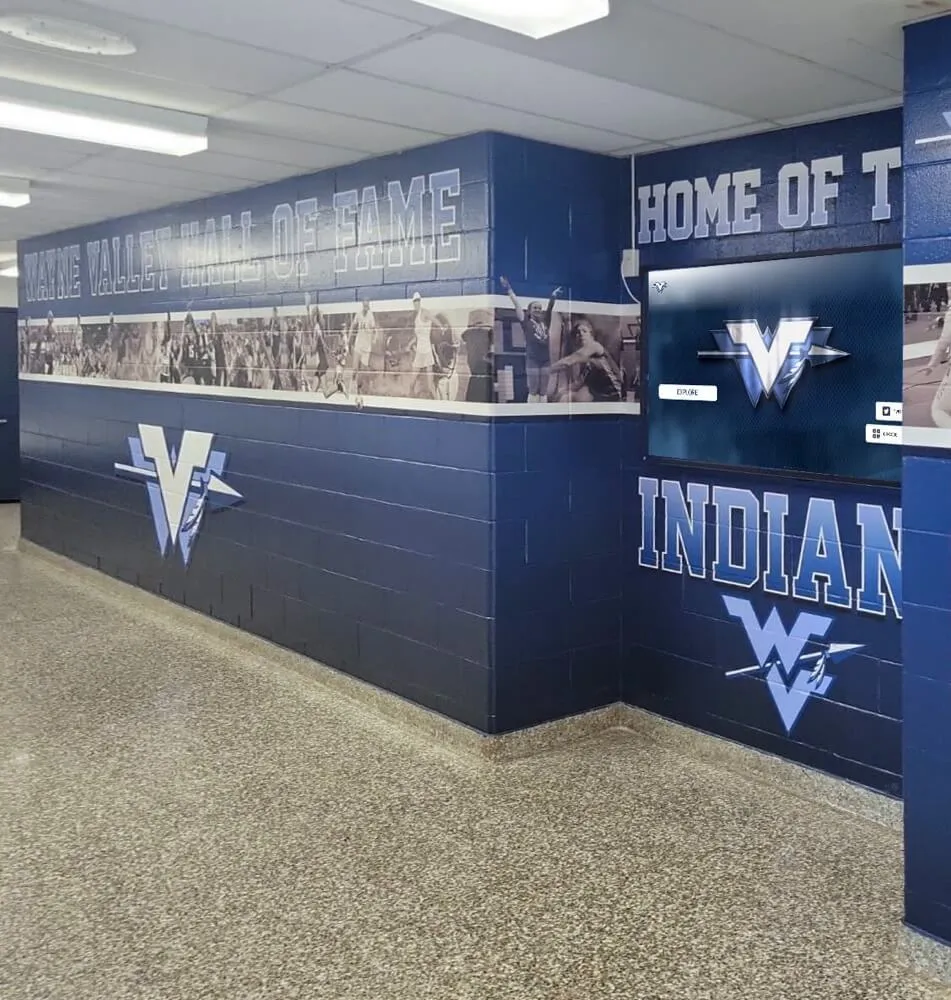
Space Efficiency Value: Physical space in institutional lobbies, hallways, and common areas carries significant value. Integrated systems freeing wall space previously occupied by multiple separate displays provide flexibility for other uses—wayfinding signage, promotional displays, community announcements, or simply cleaner, less cluttered environments improving facility aesthetics.
Implementation Considerations: Technical Requirements, Data Migration, and Staff Training
Successfully deploying dual-purpose recognition systems requires attention to technical specifications, content preparation, and organizational change management.
Platform Selection Criteria for Multi-Purpose Recognition
Not all digital recognition systems handle diverse content types equally well:
Purpose-Built Versus Adapted Solutions: Platforms specifically designed for recognition programs like Rocket Alumni Solutions provide data structures, interface designs, and administrative tools optimized for achievement displays, donor walls, and sponsor acknowledgment. Generic digital signage platforms require extensive customization adapting general content management for recognition-specific needs, often resulting in clumsy interfaces and limited functionality.
Data Model Flexibility: Systems must accommodate distinct information requirements for different recognition types. Athletic achievements require sport, position, records, and years. Donor profiles need contribution totals, giving levels, and campaign affiliations. Sponsor records include partnership tiers, logo assets, and benefit packages. Rigid platforms forcing identical data structures across recognition types create administrative frustration and poor user experiences.
Content Management Permissions: Different staff manage different recognition categories. Athletic directors control sports content. Advancement professionals manage donor information. Marketing teams oversee sponsor displays. Effective platforms provide granular role-based access allowing department autonomy without requiring comprehensive system administration training for all staff.
Scalability and Performance: Systems must handle thousands of recognition entries across all categories without performance degradation. Search functionality should return results instantly from databases containing 5,000+ combined inductees, donors, and sponsors. Interface responsiveness must remain smooth even as content libraries grow substantially over years.
Data Migration and Initial Content Development
Moving existing recognition content into digital systems requires careful planning:
Legacy Content Assessment: Organizations should inventory existing recognition information—athletic record books, donor databases, sponsor contracts, historical yearbooks—determining what content exists, formats requiring conversion, and quality levels needing improvement. This assessment identifies missing information requiring research before system launch.
Data Standardization: Recognition information from multiple sources often lacks consistency. Donor records might use different naming conventions. Athletic achievement documentation may vary in detail levels. Establishing standard data formats before migration prevents poor-quality content in new systems.
Image and Media Collection: Digital platforms provide greatest impact when recognition includes photos, videos, and rich media. Organizations should gather existing imagery, digitize historical photos, request current headshots from donors and sponsors, and identify multimedia content showcasing achievements. This media collection represents substantial effort but dramatically enhances recognition effectiveness.
Phased Content Population: Rather than delaying launch until all historical content migrates, organizations can implement phases—launching with recent achievements and major donors, then progressively adding historical content over months. This approach delivers recognition benefits immediately while distributing content development workload across manageable timeframes.
Organizations can explore comprehensive approaches through digital recognition implementation resources addressing content migration challenges.
Staff Training and Change Management
Successful implementations require staff capability development:
Content Management Training: Staff updating recognition content need comprehensive training on system interfaces, content creation workflows, photo preparation, data entry procedures, and approval processes. Initial training should occur during implementation with follow-up sessions addressing questions after staff gain practical experience.
Workflow Process Documentation: Written procedures guide staff through common tasks—adding new donors at specific giving levels, updating sponsor partnerships, creating athletic achievement entries, correcting information errors, and scheduling content for events. Clear documentation ensures consistent content quality and reduces administrative errors.
Ongoing Support Access: Organizations should verify that platform providers offer responsive technical support addressing questions, troubleshooting issues, and providing guidance on optimal system use. Quality support differentiates professional recognition platforms from consumer-grade solutions lacking dedicated assistance.
Conclusion: Making the Business Case for Integrated Recognition Solutions
Organizations evaluating recognition system investments face fundamental questions: Can single platforms effectively serve multiple purposes? Do integrated digital systems deliver superior value compared to traditional separate installations? What features distinguish effective dual-purpose recognition from inadequate adaptations of generic digital signage?
Evidence demonstrates that well-designed digital platforms specifically built for recognition purposes can simultaneously function as hall of fame displays, donor walls, and sponsor acknowledgment systems while maintaining appropriate distinction and recognition quality for each audience. These integrated approaches deliver substantial advantages:
Economic Efficiency: Combined initial investments plus 10-15 year maintenance costs favor integrated digital platforms by $40,000-$80,000 compared to separate physical systems while providing unlimited capacity eliminating eventual expansion expenses.
Space Optimization: Single displays occupying one lobby location replace three separate physical installations consuming valuable wall space throughout facilities.
Administrative Simplicity: Unified content management systems reduce training requirements, simplify update procedures, and provide role-based access allowing department autonomy without coordination complexity.
Enhanced Functionality: Digital systems provide searchable databases, multimedia content, web accessibility, detailed analytics, and instant updates impossible with traditional physical approaches regardless of investment levels.
Scalability Without Constraints: Unlimited capacity across all recognition categories accommodates indefinite growth in achievements, donors, and sponsors without hardware expansion or content removal decisions.
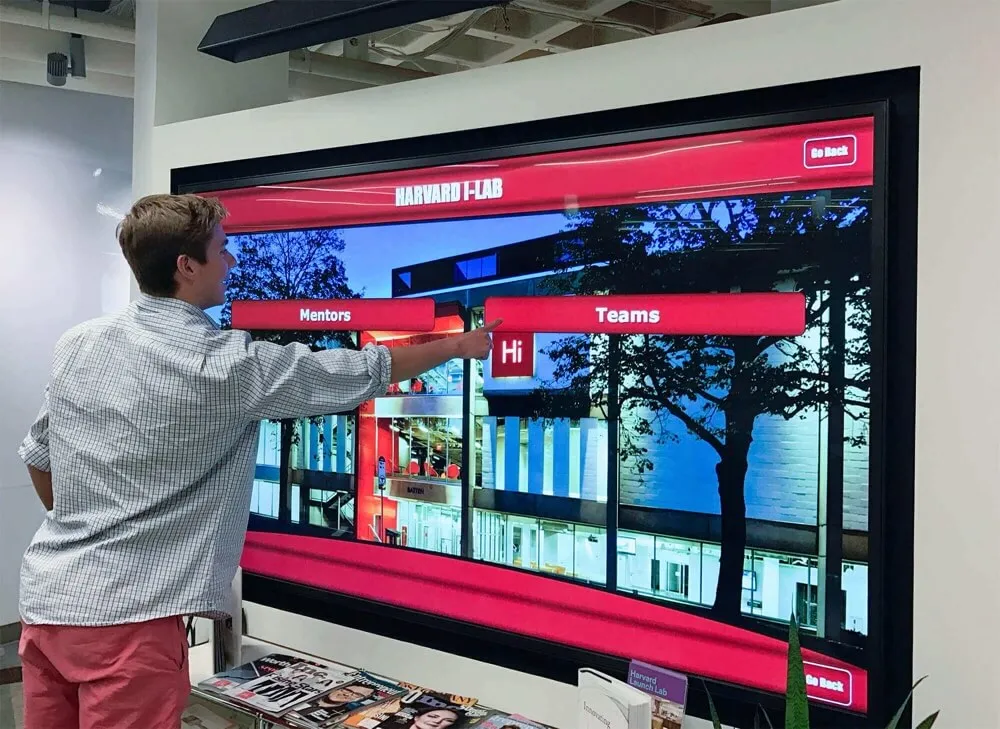
Superior User Experiences: Interactive touchscreen interfaces engaging visitors through exploration, search, and discovery create memorable recognition encounters generating stronger emotional connections compared to static physical displays.
However, implementation success requires careful platform selection. Purpose-built recognition systems designed specifically for hall of fame, donor, and sponsor acknowledgment outperform generic digital signage platforms adapted for recognition purposes. Organizations should prioritize platforms offering flexible data models accommodating diverse recognition types, intuitive interfaces minimizing training requirements, robust content management supporting distributed staff responsibilities, and proven approaches demonstrating successful dual-purpose implementations.
Solutions like Rocket Alumni Solutions provide comprehensive platforms specifically engineered for multi-purpose recognition with unlimited capacity across all categories, sophisticated giving level structures, flexible sponsor tier management, engaging multimedia profiles, and remote content management enabling efficient updates without technical staff dependencies. These purpose-built approaches deliver recognition effectiveness impossible with adapted general-purpose technologies.
Organizations considering recognition system investments should evaluate total cost of ownership across expected lifecycles, assess capacity scalability as recognition programs grow, consider administrative workload implications, and prioritize user experience quality determining whether displays become celebrated community engagement points or underutilized installations failing to justify investments.
When implemented thoughtfully with appropriate platforms, integrated digital recognition systems provide versatile solutions honoring achievements, celebrating donors, acknowledging sponsors, and engaging communities through unified experiences delivering superior value compared to traditional disconnected alternatives.
Book a demo to explore how integrated digital recognition platforms can serve as comprehensive hall of fame displays, donor walls, and sponsor acknowledgment systems delivering engagement, efficiency, and recognition effectiveness supporting institutional goals across achievement celebration, fundraising success, and community partnership development.