



Key Takeaways
Comprehensive guide to implementing digital archives in educational institutions. Discover best practices, platform comparison, cost analysis, and strategies for preserving school history digitally.
Understanding Digital Archives in Educational Settings
Digital archives serve purposes far beyond simple storage, creating comprehensive systems that preserve institutional memory while making history accessible and engaging for diverse stakeholders.
What Digital Archives Encompass
Effective educational digital archives integrate several essential capabilities:
Digital Asset Management: Organizing thousands of photographs, scanned documents, yearbooks, videos, and audio recordings with searchable metadata enabling efficient discovery and access
Preservation Standards: Implementing file formats, storage redundancy, and format migration strategies ensuring materials remain accessible for decades despite technological change
Access Control Systems: Managing who can view different materials, implementing privacy protections while enabling appropriate access for various stakeholder groups
Search and Discovery Tools: Providing intuitive search functionality with filters, keyword tagging, and browse capabilities helping users find relevant content quickly
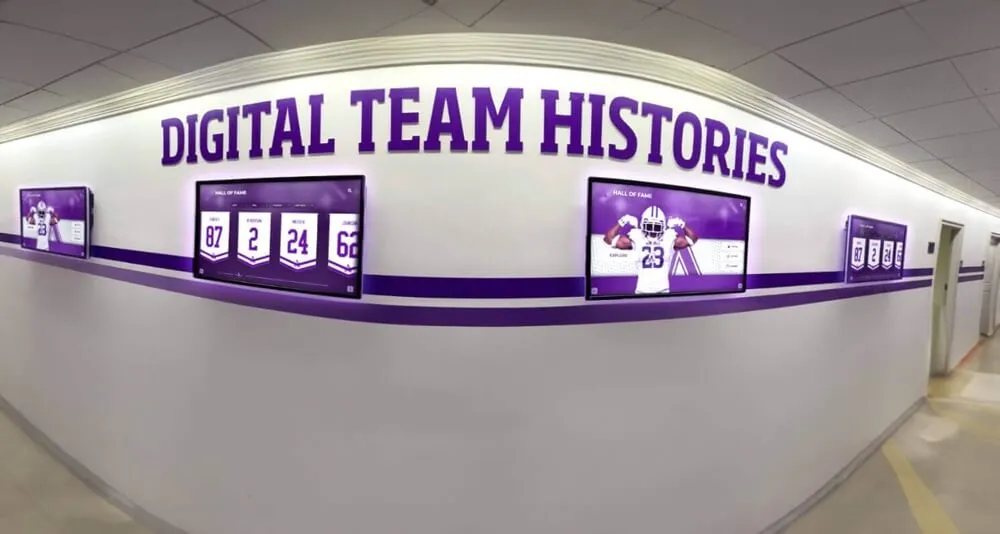
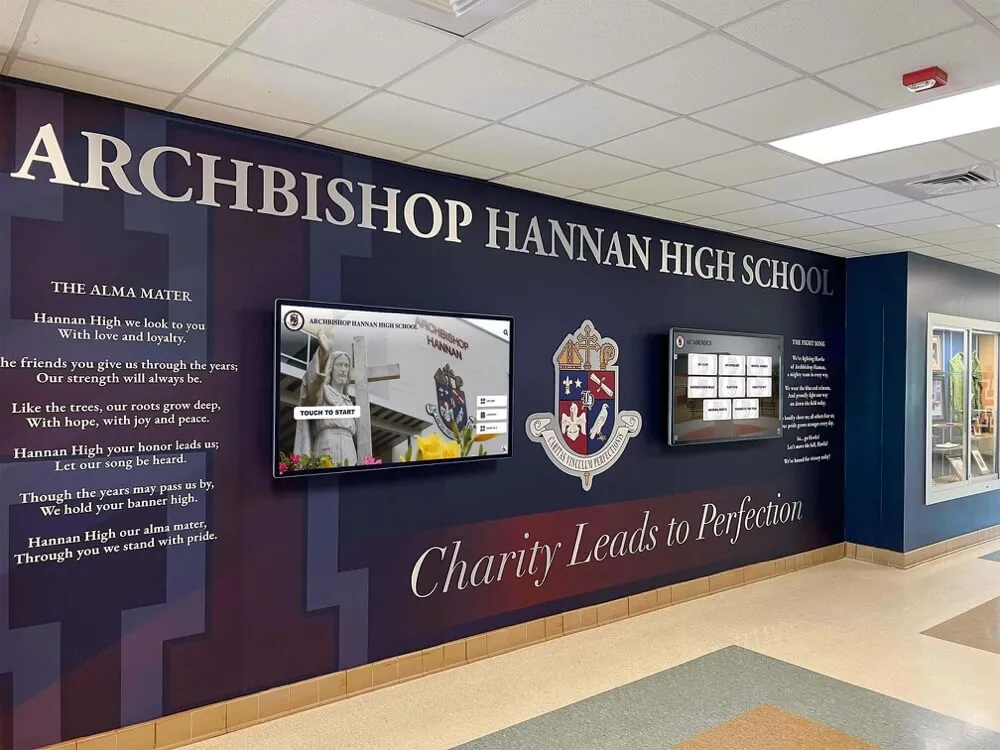
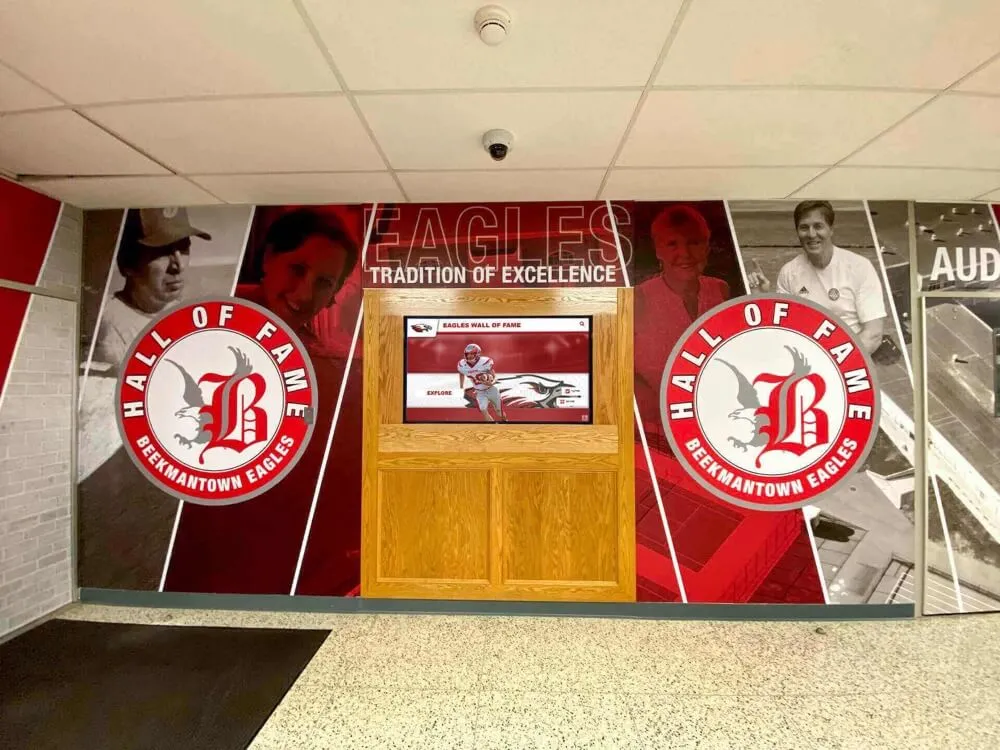
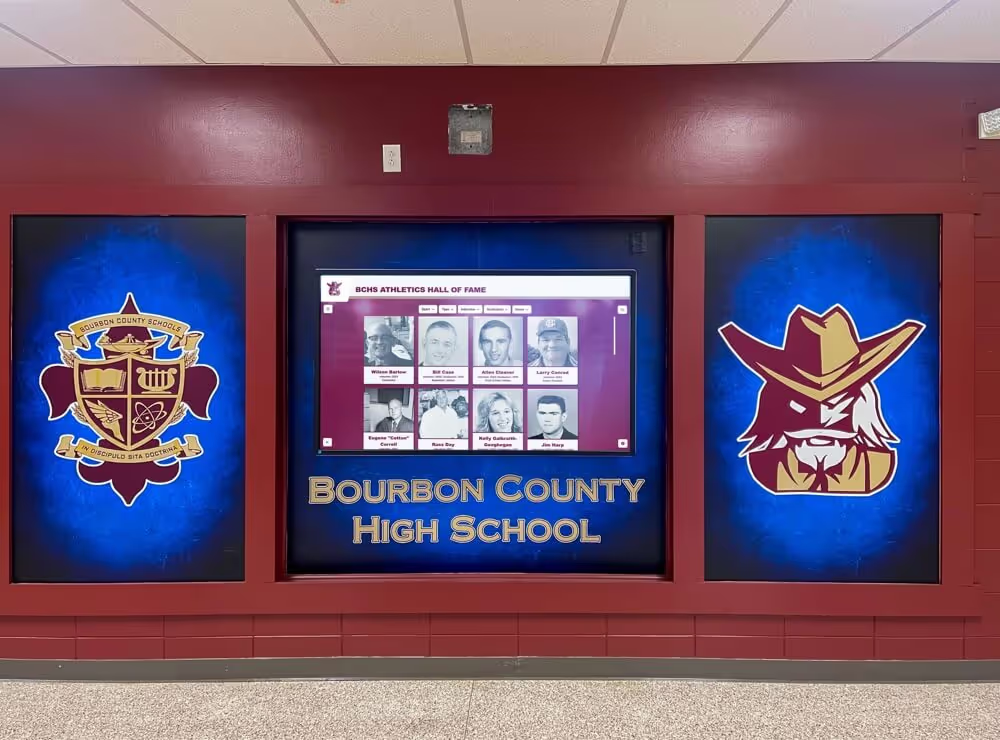
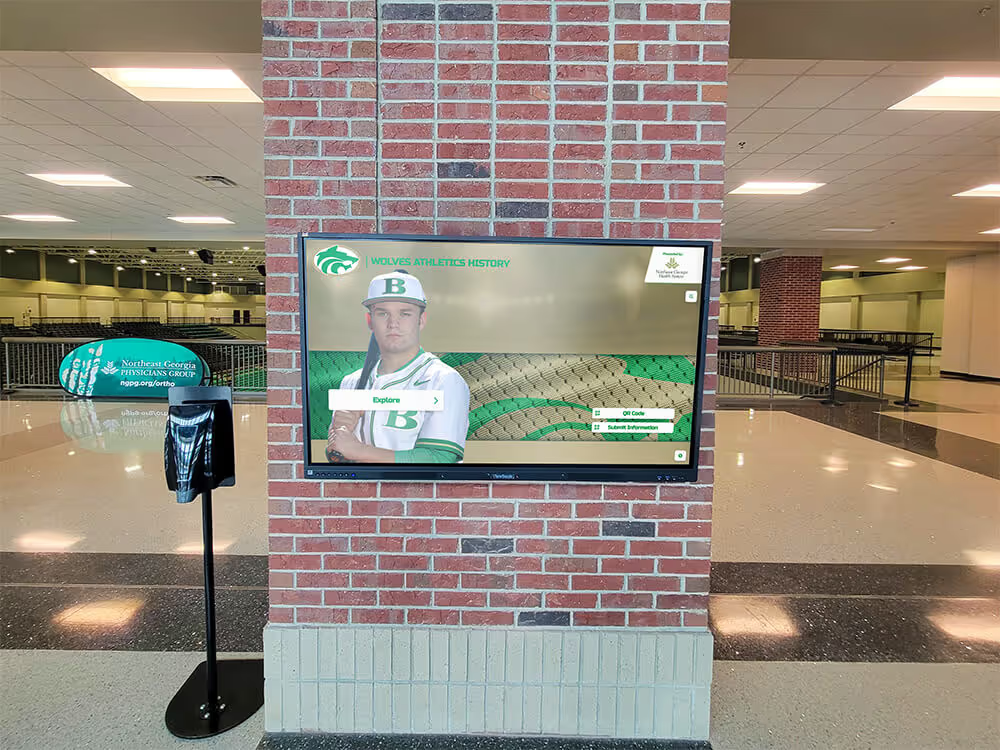
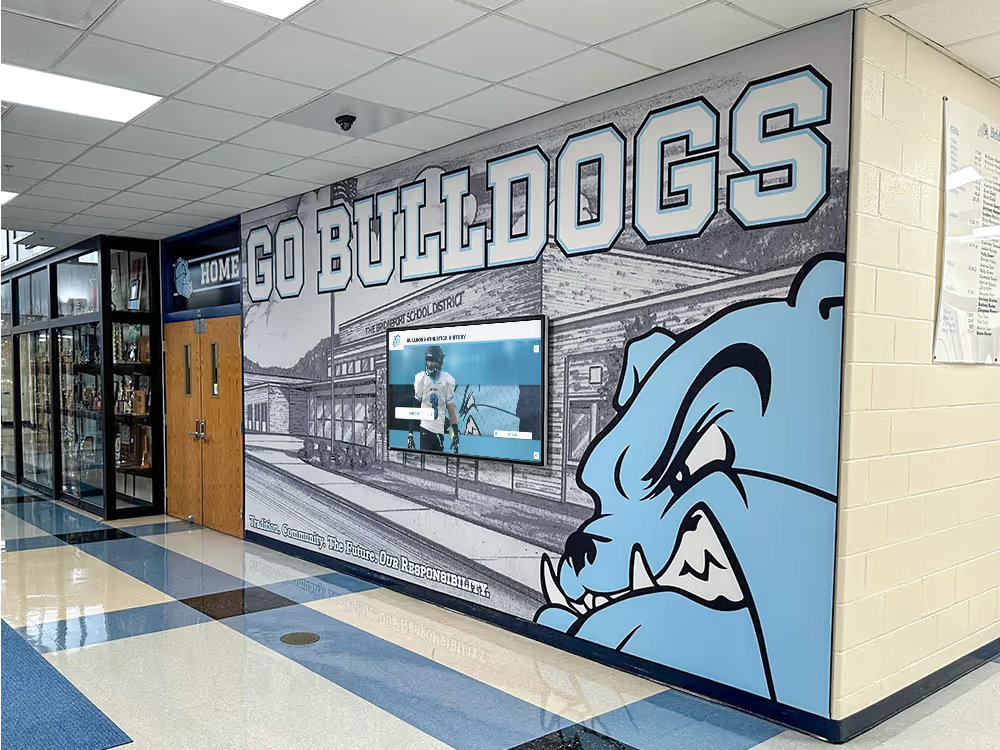
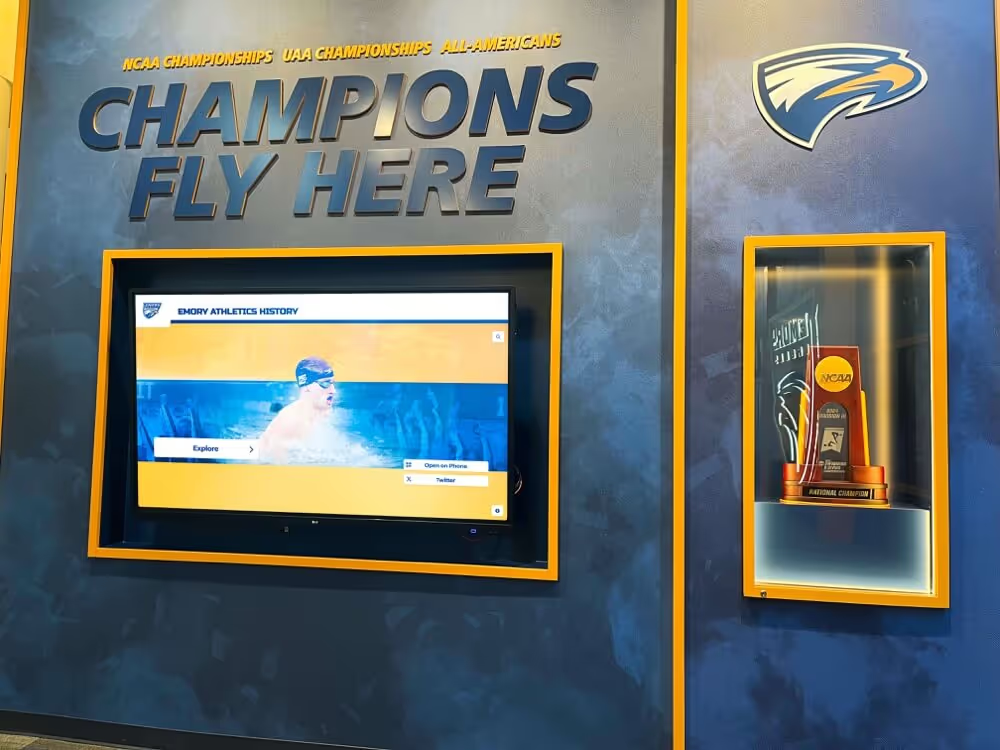
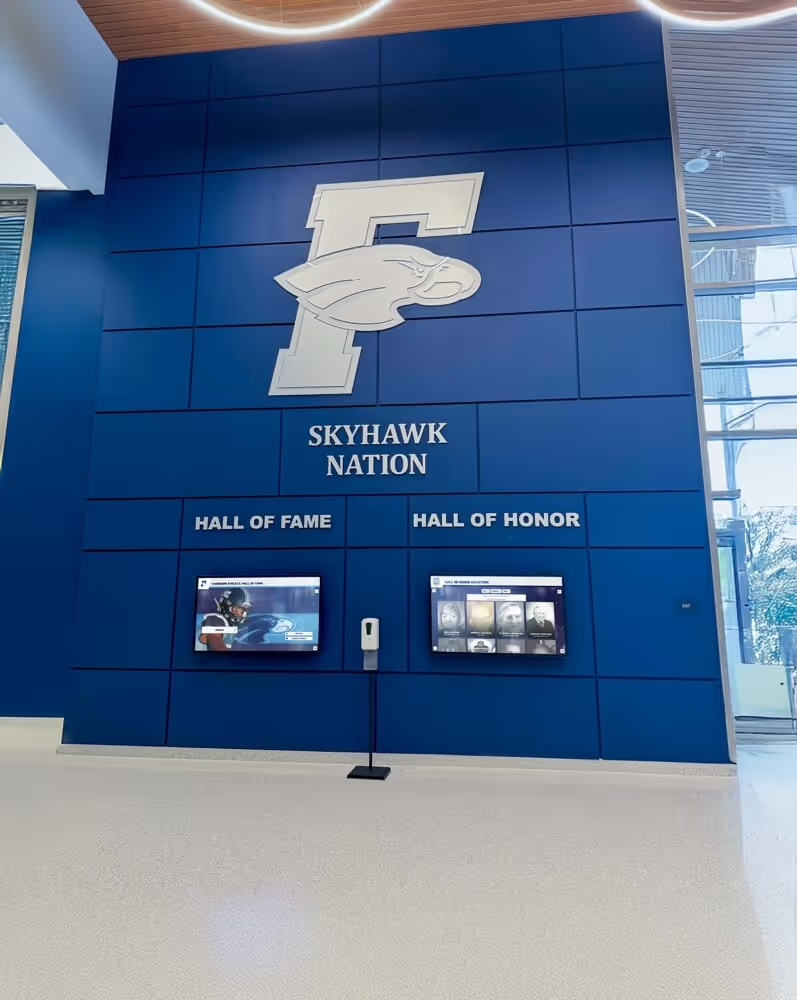
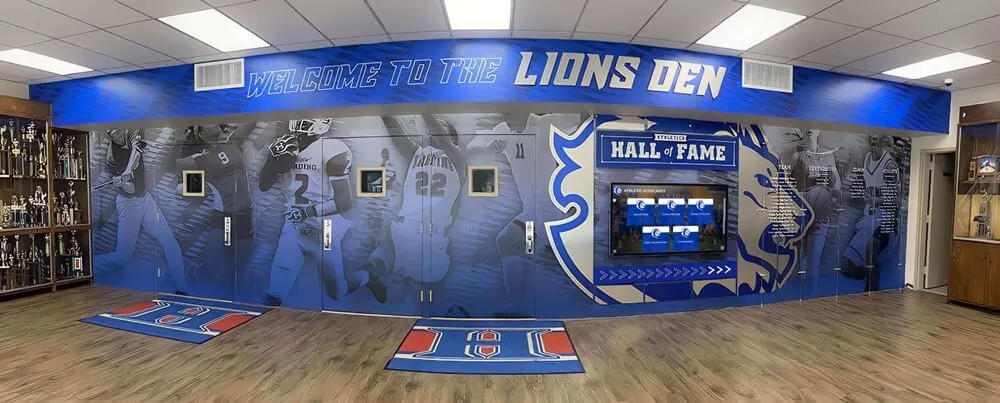
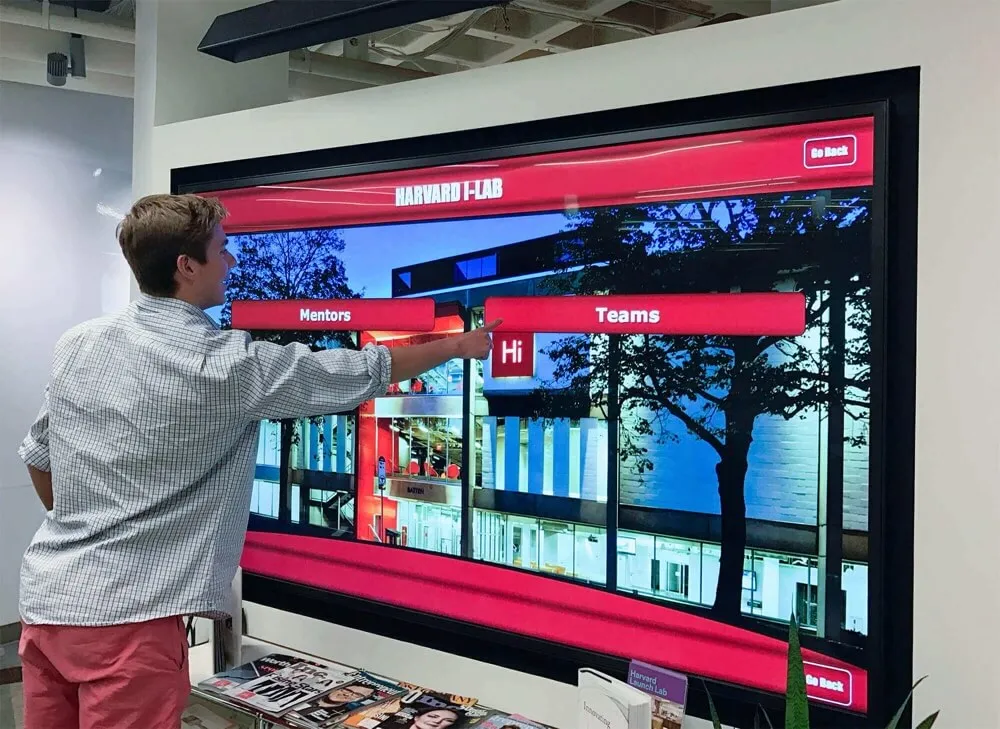
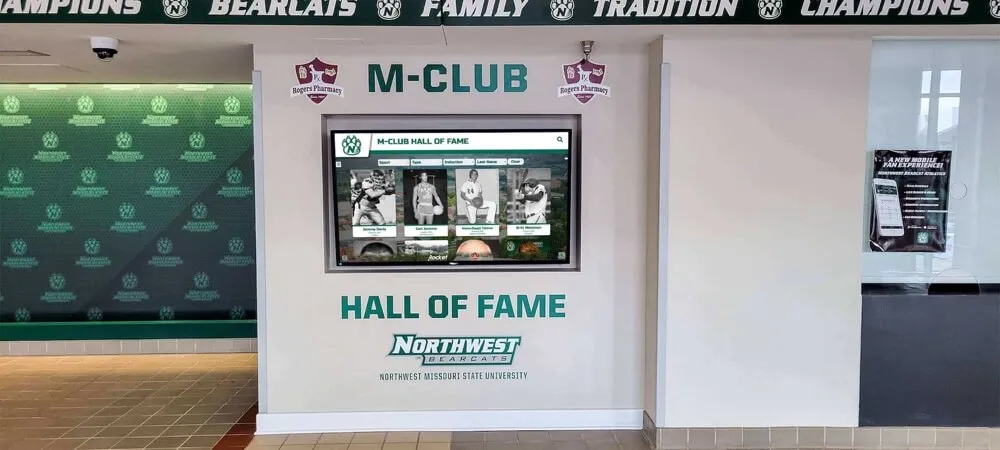
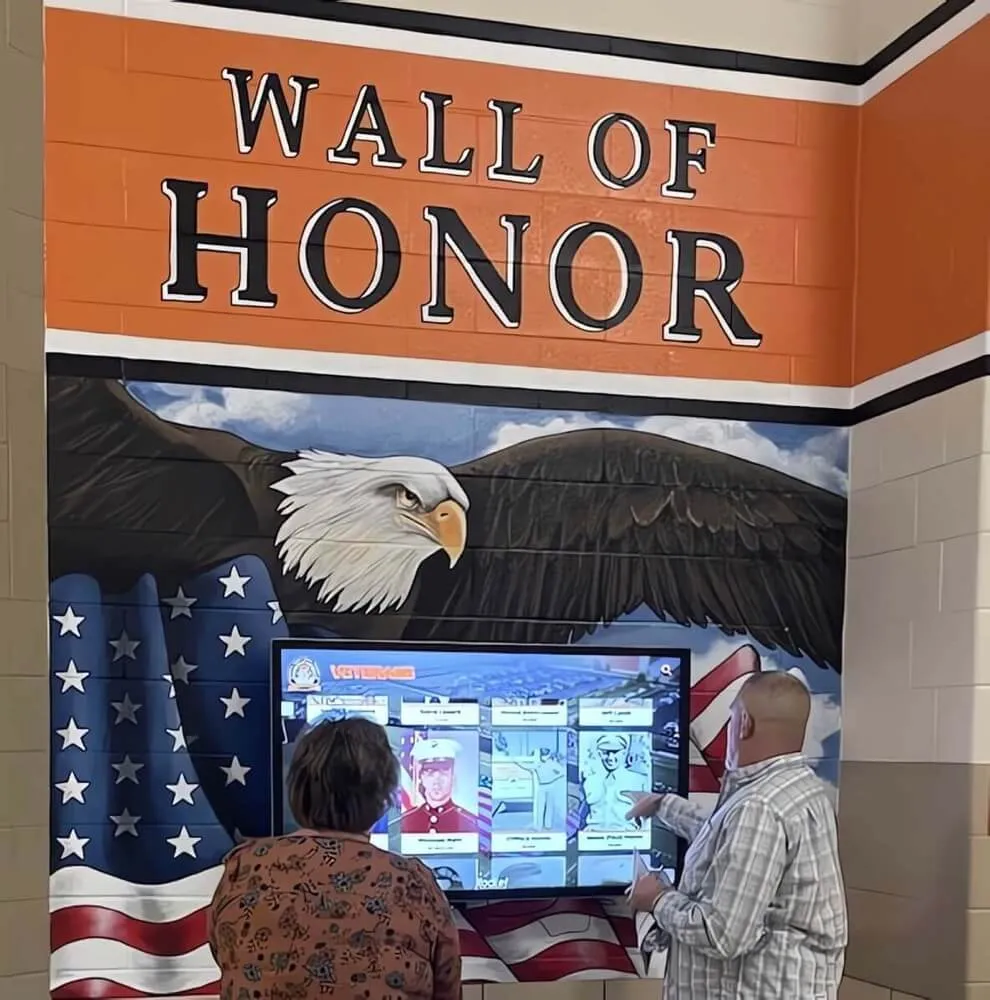
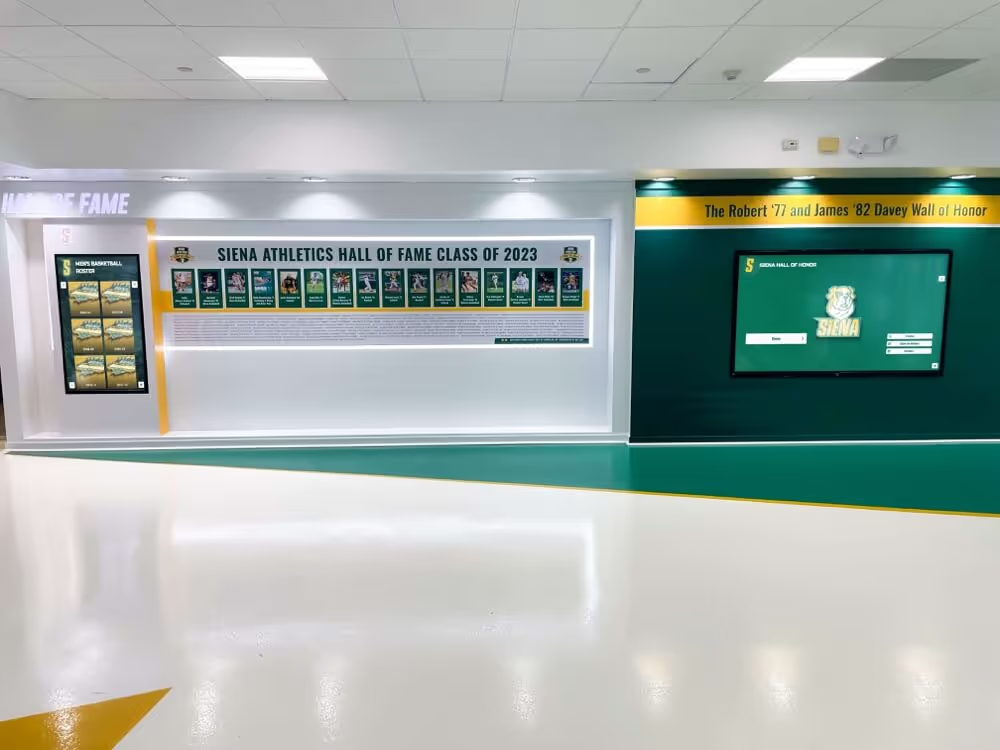
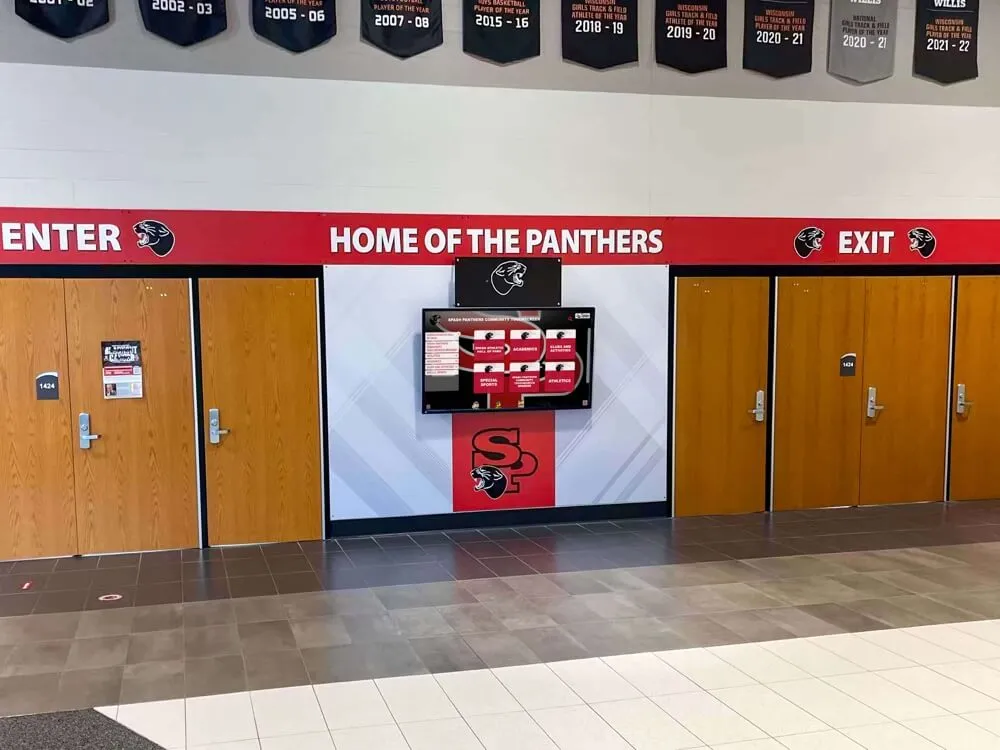
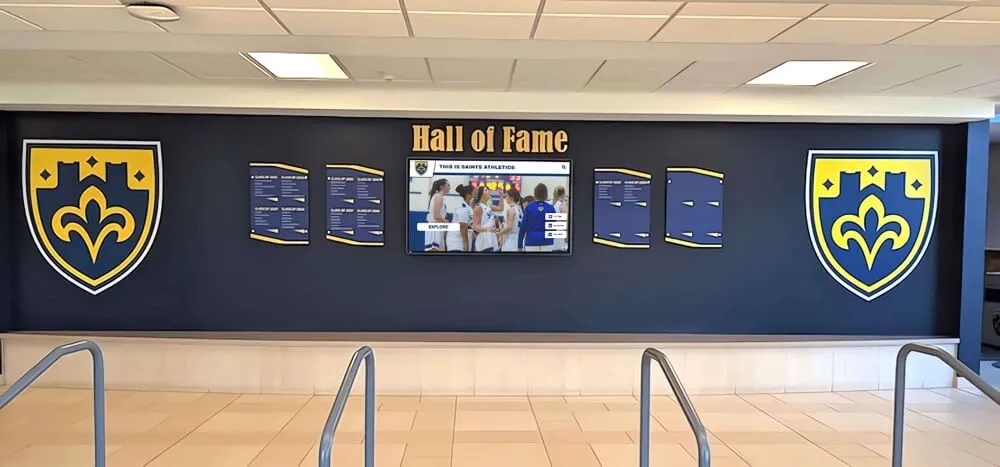
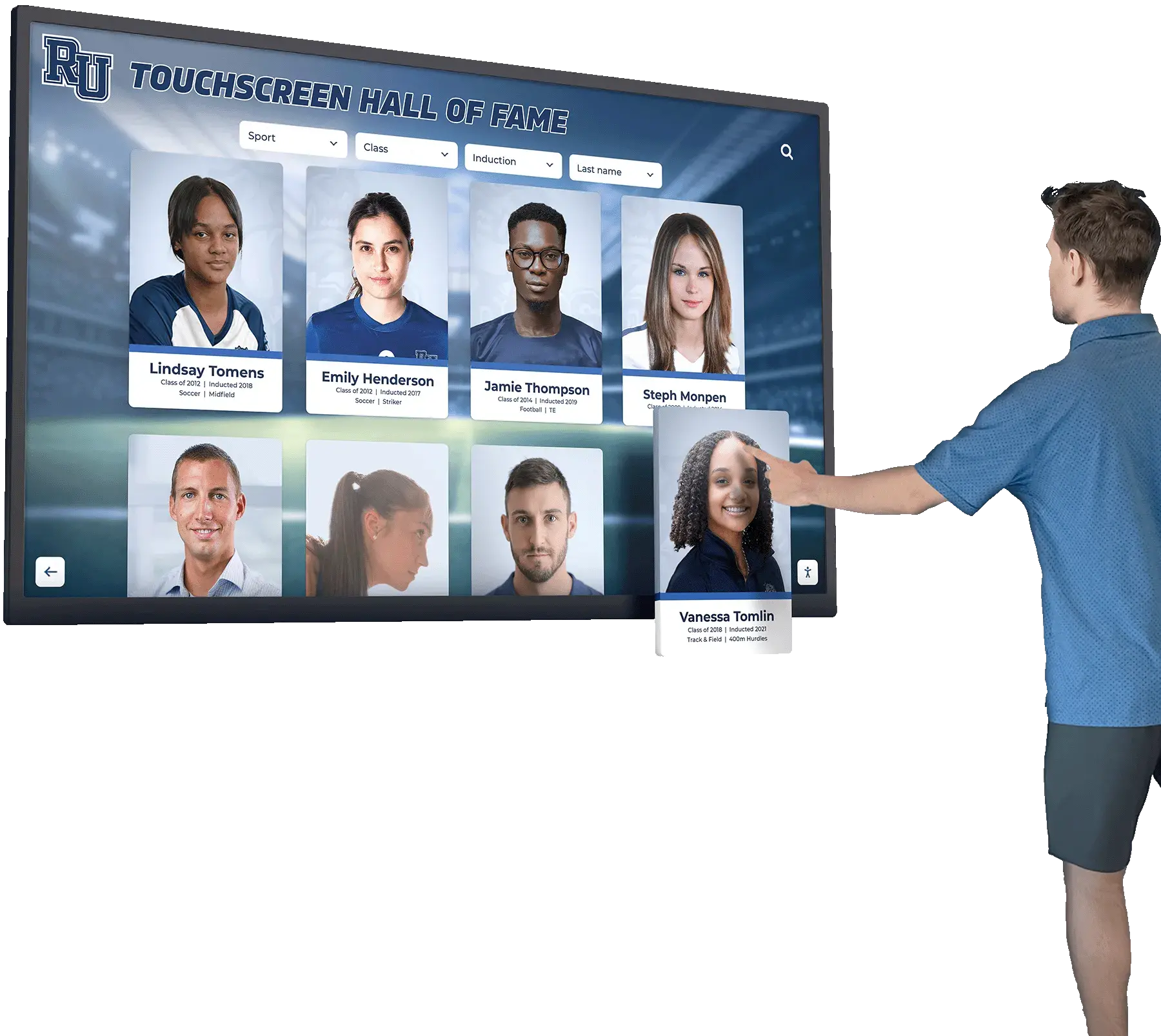
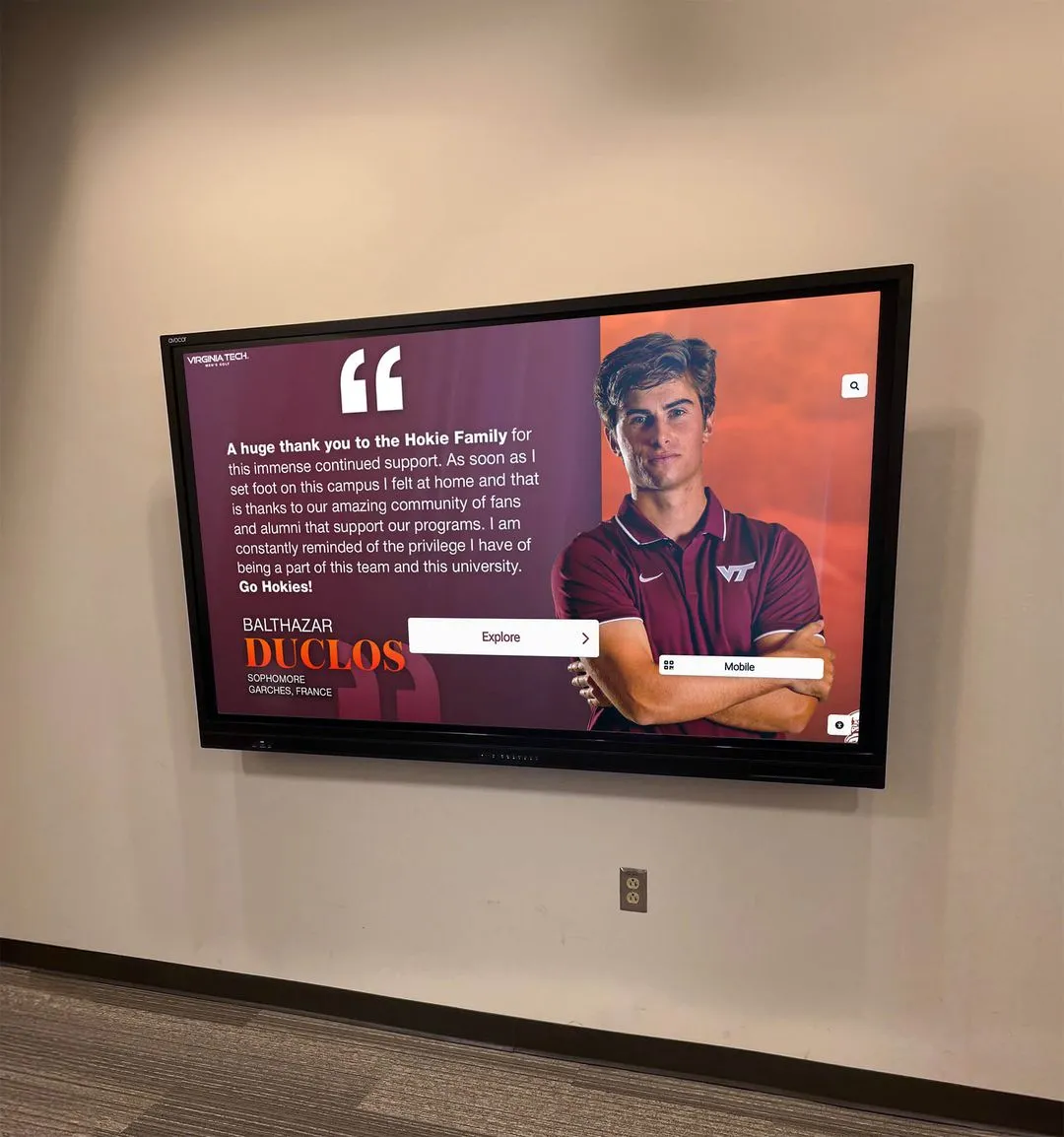
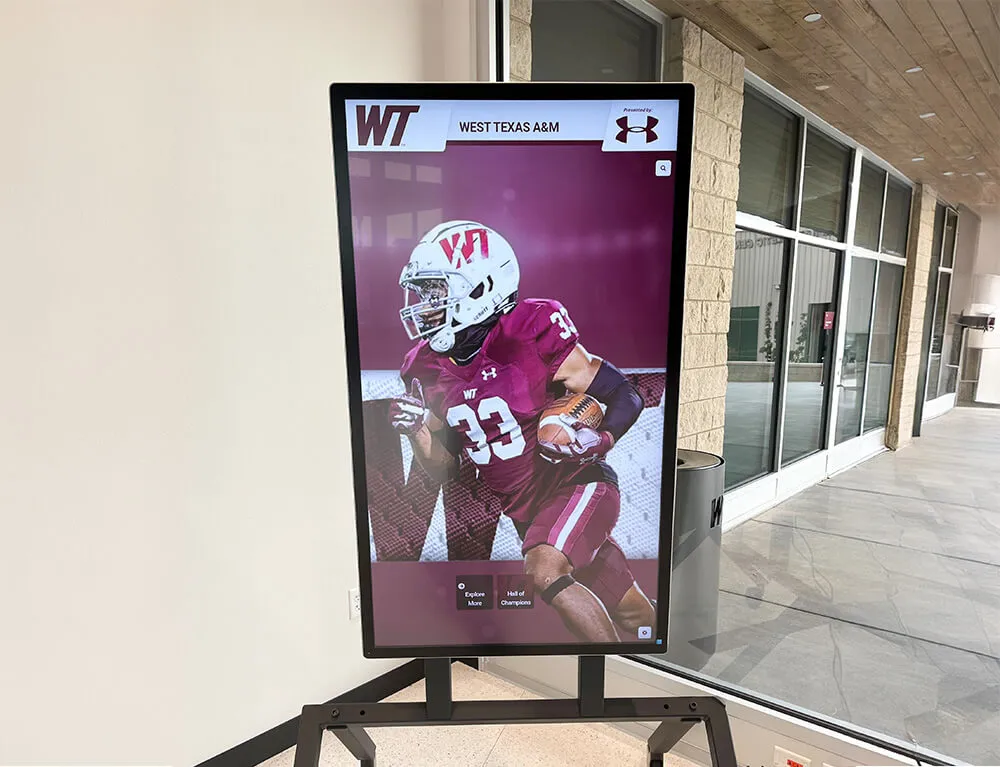
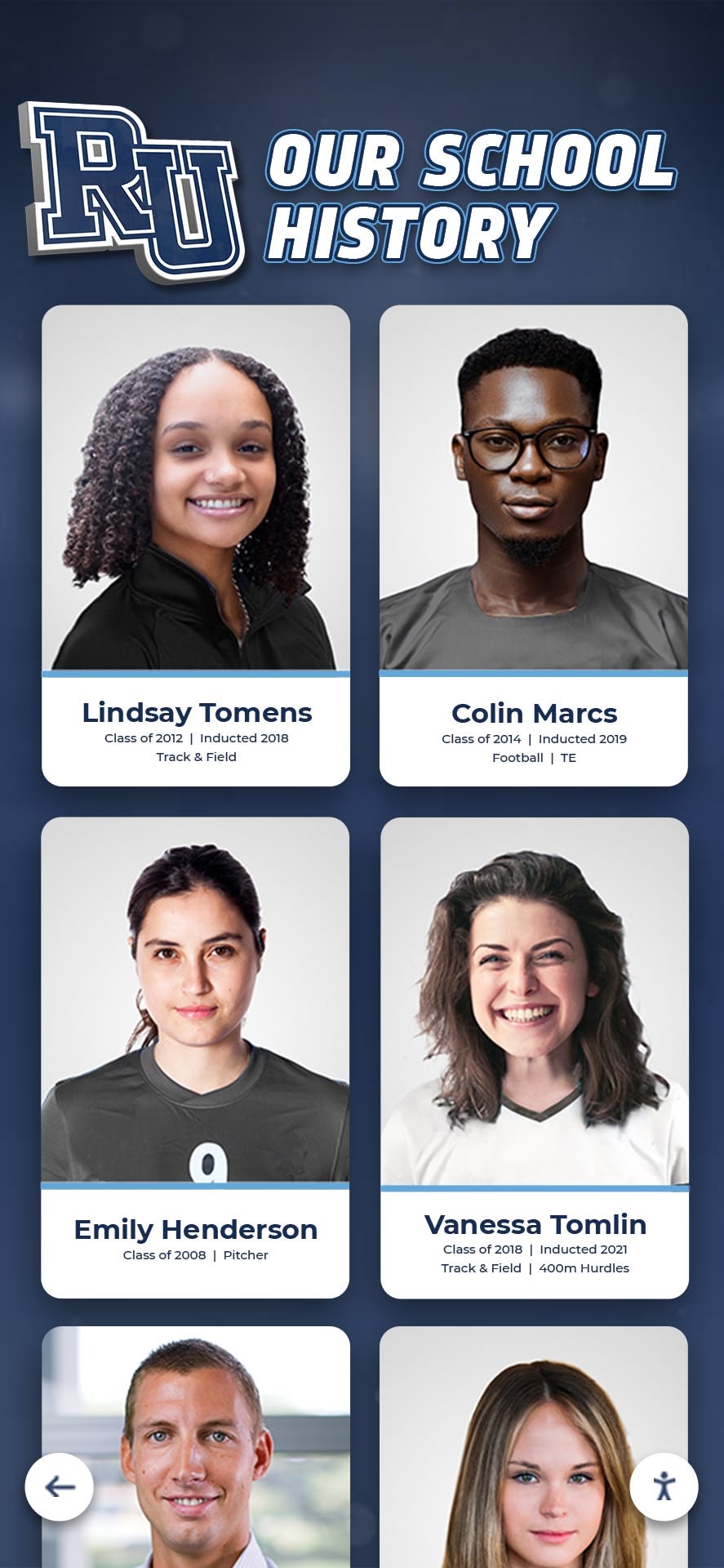
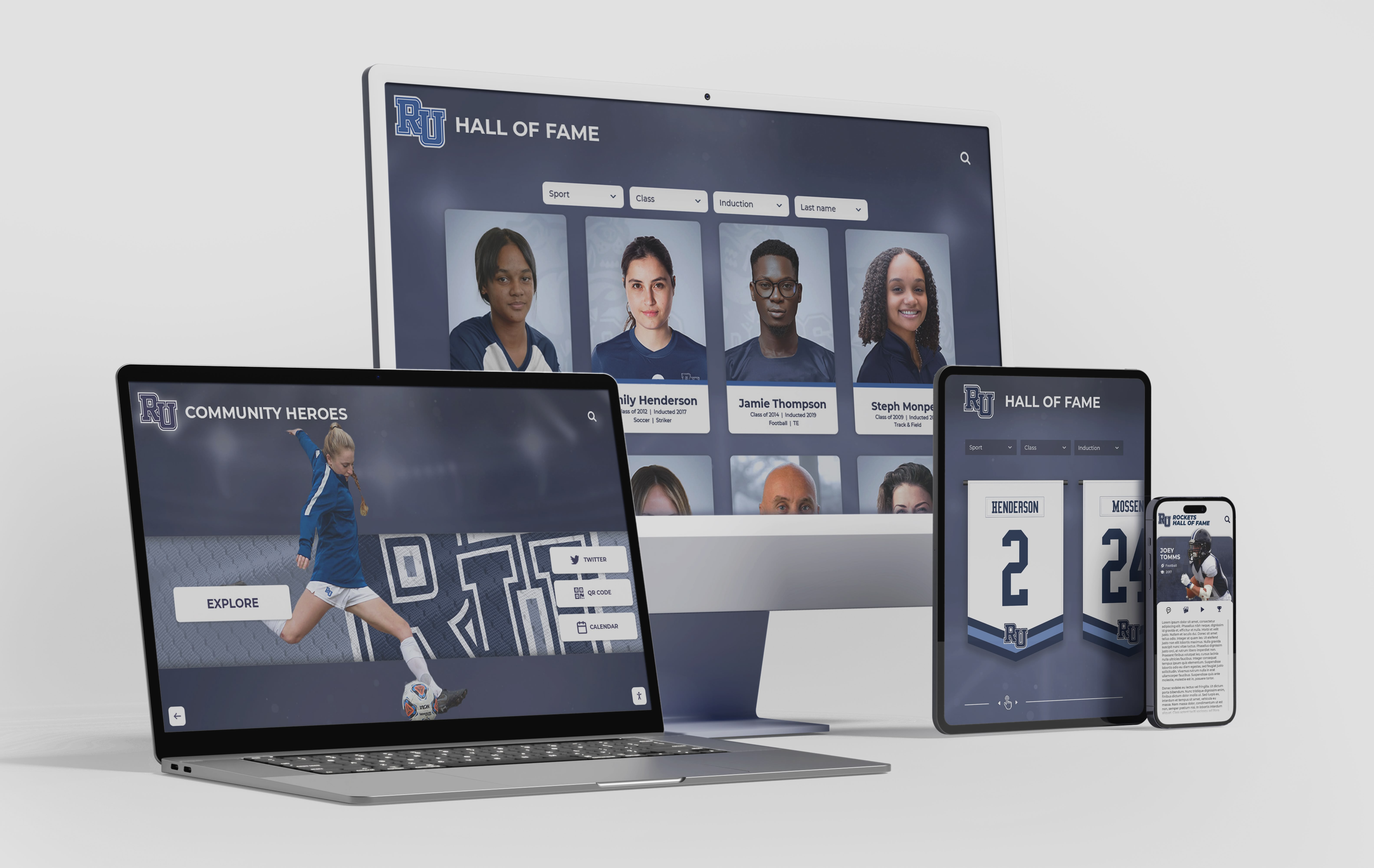
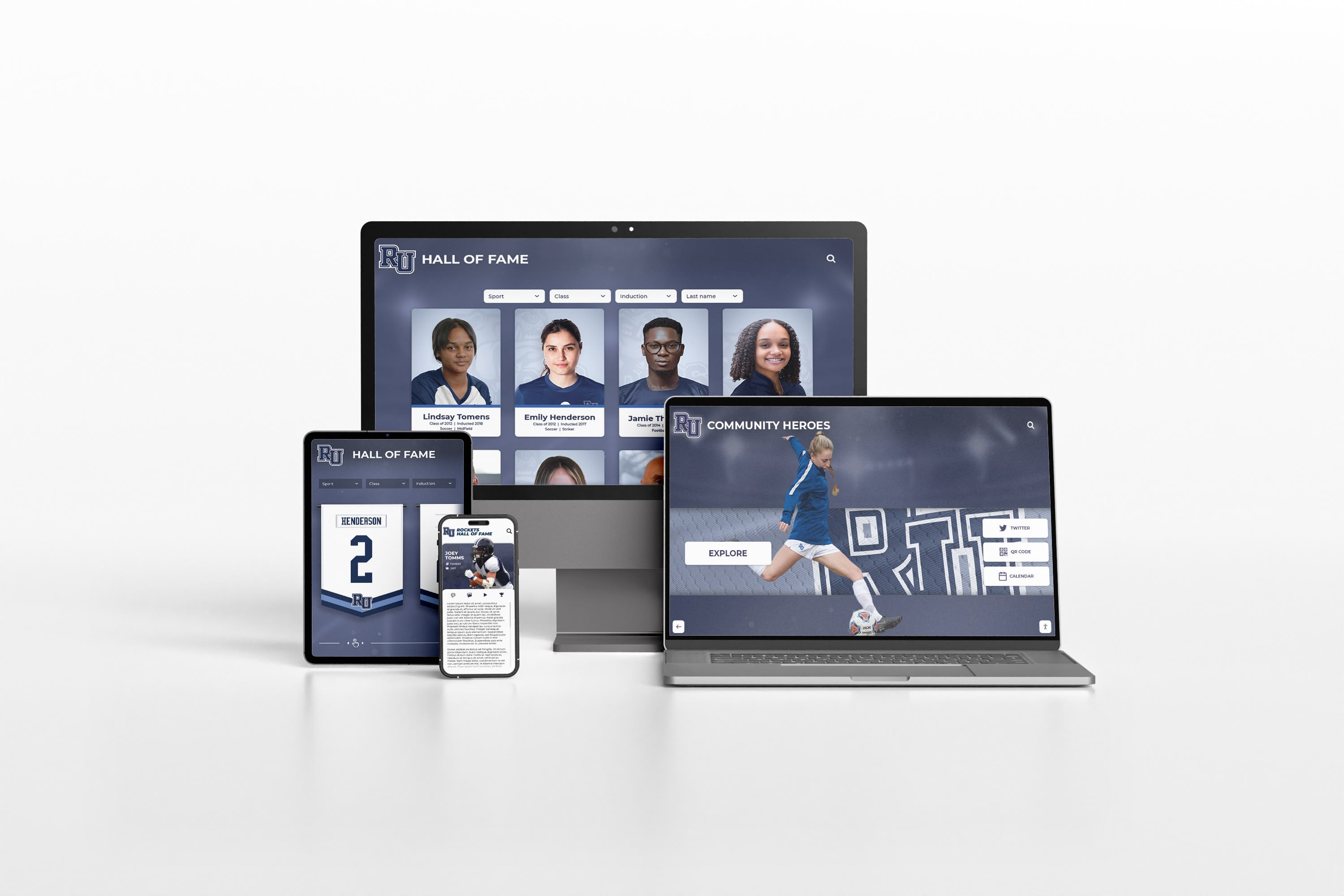
Public Presentation Options: Offering multiple access pathways including web portals, interactive touchscreen displays, mobile applications, and social media integration
Content Management Interfaces: Enabling non-technical staff to add, edit, and organize materials through user-friendly administrative tools
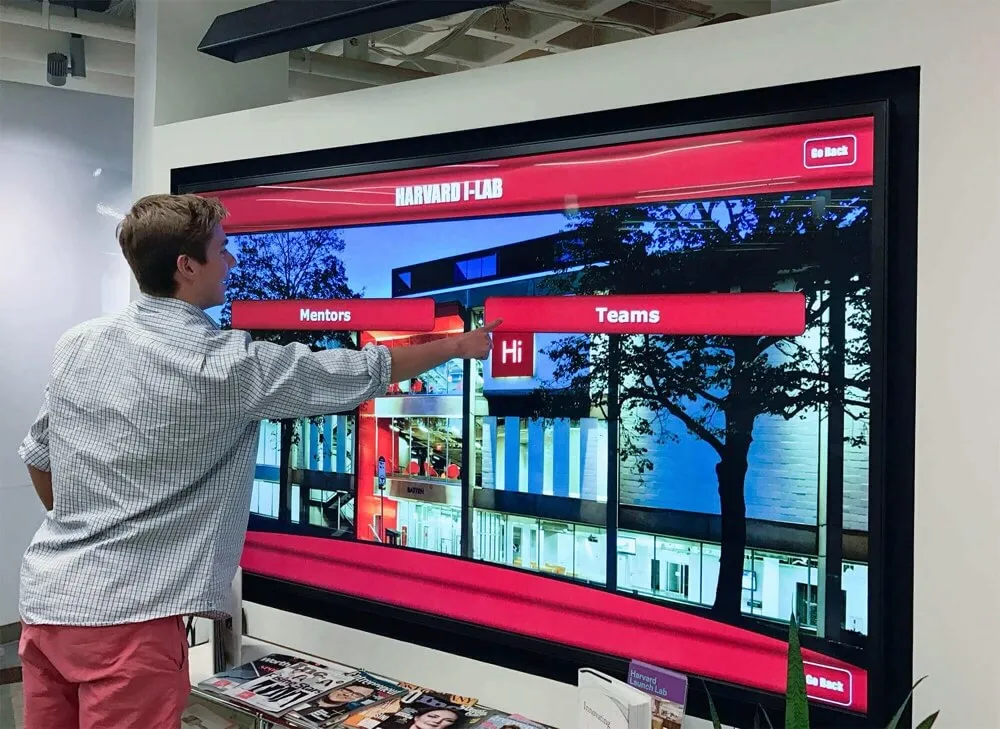
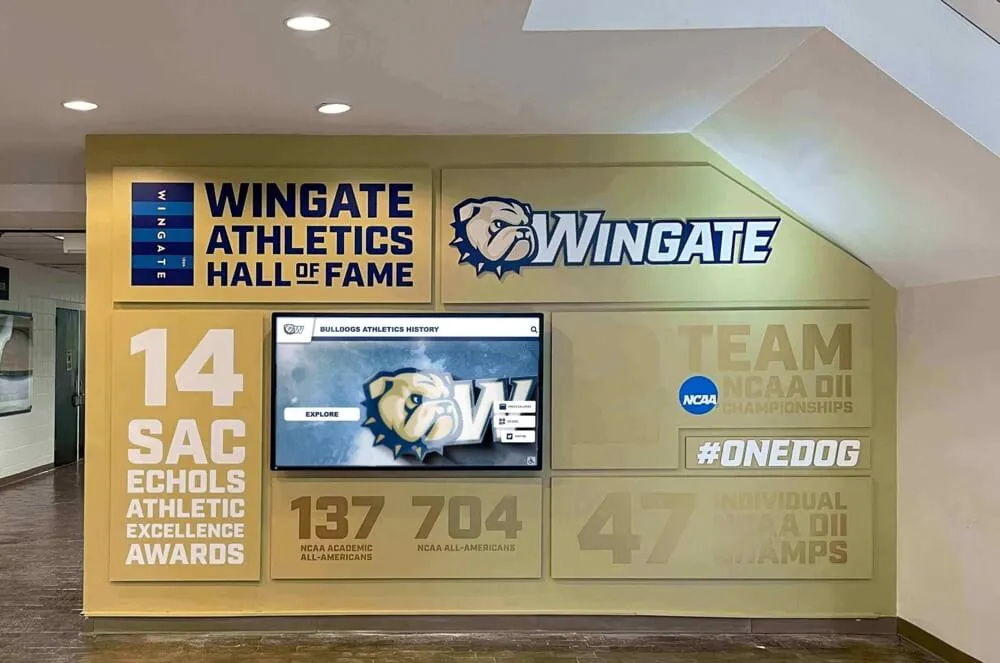
Comprehensive digital archives move beyond basic document storage to create living repositories that actively serve institutional missions and community engagement. Approaches to displaying school history demonstrate how archives integrate with broader heritage presentation strategies.
Why Educational Institutions Need Digital Archives
Schools, colleges, and universities face unique preservation challenges that make digital archiving particularly valuable:
Physical Vulnerability: Paper-based materials deteriorate naturally over time through aging, environmental exposure, and handling damage. Storage facilities experience water damage from floods or leaks, fire risks, and pest problems. According to the Library of Congress, acidic paper from mid-20th century becomes brittle within 50-100 years, threatening permanent loss of materials from this era without intervention.
Access Limitations: Physical archives restrict access to those who can visit during limited hours with staff supervision. Digital archives enable alumni living across the globe, researchers at remote institutions, and current students working on evening projects to explore materials anytime from anywhere.
Space Constraints: Institutions accumulate materials faster than available storage space grows. Digital archives provide unlimited capacity without requiring additional building space, solving chronic storage challenges facing libraries and administrative offices.
Engagement Opportunities: Alumni consistently express strong interest in exploring school history, finding themselves in yearbooks, and reconnecting with institutional experiences. Digital archives transform passive historical storage into active engagement platforms strengthening alumni relationships that support fundraising, mentorship, and institutional advocacy.
Educational Value: Students benefit from direct access to primary sources documenting their institution’s history, enabling research projects, historical analysis, and understanding of how their school fits into broader educational and social contexts.
Types of Materials for Educational Digital Archives
Understanding what content to include helps institutions plan comprehensive archives serving diverse purposes and audiences.
Core Institutional Materials
Yearbooks: Perhaps the most frequently accessed archival materials, yearbooks document every graduating class with student photographs, faculty information, activities, athletics, and institutional events. Complete yearbook collections spanning an institution’s history provide rich longitudinal records of student life, fashion, culture, and institutional evolution. Many institutions partner with platforms like digital yearbook services that specialize in preservation and access.
Photographs: Historical photographs capture aspects of institutional life that written records cannot convey—campus buildings and facilities evolution, classroom instruction methods, student life and social activities, athletic events and team compositions, special events and celebrations, and faculty and staff portraits. Comprehensive photo archives require systematic organization with descriptive metadata enabling discovery by subject, date, location, and individuals pictured.
Student Publications: Newspapers, literary magazines, and other student publications preserve student voices, campus issues, contemporary perspectives on historical events, and evolving student culture across decades. These materials provide particularly valuable primary sources for research about student life and institutional history.
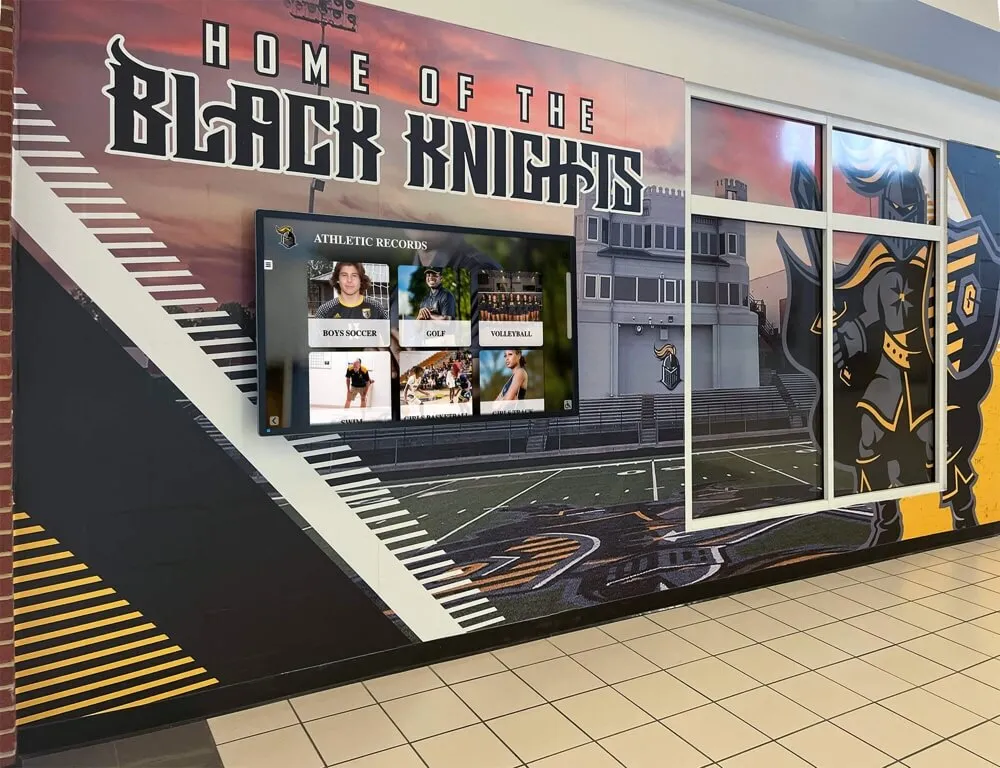
Athletic Records: Sports occupy prominent places in institutional identity, making athletic documentation essential archival content including championship records and team rosters, individual athlete achievements and statistics, game programs and event materials, coaching histories and records, and facility evolution and major events. Resources on honoring school athletic history demonstrate effective approaches to organizing sports heritage.
Administrative and Institutional Records
📋 Governance Documents
Board meeting minutes, policy manuals, strategic plans, and accreditation materials documenting institutional decision-making and evolution
🏛️ Facilities Records
Building plans, renovation documentation, facility photographs showing campus evolution, and construction project records
📊 Statistical Reports
Enrollment data, financial reports, demographic information, and outcome assessments tracking institutional characteristics over time
🎓 Academic Programs
Course catalogs, curriculum materials, program descriptions, and department histories documenting academic offerings
Administrative records require careful privacy and sensitivity review before inclusion in public-facing archives, but appropriate materials provide invaluable historical documentation.
Multimedia and Digital-Native Content
Video Recordings: Commencement ceremonies, athletic competitions, theatrical performances, oral history interviews, campus tours, and promotional materials create rich audiovisual records complementing static photographs and documents.
Audio Materials: Recordings of lectures, concerts, speeches, radio broadcasts, and oral histories capture voices and sounds that provide unique historical perspectives and sensory dimensions impossible to convey through text alone.
Digital Publications: Websites, blogs, social media content, digital-only publications, and born-digital materials require systematic preservation preventing loss as platforms change or content expires.
Selecting Digital Archive Platforms and Technology
Choosing appropriate technology infrastructure fundamentally shapes what institutions can accomplish with digital archives and how sustainable programs remain long-term.
Cloud-Based Archive Solutions
Modern cloud platforms offer compelling advantages for educational institutions:
SocialArchive provides purpose-built digital archiving specifically designed for schools, colleges, and universities according to their official site. The platform enables community contributions allowing alumni to submit photographs and memories, creating collaborative collections. Built-in video and audio capture tools facilitate oral history projects. SocialArchive emphasizes engagement features supporting fundraising and storytelling beyond simple archival storage.
Preservica offers enterprise-grade digital preservation trusted by academic institutions worldwide to safeguard digital assets according to EdTech Magazine. The platform provides comprehensive preservation capabilities meeting professional archival standards including format migration, integrity verification, and long-term access planning. Preservica suits large universities with substantial IT resources managing extensive collections requiring rigorous standards.
Cloud Storage Advantages: As EdTech Magazine notes, universities increasingly maintain digital collections in the cloud, meaning library IT staff have less infrastructure to manage if on-premises systems fail. Cloud solutions offer automatic backups, geographic redundancy, professional security management, automatic software updates, and scalable storage capacity.
Comprehensive Heritage Management Platforms
Integrated Solutions
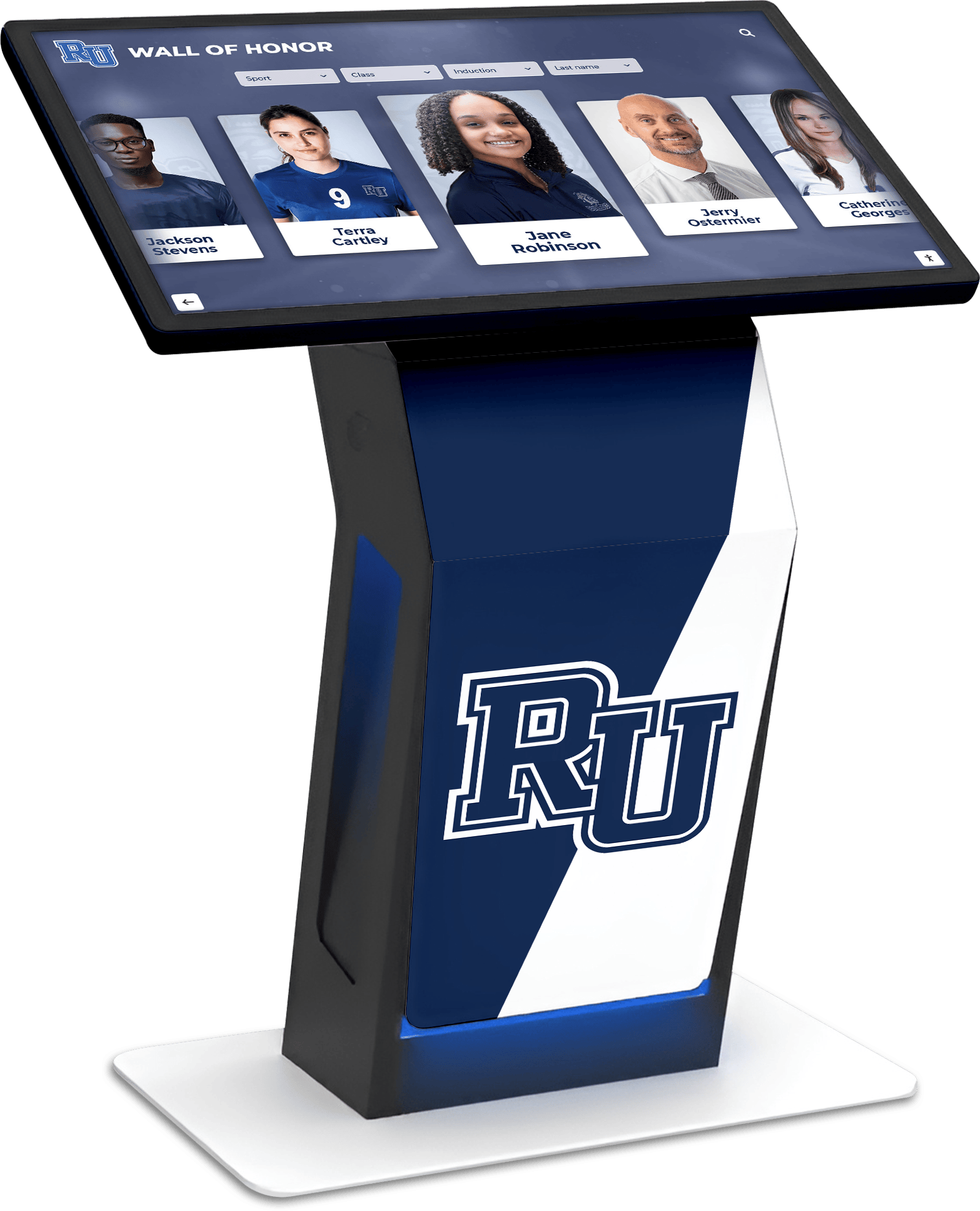
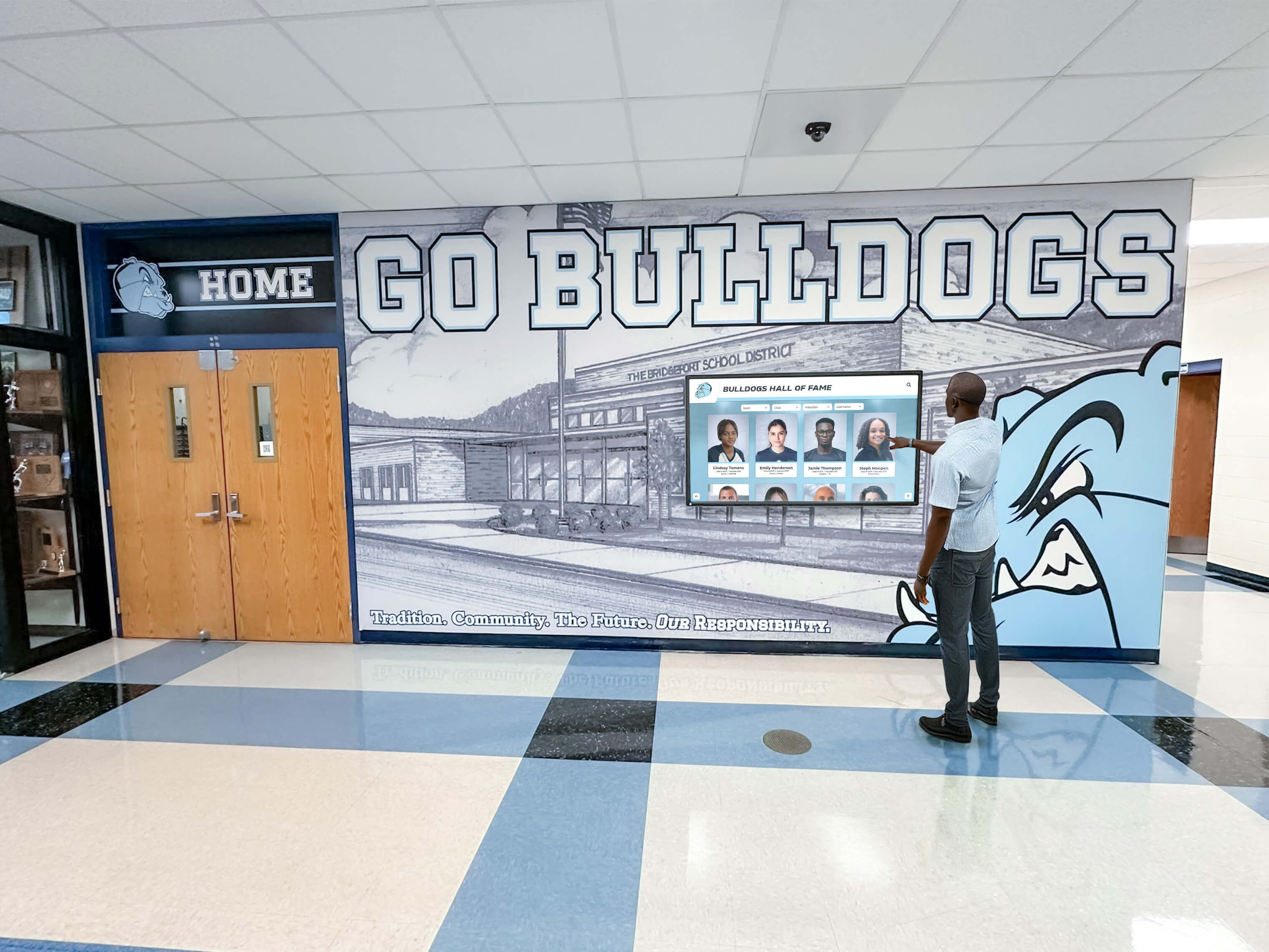
Platforms like Rocket Alumni Solutions combine archival management with interactive recognition displays and public access portals. This integration enables institutions to digitize materials once and automatically make them available through multiple channels—touchscreen kiosks in facilities, mobile-responsive websites, searchable databases, and social media—without duplicate data entry or file transfers between disconnected systems.
Comprehensive platforms particularly suit K-12 districts and mid-size colleges seeking turnkey solutions without extensive IT infrastructure or multiple separate systems to manage and maintain.
Open-Source Archive Platforms
Omeka provides free open-source web-publishing for displaying library, museum, and archival collections. The platform uses Dublin Core metadata standards and offers extensive plugin ecosystems for specialized functionality. Omeka suits institutions with technical staff comfortable managing open-source software and seeking maximum customization flexibility.
ArchivesSpace offers open-source archival description software supporting professional standards including EAD (Encoded Archival Description) and DACS (Describing Archives: A Content Standard). The platform serves institutions with professional archivists requiring robust description capabilities and standards compliance.
Open-source solutions eliminate licensing costs but require technical expertise for installation, maintenance, customization, and ongoing support that commercial platforms provide as turnkey services.
Implementing Digital Archives: Strategic Roadmap
Successful digital archive programs follow systematic approaches that build momentum while delivering value throughout implementation rather than requiring years before stakeholders see benefits.
Phase 1: Assessment and Planning (2-4 Months)
Inventory Existing Materials: Conduct comprehensive surveys identifying what historical materials exist including location (libraries, administrative offices, athletic departments, storage facilities), condition (excellent, good, fragile, deteriorating), format (paper, photographs, film, digital), and completeness (gaps in coverage, missing years). Systematic inventory reveals scope, informs prioritization, and identifies urgent preservation needs.
Define Goals and Success Metrics: Establish clear objectives beyond general “preservation” including specific stakeholder needs (alumni engagement, student research, institutional anniversary support), accessibility goals (remote access, interactive displays, classroom integration), and measurable success indicators (usage statistics, alumni interactions, research citations, fundraising connections).
Assess Resources and Capabilities: Evaluate available budget for initial implementation and ongoing operations, staff expertise and availability for digitization and management, technical infrastructure and IT support capacity, and potential volunteer or community support for digitization projects. Realistic resource assessment prevents overly ambitious plans that stall midstream.
Establish Governance and Policies: Define who oversees the archive program (librarians, IT staff, advancement office, dedicated committee), content selection and prioritization criteria, privacy and takedown request procedures, copyright review processes, and sustainability planning ensuring long-term maintenance. Written policies documented early prevent ad hoc decision-making as challenges arise.
Phase 2: Platform Selection and Implementation (2-4 Months)
Platform Evaluation Framework
Key Selection Criteria
- Feature alignment with institutional requirements
- Ease of use for non-technical staff
- Total cost of ownership (licensing, storage, support)
- Vendor stability and long-term viability
- Technical support quality and responsiveness
- Integration capabilities with existing systems
- Scalability accommodating collection growth
Evaluation Process
- Request demonstrations from multiple vendors
- Speak with reference institutions of similar type and size
- Conduct pilot projects testing functionality with real content
- Assess user experience from administrator and end-user perspectives
- Compare total 5-year costs including hidden fees
- Review service level agreements and support terms
- Verify accessibility compliance and security standards
Platform selection fundamentally shapes what institutions can accomplish and how sustainable programs remain, justifying thorough evaluation rather than defaulting to familiar but potentially inappropriate solutions.
Technical Infrastructure Setup: After platform selection, implement necessary infrastructure including server configuration or cloud service setup, domain names and DNS configuration, security certificates for secure encrypted access, backup systems ensuring redundancy, permission structures controlling access levels, and integration with websites and existing institutional systems. Professional IT involvement during initial setup prevents security vulnerabilities and performance problems.
Phase 3: Content Development and Digitization (6-24 Months)
Prioritization Framework: Begin with materials delivering immediate value and building stakeholder support rather than attempting comprehensive digitization simultaneously. High-priority content includes materials at risk of imminent deterioration or loss, frequently requested items (recent yearbooks, championship documentation), content supporting current initiatives (anniversary celebrations, capital campaigns), and materials requiring minimal preparation (digital-native photographs).
Digitization Standards: Implement appropriate technical specifications including minimum 300 DPI resolution for documents, 600 DPI or higher for photographs, archival-quality file formats (TIFF for masters, JPEG for access), and comprehensive metadata capture during scanning. According to best practices research, appropriate initial specifications prevent costly re-digitization later when quality proves inadequate.
Digitization Approaches
Professional Services
- High-volume digitization for large backlogs
- Specialized handling for fragile materials
- Consistent quality and faster completion
- Professional metadata and organization
- Costs typically $0.50-$5 per page or item
Ideal for kickstarting programs with comprehensive historical collections requiring immediate attention.
In-House Digitization
- Ongoing digitization of current materials
- Greater control over prioritization and scheduling
- Lower incremental costs after equipment investment
- Opportunity for student and volunteer involvement
- Building internal expertise and capabilities
Ideal for maintaining archives with continuous addition of contemporary materials and selective historical content.
Quality Control and Organization: Implement systematic verification procedures including confirming scans meet resolution and format specifications, reviewing metadata for completeness and accuracy, checking file naming follows established conventions, testing display across devices and platforms, and verifying search functionality returns expected results. Consistent quality control prevents accumulating problems requiring costly remediation.
Phase 4: Launch and Promotion (2-3 Months)
Strategic Launch Timing: Coordinate public launch with high-visibility events including homecoming weekends with concentrated alumni presence, institutional anniversaries and milestone celebrations, reunion programs when former classmates gather, major facility dedications or renovations, or beginning of academic year with maximum community attention. Strategic timing maximizes initial engagement establishing archives as valuable resources.
Multi-Channel Promotion: Deploy comprehensive awareness campaigns including prominent website features and navigation placement, email campaigns to alumni databases highlighting remote access, social media showcasing featured historical content and discovery stories, press releases to local and alumni media emphasizing heritage preservation, facility signage directing visitors to interactive displays, and classroom introductions integrating archives into student experience.
Engagement Features: Implement interactive elements encouraging repeated visits including content contribution invitations requesting historical materials schools lack, identification requests asking community help naming unknown individuals in photographs, discovery contests encouraging alumni to find themselves or classmates, anniversary features highlighting historical events on their commemoration dates, and social sharing encouraging viral content distribution.
Approaches to building community through digital recognition provide additional strategies for maximizing archive engagement and institutional impact.
Addressing Privacy, Legal, and Ethical Considerations
Educational institutions must navigate complex regulatory, legal, and ethical considerations when making historical materials publicly accessible.
FERPA Compliance and Student Privacy
The Family Educational Rights and Privacy Act (FERPA) protects privacy of student education records at schools receiving federal funds. While yearbooks, newspapers, and general photographs typically don’t constitute education records under FERPA, some archived materials might contain protected information including academic records and grades, disciplinary records, health information, and personal identifying information in administrative documents.
Schools must review materials before publication, redacting protected information or restricting access appropriately. The U.S. Department of Education provides detailed FERPA guidance helping institutions understand compliance requirements.
Consent and Takedown Procedures
Students and community members appearing in historical materials never consented to widespread digital publication. While educational use and historical preservation generally provide legal bases for publication, ethical practice acknowledges legitimate concerns.
Best Practices Include:
- Clearly displaying contact information for takedown requests
- Establishing responsive procedures for evaluating requests
- Implementing removals or restrictions when justified
- Documenting decisions and communications
- Balancing individual concerns against institutional preservation interests
Most institutions receive few takedown requests, but having clear transparent processes demonstrates respect for individual privacy concerns.
Copyright Assessment and Risk Management
Low Copyright Risk
School-created materials like yearbooks, institutional photographs, official publications, and administrative documents typically fall under institutional copyright ownership
Medium Copyright Risk
Student creative works, donated materials with unclear provenance, and newspaper articles reprinting external content require permission or fair use analysis
Higher Copyright Risk
Professional photographer portraits, licensed artwork or images, externally published materials, and recent works under active copyright require permissions or restrictions
When copyright status remains uncertain, institutions can conduct reasonable research, seek permissions when possible, apply fair use analysis for educational and historical uses, restrict access to verified alumni or educational users, and document decision-making processes.
Measuring Success and Demonstrating Value
Quantitative Metrics
Track measurable indicators demonstrating archive usage and value:
- Total visits and unique users to web portals
- Search queries showing active information-seeking
- Page views and session duration indicating engagement depth
- Content downloads and social media shares
- Geographic distribution of users accessing remotely
- Return visitor rates showing ongoing engagement
- Interactive display usage at physical locations
- Email signups and alumni contact information updates
Establish baseline metrics at launch and track trends quarterly or annually. Significant usage validates that archives deliver value justifying sustained investment.
Qualitative Impact Evidence
Beyond statistics, collect qualitative evidence including user testimonials about archive meaning and value, examples supporting curriculum and student learning, media coverage and community recognition, alumni stories strengthening institutional relationships, research uses and scholarly citations, and staff perspectives on mission support. Qualitative stories often prove more compelling than numbers for demonstrating meaningful impact.
Return on Investment Considerations
While difficult to quantify precisely, digital archives provide several forms of return including preservation value preventing permanent loss of irreplaceable materials, operational efficiency reducing staff time responding to research requests, advancement support strengthening alumni relationships that drive fundraising, enrollment differentiation where heritage and tradition distinguish schools in competitive markets, and community relations positioning institutions as heritage stewards.
Frameworks from analytics and engagement measurement research provide approaches to tracking digital heritage program performance and demonstrating institutional value.
Advanced Considerations for Comprehensive Archives
Beyond basic implementation, several advanced capabilities can enhance archive value, accessibility, and community impact.
Optical Character Recognition and Full-Text Search
Documents and yearbooks digitized as images remain visually accessible but not text-searchable—users can read pages but cannot search for specific words, names, or phrases. Optical Character Recognition (OCR) technology converts images of text into searchable text, dramatically improving discoverability.
Modern OCR achieves 95-99% accuracy on clean printed text according to digitization standards. Implementing OCR involves running digitized documents through OCR software, reviewing and correcting recognition errors for high-value materials, embedding searchable text in PDF files while preserving visual appearance, and indexing text for full-text search functionality. The resulting ability to search entire yearbook collections for specific names or find all mentions of particular events across decades of newspapers provides transformative value justifying investment for frequently-used materials.
Integration with Interactive Displays and Physical Spaces
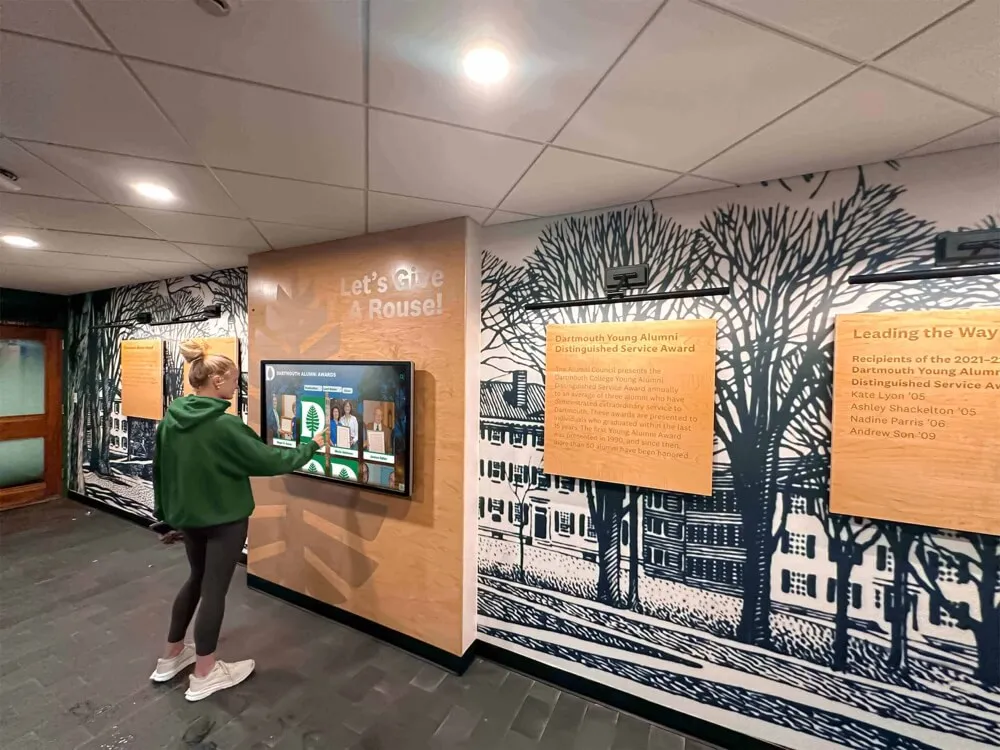
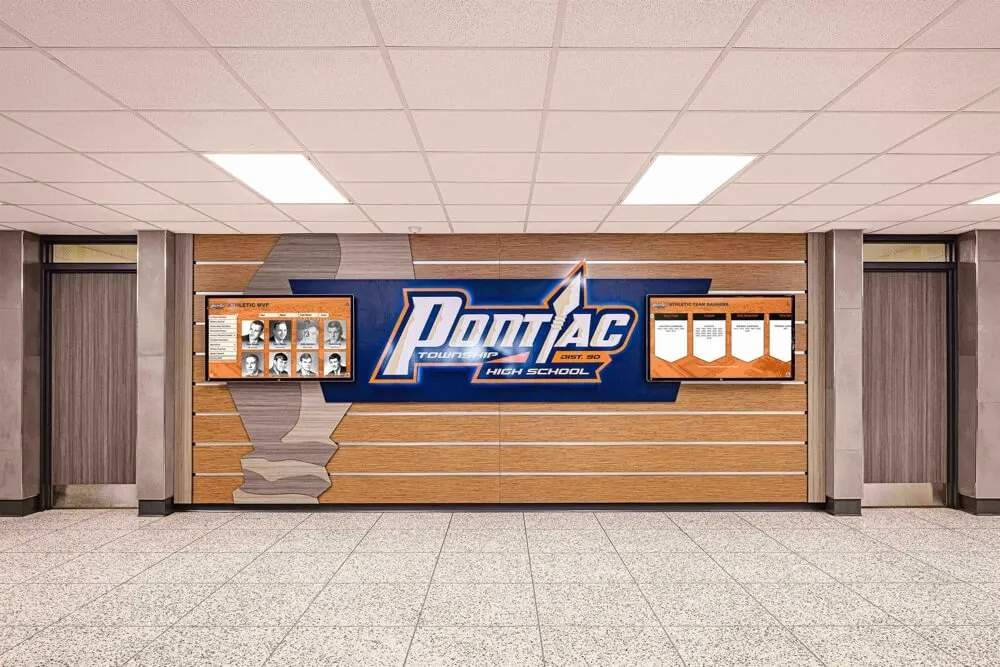
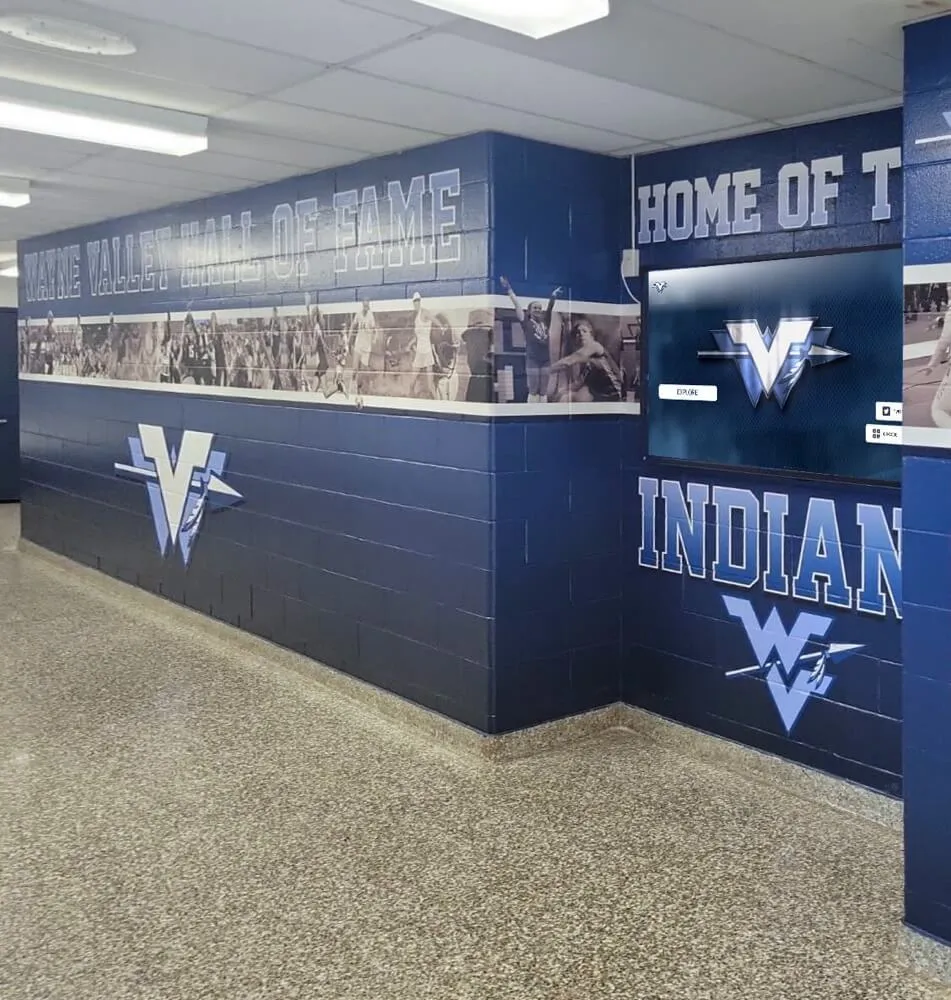
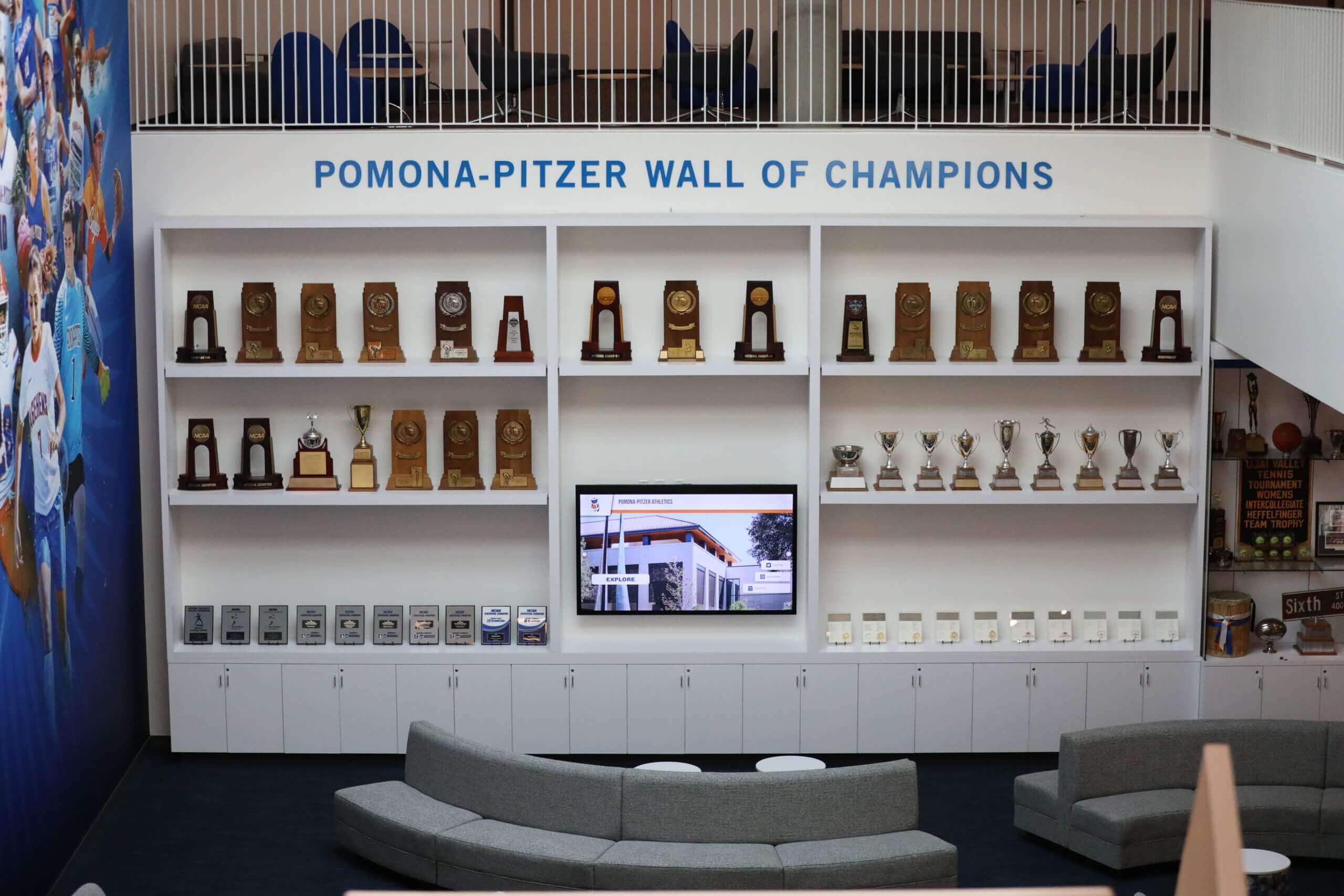
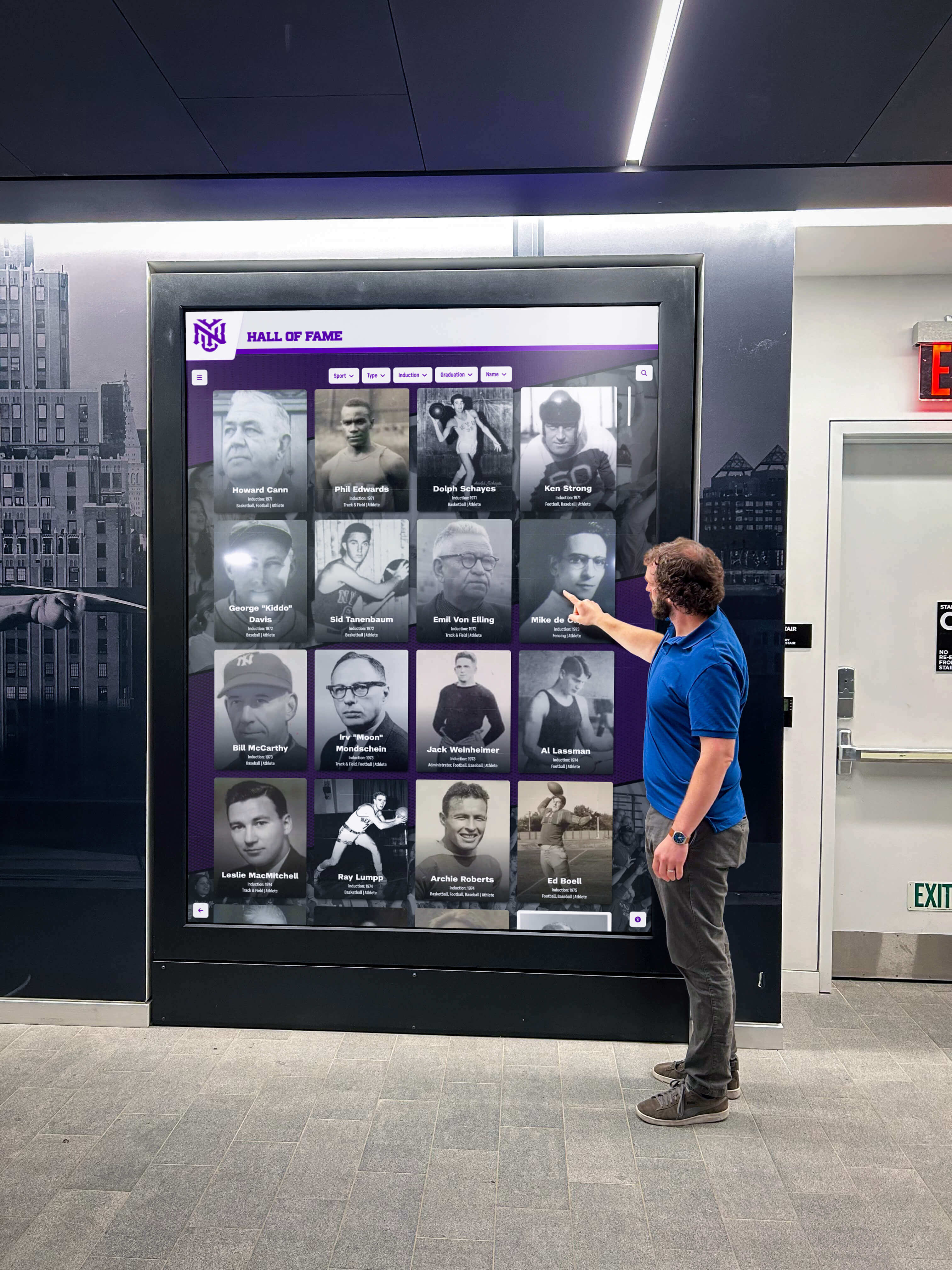
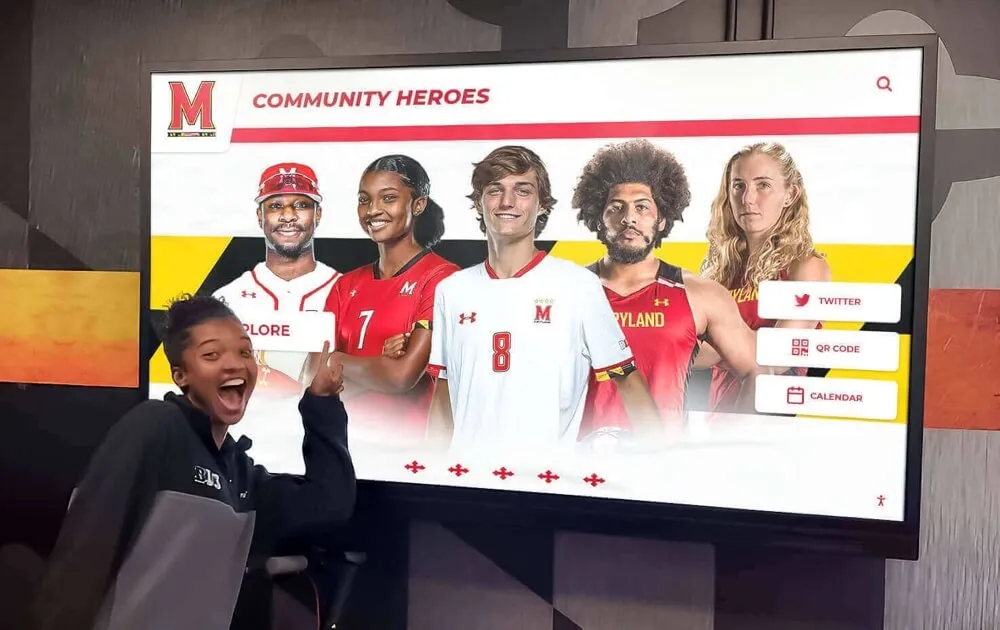
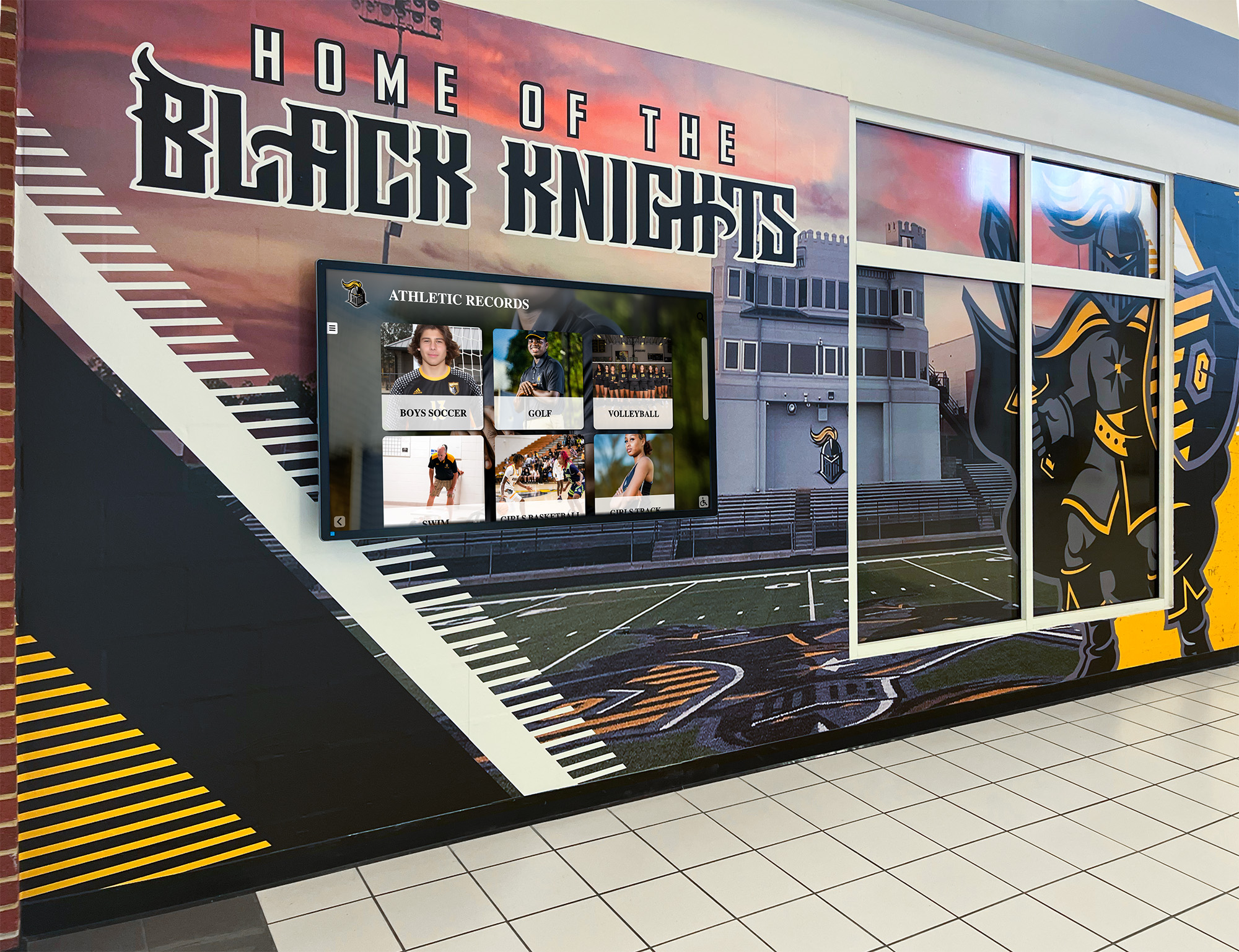
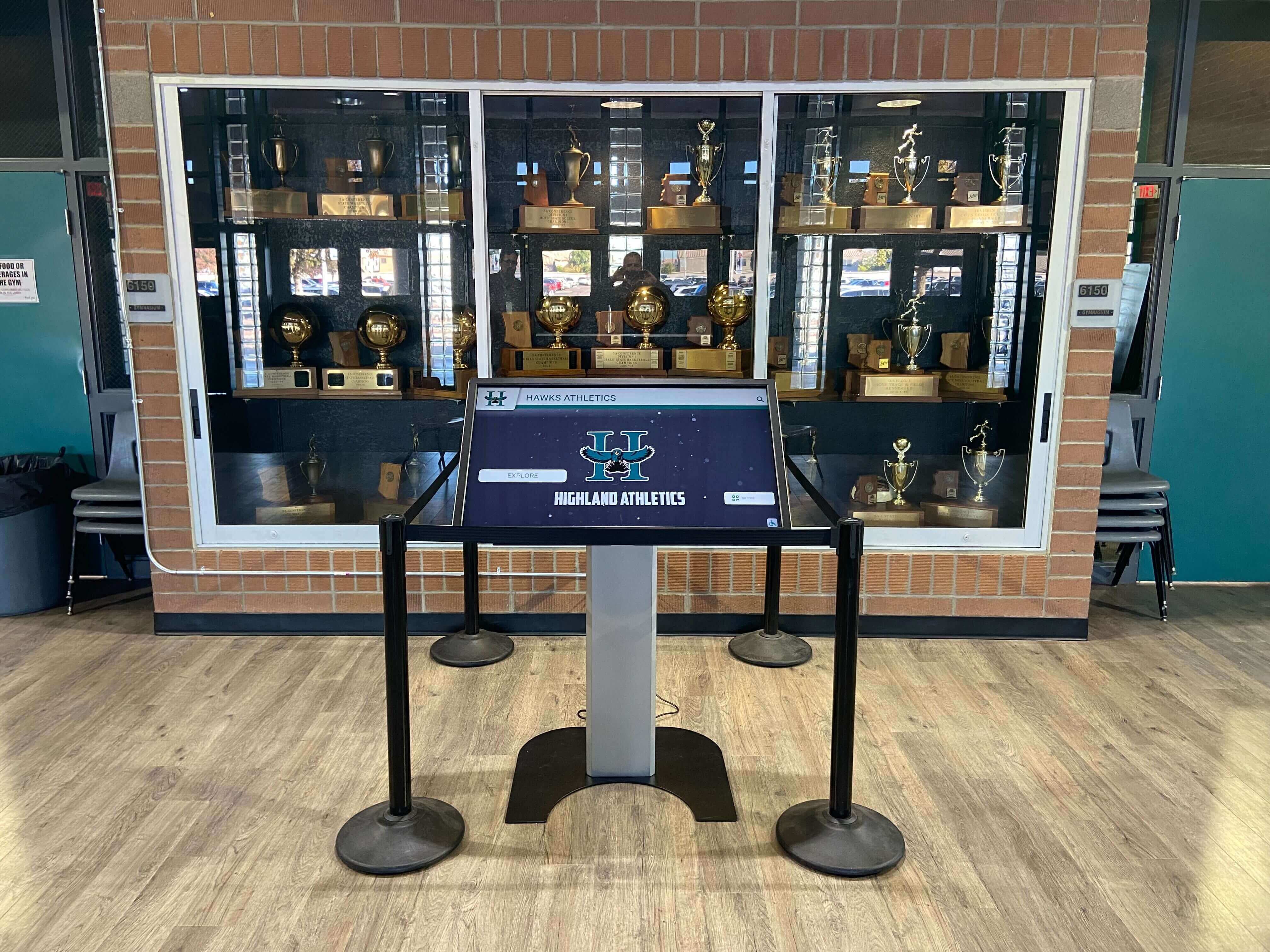
Digital archives extend beyond websites into physical institutional spaces through integration with recognition displays creating dynamic exhibitions, lobby kiosks enabling visitor browsing, digital signage showcasing rotating historical content, and QR codes linking physical locations to related digital materials. This integration brings historical content into daily institutional life rather than confining it to remote websites only interested users seek out.
Resources on school historical timelines and college history timeline development demonstrate how archives integrate with physical recognition systems creating cohesive experiences connecting digital and physical heritage presentation.
Collaborative Archives and Community Contributions
Crowdsourced Content Strategies
Benefits
- Dramatically expands collections with materials institutions don't possess
- Engages alumni and community members as active participants
- Captures contextual information and stories providing rich narratives
- Builds community ownership and ongoing interest in archives
- Identifies and corrects errors in existing materials
Implementation Requirements
- Moderation systems preventing inappropriate submissions
- Clear contributor terms defining rights and usage
- Technical workflows for processing submissions
- Quality standards and review procedures
- Acknowledgment systems recognizing contributors
Platforms like SocialArchive specifically emphasize community contribution capabilities, while custom solutions can implement submission portals and moderation workflows.
Artificial Intelligence and Emerging Technologies
AI technologies increasingly enable transformative archive capabilities including automated metadata generation analyzing images and suggesting keywords, facial recognition identifying individuals across multiple photographs, handwriting recognition converting cursive documents to searchable text, automatic image enhancement improving quality of degraded materials, and content recommendation suggesting related materials based on viewing patterns.
While these capabilities remain emerging, they promise to dramatically reduce manual metadata work while improving discoverability and user experience. Institutions should monitor AI developments and consider pilot projects applying these tools to collection subsets. Guidelines from school history software research explore emerging technologies reshaping educational heritage management.
Cost Analysis and Budgeting Strategies
Understanding comprehensive costs enables realistic budgeting and sustainable program planning.
Digital Archive Cost Components
Initial Investment
- Platform licensing or first-year subscription: $2,000-$25,000
- Professional digitization services: $0.50-$5 per page/item
- Scanning equipment for in-house work: $500-$5,000
- Interactive display hardware (optional): $3,000-$15,000
- Implementation and setup fees: $1,000-$10,000
- Staff training and documentation: $500-$3,000
- Content organization and metadata entry: varies by volume
Ongoing Annual Costs
- Software subscriptions and licensing: $1,000-$8,000
- Cloud storage as collections grow: $200-$2,000
- Technical support and maintenance: $500-$3,000
- Ongoing digitization of current materials: staff time
- Display hardware maintenance (if applicable): $200-$1,000
- Marketing and engagement initiatives: $500-$2,000
- Staff time for content management: ongoing
Total first-year costs typically range from $10,000-$50,000 for comprehensive implementations depending on collection size, platform selection, and digitization approach. Ongoing costs generally run $3,000-$15,000 annually. Many institutions implement phased approaches starting with pilot projects demonstrating value before expanding to full-scale deployments.
Funding Strategies: Explore diverse funding sources including general operating budget allocations, technology or library budget line items, grant funding from heritage and preservation foundations, alumni fundraising campaigns positioning archives as legacy projects, anniversary or celebration campaigns tied to milestone events, and community partnerships with historical societies or archives.
Best Practices for Long-Term Success
Institutions achieving greatest value from digital archives follow proven practices addressing common challenges and maximizing stakeholder engagement.
Establish Sustainable Workflows
Content Addition Procedures: Develop systematic processes for continuous archive growth including annual yearbook digitization immediately following publication, ongoing photograph archiving from current events and activities, periodic document scanning addressing accumulated materials, solicitation and processing of alumni donations, and retrospective gap-filling for missing historical coverage. Regular additions demonstrate archives remain active living repositories rather than completed static projects.
Quality Maintenance: Implement ongoing quality control including periodic verification of file integrity and accessibility, link checking for integrated materials and references, backup system testing and disaster recovery validation, platform software updates and security patches, and usage monitoring identifying broken features or access problems. Digital preservation requires active management—passive “set it and forget it” approaches inevitably result in access loss or degraded functionality.
Engage Multiple Stakeholders
Successful archives involve diverse community members rather than remaining single-department projects:
- Alumni Association: Content contributions, promotion, and funding support
- Development Office: Heritage narrative coordination with fundraising initiatives
- Admissions Department: Integration into campus tours and recruiting materials
- Faculty and Librarians: Curriculum integration and research support
- Athletics Department: Sports documentation and athlete recognition
- Student Organizations: Service learning opportunities through heritage projects
- IT Department: Technical infrastructure and security management
- Marketing/Communications: Launch promotion and ongoing awareness campaigns
Broad engagement builds support, distributes workload, and ensures archives serve multiple institutional priorities simultaneously.
Promote Actively and Measure Impact
Continuous Awareness Strategies
- Weekly or monthly "throwback" social media posts featuring historical content
- Alumni newsletter features highlighting newly digitized collections
- Reunion communications encouraging former classmates to explore together
- New student orientation inclusion introducing institutional heritage
- Campus tour integration showcasing archive access points
- Anniversary commemorations featuring relevant historical materials
Impact Measurement
- Analytics tracking usage patterns and popular content
- User surveys and feedback collection
- Engagement metrics showing active versus passive use
- Search query analysis revealing what users seek
- Testimonial collection documenting meaningful experiences
- Continuous improvement based on data insights
Archives grow more valuable through active promotion building awareness and usage habits rather than passive availability hoping community members independently discover resources. Strategies from community showcase projects provide additional engagement approaches applicable to digital heritage programs.
Conclusion: Preserving Heritage, Empowering Communities
Educational institutions serve as more than facilities providing instruction—they represent communities where young people develop identities, form relationships, discover passions, and create memories shaping entire lives. The students who walked hallways decades or centuries ago were real people with hopes, achievements, and stories. The teachers who dedicated careers to education influenced thousands of lives. The teams that won championships created traditions. The events that marked milestones defined communities.
All of this deserves preservation, honor, and remembrance. Digital archives ensure these stories, achievements, and memories don’t fade into obscurity or suffer permanent loss through neglect and deterioration. Comprehensive archival systems protect vulnerable materials while making them accessible to current students building identity, alumni maintaining connections, prospective families evaluating tradition, researchers studying educational history, and future generations exploring roots.
The technology has matured. Educational pricing makes comprehensive solutions accessible. Implementation best practices provide proven roadmaps. Successful deployments across thousands of institutions demonstrate tangible value. The compelling question facing schools, colleges, and universities today is not whether to preserve heritage digitally, but rather which approach best serves unique institutional history, community needs, and strategic vision.
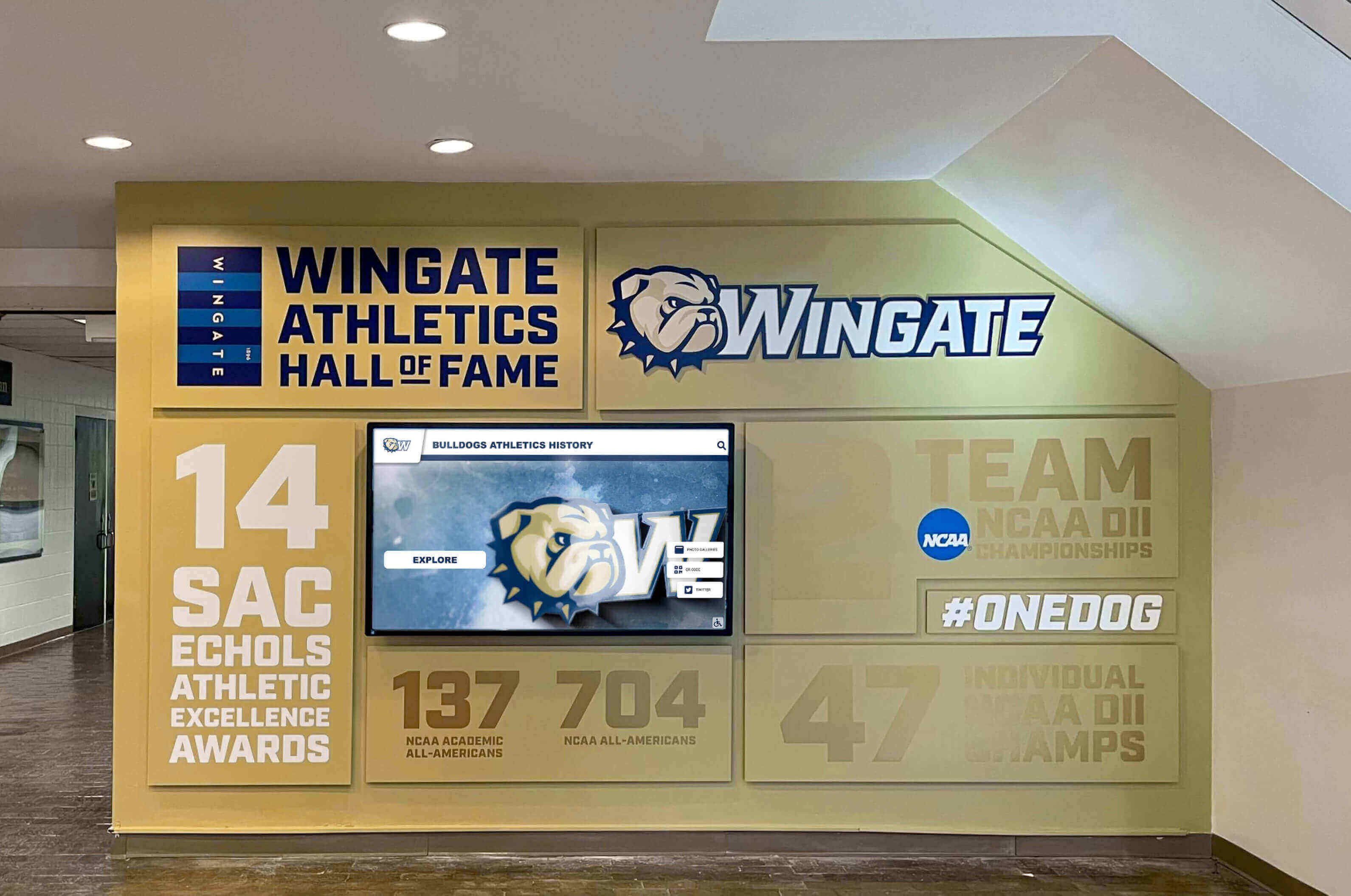
Solutions like Rocket Alumni Solutions provide comprehensive platforms combining intuitive archive management, engaging interactive displays, multi-device accessibility, and ongoing support that transform heritage preservation from daunting technical projects into achievable initiatives celebrating institutional identity and building lasting community connections.
The students, teachers, staff, and community members who built your institution’s history deserve preservation systems reflecting the significance of their contributions and experiences. By implementing digital archives following these best practices, educational institutions demonstrate commitment to honoring heritage, create resources supporting learning and research, establish platforms strengthening stakeholder engagement, and ensure that institutional memory survives and thrives for generations discovering their connection to communities that shaped countless lives.
For related guidance, explore approaches to preserving old school photographs, strategies for developing institutional timelines, techniques for organizing historical photo archives, and frameworks for preserving oral histories that complement comprehensive digital archive programs.
Sources
This article references information from the following sources:
- SocialArchive - Digital Content Hub for Education
- EdTech Magazine - Universities Harness Cloud for Digital Archives
- Advantage Archives - Creating Online Digital Archives
- U.S. Department of Education - FERPA Guidance
- Library of Congress - Digital Preservation