



Key Takeaways
Comprehensive guide to implementing debate team achievement boards. Learn how to honor speech and debate team success through digital displays, tournament recognition, and lasting tributes celebrating forensics excellence.
Understanding Speech and Debate Achievement
Before implementing effective recognition programs, schools must understand the full scope of debate team accomplishments worth celebrating and the competitive landscape that makes these achievements significant.
The Competitive Forensics Landscape
High school debate and forensics competition operates through structured competitive systems that provide clear achievement benchmarks schools can recognize.
National Speech & Debate Association (NSDA): The premier organization for high school speech and debate in the United States, the NSDA provides standardized recognition systems, national competition structures, and honor society membership. The organization oversees student recognition programs including the NSDA Honor Society, which awards degrees based on competitive points earned throughout students’ careers.
Tournament Competition Structure: Debate teams compete at local, regional, state, and national tournaments throughout the competitive season. Major tournaments include prestigious invitationals hosted by top universities—Harvard, Stanford, Emory, Yale—as well as state championships and the Tournament of Champions (TOC), which represents the pinnacle of achievement requiring qualification through cumulative success at designated tournaments.
Debate Format Diversity: Competitive debate encompasses multiple formats, each with distinct structures and skill requirements:
Policy Debate (Team Policy or TP) involves two-person teams debating comprehensive policy resolutions throughout entire seasons, requiring extensive research and evidence preparation. Lincoln-Douglas Debate (LD) features one-on-one value debate focused on philosophical and ethical reasoning. Public Forum Debate (PF) emphasizes accessible argumentation on current event topics designed for general audience understanding. Congressional Debate simulates legislative processes with students proposing, debating, and voting on legislation. Individual speech events include Original Oratory, Dramatic Interpretation, Humorous Interpretation, Extemporaneous Speaking, and numerous other formats requiring distinct skill sets.
This diversity means effective achievement boards must accommodate recognition across multiple event categories rather than treating debate as a single unified activity.
Types of Debate Team Achievements Worth Recognizing
Comprehensive achievement boards should acknowledge diverse accomplishment types that collectively demonstrate forensics excellence:
Tournament Performance Recognition includes winning championships at invitational tournaments, advancing to elimination rounds (quarterfinals, semifinals, finals), receiving top speaker awards, and earning recognition as best debater in specific divisions. Schools should document not just first-place finishes but also semifinal appearances, speaker awards, and other competitive distinctions that demonstrate exceptional performance.
Season-Long Excellence encompasses cumulative achievements across entire competitive seasons. The NSDA Honor Society awards degrees—Degree of Merit, Degree of Honor, Degree of Excellence, Degree of Distinction, Degree of Special Distinction, and Degree of Superior Distinction—based on points earned through tournament competition. According to the NSDA, each year the top student point earners in the country are named All Americans, with the 25 students achieving the highest total points in the Honor Society receiving this prestigious recognition.
State and National Qualification represents significant achievement milestones. Qualifying for state championships demonstrates performance ranking among a state’s top debaters. Qualifying for NSDA Nationals requires earning specific point thresholds through tournament success. Tournament of Champions qualification—requiring success at multiple designated tournaments—represents elite achievement accessible to only the nation’s top debaters.
Team Accomplishments include school-level recognition such as state championship victories, sweepstakes awards at major tournaments, and NSDA school recognition. The NSDA charter school designation represents the highest honor for high schools, awarded after enrolling at least 50 degrees within a three-year membership period. Schools can earn Club Awards including The 100 Club (strength over 100 points) and The 200 Club (strength over 200 points).
Individual Speech Event Recognition documents success in performance-based events including interpretation categories, public speaking events, and platform speeches, each requiring distinct preparation and performance skills worthy of specific recognition.
Implementing Traditional Debate Team Achievement Boards
Many schools maintain physical achievement boards documenting debate team success through various display formats.
Physical Display Formats and Limitations
Traditional achievement boards typically employ several common approaches:
Name Plaques and Lists display debater names alongside achievement descriptions—tournament victories, degree levels earned, or years participated. These lists provide straightforward documentation but often lack contextual information helping viewers understand achievement significance.
Trophy Cases showcase physical tournament trophies, creating visual impact through accumulated hardware. However, trophy cases face severe space constraints as successful programs accumulate dozens or hundreds of trophies across multiple years and event categories.
Team Photos and Banners document team membership and notable seasons through photographs and championship banners. While these displays create visual interest and team pride, they provide limited information about individual achievements or specific competitive successes.
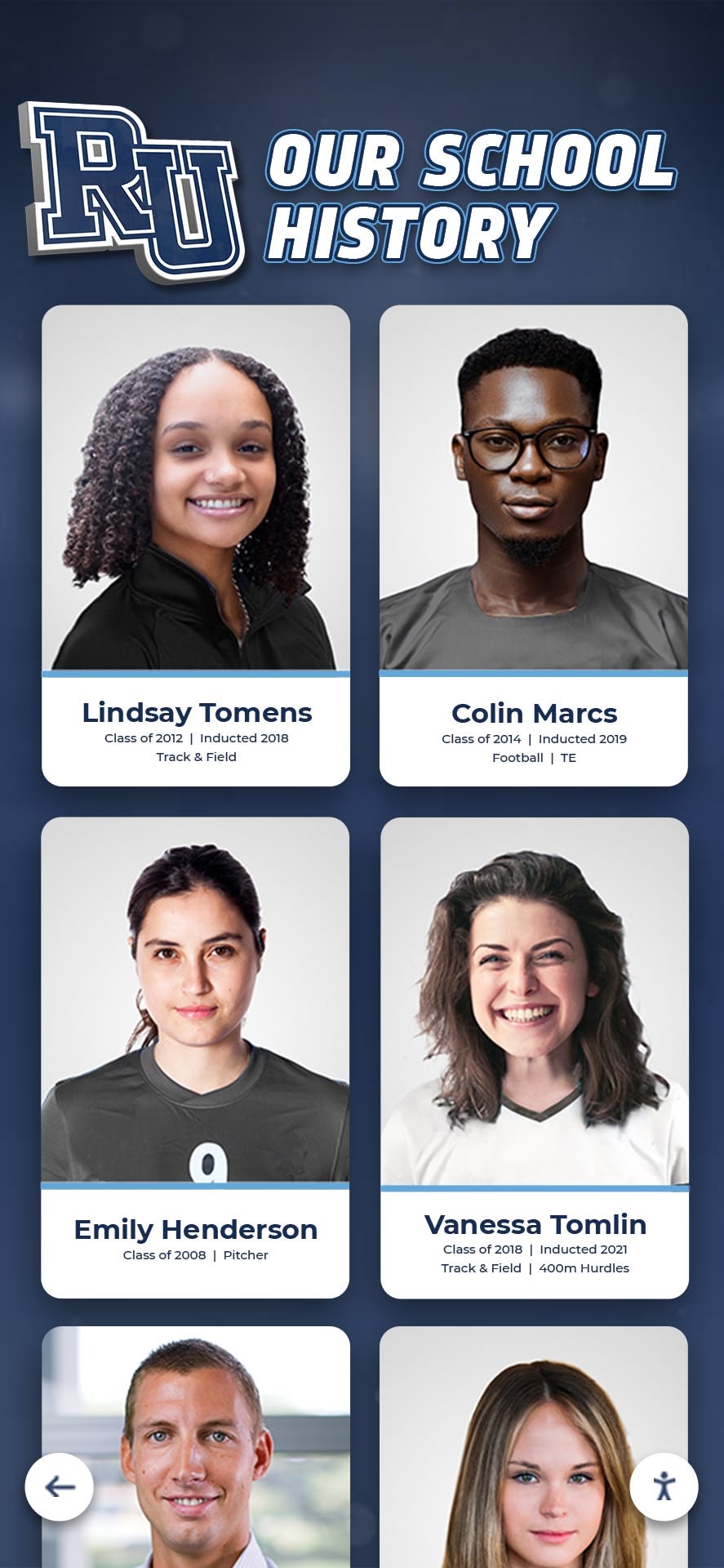
Common Challenges With Physical Achievement Boards
Schools implementing traditional physical boards frequently encounter significant limitations:
Space Constraints: Successful debate programs produce extensive achievements across multiple students, event categories, and years. Physical boards quickly exhaust available wall space, forcing difficult decisions about which achievements receive recognition and which go undocumented. A program producing just five significant achievements per year generates 50 recognizable accomplishments across a decade—often more than physical space allows.
Update Difficulty: Adding new achievements to physical displays requires printing new plaques, drilling mounting holes, or reconfiguring existing layouts. This labor-intensive process often creates backlogs where recent achievements remain unrecognized for weeks or months while materials are ordered and installations scheduled.
Limited Information Depth: Space constraints force physical displays to include only minimal information—typically just names, tournaments, and perhaps years. Viewers receive no context about what achievements represent, how competitive events proved, what debate formats involved, or what made performances exceptional.
Static, Non-Interactive Presentation: Physical displays communicate passively as viewers walk past without opportunities for active engagement. Visitors cannot search for specific debaters, filter by event categories, or access detailed achievement histories beyond surface-level information visible from hallways.
Accessibility Limitations: Physical displays exist only in specific locations, accessible only to those who can physically visit school buildings. Alumni, distant family members, prospective students researching programs, and community members supporting debate teams cannot access recognition remotely.
These limitations create situations where successful programs cannot adequately celebrate the full scope of team and individual achievements despite genuine desire to honor forensics excellence comprehensively.
Digital Achievement Boards: Modern Recognition Solutions
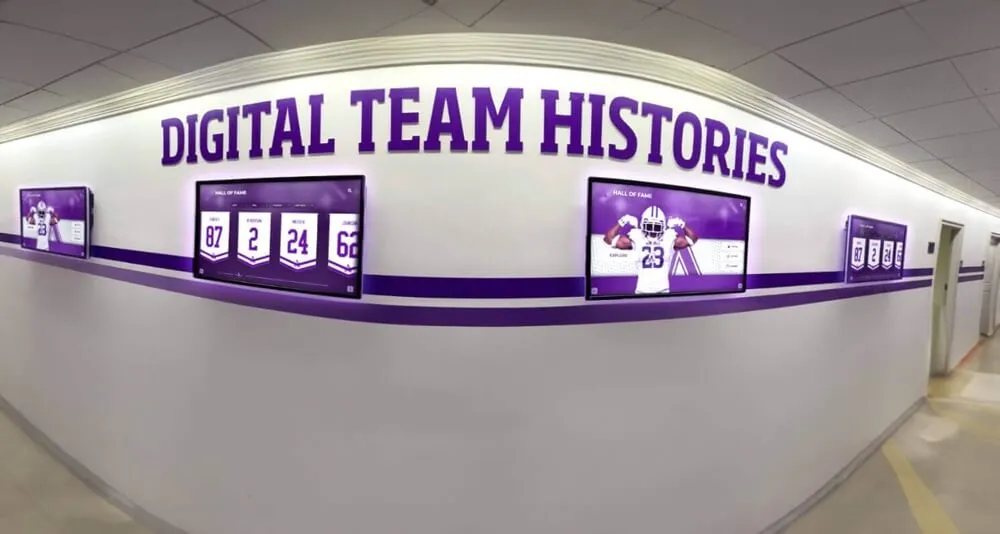
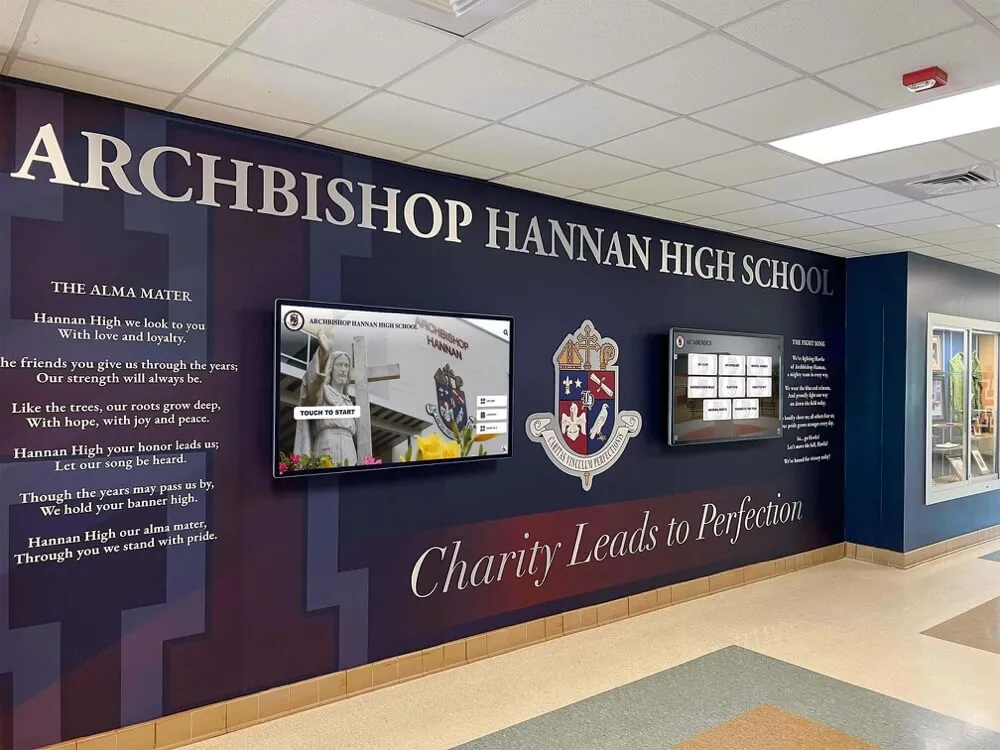
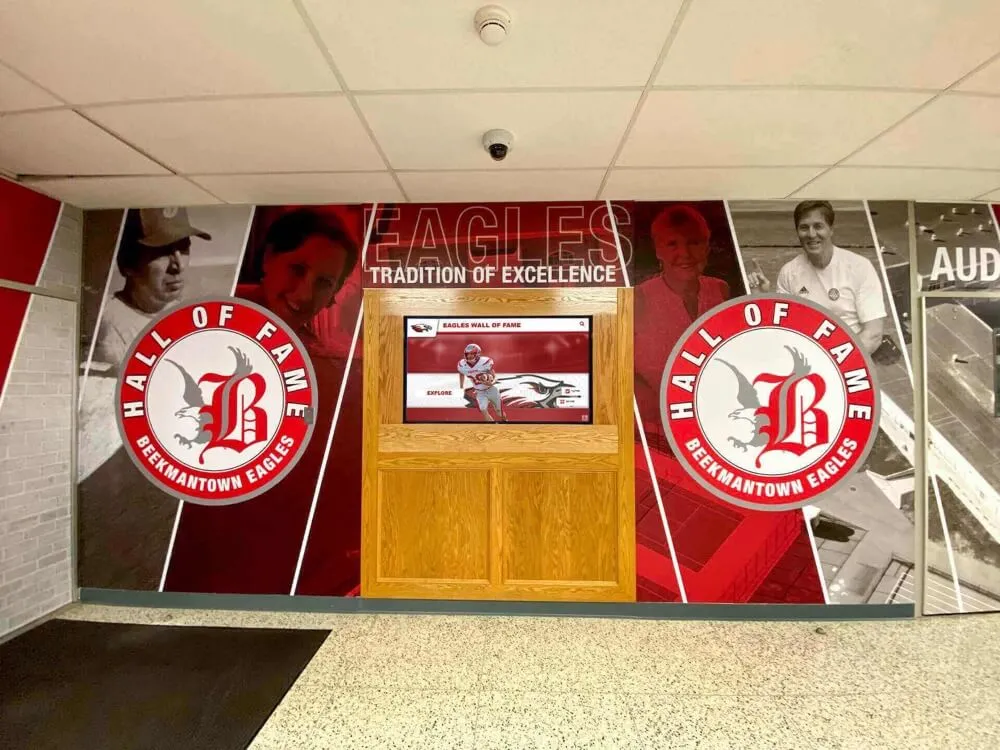
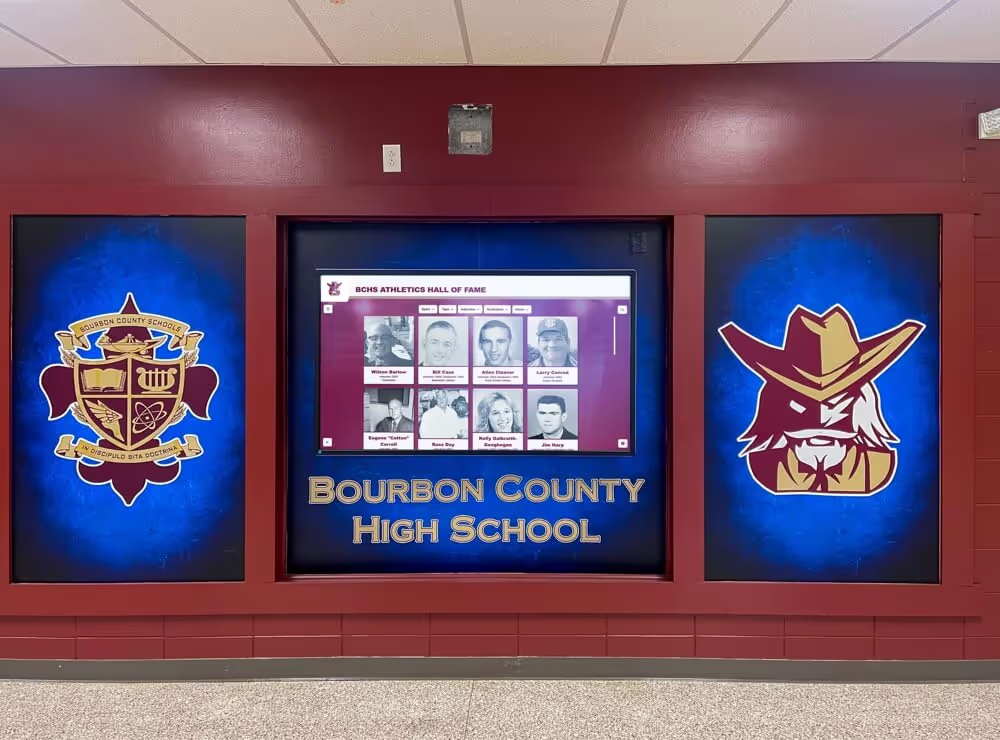
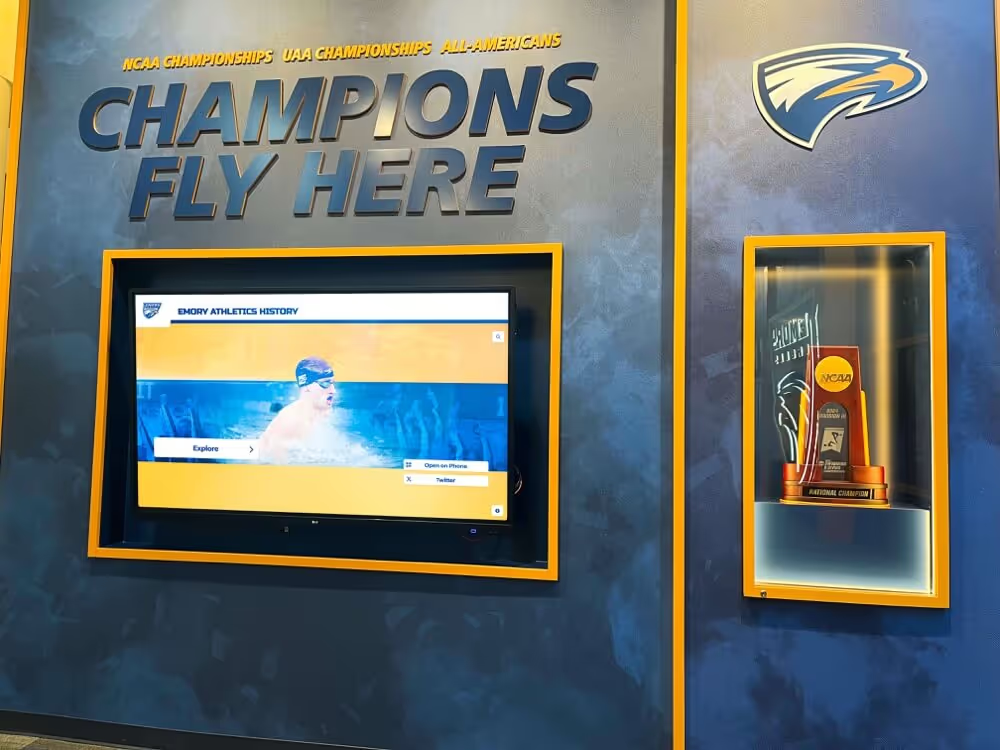
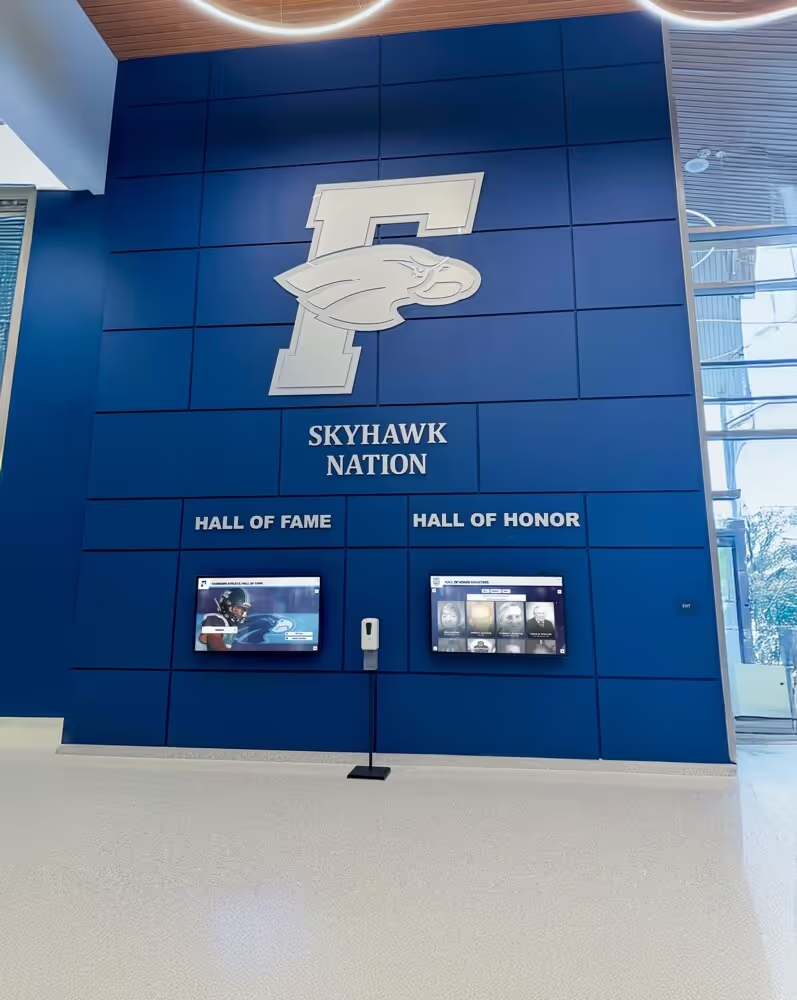
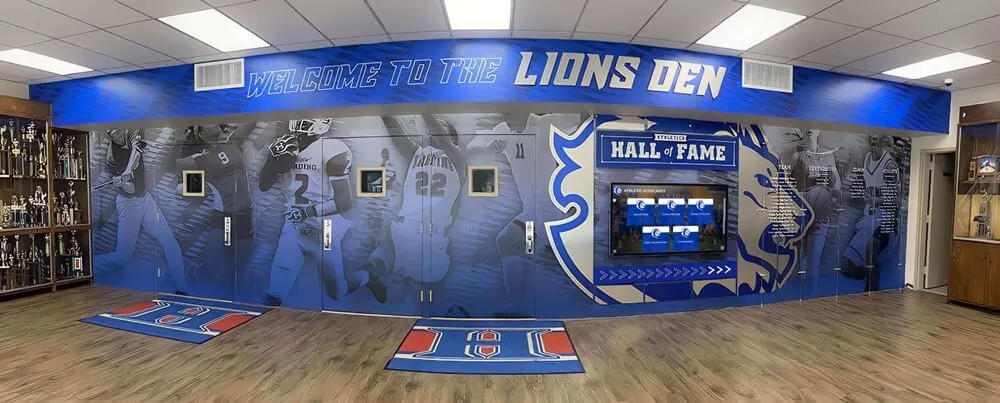
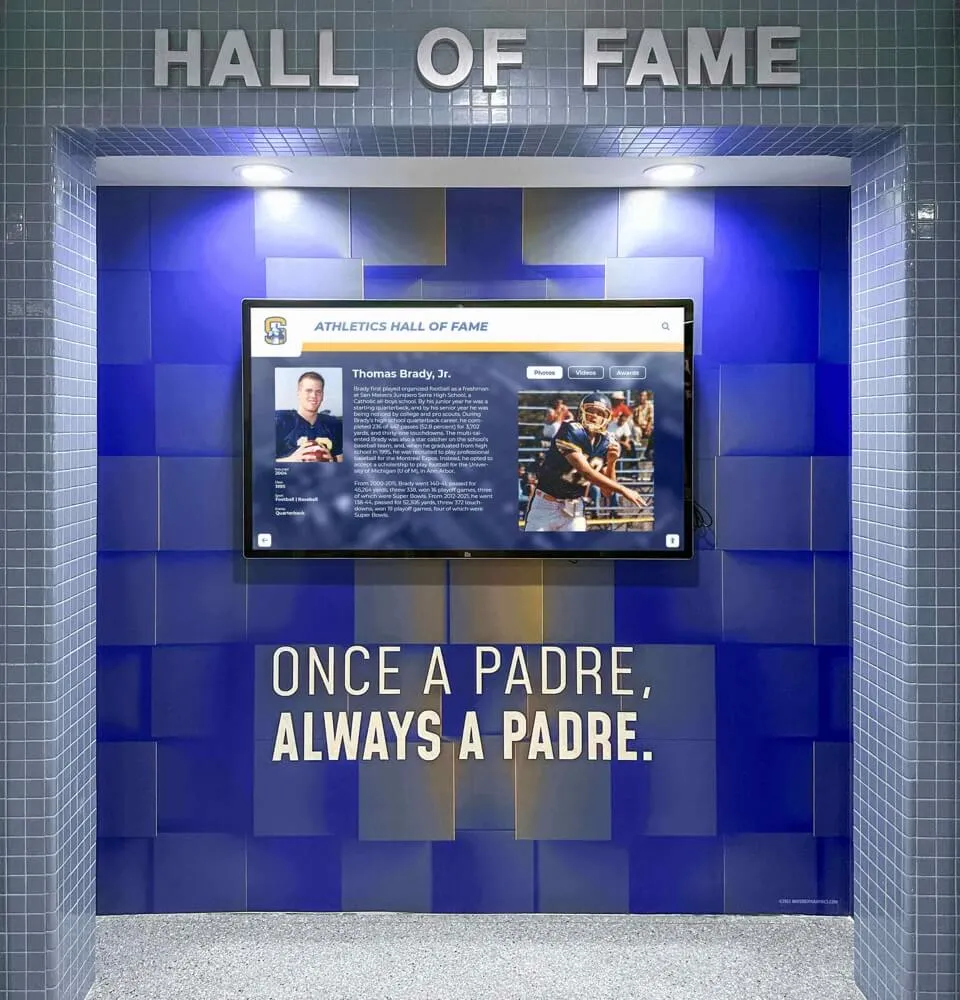
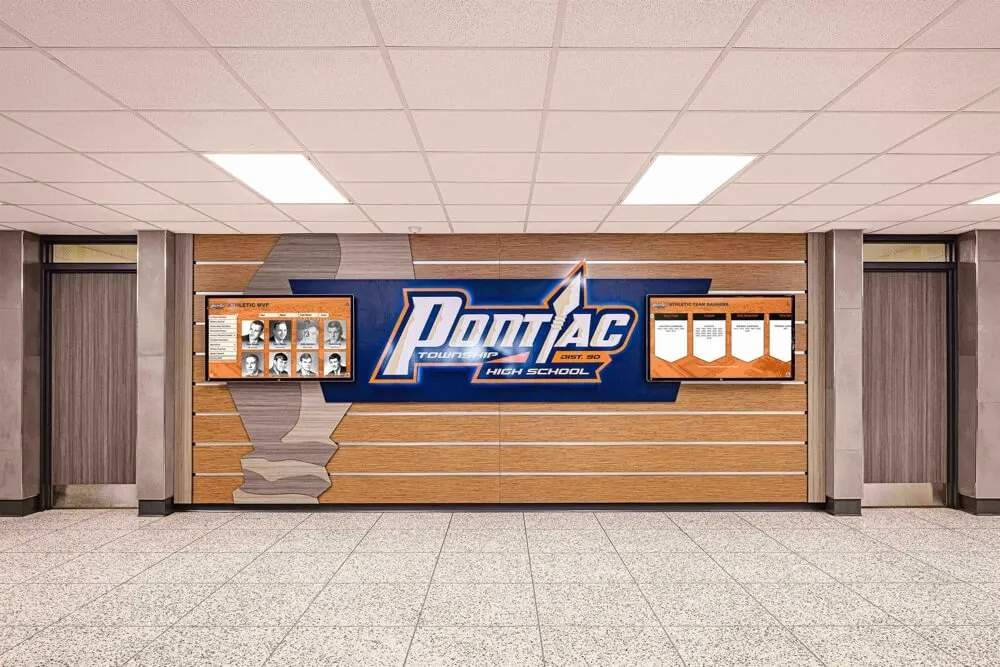
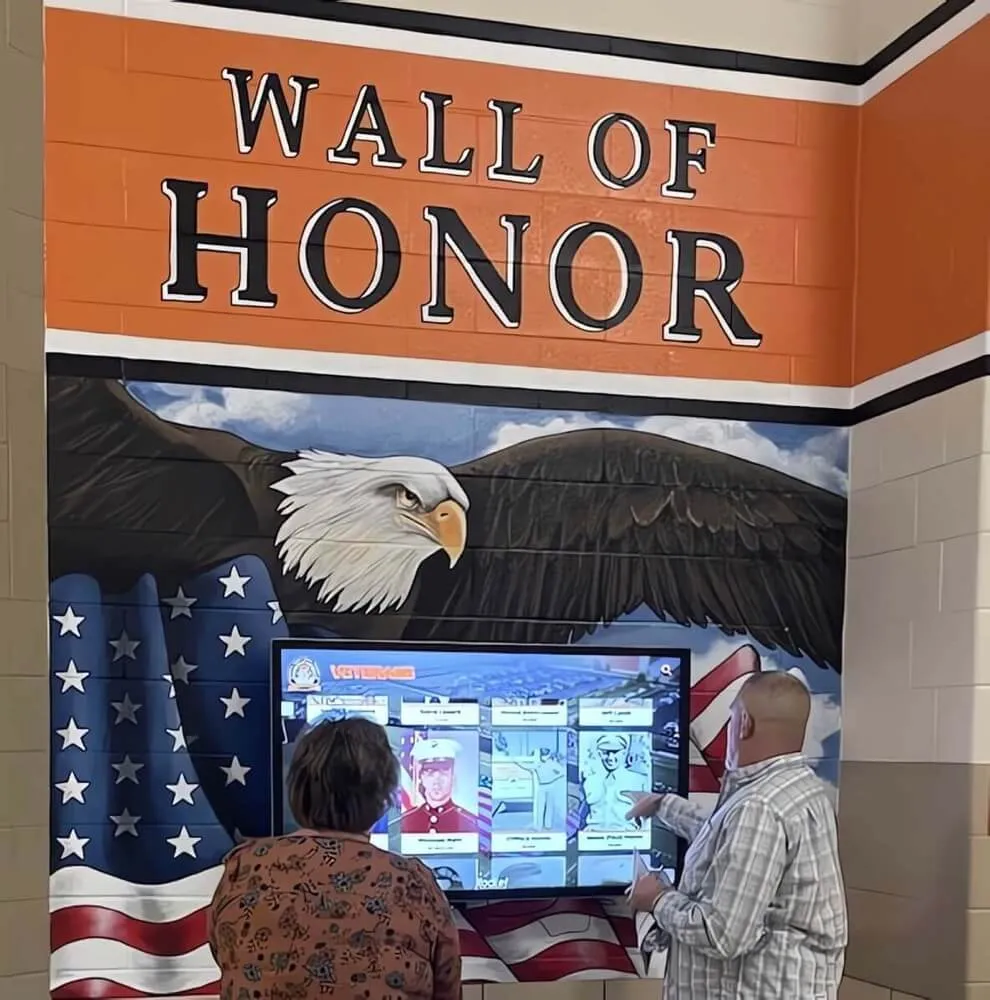
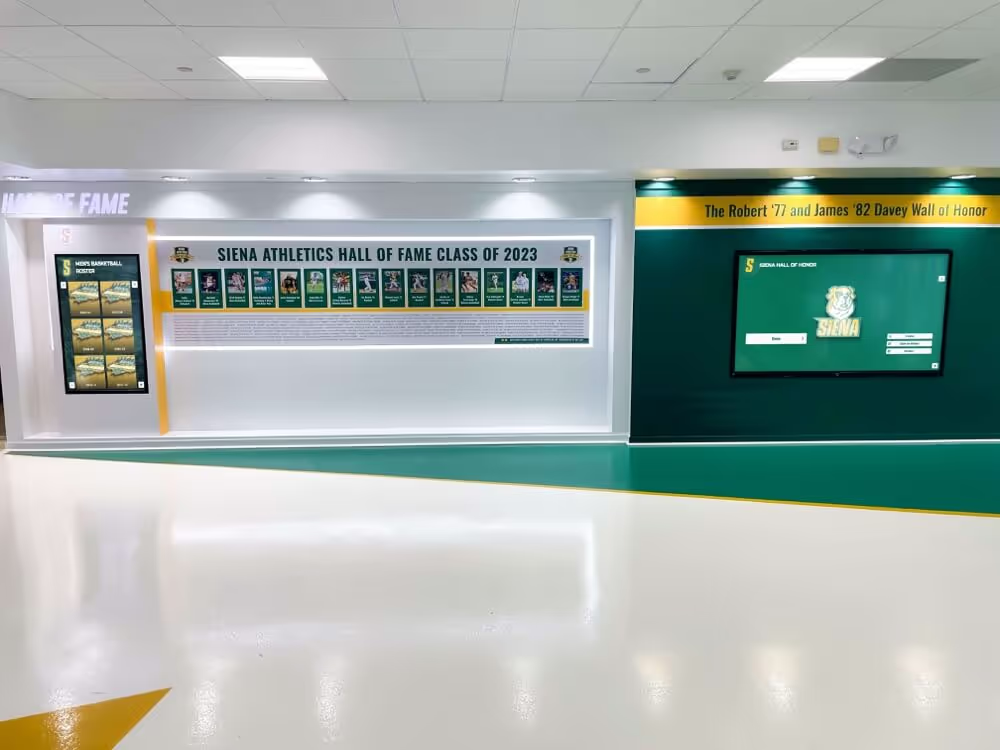
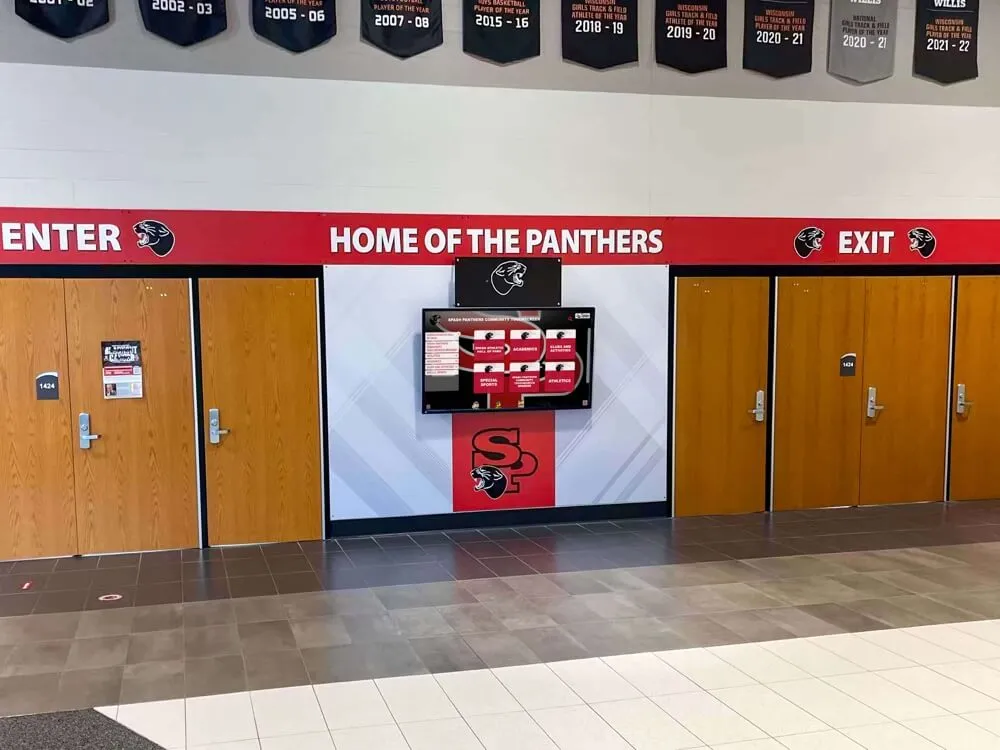
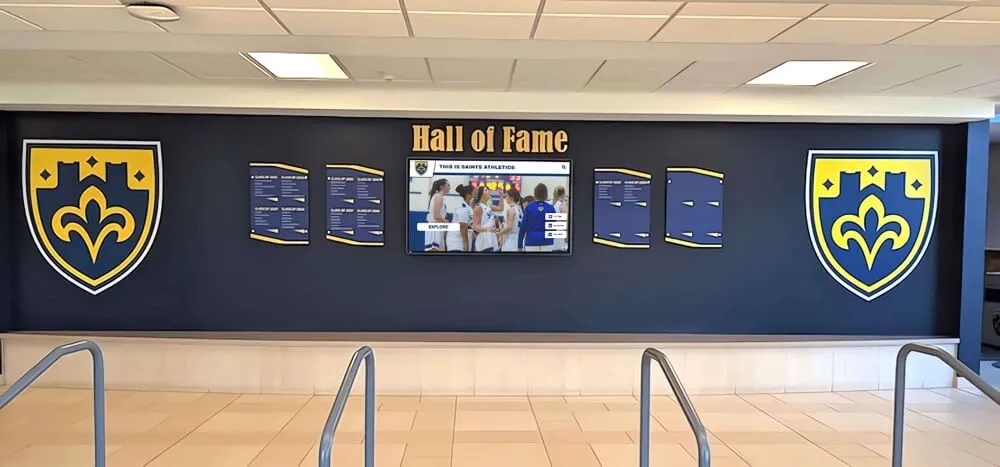
Digital recognition displays transform debate team achievement documentation from space-constrained physical boards to unlimited-capacity interactive platforms that overcome traditional limitations while enhancing engagement and accessibility.
Advantages of Digital Recognition Systems
Modern digital displays provide numerous advantages over traditional physical boards:
Unlimited Recognition Capacity: Digital platforms eliminate space constraints entirely. Schools can document every tournament appearance, every degree earned, every championship victory, and every competitive distinction across unlimited students throughout entire program histories without ever exhausting available “space.” A successful program documenting hundreds of achievements faces no capacity limitations.
Rich Multimedia Content: Beyond simple name lists, digital systems support comprehensive recognition including professional photographs of debaters, detailed achievement descriptions explaining tournament significance, video clips of performances or acceptance speeches, biographical information about debaters’ paths to success, and statistical comparisons providing competitive context.
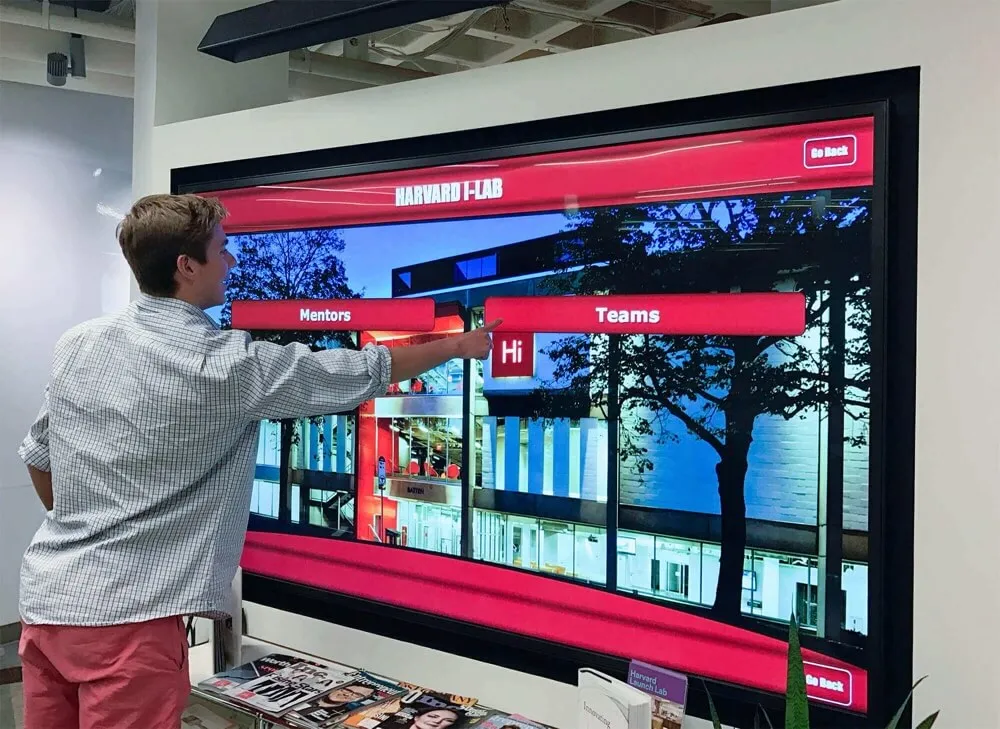
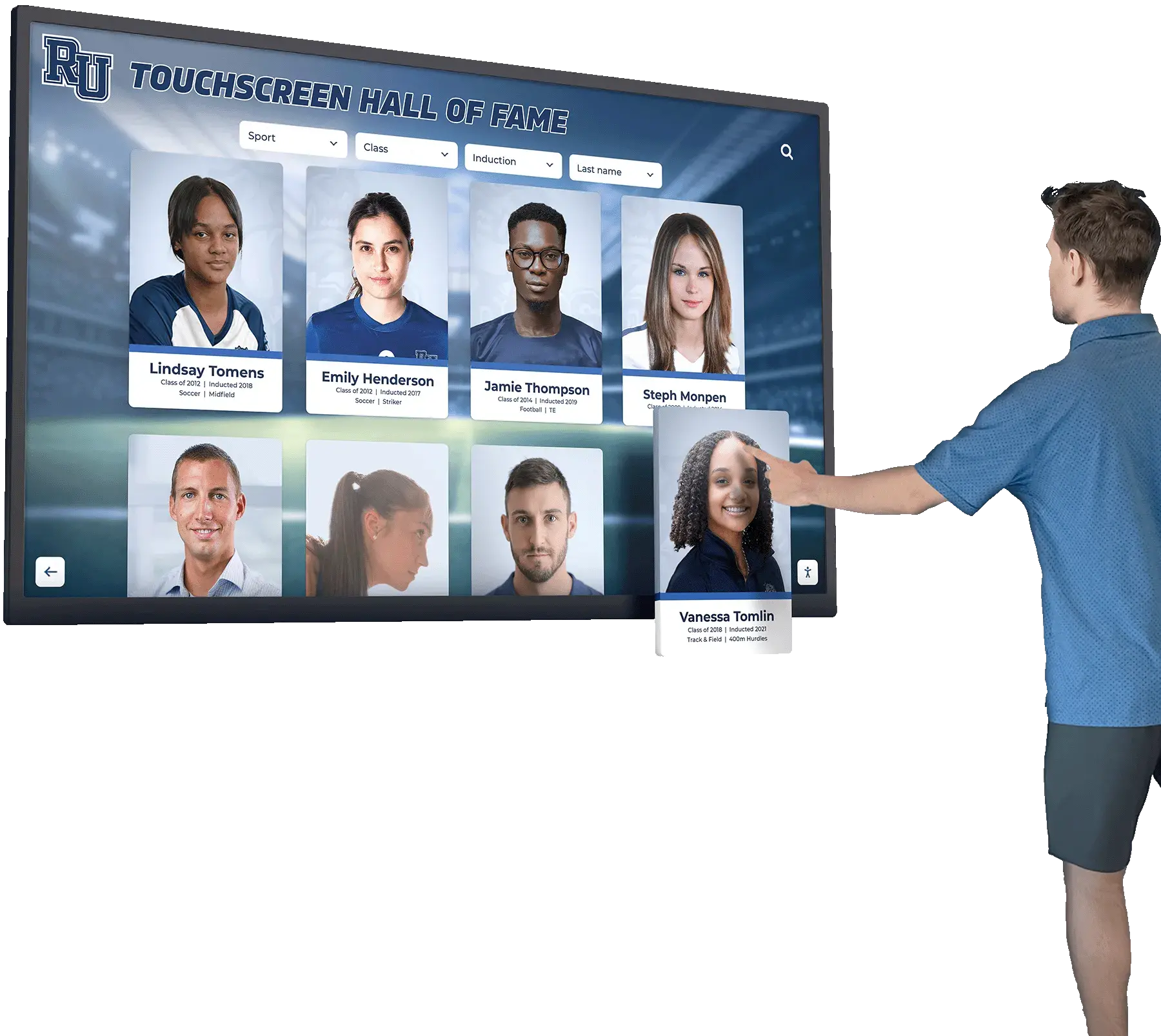
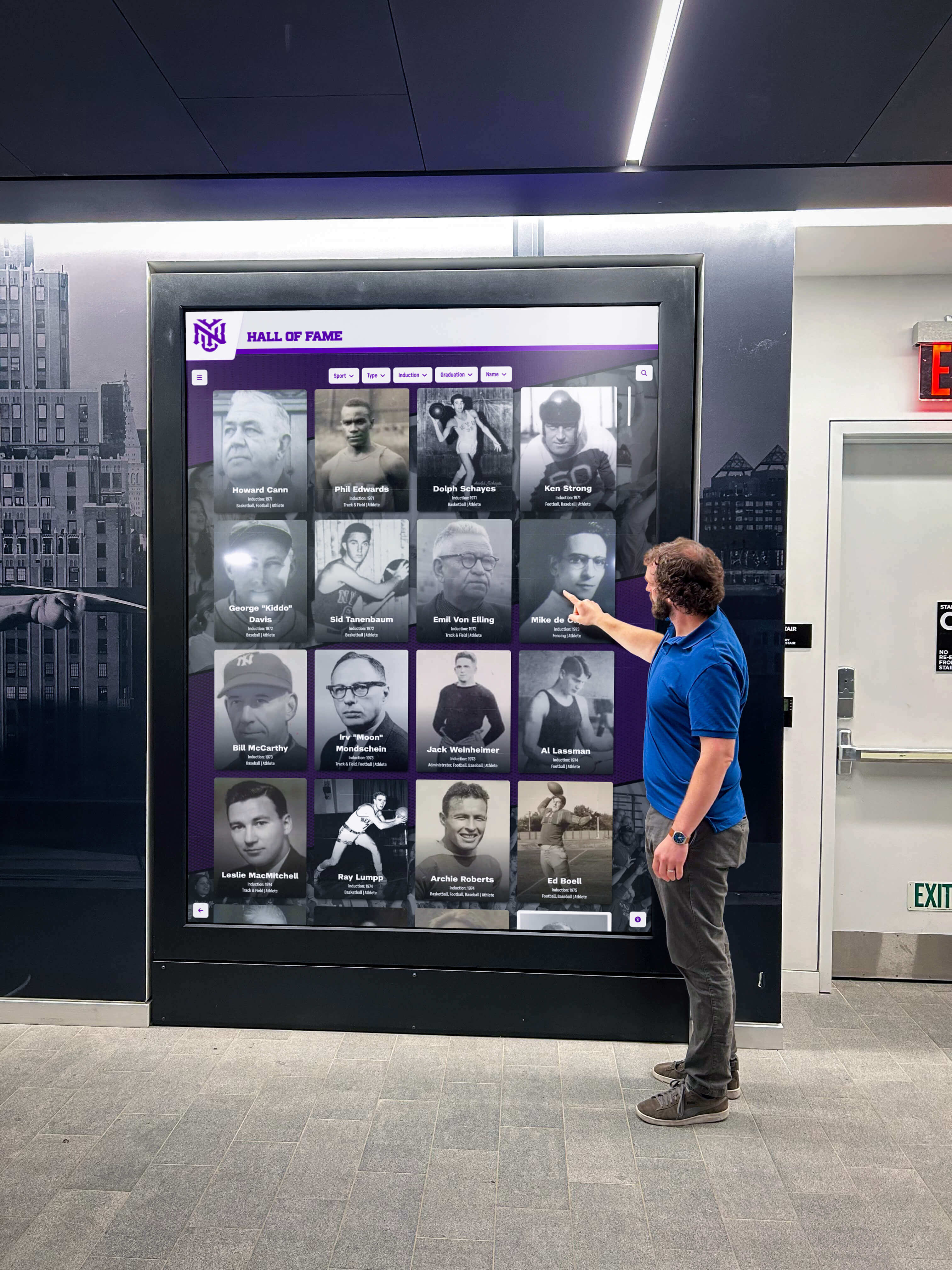
Interactive Search and Filtering: Digital displays invite active engagement rather than passive viewing. Visitors can search by debater names, filter by event categories (Policy, LD, PF, individual events), browse by year or season, view degree progression timelines, and explore tournament-specific results. These capabilities transform achievement boards from static displays into engaging interactive experiences.
Instant Updates: Adding new achievements requires only minutes through cloud-based content management systems accessible from any device. After weekend tournaments, coaches or designated staff can update recognition displays immediately rather than waiting weeks for physical plaques. This immediacy ensures current achievements receive timely celebration while remaining fresh and relevant.
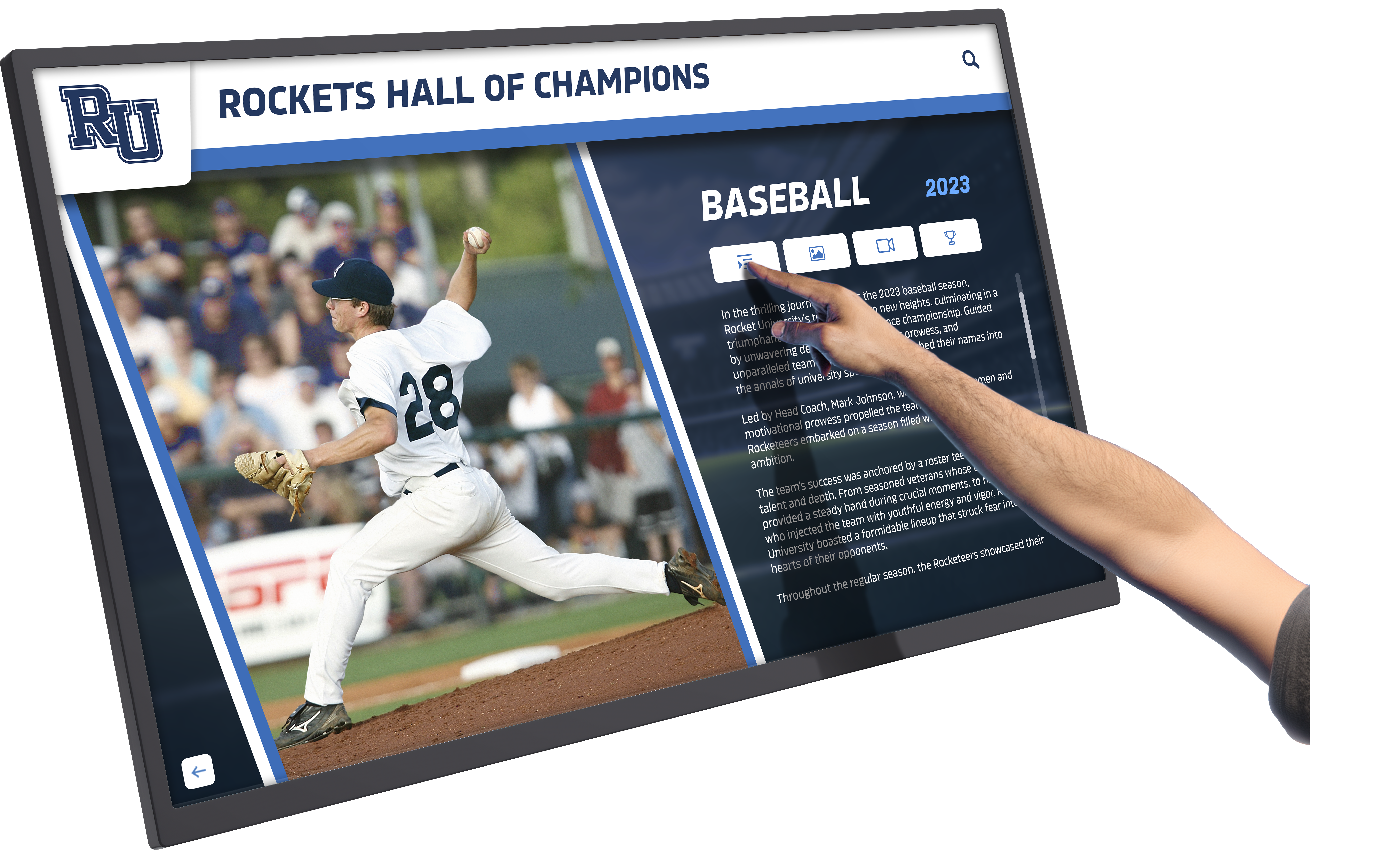
Remote Accessibility: Digital recognition extends beyond physical school locations through web-accessible platforms. Alumni can explore their competitive histories from anywhere. Prospective students researching debate programs can evaluate team success comprehensively. Family members supporting current debaters can view achievements remotely. This accessibility multiplies recognition impact exponentially compared to location-dependent physical displays.
Comprehensive Historical Documentation: Digital systems automatically create searchable archives preserving complete program histories. Schools can document every season dating back decades, creating institutional memory that honors past achievements while demonstrating program longevity and tradition. These archives prove invaluable for anniversary celebrations, alumni reunions, and historical research.
Solutions like digital recognition displays designed specifically for schools provide purpose-built platforms offering intuitive management interfaces while creating engaging user experiences that celebrate achievement effectively.
Essential Content for Debate Achievement Profiles
Comprehensive digital recognition should include these key elements for each debater and achievement:
Basic Information includes full name, graduation year, event categories competed (Policy, LD, PF, etc.), years of participation, and NSDA Honor Society degree level earned. Tournament Achievements document specific tournament results including championship victories, semifinal and final round appearances, speaker awards and recognition, elimination round advancement, and head-to-head record highlights.
Cumulative Achievement Metrics provide competitive context through career win-loss records, NSDA points accumulated, state championship qualifications, national tournament qualifications, Tournament of Champions bids earned, and season-long rankings.
Event-Specific Accomplishments detail achievements within particular debate or speech formats, recognizing that excellence in Policy Debate requires different skills than success in Lincoln-Douglas or individual speaking events. Separate documentation for each event category ensures comprehensive recognition of versatile competitors while honoring specialists who excel in particular formats.
Visual Content features action photographs from tournaments, award ceremony photos, team photos from notable seasons, and video clips when available. Personal Context may include debater reflections about competitive experiences, statements about what debate meant to their development, acknowledgments of influential coaches or teammates, and information about post-graduation paths.
Coaching Recognition acknowledges coaches who guided debaters to success, recognizing that competitive achievement results from partnerships between student effort and coaching expertise. Programs implementing comprehensive academic recognition approaches understand that effective recognition honors all contributors to achievement, not just individual competitors.
Implementing Debate-Specific Recognition Categories
Effective achievement boards organize recognition around forensics-specific categories that reflect competitive structures and achievement types unique to speech and debate.
Recognition by Debate Format
Different debate formats merit separate recognition categories acknowledging distinct skill sets and competitive achievements:
Policy Debate Recognition should document team partnerships (since Policy involves two-person teams), evidence research accomplishments, topic-specific expertise (since Policy debates single resolutions for full seasons), and strategy development achievements. Policy debate requires extensive research capabilities, evidence management, and rapid argumentation—skills worth highlighting in recognition content.
Lincoln-Douglas Recognition emphasizes philosophical argumentation, value criterion development, and individual competitive success. LD debaters develop expertise in ethical reasoning and value conflicts that distinguish this format from evidence-heavy Policy debate or accessibility-focused Public Forum.
Public Forum Recognition documents achievements in this increasingly popular format emphasizing accessible argumentation on current event topics. PF success requires different skills than Policy or LD, including ability to make complex arguments understandable to lay audiences—a distinction worth noting in achievement descriptions.
Congressional Debate Recognition honors legislative simulation success including bill authorship, parliamentary procedure mastery, coalition building, and presiding officer roles. Congressional debate requires unique skills combining research, speaking, and legislative strategy.
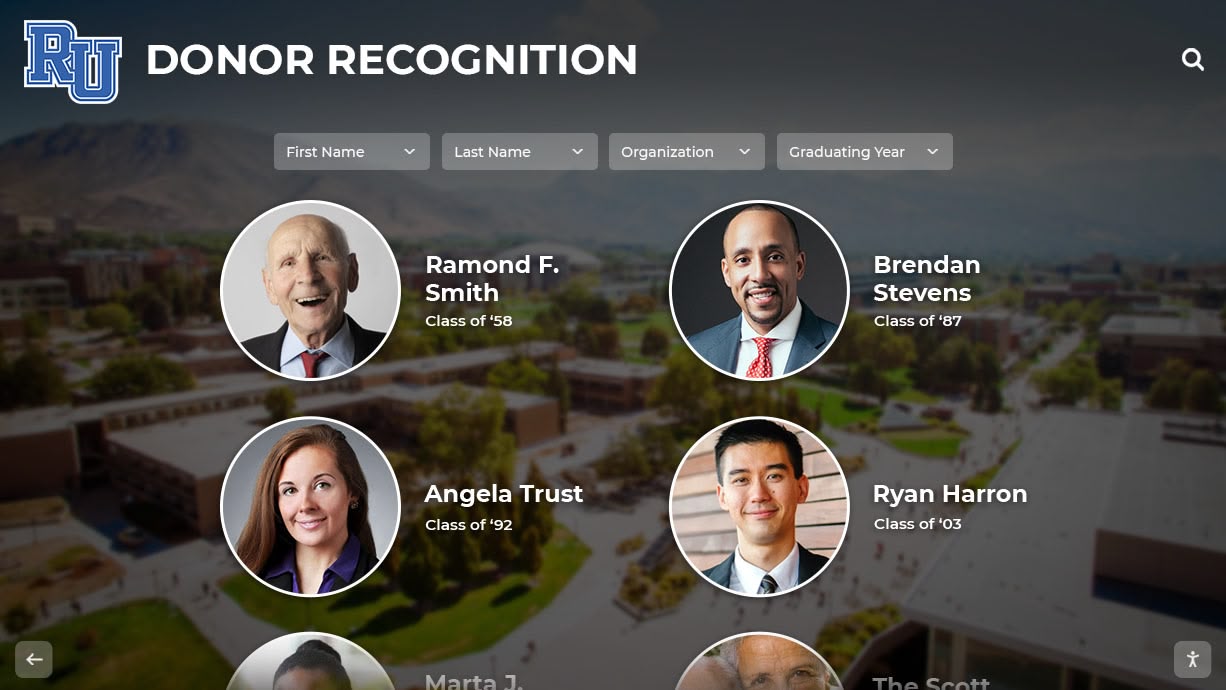
Individual Events Recognition documents diverse speaking event achievements across interpretation events (Dramatic Interpretation, Humorous Interpretation, Duo Interpretation), public speaking events (Original Oratory, Informative Speaking), and limited preparation events (Extemporaneous Speaking, Impromptu Speaking). Each event requires distinct preparation and performance approaches deserving specific recognition.
Organizing recognition around these format categories helps viewers understand achievement diversity while ensuring all competitive accomplishments receive appropriate celebration regardless of format specialization.
Tournament Tier Recognition Hierarchy
Not all tournament achievements represent equivalent competitive levels. Effective boards communicate achievement significance through tournament tier recognition:
National Championship Recognition represents the highest achievement level including NSDA National Tournament success, Tournament of Champions performance, and other nationally recognized championship events. These achievements deserve prominent, distinctive recognition reflecting their elite competitive status.
State Championship Recognition acknowledges top state-level performance representing excellence among all competitors within entire states. State championships provide clear, prestigious benchmarks easily understood by school communities even when unfamiliar with debate specifics.
Invitational Tournament Recognition documents success at competitive invitationals hosted by universities and established programs. Major invitationals—particularly those at prestigious universities like Harvard, Stanford, or Yale—attract top national competition and represent significant achievement worthy of recognition. Schools implementing achievement systems similar to athletic performance tracking understand the importance of documenting performance at various competitive tiers.
Local and Regional Success acknowledges achievements at smaller tournaments providing important competitive experience and development opportunities, particularly for novice debaters building skills before advancing to more competitive events.
Creating recognition hierarchies communicates achievement significance while ensuring all meaningful accomplishments receive acknowledgment appropriate to their competitive level.
Season-Long Achievement Recognition
Beyond individual tournament results, effective boards document cumulative season accomplishments:
NSDA Degree Progression tracks students’ advancement through Honor Society degree levels from initial membership through Superior Distinction. This progression demonstrates sustained competitive success and commitment throughout multiple seasons. According to the NSDA recognition system, students accumulate points across their entire high school careers, with higher degree levels requiring years of consistent competitive success.
Rankings and Standings when available from state associations or national ranking systems provide objective competitive context. For instance, Lincoln-Douglas and Public Forum debaters can be tracked through national rankings published by debate organizations, showing how individuals compare to competitors nationwide.
Qualification Achievements acknowledge reaching state championship qualification thresholds, earning NSDA Nationals berths, or securing Tournament of Champions bids—all representing season-long excellence rather than single-event success.
Team Sweepstakes and Aggregate Performance recognize school-level achievement where programs accumulate points across multiple competitors and events. Sweepstakes awards at major tournaments honor programs demonstrating depth across multiple debaters and categories.
Season-long recognition approaches complement tournament-specific achievements, providing complete documentation of both immediate success and sustained excellence.
Building Recognition Programs That Inspire Current Debaters
Achievement boards should function not just as historical archives but as motivational tools inspiring current team members while educating broader school communities about debate excellence.
Creating Clear Achievement Pathways
Effective recognition programs help current debaters understand pathways to achievement worth pursuing:
Progressive Recognition Tiers should establish clearly communicated levels beginning with participation acknowledgment, advancing through tournament success at various tiers, continuing to state and national qualification, and culminating in championship victories and elite degree levels. These tiers create “roadmaps” showing debaters what achievements they can pursue at various skill and experience levels.
Novice Recognition proves particularly important for encouraging continued participation. First-year debaters rarely win major tournaments but may achieve notable accomplishments worth celebrating—breaking to elimination rounds at first tournaments, earning initial NSDA points toward degree progress, or demonstrating significant improvement across a season. Recognizing these foundational achievements validates novice participation while encouraging continued commitment.
Event-Specific Achievement Goals help debaters identify targets within their chosen formats. Policy debaters can pursue research awards, evidence excellence, or topic mastery. Individual event competitors can target specific speech categories where their skills and interests align. Clear event-specific pathways encourage specialization while validating diverse competitive approaches.
Programs that implement structured recognition similar to athletic achievement tracking systems create motivational frameworks where students understand exactly what accomplishments earn recognition and how their current performance positions them toward achievement goals.
Highlighting Debate Team Culture and Values
Achievement boards can communicate what debate programs value beyond just competitive success:
Research Excellence Recognition acknowledges the extensive research underpinning competitive success. Debate teams spend hundreds of hours researching topics, finding evidence, analyzing arguments, and developing strategic approaches. Recognizing research achievements validates this essential work often invisible to audiences who only see tournament performances.
Sportsmanship and Ethics Recognition celebrates debaters who compete with integrity, treat opponents respectfully, and uphold ethical argumentation standards. These values distinguish debate as educational activity rather than just competitive pursuit.
Leadership Recognition acknowledges team captains, officers, mentors who assist novice debaters, and student coaches who contribute to program success beyond their individual competitive achievements.
Community Engagement highlights debaters who participate in middle school workshops, judge at novice tournaments, or engage in outreach activities expanding debate access to broader communities.
Comprehensive recognition communicating these values demonstrates that programs honor not just winning but also the character, leadership, and community contribution that makes competitive success meaningful. Schools implementing student recognition programs with diverse categories understand that effective achievement boards celebrate multiple dimensions of excellence beyond singular competitive metrics.
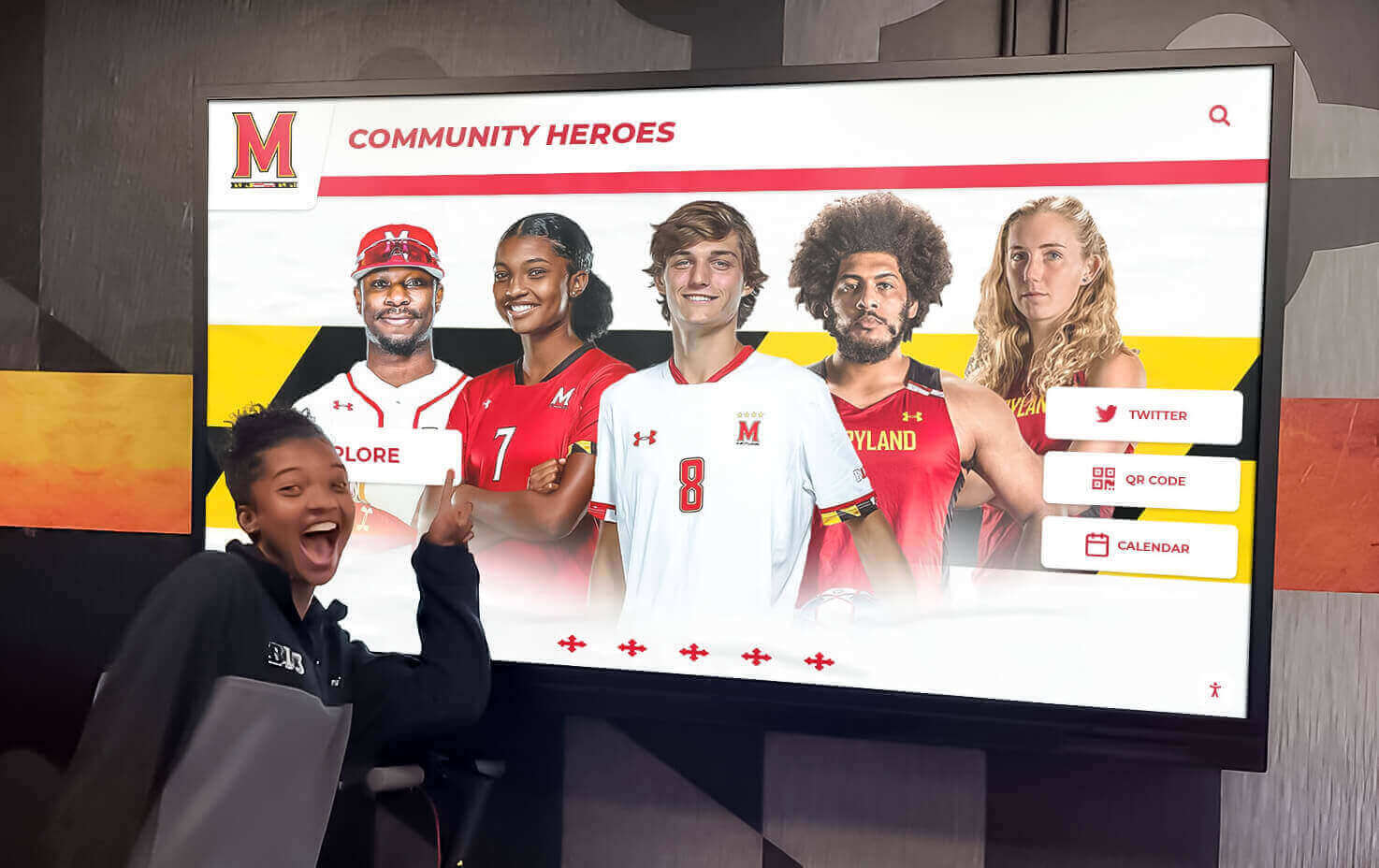
Connecting Past Achievement to Current Inspiration
Strategic presentation of historical achievements can directly inspire current competitors:
“Then and Now” Comparisons show current debaters performing in same events or at same tournaments where alumni achieved notable success. These connections create aspirational targets while demonstrating that current team members follow in distinguished traditions.
Alumni Mentorship Connections when available in digital platforms can link current debaters with alumni who competed in similar events, creating potential mentorship relationships leveraging historical achievement for current development support.
Achievement Timeline Visualizations show program growth over time, competitive success trends, and evolving accomplishments across decades. These timelines create institutional pride while demonstrating that current debaters contribute to ongoing traditions of excellence.
Personal Journey Documentation shares how recognized debaters progressed from novices to competitive success, making achievement feel accessible rather than impossibly elite. Stories about setbacks overcome, skills developed, and gradual improvement resonate more powerfully with current students than lists of final accomplishments divorced from developmental context.
Integrating Debate Recognition Into School Culture
Debate achievement boards achieve maximum impact when integrated into broader school recognition cultures rather than existing as isolated displays known only to speech and debate team members.
Elevating Debate Achievement Visibility
Schools should actively work to position debate achievements with visibility equivalent to athletic recognition:
Prominent Display Locations matter significantly. Achievement boards positioned in main school lobbies, administrative areas, or other high-traffic locations receive dramatically more visibility than displays relegated to obscure hallways or dedicated debate rooms. Prominent placement communicates institutional commitment to celebrating academic and forensics excellence alongside athletic achievement.
School-Wide Announcements should celebrate debate team successes through morning announcements, social media, newsletters, and school websites using the same enthusiasm and prominence applied to athletic victories. Tournament championship victories merit the same celebration as athletic championships, communicating that excellence in multiple domains receives equal institutional recognition.
Recognition Ceremonies and Presentations create formal celebration moments for debate achievements. End-of-year forensics awards ceremonies comparable to athletic banquets, school-wide assembly presentations for major achievements, and formal recognition at board meetings or community events all elevate debate accomplishment visibility.
Schools implementing comprehensive recognition approaches across multiple achievement domains create cultures where academic competition, artistic accomplishment, and athletic success all receive appropriate celebration, communicating that institutions value diverse forms of excellence equally.
Educating School Communities About Debate Achievement Significance
Many community members unfamiliar with competitive forensics lack context for understanding what debate achievements represent. Effective recognition programs include educational components:
Achievement Context Explanations should describe what specific recognitions mean. If an achievement board lists “TOC Qualification,” brief explanations clarifying that Tournament of Champions qualification requires success at multiple designated elite tournaments and represents top-tier national achievement help viewers understand significance. Similarly, explaining that NSDA Superior Distinction requires 750 career points accumulated across multiple years of competition contextualizes this achievement appropriately.
Competitive Scale Documentation helps audiences appreciate achievement rarity. Noting that only 25 students nationally receive NSDA All-American recognition annually, or that state championships involve competition among thousands of debaters statewide, provides scale helping non-debate community members understand what achievements represent.
Skills and Benefits Explanations communicate what debate develops in participants. Achievement displays can note that competitive debate builds research capabilities, critical thinking, argumentation skills, public speaking confidence, and analytical reasoning—all skills with lifelong value extending far beyond high school competition. This connection helps broader communities understand why debate achievements merit celebration comparable to other competitive accomplishments.
Connecting Debate Recognition to College and Career Success
Achievement boards can demonstrate the college and career implications of competitive debate success:
College Admission Value is significant for successful debaters. Many colleges specifically recruit accomplished debaters for college forensics programs offering scholarship opportunities. Achievement in national-level competition enhances college applications generally, demonstrating intellectual capability, work ethic, and sustained commitment to demanding activities.
Career Path Documentation when available for alumni can show how debate participation influenced professional trajectories. Many successful attorneys, business leaders, academics, journalists, and public officials participated in high school debate. Documenting these connections demonstrates long-term value of forensics participation.
Scholarship Recognition acknowledges that debate success directly generates scholarship opportunities both through forensics-specific scholarships and through competitive achievements enhancing general admission profiles that lead to academic scholarships. Schools can document total scholarship dollars earned by debaters, providing concrete financial value metrics families and communities easily understand.
Programs implementing recognition approaches similar to college commitment day displays can show how debate achievements directly contributed to college opportunities, making the connection between high school competition and future success explicit and visible.
Implementation Planning for Debate Achievement Boards
Schools ready to implement or significantly upgrade debate team achievement boards should follow systematic planning processes ensuring successful execution.
Content Planning and Achievement Documentation
Historical Achievement Compilation represents the first implementation challenge. Successful programs accumulating years or decades of achievements must systematically document historical accomplishments before implementing new recognition systems:
Compile tournament results from archives including championship victories, finalist appearances, and other notable placements. Gather NSDA membership records documenting degree levels earned by past team members. Contact alumni to verify achievements, gather photographs, and collect personal reflections for inclusion in comprehensive profiles. Research state championship results and qualification records from state association archives.
This historical compilation requires significant initial effort but creates comprehensive recognition that honors past excellence while establishing complete program documentation.
Ongoing Documentation Systems ensure current achievements receive timely recognition:
Designate specific staff—typically head coaches or assistant coaches—responsible for documenting tournament results immediately following competitions. Establish protocols for collecting debater photographs, biographical information, and personal reflections during active participation rather than attempting retrospective collection. Create submission processes where coaches or team officers report achievements to administrators managing recognition displays. Schedule regular recognition updates—perhaps monthly during competitive seasons—rather than allowing backlogs to accumulate.
Systematic ongoing documentation prevents situations where programs intend to recognize achievements but lack organized information or processes for timely implementation.
Technology Selection and Platform Evaluation
Schools implementing digital recognition systems should evaluate platform options based on forensics-specific requirements:
Content Management Requirements include support for multiple recognition categories (various debate formats, individual events, team awards), flexible profile structures accommodating debate-specific information (win-loss records, NSDA points, tournament results), media support for photographs and video content, and user-friendly interfaces enabling coaches or administrators to update content without technical expertise.
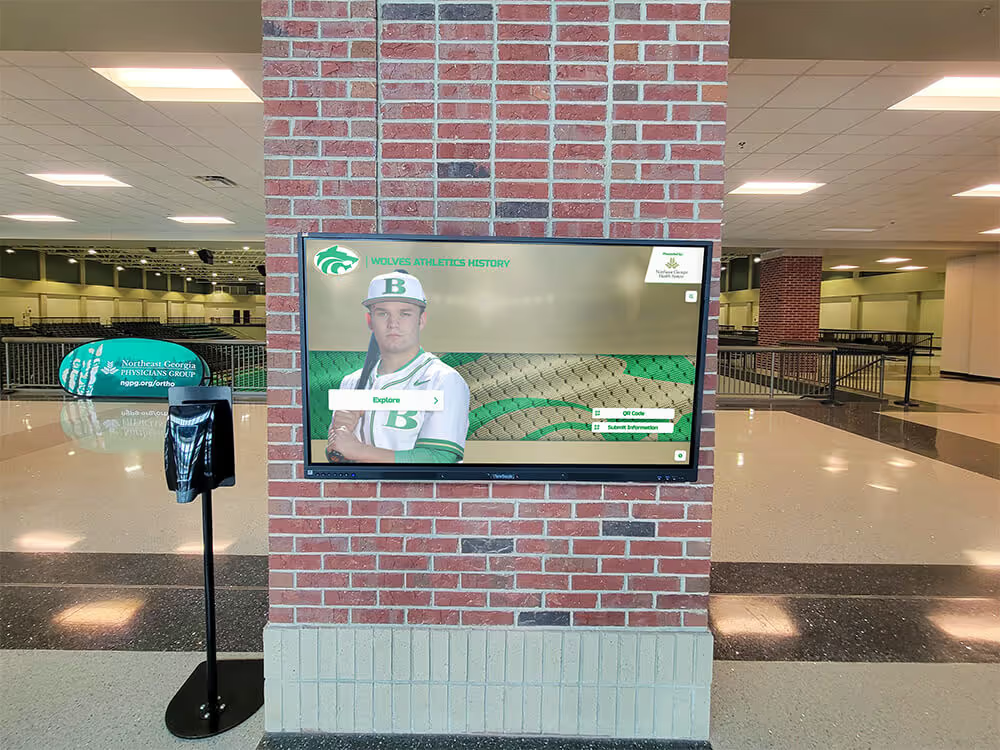
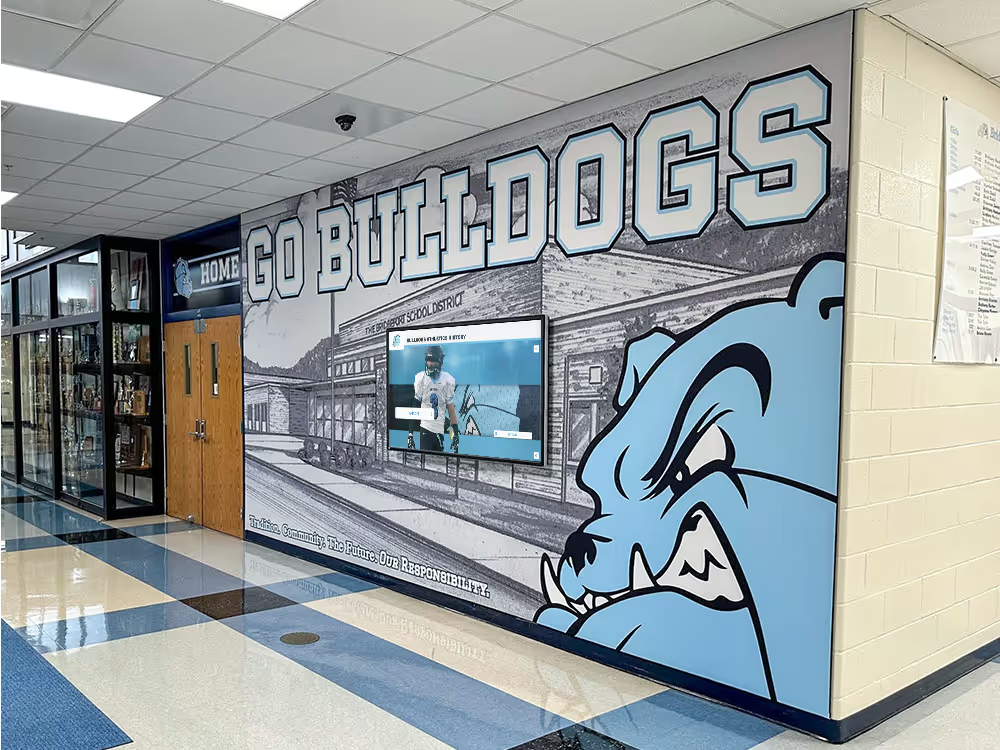
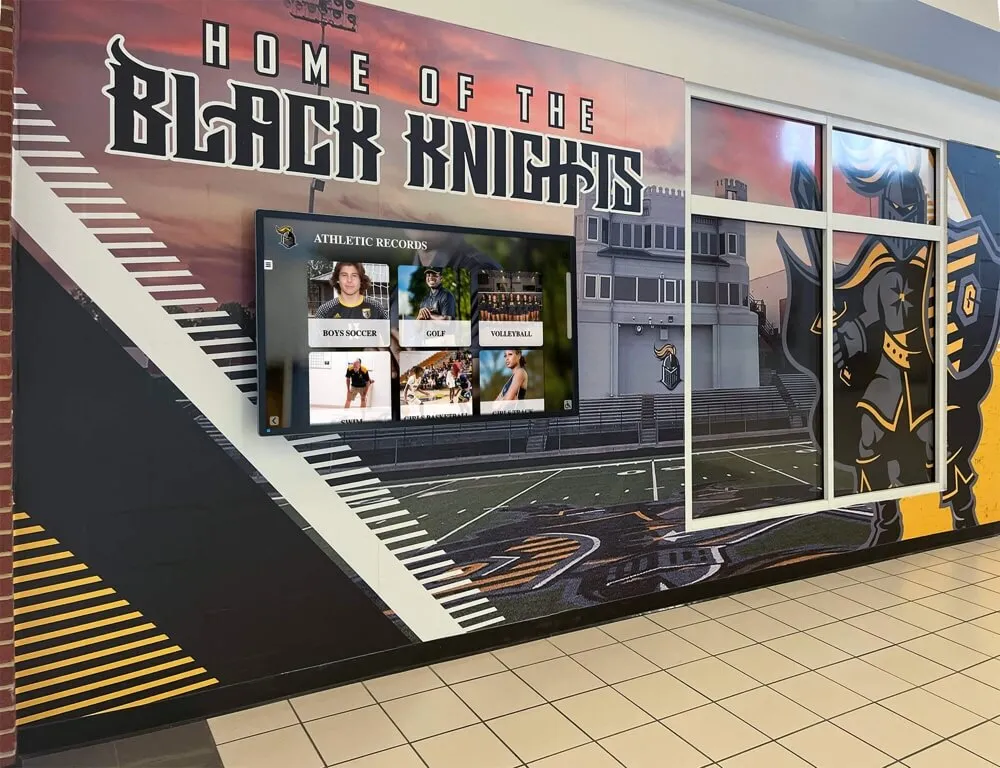
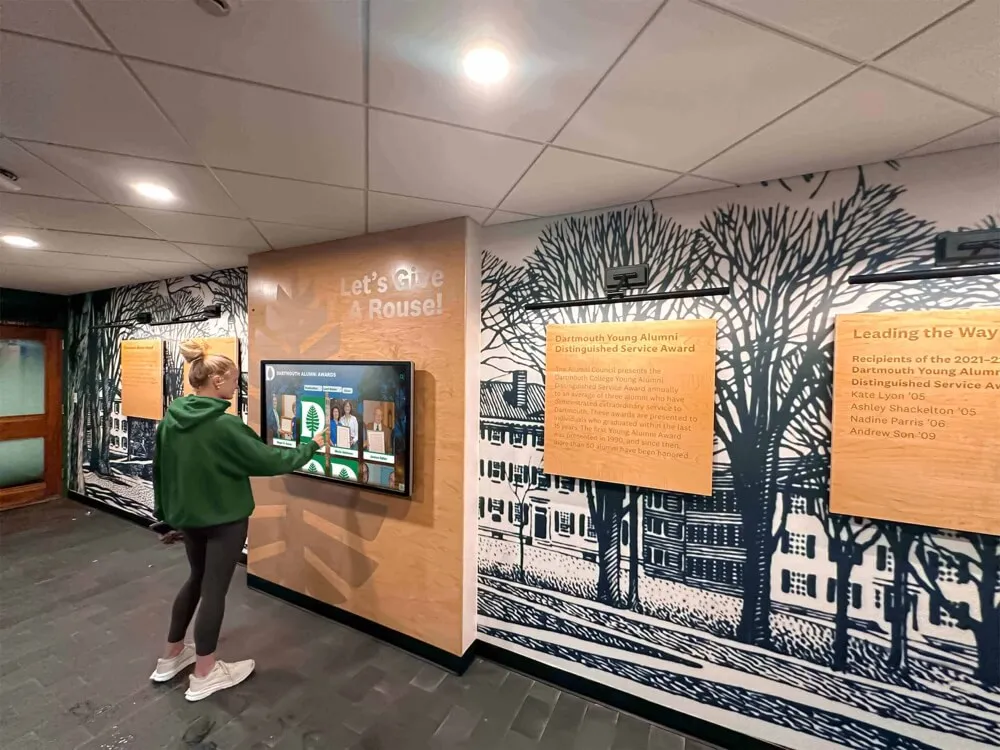
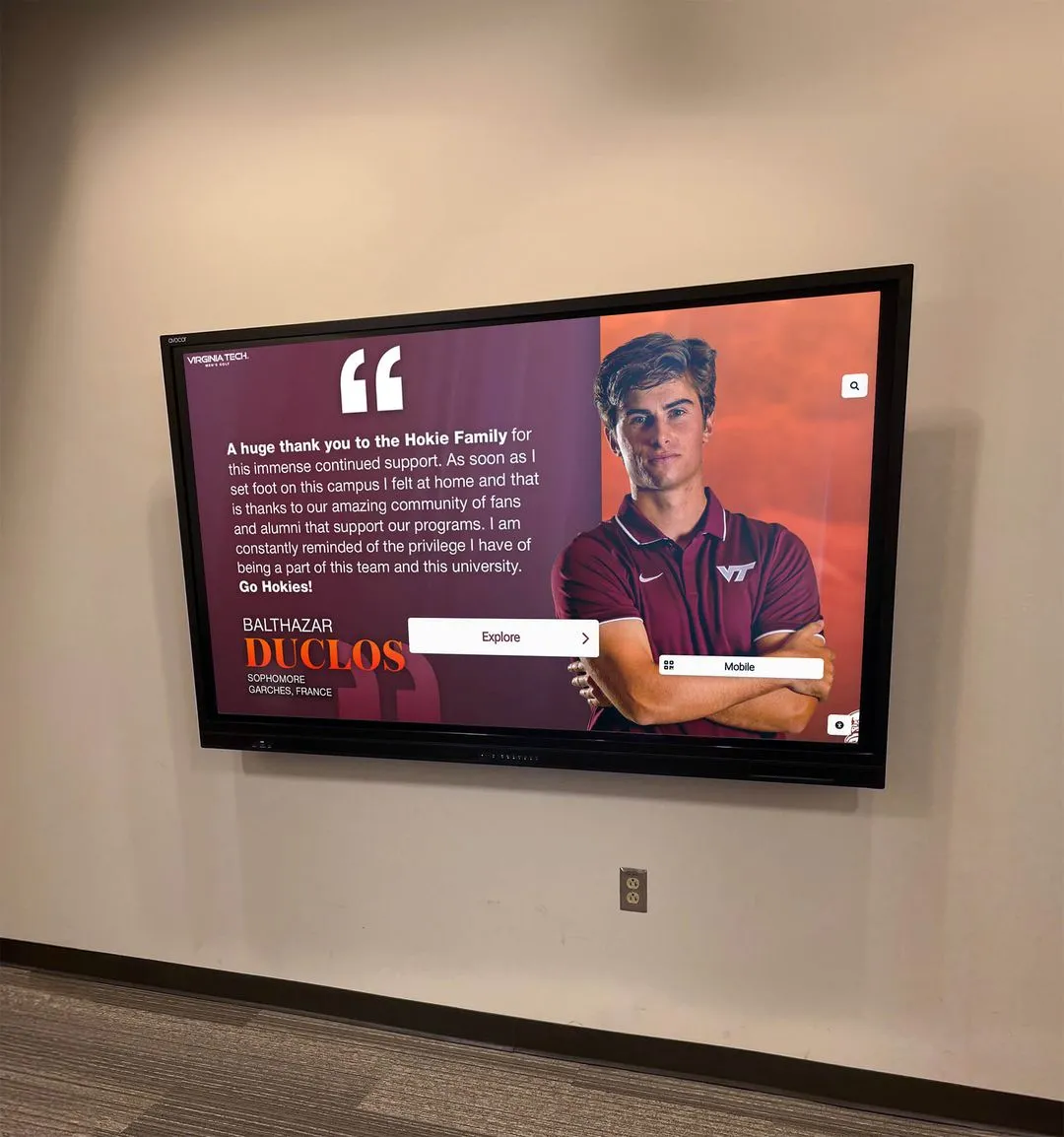
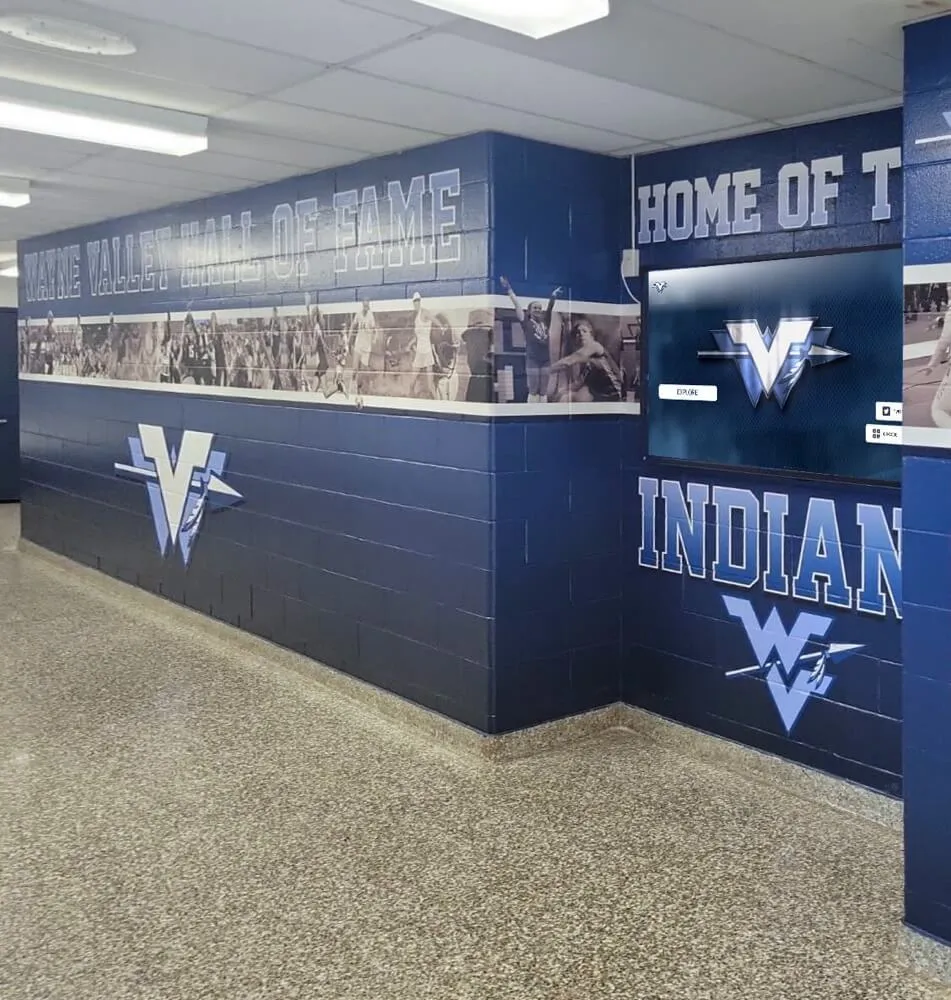
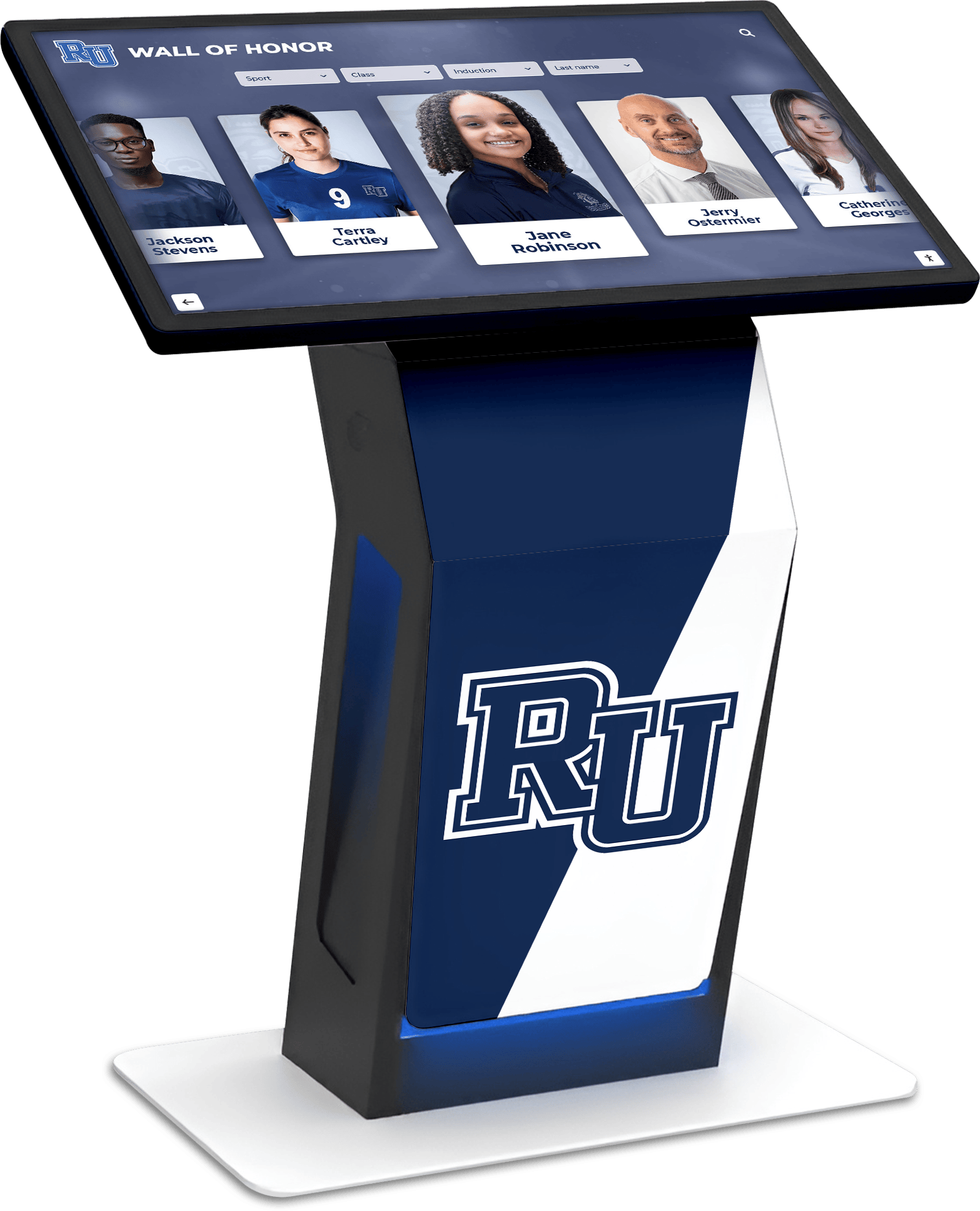
Display Options range from dedicated touchscreen kiosks positioned in school lobbies to wall-mounted displays showing rotating recognition content, web-based platforms accessible through any device, or comprehensive systems integrating physical displays with web accessibility.
Solutions like touchscreen recognition software designed for schools provide platforms specifically built for educational recognition including debate and academic achievement alongside athletic accomplishments. These integrated approaches allow schools to celebrate all forms of student excellence through unified systems rather than maintaining separate platforms for different achievement types.
Budget Considerations involve evaluating hardware costs (touchscreen displays, mounting systems, connectivity infrastructure), software and platform fees (one-time purchases versus ongoing subscriptions), content creation expenses (professional photography, biographical compilation, historical digitization), and ongoing operation costs (content updates, system maintenance, hosting fees).
Schools should assess total cost of ownership across multi-year periods rather than focusing only on initial implementation expenses, recognizing that digital systems requiring minimal ongoing effort often prove more cost-effective long-term than physical displays requiring continuous plaque orders and installation labor.
Training and Adoption Planning
Successful implementation requires ensuring relevant stakeholders understand how to use and maintain new recognition systems:
Administrator Training should ensure principals, athletic directors (who often oversee competitive programs), and other administrators understand system capabilities, content update procedures, and platform value for supporting debate programs.
Coach Training proves essential since coaches typically manage achievement documentation and recognition content. Training should cover tournament result recording, photograph submission, profile creation and updates, and troubleshooting common issues.
Student Training when relevant might include showing debate team officers how to assist with content updates, teaching current debaters how to explore historical achievements for inspiration, or demonstrating how to access web-based recognition remotely.
Community Education helps families, alumni, prospective students, and broader communities understand new recognition systems and how to access and engage with achievement content.
Comprehensive training ensures recognition systems become actively used and maintained resources rather than implemented once and gradually neglected due to unclear operation procedures.
Measuring Recognition Program Success and Impact
Effective achievement board implementations include assessment approaches measuring program success and identifying improvement opportunities:
Stakeholder Satisfaction Metrics
Debater and Family Satisfaction can be assessed through surveys asking recognized students and families about recognition experience quality, perceived value of acknowledgment received, satisfaction with how achievements were documented and celebrated, and emotional impact of seeing accomplishments formally honored. Direct feedback from those being recognized provides essential perspective on program effectiveness.
Coach Satisfaction regarding ease of managing recognition updates, platform functionality, and system value for recruiting, team culture building, and motivating current debaters helps evaluate operational success from program leadership perspective.
Alumni Engagement tracked through metrics like frequency of alumni accessing recognition content, participation in alumni events featuring recognition displays, donations or support motivated by appreciation for recognition received, and mentorship relationships initiated through recognition platform connections demonstrates longer-term program impact.
Program Impact Indicators
Recruitment Effects examine whether enhanced recognition influences prospective students choosing to participate in debate. Surveys of new team members about factors influencing their decision to join can reveal whether recognition visibility contributed to recruitment success.
Retention Improvements assess whether debaters continue participation at higher rates when comprehensive achievement recognition exists. Retention rates comparing periods before and after recognition implementation can suggest motivational impact.
Community Awareness Changes measured through surveys or informal assessment of how well school communities understand debate program achievements and value provide insight into whether recognition successfully elevated debate visibility beyond just team members.
Cultural Shifts toward greater institutional appreciation for debate achievement might manifest through increased administrative support, budget allocations, schedule accommodations, or general school culture changes valuing academic competition alongside other activities.
Assessment data helps schools understand recognition program value while identifying opportunities to enhance effectiveness and impact. Programs that implement data-driven recognition approaches can continuously improve based on stakeholder feedback and measurable outcomes.
Conclusion: Honoring Forensics Excellence Appropriately
Debate team achievement boards celebrate intellectual excellence, competitive success, and skills with lifelong value that extend far beyond high school. Effective recognition programs honor tournament victories, document degree progression, acknowledge diverse competitive formats, inspire current debaters, educate school communities about achievement significance, and preserve program histories for future generations.
Whether implementing traditional physical displays or modern interactive digital systems, comprehensive recognition programs share key characteristics: they document achievements across all competitive formats rather than favoring particular events, provide sufficient context helping viewers understand what accomplishments represent, remain current through regular updates adding recent achievements, offer comprehensive historical documentation honoring past excellence, create clear achievement pathways inspiring current participants, and integrate into broader school recognition cultures elevating debate alongside other valued activities.
The evolution from space-constrained trophy cases to unlimited-capacity digital platforms has fundamentally transformed debate team recognition possibilities. Schools no longer face impossible choices about which achievements receive limited physical space or complex logistics updating rigid displays. Solutions like Rocket Alumni Solutions provide comprehensive platforms designed specifically for educational recognition, enabling schools to celebrate debate excellence through engaging interactive experiences featuring multimedia content, searchable databases, and dynamic presentations that honor forensics achievement appropriately while inspiring future generations to pursue competitive excellence.
For schools committed to recognizing speech and debate achievement comprehensively, modern digital recognition displays represent investments delivering returns across multiple dimensions—enhanced debater satisfaction strengthening program culture, increased motivation among current participants pursuing achievement goals, improved recruitment attracting talented prospective debaters, strengthened alumni connections based on appreciation for recognition received, and elevated institutional culture valuing intellectual competition alongside other celebrated activities. Your debate team achieves remarkable things through research, argumentation, performance, and competitive success—effective achievement boards ensure those accomplishments receive celebration they deserve while building school communities where academic excellence receives recognition equal to accomplishments in other domains.
Sources:
- National Speech & Debate Association School Recognition
- NSDA Student Recognition Programs
- Top Debate Competitions for High School Students 2025