



Key Takeaways
Discover dean's list requirements, typical GPA cutoffs, how colleges determine honorees, and why this prestigious academic recognition matters for your college career and beyond.
Every semester, colleges across the country publish dean’s list honorees—those students who’ve demonstrated outstanding academic performance through exceptional grades, consistent effort, and intellectual dedication. Yet many students remain uncertain about what dean’s list actually means, how institutions calculate eligibility, whether the recognition carries meaningful value, and what strategies maximize chances of earning this distinction semester after semester.
This comprehensive guide explains everything you need to know about dean’s list recognition: the typical GPA requirements and variations across institutions, credit hour minimums that ensure full-time academic engagement, how dean’s list differs from other academic honors like president’s list or honor roll, why this recognition matters for graduate school applications and career opportunities, and practical approaches for achieving and maintaining dean’s list status throughout your college career.
What Is the Dean’s List?
The dean’s list is a formal academic honor that colleges and universities bestow upon students achieving outstanding grade point averages during specific academic terms. This recognition acknowledges exceptional scholarly performance and places students among the top academic performers at their institutions.
Origin and Purpose of Dean’s List Recognition
The dean’s list tradition emerged in American higher education during the early 20th century as colleges sought systematic ways to identify and celebrate academic excellence beyond graduation honors. Named because academic deans traditionally oversee undergraduate education and student academic affairs, the dean’s list provides term-by-term recognition rather than requiring students to wait until graduation for acknowledgment.

This recurring recognition serves multiple institutional and individual purposes:
Student Motivation: Dean’s list designation creates concrete, achievable goals each semester. Unlike cumulative honors like cum laude that require years of sustained performance, dean’s list recognition offers more immediate gratification that reinforces positive academic behaviors and provides motivation to maintain high performance.
Academic Standard Setting: By publicly acknowledging top performers, institutions signal the academic standards they value and create peer role models demonstrating that exceptional achievement is both possible and celebrated within campus communities.
Merit Documentation: Dean’s list appearance on official transcripts provides objective, third-party verification of academic excellence that students can reference in graduate school applications, scholarship competitions, job applications, and professional licensing processes.
Institutional Prestige: Schools with selective dean’s list criteria—particularly those requiring high GPAs at institutions with rigorous grading standards—use this recognition to demonstrate the caliber of their student body and academic rigor of their programs.
Many universities enhance dean’s list recognition through formal notification letters from academic deans, public announcement in campus publications and websites, special recognition ceremonies or receptions, and even tangible rewards like priority course registration or special library privileges at some institutions.
How Dean’s List Differs from Other Academic Honors
Higher education includes various academic recognition programs, each with distinct purposes and criteria. Understanding these differences clarifies where dean’s list fits within the broader academic honors landscape.
Dean’s List vs. President’s List: Many colleges maintain both dean’s list and president’s list designations. President’s list typically represents the highest tier, often requiring perfect 4.0 GPAs or top 1-3% of students, while dean’s list acknowledges slightly broader excellence—typically top 10-20% of students or GPAs above specific thresholds like 3.5-3.7.
Dean’s List vs. Honor Roll: Honor roll programs, particularly in high schools, often include multiple tiers with lower minimum GPAs (3.0+, 3.3+, 3.5+). Dean’s list generally maintains more selective standards and appears primarily at college and university levels rather than secondary schools.
Dean’s List vs. Latin Honors: Graduation honors like cum laude, magna cum laude, and summa cum laude reflect cumulative undergraduate GPA across entire college careers. Dean’s list recognizes semester-specific achievement, allowing students who improve academic performance mid-college to earn recognition even if early struggles prevent graduation honors.
Dean’s List vs. Academic All-Conference: Athletic conferences offer academic all-conference recognition for student-athletes maintaining minimum GPAs while competing athletically. These often require lower GPAs (3.0+) than dean’s list but acknowledge the additional time demands of college athletics.
The term-by-term nature of dean’s list distinguishes it from most other honors. Students can earn dean’s list recognition one semester and miss it the next based on that term’s performance, creating ongoing motivation rather than single graduation-focused goals.
Standard Dean’s List Requirements and GPA Cutoffs
While specific criteria vary by institution, most dean’s list programs share common structural elements addressing GPA thresholds, credit hour minimums, and grading period specifications.
Typical GPA Requirements
The most critical dean’s list criterion—and the one causing most student confusion—is the minimum grade point average required for eligibility.
Common GPA Thresholds: Most colleges establish dean’s list minimums between 3.5 and 3.7 on 4.0 scales. A survey of dean’s list policies across American universities reveals these typical patterns:
- 3.5 GPA minimum: Approximately 40% of institutions
- 3.6 GPA minimum: Approximately 25% of institutions
- 3.7 GPA minimum: Approximately 20% of institutions
- 3.75 or 3.8 GPA minimum: Approximately 10% of institutions
- Top percentage approach: Approximately 5% of institutions (typically top 10-20% of students)
These thresholds reflect institutional philosophy about selectivity. Schools emphasizing broad recognition of academic success trend toward 3.5 minimums, while institutions prioritizing exclusivity often require 3.7 or higher.
Percentage-Based Calculations: Some universities avoid fixed GPA minimums, instead recognizing the top percentage of students each term—commonly top 10%, 15%, or 20%. This approach ensures consistent recognition rates regardless of term difficulty or grading variations, though it means the actual GPA requirement fluctuates semester by semester.
Weighted vs. Unweighted Considerations: Most colleges calculate dean’s list eligibility using standard 4.0 GPA scales without additional weighting for honors courses or advanced seminars, unlike many high schools that inflate GPAs for rigorous coursework. However, some institutions maintain separate dean’s lists by college or program, recognizing that grading standards in engineering or sciences may differ from humanities or social sciences.
Grade Exclusions: Certain grades typically don’t factor into dean’s list calculations. Most schools exclude pass/fail courses, incomplete grades, withdrawals, and transfer credits from the semester GPA used for dean’s list determination—focusing exclusively on graded coursework completed at the institution during that specific term.
Credit Hour Minimums
GPA thresholds alone don’t ensure dean’s list eligibility. Most programs establish minimum credit hour requirements preventing students from achieving high GPAs through minimal course loads.
Full-Time Enrollment Standards: The most common requirement mandates 12-15 semester credit hours (the equivalent of 4-5 courses in standard course-load structures). This ensures dean’s list recognition acknowledges students managing full academic programs rather than those taking light loads to boost GPAs.
Excluding Pass/Fail and Audit Courses: Credit hour minimums typically count only graded courses. Students taking 15 total credits but including 3 pass/fail credits would have only 12 credits counting toward dean’s list minimums. This prevents students from strategically using pass/fail options to improve calculated GPAs.
Institutional Variations: Credit requirements vary by institution and term structure:
- Semester schools: Typically 12-15 credit hours
- Quarter schools: Commonly 12-18 quarter hours
- Block plans: Usually 4 courses minimum
- Part-time student policies: Some schools create proportional requirements (e.g., 6+ credits for half-time students seeking recognition)

Summer Session Considerations: Summer terms often feature reduced credit hour minimums—commonly 6-9 credits—acknowledging that summer sessions typically offer fewer course options and shorter timeframes than fall and spring semesters.
These credit minimums ensure dean’s list designation reflects genuine academic engagement rather than gaming the system through minimal enrollment.
Letter Grade and Quality Point Requirements
Beyond overall GPA and credit hours, many institutions establish additional criteria regarding specific grades earned during the term.
No Grade Below Certain Thresholds: Some schools require that all grades meet minimum standards—commonly no grades below B (3.0) or B- (2.7)—for dean’s list eligibility. Under these policies, students earning perfect As in four courses but receiving one C would become ineligible despite potentially meeting GPA minimums through averaging.
No Failing Grades: Nearly all programs disqualify students receiving any F grades during the term, regardless of overall GPA. A student earning four As and one F would calculate to 3.2 GPA (potentially above minimum thresholds) but would be excluded from dean’s list due to the failing grade.
Incomplete and Withdrawal Policies: Students with incomplete grades or withdrawals during the term typically become ineligible for dean’s list that semester, even if completed coursework meets all requirements. Some institutions allow retroactive dean’s list designation if students complete outstanding incompletes by specified deadlines.
Academic Integrity Violations: Honor code violations or academic dishonesty findings during a term generally result in automatic dean’s list disqualification regardless of academic performance, as institutions reserve this recognition for students demonstrating both intellectual achievement and ethical conduct.

How Colleges Calculate and Announce Dean’s List
Understanding the administrative processes behind dean’s list determination helps students navigate requirements and know what to expect regarding notification and documentation.
Calculation Methodology and Timing
Most colleges follow similar procedural patterns for dean’s list determination, though specific timelines and methods vary by institution.
Post-Grading Period Processing: Dean’s list calculations occur after final grades are submitted and processed—typically 1-3 weeks following semester end. This timing allows inclusion of final examination results, grading deadline extensions, and grade change submissions within normal processing windows.
Automated vs. Manual Review: Larger universities typically use automated systems that identify students meeting GPA and credit hour thresholds through registrar database queries. Smaller colleges may conduct manual reviews allowing consideration of special circumstances, particularly regarding students who narrowly miss cutoffs or face extenuating circumstances.
Verification and Quality Assurance: Before public announcement, most institutions conduct verification processes checking for calculation errors, ensuring students haven’t received academic integrity sanctions, confirming enrollment status, and excluding students who’ve opted out of directory information releases under FERPA privacy regulations.
College or School-Specific Lists: Many universities publish separate dean’s lists for each college, school, or academic division (College of Arts & Sciences, School of Engineering, School of Business, etc.). This approach acknowledges potential grading variations across disciplines while maintaining dean’s list as recognition determined by academic deans overseeing specific programs.
Notification Methods
Once dean’s list designations are finalized, institutions employ various methods to notify honorees and publicize the recognition.
Individual Student Notification: Most colleges send personal notifications to dean’s list recipients through official email, formal letters from academic deans, or notifications posted to student portals. These communications typically include congratulations, explanation of the achievement, and information about how the recognition appears on transcripts.
Public Announcement: Institutions publish dean’s list honorees through multiple channels:
- University websites: Searchable databases or PDF lists of all recipients
- Campus newspapers: Print or online publications featuring dean’s list announcements
- Social media: Institutional accounts celebrating academic achievement
- Press releases: Distribution to hometown newspapers, particularly for regional institutions
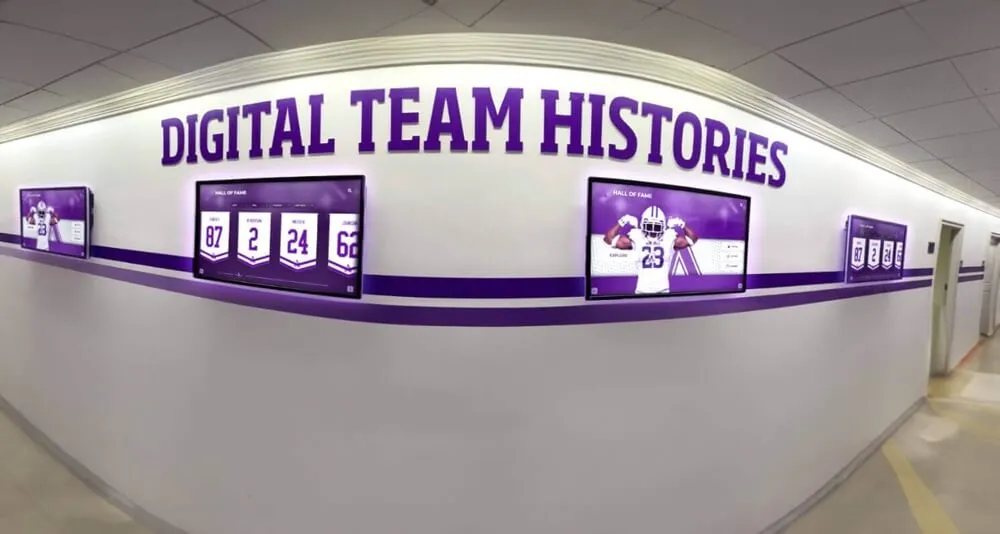
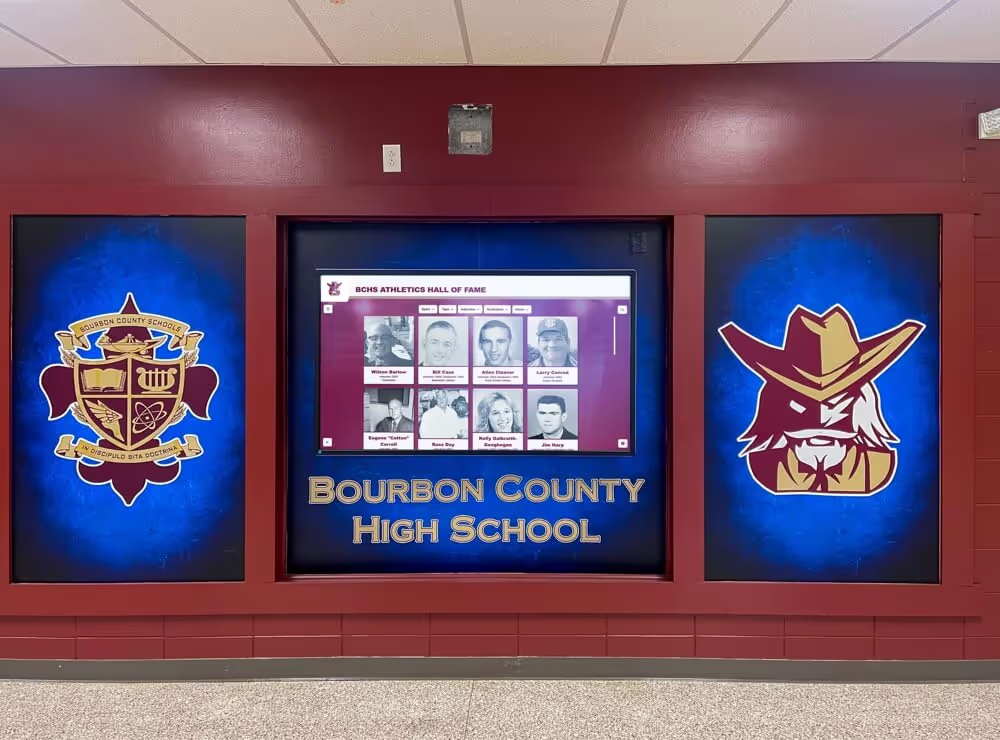
- Digital displays: Campus recognition walls showcasing current semester honorees

Transcript Documentation: The most permanent and valuable documentation appears on official academic transcripts. Dean’s list recognition typically appears as notation for each term earned, creating verifiable record students can reference throughout careers. Transcript notations commonly read “Dean’s List,” “Dean’s Honor List,” or similar designations specific to each institution.
Additional Recognition Elements: Beyond basic notification, some institutions enhance dean’s list recognition through:
- Reception or ceremony invitations: Special events honoring academic achievers
- Physical certificates: Formal documents suitable for framing
- Special academic regalia: Honor cords or medallions for graduation ceremonies
- Priority registration privileges: Earlier course selection for subsequent terms
- Notification to parents/families: Letters congratulating families on student achievement
Many schools implementing comprehensive recognition programs feature dean’s list honorees prominently in digital displays and alumni communications.
Privacy and Opt-Out Considerations
Federal privacy regulations give students control over public release of educational records, including dean’s list recognition.
FERPA Directory Information: Under the Family Educational Rights and Privacy Act (FERPA), dean’s list designation typically qualifies as “directory information” that institutions can publicly release without explicit student permission. However, students have rights to restrict release of directory information, including dean’s list status.
Opt-Out Processes: Students who prefer privacy can file directory information restriction requests with registrar offices, preventing institutions from publicly announcing dean’s list achievement. These restrictions don’t remove recognition from transcripts but prevent inclusion in published lists, press releases, or public announcements.
Strategic Considerations: Students should carefully consider implications of restricting dean’s list publication. While privacy has value, public recognition creates opportunities for family celebration, hometown newspaper features, scholarship applications referencing public achievements, and networking through recognition events. Most students benefit from allowing public dean’s list acknowledgment.
Variations Across Different Types of Institutions
Dean’s list criteria, prestige, and implementation vary significantly based on institutional characteristics, academic calendars, and educational philosophies.
Research Universities vs. Liberal Arts Colleges
Institutional type influences dean’s list policies and the recognition’s relative selectivity.
Large Research Universities: Major state universities and research institutions often maintain relatively accessible dean’s list thresholds (3.5 GPA) while serving large student populations. This results in substantial dean’s list cohorts—sometimes hundreds or thousands of students per semester. The recognition remains meaningful but represents broader percentage of student body.
Selective Liberal Arts Colleges: Elite liberal arts institutions frequently maintain more stringent requirements (3.7+ GPAs) while serving smaller student populations with already highly competitive academic profiles. Dean’s list at these schools may represent top 10-15% of student bodies where median GPAs exceed 3.3-3.4.
Grade Inflation Considerations: Dean’s list selectivity relates to institutional grading cultures. Schools with known grade inflation may require higher GPAs to maintain dean’s list prestige, while institutions with rigorous grading may use lower thresholds that still represent exceptional achievement given grading standards.
Community Colleges and Two-Year Institutions
Community colleges and two-year programs increasingly adopt dean’s list recognition, though implementation differs from four-year institutions.
Accessibility Focus: Community colleges often maintain more accessible dean’s list criteria (3.25-3.5 GPAs) reflecting institutional missions serving diverse student populations including working adults, first-generation students, and those balancing education with employment or family responsibilities.
Part-Time Student Inclusion: Two-year institutions more commonly create dean’s list pathways for part-time students, recognizing that community college populations frequently attend part-time while working. Criteria might include 6+ credit hours rather than full-time enrollment requirements.
Transfer Portfolio Building: For community college students planning transfer to four-year institutions, dean’s list recognition creates competitive advantages in transfer applications and scholarship competitions, making this recognition particularly valuable for this population.
Graduate and Professional Schools
Graduate programs maintain dean’s list or equivalent honors with criteria reflecting advanced academic standards and professional program requirements.
Higher GPA Standards: Graduate dean’s list programs commonly require 3.7-3.8+ GPAs, reflecting that graduate-level grading often uses compressed scales where most students earn As and Bs, making lower grades more significant signals of performance issues.
Professional Program Variations: Law schools, medical schools, and MBA programs may use class ranking systems rather than traditional dean’s list structures, given competitive environments and curve-based grading practices common in professional education.
Academic Probation Proximity: Graduate programs often maintain narrower margins between dean’s list excellence and academic probation. Students below 3.0 GPAs frequently face probation or dismissal in graduate programs, meaning the spread between concerning performance and recognized excellence compresses significantly.

Why Dean’s List Recognition Matters
Beyond the immediate satisfaction of academic achievement acknowledgment, dean’s list designation carries practical value across multiple dimensions of college experience and post-graduation opportunities.
Graduate School Applications
Dean’s list recognition provides concrete evidence of academic capability that strengthens graduate and professional school applications significantly.
Transcript Enhancement: Graduate admissions committees reviewing hundreds or thousands of applications use GPA as initial screening criterion. Dean’s list notations on transcripts immediately signal that applicants weren’t merely adequate students but achieved exceptional performance recognized by their institutions.
Consistency Demonstration: Students earning dean’s list recognition multiple semesters—particularly consecutive semesters or majority of undergraduate terms—demonstrate sustained excellence rather than occasional strong performance. This pattern suggests work ethic, intellectual capability, and dedication that predict graduate school success.
Competitive Program Differentiation: Top graduate programs receive applications from students with strong GPAs. Dean’s list recognition helps differentiate candidates with similar numerical credentials by providing third-party institutional validation that GPA reflects genuine excellence rather than grade inflation or easy course selection.
Application Essays and Interviews: Dean’s list achievement provides concrete accomplishment to reference in personal statements and interviews, particularly when discussing academic preparation, overcoming challenges, or demonstrating commitment to intellectual growth.
Similar to how institutions recognize academic excellence through various programs, dean’s list designation creates verifiable documentation that strengthens applications across academic and professional contexts.
Scholarship Opportunities
Academic scholarships—both those awarded during college and post-graduation fellowships—frequently reference dean’s list recognition in eligibility criteria or selection processes.
Institutional Scholarships: Many colleges award ongoing academic scholarships to students maintaining dean’s list performance. These merit-based awards often require 3.5+ GPAs for renewal, essentially aligning with dean’s list standards while providing financial incentives for sustained excellence.
External Scholarship Competition: National scholarship programs like Goldwater Scholarships, Truman Scholarships, Fulbright Fellowships, and Rhodes Scholarships evaluate academic achievement through multiple lenses including GPA, dean’s list frequency, and faculty recommendations. Consistent dean’s list recognition strengthens applications for these prestigious opportunities.
Employer-Sponsored Programs: Corporate scholarship programs and tuition assistance initiatives often establish GPA minimums aligned with dean’s list standards (3.5+), recognizing students who achieve these thresholds as stronger investments for employer-sponsored educational support.
Career and Employment Advantages
While dean’s list recognition doesn’t guarantee employment, it creates competitive advantages in job application processes and early career advancement.
Resume Credibility: Including dean’s list recognition on resumes—particularly when specifying frequency like “Dean’s List: 6 of 8 semesters”—provides objective achievement evidence that strengthens applications. For students without extensive work experience, academic honors fill credential gaps that work history would otherwise occupy.
Employer GPA Requirements: Competitive employers, particularly in consulting, finance, technology, and engineering sectors, often screen applicants using GPA minimums ranging from 3.3 to 3.7. Dean’s list recognition signals students exceed these thresholds while demonstrating consistent high performance.
Interview Discussion Points: Job interviews often include questions about achievements and overcoming challenges. Dean’s list recognition, particularly if earned while balancing demanding employment, leadership activities, or personal circumstances, provides concrete accomplishment examples demonstrating time management, dedication, and capability.
Professional Credentialing: Some professional certifications and licensing applications include academic performance criteria. Dean’s list recognition can satisfy or strengthen these requirements while demonstrating foundation of excellence in professional preparation.
Personal and Developmental Benefits
Beyond external recognition and credential building, dean’s list achievement provides personal development benefits influencing student experience and long-term outcomes.
Confidence Building: Earning dean’s list recognition validates students’ intellectual capabilities and academic preparation, building confidence that supports risk-taking in challenging coursework, research opportunities, or competitive academic programs.
Goal-Setting Framework: The term-by-term structure of dean’s list creates recurring goal cycles. Students develop goal-setting, planning, and achievement skills transferable far beyond academic contexts into professional careers and personal pursuits.
Academic Community Connection: Many institutions offer special programming for dean’s list recipients—honors receptions, faculty luncheons, academic networking events—creating community connection with high-achieving peers and faculty mentors who provide support, guidance, and opportunities.
Family Recognition: For first-generation college students, students from families who value educational achievement, or those whose families make financial sacrifices supporting college attendance, dean’s list recognition provides tangible achievement families can celebrate and share, validating the collective investment in education.
Just as schools recognize diverse achievements through comprehensive recognition programs, dean’s list designation validates academic commitment while encouraging continued excellence.
Strategies for Achieving Dean’s List Status
While earning dean’s list recognition requires genuine academic effort and intellectual engagement, strategic approaches can maximize likelihood of achieving this distinction semester after semester.
Course Selection and Schedule Management
Thoughtful course planning influences dean’s list prospects while ensuring progress toward degree completion remains on track.
Balanced Course Load: Avoid overloading semesters with exclusively rigorous courses that stretch capability beyond sustainable levels. Instead, balance demanding courses with subjects matching strengths, interests, or general education requirements less likely to challenge optimal performance.
Strategic Timing: Schedule most challenging courses during semesters when other demands (employment, extracurricular leadership, athletic seasons) are minimized, allowing maximum academic focus when tackling difficult material.
Professor Research: Whenever possible, research professor teaching styles, grading approaches, and student reviews before registration. Choosing sections taught by faculty whose methods align with learning preferences can significantly impact performance.
Credit Hour Optimization: Understand your institution’s specific dean’s list credit requirements and ensure registration meets minimums. If taking courses pass/fail, confirm sufficient graded credits remain to satisfy eligibility criteria.
Study Habits and Academic Skills
Fundamental academic behaviors determine semester performance and dean’s list prospects more than any strategic maneuvering.
Consistent Daily Engagement: Top students don’t rely on last-minute cramming. They engage course material daily through reviewing notes, completing readings when assigned, attending every class session, and clarifying confusion immediately rather than allowing gaps to accumulate.
Active Learning Techniques: Move beyond passive reading and note-taking to active engagement through practice problems, teaching concepts to peers, creating study materials like flashcards or summaries, and connecting new material to previously learned concepts.
Effective Time Management: Use planning systems—whether paper planners, digital calendars, or productivity apps—to track assignment deadlines, examination dates, and long-term project milestones. Breaking large assignments into smaller tasks prevents deadline pressure that compromises quality.
Strategic Study Environments: Identify study locations and times when focus comes most easily. Some students need library quiet, others benefit from ambient noise. Some learn best early morning, others late evening. Optimizing study environment and timing significantly impacts efficiency and comprehension.
Office Hours and Academic Support: Top performers regularly attend faculty office hours to clarify concepts, receive feedback on work, and demonstrate engagement. They also utilize tutoring centers, writing support services, and supplemental instruction programs without shame—recognizing that seeking help demonstrates commitment rather than weakness.
Managing Non-Academic Demands
Students balancing academic goals with employment, athletics, family responsibilities, or extensive extracurricular involvement must actively manage competing priorities.
Employment Limitations: Research suggests working more than 15-20 hours weekly correlates with declining academic performance. Students serious about dean’s list achievement should limit employment to sustainable levels or seek positions with flexible scheduling around academic deadlines.
Extracurricular Selectivity: Rather than joining numerous organizations minimally, invest deeply in 2-3 activities providing genuine development and satisfaction while preserving time for academic excellence. Quality of involvement matters more than quantity for both learning and eventual resume building.
Athletic Considerations: Student-athletes face unique challenges balancing practice schedules, competition travel, and physical demands with academic requirements. Successful scholar-athletes utilize academic support services, communicate proactively with professors about travel conflicts, and protect study time fiercely.
Saying No Strategically: Dean’s list achievement sometimes requires declining social invitations, volunteer opportunities, or interesting experiences to preserve academic focus during critical periods. Learning when to say no represents essential skill for sustained high performance.
Recovery After Missing Dean’s List
Students who miss dean’s list one semester can implement recovery strategies positioning them for recognition in subsequent terms.
Performance Analysis: Identify specific factors that prevented dean’s list achievement—particular courses, time management failures, health issues, personal challenges. Understanding causes enables targeted solutions rather than generic “try harder” approaches.
Academic Planning Sessions: Meet with academic advisors, faculty mentors, or academic support staff to create specific plans addressing identified challenges. These professionals offer perspective, resources, and accountability supporting improvement.
Grade Replacement Policies: Understand institutional grade replacement or academic renewal policies that may allow retaking courses to replace poor grades. While these often don’t apply retroactively to dean’s list eligibility, they can strengthen cumulative GPAs influencing graduation honors.
Growth Mindset: Missing dean’s list one semester doesn’t predict future performance. Many students experience challenging semesters due to circumstances beyond control—family emergencies, health issues, adjustment difficulties—then return to high achievement once situations stabilize.
Common Dean’s List Myths and Misconceptions
Several persistent myths about dean’s list recognition confuse students and parents, creating unnecessary concern or unrealistic expectations.
“Dean’s List Guarantees Graduate School Admission”
While dean’s list recognition strengthens applications, it doesn’t guarantee admission to competitive graduate programs.
Reality: Graduate admissions evaluate applicants holistically through GPA, standardized test scores (GRE, GMAT, LSAT, MCAT), research experience, letters of recommendation, personal statements, and relevant experience. Dean’s list provides evidence of strong GPA but represents only one component among many factors.
Highly competitive programs reject many applicants with perfect academic records if other application elements don’t demonstrate research potential, professional readiness, or appropriate program fit. Dean’s list achievement should be viewed as competitive-application foundation rather than admission guarantee.
“All Dean’s List Standards Are the Same”
Students sometimes assume dean’s list represents uniform recognition across institutions, creating confusion when comparing requirements.
Reality: Dean’s list criteria vary substantially across colleges. A 3.5 GPA might earn dean’s list at one institution while falling short of 3.7 minimum at another. Percentage-based systems create varying GPA requirements semester to semester.
These variations mean dean’s list at a selective private college with rigorous grading may represent more exceptional achievement than dean’s list at institution with known grade inflation, even though both carry the same title. Graduate schools and employers familiar with higher education understand these nuances, but students should recognize that not all dean’s list designations carry equal weight across all contexts.
“Dean’s List Requires Sacrificing Social Life”
Some students believe earning dean’s list recognition demands complete social withdrawal and exclusive academic focus.
Reality: While dean’s list achievement requires substantial academic effort, it doesn’t necessitate eliminating all non-academic activities. Successful dean’s list students maintain friendships, participate in extracurriculars, and enjoy recreational activities while practicing effective time management and priority-setting.
The key involves intentionality—making conscious choices about how to spend time, protecting study hours when needed, and recognizing that sustainable academic success requires balance including stress relief, social connection, and adequate sleep rather than endless grinding that leads to burnout.
“Part-Time Students Can’t Make Dean’s List”
Some students believe dean’s list recognition is exclusively available to traditional full-time enrollees.
Reality: While many institutions establish full-time enrollment minimums (12-15 credits), increasing numbers of colleges create proportional dean’s list criteria for part-time students—commonly 6+ credits with required GPAs. This acknowledges non-traditional student populations balancing education with employment or family responsibilities.
Part-time students should check specific institutional policies, as practices vary widely. Some schools maintain only full-time dean’s list categories, others create explicit part-time recognition, and some publish dean’s list without specifying enrollment status, allowing part-time students meeting credit minimums to earn recognition.
Modern Recognition: Celebrating Dean’s List Achievement
Colleges increasingly enhance how they celebrate and publicize dean’s list recognition, moving beyond simple transcript notations to create more visible, engaging acknowledgment that motivates students and builds institutional culture celebrating academic excellence.
Digital Recognition Platforms
Modern technology enables institutions to showcase dean’s list honorees in ways that create lasting impact and broader visibility than traditional approaches.
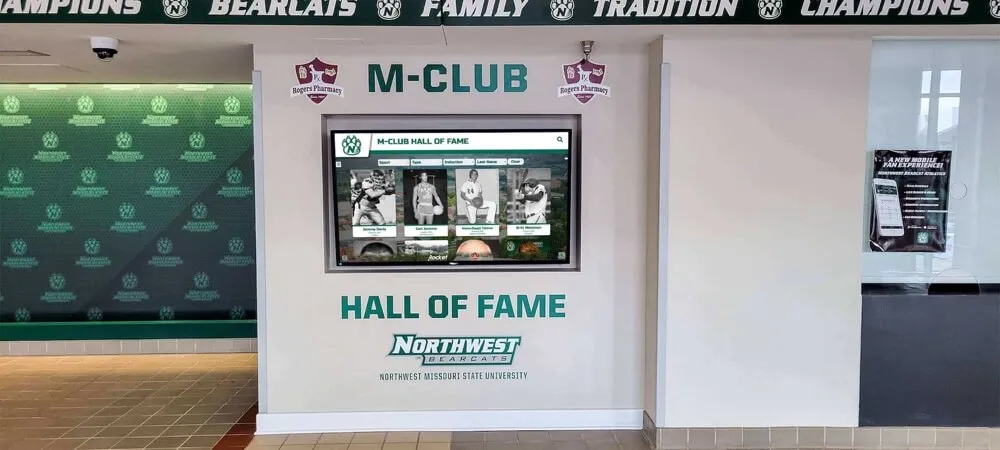
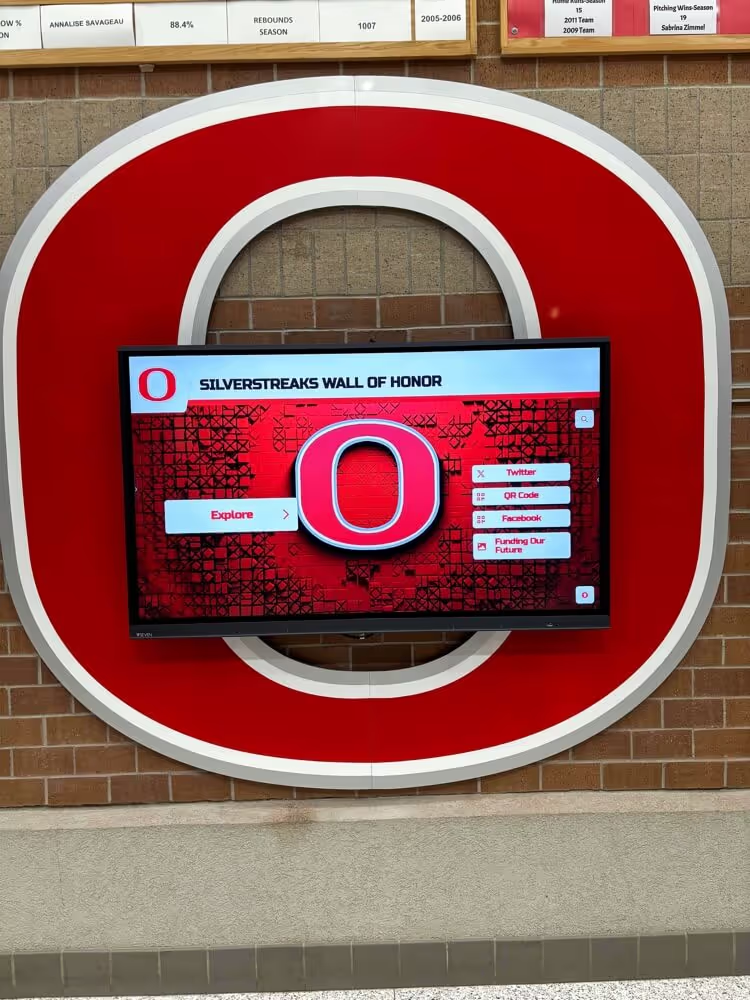
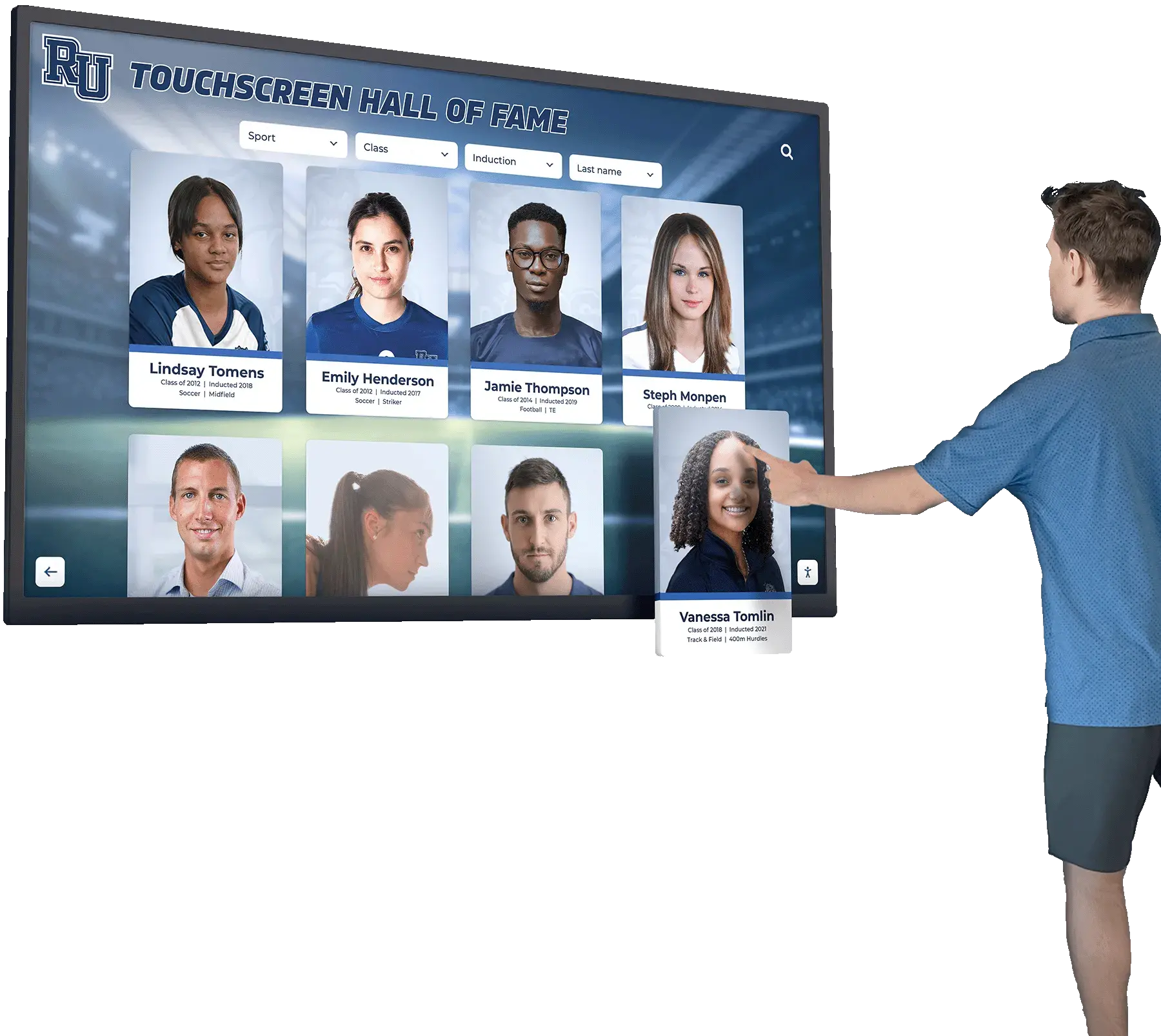
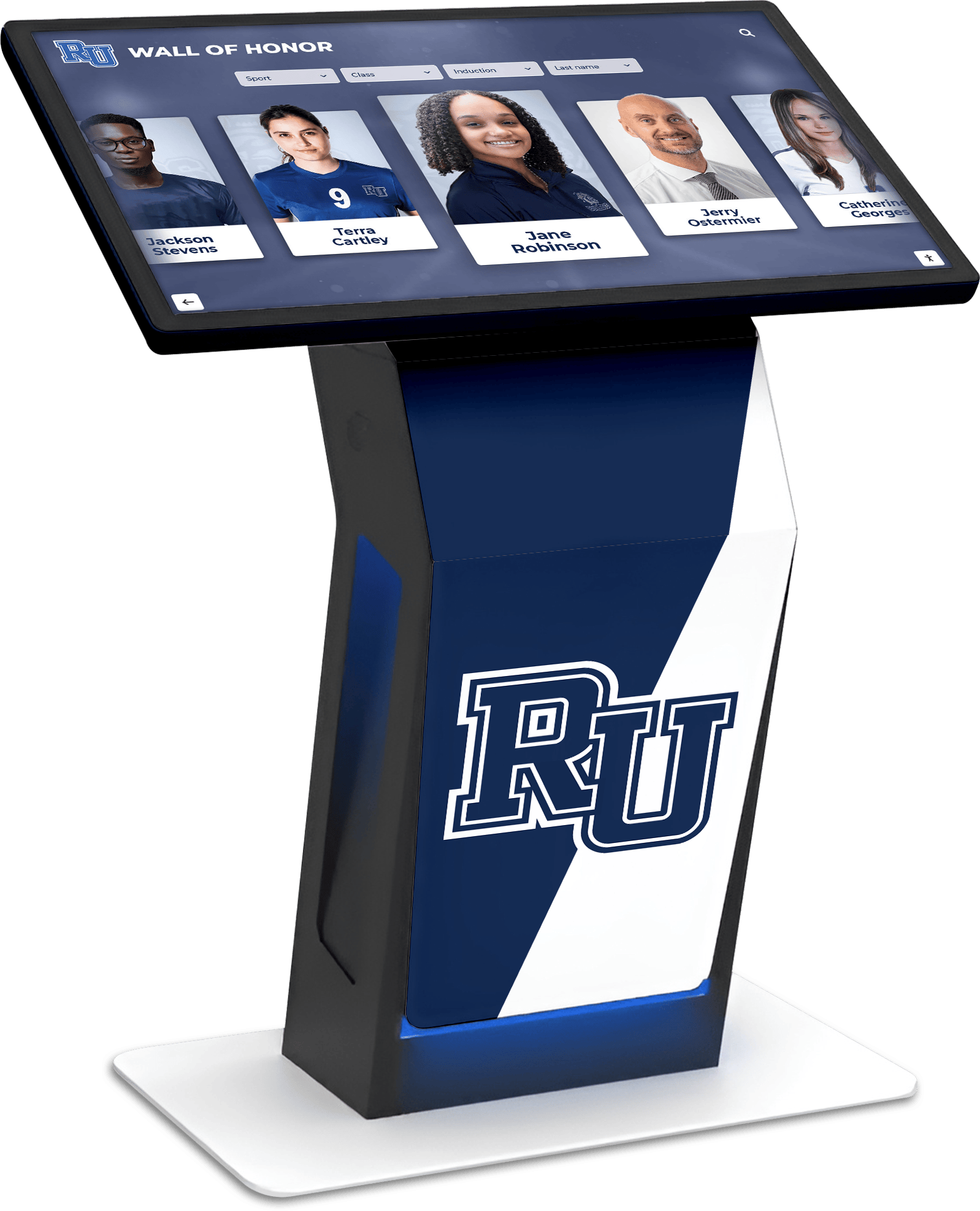
Many colleges now implement interactive digital displays in prominent campus locations—student unions, libraries, academic buildings, residence halls—showcasing current dean’s list recipients. These displays often feature:
- Student photos and profiles: Creating personal connection beyond names alone
- Searchable databases: Allowing students to find themselves or classmates
- Historical records: Showing dean’s list honorees across multiple semesters
- Major and class year information: Demonstrating academic excellence across all disciplines
- Interactive exploration: Enabling engagement rather than passive viewing
These digital platforms create visible celebration that traditional bulletin boards or newsletter mentions cannot match, similar to how schools showcase athletic achievements and other recognition through modern display technologies.
Social Media and Digital Announcement
Institutions leverage social media to amplify dean’s list recognition and create shareable moments students and families can celebrate publicly.
Institutional Announcements: Colleges post dean’s list announcements on official Facebook, Instagram, Twitter/X, and LinkedIn accounts, tagging students when permitted under FERPA guidelines and encouraging sharing within networks.
Student Features: Beyond list publication, many schools feature selected dean’s list recipients through spotlight posts including photos, quotes about academic success strategies, major and career plans, and involvement in campus activities. These narratives create role models while personalizing recognition.
Family Sharing: Digital-native dean’s list announcements enable easy family sharing. Parents and families can share institutional posts, screenshot recognition, or forward congratulatory emails to extended family networks, amplifying celebration and pride.
Professional Profile Building: Dean’s list recognition announced through LinkedIn creates professional visibility, allowing students to share achievements with network connections including potential employers, graduate schools, and professional contacts who might support career advancement.
Permanent Campus Recognition
Beyond semester-specific announcements, some institutions create permanent recognition displays documenting dean’s list achievement across graduating classes.
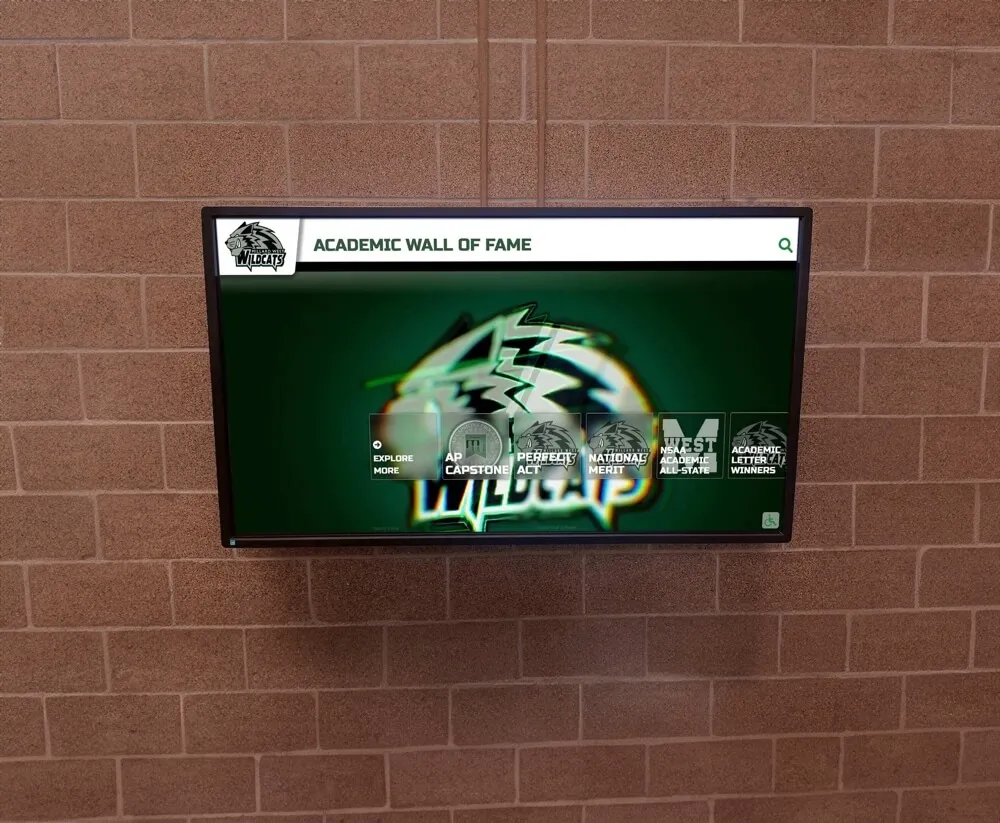
Academic Walls of Fame: Similar to athletic halls of fame, academic recognition walls showcase sustained dean’s list achievement—students earning recognition every semester, highest cumulative honorees by class year, or all recipients from specific graduating cohorts.
Digital Alumni Platforms: After graduation, some colleges maintain online alumni recognition databases allowing filtering by achievement type including dean’s list recognition. These platforms enable alumni to stay connected with peers who shared commitment to academic excellence.
Reunion and Advancement Opportunities: Colleges increasingly incorporate academic achievement recognition into alumni reunion programming and advancement communications, identifying dean’s list alumni as prospects for mentorship programs, scholarship establishment, or career networking initiatives.
Schools implementing comprehensive recognition display solutions create environments where academic achievement receives visibility comparable to athletic success, motivating current students while documenting institutional excellence.
Conclusion: Making Dean’s List Part of Your College Success Story
Dean’s list recognition represents more than grades on transcript—it signals dedication, intellectual capability, effective time management, and commitment to excellence that serves students throughout college careers and beyond. Understanding specific requirements at your institution, implementing strategic approaches supporting sustained high performance, and leveraging the recognition appropriately in applications and career pursuits maximizes the value this achievement creates.
For colleges and universities, dean’s list recognition serves as cornerstone academic honor that identifies top performers, motivates broader student populations, and creates measurable excellence standards. Institutions that enhance recognition beyond simple notification—through engaging digital displays, social media celebration, and permanent documentation—amplify the motivational and cultural benefits while creating campus environments where intellectual achievement receives deserved visibility and celebration.
Whether you’re a student striving for dean’s list recognition, a parent supporting academic goals, or an educator designing recognition programs, understanding what dean’s list represents, how institutions determine eligibility, and why this achievement matters creates foundation for appropriate goal-setting and meaningful celebration when students achieve this distinctive academic honor.
Ready to transform how your institution celebrates academic excellence? Rocket Alumni Solutions provides modern digital recognition platforms that showcase dean’s list honorees alongside athletic achievements, alumni accomplishments, and institutional history—creating engaging displays that motivate students and build pride throughout your campus community.