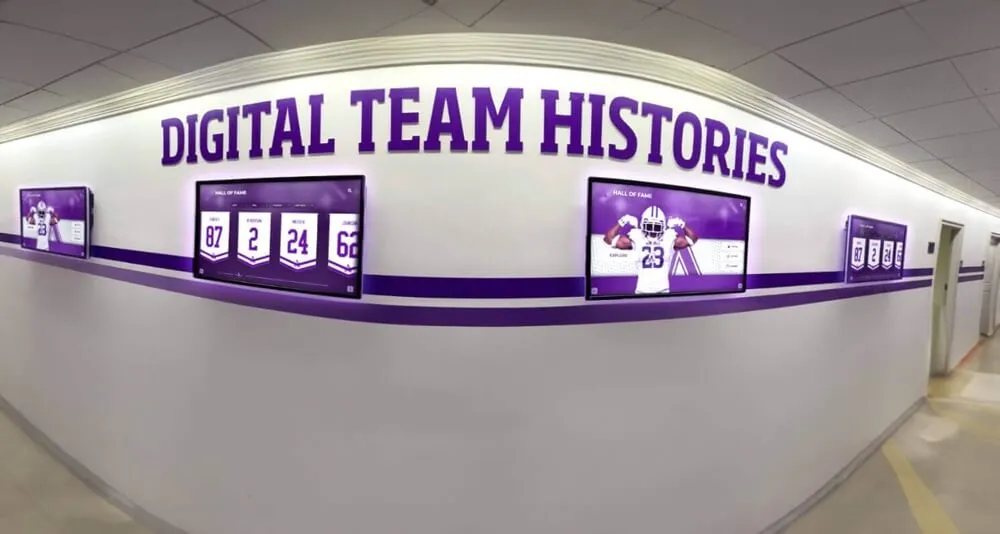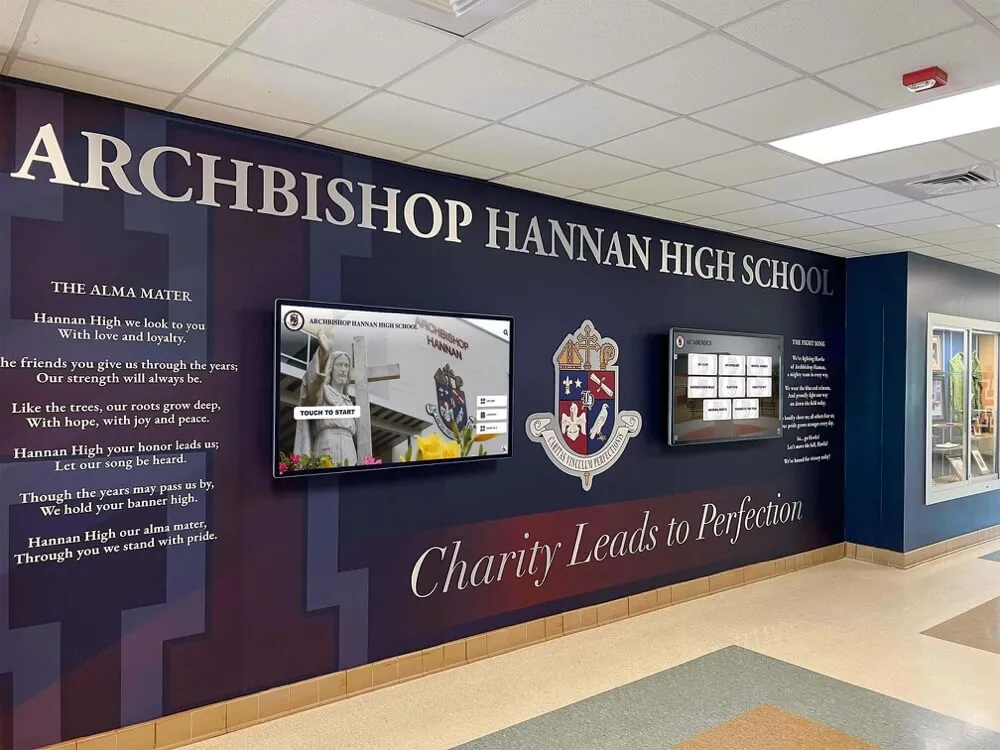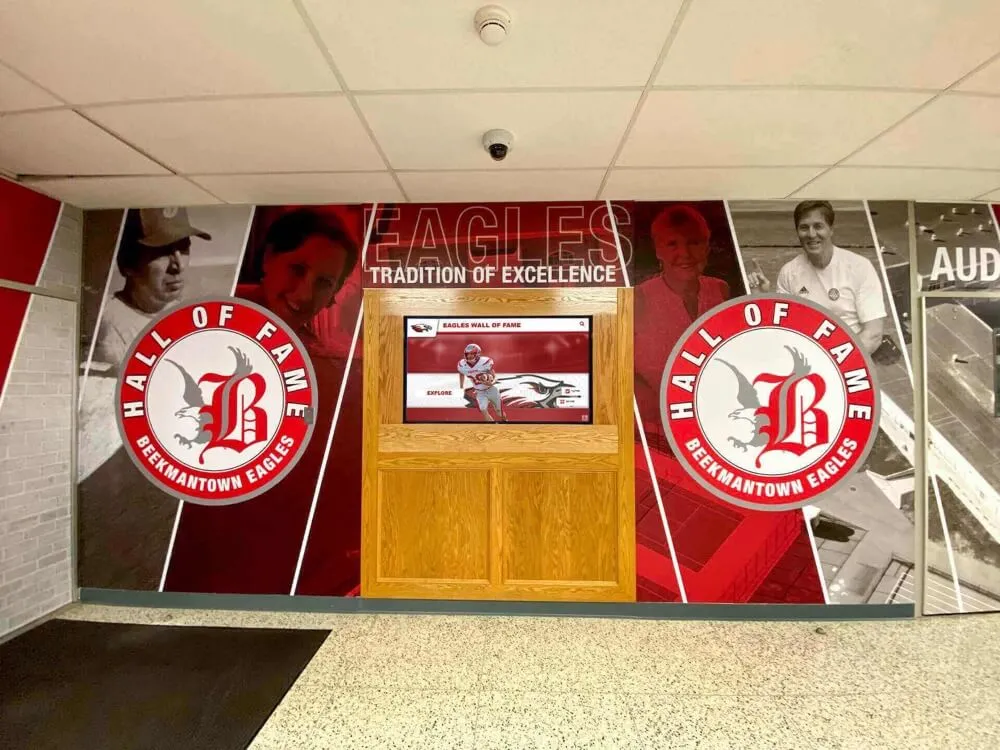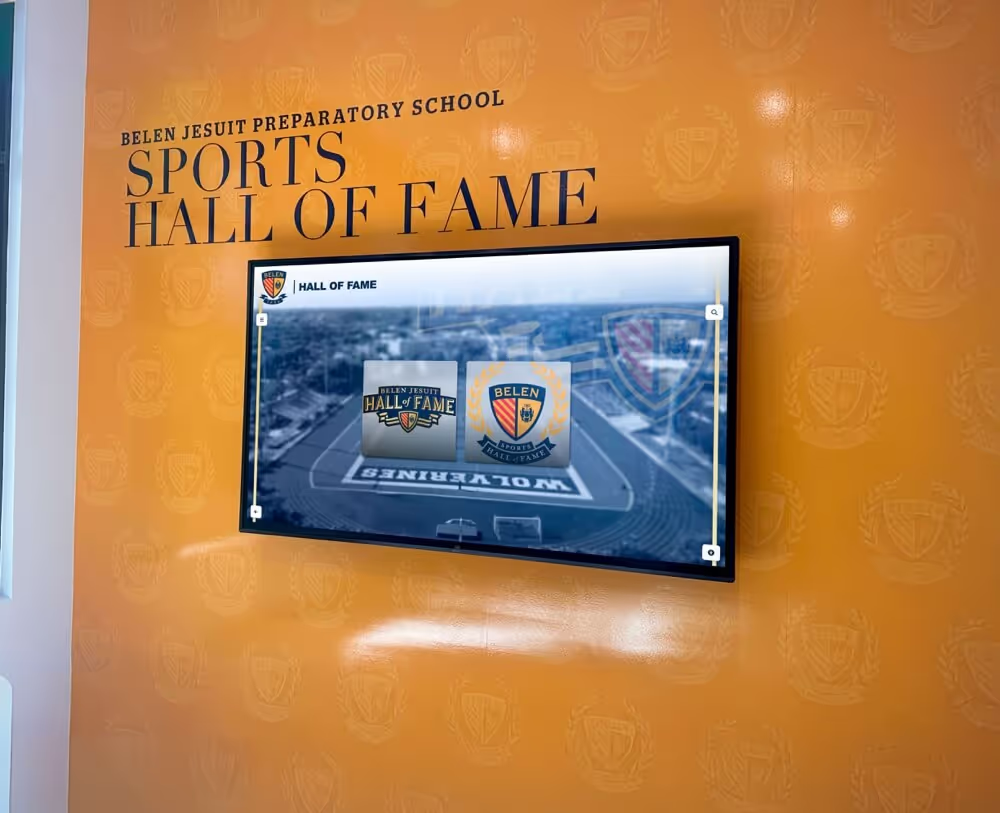




Key Takeaways
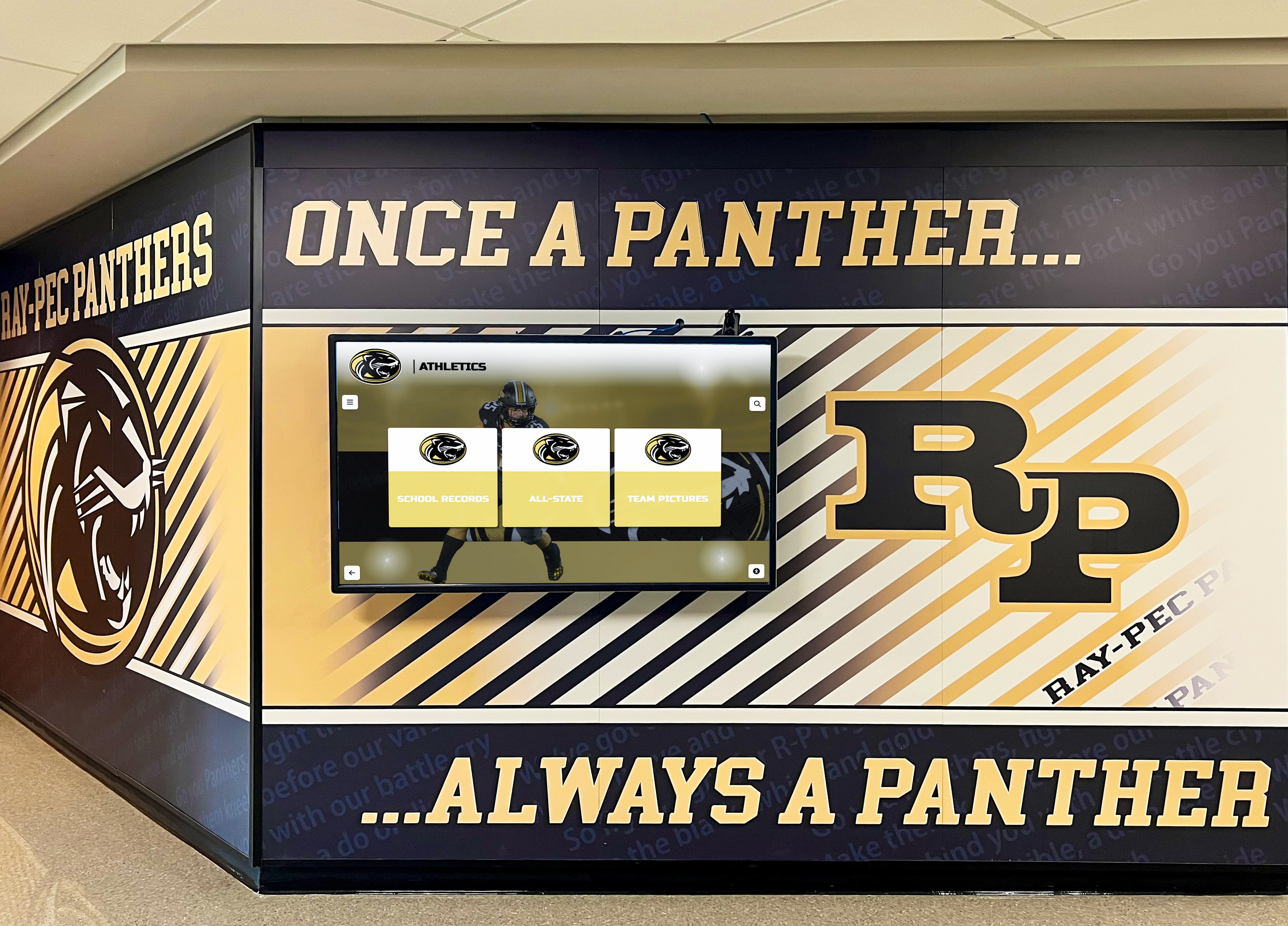
Learn how to use digital displays to showcase photo galleries of school events, timeline layouts of school history, and About Us profiles that inspire students and market your institution to prospective families.
Schools possess countless stories worth sharing—championship victories celebrated in packed gymnasiums, theatrical performances that leave audiences inspired, academic achievements that open new opportunities, alumni accomplishments that demonstrate educational impact, and daily moments of learning, friendship, and growth that define the student experience. Yet these remarkable stories often remain invisible to prospective families touring campuses, current students unaware of institutional heritage, and alumni who would feel renewed connections if they could explore memories from their own school years. Digital displays offering “a day in the life” perspectives transform scattered stories into cohesive narratives that commemorate history, celebrate present achievements, and inspire future excellence while serving as authentic marketing tools differentiating institutions from competitors relying on generic promotional materials.
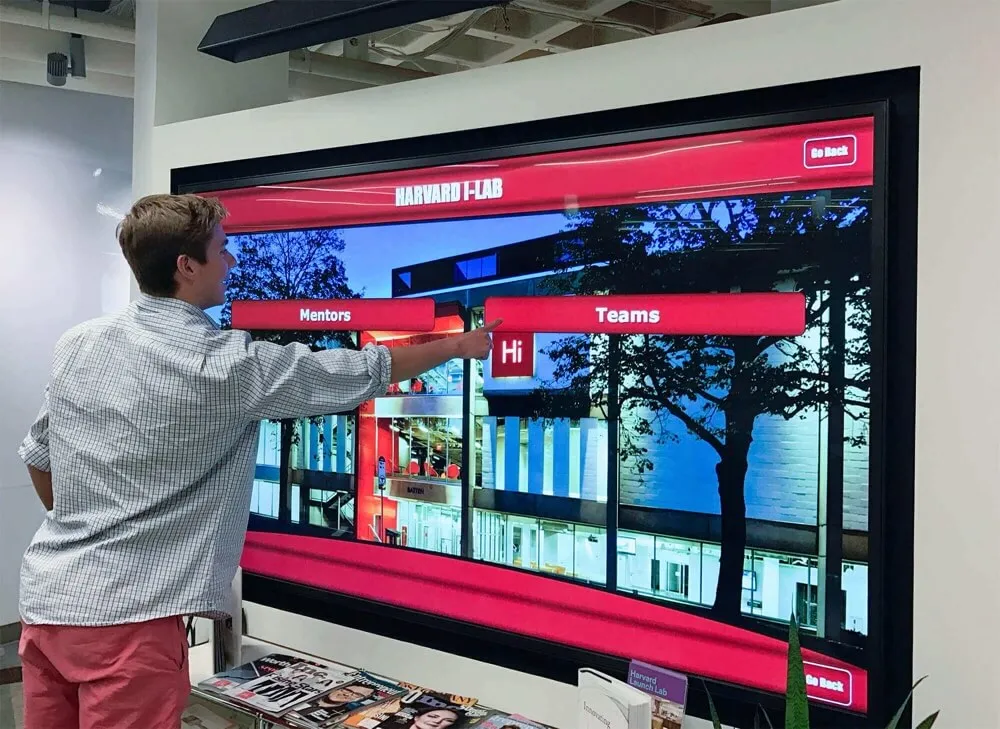
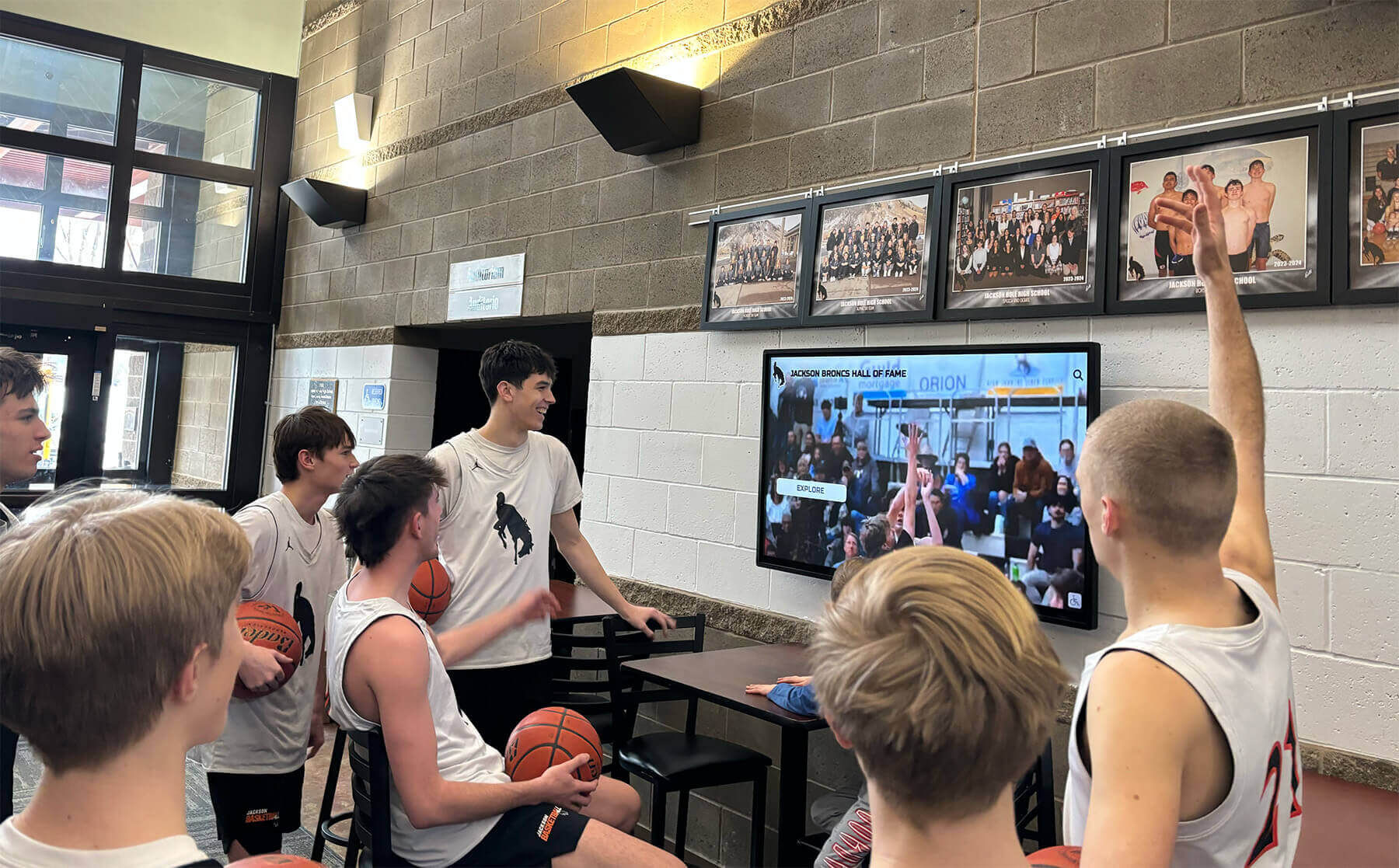
Comprehensive day in the life displays combine three essential elements: photo galleries showcasing authentic events throughout each school year, timeline layouts documenting institutional history and evolution, and About Us profiles diving into the people—students, faculty, alumni, and staff—who define school character. This powerful combination demonstrates both current vibrancy attracting prospective students and established tradition reassuring families about institutional stability. When implemented strategically through interactive touchscreen technology enabling exploration rather than passive viewing, these displays become invaluable assets for admissions marketing, community engagement, heritage preservation, and school pride building across entire educational communities.
The Marketing Power of Authentic School Storytelling
Before examining specific implementation strategies, understanding why day in the life displays prove particularly effective for school marketing and community building helps justify investment and guides content development decisions.
Moving Beyond Generic Promotional Materials
Most school marketing materials suffer from sameness—stock photographs of diverse students engaged in learning, carefully worded mission statements emphasizing excellence and character, and promotional videos following predictable scripts. Prospective families touring multiple schools encounter nearly identical presentations making differentiation difficult.
Authentic day in the life content breaks through this generic clutter by showcasing genuine moments specific to your institution. Actual photographs from last week’s robotics competition prove more compelling than stock images of anonymous students. Real alumni profiles demonstrating diverse career paths provide evidence of educational quality that mission statements cannot match. Historical timelines showing century-long community commitment communicate stability more effectively than administrative promises.
This authenticity particularly resonates with contemporary families accustomed to evaluating organizations through social media and online reviews emphasizing genuine experiences over polished advertising. Schools offering transparent glimpses into daily life, institutional heritage, and community character build trust that generic marketing materials struggle to establish.
Addressing Key Family Decision Factors
Research on school selection consistently identifies several critical factors influencing family decisions: academic quality and achievement, school culture and community character, tradition and institutional stability, extracurricular opportunities and student experiences, and safety and nurturing environments.
Day in the life displays address all these concerns simultaneously through strategic content selection. Photo galleries showing active classrooms, engaged learning, and diverse activities demonstrate academic vitality and extracurricular richness. Historical timelines documenting decades or centuries of operation provide stability evidence that newer institutions cannot match. About Us profiles featuring accomplished alumni offer achievement proof while student and faculty profiles reveal culture and community character. Together, these elements create comprehensive institutional portraits addressing family concerns more effectively than traditional marketing approaches focusing on isolated selling points.
Supporting the Entire Enrollment Funnel
Effective enrollment marketing addresses prospects at different decision stages—initial awareness building, active evaluation and comparison, and final commitment strengthening.
Day in the life displays serve all three stages. During initial campus tours, displays create memorable first impressions differentiating your institution through authentic storytelling rather than generic promotional materials. When families return for second visits or attend open houses while actively comparing schools, interactive exploration of galleries, timelines, and profiles enables deeper engagement answering specific questions about programs, traditions, or community character. After enrollment commitments when families seek reassurance about decisions, continued interaction with displays reinforces positive perceptions while beginning relationship building that strengthens retention and future advocacy.
Designing Effective Photo Gallery Systems
Photo galleries showcasing authentic moments from throughout the school year form the foundation of compelling day in the life displays. Strategic approaches to content capture, organization, and presentation maximize gallery effectiveness.
Planning Systematic Event Documentation
The richest photo galleries result from intentional documentation strategies rather than random snapshots. Comprehensive coverage requires planning which events to document, who captures content, and how materials flow into display systems.
Annual Content Calendar Development:
Begin by mapping all significant events throughout the school year—athletic competitions, performing arts productions, academic ceremonies, club activities, community service projects, seasonal celebrations, admissions events, and spontaneous daily life moments. This comprehensive calendar identifies documentation priorities ensuring consistent coverage across diverse programs rather than overrepresenting certain activities while neglecting others.
Assign documentation responsibilities to specific individuals for each event. Athletic department staff photograph games and competitions. Theater directors or parent volunteers capture performance photographs. Faculty advisors document club activities and academic competitions. Development or communications staff cover major institutional events. Clear assignments prevent gaps where assumed coverage never materializes.
Establish simple workflow processes enabling efficient transfer of photographs from cameras or phones into content management systems. Cloud-based upload portals allowing direct submission from mobile devices dramatically reduce friction compared to requesting email attachments or physical file transfers requiring technical intervention.
Capturing Diverse Perspectives and Experiences
Comprehensive photo galleries showcase the full breadth of school life rather than focusing exclusively on high-profile events like varsity championships or major performances.
Content Diversity Strategies:
Academic Excellence Documentation: Photograph engaged classroom learning, science experiments, collaborative group projects, library research sessions, technology integration, and academic award ceremonies. These images demonstrate educational quality while showing authentic learning environments that prospective families want to observe.
Inclusive Athletic Coverage: Document all sports and competition levels—varsity, junior varsity, freshman, and club teams. Feature individual sports alongside high-profile team sports. Capture practice dedication alongside game-day excitement. This comprehensive coverage ensures all student athletes see recognition rather than privileged status for certain programs.
Arts and Activities Representation: Show band and orchestra rehearsals, theatrical productions, visual arts classes, choir performances, debate competitions, robotics meets, and diverse club activities. These photographs demonstrate extracurricular richness beyond athletics while appealing to families prioritizing arts and academic programs.
Daily Life Moments: Include candid photographs showing students in hallways between classes, cafeteria conversations, library study sessions, outdoor campus spaces, and informal interactions. These authentic daily life images help prospective families envision actual student experiences beyond special events.
Community Service Highlights: Document volunteer activities, fundraising events, community partnerships, and service learning projects. These photographs demonstrate values and character education that many families prioritize when evaluating schools.
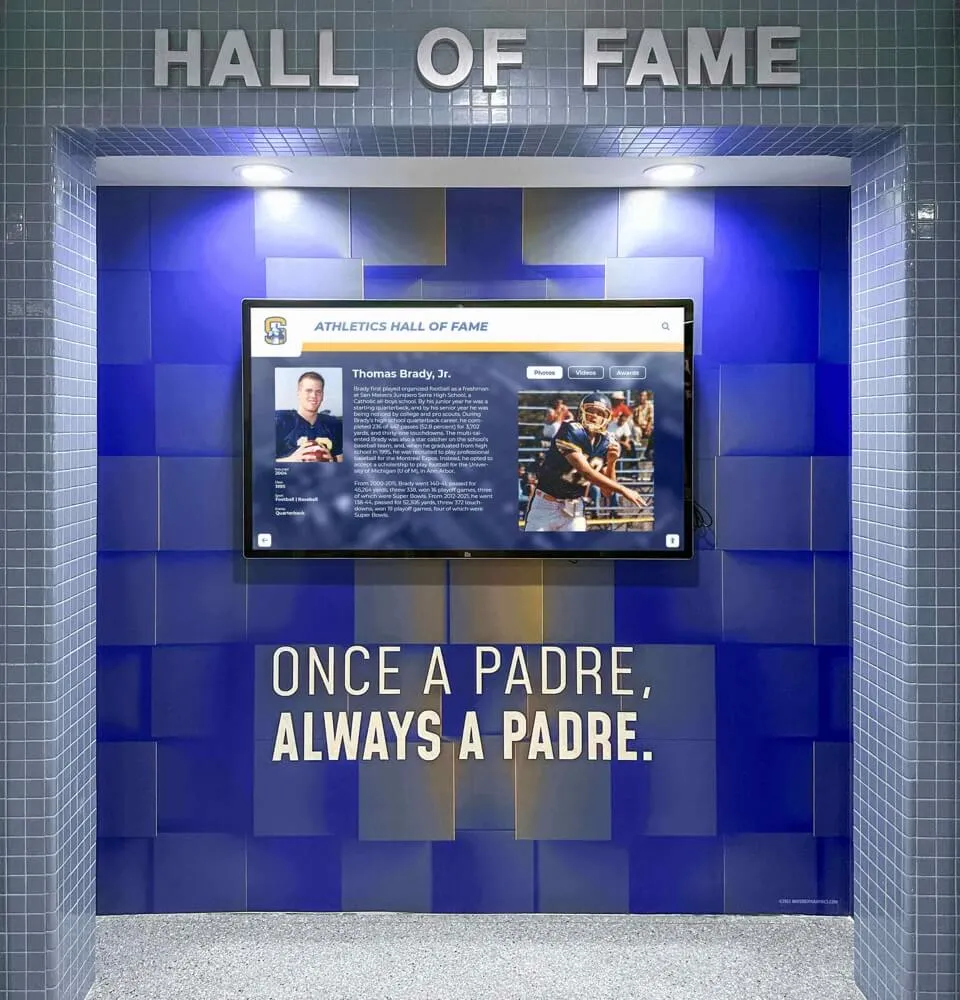
For schools looking to enhance their athletic recognition specifically, comprehensive guides on athletic hall of fame creation provide detailed frameworks for combining historical and current athletic content effectively.
Organizing Galleries for Intuitive Exploration
Raw chronological photo dumps overwhelm users and obscure meaningful content. Strategic organization enables efficient browsing while supporting specific user interests.
Gallery Organization Approaches
📅 Chronological Organization
Group photographs by school year and season (Fall 2024, Winter 2024-25, Spring 2025) enabling users to explore recent events chronologically. Within seasons, organize by month or event date for temporal clarity.
🎯 Categorical Organization
Create distinct galleries for athletics, academics, performing arts, student life, and community service. Users interested in specific program areas access relevant content directly without browsing unrelated events.
🔍 Keyword Tagging
Apply comprehensive tags to individual photographs enabling search by sport, activity, grade level, event type, or individual names. Tagged content supports both browsing and searching preferences.
⭐ Featured Highlights
Designate exceptional photographs as featured content appearing prominently in gallery interfaces. Feature rotation keeps displays fresh while ensuring high-quality images represent your institution effectively.
Solutions like Rocket Alumni Solutions provide flexible organization supporting multiple access patterns simultaneously—users can browse chronologically, navigate by category, search by keyword, or explore featured highlights based on individual preferences and goals.
Maintaining Quality Standards and Appropriate Content
Not every photograph captured during events merits inclusion in public displays viewed by prospective families, donors, and community members.
Content Quality Criteria:
Technical quality standards ensure photographs appear professional rather than amateur. Images should show proper exposure and lighting, acceptable focus on primary subjects, appropriate framing and composition, and sufficient resolution for display screens. Blurry, poorly lit, or technically deficient photographs detract from institutional image regardless of subject matter.
Subject appropriateness requires judgment about which moments represent your institution effectively. Photograph selection should avoid potentially embarrassing moments even if technically well-captured, maintain appropriate privacy for sensitive activities, ensure diversity and inclusion across demographic groups, and represent activities positively rather than highlighting conflicts or problems.
Caption development transforms photographs from simple images into meaningful narratives. Effective captions identify events, dates, and relevant participants; provide context helping viewers understand significance; celebrate achievements and positive outcomes; and maintain appropriate tone balancing enthusiasm with professionalism.
Creating Compelling Historical Timeline Layouts
Historical timelines documenting institutional evolution from founding through present provide context for current excellence while building confidence through demonstrated longevity and tradition.
Researching and Organizing Institutional History
Comprehensive timelines require systematic research uncovering key milestones, significant events, and evolutionary patterns across institutional history.
Historical Research Strategies:
Primary Source Investigation: Examine archived board minutes documenting major institutional decisions, yearbooks showing program evolution and student life changes, local newspaper coverage of school events and achievements, original founding documents and institutional records, facility construction documentation and blueprints, and historical photographs documenting campus and community evolution.
Oral History Collection: Interview longtime faculty, administrators, and staff who experienced decades of institutional history. Conduct alumni interviews capturing student perspectives across different eras. Engage community members observing institutional impact across generations. These conversations reveal stories and context that written records alone cannot provide.
Chronological Organization: Document findings chronologically by decade or significant era. Identify major themes within each period—facility expansion, program development, leadership transitions, demographic changes, or achievement milestones. This thematic organization within chronological structure creates coherent narratives rather than disconnected date lists.
Schools implementing comprehensive approaches to historical research can reference detailed guides on school history preservation that provide frameworks for systematic archival investigation and organization.
Designing Engaging Timeline Visualizations
Raw chronological lists of dates and facts rarely engage viewers. Effective timeline designs invite exploration through visual appeal and intuitive navigation.
Timeline Design Elements:
Visual Chronology: Interactive timelines should display decades or eras as distinct visual sections users can navigate by scrolling or selecting specific periods. Incorporate historical photographs illustrating each era rather than relying solely on text descriptions. Use visual styling differentiating time periods—color schemes, typography, or decorative elements reflecting each era’s character.
Milestone Highlighting: Feature defining moments prominently—founding dates, facility openings, championship victories, distinguished alumni achievements, program launches, or leadership transitions. These highlighted milestones provide orientation points helping users navigate longer institutional histories while emphasizing significant achievements.
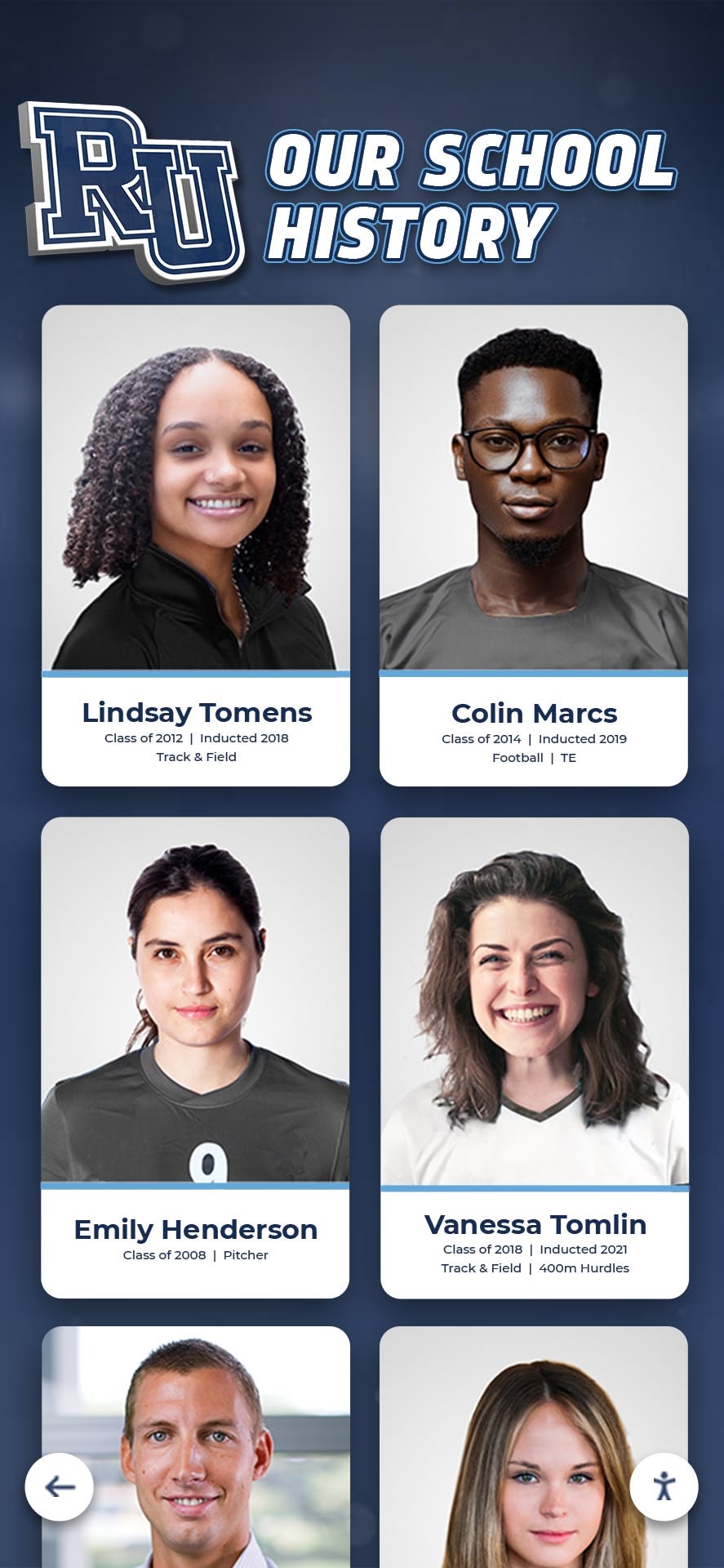
Comparative Context: Connect institutional evolution to broader historical context. Note how school changes aligned with or responded to national educational trends, technological innovations, demographic shifts, or cultural movements. This contextual positioning helps viewers understand institutional history within larger narratives rather than as isolated local events.
Multi-Format Content: Enhance timelines beyond text and static photographs. Incorporate archived video footage from significant events when available. Include scanned historical documents, newspaper clippings, or program materials as primary source evidence. Feature audio clips from oral history interviews providing firsthand perspectives on historical moments.
Connecting Historical Heritage to Present Identity
The most effective historical timelines explicitly connect past and present, demonstrating how institutional evolution shaped current character and programs.
Past-Present Connection Strategies:
Trace program origins showing how current offerings evolved from earlier forms. Today’s STEM academy might trace roots to vocational training programs from decades past. Contemporary athletic success might build on coaching traditions established generations ago. This evolutionary perspective demonstrates continuity rather than disconnected achievements across isolated time periods.
Feature alumni profiles showing how graduates from different eras applied their education. A 1960s graduate who became a civil rights attorney, a 1980s alumna who launched a successful tech company, and a recent graduate accepted to prestigious medical school together demonstrate consistent educational quality across generations adapted to evolving career opportunities.
Highlight traditions continuing across decades—annual ceremonies, rivalry competitions, service projects, or cultural celebrations that connect current students to institutional heritage. These ongoing traditions create temporal continuity transforming history from past curiosity into living tradition current students participate in maintaining.
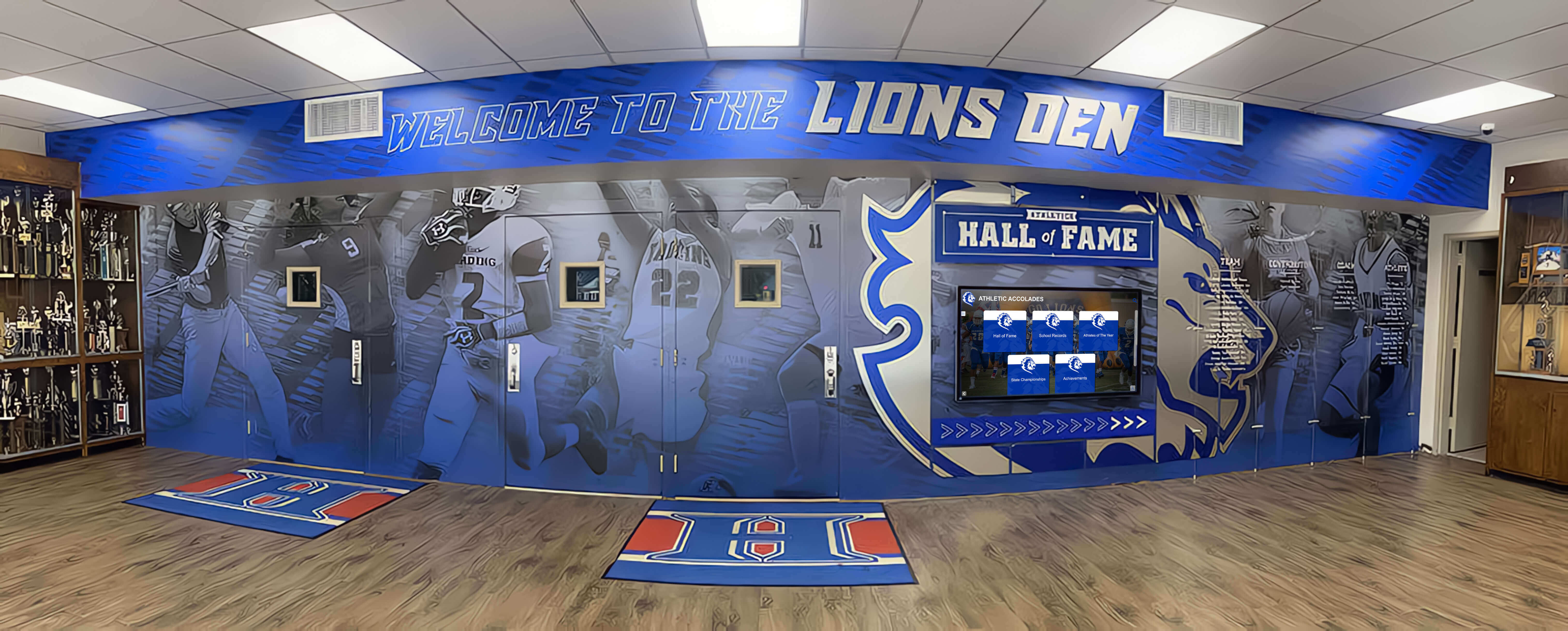
For schools developing comprehensive heritage displays, detailed resources on displaying school history effectively provide practical frameworks for connecting archival content with contemporary institutional identity.
Developing About Us Profiles That Humanize Your Institution
Statistical achievements and historical facts communicate important information but fail to convey the human character defining exceptional schools. About Us profiles featuring students, faculty, alumni, and staff personalize institutions by sharing individual stories demonstrating values, culture, and community.
Selecting Profile Subjects Strategically
Not every community member warrants featured profile placement. Strategic selection ensures profiles collectively represent institutional character and diversity while highlighting individuals whose stories resonate with key audiences.
Profile Subject Categories:
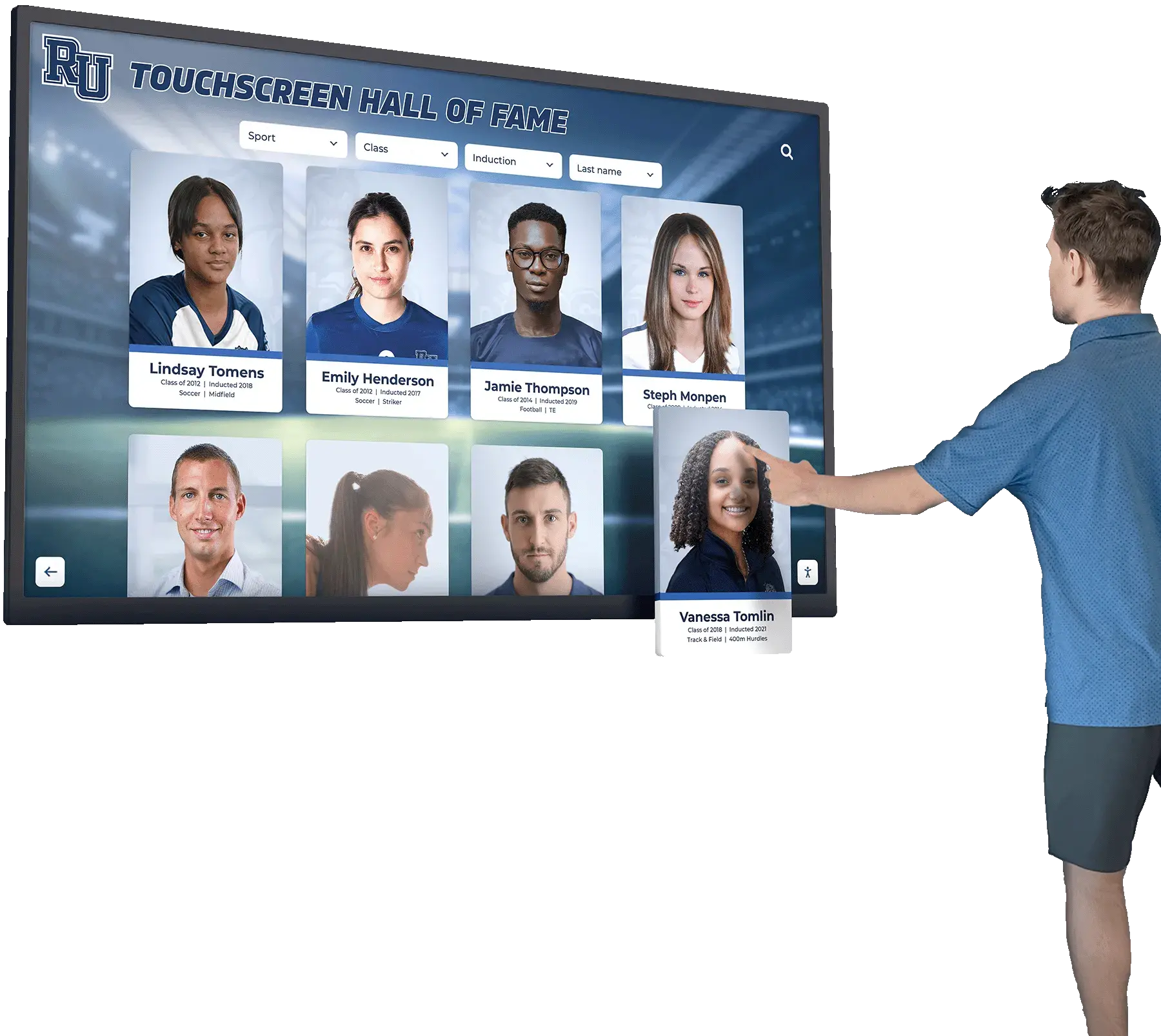
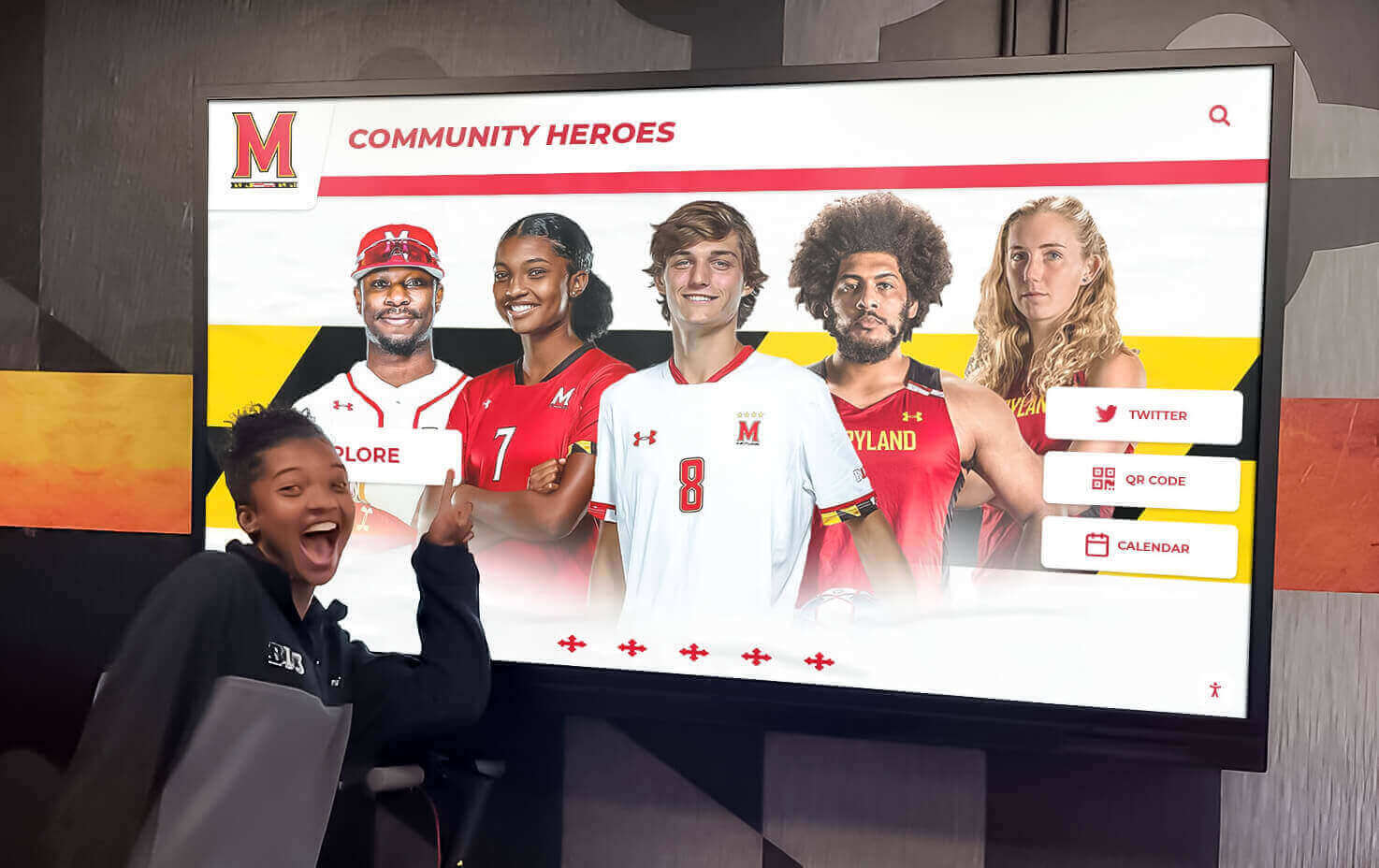
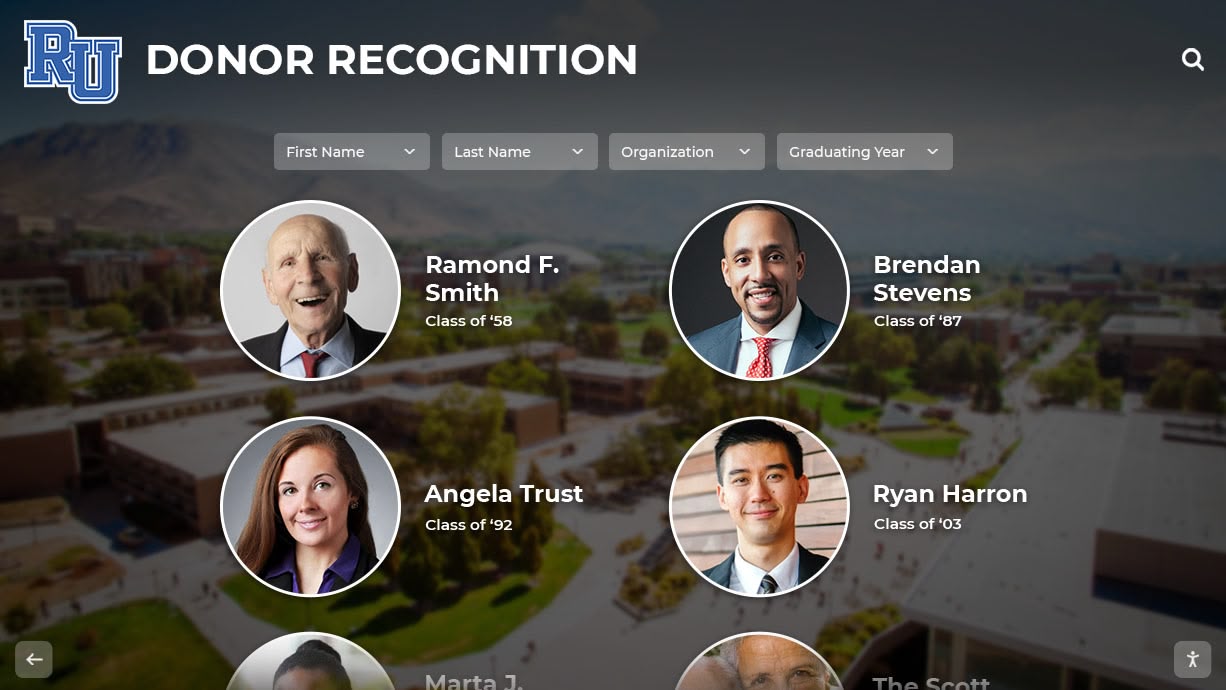

Distinguished Alumni: Feature graduates who achieved remarkable success in diverse fields—business leadership, creative arts, public service, scientific research, education, medicine, law, entrepreneurship, or community leadership. These profiles demonstrate educational quality through tangible graduate outcomes while inspiring current students through relatable examples of paths from your school to significant achievement.
Exceptional Educators: Profile faculty members exemplifying teaching excellence, innovative instructional approaches, longstanding institutional commitment, or distinctive program leadership. These profiles help prospective families evaluate instructional quality while honoring educators deserving recognition for sustained excellence.
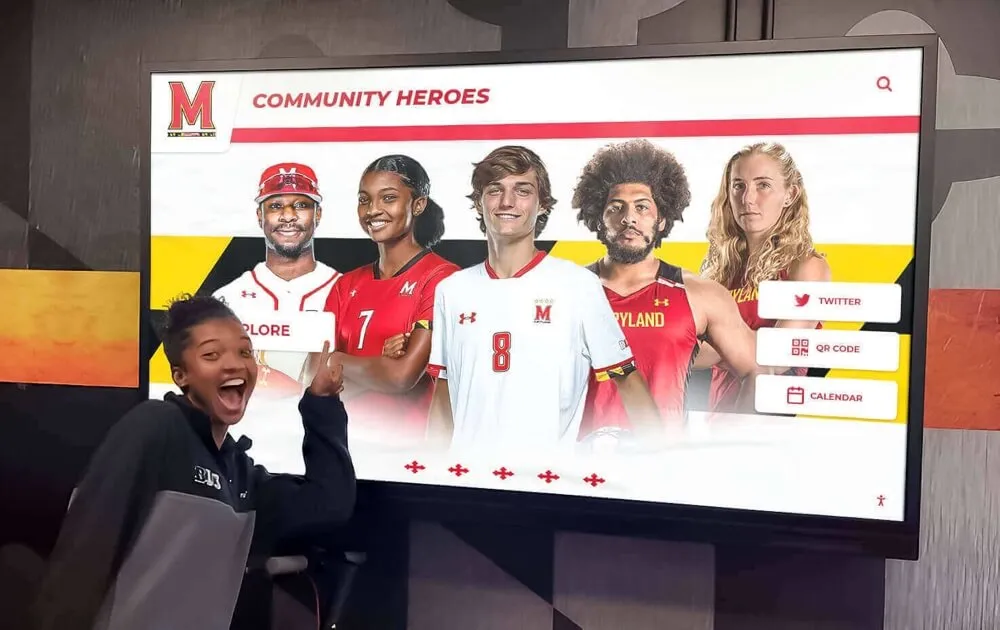
Student Leaders: Feature current students demonstrating academic achievement, athletic excellence, artistic accomplishment, service leadership, or character exemplifying institutional values. These profiles show prospective families the caliber of peers their children would learn alongside while recognizing deserving current students.
Support Staff Champions: Include profiles of coaches, counselors, administrators, maintenance staff, or support personnel who significantly impact student experiences and school operations. These profiles demonstrate comprehensive community commitment rather than narrow focus on high-profile roles.
Community Partners: Feature donors, volunteers, board members, or community leaders whose support enables school success. These profiles acknowledge support while demonstrating broader community engagement and investment in your institution.
Profile Diversity Considerations
Demographic Representation: Ensure profiles collectively represent diverse demographic groups—racial and ethnic diversity, gender balance, socioeconomic backgrounds, geographic origins, and family structures. This inclusive representation communicates welcoming school culture while enabling students and families from all backgrounds to see themselves reflected in your community.
Program Diversity: Feature individuals representing varied programs and interests—athletics, performing arts, academics, STEM, humanities, vocational programs, and service activities. Comprehensive program representation demonstrates breadth rather than narrow excellence in limited areas.
Era Diversity: Include profiles spanning different time periods for alumni subjects—recent graduates, mid-career professionals, and established leaders from earlier decades. This temporal diversity demonstrates sustained educational quality rather than recent improvements or past glory days.
Achievement Diversity: Balance extraordinary accomplishments with relatable excellence. Not every profile requires Olympic medals or Fortune 500 CEO roles. Teacher of the year awards, community service recognition, or solid professional achievement provide inspiration without seeming unattainable to average students.
Structuring Compelling Profile Content
Effective profiles follow consistent structures enabling easy scanning while providing sufficient depth for interested readers seeking comprehensive information.
Essential Profile Components:
Engaging Introductions: Open profiles with compelling hooks capturing attention—notable achievements, distinctive characteristics, or interesting personal details. Strong introductions motivate continued reading rather than immediate browsing to next content.
Educational Journey: Document the individual’s school experience—when they attended, programs they participated in, achievements during school years, influential teachers or mentors, and defining moments that shaped their paths. This educational narrative demonstrates how your institution contributed to later success.
Post-School Trajectory: For alumni profiles, trace career paths or life journeys following graduation. Highlight significant achievements, unexpected turns, challenges overcome, or distinctive contributions. These narratives demonstrate diverse possibilities following quality education while inspiring current students.
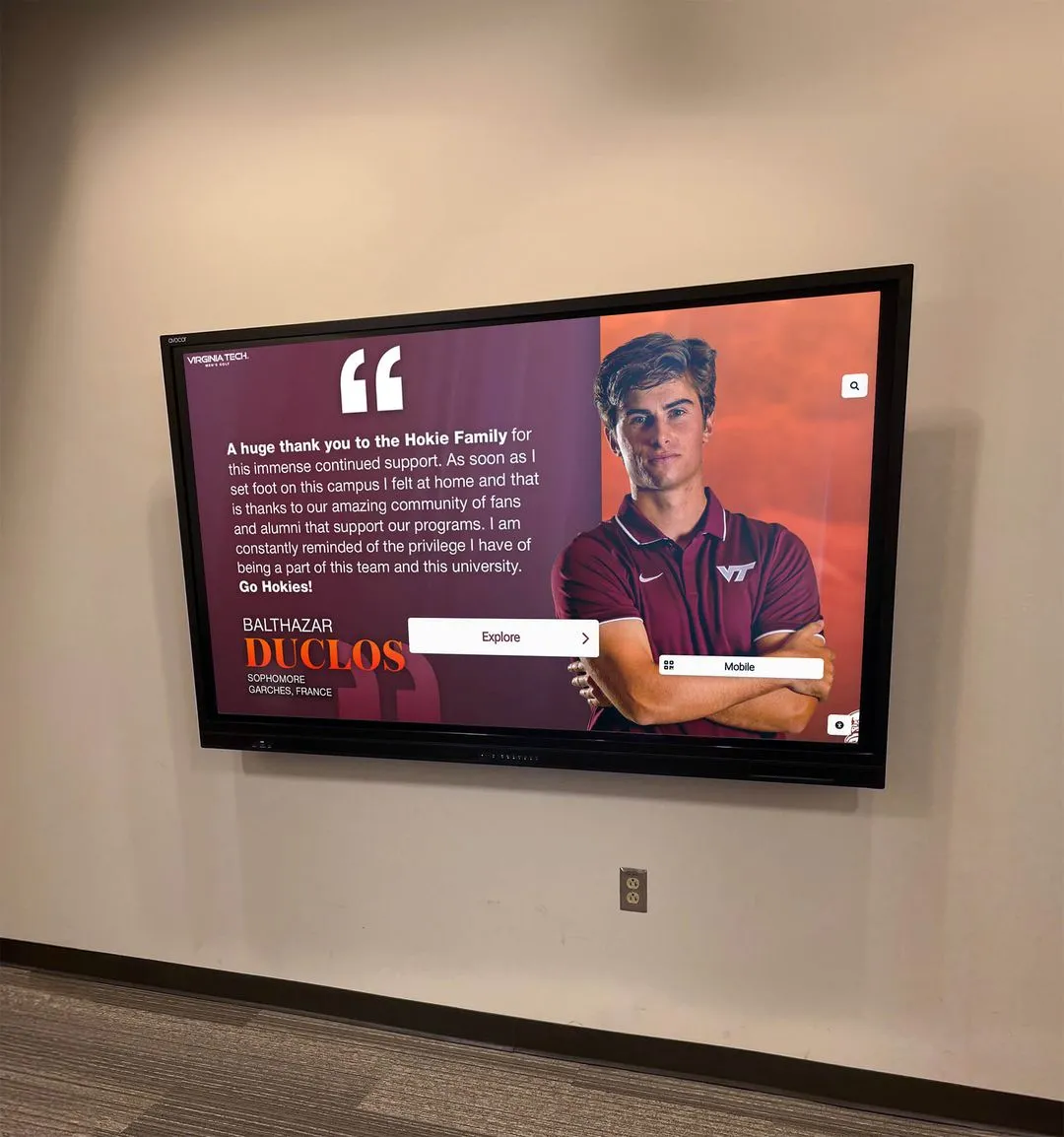
Personal Reflections: Include first-person quotes or reflections in the subject’s own voice. What lessons did they learn? How did school experiences influence later choices? What advice would they offer current students? These personal perspectives create authentic connections that third-person descriptions cannot match.
Visual Elements: Feature high-quality portrait photographs showing subjects professionally and approachably. For alumni profiles, include historical photographs from their school years alongside contemporary images demonstrating life progression. Action photographs showing subjects engaged in their work or activities provide additional context beyond static portraits.
Maintaining Current and Historical Profile Balance
Day in the life displays should feature both current community members demonstrating present vibrancy and historical figures celebrating heritage and tradition.
Temporal Balance Strategies:
Allocate profile space proportionally across time periods. Roughly 40% featuring current students, faculty, and recent alumni shows contemporary vitality. About 30% highlighting mid-career alumni from 10-30 years ago demonstrates sustained impact. The remaining 30% celebrating distinguished historical figures and longtime institutional servants honors heritage while maintaining relevance through current community focus.
Update current profiles regularly as students graduate, faculty transition, or circumstances change. Quarterly profile rotations maintain freshness while ensuring displays remain current rather than becoming historical artifacts themselves.
Explicitly connect historical and current profiles when possible. Feature multiple generations of the same family attending your school. Highlight current students following paths pioneered by distinguished alumni in similar fields. These connections create continuity narratives demonstrating lasting institutional character rather than disconnected individual achievements.
Comprehensive approaches to alumni recognition and engagement provide frameworks for balancing celebration of historical accomplishment with ongoing current community focus that maintains display relevance and engagement.
Selecting Appropriate Display Technology and Platforms
Content quality matters tremendously, but ineffective technology presentation undermines even exceptional content. Strategic technology selection ensures content appears attractively, remains easily navigable, and stays manageable for non-technical staff responsible for ongoing updates.
Commercial-Grade Touchscreen Display Requirements
Consumer television screens or basic monitors prove inadequate for public display applications requiring continuous operation, touch interaction, and high-traffic durability.
Hardware Specifications:
Display Size and Resolution
- 43-55 inch screens for adequate visibility in hallways and common areas
- 1920x1080 (Full HD) minimum resolution; 4K preferred for larger screens
- Commercial panel ratings for 16-24 hour daily operation vs. consumer 4-6 hours
- Anti-glare coatings reducing reflection in naturally lit spaces
- Wide viewing angles maintaining image quality for off-center viewers
Touch Technology and Durability
- Multi-touch capacitive screens supporting intuitive gesture controls
- Tempered glass surfaces resisting scratches, impacts, and vandalism
- Sealed designs preventing internal dust and moisture intrusion
- Fanless cooling systems reducing noise and mechanical failure points
- Commercial warranties covering 3-5 years vs. consumer 1-2 years
Schools investing in inadequate hardware often face premature failure, excessive maintenance costs, or user frustration undermining adoption. Commercial-grade equipment designed specifically for public interactive applications delivers better long-term value despite higher initial costs compared to consumer alternatives.
Content Management System Requirements
Hardware displays content, but content management systems determine how easily staff create, organize, and update materials. Intuitive systems enable sustainable ongoing management while complex platforms create bottlenecks requiring technical expertise for simple changes.
Critical CMS Features:
Non-Technical User Interface: Staff managing content typically include librarians, athletics coordinators, admissions personnel, or advancement professionals without technical backgrounds. Content management systems must offer intuitive interfaces comparable to social media platforms or consumer applications rather than requiring coding skills, database knowledge, or technical training.
Flexible Content Organization: Support multiple organizational structures simultaneously—chronological, categorical, keyword-based, and featured content approaches. Users with different goals should find relevant content through their preferred navigation patterns without requiring training on rigid single-path systems.
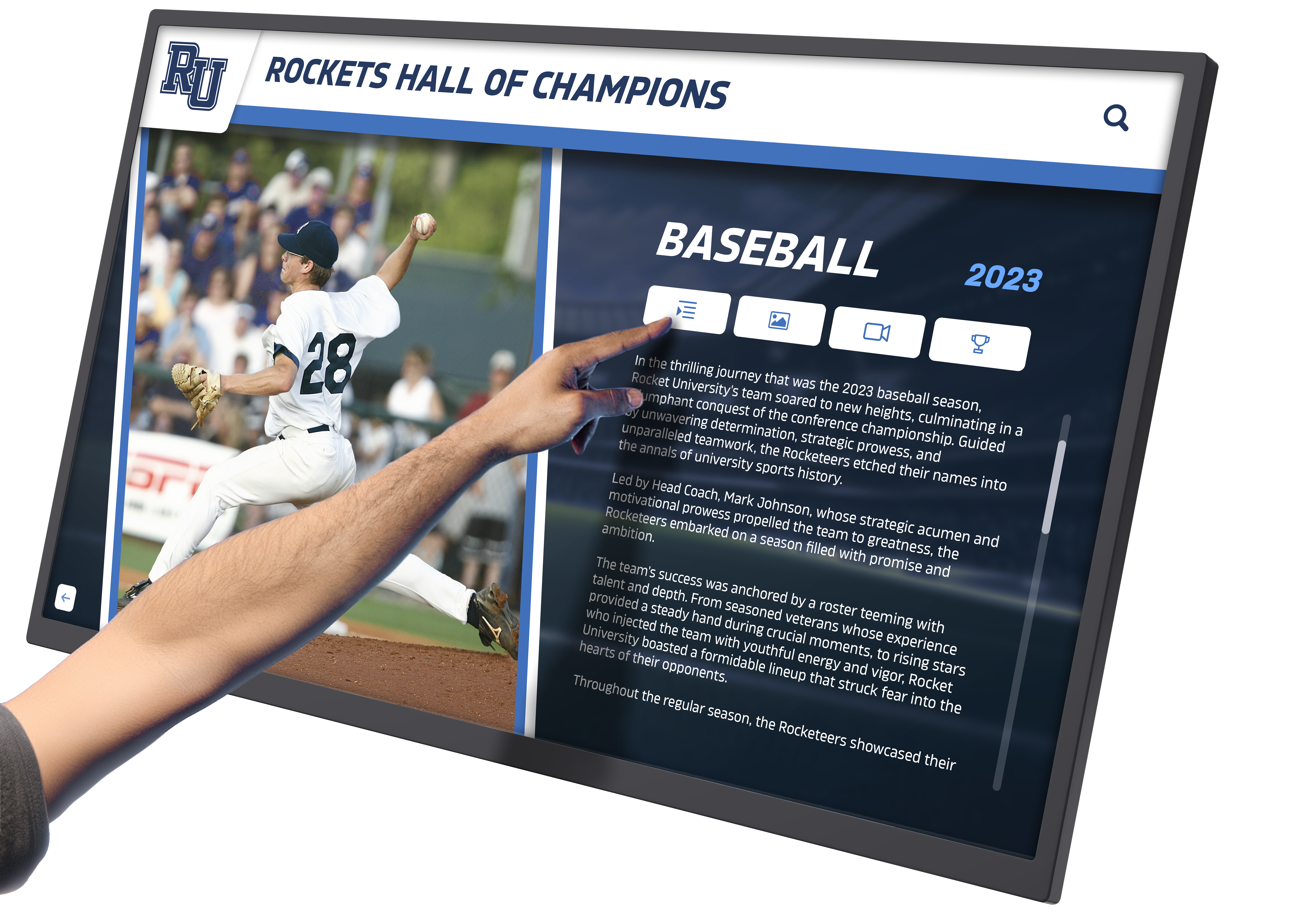
Multi-Format Support: Accommodate photographs, videos, audio recordings, scanned documents, and text content without requiring format conversion or technical preparation. Direct upload from smartphones, tablets, or computers streamlines content addition eliminating technical friction.
Responsive Design: Display content appropriately across different screen sizes and orientations without manual adjustment. Content created once should appear effectively on lobby touchscreens, online web portals, and mobile smartphone apps without duplicate work maintaining separate versions.
Cloud-Based Accessibility: Enable content management from any device with internet connectivity rather than requiring access to specific computers or physical presence at display locations. Cloud-based systems support remote management, collaborative workflows, and disaster recovery through geographic redundancy.
Integrated vs. Point Solution Approaches
Schools implementing day in the life displays must decide between integrated platforms combining all functionality or assembling separate point solutions for different capabilities.
Platform Comparison:
Point Solution Approach: Schools might use separate systems for photo gallery management, website content management, digital signage displays, and alumni databases. Each specialized system offers deep functionality in specific areas with established vendor expertise.
However, disconnected systems create substantial overhead. Content must be manually entered multiple times across different platforms. Visual designs remain inconsistent across different systems. Staff learn multiple interfaces rather than single unified systems. Integration between disconnected platforms requires technical expertise or expensive custom development.
Integrated Platform Approach: Unified solutions like Rocket Alumni Solutions combine photo gallery management, historical timeline presentation, profile databases, interactive touchscreen displays, and web portals within single platforms. Content entered once appears automatically across all display formats without duplicate data entry.
Integrated approaches reduce technical complexity and ongoing management overhead. Staff learn single interfaces managing all content types. Visual presentation remains consistent across touchscreens, websites, and mobile apps. Updates appear everywhere simultaneously without coordination across multiple systems.
Most schools find integrated platforms deliver better value and sustainable operations compared to assembling fragmented point solutions requiring ongoing technical coordination and maintenance overhead beyond available resources.
For detailed evaluation guidance, comprehensive resources on digital recognition display technology selection provide frameworks for comparing vendors and approaches based on institutional needs and constraints.
Strategic Display Placement and Installation
Even exceptional content displayed through excellent technology fails to engage audiences if installed in locations nobody visits or positioned where viewing proves difficult. Strategic placement decisions maximize visibility, accessibility, and engagement.
High-Impact Location Selection
Different locations serve different audiences and purposes. Comprehensive implementations often include multiple displays in varied locations tailored to specific contexts and users.
Primary Location Options:
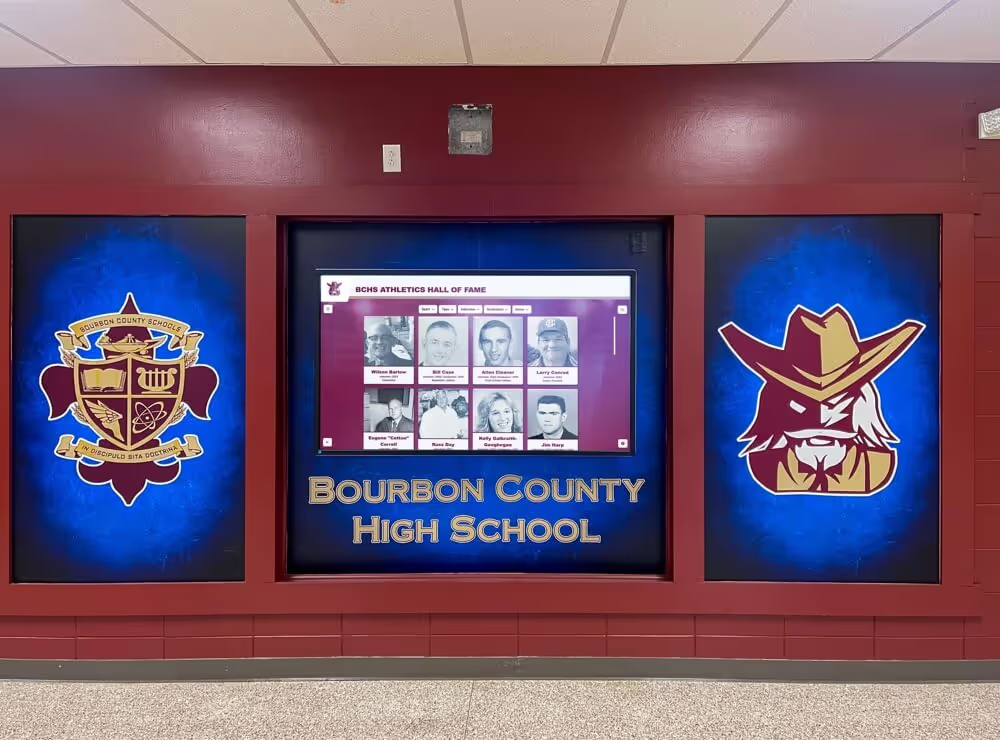
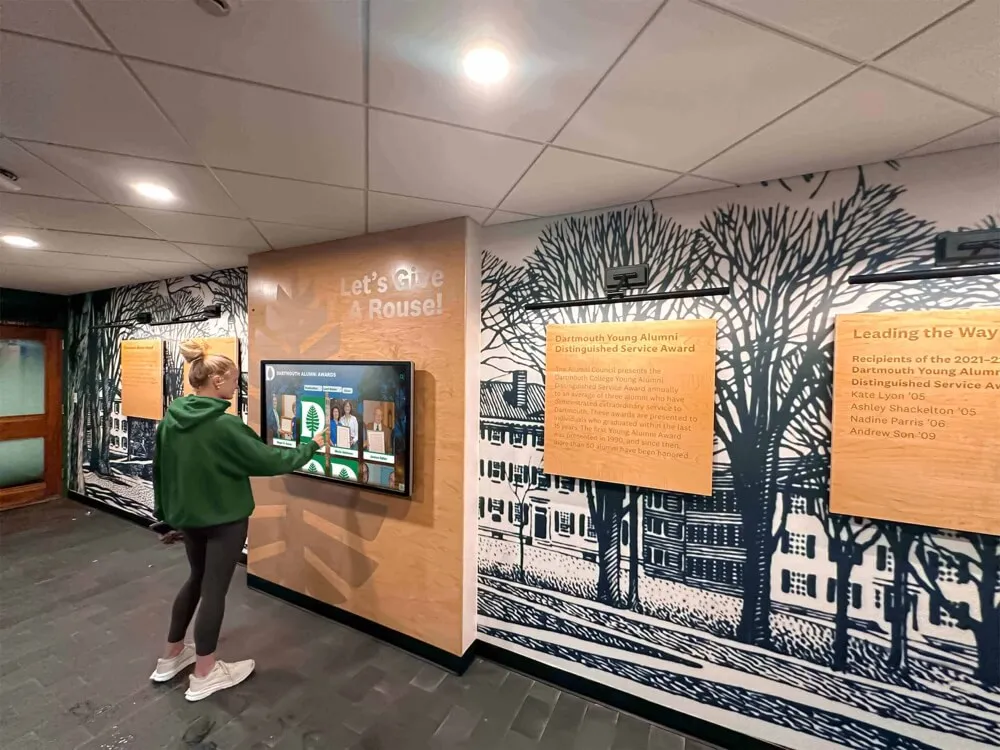
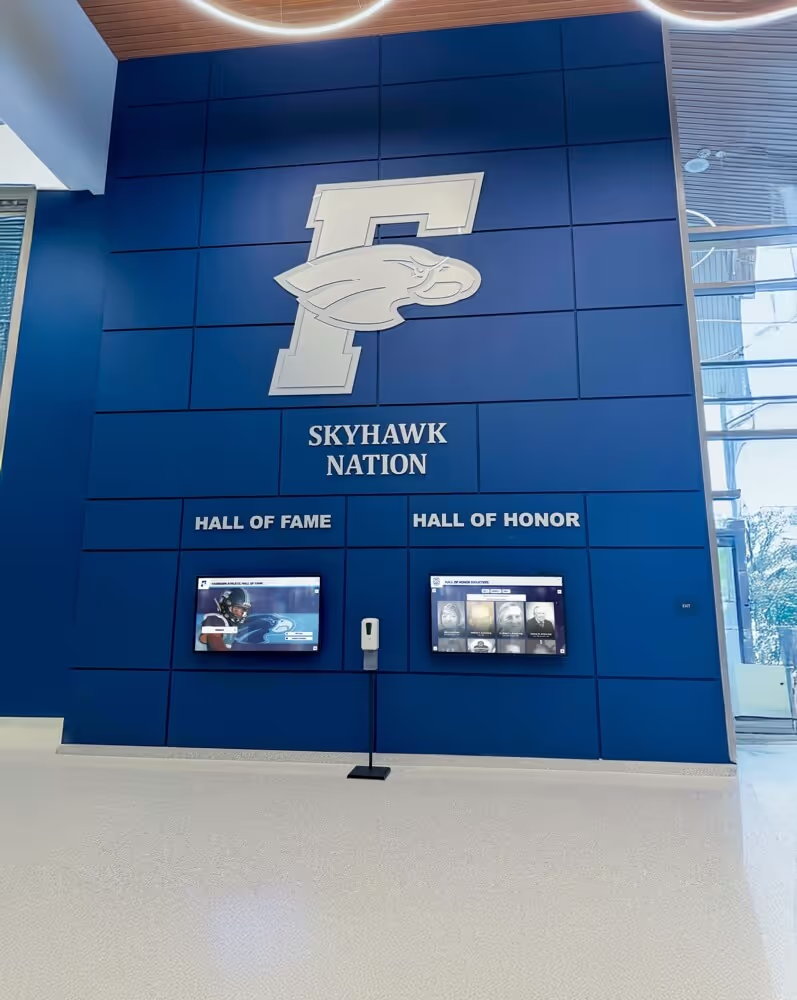
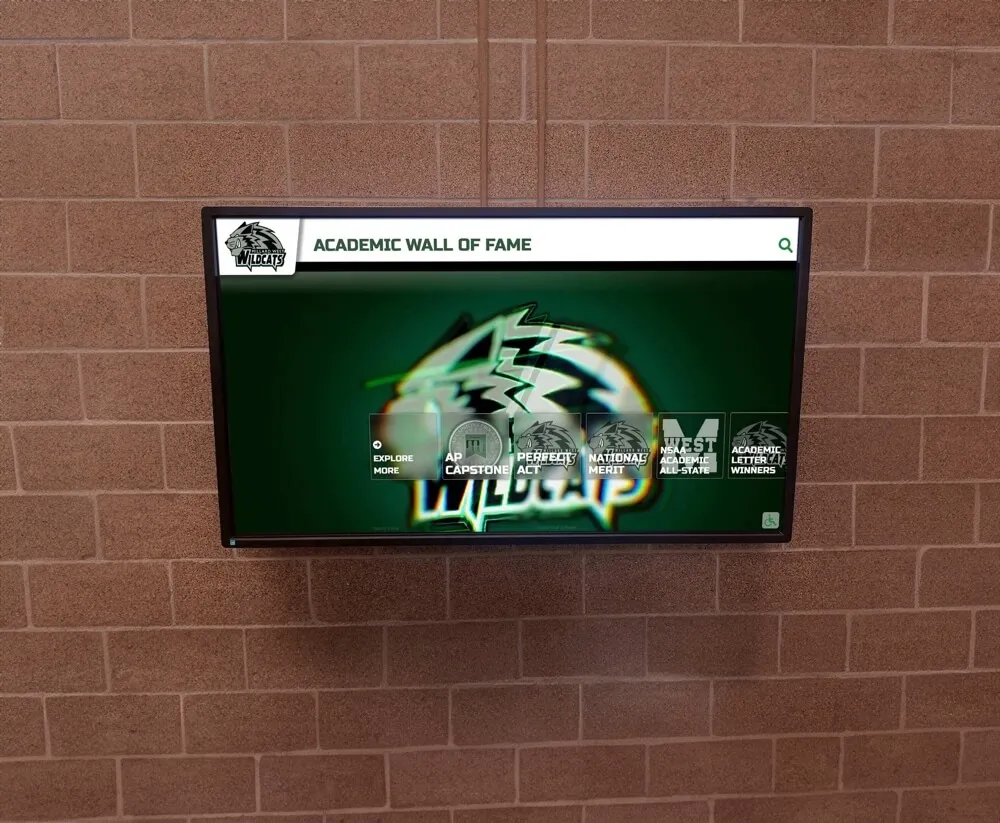
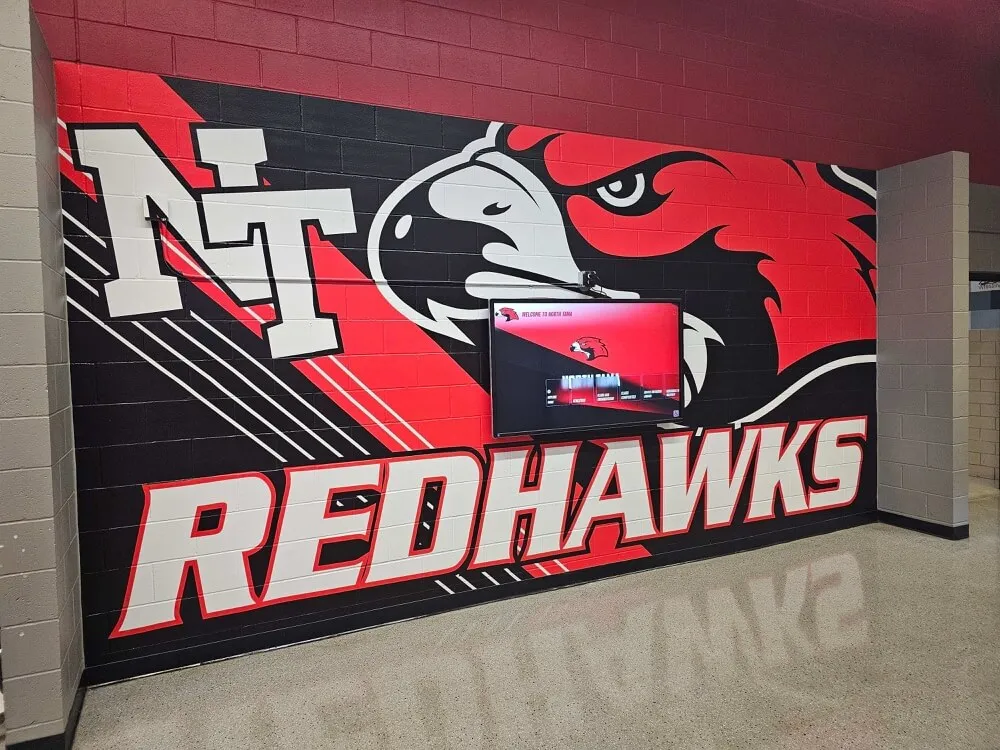
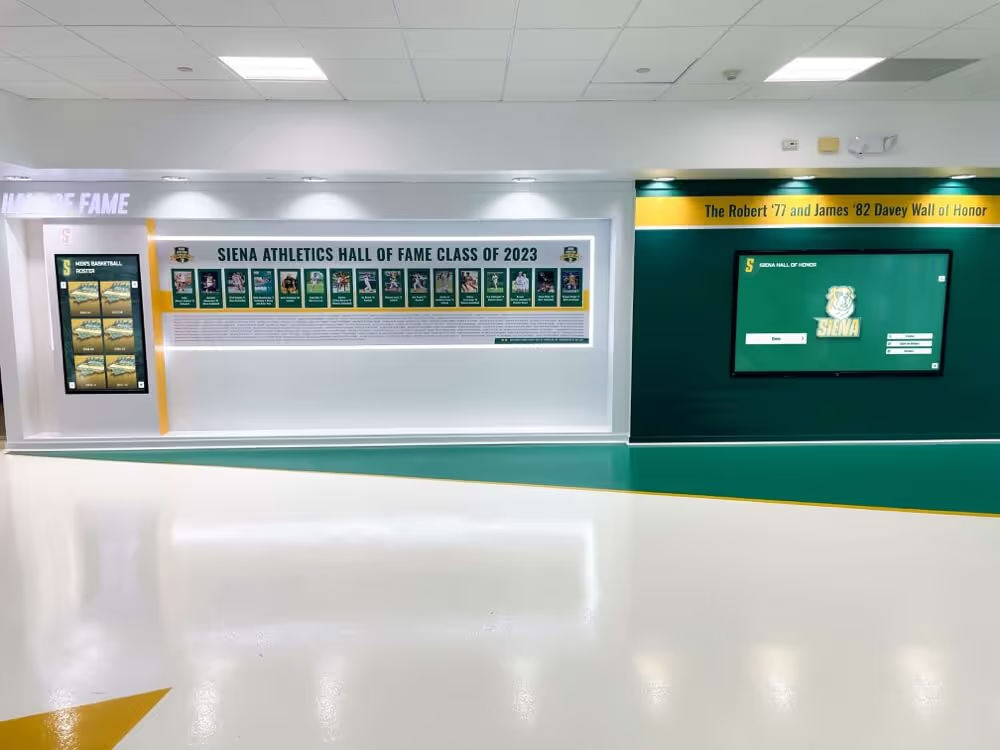
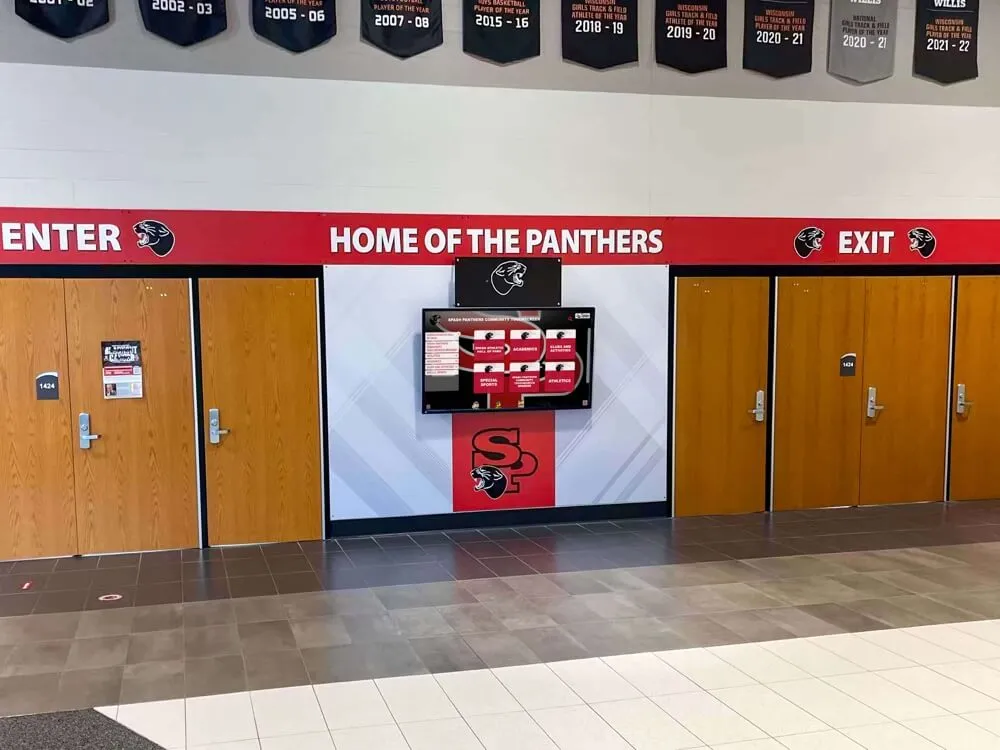
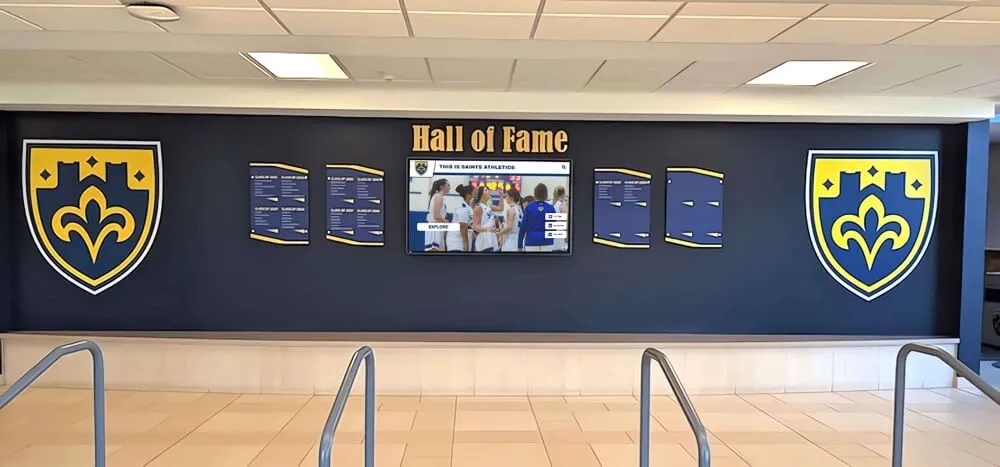
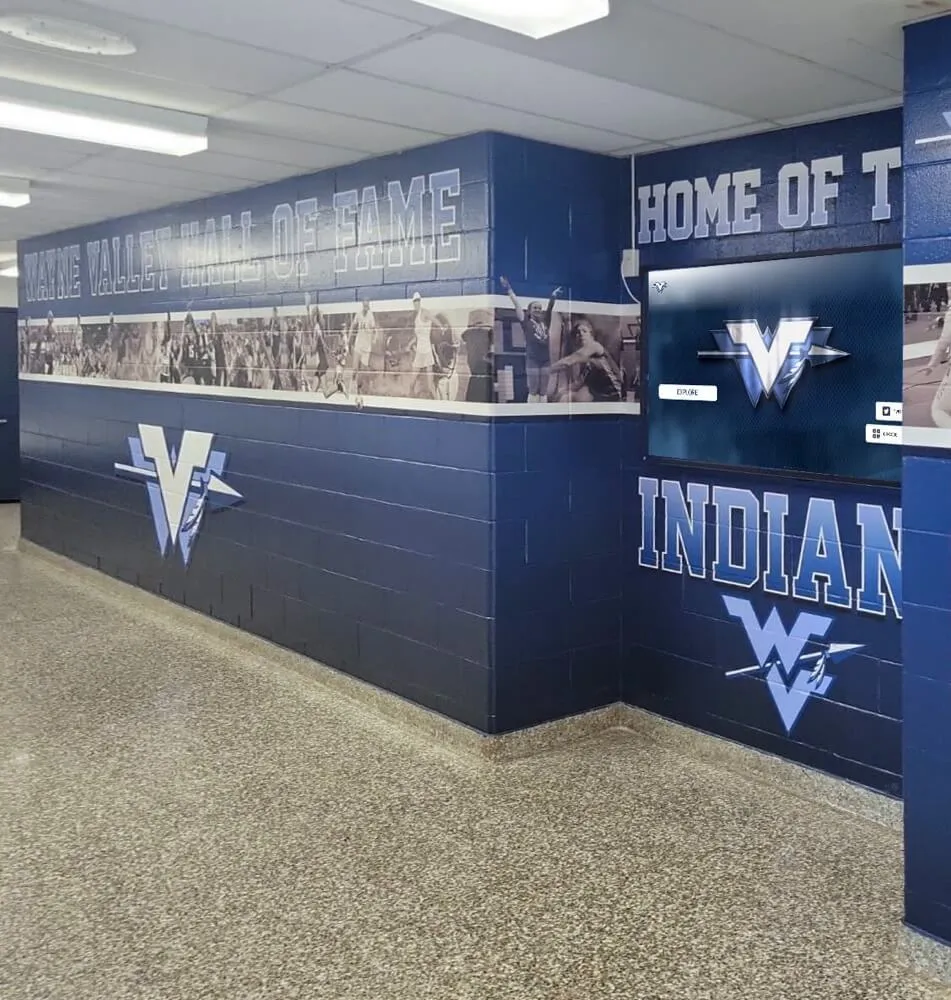
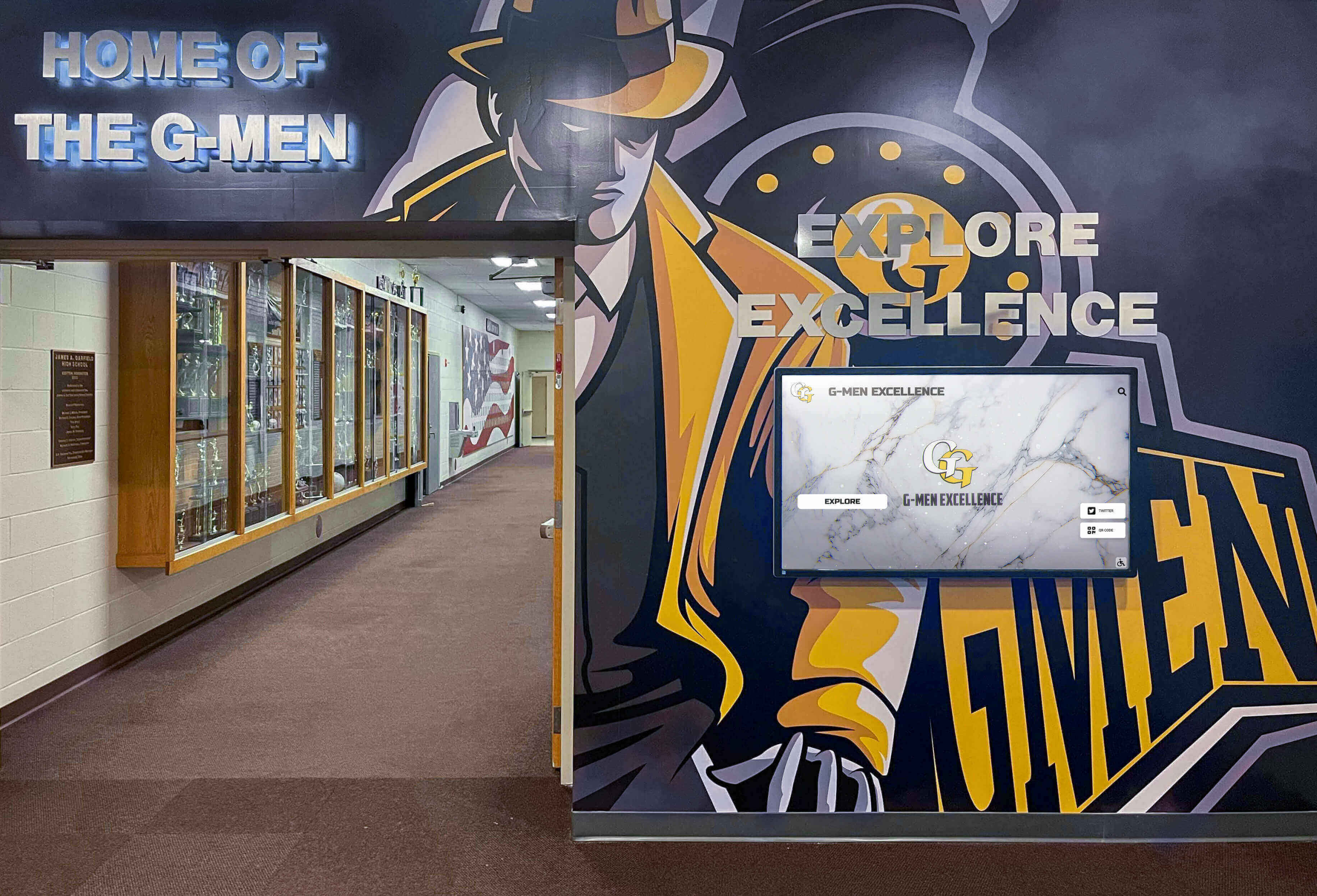
Main Entrance Lobbies: Central entrance lobbies through which all visitors pass provide maximum visibility for both internal and external audiences. Displays in these prominent locations create immediate first impressions for prospective families, donors, and community guests while ensuring all students and staff encounter content regularly. Main lobby displays should feature comprehensive content including photo galleries, historical timelines, and diverse profile types representing entire institutional scope.
Admissions Offices: Dedicated displays in admissions waiting areas engage prospective families during tours, interviews, and information sessions. Content in these locations should emphasize elements supporting enrollment decisions—student achievement, program diversity, accomplished alumni, and historical stability. Admissions-focused displays function as conversation starters enabling admissions personnel to elaborate on content prompting family questions.
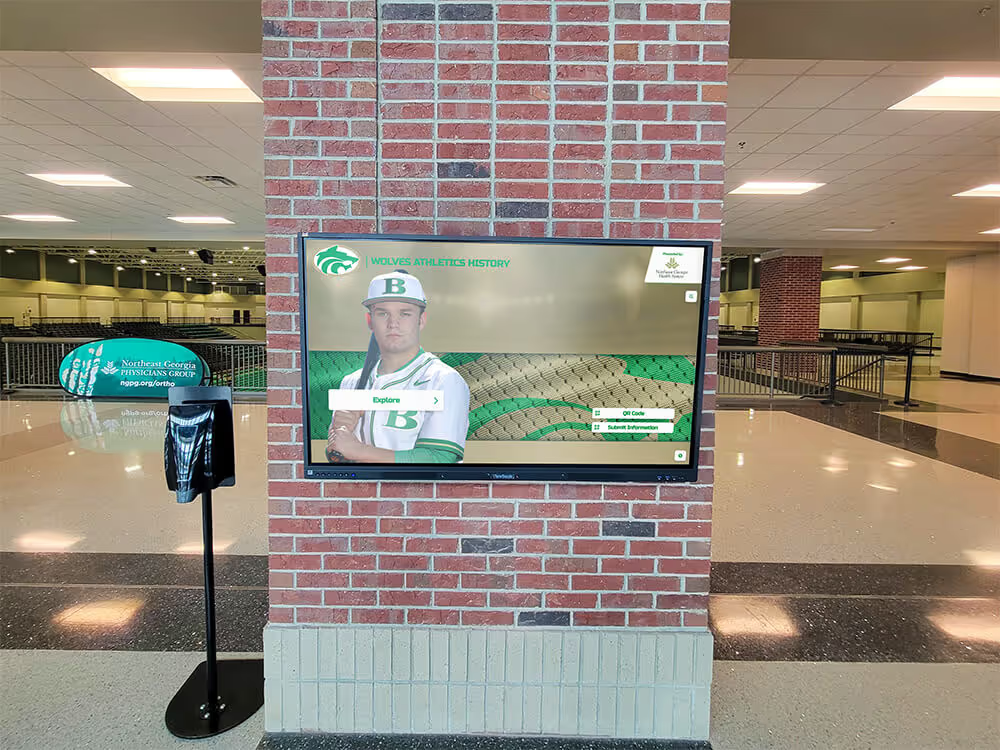
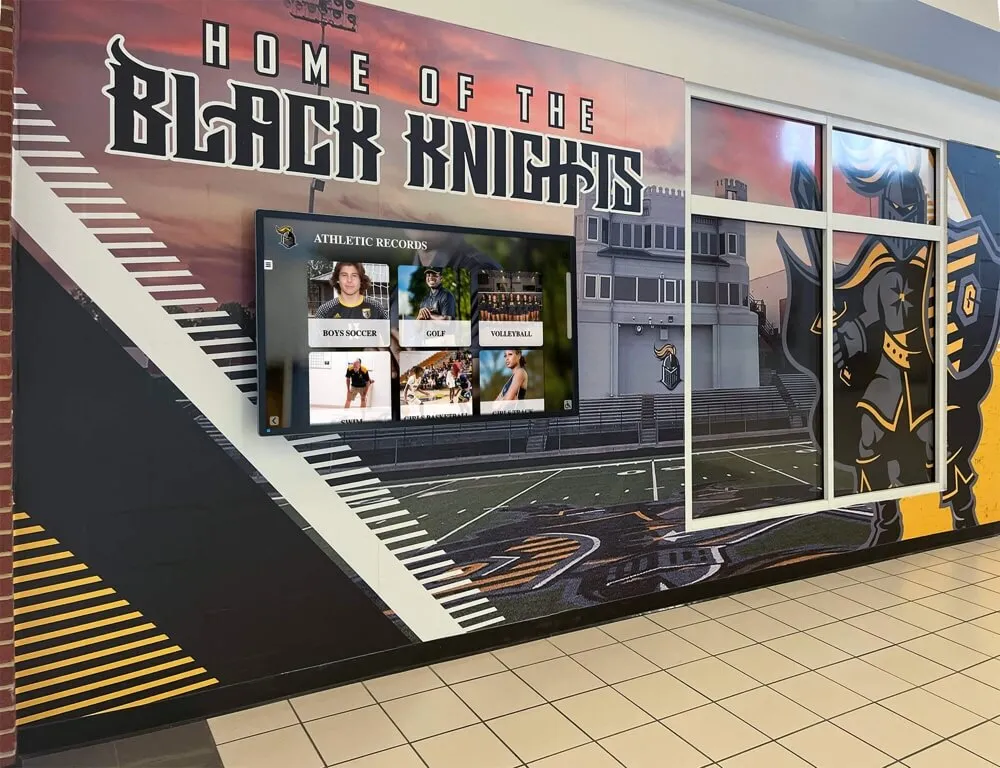
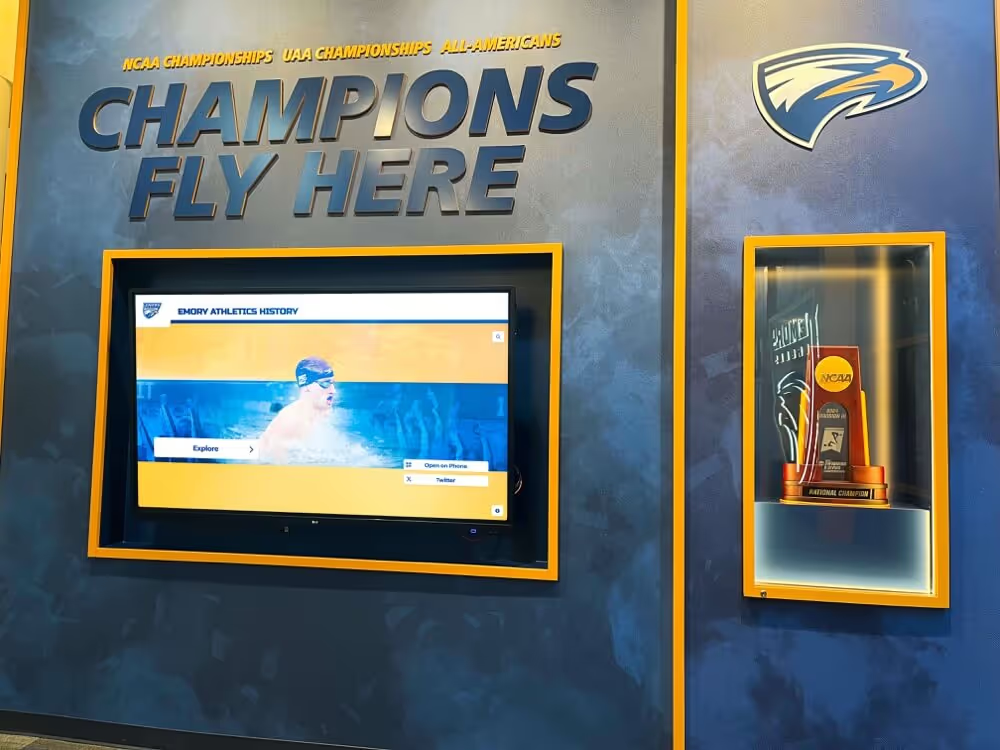
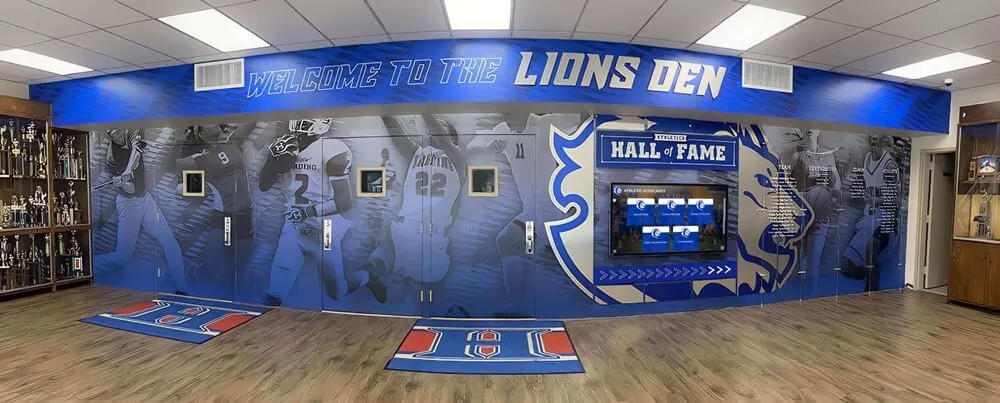
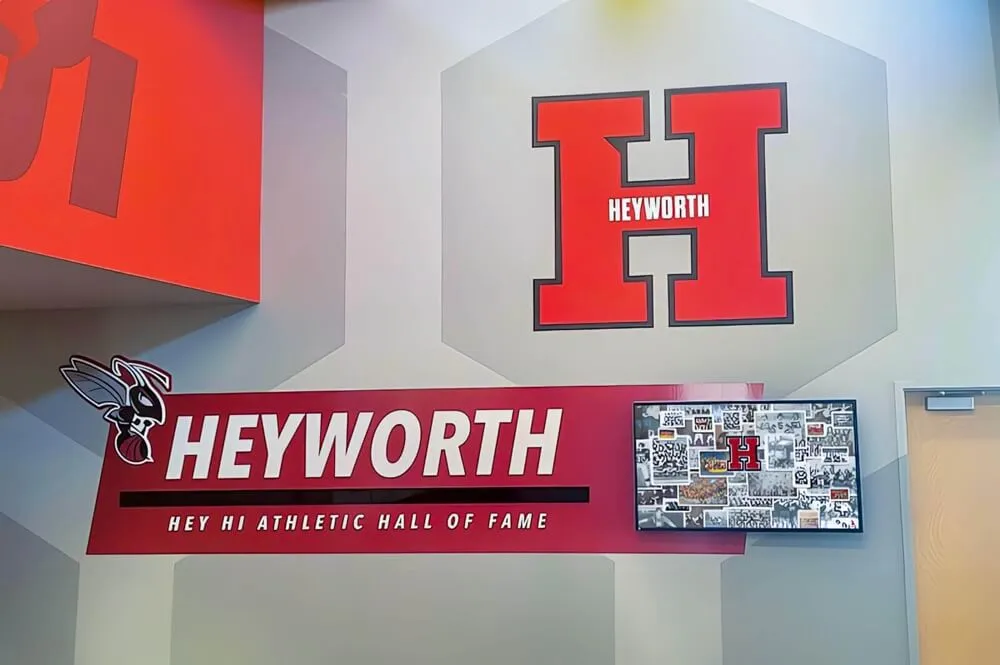
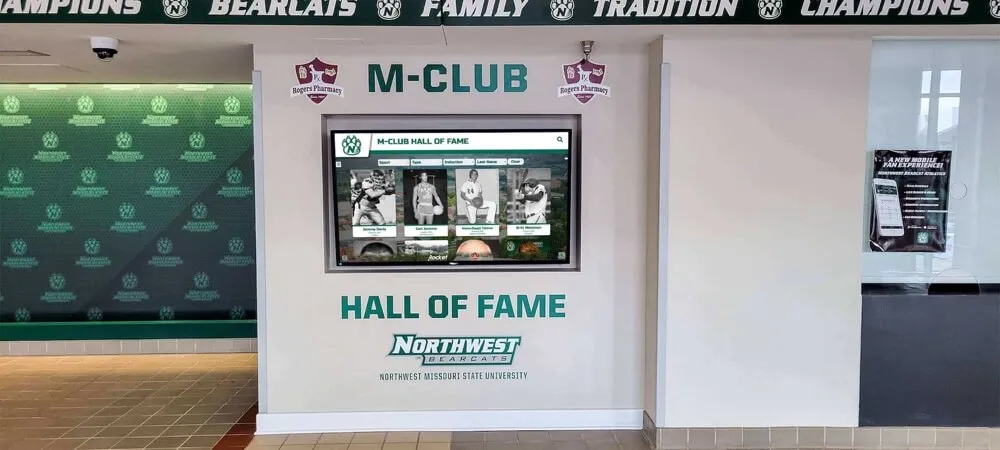
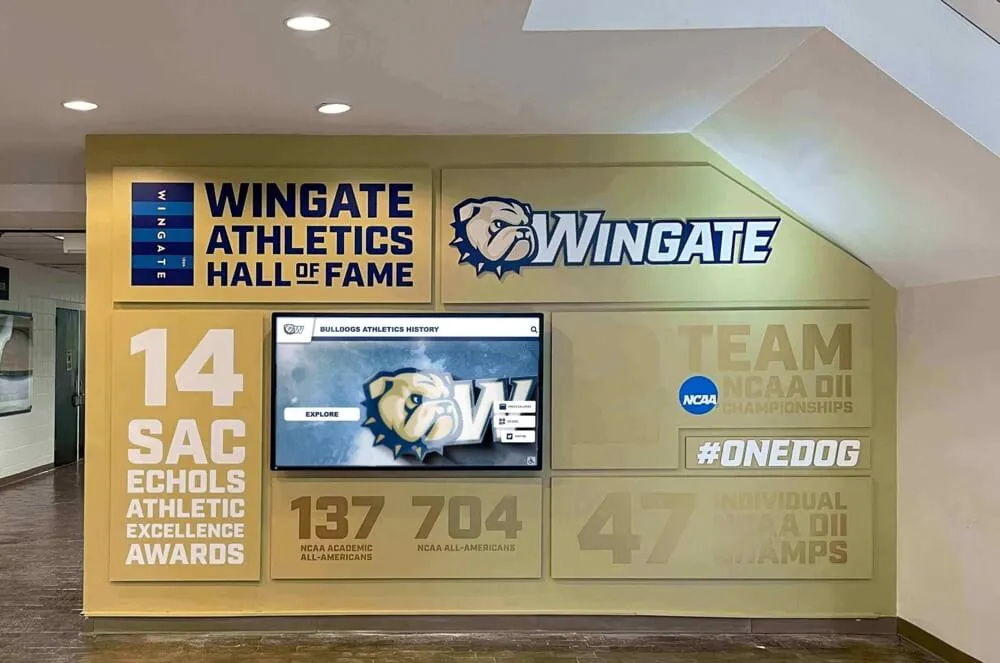
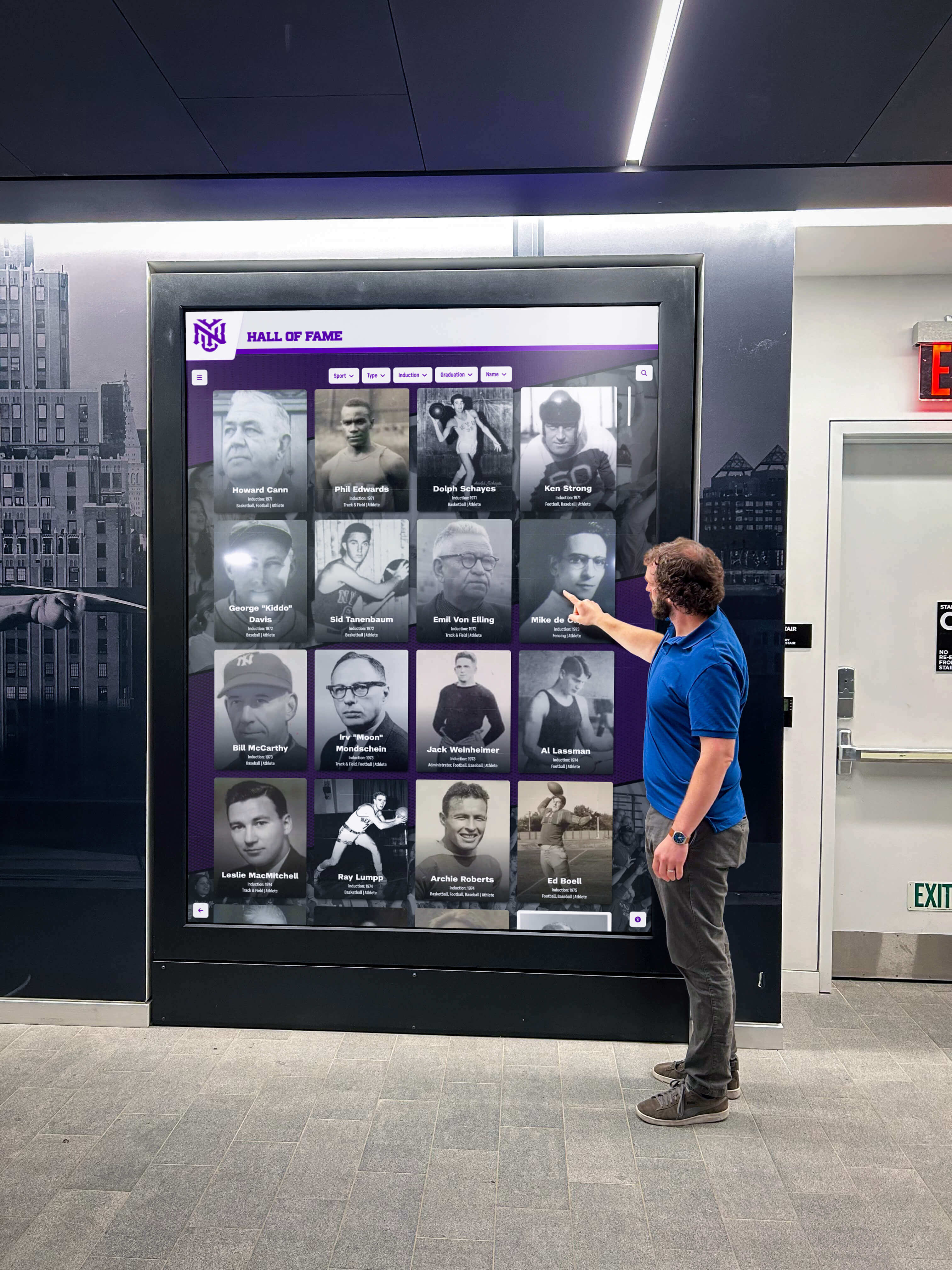
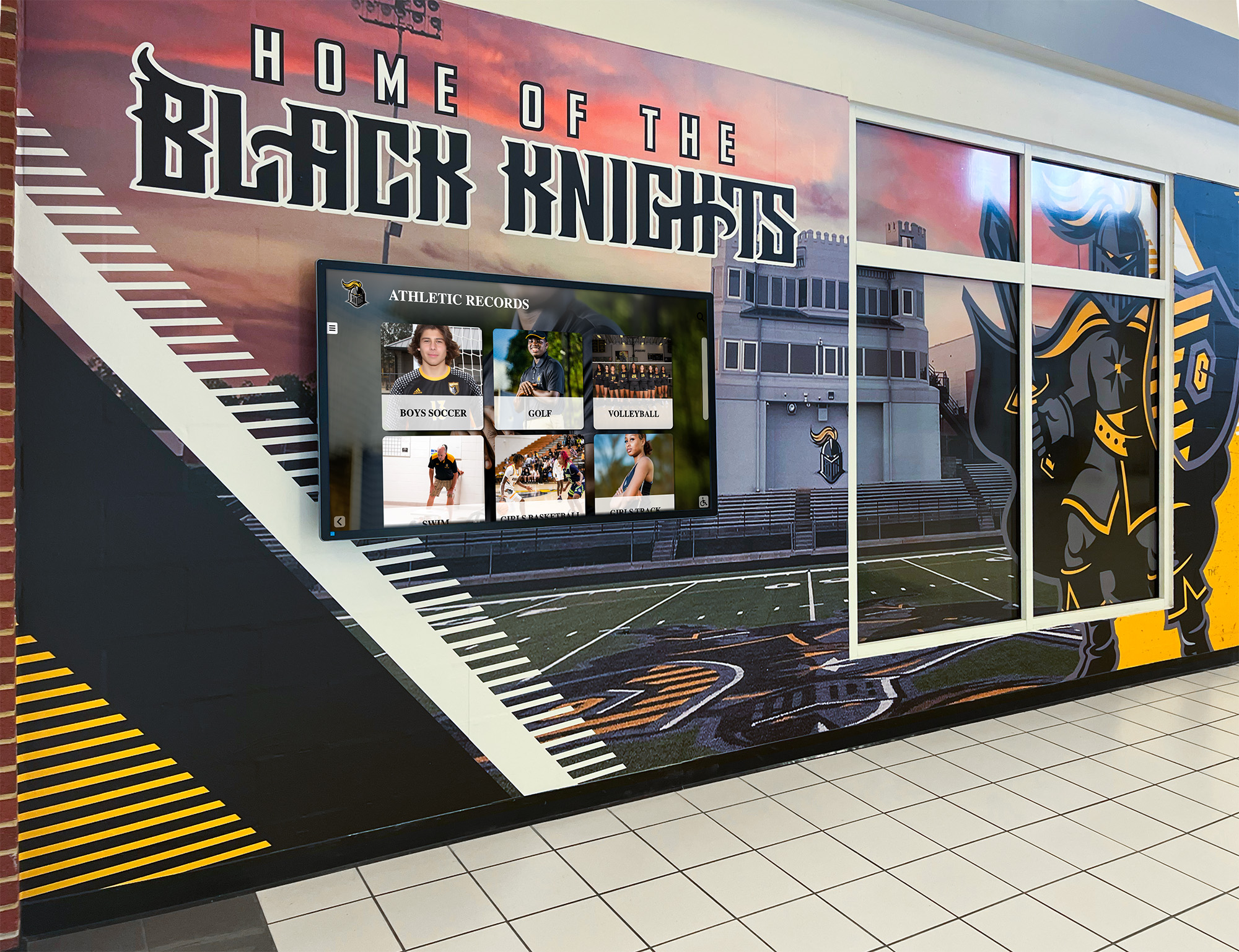
Athletic Facilities: Gymnasiums, field houses, and sports complex lobbies provide natural locations for athletic-focused content celebrating championship history, team achievements, distinguished athletes, and coaching excellence. These displays inspire current athletes while entertaining spectators during events and engaging visitors during facility tours. Athletic displays can focus primarily on sports-related content rather than comprehensive institutional coverage.
Performing Arts Centers: Theater lobbies, music room entrances, and arts facility common areas showcase performing arts achievements through production photographs, competition results, distinguished arts alumni, and program history. These specialized displays demonstrate institutional commitment to arts programs while celebrating often-underrecognized accomplishments beyond athletics.
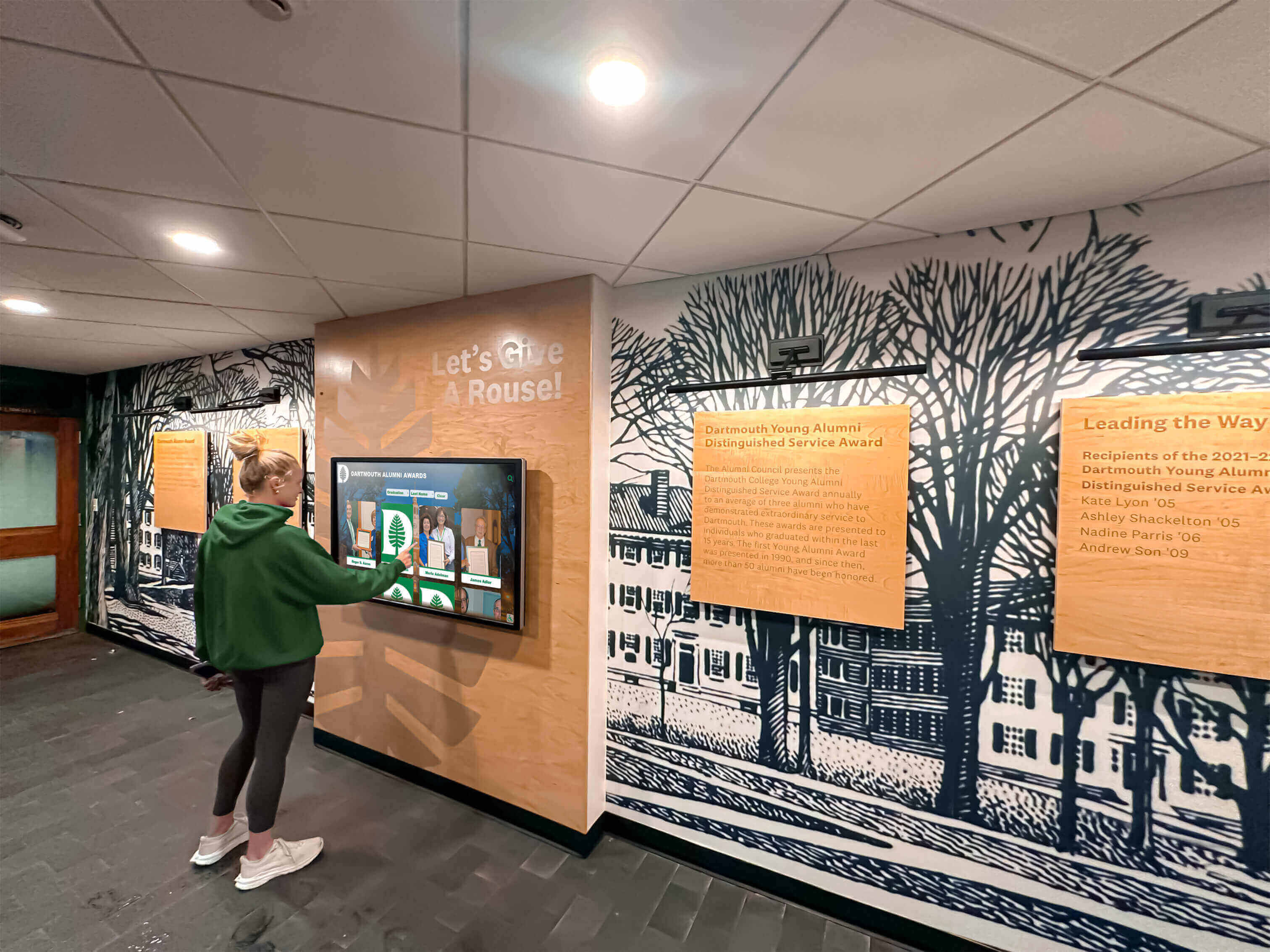
Library Commons: Libraries function as information centers and gathering spaces making them natural heritage locations. Library displays emphasize historical content, archival materials, and distinguished academic achievers. Students conducting research or studying encounter displays repeatedly, building familiarity with institutional heritage through regular exposure.
Installation Considerations and Requirements
Professional installation ensures displays remain secure, functional, and attractive while avoiding technical problems or safety hazards.
Installation Requirements:
Electrical Infrastructure: Displays require reliable dedicated power circuits rather than sharing outlets with other equipment. Professional electrical installation ensures adequate capacity and proper grounding protecting expensive equipment while meeting fire code requirements. Battery backup systems protect against power interruptions causing display shutdowns during events or tours.
Network Connectivity: Cloud-based content management systems require reliable network connections enabling content synchronization. Hardwired Ethernet connections prove more reliable than WiFi for permanent installations. Professional network configuration ensures adequate bandwidth and security isolation protecting institutional networks while enabling display functionality.
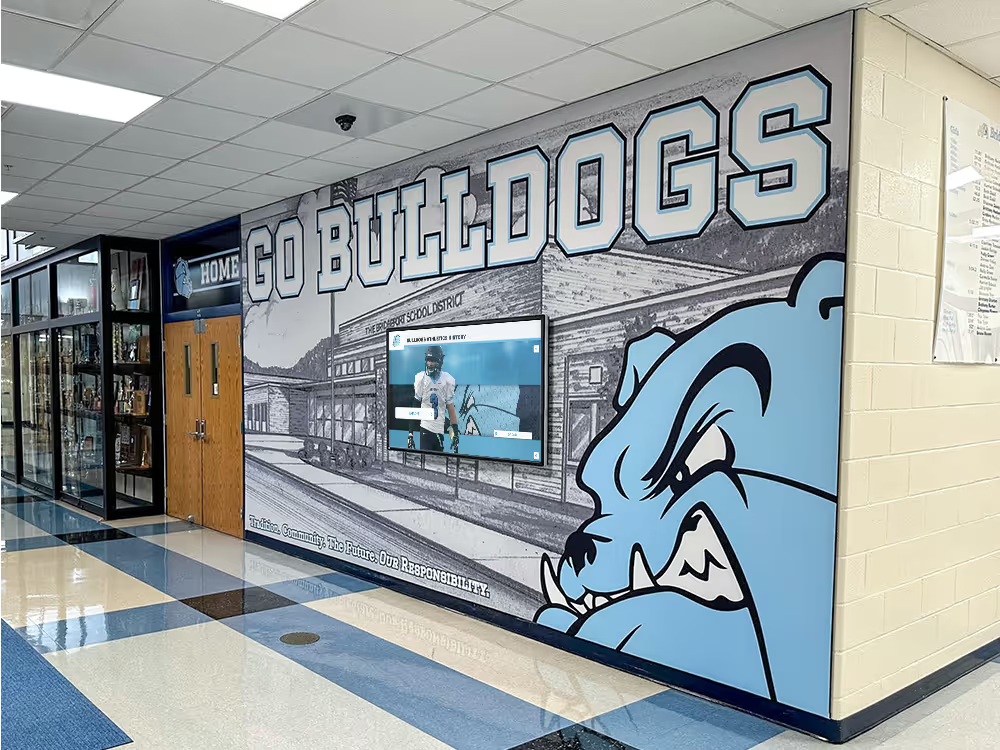
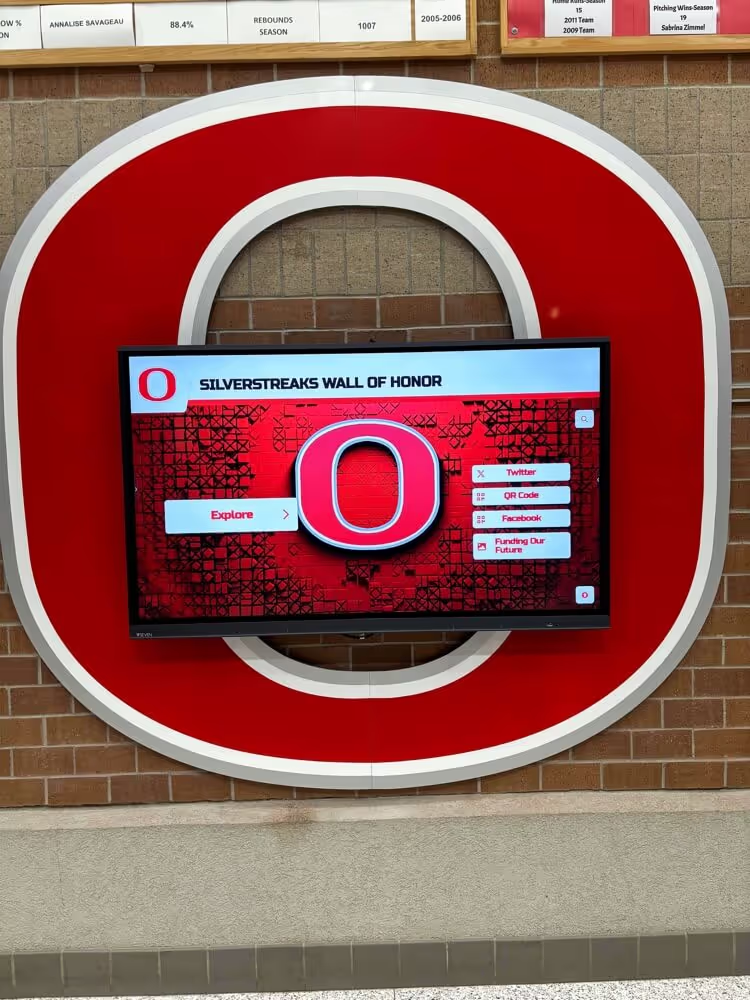
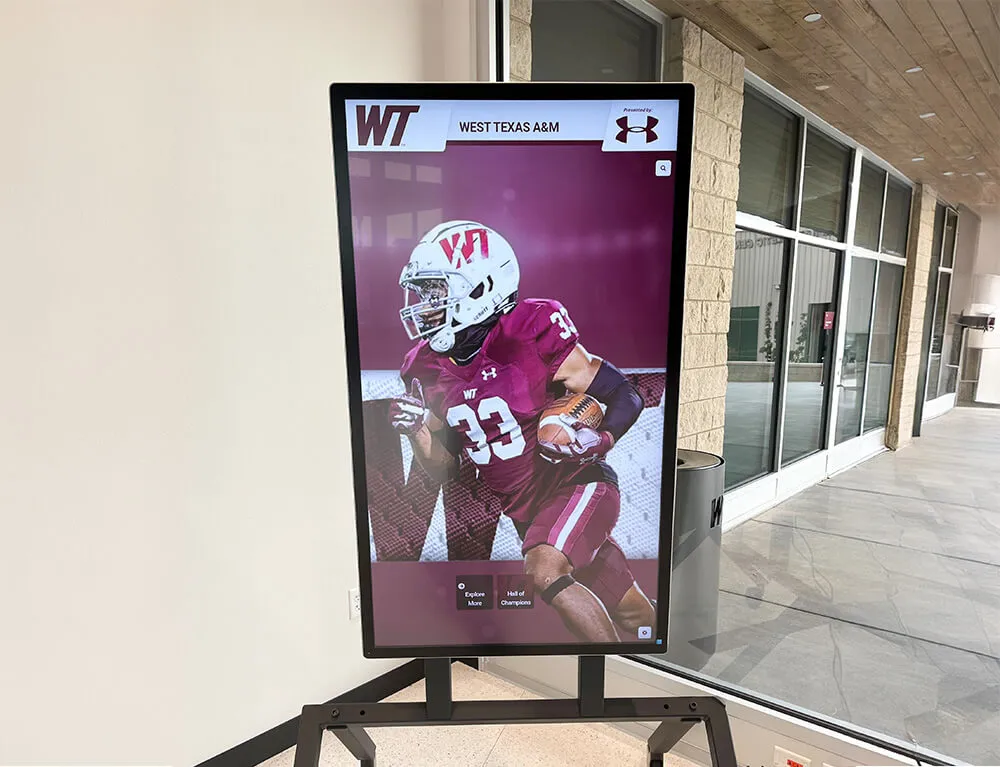
Physical Mounting: Wall-mounted displays require proper stud anchoring supporting substantial weight. Freestanding kiosk enclosures need stable bases preventing tipping hazards. All installations should meet ADA accessibility guidelines regarding height, reach, and wheelchair access. Professional mounting ensures security preventing theft while maintaining attractive appearance rather than exposed cables and improvised supports.
Environmental Protection: Consider temperature, humidity, lighting, and traffic patterns during location selection. Avoid direct sunlight causing glare and overheating. Ensure adequate ventilation preventing heat buildup. Protect displays from potential impact damage in extremely high-traffic corridors or near athletic activity areas.
Implementing Sustainable Content Operations
Initial display launches generate excitement and engagement, but sustained value requires ongoing content management and regular updates maintaining freshness and relevance over months and years.
Establishing Content Management Workflows
Clear workflows defining responsibilities, timelines, and processes prevent displays from becoming neglected static installations that community members stop noticing after initial novelty fades.
Operational Workflow Components:
Content Management Responsibilities
📸 Content Capture
Athletics coordinators, activities directors, performing arts staff, and communications personnel systematically photograph events, verify quality, and submit content through standardized upload portals
✏️ Content Editing
Designated staff review submissions for quality and appropriateness, add captions and metadata, organize into appropriate galleries or categories, and schedule publication
🔄 Content Rotation
Regularly feature recent additions, rotate profile subjects quarterly, update homepage featured content weekly, and refresh historical content as new archival materials become available
📊 Performance Monitoring
Review usage analytics identifying popular content and underperforming areas, gather user feedback through surveys or direct observation, and adjust strategies based on engagement patterns
Schools should formally assign these responsibilities with clear expectations rather than assuming volunteers will spontaneously maintain displays indefinitely. Sustainability requires institutional commitment and accountability.
Maintaining Appropriate Content Balance
Displays risk becoming dominated by certain programs, time periods, or content types without conscious balance maintenance.
Balance Monitoring Strategies:
Periodically audit content examining representation across programs, demographics, time periods, and achievement types. Are certain sports overrepresented while others rarely appear? Do photo galleries emphasize high-profile events while neglecting daily academic life? Are About Us profiles predominantly featuring one demographic group or achievement type?
Establish representation targets ensuring adequate coverage across priority areas. Guidelines might specify minimum percentages for different sports, academic programs, arts activities, and community service in photo galleries, or require profile subject diversity across demographics, eras, and achievement types.
Actively seek underrepresented content rather than passively accepting whatever submissions arrive. If certain programs rarely submit photographs, directly request content from responsible personnel. If historical timeline content shows gaps in particular decades, prioritize research and digitization for those periods.
Leveraging Student Involvement
Student participation in content creation and management provides valuable learning experiences while expanding institutional capacity for sustained operations.
Student Engagement Opportunities:
Photography clubs or journalism programs can document school events through structured assignments providing practical experience while generating display content. These students develop media skills while creating authentic peer perspectives often more engaging for student audiences than adult-produced content.
History classes might research and develop historical timeline content as curriculum-integrated projects. Students interviewing alumni, researching archival materials, and creating multimedia presentations learn valuable research skills while contributing to institutional heritage preservation.
Student technology clubs or computer science classes can assist with content management, technical support, and usage analysis providing practical technical experience while supporting display operations.
These student involvement strategies build display sustainability while providing meaningful educational experiences demonstrating practical applications of classroom learning.
Measuring Impact and Demonstrating Value
Comprehensive day in the life display implementations require substantial investment in content development, technology procurement, and ongoing operations. Measuring impact and demonstrating value justifies these investments while identifying improvement opportunities.
Quantitative Usage Metrics
Modern touchscreen systems provide detailed analytics revealing exactly how users interact with content.
Key Performance Indicators:
Engagement Volume: Track total interactions, unique users, session duration, and pages viewed. Growing usage trends indicate increasing awareness and adoption across community. Declining engagement signals need for content refresh or promotion campaigns renewing interest.
Content Performance: Identify most-viewed galleries, popular timeline periods, and frequently accessed profiles. These insights guide future content priorities emphasizing high-interest areas while potentially reducing investment in consistently underperforming content types.
User Behavior Patterns: Analyze navigation paths understanding how users discover content. Do they browse chronologically, search by keyword, or explore featured content? These patterns inform interface design and organization decisions optimizing for actual user preferences rather than assumptions.
Demographic Analysis: Some systems identify user types—students, faculty, visitors—through authentication or interaction patterns. Understanding which audiences engage most helps target promotion and content development toward high-value user groups.
Qualitative Feedback Collection
Numbers reveal engagement patterns but cannot explain why certain content resonates or fails to connect with audiences. Qualitative research provides deeper understanding guiding strategic improvements.
Feedback Collection Methods:
Observational Studies: Observe users interacting with displays noting which content captures attention, where confusion occurs, or when users abandon exploration. Direct observation reveals usability issues and engagement patterns that analytics alone cannot identify.
Structured Interviews: Conduct brief interviews with users immediately following display interaction while experiences remain fresh. Ask what content they found most interesting, whether they discovered new information about your school, and how displays influenced their perceptions.
Targeted Surveys: Survey specific audiences about display impact. Question prospective families whether displays influenced enrollment decisions and which content proved most valuable during campus evaluation. Survey current students about whether displays increased school pride or knowledge of institutional heritage. Survey alumni about whether displays encouraged engagement or strengthened emotional connections.
Tour Guide Feedback: Staff conducting admissions tours interact regularly with displays while gauging prospective family reactions. These frontline personnel observe which content generates questions, prompts discussion, or creates memorable impressions influencing enrollment decisions.
Demonstrating Return on Investment
Quantifying return on investment proves challenging when benefits include intangibles like school pride, culture strengthening, or enhanced reputation. However, several approaches provide evidence of value justifying continued investment.
ROI Demonstration Strategies:
Enrollment Impact: Survey admitted families about factors influencing enrollment decisions, specifically asking about campus displays. If substantial percentages cite displays as meaningful positive factors, estimate enrollment value by calculating average student lifetime tuition value multiplied by display-influenced enrollment numbers. Even small enrollment impact easily justifies display investment given tuition revenue magnitude.
Alumni Engagement Correlation: Track whether alumni who interact with displays show higher subsequent engagement—increased event attendance, donation rates, mentorship participation, or social media activity. Stronger engagement from display users suggests displays strengthen relationships supporting advancement objectives.
Operational Efficiency: Digital displays consolidate information previously requiring printed materials, physical trophy cases, or staff time answering repetitive questions during tours. Calculate costs of replaced approaches estimating annual savings from reduced printing, physical space reclamation, or staff time redirected to higher-value activities.
Heritage Preservation Value: Digital archiving integral to display content development preserves irreplaceable institutional heritage potentially valued in millions of dollars if considering replacement costs. Display implementation provides motivation and infrastructure for systematic heritage preservation that might otherwise never occur.
Overcoming Common Implementation Challenges
Schools planning day in the life display implementations frequently encounter predictable obstacles. Understanding common challenges and proven solutions accelerates successful deployment while avoiding costly mistakes.
Challenge: Limited Historical Content and Scattered Archives
Many schools lack organized historical content required for comprehensive timeline displays, with photographs and documents scattered across filing cabinets, personal collections, or deteriorating storage areas.
Practical Solutions:
Begin with available content rather than waiting for comprehensive historical collection completion. Initial displays featuring recent photo galleries and current profiles provide immediate value while historical content develops gradually through ongoing collection and digitization efforts.
Launch community collection campaigns inviting alumni and longtime community members to contribute or loan historical materials for scanning. Scanning days where contributors bring materials for professional digitization and immediate return prove particularly effective overcoming reluctance to permanently surrender irreplaceable items.
Engage students in historical research projects providing educational value while expanding historical content. Student interviews with alumni, archival material organization, or historical narrative development combines learning opportunities with practical heritage preservation work.
Many schools find professional digitization services cost-effective for accelerating large-scale historical material processing. Rather than spreading internal digitization across years, professional services complete projects in weeks or months generating usable content rapidly justifying display investment.
Challenge: Sustaining Content Updates and Avoiding Staleness
Initial display launches receive attention and enthusiasm, but maintaining ongoing content freshness proves challenging as novelty fades and other priorities compete for staff attention.
Practical Solutions:
Establish formal content update schedules with assigned responsibilities preventing displays from becoming forgotten initiatives nobody maintains. Weekly event content updates, monthly featured content rotation, and quarterly profile changes create predictable rhythms institutionalizing ongoing management.
Integrate content creation into existing workflows rather than treating it as separate additional work. If communications staff already photograph events for social media or newsletters, add display content submission to their existing processes. If admissions personnel already develop alumni profiles for recruitment materials, include display publication as standard distribution channel.
Choose content management platforms designed for non-technical users enabling distributed content contribution rather than bottlenecked through single technical administrators. When athletics staff upload game photographs directly, activities coordinators add event galleries independently, and multiple personnel manage different content areas, sustainability improves dramatically compared to single-person dependency.
Leverage student involvement in ongoing content management providing sustainable capacity while offering educational opportunities. Student workers, journalism programs, or technology clubs can assume routine content tasks under adult supervision building institutional capacity.
Challenge: Budget Constraints and Competing Priorities
Schools face countless competing demands for limited capital budgets and operational resources. Day in the life displays compete with academic program needs, facility maintenance, technology infrastructure, and numerous other priorities.
Practical Solutions:
Phase implementation beginning with single displays in highest-impact locations demonstrating value before expanding to comprehensive multi-display systems. Initial success builds stakeholder support and confidence justifying subsequent investment phases.
Pursue dedicated funding sources rather than competing with operational budgets. Heritage preservation and display projects appeal to nostalgic alumni donors, anniversary campaign supporters, and local community foundations. Advancement offices can develop specific fundraising appeals for display projects separating these initiatives from general operational budget constraints.
Emphasize multiple purposes justifying investment—heritage preservation creating lasting value, marketing tools supporting enrollment, alumni engagement supporting advancement, and community pride building. Multiple benefits distributed across departments strengthen justification compared to single-purpose projects.
Consider alternatives to high-end custom installations. Well-designed commercial-grade displays with professional content prove more effective than inadequate budget implementations attempting unsustainable custom solutions. Schools should prioritize content quality and platform sustainability over architectural integration or custom enclosures when budget constraints limit options.
Case Applications: Day in the Life Displays for Different School Types
Different school types face unique circumstances influencing optimal implementation approaches for day in the life displays. Strategic adaptation to specific contexts maximizes effectiveness.
Applications for Small Private Schools
Small independent schools typically emphasize community, tradition, personalized education, and distinctive institutional character. Day in the life displays should reinforce these differentiators.
Small School Strategies:
Emphasize personal stories and individual relationships rather than statistical achievements or program breadth. Feature profiles highlighting close student-faculty relationships, personalized learning experiences, and intimate community character that large schools cannot match.
Showcase multi-generational family traditions through displays highlighting families who have sent multiple generations to your school. These legacy narratives demonstrate enduring institutional value and community loyalty appealing to prospective families seeking lasting connections.
Document distinctive traditions unique to your institution—special ceremonies, annual events, community service commitments, or cultural practices. These unique elements differentiate your school from competitors while building pride among current community members.
Leverage complete institutional coverage possible in smaller settings. Small schools can feature every sport, every performing arts production, and every club activity comprehensively without overwhelming display capacity. This inclusive representation ensures all students see recognition rather than privileged status for certain programs.
Applications for Large Public School Districts
Large public schools face different challenges including diverse demographics, comprehensive program arrays, limited budgets per student, and community breadth making personalized approaches difficult.
Large School Strategies:
Emphasize program diversity and opportunity breadth that large schools offer. Comprehensive photo galleries showing varied athletics, performing arts, academic programs, clubs, and activities demonstrate richness of options available within large institutions.
Feature diverse profile subjects representing broad demographic range, program variety, and achievement types ensuring all students can see representation of individuals like themselves. Inclusive representation proves particularly critical in diverse large schools where students might otherwise feel peripheral to mainstream school culture.
Highlight scale achievements possible only in large institutions—championship programs in multiple sports simultaneously, theater productions with production values approaching professional standards, or research facilities and course offerings comparable to higher education institutions.
Document community impact and regional significance that large schools provide. Show how your institution serves broader communities, contributes to regional identity, or provides opportunities at scale that smaller schools cannot match.
Consider distributed display networks with location-specific content. Athletic facilities emphasize sports content, performing arts centers showcase arts programs, academic wings highlight scholarly achievements. Distributed specialized displays enable depth within specific program areas while avoiding single overwhelming displays attempting comprehensive institutional coverage.
Applications for Faith-Based Institutions
Religious schools integrate spiritual formation with academic education requiring day in the life displays acknowledging faith dimensions of institutional identity.
Faith-Based School Strategies:
Feature faith-formation activities, service projects, worship experiences, and religious studies programs alongside academic and extracurricular content. Authentic representation of spiritual life demonstrates comprehensive education addressing intellectual, physical, and spiritual development.
Profile alumni demonstrating diverse interpretations of faith-influenced education—some pursuing religious vocations while others applying faith values to secular careers. This diversity shows multiple valid paths following faith-based education rather than single expected trajectory.
Include content documenting institutional religious heritage—founding religious communities, influential chaplains, significant spiritual leaders, or historical religious traditions. This heritage content positions contemporary religious identity within longstanding institutional tradition.
Ensure displays welcome prospective families from varied religious backgrounds interested in values-based education without presuming all viewers share institutional faith tradition. Inclusive presentation emphasizing values, character, and community alongside specific religious content broadens appeal while maintaining authentic institutional identity.
Applications for Career and Technical Education Centers
CTE programs emphasize practical skill development, industry partnerships, career preparation, and hands-on learning requiring day in the life content showcasing applied education rather than purely academic focus.
CTE Program Strategies:
Feature project-based learning through photo galleries documenting students engaged in authentic work—culinary students operating restaurants, automotive students diagnosing vehicles, construction students building structures, or healthcare students in clinical settings. These action photographs demonstrate practical skill development central to CTE value propositions.
Profile alumni working in relevant careers demonstrating how program completion leads to successful employment. Feature recent graduates in entry-level positions, mid-career professionals who advanced through experience, and established industry leaders who began in your programs. These career progression narratives prove program effectiveness through tangible employment outcomes.
Highlight industry partnerships through content documenting equipment donations, guest instructors from industry, internship placements, or employer partnerships providing authentic work experiences. These partnerships differentiate quality CTE programs from purely classroom-based alternatives.
Document skill certifications, competition results, and industry recognition students earn through program participation. These credentials provide objective evidence of skill development valuable to prospective students evaluating program quality.
Conclusion: Transforming Stories into Strategic Assets
Every school possesses remarkable stories deserving recognition—defining moments from institutional history, current achievements demonstrating continuing excellence, and individual accomplishments illustrating educational impact. Yet these stories too often remain invisible to prospective families evaluating school options, current students unaware of heritage they’re inheriting, and alumni who would feel renewed connections if they could explore memories from their own school years.
Day in the life displays transform scattered stories into cohesive narratives that serve multiple strategic purposes simultaneously:
Heritage Preservation: Systematic content collection and digitization protects irreplaceable institutional memory while creating organized archives supporting future research and recognition initiatives.
Marketing Differentiation: Authentic storytelling through photo galleries, historical timelines, and About Us profiles creates memorable impressions differentiating institutions from competitors relying on generic promotional materials.
Community Pride: Comprehensive recognition across diverse programs, achievements, and individuals builds inclusive pride where all community members see representation rather than privileged status for certain groups.
Alumni Engagement: Accessible historical content enables graduates to explore memories from their school years, strengthening emotional connections supporting ongoing engagement and philanthropic investment.
Student Inspiration: Current students discover paths pioneered by accomplished alumni, championship traditions maintained across generations, and diverse excellence models demonstrating multiple paths to success.
The most effective implementations recognize that day in the life displays represent ongoing programs requiring sustained commitment rather than one-time projects completed at installation. Initial content launches establish foundation, but continued value requires regular updates, expanding galleries, growing profile collections, and evolving historical content maintaining freshness and relevance.

Solutions like Rocket Alumni Solutions provide comprehensive platforms specifically designed for educational day in the life implementations, combining intuitive content management enabling non-technical staff to maintain displays independently, flexible organization supporting photo galleries, historical timelines, and profile databases within unified systems, reliable touchscreen hardware designed for continuous public use in educational environments, and responsive design ensuring content appears effectively across physical displays, web portals, and mobile applications.
Whether your institution begins with modest single displays in main entrance lobbies or ambitious implementations including multiple specialized displays across campus, the most important step involves simply beginning. Start documenting current school life through systematic event photography. Begin collecting historical materials from community members willing to share memories and artifacts. Develop initial About Us profiles featuring distinguished individuals deserving recognition. These foundational content development efforts create strategic assets serving admissions, advancement, community engagement, and heritage preservation purposes for years to come.
Your school’s unique story deserves preservation and celebration. Current students deserve understanding of traditions they’re continuing. Prospective families deserve authentic glimpses into institutional character and community culture. Alumni deserve accessible connections to memories from their formative educational years. Day in the life displays deliver these outcomes while positioning your institution as community-focused, heritage-honoring, and authentically excellent rather than simply another school making generic claims about quality education.
Ready to transform your school’s stories into strategic assets? Explore how interactive recognition displays can showcase your institution’s photo galleries, historical timelines, and About Us profiles through engaging touchscreen experiences that inspire students, engage alumni, and market your school to prospective families for generations to come.