



Key Takeaways
Discover how digital asset management (DAM) systems help schools organize photos, videos, athletic records, and alumni content. Compare features, benefits, and implementation strategies for educational institutions.
What is Digital Asset Management for Schools?
Digital asset management refers to systems that centralize, organize, and provide access to digital files—primarily photos, videos, PDFs, and other media formats. For schools, DAM extends beyond simple file storage to include metadata tagging, search functionality, permission controls, and distribution capabilities that make content accessible to administrators, teachers, students, and alumni.
Core Components of Educational DAM Systems
Centralized Storage Infrastructure
Rather than scattering photos across individual computers, shared drives with inconsistent organization, and personal devices, DAM systems consolidate all school media in a single platform. This centralization prevents duplication, reduces storage costs, and ensures that everyone accesses current, approved versions rather than outdated files.
Schools typically store:
- Athletic event photos and game footage
- Yearbook images and graduation ceremonies
- Award presentations and recognition events
- Historical archives and vintage photographs
- Alumni achievement documentation
- Faculty and staff directories
- Facility and campus imagery
- Marketing and communications assets
Metadata and Tagging Systems
The difference between a DAM system and a simple file folder lies in structured metadata—information about each asset that enables precise searching and organization. Educational DAM systems allow administrators to tag files with relevant details:
- Date captured or event date
- People featured (student names, athletes, staff)
- Location (building, field, classroom)
- Event type (game, ceremony, assembly)
- Sport or activity
- Academic year or season
- Photographer or creator
- Usage rights and permissions
- Achievement or award category
This metadata transforms unmanageable photo libraries into searchable databases where users can instantly find “all basketball photos from 2024 season” or “graduation ceremony images featuring scholarship recipients.”

Search and Discovery Tools
Comprehensive search functionality separates effective DAM systems from basic storage solutions. Users should locate specific assets through:
- Keyword searches across file names, tags, and descriptions
- Filter combinations (date range + sport + athlete name)
- Visual browsing by category, year, or event
- Related asset suggestions based on metadata connections
- Recent uploads and trending content
Schools with thousands of historical photos particularly value advanced search capabilities that make decades-old content as accessible as recent uploads.
Permission and Access Controls
Educational institutions require careful control over who can view, download, edit, or delete content. DAM systems implement granular permissions ensuring:
- Students access only approved, appropriate content
- Coaches manage their team’s photos without accessing other programs
- Alumni view historical content but cannot modify records
- Administrators maintain oversight across all collections
- External partners (photographers, media) upload directly to designated folders
These controls protect student privacy, prevent unauthorized distribution, and maintain content integrity while still making assets available to legitimate users.
Why Schools Need Digital Asset Management Systems
The transition from physical photo albums and file cabinets to digital collections created new challenges that traditional storage approaches cannot adequately address.
The Content Explosion Problem
Modern schools generate exponentially more digital content than previous generations. High-resolution cameras, smartphones, video recording, and social media documentation mean that a single athletic season produces thousands of images where previous decades yielded hundreds.
According to a 2023 education technology survey by EdTech Magazine, 73% of K-12 schools report challenges managing digital media collections that have grown 300% or more in the past five years. Without structured systems, this content becomes effectively lost—technically stored somewhere but practically irretrievable when needed.
Recognition Program Requirements
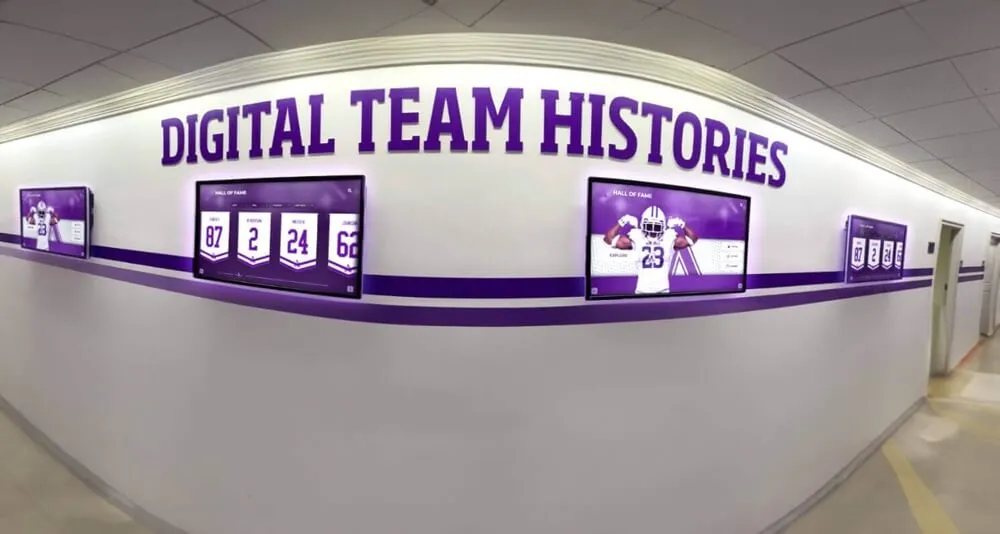
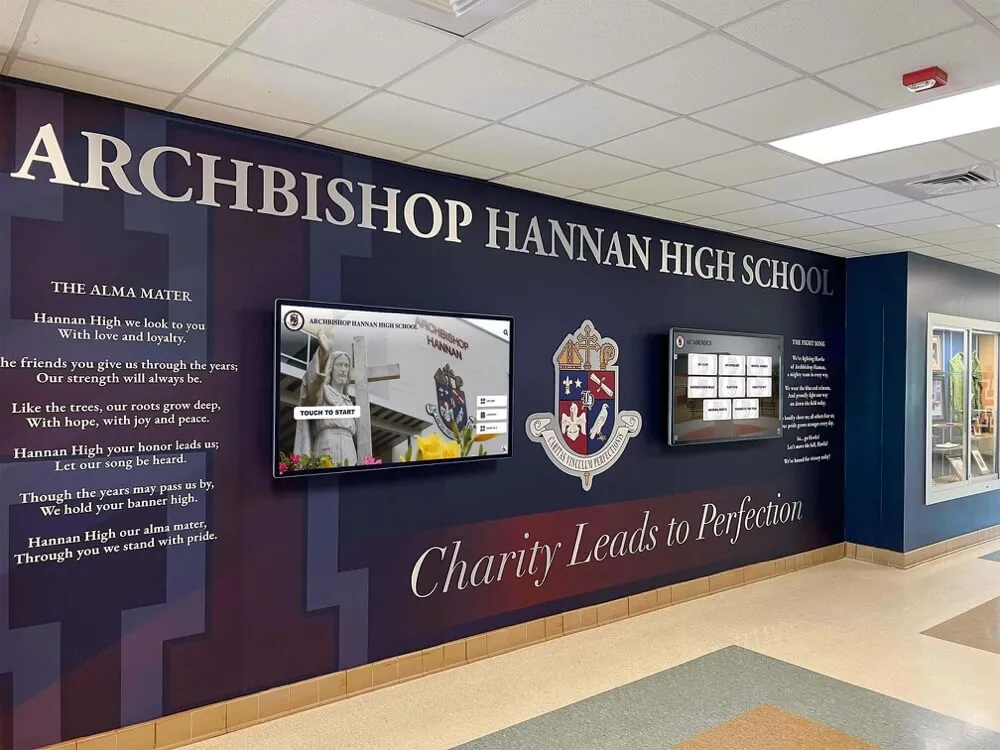
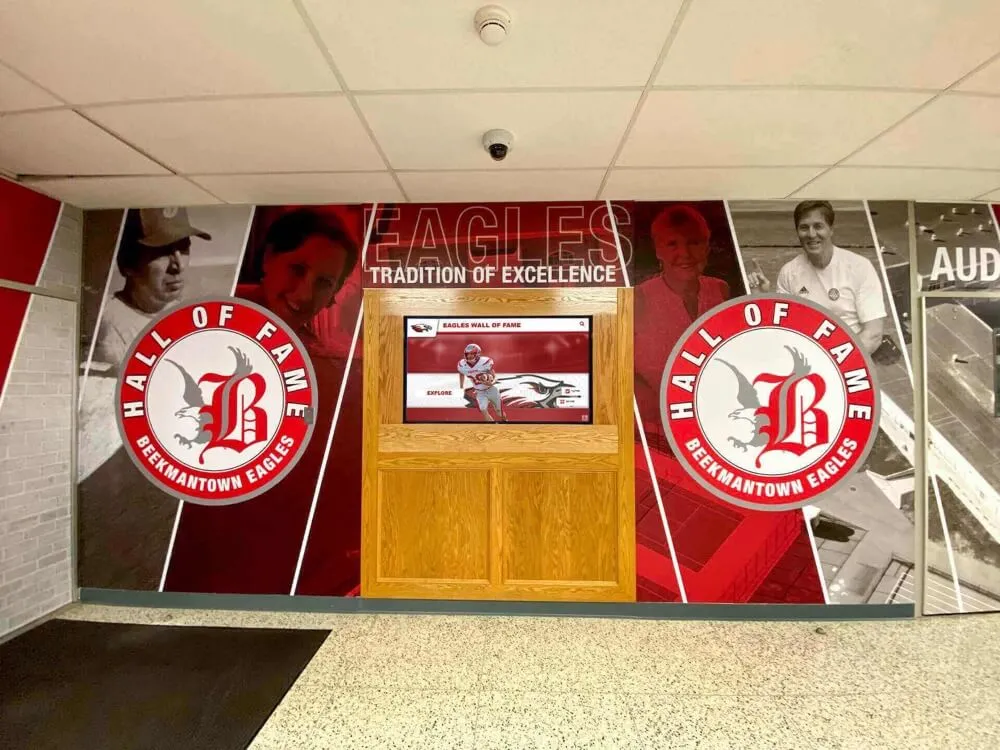
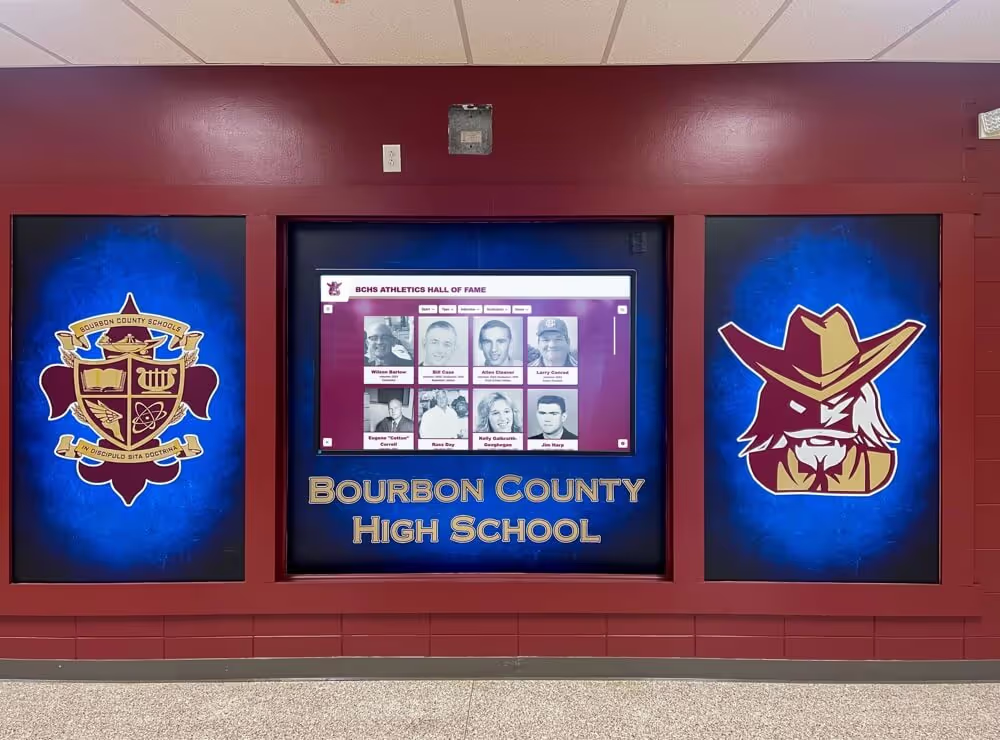
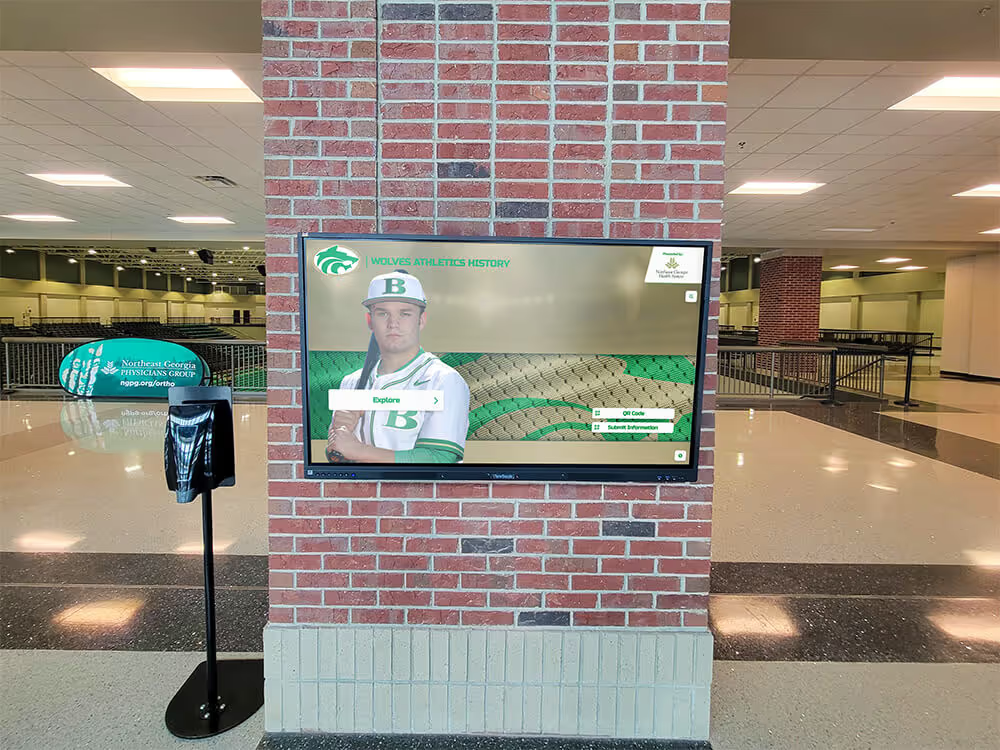
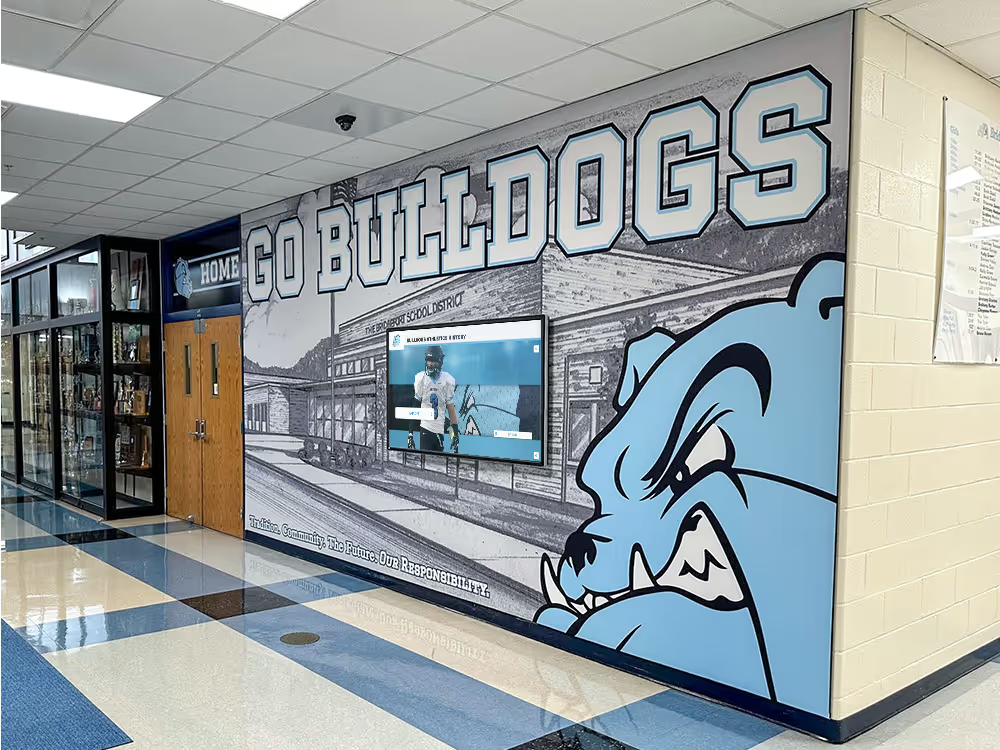
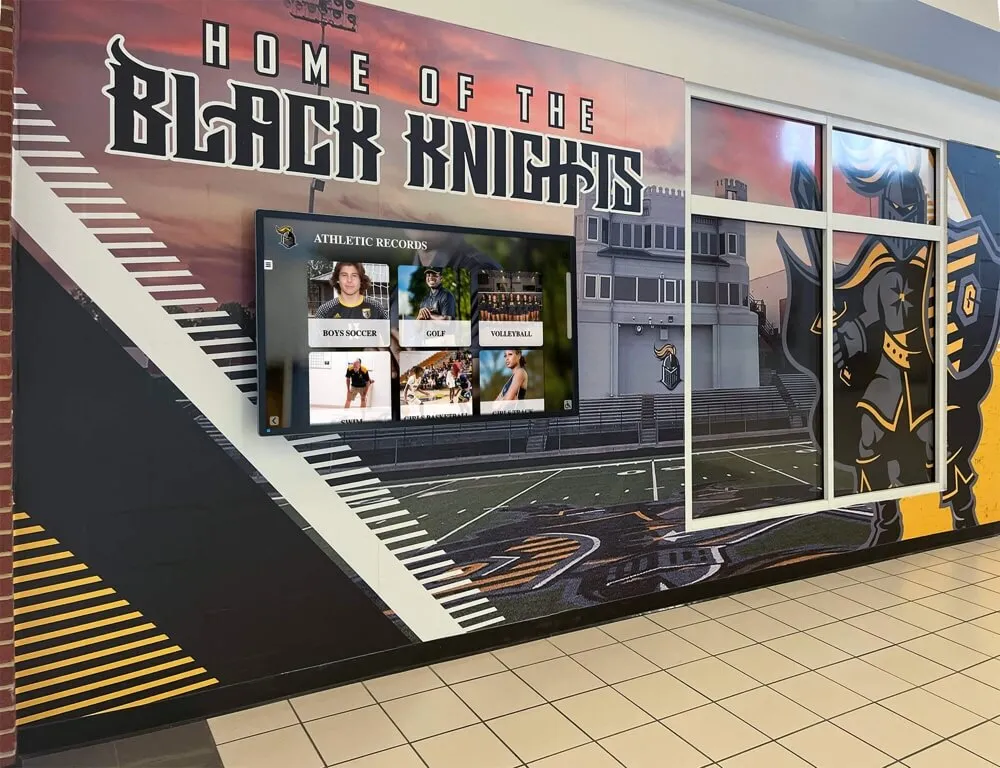
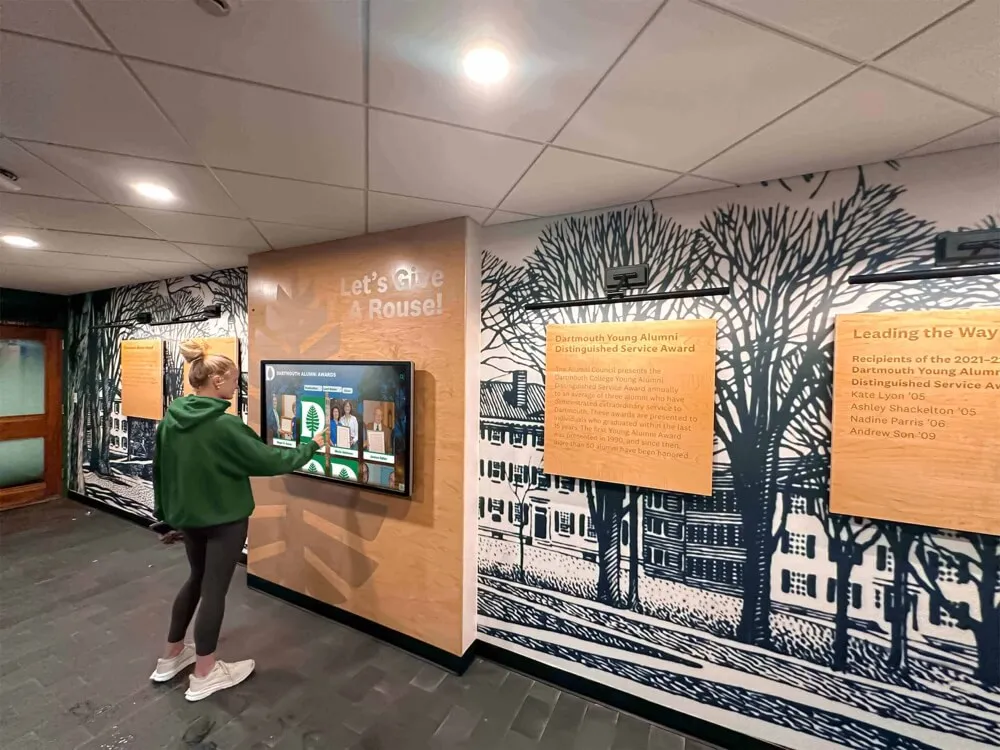
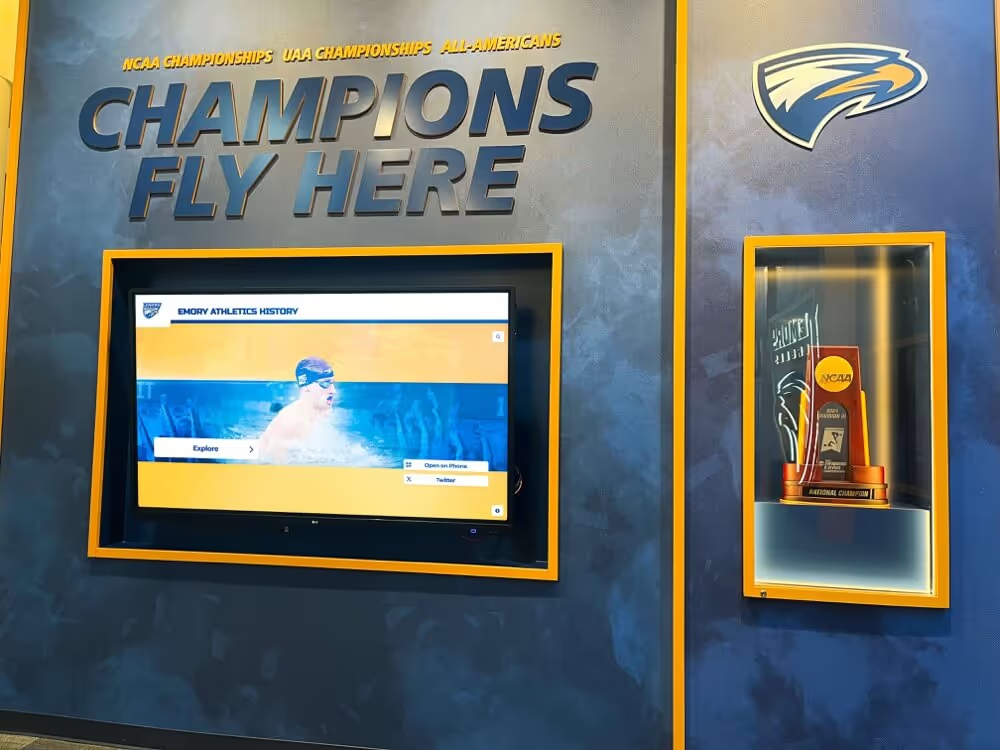
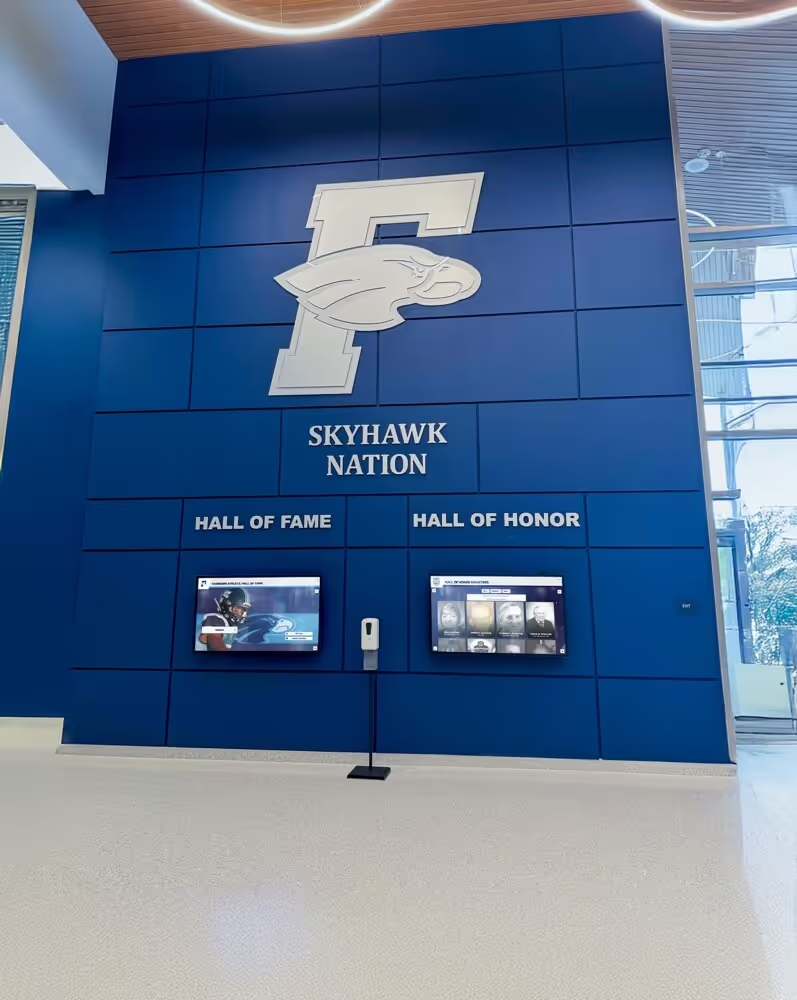
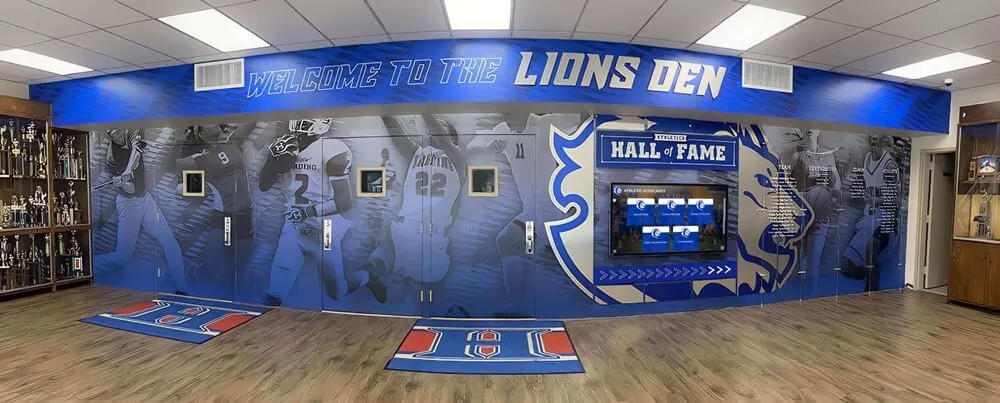
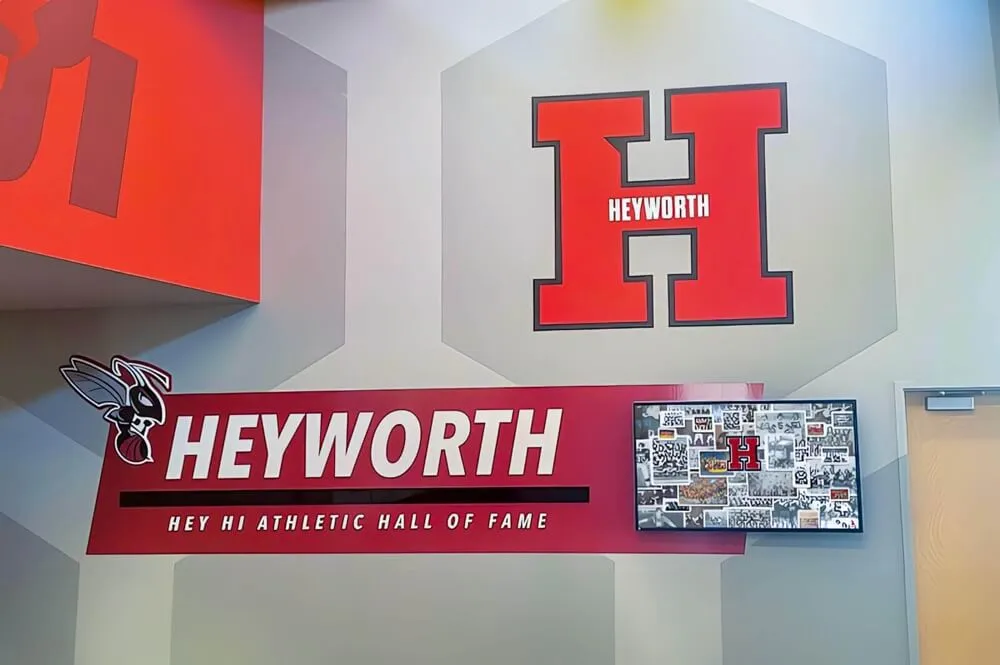
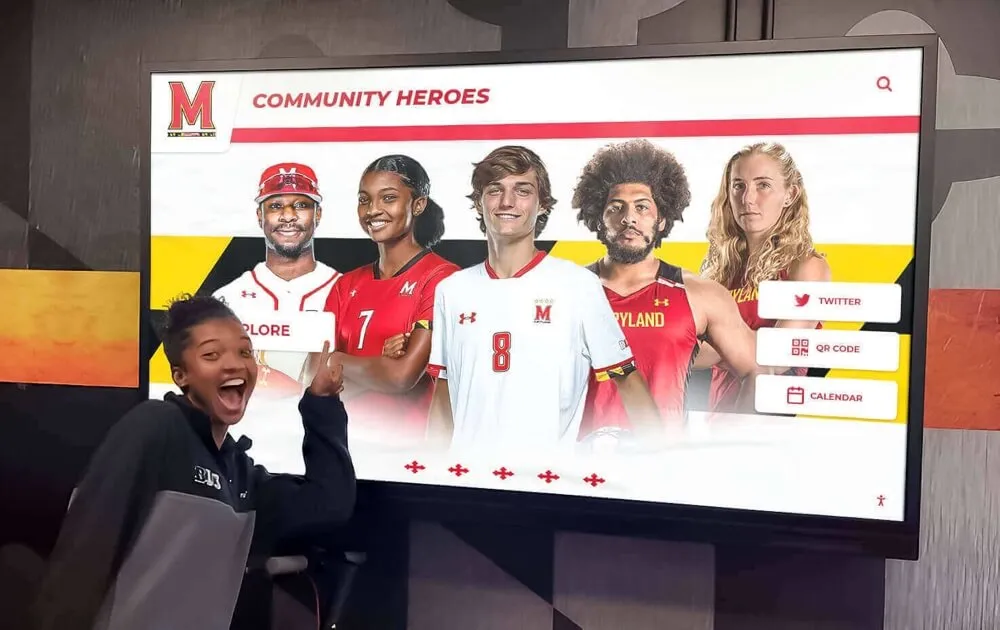
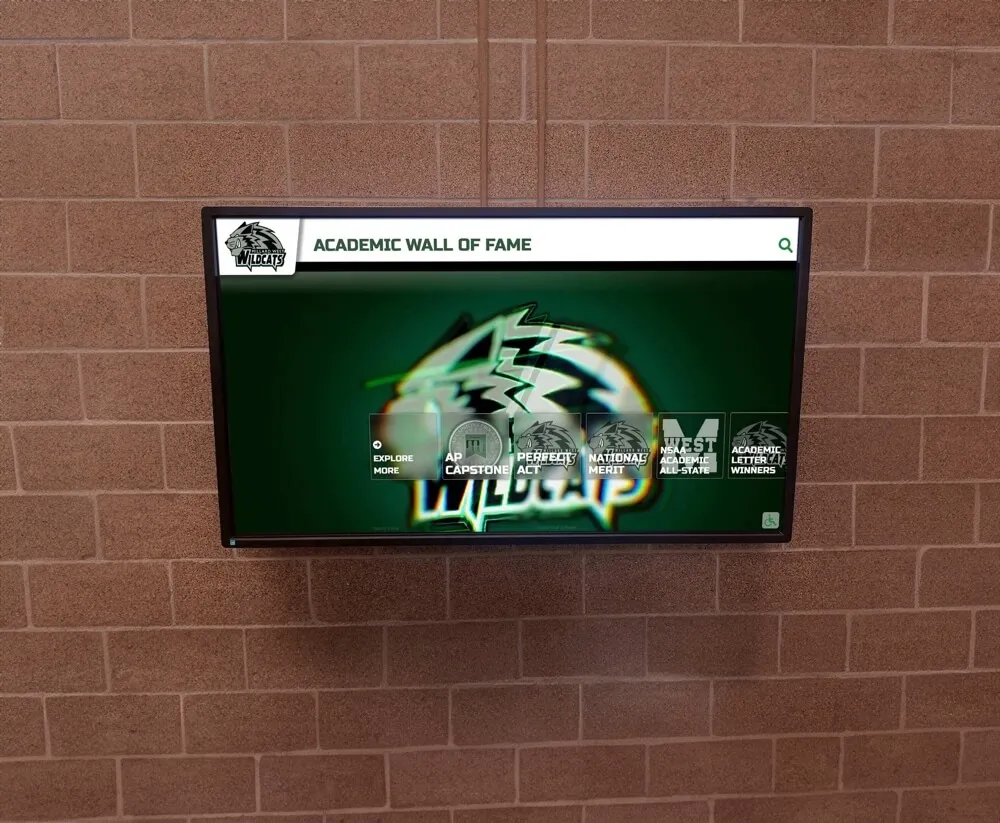
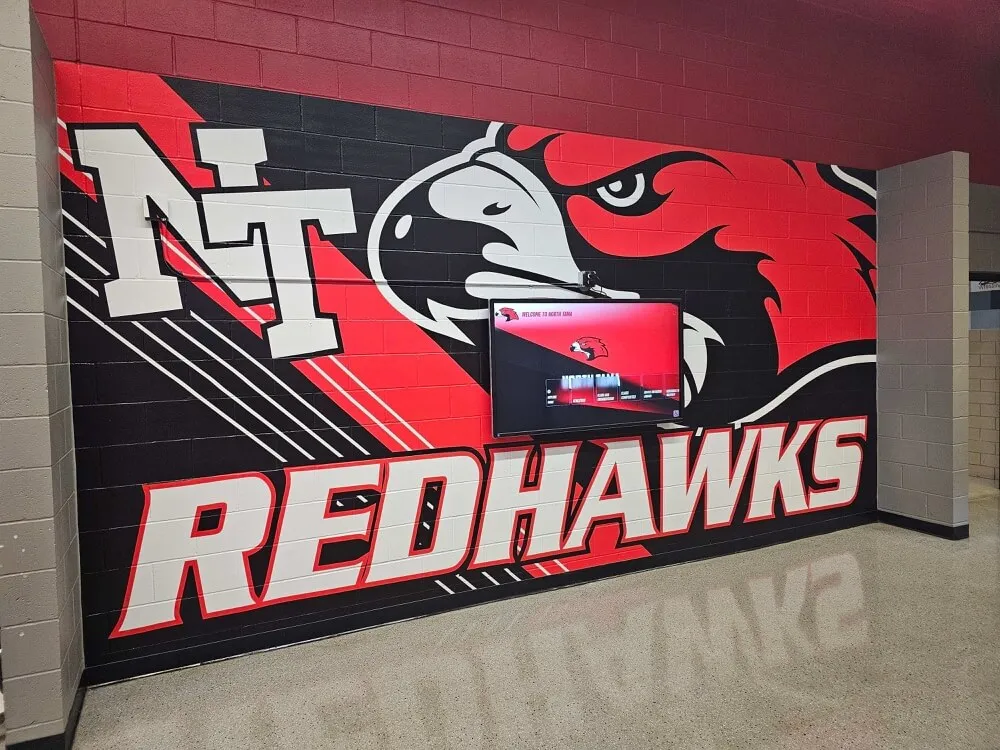
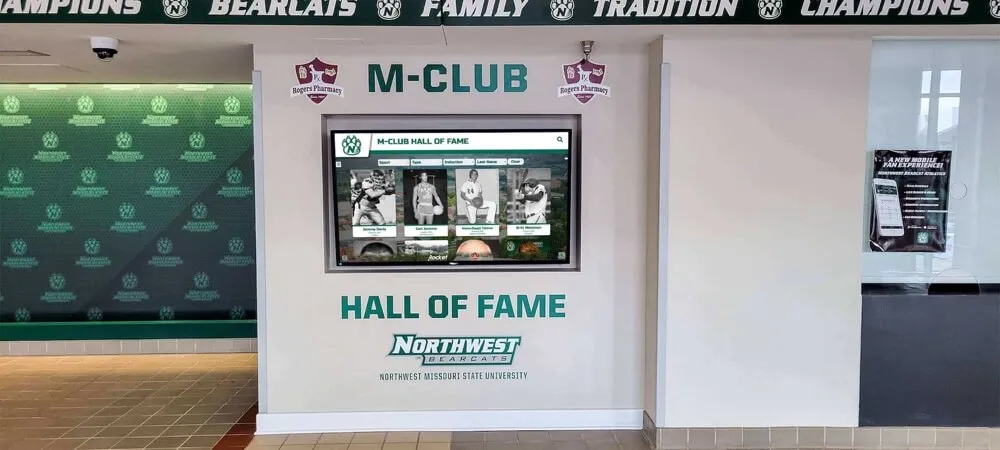
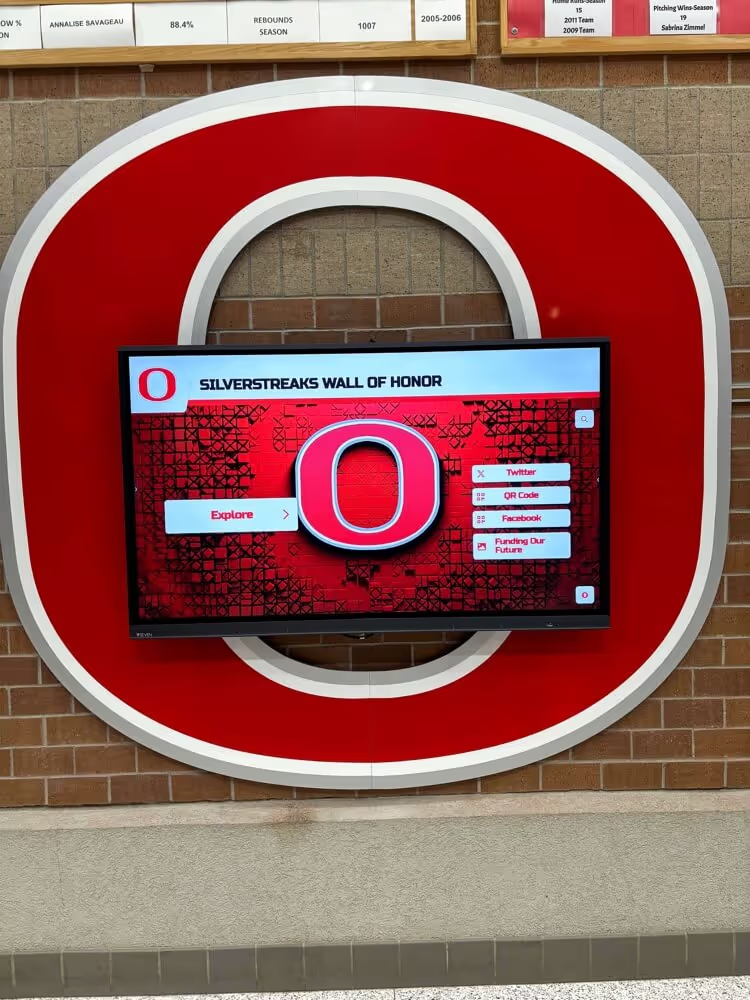
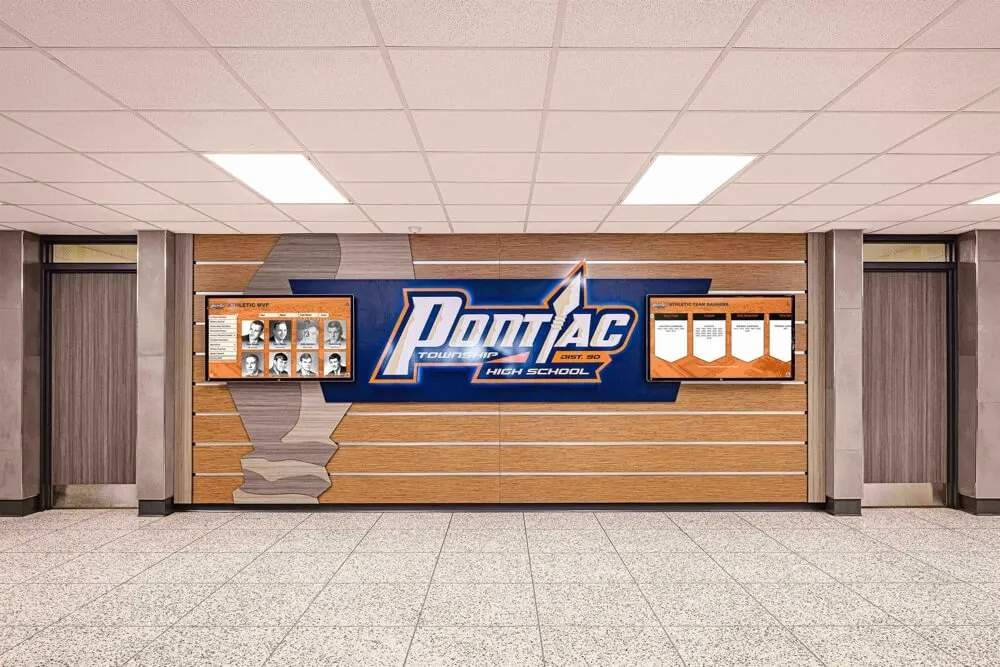
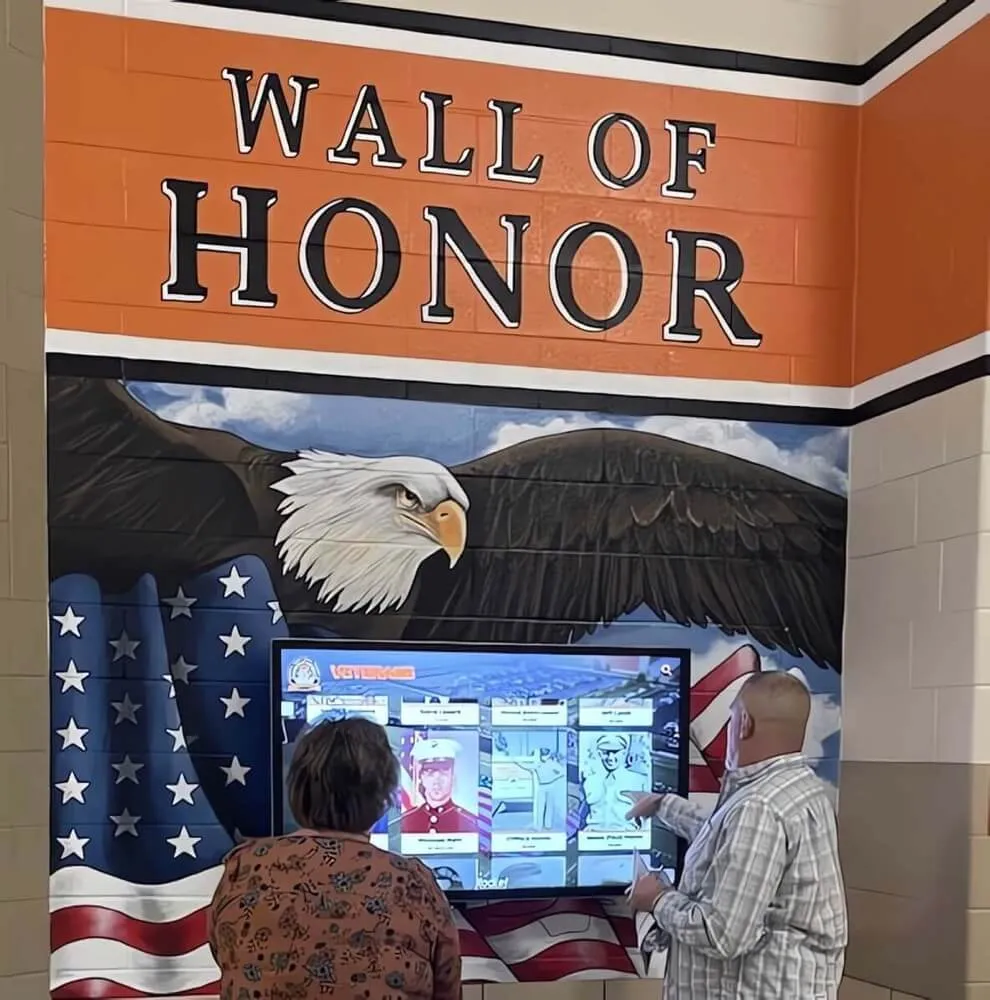
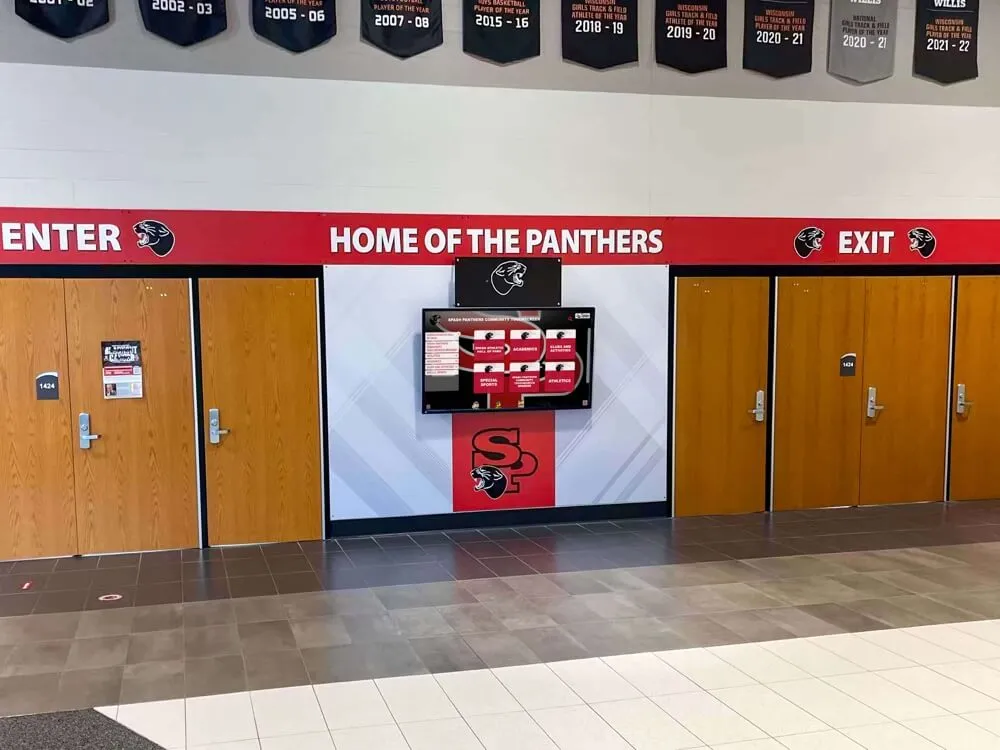
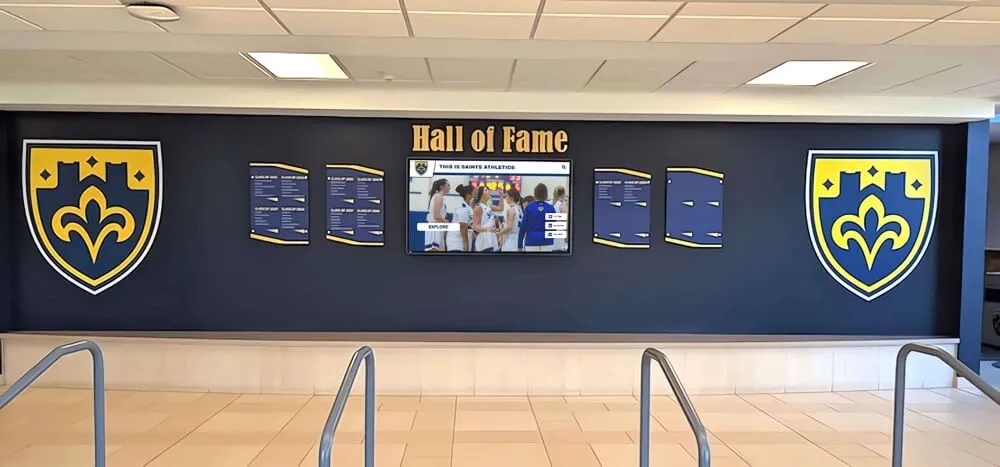
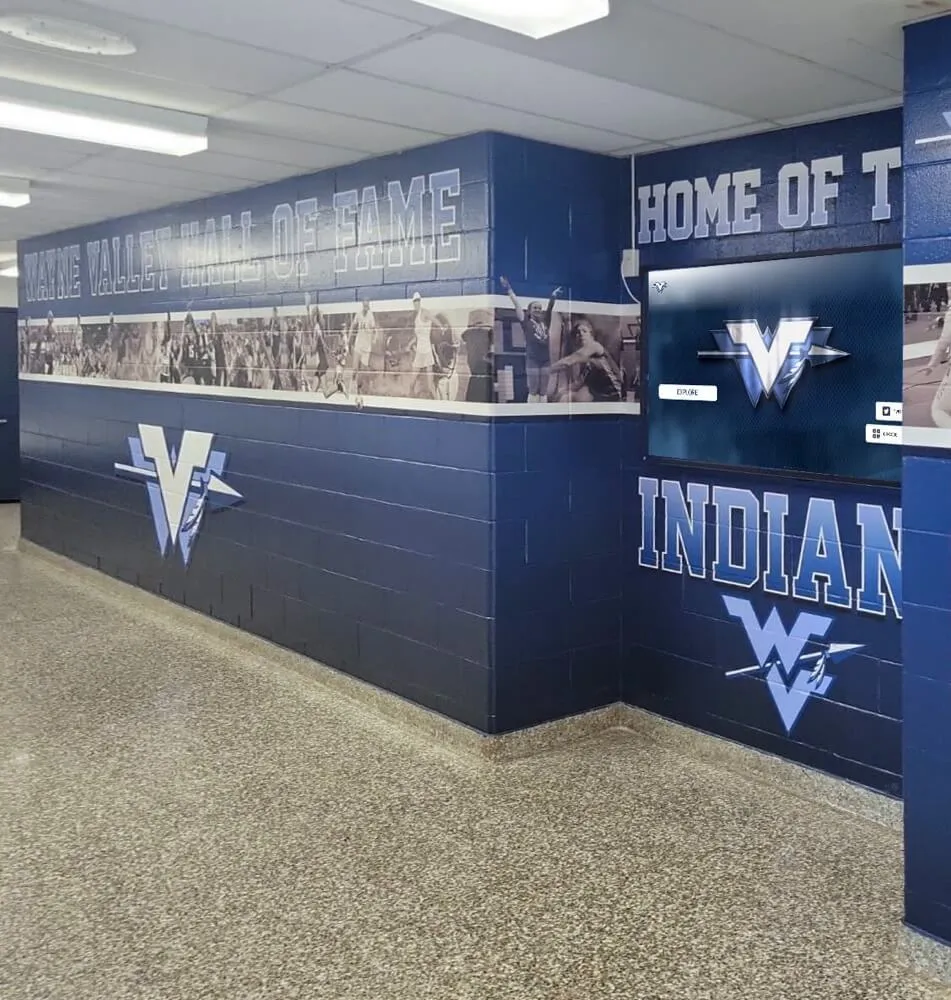
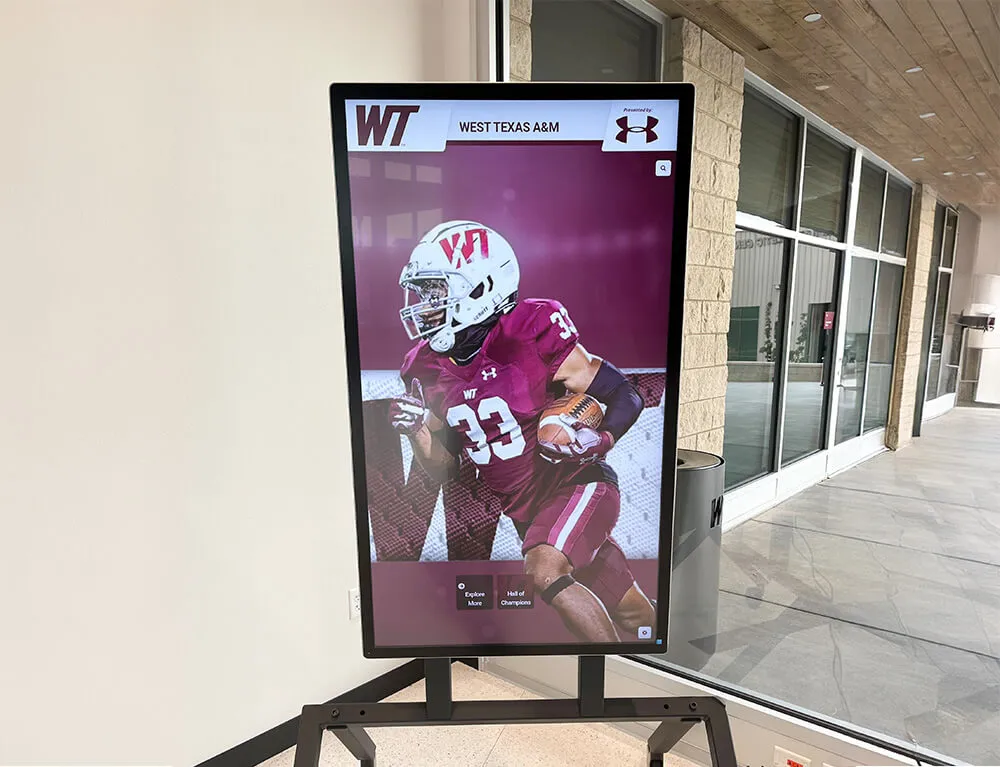
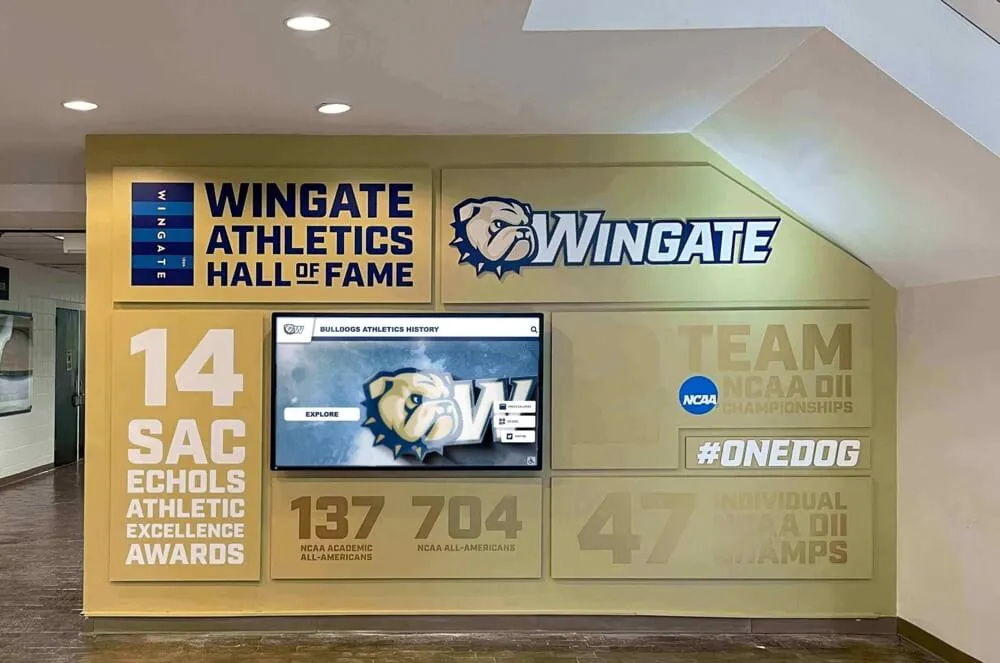
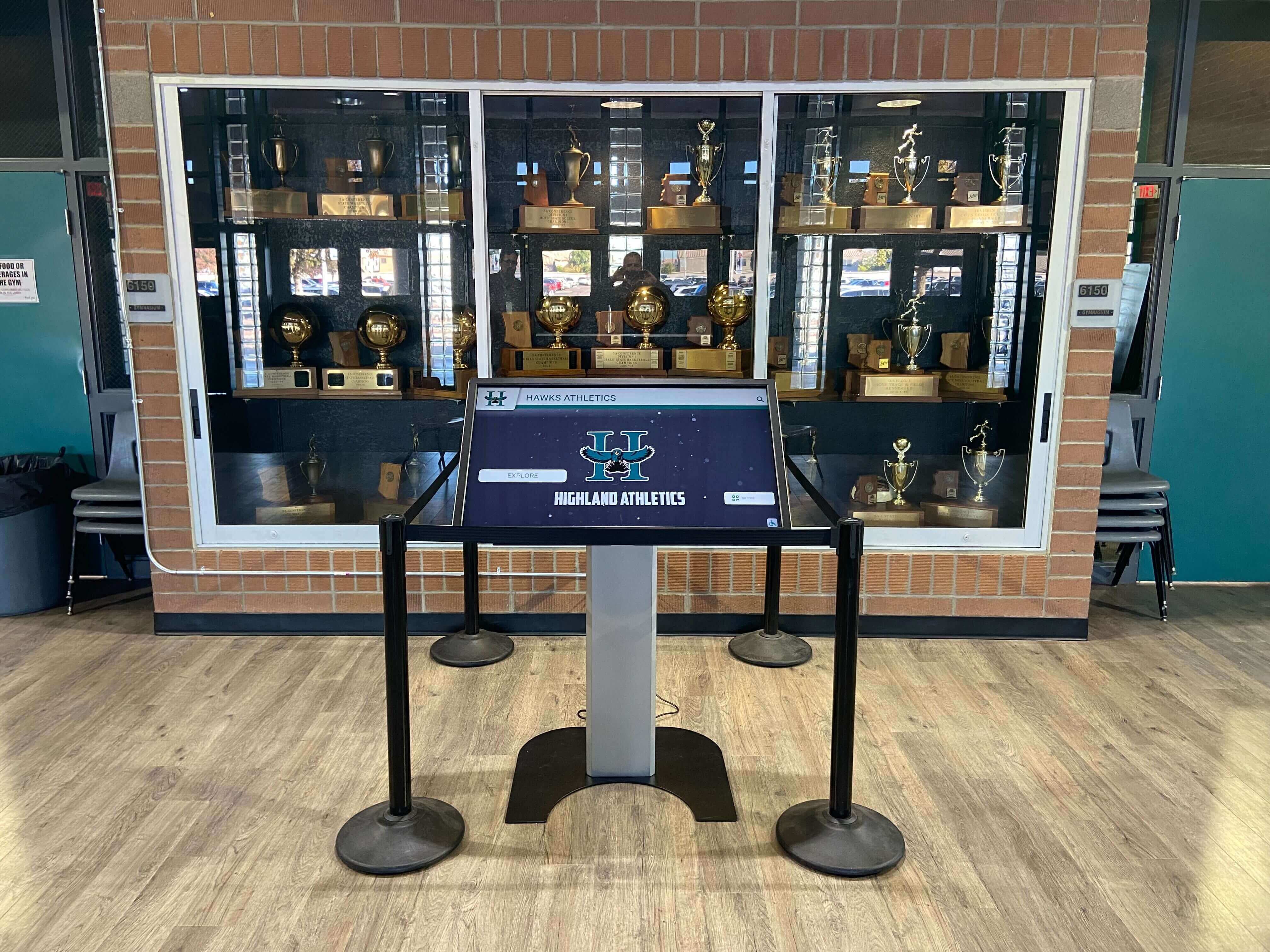
Schools investing in digital recognition displays for athletics, academics, and alumni need organized content libraries supporting these programs. Digital walls of fame depend on comprehensive photo collections, biographical information, achievement records, and historical documentation.
Without DAM systems connecting content libraries to recognition displays, administrators manually search for photos, recreate lost information, and spend excessive time on tasks that should require minutes rather than hours. Integrated solutions where asset management feeds directly into recognition platforms eliminate this duplication.
Alumni Engagement and Historical Preservation
Alumni associations increasingly request digitized historical content—vintage team photos, yearbook pages, championship documentation, and facility images showing campus evolution. Schools lacking organized archives struggle to fulfill these requests, missing opportunities to strengthen alumni relationships and support fundraising initiatives.
Digital archiving initiatives require DAM infrastructure supporting historical content preservation, metadata documentation, and public access platforms that allow alumni to explore their school’s history from anywhere.
Compliance and Privacy Protection
Educational institutions must comply with student privacy regulations including FERPA (Family Educational Rights and Privacy Act) governing how student images and information can be shared. DAM systems with permission controls and usage tracking help schools:
- Flag photos requiring parental consent before publication
- Track where and how student images have been distributed
- Remove content when families request deletion
- Maintain audit trails documenting compliance efforts
- Restrict access to sensitive content
Manual management of these compliance requirements across scattered photo collections proves nearly impossible at scale.
Essential Features for School DAM Systems
Not all DAM platforms serve educational needs equally well. Schools should evaluate potential systems against requirements specific to academic and athletic environments.
Unlimited Storage and Scalability
Schools accumulate content indefinitely—historical preservation means archives grow continuously rather than replacing old content with new. DAM solutions charging per-gigabyte or imposing storage limits create budget pressures as collections expand.
Look for platforms offering:
- Unlimited file storage regardless of collection size
- No penalties for high-resolution images or video files
- Scalability accommodating decades of future growth
- Reasonable pricing independent of storage consumption
This approach contrasts with consumer-oriented cloud storage services where expanding collections trigger escalating subscription costs.
Bulk Upload and Organization Tools
Administrators managing thousands of existing photos need efficient bulk processing rather than individual file uploads. Effective DAM systems provide:
- Drag-and-drop folder uploads maintaining directory structure
- Batch metadata application across multiple files
- Automatic date extraction from image EXIF data
- Bulk tagging and categorization tools
- Import utilities for existing photo management systems
- Duplicate detection preventing redundant storage
These capabilities enable schools to digitize complete historical archives in days rather than months of manual processing.
Integration with Recognition Displays
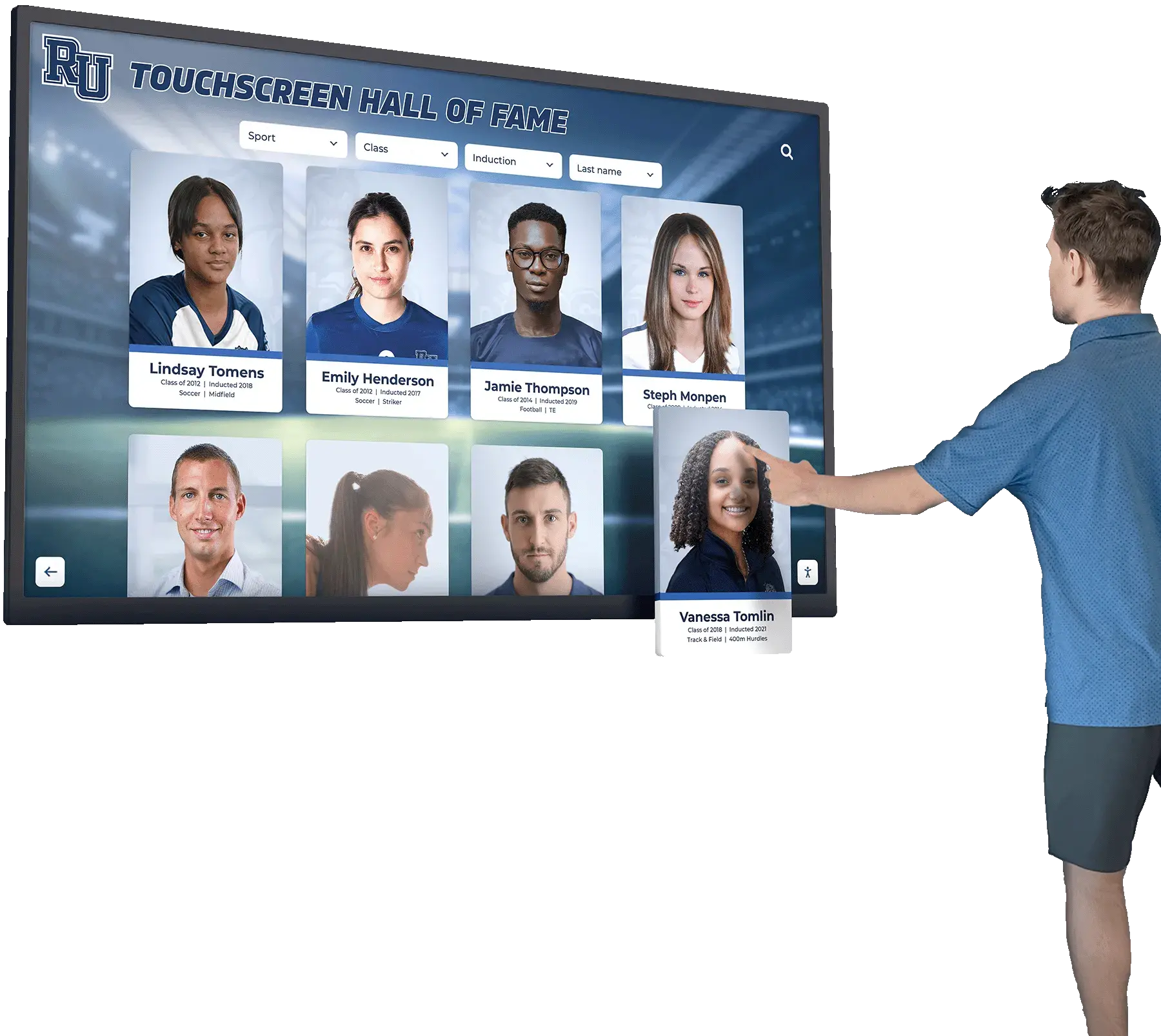
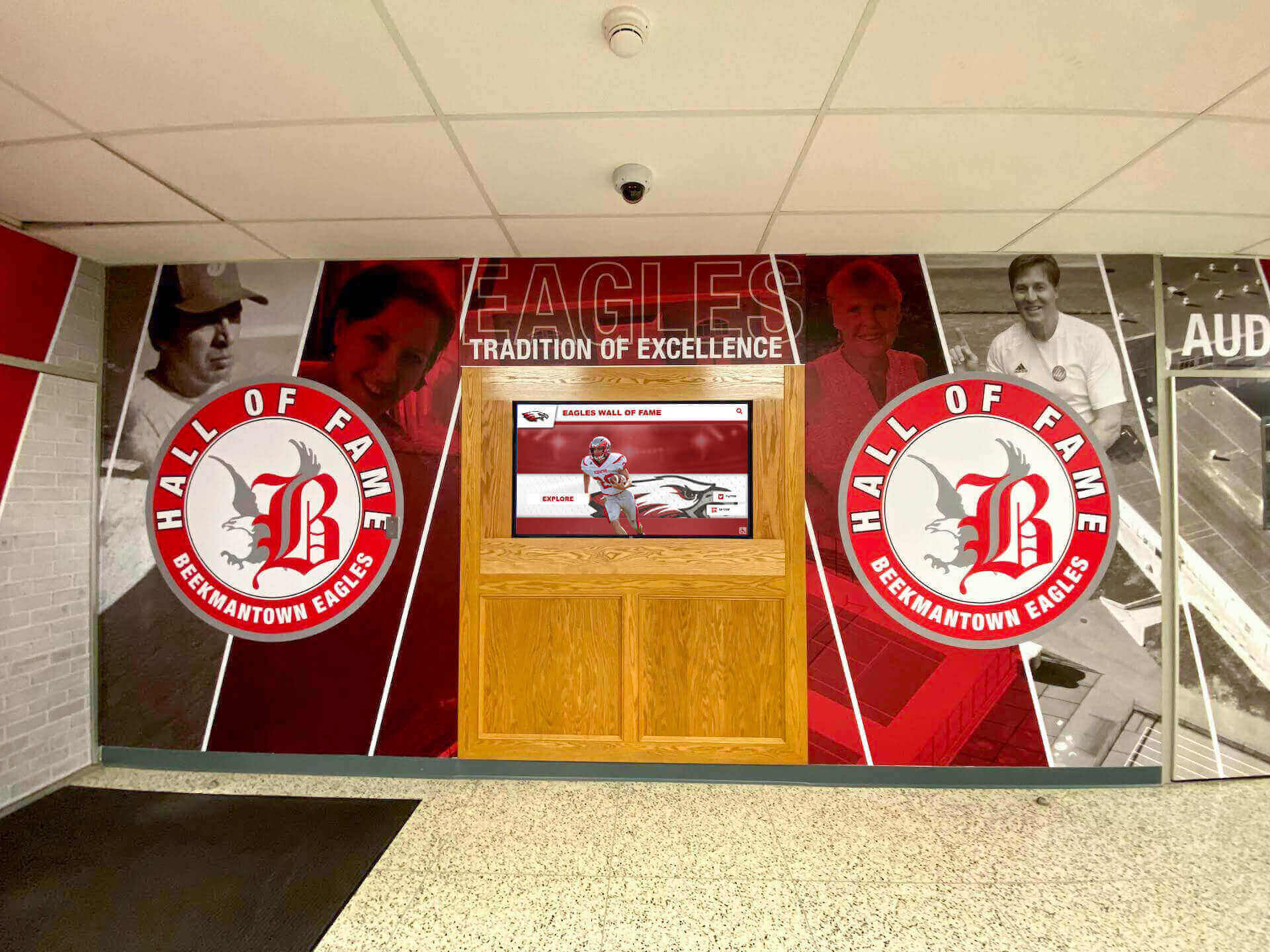
Forward-thinking schools recognize that DAM systems should connect seamlessly with digital recognition programs rather than functioning as isolated storage repositories. Digital hall of fame displays become far more valuable when they can access the complete photo library, automatically display relevant content, and update as new assets are added.
Integration features include:
- Direct content flow from DAM library to recognition displays
- Automatic athlete photo selection based on metadata tags
- Dynamic content rotation showcasing diverse achievements
- Real-time updates when new photos are uploaded
- Unified search across both asset library and display content
Rocket Alumni Solutions pioneered this integrated approach, functioning as both comprehensive DAM platform and recognition display system—eliminating the need for separate solutions that require manual coordination.
Mobile Access and Upload Capabilities
Coaches, teachers, and athletic directors capture content on smartphones but need simple methods to contribute photos to central libraries. Modern DAM systems should support:
- Mobile app access for iOS and Android devices
- Direct photo uploads from camera rolls
- On-device tagging before upload
- Offline capture with automatic sync when connected
- QR code scanning linking photos to specific athletes or events
This mobile functionality ensures that content reaches central archives immediately rather than remaining trapped on individual devices.
User-Friendly Interface for Non-Technical Staff
School administrators, coaches, and teachers managing content libraries typically lack IT backgrounds. DAM systems must provide intuitive interfaces where users can:
- Upload and organize content without training
- Search and locate assets through simple queries
- Create collections for specific events or purposes
- Share content with defined permission levels
- Generate reports on library usage and growth
Complex enterprise DAM platforms designed for marketing agencies often overwhelm educational users with unnecessary features and technical terminology. The best school DAM systems balance powerful functionality with accessible design.
How Rocket Alumni Solutions Functions as Complete DAM Platform
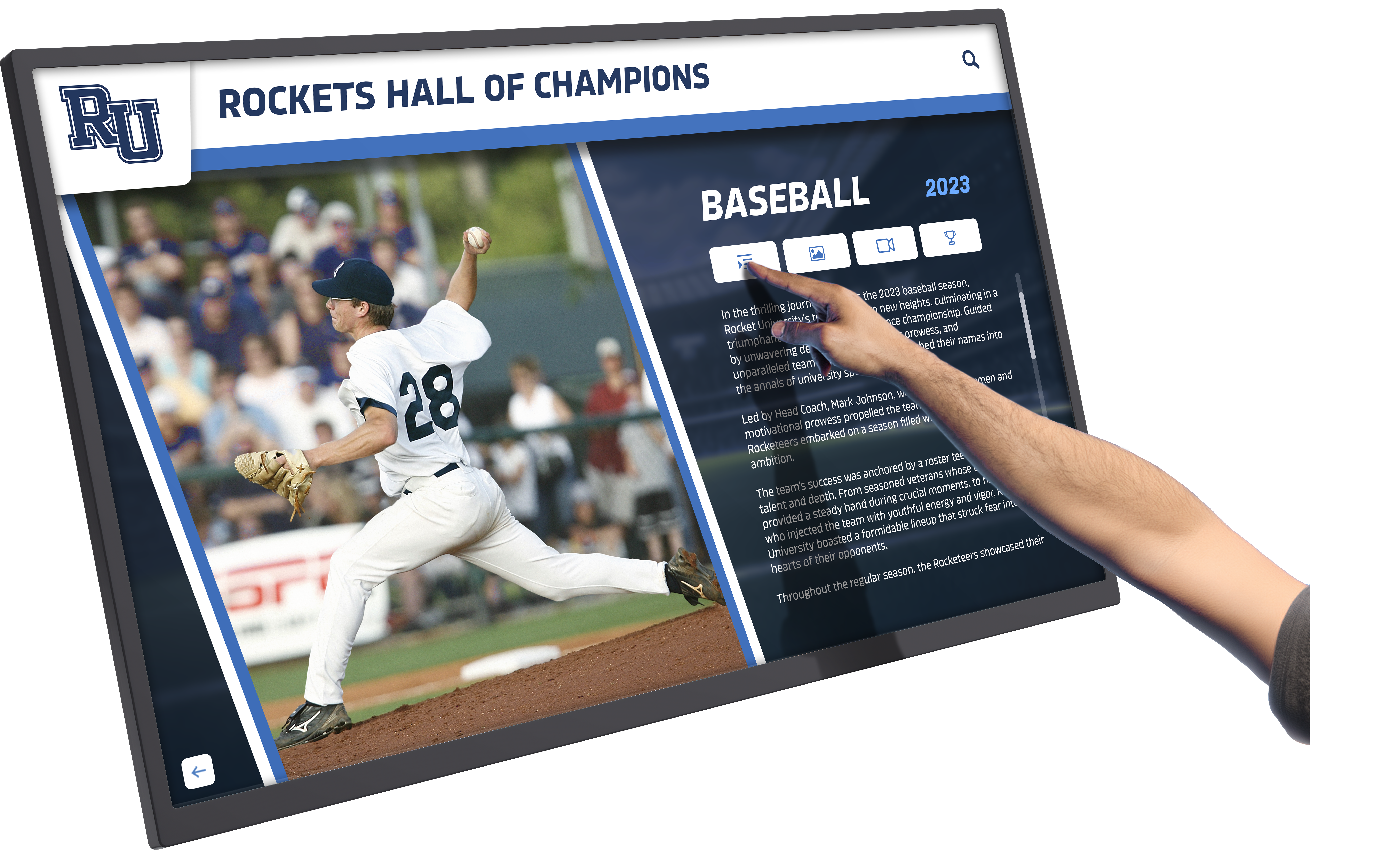
While initially recognized for digital recognition displays, Rocket Alumni Solutions evolved into a comprehensive digital asset management system purpose-built for educational institutions.
Unified Platform Architecture
Rather than requiring separate systems for photo storage, athlete records, achievement tracking, and recognition displays, Rocket provides integrated infrastructure where all components share a common database and asset library.
Administrators upload content once—athlete photos, game footage, award documentation, historical images—and that content becomes available across:
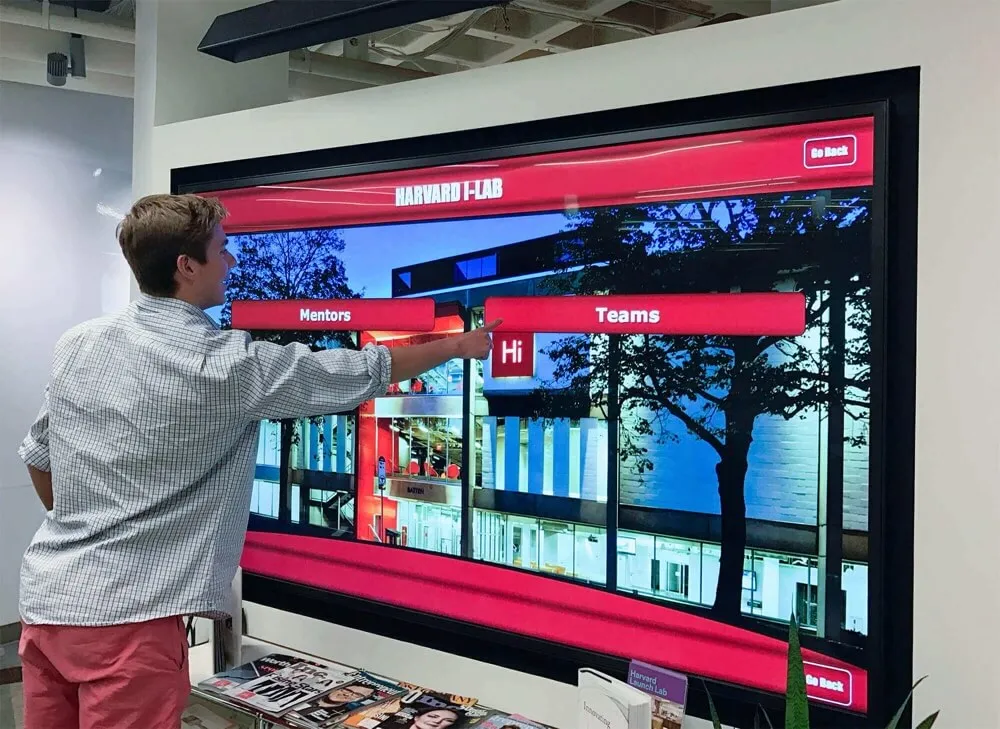
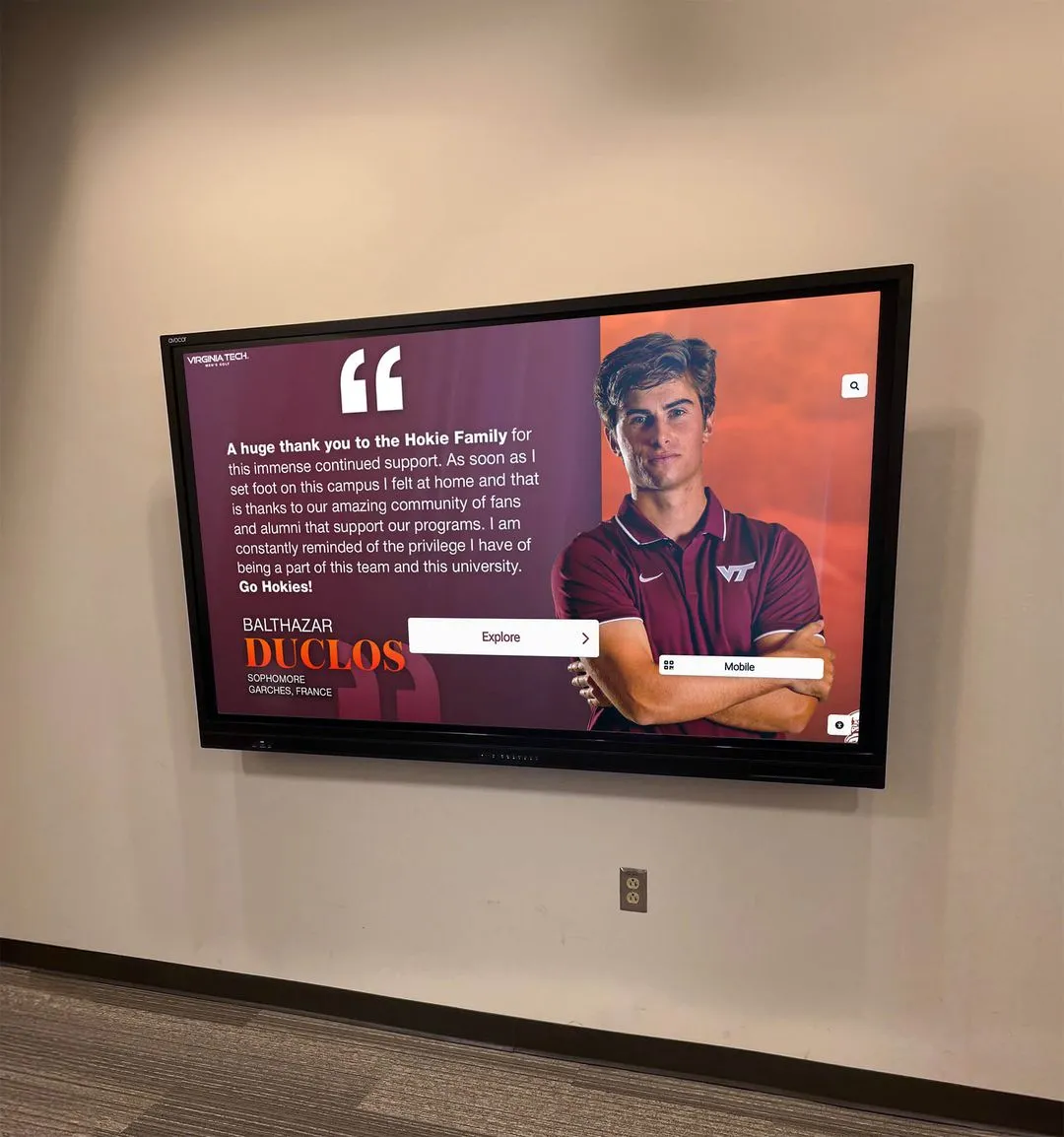
- Interactive touchscreen recognition displays in lobbies and hallways
- Online searchable directories accessible to alumni
- Mobile apps for student and community engagement
- Digital signage systems throughout campus
- Social media and marketing materials
- Yearbook and publication production
This single-entry, multiple-output approach eliminates the duplication and version control problems that plague schools maintaining separate systems for different purposes.
Automatic Organization and Content Intelligence
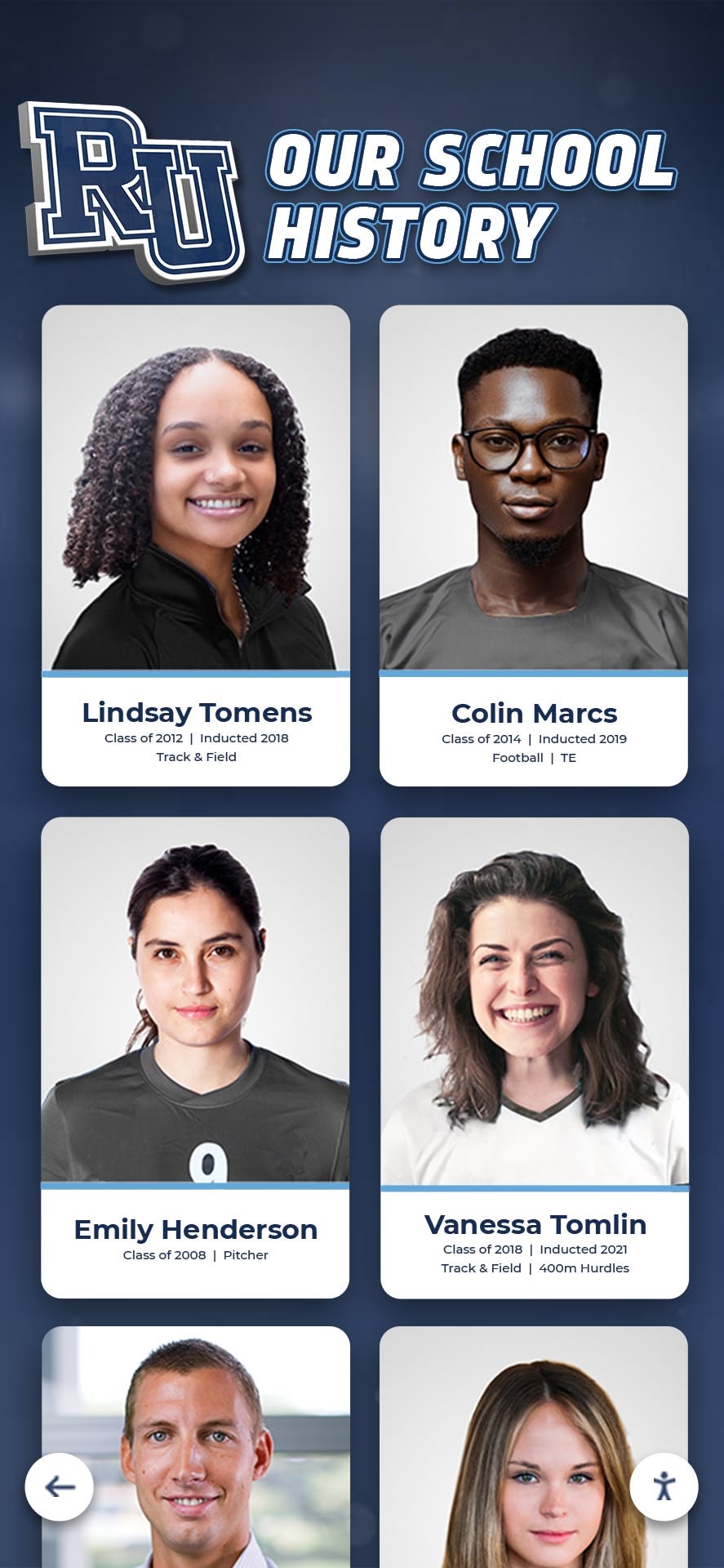
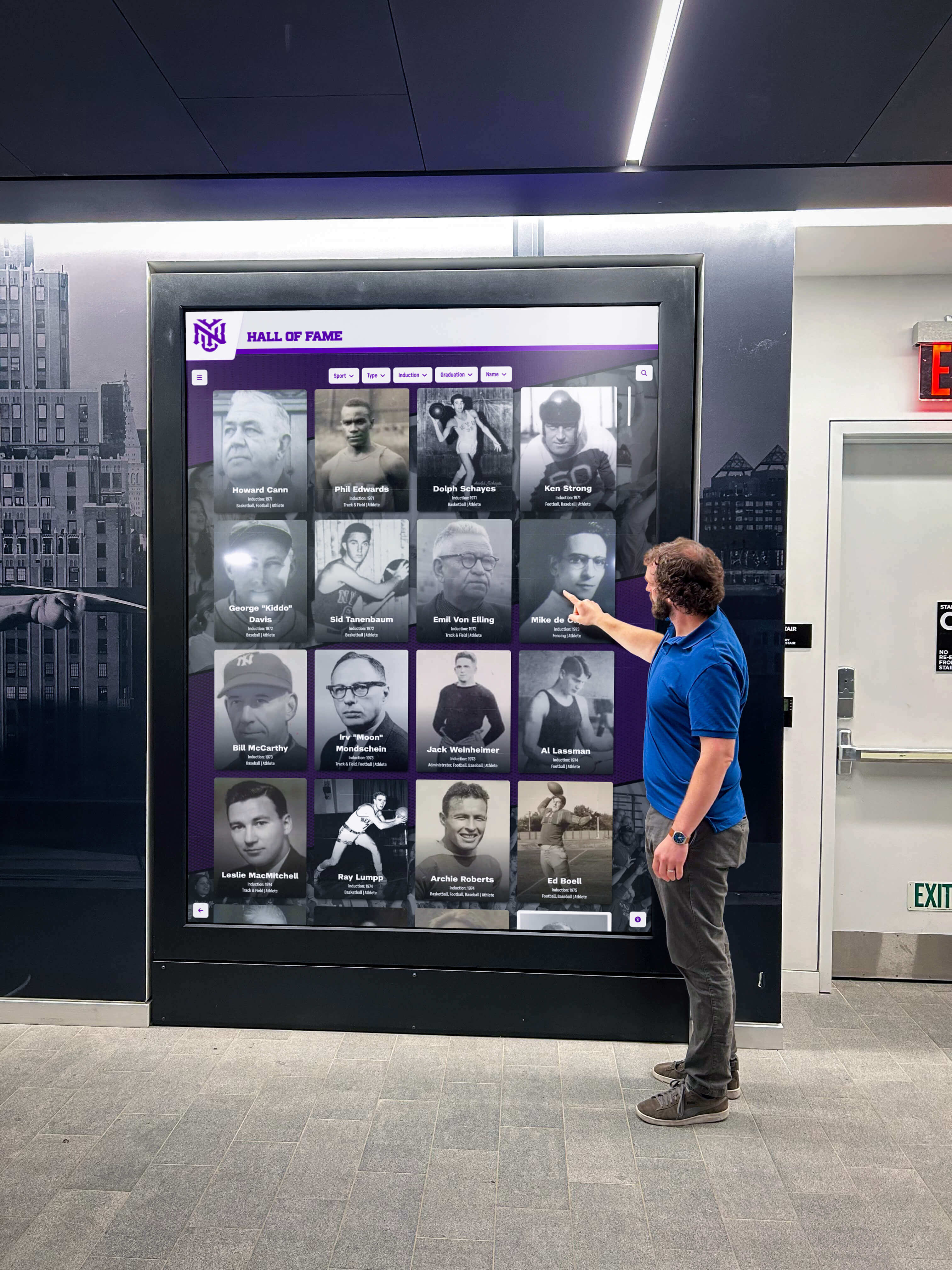
Rocket’s platform uses metadata and structured data entry to automatically organize uploaded content. When administrators add an athlete to the system with their sport, graduation year, and achievements, any photos tagged with that athlete’s name automatically appear in correct categories:
- Sport-specific galleries
- Graduation year collections
- Achievement and award groupings
- Record board displays for athletes holding school records
- Hall of fame recognition for inducted members
This intelligent organization transforms static photo libraries into dynamic, self-updating recognition systems that require minimal ongoing maintenance.

Historical Archive Management
Schools using Rocket frequently digitize decades of historical content—vintage team photos, newspaper clippings, championship documentation, and facility evolution imagery. The platform accommodates unlimited historical content without storage fees or performance degradation.
Yearbook digitization projects particularly benefit from Rocket’s structured organization, where historical content receives the same metadata tagging and search capabilities as recent uploads. Alumni can explore their graduation year’s achievements alongside current students viewing today’s accomplishments—all within the same interface.
Multi-Location Display Synchronization
Schools with multiple buildings or athletic facilities can deploy synchronized displays all drawing from the central asset library. Content uploaded once appears across all screens according to defined rules:
- Athletic complex displays show sports content
- Main lobby screens rotate across all recognition categories
- Academic buildings highlight scholarly achievements
- Alumni centers focus on historical content and donor recognition
This synchronization, powered by the underlying DAM infrastructure, ensures consistent messaging while allowing location-specific customization.
Permission Controls and Family Privacy
Rocket implements granular access controls protecting student privacy while enabling appropriate access:
- Public displays show only approved content
- Alumni portals require authentication before accessing directories
- Families can opt specific students out of public recognition
- Administrators control which content appears in different contexts
- Audit trails document who accessed what content and when
These privacy protections address compliance requirements while maintaining the openness that makes recognition programs valuable.
Implementing DAM Systems in Educational Settings
Schools considering digital asset management platforms should follow structured implementation approaches ensuring successful adoption and long-term value.
Assessing Current Content and Future Needs
Before selecting solutions, inventory existing digital assets and determine what content requires organization:
Existing Digital Collections
- Current year photos across all activities
- Recent athletic seasons (typically 2-5 years readily accessible)
- Marketing and communications libraries
- Faculty and staff directories
- Facility and campus imagery
Historical Archives Requiring Digitization
- Printed photos from past decades
- Yearbooks and publications
- Championship banners and plaques
- Newspaper clippings and press coverage
- Video footage on obsolete formats
Ongoing Content Generation
- Average photos captured per athletic event
- Number of recognition-worthy achievements annually
- Frequency of facility and campus updates
- Alumni content submissions and requests
This assessment helps determine required storage capacity, migration timelines, and feature priorities.
Defining Organizational Structure and Metadata Standards
Consistent organization standards prevent the chaos that DAM systems aim to solve. Establish conventions for:
File Naming
- Sport-Year-Event-Date format (e.g., Basketball-2024-Championship-20240315)
- Athlete name inclusion when individuals are primary subjects
- Standardized abbreviations for recurring events
Metadata Fields
- Required tags for all uploads (date, category, uploader)
- Optional but encouraged fields (people, location, achievement)
- Controlled vocabularies preventing tag proliferation (use “Basketball” not “BBall,” “Hoops,” “Boys Basketball”)
Category Hierarchies
- Primary categories (Athletics, Academics, Arts, History)
- Sport or activity subcategories
- Year or season divisions
- Event-specific collections
Document these standards and train all users who will upload content to maintain consistency.
Migration Strategy for Historical Content
Large historical archives require phased migration approaches:
Phase 1: Recent and High-Value Content (Months 1-2)
- Current academic year across all activities
- Recent championship teams and major achievements
- Heavily requested alumni content
- Marketing assets needed for immediate use
Phase 2: Recent History (Months 3-6)
- Past 5-10 years by priority (athletics typically first)
- Major facilities and campus evolution documentation
- Significant events and milestone celebrations
Phase 3: Deep Historical Archives (Ongoing)
- Decade-by-decade working backwards from recent to historical
- Focus on content likely to generate alumni engagement
- Coordinate with reunion years and anniversary celebrations
This phased approach delivers immediate value while preventing migration projects from becoming overwhelming multi-year efforts that never complete.
Training and User Adoption
Technology succeeds when users embrace it rather than viewing it as additional burden. Training programs should address:
Administrator Training
- Complete platform functionality including advanced features
- Bulk upload and organization tools
- Permission management and privacy controls
- Reporting and analytics capabilities
- Troubleshooting common issues
Contributor Training (Coaches, Teachers, Staff)
- Basic upload and tagging workflows
- Mobile app usage for field capture
- How to find and use existing content
- When and how to request additional access
End User Orientation (Students, Alumni, Parents)
- How to access and search content
- Privacy settings and opt-out procedures
- Submitting content or corrections
- Sharing and downloading policies
Interactive display systems require similar training approaches, ensuring that technology investments translate to actual usage rather than expensive installations that sit unused.
Common DAM Implementation Challenges and Solutions
Schools implementing digital asset management systems encounter predictable obstacles that proper planning can mitigate.
Challenge: Overwhelming Volume of Unsorted Historical Content
Problem: Schools discover boxes of unlabeled photos, decades of yearbooks, and filing cabinets full of documentation requiring organization before upload. The sheer volume creates paralysis.
Solution: Prioritize content with immediate value rather than attempting comprehensive chronological migration. Start with recent championship teams, popular alumni reunion years, and content supporting current recognition initiatives. Historical archives can be addressed systematically over months or years—the value comes from starting rather than waiting until everything can be perfect.
Challenge: Inconsistent Content Quality and Formats
Problem: Historical photos exist in various formats—faded prints, newspaper clippings, polaroids, slides, and early digital files at low resolution. Video ranges from VHS to modern 4K formats.
Solution: Modern DAM systems accept content in any format. While high-resolution scans provide better display quality, even phone photos of old prints deliver value by preserving content and enabling discovery. Document quality levels in metadata (High/Medium/Low resolution) and schedule re-scanning of valuable content as time permits.
Challenge: Obtaining and Verifying Athlete and Achievement Information
Problem: Historical content often lacks documentation—photos showing athletes whose names are unknown, championship years that are uncertain, or conflicting information about records and achievements.
Solution: Involve alumni in content verification. Publish collections requesting identification help. Host alumni events where attendees review historical content and provide context. Use partial information initially and update as verification occurs. Rocket Alumni Solutions supports notes and pending verification flags allowing incomplete content to be accessible while clearly indicating what requires confirmation.
Challenge: Maintaining Momentum After Initial Launch
Problem: Implementation projects generate enthusiasm during setup, but daily upload habits often decline after initial content migration completes. Libraries become stale as new content remains on individual devices.
Solution: Integrate DAM workflows into existing processes rather than treating them as separate tasks. Make platform access the path of least resistance for sharing content:
- Set up automatic import from designated email addresses (coaches email photos directly to the system)
- Install mobile apps on all devices used for documentation
- Incorporate content upload into post-event checklists
- Make recognition display updates dependent on photo uploads (athletes can’t appear on displays without submitted content)
- Celebrate milestones (10,000th photo uploaded, complete team coverage)
Measuring DAM System Success and ROI
Schools should establish metrics evaluating whether digital asset management systems deliver intended value.
Content Growth and Coverage Metrics
Quantitative Measurements:
- Total assets uploaded (photos, videos, documents)
- Growth rate (assets added monthly/annually)
- Coverage percentage (teams/activities with documented content vs. total programs)
- Historical depth (decades represented in archive)
- User contributions (number of staff actively uploading content)
Qualitative Assessments:
- Completeness of current year documentation
- Ability to fulfill content requests (alumni, media, publications)
- Representation diversity (all programs receiving proportional coverage)
User Engagement Indicators
Platform Usage:
- Monthly active users accessing the library
- Search queries performed
- Content downloads or shares
- Time spent browsing collections
- Return visit frequency
Recognition Display Interaction: For systems like Rocket integrating DAM with displays:
- Touchscreen interactions per day/week
- Most-viewed athletes or content
- Search terms used on public displays
- Photos shared via QR codes or mobile apps
Higher engagement indicates that content resonates with audiences and that organization enables effective discovery.
Operational Efficiency Improvements
Time Savings:
- Reduction in time spent locating specific photos
- Streamlined preparation for recognition events and banquets
- Faster response to alumni content requests
- Decreased time managing display content updates
Cost Reductions:
- Eliminated redundant storage subscriptions
- Reduced need for re-creating lost content
- Lower external photography expenses (using organized existing library)
- Decreased printing and physical archive maintenance
Recognition Program Impact
For schools using DAM systems to power recognition initiatives:
Alumni Engagement:
- Increased alumni directory registrations
- Higher attendance at recognition events
- Growth in donor contributions correlated with recognition visibility
- More frequent alumni content submissions and updates
Community Perception:
- Increased positive feedback about school pride and tradition
- Media coverage featuring historical content
- Social media engagement with shared content
- Prospective student and family reactions during campus tours
Future of Digital Asset Management in Education
DAM systems continue evolving to address emerging needs and technological capabilities.
Artificial Intelligence and Automated Metadata
Current DAM systems require manual tagging, but AI-powered tools increasingly automate organization:
- Facial recognition identifying individuals across photos
- Automatic sport and activity classification
- Scene detection (gymnasium, field, classroom, ceremony)
- Object recognition (trophies, uniforms, equipment)
- Text extraction from photos of plaques and signage
These capabilities will reduce manual tagging burden while improving search accuracy and content discovery.
Enhanced Alumni Interaction and Contributions
Future systems will better facilitate alumni participation:
- Direct submission portals where alumni upload personal photos from their years
- Verification workflows where alumni confirm or correct information
- Story collection linking personal narratives to historical content
- Reunion coordination with automatic content curation for specific graduation years
- Legacy building where alumni can curate personal collections within the larger archive
Integration with Academic and Administrative Systems
DAM platforms will increasingly connect with student information systems, learning management platforms, and administrative databases:
- Automatic roster imports populating athlete and student directories
- Achievement data flowing from grade systems to recognition displays
- Graduation and advancement data synchronizing with alumni records
- Scheduling system integration triggering event photo collections
This integration reduces duplicate data entry and ensures information consistency across platforms.
Multi-Institutional and Conference-Level Systems
Athletic conferences and educational associations may implement shared DAM infrastructure:
- Conference-wide record tracking and historical documentation
- All-conference team recognition spanning multiple schools
- Championship event photo and video sharing
- Cross-institutional statistical comparisons
- Regional athletic history preservation
Regional recognition programs become possible when multiple institutions contribute to shared content libraries while maintaining control over their specific collections.
Conclusion: From Storage to Strategic Asset
Digital asset management for schools extends far beyond simple photo storage. Modern platforms like Rocket Alumni Solutions demonstrate how DAM infrastructure can power comprehensive recognition programs, preserve institutional history, strengthen alumni connections, and celebrate achievement across all aspects of school life.
Schools evaluating options should prioritize:
- Unlimited storage supporting indefinite collection growth
- Intuitive interfaces enabling staff adoption without extensive training
- Integrated recognition display capabilities eliminating separate systems
- Mobile access ensuring content flows from capture to archive seamlessly
- Flexible organization supporting diverse content types and uses
- Long-term vendor viability ensuring archives remain accessible for decades
The most effective approach treats digital asset management not as isolated technology but as foundational infrastructure supporting recognition, engagement, historical preservation, and community building—transforming scattered photo collections into strategic assets that strengthen institutional identity and connection across generations.
Ready to explore how comprehensive digital asset management can transform your school’s recognition programs while organizing decades of historical content? Book a demo to see how Rocket Alumni Solutions functions as both complete DAM platform and interactive recognition system—providing unified infrastructure that grows with your institution’s needs.