



Key Takeaways
Transform your high school athletic program with collegiate-level facilities, training, recognition, and culture. Complete guide to elevating the student-athlete experience and recruiting impact.
The best high school programs mirror collegiate athletics in structure, professionalism, and commitment to comprehensive athlete development. They provide training resources comparable to college programs, recognize achievement systematically, support academic success alongside athletic performance, and cultivate cultures valuing excellence, leadership, and continuous improvement. Whether your school possesses extensive resources or operates with budget constraints, strategic implementation of collegiate elements can transform your athletic program’s impact on student-athletes, recruitment, and community engagement.
Understanding the Collegiate Athletic Experience Model
Before implementing specific programs or facilities, understanding what defines collegiate athletics helps schools identify which elements translate effectively to high school contexts.
Core Components of Collegiate Athletics
College athletic programs operate on principles and systems that high schools can adapt:
Performance-Focused Training Infrastructure:
Collegiate programs provide specialized facilities and equipment supporting sport-specific development:
- Strength and conditioning facilities with periodized training programs
- Sports medicine and athletic training support for injury prevention and recovery
- Video analysis systems for performance review and improvement
- Nutrition programs supporting performance and recovery goals
- Mental performance coaching addressing psychological aspects of competition
Comprehensive Recognition Systems:
College programs celebrate achievement systematically across multiple dimensions:
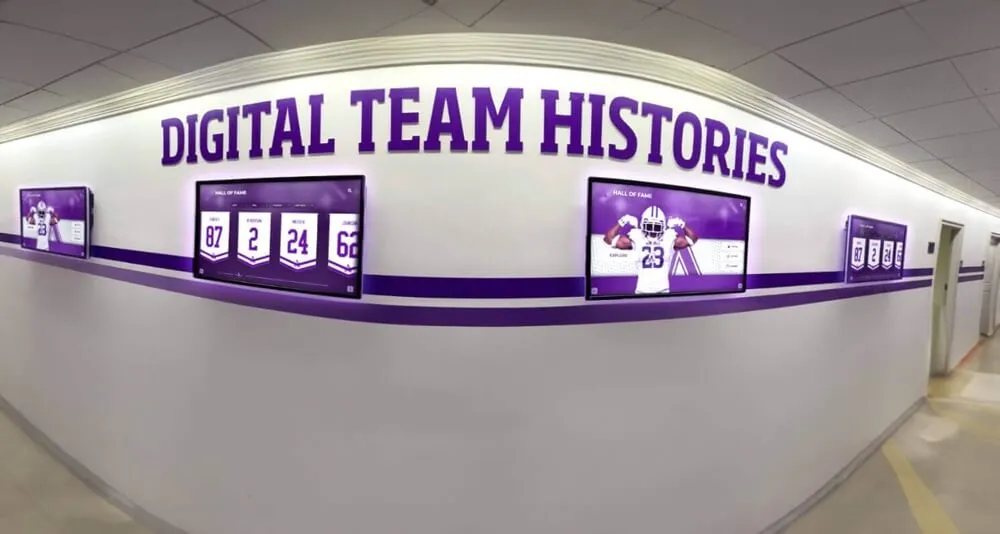
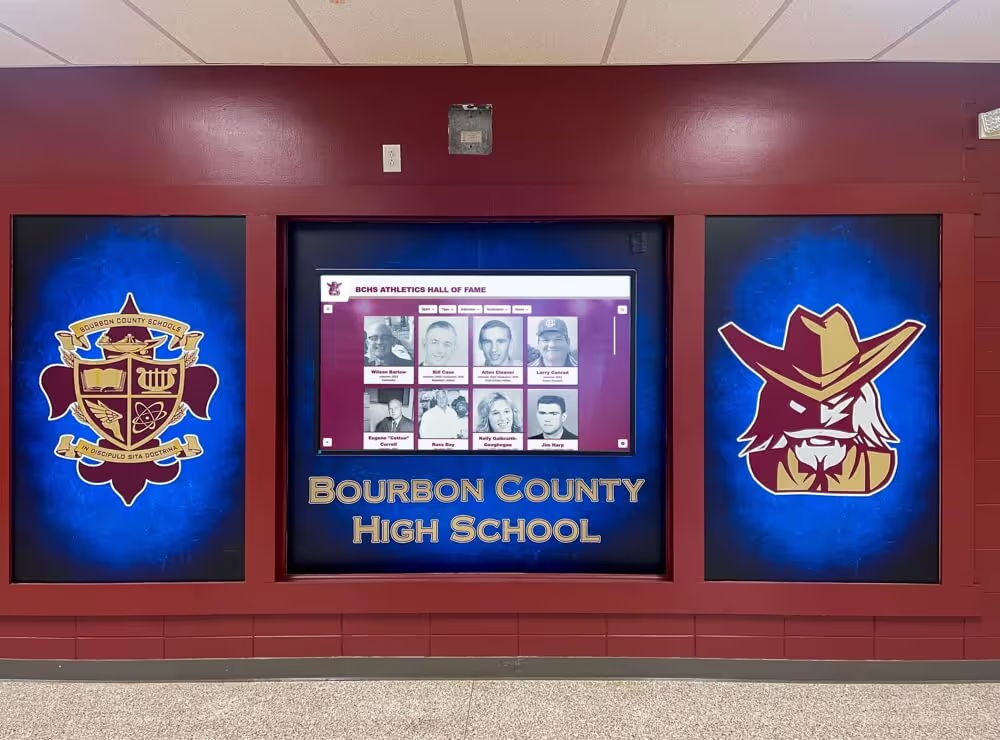
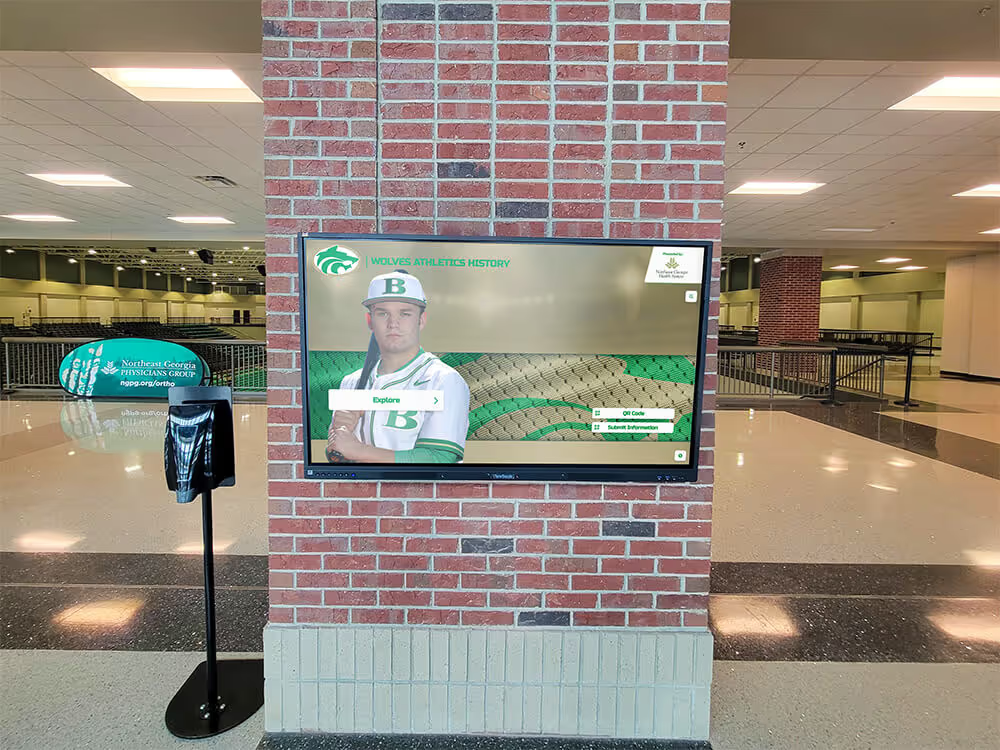
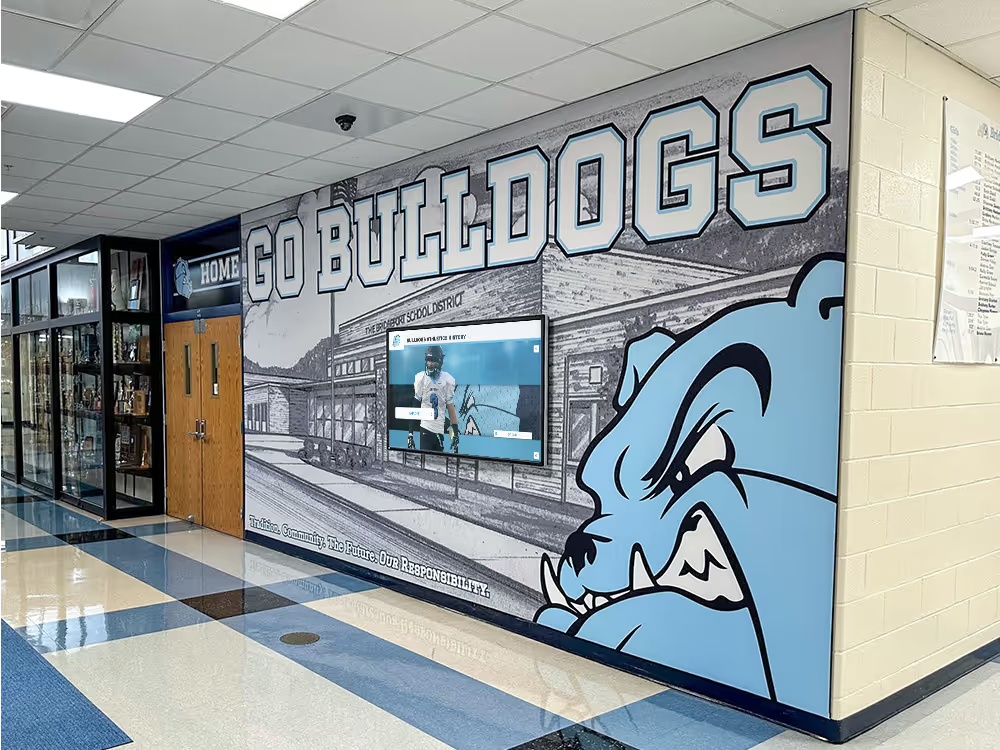
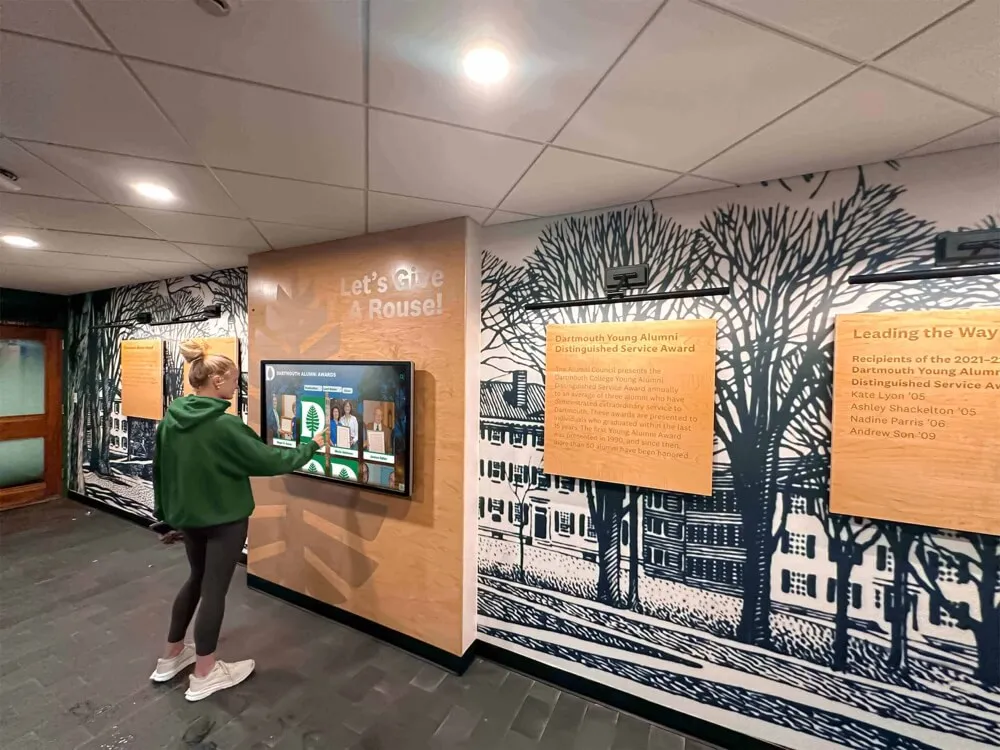
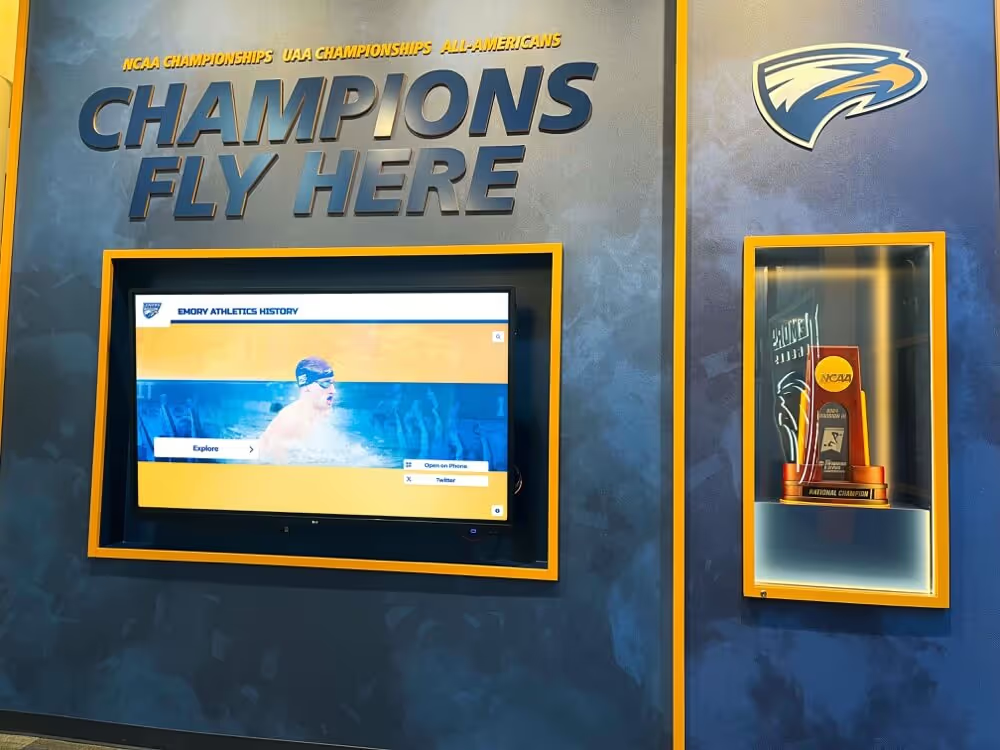
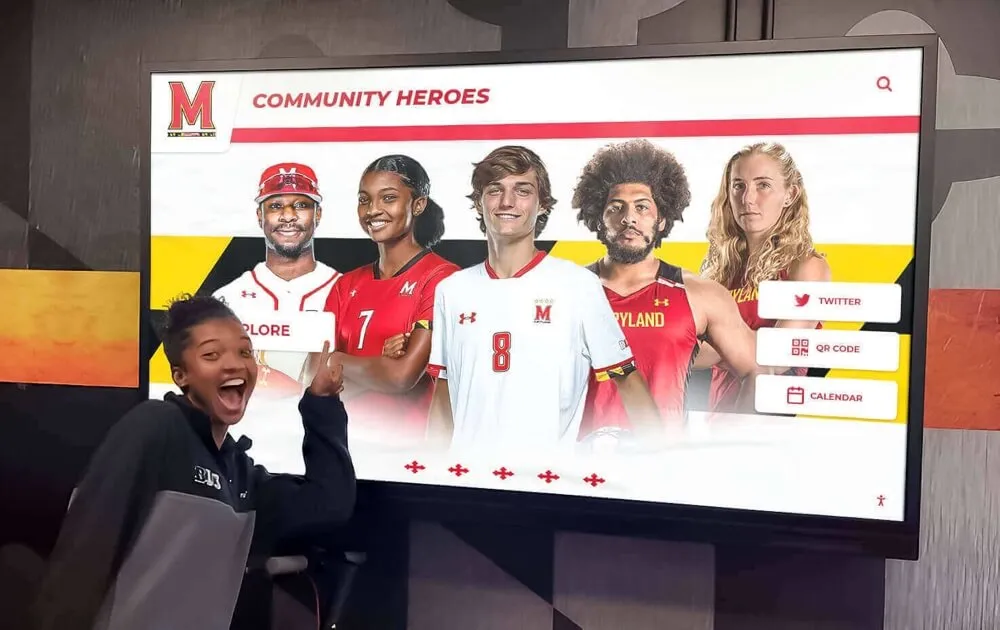
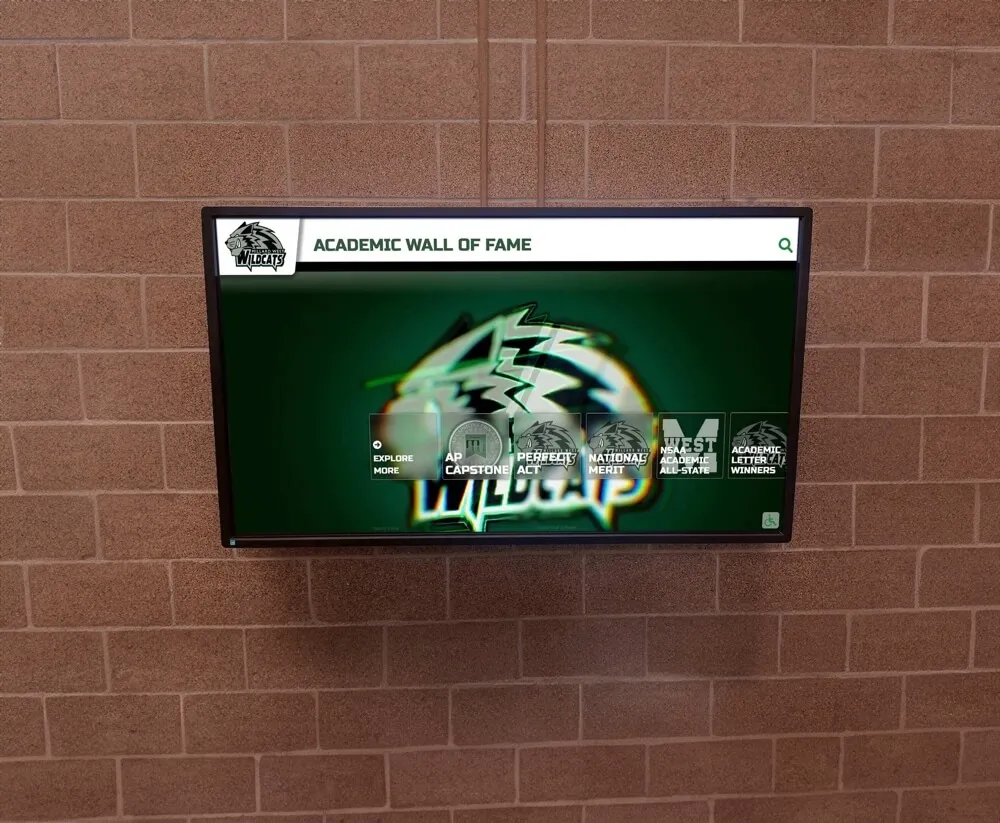
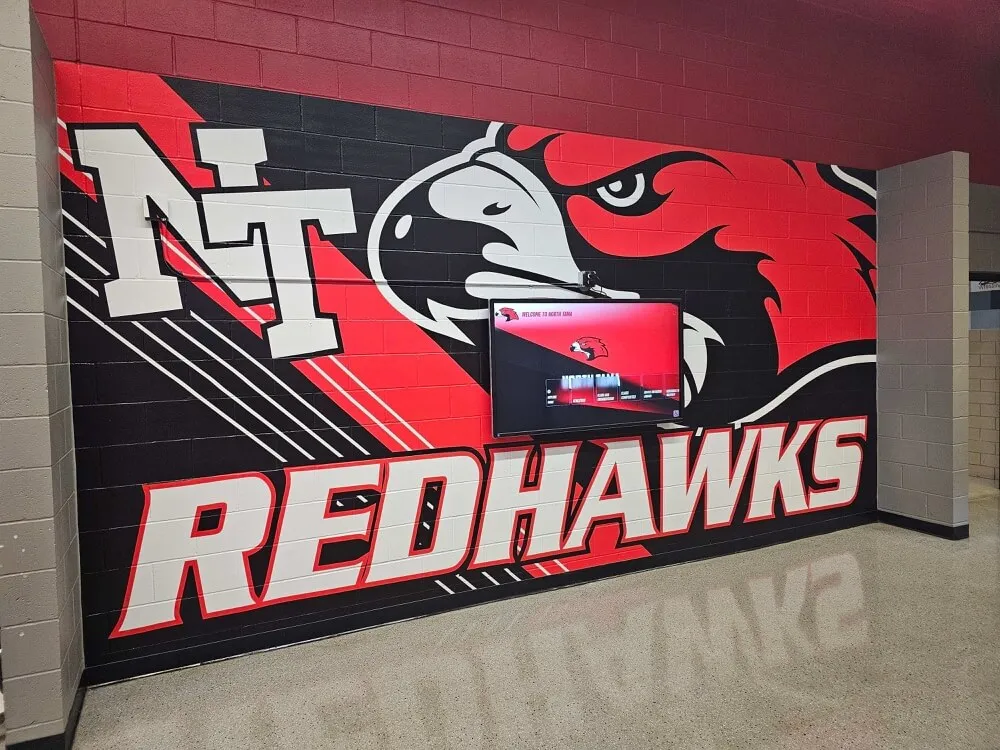
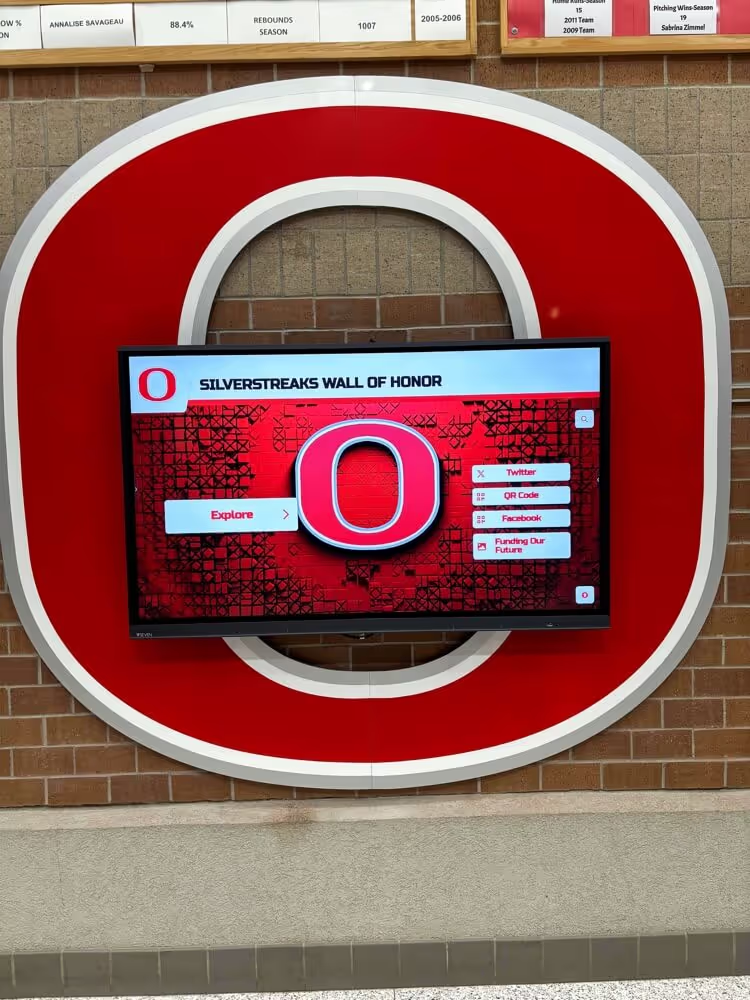
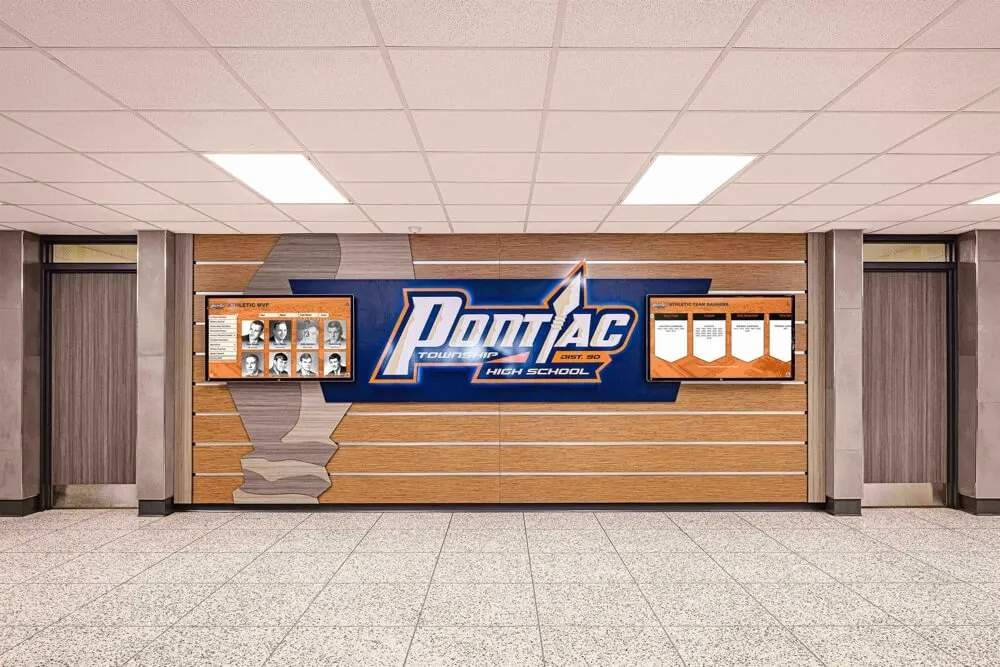
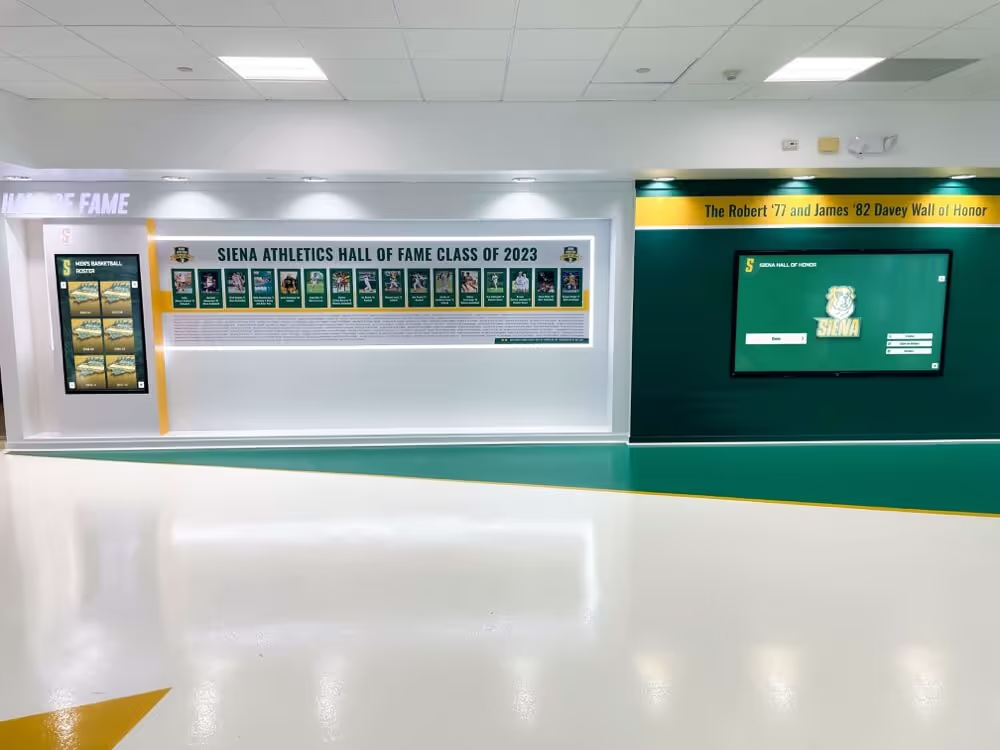
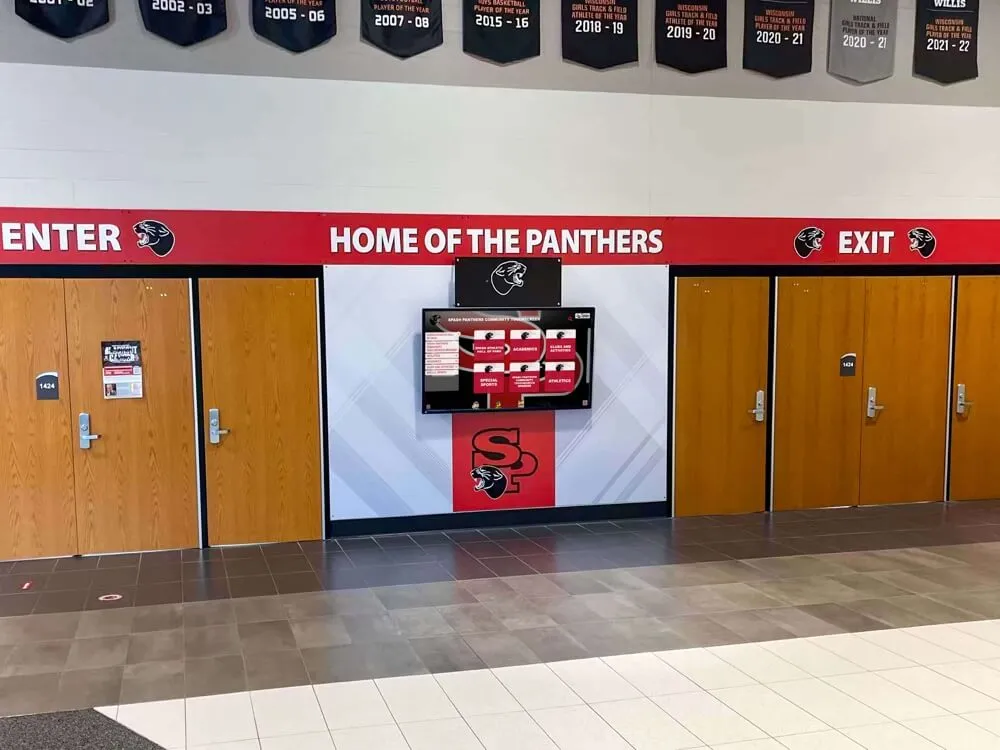
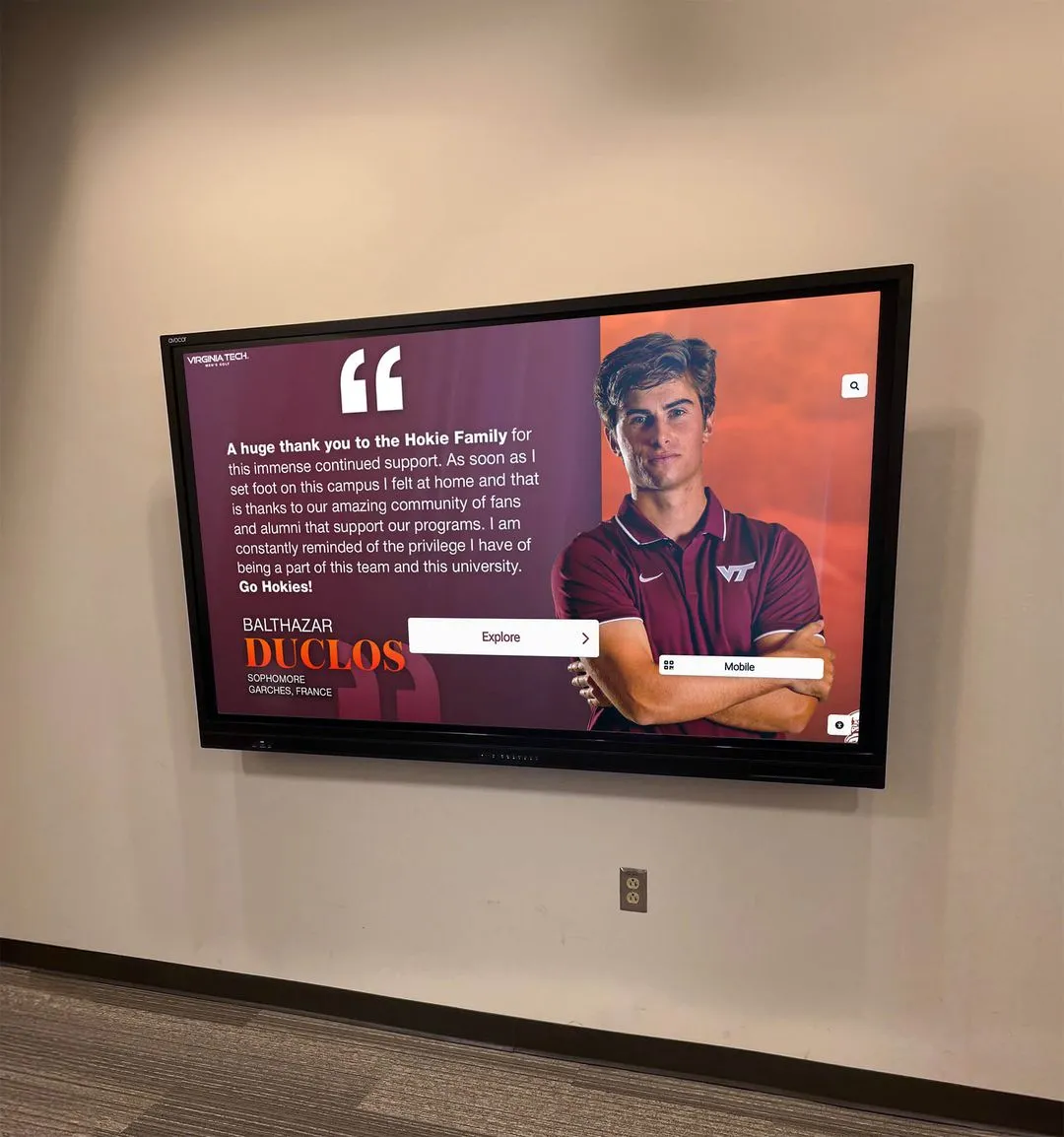
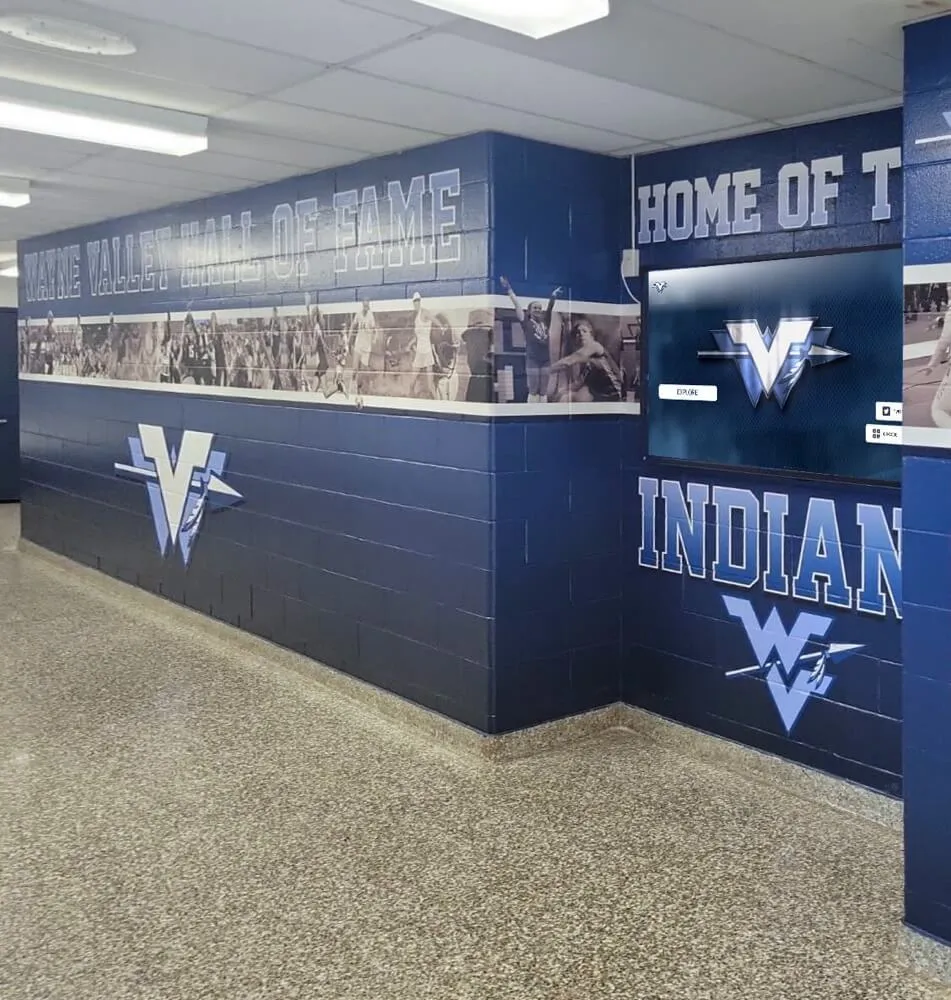
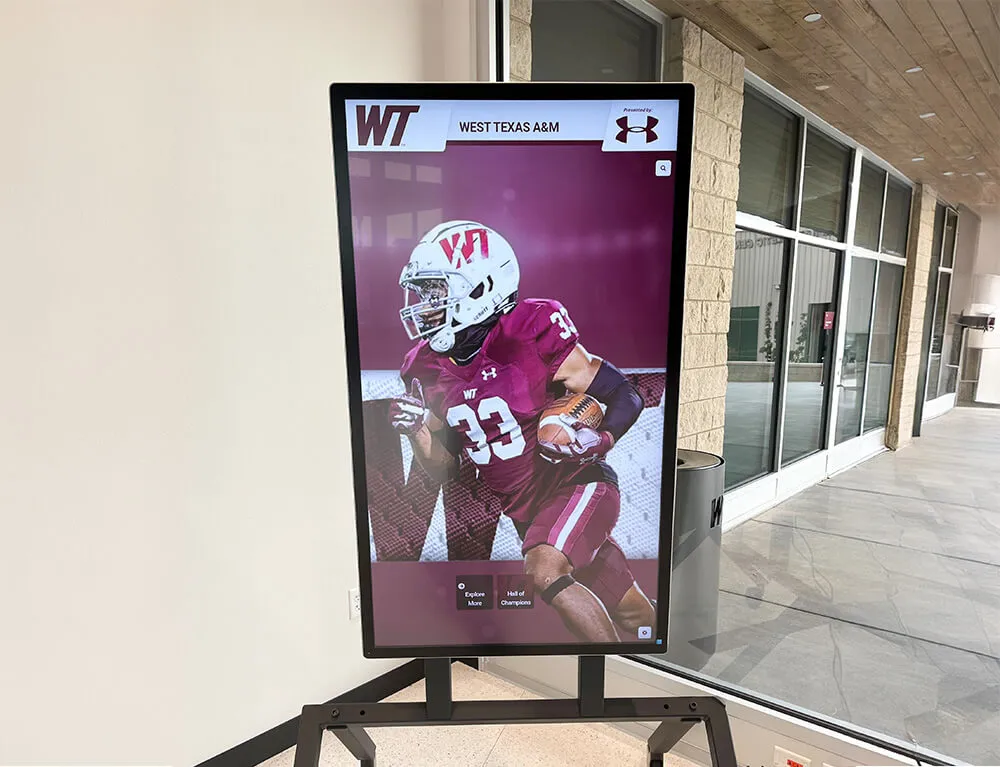
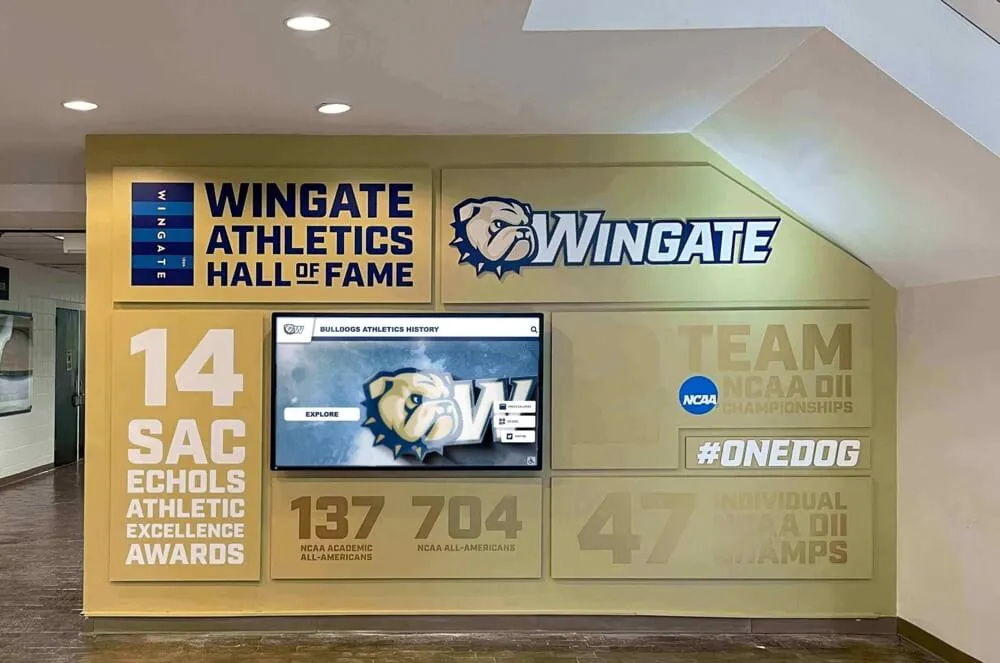
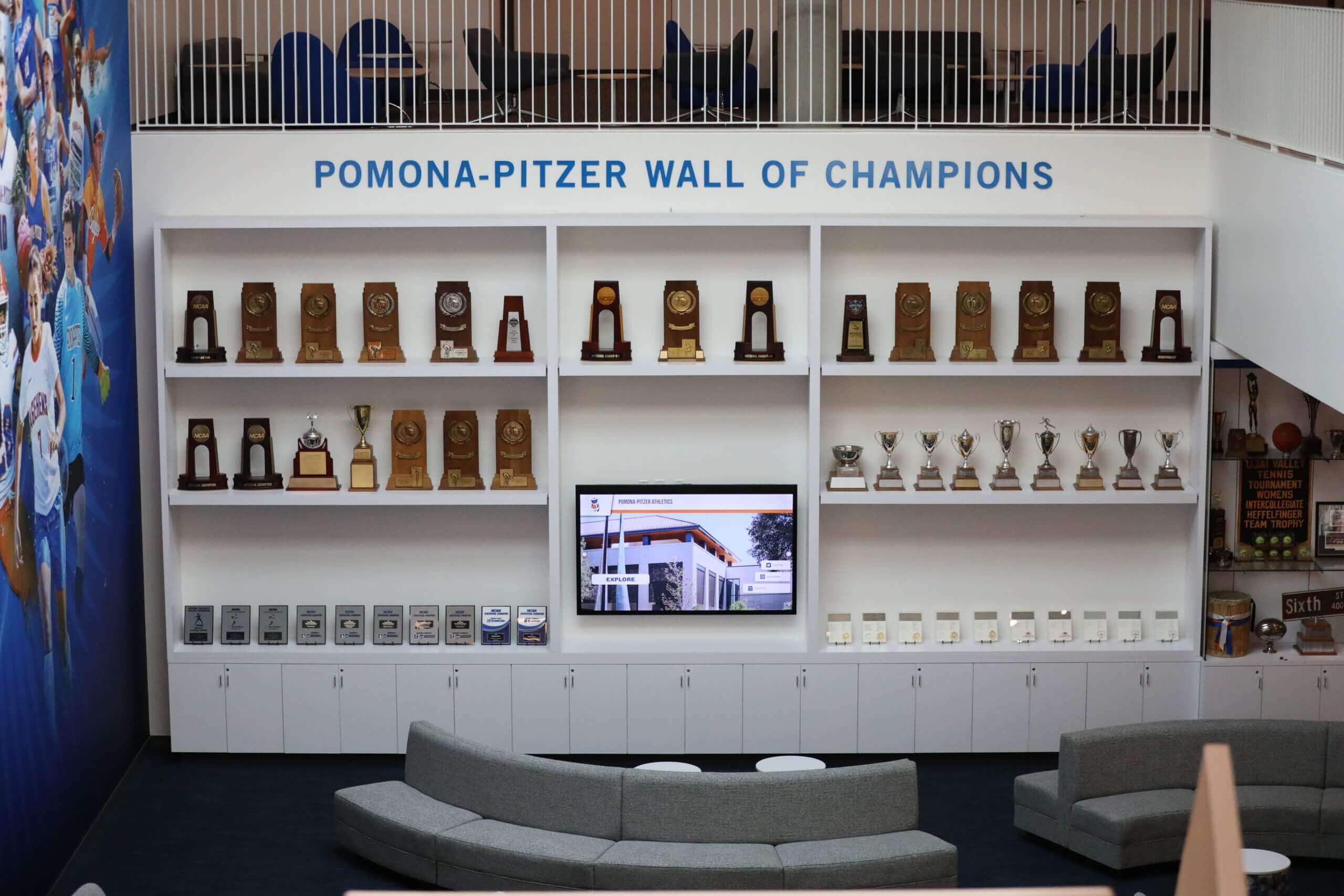
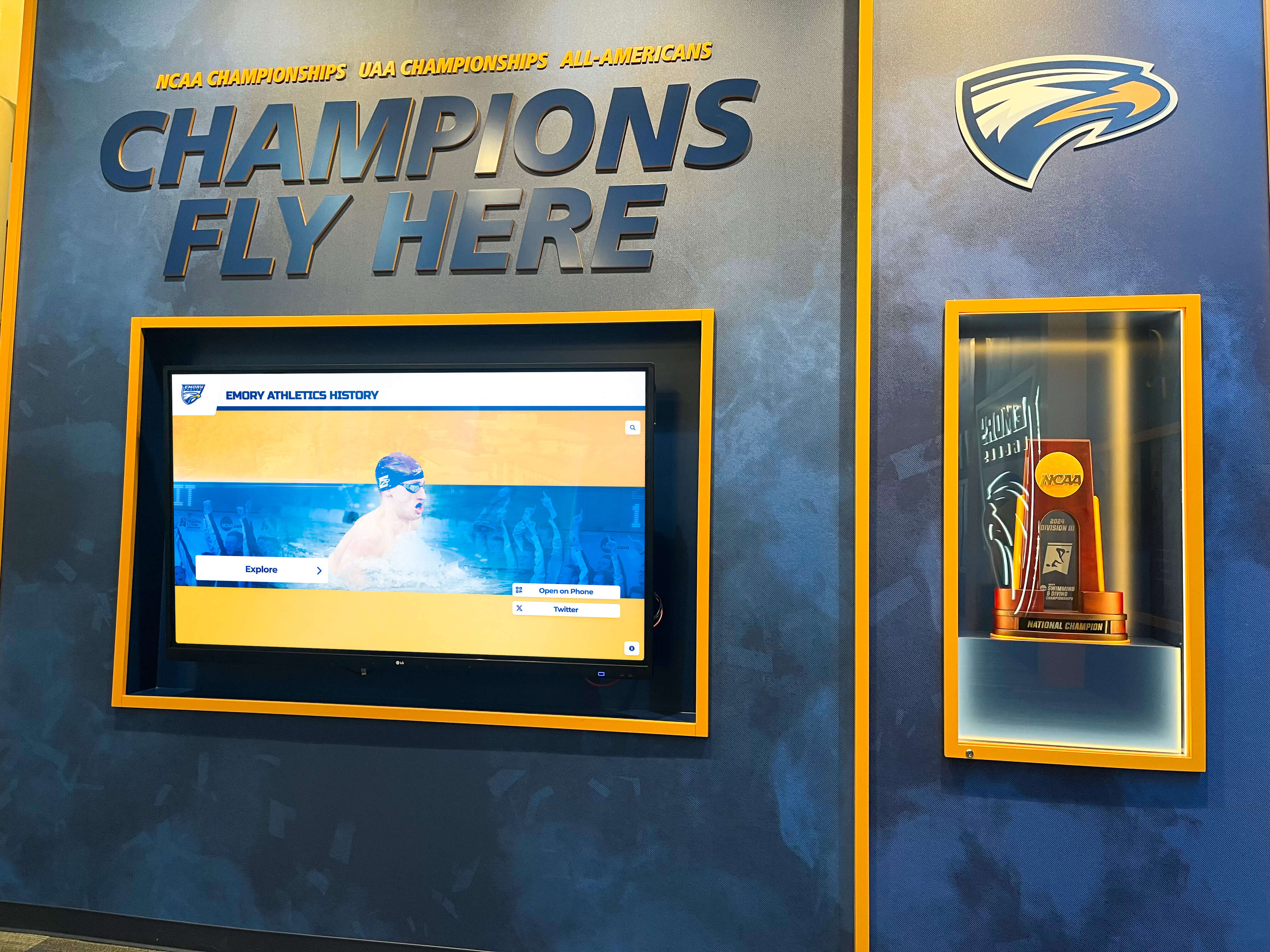
- Digital displays showcasing current rosters, statistics, and achievements
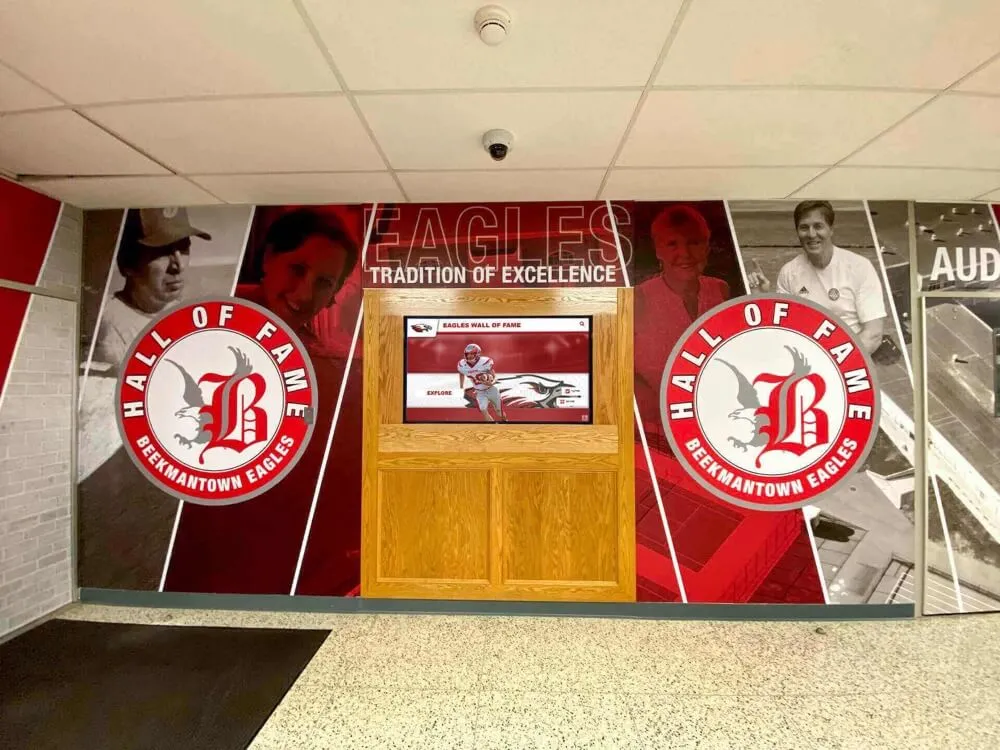
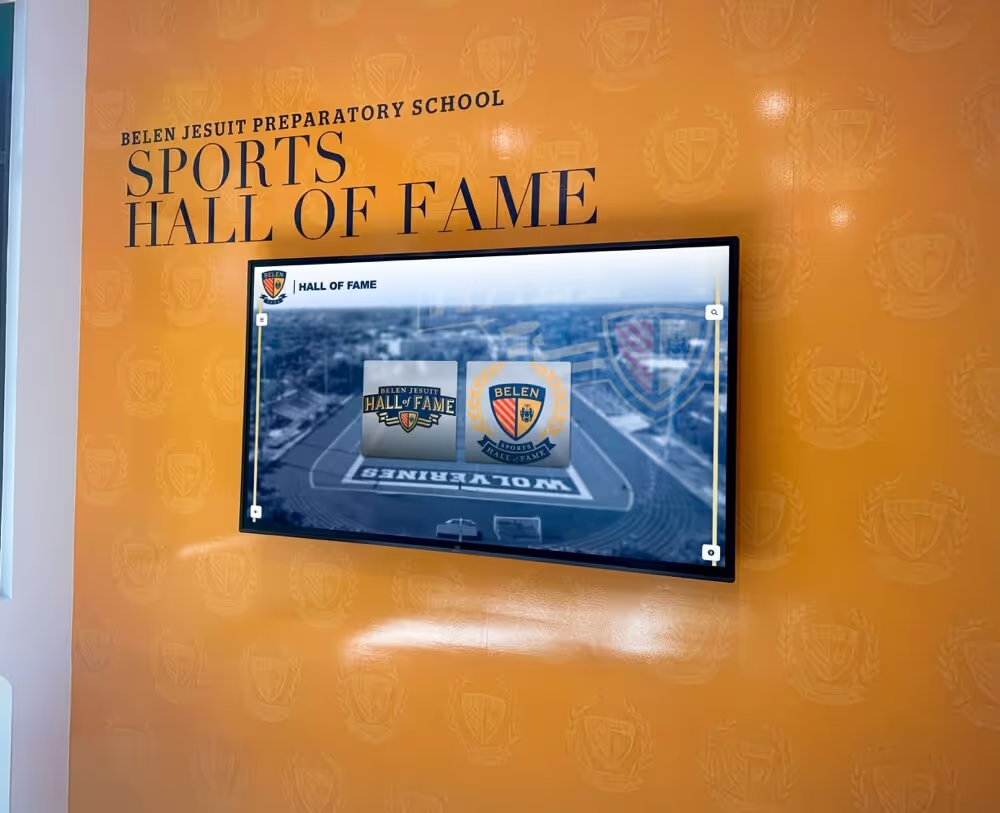
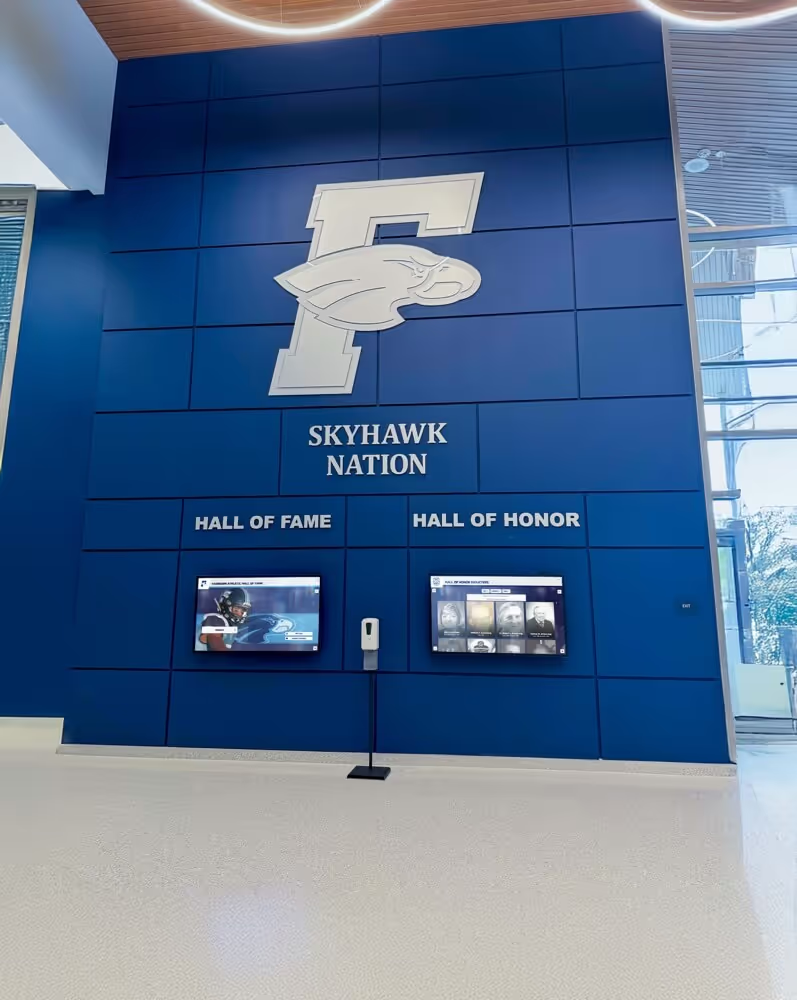
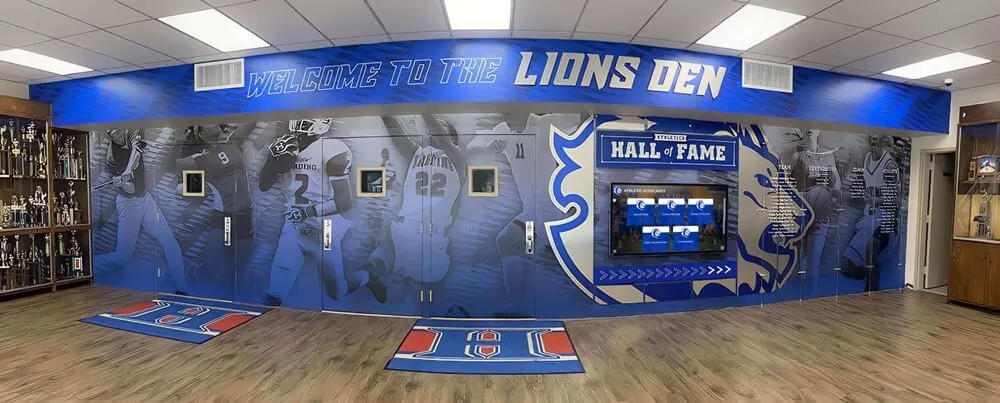
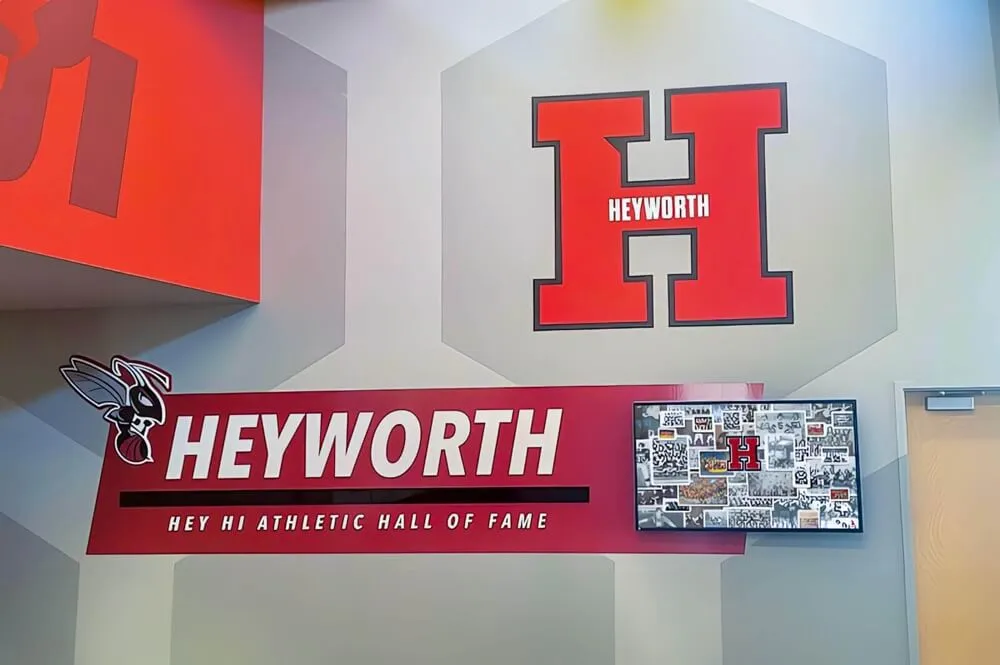
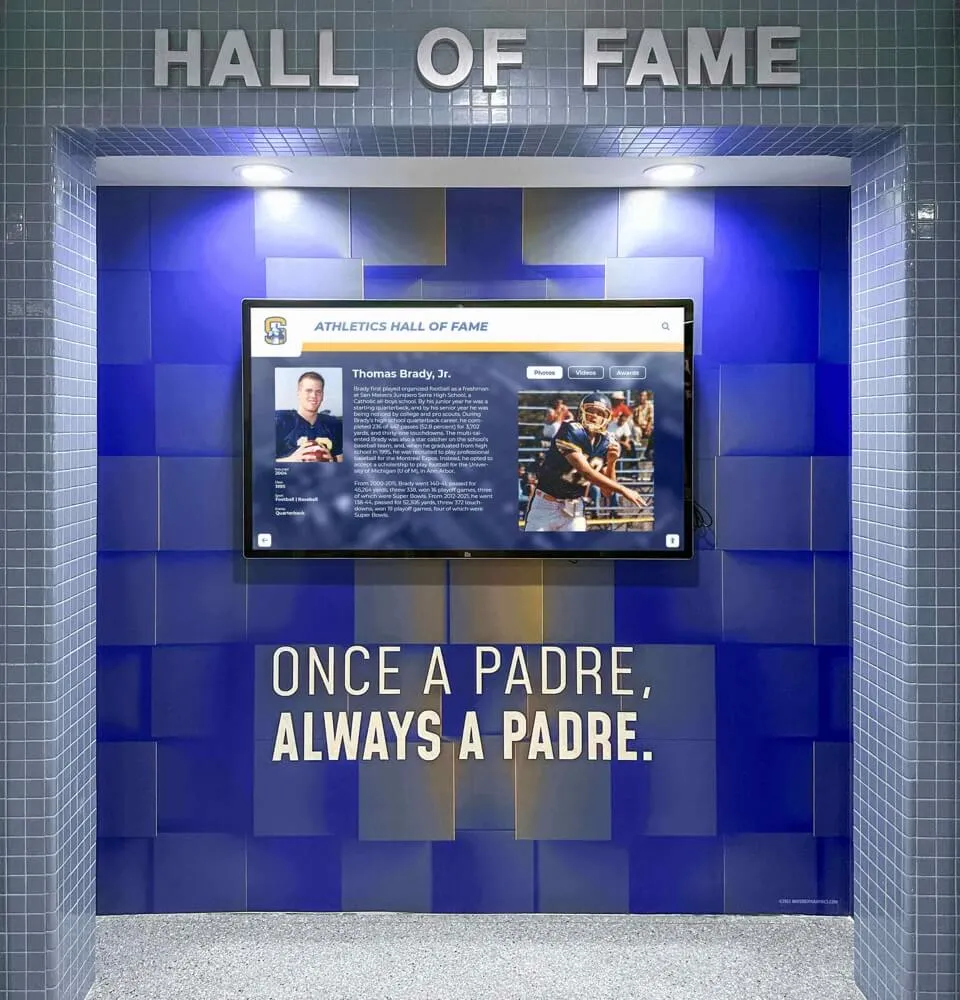
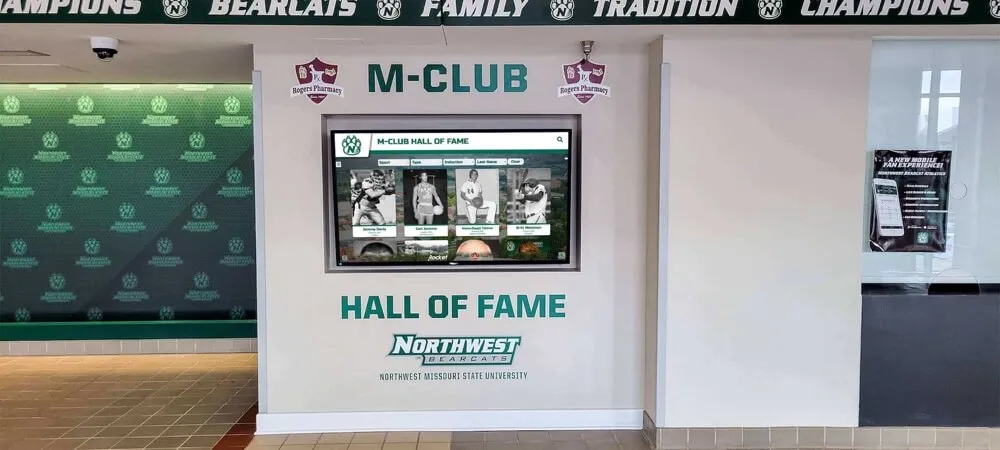
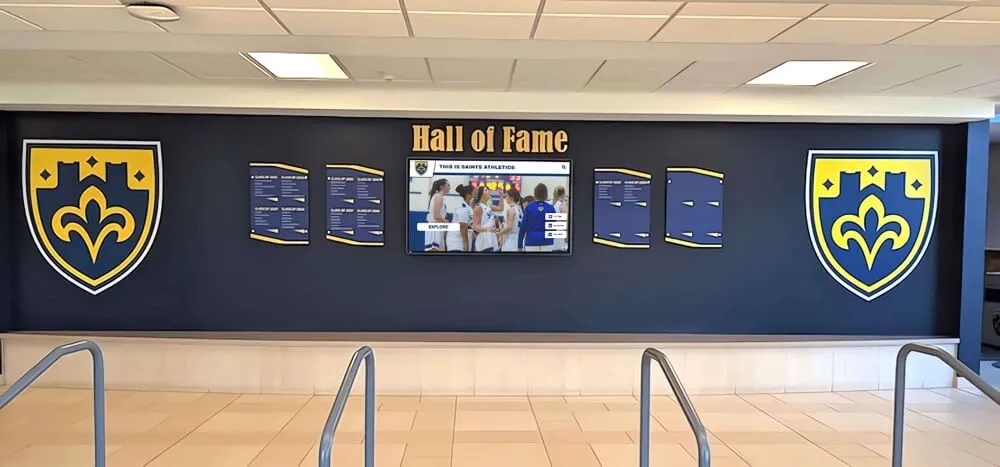
- Hall of fame programs honoring distinguished alumni athletes
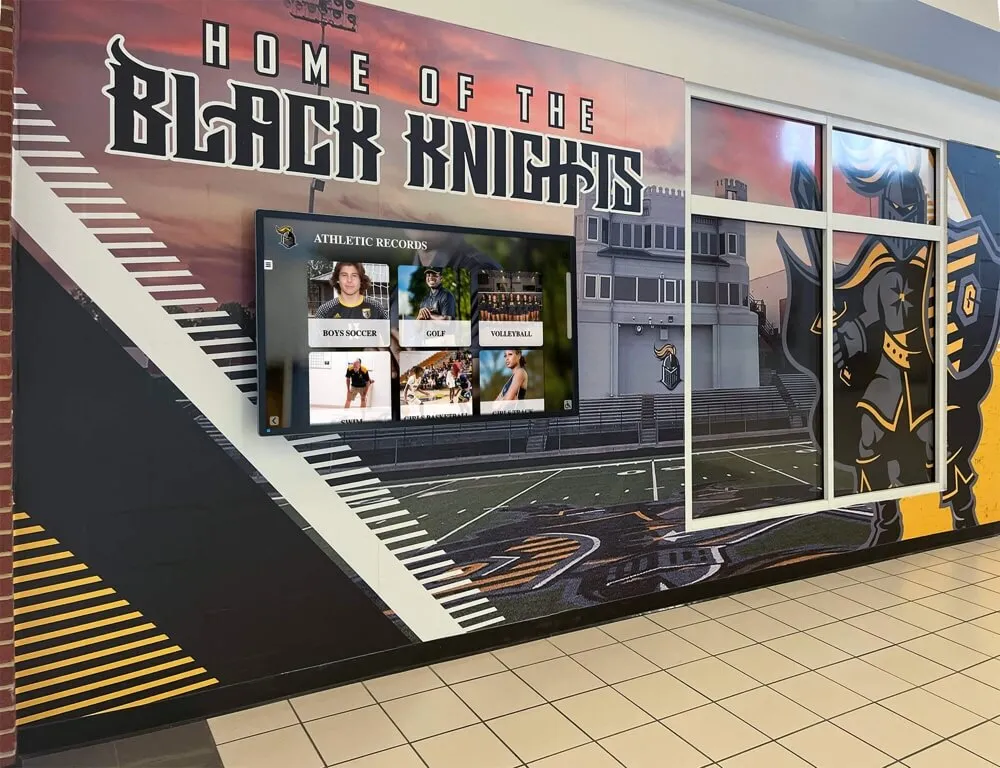
- Record boards tracking performance standards and motivating pursuit
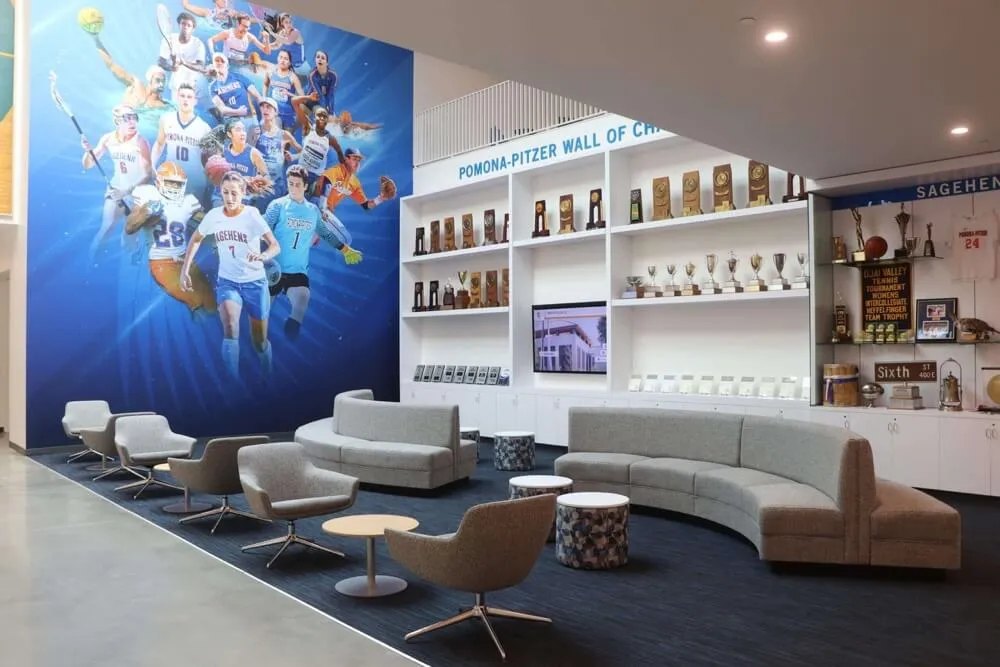
- Championship banners and trophies creating visible tradition
- Social media and digital platforms amplifying athlete recognition
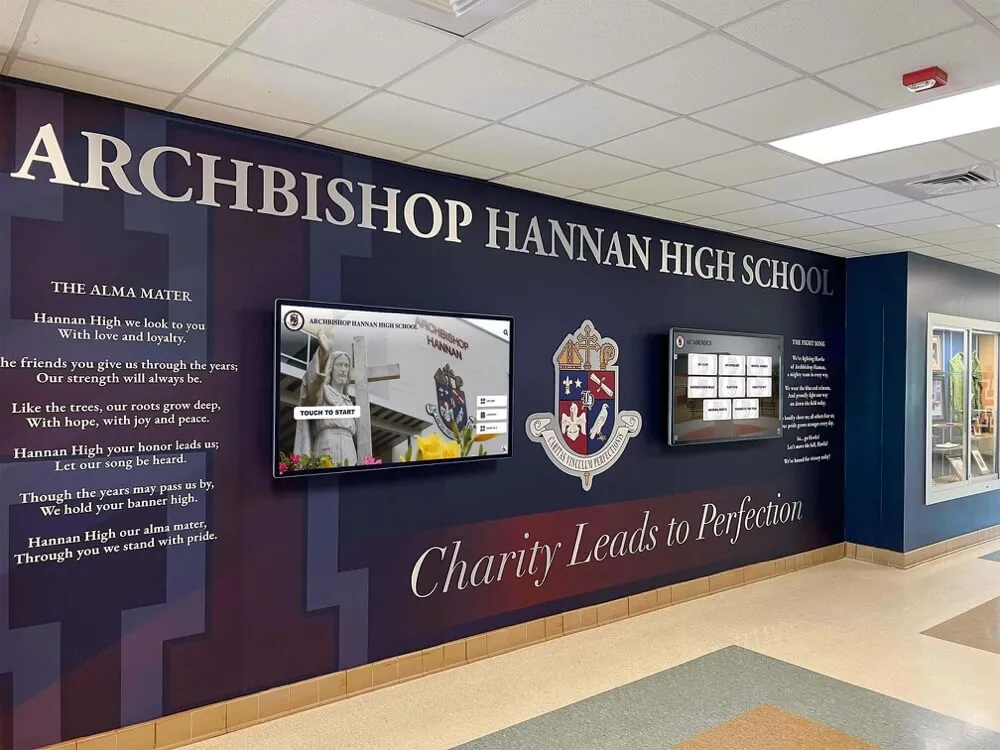
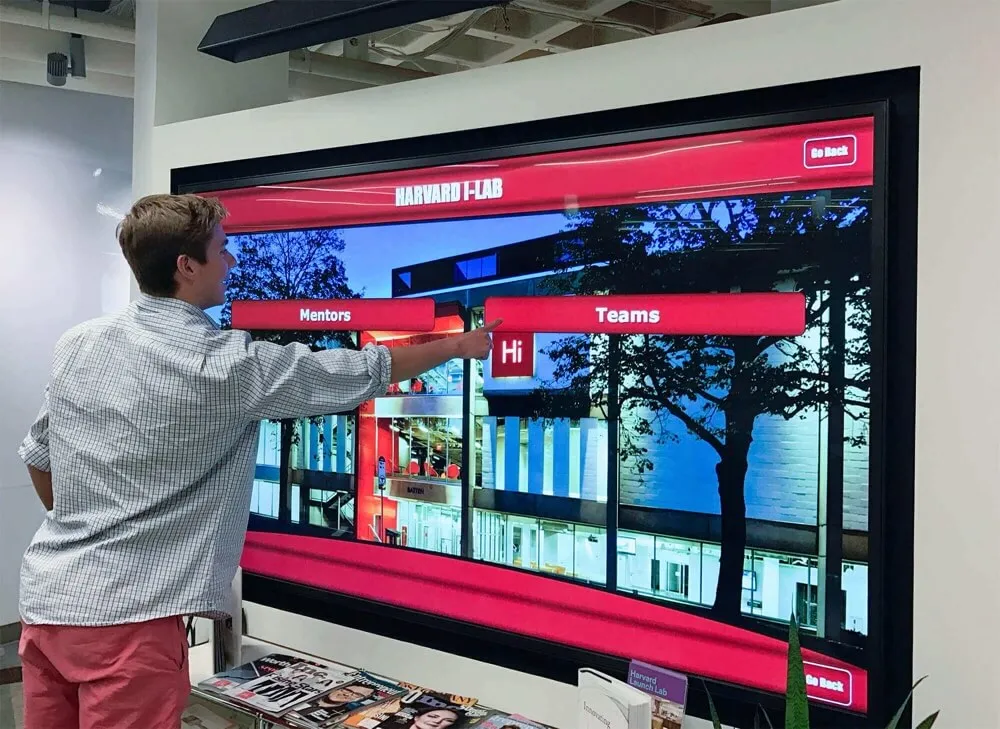
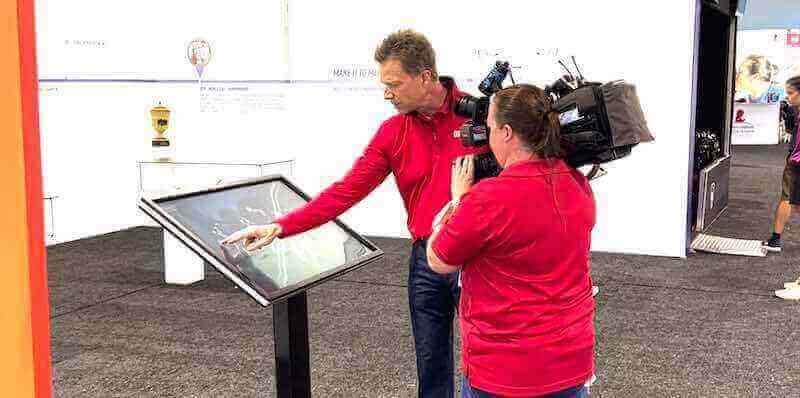
Solutions like digital recognition displays from Rocket Alumni Solutions enable high schools to implement collegiate-level recognition systems that celebrate athletes comprehensively while fitting secondary education budgets and staff capacity.
Structured Academic Support:
Balancing athletics with academic requirements receives dedicated attention:
- Academic advisors understanding athlete scheduling challenges
- Study halls and tutoring specifically for student-athletes
- Grade monitoring systems identifying struggling students early
- Time management and organizational skill development
- College recruiting assistance and eligibility guidance
Professional Program Operations:
Administrative and operational excellence characterizes successful programs:
- Clear communication systems for athletes, parents, and staff
- Organized scheduling minimizing conflicts and maximizing efficiency
- Professional branding and marketing creating program identity
- Fundraising and booster organization supporting program needs
- Strategic planning with measurable goals and accountability
Leadership and Life Skills Development:
Preparation extends beyond sport-specific skills to broader development:
- Captains’ councils and athlete leadership opportunities
- Community service and engagement initiatives
- Character development and values education
- Career exploration and life planning
- Alumni mentorship connecting current athletes with successful graduates
Adapting Collegiate Elements for High School Context
Simply copying collegiate programs without adaptation creates challenges. Effective implementation requires thoughtful modification:
Scale Appropriately:
High school programs serve different populations with different needs:
- Smaller athlete cohorts require less extensive facilities
- Broader participation focus versus elite specialization at colleges
- Age-appropriate training intensities and volume
- Budget realities requiring prioritization and phased implementation
- Staff capacity typically more limited than collegiate programs
Maintain Educational Priority:
High schools serve broader educational missions than collegiate athletics:
- Academic requirements take precedence over athletic commitments
- Multi-sport participation encouraged rather than single-sport specialization
- Broader student body inclusion versus exclusive athletic focus
- Developmentally appropriate expectations for adolescent athletes
- Family engagement and communication more extensive than college level
Create Sustainable Operations:
Long-term viability requires realistic approaches:
- Staff workload manageable without unsustainable expectations
- Budget commitments aligned with available resources
- Community support built through inclusive engagement
- Gradual implementation allowing learning and adjustment
- Flexibility adapting to changing needs and circumstances
The most successful programs cherry-pick collegiate elements delivering maximum impact within high school constraints rather than attempting complete replication of college models.
Developing Collegiate-Level Training and Performance Programs
Training infrastructure and programming provide the foundation for collegiate-style athletic experiences.
Strength and Conditioning Programs
Systematic strength development distinguishes collegiate preparation from recreational athletics:
Facility Requirements and Equipment:
Dedicated strength training spaces need not match college scale to provide effectiveness:
- Free weights including barbells, dumbbells, and weight plates
- Power racks and benching stations for fundamental lifts
- Platforms for Olympic lifting when appropriate
- Resistance machines supplementing free weight work
- Adequate flooring protecting equipment and facility
Schools lacking dedicated weight rooms can begin with modest equipment in multi-purpose spaces, expanding as programs grow and funding allows.
Periodized Training Programs:
Systematic programming prevents haphazard workouts:
- Off-season development focusing on strength and conditioning base
- Pre-season preparation transitioning to sport-specific demands
- In-season maintenance preserving gains during competition
- Post-season recovery and assessment before new cycles
- Individual programming accommodating athlete differences and needs
Qualified strength coaches or athletic directors with certifications ensure safe, effective programming appropriate for adolescent athletes.
Multi-Sport Coordination:
Many high school athletes participate in multiple sports:
- Communication between coaches preventing overtraining
- Transition planning between sport seasons
- Recognition of accumulated training loads across sports
- Flexibility adapting to individual athlete schedules
- Education helping athletes manage multi-sport demands
Progress Tracking and Testing:
Measurable assessment motivates athletes and guides programming:
- Baseline testing establishing starting points
- Periodic reassessment documenting improvement
- Individual goal-setting based on assessments
- Recognition for achievement milestones
- Data-informed program adjustments
Digital tracking systems simplify recording and analyzing athlete progress over time, creating motivation through visible improvement documentation.
Essential Training Program Elements
- Proper movement patterns: Teaching fundamental techniques before loading
- Progressive overload: Systematic increases in training demands
- Recovery emphasis: Adequate rest preventing overtraining
- Sport-specific transfer: Training addressing actual competition demands
- Injury prevention focus: Addressing common injury mechanisms proactively
- Individual modification: Accommodating athlete differences and limitations
Sports Medicine and Athletic Training Support
Injury management and prevention programs demonstrate commitment to athlete welfare:
Athletic Training Services:
Schools partnering with certified athletic trainers provide critical support:
- Pre-participation physical screening identifying risk factors
- Injury evaluation and initial treatment
- Rehabilitation programming for injured athletes
- Return-to-play protocols ensuring safe competition resumption
- Education about injury prevention and self-care
Many schools contract with local hospitals, sports medicine clinics, or colleges for athletic training coverage at minimal or donated cost.
Injury Prevention Programming:
Proactive approaches reduce injury rates:
- Movement screening identifying athletes at elevated risk
- Corrective exercise addressing movement deficiencies
- Sport-specific injury prevention protocols
- Proper warm-up and cool-down procedures
- Equipment fitting and maintenance ensuring safety
Emergency Action Planning:
Collegiate-level preparation for serious injuries:
- Written emergency action plans for all venues
- Staff training in CPR, first aid, and emergency response
- Communication systems for emergency situations
- AED placement and staff training
- Regular practice and review of emergency procedures
Performance Analysis and Video Review
Technology makes collegiate-level analysis accessible to high school programs:
Video Recording and Review:
Affordable cameras and software enable systematic analysis:
- Practice and competition recording for technical analysis
- Individual skill development through video review
- Opponent scouting and game planning
- Athlete self-analysis promoting ownership of development
- Coaching feedback supplemented by visual evidence
Performance Metrics and Analytics:
Quantifying performance guides improvement:
- Game statistics tracking individual and team performance
- Practice intensity monitoring through GPS or heart rate data
- Efficiency metrics identifying improvement opportunities
- Trend analysis showing development over time
- Benchmarking against team standards or external comparisons
Opponent Scouting:
Preparation distinguishes competitive programs:
- Film exchange with opponents when possible
- Systematic analysis of opponent tendencies
- Game planning informed by opponent-specific insights
- Athlete education about opponent strategies and personnel
- Adjustment capacity during competitions based on analysis
Digital platforms simplify video sharing, analysis, and collaboration among coaching staffs while enabling athletes to access individual development content remotely.
Creating Professional Athletic Facilities and Environments
Physical spaces communicate program values and enhance athlete experience dramatically.
Facility Assessment and Strategic Improvement
Rather than wholesale reconstruction, strategic enhancements deliver significant impact:
Current State Analysis:
Understand existing conditions before planning:
- Facility inventory documenting all athletic spaces
- Condition assessment identifying maintenance needs
- Capacity evaluation comparing spaces to program needs
- Safety audit ensuring compliance and athlete protection
- Aesthetic review considering visual impression and atmosphere
Priority Identification:
Limited resources require strategic allocation:
- High-visibility areas impacting recruitment and daily experience
- Safety-critical improvements protecting athlete welfare
- Functionality enhancements enabling better programming
- Recognition opportunities celebrating athlete achievement
- Community gathering spaces supporting culture development
Many schools find that investing in digital recognition systems and athlete gathering areas creates more program impact than expensive competition facility upgrades, as these improvements affect daily athlete experience rather than occasional competitions.
Locker Room and Athlete Space Enhancement
Daily athlete environments shape experience and culture:
Functional Improvements:
Basic enhancements transform utilitarian spaces:
- Adequate, secure storage for each athlete’s belongings
- Sufficient seating for team meetings and preparation
- Improved lighting creating professional atmosphere
- Fresh paint in team colors establishing identity
- Flooring upgrades improving cleanliness and appearance
Recognition Integration:
Celebrating achievement in athlete spaces:
- Championship banners and photos documenting tradition
- Individual achievement recognition on walls or displays
- Digital displays showcasing current rosters and statistics
- Motivational messaging reinforcing program values
- Historical photos connecting current athletes to tradition
Technology Integration:
Modern amenities athletes expect:
- Device charging stations for phones and tablets
- WiFi access enabling digital engagement
- Video displays for team meetings and film review
- Sound systems for announcements and atmosphere
- Digital whiteboards for coaching communication
Competition Venue Enhancements
Game-day environments impact athlete performance and recruiting impressions:
Spectator Experience Improvements:
Creating atmosphere supporting home-field advantage:
- Adequate seating capacity for community attendance
- Concession and restroom facilities serving crowds
- Parking and traffic flow managing game-day logistics
- Lighting enabling evening competitions and visibility
- Sound systems for announcements and atmosphere
Athlete-Focused Enhancements:
Competition space improvements directly affecting performance:
- Playing surface quality and maintenance
- Proper field or court dimensions and markings
- Safety features like padding and protective equipment
- Scoreboard and timing systems meeting sport requirements
- Bench areas providing adequate space and organization
Recognition and Tradition Display:
Venues communicating program excellence:
- Championship banners displayed prominently
- Retired numbers honoring distinguished athletes
- Record boards establishing performance standards
- Hall of fame recognition near primary venues
- Professional signage and branding creating identity
Schools can implement state championship displays that transform competition venues into celebrations of program achievement while motivating current athletes to add their own championships.
Athletic Performance Centers and Training Facilities
Dedicated training spaces enable comprehensive programming:
Space Planning and Multi-Use Design:
Efficient facilities serve multiple functions:
- Open floor space accommodating diverse training activities
- Storage for equipment and supplies
- Designated areas for different training modalities
- Flexibility adapting to various sport needs
- Adequate capacity for multiple teams or groups
Equipment Selection and Acquisition:
Strategic purchasing maximizes utility:
- Fundamental equipment serving broad training needs
- Quality over quantity ensuring safety and longevity
- Gradual expansion as budgets and needs grow
- Maintenance planning extending equipment lifespan
- Used or donated equipment supplementing new purchases
Safety and Supervision:
Creating secure training environments:
- Adequate supervision during all training sessions
- Safety rules and expectations clearly communicated
- Emergency equipment and procedures established
- Regular equipment inspection and maintenance
- Qualified instruction ensuring proper technique
Implementing Comprehensive Digital Recognition Systems
Modern recognition distinguishes collegiate-level programs through systematic achievement celebration.
Digital Display Systems for Athletic Recognition
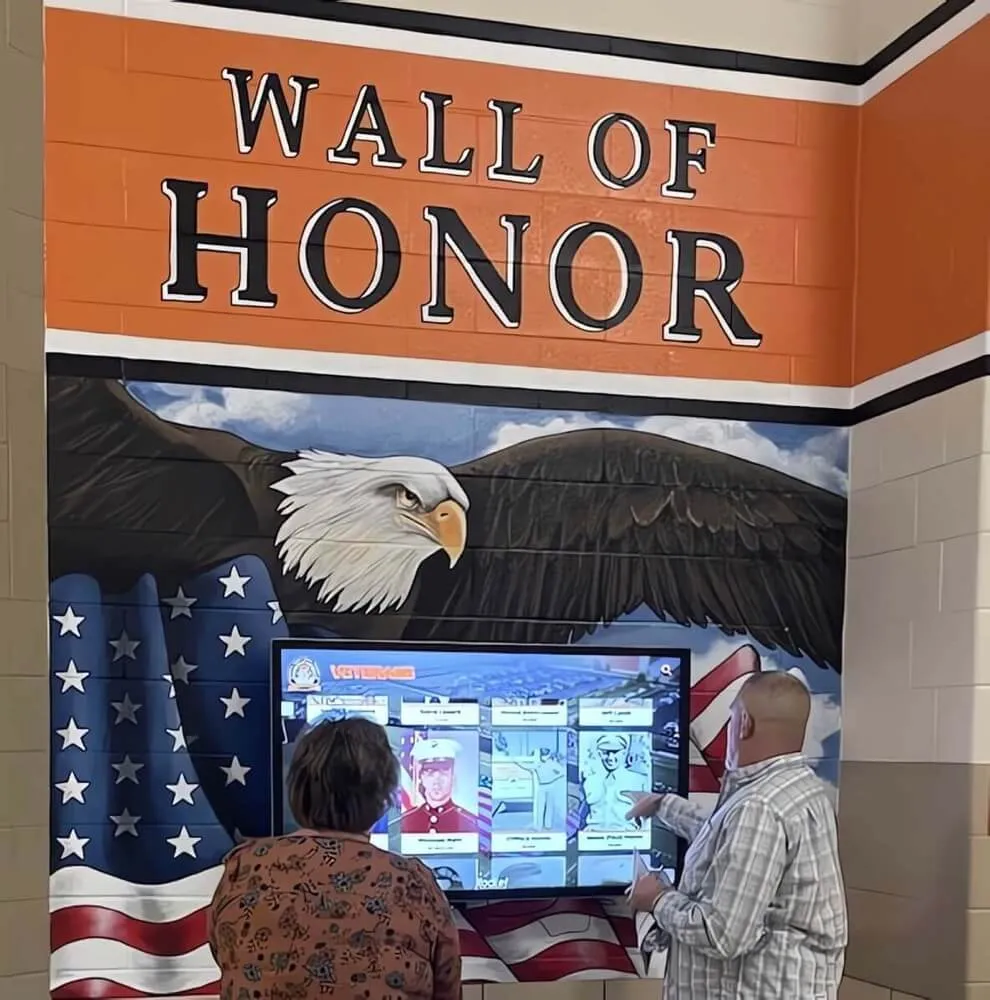
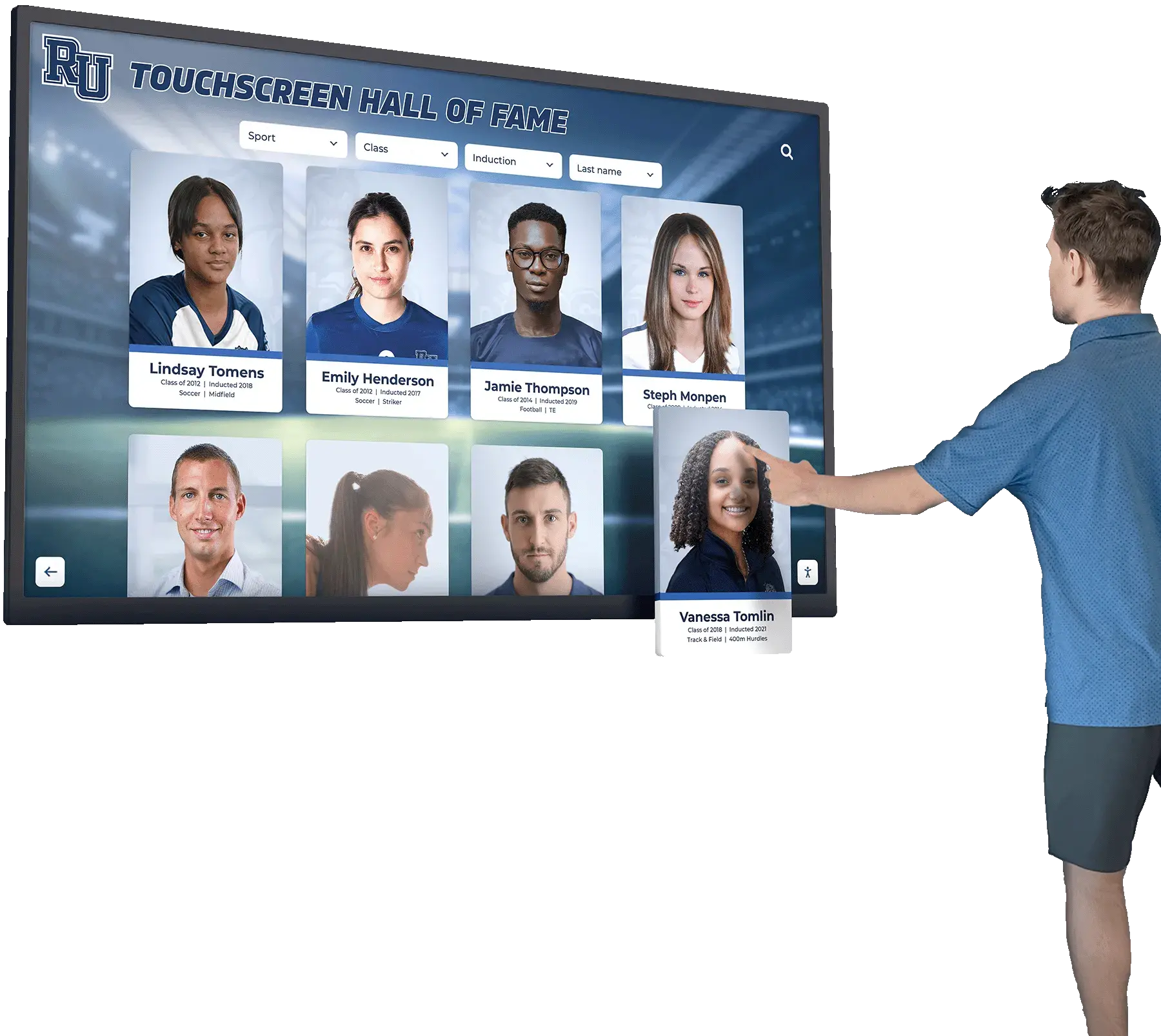
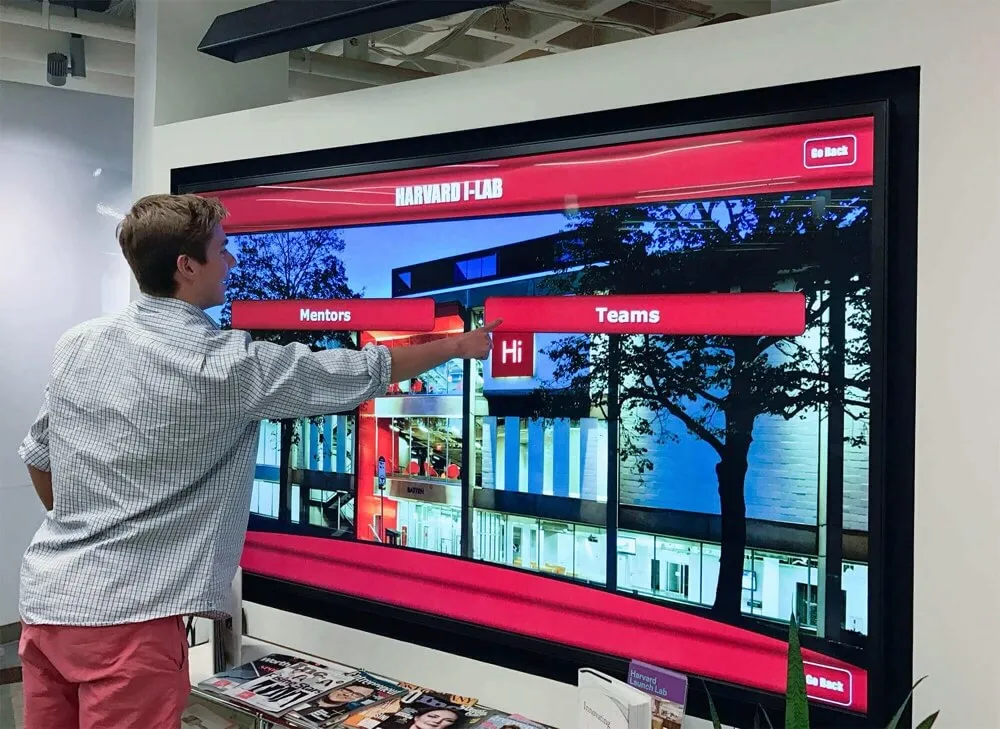
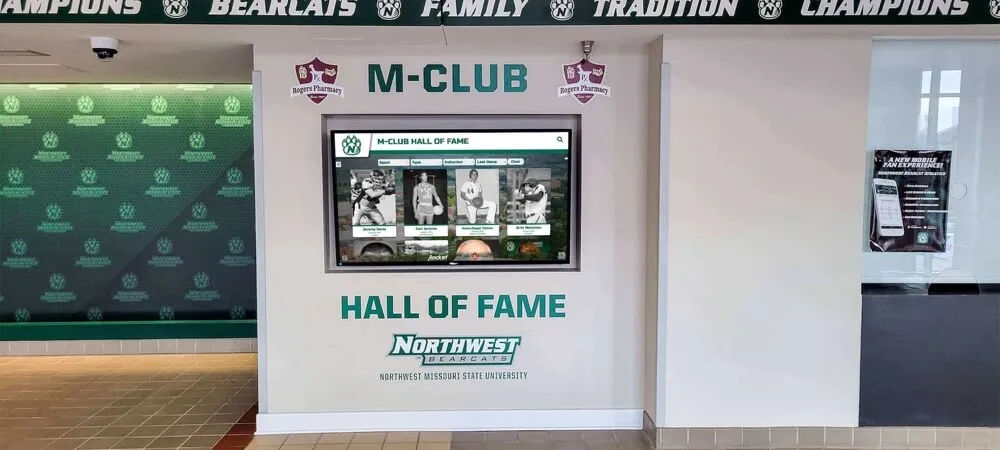
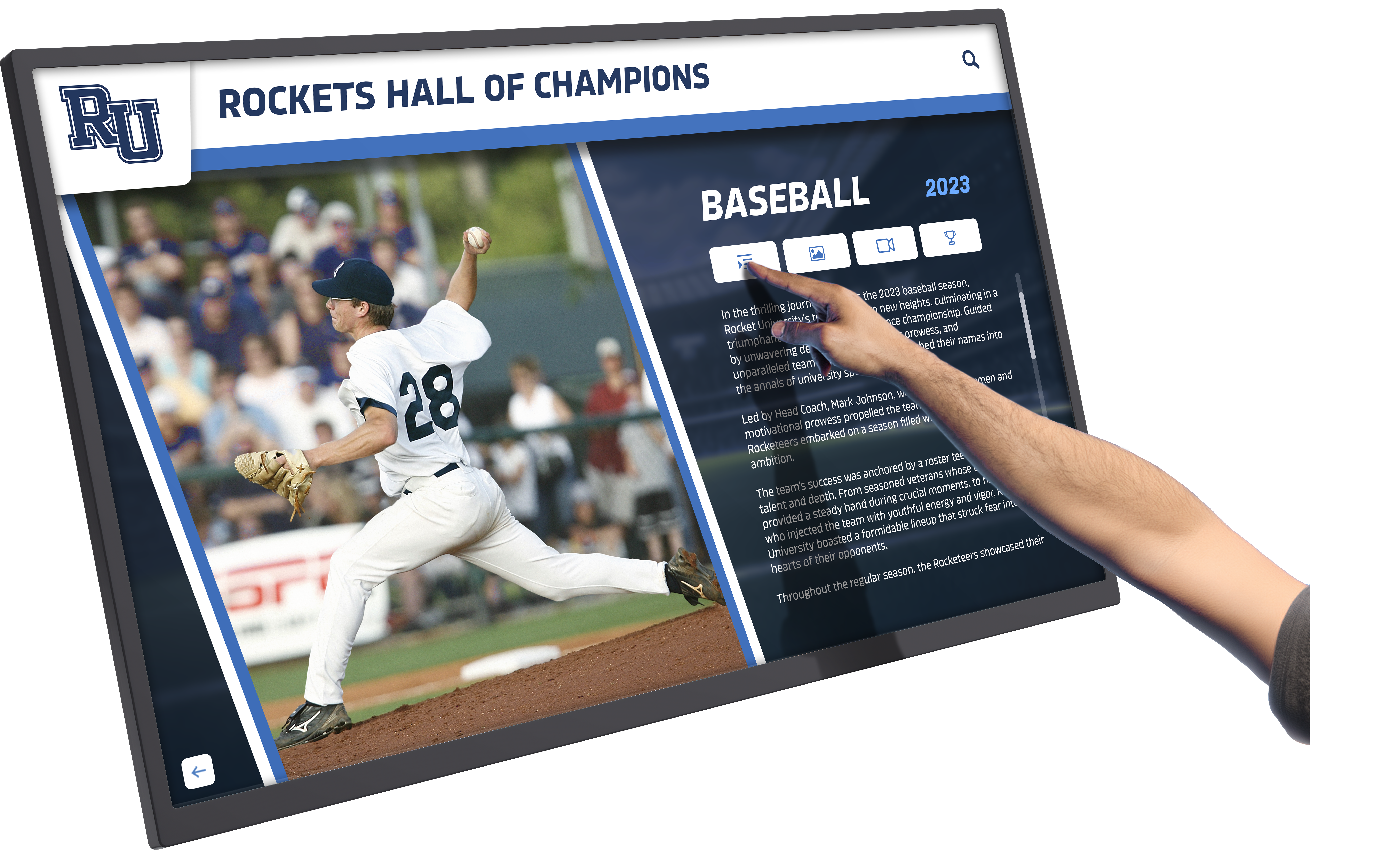
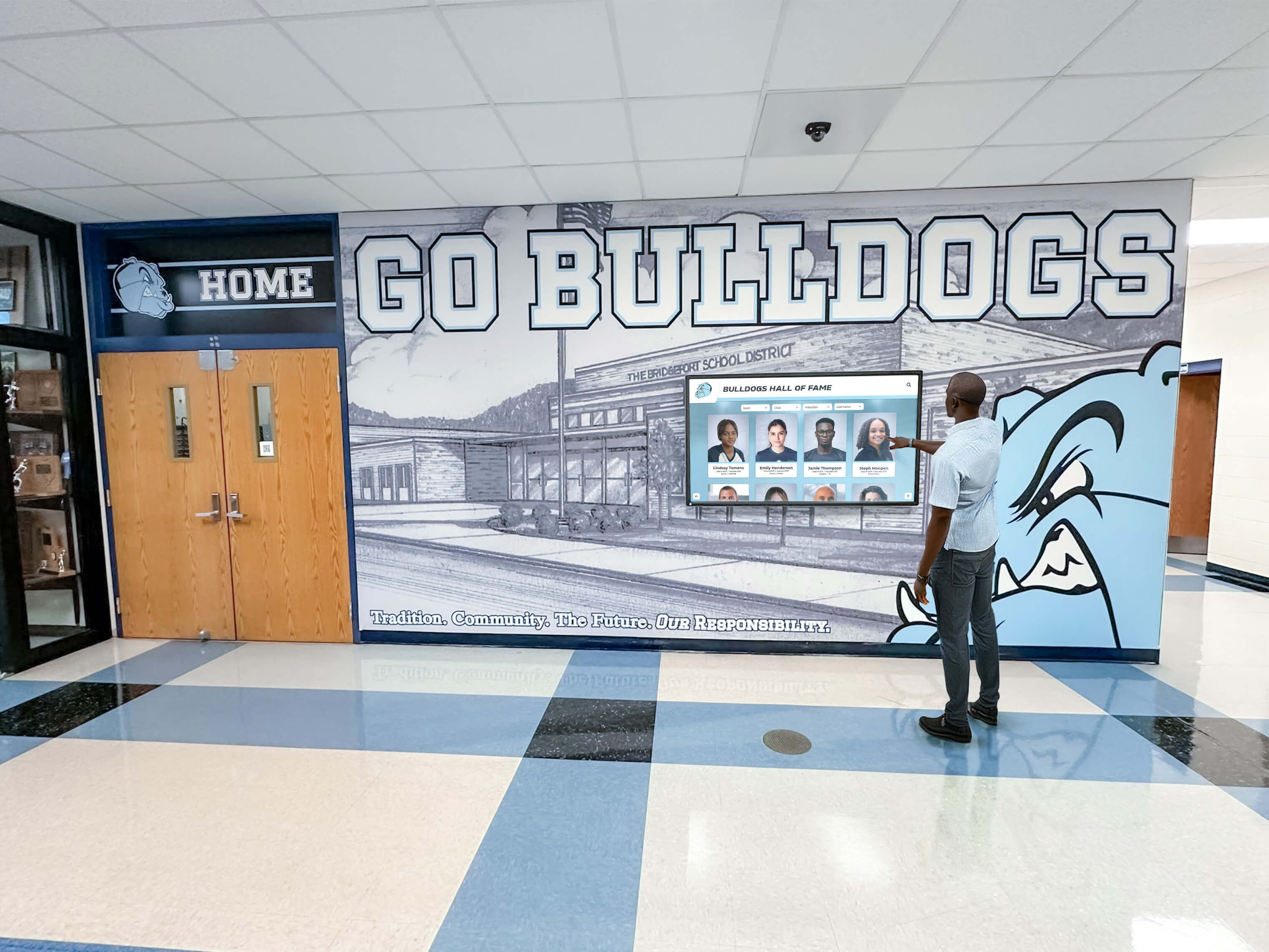
Interactive touchscreens offer unlimited recognition capacity:
Content Categories for Comprehensive Recognition:
Effective displays celebrate diverse achievements:
- Current team rosters with athlete profiles and photos
- Season statistics and performance leaders
- Championship teams and tournament results
- Individual record holders and achievement milestones
- All-state athlete recognition and external honors
- College commitment announcements and placement
- Hall of fame inductees and program legends
- Historical photos and program timeline
Strategic Placement for Maximum Impact:
Location determines engagement and recruitment value:
- Athletic facility lobbies greeting arrivals
- Main hallways with high daily foot traffic
- Gymnasium concourses where spectators gather
- Weight rooms and training facilities
- Coaching offices for recruiting discussions
Management and Content Updates:
Sustainable systems require easy maintenance:
- User-friendly platforms enabling non-technical staff updates
- Regular update schedules keeping content current
- Submission processes for coaches to contribute content
- Quality standards ensuring professional presentation
- Analytics showing what content engages viewers most
Digital recognition platforms like those from Rocket Alumni Solutions provide turnkey systems designed specifically for secondary schools, combining collegiate-level sophistication with interfaces athletic directors can manage without technical expertise.
Social Media and Digital Platforms
Extending recognition beyond physical displays:
Platform Strategy and Content Planning:
Systematic approaches prevent sporadic, inconsistent posting:
- Platform selection matching target audiences
- Content calendars planning recognition systematically
- Diverse content types maintaining engagement
- Athlete features celebrating individual stories
- Behind-the-scenes content building program connection
Athlete Spotlight Programs:
Regular features celebrating individual student-athletes:
- Weekly or monthly athlete recognition
- Academic and athletic achievement highlighting
- Personal interest stories humanizing athletes
- Multi-sport athlete recognition
- Senior spotlight series celebrating graduating athletes
Game Recaps and Season Narratives:
Storytelling creating community engagement:
- Timely game summaries with photos and highlights
- Season progression narratives building excitement
- Championship journeys documenting special seasons
- Statistical leaders and record achievements
- Coach and athlete quotes providing perspective
Record Boards and Achievement Tracking
Performance standards motivate current athletes:
Digital Record Board Implementation:
Modern systems update easily as records fall:
- Comprehensive record categories across all sports
- Historical record progression showing improvement over time
- Near-miss tracking when athletes approach records
- Context providing perspective on record significance
- Photos and details about record holders
Schools can explore basketball record board solutions and sport-specific systems that integrate with broader recognition platforms.
All-Time Achievement Lists:
Beyond single-season records:
- Career statistical leaders in relevant categories
- Most decorated athletes across achievements
- Championship participant rosters
- Significant milestone achievements
- Comparative rankings creating friendly competition
Current Season Tracking:
Real-time recognition during active competition:
- Season statistical leaders updated regularly
- Team performance metrics and goals
- Individual achievement countdown when approaching milestones
- Weekly or monthly performance recognition
- Social media integration amplifying recognition
Recognition System Benefits
Comprehensive digital recognition delivers multiple program advantages:
- Recruitment differentiation: Professional recognition impresses visiting prospects and families
- Athlete motivation: Visible achievement standards create clear performance goals
- Community engagement: Accessible recognition builds pride and support
- Alumni connection: Historical content maintains relationships with former athletes
- Program marketing: Shareable digital content amplifies program visibility
- Cultural reinforcement: Systematic recognition demonstrates institutional values
Building Collegiate-Level Academic Support and Life Skills Programming
Comprehensive athlete development extends beyond physical training and competition.
Academic Support Systems for Student-Athletes
Balancing athletic and academic demands requires structured support:
Study Hall and Tutoring Programs:
Dedicated academic support for athletes:
- Scheduled study halls during off-season or designated times
- Subject-specific tutoring from teachers or qualified students
- Homework support and assignment completion monitoring
- Test preparation assistance for important assessments
- Organizational skill development and planning
Grade Monitoring and Early Intervention:
Proactive approaches prevent academic struggles:
- Regular grade checks identifying struggling students early
- Teacher communication about athlete academic performance
- Eligibility tracking ensuring competition qualification
- Parent notification when intervention needed
- Individual academic improvement plans for at-risk athletes
College Recruiting and Eligibility Guidance:
Preparing athletes for next-level opportunities:
- NCAA and NAIA eligibility requirements education
- Core course selection ensuring qualification
- Standardized test preparation and registration
- Recruiting timeline and process education
- Profile development for recruiting platforms
Many athletes and families lack understanding of college recruiting realities and requirements. Systematic education prevents eligibility issues while managing expectations appropriately.
Leadership Development and Captains Programs
Cultivating athlete leaders strengthens program culture:
Captains’ Selection and Training:
Systematic approaches to leadership development:
- Clear criteria for captain selection
- Formal training about leadership responsibilities
- Regular captain meetings with coaching staff
- Leadership skill development through workshops or speakers
- Accountability for team culture and peer leadership
Peer Mentorship Programs:
Veteran athletes supporting younger teammates:
- Upperclassmen mentoring freshmen and new athletes
- Sport-specific guidance about program expectations
- Academic support and advice from experienced students
- Social integration helping new athletes feel welcomed
- Tradition education connecting athletes to program history
Community Service and Engagement:
Developing citizens beyond athletes:
- Team service projects benefiting local community
- Youth coaching and sports camp opportunities
- School event participation demonstrating leadership
- Charity fundraising or awareness initiatives
- Reflection and discussion about service experience
Mental Performance and Wellness Support
Addressing psychological aspects of competition:
Mental Skills Training:
Performance psychology supporting competition success:
- Goal-setting frameworks creating clear targets
- Visualization and mental rehearsal techniques
- Self-talk strategies managing internal dialogue
- Focus and concentration skill development
- Confidence-building through preparation and mindset
Pressure Management:
Helping athletes handle competition demands:
- Pre-competition routines establishing consistency
- Anxiety management techniques
- Resilience development after setbacks or failures
- Perspective maintaining healthy balance
- Mindfulness or meditation practices when appropriate
Overall Wellness:
Holistic health beyond physical training:
- Sleep education emphasizing recovery importance
- Stress management across academic and athletic demands
- Healthy relationship development
- Time management skills
- Balance between athletics and other life areas
Schools can partner with sports psychologists, counselors, or local college programs to provide mental performance support without requiring dedicated staff positions.
Cultivating Collegiate-Style Program Culture and Values
Culture determines whether individual program elements cohere into transformative experiences.
Defining and Communicating Program Standards
Explicit values guide athlete behavior and program decisions:
Core Value Identification:
Articulating what your program represents:
- Excellence in competition and personal development
- Accountability for individual and team performance
- Respect for teammates, opponents, coaches, and officials
- Commitment to program requirements and expectations
- Discipline in training, preparation, and conduct
- Unity across teams and graduating classes
Expectation Documentation:
Written standards prevent confusion:
- Athletic handbooks documenting policies and expectations
- Training requirements and attendance policies
- Academic standards for participation
- Conduct expectations in and out of competition
- Social media guidelines and representation expectations
- Consequences for policy violations
Consistent Enforcement:
Standards mean nothing without accountability:
- Fair, consistent application across all athletes
- Immediate addressing of violations
- Progressive discipline for repeated issues
- Recognition for athletes exemplifying standards
- Regular review and discussion of expectations
Building Tradition and Program Identity
Connecting current athletes to program history:
Tradition Education:
Helping athletes understand what they’re joining:
- New athlete orientation introducing program history
- Facility tours highlighting recognition and achievements
- Alumni speaker series connecting generations
- Documentary or video content about program legacy
- Written materials documenting program story
Effective athletic history displays serve as constant reminders of program tradition while inspiring current athletes to add their contributions.
Rituals and Ceremonies:
Creating memorable program experiences:
- Pre-season ceremonies welcoming new athletes
- Senior night celebrations honoring graduating athletes
- Championship celebrations when teams achieve success
- Year-end banquets recognizing achievement
- Award presentations celebrating individual excellence
Visual Identity and Branding:
Professional presentation creating pride:
- Consistent logos and branding across materials
- Quality uniforms and competition apparel
- Training gear establishing program identity
- Facility signage and decoration reinforcing brand
- Digital presence reflecting professional standards
Creating Athlete Ownership and Buy-In
Culture succeeds when athletes embrace rather than endure it:
Athlete Voice and Input:
Including athletes in program decisions:
- Captain councils providing athlete perspective
- Feedback mechanisms for program evaluation
- Athlete participation in goal-setting
- Team-building activity planning by athletes
- Recognition of athlete initiatives and leadership
Shared Responsibility for Culture:
Athletes maintaining standards:
- Peer accountability for training effort and attendance
- Team leaders addressing conduct issues
- Athlete-driven recognition of teammate excellence
- Ownership of training spaces and equipment
- Pride in program reputation and representation
Goal-Setting and Progress Tracking:
Creating investment through measurable targets:
- Individual performance goals developed with coaches
- Team goals for season outcomes and improvement
- Progress check-ins celebrating achievement
- Adjustment and refinement as seasons progress
- Recognition when goals are achieved
Programs where athletes feel ownership rather than subjection to adult-imposed requirements experience dramatically higher engagement, effort, and culture quality.
Recruiting and Marketing Your Collegiate-Level Program
Creating exceptional experiences matters little if talented athletes don’t know about your program.
Recruiting Strategy and Outreach
Attracting talented athletes requires intentional efforts:
Feeder Program Relationships:
Building connections with youth sports organizations:
- Camps and clinics introducing youth athletes to your program
- Coaches’ relationships with youth program leaders
- Facility access for youth programs building connections
- Demonstration events showcasing high school athletes
- Clear pathways from youth to high school programs
Open Houses and Campus Visits:
Showcasing program features to prospective athletes:
- Facility tours highlighting training and competition spaces
- Coach introductions and program overview presentations
- Current athlete panels answering prospect questions
- Academic support and college recruiting information
- Recognition displays demonstrating program tradition
Multi-Sport Athlete Recruitment:
Many schools find greatest success recruiting athletes to participate in multiple sports rather than specializing early.
Digital Marketing and Social Media Presence
Modern families research programs online before visiting:
Website Development:
Professional online presence communicating program quality:
- Athletic department websites with comprehensive information
- Team pages featuring rosters, schedules, and results
- Coach profiles and contact information
- Facilities photos and virtual tours
- Recognition of achievements and traditions
Social Media Strategy:
Consistent, engaging digital presence:
- Regular posting maintaining visibility
- Athlete and team recognition celebrating achievements
- Behind-the-scenes content building connection
- Game announcements and results
- Community engagement and response to comments
Video Content:
Powerful storytelling through multimedia:
- Highlight videos from competitions
- Facility tours and program overview videos
- Athlete testimonials about program experience
- Championship recaps and season narratives
- Coach messaging about program philosophy
Community Engagement and Support Building
Local support sustains programs:
Booster Organization Development:
Organized supporters providing crucial resources:
- Structured fundraising supporting program needs
- Volunteer assistance with events and operations
- Community awareness and promotion
- Alumni engagement maintaining connections
- Additional resources beyond school budgets
Community Event Participation:
Building visibility and relationships:
- Local parades and celebrations with athlete participation
- Youth sports event involvement
- Community service visible to residents
- School event leadership by athletes
- Open practices or scrimmages for community attendance
Media Relations:
Local coverage amplifying program visibility:
- Press releases about significant achievements
- Coach availability for media interviews
- Photos and videos for media use
- Statistics and information provided timely
- Relationship building with local journalists
Strong community connections create attendance, support, and resources enabling program enhancement while building pride benefiting the entire school.
Implementation Planning and Phased Rollout
Transforming programs requires systematic approaches rather than haphazard changes.
Assessment and Planning Phase
Understanding current state and desired future:
Stakeholder Input and Needs Assessment:
Gathering perspectives from relevant groups:
- Coach surveys about program needs and priorities
- Athlete feedback about experience and desires
- Parent input about program strengths and opportunities
- Administrator perspective on resources and constraints
- Community feedback about program perception
Resource Inventory:
Cataloging available assets:
- Facility assessment documenting current spaces
- Equipment inventory identifying existing resources
- Budget analysis understanding financial capacity
- Staff capacity evaluation considering workload realities
- Community resource identification finding potential partners
Priority Setting:
Identifying highest-impact improvements:
- Low-cost, high-impact quick wins building momentum
- Foundational investments enabling future enhancements
- Recruiting differentiators impressing visiting prospects
- Safety-critical improvements protecting athletes
- Culture elements requiring no budget investment
Phased Implementation Strategy
Systematic rollout prevents overwhelming staff and budgets:
Phase 1 - Foundation Building (Year 1):
Establishing cultural and operational basics:
- Program values and standards definition
- Basic recognition system implementation
- Fundamental training program development
- Academic support framework establishment
- Communication system improvement
Many schools begin with digital recognition displays as first major investments because they deliver immediate recruiting impact while requiring minimal ongoing staff burden compared to facility construction or program expansion.
Phase 2 - Program Development (Year 2-3):
Expanding athlete services and support:
- Strength and conditioning program enhancement
- Sports medicine partnership development
- Leadership and life skills programming
- Video analysis system implementation
- Social media and marketing strategy
Phase 3 - Facility Enhancement (Year 3-5):
Physical space improvements as resources allow:
- Weight room upgrade or construction
- Locker room renovation
- Training facility development
- Competition venue improvements
- Athletic center or performance center construction
Phase 4 - Optimization and Expansion (Year 5+):
Refining and scaling successful initiatives:
- Program assessment and continuous improvement
- Expansion to underserved sports or athlete groups
- Advanced technology and analytics integration
- Regional or national program recognition pursuit
- Sustainability planning for long-term success
Budget Development and Fundraising
Financing program transformation:
Cost Analysis and Prioritization:
Understanding financial requirements:
- Itemized costs for planned improvements
- One-time versus ongoing expense identification
- Required versus desired investment differentiation
- Timeline alignment with budget availability
- Alternative options at different price points
Funding Source Identification:
Multiple revenue streams support programs:
- School budget allocations
- Booster organization fundraising
- Corporate sponsorships and partnerships
- Grant applications to relevant foundations
- Facility naming rights for major improvements
- Alumni giving campaigns
- Community fundraising events
Phased Funding Strategy:
Matching implementation to resource availability:
- Self-funding initial low-cost improvements
- Grant applications for specific enhancements
- Capital campaigns for major facility projects
- Annual giving supporting ongoing operations
- Endowment development for long-term sustainability
Measuring Success and Continuous Improvement
Assessing program effectiveness ensures accountability and guides optimization.
Key Performance Indicators
Quantifiable metrics demonstrate program impact:
Participation and Retention:
Growth indicates program attractiveness:
- Total athlete participation across all sports
- Year-over-year growth in participation rates
- Multi-sport athlete percentages
- Retention rates season-to-season
- Graduating senior participation rates
Academic Performance:
Student-athlete academic success:
- Team GPA compared to overall school population
- Eligibility rates meeting participation requirements
- College enrollment rates for graduating athletes
- Scholarship offers and values
- Academic honor recipients
Competitive Success:
Performance outcomes on fields and courts:
- Win-loss records and improvement trends
- Championship qualifications and titles
- All-conference and all-state recognition frequency
- College recruitment and commitment rates
- Record-breaking performances
Community Engagement:
Support and awareness metrics:
- Game attendance and spectator trends
- Booster organization membership and contributions
- Social media followers and engagement rates
- Media coverage frequency and quality
- Community perception surveys
Culture and Satisfaction:
Qualitative assessment of experience:
- Athlete satisfaction survey results
- Parent feedback and program ratings
- Coach retention and satisfaction
- Alumni engagement levels
- Team cohesion and culture indicators
Feedback Systems and Program Evaluation
Systematic assessment informs improvement:
Annual Surveys:
Regular feedback collection from stakeholders:
- End-of-season athlete surveys
- Parent feedback surveys
- Coach assessment and recommendations
- Alumni input about program development
- Community perception surveys
Focus Groups and Listening Sessions:
Deeper dialogue about program experience:
- Athlete focus groups discussing specific topics
- Parent forums for open dialogue
- Coach retreats for strategic planning
- Booster organization input sessions
- Community town halls for broader input
External Assessment:
Outside perspective providing fresh insights:
- Peer school visits observing comparable programs
- Consultant evaluation and recommendations
- Accreditation or recognition program participation
- Conference or association benchmarking
- National best practice research
Continuous Improvement Process
Ongoing refinement based on assessment:
Regular Review Cycles:
Systematic program evaluation:
- Annual comprehensive program assessment
- Quarterly progress reviews on key initiatives
- Seasonal debriefs after each sport concludes
- Monthly leadership team meetings
- Weekly operational check-ins
Responsive Adjustments:
Flexibility adapting to feedback and results:
- Program modifications based on assessment findings
- Resource reallocation to higher-impact areas
- New initiative testing and evaluation
- Unsuccessful program discontinuation
- Scaling successful pilot programs
Professional Development:
Ongoing coach and staff growth:
- Conference attendance for new ideas and networking
- Clinic participation for skill development
- Mentorship from successful programs
- Literature review of best practices
- Collaborative learning among staff
Programs committed to continuous improvement consistently outperform those assuming initial implementation represents completed work.
Conclusion: Creating Transformative Athletic Experiences
Implementing collegiate-level standards in high school athletic programs represents a significant undertaking requiring vision, resources, and sustained commitment. The rewards—enhanced athlete development, recruiting success, competitive excellence, community pride, and lasting impact on young people—justify the investment for schools willing to pursue excellence systematically.
The most successful programs recognize that creating a collegiate experience involves more than copying surface features of college athletics. It requires thoughtful adaptation of collegiate principles to high school contexts, strategic prioritization given resource constraints, comprehensive attention to athlete development beyond sport-specific skills, and sustained commitment to program culture and continuous improvement.
Whether your school possesses extensive resources or operates with significant budget limitations, opportunities exist to elevate your athletic program through strategic implementation of collegiate elements. Begin with assessment identifying highest-impact improvements, engage stakeholders building support and buy-in, implement systematically through phased approaches, and commit to ongoing evaluation and refinement ensuring programs deliver value for athletes, families, and communities.
The digital age enables schools of any size to implement recognition systems rivaling major colleges, as platforms designed specifically for secondary schools provide collegiate sophistication at accessible price points with minimal staff burden. Combined with systematic attention to training, academic support, leadership development, and culture, these recognition systems help create comprehensive experiences preparing student-athletes for collegiate competition while strengthening programs during recruitment and community engagement.
High school athletics at their best provide life-shaping experiences teaching lessons extending far beyond sports. Creating collegiate-level programs elevates these experiences, challenging young people to pursue excellence while providing support, recognition, and development opportunities they deserve. The investment required pales compared to the impact on hundreds of student-athletes over decades of program operation.
Ready to begin transforming your high school athletic program? Explore how comprehensive digital recognition solutions can provide the foundation for collegiate-level athlete recognition while fitting secondary school budgets and staff capacity. Discover effective approaches to athletic recognition programs that celebrate achievement systematically while building program culture. Learn about college commitment recognition displays showcasing your program’s success preparing athletes for next-level competition. Consider implementing honor roll recognition systems celebrating academic excellence alongside athletic achievement.
Your student-athletes deserve experiences preparing them comprehensively for future success. Your program deserves recognition attracting talented athletes while building community pride. With strategic planning, systematic implementation, and commitment to excellence, your high school can provide a truly collegiate athletic experience that transforms young lives while elevating your program to new levels of success.
Book a demo to see how Rocket Alumni Solutions can help you create a collegiate-level recognition program that celebrates your student-athletes and distinguishes your program during recruitment.