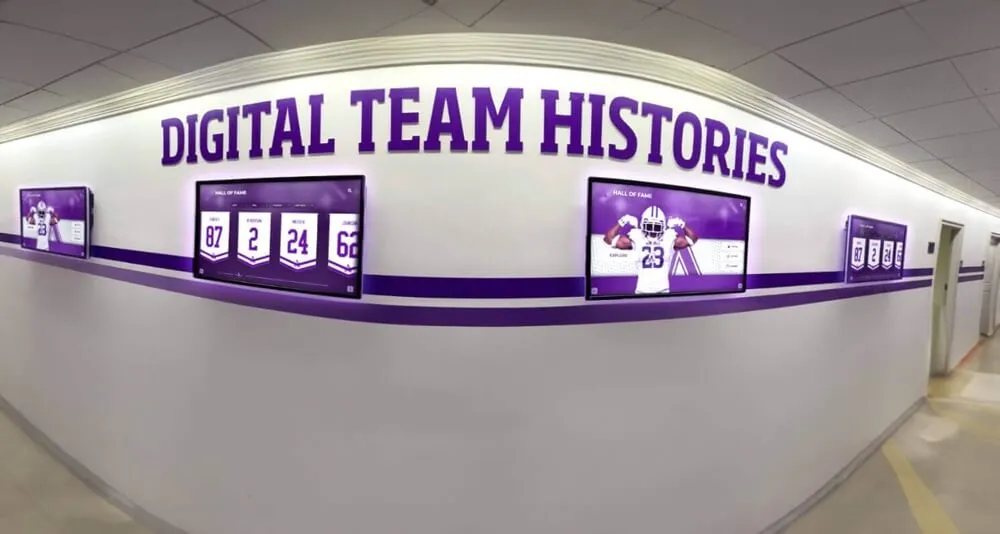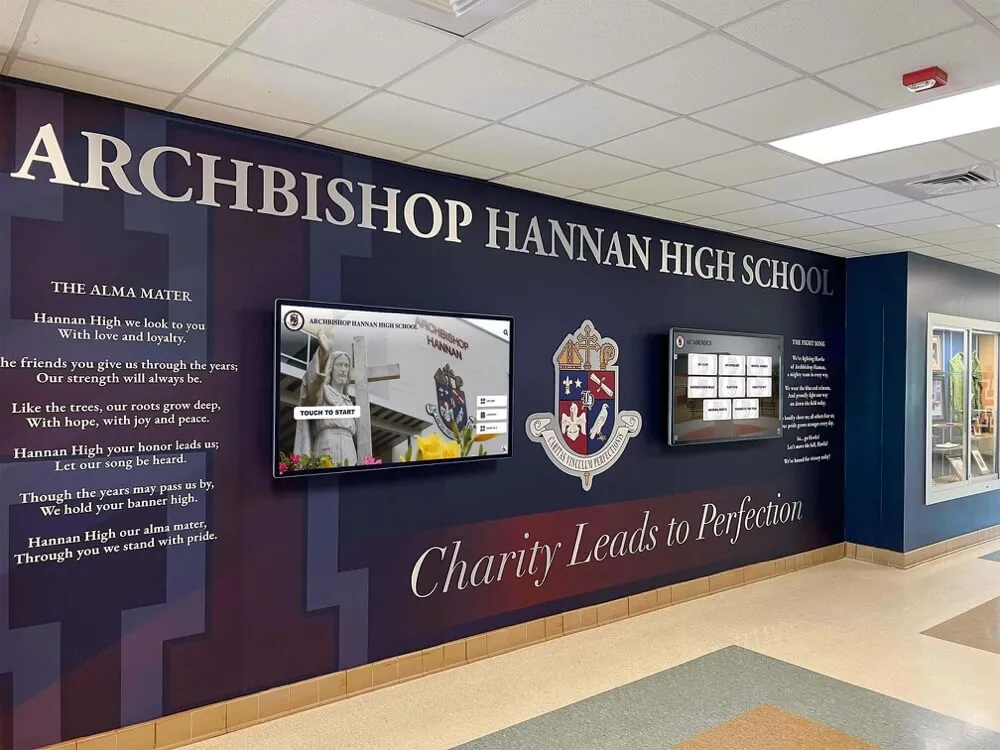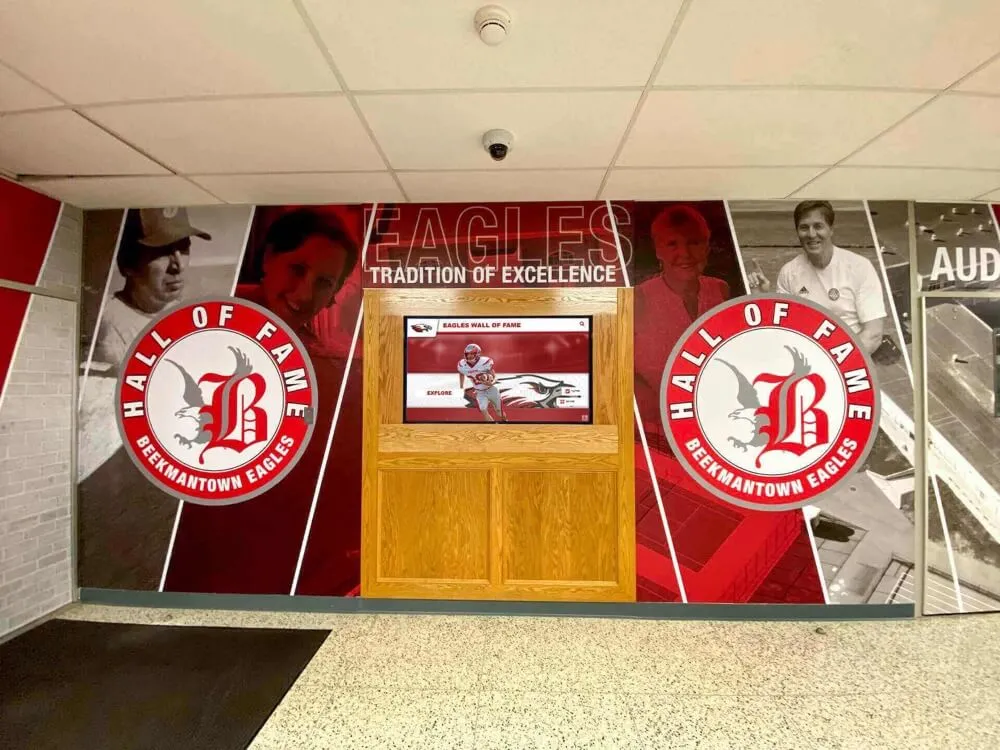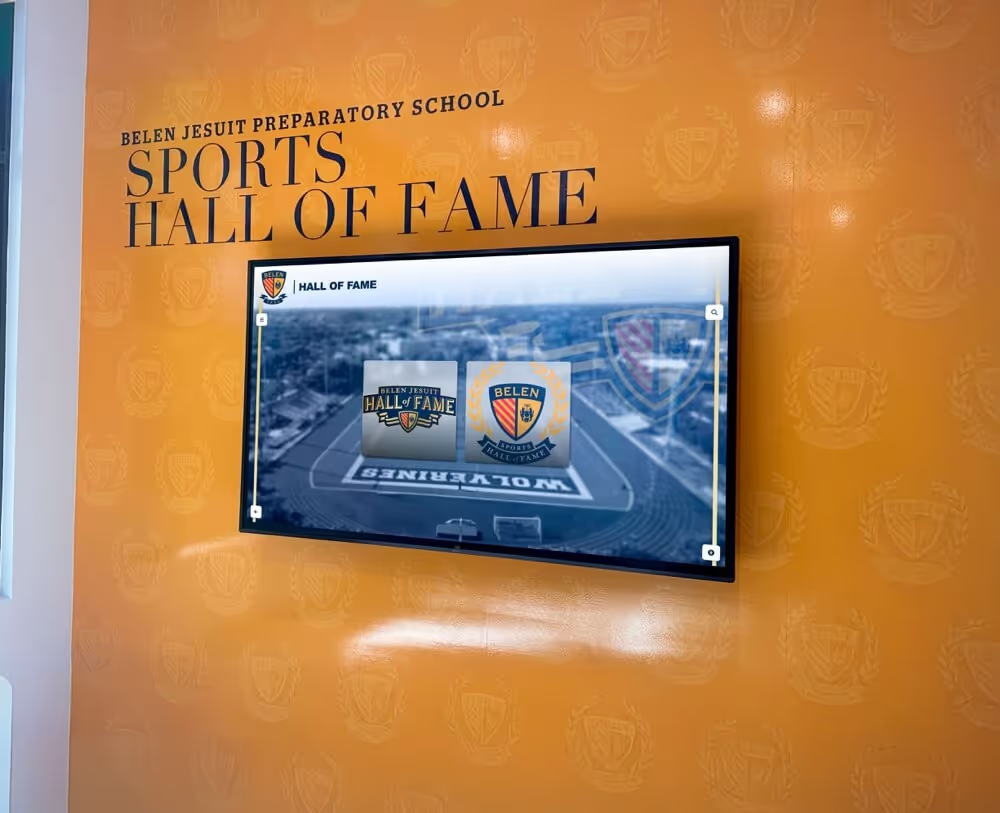




Key Takeaways
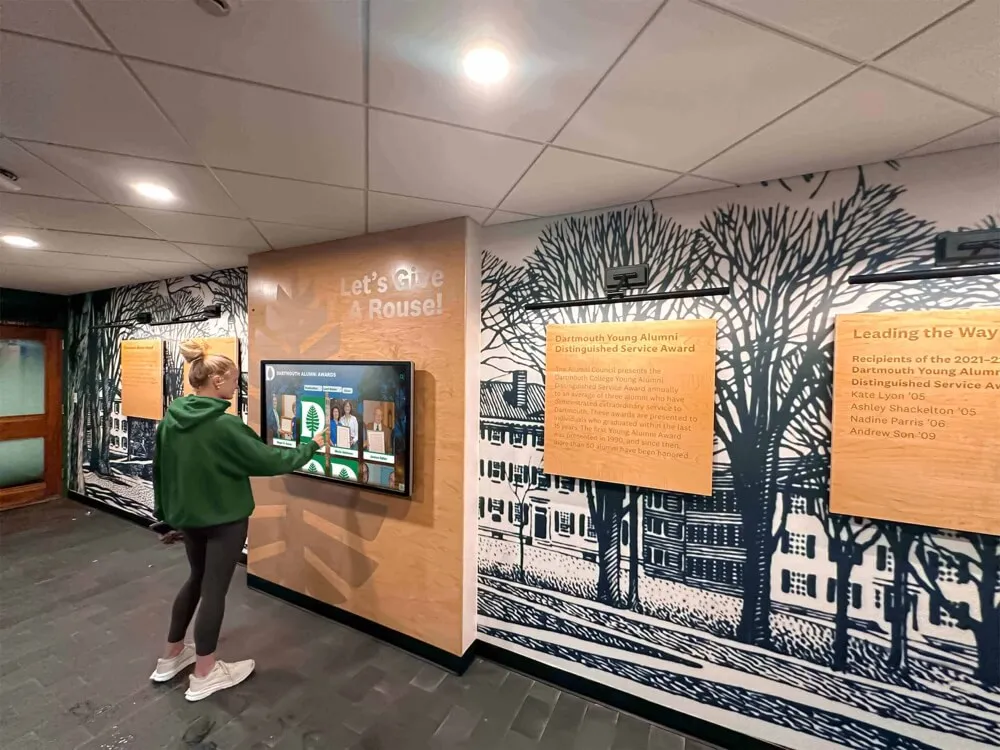
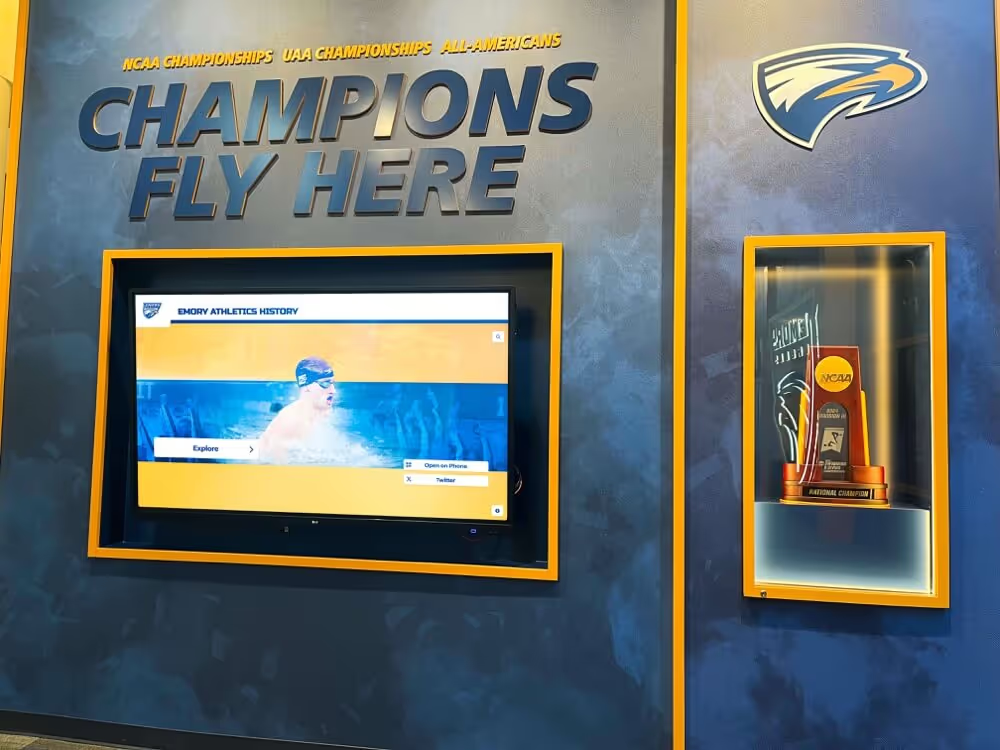
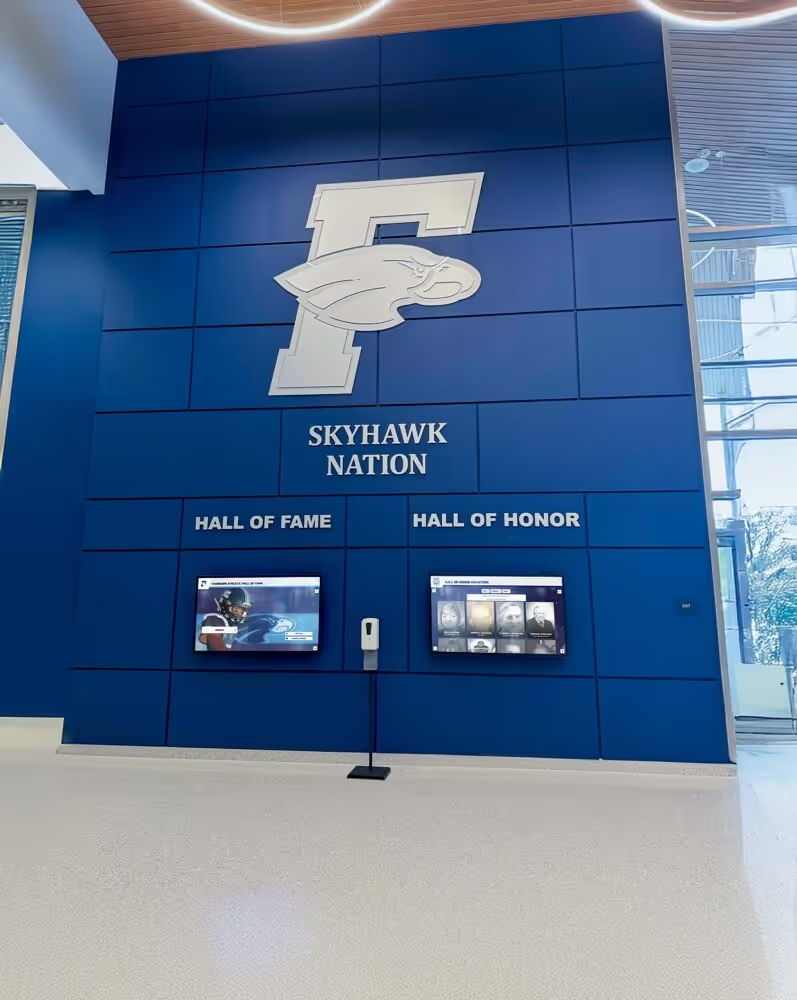
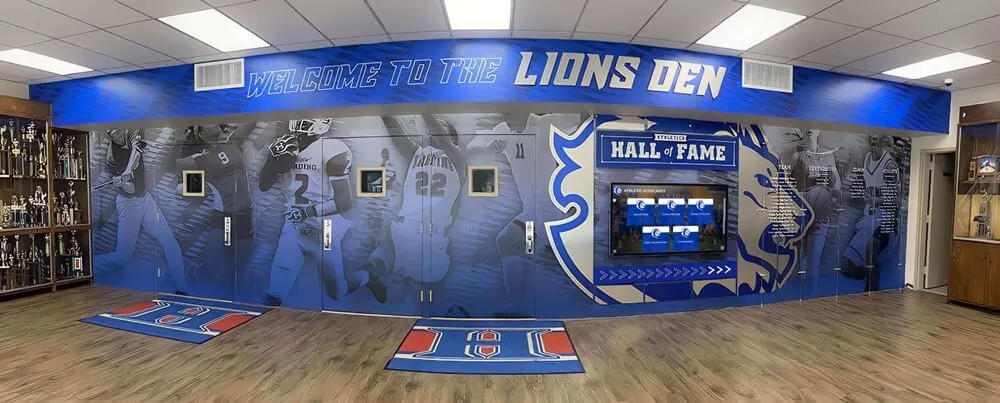
Discover how distinguished country clubs use interactive touchscreen displays to honor champions, recognize donors, and celebrate heritage. Compare traditional plaques vs. digital recognition technology.
The Evolution of Country Club Recognition
Country clubs represent tradition, excellence, and community. Recognition programs play a vital role in preserving club heritage, acknowledging member contributions, and inspiring continued excellence across generations.
Traditional Recognition Challenges at Private Clubs
Classic recognition approaches face inherent limitations in club environments:
Physical Space Constraints: Prime wall space in clubhouses is limited and valuable. As championship rosters grow and donor recognition expands, clubs face difficult decisions about which achievements receive prominent display and which get relegated to secondary locations or storage.
Maintenance Requirements: Brass plaques require regular polishing. Trophy cases need cleaning and reorganization. Physical displays in high-traffic areas—particularly near dining facilities or bar areas—demand constant upkeep to maintain the pristine appearance members expect.
Update Complexity: Adding new champions or donors to traditional displays requires fabrication, installation, and often complete redesign as layouts reach capacity. The lag between achievement and recognition can stretch months, diminishing impact.
Limited Storytelling: Names and dates convey minimal information. Members and guests cannot learn about historic champions, understand donor impact, or explore the rich stories behind achievements that define club legacy.
Accessibility Issues: Physical plaques mounted on walls may not be accessible to all members and guests, particularly those with mobility challenges or visual impairments.
Why Distinguished Clubs Choose Digital Recognition
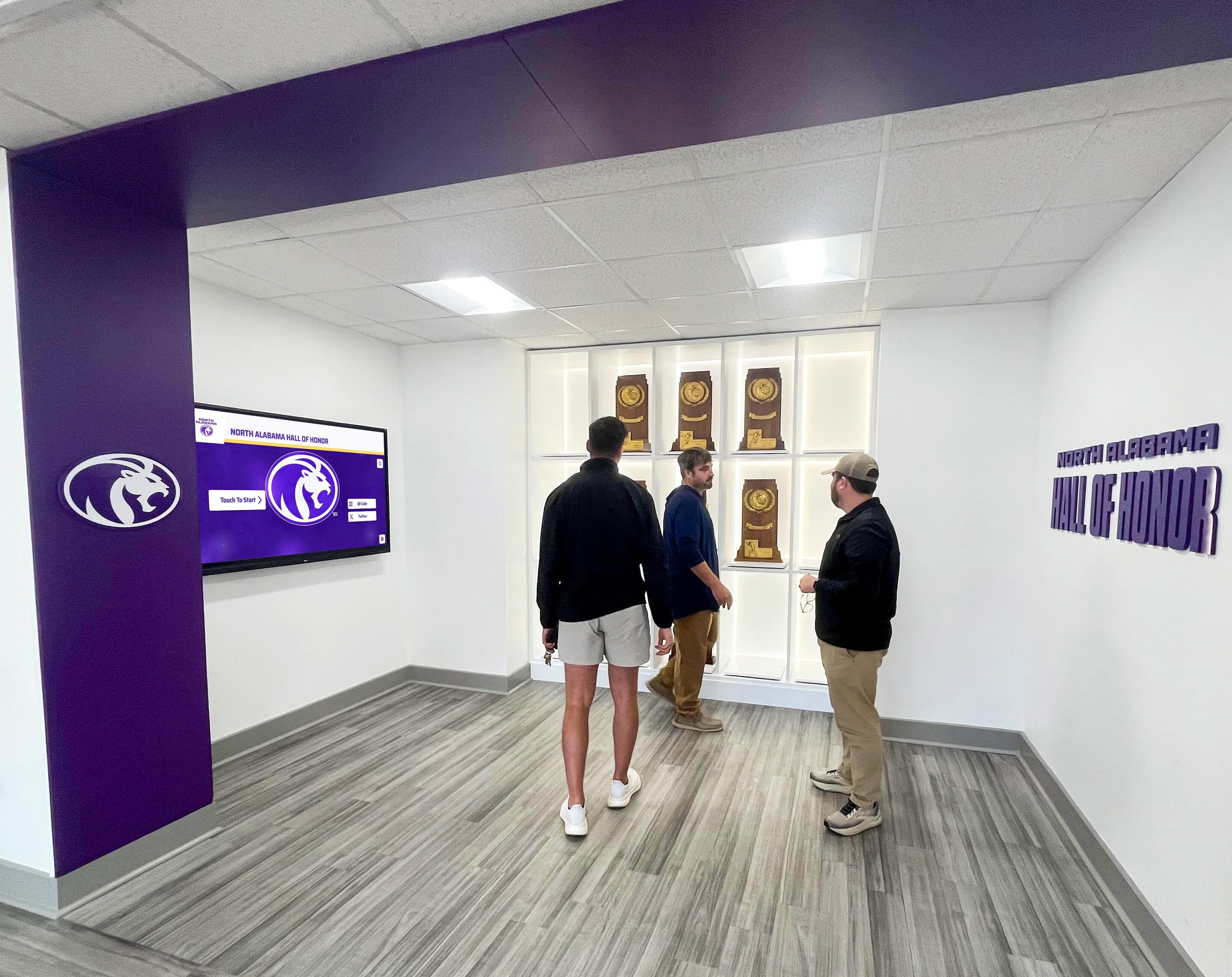
Modern touchscreen recognition displays address these limitations while adding powerful capabilities that enhance member experience:
Unlimited Recognition Capacity: Digital systems accommodate decades of champions, extensive donor rosters, and comprehensive club history without physical space constraints. Clubs never face the dilemma of removing old recognition to make room for new honorees.
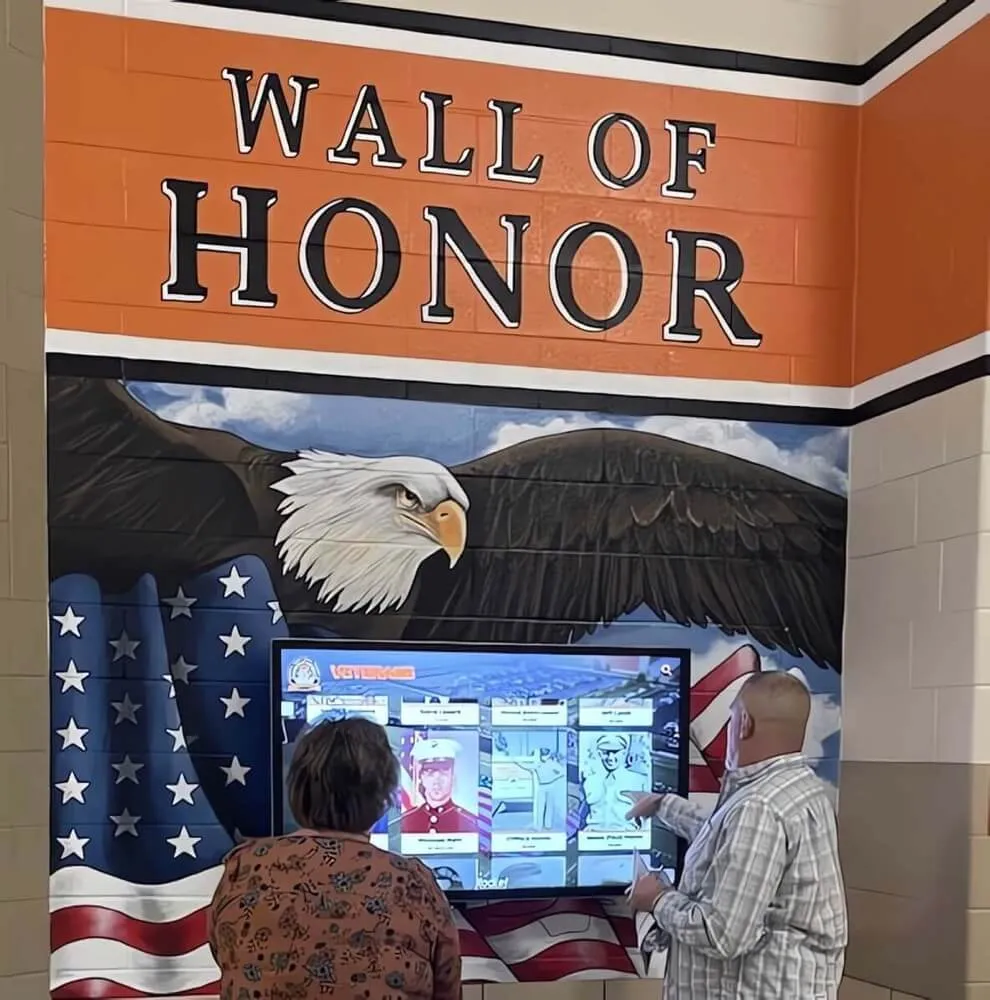
Enhanced Member Engagement: Interactive exploration invites members and guests to discover club history, explore championship records, and learn about fellow members’ achievements in ways static plaques cannot match.
Sophisticated Presentation: High-resolution displays showcase professional photography, historic images, tournament highlights, and rich biographical content that reflects the caliber of the institution and the achievements being celebrated.
Immediate Updates: New champions and donors can be recognized within days rather than months, maintaining recognition timeliness that matters to members who value prompt acknowledgment.
Cost Efficiency: While initial investment exceeds single plaques, digital systems eliminate ongoing engraving and fabrication costs, delivering superior long-term value for clubs with active recognition programs.
Key Recognition Applications for Country Clubs
Country club touchscreen displays serve multiple recognition needs within a single installation:
Championship and Tournament Recognition
Club Championships: Comprehensive rosters showing winners across all club championship categories—men’s, women’s, senior, junior—with complete historical records and performance statistics.
Major Tournaments: Recognition for members who win prestigious external tournaments, achieve professional status, or earn significant competitive honors.
Member Milestones: Holes-in-one, course records, age-shooting accomplishments, and other memorable achievements that become part of club lore.
Team Competition Results: Interclub matches, league championships, and team event outcomes that build community pride.
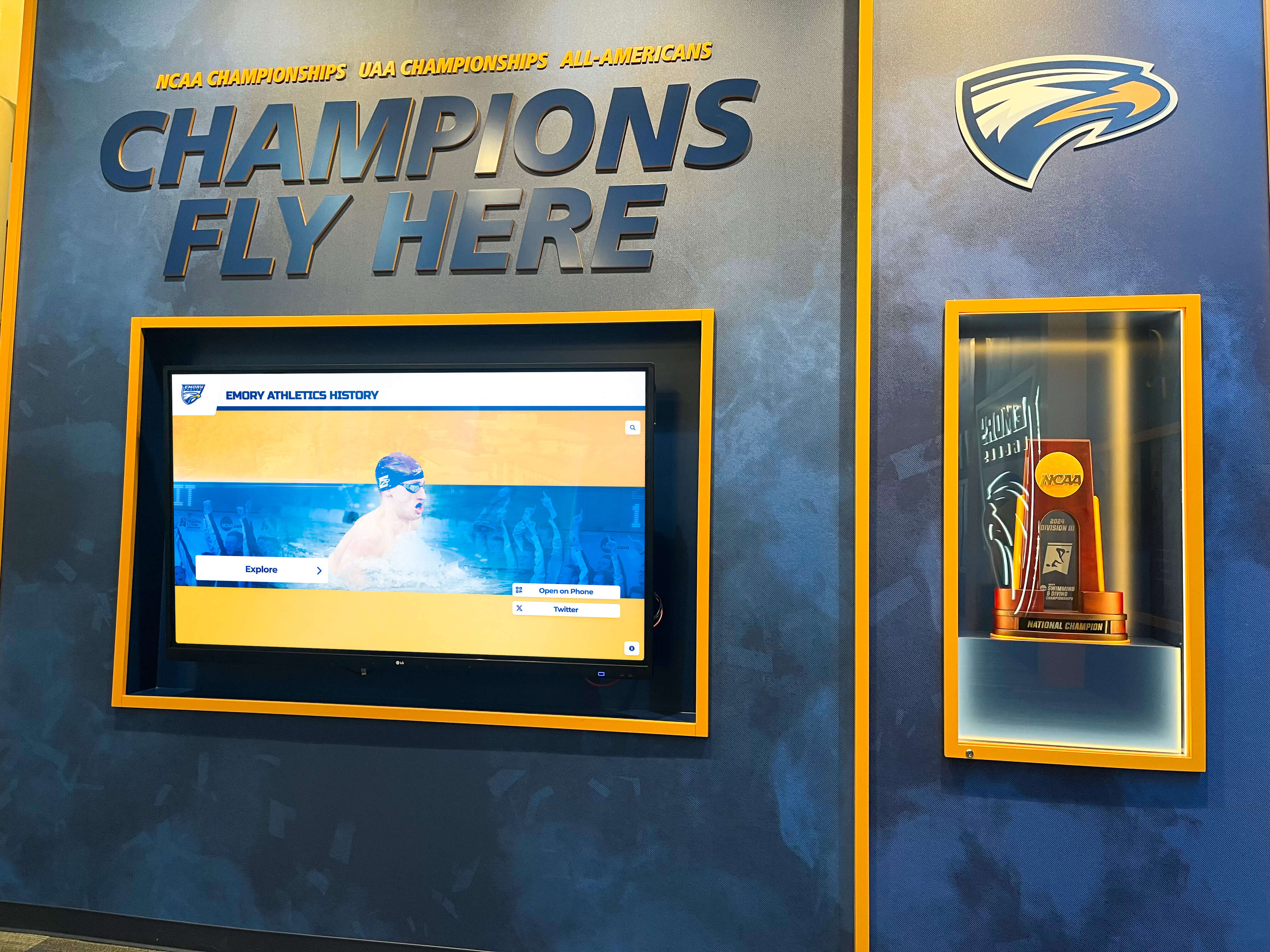
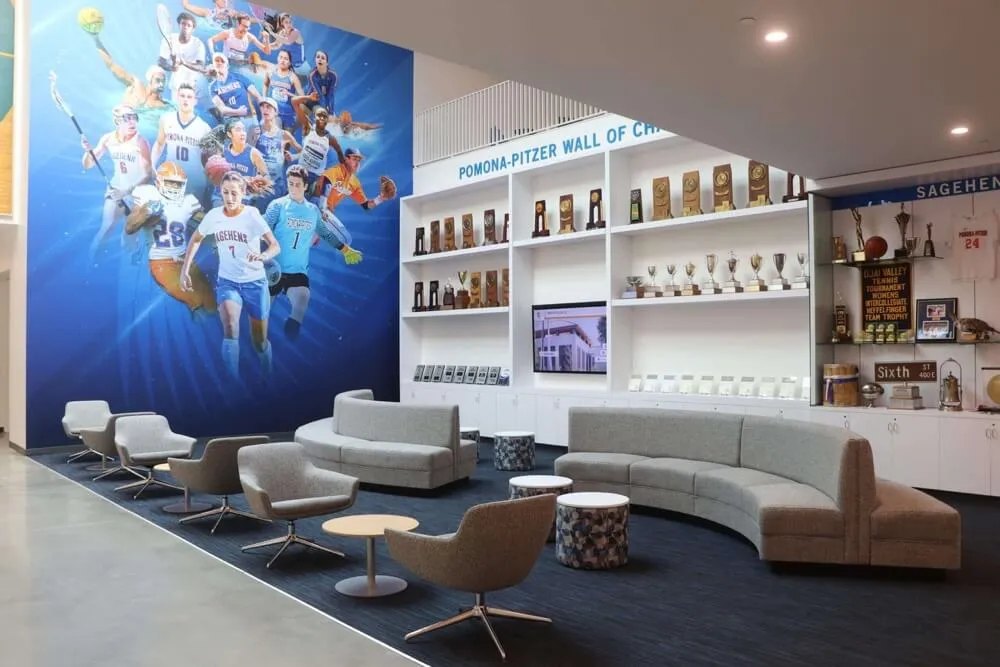
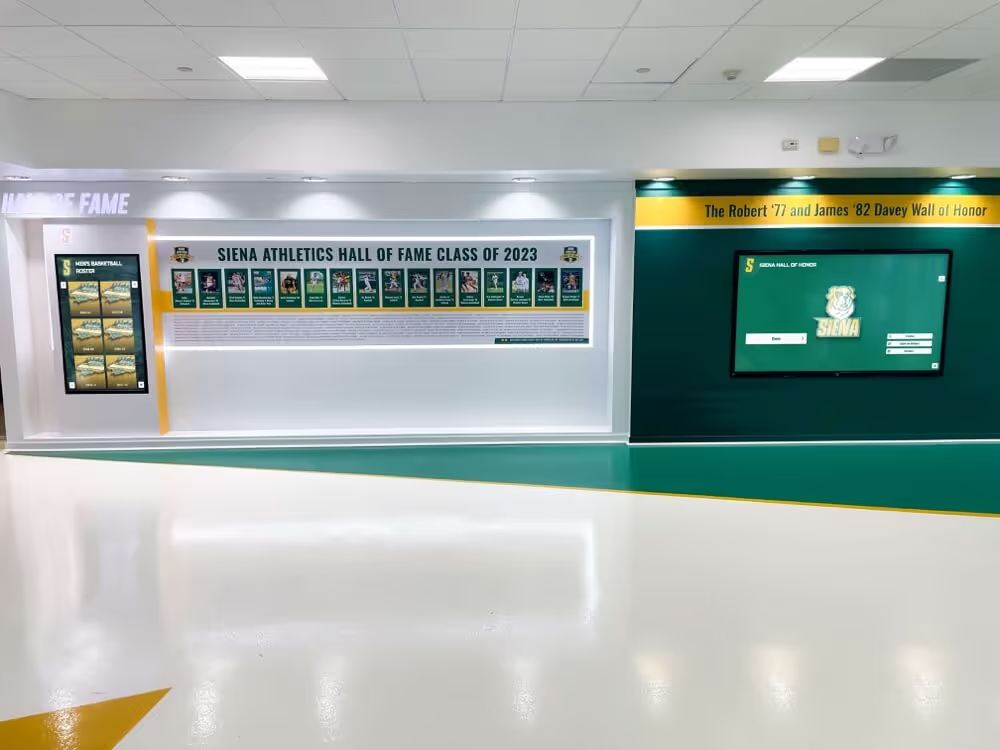
Similar to how educational institutions manage athletic recognition programs, country clubs benefit from comprehensive digital systems that accommodate diverse achievement categories.
Donor and Benefactor Recognition
Capital Campaign Recognition: Acknowledge major gifts for facility improvements, course enhancements, or endowment contributions with prominence that reflects gift significance.
Annual Giving Programs: Recognize consistent supporters across giving levels with easy-to-update displays that celebrate participation and encourage continued generosity.
Legacy Gifts: Honor estate gifts, naming opportunities, and transformational donations with permanent digital recognition accessible to all members and guests.
Foundation Supporters: For clubs with charitable foundations, recognize donors supporting junior programs, caddie scholarships, or community initiatives.
The principles that guide donor recognition screens apply equally to country club environments where acknowledging generosity strengthens philanthropic culture.

Historical Preservation and Heritage
Founding Members: Preserve club origins through profiles of founders, charter members, and early leaders who established club traditions.
Club Presidents: Comprehensive roster of past presidents with biographical information, tenure dates, and major accomplishments during their leadership.
Significant Milestones: Document major club events—course redesigns, facility expansions, anniversary celebrations—that shaped institutional evolution.
Historic Moments: Showcase memorable tournaments, notable visitors, record-setting performances, and defining moments in club history through photos, articles, and narrative.
Member and Staff Recognition
Long-Tenured Staff: Honor employees who exemplify service excellence and contribute to the club experience that members value.
Volunteer Leadership: Recognize committee chairs, board members, and volunteers whose behind-the-scenes work advances club interests.
Special Awards: Display recipients of club-specific honors—sportsmanship awards, member of the year recognition, or service distinctions.
Evaluating Touchscreen Solutions: What Clubs Should Consider
When assessing digital recognition displays for country club environments, evaluation criteria differ from typical commercial applications. Clubs should prioritize solutions addressing their unique needs.
System Architecture and Reliability
🖥️ Hardware Quality
Commercial-grade touchscreens designed for continuous operation in hospitality environments. Consumer displays lack the durability clubs require for high-traffic installations.
🔒 Security and Stability
Locked-down operation preventing tampering or unauthorized access. Systems should operate reliably without requiring frequent IT intervention.
☁️ Cloud-Based Management
Remote content updates without requiring on-site technical work. Club staff can add new honorees or update information from any location.
📱 Responsive Design
Web integration allowing members to access recognition content from home, office, or mobile devices, extending visibility beyond clubhouse walls.
Understanding touchscreen kiosk software architecture helps clubs evaluate whether proposed solutions meet reliability standards for upscale hospitality environments.
Content Management Capabilities
Effective club recognition requires sophisticated content management:
Flexible Organization: Systems should accommodate multiple recognition categories—championships, donors, history, staff—with intuitive navigation between content types.
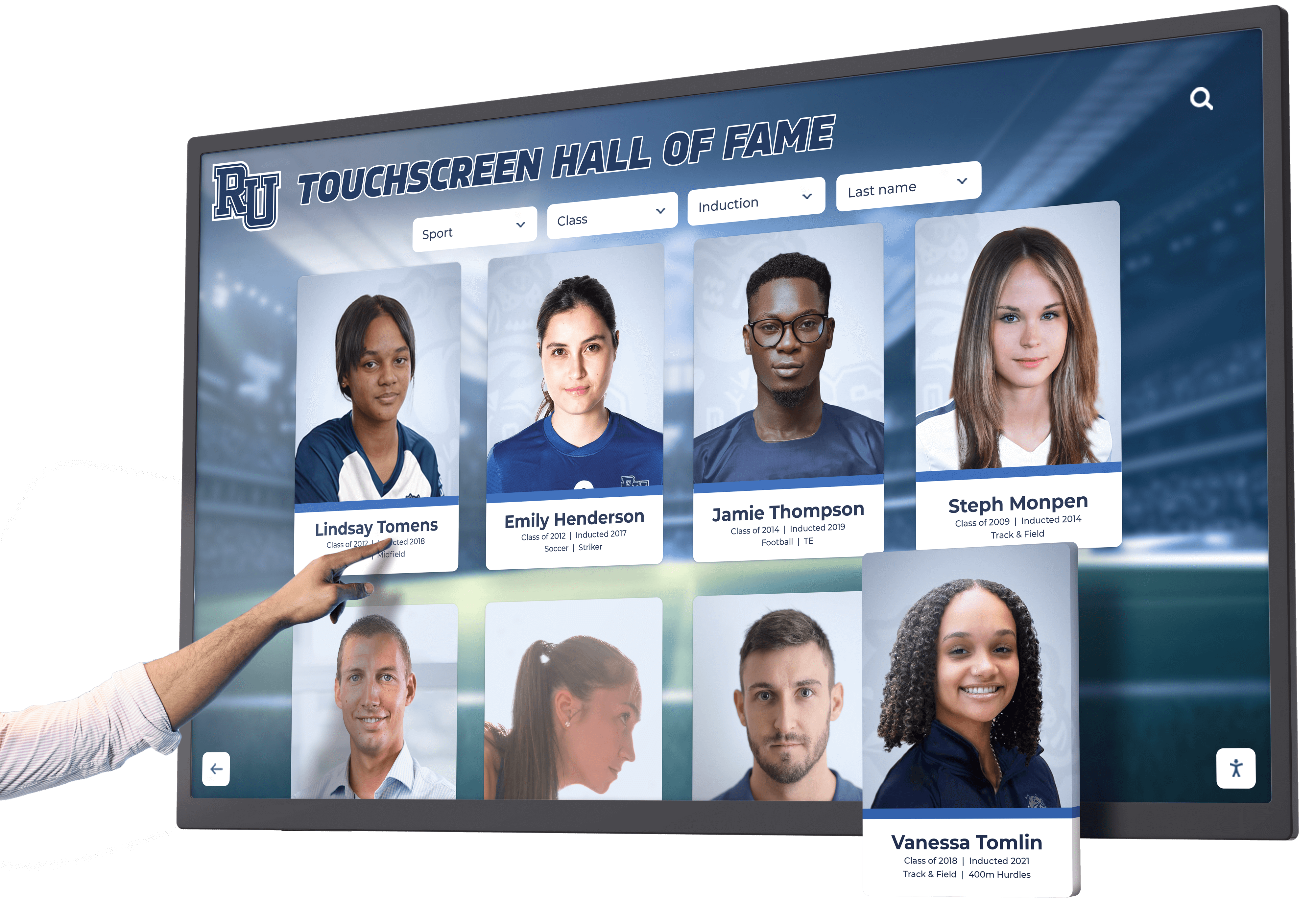
Rich Media Support: High-resolution photos, scanned historic documents, newspaper clippings, tournament programs, and other visual content that brings recognition to life.
Search Functionality: Members and guests should quickly locate specific names, years, or achievement types without navigating complex menu structures.
Profile Depth: Capacity for comprehensive biographical information, career highlights, championship records, and personal statements from honorees.
Scalability: Support for hundreds or thousands of profiles without performance degradation or navigation complexity.
Design and Aesthetic Integration
Country club environments demand design sophistication:
Brand Consistency: Recognition displays should reflect club identity through colors, logos, typography, and overall aesthetic that aligns with existing clubhouse design.
Premium Materials: Hardware enclosures, mounting systems, and physical components should convey quality appropriate for upscale settings.
Custom Design Options: Ability to specify layouts, color schemes, and visual treatments matching club standards rather than accepting generic templates.
Ambient Integration: Screens should complement rather than dominate spaces, with brightness, contrast, and sizing appropriate for viewing environments.
Professional Photography: Recognition quality depends heavily on image quality. Systems should support high-resolution photography showcasing members and achievements appropriately.
Support and Service Standards
Club managers should evaluate vendor support capabilities:
Technical Support Availability: Responsive assistance when issues arise, with support hours matching club operations.
Content Assistance: Guidance on optimal photography, writing effective profiles, and organizing content for maximum engagement.
Training and Documentation: Comprehensive resources enabling club staff to manage content independently without ongoing vendor dependence.
Proactive Monitoring: For cloud-connected systems, automated alerts identifying potential issues before they impact member experience.
Hardware Warranties: Protection against hardware failures with clear replacement processes minimizing downtime.
Implementation Best Practices for Club Environments
Successful touchscreen recognition installations at country clubs follow proven implementation approaches:
Strategic Placement Considerations
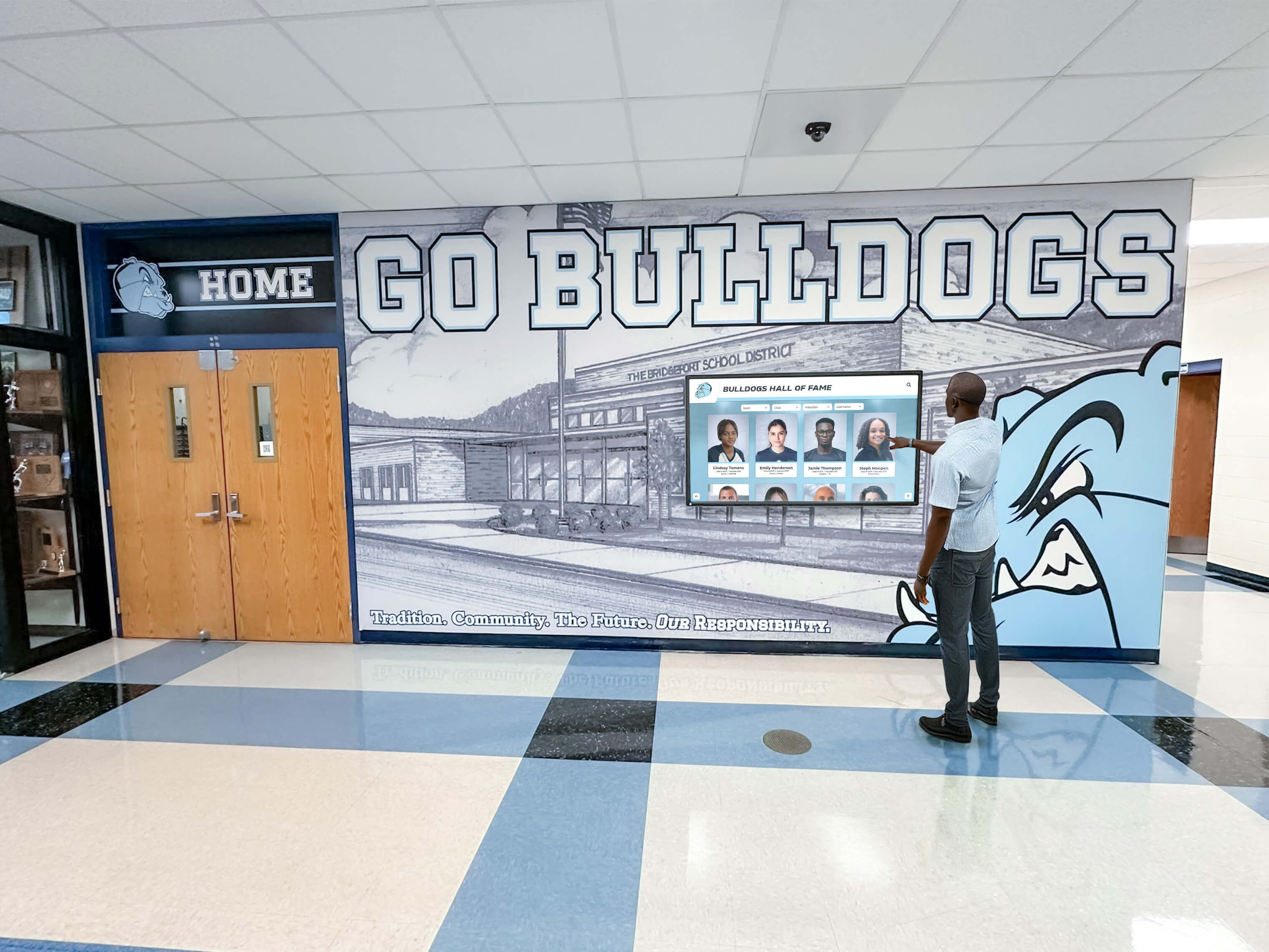
High-Visibility Locations: Main clubhouse entrances, hallways between dining facilities and locker rooms, or prominent gathering spaces where members naturally congregate.
Environmental Protection: Avoid locations with direct sunlight creating screen glare or temperature extremes from exterior doors affecting hardware reliability.
Traffic Flow: Position displays where members can comfortably interact without blocking circulation or creating congestion during peak times.
Viewing Angles: Mount screens at heights accommodating diverse member demographics, including seated wheelchair users.
Ambient Lighting: Consider existing lighting and how it affects screen visibility throughout the day.
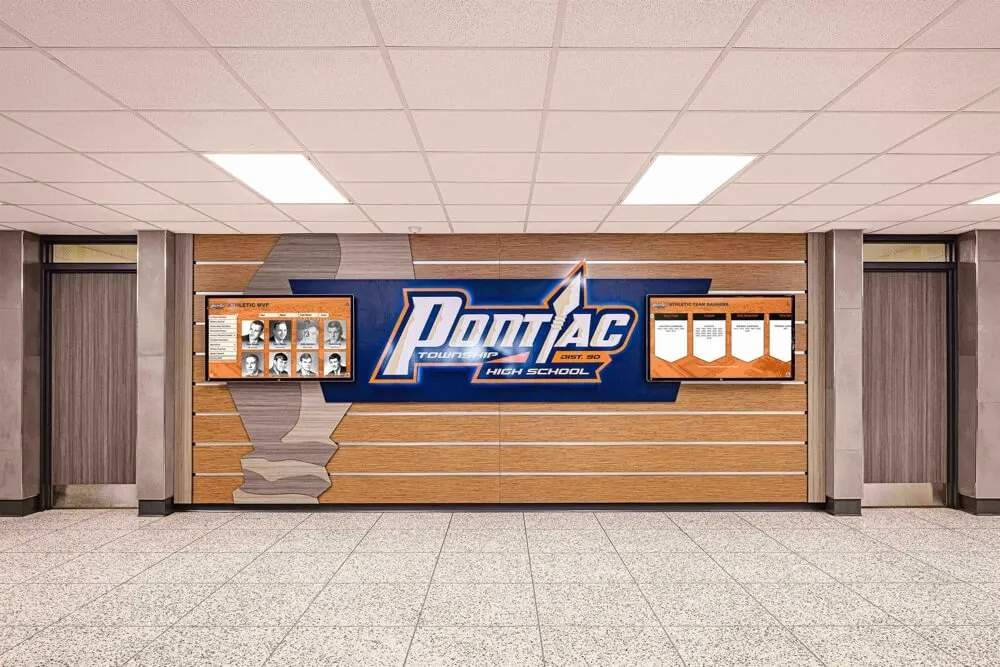
The same principles guiding school hall of fame wall placement apply to country club environments where member experience drives placement decisions.
Content Development Strategy
Launching recognition displays requires systematic content creation:
Historical Research:
- Review existing records, scorecards, and club archives
- Interview long-tenured members and staff
- Digitize historic photographs and documents
- Verify names, dates, and achievement details
- Compile championship rosters across decades
Profile Creation:
- Professional photography of current members
- Written biographical summaries
- Tournament records and statistics
- Personal statements or reflections
- Family connections and multi-generational achievements
Phased Rollout: Clubs often launch with recent champions and major donors, then systematically add historical recognition over subsequent months as research and content development continue.
Quality Standards: Establish consistent formatting, photography requirements, and content guidelines ensuring professional presentation across all profiles.
Launch and Member Engagement
Successful launches create awareness and encourage interaction:
Formal Unveiling: Dedicate displays during club events—annual meetings, championship dinners, or heritage celebrations—with ceremony appropriate to the significance.
Member Communication: Feature recognition displays in newsletters, on club websites, and through membership communications explaining capabilities and encouraging exploration.
Tournament Integration: Reference digital recognition during championship events, encouraging winners to explore their place in club history alongside past champions.
Guided Tours: During the initial weeks, station volunteers or staff near displays to demonstrate capabilities and assist members in discovering features.
Feedback Gathering: Solicit member input on content, organization, and additional features that would enhance value, treating launch as beginning rather than conclusion of recognition evolution.
Comparing Solutions: Decision Framework for Club Leaders
Country clubs evaluating touchscreen recognition should assess vendors systematically:
Solution Comparison Matrix
| Evaluation Criteria | Traditional Displays | Generic Digital Signage | Specialized Recognition Systems |
|---|---|---|---|
| Capacity | Limited by physical space | Varies by configuration | Unlimited profiles supported |
| Update Speed | Weeks/months for fabrication | Immediate with staff training | Immediate through cloud CMS |
| Cost per Honoree | $200-500 ongoing | Software dependent | Minimal after initial setup |
| Interactivity | None | Limited or none | Sophisticated search and navigation |
| Content Depth | Name and year only | Depends on software | Comprehensive multimedia profiles |
| Remote Management | Not applicable | Often requires on-site access | Full cloud-based control |
| Member Accessibility | Physical location only | Physical location only | Physical display plus web access |
| Design Customization | Fabrication dependent | Template limitations | Extensive customization options |
| Support | Fabricator dependent | Software vendor | Specialized recognition expertise |
| Long-term Value | Declining with each update | Moderate | Excellent with growing content |
Vendor Selection Criteria
When evaluating specific vendors, clubs should investigate:
Recognition Specialization: Providers focused on recognition applications understand club needs better than generic digital signage companies. Solutions like Rocket Alumni Solutions demonstrate deep expertise in membership recognition across diverse institutional settings.
Portfolio and References: Review installations at comparable clubs or similar prestigious institutions. Request references and, if possible, visit installations to evaluate quality firsthand.
Content Services: Assess whether vendors offer assistance with content creation, photography standards, and profile writing, or if clubs bear full responsibility for content development.
Financial Stability: Recognition displays represent long-term investments. Vendor longevity and stability matter for ongoing support and future enhancements.
Technology Roadmap: Understand vendor plans for future capabilities, ensuring solutions will evolve rather than stagnate over the display’s lifecycle.
For clubs requiring comprehensive comparison information, resources like digital hall of fame buying guides provide frameworks applicable to country club environments.
Budget Planning and ROI
Initial Investment Components:
- Hardware: Commercial touchscreens range from $3,500-$12,000 depending on size, features, and enclosure requirements
- Software Platform: Setup and licensing typically $3,000-$8,000 initially, with annual fees of $2,000-$5,000
- Installation: Professional mounting, wiring, and configuration $800-$3,000
- Content Development: Initial profile creation and photography $5,000-$15,000 depending on scope
- Total Initial Investment: $12,300-$38,000 for complete turnkey installation
Long-Term Cost Comparison:
Traditional recognition at clubs with active programs often costs $5,000-$15,000 annually for new plaques, trophy case updates, and display modifications. Digital systems eliminate these recurring costs while offering superior recognition capacity and member engagement.
Return on Investment Considerations:
- Reduced fabrication and installation expenses for new recognition
- Enhanced donor engagement potentially increasing gift participation
- Improved member satisfaction through comprehensive recognition
- Preservation of club heritage previously lost to space limitations
- Modern image appealing to prospective members evaluating clubs
Integration with Broader Club Technology
Touchscreen recognition displays work most effectively when integrated with existing club systems:
Member Management System Integration
Advanced implementations connect recognition displays with club membership databases:
- Automatically populate member profiles with current information
- Synchronize recognition status with membership records
- Enable personalized recognition based on achievement milestones
- Link member photos from existing databases
Website and Mobile Integration
Extend recognition visibility beyond physical displays:
- Embed searchable recognition databases on club websites
- Enable social sharing of individual recognition profiles
- Mobile-responsive design for smartphone and tablet access
- QR codes on physical displays linking to extended online content
Event Management Connections
Coordinate recognition with club events and tournaments:
- Automatically update displays with tournament results
- Feature upcoming championship winners immediately
- Showcase event highlights and photography post-tournament
- Integrate with tournament management software
Understanding digital signage software options helps clubs evaluate integration capabilities when selecting recognition platforms.
Maintaining Excellence: Ongoing Management
Digital recognition displays require consistent management to maintain value:
Regular Content Updates
Championship Recognition: Add new winners within days of tournaments, maintaining recognition timeliness members expect.
Donor Acknowledgment: Update donor recognition promptly following gift processing, demonstrating appreciation through quick acknowledgment.
Historic Content Expansion: Systematically add historical profiles, building comprehensive recognition over time as research uncovers additional achievements.
Seasonal Features: Rotate featured content highlighting relevant achievements—past champions during major tournaments, historic milestones during anniversary months.
Technical Maintenance
Visual Inspection: Weekly checks ensuring screens display correctly, touchscreens respond accurately, and physical enclosures remain pristine.
Screen Cleaning: Regular cleaning with appropriate materials maintaining clarity without damaging screens or coatings.
Software Updates: Apply security patches and feature enhancements as vendors release updates, maintaining system security and capabilities.
Performance Monitoring: For cloud-connected systems, review analytics showing member engagement and identifying popular content or navigation issues.
Content Quality Standards
Maintain recognition credibility through consistent quality:
- Photography standards ensuring professional, consistent imagery
- Biographical content following established templates and tone
- Accuracy verification preventing embarrassing errors
- Regular content audits identifying profiles needing updates
Resources on maintaining digital recognition displays provide guidance applicable to country club environments.
Why Rocket Alumni Solutions Excels in Private Club Recognition
When country clubs evaluate touchscreen recognition vendors, several factors distinguish Rocket Alumni Solutions:
Recognition Specialization: Unlike generic digital signage providers, Rocket Alumni Solutions focuses exclusively on recognition applications, bringing specialized expertise to country club environments where excellence matters.
Proven Track Record: Installations at distinguished institutions including universities, museums, and premier organizations demonstrate capability to serve upscale environments with demanding standards.
Comprehensive Support: From initial content development through ongoing management, Rocket provides assistance ensuring clubs maximize recognition value without requiring significant staff technical expertise.
Cloud-Based Flexibility: Remote content management enables clubs to update recognition quickly from any location, with changes appearing immediately without requiring on-site technical work.
Unlimited Capacity: Accommodate decades of champions, extensive donor rosters, and comprehensive club history without physical limitations or performance degradation.
Custom Design: Extensive customization capabilities ensure displays reflect unique club identity rather than generic templates appropriate for less prestigious settings.
Web Integration: Member access extends beyond physical displays through responsive web interfaces, allowing exploration from home, office, or mobile devices.
Proven Reliability: Commercial-grade hardware and locked-down software provide the stability hospitality environments require for installations serving members daily.
Understanding best practices for school history software reveals how specialized recognition platforms deliver superior value compared to generic alternatives.
Conclusion: Elevating Country Club Recognition
Distinguished country clubs deserve recognition programs matching their standards for excellence. Interactive touchscreen displays transform how clubs honor champions, recognize donors, and preserve heritage—creating engaging experiences that celebrate achievement while embracing modern member expectations.
The most successful implementations share common characteristics: strategic placement in high-visibility locations, comprehensive content celebrating club history, sophisticated design reflecting institutional prestige, and ongoing management ensuring displays remain current and engaging.
While traditional plaques maintain timeless appeal, digital recognition addresses fundamental limitations that increasingly impact club programs as achievement rosters grow and physical space constraints intensify. Forward-thinking clubs recognize that honoring tradition doesn’t require traditional methods—the goal remains celebrating excellence, and modern technology simply does this more comprehensively.
As country clubs evaluate recognition options, the decision framework should emphasize long-term value rather than initial investment, recognition capacity rather than physical constraints, and member engagement rather than static display. Clubs making these priorities discover that touchscreen recognition delivers return on investment through enhanced member satisfaction, improved donor engagement, and preservation of heritage previously lost to space limitations.
For club leaders, board members, and management teams ready to explore how touchscreen recognition can elevate their programs, the next step involves consulting with specialized providers who understand the unique requirements of private club environments and bring proven expertise to installations serving discerning members.
Transform Your Country Club Recognition Program
Discover how solutions like Rocket Alumni Solutions create sophisticated touchscreen recognition displays specifically designed for country clubs and prestigious institutions. Contact Rocket Alumni Solutions to discuss your club’s vision and explore how the right recognition technology can honor your heritage while creating engaging member experiences.
For additional context on recognition technology applications, explore resources on interactive touchscreen displays and comprehensive recognition programs that demonstrate how digital technology transforms recognition across diverse institutional settings.