



Key Takeaways
Complete guide to concession stand supplies for school sports events and fundraisers. Learn what equipment, food items, and materials you need to run a profitable, efficient concession operation that serves your community.
School concession stands represent far more than simple snack counters—they’re critical fundraising operations that support athletic programs, build community gathering spaces, and create game day experiences families remember for years. Yet successfully operating a concession stand requires careful planning, appropriate supplies, and systematic organization that many booster clubs and athletic departments develop through years of trial, error, and hard-won experience.
This comprehensive guide provides the essential concession stand supplies checklist covering equipment, food inventory, operational materials, and organizational systems. Whether you’re launching a new concession operation, upgrading an existing stand, or preparing for your first season as concession coordinator, these detailed supply lists help ensure your operation runs smoothly while maximizing both customer satisfaction and fundraising revenue.
Understanding Concession Stand Operations
Before diving into specific supply lists, understanding how successful concession operations function helps clarify why certain supplies prove essential and how various items work together to create efficient, profitable systems.
The Dual Purpose of School Concession Stands
School concession stands simultaneously serve two distinct but interconnected purposes that shape supply decisions and operational approaches.
Community Service and Experience Enhancement
Concession stands provide convenient food and beverage access that improves the overall athletic event experience for spectators. Parents watching Friday night football, students attending basketball games, and community members supporting youth sports appreciate readily available refreshments. Quality concession operations contribute to positive game day atmospheres that encourage attendance, build school spirit, and strengthen community connections to athletic programs.
This community service dimension influences supply decisions—offering variety that accommodates different dietary preferences, maintaining food quality standards, ensuring adequate inventory for expected attendance, and creating welcoming service environments where customers feel valued rather than processed.
Fundraising and Revenue Generation
Concession sales represent significant revenue streams funding athletic programs, team equipment, facility improvements, and student-athlete support services. Many athletic departments depend on concession profits to bridge gaps between available budgets and actual program needs. For volunteer-run booster club operations, concession revenue often determines whether teams can afford new uniforms, equipment upgrades, or facility improvements.
The fundraising purpose shapes different supply considerations—managing costs to maximize profit margins, sourcing inventory at wholesale prices, selecting items with favorable cost-to-selling-price ratios, and avoiding waste through accurate demand forecasting and proper storage.
Key Success Factors for Concession Operations
Successful concession operations share several common characteristics that separate high-performing stands from those that struggle:
Adequate Preparation and Inventory Management: Running out of popular items during peak sales periods frustrates customers and leaves revenue unrealized. Conversely, over-purchasing perishable items creates waste that erodes profit margins. Effective operations develop historical data showing which items sell at different event types, enabling accurate purchasing that balances availability against waste prevention.
Efficient Service Systems: Long lines deter purchases and create customer frustration. Successful operations implement service systems that move customers efficiently—clear menu displays, organized workstations, sufficient staffing for anticipated demand, and payment processes that prevent bottlenecks.
Food Safety Compliance: School concession operations must meet health department regulations governing food handling, storage, preparation, and service. Non-compliance risks health department citations, liability concerns, and reputation damage. Essential supplies include proper food storage equipment, thermometers, sanitization materials, and protective equipment ensuring safe food handling.
Volunteer Management: Most school concessions rely on volunteer workers whose availability, skill levels, and commitment vary. Operations designed for easy training, clear procedures, and minimal specialized knowledge function more reliably than those requiring extensive expertise or complicated preparation techniques.
Essential Equipment and Large Items
Concession stands require foundational equipment that enables basic operation. While initial equipment investment represents significant upfront costs, quality equipment lasts years and proves essential for efficient, safe food service.
Cooking and Food Preparation Equipment
Commercial Popcorn Machine: Popcorn represents a concession stand staple—low ingredient costs, high profit margins, attractive aromas drawing customers, and simple preparation volunteers easily master. Commercial popcorn machines (typically 6-8 oz. kettles for smaller operations, 12-16 oz. for high-volume stands) produce consistent results, operate reliably through long events, and create the appealing sight and sound customers associate with game day concessions.
Look for machines with warming decks that keep popped corn fresh, easy-clean kettle mechanisms, and tempered glass panels showcasing popping activity. Budget $300-600 for quality 8 oz. machines suitable for most school operations.
Hot Dog Roller Grill: Hot dogs offer another profit-friendly concession item with minimal preparation complexity. Roller grills cook hot dogs evenly while keeping them warm and ready for service during extended periods. Seven-roller models handle approximately 20 hot dogs simultaneously—adequate for moderate-volume operations. Larger stands might require ten-roller or dual-zone models.
Alternative approaches include slow cookers for smaller volumes or commercial steamers for higher capacity. Budget $150-400 depending on capacity and features.
Nacho Cheese Warmer: Nachos combine low food costs with high selling prices, creating favorable profit margins. Commercial cheese warmers maintain proper serving temperatures, prevent scorching, and include pumps for controlled dispensing. Two-pump models allow offering both cheese and chili. Budget $80-200 for pump-style warmers.
Pizza Oven or Warming Cabinet: For operations offering pizza—either pre-made slices reheated or full pies—commercial warming cabinets maintain proper temperatures without drying out products. Some operations invest in countertop convection ovens enabling on-site pizza preparation. Warming cabinets run $200-500; convection ovens $300-800.
Commercial Coffee Maker: Coffee represents easy revenue, particularly for cold-weather sports. Large-capacity (40-100 cup) commercial coffee makers brew sufficient quantities for event-length service. Many operations offer both regular and decaf. Budget $100-300 for commercial brewers.
Microwave Oven: Commercial microwaves provide flexibility for heating various items—warming sandwiches, melting cheese, preparing specialty items. Commercial models withstand higher usage volumes than residential units. Budget $200-400.
Refrigeration and Storage
Commercial Refrigerator: Proper refrigeration proves essential for food safety and inventory management. Commercial-grade refrigerators maintain consistent temperatures, offer sufficient capacity for event inventory, and withstand frequent door openings during service periods.
Under-counter models (typically 48" wide) work well for stands with limited space, providing approximately 12 cubic feet of refrigerated storage. Budget $1,200-2,500. Larger operations might require reach-in refrigerators offering 20+ cubic feet. Consider units with glass doors enabling inventory visibility without opening doors.
Freezer Unit: Frozen inventory—ice cream novelties, frozen drinks, backup food supplies—requires dedicated freezer capacity. Chest freezers offer excellent temperature retention and capacity for their footprint. Budget $300-700 for 7-10 cubic foot models adequate for most school operations.
Ice Machine or Chest: Cold beverages require consistent ice supply. Commercial ice machines ($1,500-3,000) produce ice on-demand but require water connections and drainage. Many operations instead use large ice chests (120+ quart capacity, $80-150) filled with bagged ice purchased before events—simpler and adequate for moderate-volume operations.
Service and Display Equipment
Warming Display Cases: For items like soft pretzels, hot sandwiches, or prepared foods, warming display cases keep products at safe temperatures while showcasing them appealingly. Models with humidity control prevent products from drying out. Budget $250-600.
Condiment Station: Organized condiment service improves efficiency and reduces waste. Purpose-built condiment stations with pump dispensers for ketchup, mustard, relish, and nacho toppings create organized, sanitary service while controlling portion sizes. Budget $100-250 for complete stations.
Sneeze Guards: Health codes typically require protective barriers (sneeze guards) over food service areas. Portable or mounted sneeze guards protect food from contamination while allowing customer visibility. Budget $100-300 depending on configuration.
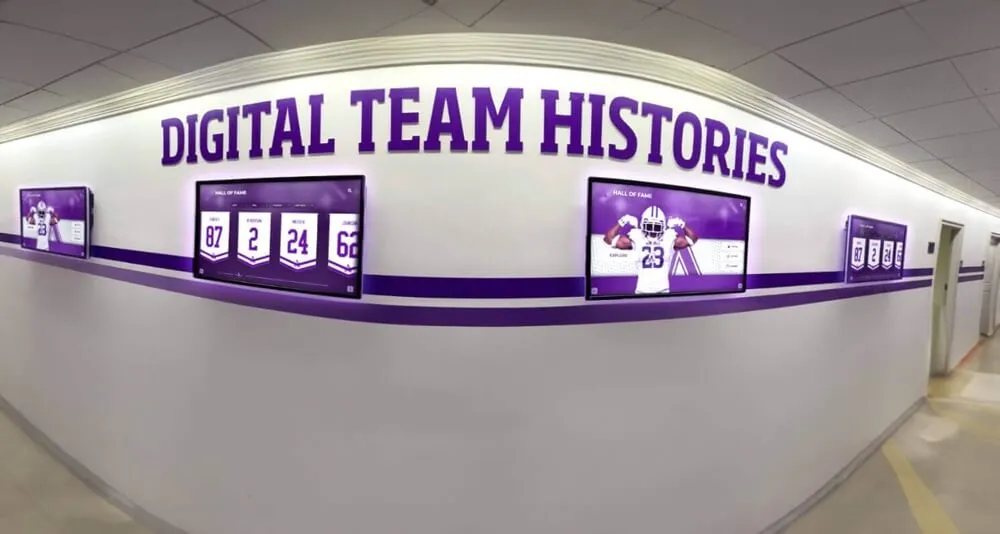
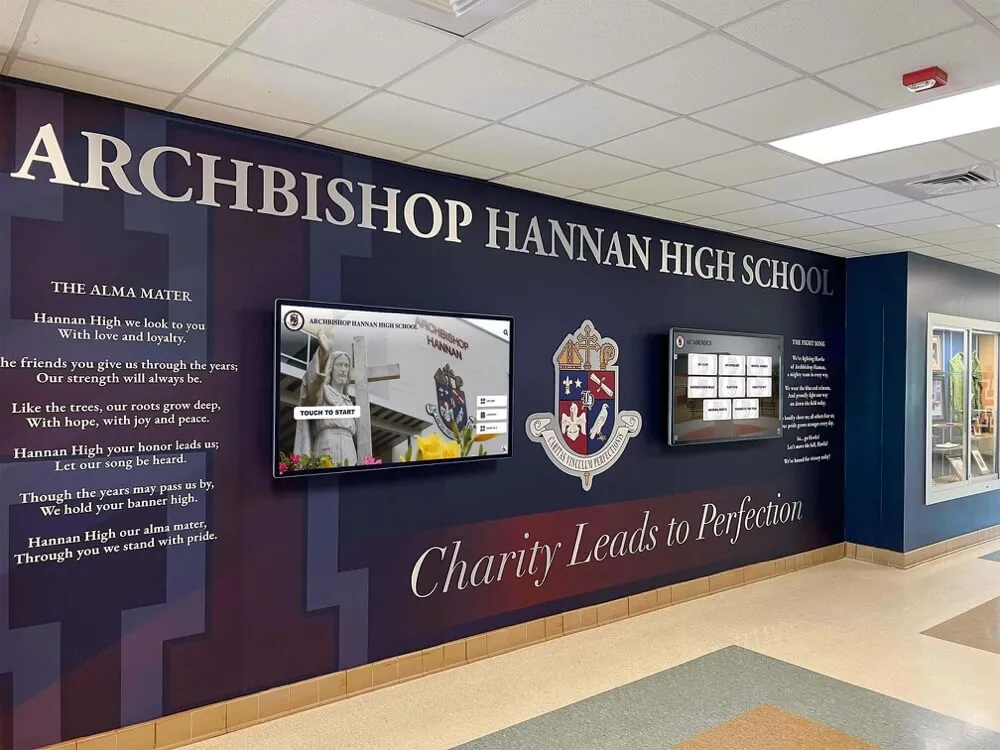
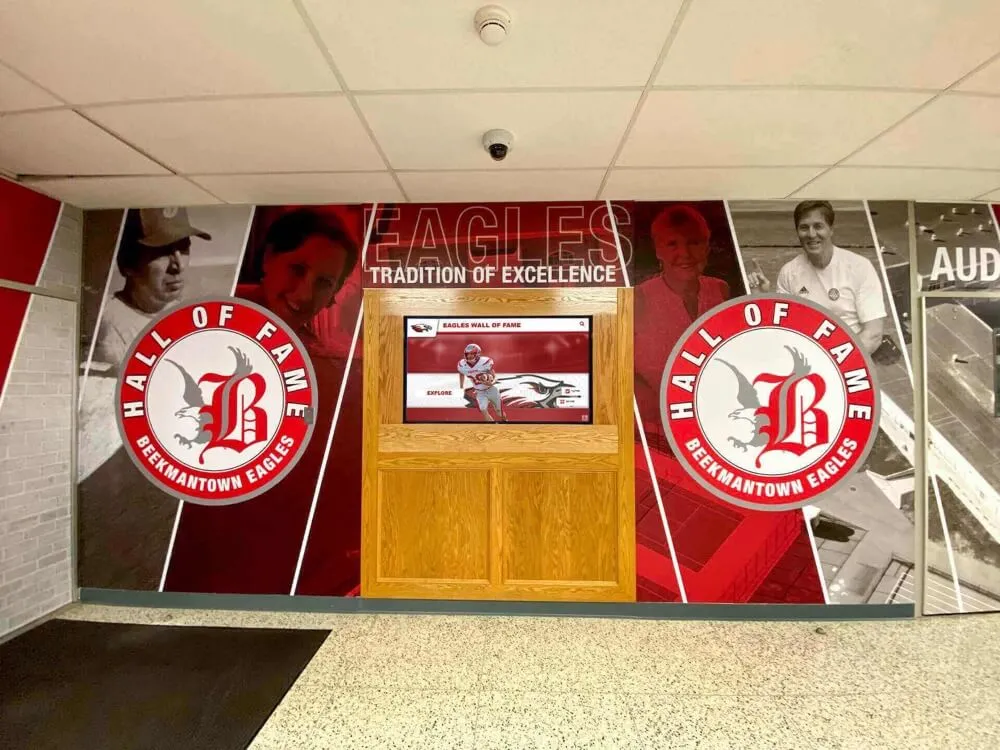
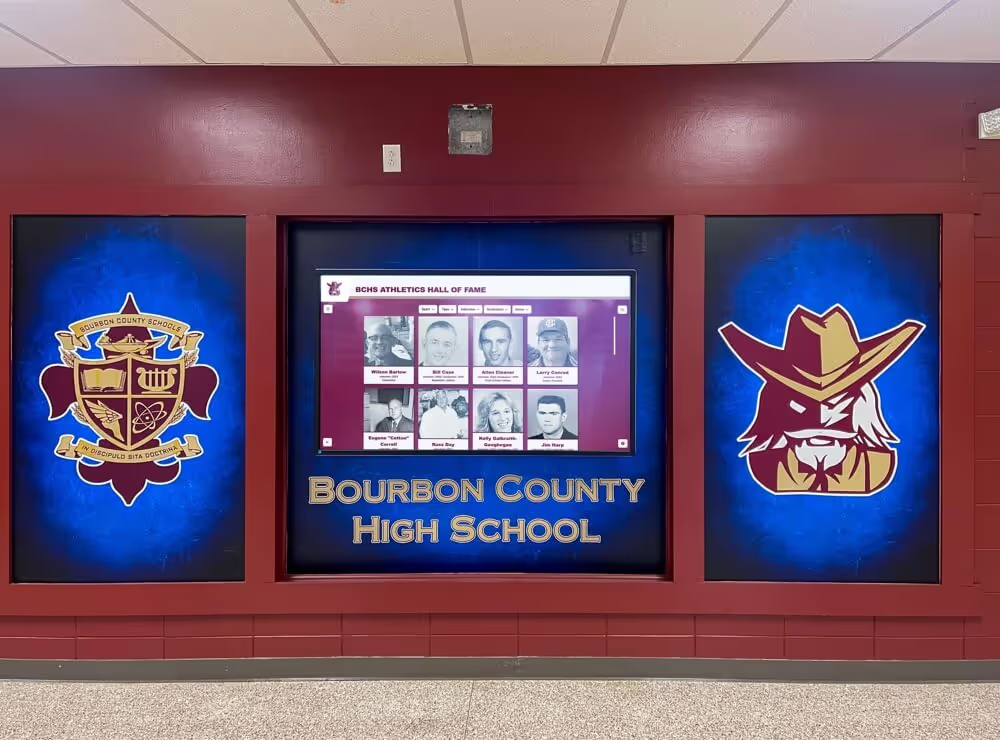
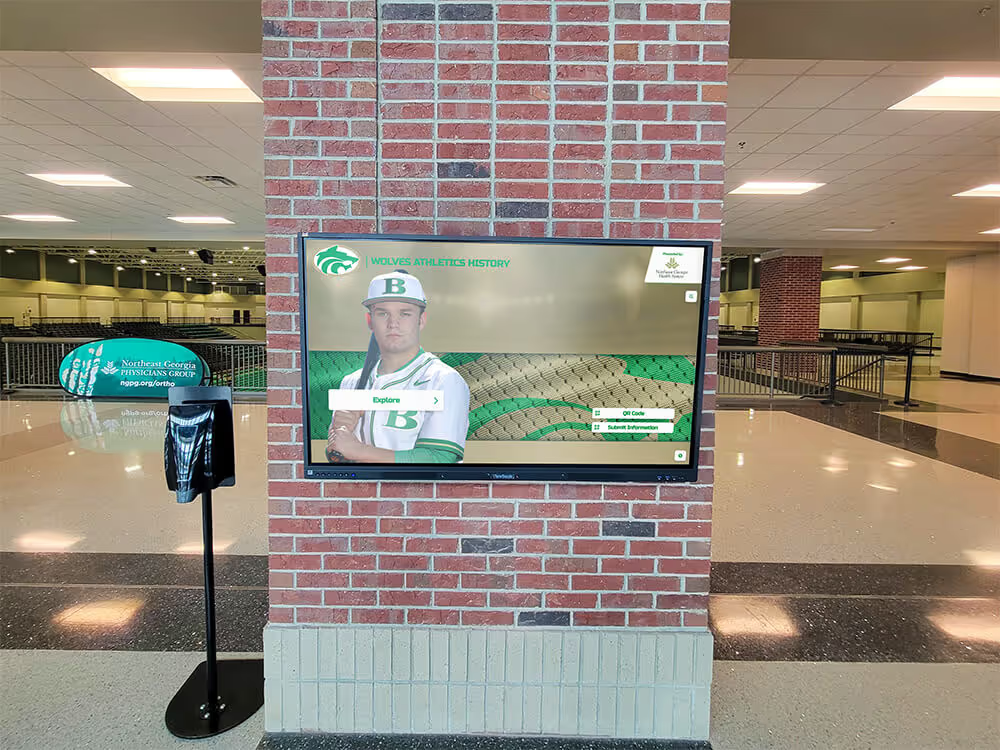
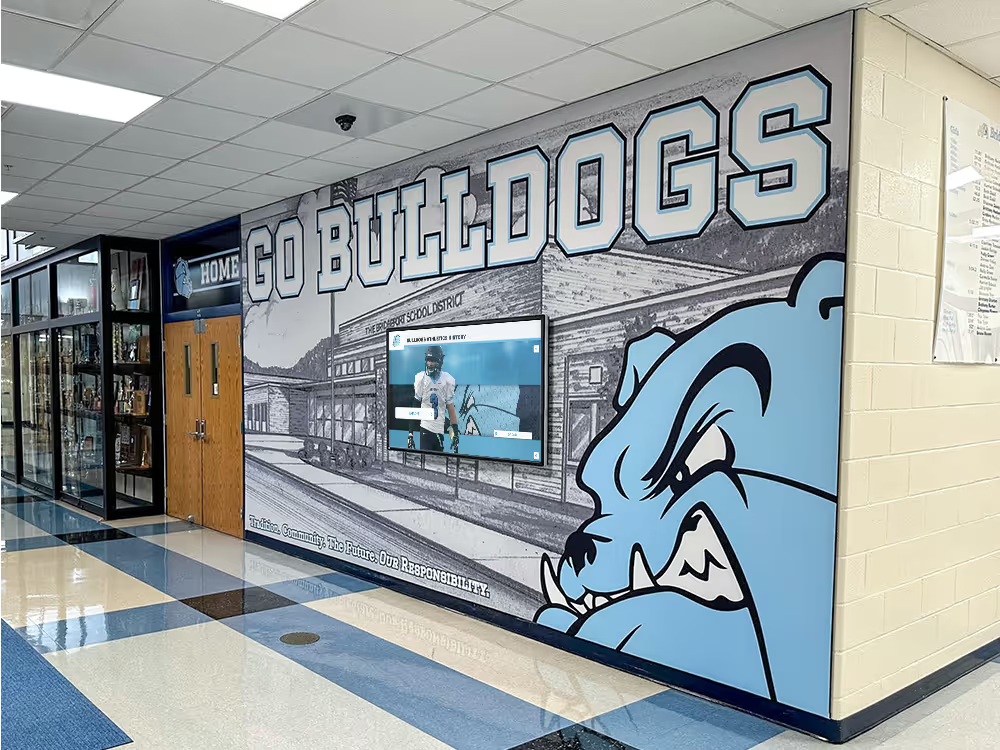
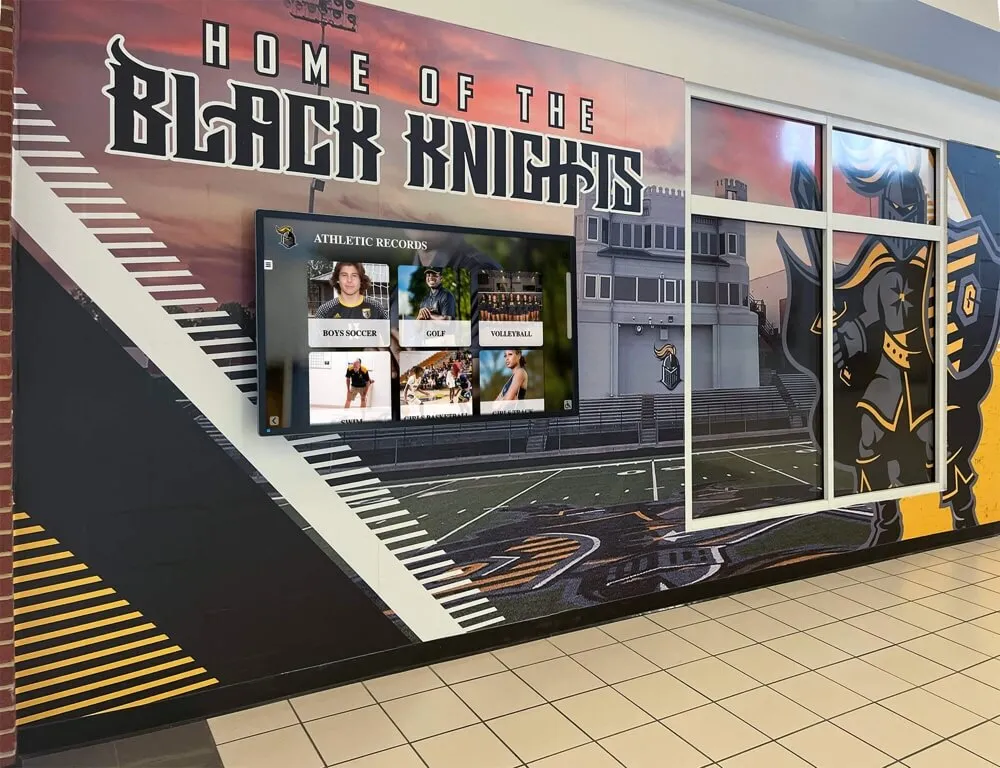
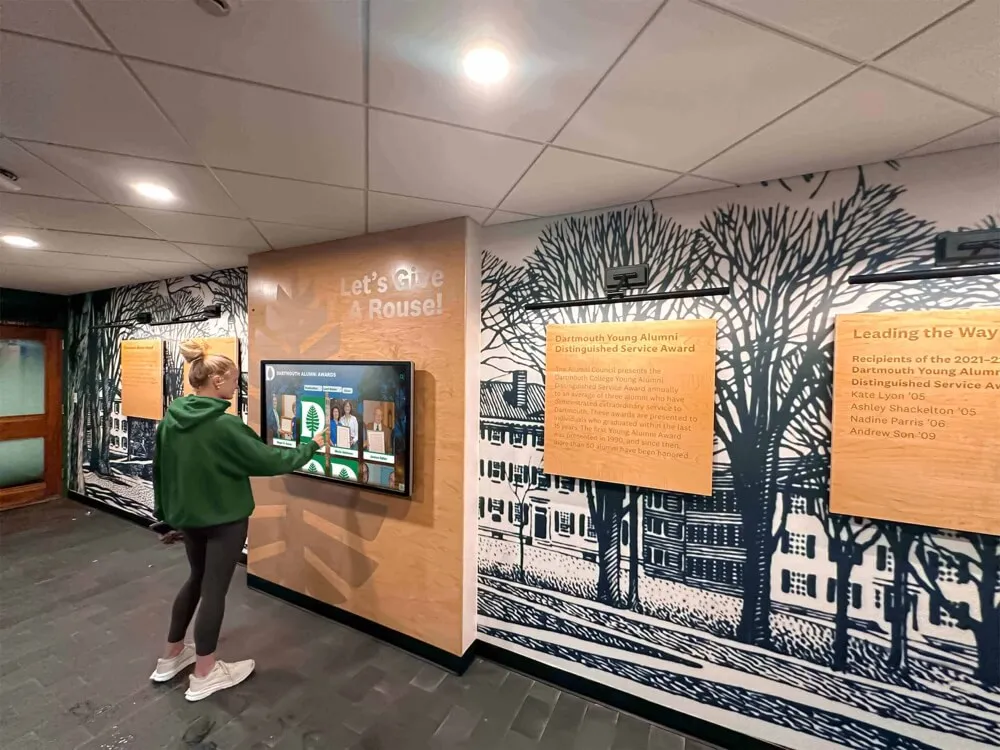
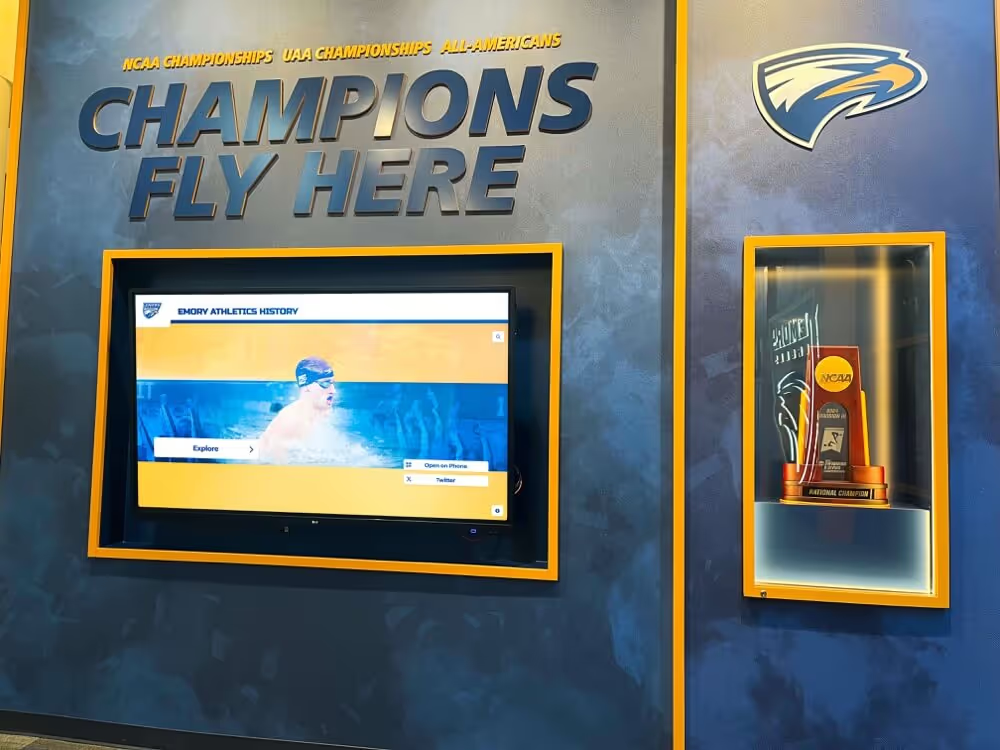
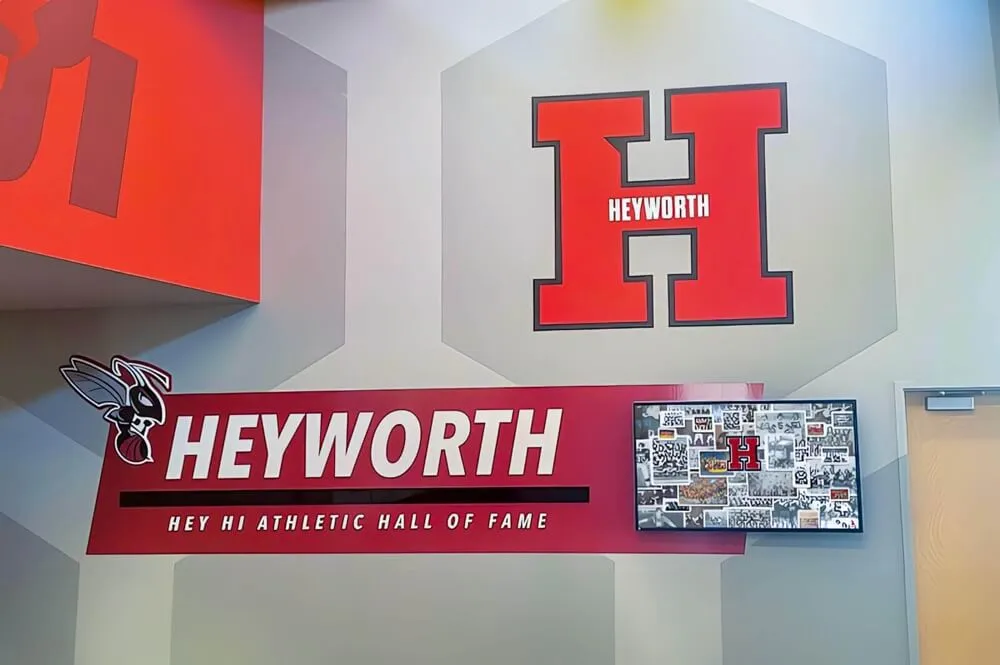
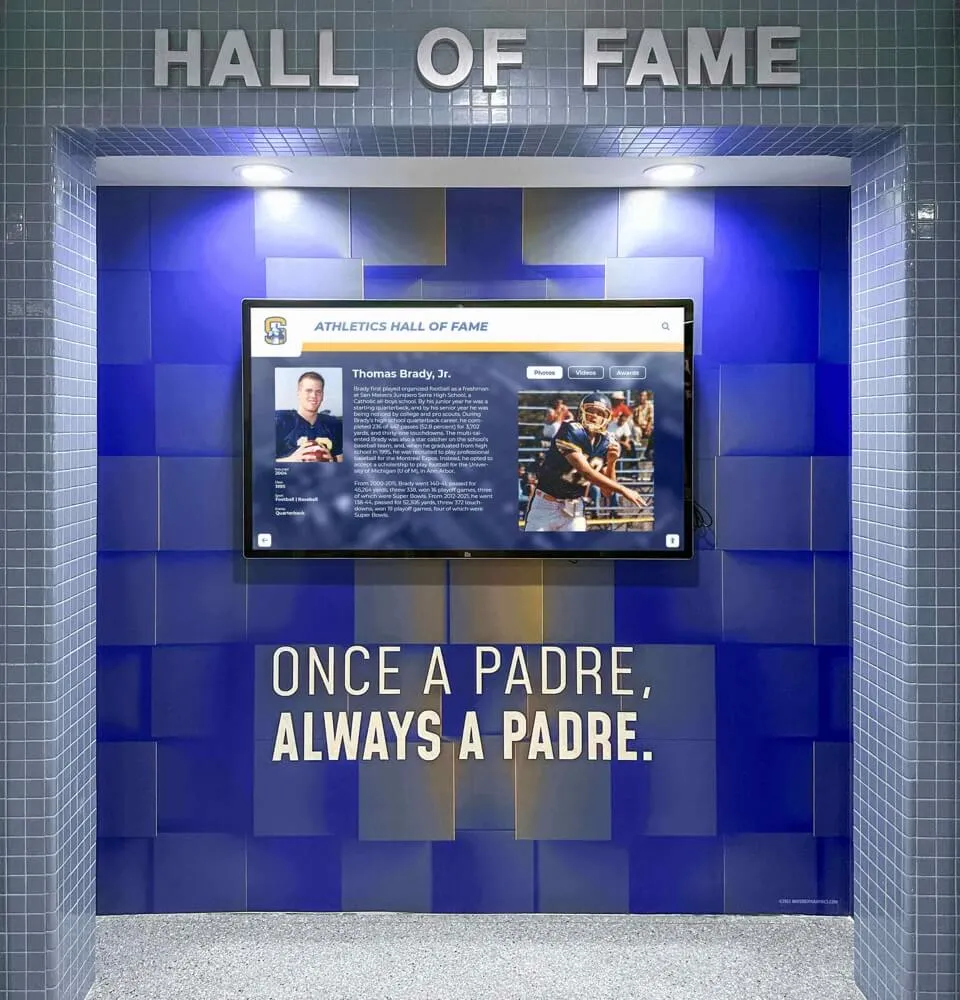
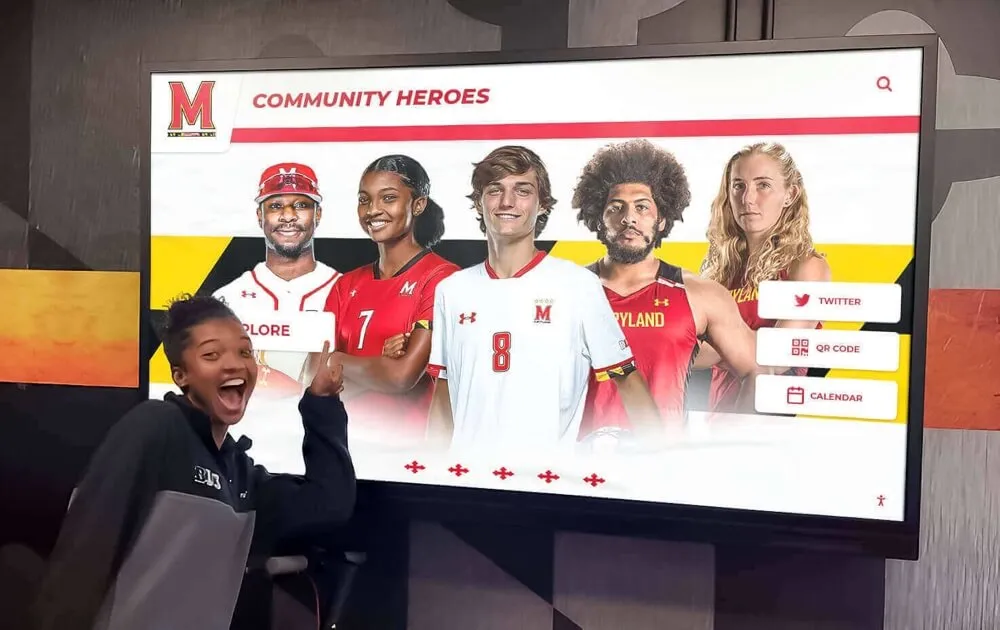
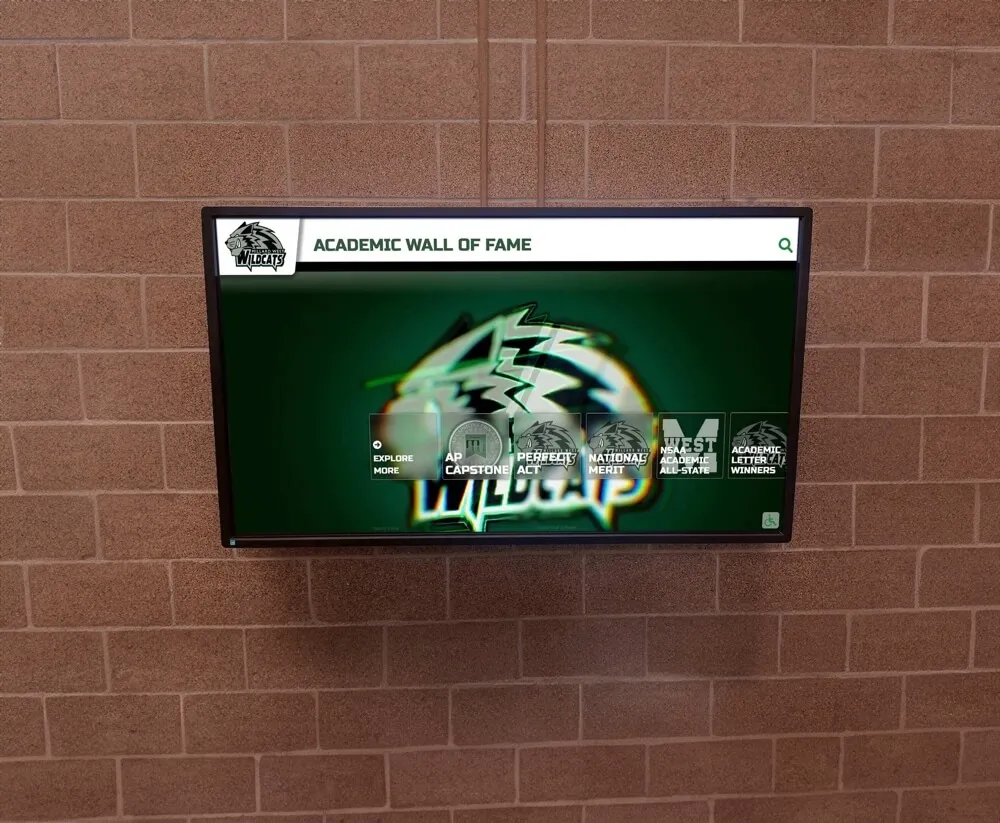
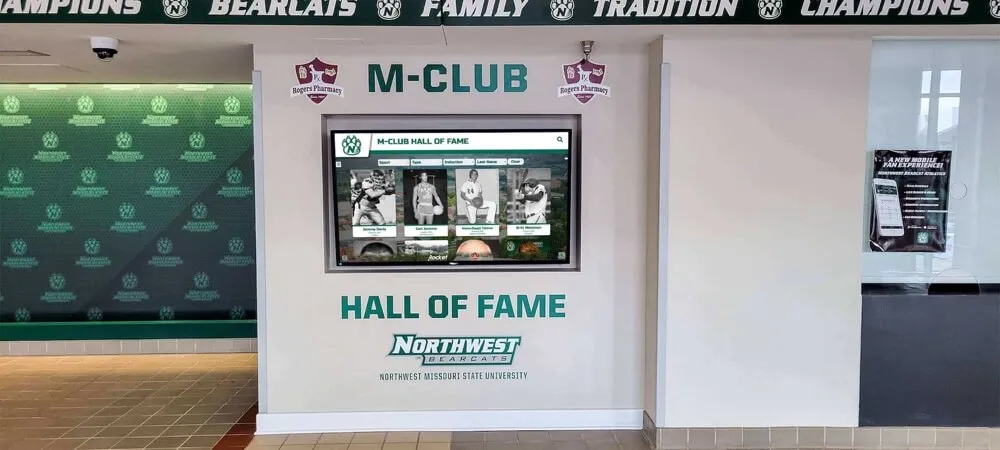
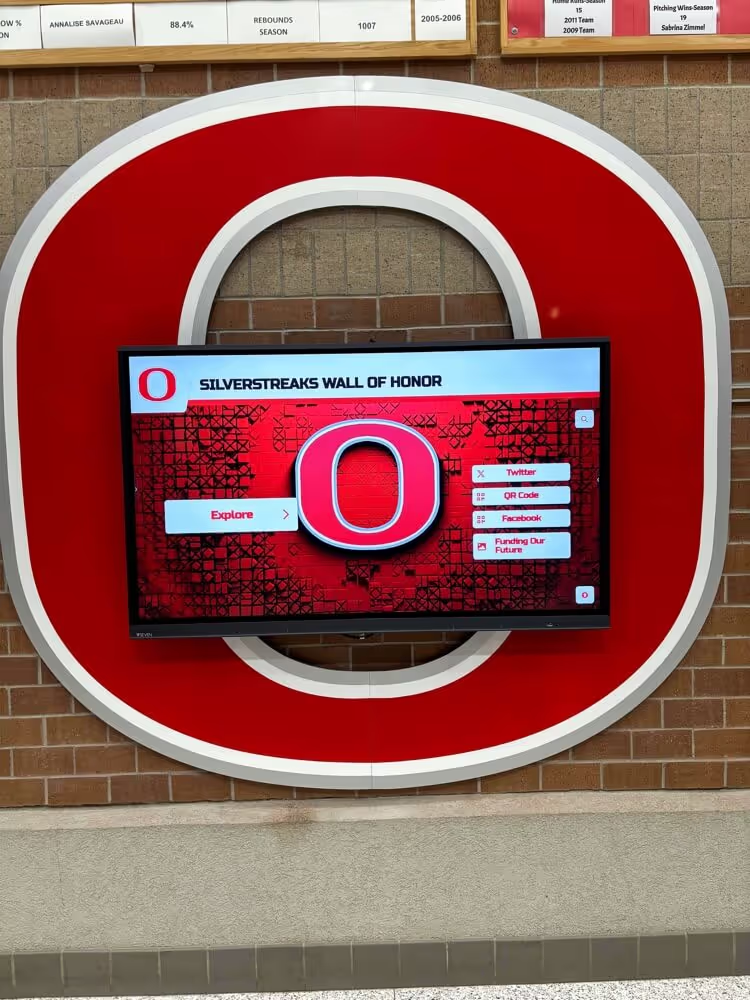
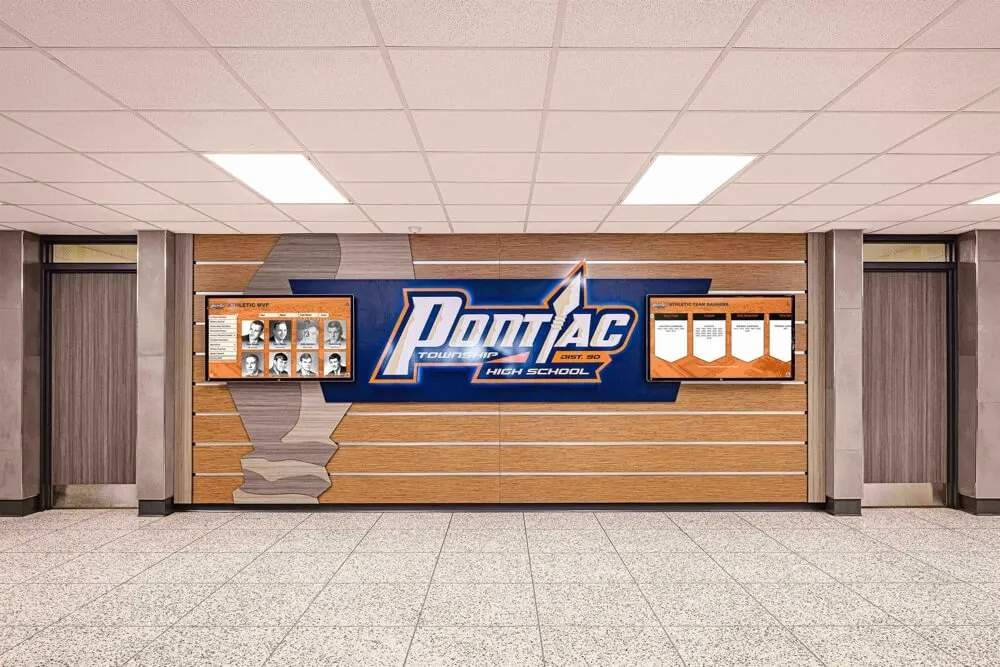
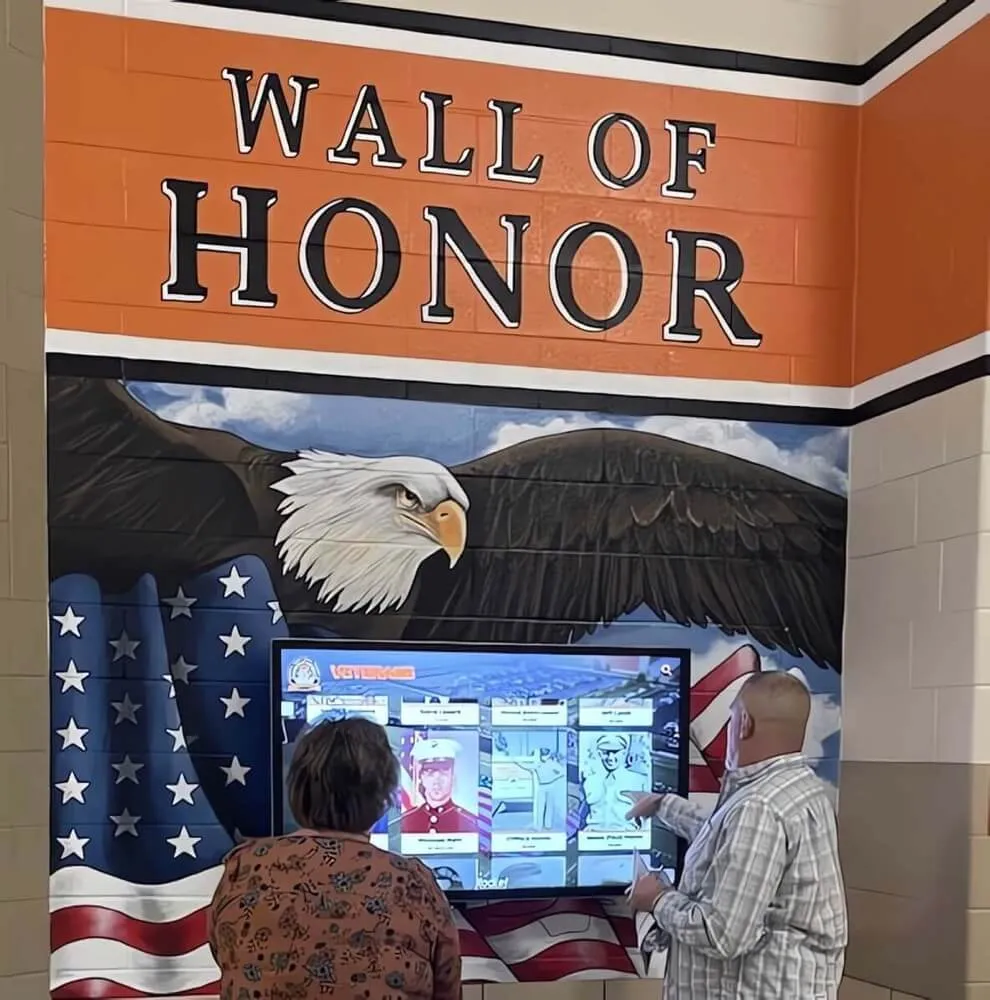
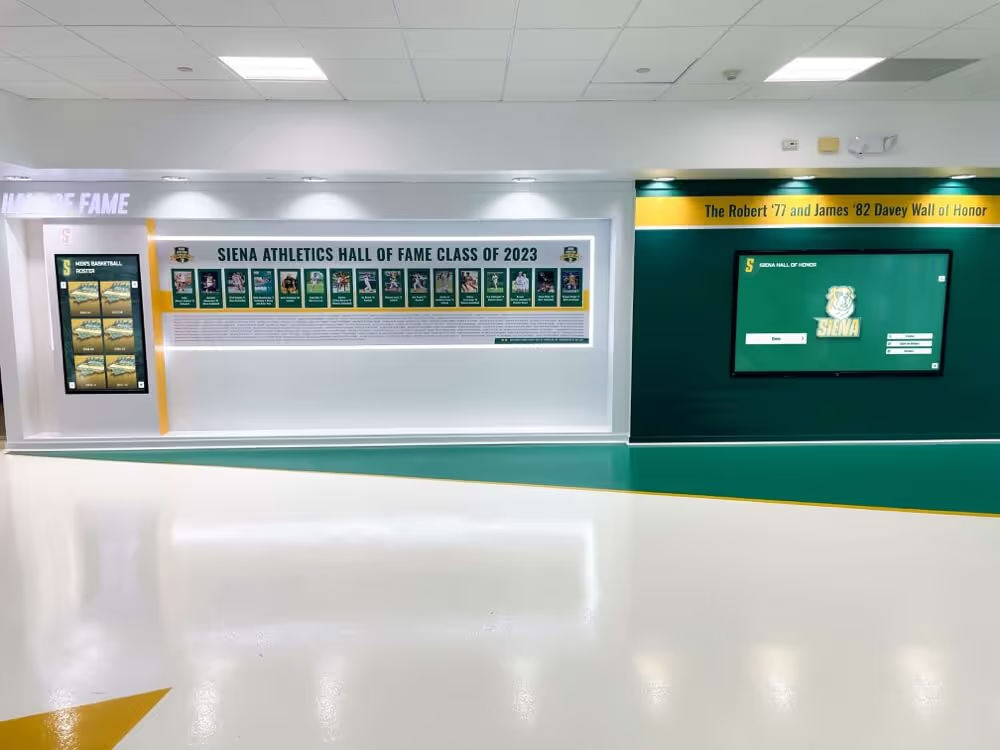
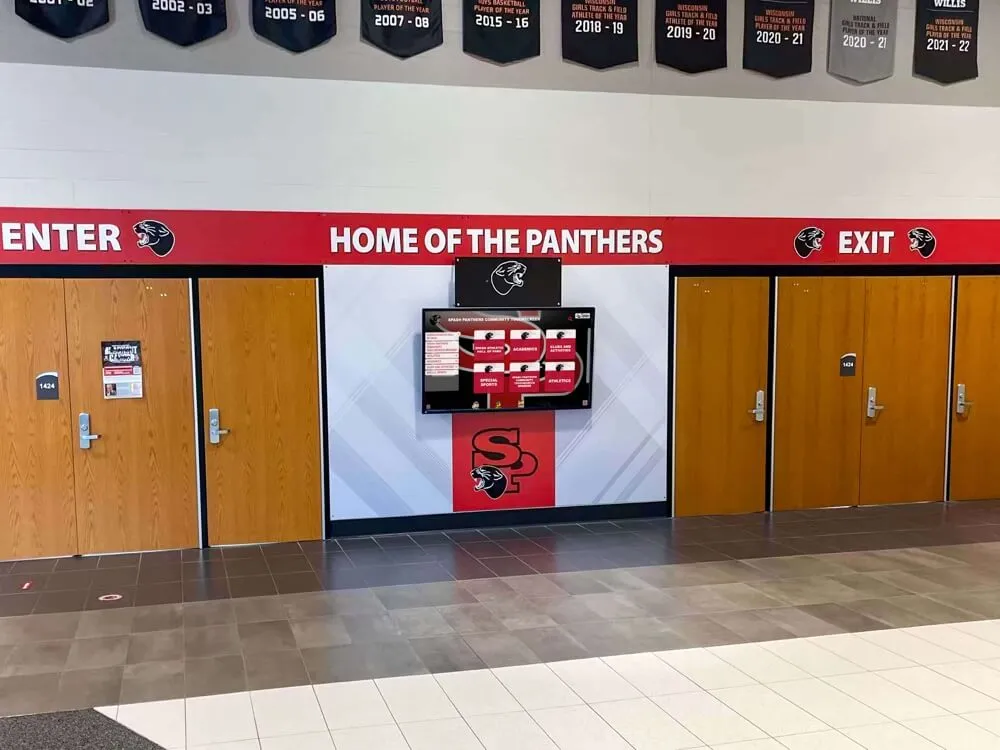
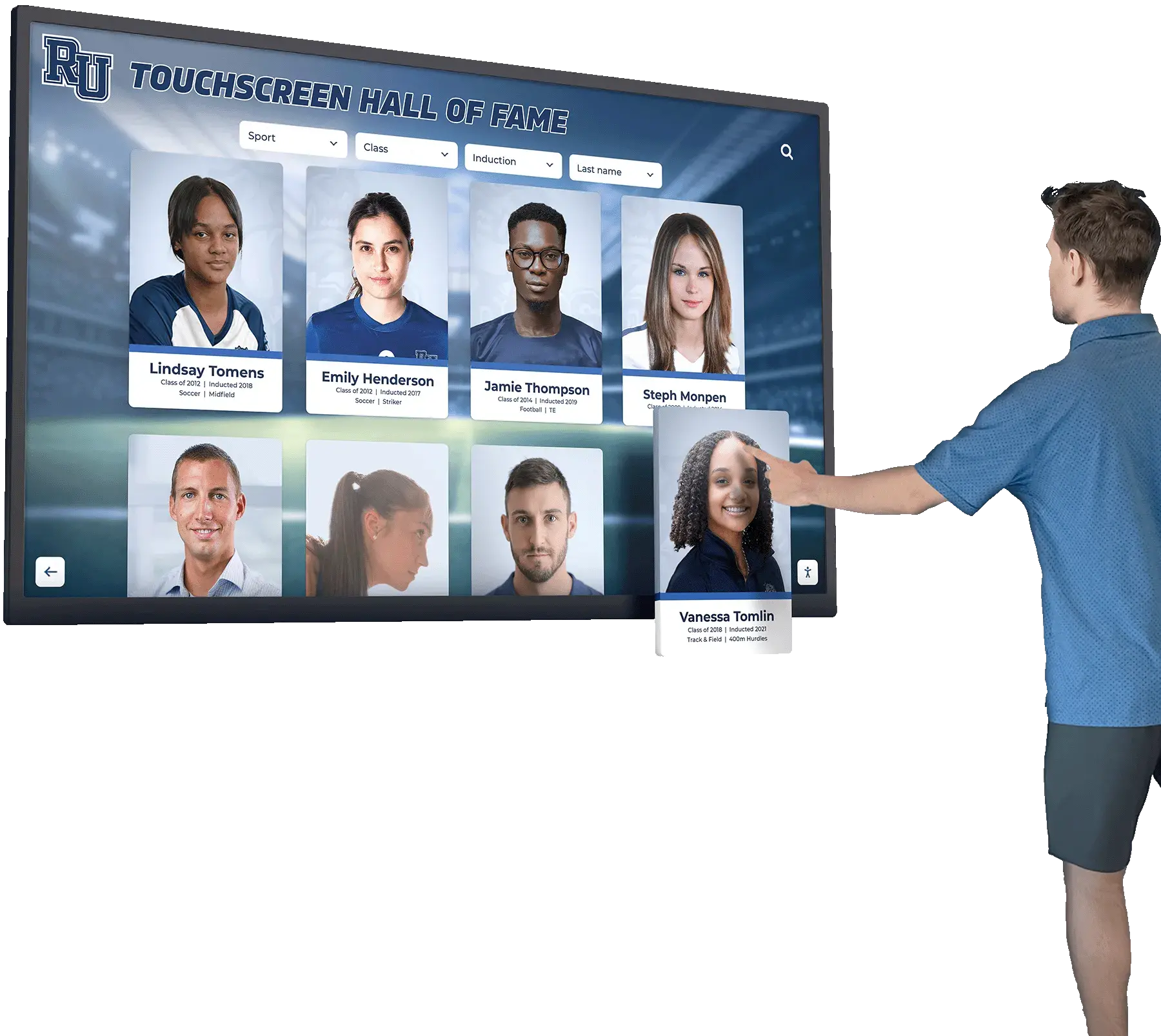
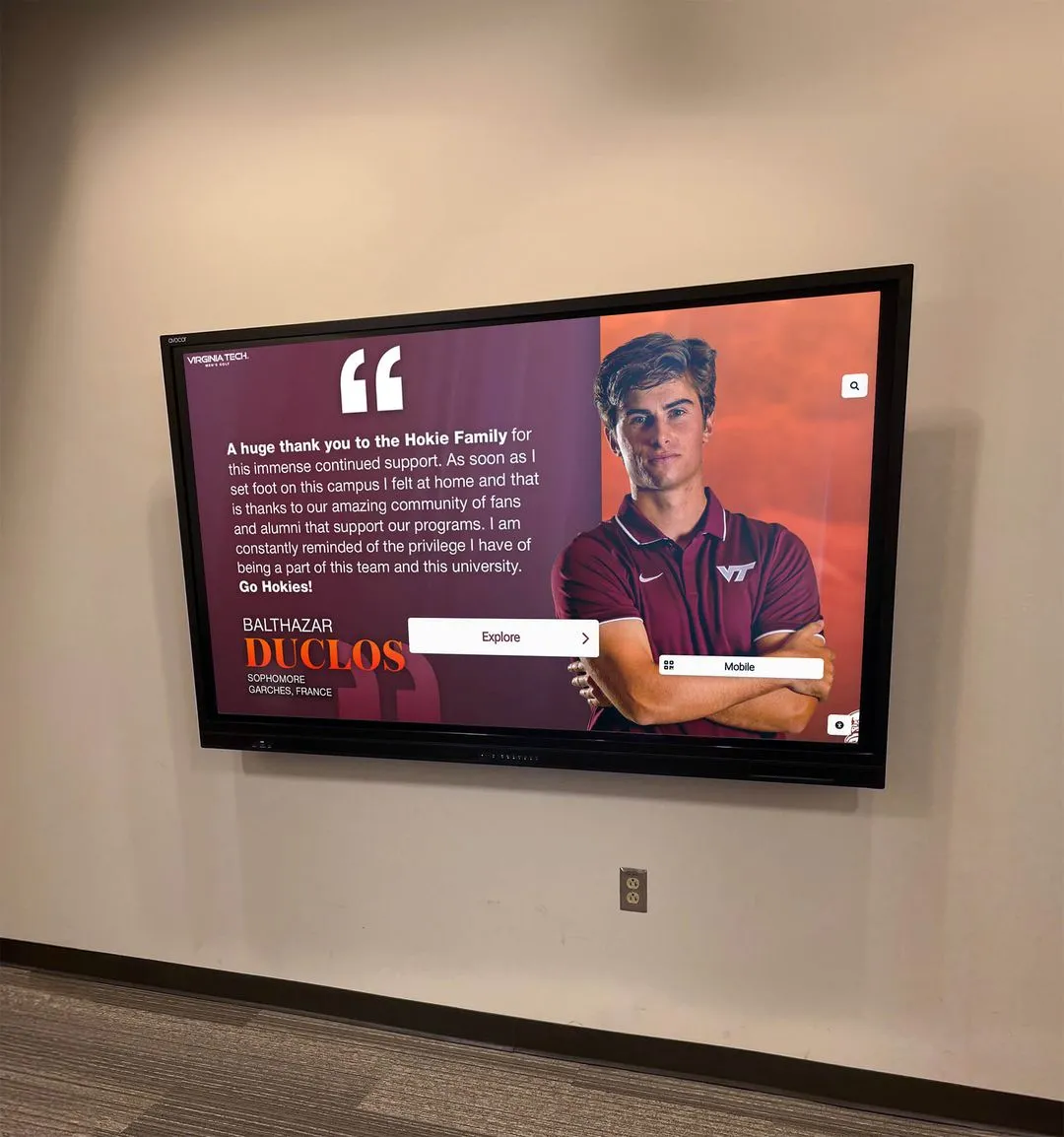
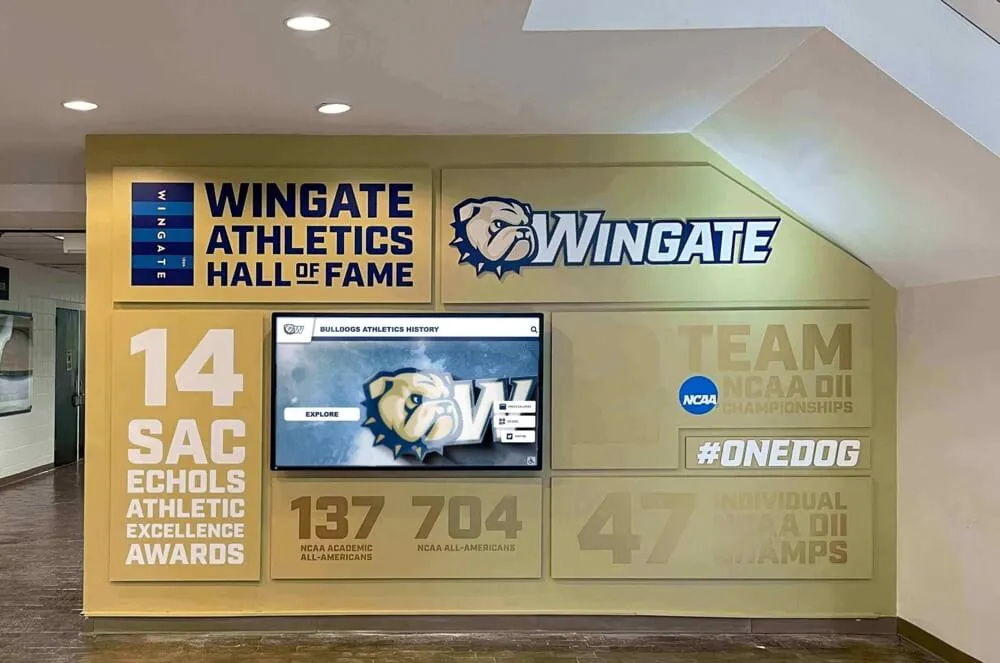
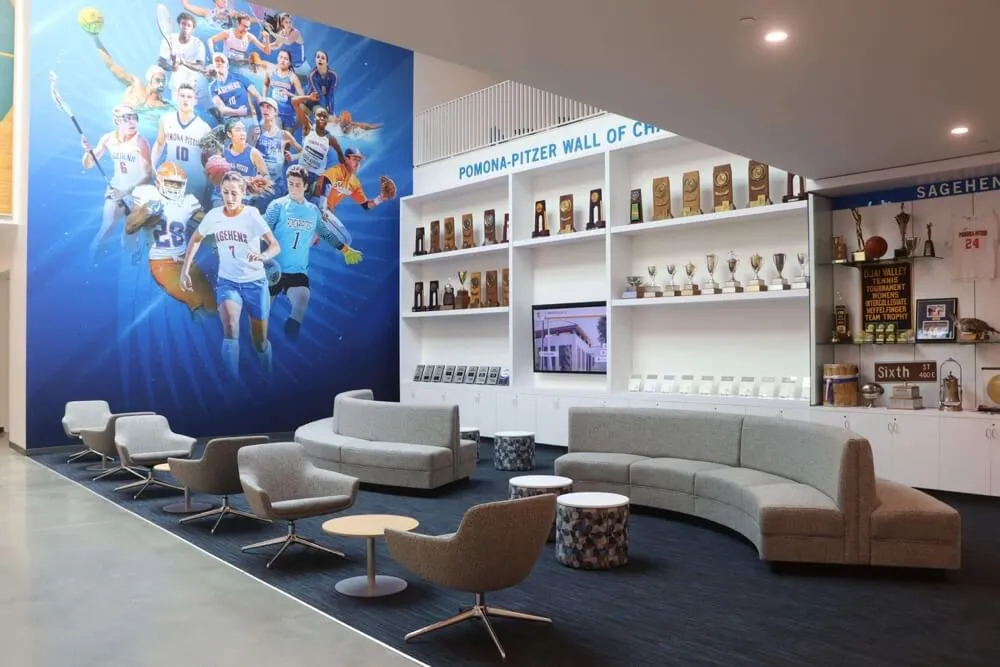
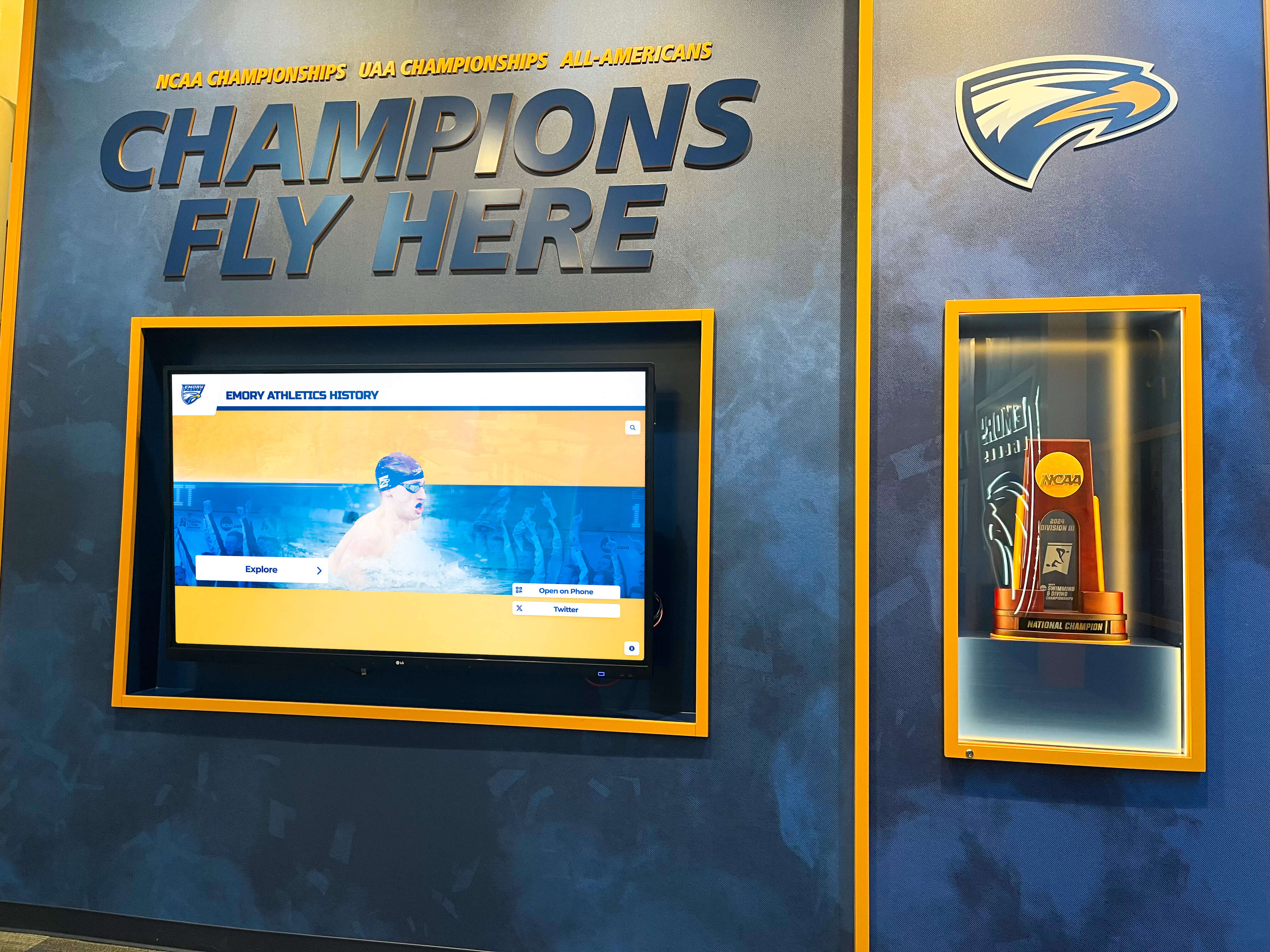
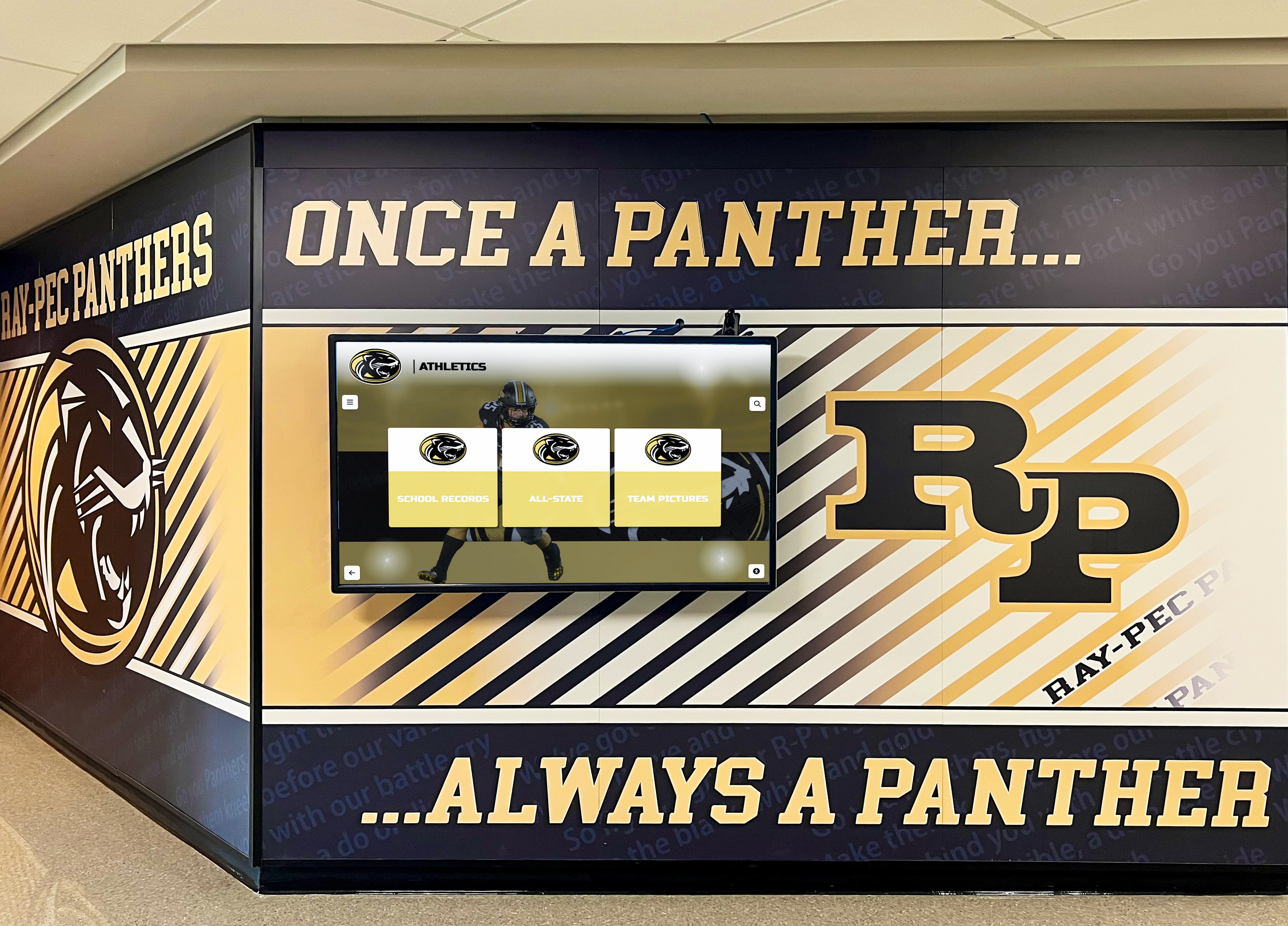
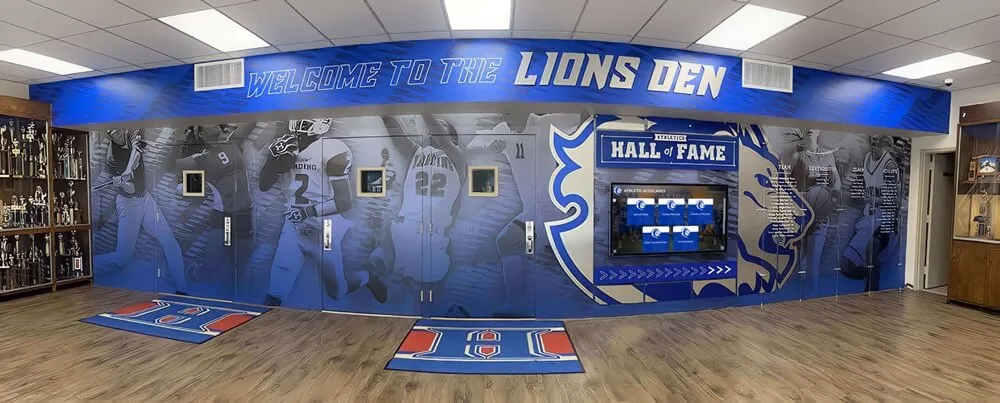
Many schools enhance their athletic facilities with digital recognition displays that celebrate athletic achievements and create engaging game day atmospheres. These modern touchscreen systems complement traditional concession operations by providing additional revenue opportunities through sponsorship recognition while honoring student-athlete accomplishments.
Food and Beverage Inventory
Concession stands succeed by offering the right mix of items balancing popularity, profit margins, preparation simplicity, and storage requirements. The following categories represent core inventory for most school concession operations.
Hot Food Items
Hot Dogs and Buns: Classic concession staple with excellent profit margins (typically 400-600% markup). Purchase hot dogs in bulk cases (typically 80-120 count) and appropriately sized buns (8-count packages for retail; bulk 48-96 count for wholesale). Store frozen; thaw quantities needed for specific events.
Nachos and Cheese: Tortilla chips (individual portion bags or bulk for serving) paired with portion-controlled cheese sauce creates simple, profitable offerings. Consider adding jalapeños and chili as premium options.
Soft Pretzels: Frozen pretzels require simple preparation (typically baking or microwaving) and pair well with various condiments or cheese sauce. Individually wrapped pretzels maintain freshness and simplify service.
Pizza: Partner with local pizzerias for fresh pizza by-the-slice, or purchase frozen pizzas for on-site preparation. Slice sales typically generate better per-unit revenue than whole pies while offering customers lower-commitment purchases.
Popcorn: Pre-portioned popcorn kits simplify preparation and ensure consistency. Purchase popcorn, oil, and seasoning in bulk for better unit costs. Popcorn represents some of the highest profit margins in concession operations—ingredient costs of $0.15-0.25 per serving selling for $2-4.
Walking Tacos: Individual chip bags (Fritos, Doritos) topped with chili, cheese, lettuce, tomatoes, and sour cream create popular hand-held meals. This requires minimal equipment and generates strong margins.
Cold Food and Snacks
Chips and Snacks: Variety packs including popular brands (Lays, Doritos, Cheetos, pretzels) appeal to different preferences. Individual serving bags prevent waste and simplify pricing. Purchase in bulk cases (typically 50-104 count variety packs) for wholesale pricing.
Candy Bars: Standard candy selections (Snickers, M&Ms, Reese’s, Twix, Milky Way, Skittles, Starburst) sold individually. Purchase bulk candy boxes (typically 30-48 bars per box) from wholesale suppliers rather than retail multipacks.
Cookies and Baked Goods: Individually wrapped cookies, brownies, Rice Krispy treats, and similar items offer variety. Partner with local bakeries, school culinary programs, or purchase commercial packaged options.
Ice Cream and Frozen Treats: Ice cream sandwiches, drumsticks, popsicles, and frozen candy bars appeal particularly during warm-weather sports. Require reliable freezer capacity and careful inventory management due to temperature sensitivity.
Beverages
Bottled Water: Essential offering available in cases (typically 24-35 bottles). Purchase from wholesale clubs (Costco, Sam’s Club) or beverage distributors for best pricing. Serve cold for premium pricing ($1.50-2.00); room temperature as basic option ($1.00).
Sports Drinks: Gatorade, Powerade, and similar brands in 20 oz. bottles appeal to athletes and active spectators. Purchase in variety packs offering multiple flavors.
Soft Drinks: Canned sodas in popular varieties (Coke, Pepsi, Sprite, Dr. Pepper, Mountain Dew) represent significant sales volume. Establish relationships with Coca-Cola or Pepsi distributors for wholesale pricing and potential sponsorship opportunities. Serve from ice chests or refrigerated cases.
Coffee and Hot Chocolate: For cold-weather events, hot beverages appeal to spectators. Bulk coffee and hot chocolate mix create high-margin offerings with minimal ingredient costs.
Juice Boxes and Pouches: Particularly popular for youth sports, offering kid-friendly options. Purchase variety packs in bulk cases.
Schools implementing comprehensive athletic recognition programs often see increased community engagement at sporting events, which directly correlates with higher concession sales as more families attend games to see honored athletes compete.
Operational Supplies and Materials
Beyond food and equipment, numerous operational supplies enable efficient, safe, sanitary concession service that meets health codes and customer expectations.
Food Service Supplies
Food Service Gloves: Disposable food handling gloves (latex-free to accommodate allergies) in multiple sizes ensuring proper fit for all volunteers. Purchase in bulk boxes (typically 100-200 gloves per box). Budget for higher usage than anticipated—volunteers often change gloves frequently to maintain sanitation.
Serving Utensils: Tongs for hot dogs and pretzels, scoops for nacho chips, ladles for chili, spoons for condiments. Stainless steel utensils last longer than plastic alternatives. Purchase multiple sets enabling rotation to sanitizer solution during service.
Paper Products - Serving: Nacho trays, hot dog boats, pizza plates, popcorn bags or boxes, and general-purpose food boats or baskets. Match sizes to portions served. Purchase in bulk cases (typically 500-1,000 count) for significant savings over retail quantities.
Napkins: Concession operations use napkins in high volumes. Purchase economical bulk napkins (typically 6,000-10,000 count cases) from restaurant supply vendors rather than retail packages. Consider branded napkins with school colors or logos for minimal additional cost.
Straws: Individually wrapped straws for beverages. Bulk boxes of 10,000+ straws from restaurant suppliers provide best unit pricing.
Cups - Hot and Cold: Hot beverage cups (8-12 oz.) with lids and sleeves for coffee and hot chocolate; cold beverage cups (12-24 oz.) for soft drinks if not serving canned/bottled. Purchase corresponding lids. Bulk cases of 1,000+ cups offer wholesale pricing.
Aluminum Foil and Plastic Wrap: For food storage, wrapping warm items, and maintaining food temperatures. Heavy-duty commercial rolls prove more economical than retail boxes.
Trash Bags: Heavy-duty trash bags in appropriate sizes for your receptacles. Concessions generate significant waste; plan for higher volumes than typical use. Purchase contractor-grade bags in bulk.
Cleaning and Sanitation Supplies
Sanitizing Solution and Test Strips: Three-compartment sanitizing systems (wash, rinse, sanitize) meet health code requirements for utensil washing. Sanitizing solution (typically quaternary ammonia or chlorine-based) must maintain proper concentrations verified with test strips. Purchase commercial sanitizing products and corresponding test strips from restaurant supply vendors.
All-Purpose Cleaner and Degreaser: Commercial cleaning products for countertops, equipment, and food preparation surfaces. Food-safe, multi-surface cleaners appropriate for commercial food service environments.
Disposable Cleaning Cloths or Bar Towels: Color-coded cleaning cloths help prevent cross-contamination—different colors for food contact surfaces versus general cleaning. Disposable options simplify sanitation; reusable bar towels require proper laundering between uses.
Hand Soap and Sanitizer: Handwashing stations require antibacterial soap; supplemental hand sanitizer stations provide additional sanitation access. Touchless dispensers improve hygiene and reduce waste.
Paper Towels: Bulk roll paper towels for handwashing stations and general cleaning. Commercial roll towels with compatible dispensers prove more economical than folded multifold towels for high-volume use.
Mop, Bucket, and Floor Cleaner: Floor maintenance throughout events and thorough cleaning post-event. Commercial wet floor signs improve safety during cleaning.
Grease-Cutting Dish Soap: Commercial dish soap formulated for food service grease and residue. Bulk containers reduce per-use costs.
Organizational and Administrative Supplies
Cash Box and Money Management Supplies: Secure cash box with compartments for bills and coins, starting change bank (typically $100-200 in small bills and coins), money bags for deposits, and counterfeit detection pens for larger bills. Some operations implement cash counting sheets for reconciliation accountability.
Pricing Signs and Menu Boards: Clear, visible pricing reduces service time and prevents customer confusion. Laminated price sheets, chalkboard or dry-erase menu boards, or printed banners displaying offerings and prices. Update regularly as prices or inventory change.
Inventory Tracking Sheets: Pre-printed inventory sheets listing all items, with columns for beginning inventory, items received, items sold, ending inventory, and variance. Systematic inventory tracking identifies popular items, prevents shortages, reveals losses, and informs future purchasing.
Volunteer Scheduling Materials: Sign-up sheets, confirmed schedule postings, contact information for volunteers, and shift assignment documents. Digital scheduling tools (SignUpGenius, Volunteer Scheduler Pro) streamline coordination but require backup printed schedules for the stand.
Tip Jar (Optional): Some operations allow tip jars, with proceeds supporting specific team needs or recognizing volunteer efforts. Check school and booster club policies before implementing.
Thermometers: Food safety requires monitoring hot-holding temperatures (hot dogs, cheese sauce, coffee) and refrigeration temperatures. Instant-read probe thermometers for checking food temperatures; appliance thermometers for monitoring refrigerator/freezer temperatures. Digital thermometers provide quick, accurate readings.
Permanent Markers and Labels: For dating inventory, labeling containers, marking special instructions, and general operational communications. Permanent markers in multiple colors aid organization.
Extension Cords and Power Strips: Many equipment items require electrical power. Commercial-grade, grounded extension cords rated for equipment amperage, and power strips with surge protection. Ensure cords create no tripping hazards.
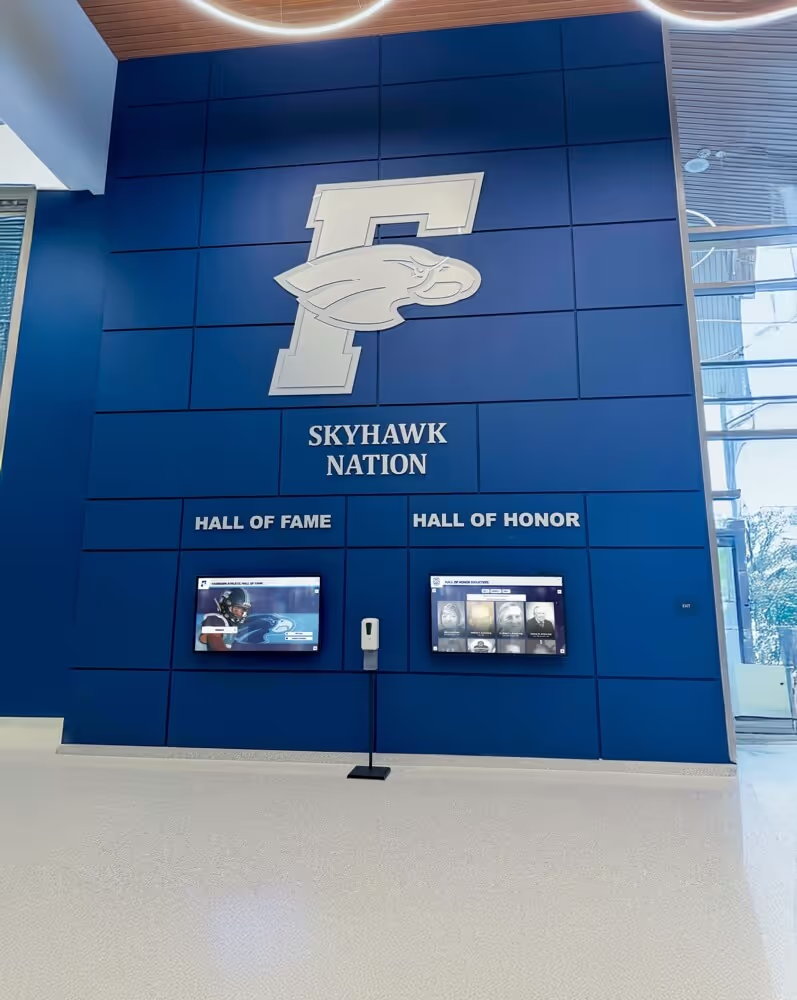
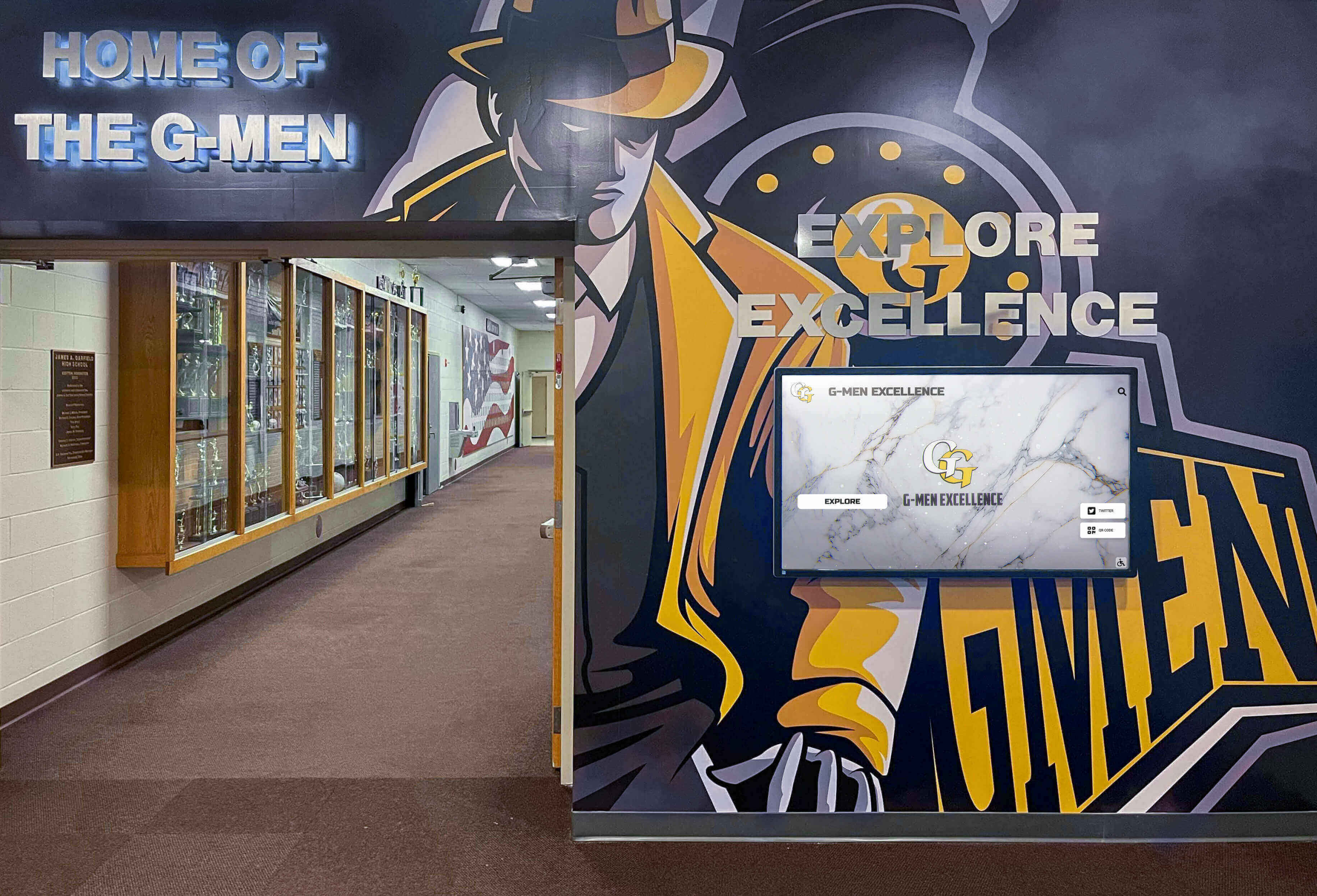
Advanced athletic programs increasingly leverage interactive touchscreen displays to enhance fan experiences and showcase athlete achievements. These modern recognition systems create memorable game day atmospheres that encourage attendance and community support—directly benefiting concession operations through increased customer traffic.
Safety and Compliance Supplies
Operating food service facilities requires adherence to health codes, safety regulations, and liability management that protect both customers and the organization.
Health Department Compliance
Food Handler Certification Materials: Most jurisdictions require food handlers to complete food safety training and certification. Online certification programs (ServSafe, Always Food Safe) provide training and testing. Maintain current certifications for all regular volunteers and provide abbreviated training for occasional helpers.
Allergen Information and Signage: Common food allergens (peanuts, tree nuts, milk, eggs, wheat, soy, fish, shellfish) require disclosure. Maintain ingredient lists for all items served, post allergen warnings for high-risk items, and train volunteers to respond to allergen inquiries. Pre-printed allergen information cards simplify communication.
Temperature Log Sheets: Health codes require documenting that refrigeration maintains proper cold temperatures (typically ≤41°F) and that hot foods maintain safe hot temperatures (typically ≥135°F). Pre-printed temperature logs with time stamps create systematic compliance documentation.
Handwashing Station Supplies: Health codes mandate accessible handwashing facilities with hot and cold running water, soap, and single-use towels. If your facility lacks permanent handwashing stations, portable handwashing stations meet requirements.
First Aid Kit: Comprehensive first aid kit addressing minor injuries (cuts, burns, minor wounds) common in food service environments. Include burn gel, bandages in multiple sizes, antiseptic wipes, and first aid guide. Designate trained volunteers familiar with first aid procedures.
Fire Safety
Fire Extinguisher: Appropriately rated fire extinguisher (Class K for kitchen fires involving cooking oils/grease; Class ABC for general purposes) mounted in accessible location. Annual inspections ensure functionality; train volunteers on proper use.
Fire Suppression for Cooking Equipment: Commercial cooking equipment may require automatic fire suppression systems or hood systems depending on equipment type and local codes. Consult local fire marshal for requirements specific to your operation.
General Safety Equipment
Non-Slip Mats: Commercial kitchen anti-fatigue mats with slip-resistant surfaces reduce fall risks in areas where water or grease may accumulate. Beveled edges prevent tripping.
Wet Floor Signs: Portable wet floor warning signs deployed during cleaning or when spills occur reduce slip-and-fall liability.
Cut-Resistant Gloves: For volunteers handling sharp equipment, opening cans, or preparing foods where cutting injuries risk exists. Purchase in multiple sizes.
Seasonal and Event-Specific Considerations
Successful concession operations adapt inventory and supplies to specific sports seasons, weather conditions, and event types, optimizing offerings for actual customer preferences and needs.
Weather-Appropriate Inventory
Cold Weather Operations: Fall football and winter sports benefit from hot beverage emphasis (coffee, hot chocolate, hot apple cider), warm food items (hot soups in cups, chili, hot sandwiches), hand warmers sold as retail items, and indoor seating areas when possible. Cold weather typically increases per-customer spending as spectators seek warming foods and beverages.
Warm Weather Operations: Spring and early fall sports benefit from cold beverage variety (lemonade, iced tea, sports drinks, frozen treats), lighter food options (fruit cups, salads, cold sandwiches), ice cream and frozen novelties, and shaded service areas. Hot summer weather creates high-volume beverage sales but may reduce hot food appeal.
Sport-Specific Adaptations
Football Operations: Friday night football typically generates highest-volume concession traffic. Plan for peak demand periods (halftime, immediately pre-game), offer quick-service items minimizing wait times during these rushes, provide meal-sized portions appealing to families making concessions their dinner, and consider reserved opening hours during rivalry games or playoffs.
Basketball Operations: Indoor environments allow more elaborate preparation, smaller crowds than football enable more personal service, and parents attending youth games appreciate kid-friendly options and family meal deals.
Baseball/Softball Operations: Traditional baseball concessions (peanuts, Cracker Jack, sunflower seeds) appeal to tradition-minded customers. Multiple games per week during season require inventory management preventing over-purchasing perishables. Doubleheaders create extended sales opportunities but require sufficient inventory depth.
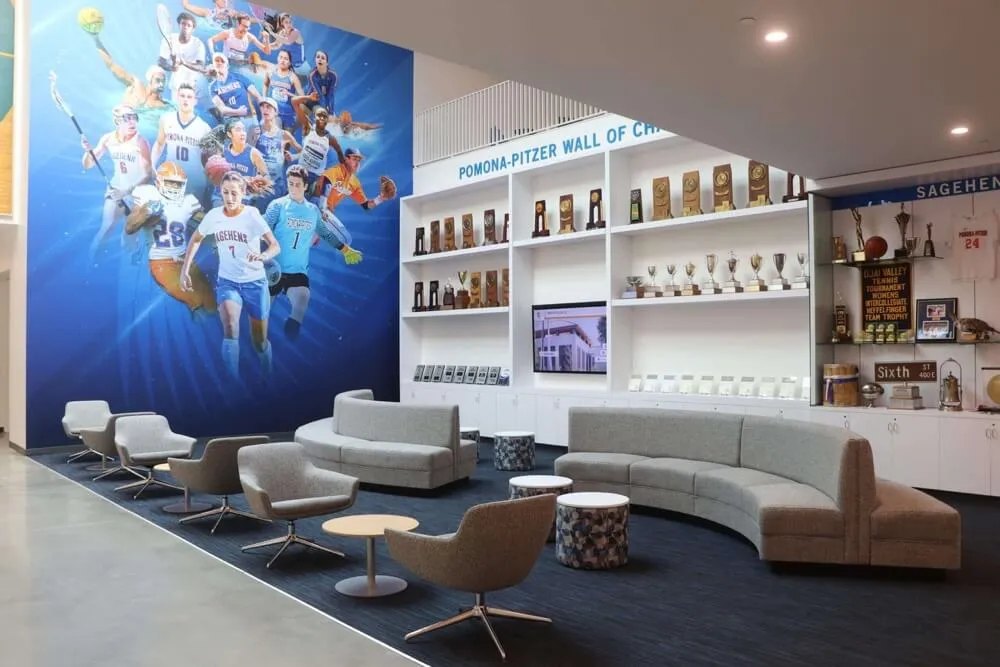
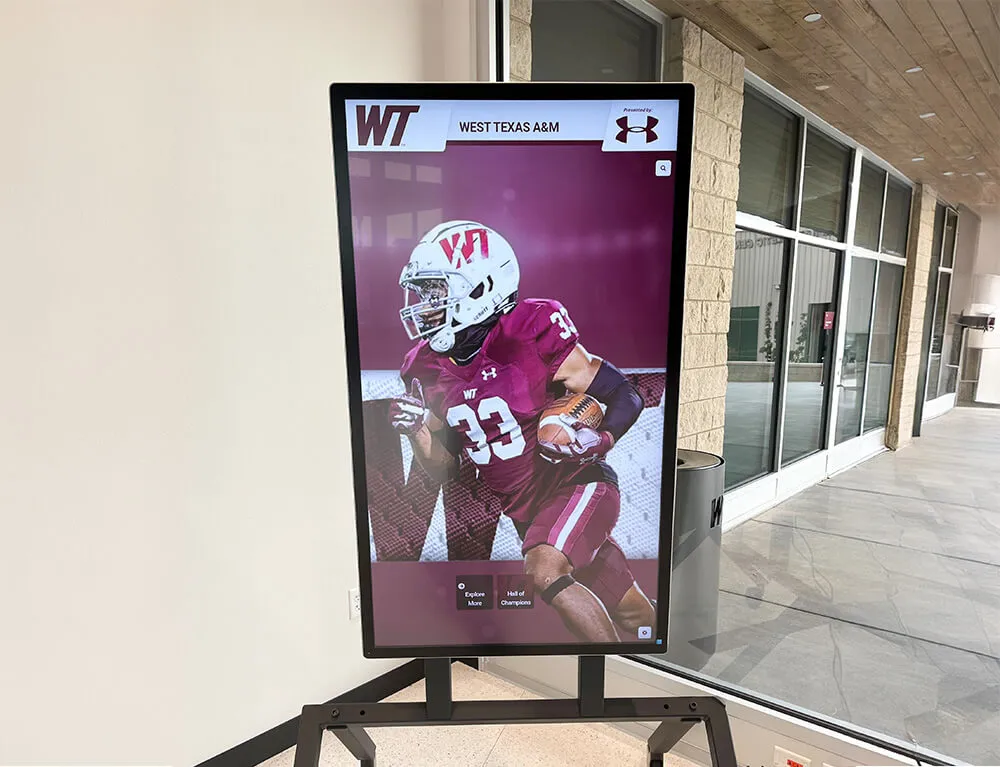
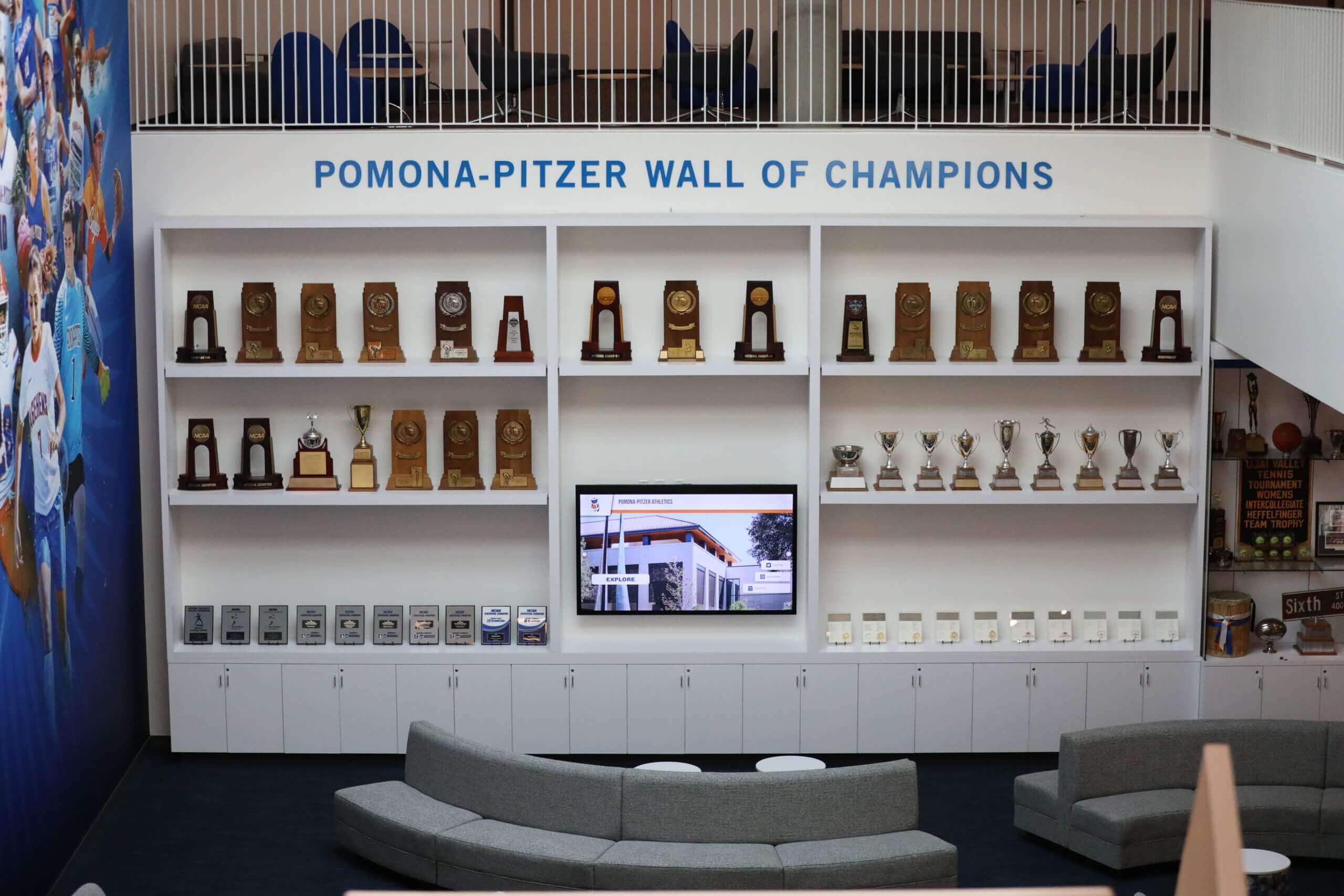
Schools celebrating athletic excellence through modern recognition systems report strengthened community connections and increased event attendance. Technologies from providers like Rocket Alumni Solutions enable schools to showcase student-athlete achievements through interactive digital displays that create memorable game day experiences—transforming athletic facilities into engaging community gathering spaces that naturally drive concession traffic.
Tournament and Special Event Preparation
Tournament Hosting: Multi-day tournaments or all-day events require dramatically increased inventory depth across all categories. Extended operating hours demand volunteer scheduling depth and potential for shift rotations. Out-of-town visitors may have higher spending propensity, creating upselling opportunities. Consider team meal packages or family deals for tournament attendees.
Senior Night and Recognition Events: Special recognition events often attract larger-than-typical crowds including extended family members. Increase inventory proportionally and consider commemorative items or special offerings honoring seniors.
Championship Games: Playoff and championship games generate excitement that typically translates to increased sales. Stock popular items at higher-than-normal levels, extend operating hours to accommodate larger crowds, and prepare for potential celebration-driven purchases.
Purchasing Strategies and Vendor Relationships
Strategic purchasing dramatically impacts concession profitability. The difference between retail and wholesale pricing can mean 30-50% margin improvement on identical inventory.
Wholesale Supplier Relationships
Warehouse Clubs: Costco, Sam’s Club, and BJ’s Wholesale offer accessible bulk purchasing for most concession staples. Membership costs prove insignificant compared to savings on bulk purchases. Warehouse clubs work well for non-perishable items (chips, candy, canned drinks, paper products) and frozen inventory with adequate storage.
Restaurant Supply Vendors: Specialized restaurant supply companies (US Foods, Sysco, Gordon Food Service) offer comprehensive food service supplies including items unavailable at warehouse clubs. Many provide delivery service, credit terms, and dedicated sales representatives assisting with product selection. Minimum order requirements may apply but typically prove manageable for regular concession operations.
Cash-and-Carry Stores: Restaurant Depot and similar cash-and-carry food service stores combine restaurant supplier selection with warehouse club shopping flexibility. No delivery but no minimum orders; bring your own vehicle and shopping list.
Beverage Distributors: Coca-Cola and Pepsi maintain dedicated distributors serving schools and non-profits. Beyond competitive beverage pricing, distributors often provide refrigerated cases, branded signage, promotional materials, and potential sponsorship opportunities supporting athletic programs. Exclusive agreements may limit beverage brands but typically offer advantages outweighing limitations.
Local Partnerships: Bakeries, pizzerias, and food producers sometimes offer special pricing or donation arrangements supporting school programs. Local partnerships can differentiate your concessions while building community relationships.
Cost Management and Profit Optimization
Target Pricing Formulas: Most successful concession operations target 60-75% gross profit margins on food items. This means items costing $1.00 should sell for $3.00-4.00. Beverages often achieve higher margins; hot dogs and pizza typically fall in the 65-70% range; candy and chips can exceed 75% margins.
Calculate per-unit costs including all components—hot dog cost plus bun plus condiments; nachos cost includes chips, cheese, container, napkins. Compare total costs against selling prices ensuring adequate margins.
Loss Leaders vs. Profit Centers: Some operations price certain popular items (bottled water, coffee) at lower margins to drive traffic while maintaining premium margins on high-volume items (candy, chips, specialty items). Strategic pricing balances accessibility with profitability.
Volume Purchasing Timing: Purchase non-perishables during off-season sales (back-to-school promotions, holiday sales). Many suppliers offer end-of-season discounts on overstock items. Storage space permitting, purchasing full-season inventory during promotional periods can reduce costs 15-25%.
Waste Reduction: Expired inventory, spoiled perishables, and unused prepared food represent pure profit loss. Systematic inventory rotation (first-in, first-out), conservative purchasing of perishables, proper storage preventing spoilage, and accurate demand forecasting minimize waste.
Many athletic programs incorporate team awards and recognition displays that enhance school pride and increase event attendance. Higher attendance directly correlates with concession revenue, making investments in recognition programs—including modern digital touchscreen systems—complementary strategies supporting both student-athlete celebration and fundraising success.
Organizational Systems and Best Practices
Successful concession operations implement systematic approaches that make training volunteers easier, ensure consistency across different event dates, and prevent problems before they occur.
Opening and Closing Procedures
Pre-Event Opening Checklist: Standardized opening procedures ensure readiness regardless of which volunteers staff particular events. Comprehensive checklists include equipment startup (turn on warmers, start coffee, heat cheese), temperature verification (check refrigerator, freezer temps and log), inventory preparation (popcorn ready, hot dogs on grill, nachos set up), cash management (verify starting bank, test register/payment systems), sanitation verification (handwashing stations supplied, sanitizer prepared, surfaces clean), and final visual inspection ensuring organized, appealing presentation.
Post-Event Closing Checklist: Systematic closing prevents oversight and ensures facilities stay maintained. Closing procedures include financial reconciliation (count cash, complete deposit, reconcile sales), equipment shutdown and cleaning (clean grills, warmers, coffee makers thoroughly), inventory management (count remaining stock, note items needing replenishment, properly store perishables), waste management (remove all trash, clean floors, sanitize surfaces), and security (secure cash, lock equipment and facilities, turn off lights).
Laminated checklists posted prominently in concession areas help inexperienced volunteers complete procedures correctly without constant supervision.
Training Resources for Volunteers
Standard Operating Procedures Manual: Comprehensive written procedures document how to operate equipment, prepare specific items, handle transactions, address customer concerns, and follow food safety protocols. Ring-binder manuals stored in concession stands provide reference resources volunteers can consult during service.
Quick Reference Guides: One-page laminated guides for specific tasks—“How to Make Popcorn,” “Hot Dog Preparation and Service,” “Nacho Assembly”—posted near relevant workstations enable volunteers to work independently with minimal direction.
Video Training: Short video demonstrations showing equipment operation and food preparation help visual learners and can be reviewed before shifts. Videos posted on private YouTube channels or shared via team communication apps provide accessible training resources.
First-Shift Mentoring: Pair inexperienced volunteers with veteran workers for their initial shifts. Mentoring accelerates training while preventing errors and building volunteer confidence.
Inventory Management Systems
Perpetual Inventory Tracking: Systematic recording of inventory received, items sold, and closing counts creates historical data informing future purchasing. Spreadsheet templates or specialized inventory apps capture this data efficiently.
Track inventory at the individual item level initially to establish sales patterns. Once patterns emerge, you can streamline tracking to broader categories while maintaining detailed tracking for high-value or fast-moving items.
Par Level Systems: Establish minimum inventory levels (par levels) for each item below which you automatically reorder. Par levels prevent stockouts while avoiding excessive inventory tying up capital. Par levels should reflect typical sales volumes, lead times for replenishment, and storage capacity.
Vendor Performance Tracking: Monitor vendor reliability, pricing competitiveness, product quality, and service responsiveness. Systematic vendor evaluation helps identify which relationships deliver value and which require alternative sources.
Schools investing in comprehensive athletic recognition infrastructure including digital displays and donor walls often discover unexpected synergies between recognition programs and fundraising operations. The same community pride driving concession support benefits from visible celebration of athletic achievements, creating positive feedback loops where recognition enhances community engagement, increasing event attendance and concession revenue.
Technology and Payment Systems
Modern concession operations increasingly incorporate technology improving efficiency, customer service, and financial management.
Point-of-Sale Systems
Mobile POS Options: Tablet-based POS systems (Square, Clover, Toast) offer affordable, full-featured point-of-sale capabilities for concession stands. Benefits include transaction tracking, inventory management integration, digital receipts, credit/debit card processing, sales reporting and analytics, and employee/volunteer time tracking. Monthly fees typically range $0-60 plus payment processing fees (typically 2.6% + $0.10 per transaction).
Mobile POS systems require reliable internet connectivity (Wi-Fi or cellular hotspot) and tablet security (lockable stands or secured storage).
Traditional Cash Registers: Basic cash registers provide transaction recording, cash drawer management, and transaction totals without requiring internet connectivity or ongoing subscription fees. Electronic cash registers ($100-300) offer adequate functionality for operations preferring simplicity over advanced features.
Cashless Payment Processing
Credit/Debit Card Acceptance: Customers increasingly prefer card payments over cash. Accepting cards expands accessible payment methods, increases average transaction sizes (customers spend more with cards than cash), reduces cash handling and security concerns, and provides automatic transaction documentation.
Card processing requires merchant services accounts, card readers (traditional swipe, chip, or contactless), and processing fee budget (typically 2.5-3.5% of transaction plus per-transaction fees).
Mobile Payment Apps: Apple Pay, Google Pay, and similar contactless payments appeal to tech-forward customers. Most modern card readers support contactless payments alongside traditional cards.
Digital Wallets and Prepaid Cards: Some schools implement closed-loop payment systems where students/families load funds onto school IDs or apps, which can be spent at concessions, school stores, and events. These systems require initial investment but create convenience and detailed transaction tracking.
Communication and Coordination Tools
Group Communication Apps: Volunteer coordination through GroupMe, Slack, or team-specific apps streamlines scheduling, shift coverage requests, inventory alerts, and urgent communications. Centralized communication reduces missed messages occurring when relying on email or individual texts.
Digital Scheduling: Online scheduling tools (SignUpGenius, VolunteerSpot, When2Work) allow volunteers to claim shifts, see schedule gaps needing coverage, request shift trades, and receive automated reminders. Digital scheduling reduces coordination time for concession managers while improving volunteer experience.
Inventory Management Apps: Specialized inventory apps (SortlyInventory, Marketman) designed for food service operations track inventory levels, automate reorder triggers, monitor costs, and generate purchasing reports. These represent significant upgrades over spreadsheet tracking for larger operations.
Enhancing Game Day Experience
Beyond core concession operations, additional elements enhance customer experience, build community, and differentiate your stand from basic food service.
Atmosphere and Presentation
Branding and School Spirit: Concession areas branded with school colors, mascot imagery, team signage, and spirit decorations reinforce community identity. Branded aprons for volunteers, decorated serving areas, and themed promotions create memorable experiences beyond functional food service.
Music and Entertainment: Background music creates welcoming atmosphere during slower periods. Some operations display game feeds or highlight videos on screens visible from concession areas, keeping customers engaged while waiting.
Cleanliness and Organization: Visible cleanliness signals quality and food safety. Organized, well-maintained concession areas create positive impressions that generic or cluttered facilities cannot achieve. Regular surface wiping, trash removal, and organized product displays demonstrate professionalism.
Community Engagement Strategies
Featured Item Promotions: Rotating specialty items or themed promotions create excitement and encourage repeat visits. “Senior Night Sundaes,” “Championship Chili Dogs,” or “Spirit Week Specials” connect concessions to broader athletic program events.
Student-Athlete Involvement: Feature student-athletes in concession promotions—“Player of the Week” highlighted on signage, athletes serving as volunteer “celebrity workers” during special events, or menu items named after star players or successful teams. This connection builds pride while creating cross-promotion between athletic programs and fundraising operations.
Loyalty Programs: Simple punch cards or digital tracking offering free items after specific purchase quantities encourages repeat business. “Buy 9 hot dogs, get the 10th free” creates customer return incentive during multi-game seasons.
Family Meal Deals: Bundled pricing for family-sized portions (family popcorn, pitcher of drinks, pizza, nachos for $20) improves value perception while increasing transaction sizes.
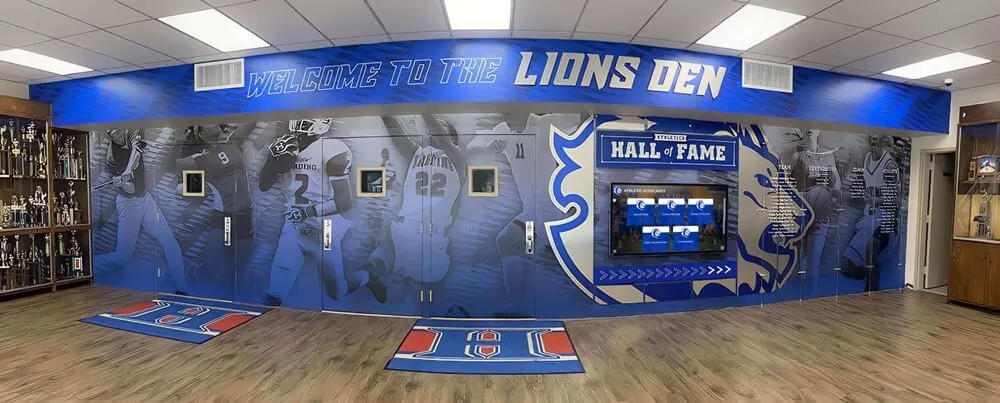
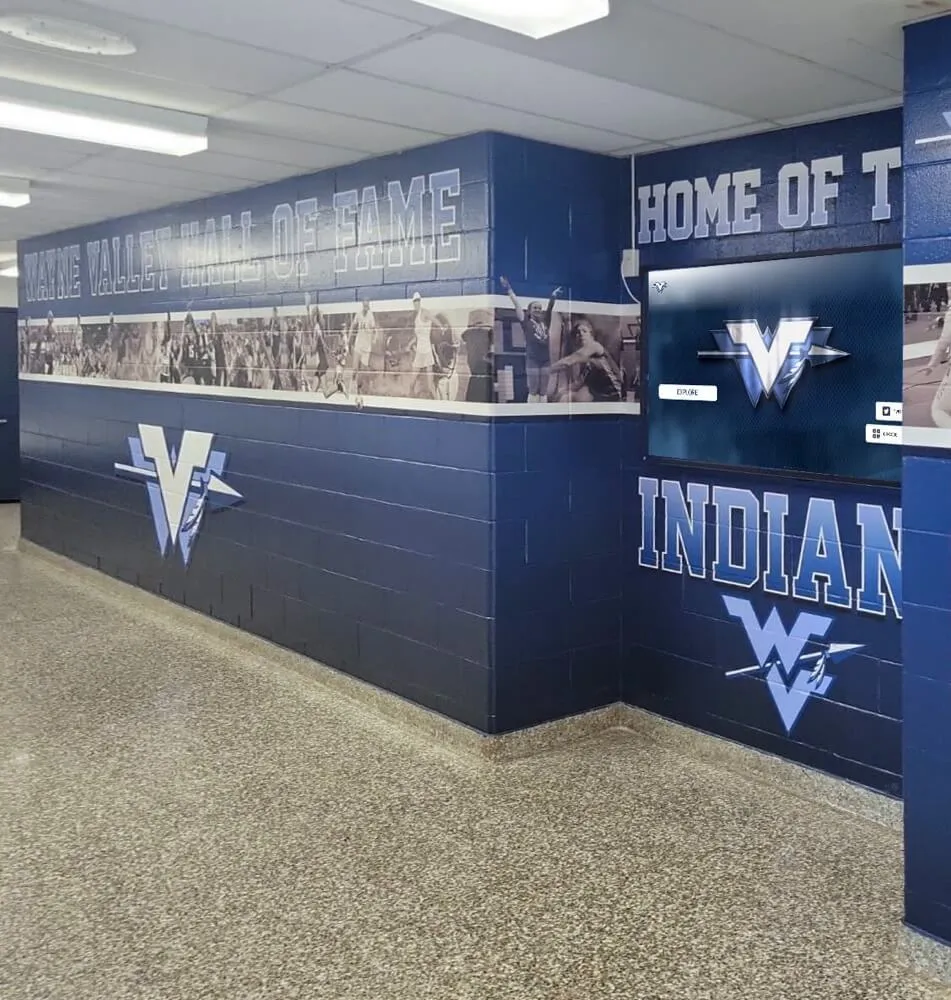
Modern athletic facilities increasingly integrate touchscreen recognition displays showcasing athletic achievements and creating engaging environments that encourage community gathering. These systems from providers like Rocket Alumni Solutions transform lobbies and common areas into interactive experience centers where families naturally congregate—creating complementary foot traffic that benefits adjacent concession operations.
Financial Management and Reporting
Systematic financial management ensures concession operations achieve fundraising potential while maintaining accountability expected of school-affiliated operations.
Revenue Tracking and Reconciliation
Daily Sales Reports: Document gross sales, itemized sales by category, payment method breakdown (cash vs. card), and deposit totals for every event. Standardized reporting templates ensure consistency across different volunteer teams.
Monthly Financial Summaries: Aggregate daily reports into monthly summaries showing total revenue, sales trends across different sports/events, top-performing items, and revenue per event comparisons. Monthly reviews reveal patterns informing inventory and staffing decisions.
Season-End Analysis: Comprehensive season reviews calculate total revenue, gross profit margins by item category, operational expenses (supplies, equipment, permits), net profit available for program support, and year-over-year comparisons showing growth or areas needing improvement.
Expense Management
Cost of Goods Sold Tracking: Systematic recording of all inventory purchases enables accurate cost calculations. COGS tracking reveals which items actually generate profit versus which appear profitable but carry hidden costs.
Operational Expense Categories: Beyond inventory costs, concession operations incur equipment maintenance/replacement, permits and licenses, supplies (cleaning, paper products, sanitation), payment processing fees, and utilities when applicable. Complete expense tracking provides accurate profitability pictures.
Budget Development: Historical financial data informs annual budget development projecting expected revenues, estimating inventory costs, allocating operational expense budgets, and establishing profit targets. Budgets guide purchasing decisions and provide benchmarks measuring performance.
Accountability and Transparency
Volunteer Financial Training: All volunteers handling money receive training on transaction procedures, cash handling protocols, deposit preparation, reconciliation requirements, and whom to contact regarding discrepancies or concerns.
Separation of Duties: Different volunteers should handle cash collection, inventory management, and financial reconciliation when possible. Separation reduces error risks and fraud opportunities while improving accountability.
Regular Audits: Periodic financial reviews by parent committees, booster club boards, or school administration verify financial procedures are followed, identify potential improvements, and ensure donor/customer confidence in financial management.
Schools with sophisticated recognition programs including interactive displays showcasing alumni achievements demonstrate institutional pride that resonates with community members. This pride translates into increased support for school programs including higher athletic event attendance and stronger concession sales, illustrating how investments in recognition infrastructure create multiple organizational benefits.
Common Challenges and Solutions
Even well-planned concession operations encounter predictable challenges. Understanding common issues and proven solutions helps prevent problems or address them quickly when they arise.
Volunteer Recruitment and Retention
Challenge: Securing sufficient volunteers to cover all events, particularly less-desirable shifts (cold weather games, weeknight events, late season when enthusiasm wanes).
Solutions: Implement mandatory volunteer requirements for participation in sports programs—families whose students compete contribute specific volunteer hours including concession shifts. Create volunteer appreciation initiatives recognizing contributions publicly and thanking volunteers meaningfully. Establish veteran volunteer programs where experienced workers mentor newcomers, creating community among volunteers. Reduce burden by limiting each family’s required commitments to manageable levels while spreading responsibilities across the entire program.
Inventory Shortages and Waste
Challenge: Running out of popular items during events, or conversely, purchasing excessive perishables that expire before use.
Solutions: Develop historical sales data tracking actual sales volumes by sport, opponent, weather, and day of week. Use data to forecast demand accurately rather than guessing. Implement par level systems automatically triggering reorders before stockouts. For perishables, purchase conservatively initially while building sales history, gradually increasing quantities as patterns emerge. Establish relationships with nearby stores enabling emergency restocking when unexpected shortages occur.
Food Safety Compliance Concerns
Challenge: Meeting health department requirements, maintaining proper temperatures, preventing contamination, and ensuring volunteers understand food safety protocols.
Solutions: Require food handler certification for primary volunteers. Develop simple, clear written procedures that even inexperienced volunteers can follow. Post visual reminders for critical protocols (handwashing, temperature monitoring, glove changing). Conduct pre-season refresher training covering food safety basics. Designate experienced volunteer as food safety lead for each event with authority to correct unsafe practices.
Equipment Breakdowns
Challenge: Critical equipment failures during events—popcorn machine breaks, refrigerator fails, warming equipment stops working—disrupting service and potentially causing inventory loss.
Solutions: Establish preventive maintenance schedules for all equipment including professional servicing before each season and regular cleaning and inspection routines. Maintain basic replacement parts for common failures (popcorn kettle bulbs, fuses, heating elements). Develop backup service plans—knowing which items can be prepared using alternative methods if primary equipment fails. Build emergency fund for equipment replacement, recognizing that all equipment eventually requires replacement.
Weather Impact on Sales
Challenge: Poor weather (rain, extreme cold, excessive heat) significantly reduces attendance and concession sales, creating inventory challenges and revenue shortfalls.
Solutions: Monitor weather forecasts before events, adjusting inventory purchases downward for predicted poor weather. Develop weather-appropriate specials (hot chocolate promotions for cold games, frozen treats for hot weather). Consider covered concession areas or mobile service options allowing operation during light rain. Accept that some events will underperform weather-wise and account for this variability in annual budgets rather than expecting consistent revenue every event.
Building Your Complete Supply System
Successfully launching or upgrading concession operations requires systematic approaches that prevent overwhelming the organization or budget.
Phased Implementation for New Operations
Phase 1 - Essential Foundation (Year 1): Start with core equipment and basic inventory enabling fundamental concession service: popcorn machine, hot dog roller, nacho warmer, basic refrigeration, essential serving supplies, popular food items (hot dogs, chips, candy, drinks), and cash management systems. This foundational investment ($3,000-6,000) enables revenue generation immediately while establishing operational experience.
Phase 2 - Expansion and Diversification (Year 2): Add capacity and variety based on year-one learning: additional cooking equipment (pizza oven, coffee maker), expanded beverage options, specialty items identified as popular, improved serving and display equipment, and enhanced payment processing. Phase 2 investments funded partially through Phase 1 profits reinvest revenue in operation growth.
Phase 3 - Optimization and Enhancement (Year 3+): Refine operations with quality improvements: upgraded equipment replacing basic starter models, technology integration (inventory management, advanced POS), branding and presentation enhancements, and expanded product selection. Mature operations focus on efficiency, customer experience, and maximizing profitability.
Budget Allocation Guidelines
For comprehensive concession operations, typical budget distributions include:
- Equipment (35-40%): Major equipment purchases represent largest initial investment but last multiple years
- Initial Inventory (25-30%): Stocking comprehensive food and beverage inventory requires significant upfront capital
- Operational Supplies (15-20%): Ongoing supplies including paper products, cleaning materials, service items
- Technology/POS (10-15%): Payment processing, inventory management, communication systems
- Reserve/Contingency (10-15%): Emergency repairs, unexpected needs, equipment replacement
Funding Sources for Initial Investment
Booster Club Capital: Many booster clubs allocate funds from general fundraising to establish concession infrastructure recognizing future revenue potential justifies initial investment.
School Athletic Department Support: Some schools provide startup funding or equipment for concession operations benefiting their athletic programs, particularly if concession profits support broader athletic department needs.
Community Grants and Donations: Local businesses, civic organizations, or alumni groups sometimes contribute to concession startup costs through donations or equipment sponsorships. Branded signage or naming opportunities can encourage corporate support.
Phased Self-Funding: Some operations start with minimal investment using basic equipment and limited inventory, then reinvest early profits into expanded capabilities. This approach requires more time reaching full operation but minimizes initial capital requirements.
Transform Your Athletic Program’s Game Day Experience
Successful concession operations represent sophisticated fundraising operations requiring thoughtful planning, appropriate supplies, systematic management, and continuous improvement. The comprehensive checklist in this guide provides the foundation for building concession programs that serve your community while generating significant revenue supporting athletic programs, equipment needs, and student-athlete development.
As you implement these supply recommendations and operational systems, remember that concession stands represent more than fundraising mechanisms—they’re community gathering spaces where school spirit flourishes, families connect, and memories form around shared athletic experiences. Investing in quality concession operations enhances these experiences while generating resources that directly improve opportunities for student-athletes.
Modern athletic programs increasingly discover that concession success connects directly to broader school pride and community engagement. Schools implementing comprehensive recognition programs—including interactive touchscreen displays showcasing athletic achievements—report strengthened community connections, increased event attendance, and enhanced fundraising results across all programs including concession operations.
The game day atmosphere you create through professional concession service, visible celebration of athletic excellence, and welcoming community spaces transforms ordinary sporting events into experiences that families choose to attend repeatedly—driving the sustained support that enables athletic programs to thrive.