



Key Takeaways
Comprehensive guide to college signing day celebrations in high schools. Discover ceremony planning, digital recognition, media strategies, and permanent displays that honor student-athletes' college commitments.
High school signing day ceremonies represent pivotal moments when student-athletes publicly commit to college athletic programs, celebrating years of dedication while marking transitions from high school competitors to collegiate athletes. These recognition events honor individual achievement while showcasing program success, generating community pride, and inspiring younger athletes. Yet many schools struggle to create signing day celebrations that appropriately balance formality with enthusiasm, provide meaningful recognition without excessive pageantry, and preserve these moments permanently beyond social media posts that quickly disappear from feeds.
Athletic directors, coaches, and administrators increasingly recognize that thoughtful signing day celebrations serve broader institutional goals—demonstrating program quality to prospective families, engaging alumni who once experienced similar milestones, strengthening community connections to school athletics, and creating traditions that build program culture across graduating classes. This comprehensive guide explores how schools effectively plan signing day events, leverage digital technology for lasting recognition, and balance celebration authenticity with promotional value.
Understanding College Signing Day Traditions
Before planning specific celebrations, understanding signing day contexts helps schools create appropriate recognition matching their unique circumstances and athlete commitments.
National Signing Day Calendar and Timing
College signing days follow sport-specific calendars established by the NCAA, creating concentrated periods when high school athletes formalize college commitments:
Football National Signing Day:
The most prominent signing period occurs each February, when football recruits sign National Letters of Intent binding them to specific college programs:
- Early signing period in December enables top recruits to commit before holidays
- Traditional February signing day remains main celebration date for most programs
- Media coverage peaks during February period generating significant attention
- Schools typically schedule ceremonies during school hours enabling peer attendance
- Athletes wear college apparel and sign documents surrounded by family, coaches, teammates
Football signing day receives disproportionate attention due to sport visibility, scholarship values, and intense recruiting competitions among major programs. High schools with multiple football signees often create elaborate ceremonies befitting this spotlight moment.
Other Sport Signing Periods:
Beyond football, additional signing windows serve different sports throughout the year:
- Basketball signing periods in November and April
- Soccer, volleyball, and other fall sports signing in November and April
- Spring sports including baseball, softball, lacrosse signing in November and April
- Individual sports with varied signing timelines based on recruiting cycles
- Some sports using verbal commitments followed by later signing formalization
Schools with strong programs across multiple sports may host several signing day events annually, creating recurring celebration traditions rather than single-year occurrences. Programs implementing comprehensive digital recognition displays can showcase signings from all sports throughout seasons.
Division Levels and Scholarship Considerations
College commitment significance varies based on division levels and scholarship status:
NCAA Division I Commitments:
Division I signings generate greatest attention due to athletic scholarship implications:
- Full or partial athletic scholarships covering tuition, room, board
- Highest level of college athletic competition
- Significant media interest particularly for major conference programs
- Extensive recruiting processes often spanning multiple years
- National Letter of Intent formalization creating binding commitments
Division I signings represent career-defining opportunities for elite athletes while validating high school program quality and coaching effectiveness.
Division II and III Commitments:
Lower divisions offer different but equally meaningful opportunities:
- Division II provides some athletic scholarship funding with different limits
- Division III prohibits athletic scholarships but offers academic merit aid
- Often better balance between athletics and academics than Division I
- Smaller programs enabling more playing time and leadership opportunities
- Geographic proximity enabling family attendance at college competitions
Schools should celebrate Division II and III commitments with equal enthusiasm as Division I signings, recognizing these represent optimal fits for many student-athletes’ abilities and priorities. Learn about effective approaches to Division II athletics recognition.
Walk-On and Preferred Walk-On Opportunities:
Not all college athletes receive scholarship offers initially:
- Walk-on positions offer roster spots without athletic scholarship guarantees
- Preferred walk-ons receive admission assistance and practice participation assurances
- Many walk-ons earn scholarships after proving abilities in college programs
- Walk-on commitments demonstrate exceptional dedication and competitive drive
Schools should acknowledge walk-on commitments during signing ceremonies, recognizing these students’ determination to compete collegiately despite lacking immediate scholarship support.
Verbal Commitments vs. National Letters of Intent
Understanding commitment formalization timing helps schools plan appropriate celebrations:
Verbal Commitments:
Athletes often verbally commit months or years before formal signing:
- Public announcements on social media sharing college decisions
- Non-binding commitments allowing athletes to reconsider
- Generates early celebration and recognition
- Some schools acknowledge verbal commitments while awaiting formal signing
- Recruit decommitments occasionally occur before binding signatures
National Letter of Intent:
Formal NLI signatures create binding legal commitments:
- One-year scholarship agreements with specific institutions
- Binding on both athletes and colleges with limited release provisions
- Signed during sport-specific signing periods
- Traditional moment for ceremonial recognition and celebration
- Financial aid agreements formalized through concurrent processes
Most high schools reserve major signing day ceremonies for NLI signatures rather than earlier verbal commitments, though some acknowledge verbals through social media recognition or brief mentions during athletic events. Schools implementing digital athletic recognition systems can update displays immediately when commitments formalize.
Planning Effective Signing Day Ceremonies
Thoughtful ceremony planning creates meaningful experiences for student-athletes while engaging broader school communities appropriately.
Ceremony Format and Structure Options
Schools employ various signing day formats based on athlete numbers, program priorities, and community preferences:
Traditional School Assembly Format:
Many schools host ceremonies during school hours in gymnasiums or auditoriums:
- Student body attendance creating peer recognition and inspiration
- Brief ceremony minimizing instructional time disruption (typically 20-30 minutes)
- Individual athlete introductions with college announcements
- Photo opportunities with signing tables featuring college merchandise
- Brief remarks from athletic director, principal, or coaches
- Media presence including local newspapers and television stations
Assembly formats maximize student-athlete peer recognition while modeling post-secondary opportunities for younger students. However, working parents may miss daytime celebrations unless schools provide evening alternatives or supplemental recognition events.
Individual Signing Ceremonies:
Some schools allow athletes to schedule separate signing events:
- Athletes select preferred dates and times for personal celebrations
- Smaller gatherings including family, close friends, coaches, teammates
- More intimate atmosphere enabling extended speeches and memories
- Flexible scheduling accommodating family preferences
- Multiple events throughout signing periods rather than single ceremony
Individual ceremonies provide personalized experiences but reduce collective program celebration and require greater administrative coordination managing multiple events.
Combined Athletic Recognition Events:
Programs may incorporate signing day recognition into existing celebrations:
- Winter or spring athletic banquets featuring signing announcements
- Homecoming or rivalry game halftime recognition
- Senior night celebrations during regular season games
- Awards ceremonies honoring multiple achievement categories
- Hall of fame induction events including current signee recognition
Combined formats efficiently celebrate multiple achievements while building attendance for larger recognition events. However, signing day recognition may receive insufficient emphasis when competing with numerous other ceremony elements.
Media Day Focused Events:
Schools emphasizing promotional value may structure ceremonies around media opportunities:
- Professional photography with signing tables and college gear
- Video interviews with athletes discussing college choices
- Live streaming enabling extended family viewing from distance
- Social media content creation throughout ceremony
- Multiple photo opportunity stations with different backdrops
- Shorter formal program enabling extended informal media interaction
Media-focused ceremonies generate content schools leverage for recruiting, community engagement, and program promotion while providing athletes with professional documentation of milestone moments.
Ceremony Logistics and Preparation
Effective ceremonies require attention to practical details ensuring smooth execution:
Venue Selection and Setup:
Appropriate spaces enhance ceremony atmosphere:
- Gymnasiums providing capacity for large student body audiences
- Auditoriums offering stage presence and audiovisual equipment
- Libraries or commons areas creating intimate settings for smaller gatherings
- Outdoor spaces for weather-permitting celebrations
- Signing tables with college colors, logos, merchandise display
- Backdrop banners featuring school name, mascot, or achievement messaging
Venue setup should enable clear visibility for all attendees while creating attractive backgrounds for photographs documenting celebrations. Schools can position existing digital recognition displays near signing areas showcasing program history and current signee information.
Materials and Supplies:
Proper preparation prevents last-minute scrambling:
- National Letters of Intent from colleges (athletes typically provide)
- School athletic or academic letterhead for display signing documents
- College merchandise including hats, shirts, pennants for photo props
- Signing table coverings in school or college colors
- Name placards identifying athletes and destination colleges
- Photography equipment or professional photographer arrangements
- Audiovisual equipment for video presentations or speeches
- Programs listing athletes, sports, destination colleges, statistics
Some schools create ceremonial “signing documents” on school letterhead enabling photogenic signing moments even when official NLI signatures occur privately with family compliance with NCAA regulations.
Program Flow and Timing:
Structured programs prevent ceremonies from becoming disorganized or excessively lengthy:
- Welcome remarks from school administration (2-3 minutes)
- Overview of signing day significance and college opportunities (2-3 minutes)
- Individual athlete recognition with brief biographical introductions (2-3 minutes each)
- Athletes signing documents or posed signing photographs
- Brief athlete remarks about college decisions and gratitude (optional, 1-2 minutes each)
- Collective photo of all signing athletes with coaches and administrators
- Closing remarks and dismissal (1-2 minutes)
Programs should allocate approximately 3-5 minutes per athlete enabling meaningful individual recognition without excessive length testing audience attention spans. Schools with ten signing athletes should plan 45-60 minute ceremonies including setup and transition time.
Recognition Content and Biographical Information
Thoughtful biographical content creates meaningful context celebrating each athlete’s unique journey:
Essential Information to Include:
Comprehensive athlete introductions cover key elements:
- Full name and high school graduation year
- Sport and position specialization
- Destination college and division level
- Scholarship status (if comfortable sharing publicly)
- High school athletic achievements including championships, all-conference selections, records
- Academic honors demonstrating student-athlete balance
- Coach testimonials describing work ethic, character, leadership
- Post-graduation plans beyond athletics
Many schools prepare printed programs with this biographical content enabling attendees to follow along while creating keepsakes families treasure permanently. Programs can also highlight athletes through senior recognition displays showcasing achievements comprehensively.
Video Tributes and Multimedia Presentations:
Visual content adds emotional impact:
- Highlight reels featuring game footage and championship moments
- Interview clips with coaches, teammates, family discussing athlete qualities
- Youth sports photos showing athletic development progression
- Academic achievement recognition including honor roll, AP courses
- Community service contributions beyond athletics
- College campus footage or program highlight videos
Three-to-five-minute video tributes per athlete create powerful emotional moments while engaging audiences effectively. However, video production requires significant time investment and should be reserved for ceremonies with few signing athletes or special circumstances like individual events.
Creating Permanent Digital Recognition
While signing day ceremonies provide important immediate celebration, permanent recognition ensures these achievements remain visible indefinitely rather than disappearing after ceremony conclusions.
Interactive Touchscreen Recognition Displays
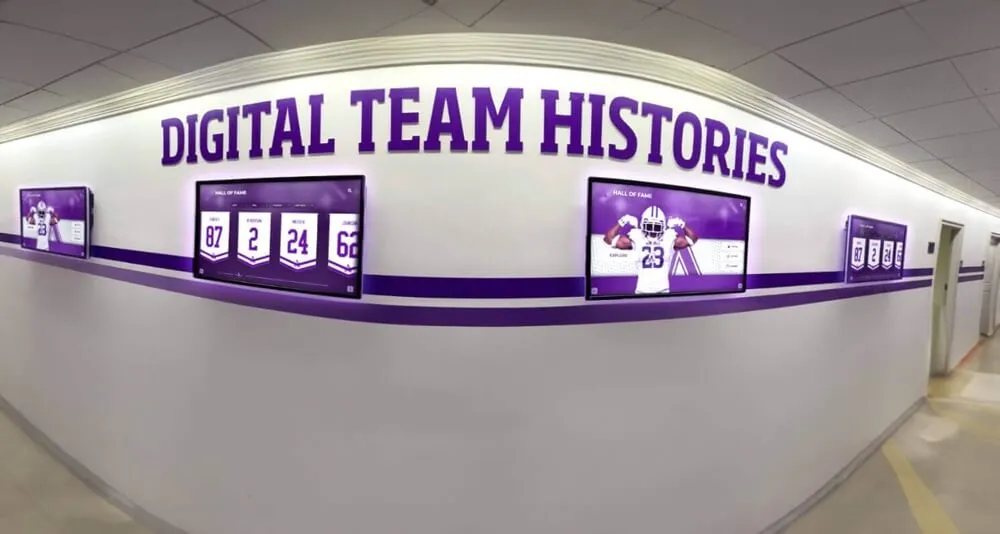
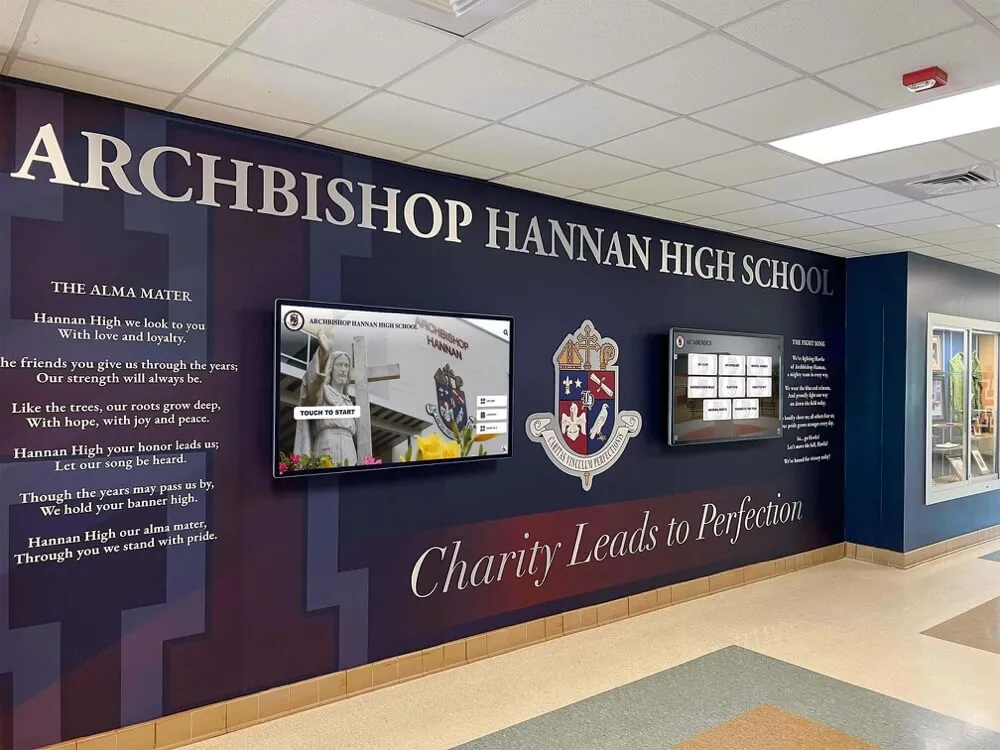
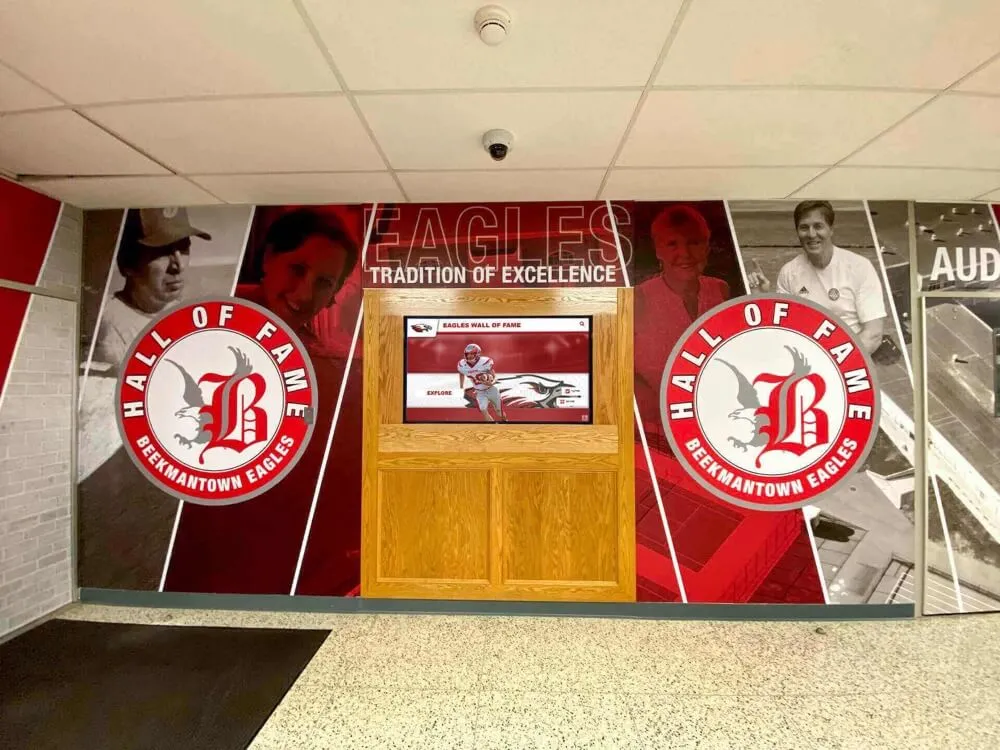
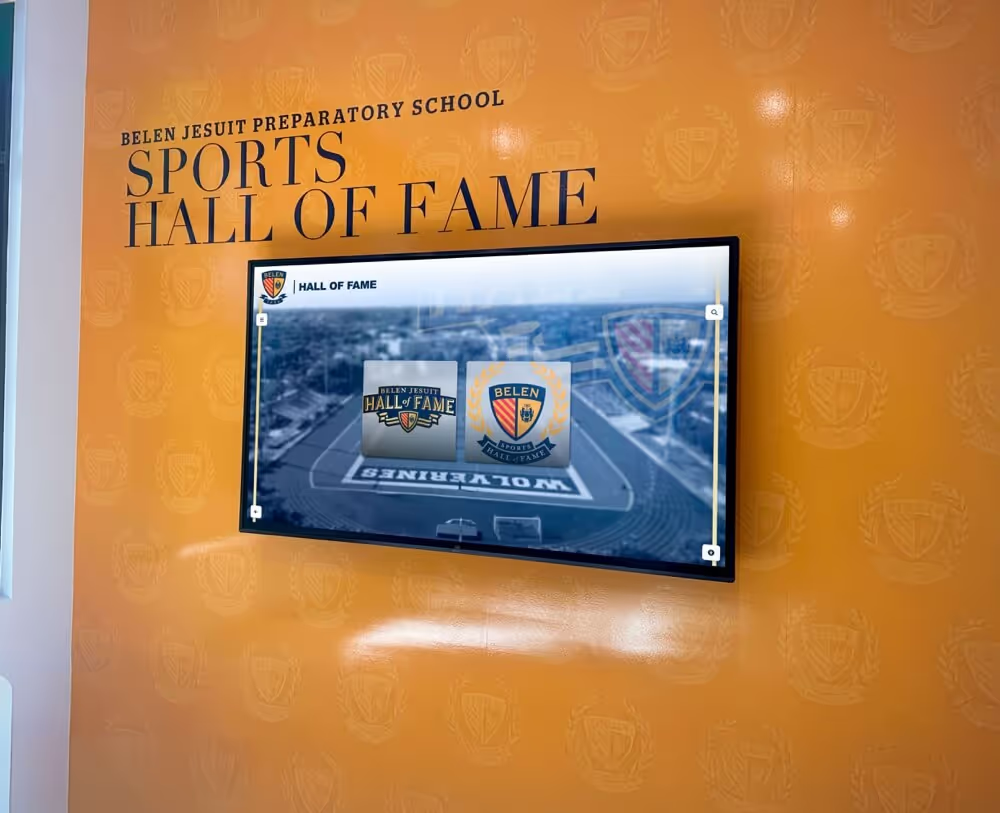
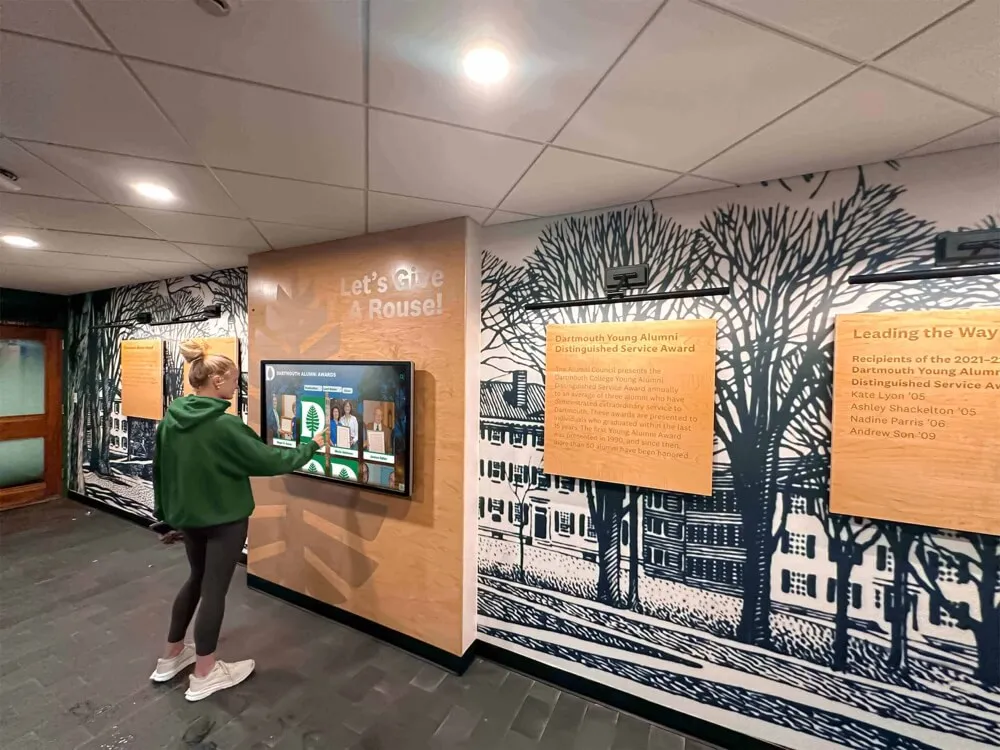
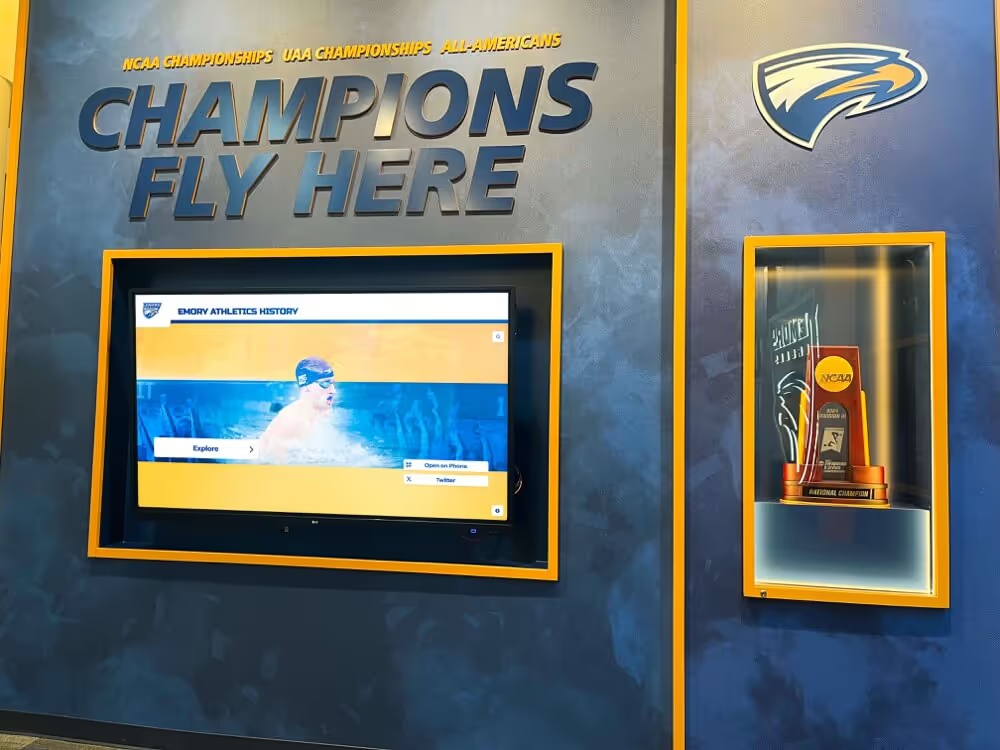
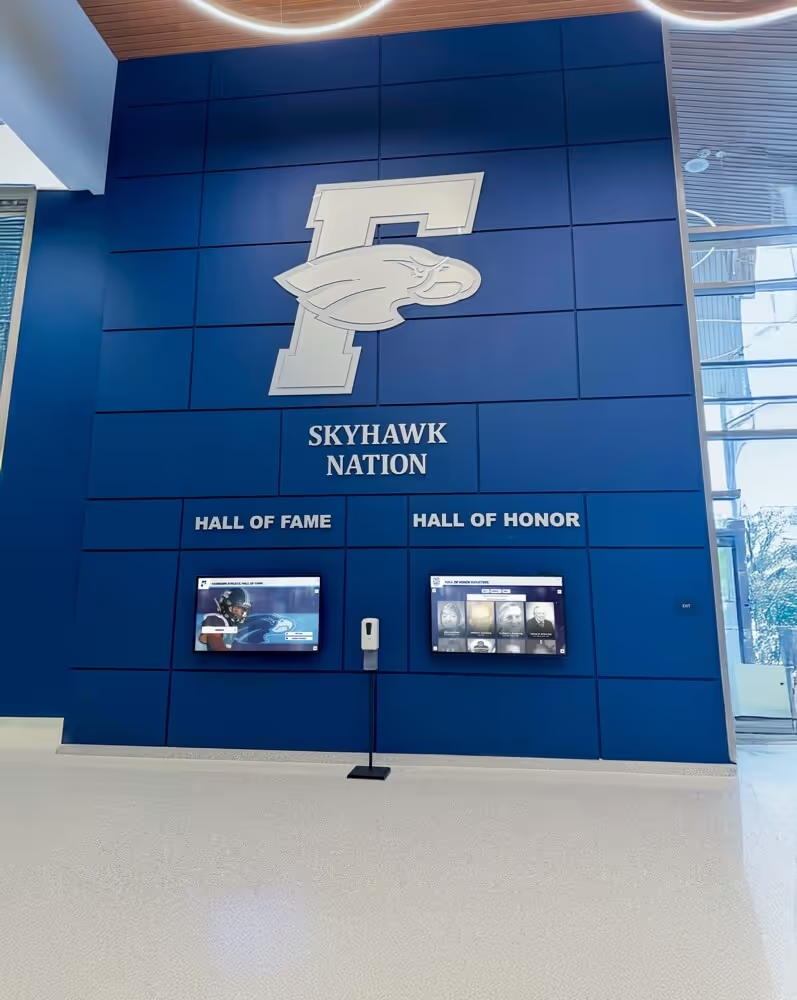
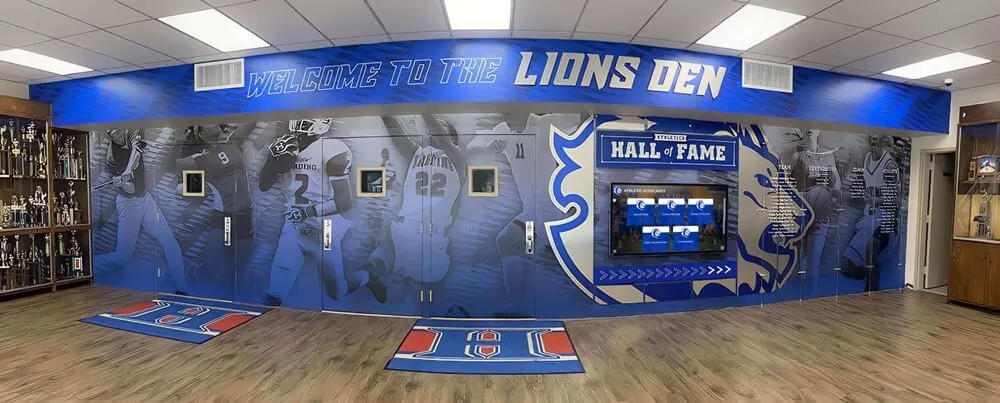
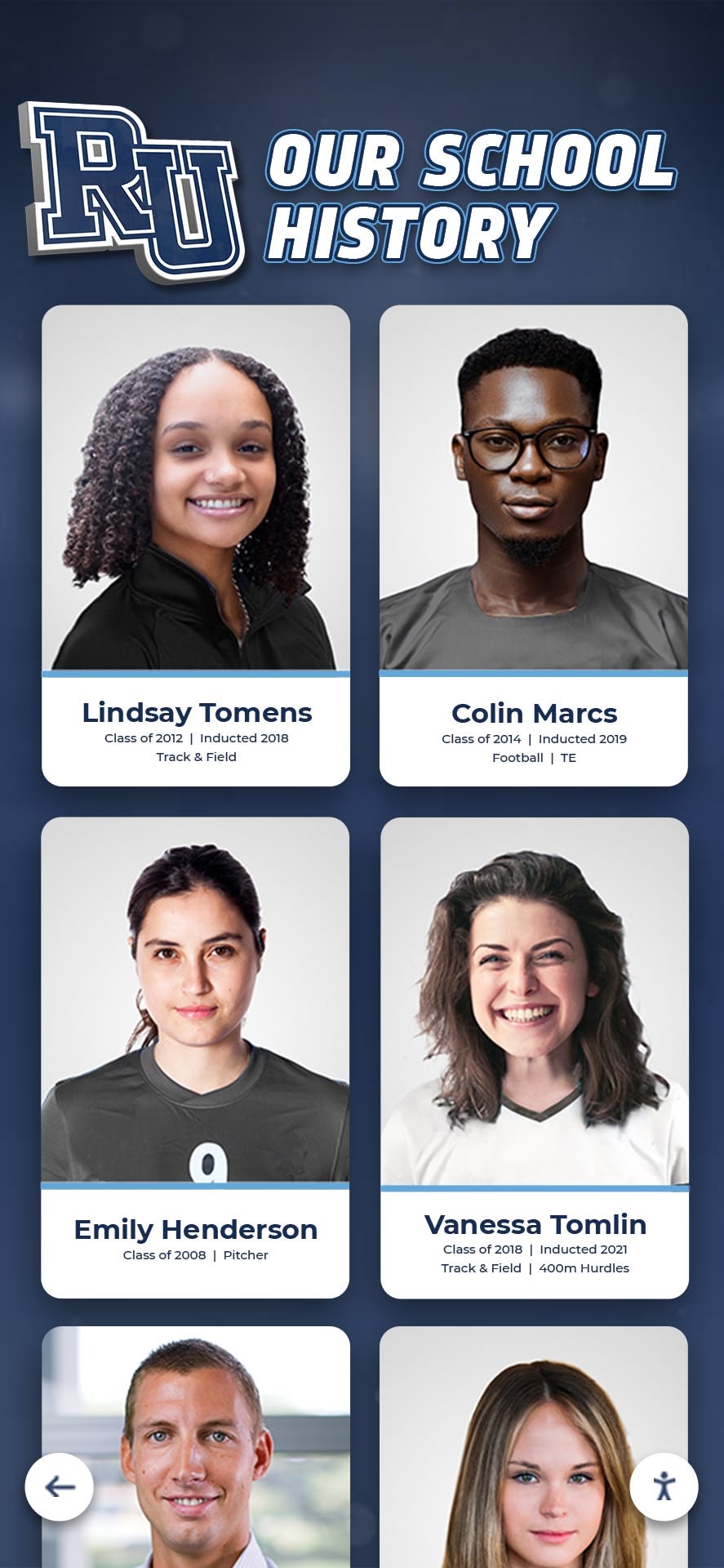
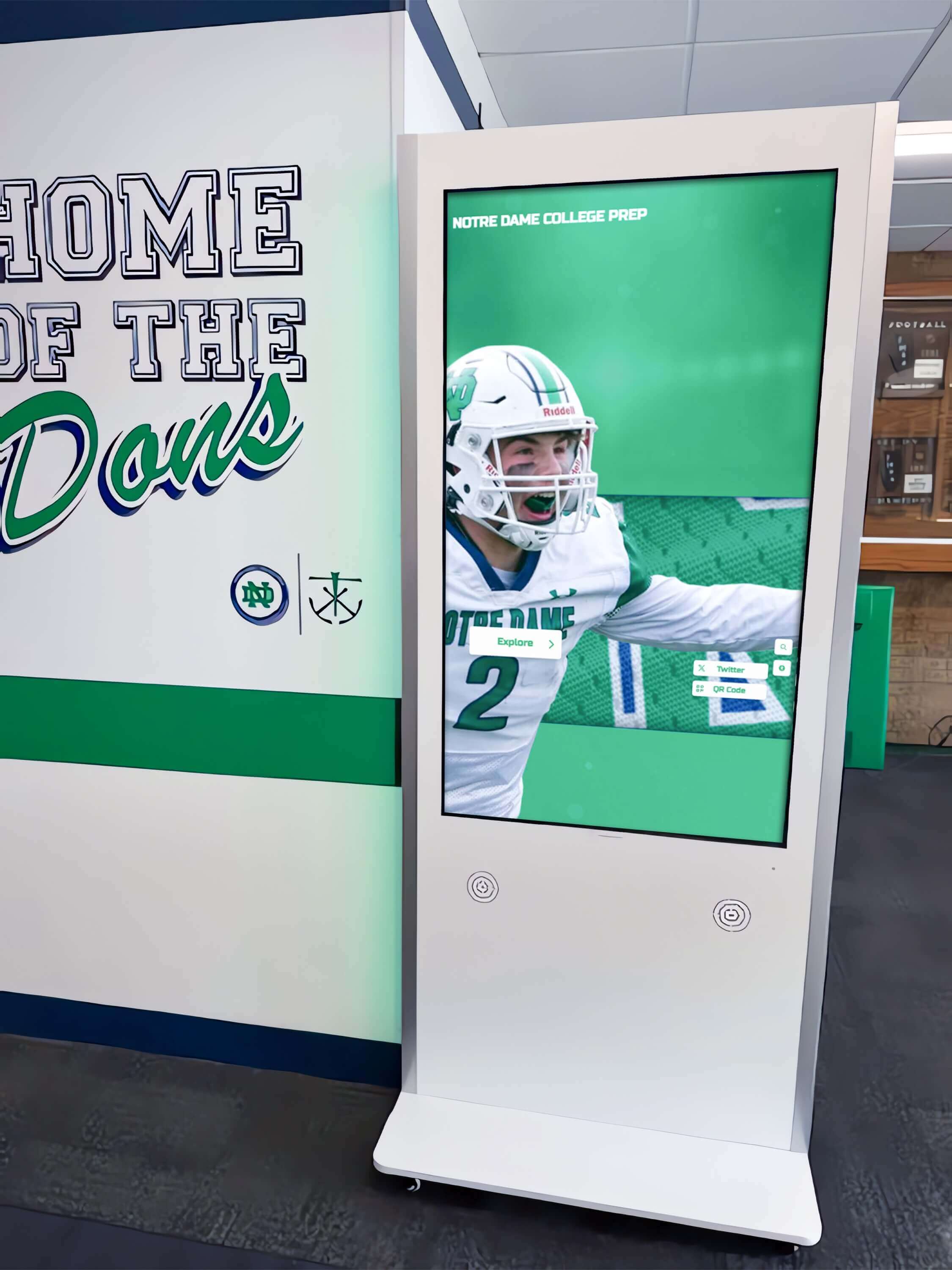
Modern schools increasingly implement digital recognition systems showcasing college signees permanently:
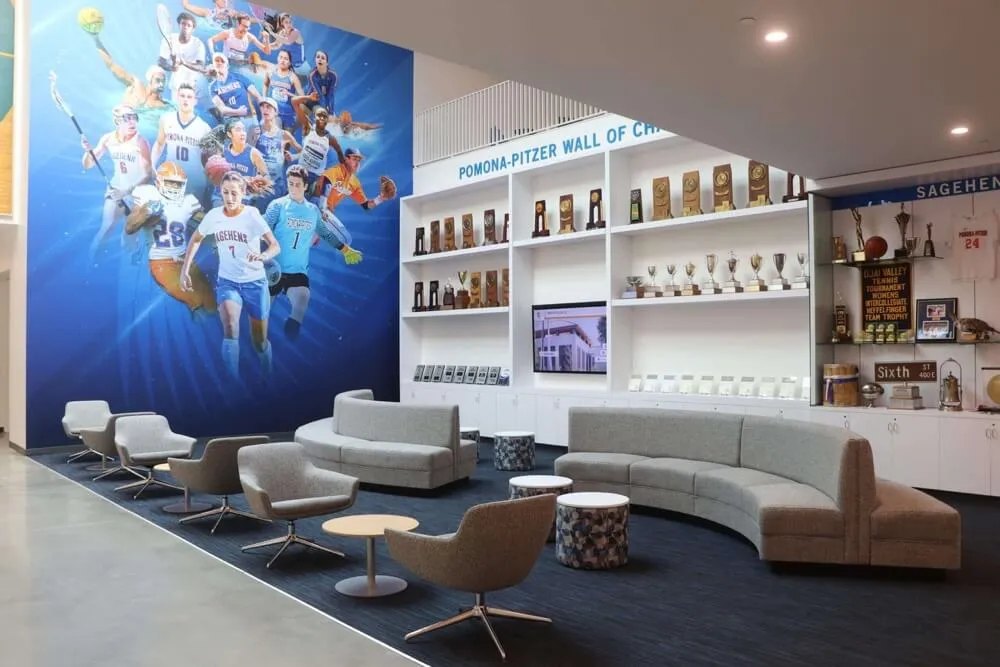
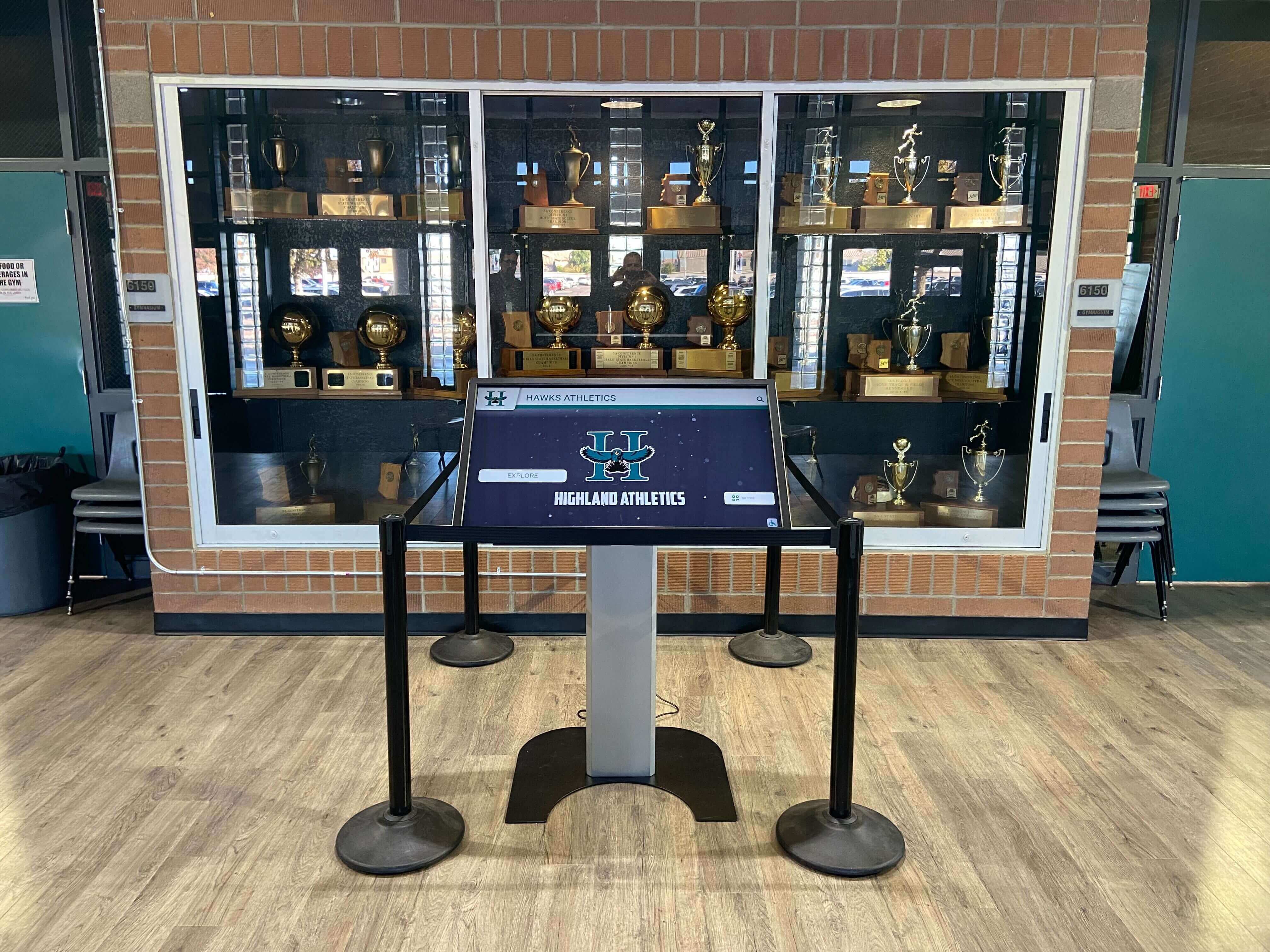
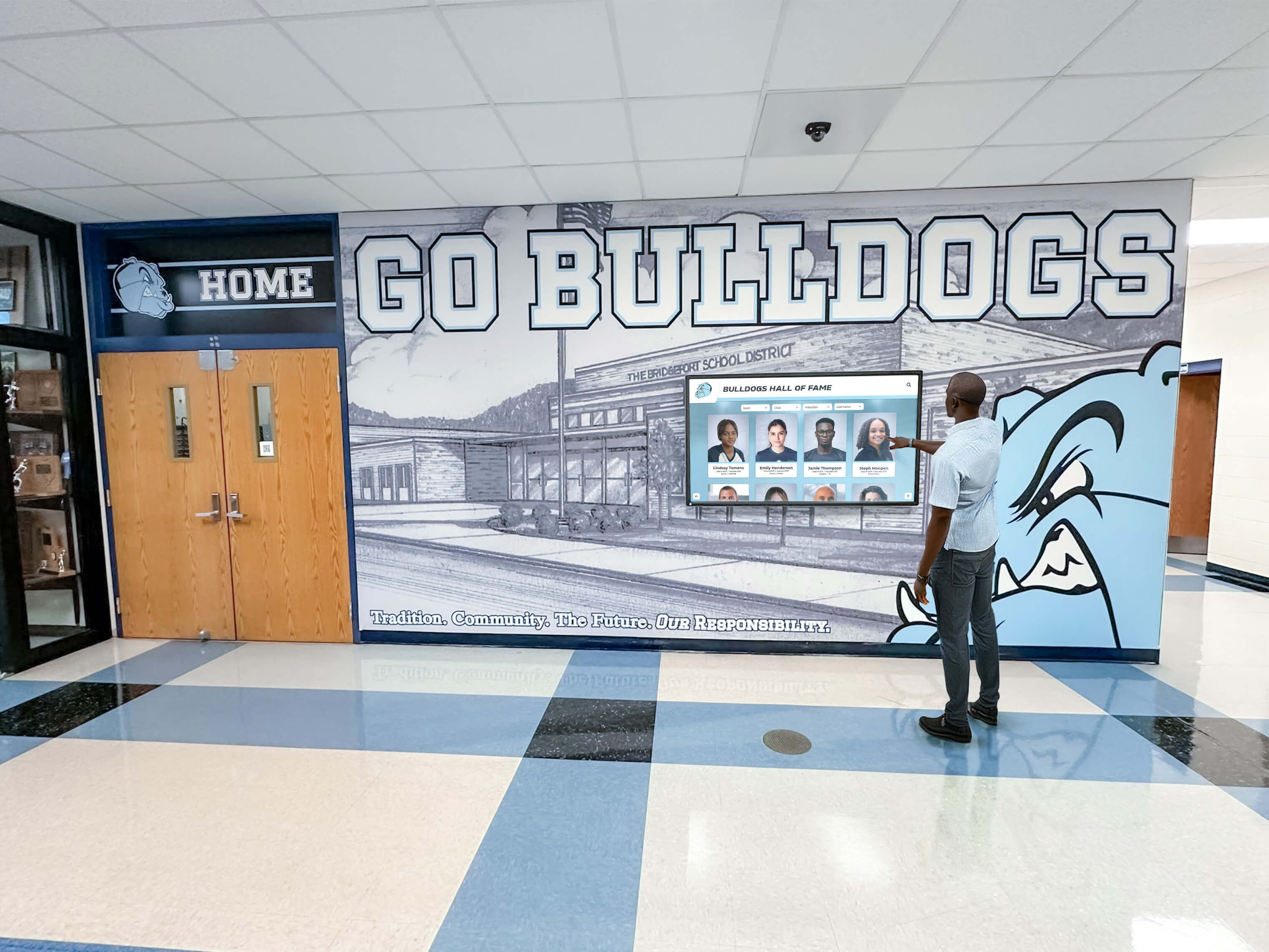
Traditional trophy cases and wall plaques face space limitations restricting how many years of college signees receive visible recognition. Physical plaques acknowledge names and destinations briefly but provide minimal context about achievements or recruiting journeys. Static recognition becomes outdated, cluttered, or invisible as priorities shift and new accomplishments compete for limited display space.
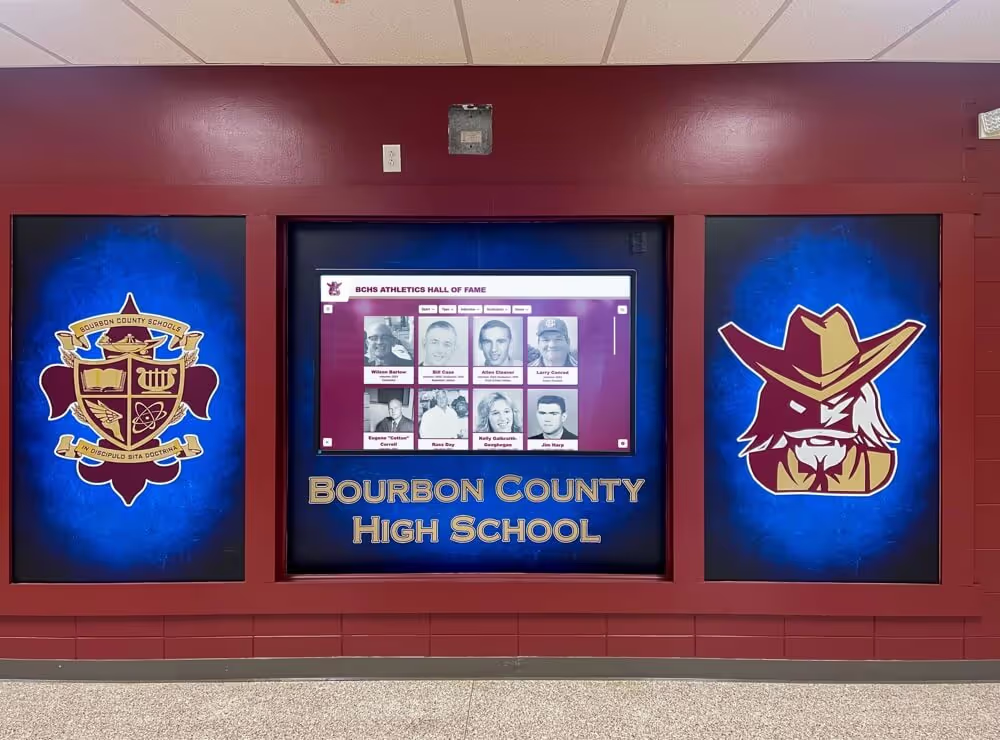
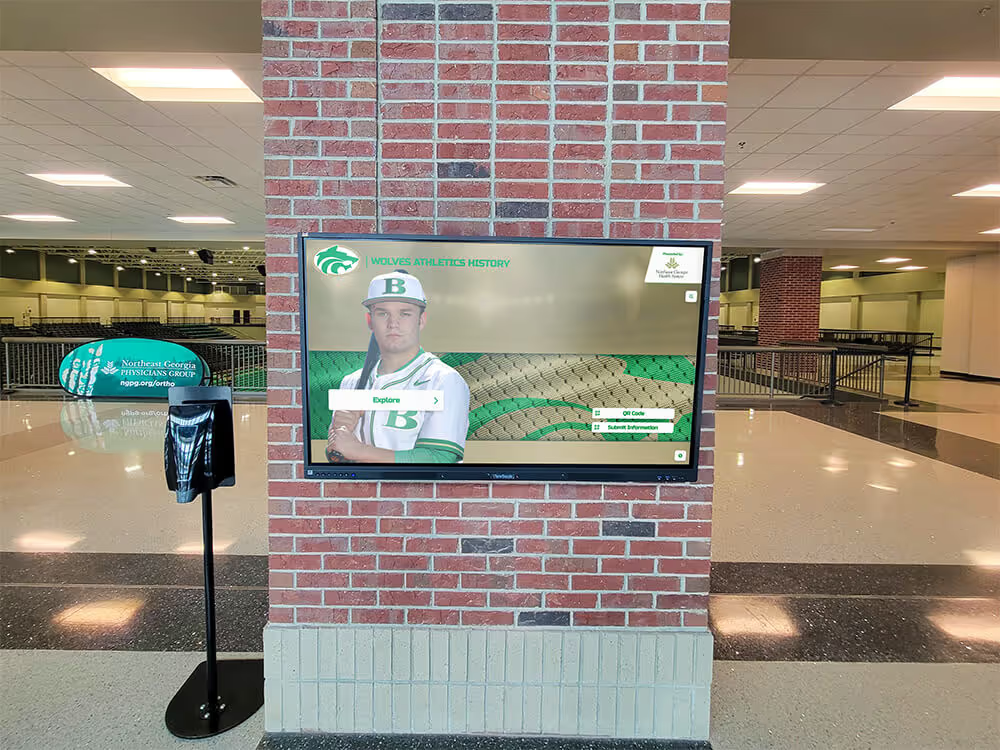
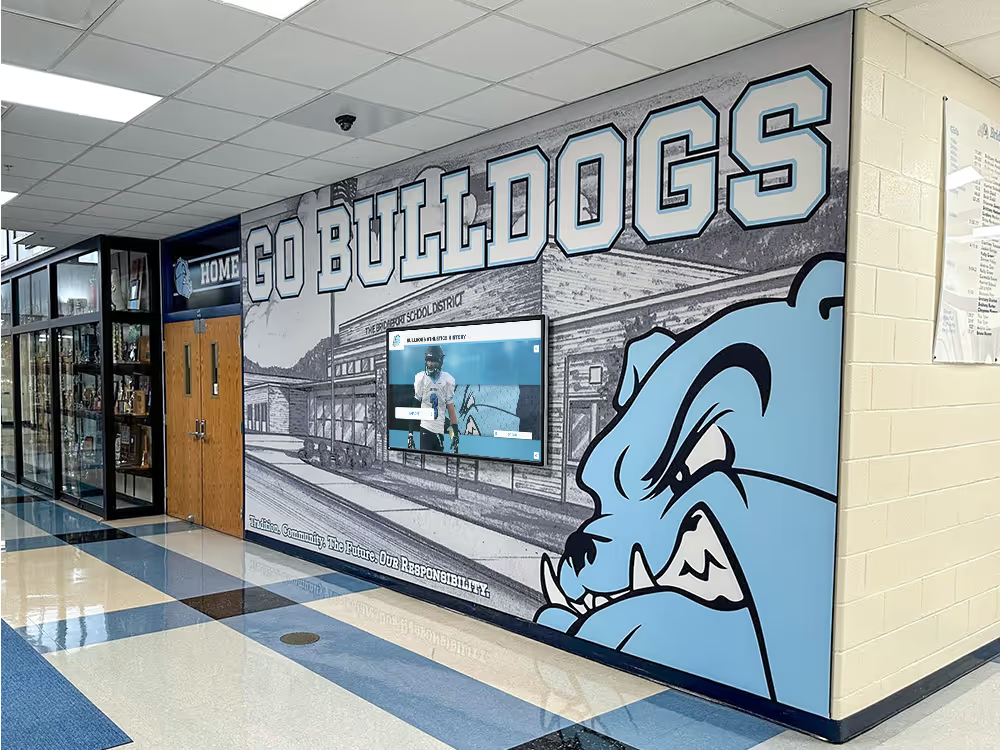
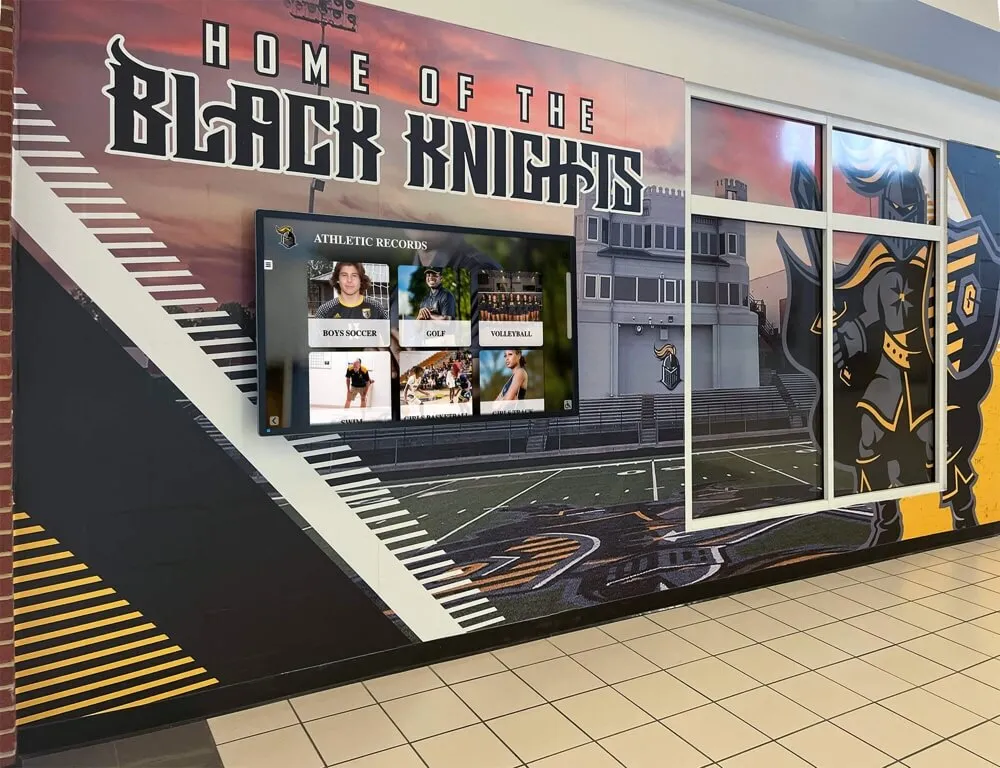
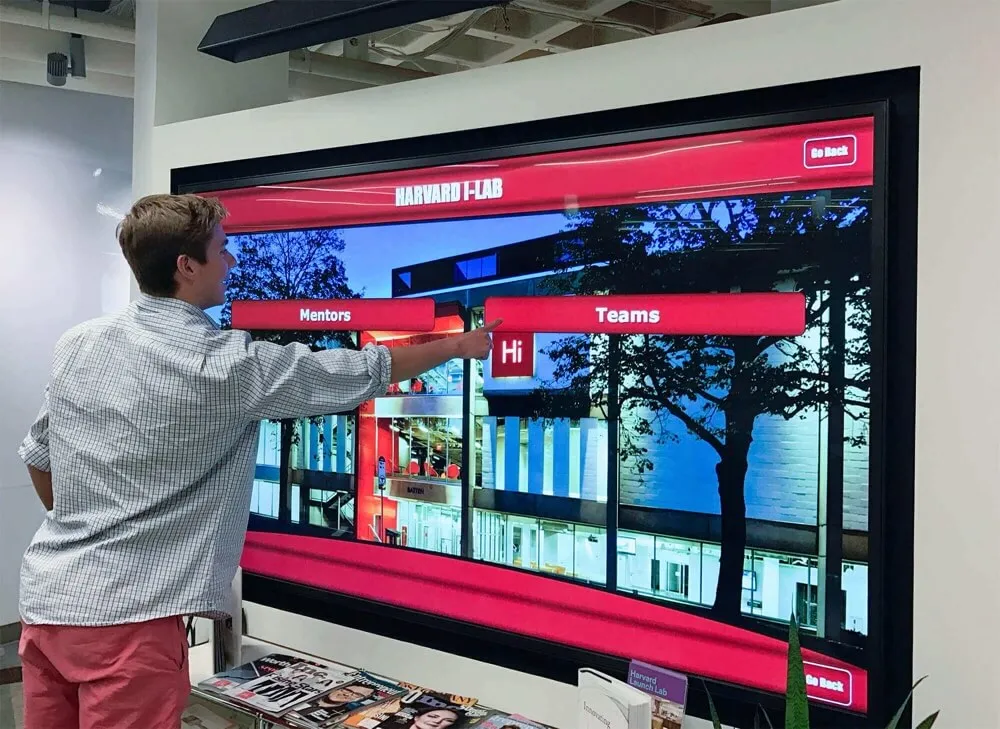
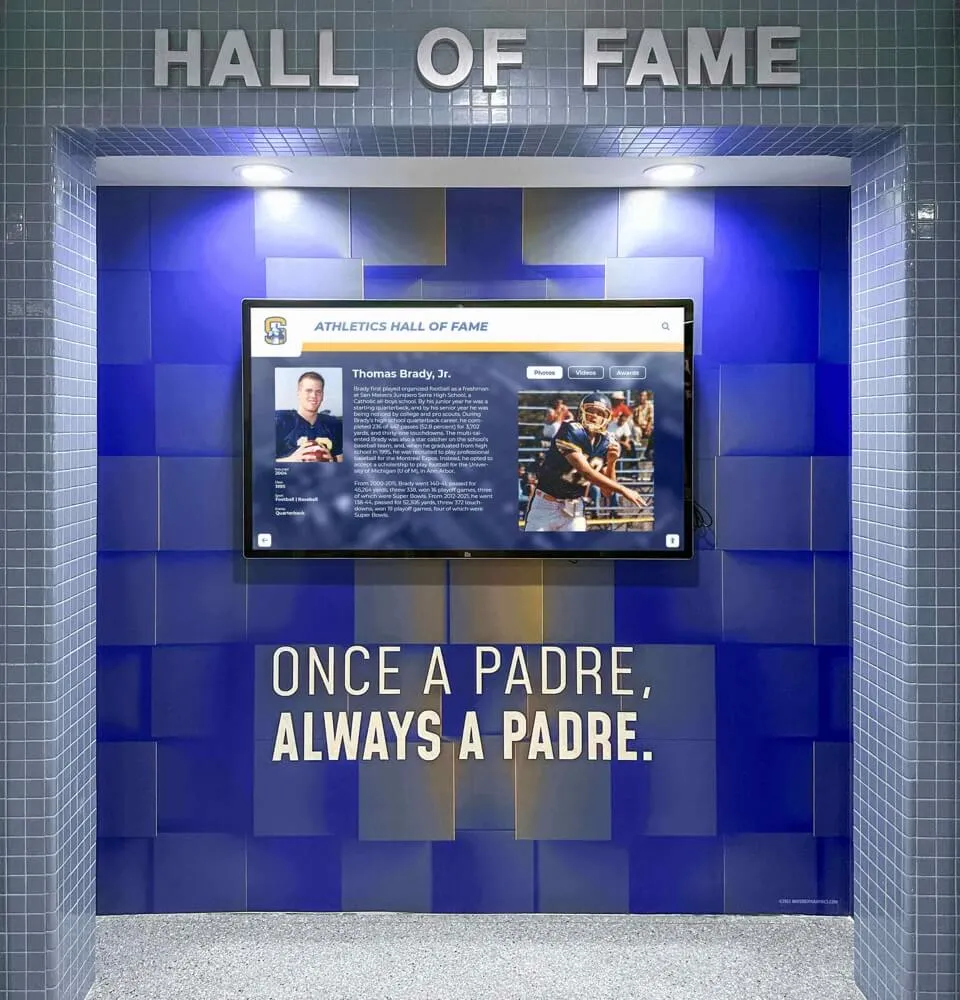
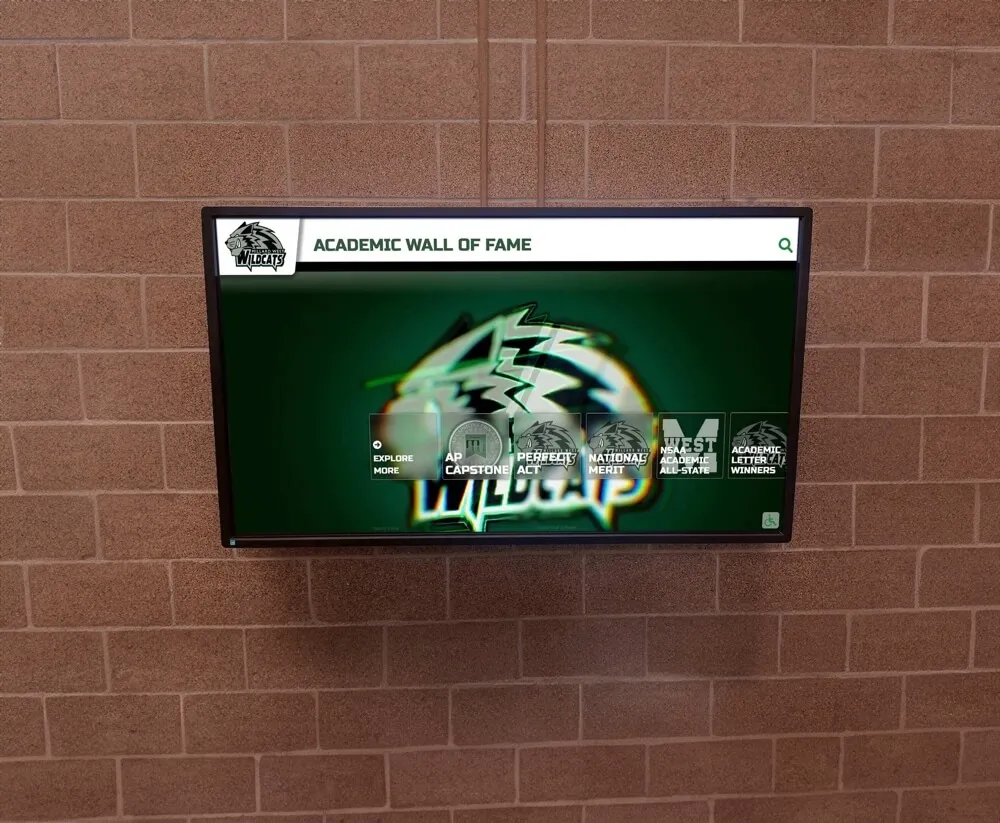
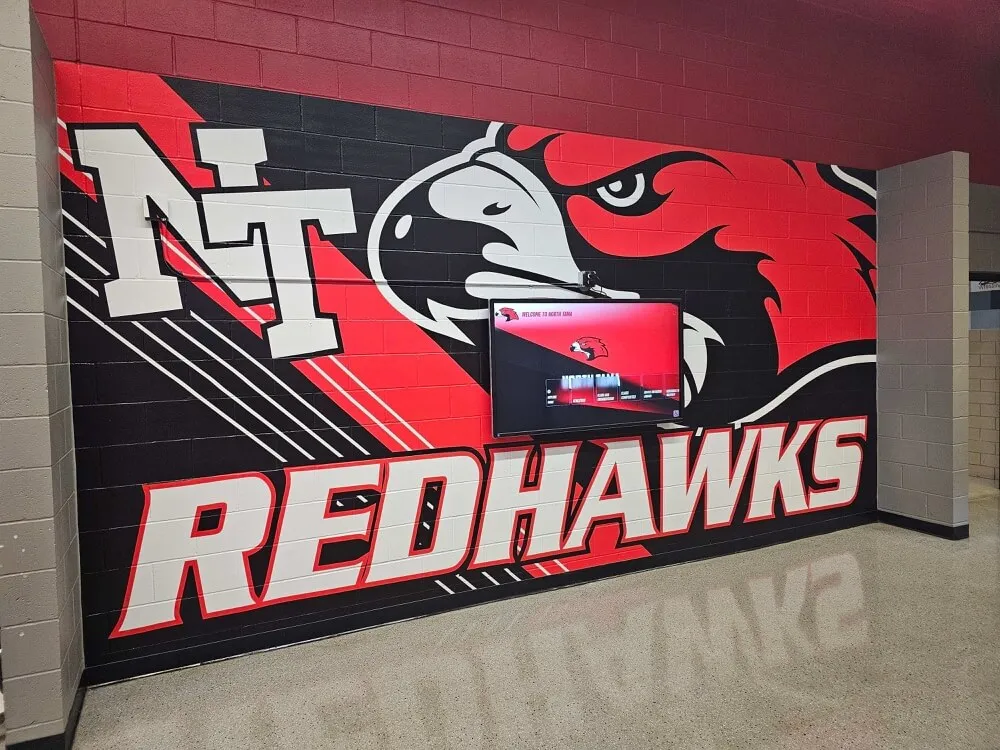
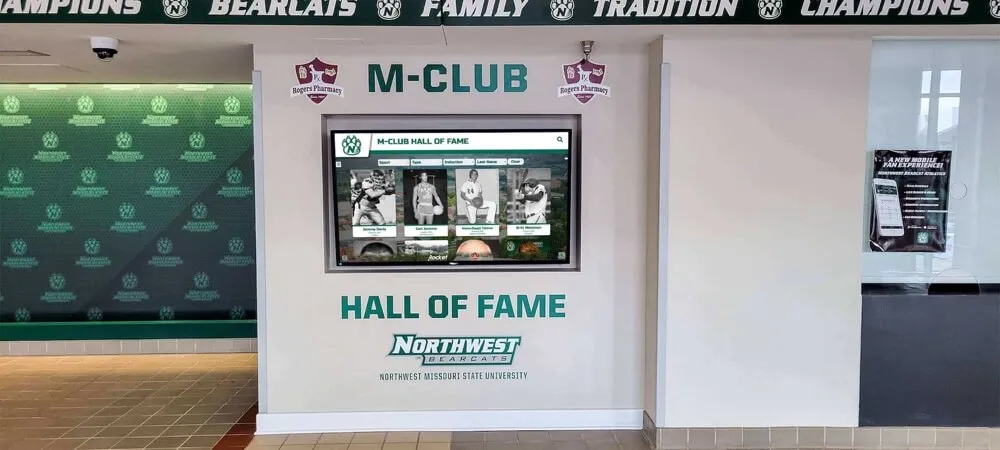
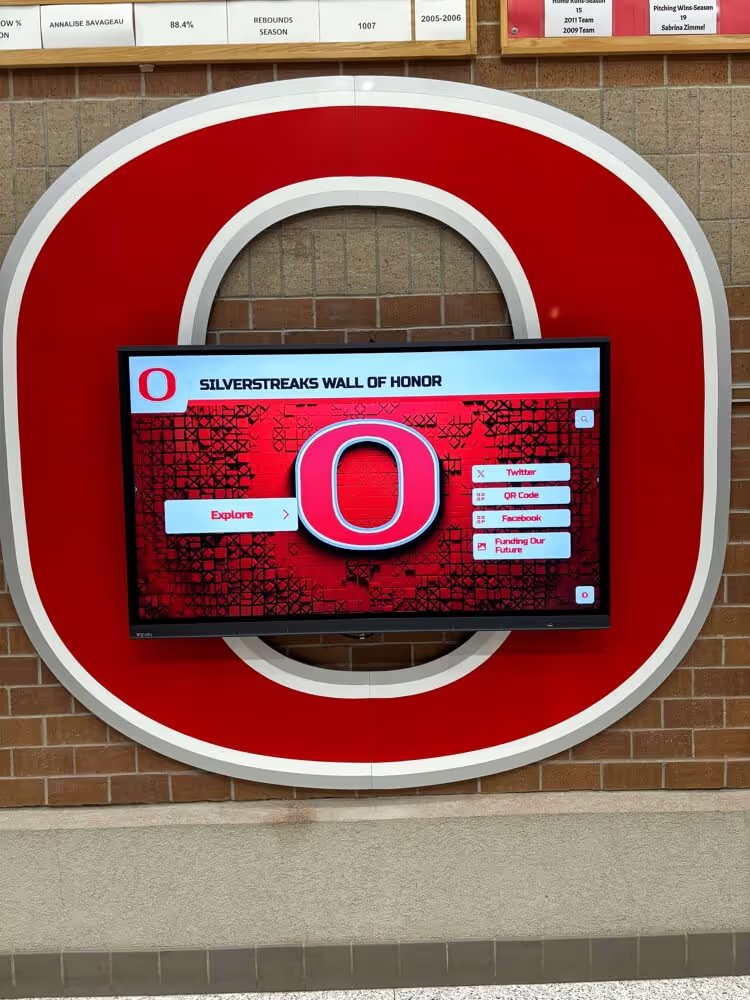
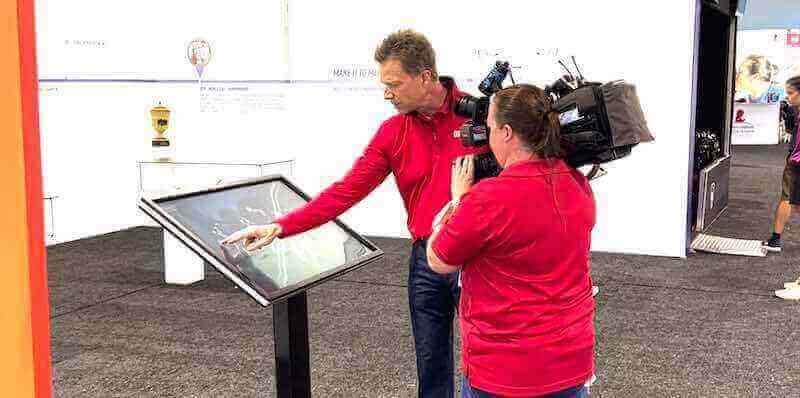
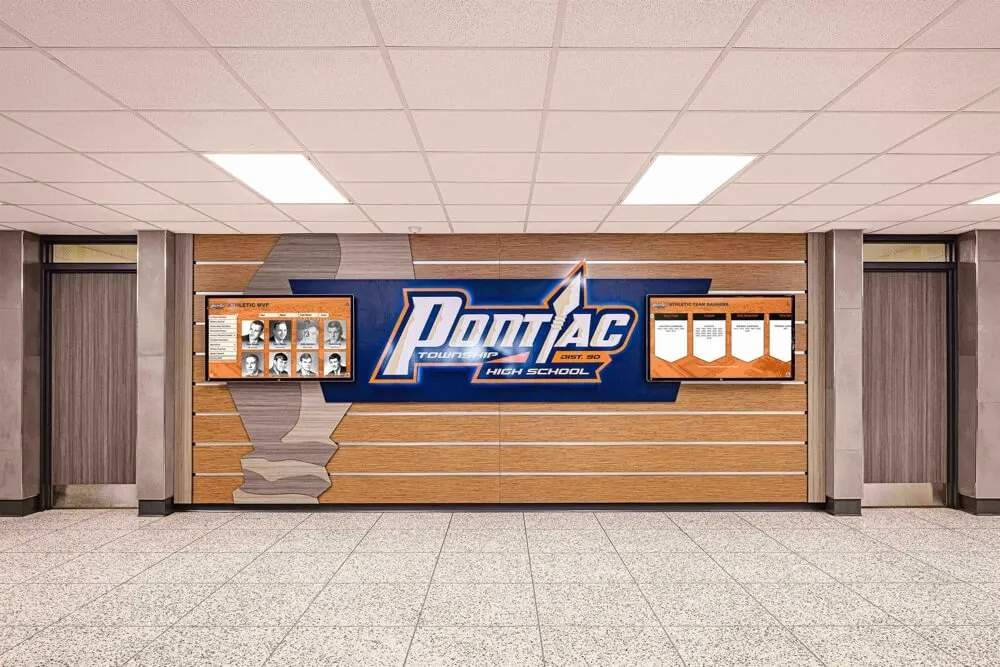
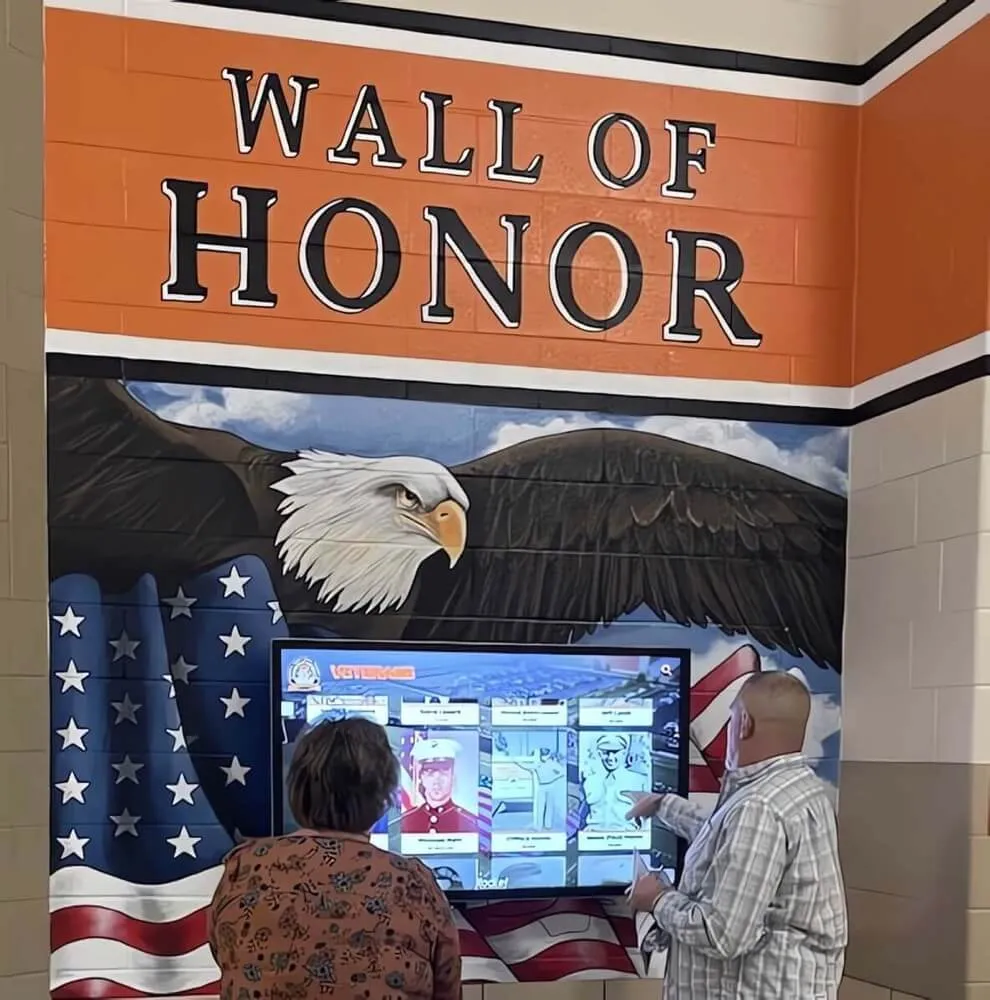
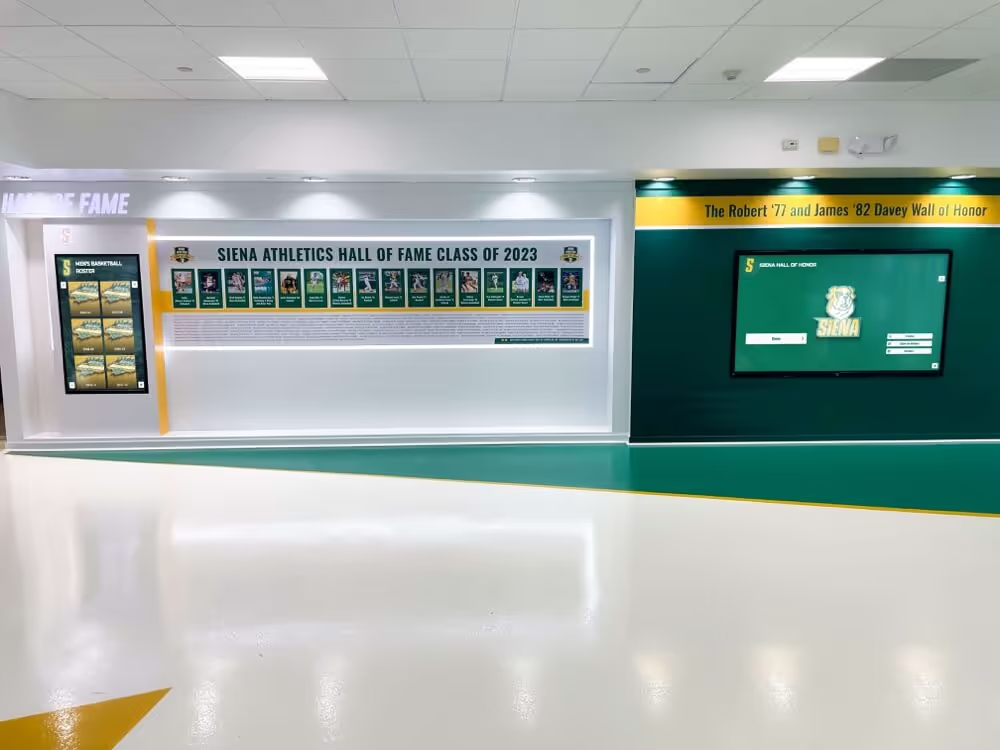
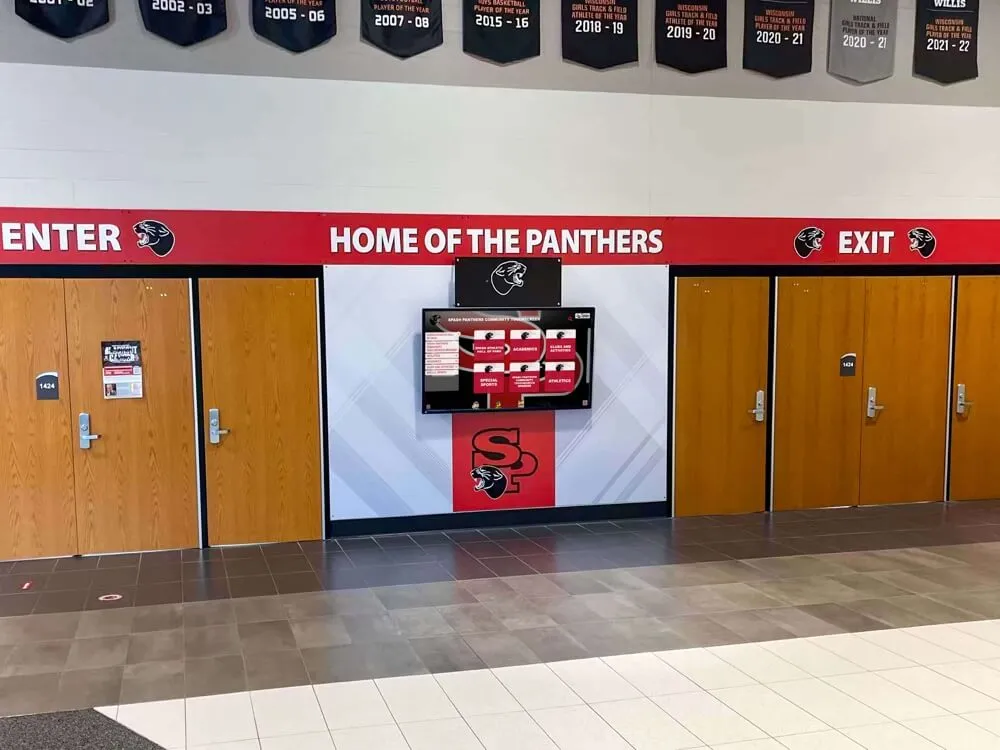
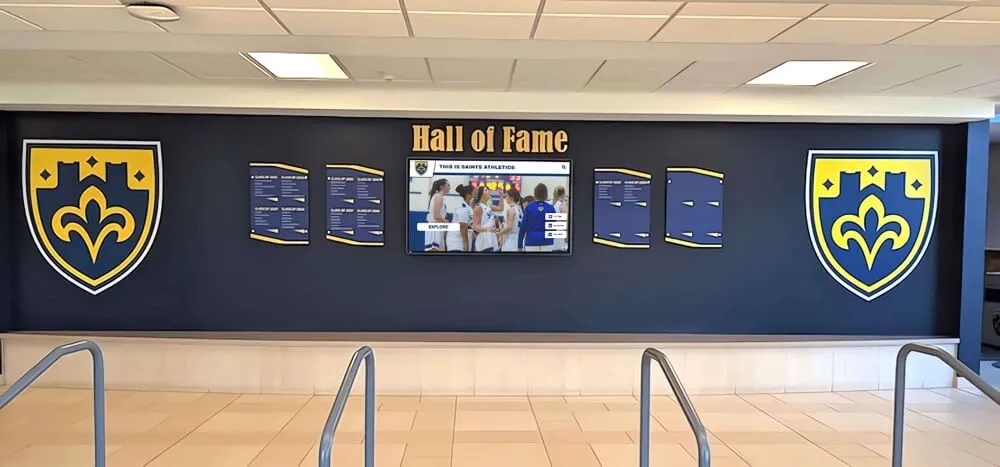
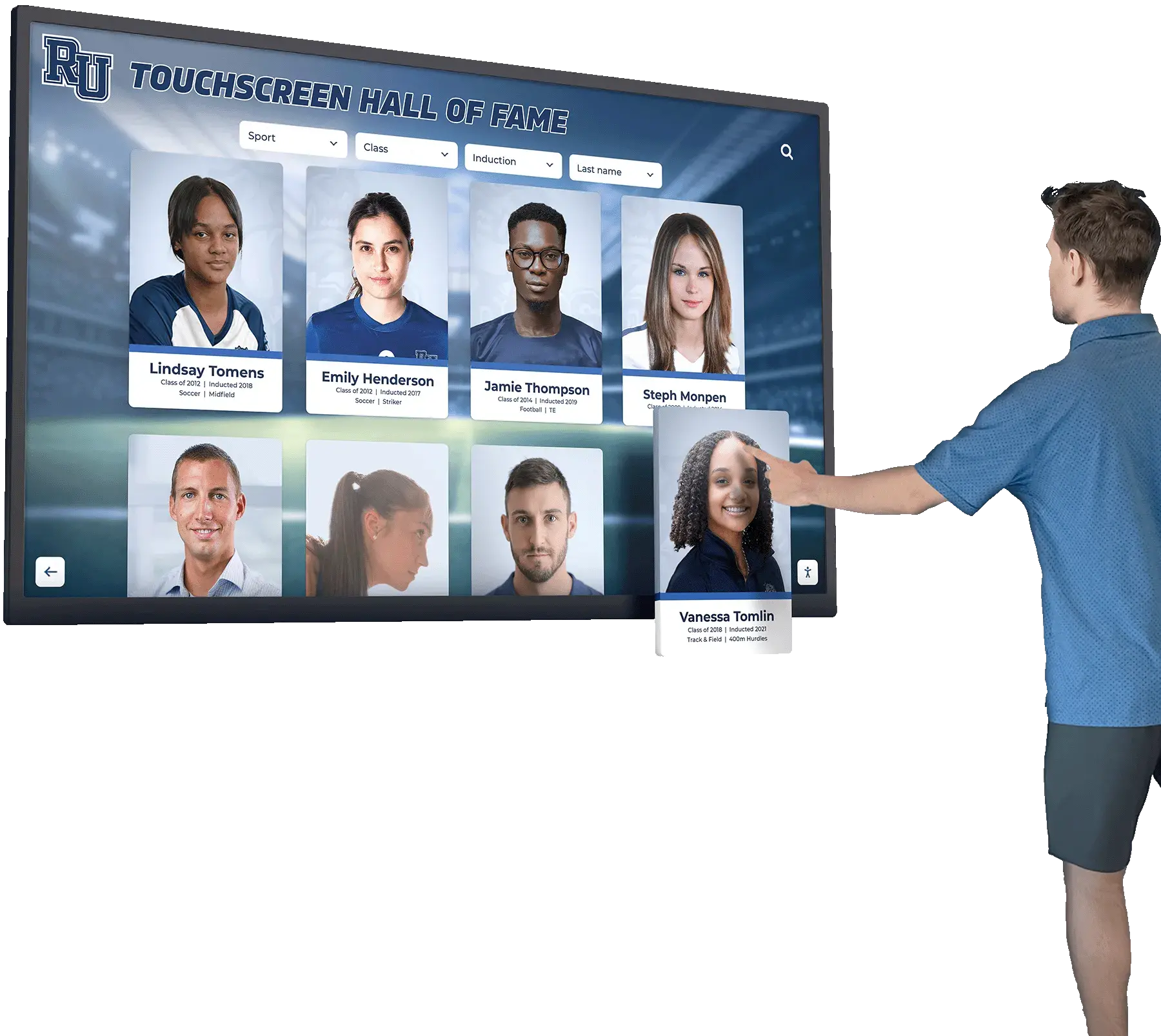
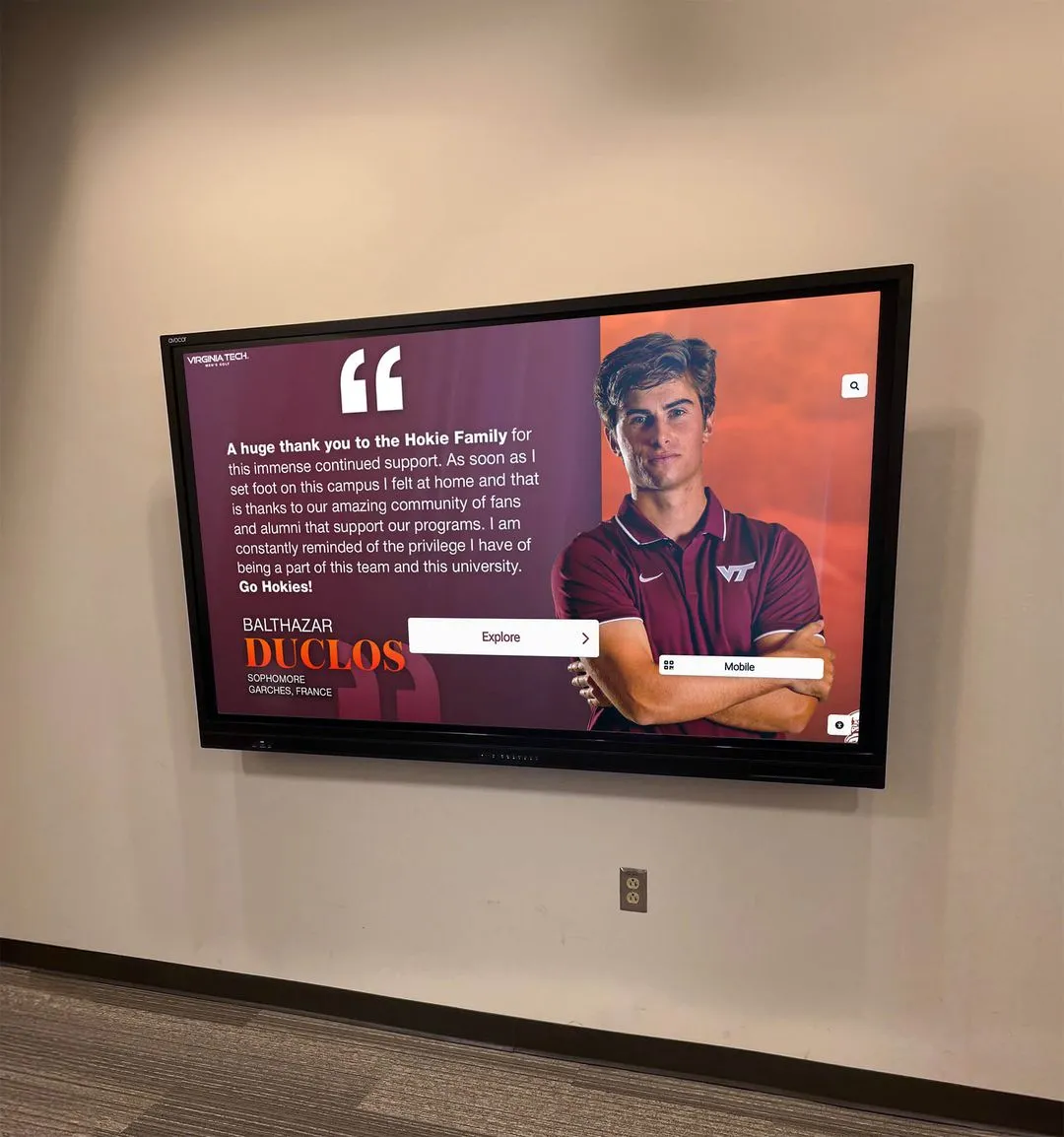
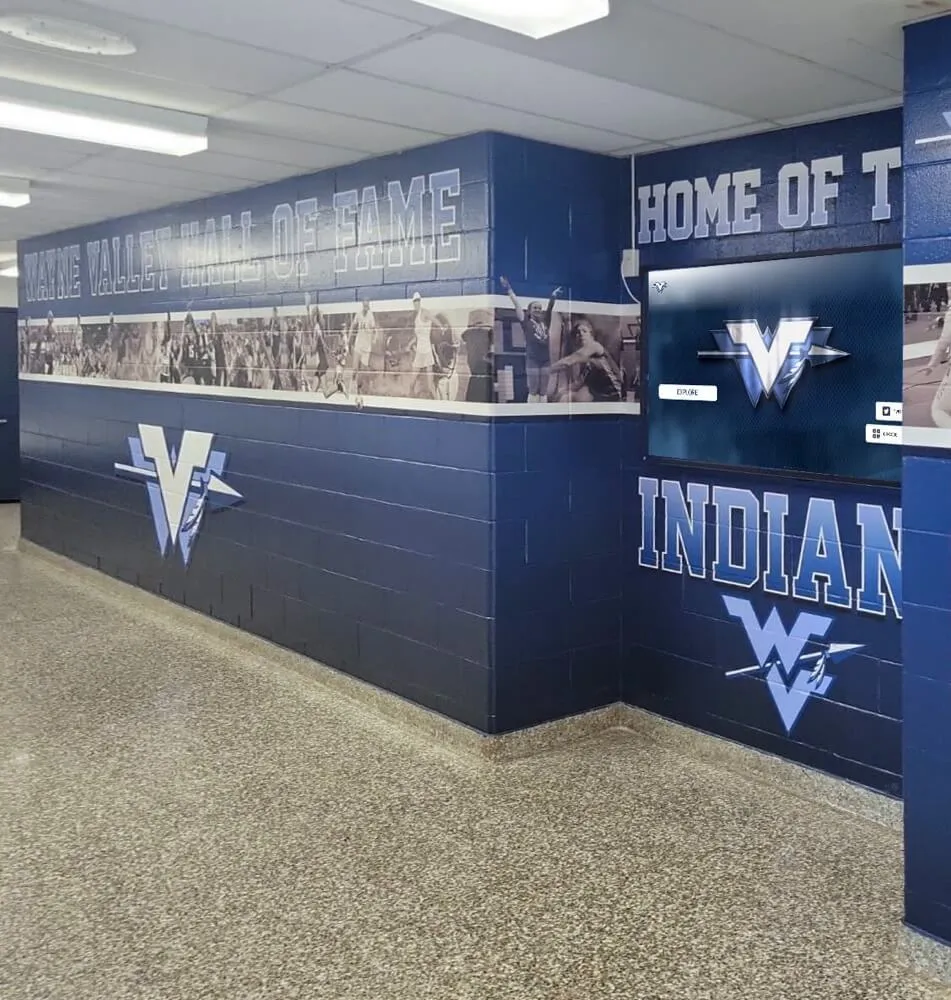
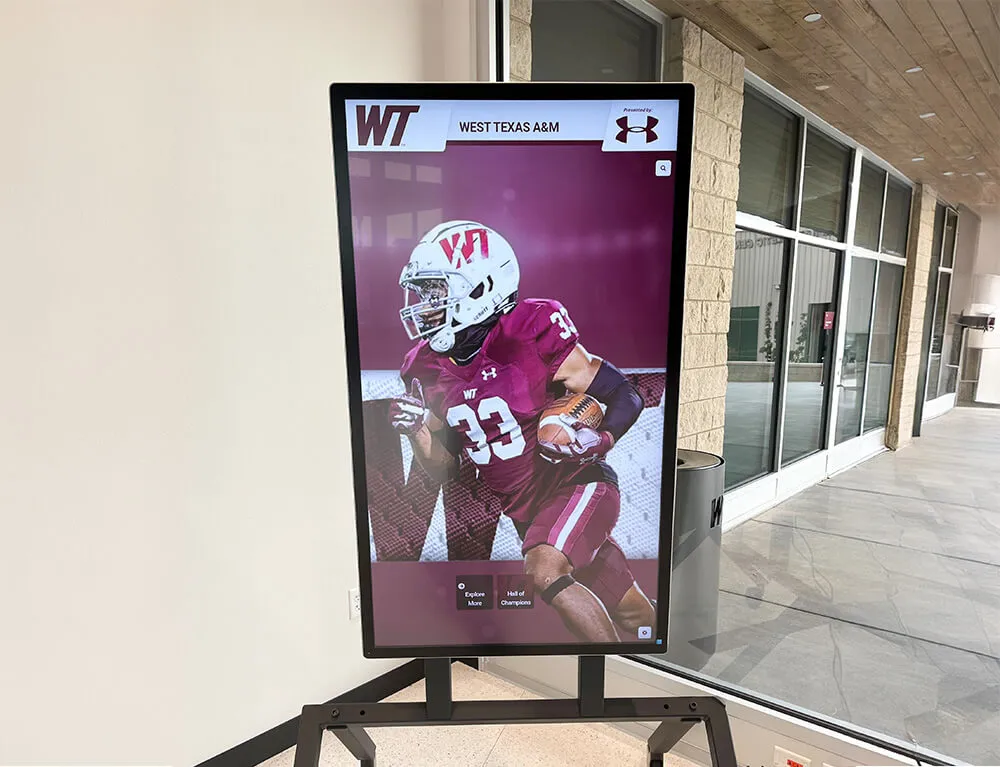
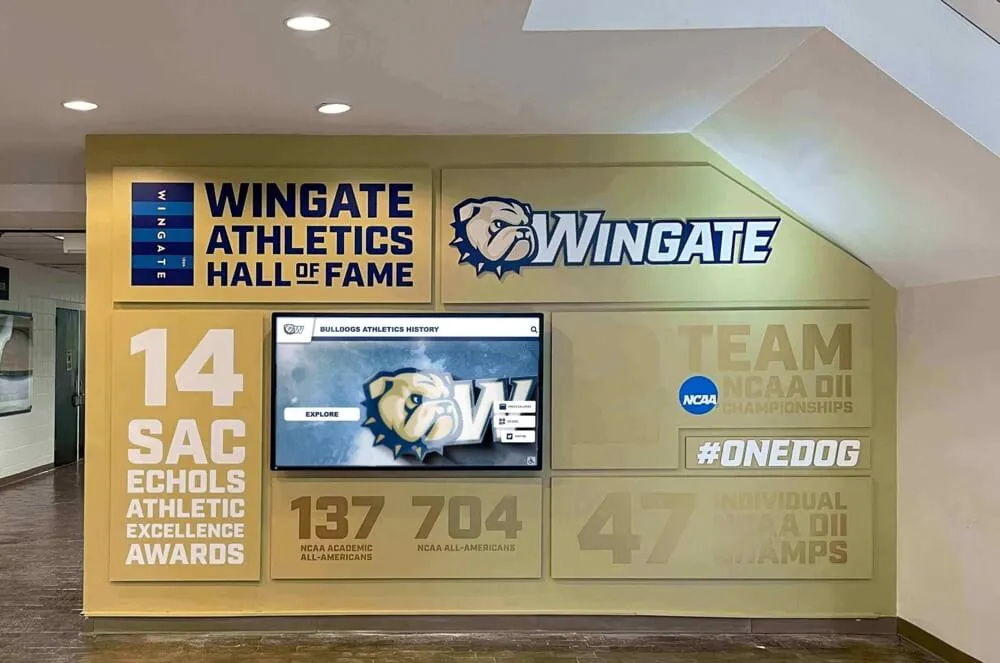
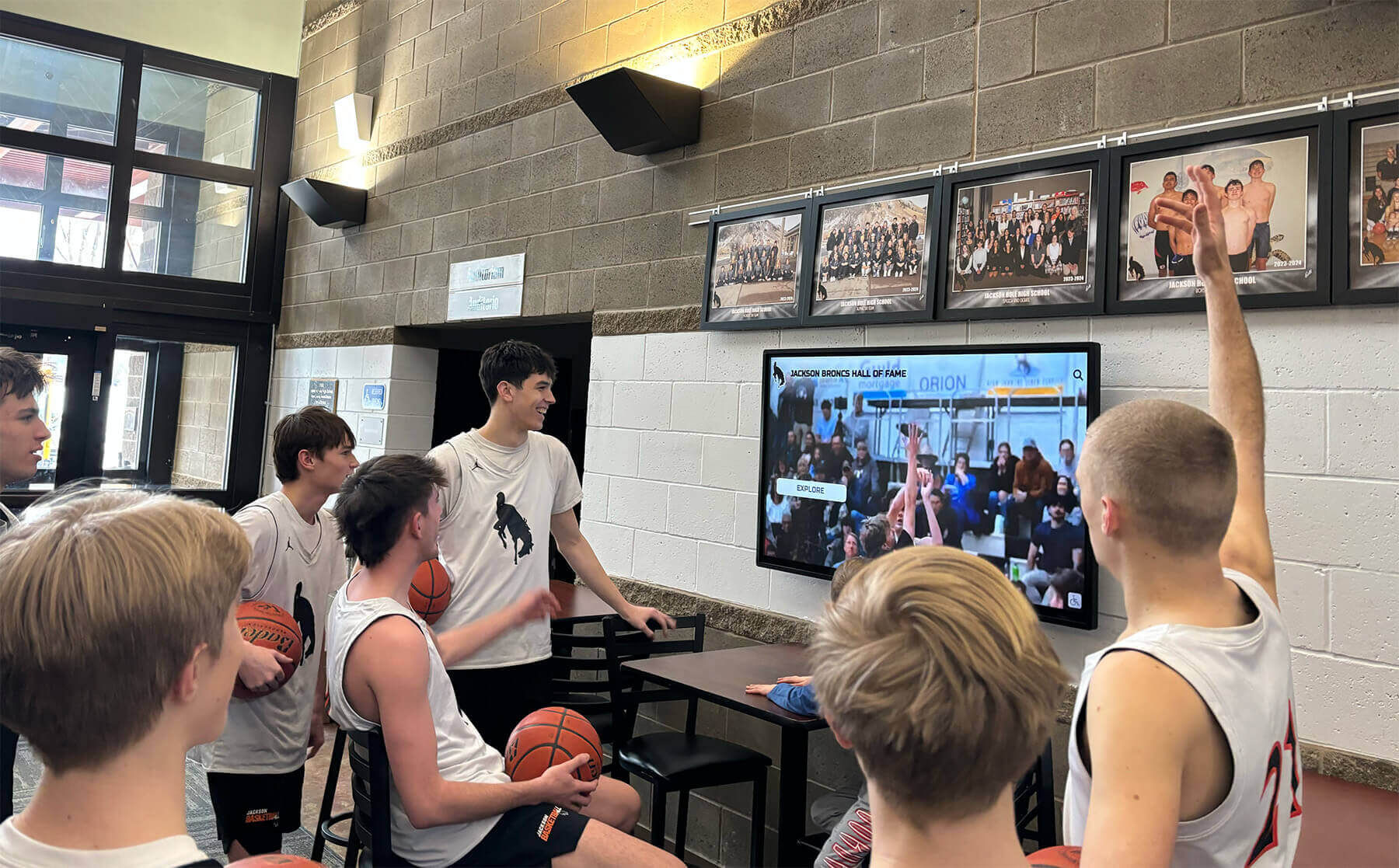
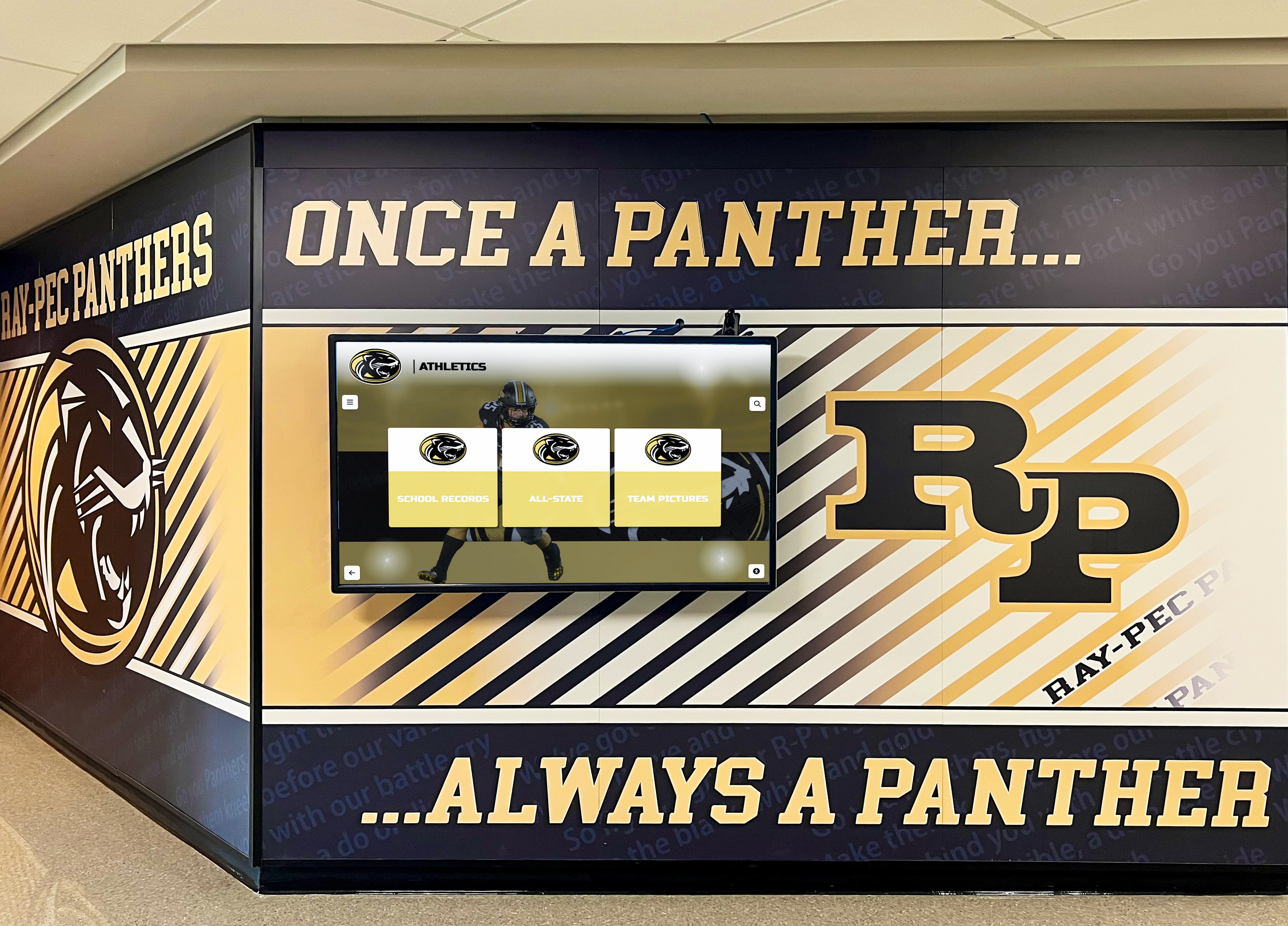
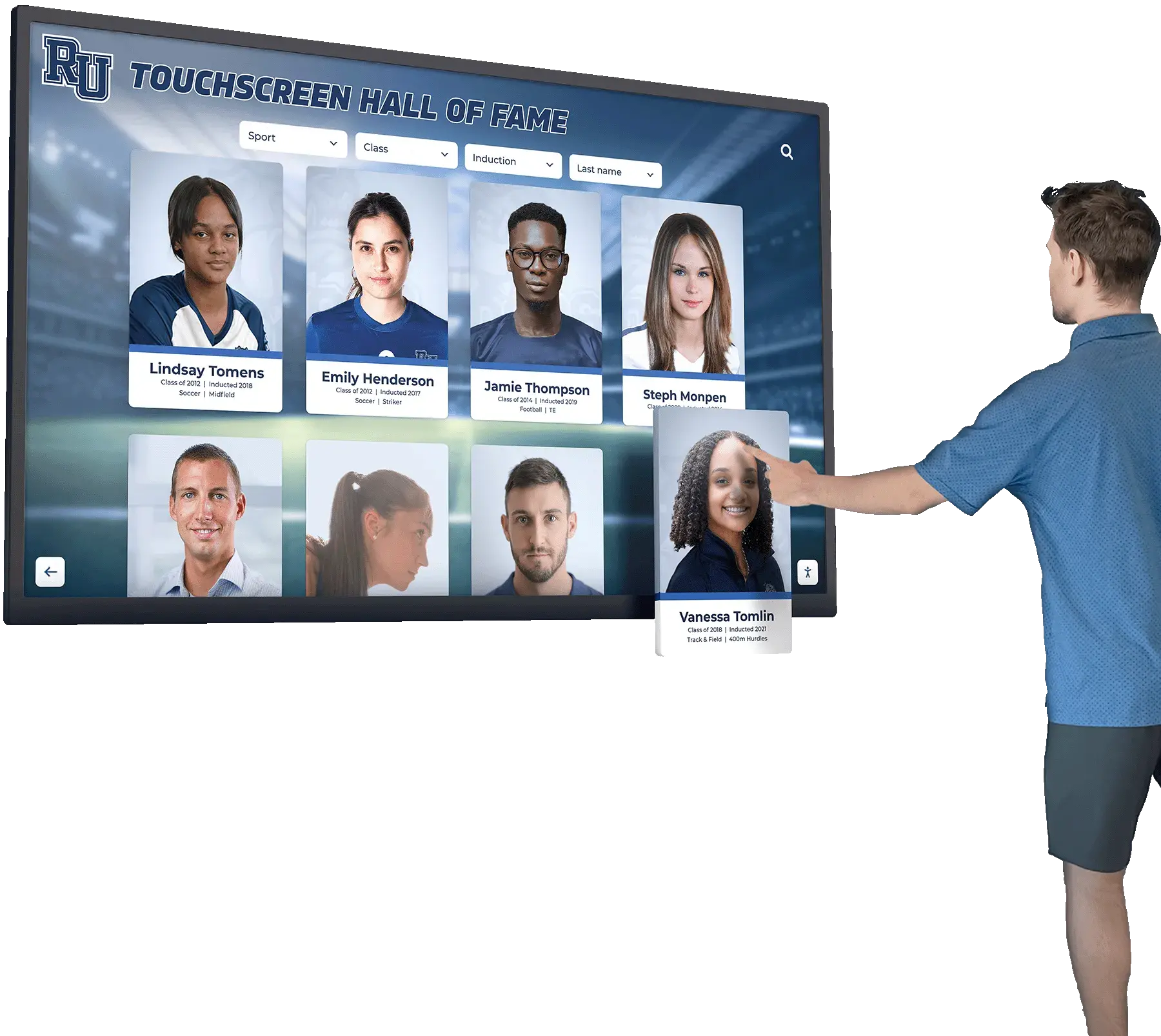
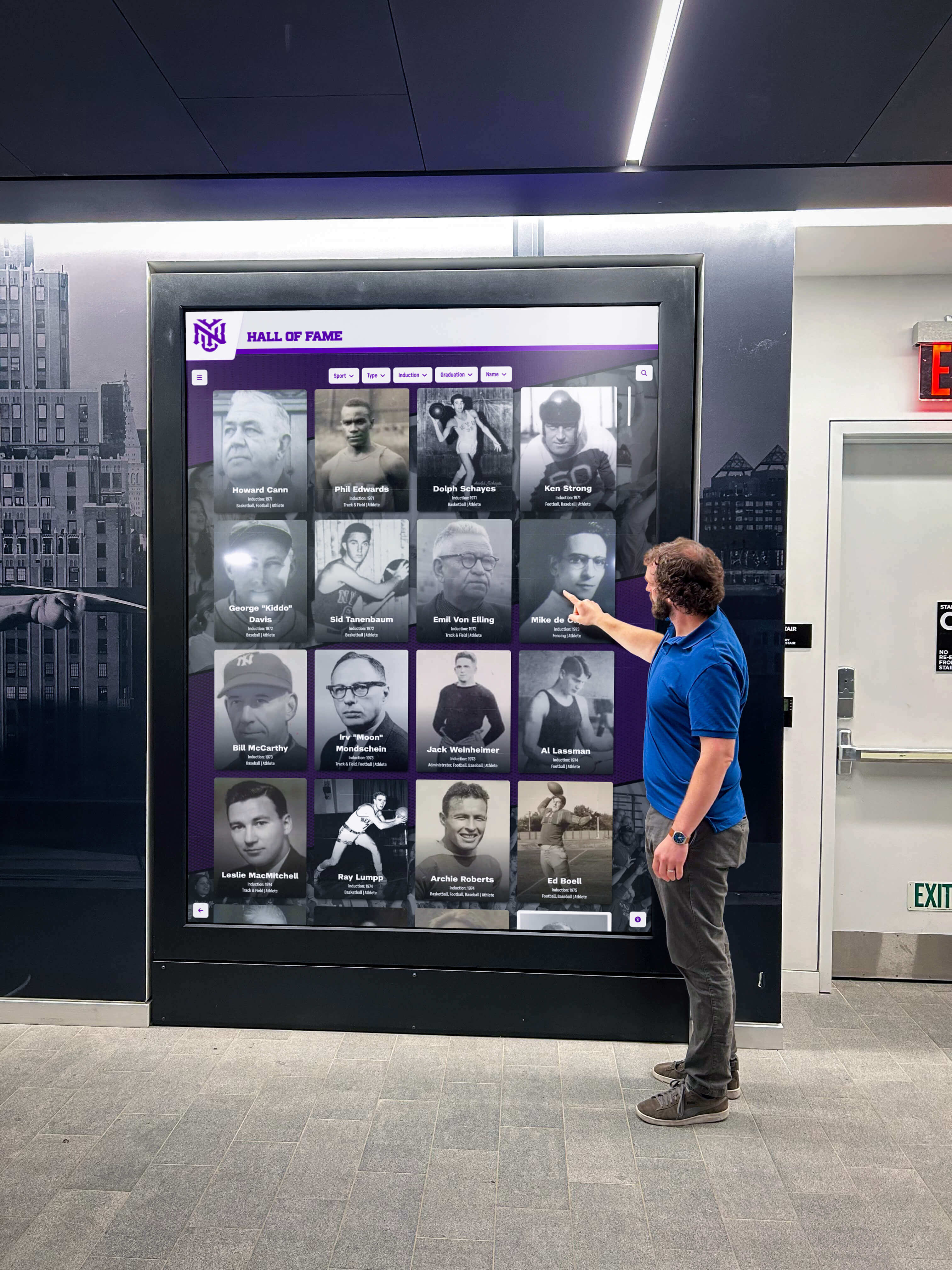
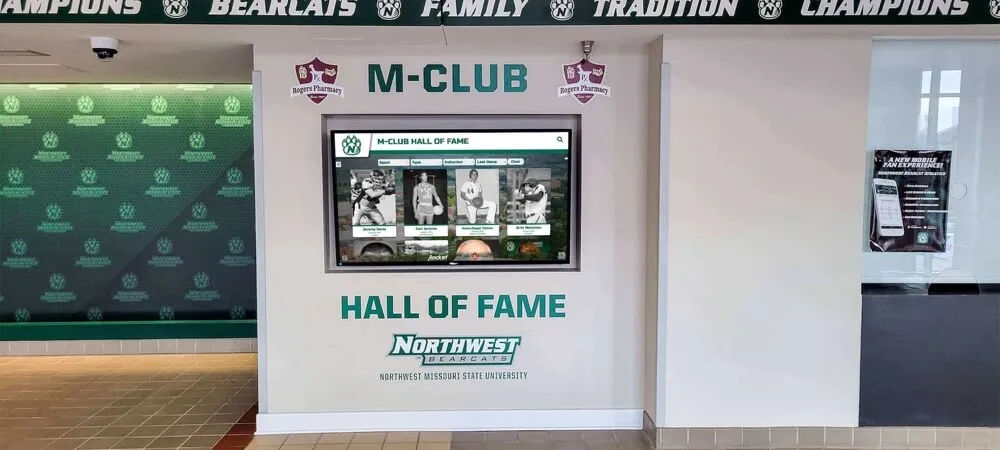
Interactive digital recognition systems transform these constraints into unlimited opportunities. Single touchscreen displays can showcase every college signee across decades of program history, enabling students, families, and visitors to search by name, browse by year or sport, view detailed profiles including statistics and college information, and explore complete program college placement archives.
Benefits of Digital Signing Day Recognition:
- Unlimited Capacity: Recognize every college athlete across all years without space constraints limiting acknowledgment
- Rich Content: Include photos, recruitment stories, college programs information, career updates, comprehensive achievement documentation beyond simple names and destinations
- Easy Updates: Add new signees immediately after ceremonies through cloud-based management requiring no technical expertise
- Searchable Archives: Enable visitors to find specific athletes, browse by sport or college, explore program placement history interactively
- Ceremony Integration: Display new signees during celebrations through existing digital platforms connecting ceremony recognition to permanent documentation
- Alumni Engagement: Allow former athletes to find their commitments years later, maintaining connections to programs that launched their college careers
Solutions like Rocket Alumni Solutions provide purpose-built platforms designed specifically for comprehensive school recognition including athletic achievements. These systems enable athletic departments to celebrate college commitments during signing ceremonies while automatically creating permanent historical archives ensuring recognition extends beyond single celebration moments.
Social Media and Online Recognition
Digital channels amplify signing day recognition reaching extended communities:
Platform-Specific Content Strategies:
Different platforms serve distinct purposes:
- Twitter/X: Real-time ceremony updates, individual signee announcements with brief statistics, college program tags generating engagement
- Instagram: Professional signing photos, carousel posts featuring multiple athletes, Story coverage with behind-scenes ceremony content
- Facebook: Detailed posts with comprehensive biographical information, photo albums documenting complete ceremonies, event pages promoting upcoming signings
- YouTube: Full ceremony recordings, individual athlete highlight videos, coach commentary interviews
- School Websites: Permanent signee pages with complete biographical information, historical signing day archives, recruiting contact information for college coaches
Effective social media strategies balance immediate celebration with lasting documentation, creating content that generates short-term engagement while preserving recognition permanently through website archives and digital displays. Schools should explore approaches to student athlete recognition that help athletes build their personal brands.
Content Creation Best Practices:
High-quality content maximizes recognition impact:
- Professional photography during ceremonies capturing signing moments, family celebrations, peer congratulations
- Consistent graphic templates creating visual brand identity across signing announcements
- Individual spotlight posts for each athlete rather than group announcements diluting recognition
- Video content including athlete interviews discussing college choices and career aspirations
- Historical context showing program college placement trends over time
- Congratulatory messages from coaches, administrators, alumni reinforcing community support
Schools should establish signing day content calendars planning post timing, platform distribution, and content formats weeks before ceremonies ensuring quality production without last-minute scrambling.
Website Integration and Permanent Archives
School athletic websites should maintain comprehensive signing day archives:
Essential Website Elements:
Dedicated signing day sections provide lasting recognition:
- Individual signee profile pages with biographical information, statistics, achievements
- Year-by-year signing classes showing historical program placement trends
- College destination directories listing all athletes by university
- Sport-specific signing histories tracking program college placement rates
- Scholarship total calculations demonstrating program financial impact
- Photo galleries from signing ceremonies across multiple years
- Video archives preserving ceremony recordings and athlete interviews
Well-organized website archives enable college coaches evaluating programs to research historical placement, prospective families to understand college opportunity likelihood, and alumni to reconnect with program histories. Many schools find that comprehensive digital archives significantly enhance recruiting by demonstrating consistent college placement success.
Media Relations and Community Engagement
Strategic media engagement amplifies signing day recognition beyond school communities:
Working with Local Media Outlets
Local newspapers, television stations, and radio programs often cover signing day stories:
Press Release Preparation:
Professional communications attract media attention:
- Comprehensive press releases listing all signing athletes with key information
- Individual athlete narratives highlighting unique stories, challenges overcome, achievements
- Coach quotes discussing athlete qualities and college program fits
- Statistical context showing program college placement trends
- High-resolution photography suitable for publication
- Contact information for interview scheduling and additional details
Press releases should be distributed 3-5 days before ceremonies enabling media planning while maintaining newsworthy timing. Schools can template releases ensuring consistent quality across multiple signing periods annually.
Media Invitation and Coordination:
Proactive outreach generates coverage:
- Personal invitations to education reporters and sports writers covering local athletics
- Advance ceremony schedules enabling media planning and attendance
- Dedicated media seating and photo access during ceremonies
- Post-ceremony athlete availability for interviews and photographs
- B-roll footage and images for outlets unable to attend in person
- Follow-up communication thanking media for coverage and providing additional resources
Strong media relationships built through consistent communication and professional materials generate sustained signing day coverage enhancing program visibility and recruiting appeal.
Leveraging Alumni and Community Connections
Signing day recognition extends beyond immediate ceremonies through broader engagement:
Alumni Athlete Participation:
Former college athletes provide valuable perspectives:
- Alumni returning to congratulate current signees creating program continuity
- Panel discussions with college athletes discussing recruitment, college athletics reality, balancing academics and sports
- Mentorship connections between alumni and current signees at similar colleges
- Alumni testimonials in ceremony programs discussing how high school prepared them for college athletics
- Social media congratulations from successful alumni validating current athletes’ achievements
Alumni involvement demonstrates program legacy while providing current athletes with realistic insights into college athletic experiences beyond recruiting glamour.
Community Recognition and Support:
Broader community engagement strengthens program relationships:
- Local business recognition through window displays or social media congratulations
- Youth program acknowledgment inspiring younger athletes
- College recruiting coordinator outreach thanking high school programs for athlete development
- Chamber of commerce or civic organization mentions celebrating local student success
- Community foundations or scholarship organizations highlighting recipients
- Church or religious community recognition during announcements
Community engagement positions high school athletic programs as assets developing successful young people rather than merely entertainment sources, building broader support for facilities, funding, and program expansion.
Equity and Inclusivity in Signing Day Celebrations
Thoughtful planning ensures all college-bound athletes receive appropriate recognition regardless of sport, gender, or scholarship status:
Gender Equity in Recognition
Title IX compliance and fairness require balanced celebration:
Equal Treatment Standards:
Schools must ensure comparable recognition across programs:
- Similar ceremony formats and production quality for male and female athlete signings
- Equivalent media promotion and press release distribution
- Comparable digital and permanent recognition on displays and websites
- Equal time allocation during combined ceremonies
- Consistent biographical content depth across genders
- Similar budget allocations for celebration elements
Many schools conduct post-ceremony reviews analyzing media coverage, social media engagement, and ceremony elements across gender lines identifying unintentional disparities requiring correction in future celebrations. Understanding approaches to high school athletics equity helps athletic departments ensure fair recognition.
Sport-Specific Considerations
Different sports generate varying attention requiring intentional equity:
High-Profile vs. Non-Revenue Sports:
Football and basketball signings often overshadow other sports:
- Schedule separate ceremonies preventing football signings from dominating combined events
- Feature all sports equally in promotional materials and social media content
- Highlight unique aspects of different sports in athlete biographical narratives
- Ensure all sport signing photos receive prominent digital display rotation
- Celebrate sport-specific achievements appropriately based on competitive contexts
Athletic directors should monitor cumulative attention across sports throughout years ensuring no programs receive disproportionate recognition or neglect.
Inclusive Recognition of All College Athletes
Not all college-bound athletes fit traditional scholarship athlete profiles:
Walk-On and Preferred Walk-On Recognition:
Athletes without immediate scholarships deserve celebration:
- Include walk-on commitments in signing day ceremonies alongside scholarship athletes
- Frame walk-on positions as competitive opportunities demonstrating determination
- Highlight walk-on success stories including scholarship earnings after proving abilities
- Avoid distinguishing scholarship status during public recognition unless athletes prefer sharing
- Celebrate commitment to compete at college level regardless of financial arrangements
Division II, III, and NAIA Recognition:
Lower-division commitments merit equal enthusiasm:
- Emphasize academic-athletic balance opportunities at these institutions
- Highlight division advantages including playing time, geographic proximity, smaller programs
- Feature successful alumni from lower divisions demonstrating quality outcomes
- Avoid hierarchy language suggesting Division I superiority over other competitive levels
All college athletic opportunities represent achievements worthy of recognition regardless of division levels, scholarship amounts, or institutional prestige. Schools implementing comprehensive college athletics recognition systems showcase diverse athletic pathways equally.
Budget-Conscious Signing Day Celebration
Meaningful recognition doesn’t require excessive spending:
Cost-Effective Ceremony Elements
Simple approaches create impactful celebrations:
Essential vs. Optional Expenses:
Focus resources on elements providing maximum value:
- Essential: Basic signing table setup with college merchandise athletes provide, simple backdrop or banner, adequate photography documentation, printed programs or signage
- Optional but Valuable: Professional photography, video tributes, catered receptions, custom signage, media kits
- Often Unnecessary: Elaborate decorations, extensive catering, promotional giveaways, entertainment elements
Programs should prioritize athlete recognition authenticity over production spectacle, investing in elements creating lasting documentation rather than momentary ceremony embellishments.
Volunteer and Donated Resources:
Community support reduces costs:
- Parent volunteers handling photography, video production, ceremony coordination
- Booster club funding ceremony elements without drawing from athletic budgets
- Local businesses donating backdrops, printing services, reception catering
- College admissions offices providing promotional materials and merchandise
- Student organizations assisting with setup, event logistics, social media coverage
Many community members willingly support college-bound athletes through resource contributions, viewing signing day involvement as meaningful participation in student success stories.
Scalable Recognition Based on Resources
Programs can adjust celebration scope matching available resources:
Minimal Budget Approach ($200-500):
Basic but meaningful recognition:
- Simple signing table with borrowed college merchandise
- Student or volunteer photography
- Brief ceremony during school day or existing athletic event
- Social media recognition posts using free graphic design templates
- Website updates adding signees to permanent archives
Moderate Budget Approach ($500-1,500):
Enhanced production quality:
- Professional backdrop banner with school branding
- Semi-professional photography with lighting and multiple angles
- Printed programs with biographical information
- Brief video highlights for social media distribution
- Small reception with refreshments for families and guests
Premium Budget Approach ($1,500-5,000+):
Comprehensive celebration:
- Professional photography and videography
- Individual athlete video tributes shown during ceremony
- Catered reception for extended families and community members
- Custom signage and promotional materials
- Media kits distributed to local outlets
- Live streaming enabling remote viewing
- Professional digital display updates showcasing new signees
Schools should calibrate spending to match community expectations, athlete numbers, and overall athletic budget priorities rather than feeling obligated to match other schools’ celebration scales.
Future Trends in Signing Day Recognition
Technology and cultural changes continue reshaping how schools celebrate college commitments:
Virtual and Hybrid Celebration Models
Remote participation options expand accessibility:
- Live streaming ceremonies enabling distant family attendance
- Virtual signing events for athletes unable to attend school-based ceremonies
- Hybrid formats combining in-person and remote participants
- Video conference integrations featuring college coaches congratulating signees
- Digital guest books allowing extended networks to share congratulations
Virtual elements emerged from pandemic necessity but provide lasting value enabling broader participation regardless of geographic constraints.
Enhanced Digital Recognition Systems
Technology advances enable richer storytelling:
- Video integration in touchscreen displays showing athlete highlights alongside static content
- Mobile apps enabling visitors to explore signing day archives from personal devices
- Augmented reality experiences overlaying digital content on physical displays
- Analytics showing which athletes and content generate greatest visitor engagement
- Integration with college athletic department feeds showing signee progress updates
Schools investing in comprehensive digital recognition platforms position themselves to leverage technological advances enhancing recognition effectiveness as capabilities evolve.
Data-Driven Program Evaluation
Sophisticated tracking enables program improvement:
- College placement rate calculations by sport, gender, coach demonstrating program effectiveness
- Scholarship dollar totals quantifying program financial impact
- Athlete academic performance correlation with college success rates
- Alumni feedback on recruitment process quality and ceremony meaningfulness
- Prospective family research showing signing day recognition influencing program perception
Data-informed approaches help athletic directors demonstrate program value while identifying improvement opportunities in recruitment, athlete development, and recognition practices.
Conclusion: Celebrating Transitions While Building Program Legacy
College signing day celebrations serve multiple essential functions—honoring individual student-athletes’ achievements, recognizing family and coach support throughout recruiting journeys, demonstrating program quality to prospective families and community members, and creating traditions that build program culture across graduating classes. When planned thoughtfully, these recognition moments validate years of athletic dedication while inspiring younger athletes to pursue similar opportunities.
Effective signing day celebrations share common characteristics regardless of budget, ceremony format, or specific circumstances:
- Genuine recognition honoring athletes’ commitments without excessive commercialization
- Inclusive practices ensuring all college-bound athletes receive appropriate celebration
- Permanent documentation preserving achievements beyond temporary social media posts
- Media engagement amplifying recognition throughout broader communities
- Family involvement acknowledging essential support during recruiting processes
- Alumni connections demonstrating program legacy and college athletic realities
- Digital integration enabling searchable, permanent archives accessible indefinitely
Modern solutions like Rocket Alumni Solutions enable schools to extend signing day recognition beyond single ceremony events into permanent, engaging displays that preserve college commitments across decades. Interactive digital platforms showcase signees, document program college placement histories, and create searchable archives ensuring that recognition during ceremonies translates into lasting visibility honoring athletes’ commitments permanently rather than temporarily.
Whether celebrating single-sport signing classes, hosting comprehensive multi-sport ceremonies, or implementing year-round rolling recognition as athletes commit, the core mission remains consistent—creating meaningful experiences where student-athletes feel genuinely celebrated for their achievements, families feel appreciation for their support, and programs build cultures where college opportunity receives the honor it deserves.
Your student-athletes invest countless hours in training, competition, academic achievement, and recruitment processes spanning multiple years. Thoughtful signing day celebrations ensure these investments receive recognition creating memories that families treasure long after athletic careers conclude. Start planning your next celebration with intention, equity, and commitment to honoring the athletic achievements that demonstrate your program’s quality and your athletes’ exceptional dedication.
Ready to transform how your athletic program celebrates college signings? Explore comprehensive digital recognition solutions that honor athletic commitments while building program cultures where every achievement receives lasting documentation preserving your program’s legacy for generations to come. Discover how Rocket Alumni Solutions can help your school create permanent, engaging displays showcasing college-bound student-athletes alongside comprehensive program histories.