



Key Takeaways
Comprehensive guide to college lecture hall design covering seating arrangements, technology integration, acoustics, lighting, accessibility, and modern recognition displays that create engaging learning environments.
Modern college lecture halls must accomplish far more than simply housing large student groups. Today’s learning spaces need to facilitate active engagement, support diverse teaching methodologies, integrate sophisticated technology seamlessly, accommodate students with varying accessibility needs, and create environments where learning thrives rather than merely occurs. Yet many institutions struggle with outdated lecture halls designed for passive note-taking rather than interactive learning, inadequate technology creating frustration for instructors and students alike, poor acoustics and sightlines diminishing educational effectiveness, and spaces that fail to reflect institutional values or inspire students.
This comprehensive guide examines everything administrators, architects, and facilities professionals need to know about designing college lecture halls that genuinely support educational excellence. From seating configurations and technology integration to acoustics, lighting, and incorporating recognition elements that connect students with institutional heritage, this resource provides practical frameworks for creating learning spaces that serve educational missions effectively while remaining sustainable and adaptable as pedagogical approaches evolve.
Understanding Contemporary Lecture Hall Design Principles
Before examining specific design elements, institutions must understand how lecture hall design philosophy has evolved and what principles should guide contemporary learning space development.
The Evolution from Passive to Active Learning Spaces
Traditional lecture halls prioritized passive information transmission—professors speaking from podiums while students took notes in fixed rows. Contemporary educational research demonstrates that active learning methodologies produce superior outcomes across retention, comprehension, critical thinking, and student engagement.
Implications for Physical Design:
Modern lecture halls should support multiple teaching modalities:
- Traditional lectures when appropriate for content delivery
- Small group discussions and collaborative work
- Interactive demonstrations and experiments
- Student presentations and peer teaching
- Technology-mediated learning including simulations
- Hybrid synchronous/asynchronous instruction
- Flexible configurations adapting to different pedagogical approaches
Spaces designed exclusively for passive lecture become obstacles when faculty attempt active learning strategies. Effective lecture halls balance efficient large-group instruction with flexibility supporting diverse teaching methodologies.
Balancing Capacity with Educational Effectiveness
Larger lecture halls enable efficient resource utilization by serving more students with fewer instructor contact hours. However, research consistently shows inverse relationships between class size and educational outcomes. Students in smaller sections demonstrate higher engagement, better performance, and greater satisfaction compared to large lecture environments.
Design Implications for Capacity:
When large lecture halls prove necessary for institutional efficiency:
- Maximize sightlines ensuring all students can see instructional areas clearly
- Design acoustics delivering consistent audio quality throughout seating areas
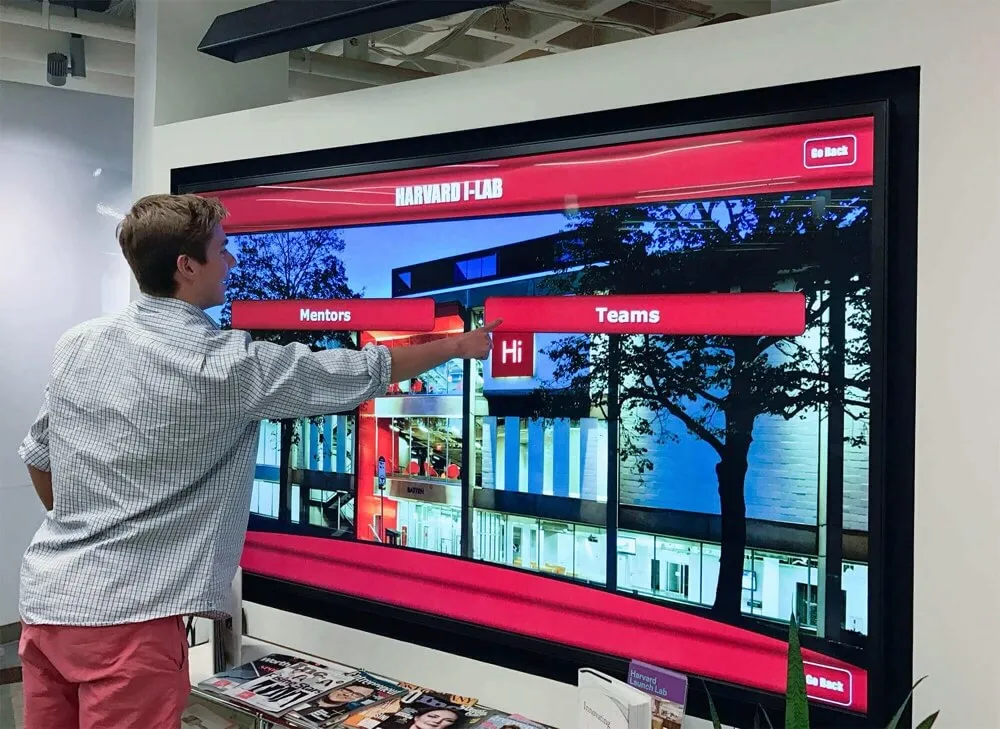
- Incorporate technology enabling interaction despite large group size
- Create architectural interest preventing spaces from feeling impersonal
- Consider flexible division systems allowing one large hall to function as multiple smaller spaces
- Integrate features reducing psychological distance between instructors and students
Some institutions find that two 150-seat halls serve educational missions more effectively than one 300-seat auditorium, despite higher construction costs. Understanding institutional priorities regarding educational quality versus operational efficiency should inform capacity decisions.
Creating Spaces That Reflect Institutional Identity
Lecture halls represent significant campus investments requiring decades of service. These spaces should embody institutional values while connecting students to broader university culture and heritage.
Identity Integration Strategies:
Architectural Design Language: Lecture halls should harmonize with campus architectural traditions while incorporating contemporary functionality. Spaces feeling disconnected from campus character create institutional discontinuity.
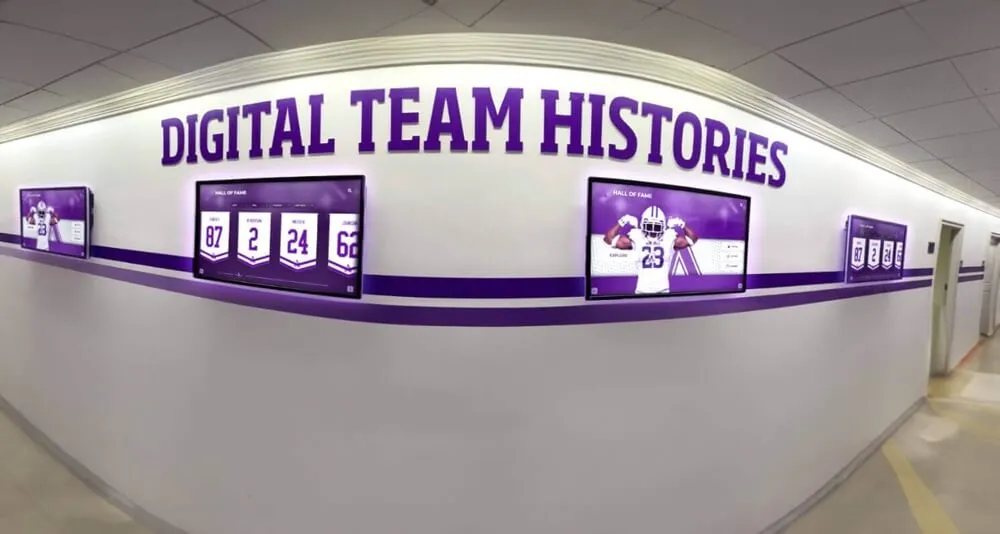
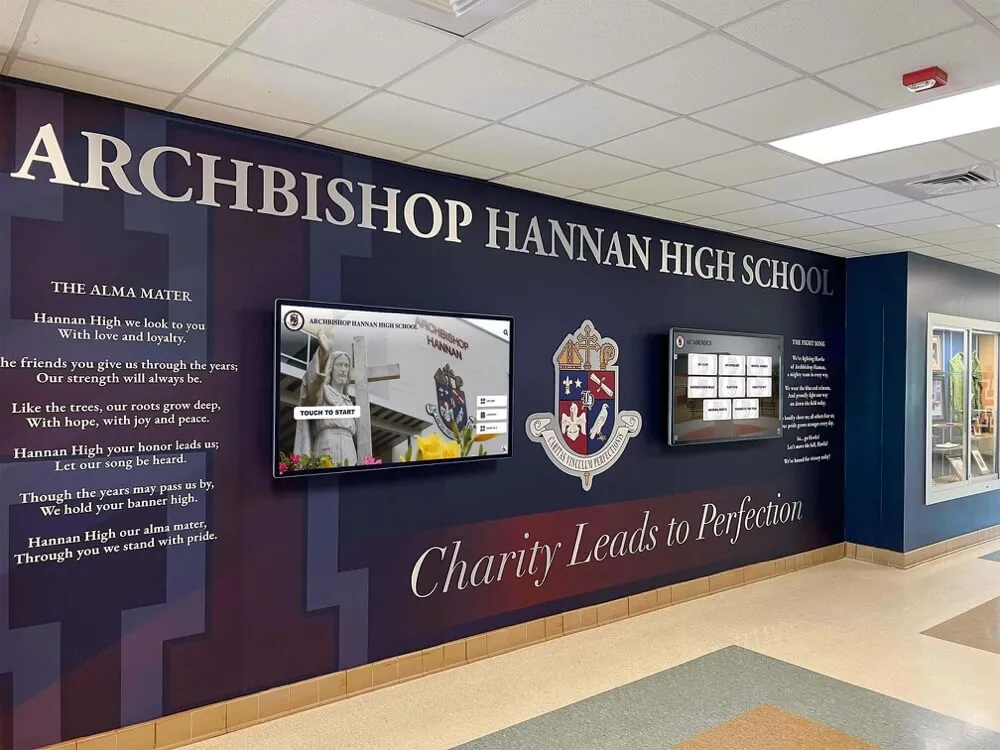
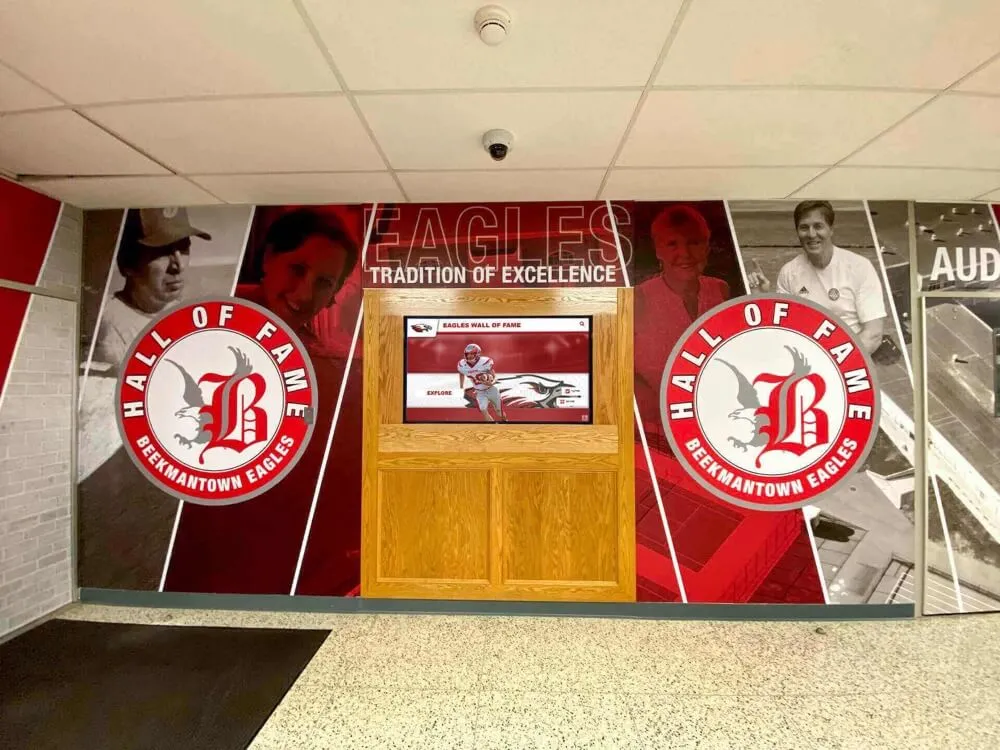
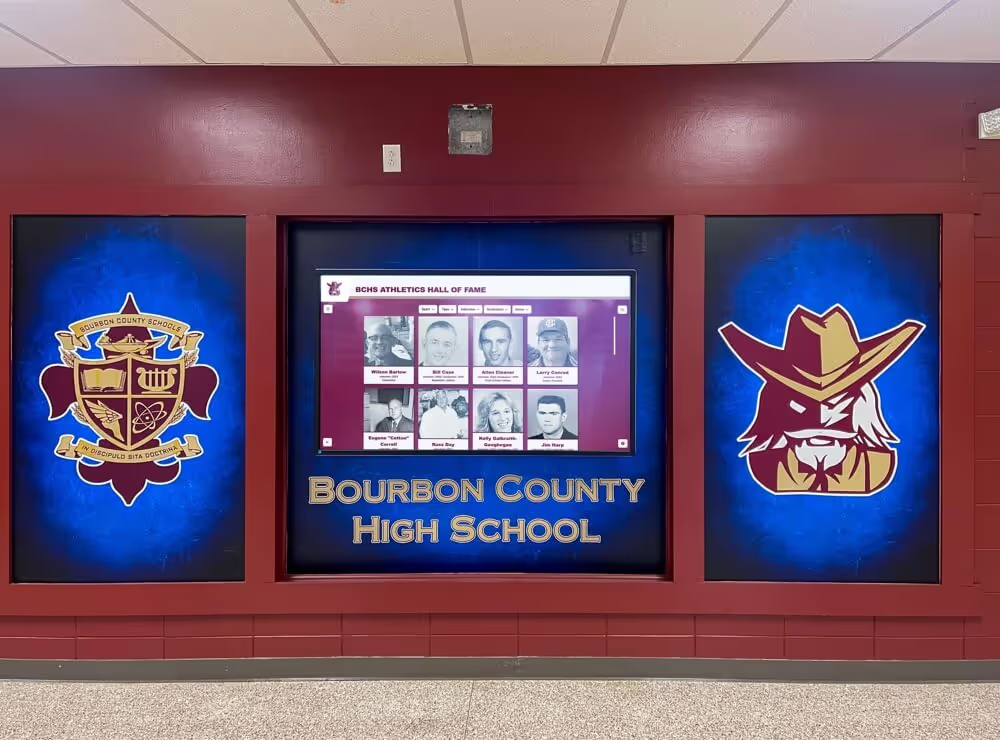
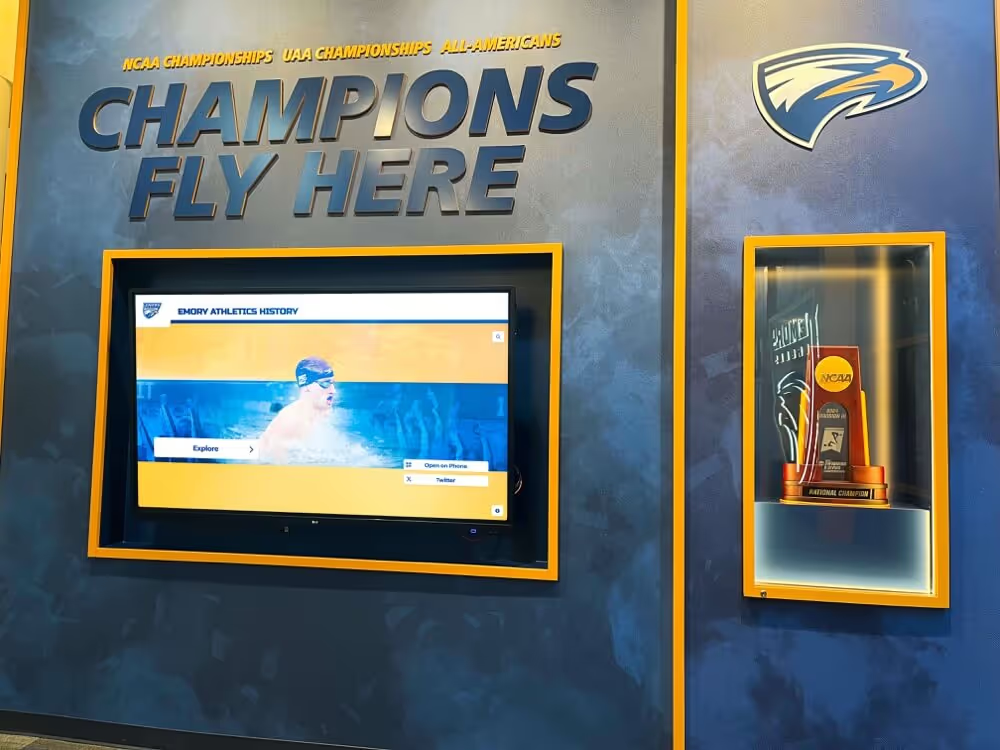
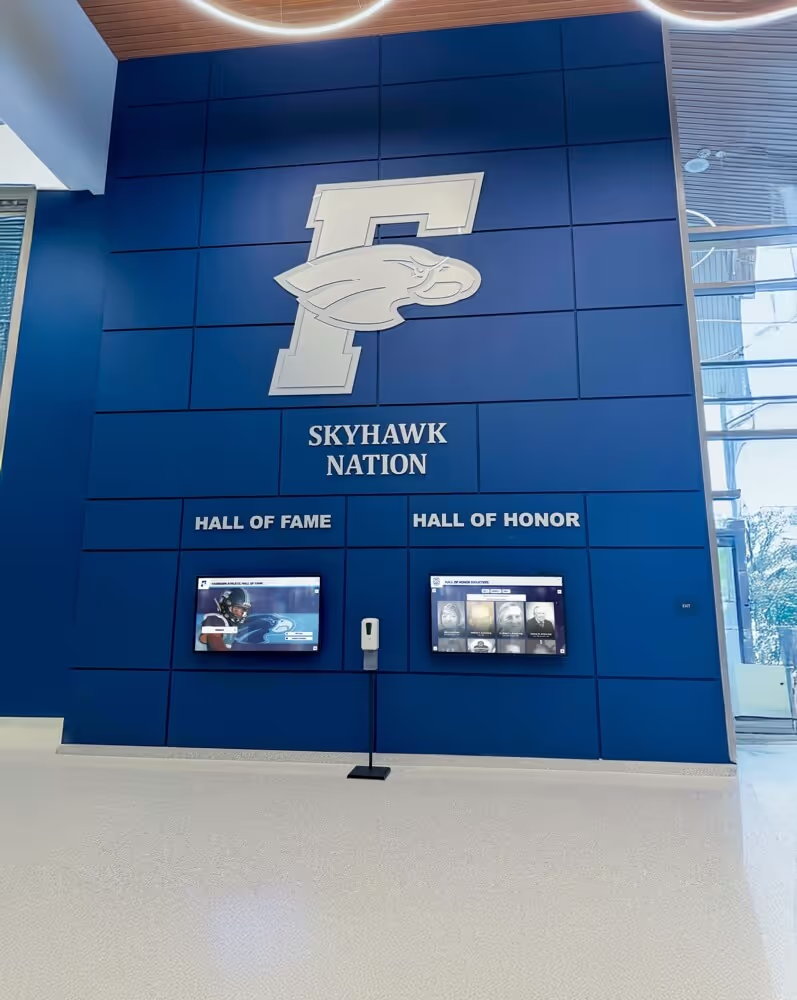
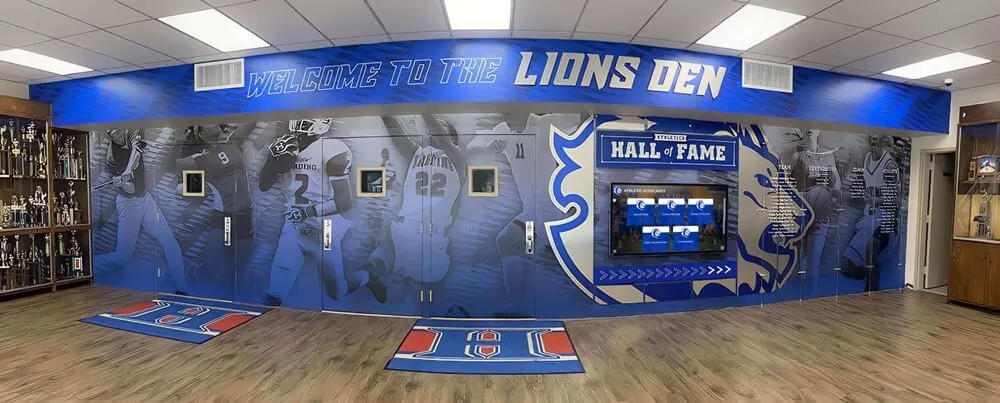
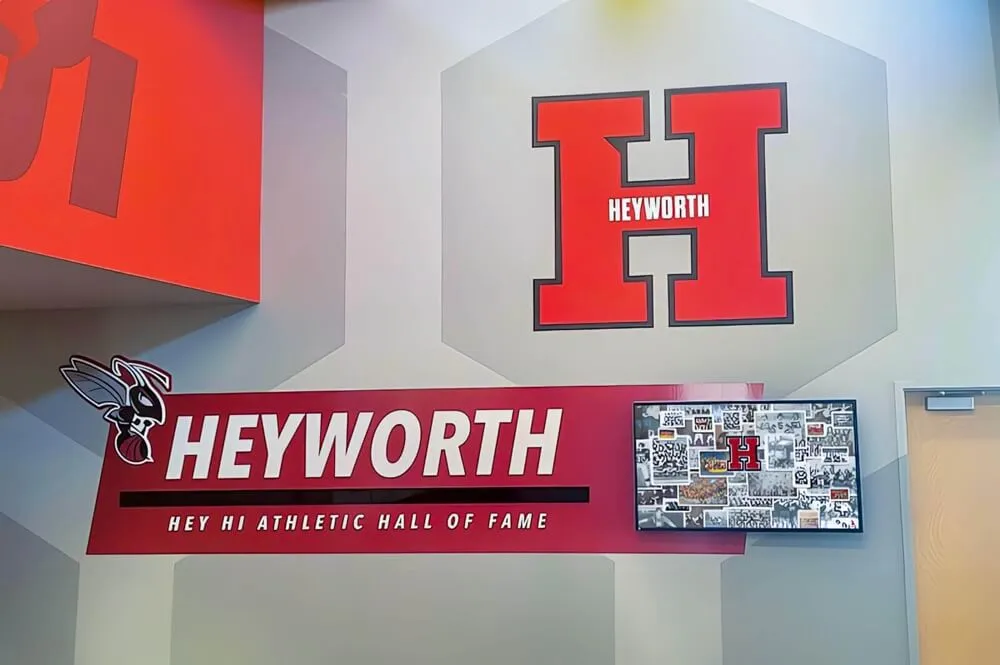
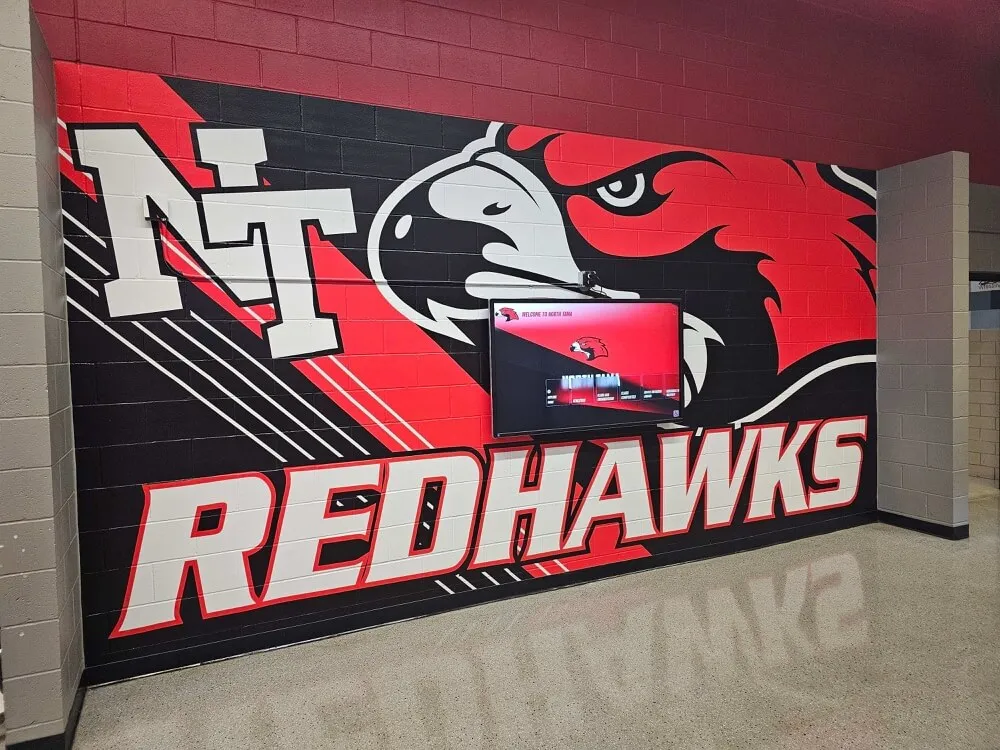
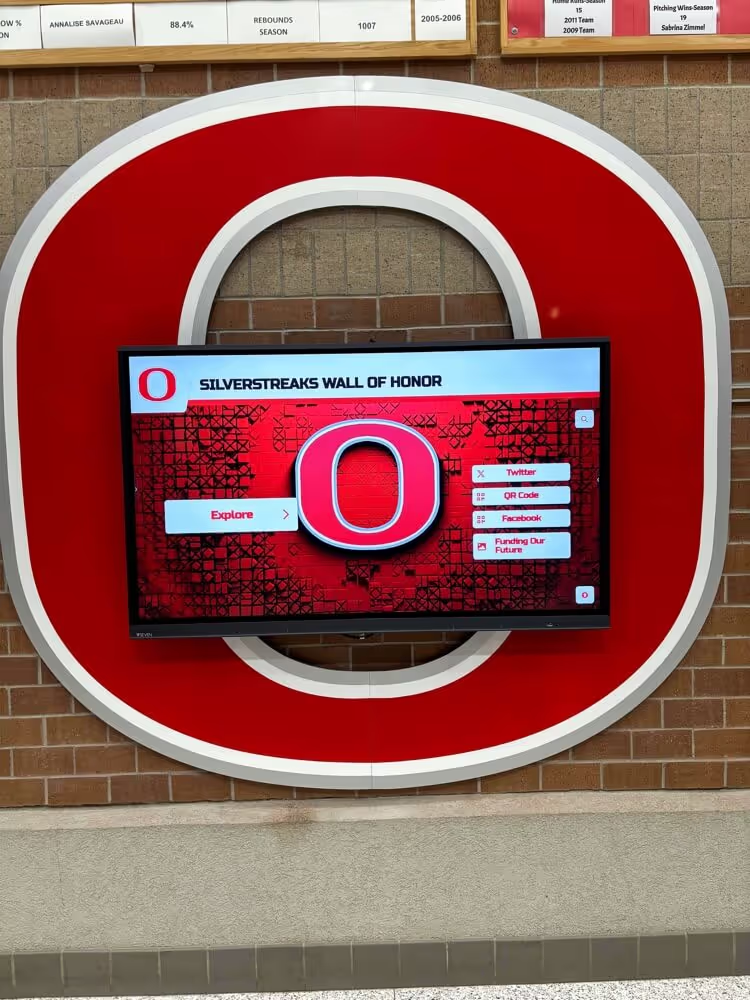
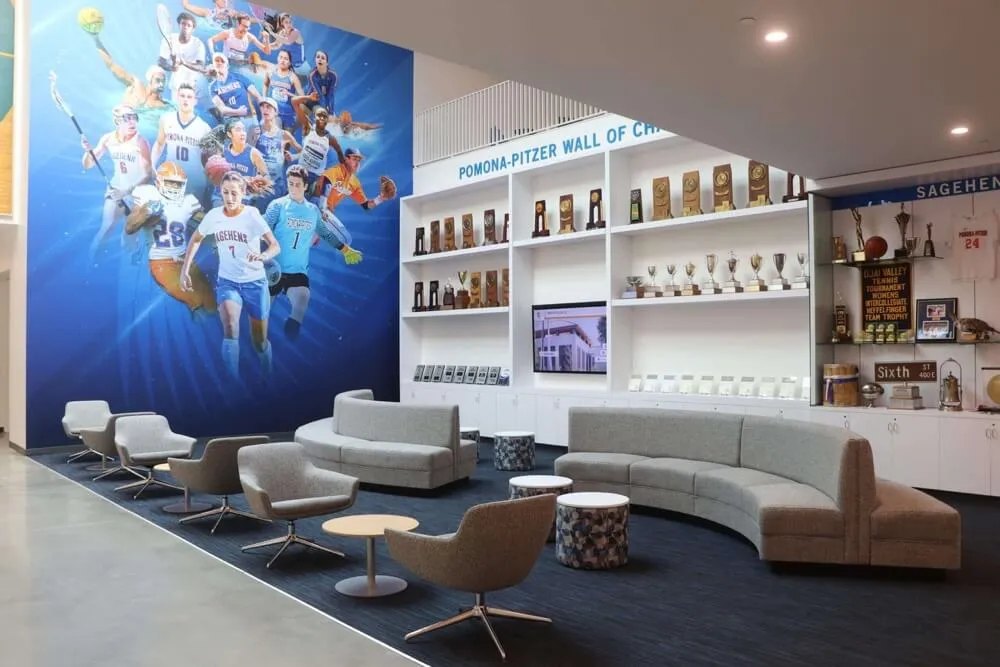
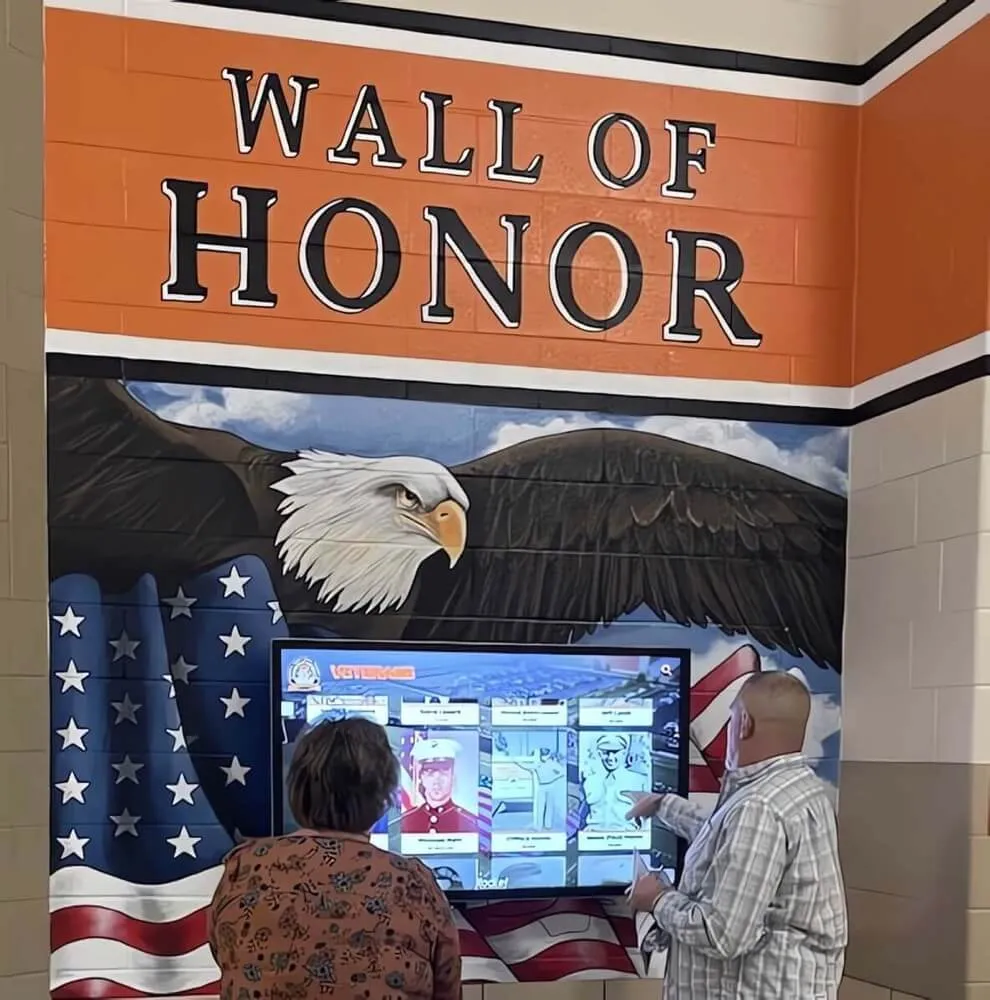
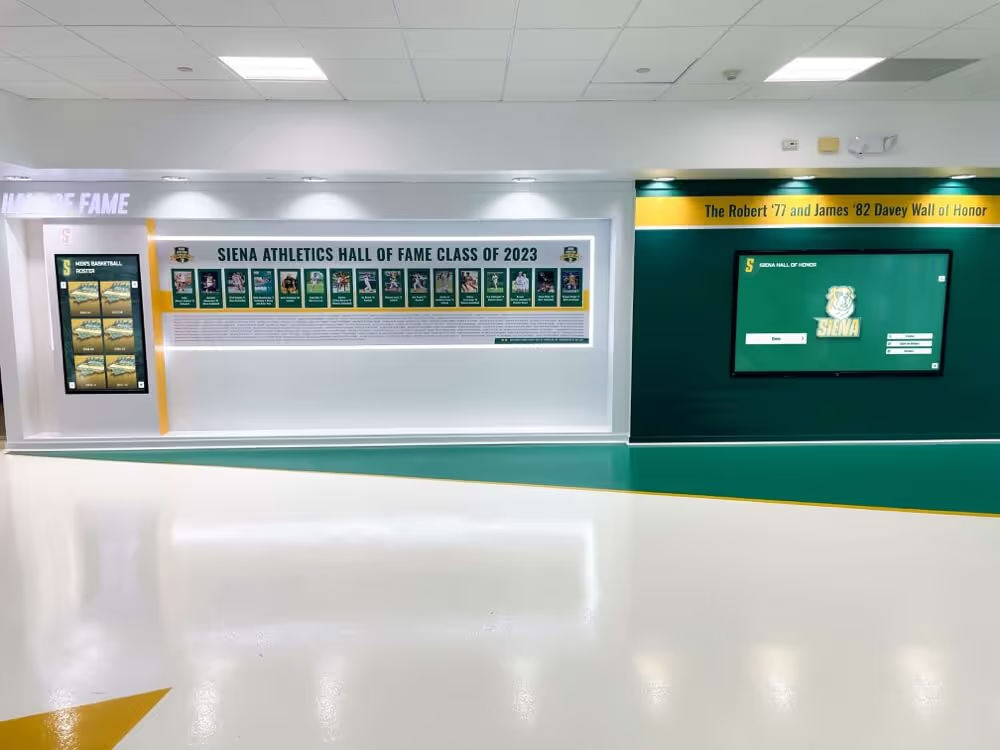
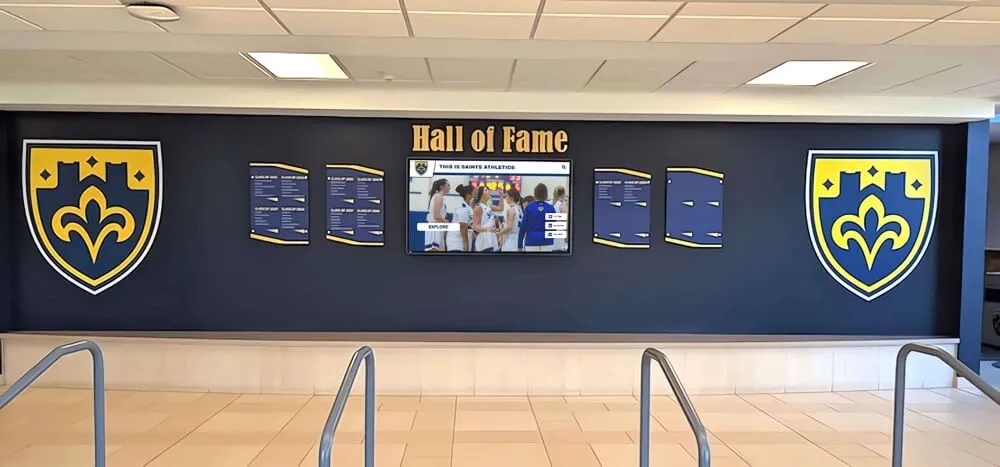
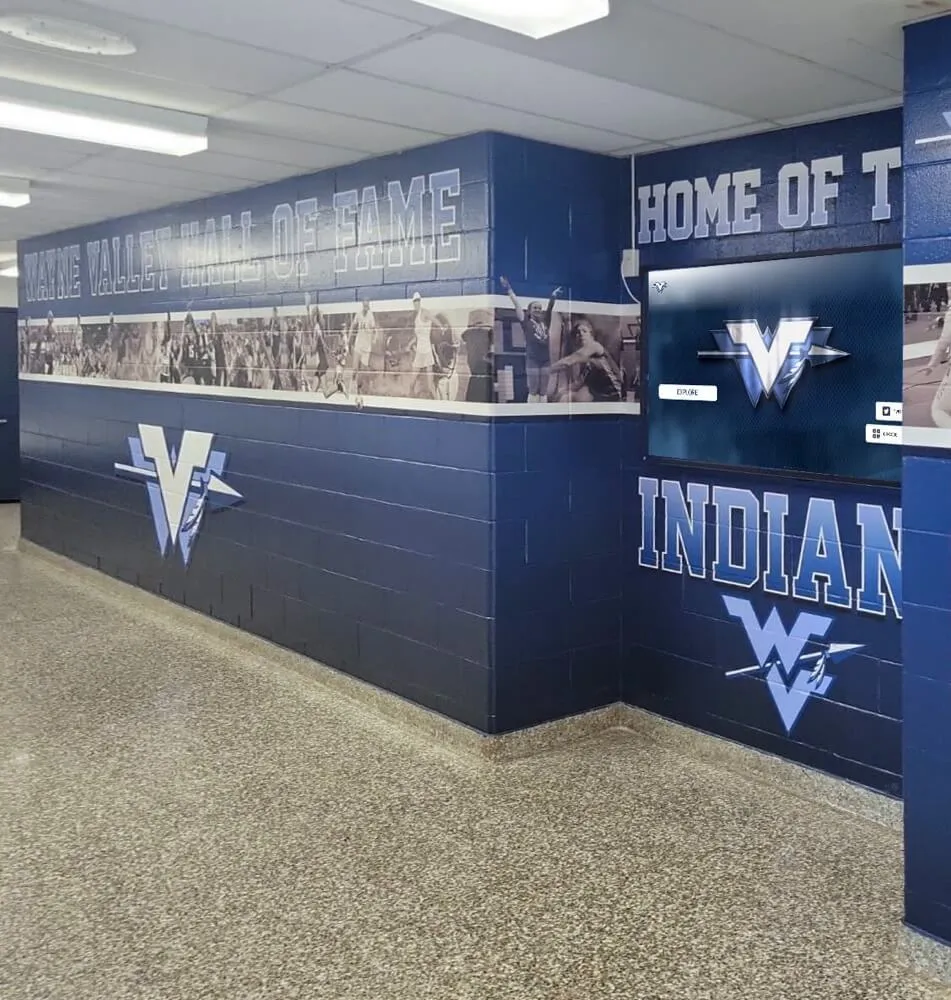
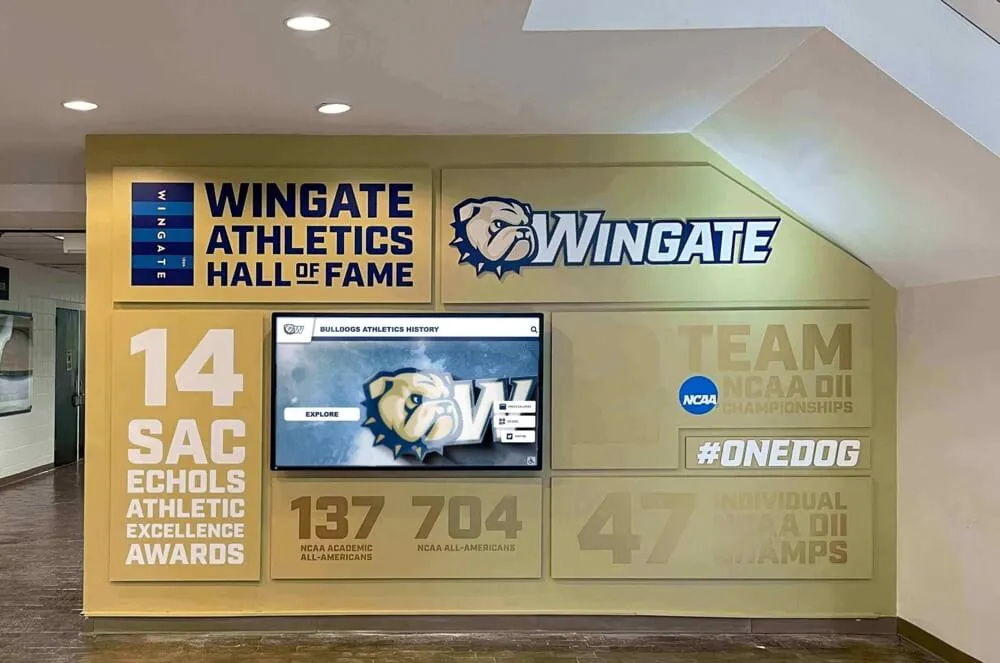
Recognition and Heritage Elements: Many universities integrate recognition displays celebrating distinguished faculty, notable alumni, donor acknowledgment, or institutional history into learning spaces. These elements:
- Connect current students with institutional legacy and traditions
- Demonstrate values the institution honors beyond academic metrics
- Create opportunities for donors to support facility enhancements
- Transform purely functional spaces into meaningful campus destinations
- Inspire students by showcasing achievement within their academic community
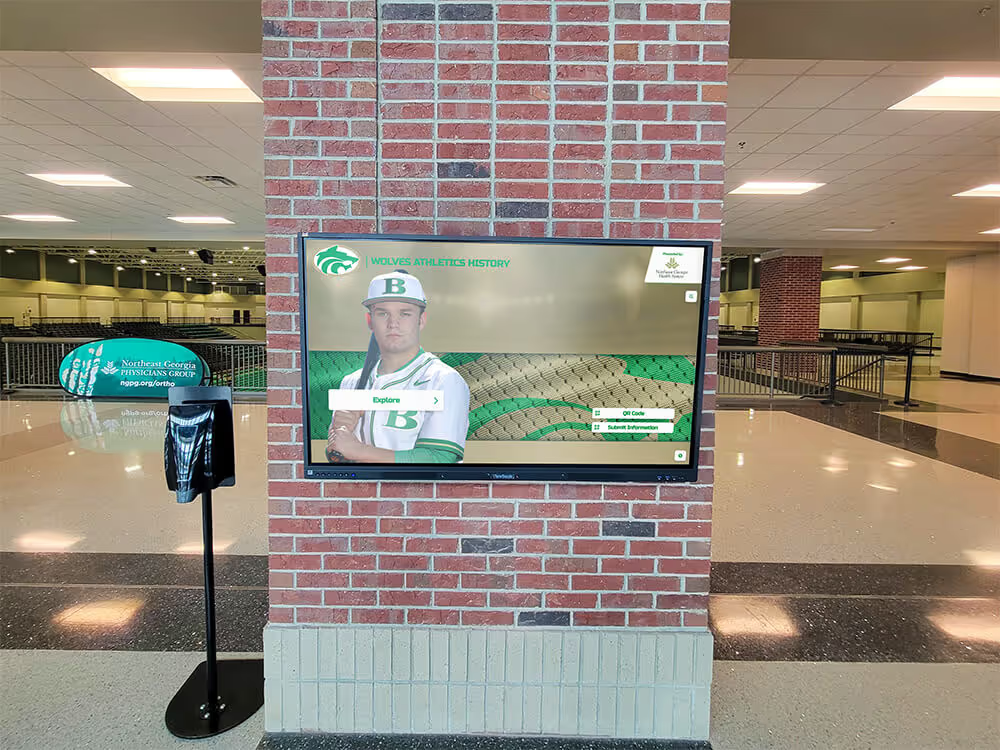
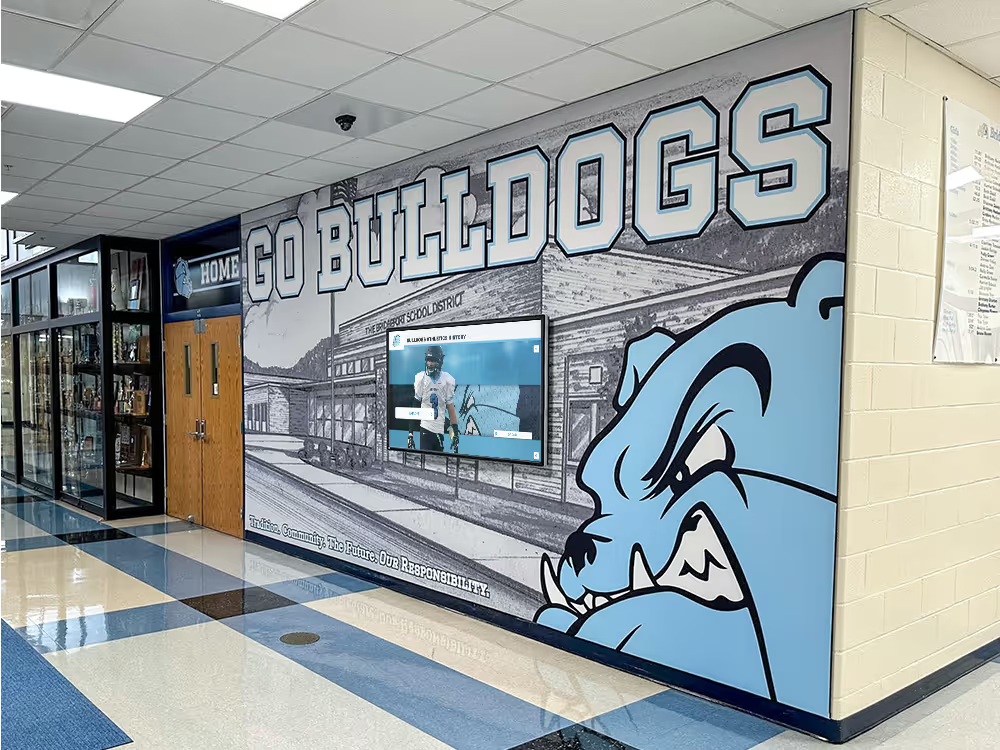
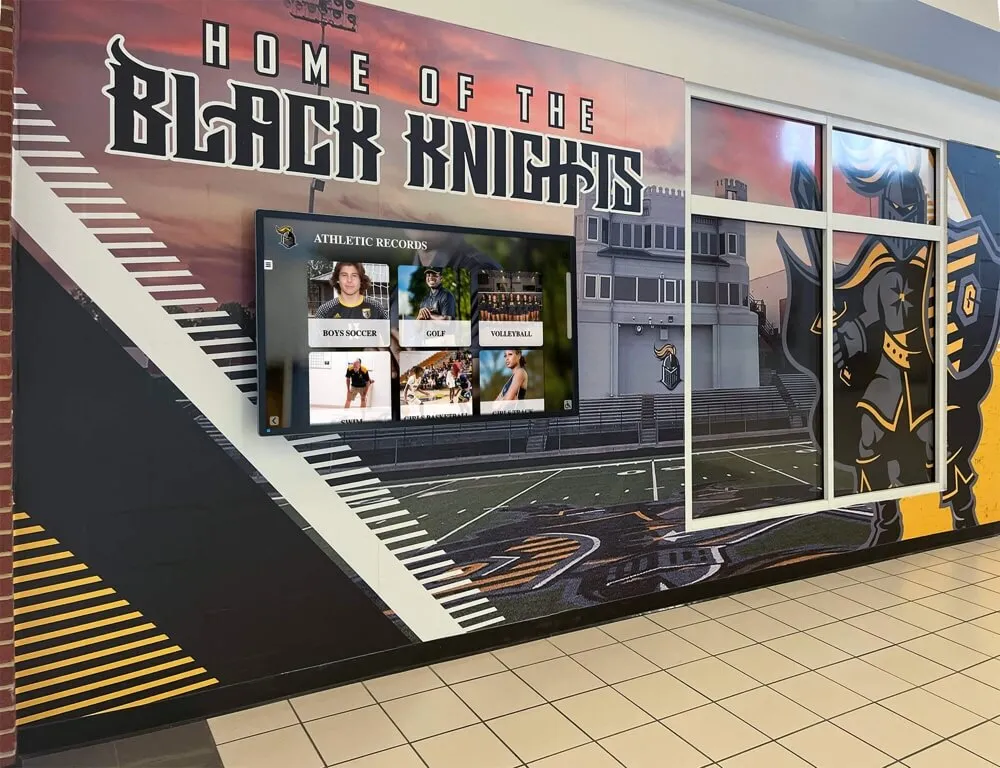
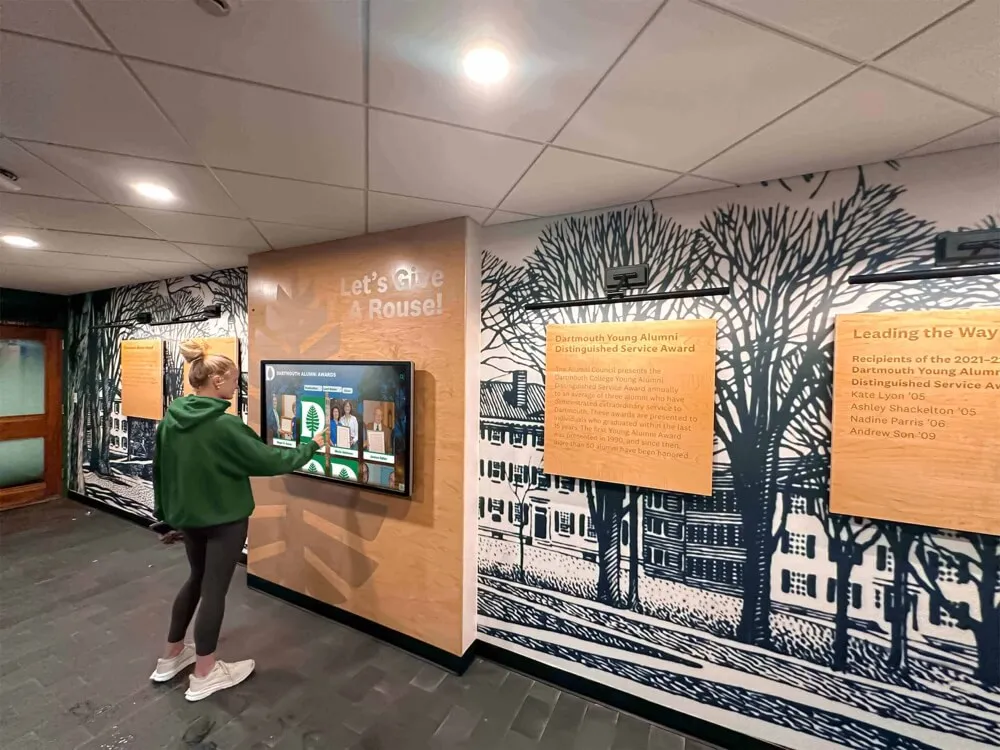
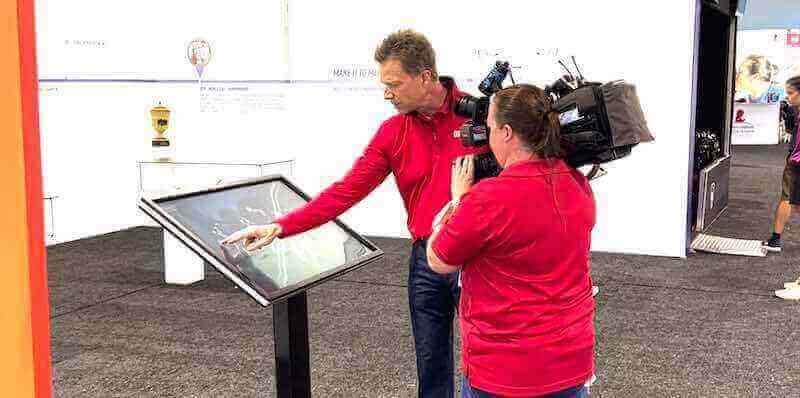
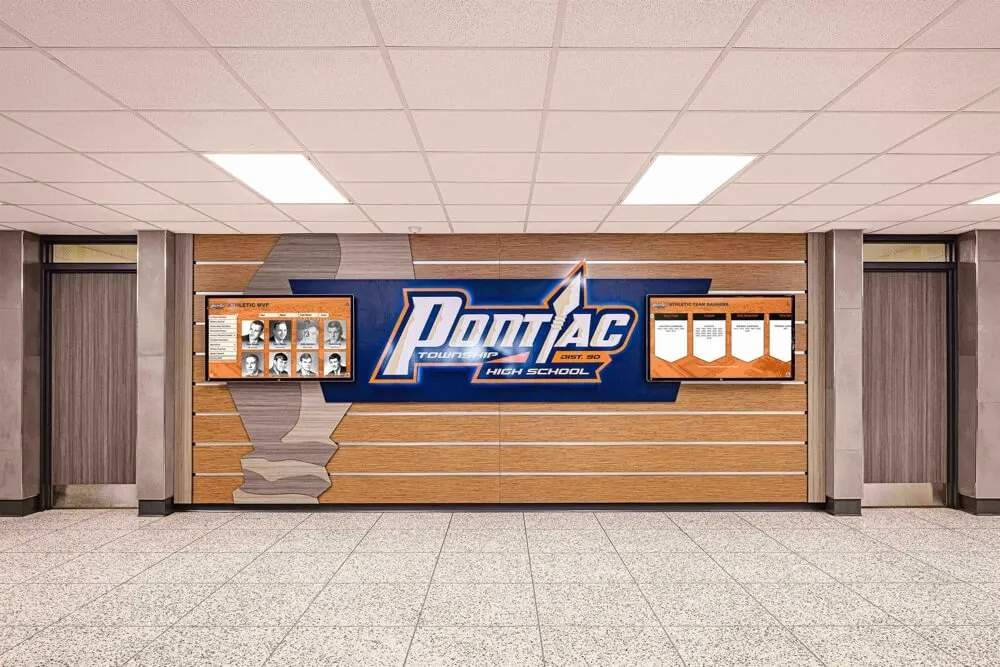
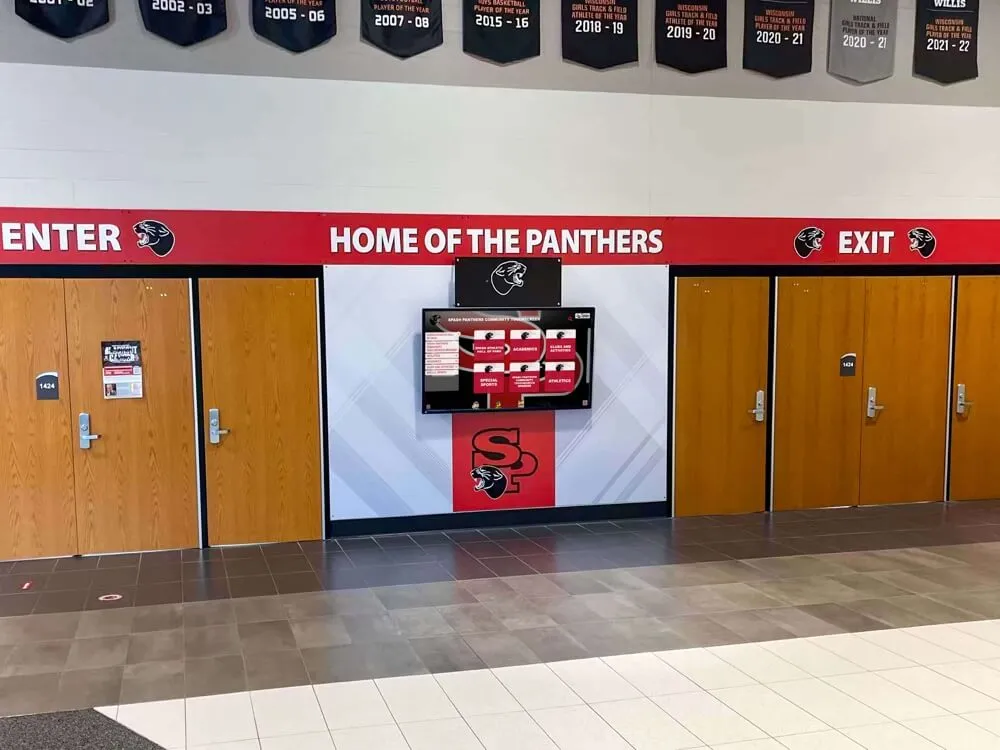
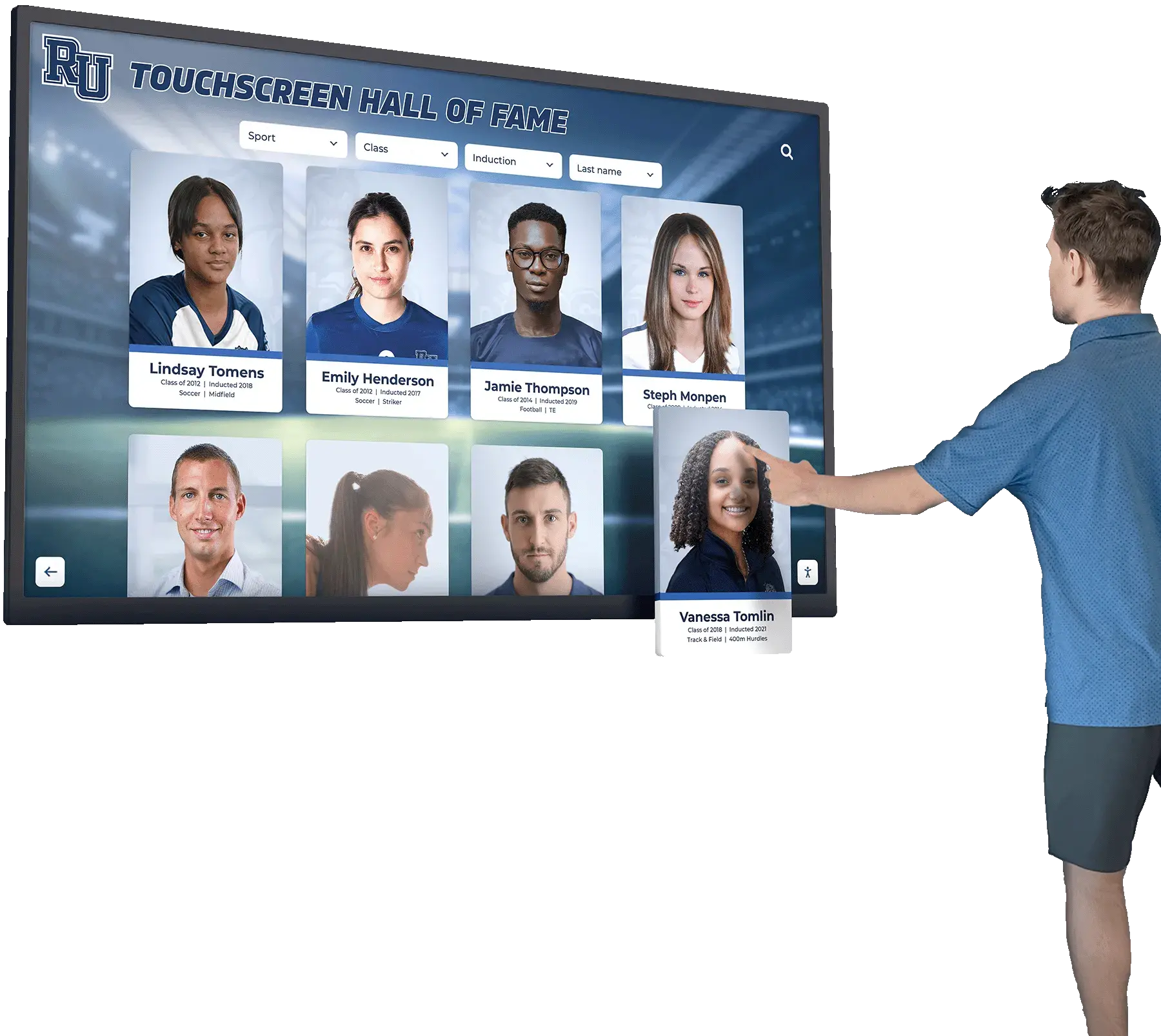
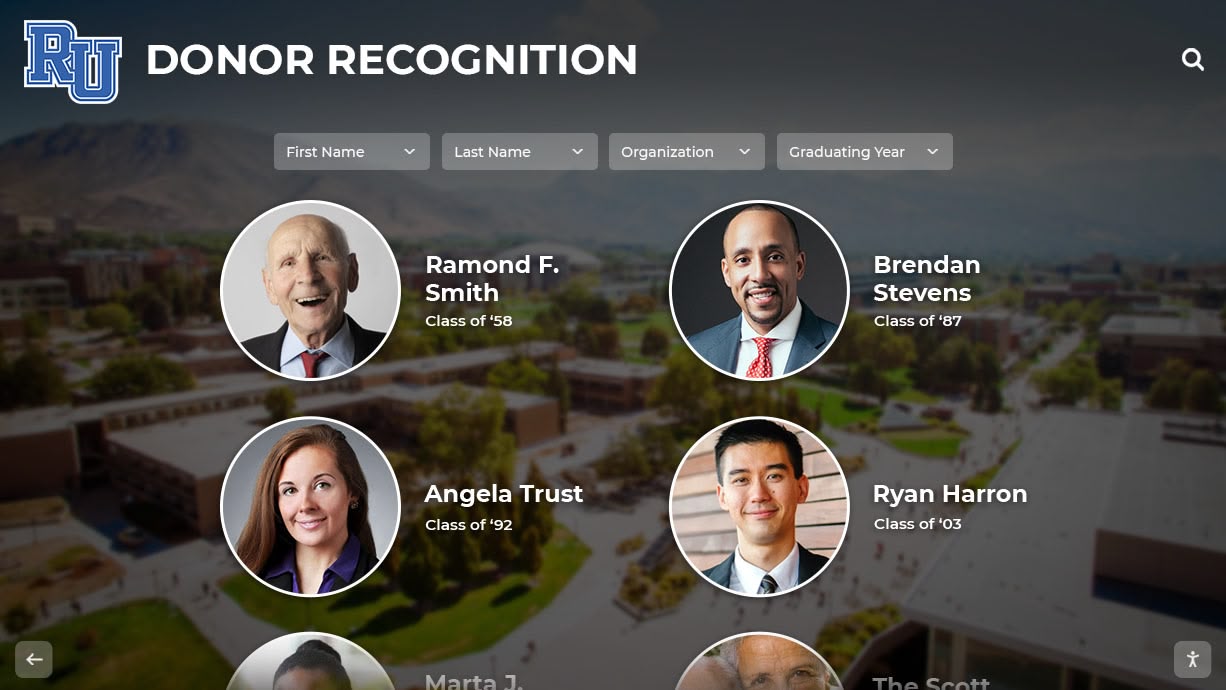
Solutions like digital recognition displays from providers such as Rocket Alumni Solutions enable comprehensive celebration of institutional heritage without consuming limited wall space in learning areas. Understanding effective approaches to donor recognition in educational facilities helps institutions create meaningful connection while acknowledging philanthropic support.
Naming Opportunities: Named lecture halls honoring distinguished faculty, generous donors, or institutional leaders create fundraising opportunities while establishing spaces with meaningful identities beyond generic room numbers.
Seating Configuration and Spatial Arrangement
Seating design profoundly affects learning effectiveness by influencing student attention, faculty-student interaction, collaborative opportunities, and accessibility.
Fixed vs. Flexible Seating Approaches
Institutions must decide whether lecture hall seating should be permanently fixed or allow reconfiguration.
Fixed Seating Benefits:
- Maximizes capacity within available space through precise optimization
- Reduces maintenance and operational costs
- Prevents damage from constant furniture movement
- Enables tiered floor designs maximizing sightlines
- Simplifies room turnover between classes
- Provides consistent acoustic performance
Flexible Seating Benefits:
- Supports diverse teaching methodologies requiring different configurations
- Enables small group work and collaborative learning activities
- Allows room to serve multiple functions beyond traditional lectures
- Accommodates changes in pedagogical approaches over time
- Provides wheelchair-accessible seating throughout rather than designated areas
Most institutions conclude that lecture halls seating 100+ students function best with fixed seating due to the logistical impracticality of reconfiguring large furniture quantities between classes. Smaller spaces (50-75 seats) may justify flexible approaches if serving diverse pedagogical needs.

Tier Design and Sightline Optimization
Tiered floor design where each row sits higher than the previous enables every student to see instructional areas clearly—critical for educational effectiveness.
Tier Design Considerations:
Rise Between Rows: The vertical distance between successive rows typically ranges from 6-12 inches. Steeper risers improve sightlines but:
- Increase construction costs through greater structural requirements
- Create accessibility challenges for students with mobility limitations
- Generate psychological discomfort for students uncomfortable with heights
- Require more vertical building space reducing efficiency
Moderate rises of 8-10 inches balance sightline optimization with accessibility and construction efficiency for most applications.
Sightline Analysis: Design should ensure unobstructed views of:
- Primary instructional board or screen areas
- Demonstration tables or experimental setups
- Instructor presentation positions
- Visual displays throughout teaching zones
Computer modeling during design phases can verify sightline adequacy from all seating positions, preventing costly post-construction corrections when visibility problems emerge.
Curved vs. Linear Row Arrangements:
Curved rows wrapping partially around instructional areas:
- Reduce maximum distance between instructors and students
- Improve sightlines by angling students toward focal points
- Create more intimate psychological spaces despite large capacity
- Increase construction complexity and costs
Linear rows parallel to front walls prove simpler and less expensive but create greater distance for students at row ends in wide halls.
Aisle Placement and Circulation Patterns
Strategic aisle location affects both safety and educational function.
Accessibility and Safety Requirements:
Building codes mandate:
- Minimum aisle widths (typically 36-44 inches for primary aisles)
- Maximum number of seats between aisles (commonly 14-20 seats)
- Accessible routes connecting entrances to wheelchair seating areas
- Emergency egress capacity supporting building occupancy limits
Beyond minimum compliance, generous aisle widths facilitate:
- Instructor movement among students during class
- Student collaboration across adjacent seating areas
- Comfortable passage during class without excessive disruption
- Efficient room turnover between class sessions
Strategic Aisle Configuration:
Center aisles dividing seating into left and right sections:
- Facilitate instructor access throughout the room
- Enable small group discussions in adjacent seats
- Support efficient student entry and exit
- Create natural zones for different class activities
However, center aisles place some students at significant distance from instructional areas in wide halls. Multiple aisles (dividing seating into three or more sections) reduce maximum distance from focal points while maintaining accessibility.
Technology Integration for Contemporary Pedagogy
Technology infrastructure determines whether lecture halls support or frustrate modern teaching approaches.
Presentation and Display Systems
Visual presentation technology represents the most fundamental lecture hall technology need.
Projection vs. Direct-View Displays:
Traditional projection systems remain common but increasingly yield to large-format direct-view displays:
Projection Advantages:
- Extremely large image sizes at reasonable costs
- Established technology with familiar operation
- Replacement bulbs less expensive than display panel replacement
Projection Disadvantages:
- Ambient light severely degrades image quality
- Regular lamp replacement creates ongoing costs and maintenance
- Image quality degrades as lamps age
- Projection equipment visible in ceiling areas
Direct-View Display Advantages:
- Excellent image quality regardless of ambient lighting
- Minimal ongoing maintenance costs
- Longer service life than projection lamps
- Slim profiles minimizing aesthetic impact
- Consistent performance without degradation
Direct-View Display Disadvantages:
- Higher initial costs per square foot of display area
- Practical size limitations (typically 86-98 inches diagonal)
- Technology evolving rapidly potentially requiring earlier replacement
Many institutions now specify direct-view displays for lecture halls seating up to 150 students, with projection reserved for larger spaces requiring screen sizes exceeding practical display dimensions.

Multiple Display Configurations:
Large lecture halls benefit from multiple displays ensuring all students enjoy adequate viewing:
- Primary central display for main content
- Secondary side displays showing identical content for students with oblique viewing angles
- Confidence monitors facing instructors showing their presentation content
- Supplementary displays for document cameras, video sources, or auxiliary content
Sophisticated control systems enable instructors to route content to appropriate displays without technical complexity disrupting instruction.
Audio and Acoustics
Clear, consistent audio reaches every student regardless of seating location represents a non-negotiable lecture hall requirement.
Sound Reinforcement Systems:
Lecture halls seating 75+ students typically require electronic sound reinforcement. Effective systems include:
Instructor Microphones:
- Wireless lavalier microphones providing hands-free operation and movement freedom
- Podium microphones for instructors preferring fixed positions
- Handheld wireless microphones for student questions or presentations
- Automatic microphone management preventing feedback and echo
Speaker Distribution:
- Distributed ceiling speakers providing even coverage throughout seating areas
- Line array systems for challenging acoustic environments
- Supplementary speakers addressing acoustically difficult zones
- Volume leveling ensuring consistent sound across all seating positions
Room Acoustics:
Electronic reinforcement cannot compensate for poor room acoustics:
Reverberation Control:
- Acoustic panels on walls and ceilings absorbing excess reverberation
- Proper balance between absorption (preventing echo) and reflection (maintaining richness)
- Material selection complementing architectural design objectives
- Attention to floor covering acoustics (carpet vs. hard surfaces)
Noise Isolation:
- Sound-rated walls preventing noise transfer from adjacent spaces
- Acoustic isolation from mechanical systems (HVAC, plumbing)
- Door and window seals preventing external noise intrusion
- Location away from high-noise campus areas when possible
Acoustic consulting during design phases proves far more cost-effective than attempting corrections after construction reveals problems. Many institutions learn about effective approaches to interactive campus storytelling and technology integration when planning facility enhancements.
Interactive Learning Technology
Contemporary pedagogy increasingly employs interactive technology supporting active learning methodologies.
Classroom Response Systems:
Student response systems (clickers or mobile device-based) enable:
- Real-time comprehension assessment through in-class polling
- Anonymous question submission encouraging participation
- Interactive quizzes providing immediate feedback
- Data collection for learning analytics and course improvement
- Enhanced engagement in large lecture environments
Infrastructure supporting these systems includes robust wireless networking and classroom computers running response system software.
Collaboration Technology:
Technology supporting student collaboration includes:
- Screen sharing systems enabling students to display work from personal devices
- Multiple input sources allowing simultaneous content from different groups
- Wireless presentation systems eliminating cable constraints
- Software supporting real-time collaborative document work
- Video conferencing for hybrid or remote participation
Learning Management Integration:
Lecture hall technology should integrate with institutional learning management systems:
- Automated lecture capture recording sessions for student review
- Attendance tracking through card readers or mobile apps
- Assignment submission and return workflows
- Seamless access to course materials during class
- Analytics tracking technology utilization and student engagement patterns
Accessibility and Universal Design
Federal law and institutional commitment require lecture halls that accommodate students with diverse abilities.
ADA Compliance for Physical Accessibility
Americans with Disabilities Act compliance represents minimum legal obligation, not aspirational goal.
Wheelchair-Accessible Seating:
Requirements include:
- Accessible seating distributed throughout the room (not segregated to back or sides)
- Companion seating adjacent to wheelchair spaces
- Accessible routes from building entrances to all seating areas
- Appropriate spacing and positioning for adequate sightlines
- Quantity based on total room capacity (typically 1-2% of seats)
Beyond minimum compliance, institutions should:
- Ensure accessible seating provides equivalent viewing quality as other positions
- Allow students to select accessible seating without special requests
- Design accessible seating integrated naturally rather than appearing segregated
- Provide flexibility in accessible seating location for different student preferences
Accessible Circulation:
- Elevator access for tiered halls spanning multiple floor levels
- Ramps with appropriate slopes where level changes occur
- Adequate aisle widths accommodating wheelchairs and mobility devices
- Door widths and hardware meeting accessibility standards
- Accessible restrooms, water fountains, and other amenities near lecture halls
Accommodating Sensory and Learning Differences
Accessibility extends beyond mobility considerations to sensory and cognitive needs.
Visual Accessibility:
- Assistive listening systems for students with hearing impairments
- Real-time captioning of live instruction
- Sign language interpreter positions with adequate lighting and sightlines
- Hearing loop systems for students with hearing aids
Learning Support:
- Adequate lighting enabling note-taking and reading
- Reduced visual distractions in instructional zones
- Flexible seating allowing students to position based on learning needs
- Technology supporting alternative note-taking methods
- Recording capabilities for students needing class session review
Neurodiversity Considerations:
Some students experience challenges with:
- Sensory overwhelm from harsh lighting or excessive visual stimulation
- Acoustic sensitivity requiring sound management
- Attention challenges benefiting from reduced environmental distractions
- Anxiety in large group settings benefiting from strategic seating options
Thoughtful design can accommodate these needs without compromising functionality for the broader student population. Resources on academic recognition programs in educational settings often address similar accessibility considerations.
Lighting Design for Learning Environments
Lighting profoundly affects learning quality, student attention, and visual comfort.
Balancing Natural and Artificial Light
Natural light provides documented benefits including improved student alertness, better mood, and enhanced learning outcomes. However, lecture hall lighting design faces unique challenges.
Benefits of Natural Light:
- Circadian rhythm support improving student attention and wellbeing
- Superior color rendering compared to many artificial sources
- Connection to outdoor environment reducing psychological isolation
- Energy efficiency reducing operational costs
- Psychological benefits of daylight access
Natural Light Challenges in Lecture Halls:
- Glare on projection screens or displays degrading visibility
- Variable light levels throughout the day complicating presentation visibility
- Heat gain from windows increasing cooling loads
- Potential for distraction from exterior views
- Security and privacy concerns with transparent walls
Design Strategies:
- Clerestory windows providing daylight without glare on presentation surfaces
- Automated shading systems adjusting to maintain optimal conditions
- Window placement on sides rather than behind instructional areas
- Light shelves reflecting daylight deeper into rooms
- Specification of direct-view displays unaffected by ambient light
Artificial Lighting Systems
Artificial lighting should support instruction without creating visual fatigue or discomfort.
Lighting Zoning:
Effective systems provide independent control over multiple lighting zones:
- Instructional area lighting ensuring adequate illumination for demonstrations
- Seating area lighting enabling note-taking
- Presentation zone dimming for improved screen visibility
- Pathway and safety lighting meeting egress requirements
- Individual row lighting for selective dimming based on teaching needs
Sophisticated control systems enable preset scenes for different teaching scenarios—full lighting for exams, partial dimming for projection-based lectures, focused lighting for student presentations.
Light Quality Considerations:
- Color temperature selection (typically 3000-4000K for educational spaces)
- Color Rendering Index (CRI) above 80 for accurate color representation
- Flicker-free LED systems preventing eye strain and headaches
- Glare control through fixture selection and placement
- Uniform illumination preventing hot spots or dark areas
Energy Efficiency:
Modern lecture halls should incorporate:
- LED technology reducing energy consumption by 50-75% compared to older systems
- Occupancy sensors dimming or extinguishing lights in vacant spaces
- Daylight harvesting reducing artificial light when natural light suffices
- Integration with building automation systems optimizing energy use
- Maintenance-friendly designs reducing replacement costs
Incorporating Recognition and Heritage Elements
Learning spaces that connect students with institutional heritage create more meaningful educational environments while providing opportunities for philanthropic support.
Donor Recognition in Academic Facilities
Named lecture halls and recognition displays acknowledge philanthropic support enabling facility construction or renovation.
Naming Opportunities:
Named lecture halls typically recognize:
- Major gifts funding construction or renovation
- Distinguished faculty members who significantly shaped the institution
- Notable alumni with exceptional achievements or institutional contributions
- Institutional leaders with transformative impact
- Community benefactors supporting educational mission
Clear naming policies should establish:
- Minimum gift levels for naming rights
- Duration of naming (typically perpetual for major gifts)
- Naming proposal and approval processes
- Design standards for recognition signage
- Provisions for name changes if circumstances warrant
Integrated Recognition Displays:
Beyond simple plaques identifying room names, sophisticated institutions incorporate recognition elements celebrating:
- Donors supporting facility construction or program endowments
- Distinguished faculty and their contributions
- Notable alumni and their achievements
- Institutional history and heritage
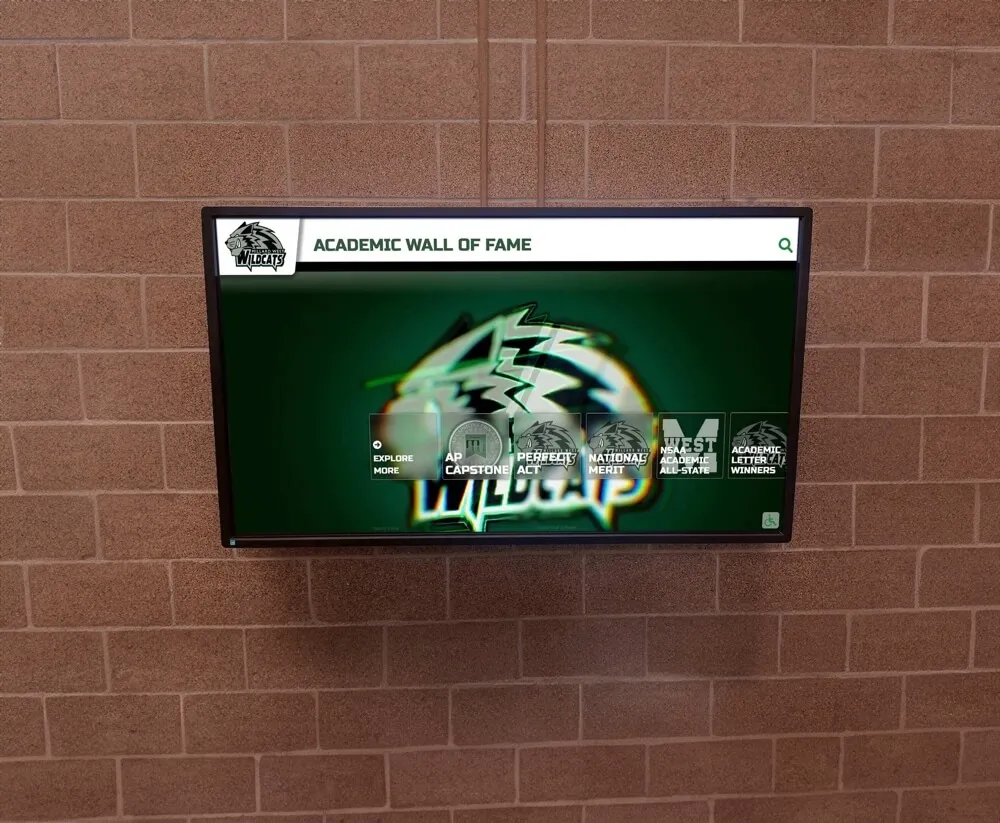
- Student accomplishments and academic excellence
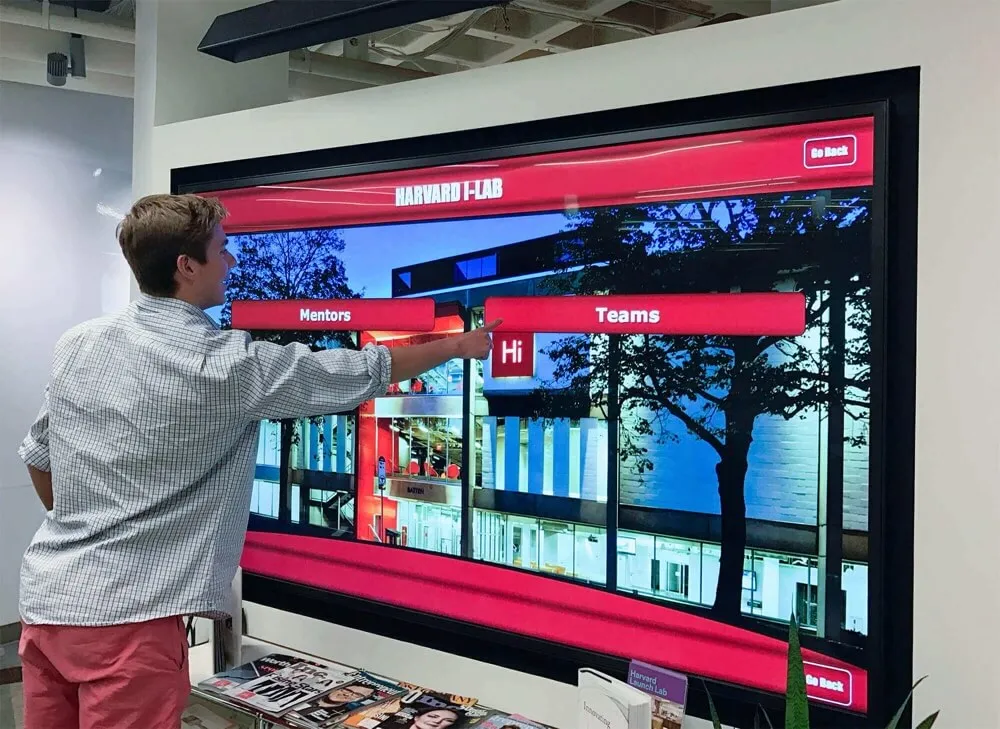
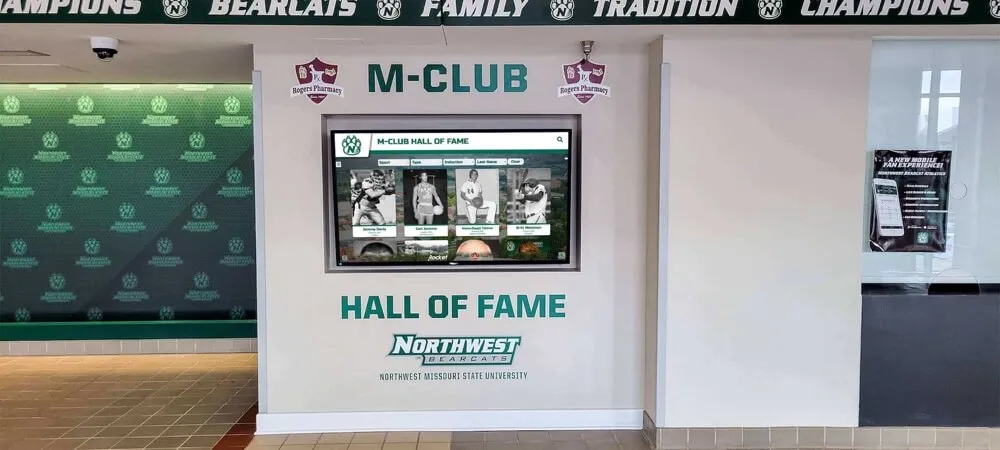
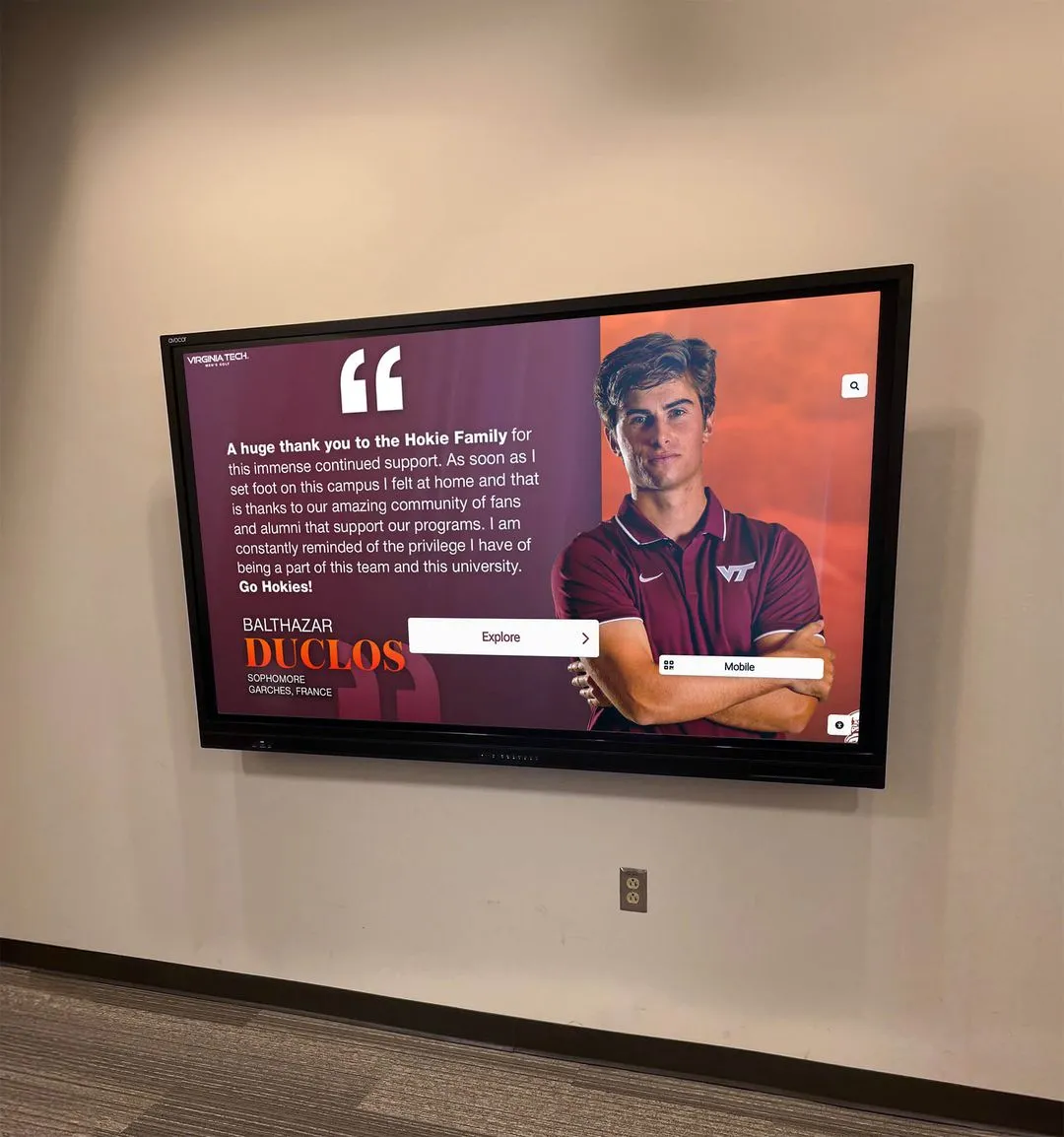
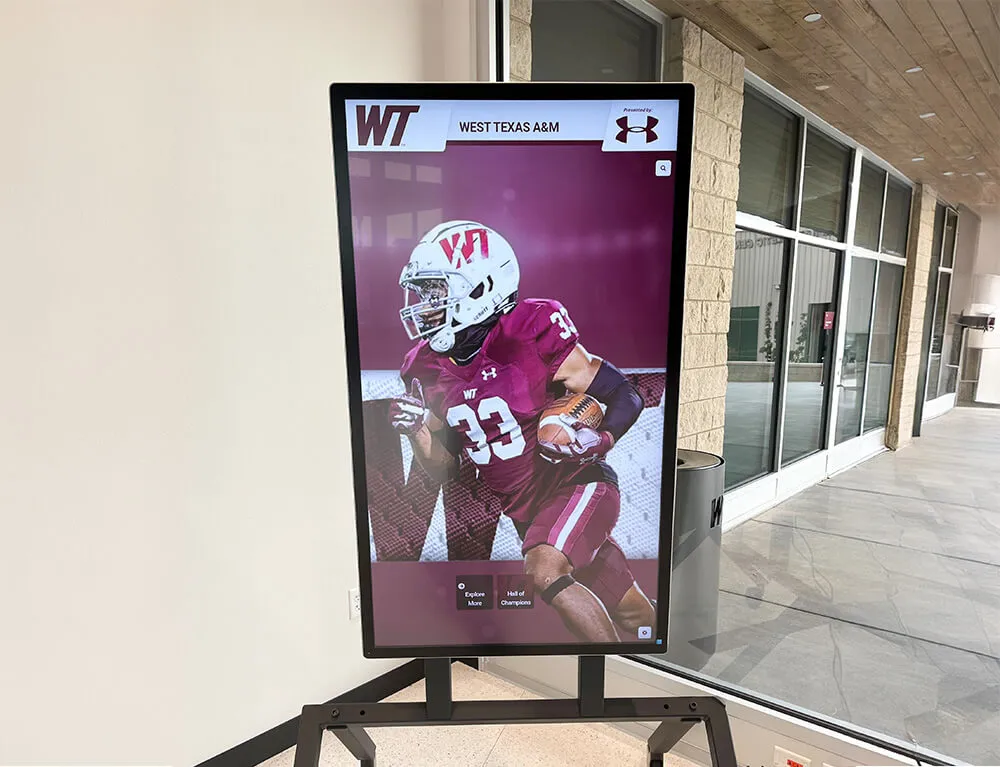
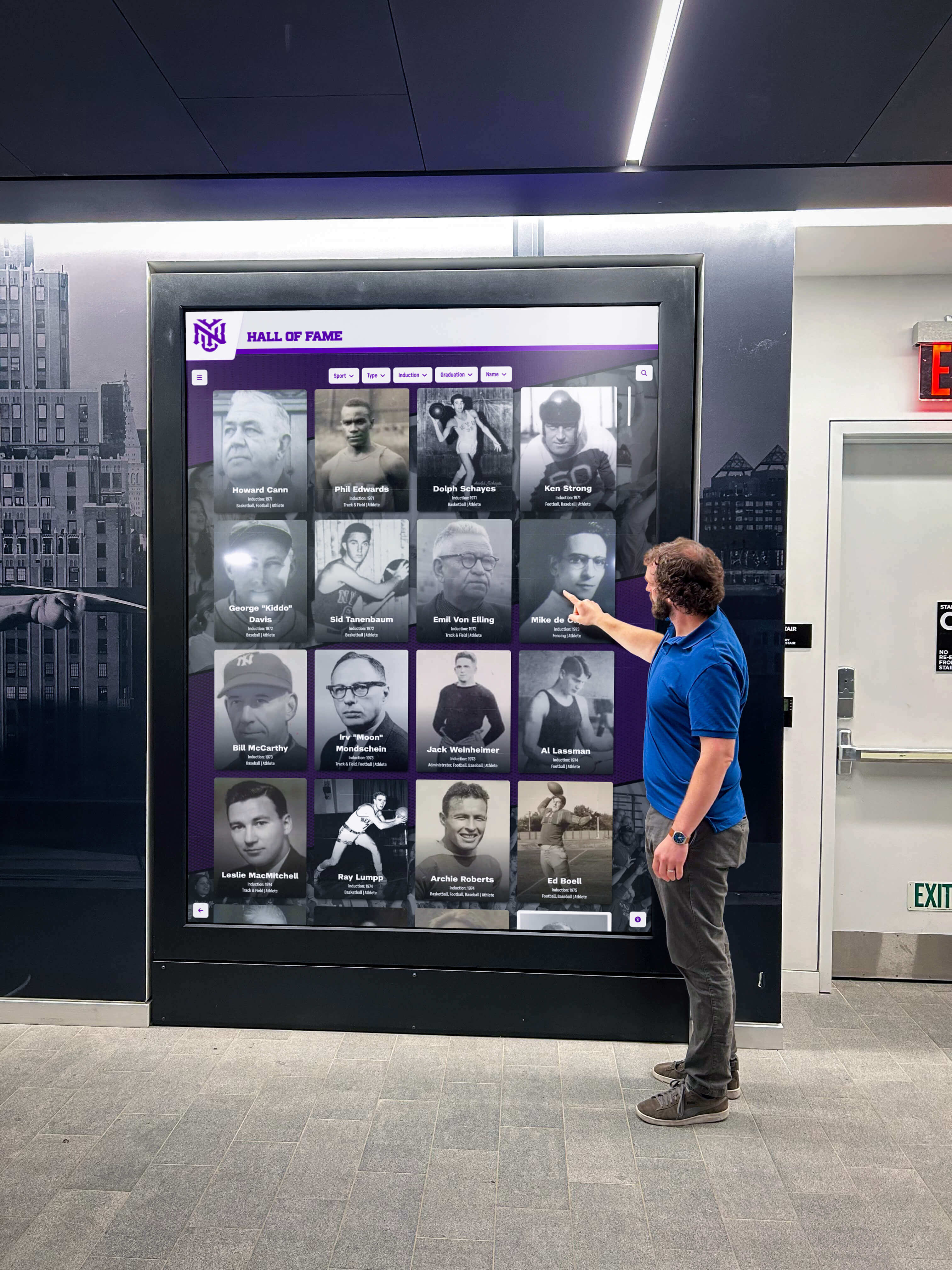
Digital recognition displays offer particular advantages in educational facilities:
- Unlimited capacity for comprehensive recognition without space constraints
- Easy content updates as new donors or achievers merit recognition
- Rich multimedia storytelling engaging students beyond simple names
- Searchable databases enabling students to explore institutional heritage
- Analytics revealing which content resonates with students
Solutions like those from Rocket Alumni Solutions provide turnkey platforms designed specifically for educational recognition, offering intuitive content management that facilities professionals can update without technical expertise while creating compelling experiences connecting students with institutional values.

Showcasing Academic Excellence and Achievement
Recognition displays celebrating academic achievement can transform purely functional learning spaces into environments inspiring excellence.
Faculty Recognition:
Highlighting distinguished faculty through:
- Teaching award recipients demonstrating commitment to student success
- Research achievements advancing knowledge in academic fields
- Service contributions supporting institutional mission
- Career milestone celebrations honoring long-tenured faculty
- Published works and scholarly contributions
Student Achievement Recognition:
Celebrating student accomplishments through:
- Dean’s list and academic honors recognition
- Research presentations and publications
- Academic competition successes
- Honor society membership
- Scholarship recipients
- Thesis and dissertation distinctions
Departmental Heritage:
Connecting current students with departmental history through:
- Historical timelines showing program evolution
- Notable alumni who studied in these learning spaces
- Landmark discoveries or achievements originating in the department
- Traditions and cultural elements unique to the academic community
- Evolution of teaching methodologies and pedagogical approaches
Many institutions implementing comprehensive academic recognition systems find these elements significantly enhance student connection to academic programs while inspiring excellence across student communities.
Creating Inspirational Learning Environments
Recognition elements contribute to educational mission by:
Connecting Students with Legacy:
Current students learn they’re part of communities with distinguished histories. Seeing names of notable alumni or faculty who worked in the same spaces creates tangible connection to institutional heritage and achievement traditions.
Demonstrating Values:
Recognition communicates what institutions honor beyond academic metrics—service, leadership, character, contribution to community. These implicit messages shape student understanding of success and what their education should prepare them to accomplish.
Inspiring Excellence:
Visible evidence that the institution celebrates achievement motivates students to pursue their own excellence. Recognition demonstrates that accomplishments receive acknowledgment, creating aspiration among current students.
Supporting Fundraising:
Recognition displays and naming opportunities provide tangible benefits for donors while connecting philanthropic support directly to student experiences. Well-designed recognition enhances fundraising by demonstrating appreciation appropriately.
Resources on hall of fame digital displays in educational settings provide implementation guidance for institutions seeking to integrate these elements effectively.
Sustainability and Long-Term Facility Management
Contemporary facility design must address environmental sustainability and lifecycle operating costs.
Energy Efficiency and Environmental Impact
Sustainable lecture hall design reduces institutional carbon footprint while lowering operational costs.
Building Systems:
- High-efficiency HVAC systems with occupancy-based operation
- LED lighting throughout with intelligent controls
- High-performance building envelope minimizing heating and cooling loads
- Energy recovery ventilation systems
- Building automation systems optimizing energy consumption
- Renewable energy integration where feasible
Material Selection:
- Low-VOC materials improving indoor air quality
- Recycled content materials reducing environmental impact
- Durable finishes reducing replacement frequency
- Locally sourced materials when possible
- Sustainably harvested wood products
- Carpet and furniture with environmental certifications
Water Conservation:
- Low-flow fixtures in adjacent restroom facilities
- Water-efficient landscaping for surrounding areas
- Rainwater collection for irrigation where applicable

Maintenance and Operational Efficiency
Design decisions significantly impact long-term maintenance requirements and costs.
Durability and Maintenance:
- Durable seating fabrics resisting wear and staining
- Accessible mechanical systems simplifying maintenance
- Finish materials requiring minimal ongoing maintenance
- Technology infrastructure supporting straightforward updates
- Modular design enabling component replacement without major renovation
Cleaning and Housekeeping:
- Floor materials enabling efficient cleaning
- Seating arrangements facilitating custodial access
- Adequate storage for cleaning equipment and supplies
- Material selections preventing dust accumulation
- Finishes resisting damage from cleaning processes
Technology Lifecycle Planning:
Lecture hall technology typically requires:
- Display system replacement every 7-10 years
- Computer and control system updates every 4-6 years
- Audio system maintenance and component replacement
- Software updates and licensing renewals
- Network infrastructure upgrades
- Emerging technology integration
Budget planning should include capital reserves for these predictable refresh cycles rather than treating technology replacement as unexpected costs.
Future-Proofing for Evolving Pedagogy
Educational approaches continue evolving, requiring facilities that accommodate change without major renovation.
Designing for Flexibility
While large lecture halls cannot provide unlimited flexibility, thoughtful design enables adaptation.
Infrastructure Adaptability:
- Electrical and data systems with capacity exceeding current requirements
- Accessible technology pathways enabling future additions
- Modular furniture systems supporting reconfiguration
- Technology platforms supporting diverse tools without major changes
- Structural provisions for future modifications
Technology Agnosticism:
- Standard connectivity interfaces rather than proprietary systems
- Network infrastructure supporting evolving device types
- Wireless systems reducing hardwired device dependencies
- Software platforms with broad compatibility
- Vendor-neutral specifications enabling competitive procurement
Accommodating Hybrid and Remote Learning
Recent events accelerated adoption of hybrid learning models combining in-person and remote participants.
Hybrid-Ready Design:
- Camera systems capturing instruction for remote participants
- Audio systems mixing in-person and remote voices seamlessly
- Display systems showing remote participants to in-person students
- Technology supporting real-time interaction across both groups
- Adequate bandwidth for high-quality video streaming
- Spaces designed for camera sightlines beyond in-person considerations
Conclusion: Creating Lecture Halls That Advance Educational Excellence
College lecture hall design represents complex challenges balancing capacity efficiency with educational effectiveness, incorporating sophisticated technology while maintaining intuitive usability, accommodating diverse student needs while controlling costs, and creating inspirational learning environments that serve institutions for decades. The most successful projects emerge from collaboration among architects, educational technologists, faculty, accessibility specialists, and institutional leadership ensuring design decisions serve educational mission rather than merely satisfying functional requirements.
Effective lecture halls share common characteristics: clear sightlines ensuring every student can see instructional areas effectively, consistent acoustics delivering audio quality throughout seating zones, sophisticated yet intuitive technology supporting contemporary pedagogy, accessibility accommodating students with diverse abilities, lighting balancing visibility with visual comfort, architectural quality creating inspiring rather than merely utilitarian spaces, and recognition elements connecting students with institutional heritage and values.
The investment institutions make in learning spaces profoundly influences educational outcomes for thousands of students across decades of facility service. Lecture halls designed thoughtfully create environments where learning thrives, students engage deeply with content and instructors, diverse pedagogical approaches succeed effectively, institutional values become visible and inspiring, and facilities serve educational missions sustainably across changing pedagogical approaches and technological evolution.
Whether planning new construction, major renovation, or targeted facility enhancements, institutions benefit from comprehensive planning addressing physical design, technology integration, sustainability, accessibility, and the elements that transform functional spaces into meaningful learning environments. Solutions like Rocket Alumni Solutions provide comprehensive platforms enabling institutions to integrate recognition and heritage elements seamlessly, creating connections between students and institutional legacy while acknowledging philanthropic support enabling educational excellence.
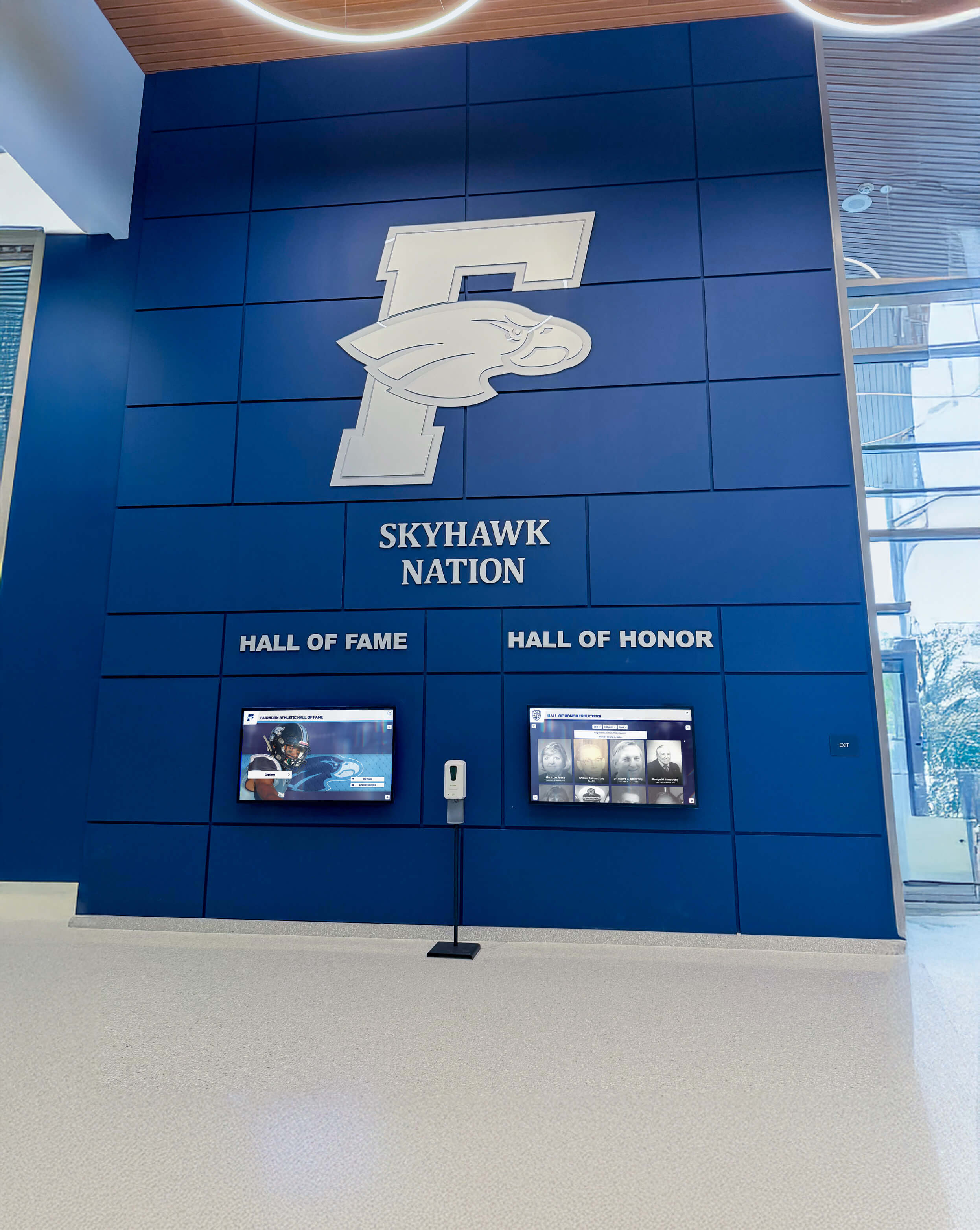
Ready to explore how digital recognition technology can enhance your lecture halls and learning spaces while celebrating institutional heritage? Discover comprehensive solutions designed specifically for educational institutions seeking to create inspiring environments that honor achievement while supporting academic excellence. Learn more about effective athletic facility recognition displays, explore strategies for comprehensive donor acknowledgment in educational facilities, or understand approaches to digital recognition systems that transform functional spaces into meaningful learning environments connecting students with institutional values and heritage.
Your learning spaces should inspire excellence while advancing educational mission. Choose design approaches that create environments worthy of the transformative education they support.