



Key Takeaways
Comprehensive guide to major college football awards including the Heisman Trophy, position-specific honors, and conference awards. Learn how institutions can celebrate their award winners with modern digital recognition displays.
Every year, college football awards recognize the exceptional athletes, coaches, and contributors who define the sport’s highest level of excellence. From the prestigious Heisman Trophy to position-specific honors and conference awards, these recognitions celebrate achievement, inspire future generations, and create lasting institutional pride. Understanding the landscape of college football awards helps schools, athletic departments, and fans appreciate the competitive journey from campus standouts to national recognition while providing frameworks for creating comprehensive recognition programs that honor achievement at every level.
This complete guide examines the major college football awards, explores their selection criteria and significance, and demonstrates how institutions can leverage modern digital recognition technology to celebrate their award winners and nominees in ways that build program tradition and inspire current student-athletes.
The Pinnacle: Major National College Football Awards
National college football awards represent the sport’s highest individual honors, recognizing players who achieve excellence beyond conference and regional success to reach true national distinction.
The Heisman Memorial Trophy: College Football’s Most Prestigious Honor
The Heisman Trophy stands as the most recognizable individual award in college football, presented annually to “the outstanding college football player whose performance best exhibits the pursuit of excellence with integrity.” Since its establishment in 1935, winning the Heisman has become synonymous with achieving college football’s highest pinnacle of individual success.
Selection Process and Voting:
The Heisman Trophy Trust oversees the award selection through a voting process involving regional media members, former Heisman winners, and one fan vote component determined through online balloting. Voters cast ballots listing their top three choices in order of preference, with first-place votes receiving three points, second-place votes two points, and third-place votes one point. The player accumulating the most total points wins the prestigious trophy.
The trophy presentation ceremony, traditionally held in December at Manhattan’s New York Marriott Marquis, has become one of college football’s marquee events, with finalists gathering for the announcement alongside family members, coaches, and institutional representatives.
Recent Heisman Trends:
Historically dominated by running backs and quarterbacks, the Heisman has increasingly recognized quarterback excellence as offensive schemes have evolved toward pass-heavy approaches. Between 2015 and 2024, quarterbacks won the award nine times, with Alabama’s DeVonta Smith (2020) providing the lone exception as a wide receiver—the first non-quarterback or running back to win since Michigan’s Charles Woodson (1997), who played defensive back.
This trend reflects broader college football evolution toward dynamic passing offenses where quarterbacks accumulate impressive statistical totals while quarterbacking teams to championship-caliber seasons. However, exceptional running backs and receivers still compete seriously when they produce truly historic seasons combining volume statistics with explosive plays and team success.
Institutional Pride and Recognition:
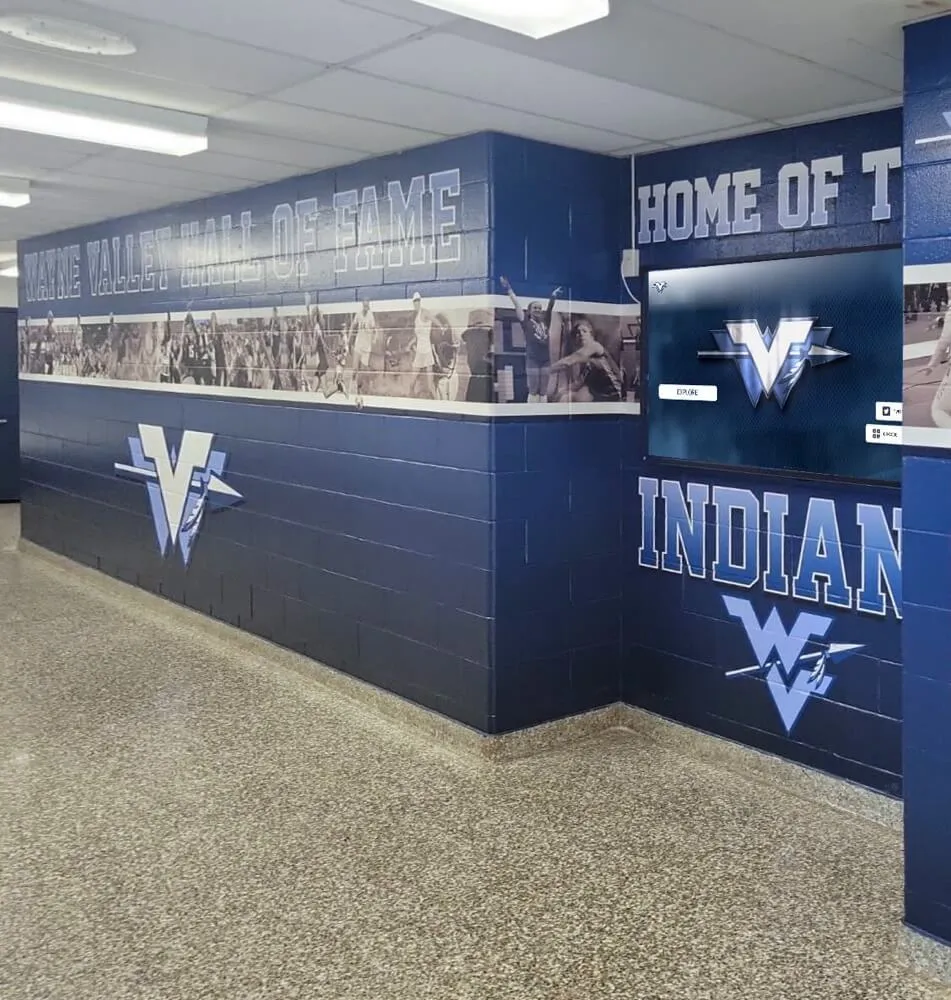
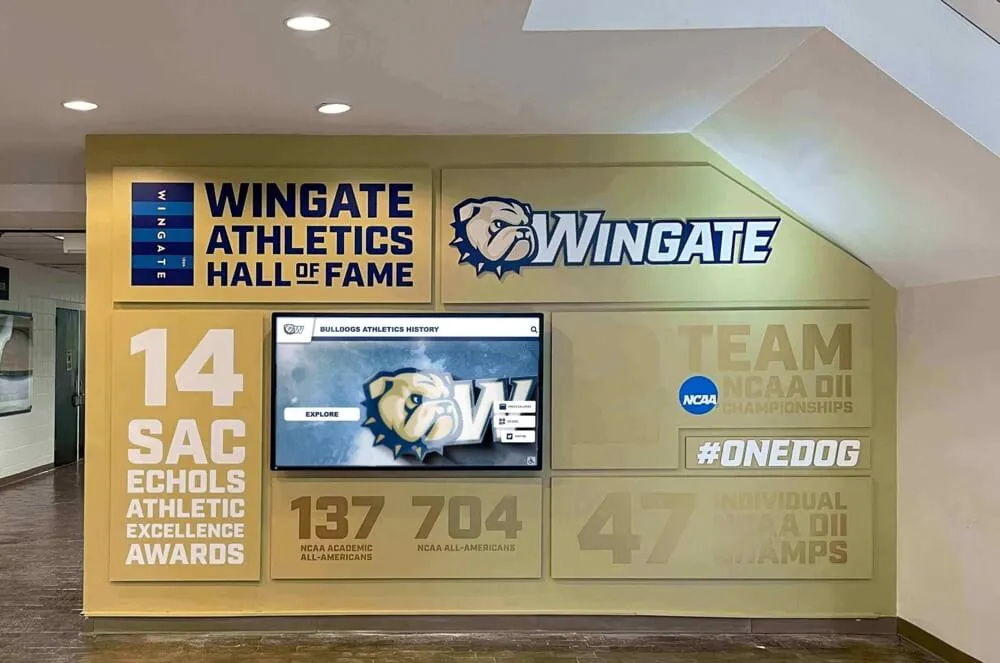
For universities whose players win the Heisman Trophy, the honor becomes permanent institutional legacy. Schools prominently display Heisman recognition in athletic facilities, recruiting materials, and marketing communications. Many institutions create dedicated display areas showcasing their Heisman winners’ achievements, jersey replicas, career highlights, and the trophy itself when on campus.
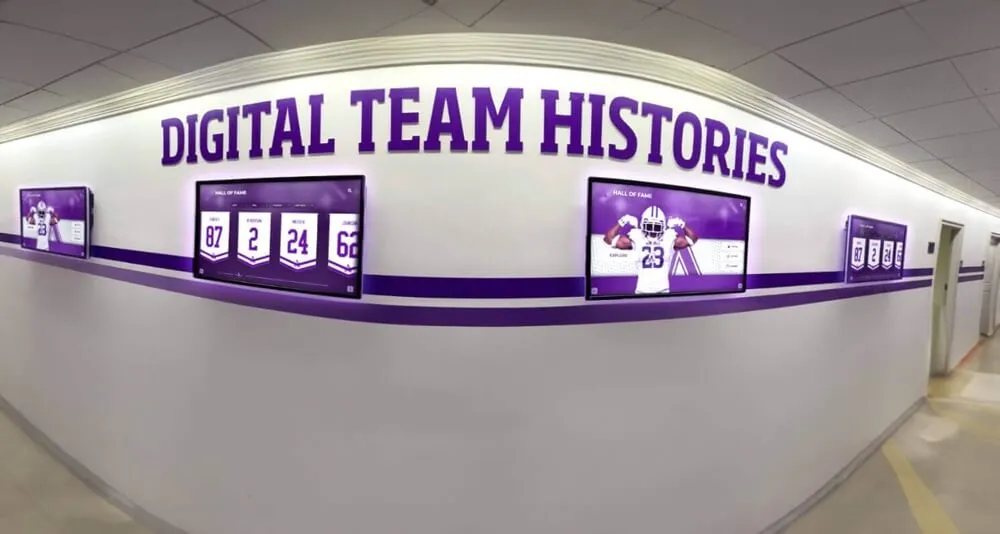
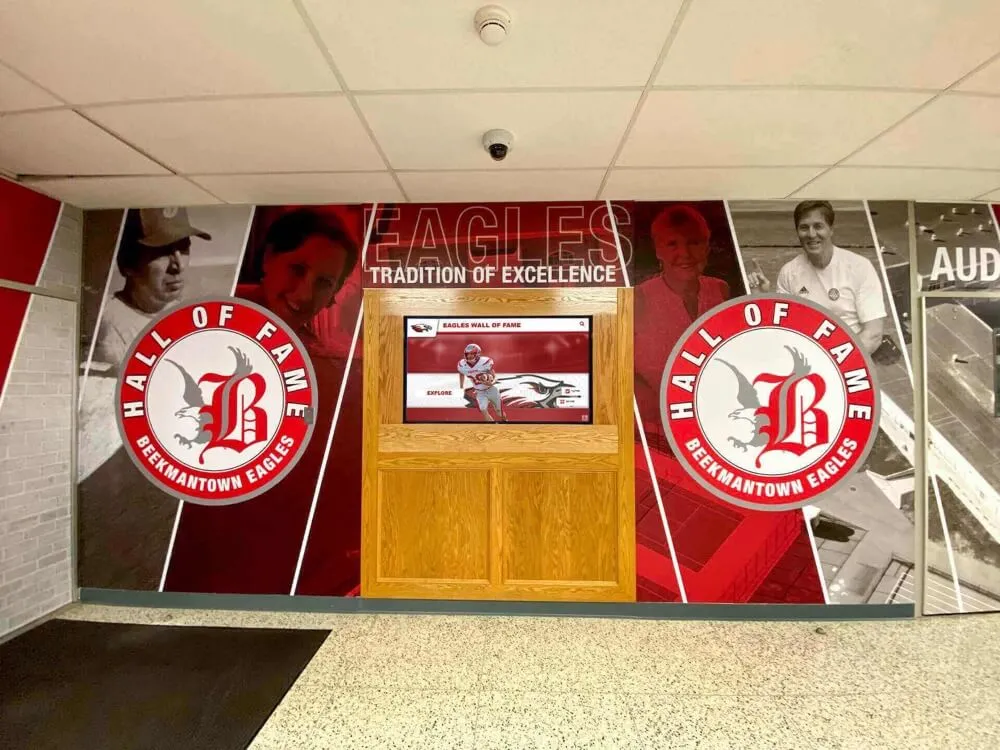
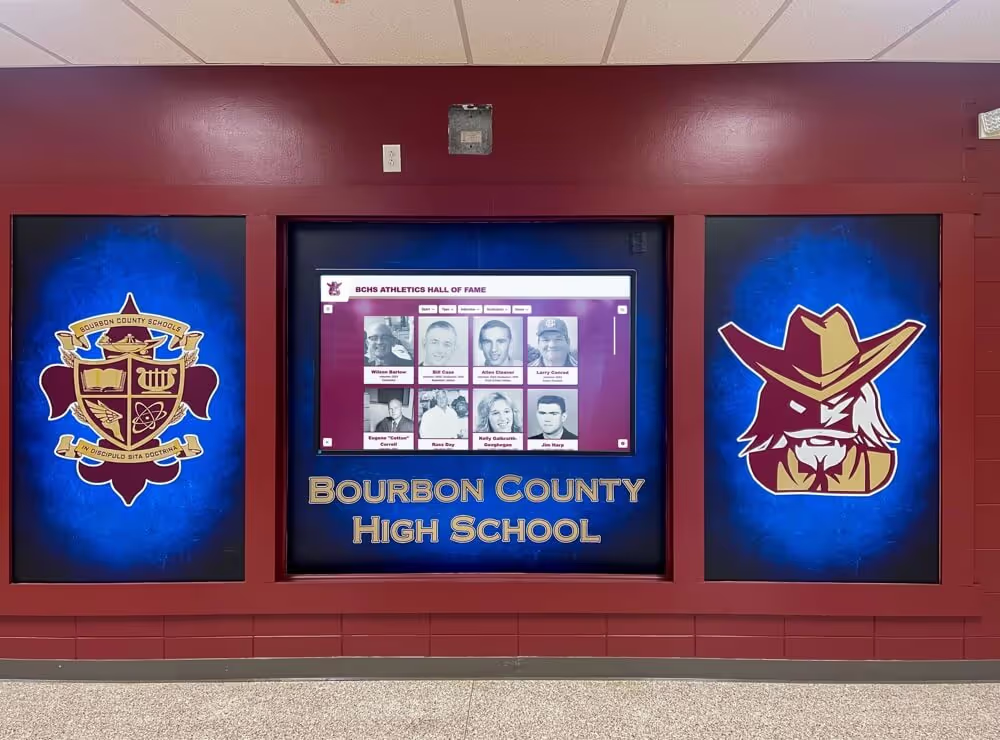
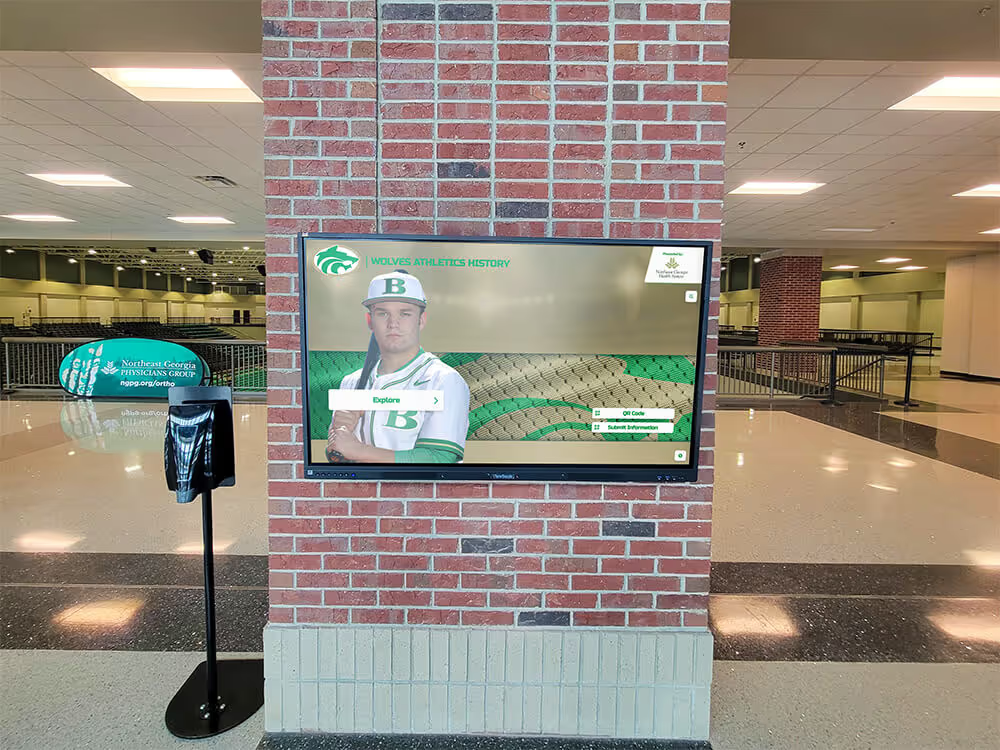
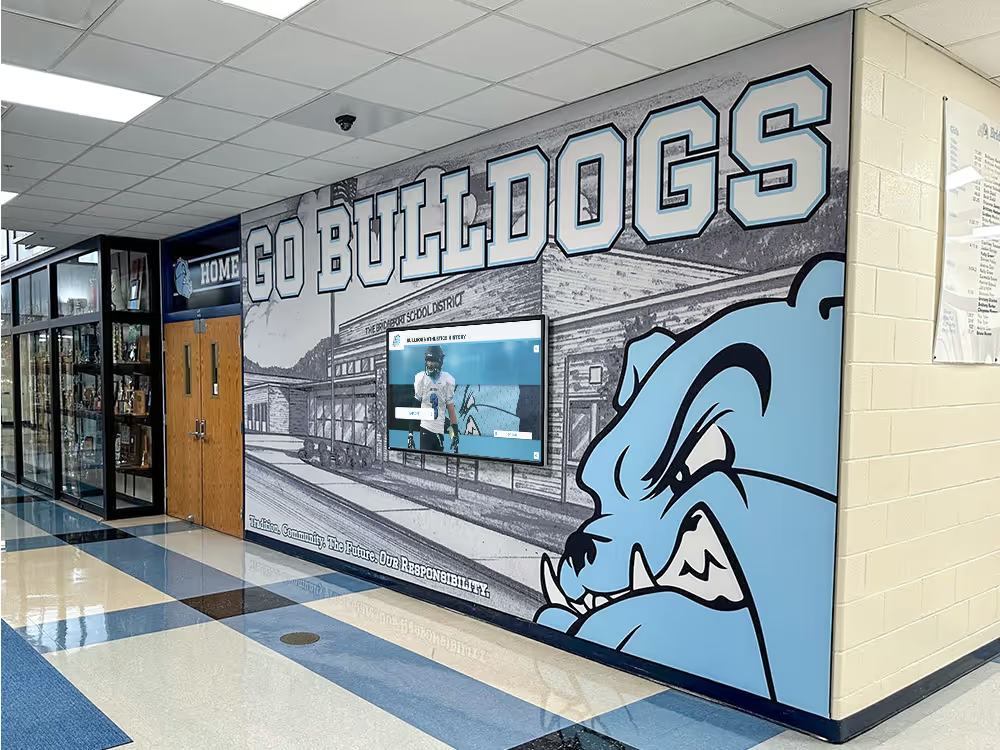
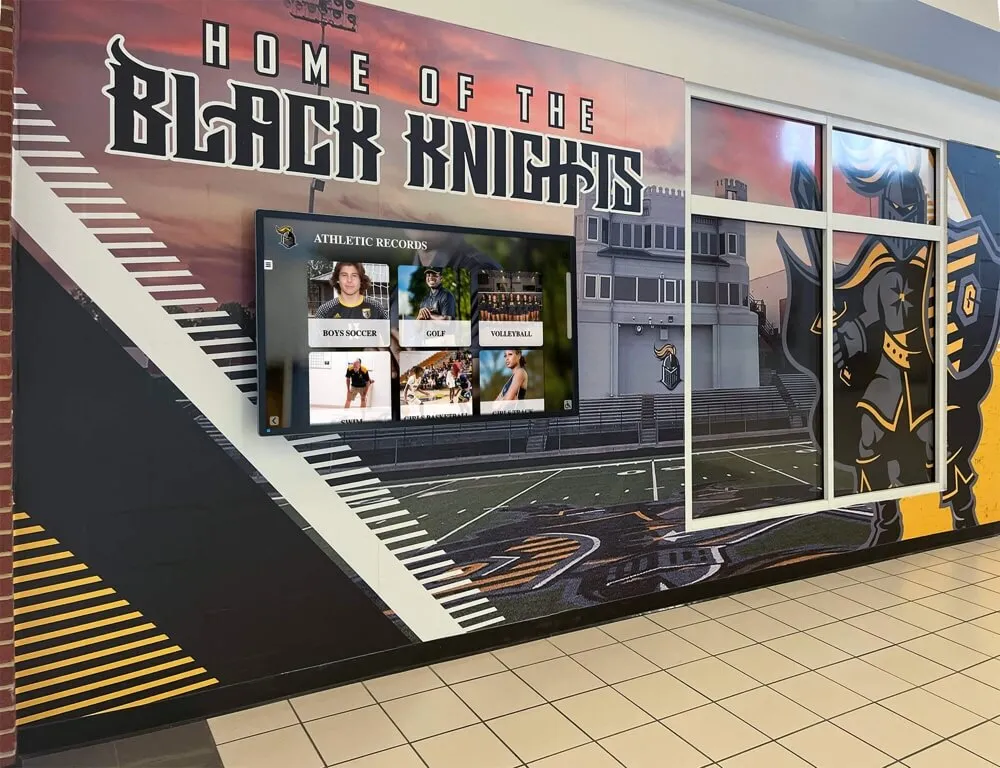
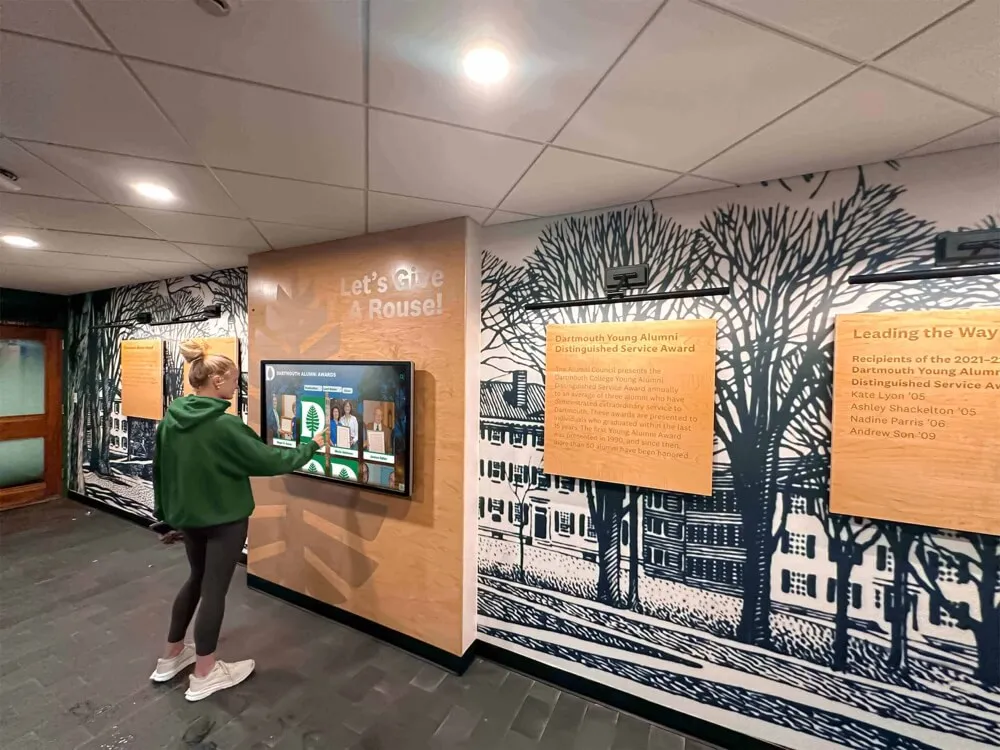
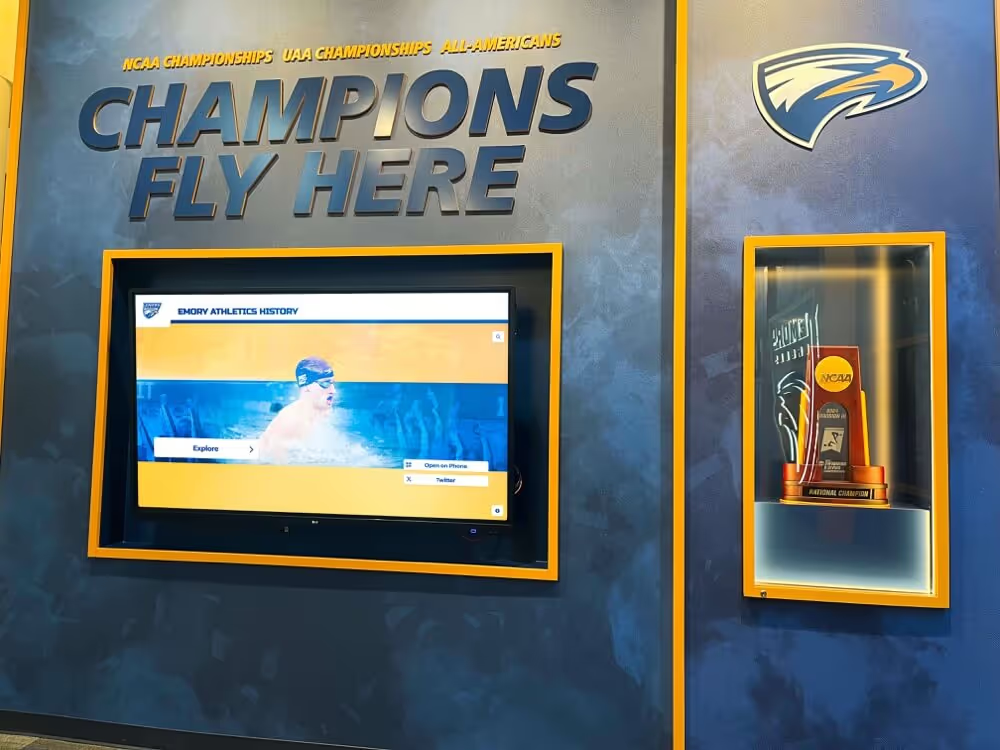
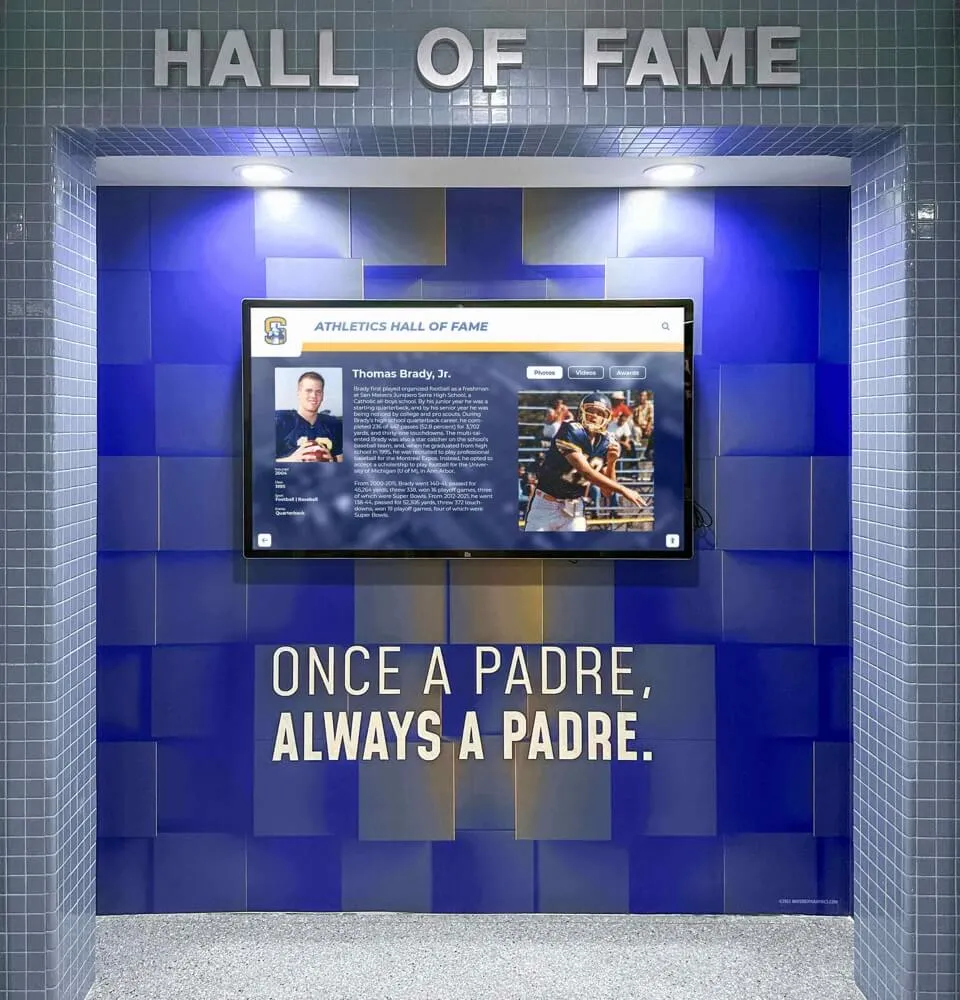
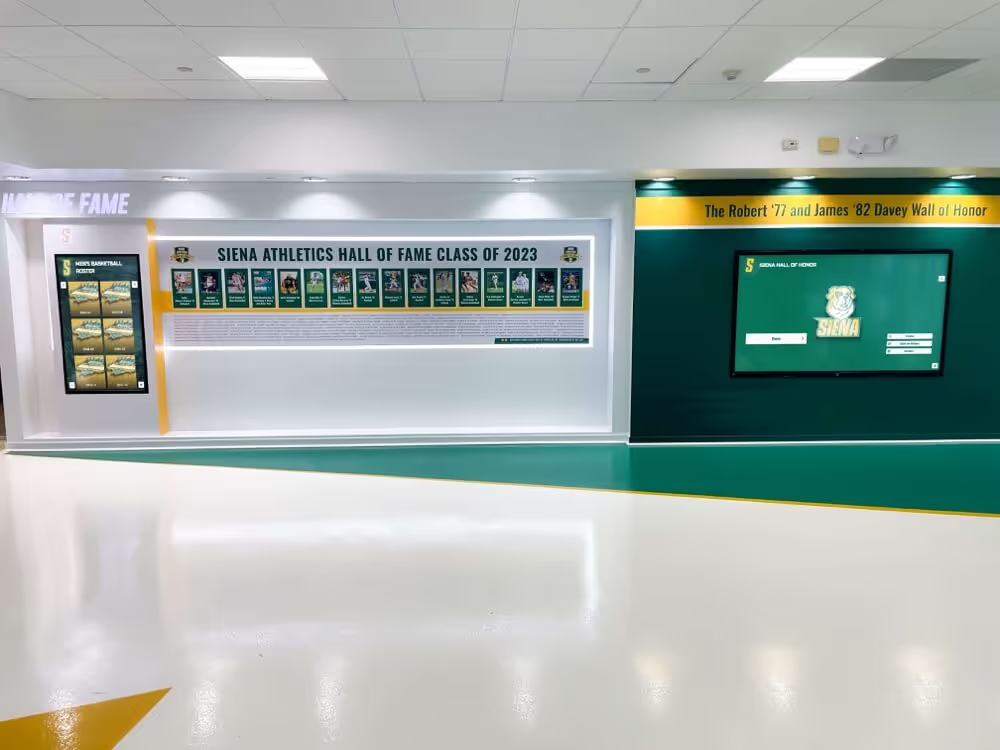
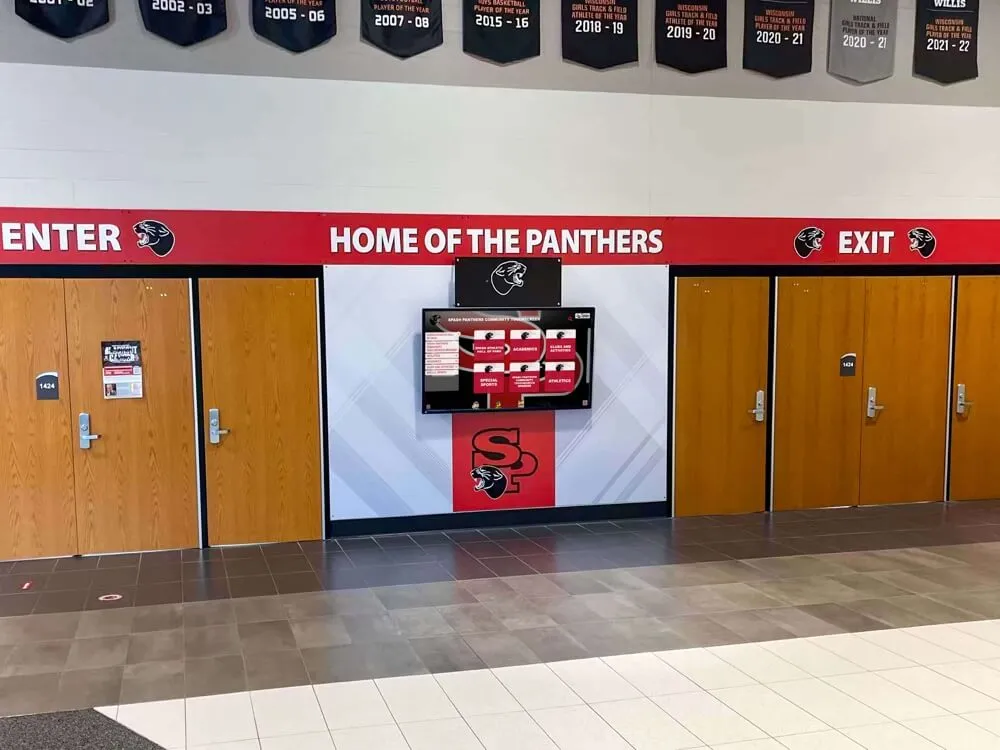
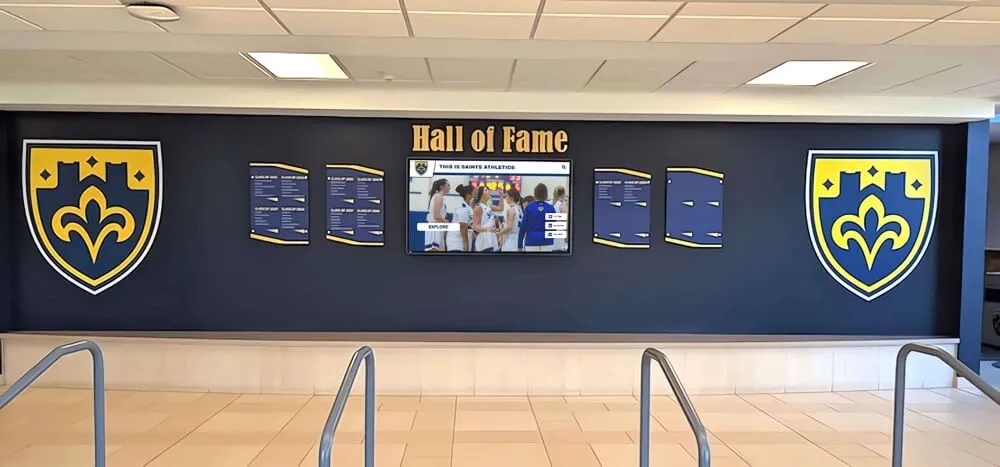
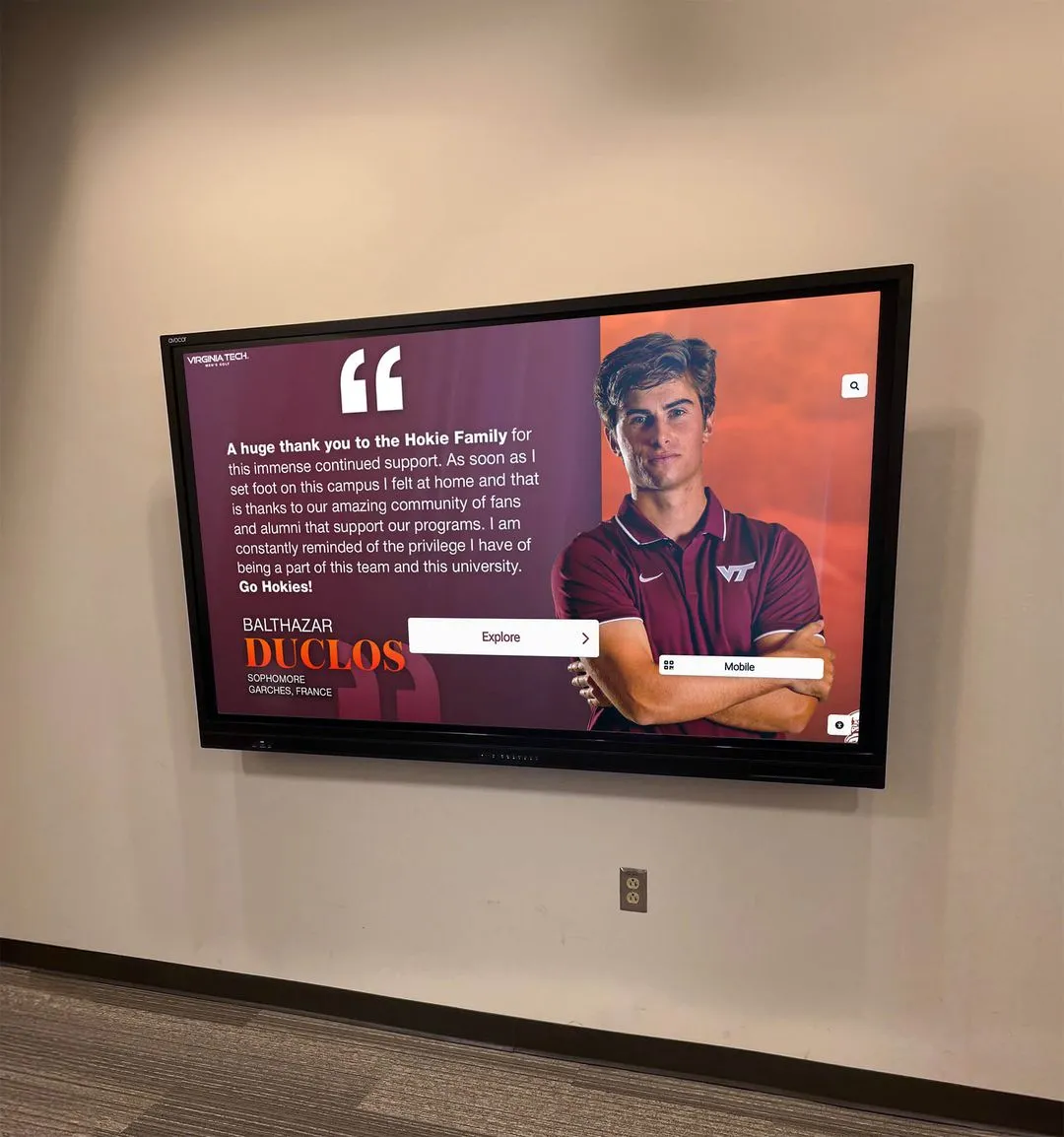
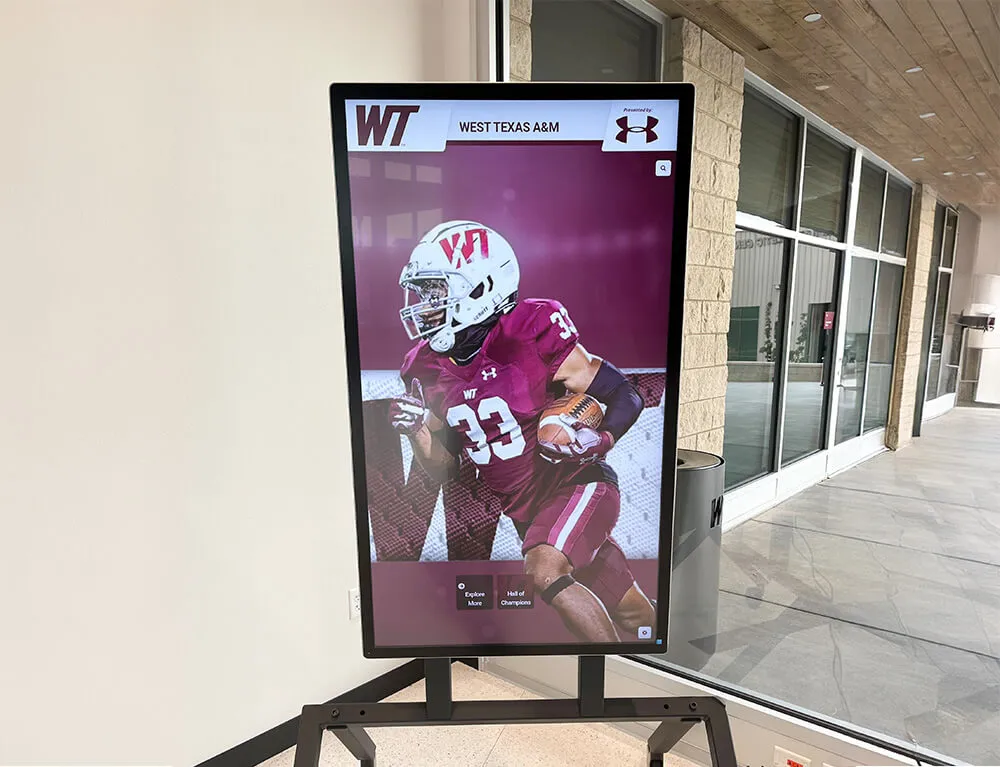
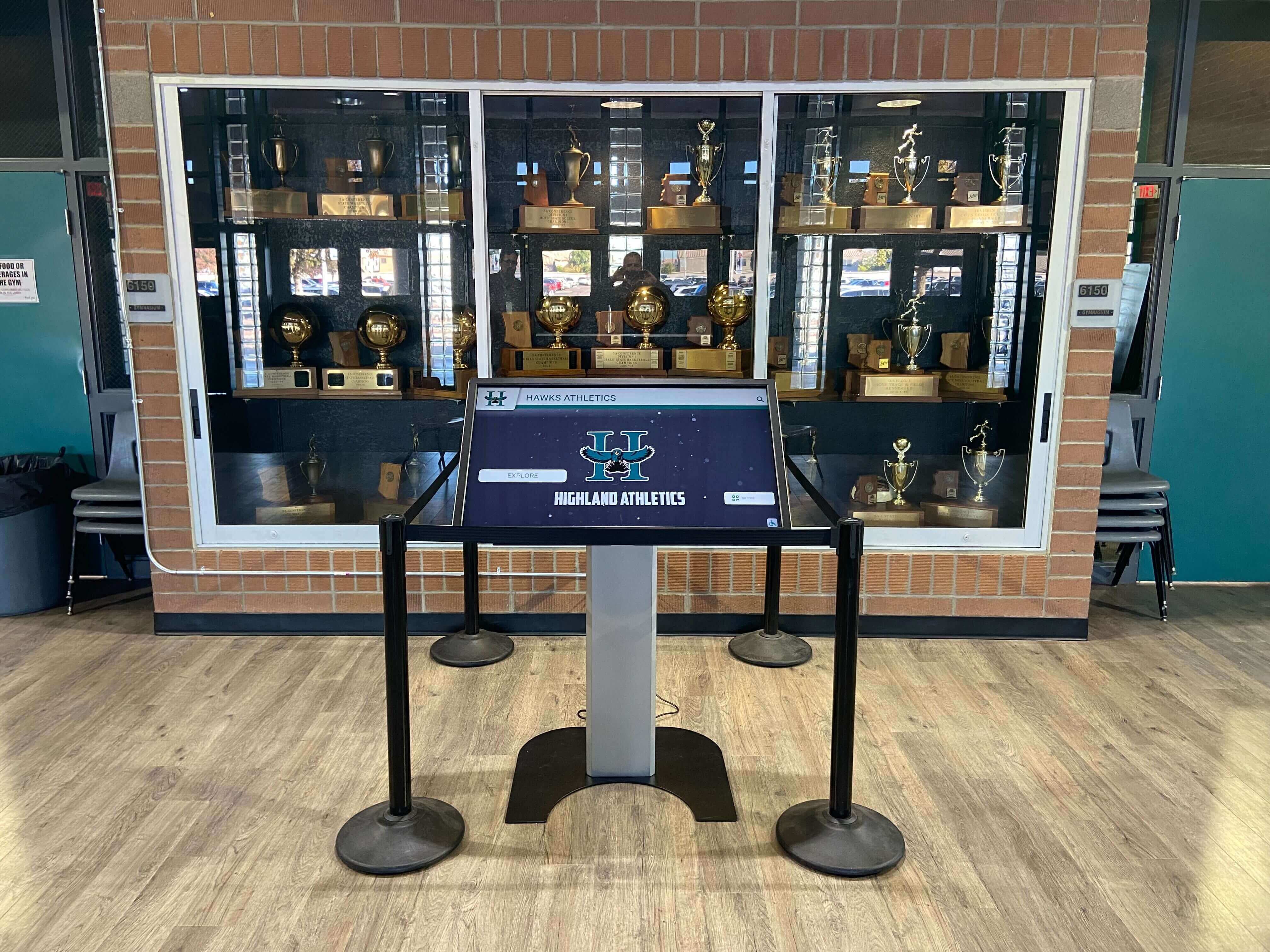
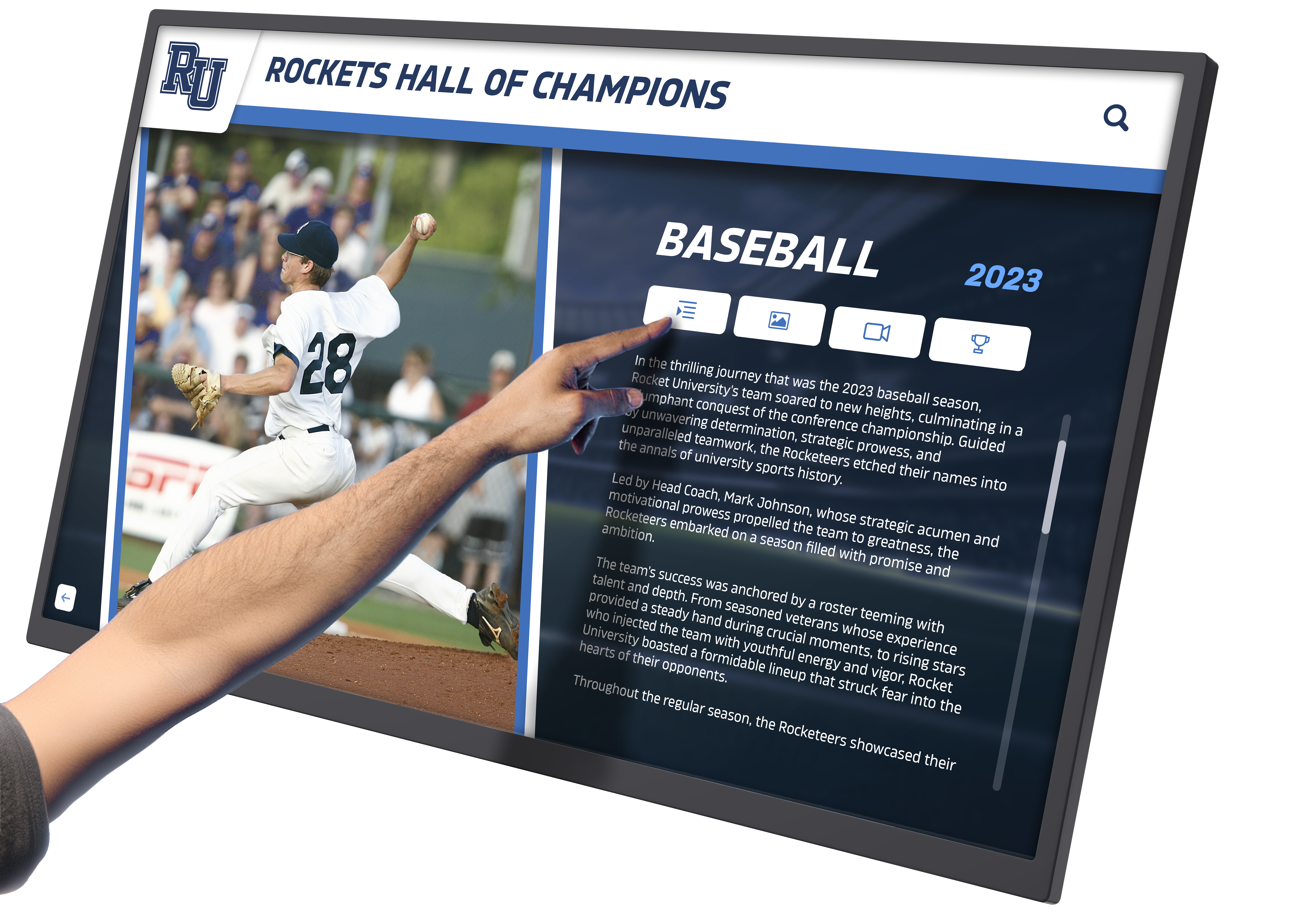
Digital recognition platforms enable schools to preserve and share these achievements comprehensively. Interactive displays can showcase complete career statistics, highlight videos, post-award professional career trajectories, and contextual information about what made each season Heisman-worthy. Schools interested in digital athletic awards displays can learn from how institutions honor their Heisman winners comprehensively.
Maxwell Award: Recognizing the College Player of the Year
The Maxwell Award, named after legendary sportswriter Robert “Tiny” Maxwell, recognizes the College Player of the Year based on outstanding performance on the field combined with exemplary character. Presented annually by the Maxwell Football Club since 1937, the award predates even the Heisman Trophy in certain respects and maintains distinctive significance through its emphasis on character alongside performance.
What Distinguishes the Maxwell Award:
While the Heisman focuses primarily on on-field excellence, the Maxwell Award explicitly incorporates character evaluation into its selection criteria. The Maxwell Football Club considers not just statistics and team success but also sportsmanship, leadership qualities, academic achievement, and community engagement when determining winners.
This holistic approach means Maxwell Award winners represent complete student-athlete excellence—individuals who combine athletic achievement with the personal qualities that make them genuine role models for younger players and institutional ambassadors beyond their competitive careers.
Recent Maxwell Award Winners:
The Maxwell Award often aligns with Heisman Trophy winners, as both recognize similar on-field excellence. However, the Maxwell selection process occasionally identifies different recipients when character considerations distinguish candidates with comparable statistical achievements. This independent judgment reinforces the Maxwell’s distinctive identity emphasizing complete excellence beyond pure statistics.
Past winners include college football legends like Roger Staubach, Archie Griffin, Barry Sanders, Peyton Manning, and Tim Tebow—players whose careers exemplified both competitive excellence and character that made them enduring role models beyond their playing days.
Walter Camp Player of the Year Award
Named after the “Father of American Football,” the Walter Camp Player of the Year Award recognizes the nation’s most outstanding player as selected by the 130 FBS head coaches and sports information directors. The award’s unique voting constituency—exclusively college football coaches and communications professionals intimately familiar with the game—gives the Walter Camp Award distinctive credibility as recognition from those who understand competitive excellence most deeply.
Why Coaches’ Recognition Matters:
Unlike media-driven awards that may be influenced by narrative storylines or highlight-reel plays, the Walter Camp Award reflects the perspective of coaches who study game film extensively, understand strategic complexities, and appreciate subtle excellences like pre-snap reads, blocking assignments, defensive responsibilities, and consistency across diverse competitive situations.
When coaches vote a player the nation’s best, they’re validating not just impressive statistics but also the complete skill set, football intelligence, and competitive impact that professionals most value. This coaching perspective makes the Walter Camp Award particularly meaningful for player development and professional scouting, as it signals recognition from those best positioned to evaluate true football ability.
Position-Specific Excellence: Specialist Awards
Beyond overall player awards, major college football awards recognize position-specific excellence, honoring the best performers at each key position across the nation.
The Outland Trophy: Recognizing Interior Linemen
The Outland Trophy, presented annually since 1946, honors the nation’s best interior lineman—recognizing excellence among offensive guards, offensive centers, and defensive tackles who perform the demanding work in the trenches that often goes underappreciated by casual fans but proves essential for team success.
Interior linemen rarely accumulate headline statistics like touchdowns or interceptions, making specialized recognition particularly important for celebrating their contributions. The Outland Trophy voting, conducted by the Football Writers Association of America, emphasizes dominance in one-on-one battles, consistency across entire seasons, impact on team offensive or defensive performance, and the technical excellence required for elite interior line play.
The Jim Thorpe Award: Celebrating Defensive Back Excellence
Named after legendary multi-sport athlete Jim Thorpe, this award recognizes the nation’s best defensive back, honoring cornerbacks and safeties who combine coverage skills, tackling ability, ball-hawking instincts, and competitive toughness. The Jim Thorpe Award acknowledges that elite defensive backs must excel across multiple dimensions—covering elite receivers one-on-one, providing run support, reading quarterback intentions, and creating turnovers through interceptions and forced fumbles.
Selection criteria emphasize statistical production including interceptions, passes defended, and tackles, but also consider film evaluation of coverage quality, ability to shut down elite opposing receivers, and overall impact on defensive performance. The award has recognized numerous future NFL stars who dominated college football’s passing attacks before transitioning successfully to professional careers.
The Butkus Award: Honoring Linebacker Excellence
Named after Chicago Bears legend Dick Butkus, this award celebrates the nation’s best linebacker at collegiate levels. Since its establishment in 1985, the Butkus Award has recognized linebackers who combine physical dominance with football intelligence, celebrating players who diagnose plays quickly, fill gaps in run defense, cover receivers effectively in pass situations, and bring the aggressive competitive spirit that defines great linebacker play.
The Butkus Award considers tackles for loss, sacks, forced fumbles, interceptions, and overall defensive impact when selecting winners. Multiple levels of the award recognize excellence at high school, college, and professional levels, creating a comprehensive recognition system for the linebacker position’s elite performers across competitive tiers.
The Bronko Nagurski Trophy: Defensive Player of the Year
The Bronko Nagurski Trophy recognizes the nation’s most outstanding defensive player regardless of position, celebrating excellence across the entire defensive unit rather than limiting recognition to specific positions. Named after legendary two-way player Bronko Nagurski, the award honors defenders who combine statistical production, competitive impact, and the physical presence that defines dominant defensive performance.
Recent winners have included defensive linemen, linebackers, and defensive backs, reflecting the award’s position-neutral approach to identifying true defensive excellence. The Football Writers Association of America votes on the Nagurski Trophy, emphasizing impact plays, consistency across seasons, performance in crucial games, and the ability to elevate entire defensive units through individual excellence.
The Davey O’Brien Award: Quarterback Excellence
The Davey O’Brien National Quarterback Award, named after the 1938 Heisman Trophy winner, exclusively recognizes quarterback excellence at the collegiate level. Established in 1981, the award celebrates the nation’s best quarterback based on statistical achievement, leadership qualities, and character both on and off the field.
Quarterbacks accumulate impressive statistical resumes through modern passing offenses, making the Davey O’Brien Award highly competitive with numerous candidates posting impressive completion percentages, passing yardage totals, and touchdown numbers annually. Selection committees evaluate not just statistics but also efficiency metrics, performance in pressure situations, ability to elevate teammates, and the leadership qualities that separate good quarterbacks from truly elite signal-callers.
Additional Position Awards
College football recognizes excellence across numerous positions through specialized awards:
- The Doak Walker Award: Honors the nation’s premier running back, celebrating excellence in rushing, receiving, and overall offensive impact
- The Biletnikoff Award: Recognizes the outstanding receiver regardless of whether they play split end, flanker, or slot positions
- The Lou Groza Award: Celebrates the nation’s top placekicker, acknowledging specialists who determine game outcomes through field goals and extra points
- The Ray Guy Award: Honors the best punter, recognizing the specialists who flip field position and support defensive efforts
- The Rimington Trophy: Recognizes the nation’s best center, celebrating the offensive linemen who anchor blocking schemes and make crucial line-of-scrimmage calls
- The Lombardi Award: Honors the best college football lineman or linebacker, emphasizing versatility and complete excellence
These specialized awards ensure that excellence at every position receives appropriate recognition, demonstrating that championship-caliber teams require exceptional performance across all position groups rather than relying solely on skill position stars who generate statistical headlines.
Coaching Excellence: Awards Honoring Leadership
College football coaching awards recognize the strategic brilliance, program building, and leadership that enable team success and player development.
The Bear Bryant Coach of the Year Award
Named after legendary Alabama coach Bear Bryant, this award recognizes the nation’s top college football coach annually. Selection considers won-loss records, improvement over previous seasons, overcoming adversity, player development, and long-term program building alongside immediate competitive success.
The Bear Bryant Award acknowledges that exceptional coaching involves more than just winning games—it requires developing young men, building sustainable programs, representing institutions with integrity, and creating competitive success despite resource constraints or challenging circumstances. Recent winners often lead programs that exceed expectations relative to recruiting rankings or overcome significant obstacles en route to successful seasons.
The Eddie Robinson Award
Presented by the Football Writers Association of America, the Eddie Robinson Coach of the Year Award honors coaching excellence at the Division I FCS level, celebrating coaches who build championship programs at the level formerly known as Division I-AA. Named after the legendary Grambling State coach who won more than 400 games during his remarkable career, the award emphasizes the complete coaching excellence that Robinson embodied throughout his six decades leading one of college football’s iconic programs.
The Broyles Award: Honoring Assistant Coaches
The Broyles Award uniquely recognizes the nation’s top assistant coach, celebrating the coordinators, position coaches, and recruiting coordinators whose work enables team success but often goes unrecognized in awards focused exclusively on head coaches. Established in 1996 and named after legendary Arkansas coach Frank Broyles, the award has helped launch numerous assistant coaches toward head coaching opportunities by highlighting their excellence in player development, strategic planning, and program building.
Recent Broyles Award winners have included innovative offensive coordinators, transformative defensive coordinators, and elite recruiters who built championship-caliber rosters through tireless evaluation and relationship building. The award demonstrates that comprehensive recognition should honor excellence at every level of program leadership, not just those in the most visible positions.
Conference Awards and All-American Recognition
Beyond national awards, conference honors and All-American recognition celebrate regional excellence and position players within the broader landscape of college football achievement.
Conference Player and Freshman of the Year Awards
Each major conference—the SEC, Big Ten, ACC, Big 12, Pac-12, and others—presents annual awards recognizing the conference’s best offensive player, defensive player, freshman of the year, and coach of the year. These conference awards acknowledge excellence within specific competitive contexts, honoring players who dominate regional competition before potentially reaching national recognition.
For many players, conference awards represent career pinnacles as only the absolute elite advance to national award consideration. Conference recognition acknowledges that achieving excellence among Power Five conference competition requires exceptional ability, and conference honors rightfully celebrate these accomplishments within appropriate competitive contexts.
Conference Championship MVPs:
Conference championship games typically recognize Most Valuable Players who deliver exceptional performances in these crucial contests determining conference titles and major bowl berths. These MVP awards celebrate players who perform at their highest levels in the season’s most important conference games, demonstrating the competitive consistency and pressure performance that define elite athletes.
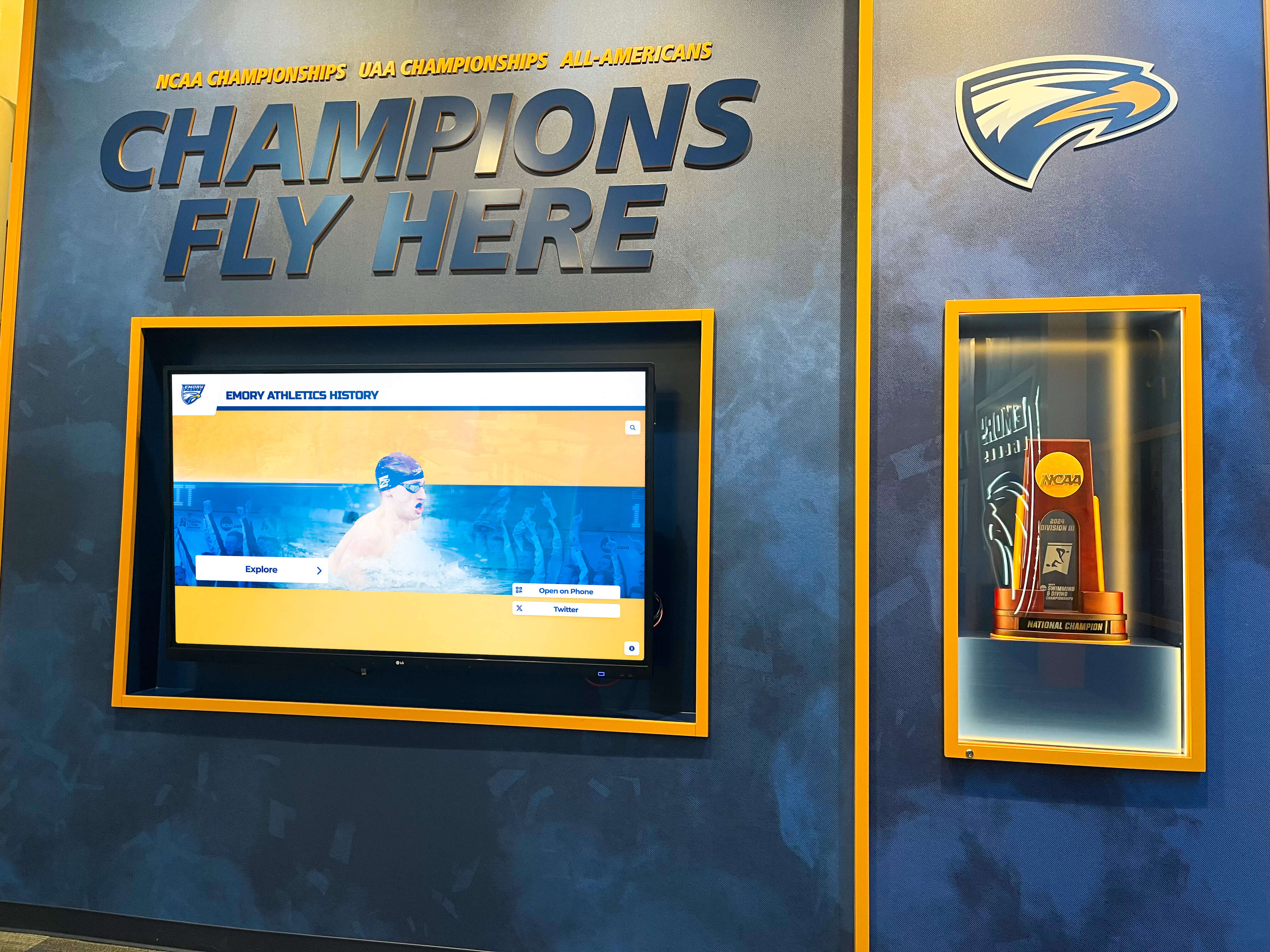
Schools can showcase conference awards comprehensively through digital athletic recognition displays that provide context about competitive difficulty and place conference achievements within broader career narratives.
All-American Teams
All-American recognition represents selection to the nation’s best team regardless of actual team affiliation. Multiple organizations select All-American teams using different selection processes:
Consensus All-Americans:
Players selected as First Team All-Americans by at least three of the five major selecting organizations earn “Consensus All-American” status—the gold standard for All-American recognition. The five organizations determining Consensus All-American status are the Associated Press, American Football Coaches Association, Football Writers Association of America, Sporting News, and the Walter Camp Football Foundation.
Consensus All-American status holds particular significance because it represents agreement among diverse selection bodies using different voting constituencies and methodologies. When multiple organizations independently conclude that a player deserves First Team recognition, it validates that player’s excellence beyond any single perspective.
Unanimous All-Americans:
When players receive First Team All-American recognition from all five major selecting organizations, they earn “Unanimous All-American” status—an even rarer honor representing universal agreement about their elite status at their position. Unanimous All-Americans typically include Heisman Trophy winners and other consensus top players whose excellence proves so obvious that no reasonable selection process overlooks them.
Institutional Recognition of All-Americans:
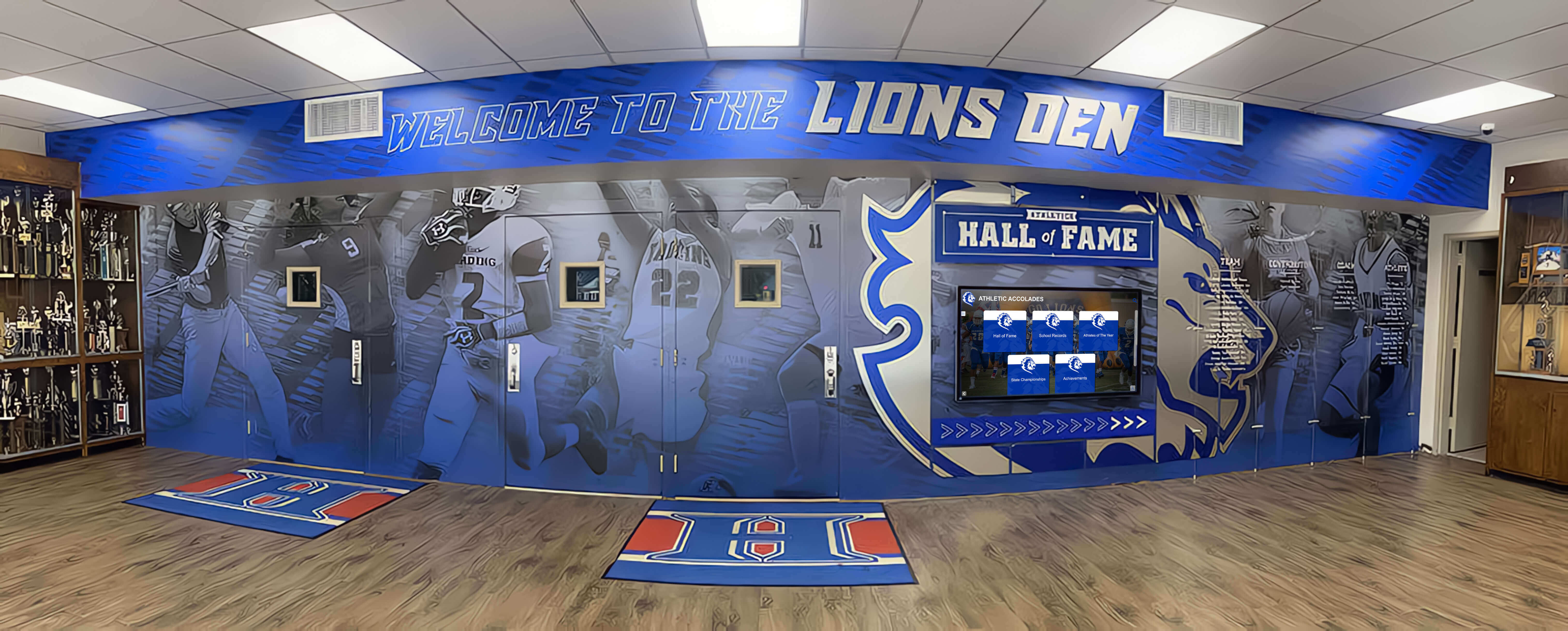
Universities take tremendous pride in their All-American selections, prominently displaying this recognition in recruiting materials, facility signage, and historical recognition displays. All-American honors demonstrate that a program develops players reaching national elite status, providing powerful recruiting messages that top high school prospects can achieve individual distinction through attendance.
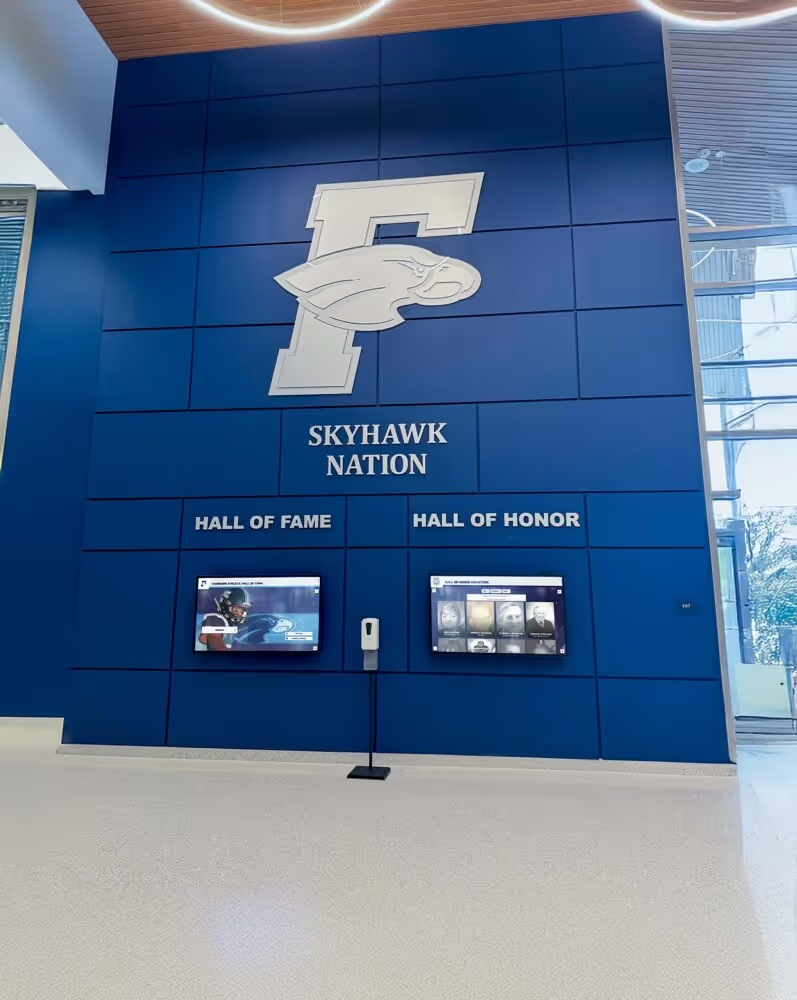
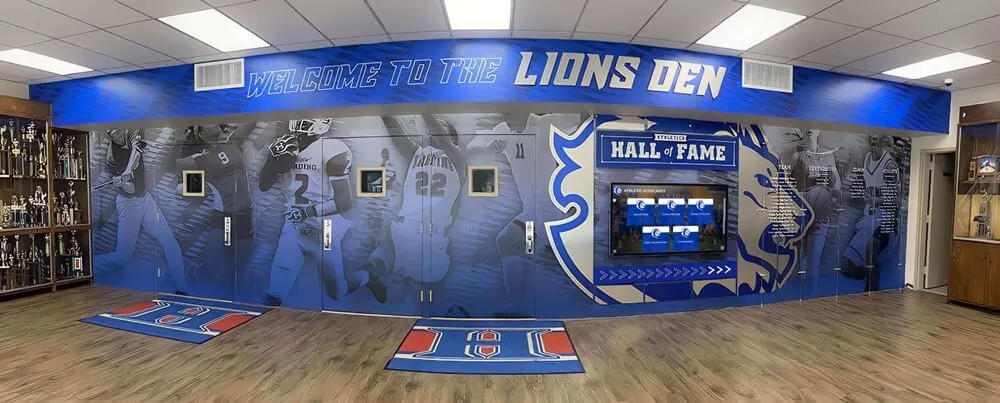
Digital recognition platforms enable comprehensive All-American acknowledgment including year-by-year recognition, position tracking showing which positions produce All-Americans most consistently, career statistics supporting All-American selections, and professional career trajectories showing how All-American honors translated to NFL success. Institutions exploring ways to showcase athletic achievement awards can leverage these comprehensive presentation capabilities.
Academic Excellence: Awards Recognizing Scholar-Athletes
College football awards increasingly recognize that excellence encompasses both athletic performance and academic achievement, celebrating student-athletes who excel in both domains.
Academic All-American Teams
The College Sports Communicators (formerly CoSIDA) Academic All-American program recognizes student-athletes who combine athletic excellence with academic achievement, requiring minimum 3.30 cumulative grade point averages alongside significant athletic accomplishment. First Team Academic All-Americans must demonstrate truly exceptional academic credentials while performing at elite competitive levels—a combination requiring remarkable time management, intellectual ability, and commitment to excellence across multiple demanding domains.
Academic All-American recognition carries significant prestige because it validates that athletic success doesn’t require academic shortcuts or minimum-effort educational engagement. These student-athletes demonstrate that commitment to intellectual growth and athletic development can coexist productively, creating well-rounded individuals prepared for success beyond their competitive careers.
The William V. Campbell Trophy
Often called the “Academic Heisman,” the William V. Campbell Trophy presented by the National Football Foundation recognizes the nation’s top scholar-athlete in college football. The award requires that finalists demonstrate outstanding academic performance, athletic achievement, and community leadership—celebrating truly complete excellence across all dimensions of student-athlete experience.
Campbell Trophy finalists receive postgraduate scholarships regardless of whether they win the award, recognizing that all finalists have achieved remarkable success deserving financial support for continuing education. The trophy itself—depicting a scholar-athlete holding a football—symbolizes the integration of athletic and academic excellence the award celebrates.
Winners of the Campbell Trophy typically pursue advanced degrees in demanding fields like medicine, law, engineering, or business, demonstrating that the intellectual abilities and work ethic that enabled academic success translate effectively to professional career excellence beyond football.
The Wuerffel Trophy
Named after Heisman Trophy winner and humanitarian Danny Wuerffel, the Wuerffel Trophy honors the college football player who best combines exemplary community service with athletic and academic excellence. The award acknowledges that complete student-athlete excellence encompasses not just personal achievement but also commitment to serving others and making positive community impact.
Wuerffel Trophy finalists typically accumulate hundreds of community service hours through initiatives like youth mentorship programs, literacy tutoring, hospital visits, food bank support, and charitable fundraising. These student-athletes recognize that their platform as college football players creates opportunities and responsibilities to leverage visibility for positive social impact beyond competitive achievement.
Team Recognition and Postseason Awards
Beyond individual honors, college football recognizes team excellence through championship recognition and postseason awards.
National Championship Recognition
The College Football Playoff National Championship represents the pinnacle of team achievement in Division I FBS college football. Since 2014, the four-team playoff format has determined national champions through semifinal games and a championship game, replacing the previous Bowl Championship Series system.
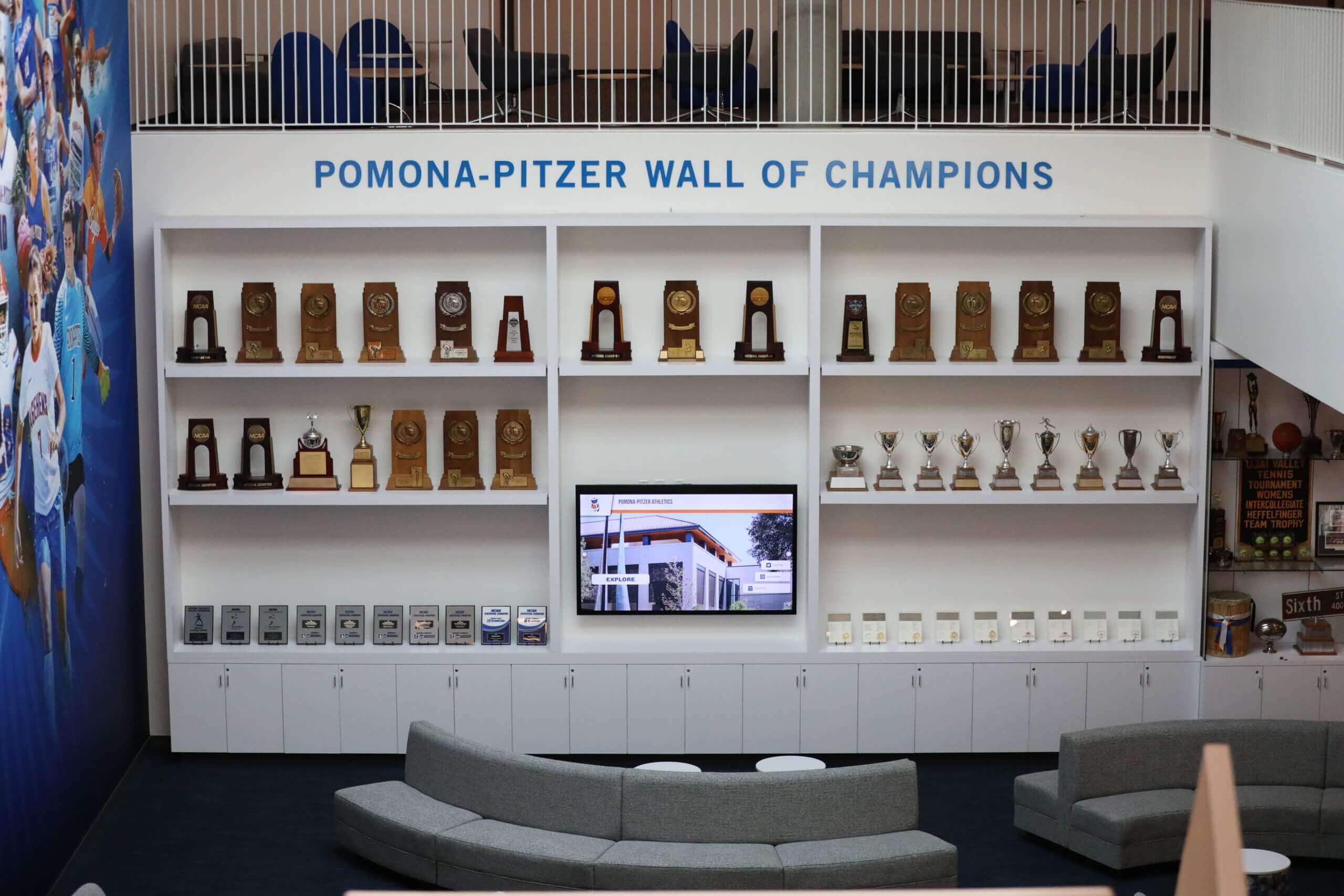
National championship teams earn permanent recognition in institutional history. Universities display championship banners in stadiums and athletic facilities, maintain championship trophy displays in prominent locations, recognize championship team members throughout athletic spaces, and celebrate anniversaries of championship seasons through reunion events and commemorative programming.
Modern digital recognition platforms enable comprehensive championship team presentation impossible with traditional static displays. Interactive systems can showcase complete championship season narratives including:
- Game-by-game season progression with scores and highlights
- Individual player statistics across the championship season
- Coaching staff recognition and strategic approaches
- Behind-the-scenes content about team culture and preparation
- Post-championship career trajectories for coaches and players
- Historical context comparing championship teams across eras
Schools can explore interactive trophy kiosk solutions that transform championship recognition from simple trophy display into comprehensive historical preservation.
Conference Championship Recognition
Conference championships represent significant team achievements worthy of comprehensive recognition. In Power Five conferences where championship games determine titles, conference championship recognition celebrates not just regular season excellence but also ability to perform in high-pressure elimination games against elite competition.
Conference championship recognition should include championship team rosters, individual player statistics and achievements, conference awards won by team members, championship game highlights and memorable moments, coaching staff recognition, and historical context comparing the championship team to other successful teams in program history.
Bowl Game Recognition and MVP Awards
Bowl games present additional recognition opportunities beyond regular season and conference achievements. Major bowl games like the Rose Bowl, Sugar Bowl, Orange Bowl, and Cotton Bowl maintain prestigious histories spanning more than a century in some cases. Bowl game MVP awards recognize the players who deliver exceptional performances in these showcase events, often on national stages that dramatically increase visibility and professional scouting attention.
Institutions should document bowl game participation comprehensively, recognizing that bowl appearances represent successful seasons deserving celebration even when they don’t culminate in national championships. For programs that reach bowl games consistently but win national championships rarely, bowl recognition provides important acknowledgment of sustained program excellence and player achievement.
Creating Comprehensive Award Recognition Programs at Your Institution
Understanding the landscape of college football awards enables athletic departments to create comprehensive recognition programs that honor achievements at every level while inspiring current student-athletes toward excellence.
Designing Multi-Level Recognition Systems
Effective recognition systems acknowledge that not every player will win the Heisman Trophy or earn All-American honors, yet significant achievements at conference, regional, and institutional levels deserve celebration that motivates ongoing excellence and builds program culture.
Creating Recognition Hierarchies:
Comprehensive recognition programs should establish clear hierarchies that honor:
- National awards and All-American selections as top-tier recognition
- Conference awards and all-conference team selections as second-tier honors
- Team awards including MVP, offensive/defensive player of year, and position-specific excellence
- Individual achievement milestones like career performance records and statistical benchmarks
- Academic and character awards celebrating excellence beyond athletic performance
- Special recognition for professional career success demonstrating program quality
This hierarchical approach ensures that recognition remains exclusive enough to maintain motivational power while accessible enough that realistic achievement pathways exist for student-athletes across talent levels.
Leveraging Modern Digital Recognition Technology
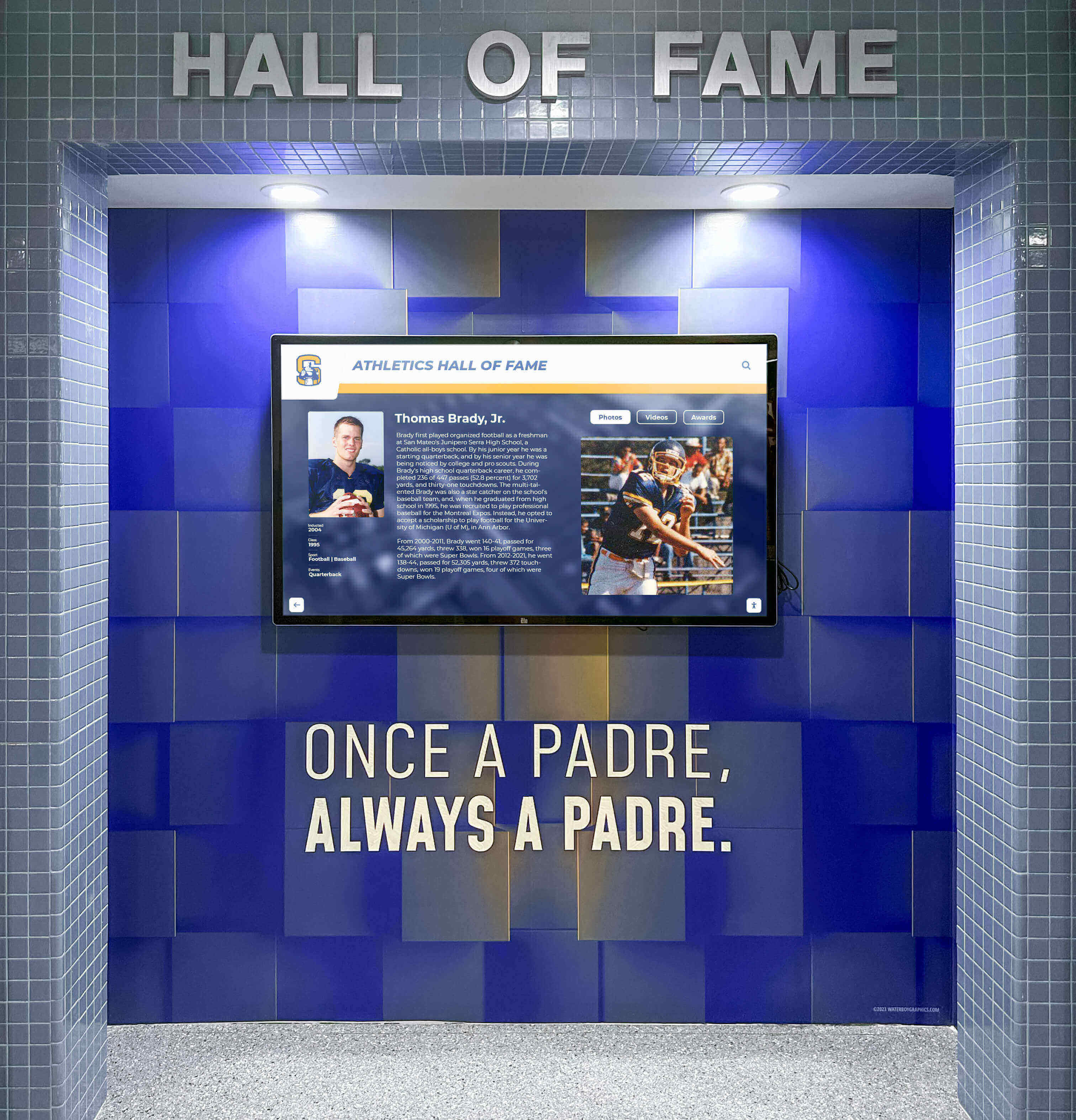
Traditional plaque-based recognition systems quickly reach capacity limitations, forcing difficult decisions about which achievements receive permanent display versus storage in boxes or forgotten archives. Modern digital recognition platforms eliminate these constraints while providing capabilities impossible with traditional approaches.
Benefits of Digital Athletic Recognition:
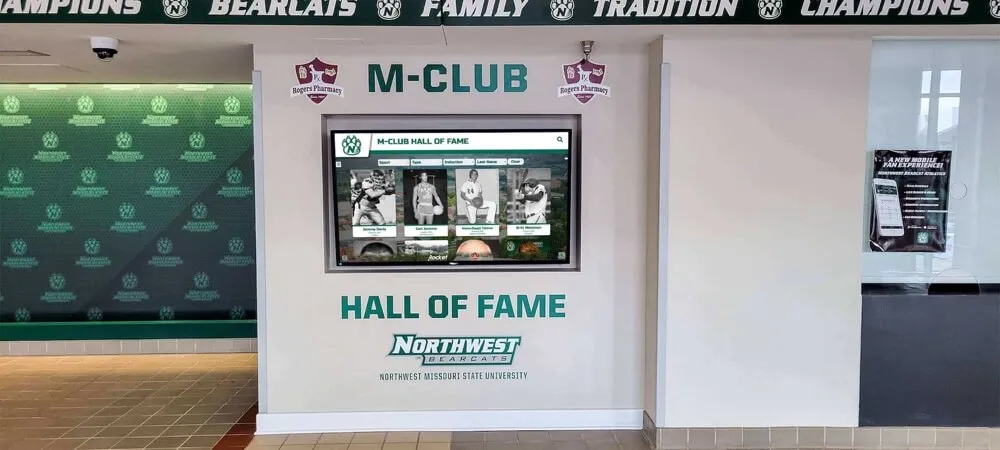
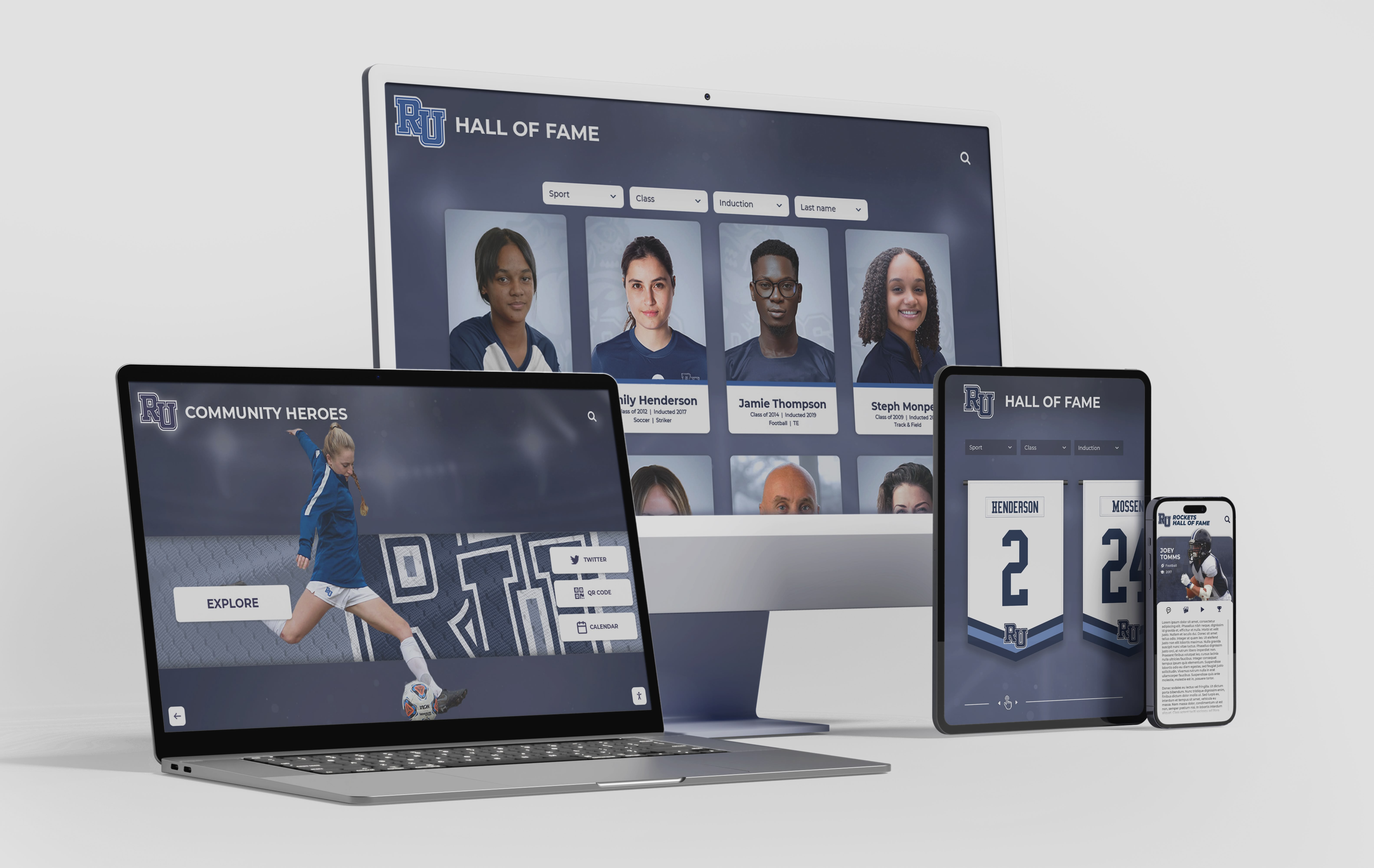
Solutions like Rocket Alumni Solutions provide athletic departments with comprehensive platforms for showcasing award winners and nominees through:
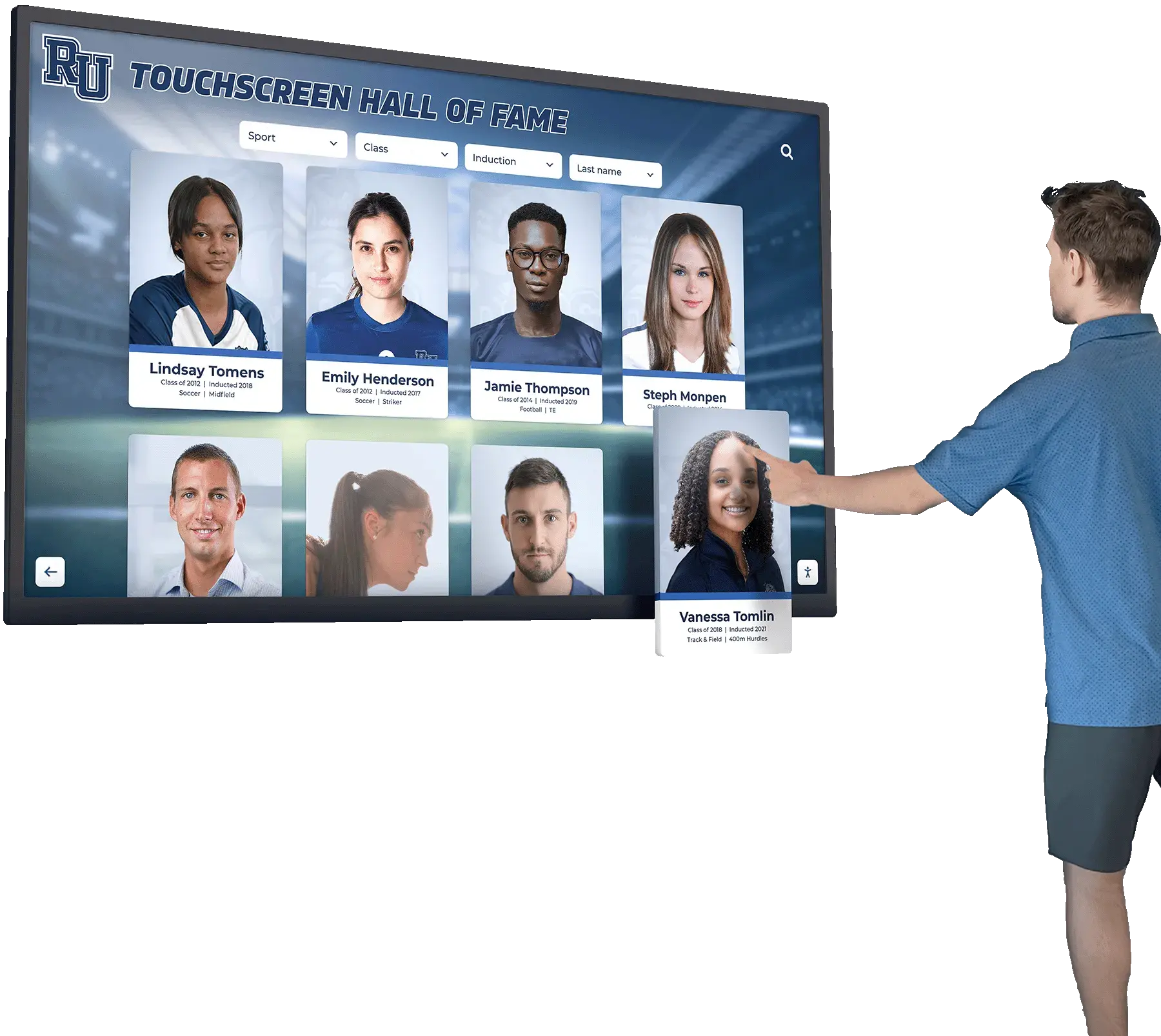
- Unlimited Storage Capacity: Recognize every award winner, All-Conference selection, and individual achievement without space constraints limiting who receives acknowledgment
- Rich Multimedia Content: Include photos, highlight videos, complete statistics, biographical narratives, and career trajectories providing depth impossible with plaques
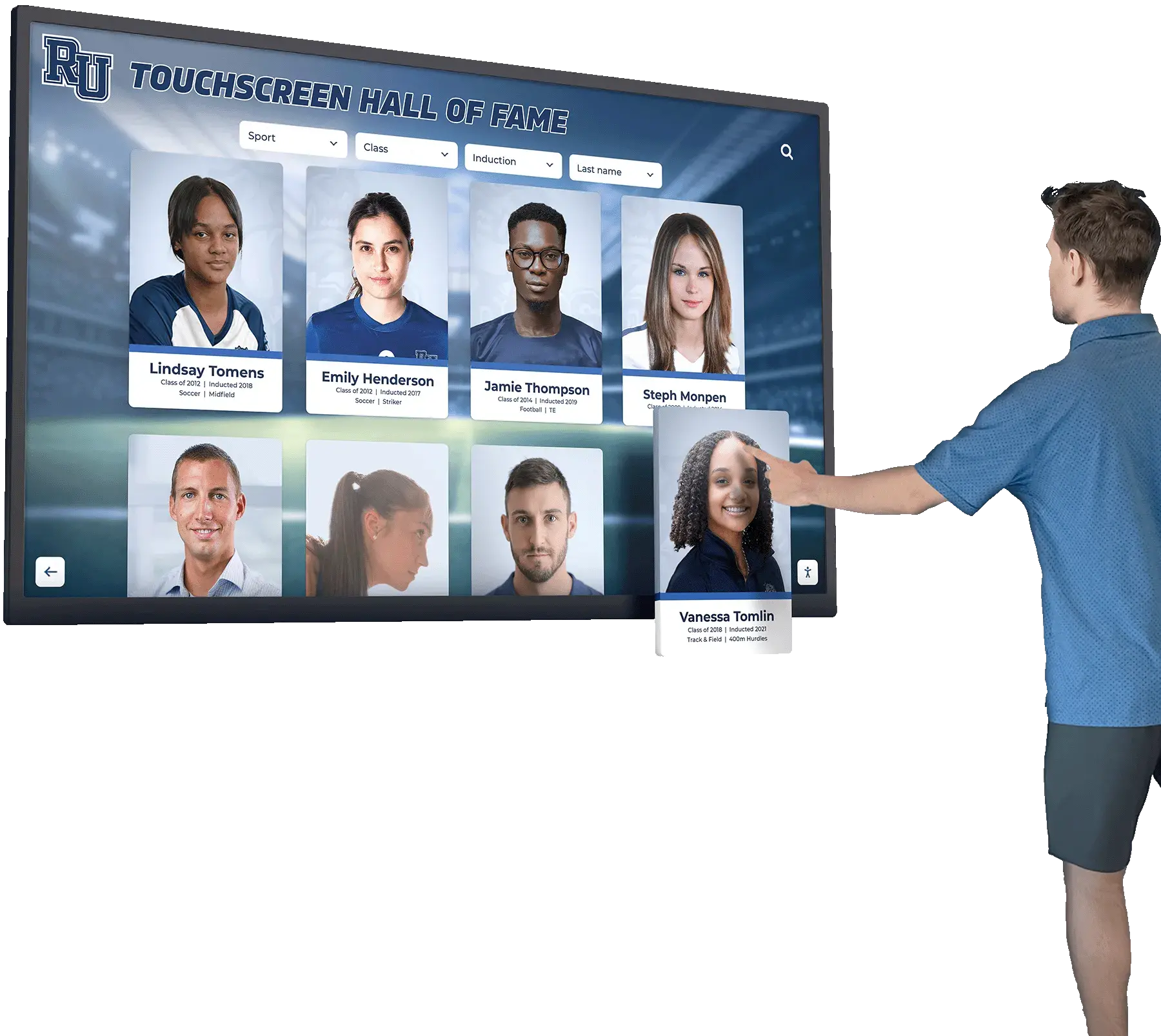

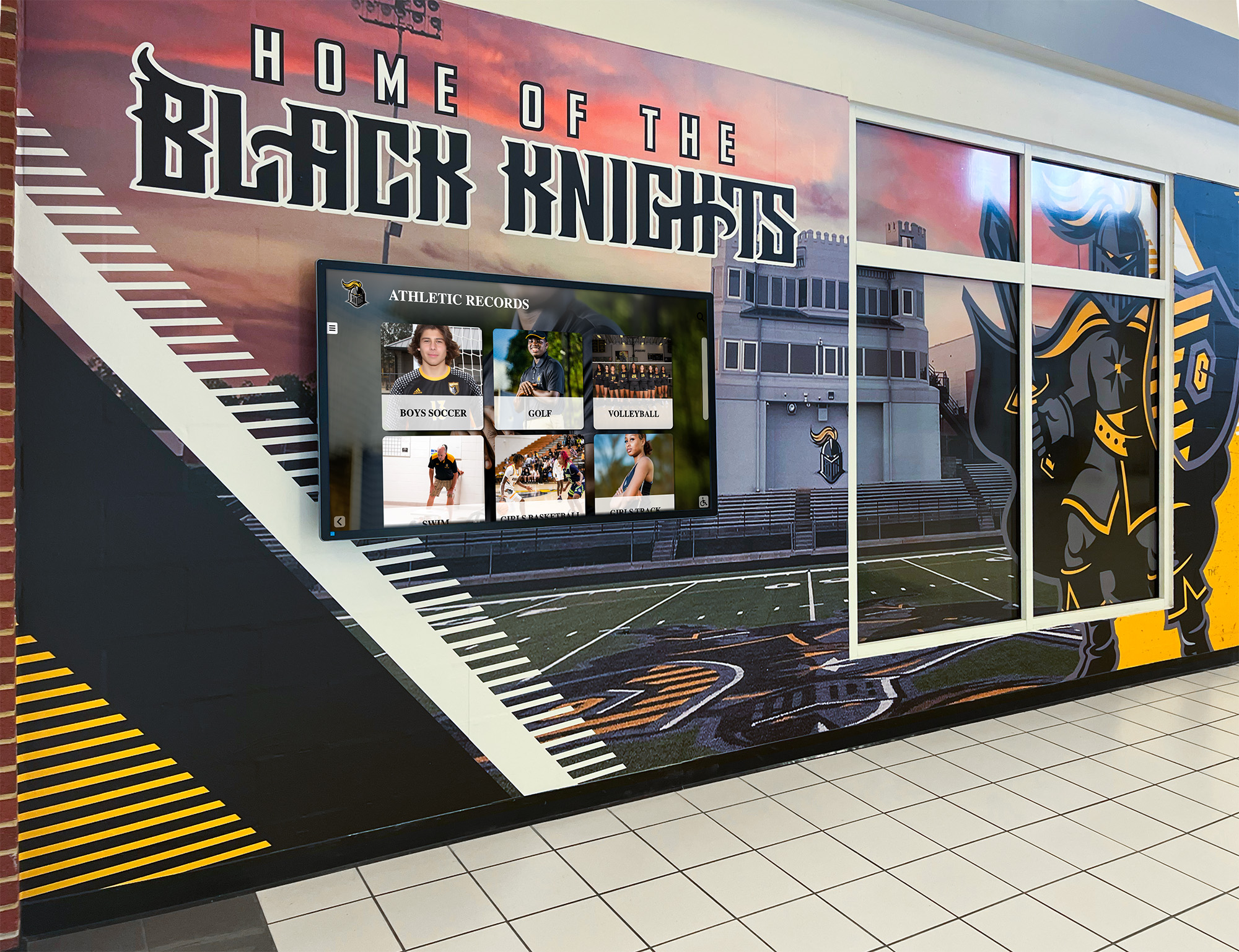
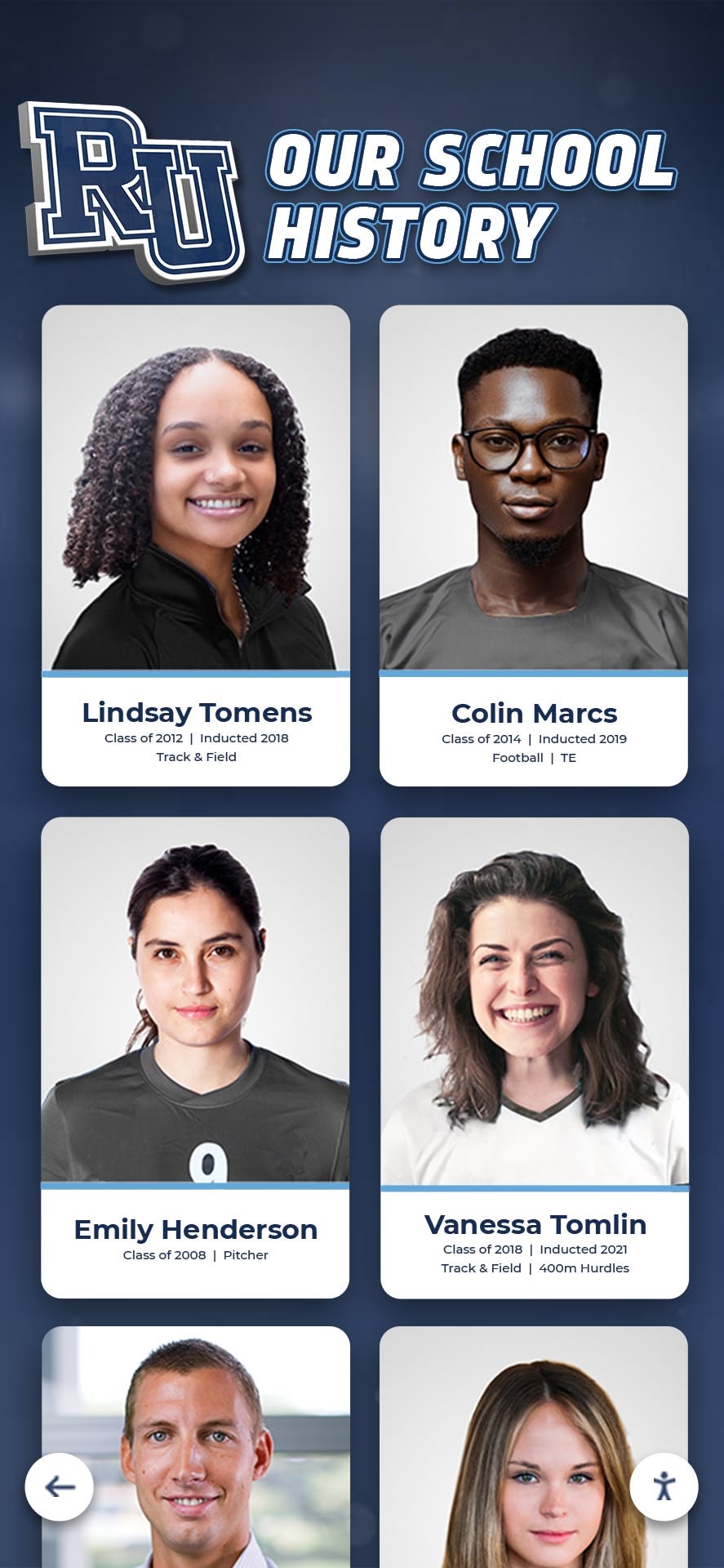
- Interactive Exploration: Enable visitors to search for specific players, browse by award type, filter by year, and discover connections between current players and program legends
- Instant Updates: Add new award winners immediately after announcements without waiting for fabrication and installation
- Web and Mobile Access: Extend recognition beyond physical facilities to reach alumni, recruits, and community members worldwide
- Analytics and Engagement Tracking: Understand which content resonates most and optimize recognition strategies based on actual interaction data
Athletic programs interested in digital signage for schools can explore how modern platforms transform recognition from static acknowledgment into dynamic engagement opportunities.
Integrating Recognition Into Recruiting and Development
Award recognition shouldn’t exist purely as historical documentation—it should actively support current program goals including recruiting, player development, and culture building.
Recruiting Benefits of Comprehensive Recognition:
Prospective student-athletes researching programs want to understand whether institutions develop players reaching their maximum potential. Comprehensive award recognition demonstrates:
- Development Pathways: Show how players progressed from recruits to award winners, illustrating coaching effectiveness and player development systems
- Position-Specific Success: Document position-by-position excellence showing recruits that players at their position achieve recognition at your institution
- Academic and Character Values: Highlight academic All-Americans and character award winners demonstrating that your program values complete student-athlete development
- Professional Preparation: Showcase award winners’ professional careers validating that your program prepares players for next-level success
When prospective recruits visit your athletic facilities and interact with recognition displays showcasing decades of award winners and development success stories, they gain confidence that choosing your program creates realistic pathways toward their goals. Programs exploring college recruiting strategies with digital displays understand how recognition supports competitive advantages in recruiting battles.
Celebrating Current Season Awards Immediately
Traditional recognition programs often lag months or years behind achievements. A player winning a national award in December might not see recognition installed in athletic facilities until the following summer or even next school year, diminishing motivational impact and celebratory value.
Digital recognition platforms enable immediate celebration. When your quarterback wins the Davey O’Brien Award or your linebacker earns All-American honors, that achievement can appear on facility displays within hours, maximizing excitement and institutional pride while the accomplishment remains current news.
This immediacy transforms recognition from historical documentation into active celebration of ongoing excellence, demonstrating to current players that achievements receive prompt acknowledgment rather than being added eventually to ever-growing recognition backlogs.
Building Sustainable Recognition Programs
Creating comprehensive recognition programs requires thoughtful planning addressing content development, ongoing maintenance, and long-term sustainability.
Developing Historical Content Libraries
Most athletic programs have decades of award winners deserving recognition but lack comprehensive documentation. Building robust recognition content libraries requires systematic approaches:
Historical Research Strategies:
- Review media guides and archived program materials documenting past award winners
- Access conference and NCAA records showing All-Conference and All-American selections
- Scan yearbooks and archived publications for biographical information and photos
- Contact alumni directly requesting information, statistics, and photographs
- Work with sports information directors to compile comprehensive records
- Engage student interns or athletic communications classes in content development
Athletic departments should prioritize recent award winners where documentation exists readily before systematically expanding historical coverage. Launch recognition systems with strong 10-15 year foundations, then progressively add historical content as resources permit and information surfaces.
Establishing Content Standards and Approval Workflows
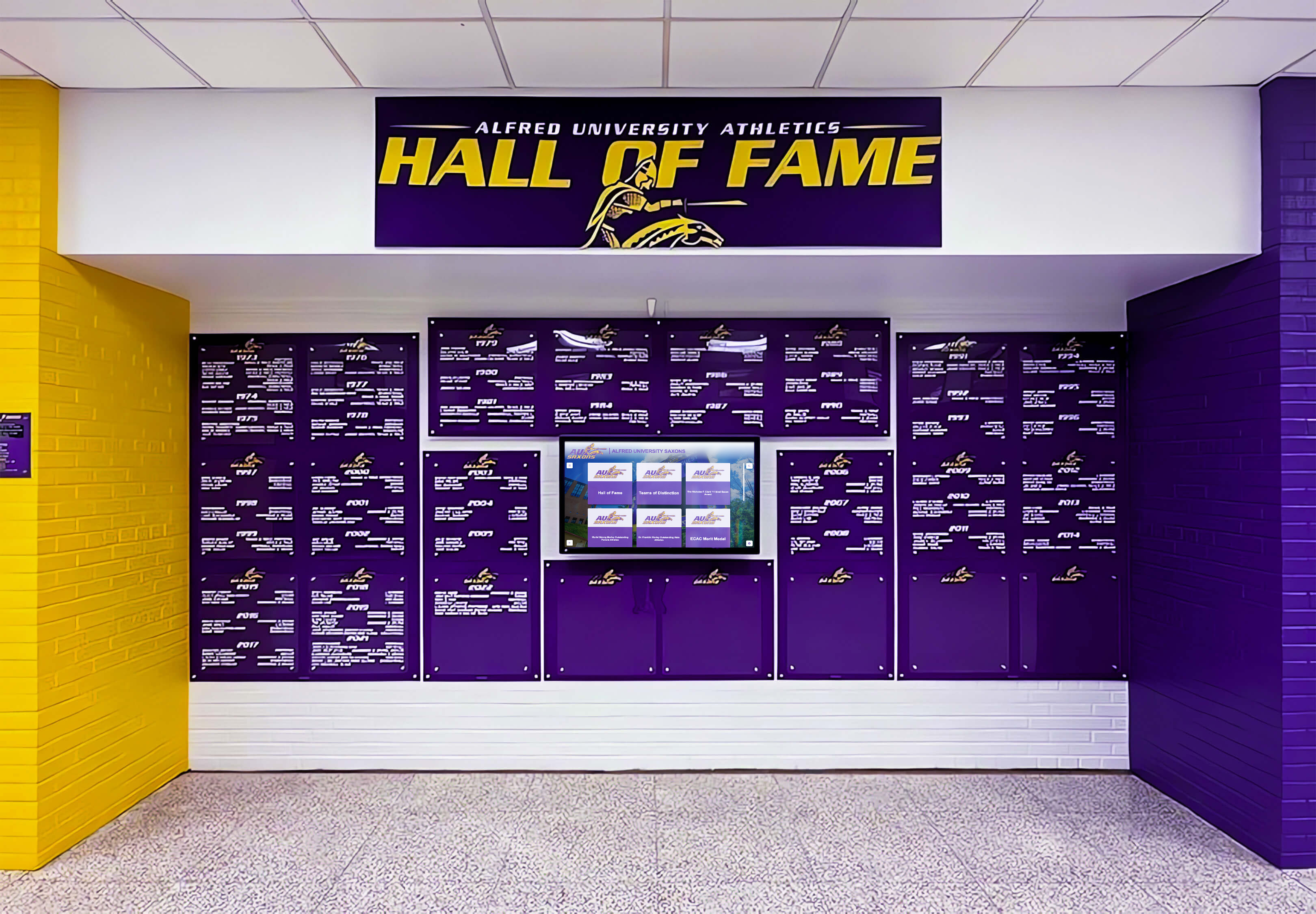
Consistency matters enormously when recognizing hundreds of individuals across decades. Establish clear content standards addressing:
- Photo Requirements: Minimum resolution standards, preferred orientations, and quality expectations
- Biographical Content: Length guidelines, tone expectations (formal versus conversational), and information depth
- Statistics Presentation: Formatting standards for career statistics, season-by-season data, and achievement summaries
- Video Content: Length expectations, quality standards, and editing requirements
- Award Description: How to document award significance, selection criteria, and competitive context
Approval workflows should define who can create draft content, who reviews for accuracy, who provides final approval, and who publishes to live displays. These workflows ensure quality control while distributing workload appropriately across sports information staff, coaching staff, and athletic administration.
Maintaining Currency and Relevance
Recognition programs remain valuable only when maintained actively. Outdated content undermines credibility and suggests institutional neglect of recognition priorities. Establish clear maintenance responsibilities:
- Immediate Updates: Assign responsibility for adding new award winners within 48 hours of announcements
- Seasonal Reviews: Conduct end-of-season reviews ensuring all conference and team awards appear in recognition systems
- Annual Audits: Review complete recognition content annually, identifying gaps, correcting errors, and enhancing profiles with newly available information
- Major Refresh Cycles: Plan comprehensive content refreshes every 3-5 years updating photography, expanding biographical content, and incorporating new multimedia
Clear maintenance assignments prevent recognition programs from languishing with outdated content that no longer serves motivational or historical preservation purposes.
Measuring Recognition Program Success
Effective recognition programs should deliver measurable value justifying investments in platforms, content development, and ongoing maintenance.
Engagement Metrics and Analytics
Modern digital recognition platforms provide detailed analytics showing how visitors interact with content. Key metrics include:
- Session Duration: How long do visitors explore recognition content? Systems averaging 5-10 minute sessions demonstrate compelling engagement; those averaging under one minute may indicate content or navigation issues.
- Search Patterns: What search terms do visitors use? This reveals what they want to find and how well current organization meets needs.
- Popular Content: Which award winners, achievements, or time periods receive most views? This guides content development priorities toward what resonates with your specific community.
- Return Visits: Do people explore recognition displays multiple times? Repeat engagement indicates sustained value beyond initial curiosity.
- Mobile vs. Physical Access: What percentage of recognition exploration occurs via web/mobile versus physical displays? This informs resource allocation between physical installations and online presence.
Review these analytics quarterly, using insights to optimize content priorities, improve navigation, and justify continued investment in recognition programs through demonstrated engagement. Programs interested in analytics for digital recognition can learn how data-driven approaches maximize program effectiveness.
Recruiting and Development Impact
While harder to quantify precisely, recognition programs should support recruiting success and player development. Assess impact through:
- Prospective student-athlete feedback during campus visits about recognition displays
- Recruiting class rankings and signing success relative to programs with similar resources
- Current player engagement with recognition content showing connection to program tradition
- Alumni engagement metrics showing whether recognition strengthens institutional connections
Return on Investment Calculations
Compare recognition program costs against benefits:
Costs:
- Initial platform investment (hardware, software, installation)
- Content development (staff time or professional services)
- Ongoing maintenance (annual software subscriptions, content updates)
- Hardware refresh (eventual technology replacement)
Benefits:
- Eliminated ongoing plaque/trophy fabrication costs
- Recruiting advantages (difficult to quantify but potentially significant)
- Alumni engagement improvements supporting fundraising
- Institutional pride and brand strengthening
- Historical preservation preventing valuable institutional memory loss
Most comprehensive digital recognition systems achieve positive ROI within 3-5 years through eliminated fabrication costs alone, with additional benefits like recruiting support and alumni engagement providing value difficult to quantify precisely but nonetheless real and substantial.
The Future of College Football Award Recognition
As technology evolves and athletic departments increasingly adopt digital recognition approaches, several trends will shape how institutions celebrate award winners and achievements.
Augmented Reality and Enhanced Experiences
Emerging technologies will enable increasingly immersive recognition experiences. Augmented reality applications might allow visitors to view highlight videos overlaid on physical spaces, interact with 3D player models demonstrating technique, or explore virtual trophy rooms showcasing awards and accomplishments in photorealistic digital environments.
These enhanced experiences will create even more compelling recognition that engages younger generations raised with interactive technology while providing creative storytelling opportunities impossible with traditional or even current-generation digital displays.
Social Integration and Viral Celebration
Recognition programs will increasingly integrate with social media platforms, enabling instant sharing when awards are announced and creating viral celebration moments that amplify institutional pride far beyond campus boundaries. When your linebacker wins the Butkus Award, integrated systems could automatically generate sharable graphics, video compilations, and social content enabling fans, alumni, and students to celebrate collectively across digital platforms.
This social amplification transforms recognition from private institutional acknowledgment into public celebration engaging broader communities in ways that strengthen program brand, recruit awareness, and donor engagement.
Artificial Intelligence and Automated Content
AI-powered tools will increasingly assist with recognition content development, automatically generating biographical summaries from statistics and career highlights, creating video compilations from archived footage, translating content into multiple languages for international audience accessibility, and identifying narrative connections between current players and program legends that enhance storytelling.
These automated capabilities will reduce manual content development burden while enabling richer, more comprehensive recognition than resource-constrained athletic departments could create through purely human effort.
Conclusion: Celebrating Excellence Through Comprehensive Recognition
College football awards celebrate achievement at every level, from position-specific excellence to conference honors to national recognition like the Heisman Trophy and All-American selections. These awards honor not just athletic performance but also character, academic achievement, and leadership qualities that define complete student-athlete excellence.
For institutions seeking to celebrate their award winners comprehensively while inspiring current student-athletes toward similar achievements, modern digital recognition platforms provide capabilities impossible with traditional plaque-based approaches. Unlimited storage capacity, rich multimedia content, interactive exploration, instant updates, and extended reach through web and mobile access transform recognition from static historical documentation into dynamic engagement opportunities that serve recruiting, development, and culture-building goals alongside historical preservation.
Whether your program produces regular national award winners or celebrates excellence primarily through conference and institutional honors, comprehensive recognition demonstrates commitment to honoring achievement appropriately while building the sense of tradition and pride that defines great athletic programs. The awards landscape in college football provides recognition frameworks applicable at every competitive level—every institution can adapt these approaches to celebrate their specific achievements within appropriate contexts.
As you evaluate how to enhance recognition at your institution, consider how purpose-built platforms designed specifically for athletic recognition deliver capabilities that generic digital signage or traditional approaches cannot match. The investment in comprehensive recognition systems pays dividends through eliminated ongoing fabrication costs, recruiting advantages, alumni engagement, and preservation of institutional history that might otherwise be lost or forgotten.
Ready to transform how your institution celebrates award winners and athletic excellence? Explore modern recognition solutions designed specifically for athletic departments seeking to honor achievement comprehensively while supporting recruiting, development, and program building through recognition that inspires excellence at every level.