



Key Takeaways
Comprehensive guide to crafting meaningful coach appreciation speeches. Learn effective structures, heartfelt examples, and presentation tips for honoring the coaches who shape athletes, build character, and create lasting impact beyond wins and losses.
Coaches transform athletic programs from collections of talented individuals into cohesive teams unified by shared purpose, mutual support, and commitment to excellence. Beyond teaching skills and strategies, exceptional coaches mentor character development, instill resilience, model integrity, and create environments where athletes discover capabilities they never knew they possessed. When seasons conclude, senior nights approach, or career milestones arrive, coach appreciation speeches provide essential opportunities to publicly acknowledge these profound influences—capturing in words the countless hours, personal sacrifices, and transformative relationships that statistics and championship banners can never fully represent. This comprehensive guide examines how to craft heartfelt, meaningful coach appreciation speeches that honor the leaders whose impact extends far beyond scoreboards and record books, providing frameworks, examples, and practical delivery tips for athletes, parents, administrators, and community members tasked with expressing gratitude appropriately.
Understanding the Purpose of Coach Appreciation Speeches
Before drafting recognition remarks, speakers must understand what makes coach appreciation speeches different from routine thank-yous and why these presentations matter to individuals, teams, and broader athletic communities.
Why Coach Appreciation Matters
Coaching represents one of education’s most demanding, underappreciated roles—requiring extensive time commitments, emotional investment, and personal sacrifice that extend far beyond contractual obligations or compensation levels. While athletes receive recognition through awards ceremonies, all-conference selections, and scholarship announcements, coaches often work behind the scenes with limited public acknowledgment of their contributions.
Appreciation speeches serve multiple critical functions within athletic programs: they publicly validate coaches’ sacrifices, demonstrating that countless early mornings, late-night game planning sessions, weekend tournaments, and emotional investments supporting athletes don’t go unnoticed. They articulate impact in ways coaches rarely hear directly, translating abstract gratitude into concrete acknowledgment of specific lessons, character development, and life preparation. They model gratitude and recognition for younger athletes, demonstrating that excellence deserves acknowledgment and that leadership contributions warrant celebration. They create emotional closure at season conclusions or career transitions, marking significant chapters while expressing collective appreciation before teams or coaches move forward.

When schools prioritize meaningful coach appreciation alongside athlete recognition, they build cultures where leadership contributions receive appropriate honor. Programs implementing comprehensive academic recognition initiatives understand that celebrating excellence across multiple dimensions—athletic performance, academic achievement, and leadership development—creates stronger school communities than narrowly focused programs.
Different Occasions for Coach Appreciation Speeches
Coach appreciation speeches serve various contexts, each requiring slightly different approaches that match occasion significance and emotional resonance.
End-of-Season Banquets: Team celebrations concluding seasons provide natural opportunities for athletes to collectively thank coaches for dedication throughout the year. These speeches typically balance season highlights with appreciation for coaching contributions that enabled team success, acknowledging both competitive achievements and character development.
Senior Night Ceremonies: When graduating athletes conclude their high school or college careers, senior night speeches often include coach appreciation segments where athletes acknowledge mentors who shaped their athletic journeys. These presentations tend toward emotional reflection, emphasizing relationships, personal growth, and lasting lessons beyond athletics. Schools planning senior night celebrations discover that thoughtful coach appreciation components enhance ceremony significance.
Coach Retirement or Career Milestones: When coaches retire, reach anniversary milestones, or transition to new positions, special appreciation events honor career contributions across multiple seasons and athlete generations. These speeches require broader perspective, acknowledging program building, cultural impact, and legacy beyond individual team experiences.
Coach of the Year or Hall of Fame Inductions: Formal recognition ceremonies honoring coaching excellence require structured presentations documenting achievements, innovation, and influence. These speeches balance professional accomplishment with personal qualities, demonstrating why coaches deserve community-wide recognition.
Understanding occasion context helps speakers craft appropriately focused presentations that match recognition scope to event significance.
Essential Elements of Effective Coach Appreciation Speeches
Great coach appreciation speeches share common structural components and content characteristics that transform general gratitude into specific, meaningful tributes that resonate with coaches and audiences.
Opening: Establishing Relationship and Context
The first 30-60 seconds establishes speaker credibility, clarifies the relationship to the coach being honored, and sets emotional tone for everything that follows.
Personal Introduction: Begin by identifying yourself and your connection to the coach—whether you’re a team captain, graduating senior, parent representative, or athletic director. This context establishes why you’re qualified to speak about coaching impact and lends credibility to subsequent appreciation.
Relationship Timeline: Briefly mention how long you’ve worked with, played for, or known the coach. This duration provides context for depth of relationship and breadth of experience informing your remarks: “Coach Martinez has led our program for twelve years, and I’ve been fortunate to play under her leadership for all four of my high school seasons.”
Initial Impression or Defining Quality: Share a brief observation about what first stood out about this coach or what quality most defines their leadership. This hook creates immediate focus while previewing themes you’ll develop throughout the speech.
Strong openings create connection and context without excessive preliminaries—audiences understand the purpose and want to hear specific appreciation rather than lengthy introductions.
Body: Specific Stories Illustrating Coaching Impact
The speech body moves beyond general thanks to concrete examples demonstrating how this particular coach influenced athletes, shaped teams, and created lasting impact through specific actions and qualities.
Signature Coaching Moments: Every exceptional coach has defining moments that encapsulate their leadership philosophy and character. Share specific stories illustrating coaching excellence: the halftime speech that refocused a struggling team, the one-on-one conversation that helped an athlete overcome self-doubt, the creative practice drill that built confidence, or the steadfast support during injury recovery. These concrete examples create vivid mental images while demonstrating coaching impact beyond game strategy.
Lessons Beyond the Sport: The most meaningful appreciation acknowledges how coaches prepared athletes for life beyond athletics. Describe specific lessons about persistence, teamwork, integrity, time management, or resilience that this coach modeled or taught explicitly. Connect these lessons to how they’ve influenced your approach to academics, relationships, or personal challenges: “Coach Washington’s insistence that ‘how you do anything is how you do everything’ changed not just my approach to practice but how I tackle difficult classes and prepare for college.”
Character Qualities in Action: Rather than simply listing admirable traits, illustrate coaching character through specific examples. Instead of “Coach is dedicated,” describe arriving early for weekend practice to find the coach already reviewing game film. Instead of “Coach believes in us,” share the time she defended the team’s potential to skeptical outsiders or invested extra hours with struggling players. These specific examples make abstract qualities tangible and memorable.
Program Culture and Team Building: Acknowledge how the coach created team environment and culture. Describe traditions they established, team bonding activities they organized, or expectations they set that transformed individuals into cohesive units. Programs exploring school-wide celebration approaches often discover that strong team culture creates foundation for broader community connection.
Personal Sacrifices Acknowledged: Recognize the countless hours, family time, personal resources, and emotional energy coaches invest. Acknowledge early morning practices, weekend tournaments, film session preparation, fundraising efforts, or advocacy for program resources. Coaches rarely receive explicit recognition for these sacrifices—your acknowledgment validates that these efforts are noticed and appreciated.
Balancing Achievements with Relationship
While competitive success deserves acknowledgment, the most impactful coach appreciation speeches emphasize relationship, character development, and life preparation over wins and championships.
Acknowledge Competitive Excellence Appropriately: Certainly recognize championships won, records established, or competitive milestones achieved under coaching leadership. These accomplishments represent collective team effort and coaching excellence: “Under Coach Thompson’s leadership, our program won three conference championships and produced fifteen all-state athletes.”
Emphasize Development Over Results: However, balance achievement recognition with appreciation for how coaches developed athletes regardless of outcomes. The coach who transforms struggling freshmen into confident seniors deserves celebration even if championships never materialized. Focus on growth, improvement, and effort cultivation: “More important than our win-loss record is how Coach helped each player discover capabilities we didn’t know we possessed.”
Highlight Individual Investment: Share examples of how the coach invested in you or teammates individually—not just as contributors to team success but as complete people deserving support. These personal investment stories resonate more deeply than team achievement recitations because they demonstrate coaching philosophy centered on people rather than just performance.
The best coach appreciation speeches celebrate the complete person—acknowledging competitive success while emphasizing the character development, mentorship, and life preparation that represent coaching’s most enduring contributions.
Closing: Future Impact and Lasting Gratitude
Strong closings articulate how coaching influence will continue shaping athletes’ futures while expressing heartfelt gratitude that transcends simple thanks.
Future Application: Describe how lessons learned from this coach will influence your future beyond this team—approaches to college, career preparation, relationship building, or challenge navigation. This forward-looking perspective demonstrates that coaching impact extends far beyond competitive seasons: “The work ethic, resilience, and team-first mentality Coach instilled will guide how I approach college academics, internships, and eventually my career.”
On Behalf of All: If speaking on behalf of teammates, parents, or broader communities, explicitly acknowledge that your words represent collective gratitude. This representation demonstrates that appreciation extends beyond individual perspective to encompass everyone the coach influenced.
Direct, Personal Thanks: Conclude with simple, heartfelt, direct thanks. After all the specific examples and thoughtful reflection, return to genuine personal gratitude: “Coach, thank you for believing in us, investing in our development, and creating a program we’re proud to represent. Your impact on our lives extends far beyond this court, and we’re grateful for every lesson, every challenge, and every moment you’ve dedicated to making us better athletes and better people.”
Call to Community Celebration: In group settings, invite audiences to join appreciation through applause, standing recognition, or other participation that transforms individual speech into collective celebration.
Coach Appreciation Speech Examples and Templates
Concrete examples help speakers understand how structural elements combine into complete, effective presentations. These samples illustrate different occasions and approaches.
Example 1: Team Captain’s End-of-Season Appreciation
“Good evening, everyone. I’m Sarah Chen, team captain for the Lady Tigers basketball program, and I have the privilege tonight of speaking on behalf of our entire team to thank Coach Roberts for an incredible season and four years of transformative leadership.
When I joined this program as a nervous freshman, I thought success meant winning games. Coach Roberts taught us something far more valuable—that success means becoming the kind of people who give maximum effort, support teammates unconditionally, and represent our school with integrity whether we win or lose.
I’ll never forget the practice after our devastating playoff loss my sophomore year. We expected Coach to be disappointed, maybe even angry. Instead, she gathered us together and said, ‘I’m proud of you. Not because of today’s score, but because you played with heart, supported each other through adversity, and never gave up.’ In that moment, she taught us that our character matters more than any scoreboard.
Coach Roberts arrived at practice an hour before us every single day for four years—reviewing film, planning drills, preparing to help us improve. She stayed late answering our questions, addressing our struggles, and investing in our development. She attended our academic honors ceremonies, wrote college recommendation letters, and checked on injured players during recovery. These countless acts of dedication shaped who we are far more than any playbook ever could.
This season, we achieved a school-record twenty-three wins and our first conference championship in fifteen years. But more importantly, we became a family. We learned that supporting each other through challenges matters more than individual statistics. We discovered that preparation and discipline create opportunities that talent alone never achieves. We experienced what it means to be part of something bigger than ourselves.
Coach, as we move forward—some to college athletics, others to different pursuits—we carry your lessons with us. The work ethic you demanded, the integrity you modeled, and the belief you showed in our potential will guide us through challenges you’ll never see and help us achieve goals beyond this gymnasium.
On behalf of every player, manager, and family member in this program, thank you. Thank you for your dedication, your sacrifice, your belief, and your unwavering commitment to making us better people through basketball. We are forever grateful.”
Example 2: Parent Representative’s Senior Night Appreciation
“Good evening. I’m Michael Rodriguez, parent representative for our senior class, and it’s my honor to speak on behalf of all our soccer families to express appreciation for Coach Anderson’s dedication to our children over these past years.
When our kids joined this program, they were talented athletes looking for competitive success. Under Coach Anderson’s leadership, they became so much more—they became leaders, scholars, community contributors, and young adults prepared for whatever challenges life presents.
Many of you don’t see what happens behind the scenes. You don’t see Coach Anderson’s texts checking on players struggling with difficult classes or personal challenges. You don’t witness the extra training sessions she organizes for athletes working toward college recruitment. You don’t know about the scholarship application help, the college coach contacts, or the recommendation letters written on behalf of our kids.
We parents have watched Coach Anderson treat every player—starter and reserve, senior and freshman—with equal respect, equal investment, and equal belief in their potential. She’s created a program where effort matters more than natural ability, where character development ranks alongside skill improvement, and where being a good teammate matters as much as being a talented player.
This senior class will leave this program having learned lessons they’ll carry forever: that persistence overcomes setbacks, that team success requires personal sacrifice, that leadership means serving others, and that excellence demands daily commitment to improvement. These lessons come directly from Coach Anderson’s example and explicit teaching.
Coach, you’ve invested countless hours, immeasurable emotional energy, and pieces of your heart into these young people. You’ve celebrated their victories, supported them through defeats, challenged them to grow, and believed in them even when they doubted themselves. Our families recognize these sacrifices, appreciate your dedication, and are eternally grateful that our children had the privilege of learning from an educator, mentor, and leader like you.
On behalf of every parent whose child you’ve coached, thank you for shaping these young people into athletes we’re proud to watch and humans we’re honored to call our own.”
Example 3: Athletic Director’s Career Milestone Recognition
“Good evening, and welcome to tonight’s special celebration honoring Coach Williams on his twentieth year leading our baseball program. I’m Jennifer Palmer, athletic director, and I’ve had the privilege of working alongside Coach Williams for the past eight years.
Two decades of dedication to one program represents extraordinary commitment—but Coach Williams’s impact extends far beyond longevity. Under his leadership, our baseball program has become a model for what high school athletics should be: competitive, educational, community-focused, and student-centered.
The statistics tell part of the story: twelve conference championships, six regional titles, three state tournament appearances, and over two hundred student athletes developed. But numbers can’t capture what makes Coach Williams special.
He’s the coach who personally organized fall college recruiting showcases to help athletes gain exposure. He’s the mentor who insisted players maintain honor roll status before earning starting positions, demonstrating that academic excellence matters. He’s the teacher who transformed our program culture from individual performance focus to team-first mentality where senior leaders actively develop younger players.
I’ve watched Coach Williams arrive at school early to unlock facilities for players wanting extra batting practice. I’ve seen him stay late helping struggling students with algebra homework before they could participate in practice. I’ve witnessed him defend program resources in budget meetings, advocate for facility improvements, and personally fundraise for equipment upgrades—all to create better opportunities for our athletes.
Perhaps most impressively, Coach Williams has built a program alumni network spanning two decades. Former players return to volunteer as assistant coaches, donate equipment, provide career mentorship for current athletes, and support the program financially. This loyalty reflects the relationships he’s built and the lasting impact he’s created.
Programs exploring comprehensive team recognition approaches often discover that strong coaching creates culture that persists across athlete generations.
Coach Williams, your two decades of service represent more than twenty years—they represent over two hundred young men whose lives you’ve shaped, countless families you’ve supported, and a community made better through your dedication. Our school is fortunate to have you, our athletes are privileged to learn from you, and we all look forward to many more years of your leadership.
On behalf of our entire school community, congratulations on this milestone, and thank you for everything you contribute to our students and our program.”
Delivery Tips for Meaningful Coach Appreciation Speeches
Even well-written speeches lose impact when delivery diminishes emotional connection or fails to convey genuine appreciation. Effective presentation techniques enhance content while creating memorable recognition moments.
Preparation and Practice
Thorough preparation separates adequate appreciation from heartfelt tributes that coaches remember throughout their careers.
Write Complete Drafts: Don’t improvise coach appreciation speeches. Write complete drafts that allow you to carefully choose words, craft specific examples, and ensure you include all essential appreciation elements. Revision improves clarity, strengthens emotional impact, and eliminates unnecessary content.
Practice Aloud Multiple Times: Rehearse speeches several times, focusing on pacing, emphasis, and emotional moments. Practice helps internalize content so you can maintain eye contact and connection rather than reading directly from papers. Practicing aloud also reveals awkward phrasing or sections that need adjustment.
Prepare for Emotion: Expressing gratitude to influential mentors often evokes strong emotions. Anticipate moments that might affect your composure—particularly personal stories or direct thanks. Practicing these sections helps you navigate emotion gracefully or plan appropriate pauses. Having water available and knowing where you can pause maintains dignity during emotional moments.
Time Your Speech: Most effective coach appreciation speeches run 4-7 minutes, providing sufficient depth without testing audience patience. Practice with timing to ensure your speech fits event parameters while allowing space for emotion and audience response.

Presentation Techniques
Delivery choices significantly impact how audiences and coaches receive appreciation messages.
Eye Contact and Direct Address: Maintain frequent eye contact with the coach you’re honoring, speaking directly to them rather than just addressing audiences. This personal connection demonstrates authenticity while creating intimate recognition moments within public settings. Balance direct coach address with occasional audience engagement, but prioritize the person being honored.
Authentic Emotion: Allow genuine feeling to show during meaningful moments rather than maintaining rigid composure. Authentic emotion validates appreciation significance and gives coaches permission to experience their own emotions fully. Don’t apologize for feeling moved—it demonstrates recognition sincerity.
Appropriate Pacing: Slow down during particularly significant moments, allowing important statements to resonate. Many speakers rush through emotional content from nervousness, but deliberate pacing creates space for impact and audience absorption.
Vocal Variety: Vary tone, volume, and energy to maintain interest and emphasize key points. Use vocal warmth to convey appreciation, softer volume during intimate stories, and stronger projection for climactic moments or direct thanks.
Physical Presence: Stand confidently with good posture, use natural gestures to emphasize points, and move purposefully if appropriate. Physical presence demonstrates investment in honoring coaches appropriately while projecting confidence that enhances message credibility.
Common Delivery Mistakes to Avoid
Understanding pitfalls helps speakers maintain effective presentation throughout speeches.
Reading Instead of Speaking: While having written speeches for reference is appropriate, reading word-for-word from papers eliminates eye contact and personal connection. Use notes as guides rather than scripts, maintaining frequent visual connection with coaches and audiences.
Excessive Humor: While appropriate lightheartedness can enhance speeches, excessive jokes or comedic tone diminishes appreciation significance. Balance any humor with heartfelt sincerity, ensuring overall tone communicates genuine gratitude.
Apologizing or Self-Deprecation: Don’t begin with apologies about public speaking anxiety or disclaimers about speech quality. These self-focused comments undermine message importance and shift focus from coach appreciation to speaker discomfort.
Inadequate Specificity: Generic statements like “Coach is great” or “We appreciate everything you do” lack the specific examples that create meaningful, memorable appreciation. Replace vague praise with concrete stories and detailed acknowledgments.
Involving Teams and Communities in Coach Appreciation
While individual speeches provide powerful recognition, collective appreciation involving entire teams, families, and communities creates broader celebration that demonstrates appreciation depth and breadth.
Team Collaborative Appreciation
When entire teams participate in coach appreciation, collective involvement demonstrates unified gratitude while allowing multiple voices to share diverse perspectives.
Multiple Speakers Sharing Different Perspectives: Rather than single speeches, consider having several team members each share brief stories illustrating different coaching qualities or impacts. A senior might discuss long-term development, a sophomore could address welcoming program culture, and a team captain might acknowledge leadership lessons. These multiple perspectives create comprehensive appreciation while engaging more athletes.
Team-Created Appreciation Videos: Compile video messages from team members, each sharing brief appreciation statements or favorite coaching memories. These videos become treasured keepsakes coaches can revisit while creating highly personal recognition. Modern recognition programs from companies like Rocket Alumni Solutions enable schools to integrate multimedia content into digital displays, preserving appreciation moments beyond ceremony events.
Collaborative Gifts Complementing Speeches: Pair appreciation speeches with meaningful gifts that team collectively selects—custom items reflecting inside jokes or shared memories, framed photos from significant moments, or donation to causes coaches support. These tangible items complement verbal appreciation while creating lasting physical reminders.
Parent and Community Involvement
Coaches impact extends beyond athletes to families and broader communities who benefit from program leadership and culture creation.
Parent Representative Speeches: Include parent perspectives acknowledging how coaches influenced family experiences, supported student development, and created positive athletic environments. Parents observe coaching impact differently than athletes, providing valuable complementary perspectives on dedication and character.
Community Recognition: For coaches with extensive tenure or exceptional impact, consider involving broader community members—school administrators, local officials, or community leaders—who can speak to program contributions beyond just team development. This expanded recognition demonstrates appreciation breadth.
Alumni Participation: When celebrating coaches with long careers, involve former athletes who can speak to lasting impact and lessons they still apply years after competition ended. Alumni perspectives demonstrate that coaching influence extends far beyond immediate seasons.
Written Appreciation Complementing Speeches
Verbal appreciation creates powerful immediate impact, but written tributes provide permanent records coaches can revisit whenever they need encouragement.
Team Letters or Books: Compile written messages from every team member into bound books or framed collections coaches can keep. These written tributes often express sentiments athletes struggle to articulate verbally while creating treasured keepsakes.
Social Media Recognition: Share coach appreciation through team social media, creating public acknowledgment visible to broader communities. Tag coaches appropriately, use photos capturing coaching moments, and craft captions highlighting specific appreciation themes.
Nominate for Formal Recognition: Complement personal appreciation by nominating deserving coaches for formal district, conference, or state recognition programs. These official acknowledgments carry professional significance while demonstrating that appreciation extends beyond just your immediate team.
Supporting Coach Recognition with Modern Display Technology
While appreciation speeches create powerful ceremony moments, modern digital recognition systems extend coach celebration beyond single events, creating year-round visibility that honors contributions continuously.
Digital Coach Recognition Displays
Traditional coach recognition relied on limited wall space, static photos, and occasional ceremony acknowledgments. Modern digital displays overcome these constraints while creating engaging presentations that celebrate coaching excellence comprehensively.
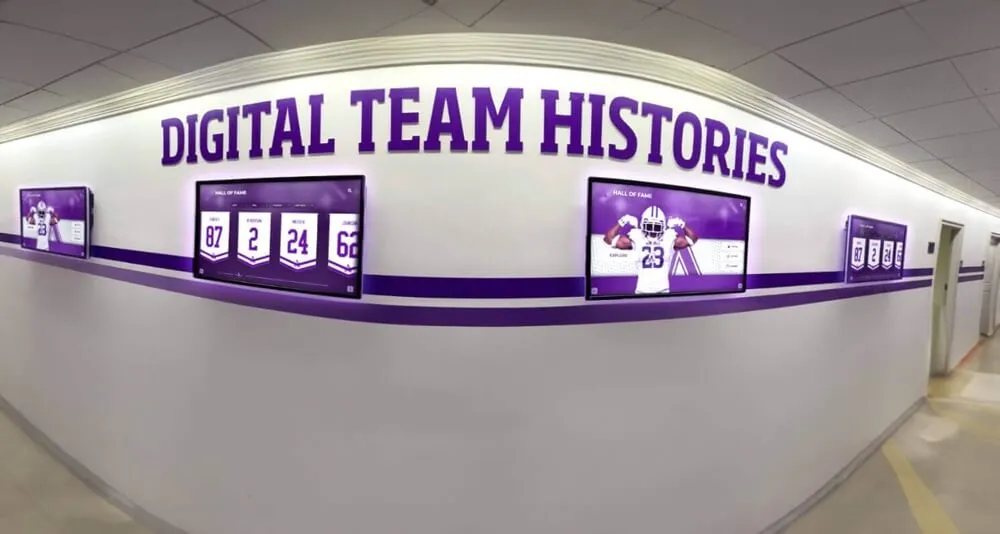
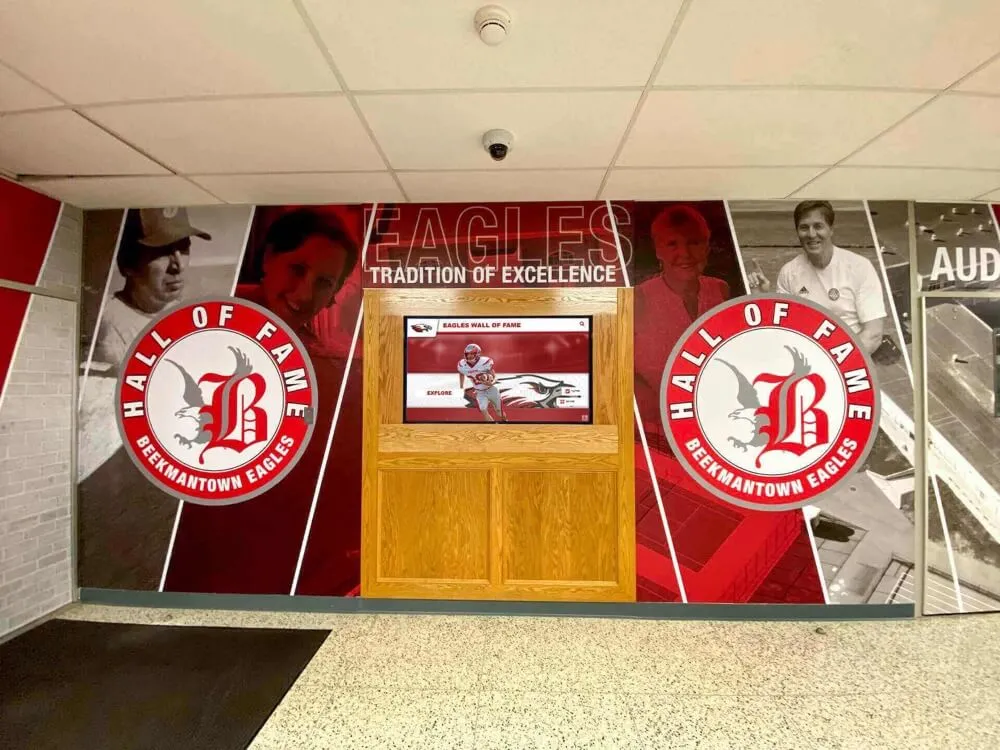
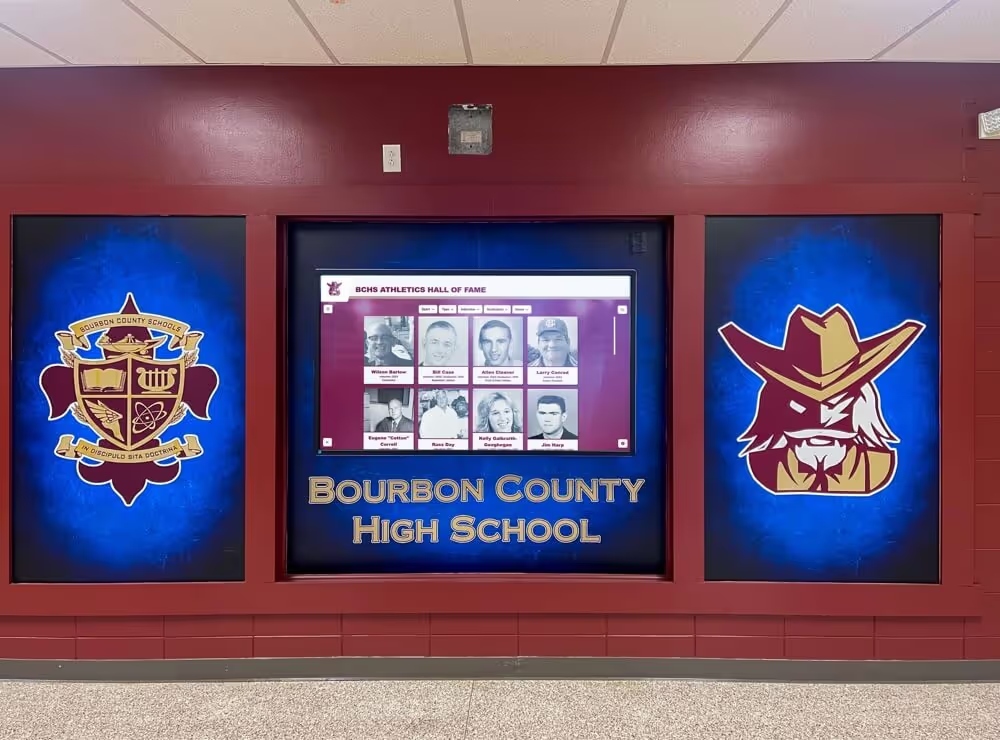
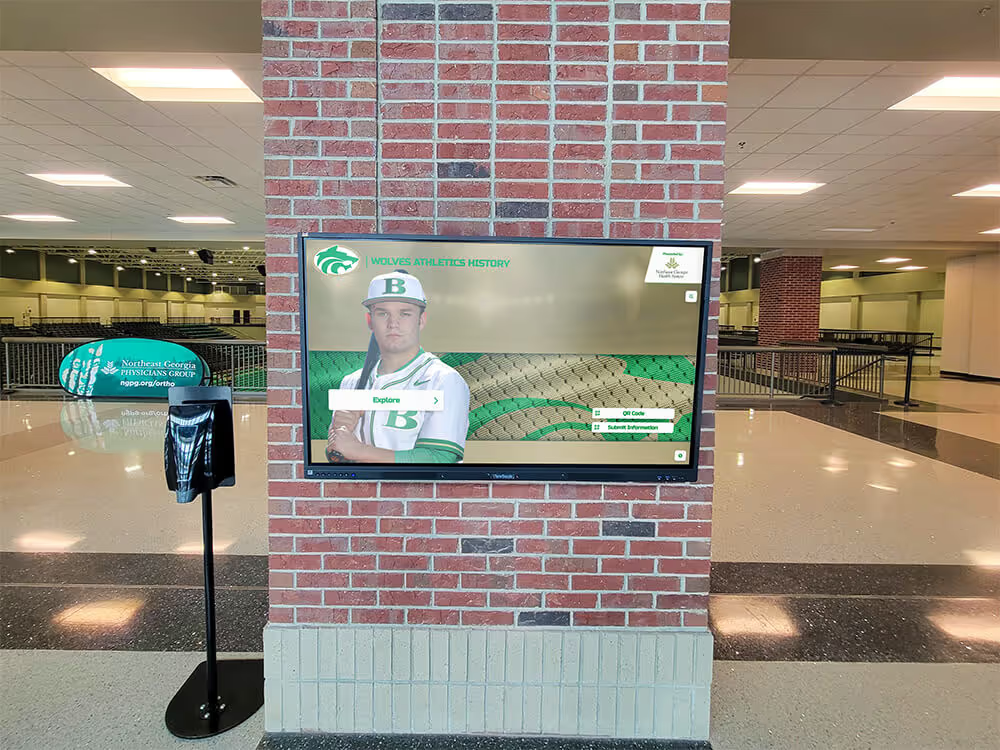
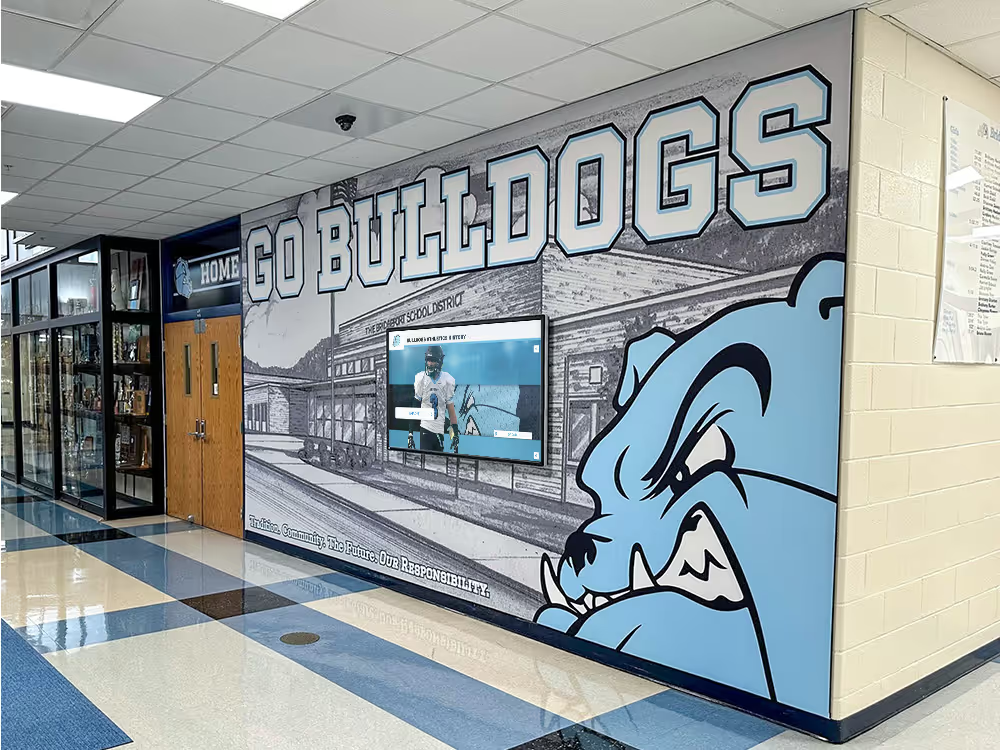
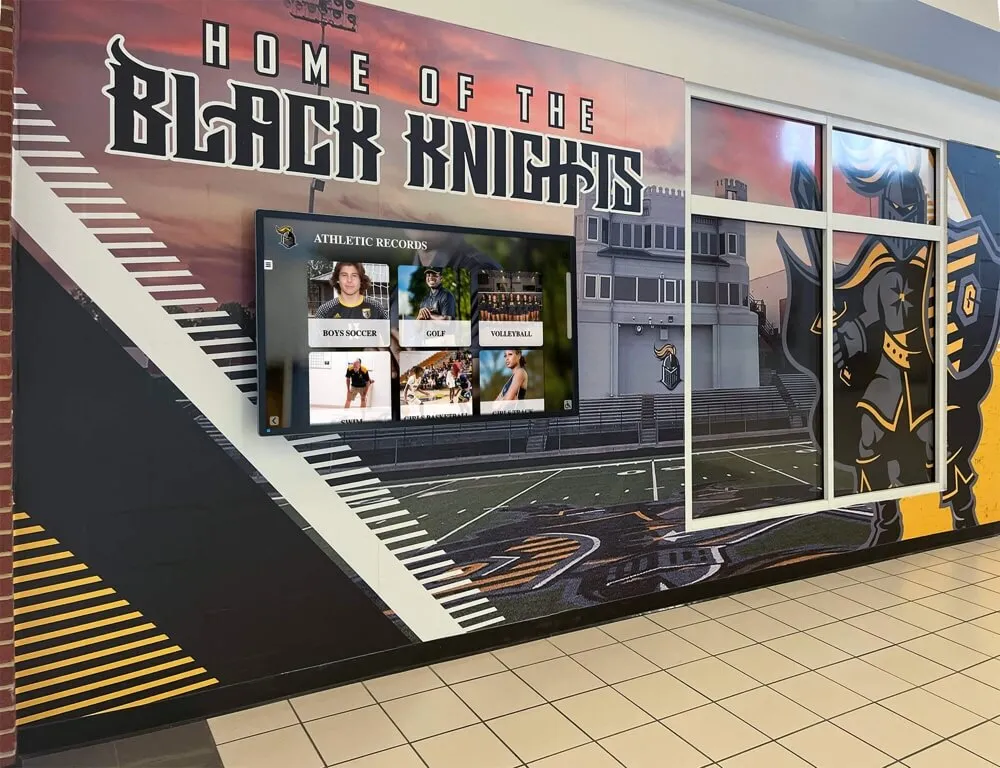
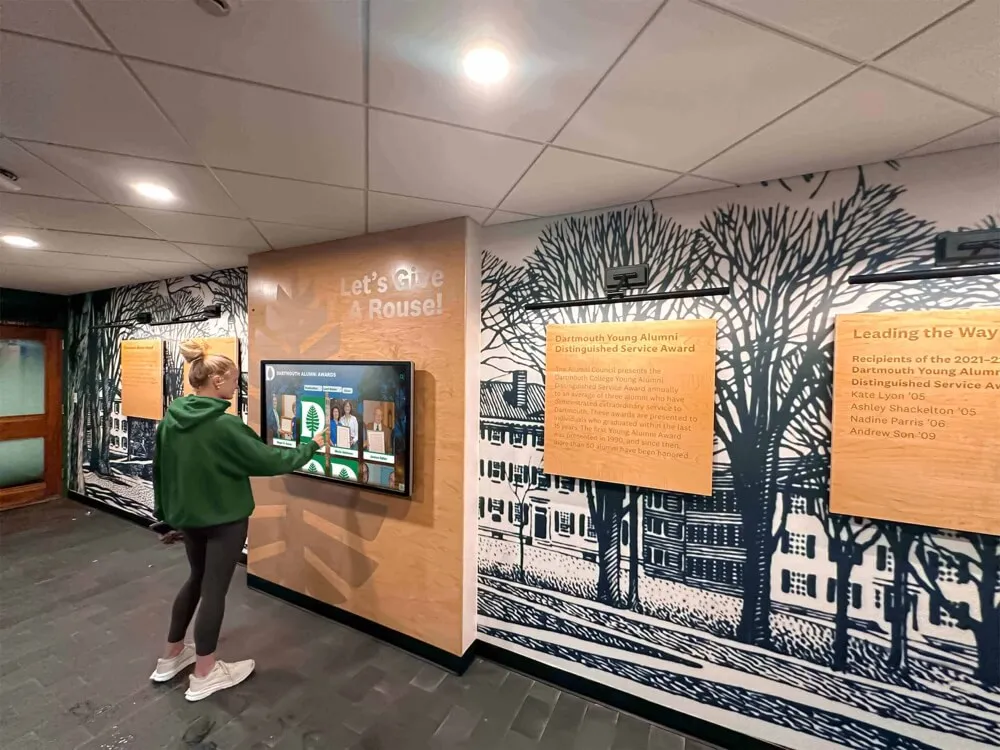
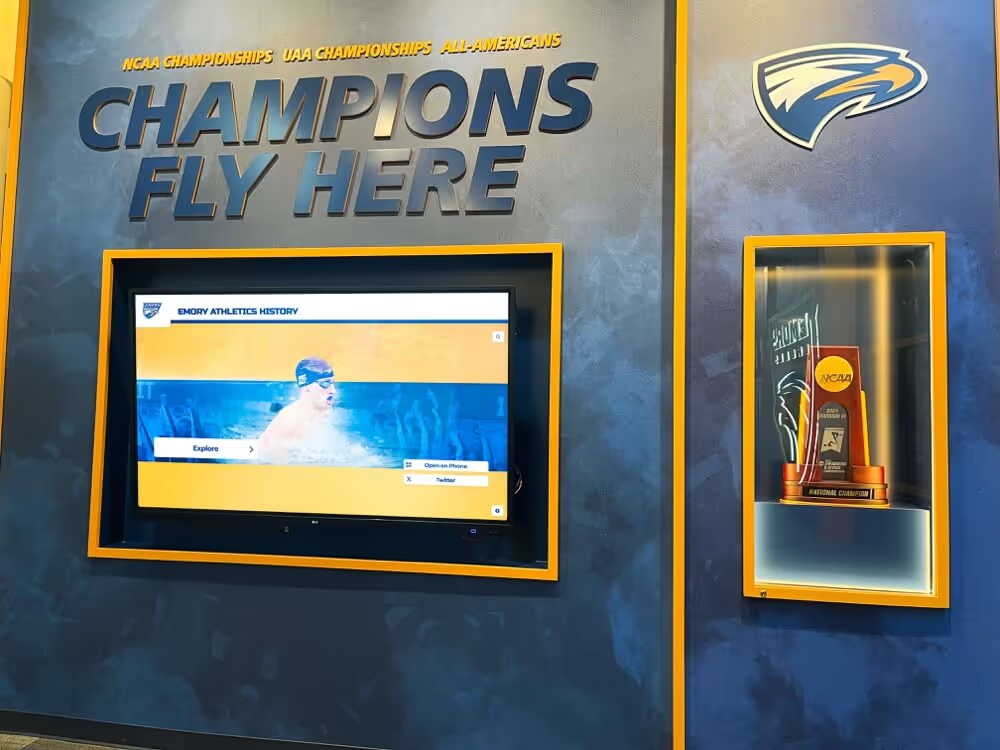
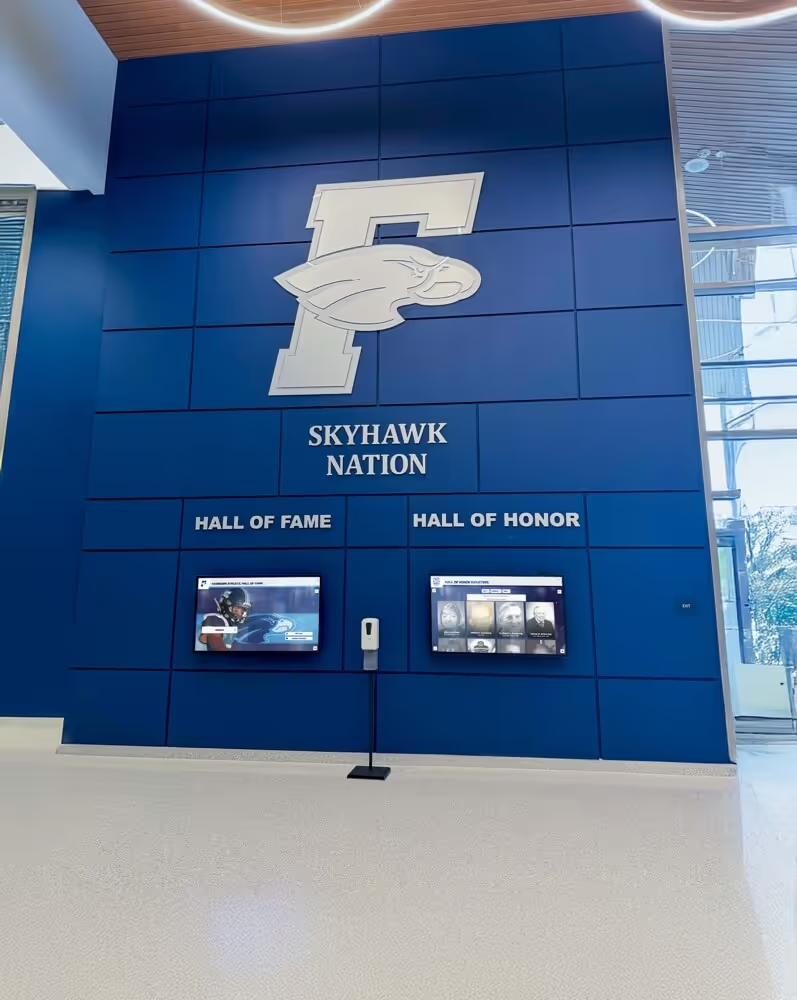
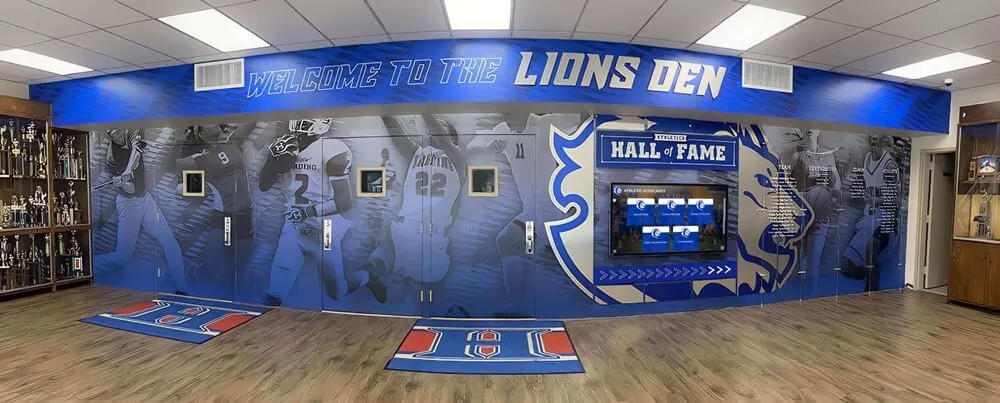
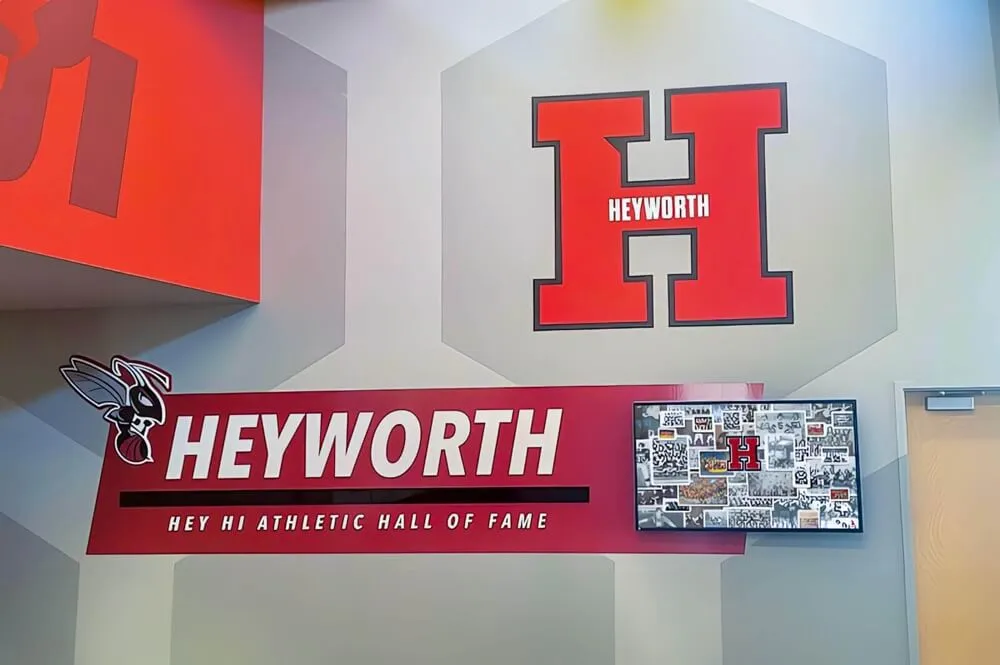
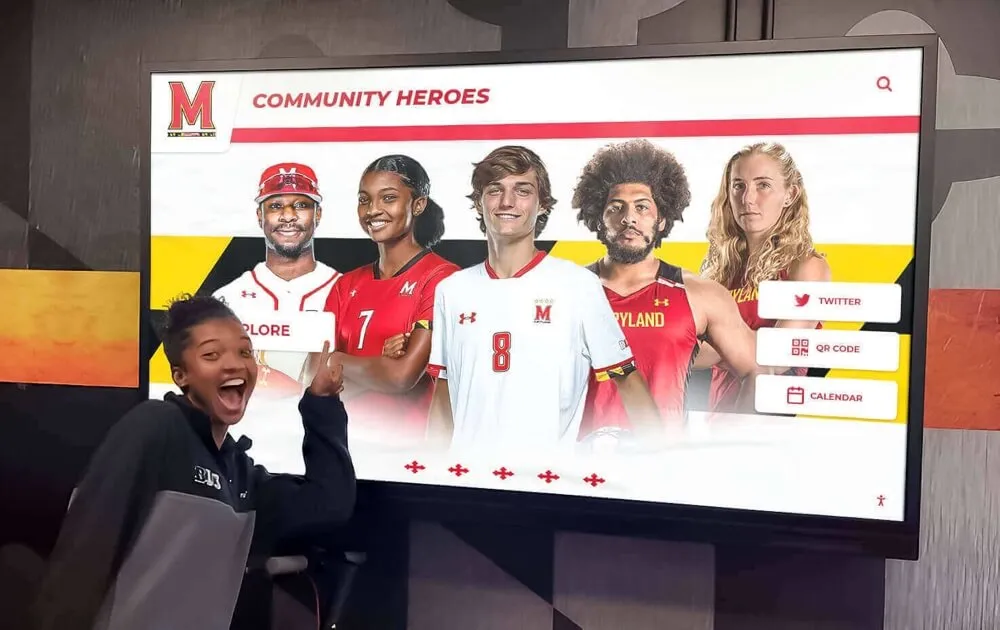
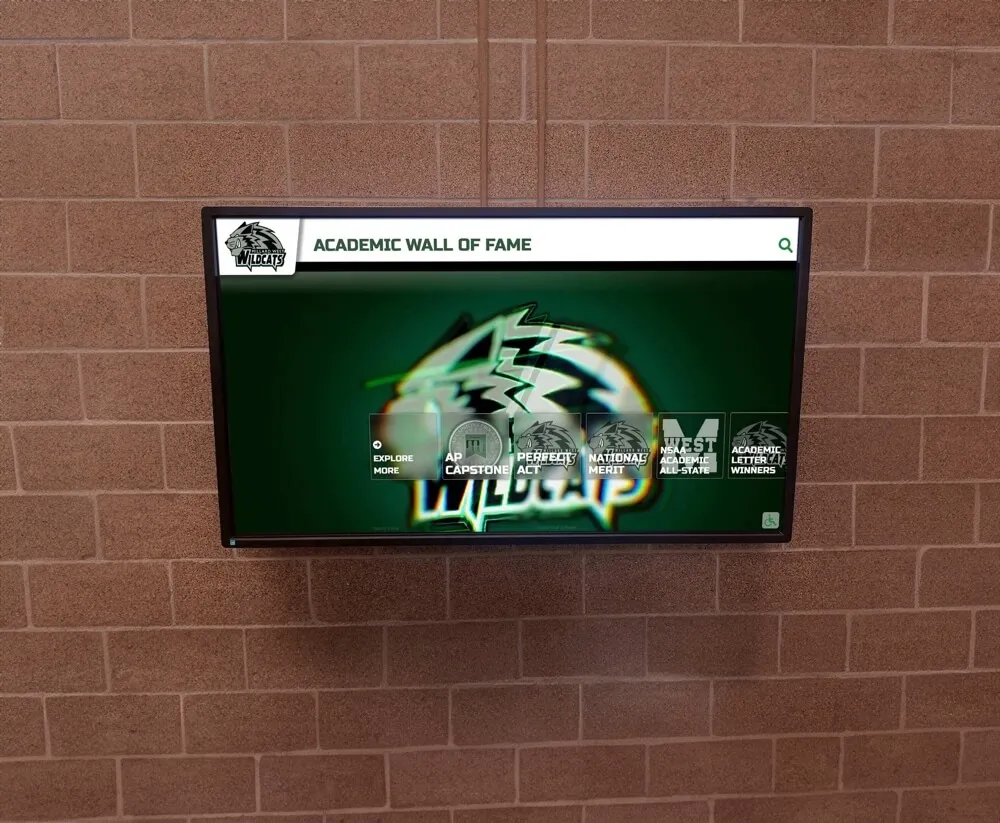
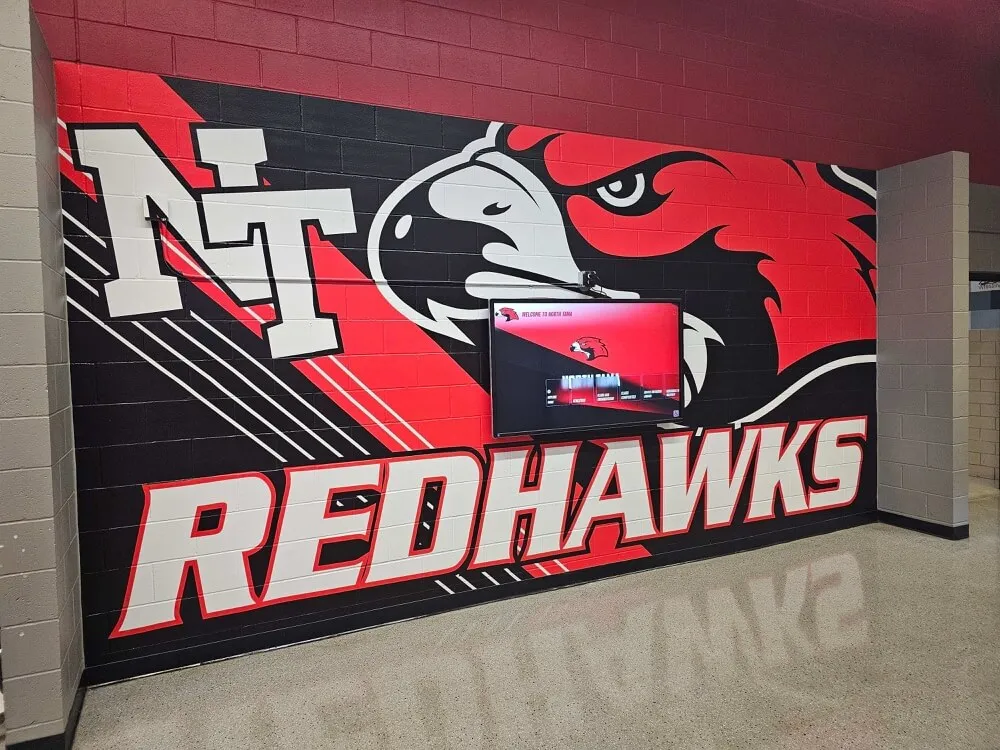
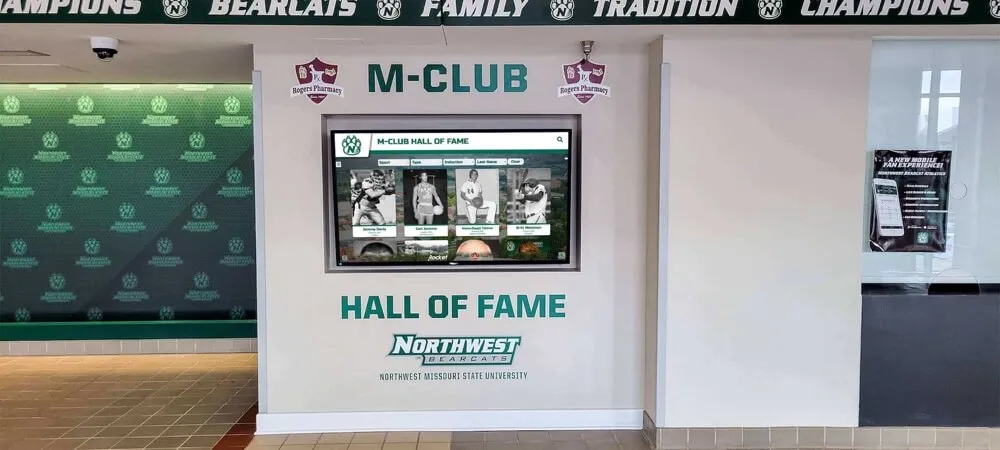
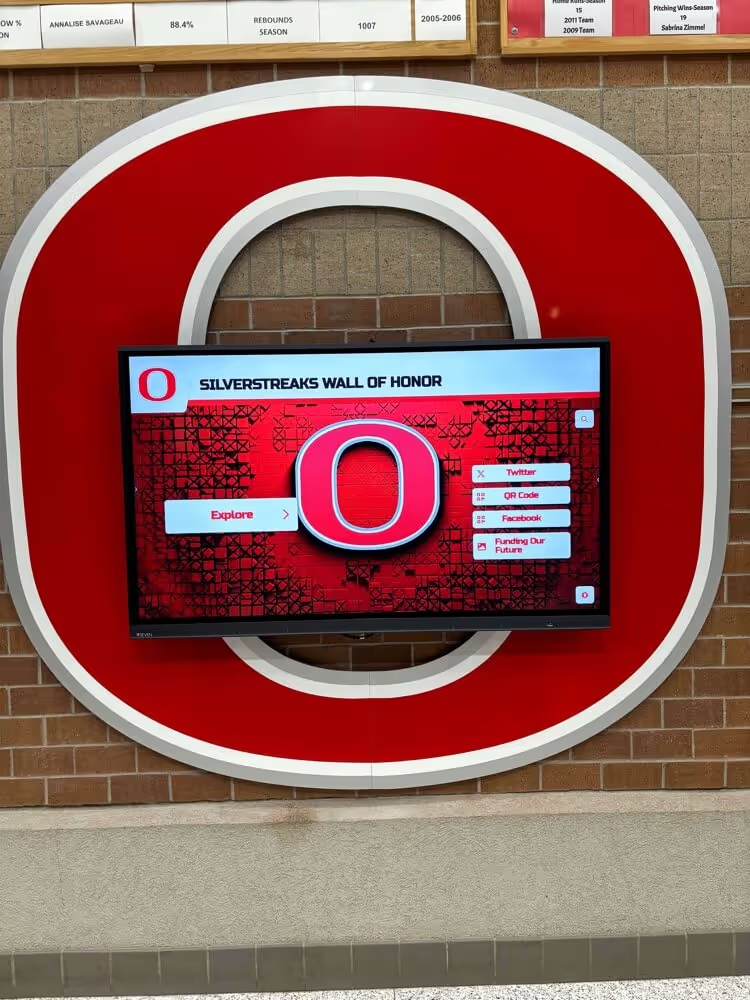
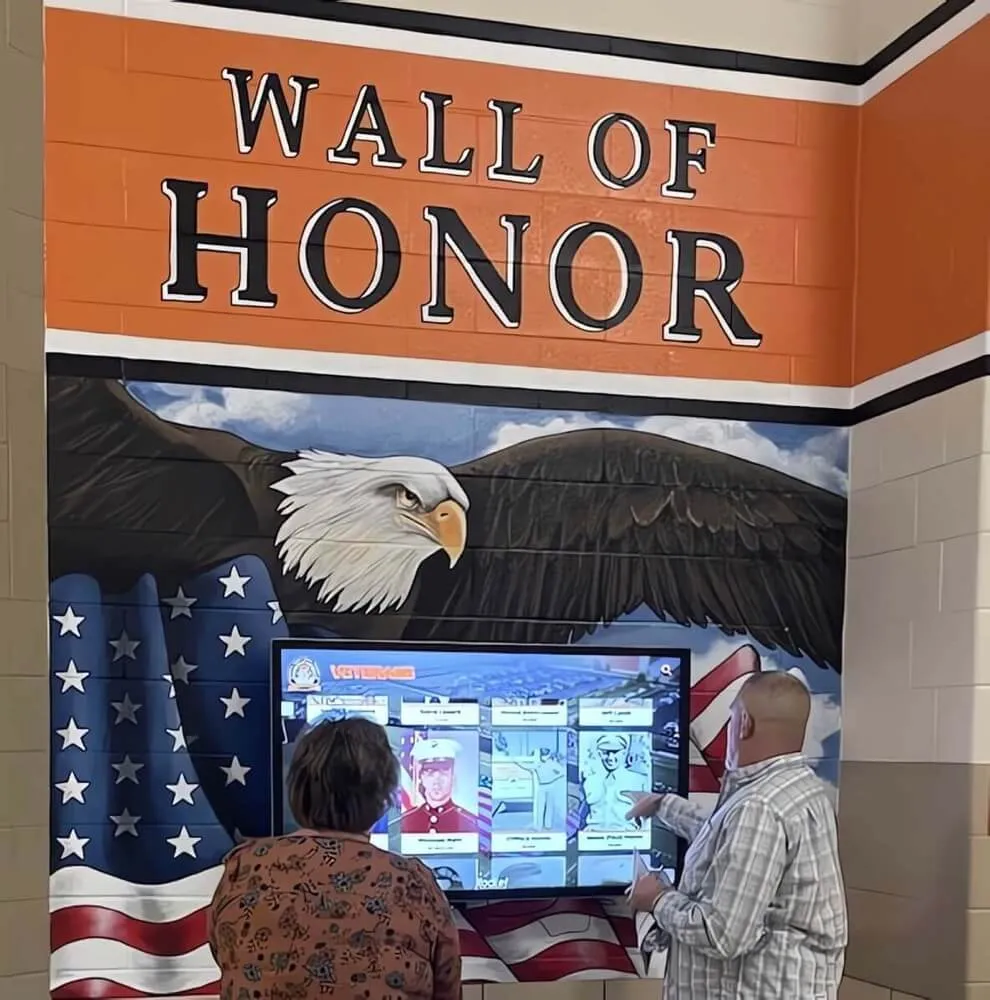
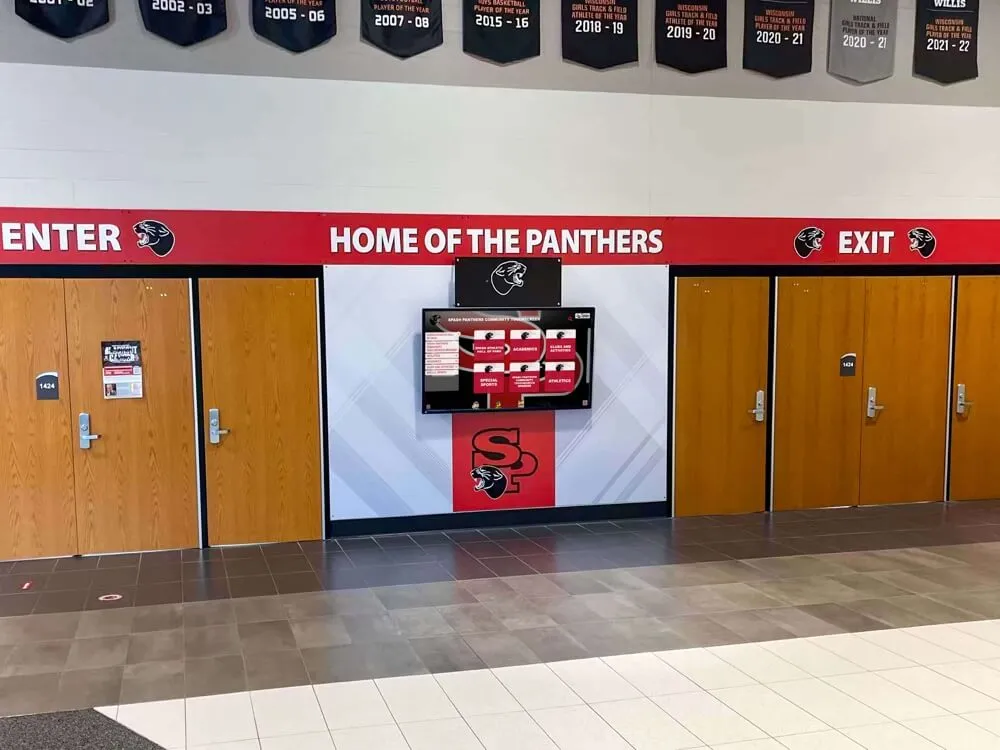
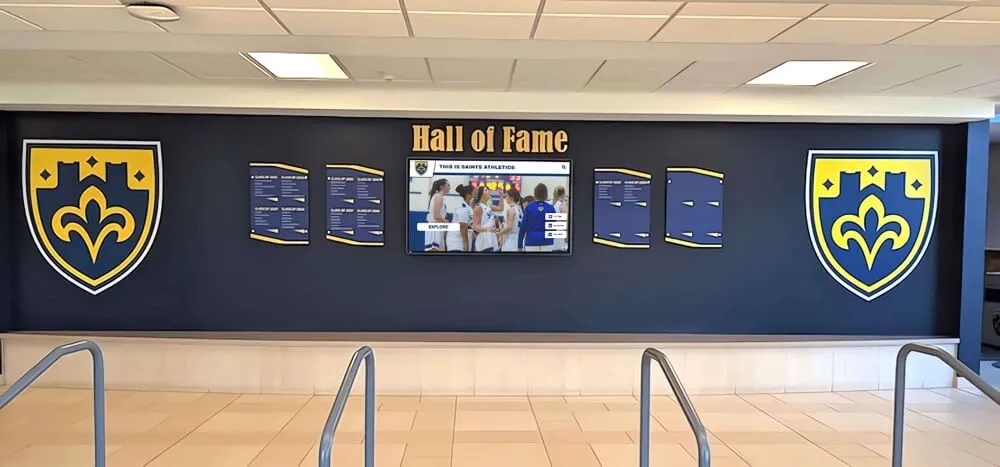
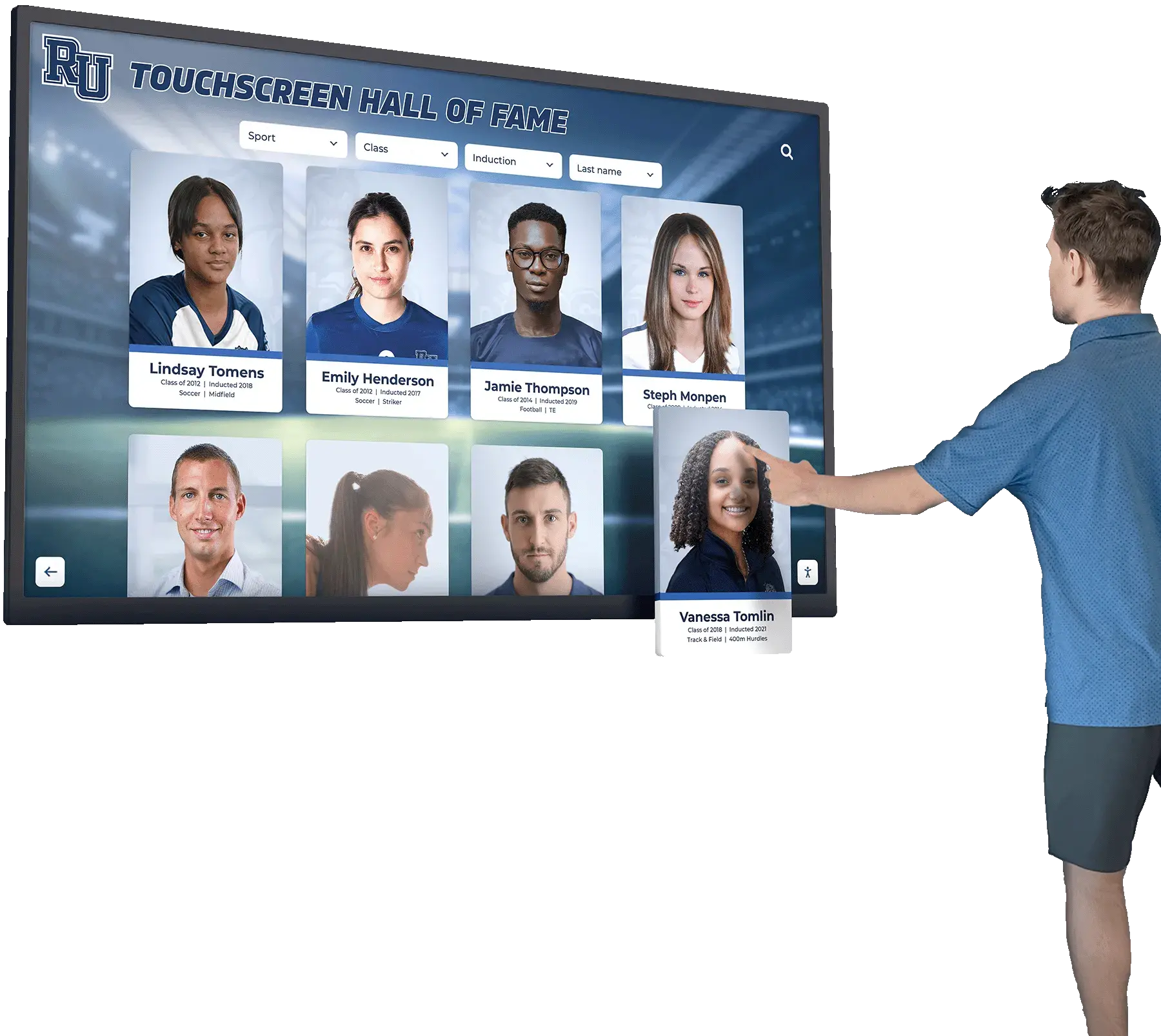
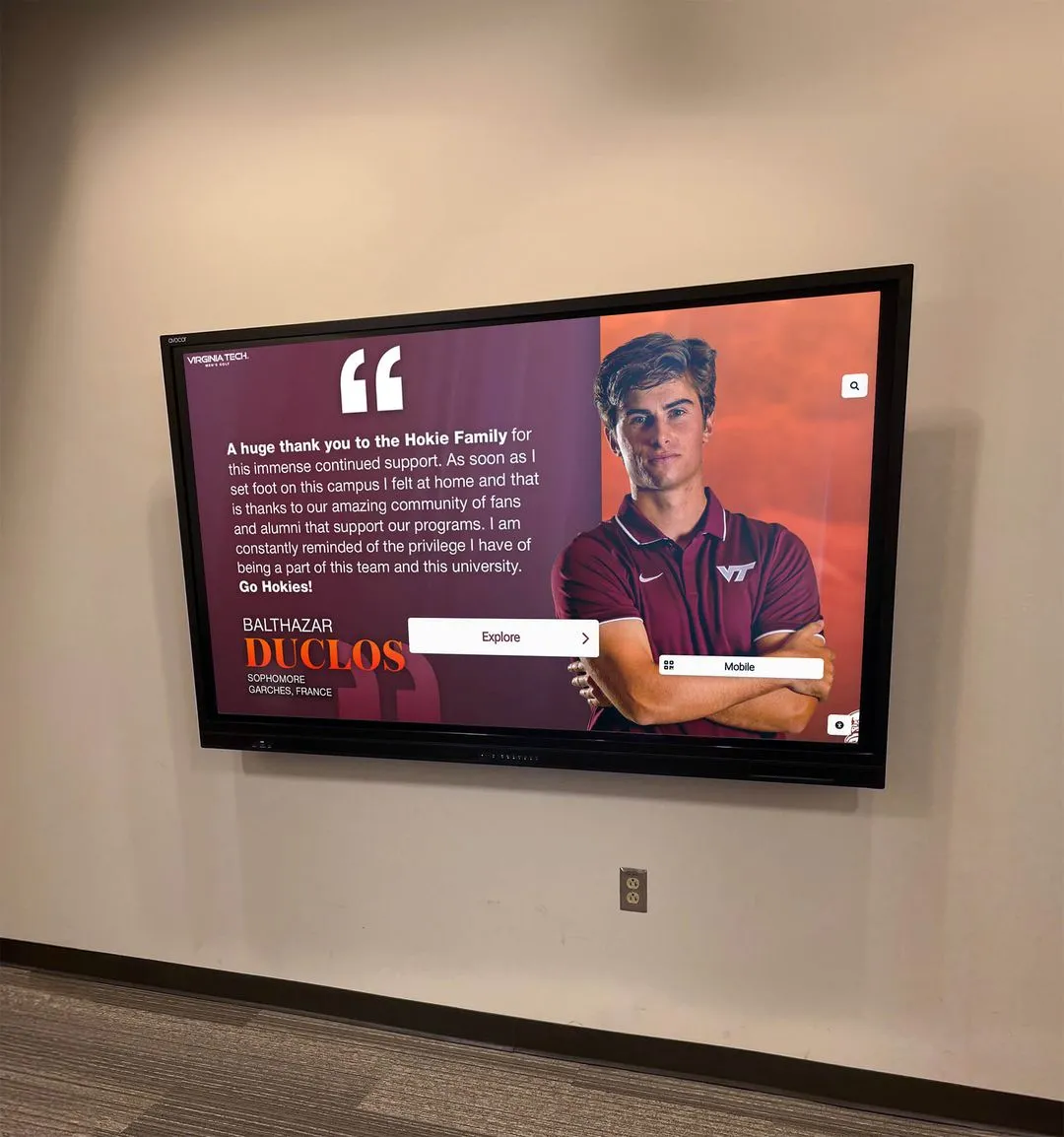
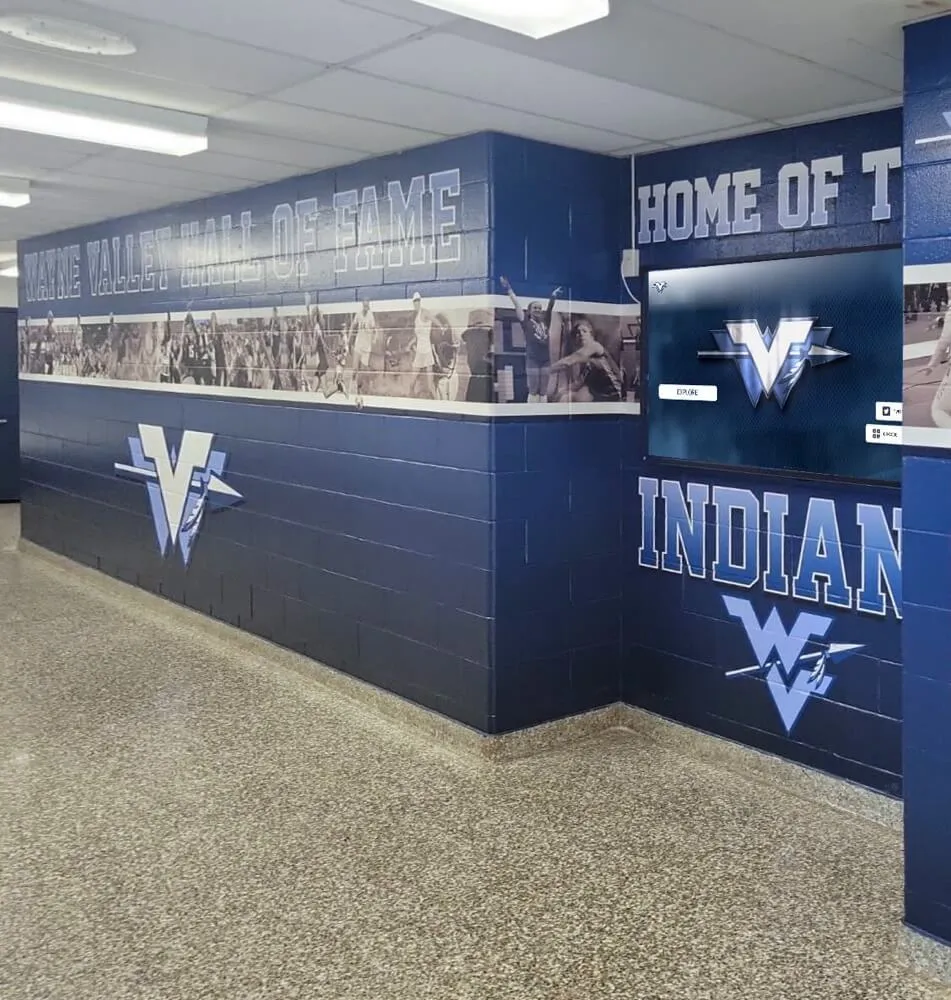
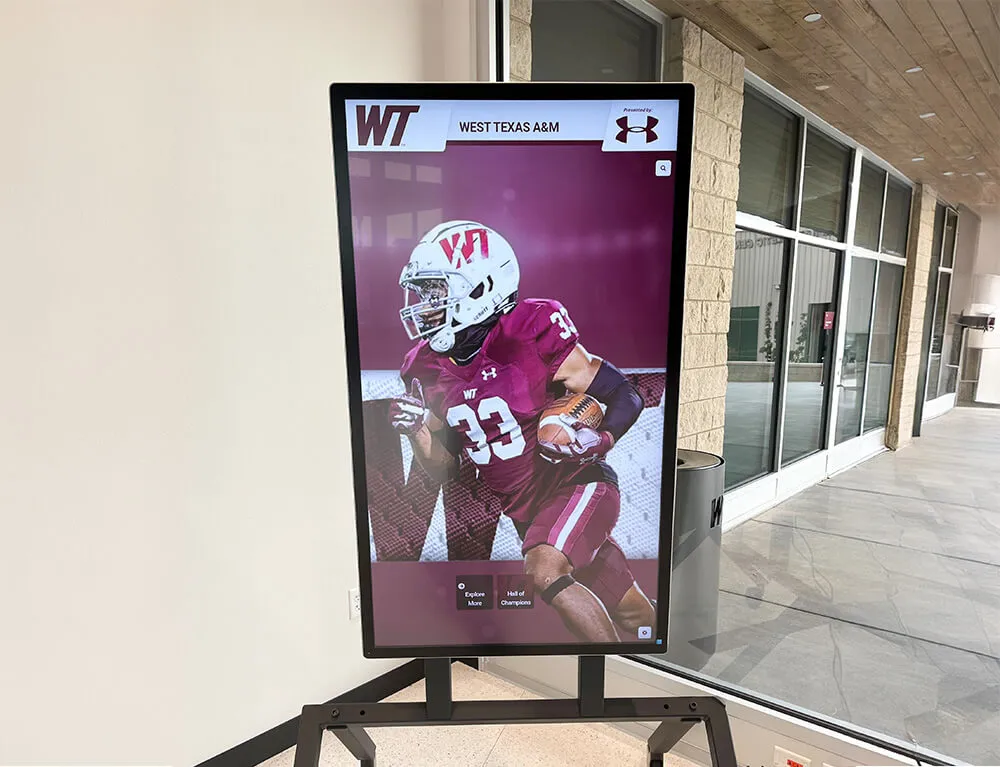
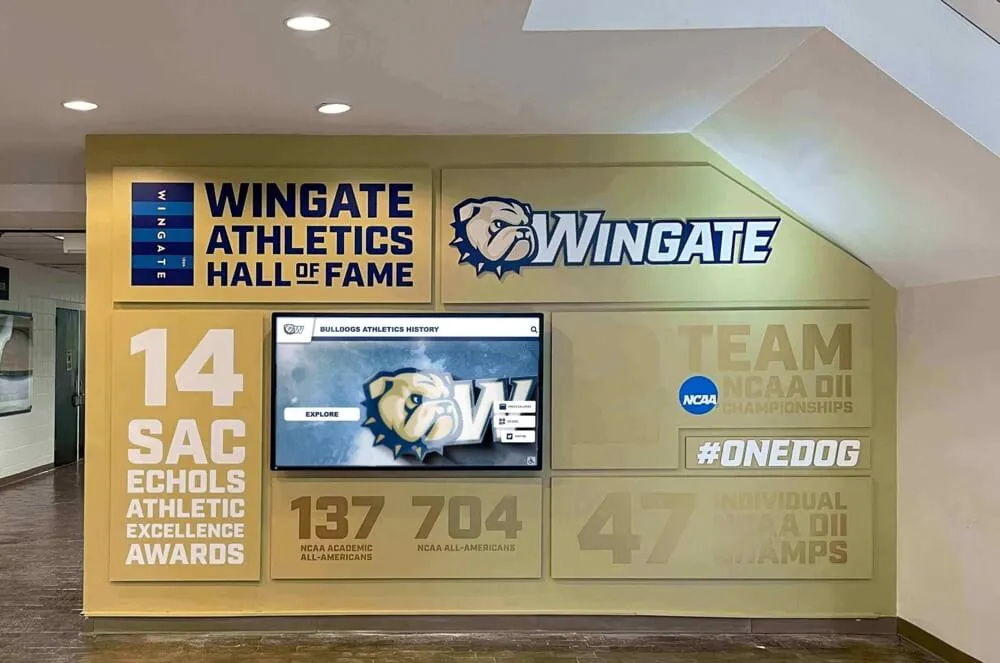
Digital recognition systems allow schools to feature coach profiles including career biographies, achievement summaries, championship photographs, testimonials from former athletes, and even video clips from appreciation speeches or coaching moments. These rich multimedia presentations tell complete stories about coaching impact that static plaques never achieve.
Interactive touchscreen technology enables students, families, and visitors to explore coaching histories, review achievement timelines, read athlete testimonials, and discover connections between current programs and historical leadership. This engagement creates ongoing appreciation touchpoints rather than limiting recognition to annual ceremonies.
Schools implementing modern recognition solutions discover that digital displays complement appreciation speeches perfectly—speeches create emotional ceremony moments while displays provide lasting visibility that keeps coaching contributions prominent throughout the year.
Preserving and Sharing Appreciation Content
Recording appreciation speeches and integrating them into digital systems creates archival resources while extending impact beyond ceremony attendees.
Video recordings of coach appreciation speeches can be incorporated into digital displays, school websites, and social media platforms, allowing broader audiences to experience tributes while creating permanent records of recognition moments. These preserved speeches become valuable when coaches retire, reach milestones, or when future teams want to understand program traditions.
Schools can create dedicated coach appreciation sections on athletic department websites, featuring speech videos, photo galleries from ceremonies, written testimonials from athletes and families, and achievement timelines documenting career contributions. These digital resources honor coaches continuously rather than limiting recognition to sporadic events.
Integrating Coach Recognition into Broader Programs
The most effective recognition systems integrate coach appreciation with athlete celebration, creating comprehensive programs that acknowledge all contributors to athletic excellence.
Beyond annual appreciation events, schools should create recognition touchpoints throughout the year: featuring coach spotlights during relevant seasons, highlighting coaching milestones on social media, acknowledging coaching birthdays or anniversaries, and incorporating coach appreciation into existing celebration events like end-of-year award ceremonies.
Modern recognition platforms from companies like Rocket Alumni Solutions enable schools to build these comprehensive ecosystems through integrated digital displays, mobile-responsive websites, and content management systems that make updating and sharing coach information seamless. Schools implementing complete solutions discover that sustained recognition creates stronger impact than isolated appreciation events.
Building Lasting Appreciation Beyond Single Speeches
While individual coach appreciation speeches provide meaningful recognition, building cultures of ongoing gratitude creates environments where coaching excellence receives continuous acknowledgment.
Creating Appreciation Traditions
Establish regular recognition traditions that normalize coach appreciation rather than treating it as occasional occurrence.
Monthly or Seasonal Coach Spotlights: Feature different coaches throughout the year through social media posts, newsletter articles, or display board updates highlighting their contributions, philosophies, and program impact. This regular rotation ensures all coaches receive visibility rather than limiting recognition to head coaches or highest-profile programs.
Annual Coach Appreciation Events: Designate specific times for school-wide coach recognition—perhaps coordinating with National Coaches Day or creating local traditions. These dedicated events demonstrate institutional commitment to honoring coaching contributions.
Student-Initiated Appreciation: Encourage athletes to express appreciation spontaneously throughout seasons rather than waiting for formal occasions. Simple thank-you notes after particularly helpful practices, verbal acknowledgment of extra coaching efforts, or small gestures recognizing coaching dedication build appreciation cultures.
Connecting Recognition to Program Values
Most effective appreciation directly connects coaching contributions to specific program values and institutional missions, demonstrating how coaches embody and advance organizational priorities.
When crafting appreciation messages, explicitly link coaching qualities to school values: “Coach Davis embodies our school’s commitment to developing the whole person, treating every athlete as a student first and competitor second.” These connections show how coaches advance institutional missions beyond just athletic competition.
Acknowledge coaching contributions to broader school communities—classroom teaching, committee service, student mentoring, community engagement, or administrative support. This comprehensive recognition demonstrates that coaches contribute far beyond their specific sports.
Administrative Support for Coach Appreciation
School administrators play critical roles in creating environments where coach appreciation flourishes rather than depending solely on athlete or parent initiative.
Provide Appreciation Resources: Offer guidance, templates, or support for students and parents planning coach appreciation activities. Many groups want to honor coaches meaningfully but lack experience organizing recognition—administrative support enables better execution.
Model Appreciation Publicly: When school leaders publicly acknowledge coaching excellence through announcements, social media, or ceremony participation, they model appreciation importance while legitimizing recognition priorities.
Allocate Recognition Resources: Provide budget support for appreciation events, commemorative items, or recognition displays. When institutions invest resources in coach appreciation, they demonstrate that honoring coaching contributions represents organizational priority rather than optional extra.
Schools exploring comprehensive recognition approaches through donor stewardship programs often discover that gratitude cultures extend benefits across multiple stakeholder groups—athletes, coaches, volunteers, and financial supporters all respond positively to meaningful appreciation.
Conclusion: Honoring the Leaders Who Shape Lives
Coach appreciation speeches represent far more than procedural courtesy at season-ending events—they provide essential opportunities to publicly acknowledge the dedication, sacrifice, and transformative influence coaches contribute to athlete development, program building, and community enrichment. Effective appreciation speeches balance specific achievement recognition with heartfelt acknowledgment of character, relationships, and life preparation that extend far beyond competitive arenas.
By understanding appreciation purposes, incorporating essential structural elements, sharing concrete examples that illustrate coaching impact, preparing thoroughly, delivering authentically, and building cultures of ongoing recognition, speakers create meaningful tributes that resonate with coaches, inspire athletes, and strengthen program communities. When combined with modern digital recognition systems that provide year-round visibility, thoughtful appreciation speeches become centerpieces of comprehensive programs that honor coaching excellence continuously rather than limiting acknowledgment to isolated ceremony moments.
Schools committed to honoring the coaches who shape young lives discover that investment in meaningful appreciation—from carefully crafted speeches to permanent recognition displays—strengthens athletic cultures, validates coaching contributions, and reinforces the values that distinguish excellent programs. The time invested in expressing genuine gratitude pays lasting dividends through motivated coaches, inspired athletes, and communities united by shared commitment to celebrating the leaders who transform sports into vehicles for character development and life preparation.
Ready to elevate your school’s coach recognition program with modern digital displays that honor coaching excellence year-round? Discover how Rocket Alumni Solutions creates comprehensive recognition systems that celebrate coaches, athletes, and program achievements through engaging, interactive displays accessible to students, families, and communities throughout the entire year.