



Key Takeaways
Discover creative class reunion ideas, engaging activities, memorable themes, and expert planning tips to create unforgettable gatherings that reconnect classmates and celebrate shared memories.
Class reunions serve as powerful reminders of formative years that shaped who we became. They offer rare opportunities to reconnect with people who knew us before career titles, family responsibilities, and adult identities took hold. The most memorable reunions balance nostalgia with present-day connection, creating environments where classmates can reflect on shared experiences while discovering how everyone has evolved.
Understanding What Makes Reunions Memorable
Before diving into specific ideas, consider what attendees actually want from reunion experiences. Research and post-event surveys consistently reveal several key desires that should guide your planning:
What Reunion Attendees Value Most:
- Authentic Connection: Time for meaningful conversations, not just surface-level small talk
- Shared Nostalgia: Opportunities to revisit memories and experiences from school years
- Comfortable Atmosphere: Welcoming environments that feel inclusive rather than cliquish
- Visual Memory Triggers: Photos, videos, and memorabilia that spark conversations and memories
- Flexible Structure: Balance between organized activities and unstructured mingling time
- Recognition of Change: Acknowledgment that people have grown and evolved since graduation
Understanding these priorities helps you allocate resources effectively. Attendees care more about seeing each other than elaborate decorations or expensive catering. They want conversation-friendly environments more than loud entertainment. They appreciate thoughtful touches that demonstrate planning effort without feeling overly formal or stuffy.
Creative Class Reunion Themes
A compelling theme provides visual cohesion and helps with planning decisions from decorations to dress code. The best themes reflect your specific class identity while remaining accessible to all attendees.
Era-Specific Themes
Transport attendees back to your graduation year with decade-themed celebrations:
1980s Reunion: Neon colors, geometric patterns, arcade games, cassette tape decorations, and playlists featuring MTV-era hits create authentic period atmosphere. Encourage attendees to wear their best 80s fashion for added fun.
1990s Reunion: Incorporate grunge aesthetic, pop culture references from Friends and Seinfeld, disposable camera photo stations, and music from Seattle sound to Britney Spears. Create “then and now” comparisons showing technology evolution.
2000s Reunion: Reference early internet culture, flip phone nostalgia, boy band vs. pop princess debates, and early social media aesthetics. Create a “Top Songs of 2000s” playlist as background music.
2010s Reunion: Celebrate the smartphone era with Instagram-worthy photo moments, social media integration, hashtag campaigns, and references to viral moments and memes from your graduation year.
Concept-Based Themes
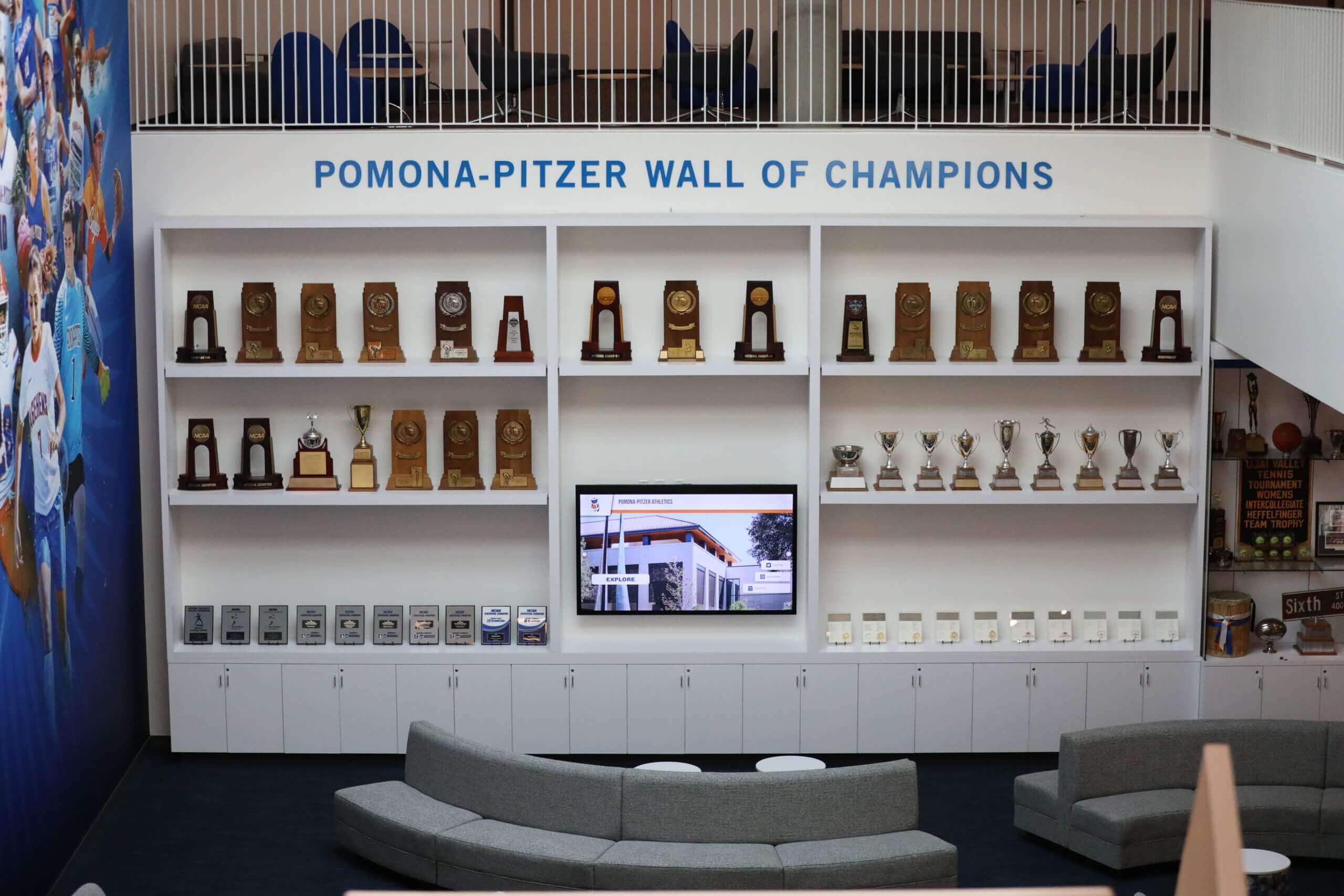
“Through the Years” Timeline Theme: Create visual timelines showing major events, technology changes, fashion evolution, and cultural milestones from graduation year to present. This theme works exceptionally well with digital displays that can showcase unlimited photos and information in searchable, interactive formats.
“Back to School” Theme: Recreate the high school experience with cafeteria-style food, yearbook-signing stations, locker decorations, class schedule-themed programs, and school colors prominently featured. Consider hosting the reunion at your actual school if possible.
“Where Are We Now” Theme: Focus on present-day accomplishments and paths rather than solely looking backward. Feature career journeys, family milestones, travel adventures, and personal achievements. Interactive displays showing classmate updates create natural conversation starters.
“Masquerade Elegance” Theme: For formal evening events, masquerade themes add mystery and elegance while helping attendees who feel self-conscious about aging or appearance changes. Provide masks and encourage formal attire for sophisticated atmosphere.
“Garden Party” or “Tailgate” Themes: Casual outdoor themes work beautifully for daytime reunions, reducing formality and encouraging relaxed mingling. These themes accommodate families if you’re including children in the celebration.
Location-Inspired Themes
If your class has strong geographic identity or your venue has distinctive character, leverage location in your theme:
- Hometown Pride: Celebrate your town or city with local food vendors, references to local landmarks, and decorations featuring community symbols
- School Mascot Focus: Build the entire theme around your school mascot and colors for instant recognition and shared identity
- Venue-Specific: If hosting at a unique location (vineyard, beach, brewery, museum), let the venue inform your theme naturally
Effective themes enhance experiences without becoming burdensome. They should guide decisions rather than require elaborate execution that exhausts your planning committee.
Interactive Activities That Engage Attendees
The best reunion activities facilitate interaction rather than requiring passive observation. Consider incorporating several of these proven engagement strategies:
Memory Sharing Stations
Create designated areas where attendees can actively contribute to collective memory-building:
📸 Photo Contribution Wall
Set up displays where attendees can upload photos from their phones via QR codes or text messaging. Digital displays can show submissions in real-time, creating dynamic content throughout the event.
💭 Memory Sharing Board
Provide space (physical or digital) for classmates to share favorite memories, funny stories, or messages to specific people. These often become event highlights as people read and add throughout the evening.
🎥 Video Message Booth
Create a station where attendees can record short video messages to absent classmates, future reunions, or simply share reflections. Compile these into a keepsake video shared post-event.
📖 Collaborative Yearbook
Develop a modern version of yearbook signing where attendees can leave messages, share contact information, and post current photos creating a lasting reunion memento.
Solutions like Rocket Alumni Solutions provide platforms specifically designed for these interactive memory-sharing experiences, allowing real-time contributions that become permanent parts of your school’s digital archive. These systems handle the technical complexity while creating seamless experiences for attendees of all technical comfort levels.
Conversation-Starter Activities
Break the ice and encourage mingling with structured conversation activities:
Name Tag Innovations: Move beyond basic name tags with additions like:
- Your favorite memory from senior year
- Your favorite teacher’s name
- Your dream job in high school vs. actual career
- Number of states or countries you’ve lived in
- Fun fact about your current life
Guess Who Photo Challenge: Display baby photos, senior photos, or photos from significant school events and have attendees guess who’s who. This creates natural gathering points and conversation starters as people share guesses and reveal answers.
Time Capsule Reveal: If your class created a time capsule during school years, the reunion provides the perfect opening ceremony. Even without an original capsule, you can create one at the reunion for future gatherings.
Class Trivia: Organize trivia questions about your specific class, school history during your years, and pop culture from your era. Keep it lighthearted and use it to spark memories rather than creating competitive tension.
Superlatives Revisited: Vote on new class superlatives reflecting current lives: “Traveled the Farthest,” “Most Unchanged,” “Most Changed,” “Most Kids,” “Most Interesting Career,” etc. Keep these fun and positive, avoiding potentially sensitive categories.
Structured Networking Opportunities
For attendees who appreciate more organized interaction:
Speed Reconnecting: Similar to speed dating, organize brief 5-minute conversations where classmates rotate through meeting multiple people. This ensures even shy attendees connect with various classmates rather than staying in comfortable groups.
Interest-Based Tables: If hosting a seated meal, organize tables by shared interests (location, career field, specific friend groups, extracurricular activities from school) to ensure compatible groups and facilitate conversation.
Guided Campus Tours: For reunions held at your school, organize tours highlighting changes, renovations, and new facilities. Current students or staff members make excellent guides, providing perspective on how the school has evolved. For schools with interactive digital displays, these showcases offer fascinating comparisons between your era and current student experiences.
Panel Discussions: Feature accomplished classmates discussing career paths, life lessons, or interesting experiences. Keep these informal and conversational rather than presentation-style. Q&A formats work particularly well.
Leveraging Digital Recognition and Memory Displays
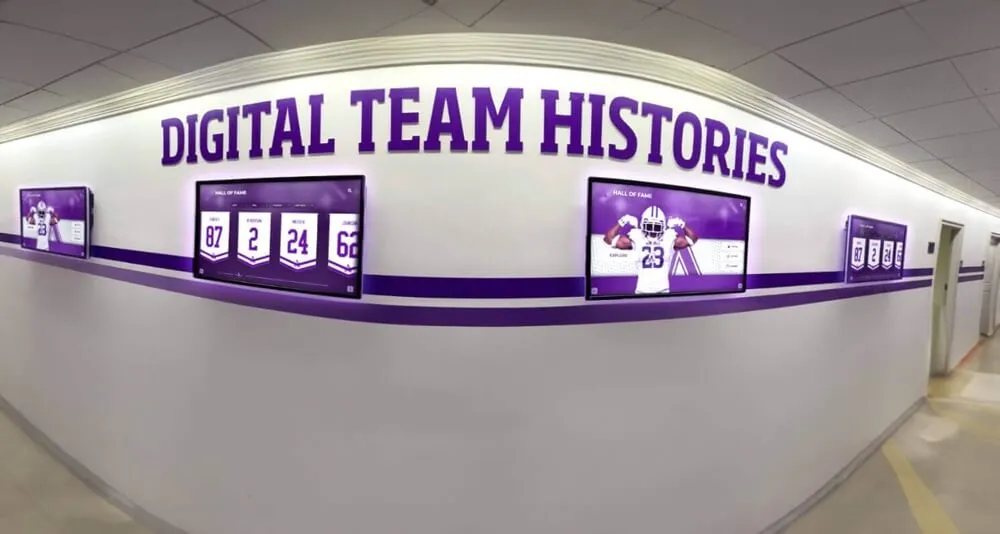
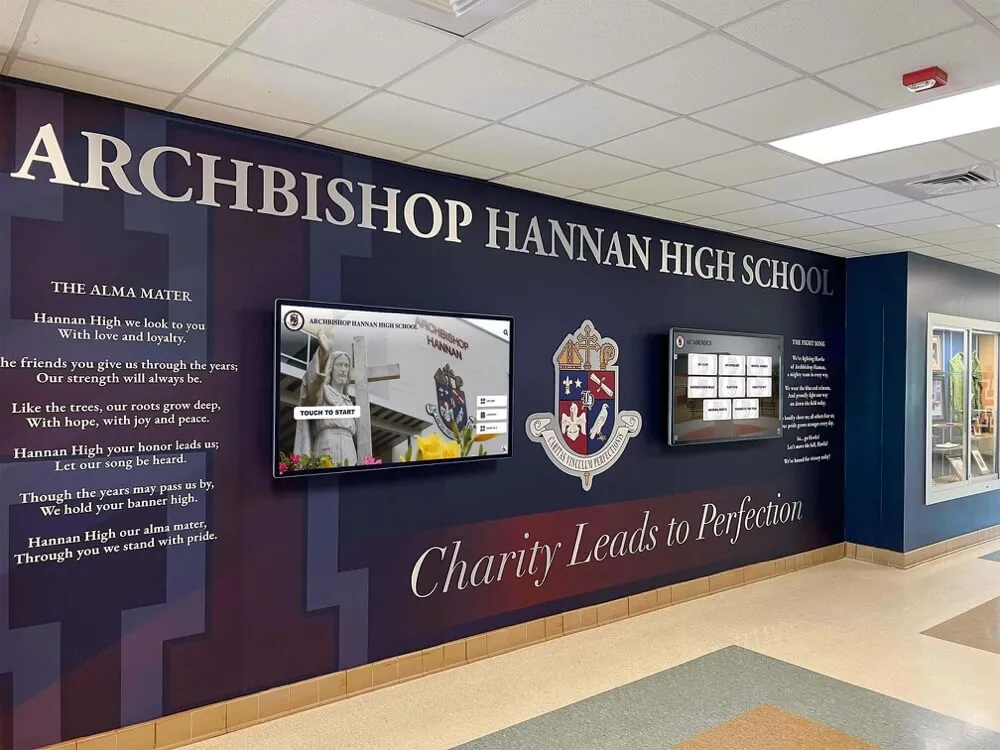
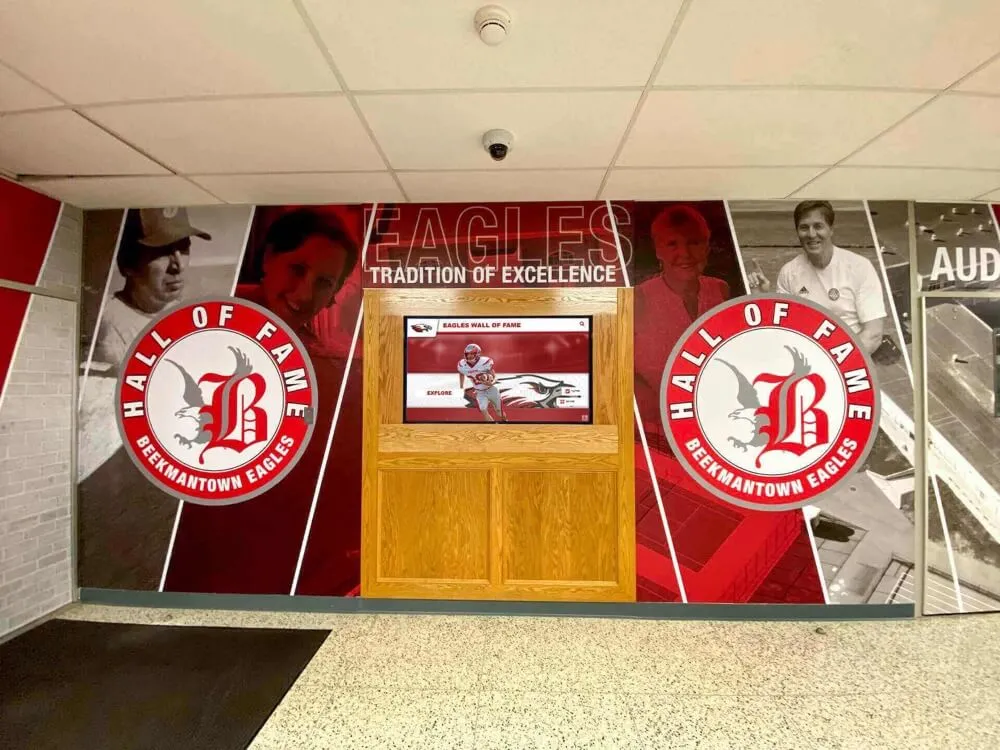
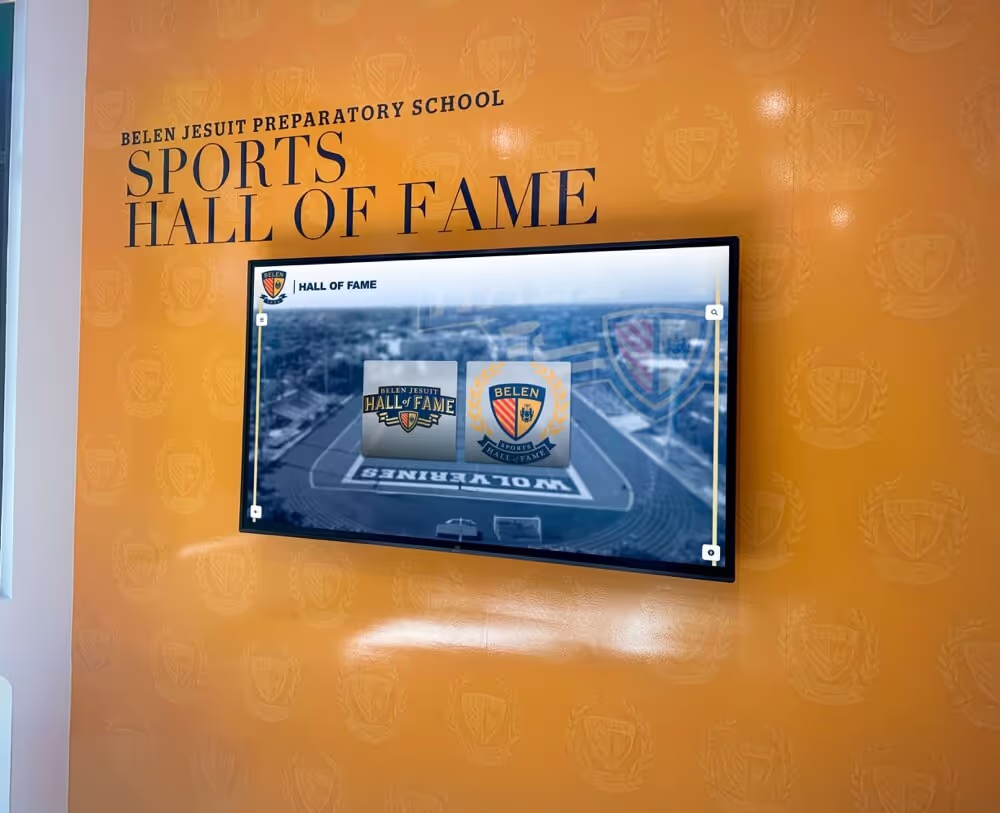
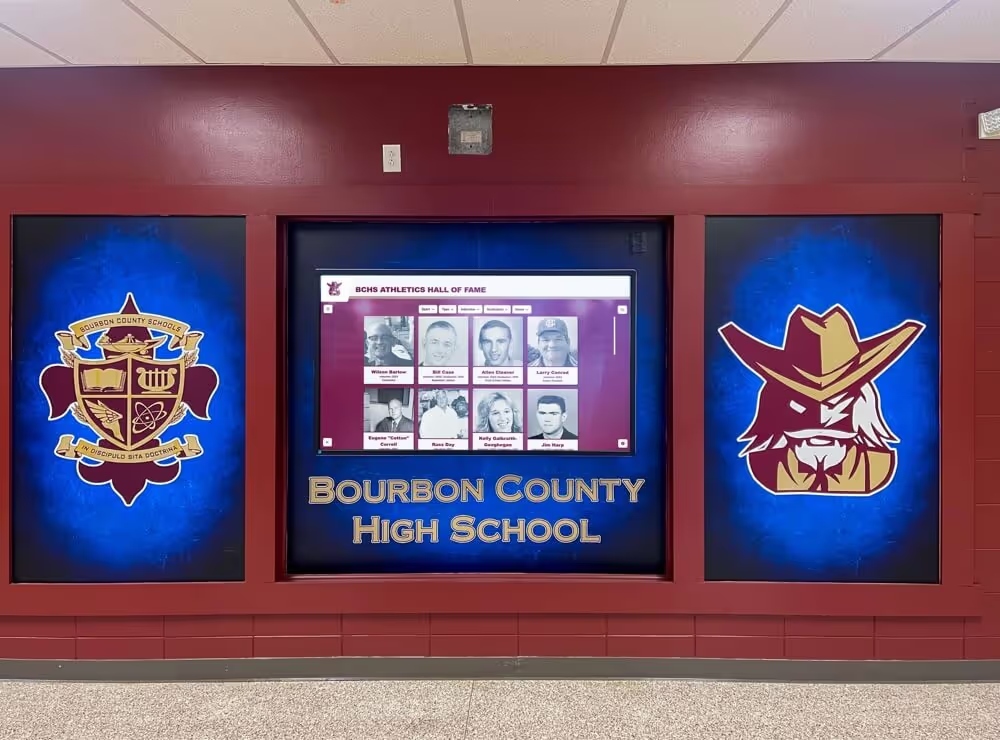
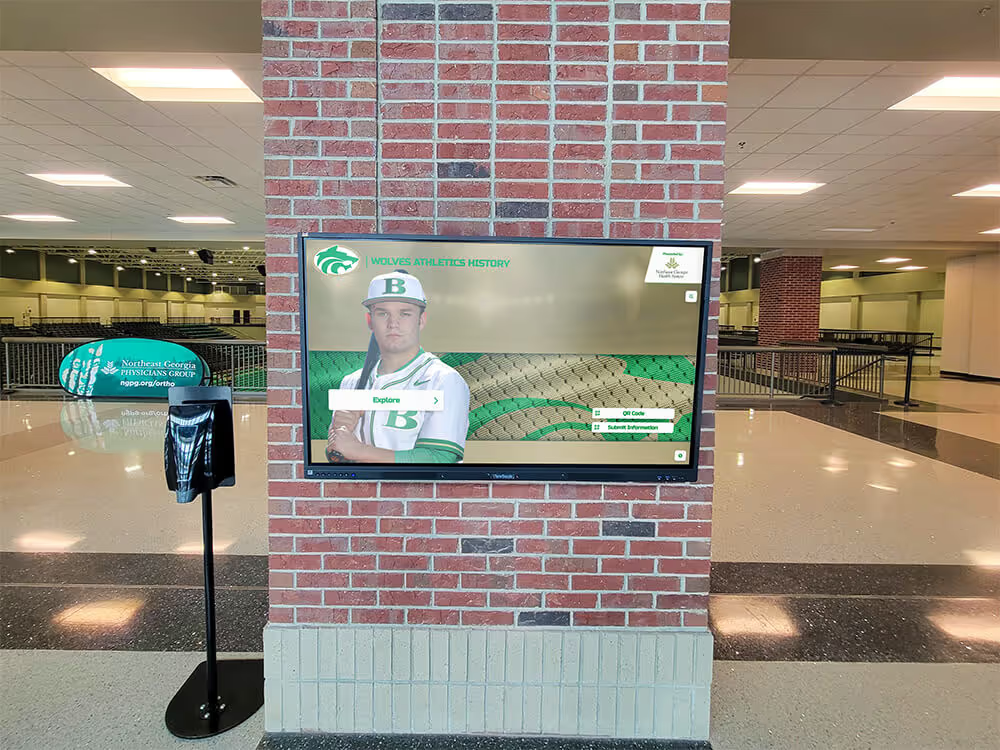
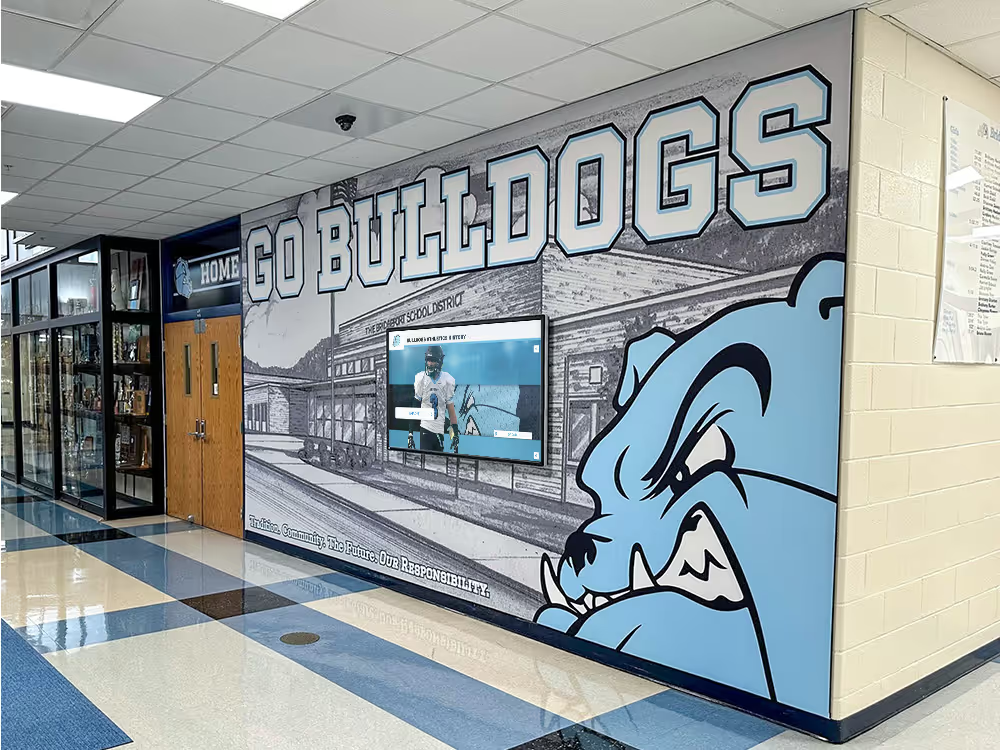
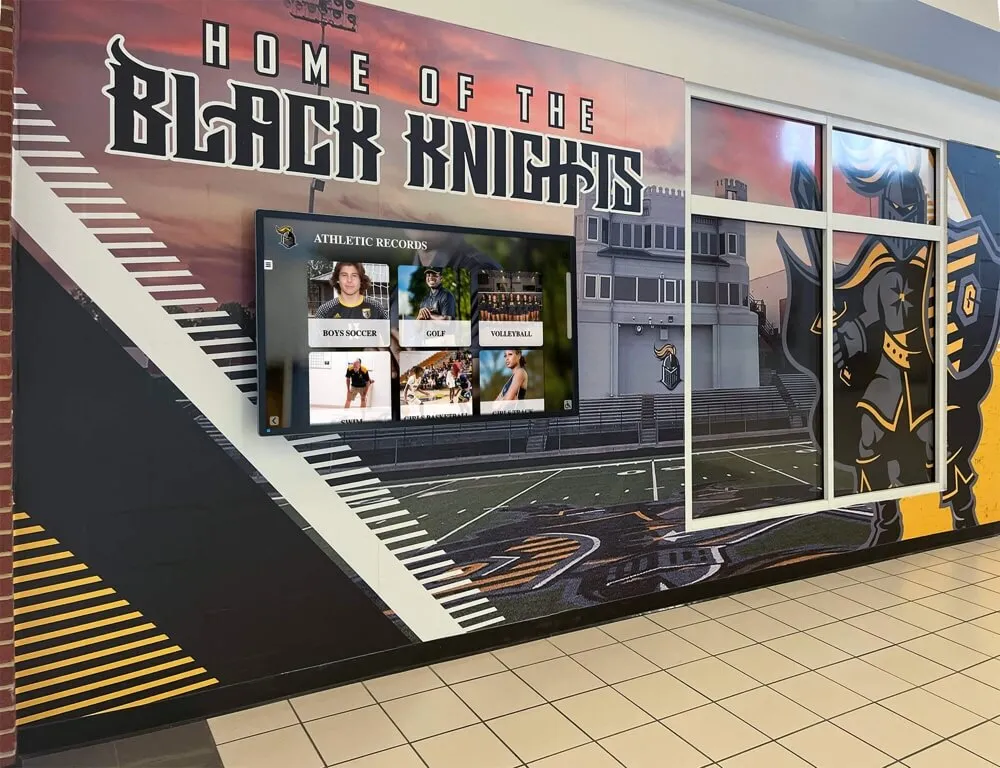
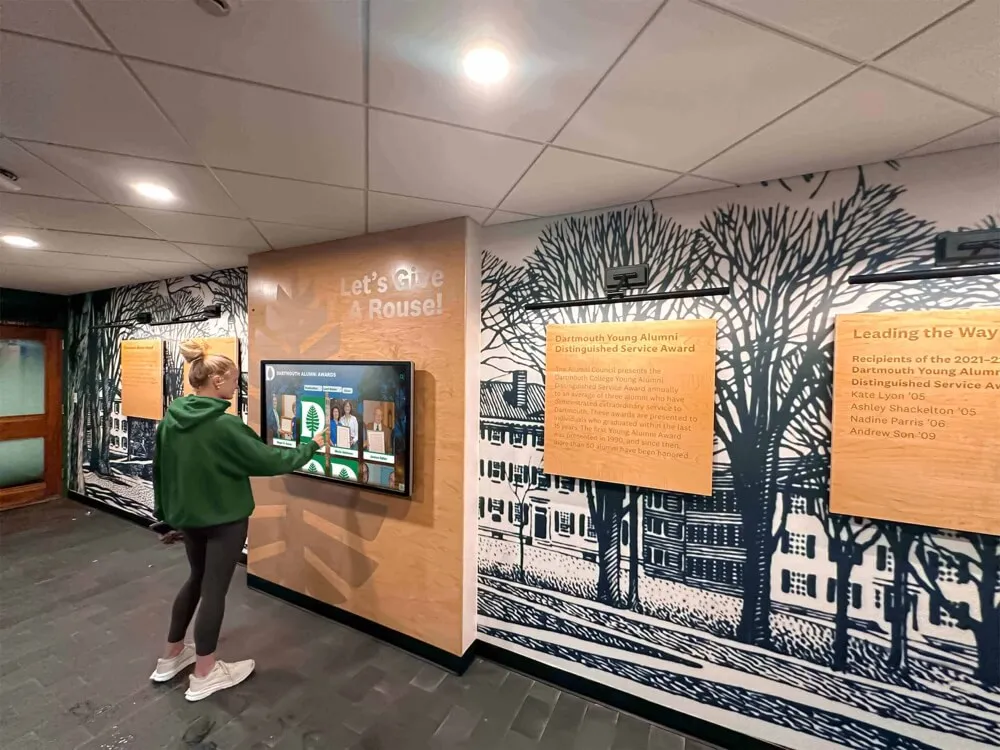
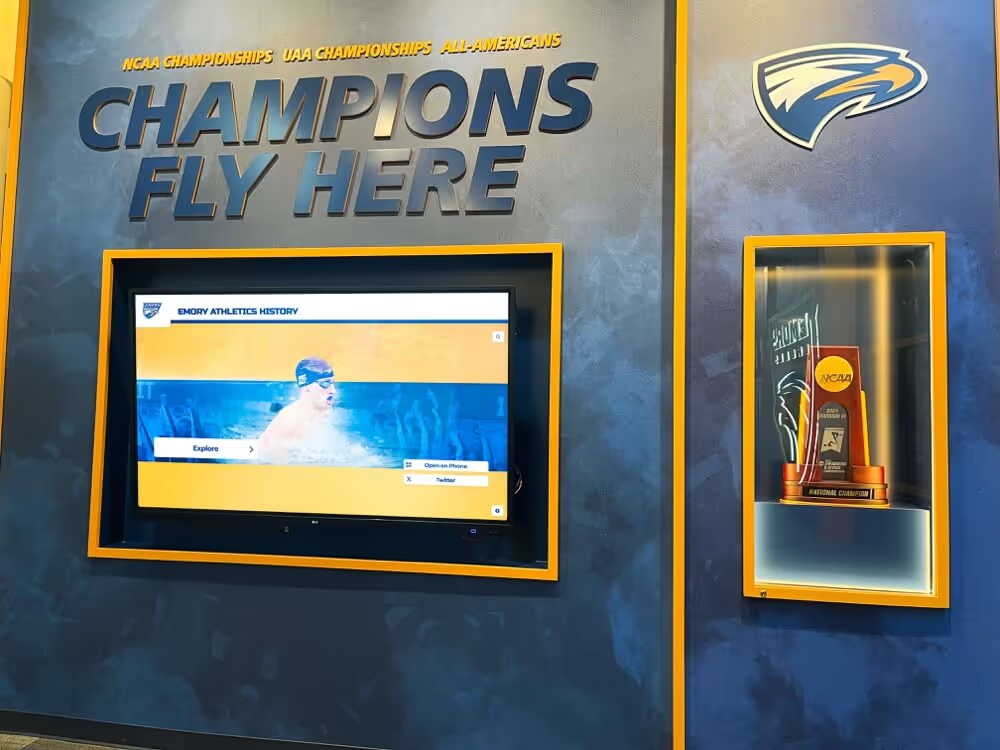
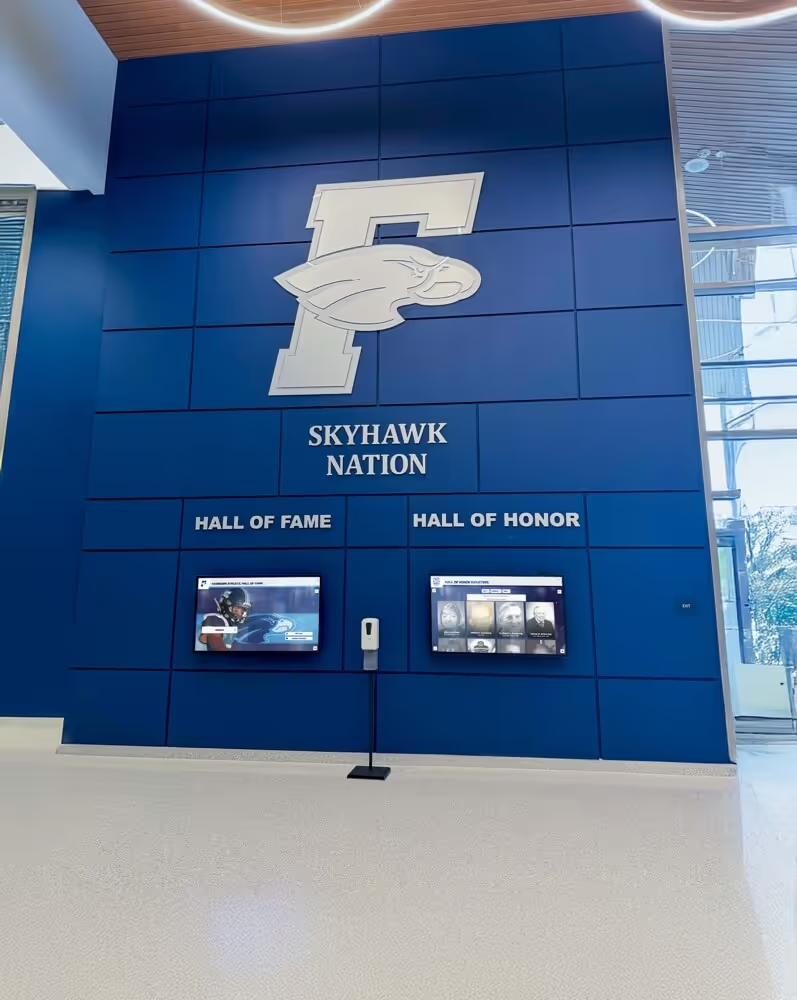
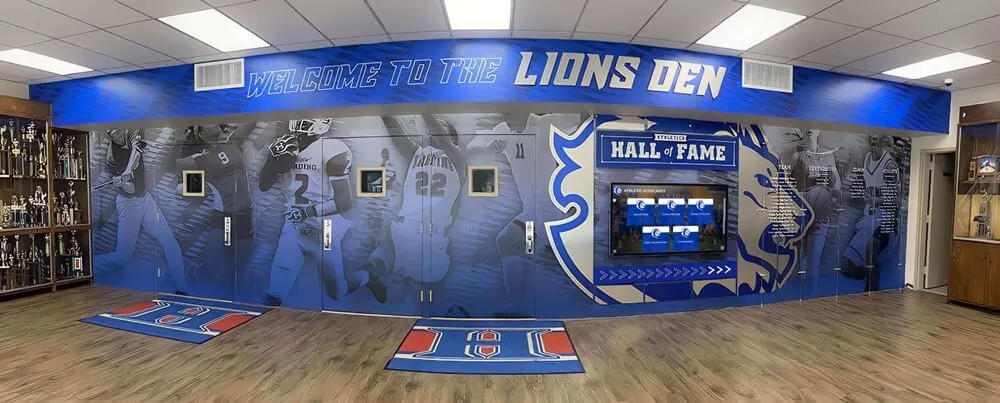
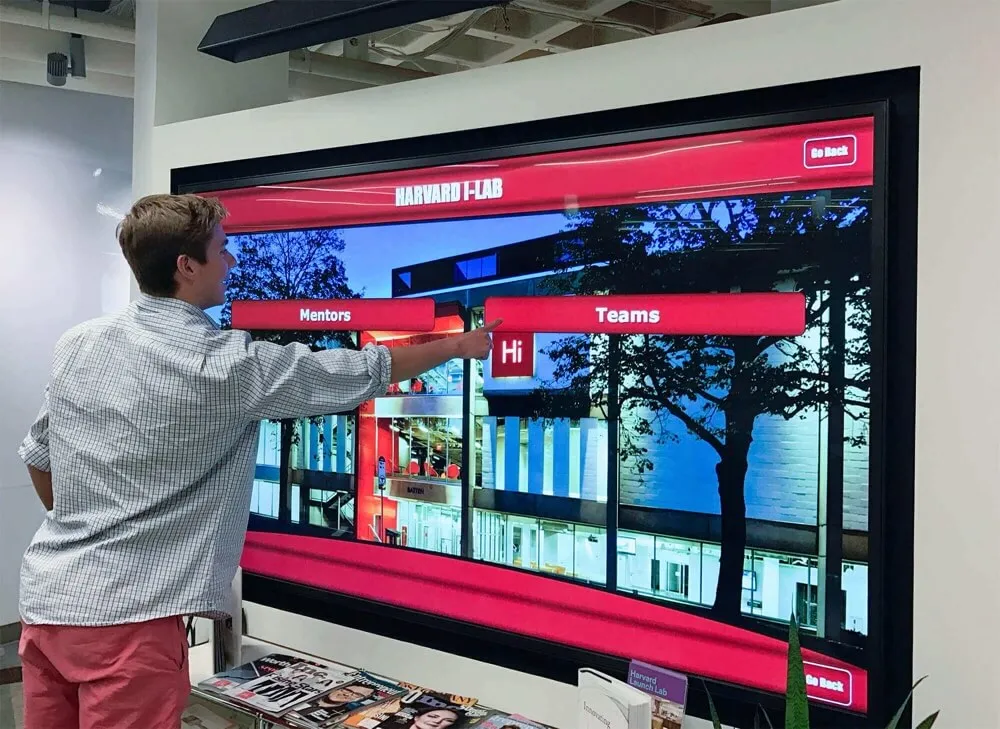
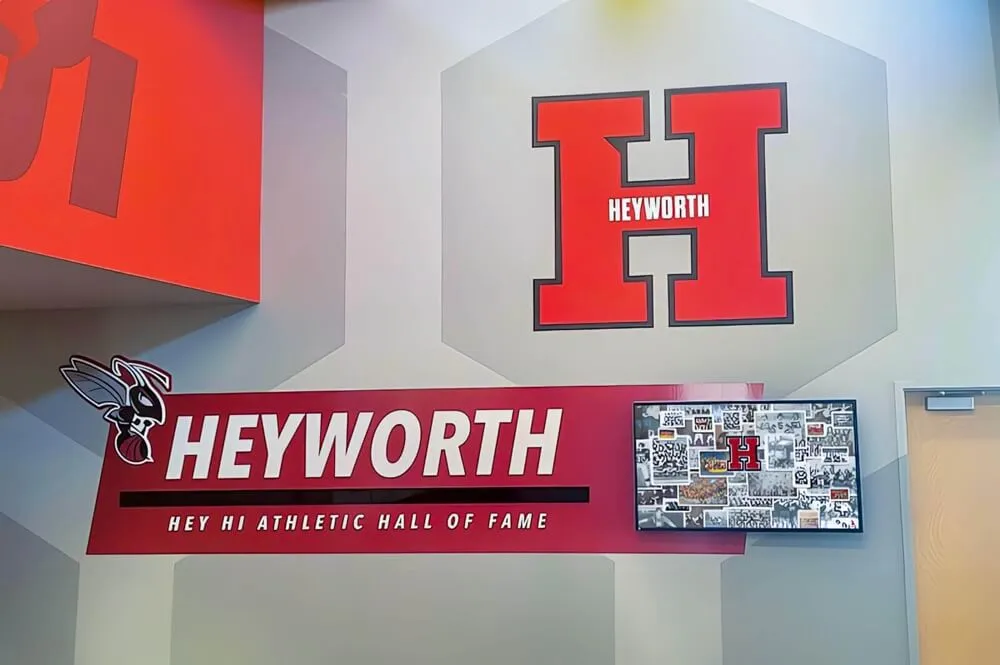
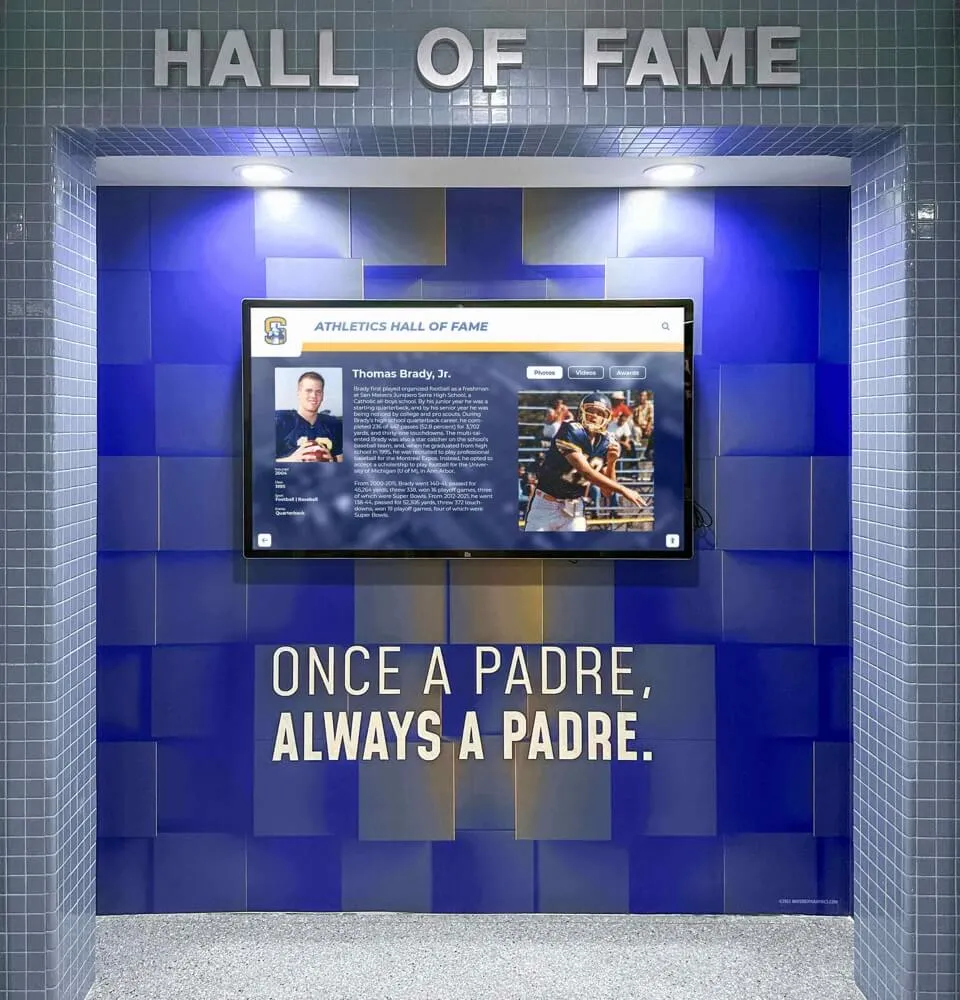
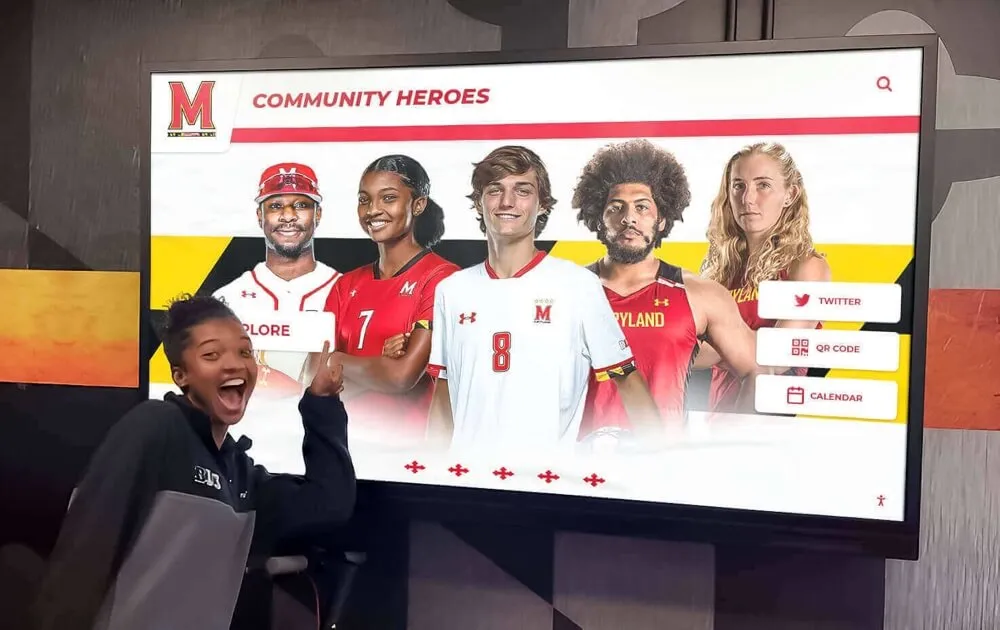
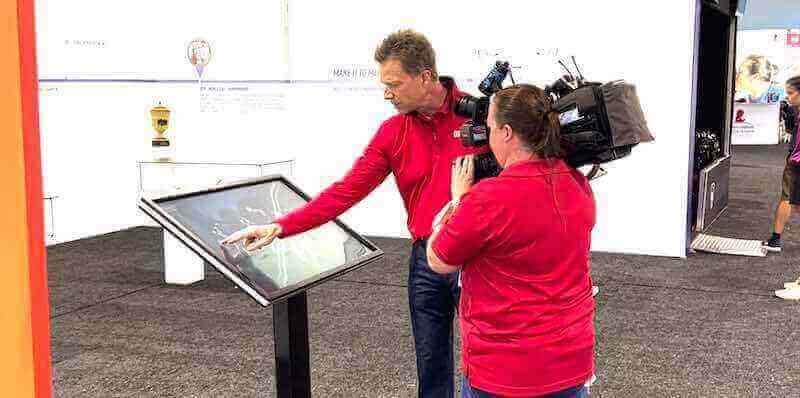
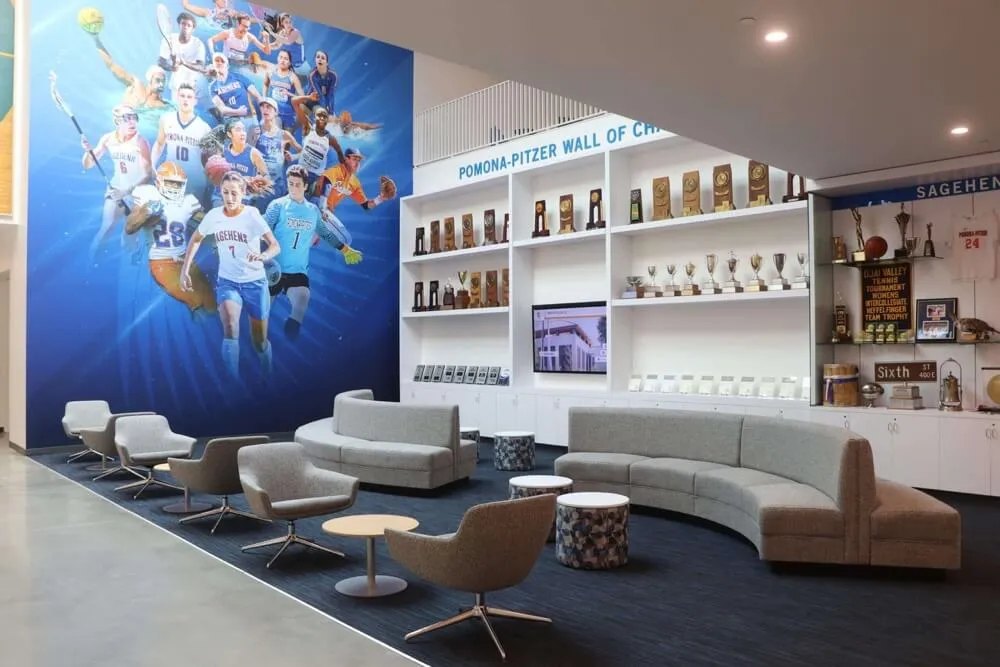
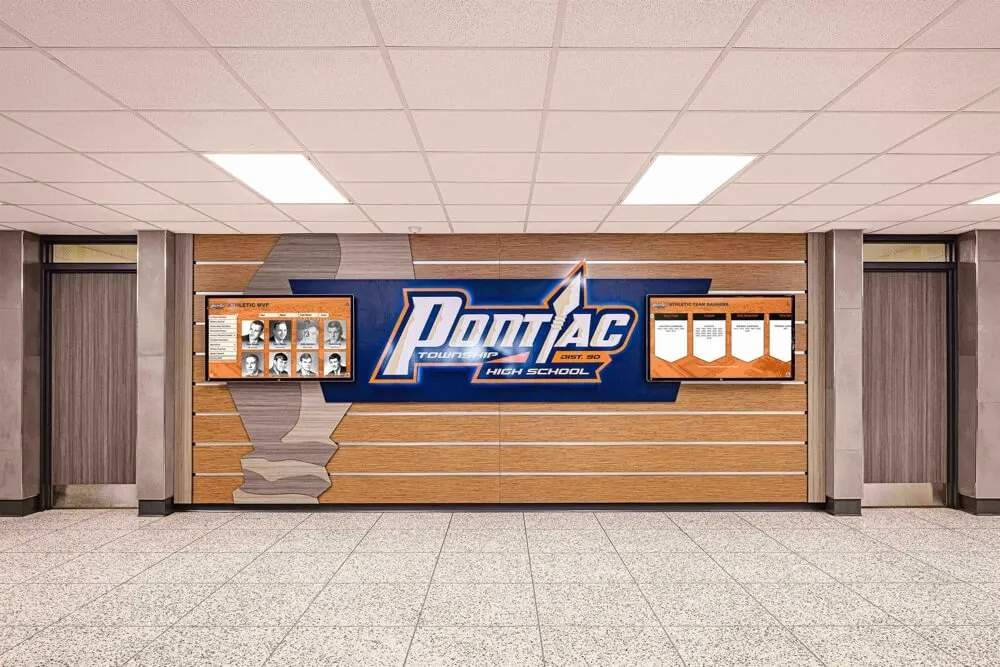
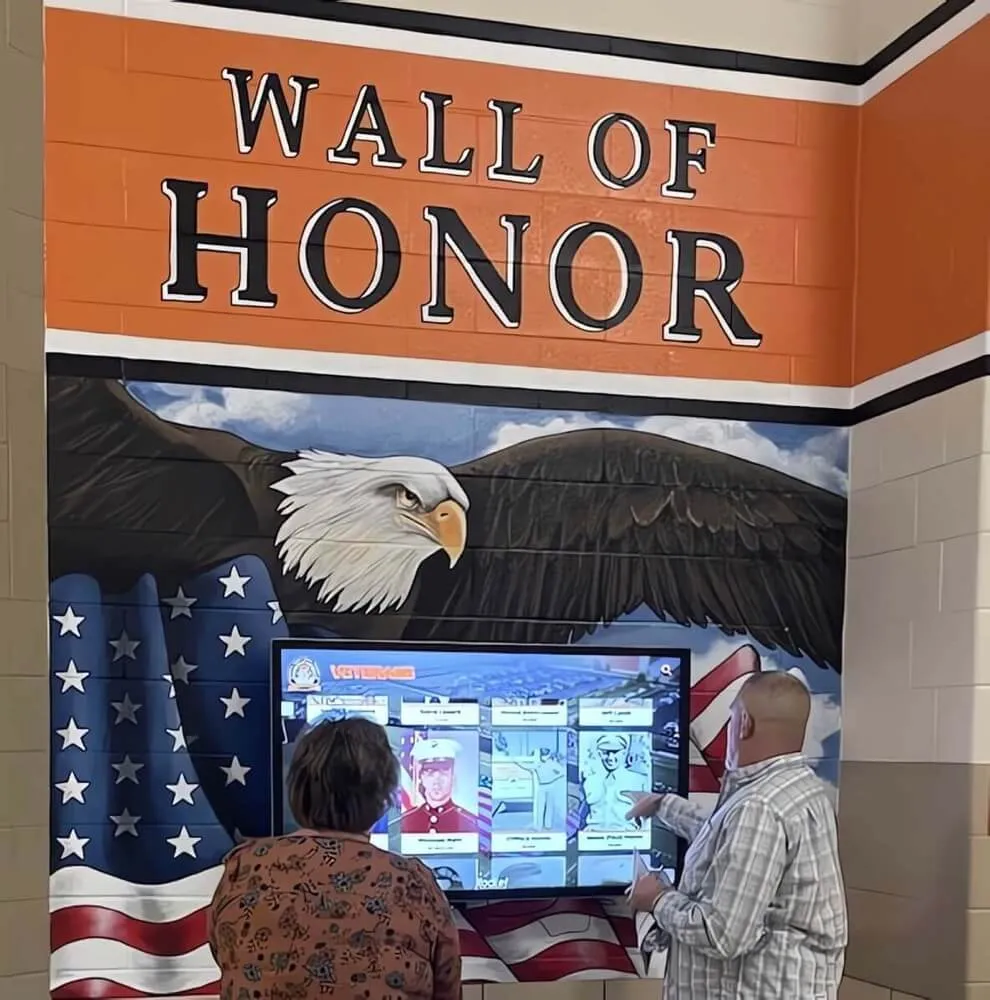
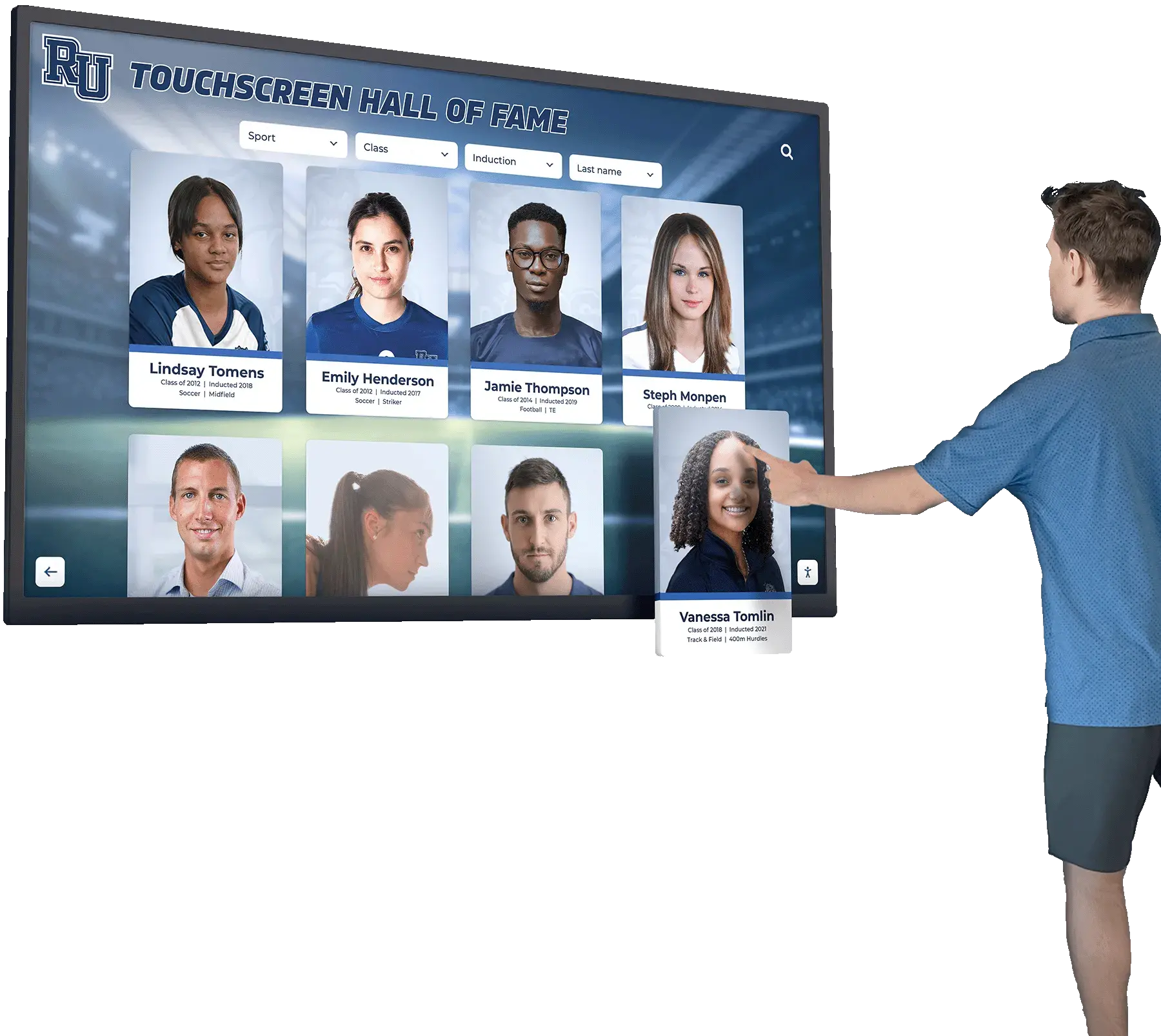
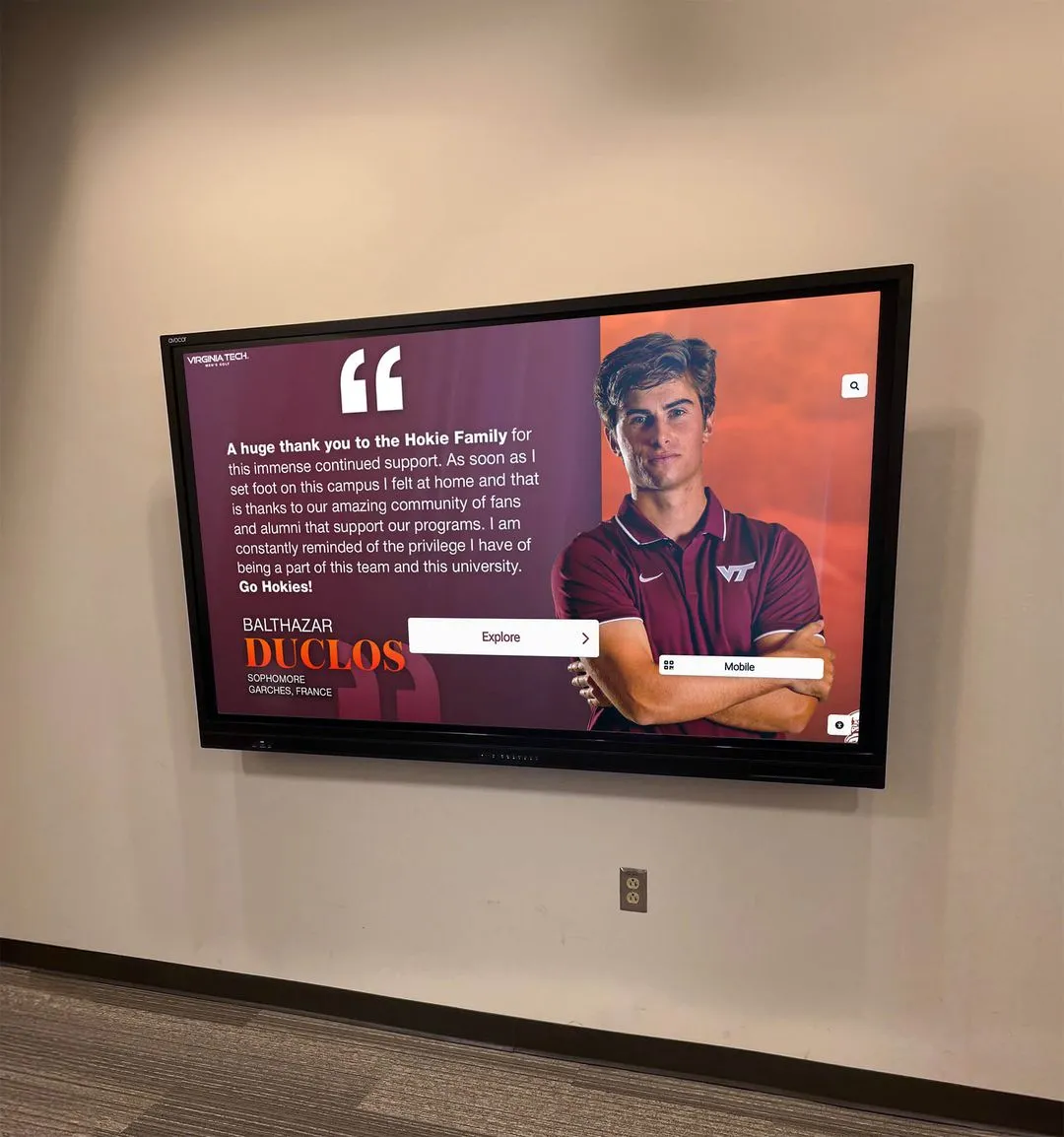
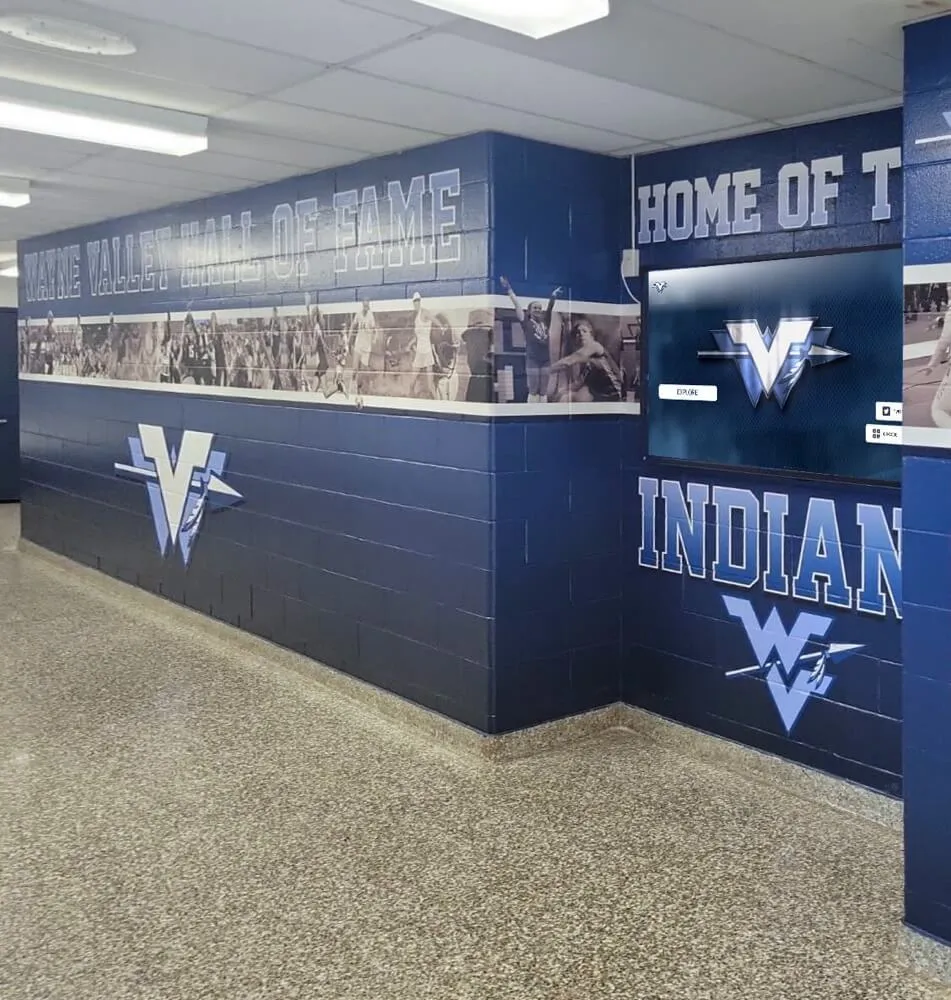
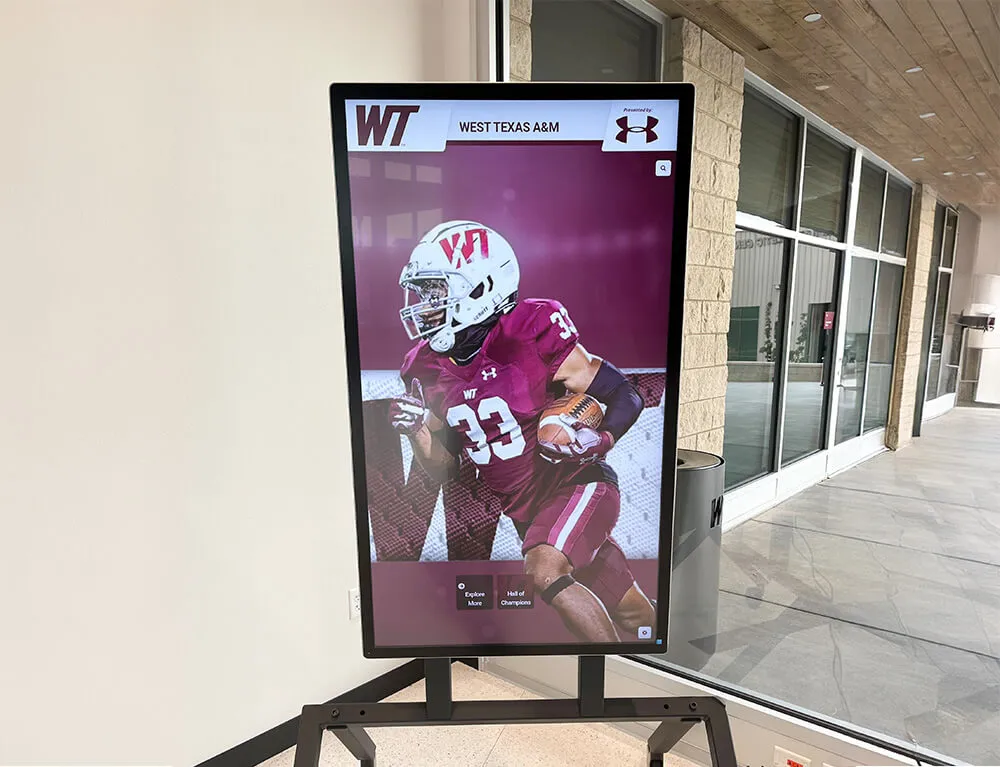
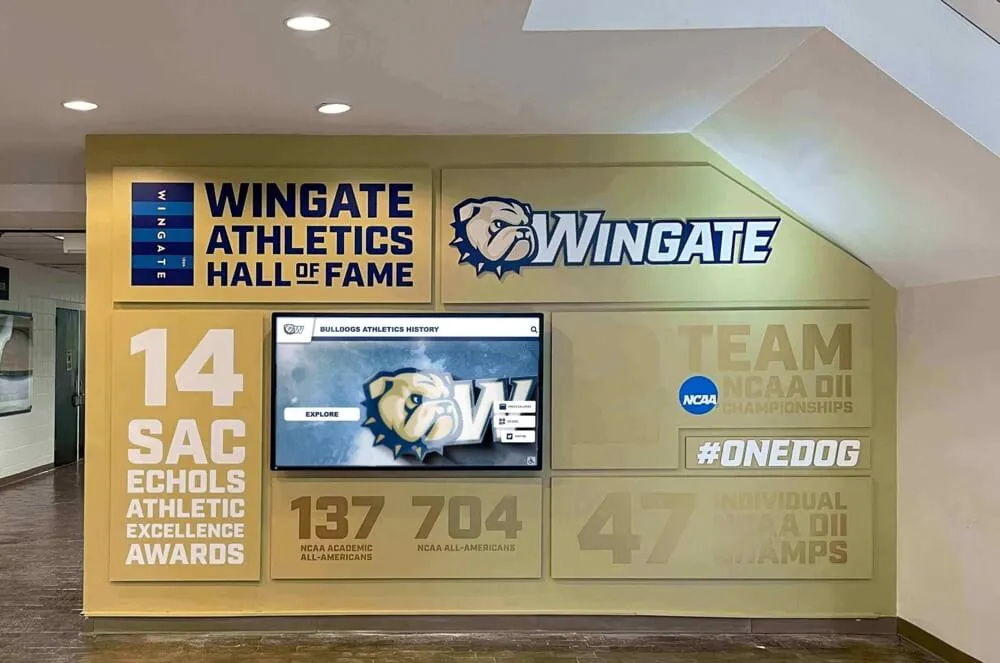
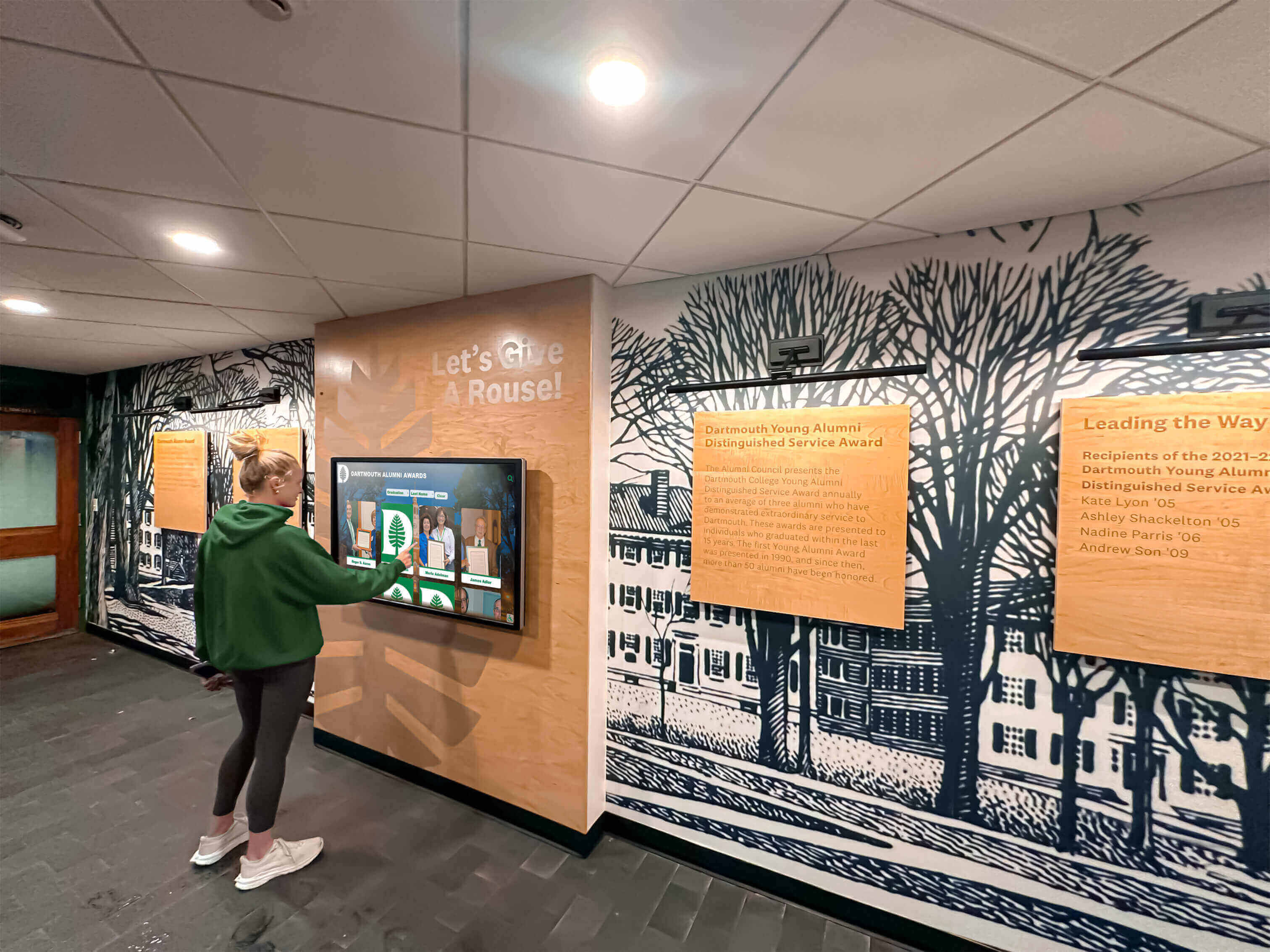
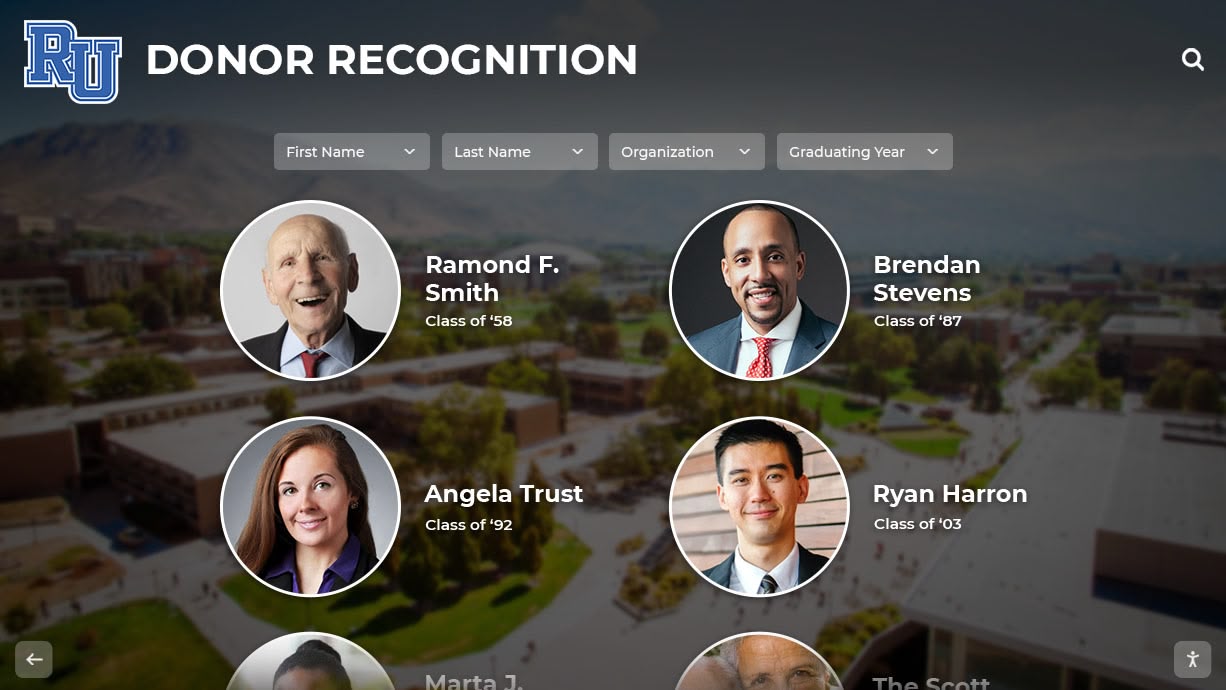
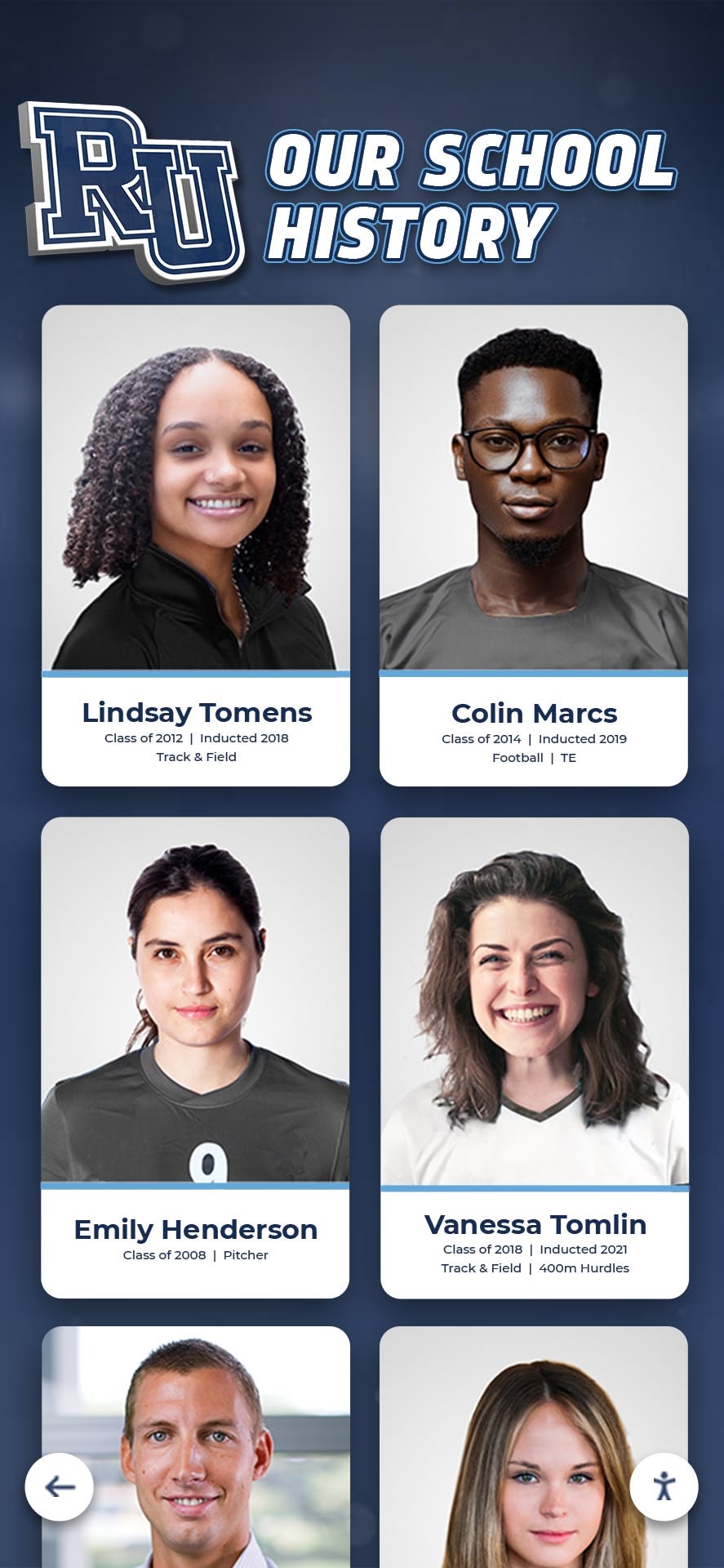
One of the most impactful class reunion ideas involves incorporating interactive digital displays that showcase your class history, individual achievements, and shared memories in engaging, searchable formats.
Why Digital Displays Transform Reunions
Traditional poster boards or photo albums limit how much content you can share and require attendees to physically crowd around to view. Digital recognition displays solve these limitations while adding interactive elements that encourage exploration and discovery.
Key Advantages:
- Display unlimited photos and content without space constraints
- Enable searchability so attendees can find specific people or memories
- Update content easily before and during the event
- Capture real-time photo submissions from attendees
- Create permanent archives accessible after the reunion ends
- Accommodate all technical comfort levels with intuitive touch interfaces
Content Ideas for Digital Reunion Displays
Historical Content:
- Senior yearbook photos with then-and-now comparisons
- School event photos from your years (games, dances, plays, competitions)
- Faculty and staff photos from your era
- Newspaper clippings about your class achievements
- Video clips from school productions or sporting events
Current Content:
- “Where Are They Now” updates with current photos and brief bios
- Career achievements and interesting life paths
- Geographic map showing where classmates live now
- Family photos (those who wish to share)
- Major life milestones achieved since graduation
Interactive Features:
- Real-time photo uploads from the reunion itself
- Comment and messaging features for classmate communication
- Voting features for superlatives or favorite memories
- Social media integration displaying event hashtag content
Schools and venues already equipped with digital recognition systems from providers like Rocket Alumni Solutions can easily create temporary reunion content modules. For those without permanent installations, these same systems offer rental options specifically designed for events. The technology that serves schools year-round for student achievement recognition adapts perfectly for reunion celebrations.
Practical Planning Timeline
Successful reunions require adequate planning time. Follow this timeline to ensure all details receive proper attention:
12-18 Months Before
Form Your Planning Committee
- Recruit 5-8 enthusiastic classmates willing to share responsibilities
- Assign specific roles: chair, treasurer, communications, venue/logistics, activities, technology
- Establish regular virtual meetings (monthly initially)
- Create shared project management space for collaborative planning
Initial Research and Decisions
- Survey classmates about preferred dates, locations, and price points
- Research potential venues and obtain preliminary quotes
- Set initial budget estimates
- Establish attendance goals based on class size
Communication Infrastructure
- Update contact information for as many classmates as possible
- Create dedicated reunion email address, social media group, and website
- Begin building email list and social media following
- Send initial “save the date” announcement
9-12 Months Before
Venue and Vendor Selection
- Book venue with appropriate capacity and amenities
- Secure catering, bar service, and any necessary rentals
- Arrange entertainment (DJ, band, or playlist solution)
- Contract photographer or designate photography volunteers
- Reserve audio-visual equipment including any display technology
Theme and Program Development
- Finalize reunion theme and visual identity
- Develop event schedule balancing activities and free time
- Plan specific programming (tours, presentations, recognition moments)
- Design invitations and promotional materials
Content Collection Begins
- Request photo submissions from classmates
- Reach out for professional achievements and life updates
- Begin compiling historical content from yearbooks and archives
- Start creating content for digital displays or printed materials
6-9 Months Before
Marketing Campaign Launch
- Send formal invitations via email and/or mail
- Launch social media promotion campaign
- Create event website or registration page
- Post regular updates and teasers building anticipation
- Share throwback photos and memories to generate excitement
Registration Management
- Open registration with early-bird pricing incentives
- Set up online payment processing
- Track registrations and follow up with non-responders
- Collect dietary restrictions, accessibility needs, and guest information
- Manage ticket sales and capacity monitoring
Budget Finalization
- Confirm all vendor contracts and payment schedules
- Adjust budget based on actual registrations
- Identify any funding gaps and pursue sponsorship if needed
- Set ticket pricing for at-door sales (if applicable)
3-6 Months Before
Intensify Outreach
- Personal phone calls or messages to undecided classmates
- Committee members reach out to their friend groups
- Share confirmed attendee list (with permission) to encourage registration
- Address concerns or questions from potential attendees
- Consider registration deadline extensions if attendance is lower than expected
Program and Activity Finalization
- Complete event schedule with specific timing
- Finalize all interactive activities and required materials
- Complete content preparation for displays and presentations
- Order any commemorative items, name tags, or event supplies
- Confirm all vendor details and create timeline for event day
Communication Preparation
- Draft event day communications (directions, schedule, what to bring)
- Prepare welcome speeches or program remarks
- Create signage for venue wayfinding and activity stations
- Develop contingency plans for potential issues
1-3 Months Before
Final Details
- Send comprehensive event information to registered attendees
- Provide parking information, dress code, schedule details
- Remind about hotel options for out-of-town guests
- Share preview content generating excitement
- Final vendor confirmations and walk-through at venue
Technology Preparation
- Test all digital displays and interactive features
- Upload content to recognition systems or presentation software
- Ensure reliable WiFi access for photo sharing features
- Prepare backup technology solutions
- Train volunteers on check-in and technology assistance
Last-Minute Adjustments
- Final headcount to catering with buffer for unexpected attendees
- Confirm setup and breakdown logistics with venue
- Assign specific event-day responsibilities to committee members
- Prepare welcome packets, name tags, and any handouts
- Create troubleshooting contact list for vendor issues
Event Week
Setup and Final Preparations
- Arrive early for thorough setup and testing
- Position digital displays in high-traffic areas
- Arrange registration area with name tags and materials
- Test sound system and any presentation technology
- Brief all volunteers and committee members on their roles
- Take photos of venue setup before guests arrive
Venue Selection Strategies
Your venue choice significantly impacts reunion atmosphere and logistics. Consider these factors when evaluating options:
Traditional Venue Options
At Your School: Hosting reunions on campus creates instant nostalgia and enables easy facility tours. Gyms, cafeterias, libraries, or outdoor spaces all work depending on class size and season. Many schools offer discounted or free venue use for alumni events.
Hotels and Conference Centers: These venues provide professional service, catering, audio-visual equipment, and parking. They work well for formal events and accommodate out-of-town guests needing accommodation.
Restaurants and Banquet Halls: Mid-sized reunions fit well in private dining rooms or banquet spaces. These venues handle food service professionally and often include bar service and basic decorations.
Outdoor Venues: Parks, gardens, beaches, or pavilions suit casual daytime reunions especially during warmer months. Consider backup indoor options for weather contingencies.
Unique Locations: Breweries, wineries, museums, historic sites, or entertainment venues create memorable settings that give your reunion distinctive character. These often include built-in conversation starters from the environment itself.
Venue Evaluation Criteria
Essential Considerations:
| Factor | Why It Matters | Questions to Ask |
|---|---|---|
| Capacity | Comfort for expected attendance | What’s the comfortable capacity? Is there space for mingling beyond seated areas? |
| Accessibility | Accommodating all attendees | Is the venue ADA compliant? Are there stairs or mobility barriers? |
| Parking | Eliminating attendance barriers | Is parking adequate and free/affordable? Is rideshare drop-off convenient? |
| Technology | Supporting digital elements | What A/V equipment is included? Is WiFi reliable and fast enough? |
| Acoustics | Enabling conversation | Can people talk comfortably or is it too echo-prone or loud? |
| Flexibility | Accommodating your vision | Can you bring outside vendors? Adjust layouts? Access early for setup? |
| Cost | Budget management | What’s included in base price? What are hidden fees or required minimums? |
The ideal venue balances practical requirements with atmospheric considerations. A beautiful but inaccessible venue frustrates attendees. An affordable but acoustically terrible space prevents the conversations that reunions exist to facilitate.
Food and Beverage Strategies
Catering represents a significant portion of most reunion budgets. Smart planning maximizes satisfaction while controlling costs:
Service Style Options
Seated Plated Service: Most formal and expensive option. Works well for smaller, elegant evening events but requires extensive seating arrangements and longer service times.
Buffet Service: Popular middle-ground option offering variety and flexibility. Enables attendees to choose portions and accommodates dietary restrictions more easily than plated service. Creates natural mingling as people visit food stations.
Food Stations: Multiple themed stations (carving station, pasta bar, taco station, dessert display) scattered throughout venue encourage circulation and create visual interest. Slightly more expensive than simple buffets but provide better flow for larger groups.
Heavy Appetizers/Cocktail Reception: Cost-effective option for evening events focused on socializing rather than dining. Passed hors d’oeuvres and stationed appetizers provide substantial food without formal meal service.
Casual/Picnic Style: For outdoor daytime events, simple grilled foods, sandwich bars, or catered barbecue create relaxed atmosphere and control costs while providing adequate sustenance.
Cost Management Tips
- Limit bar service hours or offer limited hosted bar (beer and wine only) with cash bar for spirits
- Choose seasonal menus featuring ingredients at peak availability and lowest cost
- Simplify dessert with sheet cakes rather than elaborate individual desserts
- Minimize courses focusing on one substantial course rather than multiple smaller courses
- Consider food trucks for casual outdoor reunions as cost-effective alternatives to traditional catering
- Leverage school connections if catering companies provide discounts for alumni events
- Negotiate package pricing combining venue rental, catering, and bar service for better rates
Remember that attendees care far more about the opportunity to reconnect than elaborate catering. Adequate, tasty food in casual settings often receives better feedback than complicated formal meals that limit mingling time.
Fundraising and Class Gifts
Many reunion committees consider incorporating optional fundraising to support their school. When done thoughtfully, this adds purpose beyond socializing:
Appropriate Fundraising Approaches
Optional Class Gift Campaigns: Invite classmates to contribute to specific projects (scholarship funds, facility improvements, program support) with clear communication that donations are voluntary and won’t affect participation.
Visible Recognition: Digital donor displays showing real-time contributions and recognition create momentum and publicly acknowledge generosity. Schools with existing digital recognition systems can easily add reunion-specific donor content.
Matching Gift Challenges: Recruit a successful classmate to match donations up to a certain amount, creating incentive for participation and doubling the impact of each gift.
Memorial Funds: For milestone reunions, consider creating memorial scholarships or funds honoring deceased classmates, providing meaningful way to remember those who can’t attend.
Ticket Proceeds: Build small donation into ticket pricing rather than making events break-even only. Clearly communicate how much of ticket price supports school versus covering event costs.
Fundraising Guidelines
Keep fundraising low-pressure and secondary to reunion enjoyment. Heavy-handed asks or making non-donors feel unwelcome creates negative experiences that harm future engagement. Research consistently shows that reunions creating positive, enjoyable experiences inspire voluntary giving more effectively than aggressive solicitation. The goal is demonstrating connection to the school and each other, which naturally leads to support.
Communication Strategies for Maximum Attendance
Getting classmates to attend requires strategic, multi-channel communication that starts early and builds momentum:
Multi-Channel Approach
Email Campaigns: Your primary communication channel with regular updates increasing in frequency as the event approaches. Segment messaging based on registration status (registered, undecided, declined) to ensure relevance.
Social Media: Create private Facebook groups, Instagram accounts, or other platform presences where classmates can interact, share memories, and build excitement. Regular posts featuring throwback photos, “remember when” prompts, and confirmed attendee announcements build momentum.
Direct Mail: For milestone reunions (25th, 50th), consider formal mailed invitations supplementing digital communication. Older attendees especially appreciate tangible invitations.
Phone Trees: Leverage personal relationships by having committee members personally call their friend groups. Personal outreach significantly increases attendance compared to mass communication alone.
Text Messaging: For important last-minute updates or reminders, text messaging reaches people reliably. Use sparingly to avoid annoyance.
Content That Drives Registration
Focus communication on value proposition rather than just logistics. Share:
- Confirmed attendees people will be excited to see
- Sneak peeks of interactive features and activities planned
- Nostalgic content reminding people of shared experiences
- Testimonials from past reunion attendees
- Photos of venue showing what to expect
- “Last chance” urgency as registration deadlines approach
When planning digital marketing strategies for reunions, consider lessons from successful school event planning approaches that emphasize community building and shared celebration.
Post-Reunion Follow-Up
The reunion doesn’t end when the last attendee leaves. Thoughtful follow-up extends engagement and lays groundwork for future gatherings:
Immediate Follow-Up (Within 1 Week)
Thank You Communications: Send appreciation to attendees, committee members, vendors, and school representatives who supported your event. Personal acknowledgment matters.
Photo Sharing: Post professional and crowd-sourced photos from the event in easily accessible online galleries. Tag individuals (with permission) and enable downloads and comments.
Feedback Collection: Survey attendees about their experience, satisfaction with various elements, and suggestions for future reunions. This data proves invaluable for next planning committees.
Financial Reporting: Provide transparent accounting to committee members and attendees showing how funds were used and any surplus or shortfall.
Ongoing Engagement (Weeks and Months After)
Maintain Social Media Communities: Keep Facebook groups or online communities active with periodic posts, birthday recognitions, and news sharing. These platforms provide year-round connection between reunion events.
Create Permanent Digital Archives: Work with your school to create permanent digital displays featuring reunion photos and updated classmate profiles. Solutions like Rocket Alumni Solutions enable schools to maintain living archives that future students can explore, discovering the diverse paths graduates take.
Plan Next Gathering: Strike while enthusiasm is high by establishing dates for your next reunion, even if it’s years away. Early commitment increases eventual attendance.
Update School Archives: Donate reunion materials, photos, and documentation to school archives, contributing to institutional memory and helping future reunion committees. Digital preservation ensures these memories remain accessible. Resources on how to digitize school history can guide this preservation work.
Capture Lessons Learned: Document what worked well and what you’d change in a comprehensive planning document for future committees. This institutional knowledge prevents future planners from repeating mistakes or reinventing successful approaches.
Special Considerations for Different Reunion Types
Milestone Reunions (25th, 50th+)
These landmark gatherings warrant extra effort and often see highest attendance:
Enhanced Planning Elements:
- Start planning 18-24 months in advance allowing more complex logistics
- Include memorial components honoring deceased classmates with appropriate sensitivity
- Create more formal programming including speeches, awards, or special recognition
- Offer multi-day or multi-event options for classmates traveling significant distances
- Provide more extensive historical content showing changes over longer periods
- Consider creating legacy gifts or time capsules for future milestone anniversaries
Early Reunions (5th, 10th)
Recent graduates have different expectations and constraints:
Tailored Approaches:
- Keep costs lower accommodating early-career budgets
- Heavy social media integration matching communication preferences
- More casual, social atmospheres rather than formal events
- Virtual or hybrid options for those who moved far from school location
- Focus on career networking and professional connection opportunities
- Schedule for weekend evenings minimizing work time off required
All-Class Reunions
Some schools host all-class reunions during homecoming or other events rather than class-specific gatherings:
Unique Opportunities:
- Enable cross-generational connections among graduates
- Reduce planning burden by leveraging school-organized event infrastructure
- Create economies of scale for entertainment, catering, and venues
- Generate larger attendance numbers and more festive atmosphere
- Coordinate with school events like athletic competitions or performances
- Connect attendees with current school programs and student achievements
Budget Management and Pricing
Creating memorable experiences while maintaining financial responsibility requires careful budget planning:
Typical Reunion Budget Allocation
| Category | Percentage of Budget | Notes |
|---|---|---|
| Venue and Catering | 50-60% | Largest expense; explore school or member connections for discounts |
| Entertainment and Activities | 10-15% | DJ, band, photographer, activity supplies |
| Technology and Displays | 8-12% | Digital displays, AV equipment, interactive features |
| Marketing and Communication | 5-10% | Invitations, website, promotional materials |
| Decorations and Supplies | 5-8% | Theme execution, name tags, signage |
| Commemorative Items | 3-5% | Optional favors, memory books, gifts |
| Contingency Fund | 5-10% | Buffer for unexpected expenses |
Revenue Sources
Ticket Sales: Primary funding source with early-bird incentives encouraging advance registration. Price tickets to cover at least 90% of projected costs based on conservative attendance estimates.
Sponsorships: Classmate-owned businesses, local companies with alumni connections, or corporate employer matching gifts can offset costs while providing marketing exposure.
Fundraising Add-ons: Optional donations, commemorative item purchases, raffle tickets, or photo packages provide supplementary revenue without raising base ticket prices.
School Subsidies: Some institutions provide funding or in-kind support (venue use, marketing, staff time) recognizing engagement value. Don’t hesitate to request support.
Overcoming Common Planning Challenges
Low Initial Interest
Solutions:
- Leverage personal relationships through committee member outreach
- Create compelling social media content showing what attendees will experience
- Reach out to class influencers who can inspire their friend groups
- Offer flexible attendance options (just cocktail hour vs. full event)
- Survey non-registrants about barriers (cost, date, location) and address concerns
- Share confirmed attendee lists (with permission) highlighting desirable reunions
Missing Classmate Contact Information
Strategies:
- Utilize school alumni office resources and databases
- Crowdsource through social media asking for help locating specific people
- Leverage LinkedIn and Facebook search tools
- Create “missing classmates” lists that engaged attendees help solve
- Offer rewards or recognition for successful location assistance
Committee Burnout
Prevention:
- Distribute responsibilities across multiple people rather than overburdening a few
- Use project management tools and shared documents to organize work efficiently
- Establish clear deadlines and expectations for deliverables
- Celebrate small milestones and thank committee members regularly
- Consider hiring event planners for largest logistical challenges if budget permits
- Remember that perfect is the enemy of good—focus on core experience elements
Budget Shortfalls
Approaches:
- Pursue sponsorships aggressively from classmate businesses
- Scale back optional elements while protecting core experience quality
- Negotiate payment plans or extended timelines with vendors
- Increase ticket prices slightly if necessary, communicating value provided
- Consider alternative venues or service styles reducing costs
- Be transparent with attendees about financial realities if necessary
Creating Inclusive Reunion Experiences
Ensure all classmates feel welcome and valued regardless of their circumstances since graduation:
Addressing Economic Diversity
Classmates experience varied financial situations post-graduation. Some achieve significant wealth while others face financial constraints. Create pricing structures and event designs accommodating this reality:
- Offer payment plans for ticket purchases enabling extended payment
- Consider tiered pricing with basic and premium options
- Provide scholarship or hardship assistance quietly and discretely
- Choose venues and menu options that feel special without being ostentatious
- Avoid assumptions about attendees’ ability to afford additional expenses
Recognizing Diverse Life Paths
Not everyone followed traditional career paths, married, had children, or achieved conventional success markers. Ensure your reunion celebrates diverse forms of meaningful lives:
- Avoid “most successful” or “highest achieving” superlatives that imply value hierarchies
- Feature varied life paths in promotional materials and recognition displays
- Include conversation prompts beyond career and family status
- Create environments where non-traditional paths feel equally valued
- Remember that happiness and fulfillment take infinite forms
Accommodating Different Comfort Levels
Some classmates feel excited about reunions while others feel anxious about reconnecting after years apart:
- Provide clear information about what to expect reducing anxiety
- Create structured activities helping shy attendees connect beyond free mingling
- Train committee members to welcome all attendees warmly and facilitate introductions
- Offer multiple attendance options (full event vs. cocktail hour only)
- Maintain welcoming atmosphere where cliques don’t dominate or exclude others
Building school community and spirit requires intentional inclusivity that ensures every person feels valued regardless of their life circumstances or social confidence.
Conclusion: Creating Reunions That Matter
The most meaningful class reunions succeed not through elaborate productions or expensive venues, but through thoughtful planning that facilitates authentic human connection. When you create environments where classmates feel comfortable being themselves, provide visual memory triggers that spark conversations, balance structure with spontaneity, and demonstrate that everyone’s presence matters, you create experiences people remember for years.
Modern technology, particularly interactive digital recognition displays, enhances rather than replaces these human connections by providing unlimited capacity to showcase shared history, current achievements, and real-time memory creation. These systems remove the physical limitations of printed photos or poster boards while creating engaging experiences that accommodate all technical comfort levels.
Whether you’re planning your first reunion or your fifth, remember that your classmates want simple things: to see familiar faces, revisit shared memories, discover how everyone evolved, and feel connected to formative experiences that shaped their lives. Everything else—themes, activities, venues, catering—simply supports these fundamental desires.
As you embark on reunion planning, focus on the elements that truly matter: making every attendee feel welcomed and valued, creating opportunities for authentic conversation, providing memory triggers that spark stories, and building experiences worth traveling to attend. When you succeed at these priorities, you create more than an event—you strengthen communities that extend across decades and distances.
Transform Your Next Class Reunion
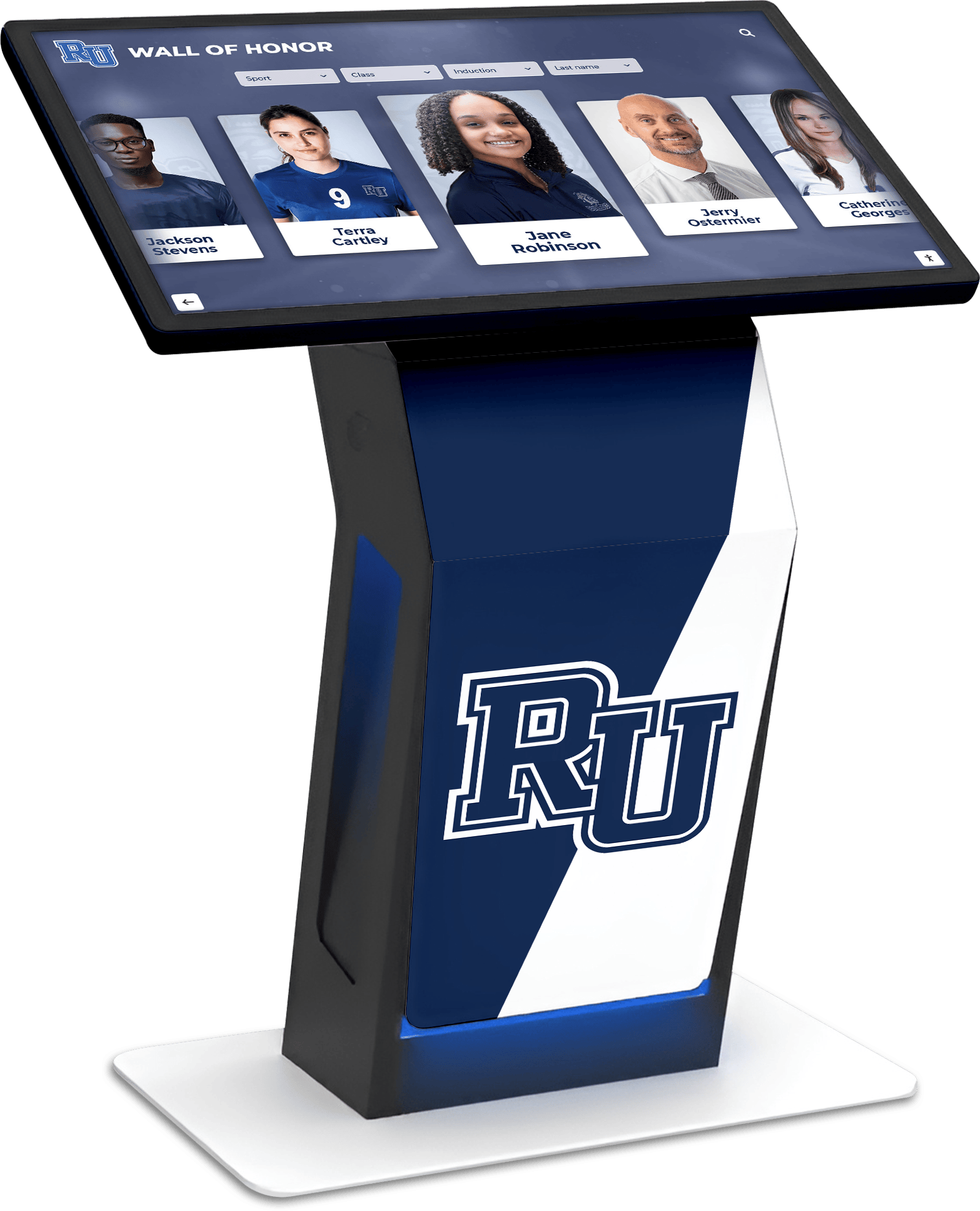
Ready to create an unforgettable reunion experience that connects classmates through interactive memory sharing and digital recognition? Solutions like Rocket Alumni Solutions provide the technology infrastructure that brings your reunion vision to life—from pre-event memory collection to real-time photo sharing during the gathering to permanent digital archives your school maintains forever.
Whether you’re planning an intimate class dinner or a milestone celebration for hundreds, the right combination of thoughtful planning and modern technology creates experiences that remind everyone why these connections matter. Your classmates accomplished remarkable things since graduation—help them discover each other’s journeys while celebrating the shared experiences that shaped who they became.
Discover how interactive digital displays, searchable alumni directories, and memory-sharing platforms strengthen reunion experiences while supporting schools’ ongoing recognition programs. Explore Rocket Alumni Solutions to see how the same technology that celebrates current student achievement year-round can transform your class reunion into an unforgettable gathering that strengthens bonds for another generation.
Your reunion committee has limited time and energy—invest it in what truly matters. Let proven technology platforms handle the complexity while you focus on creating the welcoming, memory-filled experiences that make people say “I’m so glad I came” and mean it.