



Key Takeaways
Comprehensive guide to creating engaging class president digital displays for student government recognition. Learn best practices, implementation strategies, and modern solutions for showcasing student leadership in schools.
Understanding the Importance of Class President Recognition
Before exploring implementation strategies, it’s essential to understand why visible recognition of class presidents and student government leaders matters for school culture and student development.
The Role of Student Government in Educational Institutions
Student government serves multiple critical functions in educational environments beyond simply organizing dances and spirit weeks. These leadership bodies provide students with authentic opportunities to practice democratic processes, develop collaborative decision-making skills, represent diverse student perspectives to administrators, organize events and initiatives that strengthen school community, manage budgets and resources teaching financial responsibility, and bridge communication between students and institutional leadership.
When schools invest in recognizing student government through professional displays, they signal that student leadership matters and that student voices deserve institutional respect and visibility comparable to other recognized achievements.
Why Traditional Recognition Methods Fall Short
Many schools rely on bulletin boards, poster displays, or trophy cases to recognize class presidents and student government officers. While these traditional approaches provide some visibility, they present significant limitations in modern educational environments.
Limited Space and Capacity
Physical displays can only accommodate a finite number of profiles, creating difficult decisions about which years or leaders to feature. Schools with decades of student government history face impossible choices about whom to include when space allows only recent years.
Static Content That Quickly Becomes Outdated
Printed photos and information become outdated as soon as leadership changes. Schools face recurring costs for reprinting and remounting displays, often leading to recognition that remains unchanged for extended periods simply because updating requires significant effort and expense.
Minimal Engagement and Interaction
Traditional displays offer no interactivity beyond visual inspection. Students can’t search for specific leaders, explore historical information, or engage with content in meaningful ways that build connections between current students and student government legacy.
Lack of Multimedia Capabilities
Student leadership often involves initiatives, events, and accomplishments best communicated through video, presentations, or dynamic content. Static displays cannot showcase speeches, event highlights, or the actual work student leaders accomplish during their tenure.
Benefits of Digital Recognition for Student Government
Modern digital displays address these limitations while providing additional benefits that enhance both recognition quality and institutional value.
Unlimited Recognition Capacity
Digital platforms can store unlimited profiles, preserving complete student government history without space constraints. Schools can recognize every class president and student government officer dating back decades, creating comprehensive leadership archives.
Real-Time Updates Without Additional Costs
Digital systems allow instant updates when new leaders are elected or achievements occur. Content management interfaces enable authorized staff to add information, update photos, and highlight current initiatives without printing costs or physical labor.
Interactive Engagement Features
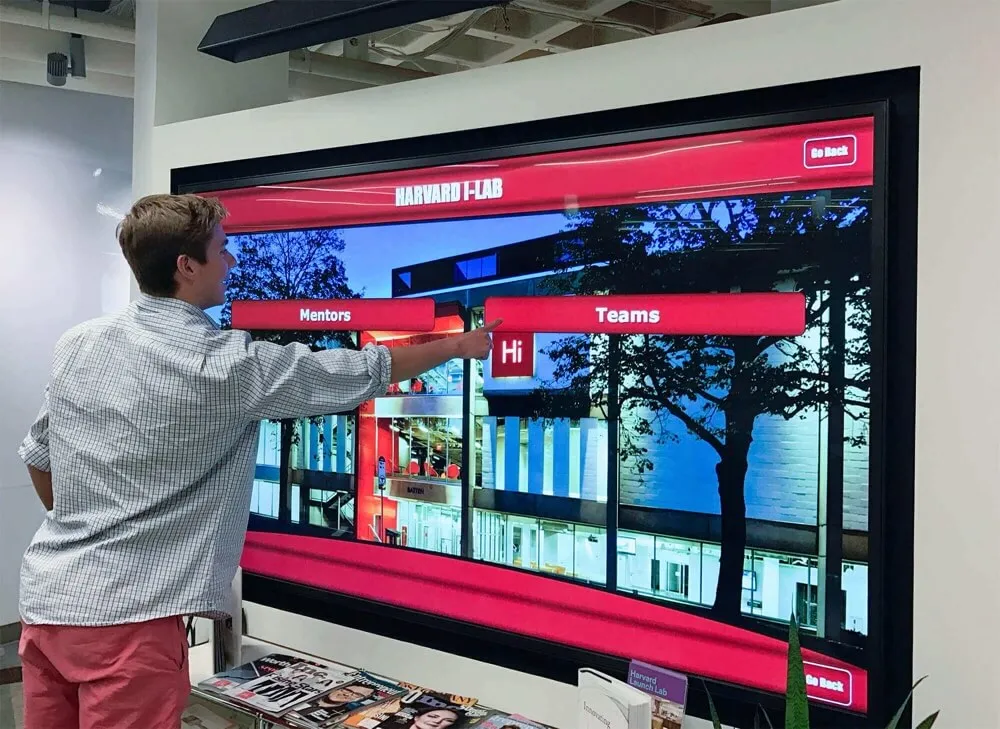
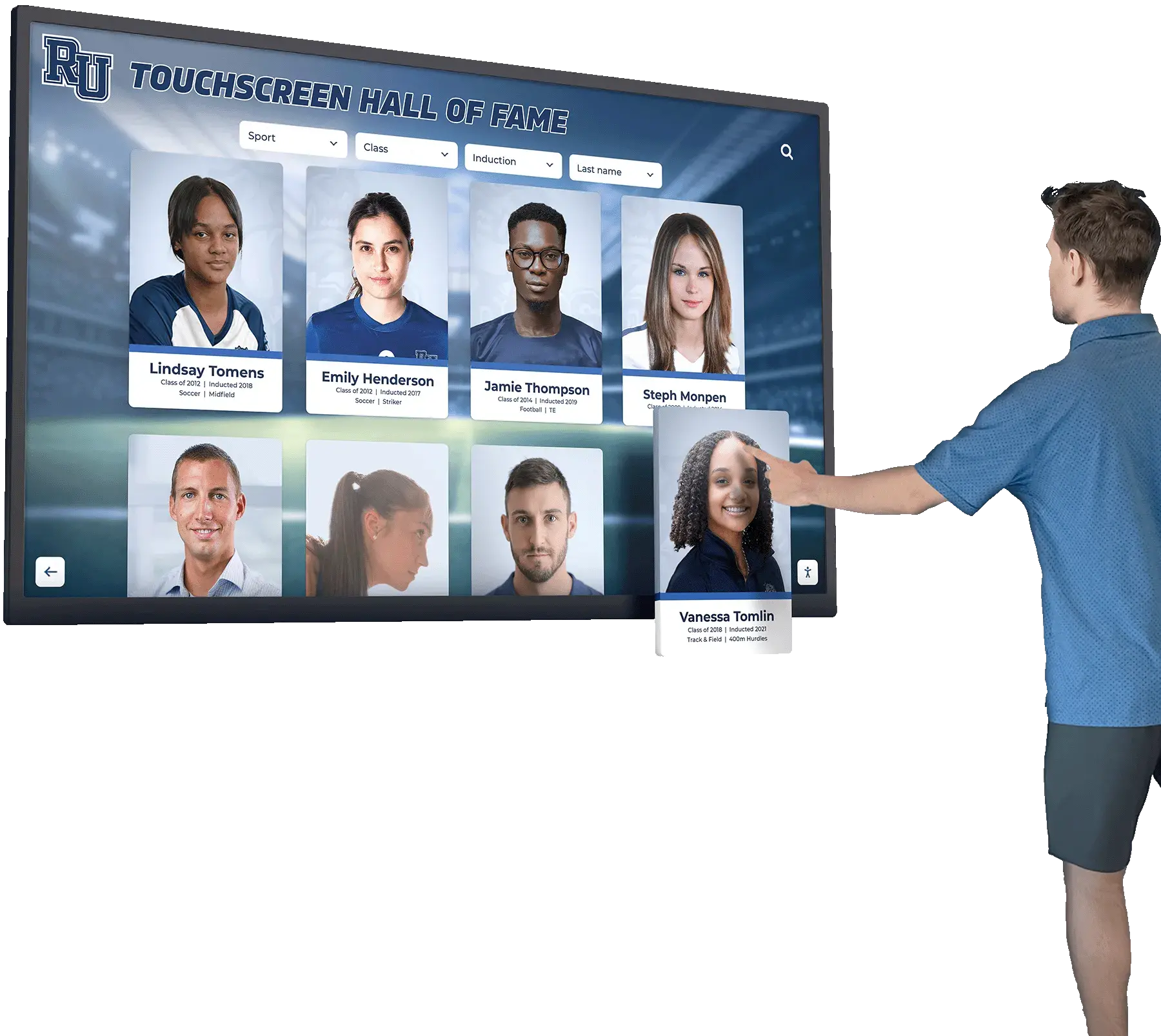
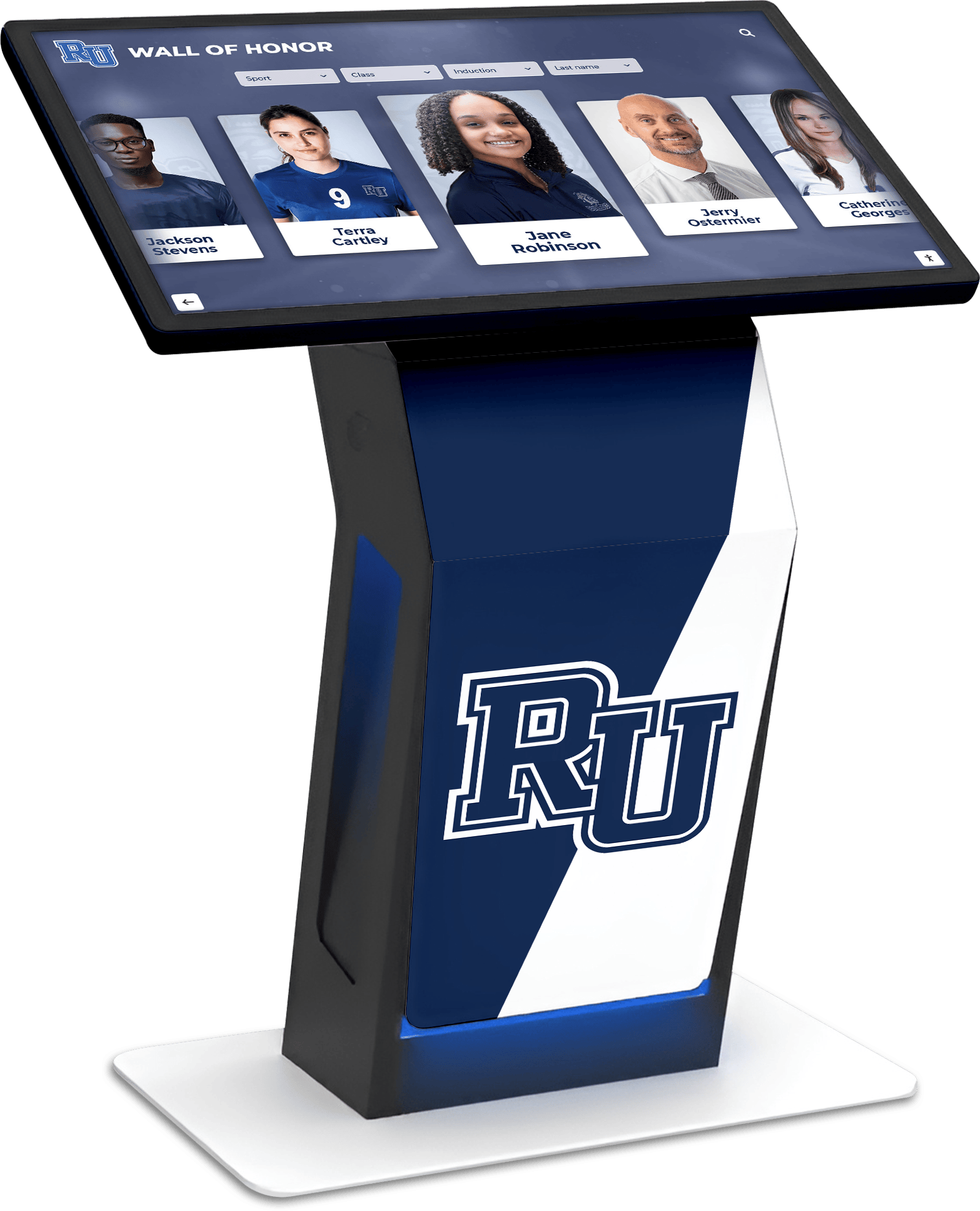
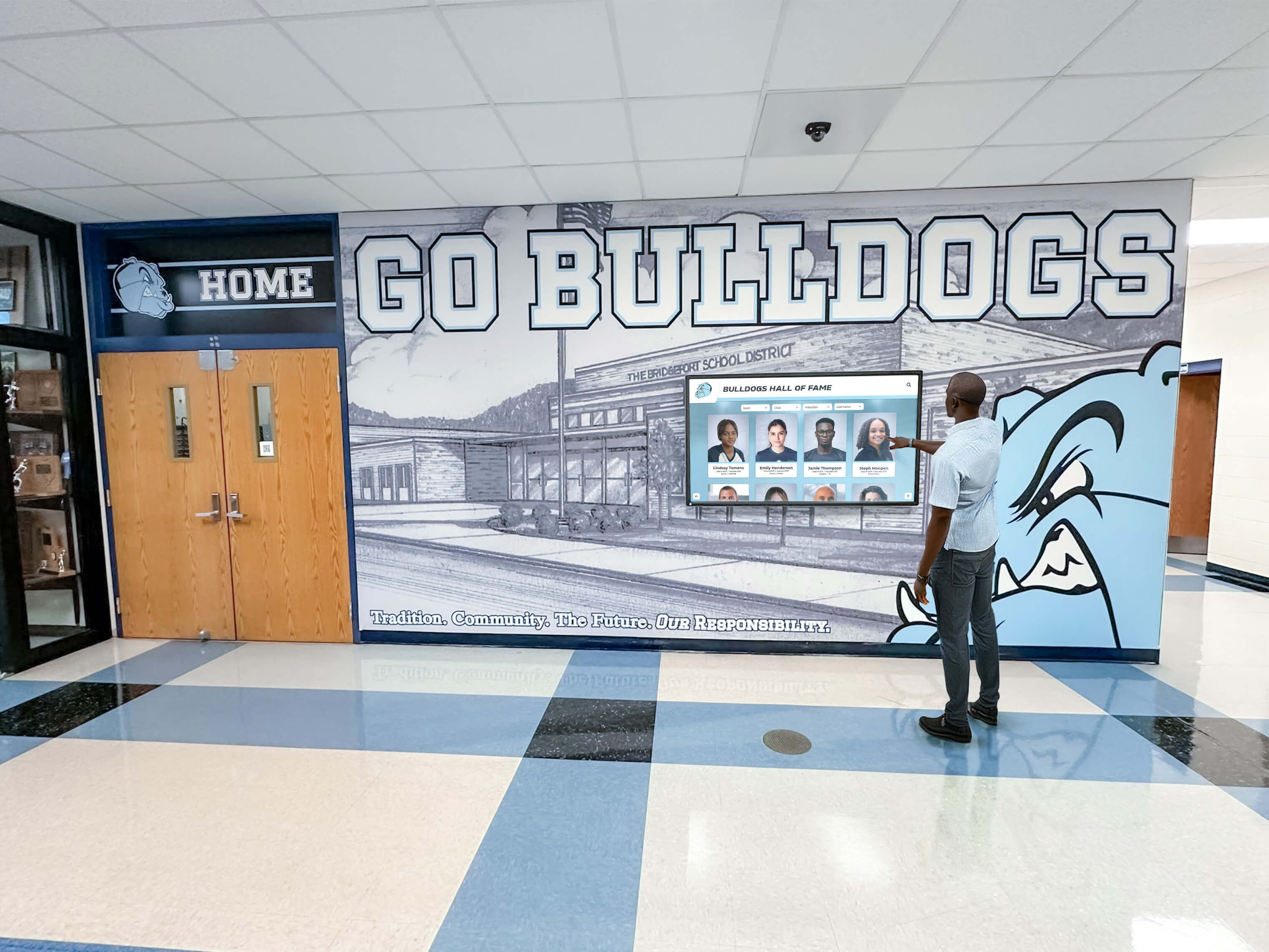
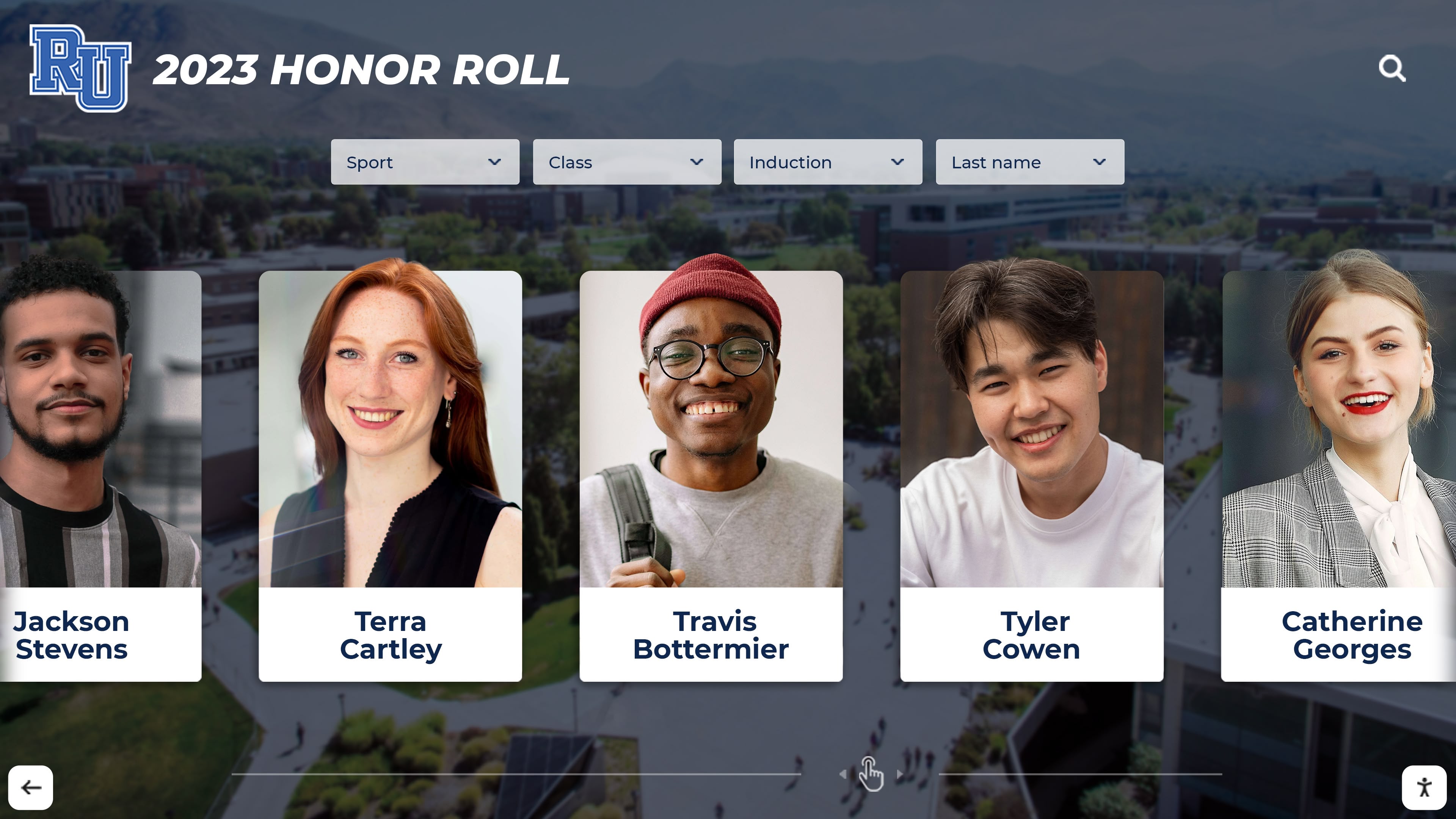
Touchscreen displays allow students to search for specific leaders, explore different years or classes, watch video content, and interact with information in ways that create memorable experiences and deeper engagement with student government legacy.
Multimedia Storytelling Capabilities
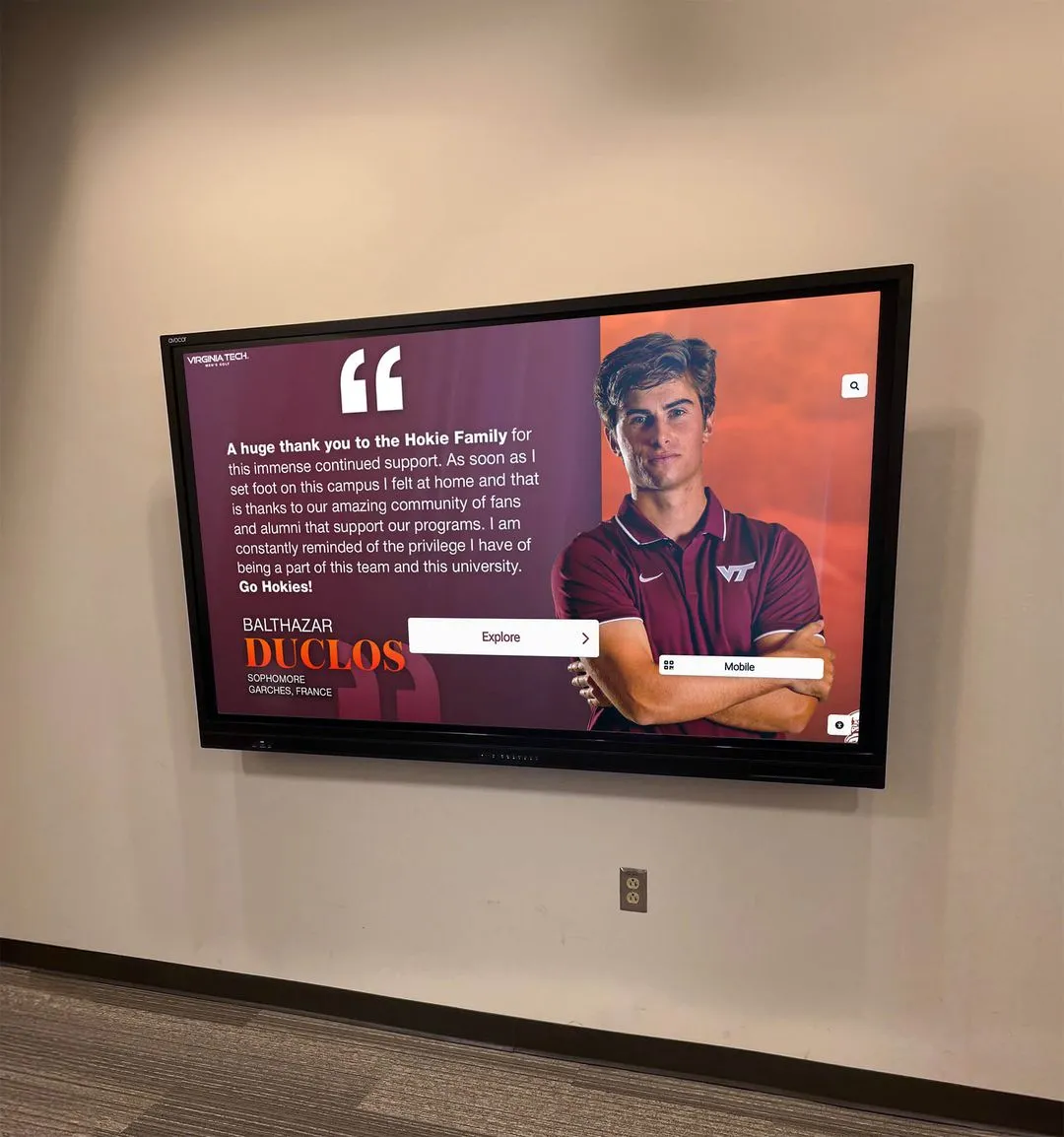
Digital platforms support photos, videos, audio clips, and interactive presentations that bring student leadership to life. Schools can showcase campaign speeches, highlight service projects through video, and document leadership initiatives through multimedia content that static displays cannot accommodate.
Planning Your Class President Digital Display Implementation
Successful digital recognition requires thoughtful planning that considers institutional goals, technical requirements, and ongoing management needs.
Defining Objectives and Success Criteria
Begin implementation planning by clearly defining what you want your class president digital display to achieve. Different schools may prioritize different objectives depending on their unique contexts and needs.
Common Implementation Objectives
Increasing Student Government Visibility
Many schools implement digital displays primarily to increase awareness of student government and current leadership. If visibility is your primary goal, focus on prominent placement in high-traffic areas and dynamic content that catches attention as students pass.
Preserving Institutional Leadership History
Schools with long histories may prioritize comprehensive archival functions, documenting every class president and student government officer throughout institutional history. This objective emphasizes data collection, historical research, and complete profile creation for past leaders.
Inspiring Future Student Leaders
Displays focused on inspiration highlight the impact current leaders make, showcase diverse leadership pathways, and provide information about how interested students can get involved. This objective requires content emphasizing achievements, initiatives, and accessible paths to leadership roles.
Supporting Leadership Development
Some schools integrate digital displays into broader leadership development programs, using recognition to reinforce leadership competencies, document skill development, and create portfolios student leaders can reference for college applications and future opportunities.
Enhancing School Pride and Culture
Digital recognition can strengthen overall school culture by celebrating student accomplishment across leadership domains, connecting current students with institutional traditions, and demonstrating that the school values student contributions.
Clearly defined objectives guide decisions about content priorities, display locations, update frequencies, and success measurement approaches.
Selecting Display Types and Technologies
Class president digital displays can take several technological forms, each with distinct advantages depending on your objectives, budget, and environment.
Interactive Touchscreen Kiosks
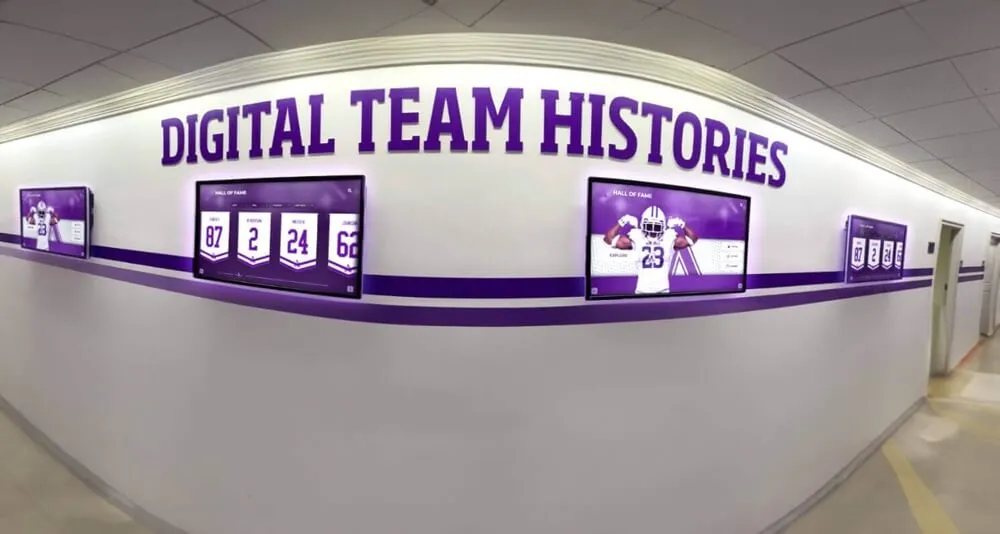
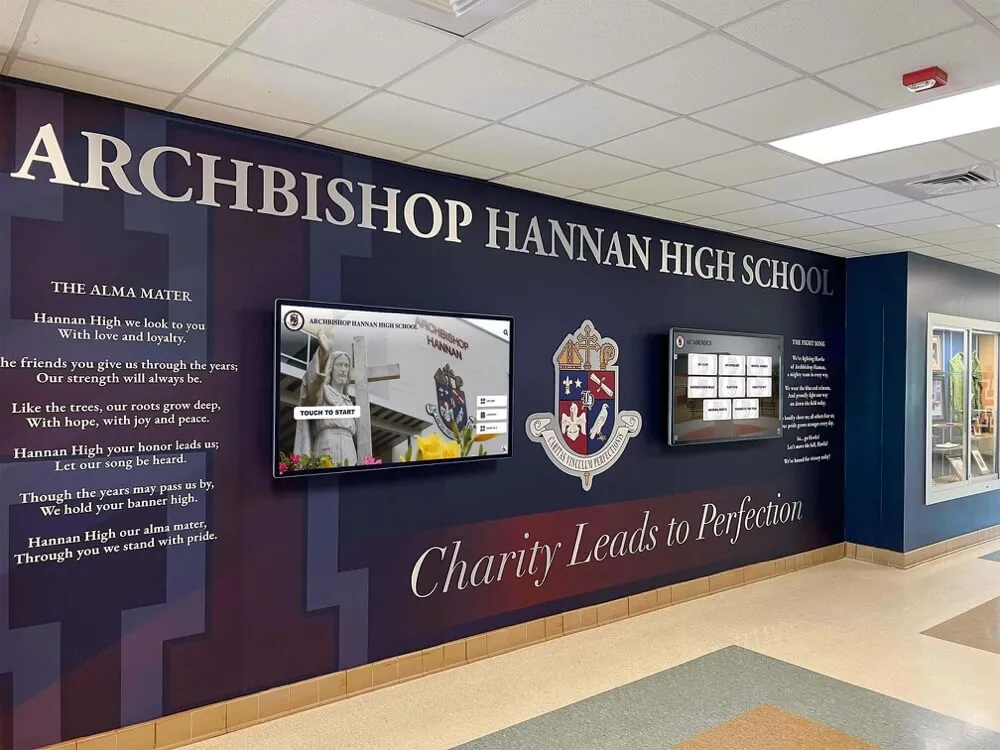
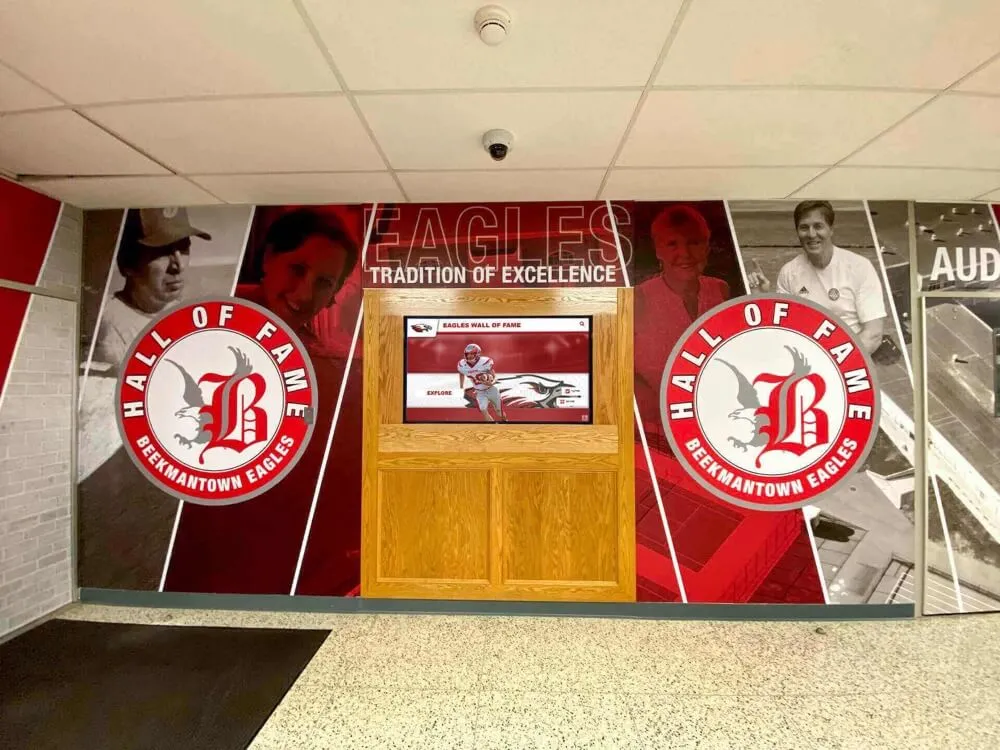
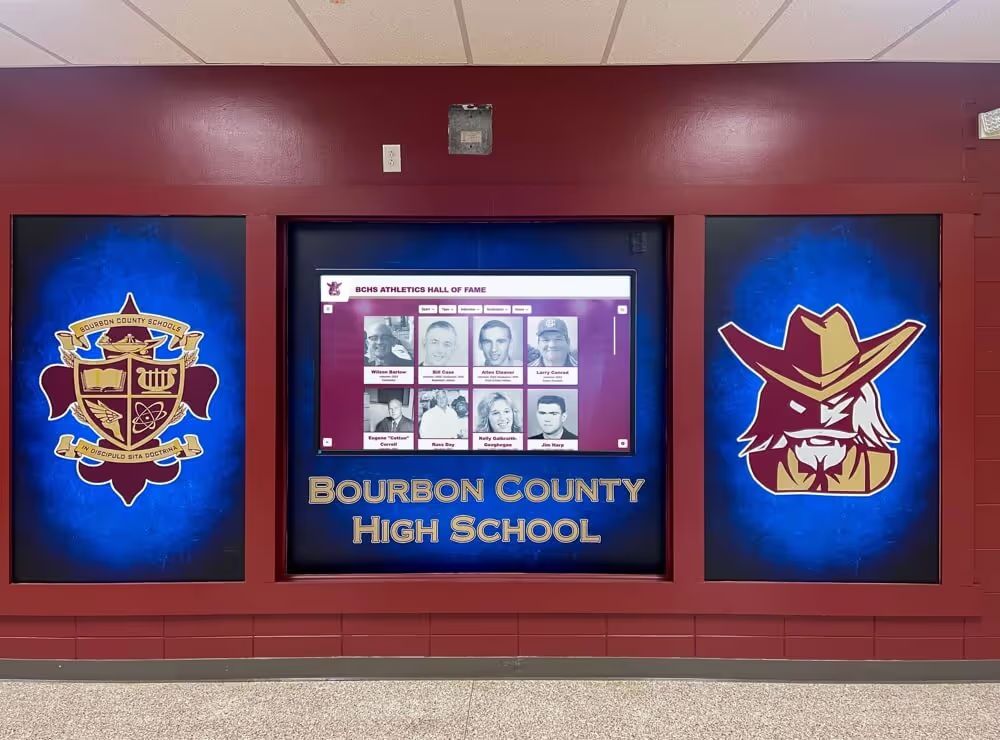
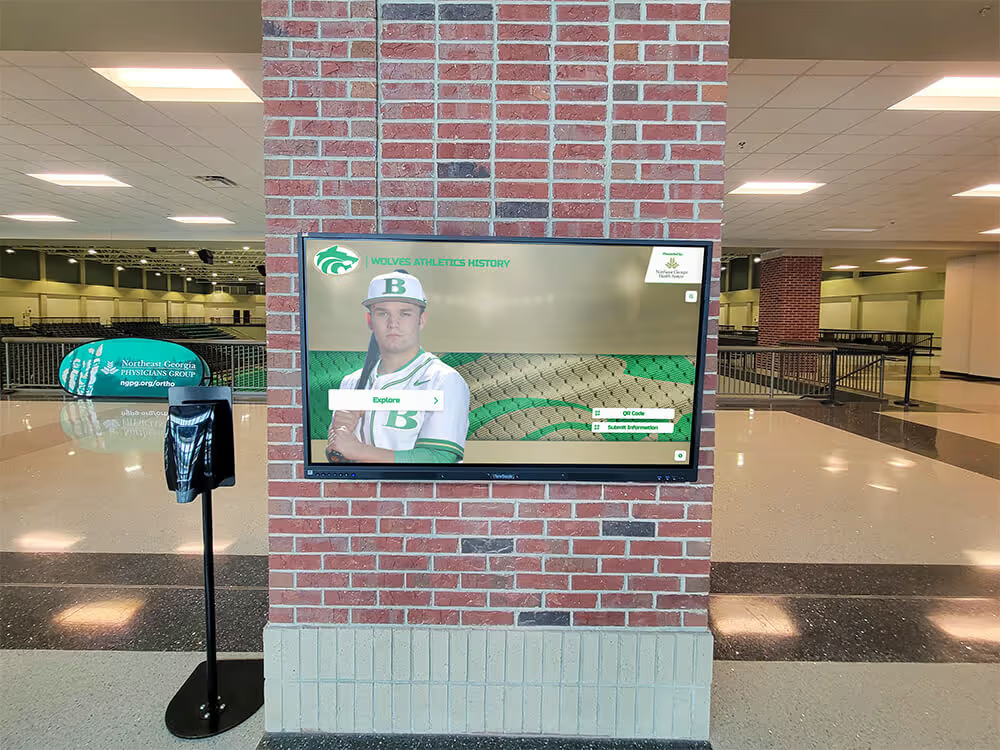
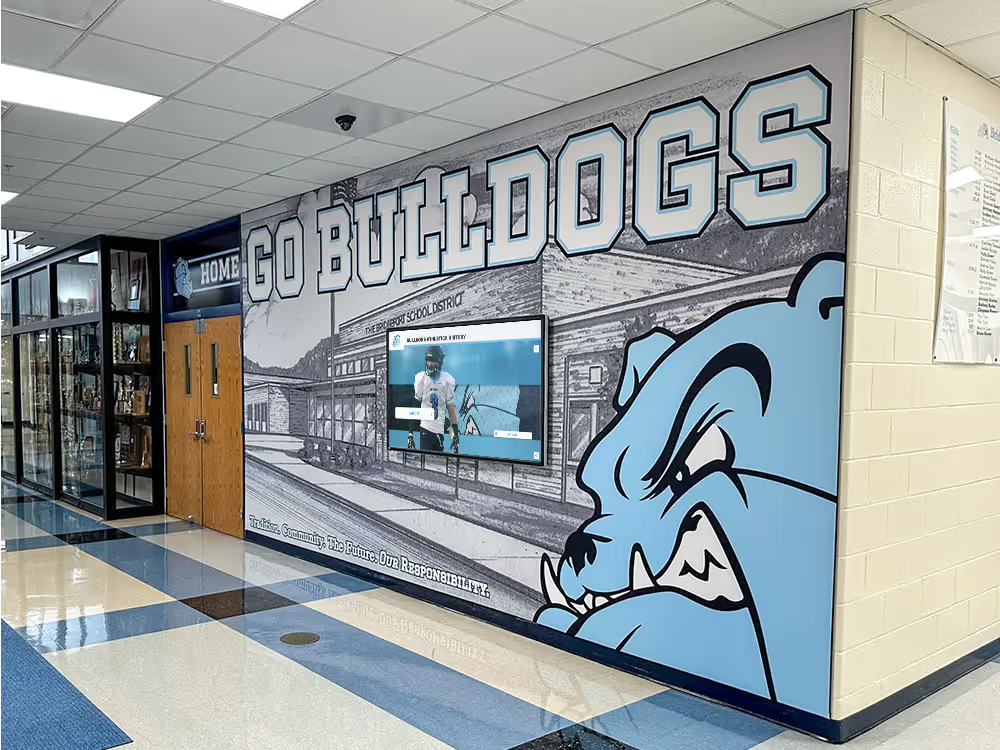
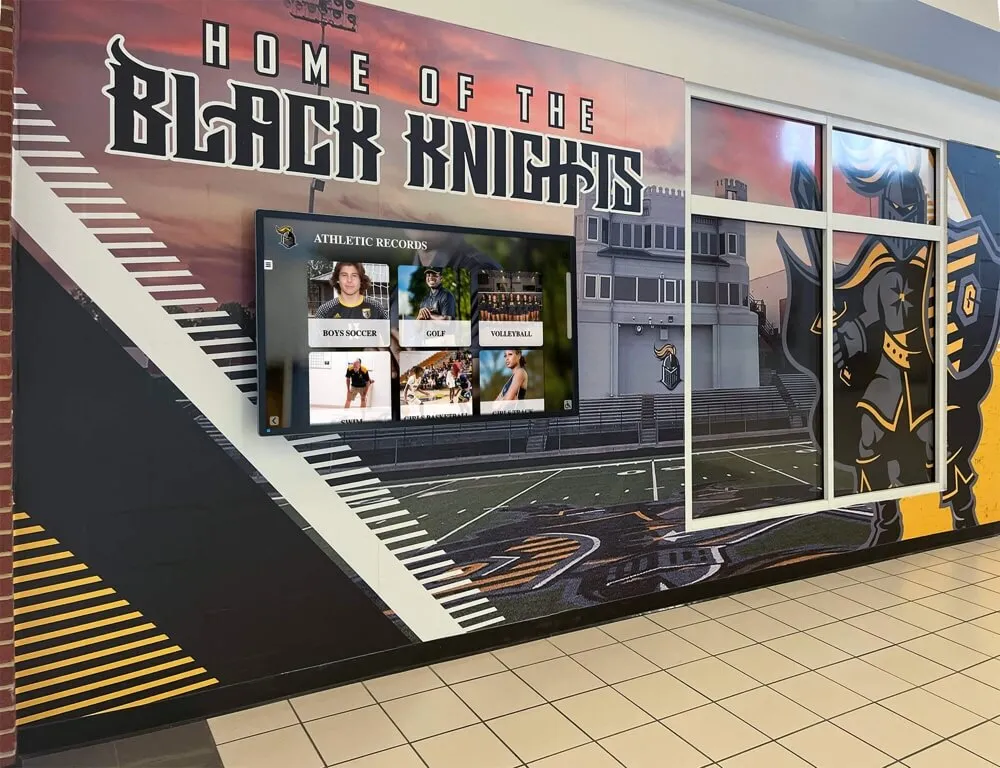
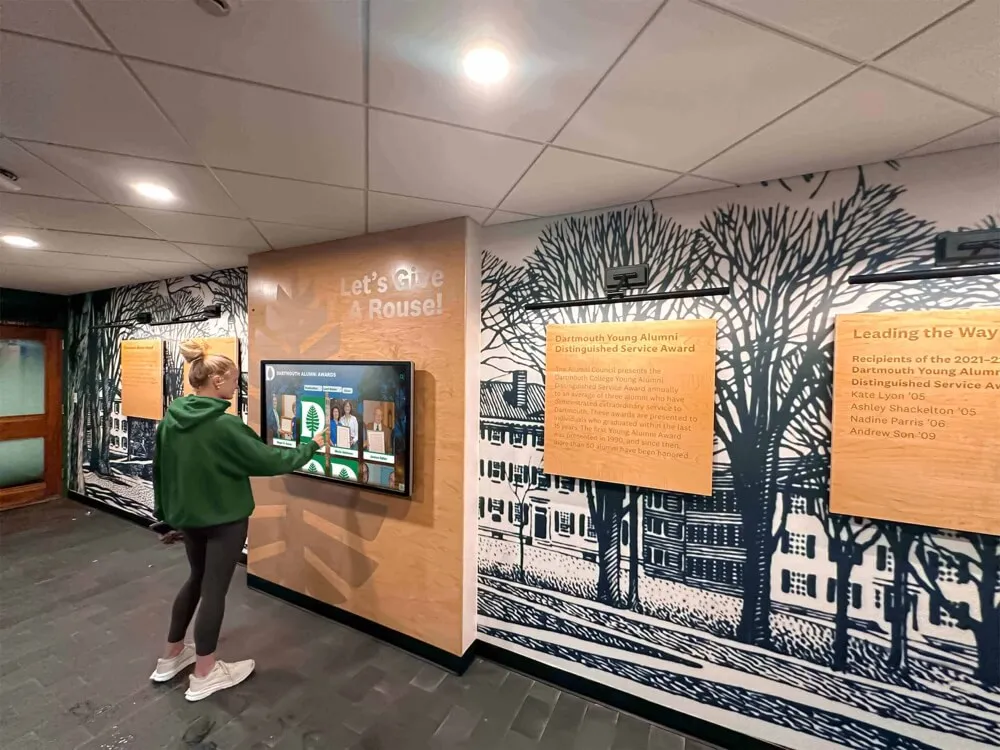
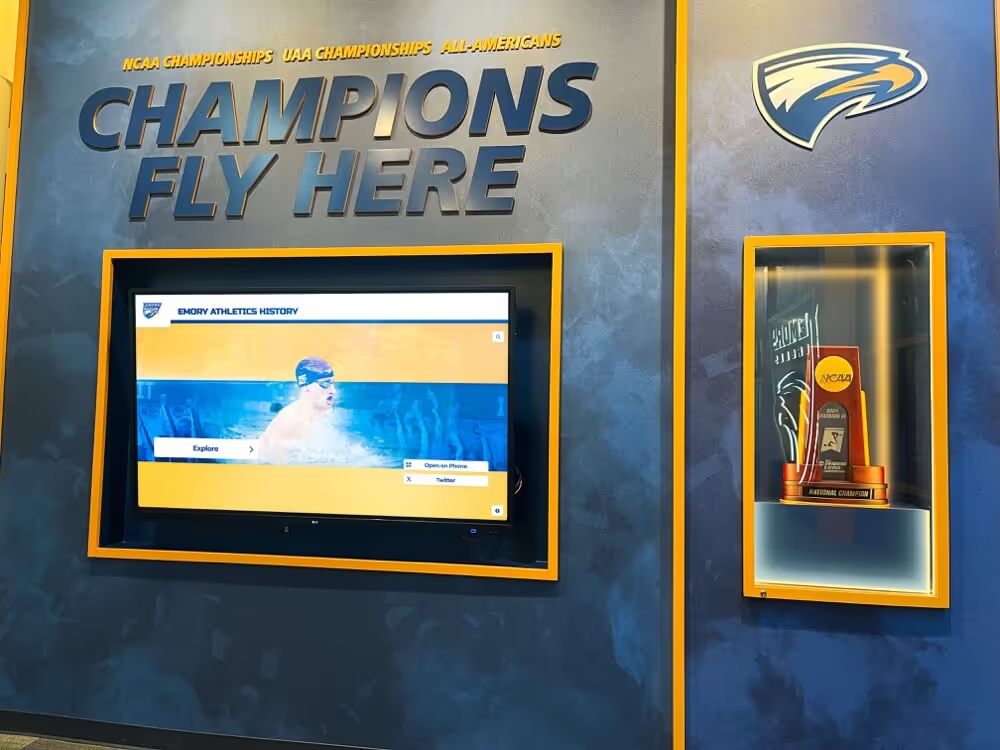
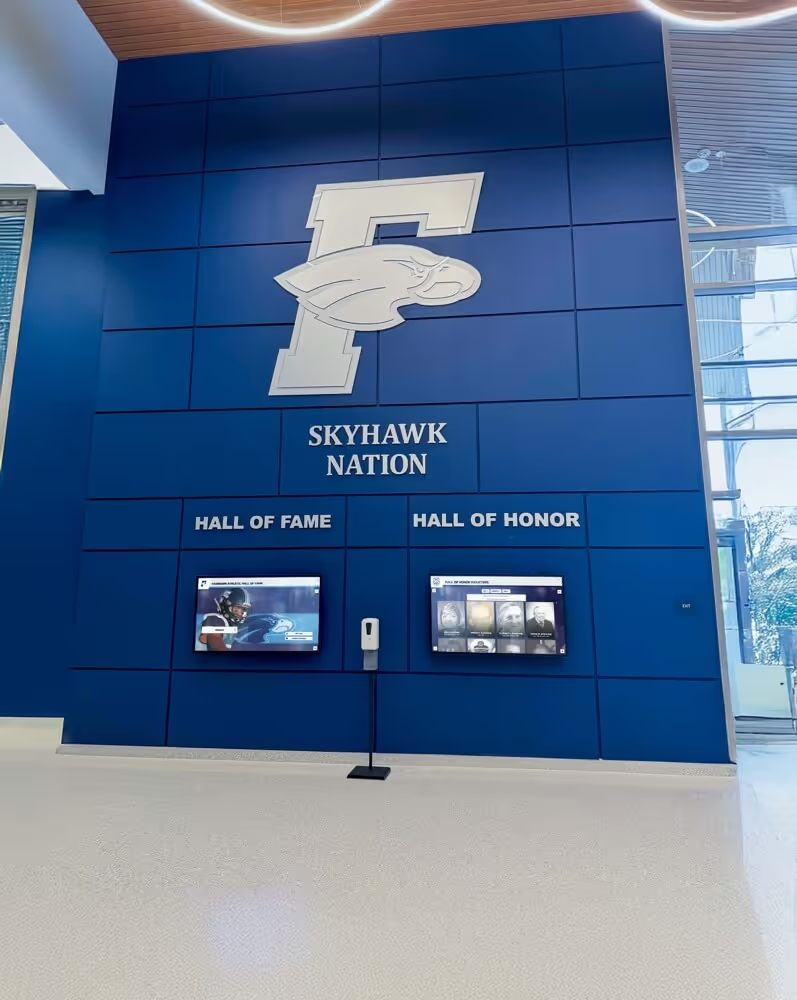
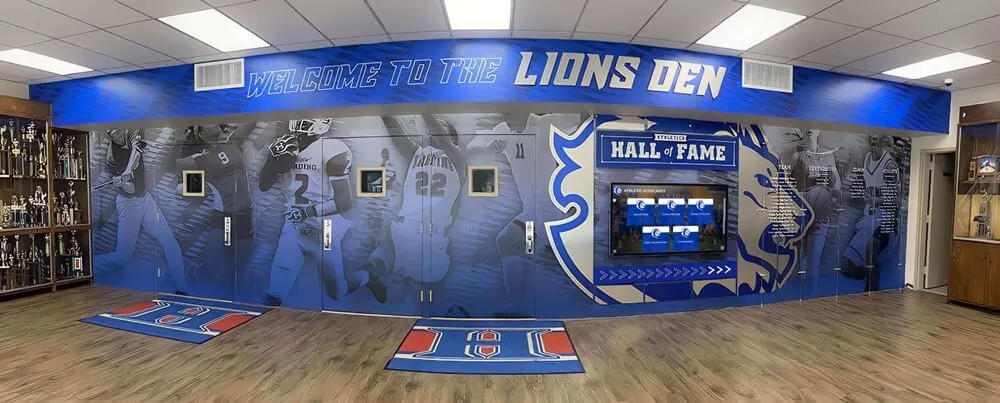
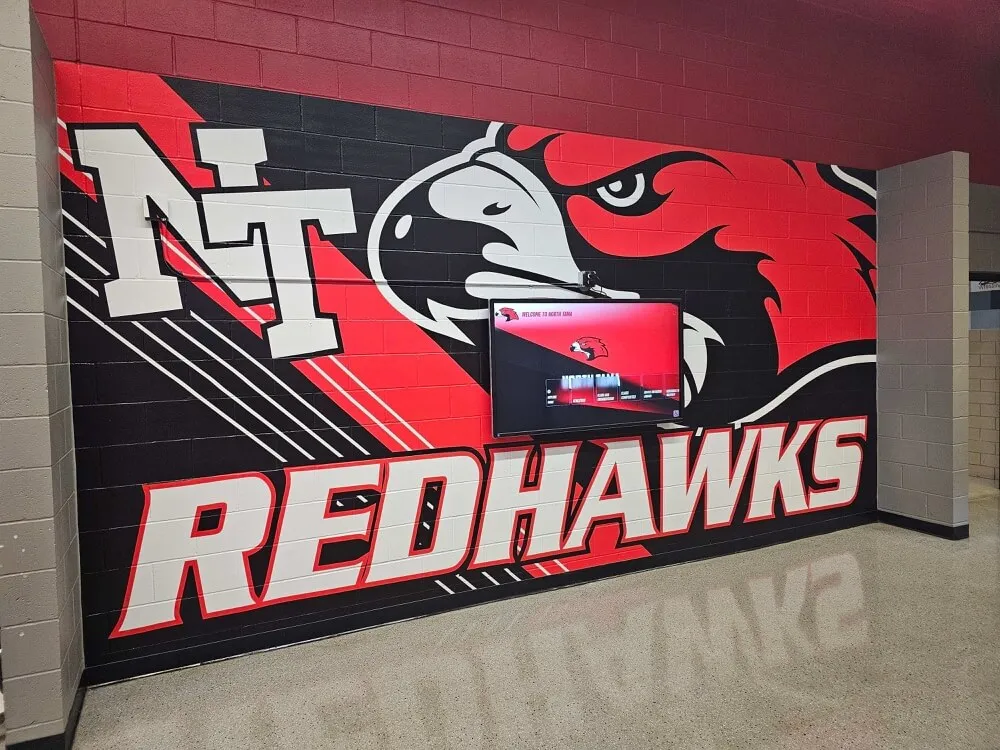
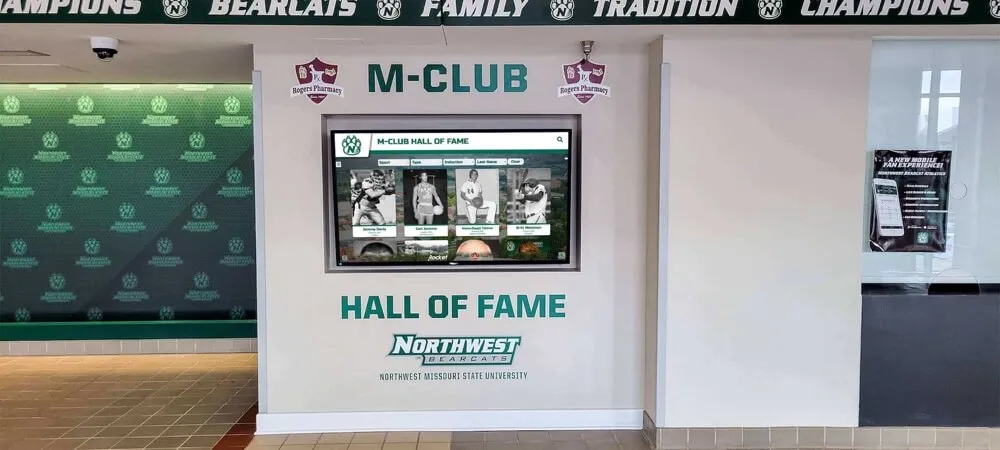
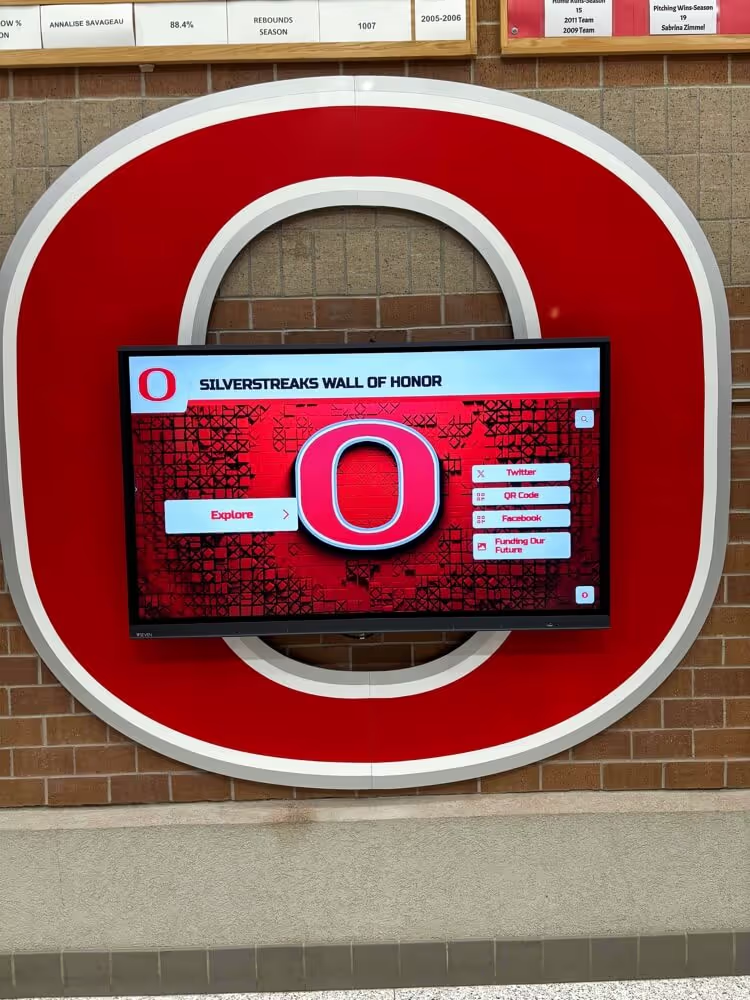
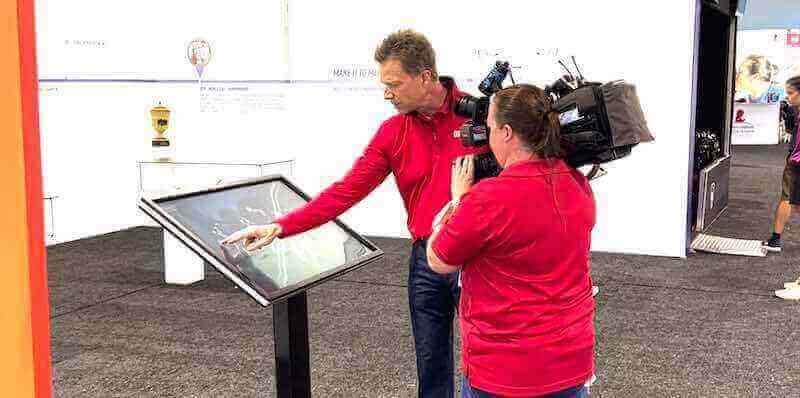
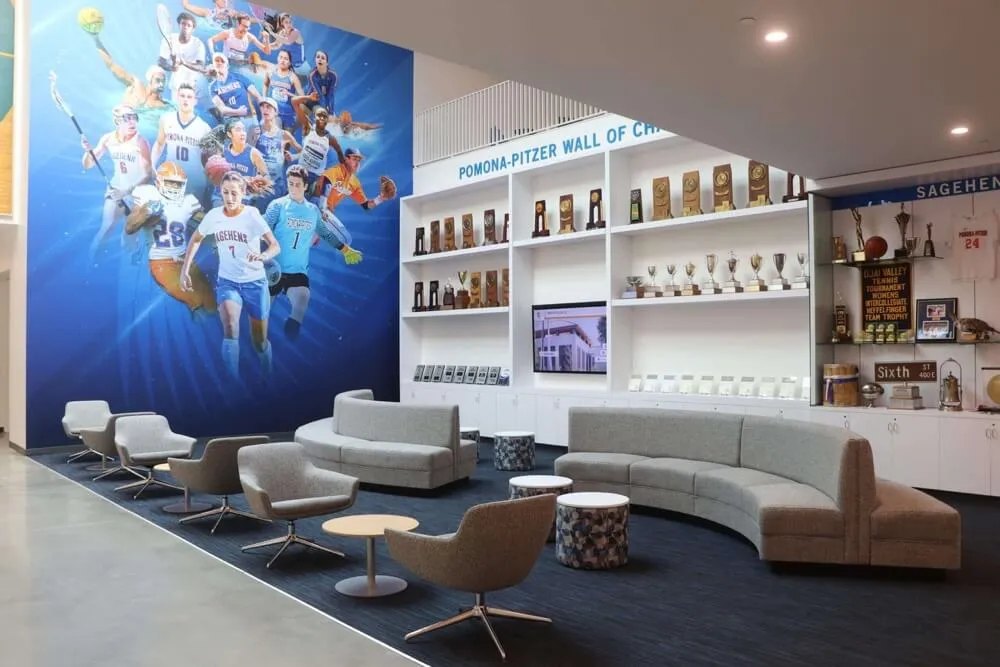
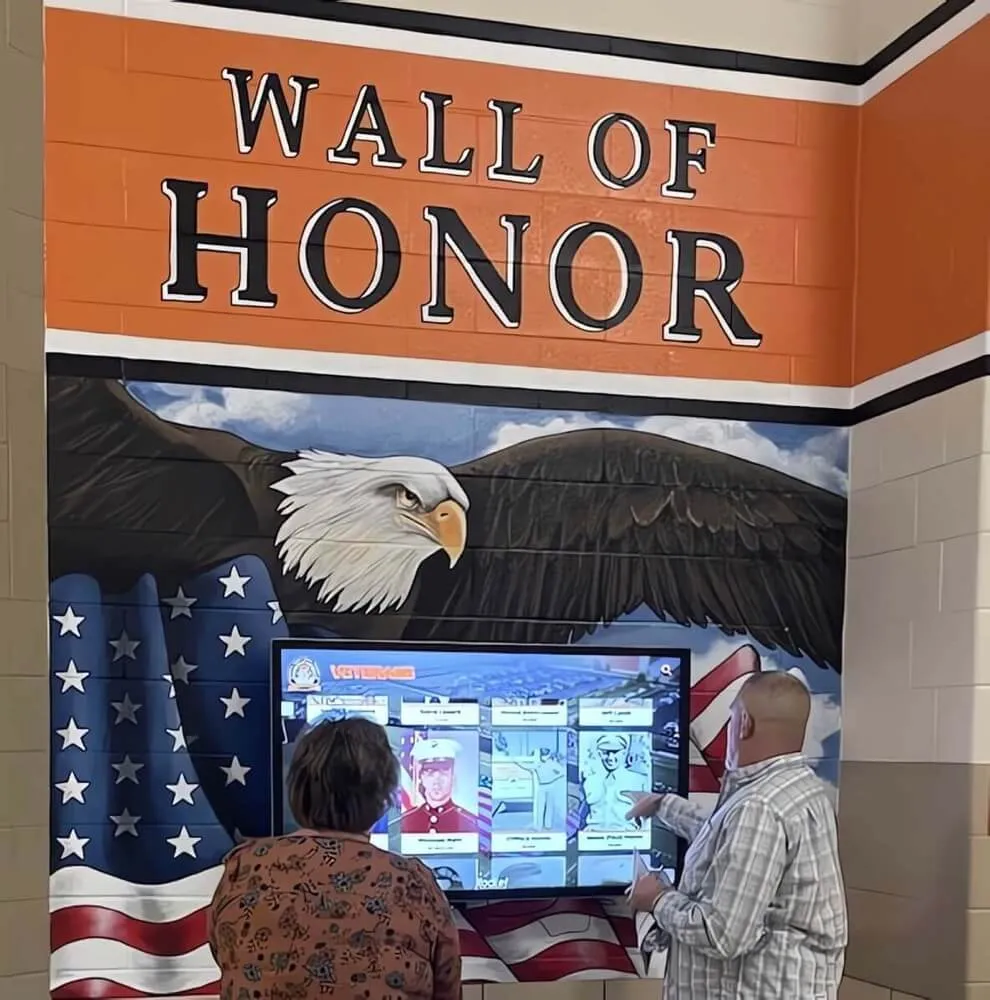
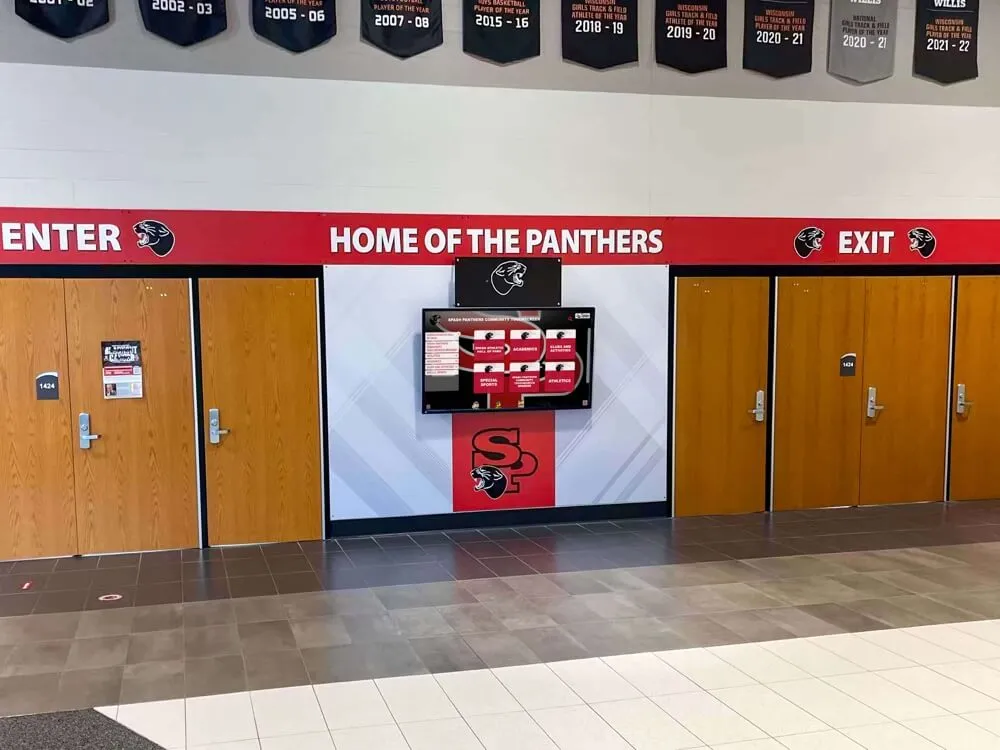
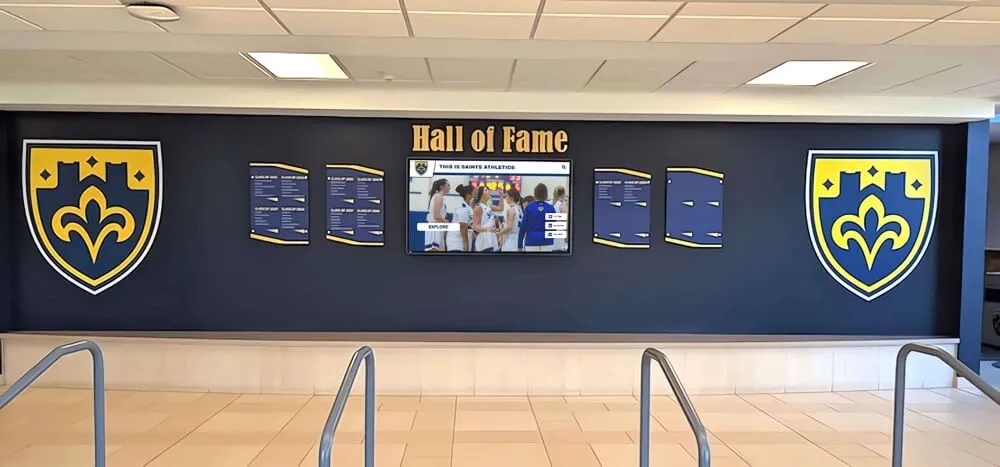
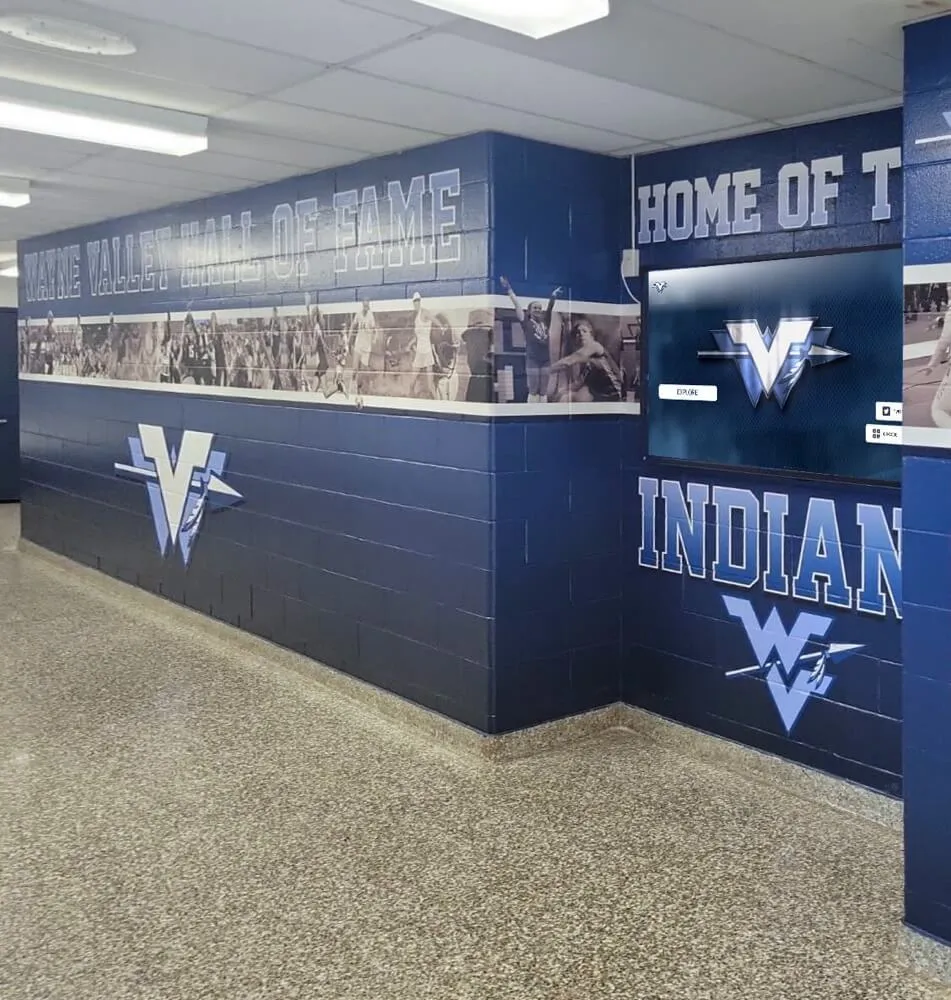
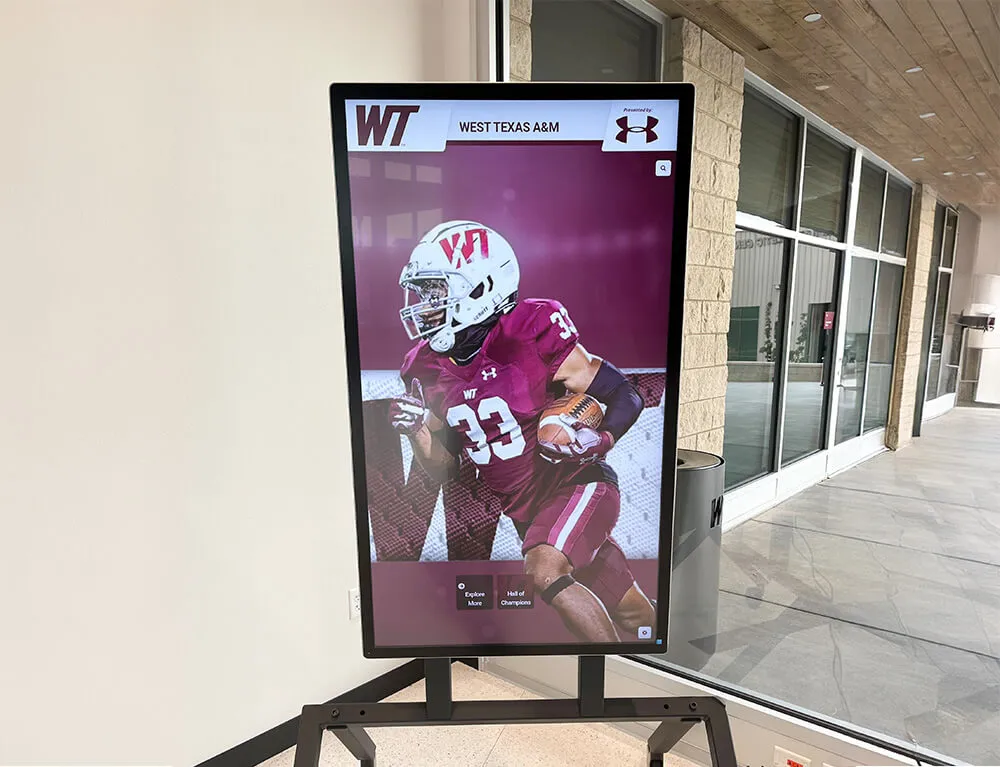
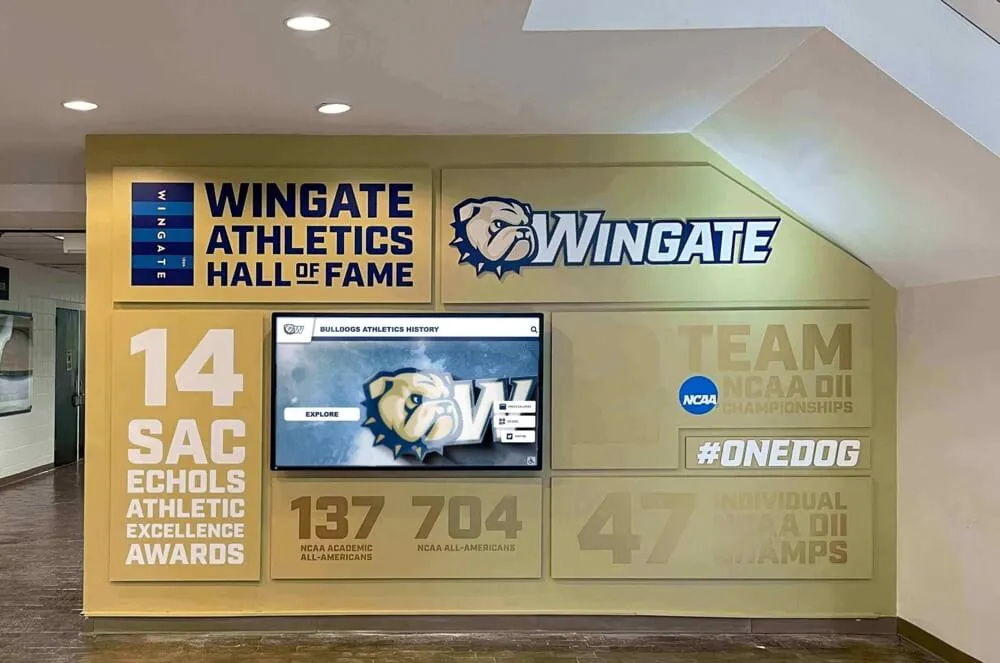
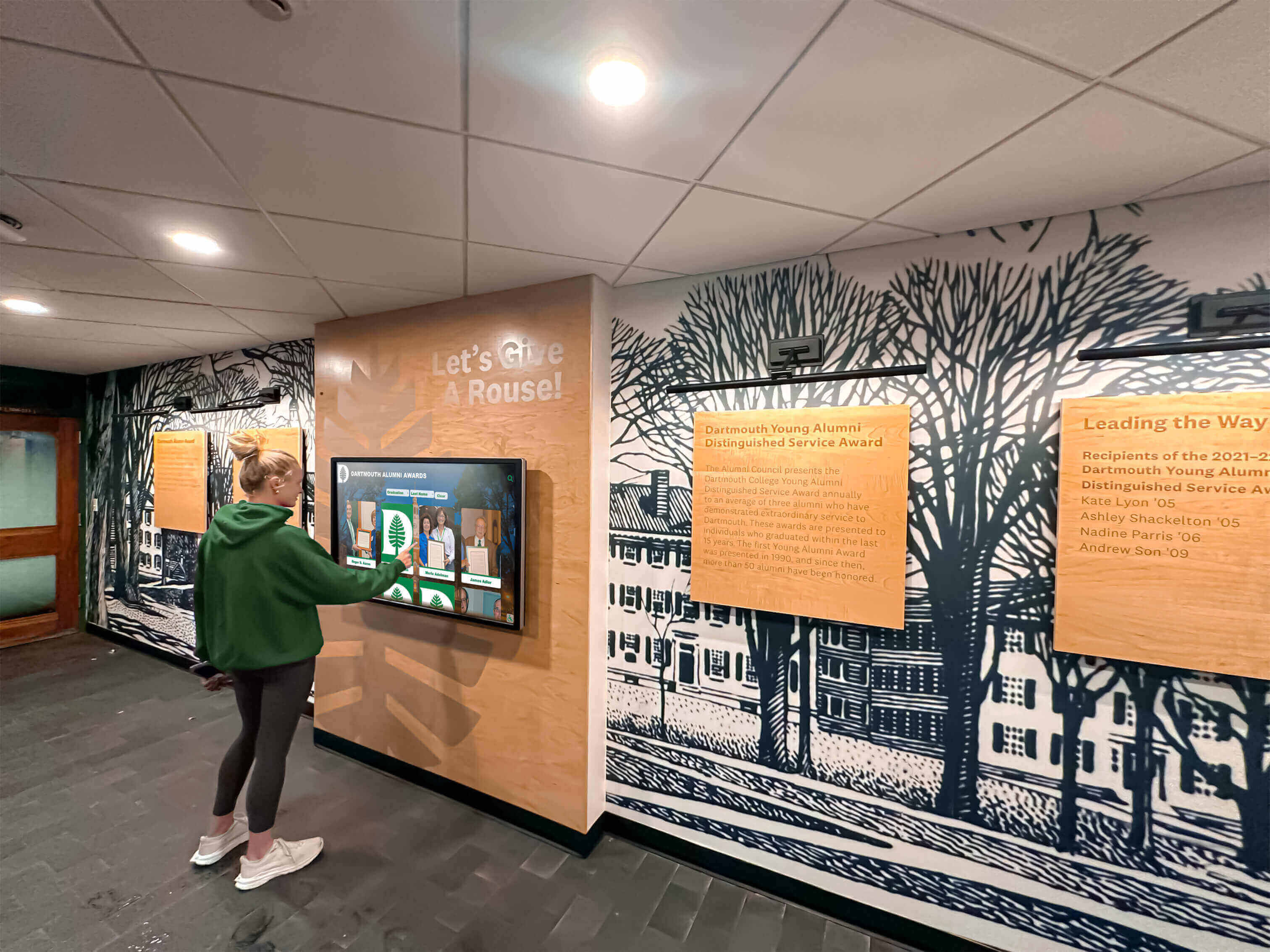
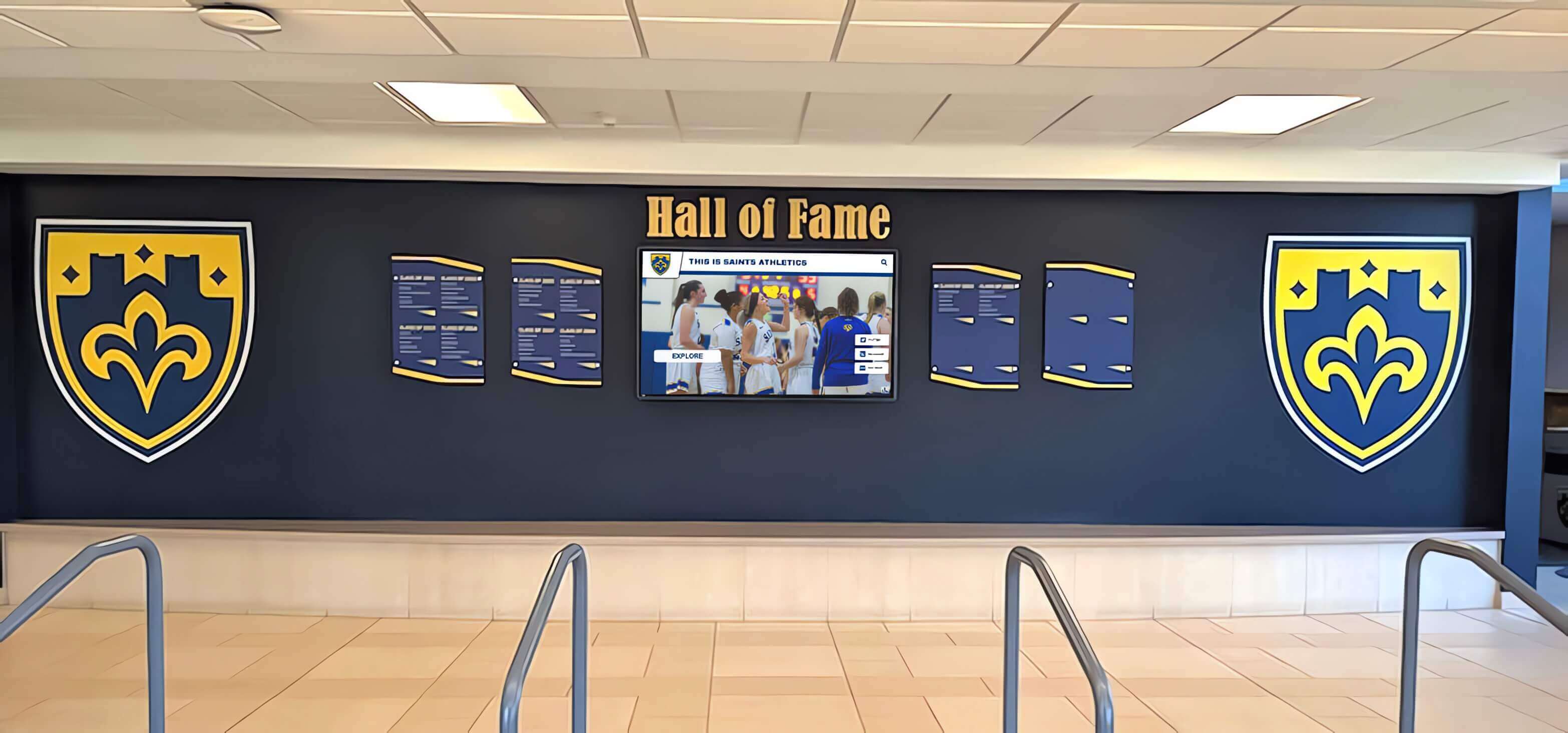
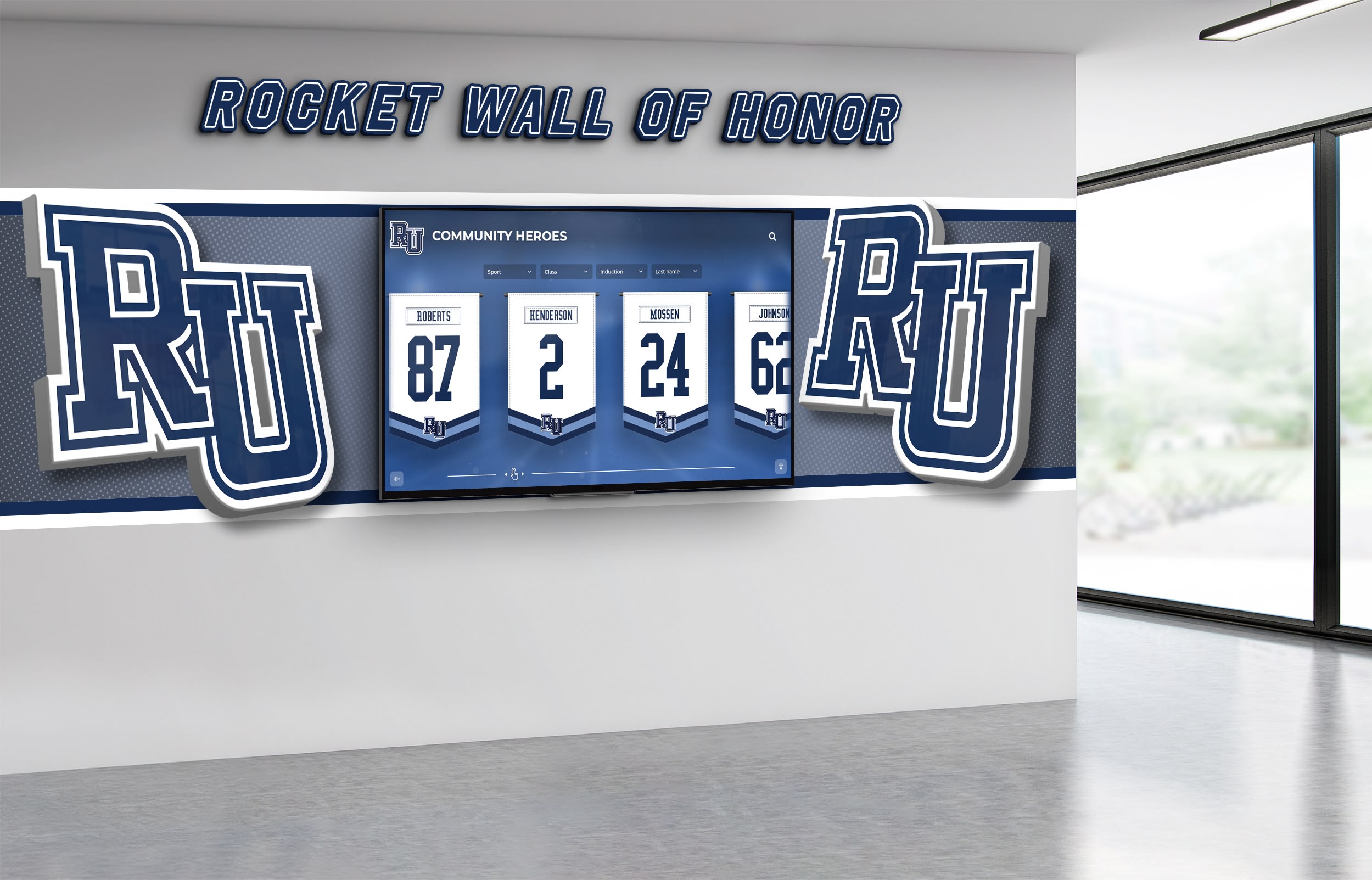
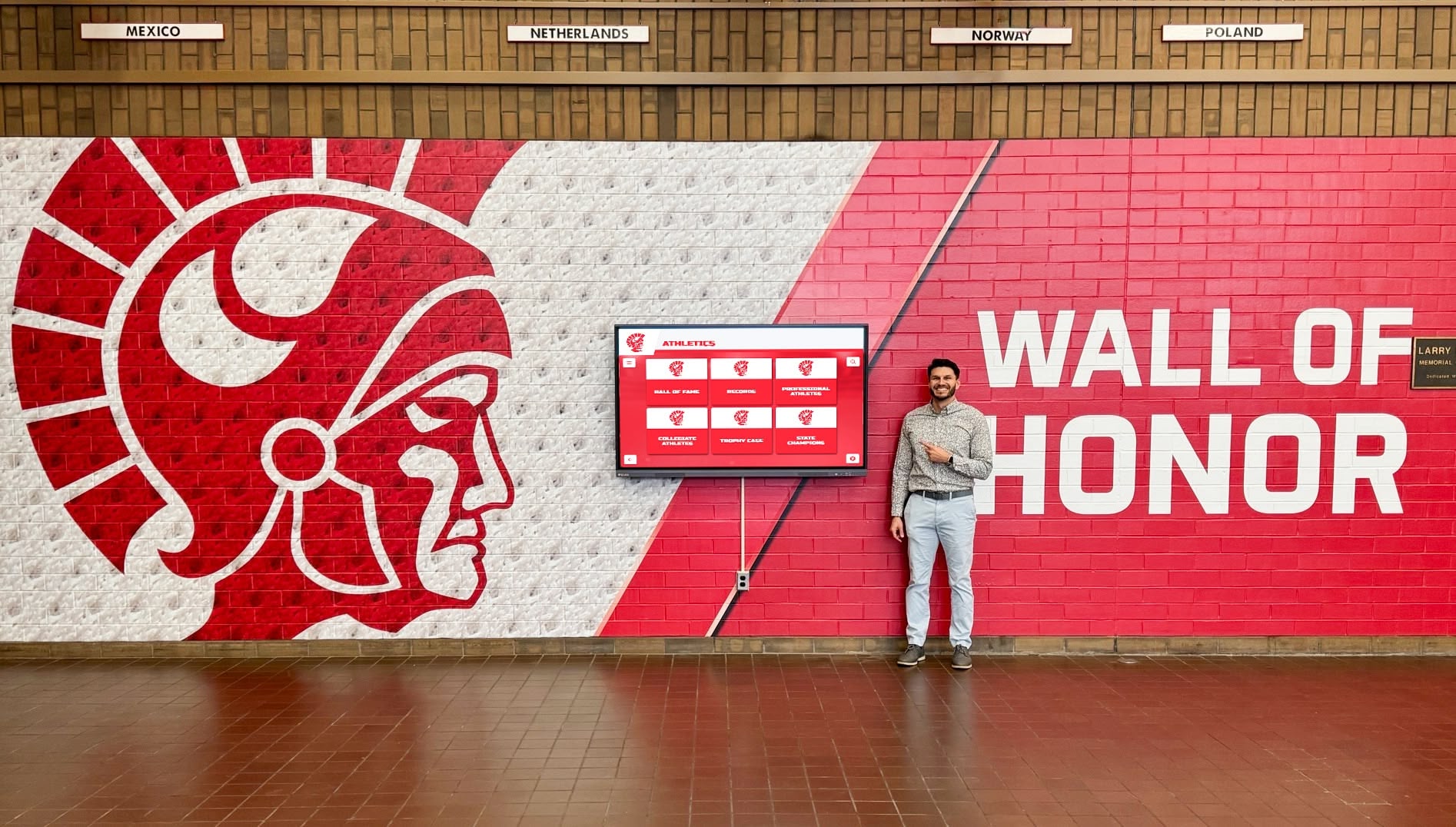
Freestanding or wall-mounted touchscreen kiosks provide the most engaging experience, allowing students to actively explore content, search for specific leaders, and interact with multimedia presentations. Interactive touchscreen solutions work especially well in lobby areas, cafeterias, and other spaces where students have time to explore content.
Touchscreen systems typically include commercial-grade displays designed for continuous operation, intuitive touch interfaces requiring no learning curve, content management systems for easy updates, and mounting options for various environments.
Digital Signage Displays
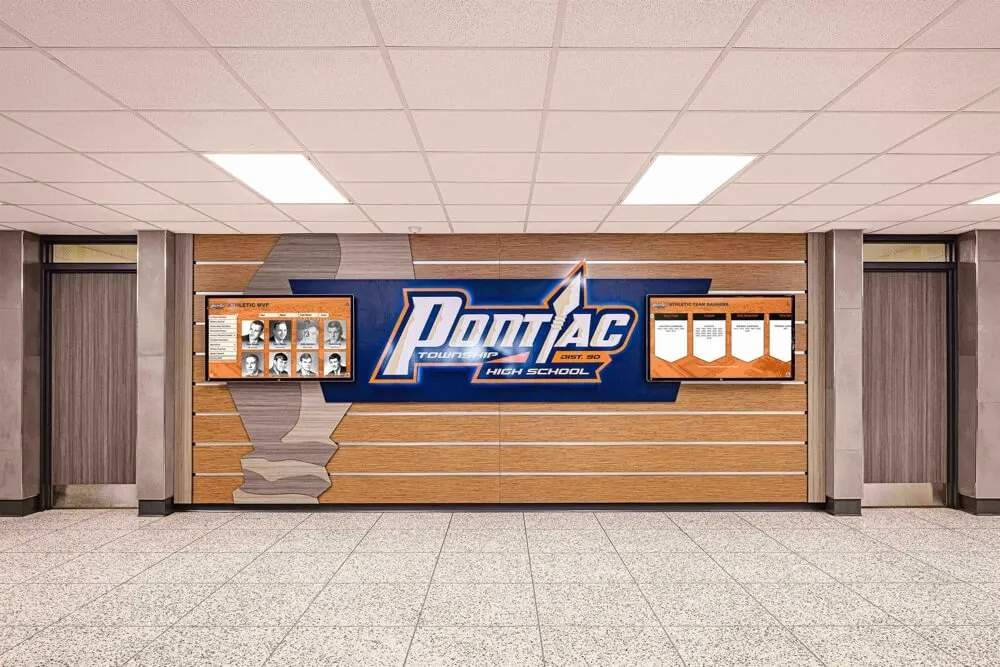
Non-interactive digital signage provides another option, displaying rotating content about current student government leaders, upcoming initiatives, and historical highlights. While lacking interactivity, digital signage costs less and works well for locations where brief attention is expected as students pass between classes.
Digital signage solutions excel at catching attention through movement and rotation, require minimal space in hallways or corridors, and can integrate with broader school communication systems.
Mobile-Responsive Web Platforms
Cloud-based platforms accessible via smartphones, tablets, and computers extend recognition beyond physical displays. While not replacing visible on-campus recognition, mobile platforms allow alumni, parents, and remote community members to explore student government history and current leadership.
Mobile platforms provide 24/7 access from anywhere, social sharing capabilities amplifying recognition, scalability without hardware constraints, and accessibility for all community members regardless of physical campus presence.
Hybrid Approaches
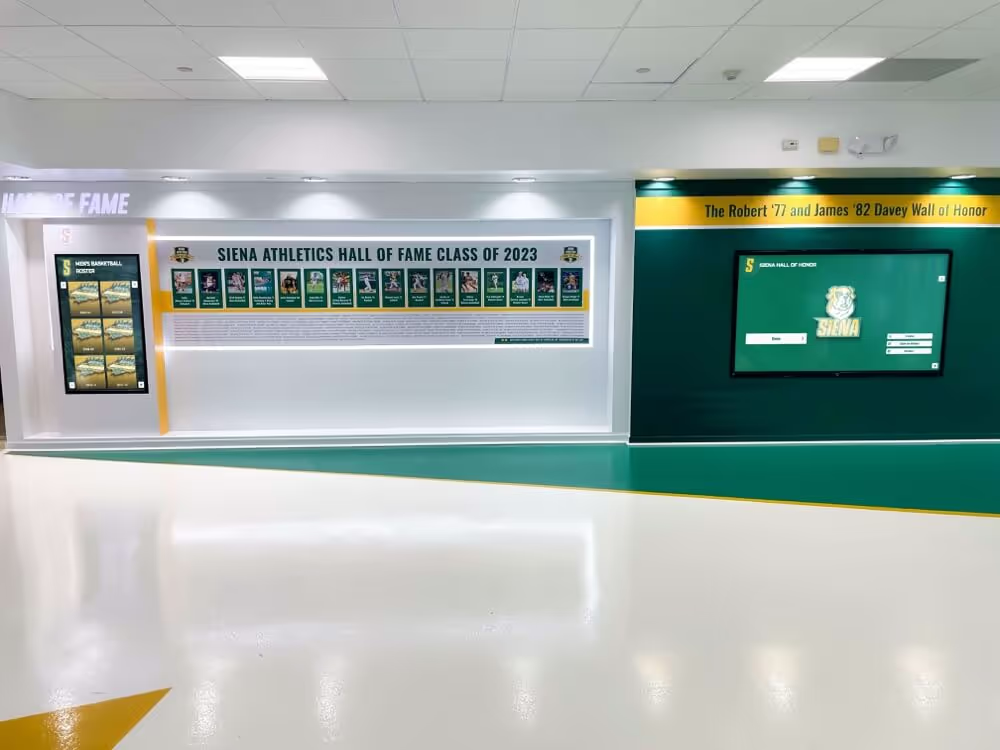
Many schools implement hybrid solutions combining touchscreen displays in prominent locations with digital signage in additional areas and mobile-responsive platforms providing universal access. This comprehensive approach maximizes visibility, engagement, and accessibility across different contexts and user needs.
Solutions like those from Rocket Alumni Solutions often provide integrated platforms where content updated once automatically appears across touchscreen kiosks, digital signage, and mobile-responsive websites, maximizing efficiency while ensuring consistency.
Determining Optimal Display Locations
Display placement significantly impacts visibility, engagement, and overall program effectiveness. Consider these location factors when planning installation.
High-Traffic Areas With Extended Dwell Time
The most effective locations combine high student traffic with environments where people naturally pause or gather. Main entrances and lobbies where students arrive, wait, and congregate provide ideal touchscreen placement since visitors have time to interact with content.
Cafeterias and commons areas offer extended dwell time during lunch periods and free time, creating opportunities for meaningful engagement rather than brief glances while passing.
Visibility to Multiple Stakeholder Groups
Consider which audiences should see your display beyond current students. Locations near administrative offices ensure visitors, parents, and prospective families see student leadership recognition. Displays near auditoriums or gymnasiums gain visibility during events when extended community members visit campus.
Proximity to Student Government Activities
Placing recognition near student government meeting rooms, offices, or activity areas reinforces the connection between physical spaces and leadership visibility. This proximity creates natural gathering points for student government members and interested students.
Multiple Display Strategy
Larger schools may benefit from multiple displays in different locations—perhaps an interactive touchscreen in the main lobby for comprehensive exploration and simpler digital signage in multiple hallways providing broader visibility of current leaders.
Content Planning and Organization
Thoughtful content structure ensures your display remains useful, engaging, and maintainable over time.
Current Leadership Profiles
The foundation of any class president display includes comprehensive profiles of current student government officers. Effective profiles typically include professional-quality photos with consistent formatting, full names and leadership positions, class year and graduation date, brief biographical information, leadership platform or goals, and contact information for students seeking to connect with leaders.
Consider including video introductions where officers share their vision, priorities, and backgrounds. These personal video messages create stronger connections than text profiles alone.
Historical Archives
Documenting past class presidents and student government officers creates valuable institutional records while inspiring current students by connecting them to leadership legacy. Digitizing historical photos and records preserves this legacy in accessible, searchable formats that physical archives cannot provide.
Historical content might include annual group photos of student government, individual profiles of class presidents by year, notable initiatives or accomplishments from past administrations, evolution of student government structure over decades, and archived photos from significant events or projects.
Leadership Achievements and Initiatives
Showcasing what student government actually accomplishes builds credibility and demonstrates that leadership positions involve meaningful work beyond titles. Document service projects and community initiatives, school improvement proposals implemented, events organized and executed, funds raised for charitable causes, and policy changes or reforms advocated successfully.
Getting Involved Information
Help interested students understand pathways to leadership by including election timelines and requirements, descriptions of different student government positions, application or candidacy processes, skills and experiences leadership develops, and contact information for advisors or current officers who can answer questions.
This content transforms displays from purely recognition-focused to actively recruiting and developing the next generation of student leaders.
Upcoming Events and Initiatives
Keep displays current and relevant by highlighting upcoming student government meetings, planned events or initiatives, voting information during elections, ways students can participate or provide input, and recent accomplishments or milestones achieved.
This dynamic content gives students reasons to repeatedly check displays rather than viewing them once and never returning.
Implementation Strategies for Maximum Impact
Moving from planning to execution requires attention to technical details, content creation, and launch strategies that ensure your display succeeds from day one.
Technical Implementation Considerations
Working with experienced providers streamlines technical implementation while ensuring professional results that reflect well on student leadership and institutional quality standards.
Hardware Selection
Commercial-grade displays designed for extended operation significantly outlast consumer products, justifying higher initial investment through multi-year reliability. Key hardware specifications include screen size appropriate to viewing distances and locations, brightness levels suitable for ambient lighting conditions, touchscreen responsiveness and durability for high-traffic environments, and mounting options compatible with your installation locations.
Professional installation ensures displays are securely mounted, properly powered, and optimally positioned for visibility and interaction. Poor installation can undermine even excellent content and hardware selections.
Software and Content Management
User-friendly content management systems allow non-technical staff to update displays without ongoing vendor dependency. Essential software features include intuitive interfaces requiring minimal training, template systems ensuring visual consistency, scheduling capabilities for time-sensitive content, multimedia support for photos, videos, and interactive elements, and mobile access enabling updates from anywhere.
Cloud-based platforms provide automatic updates, backups, and improvements without manual software maintenance, significantly reducing ongoing technical burden.
Network and Connectivity
Reliable network connectivity enables remote management and real-time updates. Work with IT departments to ensure adequate bandwidth, secure network access following institutional policies, reliable connectivity for critical locations, and appropriate firewalls and security measures protecting institutional networks.
Accessibility and Compliance
Ensure displays meet accessibility standards serving all students regardless of disabilities. Considerations include touch height ranges accessible to wheelchair users, audio descriptions for visual content supporting students with vision impairments, text size and contrast meeting readability standards, and alternative access methods through mobile platforms for students who cannot interact with physical displays.
Content Creation and Management
Quality content determines whether displays become valued resources or ignored installations that fail to achieve recognition objectives.
Developing Visual Standards
Consistent visual presentation creates professional impressions while simplifying ongoing content creation. Establish standards for photo specifications and formatting, color schemes and branding alignment, typography and text formatting, layout templates for different content types, and graphic elements and design consistency.
Document these standards in style guides that future content creators can reference, ensuring consistency even as student government officers and staff advisors change over years.
Gathering Historical Information
Reconstructing historical student government records requires systematic research across multiple sources. Productive research approaches include reviewing yearbooks for names, photos, and information, consulting school archives and administrative records, conducting alumni surveys gathering information and photos, interviewing long-time faculty who remember past leaders, and accessing old newspapers, programs, and event materials documenting student government activities.
Comprehensive recognition programs often reveal fascinating historical details that strengthen connections between current students and institutional legacy while demonstrating that today’s leaders join long traditions of student leadership.
Creating Engaging Multimedia Content
Take advantage of digital platforms’ multimedia capabilities by producing video messages from current leaders sharing their vision, interviews with past class presidents reflecting on their experiences, footage from student government events and initiatives, photo galleries documenting projects and accomplishments, and presentations about how student government works and how to get involved.
Quality multimedia content requires basic production skills and equipment. Consider partnering with media classes or journalism programs, recruiting student volunteers interested in photography and video, investing in basic equipment like ring lights and microphones, and providing training for staff advisors overseeing content creation.
Establishing Update Protocols
Regular updates keep displays relevant and engaging. Develop protocols specifying who is responsible for updates and how often, what triggers immediate updates like elections or major achievements, how content gets approved before publication, where source materials and assets are stored and organized, and how to archive historical content for future reference.
Digital platforms dramatically reduce update burden compared to physical displays, but successful programs still require dedicated attention and clear responsibilities for ongoing maintenance.
Launch Strategies That Drive Engagement
Thoughtful launch planning ensures your investment achieves maximum visibility and establishes displays as valued school resources from the beginning.
Pre-Launch Preparation
Before formal launch, ensure content is comprehensive and high-quality with current student government profiles complete and polished, sufficient historical content demonstrating depth and value, all multimedia elements tested and functioning correctly, and interactive features working reliably.
Conduct soft launches with small groups testing functionality, gathering feedback, and identifying issues before broader announcement.
Launch Event and Promotion
Create excitement around your new recognition system through launch events featuring ribbon cutting with student government officers, demonstrations showing how to use interactive features, speeches by student leaders and administrators emphasizing program importance, media coverage highlighting the initiative, and social media campaigns building awareness.
Involve current student government officers prominently in launch activities, reinforcing that displays celebrate their leadership while inspiring peers to pursue similar roles.
Integration With Existing Programs
Connect digital displays to existing school activities and programs including admission tours highlighting student leadership, new student orientations introducing student government, leadership classes or programs using displays as resources, alumni events showcasing institutional leadership traditions, and parent nights demonstrating school culture and student opportunities.
These integrations embed displays into regular school operations rather than treating them as standalone installations separate from broader school life.
Ongoing Promotion and Visibility
Maintain awareness after initial launch through regular social media posts highlighting featured content, announcements about new additions or updates, contests or activities involving display interaction, featured profiles in school communications, and recognition of students who use displays to research leadership opportunities.
Consistent promotion signals that displays remain priorities worth student attention rather than forgotten installations that initially excited but gradually faded from consciousness.
Best Practices for Class President Digital Displays
Learning from successful implementations helps schools avoid common pitfalls while maximizing the value their recognition systems provide.
Content Best Practices
Maintain Consistent Update Schedules
Displays lose credibility when content becomes visibly outdated. Establish realistic update schedules aligned with available resources—monthly updates work better than ambitious weekly schedules that prove unsustainable and eventually lapse.
Seasonal updates coordinated with natural school rhythms create predictable patterns. Update displays at the beginning of each semester with new leadership if applicable, after elections with incoming officers, before homecoming highlighting historical leaders and traditions, during recognition events celebrating various accomplishments, and at year-end documenting annual achievements and transitions.
Balance Historical and Current Content
While preserving history matters, displays must remain relevant to current students. Ensure home screens or default views prominently feature current leadership rather than requiring users to navigate through historical content to find today’s officers.
Provide clear navigation allowing easy movement between current information and historical archives, accommodating different user interests and needs.
Showcase Diverse Leadership Pathways
Student government includes more than class presidents. Recognize the full range of leadership positions including vice presidents and secretaries, committee chairs and members, grade-level representatives, club liaisons and coordinators, and special project leaders for specific initiatives.
This comprehensive recognition demonstrates that leadership opportunities exist at many levels, encouraging broader participation beyond only the highest-profile positions. Recognizing diverse leadership roles helps students understand that they can develop leadership skills through various pathways aligned with their interests and strengths.
Feature Leadership Impact and Outcomes
Move beyond listing positions to highlighting actual accomplishments and impacts. Document specific changes implemented through student government advocacy, funds raised and how they benefited causes or communities, events organized and participation achieved, student concerns addressed through leadership action, and skills developed through leadership experiences.
Impact-focused content builds respect for student government while inspiring peers to pursue leadership roles by demonstrating that these positions involve meaningful work with visible results.
Technical Best Practices
Prioritize User Experience and Intuitive Design
Displays must work intuitively without instruction, since students won’t read manuals or watch tutorials before using recognition systems. Design principles supporting intuitive use include clear visual hierarchy guiding attention to most important content, minimal text requiring excessive reading, obvious interactive elements signaling where to touch or click, consistent navigation across different sections, and quick response times avoiding frustration when interacting.
Test interfaces with diverse users including younger students, faculty unfamiliar with technology, and visitors encountering displays for the first time. If any test users struggle with basic navigation, redesign for greater simplicity.
Implement Robust Search Functionality
Search capabilities dramatically enhance utility, especially in displays covering years of leadership history. Effective search includes name-based search finding specific individuals, year-based search showing leaders from particular years, position-based search displaying all class presidents or specific roles, and keyword search locating content mentioning specific initiatives or accomplishments.
Plan for Long-Term Scalability
Choose solutions that accommodate growth over decades without requiring complete replacement. Scalability considerations include content databases supporting unlimited profiles, modular hardware allowing expansion or upgrades, software platforms receiving ongoing updates and improvements, and flexible content structures adapting to changing school needs.
Cloud-based platforms typically provide superior long-term scalability compared to custom-developed solutions tied to specific hardware or local servers requiring eventual replacement.
Ensure Reliable Performance
Nothing undermines digital displays faster than frequent malfunctions or downtime. Reliability requires commercial-grade hardware designed for continuous operation, professional installation following manufacturer specifications, preventive maintenance schedules addressing issues before failures, technical support providing prompt assistance when problems occur, and backup systems or contingency plans minimizing interruption during repairs.
Professional solutions from providers like Rocket Alumni Solutions include support and maintenance ensuring reliable operation rather than leaving schools struggling with technical issues that staff lack expertise to resolve.
Governance and Policy Considerations
Establish clear policies governing display content and management to avoid future conflicts or inappropriate use.
Content Approval Processes
Define who reviews and approves content before publication, especially for sensitive topics or controversial information. Many schools establish approval workflows requiring student government advisor review for all student-submitted content, administrator approval for certain content categories, periodic audits ensuring accuracy and appropriateness, and clear standards about acceptable content and prohibited material.
Privacy and Consent Policies
Recognize that not all students may want photos or information displayed publicly. Develop policies addressing parental consent requirements for minors, student opt-out procedures for those preferring limited visibility, data privacy considerations for personal information, and photo usage rights and permissions.
Historical Accuracy Standards
Institutional history deserves accurate representation. Implement verification procedures confirming historical information accuracy, citation requirements for significant claims or accomplishments, correction processes when errors are discovered, and transparent acknowledgment of information gaps where records are incomplete.
Succession Planning
Student government officers and faculty advisors change regularly. Document all processes, access credentials, content standards, and technical information ensuring smooth transitions when responsible individuals change. Create detailed procedure manuals, train multiple individuals on critical functions, maintain secure password management systems, and conduct annual reviews updating documentation as processes evolve.
Maximizing Return on Investment
Digital recognition systems represent significant investments that should deliver measurable value beyond simply looking modern and impressive.
Measuring Display Effectiveness
Quantifiable metrics demonstrate value to administrators and stakeholders while identifying improvement opportunities.
Usage Analytics
Modern digital platforms provide detailed analytics about how users interact with displays. Valuable metrics include total interactions and session counts, average interaction duration, most-viewed content and popular features, search terms users enter, and time-of-day and seasonal usage patterns.
These analytics reveal whether displays receive attention or are largely ignored, which content resonates most strongly, and where user experience improvements might increase engagement.
Student Awareness and Perception
Periodic surveys assess whether displays achieve awareness and culture objectives. Survey questions might measure percentage of students aware displays exist, recognition of current class presidents and officers, perceptions about student government importance and visibility, reported likelihood of pursuing leadership based on display inspiration, and satisfaction with how school recognizes student leadership.
Comparing results across years demonstrates whether initiatives improve student government visibility and perception over time.
Leadership Participation Trends
Ultimate success appears in whether displays contribute to stronger student government programs through increased candidacy for leadership positions, higher election participation and voter turnout, greater diversity in leadership applicants, improved quality of leadership candidates and platforms, and stronger overall student government engagement and participation.
While multiple factors influence these outcomes beyond recognition alone, visible positive trends suggest displays contribute to healthier student government culture.
Alumni Engagement Metrics
Digital platforms accessible online allow alumni interaction with student government history. Track alumni portal visits and usage, social sharing of historical content, alumni submissions updating information or providing photos, participation in alumni leadership events or programs, and qualitative feedback about connecting with institutional leadership heritage.
Alumni engagement through digital recognition can strengthen ongoing connections between graduates and institutions, supporting broader advancement and development objectives.
Integration With Broader Recognition Programs
Class president displays work best as components of comprehensive recognition strategies celebrating diverse accomplishments across academic, athletic, artistic, service, and leadership domains.
Coordinated Recognition Ecosystems
Consider how student government recognition connects to other displays recognizing academic achievements, athletic accomplishments, arts and performance excellence, community service contributions, and distinguished alumni across various fields.
Unified platforms managing multiple recognition categories provide consistency while simplifying administration. Schools using solutions like Rocket Alumni Solutions can maintain separate displays for different recognition domains while managing all content through single administrative interfaces.
Cross-Recognition Opportunities
Many students excel in multiple domains. Digital systems can show these connections through profiles appearing in multiple recognition contexts, tags linking related achievements across categories, timeline views showing students’ comprehensive accomplishments, and comparative analytics revealing overlap between leadership and other success factors.
These connections help students see that leadership complements other pursuits rather than competing for limited time and energy.
Supporting Leadership Development Programs
Integrate recognition with leadership curricula and development programs including leadership class assignments researching past leaders, student reflections documenting their leadership journeys, mentorship connections between current and past leaders, portfolio development for college applications and scholarships, and data analysis exploring leadership participation patterns and outcomes.
This integration transforms displays from passive recognition into active educational resources supporting intentional leadership development.
Overcoming Common Implementation Challenges
Understanding typical challenges helps schools anticipate and address obstacles before they derail successful implementation.
Budget Constraints and Funding Strategies
Digital recognition requires initial investment that may seem daunting, especially for schools with limited discretionary budgets.
Realistic Cost Expectations
Class president digital displays vary significantly in cost depending on scope and technology. Basic digital signage systems with simple content rotation might cost $3,000-$8,000 including display, mounting, and basic software. Interactive touchscreen kiosks with comprehensive content management typically range from $8,000-$20,000 for single installations. Comprehensive multi-display systems covering entire campuses might reach $25,000-$75,000+ depending on the number of displays and customization.
While these figures exceed traditional bulletin board costs, calculate total cost of ownership over multi-year periods. Digital systems eliminate recurring printing and mounting costs while providing dramatically greater capacity and functionality.
Funding Sources and Strategies
Creative funding approaches make implementation feasible including parent organization or booster club funding, alumni association support recognizing leadership legacy value, student government fundraising with graduating classes leaving legacy installations, grant opportunities for educational technology or student engagement, phased implementation spreading costs across multiple budget cycles, and corporate partnerships or sponsorships from local businesses.
Frame proposals emphasizing multiple benefits beyond simple recognition including student engagement and culture building, alumni connection and institutional pride, modern facilities prospective families value, and leadership development supporting student success.
Technical Support and Maintenance Concerns
Schools appropriately worry about becoming dependent on complex technology requiring ongoing technical support beyond available expertise.
Choosing Sustainable Solutions
Prioritize platforms designed for educational environments rather than repurposed commercial products requiring specialized technical knowledge. Sustainable solutions offer cloud-based platforms requiring no local server maintenance, intuitive interfaces that non-technical staff can manage, reliable commercial-grade hardware with long service lives, comprehensive support including training, troubleshooting, and repairs, and automatic software updates preventing obsolescence.
Professional providers like Rocket Alumni Solutions specialize in turnkey educational recognition solutions, handling technical complexity while schools focus on content and leadership rather than IT troubleshooting.
Building Internal Capacity
Reduce external dependency by developing internal capabilities through comprehensive training for designated staff, clear documentation of all procedures and processes, relationships with support providers for complex issues, periodic refresher training as staff changes, and involvement of technology-oriented students in appropriate roles.
Even with user-friendly systems, designating specific staff members as primary system administrators ensures accountability and expertise development rather than diffusing responsibility across many people with limited familiarity.
Content Development Time Requirements
Creating compelling content requires time that busy administrators and faculty advisors must find within already-full schedules.
Realistic Time Expectations
Initial implementation requires significant content development effort, typically including 20-40 hours researching and compiling historical information, 10-20 hours creating current officer profiles and content, 5-10 hours organizing and formatting photos and media, 10-15 hours learning system administration and setup, and 5-10 hours testing and refinement before launch.
Ongoing maintenance requires far less time, typically 1-2 hours monthly for routine updates or 3-5 hours during transitions or major content additions.
Efficiency Strategies
Reduce time requirements through phased content development launching with current leaders and gradually adding historical content, student involvement with leadership students contributing content development, template systems that simplify repetitive content creation, bulk upload capabilities for efficient historical data entry, and alumni contributions where former student leaders provide information and photos.
Perfect comprehensiveness isn’t required for launch. Starting with strong current content and methodically adding historical information over months or years creates sustainable workflows rather than overwhelming initial effort that exhausts available capacity.
Conclusion: Elevating Student Leadership Through Modern Recognition
Modern digital platforms transform recognition from static, space-limited displays into dynamic, interactive experiences that engage current students, preserve comprehensive leadership history, inspire future leaders, and connect alumni to institutional traditions spanning decades. Whether you’re implementing your first digital recognition system or expanding existing installations, the strategies outlined in this guide provide frameworks adaptable to your unique institutional context, resources, and student leadership culture.
Successful implementation requires thoughtful planning considering objectives, locations, content strategies, and technical requirements. Schools that partner with experienced providers like Rocket Alumni Solutions benefit from turnkey solutions designed specifically for educational environments, eliminating technical complexity while enabling schools to focus on what matters most—celebrating student leaders who shape school culture and develop skills benefiting them throughout their lives.
The most effective class president displays aren’t merely recognition tools—they’re conversation starters inspiring students to pursue leadership, historical archives preserving institutional memory, engagement platforms connecting diverse stakeholders, and cultural touchpoints reinforcing that student voices matter and student leadership deserves professional recognition reflecting its genuine importance.
Ready to Transform Student Leadership Recognition?
Discover how digital recognition displays can elevate your student government visibility while building lasting leadership culture. Explore Rocket Alumni Solutions to see how schools nationwide are using interactive touchscreen technology to honor student leaders, strengthen school culture, and create recognition programs that inspire the next generation of leaders.
From celebrating outstanding students to recognizing National Honor Society members, the right digital recognition solutions make it easier to implement class president displays that build pride, strengthen leadership culture, and create traditions worth celebrating for generations to come.