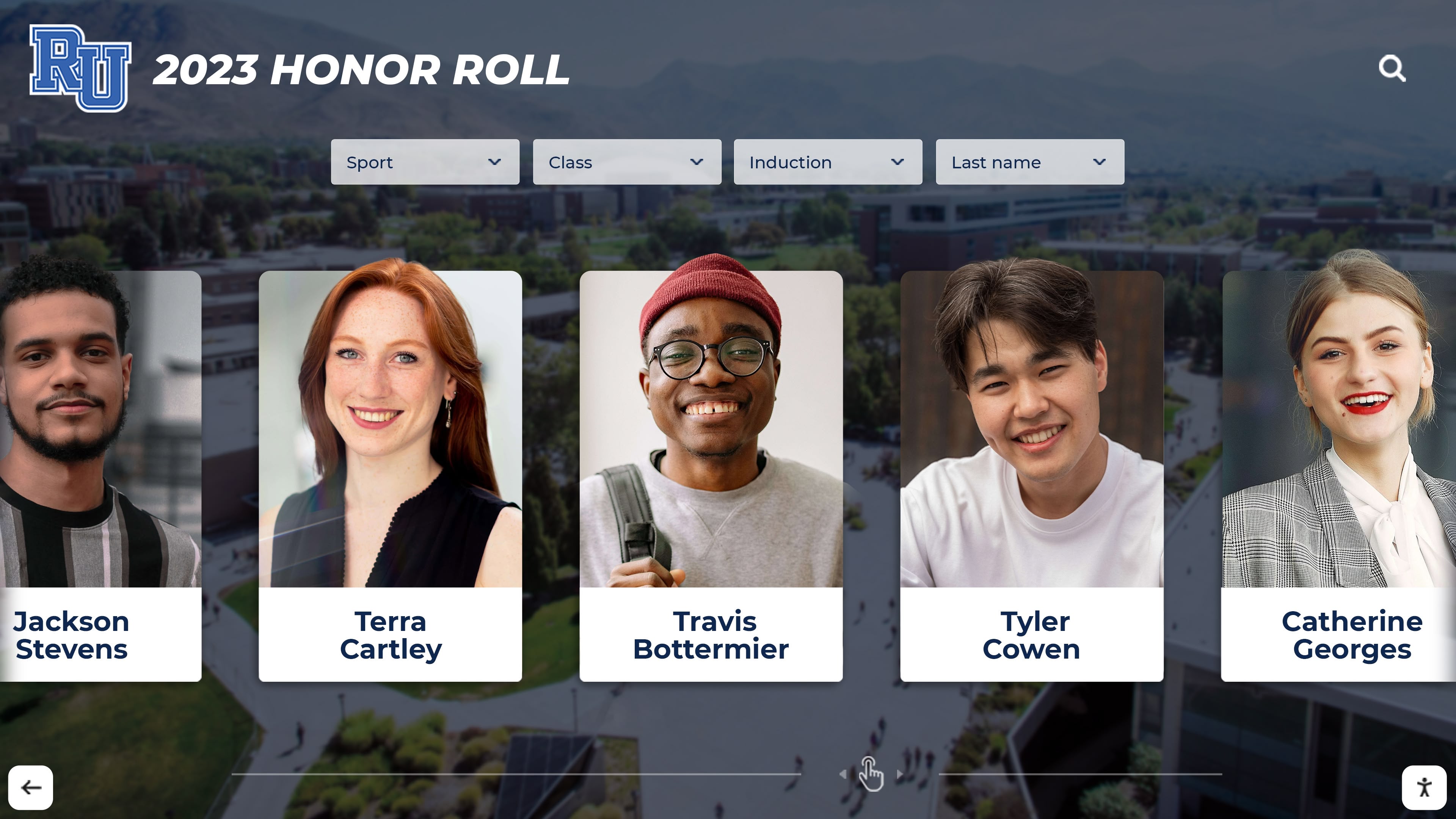




Key Takeaways
Comprehensive guide to creating memorable Class of 2026 digital showcases. Learn how to honor senior achievements, college commitments, and student accomplishments through modern interactive displays and recognition systems.
This comprehensive guide explores everything schools need to know about implementing effective Class of 2026 digital showcases that transform senior recognition from fleeting moments into enduring celebrations connecting current students, alumni, families, and communities across generations.
Understanding the Modern Senior Showcase Landscape
Before designing Class of 2026 recognition programs, schools must understand how senior recognition has evolved and why digital approaches now deliver dramatically superior results compared to traditional methods.
The Evolution of Senior Recognition
Senior recognition in educational institutions has followed a predictable evolution reflecting available technology and cultural expectations:
Traditional Recognition (1950s-1990s): Physical yearbooks, printed programs, static trophy cases, wall-mounted plaques, and brief graduation ceremonies comprised senior recognition. These approaches created permanent records but offered limited accessibility, minimal interactivity, and constrained capacity for comprehensive storytelling.
Early Digital Era (2000s-2010s): Schools began supplementing physical recognition with basic digital elements like PDF programs posted online, simple photo galleries on websites, and social media announcements. However, these early digital efforts remained disconnected, difficult to maintain, and lacked the sophistication needed for engaging experiences.
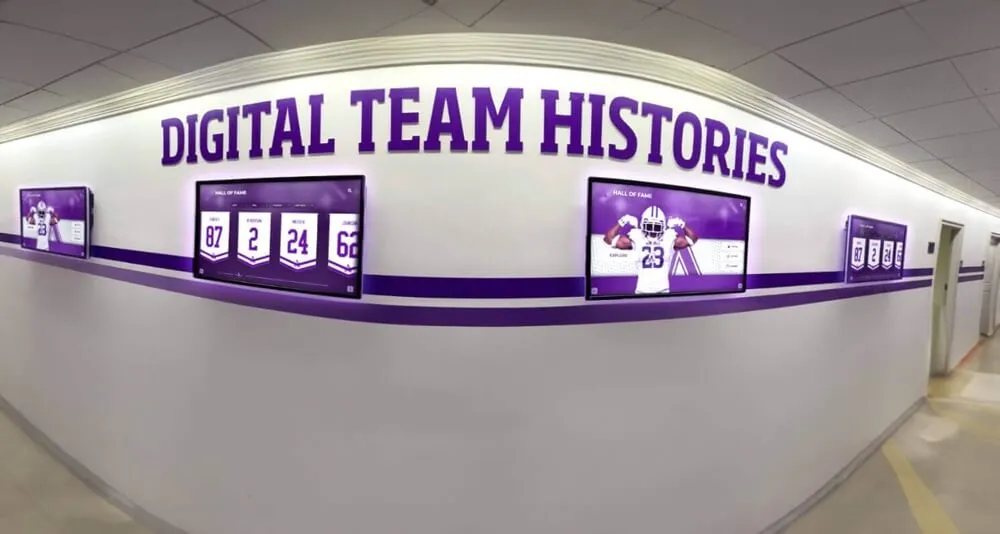
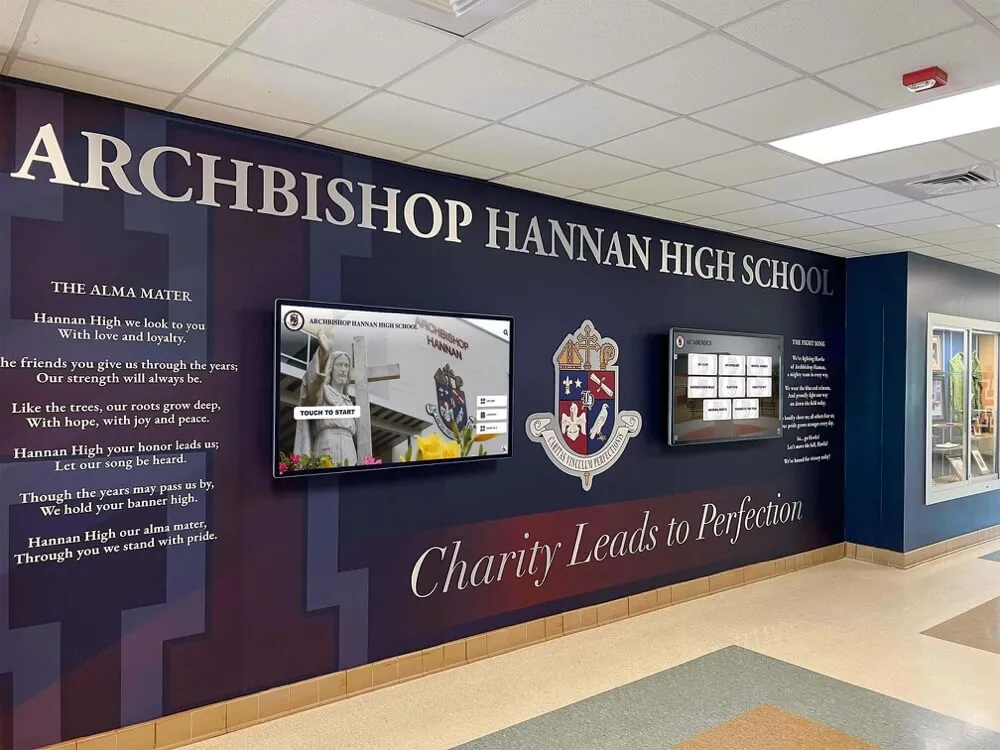
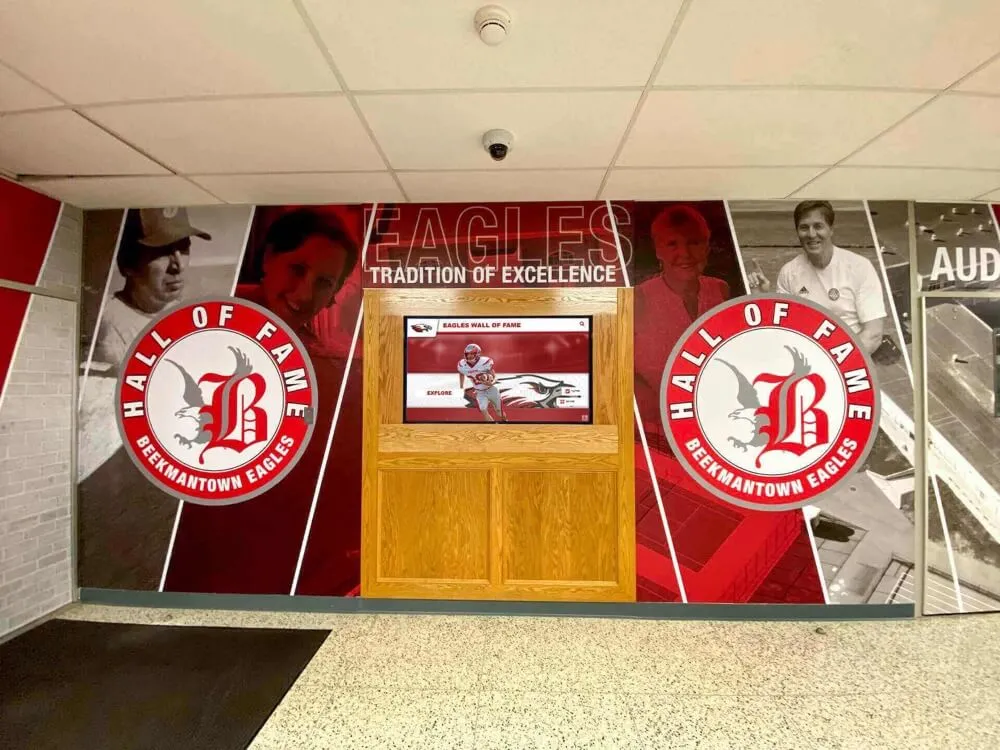
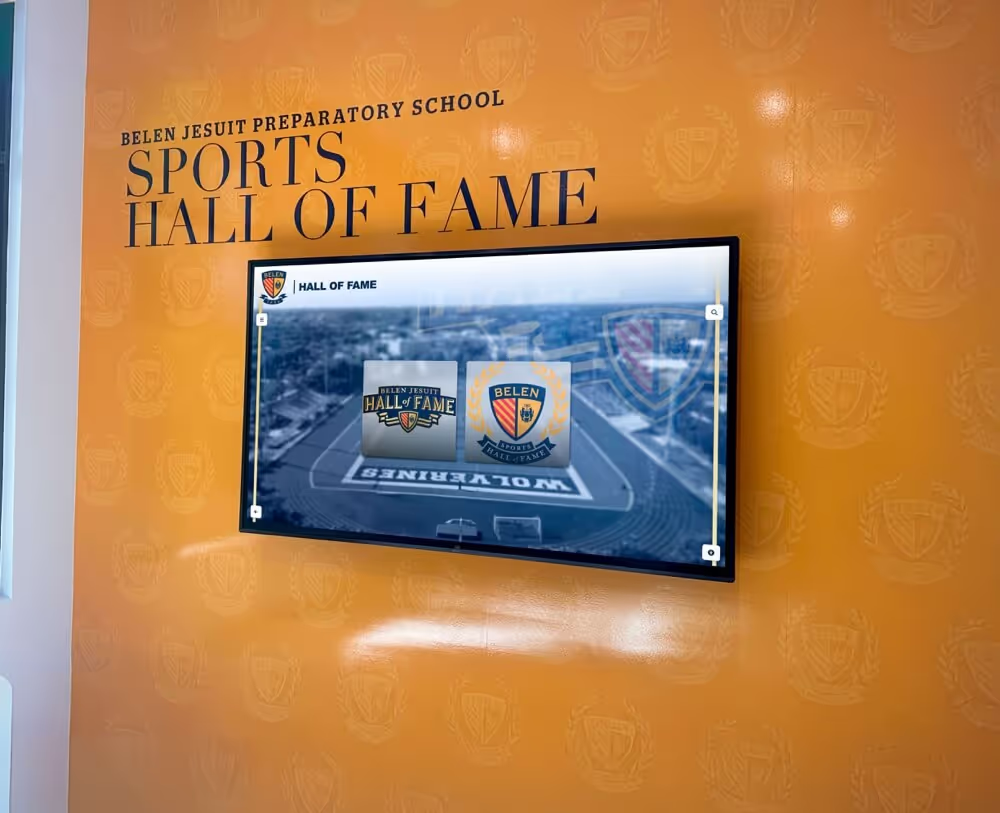
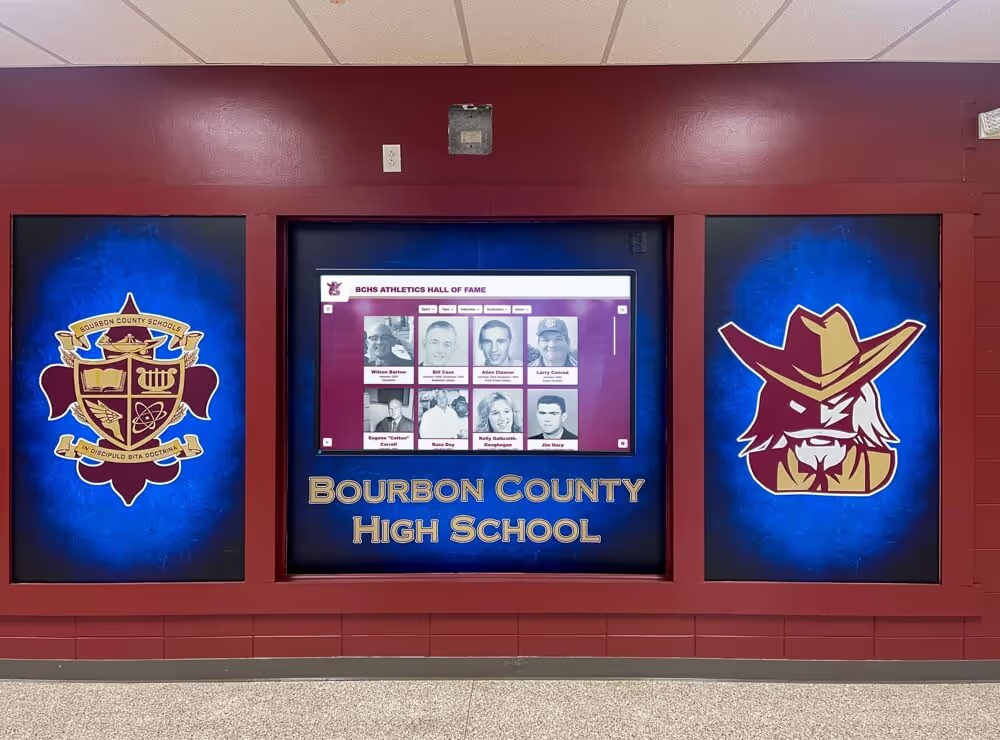
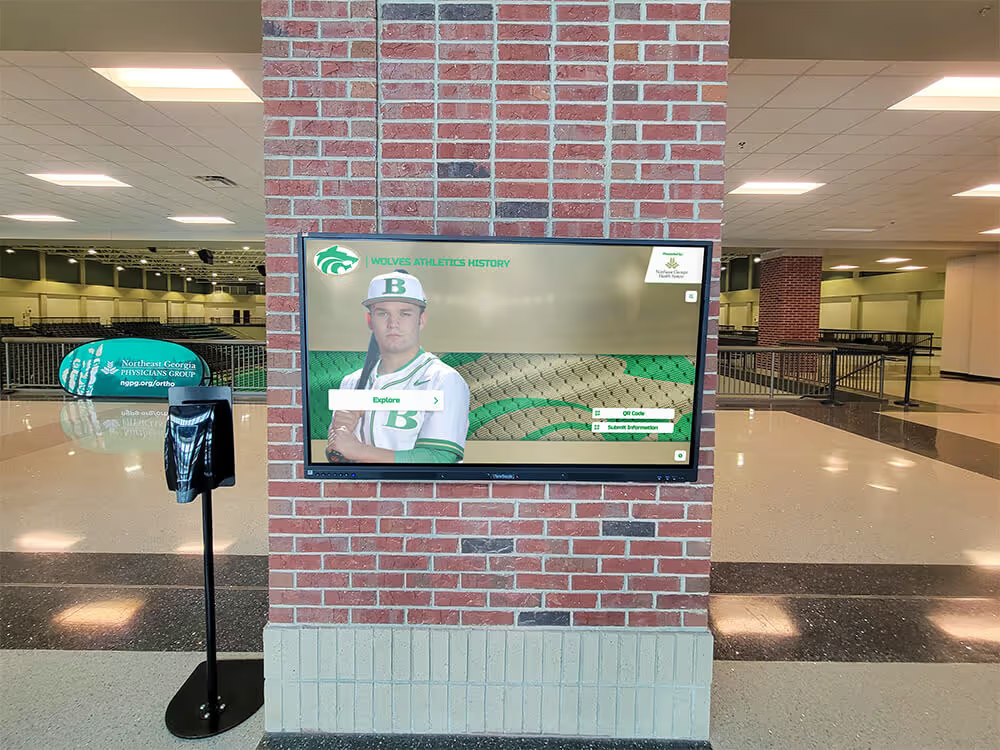
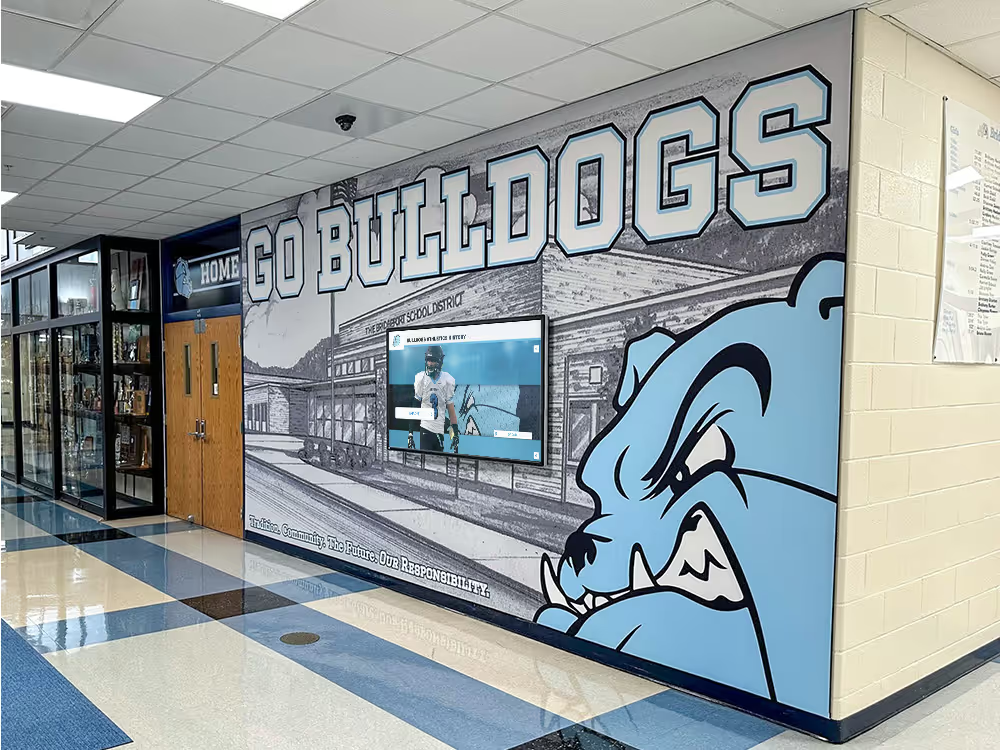
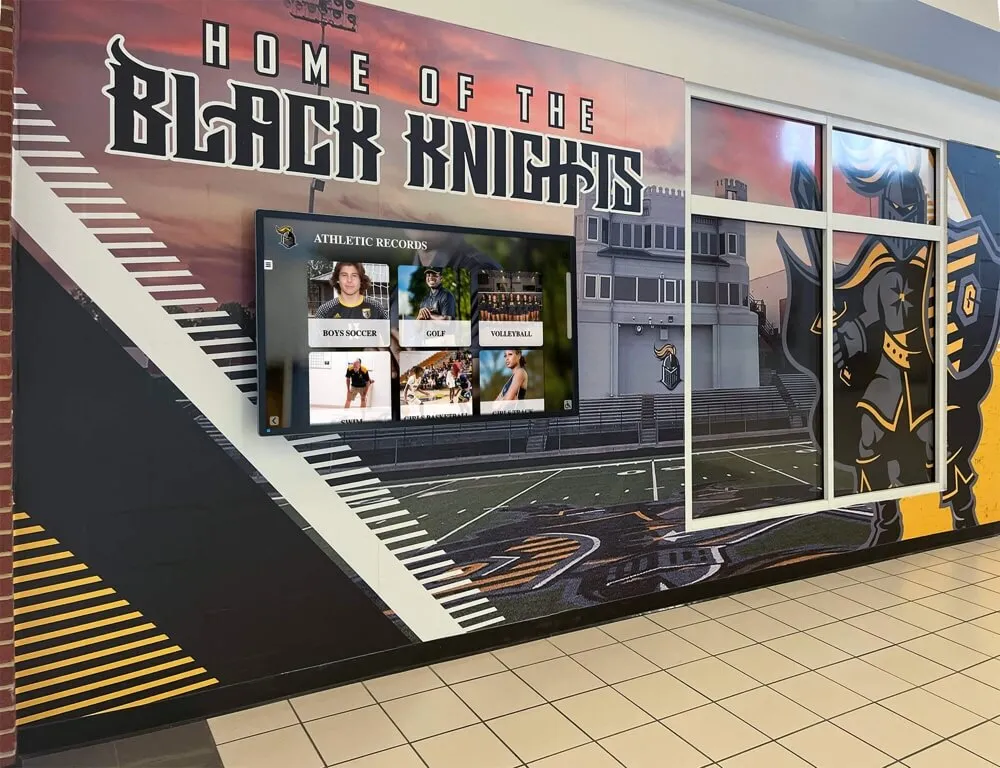
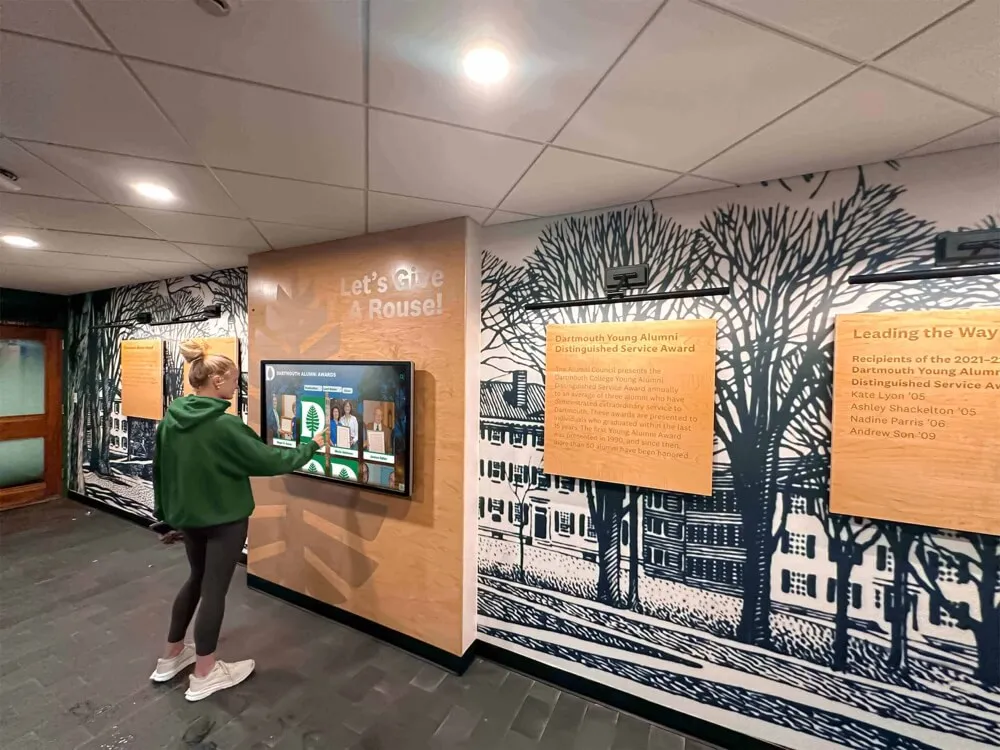
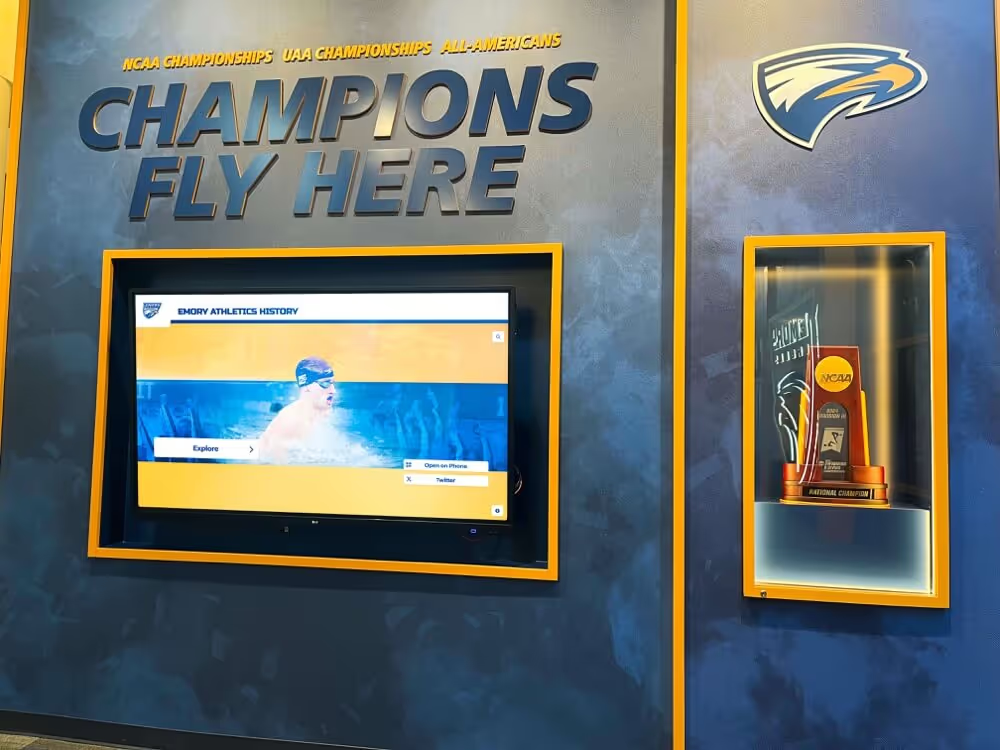
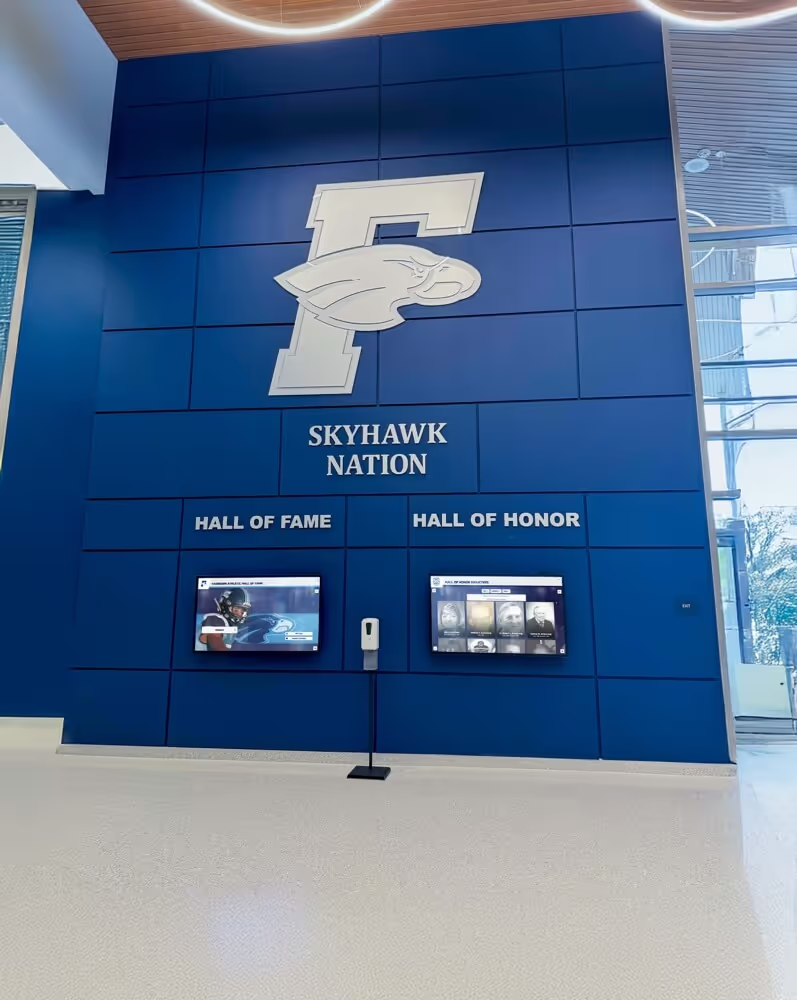
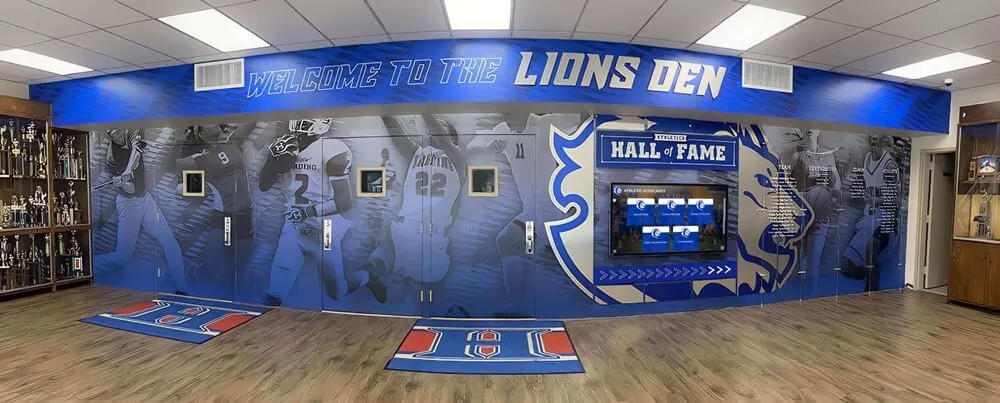
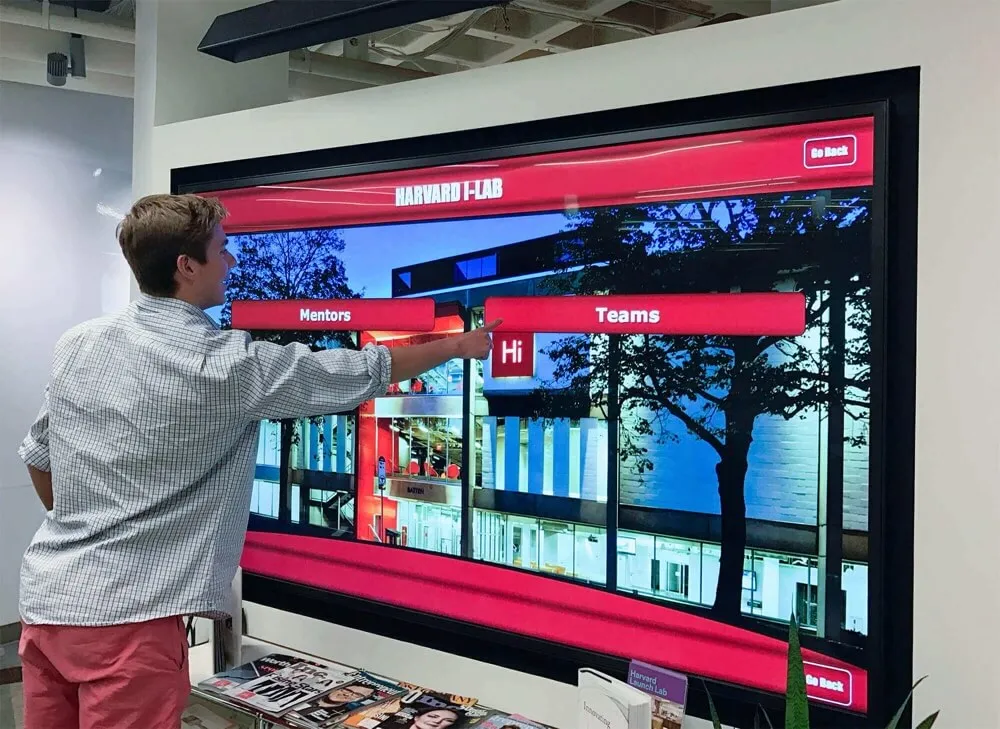
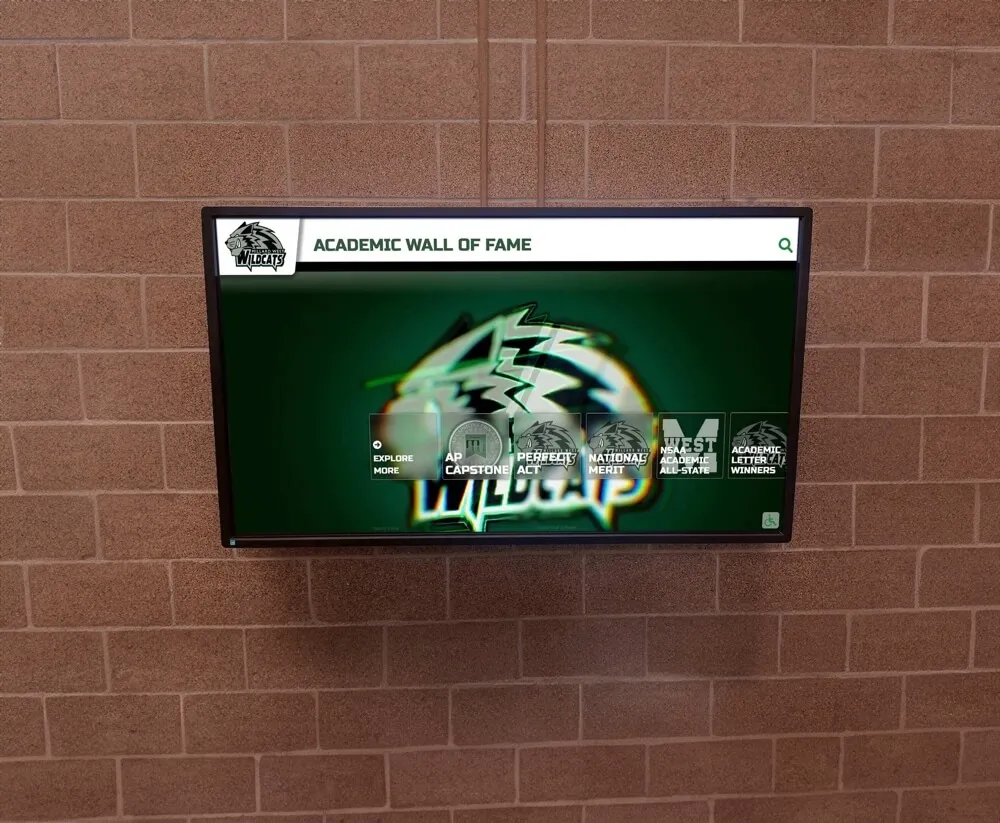
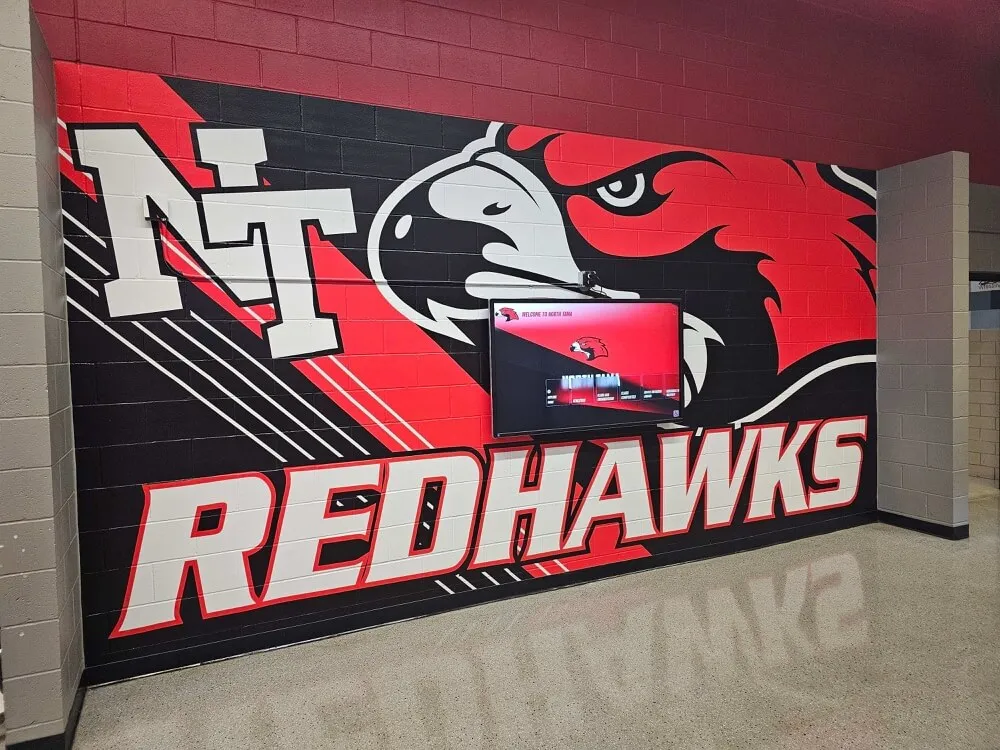
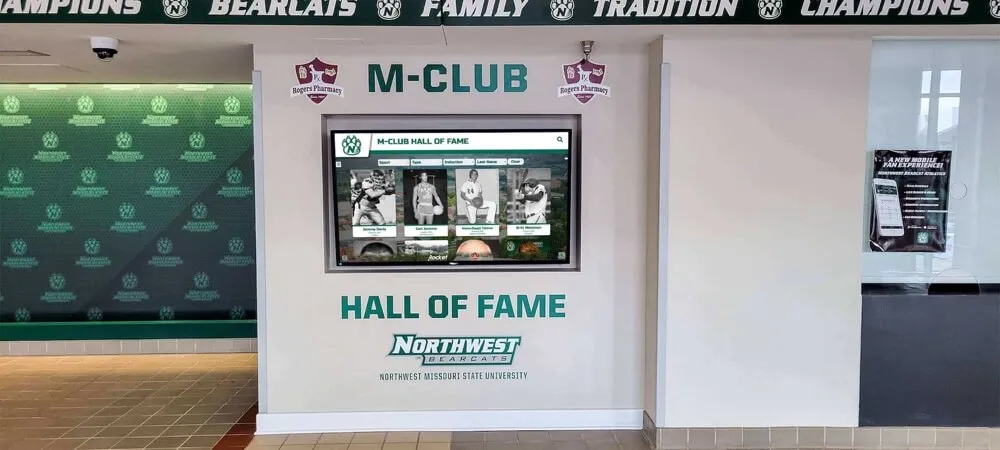
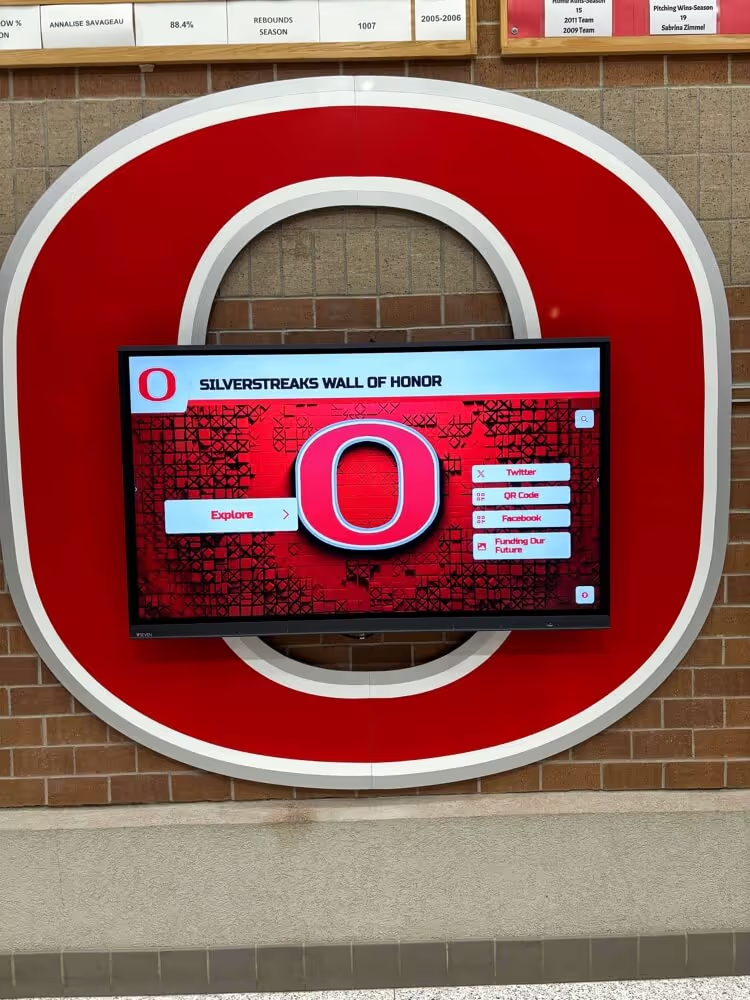
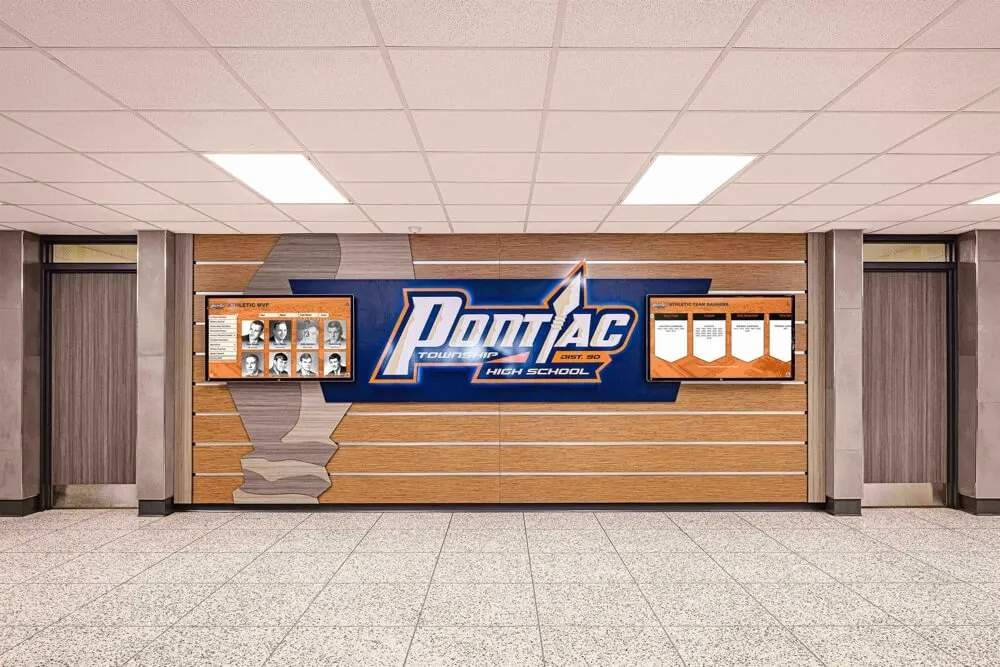
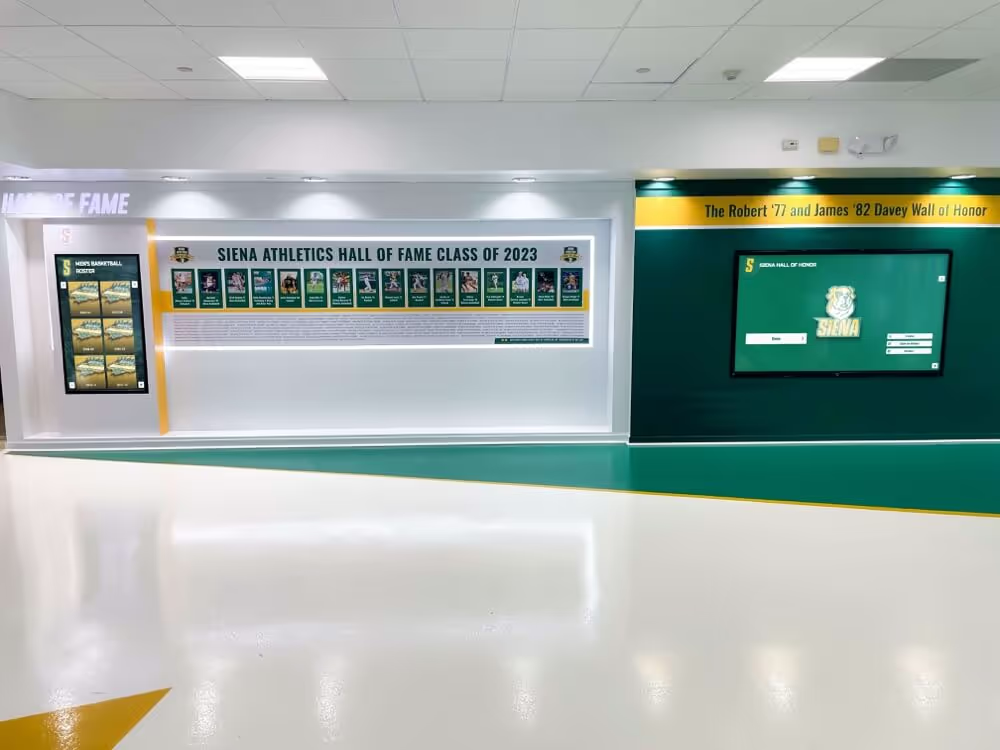
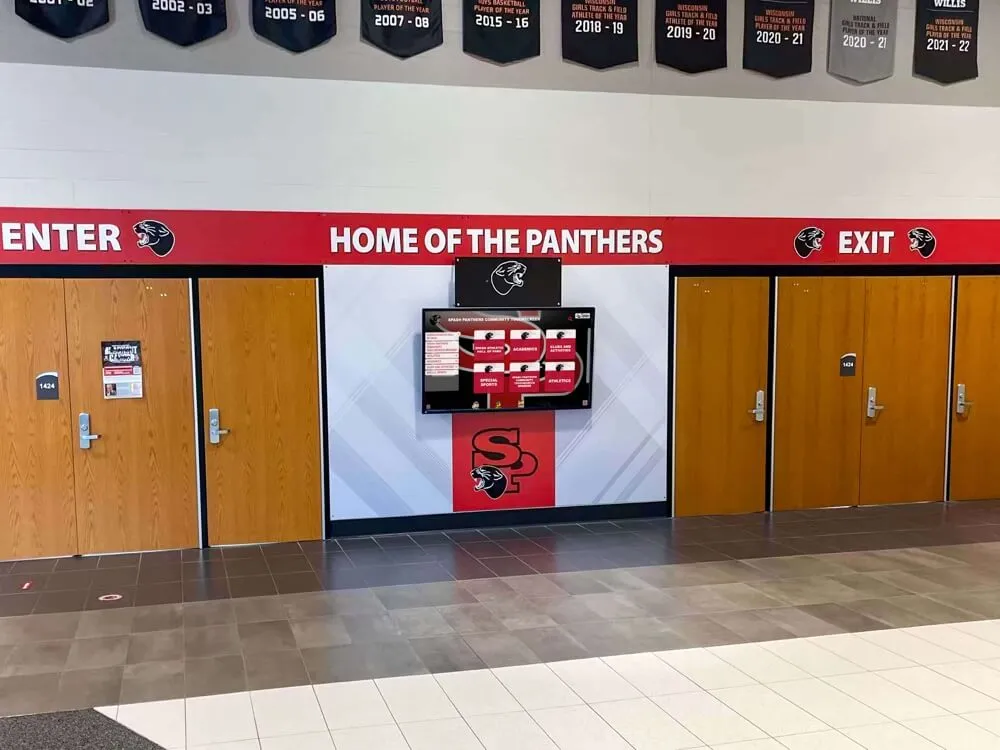
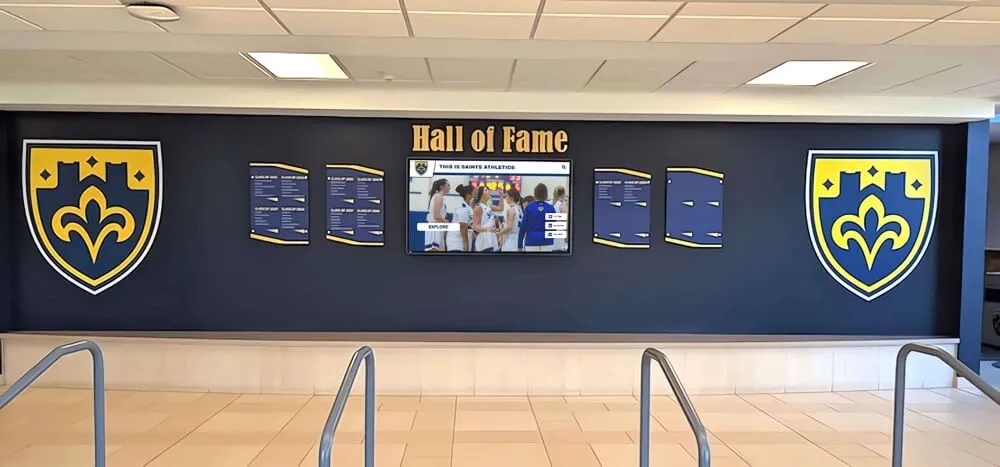
Modern Interactive Recognition (2015-Present): Sophisticated touchscreen displays, cloud-based content management systems, searchable databases, multimedia-rich profiles, and integrated recognition platforms now enable comprehensive senior showcases that were impossible just a decade ago. These systems combine unlimited capacity with engaging user experiences that capture attention while preserving achievements permanently.
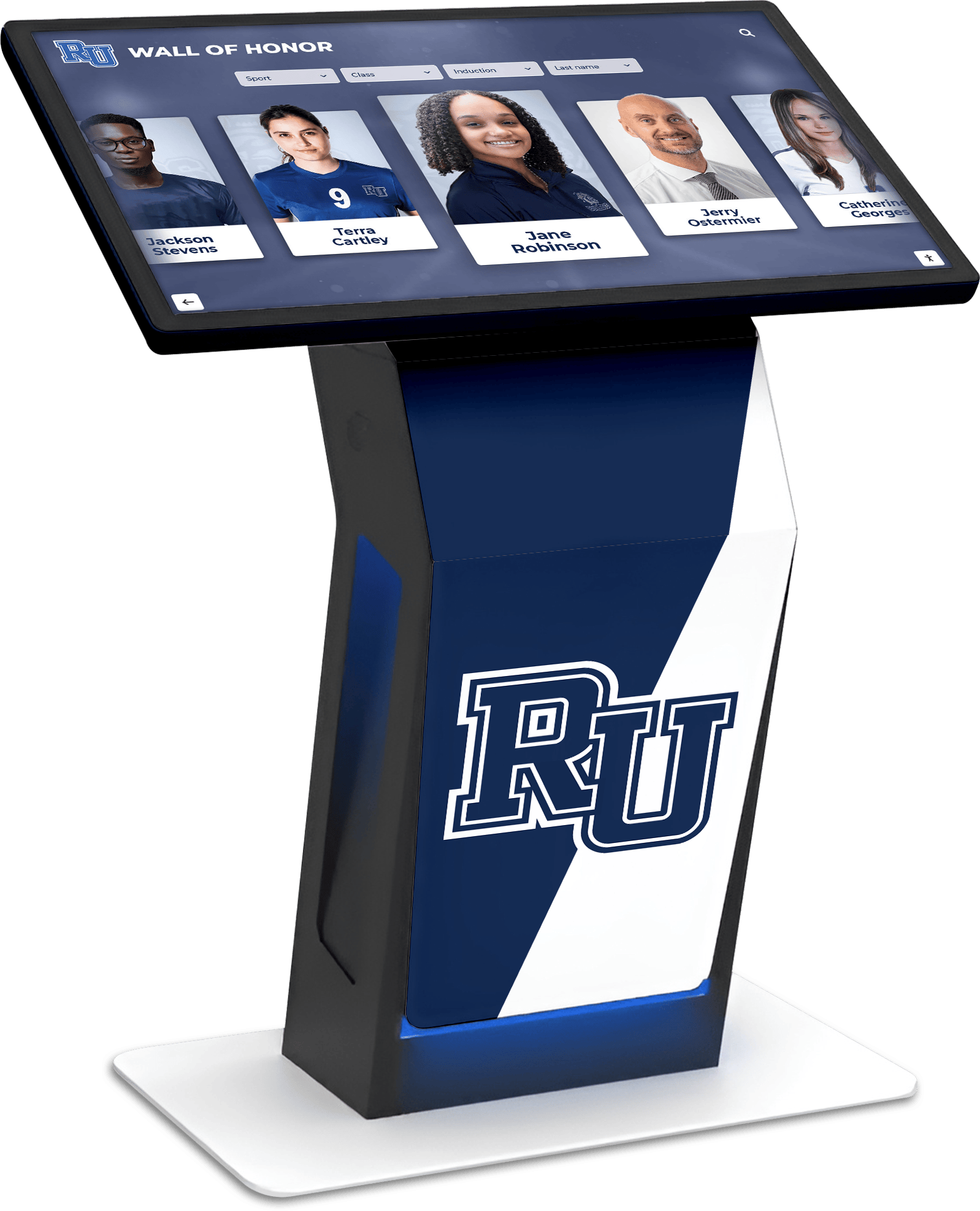
According to digital signage research, 63% of people report that digital signage catches their attention compared to 30% who notice traditional signs. This dramatic difference in engagement explains why schools implementing digital senior showcases report significantly higher community interaction with recognition content.
Why Class of 2026 Deserves Special Recognition
The Class of 2026 experienced unique circumstances throughout their high school journey that warrant thoughtful recognition approaches:
Pandemic Impact on Education: This class began high school during the 2022-2023 school year, just as schools were fully returning from pandemic disruptions. They adapted to evolving educational models while rebuilding traditional school experiences that had been interrupted for years.
Technology Integration: Class of 2026 students represent true digital natives who’ve never known education without tablets, learning management systems, and hybrid instruction models. Their comfort with technology creates expectations for modern recognition approaches matching their digital fluency.
College Application Changes: This class navigated significant shifts in college admissions including test-optional policies, changing application platforms, and evolving scholarship landscapes. Their college commitment stories reflect this transitional period in higher education.
Diverse Achievement Pathways: Class of 2026 students pursued increasingly diverse post-graduation paths including traditional four-year colleges, community colleges, military service, gap years, apprenticeships, and direct career entry. Comprehensive recognition must honor all these pathways equally.
Effective senior showcases acknowledge these unique circumstances while celebrating individual achievements within appropriate contexts.
Essential Components of Class of 2026 Digital Showcases
Comprehensive digital showcases incorporate multiple elements working together to create engaging, meaningful recognition experiences that extend far beyond traditional approaches.
Senior Profile Creation and Management
The foundation of effective digital showcases involves creating rich, detailed profiles for each senior that tell their complete high school stories:
Core Profile Information:
- Professional senior portrait photography
- Full name with preferred pronunciation
- Hometown and years attended
- Academic programs and concentrations
- Post-graduation plans and commitments
- Contact information for future alumni engagement
Academic Achievement Documentation:
- Cumulative GPA and class rank (if applicable)
- Honor roll and dean’s list recognition
- Academic awards and departmental honors
- Advanced Placement and dual enrollment coursework
- National Merit recognition and academic honors societies
- Special academic projects or research accomplishments
Schools implementing comprehensive academic recognition programs find that detailed achievement documentation provides students with lasting records of their scholarly accomplishments while inspiring younger students pursuing similar goals.
Athletic Achievements and Commitments:
- Sport participation across all four years
- Varsity letters and team captain designations
- Statistical accomplishments and records
- Conference, regional, and state recognition
- College athletic commitments with scholarship details
- Championship teams and memorable performances
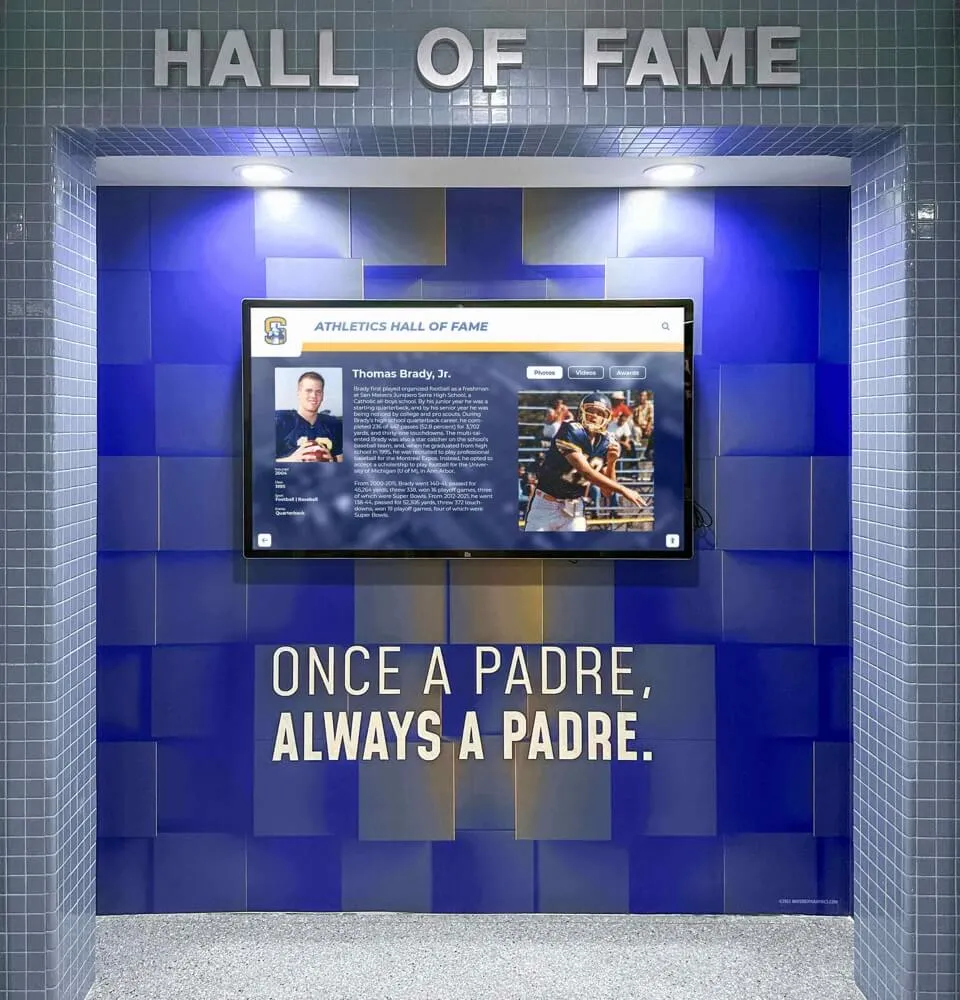
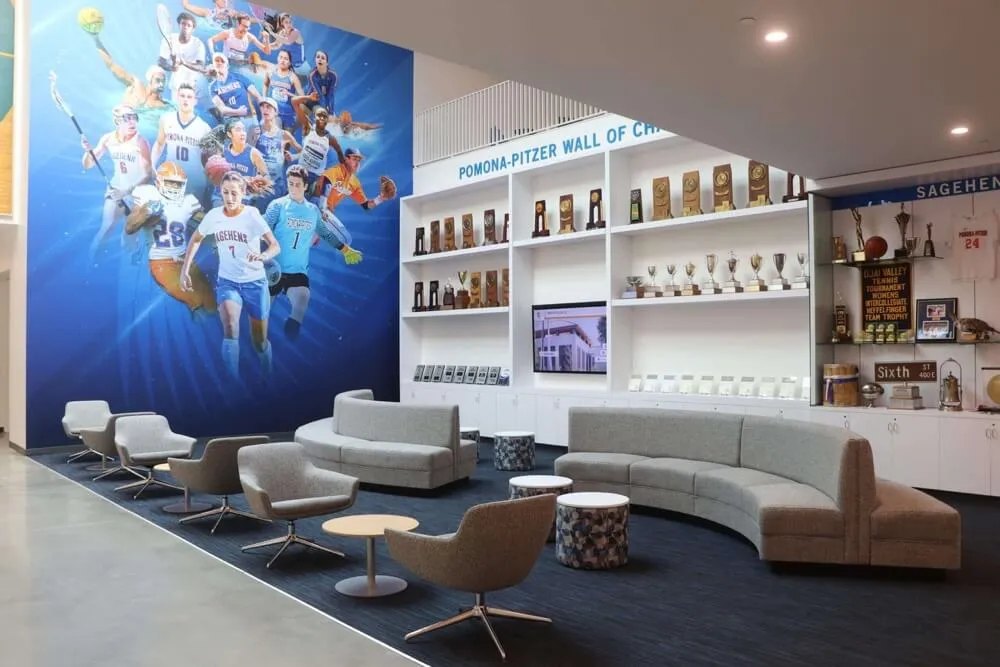

Digital platforms like those from Rocket Alumni Solutions enable schools to create searchable athletic achievement databases where seniors’ complete participation histories remain accessible long after graduation.
Extracurricular Involvement:
- Club memberships and leadership positions
- Performing arts participation in music, theater, and dance
- Student government and class officer roles
- Community service hours and volunteer projects
- Work experience and internships
- Special interests and hobbies
College and Career Plans:
- University acceptances and final college choice
- Major field of study or career path
- Scholarship awards and financial aid honors
- Military service commitments and branch selection
- Gap year plans or alternative paths
- Future goals and aspirations
Interactive Display Technology
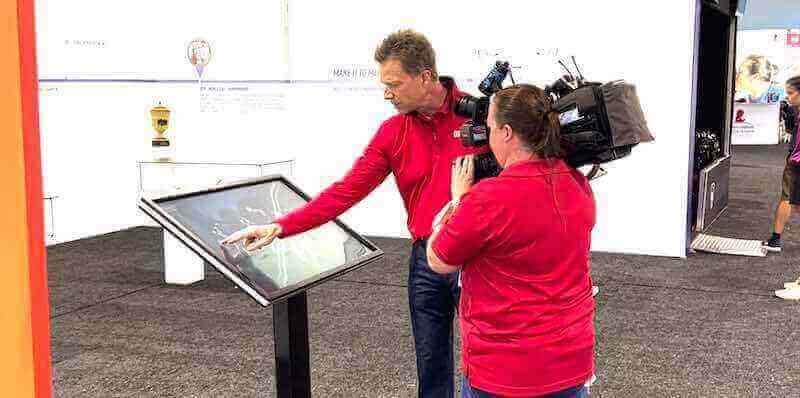
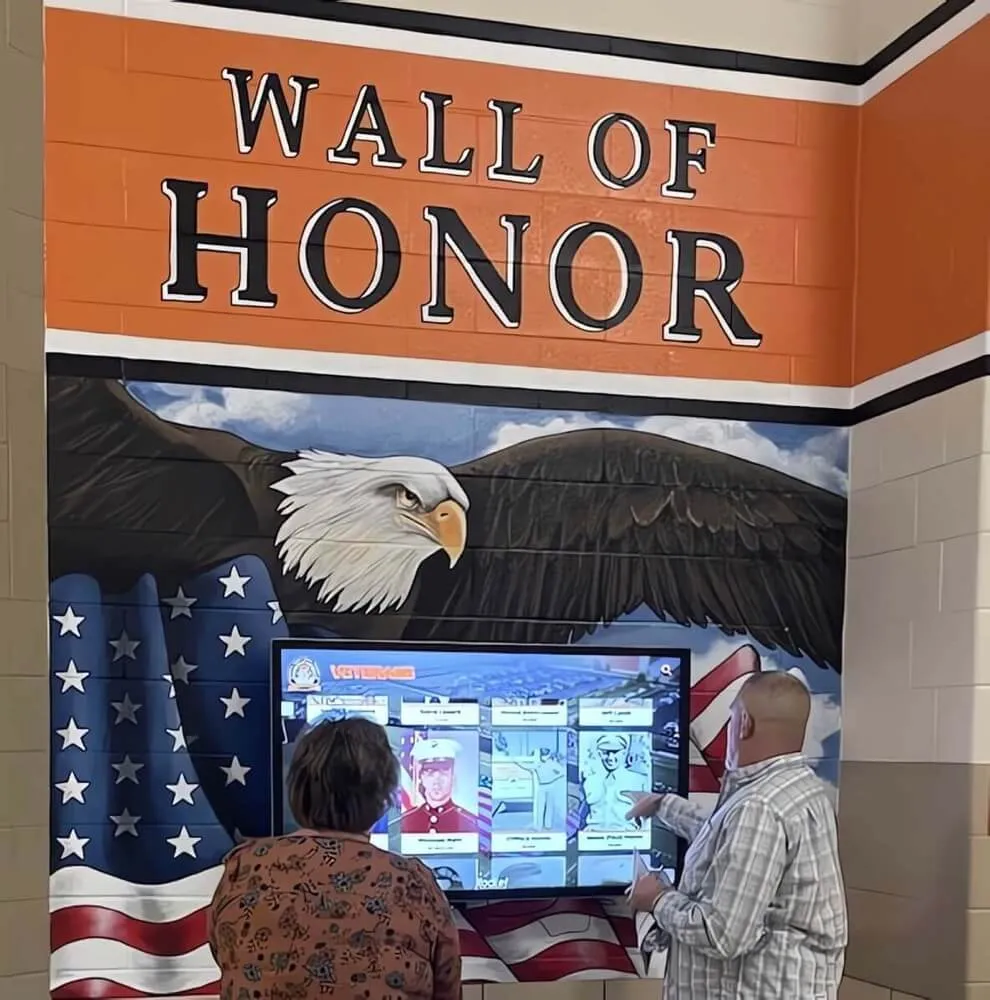
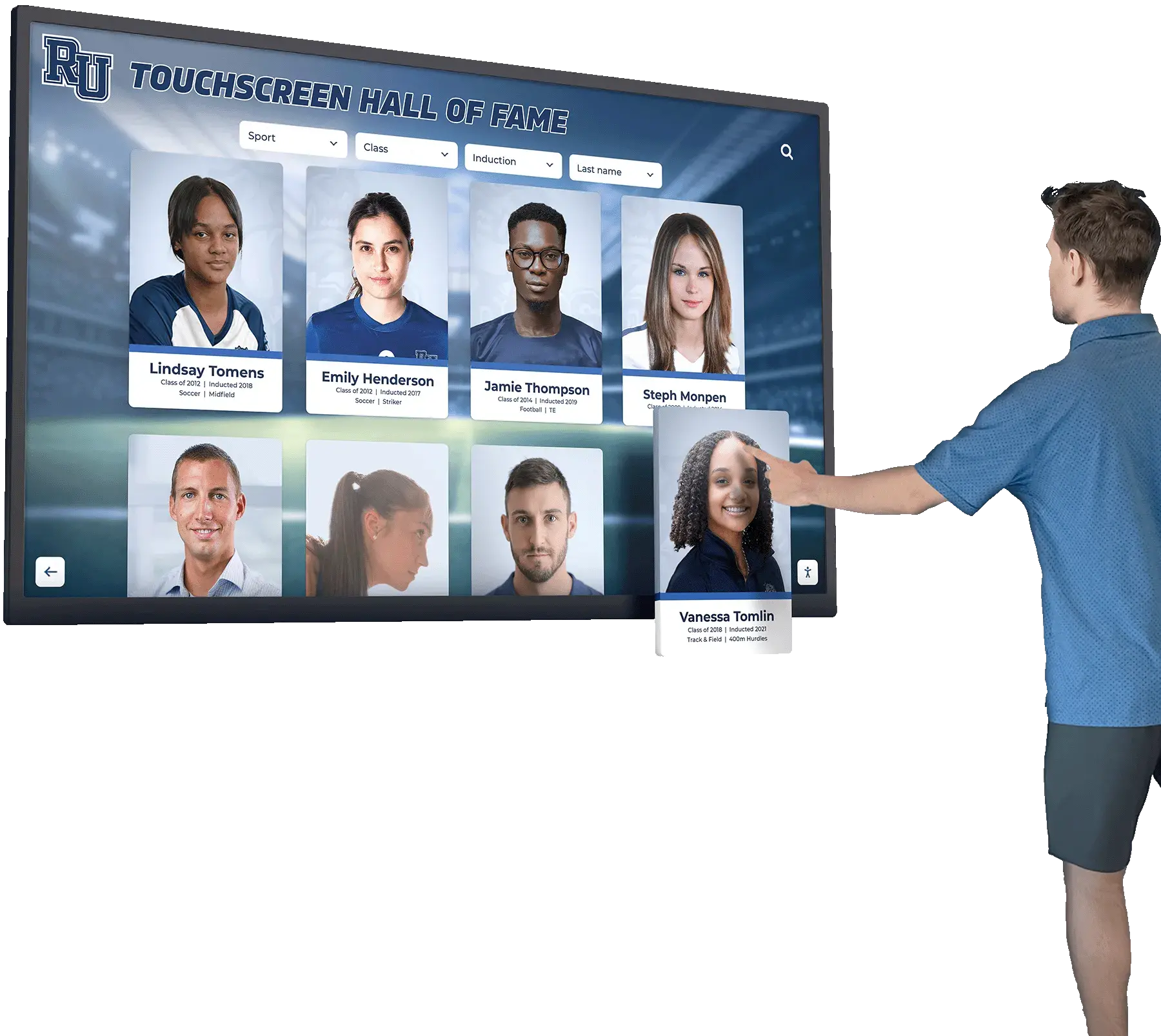
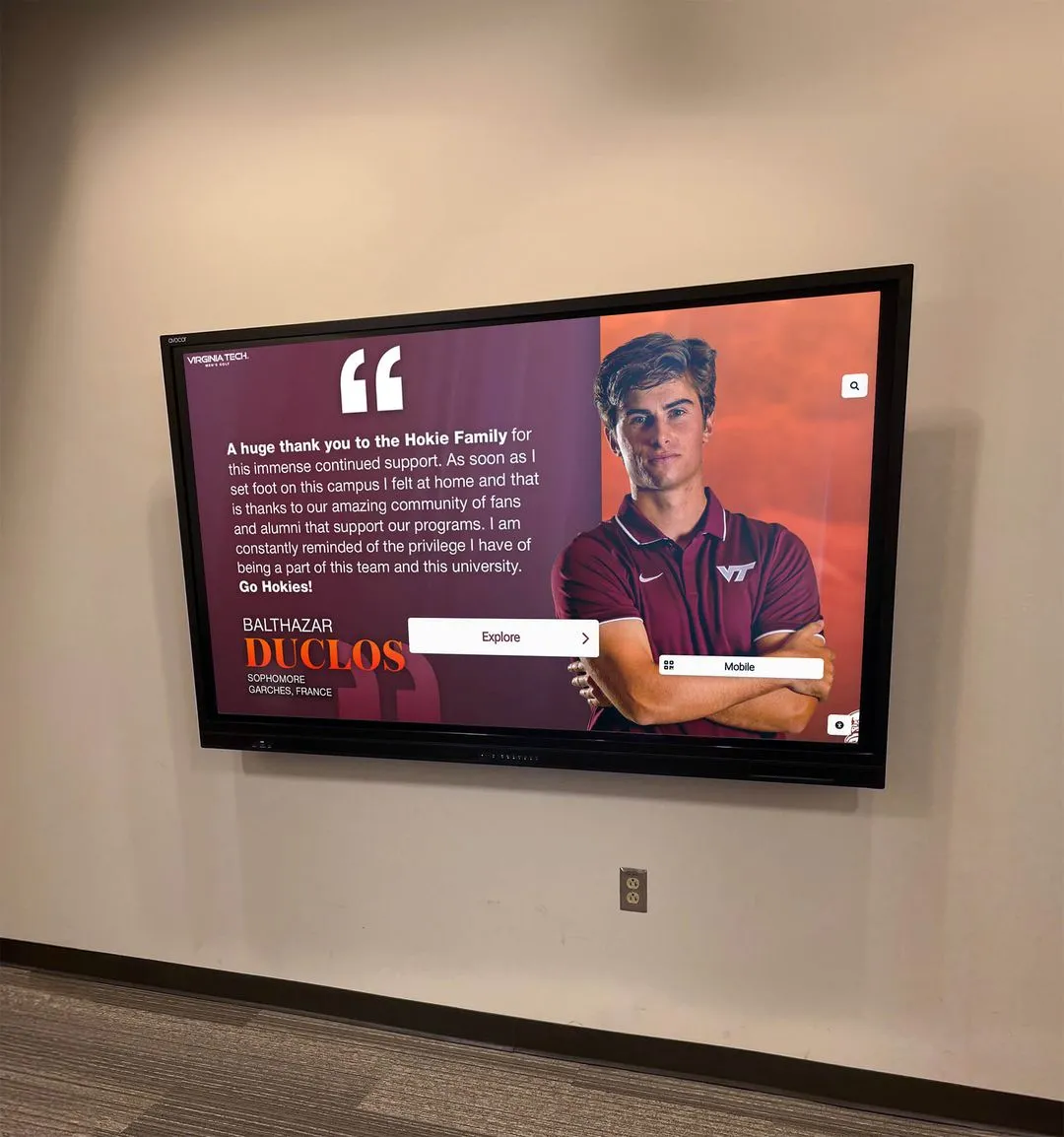
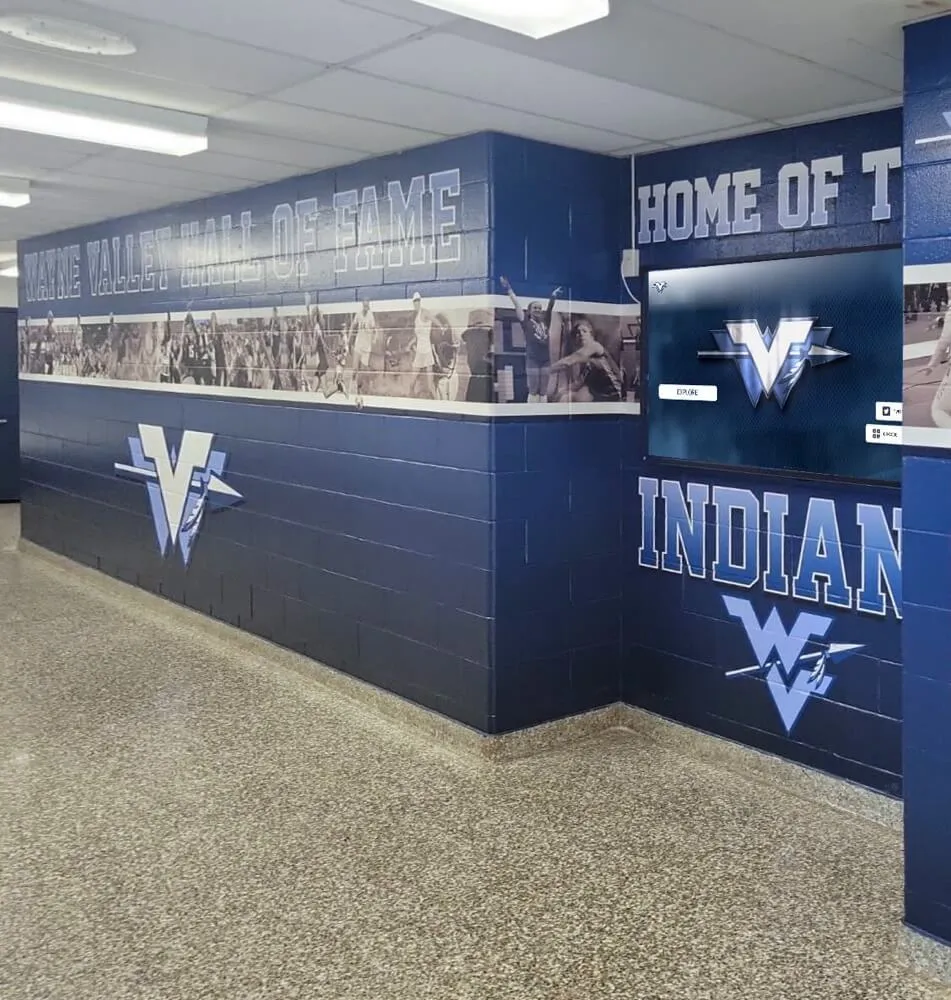
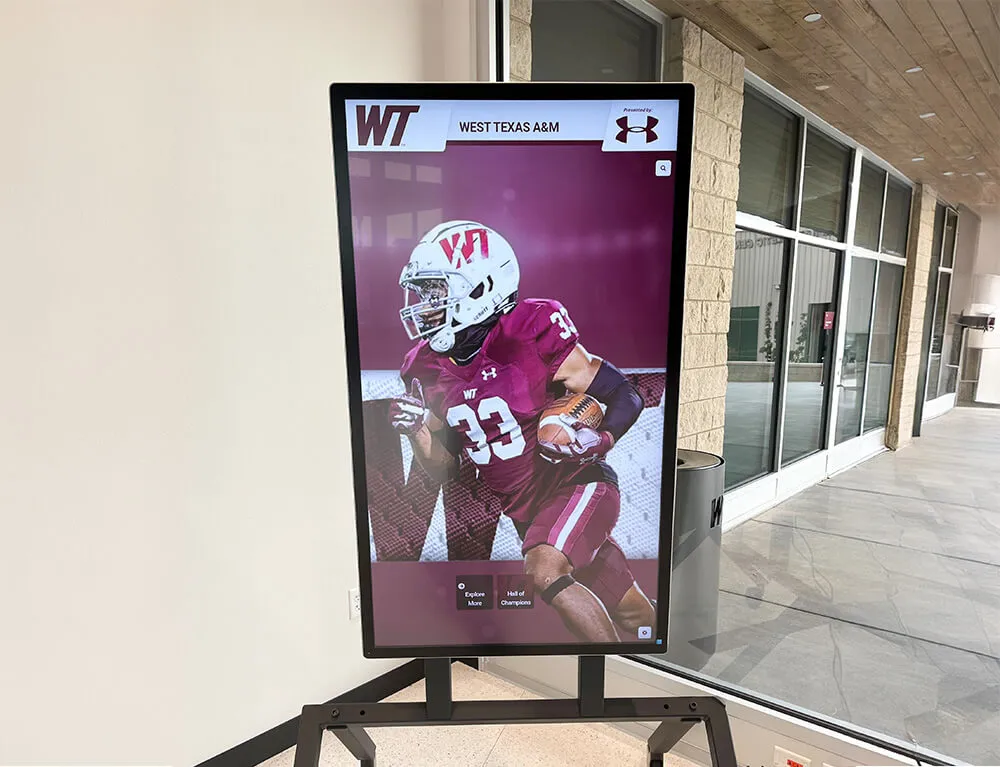
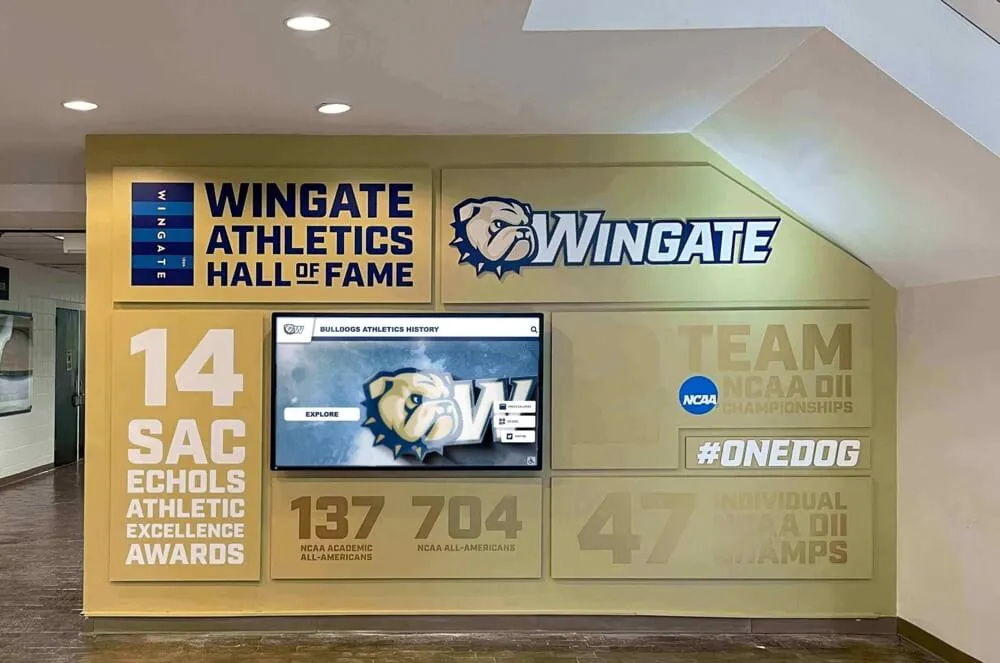
Modern touchscreen displays transform how communities engage with senior recognition by creating intuitive, engaging experiences that encourage exploration and discovery:
Search and Browse Capabilities: Users can find specific seniors by searching names, browse alphabetically through entire class, filter by college destination or major, explore by sport or activity participation, or view by hometown or geographic region.
Multimedia Integration: Beyond static photos, comprehensive showcases incorporate:
- Video messages from seniors about their experiences
- Photo galleries spanning four years of high school
- Digital yearbook integration showing multiple images
- College commitment announcement videos
- Senior quote and reflection displays
- Links to social media profiles (with appropriate permissions)
Dynamic Content Updates: Cloud-based content management allows authorized staff to update senior information throughout the year as accomplishments occur, college decisions finalize, scholarship awards arrive, or plans change. This real-time updating ensures showcases remain current rather than becoming outdated within weeks of initial publication.
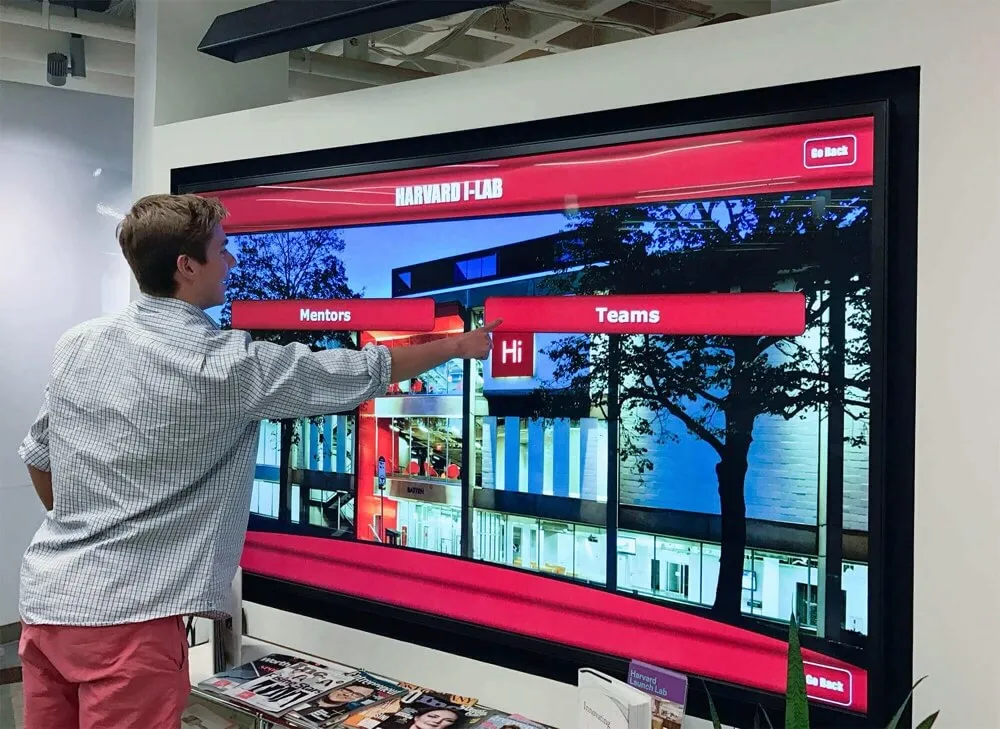
Solutions designed for educational environments provide intuitive interfaces requiring no technical expertise while delivering engaging user experiences that capture attention and encourage interaction.
Online Accessibility and Virtual Access
Complement physical touchscreen displays with web-accessible platforms extending recognition far beyond school buildings:
Dedicated Senior Showcase Websites: Create comprehensive online destinations featuring:
- Searchable databases of entire senior class
- Individual senior profile pages with permanent URLs
- College commitment maps showing geographic distribution
- Achievement statistics and class accomplishments
- Timeline of senior year highlights and milestones
- Photo galleries from senior events and activities
Social Media Integration: Strategic social media use amplifies senior recognition while creating shareable content engaging broader communities:
- Individual senior spotlight posts throughout the year
- College Decision Day celebration announcements
- Athletic signing day coverage and recognition
- Academic achievement highlights and awards
- Video compilation celebrating entire class
- Live event streaming for families unable to attend
Family and Alumni Engagement: Online platforms enable:
- Distant relatives celebrating seniors from anywhere worldwide
- Alumni finding themselves and classmates from past years
- Prospective families researching school culture and opportunities
- Community members exploring senior achievements
- Employers and recruiters learning about graduating students
Many schools implementing comprehensive digital recognition systems report that online accessibility significantly extends recognition impact beyond brief ceremony moments while strengthening connections between schools and broader communities.
Creating Comprehensive College Commitment Recognition
For many seniors, college commitments represent the culmination of years of academic work, standardized testing, application essays, and future planning. Comprehensive showcases honor these decisions appropriately:
College Decision Day Celebrations
National College Decision Day on May 1st provides natural focal points for celebrating Class of 2026 college commitments:
School-Wide Celebrations:
- Assembly programs honoring all college-bound seniors
- College shirt/gear day where seniors wear future school apparel
- Hallway decorations featuring college logos and acceptances
- Interactive displays showcasing where seniors are attending
- Photo opportunities with college decision props and signage
- Social media campaigns celebrating acceptances and commitments
Individual College Commitment Recognition: Document each senior’s college choice through:
- Professional photos in future college gear
- Commitment announcement posts on school channels
- Addition to digital showcase college commitment sections
- Traditional signing day ceremonies for athletic scholarships
- Recognition of scholarship awards and financial aid honors
- Celebration of all post-graduation pathways equally
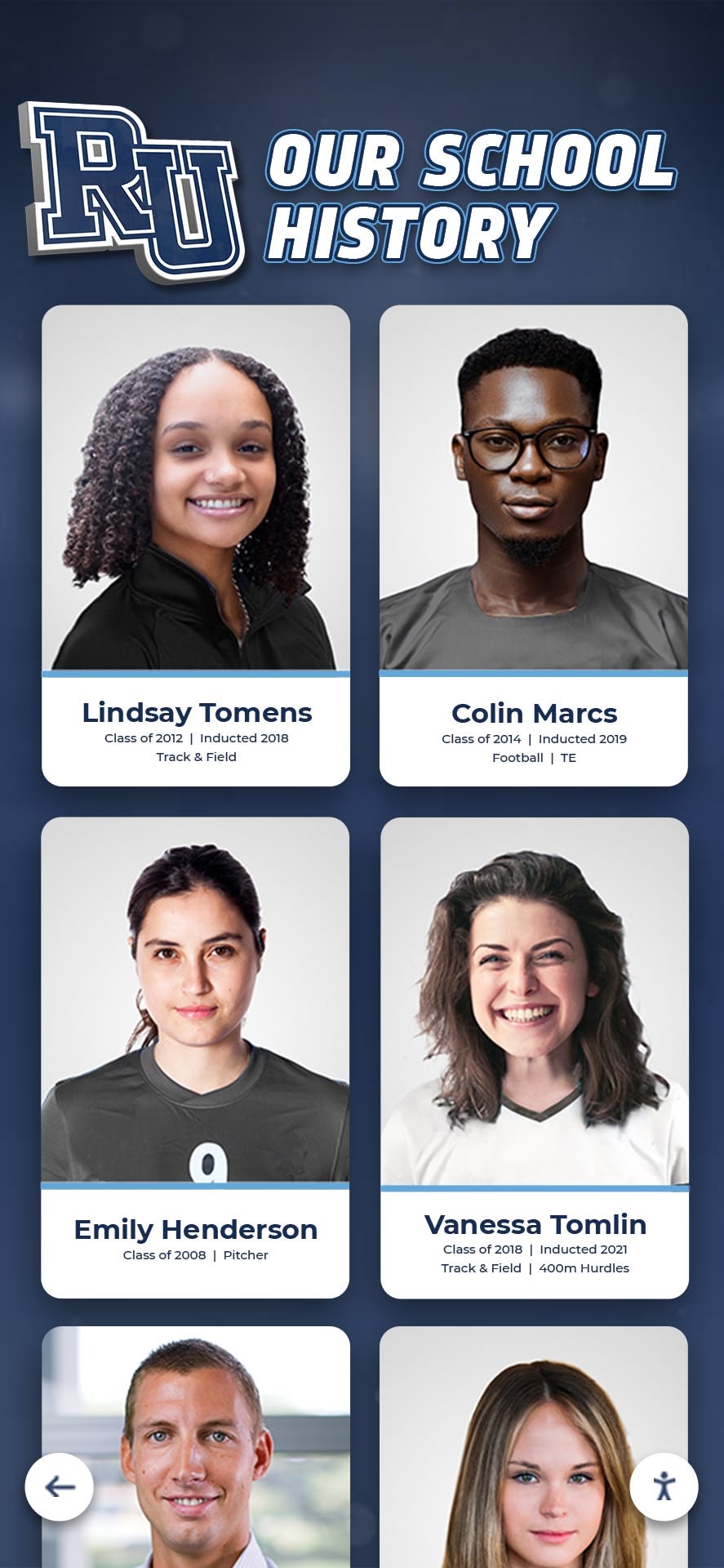
Schools implementing strategic college commitment showcasing find these recognition programs strengthen school culture by making abstract college possibilities tangible for younger students while demonstrating that hard work leads to opportunity.
Honoring All Post-Graduation Pathways
While college commitments receive significant attention, comprehensive senior showcases must honor diverse paths Class of 2026 students are pursuing:
Military Service Recognition: Seniors enlisting in armed forces deserve recognition equal to college-bound peers:
- Military branch and service commitment details
- Military Occupational Specialty (MOS) or rating information
- Basic training locations and timelines
- Motivations for service and future military goals
- ROTC scholarships and commissioning programs
Career and Technical Pathway Honors: Students entering workforce directly or through apprenticeships:
- Employment commitments and employer information
- Apprenticeship programs and trade specializations
- Career technical education completions
- Industry certifications and credentials earned
- Career goals and advancement plans
Gap Year and Alternative Path Recognition: Students pursuing less traditional paths:
- Gap year programs and service opportunities
- International travel or cultural immersion plans
- Entrepreneurial ventures and business launches
- Personal growth goals and exploration plans
- Timeline for eventual educational or career decisions
Inclusive recognition communicating that schools value all pathways—not just four-year college attendance—creates supportive environments where students feel empowered pursuing goals matching their individual circumstances and aspirations.
Academic Excellence and Achievement Recognition
Beyond college commitments, Class of 2026 showcases should comprehensively document academic accomplishments that defined seniors’ scholarly journeys:
Honor Roll and Dean’s List Recognition
Document consistent academic excellence throughout senior year:
Semester-by-Semester Achievement:
- Fall semester honor roll placement
- Spring semester academic recognition
- Cumulative year-end honors
- Four-year cumulative GPA calculations
- Class rank and percentile (if applicable)
Advanced Academic Programs:
- International Baccalaureate Diploma candidates
- Advanced Placement course completion and exam scores
- Dual enrollment credits earned
- Early college program participation
- Honors program recognition
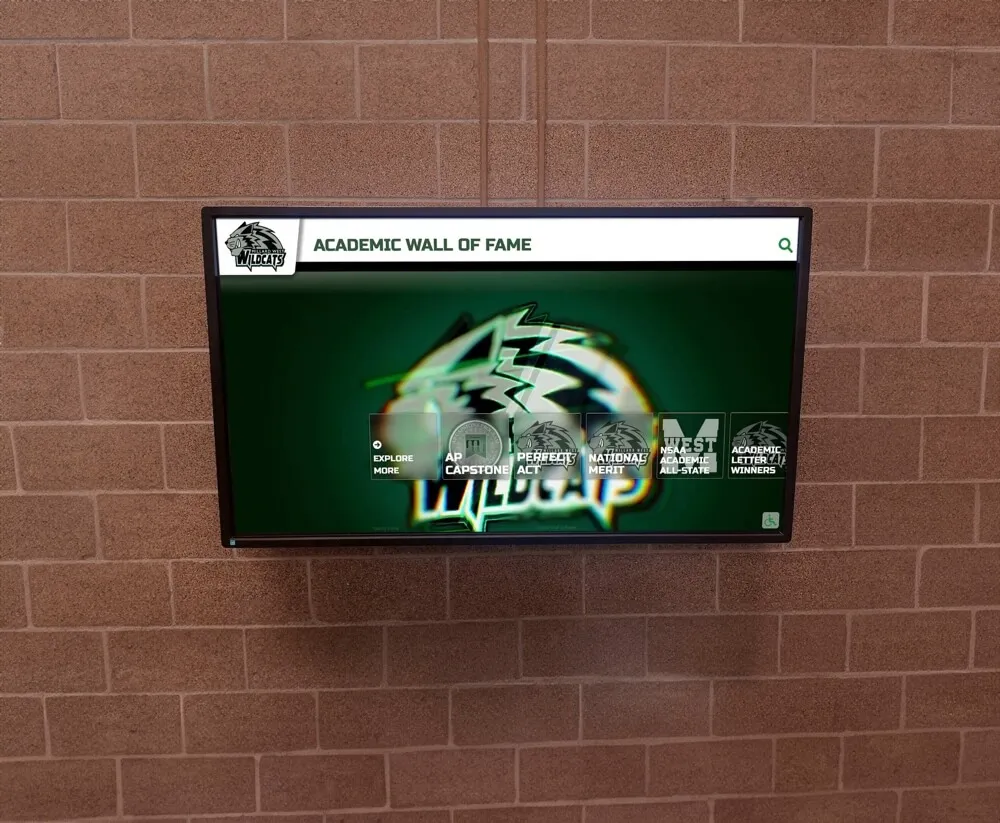
Schools maintaining detailed academic recognition records preserve complete documentation of scholarly achievement while creating motivational examples for younger students pursuing academic excellence.
Subject-Specific Academic Awards
Recognize excellence in particular disciplines:
Departmental Excellence Recognition:
- English and Literature awards for writing and analysis excellence
- Mathematics honors for problem-solving and mathematical reasoning
- Science recognition for research and experimental work
- Social Studies awards for historical thinking and civic understanding
- World Language proficiency and cultural competency honors
- Fine Arts recognition for creative excellence
- Technology and Computer Science achievements
Competitive Academic Achievement:
- National Merit Scholarship recognition and advancement
- College Board National Recognition Program honors
- Mathematics competition distinctions (AMC, MATHCOUNTS)
- Science Olympiad and research competition placement
- Writing contests and literary publication acceptances
- History Day competition achievements
- Debate tournament success and forensics awards
National Honor Societies:
- National Honor Society membership
- Subject-specific honor society inductions
- Leadership positions within honor societies
- Service hours and project completions
- Character and citizenship recognition
Scholarship Awards and Financial Recognition
Document financial achievements that make college accessible:
Merit-Based Scholarships:
- Institutional scholarships from attending colleges
- Private scholarship awards from community organizations
- Corporate-sponsored scholarships and partnerships
- Academic competition scholarships
- National scholarship program awards
Need-Based Financial Aid: When appropriate and with student permission, recognize:
- Federal grant awards (Pell Grants, SEOG)
- State-based financial aid programs
- Institutional need-based aid packages
- Community-funded scholarship support
Athletic and Talent-Based Awards:
- NCAA Division I, II, and III athletic scholarships
- NAIA institutional athletic aid
- Performing arts talent scholarships
- Fine arts recognition awards
Cumulative scholarship totals celebrating entire senior class financial achievements demonstrate return on investment to communities supporting educational programs while recognizing individual student accomplishment.
Athletic Achievement and Senior Athlete Recognition
For student-athletes in the Class of 2026, comprehensive recognition honoring their dedication to athletic programs provides essential acknowledgment of years of commitment:
Senior Athlete Profile Development
Create detailed athletic profiles documenting complete high school athletic careers:
Participation and Letters:
- Sport-by-sport participation records
- Varsity letter awards across all sports
- Team captain and leadership designations
- Position(s) played and role on teams
- Jersey numbers and team identifications
Statistical Accomplishments:
- Career statistics across all seasons
- Single-season and single-game highlights
- School, conference, and league record status
- Milestone achievements (1000-point scorers, etc.)
- Performance metrics and rankings
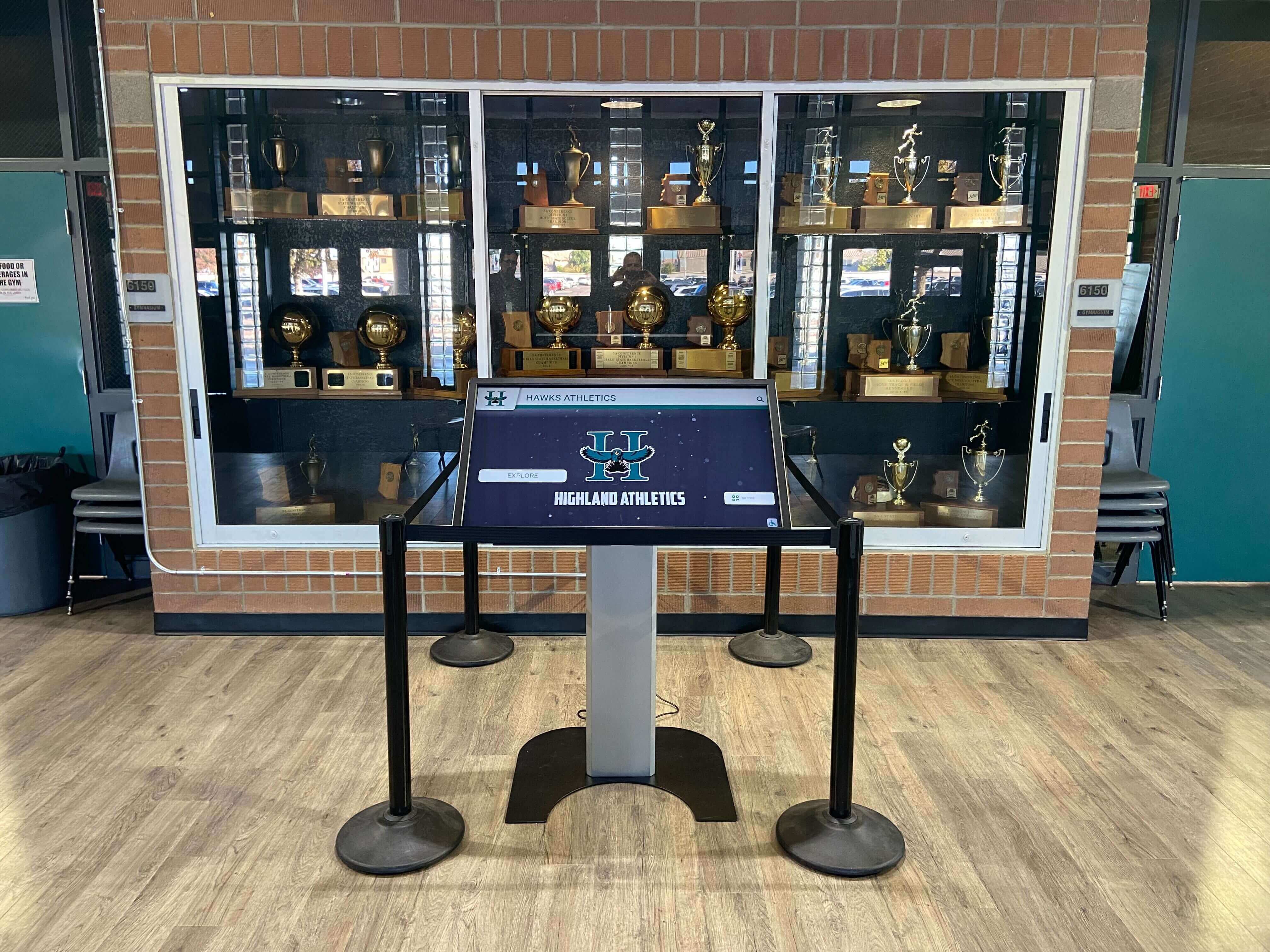
Schools implementing comprehensive athletic record tracking preserve complete documentation of student-athlete achievements while creating motivation for younger athletes pursuing similar accomplishments.
Team Success and Championship Recognition
Connect individual senior achievements to broader team success:
Championship Participation:
- Conference championship teams
- Regional and sectional tournament success
- State tournament appearances and placements
- State championship victories
- Multi-year championship program building
Postseason Recognition:
- All-conference team selections
- All-district and all-region honors
- All-state recognition and placement
- Regional and national ranking acknowledgment
- Player of the Year and special awards
Program Impact:
- Win-loss records during senior careers
- Program transformations and rebuilds
- Inaugural team participation (new sports)
- Legacy contributions to program culture
- Mentorship of younger athletes
Senior Day and Senior Night Recognition Integration
Connect digital showcases with traditional senior recognition ceremonies:
Pre-Season Recognition:
- Senior class announcements at season openings
- Senior leadership expectations and roles
- Returning senior statistics and accomplishments
- Goals and aspirations for senior seasons
Senior Day Ceremony Documentation:
- Professional photography from senior recognition events
- Video capture of senior day ceremonies
- Family photos with parents/guardians
- Coach testimonials and tributes
- Teammate messages and reflections
Post-Season Honors:
- End-of-season awards and recognition
- Career highlight compilations
- Addition to permanent athletic displays
- Alumni network connection facilitation
Schools creating comprehensive senior day celebrations integrated with permanent digital recognition find these coordinated approaches strengthen athlete-school connections while building program culture celebrating dedication across all sports.
Extracurricular Achievement and Leadership Recognition
Class of 2026 seniors contributed to schools through countless activities beyond athletics and academics that deserve comprehensive recognition:
Performing Arts Excellence
Honor contributions to music, theater, dance, and visual arts:
Music Program Participation:
- Concert band, jazz band, and orchestra involvement
- Choir and vocal ensemble participation
- All-state and regional ensemble selections
- Solo and ensemble competition achievements
- Leadership roles as section leaders or drum majors
- Musical theater and pit orchestra contributions
Theater and Drama Recognition:
- Production participation and roles performed
- Technical theater and stage crew leadership
- Drama competition and festival achievements
- Student directing and production responsibilities
- State thespian recognition and honors
Visual Arts Accomplishments:
- Artwork displayed in school exhibitions
- Competition recognition and awards
- Advanced portfolio development
- Community art project participation
- Art scholarship awards and recognition
Student Leadership and Service
Document leadership roles shaping school culture:
Student Government:
- Class officer positions across four years
- Student council and SGA participation
- School board student representative roles
- Committee leadership and initiatives
- Election campaign successes
Club Leadership:
- Club president and officer positions
- Club founding and development
- Membership growth and engagement
- Event planning and execution
- Budget management and fundraising
Community Service:
- Cumulative volunteer hours
- Community organization partnerships
- Service project leadership
- Mission trip and service travel participation
- Long-term volunteer commitments
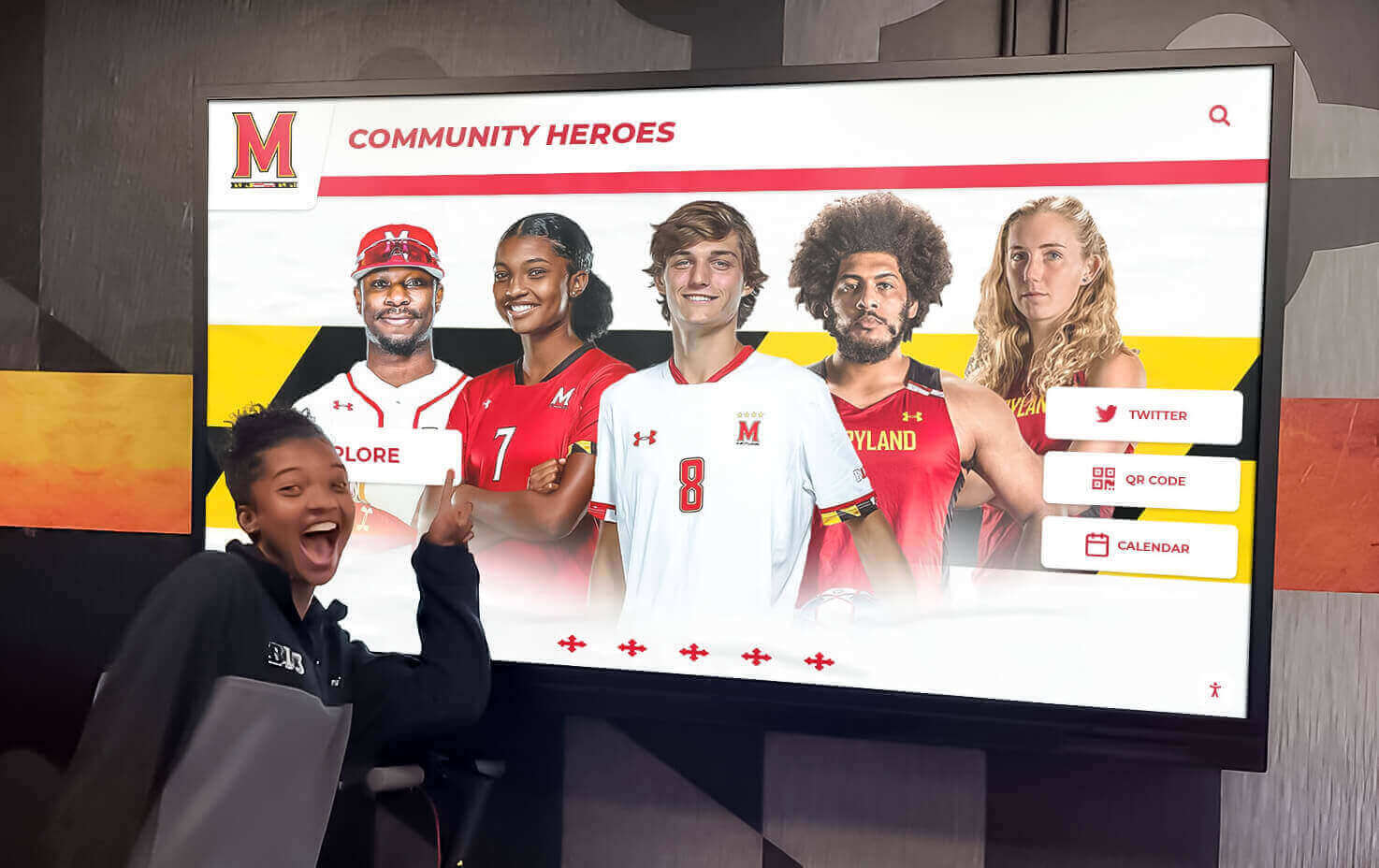
Schools implementing comprehensive student recognition programs find that celebrating diverse achievements validates various forms of contribution while encouraging broad participation in school activities.
Building and Maintaining Class of 2026 Digital Showcases
Successful showcase implementation requires systematic planning, coordinated execution, and ongoing maintenance ensuring content remains current and engaging:
Planning Timeline for Senior Showcase Development
Summer Before Senior Year (June-August 2025):
- Establish showcase planning committee
- Review previous year’s recognition programs
- Identify improvements and new features
- Budget allocation and technology decisions
- Platform selection and vendor engagement
- Initial communication with Class of 2026
Fall Semester (September-December 2025):
- Senior profile information collection through forms
- Professional senior portrait photography
- Initial showcase content population
- College application support and tracking
- Early decision and early action commitment collection
- Fall athletic Senior Day recognition and documentation
Winter/Early Spring (January-March 2026):
- Regular decision college application tracking
- Scholarship award documentation as received
- Winter sport senior recognition
- Academic achievement updates
- Ongoing profile refinement and enhancement
- College Decision Day preparation
Spring Semester (April-June 2026):
- College commitment finalization and celebration
- Spring sport senior recognition
- Final academic achievement tallying
- Graduation preparation and coordination
- Senior showcase completion and final updates
- Transition to alumni status and ongoing access
Information Collection Strategies
Gathering comprehensive information from busy seniors requires strategic approaches:
Digital Forms and Surveys: Create user-friendly forms collecting:
- Basic biographical information
- Academic achievement details
- Athletic participation records
- Extracurricular involvement
- College decisions and plans
- Scholarship award information
- Personal reflections and quotes
- Photo uploads and media releases
Progressive Information Gathering: Rather than requesting all information at once, collect data progressively:
- Early fall: Basic profile information and senior portraits
- Mid-fall: Fall semester achievements and early college decisions
- Winter: Additional accomplishments and scholarship updates
- Spring: Final college decisions and graduation plans
Multiple Collection Methods: Provide various submission options accommodating different preferences:
- Online forms accessible from any device
- In-person data collection during senior meetings
- Parent-submitted information for students
- Coach and advisor submission for specific achievements
- Direct import from student information systems when possible
Content Management and Updates
Effective showcases remain dynamic rather than static:
Regular Update Cycles:
- Weekly updates during peak decision periods
- Bi-weekly reviews during normal academic year
- Event-triggered updates after major announcements
- Final comprehensive review before graduation
Quality Control Processes:
- Information verification before publication
- Photo quality review and standards
- Consistency checking across all profiles
- Privacy policy compliance
- Permission and release confirmation
Technical Maintenance:
- Software updates and security patches
- Content backup and archival
- Search functionality optimization
- Performance monitoring and enhancement
- User feedback collection and response
Solutions like touchscreen software designed for schools provide intuitive content management interfaces enabling staff to maintain showcase quality without requiring technical expertise.
Measuring Success and Community Impact
Evaluate showcase effectiveness through multiple metrics demonstrating value and identifying improvement opportunities:
Engagement Metrics
Physical Display Interaction:
- Total number of touchscreen interactions
- Average session duration and pages viewed
- Most frequently searched seniors
- Peak usage times and patterns
- Unique users versus returning visitors
Online Platform Analytics:
- Website visits to senior showcase pages
- Social media post reach and engagement
- Video view counts and completion rates
- Share and tag frequency
- Geographic distribution of viewers
Stakeholder Feedback
Senior Satisfaction:
- Survey responses about recognition quality
- Perceived fairness and completeness
- Pride in showcase participation
- Comparison to expectations
- Likelihood to recommend school to others
Family Response:
- Parent feedback about recognition experience
- Extended family engagement levels
- Social sharing and pride demonstrations
- Event attendance at senior celebrations
- Continued connection after graduation
Underclassman Inspiration:
- Stated motivation from senior examples
- Goal-setting influenced by senior achievements
- Increased program participation
- Understanding of available opportunities
- Academic and extracurricular engagement
Community Reception:
- Local media coverage and mentions
- Community member engagement with displays
- Alumni interaction with historical content
- Prospective family impressions during visits
- Employer and organization awareness
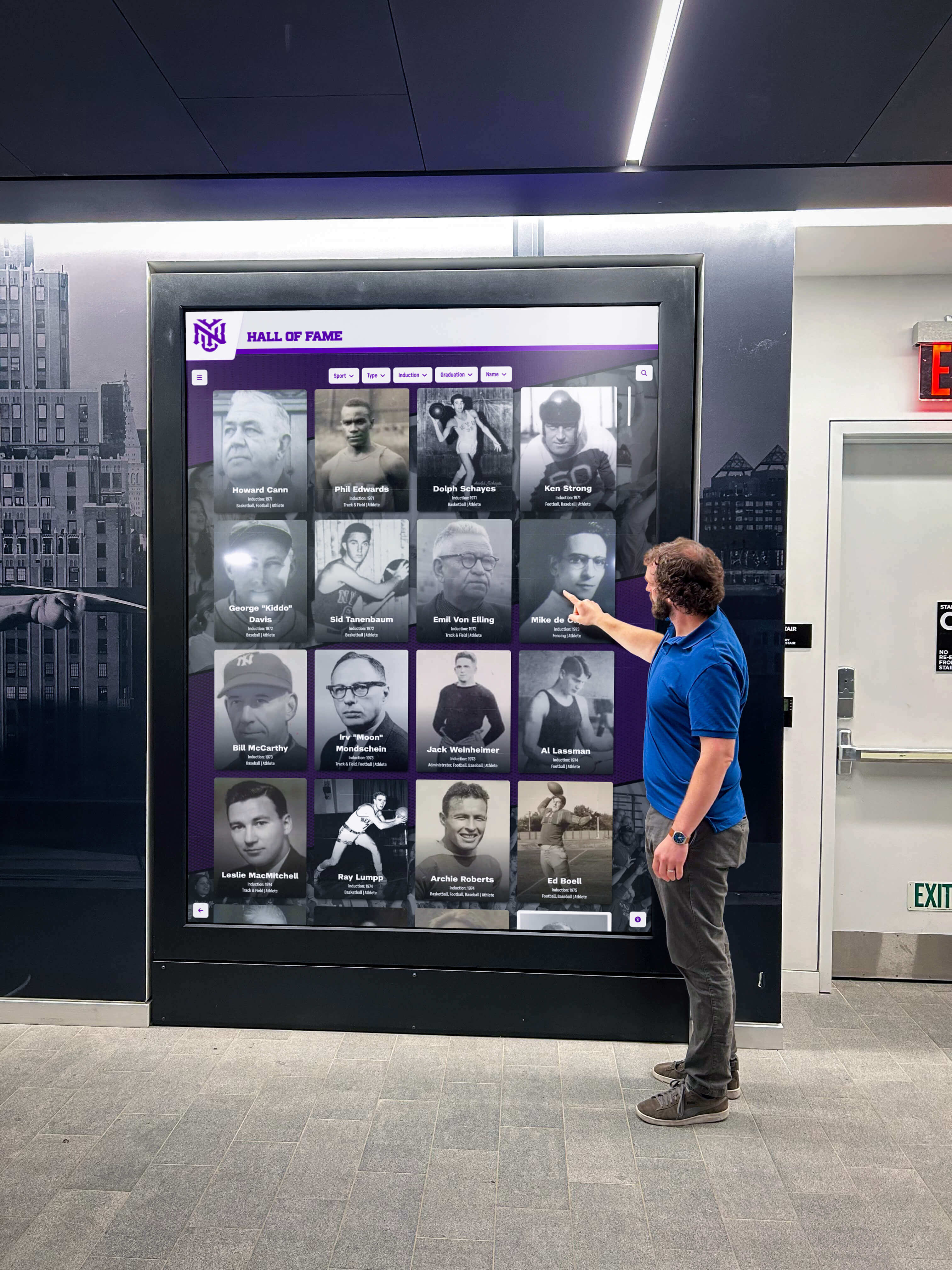
Long-Term Impact Assessment
Alumni Connection Maintenance:
- Class of 2026 alumni engagement rates
- Reunion attendance and participation
- Ongoing showcase access and interaction
- Alumni network development
- Giving and volunteer rates in future years
Program Enhancement:
- Younger student goal-setting influenced by showcases
- Application of lessons learned to future classes
- Technology adoption and refinement
- Budget justification and sustainability
- Replication across other recognition programs
Best Practices for Inclusive and Equitable Recognition
Ensure Class of 2026 showcases honor all students appropriately while avoiding common pitfalls that can undermine recognition goals:
Comprehensive Coverage
Include Every Senior: Every Class of 2026 member deserves recognition regardless of:
- Academic achievement levels
- Athletic participation or performance
- Extracurricular involvement
- Post-graduation plans
- Popularity or social status
Create baseline profiles for all seniors even when detailed achievement information remains limited. Recognition communicates belonging and value—exclusion sends opposite messages.
Balanced Achievement Emphasis
Avoid Overemphasis on Single Dimension: Showcases overemphasizing one achievement type (elite college acceptances, athletic excellence, academic honors) inadvertently communicate that schools value certain accomplishments more than others. Comprehensive showcases celebrate:
- Traditional four-year college plans alongside alternative paths
- Athletic achievements and non-athletic accomplishments equally
- Academic excellence and artistic/creative contributions
- Leadership and consistent participation
- Personal growth and character development
Privacy and Consent Considerations
Respect Information Sensitivity:
- Obtain explicit permission before publishing student information
- Allow opt-out options for students preferring limited recognition
- Protect sensitive information (learning differences, family circumstances)
- Follow FERPA requirements for educational records
- Respect students who decline social media sharing
- Provide options for limited public information sharing
Scholarship and Financial Information: Some families prefer privacy regarding:
- Financial aid packages and need-based assistance
- Scholarship amounts and values
- Family financial circumstances
Allow students to determine what financial information appears publicly while celebrating achievements without requiring disclosure of sensitive details.
Cultural and Demographic Sensitivity
Inclusive Language and Framing:
- Use gender-neutral language appropriately
- Respect preferred names and pronouns
- Acknowledge diverse family structures
- Honor various cultural traditions and values
- Avoid assumptions about backgrounds or circumstances
Equitable Coverage Monitoring: Review showcase content ensuring:
- Proportional representation across demographic groups
- Equivalent detail and quality across all profiles
- Balanced achievement emphasis for different populations
- Equal visibility and prominence for all students
Schools implementing equitable recognition programs find that intentional inclusion creates cultures where all students feel valued while diverse achievements receive appropriate celebration.
Technology Selection and Implementation
Choosing appropriate platforms and partners significantly impacts showcase success:
Essential Technical Capabilities
User-Friendly Content Management: Staff responsible for showcase maintenance typically lack technical backgrounds. Essential features include:
- Intuitive interfaces requiring no coding knowledge
- Cloud-based access from any device
- Drag-and-drop content manipulation
- Template-based profile creation
- Bulk upload capabilities for efficiency
- Preview functions before publishing
- Easy correction of errors or updates
Scalable Recognition Capacity: Systems must accommodate:
- Entire senior classes regardless of size
- Unlimited profile detail and media
- Multiple graduating classes simultaneously
- Integration with existing school systems
- Future expansion to additional recognition programs
Engaging User Experiences: Front-end displays should provide:
- Intuitive touch navigation
- Fast, responsive performance
- Attractive visual design
- Multiple search and browse options
- Accessible features for users with disabilities
- Shareable content and social integration
Implementation Partnership Considerations
Full-Service Versus DIY Approaches:
Full-Service Partners: Companies like Rocket Alumni Solutions provide:
- Complete hardware and software solutions
- Professional installation and configuration
- Content migration and initial population
- Training for staff managing systems
- Ongoing technical support and maintenance
- Regular software updates and enhancements
- Design consultation and best practices
- White-glove service eliminating technical burden
DIY Solutions: Schools managing own implementation face:
- Lower initial costs but higher time investment
- Ongoing technical maintenance responsibility
- Software update and security management
- Troubleshooting without dedicated support
- Limited customization without development expertise
- Risk of abandonment during staff transitions
Most schools find that full-service partnerships deliver superior long-term results by ensuring sustained showcase quality regardless of internal capacity fluctuations or technical expertise changes.
Integration with Existing School Systems
Effective showcases connect with:
- Student information systems (SIS) for demographic data
- Grade management platforms for academic information
- Athletic management software for participation records
- College counseling systems for application tracking
- Photography vendors for senior portrait access
- Website content management systems
- Social media management tools
Integrated approaches reduce duplicate data entry while maintaining content accuracy across multiple platforms.
Future-Proofing Class of 2026 Recognition
Ensure showcase investment delivers value for years after graduation:
Creating Lasting Historical Archives
Class of 2026 recognition should become permanent historical documentation:
Multi-Year Integration: Connect Class of 2026 with:
- Previous graduating classes creating comprehensive alumni archives
- Future classes maintaining consistent recognition standards
- Historical school achievement documentation
- Alumni reunion facilitation and networking
- Institutional memory preservation across decades
Searchable Historical Access: Enable future community members to:
- Find specific Class of 2026 alumni by name
- Browse 2026 graduates by college destination or career path
- Compare achievement across different graduating years
- Discover family connections and legacy relationships
- Access reunion information and alumni updates
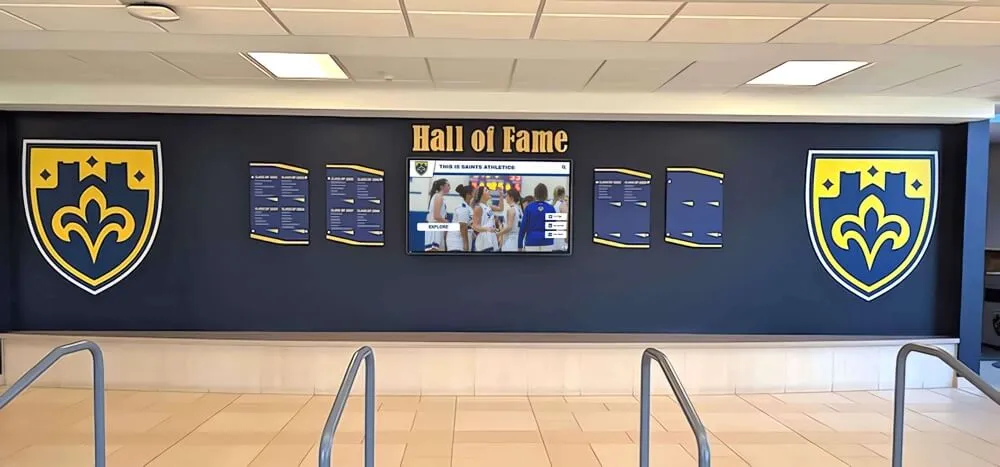
Schools implementing comprehensive school history systems preserve institutional memory while creating connections between current students and alumni who preceded them.
Alumni Engagement and Ongoing Connection
Use showcases as alumni engagement tools:
Post-Graduation Updates: Enable Class of 2026 alumni to:
- Update profiles with college achievements
- Share graduate school acceptances
- Announce career developments and accomplishments
- Submit photos from life after high school
- Maintain connection with alma mater
Reunion Facilitation: Support future reunion planning through:
- Contact information for class members
- Nostalgic connection to high school memories
- Discussion forums or messaging features
- Event promotion and registration
- Photo sharing from reunions
Ongoing Recognition: Continue celebrating Class of 2026 alumni who:
- Achieve professional distinction
- Give back to schools or communities
- Reach notable life milestones
- Mentor current students
- Demonstrate school values in careers
Continuous Improvement and Evolution
Learn from Class of 2026 showcase implementation:
Documentation of Lessons Learned:
- What worked well and should continue
- Challenges encountered and solutions discovered
- Timeline adjustments for future years
- Information collection refinements
- Communication strategy improvements
Technology Evolution: Stay current with:
- Emerging display technologies
- New interactive capabilities
- Enhanced search and discovery features
- Social media integration evolution
- Mobile device optimization
Expanding Recognition Scope: Build on senior showcase success by:
- Extending to underclassman recognition
- Creating athletic achievement displays
- Implementing teacher and staff recognition
- Developing alumni spotlight programs
- Honoring community partners and donors
Conclusion: Creating Recognition That Honors Class of 2026
The Class of 2026 represents four years of growth, achievement, challenge, and transformation. These seniors navigated unprecedented circumstances while pursuing academic excellence, athletic achievement, artistic expression, leadership development, and service to communities. As they prepare for graduation and whatever comes next, comprehensive recognition honoring their complete high school journeys provides acknowledgment they’ve earned while creating inspiration for students following in their footsteps.
Effective Class of 2026 digital showcases share common characteristics:
- Comprehensive coverage honoring every senior regardless of achievement level
- Rich, detailed profiles telling complete individual stories
- Multiple achievement dimensions beyond just grades and college acceptances
- Engaging interactive technology encouraging community exploration
- Online accessibility extending recognition beyond campus boundaries
- Permanent preservation creating lasting historical documentation
- Inclusive approaches respecting diversity and various paths
- Integration with broader school recognition programs
- Sustainable implementation persisting across leadership changes
- Continuous improvement based on feedback and assessment
The investment schools make in senior recognition delivers returns through enhanced school culture, strengthened student-school connections, increased community pride, improved alumni engagement, and demonstrated commitment to celebrating achievement. Recognition communicates that schools notice students, value their contributions, celebrate their accomplishments, and maintain lasting connections extending far beyond graduation day.
Modern recognition solutions like Rocket Alumni Solutions provide comprehensive platforms designed specifically for educational environments, offering intuitive content management, engaging interactive displays, permanent historical archives, and proven approaches that help schools build recognition cultures their students deserve. Whether implementing digital senior showcases, comprehensive athletic recognition systems, or integrated achievement tracking, digital technology enables schools to celebrate excellence more comprehensively and effectively than ever before.
Ready to create a Class of 2026 showcase that truly honors your seniors’ achievements while building school traditions that will inspire future generations? Explore comprehensive recognition solutions that combine unlimited capacity with engaging user experiences, creating lasting celebration of accomplishment that students, families, and communities will value for decades. Your Class of 2026 achieved remarkable things—they deserve recognition matching their dedication and accomplishment.