



Key Takeaways
Discover meaningful recognition ideas for Civil Air Patrol Leadership Encampment completers. From ribbon rack displays to digital hall-of-fame walls, celebrate cadet achievement in your squadron and school.
What Is Civil Air Patrol Leadership Encampment?
Civil Air Patrol is the official civilian auxiliary of the U.S. Air Force and operates a structured Cadet Program for young people typically between the ages of 12 and 18. Within that program, encampments represent milestone events where cadets apply the leadership, discipline, and aerospace knowledge they have been developing at their home squadrons.
The Civil Air Patrol Leadership Encampment — sometimes called CLE — is a weeklong residential experience focused on applying leadership fundamentals in a structured military environment. Cadets live, drill, eat, and train together under experienced senior and cadet staff. Activities typically include flight-line tours, aerospace education sessions, physical fitness assessments, drill competitions, and leadership reaction courses that require teamwork under time pressure.
Understanding the Civil Air Patrol rank structure helps put the Leadership Encampment in context. Encampment completion is often a required step for cadets advancing toward Phase II of the Cadet Program, and successful participation earns the CAP Leadership Encampment ribbon — a permanent mark on a cadet’s ribbon rack and record.
What Cadets Earn at CLE
Recognition at a Civil Air Patrol Leadership Encampment comes through several distinct channels:
Encampment Ribbon: Every cadet who successfully completes the program receives the Leadership Encampment ribbon, which they wear on their CAP uniform ribbon rack for the remainder of their cadet career and beyond.
Cadet of Distinction / Top Performer Awards: Many encampments select outstanding cadets for formal recognition, including Best Drillmaster, Highest Physical Fitness Score, Outstanding Academic Achievement, or a general Cadet of Distinction honor. These awards vary by wing and encampment, but they represent individual excellence above and beyond completion.
Rank Advancement Support: Encampment completion contributes to the cadet’s eligibility for promotion along the CAP advancement pathway. Because CAP promotions require both academic testing and demonstrated leadership performance, encampment experience often provides the practical evidence needed for advancement.
Staff Position Recognition: Returning cadets who serve as junior staff or senior staff at future encampments earn additional ribbons and credits toward higher CAP awards, including the prestigious Billy Mitchell Award and Earhart Award.

Why Recognizing Encampment Achievement Matters
Formal recognition does more than reward past behavior — it shapes future performance and squadron culture. When cadets see that completing Leadership Encampment leads to visible, public acknowledgment, they understand that the organization values the hard work required to earn that ribbon. Squadrons that treat encampment completion as a significant milestone consistently see higher encampment attendance rates and greater cadet retention in the months that follow.
For schools that host JROTC, Air Force JROTC (AFJROTC), or have active CAP composite squadrons using school facilities, recognition also sends an important message to the broader student body: disciplined service and leadership development are worthy of the same public celebration as athletic championships or academic honor rolls. Research consistently supports the idea that student recognition increases future success — and CAP cadets are no exception.
Connecting CAP Achievement to School Culture
Many CAP composite squadrons meet at or near schools, and a significant portion of cadets are high school students. This overlap creates a natural opportunity to celebrate Leadership Encampment completers within both the squadron community and the school community.
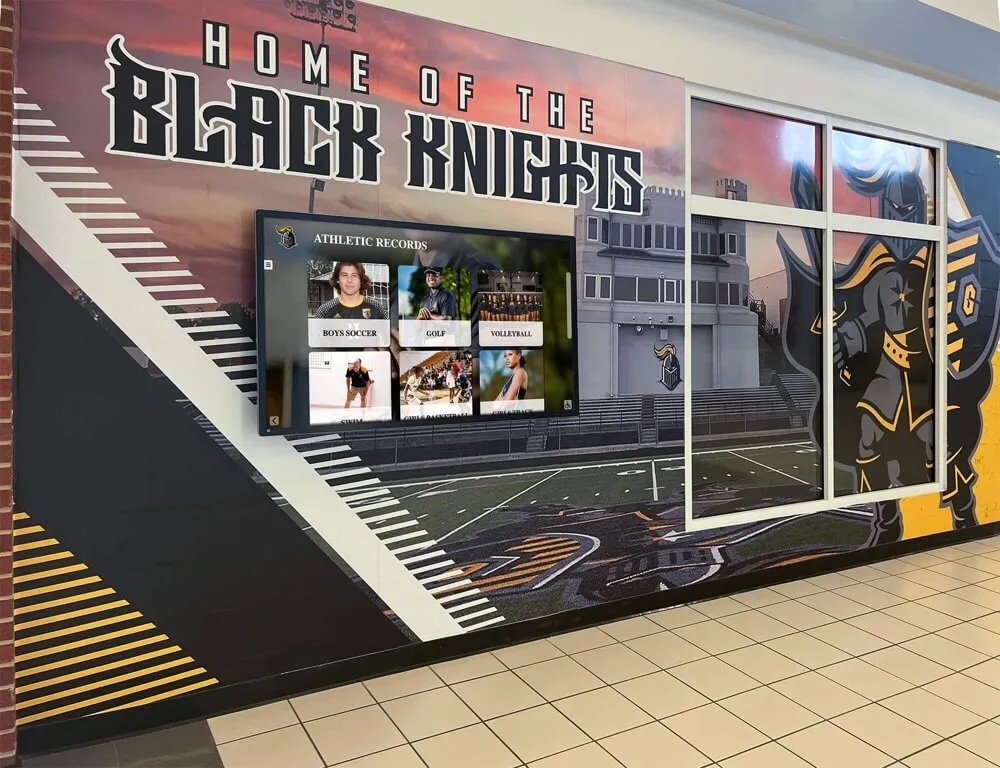
When a student earns the encampment ribbon, recognizing that achievement in the school environment — on a digital display in the hallway, in a public announcement, or in a dedicated hall-of-honor wall — reinforces a culture where service, discipline, and leadership are valued alongside academic and athletic excellence. That kind of institutional alignment benefits the entire school community, not just CAP members.
Recognition Ideas for CAP Squadrons and Schools
There is no single right way to recognize encampment achievement. The most effective programs combine immediate personal recognition with lasting public displays that honor cadets over time.
1. Formal Encampment Return Ceremony
One of the most powerful recognition moments is the return ceremony at the home squadron. When cadets come back from Leadership Encampment, hosting a dedicated formation where:
- The squadron commander personally reads each cadet’s name and presents the encampment ribbon
- Parents and family members are invited to attend
- A brief speech acknowledges what the cadet endured and accomplished
This ceremony transforms ribbon presentation from an administrative task into a meaningful milestone event. It mirrors the values the cadet just spent a week learning — ceremony, protocol, and public acknowledgment of achievement — and models those values for newer cadets who have not yet attended encampment.
2. Ribbon Rack Spotlight Board
A physical or digital ribbon rack spotlight board is a simple but highly effective way to celebrate encampment achievement visibly. Create a dedicated bulletin board or digital panel that shows:
- A photograph of each recent encampment completer in their CAP uniform
- Their full ribbon rack displayed prominently
- Their name, rank, and squadron
- The encampment they attended and the year
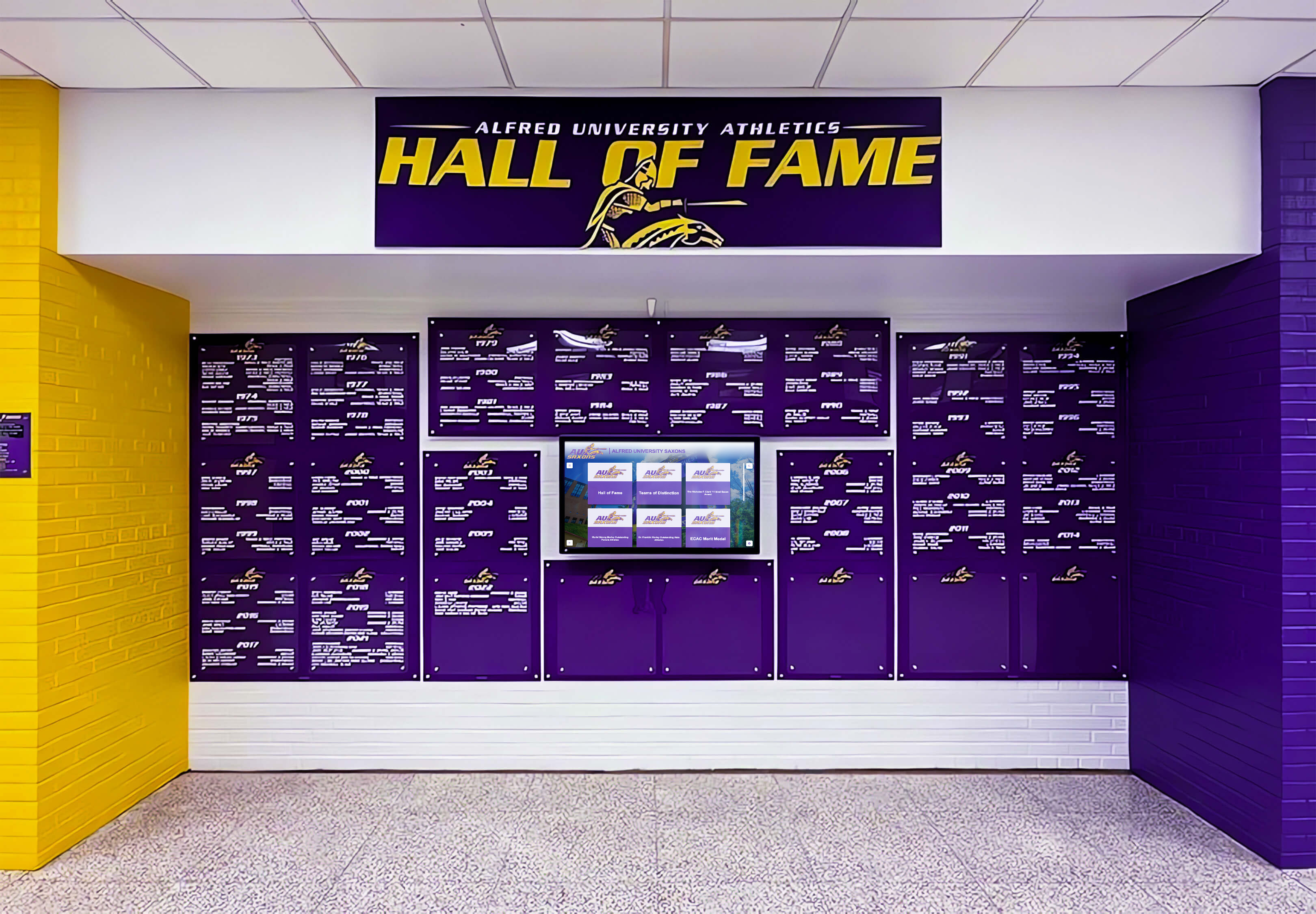
This display serves as both recognition for the featured cadet and inspiration for newer cadets who can see what a fully developed ribbon rack looks like and aspire to earn those ribbons themselves. Pair this with a school awards recognition display approach — clear, organized, visually compelling — to maximize impact.
3. Squadron Newsletter and Social Media Feature
Public recognition beyond the meeting room extends the impact of encampment achievement into the broader community. After each encampment, publish a dedicated feature that includes:
- Individual photos of all completers in uniform
- A brief quote from each cadet about their encampment experience
- Specific achievements like top performer awards or drill competition placements
- Acknowledgment of any cadets who served on encampment staff
Share this content through your squadron’s newsletter, Facebook group, and any school communication channels where CAP has a presence. This kind of public recognition reinforces that CAP achievement is a community event, not just an internal unit matter.
4. Personalized Achievement Certificates
In addition to the official CAP ribbon, consider issuing personalized achievement certificates from the squadron or school that recognize:
- Successful completion of the Leadership Encampment
- Any top performer distinctions earned
- Total ribbons currently held (demonstrating overall CAP progress)
- A personal note from the squadron commander or AFJROTC instructor
Well-designed certificates are keepsakes that cadets and their families treasure for years. For guidance on certificate design that feels substantial and meaningful, student recognition award display design principles apply directly — clean typography, official insignia, and specific rather than generic language all contribute to perceived value.
5. Annual Encampment Honor Roll
A growing squadron will send multiple cadets to encampment each year. Creating an annual honor roll that lists every encampment completer since the squadron’s founding creates a permanent record of achievement that grows more impressive over time. Options include:
- A framed printed roster displayed in the squadron meeting room
- An engraved or printed plaque added to annually
- A digital display that can grow indefinitely without space constraints
The annual honor roll approach mirrors the academic honor roll recognition that many schools use effectively — systematic, cumulative, and publicly visible.
6. Promotion and Advancement Public Recognition
When encampment completion contributes to a cadet’s formal rank promotion, that promotion ceremony deserves its own recognition moment. Consider:
- Inviting parents or guardians to witness the promotion
- Photographing the rank insignia pin-on moment
- Publishing the promotion through squadron communications
- Adding the newly promoted cadet to a squadron honor roll or wall of fame
Promotions within the CAP Cadet Program are genuinely hard-won achievements. A cadet who reaches Phase II, earns the Billy Mitchell Award, or advances toward the Spaatz Award has completed years of sustained effort. Treating those milestones with the same ceremony as athletic award banquets or academic recognition events reinforces their significance.
Digital Hall-of-Fame Displays for CAP Achievement
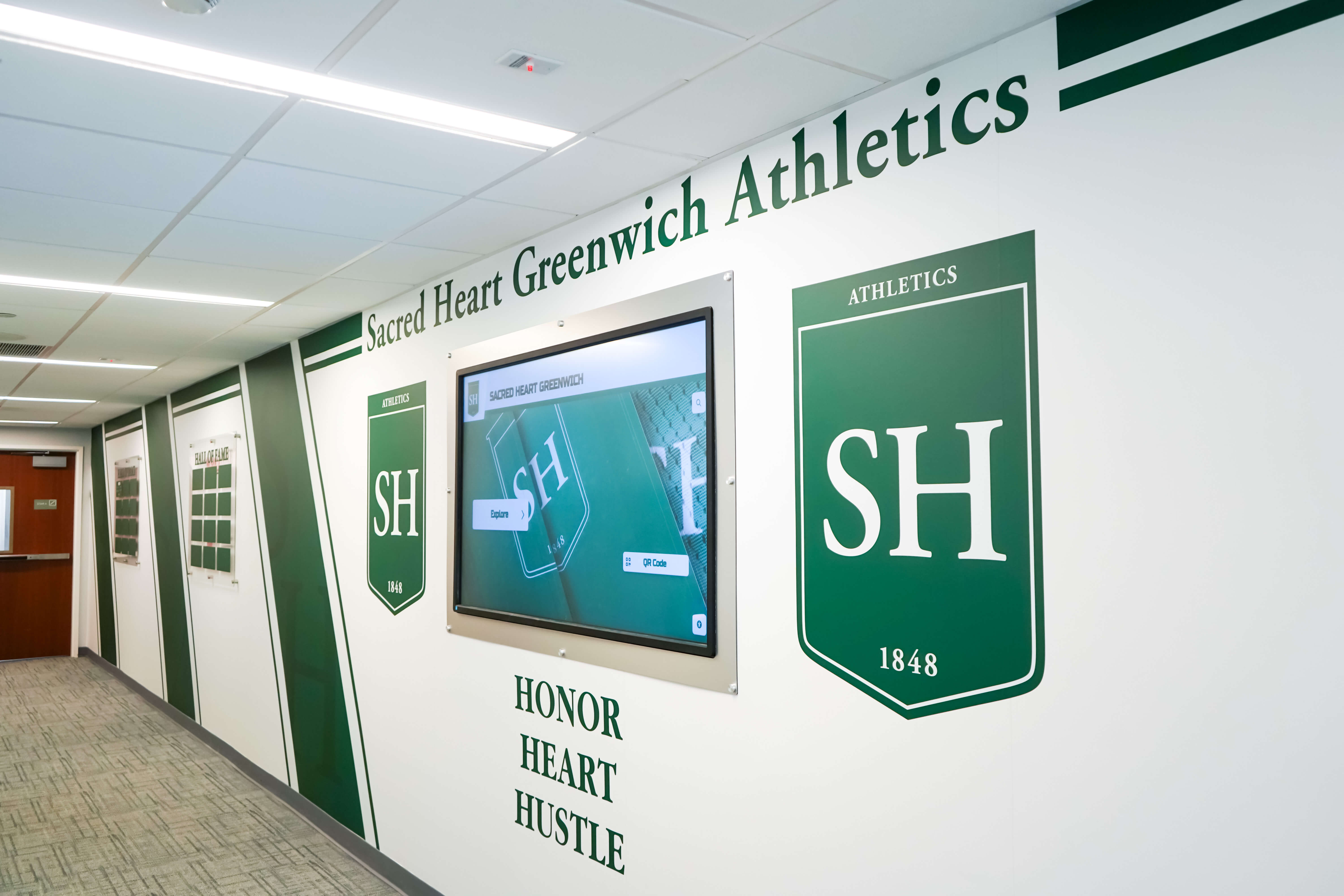
The most impactful long-term recognition strategy for squadrons and schools is a permanent digital display that archives cadet achievement over years and decades — the CAP equivalent of a military wall of honor.
Why Digital Displays Outperform Physical Plaques
Traditional recognition approaches — engraved plaques, printed rosters, bulletin boards — face inherent limitations when used for ongoing cadet programs:
Space Constraints
Physical displays fill up. A squadron that has been operating for 20 years has hundreds of encampment completers — no bulletin board or plaque wall can honor them all without impossible space requirements.
Update Costs
Adding a name to an engraved plaque requires fabrication time and cost. Digital platforms allow instant additions with no incremental expense.
Limited Content
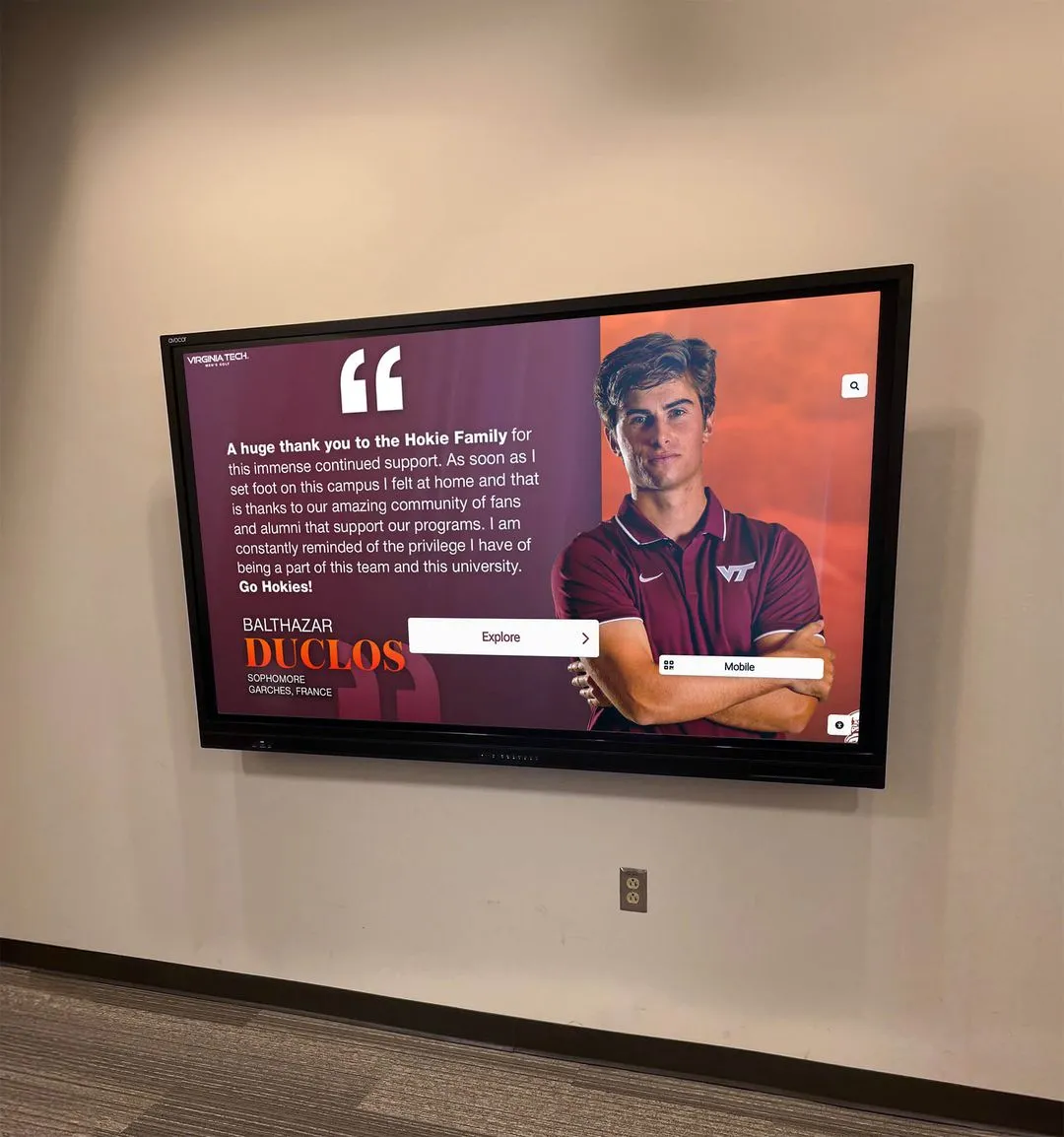
Plaques can display a name and perhaps a date. Digital profiles can include full ribbon rack photos, achievement history, rank progression, and personal statements.
Static Experience
Visitors scan a physical plaque once and move on. Interactive digital displays invite exploration, search, and discovery — increasing engagement with each cadet's story.
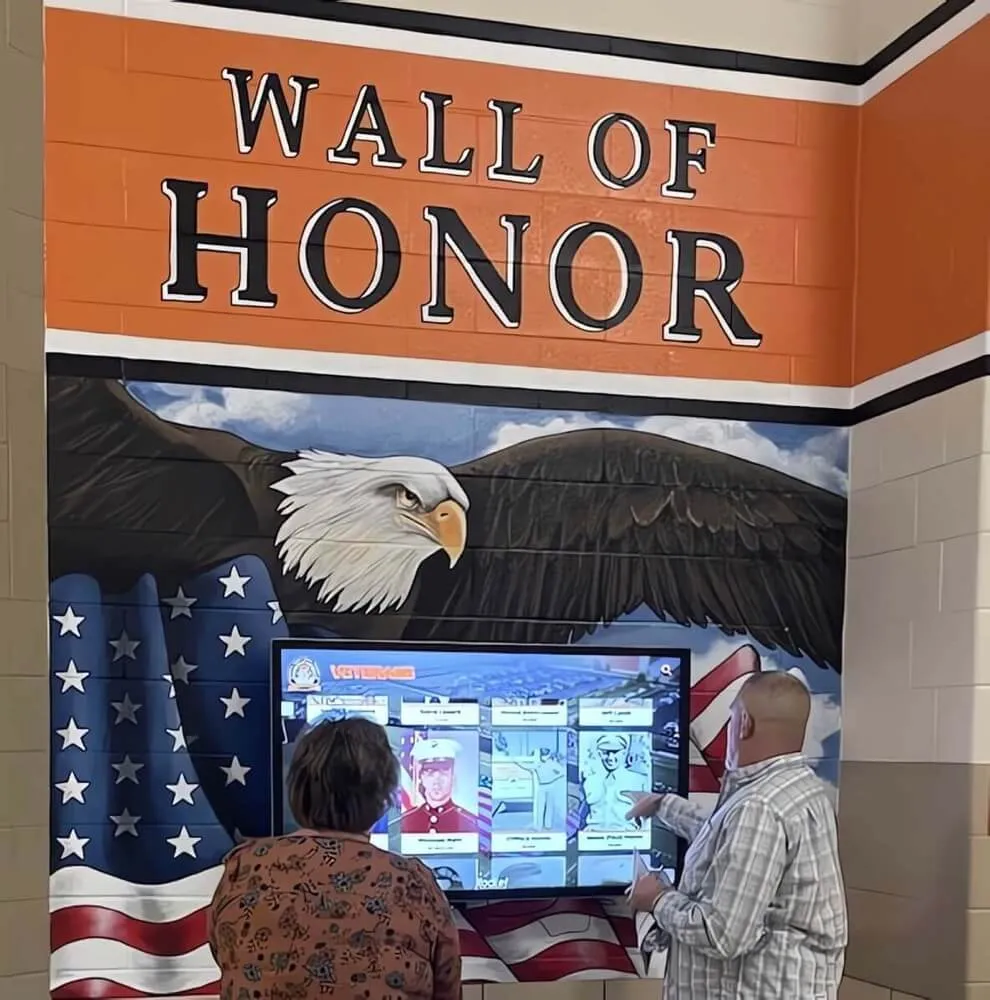
Digital recognition platforms built for schools and organizations eliminate these constraints while enabling richer storytelling about each cadet’s journey. For a deeper look at how digital displays are transforming recognition in schools and military organizations, the Veterans Day school military wall of honor recognition framework provides a useful model for applying the same principles to ongoing CAP programs.
What a CAP Digital Achievement Display Should Include
An effective digital recognition system for Civil Air Patrol cadet achievement should support the following content elements:
Cadet Profile Pages:
- Name, rank, and years active in the program
- Encampment completion(s) with year and location
- Full ribbon rack photograph updated at each milestone
- Notable awards and distinctions
- Brief bio or personal statement
- Photograph in CAP uniform at each major rank milestone
Searchable Achievement Database:
- Filter by encampment year to see all completers from a given cycle
- Filter by rank achieved to identify Billy Mitchell or Earhart Award recipients
- Filter by type of recognition (encampment ribbon, top performer, staff positions)
Squadron History Section:
- Year-by-year encampment participation records
- Notable alumni who went on to military service, aviation careers, or leadership roles
- Squadron founding history and milestone moments
Touchscreen Walls of Honor for CAP and AFJROTC Programs
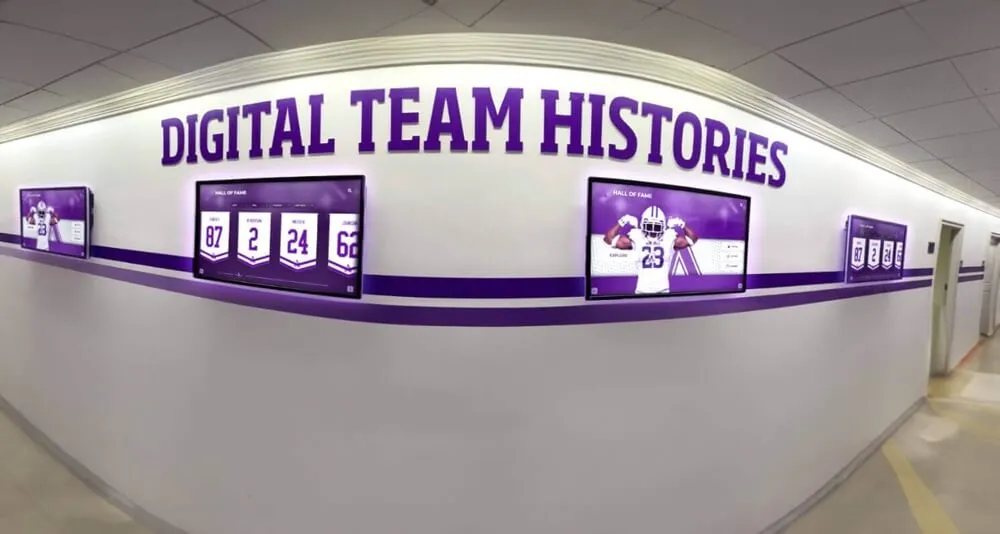
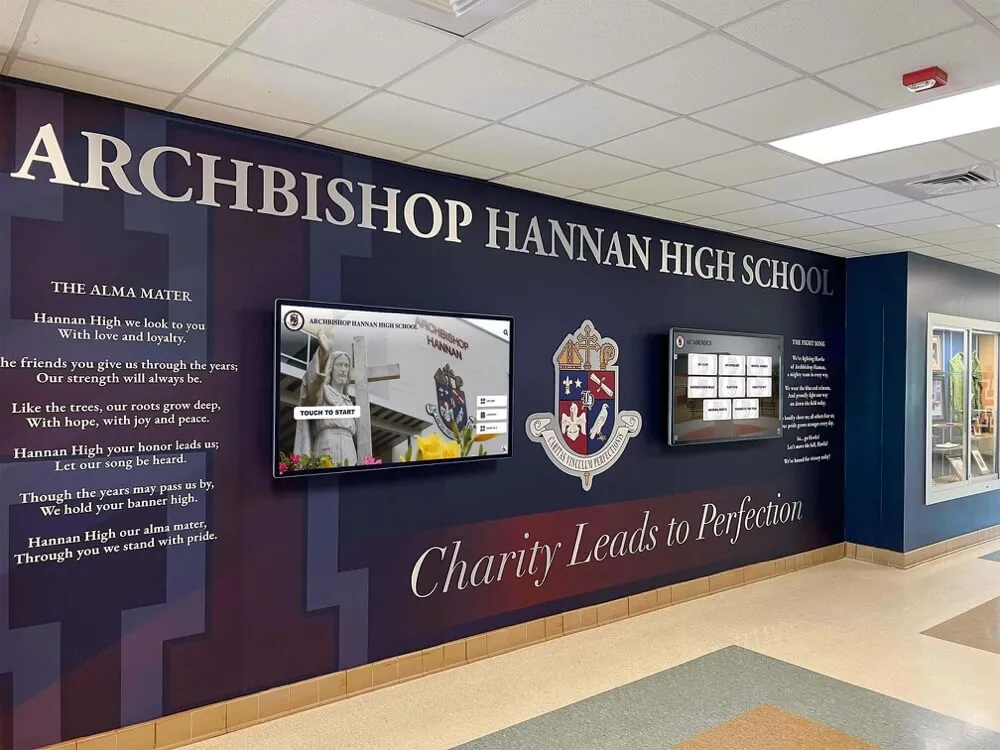
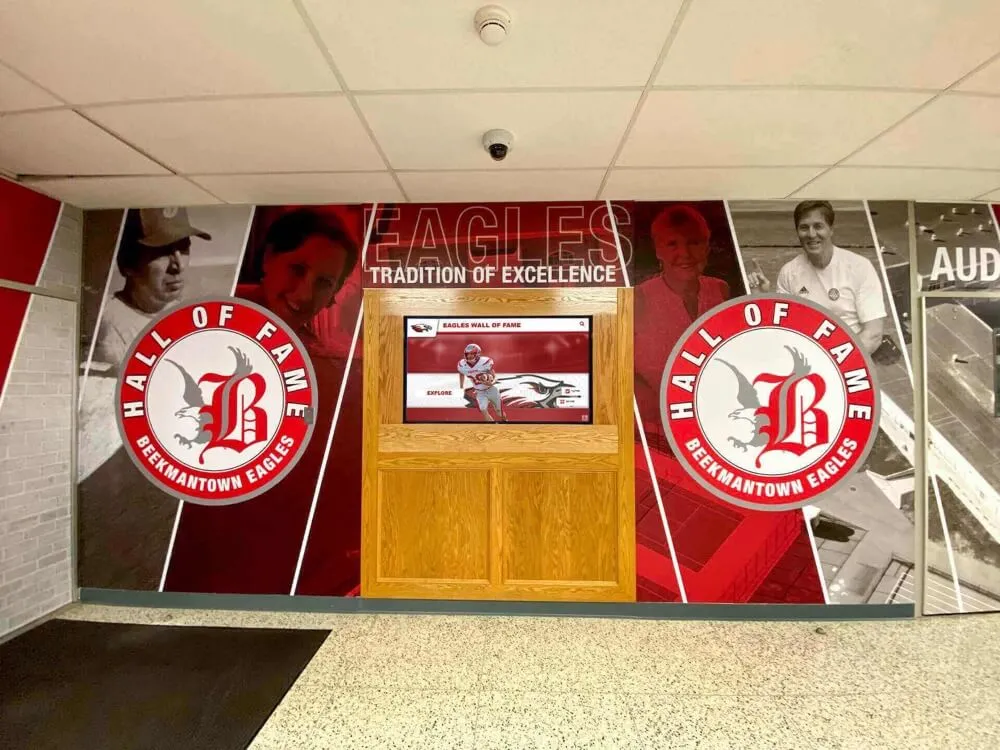
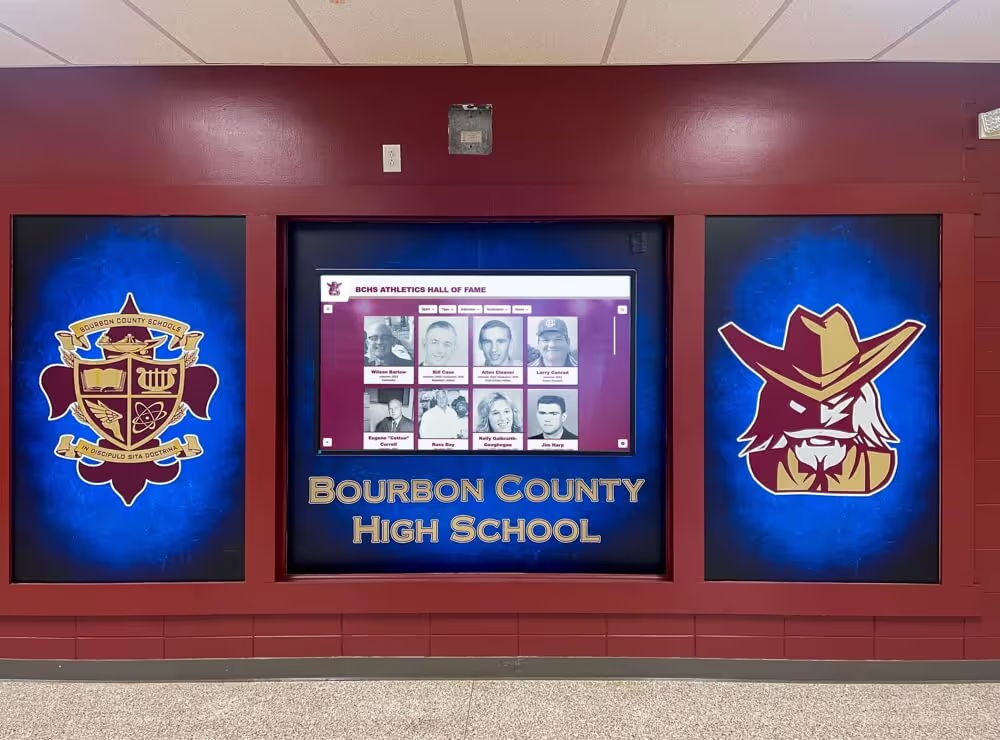
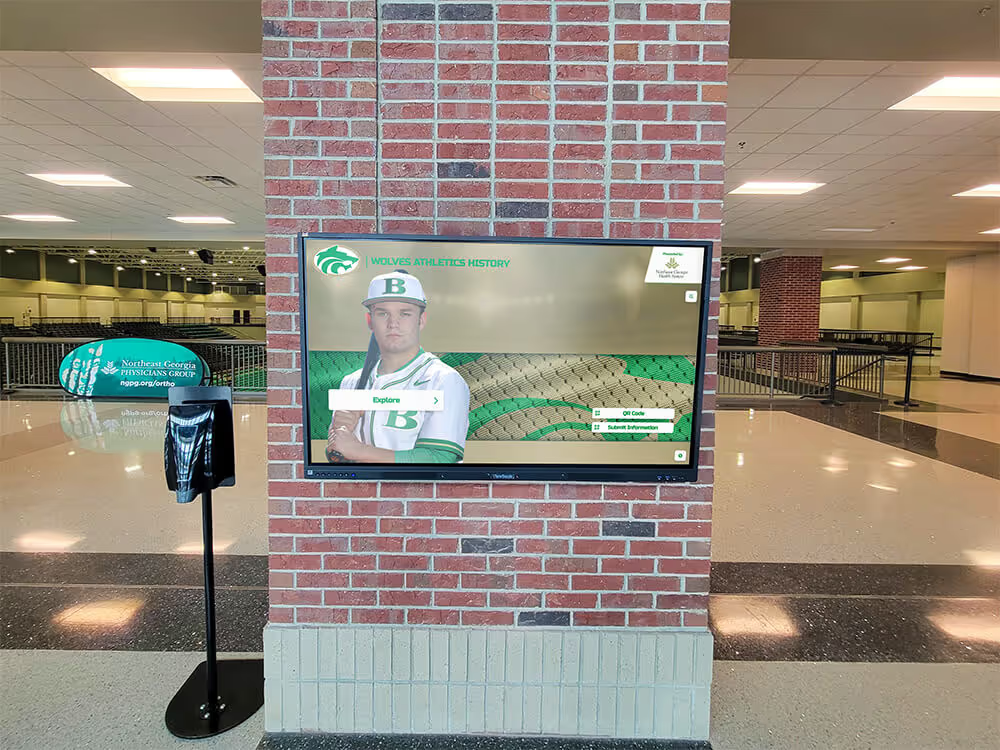
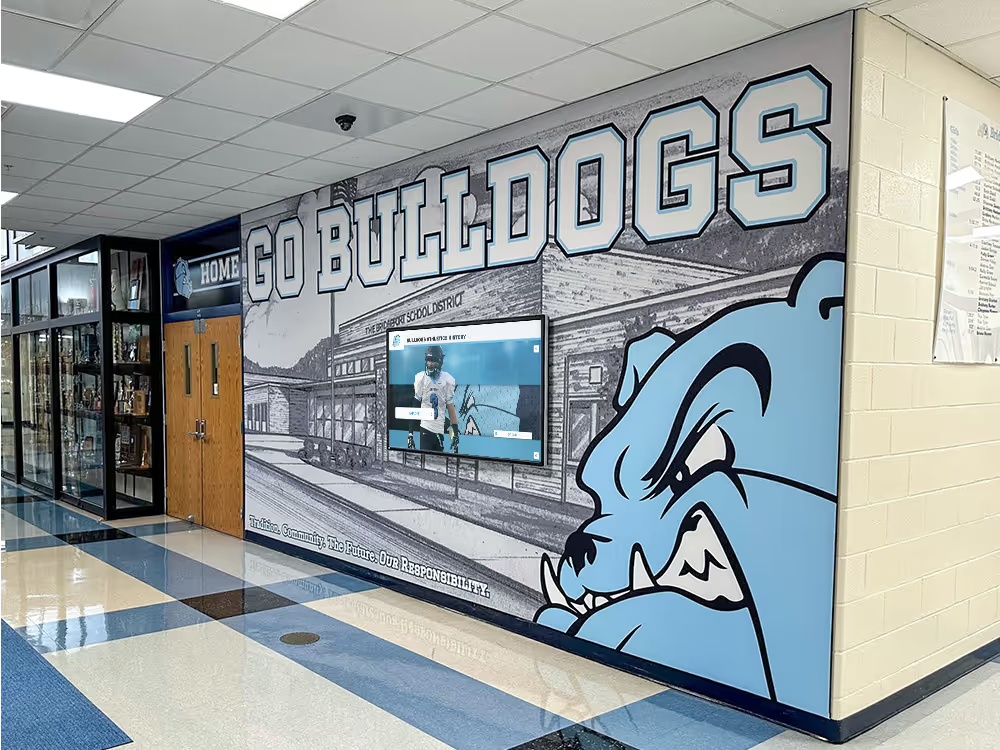
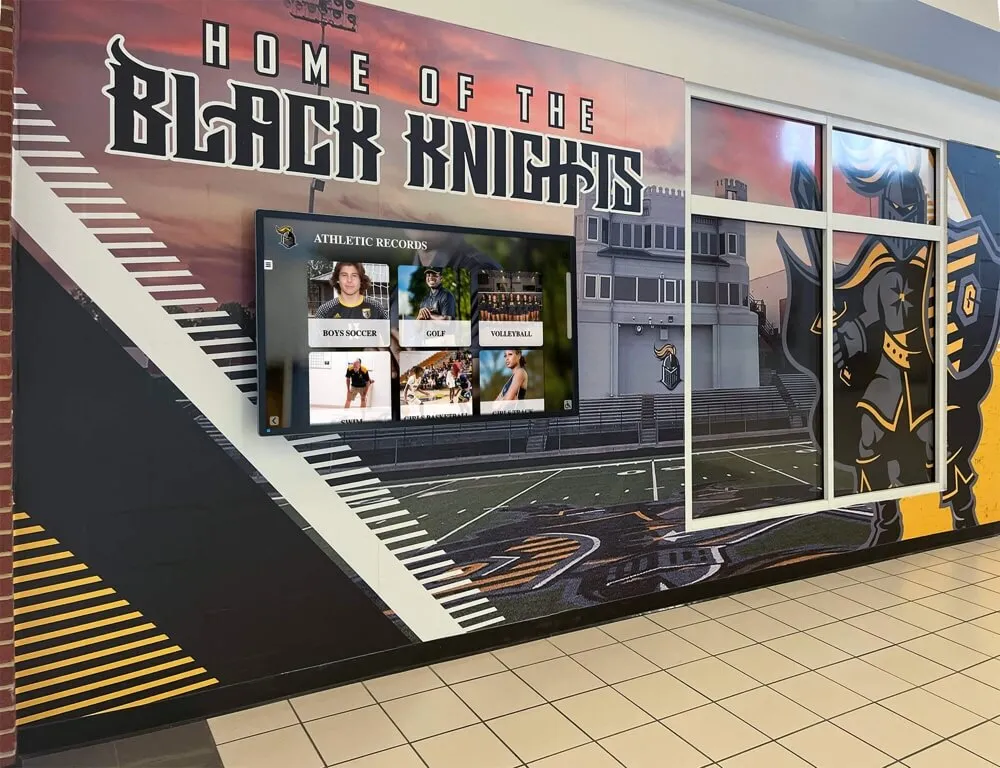
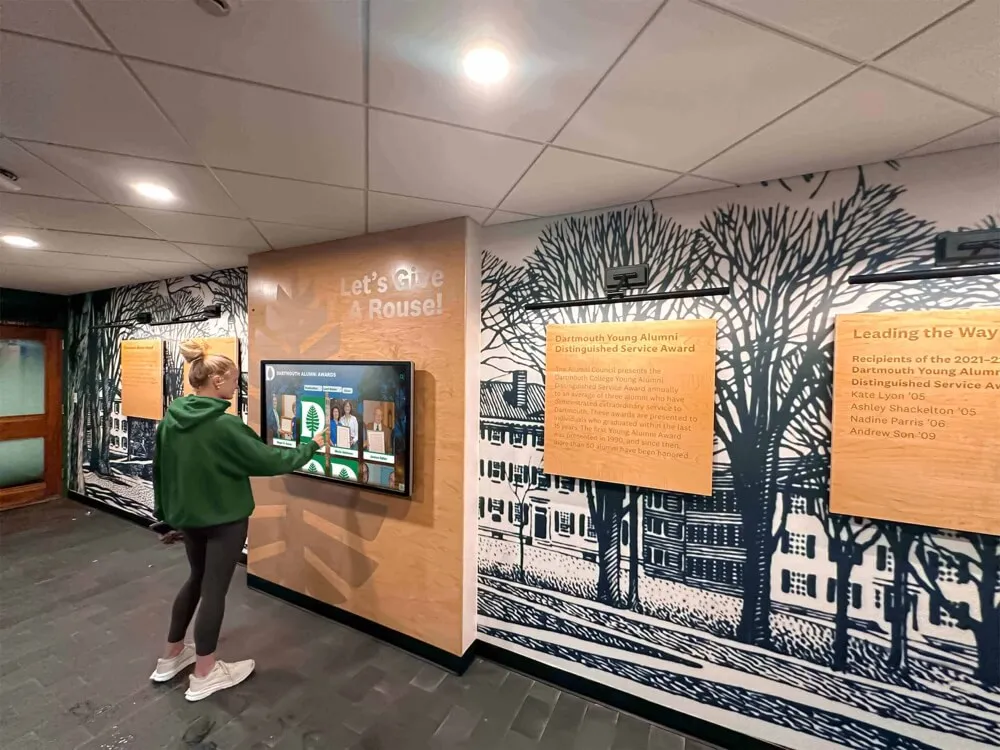
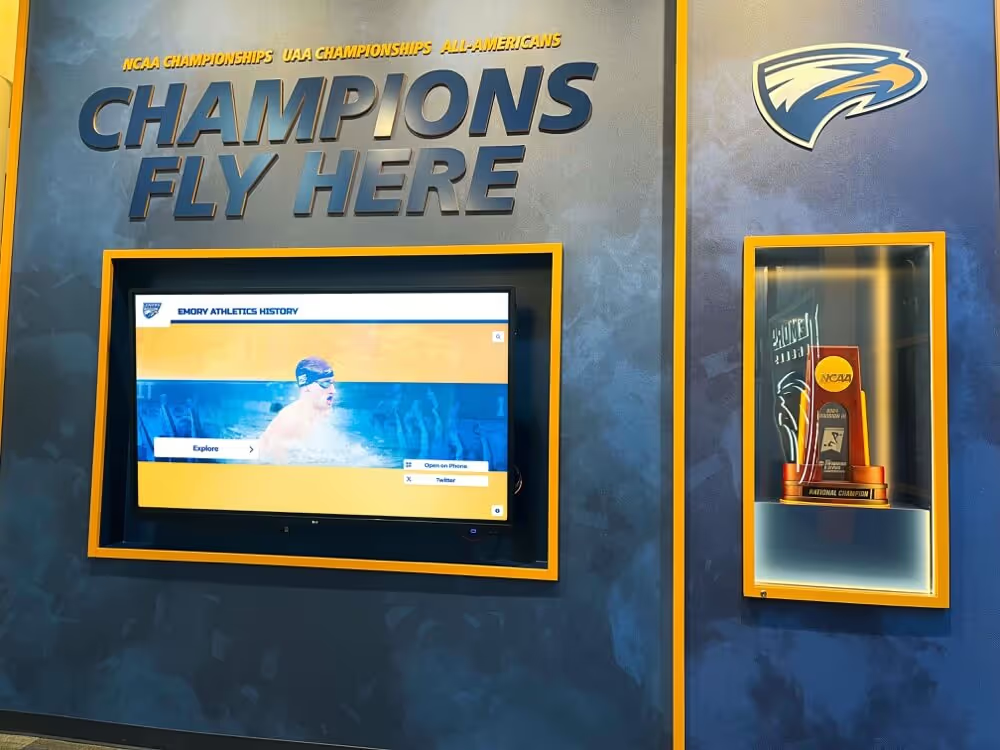
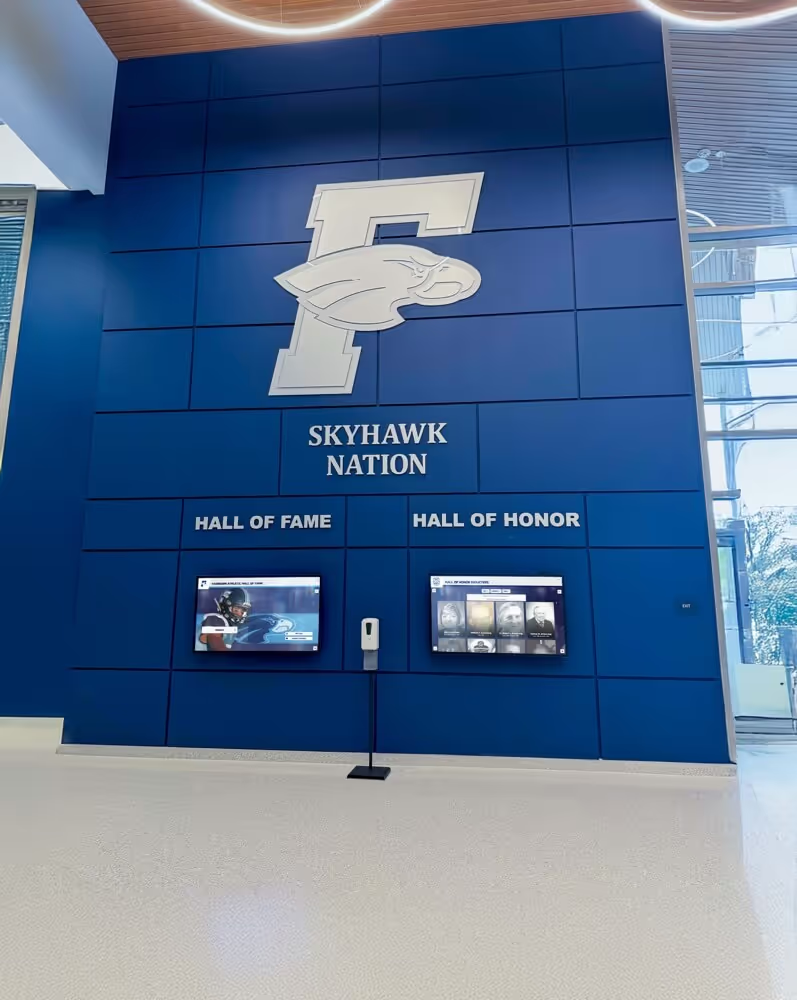
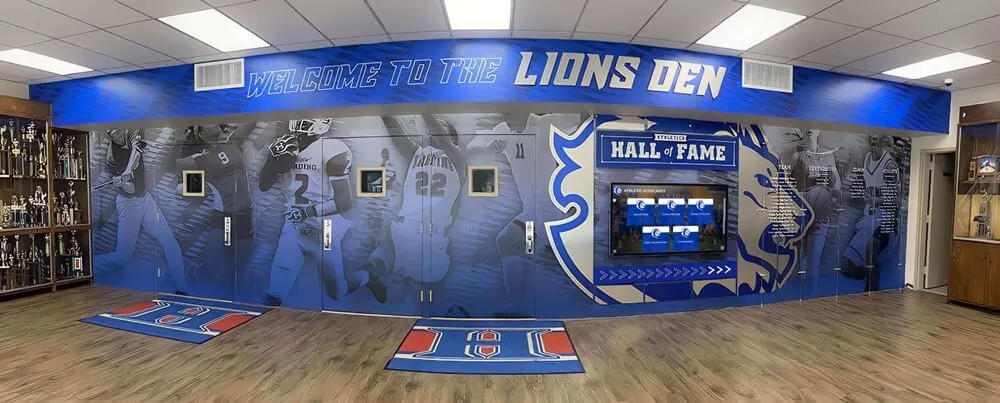
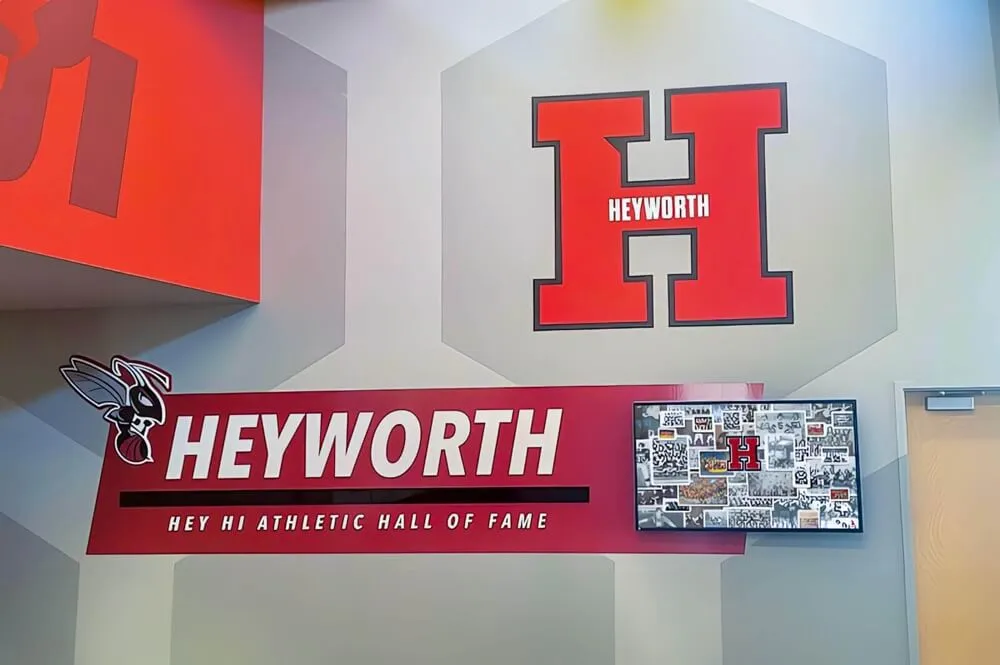
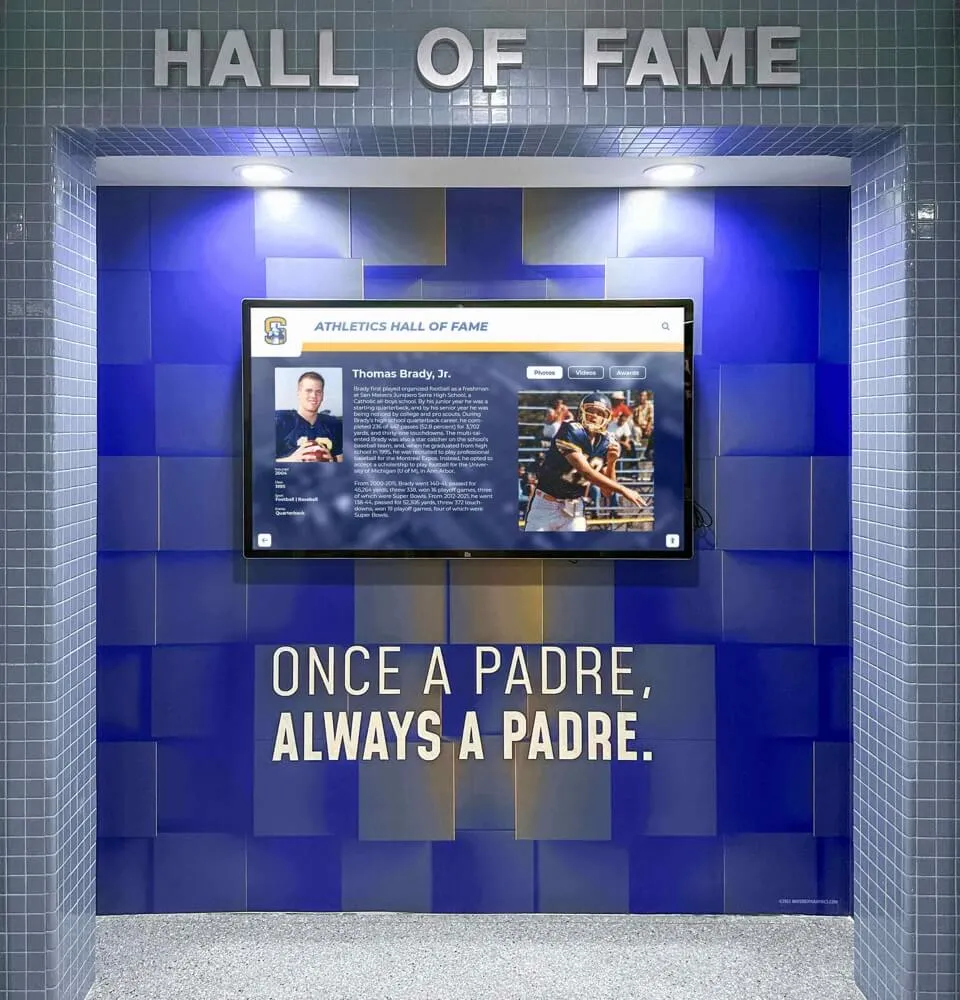
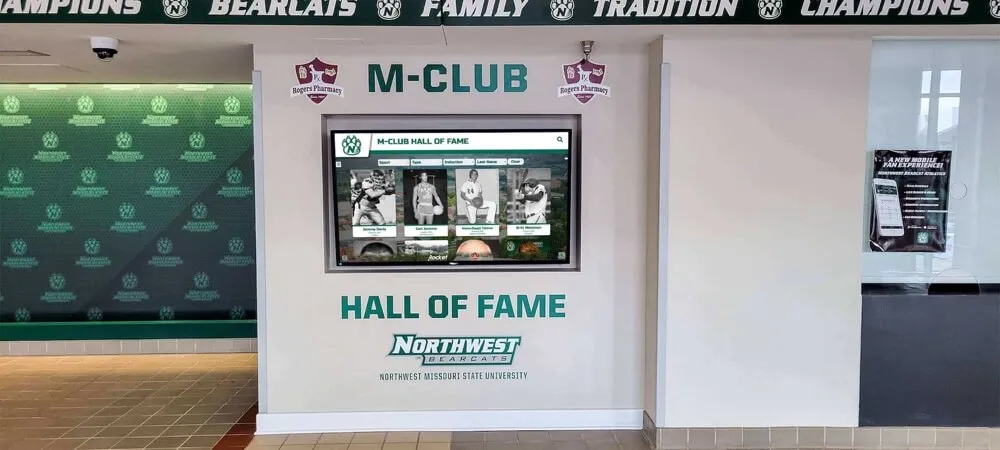
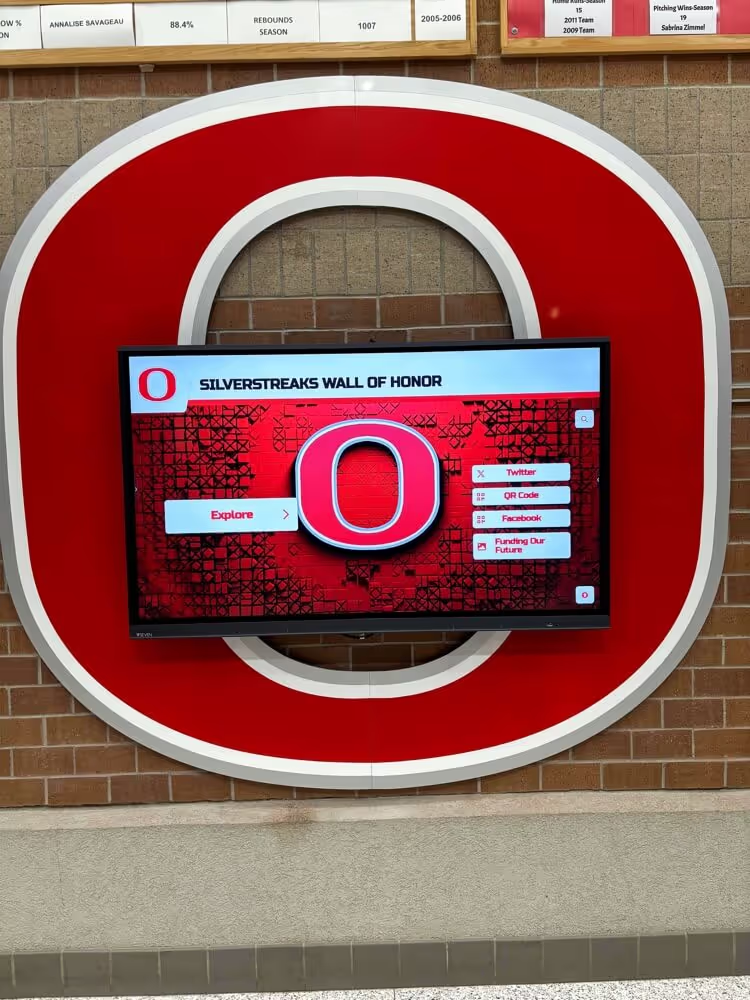
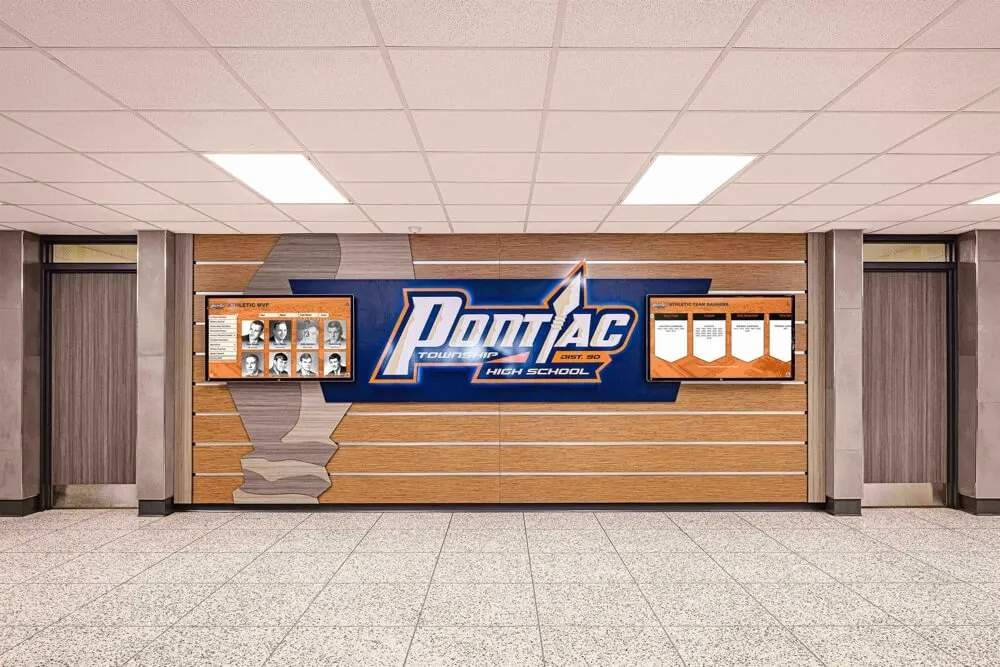
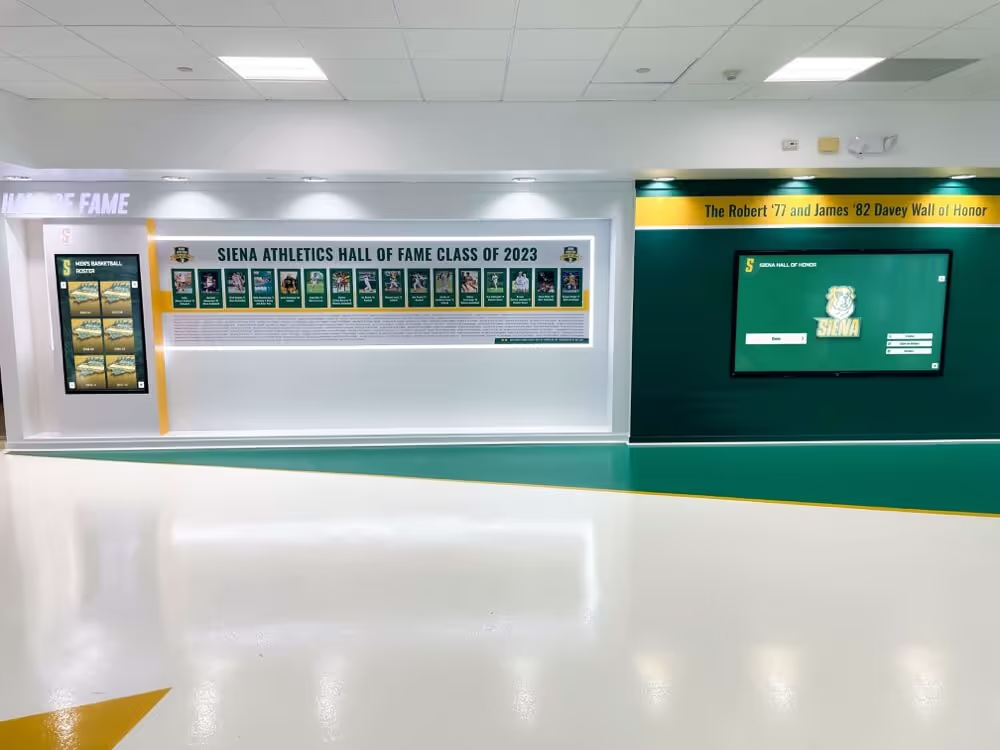
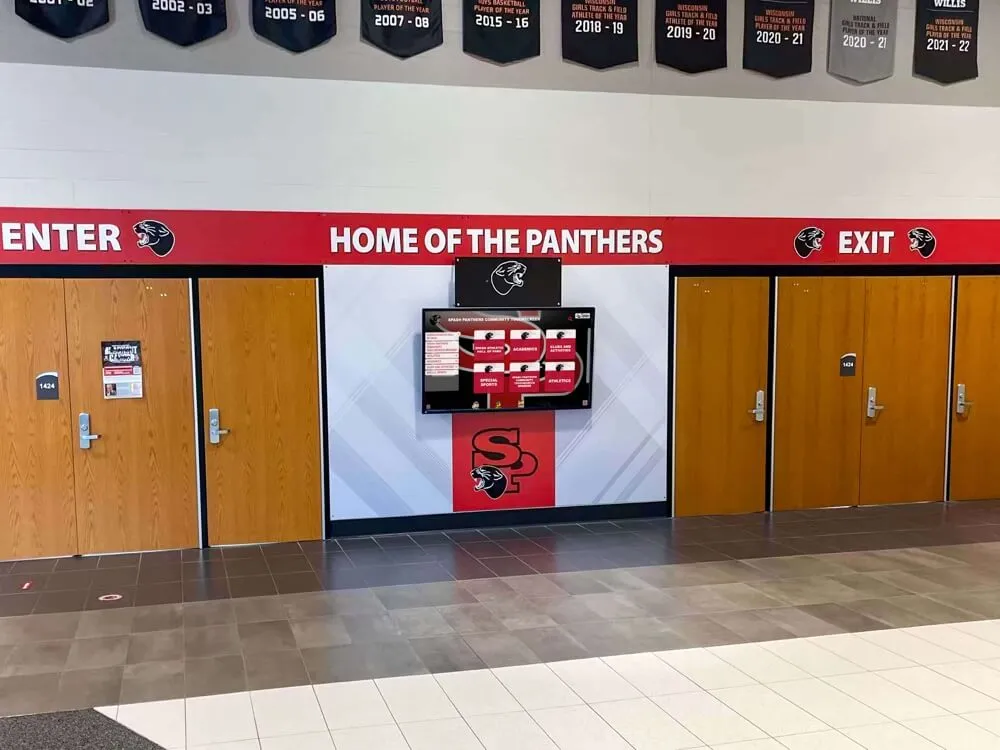
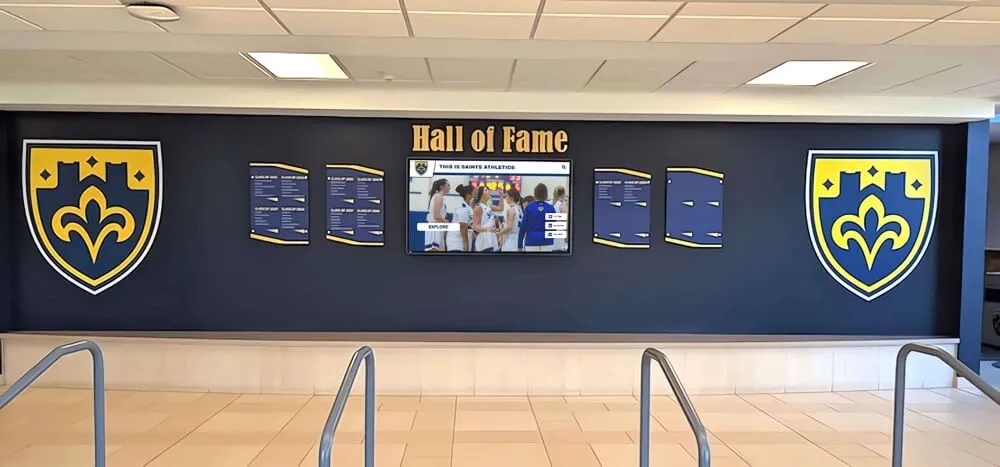
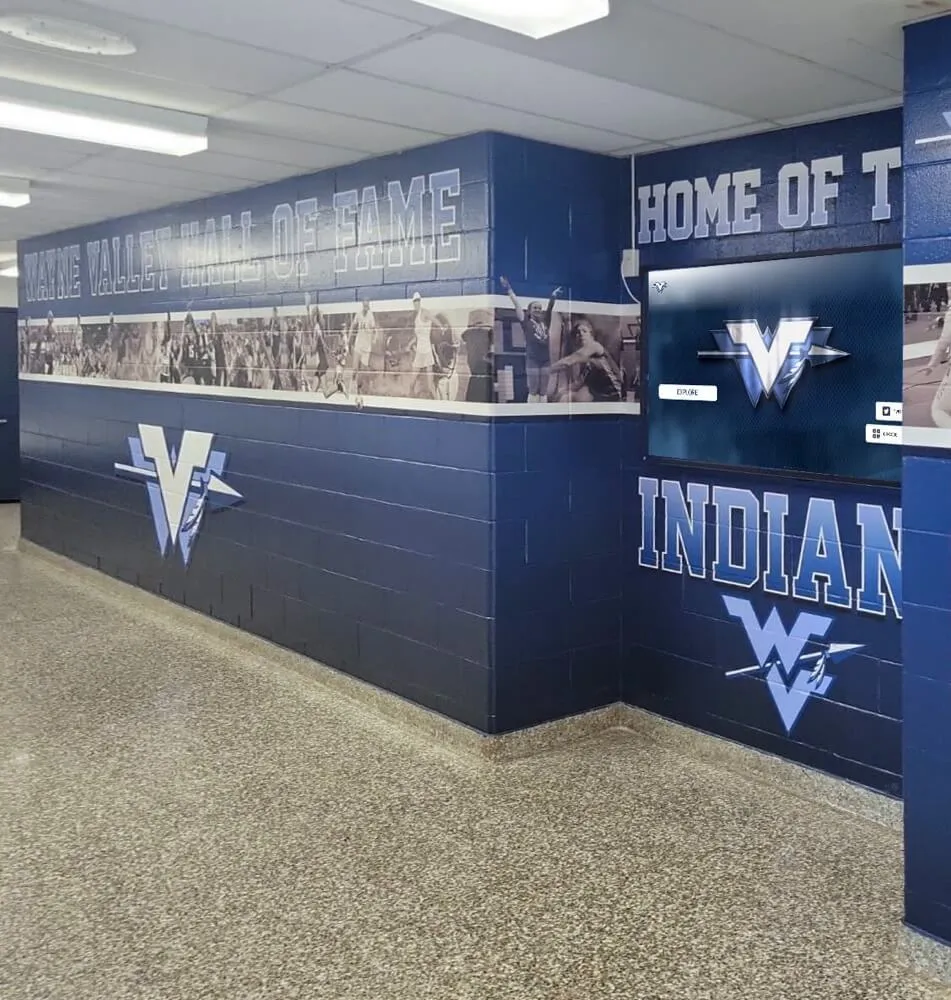
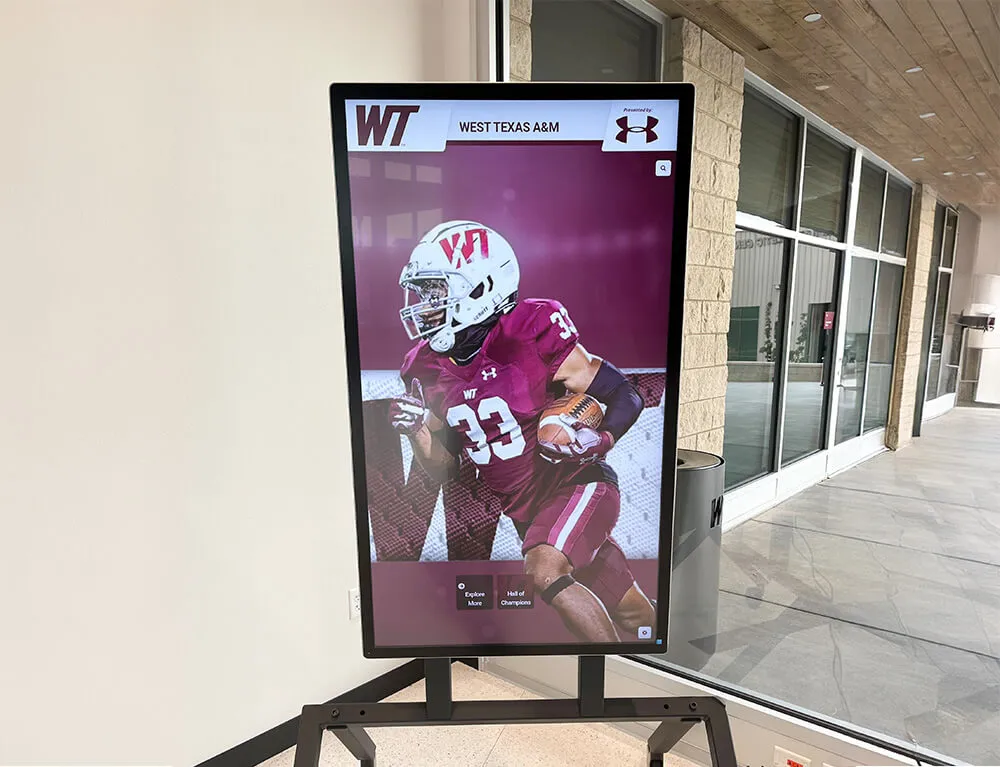
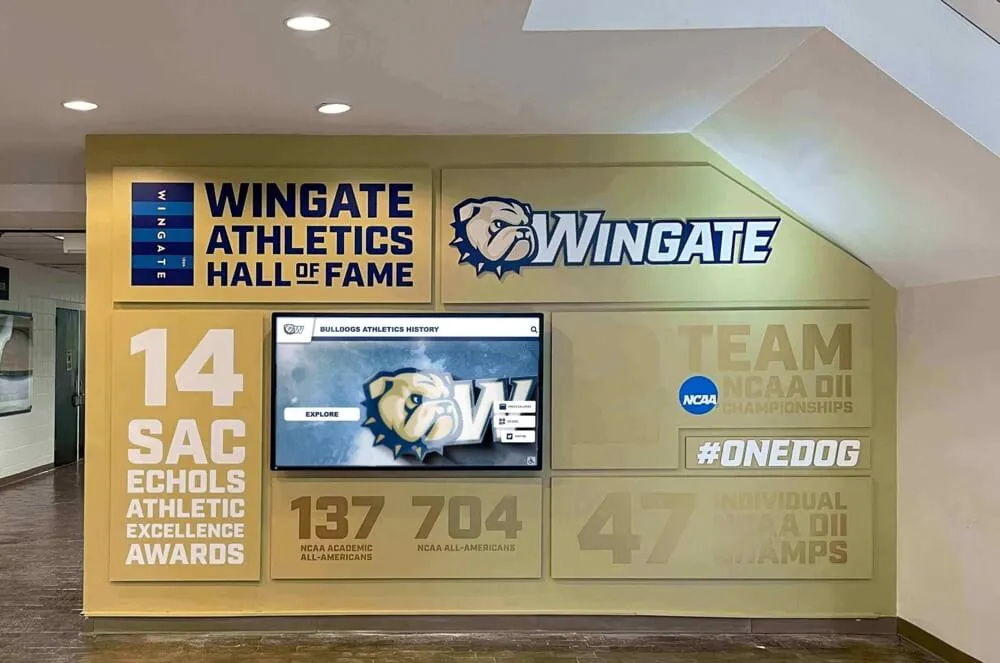
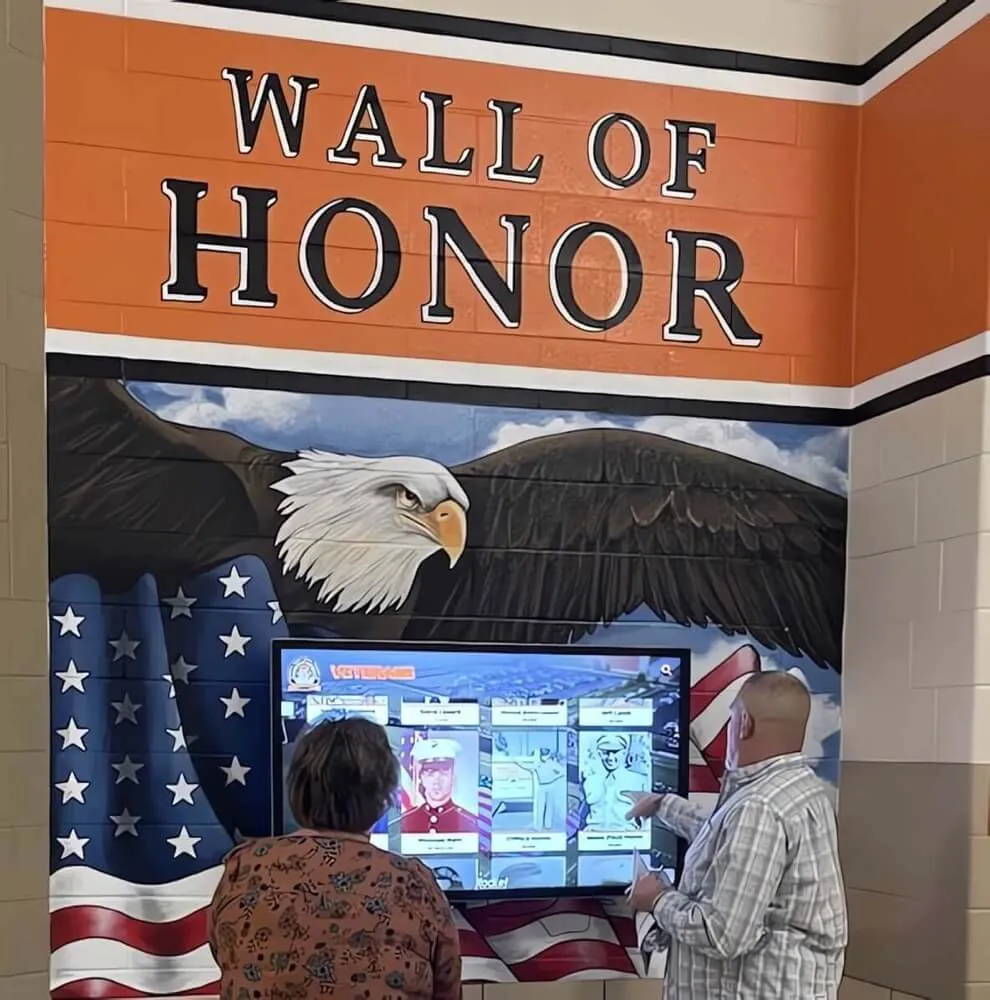
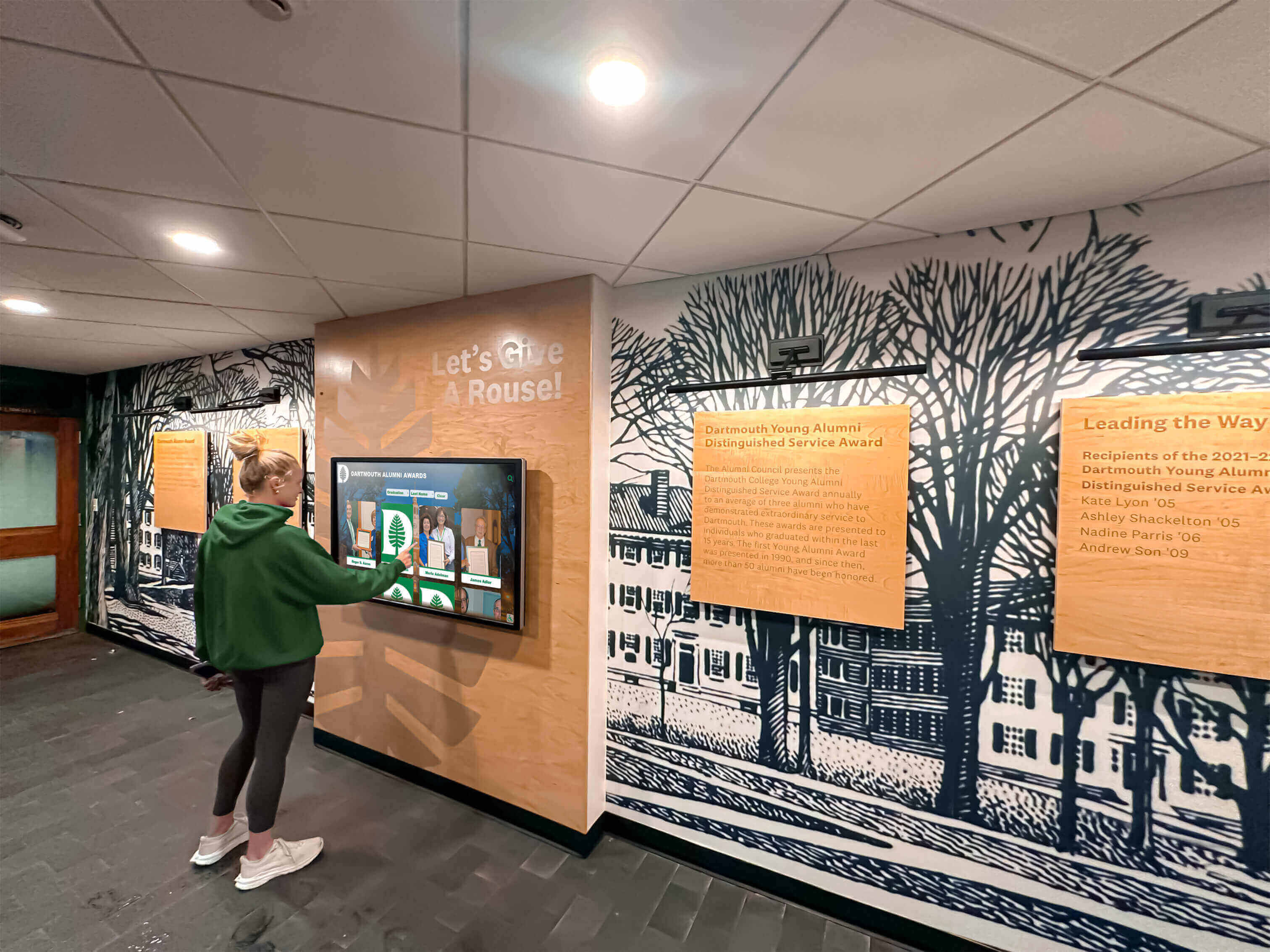
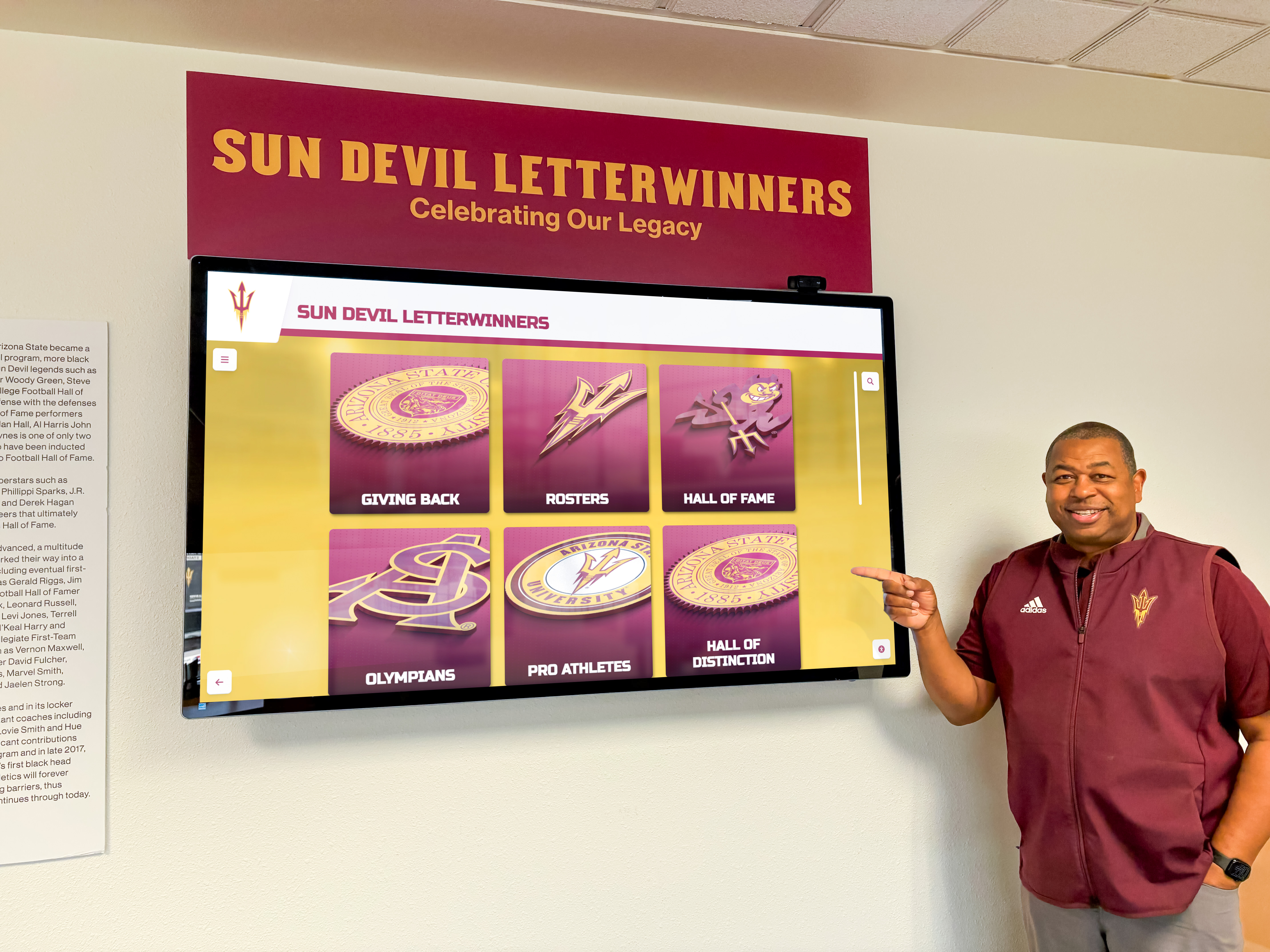
For schools with AFJROTC programs or CAP composite squadrons using school facilities, a touchscreen wall of honor in the school hallway or lobby creates a permanent, visible tribute to cadet achievement that benefits both the CAP community and the broader school culture.
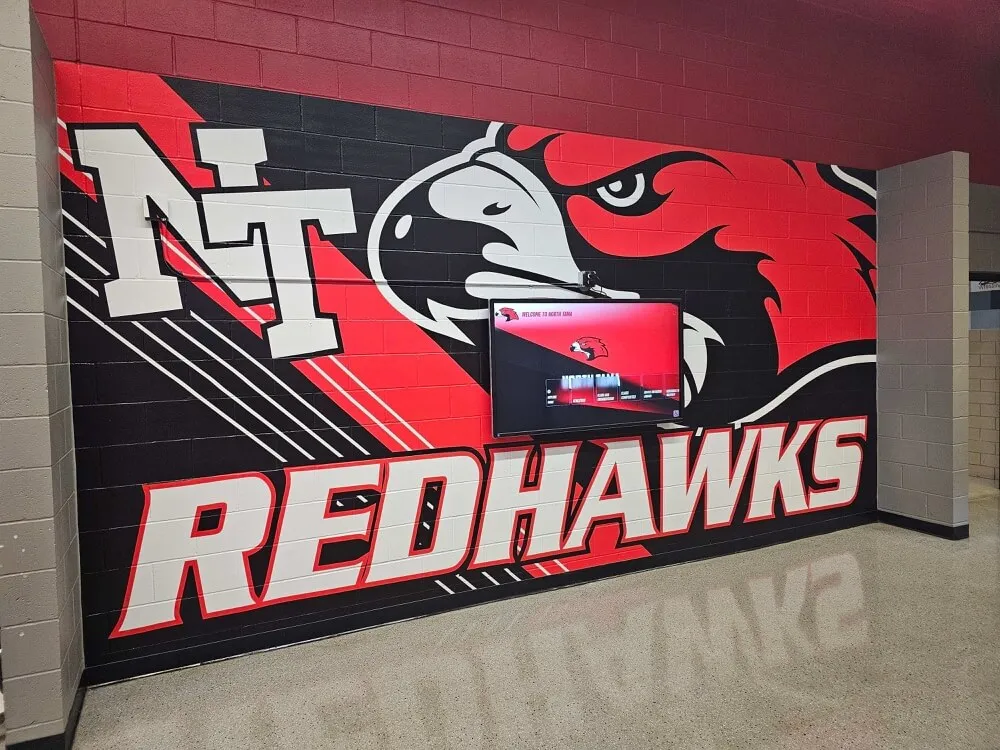
These systems — like those developed by Rocket Alumni Solutions — allow administrators to build comprehensive recognition databases that include every cadet who has earned an encampment ribbon, every promotion, and every major award. The display lives in a high-traffic area where students, parents, and visitors encounter it daily, reinforcing the school’s commitment to honoring service and leadership.
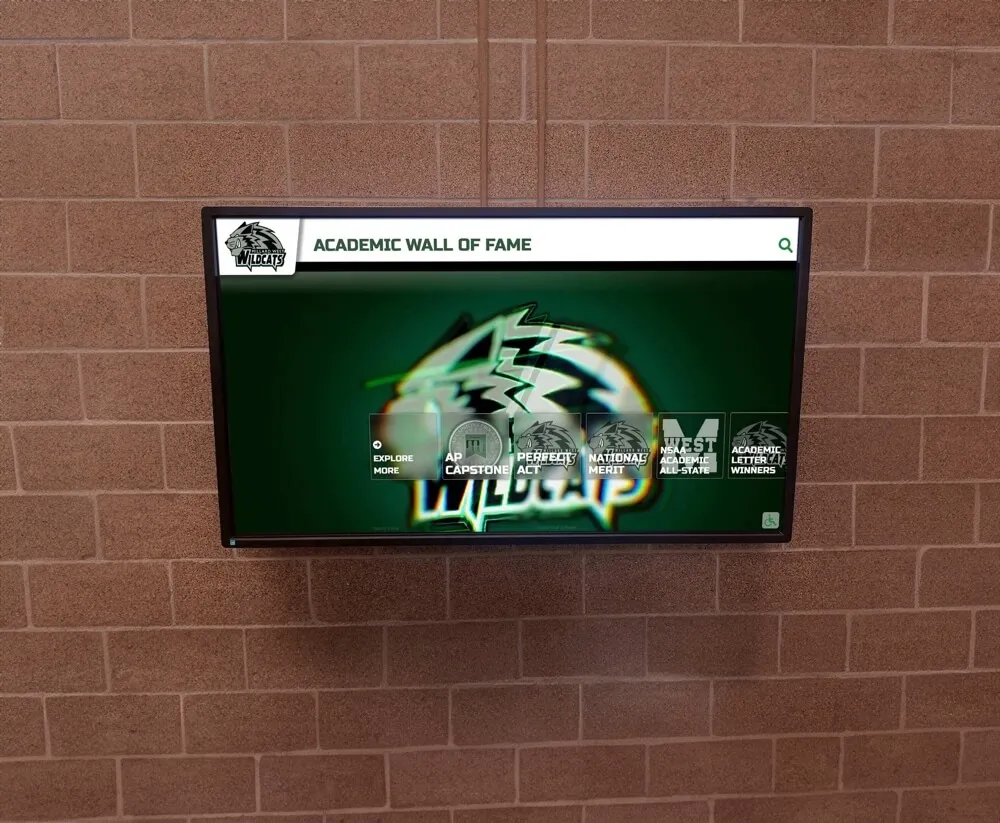
Unlike generic digital signage, purpose-built recognition platforms include:
- Intuitive content management requiring no technical expertise
- Unlimited cadet profiles with no per-entry costs
- Multimedia support for photos, ribbon rack images, and video tributes
- ADA-compliant touchscreen interfaces accessible to all visitors
- Cloud-based management so updates can be made remotely
Schools that implement these displays for school military recognition programs consistently report increased engagement from military-connected families, higher participation in CAP and JROTC programs, and stronger alumni connections from graduates who went on to military careers.
Building a Long-Term CAP Achievement Archive
The most successful CAP recognition programs think beyond this year’s encampment to build archives that will be meaningful 10, 20, and 30 years from now.
Retroactive Recognition
If your squadron or school has been operating for years without a formal recognition archive, it is worth investing time in retroactive documentation. Past encampment completers deserve recognition even if the program was not in place when they participated. Sources for retroactive data include:
- Squadron records and annual training reports
- Wing-level archives of encampment rosters
- Alumni outreach through social media and squadron newsletters
- Yearbooks from school-affiliated programs
- Personal records that cadets or their families may have preserved
Retroactive recognition projects often generate significant alumni goodwill. Former cadets who discover that their encampment achievements from a decade ago have been added to a permanent display are frequently moved by the gesture — and often become active supporters of current cadets.
Connecting CAP Alumni to Military Service
Many CAP cadets go on to serve in the U.S. Air Force, Space Force, Army, Navy, or Marine Corps. When a squadron can document the pipeline from cadet program participation to military service, that data becomes a powerful recruitment and retention tool for the program itself.
A digital recognition system allows squadrons to tag alumni who went on to military service, track their eventual rank and branch, and celebrate that progression as part of the CAP story. This kind of longitudinal documentation turns the wall of honor into a genuine history of the program’s impact on community leadership development — an argument for sustained investment in the CAP mission that resonates with parents, school administrators, and community supporters alike.
For a broader view of how institutions build lasting recognition archives that connect student programs to alumni outcomes, the approach used in academic awards recognition for students translates well to the CAP context — document what was earned, by whom, when, and how it contributed to the person’s development.
Annual Recognition Events
Establish a recurring annual recognition event — at the start of each academic year, or at the anniversary of the squadron’s founding — where the previous year’s encampment completers and promotions are formally celebrated. Invite families, school administrators, and community supporters. Present the digital display as a living archive that the community can explore.
This annual rhythm ensures that recognition is not a one-time event but an ongoing cultural commitment. Cadets who see their predecessors honored in a formal public setting develop a deeper understanding of why the program matters and a stronger motivation to earn their own place on the wall.
Practical Next Steps for Squadron Commanders and School Administrators
If you are ready to move from informal recognition to a structured program, here is a practical sequence for getting started:
Audit Existing Records
Compile all available records of encampment completers, rank advancements, and award recipients from your squadron's history
Define Recognition Levels
Determine which achievements receive which types of recognition — encampment ribbon, top performer, promotion, and major award completions each deserve distinct treatment
Select Display Platform
Choose between physical boards, digital signage, or interactive touchscreen systems based on your space, budget, and long-term goals
Launch with Ceremony
Unveil your recognition system at a formal event that honors current and past cadets, sets expectations for new members, and engages the broader school and community
For schools weighing the decision between static physical displays and modern interactive platforms, the comparison between traditional and modern recognition display approaches provides a useful framework — examining factors like long-term cost, content flexibility, visitor engagement, and scalability.
Conclusion
Civil Air Patrol Leadership Encampment represents a genuinely hard-won achievement. Cadets who complete it have demonstrated discipline, leadership under pressure, and commitment to the program’s values in a way that no meeting room exercise can replicate. They deserve recognition that matches the weight of what they accomplished.
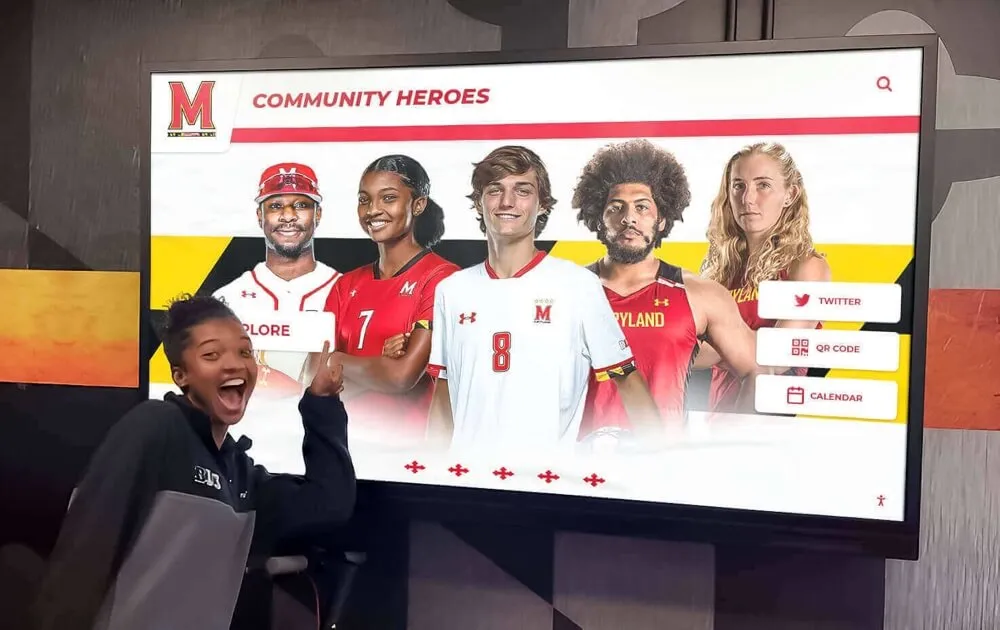
Whether your recognition approach is as straightforward as a return ceremony with ribbon presentation and family invitations, or as comprehensive as a permanent digital wall of honor that archives decades of cadet achievement, the fundamental commitment is the same: these achievements are worth celebrating publicly, persistently, and with genuine pride. A cadet who sees their encampment ribbon featured on a display in their school hallway — alongside athletes, scholars, and community heroes — understands that their service and leadership development is valued at the highest level their institution can express.
That kind of recognition does not just honor the past. It builds the culture that motivates the next generation of cadets to push through early reveille, nail the drill evaluation, and earn their place on that parade deck at the closing ceremony.
Ready to build a recognition system that honors every cadet who has ever earned a Leadership Encampment ribbon at your squadron or school? Rocket Alumni Solutions builds interactive touchscreen walls of honor and digital recognition platforms designed for exactly this kind of long-term, cumulative achievement display — purpose-built for educational and military-connected programs that want to honor their people the right way.