



Key Takeaways
Discover creative cheerleading awards ideas to recognize your squad's achievements. From performance awards to spirit recognition, explore comprehensive options including digital recognition displays for lasting impact.
Recognition transforms cheerleading programs from seasonal participation into meaningful developmental experiences. Unlike traditional sports where statistics define achievement, cheerleading demands recognition approaches honoring technical mastery, performance artistry, leadership development, and the intangible spirit that energizes entire athletic communities. Yet many programs struggle with limited award categories—generic participation certificates and single MVP trophies—that fail to capture cheerleading’s multifaceted excellence.
This comprehensive guide presents strategic cheerleading award frameworks spanning performance achievements, technical skills, spirit leadership, team contributions, and character development. Whether you direct competitive all-star teams, manage school sideline programs, coordinate recreational cheer organizations, or oversee college spirit squads, these recognition strategies help you celebrate diverse cheer excellence while building squad cultures that motivate continued development and lasting engagement.
Understanding Effective Cheerleading Recognition
Before implementing specific award categories, administrators must understand what distinguishes effective cheer recognition from generic participation acknowledgments that create minimal motivational impact.
The Multidimensional Nature of Cheer Excellence
Cheerleading combines athletic performance, artistic expression, team coordination, and leadership in ways that distinguish it from traditional sports recognition:
Performance Across Multiple Skill Domains: Successful cheerleaders master tumbling, stunting, dance, jumps, and vocal performance simultaneously. Recognition systems validating this multidimensional development prove more effective than narrow focus on single capabilities. Programs honoring diverse skill mastery create cultures where specialized excellence receives acknowledgment regardless of spotlight visibility.
Absolute Team Coordination Requirements: Cheer safety and success depend on precise team coordination. Flyers achieve nothing without reliable bases, spotters, and back spots. Recognition honoring individual achievement while acknowledging essential team interdependence reflects cheer’s collaborative nature more authentically than purely individual awards that ignore these critical relationships.
Dual Competitive and Support Roles: Many programs compete in cheer competitions while supporting other athletic teams. Cheerleaders excelling at both—performing technically difficult competition routines and energizing crowds during sideline performances—demonstrate versatility deserving specific recognition distinct from either role alone.
Spirit Leadership Beyond Performance: Beyond athletic performance, cheerleaders serve as spirit leaders creating positive energy throughout school communities. This leadership dimension—organizing rallies, mentoring youth programs, representing institutions publicly—extends recognition beyond competition results or technical skill measurements into broader community impact.
Recognition’s Strategic Role in Program Development
Effective recognition programs accomplish multiple objectives beyond distributing end-of-season trophies:
Performance Motivation: Clear recognition categories create specific goals cheerleaders can pursue through focused training. Technical skill awards motivate dedicated practice, while performance awards validate competitive preparation. Well-designed recognition systems channel motivation productively toward skill development and team success.
Culture Building: Recognition patterns communicate program values. Programs exclusively honoring competition results signal that only competitive achievement matters. Balanced recognition celebrating performance, character, leadership, and team contribution builds cultures where diverse strengths receive validation and all squad members feel valued for unique contributions.
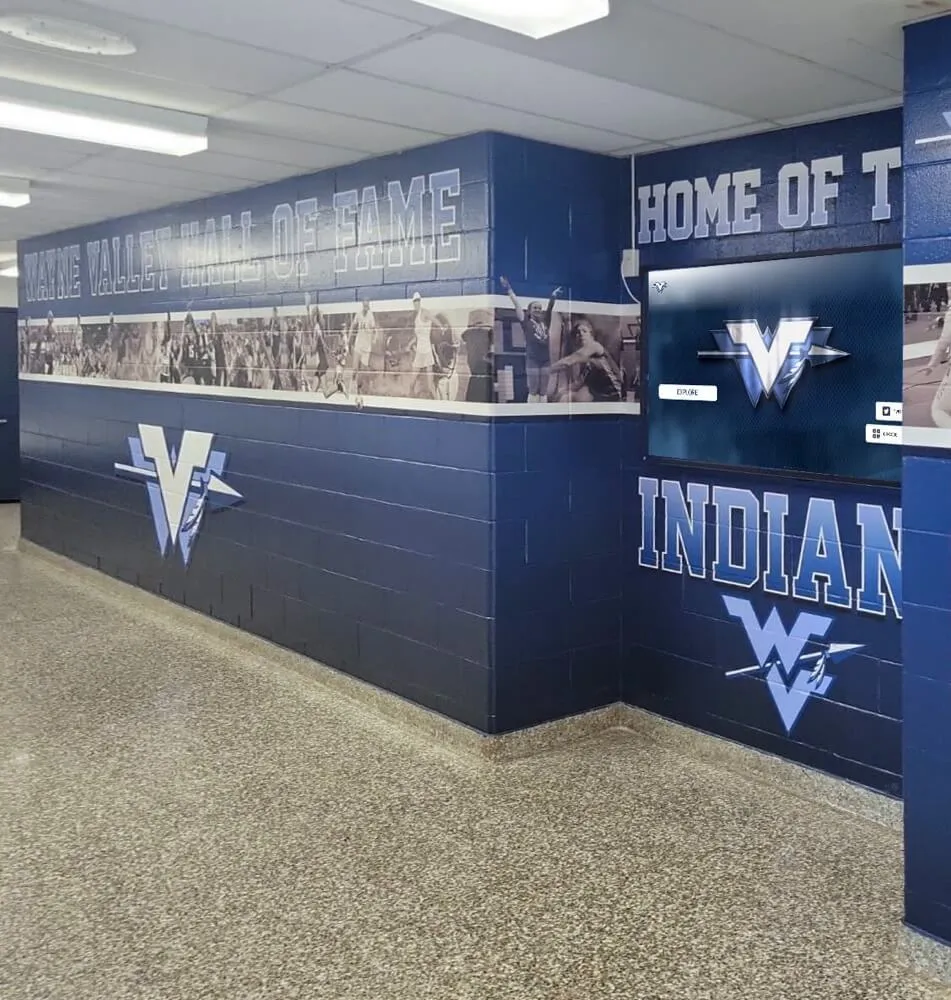
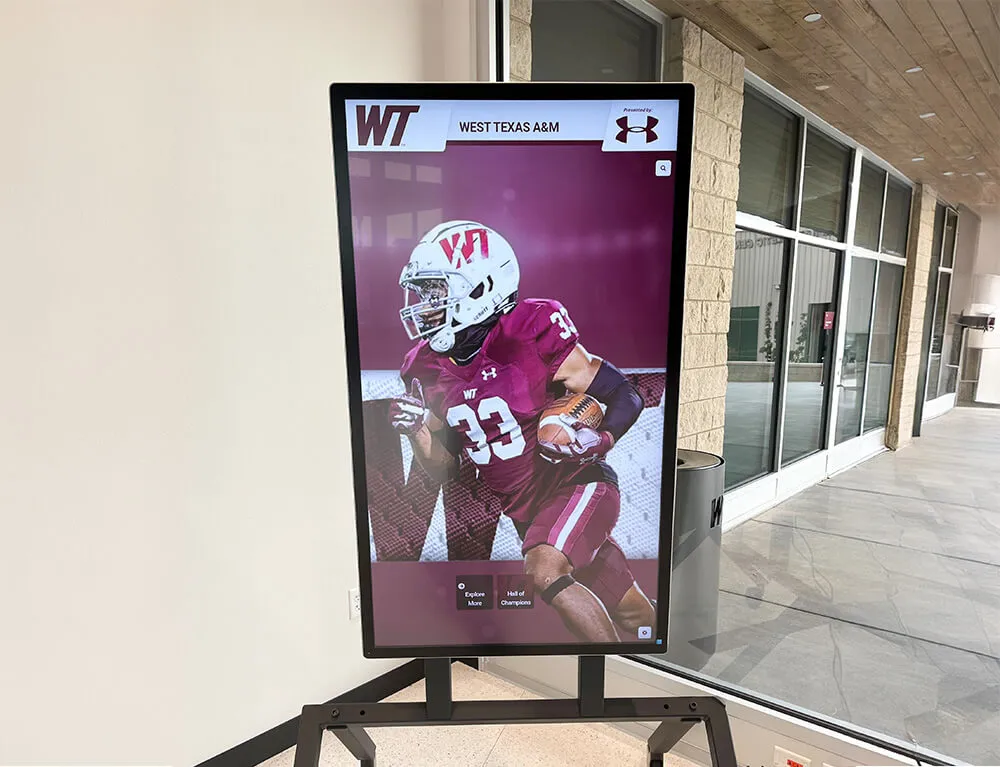
Retention and Recruitment: Comprehensive recognition keeps current cheerleaders engaged while attracting prospective squad members. Programs known for celebrating achievement across multiple dimensions appeal to athletes with varied strengths and motivations. Recognition visibility through digital athletic displays extends this recruitment benefit by showcasing program culture to prospective families.
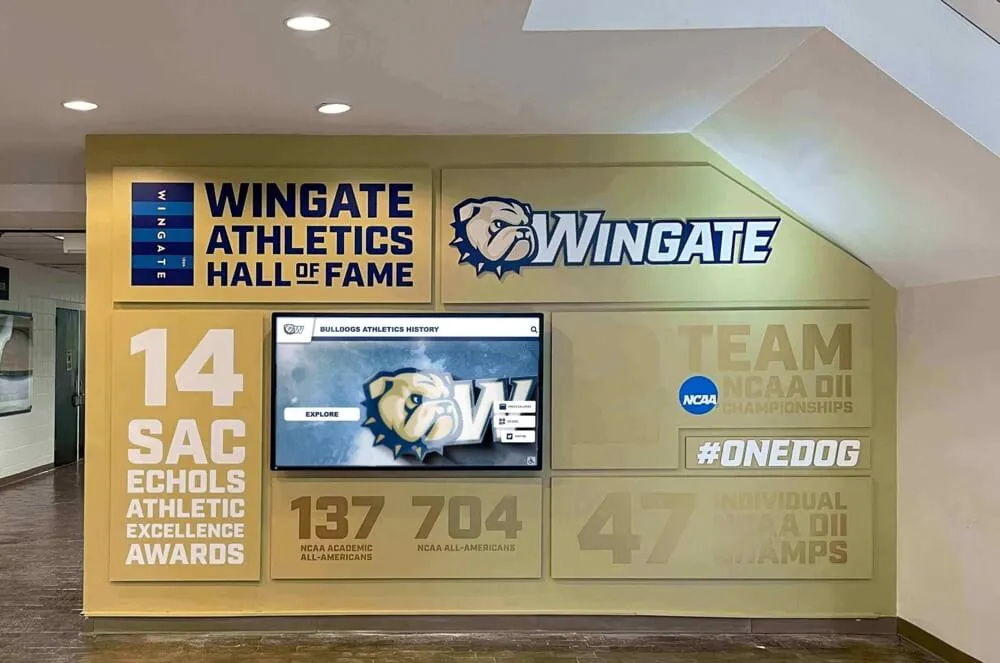
Alumni Connection: Recognition creates lasting bonds between former cheerleaders and programs. Accessible recognition archives allowing alumni to revisit their achievements years later maintain engagement supporting mentorship, fundraising, and program advocacy. Solutions like digital recognition platforms preserve these connections permanently rather than limiting visibility to physical trophy cases or forgotten certificate boxes.
Performance and Competition Awards
Performance awards recognize measurable achievement in competitive settings, routine execution quality, and objective skill demonstration validating the athletic rigor defining modern cheerleading.
Competition Achievement Recognition
1. Competition MVP Award: Most valuable performer across competitive season based on comprehensive contribution to team success including routine execution consistency, difficulty progression, performance under pressure, and overall impact on competition results across multiple events.
2. Grand Champion Recognition: Highest overall scoring team or routine performance at major competitions. Grand champion status represents superior execution across all evaluation categories—technical precision, performance quality, creativity, and difficulty level.
3. National Championship Qualification: Special acknowledgment for teams or individuals achieving national championship qualification or placement. National-level achievement represents competitive cheer’s pinnacle deserving distinctive recognition preserving this accomplishment prominently.
4. Routine Execution Excellence: Cleanest routine execution or fewest deductions across competitive season. Execution awards validate precision, discipline, and technical detail attention that differentiates exceptional performances from merely good ones.
5. Difficulty Achievement Award: Successfully performing highest-difficulty skills or routines within program or division. Difficulty recognition acknowledges athletes pushing boundaries and attempting advanced techniques requiring exceptional training courage and physical capability.
6. Most Consistent Competitor: Most reliable competition performance with minimal variation across multiple events. Consistency awards celebrate ability to perform excellently under pressure repeatedly rather than occasional peak performances followed by inconsistent results.
7. Breakthrough Performance Award: Outstanding competitive debut or significant performance improvement from previous season. Breakthrough recognition acknowledges remarkable growth particularly meaningful for athletes transitioning from recreational to competitive programs or advancing to higher divisions.
Routine Component Excellence
8. Superior Tumbling Performance: Outstanding tumbling execution in competition routines combining difficulty, technique, and consistency. Tumbling recognition validates one of cheer’s most technically demanding and visually impressive skill categories requiring years of progressive development.
9. Elite Stunt Performance: Superior stunt execution including difficulty, creativity, technical precision, and safety. Stunt awards acknowledge the core skills defining competitive cheerleading while requiring absolute trust and coordination among stunt group members.
10. Best Dance Performance: Most polished dance sections combining technical precision, synchronization, performance quality, and artistic expression. Dance recognition validates performance artistry distinguishing elite cheer from basic athletics.
11. Jump Technique Champion: Highest, most precise, or most technically correct jumps demonstrating explosive power, flexibility, and proper form. Jump awards recognize signature cheer skills requiring dedicated flexibility training and explosive strength development.
12. Performance Quality Award: Overall performance excellence including facials, projection, energy, and audience connection beyond technical execution. Performance quality awards validate that competitive cheer remains performance art requiring audience engagement, not merely athletic demonstration of skills.
Technical Skills and Mastery Awards
Technical skills awards recognize expertise in specific cheerleading techniques requiring dedicated training, physical capability, and safety discipline. These awards create clear skill development targets while acknowledging specialized mastery.
Tumbling Excellence Categories
13. Advanced Tumbler Recognition: Mastery of advanced tumbling skills including standing and running connected passes demonstrating years of progressive skill acquisition and physical training dedication.
14. Most Improved Tumbler: Greatest tumbling progression or skill acquisition during season. Improvement awards motivate continued effort while celebrating growth regardless of absolute skill level achieved, recognizing that development journeys vary significantly among individual athletes.
15. Standing Tumbling Award: Excellence in standing tumbling passes—layouts, fulls, doubles—requiring explosive power and air awareness without running approach momentum. Standing tumbling demands exceptional core strength and technical precision.
16. Running Tumbling Champion: Superior running tumbling passes connecting multiple skills into flowing sequences requiring stamina, consistency, spatial awareness, and technical control throughout extended pass sequences.
Stunting and Building Recognition
17. Elite Flyer Award: Outstanding flying performance including body control, flexibility, trust, and execution precision. Flyer recognition celebrates athletes performing stunts’ most visible roles while requiring exceptional core strength, body awareness, and trust in teammates.
18. Foundation Builder Award: Exceptional base performance providing reliable, powerful, and safe stunt foundations. Base recognition validates essential athletes whose strength, technique, and reliability enable all stunting success but may receive less spotlight visibility than flyers.
19. Back Spot Excellence: Superior back spotting including timing, protection, and support. Back spot awards acknowledge specialized roles requiring constant alertness, protective instincts, and strength supporting both bases and flyers throughout complex sequences.
20. Stunt Innovation Award: Creating or successfully executing creative, unique, or exceptionally difficult stunt sequences. Innovation recognition encourages creativity while acknowledging athletes willing to attempt distinctive techniques pushing program boundaries.
21. Partner Stunt Mastery: Best execution in partner stunts requiring two-person coordination, trust, and precise timing. Partner stunt recognition validates intimate teamwork and communication these skills demand between paired athletes.
Jump and Dance Technical Recognition
22. Jump Champion Award: Highest jumps, best technique, or most impressive jump combinations demonstrating explosive power, flexibility, and technical precision. Jump championships validate signature cheer movements requiring dedicated stretching discipline and strength training.
23. Dance Technique Excellence: Superior dance precision, rhythm, technical execution, and style mastery. Dance technique recognition acknowledges dedicated training in jazz, hip-hop, pom, and other dance styles that cheer routines incorporate as essential performance components.
24. Performance Facial Excellence: Most engaging, energetic, and appropriate facial expressions enhancing performance quality and audience connection. Facial recognition validates that performance artistry extends beyond technical movement into complete presentation.
25. Flexibility Achievement: Exceptional flexibility demonstrated in jumps, stunts, or specialized skills. Flexibility awards celebrate dedicated stretching discipline and natural capability supporting advanced skill execution requiring extreme range of motion.
Spirit and Leadership Recognition
Spirit and leadership awards acknowledge qualities distinguishing cheerleaders as community leaders and team culture builders beyond athletic performance. These recognitions validate cheer’s unique position as both competitive sport and school spirit organization.
Team Spirit Categories
26. Spirit Award: Most infectious enthusiasm, positive energy, and genuine passion for cheerleading demonstrated consistently throughout season. Spirit recognition celebrates intangible qualities making exceptional cheerleaders inspiring beyond technical skill alone.
27. Sideline MVP: Outstanding game-day sideline performance including crowd engagement, energy maintenance, and effective spirit leadership during athletic events. Sideline recognition validates performance excellence in supportive rather than purely competitive contexts. Many schools showcase these achievements through senior night recognition programs celebrating athletes’ complete contributions.
28. Best Crowd Engagement: Exceptional ability to energize crowds, lead effective cheers, and create infectious enthusiasm during games and events. Crowd engagement recognition acknowledges core cheerleading mission beyond competitive performance scores.
29. Pep Rally Leader: Outstanding pep rally performance, organization, or leadership. Pep rally recognition validates community-building contributions extending beyond athletic team support into broader school culture development.
30. School Spirit Champion: Overall embodiment of school spirit and pride throughout entire community. Spirit champion awards celebrate cheerleaders exemplifying what spirit programs aim to build throughout institutions while serving as ambassadors in broader community contexts.
Leadership Excellence Recognition
31. Captain’s Award: Recognition for team captaincy and overall leadership impact including mentoring, decision-making, and team guidance. Captain awards validate additional responsibility and influence formal leaders provide beyond individual performance contributions.
32. Leadership Impact Award: Demonstrated leadership through example, communication, or team guidance regardless of formal captain status. Leadership recognition honors both formal captains and informal leaders whose influence strengthens programs through peer respect and positive modeling.
33. Mentor Award: Outstanding mentorship of younger, newer, or less experienced cheerleaders. Mentor recognition acknowledges that program sustainability depends on experienced athletes investing time developing others rather than focusing exclusively on personal achievement.
34. Team Builder Award: Fostering team unity, organizing team bonding, or strengthening team chemistry. Team builder awards celebrate off-mat contributions creating positive team cultures supporting on-mat success through strong interpersonal relationships.
35. Best Communicator: Clear, positive, and effective communication with teammates, coaches, and community members. Communication recognition validates essential skills for coordinating complex routines and maintaining team cohesion across diverse personalities and competitive pressures.
Team Contribution and Character Awards
Team contribution awards recognize essential roles and behaviors supporting program success regardless of spotlight visibility or individual achievement level, ensuring all squad members receive acknowledgment for diverse contributions.
Reliability and Commitment Recognition
36. Perfect Attendance Award: Attending all practices, competitions, and events without absence. Attendance recognition reinforces that reliability forms the foundation of team sports requiring precise coordination and safety awareness where every member’s presence matters.
37. Most Dedicated Cheerleader: Unwavering commitment through challenges, setbacks, or difficult circumstances. Dedication awards celebrate perseverance particularly meaningful in physically and mentally demanding cheer contexts requiring sustained effort despite obstacles.
38. Most Reliable Base: Consistent, dependable base performance ensuring stunt group safety and success. Reliable base recognition validates athletes teammates trust unconditionally when their physical safety depends on consistent performance under all circumstances.
39. Practice Champion: Outstanding practice performance, preparation, and training commitment. Practice awards validate that how athletes train determines competitive success as much as competition-day performance, recognizing daily excellence rather than just peak moments.
40. Iron Cheerleader: Most routines performed, events attended, or highest participation rate across competitive and sideline activities. Iron cheerleader recognition acknowledges exceptional stamina, reliability, and availability across demanding schedules.
Team-First Mentality
41. Best Teammate Award: Most supportive, encouraging, and positive team influence. Teammate awards recognize that being exceptional teammates matters as much as being exceptional performers in sports where collective success depends on individual commitment to team goals.
42. Unselfish Cheerleader: Prioritizing team success over personal spotlight or individual achievement. Unselfish recognition validates team-first mentality essential in sports where safety and success depend absolutely on collective effort over individual glory.
43. Versatility Award: Ability to perform multiple positions, adapt to various roles, or learn new skills rapidly. Versatility recognition celebrates flexibility enabling coaches to adjust lineups and cheerleaders to contribute wherever needed despite personal preferences.
44. Safety Champion: Exemplary safety awareness, spotting discipline, and teammate protection. Safety awards reinforce that cheer’s inherent physical risks demand constant vigilance and protective instincts prioritizing teammate wellbeing above all other considerations.
45. Positive Attitude Award: Maintaining optimistic, constructive attitude through challenges, criticism, and setbacks. Positive attitude recognition validates emotional maturity supporting team morale during difficult training or competitive disappointments that test psychological resilience.
Character and Personal Excellence
46. Sportsmanship Award: Exemplary conduct, respect for competitors, and graciousness in victory and defeat. Sportsmanship recognition reinforces values central to cheer’s competitive mission extending beyond winning to demonstrate institutional character and individual integrity.
47. Most Improved Cheerleader: Greatest overall improvement across skills, performance, or contribution. Improvement awards motivate continued effort while celebrating growth journeys regardless of starting points or final achievement levels, validating all development as worthy of recognition.
48. Hardest Worker Award: Consistent maximum effort in practices, competitions, and conditioning. Hard work recognition reinforces that effort matters even when natural ability varies among squad members, celebrating dedication over innate talent.
49. Coachable Cheerleader Award: Most receptive to coaching, implements feedback effectively, and maintains positive response to correction. Coachability recognition validates that attitude toward coaching determines improvement potential more than initial skill level.
50. Mental Toughness Award: Emotional control, focus under pressure, and psychological resilience during competitions. Mental toughness awards acknowledge psychological strength as essential as physical capabilities for sustained competitive success.
Specialized and Program-Specific Recognition
Specialized awards acknowledge unique roles, specific contexts, or creative recognition opportunities appropriate for particular program situations or cheerleading specializations.
Position-Specific Group Recognition
51. Elite Bases Recognition: Collective acknowledgment of exceptional base group providing stunt foundations throughout season. Group recognition validates coordinated teamwork essential for stunting success requiring synchronized timing and communication.
52. Outstanding Flyer Group: Recognition for flyers collectively demonstrating superior performance, trust, and execution consistency. Group flyer awards acknowledge shared excellence at most visible stunt positions requiring collective skill development.
53. Best Stunt Group Award: Single stunt group—flyer, bases, back spot—demonstrating best collective performance, chemistry, and execution consistency. Stunt group recognition celebrates small team coordination defining cheer success within larger squad contexts.
54. Tumbling Squad Excellence: Collective acknowledgment of tumblers contributing to team tumbling sections and passes. Squad recognition validates combined tumbling excellence beyond individual skills creating powerful collective impact in routines.
55. Dance Line Recognition: Acknowledgment for cheerleaders excelling specifically in dance and performance aspects of routines. Dance line awards recognize specialized performance artistry some cheerleaders emphasize as primary contribution area.
Program Service and Contribution
56. Fundraising Champion: Outstanding fundraising contributions through sales, event organization, or donor engagement. Fundraising recognition acknowledges that program sustainability often depends on athlete fundraising efforts supporting travel, competition fees, and equipment investments. Organizations implementing comprehensive donor recognition approaches understand this recognition category’s strategic importance.
57. Community Service Leader: Exceptional community involvement through volunteer work, youth clinics, or charitable activities. Service awards connect cheer programs to broader community contribution beyond athletic performance, building institutional reputation and community relationships.
58. Social Media Ambassador: Positive, engaging social media presence representing program values effectively. Social media recognition validates modern forms of program promotion when appropriate for age levels and institutional communication priorities.
59. Youth Clinic Leader: Outstanding performance teaching, mentoring, or leading youth cheerleading clinics. Clinic leadership awards acknowledge that developing younger cheerleaders strengthens sport growth and program pipelines while creating mentorship opportunities.
60. Alumni Engagement Award: Maintaining positive connections with program as alumni, supporting current teams, or giving back to programs. Alumni awards celebrate lasting program relationships extending beyond active participation years, building multi-generational program communities.
Academic and Well-Rounded Achievement
61. Scholar-Cheerleader Award: Superior academic achievement combined with cheer participation. Scholar-athlete recognition reinforces that cheerleaders excel academically alongside athletic commitments, validating well-rounded development programs prioritize. Schools implementing comprehensive academic recognition alongside athletic honors demonstrate holistic student development commitment.
62. Academic Excellence Award: Outstanding GPA or academic performance during cheer season. Academic excellence awards validate that cheer participation doesn’t compromise educational priorities but rather complements academic success through discipline and time management skills.
63. Multi-Sport Athlete Recognition: Acknowledgment for cheerleaders successfully participating in multiple sports or activities. Multi-sport recognition celebrates well-rounded athleticism and exceptional time management capabilities enabling diverse participation.
64. Student Leadership Award: Leadership roles beyond cheer including student government, clubs, or academic organizations. Student leadership recognition validates comprehensive school involvement extending beyond athletic participation into broader institutional contribution.
65. Community Ambassador Award: Outstanding representation of school or program throughout broader community. Ambassador awards acknowledge that cheerleaders serve as highly visible institutional representatives whose conduct matters beyond performance contexts.
Modern Recognition Approaches and Digital Solutions
While traditional trophies, certificates, and banquet recognition retain value, contemporary cheer programs benefit from implementing multiple recognition formats creating deeper impact and broader visibility extending beyond brief ceremony moments.
Digital Recognition Display Systems
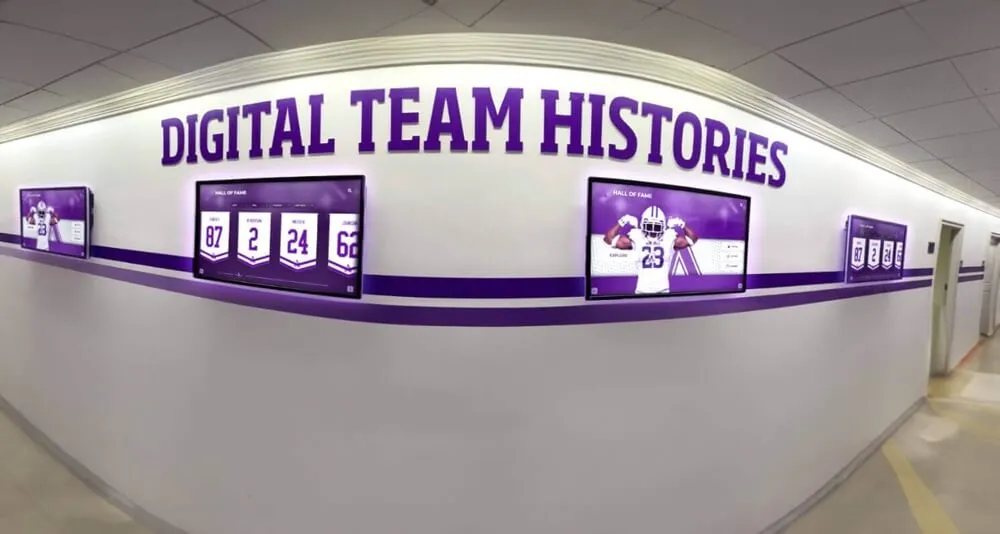
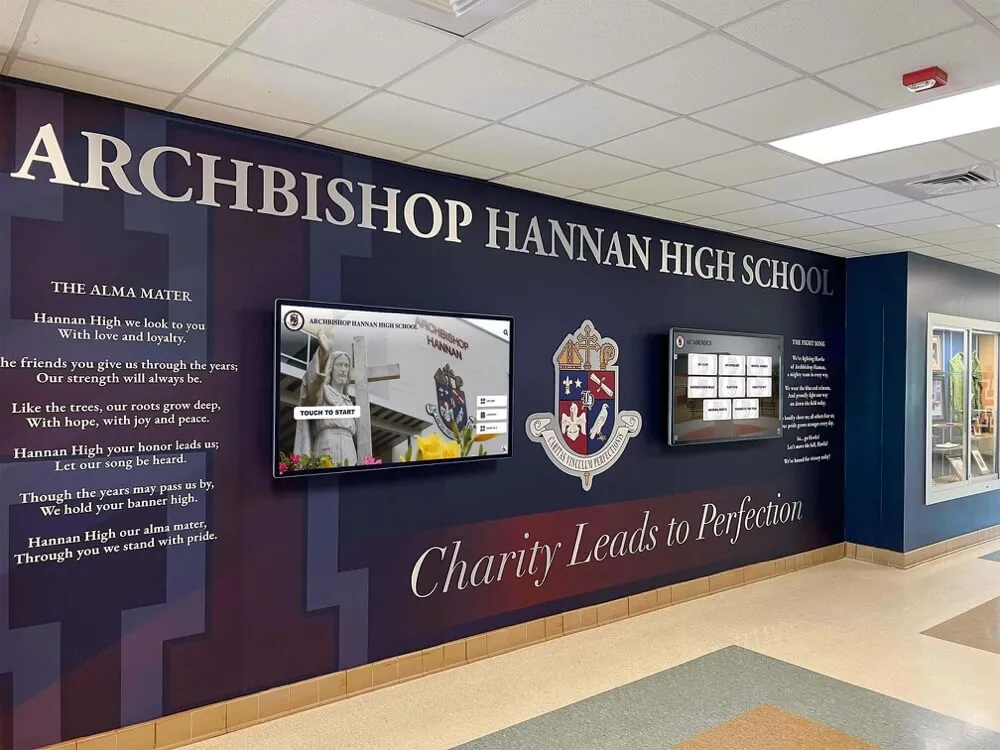
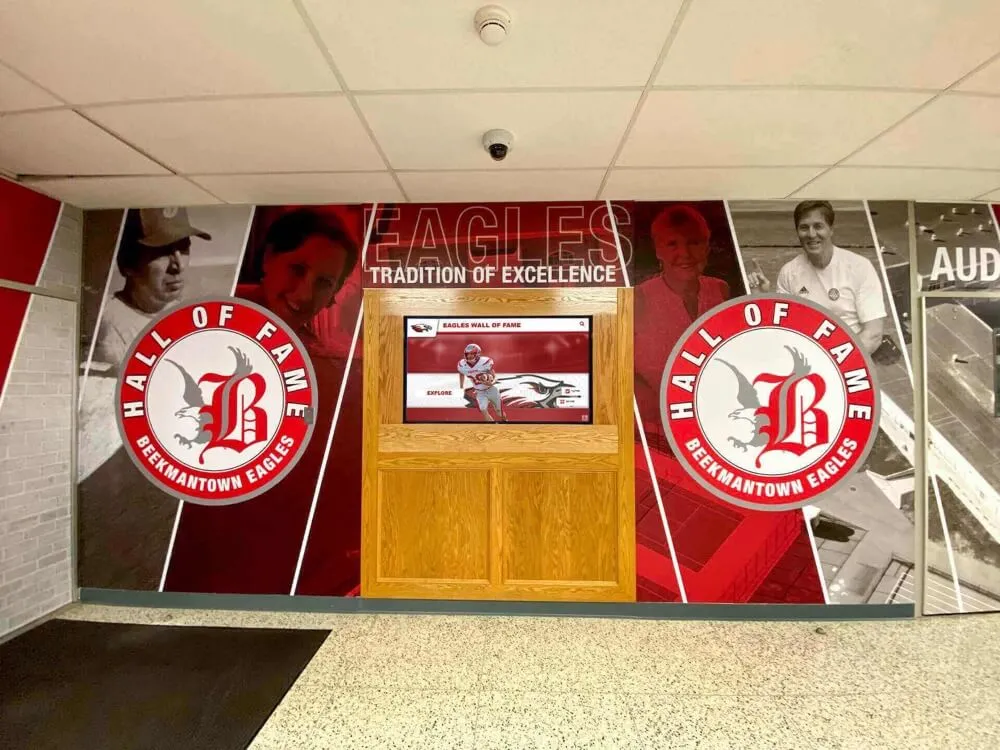
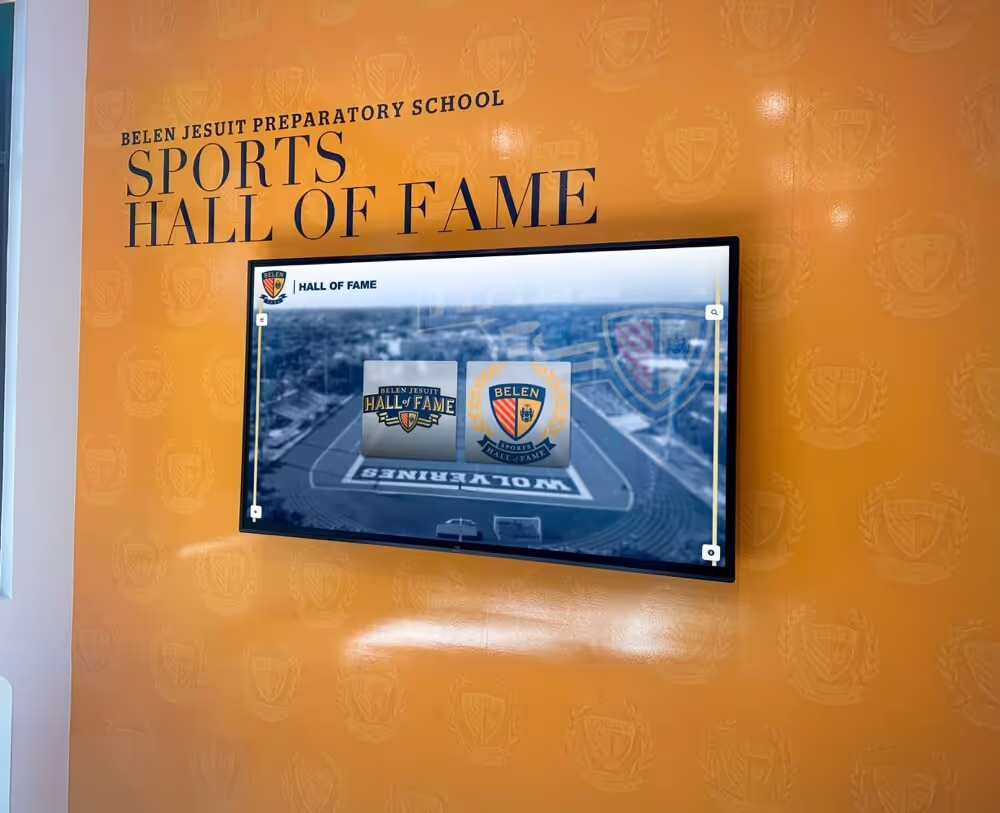
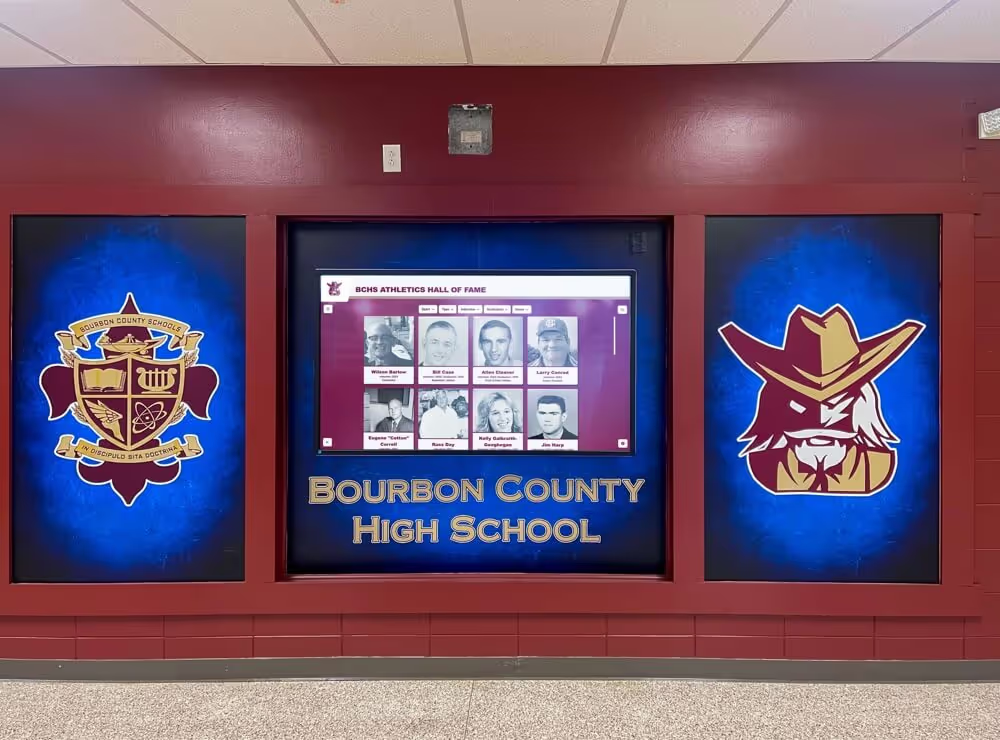
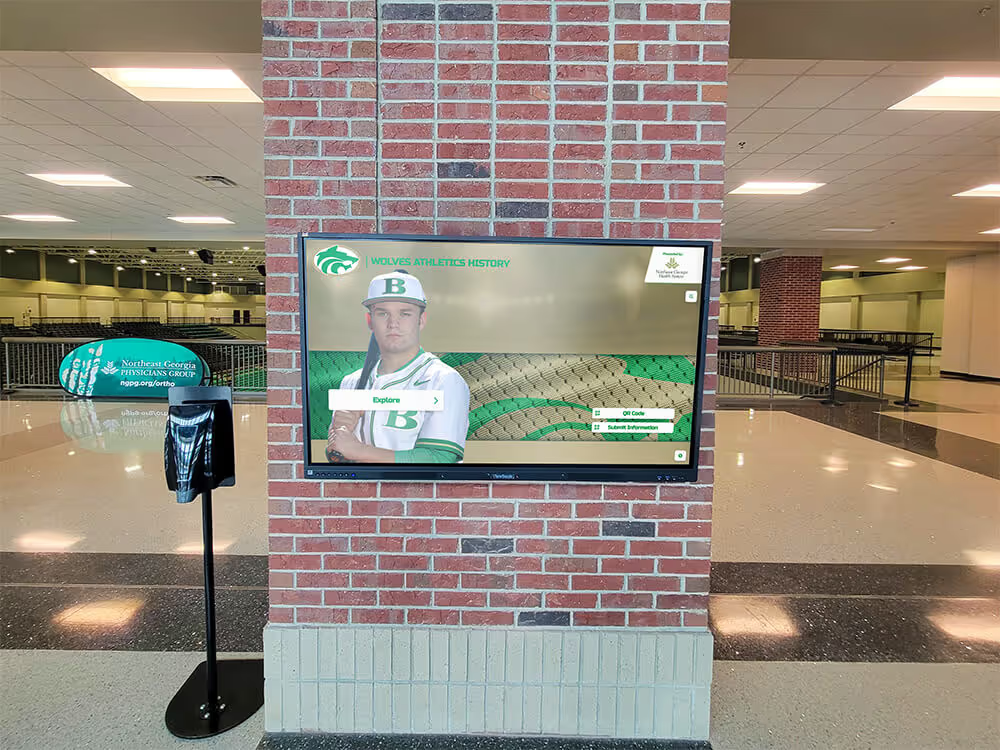
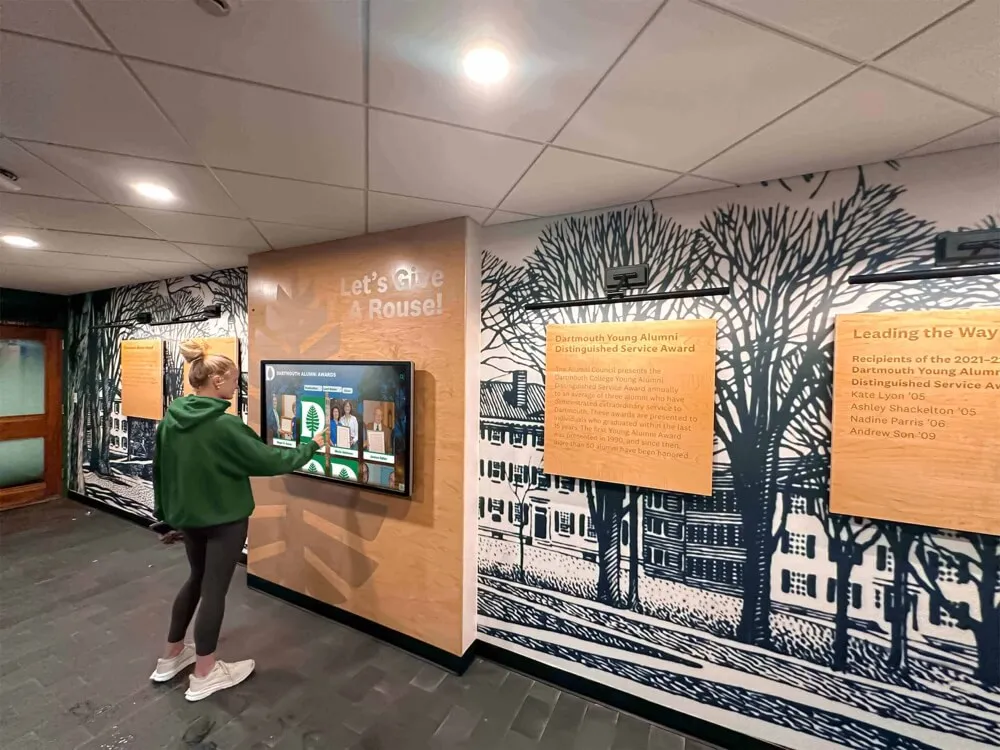
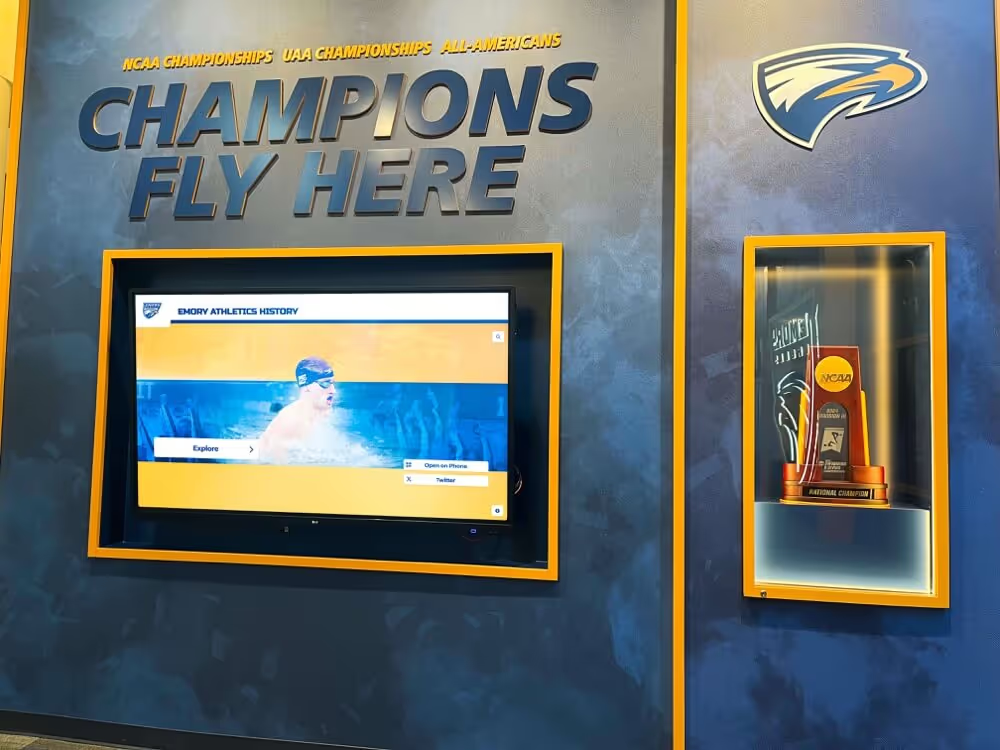
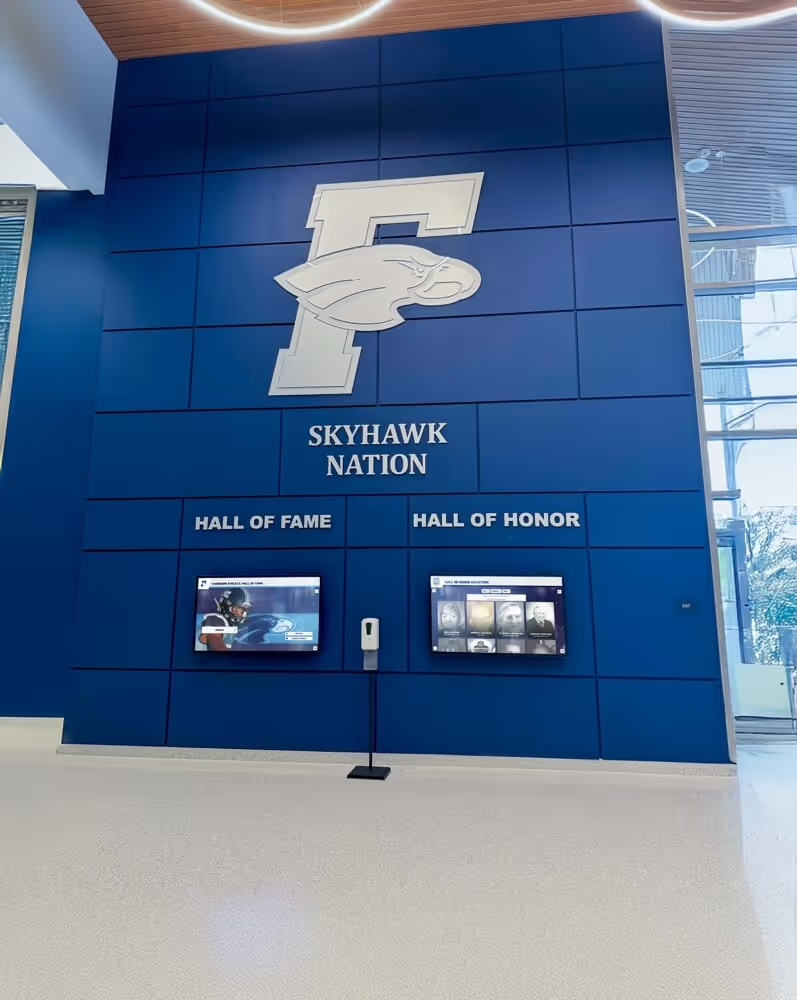
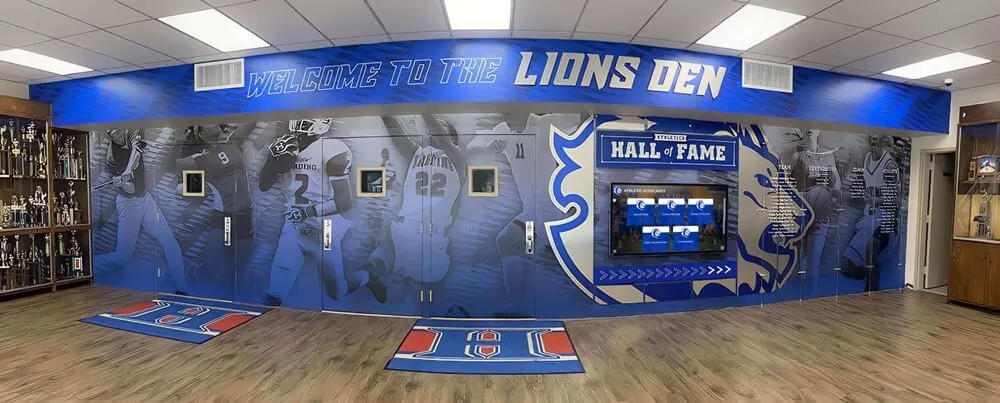
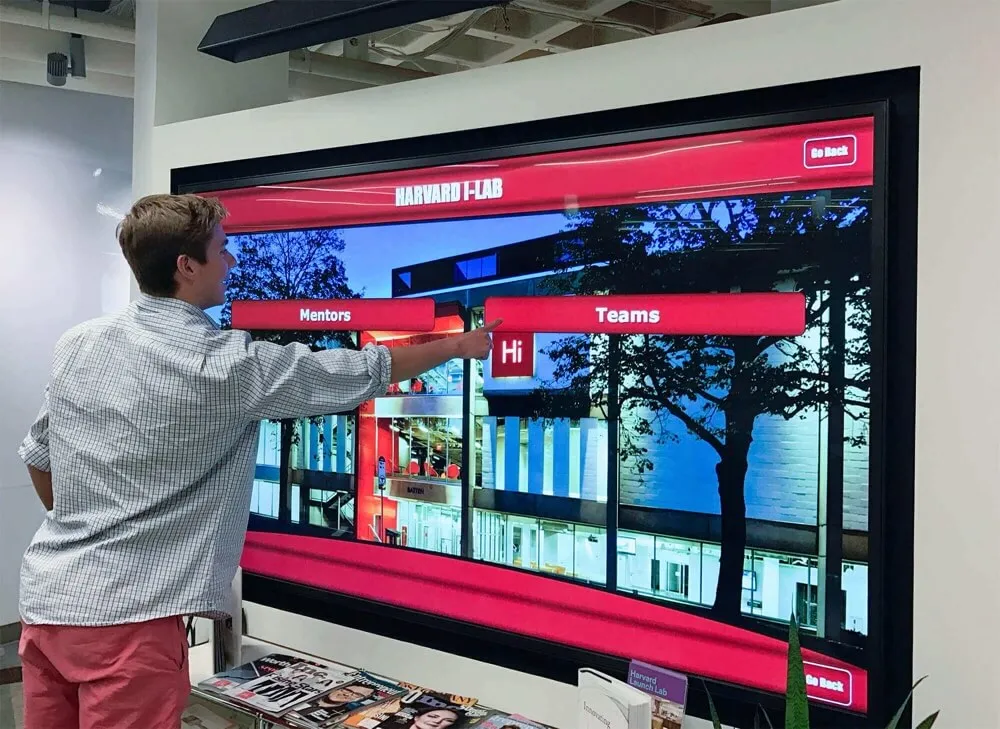
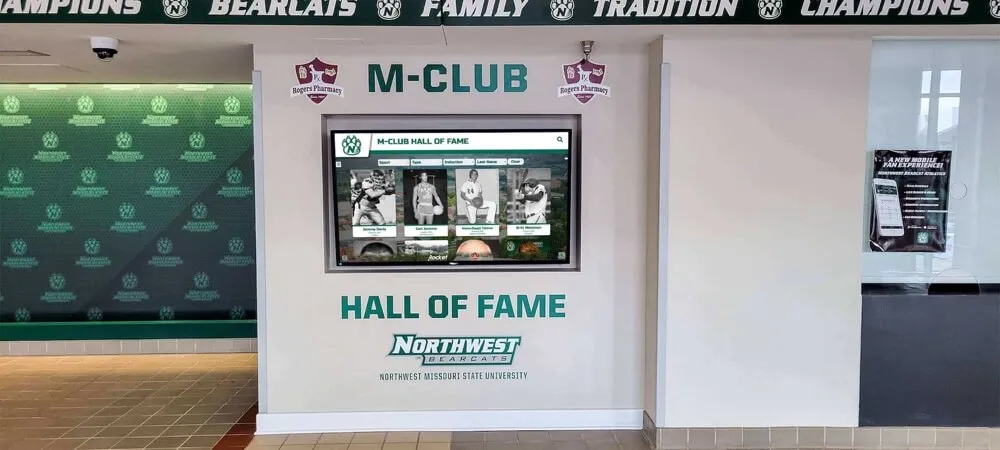
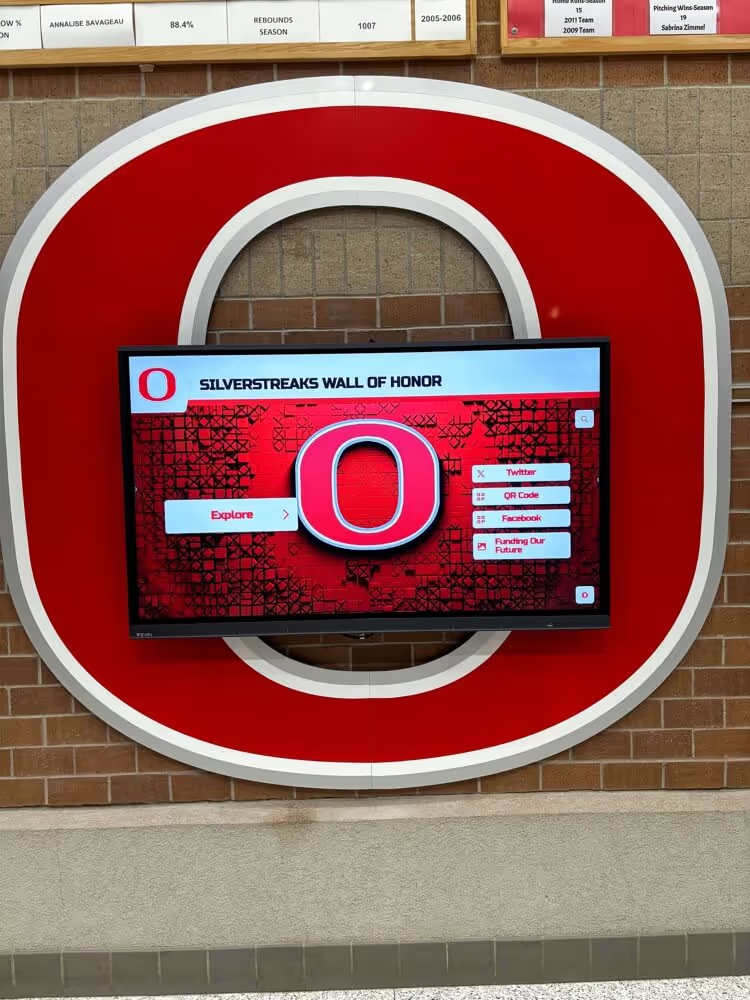
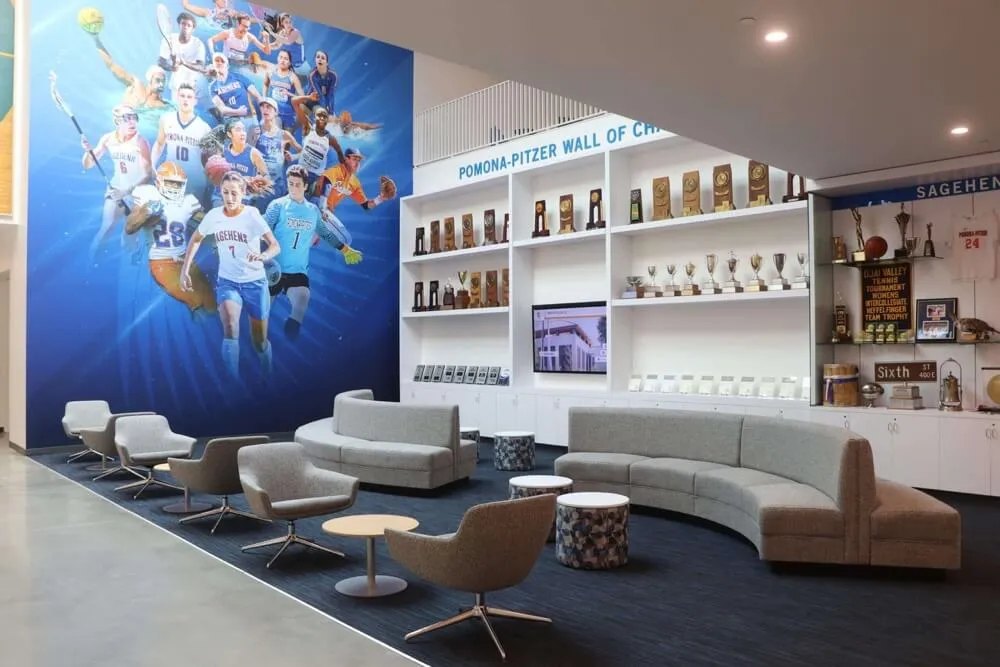
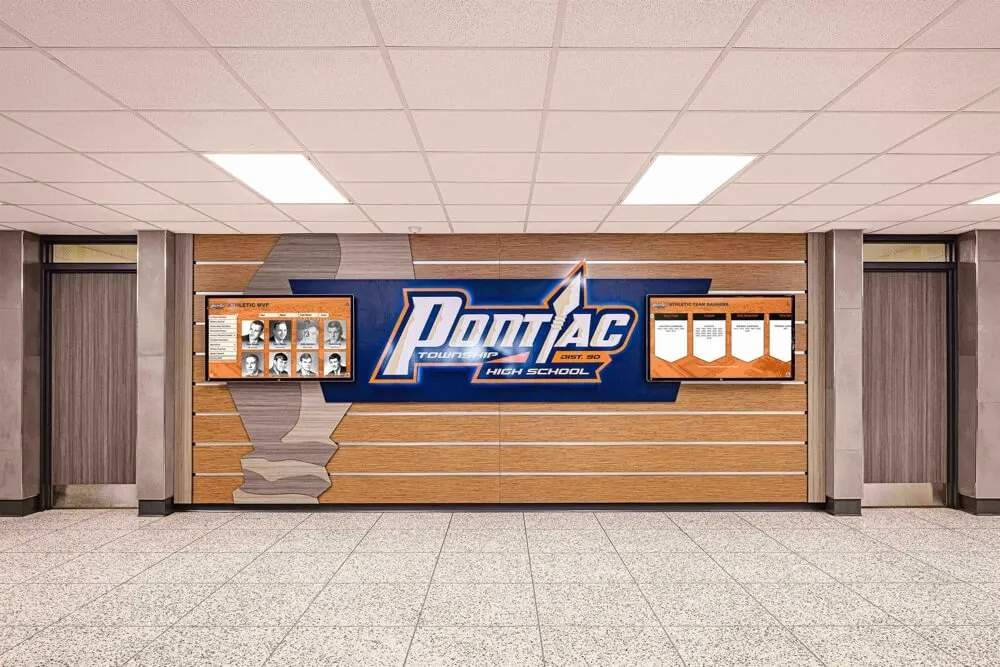
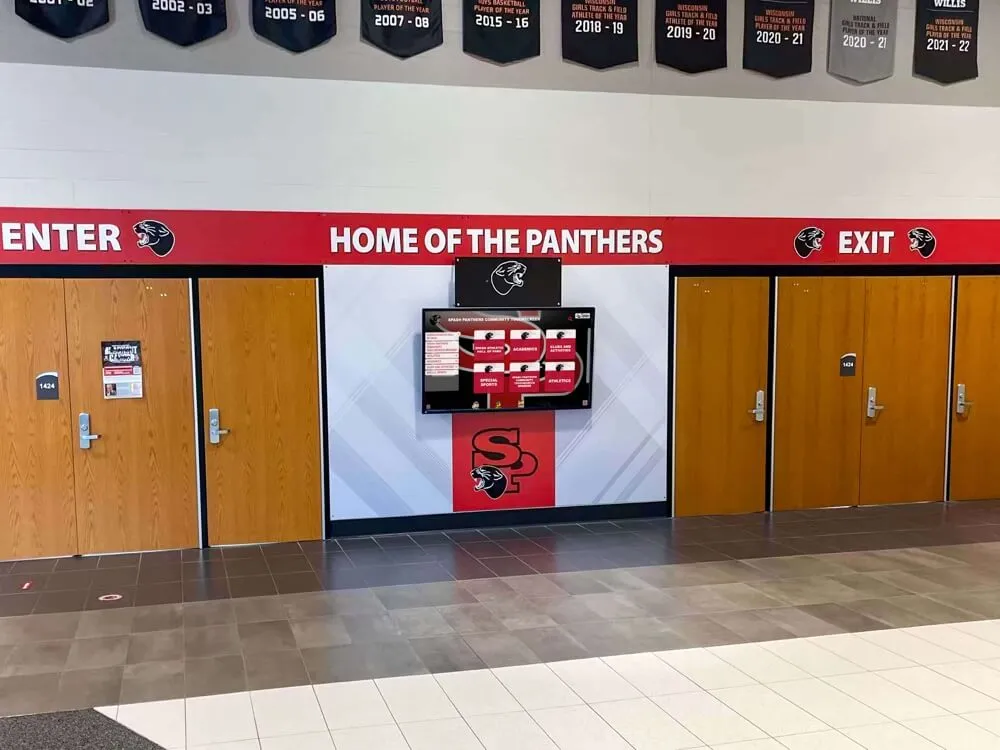
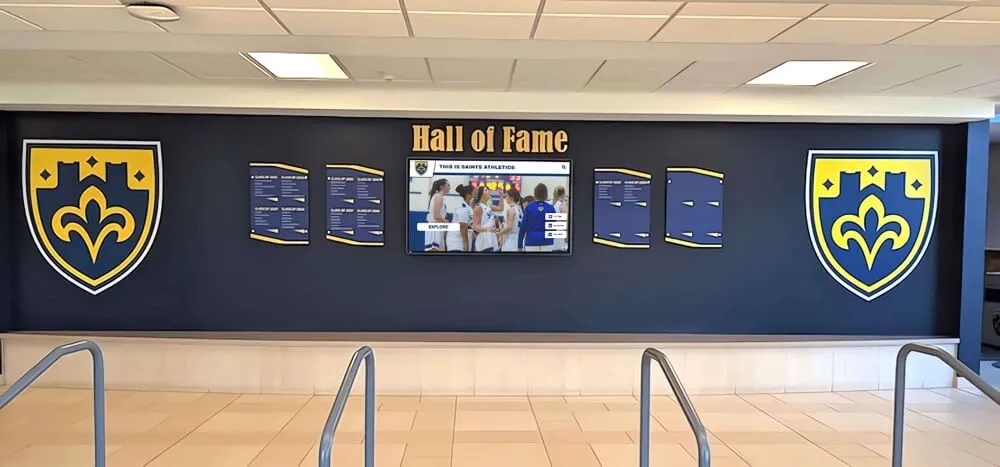

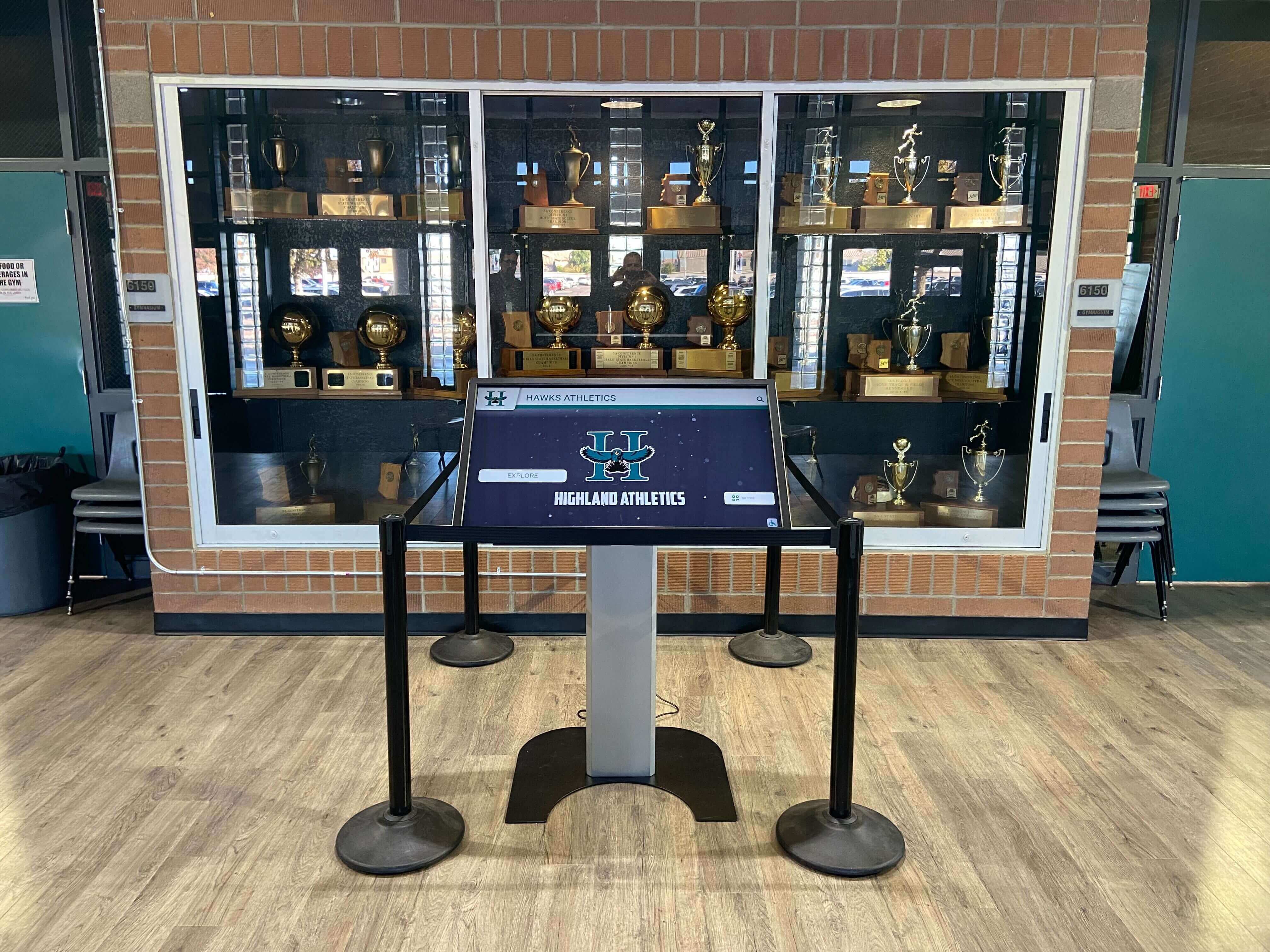
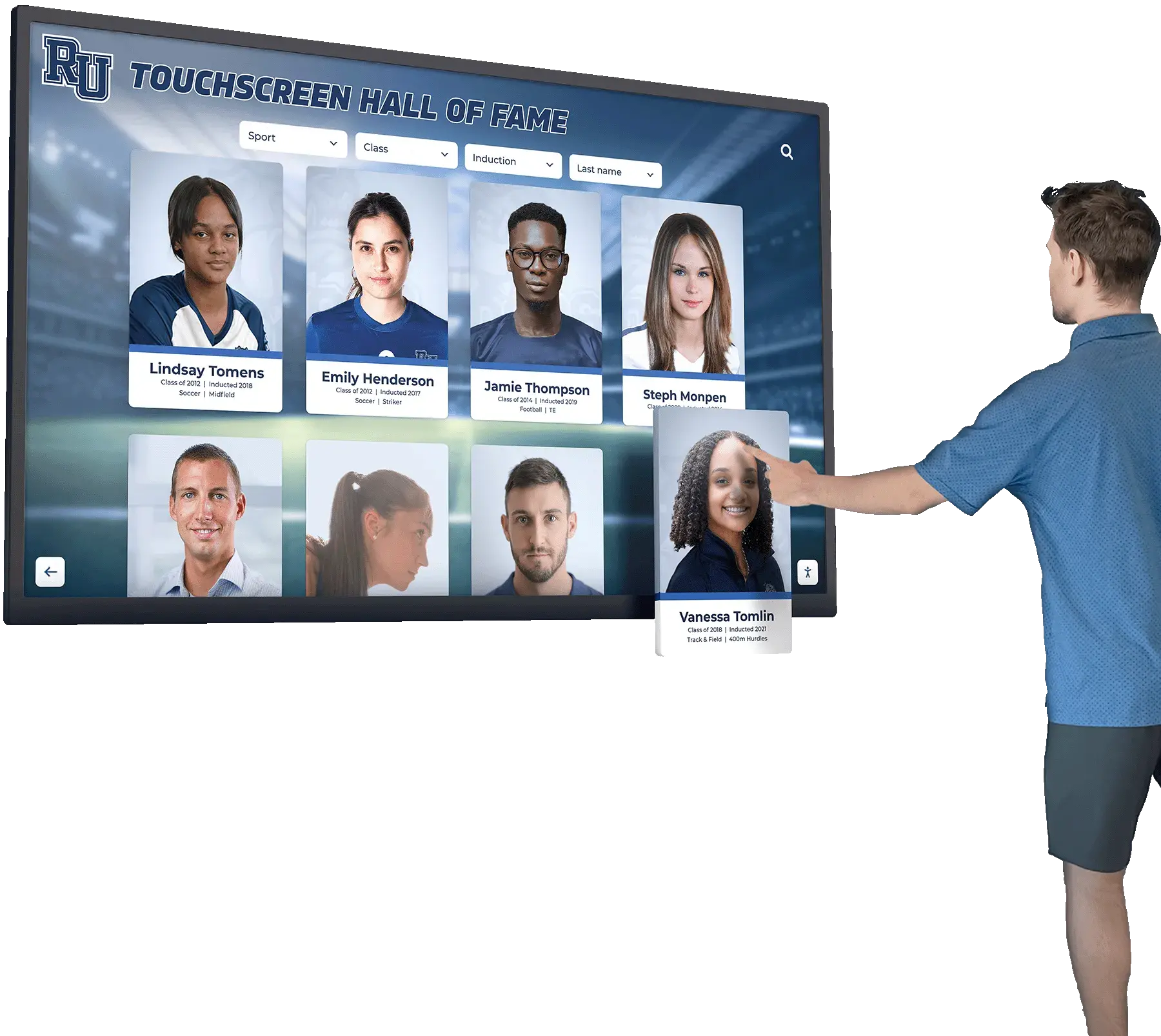
Interactive recognition displays transform cheerleading acknowledgment from transient awards into permanent, engaging documentation accessible to cheerleaders, families, and communities long after seasons end. Traditional trophy cases face space limitations restricting how many cheerleaders receive visible recognition, while banquet certificates end up stored in closets after brief display periods.
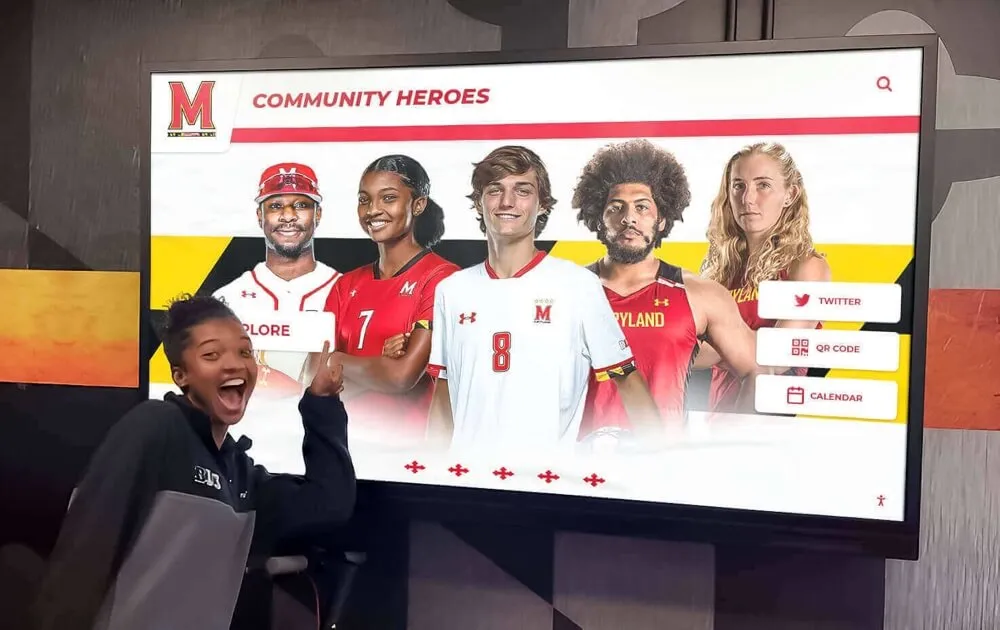
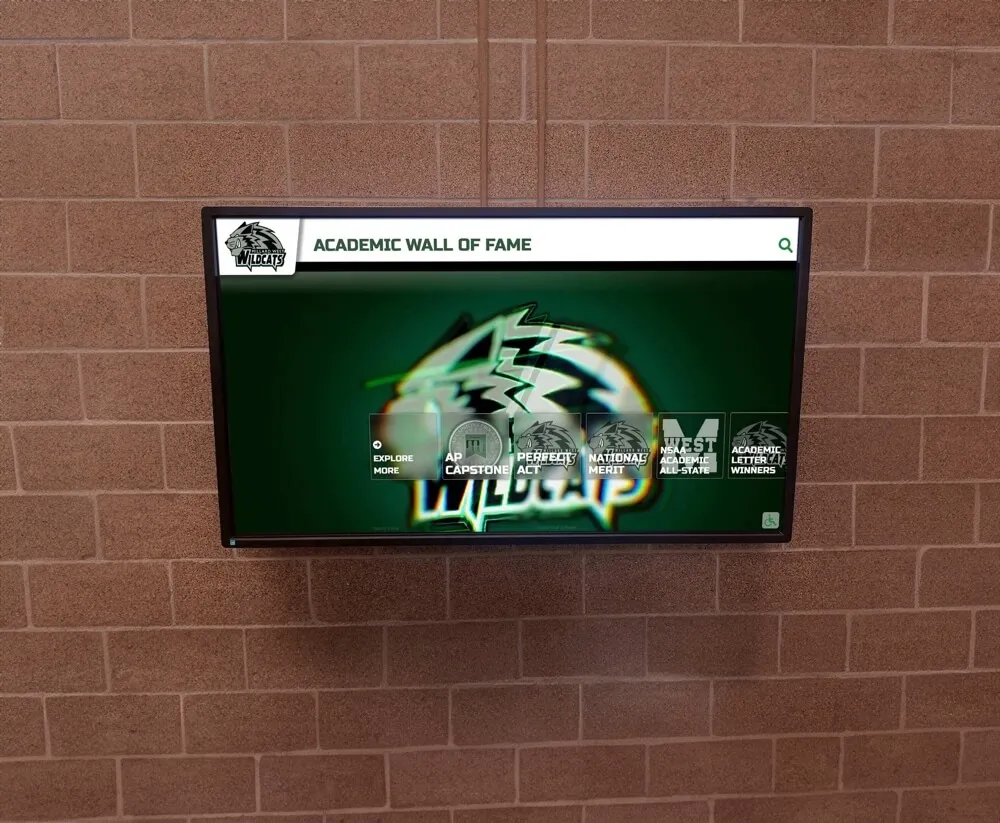
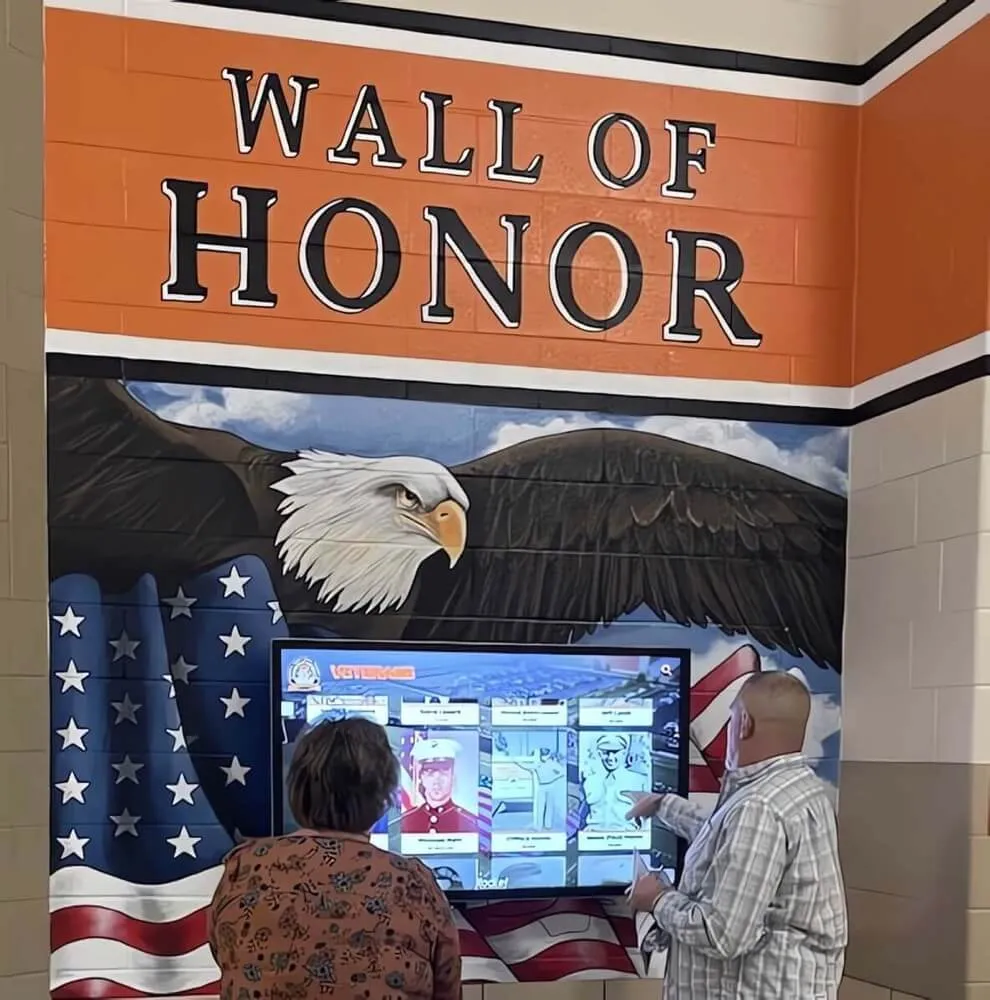
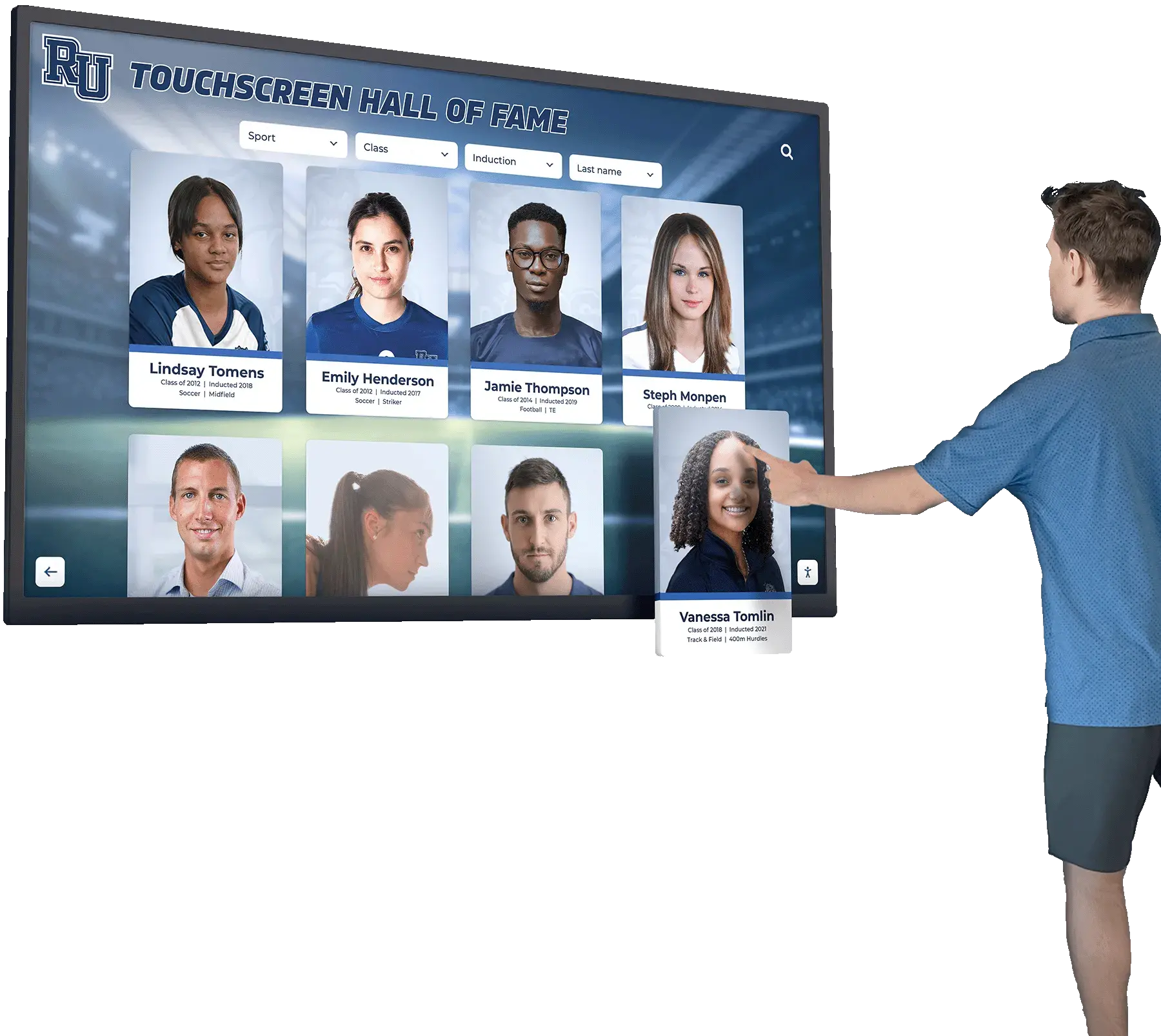
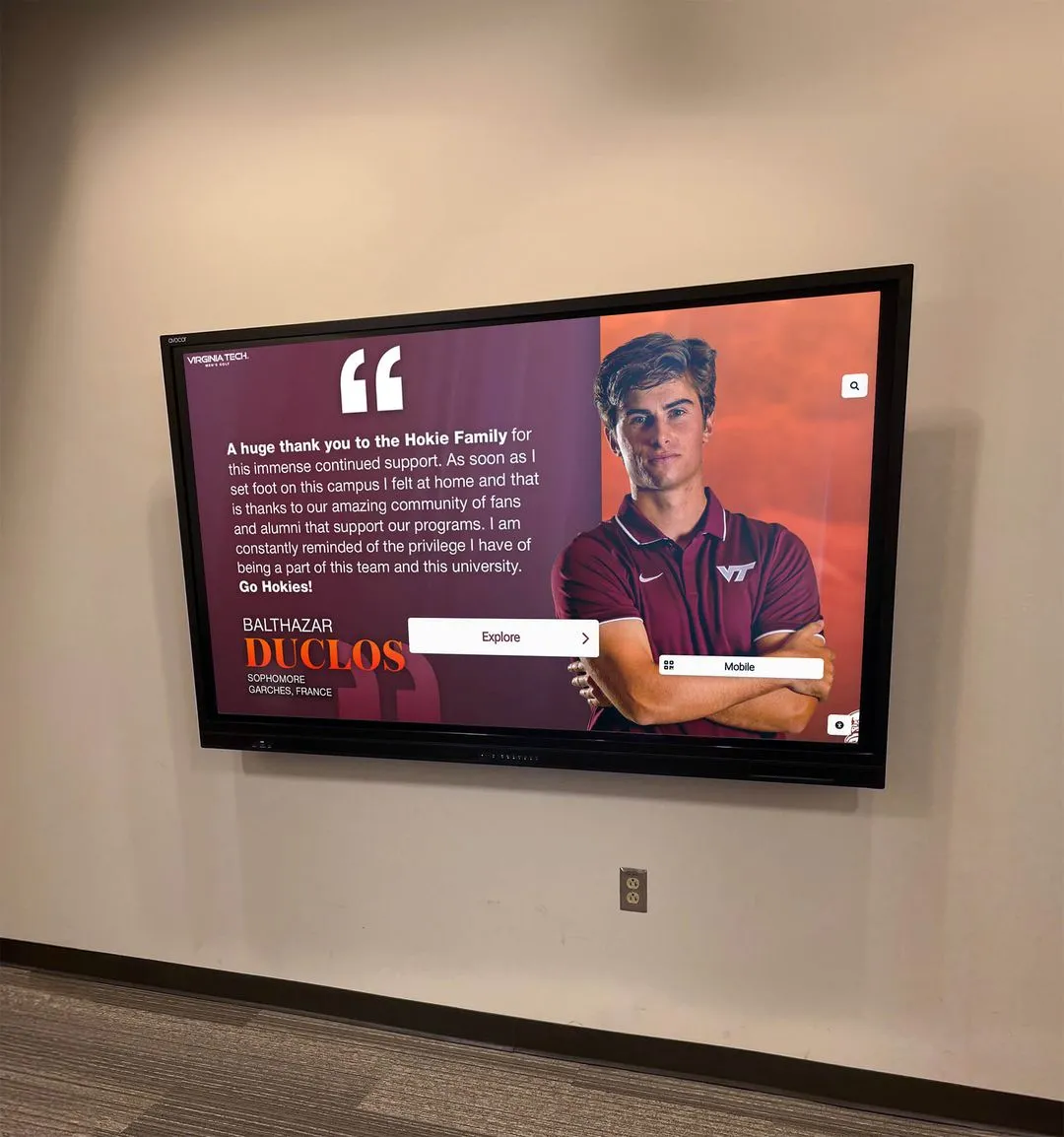
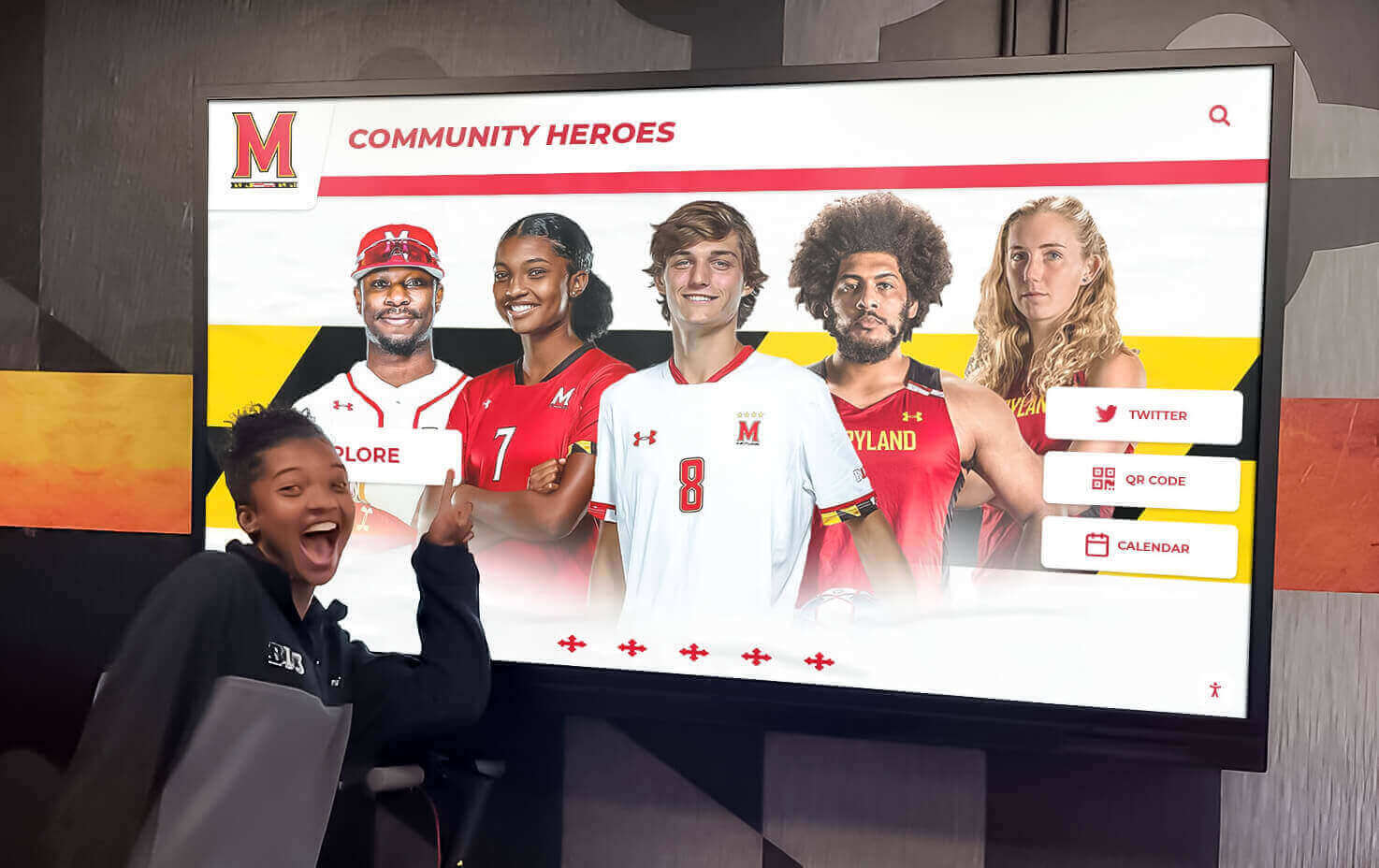
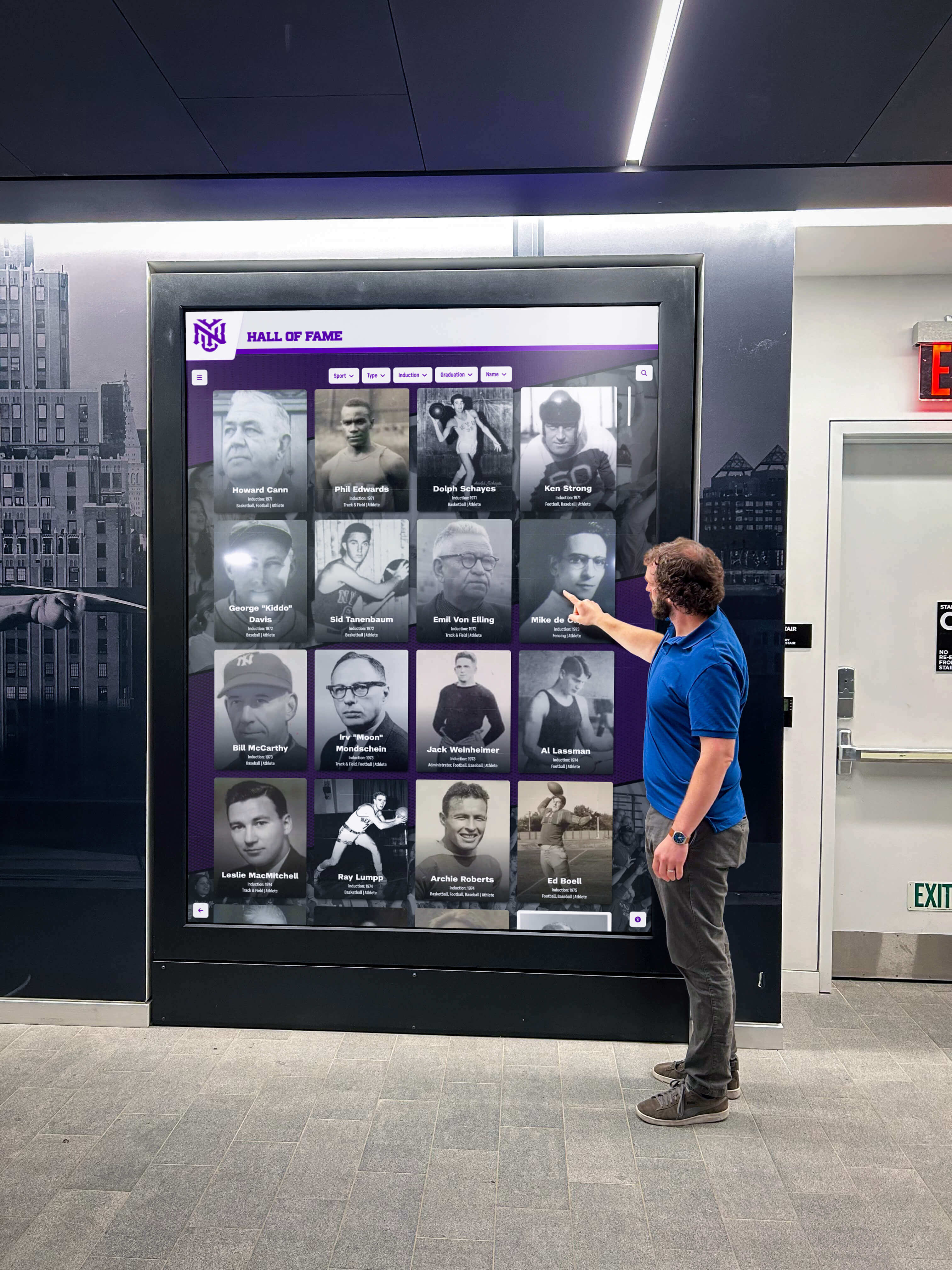
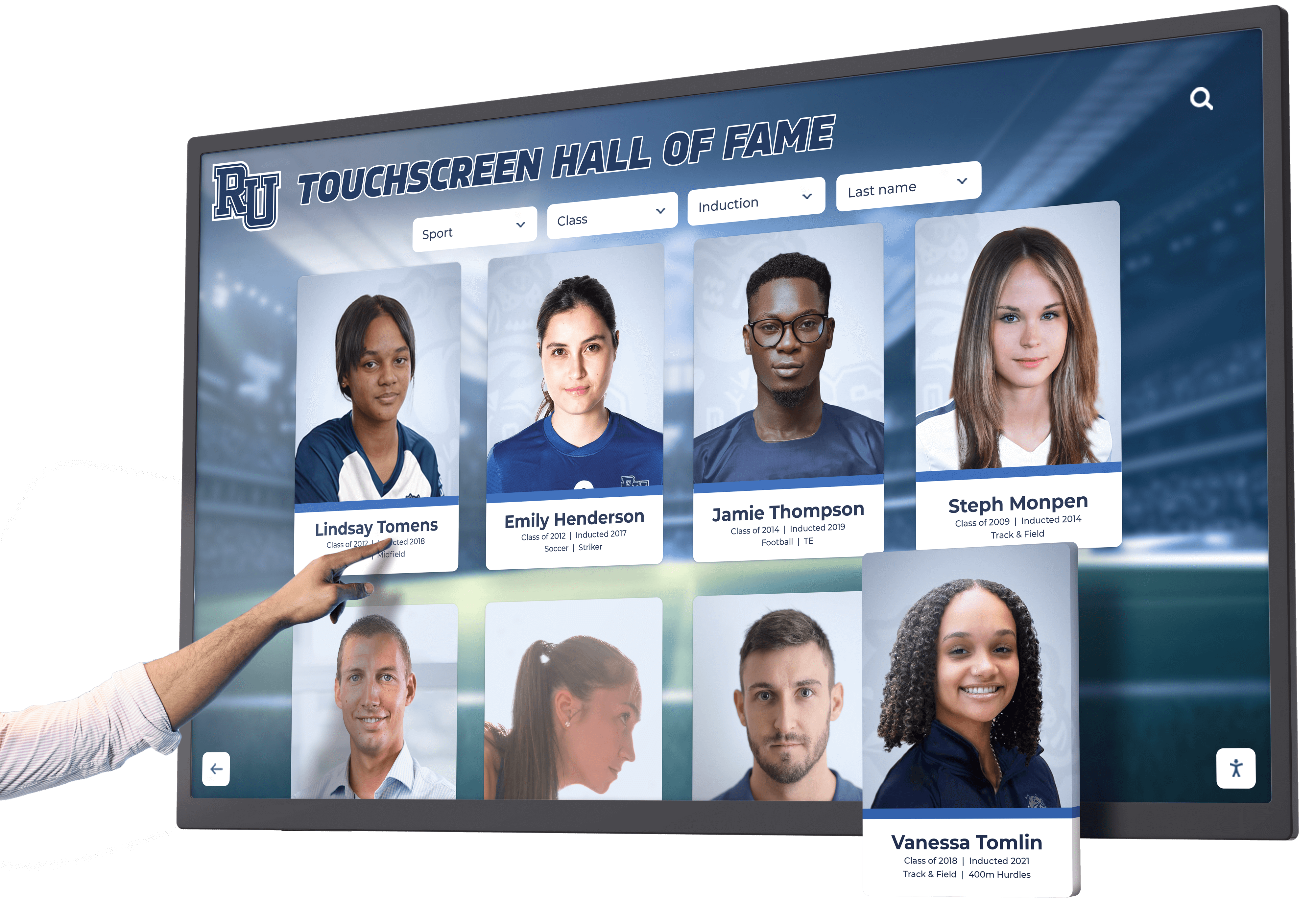
Digital platforms eliminate these constraints—single displays can showcase unlimited award recipients, team accomplishments, and individual honors across multiple years, preserving cheer recognition permanently while making it searchable and continuously accessible. Solutions designed for athletic programs provide platforms where cheerleaders can search their names, browse by season or award category, view detailed profiles with photos and accomplishment descriptions, and explore complete program award histories.
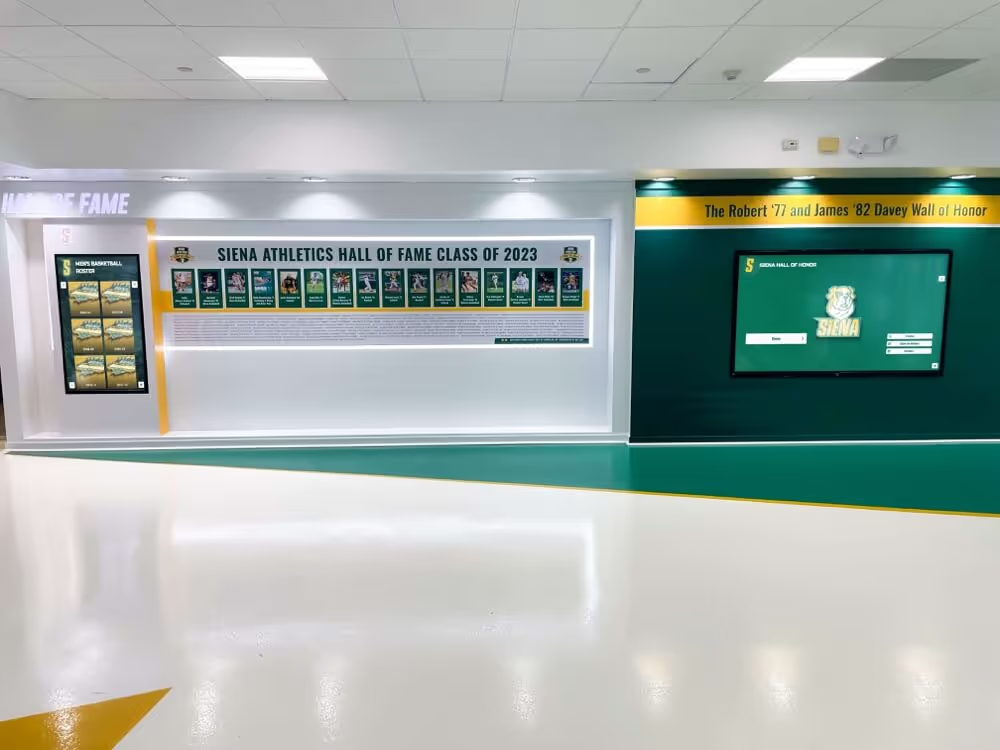
These systems create searchable archives preserving cheerleading recognition permanently rather than limiting visibility to physical trophy case space or forgotten certificate boxes. Organizations implementing modern athletic recognition displays report increased family engagement, enhanced cheerleader motivation, and stronger program culture through comprehensive, accessible recognition extending beyond traditional trophy limitations.
Advantages of Digital Recognition Platforms:
- Unlimited Award Categories: Create as many specialized awards as appropriate without physical space constraints or certificate printing costs for every category
- Rich Media Profiles: Include cheerleader photos, action shots, routine videos, competition results, and detailed accomplishment descriptions rather than just names on certificates
- Historical Archives: Maintain searchable databases of all awards across program history where alumni can return years later to find their recognition
- Easy Content Updates: Cloud-based management allows coaches or administrators to update awards immediately after seasons end rather than waiting for trophy production or engraving
- Broader Accessibility: Web-accessible recognition extends visibility beyond those who can physically visit facilities, enabling families to share with distant relatives and cheerleaders to access honors from anywhere
- Engagement Analytics: Track which awards and profiles receive most views, informing future recognition strategy and demonstrating community interest patterns
Creating Memorable Award Ceremonies
Recognition presentation significantly impacts whether awards create lasting positive memories or feel like rushed formalities. Thoughtful ceremony design amplifies recognition impact through meaningful presentation and family involvement:
Themed Recognition Events: Create unique ceremony themes—red carpet awards show, Olympic medal ceremonies, championship celebration formats—making recognition feel special rather than routine announcements. Themed events generate excitement while creating distinctive memories cheerleaders recall years later.
Video Highlight Packages: Produce video compilations featuring award recipients’ best moments, competition highlights, or season retrospectives. Video content creates engaging presentations while producing shareable content families treasure and distribute through social networks.
Recipient Feature Presentations: Rather than just announcing award winners, present detailed explanations of why recipients earned recognition with specific examples. Personalized presentations make recognition feel genuine rather than generic, demonstrating coaches truly notice individual contributions and characteristics.
Peer Recognition Opportunities: Incorporate moments where teammates share why award recipients deserve acknowledgment through prepared statements, surprise recognitions, or team votes. Peer validation creates particularly meaningful recognition moments since athlete respect for teammates often matters more than adult acknowledgment.
Physical Award Elements: Even when using digital recognition for primary documentation, provide physical components—customized medals, engraved plaques, trophies, or commemorative items—cheerleaders can keep as tangible reminders of achievements displayed in personal spaces.
Year-Round Recognition Integration
Effective recognition extends beyond single season-ending ceremonies into continuous acknowledgment integrated throughout entire cheer seasons and beyond:
Weekly Practice Recognition: Implement quick weekly acknowledgments during practices celebrating recent accomplishments, skill progression, or exemplary behaviors. Regular recognition maintains motivation while ensuring acknowledgment doesn’t happen exclusively at season’s end when impact diminishes for athletes who struggled earlier.
Social Media Celebration: Strategic social media use amplifies recognition while creating shareable content engaging broader communities. Individual spotlight posts, accomplishment announcements, and award recipient features extend visibility while giving cheerleaders content they can share with their networks and distant family members.
Competition Recognition Rituals: Establish consistent post-competition recognition—best performance selections, standout moment acknowledgments, difficulty achievement celebrations—creating predictable positive moments regardless of competition placement results that may disappoint despite solid performances.
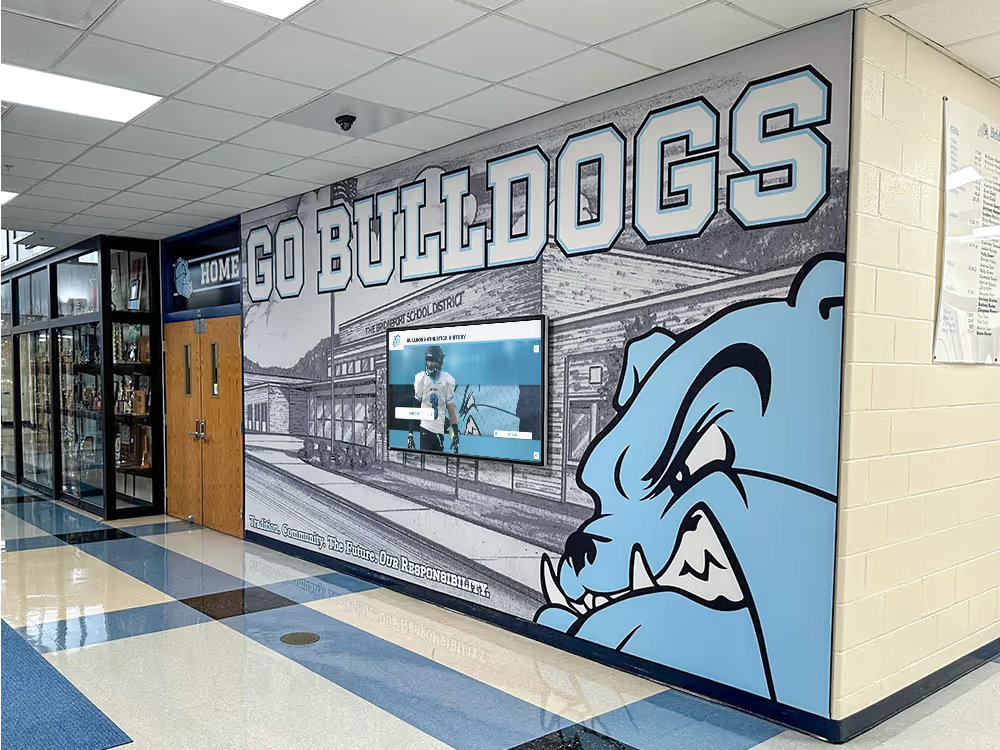
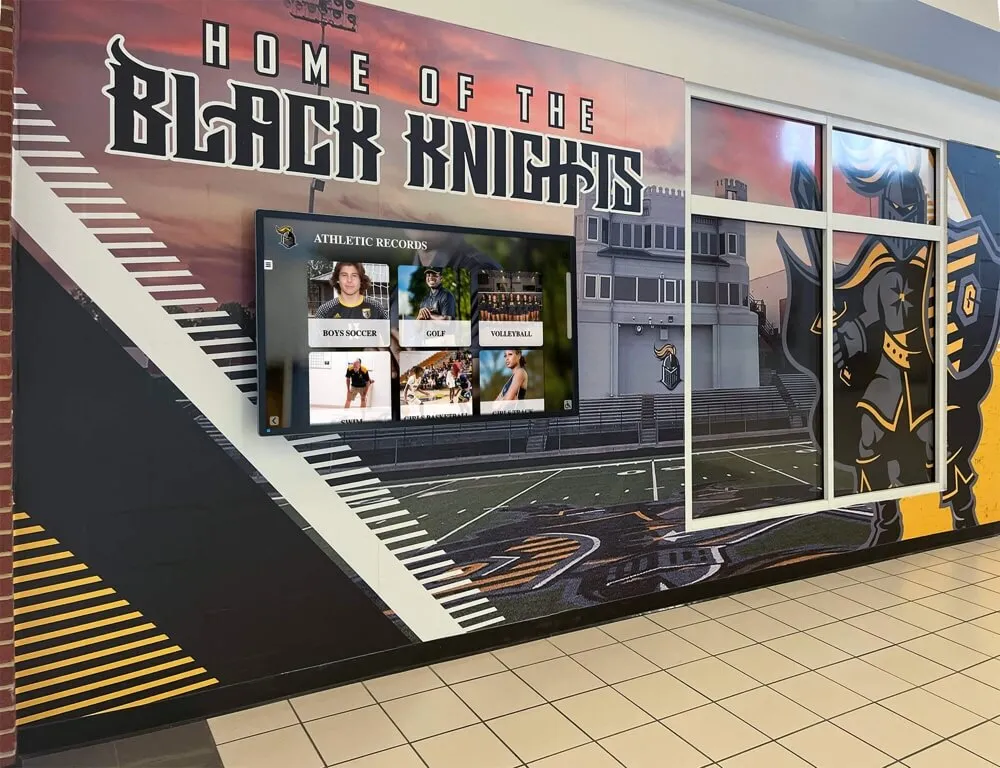
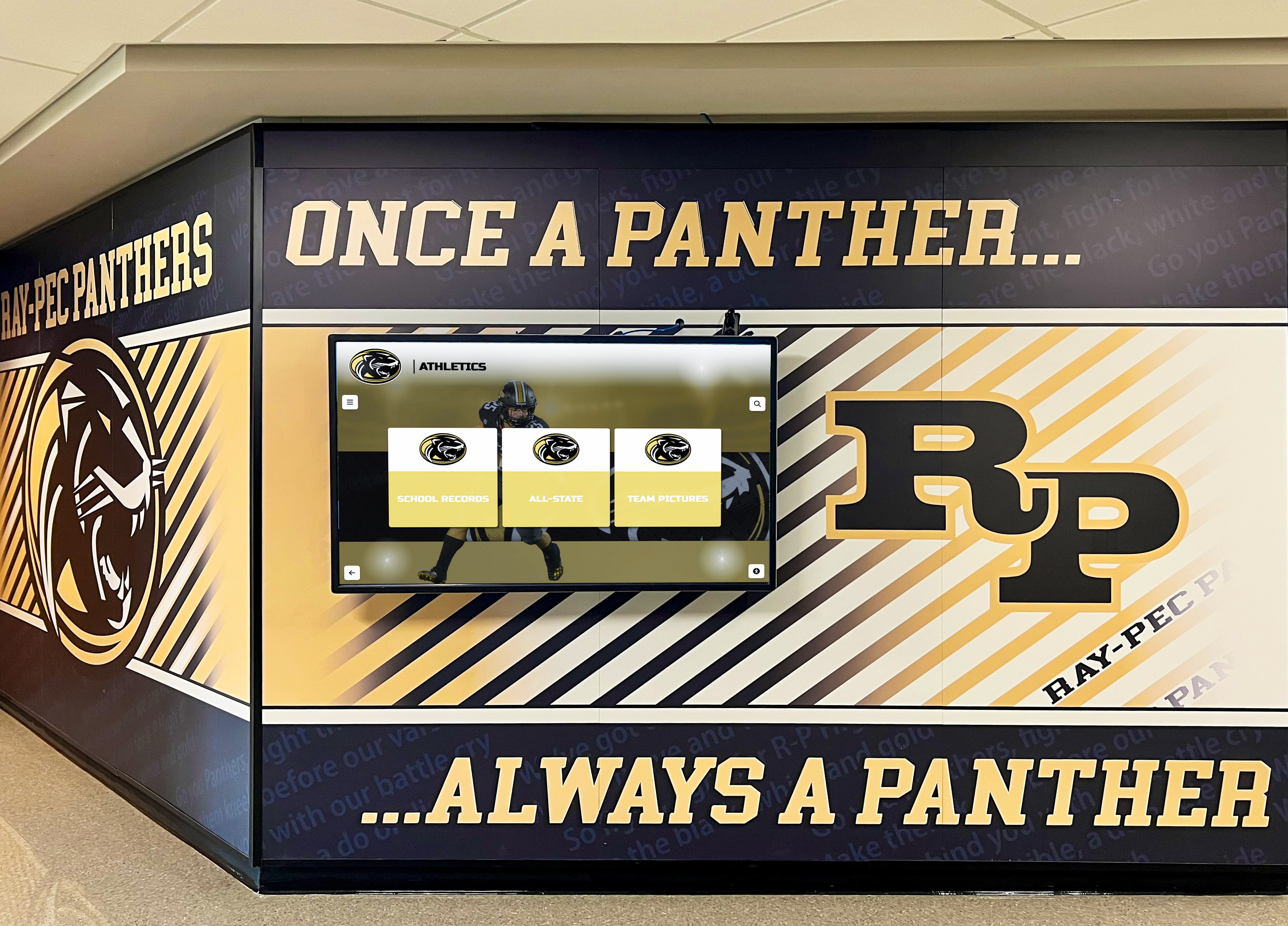
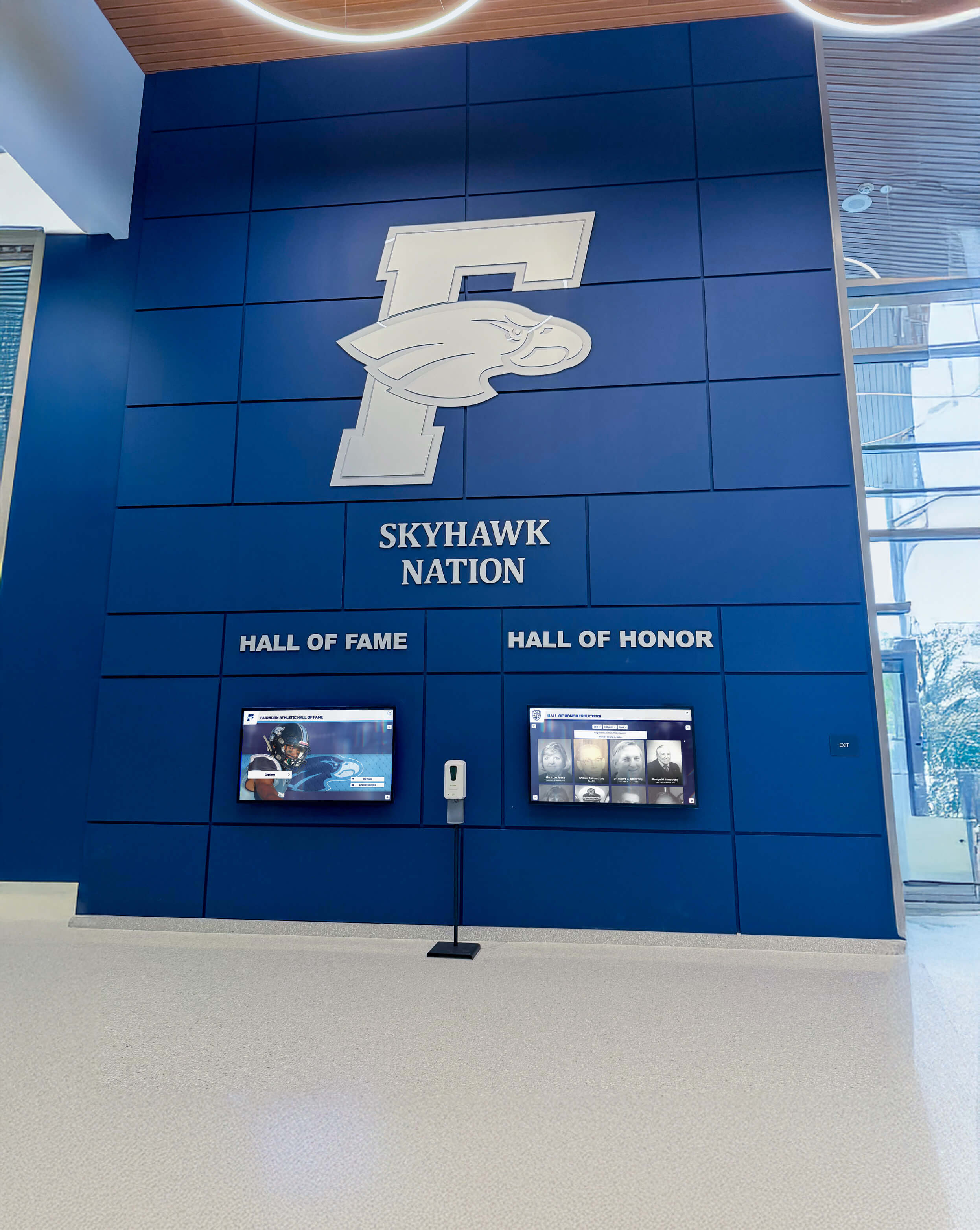
Facility Display Integration: Position recognition displays prominently where cheerleaders see them regularly—practice facilities, school hallways, athletic areas. Regular visibility reinforces that programs honor achievement consistently across seasons and years. Athletic facilities implementing permanent athletic recognition displays create lasting program legacies while motivating current athletes through connection to traditions.
Alumni Recognition Networks: Maintain accessible recognition archives allowing former cheerleaders to find their awards during facility visits, reunions, or online browsing. These connections reinforce lasting bonds between alumni and programs while demonstrating institutional commitment to honoring achievement across time, not just during active participation years.
Implementing Effective Recognition Programs
Having comprehensive award ideas provides options, but effective recognition requires thoughtful program design ensuring awards maintain meaning, motivate appropriately, and support developmental goals rather than becoming perfunctory participation acknowledgments everyone receives regardless of contribution.
Designing Clear Award Criteria
Recognition programs maintain credibility and effectiveness through transparent criteria and consistent application preventing perceptions of favoritism or arbitrary selection:
Define Specific Standards: Each award should have clear qualification criteria. What distinguishes Spirit Award from Best Teammate? How is Most Improved determined versus Hardest Worker? When standards remain vague, cheerleaders perceive recognition as arbitrary favoritism rather than earned acknowledgment based on observable contributions.
Document criteria in writing, communicate standards at season start, and apply criteria consistently across all cheerleaders. Transparency prevents confusion while ensuring squad members understand what they’re working toward and can self-assess progress throughout seasons.
Selection Process Transparency: Who determines award recipients? Coaches, teammates, video review, statistics, or combinations? Different selection methods offer different advantages:
- Coach Selection: Coaches observe practices and competitions comprehensively, understanding effort and contribution beyond performance visibility. Coach selection proves appropriate for character awards and comprehensive evaluation requiring sustained observation.
- Statistical Selection: Objective measurements—competition scores, skill progression tracking, attendance records—remove perception of favoritism for quantifiable performance awards with clear numerical standards.
- Peer Voting: Teammate votes validate that squad recognition matters and provide perspective on daily interactions coaches may not fully observe. Peer selection works well for team culture awards like Best Teammate or Spirit recognition.
- Combination Approaches: Hybrid methods—coaches select finalists, teammates vote from finalists, or weighted scoring combining multiple inputs—balance different perspectives while maintaining standards.
Avoiding Favoritism: Recognition loses impact when cheerleaders perceive favoritism, predetermined outcomes, or bias based on personal relationships, seniority politics, or parent pressure. Selection processes should be demonstrably fair, based on observable evidence, and free from bias unrelated to merit or contribution.
Balancing Recognition Breadth
Programs face ongoing questions about how many awards to offer, who should receive recognition, and how to balance acknowledging everyone while maintaining meaningful distinctions:
Strategic Award Quantity: Too few awards mean most cheerleaders never receive recognition, potentially discouraging participation and effort. Too many awards risk making recognition feel meaningless when everyone receives multiple honors regardless of merit or contribution level.
Consider tiered approaches: core awards for clear excellence (competition MVP, technical skill champions), developmental awards recognizing improvement and character (most improved, dedication awards), and broader participation recognition ensuring all cheerleaders receive some acknowledgment (perfect attendance, commitment awards). This structure maintains meaningful distinction between achievement levels while ensuring all squad members experience validation.
Age-Appropriate Recognition: Younger cheerleaders (elementary and middle school ages) benefit from recognition emphasizing participation, skill progression, and enjoyment. Competitive distinctions matter less when primary goals involve skill development, safety mastery, and positive cheer experiences building foundation for potential future competitive participation.
Older cheerleaders (high school and competitive all-star) can handle more competitive recognition as developmental goals shift toward competitive excellence, college preparation, and elite skill achievement. Adjust award emphasis based on age: younger programs emphasize character and improvement more heavily, while older programs increasingly incorporate performance-based recognition without abandoning character acknowledgment.
Ensuring Inclusive Recognition: While maintaining standards for excellence awards, ensure recognition systems create opportunities for diverse contributions to receive acknowledgment. Cheerleaders who excel as reliable bases deserve recognition alongside elite tumblers. Spirit leaders merit acknowledgment alongside competition standouts. Programs celebrating diverse contributions build inclusive cultures where all squad members feel valued for what they contribute uniquely rather than feeling inadequate when lacking spotlight skills.
Making Recognition Memorable and Meaningful
Recognition presentation determines whether awards create lasting positive memories or feel like rushed formalities quickly forgotten:
Family Involvement: Include families in recognition moments whenever possible. Family attendance amplifies celebration, creates shared memories, and demonstrates programs value family partnership in cheerleading development. Virtual attendance options for distant families ensure geographic barriers don’t prevent family participation in recognition celebrations honoring their athletes’ dedication.
Documentation and Preservation: Create lasting documentation through photos, videos, and permanent displays preserving recognition beyond ceremony moments. Years later, former cheerleaders should be able to find their awards and revisit accomplishments through accessible program archives demonstrating institutional commitment to honoring achievement permanently.
Meaningful Presentation Context: Frame award presentations with context explaining why recognition matters, what recipients accomplished, and what awards represent within program values. Context transforms simple name announcements into meaningful acknowledgments of genuine achievement requiring sustained effort and dedication.
Peer and Coach Testimonials: Include teammate and coach statements explaining why recipients earned recognition through specific examples, memorable moments, or characteristic behaviors. Personal testimonials make recognition feel genuine and specific rather than generic and impersonal, demonstrating awards result from observed contribution not arbitrary selection.
Organizations developing comprehensive student recognition frameworks understand that recognition impact depends equally on what you acknowledge and how you present acknowledgment to recipients, families, and communities.
Conclusion: Building Recognition Programs That Celebrate Complete Excellence
Cheerleading awards represent far more than trophies and certificates acknowledging seasonal performance. When implemented thoughtfully, recognition programs create systematic validation of athletic achievement, leadership development, team contribution, and personal character. Effective recognition motivates continued effort, communicates program values clearly, builds strong squad culture, creates lasting memories, connects cheerleaders across generations, and demonstrates that programs genuinely notice and value what athletes accomplish through dedication and commitment.
The award categories presented in this guide provide frameworks cheer programs can adapt based on specific contexts—competitive all-star versus school sideline programs, recreational versus elite levels, youth versus high school ages. Programs need not implement every category—thoughtful selection of awards addressing specific goals and squad characteristics proves more effective than overwhelming systems with excessive categories creating administrative burden without meaningful impact.
Effective cheerleading recognition programs share common characteristics regardless of specific awards chosen:
- Clear, fair criteria consistently applied across all squad members
- Multiple recognition categories celebrating various contributions beyond just competition results
- Balance between performance recognition and character acknowledgment
- Position-specific awards acknowledging diverse roles within squads
- Age-appropriate emphasis matching developmental stages and competitive contexts
- Meaningful presentation creating memorable experiences rather than rushed announcements
- Transparent selection processes maintaining credibility and preventing favoritism perception
- Physical and digital elements providing lasting documentation accessible long-term
- Family engagement amplifying recognition impact beyond just honorees
- Historical continuity connecting current cheerleaders to program traditions and legacies
Modern solutions like Rocket Alumni Solutions provide comprehensive platforms designed specifically for athletic recognition, offering intuitive content management, engaging interactive displays, unlimited award capacity, rich media integration, and proven approaches helping cheerleading programs build recognition cultures athletes deserve. Whether implementing traditional trophy and banquet programs, digital recognition displays, or comprehensive integrated systems, technology enables programs to celebrate cheerleading achievement more comprehensively, accessibly, and permanently than traditional approaches allow while reducing long-term costs compared to continuous plaque production.
Ready to transform how your cheerleading program recognizes excellence? Comprehensive digital recognition solutions honor athletic achievement while building cheer cultures where diverse contributions receive acknowledgment and all squad members feel genuinely valued for their unique strengths and dedication. Your cheerleaders accomplish remarkable things every season—effective recognition programs ensure those accomplishments receive celebration that motivates continued excellence and creates memories lasting lifetimes.
Book a demo to explore comprehensive recognition solutions designed for cheerleading programs that make honoring athletic achievement easier, more engaging, and more meaningful than traditional trophy-and-certificate approaches while building lasting digital archives preserving program history permanently.