



Key Takeaways
Complete guide to planning unforgettable cheer banquets. Discover creative themes, award categories, venue selection, program elements, and recognition solutions that celebrate your squad's achievements and build lasting team traditions.
After months of practices, competitions, game day performances, and countless stunts perfected through dedication and teamwork, your cheer squad deserves a celebration that honors their commitment and achievements. End-of-season cheer banquets serve as the perfect culmination of intense seasons, providing opportunities to recognize individual excellence, celebrate team accomplishments, acknowledge parent support, and build traditions that define your program’s culture for years to come.
Yet planning memorable cheer banquets presents unique challenges—balancing budgets with desired experiences, creating inclusive recognition that honors diverse contributions, coordinating logistics for potentially hundreds of attendees, and designing programs that feel genuinely special rather than routine obligations. This comprehensive guide provides practical frameworks for planning cheer banquets that create lasting memories while celebrating your squad’s achievements, whether you’re coaching youth recreational programs, competitive all-star teams, or high school varsity squads.
Understanding the Purpose of Cheer Banquets
Effective cheer banquets accomplish strategic objectives extending far beyond simple dinners with awards distribution.
Multiple Functions of End-of-Season Celebrations
Recognition and Validation: Cheerleading demands extraordinary physical skill, mental toughness, time commitment, and teamwork often undervalued compared to traditional sports. Banquets provide dedicated spaces where athletes receive sustained acknowledgment for their accomplishments from communities who understand what achievements represent. Unlike brief halftime announcements or rushed post-game recognitions, banquets offer focused contexts celebrating cheerleaders comprehensively.
Team Bonding and Unity: Bringing together athletes, families, coaches, and program supporters creates powerful community experiences strengthening relationships that define successful squads. These gatherings demonstrate that cheerleading success extends beyond just athletes—encompassing families who transport to early practices, supporters who fundraise for competition fees, and volunteers who coordinate countless logistics enabling program operation.
Culture and Tradition Building: Annual banquets become anticipated traditions marking seasons’ conclusions while establishing rituals athletes expect and cherish. Well-designed banquet traditions—signature award categories, recurring program elements, consistent recognition approaches—build program identities and institutional memories connecting alumni to current squads across graduation years.
Acknowledging Support Systems: Cheer programs depend heavily on parent volunteers, booster organizations, fundraising committees, and community supporters. Banquets acknowledge this essential support while creating opportunities to celebrate what collective efforts enabled throughout demanding seasons.
Closure and Transition: Banquets provide clear endings to intensive seasons, offering psychological closure before off-season transitions. For graduating seniors, these events represent final official moments as squad members—occasions deserving particular attention ensuring departing athletes feel genuinely celebrated and permanently connected to programs that shaped their experiences.
Common Planning Challenges for Cheer Banquets
Budget Limitations: Many cheer programs operate on tight budgets with funds primarily allocated toward uniforms, competition fees, choreography, and safety equipment. Banquet expenses may feel burdensome when balancing celebration desires against program priorities, yet strategic planning enables meaningful recognition even within financial constraints.
Diverse Recognition Needs: Cheerleading encompasses varied positions—bases, flyers, tumblers, jumpers, dancers, stunters—each requiring specific skills deserving acknowledgment. Recognition systems must honor diverse contributions ensuring all athletes feel valued regardless of spotlight visibility during performances.
Coordination Complexity: Managing events potentially involving hundreds of attendees requires coordinating venue reservations, catering arrangements, audiovisual equipment, award procurement, program development, and countless details creating significant administrative demands during already hectic end-of-season periods.
Parent Expectations: Families invest substantial time and financial resources in competitive cheer programs, often developing high expectations for banquet experiences. Balancing these expectations with realistic budgets and logistical capabilities requires careful communication and thoughtful planning.
Creative Theme Ideas for Cheer Banquets
Thematic approaches transform standard banquets into cohesive experiences creating distinctive memories and program identity.
Popular Cheer Banquet Theme Categories
Awards Show Themes create glamorous celebration atmospheres:
- Red Carpet Event (Hollywood premiere style with photo opportunities)
- ESPYs-Inspired Sports Awards (athletic excellence celebration format)
- Cheer Choice Awards (peer-nominated recognition categories)
- Golden Pom-Poms Awards Ceremony (custom cheerleading awards show)
Awards themes work exceptionally well for programs emphasizing achievement and creating excitement around recognition presentations. These formats naturally accommodate multiple award categories while building anticipation throughout evenings.
Seasonal and Color Themes reflect program identities:
- School Colors Celebration (incorporating team colors throughout decor)
- Sparkle and Shine (glitter, sequins, metallic elements reflecting uniform aesthetics)
- Black and Gold Gala (elegant formal theme)
- Neon Night (vibrant, energetic atmosphere matching cheer spirit)
Color-focused themes create visually cohesive experiences while offering flexibility in decoration complexity based on available budgets.
Team Achievement Themes celebrate specific accomplishments:
- Championship Celebration (highlighting competitive victories)
- Road to Success (chronicling season journey and milestones)
- Year of Excellence (emphasizing overall program achievements)
- Legacy of Champions (connecting current squad to program history)
Achievement-focused themes work particularly well following exceptional competitive seasons or milestone years deserving special emphasis and documentation. Programs implementing comprehensive student athlete recognition systems can seamlessly integrate banquet celebrations with permanent achievement displays.
Inspirational and Motivational Themes emphasize values:
- Rise Above (celebrating overcoming challenges)
- Stronger Together (unity and teamwork focus)
- Dream Big, Cheer Bigger (aspiration and achievement)
- Built on Trust (emphasizing squad relationships)
Motivational themes resonate deeply with athletes while reinforcing program values extending beyond just competitive success.
Decade or Pop Culture Themes create fun atmospheres:
- 80s Throwback Party (nostalgic, energetic celebration)
- Hollywood Glamour (classic movie star elegance)
- Music Festival Vibes (contemporary concert atmosphere)
- Social Media Stars (modern digital culture celebration)
Popular culture themes reduce formality while maintaining celebratory energy, working particularly well for younger programs or squads preferring relaxed atmospheres.
Developing Personalized Themes
The most memorable banquets often feature themes uniquely connected to specific squads:
Season-Specific Themes reflect actual experiences: Build themes around competition music selections, memorable performance moments, inside team jokes, or challenges overcome throughout seasons. Personalized themes feel authentic because they emerge directly from shared experiences rather than generic concepts.
Mascot and School Spirit Themes: Incorporate school mascots, traditions, rival recognitions, or institutional pride into banquet concepts. These connections strengthen links between cheer programs and broader school communities while celebrating school spirit that cheerleaders actively promote.
Squad Mottos or Sayings: Many teams develop signature sayings, hashtags, or catchphrases throughout seasons. Building banquet themes around these shared language elements creates natural connections to squad identities.
When developing themes, involve athletes in brainstorming. Team input creates ownership while ensuring themes resonate with those being celebrated. Team captain leadership often shines during planning processes where student voices shape celebration directions.
Venue Selection Strategies
Venue choices significantly impact banquet atmosphere, costs, and logistical possibilities.
Venue Options Across Budget Ranges
School Facilities (Minimal to No Cost):
- Gymnasiums or cafeterias
- Athletic training facilities or team rooms
- School auditoriums or commons areas
- Outdoor courtyards or stadium areas (weather permitting)
School venues eliminate rental costs while providing convenient equipment access and familiar settings. However, institutional spaces may require significant decoration efforts transforming atmospheres appropriately for celebrations.
Community and Recreational Venues (Moderate Cost):
- Parks and recreation centers
- Community halls or civic buildings
- Fire halls or veterans facilities
- YMCA or youth organization spaces
Community venues often provide more distinctive atmospheres than school buildings while maintaining reasonable costs through nonprofit rates. These spaces frequently include kitchen facilities, tables, chairs, and basic audiovisual equipment reducing additional rental needs.
Restaurant and Banquet Facilities (Higher Cost):
- Hotel banquet rooms
- Restaurant private dining areas
- Country clubs or golf courses
- Dedicated event centers
Professional venues provide full-service experiences including catering, setup, cleanup, and ambiance but require larger budgets. These options work best for programs with strong booster support or when creating particularly special senior celebrations.
Unique Alternative Venues (Variable Cost):
- Trampoline or gymnastics facilities
- Dance studios or performing arts centers
- College athletic facilities
- Sports complexes or training centers
Distinctive venues create memorable experiences while potentially offering symbolic connections to athletic development. Some facilities provide affordable community rates recognizing youth program contributions.
Setup Considerations
Flow and Space Planning: Design layouts supporting program sequences—registration areas for arrivals, social spaces before formal programs, clear presentation area sight lines, and logical transitions between meal service and recognition elements.
Audiovisual Requirements: Ensure adequate sound systems for announcements and music, projection capabilities for videos and slideshows, microphones for coaches and award recipients, and appropriate lighting supporting presentations without excessive darkness.
Photo Opportunities: Create designated photo areas with team-themed backdrops, achievement displays, or attractive settings where families capture memories. Photo stations work particularly well during arrival periods before formal programs begin, similar to approaches used in high school graduation celebrations.
Safety and Accessibility: Consider accessibility needs for all attendees, adequate space for movement between tables, and appropriate accommodations ensuring everyone can participate fully in celebrations.
Award Categories and Recognition Programs
Comprehensive recognition systems ensure all athletes feel valued for their diverse contributions to squad success.
Traditional Cheer Award Categories
Performance Excellence Awards:
- Most Outstanding Cheerleader (overall top performer)
- Best Tumbler (recognizing tumbling skill excellence)
- Best Stunter (acknowledging stunt execution and technique)
- Best Flyer (celebrating top base position performance)
- Most Improved Athlete (greatest growth throughout season)
Performance awards validate skill development and athletic achievement while acknowledging athletes demonstrating exceptional dedication to technical excellence.
Leadership and Spirit Awards:
- Captain’s Award (formal leadership recognition)
- Spirit Award (enthusiasm and positive energy)
- Motivator Award (inspiring and encouraging teammates)
- Best Teammate (supportive, collaborative attitude)
Leadership categories acknowledge contributions beyond athletic skill, validating diverse forms of value athletes bring to squad culture and success.
Character and Commitment Awards:
- Dedication Award (consistent effort and attendance)
- Heart of the Squad (embodying program values)
- Most Dependable Athlete (reliability and responsibility)
- Perseverance Award (overcoming obstacles and challenges)
Character awards emphasize values programs hope to cultivate, signaling that coaches notice and appreciate qualities extending beyond competition scores.
Specialized Recognition:
- Senior Tributes (comprehensive graduating athlete acknowledgment)
- Rookie of the Year (outstanding first-year performer)
- Comeback Award (returning strong after injury or setback)
- Perfect Attendance (consistent participation throughout season)
- Academic Excellence (athletes maintaining high academic achievement)
Specialized categories create additional recognition pathways ensuring diverse achievements receive acknowledgment.
Creating Inclusive Recognition
Position-Specific Awards: Acknowledge each position group (bases, flyers, back spots) ensuring every role receives recognition regardless of performance spotlight visibility.
Squad or Level Recognition: For programs with multiple squads (varsity, JV, freshmen) or levels, ensure each group receives proportionate acknowledgment avoiding perceptions that certain teams matter more than others.
Peer-Nominated Categories: Incorporate awards where athletes nominate teammates for recognition in categories like “Best Teammate,” “Most Encouraging,” or “MVP.” Peer recognition carries particular meaning since teammates understand contributions most intimately.
Coach’s Special Recognition: Reserve coaching prerogative for spontaneous recognition moments celebrating athletes who made unique contributions, overcame particular challenges, or demonstrated qualities deserving acknowledgment beyond formal categories.
Fun and Lighthearted Awards: Consider including humorous or personality-based awards celebrating individual quirks, memorable moments, or team culture—always ensuring these awards feel celebratory rather than mocking. Similar approaches work well in staff appreciation contexts where diverse contributions warrant acknowledgment.
Competition Achievement Recognition
For competitive programs, acknowledge specific accomplishments:
- Championship placements and titles
- Score improvements throughout season
- Bid achievements (Summit bids, Nationals qualifications)
- Individual or stunt group competition awards
- Technical execution or difficulty recognitions
Competition achievements represent objective accomplishments deserving special emphasis while documenting program excellence for historical records.
Creating Memorable Program Elements
Beyond meals and awards, thoughtful program elements transform banquets into engaging celebrations.
Multimedia Presentations
Season Highlight Videos chronicle memorable moments:
- Competition performance footage
- Game day performances and crowd interactions
- Practice clips showing behind-the-scenes preparations
- Candid photos capturing team camaraderie
- Senior tribute montages with individual profiles
Well-produced videos create emotional impact while permanently documenting seasons. These retrospectives become treasured historical archives with value extending far beyond immediate celebration purposes.
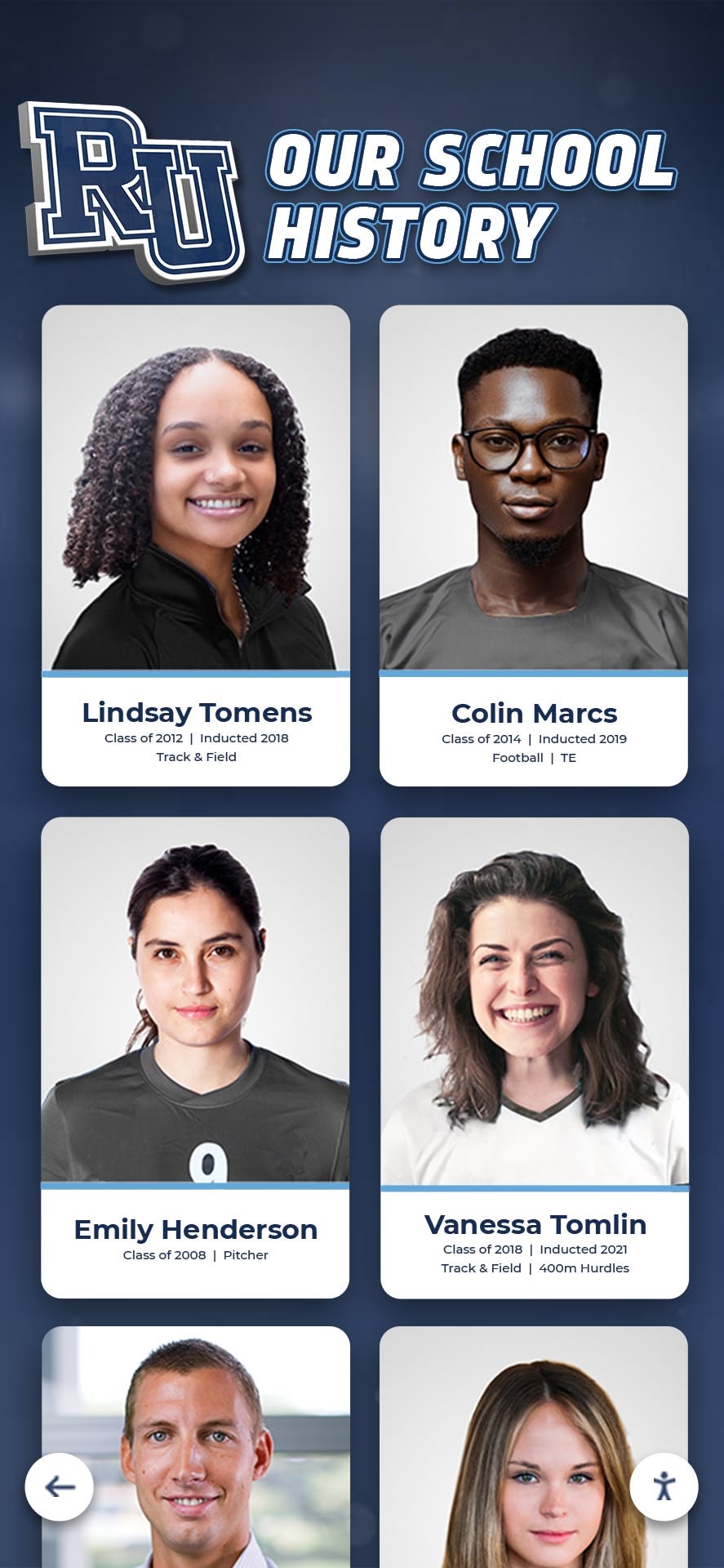
Photo Slideshows provide simpler alternatives requiring less production expertise while creating engaging visual programs featuring hundreds of season photos set to squad music selections or meaningful songs.
Performance Replays: Screen particularly significant competition performances directors want to celebrate specifically, allowing families who may have missed events to experience achievements while enabling squads to relive proud moments.
Interactive Elements
Team Performances or Demonstrations: Brief demonstrations of new skills learned, favorite routine segments, or special performances create entertainment value while showcasing athletic development. Keep demonstrations short avoiding excessive program length while highlighting abilities.
Athlete Testimonials: Select athletes sharing reflections about their cheer experiences, program impacts, or gratitude expressions create authentic emotional moments. Athlete voices carry particular impact with audiences while demonstrating communication skills alongside athletic development.
Senior Reflections: Graduating athletes offering brief speeches about their journey, favorite memories, or advice for younger teammates provide natural program elements while honoring departing members appropriately.
Parent and Volunteer Recognition: Acknowledge parent contributions through volunteer recognition, booster organization acknowledgments, or special tributes to families providing exceptional support throughout demanding seasons. Family recognition demonstrates appreciation while validating essential roles supporters play in program success.
Memory and Achievement Displays
Display Boards: Create display areas featuring season photos, historical program images, competition awards, newspaper clippings, or decade-spanning retrospectives. These displays generate conversation while documenting program legacy visually.
Achievement Walls: Showcase competition scores, placements, awards, and accomplishments throughout seasons creating comprehensive achievement documentation. Schools implementing permanent digital trophy preservation systems can position these displays at banquets showcasing comprehensive program histories.
Memory Sharing: Provide opportunities for informal memory sharing through memory boards where attendees write favorite moments, digital platforms where families post photos, or organized sharing during social times encouraging connection and reminiscence.
Meal Planning and Budget Considerations
Food represents significant budget components requiring strategic planning balancing cost, quality, and dietary needs.
Meal Service Options
Plated Dinners: Traditional formal service providing professional presentation, consistent portions, and elevated atmosphere. Higher costs due to labor but creates distinguished banquet feeling particularly suitable for senior-focused celebrations.
Buffet Service: Flexible approach allowing guests to select preferred items and portions. Generally more cost-effective than plated service while accommodating diverse preferences naturally.
Family-Style Service: Shared platters encouraging interaction and conversation. Moderate costs between plated and buffet options, effective for medium-sized gatherings emphasizing community.
Casual or Pizza Party Style: Simplified approaches like pizza buffets, taco bars, or sandwich spreads significantly reducing costs while maintaining celebration atmosphere. Works particularly well for youth programs or when allocating more budget toward recognition elements rather than elaborate meals.
Budget-Conscious Strategies
Potluck Contributions: Organize family contributions supplementing program-provided main dishes. Coordinate through sign-up systems preventing duplicates while ensuring variety.
Strategic Timing: Schedule banquets during late afternoon or evening allowing dessert reception focus rather than full dinners. Lighter receptions reduce costs while maintaining celebratory energy.
Volunteer Preparation: Utilize parent volunteers willing to prepare and serve food rather than hiring caterers. Significant savings result when reliable volunteers handle preparation with appropriate kitchen access.
Local Partnerships: Explore partnerships with restaurants, grocery stores, or food services willing to provide discounted catering supporting youth athletic programs. Many businesses welcome community engagement opportunities.
Dietary Accommodations
Modern celebrations require accommodating diverse dietary needs:
- Vegetarian and vegan options
- Gluten-free alternatives
- Dairy-free accommodations
- Nut allergies and common allergens
- Religious dietary restrictions
Collect dietary information through registration processes, communicate requirements clearly with caterers, label buffet items with ingredients, and follow up individually with families identifying complex needs. Thoughtful planning ensures all attendees can participate fully in shared meals.
Digital Recognition and Lasting Documentation
Modern technology enables programs to create permanent documentation extending recognition impact far beyond single banquet events.
Interactive Digital Recognition Systems
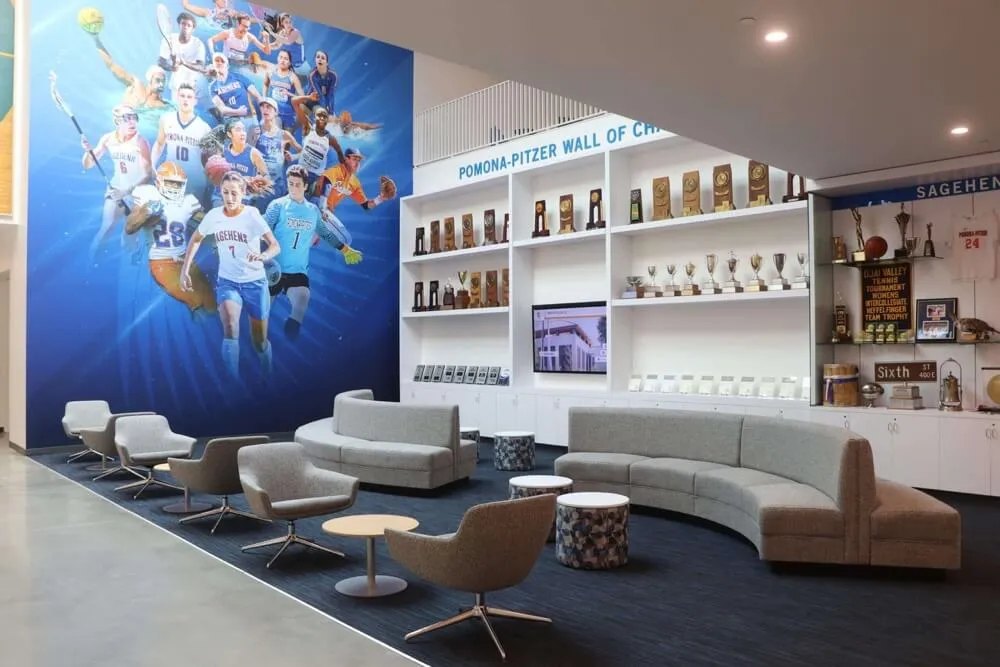
Traditional trophy cases face space limitations restricting how many years of achievements receive visible recognition. Plaques acknowledge award recipients briefly but provide minimal context about accomplishments or athletes themselves. Physical recognition often becomes outdated or invisible as years pass and display priorities shift.
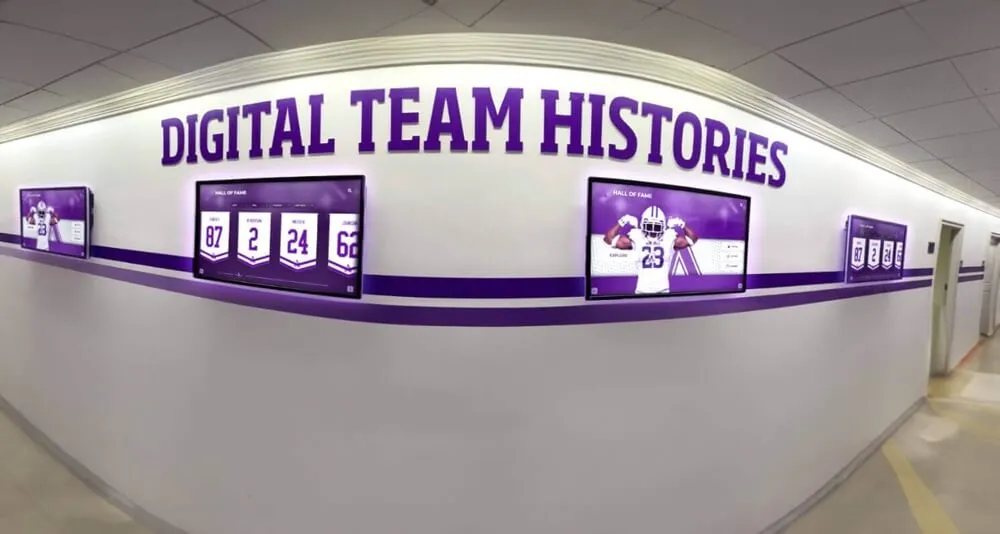
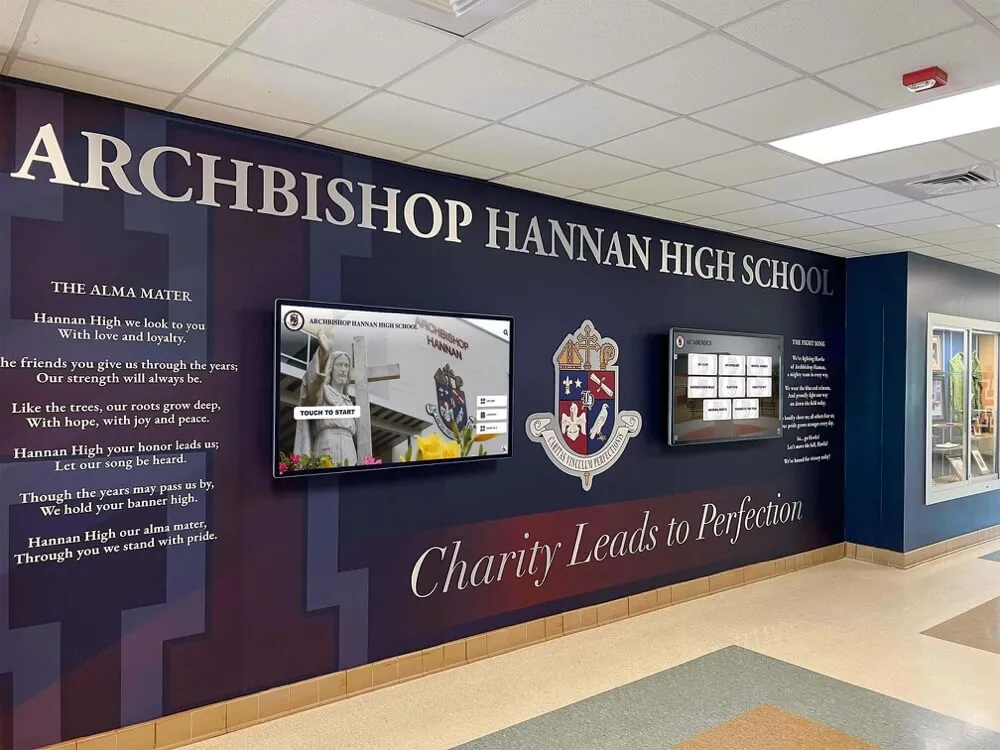
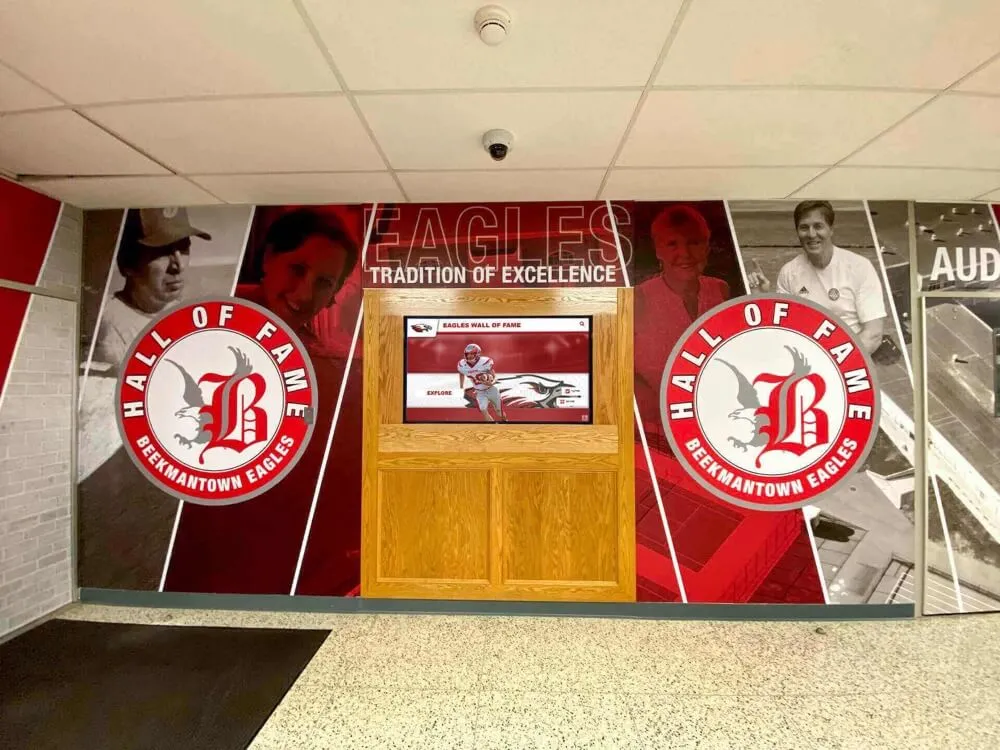
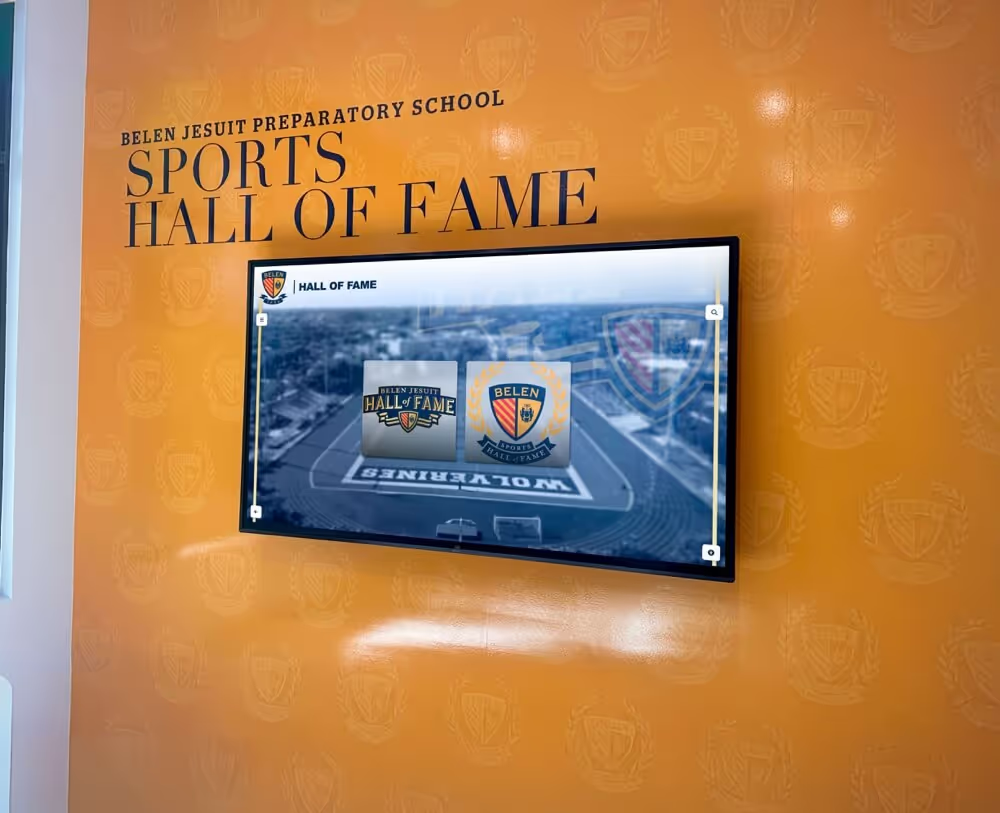
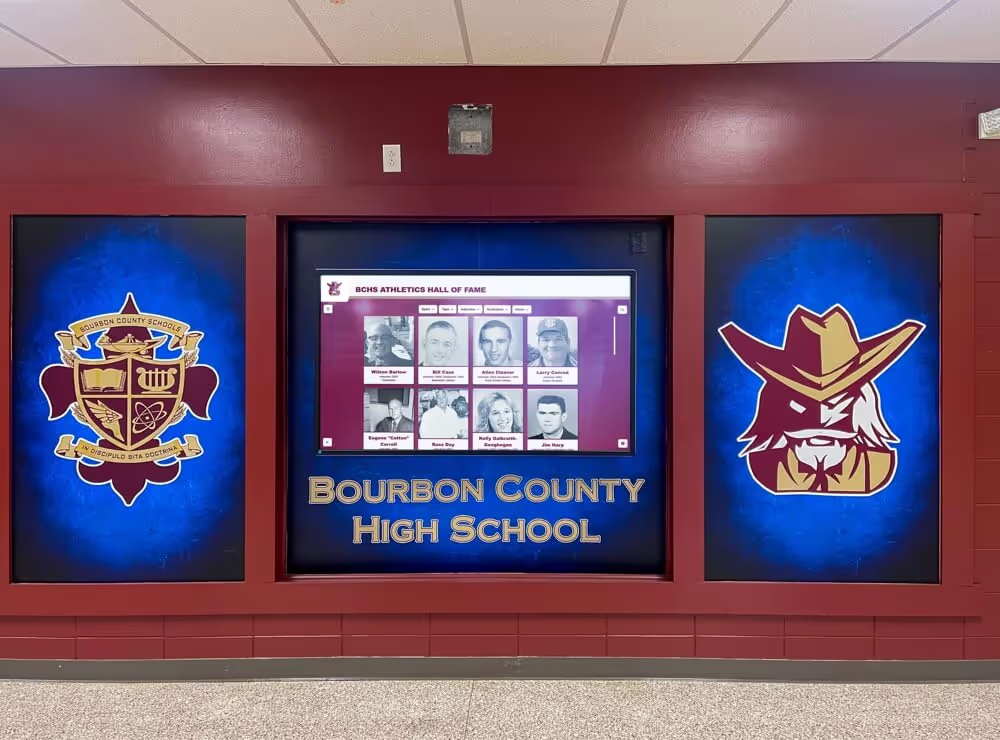
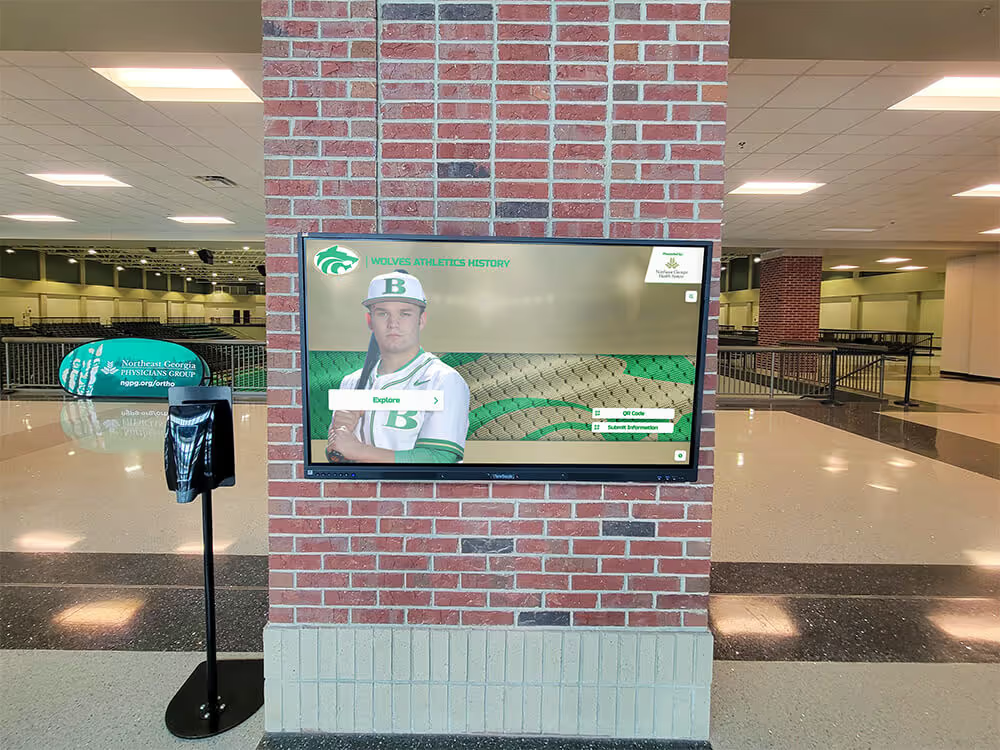
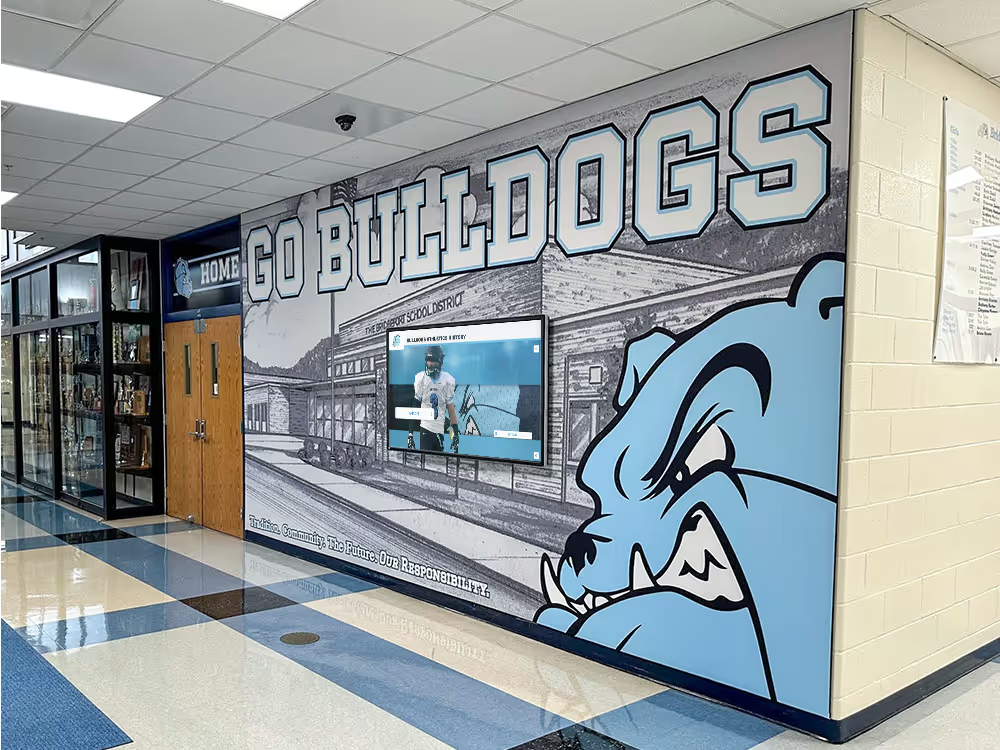
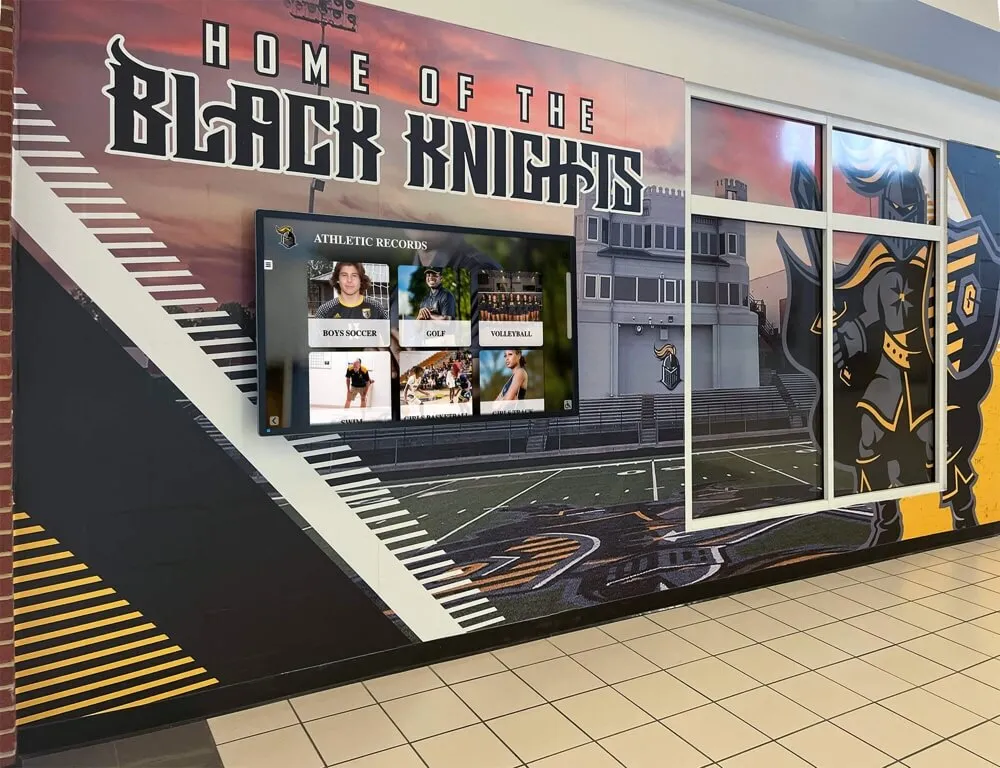
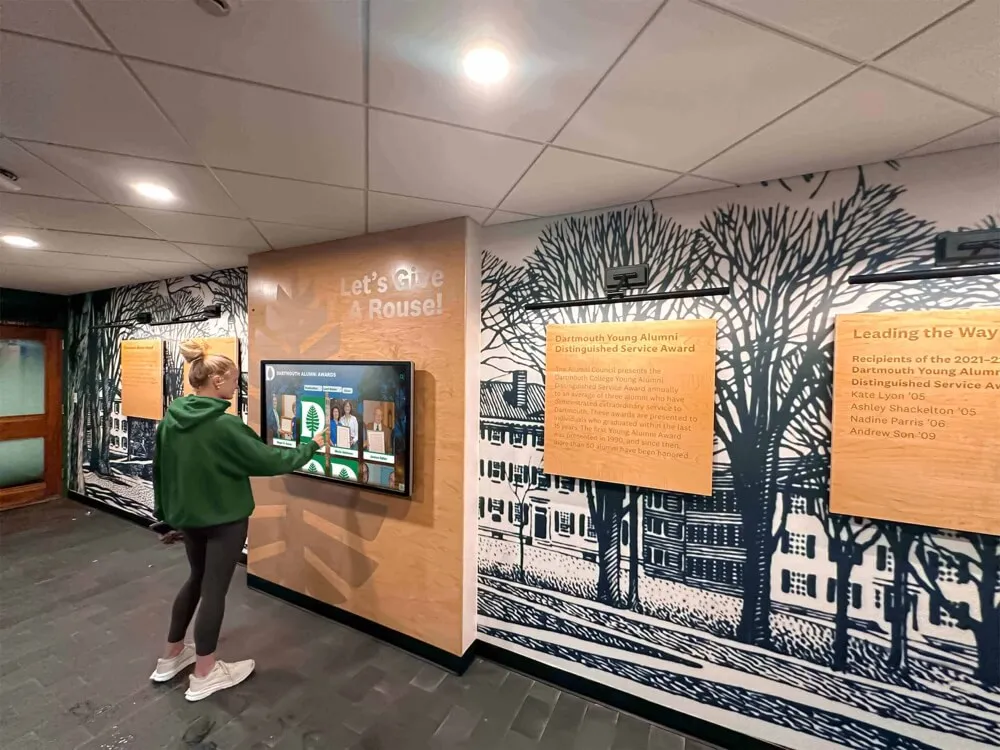
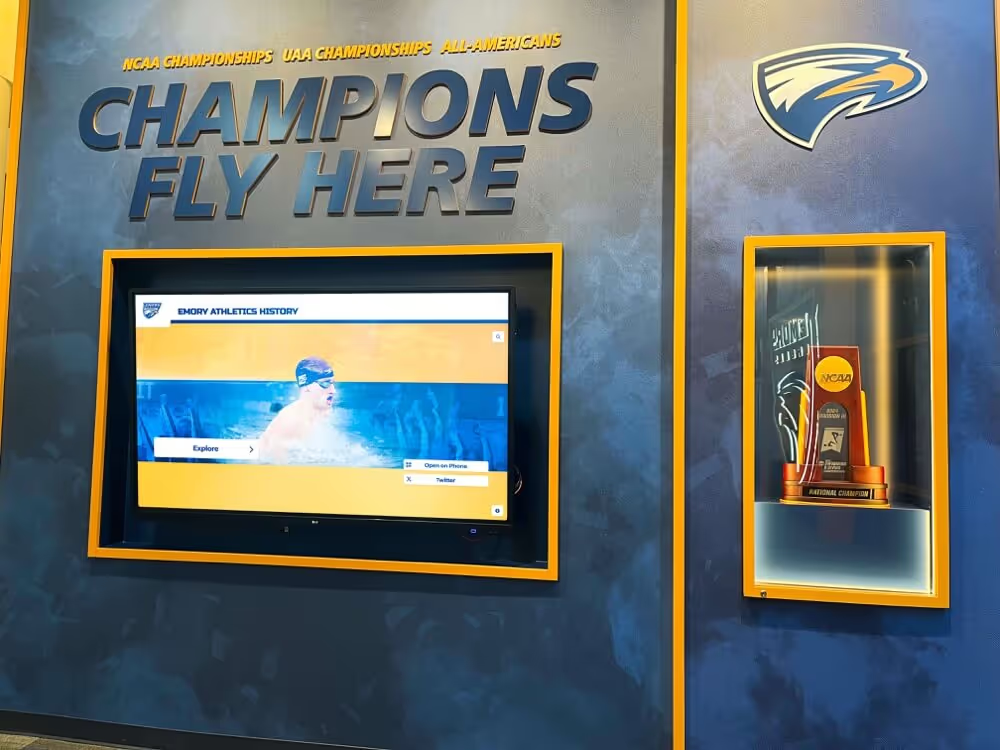
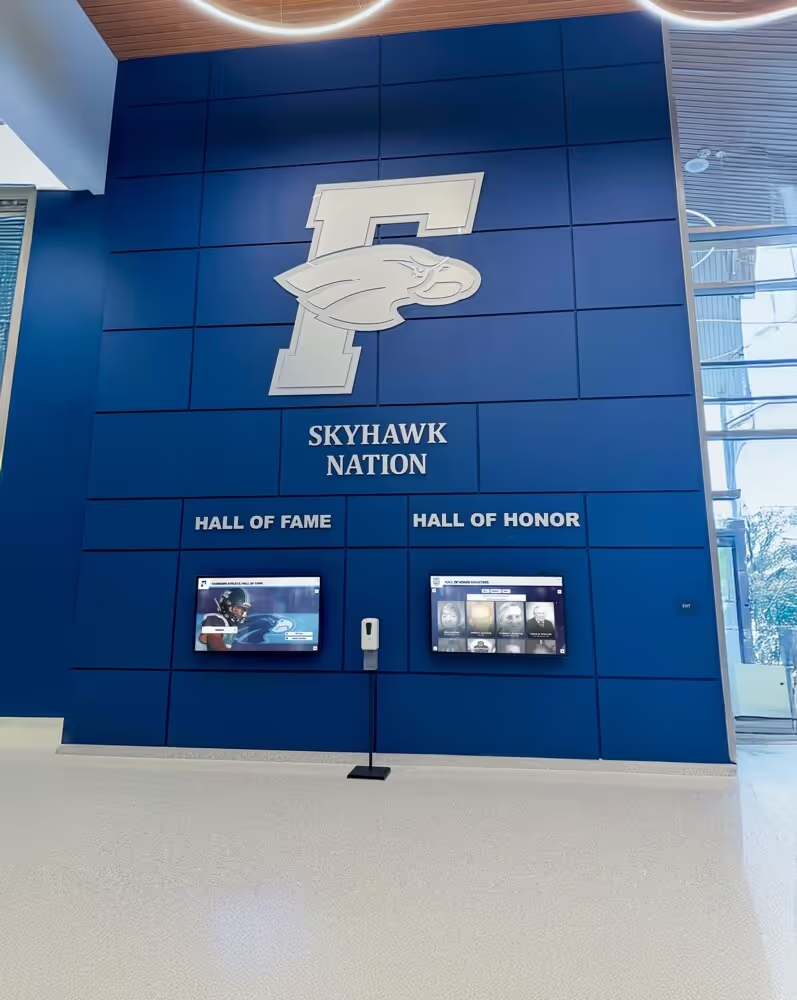
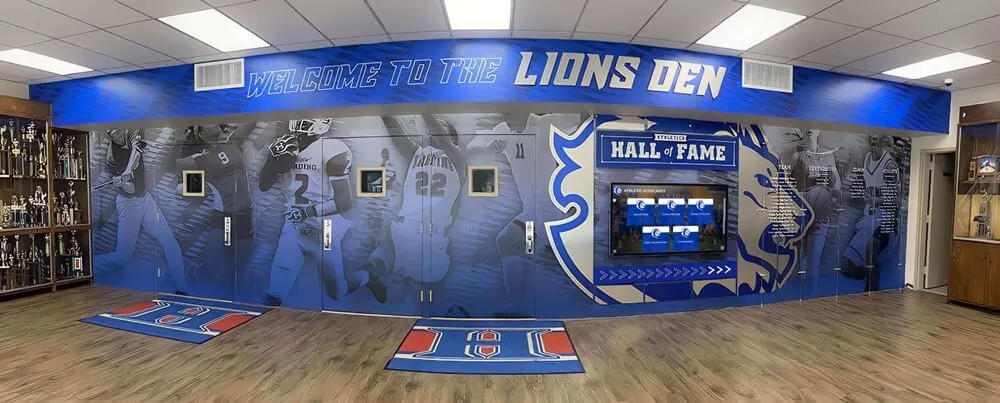
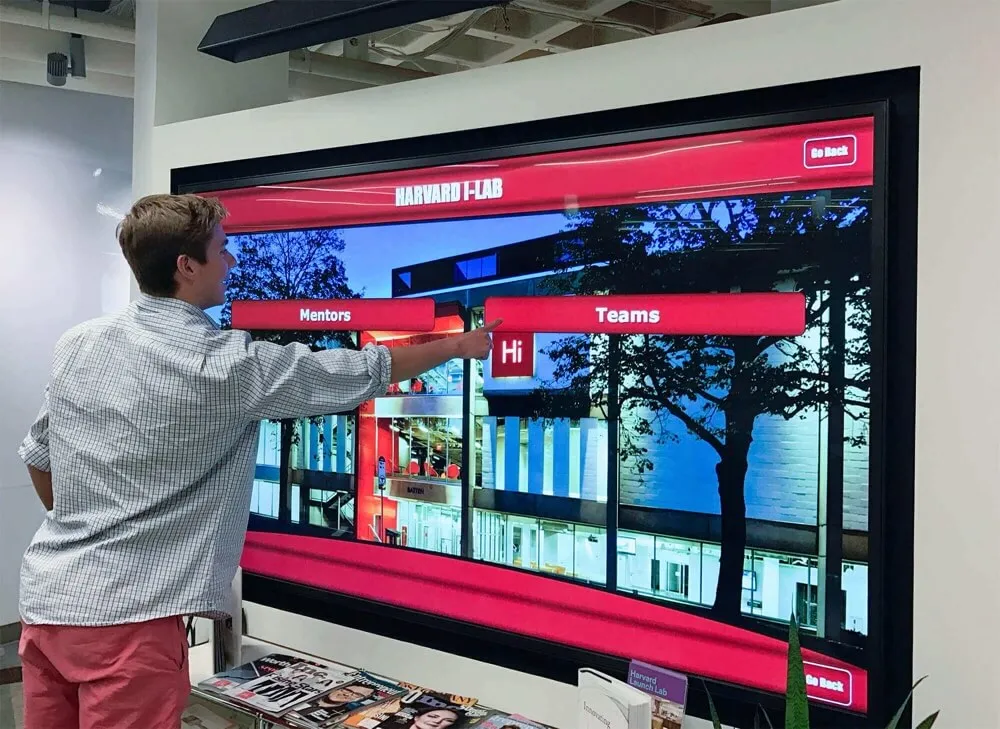
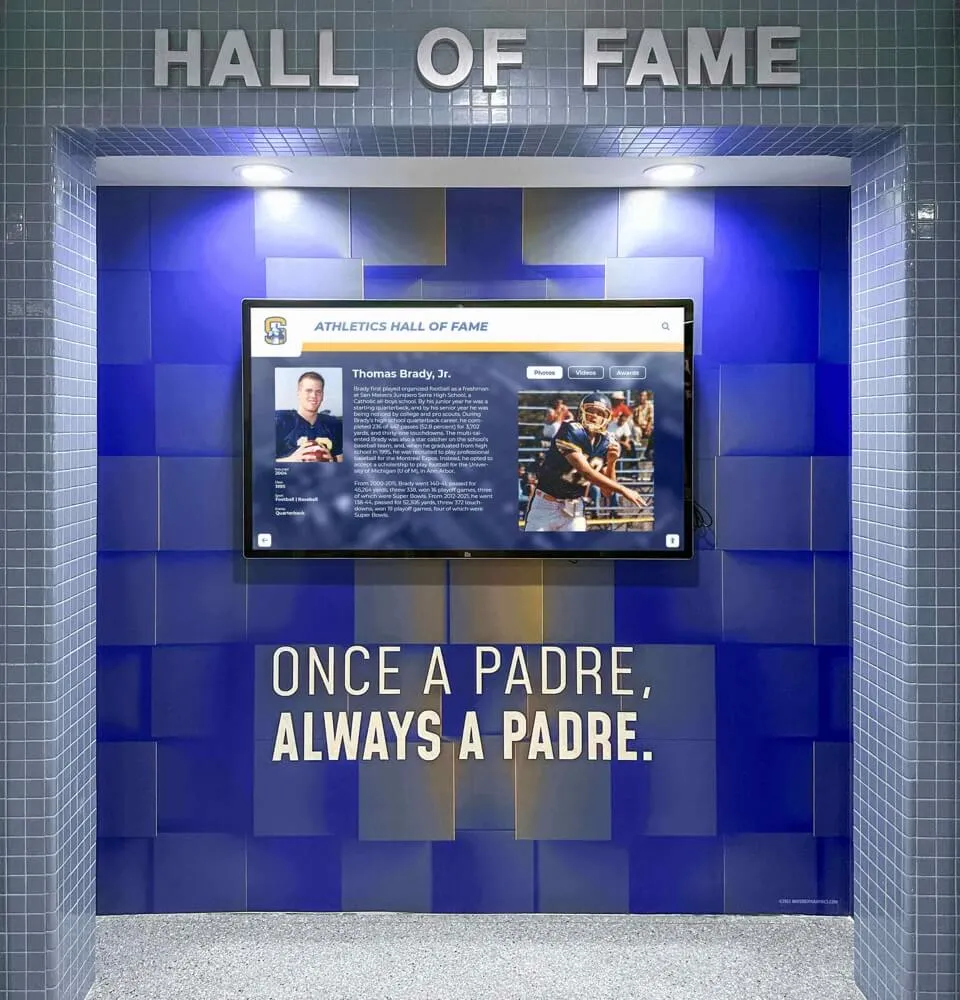
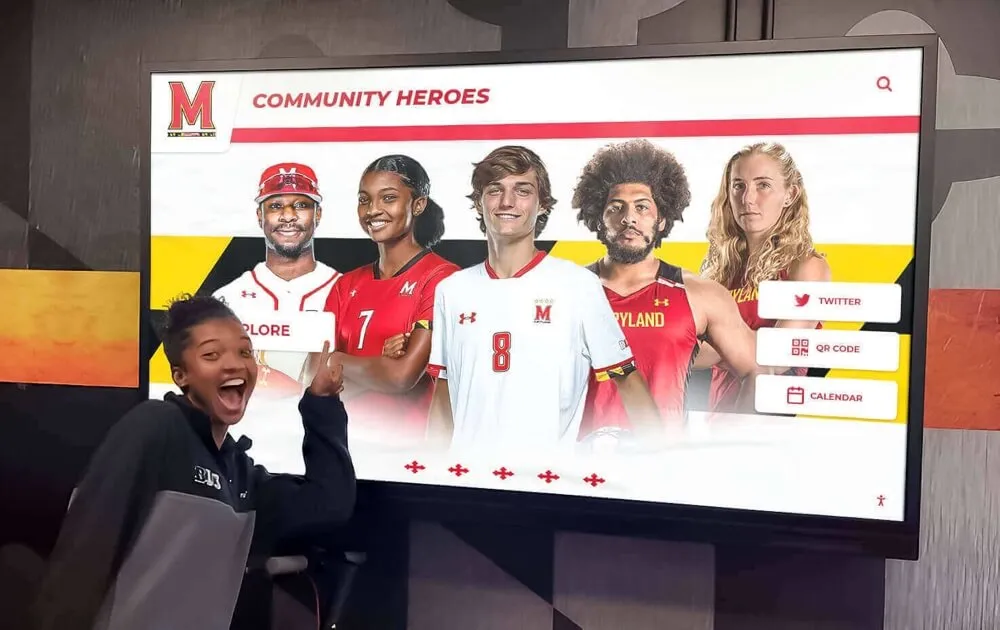
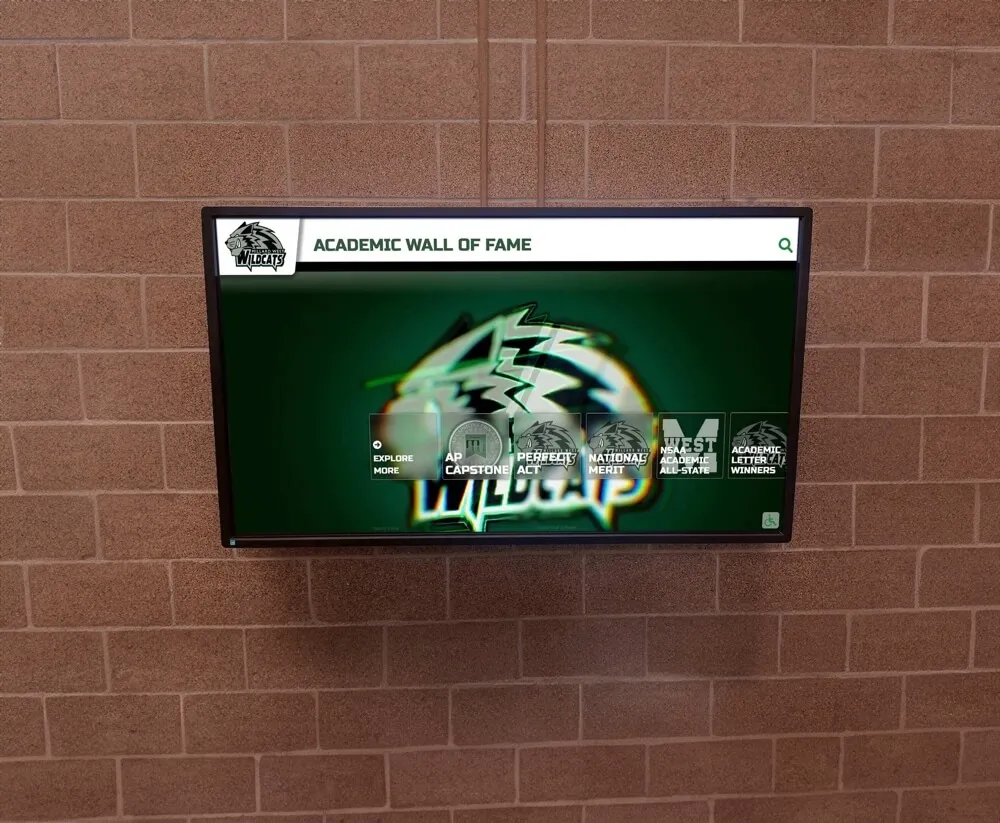
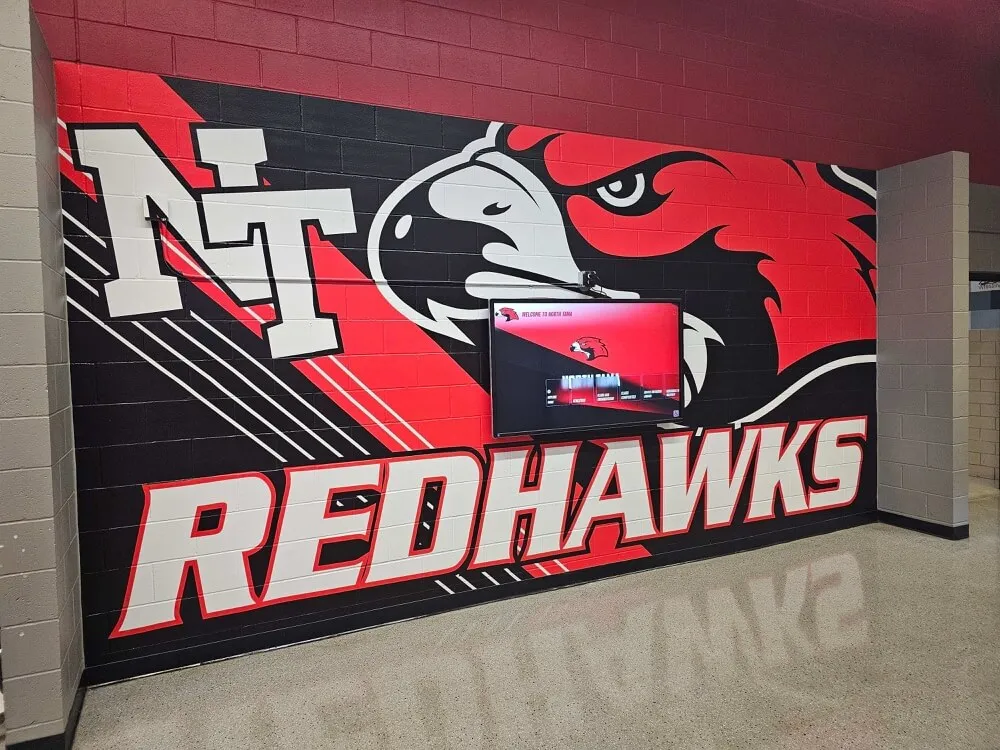
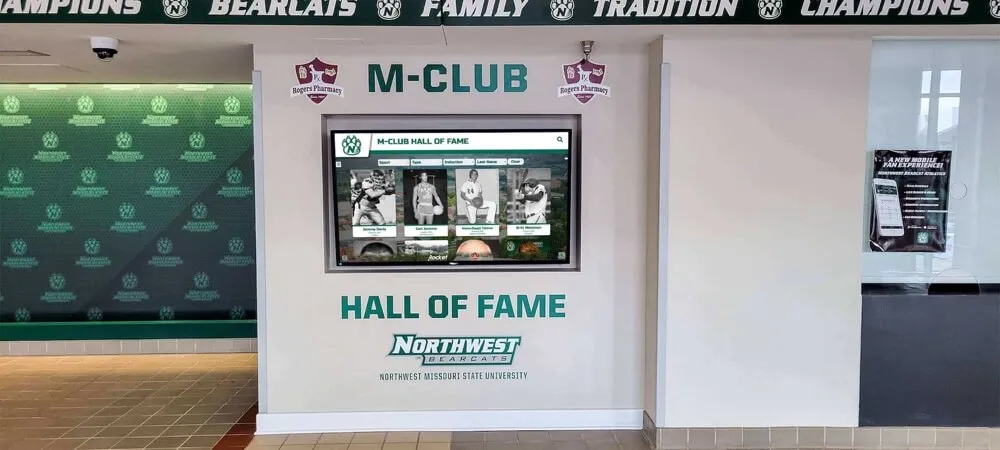
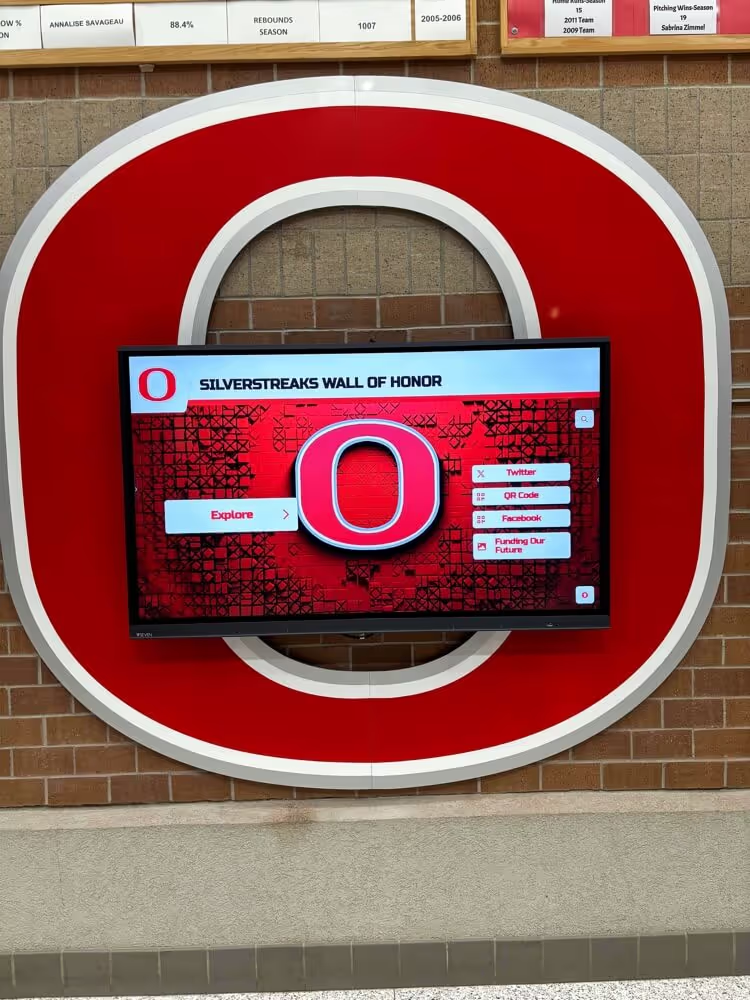
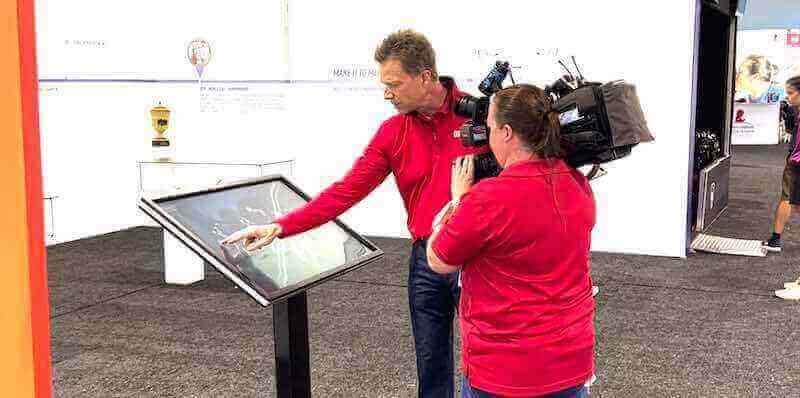
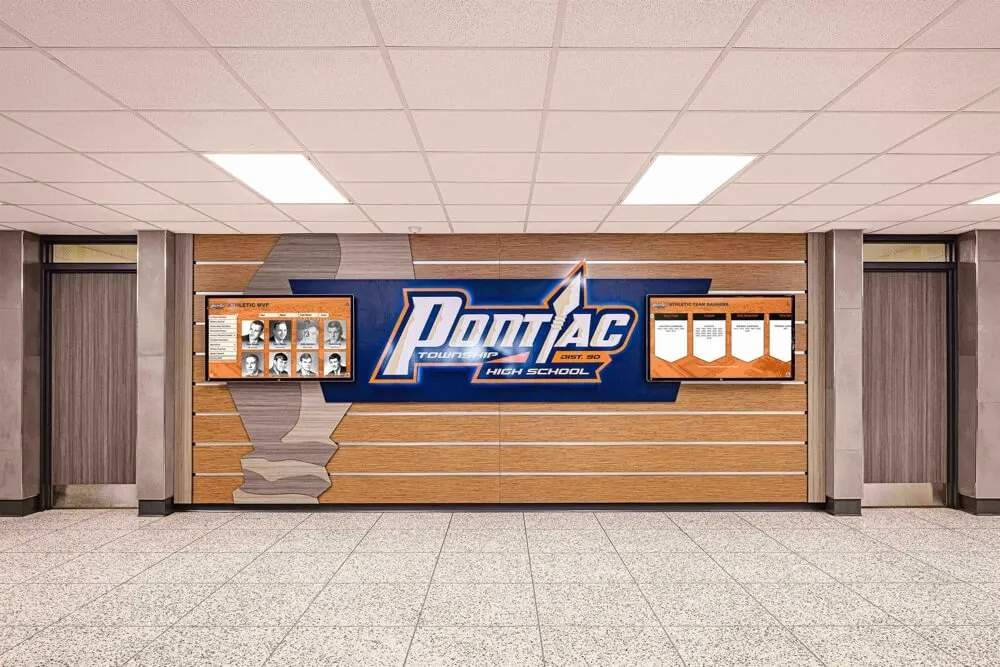
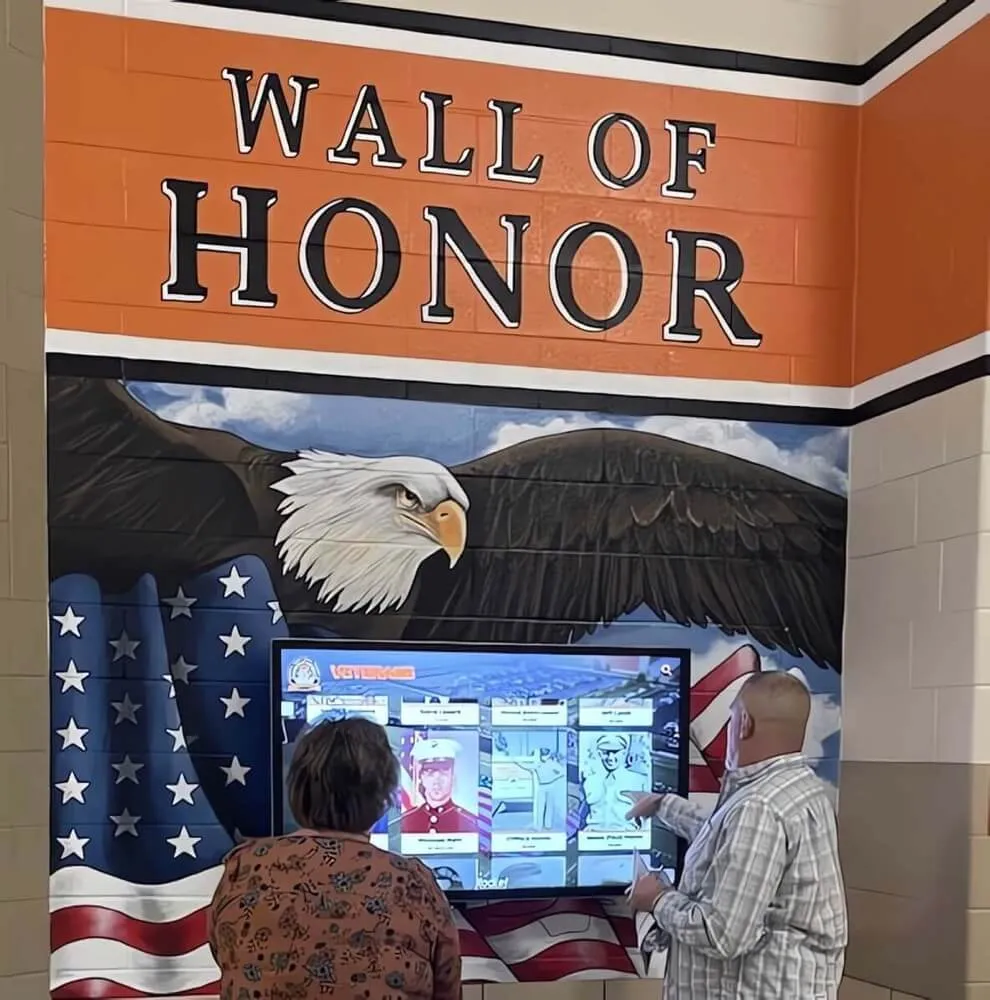
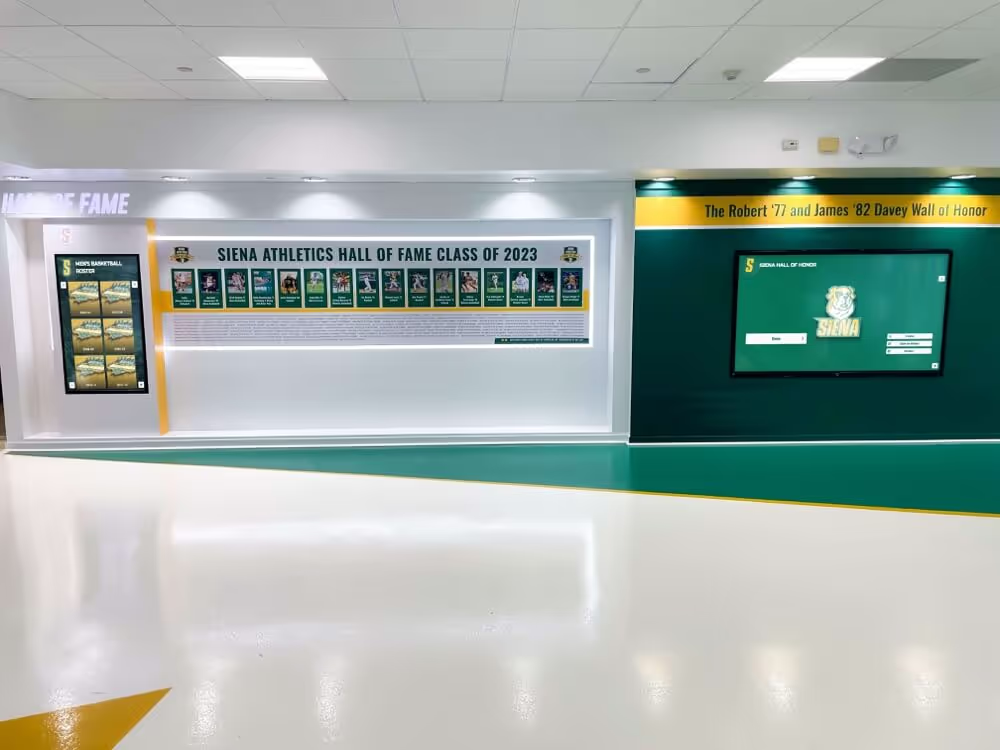
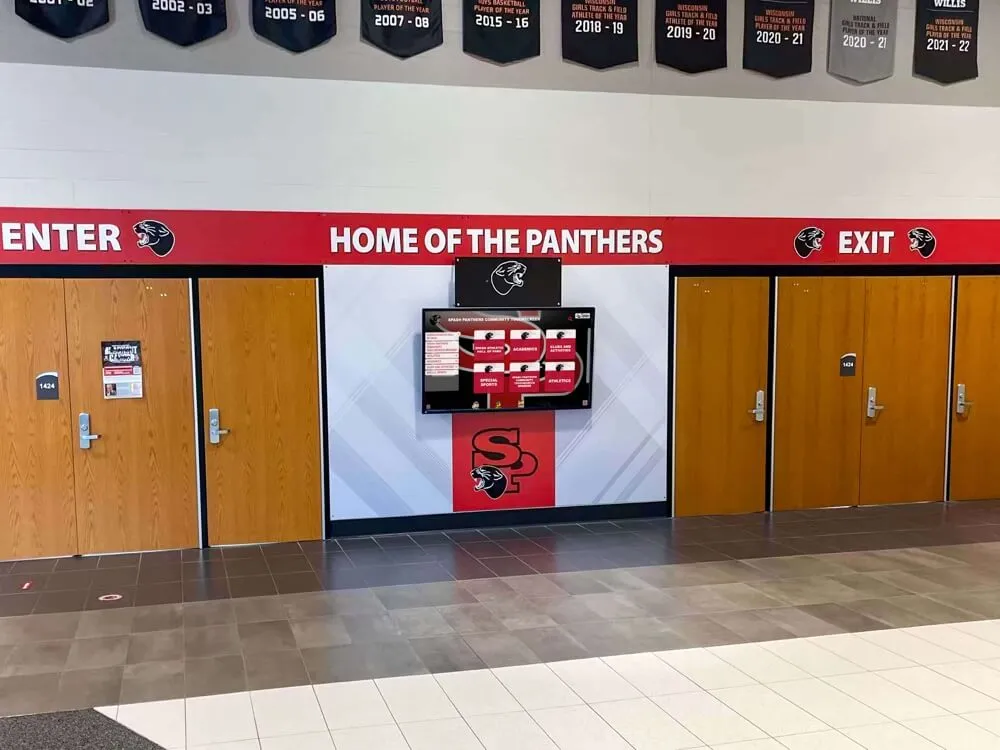
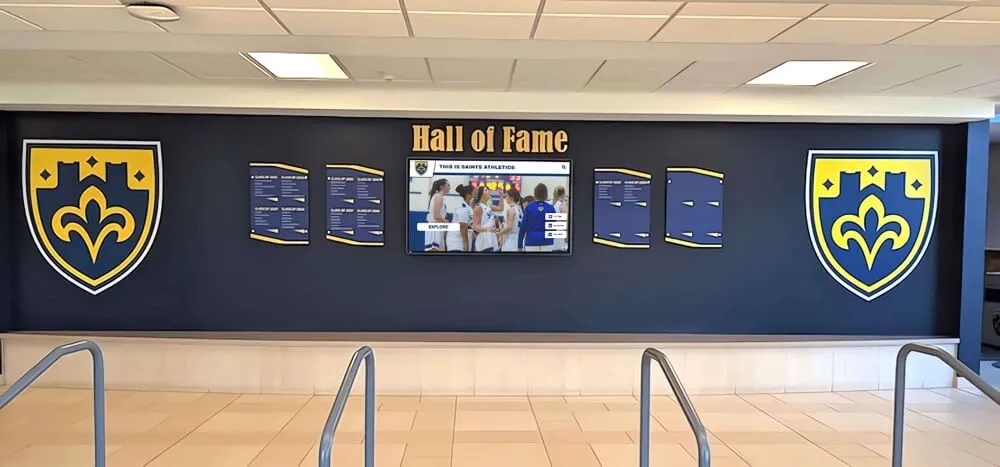
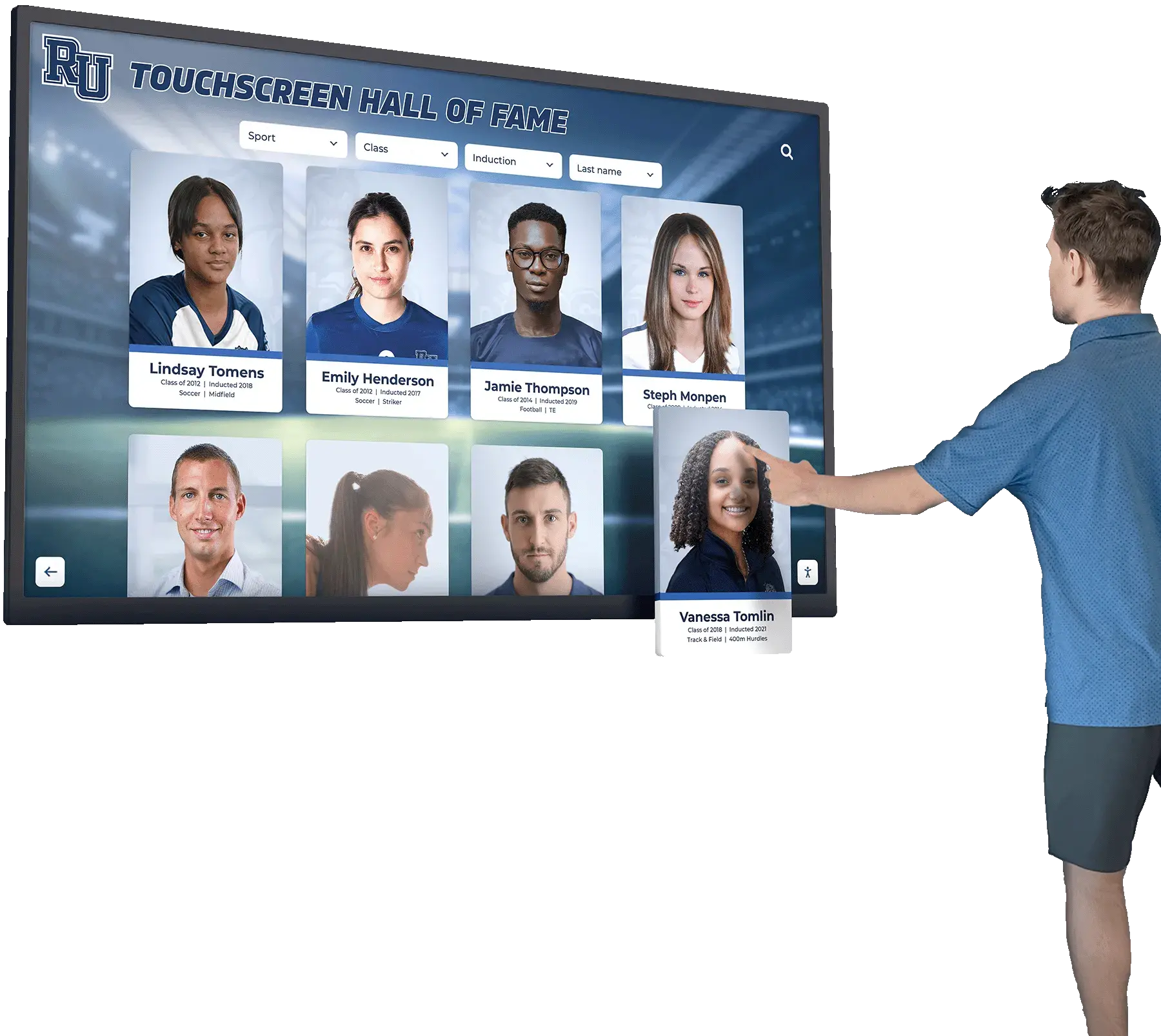
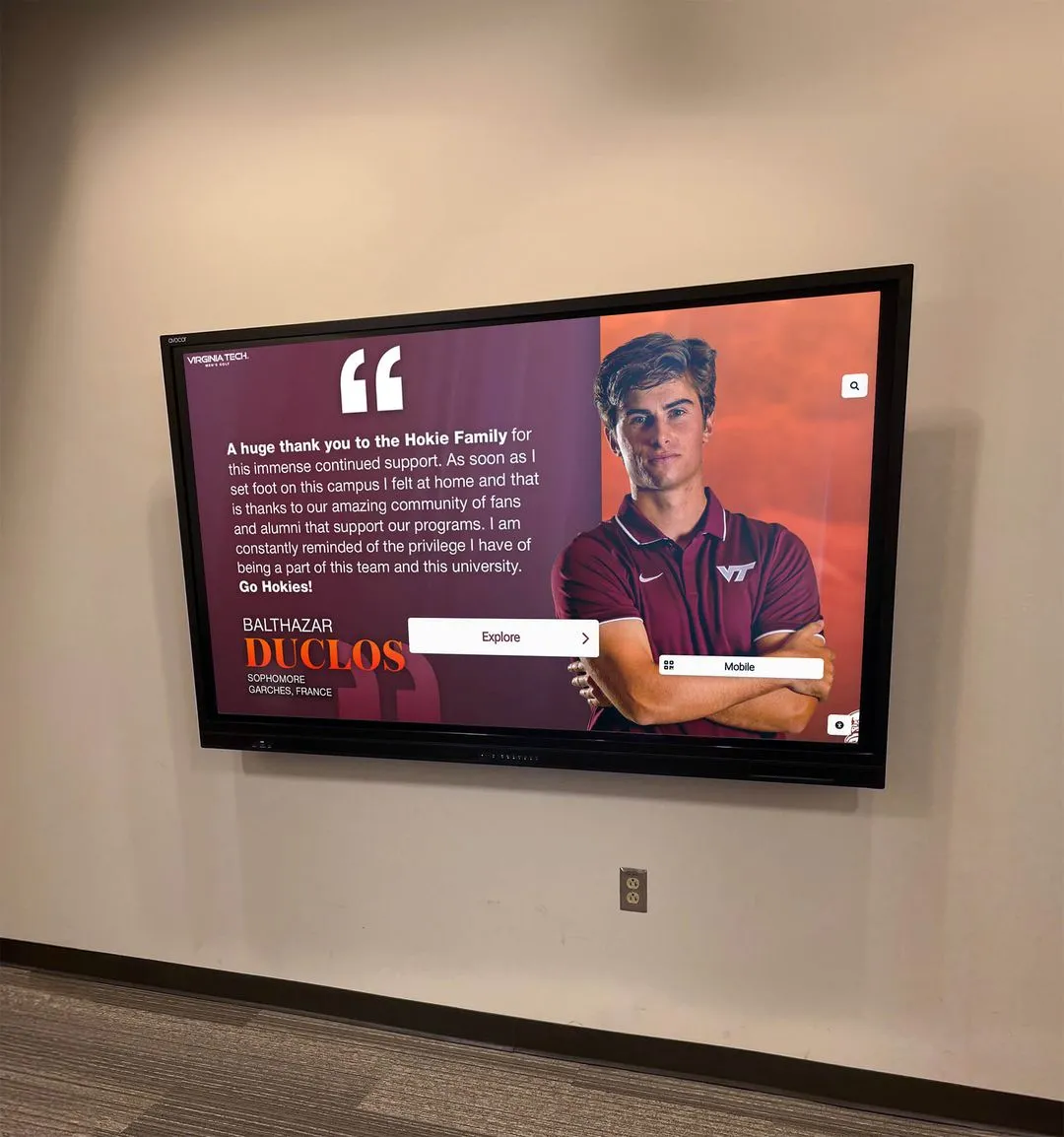
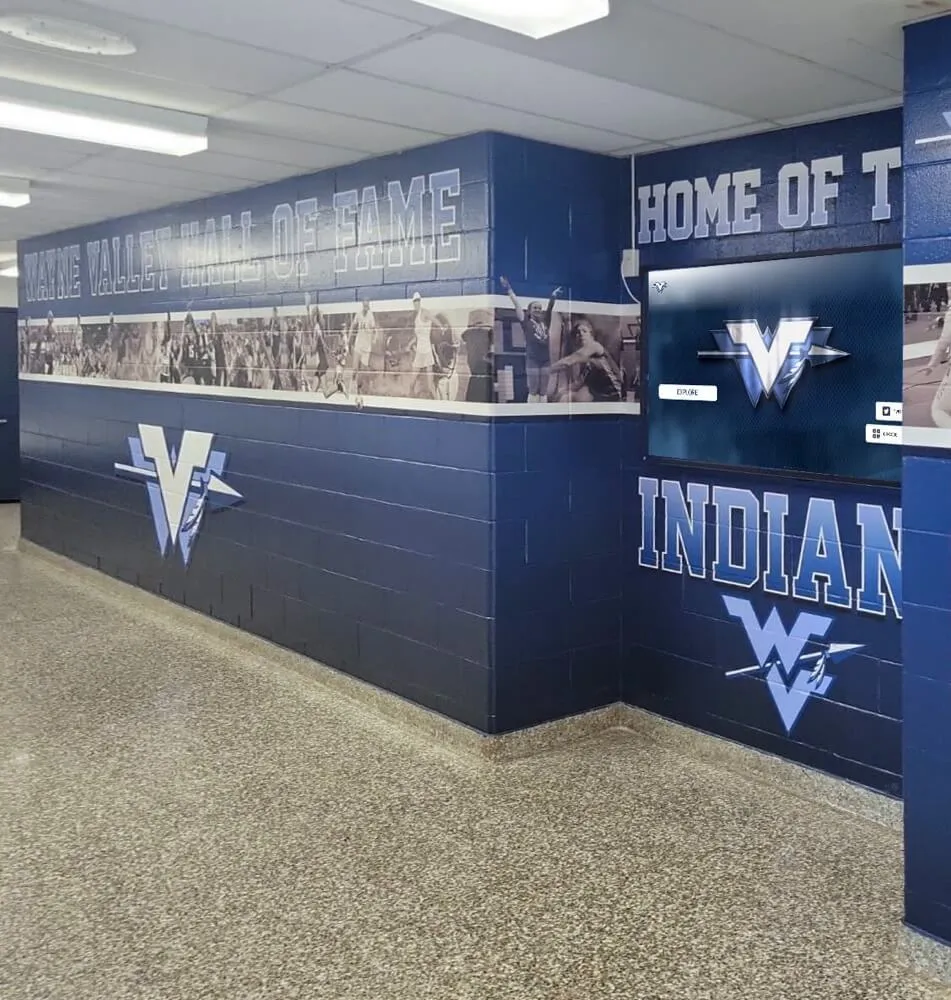
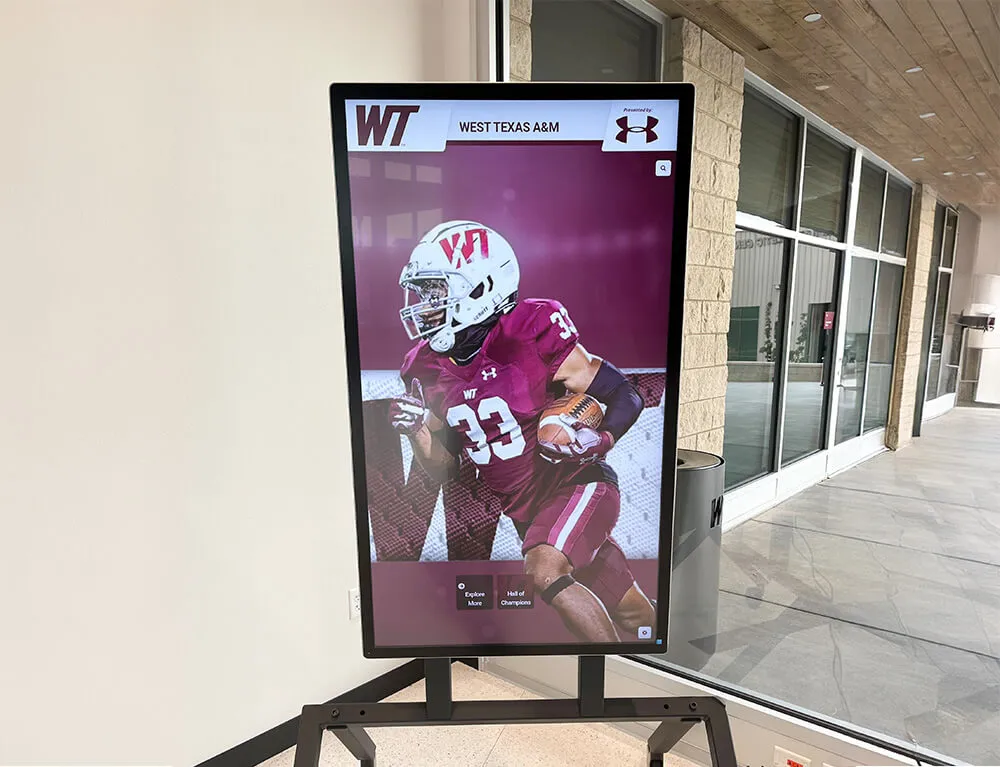
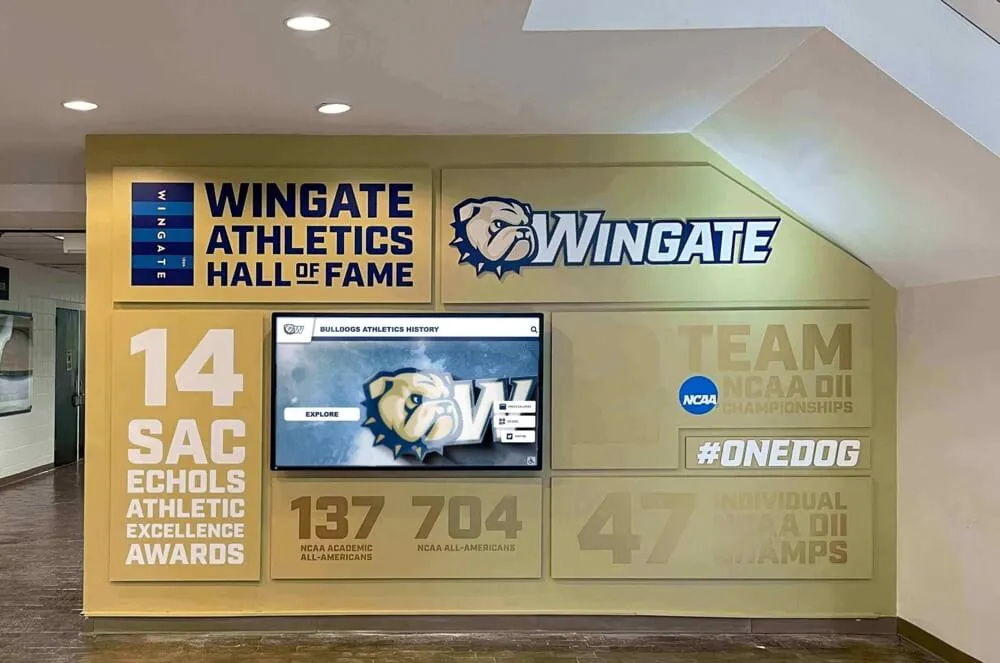
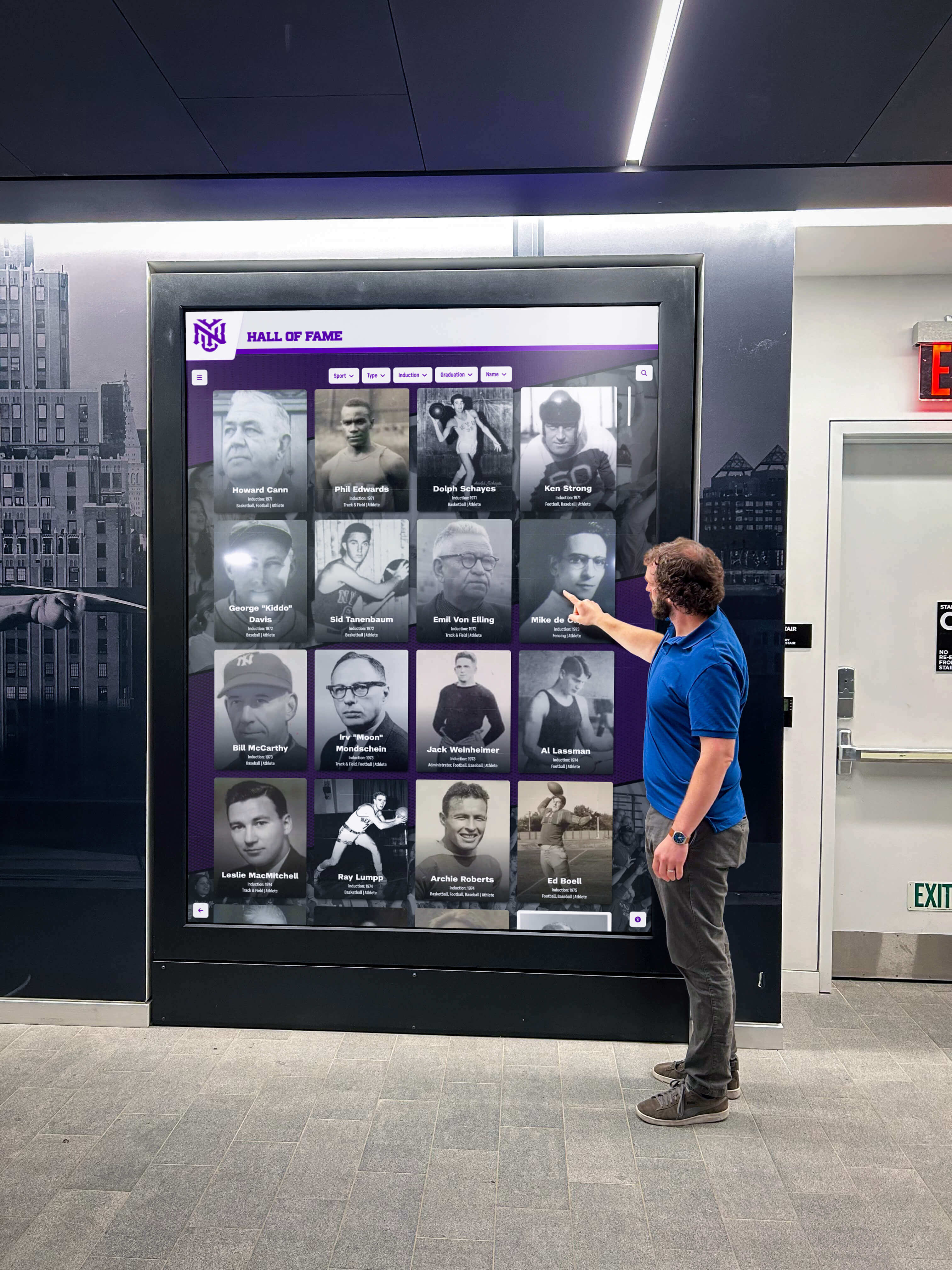
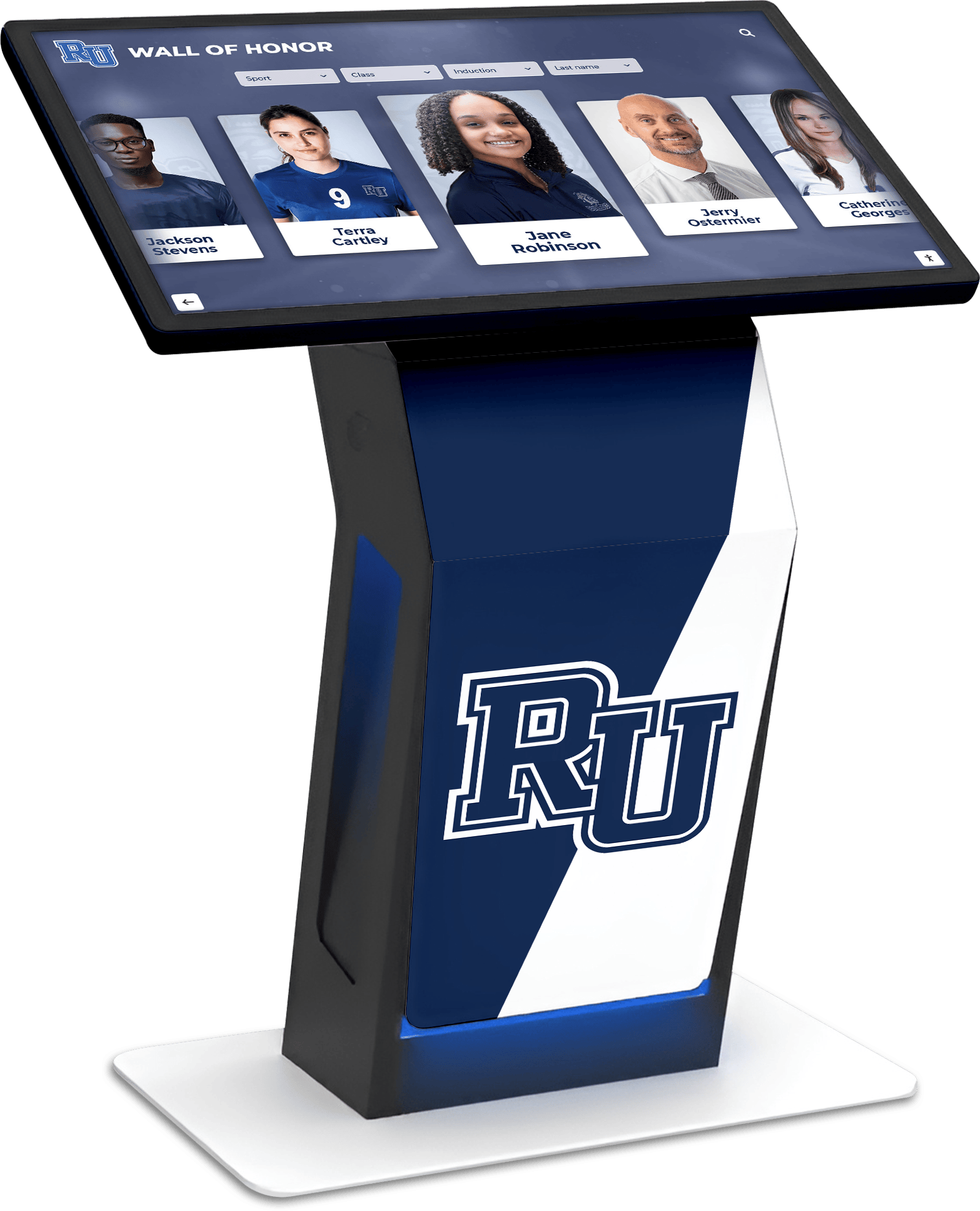
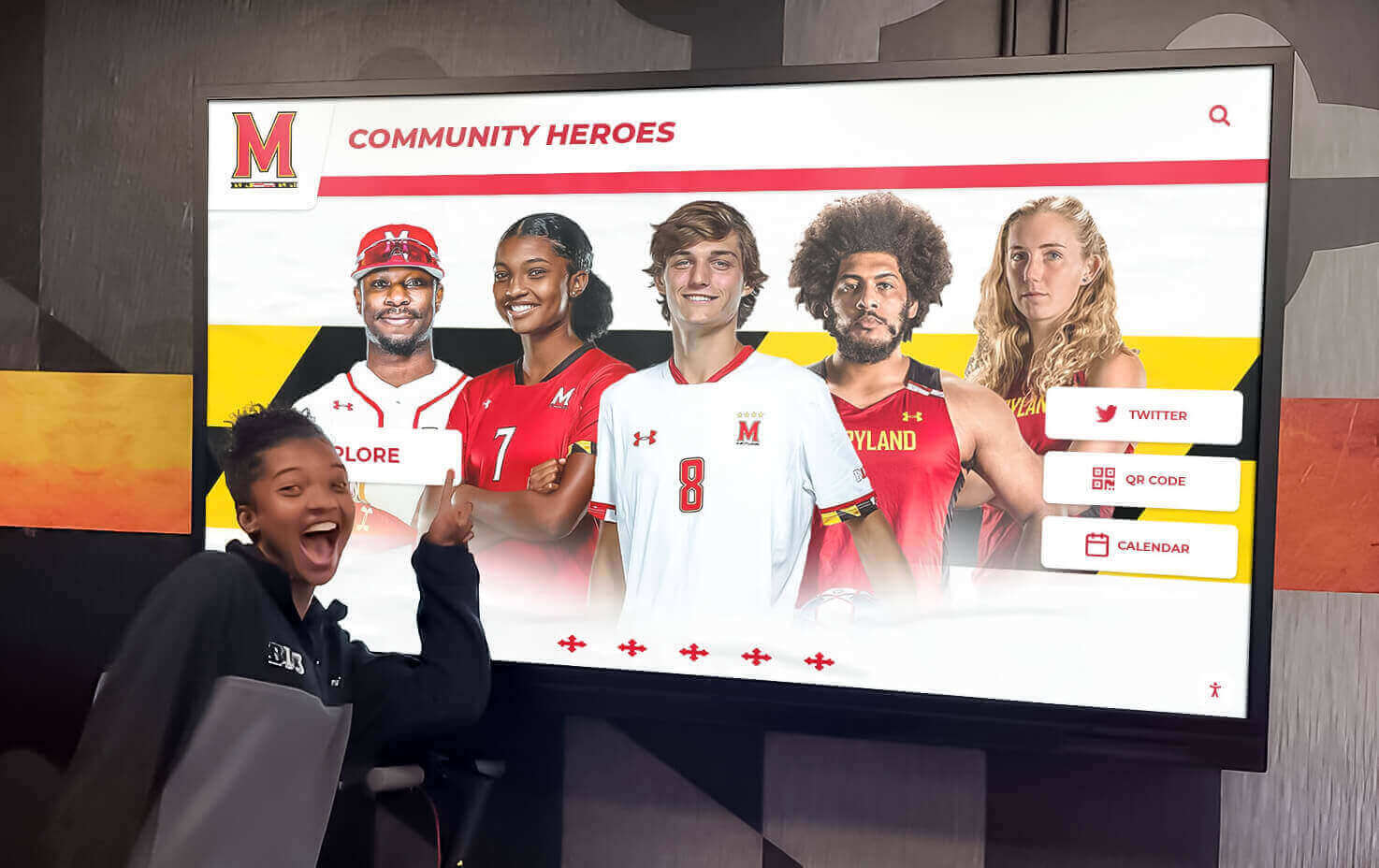
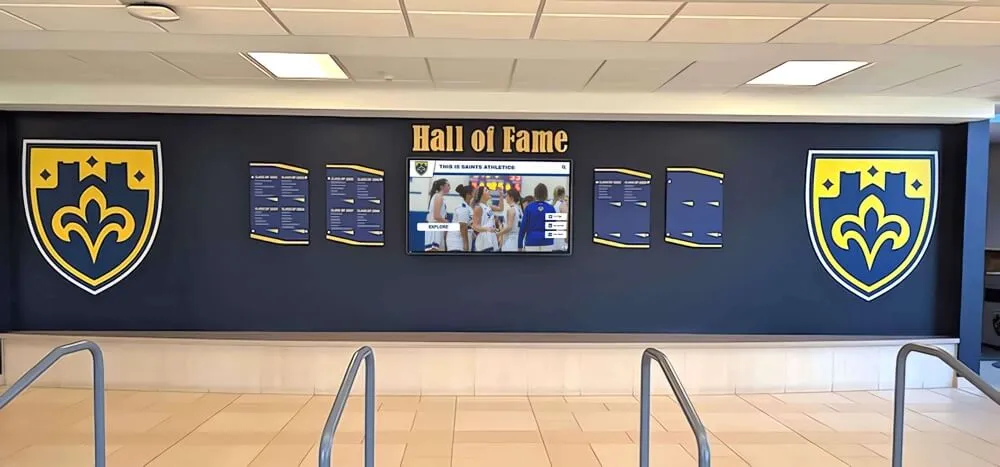
Interactive digital recognition transforms these limitations into unlimited opportunities. Single touchscreen displays can showcase every award recipient, competition achievement, squad member, and significant accomplishment across decades of program history. Athletes and families can search by name, browse by year or category, view detailed profiles including photos and achievement descriptions, and explore complete program archives.
Advantages of Digital Cheer Recognition:
- Unlimited Capacity: Recognize every achievement across all years without space constraints limiting acknowledgment
- Rich Content: Include photos, performance videos, achievement descriptions, athlete quotes, and comprehensive documentation beyond simple names
- Easy Updates: Add new award recipients immediately after banquets through cloud-based management requiring no technical expertise
- Searchable Archives: Enable visitors to find specific athletes, browse by era, or explore program history interactively
- Alumni Engagement: Allow former cheerleaders to find their achievements years later, maintaining connections to programs that shaped their experiences
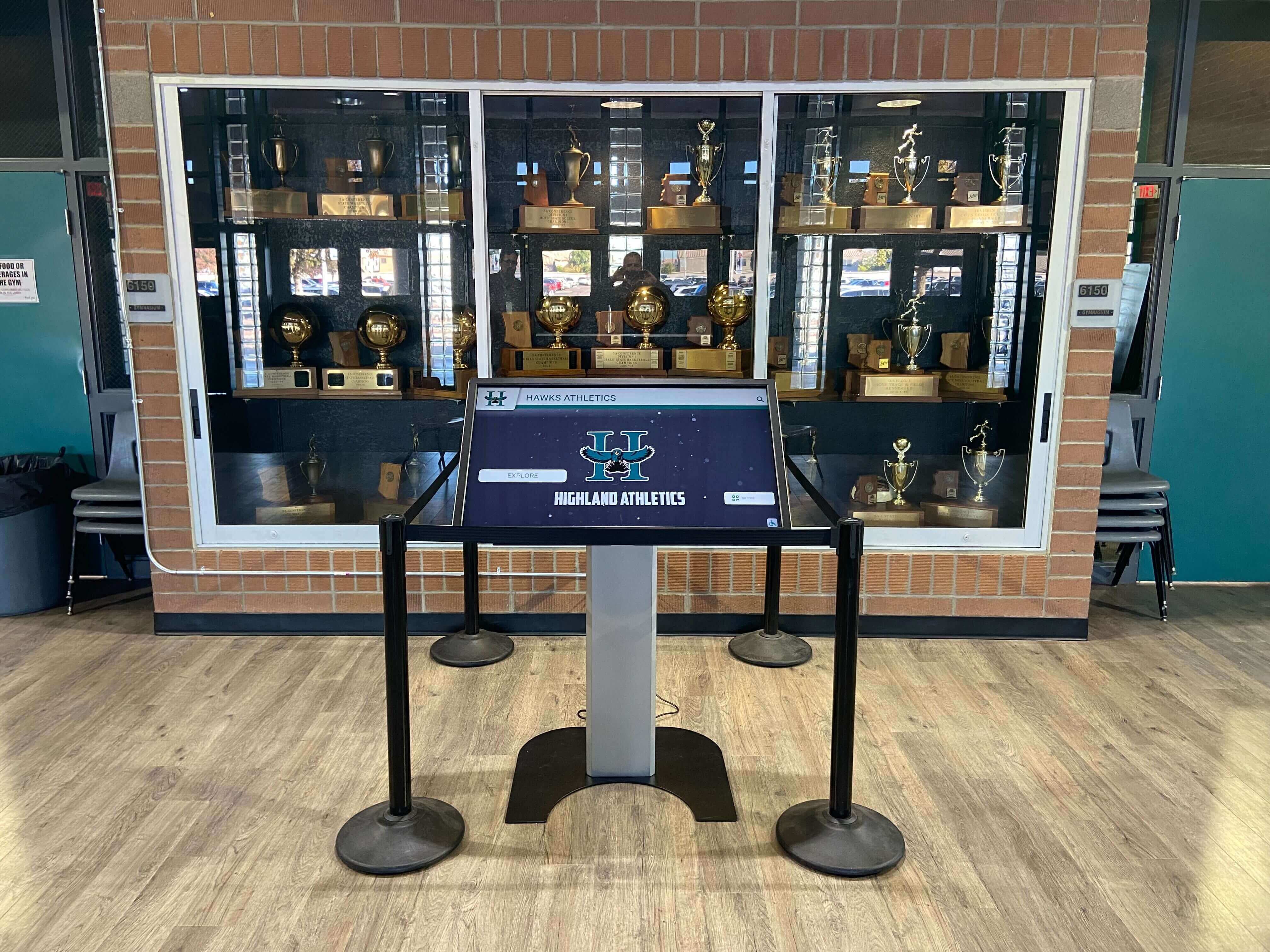
Many schools have successfully implemented interactive kiosk solutions for athletic recognition that serve multiple programs while creating centralized celebration hubs.
Social Media and Digital Sharing
Strategic digital sharing amplifies recognition while engaging broader communities:
Event Coverage: Share highlights during banquets creating real-time celebration with extended families and community members unable to attend physically.
Achievement Announcements: Feature award recipients through individual recognition posts, photo galleries organized by category, or video compilations celebrating honorees with broader visibility.
Historical Content: Share throwback photos showing program evolution, past award recipients, or decade-spanning tradition documentation building appreciation for legacy.
Always obtain appropriate permissions before featuring minors on public platforms, follow district policies regarding student privacy, and exercise judgment ensuring digital sharing enhances rather than replaces in-person celebration.
Budget Planning and Resource Management
Successful banquets require realistic budgeting ensuring celebrations remain financially sustainable while delivering meaningful experiences.
Typical Budget Categories
Venue Costs: Facility rental, setup charges, equipment rental if needed, security deposits
Food and Beverage: Catering per-person costs, beverages and desserts, service staff gratuities, dietary accommodation expenses
Awards and Recognition: Trophies, plaques, certificates, engraving costs, special senior gifts, printed programs
Program Elements: Audiovisual equipment rental, professional photography or videography, decoration expenses, printing costs
Decorations and Ambiance: Theme-related decorations, table centerpieces, signage, lighting elements
Fundraising Strategies
Ticket Sales: Per-person attendance fees covering meal costs and contributing toward overall expenses. Tiered pricing (athletes, adults, children) creates fairness while generating necessary revenue.
Booster Support: Active booster organizations often fund significant portions viewing celebrations as worthwhile investments in athlete recognition and program culture.
Sponsorships: Seek local business sponsorships supporting specific elements—award sponsorships, table sponsorships, or general event sponsors receiving recognition during programs and on materials.
Program Ads: Sell advertisement space in printed programs to local businesses, creating revenue while supporting printing costs.
Targeted Fundraising: Conduct specific banquet fundraising events, product sales, or campaigns specifically supporting end-of-season celebration expenses.
Cost-Saving Approaches
Volunteer Labor: Maximize parent volunteer involvement for setup, decoration, serving, cleanup, and coordination reducing professional service costs.
Simplified Venues: Utilize free school facilities investing decoration efforts transforming spaces rather than paying premium venue rentals.
DIY Decorations: Create decorations through athlete projects, parent volunteer efforts, or reusable materials rather than purchasing expensive professional services.
Digital Programs: Distribute program information digitally rather than printing expensive physical booklets, or create simple single-page printouts.
Strategic Award Selection: Focus budgets on meaningful recognition rather than expensive trophies, considering certificates, personalized items, or symbolic awards carrying equal significance at lower costs.
Timeline and Planning Checklist
Comprehensive planning beginning months before events ensures smooth execution.
Three Months Before
- Form planning committee (coaches, boosters, parent volunteers)
- Establish budget and funding approach
- Determine date avoiding conflicts with other events
- Select and reserve venue
- Decide general theme and program format
Two Months Before
- Finalize catering arrangements and menu
- Order awards and recognition materials
- Begin collecting photos and videos for presentations
- Design printed programs if using
- Plan decorations and assign volunteer coordinators
One Month Before
- Send invitations with RSVP requirements and ticket information
- Finalize award recipients across categories
- Complete video production or slideshow preparation
- Assign specific volunteer roles and responsibilities
- Purchase decoration supplies
Two Weeks Before
- Follow up with families who haven’t responded
- Finalize attendance numbers and communicate with caterers
- Prepare program script and speaking roles
- Organize decorations and setup materials
- Confirm volunteer commitments
Week Before
- Confirm final counts with venue and caterers
- Load presentation materials and test equipment
- Prepare award presentations with correct spellings
- Conduct walkthrough with planning committee
- Organize setup schedule and assignments
Day Before and Day Of
- Set up venue with all elements
- Test all audiovisual systems
- Organize registration area
- Brief all volunteers on responsibilities
- Ensure awards organized in presentation order
After Banquet
- Coordinate cleanup and venue restoration
- Thank volunteers and contributors
- Share photos and videos with families and community
- Update permanent recognition displays with new recipients
- Conduct debrief noting successes and improvements for future planning
Special Considerations for Different Program Types
Banquet approaches vary based on program structures and athlete ages.
Competitive All-Star Programs
All-star programs often feature intense seasons warranting special celebration approaches:
Competition Achievement Emphasis: Highlight bid achievements, championship placements, score progressions, and competitive milestones central to all-star culture.
Multi-Level Recognition: Programs with multiple competitive levels require ensuring each team receives proportionate acknowledgment regardless of competitive achievements.
Parent Investment Acknowledgment: Competitive all-star families invest substantial financial and time resources deserving special recognition and appreciation during celebrations.
School-Based Programs
High school and middle school programs emphasize different elements:
Academic Integration: Acknowledge academic achievements alongside athletic accomplishments, particularly for programs emphasizing student-athlete identity. Approaches mirror those used in academic recognition programs valuing holistic development.
Game Day and Competition Balance: Recognize both game day performance contributions and competitive season achievements ensuring athletes see value in all aspects of participation.
Senior Transition Focus: Use banquets for formal senior recognition while introducing next year’s leadership, creating symbolic program continuity.
Youth Recreational Programs
Younger programs benefit from adjusted approaches:
Simplified Formats: Consider less formal celebration formats matching youth energy levels—casual parties, activity-based events, or shorter programs maintaining attention.
Universal Participation Recognition: Ensure every young athlete receives meaningful acknowledgment creating positive early experiences with organized athletics.
Family-Centered Elements: Emphasize family participation and informal interaction recognizing that youth program success depends heavily on parent engagement.
Conclusion: Creating Celebrations That Honor Excellence
Cheer banquets represent far more than dinners with trophies—they’re opportunities to validate athletic excellence, strengthen team bonds, honor support systems, build program traditions, and create lasting memories marking significant milestones in athletes’ competitive journeys. When planned thoughtfully, these celebrations demonstrate that coaches, schools, and communities genuinely value the dedication cheerleaders invest in pursuit of athletic excellence.
Effective banquets share common characteristics regardless of budget or format:
- Genuine recognition honoring diverse contributions beyond just competition placements
- Thoughtful planning creating smooth experiences rather than chaotic confusion
- Personal touches reflecting specific squad culture and shared experiences
- Family engagement acknowledging essential support and celebrating collective achievement
- Appropriate balance between formal recognition and enjoyable celebration
- Traditions creating anticipated rituals connecting athletes across graduation years
- Lasting documentation preserving achievements beyond single evening celebrations
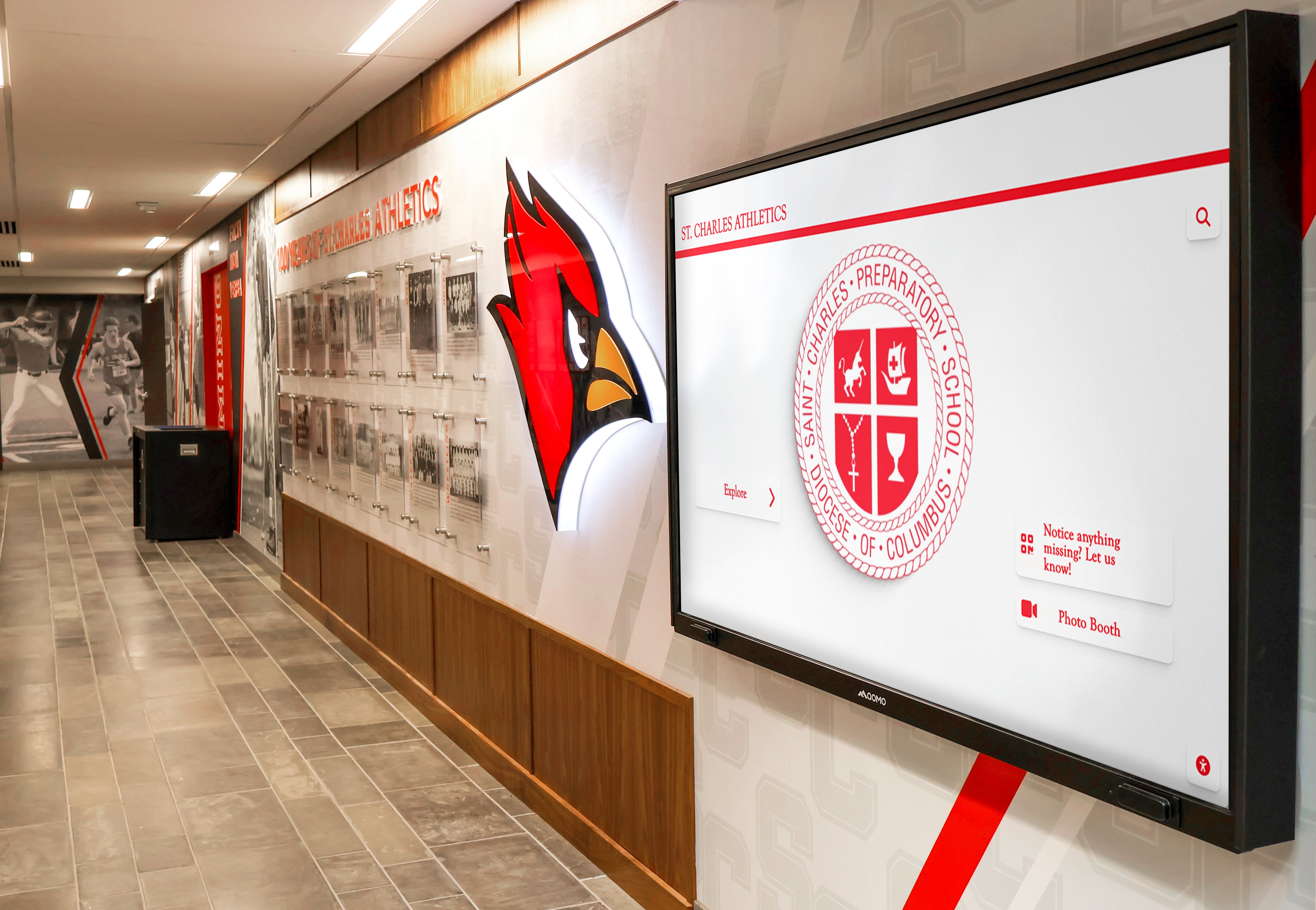
Modern solutions like Rocket Alumni Solutions enable cheer programs to extend banquet recognition beyond single events into permanent, engaging displays preserving athletic achievements across decades. Interactive digital platforms showcase award recipients, document program history, and create searchable archives ensuring recognition during banquets translates into lasting visibility honoring athletes’ dedication permanently.
Whether planning intimate youth program celebrations, large all-star banquets serving hundreds, or comprehensive school squad recognitions honoring multiple teams, the core mission remains constant—creating meaningful experiences where athletes feel genuinely celebrated for their contributions, families feel appreciated for their support, and programs build cultures where cheerleading excellence receives the honor it deserves.
Your cheerleaders invest countless hours perfecting skills, building trust with teammates, performing under pressure, and representing your program with spirit and excellence. Thoughtful banquets ensure these investments receive recognition creating memories that athletes and families treasure long after final performances conclude and graduation caps fly. Start planning your next celebration with intention, creativity, and commitment to honoring the athletic achievements that make your cheer program exceptional.
Ready to transform how your cheer program celebrates achievement? Explore comprehensive recognition solutions that honor athletic excellence while building program cultures where every athlete feels valued and accomplishments receive lasting documentation preserving your squad’s legacy for generations to come.