



Key Takeaways
Learn how to plan engaging career day events that inspire students through alumni success stories. Complete guide with speaker recruitment, scheduling strategies, and digital display integration.
Why Career Day Matters More Than Ever
In an era where students explore careers primarily through screens—watching influencers, researching job listings, and consuming social media content—face-to-face interactions with accomplished professionals provide irreplaceable value that digital research cannot replicate.
Bridging the Gap Between Education and Career Reality
Students frequently struggle to connect classroom learning with future career applications. Abstract subjects like mathematics, science, and humanities feel disconnected from real-world work when students lack concrete examples of how professionals actually use these skills daily.
Career day speakers transform these abstractions into tangible realities. When a biomedical engineer who graduated from the same school explains how calculus drives medical device design, or a marketing executive describes using data analysis for campaign optimization, academic subjects suddenly acquire practical meaning that motivates engagement and effort.
Research consistently demonstrates that students who interact with professionals in fields they’re considering show higher motivation, better academic performance in relevant subjects, and more realistic career planning compared to peers who rely solely on abstract career research.
Demonstrating That Success Starts Here
When successful professionals return to share their journeys, students encounter powerful proof that remarkable careers begin in the same classrooms they occupy. This validation—seeing someone who sat in the same desks, learned from similar teachers, and faced comparable challenges go on to achieve significant success—makes ambitious goals feel achievable rather than impossibly distant.
Alumni speakers provide living evidence that institutional education delivers real value. For students from underrepresented backgrounds or first-generation college families, seeing diverse alumni who share similar backgrounds achieve success creates crucial representation that shapes aspirations and belief in possibilities.
Creating Networking Foundations That Last Beyond One Day
Effective career day events initiate relationships that extend far beyond initial presentations. Students who connect with alumni speakers often maintain those relationships through email correspondence, mentorship arrangements, internship opportunities, informational interviews, and eventually job recommendations that shape entire career trajectories.
Schools that facilitate these ongoing connections through strategic alumni engagement programs create networks that benefit students for years while strengthening institutional community and increasing alumni investment in school success.
Strategic Planning: Building a Career Day Foundation
Successful career day events require months of thoughtful planning addressing goals, logistics, speaker recruitment, and student preparation. Last-minute approaches produce mediocre results, while strategic planning creates transformative experiences that students remember for years.
Defining Clear Event Goals and Success Metrics
Before scheduling speakers or booking venues, establish specific objectives that guide all subsequent decisions and enable meaningful evaluation of event success.
Common Career Day Objectives:
- Career Exploration: Expose students to diverse career paths they may not have previously considered, broadening awareness of professional possibilities beyond commonly known fields
- Industry Education: Provide detailed information about specific industries—typical career progressions, educational requirements, salary ranges, daily responsibilities, and workplace cultures
- Inspiration and Motivation: Demonstrate that success is achievable through compelling personal stories that motivate students to pursue ambitious goals and persist through challenges
- Practical Guidance: Deliver actionable advice about college selection, major choices, internship strategies, resume development, networking approaches, and job search tactics
- Networking Opportunities: Create environments where students can build relationships with professionals willing to serve as mentors, provide informational interviews, or facilitate internship opportunities
Measurable Success Indicators:
Track student attendance and engagement levels, post-event surveys measuring student satisfaction and learning, follow-up networking requests indicating genuine interest, increased enrollment in related academic programs or courses, and alumni speaker satisfaction and willingness to participate in future events.
Clear metrics enable data-driven improvements for subsequent events while demonstrating program value to administrators who allocate resources and support.
Choosing the Right Format for Your School
Career day formats vary significantly based on school size, resources, student age, and objectives. Selecting approaches aligned with your specific context maximizes engagement while managing logistics effectively.
Large-Group Presentations
Traditional auditorium presentations featuring keynote alumni speakers work well for school-wide inspiration, introducing career awareness to large student populations, and showcasing especially accomplished or compelling speakers whose stories merit full-school attention.
These formats maximize efficiency—reaching hundreds of students simultaneously—but limit interaction, making them most effective when combined with smaller follow-up sessions offering personal engagement opportunities.
Career Fair Model
Set up stations or booths where alumni representing different careers interact with students who rotate through areas of interest. This format provides significant flexibility—students self-select careers they want to explore—while enabling personal conversations impossible in large presentations.
Career fairs work particularly well for high schools where students have developed specific interests and benefit from detailed industry information. Manage logistics by creating rotation schedules preventing overcrowding while ensuring all students visit minimum numbers of stations.
Small-Group Sessions
Breaking students into smaller groups based on career interests enables focused, interactive discussions. Alumni present to 15-30 students in classroom settings, allowing time for detailed questions, personal stories, and meaningful dialogue.
This intimate format creates the strongest relationships and deepest learning but requires significant organizational effort coordinating multiple simultaneous sessions, securing adequate venues, and recruiting sufficient speakers to cover diverse career categories with appropriate student-to-speaker ratios.
Hybrid Approaches
Many schools find success combining formats—morning keynote presentations inspiring the full student body, followed by afternoon breakout sessions where students attend smaller group discussions in careers they’re exploring. Hybrid models balance efficiency with personalization while accommodating varied learning preferences.
Selecting Optimal Timing and Schedule Structure
Strategic timing significantly impacts attendance, speaker availability, and student engagement. Consider these factors when scheduling your career day event.
Time of Year Considerations:
Fall Events (October-November): Early academic year timing allows students to apply learning throughout the year when making course selections and exploring opportunities. Alumni often have more flexible schedules before holiday season commitments intensify.
Spring Events (February-April): Later timing benefits students who’ve developed clearer interests during the school year and are ready for more targeted guidance. Spring events also align well with end-of-year recognition programs that celebrate achievement alongside future planning.
Day of Week: Mid-week dates (Tuesday-Thursday) typically generate better attendance than Mondays or Fridays when students and speakers face scheduling conflicts. Avoid major test weeks, holidays, and conflicting school events.
Schedule Structures:
For full-day events, structure programming to maintain engagement: morning keynote inspiring the community (60-90 minutes), mid-morning break enabling informal networking (20-30 minutes), late morning breakout sessions providing focused exploration (45-60 minutes per session), lunch period facilitating continued networking in casual environment, and afternoon workshops offering practical skill-building or industry deep-dives.
Half-day condensed formats work well for younger students with shorter attention spans or when speaker availability limits programming options. Prioritize quality interactions over quantity—two meaningful sessions deliver more value than five superficial encounters.
Recruiting Alumni Speakers Who Inspire
The quality of your speaker roster directly determines career day impact. Recruiting engaging, diverse, accessible alumni requires systematic outreach and strategic selection.
Identifying and Reaching Potential Alumni Speakers
Start by mining existing alumni databases, seeking graduates working in industries aligning with student interests or representing diverse career paths worth exploring. Many schools maintain surprisingly limited contact information for alumni, making initial outreach challenging.
Effective Recruitment Channels:
Alumni Association Networks: Partner with formal alumni associations who maintain contact lists, communication channels, and existing engagement programs. These organizations often welcome opportunities to facilitate meaningful alumni-student connections.
Social Media Platforms: LinkedIn proves particularly valuable for identifying alumni by company, industry, and location. Search for graduates working in target fields, then reach out through professional messaging explaining the opportunity.
Faculty and Staff Connections: Teachers, counselors, and administrators often maintain personal relationships with former students who’ve achieved career success. These personal connections frequently yield higher acceptance rates than cold outreach.
Previous Event Participants: Alumni who previously spoke often willingly return and can recommend accomplished classmates or professional colleagues who might participate.
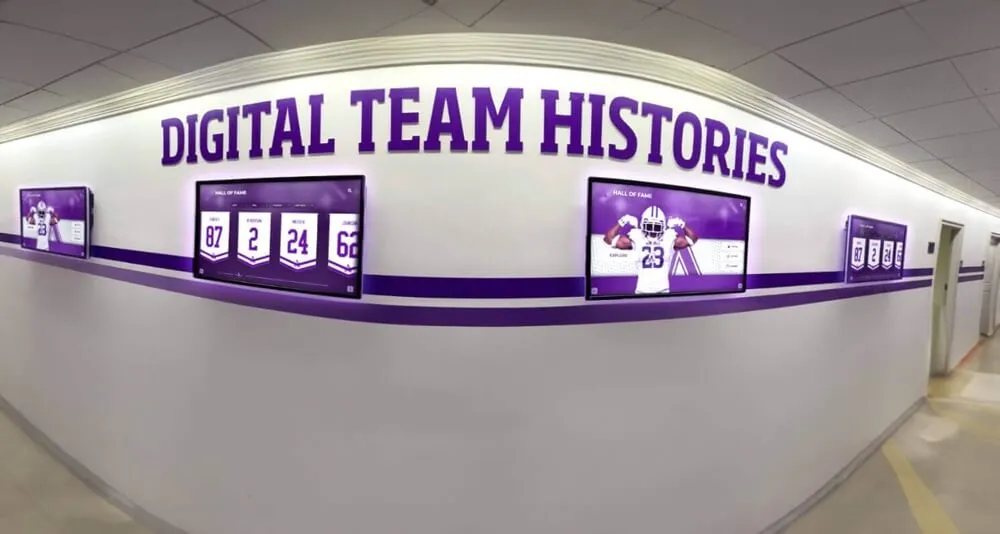
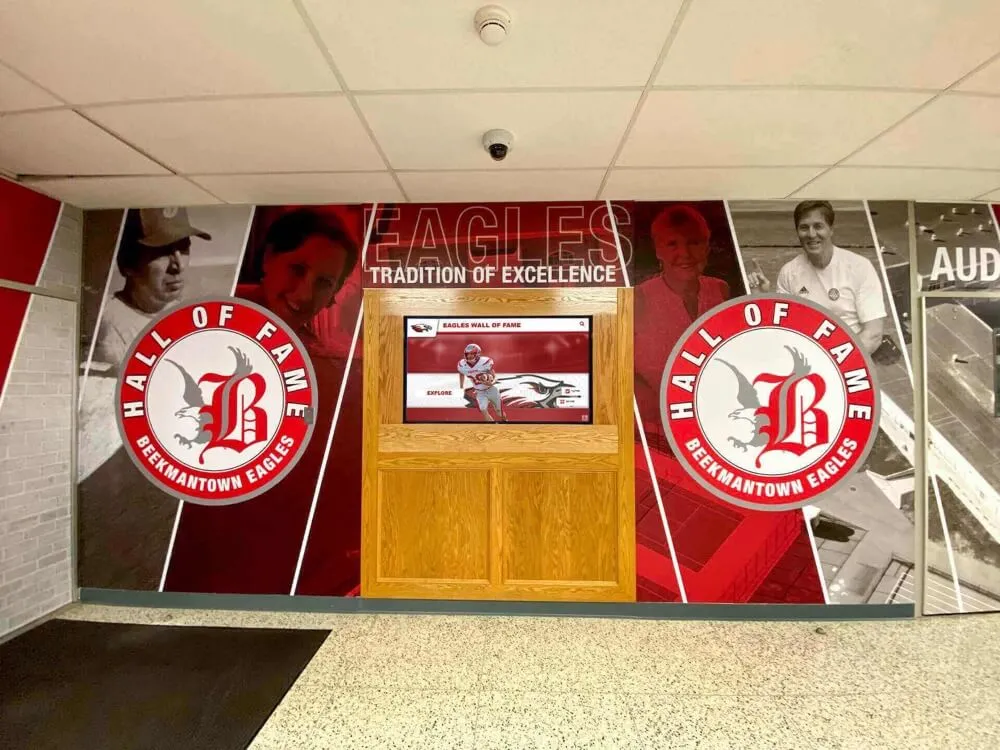
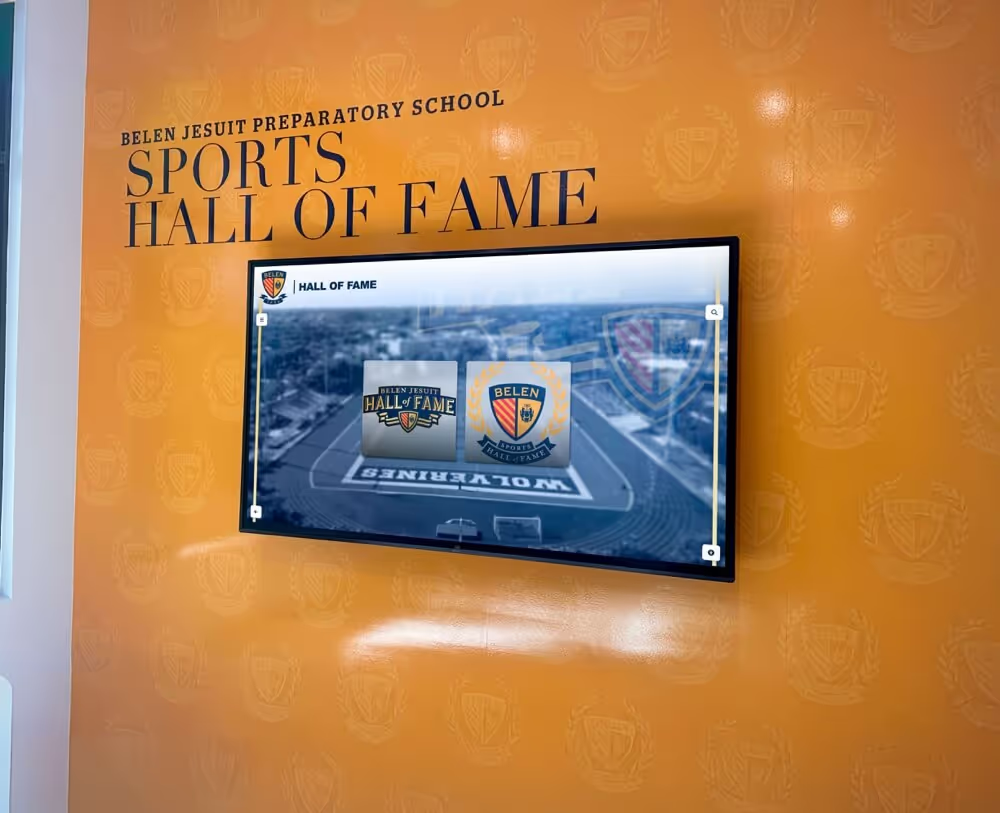
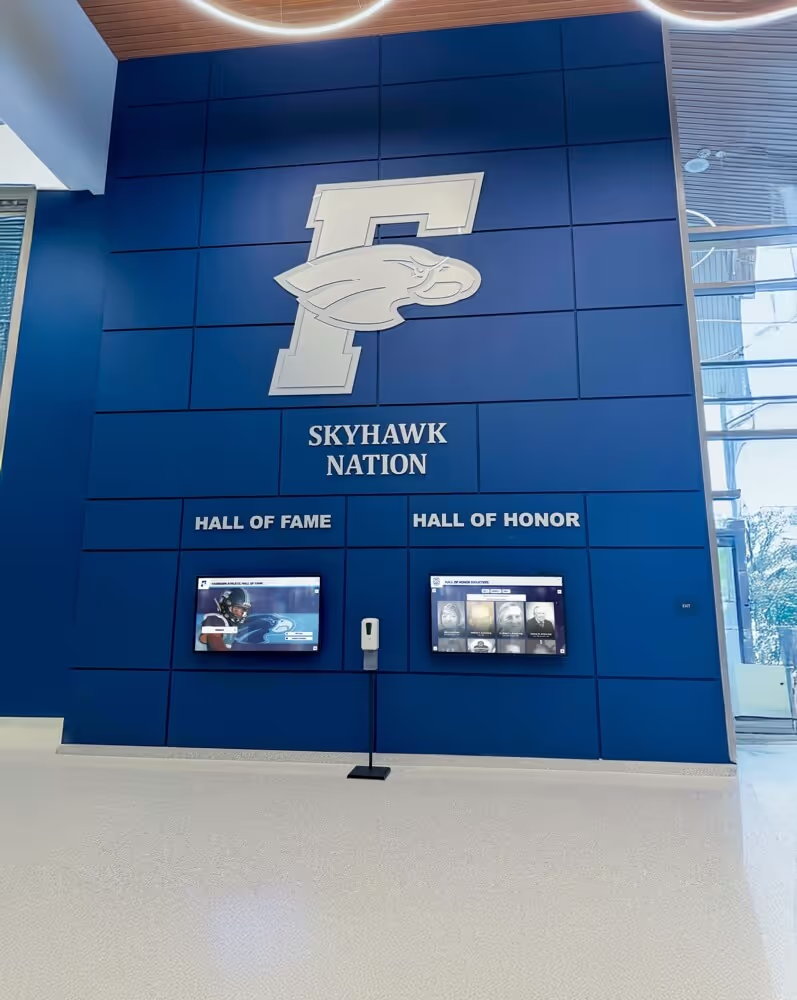
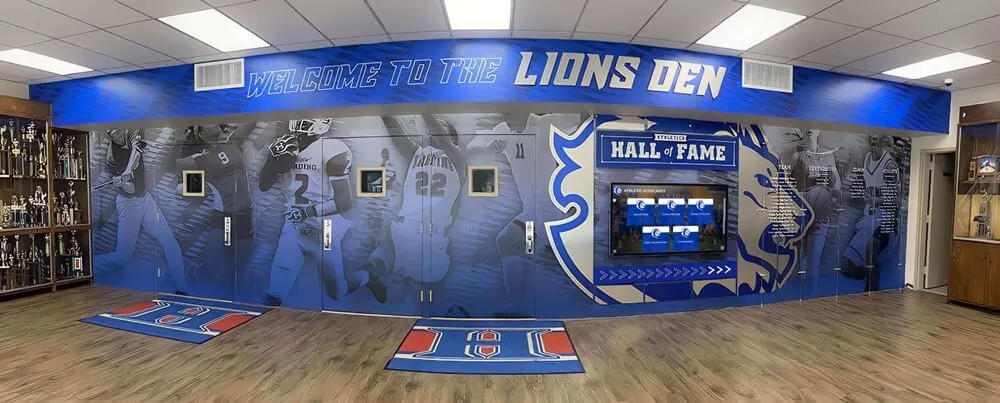
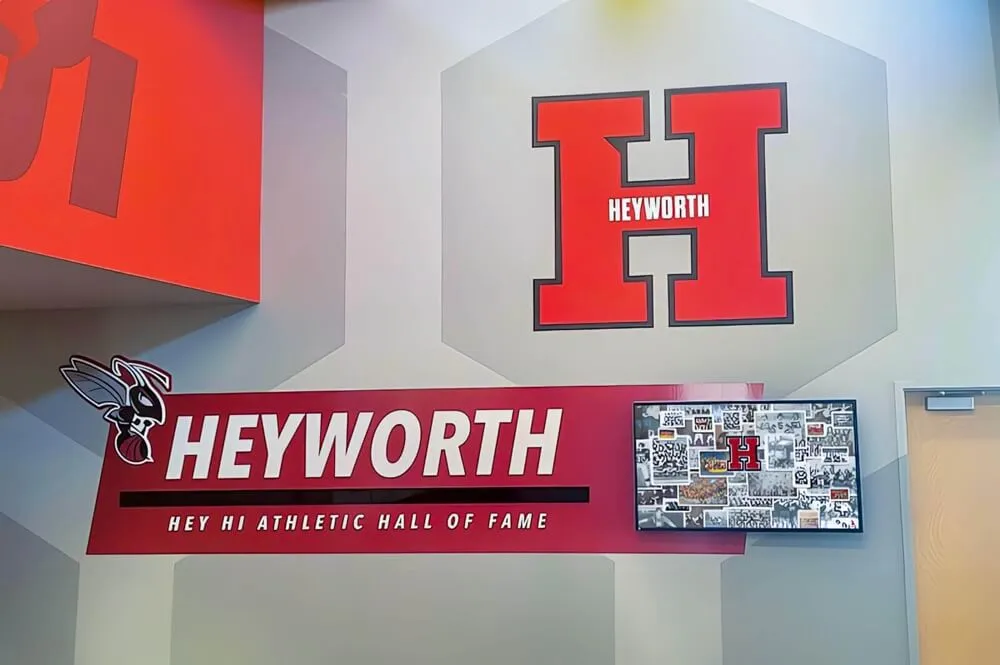
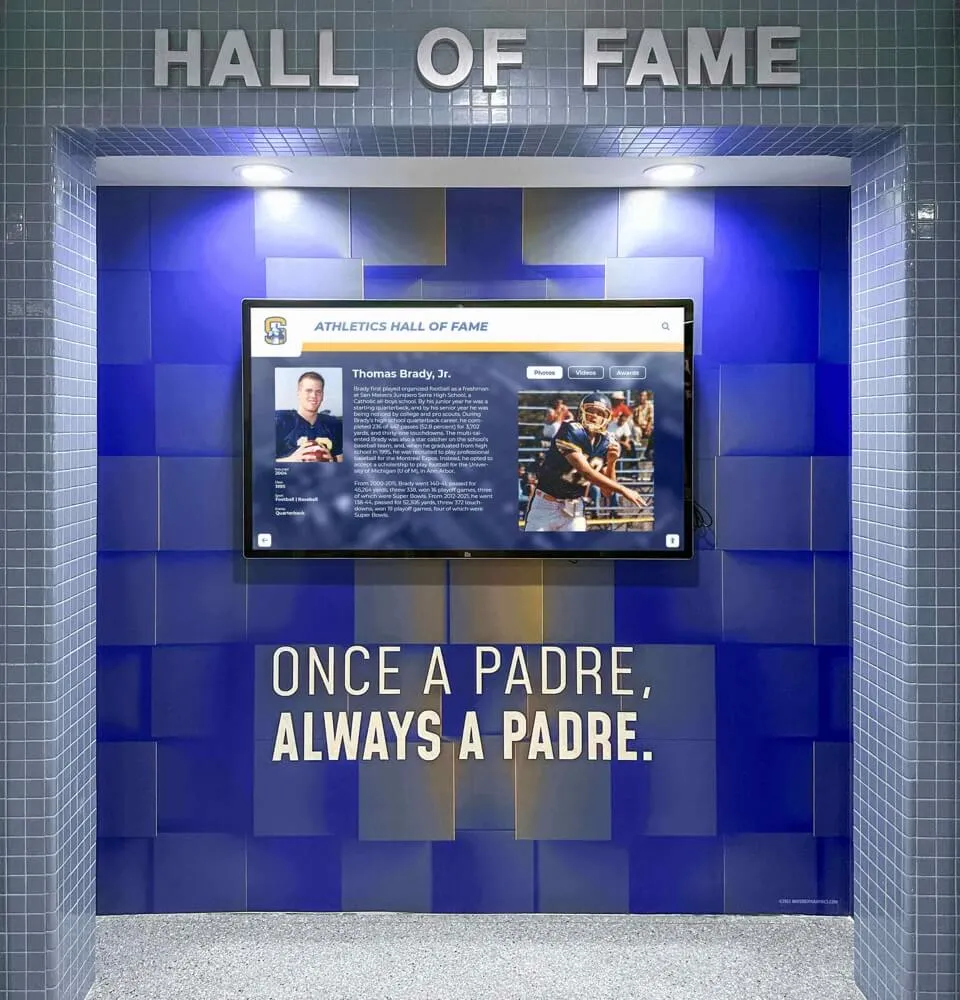
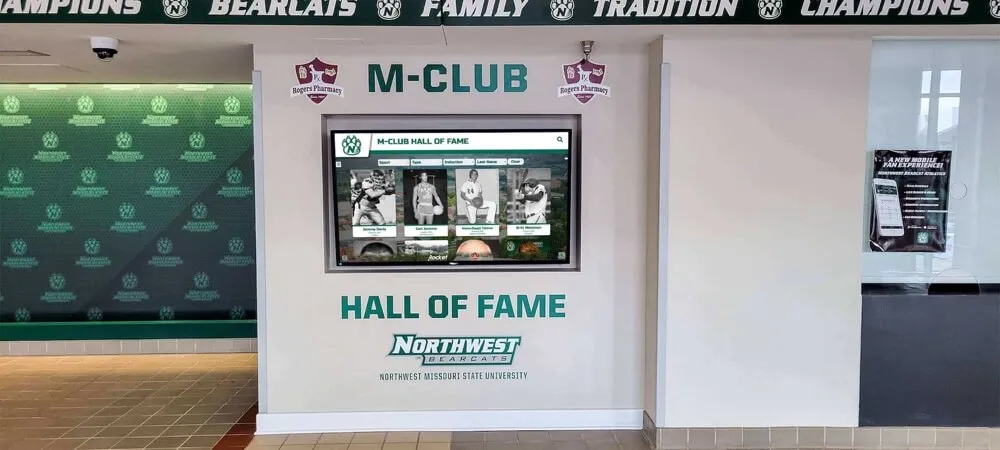
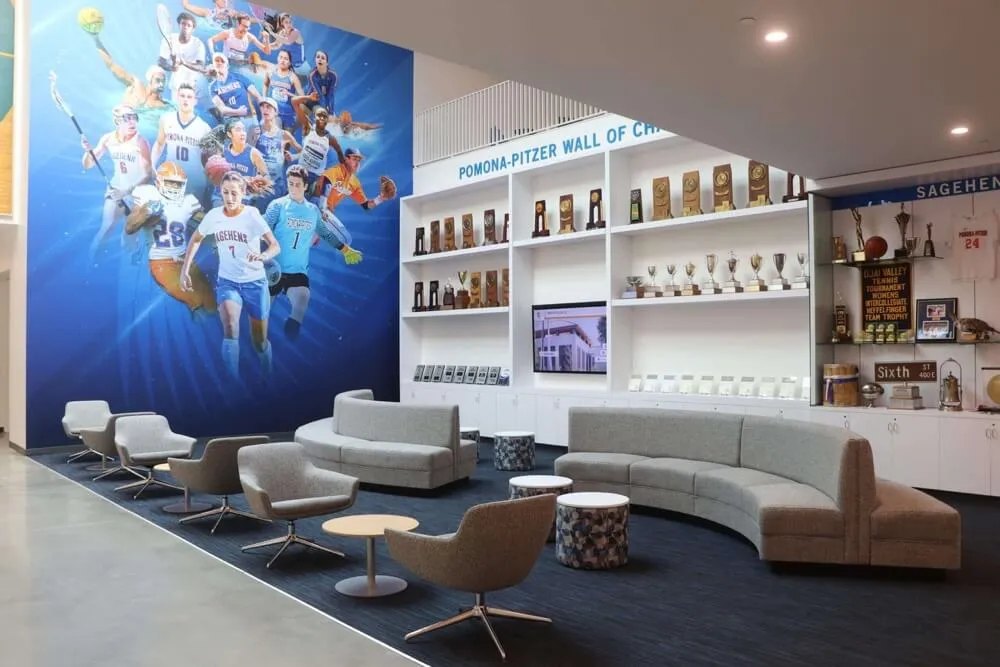
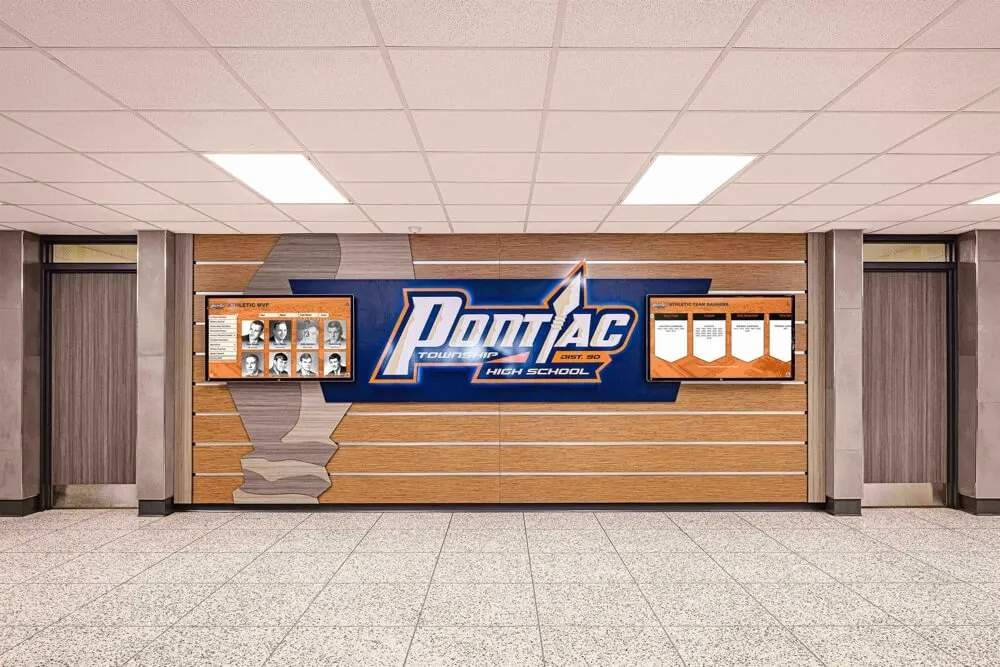
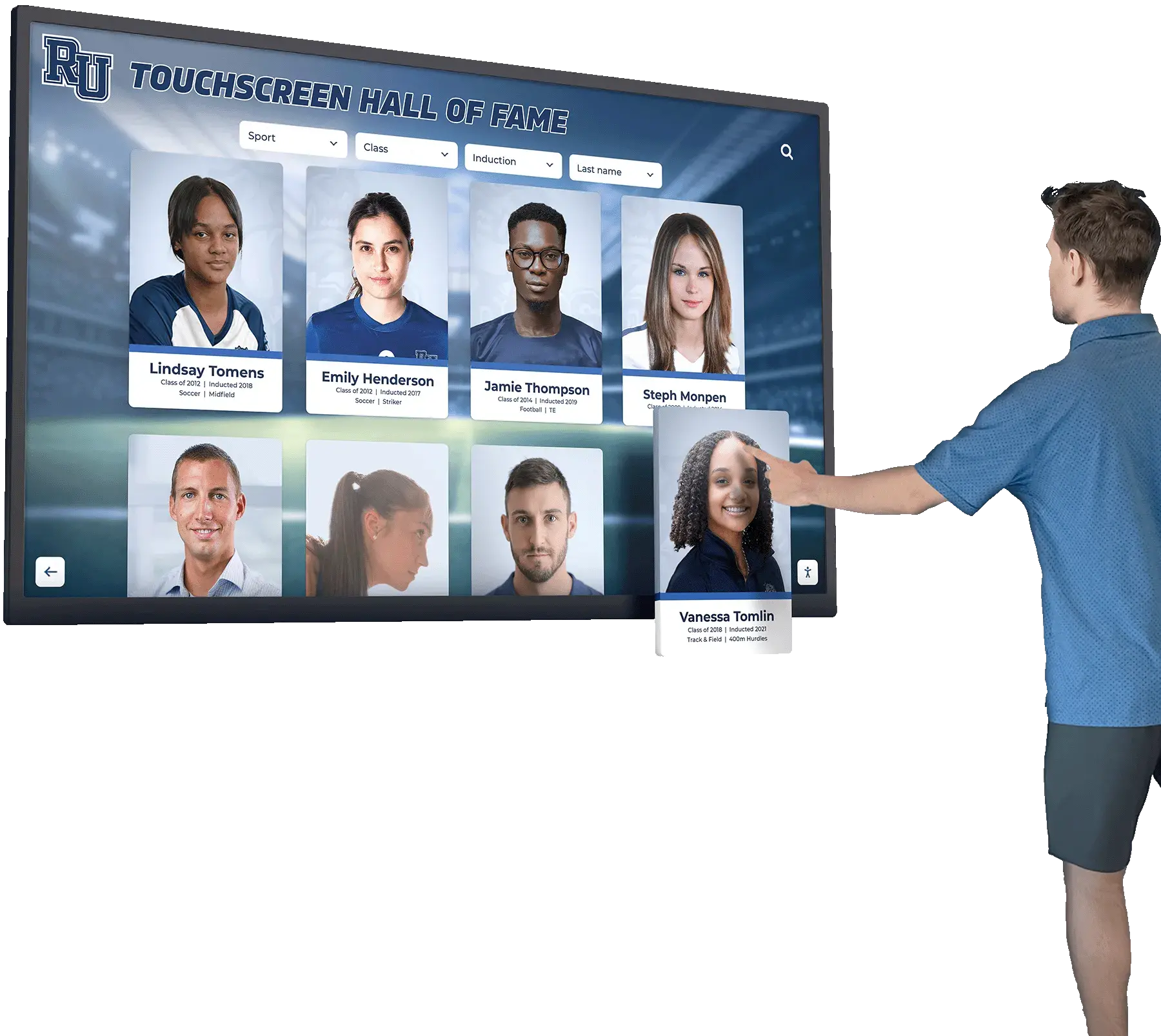
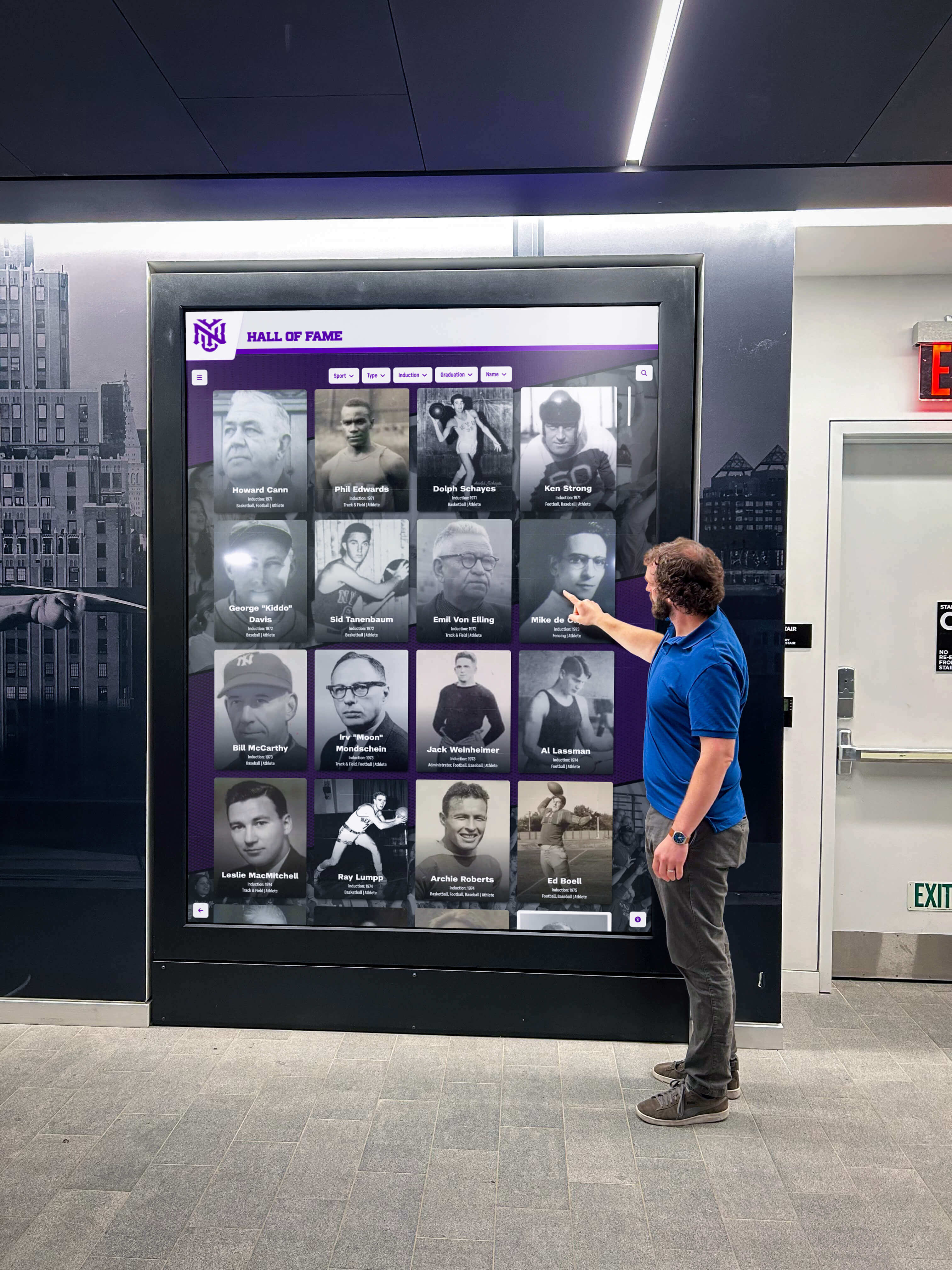
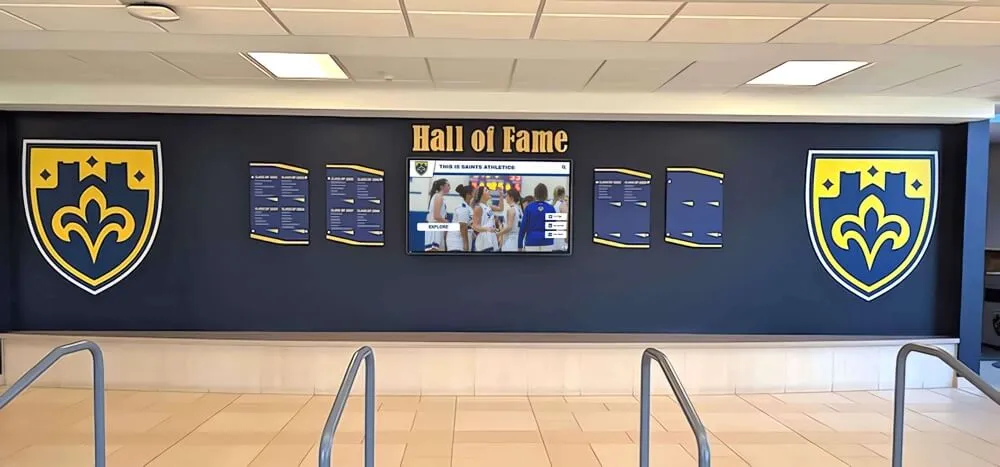
Digital Recognition Platforms: Schools using digital hall of fame displays already showcase distinguished alumni with contact information readily accessible, creating efficient speaker recruitment pipelines from existing recognition programs.
Crafting Effective Speaker Invitations
Thoughtful invitations significantly impact acceptance rates. Busy professionals receive numerous requests for their time—compelling invitations clearly communicate value while demonstrating respect for their contributions.
Key Invitation Elements:
- Clear Event Description: Explain career day format, timing, expected commitment, and student audience clearly so alumni can make informed decisions
- Personal Connection: Reference shared institutional experiences, specific achievements that make them ideal speakers, or mutual connections who suggested their participation
- Impact Statement: Articulate how their participation benefits students while honoring their achievements and contributions to their fields
- Logistical Clarity: Specify dates, time commitment, location, technical support provided, and any compensation or travel reimbursement offered
- Flexible Options: Offer various participation levels—keynote presentations, small group sessions, panel participation, or virtual appearances—accommodating different comfort levels and availability
Sample Invitation Language:
“Dear [Name], as a distinguished [Class Year] graduate who has achieved remarkable success in [Industry/Field], you represent exactly the type of inspiring role model our students need to see. We’re hosting our annual Career Day on [Date] and would be honored if you could share your journey with students exploring careers in [Field]. Whether you can present to a large group, lead a small discussion session, or participate on a career panel, your insights would provide invaluable guidance. We’ll support you completely—providing talking points, managing all logistics, and ensuring your time with students creates maximum impact with minimal burden.”
Ensuring Speaker Diversity Across Multiple Dimensions
Strategic diversity ensures all students see themselves reflected in speaker rosters while exposing everyone to career paths and perspectives they might not otherwise encounter.
Diversity Considerations:
Industry Variety: Include traditional professions (medicine, law, education) alongside emerging fields (technology, sustainability, data science), creative careers (design, media, arts), trades and technical fields, entrepreneurship and business ownership, and public service and nonprofit sectors.
Career Stage Representation: Balance established leaders who’ve achieved senior positions with recent graduates navigating early career years and mid-career professionals at pivotal advancement points. Different stages offer complementary lessons—recent graduates relate to current student experiences while veterans provide long-term perspective.
Demographic Diversity: Intentionally recruit speakers representing varied genders, racial and ethnic backgrounds, socioeconomic origins, geographic regions, and life experiences. When students see successful professionals who share their backgrounds, limiting beliefs about who belongs in certain careers begin dissolving.
Educational Path Diversity: Include four-year college graduates alongside community college transfers, graduate degree holders, trade school graduates, and successful professionals who entered careers through non-traditional education paths. This variety demonstrates multiple valid routes to career success.
Preparing Students to Maximize Career Day Value
Student preparation dramatically influences event effectiveness. Well-prepared students engage more actively, ask better questions, and extract maximum value from limited speaker time.
Pre-Event Career Exploration Activities
Help students identify interests and develop informed questions before career day through structured classroom activities.
Career Interest Assessments: Administer interest inventories helping students identify careers aligning with their strengths, values, and preferences. Free tools like career aptitude surveys provide starting points for exploration.
Industry Research Assignments: Ask students to research 2-3 careers they’re considering, investigating educational requirements, typical salaries, growth projections, and daily responsibilities. This background knowledge enables more sophisticated questions during speaker sessions.
Question Development Workshops: Dedicate class time to helping students craft thoughtful questions moving beyond surface-level inquiries to substantive topics about career challenges, educational preparation, industry trends, and professional development.
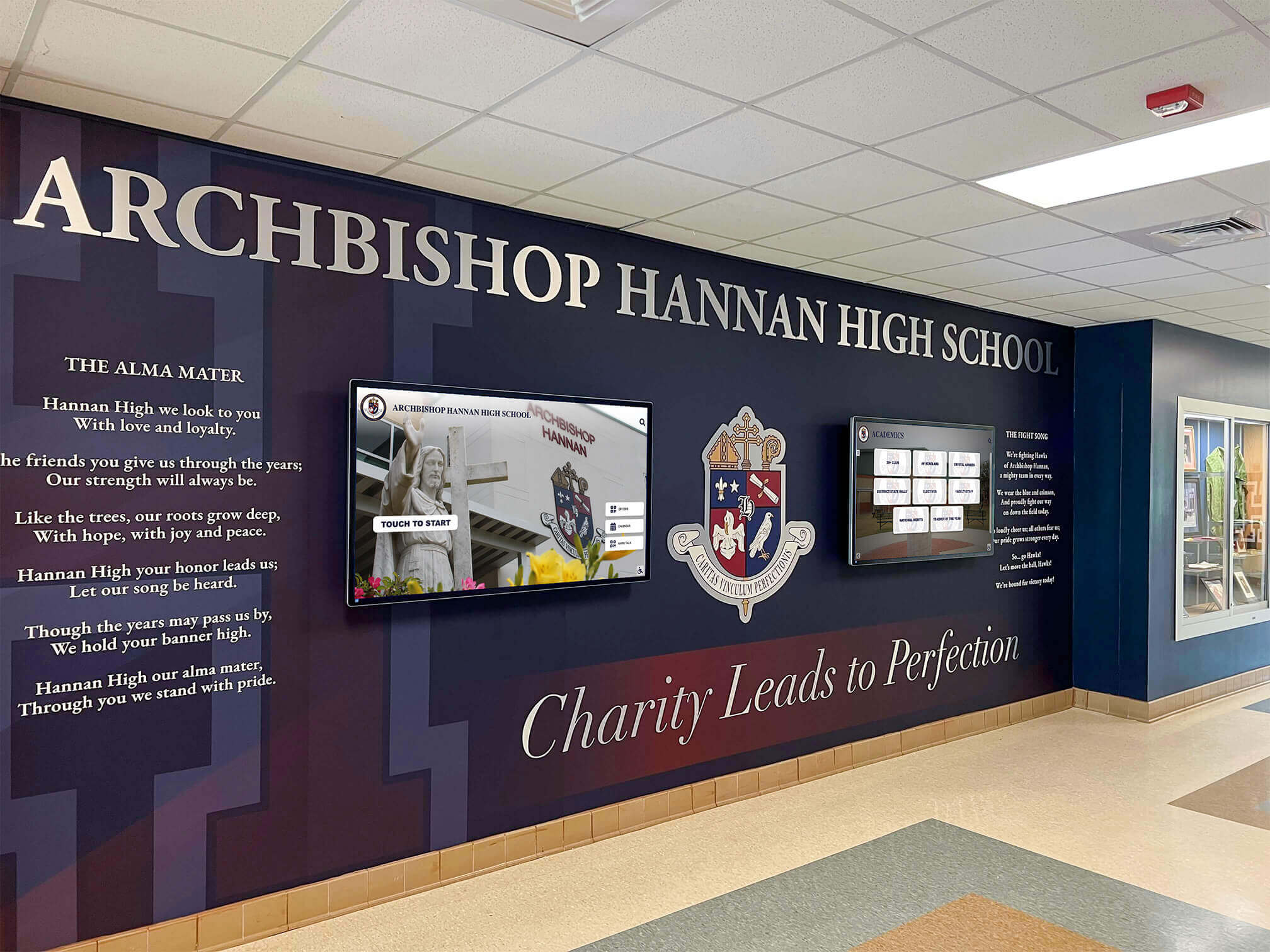
Alumni Profile Review: If your school maintains digital alumni recognition displays or online databases, have students explore profiles of career day speakers, learning about their achievements and preparing personalized questions demonstrating genuine interest.
Setting Clear Expectations and Professional Behavior Guidelines
Many students lack experience interacting professionally with accomplished adults. Explicit instruction about appropriate behavior ensures positive experiences for speakers and students alike.
Professional Etiquette Training:
- Active listening without device distractions demonstrates respect for speakers’ time and expertise
- Thoughtful questions showing genuine curiosity rather than simply filling silence
- Appropriate body language—maintaining eye contact, sitting attentively, avoiding side conversations
- Gratitude expression through thank-you notes or emails following presentations
- Business card exchange etiquette and LinkedIn connection requests for students old enough for professional networking platforms
Consider hosting recognition programs celebrating students who demonstrate exceptional professionalism during career day, incentivizing engagement while teaching workplace soft skills.
Creating Individual Career Day Action Plans
Help students set specific goals for what they want to learn and accomplish during career day, transforming passive attendance into active learning experience.
Action Plan Components:
- Three careers to explore in depth during breakout sessions
- Five specific questions to ask speakers based on personal interests
- Two professionals to request follow-up informational interviews
- One new career path to research that wasn’t previously on their radar
- Post-event reflection capturing key insights and next steps
Students with clear plans engage more purposefully while gaining practice setting goals and pursuing them systematically—valuable metacognitive skills transcending career day itself.
Executing Seamless Career Day Logistics
Thoughtful logistics management ensures events run smoothly, allowing students and speakers to focus on meaningful interactions rather than organizational chaos.
Venue Selection and Setup Strategies
Choose spaces appropriate for your format while creating professional environments that honor speakers and encourage engagement.
Large Presentation Venues:
Ensure adequate seating for expected attendance with clear sightlines to presentation areas, quality audiovisual equipment tested thoroughly before events, appropriate acoustics enabling speakers to be heard clearly without strain, and climate control maintaining comfortable temperatures throughout sessions.
Breakout Session Spaces:
Secure sufficient rooms for all concurrent sessions with consistent setup creating professional atmosphere, clear directional signage helping students navigate between locations, adequate technology in each space, and appropriate room capacities preventing overcrowding or excessive empty space.
Common Areas for Networking:
Designate spaces where informal networking can occur during breaks—hallways, cafeterias, or outdoor areas depending on weather. Provide refreshments creating casual atmosphere conducive to conversation while giving students and speakers natural icebreakers.
Managing Technology and Audiovisual Needs
Technical failures undermine even excellent content. Comprehensive preparation prevents embarrassing difficulties.
Essential Technical Checklist:
- Test all presentation equipment days before event, not morning-of
- Provide speakers with technical specifications and support contact information in advance
- Designate technical support staff available throughout event to troubleshoot issues quickly
- Prepare backup options—if main projector fails, can session move to alternate room or shift to discussion format?
- Ensure reliable wifi connectivity for speakers showing video content or accessing cloud-based presentations
- Have backup adapters, cables, and dongles accommodating various device types
Digital Display Integration:
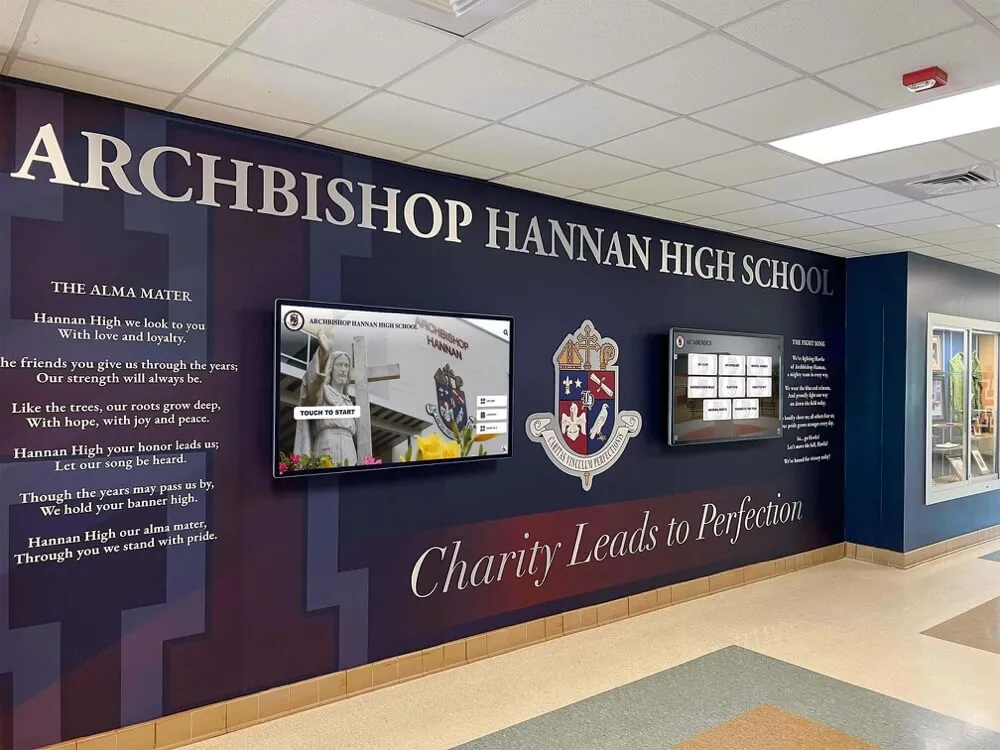
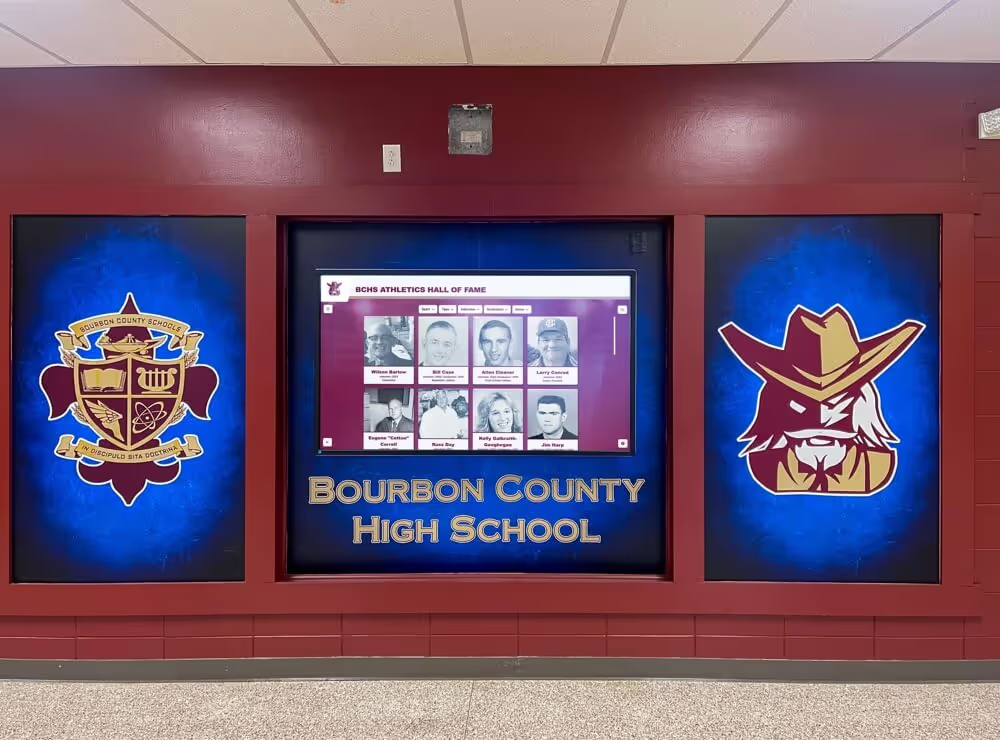
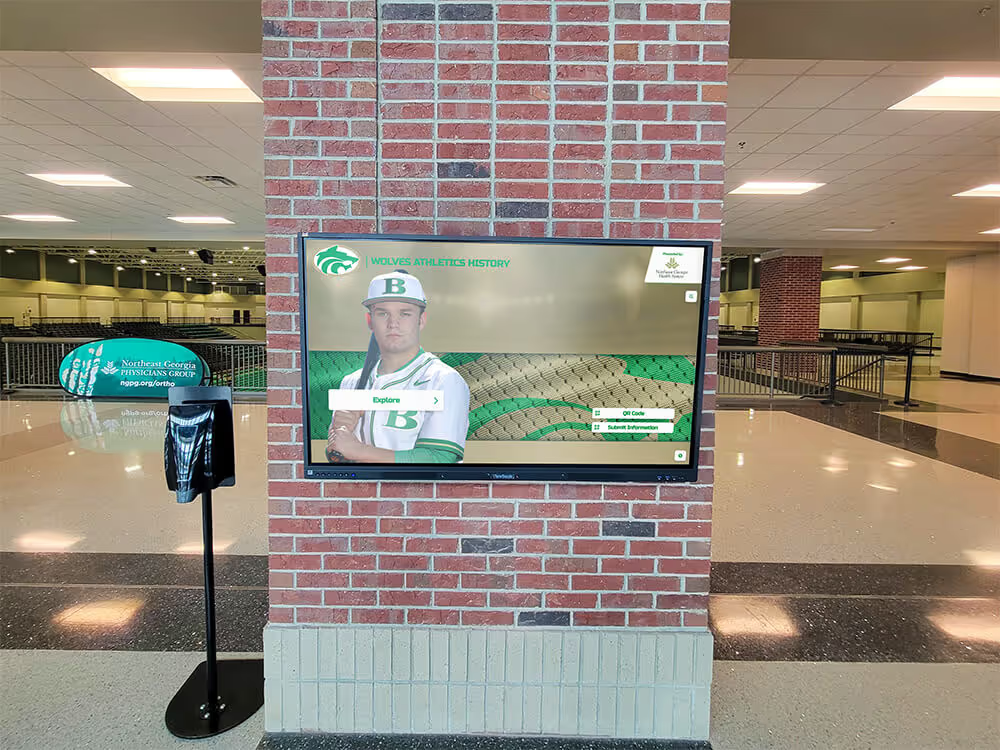
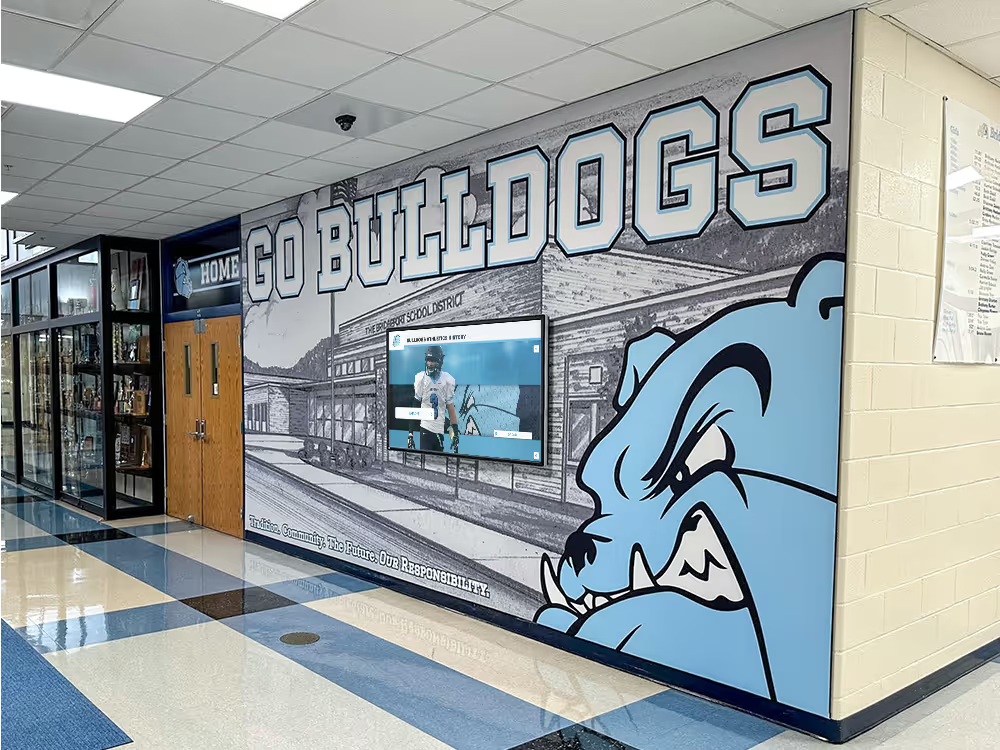
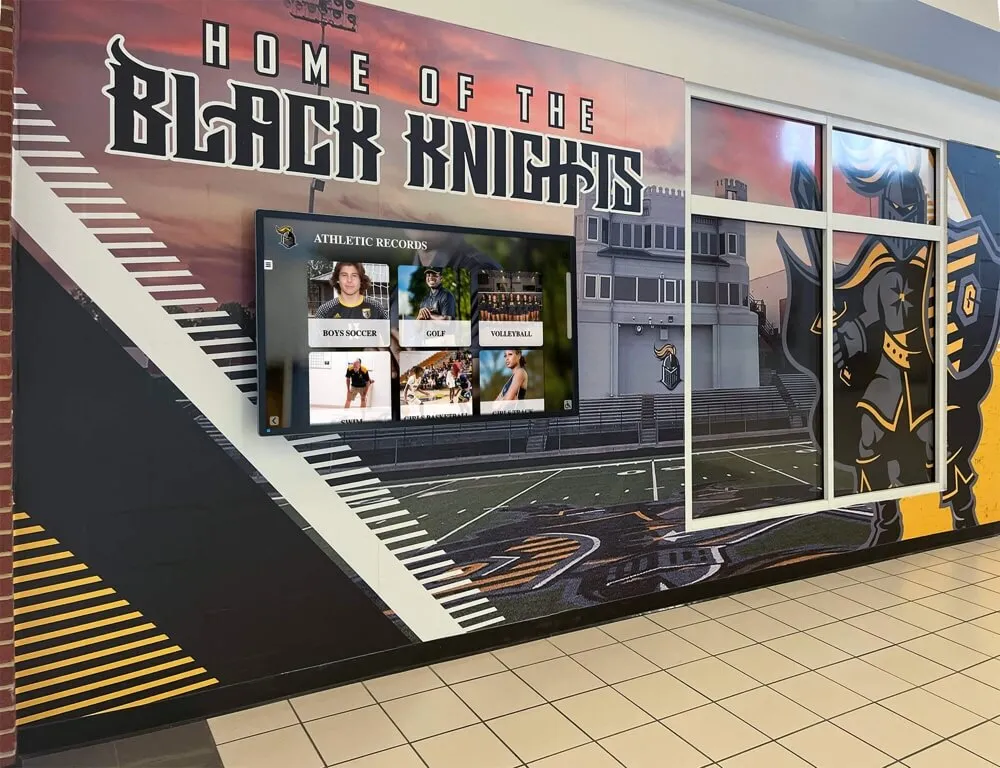
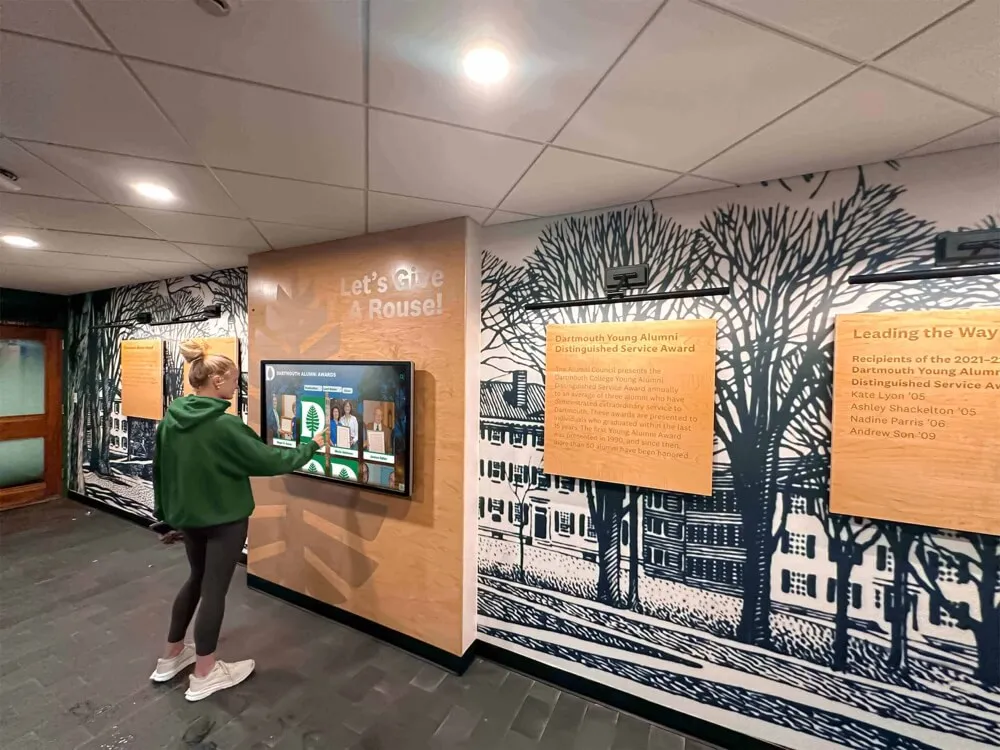
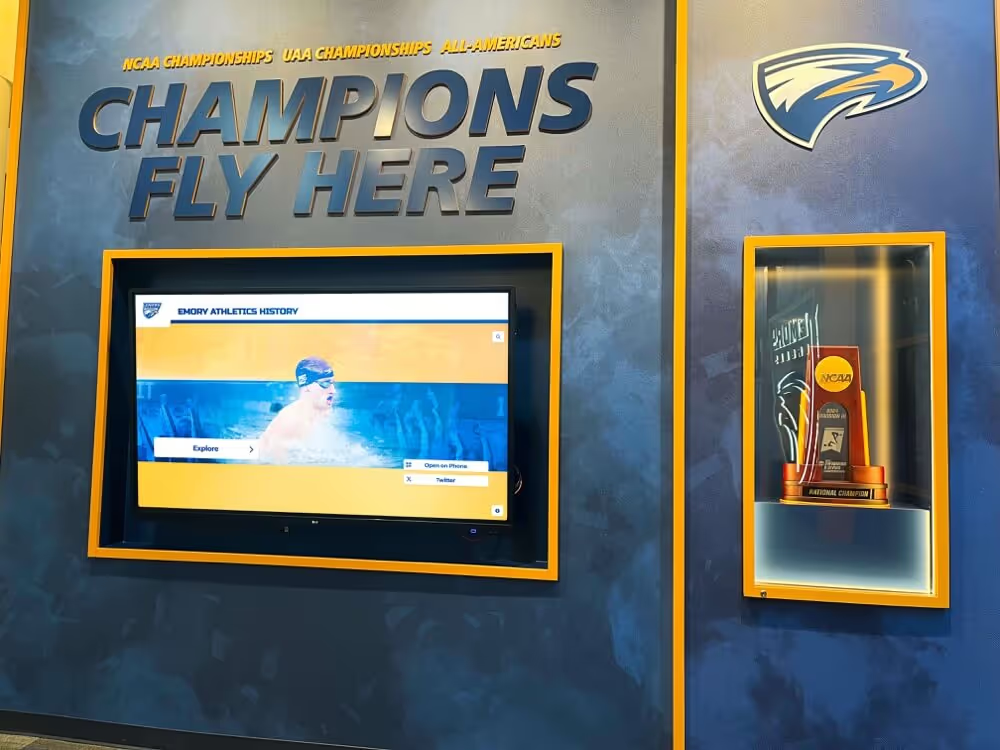
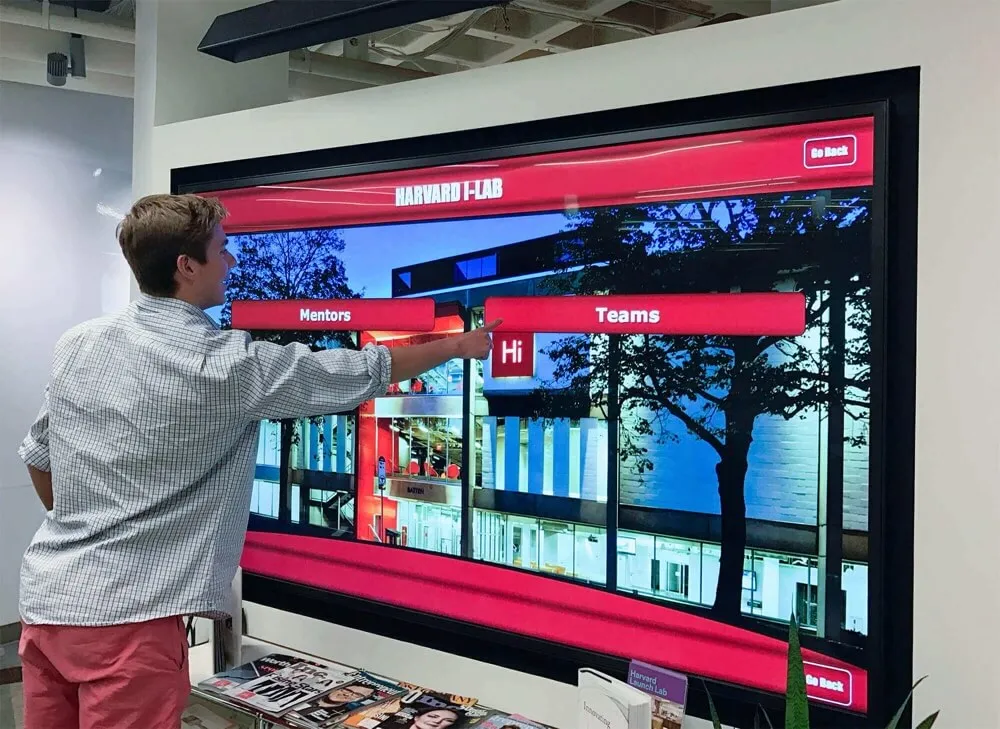
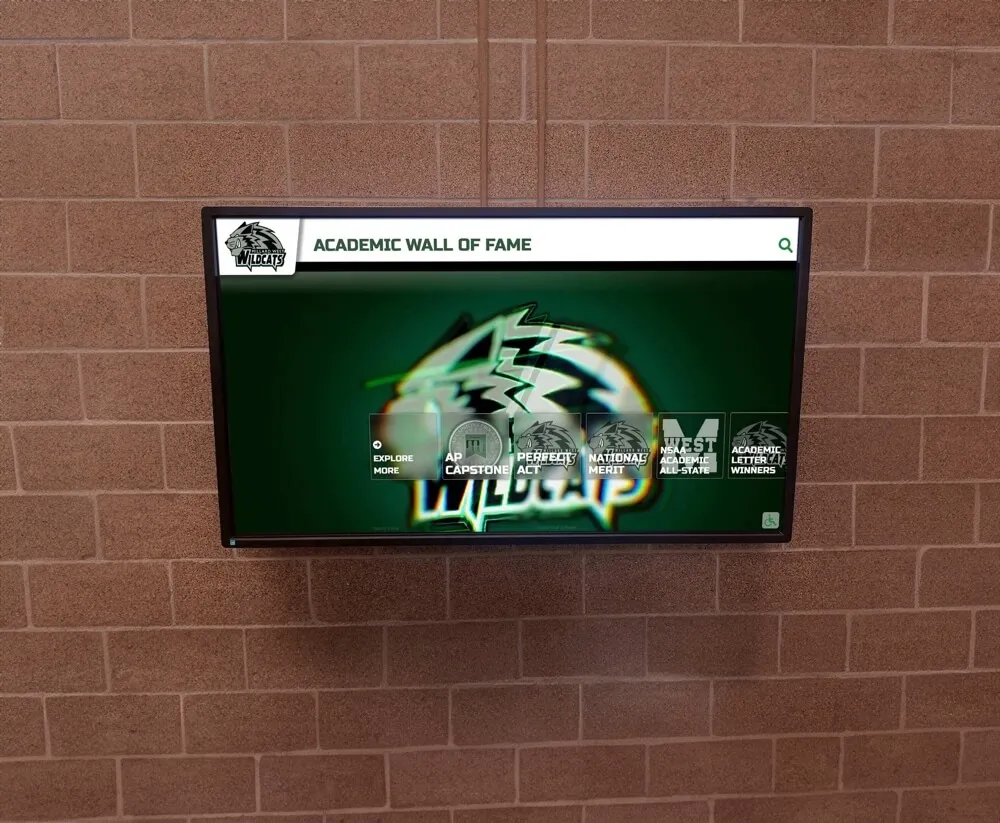
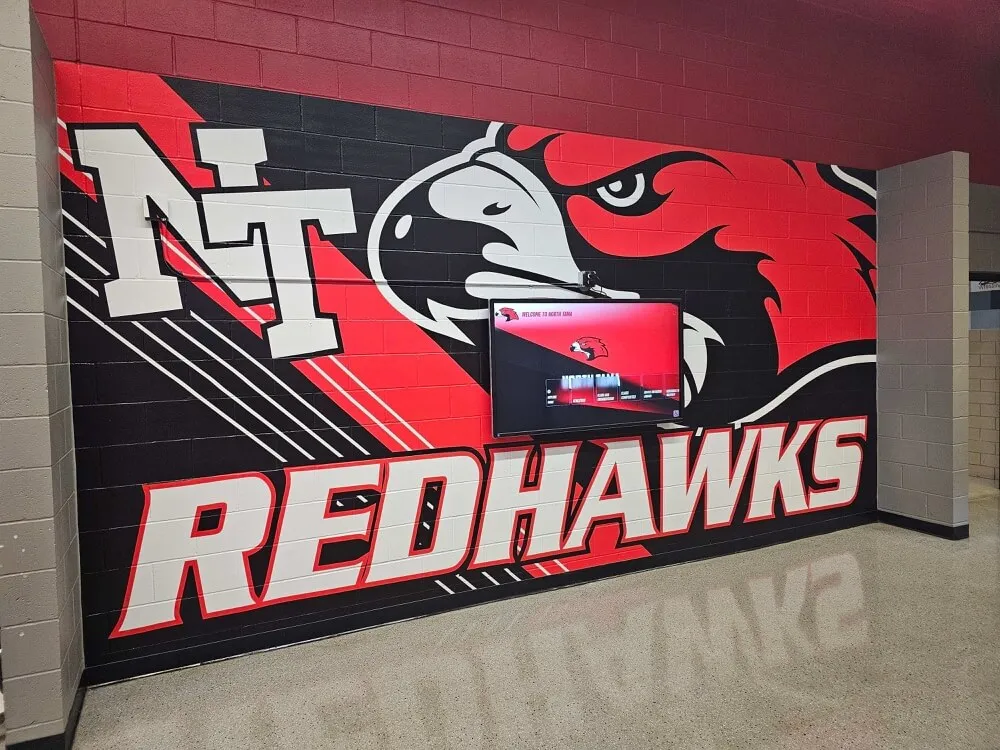
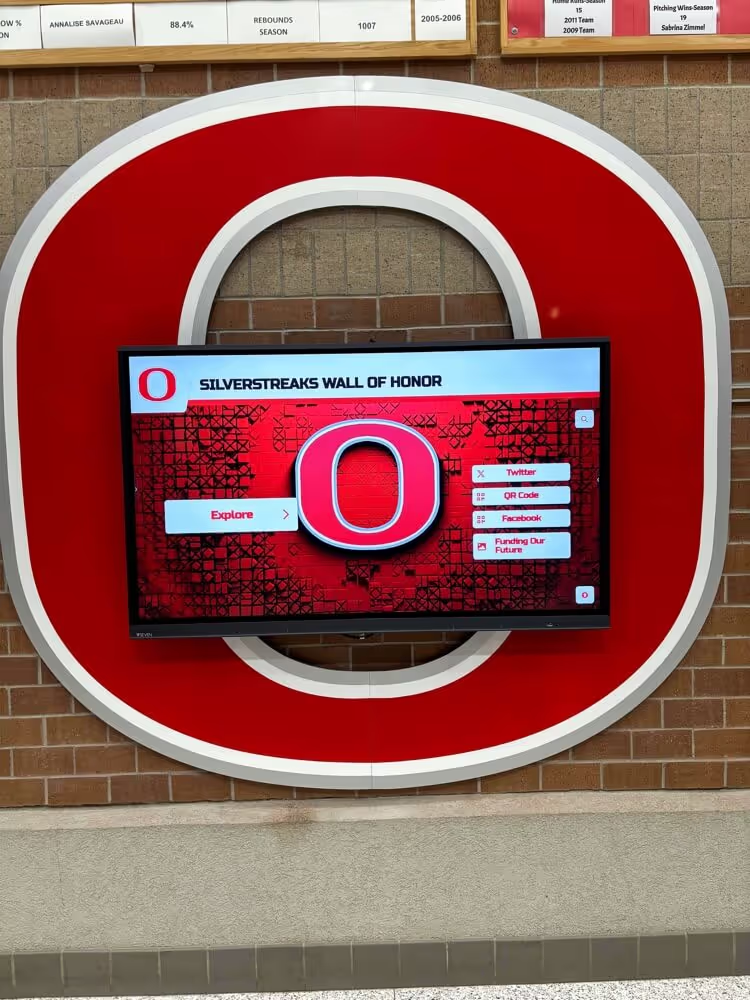
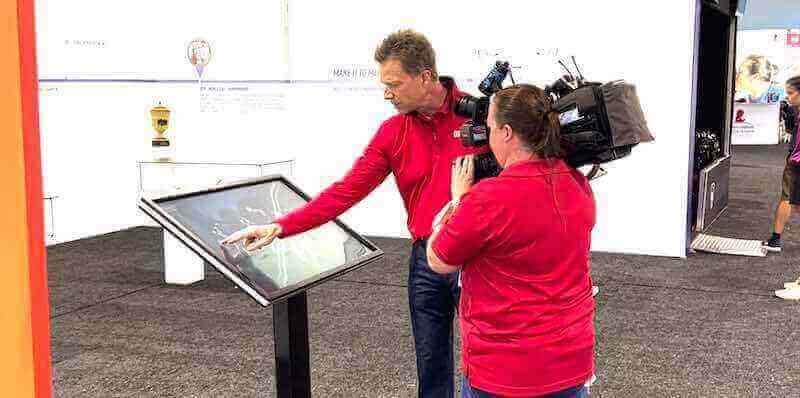
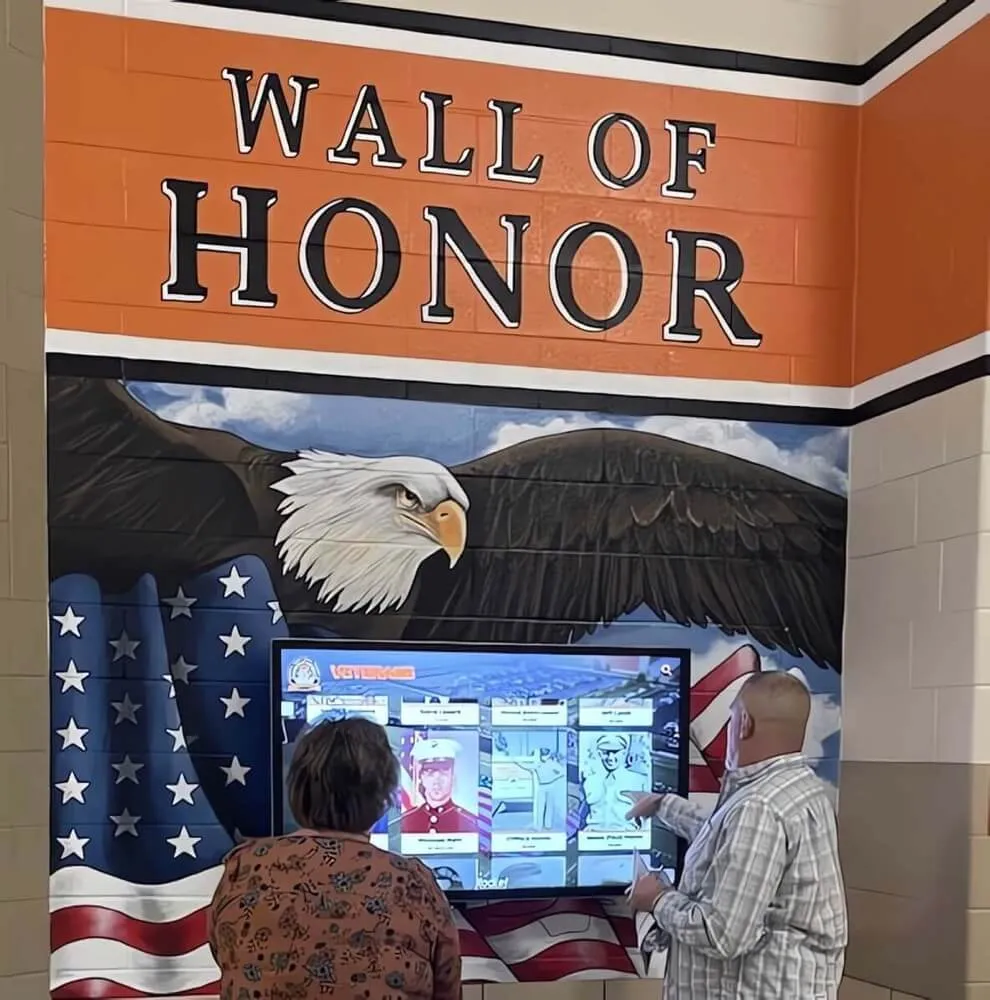
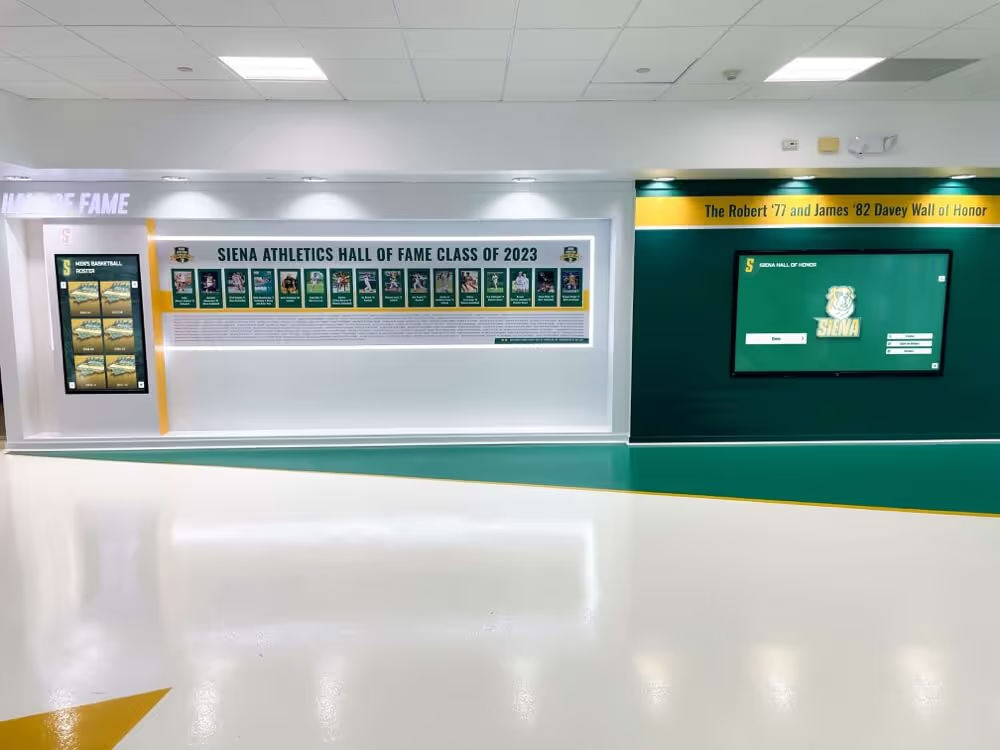
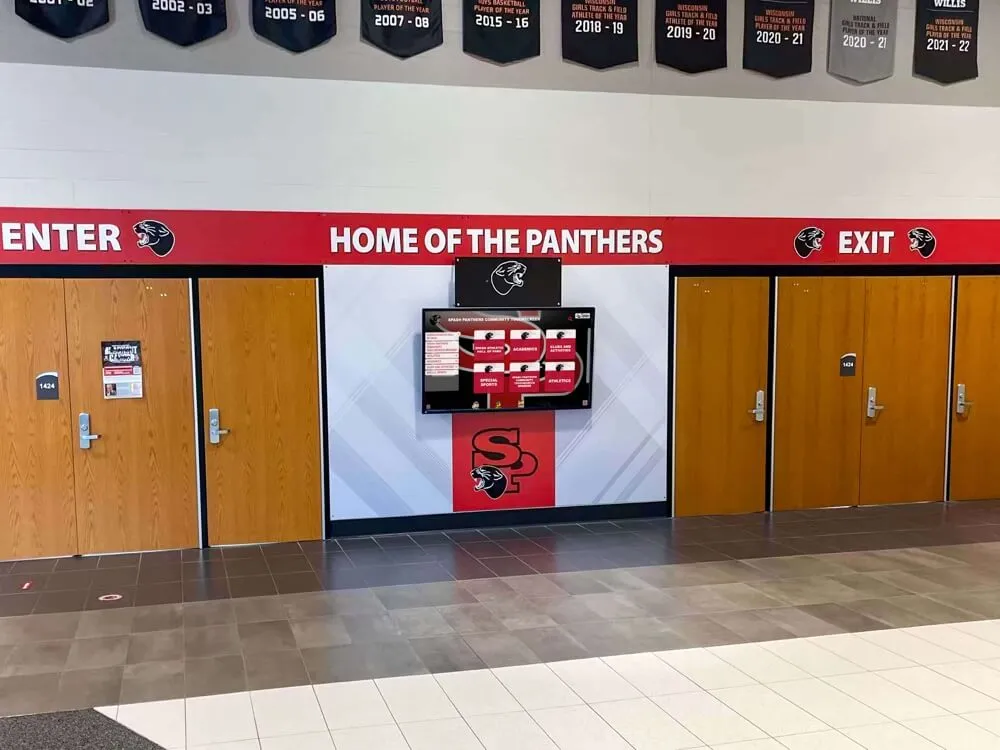
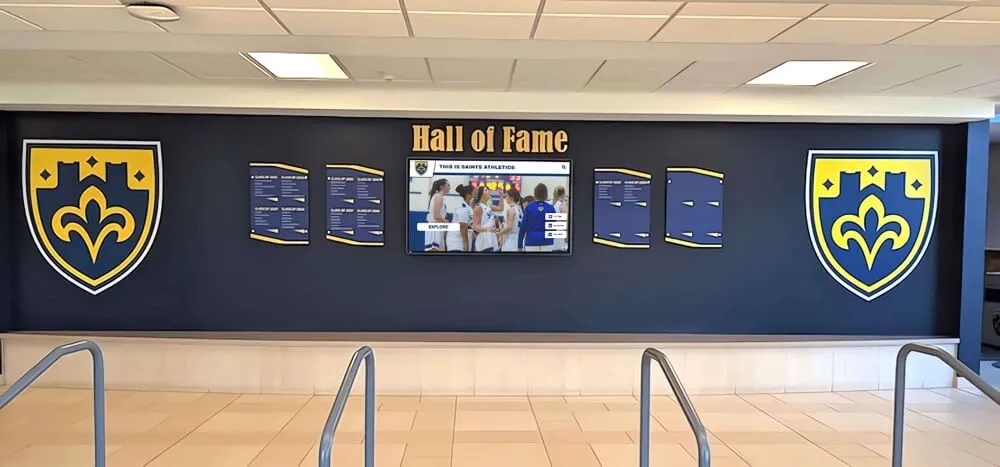
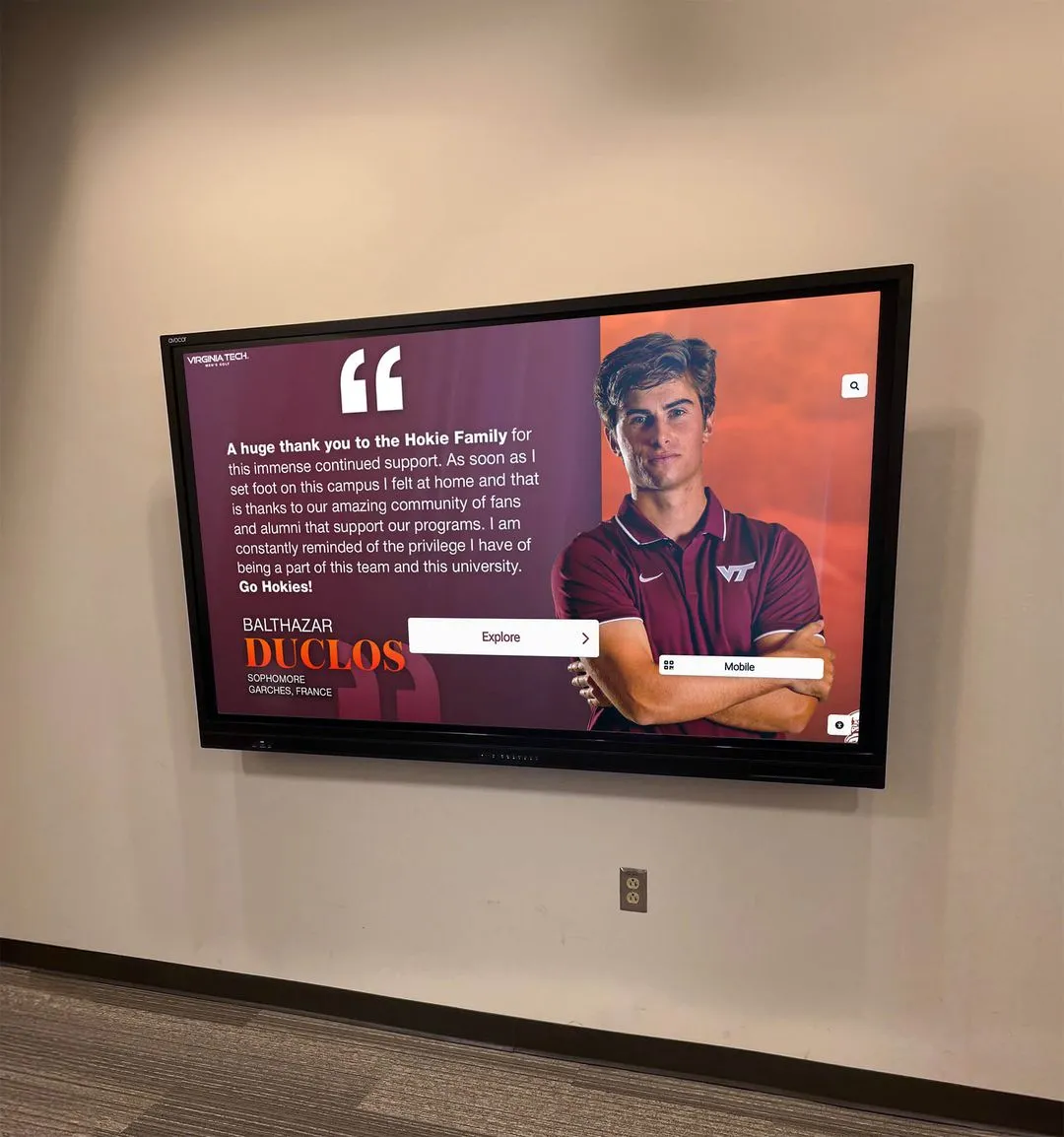
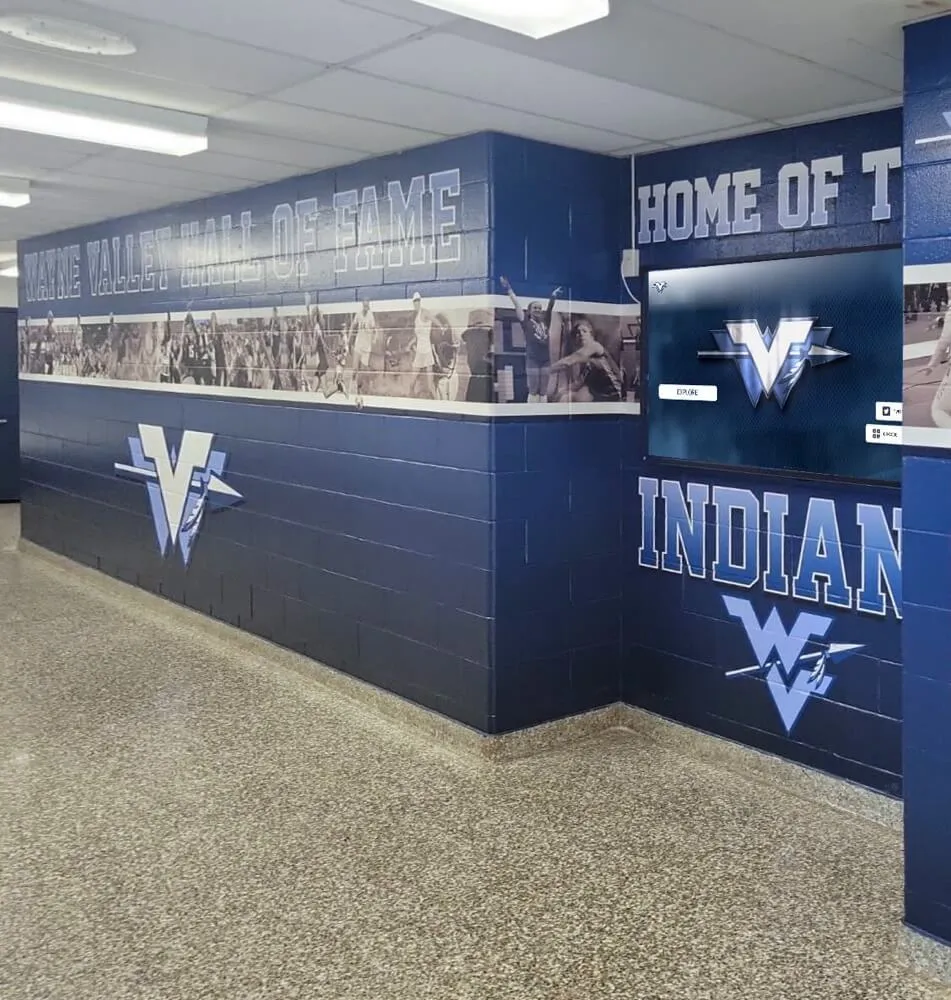
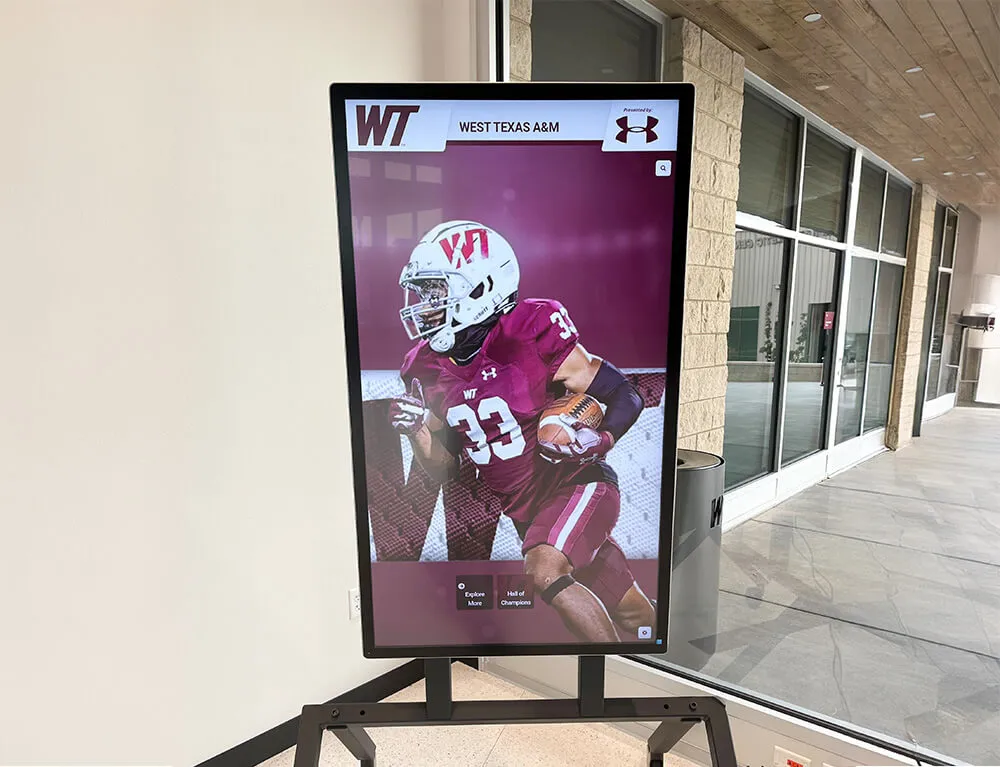
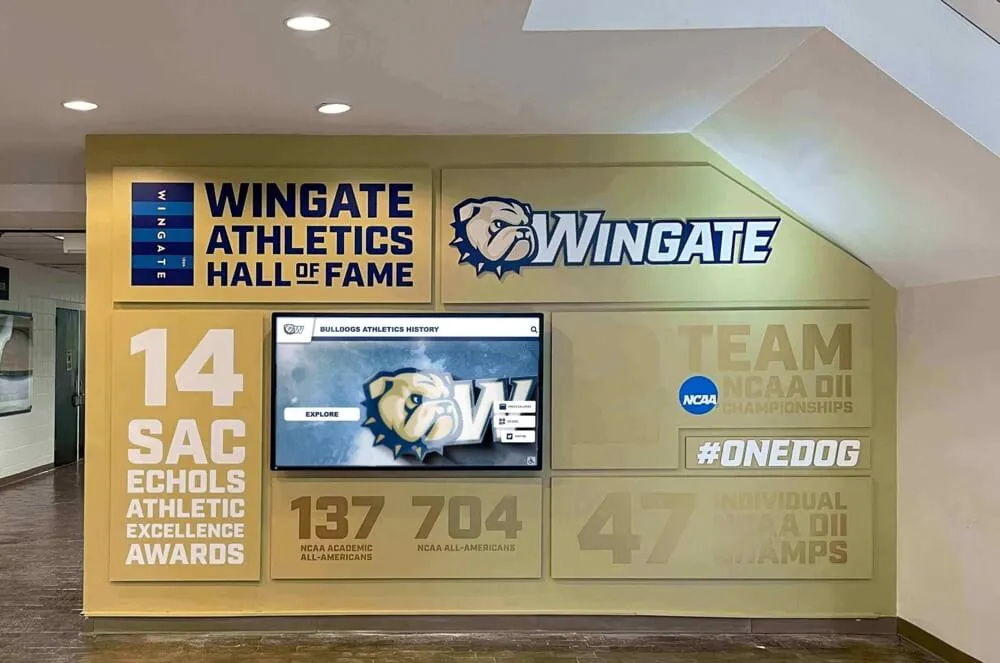
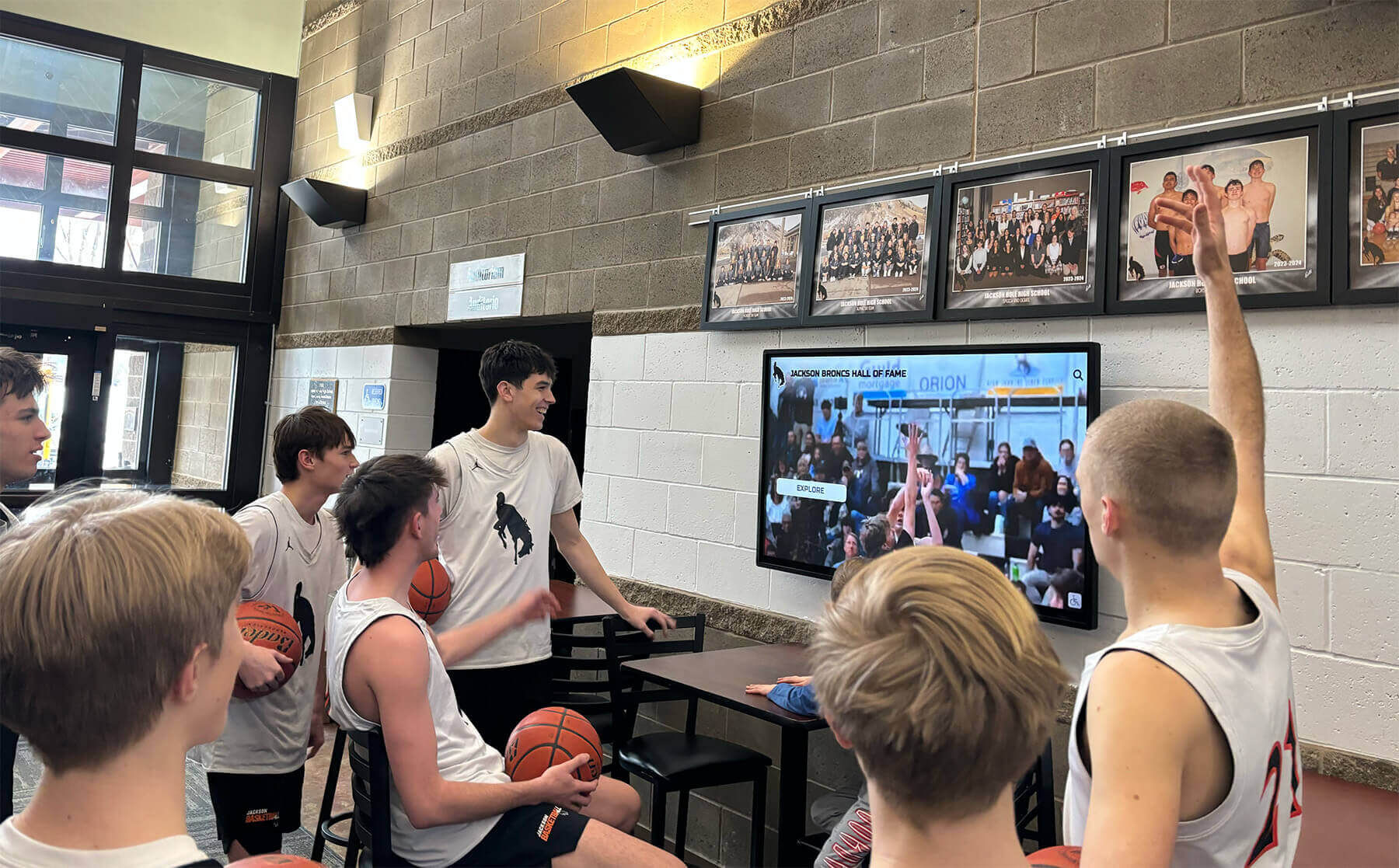
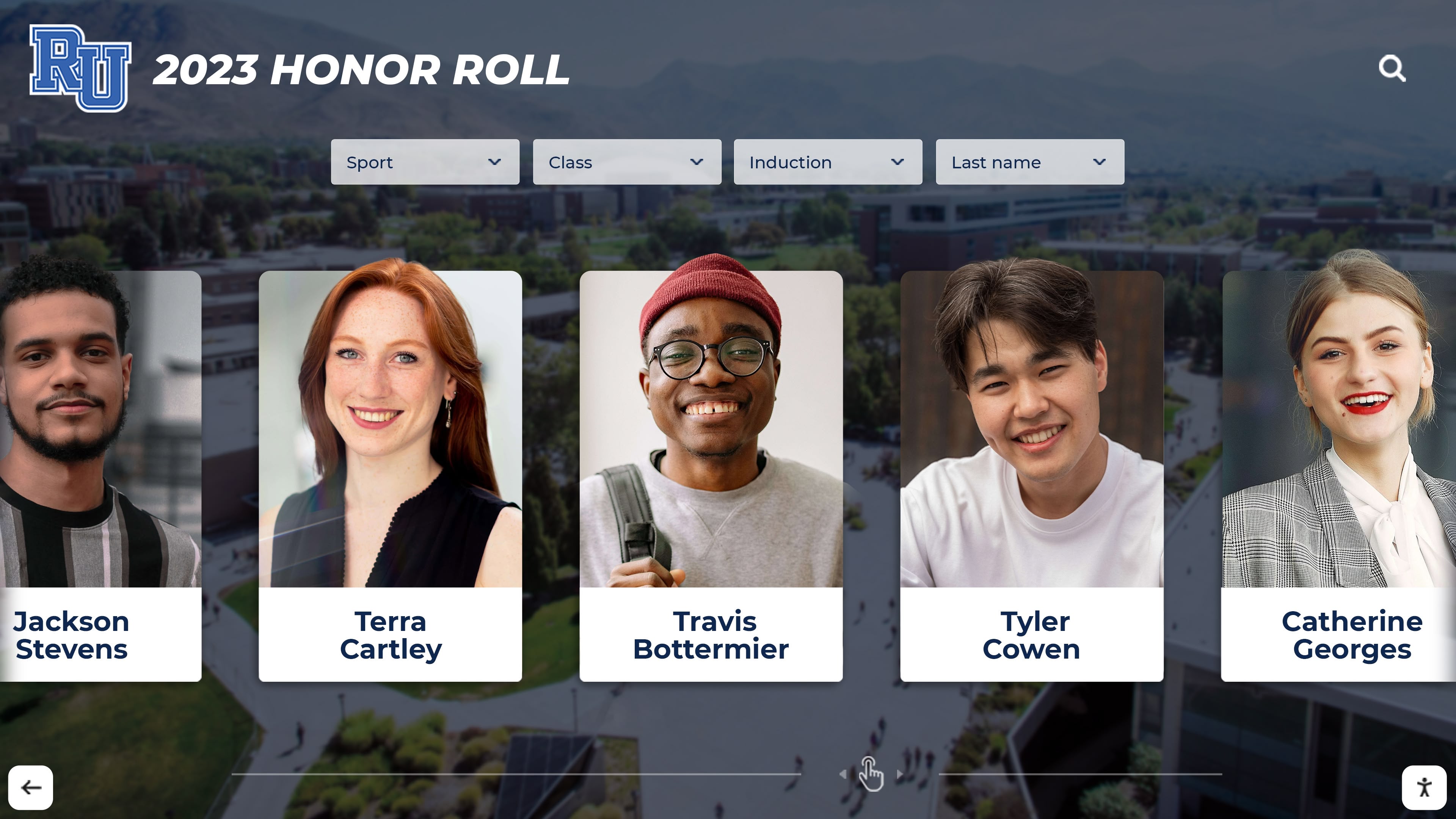
Schools with interactive touchscreen displays can showcase speaker profiles, event schedules, and career resources throughout the day. These displays serve dual purposes—providing practical information while demonstrating how the school celebrates achievement and maintains alumni connections year-round.
Coordinating Volunteers and Student Ambassadors
Recruit student volunteers serving as ambassadors—greeting speakers upon arrival, guiding them to appropriate locations, managing room transitions, and assisting with technical needs. This provides leadership opportunities for students while ensuring smooth operations.
Train ambassadors thoroughly on event schedule, venue layout, speaker names and session topics, emergency protocols, and professional behavior expectations. Well-prepared ambassadors create positive first impressions while solving problems before they escalate.
Creating Lasting Impact Beyond the Event
The most successful career day programs view events as starting points rather than conclusions, implementing strategies that sustain momentum and relationships long after speakers depart.
Facilitating Ongoing Alumni-Student Connections
Encourage students to maintain contact with speakers who inspired them through structured follow-up processes.
Post-Event Networking Support:
Teach students to send professional thank-you emails within 48 hours of career day, referencing specific insights that resonated and expressing sincere appreciation for speakers’ time. Provide email templates helping students who lack experience with professional correspondence.
For students requesting informational interviews or mentorship relationships, guide them through appropriate outreach—explaining what they’re seeking, respecting professionals’ time constraints, and demonstrating preparedness for conversations.
Formal Mentorship Programs:
Consider developing structured alumni mentorship initiatives where career day speakers who enjoyed the experience volunteer for ongoing relationships. Structured programs with clear expectations and regular touchpoints create sustainable engagement rather than sporadic contact that fades quickly.
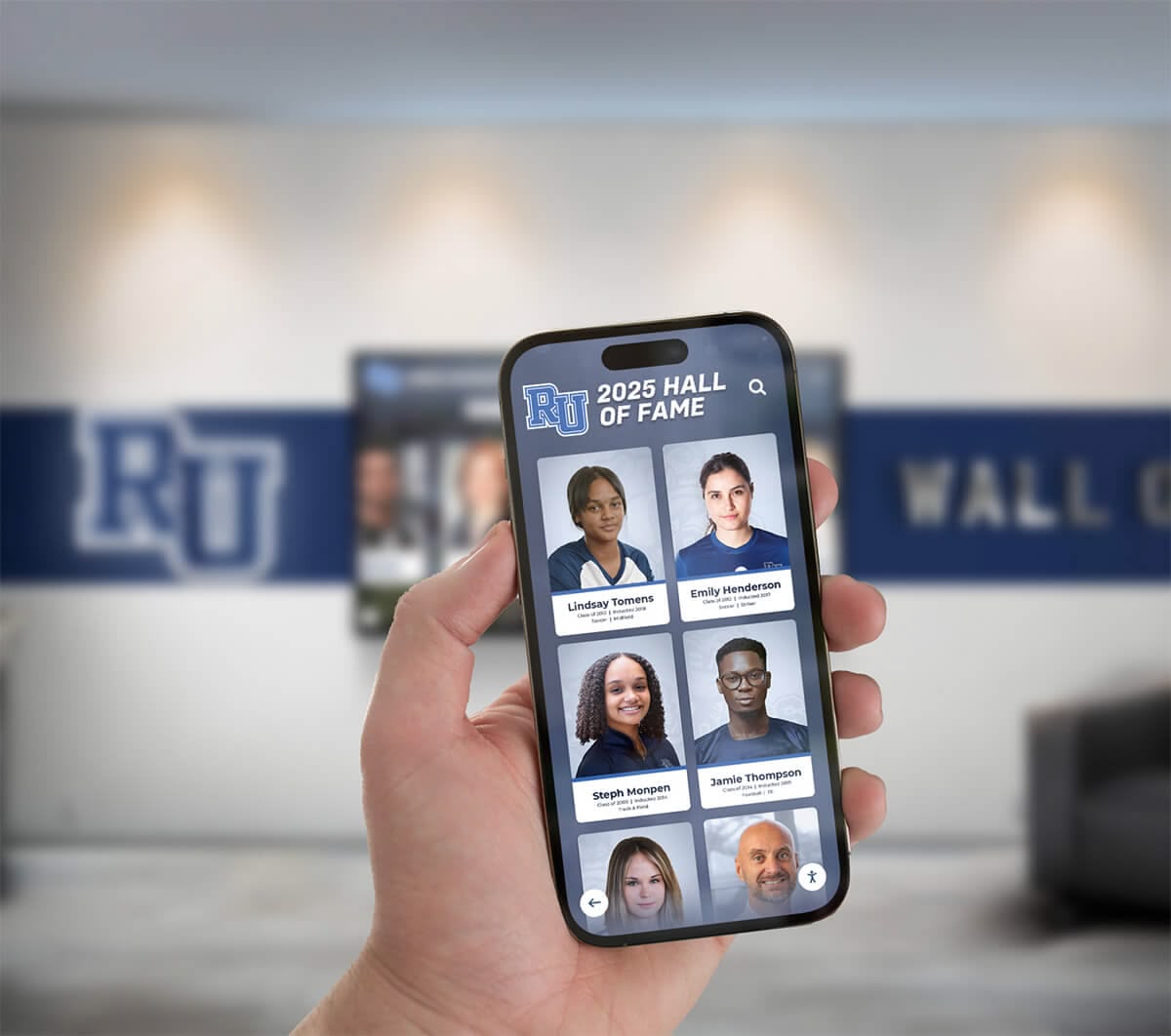
Virtual Platforms Extending Access:
Digital communication tools enable sustained connection despite geographic distance. Virtual coffee chats via video conference, industry-specific group discussions connecting students interested in similar careers with relevant alumni, and email newsletters updating alumni mentors on student progress all maintain relationships throughout the year.
Capturing and Sharing Career Day Content
Document events through photography, video recording (with appropriate permissions), student testimonials, and speaker presentations, creating content libraries with multiple uses.
Content Distribution Channels:
Share highlights through school websites and social media celebrating event success while promoting future participation, alumni newsletters showcasing how graduates contributed to student development, student newspapers and yearbooks documenting important school experiences, and digital recognition displays featuring career day speakers within broader alumni achievement showcases.
This content serves multiple purposes—documenting institutional programming, celebrating alumni contributions, promoting future events, and creating resources students can reference when making career decisions.
Gathering Feedback and Measuring Success
Systematic evaluation enables continuous improvement while demonstrating program value to stakeholders.
Student Feedback Collection:
Distribute post-event surveys asking students to rate overall experience, most valuable sessions or speakers, specific insights gained that influence their thinking, careers they’re now interested in exploring, and suggestions for improvement. Keep surveys brief—10 questions maximum—increasing completion rates while gathering actionable data.
Speaker Feedback:
Ask participating alumni about their experience—quality of preparation and support provided, student engagement level and question quality, logistical smoothness, likelihood of recommending participation to other alumni, and suggestions for future events. This feedback improves operations while identifying speakers who might recruit colleagues for future participation.
Long-Term Impact Tracking:
Monitor whether career day influences measurable outcomes—changes in course enrollment patterns in subjects related to featured careers, increased applications to programs or institutions discussed by speakers, higher rates of students pursuing internships or job shadowing, and alumni engagement levels among career day participants.
While some impacts take years to materialize, tracking trends over time demonstrates program value that justifies continued investment and organizational support.
Leveraging Technology to Amplify Career Day Impact
Modern tools extend career day reach and effectiveness well beyond traditional single-day events.
Digital Recognition Platforms Showcasing Alumni Success Year-Round
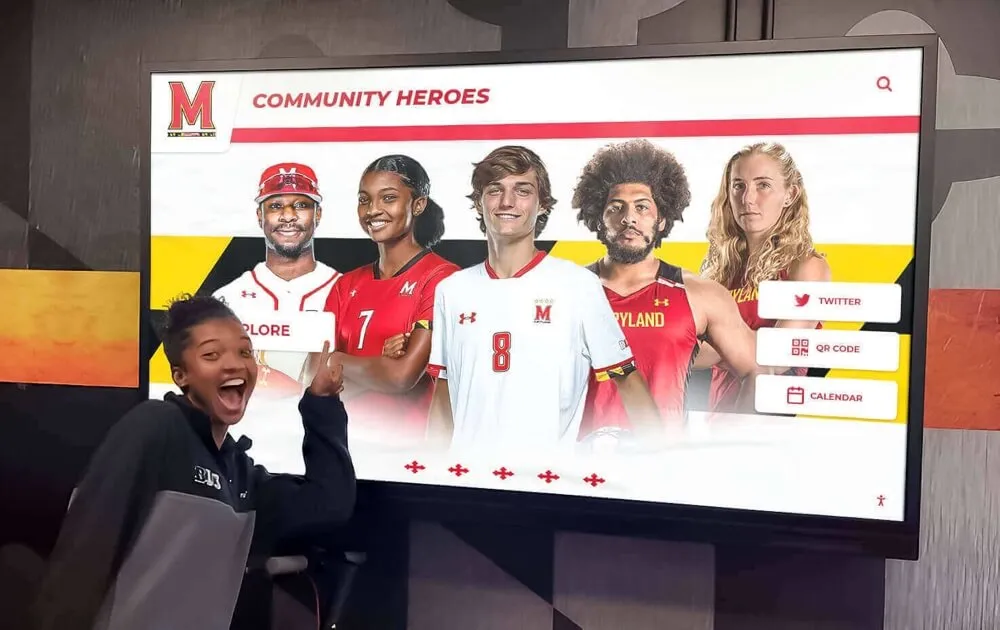
Interactive displays featuring alumni achievements keep success stories visible every day, not just during annual events. Students exploring hallways regularly encounter alumni career profiles showcasing diverse career paths, creating continuous exposure to possibilities.
These platforms serve practical career day functions:
Pre-Event Preparation: Students research speaker backgrounds through detailed digital profiles before events, developing informed questions and genuine interest.
During Event Promotion: Display event schedules, speaker locations, session descriptions, and real-time updates helping students navigate programming efficiently.
Post-Event Sustainability: Featured career day speakers remain visible year-round, creating lasting recognition while enabling students who missed events or want to review information to access content whenever convenient.
Ongoing Alumni Recruitment: Distinguished alumni showcased on recognition platforms become natural speaker recruitment pools for future events—they’re already identified, profiled, and engaged with the institution.
Virtual Career Day Options Expanding Access
Geographic distance prevents many accomplished alumni from attending in-person events. Virtual platforms dramatically expand speaker pools while accommodating varied schedules.
Hybrid Event Models:
Combine in-person sessions for local alumni with virtual presentations from graduates living elsewhere. This maximizes participation opportunities while accommodating different speaker preferences and logistics.
Students benefit from accessing professionals across the country and world without travel costs, while alumni appreciate flexibility—some prefer recording presentations they can perfect rather than live sessions creating anxiety.
On-Demand Content Libraries:
Record presentations (with speaker permission) and organize them into searchable libraries students can access throughout the year. Tag videos by career field, industry, educational path, and key topics, enabling students to find relevant content when making decisions months after events.
This approach transforms single-day events into year-round resources supporting students whenever they’re ready to engage with career exploration.
Interactive Career Planning Tools
Complement human speakers with digital resources helping students translate inspiration into action plans.
Provide curated resources about educational pathways for specific careers, links to professional associations and industry information, college program databases highlighting institutions strong in particular fields, and scholarship and financial aid resources making aspirational goals financially feasible.
Common Career Day Challenges and Practical Solutions
Even well-planned events encounter predictable obstacles. Proactive strategies address these challenges effectively.
Limited Alumni Response Rates
Many schools struggle recruiting sufficient speakers, particularly when alumni databases are outdated or engagement has been historically low.
Solutions:
Start building alumni databases months before events rather than weeks. Use multiple outreach channels—email, social media, phone calls, and personal networks—rather than relying solely on mass emails easily ignored.
Lower barriers to participation by offering flexible formats—virtual presentations, pre-recorded videos, panel discussions requiring less individual preparation, or informal Q&A sessions. Not every alumni speaker needs to deliver formal presentations.
Leverage existing engaged alumni to recruit peers. Graduates who participate successfully often willingly recommend accomplished classmates or professional colleagues who might speak.
Student Engagement and Attendance Issues
Mandatory attendance doesn’t guarantee engagement. Students attending reluctantly provide discouraging audiences for speakers volunteering their time.
Solutions:
Invest heavily in pre-event preparation making career day feel relevant rather than arbitrary requirement. When students have identified specific careers they want to explore and developed genuine questions, they engage authentically.
Offer choices—multiple concurrent sessions where students select topics matching their interests generate far more engagement than forced attendance at assigned presentations irrelevant to individual goals.
Create accountability through reflection assignments or action plans requiring students to document specific insights gained and next steps planned. When grades depend on thoughtful engagement, participation increases.
Recognize and reward exceptional participation through certificates, mentions in school recognition programs, or special opportunities like exclusive networking sessions with most impressive speakers.
Scheduling and Logistical Complexity
Coordinating dozens of speakers, hundreds of students, multiple venues, and complex schedules overwhelms coordinators, leading to errors that disrupt events.
Solutions:
Invest in event management tools or detailed spreadsheets tracking all moving pieces—speaker commitments, session assignments, venue reservations, technology needs, and student registrations. Clear documentation prevents confusion and enables delegation.
Build buffer time into schedules accommodating inevitable delays without cascading disruptions. Twenty-minute transitions between sessions feel excessive when planning but prove invaluable when technical issues arise or discussions run long.
Recruit sufficient volunteer support rather than trying to manage everything personally. Student ambassadors, parent volunteers, and staff members can handle registration, room management, and problem-solving if properly trained.
Create detailed event day guides documenting schedule, venue maps, speaker contact information, emergency protocols, and troubleshooting resources. When unexpected issues arise, coordinators can reference guides rather than making stressed decisions from memory.
Conclusion: Building Traditions That Inspire Generations
Career day events represent far more than single-day programming—they’re investments in student futures, alumni relationships, and institutional community that deliver returns for years when executed thoughtfully and sustained consistently.
The most successful programs share common characteristics: strategic planning addressing clear objectives, diverse speaker rosters representing multiple definitions of success, thorough student preparation ensuring meaningful engagement, seamless logistics allowing focus on content rather than coordination, and systematic follow-through sustaining relationships beyond initial encounters.
Whether you’re launching your first career day or enhancing established traditions, the fundamental principle remains constant—connecting students with real humans who’ve walked similar paths and achieved remarkable things creates inspiration and guidance that statistics, websites, and career books cannot replicate. These personal connections answer the question every student asks: “What’s possible for someone like me?”
Schools that consistently showcase alumni success through annual career day events, ongoing mentorship programs, and year-round recognition displays create cultures where achievement feels achievable, excellence becomes expected, and students develop the confidence to pursue ambitious goals knowing their institutions and communities support those aspirations.
Ready to Showcase Your Alumni Success Stories?
Discover how modern recognition solutions can transform your career day programming and create year-round engagement with alumni achievement. Rocket Alumni Solutions provides comprehensive platforms combining interactive touchscreen displays, mobile integration, and intuitive content management systems specifically designed for schools and educational institutions.
From showcasing career day speakers in your lobby to building searchable alumni databases that support student career exploration every day, these purpose-built tools help institutions celebrate achievement while strengthening the connections between past success and future potential. Explore how digital recognition can amplify your career development programming and create lasting impact throughout your community.