



Key Takeaways
Complete guide to planning impactful career day events that connect students with successful alumni. Learn recruitment strategies, presentation formats, and digital recognition tools that maximize engagement.
Career day events transform abstract career concepts into tangible possibilities when students connect directly with successful alumni who once sat in the same classrooms. These programs provide students with authentic insights about diverse career paths while strengthening the vital relationship between schools and their graduate communities. However, poorly planned career day events become logistical nightmares with mismatched speaker-student pairings, disengaged participants, and minimal lasting impact. This comprehensive guide provides school administrators, counselors, and volunteer organizers with proven frameworks for planning career day programs that genuinely inspire students while building sustainable alumni engagement systems that extend far beyond a single annual event.
Successful career day planning requires strategic thinking about speaker recruitment, presentation formats, student preparation, logistical coordination, and post-event follow-up. Understanding best practices for each element enables schools to create programs that maximize student engagement while respecting the time commitment of busy alumni volunteers who make these events possible.
Understanding Career Day Goals and Formats
Clear goals and appropriate formats determine whether career day becomes a transformative experience or a forgettable assembly.
Defining Career Day Objectives
Different schools pursue various career day goals based on student needs and institutional priorities:
Career Exploration and Awareness:
Introducing students to career options they might not otherwise discover:
- Exposure to non-traditional careers beyond commonly known professions
- Understanding of emerging fields and future employment trends
- Awareness of local industry opportunities and regional career ecosystems
- Recognition of career diversity within single industries
- Introduction to careers requiring different education levels and pathways
- Exploration of entrepreneurship and non-traditional career trajectories
Career exploration particularly benefits middle school students beginning to consider high school course selection and early high school students making decisions about academic focus areas. Schools often complement career day with academic recognition programs that celebrate diverse achievement paths.
Educational Pathway Clarification:
Helping students understand how education connects to career opportunities:
- College major and career field connections
- Skilled trades and technical certification pathways
- Apprenticeship and work-based learning options
- Graduate education requirements for specific professions
- Alternative credentials and professional certifications
- Timeline and financial considerations for different educational paths
Educational pathway discussions help students and families make informed decisions about post-secondary investments aligned with career goals.
Professional Skills and Preparation:
Demonstrating practical competencies students need for career success:
- Communication skills valued across all professional settings
- Technology literacy and digital tool proficiency
- Problem-solving and critical thinking applications
- Collaboration and teamwork in professional contexts
- Professional etiquette and workplace expectations
- Networking and relationship-building strategies
Skills-focused career day content helps students recognize how current academic work builds competencies needed for future success, increasing engagement with their education.
Alumni Connection and Role Modeling:
Building relationships between current students and successful graduates:
- Inspiration from alumni who followed similar interests or backgrounds
- Mentor relationship development beginning with career day connections
- Demonstration that success is achievable for students like them
- School pride reinforcement through graduate achievement recognition
- Internship and job shadowing opportunity identification
- Ongoing alumni engagement beyond single career day event
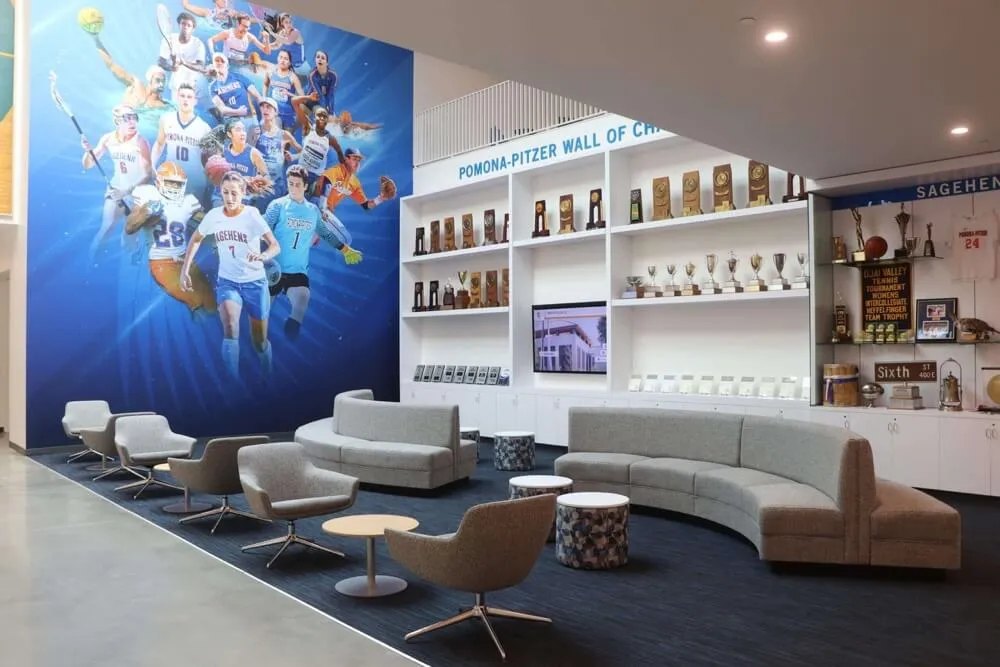
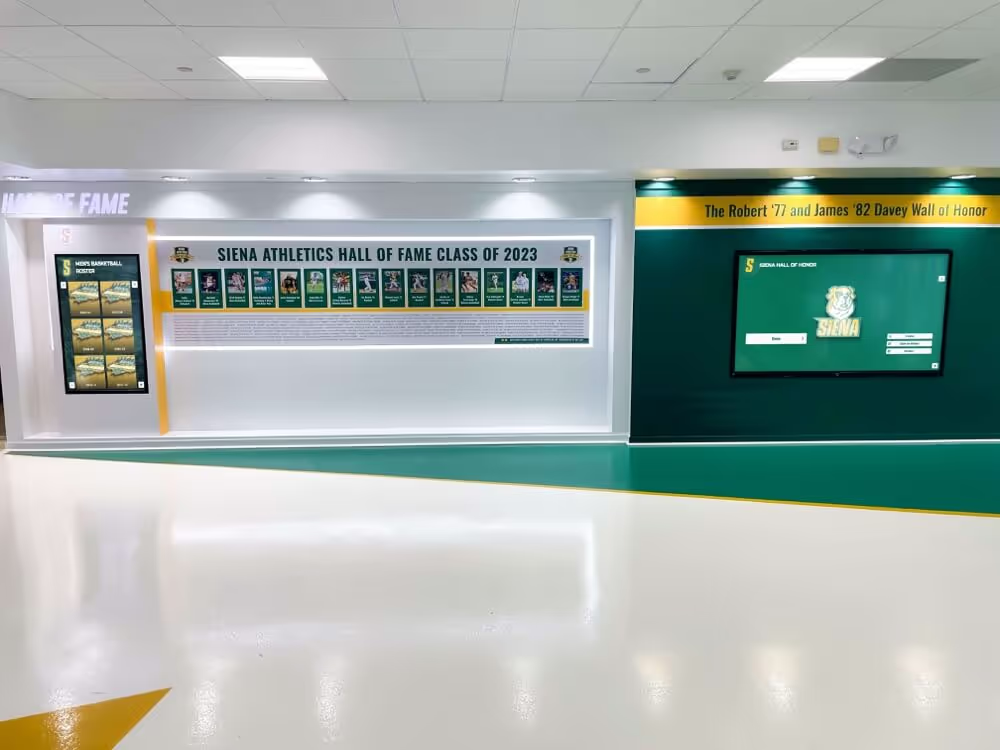
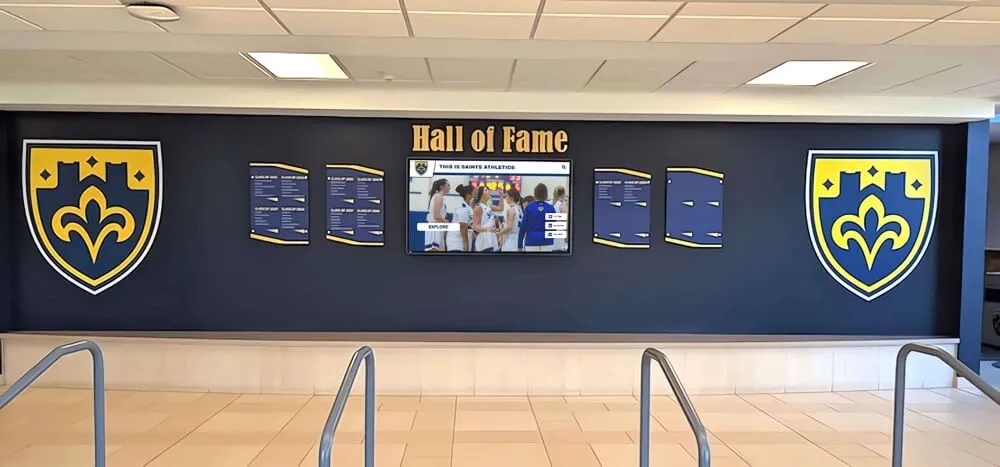
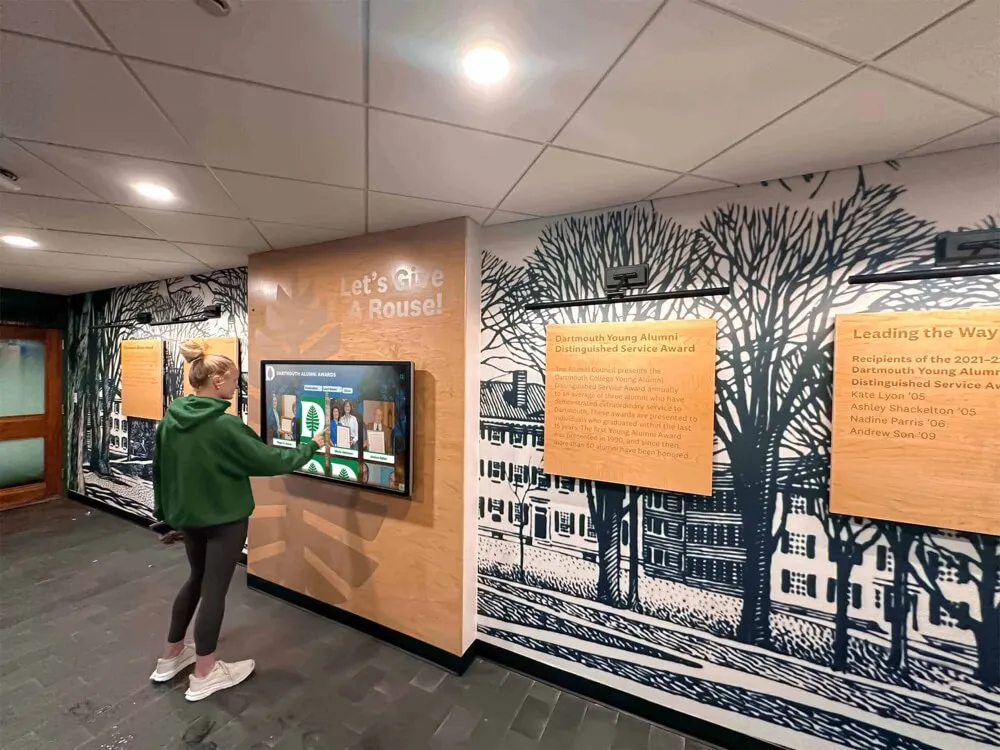
Alumni connections provide powerful motivation when students see graduates who share their interests, backgrounds, or challenges achieving meaningful success. Many schools strengthen these connections through permanent alumni recognition displays that keep graduate stories visible year-round.
Selecting Career Day Format
Event format significantly impacts student engagement and logistical complexity:
Rotating Classroom Presentations:
Alumni speakers present to small groups of students in classroom settings:
- Intimate environment enabling student questions and discussion
- Multiple short sessions allowing students to attend several presentations
- Classroom technology supporting multimedia content and demonstrations
- Smaller student groups reducing intimidation for shy participants
- Manageable speaker travel between 2-3 classrooms throughout event
- Ability to track student attendance and participation
Rotating classroom formats work best for elementary and middle schools where controlled environments maximize engagement. This format requires careful scheduling coordination but produces high-quality student-speaker interaction.
Career Fair Booth Format:
Alumni staff booths in gymnasium or cafeteria with students circulating freely:
- Student agency to explore careers matching their interests
- Efficient use of alumni time with continuous student flow
- Display materials, props, and hands-on activities at booths
- Flexibility for students to spend more time with careers they find compelling
- Lower scheduling complexity with open circulation periods
- Accommodates large numbers of speakers with minimal facility constraints
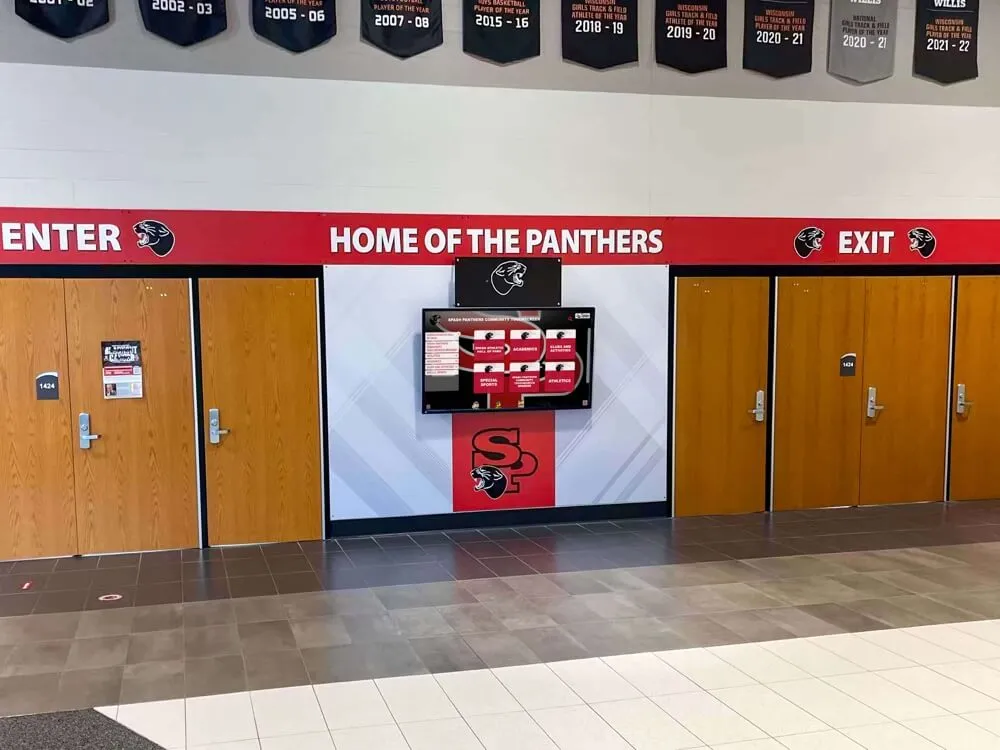
Career fair formats suit high schools where student maturity enables productive independent exploration. Schools can enhance these events with digital displays showcasing alumni achievements that provide context about speaker backgrounds.
Panel Discussion Format:
Multiple alumni speakers address large student audiences with moderated Q&A:
- Efficient delivery to entire grade level simultaneously
- Diverse career perspectives in single session
- Professional moderation ensuring productive discussion
- Student-submitted questions addressing common career concerns
- Reduced logistical complexity compared to multiple simultaneous sessions
- Recording capability for absent students or later review
Panel formats work well for initial career day implementations building toward more complex formats, or for schools with facility or scheduling constraints preventing other approaches.
Hybrid and Multi-Day Formats:
Combining multiple formats across extended timeframes:
- Day one: large assembly with panel discussion and event overview
- Day two: rotating classroom sessions with deep-dive career presentations
- Day three: career fair format with booth circulation and networking
- Virtual components accommodating distant alumni via video presentations
- Flexible participation allowing students to attend sessions matching interests
- Extended engagement period increasing impact and retention
Multi-day formats require significant coordination but maximize both breadth and depth of career exploration while accommodating various learning preferences and speaker availability constraints.
Career Day Format Selection Criteria
- Student age and maturity: Younger students need more structure; older students benefit from independence
- Facility capabilities: Adequate space for chosen format with appropriate technology
- Number of speakers: Format must accommodate available alumni pool
- Staff and volunteer resources: Coordination capacity for logistical complexity
- Time available: Single day, half-day, or multi-day event design
- Student population size: Scalability for school enrollment
- Event goals: Format alignment with primary objectives
- Budget constraints: Resource requirements for different approaches
Building Your Career Day Planning Committee
Effective committees distribute workload while ensuring all critical planning elements receive adequate attention.
Committee Structure and Roles
Clearly defined roles prevent duplicated effort and overlooked responsibilities:
Committee Chair:
Overall coordination and decision-making authority:
- Timeline development and milestone tracking
- Committee meeting facilitation and agenda management
- Final decision-making when consensus proves elusive
- Communication with school administration and stakeholders
- Budget oversight and resource allocation
- Volunteer recognition and appreciation coordination
Committee chairs typically include school counselors, career coordinators, or experienced administrator volunteers who understand school operations and community relationships.
Speaker Recruitment Coordinator:
Identifying, inviting, and confirming alumni presenters:
- Alumni database research and speaker identification
- Invitation development and communication
- Speaker confirmation and commitment tracking
- Presentation expectation communication
- Background information collection for student preparation materials
- Speaker appreciation and recognition coordination
Speaker recruitment represents the most critical committee role since career day success depends entirely on securing engaging, diverse presenters willing to invest time in student engagement.
Student Preparation Lead:
Ensuring students arrive ready to engage productively:
- Pre-event educational activities about careers and speakers
- Question development workshops preparing students for interaction
- Career interest surveys informing session or booth assignments
- Expectation setting about professional behavior and etiquette
- Reflection assignment design for post-event learning consolidation
- Teacher coordination for classroom integration
Student preparation dramatically increases event impact by transforming passive attendance into active learning experiences where students arrive with context and questions.
Logistics Coordinator:
Managing practical event execution details:
- Room assignments and schedule development
- Technology setup and technical support coordination
- Signage, name tags, and printed material production
- Parking and building access for speakers
- Refreshments and hospitality arrangements
- Volunteer recruitment for day-of support roles
- Contingency planning for unexpected challenges
Logistics coordination determines whether events run smoothly or devolve into chaos frustrating speakers and students alike.
Communication and Marketing Lead:
Promoting event and managing stakeholder communication:
- Parent communication about event purpose and benefits
- Student promotion building excitement and engagement
- Community outreach highlighting school programming quality
- Alumni network communication recruiting speakers and celebrating participants
- Media relations generating positive coverage
- Social media content before, during, and after event
- Thank-you communication and recognition for participants
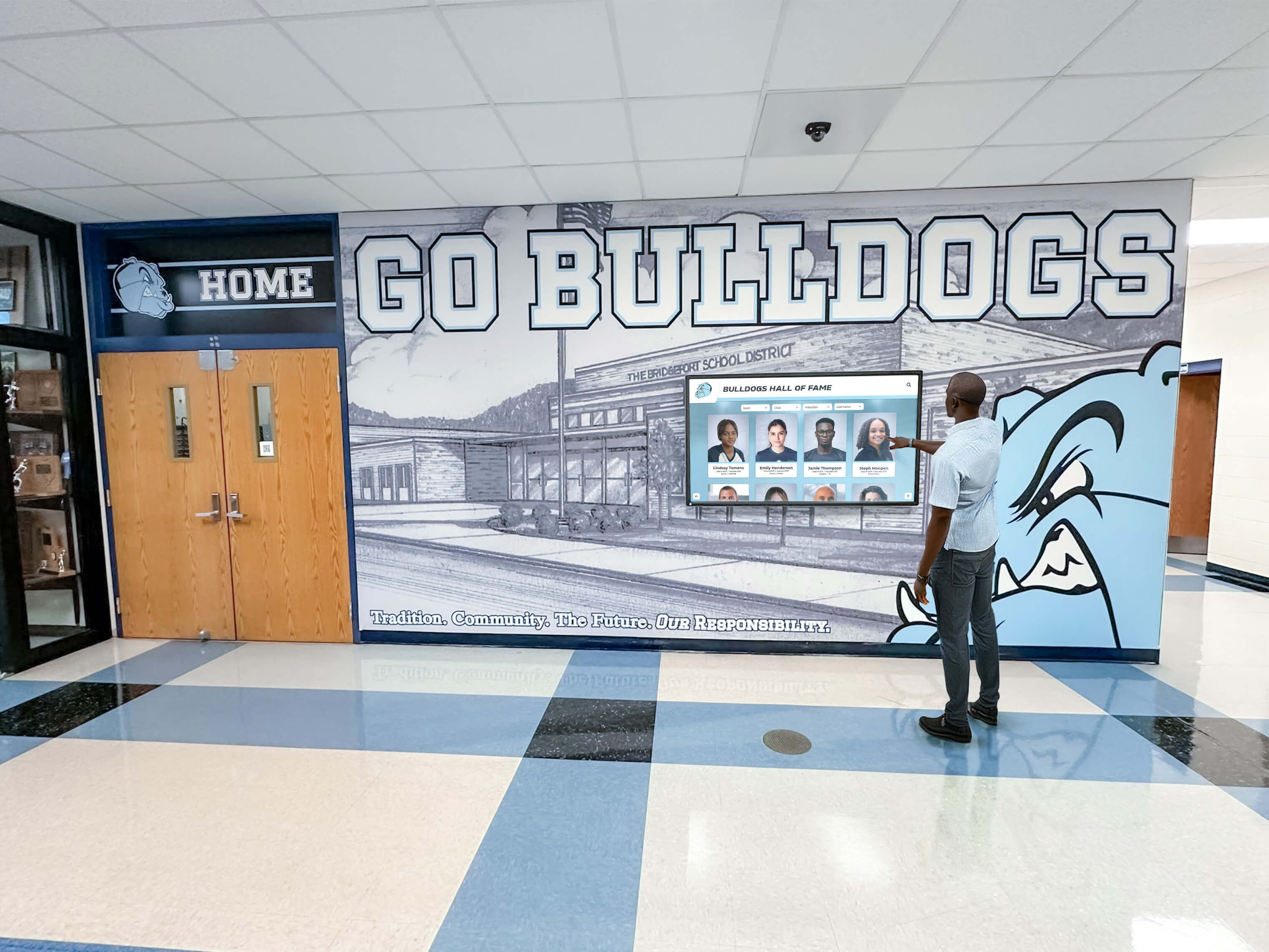
Effective communication extends career day impact beyond direct participants by demonstrating school commitment to student preparation and alumni engagement. Schools can amplify this communication through digital recognition systems that showcase participating alumni year-round.
Planning Timeline
Adequate planning time prevents last-minute stress and enables quality speaker recruitment:
3-4 Months Before Event:
Initial planning and framework development:
- Form planning committee and assign roles
- Set event date coordinating with school calendar
- Define event goals, format, and student audience
- Develop initial budget and funding plan
- Begin speaker identification and outreach
- Reserve necessary facilities and technology resources
Early timeline establishment enables thorough planning rather than reactive scrambling when challenges arise.
2-3 Months Before Event:
Speaker recruitment and commitment confirmation:
- Complete speaker invitation and follow-up communication
- Confirm committed speakers and identify any gaps in career diversity
- Collect speaker biographical information and presentation descriptions
- Develop preliminary event schedule and session assignments
- Design student preparation materials and activities
- Order necessary supplies, name tags, and promotional materials
This window represents critical speaker recruitment time when following up persistently makes the difference between confirmed speakers and indefinite “maybes” preventing schedule finalization.
3-6 Weeks Before Event:
Student preparation and logistical finalization:
- Implement student preparation activities in classrooms
- Finalize room assignments and event schedule
- Communicate logistics to speakers including parking, schedule, and expectations
- Assign student groups to sessions or prepare career fair circulation plan
- Brief volunteer helpers on their roles and responsibilities
- Confirm technology setup and test all equipment
- Develop contingency plans for potential speaker cancellations
Thorough preparation during this period prevents day-of surprises that disrupt event flow and compromise student experience.
Week of Event:
Final confirmation and setup:
- Send reminder communication to all speakers with schedule and directions
- Brief students on expectations, schedule, and professional behavior
- Prepare all signage, name tags, and materials
- Set up rooms, technology, and refreshment areas
- Conduct volunteer orientation
- Develop simplified day-of schedule for staff reference
Week-of preparation ensures all participants understand their roles and arrive ready for successful engagement.
Immediately After Event:
Follow-up and assessment:
- Send thank-you notes to all speakers within 48 hours
- Conduct student reflection activities and learning assessment
- Gather feedback from speakers, students, and staff
- Document lessons learned and recommendations for future planning
- Share event highlights through social media and school communications
- Archive materials and contact information for next year’s planning
Prompt follow-up demonstrates appreciation to volunteers while capturing lessons learned when details remain fresh. Many schools also explore opportunities for ongoing alumni engagement beyond the annual career day event.
Recruiting Diverse and Engaging Alumni Speakers
Speaker quality determines career day impact more than any other variable.
Identifying Potential Speakers
Cast a wide net to build diverse speaker pools representing varied career paths:
Alumni Database and Records:
Leverage existing school data about graduate careers:
- Alumni association membership directories with career information
- Development office records tracking graduate professional success
- Athletic booster club networks connecting to diverse alumni
- School foundation board members and major donors
- Hall of fame inductees and award recipients
- Social media profiles providing current career information
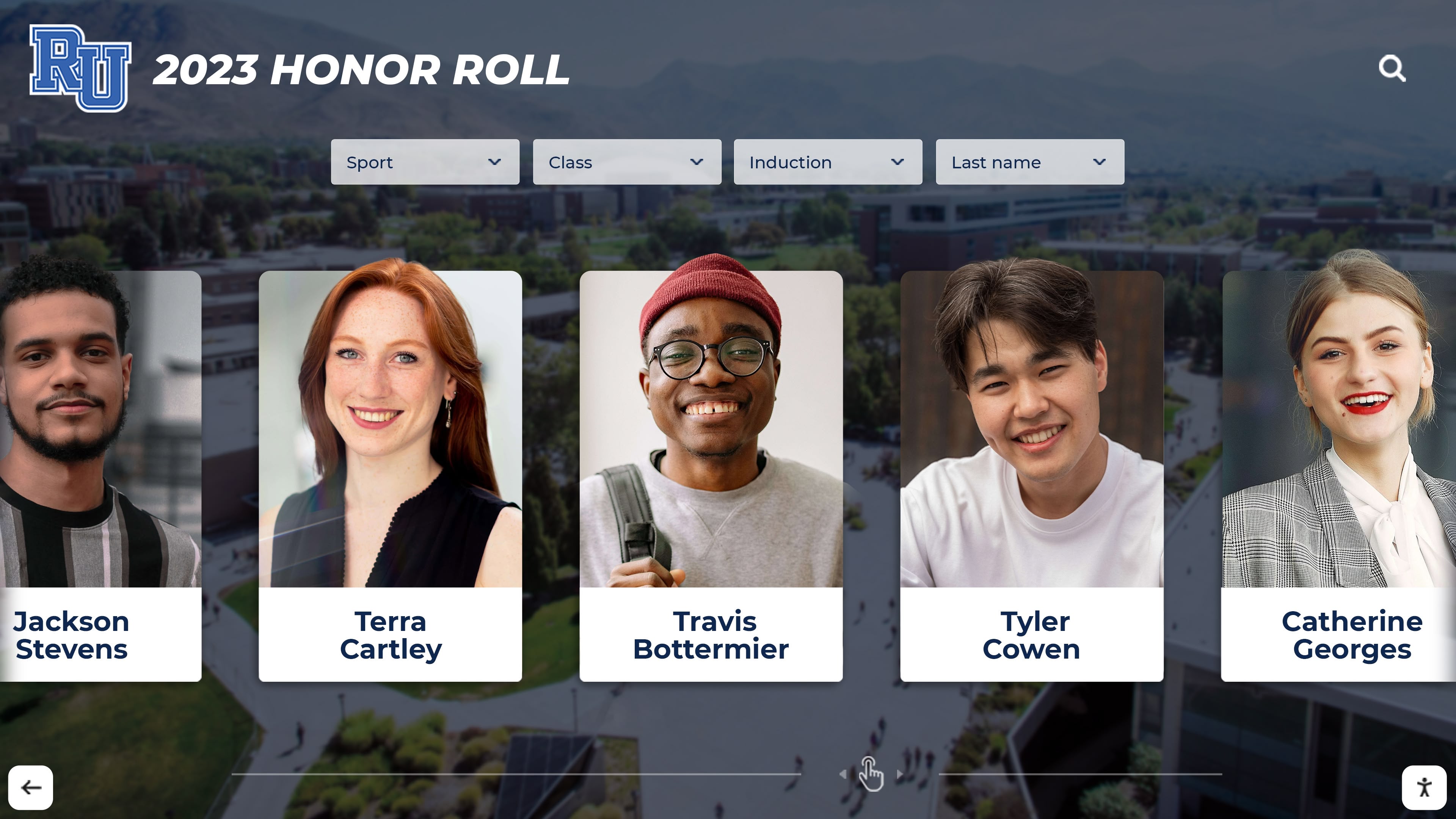
Schools with established digital alumni recognition systems already have organized information about graduate careers that streamlines speaker identification.
Parent and Family Community:
Your current school families include professionals willing to share expertise:
- Parent career surveys conducted during registration or orientations
- Parent-teacher organization networks
- Booster club and volunteer organization members
- Extended family members of current students
- School board members and advisory council participants
Parent community speakers offer the advantage of existing school connections and investment in student success, though they may not provide the same alumni inspiration value.
Local Business and Organization Partnerships:
Community employers often include alumni willing to represent their organizations:
- Chamber of commerce member organizations
- Major local employers in dominant regional industries
- Professional associations and networking groups
- Non-profit organization leaders
- Government agency representatives
- Healthcare system employees
- Small business owners and entrepreneurs
Business partnerships position career day speakers as representatives of employers potentially offering future opportunities, adding practical value beyond career information.
Recent Graduate Networks:
Recent graduates maintain strong school connections and contemporary career insights:
- Graduates from past 5-10 years with emerging careers
- Social media connections through school and personal networks
- Attendance at school athletic events or community activities
- Siblings of current students
- Former student athletes maintaining booster club connections
- Young professionals groups and alumni young alumni councils
Recent graduates provide relatable perspectives about navigating early career decisions and challenges students will soon face themselves.
Ensuring Speaker Diversity
Diverse speaker lineups expose students to broad career possibilities:
Career Field Diversity:
Represent varied industries and professions:
- Healthcare: physicians, nurses, therapists, medical technicians
- Education: teachers, administrators, counselors, librarians
- Business: management, marketing, finance, human resources
- Technology: software development, cybersecurity, data science
- Skilled trades: electricians, plumbers, HVAC, construction
- Arts and media: design, writing, performing arts, journalism
- Public service: law enforcement, military, government, social work
- STEM: engineering, research, environmental science, mathematics
- Legal: attorneys, paralegals, court administration
- Entrepreneurship: small business owners across various industries
Field diversity helps students discover careers matching interests they may not have connected to professional opportunities.
Education Level Representation:
Show multiple pathways to career success:
- Careers requiring high school diploma or GED
- Skilled trades with apprenticeship or certification pathways
- Associate degree careers in technical and healthcare fields
- Bachelor’s degree professional careers
- Graduate degree professions (medicine, law, doctoral research)
- Alternative credentials and professional certifications
- Career changers who pursued additional education later
Education level diversity demonstrates that multiple pathways lead to meaningful careers, validating different student circumstances and academic trajectories. Schools can complement this with academic achievement recognition that celebrates diverse accomplishment.
Demographic Representation:
Students benefit from role models reflecting diverse identities:
- Gender representation across non-traditional career fields
- Racial and ethnic diversity in all career categories
- First-generation college graduates who navigated unfamiliar systems
- Professionals with disabilities who succeeded with accommodations
- LGBTQ+ professionals who found welcoming career environments
- Professionals from various socioeconomic backgrounds
- Geographic diversity including those who stayed local and those who relocated
Demographic diversity enables all students to see professionals who share their identities succeeding in careers they aspire to pursue.
Career Stage Representation:
Include professionals at different points in career progression:
- Early career professionals (1-5 years post-graduation)
- Mid-career professionals (10-15 years experience)
- Senior professionals and executives
- Career changers who successfully transitioned between fields
- Retirees who can reflect on long career arcs
- Entrepreneurs in various stages of business development
Career stage diversity provides realistic perspectives on career progression, evolution, and the changing nature of work across professional lifespans.
Creating Compelling Invitations
Invitation quality affects speaker recruitment success:
Personalized Outreach:
Generic mass invitations generate low response rates:
- Address potential speakers by name with specific acknowledgment of their career
- Reference their graduation year and school involvement
- Explain why you identified them as valuable speaker for students
- Mention specific career aspects students would benefit from learning about
- Connect invitation to their professional expertise or specialization
- Express genuine appreciation for their consideration
Personalization demonstrates respect for speakers’ time while increasing the likelihood they will seriously consider participating.
Clear Expectations and Time Commitment:
Remove uncertainty about what participation involves:
- Specific date, time, and duration of commitment
- Presentation format (classroom, booth, panel) and setting
- Audience age and size
- Presentation content suggestions or requirements
- Technology available and support provided
- Parking, building access, and arrival instructions
- Anticipated student preparation and question types
Clear expectations enable potential speakers to accurately assess whether they can commit while reducing anxiety about unknown presentation requirements. Many schools share information about their alumni recognition programs in invitations to demonstrate how seriously the school values alumni contributions.
Value Proposition for Speakers:
Articulate what speakers gain beyond altruism:
- Meaningful opportunity to influence students’ lives and decisions
- Recognition in school communications and alumni networks
- Connections with other professionals at event
- Practice for public speaking and presentation skills
- Potential identification of future employees or interns
- Strengthened relationship with school community
- Personal satisfaction from giving back to institution that shaped them
Value articulation increases participation likelihood while framing career day as mutually beneficial rather than one-sided volunteer request.
Preparing Students for Maximum Engagement
Student preparation transforms passive attendance into active learning experiences.
Pre-Event Learning Activities
Structured preparation helps students arrive with context and questions:
Career Exploration Research:
Students research careers they’ll encounter:
- Career cluster investigation identifying related occupations
- Education pathway research for careers of interest
- Salary and employment outlook data from Bureau of Labor Statistics
- Day-in-the-life videos or articles about careers
- Professional association research for different fields
- Industry trend research for sectors represented by speakers
Research activities help students develop informed questions rather than asking basic information easily found online, enabling deeper conversations with speakers.
Speaker Background Investigation:
Students learn about specific speakers they’ll meet:
- Biographical information about speakers’ careers and achievements
- Company or organization research for speakers’ employers
- LinkedIn profile review showing career progression
- News articles or publications featuring speakers
- Connection identification between speaker expertise and student interests
Background investigation personalizes interactions while demonstrating respect for speakers’ expertise and accomplishments.
Question Development Workshops:
Teaching students to ask thoughtful questions:
- Characteristics of open-ended versus closed questions
- Question categories: educational pathway, daily responsibilities, career challenges, advice for students
- Practice formulating questions about specific careers
- Distinguishing surface-level from deeper inquiry questions
- Professional question-asking etiquette and follow-up techniques
- Documentation strategies for remembering responses and insights
Question development empowers students as active learners rather than passive recipients of career information delivered regardless of their interests.
Setting Expectations for Professional Behavior
Clear behavior standards ensure students represent themselves and school appropriately:
Professional Etiquette Instruction:
Teach workplace-appropriate behavior:
- Introduction protocols and appropriate handshakes or greetings
- Active listening demonstrations including eye contact and body language
- Appropriate questions and topics versus personal or inappropriate inquiries
- Gratitude expression and thank-you expectations
- Technology etiquette including phone and device use during presentations
- Note-taking strategies for retaining information
- Follow-up communication practices
Etiquette instruction prepares students for future professional interactions while ensuring career day presenters have positive experiences that encourage future participation.
Dress Code Guidance:
Appropriate attire demonstrates respect:
- Business casual dress code explanations with specific examples
- Rationale connecting appearance to professional opportunities
- Accommodation for students with limited clothing resources
- Balance between formality and realistic student wardrobes
- Cultural sensitivity in dress expectations
- Connection between dress code and first impressions in professional settings
Appropriate dress helps students begin conceptualizing themselves as future professionals while showing speakers that school treats event seriously.
Creating Engagement Frameworks
Structure helps students extract maximum value:
Note-Taking Templates:
Organized capture of career information:
- Speaker name, career title, and organization
- Education pathway taken to reach current position
- Daily responsibilities and work environment description
- Career challenges and problem-solving examples
- Skills most valuable in this career
- Advice for students interested in this field
- Personal reactions and interest level
- Follow-up questions or research needed
Templates ensure students capture key information while remaining present in conversations rather than trying to write everything verbatim.
Reflection Assignments:
Processing career day experiences:
- Comparison of preconceived notions versus actual career insights
- Identification of surprising information or unexpected career aspects
- Connection between school subjects and professional applications
- Careers that increased or decreased in appeal and why
- Next steps for further exploration of interesting careers
- Self-assessment of personal interests and career alignment
- Thank-you letter writing to speakers
Reflection assignments deepen learning by requiring students to synthesize information and consider personal relevance rather than treating career day as isolated event disconnected from their actual educational and career planning.
Executing Flawless Event Logistics
Thorough logistics management enables speakers and students to focus on meaningful interaction rather than navigating confusion.
Day-Of Coordination
Smooth execution requires detailed attention:
Speaker Check-In and Hospitality:
Welcome creates positive first impressions:
- Designated check-in table with greeter volunteers
- Welcome packet including schedule, room locations, parking validation
- Name tags or badges for building identification
- Refreshments and hospitality room for breaks between sessions
- Technology support contact information
- Printed emergency contact numbers
- Small appreciation gifts or certificates
Welcoming hospitality demonstrates appreciation while ensuring speakers have information needed to navigate event successfully. Schools can showcase their recognition culture through displays speakers encounter during the event.
Student Movement and Transition Management:
Preventing chaos between sessions:
- Clear signage directing to all presentation locations
- Staggered dismissal times preventing hallway congestion
- Student leaders or volunteers guiding groups to locations
- Schedule cards for students with their assigned sessions
- Transition time buffers between sessions
- Supervisor positioning at key hallway intersections
- PA announcement protocols for schedule changes
Efficient transitions maximize time for meaningful speaker-student interaction while minimizing disruption and confusion.
Technology Support:
Preventing presentation disruptions:
- Pre-event technology testing in all presentation spaces
- AV support volunteers stationed for immediate troubleshooting
- Backup equipment available for malfunctions
- Wireless microphone systems for larger groups
- Projector connections compatible with various devices
- Internet connectivity verification for online presentations
- Alternative low-tech presentation options if technology fails
Technology failures frustrate speakers and distract students, so redundant systems and immediate support prevent these preventable problems.
Real-Time Problem Solving:
Handling inevitable unexpected challenges:
- Designated problem-solver with authority to make decisions
- Communication system connecting volunteers (walkie-talkies or group text)
- Backup speakers identified for emergency cancellations
- Flexible schedule allowing adjustments for early/late finishes
- Room capacity overflow plans
- Medical emergency protocols and trained responders
- Weather or emergency dismissal contingencies
Problem-solving capacity determines whether small issues become event-derailing crises or minor adjustments invisible to participants.
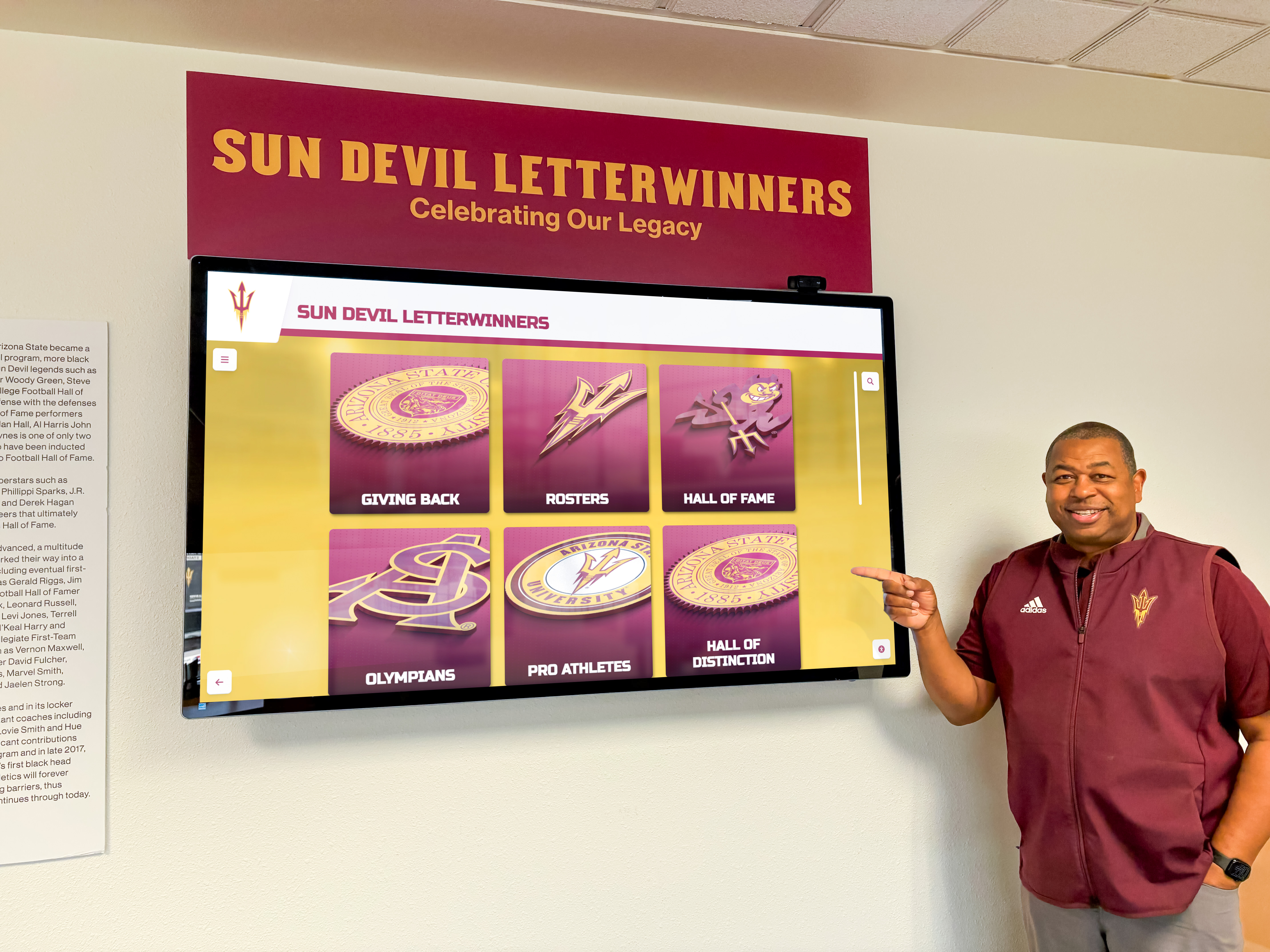
Photo and Video Documentation
Capturing event highlights serves multiple purposes:
Content Strategy:
Strategic documentation for various uses:
- Individual photos of each speaker for recognition and archives
- Wide shots showing student engagement and event scale
- Interaction photos capturing speaker-student connection
- Group photos of speaker cohorts
- Setup and logistics photos for planning future events
- Video clips of presentation highlights for social media
- Testimonial videos from speakers and students
Documentation provides marketing content, demonstrates program value to stakeholders, and helps recruit future speakers by showing the meaningful experience.
Permission and Privacy Protocols:
Responsible media capture and usage:
- Photo release verification for students being photographed
- Speaker permission for image use in school materials
- Face-obscuring angles for students without photo permission
- Immediate deletion of photos capturing students inappropriately
- Secure storage of all event photos
- Appropriate social media tagging and caption practices
Privacy protocols prevent legal and ethical complications while enabling valuable event documentation.
Maximizing Post-Event Impact and Sustainability
Career day impact extends far beyond the event itself through strategic follow-up and continuous engagement.
Immediate Follow-Up Activities
Consolidate learning and demonstrate appreciation:
Speaker Appreciation:
Thank speakers promptly and meaningfully:
- Handwritten thank-you notes from organizing committee
- Student-written appreciation letters delivered to speakers
- Social media recognition tagging speakers and highlighting contributions
- Local media press releases recognizing speaker participation
- Certificates of appreciation for volunteer service
- Photo compilation sent to speakers showing impact
- Invitation to future school events maintaining connection
Appreciation increases likelihood speakers will participate again while strengthening alumni relationships that benefit schools through multiple channels beyond career day.
Student Reflection Integration:
Deepen learning through structured processing:
- Classroom discussion sessions about career insights gained
- Reflection papers or journal entries about personal takeaways
- Career pathway research projects building on career day exposure
- Updated academic planning considering career education requirements
- Thank-you letter writing developing professional communication skills
- Portfolio documentation of career exploration activities
Reflection prevents career day from becoming forgotten event by requiring students to articulate learning and consider personal application. Schools can extend this by creating year-round recognition displays that keep alumni stories visible and inspiring.
Impact Assessment and Program Evaluation
Measure effectiveness to improve future events:
Quantitative Metrics:
Data-driven evaluation of event success:
- Student attendance and participation rates
- Speaker recruitment success rates and participation numbers
- Career field diversity achieved
- Student career interest survey changes pre/post event
- Parent awareness and satisfaction surveys
- Academic counseling appointment increases following event
- Social media engagement and reach metrics
Quantitative data demonstrates program value to administrators and community stakeholders while identifying areas needing improvement.
Qualitative Feedback Collection:
Deeper insights into participant experiences:
- Student open-ended surveys about most valuable aspects
- Speaker feedback about organization quality and student engagement
- Teacher observations about student learning and behavior
- Parent comments about event impact on student career thinking
- Volunteer input about logistics and improvement opportunities
- Testimonial collection from highly satisfied participants
Qualitative feedback captures nuanced insights not revealed by numbers, particularly about emotional engagement and relationship-building that represent core career day value.
Building Sustainable Program Infrastructure
First-year success means little without structures enabling continuation:
Documentation Systems:
Preserve knowledge for future planning:
- Master contact database of all speakers with careers and contact information
- Timeline and checklist documents refined with lessons learned
- Room assignment and schedule templates adaptable for future use
- Budget spreadsheets with actual costs for planning
- Volunteer role descriptions and training materials
- Communication templates for invitations and follow-up
- Problem-solving log documenting issues and solutions
Documentation prevents reinventing the wheel annually while enabling continuous improvement based on accumulated experience.
Leadership Transition Planning:
Ensure continuity across planning committee changes:
- Co-chair model with staggered leadership terms
- Shadowing year for incoming leaders learning from outgoing
- Written procedures supplementing institutional knowledge
- Early identification of future committee leadership
- Alumni speaker database ownership beyond individual memories
- School administrator backup oversight preventing program abandonment
Leadership transition planning protects programs from collapse when key volunteers move, burn out, or face competing priorities.
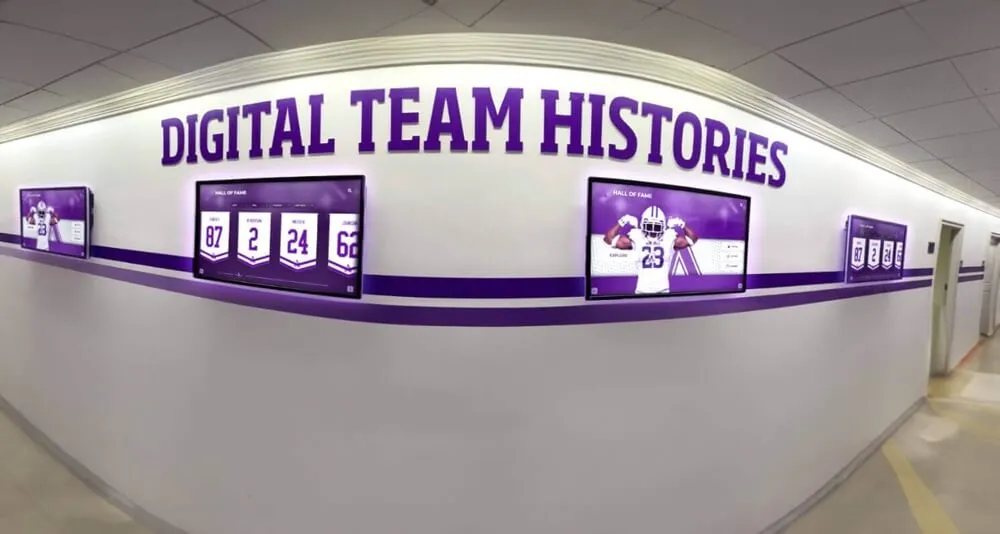
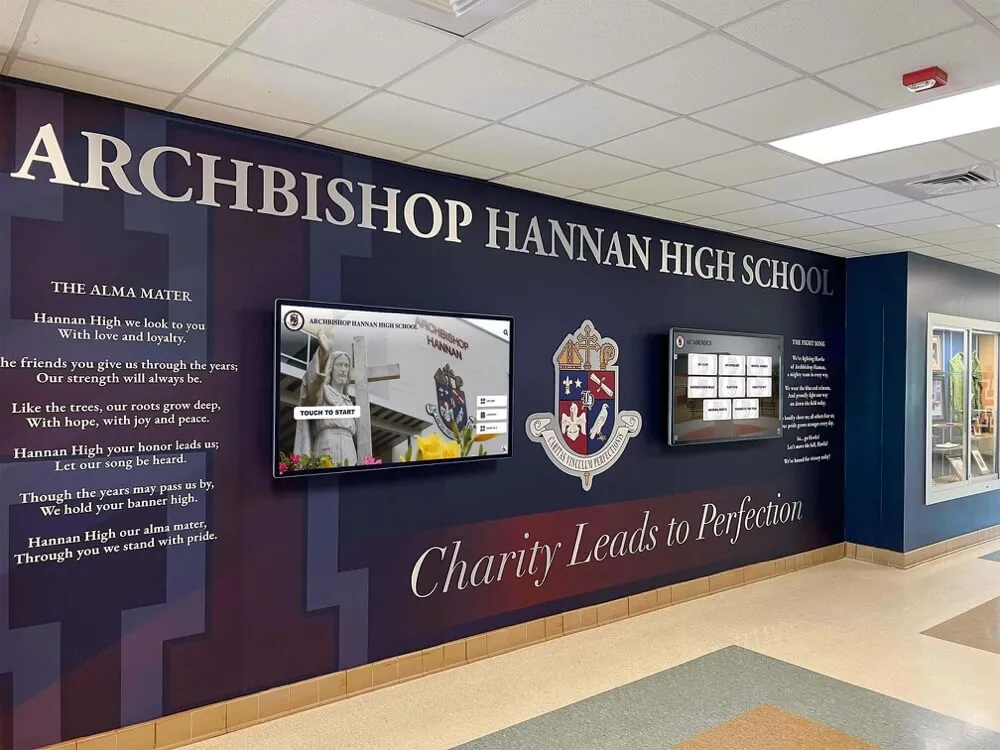
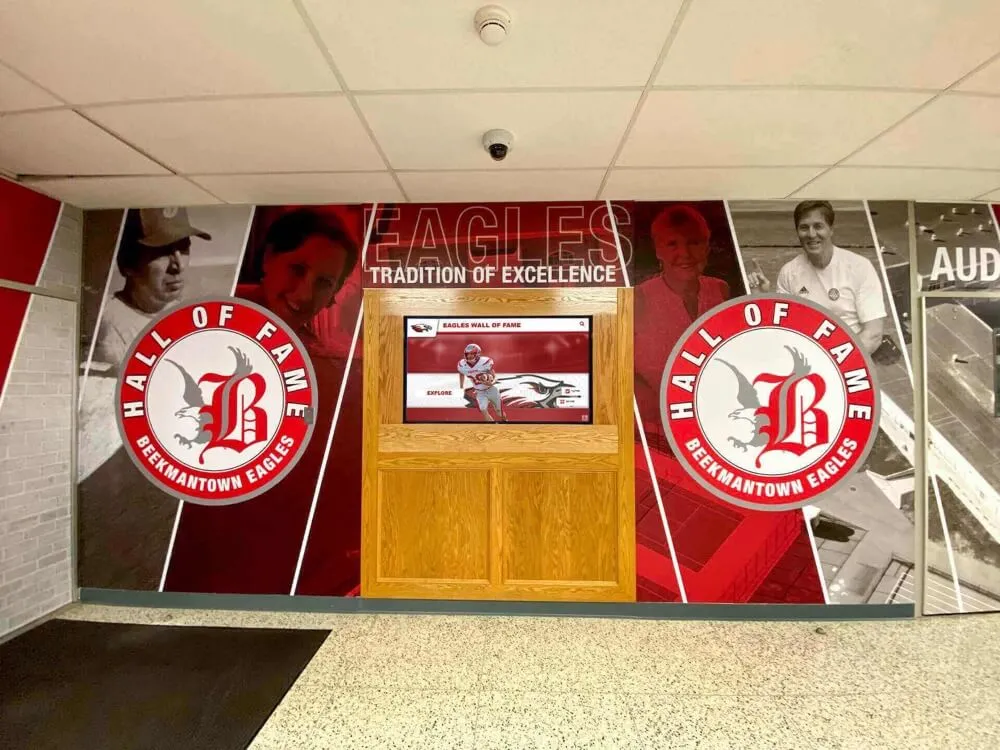
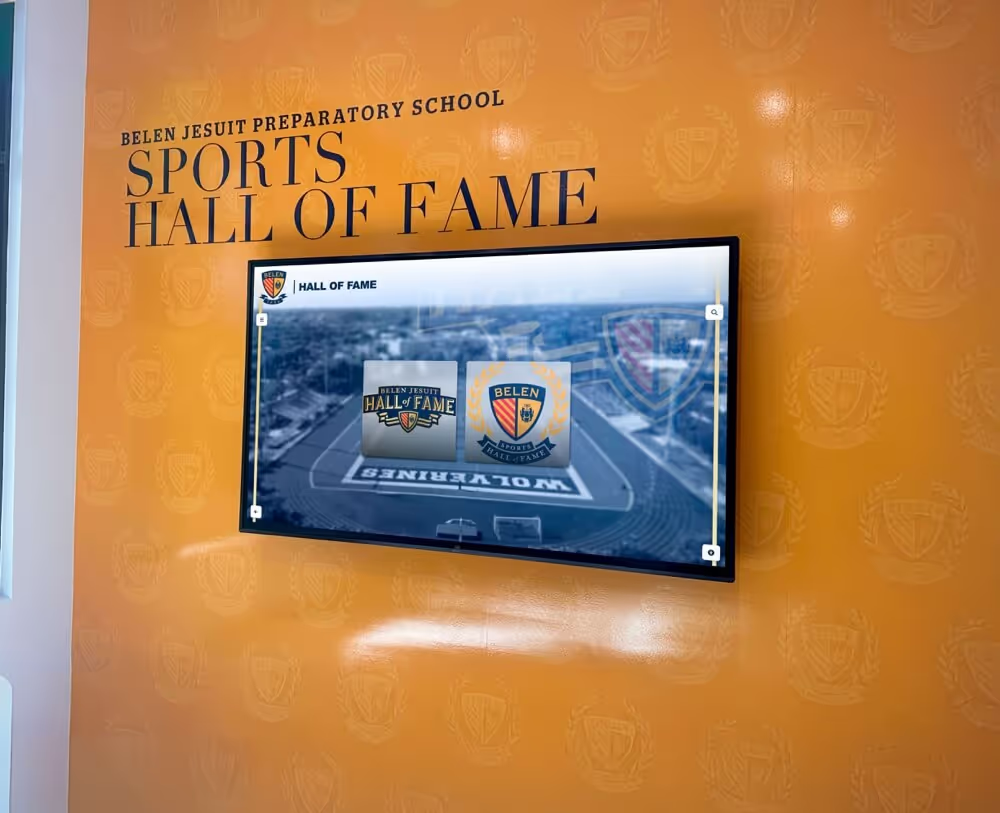
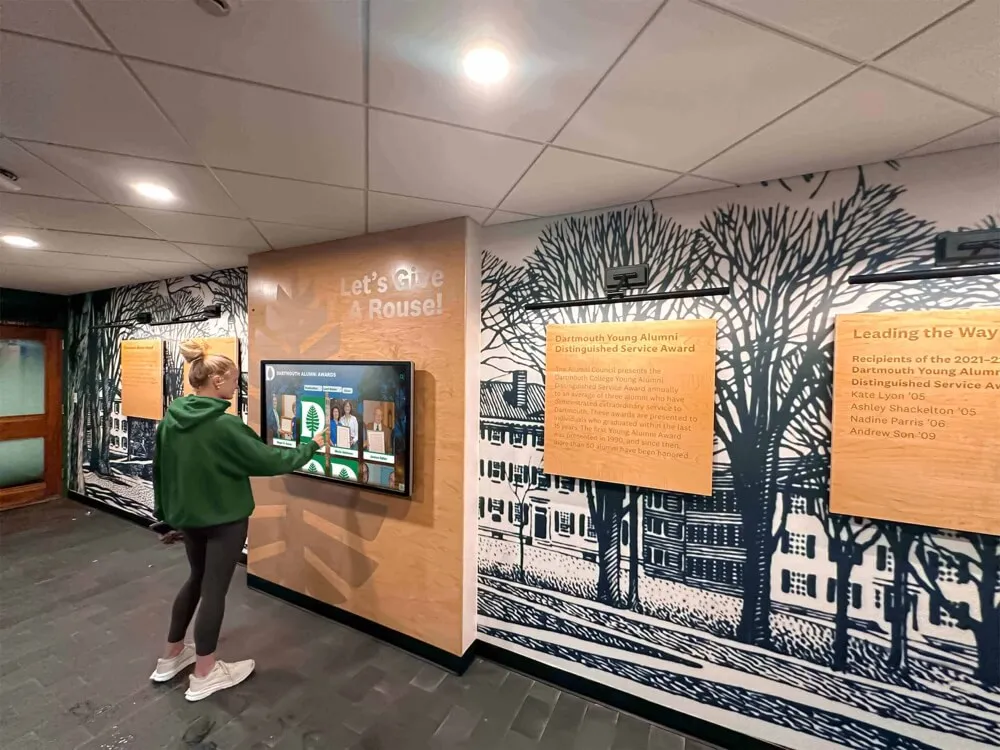
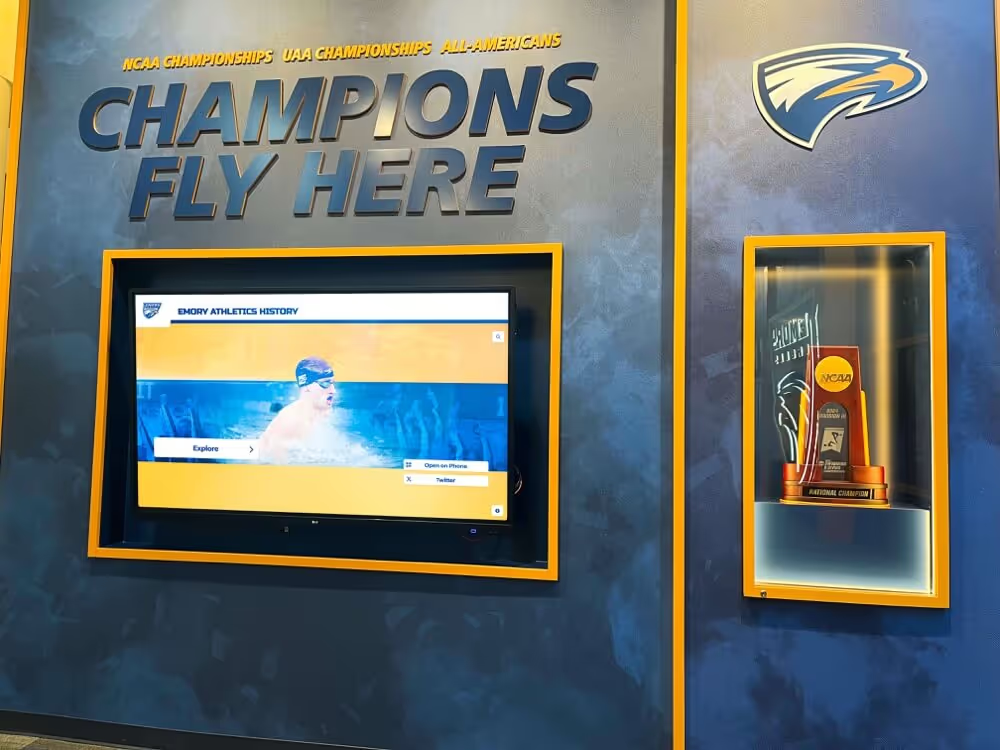
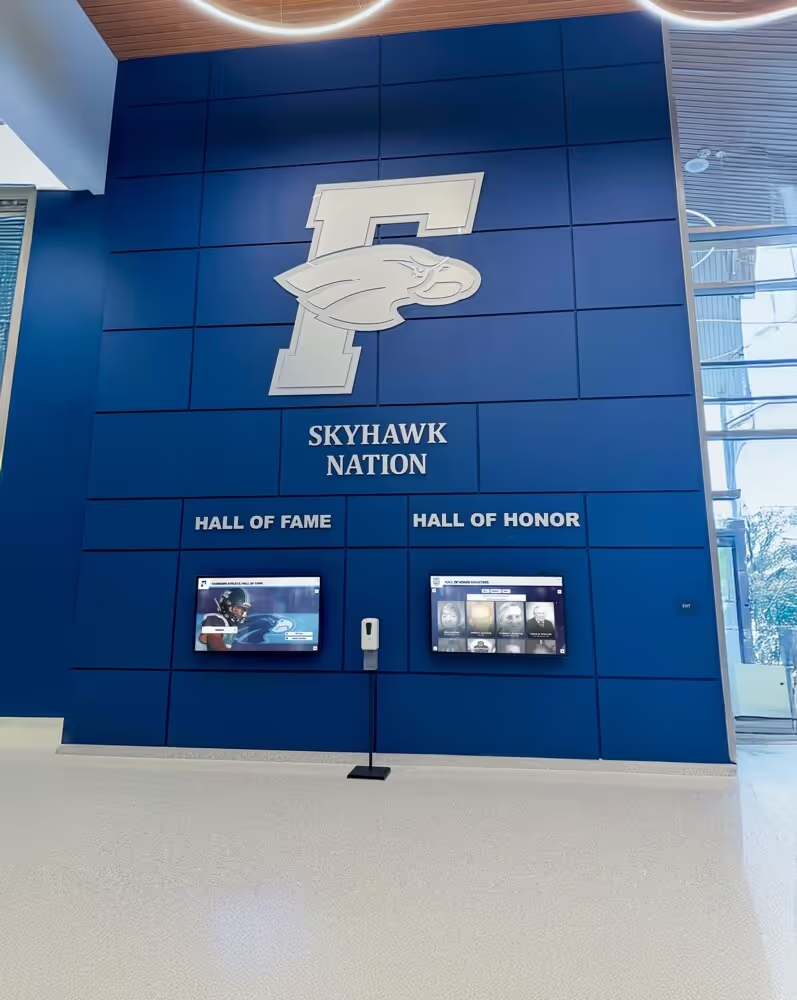
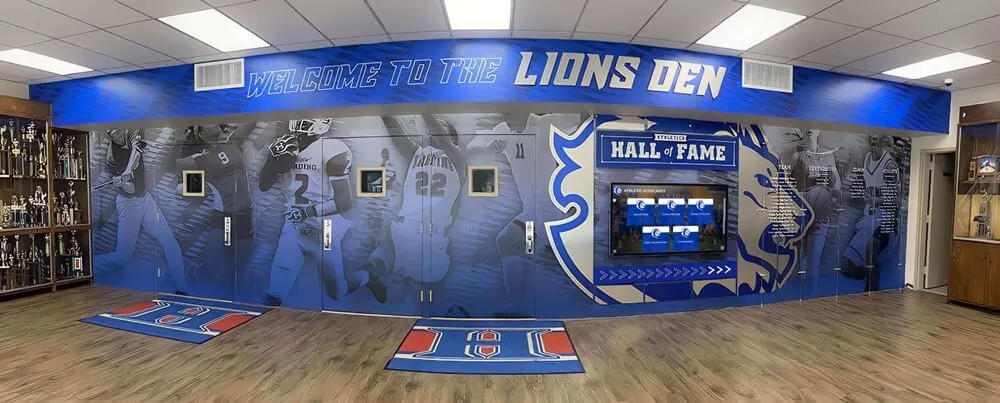
Enhancing Career Day With Digital Recognition Technology
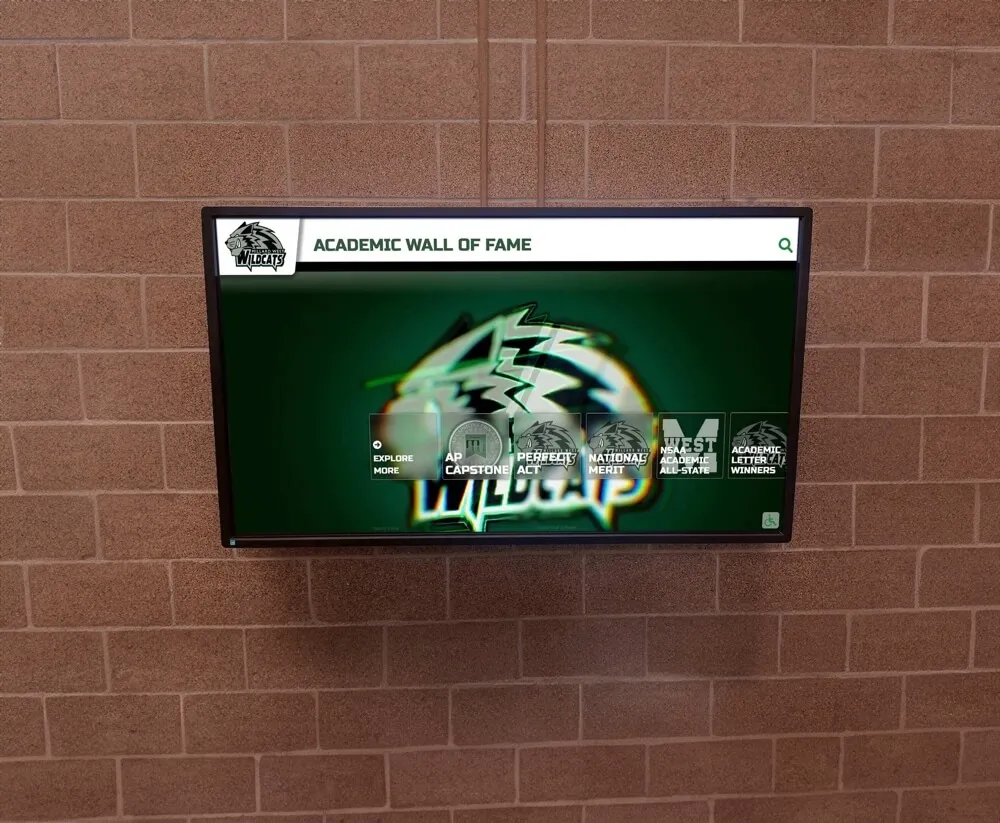
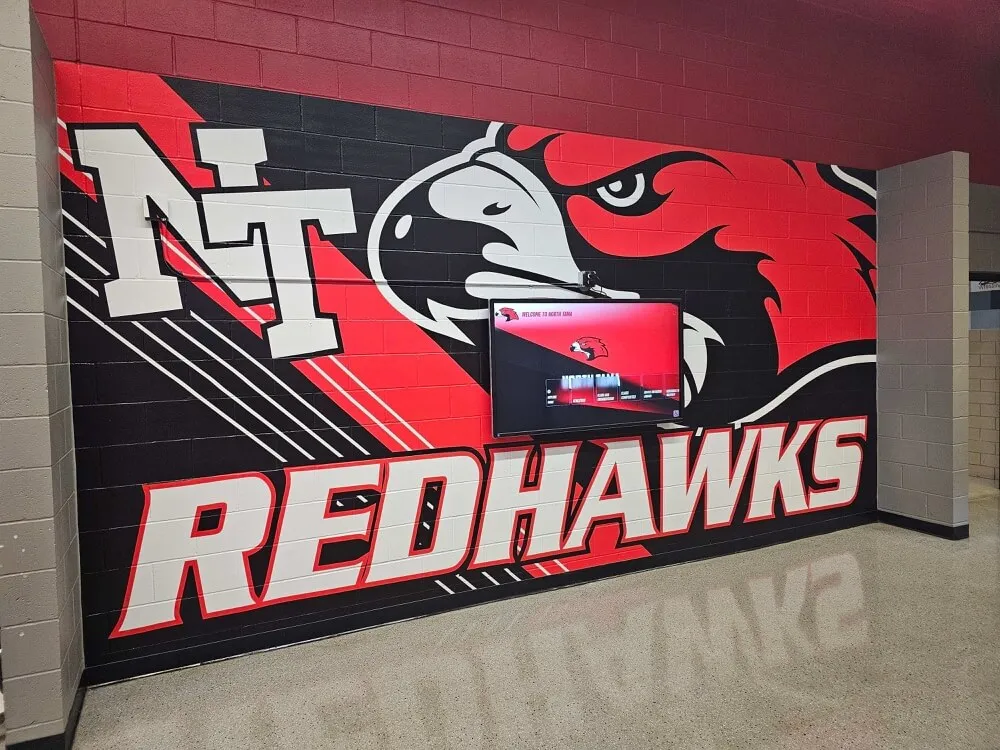
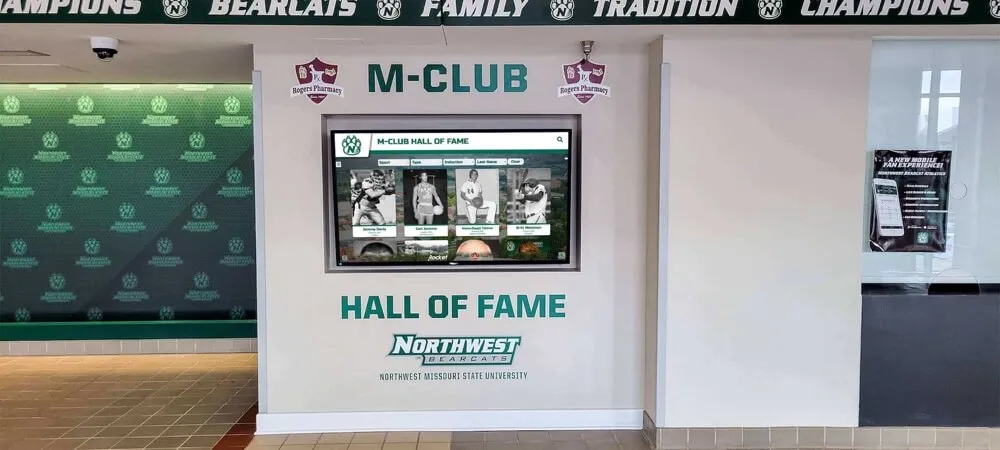
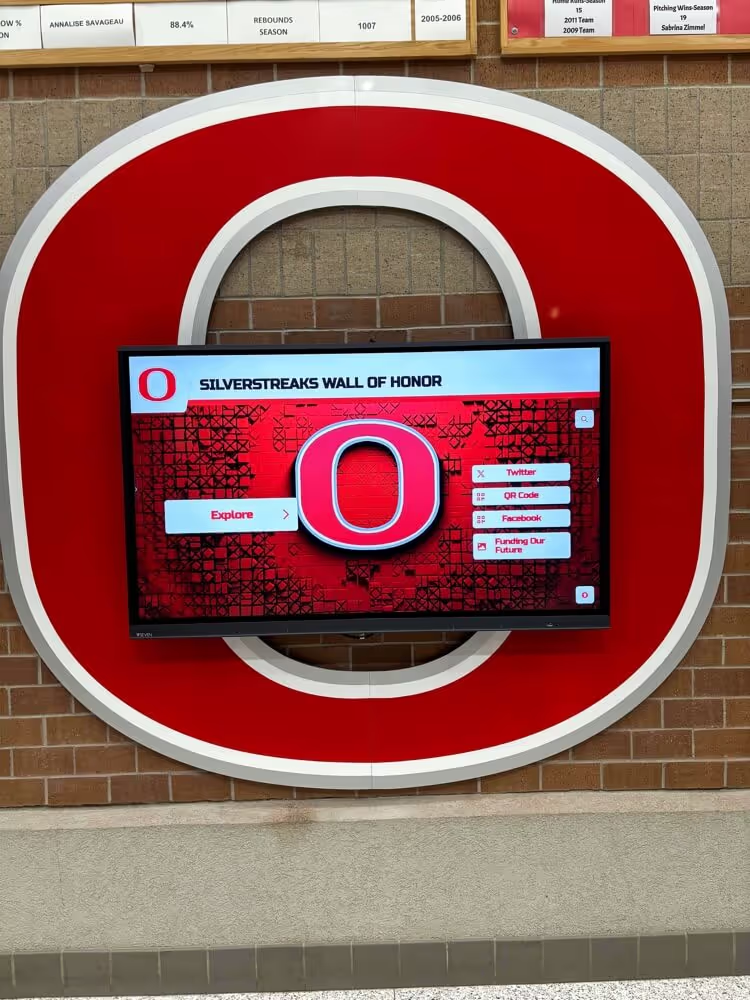
Permanent digital displays amplify career day impact throughout the year while supporting ongoing alumni engagement.
Year-Round Career Inspiration
Digital systems keep alumni success stories visible:
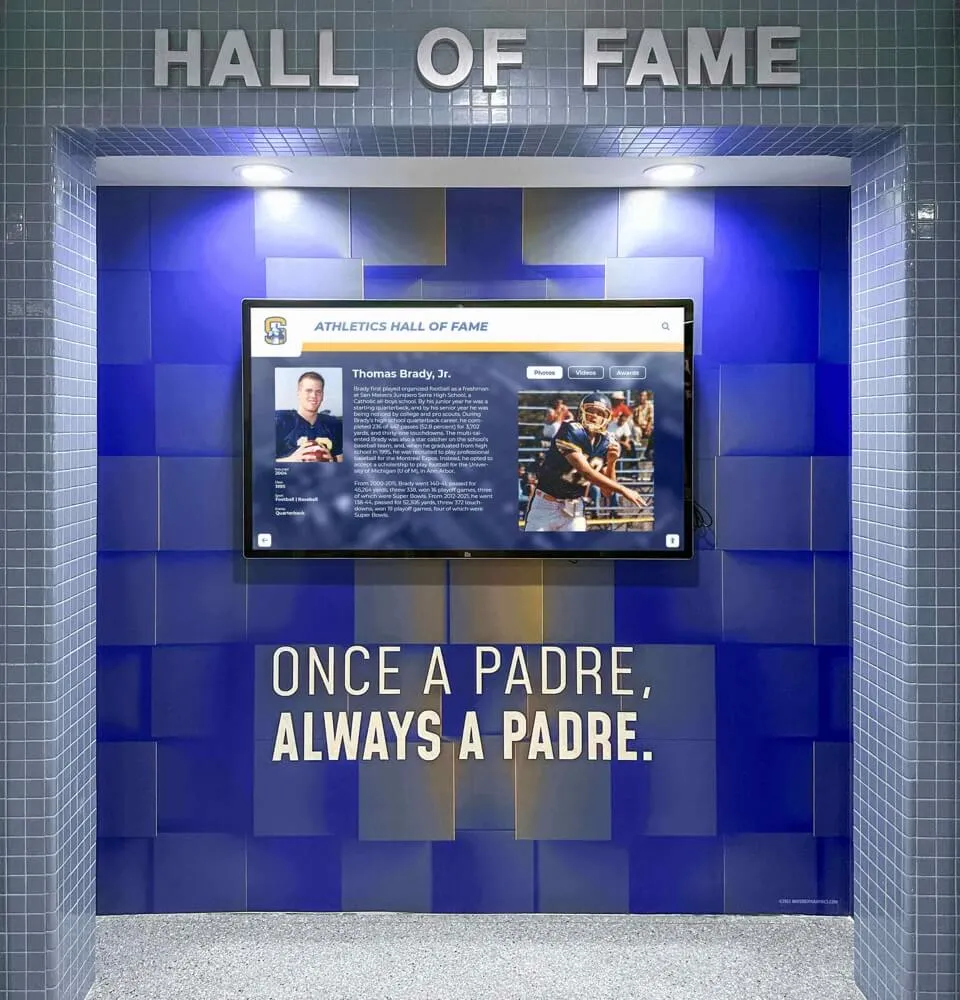
Interactive Alumni Achievement Profiles:
Comprehensive career showcase displays:
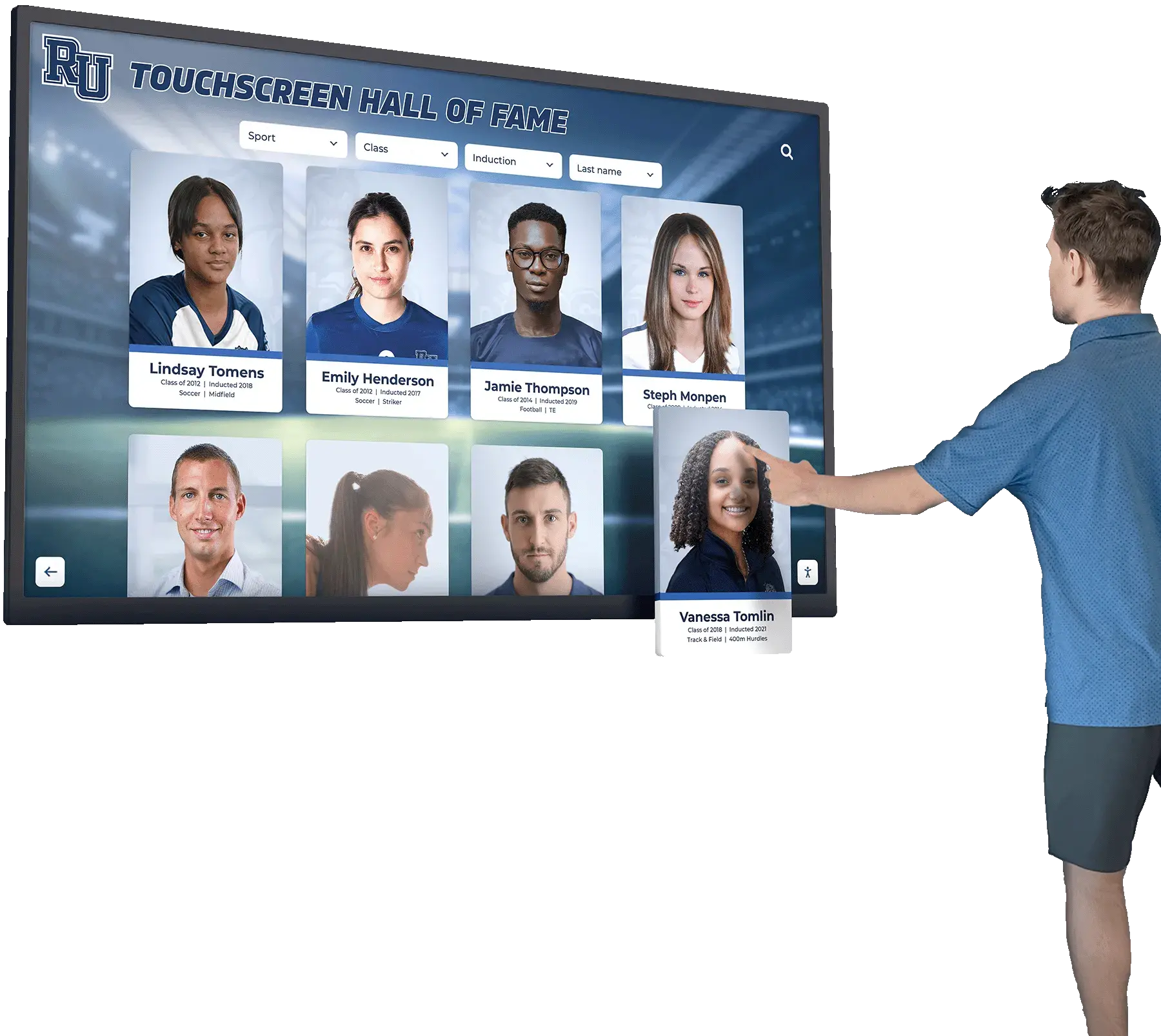
- Searchable database of alumni organized by career field, graduation year, location
- Detailed profiles including education pathway, career progression, current role
- Photo galleries showing alumni at various career stages
- Video messages from alumni discussing career journeys
- Success metrics demonstrating graduate achievement diversity
- Filter functionality enabling students to find alumni in fields of interest
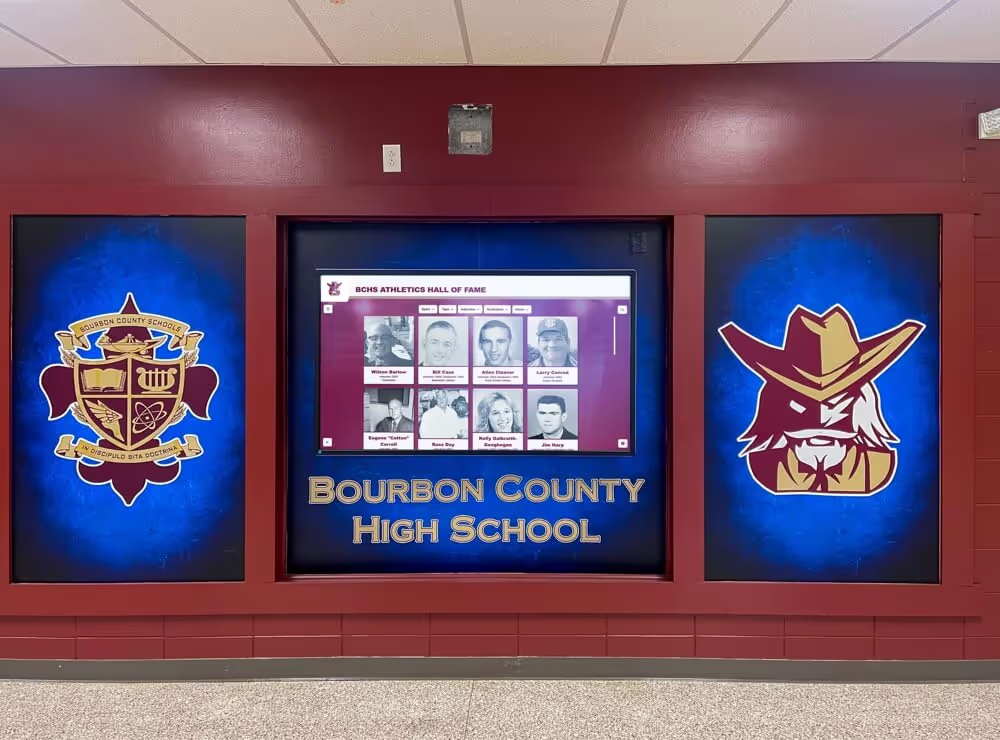
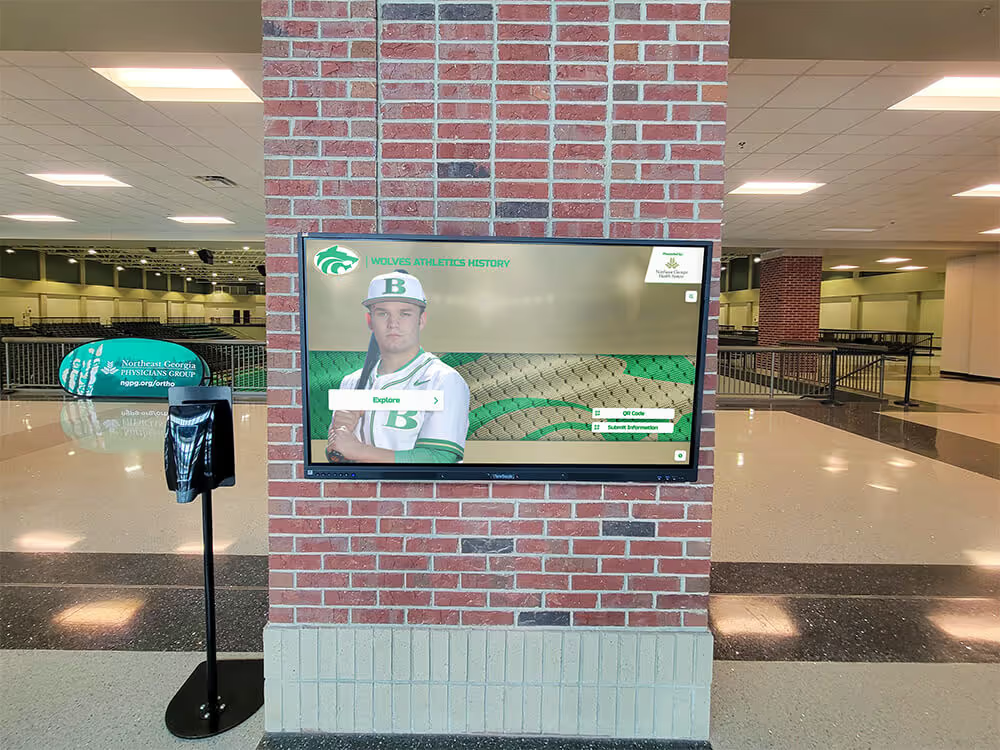
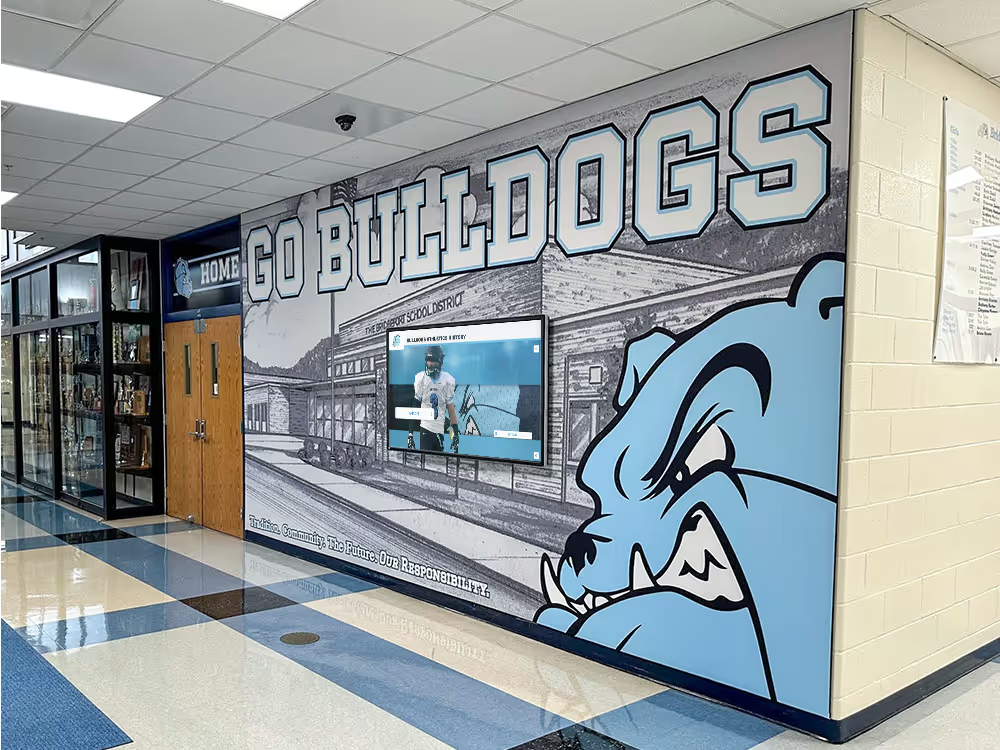
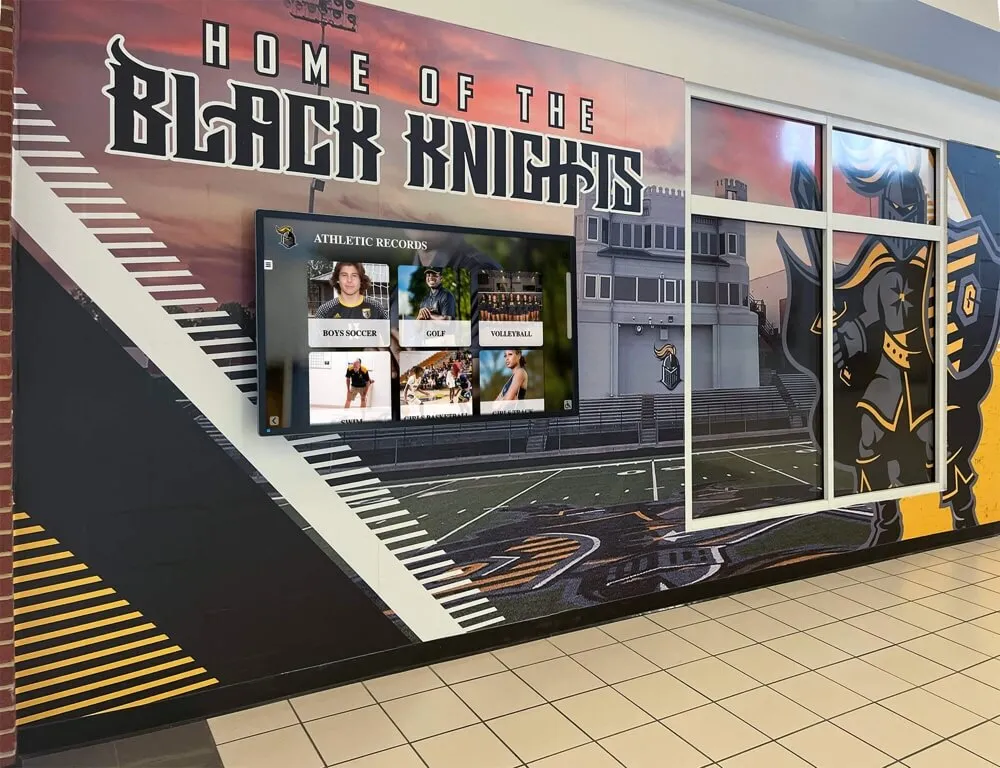
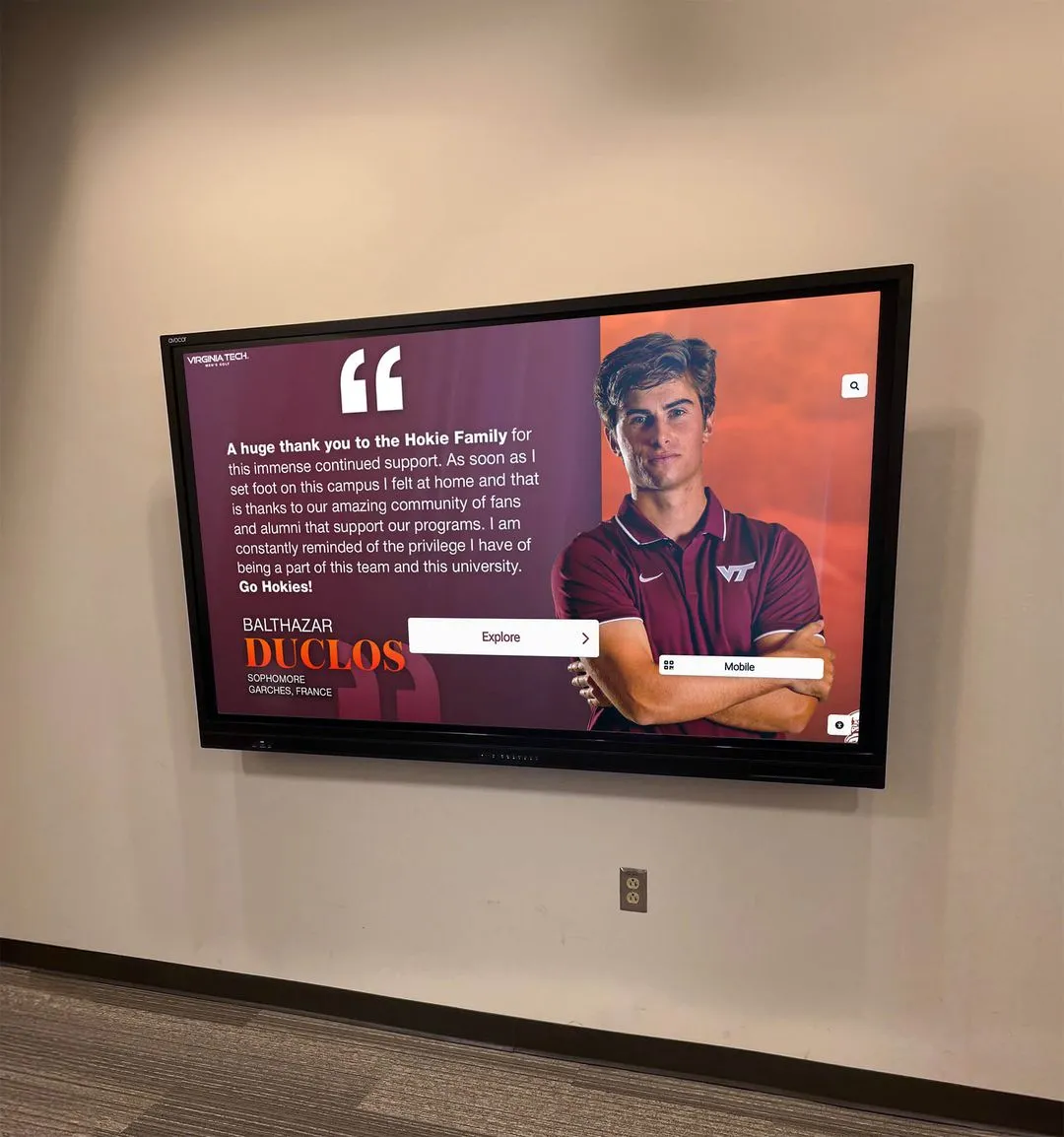
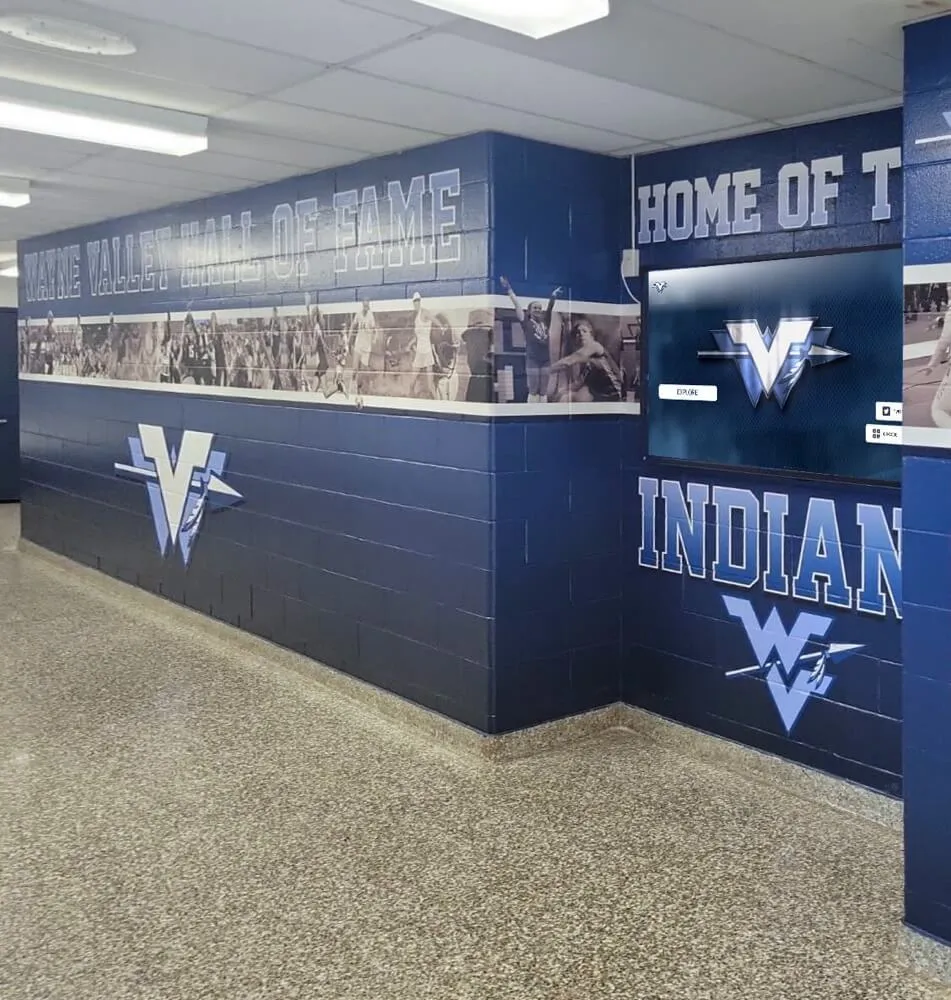
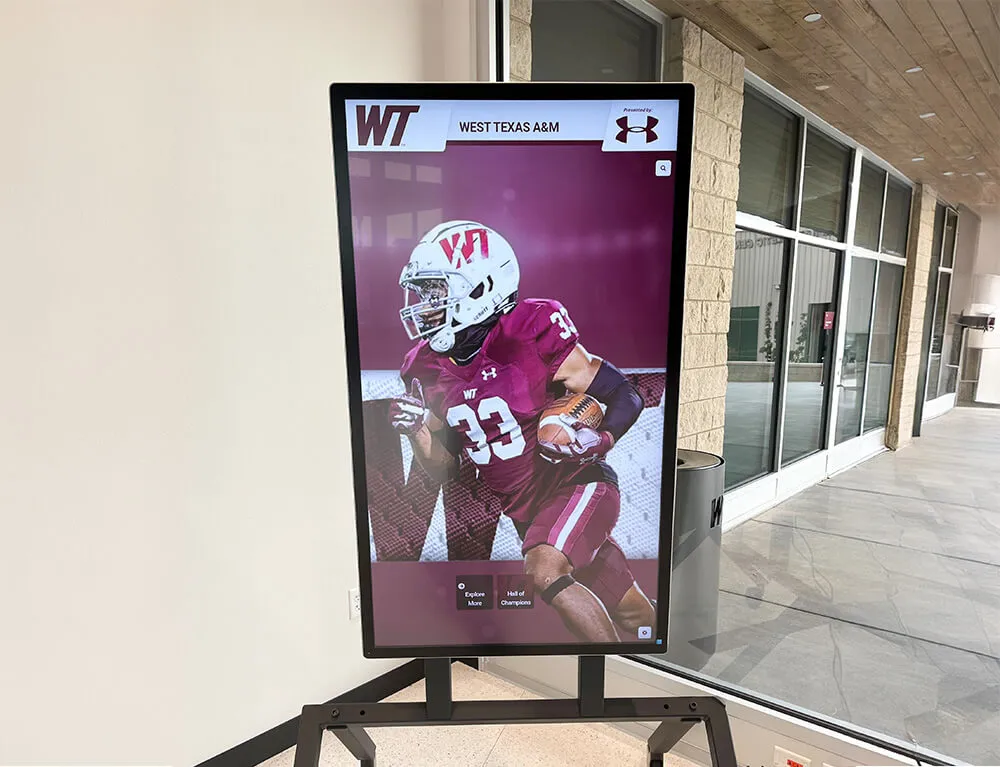
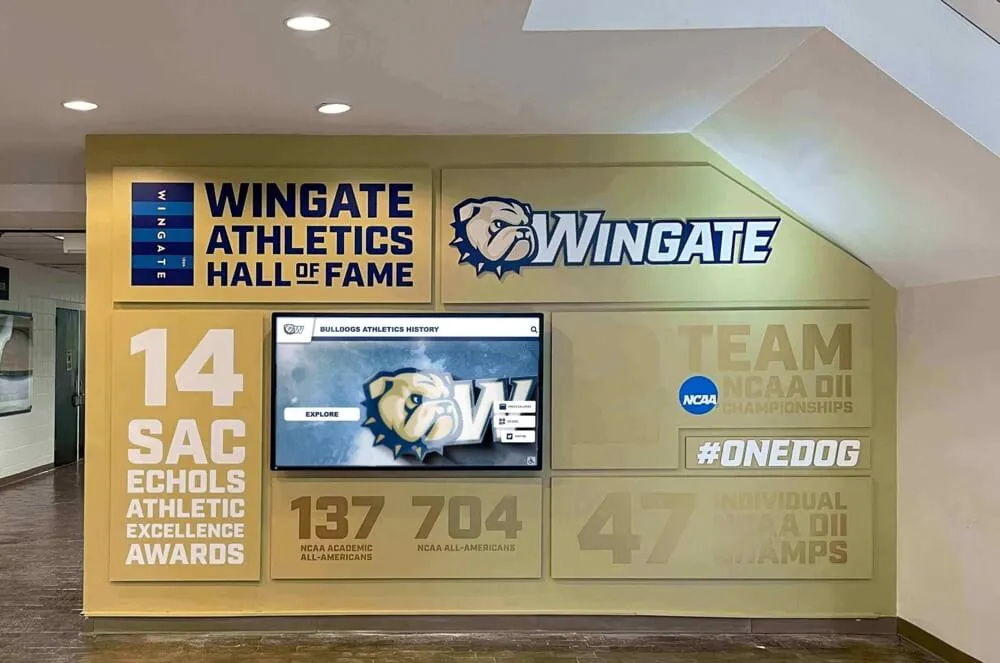
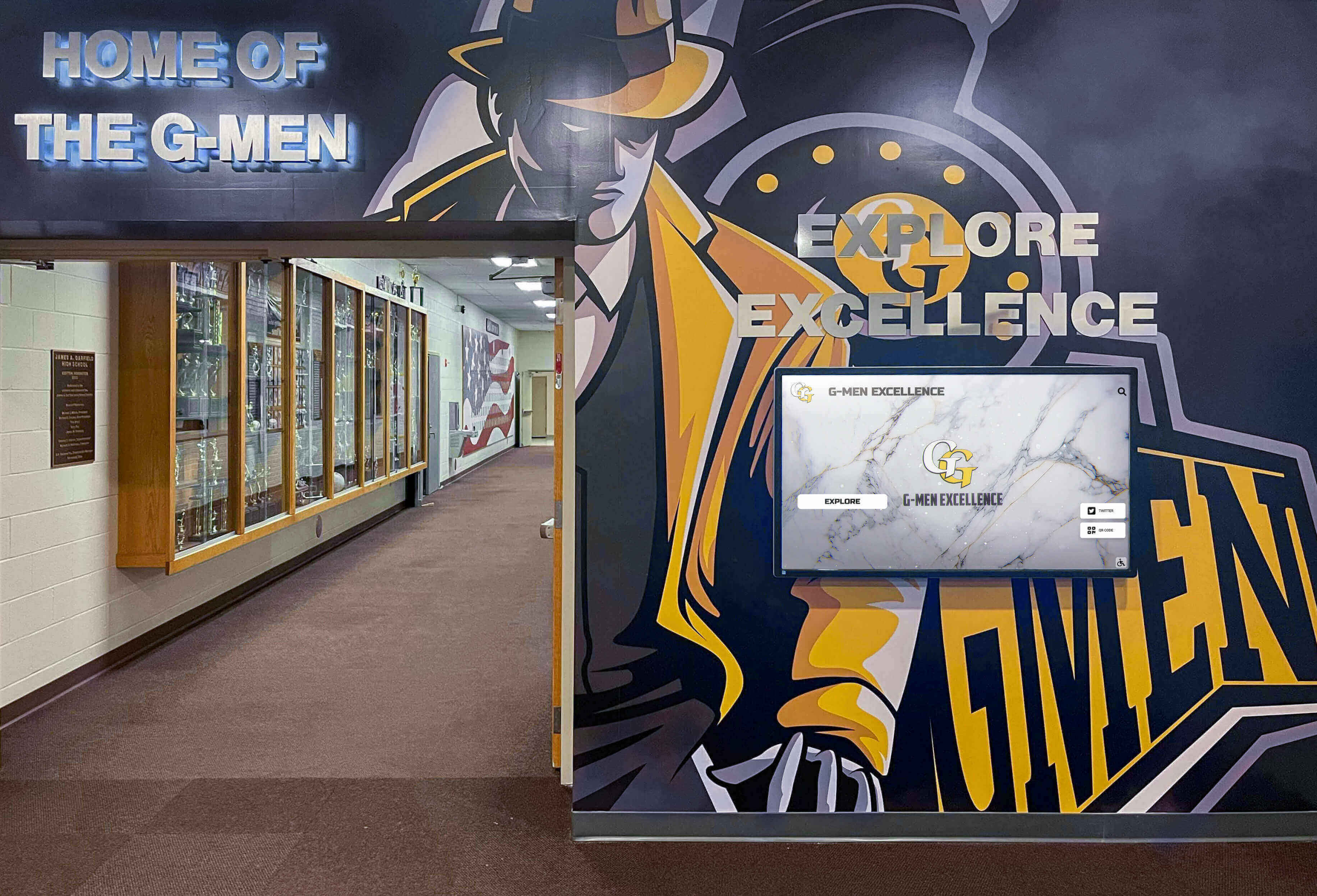
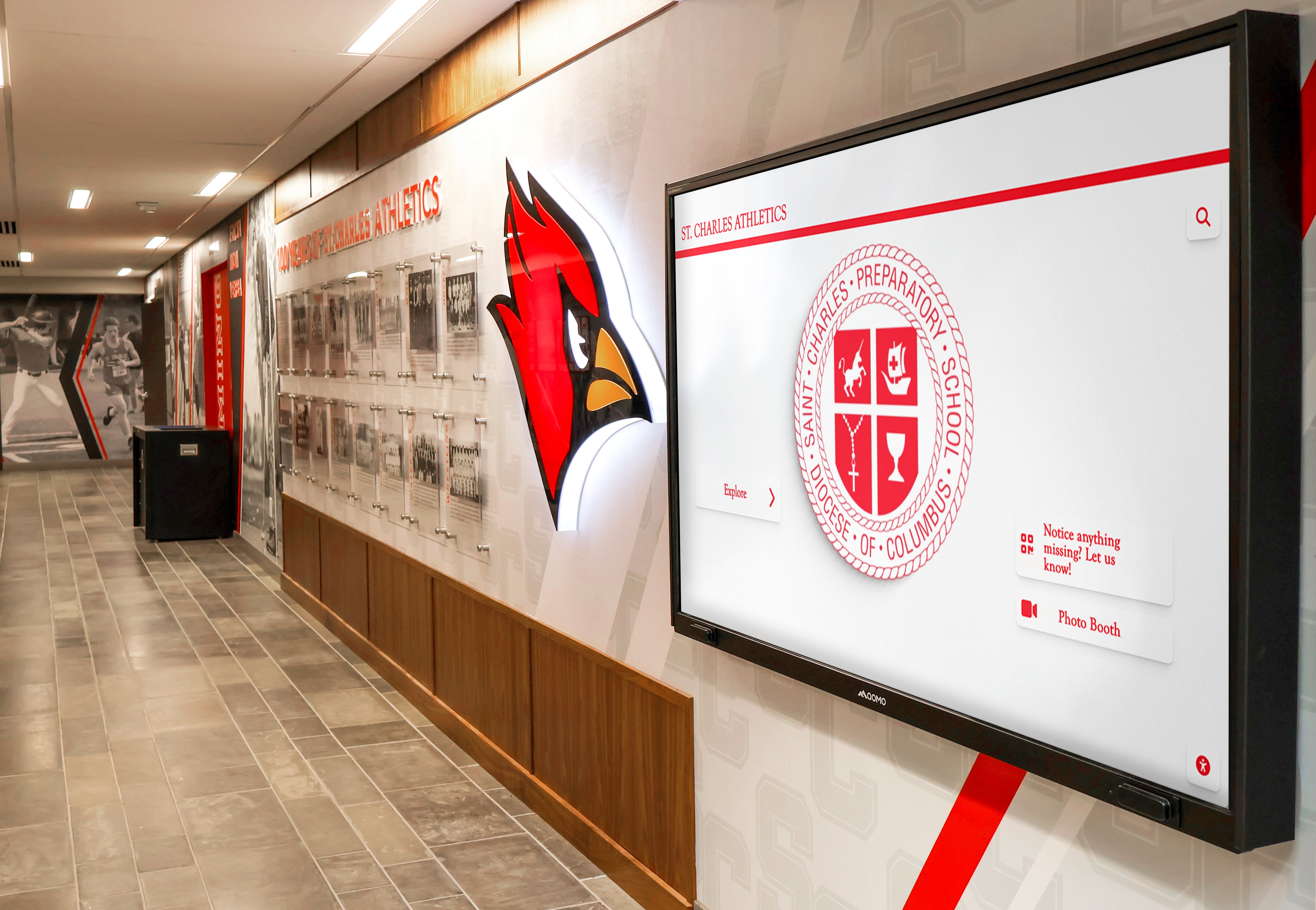
Year-round visibility ensures career inspiration extends far beyond single annual event, enabling students to explore alumni careers when they’re actively researching options. Solutions from Rocket Alumni Solutions provide schools with user-friendly platforms for building comprehensive alumni recognition displays showcasing career achievements.
Career Pathway Visualization:
Connecting education to careers through alumni examples:
- Career field clusters showing related occupations
- Education requirements for different careers with alumni examples at each level
- Career progression timelines showing typical advancement paths
- Skills and competencies valued in different fields
- Industry trend information with alumni working in emerging fields
- Local career ecosystem overview with alumni employed regionally
Pathway visualization helps students understand concrete steps between current education and future careers, reducing abstract uncertainty about “what comes next.”
Career Day Speaker Recruitment Support
Digital displays help recruit and recognize speakers:
Speaker Recognition and Incentive:
Prestigious permanent recognition encourages participation:
- Featured “Career Day Speaker” designation on alumni profiles
- Speaker highlight campaigns before event building anticipation
- Photo galleries from past career day events showing speaker experience quality
- Testimonials from previous speakers about meaningful impact
- Connection between career day participation and alumni hall of fame consideration
- Speaker contribution metrics showing cumulative impact over years
Recognition transforms one-day volunteer commitment into prestigious honor that motivates alumni participation while demonstrating school’s appreciation.
Speaker Background Information for Students:
Digital displays support student preparation:
- Pre-event access to speaker profiles enabling research
- QR codes linking to detailed career information
- Video introductions from speakers explaining their work
- Career field background context for speaker specializations
- Questions students can explore before meeting speakers
- Connection between speakers and permanent alumni database
Pre-event access helps students arrive with informed questions and genuine curiosity rather than superficial small talk.
Implementation Considerations
Schools planning digital recognition systems should consider:
Technology Options:
Various platforms offer different capabilities:
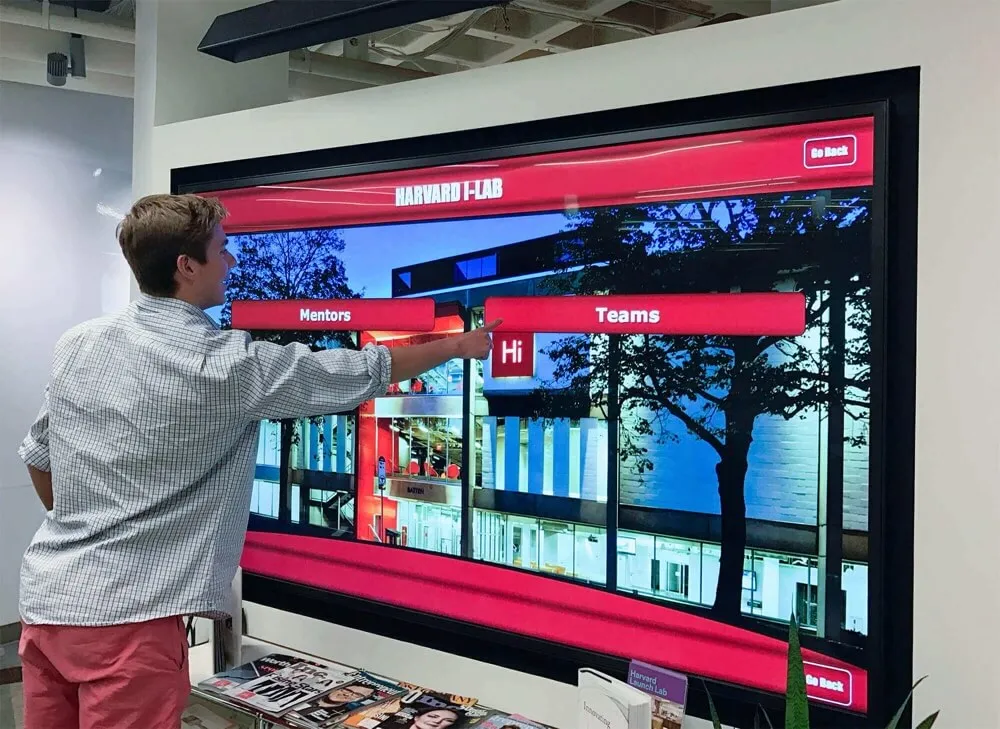
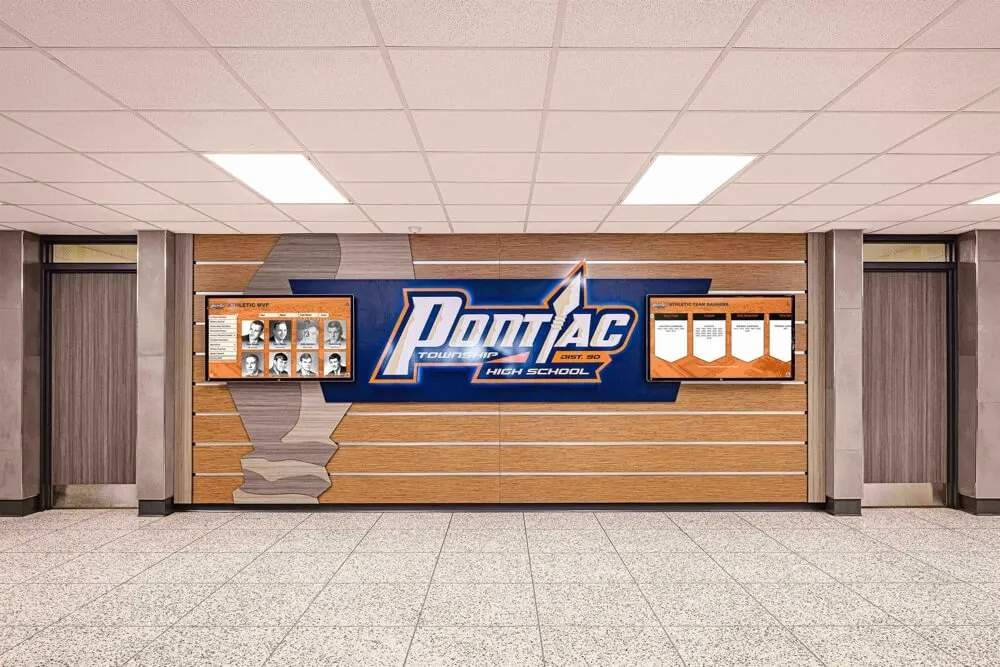
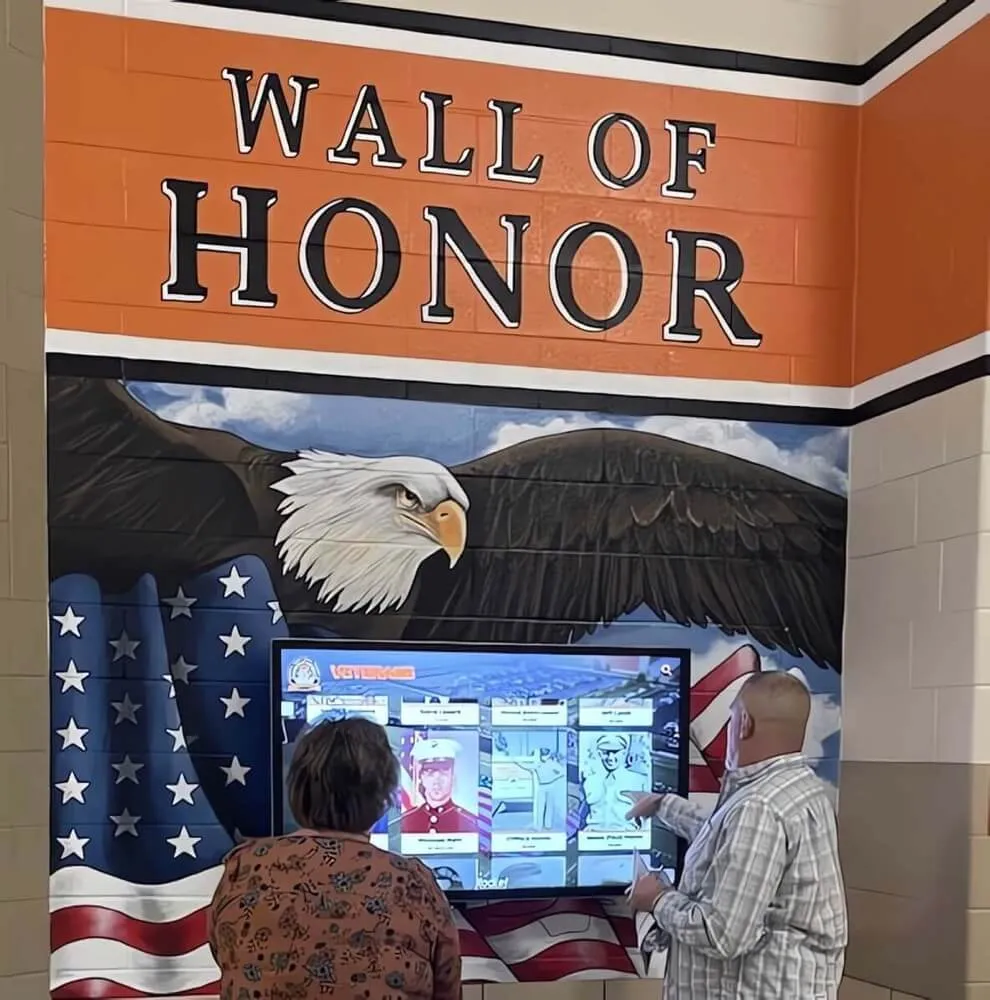
- Large-format touchscreen displays for high-traffic locations
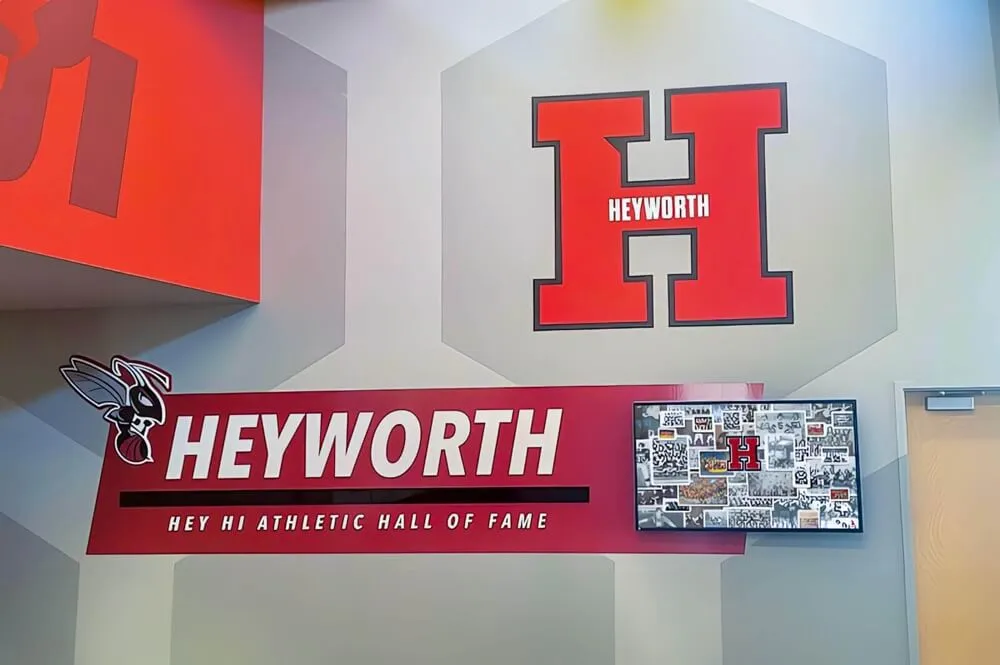
- Wall-mounted digital displays with rotating content
- Web-based platforms accessible from any device
- Mobile apps bringing alumni content to smartphones
- Integrated systems connecting physical displays to online platforms
- Content management systems enabling easy updates without technical expertise
Technology selection should balance sophistication with usability, ensuring that maintaining current content remains manageable rather than becoming abandoned project when initial enthusiasm fades.
Content Development Strategy:
Building and maintaining valuable alumni information:
- Initial data collection campaigns gathering alumni career information
- Ongoing submission systems enabling alumni to update their profiles
- Student journalism or marketing class projects creating alumni profile content
- Annual career day as primary content development opportunity
- Social media monitoring identifying alumni achievement for recognition
- Volunteer committee reviewing and approving submissions
Content development represents the most significant ongoing challenge, requiring sustainable processes rather than relying on one-time data collection efforts that become outdated.
Budget and Funding:
Investment considerations for different approaches:
- Hardware costs for touchscreen or display systems ($3,000-15,000)
- Software platforms or content management systems ($500-3,000 annually)
- Content development including photography and video ($2,000-8,000)
- Installation and technology integration ($1,000-5,000)
- Ongoing maintenance and updates ($500-2,000 annually)
- Funding sources: technology budgets, alumni association support, booster clubs, donor campaigns
While investment requirements vary significantly, even modest digital recognition systems provide substantially greater capacity and engagement than traditional static displays while supporting career day programming through year-round alumni visibility.
Conclusion: Creating Career Day Programs That Transform Student Futures
Career day events deliver transformative impact when students connect directly with alumni whose success demonstrates that meaningful careers are achievable possibilities, not abstract concepts. The most effective programs balance comprehensive planning with authentic human connection, provide diverse career exposure while enabling deep exploration of student interests, respect speaker time through excellent organization while creating meaningful impact justifying their participation, and build sustainable infrastructure enabling continuous improvement rather than treating each year’s event as entirely new undertaking.
Schools establishing or enhancing career day programs should invest time forming strong planning committees with clearly defined roles preventing volunteer burnout, recruiting diverse alumni speakers representing varied career paths and educational trajectories, preparing students to arrive as engaged learners with informed questions and genuine curiosity, executing detailed logistics enabling speakers and students to focus on meaningful interaction rather than navigating confusion, and implementing follow-up systems that consolidate learning while appreciating speaker contributions that encourage future participation.
Whether launching inaugural career day events, revitalizing programs that have grown stale, or scaling successful programs to reach more students with greater impact, thoughtful planning creates experiences that genuinely expand student horizons while strengthening the vital relationships between schools and their graduate communities. The investment in comprehensive career day programming pays dividends through improved student engagement with education, more informed academic and career planning, and alumni relationships that benefit schools through multiple channels far beyond annual career events.
Ready to amplify your career day program’s impact with year-round digital alumni recognition that keeps graduate success stories inspiring students daily? Explore Rocket Alumni Solutions to discover comprehensive recognition platforms designed specifically for schools building sustainable alumni engagement and career inspiration systems that transform student futures.