



Key Takeaways
Complete guide to creating effective baseball practice plans for coaches at all levels. Learn session structure, drill progressions, time management strategies, and how to track player development while celebrating team milestones.
Baseball coaches at every level face the same fundamental challenge: how to design practice sessions that maximize player development, build team cohesion, prepare for competitive success, and maintain athlete engagement across long seasons spanning months of repetitive skill work. A poorly planned practice wastes valuable time, creates boredom that kills motivation, allows bad habits to develop without correction, and fails to prepare athletes for the specific situations they’ll encounter in games. Yet the difference between mediocre and excellent practices often comes down to intentional planning—structured sessions with clear objectives, purposeful drill progressions, efficient time management, and deliberate teaching that compounds small daily improvements into substantial skill development.
Whether you’re coaching youth players just learning to throw and catch, developing high school athletes competing for championships and college opportunities, or leading competitive travel programs where every practice must move players toward their potential, effective practice planning provides the foundation for program success. This comprehensive guide provides frameworks for building baseball practice plans that balance fundamental skill development with team execution, create engaging sessions that maximize repetitions and minimize downtime, address the specific needs of different age groups and skill levels, and establish tracking systems that document progress while celebrating achievements that inspire continued effort.
Understanding the Components of Effective Baseball Practice Plans
Before designing specific practice sessions, understanding the essential components and time allocation principles enables coaches to create balanced plans addressing all dimensions of player and team development.
Essential Practice Components and Time Allocation
Comprehensive baseball practices address multiple skill domains requiring appropriate time investment:
Dynamic Warm-Up and Injury Prevention (10-15 minutes):
Practice should begin with purposeful movement preparation rather than passive stretching:
- Dynamic stretching emphasizing baseball-specific movement patterns
- Arm care routines including band work and shoulder stabilization exercises
- Activation exercises for core, hips, and posterior chain
- Light movement activities increasing heart rate and body temperature
- Agility and footwork drills preparing athletes for practice intensity
Warm-ups serve functional purposes beyond injury prevention—they establish practice tone, create routine consistency that helps athletes mentally prepare, and provide opportunities for team communication before splitting into drill groups. Many successful programs use this time to review practice objectives and emphasize specific coaching points for the day’s focus areas.
Progressive Throwing Program (10-15 minutes):
Arm health requires systematic throwing progressions building arm strength appropriately:
- Short toss (30-45 feet) emphasizing proper mechanics and wrist snap
- Medium toss (60-90 feet) extending arm action with increasing intensity
- Long toss (120-180+ feet) building arm strength and releasing full arm extension
- Position-specific throws including quick release for middle infielders
- Pull-down throws returning to game distances with maintained intensity
Throwing programs should progress gradually throughout the season, increasing distance and intensity as arms strengthen while monitoring workload to prevent overuse. Coaches should use this time for individual throwing mechanics feedback rather than treating it as mindless catch.
Fundamental Skill Development (30-45 minutes):
The bulk of practice time focuses on position-specific and team-wide skill work:
- Batting practice rotations including tee work, soft toss, live BP, and situational hitting
- Infield ground ball progressions and defensive positioning
- Outfield fly ball work and throwing accuracy
- Catching drills including blocking, framing, and throwing to bases
- Pitcher bullpen sessions and mound work
- Base running fundamentals and secondary lead work
This segment typically involves station rotations where position groups work simultaneously on different skills, maximizing repetitions while preventing the downtime that occurs when 15 players wait for turns at one station. Effective coaches establish clear station objectives, time limits, and transition signals ensuring smooth rotations without wasted time.
Situational Practice and Team Execution (20-30 minutes):
Skills must be applied in game-like situations requiring decision-making:
- Situational hitting scenarios (runners in scoring position, sacrifice situations, two strikes)
- Defensive situations including first-and-third defenses, rundowns, and cutoff relays
- Team defense alignment for bunts and specific batter tendencies
- Communication drills emphasizing verbal and non-verbal signals
- Simulated game situations with runners, count scenarios, and score/inning contexts
Situational work transforms isolated skills into coordinated team execution while developing the baseball IQ that separates good players from great ones. These drills should be competitive, keeping score or creating consequences that replicate game pressure and motivate maximum effort. Similar to how schools develop coaching philosophies that emphasize both skill development and character growth, effective situational practice teaches decision-making and competitive mindset alongside physical execution.
Cool-Down and Practice Review (5-10 minutes):
Practice should end with intentional closure:
- Static stretching while muscles are warm
- Arm care post-throwing routines
- Brief practice summary highlighting successes and teaching points
- Preview of next practice or upcoming game
- Individual feedback or recognition of outstanding effort
Cool-down provides opportunities for teaching that extends beyond physical skills—discussing mental approach, reinforcing team values, and recognizing effort that may not show in statistics but contributes to team success.
Adapting Practice Plans for Different Age Groups and Skill Levels
Effective practice structure varies significantly based on athlete age, experience, and competitive level:
Youth Baseball (Ages 6-10):
Young players require shorter, highly varied sessions maintaining engagement:
- Total practice length: 60-75 minutes maximum
- Drill blocks: 8-12 minutes before rotation to maintain attention
- Heavy emphasis on fundamental catching, throwing, and hitting mechanics
- Simple, clearly explained drills with demonstrated success criteria
- Frequent positive reinforcement and encouragement
- Fun competitive elements (relay races, target games, achievement challenges)
- Minimal standing around—keep all players active simultaneously
- Parent involvement when appropriate for station management
Youth practices should prioritize skill foundation and love of the game over competitive complexity. Players at this age learn best through repetition with immediate feedback, clear visual demonstrations, and positive reinforcement that builds confidence.
Middle School Baseball (Ages 11-14):
Developing players can sustain more complex instruction and longer drill sequences:
- Total practice length: 90-120 minutes
- Drill blocks: 15-20 minutes allowing deeper skill development
- Introduction of position specialization while maintaining multi-position exposure
- More sophisticated game situations and strategic concepts
- Beginning of strength and conditioning integration
- Increased accountability for effort and attention
- Competition tracking statistics or creating team leaderboards
- Video analysis introduction for mechanics refinement
Middle school practices should balance continued fundamental emphasis with advancing tactical knowledge as players develop the cognitive capacity to understand strategic concepts and anticipate game situations.
High School and Competitive Travel Baseball:
Advanced players benefit from sophisticated, intense practice sessions:
- Total practice length: 2-3 hours depending on season phase
- Extended drill blocks: 20-30 minutes allowing position-specific mastery
- Heavy situational work replicating specific opponent tendencies
- Integration of video analysis, metrics, and data-driven development
- Strength and conditioning programs tailored to baseball demands
- Mental skills training including visualization and pressure management
- Leadership development and player-led components
- Pre-season, in-season, and post-season practice variations
High school practices should prepare players for both immediate competitive success and potential college opportunities while developing the work habits and baseball IQ required for advanced levels. Many successful programs document this development journey through end-of-season recognition that celebrates not just statistical achievements but growth in leadership, competitive mindset, and skill mastery.
Creating Weekly and Seasonal Practice Progressions
Individual practice plans must fit within larger weekly and seasonal frameworks ensuring systematic skill development and appropriate competitive preparation.
Weekly Practice Planning Cycles
Organizing weekly practice sequences around game schedules optimizes preparation while managing player workload:
In-Season Weekly Structure (High School Example):
A typical week with weekend games might look like:
Monday (Post-Weekend Recovery and Fundamentals):
- Light throwing program (shorter distances, reduced volume)
- Fundamental skill work addressing errors from weekend games
- Individual mechanics refinement based on game performance
- Mental approach discussions and video review
- Reduced intensity allowing recovery while maintaining skill work
Tuesday (Skill Development and Live Work):
- Full throwing program building back to normal intensity
- Extended batting practice with live pitching
- Defensive situation work with full intensity
- Base running and secondary lead development
- Higher volume preparing for mid-week competition
Wednesday (Light Practice or Off Day):
- Complete rest for athletes playing demanding positions (pitchers, catchers)
- Optional light skill work or film study for position players
- Arm care and recovery protocols
- Mental preparation for Thursday game
Thursday (Game Day - Limited Practice):
- Light pre-game warm-up and routine
- Specific game plan review for opponent
- Brief situational reminders for defensive alignments
- Arm care only for non-pitching players
- Mental visualization and competition preparation
Friday (Recovery and Weekend Preparation):
- Active recovery throwing (light catch only)
- Video review of Thursday opponent
- Scouting report and strategy for weekend series
- Individual meetings addressing development areas
- Equipment maintenance and field preparation
Saturday-Sunday (Weekend Games):
- Pre-game routines and warm-ups
- In-game coaching and adjustments
- Post-game cool-down and recovery protocols
This structure balances hard developmental work early in the week with appropriate recovery and game preparation as competition approaches. Coaches should adjust intensity based on player workload, weather conditions, and specific team needs.
Off-Season and Pre-Season Variations:
Practice focus shifts when not in competitive season:
- Off-season: Strength development, mechanics refinement, position versatility exploration
- Pre-season: Building conditioning, establishing team systems, increasing volume and intensity
- Early season: Finalizing roles, game situation preparation, maintaining health
- Championship season: Opponent-specific preparation, maintaining peak performance, managing fatigue
Seasonal Development Progressions
Long-term planning ensures systematic skill development across months of training:
Fall Baseball (High School):
Fall focuses on development without competitive pressure:
- Extended time on fundamental mechanics without game urgency
- Position experimentation helping players and coaches identify best fits
- Competitive intrasquad scrimmages establishing team chemistry
- Strength and conditioning foundation for spring season
- Freshman and new player integration into program culture
Winter Training:
Off-field work builds capacity for spring performance:
- Strength training emphasizing baseball-specific power and explosiveness
- Indoor batting cage work refining swing mechanics
- Throwing programs maintaining arm health without overuse
- Team building and leadership development
- Mental skills training and competitive mindset development
Spring Season:
In-season practices shift from development to game preparation:
- Maintenance of skills developed during off-season
- Opponent-specific scouting and strategic adjustments
- Management of pitcher workloads and position player fatigue
- In-season strength maintenance preventing regression
- Individual development continuing alongside team preparation
Summer Baseball:
Post-season programs vary based on athlete goals:
- Showcase team players focusing on college recruitment opportunities
- Legion or travel ball emphasizing competitive experience
- Skill-specific camps addressing individual development needs
- Rest and recovery for players requiring physical or mental breaks
Successful programs create year-round development plans ensuring systematic progress while building anticipation for spring competition. Many schools celebrate this sustained commitment through recognition programs that honor dedication and perseverance alongside statistical achievements.
Essential Practice Drills and Progressive Skill Development
Effective practice plans incorporate drills that build skills systematically while maintaining player engagement through variety and competition.
Hitting Development Progression
Batting practice should follow logical progressions from mechanical foundations to game-situation execution:
Tee Work (Beginner to Advanced):
Batting tee drills develop swing mechanics through perfect repetition:
- Front toss location work (inside, middle, outside)
- Two-tee drills promoting proper swing path and extension
- One-handed swings building strength and bat control
- High/low tee placement practicing pitch coverage
- Tee work with specific count scenarios (“0-2 approach,” “3-1 pitch”)
Even advanced hitters should include tee work for mechanics maintenance and specific adjustment work. The key is purposeful focus on specific swing elements rather than mindless swinging.
Soft Toss and Underhand Flip:
Coaches introduce movement and timing while maintaining control:
- Standard soft toss from side or behind protective screen
- Front flip toss requiring pitch recognition and timing
- Multi-ball sequences building swing repetition and barrel control
- Variable speed tosses developing timing adjustments
- Situational flip work (hit to right side, line drives, sacrifice flies)
Soft toss provides volume repetitions impossible with live pitching while offering immediate feedback opportunities coaches can provide between rounds.
Live Batting Practice:
Game-speed pitching integrates all hitting elements:
- Round-based BP with specific objectives each round (situational hitting, two-strike approach, driving the ball)
- Competitive BP with scoring or targets
- Pitcher vs. hitter matchup practice
- Simulated at-bats with counts and game situations
- Quality at-bat focus (fouling off tough pitches, battling)
Live BP should replicate game intensity and decision-making rather than simply serving medium-speed pitches to guarantee contact. The best batting practice forces hitters to adjust, make decisions, and execute under pressure.
Defensive Skill Progressions
Defensive practice should build from individual technique through team-wide execution:
Individual Infield Fundamentals:
Ground ball work develops reliable defensive technique:
- Stationary fielding emphasizing proper glove position and footwork
- Roll drill progressions (slow rollers, routine grounders, difficult angles)
- Forehand and backhand technique development
- Double play feeds and turns
- Barehand pickups for slow rollers and bunts
- Quick exchange and release drills
Infield practice should emphasize quality repetitions with proper mechanics rather than simply hitting hundreds of ground balls that reinforce poor habits. Coaches should provide specific feedback on footwork, glove positioning, and throwing mechanics throughout defensive work.
Outfield Development:
Outfielders require specific skill work often neglected in practice:
- Drop step and first step quickness drills
- Fly ball communication and route efficiency
- Ground ball through and crow hop throwing mechanics
- Fence work and safety protocols
- Sun ball practice with flip-down sunglasses
- Diving and sliding catches with proper technique
- Situational throws (hitting cutoff, throwing to correct base)
Many programs neglect outfield development, allowing players to simply shag balls during batting practice without intentional skill instruction. Dedicated outfield time elevates defensive performance significantly.
Team Defense and Situational Work:
Individual skills must integrate into coordinated team defense:
- First-and-third defense (multiple options based on game situations)
- Bunt defenses (pitcher covering, corners charging, middle infielders covering)
- Rundown execution with proper positioning and throws
- Cutoff and relay alignments from all outfield positions
- Communication drills ensuring verbal and visual signals
- Pick-off plays and timing routes
- Double play timing and feeds from all infield positions
Team defense requires regular practice because these situations occur infrequently in games, yet execution failures often determine outcomes. Competitive scoring during these drills (tracking successful executions vs. errors) increases focus and replicates game pressure. Programs that emphasize team execution alongside individual achievement often recognize this through comprehensive awards that honor complete contributions to team success beyond statistics.
Base Running Development
Base running often receives minimal practice time despite significantly impacting game outcomes:
Primary and Secondary Leads:
Runners must develop proper technique and timing:
- Lead distance standards (body lengths by base)
- Read step timing off pitcher delivery
- Dive-back and retreat mechanics
- Different lead strategies based on pitcher tendencies (slide step, varied times)
- Leadoff timing for straight steals and delayed steals
Stealing and Advancing:
Aggressive base running creates scoring opportunities:
- Jump timing and first-step explosiveness
- Sliding techniques (feet-first, headfirst safety protocols)
- Reading pitchers for steal opportunities
- Taking extra bases on hits (first to third, scoring from second)
- Tag-up timing and technique on fly balls
- Rundown escape tactics
Situational Base Running:
Game awareness separates good from great base runners:
- Two-strike protection (no double plays on ground balls)
- Sacrifice fly tagging and scoring
- Hit-and-run timing and approach
- Reading outfield throws and taking extra bases
- Avoiding pickoffs and understanding pitcher moves
- Situational awareness (score, inning, outs affecting decisions)
Many championship games are decided by base running execution that reflects practice preparation or lack thereof. Successful programs create base running competitions and track statistics that incentivize aggressive but smart running.
Tracking Player Development and Celebrating Team Milestones
Systematic development tracking creates accountability while providing documentation that celebrates achievements and motivates continued effort.
Individual Skill Assessment and Progress Monitoring
Coaches should maintain objective measures documenting player development:
Measurable Performance Metrics:
Track quantifiable benchmarks at regular intervals:
- Exit velocity off tee and during batting practice
- Throwing velocity from position
- 60-yard dash and home-to-first times
- Pop time for catchers (receiving to release to base)
- Batting average, on-base percentage, slugging percentage
- Fielding percentage and defensive metrics
Recording these measurements at season start, mid-point, and conclusion provides concrete evidence of improvement while identifying areas requiring additional focus.
Mechanical Skill Rubrics:
Create assessment checklists for fundamental techniques:
- Hitting mechanics checklist (stance, load, swing path, extension, finish)
- Throwing mechanics assessment (footwork, arm path, release, follow-through)
- Fielding fundamentals evaluation (ready position, footwork, glove work, exchange)
- Base running technique (leads, jumps, slides)
Rubric-based assessment provides more nuanced evaluation than simple statistics, identifying specific mechanical adjustments needed for development.
Practice Performance Documentation:
Maintain records beyond game statistics:
- Batting practice quality at-bat percentages
- Defensive drill success rates (clean plays vs. errors)
- Situational execution tracking
- Effort and focus ratings by practice
- Leadership and teammate support observations
Practice documentation helps coaches provide specific feedback during individual meetings while creating development narratives that extend beyond box scores.
Team Achievement Recognition and Program Culture
Celebrating team and individual milestones strengthens program culture while preserving athletic history:
Season Achievement Documentation:
Record significant accomplishments:
- Team championships (conference, district, regional, state)
- Individual all-conference and all-state selections
- Career milestone achievements (varsity letters, 1,000 career hits)
- Team statistical leaders by season
- Championship game highlights and memorable moments
- Senior class legacy statements
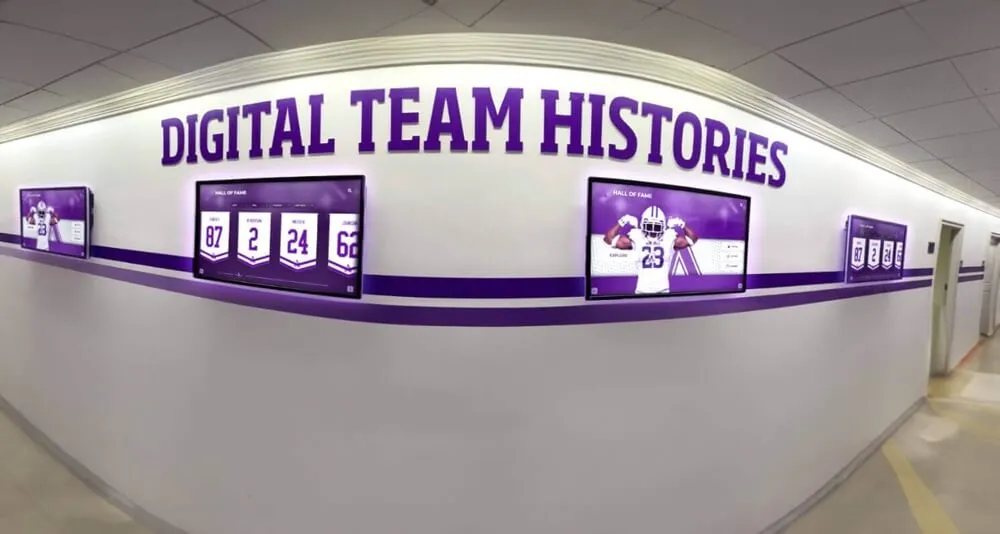
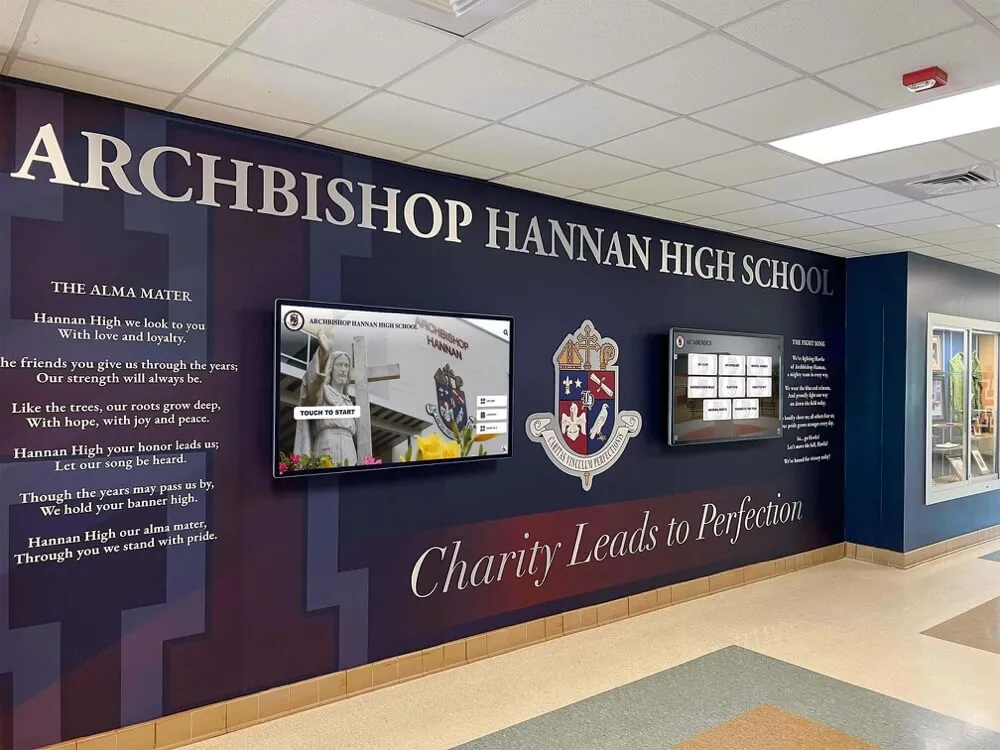
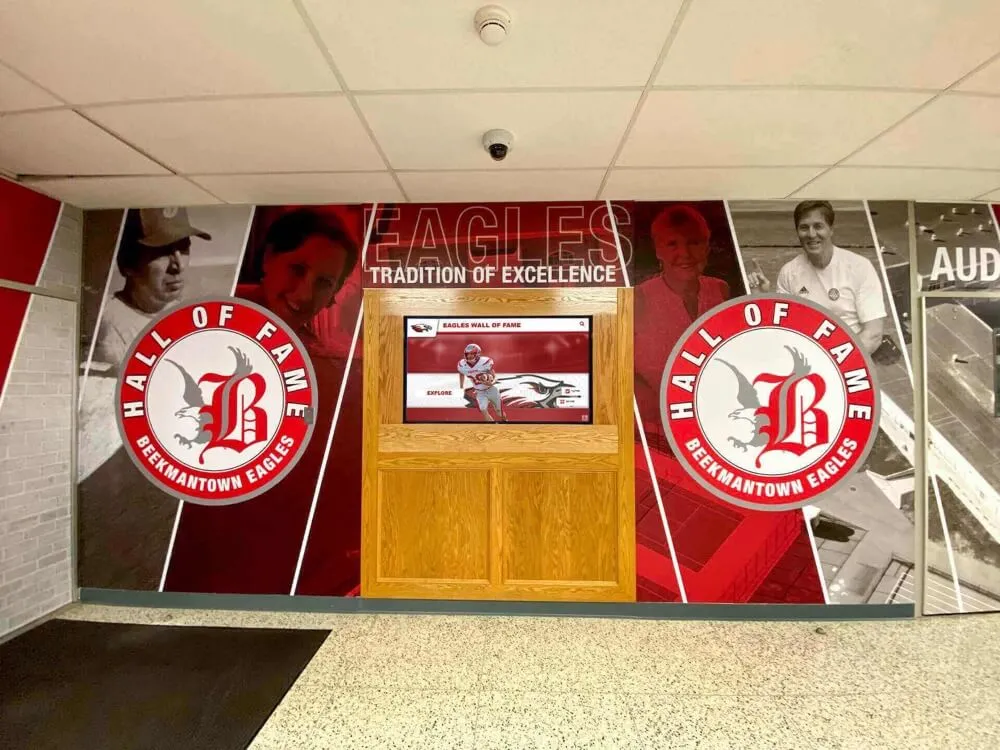
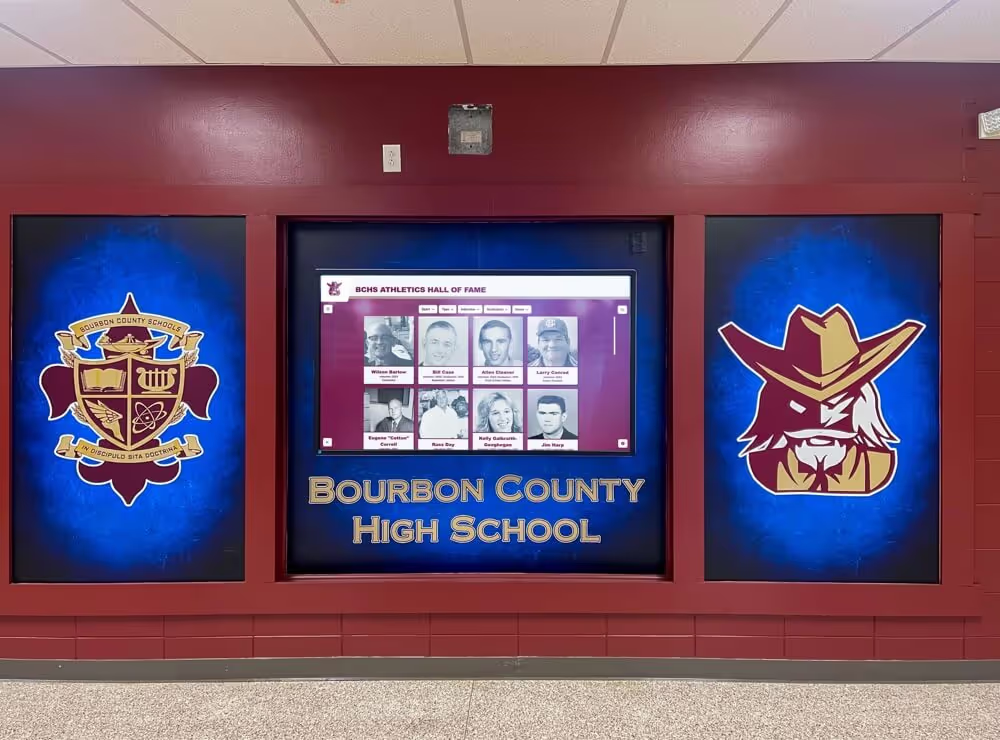
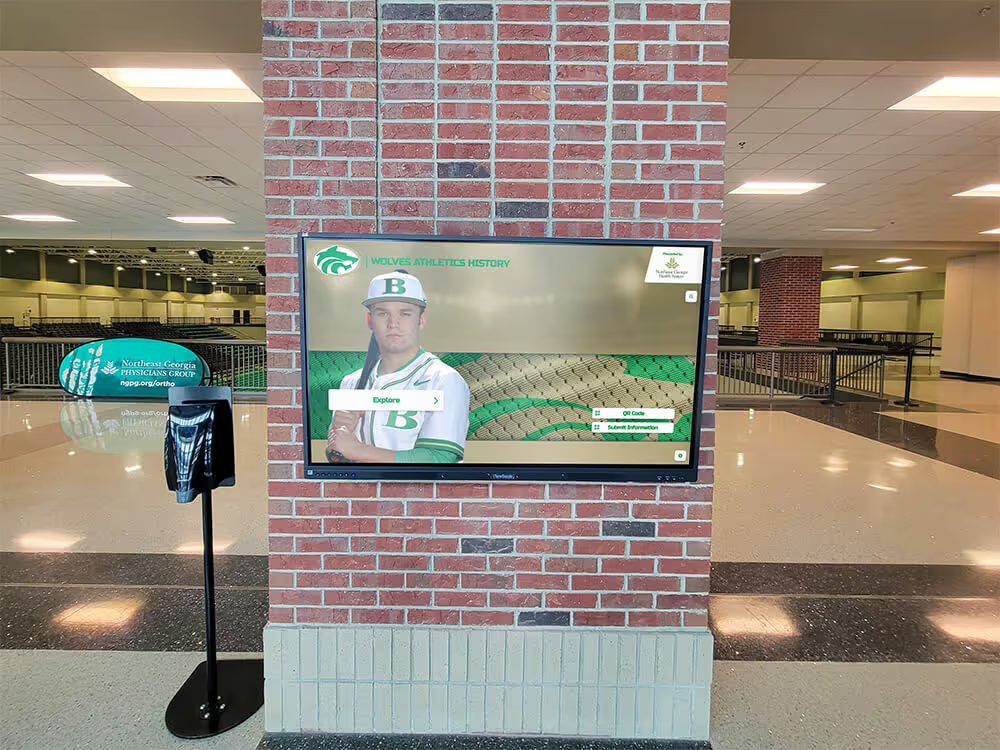
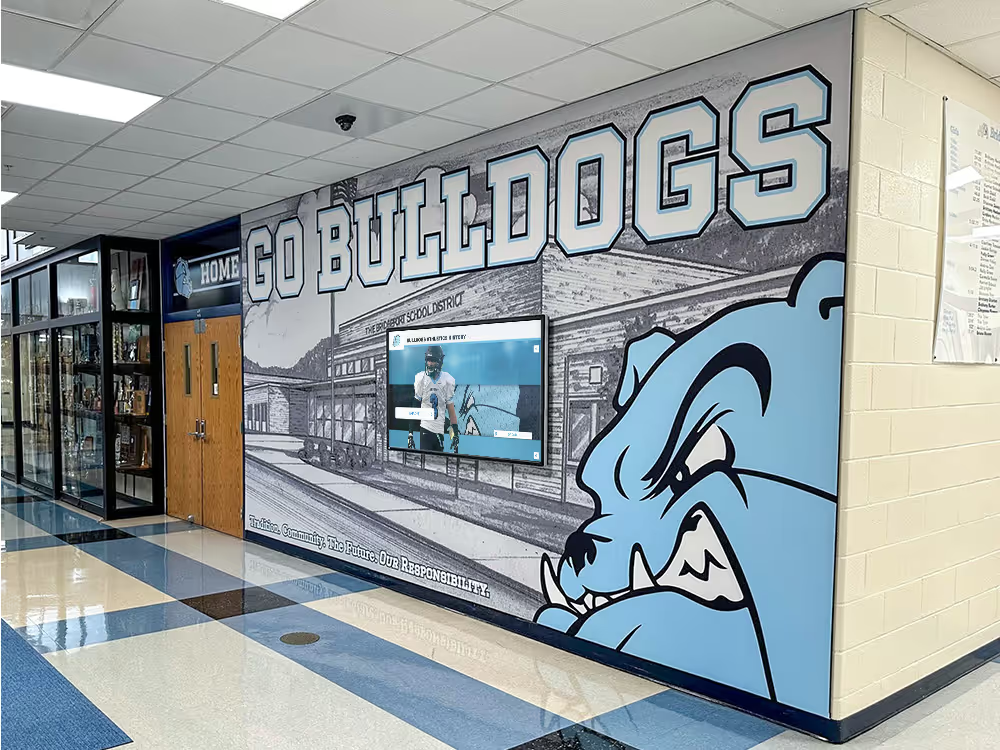
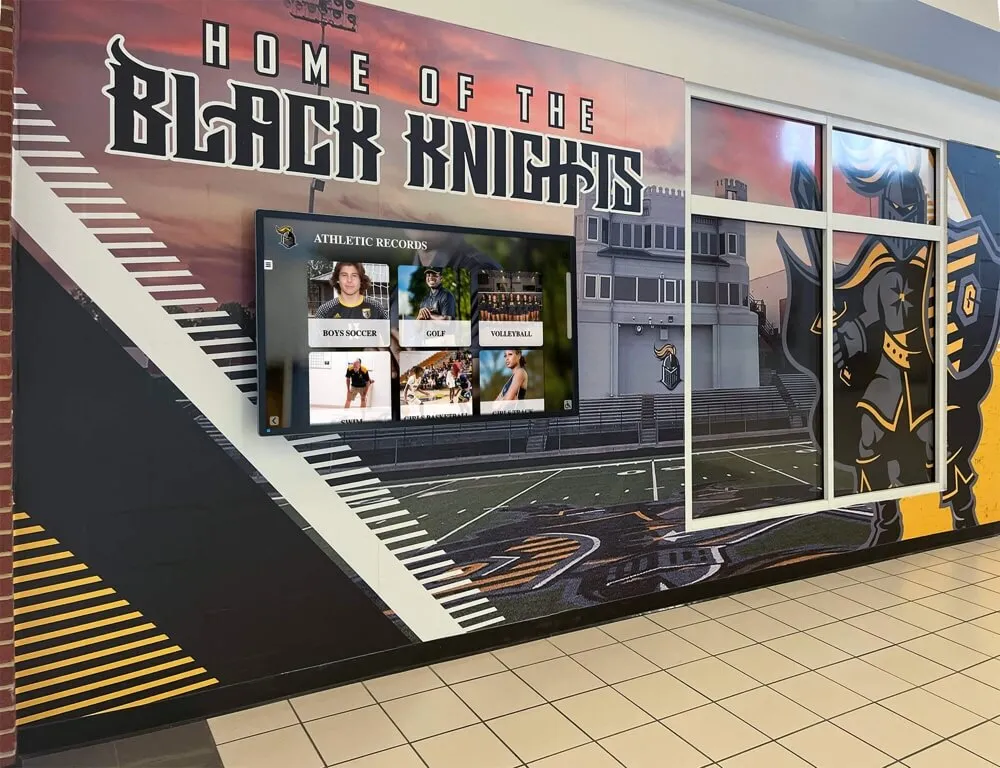
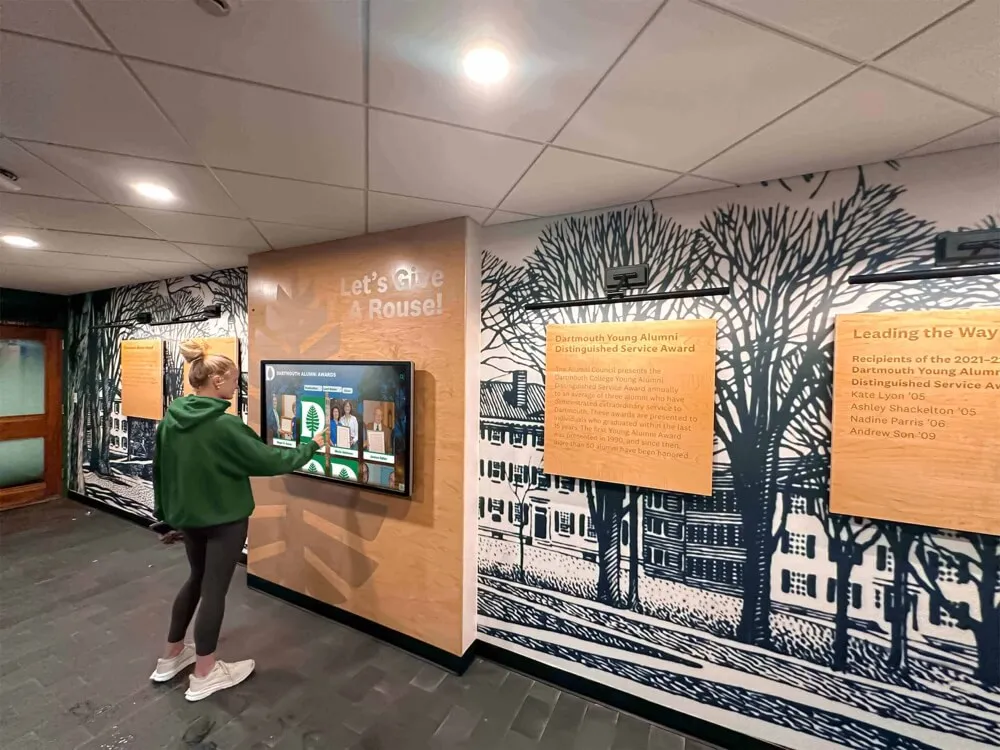
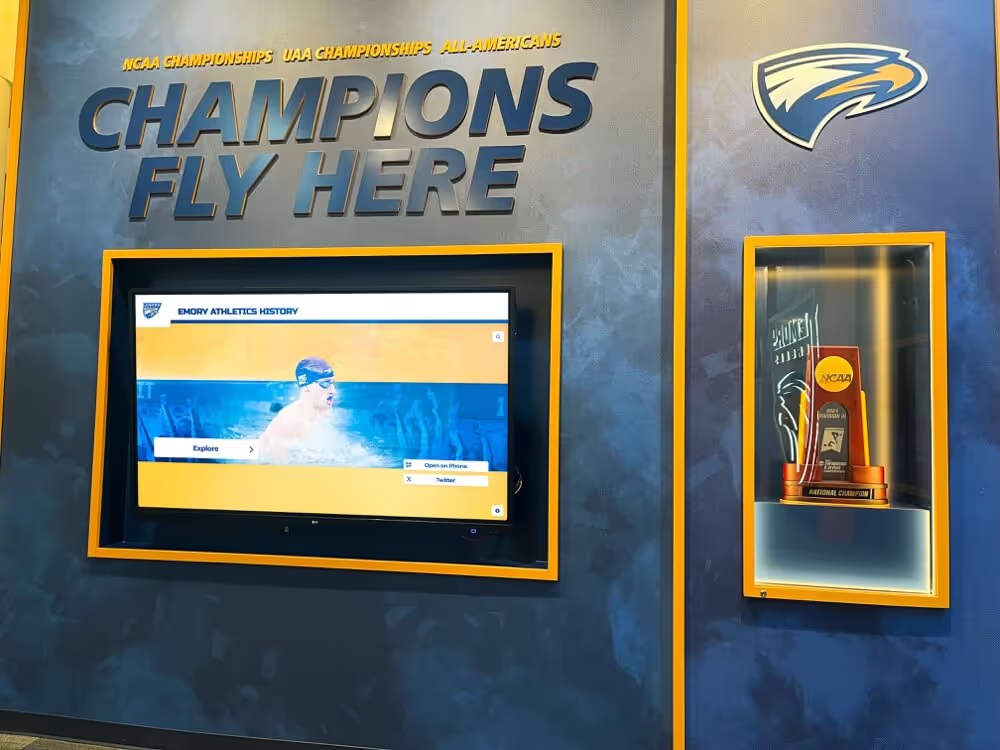
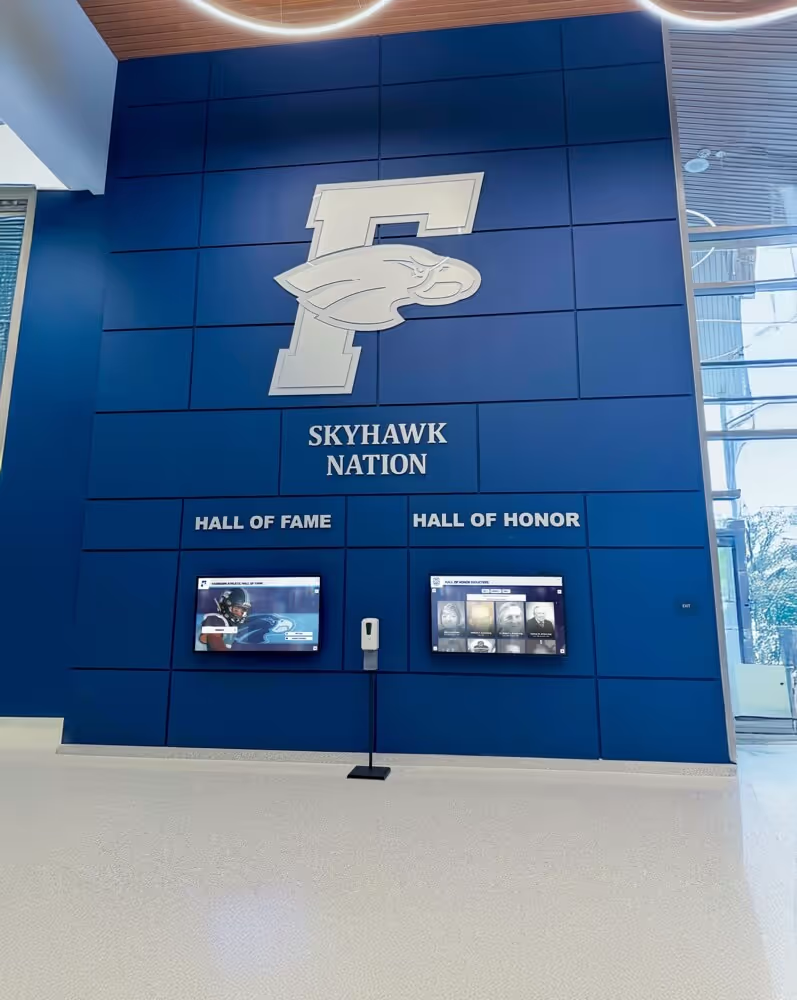
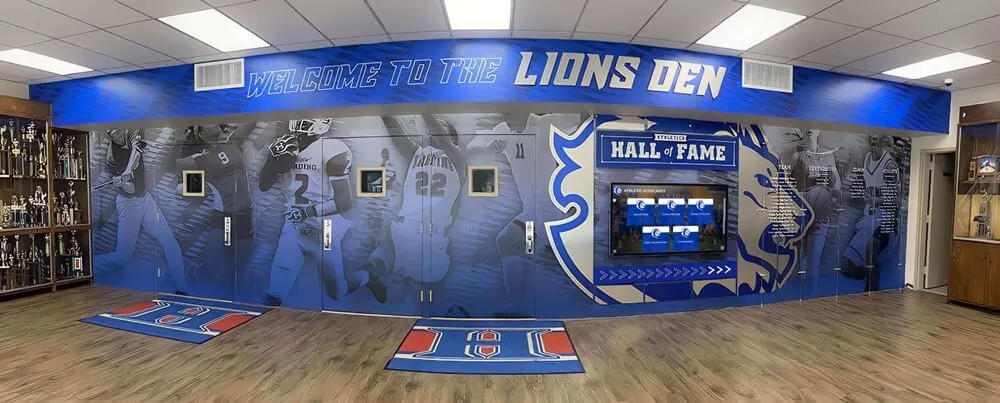
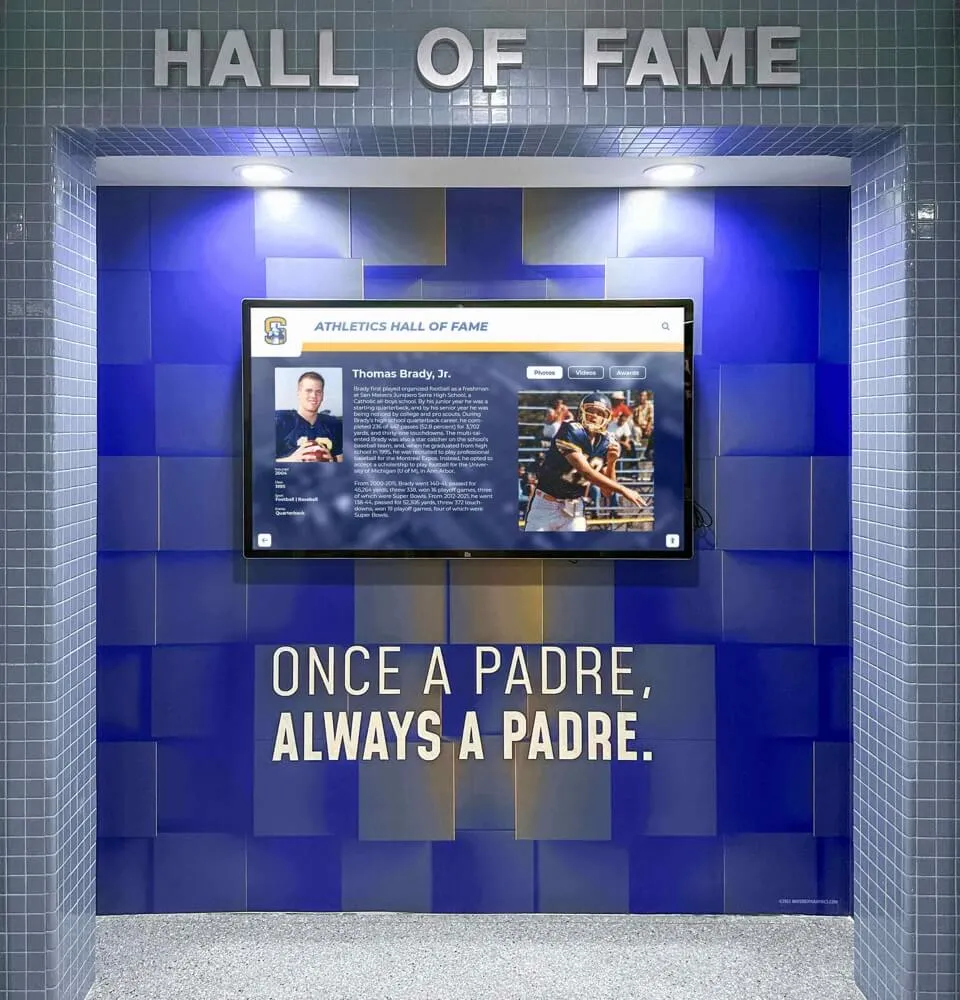
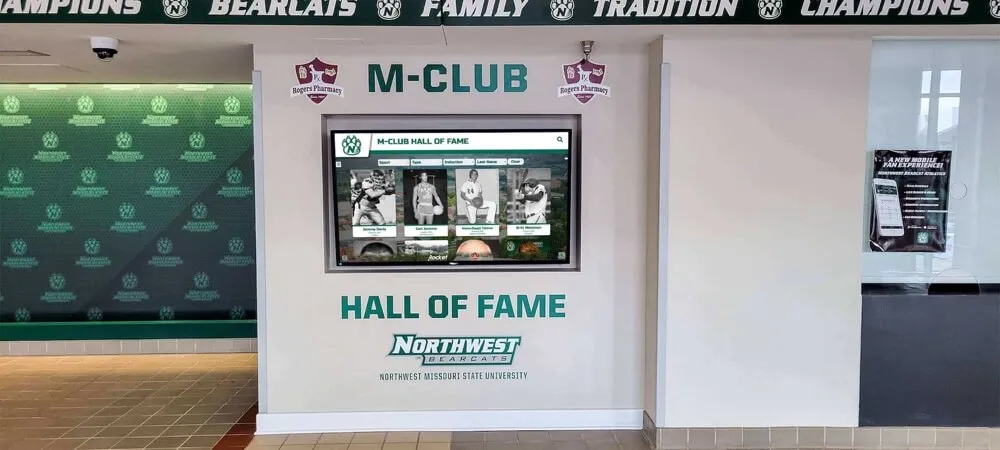
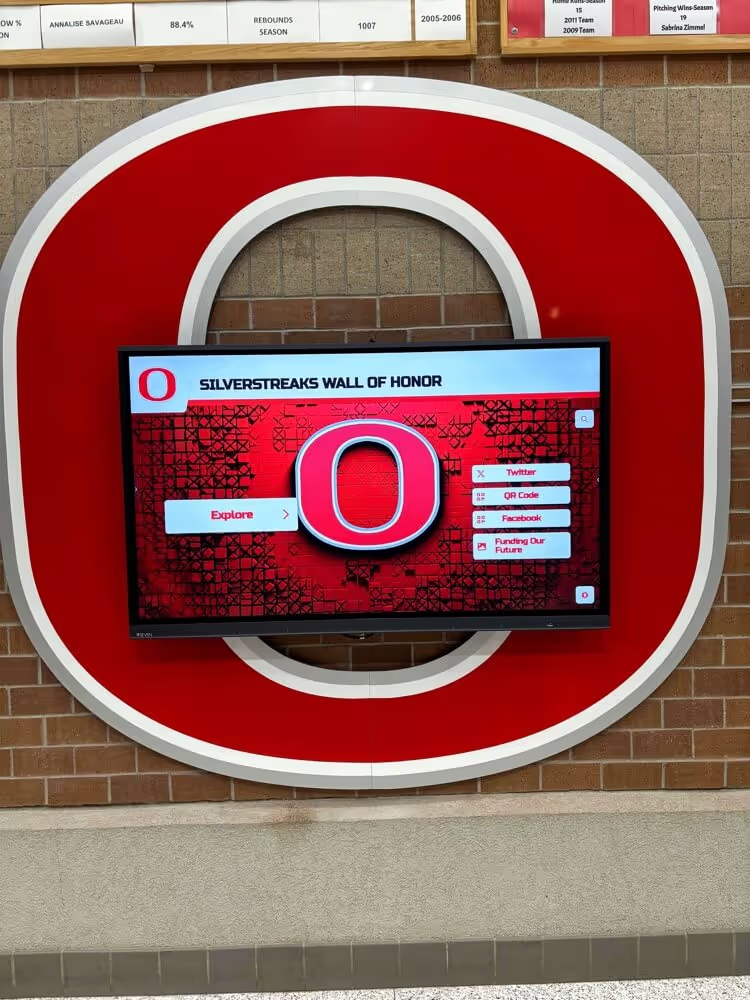
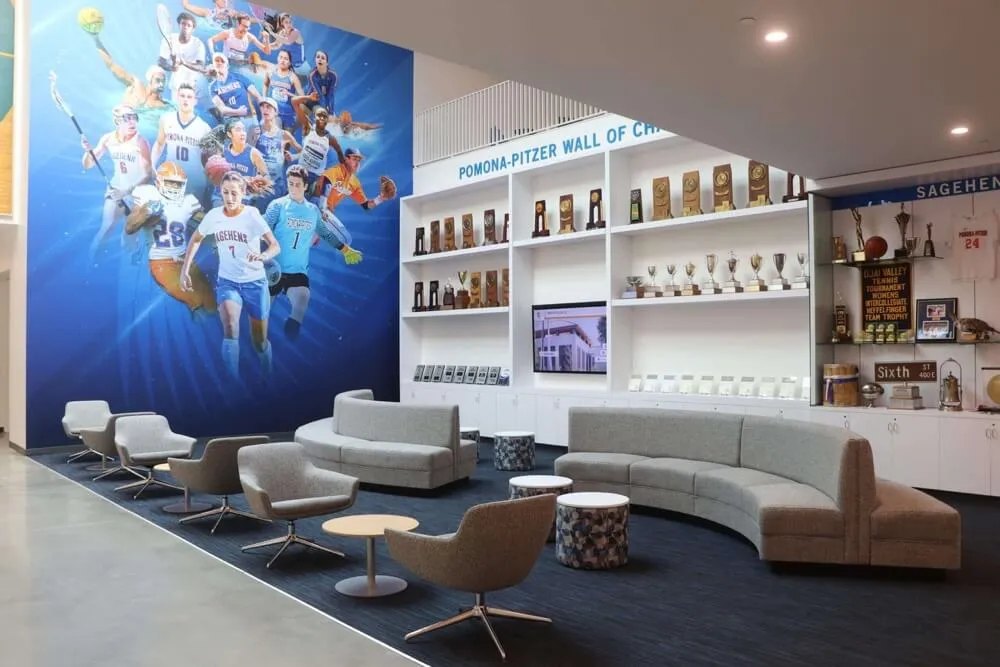
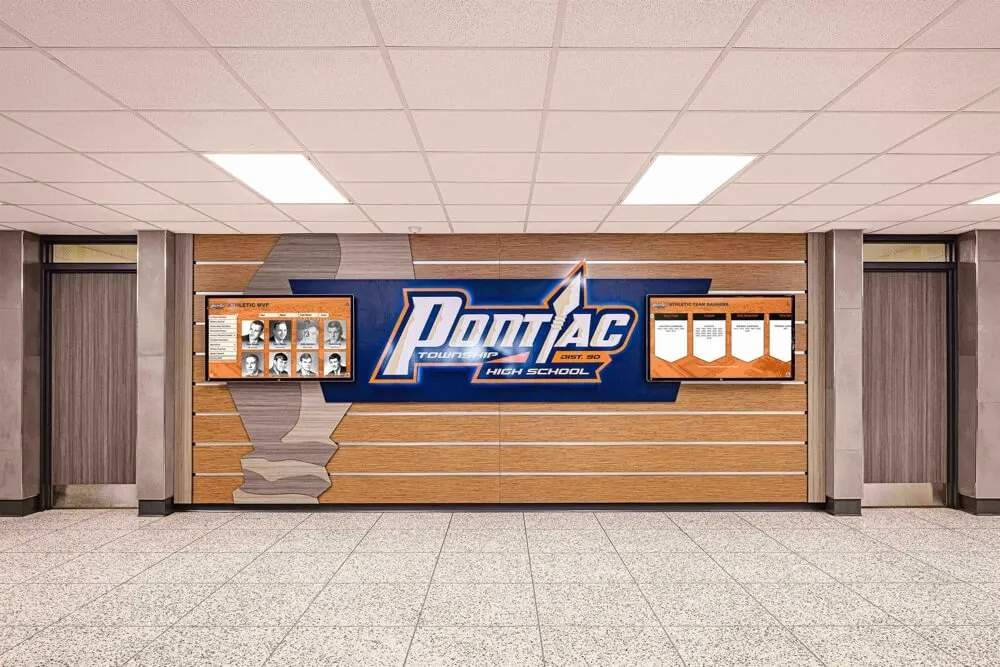
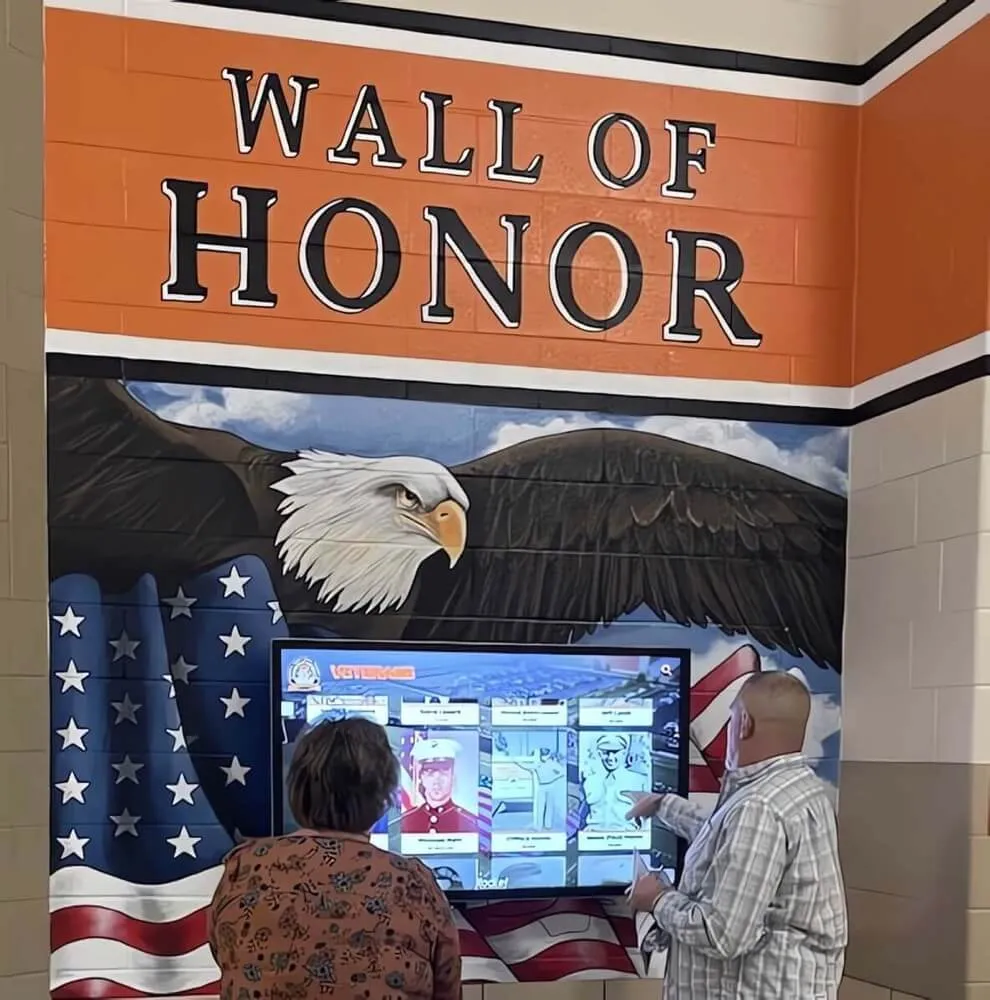
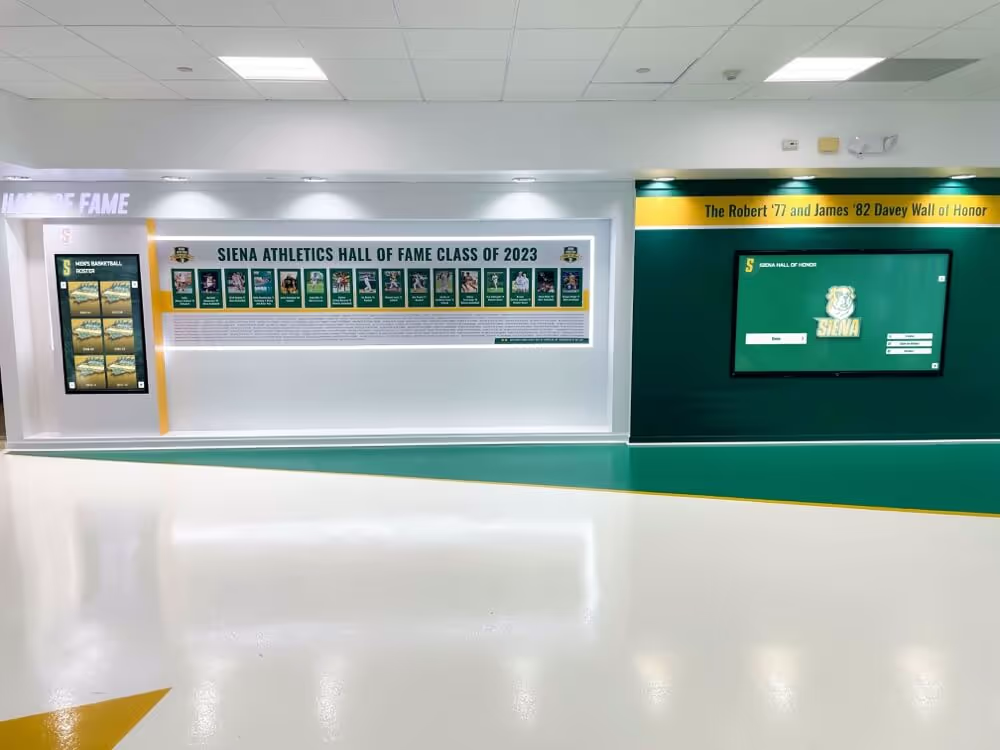
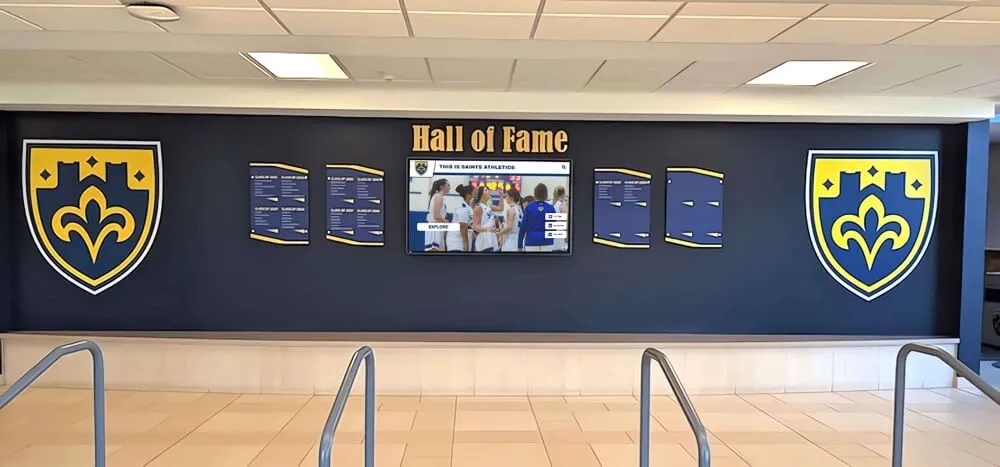
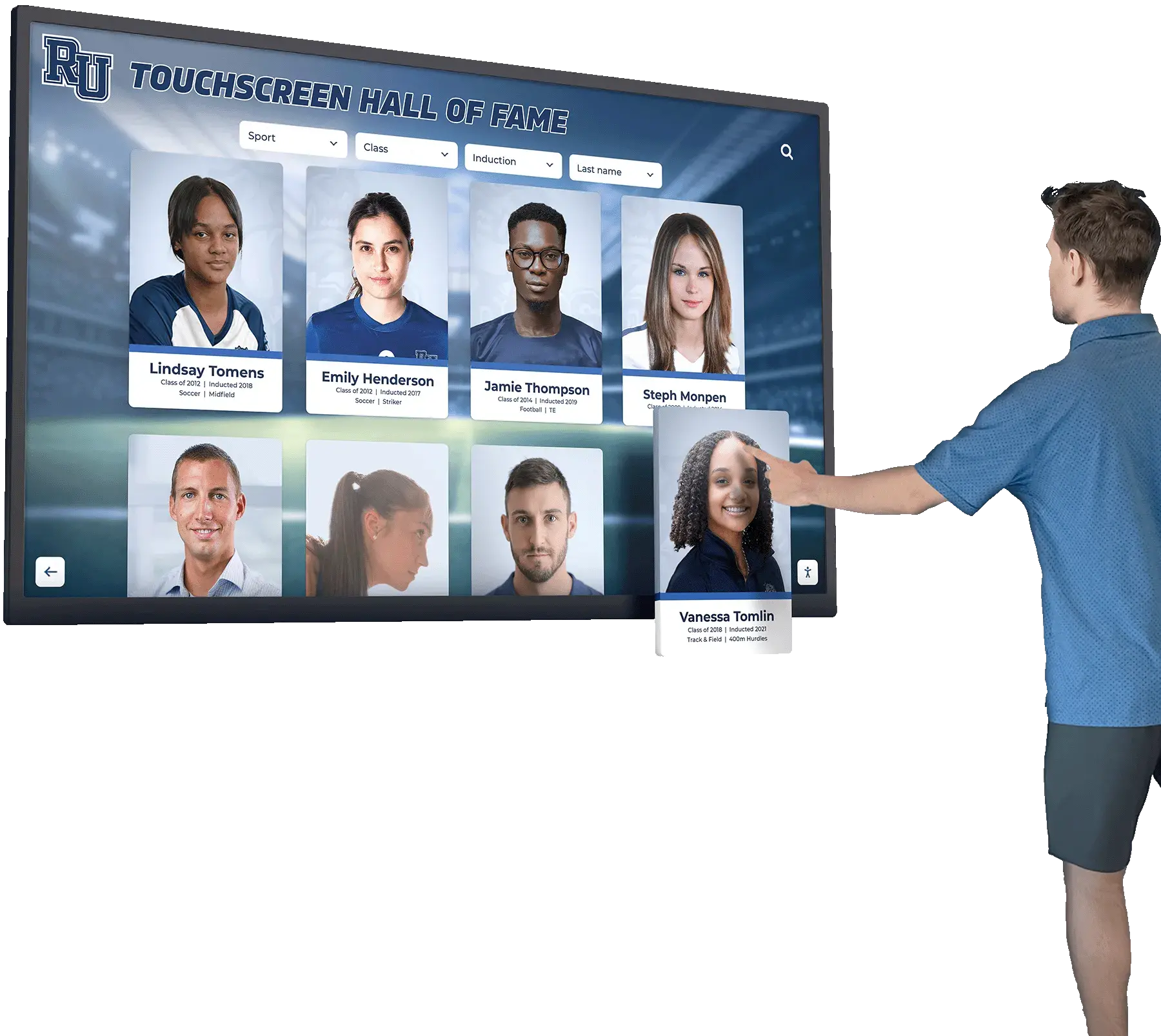
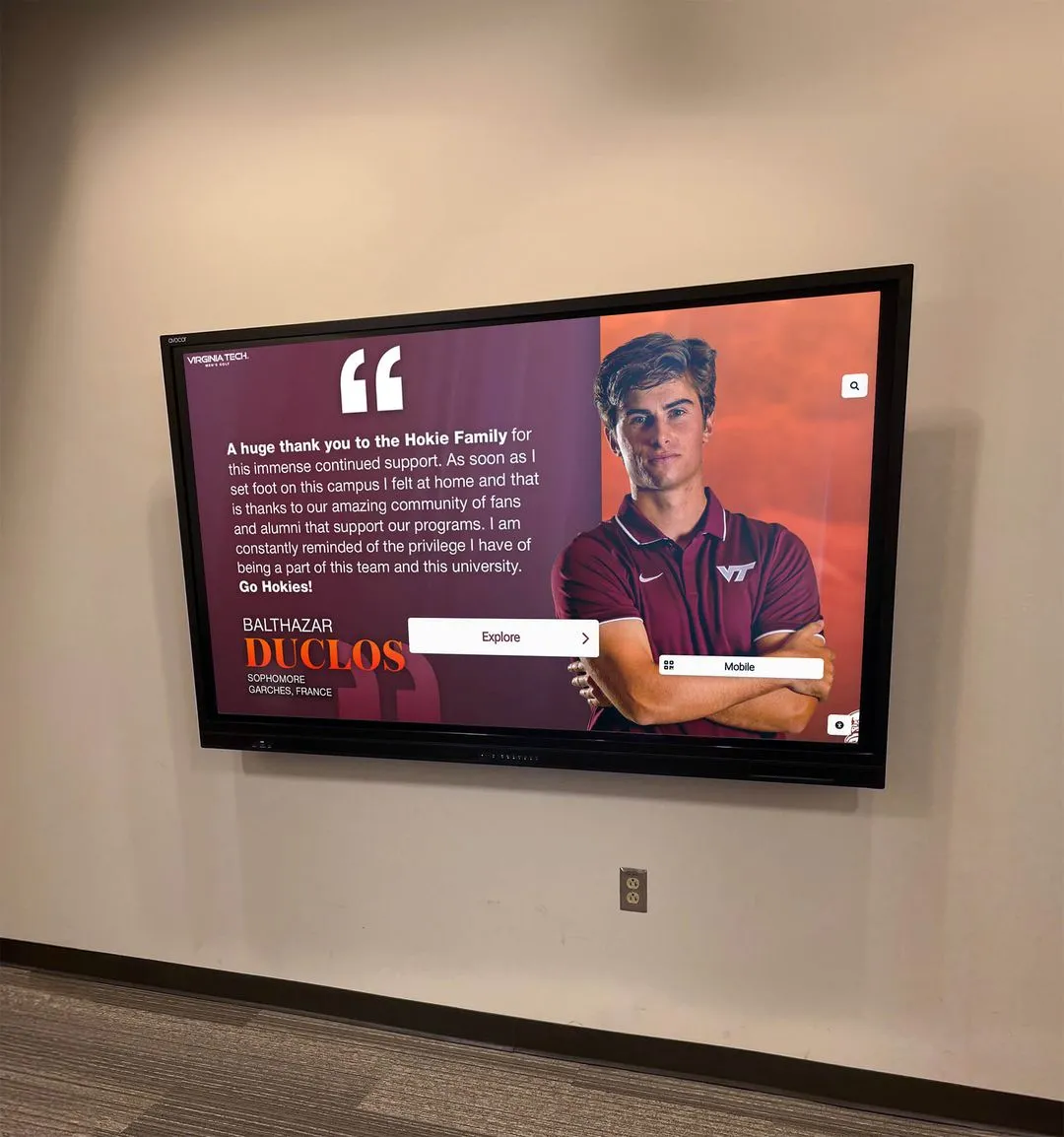
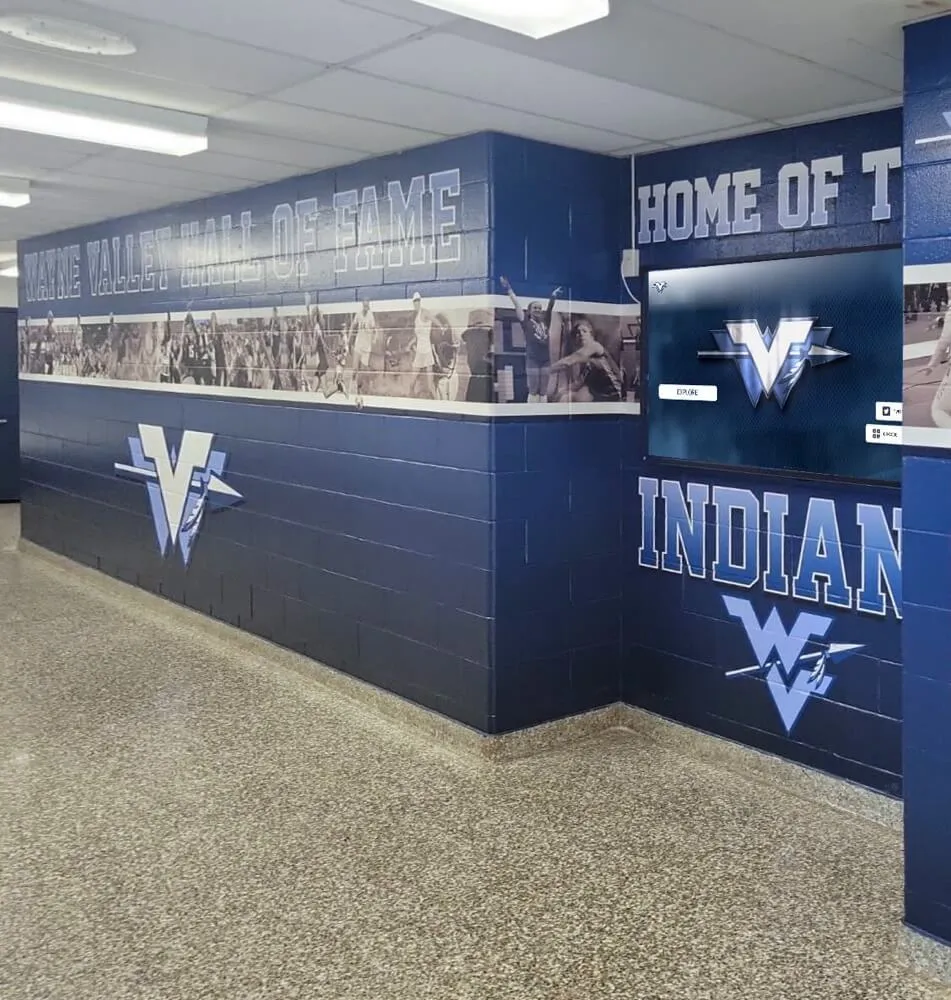
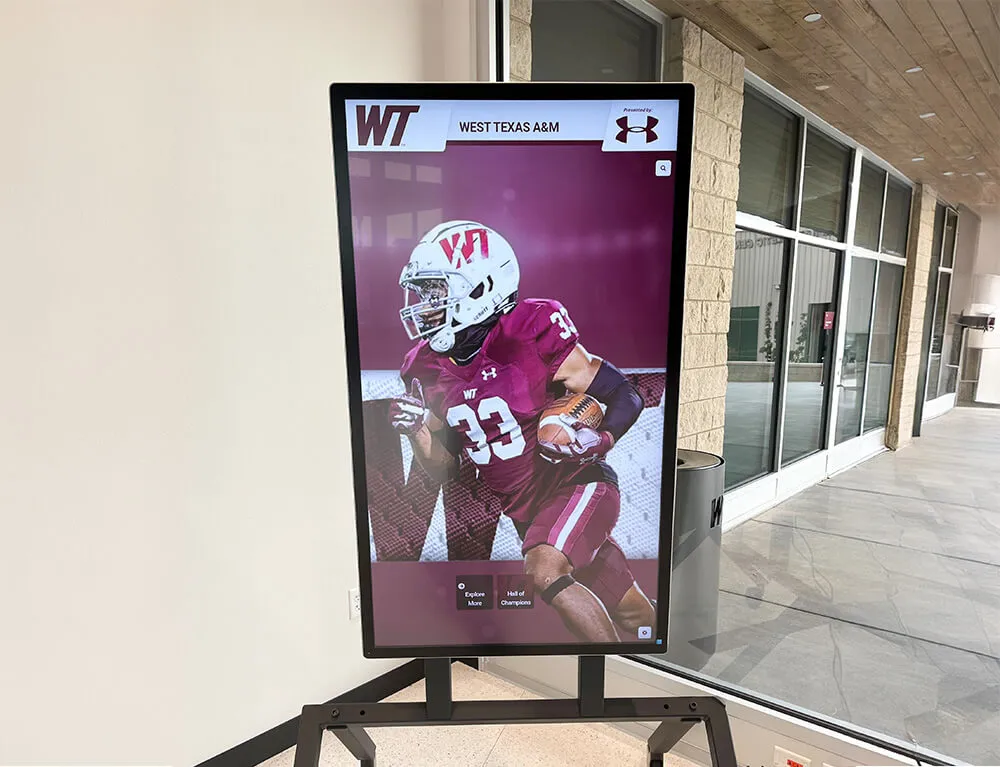
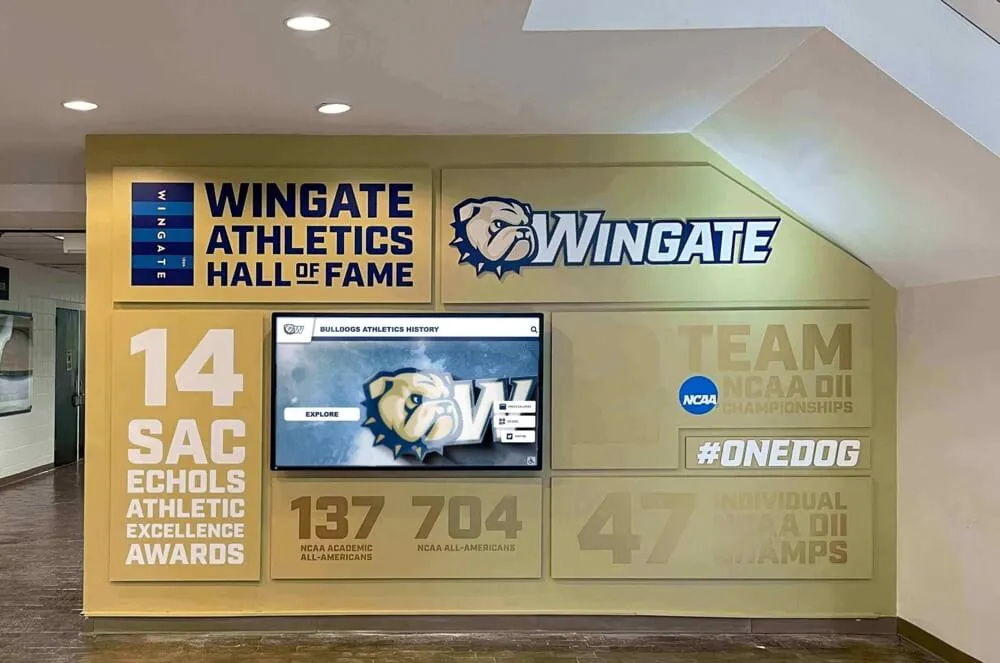
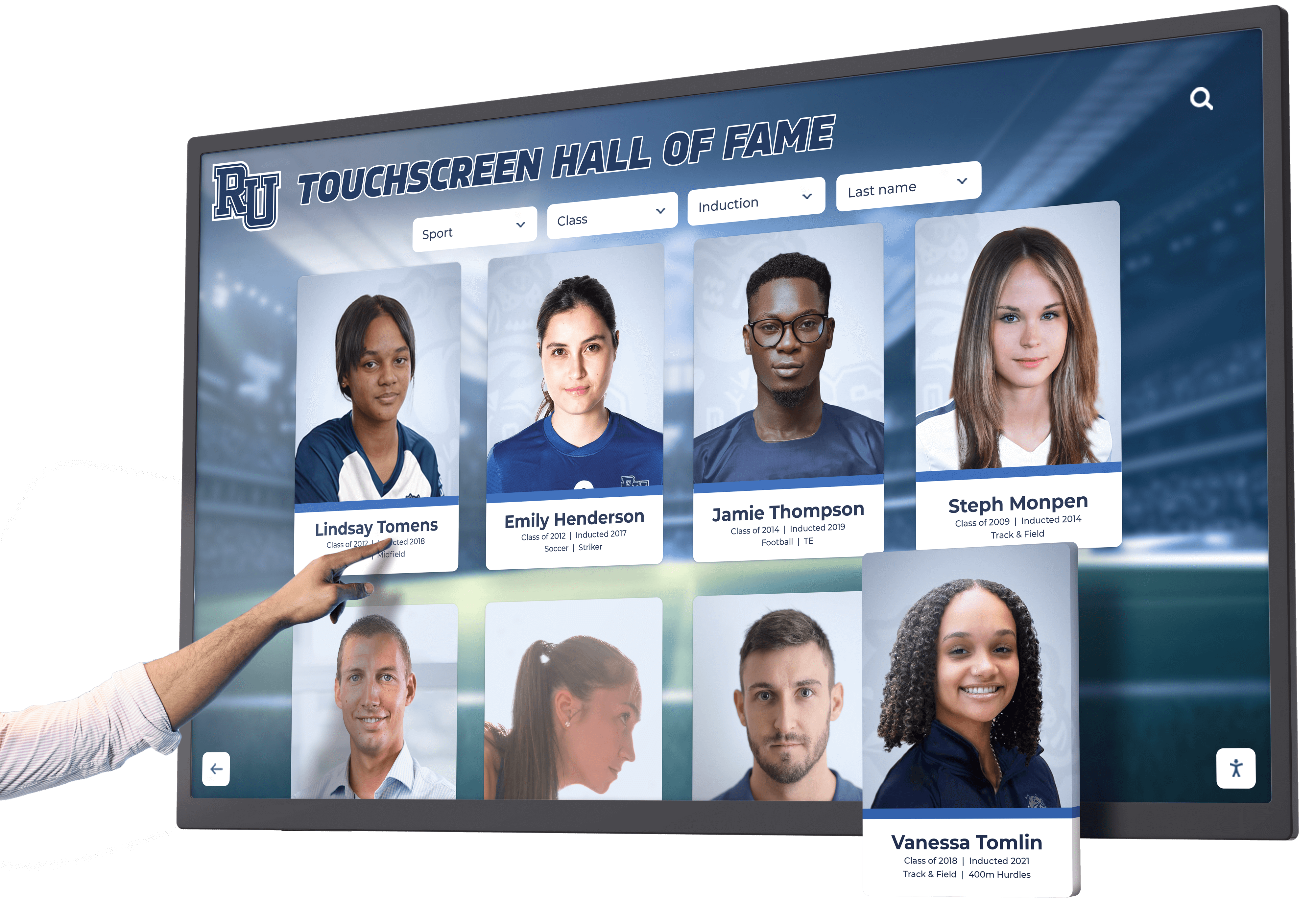
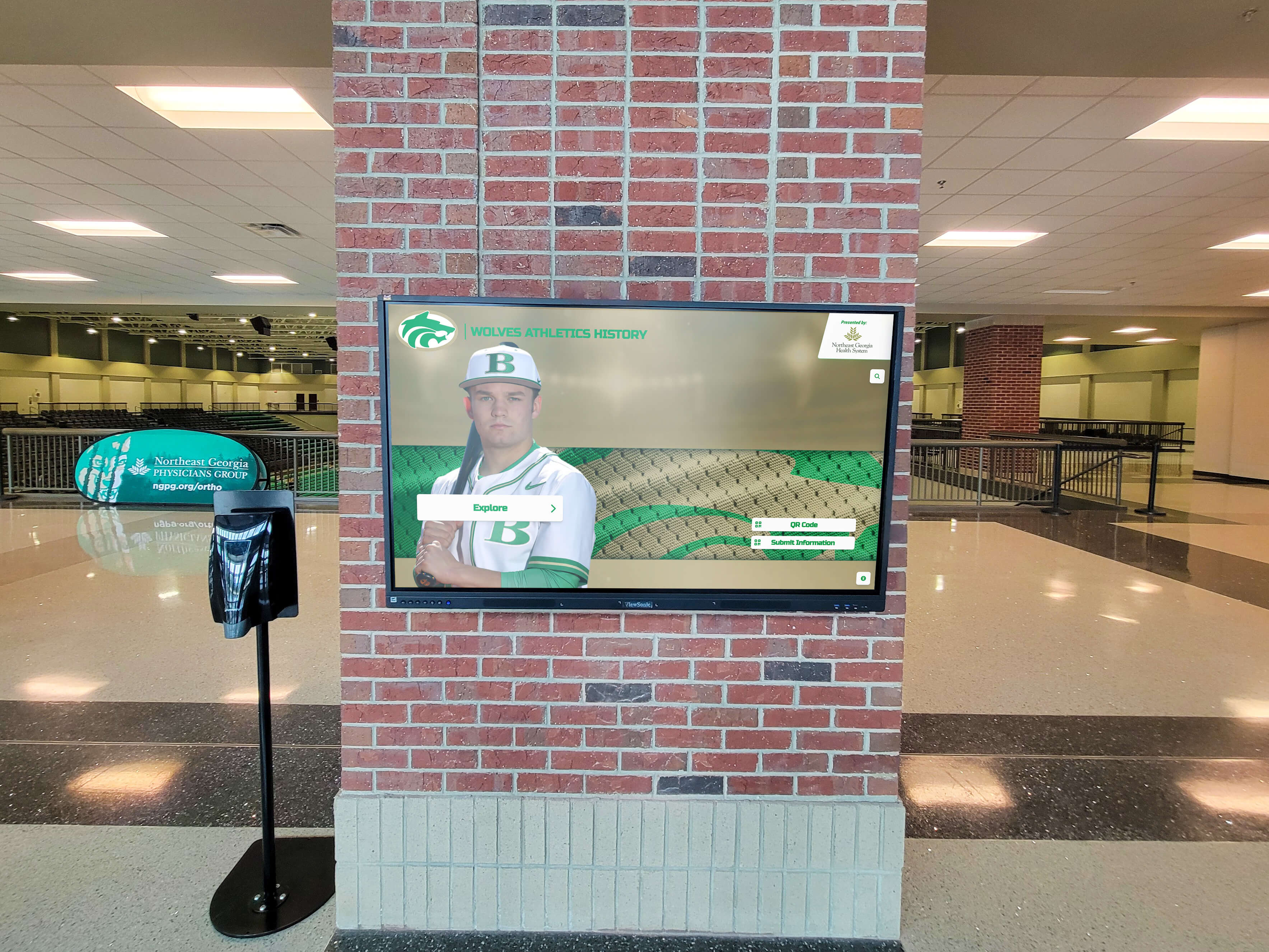
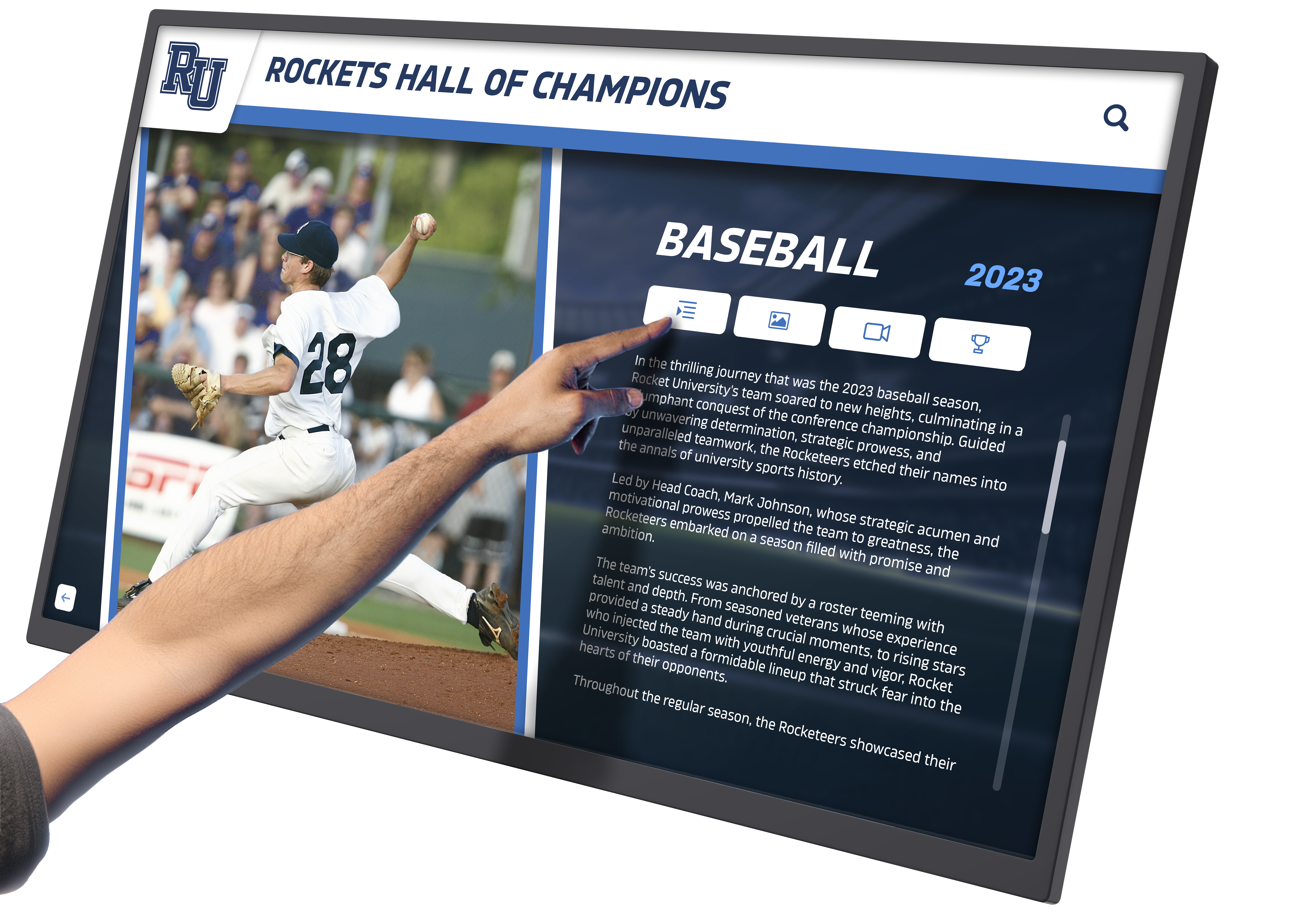
Many successful high school and youth programs extend this recognition beyond banquets by creating permanent displays in school facilities that honor achievements while inspiring current players. Modern digital recognition systems allow programs to showcase comprehensive baseball history without the space limitations of traditional plaque walls.
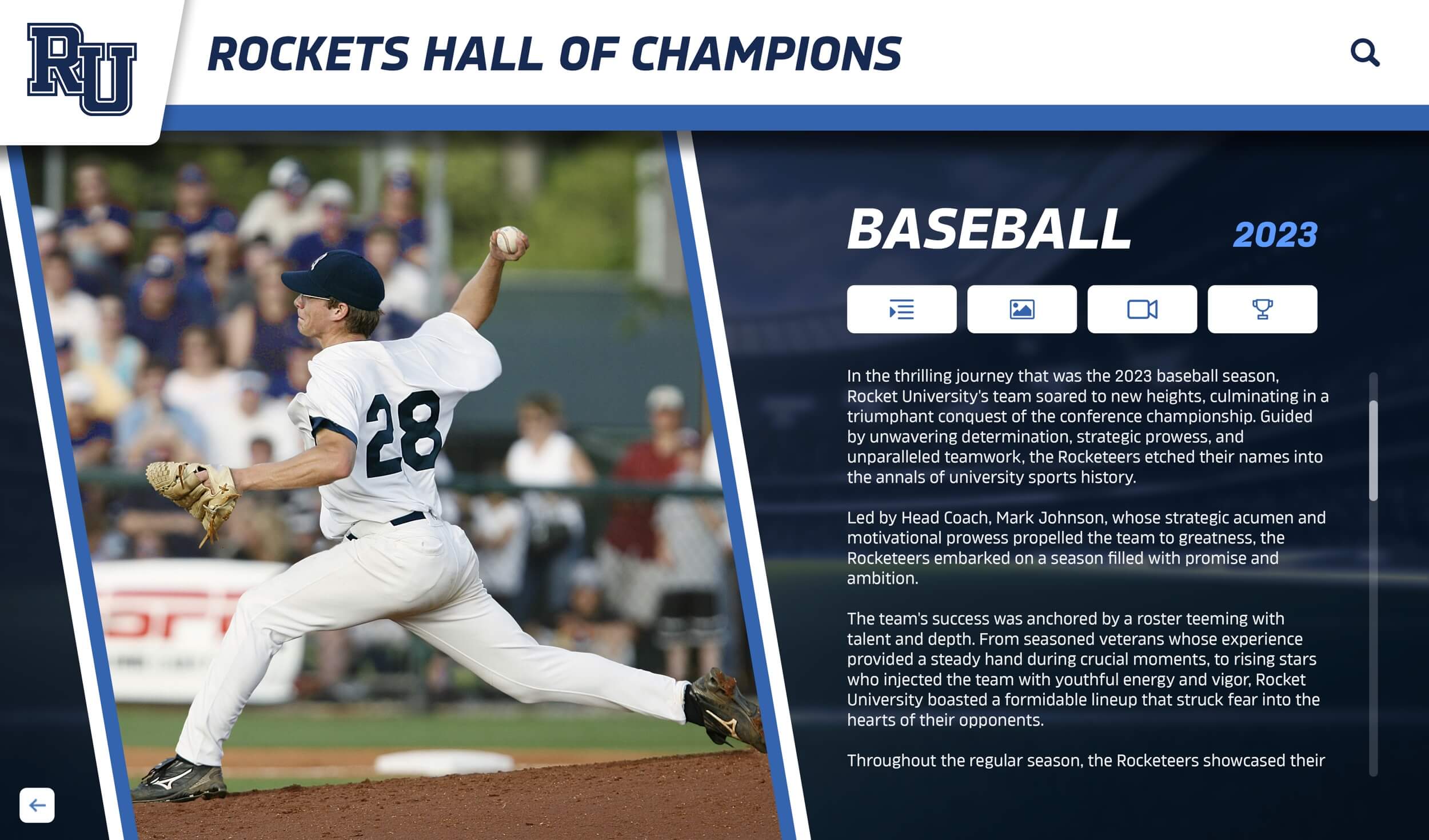
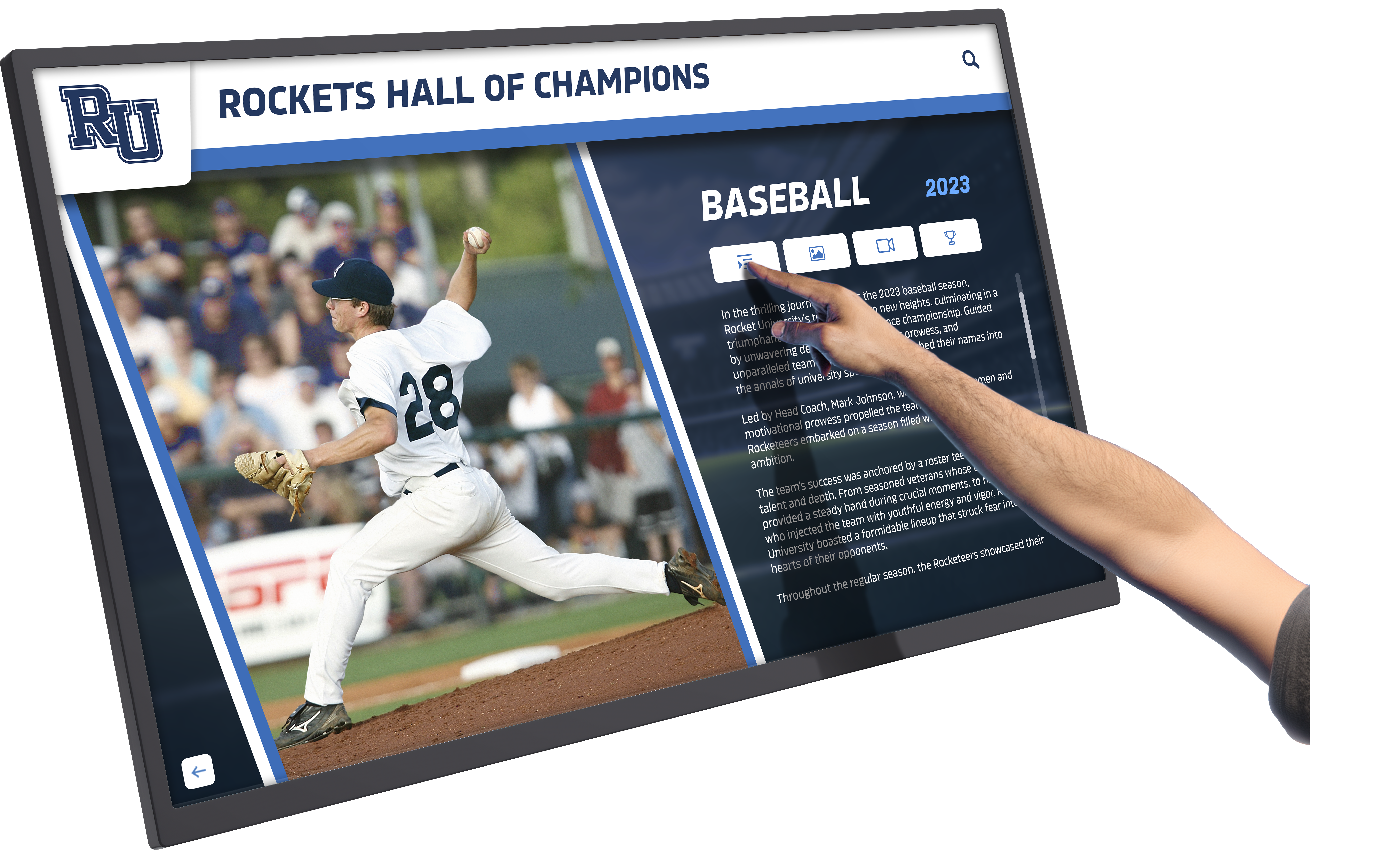
Programs can create interactive displays featuring:
- Season-by-season team photos and rosters
- Individual player profiles with career statistics and achievements
- Championship game recaps with photos and box scores
- Coaching history and career milestones
- All-time record holders by category
- Searchable databases allowing alumni to find their own records
These systems transform athletic facility spaces into celebrations of program history that strengthen alumni connections, create recruiting advantages demonstrating program excellence, and inspire current athletes to add their names to legacy recognition. Similar to how school spirit initiatives build community pride, baseball program recognition creates shared identity and celebrates collective achievement.
Building Sustainable Recognition Programs:
Effective athletic recognition requires systematic approach:
- Establish clear criteria for what achievements warrant recognition
- Create annual processes for updating displays with current season results
- Balance team achievements with individual honors
- Include both statistical excellence and character/leadership recognition
- Make recognition accessible to alumni and community members
- Integrate recognition into recruiting presentations and campus tours
Athletic directors and coaches seeking comprehensive solutions for celebrating baseball achievements while preserving program history can explore systems specifically designed for schools and athletic programs. These platforms enable coaches to focus on teaching and development while ensuring that player achievements and team milestones receive the professional recognition they deserve.
Practice Planning Resources and Continuous Improvement
The most effective coaches continuously refine practice planning based on player feedback, outcome analysis, and professional development.
Practice Plan Templates and Organization Systems
Systematic documentation improves practice consistency and enables reflection:
Creating Reusable Practice Templates:
Develop template frameworks for common practice types:
- Early season skill development practice
- In-season game preparation practice
- Post-game review and adjustment practice
- Pre-championship intensive practice
- Recovery and light work practice
Templates provide starting points coaches customize based on specific needs rather than planning from scratch daily.
Digital Practice Planning Tools:
Technology simplifies practice organization:
- Spreadsheet templates with time blocks and drill details
- Coaching apps designed for practice planning and athlete communication
- Video organization systems linking drill video examples to practice plans
- Note-taking apps for capturing coaching observations during practice
- Cloud storage ensuring plans are accessible from multiple locations
The investment in organized planning systems pays dividends in practice efficiency and coaching effectiveness.
Gathering Feedback and Adjusting Approaches
Player input improves practice effectiveness:
Player Feedback Mechanisms:
Create channels for athlete input:
- Anonymous surveys about practice enjoyment, pace, and challenge level
- Individual conversations during equipment maintenance or cool-down
- Team discussions about what drills feel most beneficial
- Observation of engagement and energy during different practice components
- Captain or senior player advisory groups providing representative feedback
Athletes often have valuable perspectives on what practice elements effectively develop skills versus those that feel like wasted time.
Self-Assessment and Coaching Reflection:
Coaches should regularly evaluate their own effectiveness:
- Post-practice reflection on what worked well and what fell flat
- Time management analysis (did practice run too long, too short, or just right?)
- Drill effectiveness assessment (were players getting quality repetitions?)
- Coaching presence evaluation (was feedback specific and constructive?)
- Comparison of practice objectives to actual outcomes
The best coaches treat each practice as a teaching laboratory, testing approaches and refining based on results.
Professional Development and Peer Learning:
Continuous improvement requires exposure to new ideas:
- Attending coaching clinics and conferences
- Observing practices at successful programs
- Networking with coaches at similar competitive levels
- Reading coaching books and research on skill development
- Watching instructional videos from respected coaches
- Joining coaching associations providing resources and community
Many of the approaches that distinguish exceptional programs from average ones come from coaches who actively seek new knowledge rather than simply repeating what they learned as players. Just as schools encourage ongoing professional development for educators, successful coaches commit to continuous learning about their craft.
Conclusion: Building Excellence Through Intentional Practice
Baseball excellence emerges from the accumulated repetitions, refined techniques, and developed habits that occur during hundreds of practice hours across seasons and years. Coaches who approach practice planning with intentionality—designing sessions that balance skill development with team execution, creating engaging drills that maximize repetitions while maintaining focus, adapting plans for specific athlete needs and competitive contexts, and tracking progress that documents growth while celebrating achievements—create programs where players reach their potential while developing the work ethic, resilience, and team commitment that extends far beyond baseball.
The difference between programs that consistently compete for championships and those that perpetually rebuild often comes down to practice effectiveness. Teams that make the most of limited practice time, create development systems that systematically improve player capabilities, and build cultures where athletes push each other toward excellence establish sustainable success that transcends individual talent levels or recruiting advantages.
Whether you’re coaching your first team or leading an established program, treating practice planning as a continuous improvement process—documenting what works, adjusting what doesn’t, seeking new ideas from coaching peers and professional resources, and maintaining focus on long-term development alongside short-term competitive preparation—creates the foundation for both athletic success and the deeper life lessons that make coaching worthwhile.
For athletic directors and coaches looking to build comprehensive baseball programs that celebrate achievements while preserving team history, consider how permanent recognition systems can inspire current players while honoring past contributors. Rocket Alumni Solutions specializes in digital recognition displays designed specifically for schools and athletic programs, enabling you to showcase baseball achievements, team milestones, and program history through engaging, professional systems that strengthen program culture while creating lasting connections with alumni and community supporters.
The time you invest in planning effective practices today compounds into the championships, college opportunities, and lifelong lessons that define successful baseball programs. Start with clear objectives, structure your time intentionally, focus on quality over quantity, and track the progress that tells the story of your program’s journey toward excellence.