



Key Takeaways
Discover proven booster club ideas including fundraising programs, recognition initiatives, donor walls, and student support systems. Learn how successful booster clubs create lasting community impact.
Booster clubs stand among schools’ most valuable community assets—parent-led organizations channeling family engagement and fundraising capacity toward student programs and facilities. Yet many booster clubs struggle beyond basic concession operations and t-shirt sales, uncertain about programs creating meaningful impact while sustaining donor enthusiasm and volunteer energy across multiple years.
The most successful booster clubs think strategically about both immediate program needs and long-term legacy projects that transform school culture. From recognition walls celebrating donors and student achievements to facility improvements visible daily, effective booster club initiatives create compounding value—each investment strengthening community connections while inspiring continued support.
This comprehensive guide explores proven booster club ideas spanning fundraising programs, recognition initiatives, facility improvements, and student support systems. Whether launching a new booster club or revitalizing an existing organization, these frameworks help parent organizations maximize community impact while building sustainable operations supporting schools for decades.
Strategic Fundraising Programs That Build Sustainable Revenue
Effective booster clubs recognize that sustainable funding requires diverse revenue streams rather than dependence on single annual events. The strongest organizations implement multiple complementary programs working together to achieve ambitious goals.
Annual Giving Campaigns With Recognition Tiers
Annual giving campaigns provide predictable revenue while building donor relationships extending across years of continued support.
Campaign Structure Fundamentals:
Successful annual campaigns organize giving into clear recognition tiers encouraging donors to reach higher levels while ensuring all contributions receive appropriate acknowledgment:
- Founder’s Circle ($5,000+): Premier recognition for transformational annual gifts
- Leadership Society ($2,500-$4,999): Major donors enabling significant program expansion
- Benefactors Club ($1,000-$2,499): Substantial supporters funding critical initiatives
- Champions Circle ($500-$999): Committed donors providing essential program stability
- Supporters Club ($250-$499): Loyal contributors building fundraising foundation
- Friends of the Program ($100-$249): Engaged community members demonstrating support
- Contributors (Under $100): All donors recognized regardless of capacity
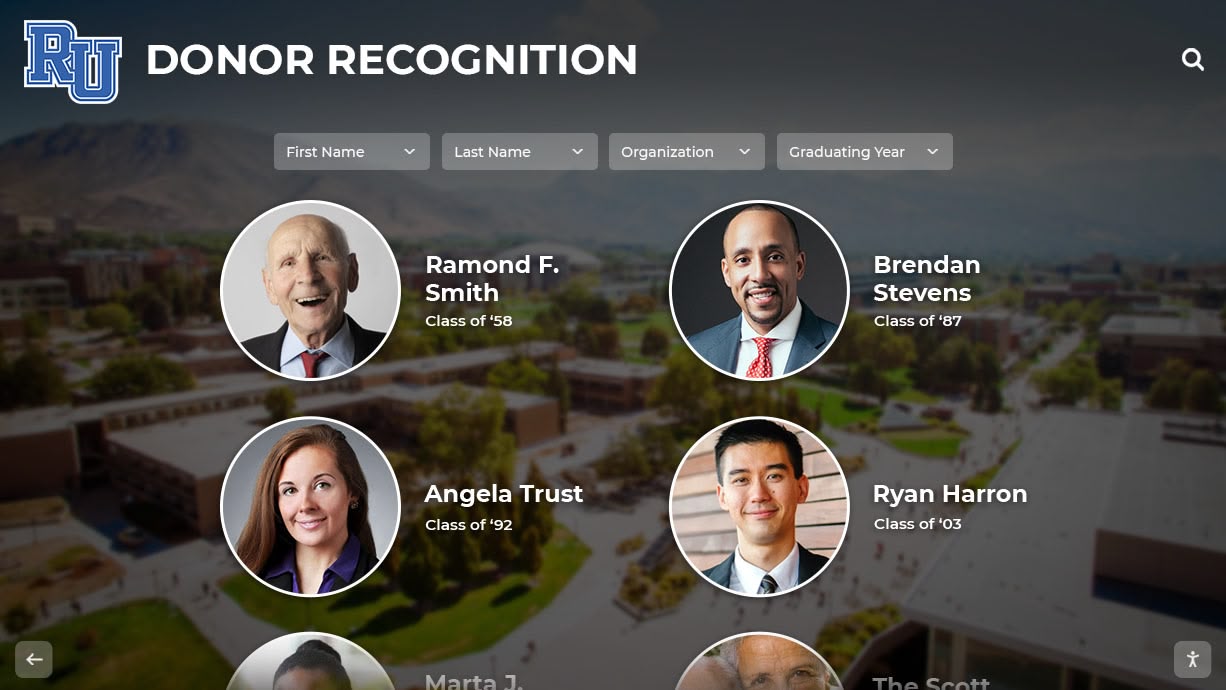
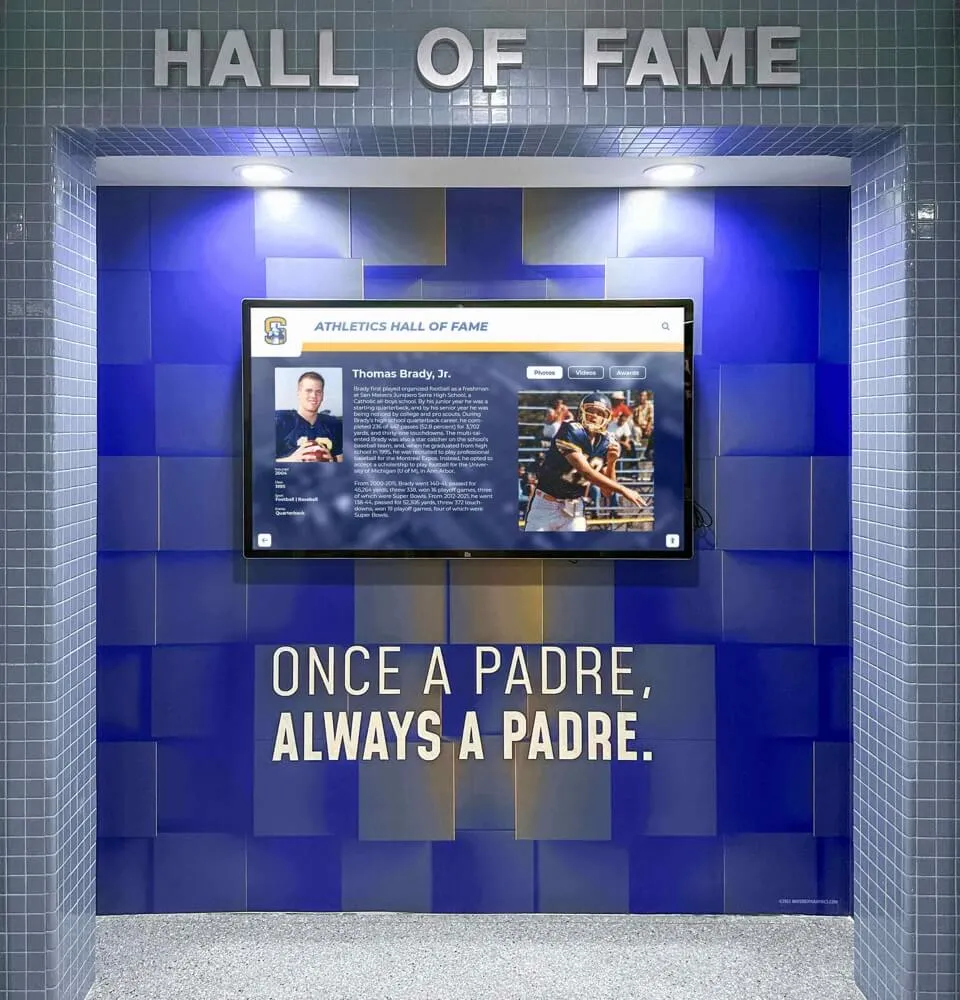
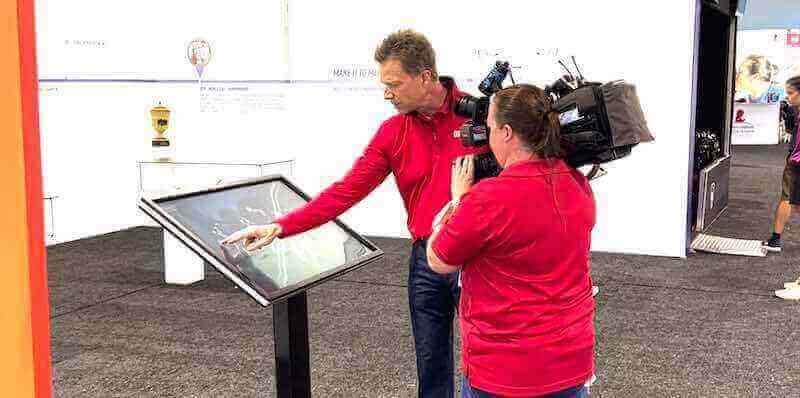
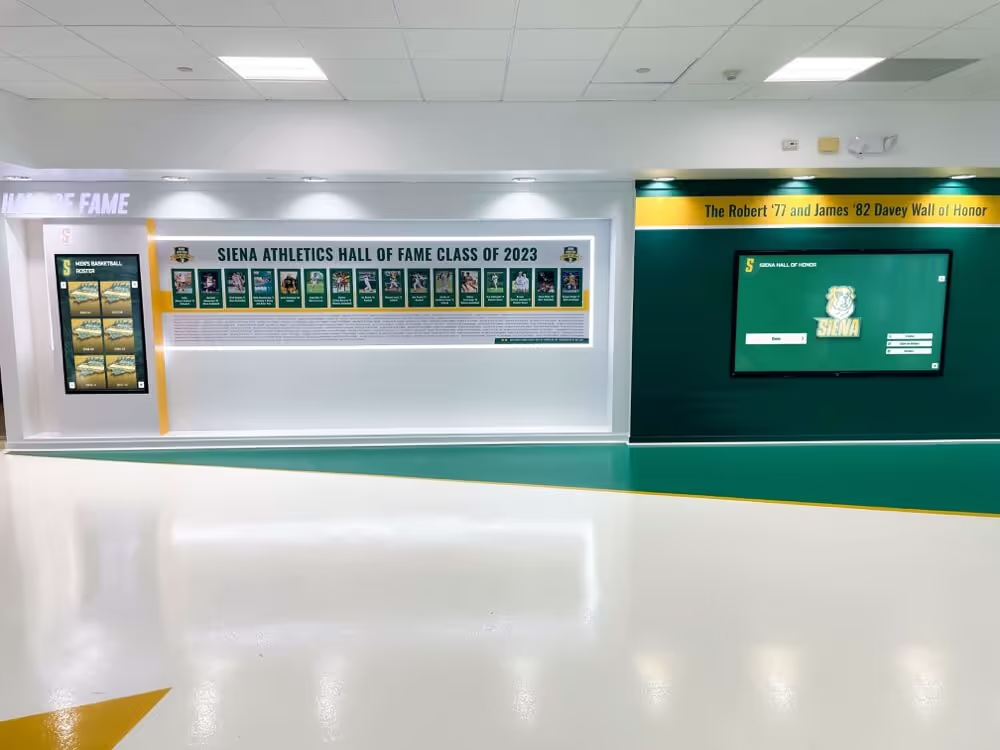
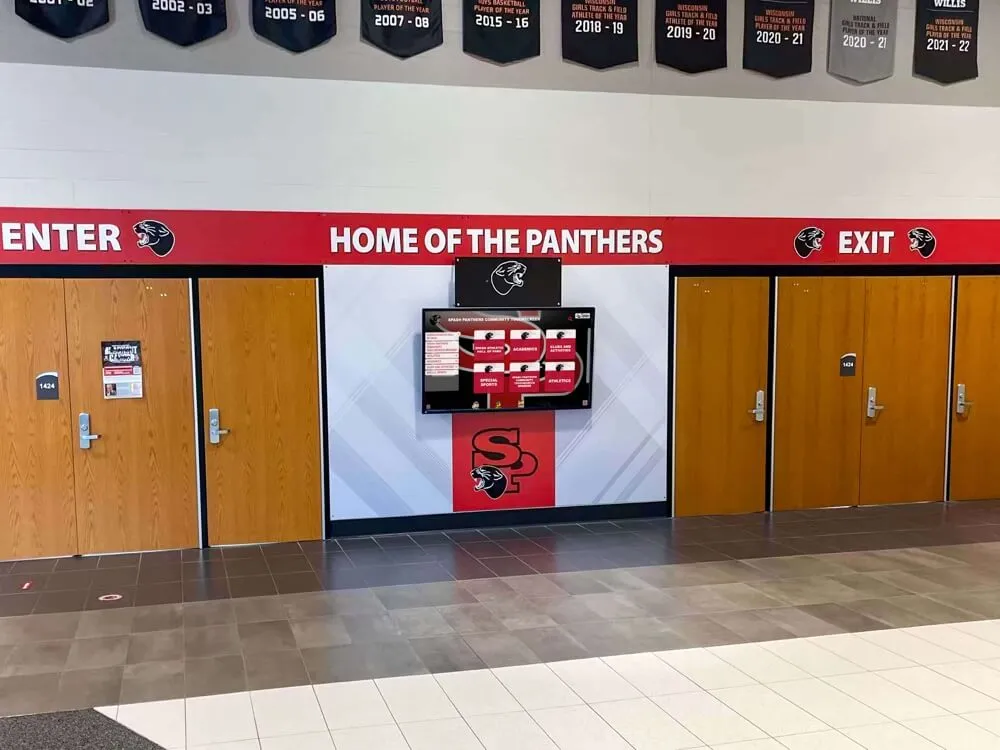
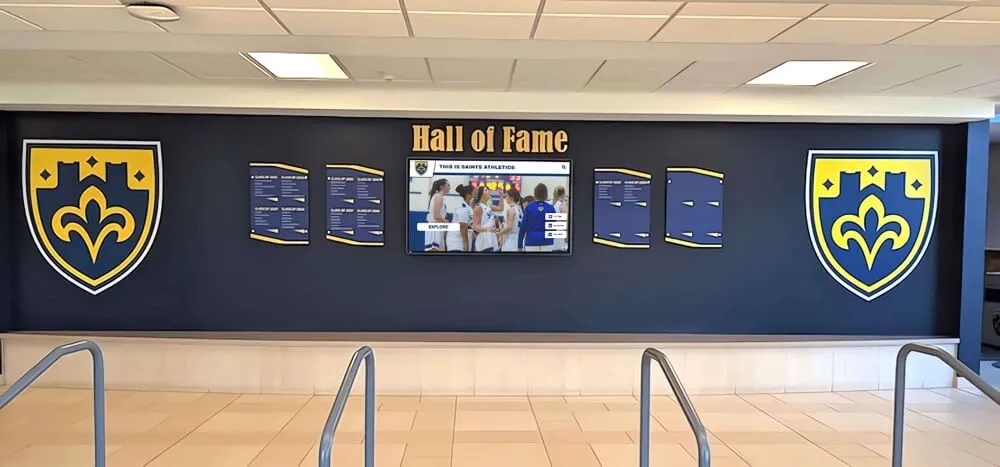
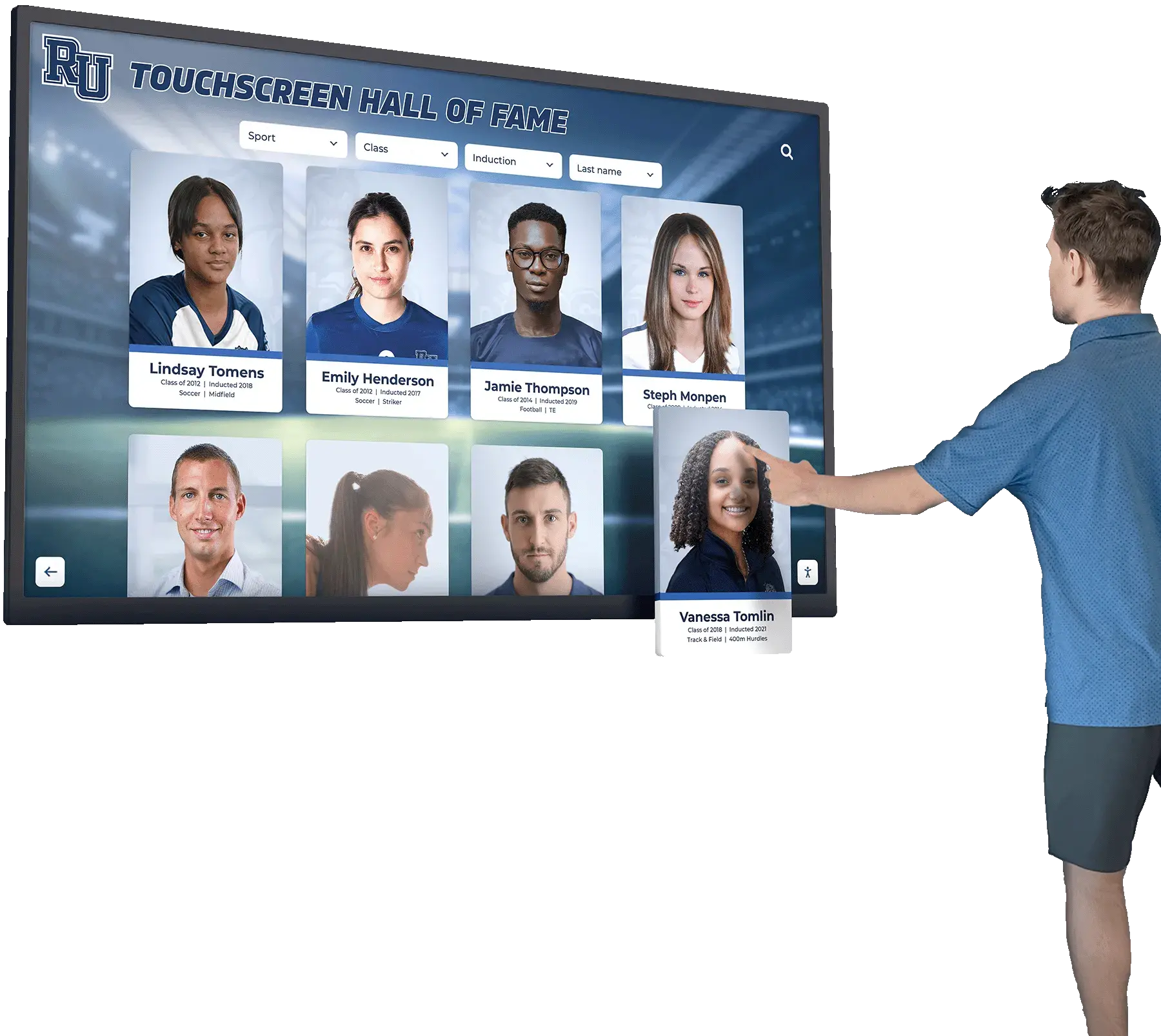
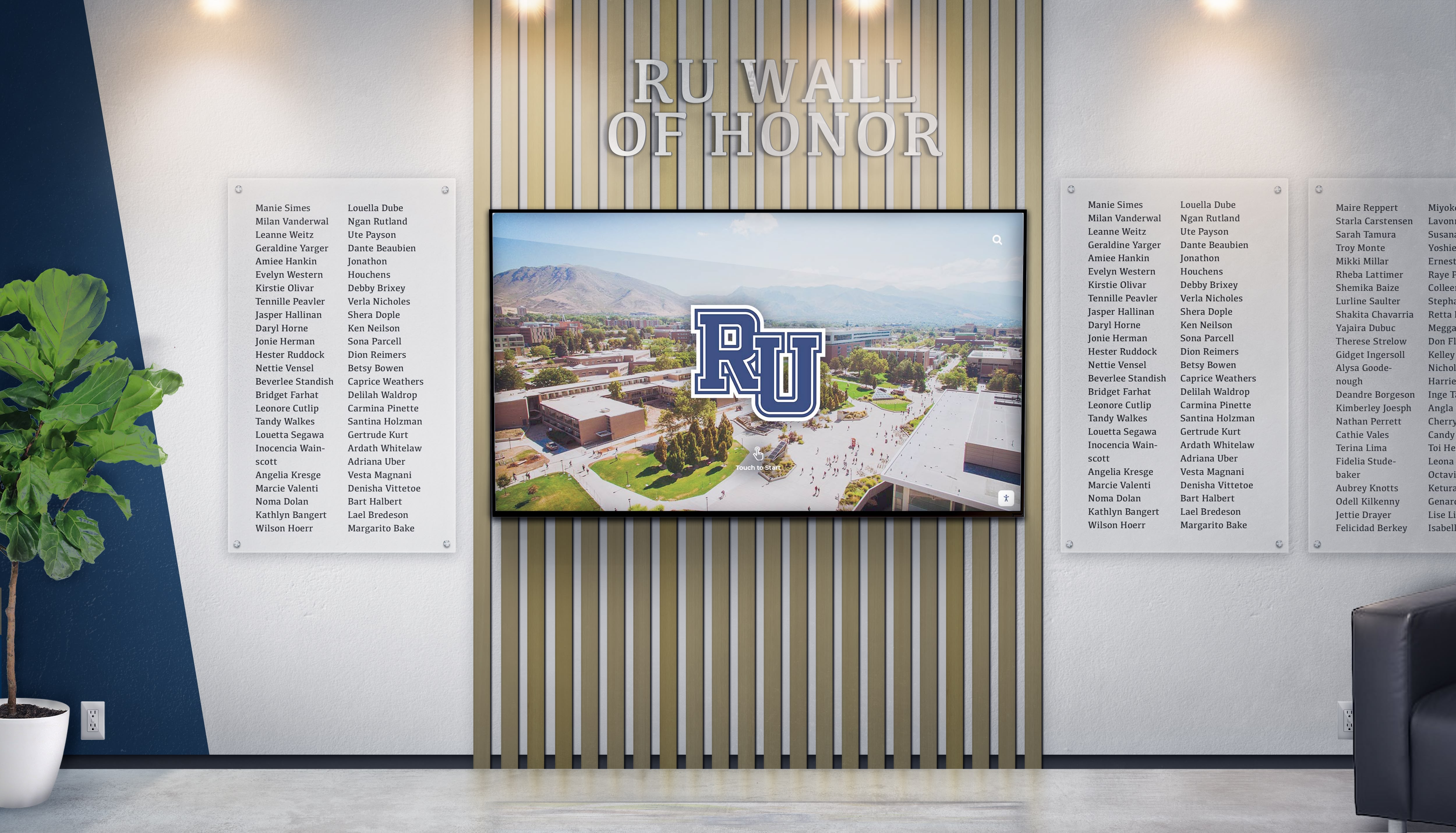
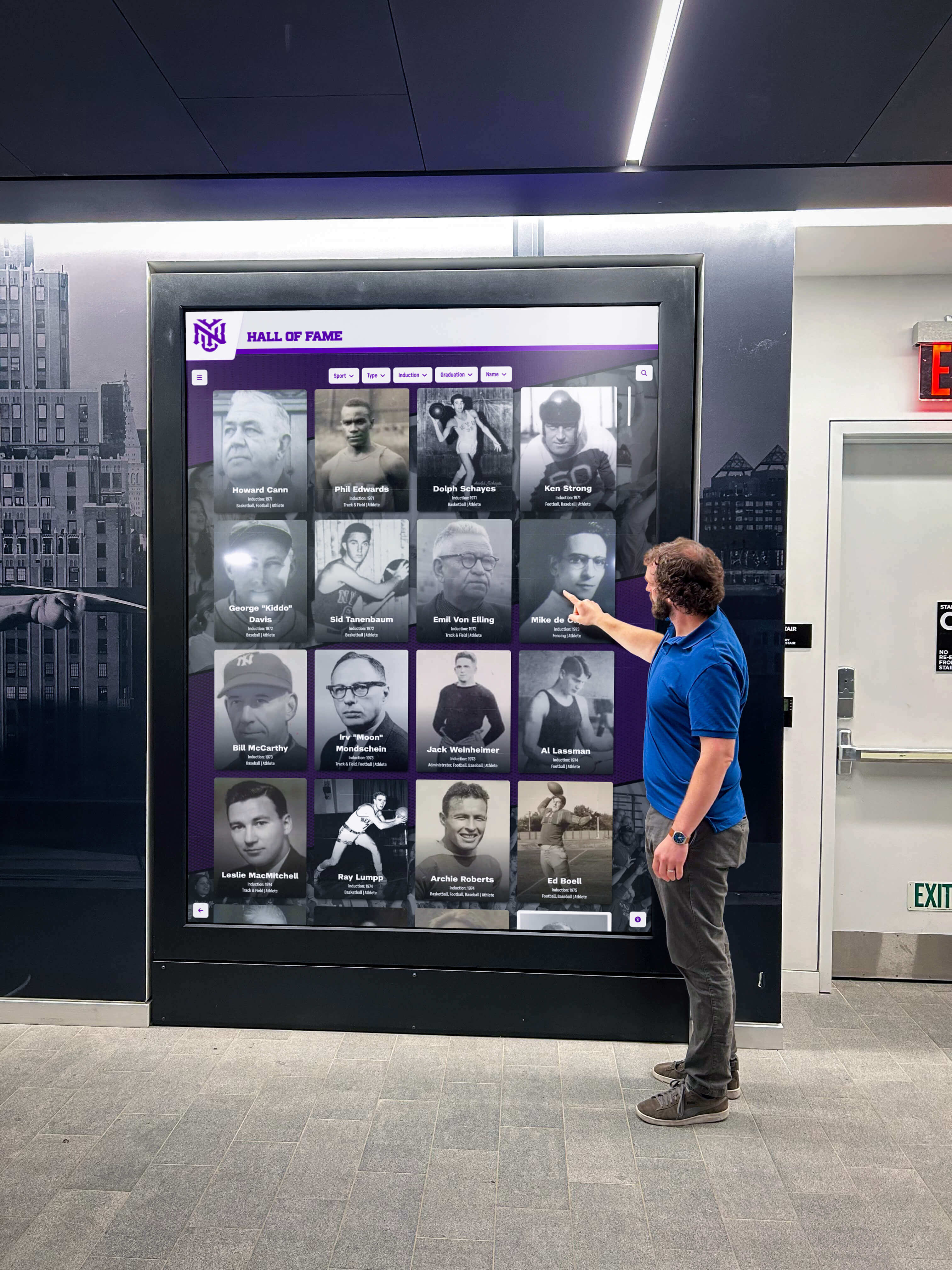
The critical success factor in tiered giving programs is comprehensive recognition of all contributors. Traditional bronze plaques limit acknowledgment to major donors due to space and cost constraints, inadvertently communicating that modest gifts lack value. Modern donor recognition wall solutions eliminate these limitations, displaying every supporter while providing search functionality allowing donors to find themselves immediately.
Campaign Implementation Timeline:
Effective annual campaigns follow structured timelines maximizing participation:
- Month 1: Campaign planning, goal setting, and leadership solicitation
- Month 2: Major gift cultivation targeting previous year’s top donors
- Month 3: Broad community solicitation through multiple channels
- Month 4: Mid-campaign push highlighting progress toward goals
- Month 5: Final appeal emphasizing remaining needs
- Month 6: Campaign close with recognition event celebrating donors
Throughout campaigns, regular communication demonstrates momentum while creating social proof encouraging additional participation. Weekly updates showing total raised, donors by level, and campaign countdown generate urgency driving gifts before deadlines.
Business Sponsorship Programs
Corporate and business sponsorships provide significant revenue while connecting local companies with school communities they serve.
Sponsorship Package Components:
- Title Sponsorship: Naming rights for facilities, events, or programs with maximum visibility
- Gold Level Sponsorship ($5,000+): Logo placement on digital displays, printed materials, and prominent signage
- Silver Level Sponsorship ($2,500-$4,999): Logo inclusion in event programs and digital recognition
- Bronze Level Sponsorship ($1,000-$2,499): Name listing and basic recognition
- Category Sponsorship: Exclusive sponsorship of specific programs (senior night, homecoming, championship banners)
Creating Sponsor Value Beyond Logo Placement:
The most successful sponsorship programs provide measurable value justifying continued investment:
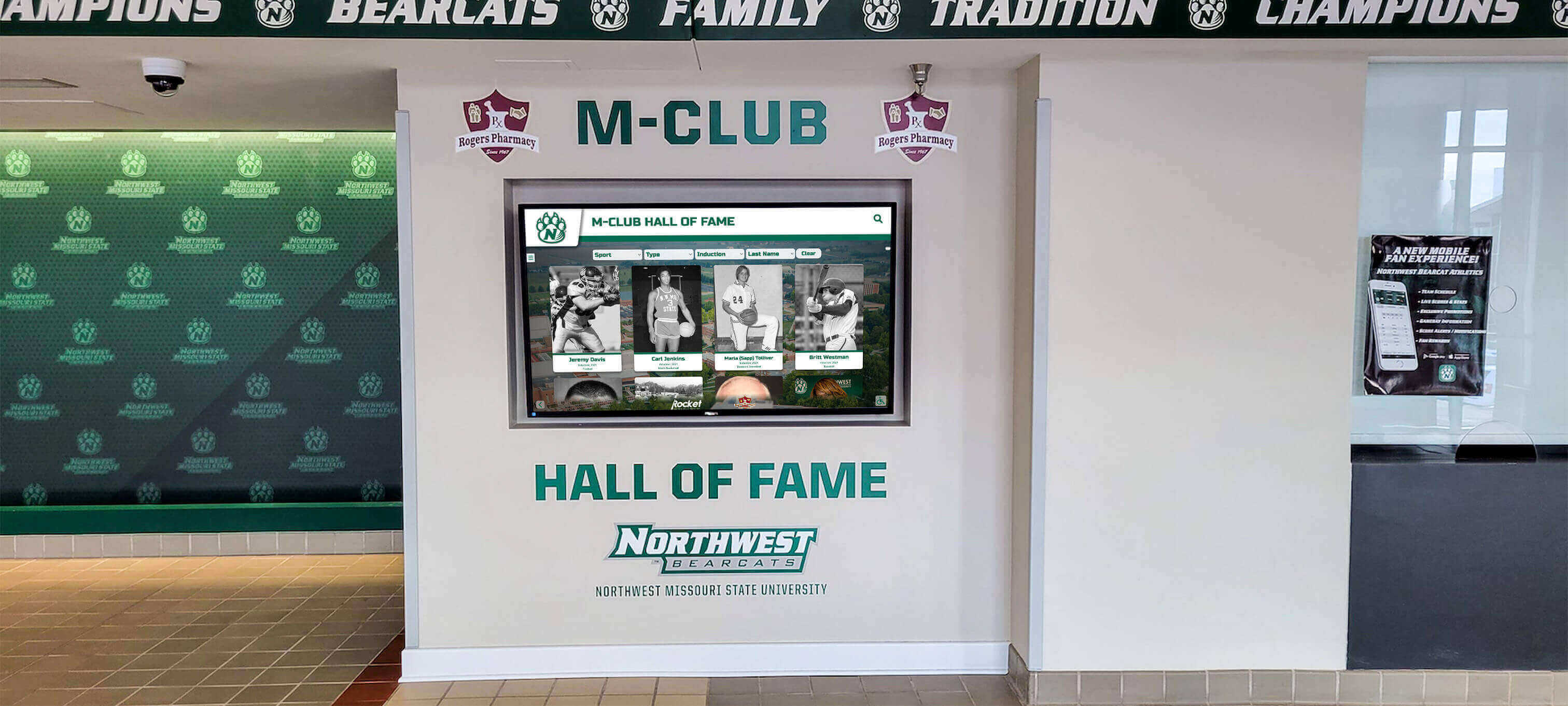
- Website integration linking sponsor logos to company sites
- Social media mentions amplifying sponsor visibility
- Customer appreciation events providing access to school community
- Email newsletter inclusion reaching engaged parent audiences
- Prominent physical and digital display placement in high-traffic areas
- Performance reporting showing website clicks and engagement metrics
Businesses evaluate sponsorships based on return on investment. When booster clubs demonstrate concrete marketing value through analytics and community reach data, sponsors renew at higher rates and often increase contribution levels.
Brick Campaigns and Permanent Recognition Installations
Brick campaigns and permanent recognition installations create lasting revenue streams while building physical symbols of community investment.
Traditional Brick Campaign Structure:
Engraved brick installations surrounding facilities or creating walkways provide tangible, permanent recognition appealing to families wanting lasting commemoration:
- Individual bricks ($100-250): Family names, graduation years, memorable messages
- Large format bricks ($500-1,000): Extended text, logos, or special tributes
- Featured placement ($1,500+): Premium locations near entrances or high-visibility areas
Brick campaigns excel at capturing milestone moments—graduations, championships, retirements—when families feel motivated to create permanent markers. Schools often see purchase surges around graduation season when senior families want legacy recognition.
Digital Recognition Wall Campaigns:
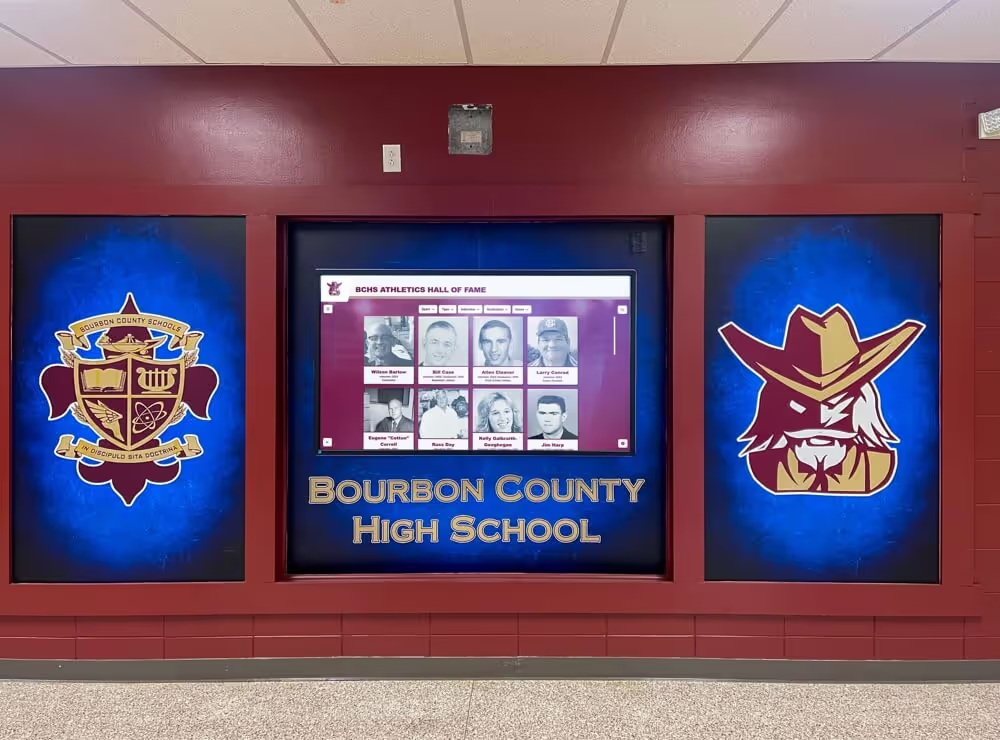
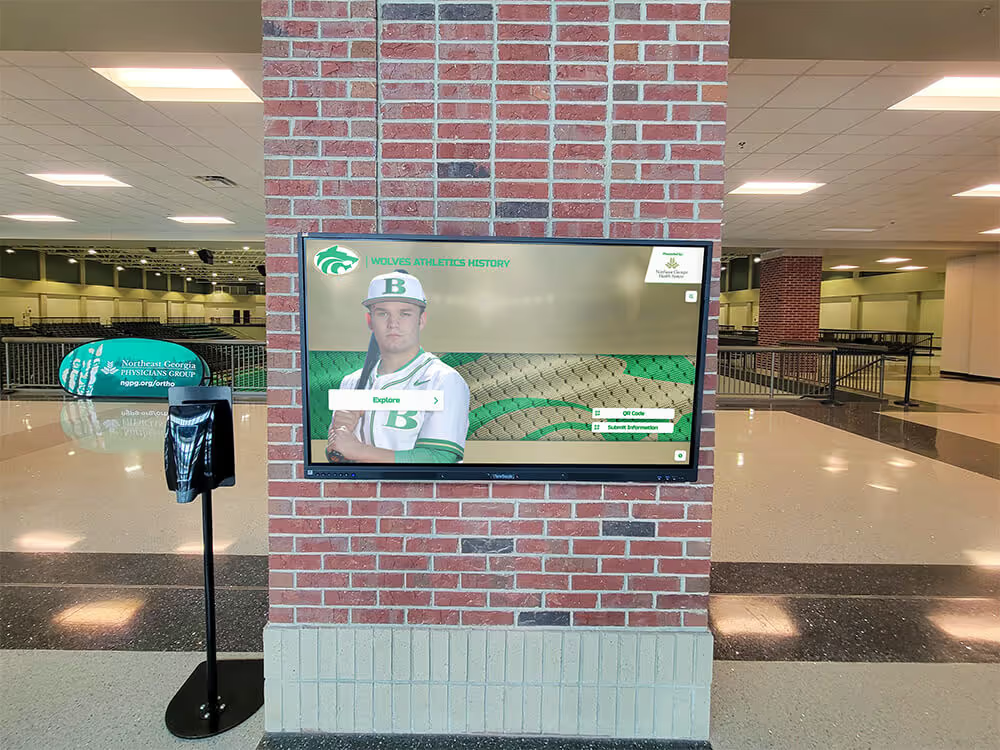
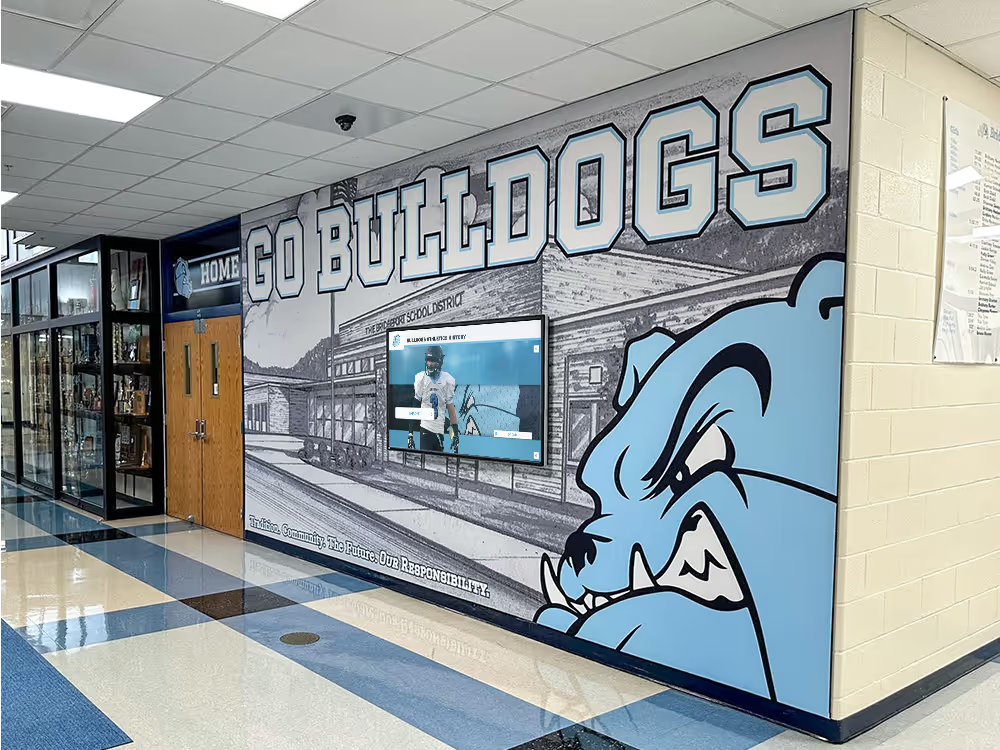
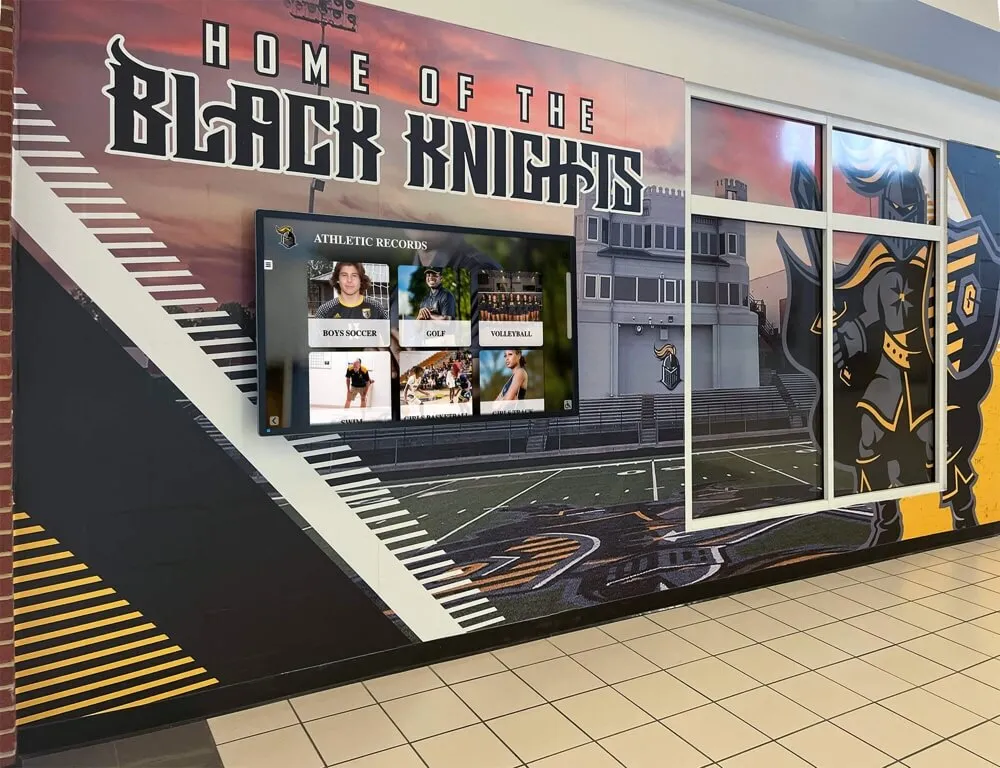
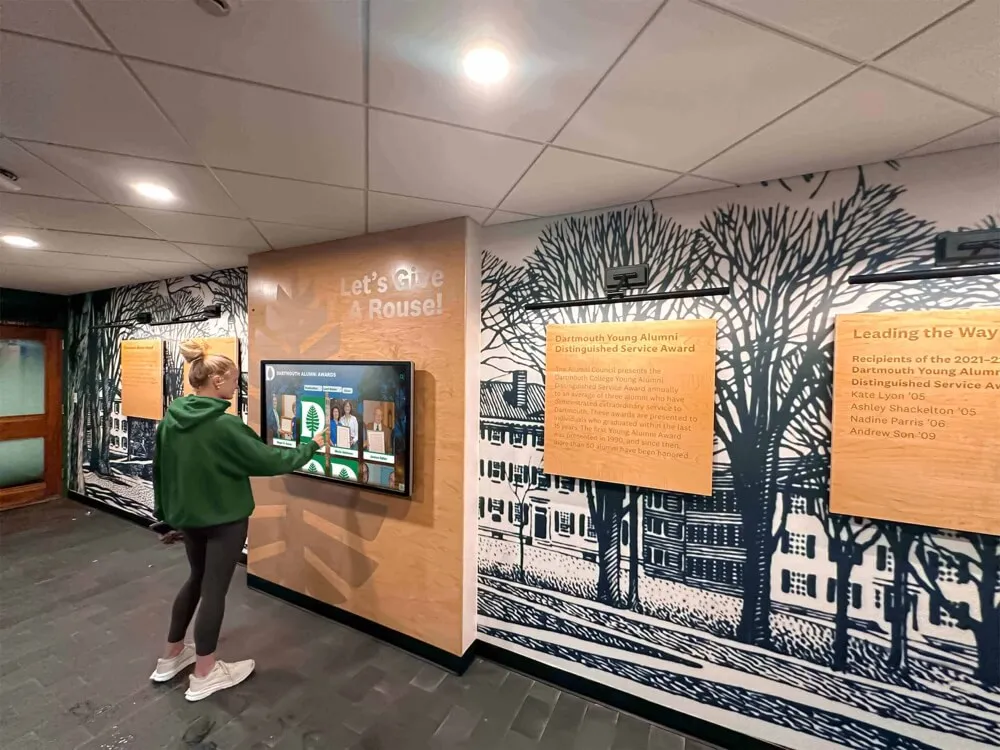
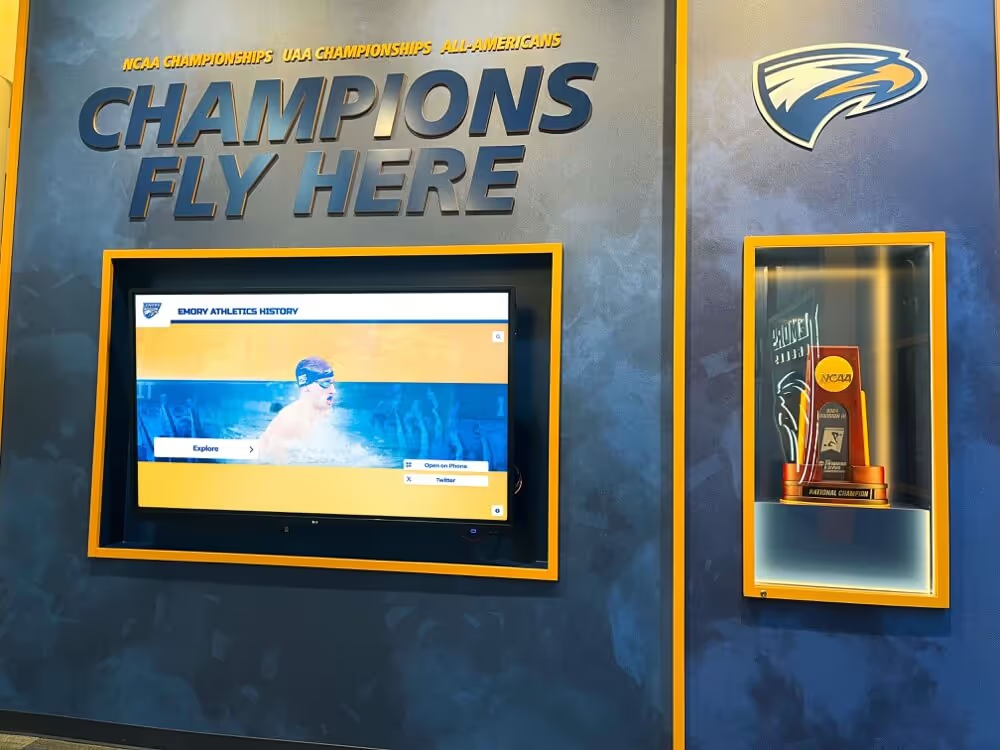
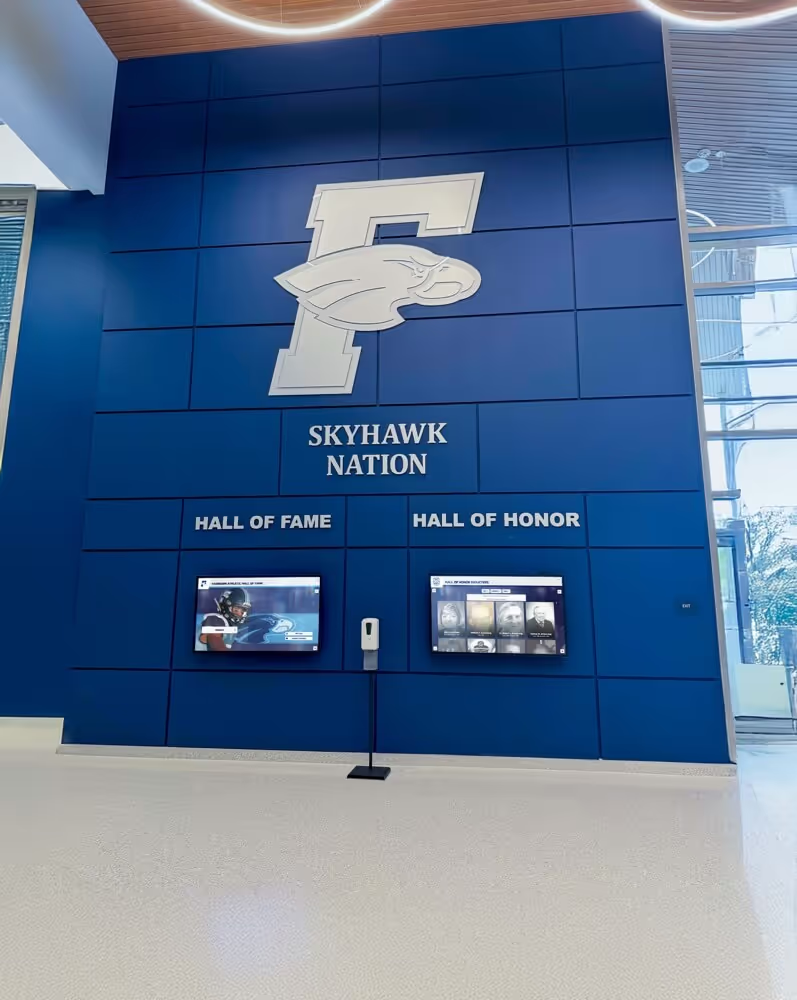
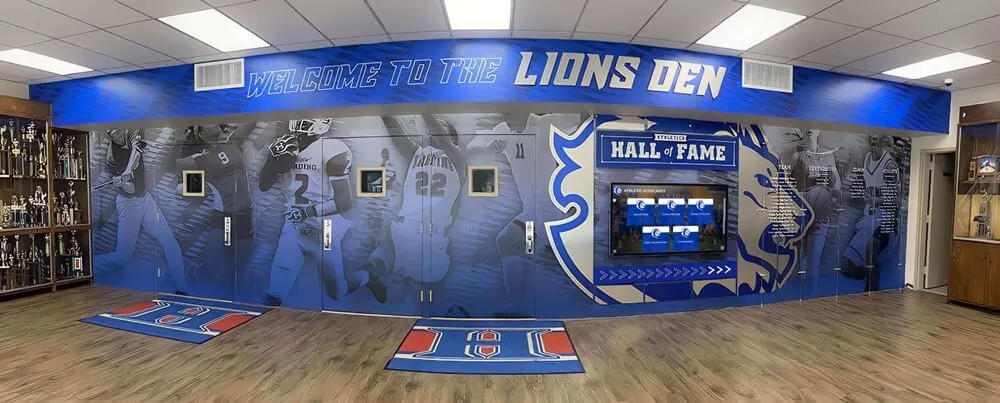
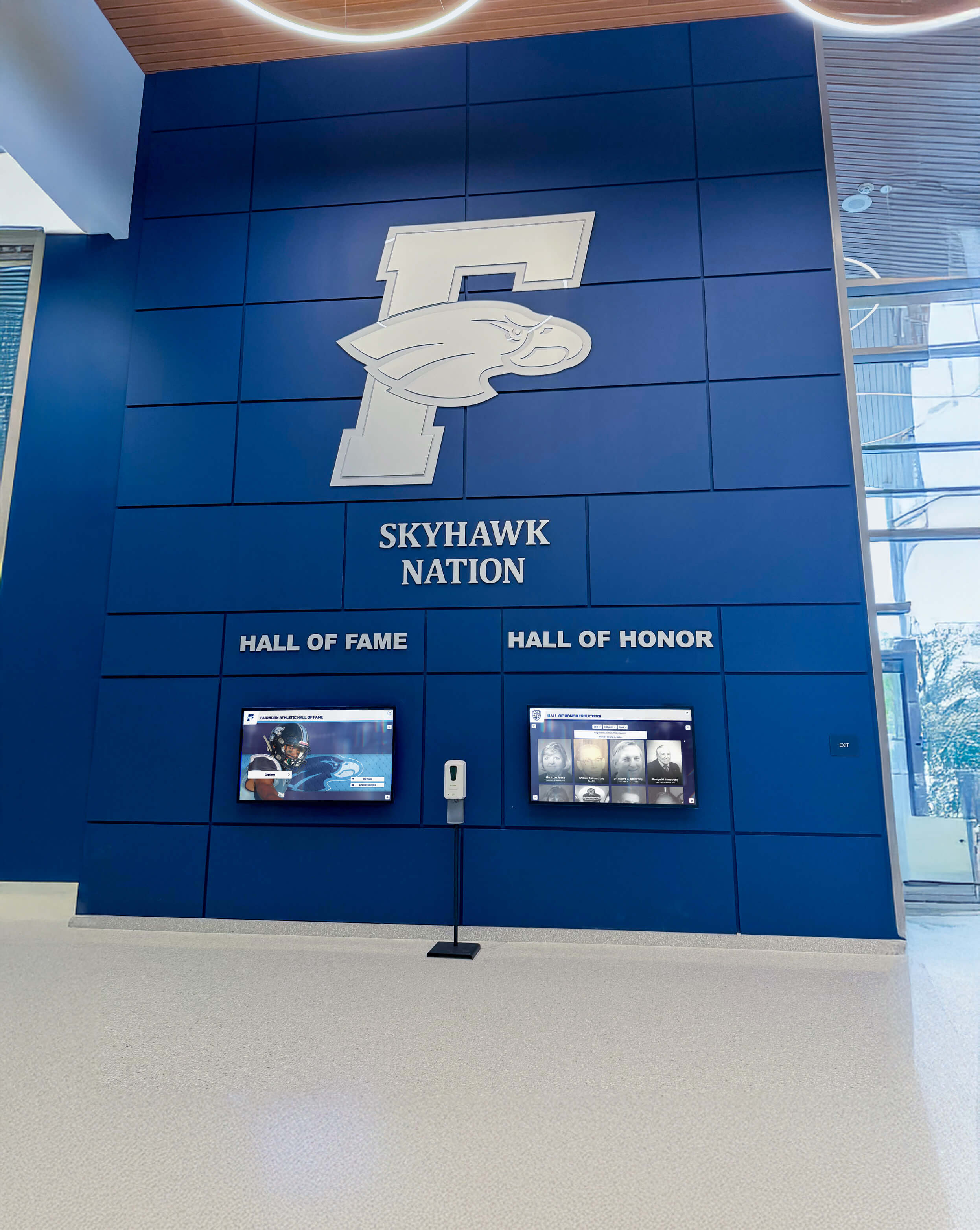
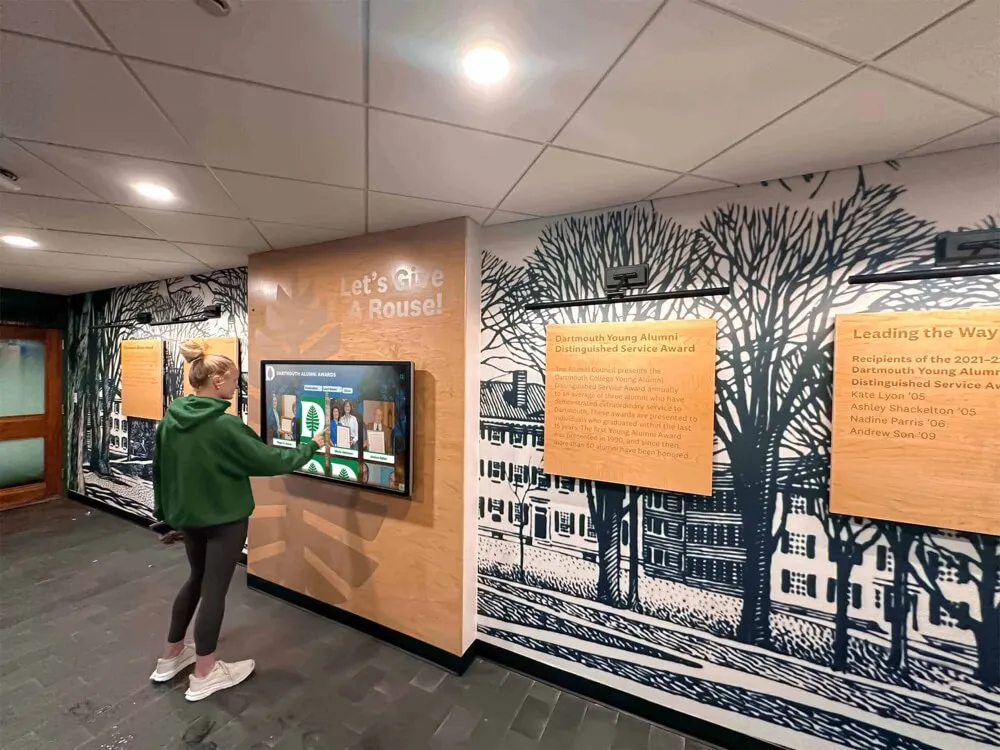
Progressive booster clubs increasingly supplement or replace brick campaigns with digital recognition walls offering advantages traditional installations cannot match:
- Unlimited capacity eliminating space constraints as programs grow
- Immediate activation without fabrication delays
- Easy updates correcting errors or adding information over time
- Rich multimedia content including photos and detailed stories
- Search functionality allowing visitors to find recognition instantly
- Lower long-term costs by eliminating ongoing brick fabrication
- Climate-controlled indoor displays maintaining pristine appearance
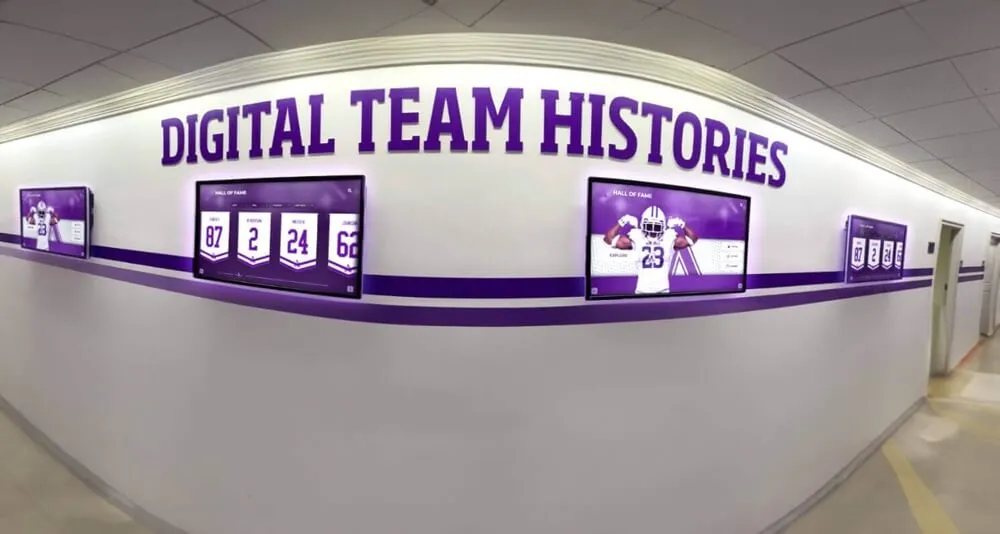
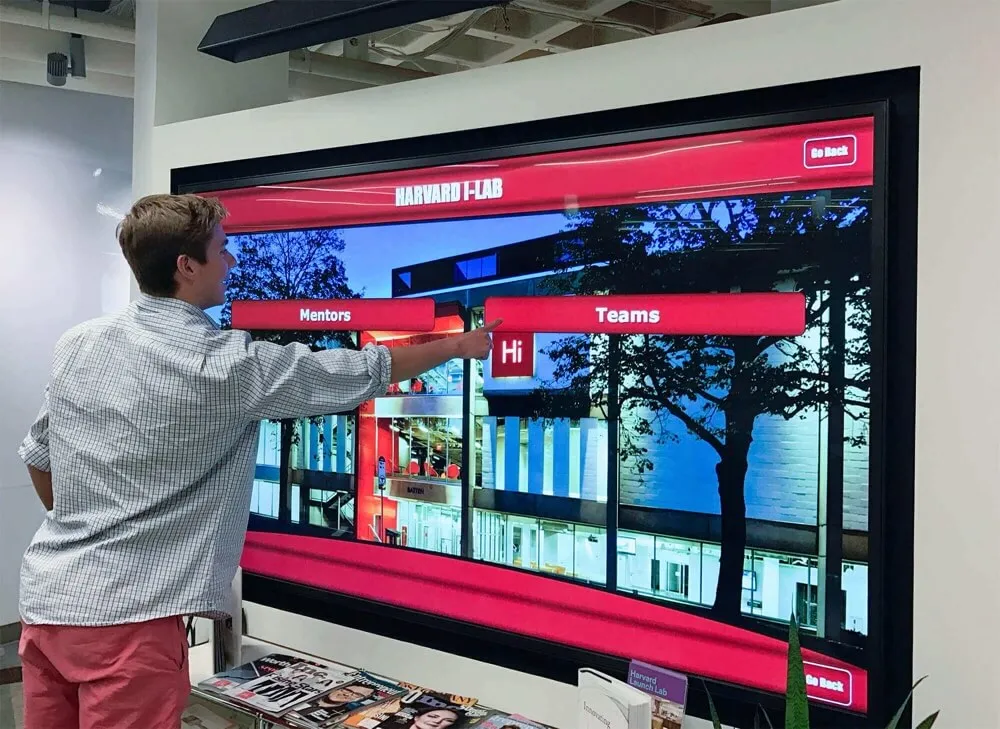
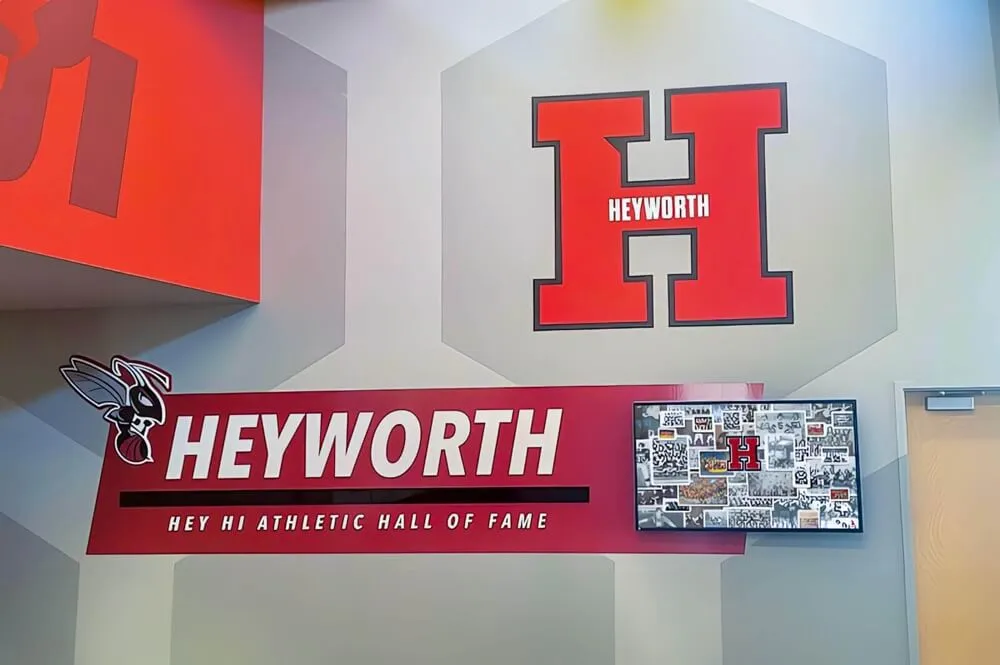
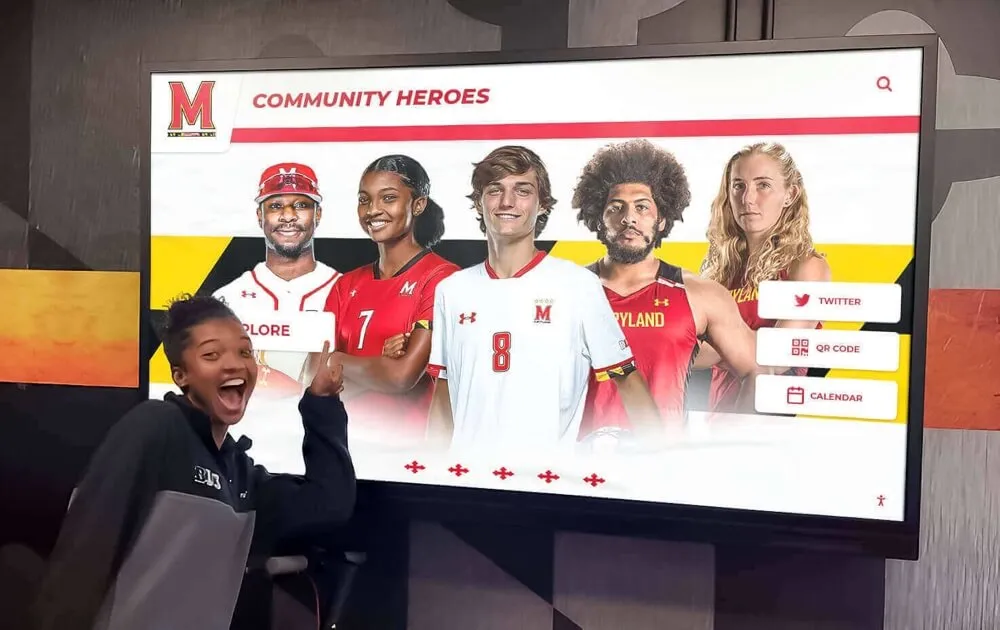
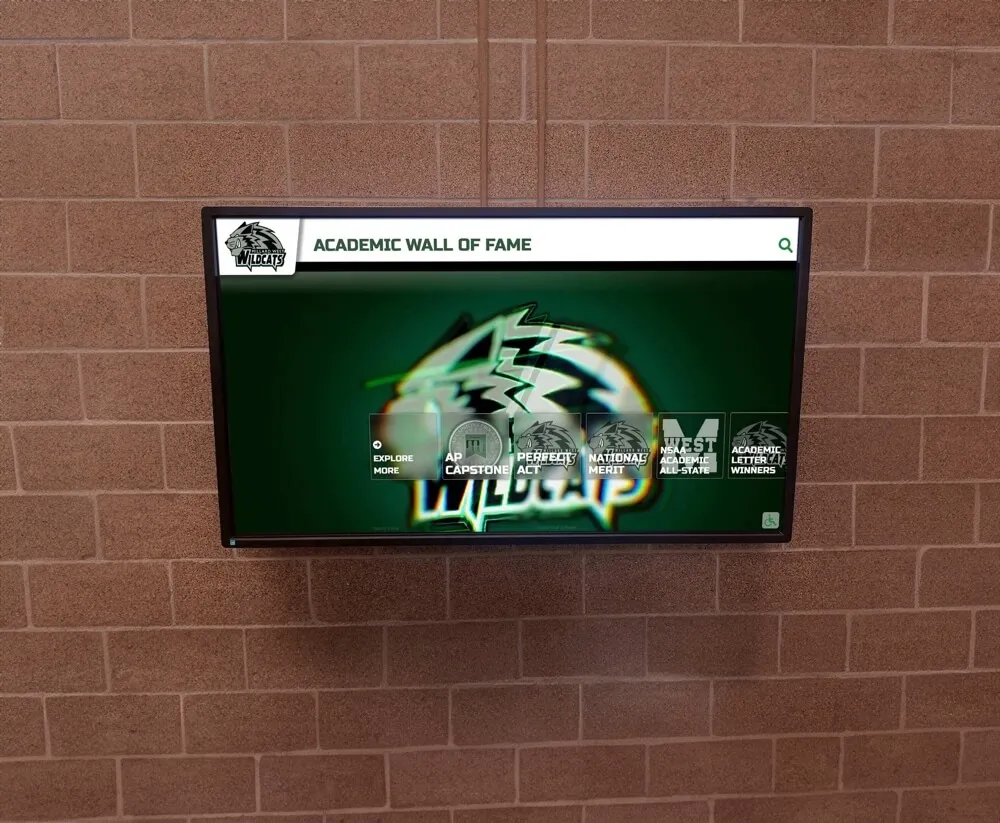
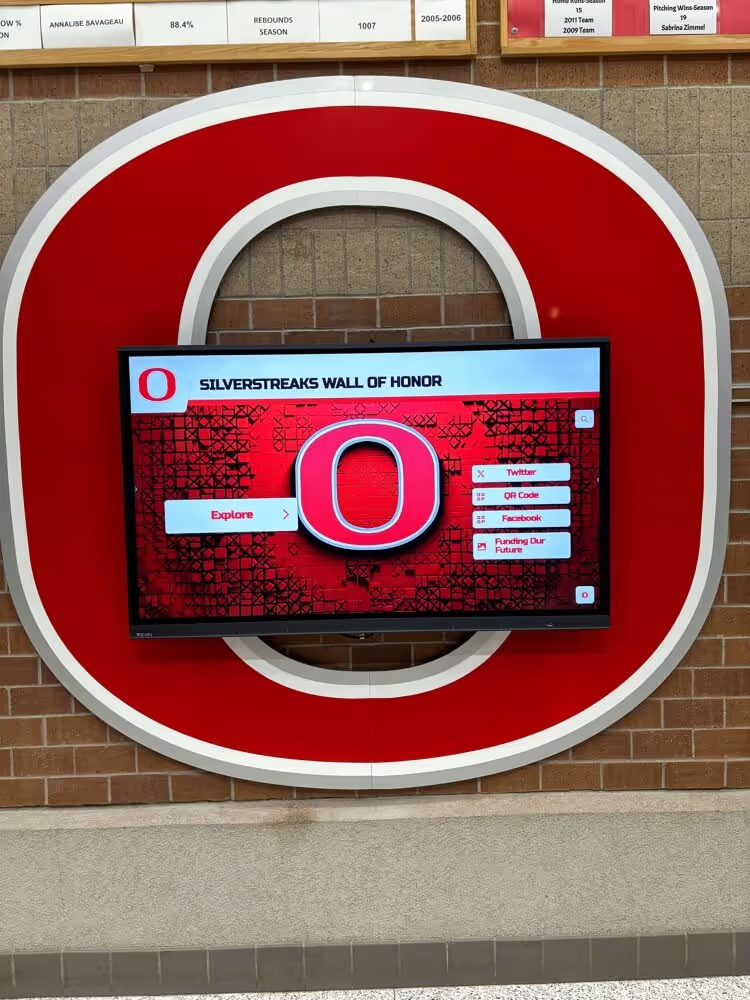
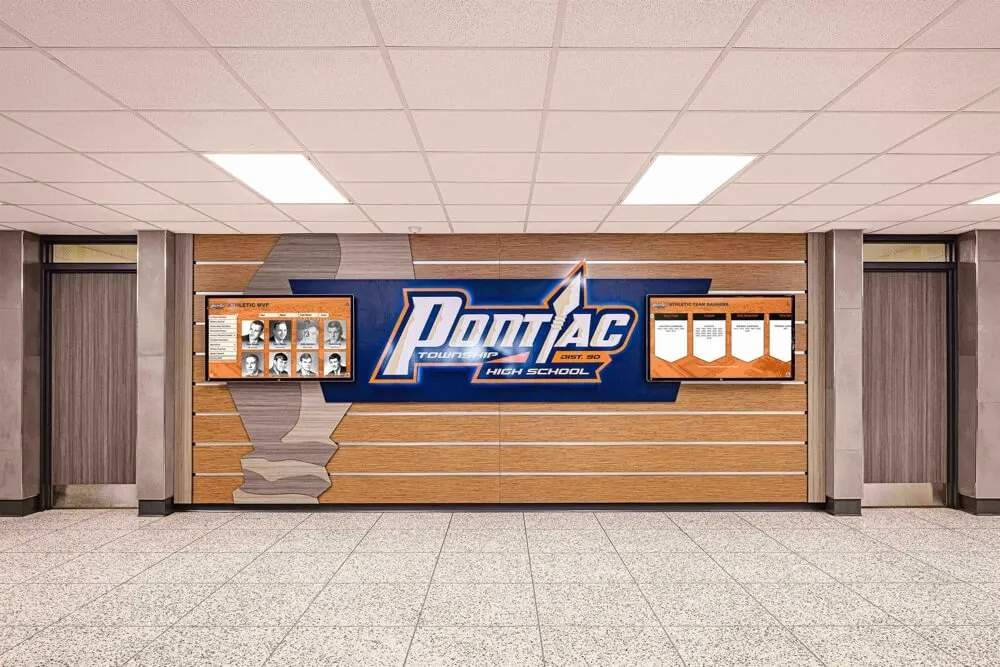
Digital recognition walls particularly benefit booster clubs supporting multiple programs—the same installation showcases donors, celebrates student achievements, recognizes volunteers, and displays team histories. This versatility maximizes return on infrastructure investment while creating dynamic content maintaining community interest.
Signature Events Creating Community Experiences
Annual signature events generate substantial revenue while strengthening community connections and providing social experiences families anticipate yearly.
Successful Event Formats:
Athletic Program Auctions and Galas: Formal events combining silent and live auctions with dinner and entertainment. Premium auction items (vacation packages, memorabilia, exclusive experiences) attract competitive bidding while creating memorable evenings. Best practices include:
- Professional auctioneers maximizing bid values
- Fund-a-need segments supporting specific initiatives
- Student participation showcasing program impact
- Digital bidding platforms enabling participation from those unable to attend physically
- Sponsorship packages offsetting event costs ensuring proceeds support programs
Community 5K Runs and Fun Walks: Family-friendly events attracting broad participation beyond traditional booster club supporters. Revenue combines registration fees, sponsorships, and fundraising minimums. Schools implementing comprehensive event recognition programs preserve race history through digital displays showcasing results, photos, and donor recognition year-round.
Themed Social Events: Golf tournaments, trivia nights, casino nights, and concert series create varied engagement opportunities appealing to different community segments. Diversifying event types expands donor base beyond supporters of single sport or activity.
Event Success Factors:
- Clear financial goals communicated to participants
- Committee structure distributing workload preventing burnout
- Multi-year planning allowing advance date reservations and scaling
- Post-event recognition celebrating volunteers and donors
- Documentation of processes enabling replication and improvement
- Financial transparency reporting proceeds and fund allocation
Recognition Initiatives That Celebrate Community Investment
Beyond fundraising, effective booster clubs implement recognition programs celebrating the donors, volunteers, and student achievements their support makes possible. Comprehensive recognition transforms transactional giving into emotional connections sustaining long-term support.
Donor Recognition Walls as Centerpiece Installations
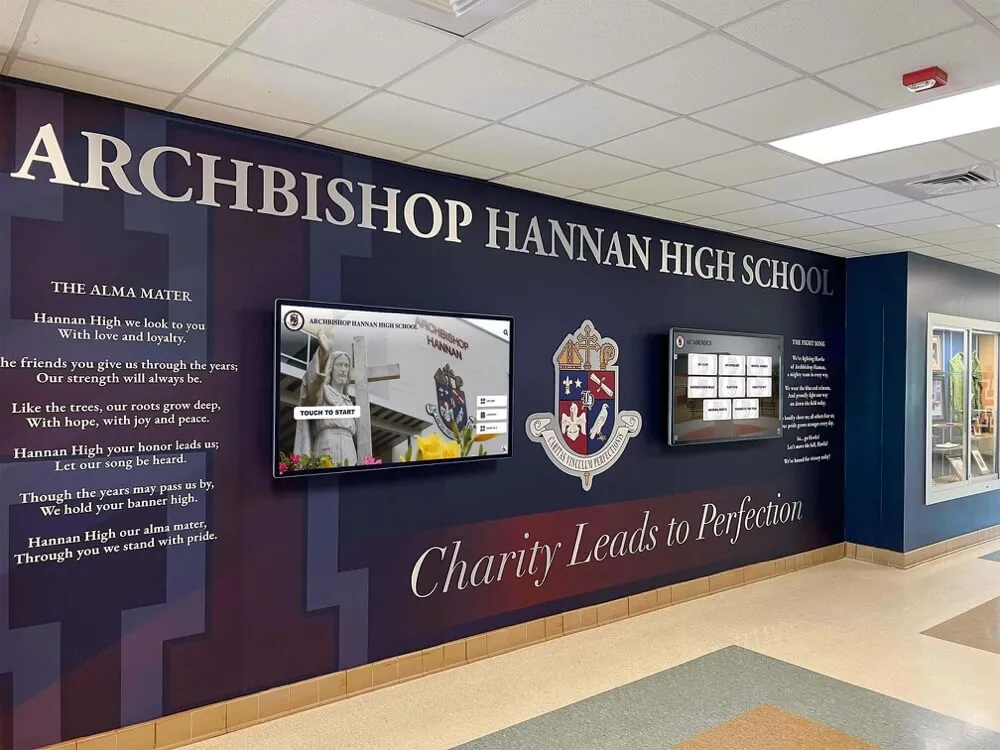
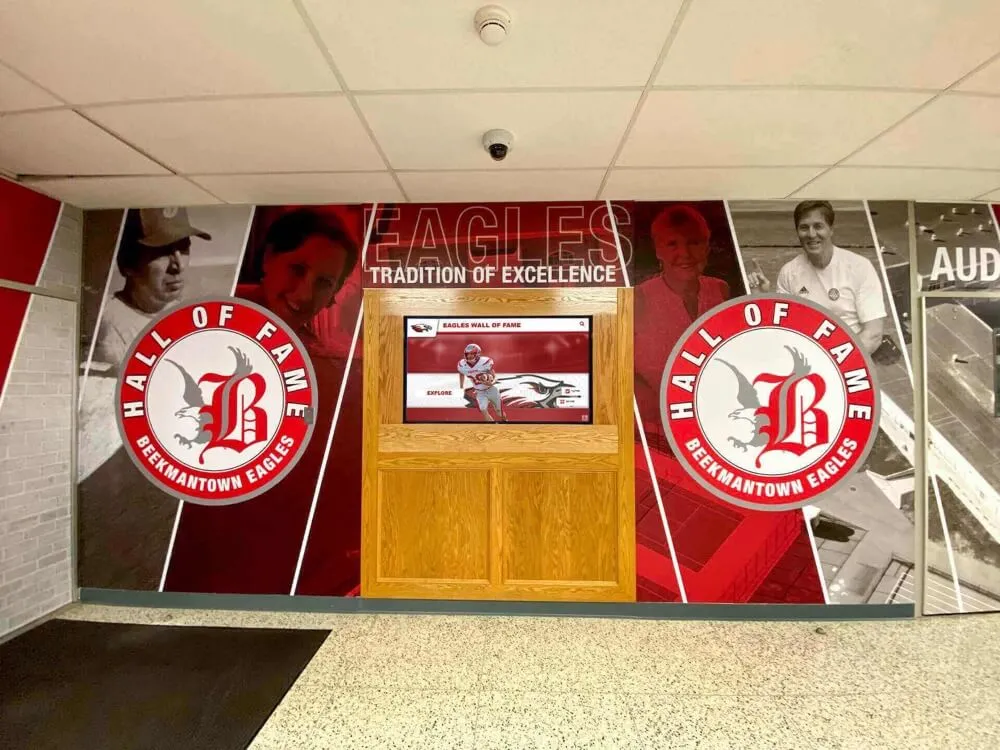
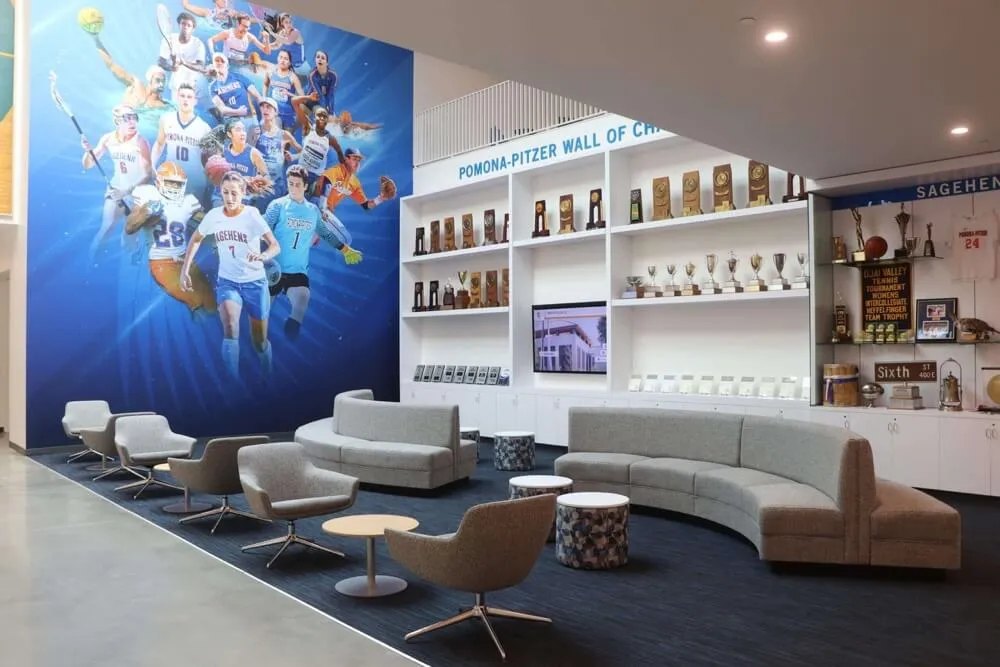
Donor recognition walls create visible, permanent acknowledgment of philanthropic support while inspiring continued giving through social validation and community modeling.
Strategic Placement Considerations:
Recognition wall effectiveness depends substantially on location:
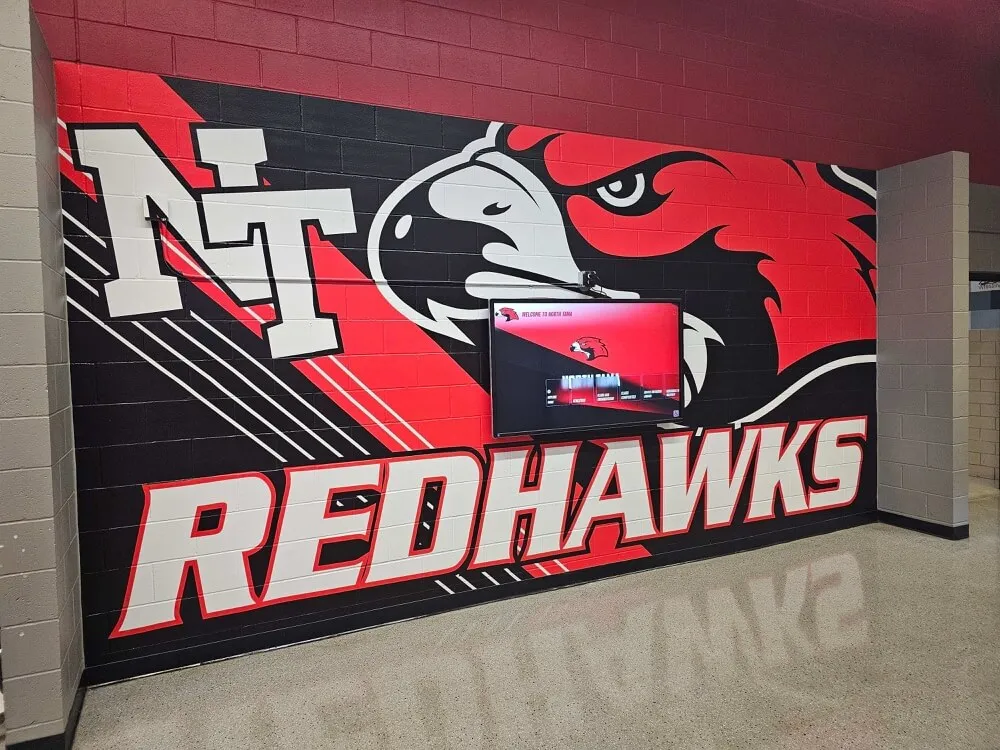
- Main entrances and lobbies: Maximum visibility where all students, families, and visitors pass daily
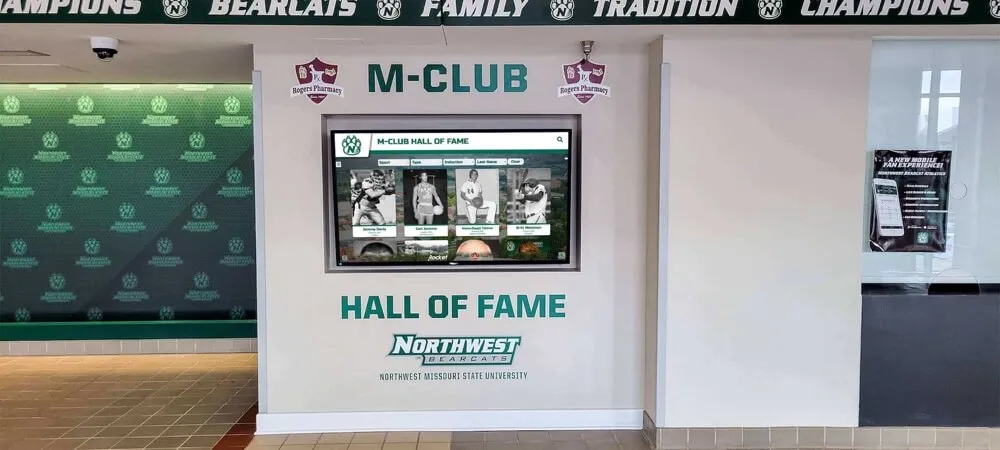
- Athletic facility entrances: Natural placement for athletic booster recognition
- Performing arts centers: Dedicated recognition for fine arts program support
- Cafeterias and commons areas: High-traffic student gathering spaces
- Near development/booster offices: Convenient for donor tours and prospect meetings
Traditional Recognition Wall Limitations:
- Fixed capacity eventually requiring expensive expansion or omitting donors
- High per-name costs ($75-300) for engraving and installation
- Fabrication delays extending 6-12 weeks between gift and recognition
- Permanent errors requiring costly replacement
- Static presentation without storytelling capability
- Limited accessibility requiring physical campus visits
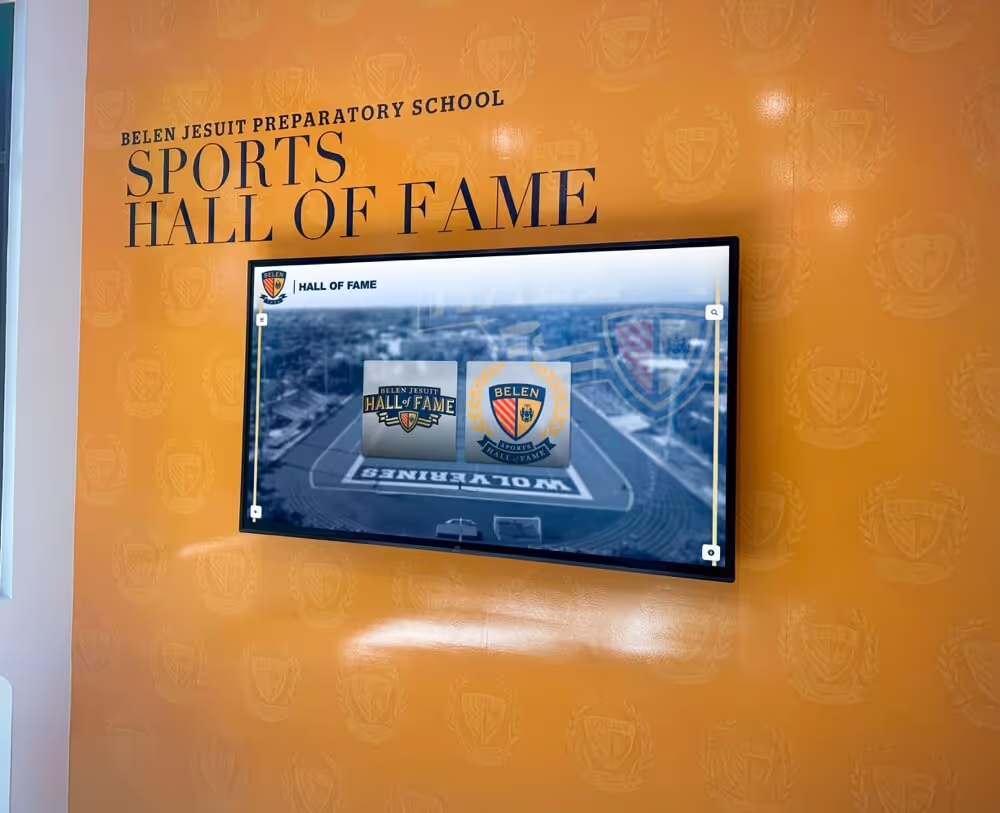
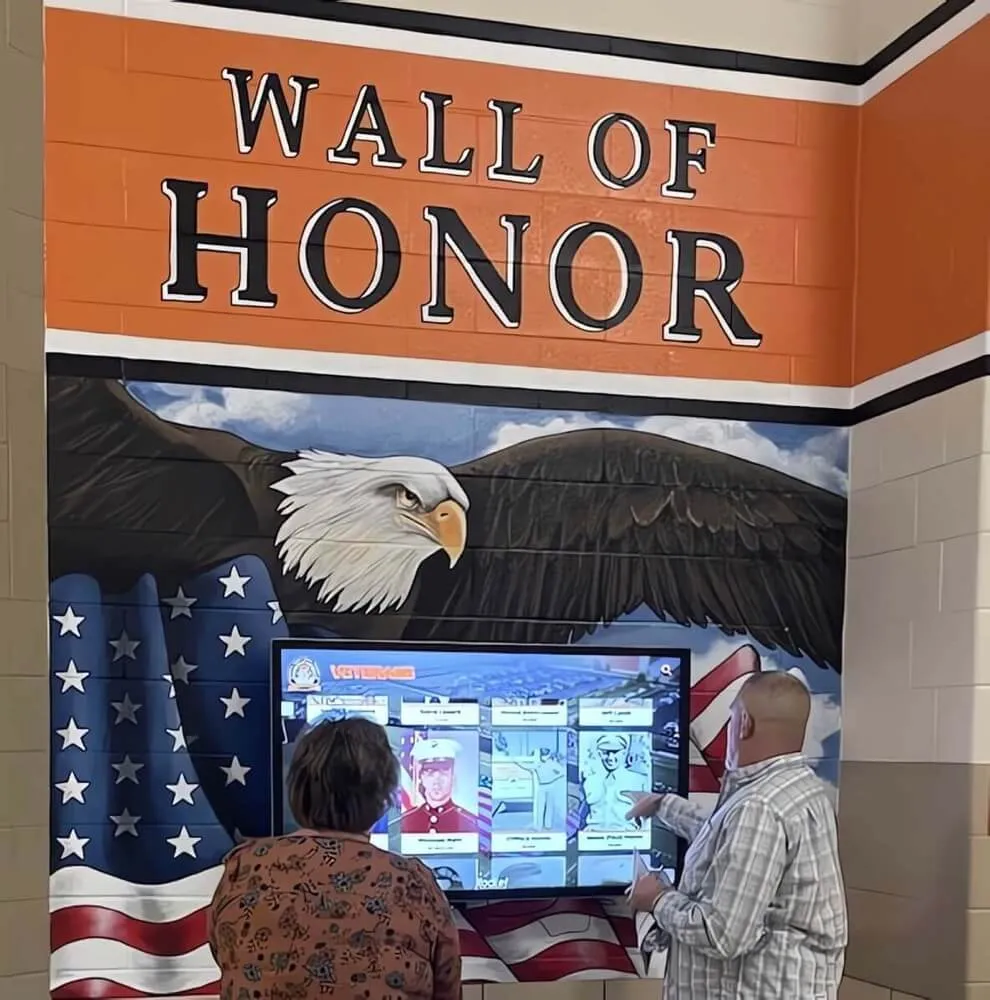
Digital Recognition Wall Advantages:
- Unlimited capacity recognizing donors at all contribution levels
- Instant updates activating recognition immediately after gifts
- Rich multimedia profiles with photos, videos, and detailed stories
- Search and filtering enabling immediate donor discovery
- Analytics tracking engagement and display effectiveness
- Web accessibility extending recognition globally
- Lower long-term costs eliminating ongoing fabrication
Content Strategy for Donor Recognition:
Effective donor walls extend beyond simple name listings to create meaningful content:
- Donor profiles: Names, recognition level, years of support, personal connection to programs
- Impact statements: Specific initiatives funded by contributions
- Giving society membership: Clear tier placement and benefits
- Cumulative recognition: Lifetime giving totals for multi-year donors
- Family legacy recognition: Multi-generational support patterns
- Memorial and tribute giving: Special acknowledgment for donations honoring loved ones
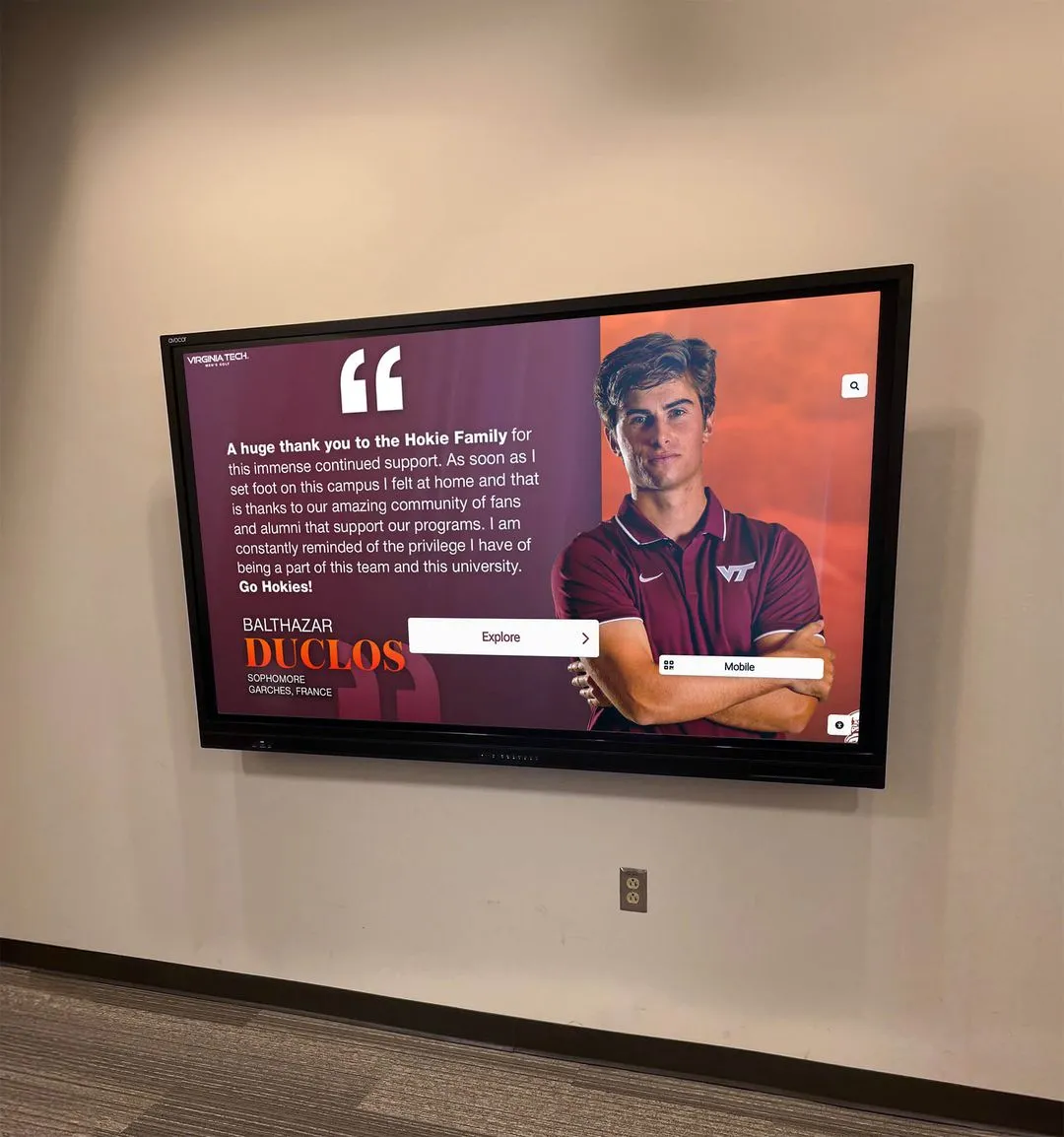
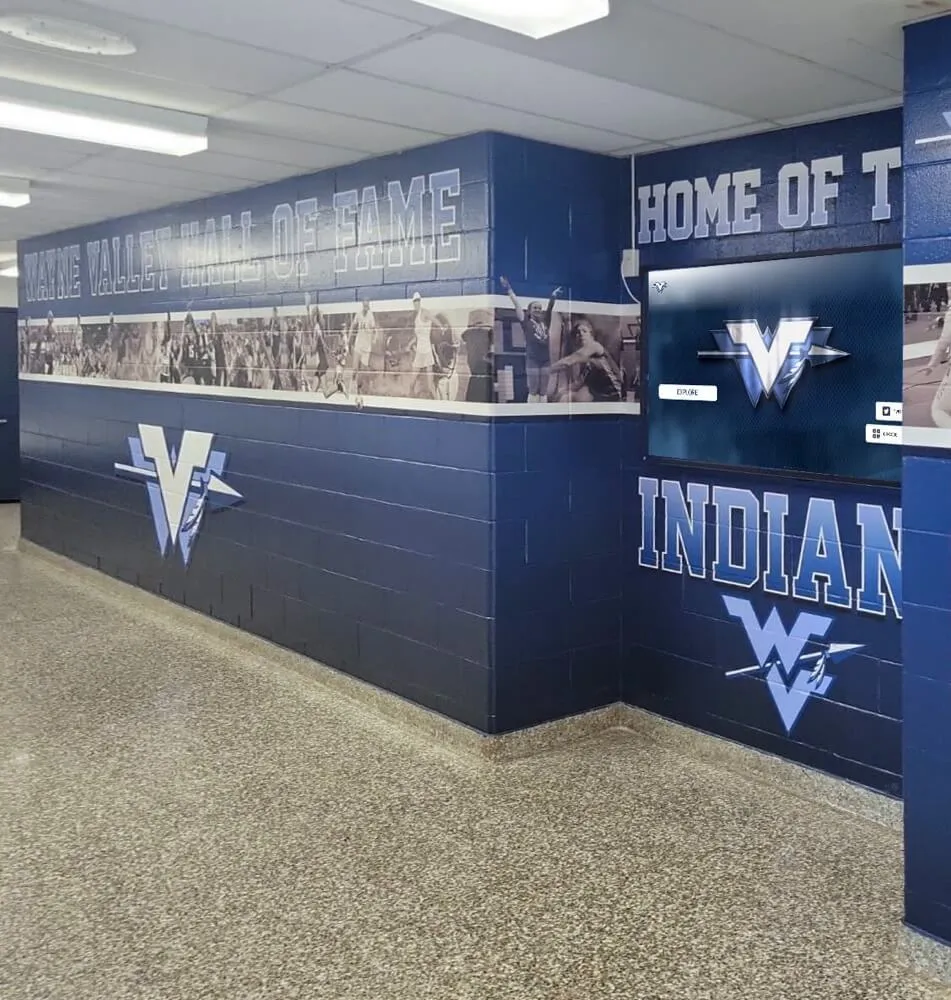
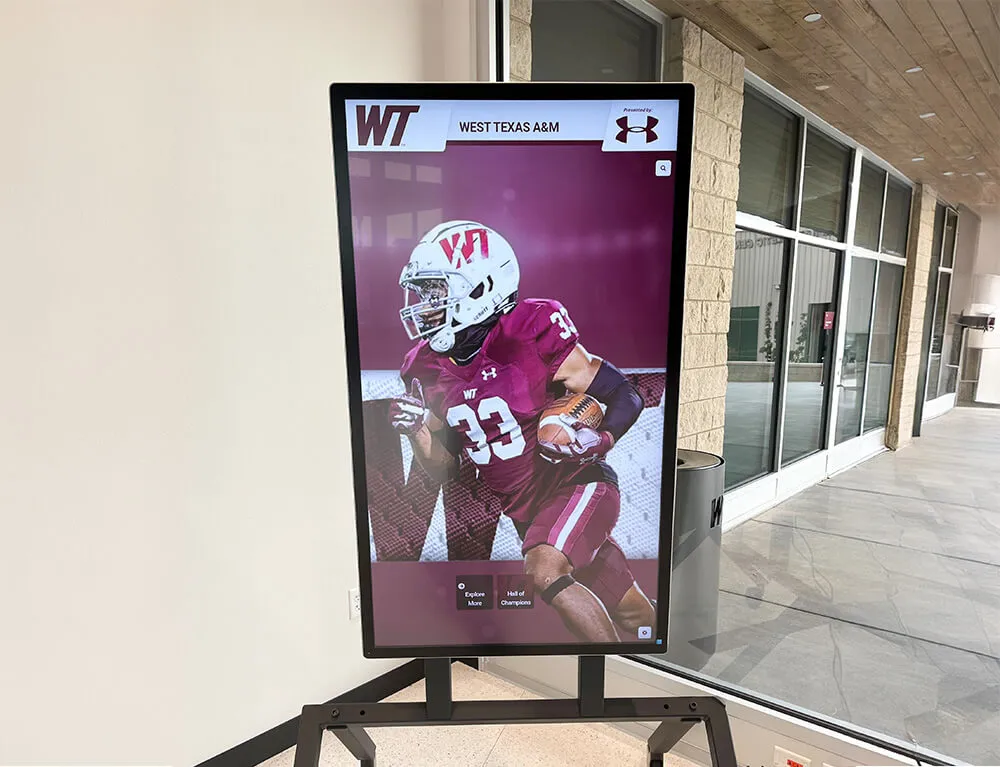
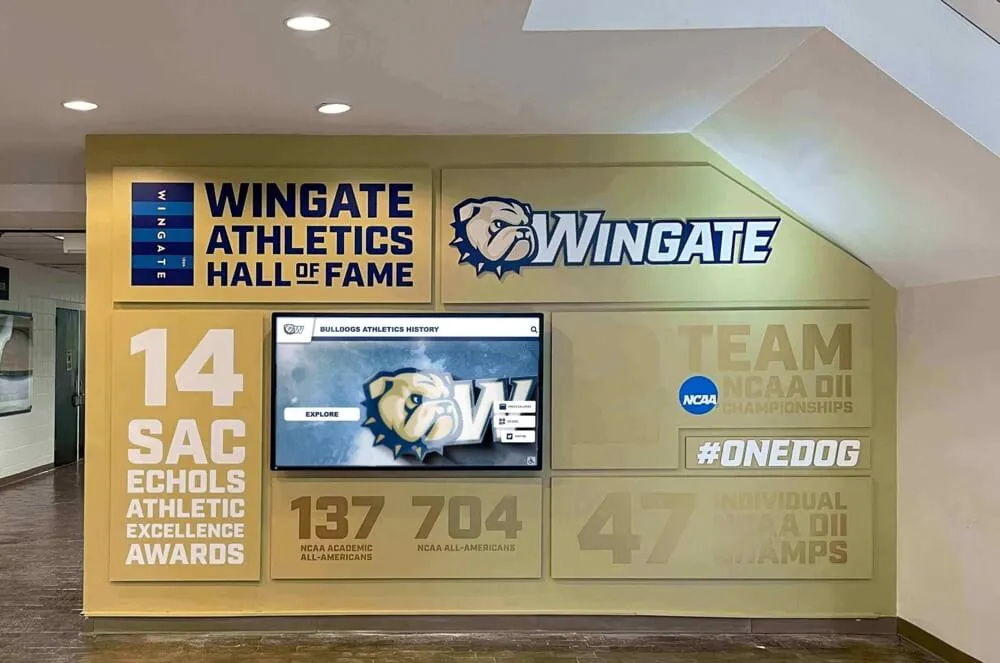
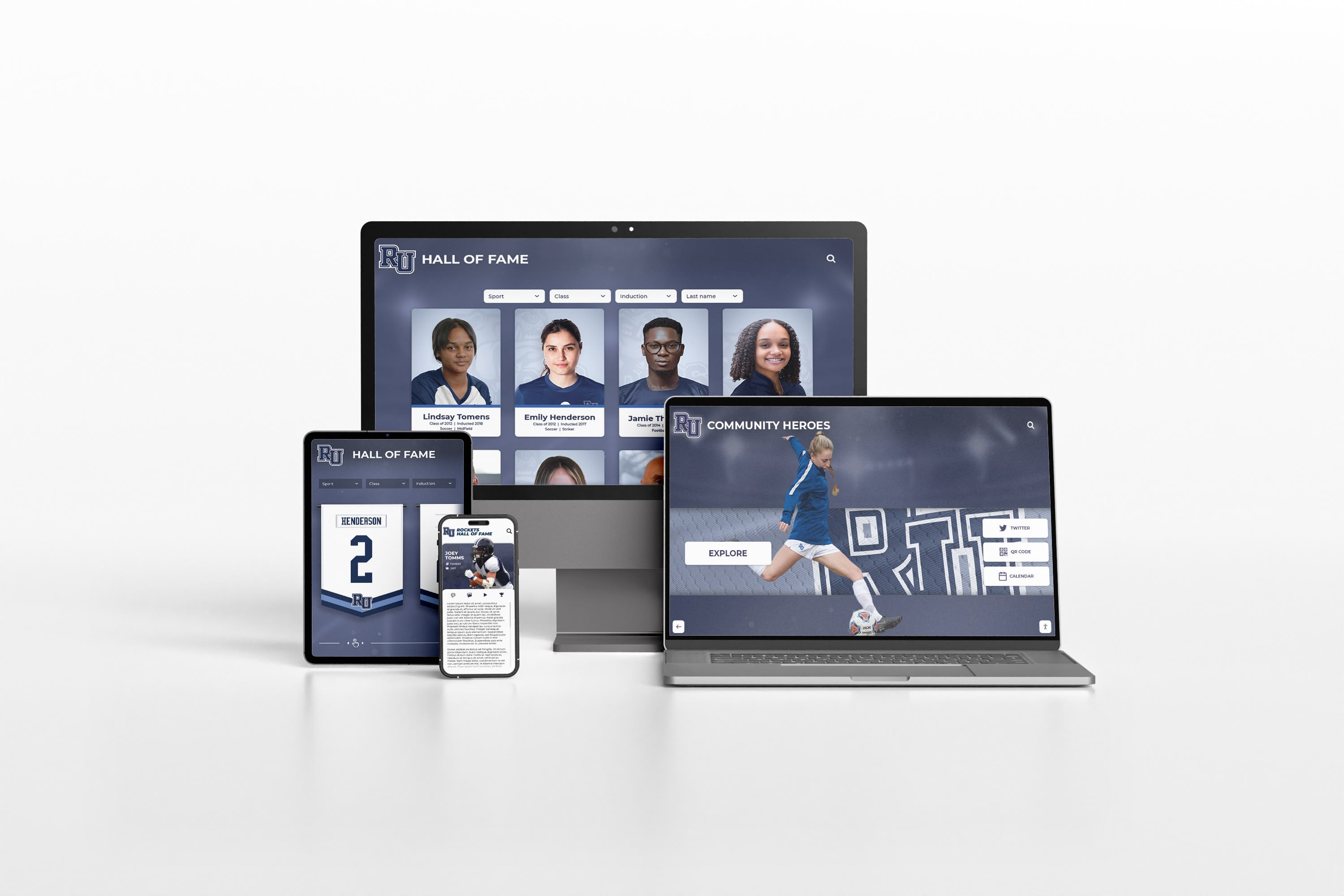
Solutions like Rocket Alumni Solutions provide purpose-built platforms specifically designed for comprehensive donor recognition. These systems enable booster clubs to celebrate every contribution while maintaining professional presentation and intuitive content management that volunteers can operate independently.
Volunteer Recognition Programs
Booster club success depends entirely on volunteer dedication—parents and community members contributing countless hours to operations, events, and student support. Comprehensive volunteer recognition ensures these contributors receive appreciation strengthening retention and recruitment.
Volunteer Recognition Components:
Annual Volunteer Appreciation Events: Dedicated gatherings celebrating volunteer contributions create emotional connections reinforcing community value. Successful events include:
- Leadership recognition honoring board members and committee chairs
- Service milestone awards for multi-year volunteers
- Impact presentations showing tangible results of volunteer efforts
- Student testimonials describing volunteer influence
- Future vision outlining upcoming needs and opportunities
- Social atmosphere building relationships among volunteers
Public Recognition Systems: Beyond private appreciation, public volunteer recognition demonstrates organizational gratitude while recruiting future volunteers:
- Volunteer honor rolls displayed prominently in facilities
- Social media spotlights featuring volunteers and their contributions
- Newsletter profiles highlighting volunteer stories
- Website volunteer directories with photos and roles
- Digital recognition displays including volunteer sections alongside donors
- Awards ceremonies during school assemblies or athletic events
Practical Support Demonstrating Value: Recognition extends beyond symbolic gestures to practical support:
- Parking passes for volunteers attending events
- Branded apparel identifying volunteers and building community
- Food and hospitality at volunteer work sessions
- Reimbursement for volunteer expenses
- Clear role descriptions and training preventing frustration
- Leadership development opportunities for emerging volunteers
Schools implementing comprehensive digital recognition systems often dedicate display sections to volunteer recognition, ensuring contributions receive visibility equivalent to financial donors.
Student Achievement Recognition Funded by Booster Clubs
While donors and volunteers deserve recognition, the ultimate beneficiaries of booster club work are students whose programs, facilities, and opportunities improve through community support. Booster clubs increasingly fund recognition systems celebrating student achievement as both program benefit and donor stewardship tool.
Recognition Programs Booster Clubs Commonly Fund:
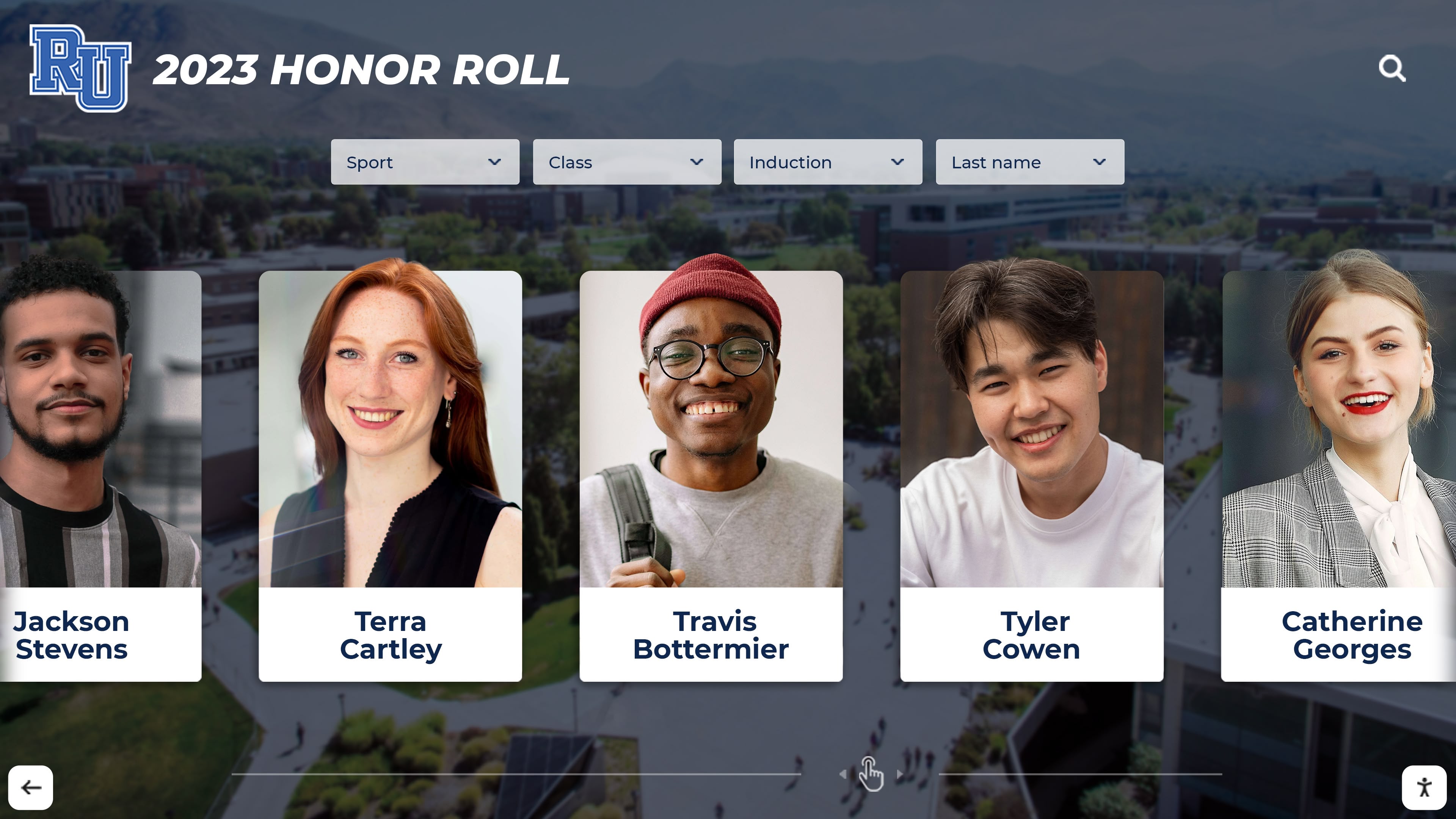
Academic Excellence Displays: Honor rolls, scholarship recipients, academic all-stars, and program-specific achievement. Digital platforms enable rotating recognition highlighting different students regularly rather than static displays featuring only highest achievers.
Athletic Achievement Recognition: Career statistical leaders, championship teams, all-conference selections, and sportsmanship award winners. Modern athletic recognition systems provide comprehensive platforms celebrating accomplishments across all sports and achievement levels.
Arts and Activities Recognition: Theater productions, musical performances, debate championships, robotics competitions, and club accomplishments often lack recognition infrastructure. Booster clubs addressing these gaps demonstrate commitment to comprehensive student support beyond traditional athletics.
Service and Leadership Recognition: Student council officers, volunteer service hours, peer mentorship, and community impact projects. Highlighting service achievements reinforces values booster clubs model through their own volunteer work.
Strategic Value of Student Recognition Investments:
Student achievement recognition serves dual purposes—providing program benefit while supporting booster club fundraising:
Direct Student Benefit: Recognition validates achievement, builds school culture celebrating excellence, creates aspiration for younger students, and documents accomplishments for college applications and scholarships.
Donor Stewardship Value: Visible evidence of booster club impact strengthens fundraising by demonstrating concrete program improvements, creating social proof of community investment, providing conversation points during donor cultivation, and generating positive publicity attracting new supporters.
When donors see their contributions funding recognition systems celebrating student achievement, they observe direct connection between philanthropic support and student benefit. This tangible impact dramatically improves donor retention and upgrade rates compared to organizations unable to demonstrate clear fund utilization.
Strategic Program Funding Creating Lasting Impact
Beyond recognition systems, booster clubs determine which programs and initiatives receive financial support. Strategic funding decisions create compounding value—each investment generating student benefit while strengthening organizational reputation and donor confidence.
Facility Improvements and Infrastructure Investments
Facility improvements provide visible, lasting impact demonstrating booster club value while creating assets benefiting students for decades.
High-Impact Facility Projects:
Priority Infrastructure Investments:
- Scoreboards and Video Displays: Modern scoreboards enhance game presentation while providing sponsor recognition opportunities offsetting costs
- Locker Room Renovations: Updated facilities demonstrate program professionalism attracting student participation
- Practice Equipment and Storage: Quality practice resources improve program outcomes while reducing ongoing replacement needs
- Seating and Spectator Amenities: Bleachers, press boxes, and concession facilities improve fan experience and event revenue
- Playing Surface Improvements: Field turf, court resurfacing, and track renovations provide superior competition venues
- Technology Integration: Livestreaming capabilities, sound systems, and digital recognition displays modernize facilities
Strategic Facility Planning:
The most effective booster clubs approach facility improvements systematically rather than reacting to immediate requests:
- Comprehensive needs assessment identifying critical deficiencies
- Multi-year capital plans prioritizing investments by impact
- Matching fund strategies leveraging district capital budgets
- Phased implementation allowing progressive completion
- Professional project management ensuring quality execution
- Naming rights and recognition associated with major investments
- Maintenance planning preventing premature deterioration
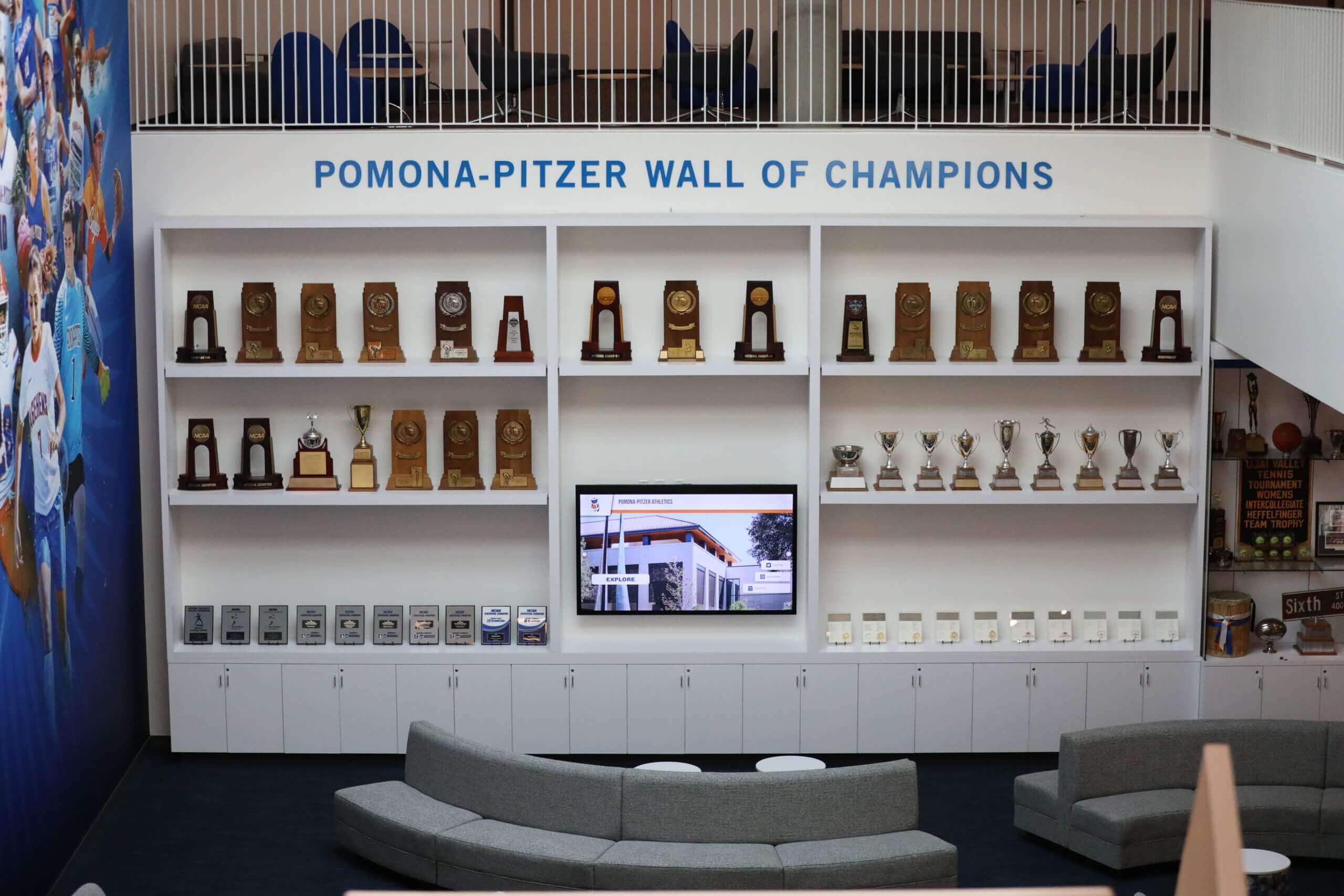
Facility improvements particularly benefit from permanent recognition connecting spaces with donors who funded them. Recognition walls documenting facility evolution and community investment create compelling stewardship narratives strengthening future fundraising.
Equipment and Uniform Programs
Quality equipment and uniforms directly impact program safety, performance, and professional presentation while creating tangible evidence of booster club support.
Equipment Funding Priorities:
Athletic Equipment: Helmets, pads, weight training equipment, training aids, and specialized gear maintaining safety standards and competitive capabilities. Regular replacement cycles prevent equipment deterioration while ensuring compliance with evolving safety requirements.
Fine Arts Equipment: Musical instruments, sound equipment, lighting systems, costumes, and production materials enabling quality performances. Many performing arts programs lack adequate district funding, creating substantial booster club impact opportunities.
Academic and Club Equipment: Robotics components, science lab equipment, technology devices, and specialized materials supporting extracurricular programs beyond traditional athletics and arts.
Uniform Programs:
Comprehensive uniform programs ensure all students can participate regardless of family financial capacity:
- Performance uniforms for athletic teams and performing groups
- Practice gear and training apparel
- Travel uniforms for away competitions
- Spirit wear connecting broader student body to programs
- Replacement cycles maintaining professional appearance
- Sizing inventory accommodating diverse student body
- Equipment managers organizing distribution and maintenance
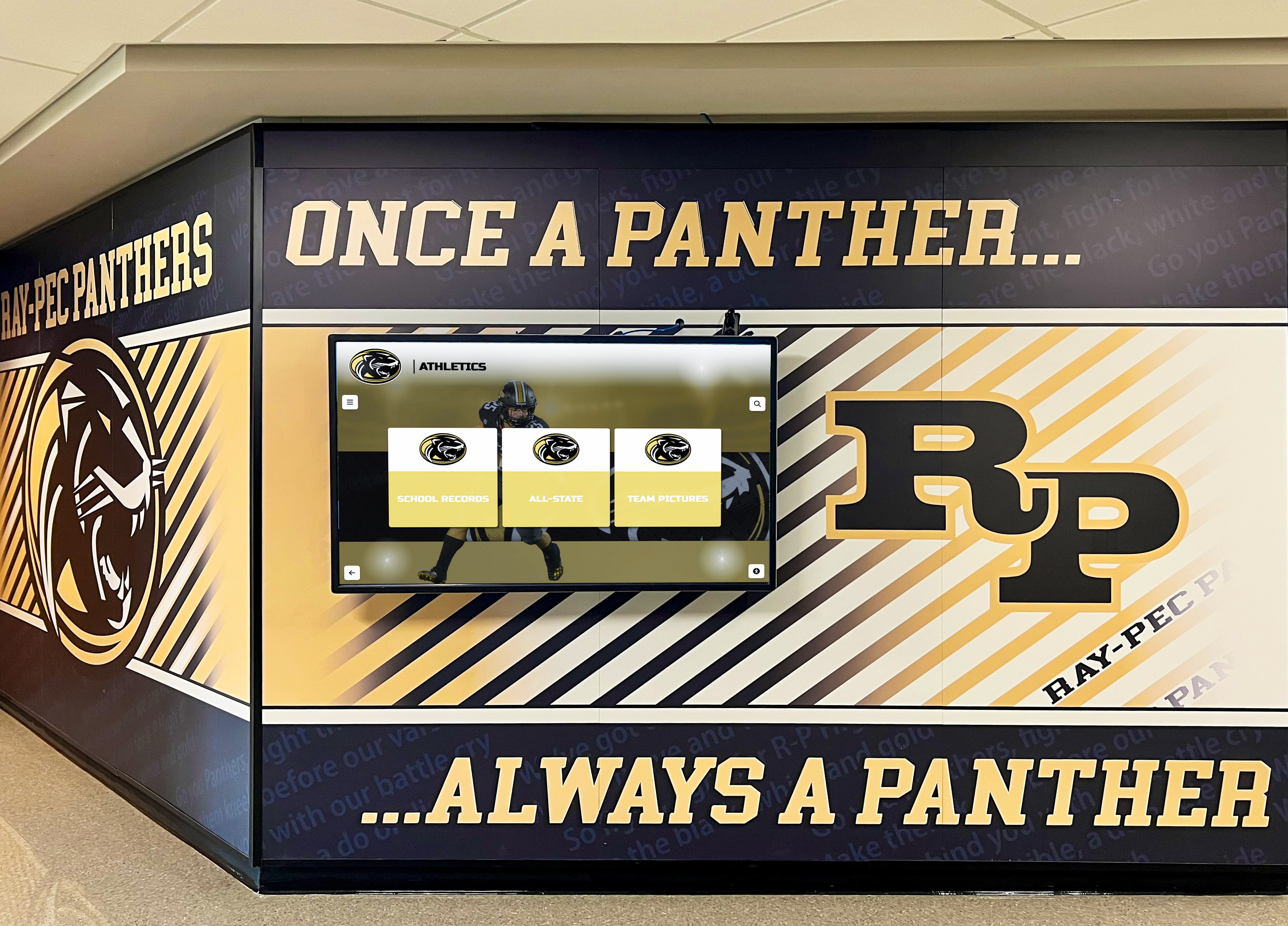
Transportation and Travel Support
Transportation represents significant program costs often inadequately covered by school budgets. Booster club travel support expands participation opportunities while reducing family financial barriers.
Travel Program Components:
Competition Transportation: Charter buses for away competitions, tournament travel, and championship events. Quality transportation ensures student safety and comfort while creating team bonding experiences.
Extended Travel for Elite Opportunities: Regional, state, and national championships often require air travel and multi-day accommodations. Booster club support enables participation for talented students whose families cannot afford extended travel costs.
Per Diem and Meal Support: Providing meals during travel prevents students from declining opportunities due to food costs while simplifying logistics for coaches and volunteers.
Strategic Travel Funding:
Effective travel programs balance broad access with fiscal responsibility:
- Needs-based support ensuring financial circumstances don’t prevent participation
- Fundraising expectations encouraging student effort before automatic funding
- Transparent criteria for which events receive travel support
- Planning timelines allowing advance budget allocation
- Accounting systems tracking travel expenses separately
- Post-travel reporting demonstrating fund utilization and student benefit
Travel support creates powerful donor stewardship stories—families directly experiencing how booster club funding enabled opportunities their students would otherwise miss become passionate ambassadors and often increased future donors.
Scholarship and Student Support Initiatives
Beyond program operations, forward-thinking booster clubs establish scholarship programs and student support initiatives creating direct student benefit while building lasting organizational legacies.
Booster Club Scholarship Programs
Scholarship programs transform booster clubs from event operators into legacy organizations permanently impacting students’ educational trajectories and future opportunities.
Scholarship Program Structures:
Annual Academic Scholarships: Recurring awards funded by ongoing booster club revenue. Common structures include:
- Multiple smaller scholarships ($500-1,500) supporting several students
- Flagship scholarships ($2,500-5,000) providing substantial assistance
- Need-based awards supporting students facing financial challenges
- Merit-based awards recognizing achievement and contribution
- Program-specific scholarships for students in supported activities
Named Endowed Scholarships: Permanent funds generating annual scholarships in perpetuity. Minimum endowment thresholds typically start at $25,000, with investment earnings funding scholarships indefinitely. Named scholarships honor donors, community leaders, or departed members while creating lasting legacy recognition.
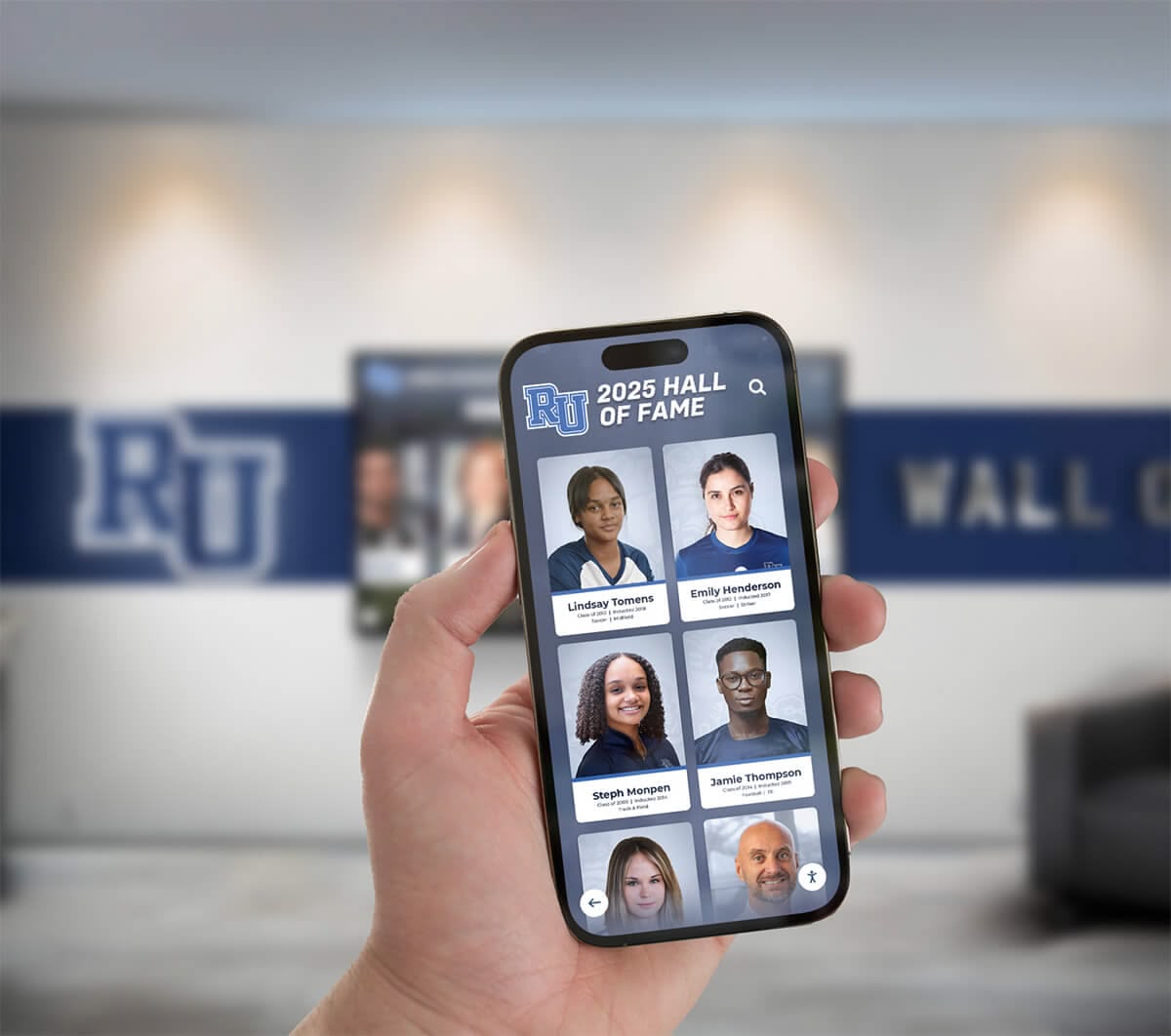
Scholarship Selection and Administration:
Professional scholarship administration ensures fairness and organizational credibility:
- Written criteria and selection processes
- Independent selection committees including non-board members
- Transparent application procedures widely communicated
- Financial need documentation when applicable
- Academic transcripts and teacher recommendations
- Personal essays describing program impact
- Public recognition ceremonies celebrating recipients
- Follow-up tracking monitoring recipient success
Scholarship Recognition and Stewardship:
Scholarship programs create compelling recognition and stewardship content:
- Recipient profiles displayed in digital recognition systems
- Annual reports highlighting scholarship impact over time
- Alumni spotlights featuring previous recipients and their achievements
- Donor-recipient connections when donors fund named scholarships
- Ceremony presentations with photo opportunities
- Social media celebration amplifying positive community impact
Scholarship programs particularly resonate with prospective donors who may not connect emotionally with equipment purchases but deeply value educational opportunity. Programs demonstrating sustained commitment to student success through scholarships often attract larger major gifts and planned giving commitments.
Emergency Support and Student Assistance Funds
Beyond scheduled scholarships, responsive booster clubs establish discretionary funds addressing unexpected student needs and financial barriers preventing program participation.
Support Fund Applications:
Participation Fee Assistance: Many schools implement participation fees for athletics and activities. Assistance funds ensure financial circumstances don’t exclude students from programs where they’d thrive and contribute.
Equipment and Uniform Support: Emergency assistance providing equipment or uniforms for students whose families cannot afford required gear.
Travel Emergency Support: Unexpected costs arising during competition travel, medical needs, or family emergencies requiring student assistance.
Academic Support: Tutoring costs, test preparation materials, or academic resources supporting student-athletes and activity participants maintaining eligibility.
Administration and Confidentiality:
Student assistance programs require careful handling protecting recipient privacy:
- Confidential application processes preventing stigma
- Discreet distribution maintaining student dignity
- Need verification preventing abuse while minimizing barriers
- Quick approval processes addressing urgent situations
- Anonymous funding when preferred
- Clear communication ensuring families know assistance exists
Building Sustainable Booster Club Operations
Effective programs and recognition initiatives mean little without sustainable operational structures ensuring booster clubs continue thriving across leadership transitions and organizational challenges.
Governance and Leadership Development
Strong governance prevents the common booster club trap where single leaders become indispensable, creating organizational vulnerability when they inevitably step away.
Essential Governance Elements:
Written Bylaws: Formal documents defining membership, board structure, officer terms, financial procedures, and decision-making processes. Bylaws provide institutional memory and prevent disputes by establishing clear operating procedures.
Leadership Succession Planning: Identifying and developing future leaders before current officers exhaust capacity or graduate as their children complete programs. Successful approaches include:
- Vice president roles grooming future presidents
- Committee chair rotations developing diverse leadership experience
- Mentorship programs pairing experienced with emerging leaders
- Leadership development training workshops
- Documented position responsibilities and transition processes
- Term limits preventing burnout and encouraging fresh perspectives
Board Structure and Committees:
Effective boards distribute workload and provide oversight:
- Executive committee (president, vice president, treasurer, secretary)
- Fundraising committee planning and executing revenue programs
- Recognition committee managing donor and volunteer acknowledgment
- Finance committee providing budget oversight and financial planning
- Nomination committee recruiting board members and ensuring succession
- Grant committee pursuing external funding opportunities
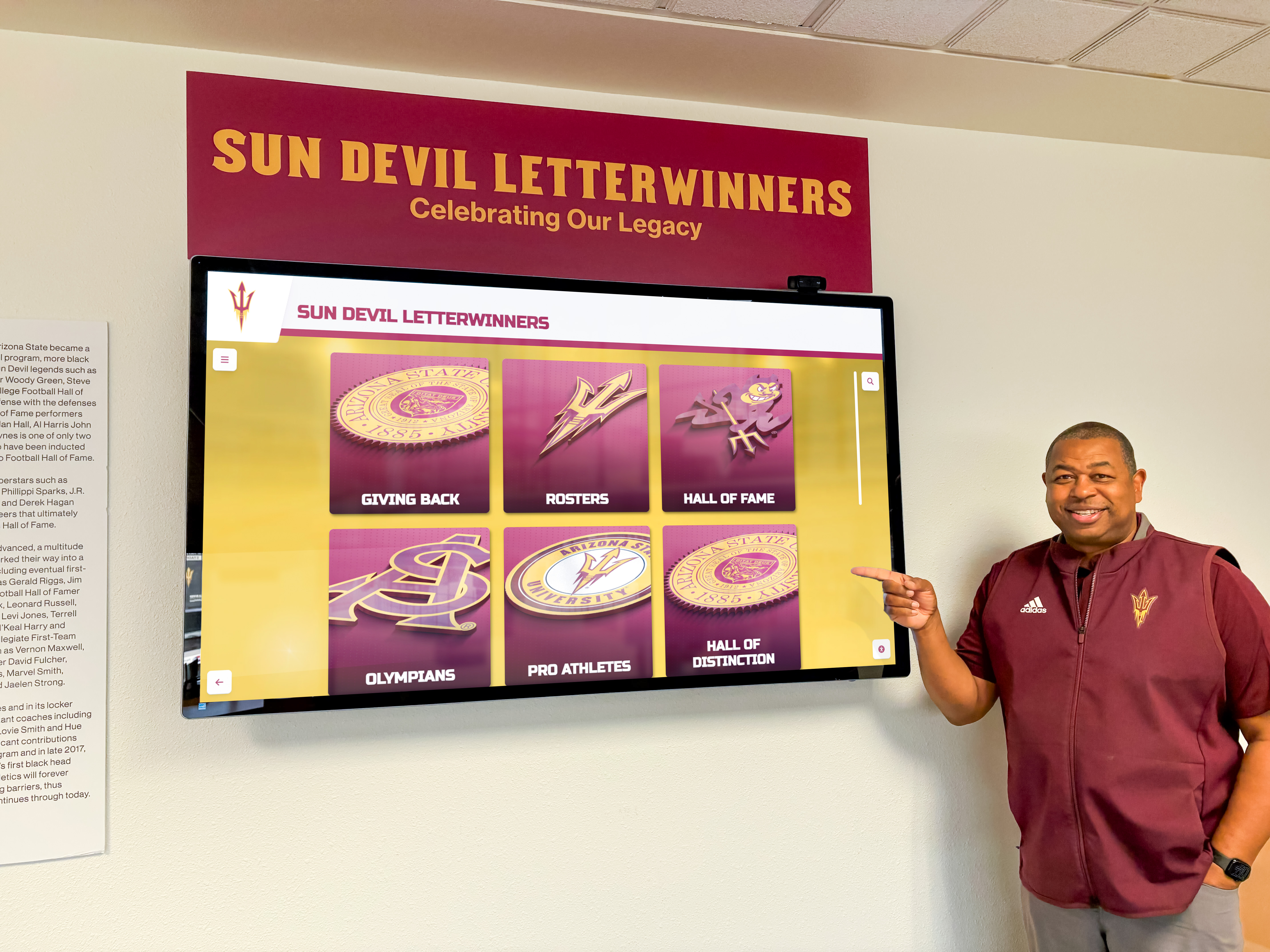
Financial Management and Transparency
Nothing undermines booster club credibility faster than financial mismanagement or lack of transparency. Professional financial practices build donor confidence while protecting organizations and leadership from liability.
Essential Financial Systems:
Separate Business Banking: Dedicated accounts completely separate from personal finances, even for small organizations. All revenue deposits and expense payments flow through organizational accounts creating clear audit trails.
QuickBooks or Similar Accounting Software: Professional bookkeeping systems tracking revenue sources, expense categories, and budget performance. Treasurer transitions become manageable with systematic records rather than personal spreadsheets.
Multiple Signature Requirements: Checks and large transactions requiring dual signatures prevent unauthorized access and distribute financial accountability.
Regular Financial Reporting: Monthly treasurer reports at board meetings showing revenue by source, expenses by category, budget variances, and cash position. Annual reports to general membership demonstrating stewardship.
Independent Financial Review: Annual independent review or audit of financial records by qualified accountants. Reviews cost $1,000-3,000 but provide crucial validation of financial integrity while identifying potential issues before they become serious problems.
Transparent Fund Allocation: Clear communication showing how funds support specific programs and initiatives. Impact reports demonstrating concrete results of community investment strengthen donor confidence and inspire continued support.
Schools implementing modern donor recognition systems often integrate financial transparency by displaying funding priorities and achievement directly within recognition displays, creating visible connections between donor support and program outcomes.
Communication Systems and Community Engagement
Effective communication maintains member engagement, recruits volunteers, recognizes contributors, and demonstrates ongoing organizational value.
Multi-Channel Communication Strategy:
Website as Central Hub: Professional website serving as primary information source:
- Mission, board members, and contact information
- Fundraising campaign updates and progress
- Recognition walls displaying donors and volunteers
- Event calendars and registration systems
- Financial transparency and annual reports
- Success stories demonstrating program impact
- Volunteer opportunity listings
- Online donation capabilities
Email Marketing: Regular newsletters maintaining engagement between major events:
- Monthly updates during active seasons
- Campaign progress reports during giving initiatives
- Event reminders and registration deadlines
- Recognition of recent donors and volunteers
- Student and program success stories
- Behind-the-scenes insights building community connection
Social Media Presence: Active platforms amplifying reach and engagement:
- Facebook for broad community reach and event promotion
- Instagram for visual content and student celebration
- Twitter for real-time updates and community connection
- Platform-specific content maximizing engagement
- Consistent posting schedules maintaining visibility
- User-generated content encouraging community participation
In-Person Community Building: Digital communication supplements rather than replaces personal connection:
- Booster club meetings with social components
- Pre-game gatherings building community among families
- Volunteer appreciation events strengthening relationships
- Board visibility at school events demonstrating engagement
- Personal outreach to new families welcoming participation
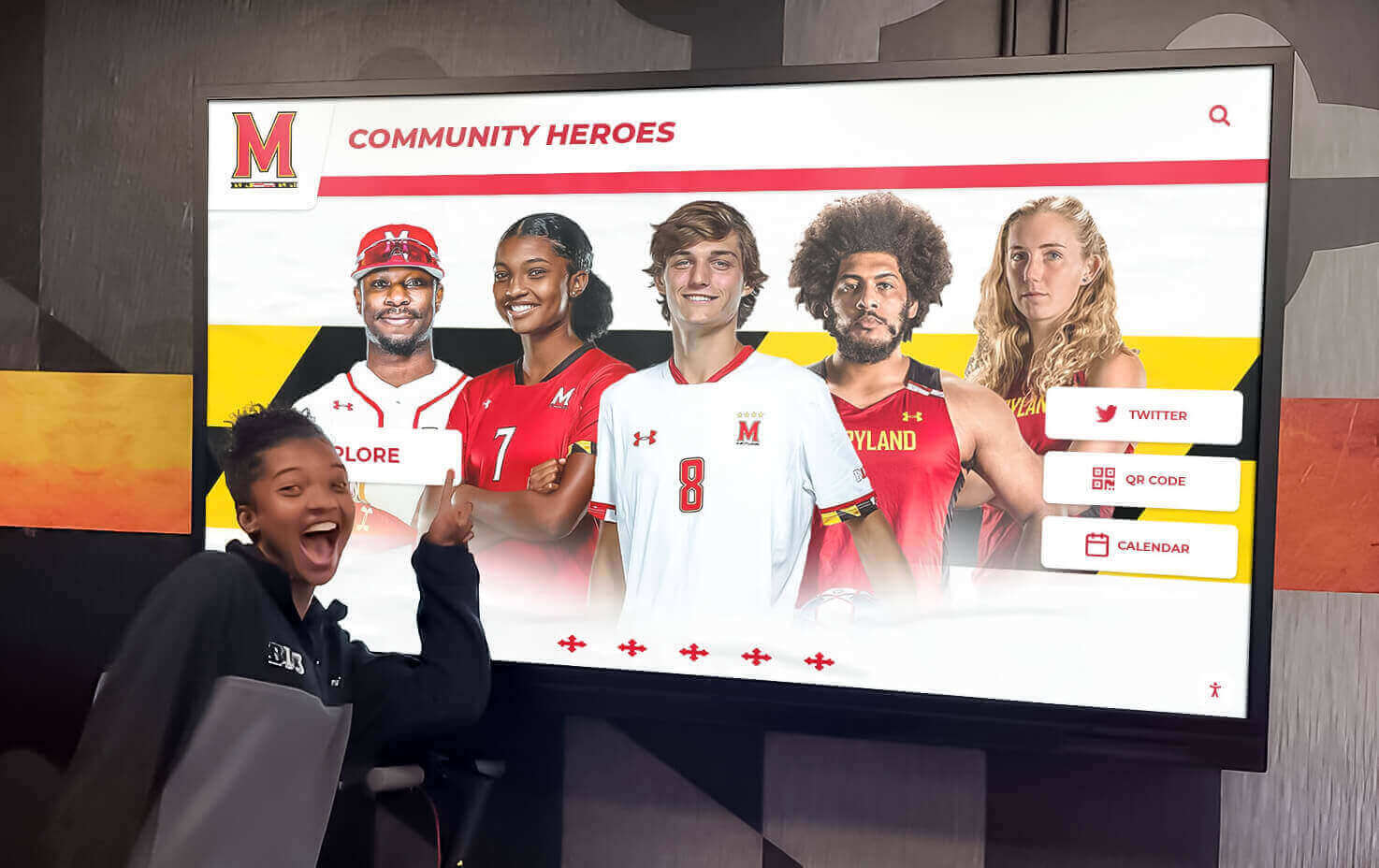
Technology Solutions Amplifying Booster Club Impact
Modern technology enables booster clubs to operate more efficiently while creating more engaging recognition and community experiences than traditional methods allow.
Digital Recognition Platforms
Digital recognition platforms transform how booster clubs acknowledge donors, celebrate volunteers, recognize students, and demonstrate organizational impact.
Platform Capabilities:
Comprehensive digital recognition systems like Rocket Alumni Solutions provide integrated solutions addressing multiple booster club needs simultaneously:
- Unlimited donor recognition without space constraints of traditional plaques
- Student achievement celebration showcasing program successes
- Volunteer spotlights honoring community contributions
- Historical archives preserving organizational memory and program evolution
- Fundraising campaign displays showing real-time progress toward goals
- Impact storytelling connecting donations with concrete student benefits
- Mobile accessibility extending recognition beyond physical campus
- Search functionality enabling immediate discovery by donors and families
- Content management systems allowing non-technical volunteers to update displays independently
- Analytics tracking measuring engagement and display effectiveness
Implementation Advantages:
Digital platforms solve persistent booster club challenges:
Capacity Limitations: Traditional recognition displays eventually fill completely, forcing organizations to either omit donors or invest in expensive expansions. Digital systems accommodate unlimited growth without additional costs or space constraints.
Update Delays: Physical plaques require 6-12 weeks for fabrication and installation. Digital recognition activates instantly, allowing immediate acknowledgment strengthening donor satisfaction.
Error Correction: Mistakes in engraved plaques require costly replacement. Digital corrections occur instantly without additional expense.
Maintenance Requirements: Physical displays accumulate damage requiring cleaning, repairs, and eventual replacement. Digital displays maintain pristine appearance in climate-controlled environments with minimal maintenance.
Storytelling Limitations: Physical plaques reduce recognition to basic text. Digital platforms incorporate photos, videos, detailed narratives, and rich multimedia creating emotional connections impossible with traditional methods.
Schools exploring digital recognition solutions discover single installations serve multiple purposes—donor recognition, student achievement, volunteer appreciation, and program history—maximizing return on infrastructure investment while creating dynamic content maintaining community interest year-round.
Online Fundraising and Payment Processing
Digital fundraising tools dramatically expand booster club revenue potential while simplifying donor experience and improving operational efficiency.
Essential Digital Fundraising Capabilities:
- Online donation forms accepting credit cards and digital payments
- Recurring donation options for sustained monthly giving
- Mobile-optimized payment experiences
- Customizable donation amounts and campaign-specific designations
- Donor-covered processing fees maximizing net revenue
- Automated tax receipts satisfying IRS requirements
- Integration with donor management databases
- Peer-to-peer fundraising enabling supporters to create personal campaigns
- Matching gift identification and processing
- Real-time campaign progress displays
Platform Options:
Multiple platforms serve booster club fundraising needs with varying capabilities and costs. Popular options include general platforms (GiveButter, DonorBox, Classy) offering comprehensive fundraising tools, specialized school fundraising platforms (FanAngel, Snap! Raise) designed specifically for educational booster clubs, comprehensive donor management systems (Bloomerang, Little Green Light) combining fundraising with relationship management, and payment processors with giving features (PayPal Giving, Stripe) providing basic donation capabilities.
Selection depends on organizational scale, technical comfort, budget, and desired features. Many successful booster clubs begin with simpler free platforms and graduate to more sophisticated systems as operations grow.
Measuring and Communicating Impact
Effective booster clubs systematically track and communicate impact, demonstrating value to donors while identifying areas for continuous improvement.
Key Performance Metrics
Financial Health Indicators:
- Total revenue by source (donations, events, sponsorships, operations)
- Expense ratios showing administrative versus program costs
- Reserve fund balances ensuring operational stability
- Year-over-year revenue and expense trends
- Donor retention and acquisition rates
- Average gift sizes by donor segment
- Sponsorship renewal rates and revenue growth
Program Impact Metrics:
- Students served through funded programs and initiatives
- Equipment and facilities improved through booster club support
- Scholarships awarded and total student assistance provided
- Volunteer hours contributed to operations and events
- Participation rates in funded programs over time
- Student outcomes and achievements in supported programs
- Recognition of supported programs receiving district, state, or national honors
Engagement Indicators:
- Active member and volunteer counts
- Event participation rates and attendance trends
- Communication open rates and engagement metrics
- Digital recognition platform interaction statistics
- Social media reach and engagement rates
- New family integration and participation
- Leadership pipeline development
Annual Impact Reporting
Comprehensive annual reports demonstrate stewardship while building credibility attracting continued and increased support.
Essential Report Components:
- President’s message summarizing year’s achievements and future vision
- Financial summary showing revenue sources and fund allocation
- Program highlights describing specific initiatives and their impact
- Student success stories personalizing abstract achievements
- Donor recognition listing all contributors by giving level
- Volunteer acknowledgment celebrating community dedication
- Statistical trends showing multi-year organizational growth
- Future priorities outlining upcoming needs and opportunities
- Board member profiles building personal connections
- Professional design creating positive impression of organizational competence
Distribution through multiple channels maximizes reach: printed reports at annual meetings, PDF versions emailed to all members and donors, website publication ensuring ongoing accessibility, and social media highlights amplifying key messages. The most effective reports balance financial transparency with compelling storytelling connecting facts to emotional community impact.
Conclusion: Building Booster Clubs That Transform School Communities
Booster clubs represent remarkable community assets—parent-led organizations channeling engagement and resources toward student benefit while building connections strengthening entire school communities. The most successful booster clubs think beyond immediate operational needs to create lasting legacies through strategic facility investments, comprehensive recognition programs, and sustainable organizational structures.
Effective booster club initiatives share common characteristics: they create visible impact demonstrating value to current donors while inspiring future support, they recognize all contributors appropriately regardless of gift size, they serve diverse student populations rather than narrow program interests, and they implement professional management practices building credibility and operational sustainability.
Modern technology particularly transforms booster club capabilities. Digital recognition platforms eliminate space constraints limiting acknowledgment to major donors, allowing comprehensive celebration of entire communities supporting student programs. These same systems provide platforms for student achievement recognition, volunteer appreciation, and historical preservation—maximizing infrastructure investment while creating dynamic content maintaining engagement year-round.
Whether launching new booster clubs or revitalizing existing organizations, the ideas and frameworks outlined here provide roadmaps for programs creating meaningful community impact while building sustainable operations supporting schools across generations. The most important recognition is that booster clubs represent more than fundraising mechanisms—they embody community commitment to student success and collective investment in educational excellence.
Schools and booster clubs ready to implement comprehensive recognition programs can explore purpose-built solutions designed specifically for educational communities. These platforms enable organizations to honor every donor, celebrate student achievement, recognize volunteer dedication, and preserve program history—creating lasting impact that compounds across years of continued operation while strengthening community connections sustaining educational excellence for generations.
Ready to Transform Your Booster Club Recognition Programs?
Discover how digital recognition solutions create comprehensive platforms celebrating donors, students, volunteers, and program history while building sustainable community engagement.
Explore Rocket Alumni Solutions for Your Booster Club