



Key Takeaways
Compare the best digital platforms for showcasing athletic achievement awards. Comprehensive buyer's guide covering touchscreen displays, mobile solutions, web platforms, and vendor selection criteria for schools and athletic programs.
Understanding Digital Athletic Recognition Platform Categories
Before comparing specific vendors, understanding the fundamental platform categories helps clarify which approach or combination of approaches best fits your program’s recognition goals and constraints.
Dedicated Touchscreen Display Systems
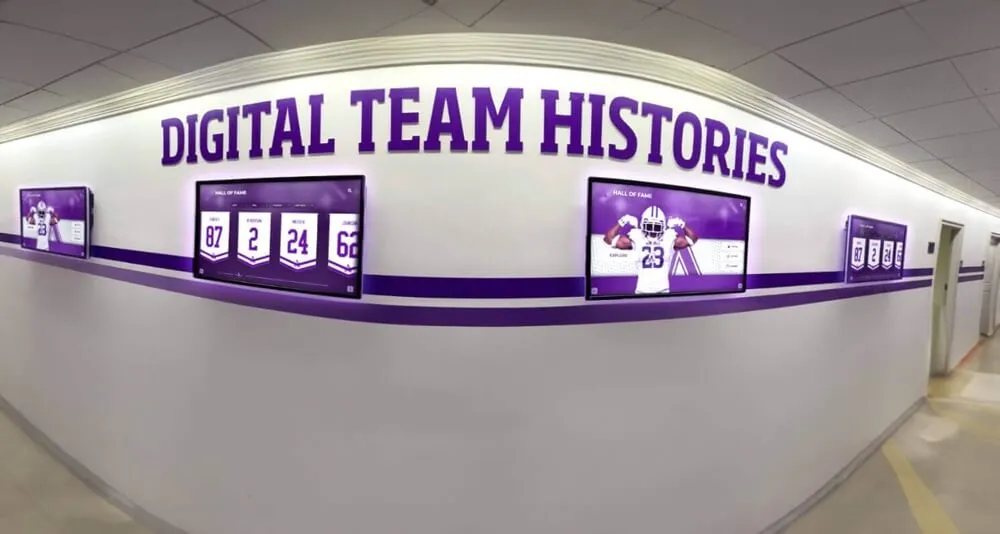
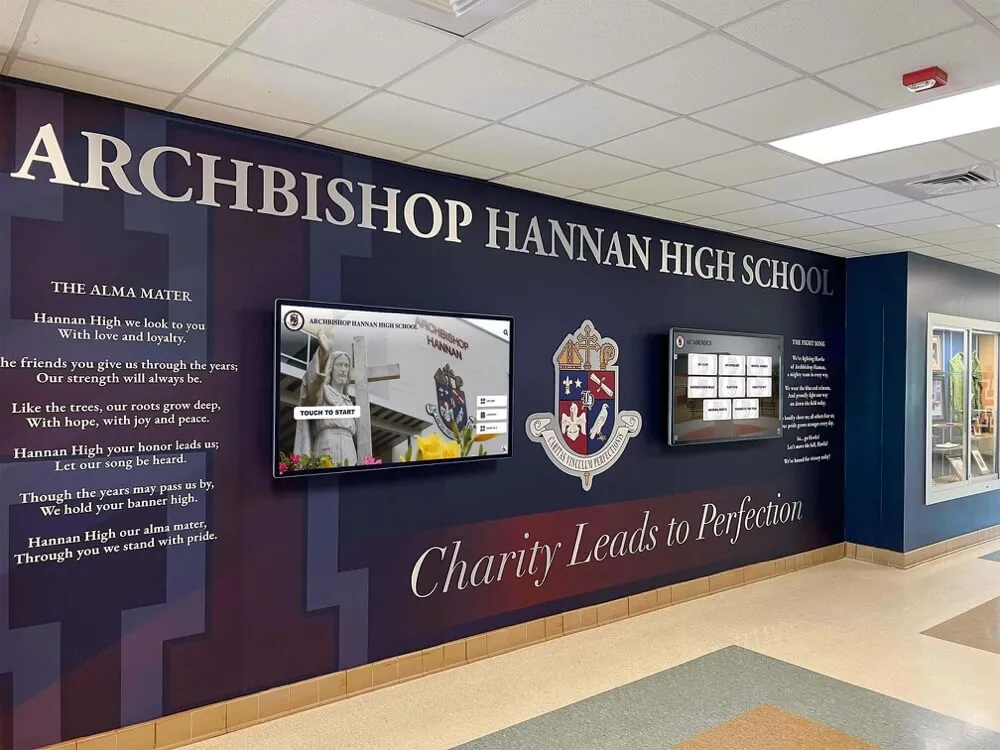
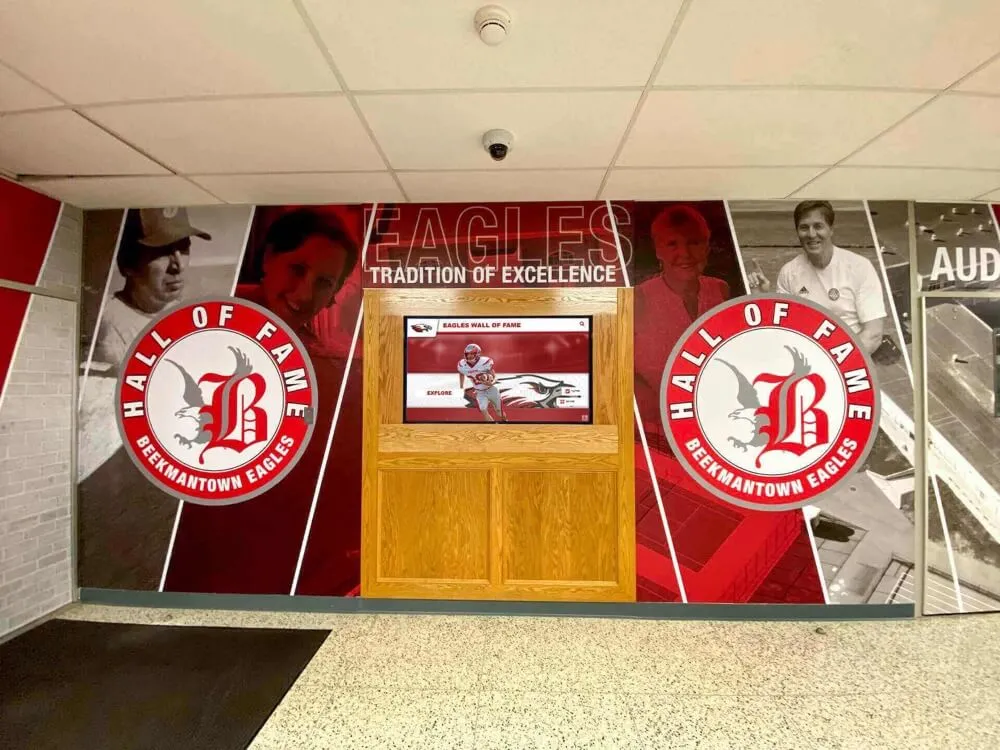
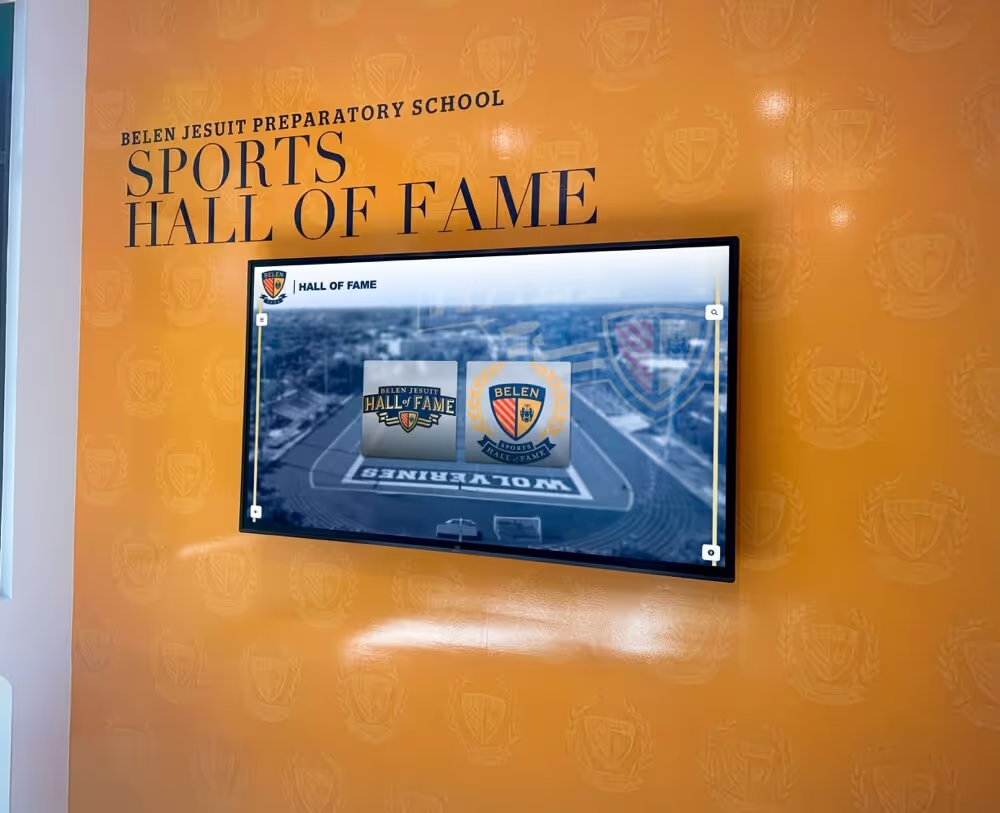
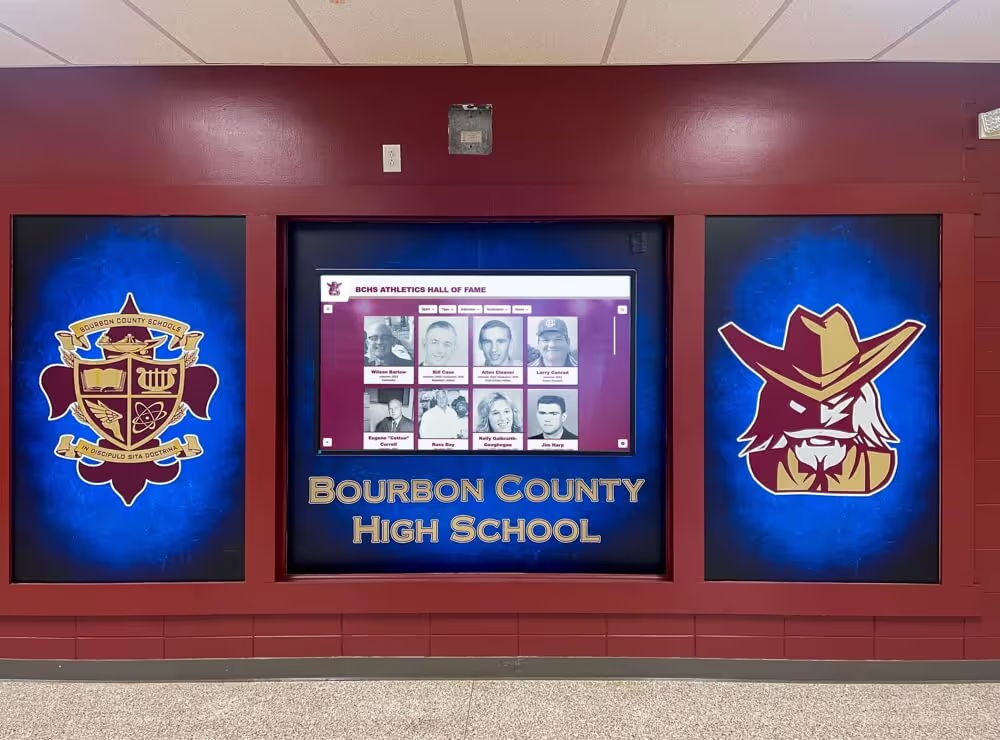
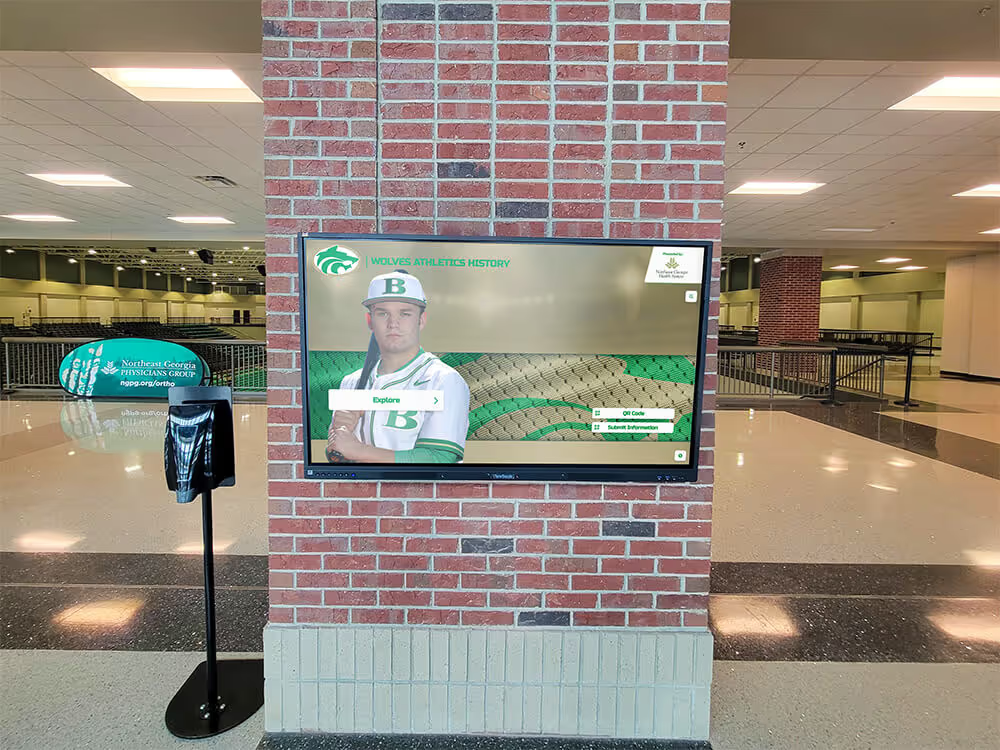
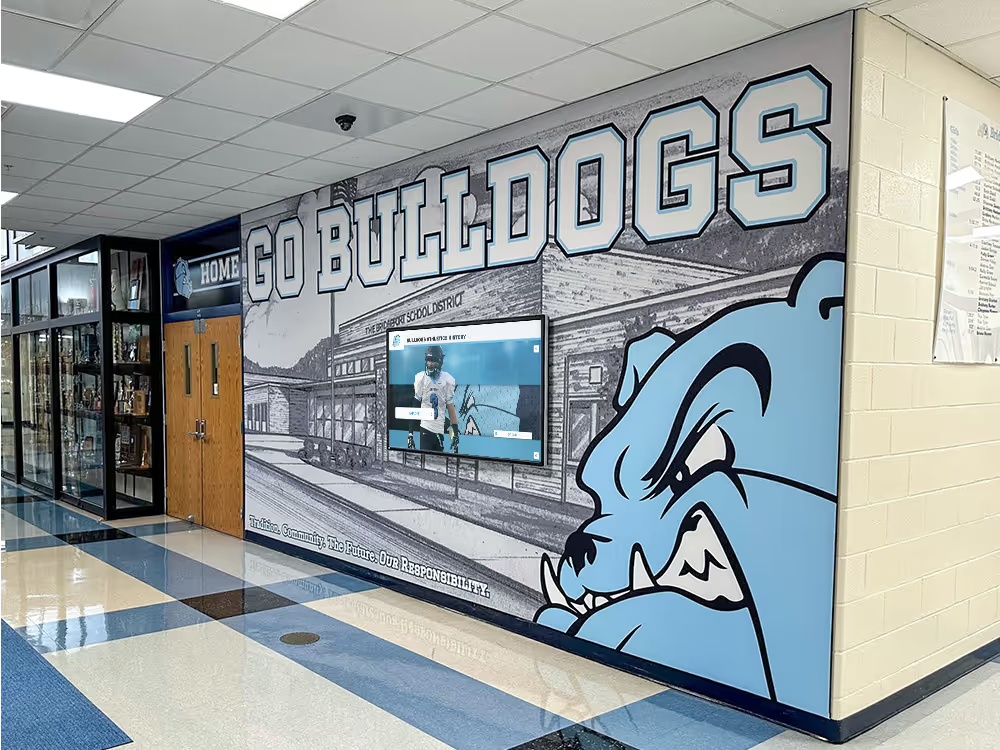
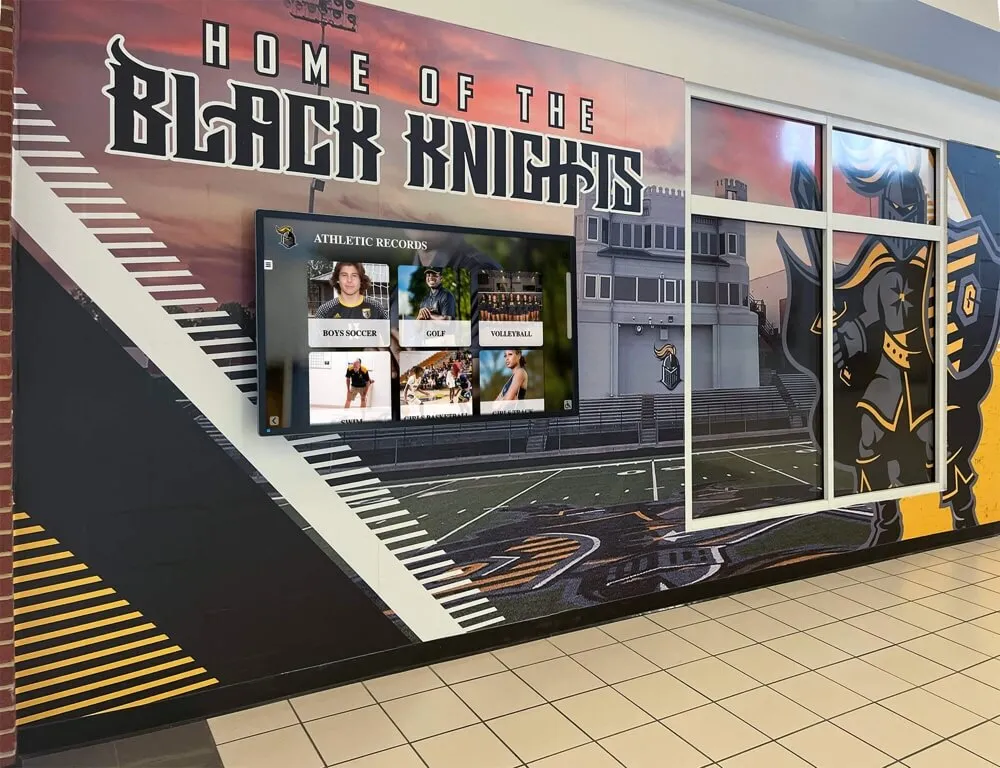
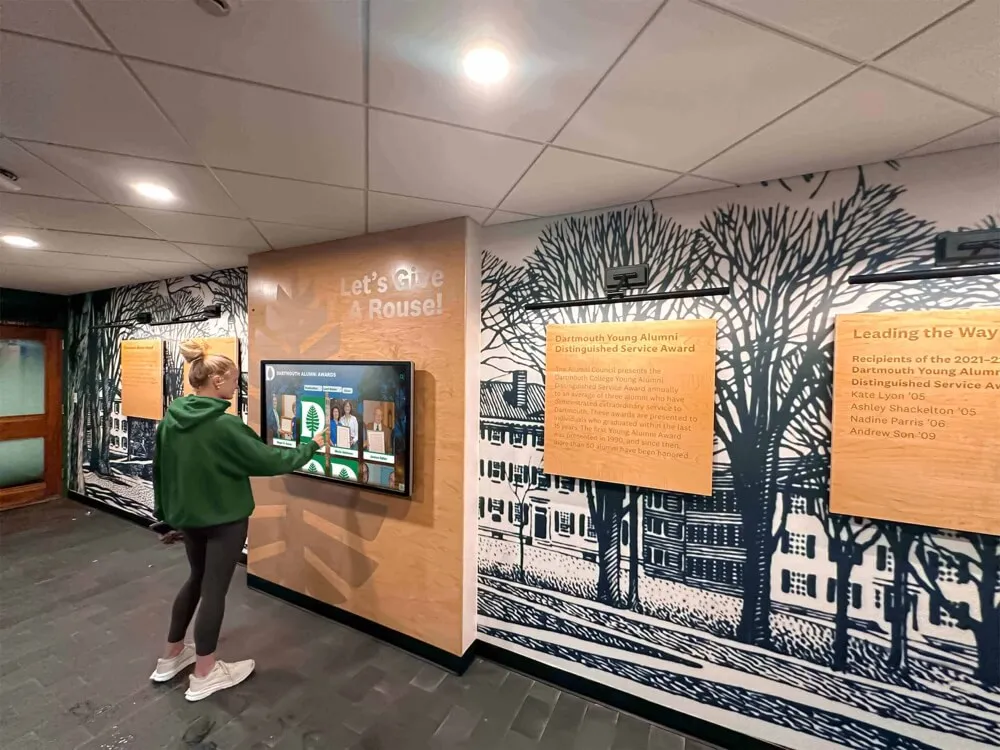
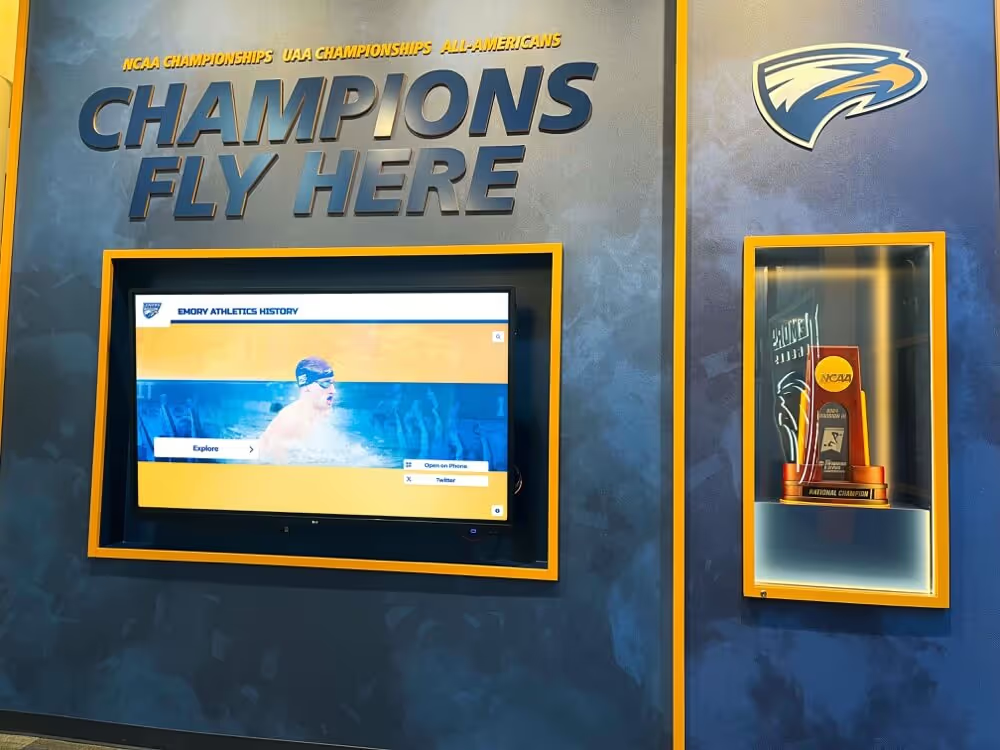
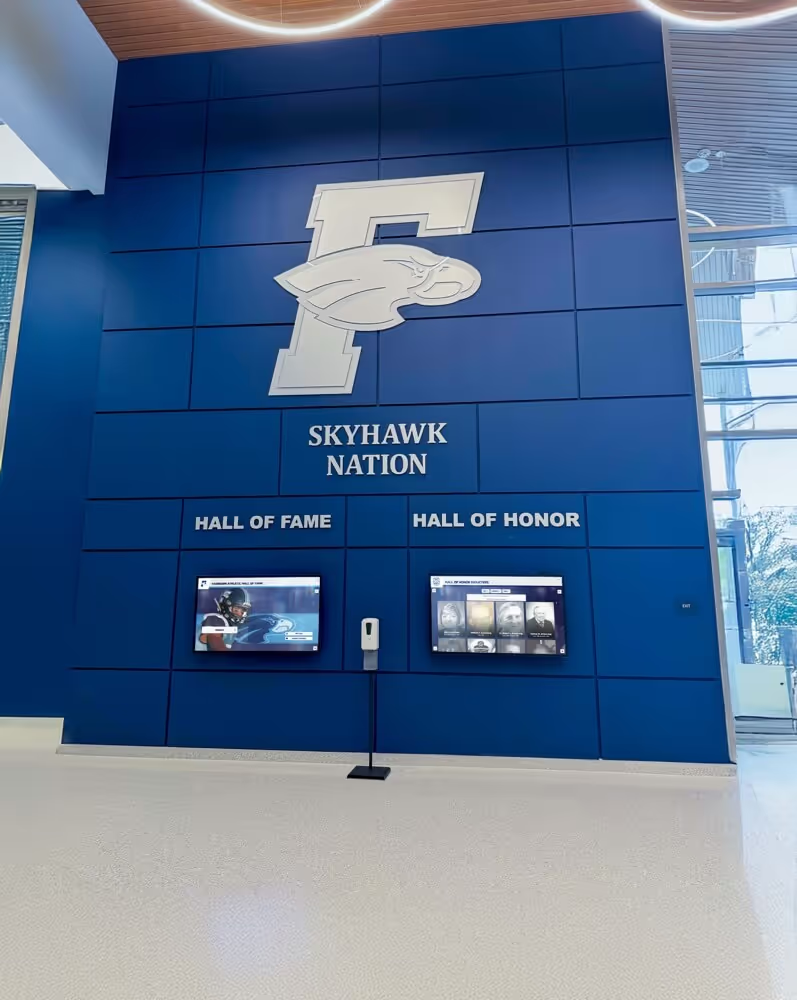
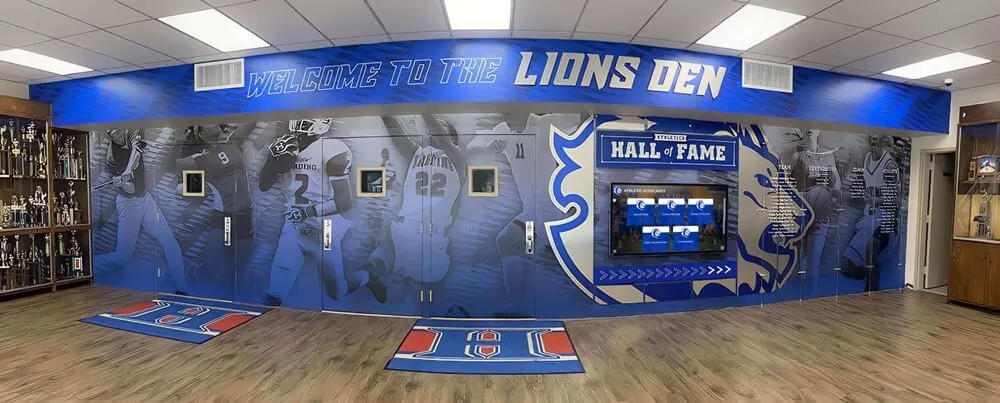
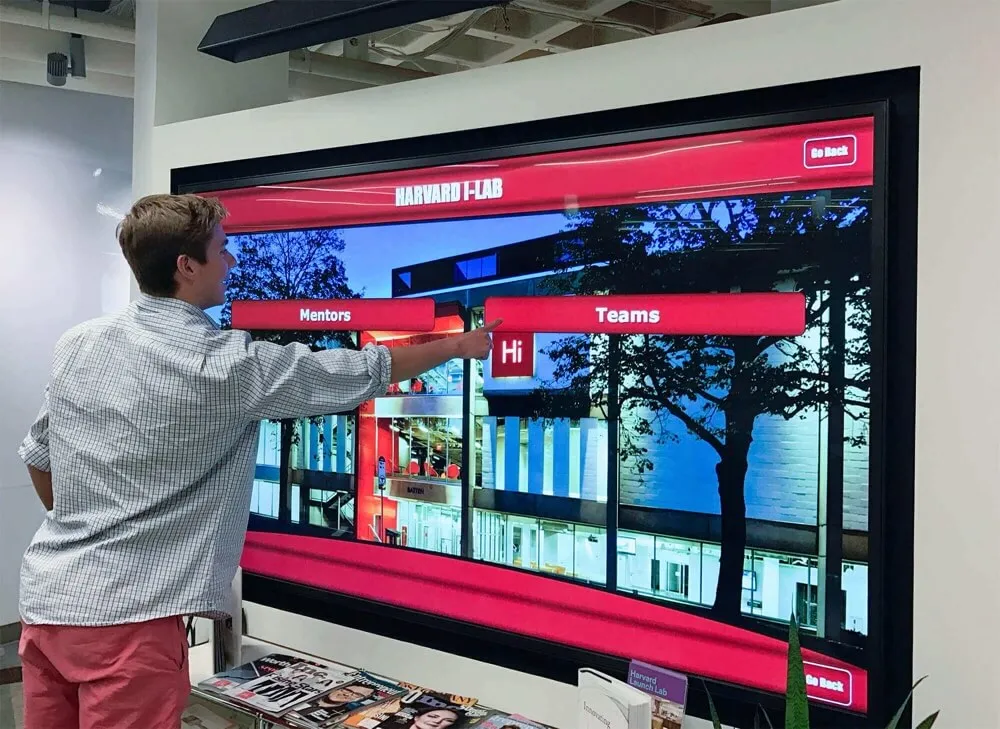
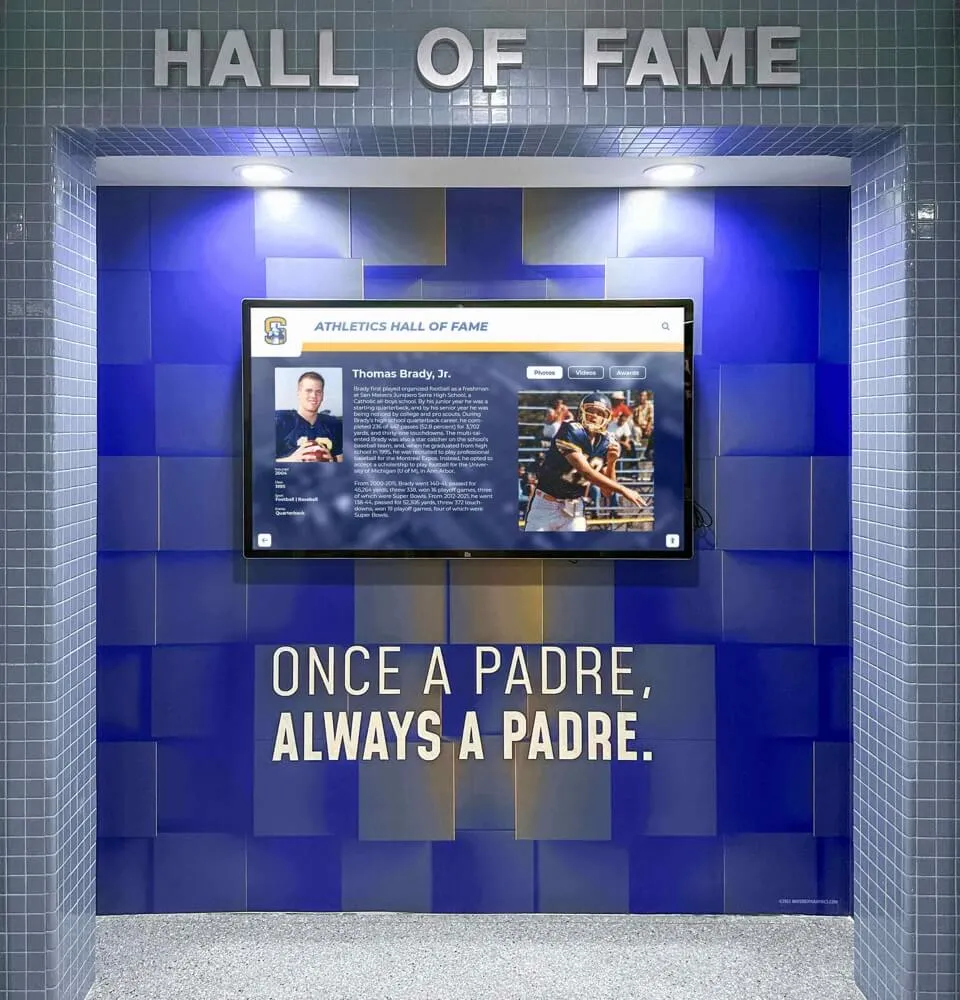
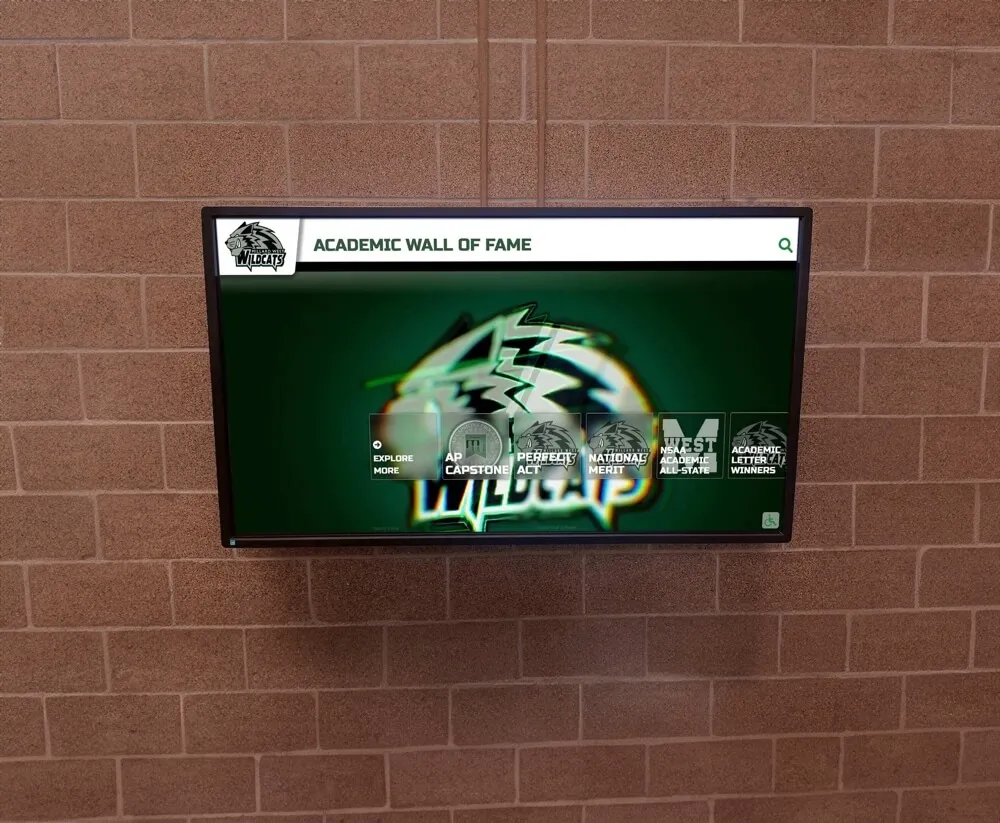
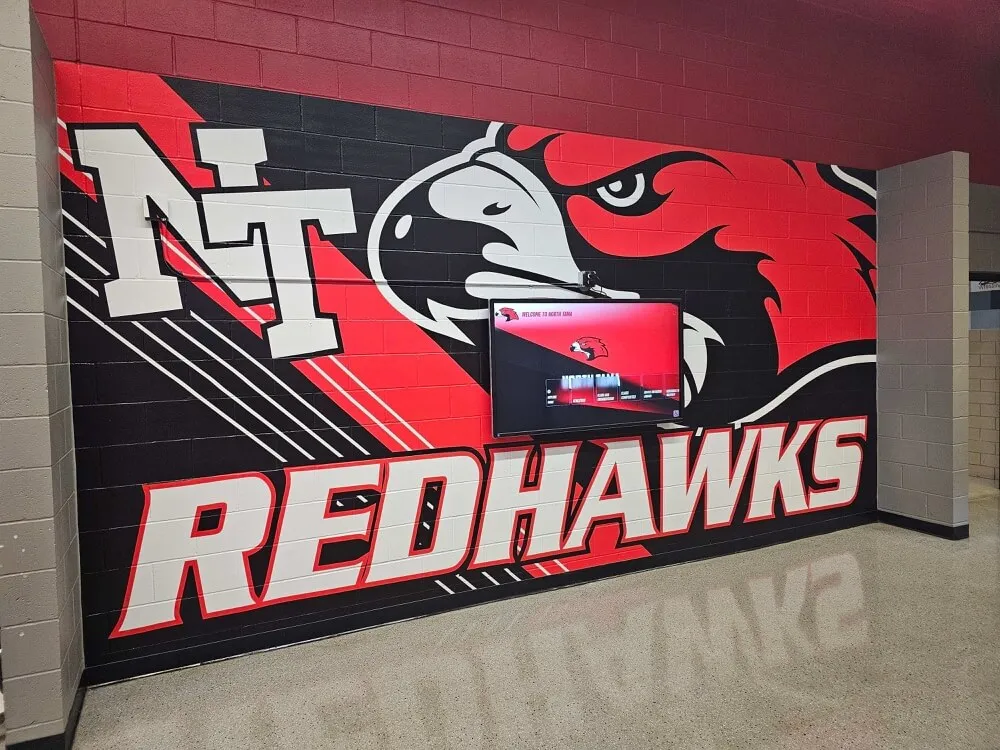
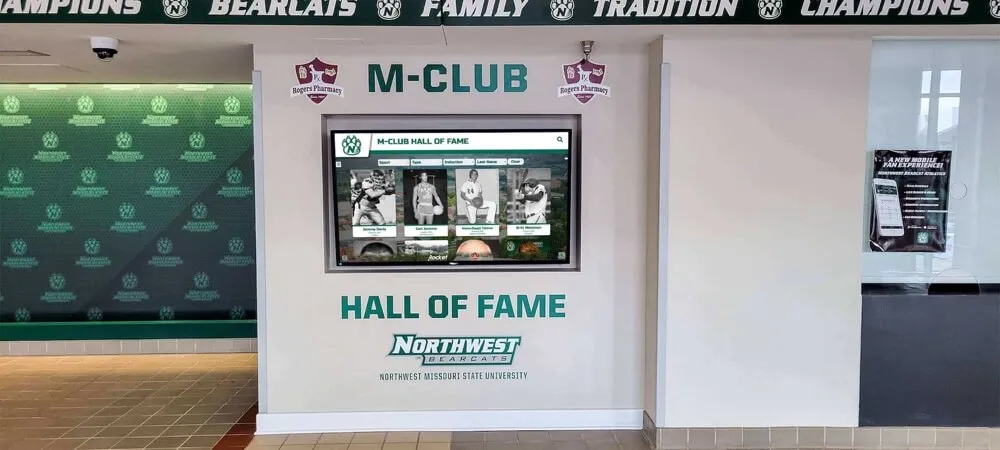
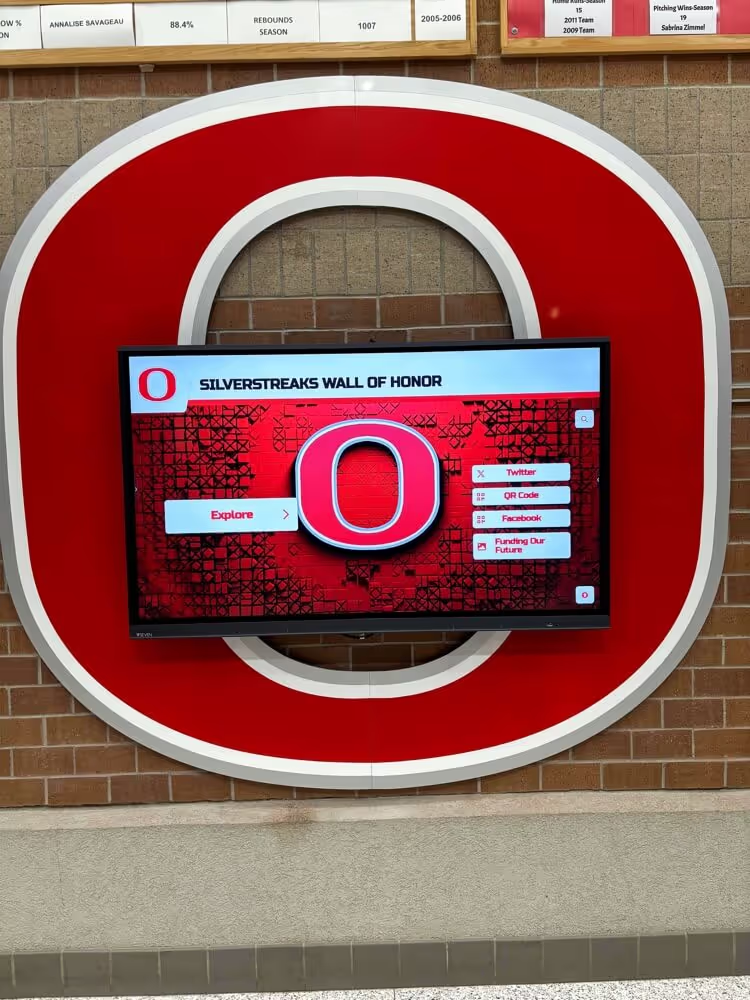
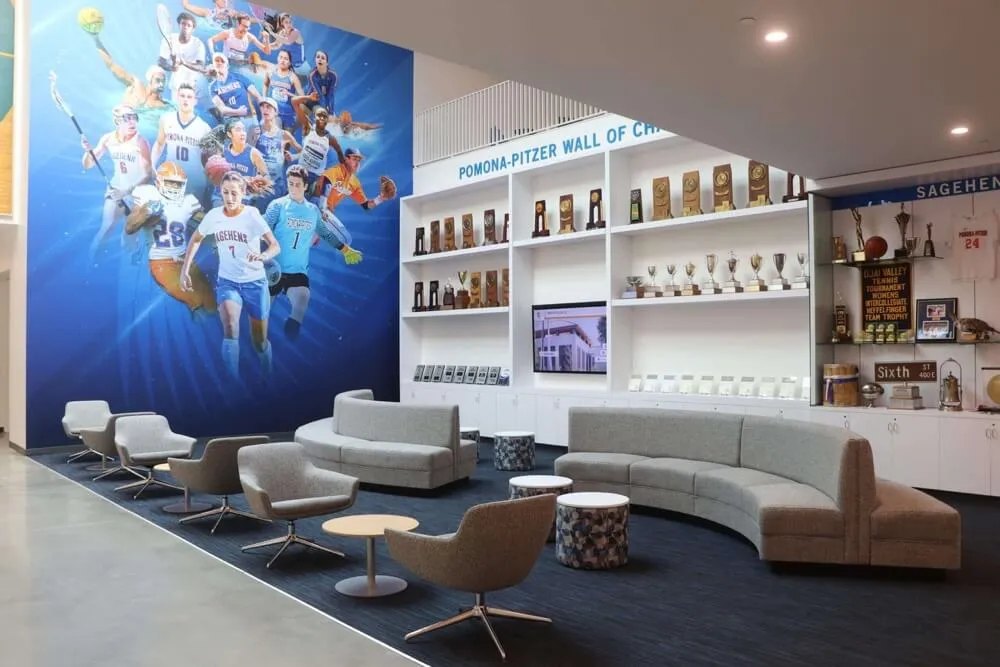
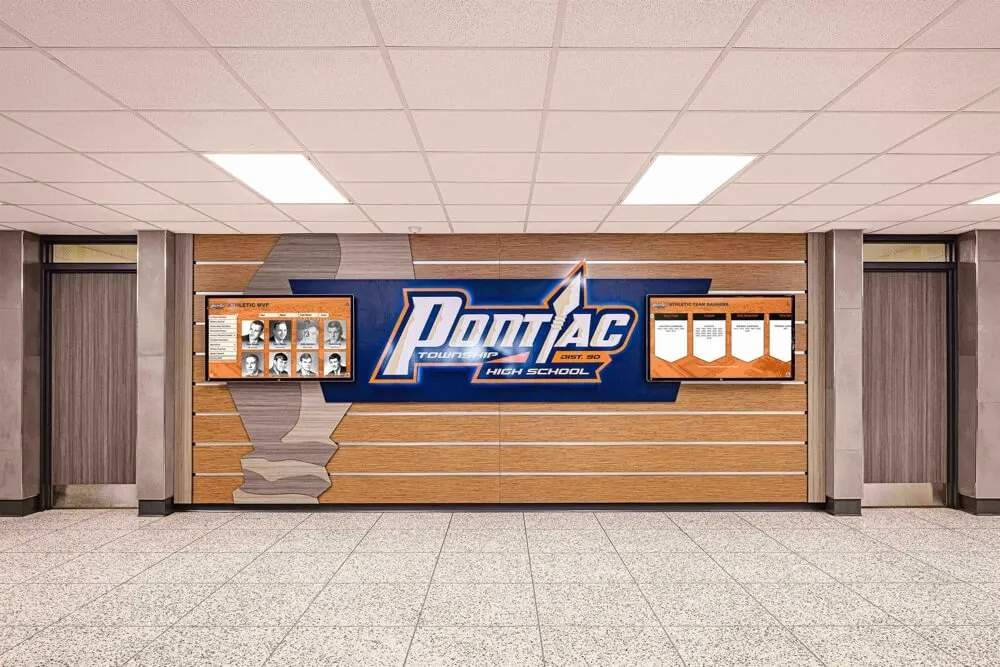
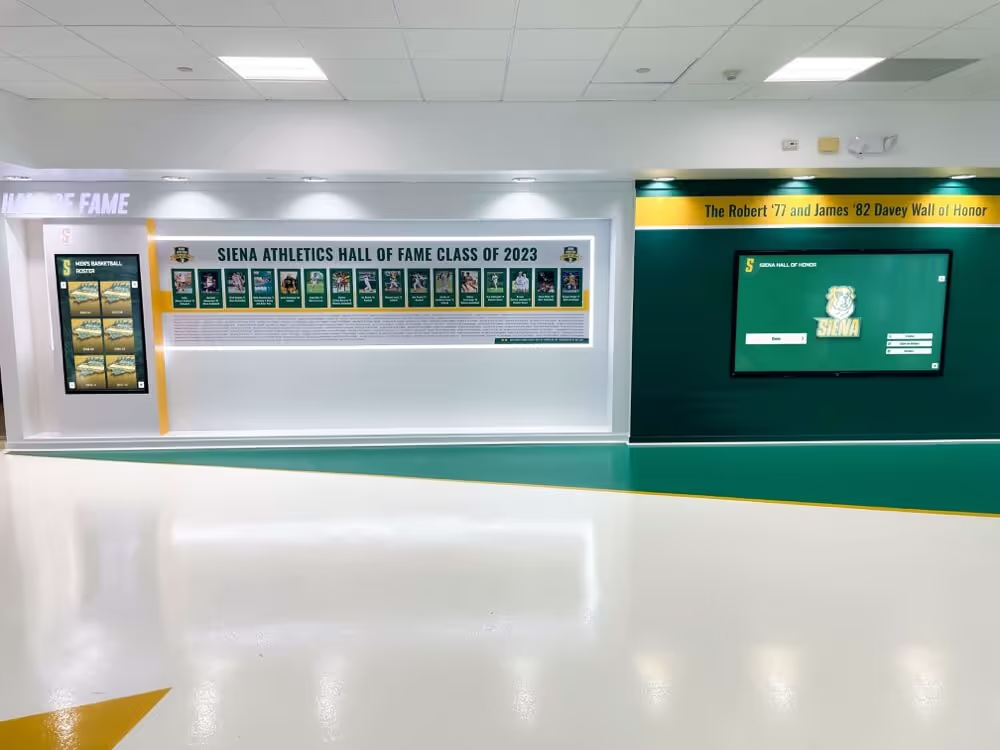
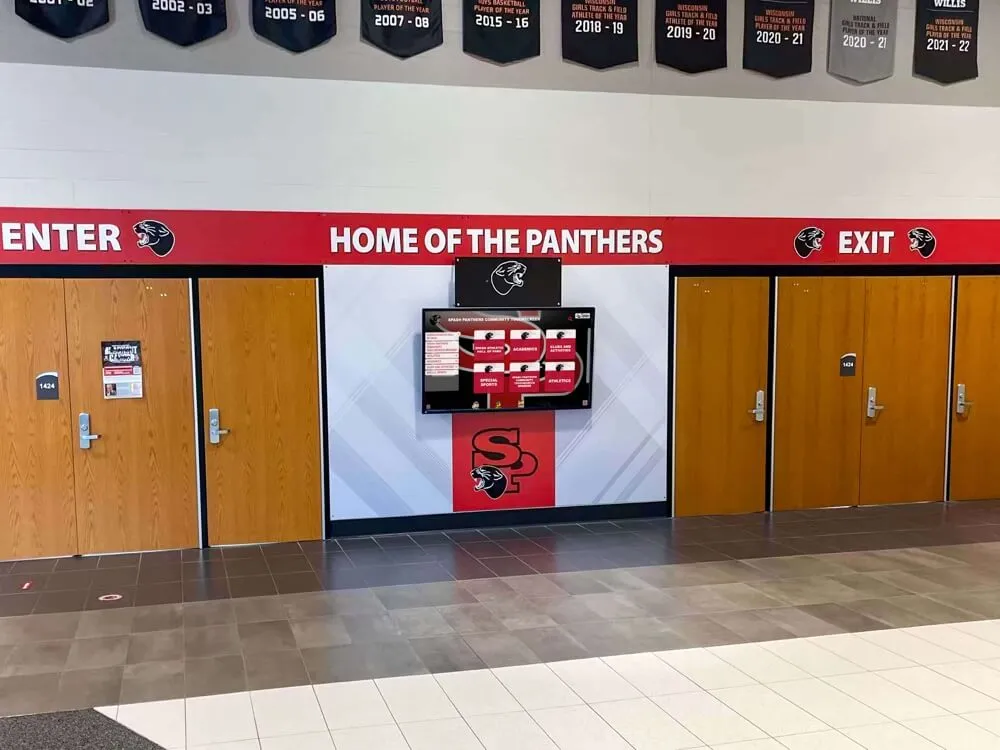
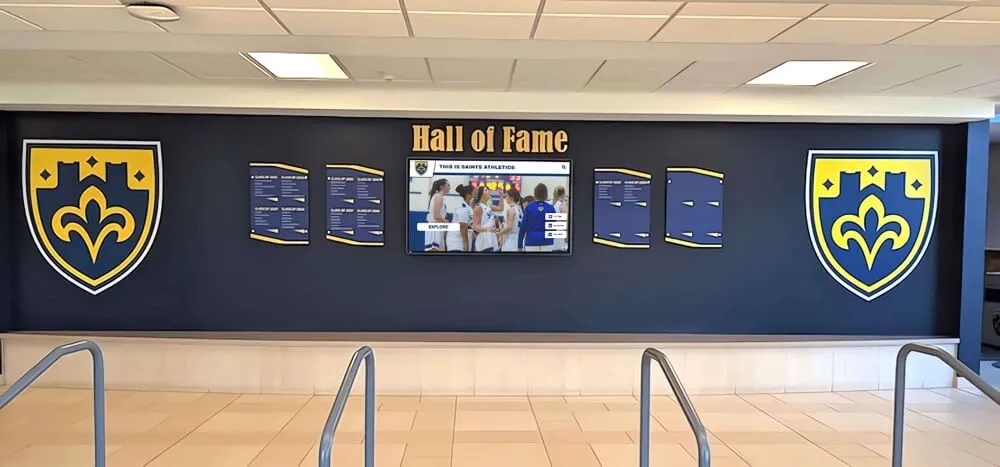
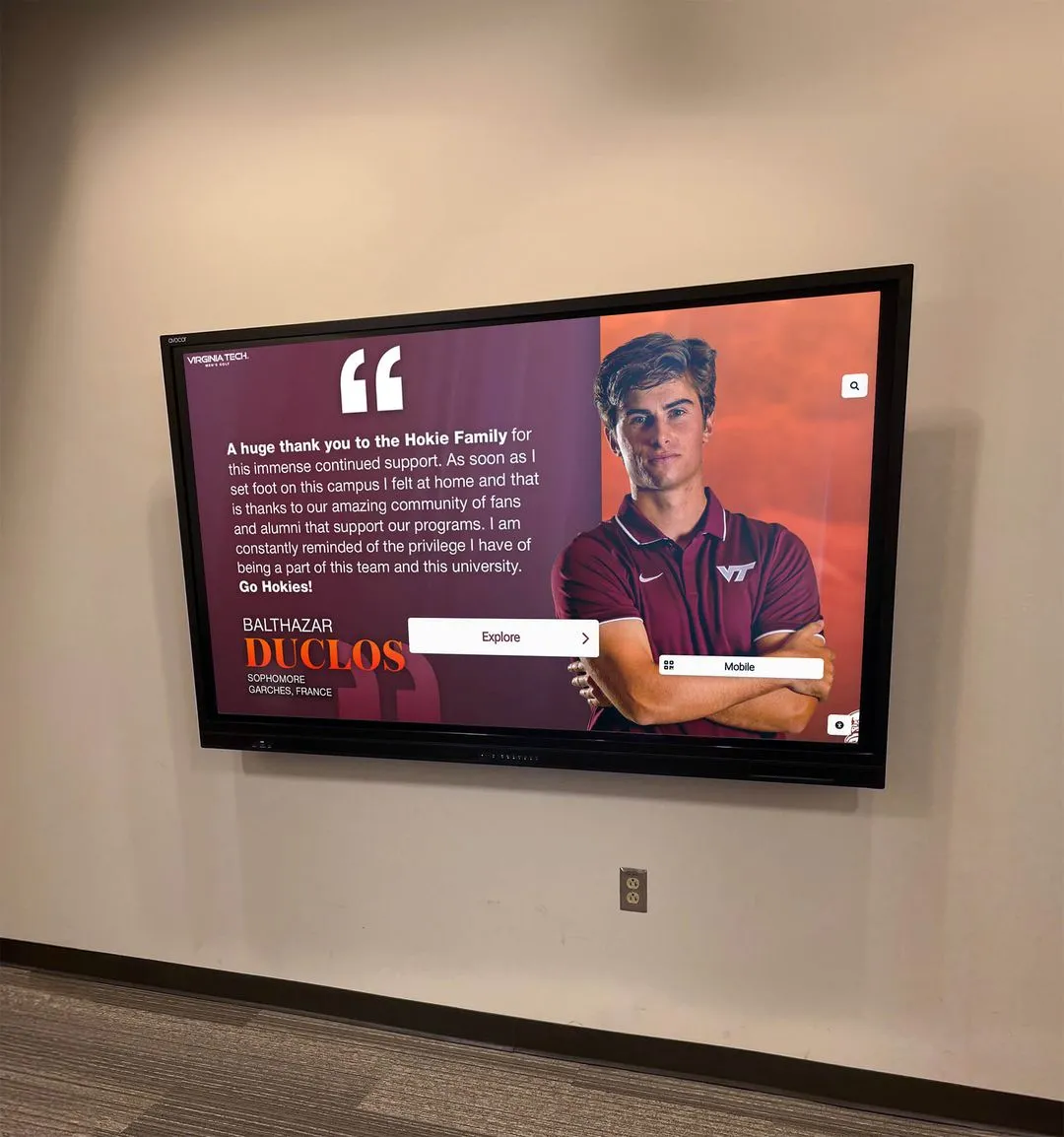
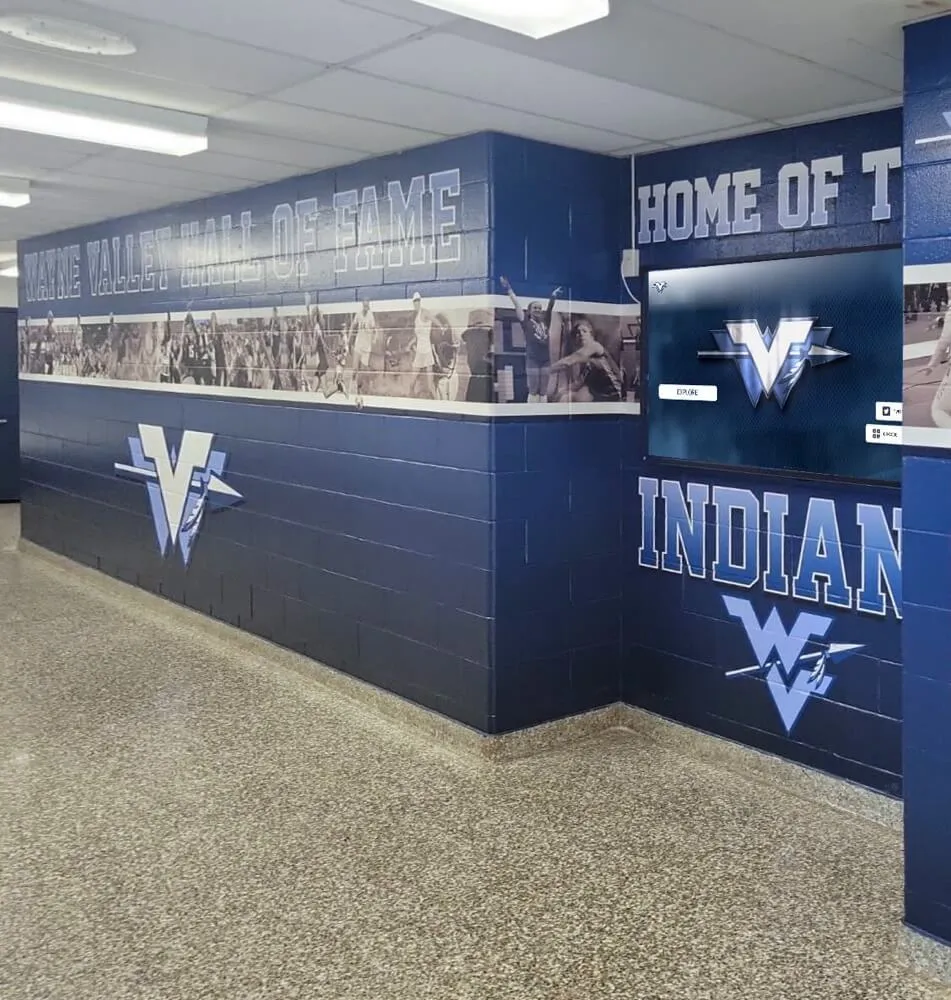
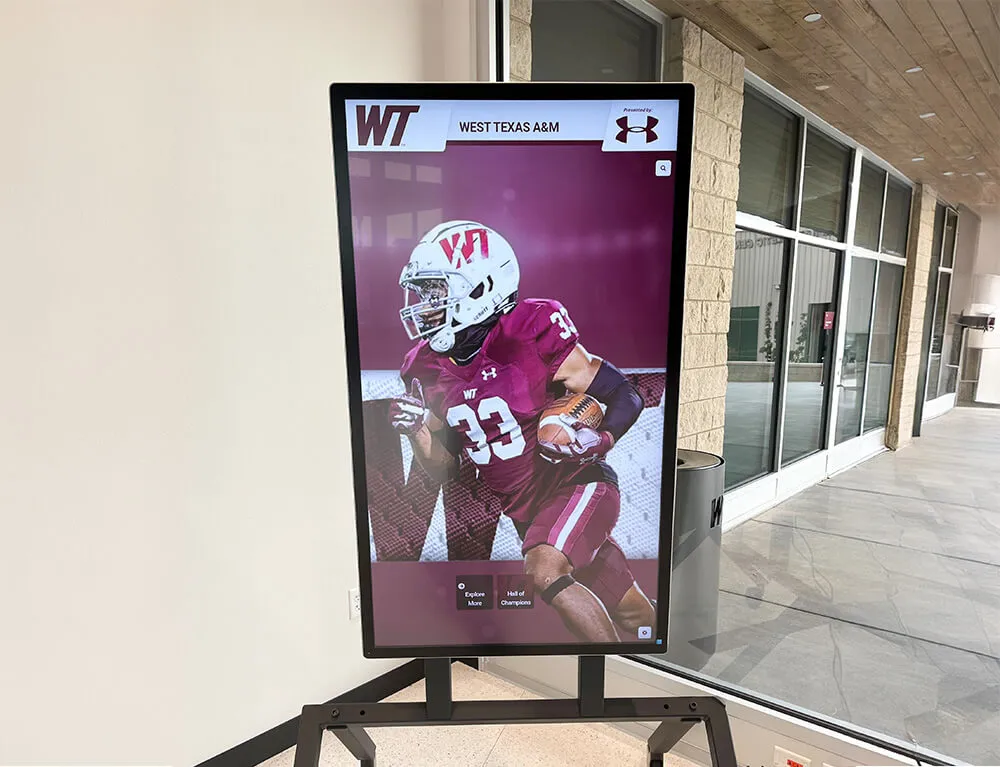
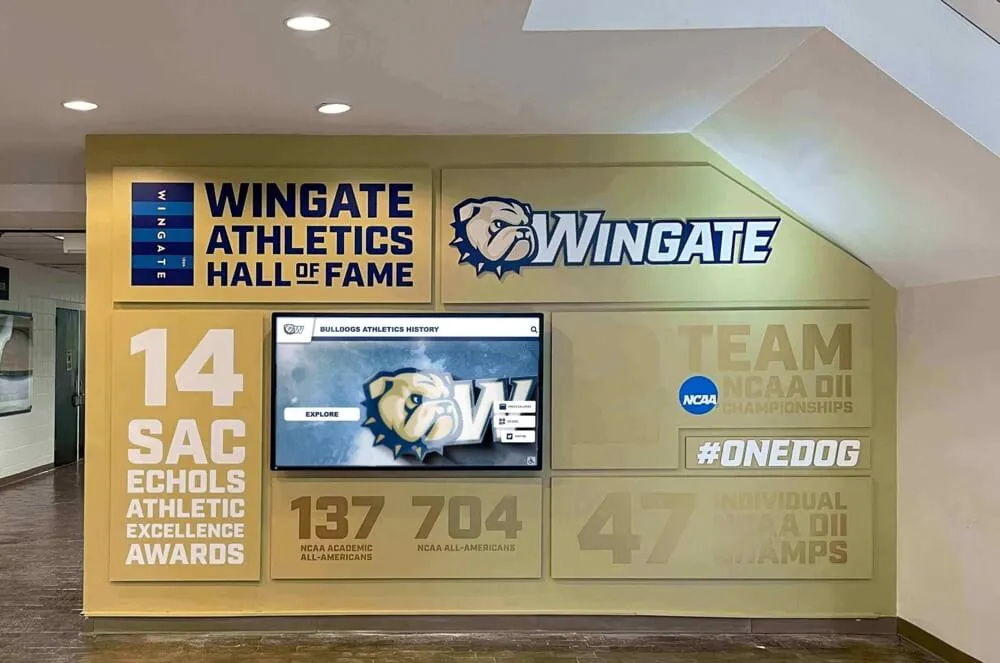
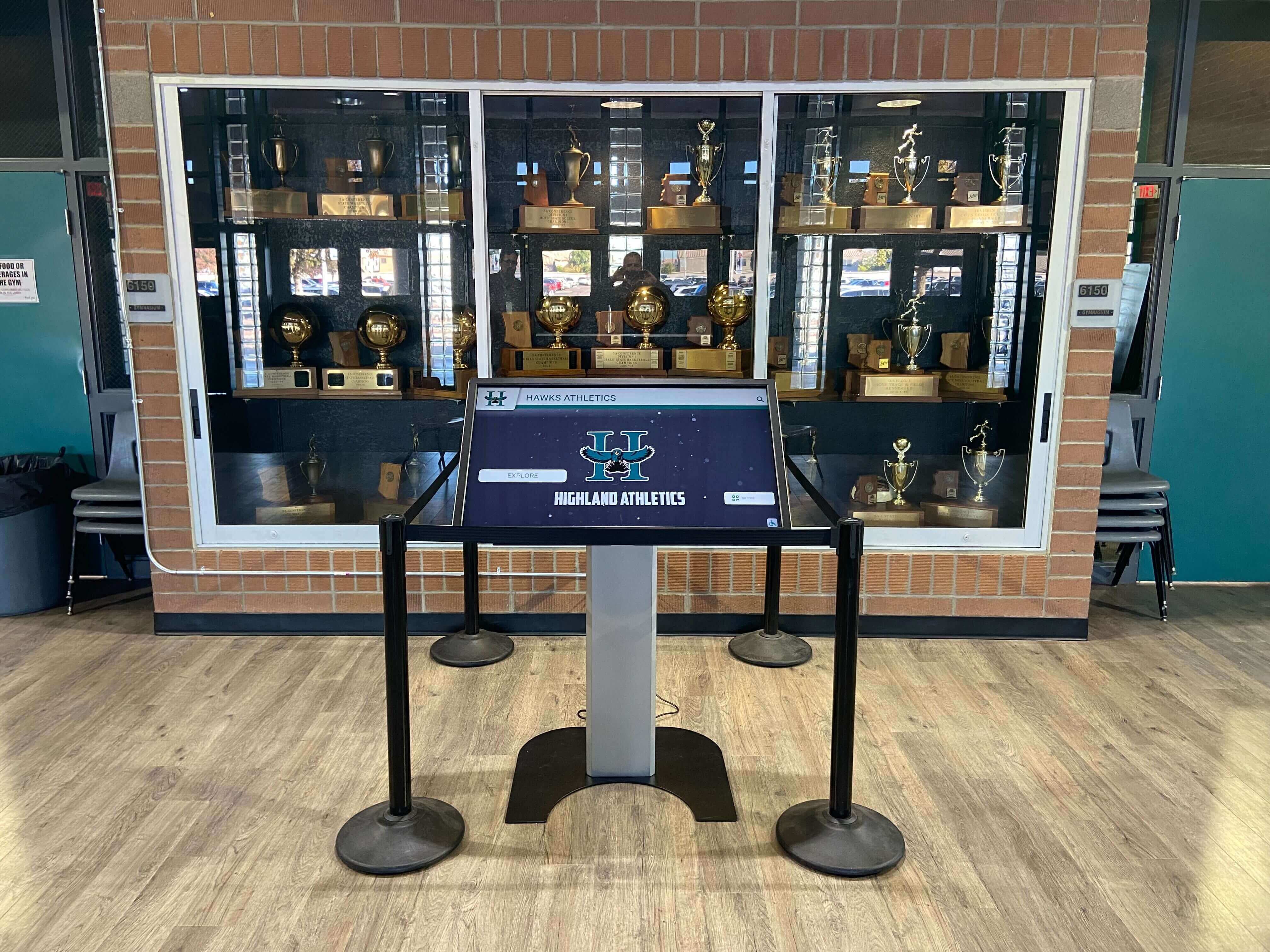
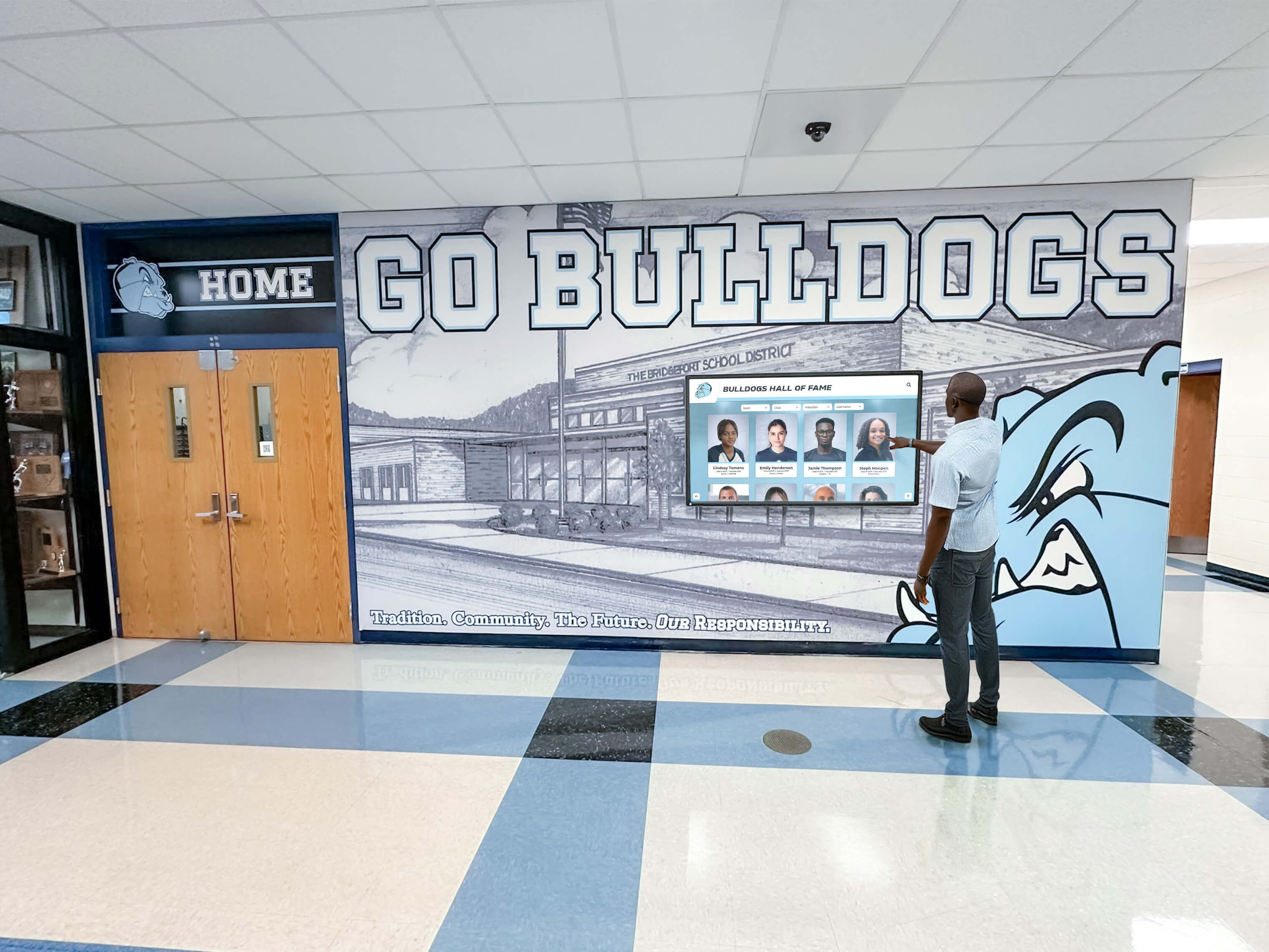
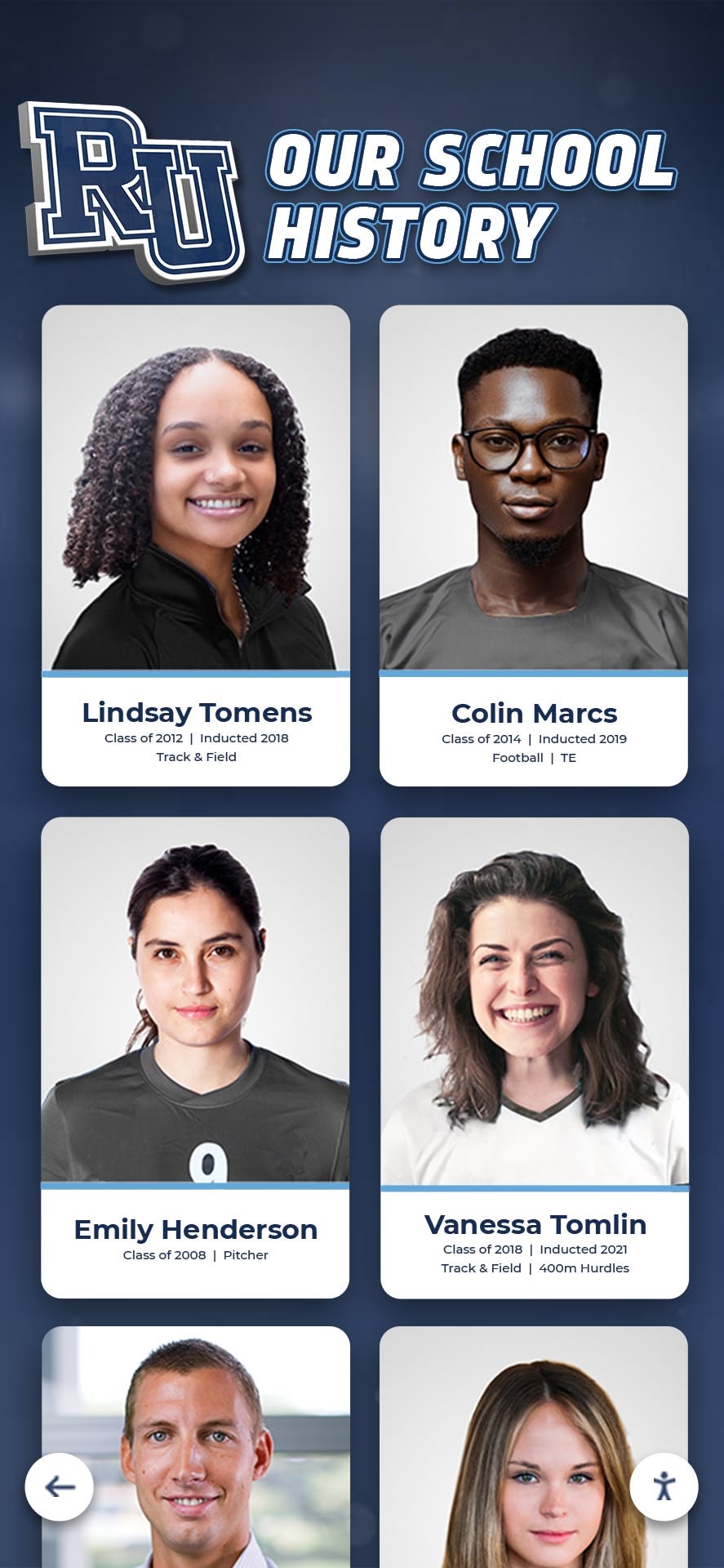
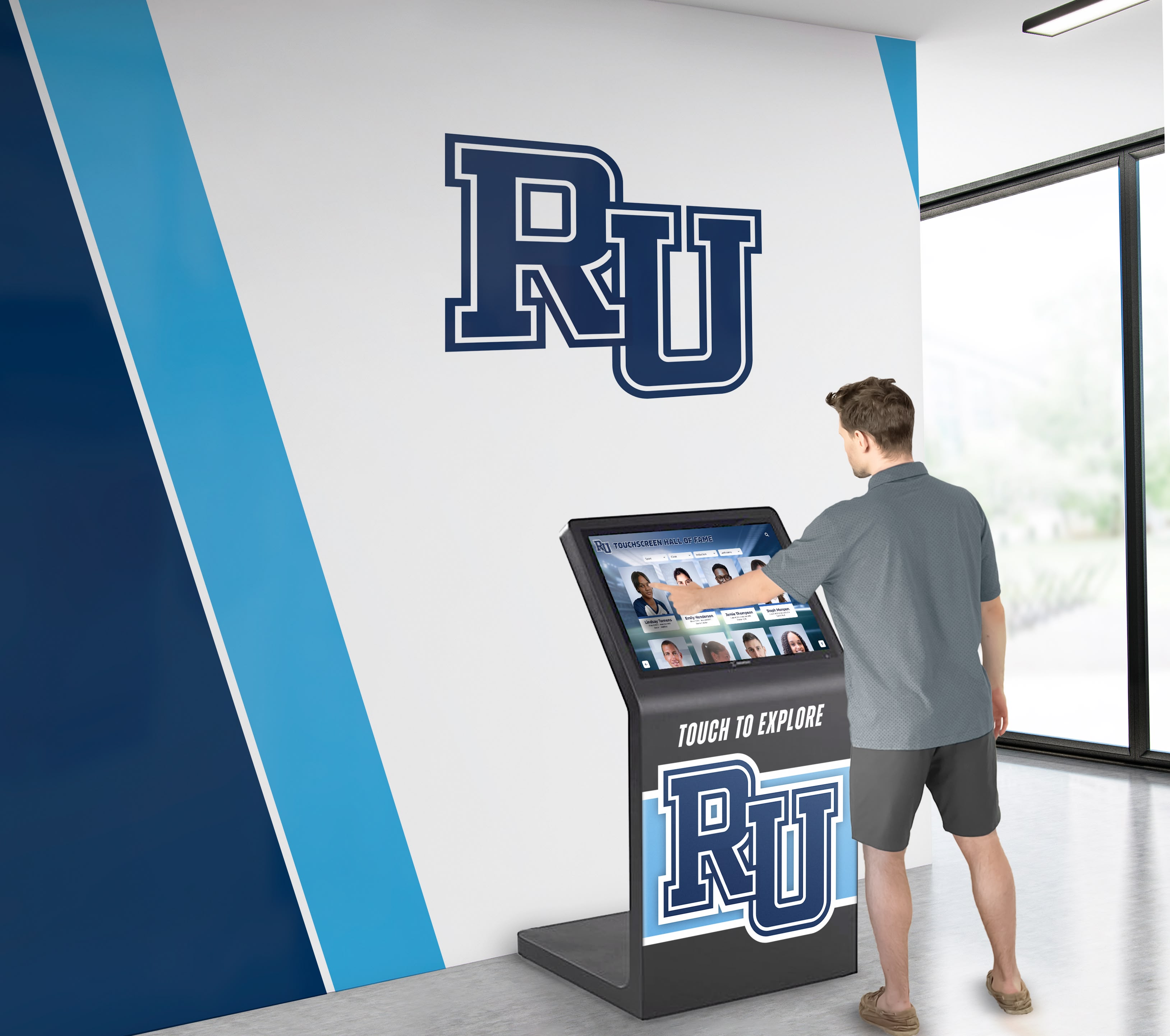
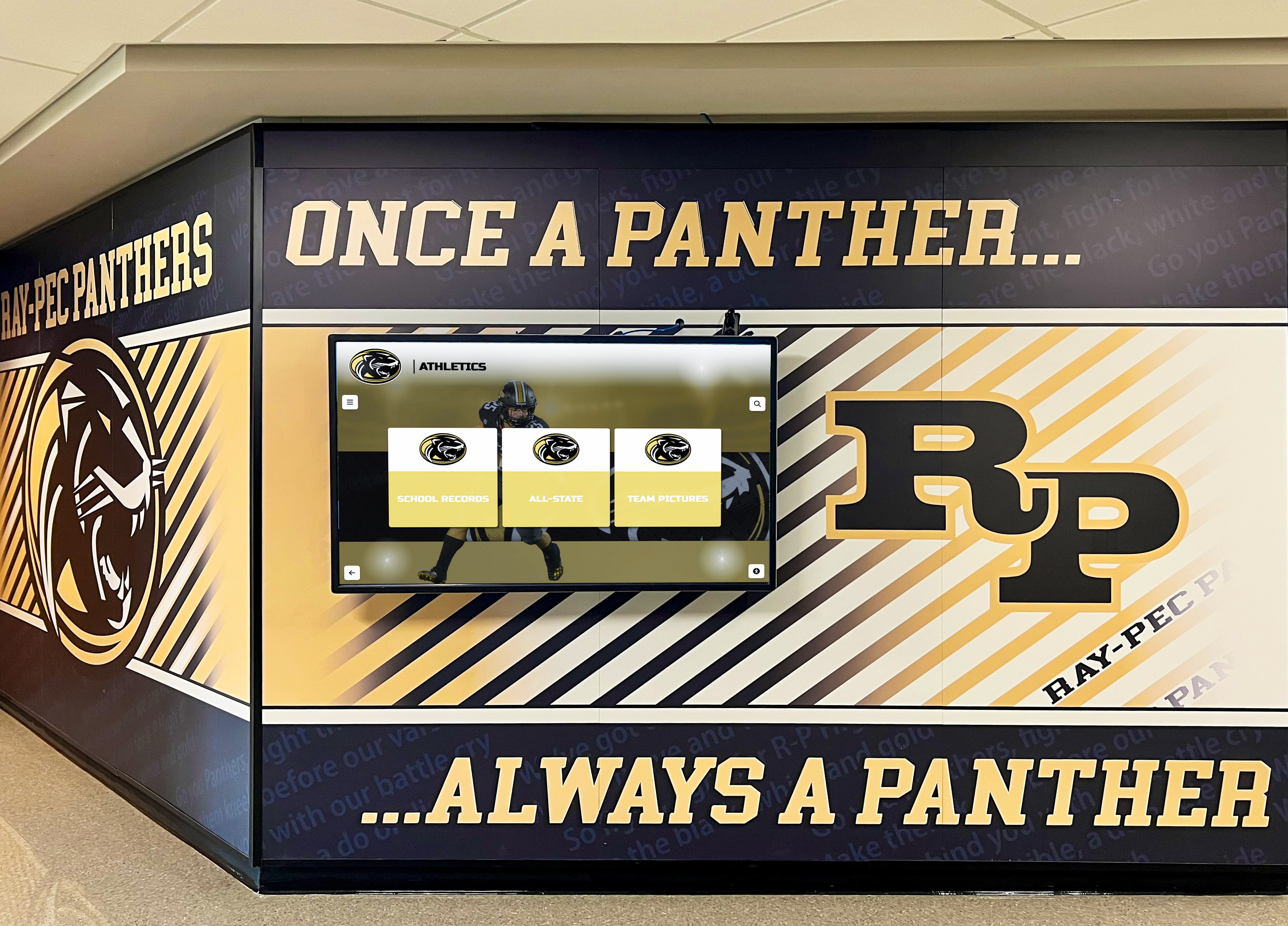
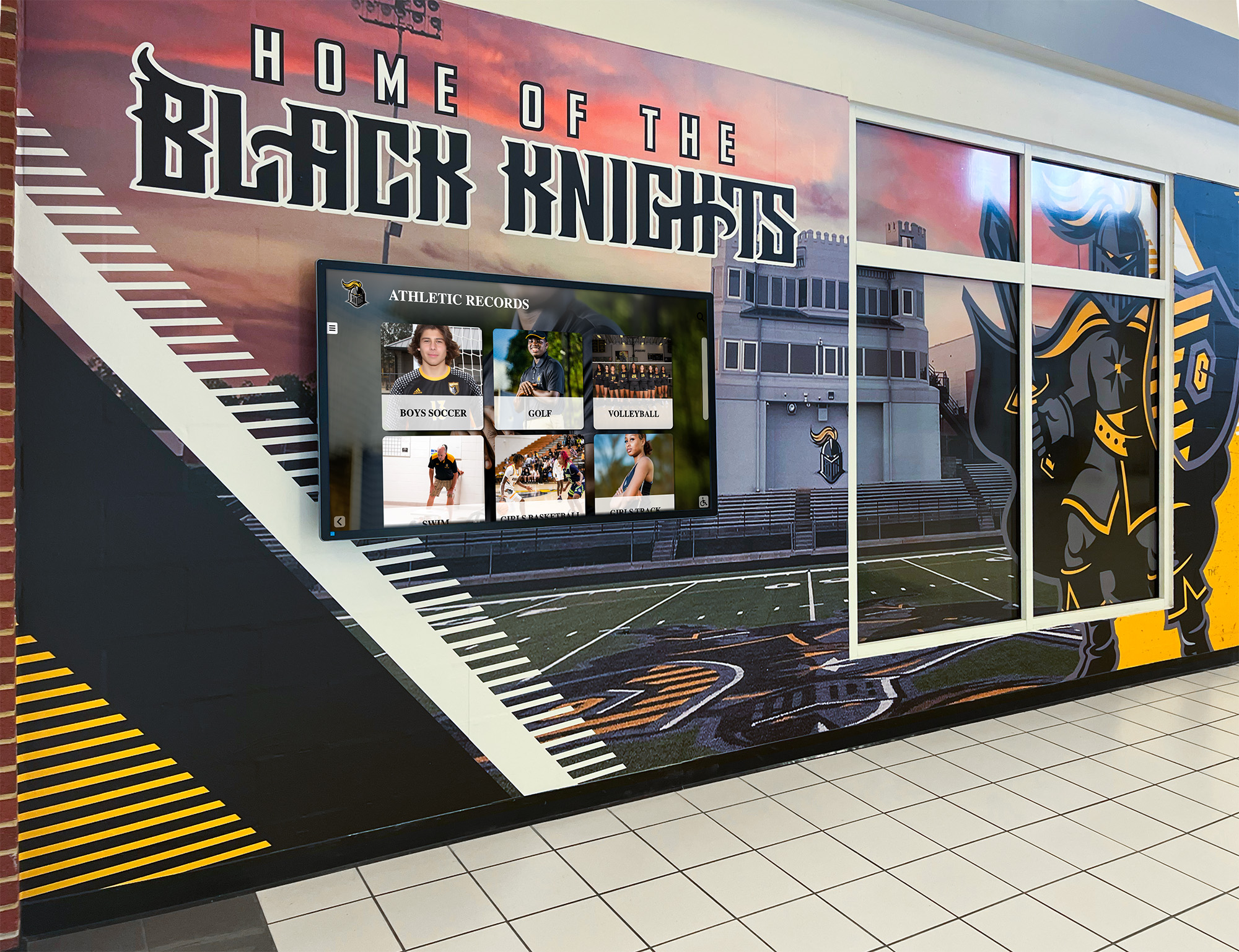
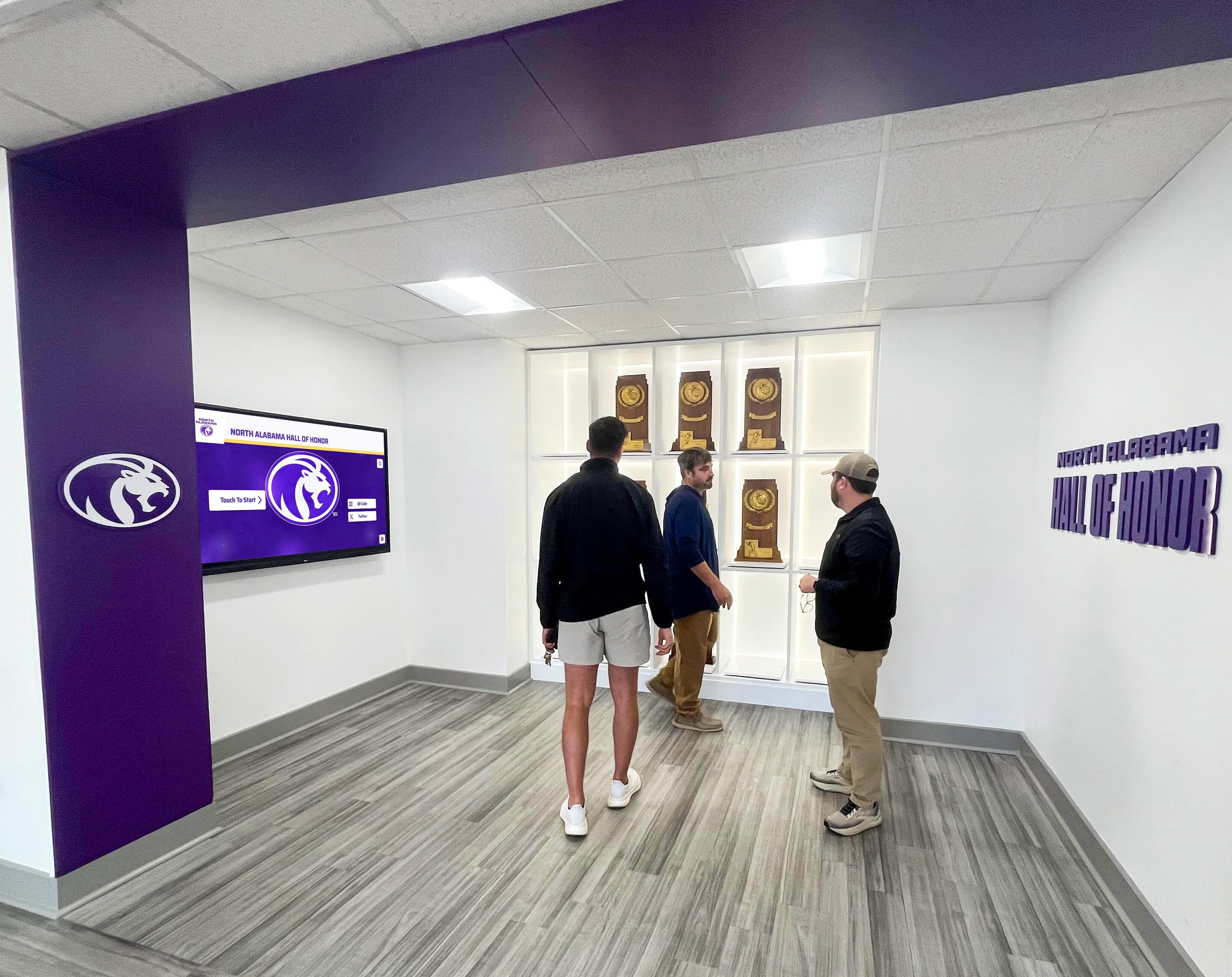
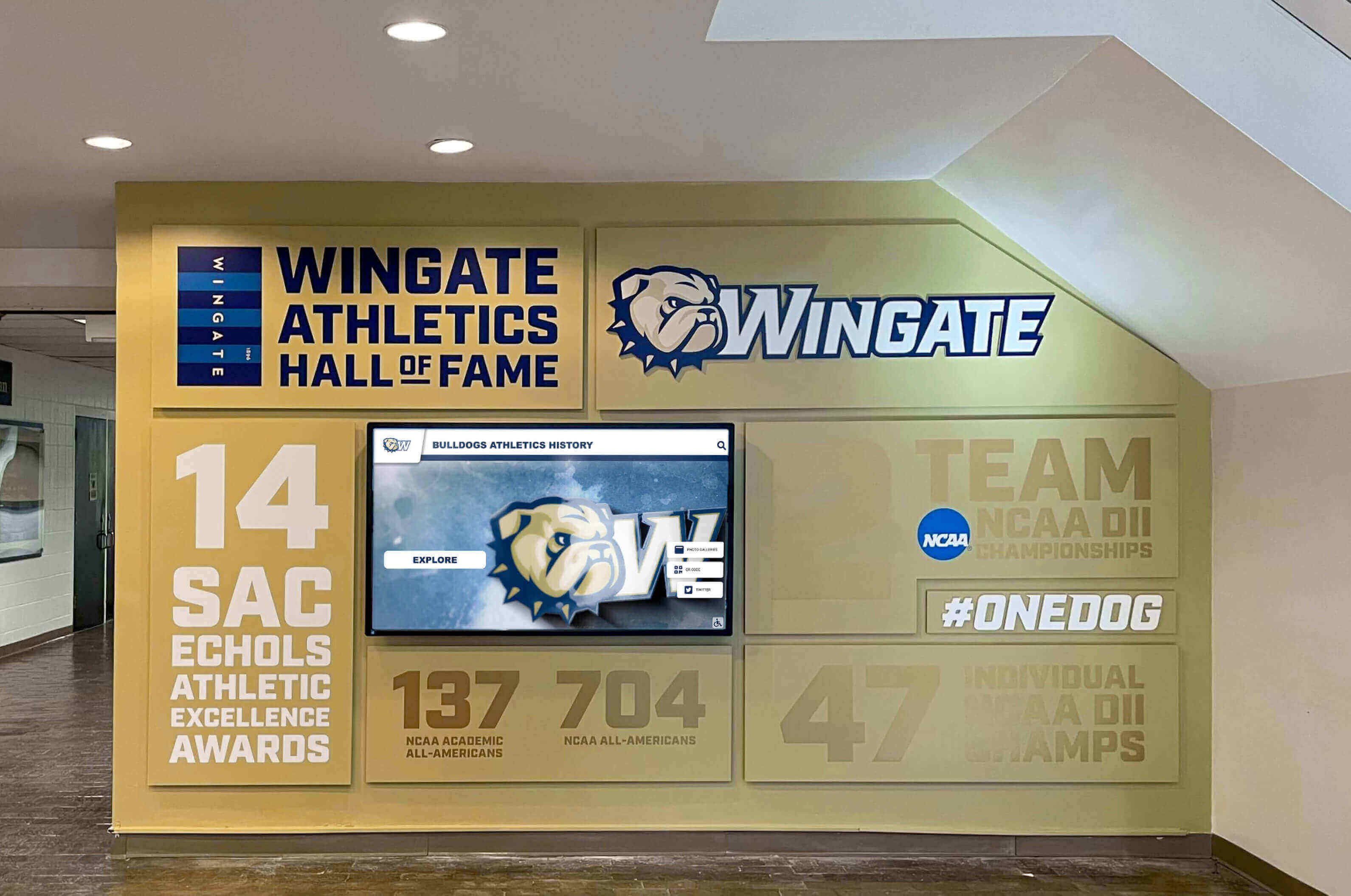
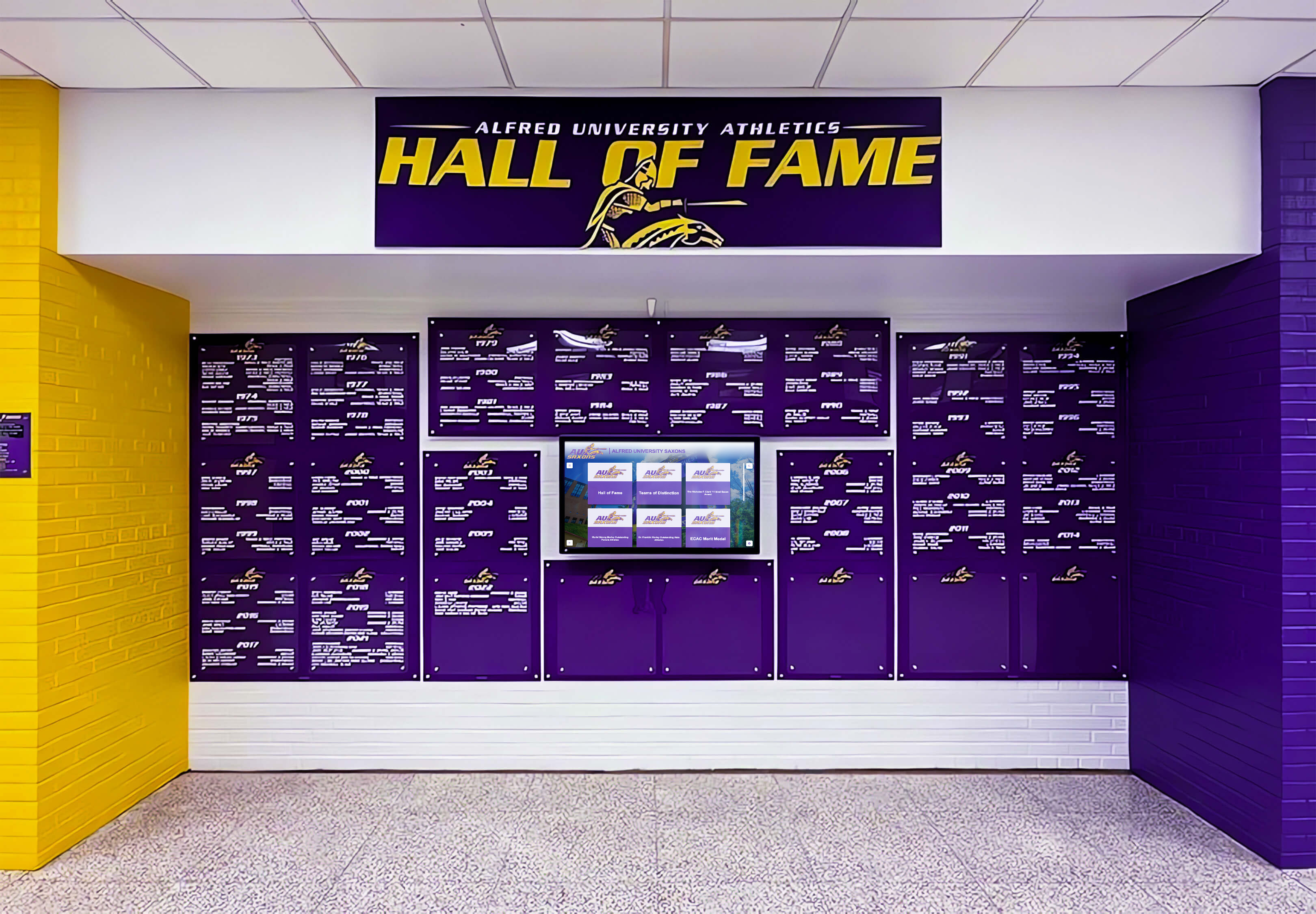
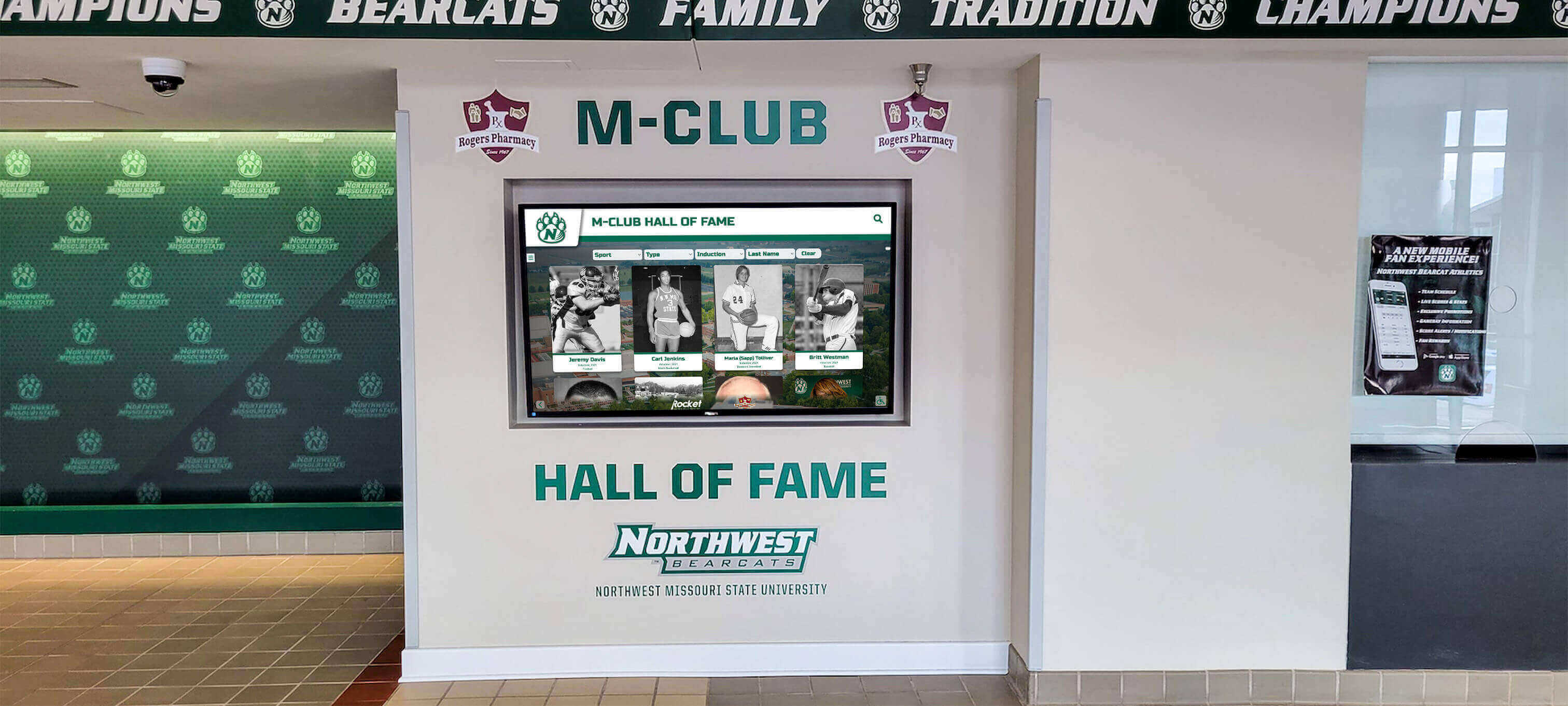
Purpose-built touchscreen kiosks and wall-mounted displays represent the most visible and impactful category of digital athletic recognition. These systems combine commercial-grade hardware with specialized software designed specifically for showcasing sports achievements.
How Dedicated Touchscreen Systems Work:
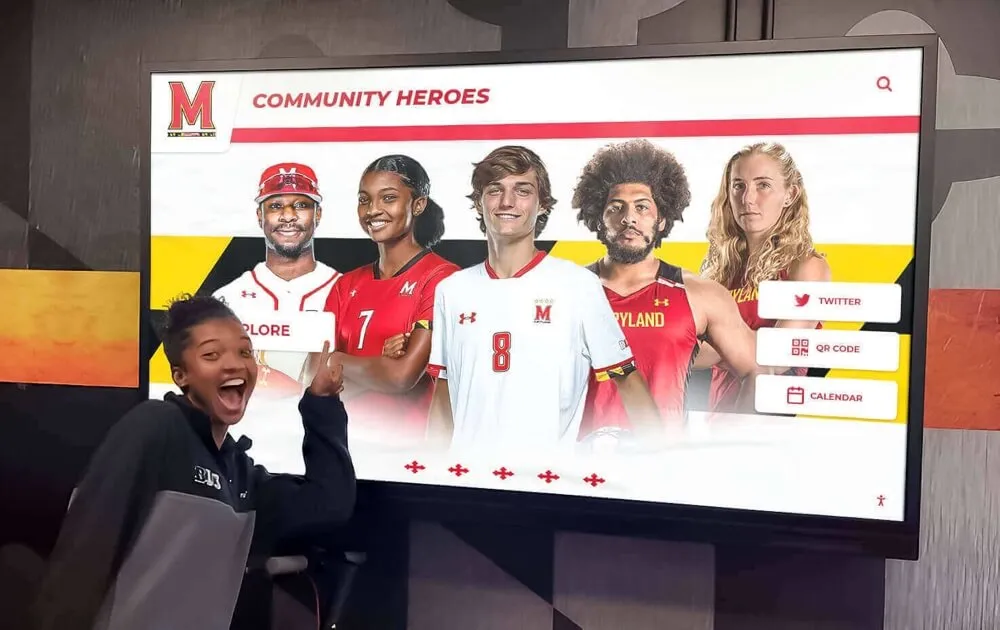
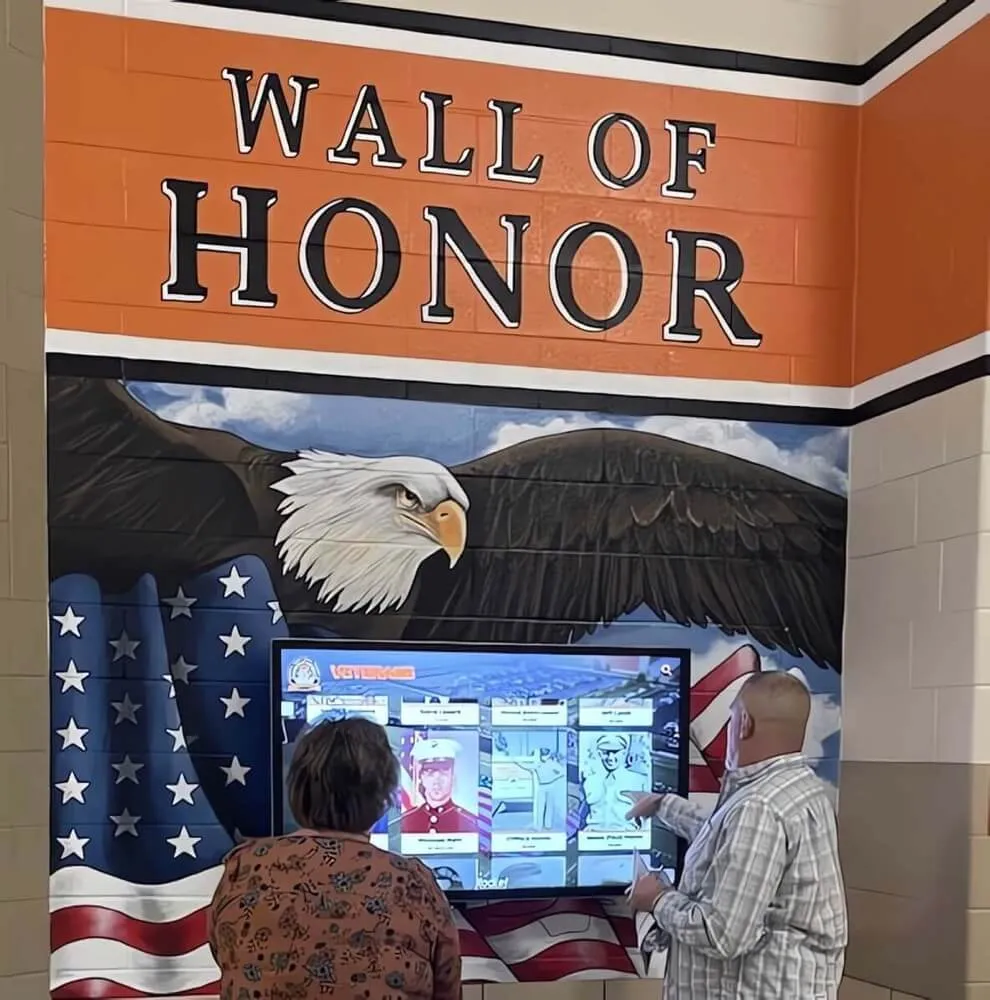
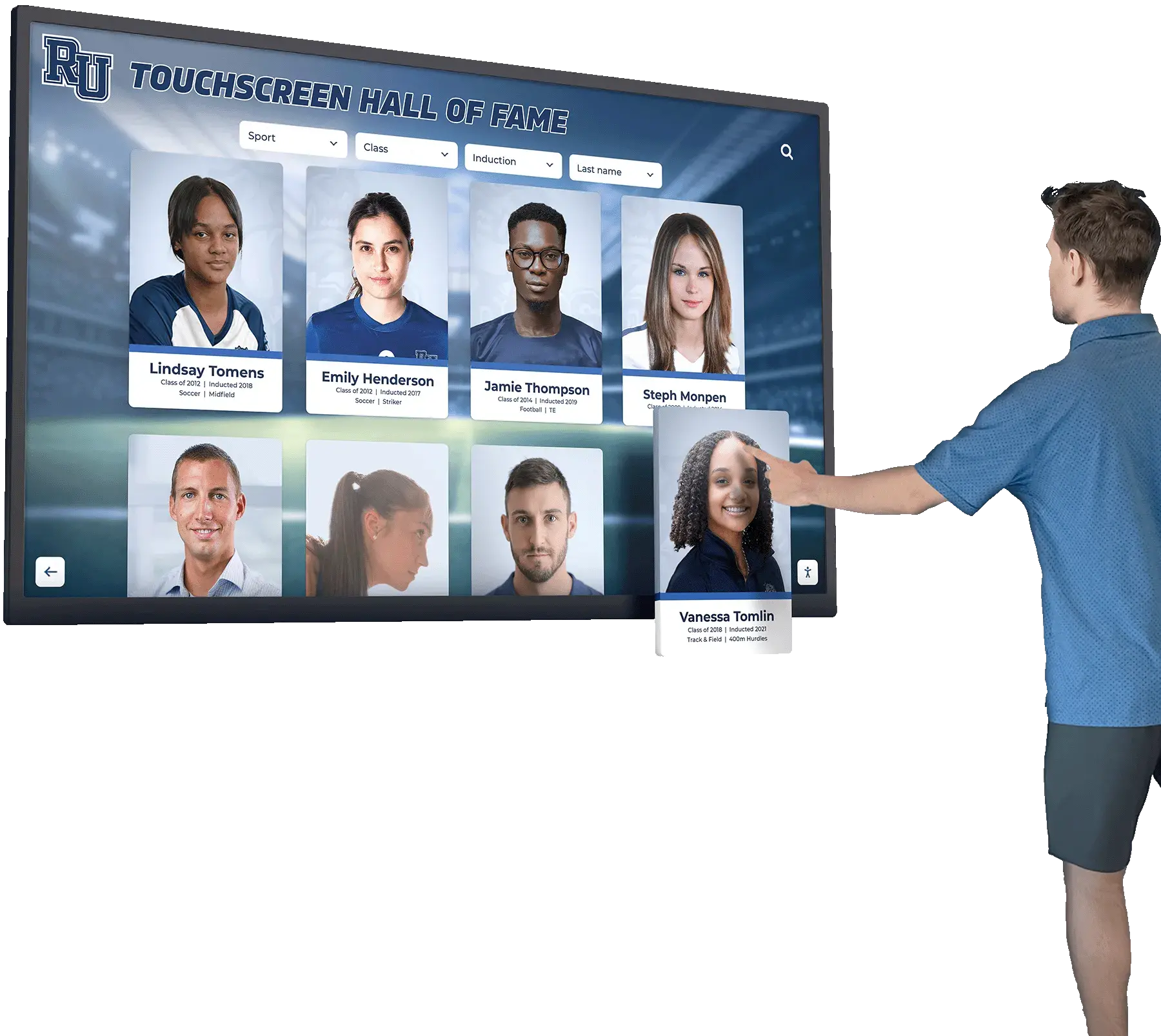
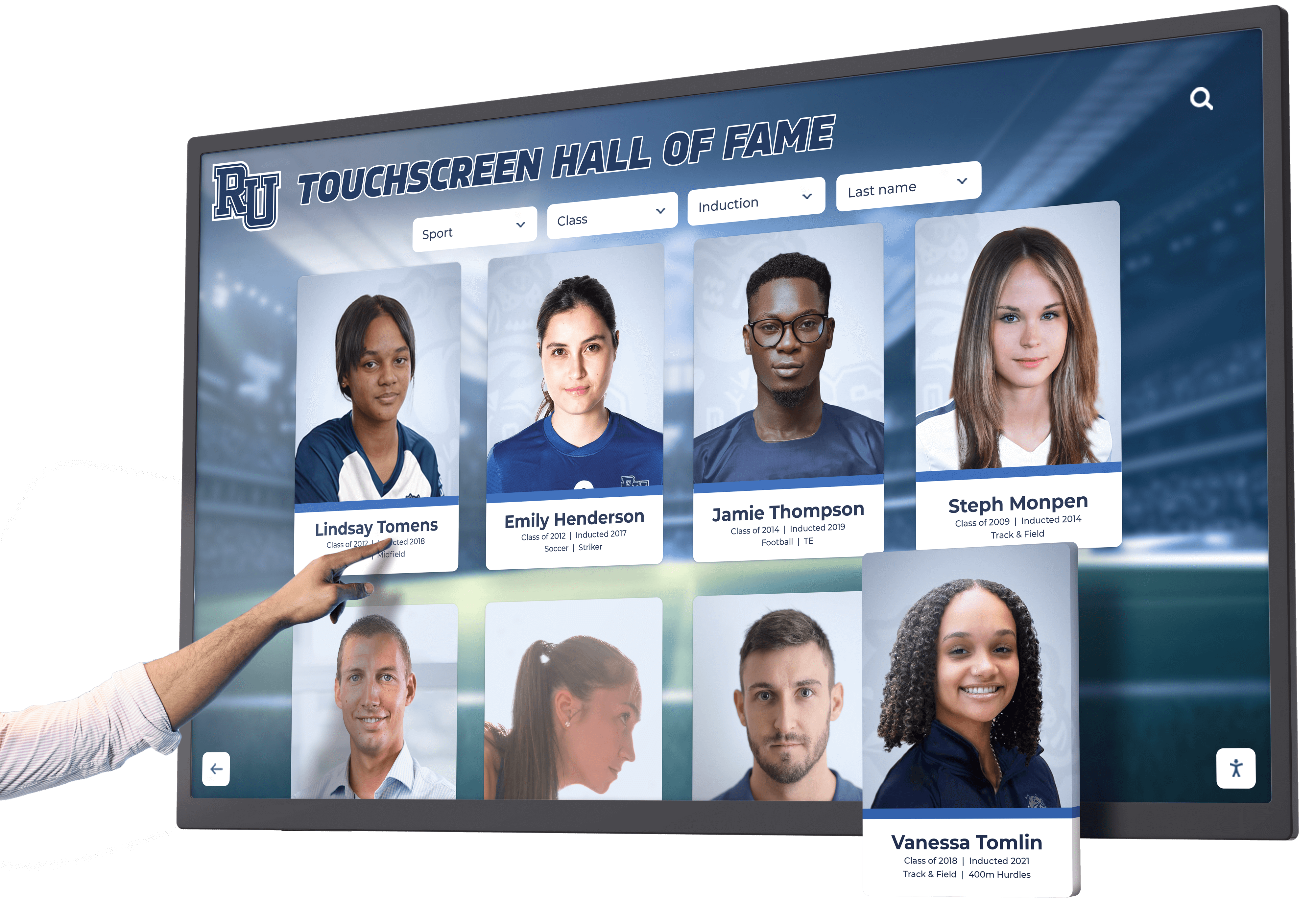
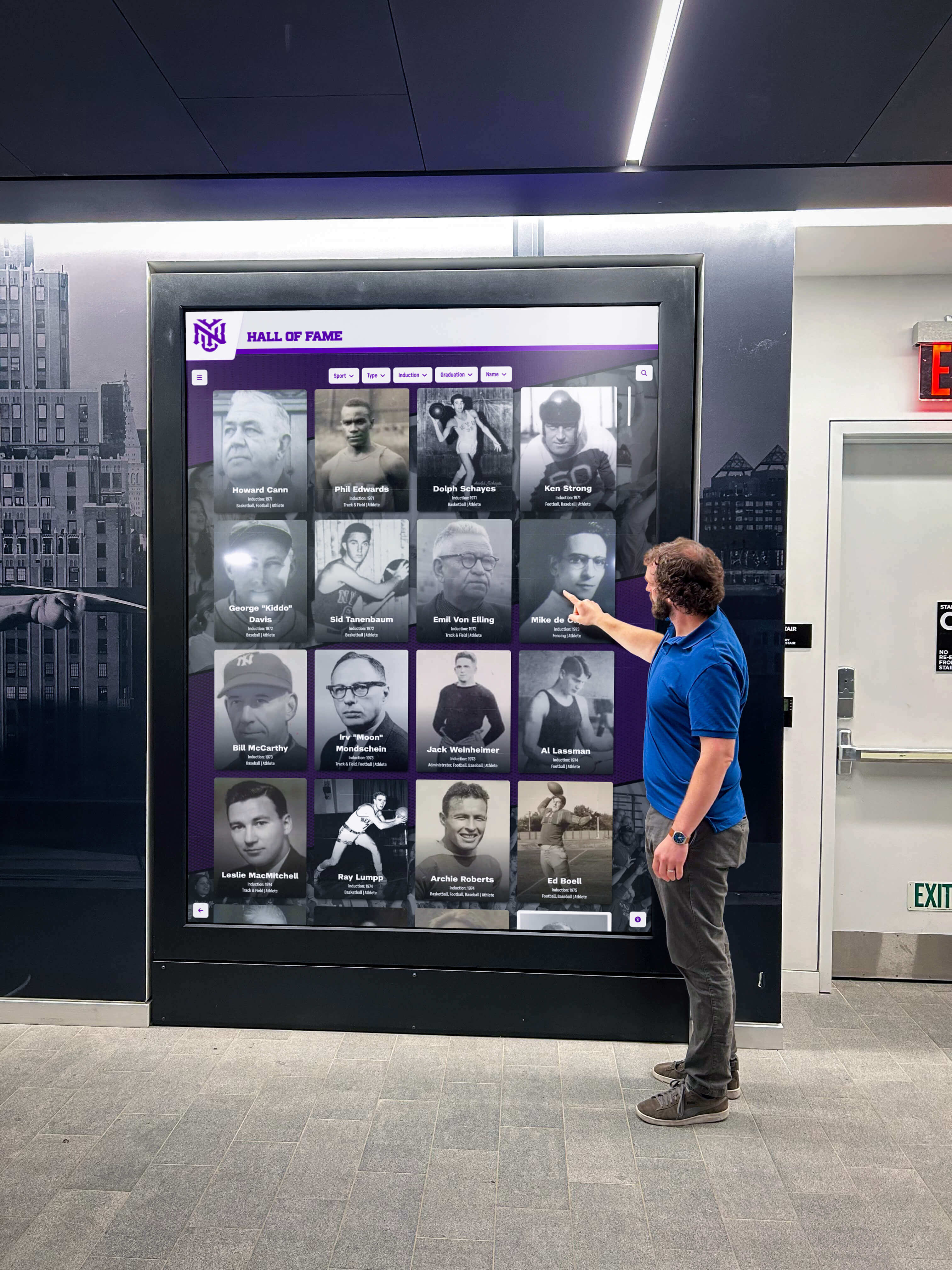
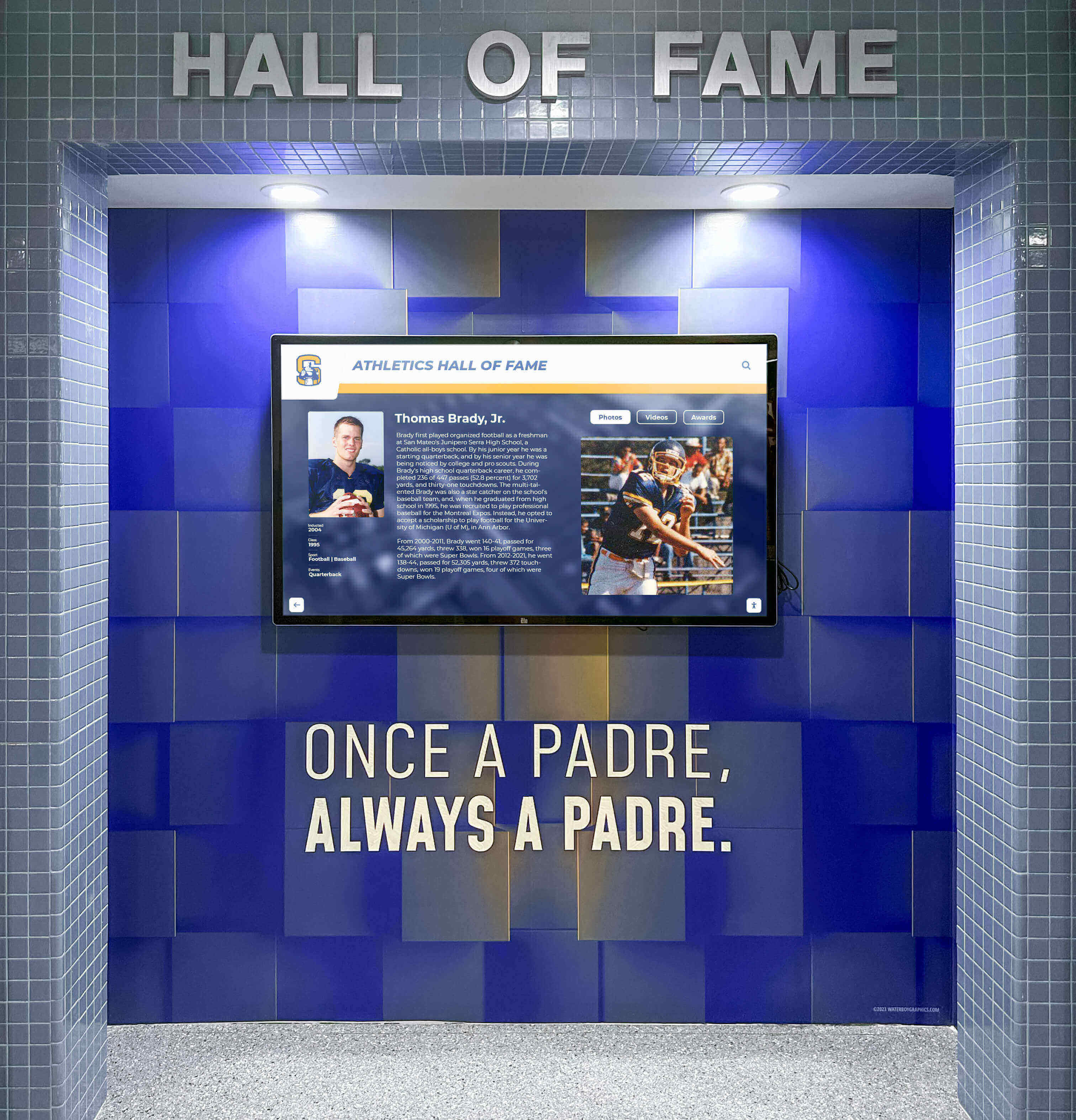
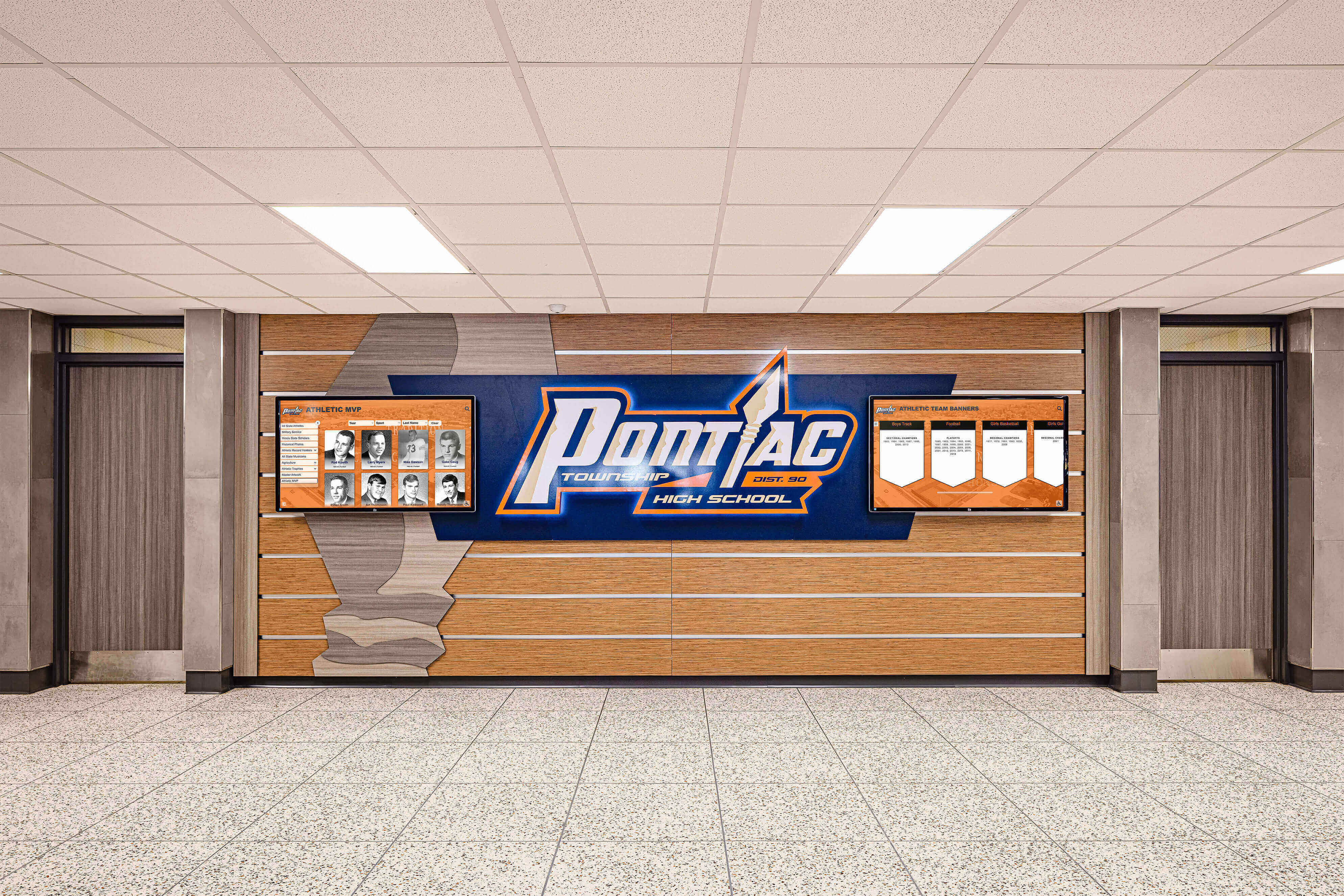
Physical installations in high-traffic locations—athletic facility lobbies, gymnasium entrances, school main hallways, trophy case areas—provide interactive exploration of athletic achievements. Visitors touch the screen to browse records, search for specific athletes, view championship teams, watch highlight videos, and discover program history. Behind the scenes, cloud-based content management systems enable authorized staff to add new awards, update records, and manage content from any internet-connected device without requiring technical expertise or vendor assistance.
Strengths of Touchscreen Display Approach:
- High Visibility and Impact: Physical presence in athletic facilities creates unavoidable recognition that passive viewers encounter daily
- Interactive Engagement: Touch exploration creates memorable experiences far exceeding static displays
- Unlimited Capacity: Digital systems accommodate decades of achievements without physical space constraints
- Rich Multimedia Content: Photos, videos, detailed statistics, and biographical narratives impossible with plaques
- Professional Presentation: Commercial displays create polished recognition worthy of athletic excellence
- Immediate Updates: Add championship teams and record breakers instantly without waiting for fabrication
Limitations and Considerations:
Touchscreen systems require upfront hardware investment typically ranging $8,000-$25,000 including commercial displays, mounting, installation, and software. While eliminating ongoing per-update charges associated with traditional plaques, initial costs exceed web-only alternatives. Physical installations require suitable locations with power, network connectivity, and adequate viewing space. For programs considering digital hall of fame buying decisions, the facility impact and budget commitment demand careful evaluation.
Leading Touchscreen Platform Providers:
Purpose-built athletic recognition platforms like Rocket Alumni Solutions specialize in sports achievement showcasing with features specifically designed for athletic departments—record tracking, automatic ranking, sport-specific templates, and approval workflows. Generic digital signage companies like ScreenCloud, Enplug, or Rise Vision can display athletic content but lack sport-specific functionality, requiring significant customization and ongoing content formatting work.
Web-Based Virtual Athletic Halls of Fame
Online platforms create digital athletic recognition accessible from any device with internet access, extending visibility far beyond physical facilities to reach alumni, prospective athletes, and community members worldwide.
How Web-Based Athletic Recognition Works:
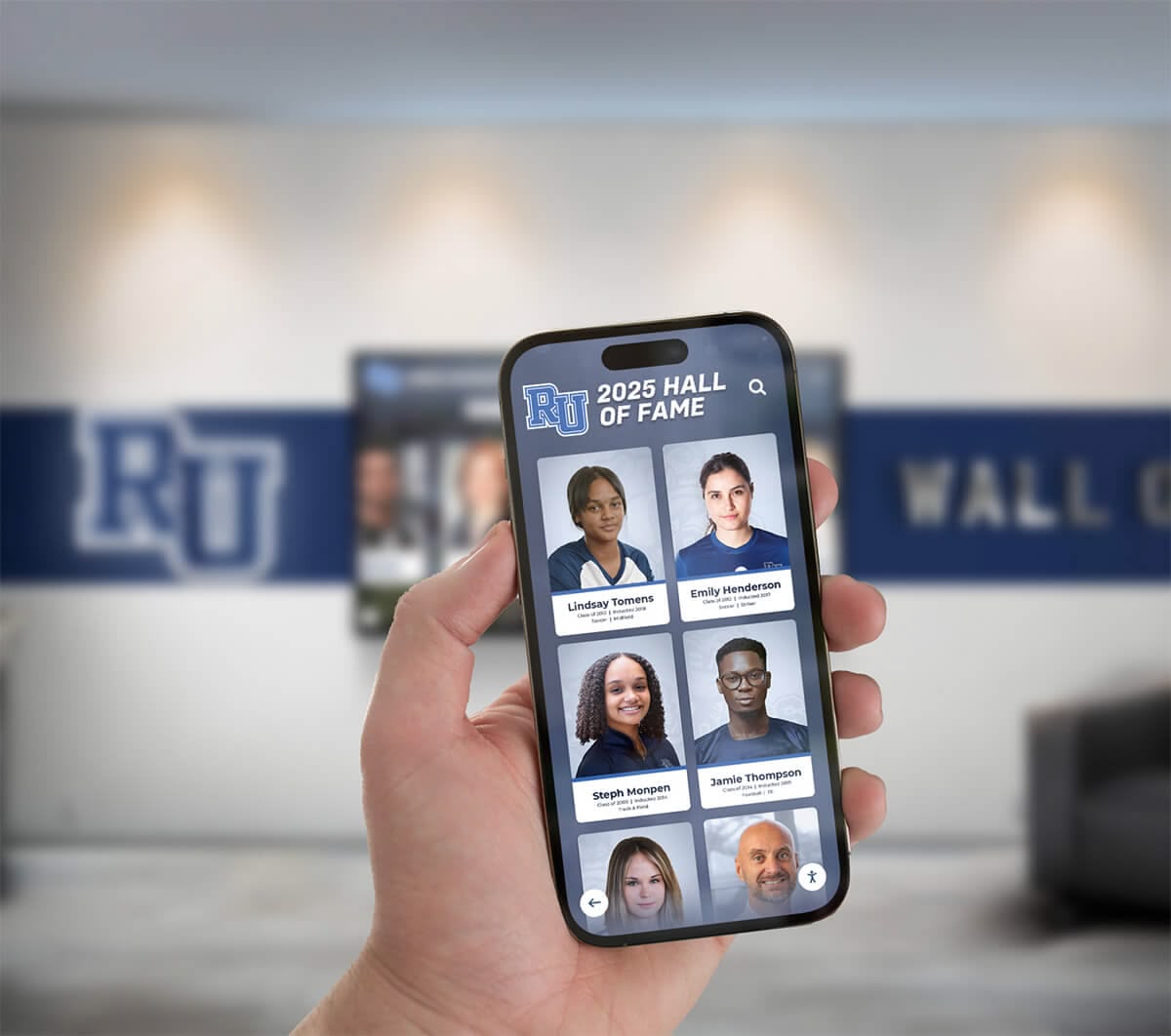
Dedicated websites or sections within school athletics sites display searchable databases of athletic achievements, records, hall of fame inductees, and championship histories. Visitors browse by sport, year, achievement type, or athlete name. Rich profiles include photos, statistics, biographical information, and highlight videos. Social sharing capabilities enable athletes and families to distribute recognition across personal networks. Mobile-responsive designs ensure excellent experiences on smartphones and tablets.
Strengths of Web-Based Approach:
🌐 Unlimited Geographic Reach
Alumni across the country and world access recognition without visiting campus
📱 Mobile Access Anytime
Athletes share achievements with extended networks from smartphones
💰 Lower Initial Investment
No hardware purchases required, just annual software subscriptions
🔍 Search Engine Discovery
Athletic achievements become discoverable through Google searches
Limitations and Considerations:
Web-only solutions lack the physical presence and visibility of installations in athletic facilities. Students passing through gyms daily won’t encounter web-based recognition unless they deliberately navigate to websites—reducing spontaneous engagement and institutional visibility. Online platforms also require ongoing annual subscriptions rather than one-time purchases, accumulating costs over years that may exceed touchscreen system investments. Effective web-based recognition typically requires integration with school athletic websites, demanding coordination with webmasters or IT departments.
For schools exploring broader virtual hall of fame platforms, understanding web-based options helps determine if online-only approaches meet needs or if hybrid solutions combining physical and web access deliver better value.
Leading Web-Based Platform Providers:
Specialized athletic recognition platforms like Rocket Alumni Solutions provide web and mobile access as integrated components of broader systems including physical displays. General-purpose website builders like Squarespace, Wix, or WordPress with custom development can create athletic recognition pages but require significant design work and ongoing content management expertise. Athletic department websites from providers like SIDEARM Sports or Presto Sports may include hall of fame modules, though capabilities vary significantly.
Hybrid Systems Combining Physical and Digital Access
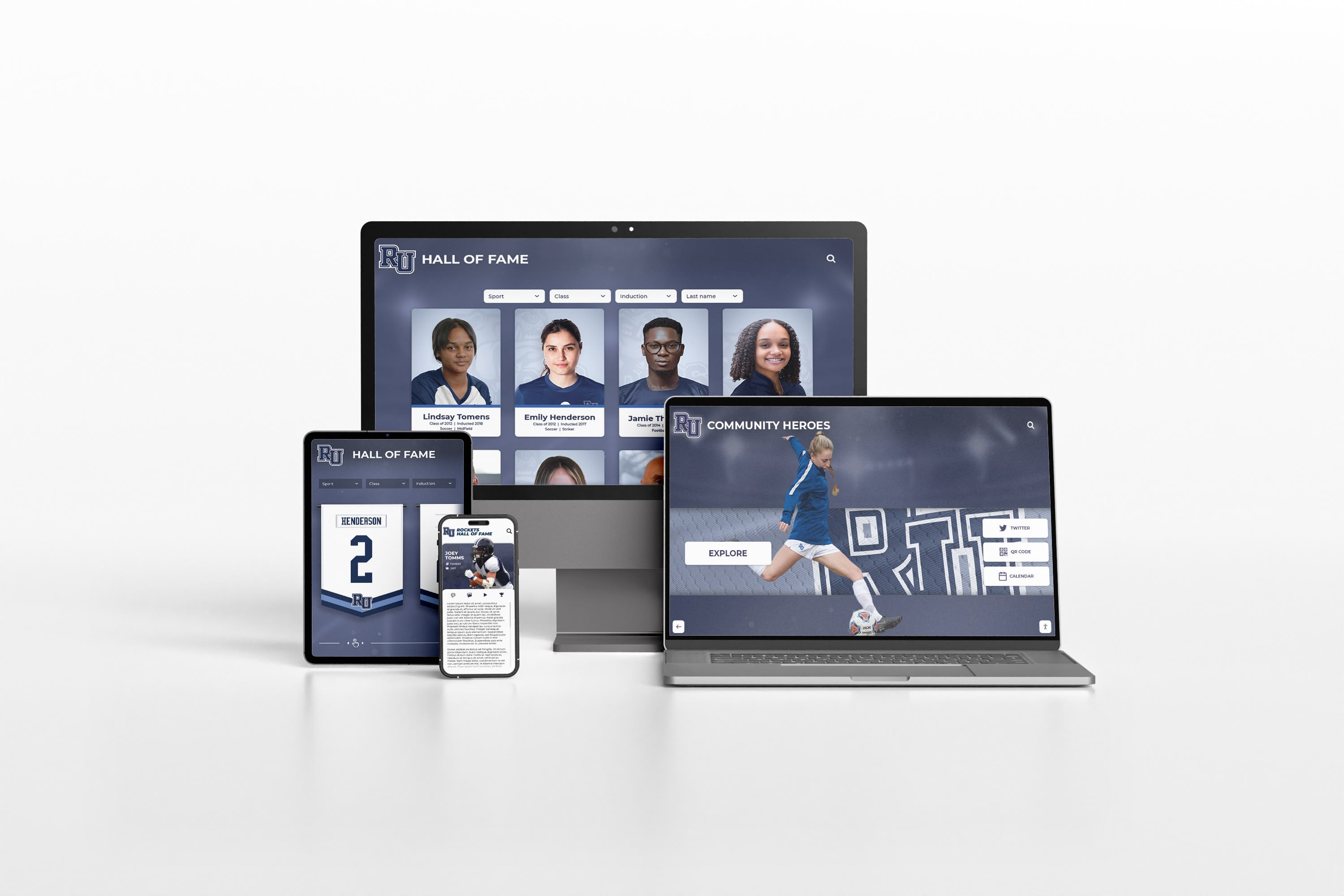
The most comprehensive approach integrates physical touchscreen installations with web-based access, providing both high-visibility facility recognition and unlimited geographic reach through online platforms.
How Hybrid Athletic Recognition Works:
Content management occurs once in unified systems powering both physical displays and web interfaces. When athletic directors add new record holders or championship teams, updates appear simultaneously on lobby touchscreens and online platforms accessible worldwide. Athletes and families experience recognition in person during facility visits while also sharing achievements digitally with extended networks. Alumni explore program history from anywhere while prospective recruits research athletic traditions before campus visits.
Why Hybrid Approaches Deliver Superior Value:
Advantages of Integrated Physical + Web Recognition:
- Maximize Recognition Impact: Serve all audiences—students in facilities daily, alumni living elsewhere, prospective athletes researching programs, community members following athletics
- Eliminate Duplicate Work: Manage content once in unified systems rather than separately updating physical displays and websites
- Extend Value of Hardware Investment: Physical displays serve on-campus audiences while web access amplifies reach and justifies investment
- Enable Social Amplification: Athletes share web-based profiles across social networks, multiplying recognition visibility far beyond facility locations
- Support Recruiting and Advancement: Prospective athletes research program traditions online, while alumni engagement supports fundraising and community building
- Future-Proof Recognition Strategy: Hybrid systems accommodate evolving preferences for physical and digital experiences
Leading Hybrid Platform Providers:
Purpose-built athletic recognition platforms like Rocket Alumni Solutions offer native integration between physical displays and web access from unified content management systems. This integrated approach eliminates the challenges of attempting to coordinate separate touchscreen and website solutions, preventing synchronization issues while streamlining content workflows. Generic alternatives require manually maintaining parallel systems or complex custom development integrating disparate platforms.
Social Media Integration and Amplification
Social media extends athletic recognition beyond controlled platforms to spaces where athletes, families, and communities already spend time daily. While not a standalone recognition solution, social integration amplifies other approaches.
How Social Media Athletic Recognition Works:
Integrated systems enable direct sharing from touchscreen displays or web platforms to Facebook, Twitter, Instagram, and LinkedIn. QR codes on physical displays link to shareable web profiles. Automated posting announces new record holders or championship achievements to athletics department social channels. Hashtag campaigns aggregate community celebration of athletic excellence.
Strengths of Social Media Integration:
- Multiplies recognition reach exponentially as athletes share with personal networks
- Creates user-generated content celebrating achievements
- Engages current students in platforms they use daily
- Attracts prospective athletes researching programs through social discovery
- Builds community pride and visibility beyond athletics department audiences
- Provides measurable engagement metrics showing recognition impact
Limitations and Considerations:
Social media cannot serve as primary recognition platform due to content impermanence, algorithm-driven visibility limitations, and lack of comprehensive searchability. Posts disappear into feeds, making sustained recognition impossible. Platforms change policies, features, and algorithms outside your control. Social integration works best as amplification layer extending reach of more permanent touchscreen or web-based recognition systems.
Digital Signage and Display Networks
Generic digital signage systems offer athletic recognition display capabilities, though with significant limitations compared to purpose-built platforms.
How Generic Digital Signage Works:
Commercial displays run content management software designed for general messaging, announcements, and information display. Athletic departments create slides or graphics featuring achievements, championship celebrations, or record milestones. Content rotates on schedules alongside other school communications.
When Generic Digital Signage Makes Sense:
Schools already operating digital signage networks may leverage existing infrastructure for athletic recognition, avoiding additional hardware investment. Simple recognition needs displaying recent championships or seasonal athlete spotlights may not require dedicated athletic platforms. Budget-constrained programs can start with existing systems while planning future upgrades.
Why Generic Signage Falls Short for Athletic Recognition:
Generic digital signage lacks features making athletic recognition compelling and sustainable:
- No Interactive Exploration: Passive viewing prevents deep engagement with program history
- Limited Content Capacity: Slide-based formats poorly accommodate comprehensive achievement databases
- Manual Content Creation: Every update requires graphic design work rather than simple data entry
- No Search or Filtering: Visitors cannot find specific athletes or achievements
- Poor Historical Preservation: Content gets replaced rather than archived permanently
- Ongoing Design Burden: Maintaining fresh content demands continuous creative effort
For programs seriously committed to comprehensive athletic recognition, purpose-built platforms deliver dramatically better results than repurposing generic signage systems. Schools considering this approach should review comprehensive digital hall of fame guides understanding the limitations of generic alternatives.
Critical Evaluation Criteria: Comparing Athletic Recognition Platforms
Systematic evaluation against consistent criteria prevents overlooking essential capabilities while avoiding distraction by impressive but irrelevant features vendors emphasize during sales processes.
Content Management and Update Capabilities
The single most important factor determining long-term success or failure involves how easily authorized staff can add new achievements, update records, and manage content without ongoing vendor dependencies.
Self-Service Content Management Assessment:
| Capability | Essential Requirement | Warning Signs of Inadequate Systems |
|---|---|---|
| Intuitive Interface | Any trained staff member can add content confidently without technical expertise | Requires IT department involvement for routine updates |
| Cloud-Based Access | Update content from any internet-connected device without special software | Requires on-site access or proprietary applications |
| Instant Publication | New content appears immediately without vendor approval or delays | Updates require vendor processing or manual approval |
| Bulk Import Tools | Upload dozens or hundreds of historical records efficiently via CSV or spreadsheet | Requires individual manual entry for every profile |
| Template Consistency | Pre-built templates ensure professional appearance across all content | Custom design required for every achievement added |
During vendor evaluations, request live demonstrations of actual content management interfaces rather than polished presentations. Test adding a new record holder yourself—if the process seems confusing or cumbersome during demonstrations, it will prove worse in daily practice. Systems requiring vendor assistance for routine updates create ongoing costs and delays that undermine value regardless of initial pricing.
Approval Workflow and Quality Control:
Effective content management balances ease of updates with quality standards preventing errors:
- Role-Based Permissions: Coaches submit nominations while athletic directors retain publication approval
- Preview Capabilities: Review how content will appear before going live
- Edit History Tracking: See who made changes and when for accountability
- Scheduled Publishing: Prepare content in advance for automatic publication on specific dates
- Bulk Approval Tools: Efficiently review and approve multiple submissions simultaneously
Purpose-built athletic recognition platforms include these workflows by design, while generic solutions require custom development or lack governance capabilities entirely.
Search, Discovery, and User Experience
Digital recognition justifies investment only when people actually engage with content. Search capabilities, intuitive navigation, and compelling user experiences determine whether systems become destination experiences or ignored equipment.
Essential User Experience Features:
Evaluate vendors against capabilities enabling anyone—unfamiliar visitors, prospective athletes, alumni returning after years—to immediately find relevant content:
Search and Filtering Must Include:
- Athlete Name Search: Find any individual instantly by typing their name
- Sport Filtering: Browse achievements within specific sports
- Year/Era Selection: Explore achievements from specific graduation years or decades
- Achievement Type Categories: Filter by records, championships, All-State honors, college athletes, etc.
- Text Search: Find content by keywords in descriptions or achievements
- Related Content Suggestions: Automatically display teammates, same-sport records, or similar achievements
Navigation Intuitiveness Test:
During vendor demonstrations, request to personally interact with systems without guidance. Can you find a specific athlete within 30 seconds? Can you discover all record holders in a particular sport? Can you browse championship teams from a specific decade? If you struggle during controlled demonstrations, your students and visitors will fare worse. Providers building genuinely intuitive experiences should confidently allow hands-on testing.
Mobile and Responsive Design:
With increasing smartphone usage, mobile-friendly interfaces have become essential:
- Content must reformat appropriately for small screens without horizontal scrolling
- Touch targets must be sized adequately for finger interaction
- Page load times must remain fast on mobile networks
- Images and videos must optimize automatically for mobile bandwidth
Test web-based components on actual smartphones during evaluations, not just desktop demonstrations vendors control. Many systems claim mobile support while delivering poor smartphone experiences.
Multimedia Content Support and Presentation Quality
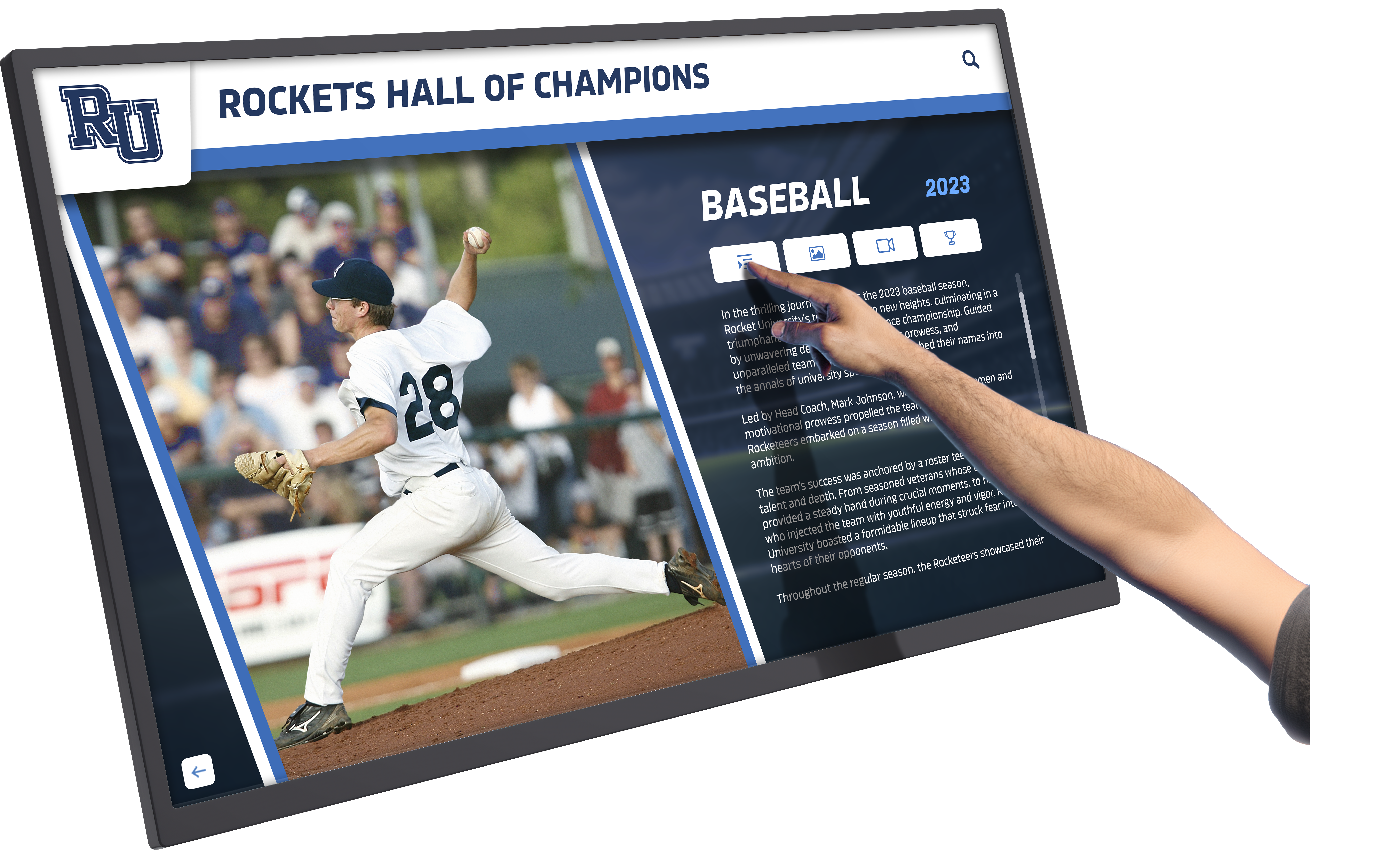
Rich multimedia content transforms shallow name-and-achievement listings into meaningful tributes celebrating athletic excellence comprehensively.
Critical Multimedia Capabilities:
📸 Photo Galleries
Multiple images per athlete showing action shots, awards ceremonies, team photos, and candid moments
🎥 Video Highlight Integration
Embed highlight reels, championship moments, or athlete interviews from YouTube, Vimeo, or uploaded files
📊 Detailed Statistics Displays
Comprehensive career statistics, season-by-season progression, and record comparisons
📝 Rich Text Biographies
Detailed narratives describing athletic journeys, challenges overcome, and achievements beyond statistics
Presentation Quality Assessment:
Professional appearance matters enormously for recognition honoring significant athletic achievements. Evaluate whether vendor templates, typography, image handling, and overall design aesthetic meet the standard athletes deserve. Poorly designed systems undermine recognition value regardless of content completeness.
Request examples of actual customer implementations rather than just demo content vendors curate. Real installations reveal whether systems maintain quality at scale or degrade into inconsistent amateur presentations when non-designers manage content.
Sport-Specific Features and Record Tracking
Generic platforms force athletic departments to adapt sports recognition to general-purpose tools. Purpose-built athletic systems include features designed specifically for sports achievement showcasing.
Record Tracking and Automatic Rankings:
Exceptional athletic platforms automatically rank performances and identify record holders without manual calculation:
- Automatic Leaderboards: System sorts all performances to identify top performers
- Record Identification: Platforms flag achievements that break existing school records
- Historical Comparisons: Show how current achievements compare against all-time marks
- Multiple Categories: Track records across various event types, distances, or achievement classifications
- Tie Handling: Properly manage tied records and co-record holders
These capabilities eliminate spreadsheet management and manual leaderboard creation, saving significant administrative time while ensuring accuracy. Solutions like Rocket Alumni Solutions build automatic ranking into core functionality, while generic platforms require custom development or remain manual processes forever.
For programs tracking extensive records across multiple sports, dedicated athletic record board systems provide sport-specific features generic alternatives cannot match.
Sport-Specific Templates and Layouts:
Different sports require different information architecture:
- Team Sport Templates: Emphasize team championships, season records, and roster composition
- Individual Sport Templates: Focus on personal records, event-by-event results, and competition history
- Coaching Recognition: Dedicated sections for coach achievements, tenures, and program building
- Team Photo Displays: Specialized layouts for championship team photos with roster identification
- Cross-Sport Navigation: Easy browsing across different sports while maintaining sport-specific context
Purpose-built platforms include these templates and layouts by design, while generic systems require extensive customization for each sport’s unique needs.
Integration Capabilities and Technical Architecture
Modern athletic recognition should integrate seamlessly with existing technology ecosystems rather than operating as isolated systems.
Critical Integration Points:
Evaluate how platforms connect with other systems your athletic department already uses:
- School Website Integration: Embed recognition content in existing athletics pages rather than forcing separate destinations
- Timing System Data Import: Pull race results, meet times, or competition data directly from timing systems
- Student Information Systems: Verify athlete enrollment, graduation years, and eligibility from SIS databases
- Social Media Connections: Post announcements to Facebook, Twitter, or Instagram automatically
- Photo Management Systems: Import images from existing athletics photo libraries
- Analytics Platforms: Send engagement data to Google Analytics or other analytics tools
- Single Sign-On (SSO): Enable staff login via existing school authentication systems
API and Data Export Capabilities:
Prevent vendor lock-in by ensuring complete data portability:
- Open API Access: Ability for your developers or future vendors to access content programmatically
- Standard Export Formats: CSV, JSON, or XML exports of all content, photos, and data
- Media Asset Access: Download all uploaded photos and videos in original quality
- Database Backups: Regular automated backups you control and can restore independently
Vendors refusing data export capabilities or restricting content access reveal business models dependent on trapping customers. Ethical providers facilitate data portability understanding confident customers don’t fear changing vendors if service quality deteriorates.
Hardware Quality, Reliability, and Technical Support
Behind attractive interfaces lie hardware and support infrastructure determining whether systems operate reliably for years or create ongoing frustration.
Commercial Hardware vs. Consumer-Grade Equipment:
| Specification | Commercial-Grade Requirements | Consumer-Grade Limitations |
|---|---|---|
| Display Rating | 16-24 hours daily operation, 5-7 year expected life | 8-10 hours daily, 2-3 year expected life |
| Touch Technology | Industrial capacitive touch rated for public use | Residential touch prone to degradation |
| Brightness | 400-700 nits handling varied ambient lighting | 250-350 nits washing out in bright spaces |
| Mounting | Commercial-grade secure mounting hardware | Residential mounts insufficient for public access |
| Warranty | 3-5 year commercial warranties | 1 year limited consumer warranties |
Consumer-grade equipment initially costs less but fails faster, requires more frequent replacement, and delivers poor experiences in demanding school environments. Commercial hardware investments prove more cost-effective over 5-10 year horizons typical for athletic recognition installations.
Technical Support and Service Level Agreements:
Understanding support quality before problems occur prevents frustration when systems eventually fail:
- Response Time Commitments: How quickly do vendors respond to support requests?
- Resolution Timeframes: What service level agreements govern issue resolution?
- Support Availability: Is support available during school hours? Evenings and weekends?
- Remote Diagnostics: Can vendors troubleshoot and resolve issues remotely?
- On-Site Service: Do vendors provide on-site service when needed? What does it cost?
- Hardware Replacement: How quickly do vendors replace failed equipment?
- Loaner Equipment: Do vendors provide temporary displays during repairs?
Request specific SLA documentation and contact references asking about actual support experiences versus what contracts promise.
Comprehensive Vendor Comparison and Selection Matrix
Evaluating vendors systematically across weighted criteria enables objective comparison preventing both undervaluing essential capabilities and overweighting less important features.
Recommended Evaluation Scorecard
Create custom scorecards weighting criteria based on your specific priorities. Below represents balanced weighting for typical athletic programs:
| Evaluation Criteria | Weight | Why It Matters |
|---|---|---|
| Content Management Ease | 25% | Determines whether system remains current or becomes outdated shortly after launch |
| User Experience Quality | 20% | Drives engagement determining if people actually interact with recognition |
| Sport-Specific Features | 15% | Differentiates purpose-built athletic platforms from generic alternatives |
| Total Cost of Ownership | 15% | Comprehensive 5-year costs reveal true investment beyond sticker prices |
| Hardware Quality & Reliability | 10% | Commercial equipment lasts longer and performs better than consumer alternatives |
| Integration Capabilities | 5% | Seamless connections with existing systems streamline workflows |
| Technical Support Quality | 5% | Responsive support minimizes downtime when issues occur |
| Vendor Reputation & Stability | 5% | Established vendors more likely to support investments long-term |
Score each vendor across these criteria on consistent scales (1-5 or 1-10), multiply by weights, and calculate total scores enabling objective comparison. This systematic approach prevents impressive sales presentations from overshadowing practical considerations like content management ease or total cost.
Deal-Breaker Checklist: Requirements No Vendor Should Fail
Regardless of scoring, certain minimum requirements should disqualify vendors who cannot meet them:
Mandatory Capabilities Every Athletic Recognition Platform Must Provide:
- Self-service content management enabling your staff to add achievements without vendor assistance
- Cloud-based access updating content from any internet-connected device
- Unlimited capacity for athletes, achievements, and historical records without additional charges
- Mobile-responsive web access alongside physical displays
- Intuitive search and filtering by athlete name, sport, year, and achievement type
- Photo and video content support with multiple images per profile
- Complete data export in standard formats ensuring portability
- Commercial-grade hardware rated for public installation environments (if purchasing physical displays)
- Documented support response times and service level agreements
- Clear pricing with no hidden per-update or per-user charges
If vendors fail any of these fundamental requirements, eliminate them regardless of pricing or other attractive features. Compromising on essential capabilities creates long-term problems far exceeding any short-term savings.
Why Rocket Alumni Solutions Wins for Comprehensive Athletic Recognition
When athletic departments evaluate purpose-built recognition platforms against the criteria outlined above, Rocket Alumni Solutions consistently delivers superior value across critical factors:
Content Management Excellence:
Rocket provides cloud-based content management enabling athletic directors, coaches, or authorized staff to add achievements, update records, and manage recognition from any device without technical expertise. Intuitive interfaces, bulk import tools, and approval workflows streamline content management while maintaining quality standards. Unlike generic platforms requiring manual leaderboard creation, Rocket automatically ranks performances and identifies record holders, eliminating spreadsheet management.
Integrated Physical and Digital Experience:
Rocket combines high-impact touchscreen displays in athletic facilities with responsive web platforms accessible worldwide. Content management occurs once, powering both physical installations and online access. This integrated approach maximizes recognition reach while eliminating duplicate work managing separate physical and web systems.
Sport-Specific Purpose-Built Features:
Unlike generic digital signage repurposed for athletic use, Rocket was designed specifically for sports achievement showcasing. Built-in record tracking, automatic ranking, sport-specific templates, championship team layouts, and coach recognition sections reflect deep understanding of athletic recognition needs. Schools avoid extensive customization required when attempting to adapt generic platforms.
Commercial-Grade Hardware Reliability:
Rocket specifications include commercial displays rated for continuous public operation, industrial touch technology, secure mounting hardware, and extended warranties. This commercial approach contrasts with vendors offering consumer-grade equipment prone to failure in demanding school environments. Athletic facilities deserve recognition systems operating reliably for decades, not failing after 2-3 years.
Transparent Pricing and No Per-Update Charges:
Rocket’s subscription model includes unlimited content updates, eliminating per-update fees that make some “affordable” alternatives expensive over time. Transparent pricing covering software, support, hosting, and updates prevents surprise costs undermining budget planning. Athletic departments avoid vendor dependencies where adding new records requires ongoing payments.
Proven Track Record with Athletic Programs:
With hundreds of athletic department implementations, Rocket demonstrates proven success serving school sports recognition needs. References from programs similar to yours validate capabilities beyond marketing claims. This specialization contrasts with generic vendors treating athletic recognition as minor product variations alongside their primary business focus.
Exceptional Support and Service Levels:
Responsive technical support, remote diagnostics, clear service level agreements, and dedicated implementation assistance ensure successful launches and ongoing operation. Schools avoid the frustration of vendors disappearing after sale or providing inadequate support when issues occur.
For athletic departments serious about comprehensive recognition honoring athletes appropriately while delivering measurable institutional value, purpose-built platforms like Rocket Alumni Solutions provide capabilities, reliability, and sport-specific features generic alternatives cannot match.
Financial Analysis: Understanding Total Cost of Ownership
Sticker prices obscure true costs. Comprehensive evaluation requires calculating complete five-year financial implications including all hardware, software, content development, training, support, and replacement planning.
Five-Year Cost Calculation Framework
Use this framework comparing vendors on equal financial footing:
Year 1 Costs (Implementation):
- Hardware purchase (displays, computers, mounting equipment)
- Software licenses or initial subscription
- Professional installation and configuration
- Network infrastructure improvements if needed
- Initial content development (staff time or professional services)
- Staff training and change management
- Project management and coordination time
Years 2-5 Ongoing Costs:
- Annual software subscriptions or license renewals
- Technical support and maintenance contracts
- Content management staff time (monthly hours × hourly rate)
- Software updates and feature additions
- Per-update fees if vendor charges them
- Hardware repairs and extended warranty coverage
- Occasional professional content services
Year 5+ Replacement Planning:
- Technology refresh reserves for eventual hardware replacement
- Platform migration costs if changing vendors
Sample Five-Year Cost Comparison
| Cost Category | Purpose-Built Platform (Rocket) | Generic Digital Signage | Web-Only Platform |
|---|---|---|---|
| Year 1 Hardware | $15,000 | $8,000 | $0 |
| Year 1 Software & Setup | $3,000 | $2,000 | $3,500 |
| Year 1 Content Development | $4,000 | $8,000 | $5,000 |
| Years 2-5 Annual Subscription | $2,400/year | $1,800/year | $2,800/year |
| Years 2-5 Update Fees | $0 | $200/update | $0 |
| Years 2-5 Maintenance Time | 2 hrs/month | 8 hrs/month | 3 hrs/month |
| 5-Year Total | ~$35,000 | ~$42,000 | ~$22,000 |
This analysis reveals that seemingly expensive purpose-built systems often deliver better five-year value than “affordable” alternatives when accounting for ongoing costs, update fees, and staff time managing difficult platforms. Web-only solutions cost less but lack physical presence and visibility justifying touchscreen investments for many programs.
Hidden Costs Athletic Directors Often Overlook
Content Development Time Investment:
Converting decades of athletic achievement into digital profiles requires substantial effort regardless of platform selected. Gathering historical records, collecting photos, writing biographical information, and organizing content demands tens or hundreds of staff hours. Budget realistically for either:
- Internal staff time at $30-$50 per hour for 40-200 hours depending on program history
- Professional content services costing $2,000-$15,000 depending on scope and volume
Many athletic directors underestimate this investment, launching systems with minimal content that fails to demonstrate value. For comprehensive approaches to athletic history preservation, adequate content development proves essential.
Ongoing Content Management Staff Time:
Maintaining current recognition requires perpetual effort adding new achievements, updating records, featuring seasonal content, and ensuring quality standards. Estimate realistic monthly time requirements based on your athletic program scale:
- Small programs (5-10 sports): 2-3 hours monthly
- Medium programs (10-15 sports): 4-6 hours monthly
- Large programs (15+ sports): 6-10 hours monthly
At $30-$50 per hour, this represents $1,000-$6,000 annually in staff cost regardless of platform selected. This isn’t a vendor expense, but represents real resources your program must commit for success.
Technology Refresh and Replacement:
Commercial displays typically last 7-10 years, requiring eventual replacement regardless of software platform longevity. Factor technology refresh costs into long-term budgets, allocating approximately 10-15% of initial hardware investment annually toward eventual replacement. This reserves $1,500-$2,500 annually for $15,000 initial hardware, ensuring funds exist when displays eventually require replacement.
Implementation Best Practices and Success Strategies
Selecting the right platform represents only the beginning. Thoughtful implementation and ongoing management determine whether systems deliver promised value or become expensive disappointments.
Pre-Implementation Planning Phase
Form Comprehensive Implementation Team:
Successful launches require coordinated effort across multiple stakeholders:
- Athletic director providing vision, priorities, and final decisions
- Select coaches from different sports representing diverse sport needs
- School administrator ensuring alignment with broader institutional goals
- IT staff addressing technical infrastructure and network requirements
- Advancement representative connecting athletic recognition to fundraising
- Facility manager coordinating installation and physical space
- Vendor project manager guiding process and timeline
Conduct Thorough Facility Assessment:
Before purchasing equipment, verify physical environment supports planned installations:
- Confirm adequate wall mounting surfaces or floor space for kiosks
- Verify power outlet accessibility near planned display locations
- Test network connectivity meeting vendor bandwidth requirements
- Assess ambient lighting conditions ensuring display visibility
- Evaluate traffic patterns identifying high-visibility locations
- Consider security protecting equipment from vandalism or theft
- Review ADA accessibility ensuring compliance with regulations
Develop Comprehensive Content Strategy:
Define exactly what recognition you’ll include at launch and how you’ll organize content:
- Categories of achievement to recognize (records, championships, All-State, college athletes, hall of fame, etc.)
- Which historical periods you’ll include initially (last 10 years? 25 years? Since program founding?)
- Sport-by-sport priorities given limited content development capacity
- Photo standards, quality requirements, and sourcing strategies
- Biographical information depth and privacy considerations
- Approval workflow ensuring quality before publication
- Launch timeline balancing thoroughness with reasonable timeframes
Content Development and Quality Standards
Establish Style Guidelines:
Consistency across hundreds of profiles requires clear standards:
- Photo specifications (dimensions, resolution, orientation preferences)
- Biographical content length and tone (formal vs. conversational)
- Achievement formatting and abbreviation standards
- Statistics presentation formats
- Video length and quality requirements
- Naming conventions for athletes, teams, and events
Rocket Alumni Solutions and similar purpose-built platforms include template systems enforcing consistency, while generic solutions require manual adherence to style guides creating ongoing quality challenges.
Implement Efficient Content Workflows:
Streamline repetitive processes minimizing time investment:
- Create profile templates with standard sections
- Develop photo editing workflows ensuring consistent appearance
- Establish approval processes moving content systematically from draft to publication
- Use bulk import tools for historical data conversion
- Engage student interns or journalism classes in content development
- Leverage coaches for sport-specific content and photo sourcing
Balance Comprehensiveness with Reasonable Timeframes:
Perfect becomes the enemy of good when comprehensive content goals prevent timely launches. Consider phased approaches:
- Launch with recent achievement years (last 5-10 years) adding historical content over time
- Prioritize flagship sports initially, expanding to all sports systematically
- Focus on record holders and championships first, adding depth progressively
- Release minimal viable content enabling launch, improving breadth and depth continuously
Systems remain valuable only when actually deployed and visible. Better to launch with strong foundation and expand systematically than delay indefinitely pursuing impossible perfection.
Engagement Strategies Maximizing Recognition Impact
Launch Event Creating Visibility and Excitement:
Celebrate new recognition systems with events generating awareness:
- Ribbon-cutting ceremony with administrators, athletes, and community members
- Featured athlete appearances with opportunities to explore their digital profiles
- Media coverage through local news outlets and school communications
- Social media campaign driving traffic to web-based components
- Open house allowing families to explore new recognition
- Concurrent launch of any other athletic facility improvements
Ongoing Promotion Maintaining Awareness:
Initial excitement fades without sustained promotion:
- Feature recognition systems during recruiting presentations to prospective athletes
- Incorporate QR codes on printed materials linking to web-based profiles
- Share social media posts highlighting featured athletes weekly or monthly
- Announce new record holders and achievements through school communications
- Reference recognition in game programs, media guides, and marketing materials
- Train staff and coaches to actively direct athletes and families to displays
Leverage Analytics Optimizing Content:
Review engagement data revealing what resonates with your specific community:
- Which athlete profiles receive most views indicating compelling content
- What search terms users enter revealing what they want to find
- How long typical sessions last showing engagement depth
- Which sports or achievement types generate most interaction
- Time patterns showing when displays receive heaviest use
- Web versus physical access patterns informing future investments
This data guides content priorities, helping focus limited resources on recognition categories delivering greatest community value. Schools exploring analytics for digital recognition can optimize engagement systematically rather than guessing what matters.
Common Pitfalls to Avoid When Implementing Digital Athletic Recognition
Learning from others’ mistakes prevents costly missteps during platform selection and implementation.
Underestimating Content Development Requirements
The most common implementation failure involves launching impressive technology with minimal content. Beautiful displays showcasing only a handful of recent achievements fail to justify investment or demonstrate comprehensive recognition systems’ potential value. Organizations realize too late that creating robust profile libraries requires far more effort than anticipated.
Prevention Strategy: Budget realistically for either substantial internal staff time or professional content development services. Consider phased launches starting with strong foundation of recent achievement years while systematically expanding historical coverage. Better to launch with excellent 10-year history than inadequate attempt at 50-year coverage.
Prioritizing Price Over Total Cost and Capability
Budget-conscious programs often select cheapest options, discovering limited capabilities, poor reliability, or expensive ongoing costs make “affordable” solutions expensive disappointments over multi-year horizons. The lowest-priced vendor rarely delivers best long-term value.
Prevention Strategy: Calculate comprehensive five-year total cost of ownership including hardware, software, content development, training, support, staff time, and eventual replacement. Evaluate vendors against weighted capability criteria preventing price from overshadowing critical factors like content management ease or user experience quality.
Insufficient Stakeholder Involvement in Selection
When athletic directors select vendors without coach input, athlete perspective, or administrator support, implementations often miss requirements becoming apparent only after expensive commitments. Systems meeting athletic director preferences may fail to serve coaches managing daily operations or students interacting with recognition.
Prevention Strategy: Form evaluation committees including diverse stakeholders. Conduct focus groups with current athletes and recent alumni testing vendor demonstrations and providing feedback. Ensure selected platforms serve all constituencies, not just procurement decision-makers.
Choosing Generic Solutions Requiring Extensive Customization
Generic digital signage or web platforms seem initially appealing due to lower pricing and flexible general-purpose capabilities. Athletic departments then discover adapting generic tools for sports recognition requires extensive customization, ongoing design work, or simply proves inadequate for comprehensive athletic needs.
Prevention Strategy: Prioritize purpose-built athletic recognition platforms designed specifically for sports achievement showcasing. While potentially costing more initially, specialized solutions deliver sport-specific features, templates, and workflows generic alternatives cannot match without expensive custom development. Platforms like Rocket Alumni Solutions reflect deep understanding of athletic recognition needs impossible for generic vendors treating sports as minor use cases.
Ignoring Long-Term Vendor Viability
Impressive startups offering innovative solutions may not survive to support your investment over 5-10 year horizons typical for athletic recognition installations. When vendors exit markets, get acquired, or go out of business, schools lose support access and face expensive migrations to alternative platforms.
Prevention Strategy: Evaluate vendor financial stability, market position, and likelihood of long-term viability. Request information about company history, funding, customer base, and growth trajectory. Favor established vendors with proven track records over startups with unproven business models regardless of impressive demonstrations.
Accepting Marketing Claims Without Verification
Vendors may oversell capabilities that don’t materialize in real deployments. Marketing materials promise features that don’t actually exist, work differently than implied, or require expensive add-ons beyond base pricing.
Prevention Strategy: Request demonstrations of actual systems rather than controlled demo environments. Speak with multiple current customers asking about their honest experiences. Visit installations observing systems operating in environments similar to yours. Verify claims through independent research rather than accepting sales presentations at face value.
Decision Framework: Choosing the Right Approach for Your Program
No single solution serves all programs optimally. Your recognition philosophy, budget constraints, facility characteristics, and stakeholder priorities create unique requirements demanding customized evaluation.
Decision Tree Guiding Platform Selection
If your primary goals emphasize physical presence and facility impact:
Choose dedicated touchscreen display systems combining commercial hardware with purpose-built athletic recognition software. Physical installations in gyms and athletic buildings create unavoidable recognition that spontaneous visitors encounter daily. Budget $12,000-$25,000 for comprehensive systems including hardware, software, installation, and strong initial content library.
If budget constraints prevent significant hardware investment:
Start with web-based athletic recognition platforms creating online accessibility while planning future physical display additions. Web-only approaches require $2,000-$5,000 annually but lack facility visibility that touchscreen systems provide. Consider this a transitional strategy while building budget support for eventual comprehensive implementation.
If you want maximum reach serving both on-campus and remote audiences:
Select integrated hybrid systems combining physical touchscreen displays with responsive web platforms powered by unified content management. This comprehensive approach serves students in facilities daily while reaching alumni worldwide and supporting recruiting. Purpose-built platforms like Rocket Alumni Solutions provide native integration eliminating duplicate work managing separate physical and web systems.
If you already operate digital signage networks:
Leverage existing infrastructure for basic athletic recognition while understanding significant limitations compared to purpose-built platforms. Generic signage works for simple recent achievement highlights but poorly accommodates comprehensive historical recognition, record tracking, or deep athlete profiles. Consider this short-term solution while planning future purpose-built implementation.
Budget Justification: Demonstrating Return on Investment
Athletic directors securing budget approval must demonstrate tangible value justifying digital recognition investments. Use these ROI arguments with administrators:
Eliminated Ongoing Costs:
Traditional plaques and trophies require ongoing fabrication charges averaging $150-$500 per honoree. Programs adding 15-30 athletes annually spend $2,250-$15,000 perpetually without accumulating asset value. Digital systems eliminate per-update charges, recovering initial investment within 2-4 years through eliminated fabrication costs alone.
Extended Recognition Capacity:
Physical space limitations force difficult decisions about what receives recognition and what gets removed. This limitation reduces recognition’s motivational value for athletes who see finite opportunity. Digital systems’ unlimited capacity enables recognizing all achievements appropriately, strengthening recognition’s cultural impact without space constraints.
Enhanced Alumni Engagement:
Alumni able to explore athletic achievements online reconnect with institutional traditions, strengthening relationships supporting fundraising and community building. For programs exploring broader digital alumni engagement strategies, athletic recognition serves as gateway drawing alumni into deeper institutional connections.
Recruiting Competitive Advantage:
Prospective athletes researching programs discover comprehensive athletic traditions through online recognition unavailable at competing schools. Physical displays during campus visits demonstrate institutional commitment to honoring excellence. These factors influence recruiting success, potentially attracting athletes who might otherwise choose competitors.
Preservation of Institutional History:
Athletic achievement represents significant institutional heritage. Digital systems preserve this history permanently in searchable, accessible formats preventing valuable records from being lost, forgotten, or stored away invisibly. This preservation benefits historical research, anniversary celebrations, and community connections spanning generations.
Staff Time Savings:
While requiring ongoing content management, digital systems eliminate time-consuming traditional display maintenance—arranging trophy cases, coordinating plaque installations, managing physical space limitations, and tracking down records when questions arise. Net staff time often decreases despite digital management requirements.
Conclusion: Making Confident Decisions for Your Athletic Recognition Future
Digital athletic recognition platforms fundamentally transform how programs celebrate achievement, preserve institutional history, inspire current athletes, and engage alumni communities. The platforms you select will shape recognition experiences for the next decade or more, making thoughtful evaluation essential rather than rushed decisions driven primarily by pricing or impressive sales presentations.
By thoroughly understanding different platform categories—dedicated touchscreen systems, web-based solutions, hybrid approaches, and social integration—you can identify which capabilities matter most for your specific situation. Systematic evaluation against consistent criteria including content management ease, user experience quality, sport-specific features, total cost of ownership, hardware reliability, and vendor stability enables objective comparison preventing both undervaluing essential capabilities and overweighting less important factors.
Remember that the best platform for your program may differ from what other athletic directors choose. Your recognition philosophy, budget constraints, facility characteristics, technical capabilities, and stakeholder priorities create unique requirements that generic recommendations may not address. Focus on finding vendors whose capabilities, approach, and partnership style align with your specific situation rather than simply selecting whoever others recommend or whoever offers lowest pricing.
Purpose-built athletic recognition platforms like Rocket Alumni Solutions demonstrate how specialized solutions designed specifically for sports achievement showcasing deliver capabilities that generic digital signage or repurposed classroom technology cannot match. When evaluating vendors, prioritize those specializing in educational and athletic recognition over companies treating sports halls of fame as minor product variations alongside their primary business focus.
The right digital athletic recognition platform will become a long-term partner in preserving your program’s legacy, celebrating athletic excellence, and building the sense of pride and tradition that defines great athletic programs. Take the time to choose wisely through comprehensive evaluation, thorough due diligence, and systematic comparison. Your athletes, coaches, alumni, and institution will benefit from thoughtful selection for years to come.
Ready to explore how modern digital recognition platforms can transform your athletic program’s recognition strategy? Talk to our team about comprehensive solutions honoring your athletes appropriately while delivering measurable institutional value for years to come.