



Key Takeaways
Discover creative back to school bulletin board ideas that welcome students, build community, and inspire engagement. Explore traditional boards and modern digital display alternatives for lasting impact.
Walking into a welcoming classroom on the first day of school can transform nervous anticipation into excited engagement. Back to school bulletin boards play a powerful role in this transformation—these visual displays communicate classroom culture, celebrate student identity, establish community expectations, and create an environment where students feel they belong. Whether you’re an elementary teacher decorating your first classroom or a middle school team planning hallway displays, thoughtful bulletin board design sets the tone for the entire academic year.
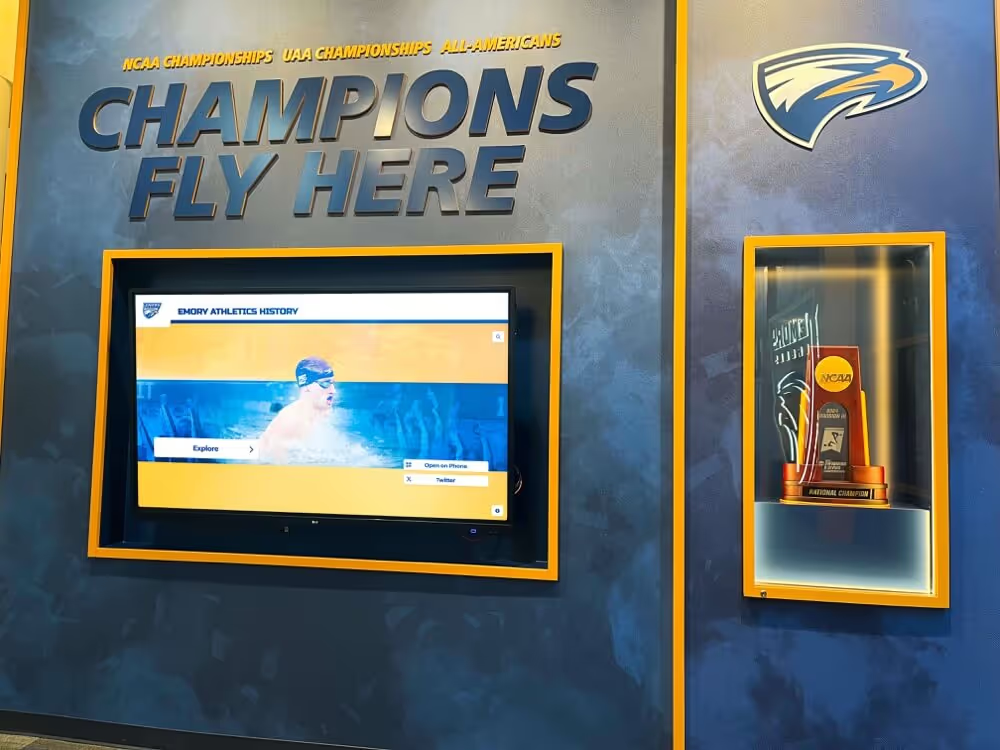
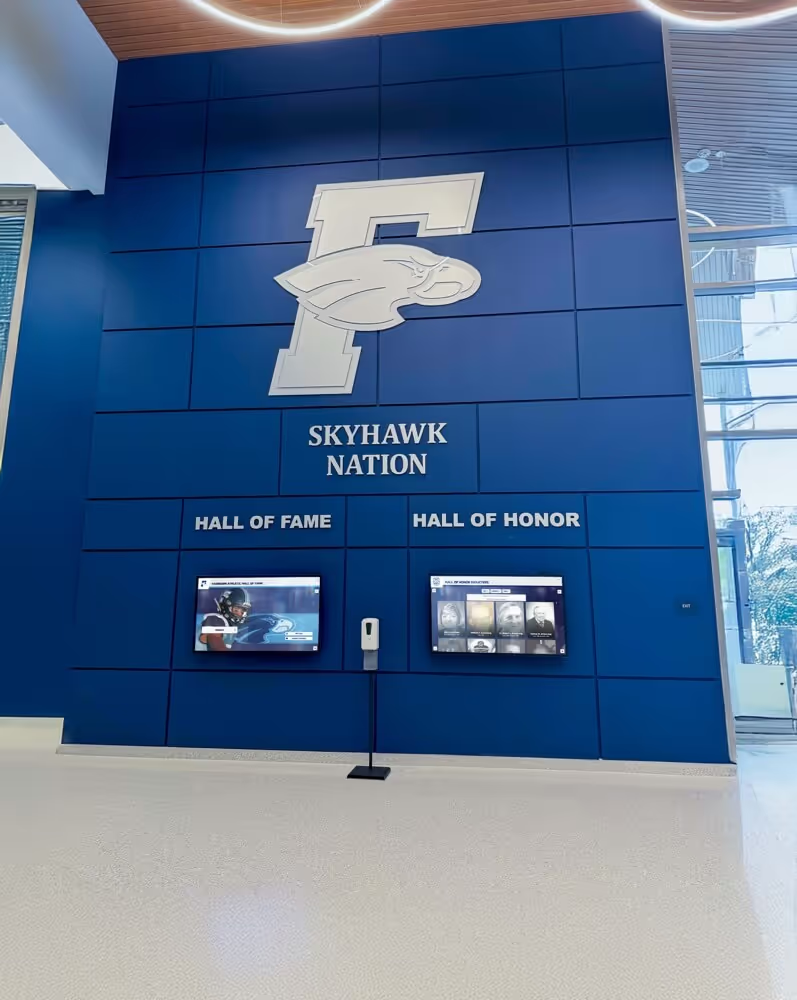
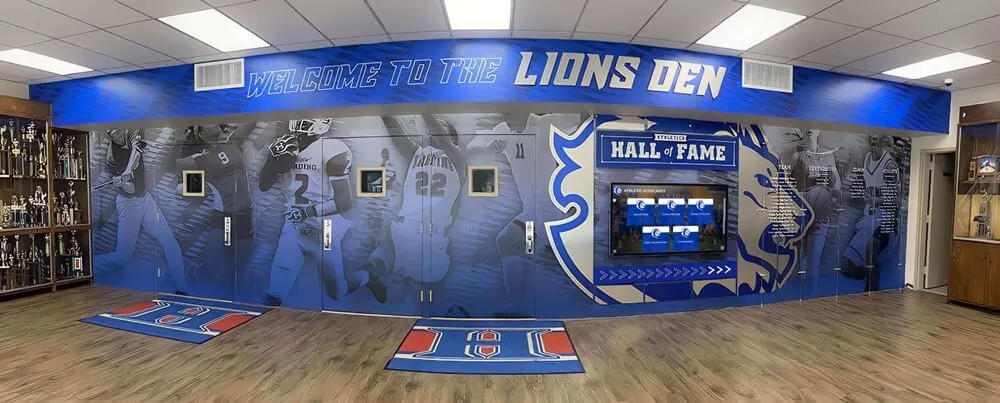
While traditional paper bulletin boards remain classroom staples, many schools now complement or replace them with digital recognition displays that offer unlimited capacity for celebrating student achievement, instant content updates throughout the year, and interactive features that engage tech-savvy students. This comprehensive guide explores both traditional bulletin board ideas and modern alternatives, helping educators create welcoming displays that inspire students from the first day through graduation.
Why Back to School Bulletin Boards Matter
The physical environment shapes learning experiences more profoundly than many educators realize. Bulletin boards function as constant visual communication—they welcome students into learning spaces, reinforce classroom values and expectations, celebrate individual and collective achievement, make abstract concepts visually concrete, and transform institutional spaces into personalized communities.
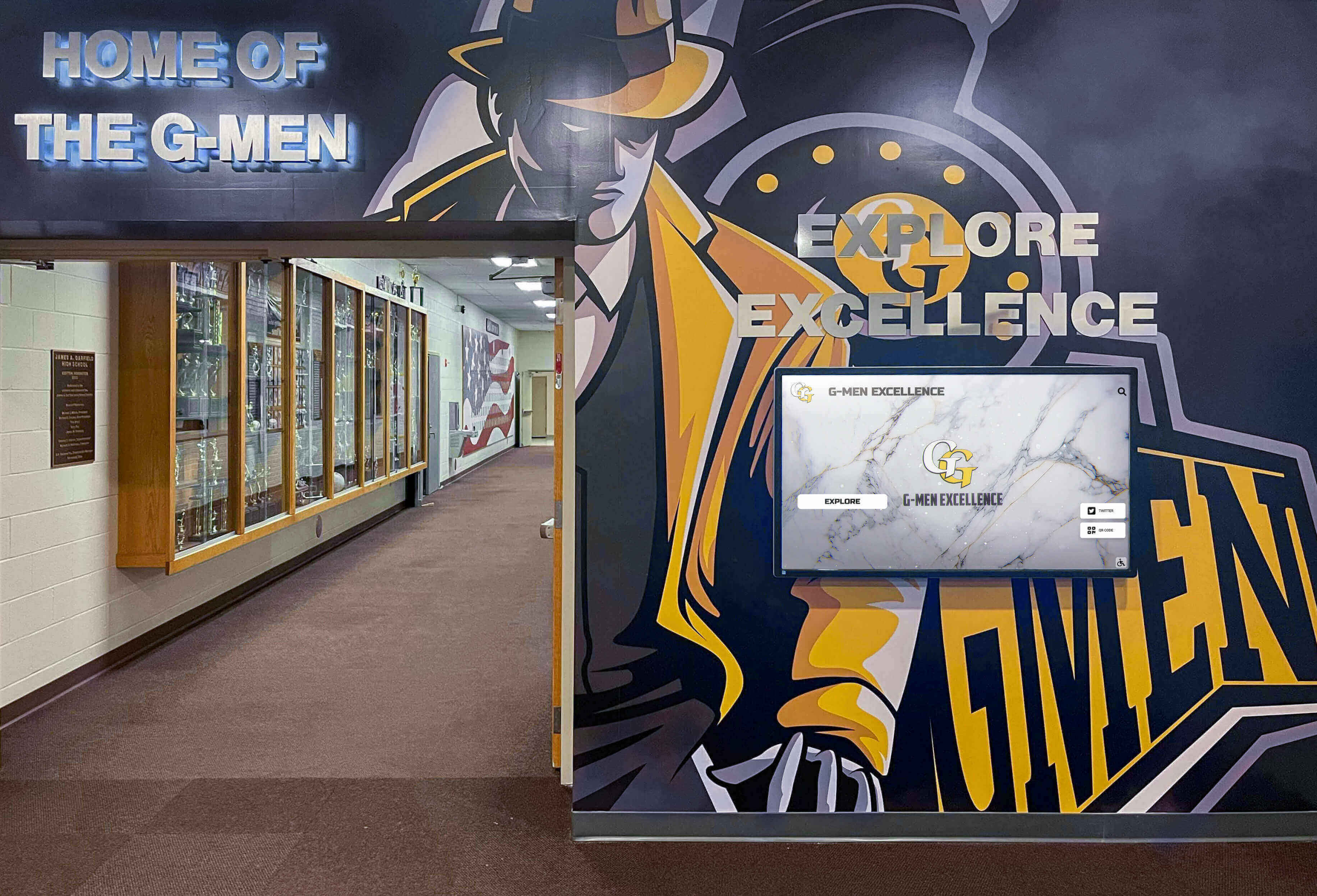
Research shows that thoughtfully designed classroom environments improve student engagement, increase sense of belonging, and strengthen learning outcomes. Bulletin boards represent one of the most accessible tools teachers have for shaping these environments—they require minimal budget, can be personalized to specific student groups, and communicate values through visual rather than verbal channels that transcend language barriers.
The start of school presents the perfect bulletin board opportunity. Fresh displays signal new beginnings, welcome returning students, introduce newcomers to classroom culture, and establish positive first impressions that influence student attitudes for months to come.
Essential Back to School Bulletin Board Themes
1. Student Welcome and Identity Boards
Creating displays that recognize each student as a valued individual builds immediate classroom community:
“Meet Our Class” Photo Displays
Dedicate bulletin board space to introducing every student:
- Individual student photos arranged creatively (puzzle pieces, stars, bus windows, etc.)
- Name labels using fun fonts or student handwriting
- Brief personal facts (favorite subject, hobby, fun fact)
- Interactive elements where students can find themselves and classmates
For younger grades, take individual photos during the first week and create simple displays. Older students might contribute selfies with written introductions creating more personalized presentations.
“All About Me” Interactive Boards
Invite students to contribute personal information:
- Paper hands or footprints with names and interests
- Star templates where students write goals and dreams
- “I am special because…” sentence starters with student completions
- Favorite book, subject, or activity icons students place on shared displays
- Family photos or drawings students bring from home
These collaborative displays transform bulletin boards from teacher-created decoration into student-owned representations of classroom diversity.
Birthday Celebration Calendars
Recognize each student’s special day throughout the year:
- Monthly calendar layouts with student names on birthdays
- Photo displays organized by birth month
- Birthday candle or cupcake graphics students add themselves
- Summer birthday recognition ensuring no one feels excluded
- Age-appropriate designs (balloons for elementary, more sophisticated for middle school)
Birthday boards demonstrate that the classroom celebrates every individual while creating anticipation for upcoming recognition.
2. Academic Goal and Growth Mindset Boards
Bulletin boards can reinforce learning objectives while promoting positive academic attitudes:
“Our Learning Goals” Displays
Make abstract learning targets visually concrete:
- Grade-level standards translated into student-friendly language
- Visual representations of skills students will master (mountain climbing metaphor, building blocks, journey maps)
- Progress tracking where students move markers as they achieve milestones
- Subject-specific goals for reading, math, writing, science
- Student-generated goals alongside teacher objectives
Goal displays help students understand where they’re heading academically while creating intrinsic motivation to achieve visible progress.
Growth Mindset Inspiration
Reinforce the concept that abilities develop through effort:
- “Mistakes help us learn” messages with positive error framing
- “Yet” poster emphasizing that “I can’t do this… yet” versus permanent inability
- Famous figures who failed before succeeding (scientists, inventors, athletes)
- Brain growth metaphors showing how practice builds neural connections
- Student reflection prompts about challenges they’ve overcome
- Quotes about perseverance, learning, and improvement
These displays counteract fixed mindset beliefs that prevent students from attempting challenging work. Schools implementing comprehensive student recognition strategies find that visible celebration of growth encourages continued academic risk-taking.
“Star Students” Achievement Recognition
Celebrate academic and behavioral excellence:
- Rotating student of the week features with photos and accomplishments
- Academic improvement recognition for students showing growth
- Specific achievement celebrations (mastering multiplication tables, reading level advances)
- Character trait spotlights highlighting kindness, perseverance, leadership
- Subject-specific excellence (math star, reading champion, science whiz)
Regular rotation ensures every student receives featured recognition rather than constantly spotlighting the same high achievers. This builds confidence across diverse ability levels while motivating continued effort.
3. Classroom Community and Culture Boards
Displays reinforcing shared values and expectations establish positive classroom culture:
“Our Classroom Promise” Agreements
Collaboratively developed expectations create ownership:
- Class constitution or promise written collectively during first week
- Individual student signatures or handprints showing commitment
- Illustrated expectations showing what behaviors look like
- Positive framing (“We will…” rather than “Don’t…”)
- Character traits valued in the classroom community
- Conflict resolution procedures students helped design
When students contribute to creating expectations rather than receiving imposed rules, they invest more deeply in upholding community standards.
“Caught Being Good” Recognition
Celebrate positive behaviors publicly:
- Student names added when teachers observe exemplary behavior
- Specific descriptions of what students did (not just generic “good job”)
- Photo documentation of positive actions
- Peer nominations where students recognize each other’s kindness
- Accumulated recognition leading to class rewards
Positive reinforcement proves more effective than punitive approaches. Bulletin boards highlighting good behavior communicate what the classroom values while motivating others through social recognition.
“We Are a Team” Collaborative Displays
Visual representations of collective identity strengthen community:
- Class tree where each student creates a unique leaf
- Puzzle display where individual pieces form complete picture
- Building blocks where each student contributes one block to class structure
- Garden theme with individual flowers creating collective garden
- Sports team concept with each student as essential team member
These metaphors communicate that every individual contributes uniquely to classroom success while no single person creates the whole community alone.
4. Interactive and Ongoing Engagement Boards
The most effective bulletin boards invite continued student interaction throughout the year:
“Question of the Week” Inquiry Boards
Stimulate thinking with rotating questions:
- Age-appropriate questions sparking curiosity or debate
- Student response methods (sticky notes, sentence strips, index cards)
- Visual tallies showing response patterns
- Follow-up discussions based on bulletin board responses
- Student-generated questions rotating with teacher selections
Interactive question boards transform passive displays into ongoing dialogue tools encouraging critical thinking and perspective-taking.
“Wonder Wall” Curiosity Displays
Celebrate questions as learning tools:
- Space for students to post questions about anything they wonder
- Teacher responses or resources addressing questions
- Peer answers to classmate questions
- “Featured question” highlighting particularly interesting inquiries
- Documentation of how wondering leads to learning and discovery
Wonder walls validate curiosity while modeling how questions drive learning—a fundamental academic skill often overshadowed by answer-focused instruction.
Current Events and Real-World Connections
Help students connect classroom learning to broader contexts:
- Age-appropriate news articles relevant to curriculum
- “In the news” displays showing how math, science, literacy apply beyond school
- Student current event presentations rotating weekly
- Maps tracking where news stories occur geographically
- Connection activities linking news to learning standards
Current event boards demonstrate that classroom learning serves real purposes beyond test performance, increasing student investment in academic content.
5. Subject-Specific Learning Support Boards
Content-focused bulletin boards provide ongoing reference resources:
Math Strategy and Reference Boards
Visual supports for mathematical thinking:
- Problem-solving strategy posters (draw pictures, look for patterns, work backwards)
- Multiplication charts and number lines for quick reference
- Math vocabulary word walls with definitions and examples
- Step-by-step procedure guides for common operations
- Real-world math connections showing how concepts apply
Reading and Literacy Boards
Support reading development visually:
- Reading strategy reminders (visualize, question, predict, summarize)
- Genre definitions with example books from each category
- Author spotlights celebrating favorite writers
- “Books we love” recommendations from students
- Reading goal tracking showing individual and class progress
- Vocabulary word walls organized thematically
Science Discovery and Investigation Boards
Spark scientific curiosity:
- Scientific method steps with visual representations
- Current experiment documentation with hypothesis, observations, conclusions
- “Scientists at work” photos of students conducting investigations
- Nature observation displays (weather tracking, seasonal changes, wildlife)
- Science career spotlights showing diverse possibilities
Subject boards transform abstract content into constant visual reinforcement supporting daily learning while demonstrating that academic concepts exist beyond individual lessons.
Design Principles for Effective Bulletin Boards
Regardless of specific theme, successful bulletin boards share common design elements:
Visual Appeal and Organization
Professional appearance matters:
- Color schemes coordinated with classroom branding or school colors
- Consistent borders and backing papers creating polished look
- Clear organization with distinct sections rather than cluttered randomness
- Appropriate font sizes readable from student viewing distances
- High-quality images and graphics rather than pixelated or poorly copied materials
- Strategic use of white space preventing overwhelming density
Age Appropriateness
Design matches student developmental level:
- Elementary boards use bright colors, cartoon characters, simple language
- Middle school boards incorporate more sophisticated designs while maintaining visual interest
- High school boards emphasize information and achievement over decoration
- All levels benefit from student work displays showing age-appropriate products
Accessibility and Inclusion
Boards welcome diverse learners:
- Mounting heights appropriate for grade level (lower for younger students)
- High-contrast color combinations supporting visual impairments
- Multiple representation formats (text, images, symbols) for different learning styles
- Culturally responsive content reflecting classroom diversity
- Avoiding stereotypes or exclusive examples marginalizing some students
Practicality and Maintenance
Sustainable designs remain fresh longer:
- Durable materials withstanding classroom wear throughout the year
- Updateable sections allowing partial changes without complete reinstallation
- Sufficient planning time preventing rushed, sloppy results
- Involvement of student helpers for maintenance and updates
- Digital photos documenting displays for portfolio sharing or future reference
Schools seeking more permanent, easily updateable solutions increasingly explore digital recognition displays that complement traditional boards while offering expanded capabilities for celebrating student achievement year-round.
Modern Alternatives: Digital Recognition Displays
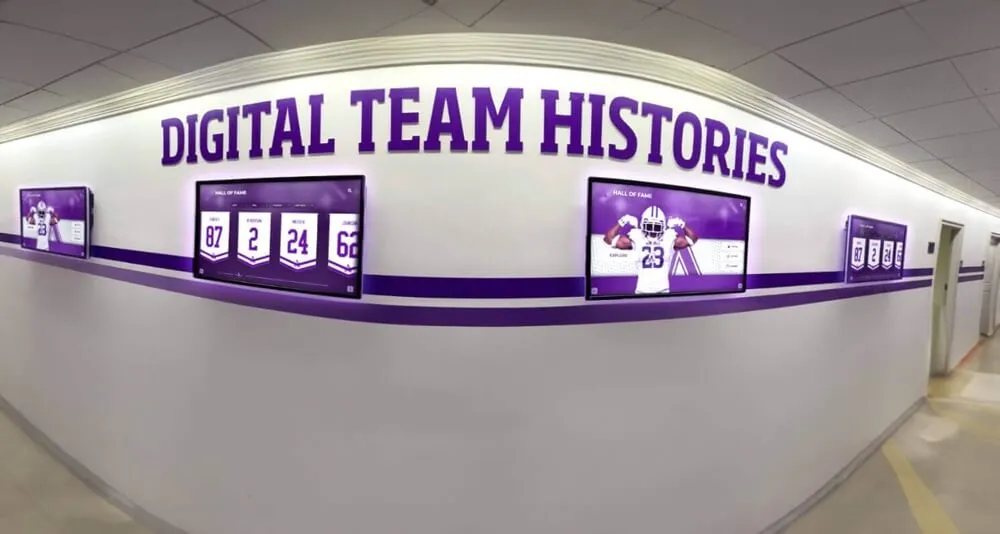
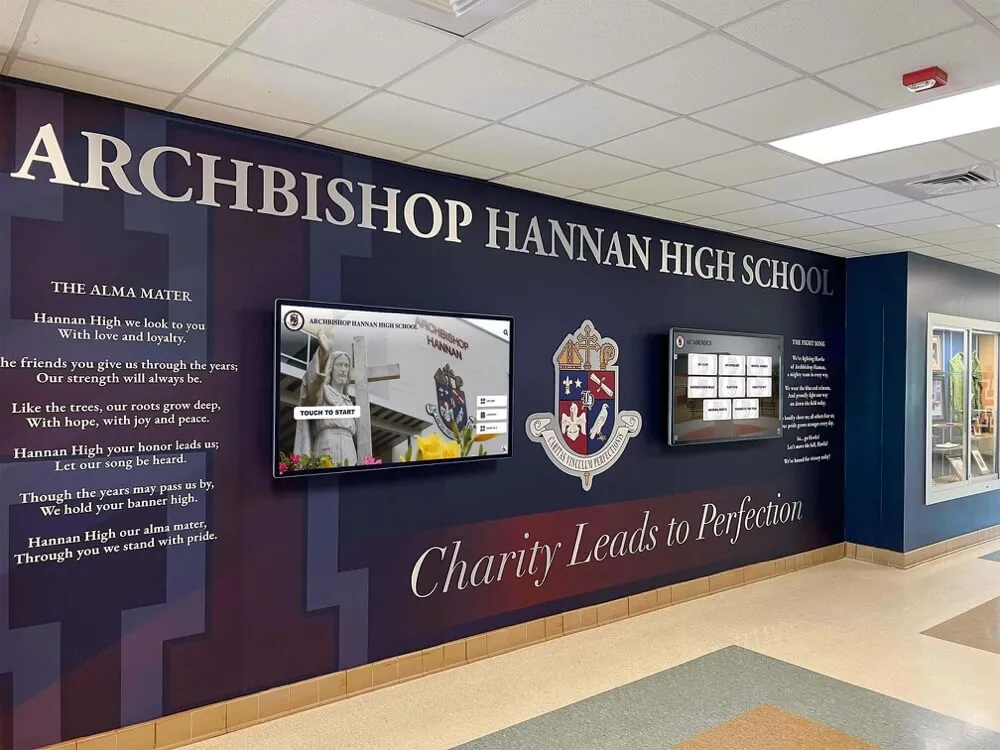
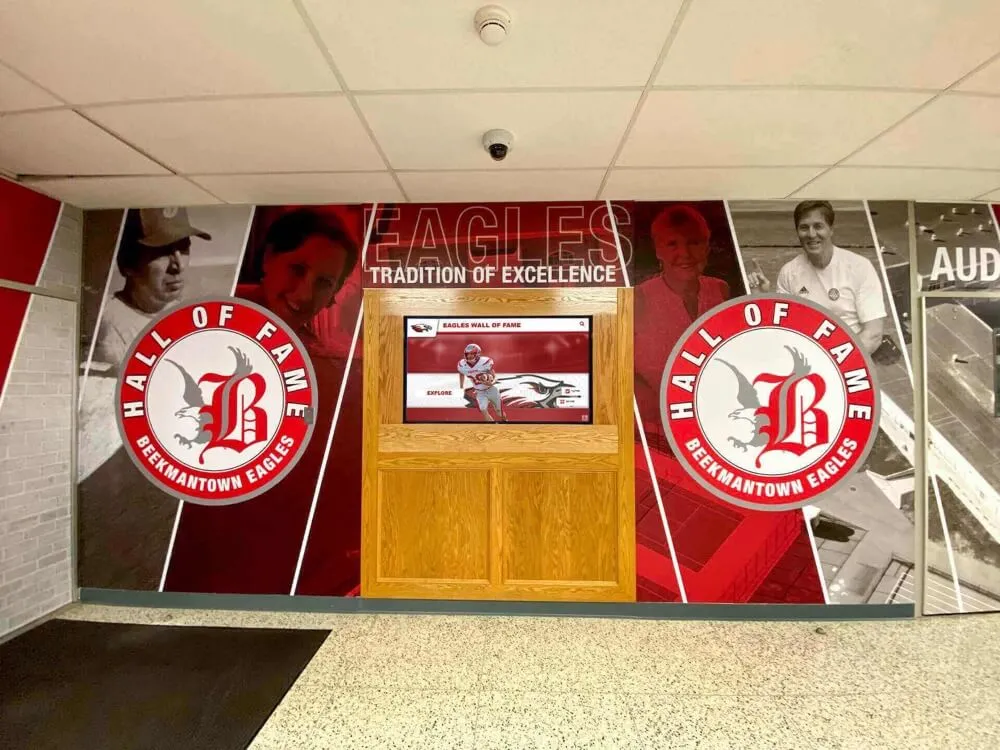
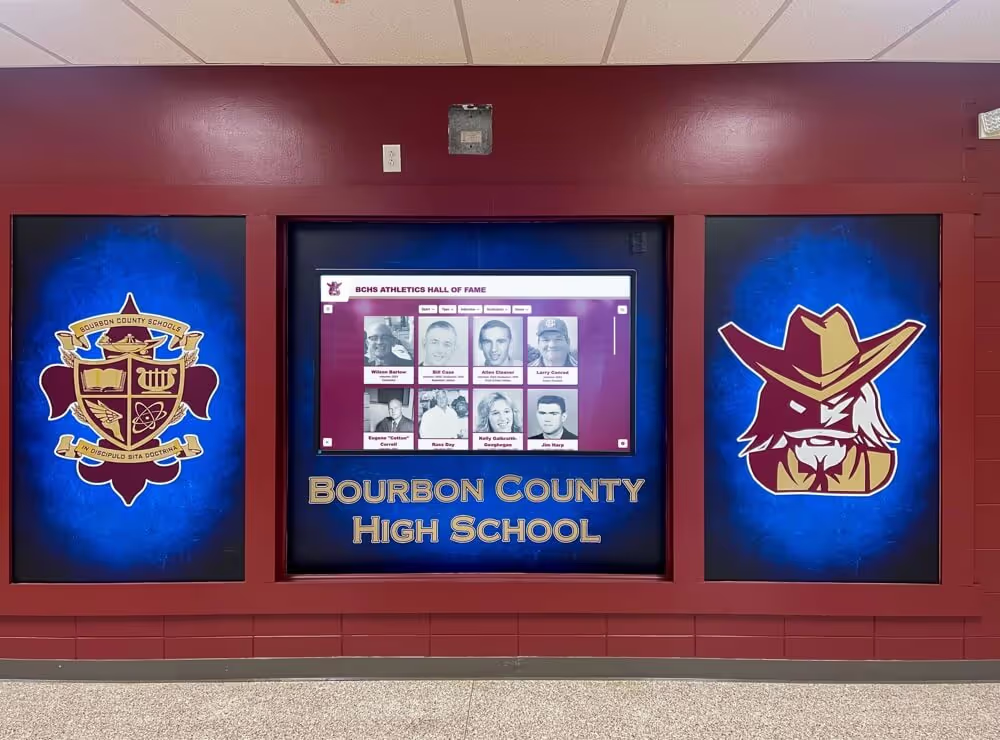
While traditional bulletin boards serve important purposes, schools increasingly complement or replace them with digital recognition systems addressing bulletin board limitations:
Advantages of Digital Display Systems
Unlimited Recognition Capacity
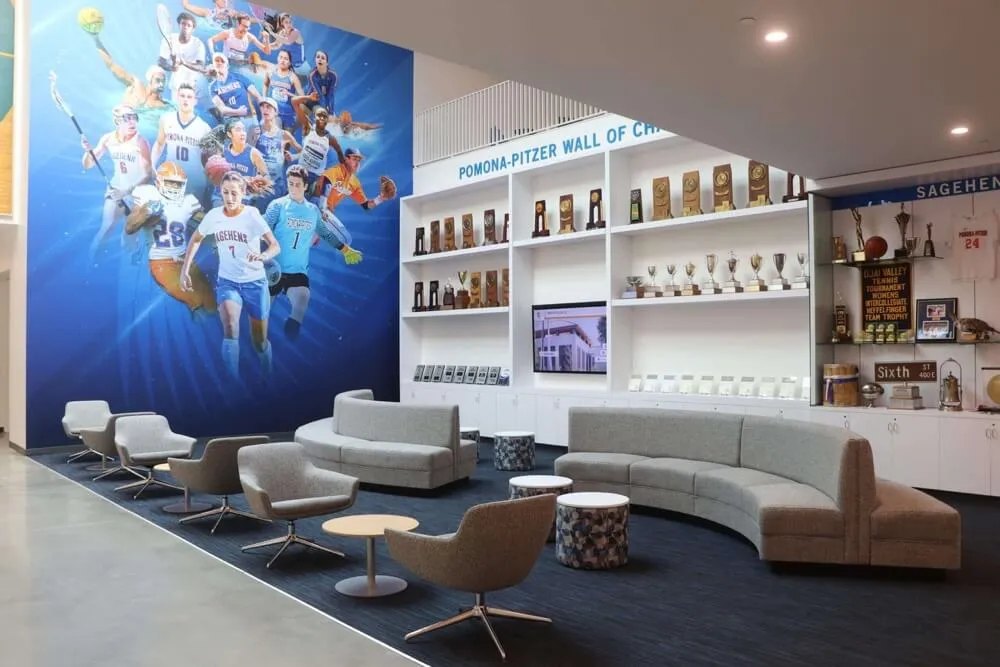
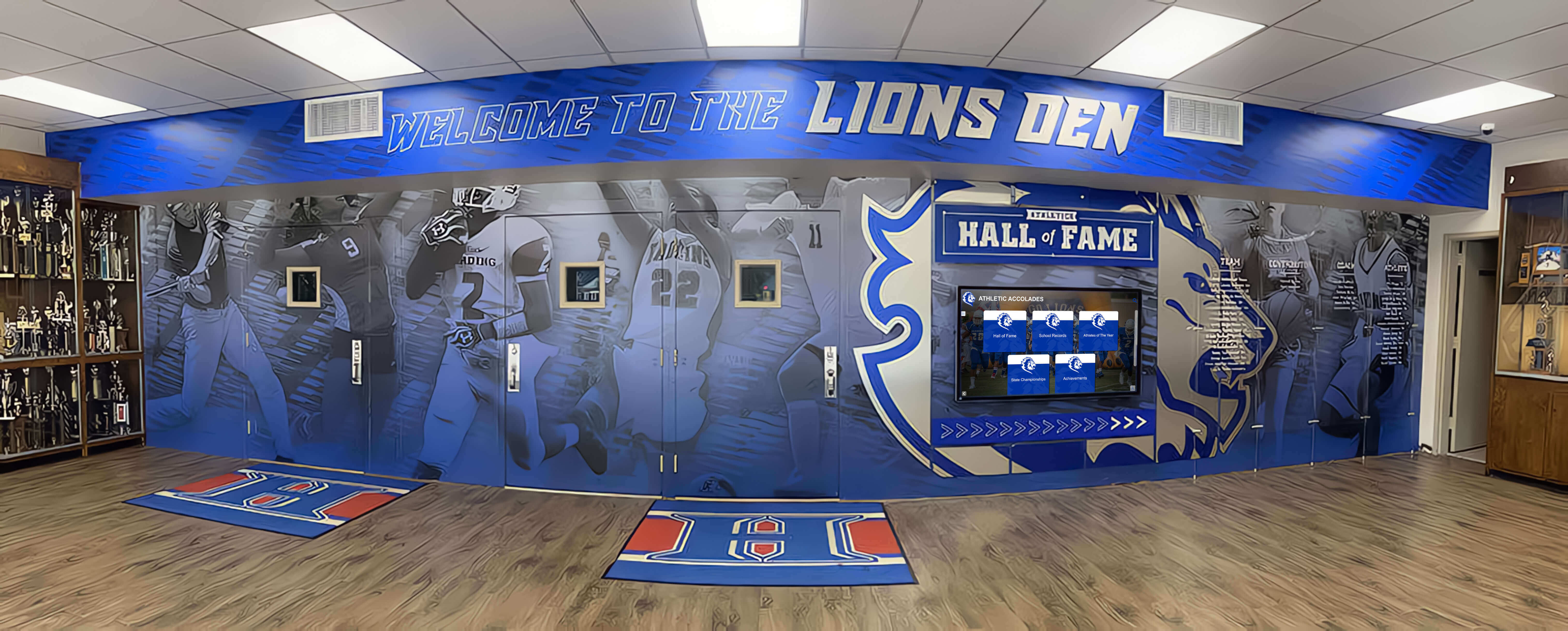
Physical bulletin boards constrain how many students can be featured at once. Digital displays accommodate thousands of student profiles without space limitations—every student receives recognition rather than rotating selections highlighting only some students periodically.
This unlimited capacity proves particularly valuable for school-wide recognition. Rather than limiting honor roll displays to current semester or squeezing hundreds of names into unreadable small print, digital systems provide searchable databases where families can find specific students while still celebrating all achievers equally.
Instant Content Updates
Traditional bulletin boards require physical labor to update—removing old materials, printing new content, cutting, laminating, stapling. This time investment often means boards remain static for weeks or months after becoming outdated.
Digital systems enable content updates in minutes through web-based management platforms. When a student achieves a new milestone or a bulletin board error is discovered, fixes happen immediately rather than waiting for the next planning period with time for physical reconstruction.
Rich Multimedia Content
Paper bulletin boards limit content to static text and printed photos. Digital displays incorporate:
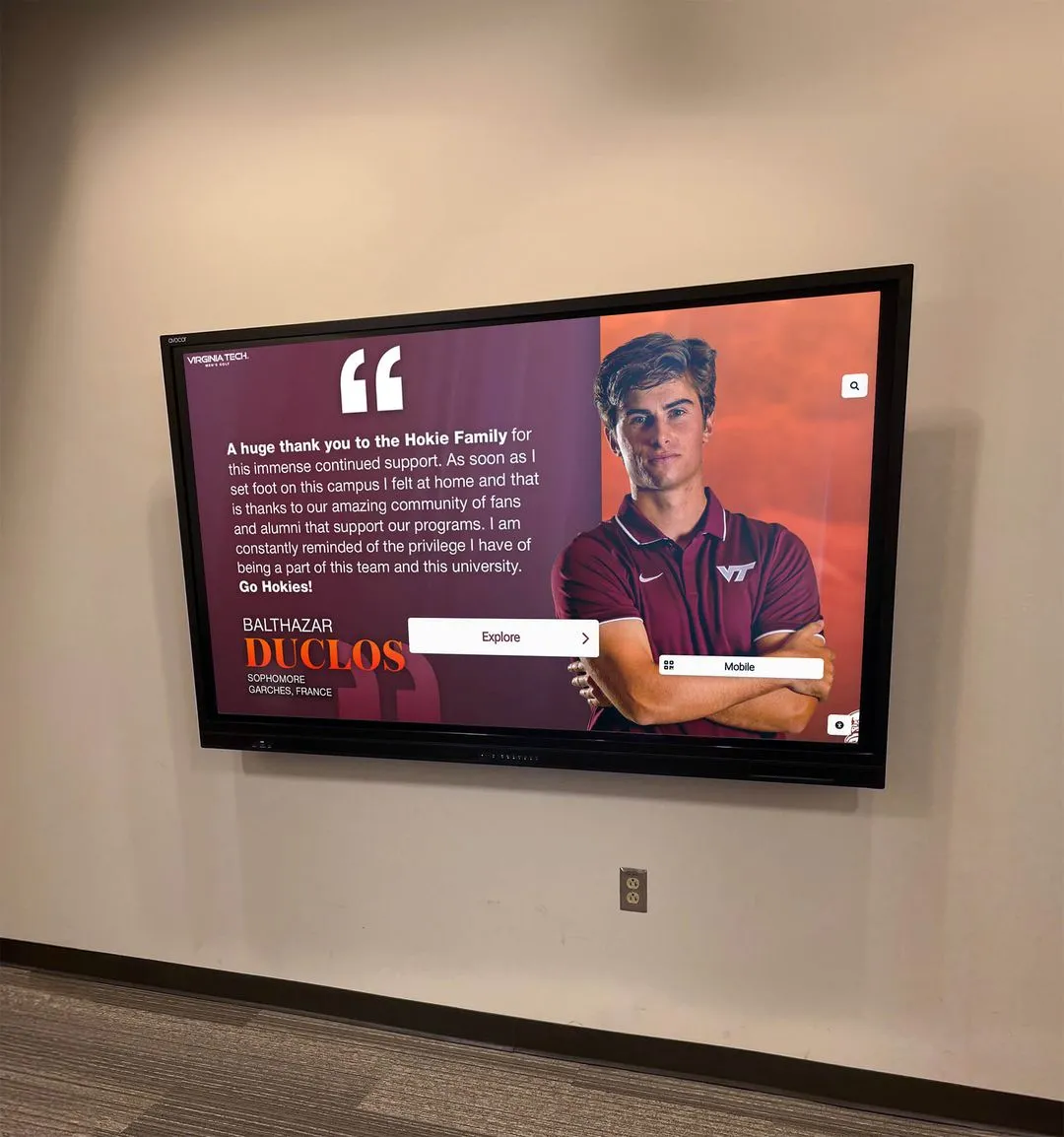
- High-resolution photo galleries showing student activities and achievements
- Video presentations from school events and student performances
- Audio recordings of student readings or musical performances
- Animated graphics capturing attention better than static content
- Links to additional resources or extended content online
This multimedia richness creates more engaging presentations that connect emotionally with viewers while accommodating different learning preferences (visual, auditory, kinesthetic).
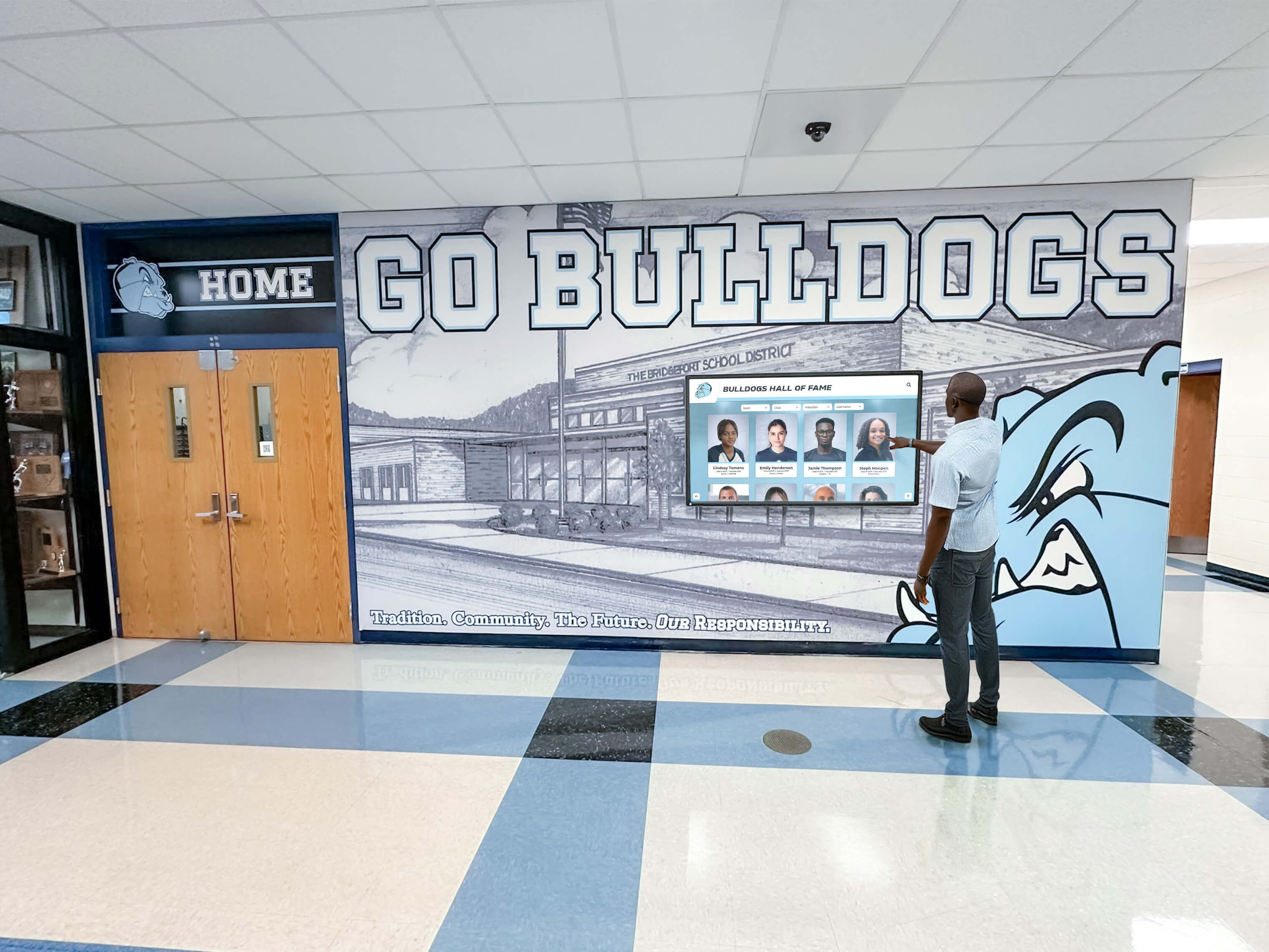
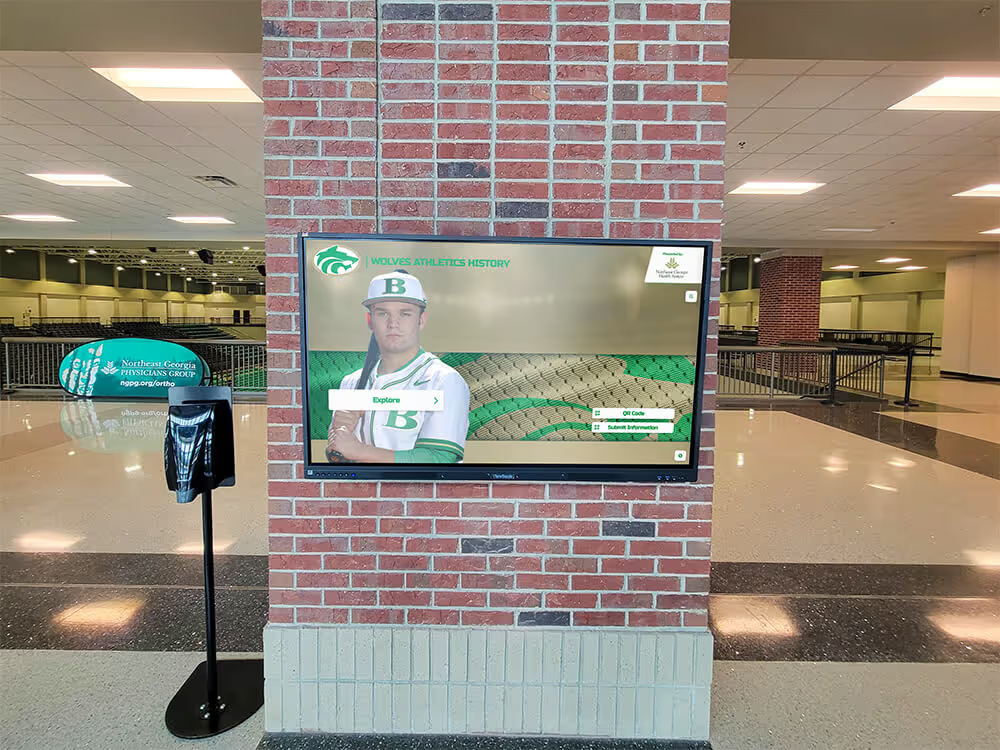
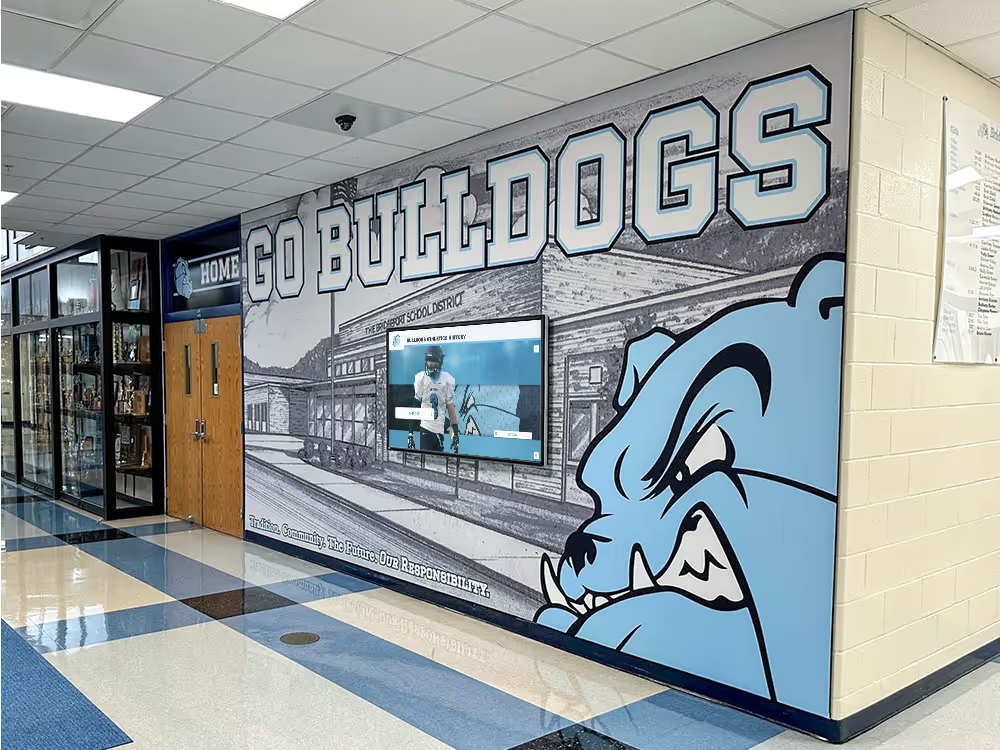
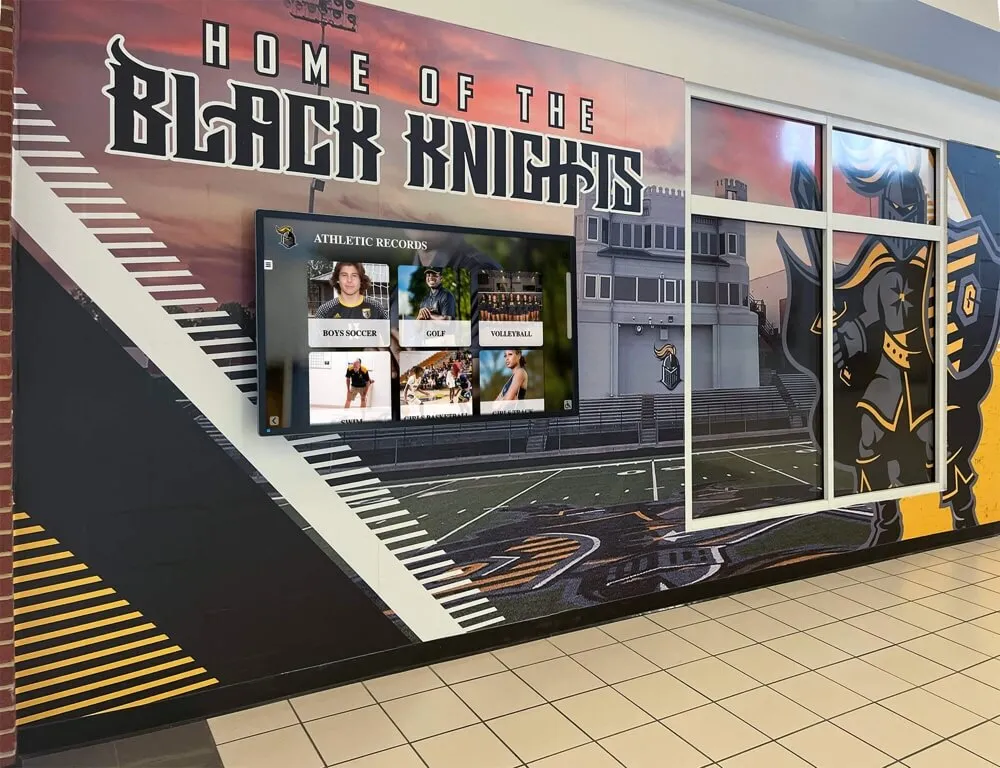
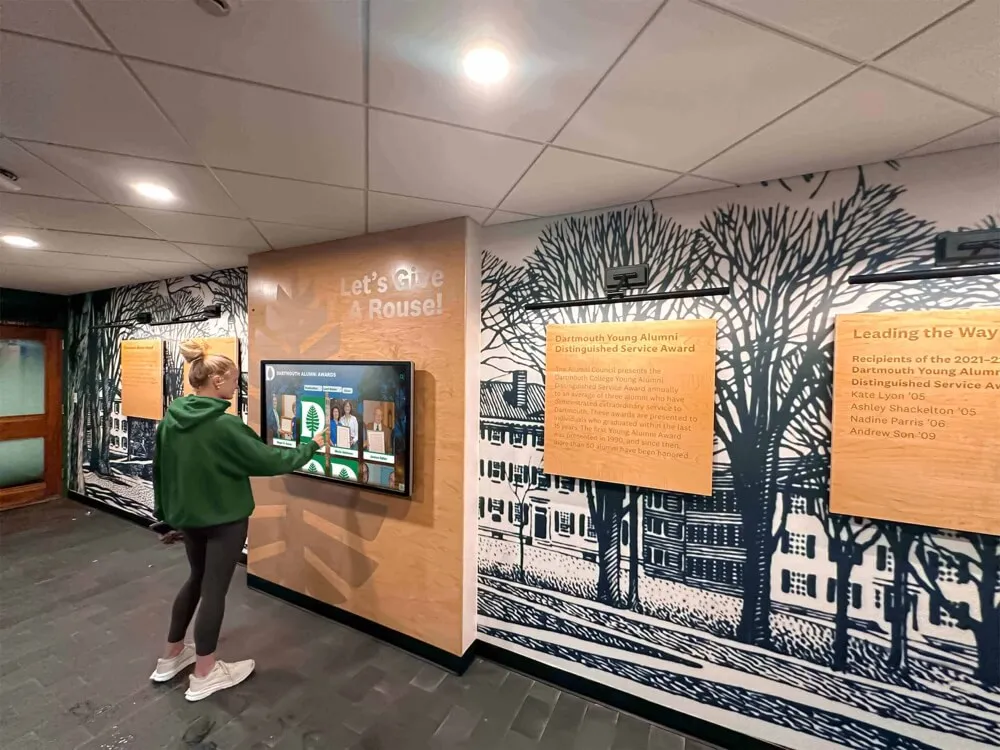
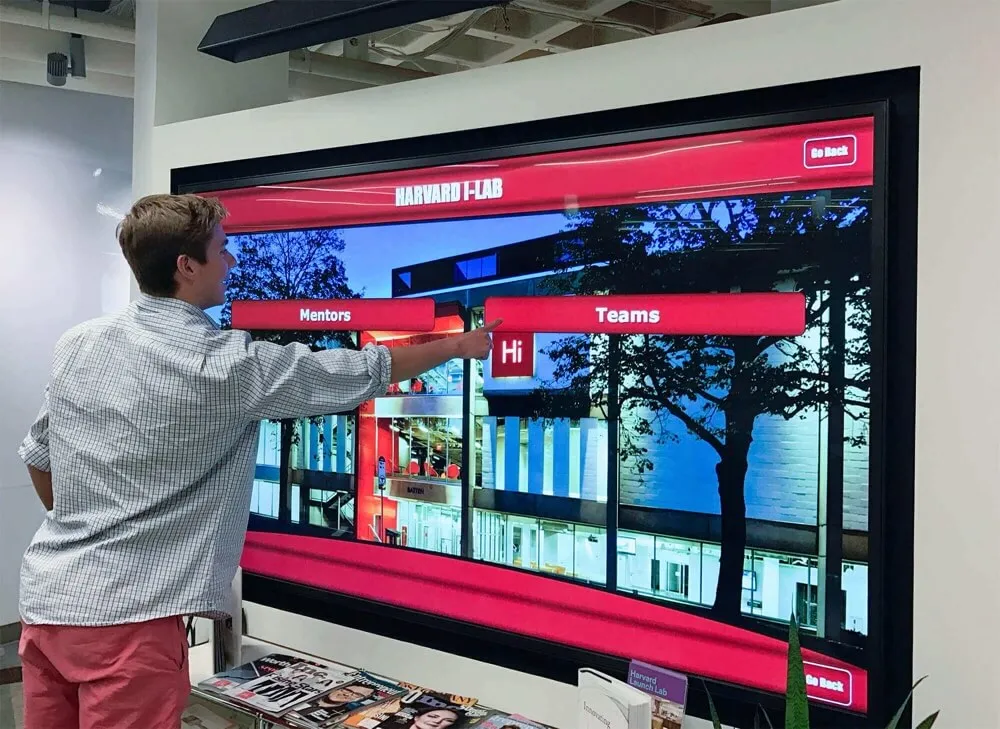
Interactive Touchscreen Exploration
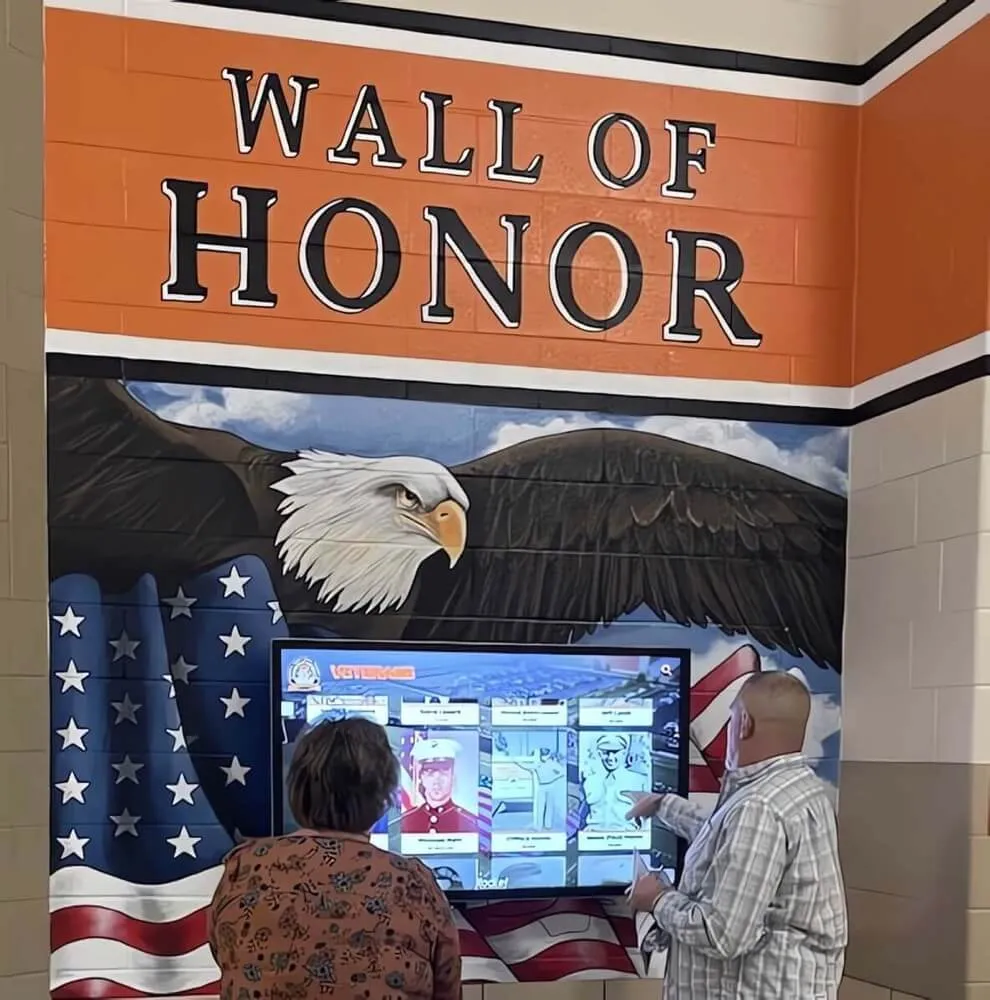
Digital touchscreen displays transform passive viewing into active exploration:
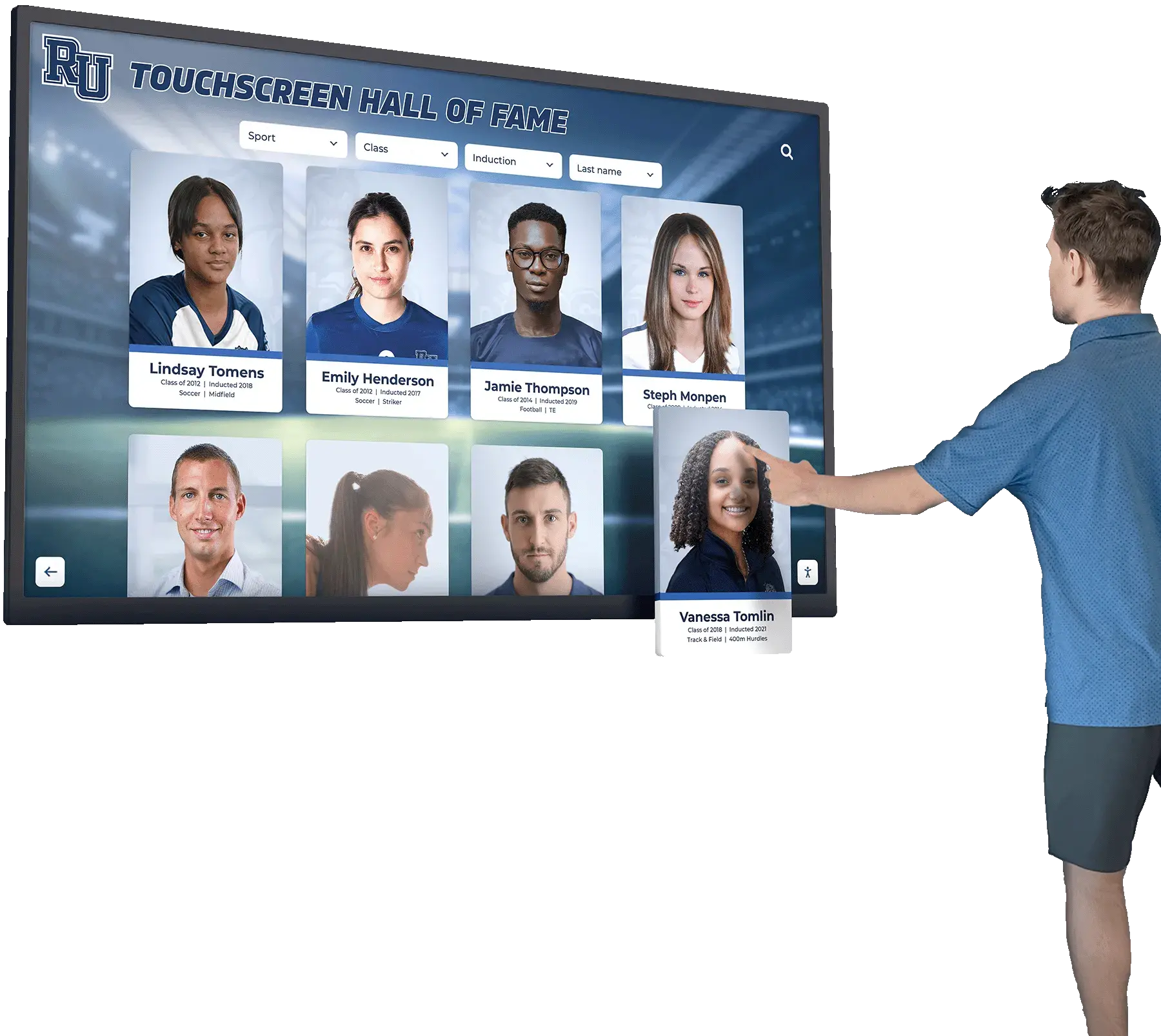
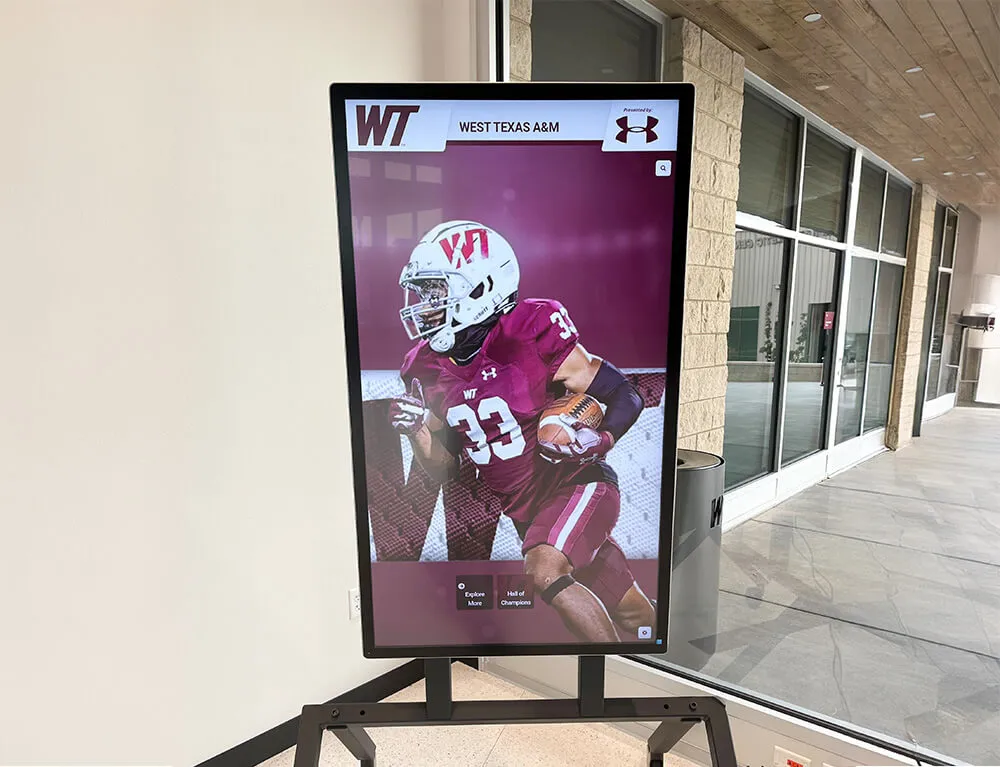
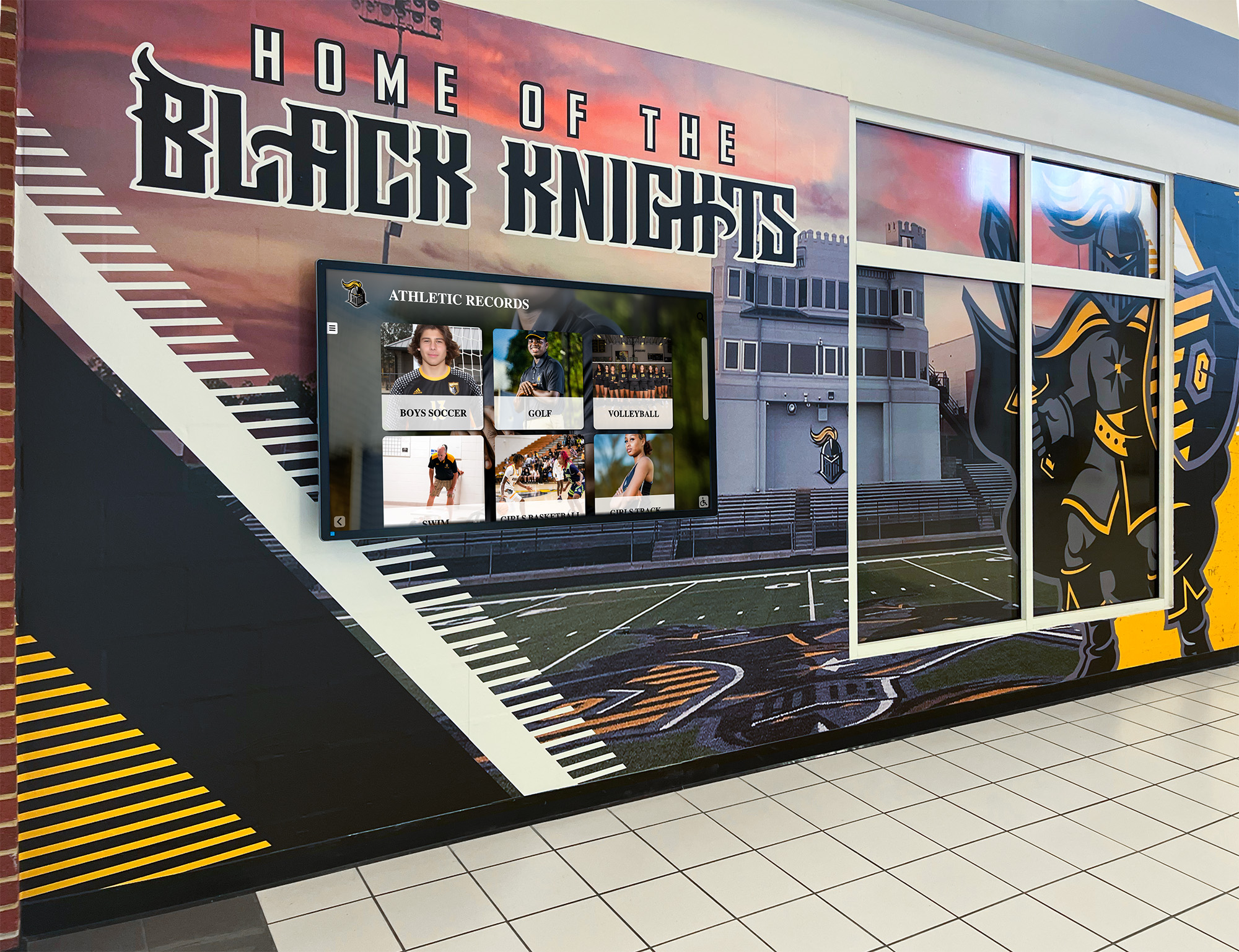
- Search functions finding specific students by name or achievement
- Filtering by grade level, activity, or recognition category
- Photo gallery browsing showing student life across the school
- Student profile exploration revealing detailed achievement information
- Related content connections linking teammates, classmates, or similar achievements
This interactivity increases engagement significantly compared to traditional boards where viewers glance briefly before moving on. Students spend minutes exploring digital content, discovering connections and celebrating peers’ accomplishments.
Environmental and Cost Benefits
Traditional bulletin boards generate significant waste:
- Paper backing and borders replaced seasonally
- Printed materials becoming outdated and discarded
- Laminating plastic used for durability then thrown away
- Photo printing costs accumulating over time
Digital systems eliminate this waste entirely while typically achieving cost neutrality within 3-5 years despite higher initial investment. Schools celebrating 50-100 students monthly on bulletin boards face substantial ongoing material costs—digital alternatives eliminate these recurring expenses while accommodating far more students.
Implementing Digital Recognition Systems
Schools transitioning to digital recognition typically follow phased approaches:
Complementary Integration
Many schools begin by adding digital displays to supplement existing bulletin boards rather than replacing them entirely:
- Traditional bulletin boards in individual classrooms maintain familiar teacher control
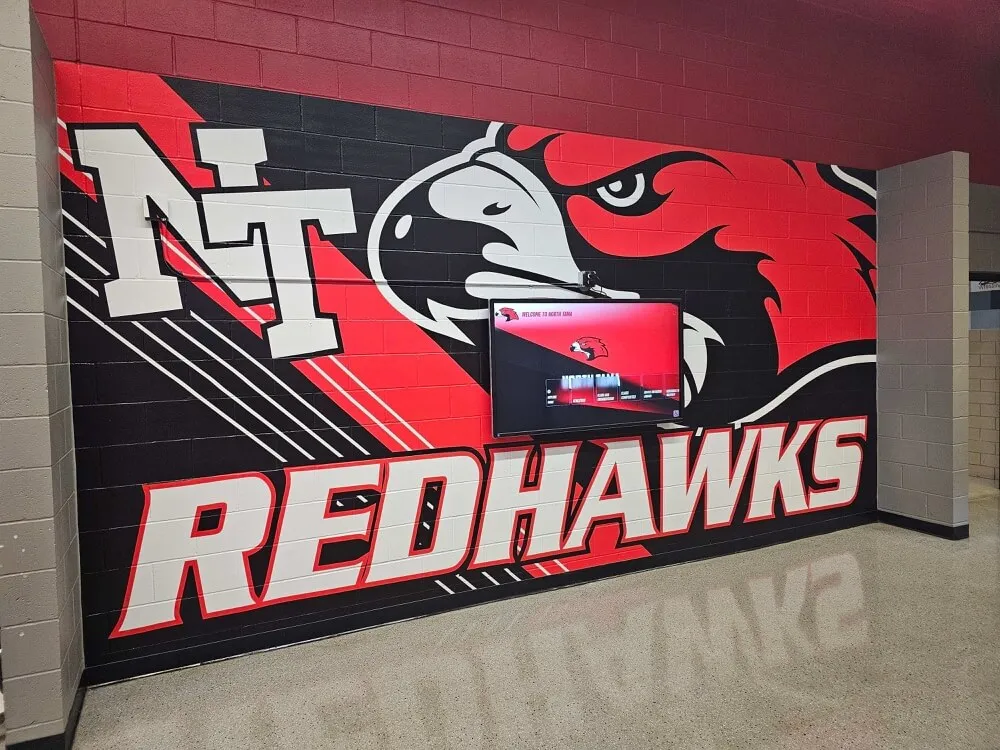
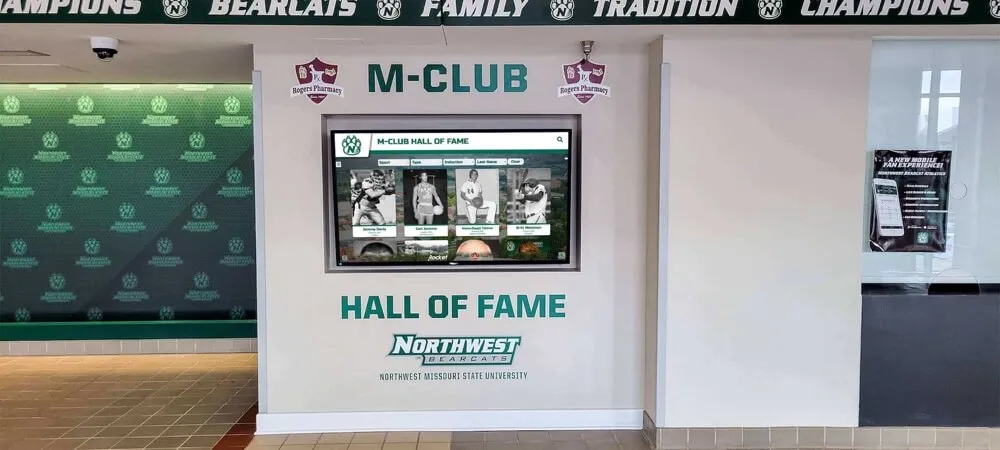
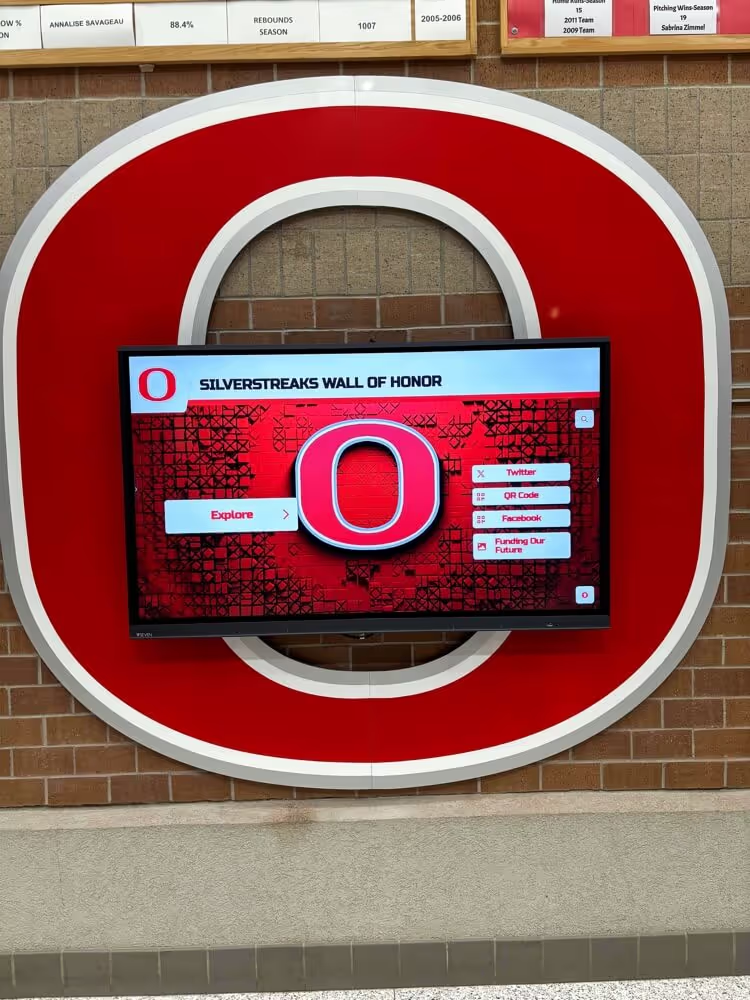
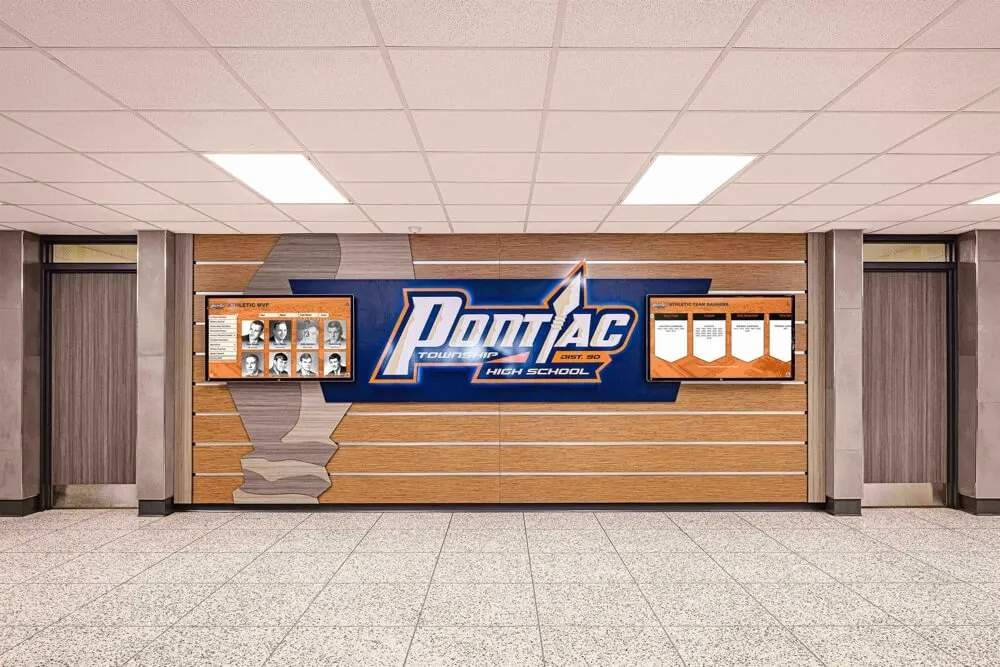
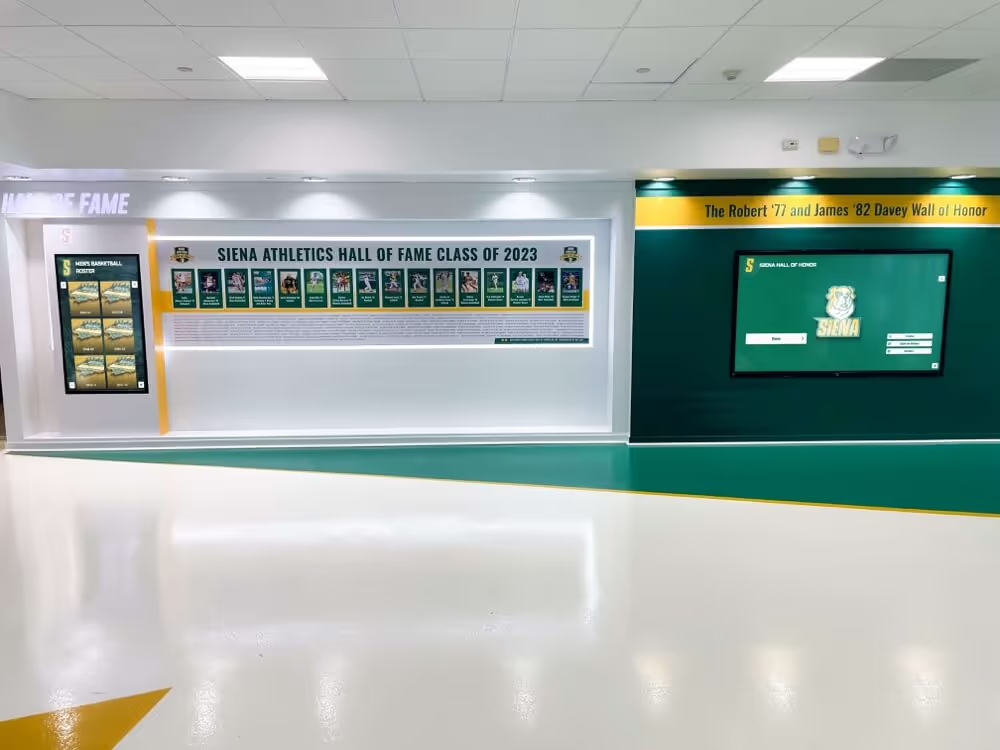
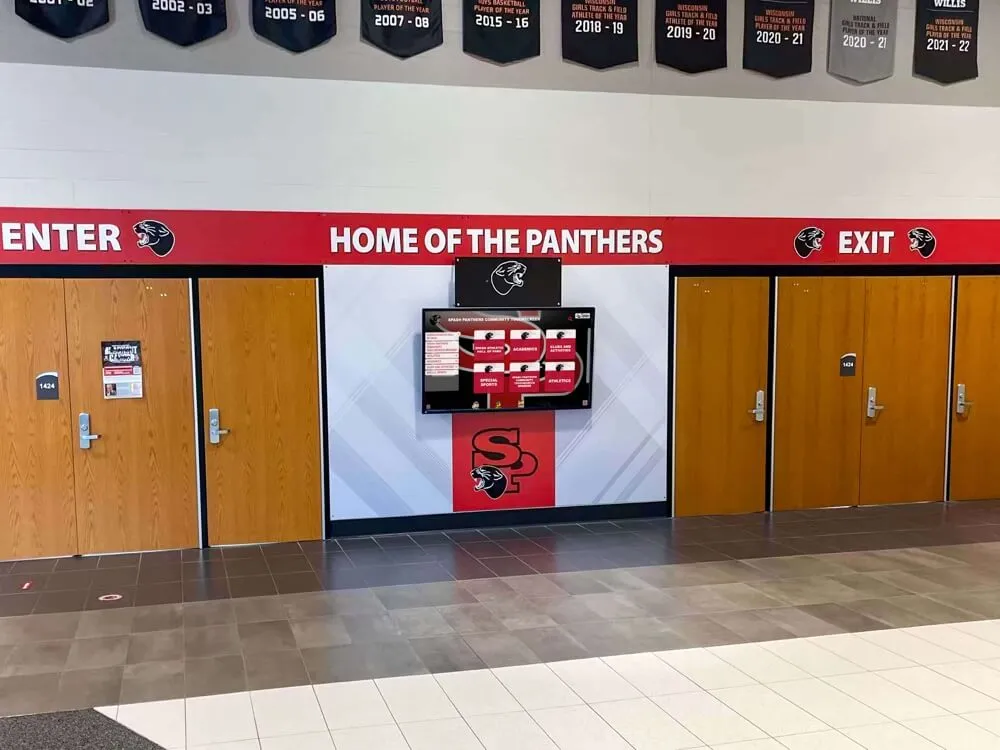
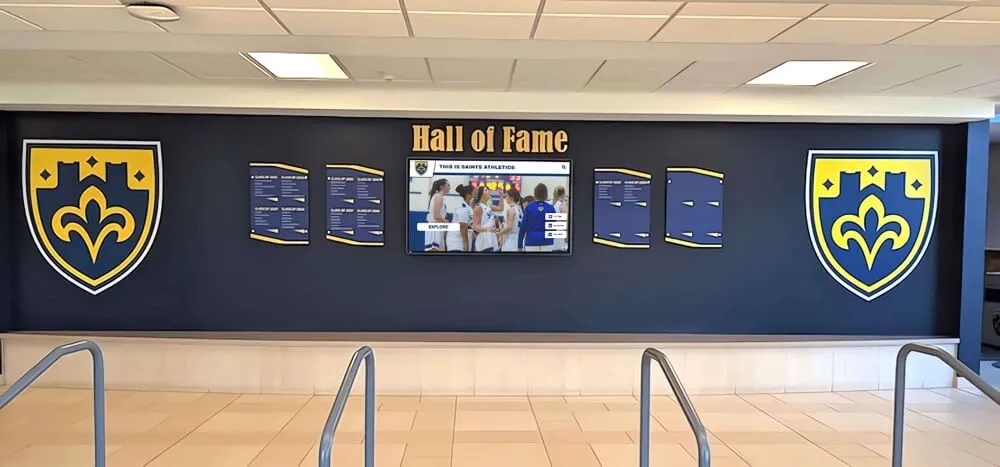
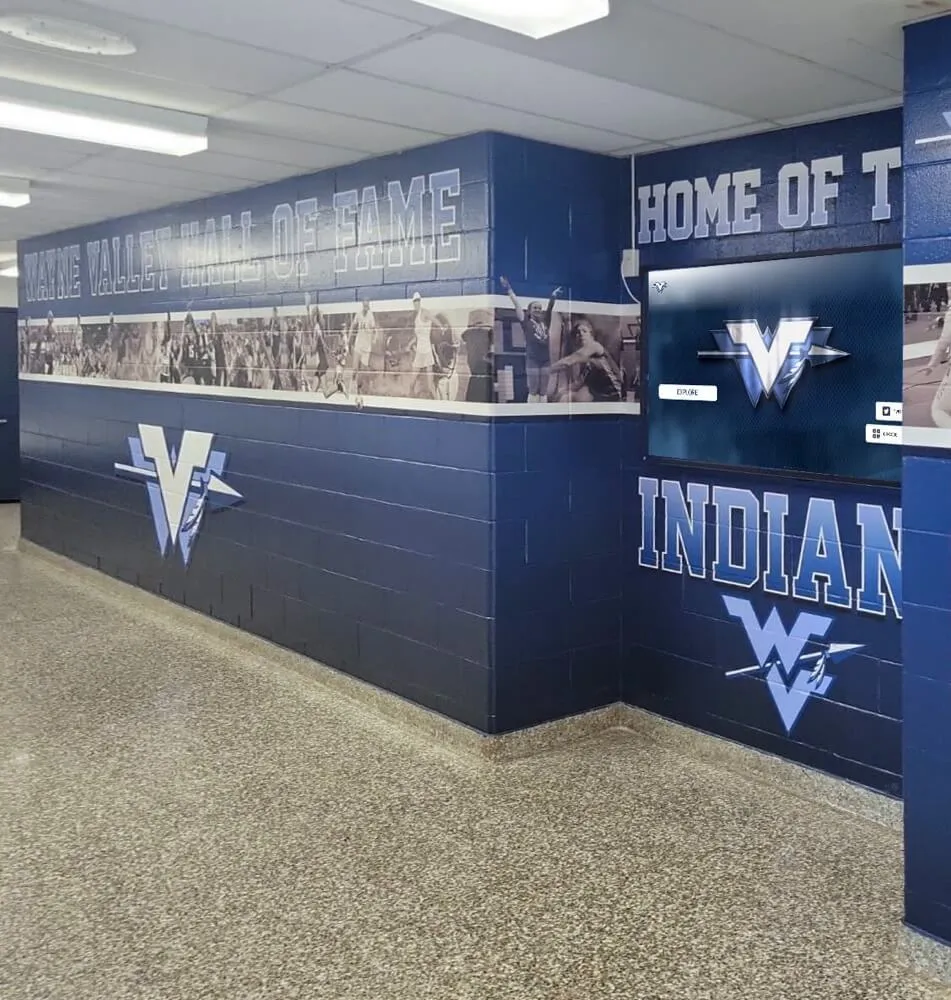
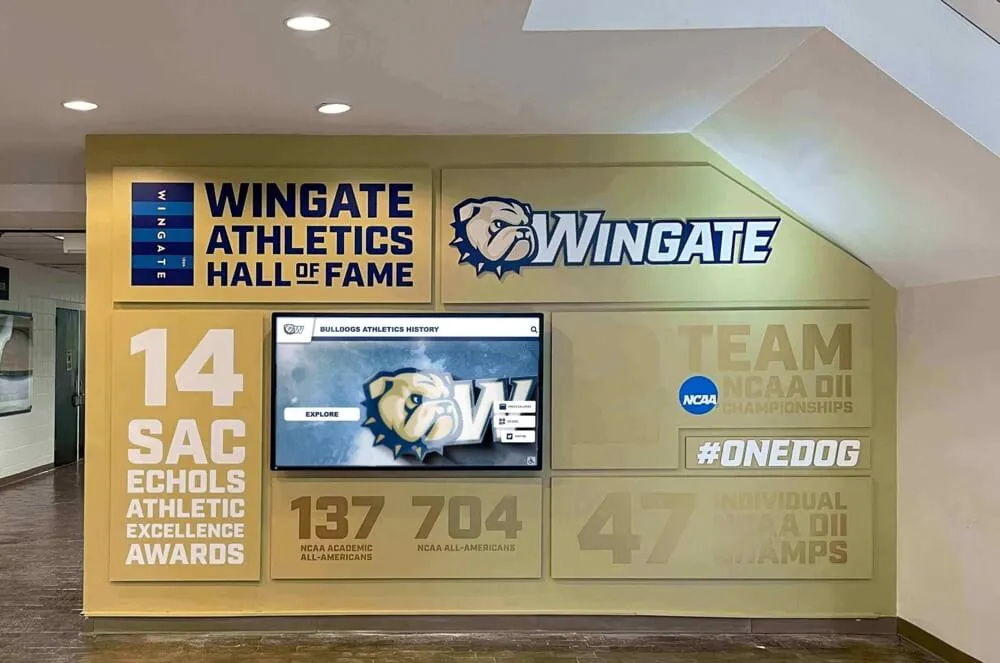
- Centralized digital displays in lobbies, cafeterias, or hallways showcase school-wide achievement
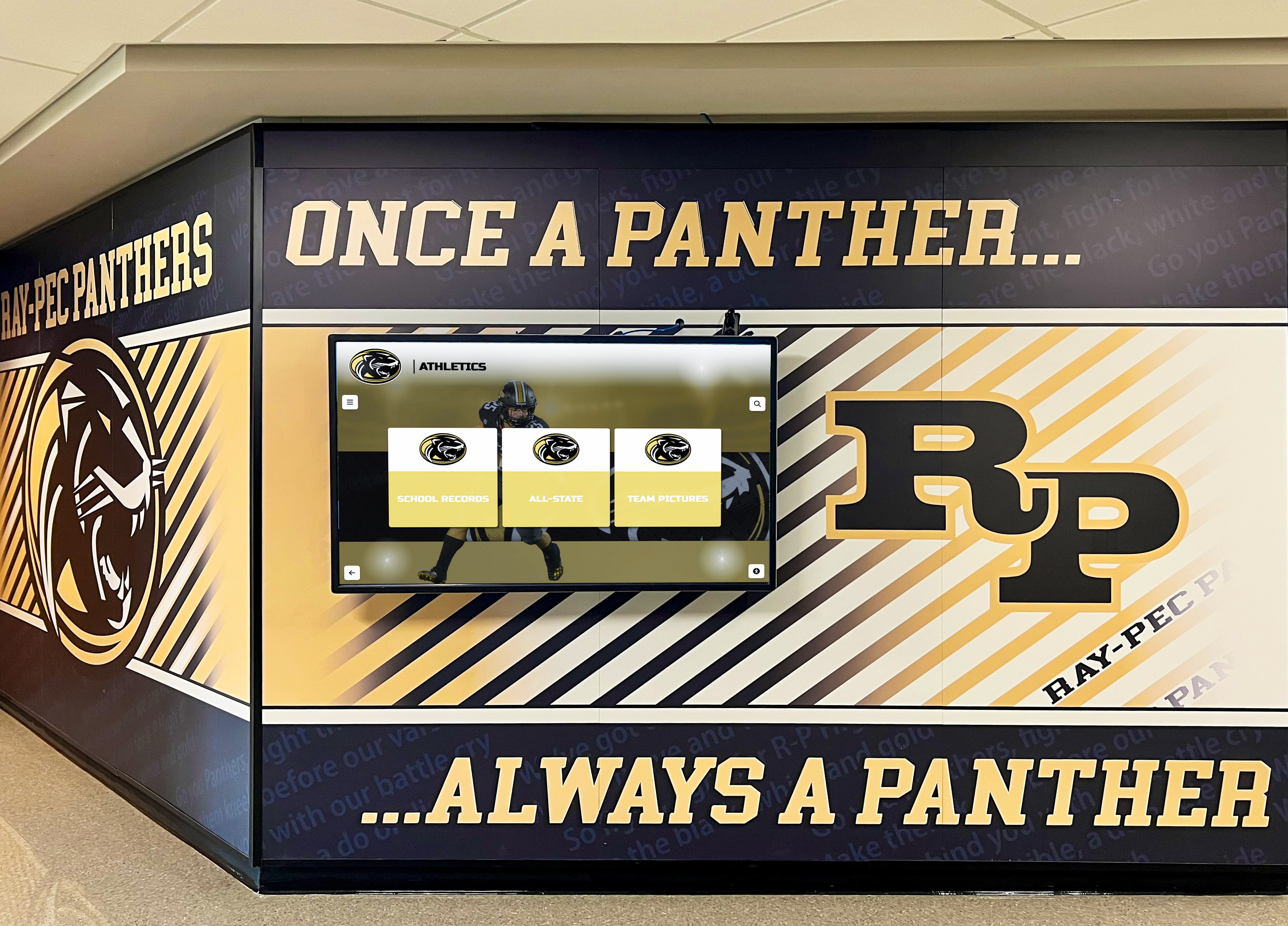
- Hybrid approaches use printed bulletin board elements with digital screens for rotating content
- Gradual transition allows staff comfort with technology before full implementation
Comprehensive Digital Adoption
Other schools embrace digital systems more fully:
- Multiple touchscreen displays throughout building replace most traditional boards
- Web-based recognition platforms extend access beyond physical school
- Content management systems enable multiple staff members to update displays easily
- Integration with student information systems streamlines recognition workflows
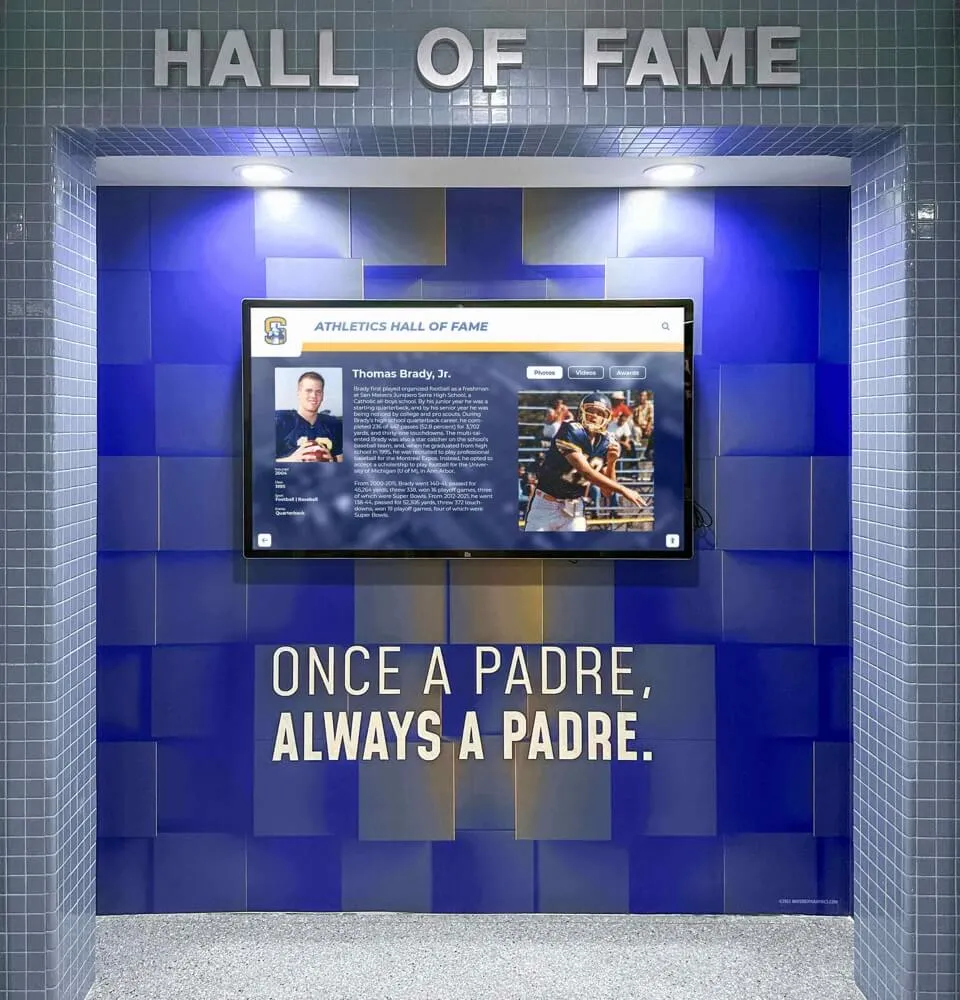
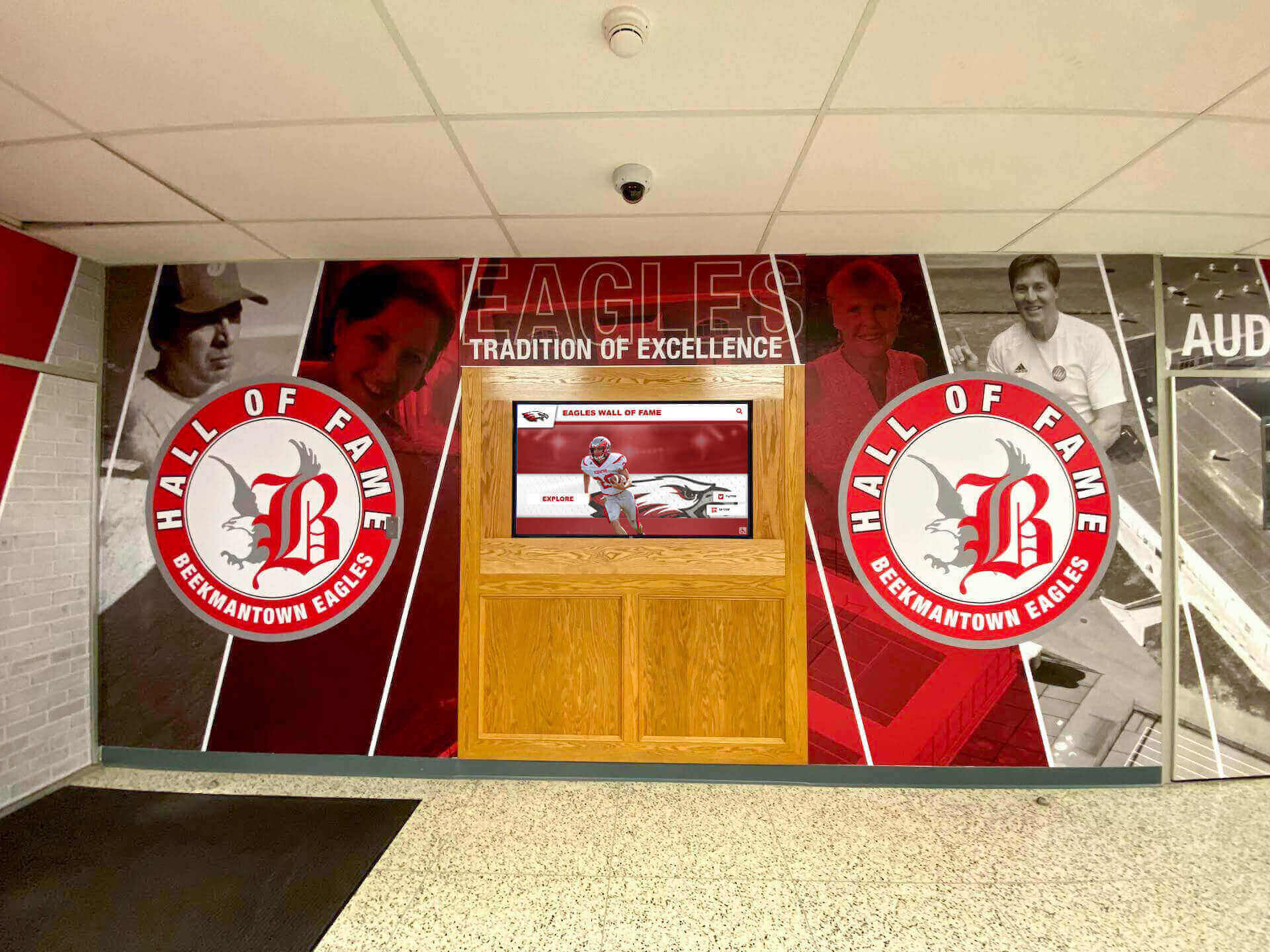
Solutions like those from Rocket Alumni Solutions provide purpose-built platforms specifically designed for school recognition rather than generic digital signage requiring extensive customization. These specialized systems deliver intuitive interfaces enabling non-technical staff to maintain impressive displays confidently, professional templates reflecting school branding, and unlimited capacity supporting recognition program growth across decades without space constraints or recurring per-student costs.
Schools exploring modern recognition display technologies discover that today’s systems integrate seamlessly into existing school operations while dramatically expanding recognition capabilities beyond what traditional bulletin boards can achieve.
Bulletin Board Ideas for Specific Grade Levels
Effective displays reflect the developmental needs and interests of specific age groups:
Elementary School (K-5) Bulletin Boards
Young students respond to colorful, interactive, and personally relevant displays:
Early Elementary (K-2)
- Alphabet and number line visual references in large, clear fonts
- Color and shape identification displays for pre-readers
- Classroom job charts with picture representations
- Simple rules with visual behavior examples
- Student self-portraits creating “Our Class Family” displays
- Photo documentation of daily routines helping students understand schedules
Upper Elementary (3-5)
- Reading challenge tracking showing books completed
- Math concept posters students reference during independent work
- Science vocabulary walls organized by units
- Student work showcases rotating monthly
- Goal-setting displays with progress monitoring
- Character education themes promoting kindness and respect
Elementary teachers often create comprehensive recognition programs celebrating diverse achievements including academic progress, positive behavior, creativity, and leadership—ensuring every student receives featured recognition throughout the year.
Middle School (6-8) Bulletin Boards
Adolescents appreciate more sophisticated designs acknowledging their growing maturity:
Academic Support Boards
- Test-taking strategy reminders for standardized assessments
- Study skill posters addressing organization and time management
- Subject-specific reference materials (periodic tables, grammar rules, historical timelines)
- College and career awareness introducing future possibilities
- Student research project displays showcasing inquiry learning
Social-Emotional Support
- Anti-bullying messages promoting inclusive school culture
- Mental health resources with counselor contact information
- Peer mediation procedures for conflict resolution
- Diversity and inclusion celebrations recognizing all identities
- Goal-setting frameworks for personal and academic development
Middle school years bring significant social complexity. Bulletin boards that normalize seeking help, celebrate diverse identities, and promote positive peer relationships support students navigating these challenges while reinforcing that school is a safe community for all.
High School (9-12) Bulletin Boards
Older students benefit from information-dense displays with practical applications:
College and Career Readiness
- College visit schedules and application deadlines
- Scholarship opportunities with eligibility requirements
- Career pathway information aligned with course selections
- Internship and job opportunities for students
- SAT/ACT test dates and preparation resources
- Military service information for interested students
Academic Achievement Recognition
- Honor roll displays celebrating academic excellence
- National Merit Scholar recognition highlighting achievement
- Academic competition results (debate, quiz bowl, science olympiad)
- Advanced Placement score recognition
- Senior college acceptance displays tracking where graduates enroll
High schools implementing comprehensive student achievement recognition find that public celebration motivates continued excellence while creating positive competition that elevates overall academic culture.
Beyond the Classroom: School-Wide Display Ideas
Bulletin boards extend beyond individual classrooms to create welcoming environments throughout entire schools:
Main Office and Lobby Displays
First impressions matter for visitors, prospective families, and community members:
“Welcome to Our School” Introductions
- Mission statement and core values prominently displayed
- Principal welcome message with photo
- School history timeline showing institutional legacy
- Demographic diversity statistics celebrating inclusive community
- Upcoming events calendar keeping families informed
School Achievement Celebrations
- Academic achievement highlights (test scores, college acceptances)
- Athletic championship recognition across all sports
- Fine arts accomplishments (state music ratings, drama awards)
- Community service hours contributed by students
- Distinguished alumni spotlights connecting current students to successful graduates
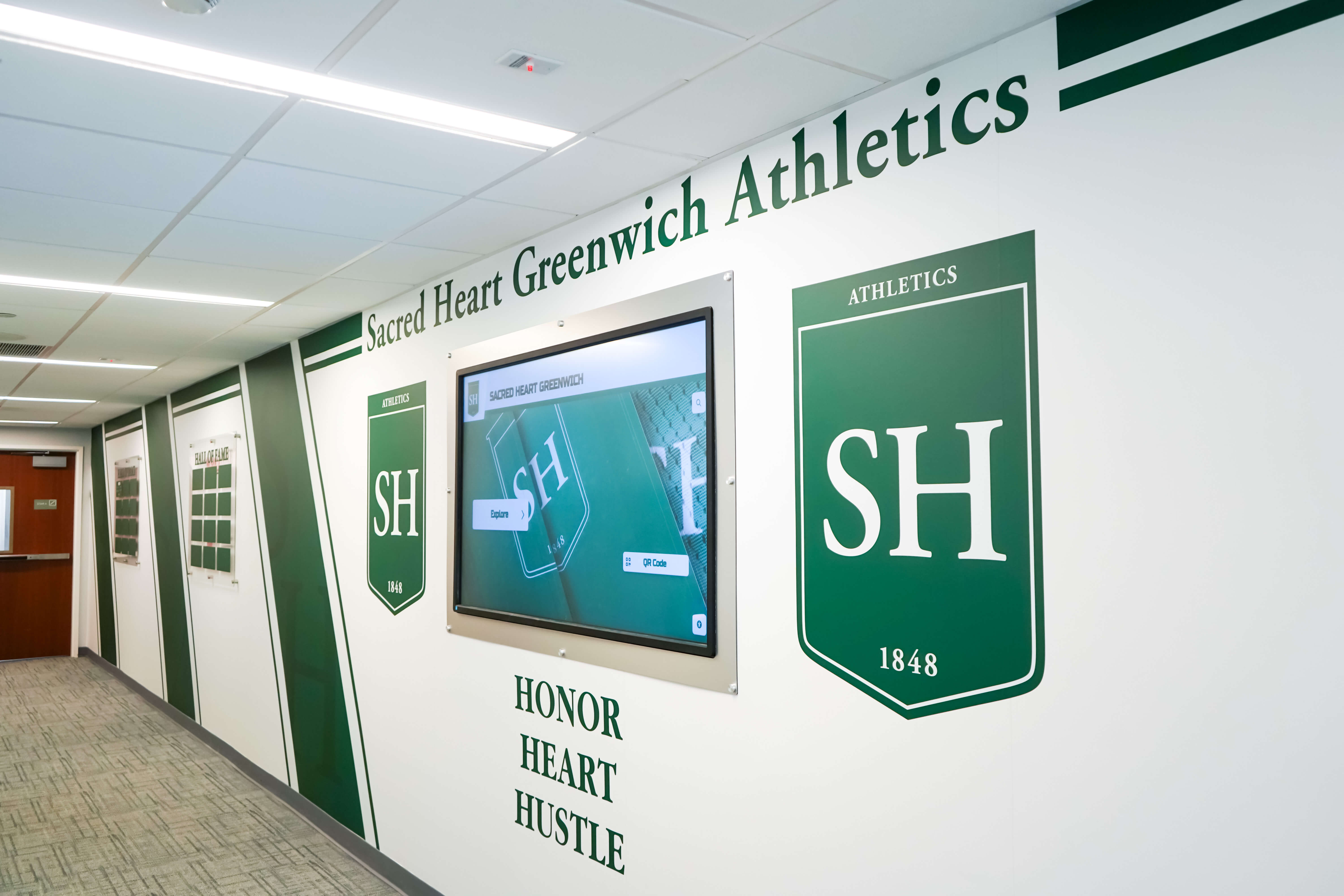
Many schools now implement digital lobby displays that rotate through multiple content categories—upcoming events, daily announcements, student achievements, lunch menus, emergency information—providing comprehensive information in limited physical space while maintaining professional, polished presentation.
Hallway and Common Area Displays
High-traffic areas create opportunities for school-wide community building:
“Student of the Month” Recognition
- Featured students from each grade level or homeroom
- Nomination process allowing teachers and peers to recognize deserving students
- Criteria balancing academics, character, service, and improvement
- Professional photos with achievement descriptions
- Celebration ceremonies honoring recognized students publicly
Special Interest and Club Displays
- Student organization showcases highlighting club activities and achievements
- Recruitment information for students interested in joining
- Event announcements for performances, competitions, or service projects
- Member spotlights featuring student leaders
- Photos documenting club activities throughout the year
Theme-Based Educational Displays
- Black History Month celebrating African American contributions
- Women’s History Month highlighting female achievement
- Hispanic Heritage Month recognizing Latino/a culture and accomplishment
- STEM education displays promoting science and technology careers
- Arts education advocacy showing value of creative disciplines
Thematic displays reinforce that schools value diverse contributions while educating students about historical and contemporary figures they might not encounter in standard curriculum.
Cafeteria and Student Gathering Spaces
Informal areas benefit from displays creating positive atmospheres:
Nutritional Education
- Healthy eating guidelines with appealing visuals
- Information about lunch ingredients and sourcing
- Student taste test results recommending popular items
- Cultural cuisine education connecting foods to world cultures
Social-Emotional Wellness
- Mindfulness and stress reduction techniques
- Friendship and conflict resolution skills
- Anti-bullying messages promoting inclusive behavior
- Growth mindset reminders about learning and failure
Interactive Engagement
- “Would you rather…” questions sparking conversation
- Trivia challenges with answers revealed daily
- Student polls on school issues or preferences
- QR codes linking to extended content online
Schools report that thoughtful cafeteria displays reduce behavioral incidents by creating positive tone in spaces where student conflicts often emerge during unstructured social time.
Maintaining Bulletin Boards Throughout the School Year
The most effective bulletin boards remain fresh and relevant through intentional maintenance:
Establishing Update Schedules
Consistent refresh cycles prevent boards from becoming stale:
- Monthly updates for most general bulletin boards
- Seasonal changes (fall, winter, spring) for decorative elements
- Weekly updates for interactive boards where students contribute content
- Quarterly reviews ensuring information remains accurate and current
- Annual overhauls at year’s end planning for next school year
Planning Ahead
Reduce stress by preparing in advance:
- Summer planning developing themes and gathering materials for entire year
- Template creation allowing quick updates without complete redesign
- Material stockpiling (borders, backing paper, lettering) preventing last-minute shopping
- Digital libraries organizing printable resources by month or theme
- Student assistant recruitment helping with physical board maintenance
Involving Students in Bulletin Board Creation
Student participation increases ownership while reducing teacher workload:
Age-Appropriate Contributions
- Elementary students create artwork for display inclusion
- Middle school students research content for informational boards
- High school students design complete bulletin boards showcasing talents
- Leadership students maintain school-wide recognition displays
- Art students create custom graphics and lettering
When students contribute to bulletin board creation, they pay more attention to displayed content and feel pride in shaping classroom environment. This transforms boards from teacher decoration into collaborative community creation.
Budget-Conscious Bulletin Board Strategies
Professional displays don’t require significant spending:
Low-Cost Material Sources
- Dollar store borders, letters, and decorative elements
- Free printables from teacher resource websites
- Recycled materials (magazines, cardboard, fabric scraps) repurposed creatively
- Student artwork replacing purchased graphics
- Digital projection instead of printed materials for temporary displays
One-Time Investment Items
- Laminator for protecting reusable materials
- Quality backing paper that lasts multiple years
- Basic die-cut machine for custom shapes and letters
- Bulletin board paper in school colors buying in bulk
- Storage bins organizing materials systematically
Most teachers spend $50-200 annually on bulletin board materials when purchasing strategically. Schools providing centralized supply budgets reduce individual teacher expense while enabling materials sharing across classrooms.
For schools facing significant budget constraints, digital recognition alternatives eliminate recurring material costs entirely after initial hardware investment, often achieving cost parity within 3-5 years compared to continuous bulletin board supply purchasing.
Measuring Bulletin Board Effectiveness
The best bulletin boards demonstrably impact student engagement and learning:
Engagement Indicators
Observable signs that displays resonate with students:
- Students stop to read bulletin boards rather than walking past
- Conversations reference bulletin board content
- Students contribute to interactive elements regularly
- Parents comment on bulletin boards during conferences or events
- Students request specific content or themes for future boards
Learning Impact
Academic benefits from effective displays:
- Students reference posted information during classwork
- Test scores improve on content reinforced through bulletin boards
- Students articulate classroom expectations clearly
- Goal achievement increases when visually tracked
- Student work quality improves when exemplars are displayed
Community Building Outcomes
Cultural shifts indicating successful community displays:
- Classroom conflicts decrease as community expectations clarify
- Student relationships strengthen through identity-sharing boards
- School pride increases when achievements are celebrated publicly
- Alumni engagement grows when displays connect current and former students
- Families feel more connected to school through visible communication
The most meaningful impacts often involve qualitative cultural improvements resisting precise measurement but fundamentally strengthening learning environments—students feeling they belong, classrooms functioning as cohesive communities rather than collections of isolated individuals, and physical spaces communicating that education is about growing whole people rather than just delivering academic content.
Conclusion: Creating Welcoming Spaces That Inspire
Back to school bulletin boards serve purposes far beyond decoration. These visual displays welcome students into learning communities, communicate classroom values and expectations, celebrate individual and collective achievement, support ongoing learning through reference materials, and transform institutional spaces into personalized environments where students feel they belong.
Whether creating traditional paper bulletin boards or exploring modern digital recognition alternatives, the goal remains constant: design displays that make every student feel valued as an individual while contributing to cohesive classroom and school communities. Effective bulletin boards balance aesthetic appeal with functional purpose, remain fresh through regular updates, invite student participation and ownership, and reflect the developmental needs of the age groups they serve.
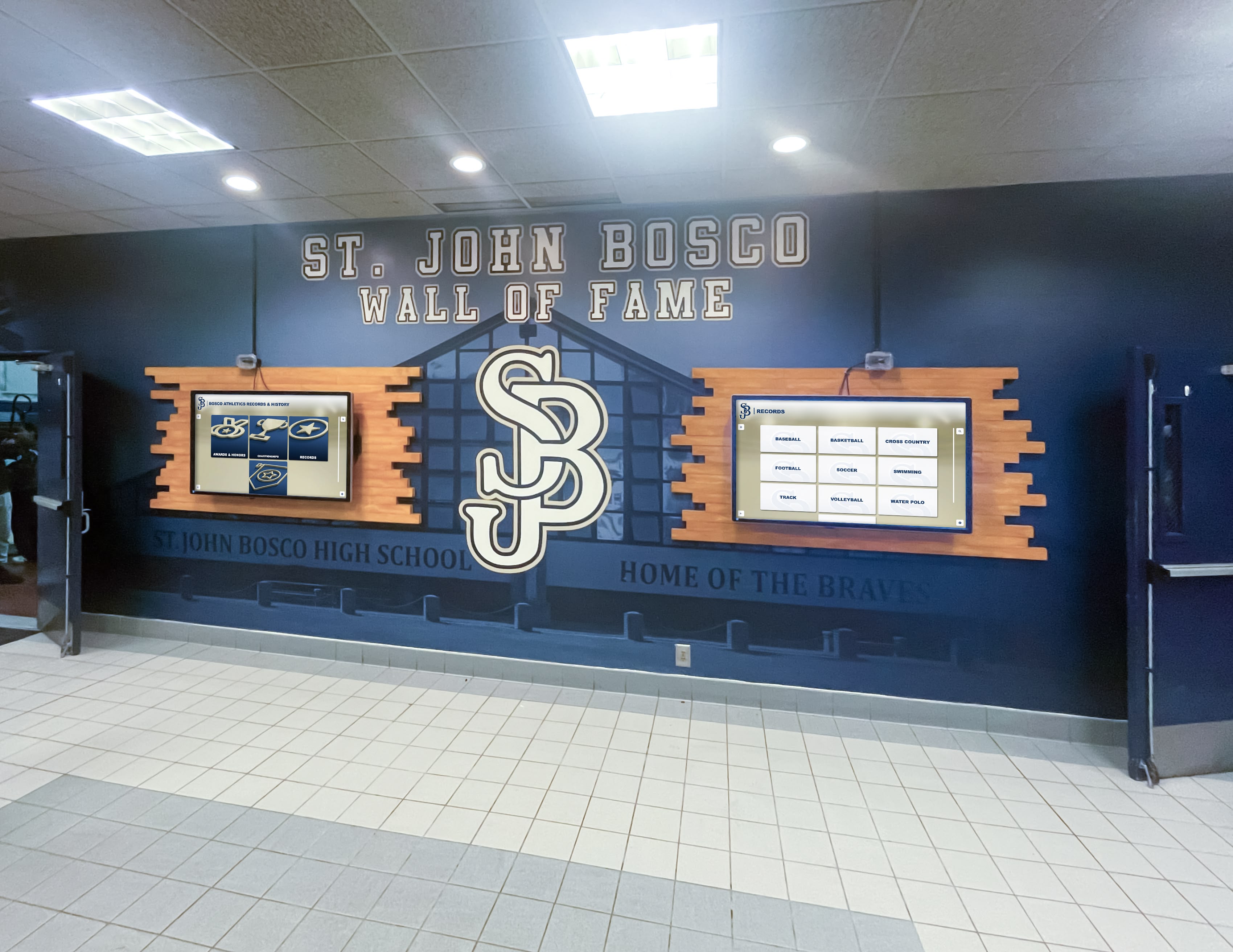
As schools continue advancing toward more comprehensive recognition programs celebrating the full range of student achievement, many discover that digital recognition displays complement traditional bulletin boards by offering unlimited capacity for student celebration, instant content updates eliminating physical material waste, rich multimedia presentations engaging contemporary students, and interactive exploration features transforming passive viewing into active discovery.
Solutions like Rocket Alumni Solutions provide purpose-built recognition platforms designed specifically for schools rather than generic digital signage requiring extensive customization. These specialized systems enable educators to maintain impressive displays without technical expertise, accommodate unlimited student recognition without space constraints, and eliminate recurring material costs while creating engaging presentations that inspire students throughout their educational journeys.
Whether you’re decorating your first classroom or leading school-wide recognition initiatives, thoughtful display design creates welcoming environments where students arrive each day knowing they belong to communities that celebrate their unique contributions while supporting their growth toward excellence. This fundamental validation shapes educational experiences profoundly—students who feel seen, valued, and celebrated invest more deeply in learning while developing positive identities as capable scholars and community members.
Ready to explore modern recognition solutions that transform how schools celebrate student achievement while eliminating the physical limitations of traditional bulletin boards? Discover how Rocket Alumni Solutions creates comprehensive digital recognition systems that welcome students, honor achievement, and build lasting school pride through intuitive platforms designed specifically for educational environments.