



Key Takeaways
Discover comprehensive awards and honors programs for high schools. From academic achievement to leadership recognition, learn how to build meaningful student recognition systems that celebrate diverse excellence.
High school represents a critical period when students develop skills, discover passions, and build the foundations for future success. Recognition through awards and honors programs provides essential motivation, validates diverse forms of excellence, and creates tangible documentation of achievement that opens doors to scholarships and opportunities. However, many schools struggle with recognition systems that feel arbitrary, favor only traditional academic achievers, or fail to inspire genuine engagement from the broader student body.
Comprehensive awards and honors programs recognize that excellence manifests in countless ways—from academic distinction to leadership development, artistic achievement to community service, athletic prowess to personal growth. Schools that implement thoughtful recognition systems create cultures where students feel seen, valued, and motivated to pursue their unique strengths while developing new capabilities across multiple domains.
Understanding High School Awards and Honors Categories
Effective recognition programs offer diverse pathways for students to earn distinction aligned with their interests and development.
Academic Excellence Awards
Academic recognition remains the foundation of most school honors systems:
Grade-Based Achievements:
Recognition for sustained academic performance:
- Honor Roll: Typically awarded each quarter or semester to students maintaining specified GPA thresholds (often 3.5-4.0 for High Honor Roll, 3.0-3.49 for Honor Roll)
- Principal’s List: Recognition for students achieving perfect or near-perfect GPAs during marking periods
- Dean’s List: Some high schools adopt this college-style recognition for exceptional academic achievement
- GPA Milestones: Recognition for students maintaining high cumulative GPAs across their high school careers
- Academic Improvement Awards: Celebrating students who demonstrate significant grade improvement year-over-year
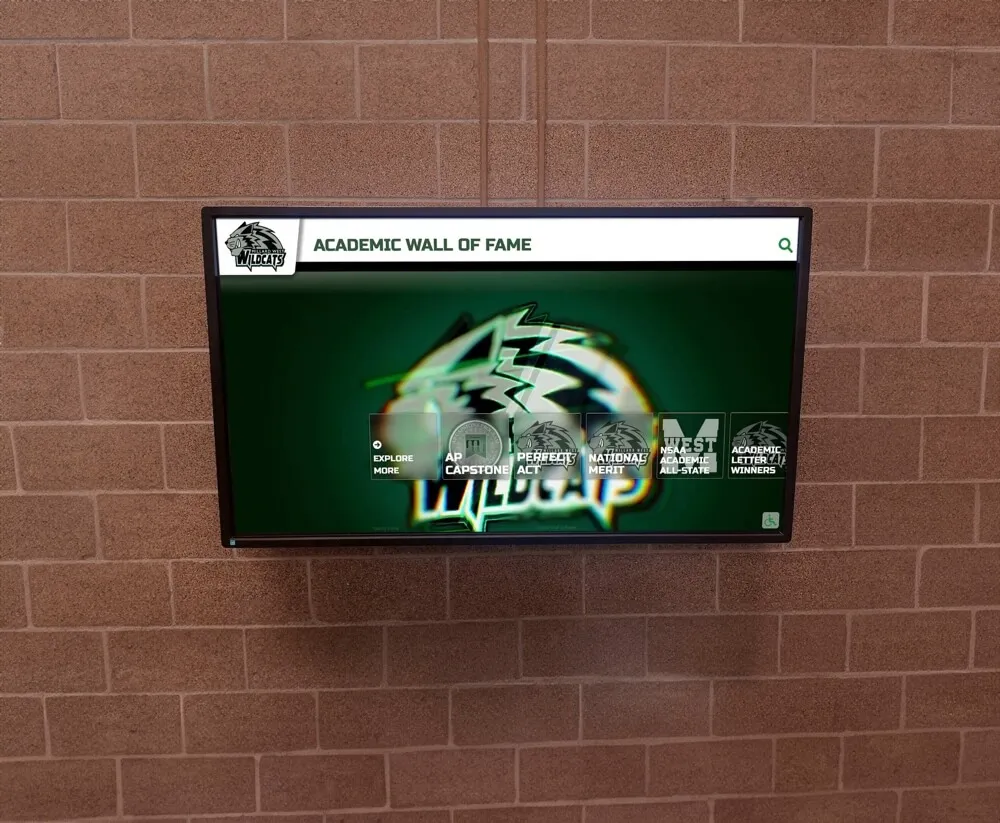
Grade-based awards provide accessible recognition opportunities for students who consistently perform well academically, creating regular motivation throughout each school year. Many schools showcase these achievements through academic recognition programs that keep student accomplishments visible year-round.
Subject-Specific Academic Awards:
Recognition for excellence in particular disciplines:
- Departmental Excellence Awards: Top performers in mathematics, science, English, social studies, world languages, and other core subjects
- Course-Specific Recognition: Highest achievement in particular courses like AP classes, honors sections, or specialized electives
- STEM Distinction: Awards recognizing exceptional performance across science, technology, engineering, and mathematics
- Humanities Excellence: Recognition for outstanding achievement in language arts, history, and social sciences
- Fine Arts Academic Awards: Distinction in music theory, art history, theater arts academics
- Career and Technical Education (CTE) Awards: Recognition for excellence in vocational and technical programs
Subject-specific awards help students identify academic strengths and encourage depth of achievement in areas matching their interests and aptitudes.
National Recognition Programs:
Prestigious external honors with selective admission:
- National Honor Society (NHS): Recognizing students demonstrating excellence in scholarship, service, leadership, and character
- National Merit Scholarship Program: Based on PSAT/NMSQT performance, recognizing top academic performers nationally
- AP Scholar Awards: Various levels (Scholar, with Honor, with Distinction, National, State) based on AP exam performance
- National Technical Honor Society (NTHS): Recognition for career and technical education students
- Subject-Specific Honor Societies: Spanish Honor Society, Science Honor Society, English Honor Society, and others
- International Baccalaureate (IB) Recognition: Honors for exceptional performance in IB programs
National recognition programs carry particular weight in college admissions because they apply consistent standards across schools and regions, making achievements directly comparable.
Academic Competition Success:
Recognition for competitive achievement:
- Science Fair Awards: Local, regional, state, and national science competition honors including prestigious programs like the Regeneron Science Talent Search
- Math Competition Recognition: Math Olympiad, MATHCOUNTS, American Mathematics Competitions (AMC)
- Academic Decathlon and Quiz Bowl: Team and individual awards for multi-subject academic competitions
- Debate and Forensics Awards: Recognition in competitive speech and debate tournaments
- Writing Competitions: Essay contests, poetry competitions, journalism awards like Scholastic Writing Awards
- Robotics Competition Honors: FIRST Robotics, VEX Robotics, and other engineering competition recognitions
Competition success demonstrates ability to apply knowledge under pressure while often involving skills like research, presentation, and collaboration that extend beyond traditional classroom learning. Schools can highlight these achievements through systems that track student achievement certificates across multiple years.
Leadership and Service Recognition
Leadership awards identify students who positively influence peers and communities:
Student Government and Leadership Positions:
Elected and appointed leadership roles:
- Student Body Officers: President, Vice President, Secretary, Treasurer at school level
- Class Officers: Leadership positions for each graduating class
- Student Council Representatives: Class representatives to student government
- Committee Leadership: Chairs of student government committees (spirit, fundraising, community service)
- School Ambassador Programs: Students representing school to visitors and community
- Peer Mentoring Leaders: Students leading mentorship programs for younger students
Leadership positions provide structured opportunities for students to develop governance skills, represent constituents, and influence school culture and policies.
Club and Organization Leadership:
Recognition for leading extracurricular groups:
- Club President/Officer Positions: Leadership in academic clubs, special interest groups, affinity organizations
- Honor Society Officers: Leadership roles within NHS, subject-specific honor societies, service organizations
- Activity Group Leaders: Yearbook editors, newspaper editors, literary magazine leadership
- Special Interest Group Founders: Recognition for students who establish new clubs or organizations addressing unmet needs
- Committee Chairpersons: Leading specific initiatives within larger organizations
Club leadership demonstrates initiative, organizational skills, and ability to mobilize peers around shared interests or goals beyond adults simply assigning positions.
Community Service Awards:
Recognition for volunteer engagement and civic contribution:
- Presidential Volunteer Service Award: Federal recognition for students completing specified volunteer hours (Bronze: 100 hours, Silver: 175 hours, Gold: 250+ hours)
- School Service Hour Milestones: Recognition at 50, 100, 200+ hours of documented community service
- Community Service Leadership Awards: For students who organize service projects rather than just participating
- Civic Engagement Recognition: Awards for students involved in local government, advocacy, or community organizing
- Service Learning Achievement: Recognition for connecting service work to academic learning objectives
- Special Cause Recognition: Awards for sustained commitment to particular causes (environmental, poverty, education, healthcare)
Service awards validate students who prioritize helping others and contributing to communities, demonstrating character and values that colleges and employers actively seek. Many schools integrate these recognitions into broader student achievement display systems that celebrate diverse contributions.
Athletic Achievements and Recognition
Sports participation provides numerous recognition opportunities:
Varsity Recognition:
Foundational athletic honors:
- Varsity Letters: Earned through specified participation requirements in varsity sports (often displayed on letterman jackets)
- Multi-Sport Athletes: Special recognition for students competing in multiple varsity sports
- Four-Year Varsity Athletes: Recognition for students earning varsity status all four years in a sport
- Captain Positions: Team leadership roles demonstrating peer respect and coaching confidence
- All-Conference/All-District Selection: Recognition as top performers in athletic conferences
- All-State Recognition: Selection among best athletes in state for particular sports
- All-American Honors: National-level recognition in various sports
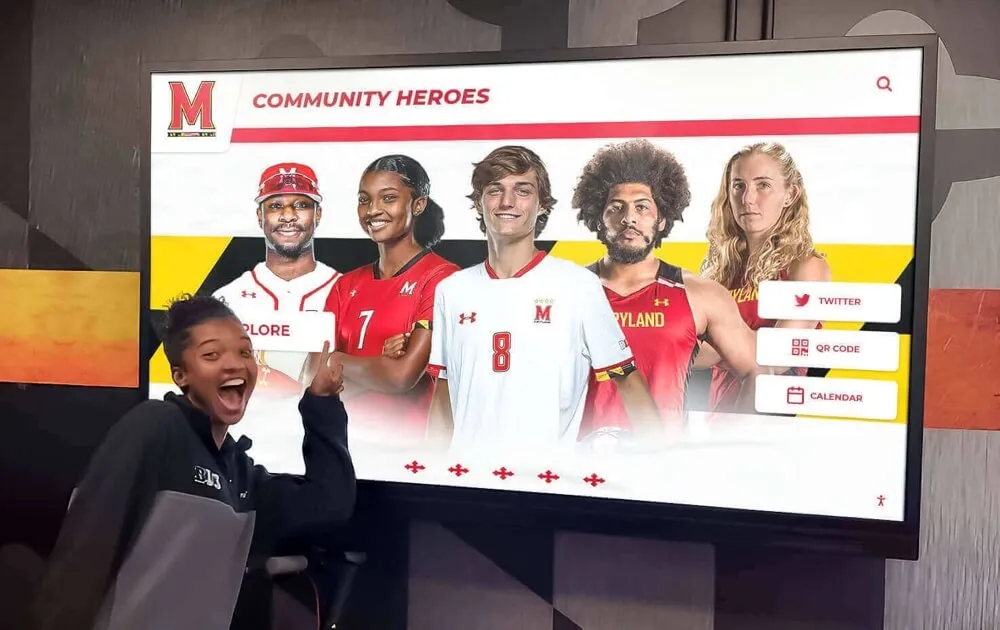
Athletic awards recognize not just physical skill but also dedication, teamwork, resilience, and ability to perform under pressure. Schools can modernize athletic recognition through digital display systems that showcase athlete achievements dynamically.
Team Achievement Awards:
Recognition for collective success:
- Championship Recognition: Conference, district, regional, state, or national championships
- Tournament Success: Recognition for advancement in playoff tournaments
- Team Awards: Most Valuable Player, Most Improved Player, Coaches’ Award, Defensive Player of Year, Offensive Player of Year
- Sportsmanship Awards: Recognition for exemplifying positive athletic values
- Academic All-Conference: Recognition for student-athletes maintaining high academic standards
Team awards emphasize that athletic success requires collaboration and mutual support, values that extend far beyond sports contexts.
Individual Athletic Excellence:
Personal achievement recognition:
- Record Breakers: Students setting school, conference, or state records in measurable performance
- Tournament MVP or Top Finisher: Recognition in individual sports like wrestling, swimming, track, tennis, golf
- Milestone Achievement: Recognition for significant accomplishments (1,000 points scored, sub-5 minute mile, etc.)
- Scholarship Recipients: Athletic scholarships from colleges
- All-Star Game Selection: Invitation to participate in all-star competitions
- State Qualifier/Participant: Advancing to state-level competition in individual or team sports
Individual athletic recognition validates personal dedication and skill development that results from countless hours of training and self-discipline.
Arts and Performance Recognition
Creative excellence deserves equal recognition with academic and athletic achievement:
Visual Arts Honors:
Recognition for artistic talent and achievement:
- Art Show Selection and Awards: Recognition for pieces selected for school, district, or regional art exhibitions
- Portfolio Awards: Recognition for exceptional bodies of artistic work
- Competition Success: Awards from regional or national art competitions like Scholastic Art Awards
- Thespian Society: Recognition for theater arts participation and excellence
- Stage Crew and Technical Excellence: Awards for behind-the-scenes technical theater contributions
- Public Art Installation: Recognition for students whose work is displayed permanently in school or community spaces
Visual arts awards validate creative expression and technical skill development that provide essential balance to academic and athletic achievement.
Music and Performing Arts:
Recognition for musical and performance excellence:
- All-State/All-Region Ensemble Selection: Competitive selection for elite performance groups through auditions
- Solo and Ensemble Competition Awards: Superior ratings in district, state, or national music competitions
- Band/Orchestra/Choir Leadership: Section leaders, drum majors, student conductors, ensemble officers
- Music Honor Societies: Tri-M Music Honor Society and similar organizations
- Composition Awards: Recognition for original musical works
- Concerto Competition Winners: Recognition as featured soloists with school ensembles
- Performing Arts Scholarships: College scholarship offers based on artistic talent
Music awards recognize both individual technical mastery and the collaborative skills required for ensemble performance, where individual excellence serves collective goals.
Literary and Creative Expression:
Recognition for writing and creative communication:
- Literary Magazine Publication: Having work selected for school literary publications
- Writing Competition Awards: Recognition in essay, poetry, short story, or creative nonfiction competitions
- Journalism Excellence: Awards for newspaper articles, yearbook contributions, broadcast journalism
- Debate and Speech Awards: Tournament success in competitive speech events
- Theater Performance Recognition: Leading roles, best actor/actress awards, ensemble awards
- Film and Media Production: Recognition for video production, documentary work, multimedia projects
Literary and performance awards validate communication skills and creative expression that prove essential in virtually every career path and life domain.
Character and Special Recognition Awards
Some of the most meaningful awards recognize qualities beyond measurable performance:
Character-Based Honors:
Awards recognizing personal qualities and values:
- Character Education Awards: Recognition for demonstrating specific character traits (integrity, respect, responsibility, compassion)
- Citizenship Awards: Recognition for positive contributions to school community and civic engagement
- Perseverance Awards: Celebrating students who overcome significant challenges or obstacles
- Kindness and Compassion Recognition: Awards for students who consistently support and help others
- School Spirit Awards: Recognition for students who demonstrate exceptional enthusiasm and positive energy
- Peer Nomination Awards: Recognition selected by fellow students rather than faculty
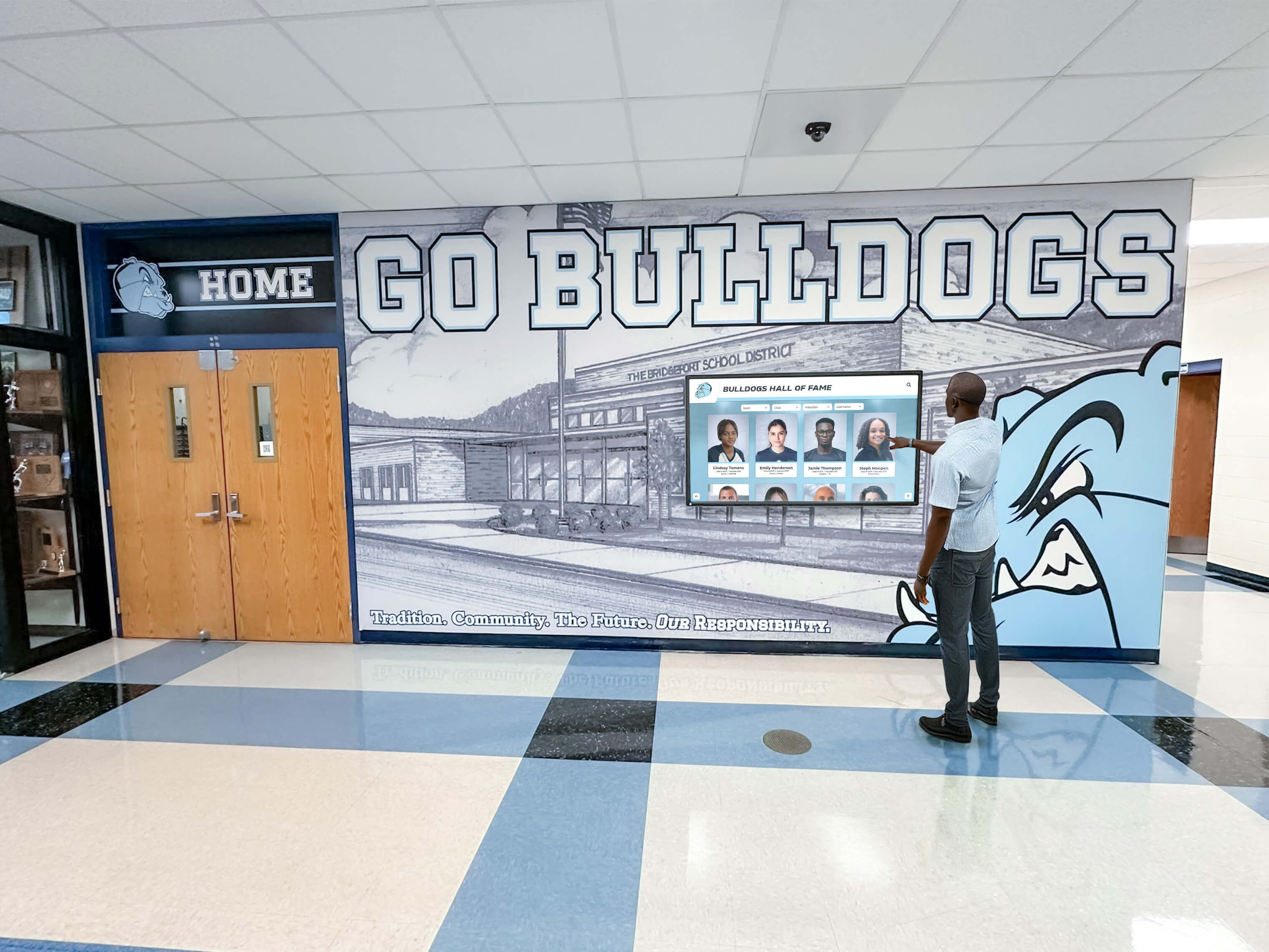
Character awards communicate that who students are as people matters as much as what they achieve in competitive domains, creating inclusive recognition opportunities for students whose greatest contributions may be less visible than academic or athletic excellence. Schools can amplify this message through digital recognition systems that celebrate diverse forms of contribution.
Attendance and Consistency Recognition:
Awards for reliability and commitment:
- Perfect Attendance Awards: Recognition for students with no absences during marking periods or school years
- Excellent Attendance: Recognition for minimal absences (often 2 or fewer per year)
- On-Time Achievement: Recognition for avoiding tardiness
- Four-Year Attendance Recognition: Special honors for students maintaining excellent attendance throughout high school
- Consistent Participation: Awards for students with perfect attendance records in particular activities or programs
While sometimes controversial, attendance awards recognize the discipline and prioritization required to show up consistently, a fundamental success predictor in college and careers.
Most Improved Recognition:
Awards celebrating growth and progress:
- Academic Improvement Awards: Recognition for students demonstrating significant GPA increases
- Subject-Specific Improvement: Recognition for dramatic improvement in particular courses
- Athletic Improvement: Recognition for athletes showing substantial skill development
- Behavioral/Social Improvement: Recognition for students who demonstrate positive behavioral change
- Skill Development Recognition: Awards for students who master previously challenging competencies
Improvement awards emphasize that effort and growth matter more than starting point, creating recognition opportunities for students who work diligently even if they don’t achieve top absolute performance levels. These programs can be enhanced through systems that showcase most improved award recipients meaningfully.
Career and Technical Education (CTE) Honors:
Recognition for vocational and technical achievement:
- Industry Certification Achievement: Recognition for earning professional certifications in skilled trades
- Internship Excellence: Awards for outstanding performance in work-based learning programs
- Career Pathway Completion: Recognition for completing multi-year CTE programs
- SkillsUSA and DECA Competition Awards: Success in career and technical student organization competitions
- Technical Skill Demonstrations: Recognition at regional or state technical skills competitions
- Business and Entrepreneurship Awards: Recognition for exceptional projects in business education programs
CTE awards validate career preparation pathways that lead directly to employment and entrepreneurship, demonstrating equal respect for diverse post-graduation plans.
Establishing Criteria and Standards for Awards
Clear, published criteria ensure awards maintain credibility and motivate students effectively.
Developing Fair and Transparent Criteria
Award standards should be both rigorous enough to maintain prestige and clear enough that students understand achievement pathways:
Quantitative Standards:
Measurable, objective criteria:
- GPA thresholds for academic awards with precise cutoffs
- Minimum hours for service recognition (e.g., 100 hours for Gold Presidential Award)
- Attendance requirements (e.g., zero absences for perfect attendance)
- Test score minimums for academic competition recognition
- Participation requirements for activity-based awards (e.g., four years on varsity team)
- Statistical achievement standards for athletic records or milestones
Quantitative criteria prevent subjective bias and enable students to track their progress toward recognition goals throughout their high school careers.
Qualitative Standards:
Judgment-based criteria requiring evaluation:
- Leadership impact and effectiveness in positions held
- Quality of creative or artistic work submitted for recognition
- Character demonstration through specific examples of values-based behavior
- Peer influence and positive contribution to school culture
- Overcoming personal challenges or obstacles to achieve goals
- Innovation or originality in projects, solutions, or contributions
Qualitative criteria enable recognition of important qualities that don’t reduce to simple numbers, but they require careful design to ensure consistent, fair application across different evaluators and situations.
Combination Approaches:
Most effective awards use hybrid criteria:
- National Honor Society requires minimum GPA (quantitative) plus demonstrated service, leadership, and character (qualitative)
- Student of Year awards may require minimum academic standards plus nomination essays describing impact and character
- Department awards may require high grades plus exceptional projects or creative work
- Improvement awards require documented performance change plus teacher recommendation
Combination criteria balance objectivity with holistic assessment of student contributions that can’t be fully captured by numbers alone.
Publishing and Communicating Award Criteria
Students can only pursue awards they know about and understand:
Student Handbook Documentation:
Comprehensive award information in accessible format:
- Complete list of available awards organized by category
- Detailed eligibility requirements and criteria for each award
- Application or nomination procedures where applicable
- Timeline for nominations, selections, and presentations
- Historical information about award origins and significance
- Past recipient examples (with permission) illustrating achievement standards
Handbook documentation creates the definitive reference source ensuring all students have equal access to recognition information regardless of adult guidance they happen to receive.
Beginning-of-Year Communication:
Proactive introduction of recognition opportunities:
- School assembly or grade-level meetings highlighting award programs
- Distribution of award program overviews to all students and families
- Classroom discussions about awards relevant to particular courses or programs
- Counselor meetings incorporating award planning into academic and activity planning
- Visual displays showcasing awards and past recipients
- Social media campaigns highlighting diverse award categories and recipients
Proactive communication ensures students understand opportunities from the beginning of their high school careers, enabling multi-year planning rather than reactive pursuit of awards they discover only as seniors.
Ongoing Visibility and Reminders:
Keeping awards accessible throughout school year:
- Regular announcements about upcoming nomination deadlines
- Teacher reminders about subject-specific awards as academic years conclude
- Counselor check-ins about award eligibility and application status
- Digital dashboards where students can track their progress toward criteria
- Parent communication about award opportunities relevant to their students
- Mid-year recognition ceremonies that remind students about end-of-year awards
Ongoing visibility maintains awareness throughout busy school years when daily pressures can push long-term recognition opportunities out of mind.
Implementing Effective Nomination and Selection Processes
How schools identify award recipients profoundly affects program credibility and inclusivity.
Nomination Approaches
Different nomination methods serve different purposes:
Automatic Qualification:
Computer-generated recognition based on achievement data:
- Honor Roll generated automatically from GPA calculations each marking period
- Perfect attendance recognized directly from attendance systems
- AP Scholar awards based on College Board score reports
- National Merit recognition from PSAT/NMSQT results
- GPA-based class rank designations (valedictorian, salutatorian)
Automatic qualification ensures consistent application of standards while reducing administrative burden, making it ideal for quantitative recognition with clear thresholds.
Teacher Nomination:
Faculty identification of deserving students:
- Department heads nominate students for subject-specific excellence awards
- Teachers identify students demonstrating exceptional character or improvement
- Coaches nominate athletes for team awards and special recognition
- Activity advisors nominate students for leadership and contribution awards
- Faculty committees review nominations and make final selections
Teacher nomination ensures that adults who work closely with students identify achievement that may not be visible in numeric data, while also distributing nomination responsibility across staff rather than concentrating it with a small group.
Student Nomination:
Peer recognition processes:
- Student government organizes peer voting for superlatives or spirit awards
- Club members nominate their leaders for special recognition
- Students nominate peers for character awards or kindness recognition
- Anonymous nomination systems allow students to recognize others without social pressure
- Student committees review peer nominations and make recommendations
Student nomination creates opportunities for peer recognition while identifying contributions that may be most visible to fellow students rather than adults, though it requires careful design to prevent popularity contests disconnected from genuine achievement.
Self-Nomination/Application:
Students advocate for their own recognition:
- Applications for competitive scholarships or major awards
- Portfolio submission for arts and creative awards
- Essays describing leadership impact or service contributions
- Resume-style documentation of activities and achievements
- Interview processes for major recognitions
Self-nomination requires students to articulate their accomplishments and advocate for themselves, developing essential skills for college applications and career advancement while ensuring motivated students don’t get overlooked because no adult thought to nominate them.
Selection Committees and Processes
Fair selection requires thoughtful process design:
Committee Composition:
Who evaluates nominations matters:
- Diverse faculty representation ensuring multiple perspectives
- Administrative input connecting selections to broader school priorities
- Student representation providing peer perspective (for appropriate awards)
- Community members for awards with external dimensions
- Alumni representatives for awards connecting to school traditions
- Rotating committee membership preventing entrenched biases
Diverse committees reduce the risk that a small group’s preferences dominate selections year after year, creating more equitable recognition across different student groups and achievement types.
Evaluation Processes:
Systematic assessment of candidates:
- Rubrics specifying evaluation criteria and scoring systems
- Blind review (where possible) removing name/identity from initial assessment
- Multiple independent reviewers with scores averaged or reconciled
- Documentation of selection rationale for each award
- Appeals or reconsideration processes for questionable decisions
- Calibration discussions ensuring consistent standards across committee members
Systematic processes reduce the influence of personal biases or relationships on selections, increasing perception of fairness while creating documentation if decisions are questioned.
Handling Difficult Decisions:
Addressing common selection challenges:
- Tie-breaking procedures when multiple students meet criteria equally
- Decisions about whether individual students can receive multiple awards
- Balancing recognition spread (many different recipients) versus concentration (acknowledging truly exceptional individuals)
- Determining when no student meets criteria sufficiently to warrant award
- Addressing situations where social factors might inappropriately influence selections
- Protecting student privacy during committee deliberations
Advance agreement about how to handle these situations prevents ad-hoc decisions that may appear arbitrary or unfair when committees face them during actual selection processes.
Creating Meaningful Recognition Ceremonies and Presentations
How schools present awards profoundly affects their impact on recipients and witnesses.
Award Ceremony Formats
Different formats serve different purposes and audiences:
School-Wide Recognition Assemblies:
Large-scale celebrations involving entire student body:
- Creates community celebration of achievement across all recognition categories
- Exposes all students to diverse forms of excellence, inspiring broader participation
- Demonstrates school-wide values about what merits recognition and celebration
- Provides public acknowledgment that maximizes recipient pride and family celebration
- Requires efficient presentation to maintain engagement across large audience
- Best for major awards (valedictorian, major scholarships, top department awards)
School-wide assemblies work best when focused on most significant awards, with streamlined presentation preventing long, disengaging ceremonies where most students wait through many recognitions irrelevant to them.
Grade-Level or Department Ceremonies:
Focused celebrations for particular student groups:
- More intimate setting allowing fuller recognition of each recipient
- Audience shares context making achievements more meaningful
- Easier scheduling with smaller participant groups
- Opportunity for recipients to share reflections or speeches
- Family attendance more manageable with smaller, targeted audiences
- Can include multiple award categories relevant to particular group
Focused ceremonies enable deeper celebration while preventing the anonymity that can occur when students receive recognition in massive assemblies where most attendees don’t know them.
Classroom Recognition:
Individual or small-group acknowledgment in instructional settings:
- Immediate recognition connecting directly to achievement context
- Peer acknowledgment from classmates who witnessed achievement
- Informal format reducing performance pressure
- Teacher personal comments about specific qualities or achievements
- Integration with instructional time rather than separate events
- Works well for subject-specific academic awards or improvement recognition
Classroom recognition provides frequent, accessible opportunities to celebrate achievement without requiring elaborate logistical coordination, though it may lack the gravitas of more formal presentations.
Senior Awards Night:
Culminating ceremony for graduating class:
- Comprehensive celebration of senior achievements across all categories
- Family celebration atmosphere with longer format and refreshments
- Opportunity to announce scholarships and major post-graduation plans
- Senior reflections and speeches about high school experiences
- Historical awards presented annually to graduating seniors
- Creates memorable transition moment as students prepare for graduation
Senior awards nights create signature traditions families anticipate while providing comprehensive recognition of achievement accumulated throughout high school careers.
Making Presentations Meaningful
Presentation quality affects how recipients and witnesses experience recognition:
Personal Recognition Elements:
Going beyond simply reading names:
- Brief description of specific achievements or qualities leading to award
- Personal anecdote or example illustrating why recipient earned recognition
- Connection between recipient’s achievement and award’s purpose or history
- Acknowledgment of family, teachers, or others who supported achievement
- Opportunity for recipient to briefly thank or reflect (for major awards)
- Photograph capturing recognition moment
Personal elements transform name recitation into genuine celebration that honors individual journeys rather than treating recipients as interchangeable.
Physical Award Elements:
Tangible recognition students retain:
- Certificates suitable for framing and displaying
- Medals, pins, or physical awards for major recognitions
- Cords, stoles, or other items worn at graduation
- Plaques or trophies for competitive achievements
- Engraved or personalized elements making awards unique to recipients
- Quality materials reflecting significance of achievement
Physical awards become keepsakes families treasure while providing visible reminders of achievement students can display in homes or include in college application materials. Many schools now complement physical awards with honors graduation cords that visibly celebrate achievement during commencement.
Documentation and Communication:
Extending recognition beyond the ceremony:
- Photography capturing recipients receiving awards
- Video recording of ceremonies for absent family or later viewing
- School website and social media announcements
- Local newspaper press releases for major awards
- Transcript notation for awards important to college admissions
- Permanent displays showcasing award recipients
Documentation ensures recognition extends beyond brief ceremony moments while creating historical records schools can reference when recruiting future award participants.
Leveraging Digital Recognition Systems
Modern technology enables recognition that extends far beyond annual ceremonies.
Year-Round Digital Recognition Displays
Permanent installations keep achievements visible daily:
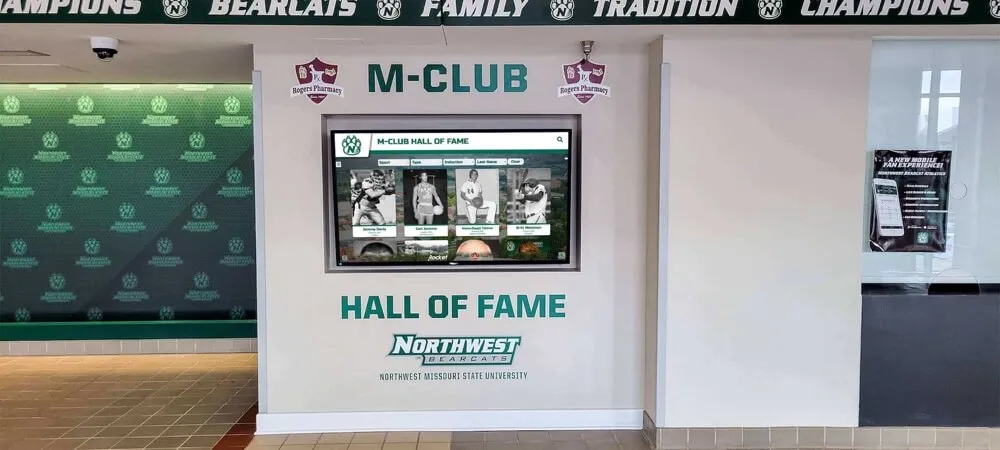
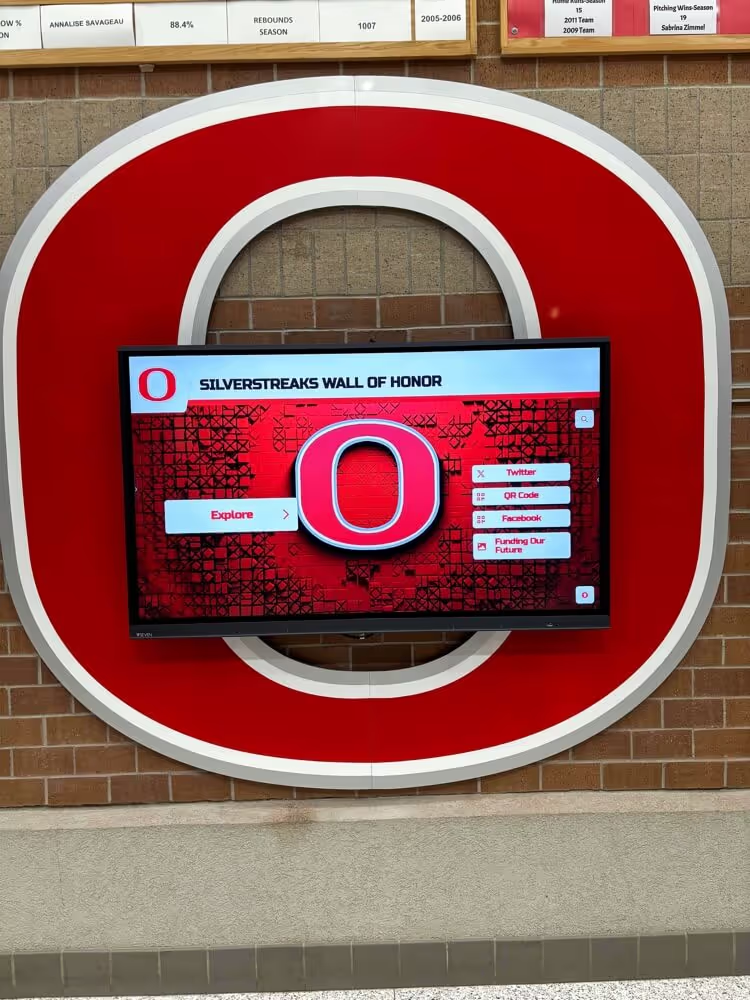
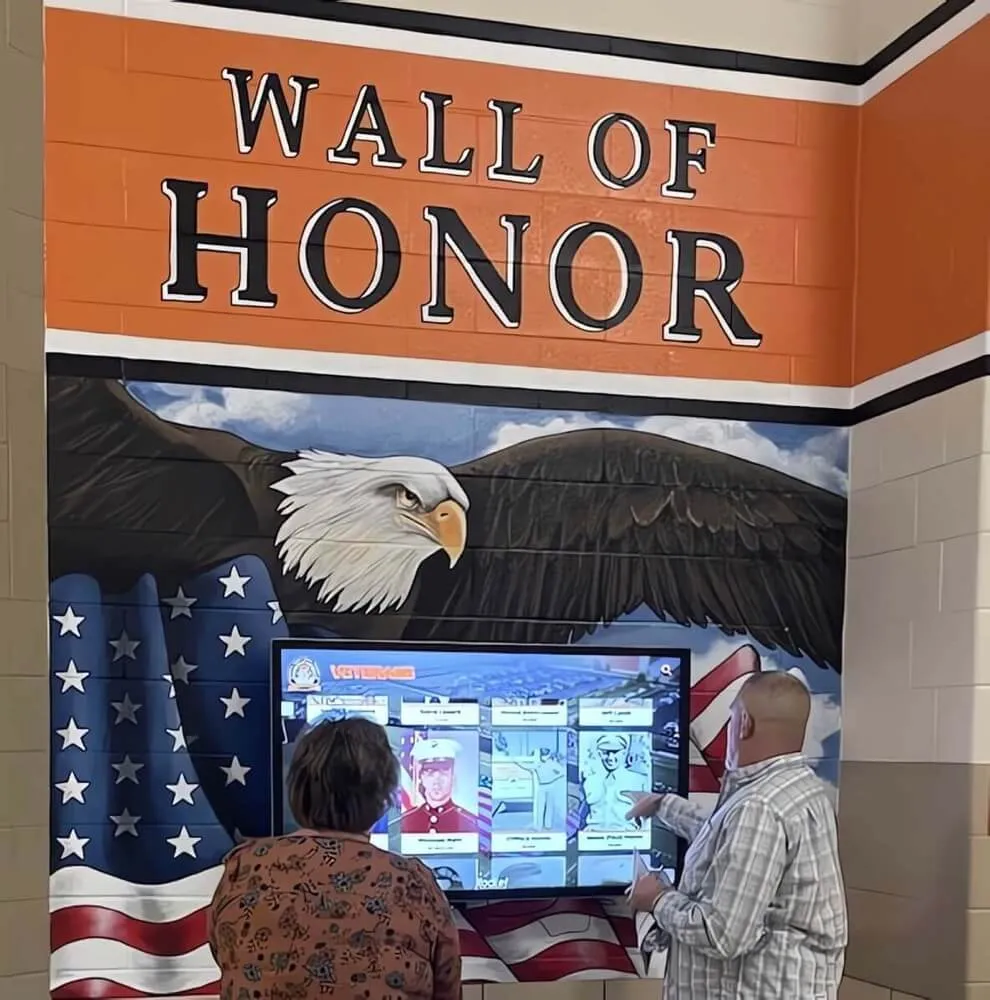
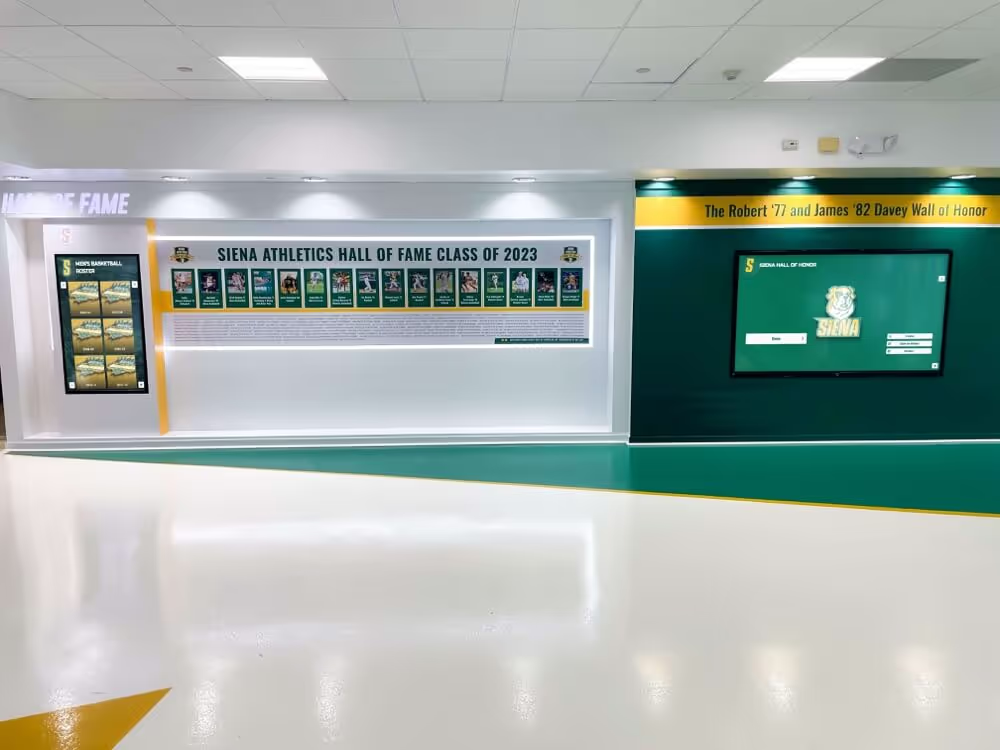
Interactive Touchscreen Systems:
Comprehensive digital recognition platforms:
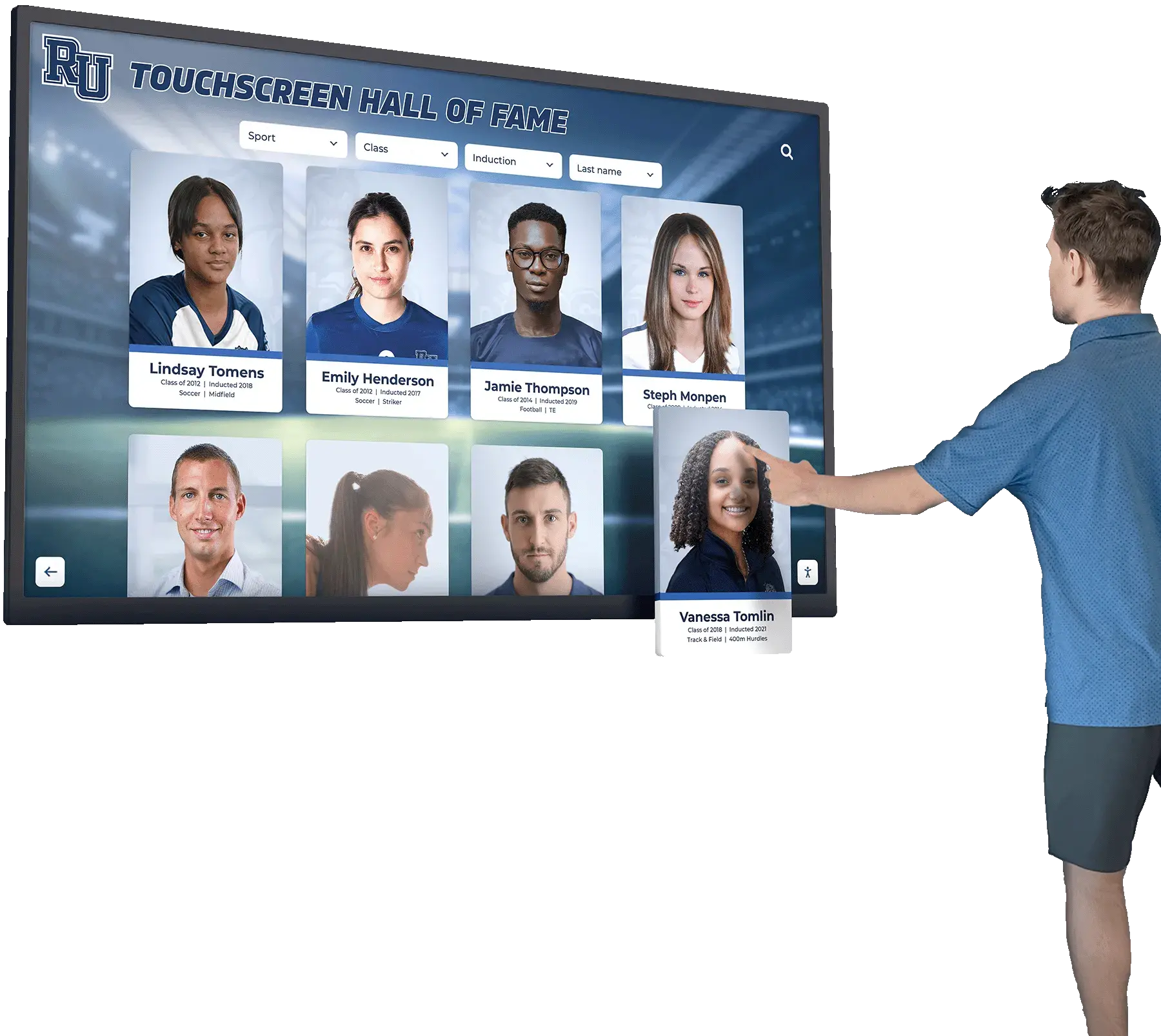
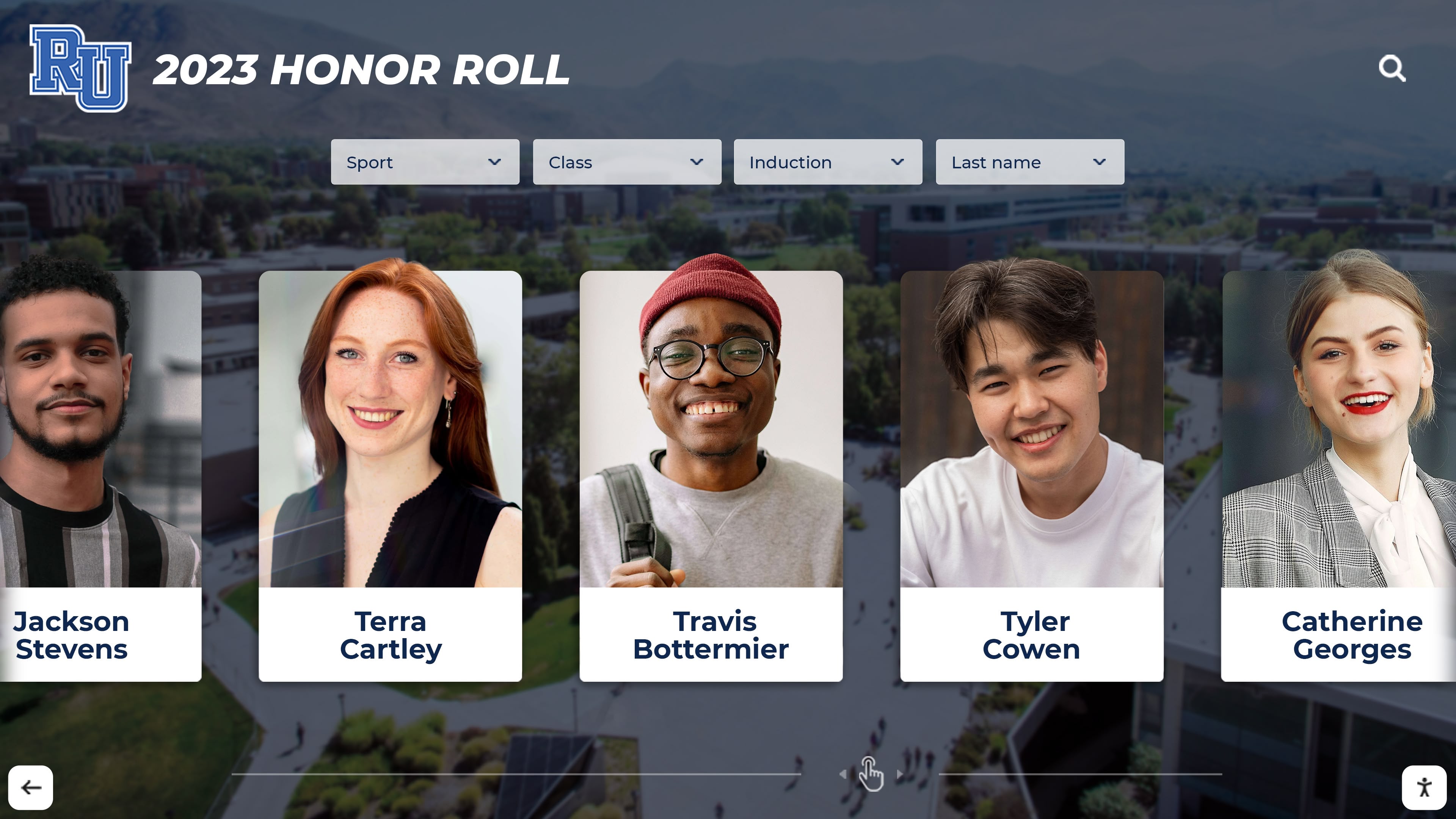
- Searchable databases of award recipients across multiple years
- Detailed profiles including photos, achievement descriptions, and award criteria
- Filter functionality enabling viewers to explore by award category, year, or student
- Video messages from award recipients reflecting on their achievements
- Dynamic content regularly updated with new recognitions
- Statistical summaries showing participation and achievement trends
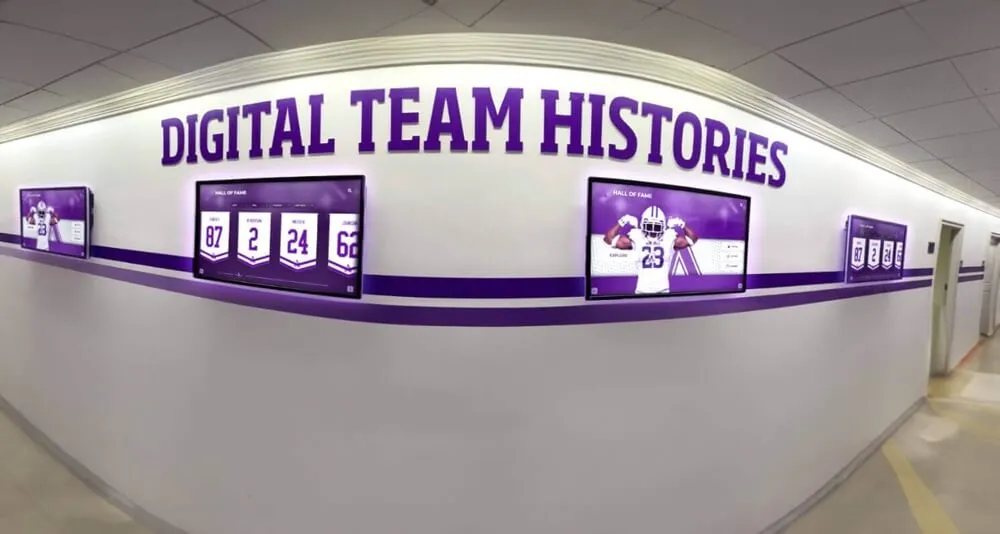
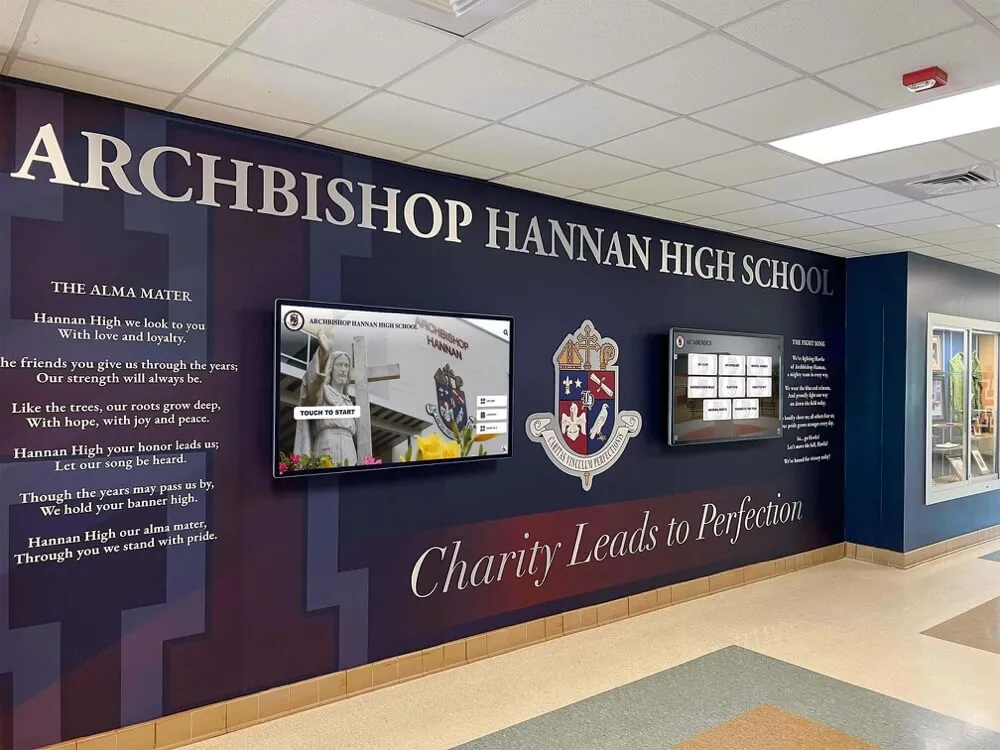
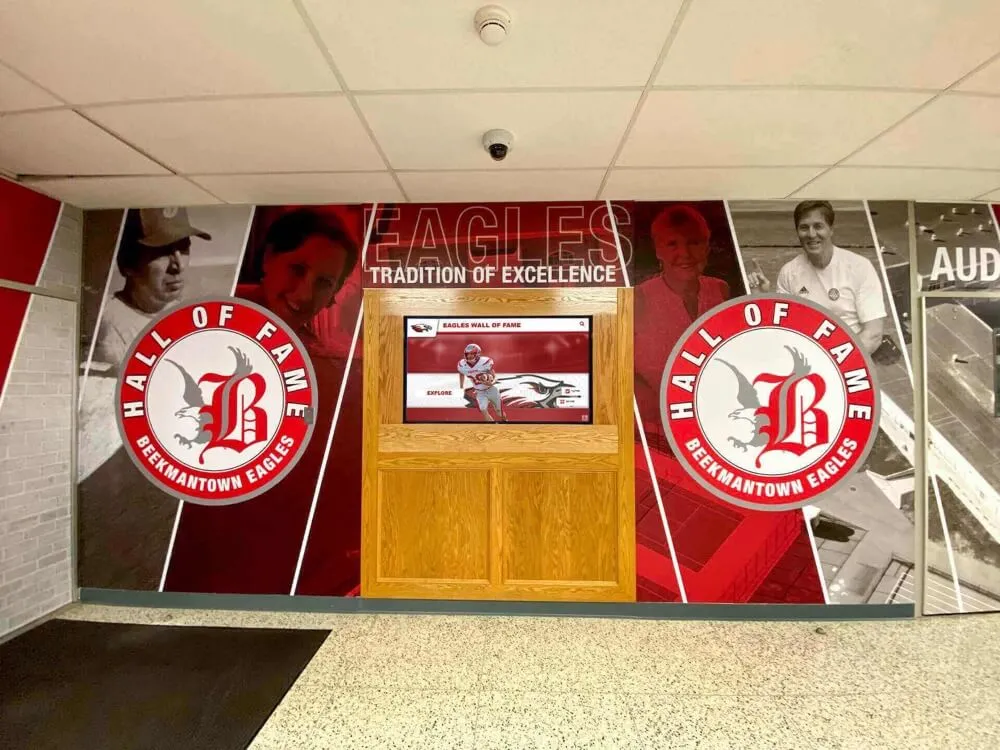
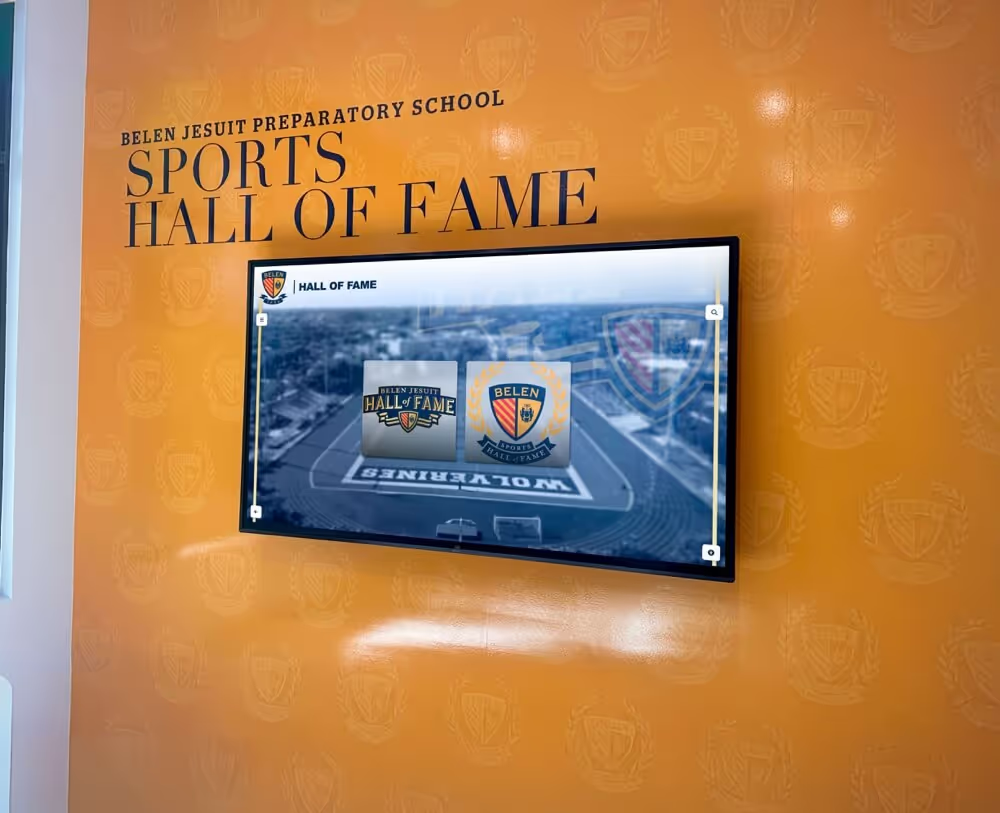
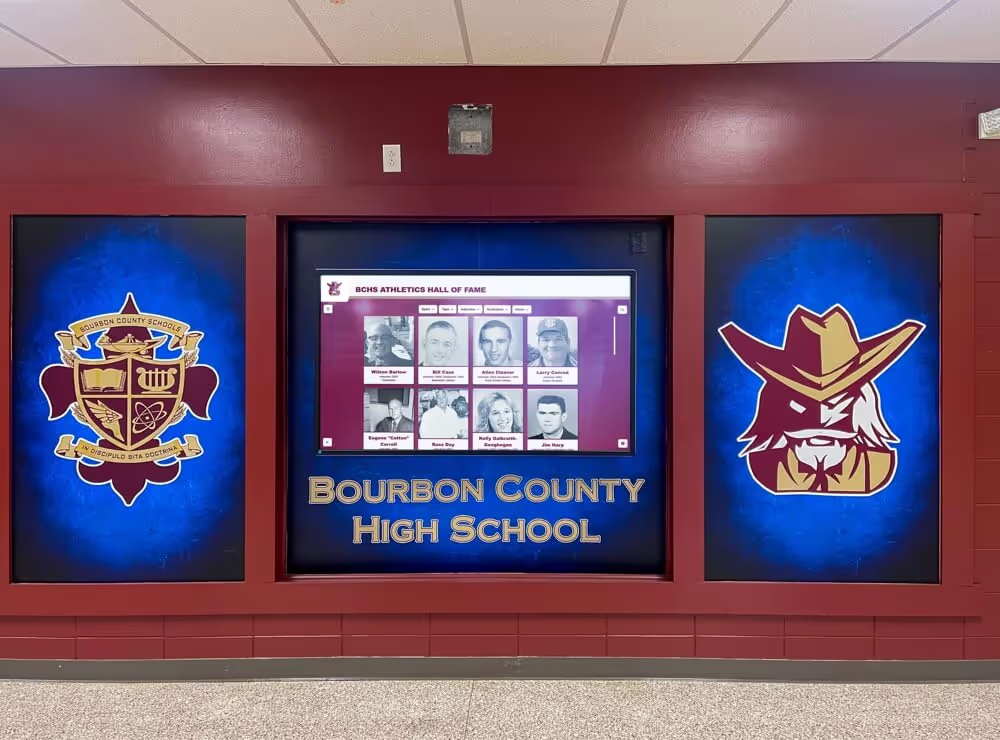
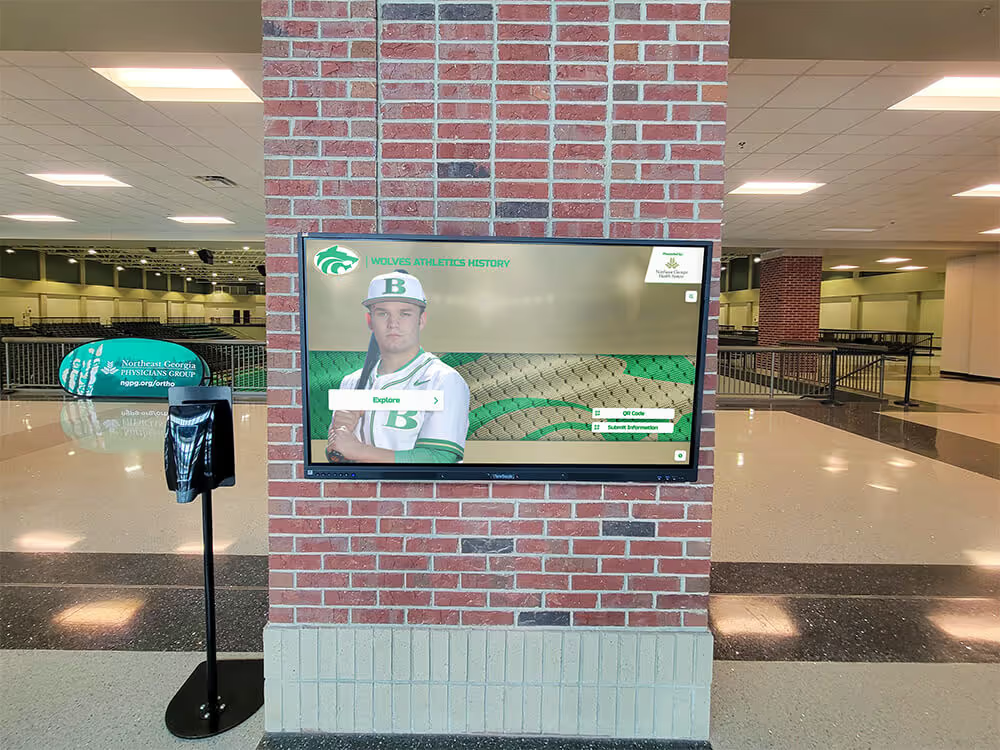
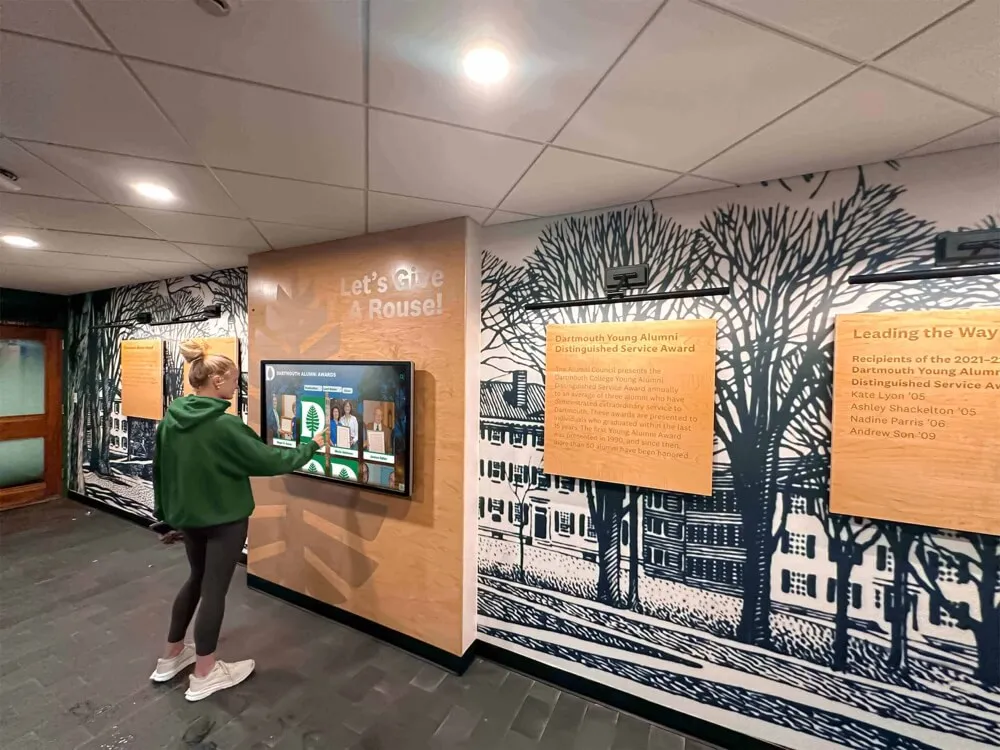
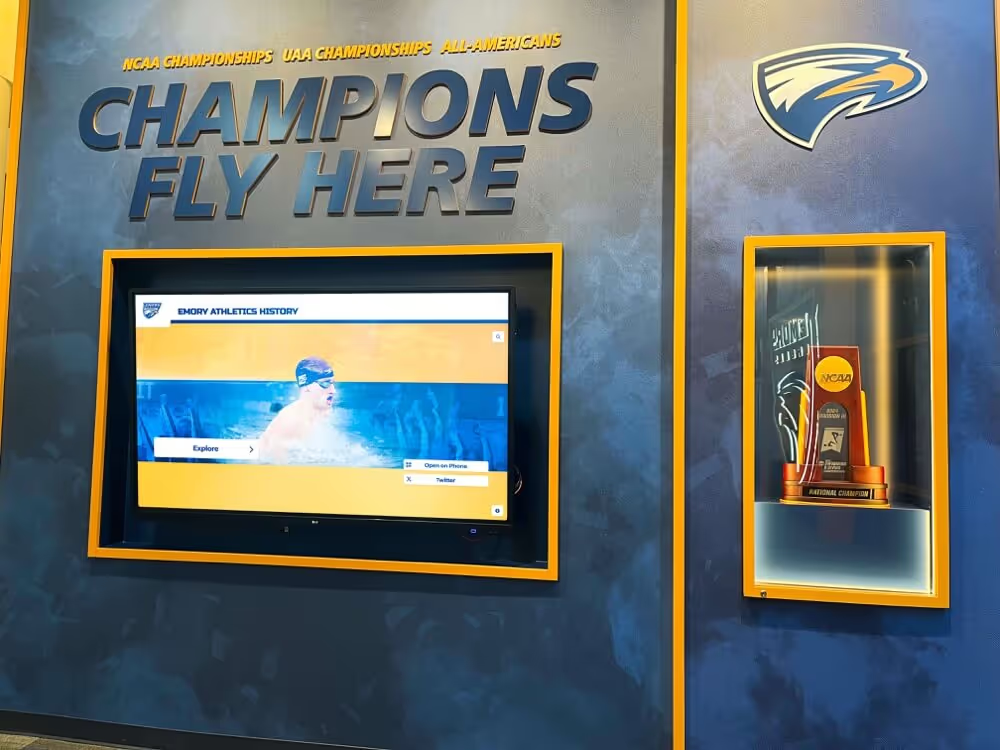
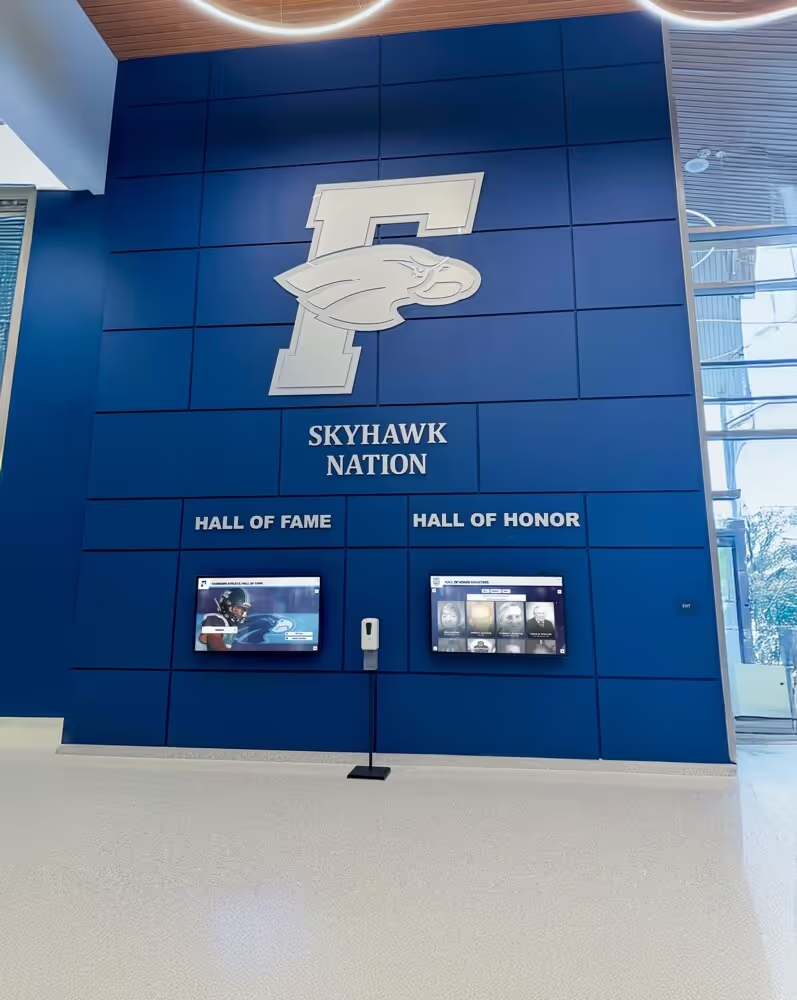
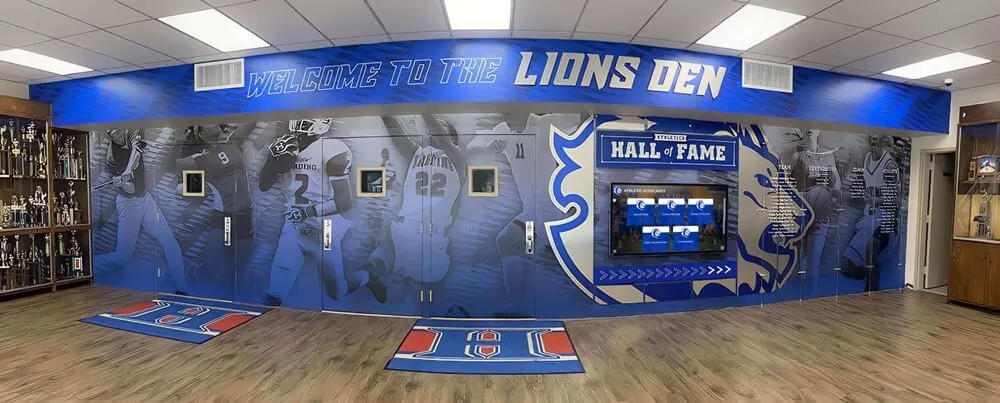
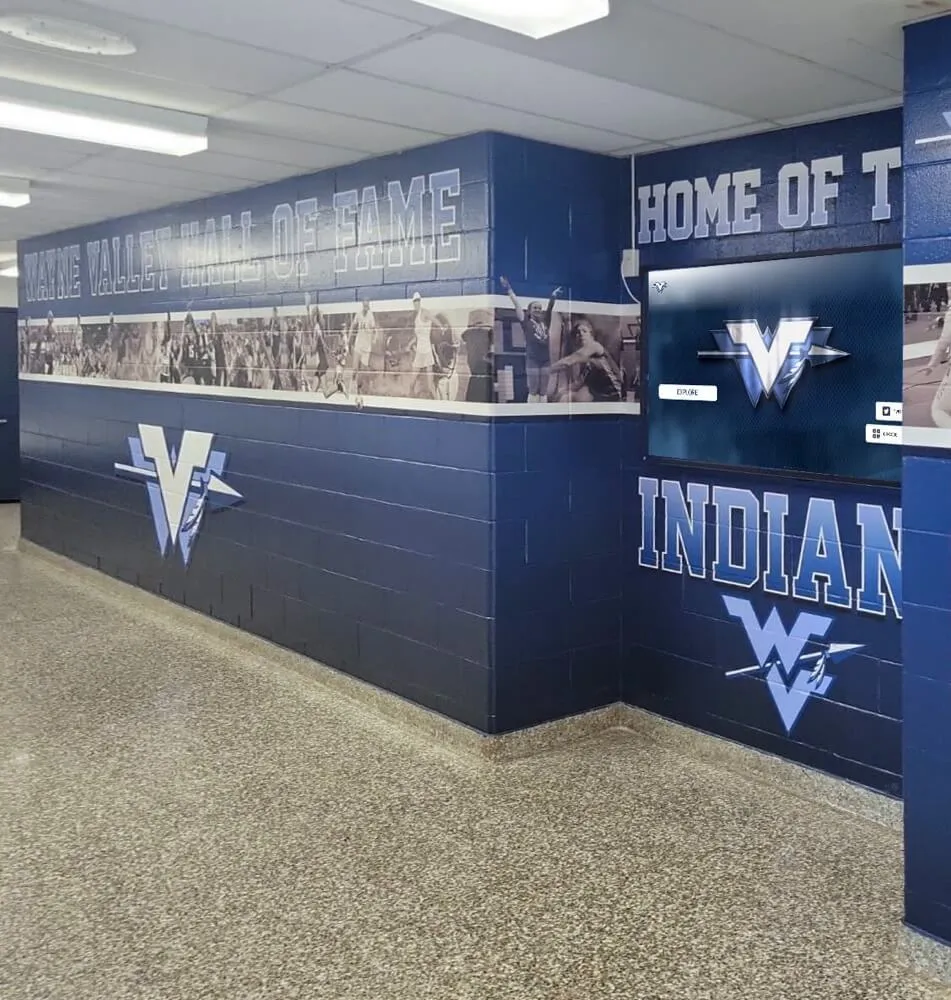
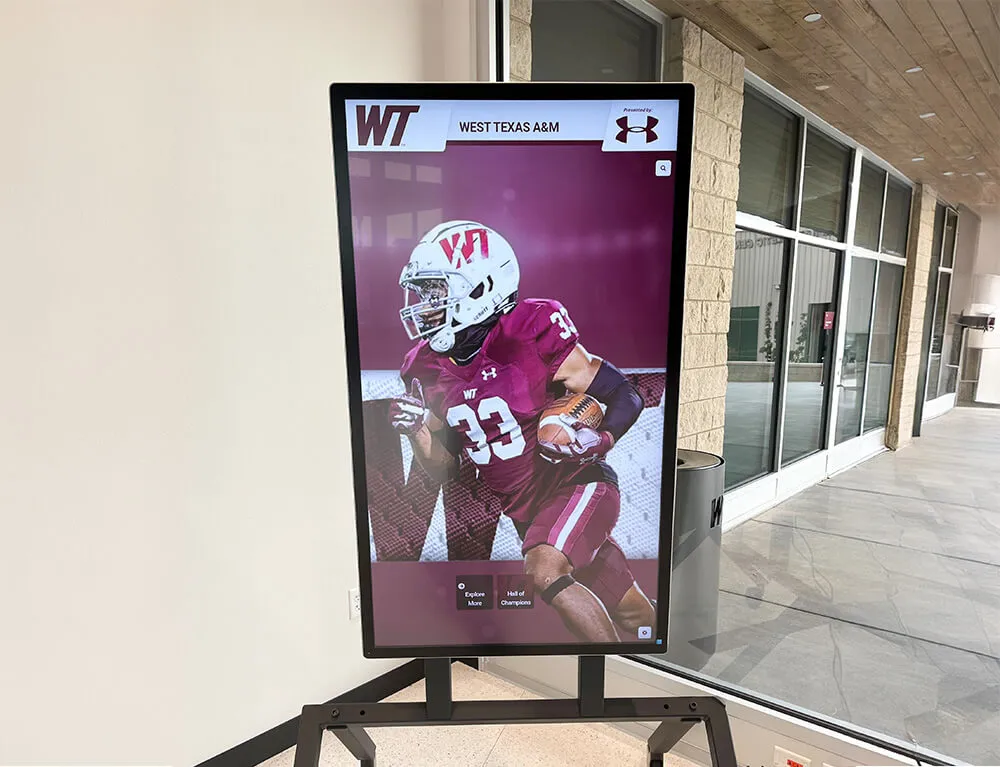
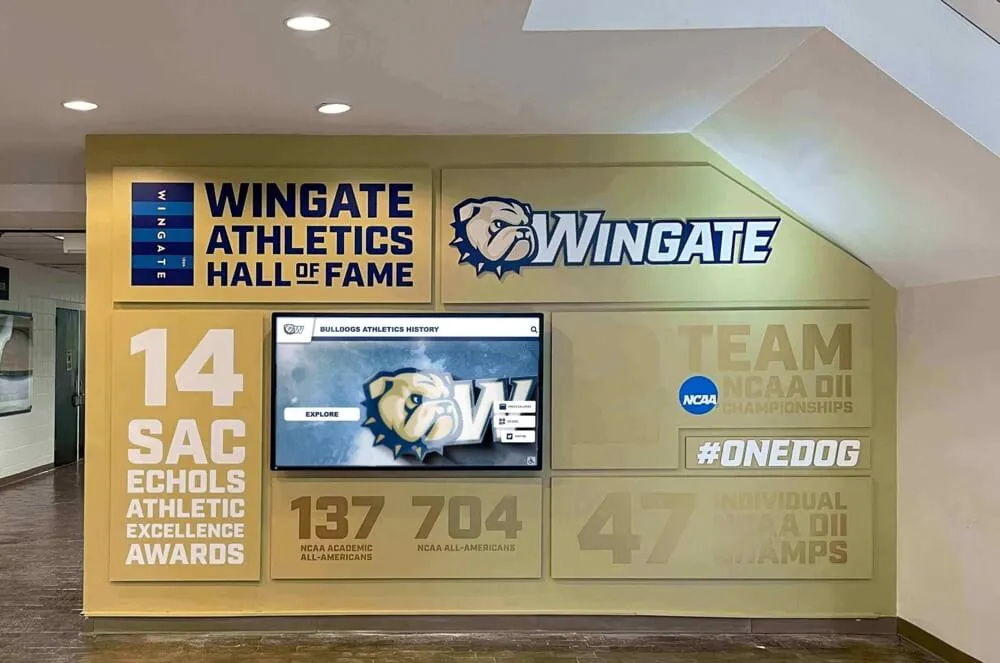
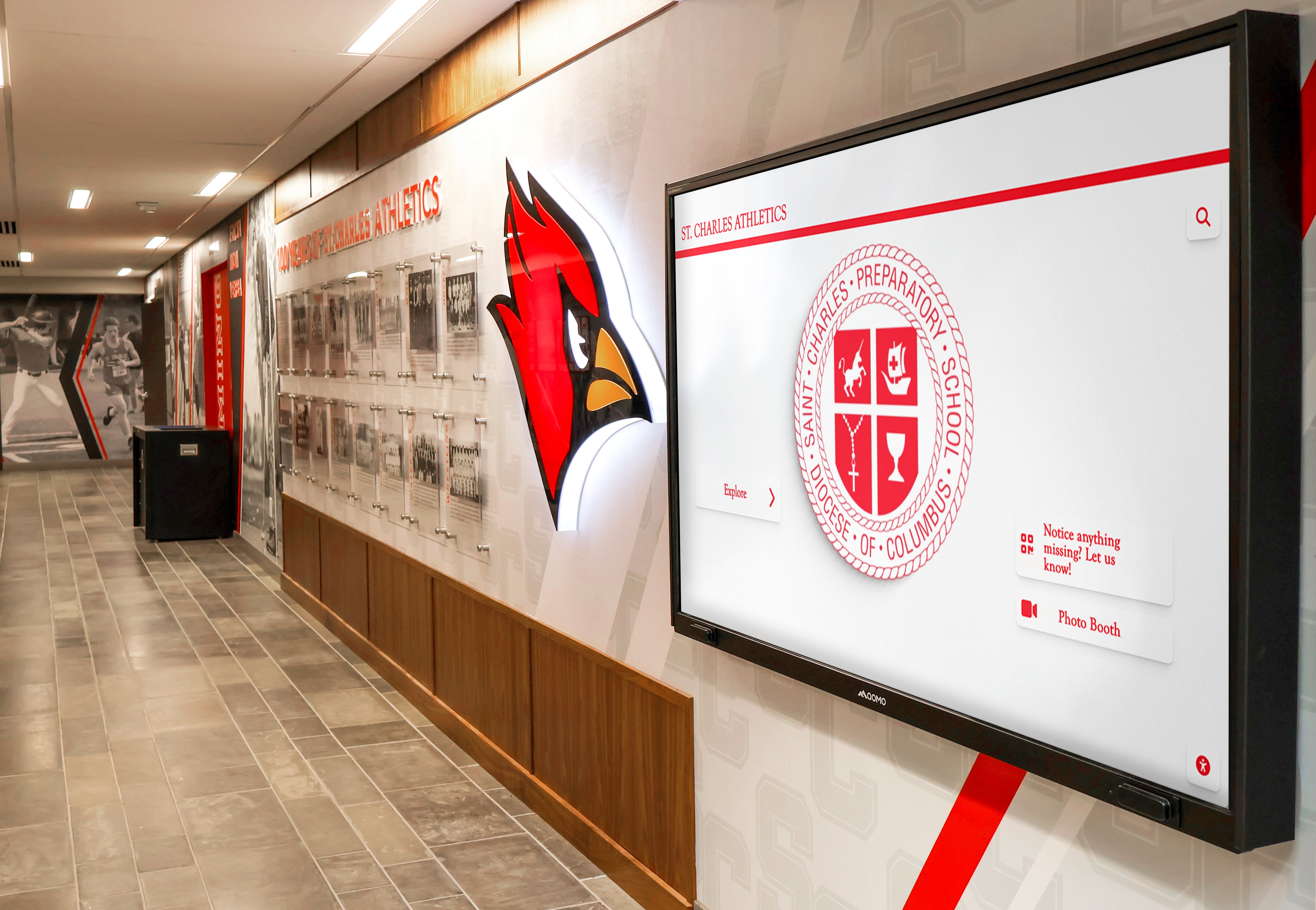
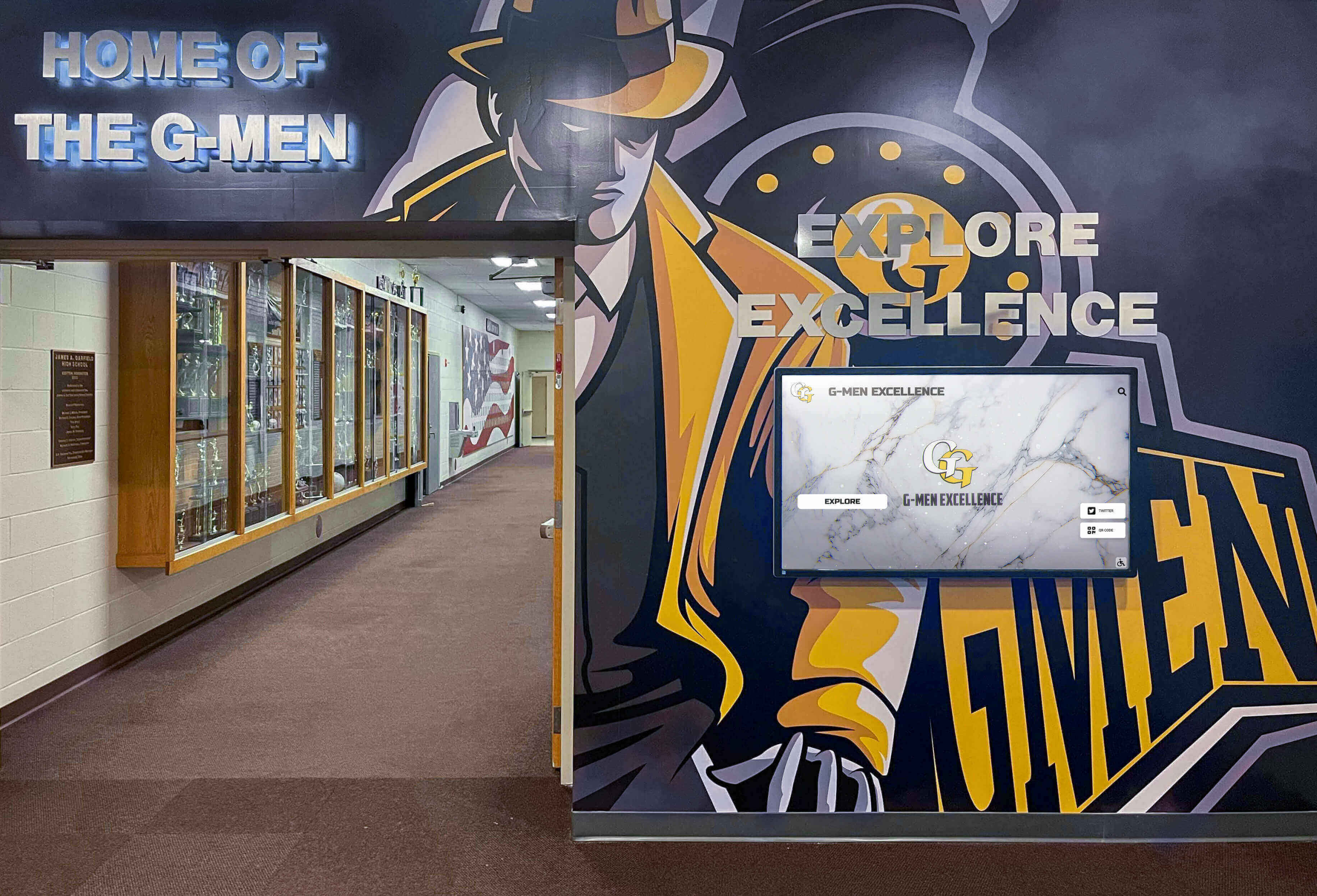
Interactive displays transform static award lists into engaging experiences where students explore recognition opportunities and see themselves reflected in past recipients’ achievements. Rocket Alumni Solutions provides schools with purpose-built platforms that make creating and maintaining these comprehensive recognition systems manageable without requiring constant technical expertise.
Digital Display Screens:
Rotating recognition in high-traffic areas:
- Lobby displays showcasing recent award recipients
- Hallway screens highlighting different recognition categories
- Cafeteria displays celebrating diverse achievements during lunch periods
- Athletic facility screens featuring sports recognition
- Library displays emphasizing academic and literary awards
- Classroom screens showing subject-specific honors
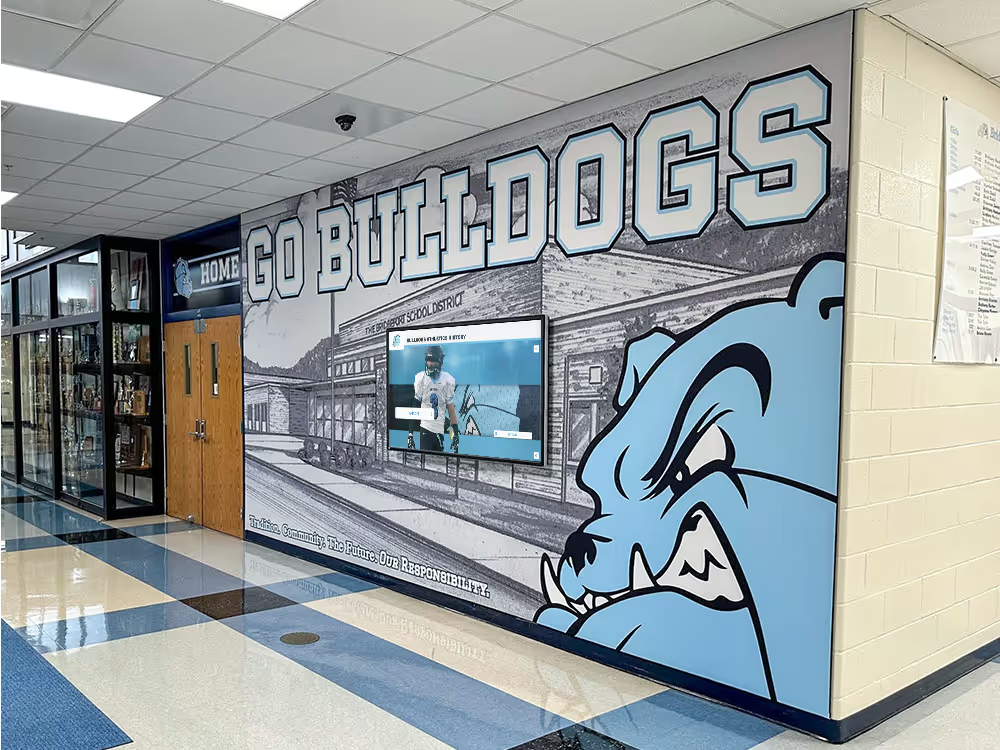
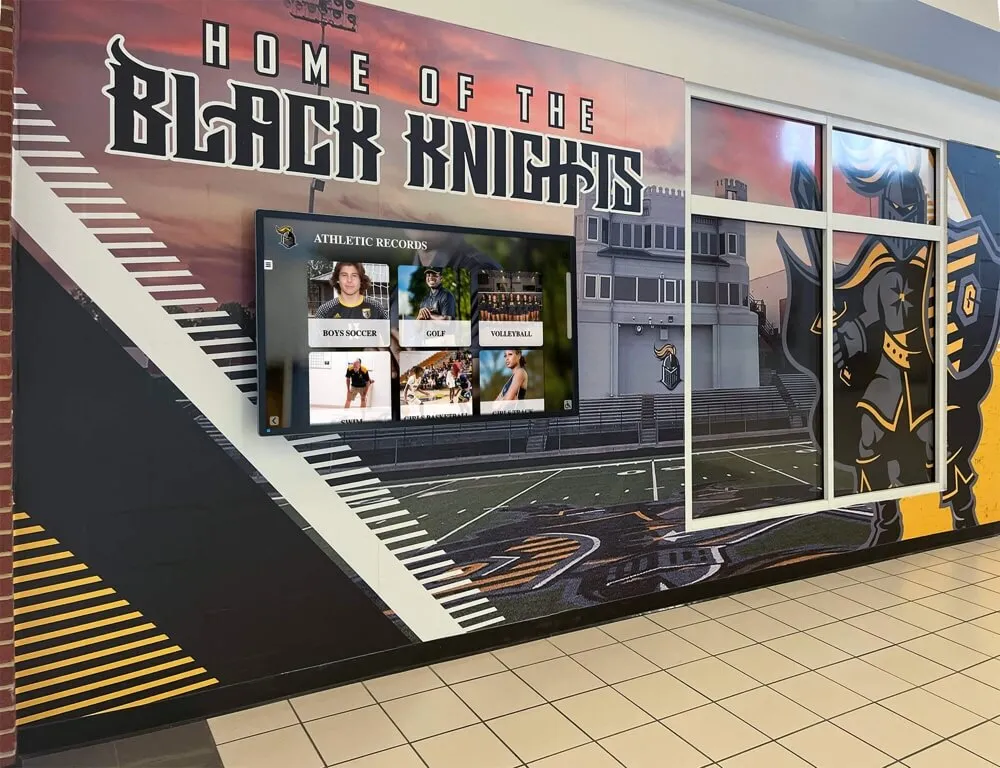
Distributed displays throughout buildings ensure students regularly encounter recognition regardless of which spaces they frequent, keeping achievement visible and inspiring.
Social Media and Online Recognition
Digital communication extends recognition reach:
Platform-Specific Strategies:
Leveraging different channels for recognition:
- Instagram posts featuring award recipient photos and achievement highlights
- Facebook announcements reaching parent and community audiences
- Twitter recognition creating shareable moments for recipients and families
- School website honor rolls and award recipient directories
- YouTube videos of ceremony highlights or recipient interviews
- LinkedIn recognition helping students build professional profiles
Multi-platform recognition enables students and families to share achievements within their networks while demonstrating school commitment to celebrating excellence to broader communities.
Content Approaches:
Creating engaging recognition content:
- Individual spotlight posts celebrating specific recipients with detail
- Group recognition posts celebrating entire award cohorts
- Before-and-after stories highlighting improvement and growth
- Video interviews with recipients discussing their achievements
- Infographics visualizing award participation and achievement trends
- Behind-the-scenes content about nomination and selection processes
Varied content keeps recognition fresh and engaging rather than repetitive announcements that audiences begin ignoring.
Building Inclusive Recognition Programs
The most effective programs create recognition opportunities for diverse student populations.
Ensuring Broad Accessibility
Recognition programs should offer pathways for all students:
Multiple Recognition Domains:
Diverse categories matching student strengths:
- Academic, athletic, artistic, service, leadership, character categories ensuring varied pathways
- Recognition for both absolute achievement and improvement/growth
- Individual accomplishments and team/collaborative contributions
- Traditional metrics (GPA, test scores) and alternative demonstrations of excellence
- School-based and external recognitions validating different achievement types
- Short-term (quarterly honor roll) and long-term (four-year achievement) recognitions
Domain diversity ensures that students who don’t excel academically can still earn meaningful recognition for excellence in areas matching their strengths and interests.
Removing Barriers to Participation:
Ensuring equal access to recognition opportunities:
- Financial barriers: No cost for nominations, applications, or participation in recognition opportunities
- Information barriers: Proactive communication ensuring all students learn about opportunities
- Access barriers: Activities and achievements available regardless of transportation or family resources
- Language barriers: Recognition information available in languages families speak
- Social capital barriers: Nomination processes not dependent solely on student initiative or adult advocacy
- Activity barriers: Recognition for achievements both within and beyond school-sponsored programs
Barrier reduction ensures that recognition reflects genuine student achievement rather than demographic factors that merely predict access to opportunities.
Avoiding Common Pitfalls
Thoughtful design prevents recognition programs from inadvertently creating negative effects:
Grade Inflation and Participation Trophies:
Maintaining meaningful standards:
- Award criteria stringent enough that recognition indicates genuine achievement
- Selective recognition making awards aspirational rather than automatic
- Balance between inclusivity (opportunities for all) and distinction (not everyone wins)
- Clear communication that effort matters but recognition requires achievement
- Graduation from elementary “everyone gets an award” approach to meaningful high school recognition
Maintaining standards ensures awards retain motivational value while developing students’ capacity to handle both success and disappointment, essential skills for adult life.
Overemphasis on Competition:
Healthy motivation without toxic comparison:
- Recognition for personal growth and improvement alongside absolute achievement
- Celebration of collaborative success and team contributions
- Multiple award categories reducing “winner and loser” dynamics
- Emphasis on students competing with their own past performance
- Character recognition valuing qualities beyond competitive success
- Discouragement of negative behaviors pursued solely for recognition
Balanced approaches inspire students to pursue excellence without creating environments where achievement comes at the cost of wellbeing or positive relationships.
Demographic Patterns in Recognition:
Ensuring equity across student groups:
- Data analysis examining whether recognition recipients reflect overall student demographics
- Examination of unintentional biases in nomination and selection processes
- Culturally responsive criteria valuing diverse forms of contribution and excellence
- Training for selection committees about implicit bias and fair evaluation
- Student and family input about recognition program inclusivity
- Corrective action when data reveals systematic underrecognition of particular groups
Equity focus ensures recognition programs genuinely celebrate excellence across all student populations rather than reflecting unexamined assumptions about who achieves or deserves recognition.
Conclusion: Creating Recognition Systems That Inspire Excellence
High school awards and honors programs serve essential purposes beyond simply distributing trophies and certificates. The most effective recognition systems validate diverse forms of student excellence, motivating continued growth and achievement while building students’ sense that their contributions matter and their communities value their efforts. Thoughtful programs balance rigorous standards maintaining prestige with inclusive opportunities enabling all students to experience recognition for meaningful accomplishment, celebrate both absolute achievement and personal growth, acknowledge traditional academic metrics alongside creative, social, and character-based excellence, and maintain visibility through ceremonies, displays, and communication keeping achievement inspiring year-round rather than memorable only during brief presentation moments.
Schools establishing or enhancing recognition programs should develop clear, published criteria for diverse award categories representing varied achievement domains, implement fair nomination and selection processes that identify deserving recipients while preventing bias, create meaningful presentation formats that genuinely honor recipients rather than rushing through name lists, leverage digital recognition systems that keep achievements visible beyond annual ceremonies, and regularly assess programs for inclusivity and equity, ensuring recognition opportunities and outcomes reflect the diversity of the full student body.
Whether launching comprehensive new recognition systems, expanding existing programs to celebrate broader forms of achievement, or modernizing award presentation through technology, thoughtful implementation creates cultures where students feel seen, valued, and motivated to pursue their unique potential. The investment in comprehensive recognition programming pays dividends through increased student engagement, stronger school culture and pride, clearer pathways motivating achievement across diverse domains, and documented accomplishments opening doors to scholarships and opportunities extending far beyond high school.
Ready to transform your school’s recognition program with digital displays that showcase student achievements year-round, creating daily inspiration beyond annual award ceremonies? Explore Rocket Alumni Solutions to discover comprehensive platforms designed specifically for schools building sustainable recognition systems that celebrate excellence, inspire achievement, and strengthen community pride.