



Key Takeaways
Comprehensive guide to athletic training room design for schools. Learn space planning, equipment zones, safety requirements, technology integration, and budget strategies for effective sports medicine facilities.
Athletic training rooms serve as the medical headquarters for school athletic programs—specialized facilities where certified athletic trainers prevent injuries, evaluate conditions, provide immediate care, coordinate rehabilitation, and support student athlete health throughout their competitive careers. Yet many schools approach training room design as an afterthought, converting storage closets or inadequate spaces into makeshift medical facilities that compromise both athlete care quality and athletic trainer effectiveness.
Proper athletic training room design requires strategic planning that balances clinical functionality, workflow efficiency, safety requirements, budget realities, and program-specific needs. Well-designed training rooms enable athletic trainers to deliver higher quality care to more athletes, create organized systems that improve treatment efficiency, and establish professional medical environments that athletes respect and utilize appropriately. This comprehensive guide provides athletic directors, administrators, and facilities planners with frameworks for designing or renovating athletic training rooms that serve as effective sports medicine spaces supporting comprehensive athlete care and program excellence.
Planning Your Athletic Training Room: Foundational Considerations
Successful training room design begins with thorough planning addressing program needs, space realities, and long-term functionality before equipment purchases or construction begins.
Assessing Your Program’s Specific Needs
Different athletic programs require different training room designs based on sport offerings, athlete populations, and program philosophies:
Sport-Specific Considerations: Contact sports like football, wrestling, and hockey generate higher injury rates requiring more treatment capacity during peak seasons. These programs need additional treatment tables, more extensive taping areas, and larger ice therapy stations. Programs emphasizing these sports should design training rooms anticipating 8-12% of athletes requiring daily attention during competitive seasons, while programs focused on non-contact sports might plan for 4-6% daily utilization.
Schools offering many different sports face scheduling challenges as teams overlap throughout the year. Multi-sport programs benefit from larger facilities accommodating simultaneous team access, particularly during fall and spring seasons when the most sports compete concurrently. Single-season programs or schools with fewer sport offerings might function effectively with smaller spaces and more focused equipment selections.
Athlete Population Size: Small programs with fewer than 150 total athletes across all sports can often function in 600-800 square feet with 2-3 treatment tables, basic equipment, and efficient organization. Medium programs serving 150-400 athletes typically require 1,000-1,500 square feet with 4-6 treatment tables and more comprehensive equipment. Large programs exceeding 400 athletes need 1,500-2,500+ square feet with proportionally more treatment capacity, specialized zones, and multiple staff work areas.
Consider peak utilization times when multiple teams need access simultaneously. The facility must accommodate realistic concurrent demand, not just theoretical total program size. A school with 300 athletes but limited seasonal overlap might need less space than a similar-sized program with heavy fall and spring sport offerings creating significant access competition.
Staffing and Service Model: Programs with full-time certified athletic trainers can provide more comprehensive services requiring larger, better-equipped facilities. Schools with part-time athletic training coverage or shared athletic trainers serving multiple schools need highly efficient spaces optimized for limited staffing hours. Single-trainer programs require workflow designs enabling one professional to manage multiple athletes efficiently, while programs with multiple staff members need space supporting collaborative work without crowding.
Some districts employ athletic training service models where athletic trainers rotate between multiple school sites. These arrangements require portable equipment solutions and simplified facility designs that multiple professionals can utilize effectively without extensive site-specific training.
Location Selection and Space Requirements
Training room location significantly impacts accessibility, workflow efficiency, and program culture:
Proximity to Athletic Facilities: Ideal locations position training rooms adjacent to primary practice and competition venues, minimizing athlete travel time between training and medical care. Ground-floor locations in athletic wings provide easy access for all sports while allowing equipment delivery and emergency vehicle access if needed. Consider distance from locker rooms, weight rooms, practice fields, and competition facilities when evaluating potential spaces.
Training rooms buried in building basements or isolated from athletic activities reduce athlete access and prevent athletic trainers from observing practices or responding quickly to field injuries. Central locations within athletic complexes create cultures where athletes naturally stop by for preventive care, injury assessment, and wellness resources rather than viewing the training room as a last resort after injuries worsen.
Accessibility and Traffic Flow: All athletes must access training rooms easily, requiring ground-floor locations or elevator access for multi-story facilities. Wide doorways (minimum 36 inches, preferably 42+ inches) accommodate wheelchairs, crutches, and equipment. Consider whether athletes wearing cleats, spikes, or skates can reach the training room without extensive locker room detours requiring shoe changes.
External access allows athletes to enter training rooms directly from practice fields without traveling through general school areas, improving efficiency and reducing contamination from outdoor dirt and grass. However, secure external access requires appropriate door controls preventing unauthorized after-hours entry while allowing athlete access during practice and competition times.
Schools planning comprehensive athletic facility upgrades should integrate training room design into broader facility planning, ensuring proper adjacencies, shared infrastructure, and cohesive athletic complex design rather than treating training rooms as isolated spaces.
Regulatory and Safety Requirements
Athletic training rooms must meet various regulatory standards ensuring athlete safety and proper medical care environments:
ADA Compliance: All areas must meet Americans with Disabilities Act accessibility standards. This includes accessible routes to and within the training room, treatment tables with transfer space for athletes using wheelchairs, accessible height sinks and counters, and accessible toilet facilities if included in the training room design. Door hardware, light switches, and controls must comply with reach range requirements.
Proper ADA compliance ensures all athletes can access medical care regardless of temporary or permanent disabilities. Schools should reference accessibility standards when integrating technology into athletic facilities to ensure comprehensive compliance across all program elements.
Electrical and Plumbing Infrastructure: Training rooms require substantial electrical capacity for modality equipment including ultrasound units, electrical stimulation devices, cold compression systems, ice machines, and computers. Plan for 20-amp circuits dedicated to high-draw equipment and ensure sufficient outlets prevent dangerous extension cord use. All outlets in wet areas or near sinks must include GFCI protection.
Plumbing requirements include at least one sink for handwashing and sanitization, preferably with hands-free operation for infection control. Rooms including cold tubs, whirlpools, or extensive ice therapy need floor drains, appropriate plumbing for fill and drain functions, and potentially water heaters if using heat therapy modalities. Consider water pressure and drainage capacity when planning ice machines and hydration stations.
Ventilation and Climate Control: Athletic training rooms require robust HVAC systems managing heat from equipment, humidity from ice machines and cold therapy, and potential contamination from athletic equipment and sweaty athletes. Independent climate control separate from general school systems allows athletic trainers to maintain appropriate temperatures during after-school and weekend hours when school buildings might operate in economy modes.
Ice machines and whirlpools generate significant heat and humidity, requiring dedicated ventilation preventing moisture accumulation that encourages mold growth. Some equipment manufacturers specify minimum ventilation requirements that building systems must meet for proper equipment operation and warranty compliance.
Fire Safety and Egress: Training rooms must meet fire code requirements including appropriate exit access, emergency lighting, fire suppression systems, and smoke detection. Storage areas for flammable materials like tape spray, topical analgesics, and alcohol require proper cabinets and ventilation. Electrical equipment must comply with fire safety standards and include appropriate surge protection.
Emergency exits must remain clear and accessible at all times—equipment, supplies, and treatment areas cannot block egress routes. Some jurisdictions require multiple exits from training rooms based on occupancy loads and room sizes.
Essential Equipment Zones and Layout Design
Effective athletic training rooms organize space into functional zones supporting different aspects of athlete care and program operations.
Taping and Preparation Area
This high-traffic zone supports pre-practice and pre-competition athlete preparation including prophylactic taping, equipment fitting, and minor injury protection:
Equipment Needs: Taping areas require sturdy taping tables (typically 24-30 inches high) with comfortable surfaces and footrests allowing athletes to sit while athletic trainers apply ankle tape, braces, padding, or protective equipment. Unlike treatment tables, taping tables don’t require hydraulic adjustment but must support athlete weight and withstand daily use throughout long seasons.
Wall-mounted or freestanding tape storage systems organize various tape types, pre-wrap, scissors, and application tools for efficient access. Many athletic trainers prefer open shelving or pegboard systems allowing visual inventory monitoring at a glance. Taping areas benefit from good task lighting since proper tape application requires clear visibility of anatomical landmarks.
Layout Considerations: Position taping areas near training room entrances so athletes can access preparation services without walking through clinical treatment zones. This separation prevents pre-practice athlete traffic from disrupting ongoing injury evaluations or rehabilitation in treatment areas. Taping zones often experience peak utilization in the 30-45 minutes before practice, requiring sufficient capacity for concurrent athletes without creating bottlenecks.
Consider whether taping areas should include closed-toe shoe requirements preventing athletes from tracking outdoor debris throughout the training room. Some programs establish satellite taping stations in locker rooms during peak times, reserving training room capacity for athletes requiring more complex preparation or injury protection.
Clinical Treatment and Evaluation Zone
This area serves as the medical core where athletic trainers evaluate injuries, provide treatment, and conduct clinical assessments:
Treatment Tables: High-quality treatment tables represent the most important equipment investment. Electrically adjustable tables (typically ranging 22-36 inches high) accommodate different treatment positions, athlete sizes, and athletic trainer ergonomics. Tables should include comfortable cushioning (2-3 inches minimum), durable vinyl covering resisting tape adhesive and treatment lotions, and foot switches allowing height adjustment without hand controls.
Plan for 100-120 square feet per treatment table allowing access from multiple sides, space for athletic trainer movement, and equipment positioning. Most programs need 1 treatment table per 50-75 athletes served, though contact sport programs might increase this ratio to 1 per 40-50 athletes given higher injury rates.
Modality Equipment: Clinical treatment areas house therapeutic modalities including ultrasound units, electrical stimulation devices, cold compression systems, and other evidence-based treatment tools. Equipment should position near treatment tables with adequate electrical outlets and storage for accessories. Mobile equipment carts allow flexible positioning based on specific treatment needs.
Consider electrical capacity when positioning modality equipment—multiple devices operating simultaneously draw significant power requiring appropriate circuit planning during facility design. Equipment manufacturers provide specific electrical requirements that electrical contractors need during planning phases.
Privacy Provisions: Some injury evaluations require visual examination of sensitive areas or discussions of confidential medical information. Treatment zones should include privacy curtains, portable screens, or semi-private areas allowing appropriate clinical evaluation while maintaining athlete dignity and HIPAA compliance.
Rehabilitation and Exercise Area
Dedicated rehabilitation space enables athletic trainers to supervise injured athletes progressing through recovery exercises while maintaining treatment table availability for acute care:
Equipment Selection: Rehabilitation areas benefit from versatile equipment supporting progressive exercise programs. Essential items include resistance bands of various strengths, foam rollers and recovery tools, balance equipment like BOSU balls and wobble boards, medicine balls, dumbbells or light weights, and adequate floor space for bodyweight exercises. Some programs invest in cable crossover systems, stationary bikes, or treadmills specifically for rehabilitation rather than general strength training.
Consider whether rehabilitation equipment should differ from strength training room resources to maintain distinct spaces and prevent athletes from using training room rehabilitation equipment for general workouts. This separation maintains clinical zone integrity and ensures athletic trainers can supervise rehabilitation without managing general strength training activities.
Space and Flow Considerations: Rehabilitation zones need open floor areas (minimum 150-200 square feet) allowing multiple athletes to work on different exercises simultaneously under athletic trainer supervision. Position rehabilitation areas where athletic trainers can monitor exercises while also maintaining awareness of athletes receiving treatment, waiting for services, or accessing other training room zones.
Some athletic trainers prefer locating rehabilitation areas near windows providing natural light and reducing feelings of confinement during lengthy rehabilitation sessions. However, ensure rehabilitation areas remain within the training room’s secure clinical environment rather than extending into general hallways or shared spaces where supervision becomes difficult.
Ice, Cold Therapy, and Hydration Station
Effective recovery requires convenient access to cold therapy and hydration resources:
Ice Machine and Storage: Commercial ice machines specifically designed for athletic training provide the volume needed for daily ice bag distribution, cold tub filling, and acute injury management. Machines should produce at least 250-400 pounds of ice per 24-hour period for medium-sized programs, with larger programs requiring higher capacity. Position ice machines near floor drains since drainage and condensation management prevents water damage to surrounding areas.
Include storage for coolers, ice bags, and distribution containers. Some programs use dedicated refrigerator/freezer units for cold pack storage, frozen water bottle reserves, and temperature-sensitive medications or biologics requiring controlled storage.
Cold Immersion Options: Cold water immersion therapy has become increasingly popular for recovery and acute injury management. Schools can implement various options from simple cold tubs ($500-$2,000) to sophisticated cold plunge systems ($5,000-$15,000+) depending on budgets and recovery program emphasis. All immersion systems require floor drains, fill/drain plumbing, and appropriate surrounding flooring that tolerates water exposure.
Position cold therapy areas on durable flooring with proper drainage since water spillage during athlete entry and exit is inevitable. Rubber flooring or tile with floor drains manages water effectively while providing slip resistance when wet.
Hydration Access: Convenient water access encourages proper hydration supporting injury prevention and recovery. Water bottle filling stations, water coolers, or dedicated hydration areas should position centrally for athlete access without disrupting clinical zones. Some programs include hydration monitoring through educational materials or urine color charts promoting awareness of proper hydration status.
Schools designing comprehensive athletic recognition programs often integrate wellness education into athlete culture, making training rooms natural locations for health information alongside medical services.
Administrative and Documentation Space
Athletic trainers require secure workspace for medical documentation, communication, and program coordination:
Desk and Computer Workstation: Athletic trainers spend significant time documenting injuries, communicating with physicians and parents, ordering supplies, and coordinating care. Dedicated desk space with ergonomic seating, adequate work surface, and computer access positions athletic trainers to oversee training room activities while managing administrative responsibilities.
Position desks to allow visual supervision of treatment areas, waiting athletes, and training room entrances without requiring athletic trainers to abandon documentation for basic monitoring. Some designs use glass-fronted offices or raised desk platforms providing clear sight lines throughout the facility while creating semi-private administrative zones.
Medical Records and Storage: Electronic medical records have largely replaced paper filing systems, but training rooms still require secure storage for some physical documents, forms requiring signatures, and confidential medical information. Locking file cabinets or secure storage areas prevent unauthorized access to protected health information ensuring HIPAA compliance.
Equipment requiring security—sharps for blister treatment, prescription medications for emergency use, or controlled substances if authorized—requires locked storage meeting regulatory requirements. Separate secured areas for medical supplies distinct from general equipment and athletic supplies prevent misuse and enable inventory control.
Equipment and Supply Storage
Organized storage maximizes usable treatment space while enabling efficient athletic trainer workflow:
Storage Volume Requirements: Athletic training programs accumulate substantial inventory including various tape types, braces and protective equipment, modality accessories, treatment supplies, first aid materials, cleaning products, and administrative supplies. Plan for 10-15% of total training room square footage dedicated to organized storage preventing cluttered work areas and disorganized supply management.
Vertical storage solutions maximize limited space through wall-mounted cabinets, overhead storage, and tall shelving units utilizing full floor-to-ceiling height. Label all storage areas clearly allowing athletic trainers to locate specific items quickly and enabling student assistants or substitute athletic trainers to find necessary supplies.
Inventory Management Systems: Successful programs implement inventory management systems tracking supplies, reorder points, and budget expenditures. This may include simple spreadsheet systems or more sophisticated software platforms. Visual inventory systems using clear storage containers and organized shelving enable at-a-glance stock assessment preventing last-minute supply shortages before competitions or during peak injury periods.
Separate clean supplies from used or contaminated materials through distinct storage zones. This infection control practice prevents cross-contamination and maintains medical-grade cleanliness for clinical materials.
Technology Integration and Modern Training Room Features
Contemporary athletic training rooms increasingly incorporate technology enhancing athlete care, program efficiency, and facility functionality:
Electronic Medical Records and Practice Management Software
Digital documentation systems have transformed athletic training administration by streamlining record-keeping, improving communication, and enhancing care quality:
Core System Benefits: Electronic medical record (EMR) systems specifically designed for athletic training enable efficient injury documentation, treatment tracking, and outcome monitoring. These platforms typically include injury evaluation templates, treatment planning tools, physician communication features, and analytics tracking injury patterns informing prevention efforts.
Cloud-based systems allow athletic trainers to access records from any location, important for trainers covering multiple facilities or coordinating with off-site physicians. Mobile-friendly platforms enable sideline documentation during competitions, reducing post-event paperwork and improving documentation accuracy while details remain fresh.
Implementation Considerations: Schools implementing EMR systems should verify HIPAA compliance, data security protocols, and backup procedures preventing data loss. Integration with existing school systems (student information databases, insurance information, emergency contacts) reduces duplicate data entry and maintains information accuracy. Training for athletic training staff ensures effective system utilization and consistent documentation practices.
Communication and Education Technology
Athletic training rooms increasingly use technology for athlete education, communication, and program awareness:
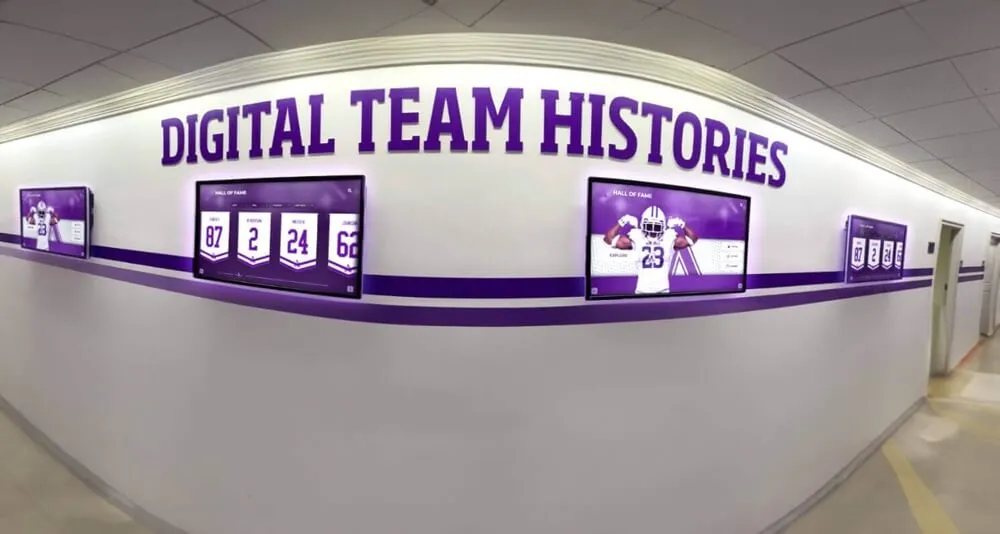
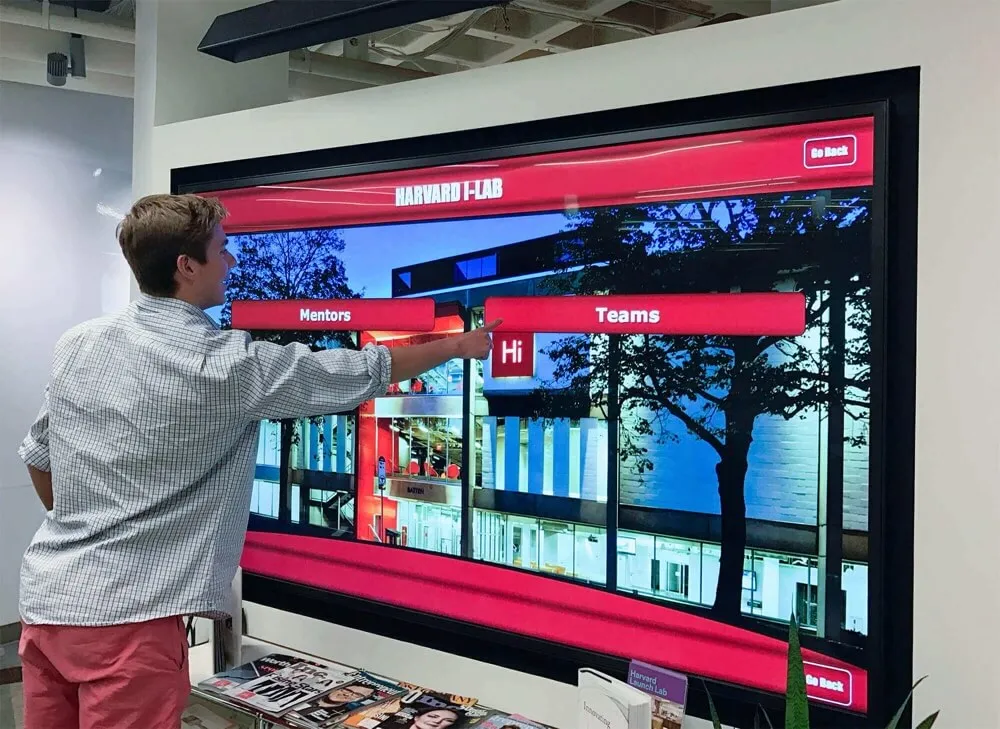
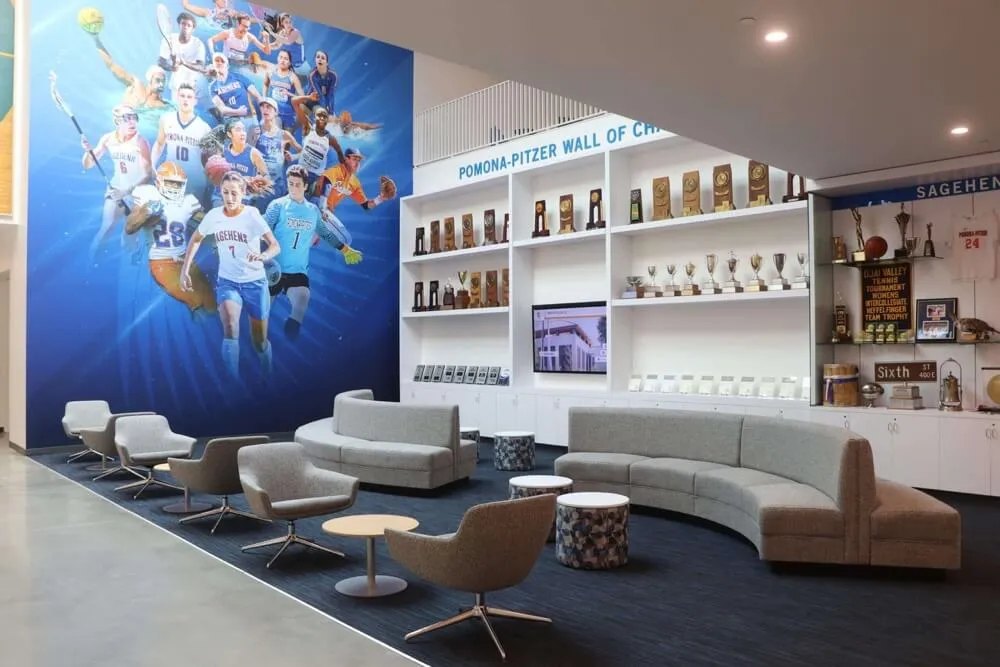
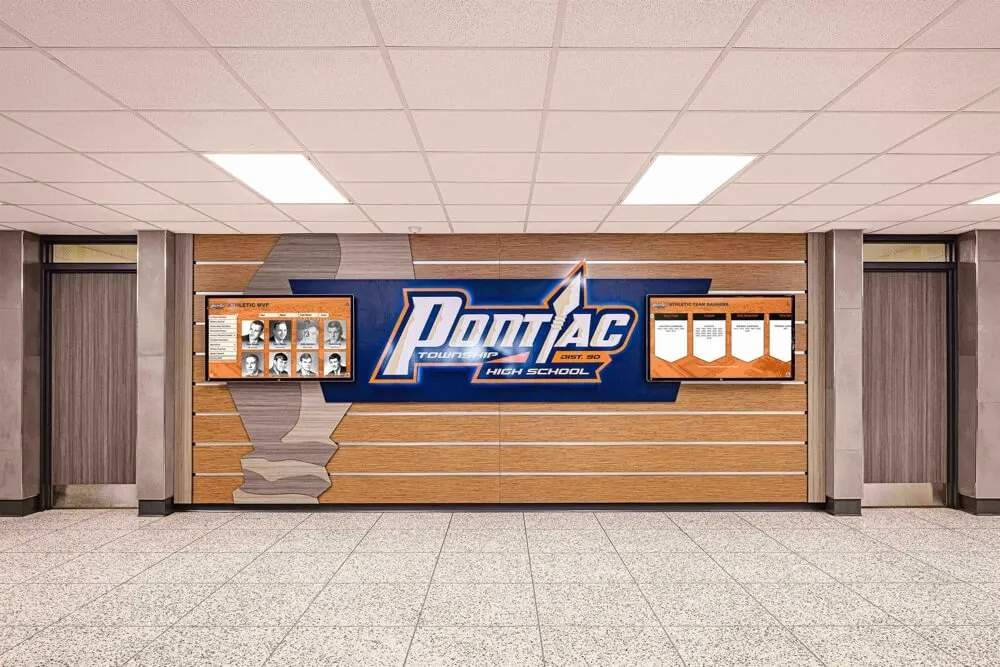
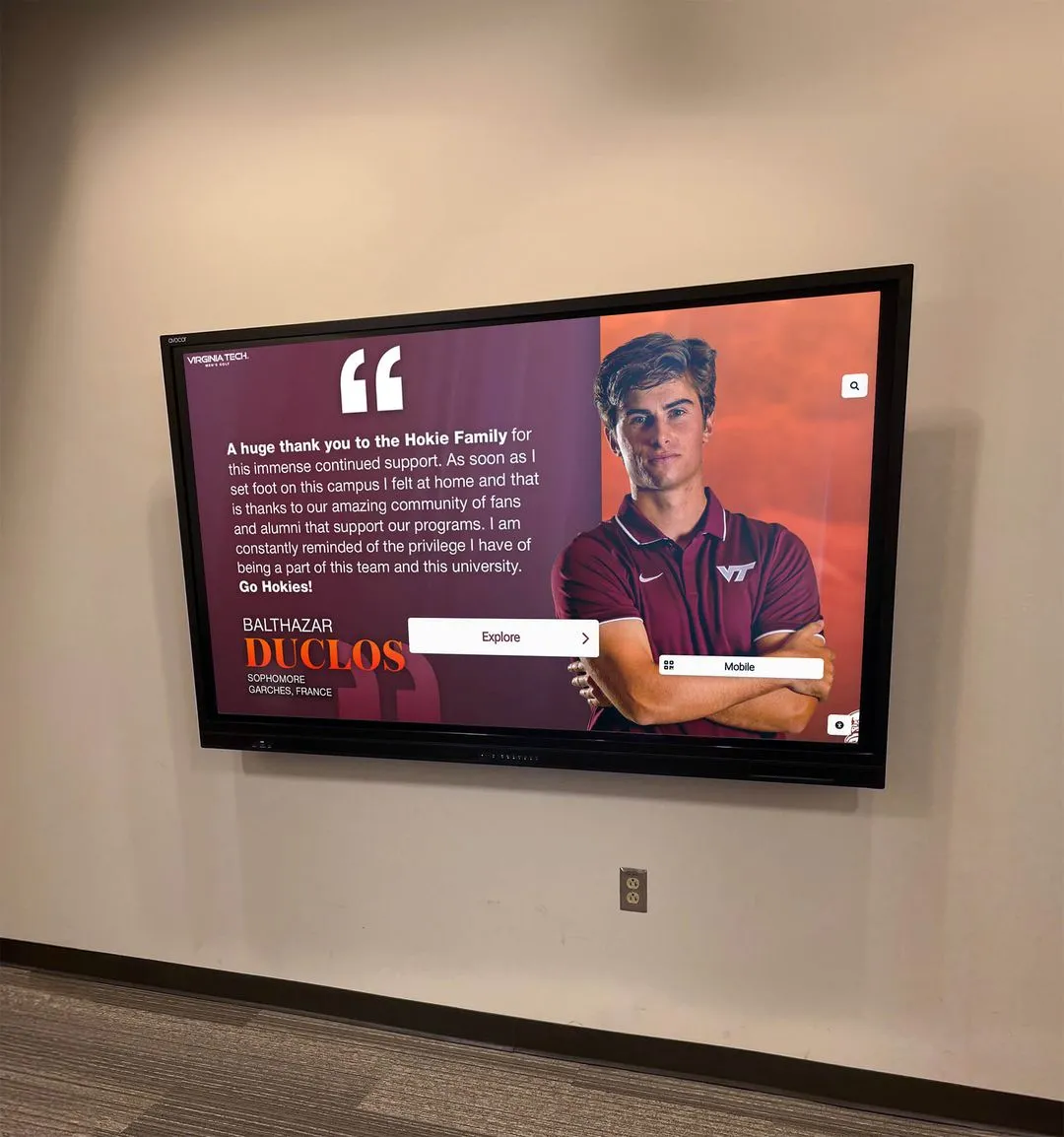
Digital Displays for Education and Recognition: Well-positioned displays serve multiple functions in modern athletic training facilities. Educational content including injury prevention videos, rehabilitation exercise demonstrations, recovery best practices, and wellness information helps athletes understand the science behind athletic training interventions.
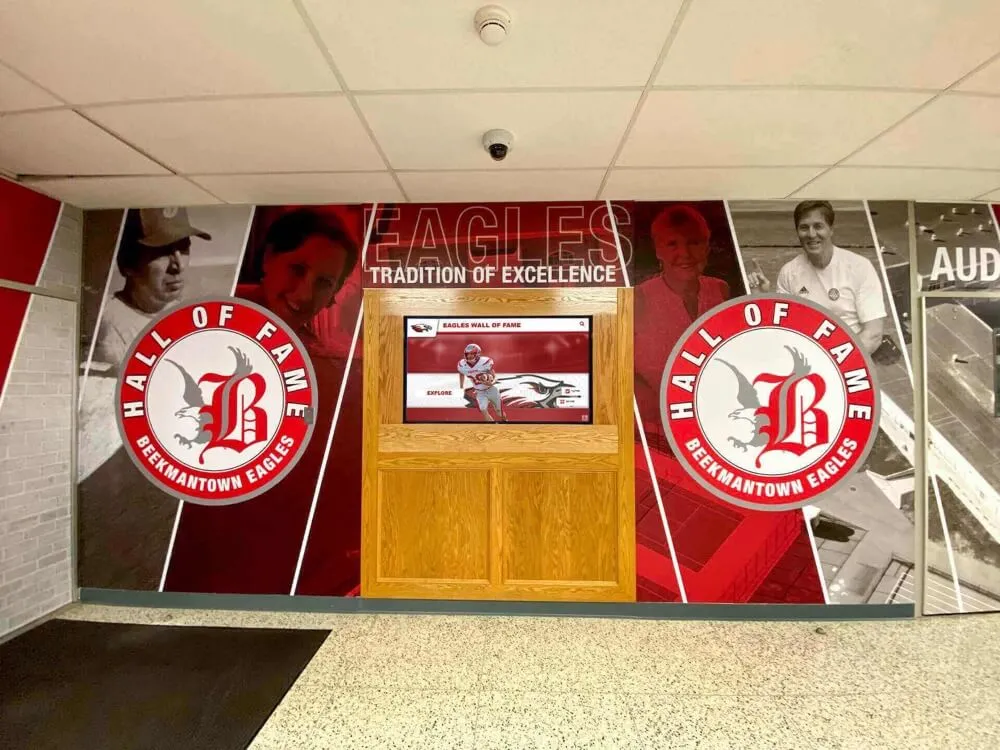
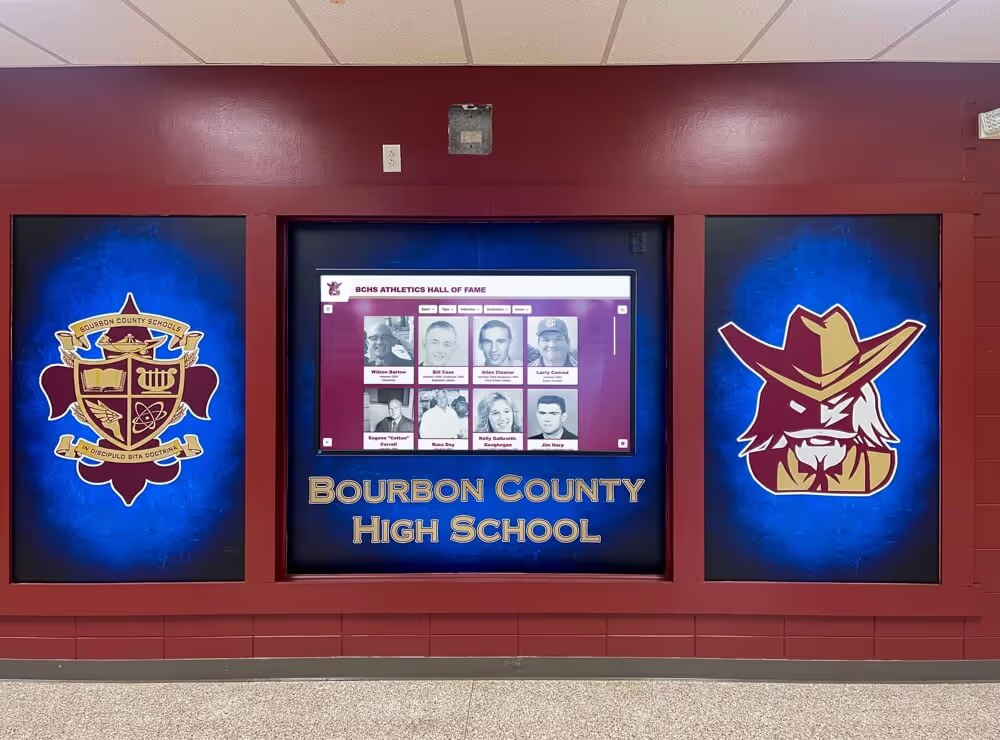
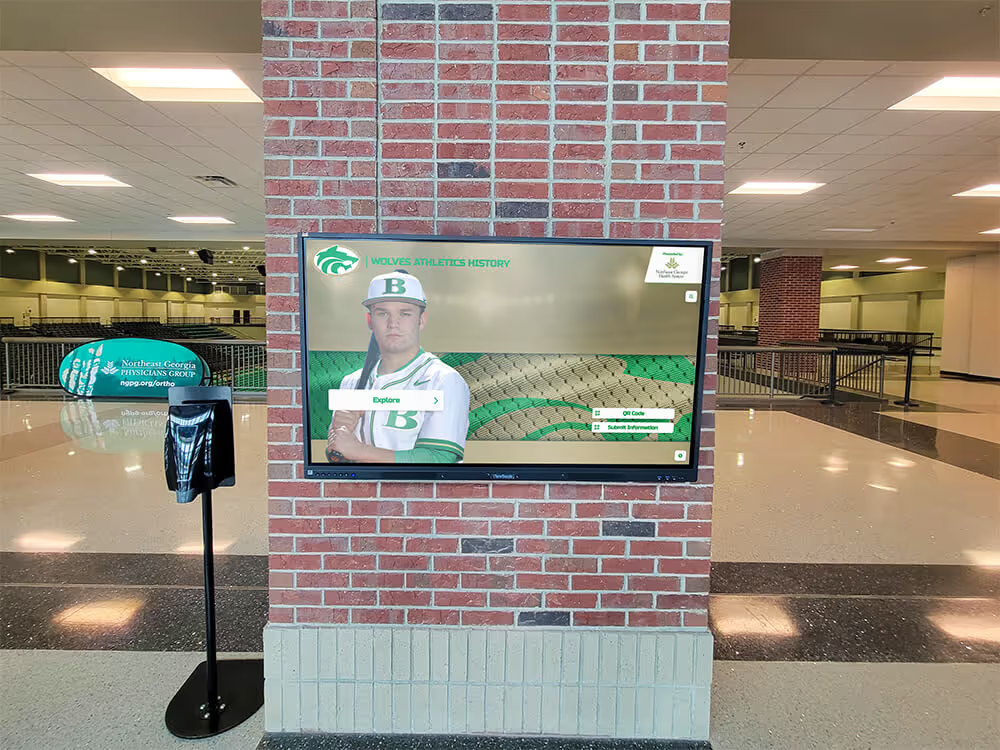
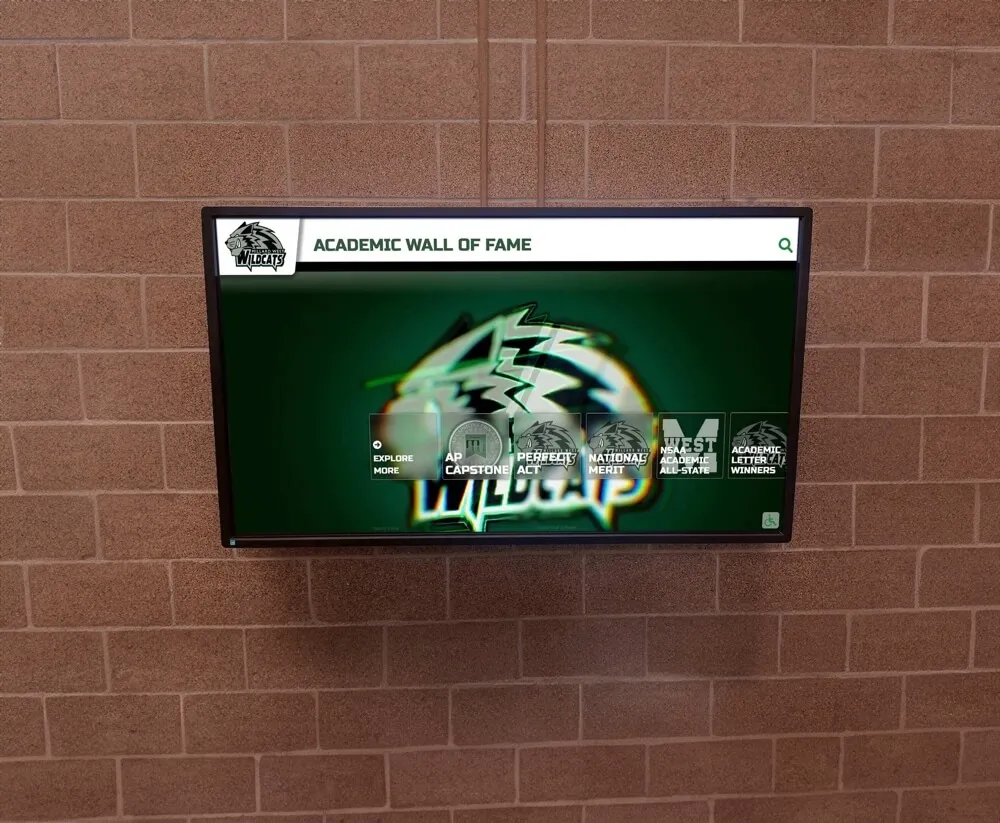
Many programs also use digital displays for athlete recognition and program culture building, showcasing athletes who demonstrate excellent rehabilitation commitment, injury prevention compliance, or wellness leadership alongside traditional athletic achievements. This integration reinforces that health and recovery matter as much as competitive performance.
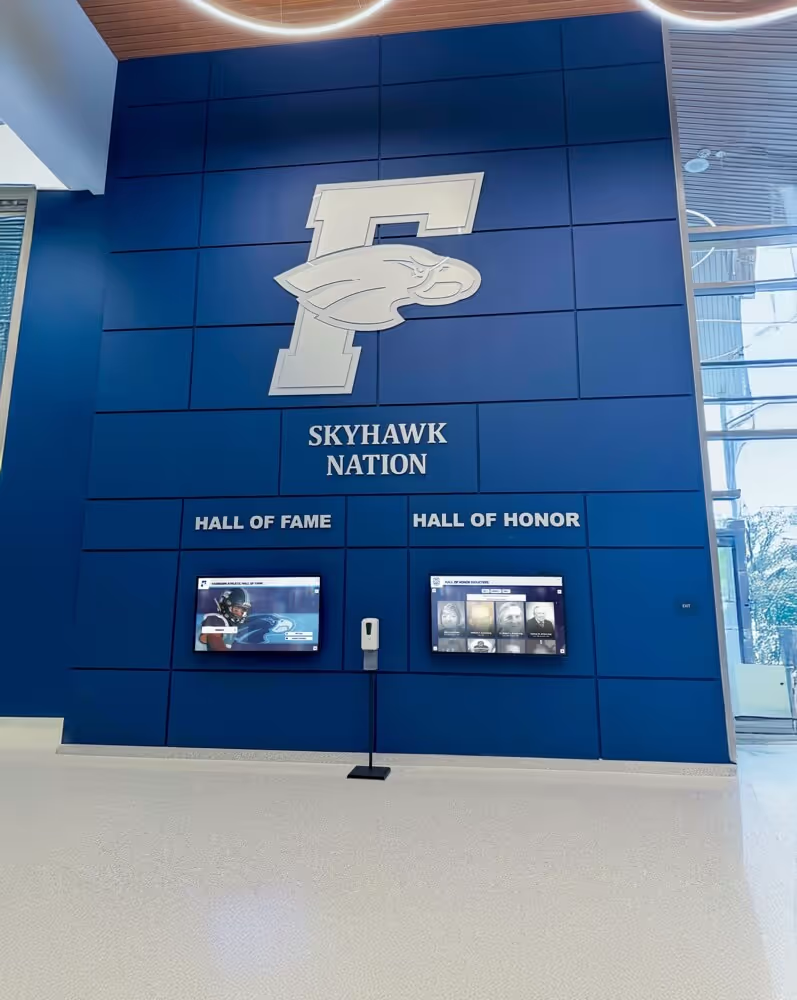
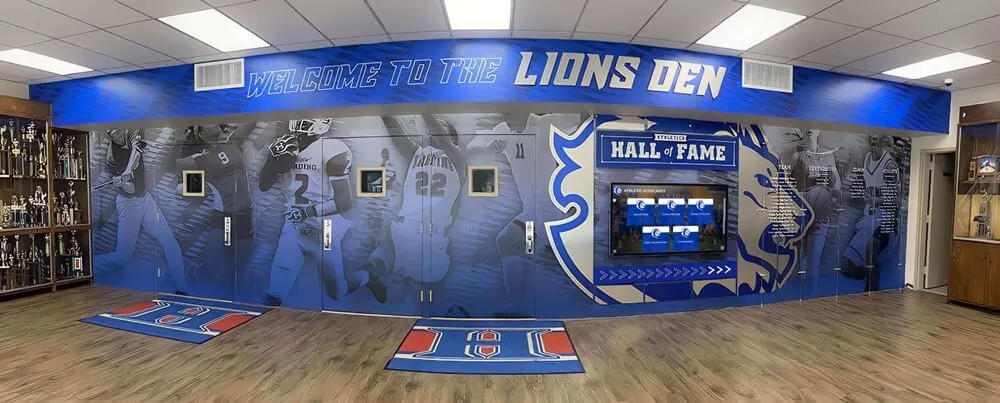
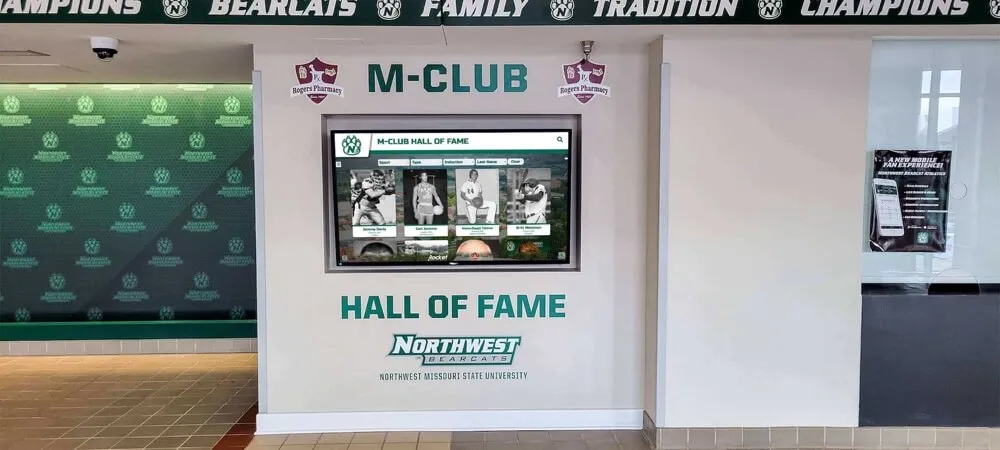
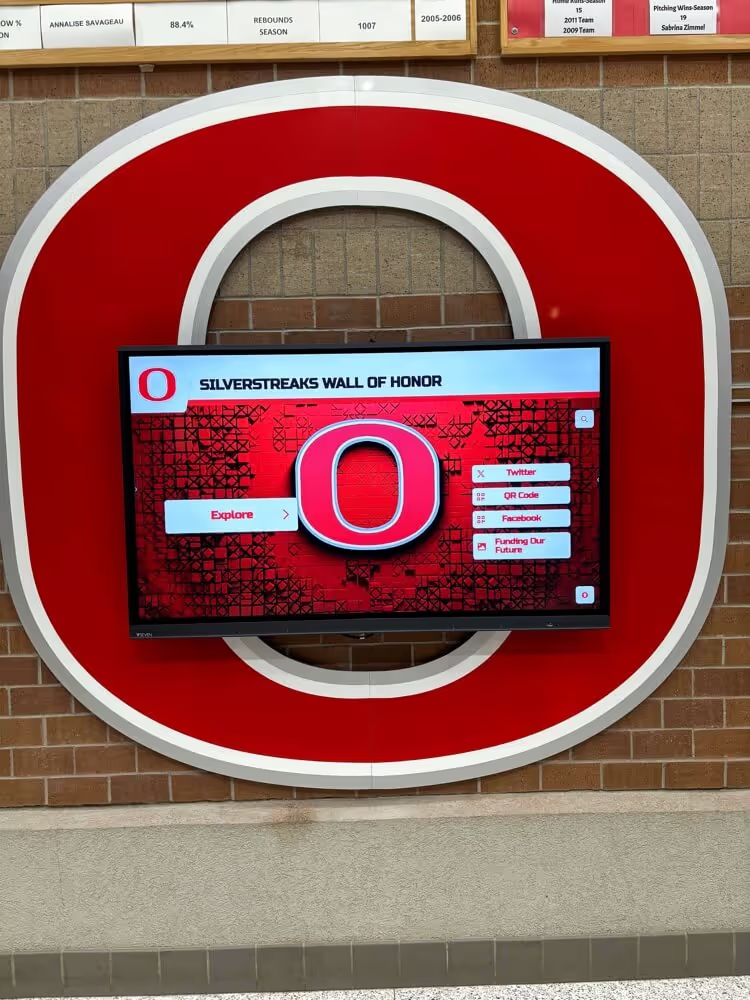
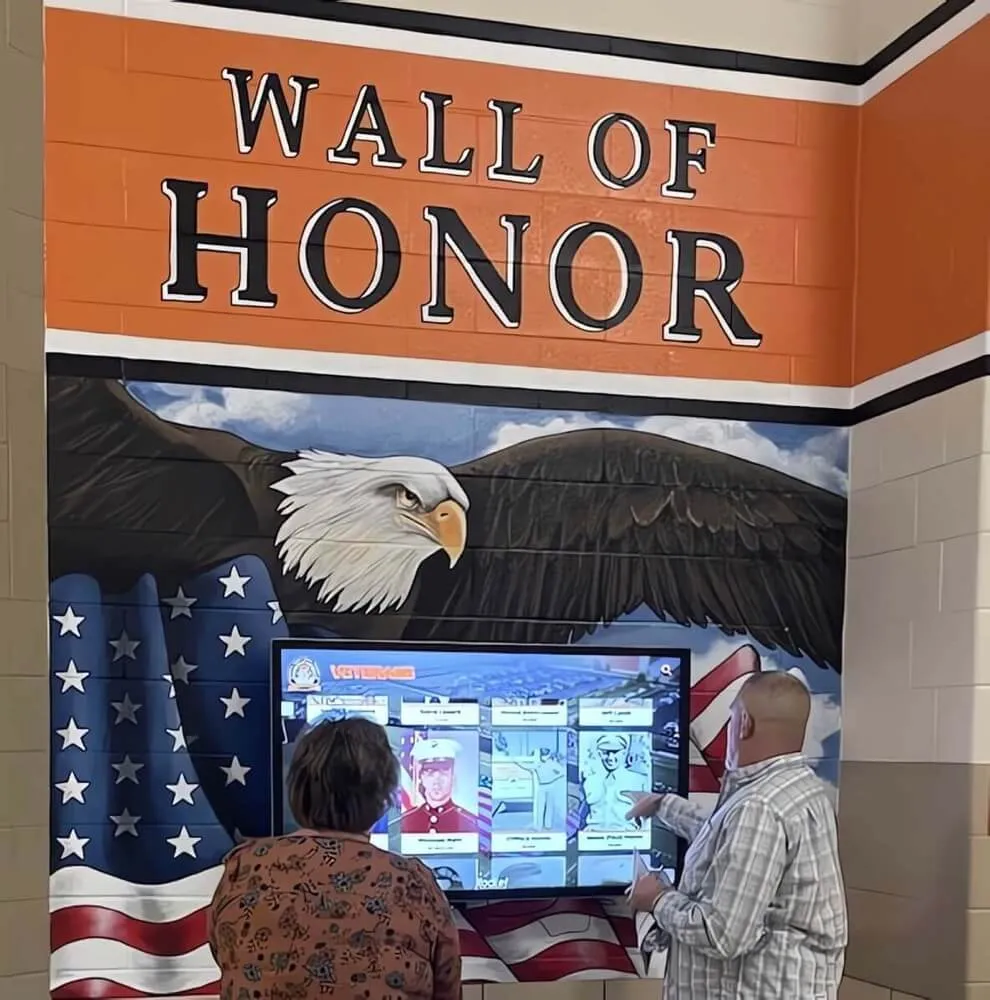
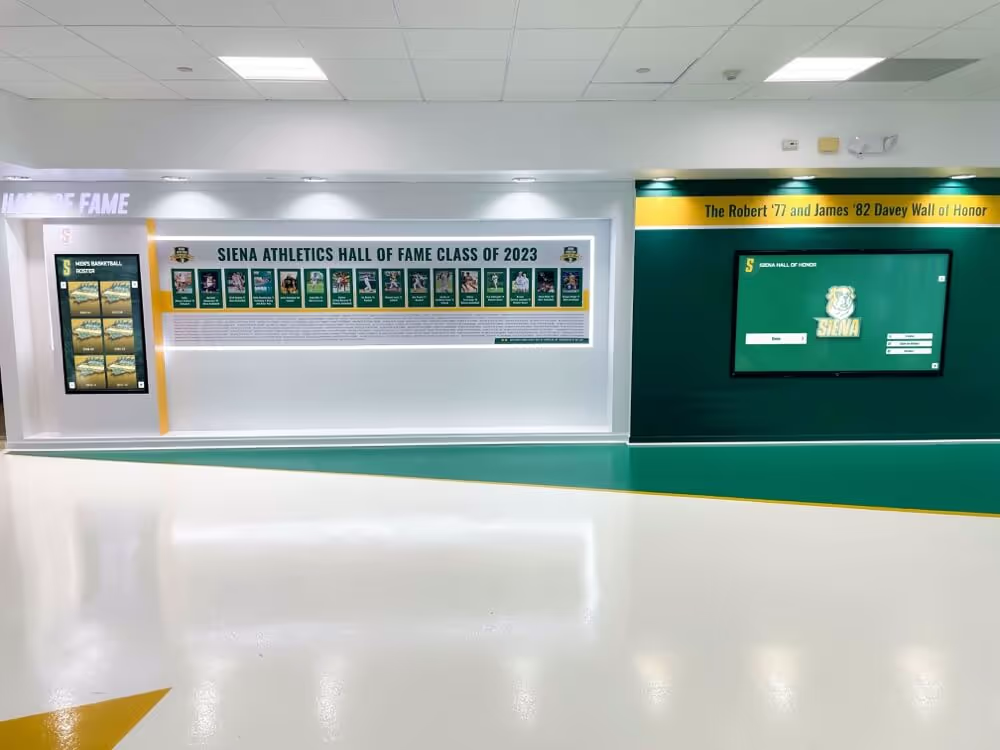
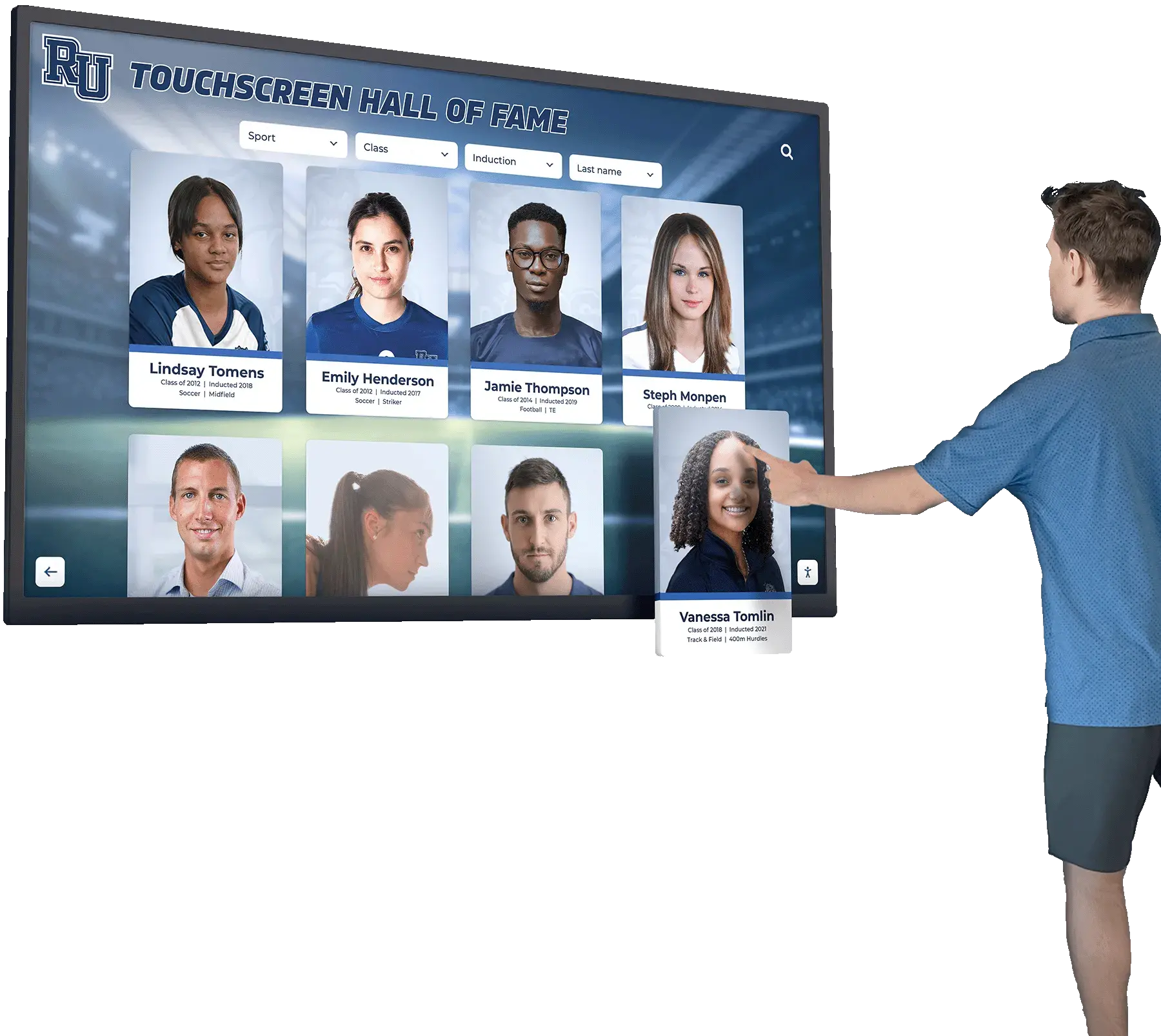
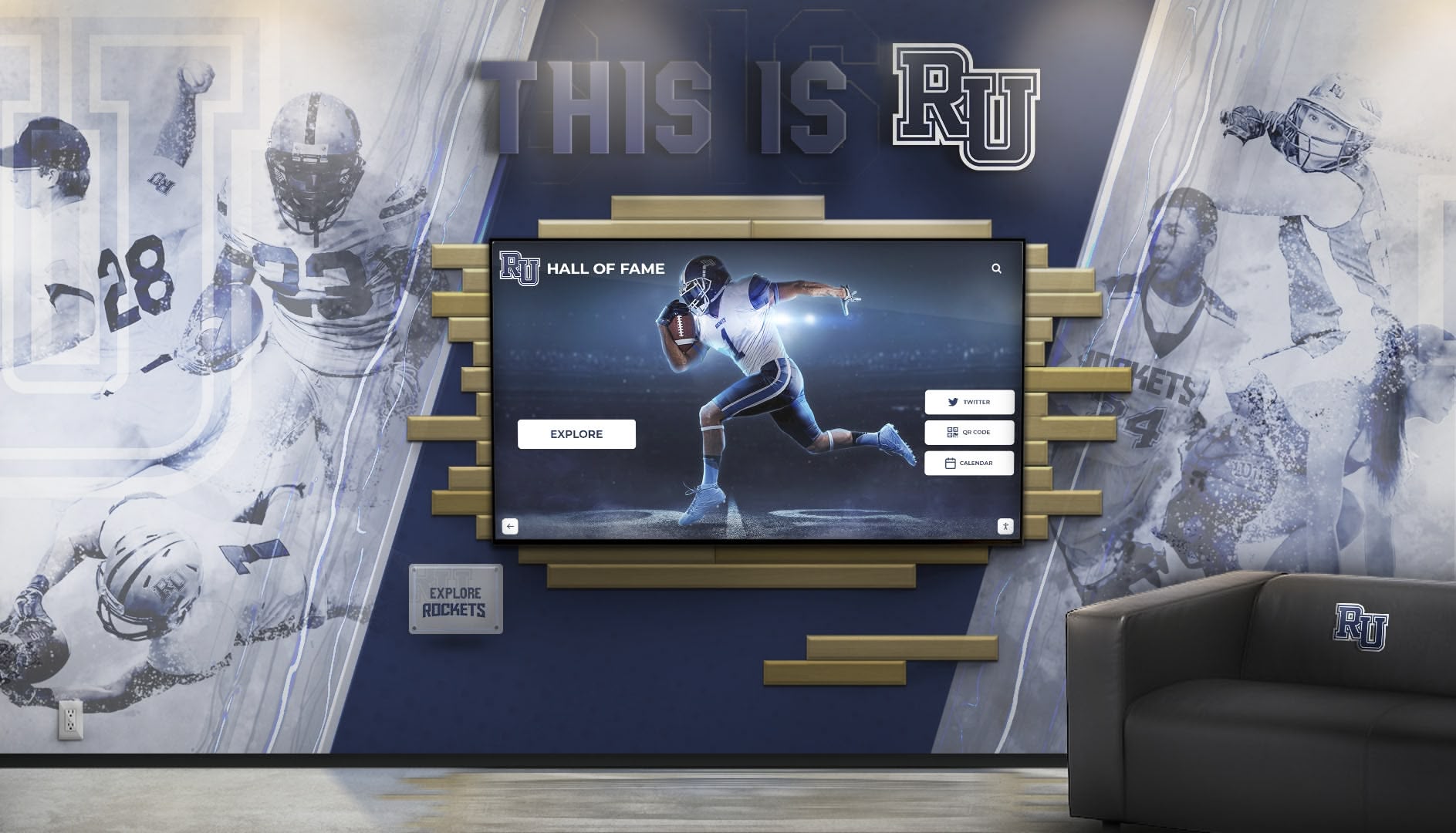
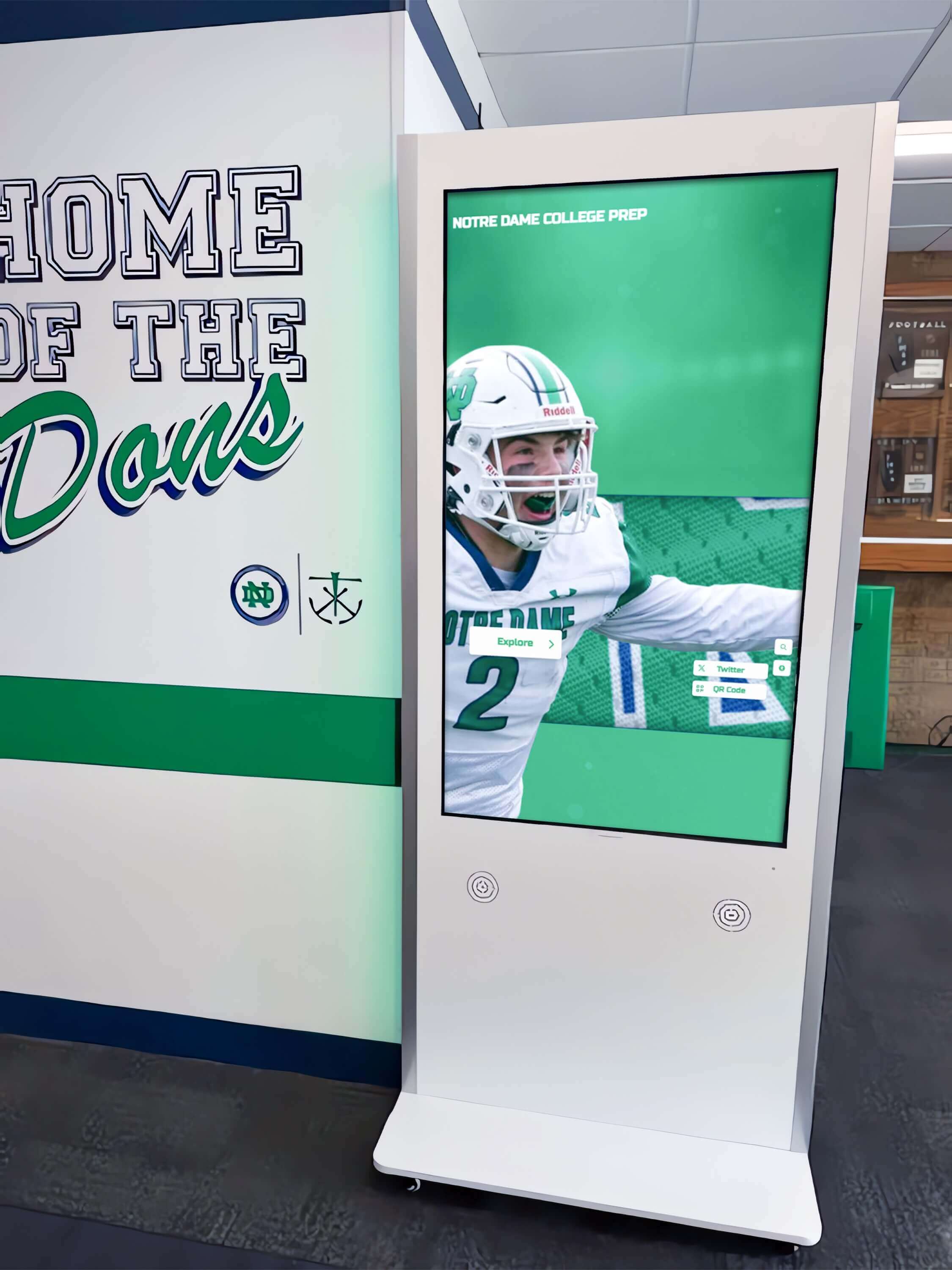
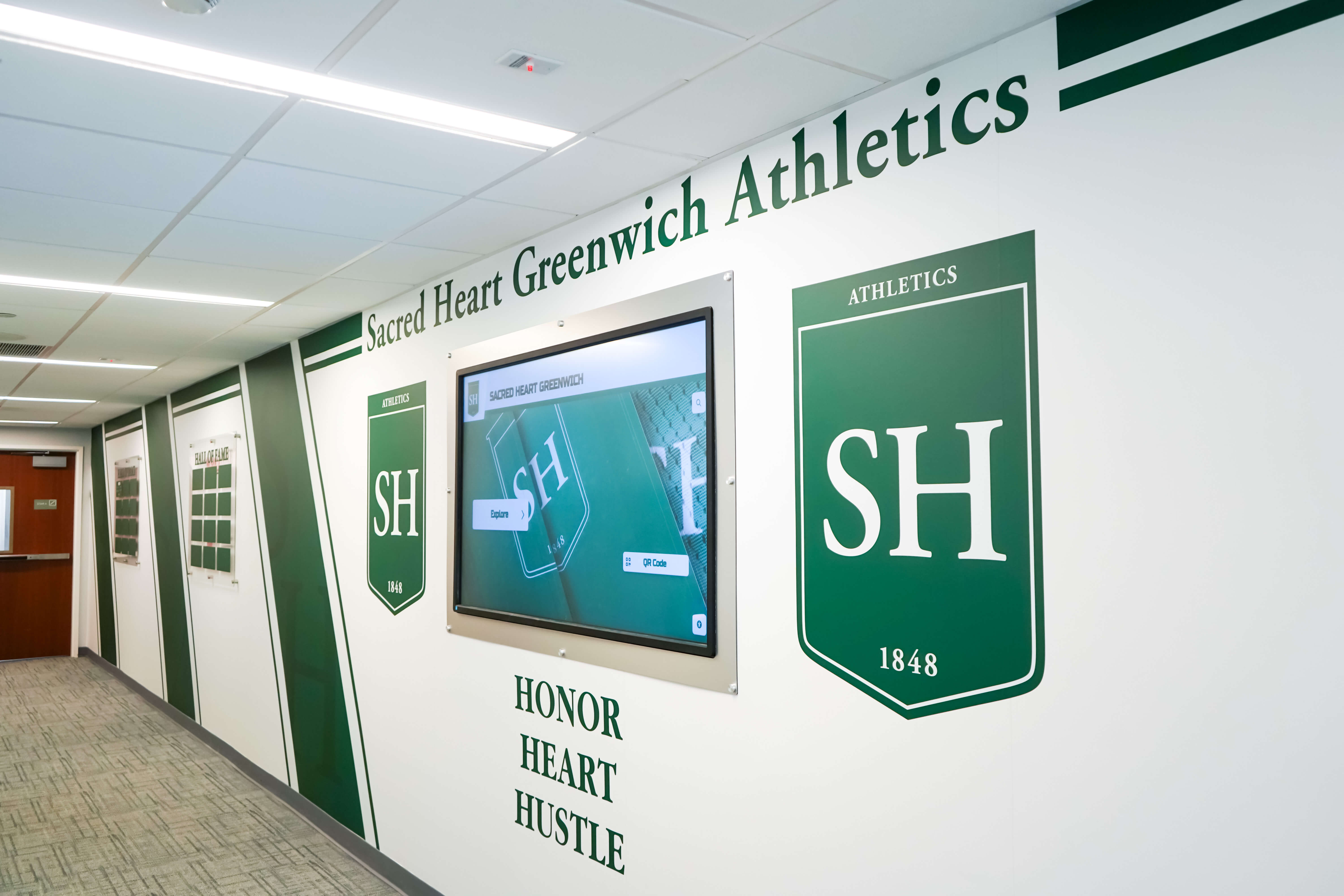
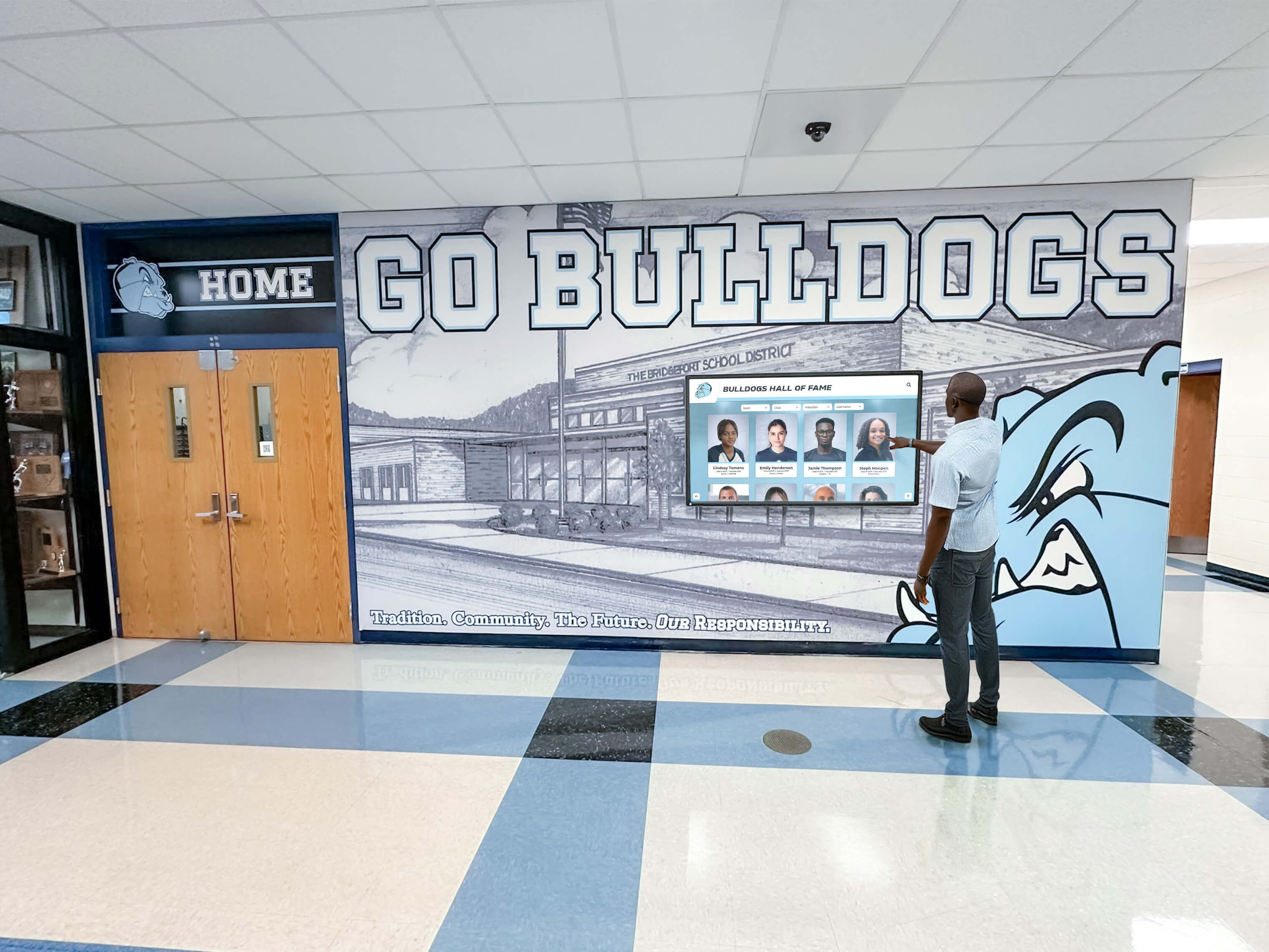
Recognition displays can highlight rehabilitation success stories, document athlete return-to-play progressions, and celebrate medical milestones alongside athletic achievements. Digital platforms like Rocket Alumni Solutions enable athletic departments to integrate training room culture into broader athletic recognition systems, maintaining consistent messaging across all athletic facilities about what the program values.
Scheduling and Communication Platforms: Digital scheduling systems help athletes book rehabilitation appointments, treatment sessions, or athletic trainer consultations, reducing waiting room crowding and improving time management. Some schools implement text message or app-based systems allowing athletic trainers to send appointment reminders, communicate return-to-play protocols, or distribute wellness information to entire teams efficiently.
Environmental and Monitoring Technology
Advanced training rooms incorporate monitoring technology improving athlete care and facility management:
Environmental Controls: Smart thermostats and humidity monitors maintain optimal conditions for both athlete comfort and equipment longevity. Training rooms storing temperature-sensitive medications or using equipment with specific climate requirements benefit from automated monitoring alerting athletic trainers to environmental conditions outside acceptable ranges.
Security and Access Control: Card access systems enable after-hours athlete access for ice or emergency supplies while preventing unauthorized entry. Some schools implement camera systems monitoring training room access for security purposes, though these must respect athlete privacy and medical confidentiality requirements. Access logs help athletic trainers understand utilization patterns informing staffing decisions and space design modifications.
Budget-Conscious Athletic Training Room Development
Most schools face budget constraints requiring strategic planning that prioritizes essential functionality while identifying future enhancement opportunities:
Phased Implementation Strategies
Schools don’t need to complete full training room buildouts simultaneously—thoughtful phasing enables program launch while spreading costs over multiple budget cycles:
Phase 1 - Essential Clinical Capacity: Initial phases should prioritize core clinical functions enabling athletic trainers to evaluate and treat injuries effectively. Essential first-phase investments include 2-3 quality treatment tables, basic taping tables, ice machine, fundamental modality equipment (ultrasound, electrical stimulation), supply storage, and desk workspace. This baseline capacity typically costs $20,000-$35,000 but establishes functional sports medicine capability.
Focus initial spending on equipment directly impacting injury care quality rather than enhanced recovery resources or facility aesthetics. Athletes and parents judge training room quality primarily by how effectively athletic trainers can address injuries and coordinate recovery, making clinical capacity the highest priority.
Phase 2 - Enhanced Recovery Resources: Second phases add equipment improving athlete recovery and injury prevention including cold plunge or immersion therapy, compression therapy systems, enhanced rehabilitation equipment, and expanded treatment capacity through additional tables. These additions typically cost $15,000-$30,000 and differentiate adequate training rooms from excellent facilities supporting proactive athlete care rather than just reactive injury management.
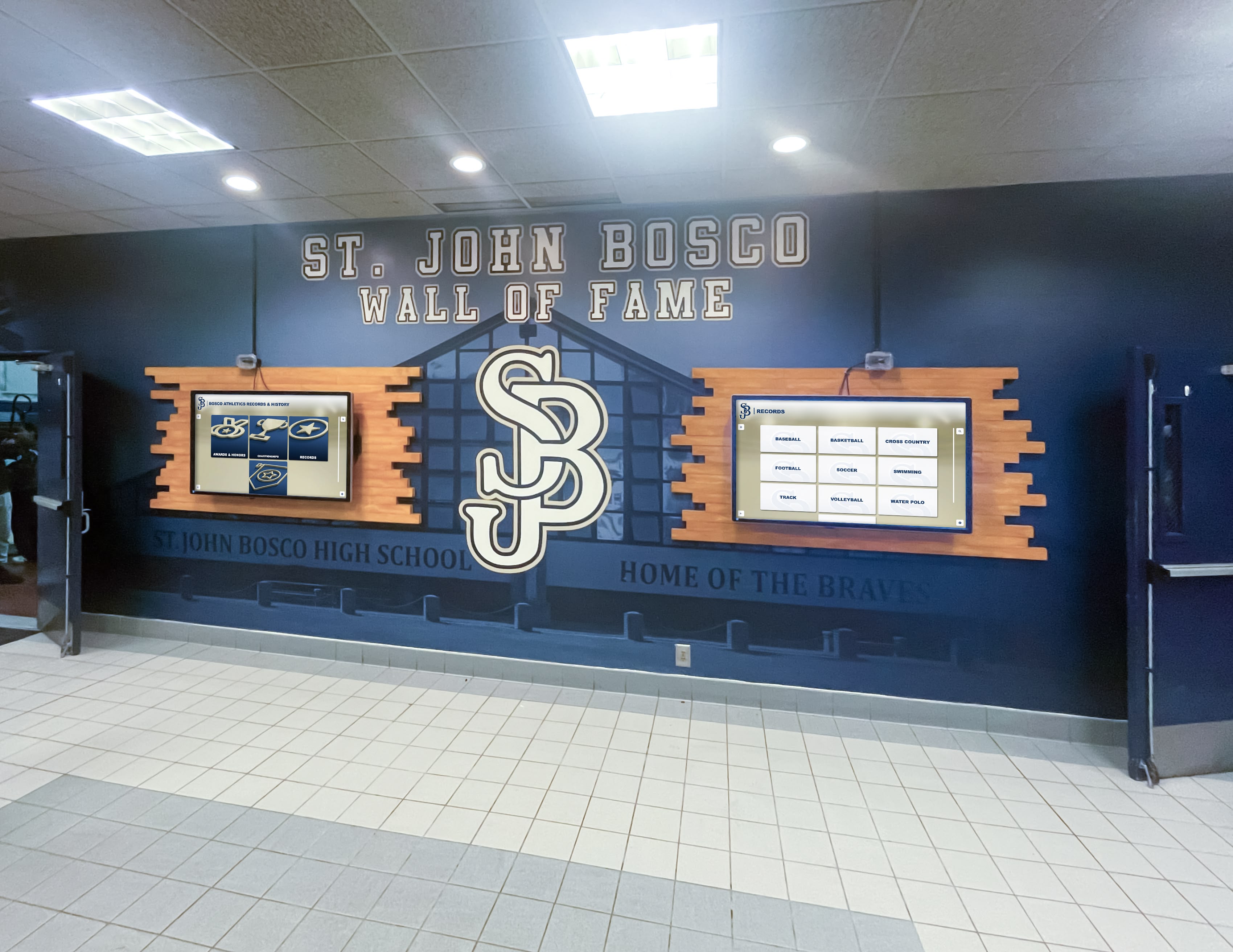
Phase 3 - Technology and Optimization: Final phases incorporate technology, facility enhancements, and specialized equipment including electronic medical record systems, digital communication platforms, specialized modality equipment, facility aesthetic improvements, and recognition displays showcasing program culture. These elements cost $10,000-$25,000 and represent the progression from functional facilities to comprehensive athletic medicine centers.
Cost-Saving Strategies Without Compromising Quality
Smart purchasing and design decisions reduce costs while maintaining training room effectiveness:
Equipment Considerations: Quality used equipment from colleges upgrading facilities or programs consolidating locations often provides excellent value. Treatment tables, taping tables, and storage cabinets withstand decades of use, making well-maintained used equipment attractive options at 40-60% of new equipment costs. However, prioritize new purchases for items affecting clinical outcomes—modality equipment with specific treatment parameters should come from manufacturers with warranty coverage.
Consider refurbished equipment from reputable suppliers who test functionality, replace worn components, and provide limited warranties. This middle ground between new and used equipment provides savings while ensuring reliable performance.
Space Optimization: Converting existing spaces costs significantly less than new construction. Underutilized storage areas, vacant classrooms, or multipurpose rooms can become functional training rooms through targeted renovations addressing essential infrastructure (electrical, plumbing, flooring) while working within existing footprints. Schools should engage architects experienced with athletic training room design ensuring renovations meet functional needs and regulatory requirements despite space limitations.
Collaborative Purchasing: Districts with multiple schools can leverage collective purchasing power negotiating better prices for treatment tables, ice machines, and modality equipment purchased in quantity. State athletic trainer associations sometimes coordinate equipment purchasing programs providing members with vendor relationships and negotiated pricing.
Grant and Fundraising Opportunities: Some athletic training room development qualifies for grants from medical foundations, sports medicine organizations, or equipment manufacturers interested in supporting athlete safety initiatives. Document how training room investments improve athlete care, reduce injury rates, or address previously underserved athlete populations when pursuing grant funding.
Some schools successfully fundraise for athletic training room development through dedicated campaigns positioning investments as athlete safety and health priorities. Alumni who benefited from athletic training care during their competitive careers often support training room enhancement when presented with specific equipment needs and impact stories.
Workflow and Traffic Flow Optimization
Beyond equipment and space allocation, thoughtful design addresses how athletes and athletic trainers move through and utilize training facilities:
Managing Peak Utilization Periods
Most training rooms experience predictable peak demand periods requiring specific design accommodations:
Pre-Practice Rush: The 30-45 minutes before practice typically creates maximum traffic as athletes seek taping, equipment checks, and injury protection. Efficient training rooms position taping areas near entrances minimizing athlete traffic through clinical zones. Some programs implement numbering systems or sign-in protocols managing flow and preventing crowding.
Consider whether satellite taping stations in locker rooms reduce training room congestion during peak periods. Athletic trainers or trained student assistants can provide basic taping services in satellite locations, reserving training room capacity for athletes requiring complex preparation or injury assessment.
Post-Practice and Post-Competition Treatment: Immediately after practices and competitions, athletes need ice, recovery resources, and injury evaluation. Effective designs allow athletes to access ice and cold therapy without entering clinical treatment areas, preventing wet, sweaty athletes from compromising clean zones where open wound care or sterile procedures occur.
Some training rooms establish separate entrance/exit flows during post-practice periods—athletes enter through one door accessing recovery resources, then exit through another door preventing traffic congestion. This one-way flow moves athletes efficiently through ice pickup, cold therapy, and quick assessments without bottlenecks.
Athlete Education and Appropriate Utilization
Well-designed training rooms include elements teaching athletes when and how to access services appropriately:
Clear Signage and Protocols: Posted protocols explaining when to visit the training room, how to request services, and what constitutes emergency versus routine care help athletes utilize resources appropriately. Visual guides demonstrating self-care techniques (ice application, compression wrap application, stretching protocols) enable athlete independence for basic needs, reserving athletic trainer time for conditions requiring professional assessment.
Education Zones: Some training rooms designate areas displaying injury prevention information, rehabilitation exercise guides, or wellness education materials. These zones create opportunities for athlete learning during waiting periods or recovery time between treatment sessions. Digital displays can rotate educational content covering nutrition, sleep, mental health resources, and injury prevention topics aligned with seasonal sports and common injury patterns.
Progressive programs showcase athletes who excel at injury prevention, recovery commitment, and wellness practices through digital recognition platforms, reinforcing that these behaviors deserve celebration equivalent to competitive achievements.
Maintaining Professional Medical Environment Standards
Athletic training rooms must balance accessibility with maintaining appropriate medical environments distinct from general athletic facilities:
Cleanliness and Infection Control
Medical spaces require cleaning protocols exceeding general facility standards:
Surface Selection and Maintenance: Training room surfaces should enable effective cleaning and disinfection. Vinyl treatment table surfaces resist common athletic training products while allowing thorough sanitization between athletes. Avoid fabric-covered surfaces in clinical areas since these cannot be adequately disinfected.
Flooring should resist moisture, clean easily, and provide some cushioning for athletic trainer comfort during long standing periods. Rubber flooring, luxury vinyl tile, or sealed concrete work well, while carpet creates infection control challenges in medical environments.
Sanitization Protocols: Establish and post clear cleaning protocols including treatment table sanitization between athletes, daily equipment cleaning, regular disinfection of high-touch surfaces (door handles, light switches, taping table surfaces), and proper laundry procedures for towels and reusable supplies. Athletic training students, team managers, or student assistants can support cleaning under athletic trainer supervision, but responsibility for infection control ultimately rests with professional staff.
Hand sanitizer stations, handwashing signage, and visible cleaning supply access communicate cleanliness standards to athletes while enabling compliance with protocols.
Establishing Appropriate Boundaries and Culture
Professional medical environments require cultural expectations distinct from coaching areas or weight rooms:
Training Room Rules and Expectations: Clear rules posted and consistently enforced maintain appropriate medical environment culture. Common policies include no food in clinical areas (hydration areas excepted), required sign-in for all visits, no unauthorized guests, appropriate athletic attire, respectful communication, and prohibited activities (horseplay, equipment misuse, unauthorized treatment).
These boundaries protect athlete safety, maintain equipment longevity, ensure efficient operations, and establish that athletic training rooms are professional medical facilities deserving respect equivalent to physician offices or clinical environments.
Privacy and Confidentiality: Athletic trainers must maintain medical confidentiality consistent with HIPAA requirements, but training room design impacts privacy protection. Position desks and computers to prevent unauthorized viewing of medical information. Establish policies preventing athletes from discussing others’ medical conditions or injuries. Create physical barriers (curtains, screens, separate rooms) enabling private conversations and sensitive examinations.
Train coaches, administrators, and athletes about appropriate medical information sharing—athletic trainers can discuss general injury status relevant to participation decisions, but detailed medical information requires athlete permission for disclosure.
Creating Motivating and Supportive Rehabilitation Environments
Beyond clinical functionality, training room design can support the psychological aspects of injury recovery:
Environmental Design for Athlete Wellbeing
Physical environment impacts athlete motivation and emotional state during recovery:
Natural Light and Visual Interest: Windows providing natural light create more positive environments than windowless basement rooms, particularly important since injured athletes may spend extended periods in training rooms during lengthy rehabilitation programs. When window access isn’t possible, quality lighting mimicking natural light patterns and warm color temperatures create more welcoming environments than harsh institutional fluorescent lighting.
Visual interest through color, appropriate graphics celebrating program culture, or motivational messaging creates more engaging environments. However, avoid excessive decoration that creates cluttered, unprofessional appearances or compromises the medical nature of athletic training spaces.
Comfort and Welcoming Atmosphere: While maintaining appropriate medical environment standards, training rooms can include comfortable seating for waiting athletes, appropriate temperature control, and reasonable noise levels creating less intimidating environments. Some athletes hesitate to visit training rooms due to anxiety about injuries or uncertainty about medical procedures—welcoming environments reduce these barriers while maintaining professional standards.
Recognition of Rehabilitation Success and Wellness Leadership
Celebrating athletes who excel at recovery and wellness builds culture valuing these behaviors:
Rehabilitation Achievement Recognition: Athletic departments celebrate competitive achievements extensively through awards, displays, and public recognition, but rarely recognize the commitment required for successful injury rehabilitation. Athletes who complete comprehensive rehabilitation programs, demonstrate exceptional recovery compliance, or support teammates through their own injury experiences deserve acknowledgment.
Modern digital recognition platforms enable schools to highlight rehabilitation success stories, showcase athletes who prevent injuries through excellent wellness practices, and document medical milestone achievements like return-to-play clearances after serious injuries. These recognition elements can integrate into training room environments or appear alongside traditional athletic achievements in broader facility displays.
Rocket Alumni Solutions provides schools with comprehensive digital recognition capabilities enabling athletic departments to celebrate the complete athlete experience—training room success matters as much as competitive achievement in building holistic athletic cultures.
Wellness Leadership Celebration: Some athletes demonstrate exceptional commitment to injury prevention, recovery best practices, nutrition excellence, or mental wellness behaviors that benefit themselves and influence teammates positively. Recognizing these wellness leaders reinforces that athletic excellence requires comprehensive attention to health, not just competitive performance.
Training room displays showcasing athletes who embody wellness values, document the evolution of program health initiatives, or highlight team athletic training relationships create positive culture while providing educational models for younger athletes developing their own wellness practices.
Special Considerations for Different Facility Types
Athletic training room design considerations vary based on institution type and program characteristics:
Small School and Limited Budget Approaches
Schools with limited resources and space can still create functional athletic training environments through focused design:
Prioritizing Essentials: Small programs should invest in fewer high-quality essential items rather than spreading budgets across excessive equipment of mediocre quality. Two excellent treatment tables serve athletes better than four cheap tables that break within a season. Quality ice machine, basic modality equipment, and organized supply storage create functional capacity supporting effective care despite space limitations.
Multi-Purpose Space Design: Limited facilities might combine athletic training with adjacent functions—weight room areas that include rehabilitation zones, or athletic offices with integrated taping areas. These combinations require careful planning ensuring clinical functions maintain appropriate separation from non-medical activities while sharing space efficiently.
Community Partnership Models: Small schools sometimes partner with local healthcare providers, physical therapy clinics, or hospitals establishing satellite athletic training services. These partnerships may provide part-time athletic trainer coverage, equipment access, or facility sharing reducing individual school investment while improving athlete care access.
Large School and Multi-Sport Program Designs
Larger programs face different design challenges accommodating high athlete volumes and diverse sport needs:
Multiple Treatment and Specialty Areas: Large programs may require separate zones for different sports or athlete genders, satellite training rooms serving specific facility locations (stadium training rooms for football, arena training rooms for basketball), or specialty areas dedicated to particular treatment types (hydrotherapy areas, rehabilitation gyms, manual therapy treatment zones).
These specialized areas enable simultaneous service to multiple teams without schedule conflicts while allowing equipment and setup optimized for specific athlete needs.
Team-Based Scheduling Systems: Large programs benefit from structured scheduling assigning specific time blocks to different teams, preventing overcrowding while ensuring equitable access. Digital scheduling platforms enable teams to reserve treatment time, rehabilitation sessions, or pre-competition taping reducing unstructured traffic and wait times.
Multiple Athletic Trainer Coordination: Programs with several athletic trainers require space design supporting collaborative work including multiple desk areas, team communication systems, and equipment positioning allowing multiple professionals to work simultaneously without interference. Consider whether each athletic trainer needs dedicated treatment areas or whether shared flexible spaces work better for the specific program.
Ongoing Maintenance and Facility Evolution
Athletic training room design doesn’t end with initial construction—successful programs plan for ongoing maintenance and facility evolution:
Equipment Lifecycle and Replacement Planning
Athletic training equipment experiences heavy use requiring eventual replacement:
Planned Replacement Schedules: Develop multi-year capital plans identifying anticipated replacement timelines for major equipment. Treatment tables typically last 10-15 years with proper maintenance, ice machines 7-10 years, and modality equipment 5-8 years depending on usage and technology advancement. Budget planning that anticipates these replacement cycles prevents sudden unexpected expenses when critical equipment fails.
Maintenance and Cleaning Protocols: Regular maintenance extends equipment life and ensures safe operation. Ice machines require routine cleaning and filter replacement, treatment tables need upholstery repair and motor service, and modality equipment requires calibration and performance verification. Establish maintenance schedules and assign responsibility for completion—equipment failures during critical season periods create significant operational disruptions.
Adapting to Evolving Best Practices
Sports medicine evolves as research demonstrates new treatment approaches and recovery techniques:
Design Flexibility: Initially plan training rooms with some adaptable space accommodating future equipment or program changes. Avoid permanent built-in features that limit reconfiguration as needs change. Mobile storage, modular furniture, and flexible electrical and plumbing infrastructure enable space evolution without major renovations.
Technology Integration Planning: Leave space and infrastructure for future technology additions including enhanced communication systems, treatment monitoring equipment, or digital platforms not currently in budget plans. Running electrical and data cables during initial construction costs far less than retrofitting existing spaces later.
Programs implementing interactive recognition displays should plan mounting locations, power sources, and network connectivity during design phases rather than adding these elements as afterthoughts.
Conclusion: Creating Athletic Training Rooms That Support Comprehensive Athlete Care
Well-designed athletic training rooms represent investments in athlete health, safety, and long-term wellness that extend far beyond immediate injury treatment. Effective facilities enable certified athletic trainers to deliver higher quality care to more athletes, create organized medical environments that athletes respect and utilize proactively, and establish cultures valuing comprehensive wellness alongside competitive achievement.
Schools approaching athletic training room design should prioritize essential clinical functionality first, ensuring athletic trainers have space and equipment enabling effective injury evaluation, treatment, and rehabilitation. From this foundation, programs can add enhanced recovery resources, technology systems, and facility features that differentiate comprehensive athletic medicine programs from basic compliance-level services.
Strategic planning addressing program-specific needs, workflow efficiency, safety requirements, and budget realities enables schools of all sizes to create functional athletic training facilities supporting their unique athlete populations. Whether renovating existing spaces on limited budgets or designing state-of-the-art facilities in new athletic complexes, thoughtful design centered on athlete care quality and athletic trainer effectiveness creates training rooms that strengthen entire athletic programs.
Modern athletic training rooms increasingly integrate technology connecting injury prevention, treatment, and recovery with broader athletic culture. Recognition of wellness leadership, rehabilitation success, and comprehensive health behaviors alongside traditional competitive achievements demonstrates that athletic excellence requires attention to the complete athlete experience—training room culture matters as much as weight room work or practice field effort in developing successful programs.
Transform Your Athletic Training Room Culture with Comprehensive Recognition
Ready to enhance your athletic training room while building culture that values athlete wellness alongside competitive achievement? Rocket Alumni Solutions provides digital recognition platforms enabling schools to celebrate rehabilitation success, honor wellness leadership, and showcase the complete athlete experience across all athletic facilities. Our systems integrate seamlessly into athletic training rooms, hallways, and competition venues creating consistent culture that recognizes what truly matters for athlete development and long-term success.