



Key Takeaways
Discover how schools and athletic programs can establish athletic trainer halls of fame to honor the sports medicine professionals who protect and heal student-athletes. Learn recognition strategies, award criteria, and modern digital display solutions.
Behind every championship team, record-breaking performance, and successful comeback from injury stands an often-overlooked hero: the athletic trainer. These certified healthcare professionals spend countless hours taping ankles before dawn, managing concussion protocols, coordinating rehabilitation programs, and making critical decisions that protect student-athlete health and futures. Yet while schools enthusiastically celebrate athletes with banners, trophies, and hall of fame displays, the athletic trainers who made those achievements possible frequently receive minimal formal recognition despite careers spanning decades of dedication to student-athlete welfare.
This comprehensive guide explores how schools, universities, and athletic programs can establish athletic trainer halls of fame and recognition programs that properly honor the sports medicine professionals who serve as the backbone of safe, successful athletic programs. From selection criteria and award categories to modern digital display solutions that showcase these healthcare heroes, this resource provides everything athletic departments need to finally give athletic trainers the lasting recognition they deserve.
Understanding the Athletic Trainer Profession
Before exploring recognition programs, understanding what athletic trainers actually do and the scope of their contributions helps schools develop meaningful acknowledgment systems that truly honor these professionals’ impact.
What Athletic Trainers Do Beyond Taping Ankles
Athletic trainers are healthcare professionals who specialize in preventing, diagnosing, and treating muscle and bone injuries and illnesses in physically active populations. The profession requires minimum bachelor’s degree education—with many holding master’s degrees—plus passing a comprehensive Board of Certification exam and maintaining continuing education requirements throughout their careers.
Core Athletic Trainer Responsibilities:
Injury Prevention: Athletic trainers design and implement prevention programs including strength and conditioning protocols, flexibility programs, proper warm-up routines, equipment fitting and safety checks, environmental condition monitoring, and education about injury risk factors. Prevention work happens largely behind the scenes but dramatically reduces injury rates when properly implemented.
Clinical Evaluation and Diagnosis: When injuries occur, athletic trainers serve as first responders who conduct on-field assessments, perform clinical examinations, determine injury severity, make critical return-to-play decisions, and coordinate referrals to physicians when necessary. These split-second decisions often determine whether minor injuries remain minor or escalate into career-threatening conditions.
Therapeutic Intervention and Rehabilitation: Athletic trainers design rehabilitation programs, supervise therapeutic exercises, administer treatment modalities, monitor healing progression, and make evidence-based decisions about when athletes can safely return to competition. Effective rehabilitation requires deep anatomical knowledge, clinical reasoning skills, and ability to motivate injured athletes through difficult recovery processes.
Medical Coordination: Athletic trainers serve as liaisons between athletes, coaches, parents, physicians, and administrators. They maintain medical records, coordinate insurance processes, communicate with physicians about diagnosis and treatment, manage emergency action plans, and ensure regulatory compliance with medical documentation requirements.
Emergency Response: When catastrophic injuries occur—cardiac events, heat illnesses, traumatic brain injuries, spine injuries—athletic trainers provide potentially life-saving emergency care. Their preparation, medical equipment accessibility, and rapid response protocols frequently mean the difference between good outcomes and tragic ones.
The Athletic Trainer Recognition Gap
Despite these critical responsibilities, athletic trainers face systematic recognition deficits across educational athletics.
Visibility Challenges: Athletic trainers work primarily behind the scenes in training rooms, during practices, and through prevention programs that succeed precisely because injuries don’t happen. Unlike coaches whose successes appear in box scores and championship banners, athletic trainer effectiveness manifests through absences—injuries prevented, complications avoided, athletes kept healthy.
Many successful athletic programs feature comprehensive hall of fame displays celebrating decades of athletic achievement while providing zero formal recognition for the athletic training staff who made those achievements medically possible.
Career Longevity Without Recognition: Athletic trainers often serve the same institutions for 20, 30, even 40 years—caring for multiple generations of student-athletes, preventing thousands of injuries, and building institutional knowledge about program medical needs. Yet when these professionals retire, many receive nothing beyond brief acknowledgments that fail to match the lasting recognition given to coaches with similar tenure.
Contribution Attribution: When athletes return successfully from injuries, credit typically flows to the athletes’ determination and coaching staff’s support. The athletic trainer who designed the rehabilitation protocol, supervised hundreds of hours of therapeutic exercise, and made evidence-based decisions about progressive loading rarely receives equivalent acknowledgment despite being central to successful outcomes.
This recognition gap affects athletic trainer morale, recruitment, and retention. More importantly, it communicates to student-athletes and communities that medical care providers matter less than competitive performance—a problematic message at a time when student-athlete health and safety rightfully demand increased attention.
The Case for Athletic Trainer Halls of Fame
Establishing formal hall of fame recognition for athletic trainers addresses both practical and cultural needs within athletic programs.
Honoring Career Contributions
Athletic trainers accumulate remarkable service records deserving permanent recognition.
Longevity and Impact: An athletic trainer serving a high school for 30 years might evaluate and treat 10,000+ injuries, prevent countless others through screening and education, supervise rehabilitation for thousands of student-athletes, and directly impact the health trajectories of multiple generations. This sustained contribution exceeds the impact of most coaches who earn hall of fame recognition for far shorter service periods.
Life-Changing Interventions: Athletic trainers make decisions that literally save lives and protect futures. The trainer who properly manages a concussion prevents potential second-impact syndrome. The one who recognizes exertional heat stroke symptoms and initiates rapid cooling prevents death. The trainer who identifies a heart arrhythmia during a pre-participation physical discovers a potentially fatal condition before catastrophe strikes.
These critical interventions deserve formal acknowledgment, not just because they demonstrate professional excellence but because recognizing them educates communities about athletic trainers’ vital roles.
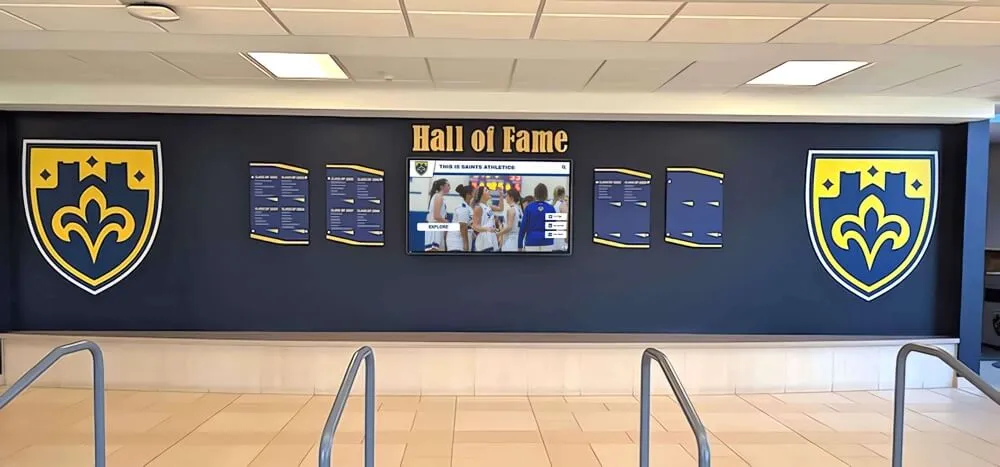
Program Building: Exceptional athletic trainers elevate entire athletic programs by establishing comprehensive medical protocols, building relationships with community physicians, implementing evidence-based prevention programs, educating coaches about injury management, and creating cultures where student-athlete health comes first. Their program-building contributions create infrastructure benefiting student-athletes for decades beyond their tenure.
Cultural and Educational Benefits
Athletic trainer halls of fame serve important educational and cultural functions beyond individual recognition.
Values Communication: Schools communicate institutional values through whom they recognize in permanent ways. Including athletic trainers in halls of fame alongside athletes and coaches signals that student-athlete welfare, medical excellence, and health protection matter as much as competitive achievement—a powerful message for communities, student-athletes, and staff.
Career Awareness: Many students never consider athletic training as a career possibility because they lack awareness of the profession. Prominent hall of fame recognition featuring athletic trainer biographies, career paths, educational requirements, and impact stories introduces this healthcare profession to students who might discover their calling in sports medicine.
Medical Culture Building: Recognition systems that honor medical professionals alongside competitive performers help build cultures where seeking medical care carries no stigma, following medical protocols becomes standard practice, and student-athletes understand that healthcare professionals serve as valued team members rather than obstacles preventing competition.
Essential Components of Athletic Trainer Hall of Fame Programs
Effective athletic trainer recognition programs include several key elements ensuring meaningful, sustainable acknowledgment systems.
Selection Criteria and Eligibility
Clear, transparent criteria ensure fair selection while maintaining program prestige.
Service Threshold Requirements:
Minimum Service Duration: Most athletic trainer halls of fame require minimum service periods—typically 15-20 years for active professionals or 10+ years for those who left under exceptional circumstances. Minimum service thresholds ensure recognition honors sustained contribution rather than brief tenures.
Impact Beyond Routine Duties: While all competent athletic trainers provide quality medical care, hall of fame recognition should acknowledge those who exceeded basic professional expectations through program development, innovation, mentorship, leadership, or other exceptional contributions.
Professional Excellence: Criteria might include board certification maintenance, continuing education beyond requirements, professional association leadership, published contributions to athletic training literature, presentations at professional conferences, or recognition by professional organizations.
Selection Committee Composition:
Effective selection committees include diverse representation from athletic directors who understand program impact, former student-athletes who benefited from athletic training care, physicians who collaborated with candidates professionally, former or current athletic training staff who can assess professional contributions, and community members who provide external perspective.
This diverse composition ensures selections honor comprehensive excellence rather than single-dimension contributions while preventing selection processes from becoming political or popularity contests.
Recognition Categories
Comprehensive programs acknowledge athletic trainers through multiple recognition levels accommodating different contribution types.
Hall of Fame Induction: Primary recognition for athletic trainers meeting highest criteria—typically those with 20+ years distinguished service, transformative program contributions, and documented excellence. Hall of fame induction includes permanent display inclusion, formal induction ceremony, and lasting documentation similar to athlete recognition.
Distinguished Service Recognition: Secondary recognition level acknowledging athletic trainers with substantial contributions not quite meeting hall of fame thresholds. This category ensures valuable contributors receive formal recognition even if they don’t reach top-tier criteria.
Rising Star or Emerging Professional Awards: Recognition for outstanding younger athletic trainers demonstrating exceptional early-career excellence. These awards acknowledge emerging talent while creating recognition opportunities beyond senior practitioners.
Special Contribution Awards: Recognition for specific achievements like implementing innovative injury prevention programs, achieving exceptional outcomes in particular areas, mentoring future athletic training professionals, or making singular contributions significantly advancing program medical capabilities.
Multiple recognition tiers ensure programs honor athletic trainers at various career stages and contribution levels rather than limiting acknowledgment to elite few meeting stringent hall of fame criteria.
Biographical Information and Legacy Documentation
Recognition gains meaning through compelling storytelling that communicates why honorees matter.
Essential Biographical Elements:
Career Timeline: Documentation of service years, positions held, educational background, certifications earned, and professional development milestones provides context about professional journey.
Impact Metrics: Where possible, quantify contributions—number of student-athletes served, years of service, major injuries successfully rehabilitated, programs developed, or other measurable impact indicators. Metrics help communicate scope of contribution.
Defining Moments: Every exceptional athletic trainer has stories—the emergency that demanded perfect response, the injury that seemed career-ending but proper rehabilitation resolved, the prevention program that dramatically reduced injury rates, or the innovation that transformed program medical care. These narratives make abstract excellence concrete and memorable.
Personal Philosophy: Athletic trainers’ approaches to medical care, student-athlete relationships, prevention emphasis, and professional values reveal what made them exceptional. Capturing philosophy through quotes or brief statements personalizes recognition.
Legacy Impact: How did this athletic trainer change the program? What protocols, practices, or cultural elements they established continue benefiting student-athletes? Legacy documentation connects past excellence to current realities, demonstrating enduring impact.
Schools establishing comprehensive archiving systems for their athletic programs should ensure athletic trainer documentation receives equal attention to competitive history.
Modern Display Solutions for Athletic Trainer Recognition
Traditional recognition approaches face significant limitations when applied to athletic training halls of fame, but modern digital solutions overcome these challenges effectively.
Challenges with Traditional Physical Displays
Physical plaques and trophy cases present several problems for athletic trainer recognition.
Space Constraints: Athletic departments typically have limited wall space for recognition displays. Traditional plaques require substantial physical area—a program recognizing athletic trainers annually for decades would eventually require dozens of square feet of dedicated wall space that may not remain available as facility needs evolve.
Limited Information Capacity: Physical plaques typically accommodate only names, service years, and brief descriptions. The rich narratives that make athletic trainer contributions meaningful—defining moments, career highlights, impact stories, professional philosophies—cannot fit on traditional plaques without creating text-heavy displays nobody reads.
Update and Maintenance Challenges: Adding new athletic trainer recognition to traditional displays requires producing new plaques, coordinating installation, potentially reorganizing existing displays, and ongoing maintenance to keep materials clean and presentable. These recurring costs and administrative burdens often cause recognition programs to languish with outdated content.
Engagement Limitations: Static plaques receive brief glances from passersby but create minimal extended engagement. Research consistently shows average viewing times under 30 seconds for traditional recognition displays—insufficient to communicate meaningful narratives about athletic trainers’ contributions.
Interactive Digital Display Advantages
Modern interactive hall of fame displays transform athletic trainer recognition from basic acknowledgment into engaging experiences that properly honor these professionals’ contributions.
Unlimited Recognition Capacity:
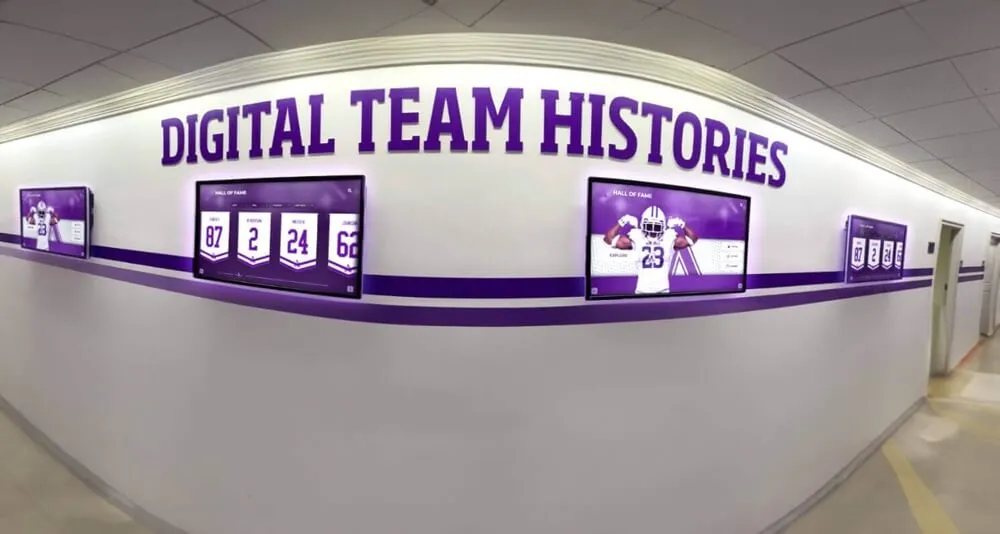
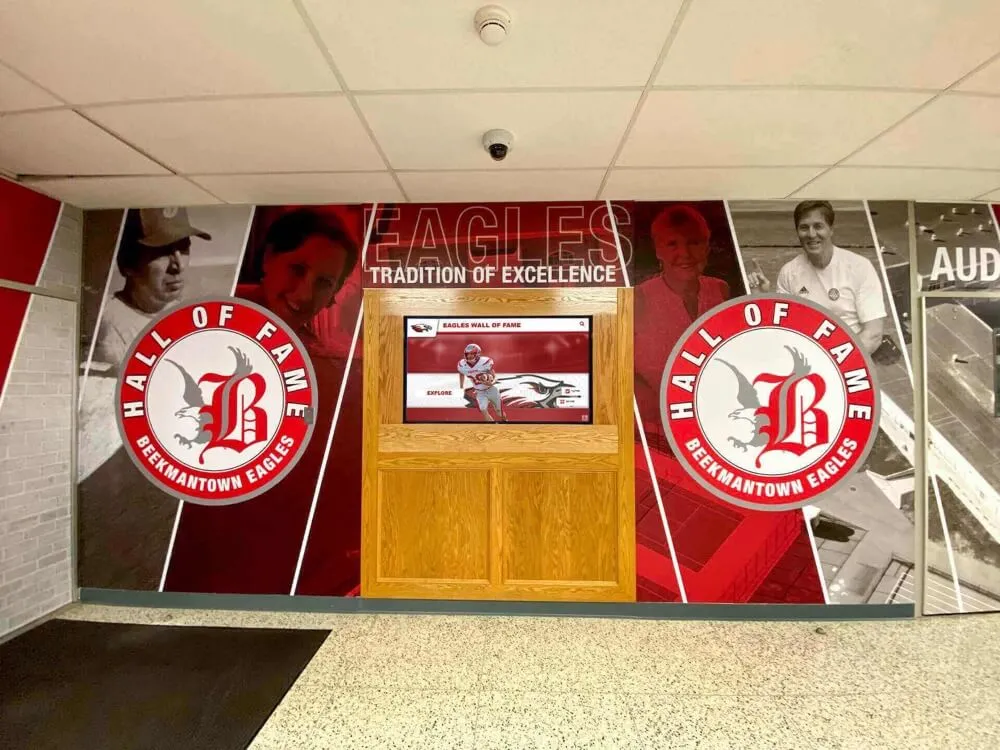
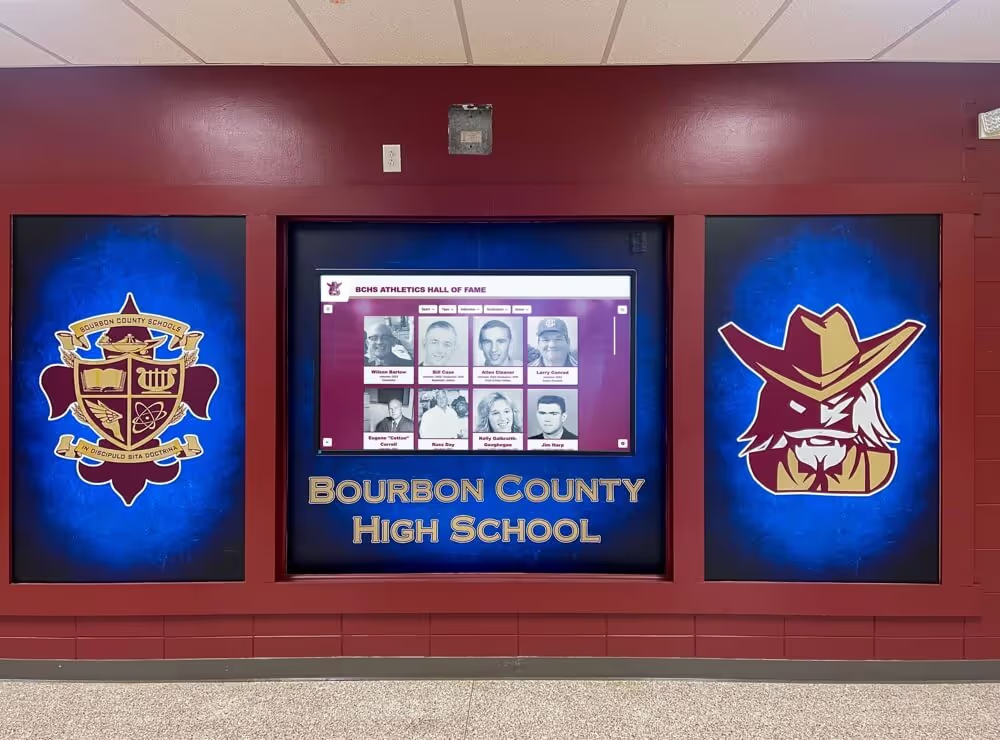
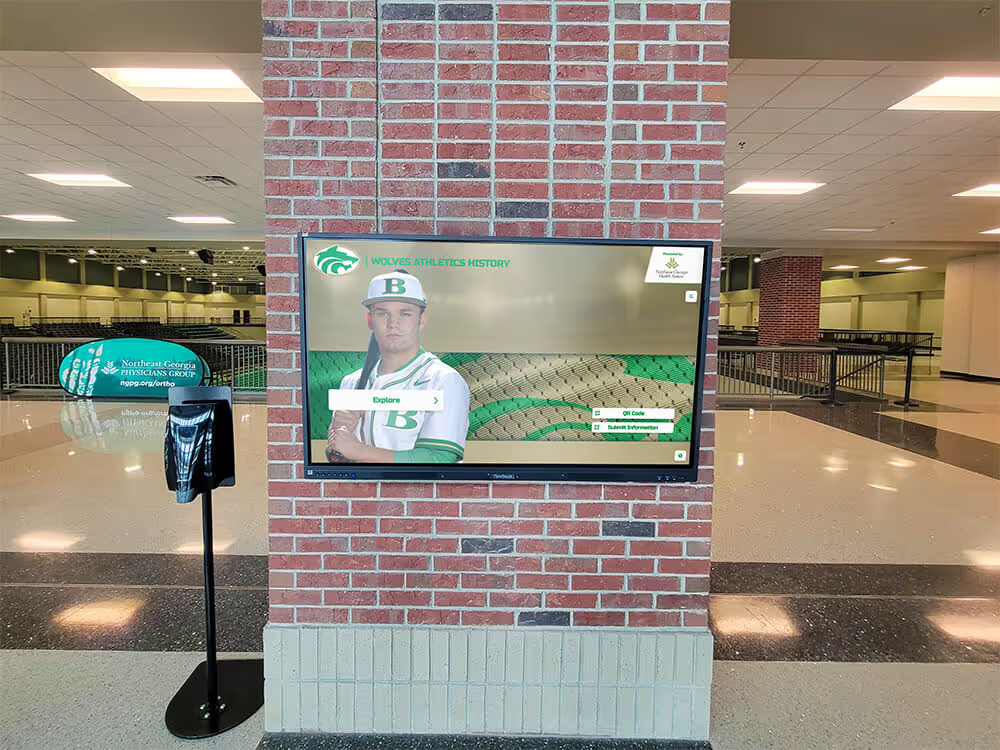
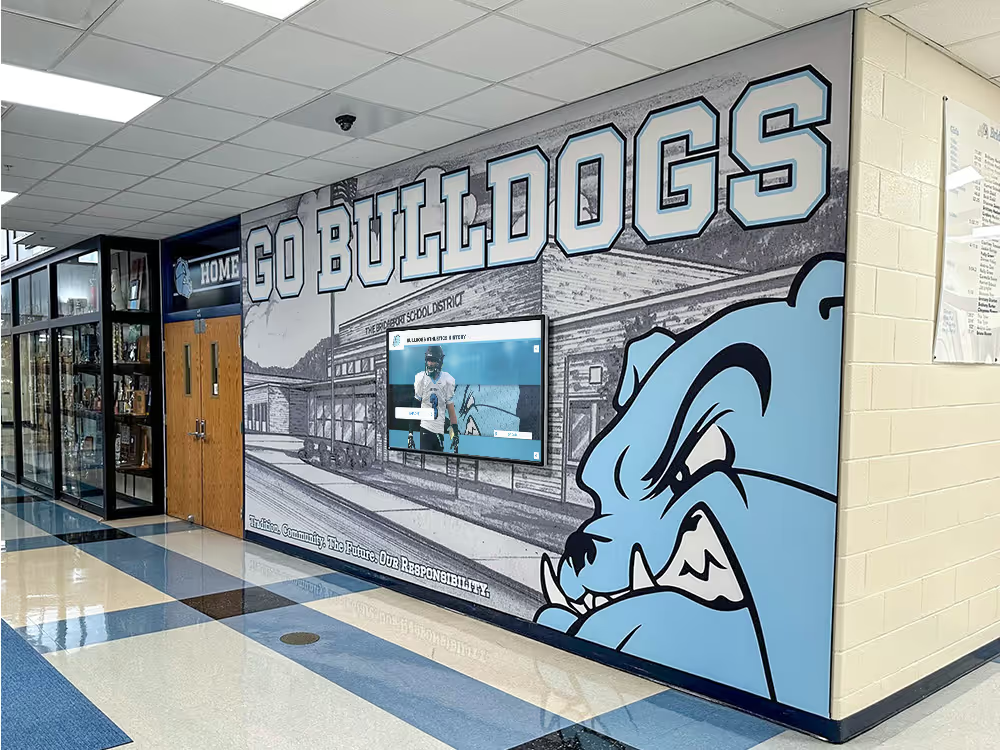
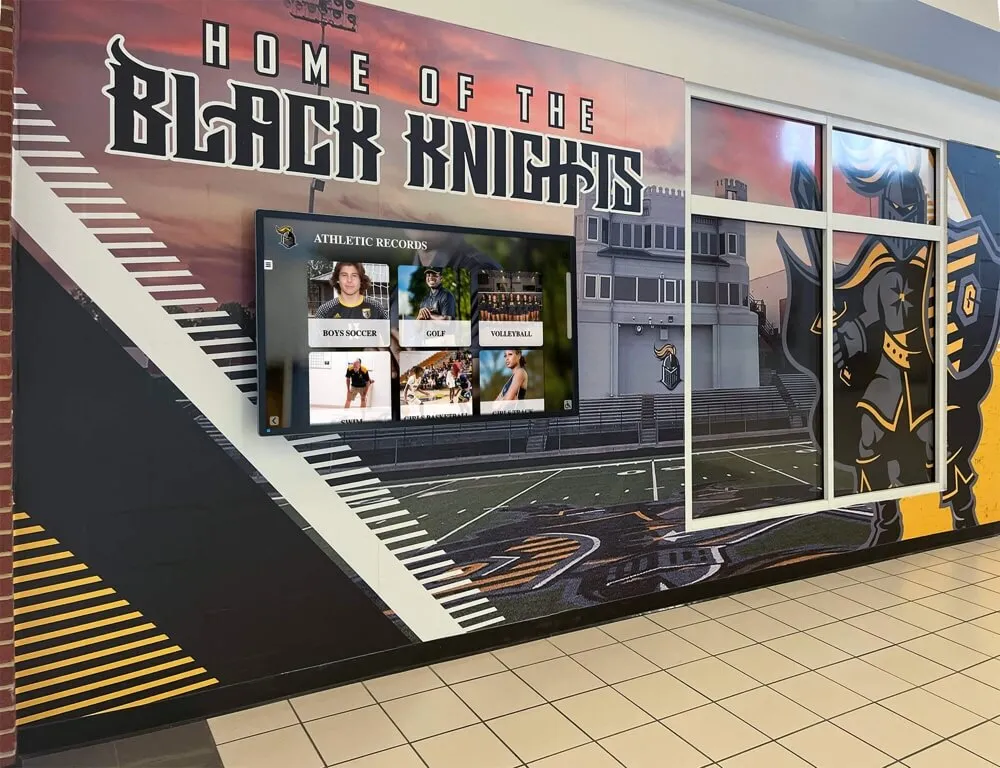
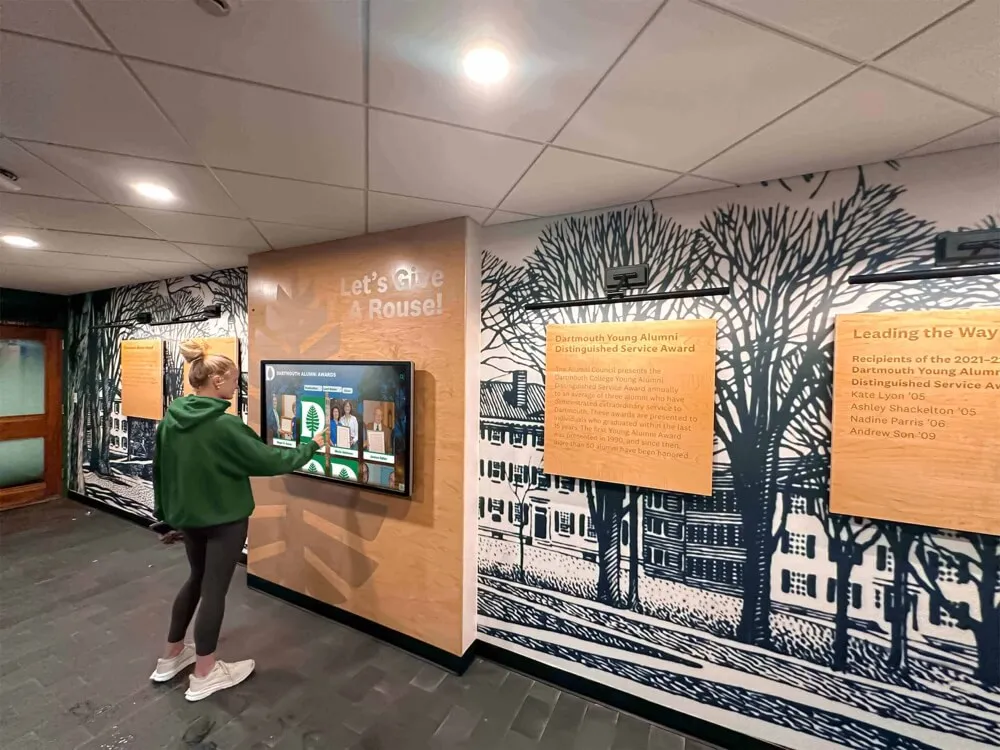
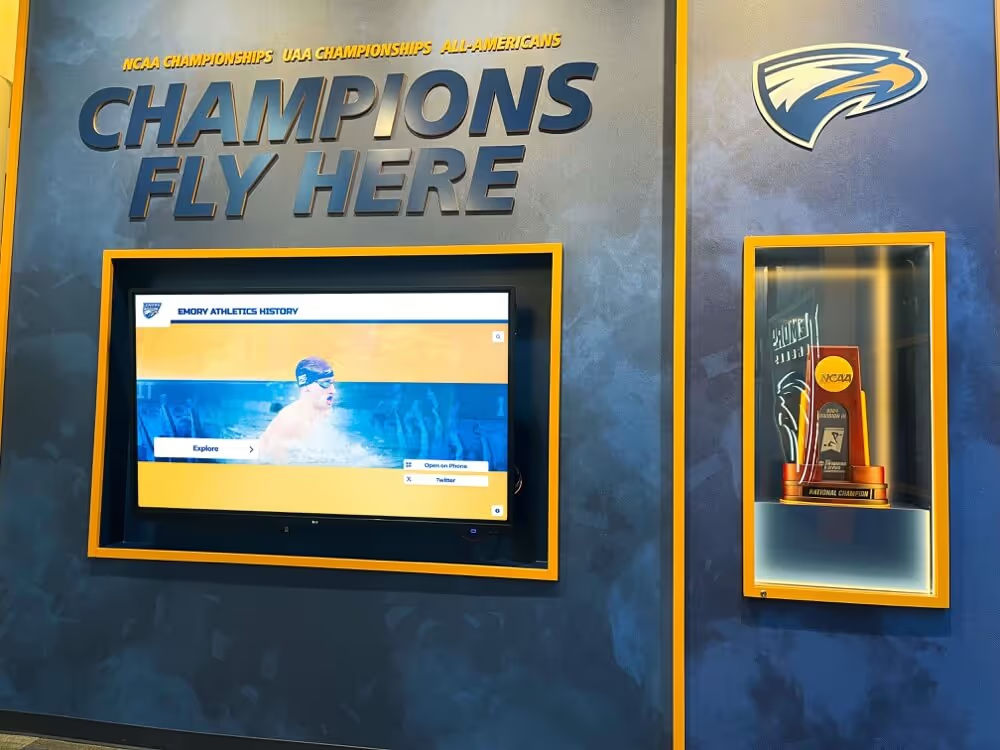
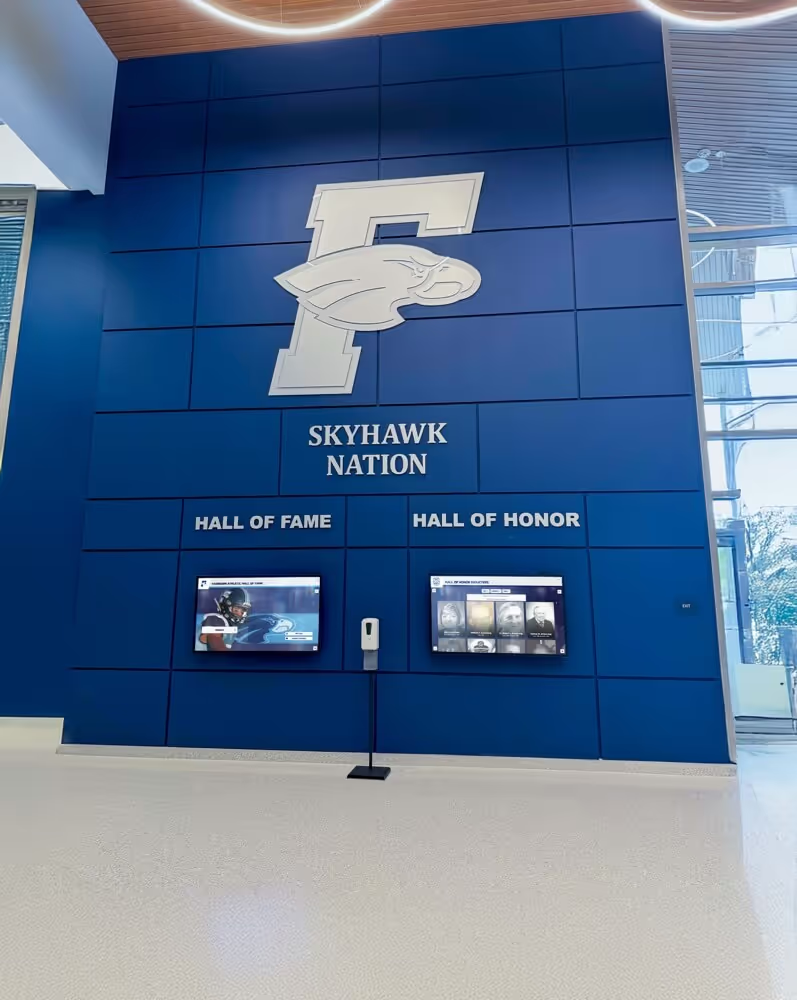
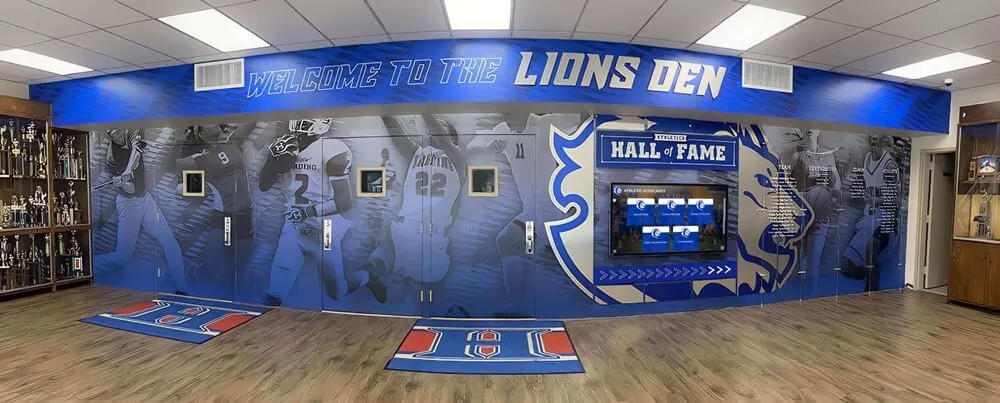
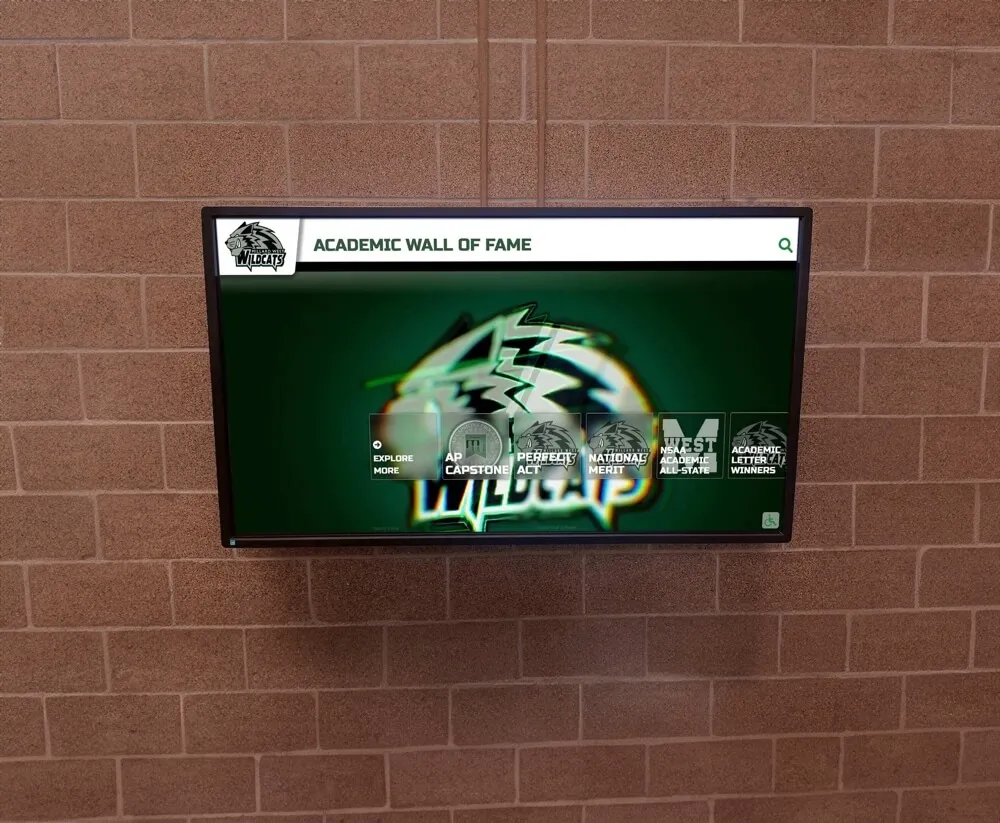
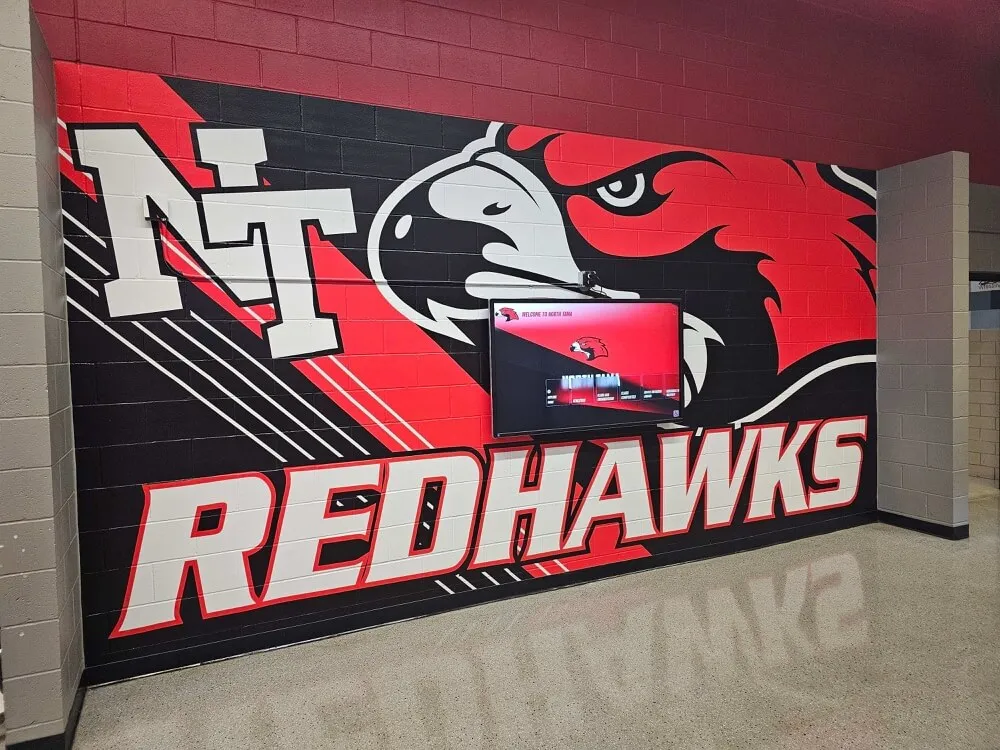
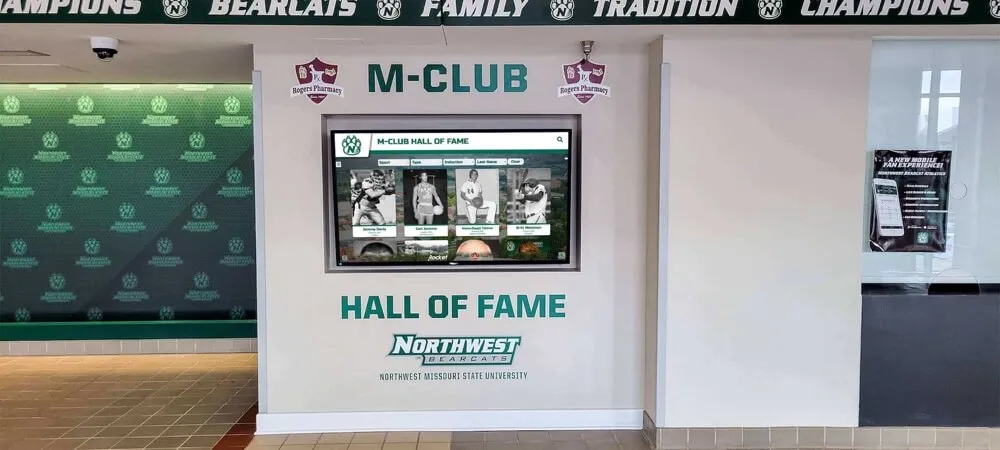
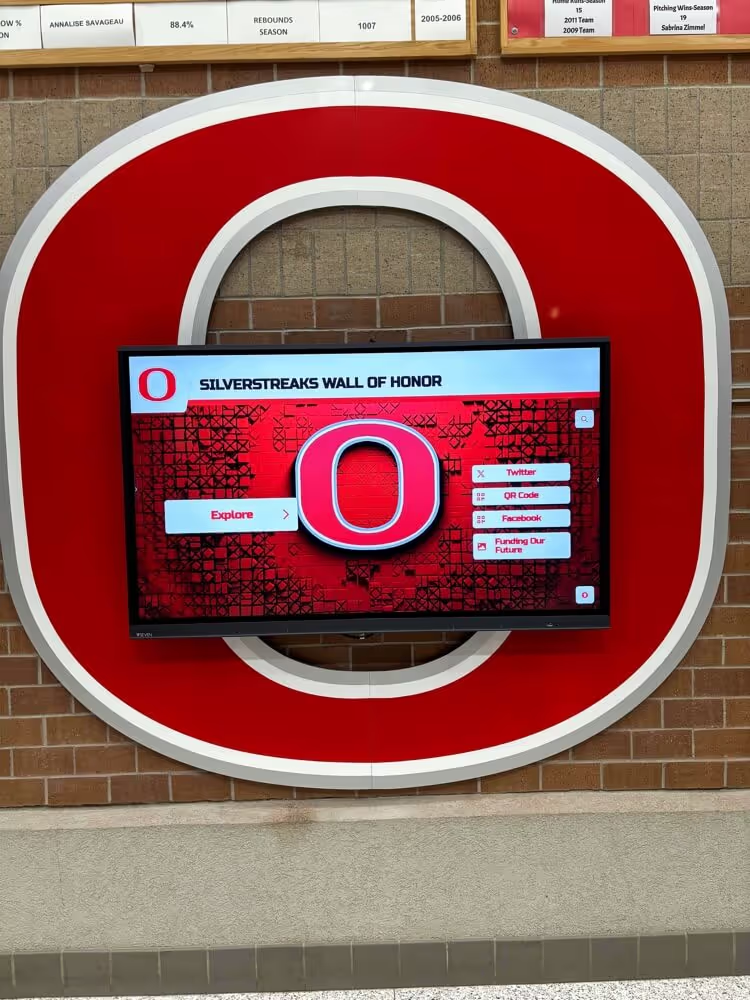
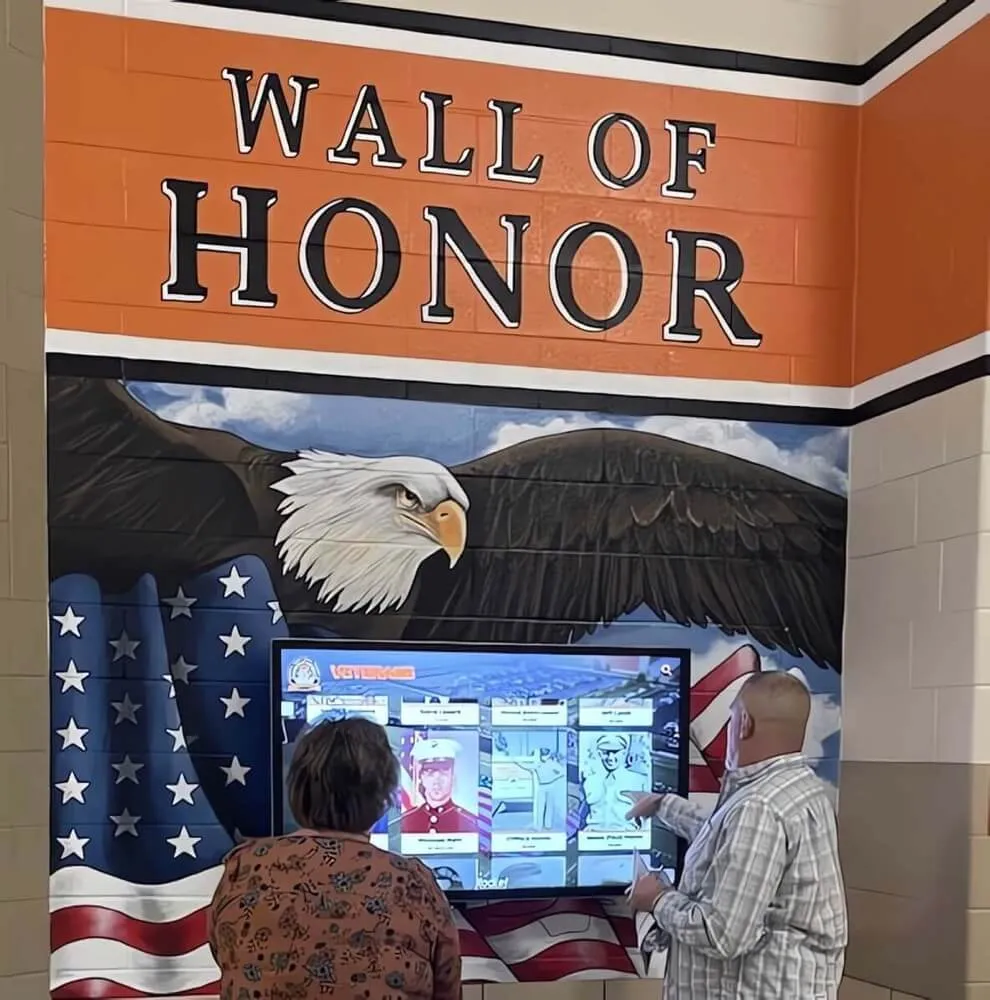
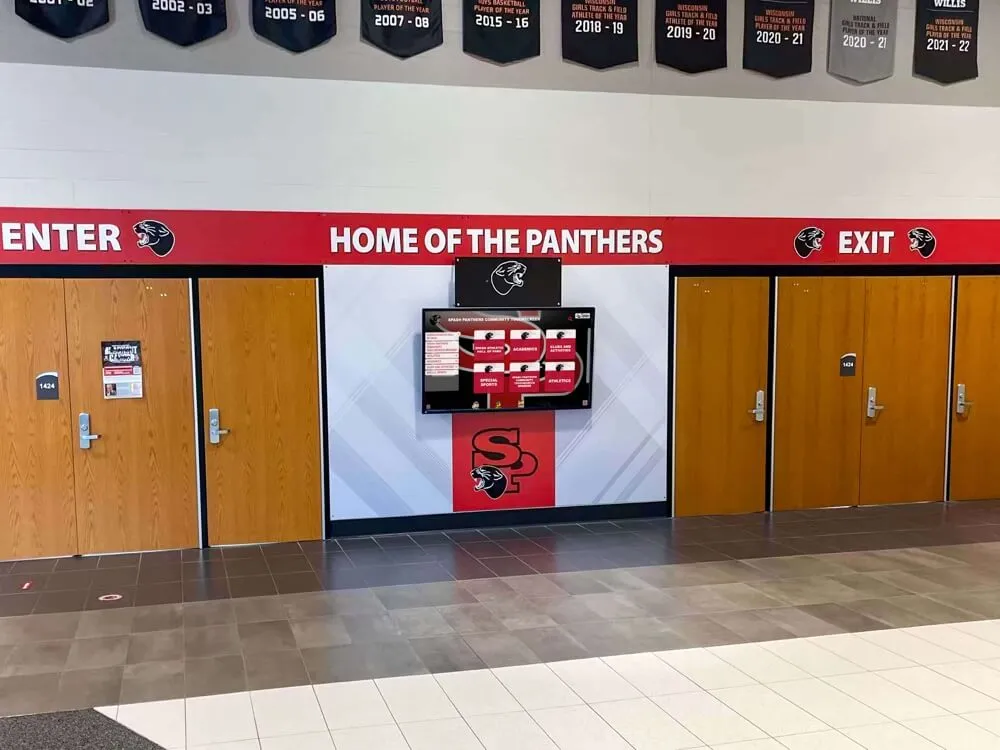
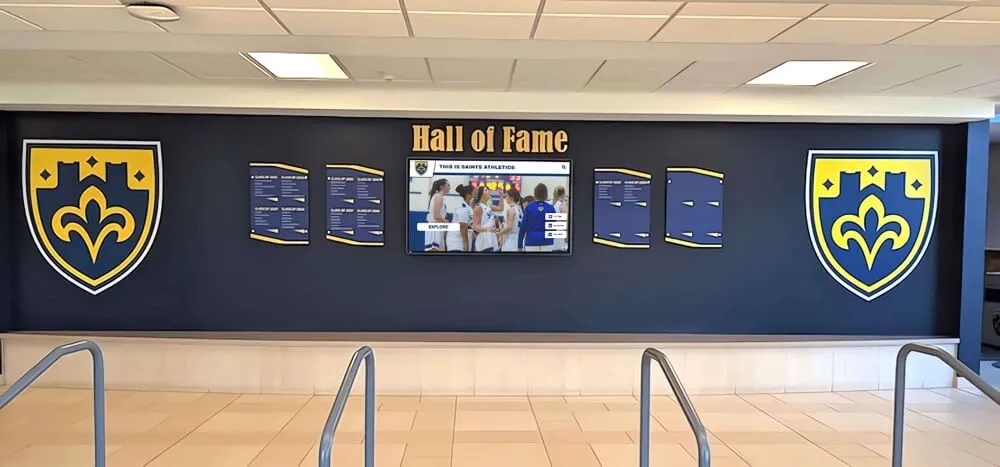
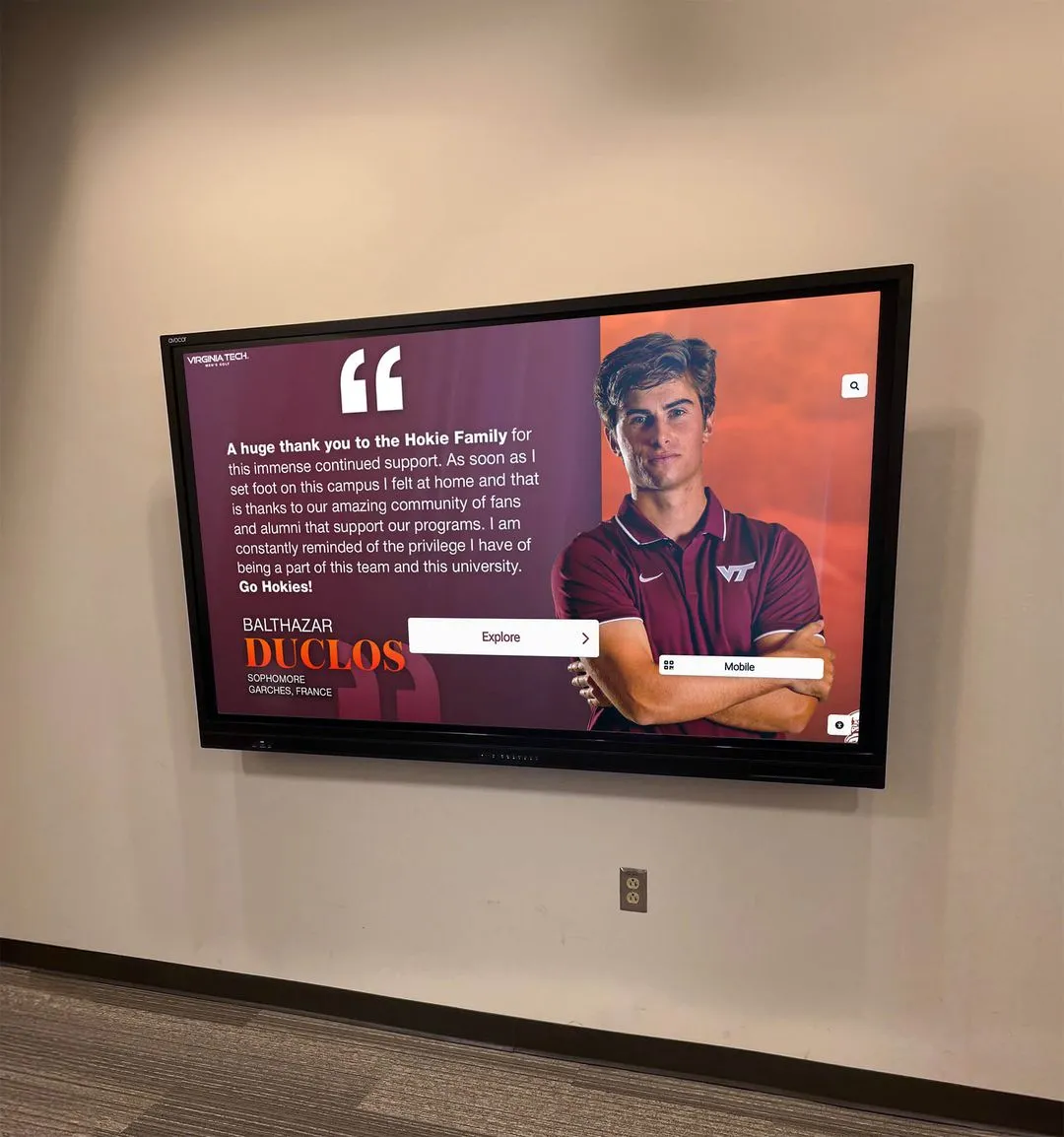
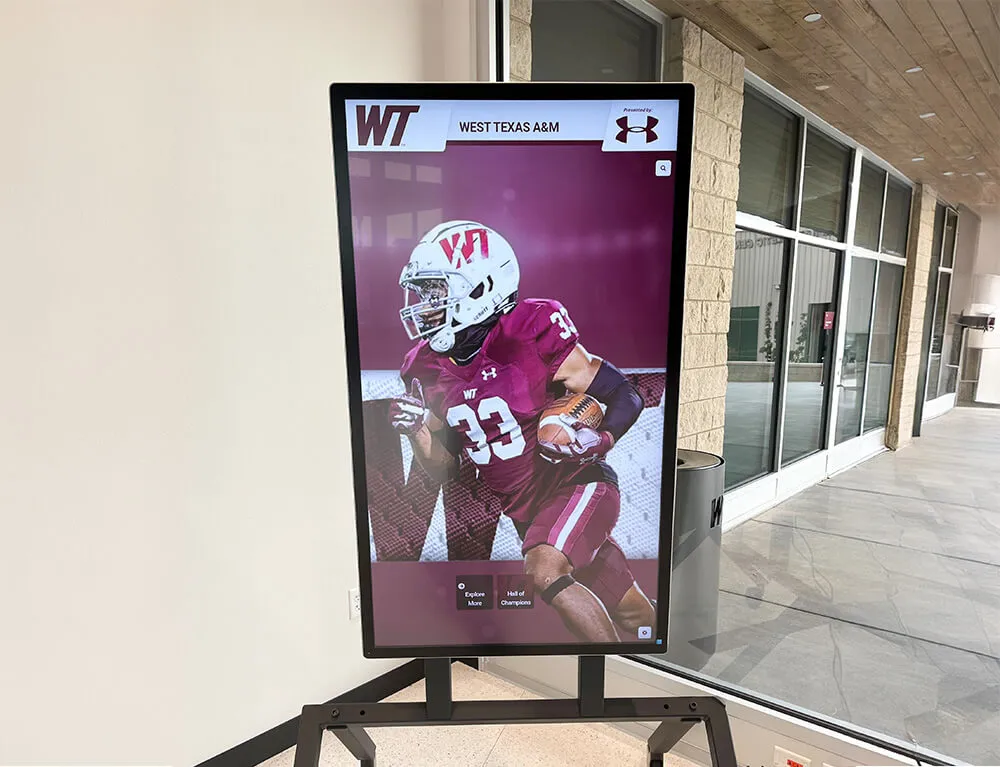
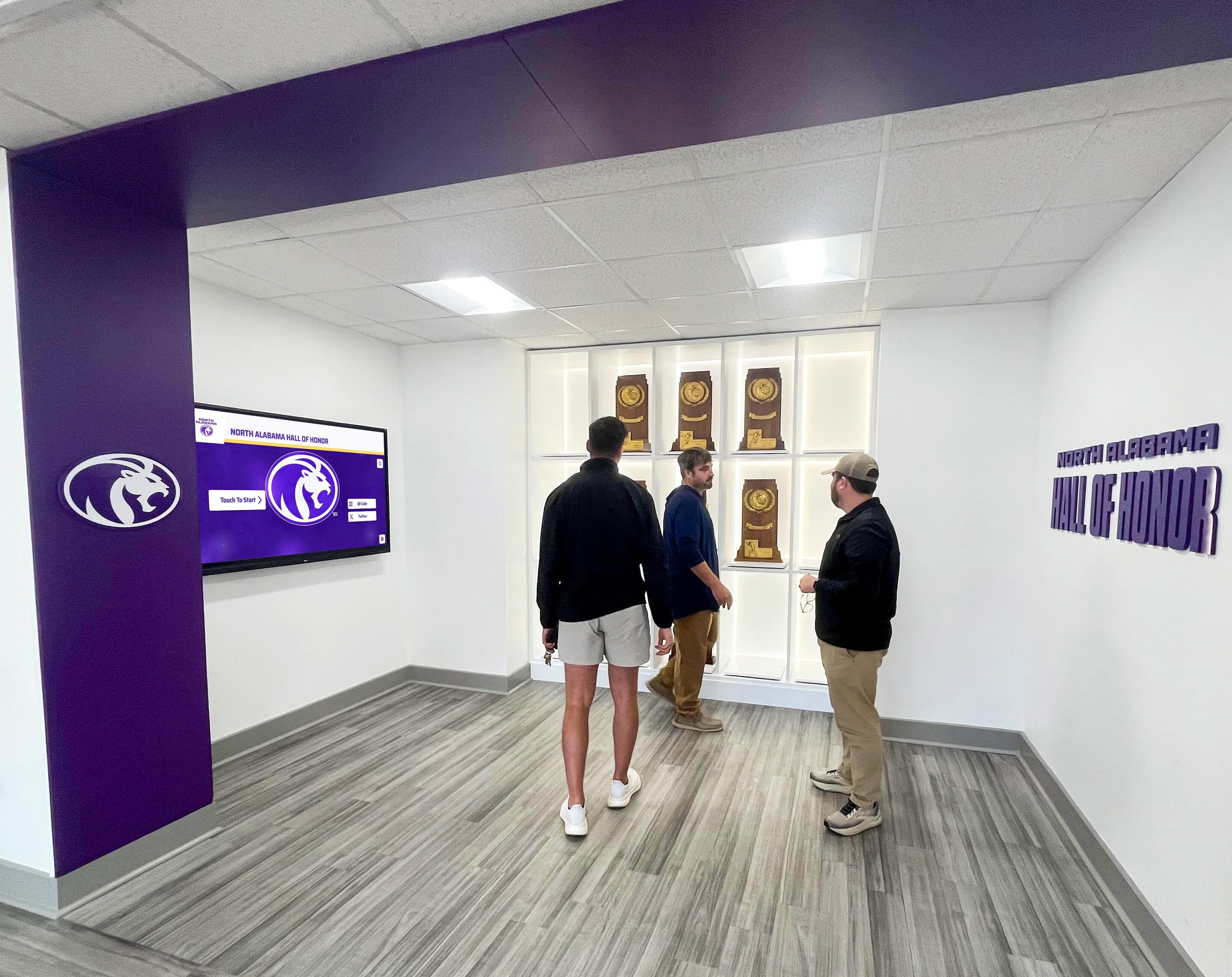
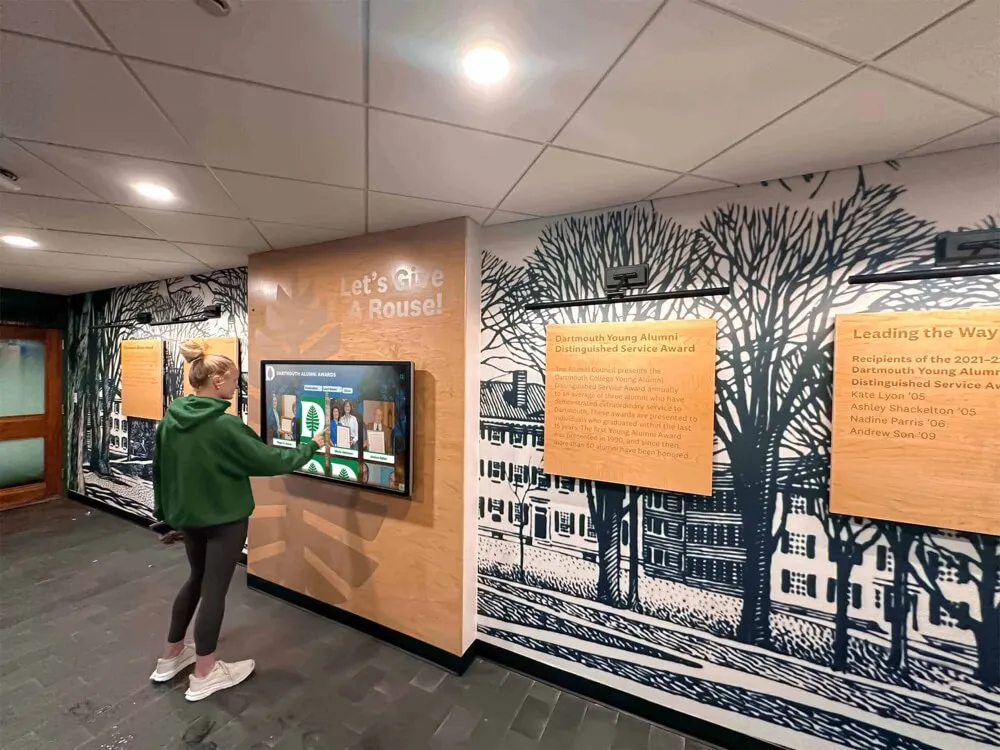
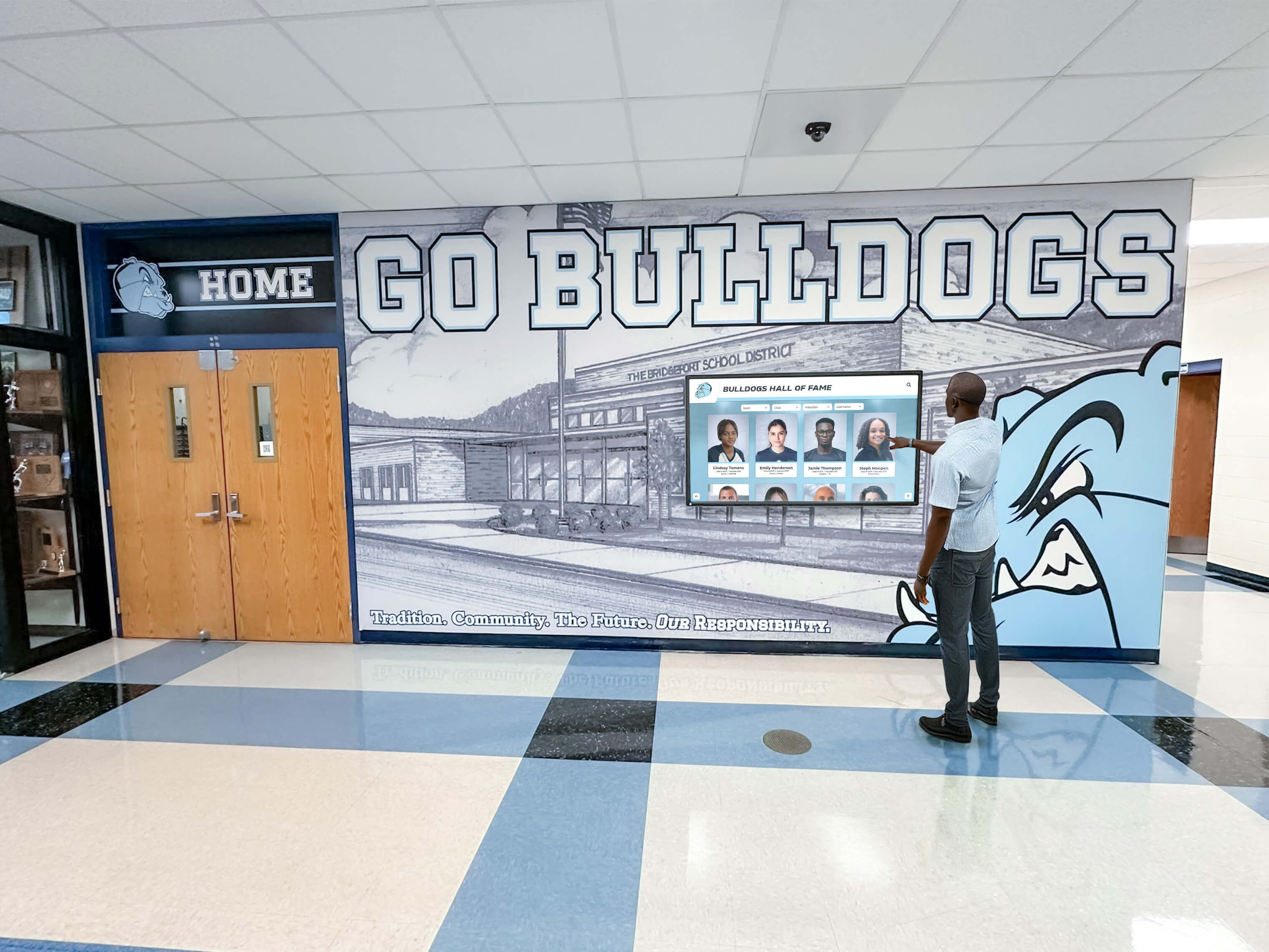
Digital displays eliminate space constraints entirely. A single touchscreen can showcase comprehensive profiles for unlimited athletic trainers without consuming additional physical space. Programs can honor every qualified athletic trainer across program history—including those from decades past who never received proper recognition—within a single display system occupying just a few square feet of wall space.
This unlimited capacity proves particularly valuable for athletic training recognition because multiple individuals often serve simultaneously (head athletic trainers, assistant athletic trainers, student athletic training staff) and career recognition accumulates across decades in successful programs.
Rich Multimedia Storytelling:
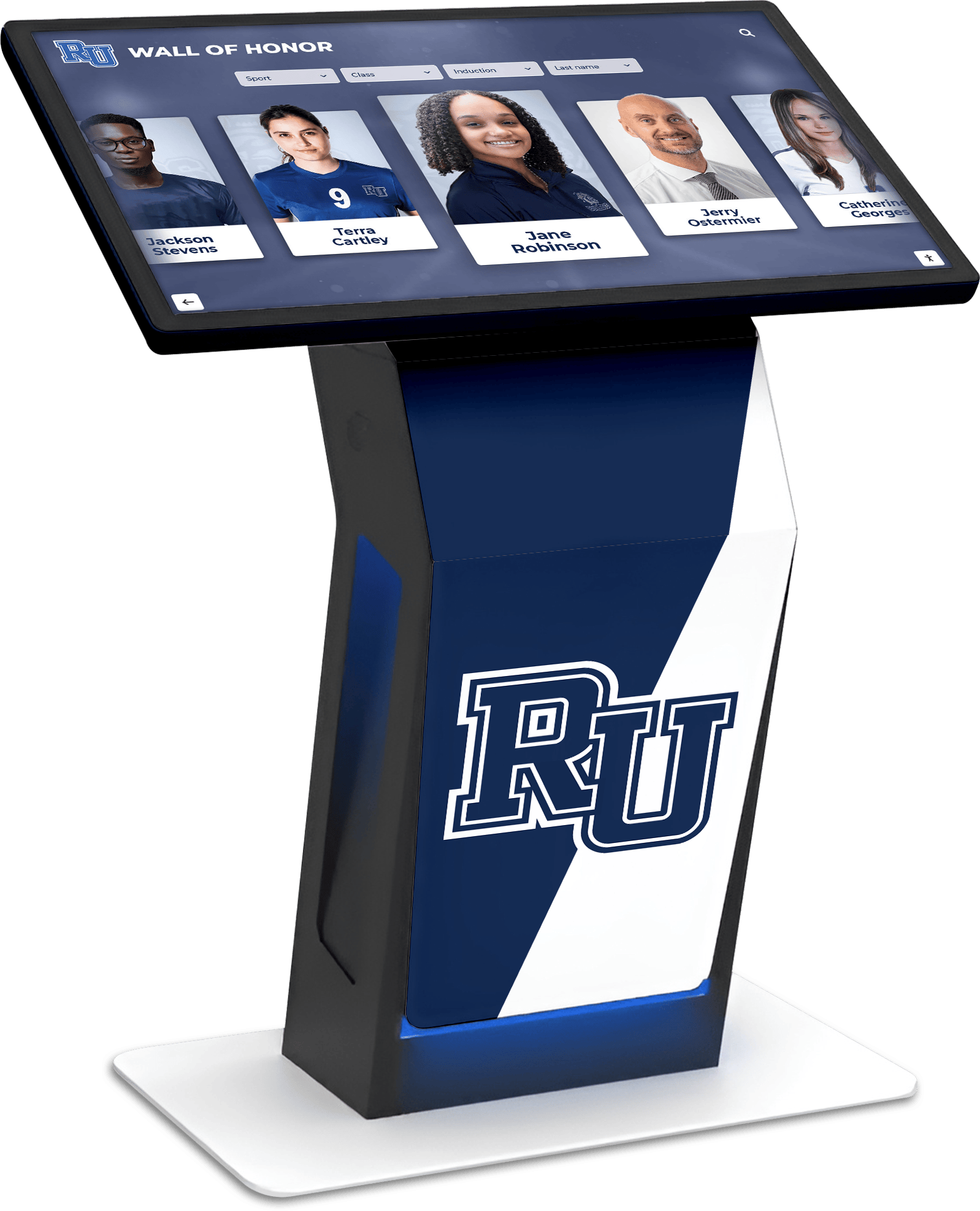
Digital platforms enable comprehensive profiles impossible with traditional plaques. An athletic trainer’s recognition profile might include professional photographs across career years, complete career timelines showing service progression, narratives about defining moments and critical interventions, video testimonials from former student-athletes describing impact, statistics documenting career scope and achievements, quotes expressing professional philosophy, and documentation of innovations, protocols, or programs they developed.
This multimedia depth transforms simple acknowledgment into compelling narratives that help student-athletes, families, and communities understand what exceptional athletic training looks like and why these professionals matter.
Interactive Exploration:
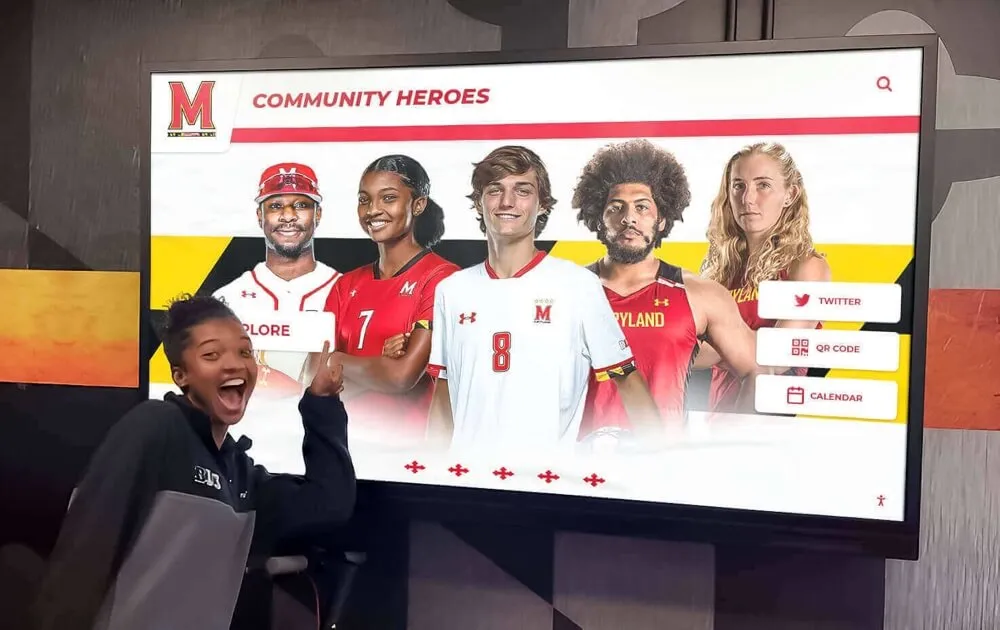
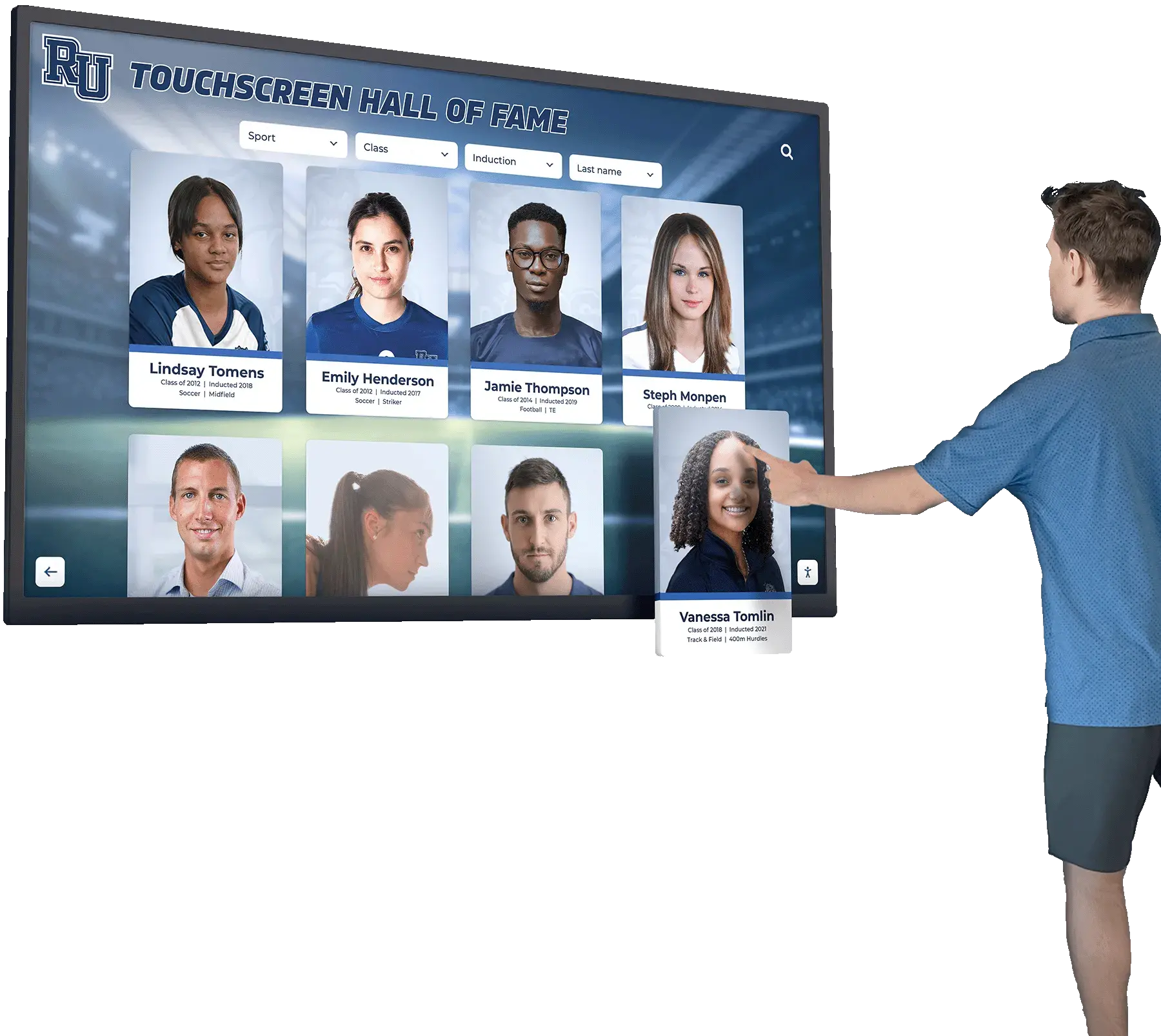
Touchscreen interfaces enable visitors to explore athletic trainer recognition according to their specific interests. A visitor might search for the athletic trainer who served during their own student years, browse chronologically through program medical history, filter by specific specialties or contributions, read detailed career narratives for individuals of particular interest, or discover connections between athletic trainers and other program figures.
This personalized exploration creates engagement impossible with traditional displays where everyone sees identical presentations. Analytics from schools implementing digital recognition systems show visitors spend 5-15 minutes actively exploring content compared to less than 30 seconds with static plaques—representing dramatic engagement improvements that create genuine impact.
Easy Updates and Maintenance:
Cloud-based content management systems enable instant recognition updates. When schools induct new athletic trainers into halls of fame, add emerging professional awards, or enhance existing profiles with new information, authorized staff can update content from any internet-connected device using intuitive interfaces requiring no technical expertise.
This ease of management ensures recognition remains current and relevant without requiring contractor coordination, production timelines, or facility modifications that traditional updates demand.
Integration with Athletic Program Recognition
Athletic trainer recognition gains additional impact through thoughtful integration with broader athletic hall of fame systems.
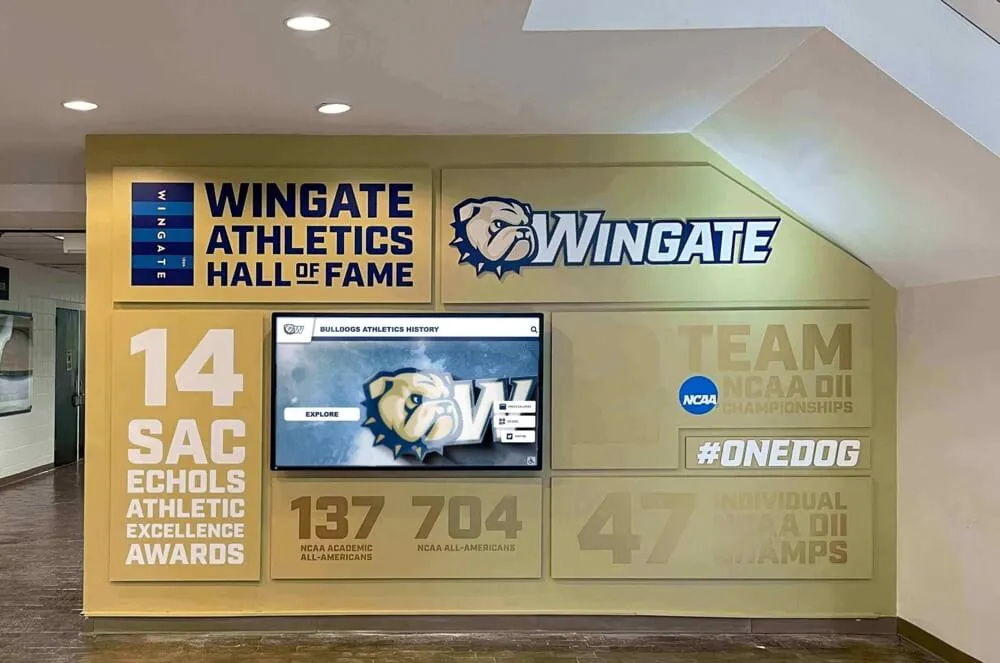
Unified Display Platforms: Rather than creating separate isolated athletic trainer displays, schools can integrate athletic training recognition into comprehensive digital hall of fame solutions that include athletes, coaches, administrators, and support staff. Unified platforms communicate that all contributors to athletic excellence deserve recognition.
Cross-Referencing and Connections: Digital systems enable powerful cross-referencing between athletic trainers and the athletes, teams, or programs they served. A visitor exploring a championship team’s profile might click through to learn about the athletic trainer who kept players healthy during that season. An athlete’s individual profile might acknowledge the athletic trainer who supervised rehabilitation from a major injury.
These connections help visitors understand that athletic success results from collaborative efforts involving athletes, coaches, medical staff, and many others rather than individual heroics in isolation.
Search and Filter Functionality: Comprehensive digital platforms enable searching and filtering across all recognition categories. A visitor might filter the entire hall of fame to show “everyone who contributed to the 1985 state championship”—revealing not just championship team members but also the coaches, athletic trainers, and others who made that achievement possible.
This functionality creates richer understanding of program history by revealing the interconnected networks of people contributing to success across different roles.
Implementing Athletic Trainer Hall of Fame Programs
Schools ready to establish athletic trainer recognition should follow systematic implementation approaches ensuring successful outcomes.
Program Planning and Development
Effective planning establishes foundation for sustainable recognition programs.
Stakeholder Engagement: Begin by engaging key stakeholders including current and former athletic training staff, athletic directors, coaches, former student-athletes, school administrators, and potentially physicians who collaborate with athletic trainers. These conversations generate buy-in, surface important perspectives, identify potential issues, and create shared ownership that sustains programs long-term.
Criteria Development: Work with stakeholders to develop clear, fair selection criteria and eligibility requirements. Document criteria in writing, ensure transparency about selection processes, and establish review procedures allowing criteria updates as programs mature and needs evolve.
Resource Planning: Determine budget requirements for recognition displays, induction ceremonies, biographical content development, and ongoing program operation. Identify funding sources—athletic department budgets, alumni support, fundraising initiatives, or other resources. Sustainable programs require realistic resource planning from inception.
Timeline Creation: Develop implementation timeline including criteria finalization, selection committee formation, initial honoree selection, content development, display system selection and installation, and induction ceremony planning. Realistic timelines prevent rushed implementation that compromises program quality.
Historical Research and Documentation
Many athletic trainers deserving recognition served before formal documentation systems existed, requiring research to properly honor past contributors.
Service Record Research: Work with long-term staff, yearbook archives, athletic department records, and institutional memory to identify athletic trainers who served historically. Document service years, positions, and any available biographical information.
Impact Documentation: Interview former student-athletes, coaches, and others who worked with past athletic trainers to capture stories, impact narratives, and defining moments. These oral histories preserve institutional knowledge that might otherwise disappear.
Photographic Archives: Search yearbooks, athletic department files, newspaper archives, and personal collections for photographs of past athletic trainers. Visual documentation enhances recognition significantly but often requires dedicated research effort.
Schools developing comprehensive archiving programs should include athletic training history alongside competitive records and achievement documentation.
Induction Ceremonies and Ongoing Recognition
Formal induction ceremonies provide important public acknowledgment while building program traditions.
Ceremony Planning: Host induction ceremonies at high-visibility events—athletic award nights, homecoming weekends, or dedicated hall of fame ceremonies that attract community attendance. Public ceremonies communicate that athletic trainer recognition matters to institutional communities.
Honoree Involvement: Whenever possible, involve living inductees in ceremonies through attendance, brief remarks, or participation in unveiling recognition displays. Personal presence creates emotional resonance that abstract recognition cannot match.
Ongoing Anniversary Recognition: Celebrate hall of fame anniversaries for past inductees—5-year, 10-year, 25-year recognition milestones that keep past honorees visible and remind communities about sustained contributions. Anniversary recognition builds tradition and demonstrates that induction creates lasting acknowledgment rather than brief moments.
Expanding Recognition Beyond Head Athletic Trainers
Comprehensive programs acknowledge diverse sports medicine contributors beyond head athletic training positions.
Assistant Athletic Trainers
Many programs employ assistant athletic trainers who provide critical support despite lower profile than head trainers. Recognition programs should include criteria acknowledging assistant athletic trainers who demonstrate exceptional dedication, develop specialized expertise, or make significant contributions through supportive roles.
Team Physicians and Sports Medicine Professionals
While not athletic trainers specifically, team physicians, orthopedic surgeons, physical therapists, and other sports medicine professionals who volunteer time serving school athletic programs deserve consideration in expanded recognition systems. These physicians provide specialized expertise, consultation, emergency coverage, and medical guidance that elevates program medical care substantially.

Student Athletic Training Staff
Student athletic trainers who assist professional staff while gaining clinical education make significant program contributions. Some schools have developed recognition specifically for student athletic training staff who demonstrate exceptional dedication, skill development, or contributions during their student years.
This student recognition serves dual purposes: acknowledging genuine contributions while creating career awareness for students who might pursue athletic training professionally after seeing the profession honored alongside other athletic contributors.
Funding Athletic Trainer Hall of Fame Programs
Sustainable recognition programs require appropriate funding sources.
Athletic Department Operating Budgets: The most direct funding source comes from regular athletic department budgets. Schools committed to athletic trainer recognition should allocate dedicated budget lines ensuring recognition programs receive consistent funding rather than competing annually for discretionary resources.
Alumni and Community Support: Athletic trainers often develop strong relationships with former student-athletes who deeply appreciate the care they received. These alumni frequently support athletic trainer recognition initiatives enthusiastically—providing both financial support and advocacy for program development.
Fundraising Campaigns: Schools can develop targeted fundraising specifically for athletic trainer recognition, potentially creating named recognition opportunities where donors sponsor specific elements honoring athletic trainers who served when they attended school or cared for their student-athletes.
Professional Association Partnerships: State athletic training associations, national professional organizations, and sports medicine companies sometimes support recognition initiatives through grants, sponsorships, or in-kind contributions acknowledging the profession broadly.
The Broader Impact of Athletic Trainer Recognition
Properly recognizing athletic trainers influences programs beyond simply honoring individuals.
Recruitment and Retention: Athletic training positions often face recruitment challenges due to demanding schedules, modest compensation relative to clinical alternatives, and limited advancement opportunities. Schools that visibly honor athletic trainers through hall of fame recognition differentiate themselves as institutions that value sports medicine professionals—creating recruitment advantages and improving retention.
Professional Satisfaction: Athletic trainers consistently report that feeling valued and appreciated by their institutions significantly influences job satisfaction. Formal recognition programs communicate that institutions genuinely appreciate athletic training contributions rather than simply expecting medical coverage as background service requiring no acknowledgment.
Student-Athlete Relationships: When student-athletes see their schools honor athletic trainers through permanent recognition comparable to athlete and coach acknowledgment, they better understand that athletic trainers serve as valued team members deserving respect. This cultural shift improves student-athlete cooperation with medical protocols, treatment compliance, and overall relationships between athletes and medical staff.
Community Education: Athletic trainer recognition educates broader communities about these healthcare professionals’ critical roles. Parents, fans, and community members who visit schools and see athletic trainer hall of fame displays gain understanding about sports medicine professionals’ contributions—potentially reducing pressure on schools to prioritize competitive results over medical decision-making.
Taking the First Steps Toward Athletic Trainer Recognition
Schools ready to honor their athletic training legends can begin with manageable first steps that create momentum toward comprehensive recognition programs.
Audit Existing Recognition: Review current hall of fame displays and recognition systems. Are athletic trainers included? If not, why not? Understanding current gaps provides starting points for expansion.
Engage Stakeholders: Begin conversations with athletic directors, current athletic training staff, former athletic trainers still in the community, and coaches about developing athletic trainer recognition. These discussions build support and generate ideas.
Research Program History: Start documenting athletic trainers who have served your institution. Even basic service records create foundation for future recognition when fuller programs develop.
Explore Modern Display Solutions: Investigate digital recognition platforms that make comprehensive athletic trainer recognition practically and financially feasible regardless of program size or budget.
Every successful athletic trainer hall of fame started with simple recognition that these medical professionals deserve acknowledgment alongside the athletes and coaches they serve. The tools, technology, and awareness exist today to finally give athletic trainers the recognition they’ve always deserved—recognition that honors past contributions while inspiring future generations to pursue careers protecting and healing student-athletes.
Schools that recognize athletic training excellence alongside athletic achievement communicate powerful truths: that student-athlete welfare matters as much as competitive success, that healthcare professionals deserve honor comparable to competitive performers, and that the people who keep athletes healthy merit permanent acknowledgment for contributions that literally save lives and futures. These messages resonate far beyond recognition displays themselves, shaping athletic cultures where medical excellence receives the visibility and appreciation it demands.
Conclusion
Athletic trainers serve as the often-invisible backbone of successful athletic programs—preventing injuries, managing emergencies, supervising rehabilitation, and making critical decisions that protect student-athlete health across entire careers. Despite these vital contributions, athletic trainers frequently receive minimal formal recognition compared to athletes and coaches whose success depends directly on the medical foundation these professionals provide.
Establishing athletic trainer halls of fame addresses this recognition gap by honoring sports medicine legends through permanent displays, formal induction ceremonies, and comprehensive documentation comparable to competitive achievement recognition. Modern digital display solutions make these programs practically and financially feasible for schools of all sizes by eliminating space constraints, enabling rich multimedia storytelling, providing easy updates, and creating engaging interactive experiences that properly communicate athletic trainers’ impact.
Beyond individual acknowledgment, athletic trainer recognition programs build cultures where medical excellence receives visibility equal to competitive performance, educate communities about athletic training professions, support recruitment and retention, and communicate that student-athlete welfare matters as much as championships. The schools that pioneer these recognition systems not only honor deserving individuals but also elevate athletic training as a profession while demonstrating institutional commitment to the medical professionals who protect student-athlete futures every day.
The athletic trainers who dedicated careers to caring for student-athletes deserve recognition that matches their contributions. Modern technology, awareness about sports medicine’s critical importance, and proven recognition frameworks make it possible for schools to finally provide the permanent acknowledgment these healthcare heroes have always deserved. The question is not whether athletic trainers merit hall of fame recognition—the answer is obviously yes. The question is when your school will take the first steps toward honoring the sports medicine legends who made your athletic achievements medically possible.