



Key Takeaways
A practical guide to athletic memorabilia insurance appraisal for school administrators. Learn what to inventory, document, photograph, and value for jerseys, trophies, and athletic artifacts on display.
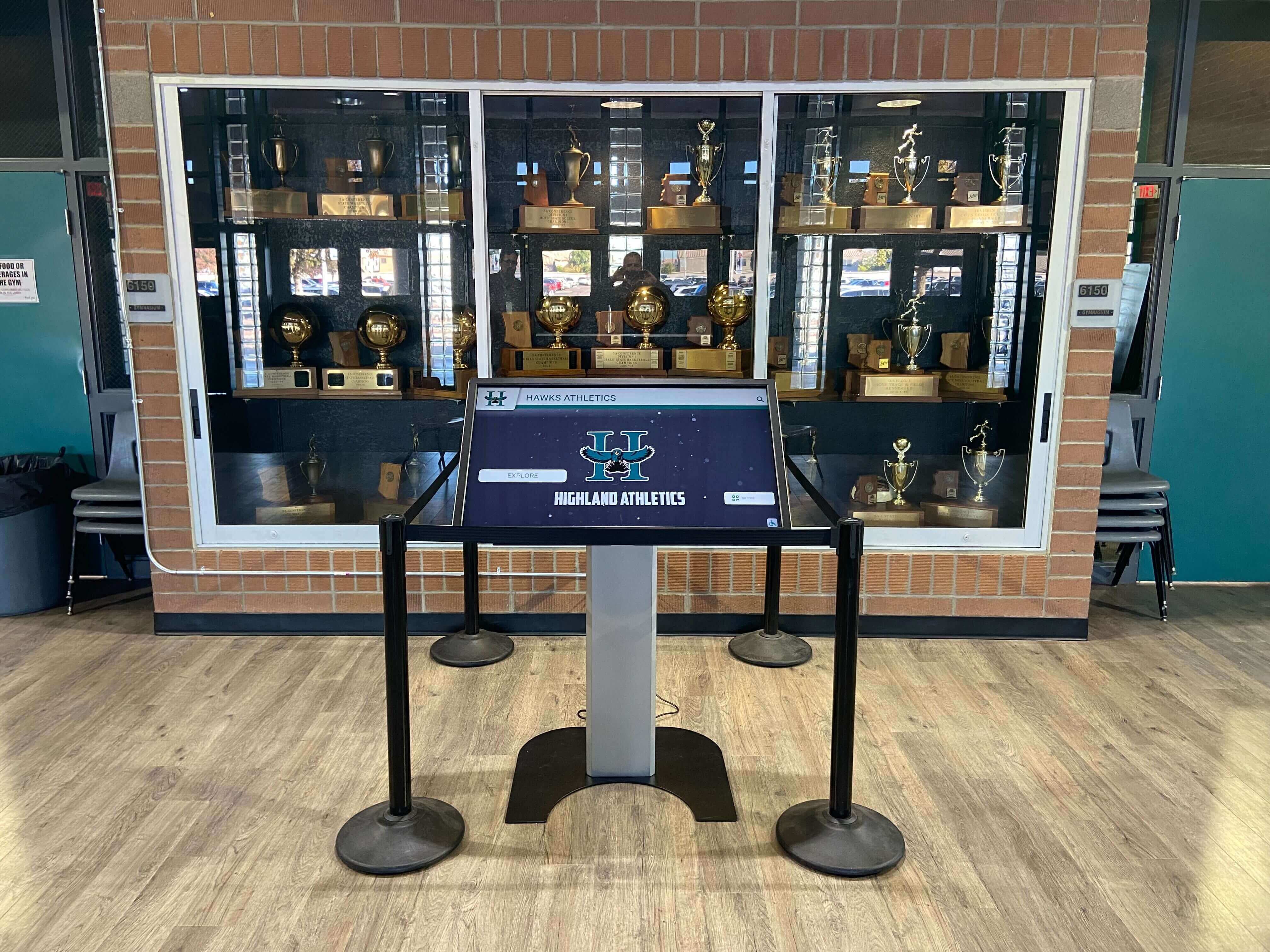
A gymnasium trophy case full of championship hardware, retired jerseys, and framed photographs represents decades of institutional history—and a collection that most school insurance programs have never formally inventoried. When a water pipe bursts above the trophy room, a fire damages a hallway display, or a break-in takes items from an unlocked case, the lack of documentation makes an accurate insurance claim nearly impossible. Athletic memorabilia insurance appraisal addresses that gap by creating a systematic record of what a school owns, what each item is worth, and where it is located—before any loss occurs.
Why Most School Athletic Collections Are Underinsured
The average school athletic collection grows incrementally over decades. A championship trophy is added to a case after the season ends. A retired coach donates a signed game ball. A booster contributes a framed photograph from a state title run. Each addition feels minor in isolation, but collections that accumulate over thirty or forty years often contain items whose aggregate replacement value runs well into five or six figures.
Standard school property insurance policies typically cover building contents at broad replacement cost, but claims require documentation. An adjuster cannot assign value to a championship trophy without a description, date, and comparable market data. A jersey retired in 1997 may carry both sentimental and collector value that a generic contents inventory ignores entirely. Schools that have never conducted a formal athletic memorabilia inventory frequently discover this gap only when filing a claim—at the worst possible moment.
A structured inventory and periodic appraisal process closes that gap before it matters.

Step 1: Catalog Every Item Before Assigning Value
Insurance appraisal begins with a complete catalog, not with value estimates. An item that is not in the inventory cannot be claimed, regardless of its condition or historical significance.
Creating a Unique Identifier for Each Item
Assign a unique identifier to every artifact in the collection before beginning any other documentation. A simple structure works for most school programs:
SPORT-YEAR-###
For example, the second football artifact added to the collection in 2024 becomes FB-2024-002. This identifier connects the physical item to its inventory record, its appraiser notes, and its photographic file names. Apply it consistently to every item regardless of perceived value—a modestly valued regional award may prove significant if a donor’s family later disputes ownership.
Item Categories for Athletic Collections
A complete athletic memorabilia inventory addresses all physical categories in the collection:
| Category | Examples |
|---|---|
| Championship trophies | State titles, conference championships, tournament hardware, bowl game awards |
| Individual awards | All-state plaques, MVP trophies, coach of the year recognition |
| Retired jerseys and uniforms | Framed uniforms, commemorative jerseys, game-worn equipment with historical significance |
| Signed game equipment | Authenticated balls, bats, helmets, gloves with verified signatures |
| Photographs and prints | Team photographs, action photographs, archival prints from significant seasons |
| Plaques and recognition hardware | Letterwinners plaques, booster club recognition, alumni distinction awards |
| Archival documents | Programs, scorecards, news clippings, correspondence with historical significance |
| Display cases and hardware | Cases, lighting fixtures, mounting systems, and interactive display units |
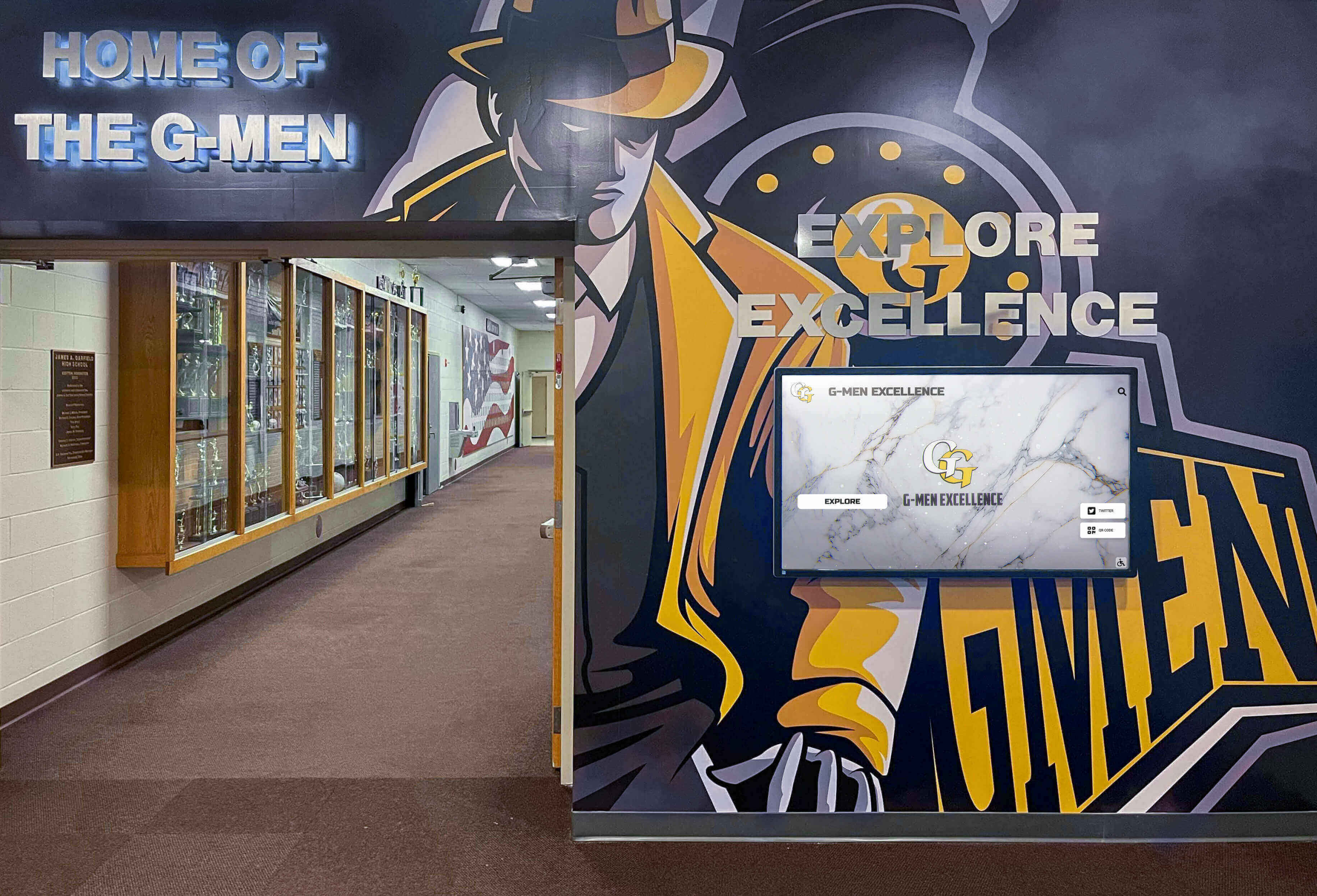
Display cases and hardware are often overlooked in memorabilia inventories. A custom-built trophy case or a professionally installed interactive display system represents a capital investment that warrants its own coverage line.
Step 2: Document Provenance for Every Artifact
Provenance—the documented history of where an item came from and how the school came to possess it—determines ownership, affects value, and influences insurance coverage. An authenticated championship trophy with full provenance documentation is worth more than an identical trophy whose origin is unknown and unrecorded.
Three Ownership Categories
Every item in the collection falls into one of three ownership statuses:
Institutional property: The school owns the item outright, either because it was purchased by the athletic department, awarded to the school directly, or transferred from a prior program. For insurance purposes, institutional property is covered under school contents policies without additional documentation of donor intent.
Permanent gift: A donor transferred ownership to the school, giving the institution full display, storage, loan, and disposition rights. Insurance claims on donated items are straightforward when a gift agreement or signed accession record documents the transfer. Without that documentation, ownership disputes can delay or invalidate claims.
Loan: A donor retains legal ownership but permits the institution to display the item. This arrangement creates insurance complexity—the item may not be covered under school property policies because the school does not own it, and the donor’s personal insurance may not cover items stored off-site at a school. Loans of significant value warrant explicit discussion with the school’s insurance carrier about scheduled item or bailee coverage.
Provenance Notes That Matter for Appraisal
For each item, the inventory record should capture:
- Who donated, awarded, or transferred the item and when
- What occasion the item commemorates (the specific season, event, or achievement)
- Prior ownership if the item changed hands before reaching the school
- Any documentation confirming the item’s origin (award citations, ceremony programs, correspondence)
- Whether signatures, inscriptions, or dates on the item can be verified against records
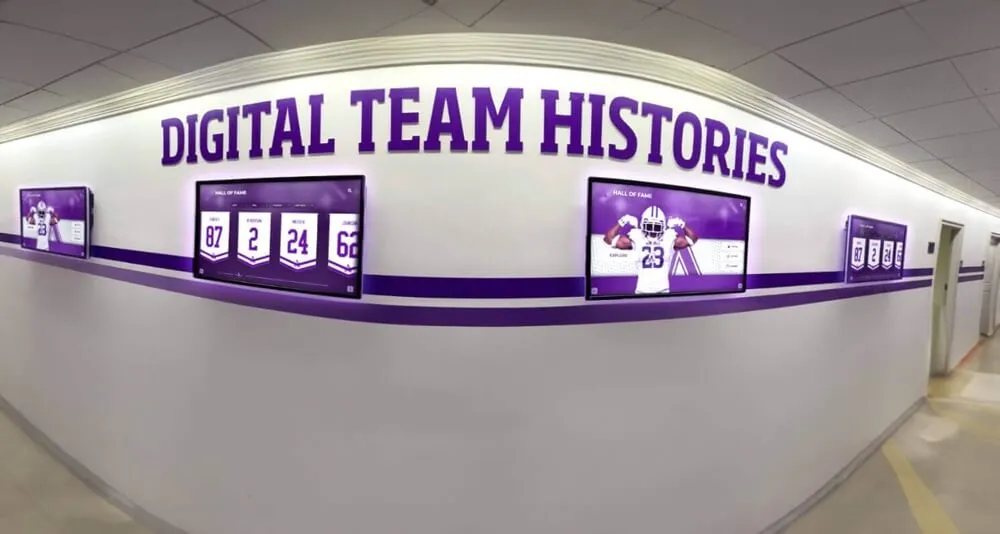
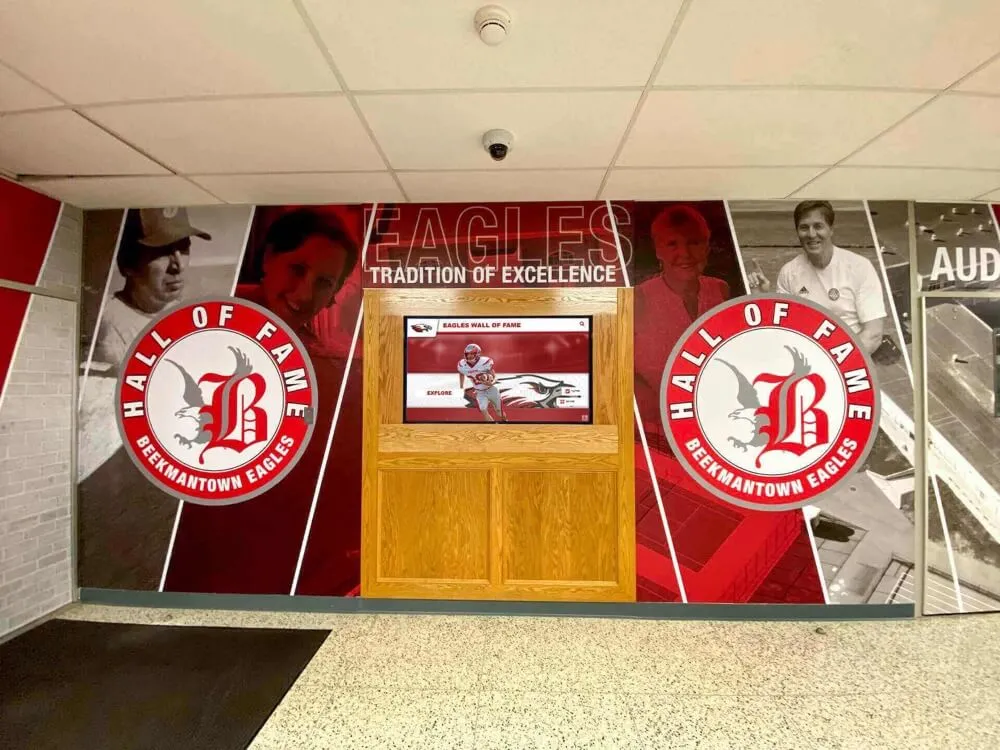
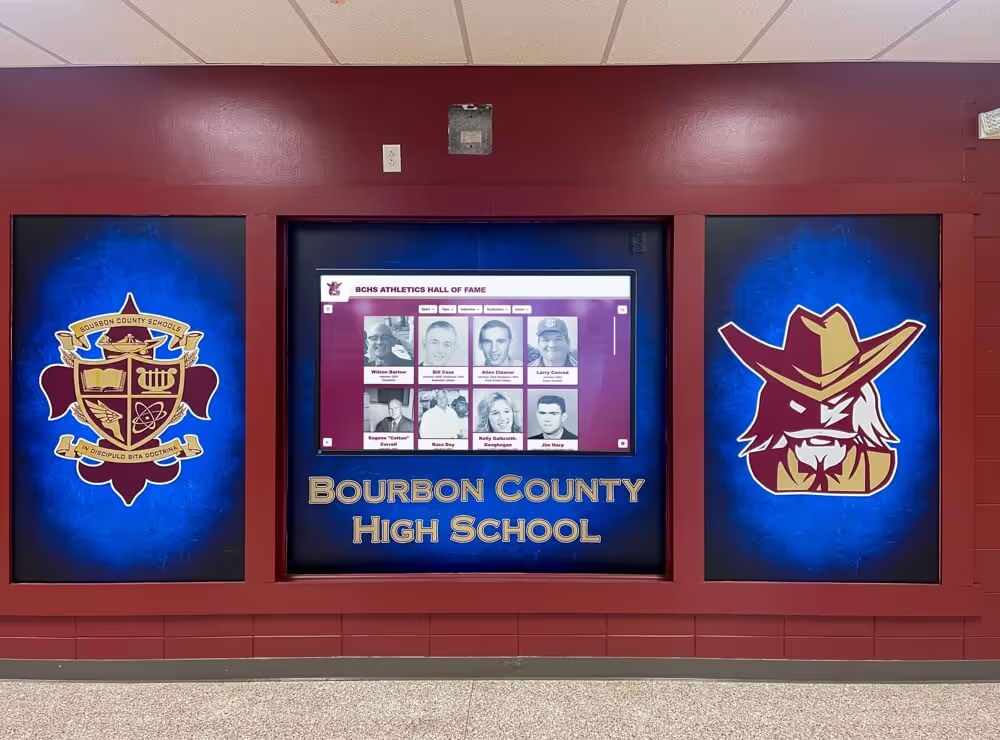
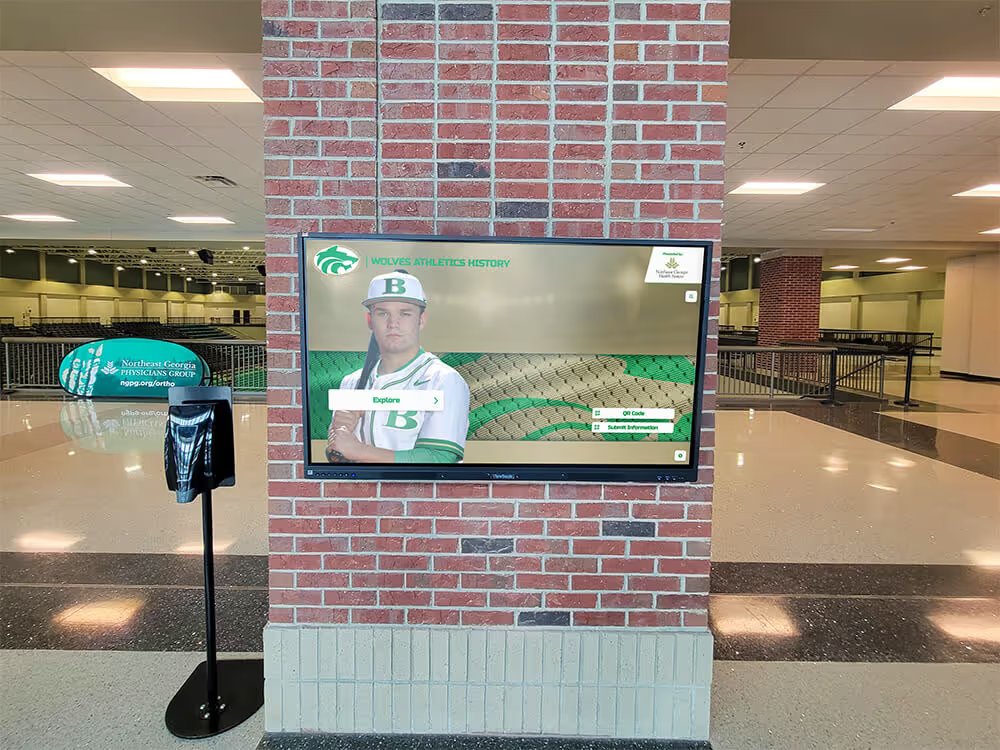
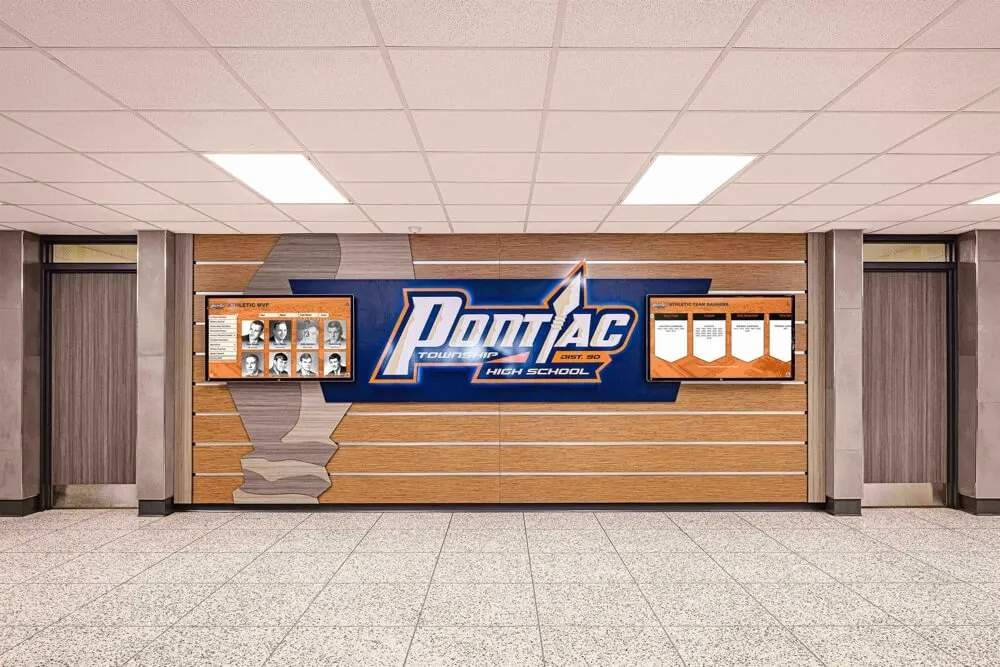
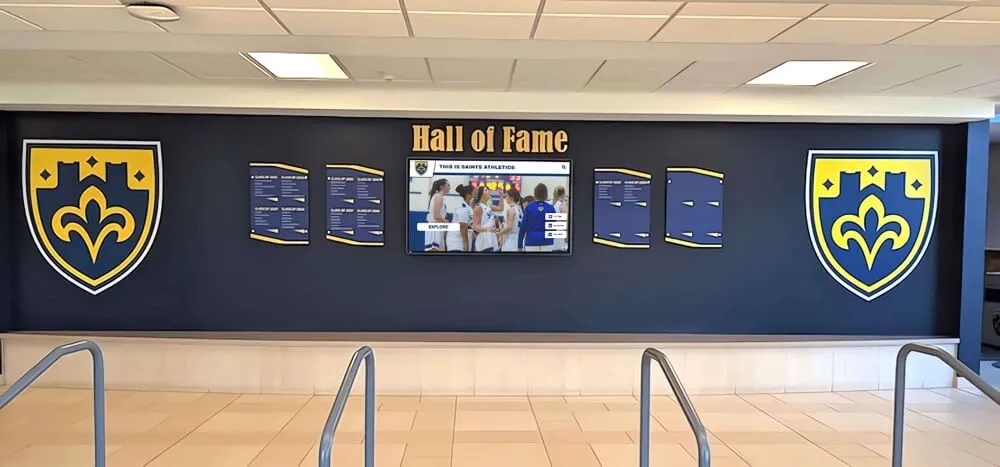
Programs that work with digital hall of fame tools can often connect provenance records directly to inductee profiles, creating a chain of documentation that serves both display and insurance purposes simultaneously.
Step 3: Rate and Record Condition at the Item Level
Insurance claims depend on establishing the condition of an item before a loss event. A condition record created at intake or at the time of a scheduled appraisal provides the baseline that adjusters use to assess damage.
A Consistent Four-Point Condition Scale
Use a standard scale applied consistently across all items:
- Excellent: No visible damage, fading, structural compromise, or missing components. Original finish and materials intact. Appropriate for items in protected display cases or climate-controlled storage.
- Good: Minor wear consistent with age and handling. No structural damage. Original completeness maintained. Appropriate for well-maintained items with light surface wear.
- Fair: Visible deterioration, discoloration, fading, or minor damage. Some components may be missing or previously repaired. Value may be affected by condition.
- Poor: Significant damage, structural instability, or extensive missing or deteriorated components. May require conservation before display. Value substantially affected.
Condition Notes That Support Claims
The condition rating is a starting point; the notes field is where useful detail lives. Effective condition notes identify specifics:
- “Base has a hairline crack along the rear seam, approximately 3 cm, consistent with age”
- “Signature on panel 4 is faded but legible under direct light”
- “Trophy is missing the top medallion; school records indicate it was detached during a 1998 move”
- “Jersey shows moth damage along the right shoulder, approximately 2 cm in diameter”
These notes prevent disputes about whether damage existed before a loss event. They also flag items that need conservation attention before condition deteriorates further.
Step 4: Photograph Every Item Systematically
Photographs are the most important element of an athletic memorabilia insurance inventory. A written description of a championship trophy tells an adjuster what it is; a photograph shows exactly what was lost or damaged.
Photography Requirements by Item Type
Trophies and three-dimensional hardware:
- Front view showing the full item
- Rear view
- Left and right side views
- Close-up of any inscriptions, dates, or engravings
- Close-up of any damage or existing condition issues
- Scale reference (a ruler or common object in one frame establishes size)
Jerseys and uniforms:
- Front view laid flat or on a hanger
- Rear view
- Close-up of nameplate, number, and any patches or tags
- Detail shots of any signatures, wear, or condition issues
Framed photographs and plaques:
- Full front view
- Rear view showing any inscriptions, dating, or provenance notes on the backing
- Close-up of any signatures, seals, or authenticating marks
Signed game equipment:
- Multiple angles showing the signature location
- Close-up of the signature
- Authentication markings or certificates photographed alongside the item
File Naming and Storage
Name every photograph file using the item’s unique identifier: FB-2024-002-front.jpg, FB-2024-002-rear.jpg. Store the complete image set in at minimum two locations—a local drive and a cloud-based backup. Insurance claims involving collections that lost documentation in the same event that destroyed the artifacts face the worst possible combination: no items and no records. Off-site or cloud storage of photographic records is essential.
Schools increasingly document athletic collections using AI-supported data integrity tools that can flag inconsistencies in record sets and help administrators maintain audit-ready documentation across large collections.
Step 5: Establish Values—Replacement vs. Fair Market
Value determination is where insurance appraisal diverges most sharply from other documentation practices. The right value figure depends on what type of coverage applies.
Replacement Value
Replacement value is the cost to acquire a comparable item at current prices. For most standard athletic trophies—commercially produced awards given to conference champions, regional finalists, or all-star teams—replacement value is relatively straightforward to establish by contacting current award vendors.
Custom or one-of-a-kind awards complicate this calculation. A hand-crafted championship trophy from 1962 has no direct replacement equivalent. In these cases, replacement value approximates the cost to commission a comparable custom piece at current artisan rates, which may differ substantially from the original cost.
Display cases and interactive recognition systems use replacement value consistently—they are functional assets with current-market equivalents.
Fair Market Value
Fair market value applies to items with active collector markets: authenticated signatures on game equipment, vintage team photographs in collectable condition, or championship hardware from programs with significant followings. Fair market value for these items can exceed replacement cost, and scheduling them separately on a policy at appraised fair market value provides more appropriate coverage than a standard contents rate.
A professional appraiser with sports memorabilia credentials can establish fair market values for individual pieces that warrant separate scheduling. Credentials to look for include membership in the American Society of Appraisers or the Appraisers Association of America, with documented experience in sports memorabilia specifically.
Items That Require Professional Appraisal
Not every item in a school’s athletic collection warrants the expense of a professional appraisal engagement. Focus professional appraisal resources on:
- Championship trophies from state or national-level competition
- Signed items where the signature carries collector market value
- Donated artifacts from donors with significant collections
- Items displayed in high-visibility or high-traffic locations
- Any item where replacement cost is unclear or potentially high
Routine awards, standard plaques, and commercially produced recognition hardware can typically be valued internally using vendor price lists and condition adjustments.
Step 6: Track Display and Storage Locations
An item’s physical location at the time of a loss determines which insurance coverage applies and whether the institution even knows the item is missing. An athletic collection spread across a school’s hallways, lobby cases, trophy rooms, athletic offices, gymnasiums, and storage closets without location records creates a discovery problem: after a fire or theft, administrators may not know for days or weeks what was actually where.
Location Categories to Track
The inventory record should capture a specific location for each item, not a general area. “Trophy case, main lobby, case 2, shelf 3” is useful. “Lobby area” is not.
Common location categories in school athletic settings:
- Main lobby display cases: Items in high-traffic areas visible to visitors, prospective families, and daily school traffic
- Athletic hallway displays: Items in corridors adjacent to gymnasiums, weight rooms, or team facilities
- Dedicated trophy room or hall of fame space: Collections in purpose-built recognition areas
- Athletic department offices: Items on display in administrative or coaching office spaces
- Gymnasium wall displays: Items mounted in competition or practice spaces
- Auditorium or event space displays: Items displayed during events or in multi-use spaces
- Storage: Items not currently on display but in institutional custody
Location Change Protocols
Every time an item moves—for cleaning, renovation, a special event, a new display installation—the inventory record should be updated. An item listed at one location that is actually stored in a facilities closet creates a documentation gap that complicates claims and loss discovery alike.
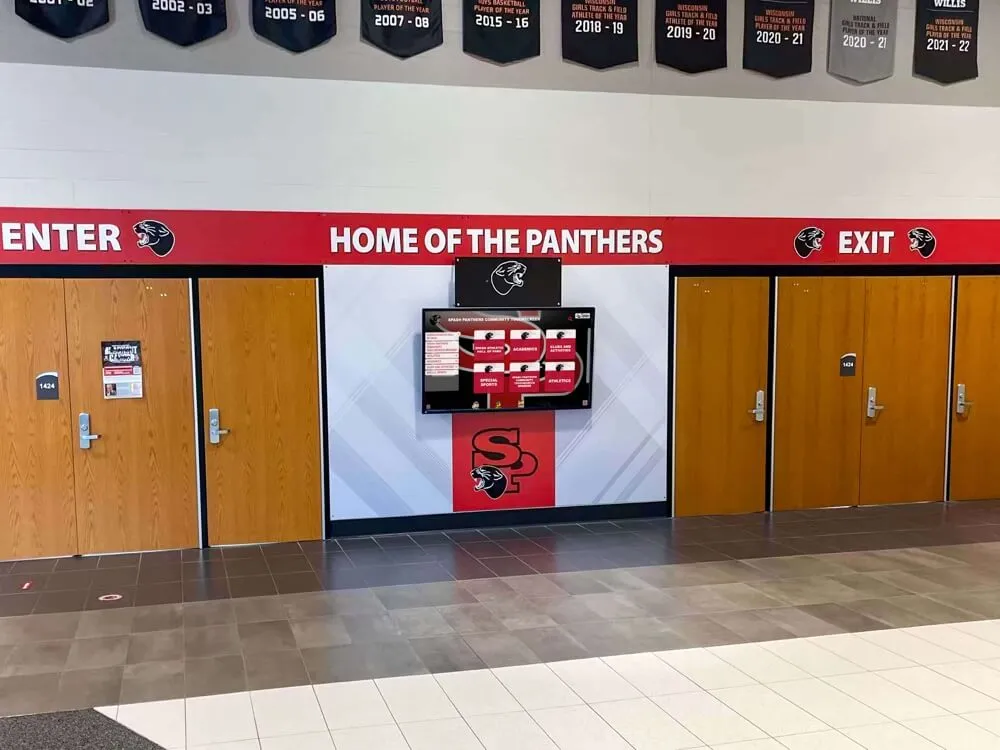
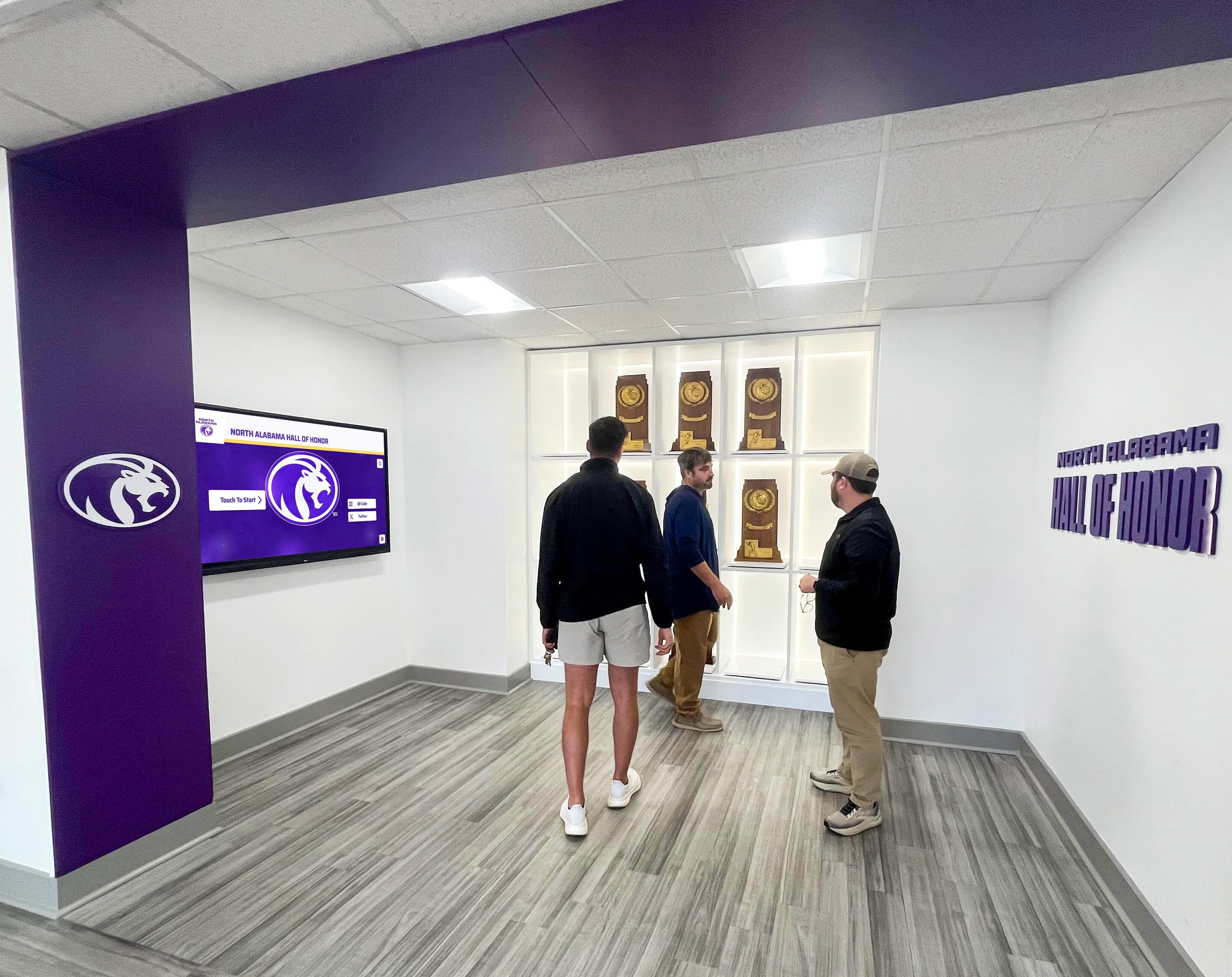
Many schools coordinate location tracking with their hall of fame display platform so that the same system that shows visitors where to find an inductee’s profile also maintains a location record for the physical artifacts associated with that inductee.
Step 7: Audit the Inventory Annually
An inventory created once and never updated is less useful than no inventory at all—it creates false confidence in documentation that may not reflect current collection status. Annual audits maintain accuracy.
What an Annual Audit Covers
- Physical verification: Confirm that every item in the inventory is present at its recorded location
- New acquisitions: Add inventory records for items accepted during the year
- Condition updates: Note any changes in condition since the last assessment
- Ownership status changes: Record loan renewals, returns, or permanent transfers completed during the year
- Location updates: Correct any location records that changed during the year without being updated
- Deaccessions: Remove or archive records for items that have been returned, disposed of, or transferred out of the collection
The audit also functions as a physical inspection that catches display issues before they become problems: cases that need cleaning, mounts that have loosened, lighting that has burned out, or environmental conditions that are accelerating artifact deterioration.
Connecting the Audit to Insurance Review
Schedule the annual inventory audit to align with the school’s insurance renewal cycle. A completed, current inventory presented to the insurance broker at renewal allows the carrier to assess coverage adequacy against a documented collection, rather than working from outdated or estimated figures. If new items added during the year bring the collection’s aggregate value above current coverage limits, the renewal conversation is the right time to address that gap.
Connecting Your Inventory to Digital Recognition Displays
A well-maintained insurance inventory and a digital hall of fame platform share significant documentation overlap. Both require item descriptions, photographs, provenance information, and location data. Schools that manage these records in coordination—rather than in separate, siloed systems—reduce administrative duplication and improve both insurance documentation and visitor experience.
When an artifact’s photograph, description, and provenance notes are already captured in a digital recognition platform for display purposes, the insurance inventory can draw directly from those records rather than rebuilding them from scratch. The photographs taken for visitor-facing profiles are the same photographs needed for an insurance claim. The donor narrative captured at accession serves the display caption and the provenance field simultaneously.
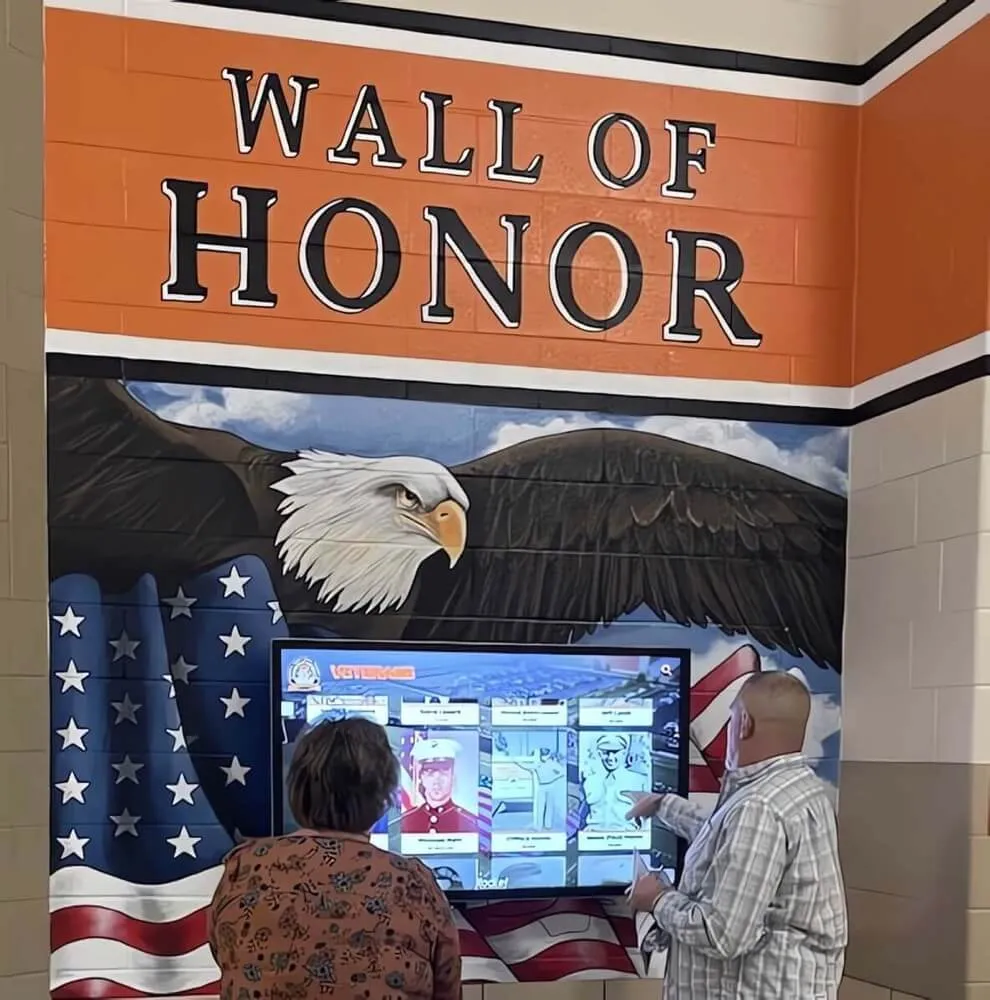
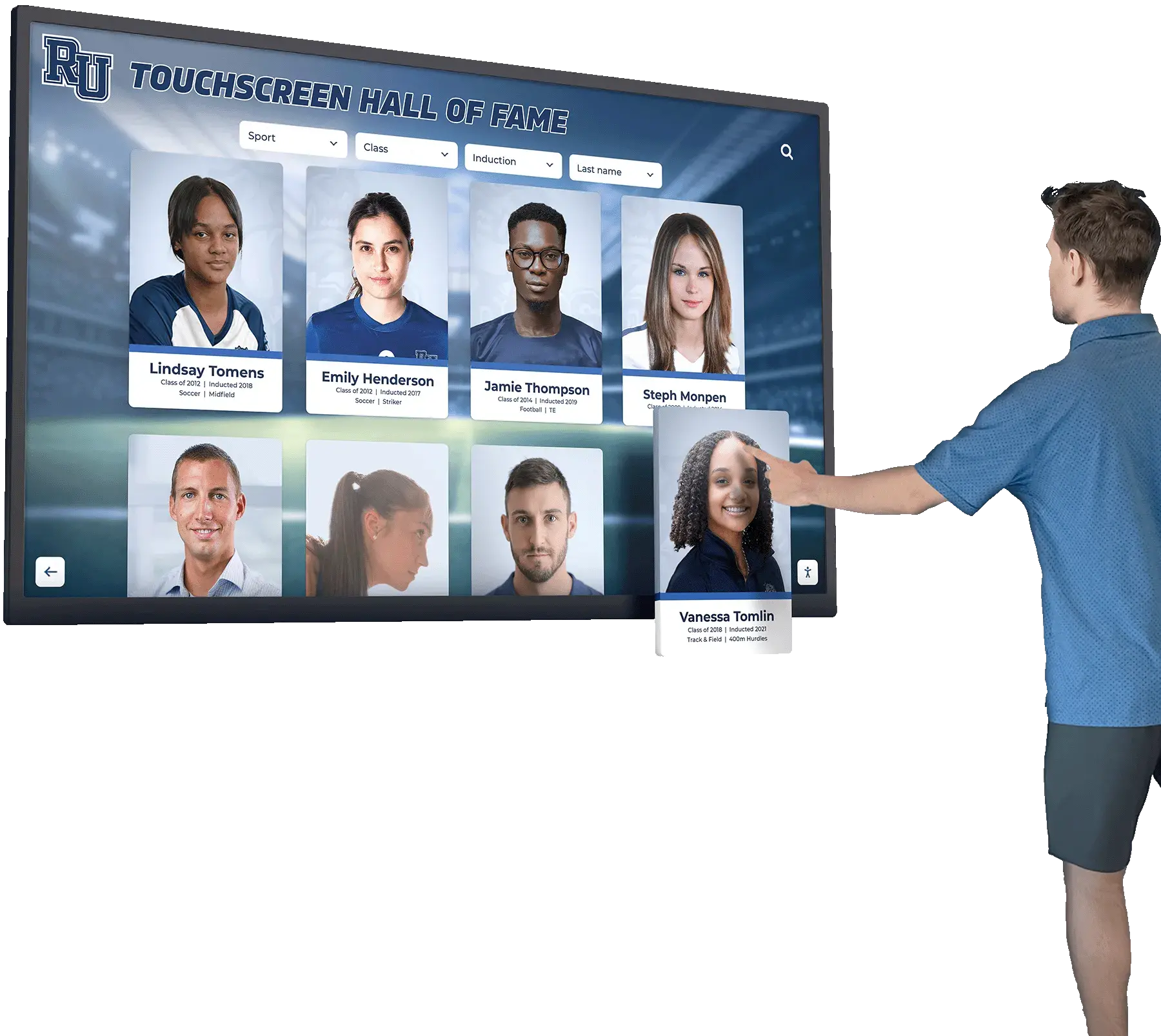
This integration also benefits the recognition program itself. Visitors exploring a digital hall of fame tool can encounter not just inductee biographies and career statistics but the actual artifacts associated with each honoree’s legacy—connecting physical history to digital storytelling in a way that static displays cannot replicate.
Schools evaluating recognition platforms should ask whether the system supports artifact records linked to inductee profiles and whether the platform’s data architecture accommodates the fields that insurance documentation requires. A platform built for athletic programs that also handles media, provenance, and condition notes serves both purposes from a single recordkeeping effort.
Insurance Appraisal Checklist for Athletic Administrators
Before engaging a professional appraiser or beginning an internal inventory, confirm that the following elements are in place:
Catalog foundation:
- Unique identifier assigned to every item in the collection
- Item category, description, sport, and year of origin documented for each item
- Estimated total item count complete
Provenance and ownership:
- Ownership status confirmed for each item (gift, loan, or institutional property)
- Donor or source identified and contact information recorded
- Gift agreements or loan agreements on file for high-value donated items
- Provenance notes capturing item history before institutional acquisition
Condition documentation:
- Condition rating on standard scale recorded for each item
- Condition notes identifying specific damage, repairs, or missing components
- Date of last condition assessment recorded
Photographic documentation:
- Multiple-angle photographs taken for each item
- Photograph files named using item identifiers
- Photograph files backed up to at least two locations, including one off-site or cloud-based
Value documentation:
- Replacement value estimated for all items
- Fair market value professionally appraised for high-value or collectible items
- Appraiser credentials and appraisal date recorded
Location tracking:
- Specific display or storage location recorded for each item
- Location update protocol in place for moves and installations
Annual maintenance:
- Audit schedule set and assigned to a named staff member
- Audit cycle aligned with insurance renewal timing
- New acquisition intake process established for items received during the year
Schools working with organizations that evaluate academic achievement award documentation and recognition standards for display programs will find many of these documentation practices directly applicable to athletic collections.
Working with Professional Appraisers
For items that warrant professional valuation, preparation before the appraiser’s visit significantly improves the quality and efficiency of the engagement.
Provide the appraiser with the catalog inventory before the visit so they can prioritize items based on your descriptions rather than discovering what exists on arrival. Have all documentation—gift agreements, award citations, authentication certificates, correspondence—available in organized form. Ensure display cases can be opened without requiring facilities staff coordination delays.
Communicate clearly whether you need replacement value, fair market value, or both for each item. An appraiser who understands the coverage purpose produces more useful valuations than one working without that context.
Retain the completed appraisal report in the same filing system as the broader inventory, and record the appraisal date and appraiser credentials in the inventory record for each item appraised. When coverage disputes arise, the appraiser’s credentials and methodology are as important as the value figure itself.
Athletic memorabilia insurance appraisal is one of the less visible responsibilities of school athletic administration, but it is among the most consequential when something goes wrong. A complete inventory—with provenance, condition, photographs, values, and locations documented before any loss occurs—transforms an insurance claim from a reconstruction effort into a documentation submission. Schools that invest in that documentation also invest in a richer understanding of what they hold: the physical record of their athletic history, properly cataloged, properly valued, and properly protected.
Protect and Display Your Athletic Collection
Rocket Alumni Solutions builds interactive digital halls of fame that connect artifact records, inductee profiles, photographs, and provenance documentation into a single searchable platform—giving administrators the inventory infrastructure they need and giving visitors the full story behind every trophy and jersey on display. See what a complete athletic recognition system looks like for your school.
Book a Demo