



Key Takeaways
A practical guide to athletic hall of fame selection committee roles, voting rules, and display update responsibilities. Covers chair duties, records verification, bylaws, and digital display workflows.
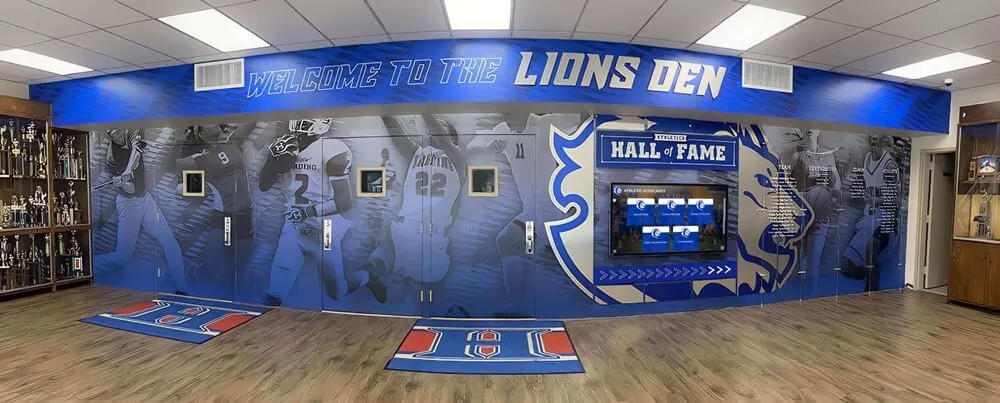
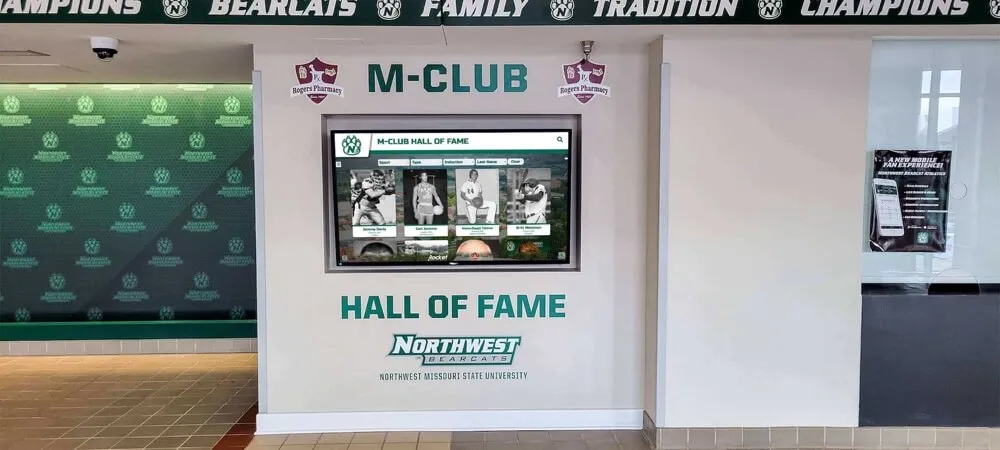
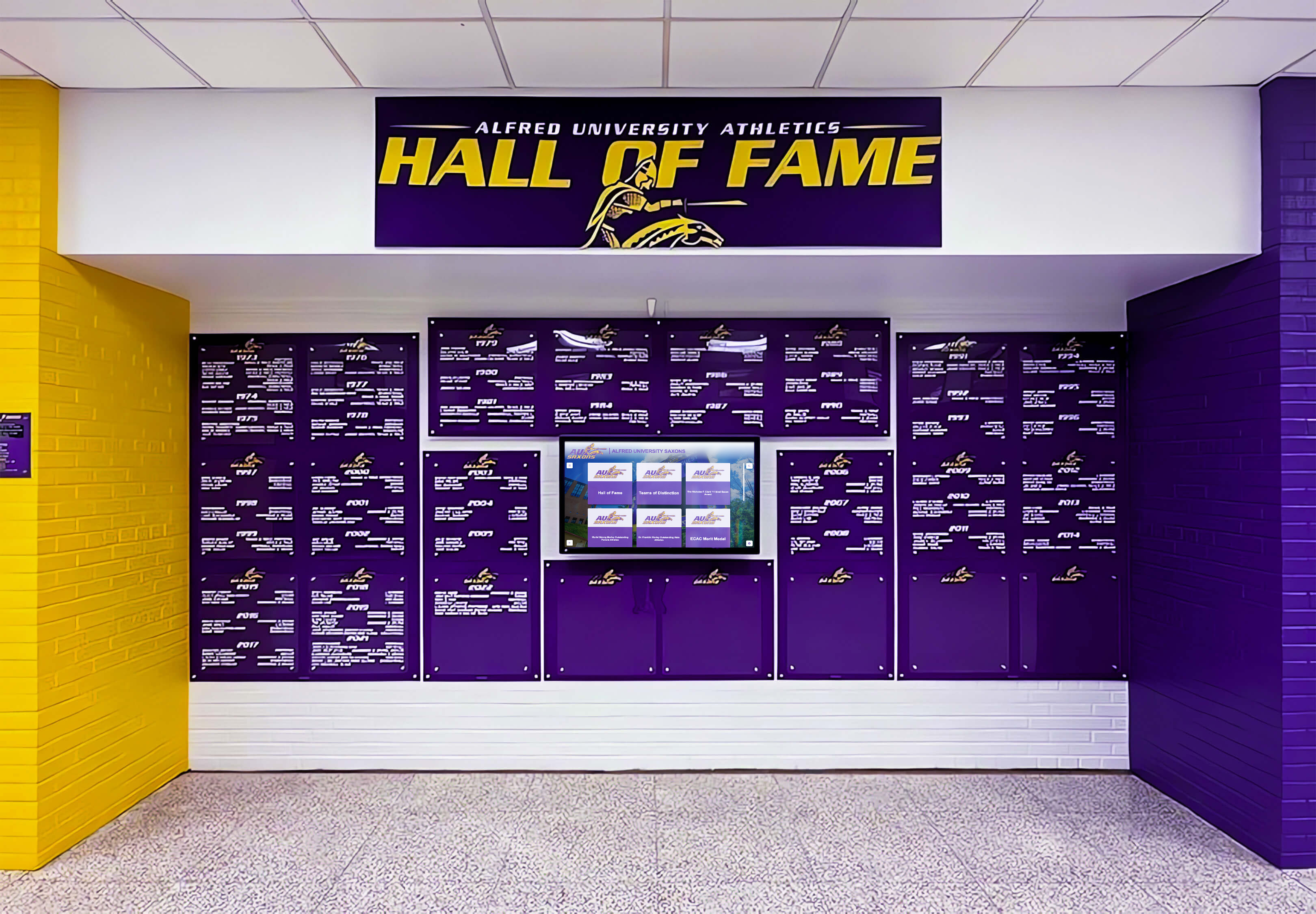
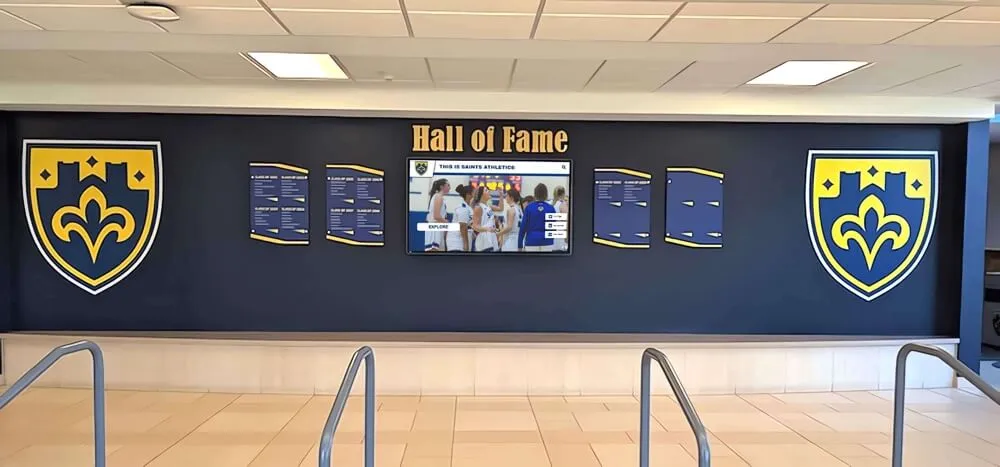
Walking into a gymnasium lobby and seeing a well-organized hall of fame wall sends an immediate signal: this athletic program respects its history. What visitors never see is the committee meeting, the bylaws document, the voting sheet, or the staff member who logged into a content system at 11 p.m. the night of the induction ceremony to make sure every new profile was live by morning. The athletic hall of fame selection committee does all of that work, and when the roles are defined clearly, the voting rules are written down, and the display update responsibilities are assigned to specific people, the whole system runs without drama. This guide covers each of those operational layers in detail.

Why Role Clarity Is the Foundation of a Credible Committee
Selection committees that treat governance casually produce the same predictable problems: votes taken with no quorum, plaques ordered months after the ceremony, profiles that never get added to the digital display, and nominees who received no confirmation that their application was even reviewed. The fix is not more people—it is clearer roles.
Every function on an athletic hall of fame selection committee should have a named owner. The chair runs the meeting; the secretary takes the minutes; the records verifier confirms the statistics; the display coordinator updates the recognition system. When those assignments exist in writing and are reviewed each year, the committee becomes an institution rather than an informal group that happens to meet annually.
For a broader orientation to program structure before diving into operational roles, the athletic hall of fame complete guide for school administrators is a useful starting point for programs building governance from scratch.
The Five Core Roles on an Athletic Hall of Fame Selection Committee
Regardless of committee size—whether your school fields seven members or thirteen—five functional roles must always be assigned. A member may hold more than one role, but each responsibility needs a named owner.
1. Committee Chair
The Chair is accountable for the committee’s process, not its outcomes. That distinction matters: the Chair does not have extra influence over who gets inducted; they have responsibility for ensuring the process is followed correctly and that every meeting concludes with documented decisions.
Primary responsibilities:
- Setting the annual calendar and calling nomination periods open
- Distributing nomination materials and eligibility reminders to the school community
- Scheduling and running selection meetings with prepared agendas
- Enforcing conflict-of-interest disclosures before deliberations begin
- Confirming quorum before any vote is taken
- Communicating selection outcomes to nominees, inductees, and the institution
- Presenting the committee’s work to athletic department leadership annually
The Chair position is most often filled by the athletic director or a senior staff designee. Some programs rotate the Chair role on a three-year term, which maintains accountability while preventing any single person from developing excessive ownership over selection outcomes.
2. Secretary and Documentation Lead
The Secretary creates the paper trail that protects the committee and the program. Without complete documentation, decisions cannot be defended, nomination histories cannot be preserved, and future committees lose the institutional memory that makes consistent selection possible.
Primary responsibilities:
- Recording attendance at every committee meeting
- Documenting agenda items, discussion summaries, and action items in meeting minutes
- Maintaining the official vote tally for each nominee in each cycle (see voting section below)
- Logging conflict-of-interest disclosures and recusals by member and nominee name
- Archiving all nomination applications—not just those of inductees
- Maintaining the running inductee roster sorted by induction year and sport
- Storing bylaws, amendments, and governance documents in a central location accessible to all members
The Secretary does not need to be a staff member. In many programs this role is held by a booster club officer or a longtime community member whose organizational reliability is the primary qualification.
3. Sport Liaison Representatives
Sport Liaisons bridge the selection committee and the individual athletic programs at the school. They are not advocates for their sports’ nominees—that would create a bias problem—but they are the people most capable of providing context that helps the full committee evaluate candidates from sports they may not know well.
Primary responsibilities:
- Monitoring which former athletes, coaches, or contributors from their assigned sport may be approaching eligibility
- Reaching out to current coaches to identify nominees who deserve consideration
- Providing historical context during deliberations (what was competitive in that era, what records were meaningful, what the conference landscape looked like)
- Answering factual questions the committee raises about nominations from their sport
- Recusing from voting on any nominee with whom they have a personal conflict
Programs typically assign Sport Liaisons across four to six sport clusters: fall sports, winter sports, spring sports, and cross-sport or contributor categories. Larger athletic departments may have one Liaison per major sport.
Just as different positions on a basketball team serve distinct functions that together make the program work—as described in this overview of basketball positions and their specific roles—each committee role contributes a different capability that the full committee needs to make sound decisions.
4. Records Verification Officer
The Records Verification Officer is the committee’s quality control mechanism. This person confirms—before a nominee’s name goes on the ballot—that every statistic, honor, and claim in the nomination application is accurate.
Primary responsibilities:
- Cross-checking performance statistics against official school records, scorebooks, and athletic department archives
- Verifying conference, regional, and state honors with the relevant sanctioning bodies or archived programs
- Confirming graduation year, sport participation, and letter-winning status
- Flagging discrepancies in the nomination application for the Chair before deliberations
- Documenting the verification process for each nominee so the record exists regardless of staff turnover
- Coordinating with the school registrar or athletic record-keeper for historical data gaps
This role matters most for older nominations, where records may exist only in paper form in a storage room or in the memory of a retired coach. Programs that have invested in digital athletic record boards find verification significantly faster because historical data is searchable and centralized rather than scattered across paper ledgers.
5. Display Coordinator
The Display Coordinator is often overlooked in committee governance documents, which is why so many recognition programs end up with induction ceremonies that outpace their physical or digital displays by months or even years. This role owns the translation of committee decisions into visible recognition.
Primary responsibilities:
- Managing vendor relationships for physical plaque orders and installation scheduling
- Maintaining access credentials and administrator accounts for digital hall of fame platforms
- Creating, reviewing, and publishing inductee profiles in the content management system
- Coordinating photography sessions or photo collection from inductees for display use
- Updating the display to reflect post-graduation achievements added to profiles after induction
- Conducting an annual audit of all existing profiles to correct errors and add new information
- Ensuring the display is operational and presentable for the induction ceremony and campus events
The Display Coordinator is the person who ensures that what the committee selects actually becomes what the community sees. Separating this role from the Secretary or Chair keeps the committee’s deliberative function distinct from its publication function, which reduces errors and delays.
Voting Rules That Protect Program Credibility
How a committee votes matters as much as who votes. Vague voting procedures—“we just discuss it and reach a consensus”—produce decisions that are hard to defend and easy to challenge. Written voting rules eliminate most of the controversy before it starts.
Quorum Requirements
No binding vote may be taken without a quorum of seated members present. Most programs set quorum at a simple majority—if the committee has eleven members, six must be present for any vote to count. Programs with higher-stakes decisions or contentious histories sometimes require two-thirds presence for quorum.
Quorum rules prevent small attendance at a meeting from producing selections that the broader committee never endorsed. The Chair confirms quorum aloud at the start of each meeting and notes it in the minutes.
Secret Ballot Procedure
All final selection votes should be taken by written secret ballot. Open show-of-hands or verbal votes create social pressure that skews results: members may vote differently when they know colleagues can see their choice. Secret ballots allow each member to evaluate nominees on merit without worrying about peer perception.
Practical procedure:
- The Secretary distributes pre-printed ballot forms listing each nominee.
- Members mark yes, no, or abstain for each nominee independently.
- Ballots are collected and counted by the Secretary, with the Chair or a third member confirming the count.
- Results are announced for each nominee without identifying individual member votes.
- Tallies are recorded in the meeting minutes by the Secretary.
The hall of fame selection process and digital display guide provides additional context on how selection outcomes connect to recognition system workflows downstream from the vote.
Supermajority Thresholds for Induction
A nominee should need more than a bare majority to be inducted. Most credible programs require two-thirds approval—meaning that in an eleven-member committee with quorum present, at least four of every six votes must be in favor. Some programs use a three-fourths threshold for their inaugural class or for inductees in a special “Legends” category.
Supermajority requirements serve two purposes: they ensure inductees enjoy genuine consensus support, and they make it nearly impossible for a well-organized faction to force through a controversial candidate over the objections of most of the committee.
A nominee who clears the eligibility screening, passes records verification, and survives a supermajority threshold has been recognized through a process that most stakeholders will respect, even if individual opinions differ.
Runoff Procedures When Class Slots Are Limited
Many programs cap annual induction classes to protect prestige—inducting three to five people per year rather than everyone who clears the threshold. When more nominees qualify than slots allow, the committee needs a defined runoff procedure.
Common runoff approaches:
- Ranked second ballot: Members rank the qualifying nominees. The highest aggregate rankings fill available slots.
- Plurality runoff: The nominees with the highest yes-vote percentages fill available slots in descending order.
- Carryover provision: Nominees who cleared the threshold but were not selected for this year’s class automatically carry forward to next year’s initial ballot without needing a new nomination.
The carryover provision deserves special attention. It rewards nominees who came close without requiring their supporters to start the nomination process over from scratch, and it prevents the committee from losing institutional memory about strong candidates between cycles.
Conflict of Interest Recusals During Voting
A member who has disclosed a conflict of interest with a specific nominee—family relationship, former coaching relationship, or significant personal connection—must abstain from the ballot for that nominee. The abstention applies to the full ballot for that individual: the member should not be present in the room during deliberation on that nominee’s case, not just during the vote itself.
The Secretary records every recusal in the meeting minutes by member name, nominee name, and the general nature of the conflict (without requiring private details). This creates an auditable record that protects the committee if the selection is later challenged.
For programs looking to understand what selection committees typically evaluate when reviewing nominees before any vote is taken, the athletic hall of fame nomination criteria guide covers the screening standards that precede the ballot stage.
Hall of Fame Bylaws: Writing the Rules Down
Every voting rule, role definition, and operational procedure described above should appear in a bylaws document that the committee, the athletic director, and school administration have all reviewed and approved. Bylaws are not bureaucratic overhead—they are the insurance policy that protects the program when a decision becomes controversial.
What Athletic Hall of Fame Bylaws Must Cover
Effective athletic hall of fame bylaws address seven areas:
1. Program Purpose and Scope One paragraph defining what the hall of fame exists to honor and who is eligible to be nominated. This section prevents scope creep—if the bylaws define the program as honoring athletes from the school’s interscholastic programs, then a request to induct a youth sports coach who never competed for the school has a clear answer.
2. Eligibility Criteria The specific standards a nominee must meet to reach the ballot. This includes the waiting period after graduation (commonly five to ten years), the categories of recognition (athlete, coach, contributor), and any character or conduct standards required.
3. Nomination Procedures Who may submit a nomination, what materials are required, the submission deadline, and how nominations are acknowledged and processed. Standardized nomination forms prevent committee members from having to evaluate wildly inconsistent applications.
4. Committee Composition and Governance Member count, role assignments, term lengths, appointment authorities, and the process for filling vacancies. This section should also address what happens if the Chair must recuse from an entire cycle due to a broad conflict.
5. Voting Procedures The complete voting rules: quorum requirements, ballot type, supermajority threshold, runoff procedures, and conflict-of-interest recusal requirements. Every rule described in the voting section of this guide belongs in this part of the bylaws.
6. Display and Recognition Standards What inductees receive (plaque, ring, certificate, digital profile) and who is responsible for ensuring recognition is produced and displayed. The Display Coordinator’s responsibilities should be explicitly referenced here so that the role cannot be informally eliminated or deprioritized.
7. Amendment Procedures How the bylaws can be changed, who must approve changes, and how amendment history is recorded. Most programs require a two-thirds vote of the full seated committee plus administrative approval for any amendment.
Keeping Bylaws Current
Bylaws should be reviewed formally every three to five years. A bylaws review cycle gives the program an opportunity to address problems that have emerged in practice, incorporate changes in school policy, and update display standards to reflect new technology. Programs that last updated their bylaws before digital displays existed frequently have documents that say nothing about who manages the online profile system—a gap that creates real operational confusion.
For a comparative view of the tools and systems that modern bylaws should account for, the best hall of fame tools for athletics programs outlines the technology landscape that committee governance documents increasingly need to address.
Display Update Responsibilities: From Selection to Visible Recognition
The committee votes. The inductees are notified. And then—in too many programs—nothing happens to the display for weeks or months. The Display Coordinator role exists precisely to prevent that gap from occurring. This section describes the operational workflow in detail.
Pre-Ceremony Display Preparation
Before the induction ceremony takes place, the Display Coordinator should have completed the following:
- Confirmed biographical content, statistics, and photo with each inductee (or their family, for posthumous inductees)
- Drafted and proofread all display content against the verified record from the Records Verification Officer
- Placed plaque orders with sufficient lead time for physical displays (typically six to eight weeks)
- Created draft profiles in the digital content management system, set to private or preview mode
- Confirmed hardware is operational and content management access is active
- Coordinated with facilities on installation scheduling for physical recognition elements
Digital displays should be fully drafted and reviewed before the ceremony so that publishing is a single step—not a multi-hour project—at the close of the event.
Post-Ceremony Publication Protocol
On induction night or the following morning:
- Display Coordinator logs into the hall of fame content management platform
- Reviews each draft profile one final time against the program distributed at the ceremony
- Publishes each profile—do not batch all at once without reviewing individually
- Verifies the published profiles are visible and display correctly on the screen
- Sends a confirmation to the Chair and Secretary that profiles are live
- Notifies each inductee (or family) that their profile is publicly accessible
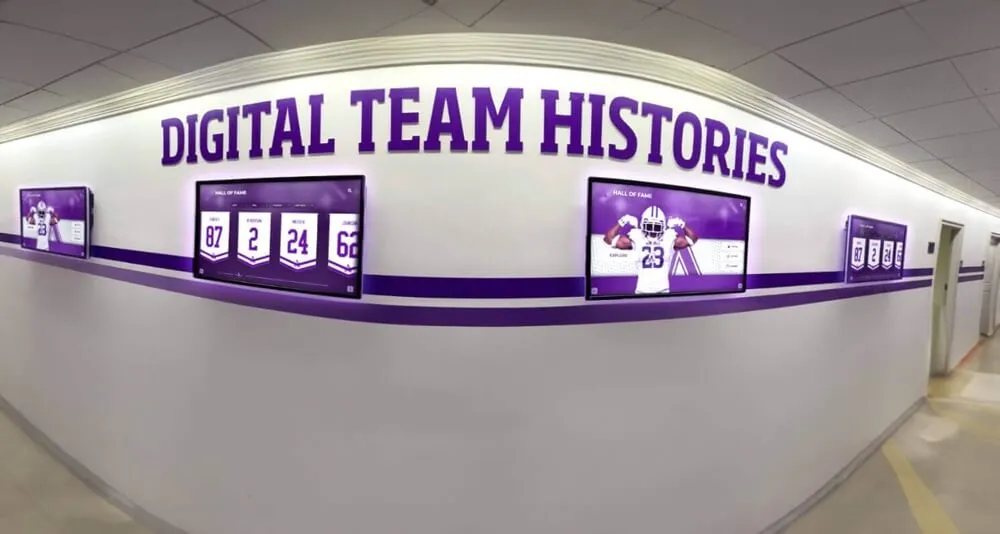
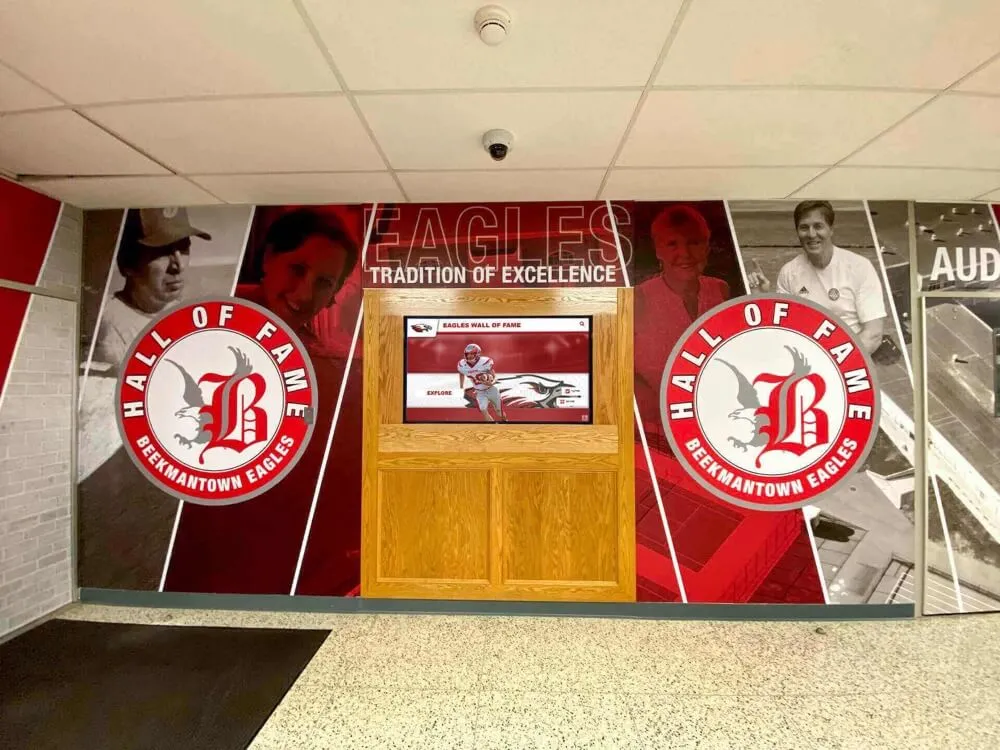
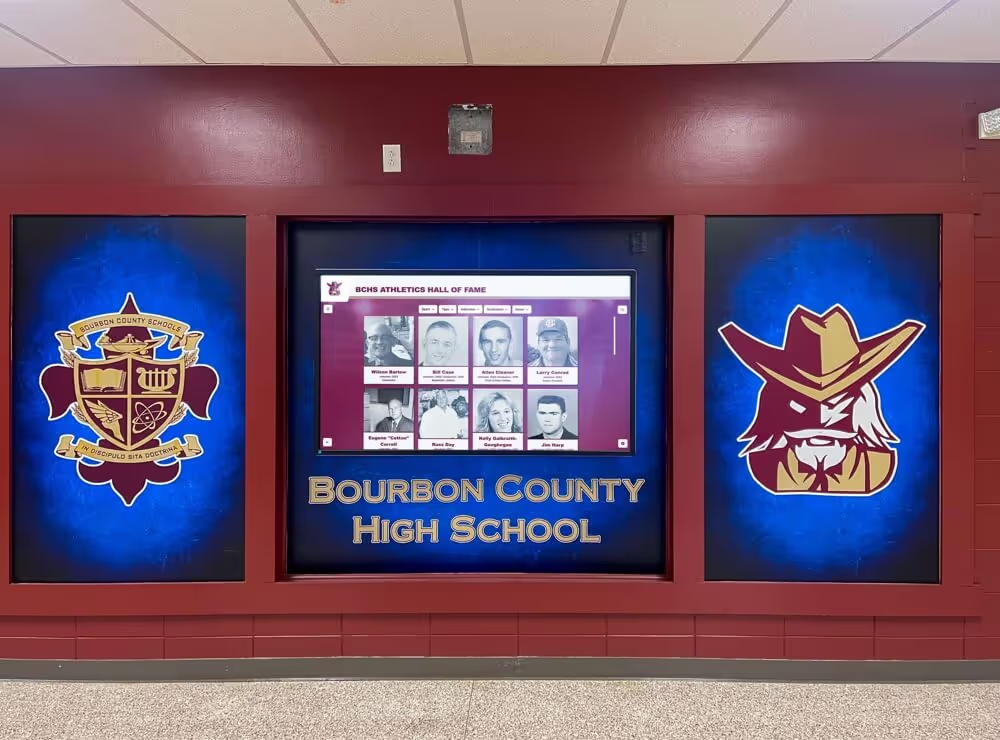
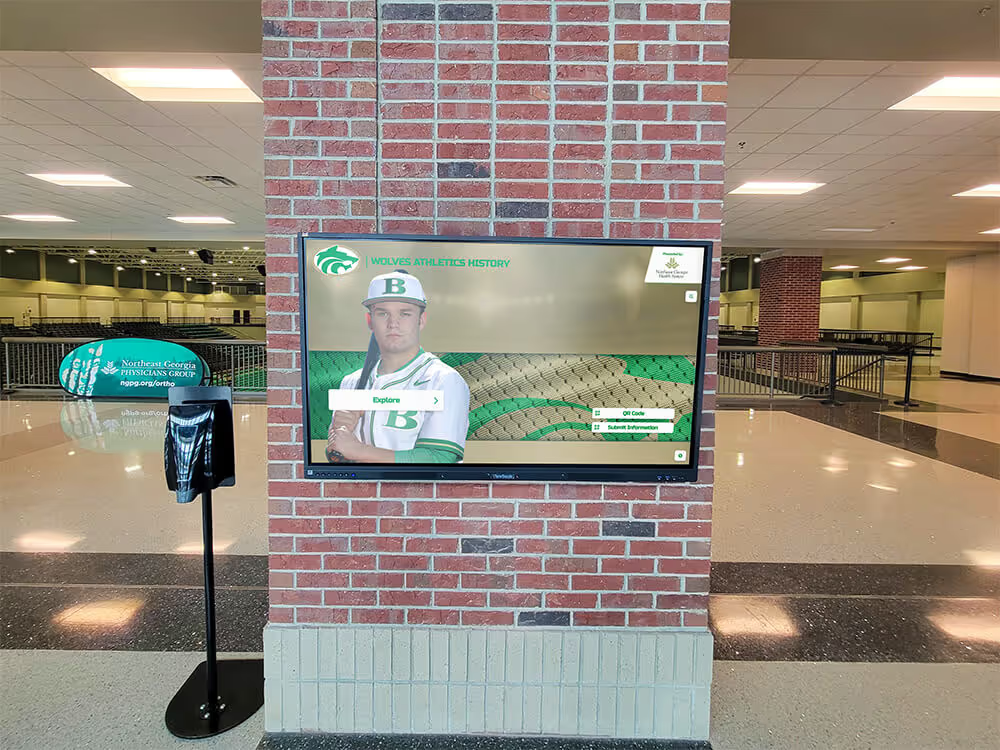
This 48-hour standard for digital display updates is achievable for every program using a modern CMS-based recognition platform. Programs still relying on a vendor to make every content update cannot realistically meet this timeline without incurring per-update fees or significant lag. The difference in operational flexibility is one reason athletic departments have moved toward self-managed digital hall of fame platforms that give internal staff direct publishing control.

Annual Display Audit
Recognition systems that never get audited accumulate errors. An annual audit—typically conducted in the month before the next nomination period opens—should review every existing profile against the following checklist:
- Biographical details are accurate (graduation year, sport, position, jersey number)
- Statistics match the current verified record (records can be corrected in retrospect)
- Photos are present and display at acceptable resolution
- Post-graduation achievements have been added where relevant (coaching careers, professional play, notable civic contributions)
- Contact information for the inductee is on file for future communications (stored internally, not on the public display)
The Display Coordinator presents an audit summary to the committee at the annual organizational meeting. If the audit reveals systematic gaps—for example, female athletes from the 1990s have significantly less biographical detail than male athletes from the same era—the committee can authorize a research effort to address the imbalance before the next induction cycle.
Connecting the Display to the Broader Athletic Record
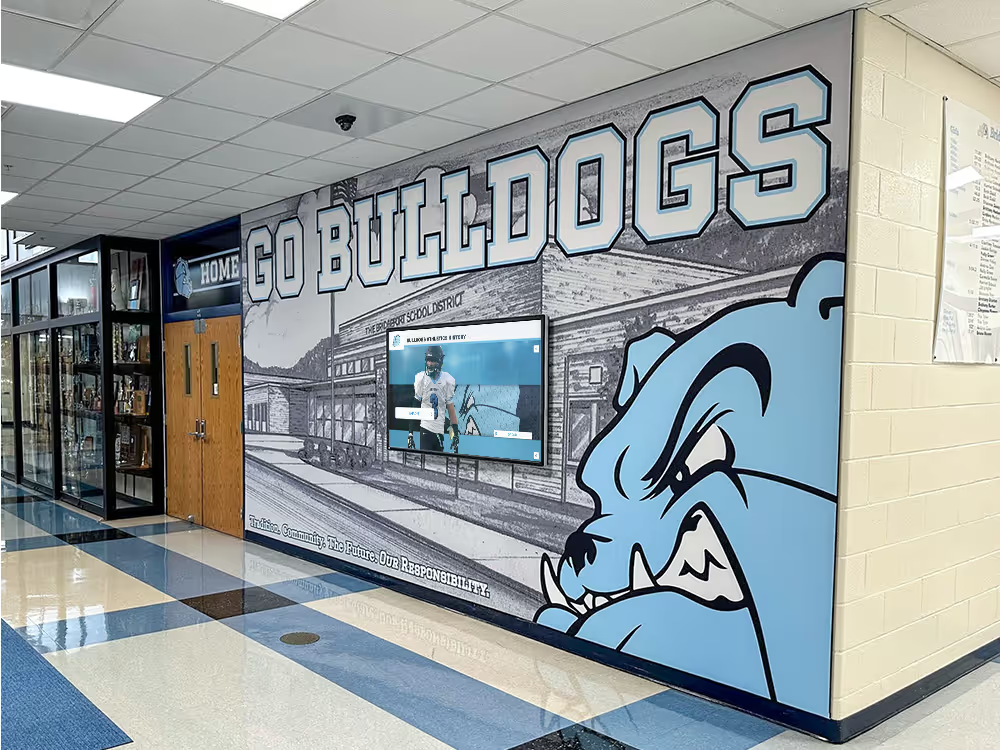
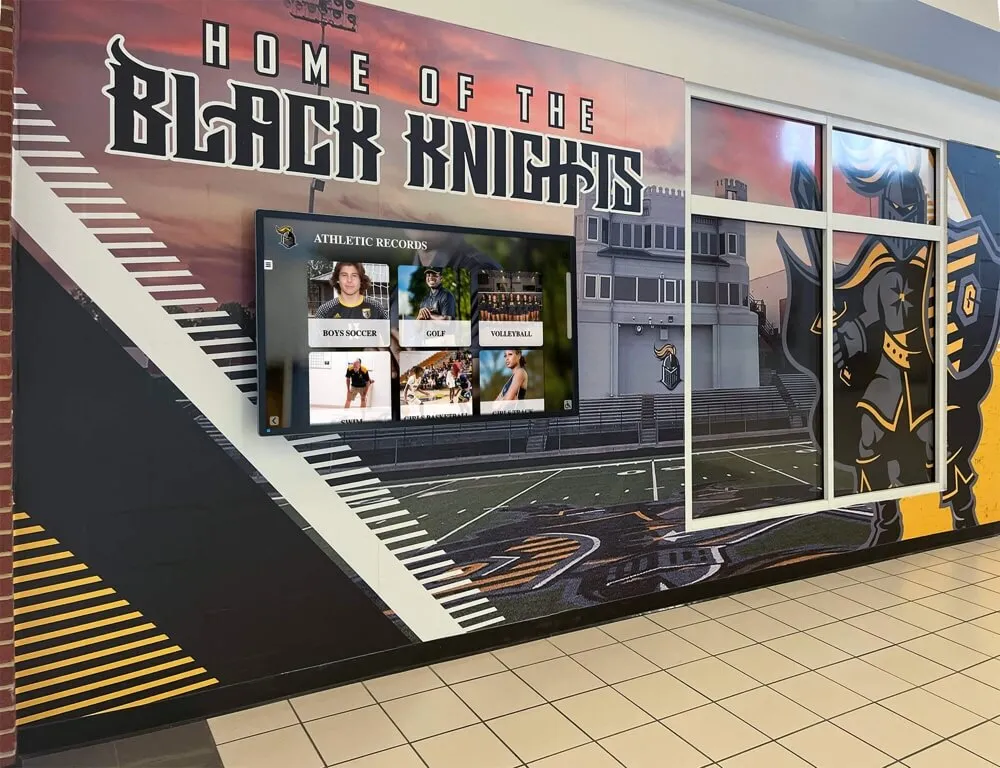
A hall of fame profile is most meaningful when it exists within a richer recognition context. Inductee profiles become more powerful when visitors can see the record the inductee set, the championship team they led, and the current athletes carrying on their legacy. Programs that maintain integrated digital systems—combining hall of fame profiles with record boards, championship histories, and current team rosters—give inductees a context that a standalone plaque never can.
The complete guide to school athletic administration for hall of fame programs covers how these integrated recognition systems fit within broader athletic department operations and long-term archiving strategies.
Annual Operating Calendar
A clear annual calendar prevents the selection cycle from colliding with the academic calendar or athletic season schedule in ways that reduce committee participation and display readiness.
Recommended timeline for a spring induction ceremony:
| Month | Activity | Owner |
|---|---|---|
| September | Open nomination period; distribute forms to community | Chair |
| October | Close nominations; Records Verification Officer begins verification | Records Verification Officer |
| November | Verification complete; eligibility review meeting | Full Committee |
| December | Selection deliberations and vote | Full Committee (Secretary records) |
| December | Notify inductees; begin display content collection | Chair + Display Coordinator |
| January–February | Plaque orders placed; digital profiles drafted | Display Coordinator |
| March | Ceremony planning finalized; digital profiles reviewed | Chair + Display Coordinator |
| April/May | Induction ceremony; digital profiles published same night | Display Coordinator |
| June | Annual display audit; bylaws review if scheduled | Display Coordinator + Secretary |
Programs running a fall ceremony shift the calendar by four to five months. The critical path elements—verification before deliberation, display preparation before ceremony, audit after ceremony—remain the same regardless of season.
Common Governance Pitfalls and How to Avoid Them
Even well-designed committees encounter predictable operational failures. Knowing the common failure modes allows committees to build safeguards before problems occur.
Unassigned display responsibilities. The single most common cause of outdated recognition displays is that no one owns the update workflow. Bylaws that define committee composition but say nothing about who updates the display leave an operational gap that persists for years. Fix: explicitly assign the Display Coordinator role in bylaws and name the current holder at the start of each cycle.
Verbal-only voting. Committees that take votes by show of hands or voice in a room with social dynamics produce results that can be retroactively challenged. Fix: adopt written secret ballot as the default for all final selection decisions.
Verification after deliberation. When committees deliberate about nominees before verification is complete, they invest political capital in candidates who may not qualify or whose records may not support their nomination. Fix: make Records Verification Officer sign-off a prerequisite for a nominee reaching the deliberation agenda.
Nomination files discarded after each cycle. Unsuccessful nominees are frequently re-nominated. Without archived nomination materials, the committee repeats research already completed in prior cycles. Fix: Secretary retains all nomination files for the life of the program.
Bylaws that predate digital displays. Programs using bylaws from the 1990s or early 2000s typically have no guidance on digital recognition responsibilities. Fix: schedule a bylaws review and add a display standards section that names the Display Coordinator role and sets the 48-hour publication standard.
For a broader review of the tools and systems that support these operational standards, the resources on hall of fame tools for athletics and recognition programs and the best hall of fame tools guide are useful references for committees evaluating their current technology against available options.
Putting the Framework to Work
A well-governed athletic hall of fame selection committee is not complicated—it is just documented. Five named roles, a written voting procedure, bylaws that include display update responsibilities, and a Display Coordinator who publishes profiles within 48 hours of induction: these are the operational basics that separate programs people trust from programs people argue about.
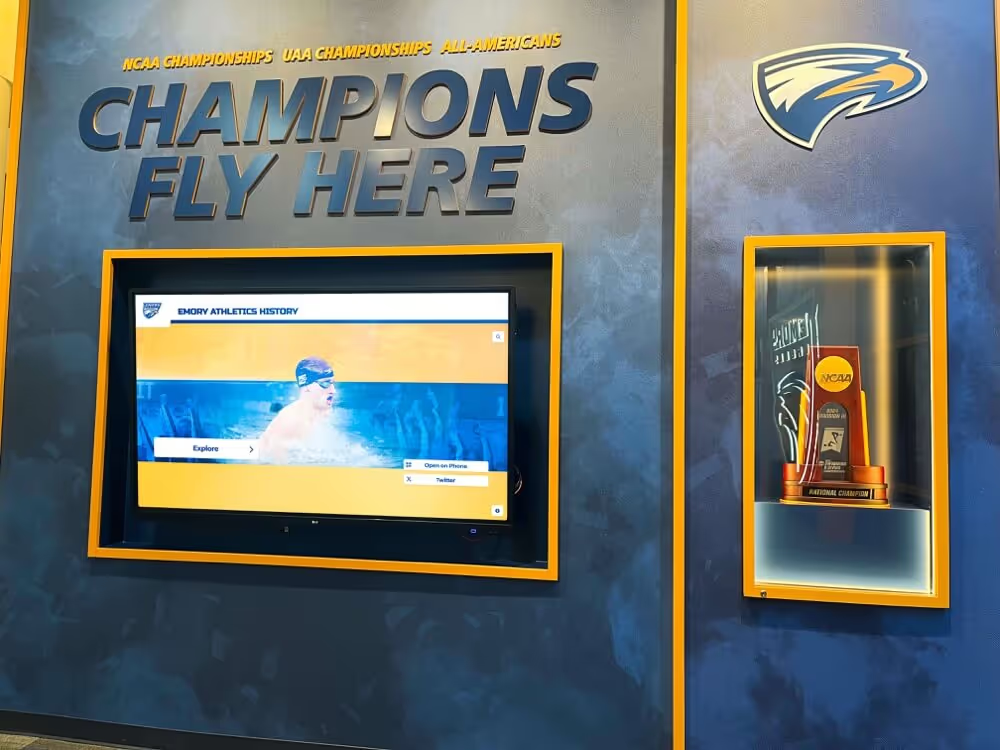
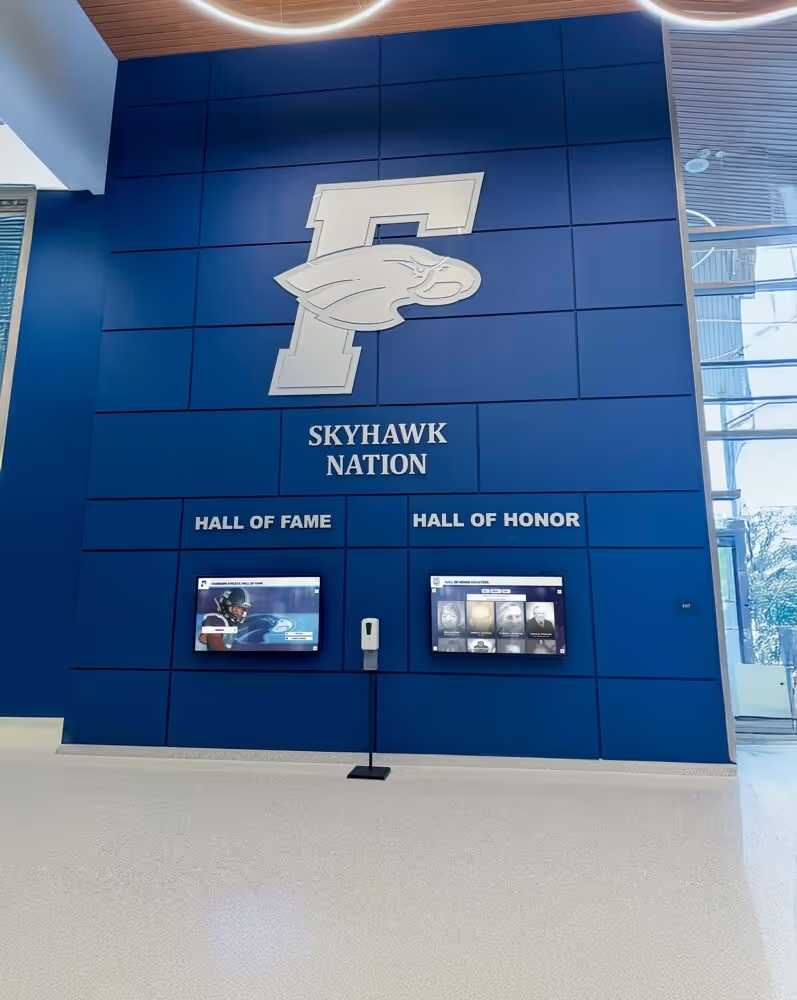
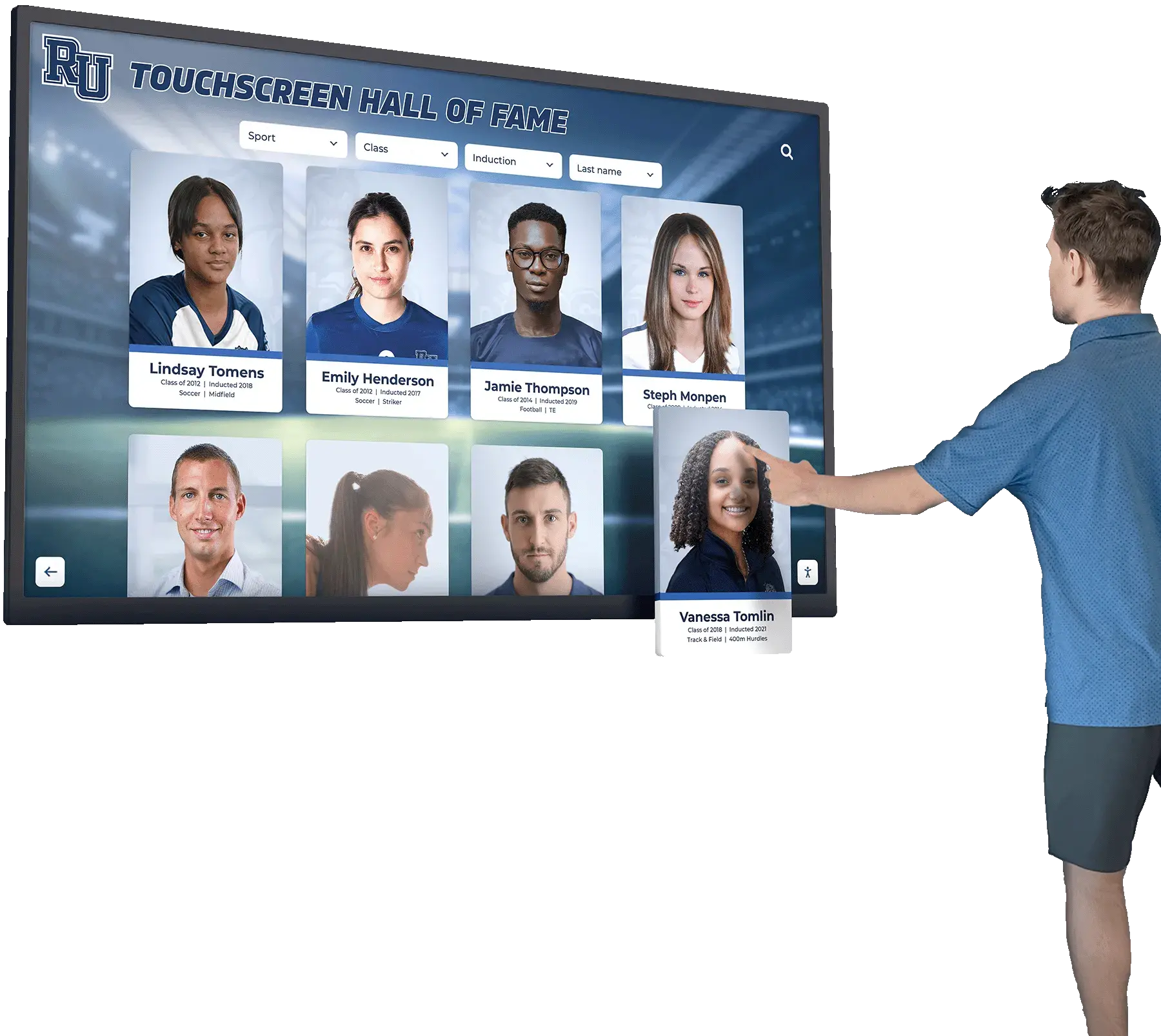
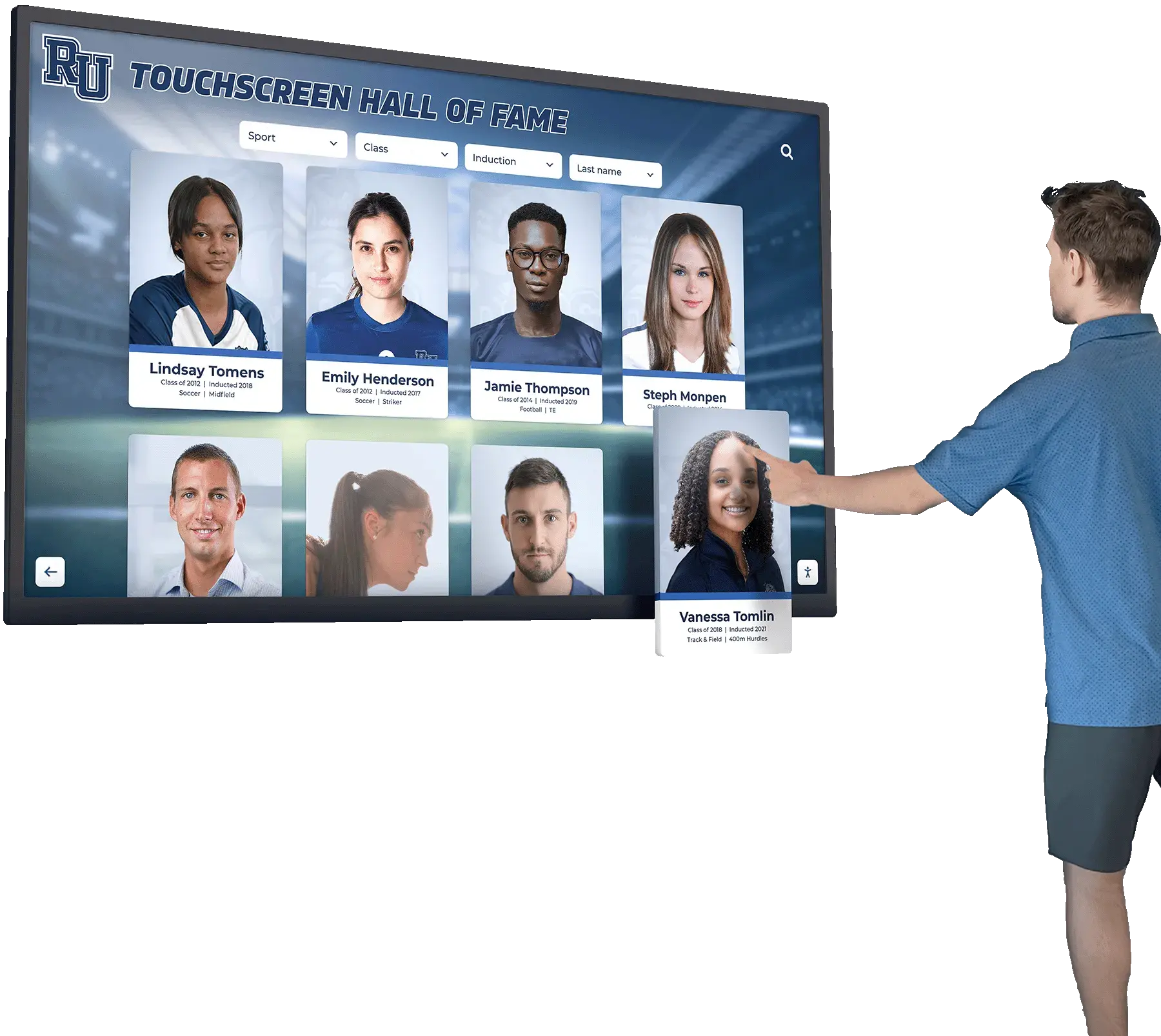
The committee’s credibility is built before the ceremony, in the nomination period, the verification process, and the voting room. The display is where that credibility becomes visible. When a visitor walks up to a touchscreen and finds complete, accurate, regularly updated profiles for every inductee in program history, they are seeing the output of a committee that takes governance seriously—even if they never know a committee meeting happened.
For programs ready to modernize how inductee profiles are created, stored, and displayed, digital recognition platforms designed specifically for athletic halls of fame provide the content management infrastructure that makes the Display Coordinator’s job efficient and sustainable.
Modernize Your Hall of Fame Display
Rocket Alumni Solutions builds interactive digital halls of fame that give your Display Coordinator full CMS control—add inductees, update profiles, and publish recognition displays without waiting on a vendor. See how it works for your program.
Book a Demo