



Key Takeaways
Comprehensive guide for school administrators on creating, managing, and sustaining athletic hall of fame programs. Learn selection criteria, governance, technology options, and best practices.
School administrators face complex decisions when establishing or managing athletic hall of fame programs. These recognition systems celebrate institutional athletic heritage while motivating current student-athletes and strengthening community connection. However, poorly planned hall of fame programs create controversy through perceived favoritism, inconsistent selection standards, or unsustainable administrative burden. This comprehensive guide provides school administrators with frameworks for creating hall of fame programs that honor achievement authentically while supporting broader institutional goals through clear governance, sustainable operations, and appropriate recognition technology.
Successful athletic hall of fame programs require thoughtful planning addressing selection criteria, committee structure, nomination processes, recognition formats, ceremony planning, and ongoing program management. Understanding best practices and common pitfalls enables administrators to establish programs that serve institutions effectively for decades while avoiding the governance and credibility challenges that plague poorly designed recognition systems.
Establishing Selection Criteria and Standards
Selection criteria determine hall of fame credibility and must balance objective achievement measures with subjective assessments of character, impact, and contribution. Criteria that are too rigid disadvantage certain sports or eras, while overly vague standards create inconsistency and controversy.
Core Selection Categories
Comprehensive criteria typically address multiple dimensions of athletic excellence:
Athletic Achievement and Performance:
Statistical excellence and competitive success form the foundation of most hall of fame criteria:
- Conference championships won as individual or team contributor
- State championship participation or titles
- Individual records held or significant ranking on all-time performance lists
- All-state, all-conference, or all-region selection
- Participation in state or national all-star competitions
- Multiple-sport participation demonstrating versatility
- Team leadership roles including captaincy
Achievement criteria should account for era-specific competitive contexts. A championship in a smaller classification or less competitive era may represent equal or greater achievement than comparable honors in different circumstances. Schools often recognize these achievements through state championships displays that provide historical context.
Program Impact and Development:
Some athletes or coaches contribute beyond individual statistics:
- Athletes whose participation elevated program competitiveness
- Individuals who attracted talented athletes to programs through reputation
- Coaches who built programs from minimal to competitive status
- Contributors who advanced program culture or training approaches
- Individuals whose success generated community support or resources
- Athletes or coaches who mentored others achieving significant success
Impact criteria recognize that program development involves more than winning games. Individuals who established traditions, competitive standards, or community engagement may merit recognition despite less impressive win-loss records.
Character, Sportsmanship, and Citizenship:
Athletic achievement alone rarely suffices for hall of fame consideration:
- Sportsmanship demonstrated during competition
- Academic achievement balancing athletics with educational priorities
- Positive representation of institution and community
- Absence of significant disciplinary issues or character concerns
- Post-graduation conduct reflecting positively on institution
- Community service or civic engagement
Character criteria ensure hall of fame honors represent aspirational role models for current student-athletes. Many programs explicitly require honorees to exemplify institutional values beyond athletic performance.
Post-Graduation Success:
Long-term outcomes demonstrate program quality and athlete development:
- Collegiate athletic participation or scholarships earned
- Professional athletic careers or significant achievement
- Career success in non-athletic fields
- Leadership positions in business, education, or community organizations
- Continued engagement with school or athletic program
- Mentorship of younger athletes or program support
Post-graduation criteria validate that athletic programs prepare participants for life success, not merely competitive performance. This dimension particularly appeals to parents evaluating program quality for prospective student-athletes. Many schools showcase these success stories through senior class awards displays that highlight post-graduation achievements.
Years Since Graduation or Retirement:
Waiting periods prevent recency bias while allowing perspective on lasting impact:
- Typical waiting periods range from 5-10 years after graduation
- Waiting periods allow assessment of post-graduation trajectory
- Exceptions for extraordinary achievement or posthumous recognition
- Different waiting periods for athlete versus coach/contributor categories
- Founding class provisions recognizing historical figures immediately
Waiting periods also manage program capacity by limiting eligible candidate pools to manageable sizes while building anticipation among recent graduates.
Developing Sport-Specific and Gender-Balanced Recognition
Generic criteria often disadvantage certain sports or create gender imbalance in recognition:
Sport-Specific Considerations:
Different sports require adapted criteria reflecting competitive structures:
- Individual sport standards focusing on personal achievement rankings
- Team sport standards recognizing leadership and contribution beyond statistics
- Seasonal sport variations accounting for limited competition opportunities
- Emerging sport provisions acknowledging different competitive histories
- Wrestling, swimming, and track criteria emphasizing placement versus wins
- Football and basketball criteria balancing individual and team success
Some programs establish sport-specific selection quotas ensuring balanced recognition, while others rely on committee judgment to maintain fairness across different competitive contexts. Administrators can learn from academic recognition programs that successfully balance recognition across different achievement categories.
Gender Equity in Selection:
Title IX compliance and fairness require attention to gender balance:
- Monitor inductee gender ratios identifying systemic bias
- Ensure committee composition includes female athletic program representation
- Account for historical participation differences in older eras
- Consider separate male/female selection tracks with equal annual slots
- Highlight female athletic achievement in marketing and ceremony programs
- Review criteria for unconscious bias favoring traditional male sports
Many programs commit to gender-balanced annual induction classes, ensuring equal recognition for male and female athletic achievement. Learn more about effective approaches to high school athletics equity in recognition programs.
Setting Nomination and Application Requirements
Clear nomination processes ensure qualified candidates receive consideration:
Nomination Eligibility:
Define who can nominate candidates:
- Self-nomination policies (permitted or prohibited)
- Coach, administrator, or committee member nominations
- Booster club or community member nominations
- Alumni association nominations
- Family member nominations with restrictions
Most programs allow broad nomination rights while requiring nomination forms with detailed achievement information preventing uninformed nominations that waste committee time.
Application Materials Required:
Standardized materials enable consistent evaluation:
- Biographical information and graduation year
- Athletic achievement summary with statistics and honors
- Coaching records for coach nominees
- Post-graduation career summary
- Character references from coaches, teachers, or community members
- Personal statement or nomination letter explaining worthiness
- Supporting materials including news clippings, photos, or documentation
Application requirements should balance thoroughness with accessibility. Overly burdensome processes discourage nominations, while insufficient documentation prevents informed committee decisions.
Selection Criteria Checklist for Administrators
- Athletic achievement measures: Clear performance standards
- Character requirements: Sportsmanship and citizenship expectations
- Program impact assessment: Recognition beyond statistics
- Post-graduation consideration: Long-term success validation
- Waiting period specification: Years required after graduation
- Sport-specific adaptations: Criteria fitting different competitive structures
- Gender equity provisions: Balanced recognition requirements
- Exception procedures: Extraordinary achievement or posthumous provisions
Governance Structure and Committee Design
Committee structure determines program credibility, sustainability, and resistance to political pressure or favoritism concerns.
Committee Composition and Member Selection
Committee design affects decision quality and stakeholder confidence:
Recommended Committee Structure:
Effective committees typically include 7-11 members:
- Athletic director serving as chair or administrative liaison
- Current head coaches (2-3 representing different sports and genders)
- Retired coaches providing historical perspective and institutional memory
- School administrator ensuring alignment with institutional priorities
- Booster club representative connecting to funding and community
- Previous hall of fame inductees (1-2 providing honoree perspective)
- At-large members with program knowledge and diverse perspective
Committees with diverse representation resist capture by individual sports or interest groups while bringing multifaceted evaluation perspectives.
Term Structure and Rotation:
Staggered terms maintain continuity while allowing fresh perspectives:
- 3-5 year terms for individual committee members
- Staggered expiration preventing complete committee turnover
- Term limits (commonly 2 consecutive terms) ensuring rotation
- Ex-officio positions for roles like athletic director
- Chair rotation or election among committee members
- Documented succession plans preventing operational disruption
Term structures prevent committee entrenchment while maintaining institutional knowledge across transition periods.
Appointment and Selection Processes:
Clear appointment procedures enhance legitimacy:
- Principal or superintendent appointment for administrator positions
- Athletic director appointment or recommendation for coach positions
- Election by previous inductees or booster club for their representatives
- Application process for at-large community positions
- Written appointment procedures documented in program bylaws
- Conflict of interest policies preventing inappropriate influence
Transparent appointment processes reduce suspicion of committee stacking or manipulation to favor particular candidates.
Decision-Making Protocols and Voting Procedures
Clear protocols ensure consistent, defensible selection decisions:
Nomination Review Process:
Systematic evaluation prevents oversight of worthy candidates:
- Initial screening verifying eligibility and application completeness
- Summary documentation distributed to full committee for each nominee
- Committee discussion period allowing questions and additional research
- Scoring or ranking systems standardizing evaluation approaches
- Multiple meeting rounds narrowing candidate pools progressively
- Documentation of discussion rationale for future reference
Some programs use multi-round voting processes, first identifying clearly qualified candidates before selecting final inductees from the qualified pool.
Voting Mechanisms:
Voting procedures should balance transparency with confidentiality:
- Secret ballots preventing political pressure or retaliation concerns
- Supermajority requirements (commonly 2/3 or 3/4 approval) ensuring consensus
- Abstention requirements for conflicts of interest
- Runoff procedures when inductee numbers exceed available slots
- Documented vote tallies preserving decision records
- Non-disclosure expectations protecting candidate privacy
Higher vote thresholds ensure inductees enjoy broad committee support, reducing controversy and enhancing selection credibility. Understanding effective approaches to honoring school history helps administrators establish credible governance processes.
Conflict of Interest Management:
Policies prevent inappropriate influence on selection decisions:
- Mandatory disclosure of relationships with nominees
- Recusal from discussion and voting for direct conflicts
- Definition of conflict relationships (family, close personal, professional)
- Documentation of recusals in meeting records
- Prohibitions on committee lobbying by interested parties
- Consequences for undisclosed conflicts or inappropriate influence attempts
Strong conflict policies protect committee integrity while ensuring decisions withstand scrutiny from disappointed nominees or their supporters.
Program Bylaws and Operating Procedures
Written governance documents establish program legitimacy and operational consistency:
Essential Bylaw Components:
Comprehensive bylaws address critical program elements:
- Mission statement articulating program purpose and values
- Selection criteria with specific requirements for different categories
- Committee structure including composition and member qualifications
- Nomination and application procedures with timelines
- Review and selection processes including voting thresholds
- Conflict of interest and ethics policies
- Ceremony and recognition standards
- Amendment procedures for bylaw modifications
- Appeals or reconsideration policies
Bylaws provide program continuity as administrators, committee members, and community circumstances change over time.
Operating Calendar and Timeline:
Consistent annual cycles enable planning and expectation management:
- Nomination period opening and closing dates
- Application submission deadlines
- Committee meeting schedule for review and selection
- Inductee notification timing
- Public announcement timing
- Ceremony planning milestones
- Recognition installation or display update schedule
Well-publicized timelines ensure potential nominators understand submission requirements while providing committee members adequate time for thoughtful evaluation.
Recognition Format Selection: Physical vs. Digital Displays
Recognition format decisions significantly impact program costs, capacity, and visitor engagement.
Traditional Physical Recognition Systems
Physical displays offer tangible, permanent recognition with traditional appeal:
Wall-Mounted Plaque Systems:
Individual plaques represent the classic hall of fame approach:
- Permanent installation creating lasting recognition
- Traditional aesthetic matching institutional architecture
- Per-inductee costs ranging from $200-500 for quality plaques
- Limited information capacity constraining biographical detail
- Difficult modification if errors discovered after installation
- Physical wall space limitations eventually constraining capacity
- Installation costs and coordination with facilities management
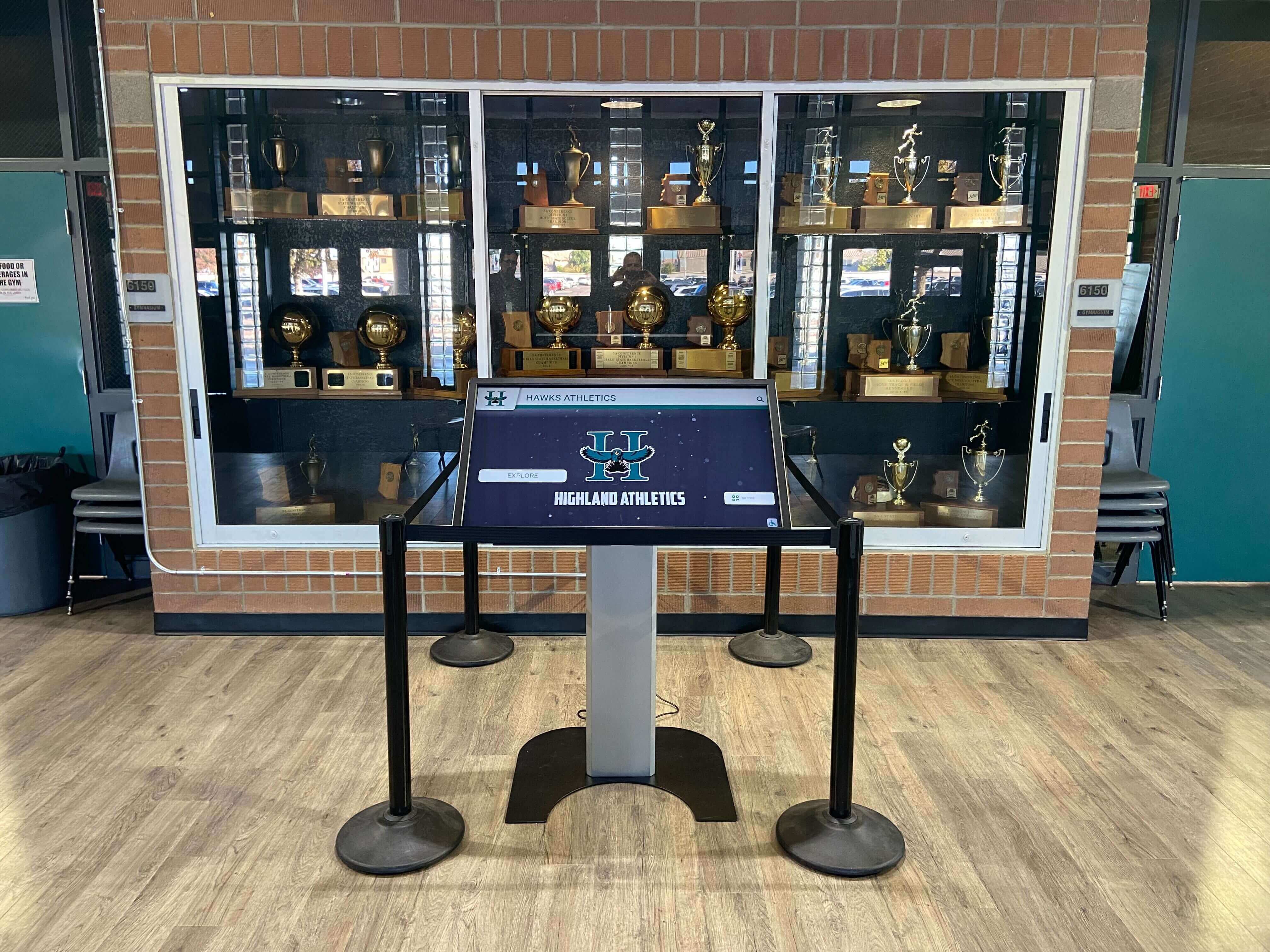
Plaque systems work best for programs with modest annual induction classes and adequate wall space for decades of growth. Schools considering alternatives can explore high school wall of fame options that balance traditional aesthetics with modern capacity needs.
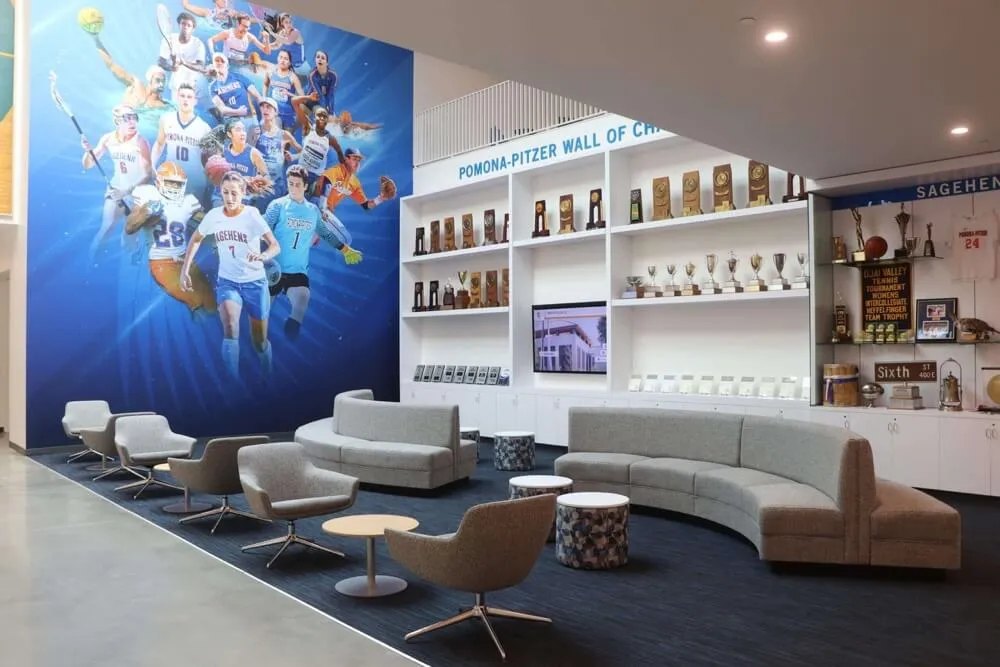
Trophy Case or Display Cabinet Recognition:
Dedicated cases showcase inductee memorabilia and information:
- Three-dimensional displays accommodating artifacts and photos
- Flexibility for varying content per inductee
- Protection from handling or vandalism
- Dust accumulation and maintenance requirements
- Significant space requirements limiting capacity
- High-quality cases costing $5,000-20,000 depending on size
- Updates requiring physical access and reinstallation
Trophy cases suit programs emphasizing historical artifacts and memorabilia preservation alongside biographical recognition.
Digital Recognition Display Systems
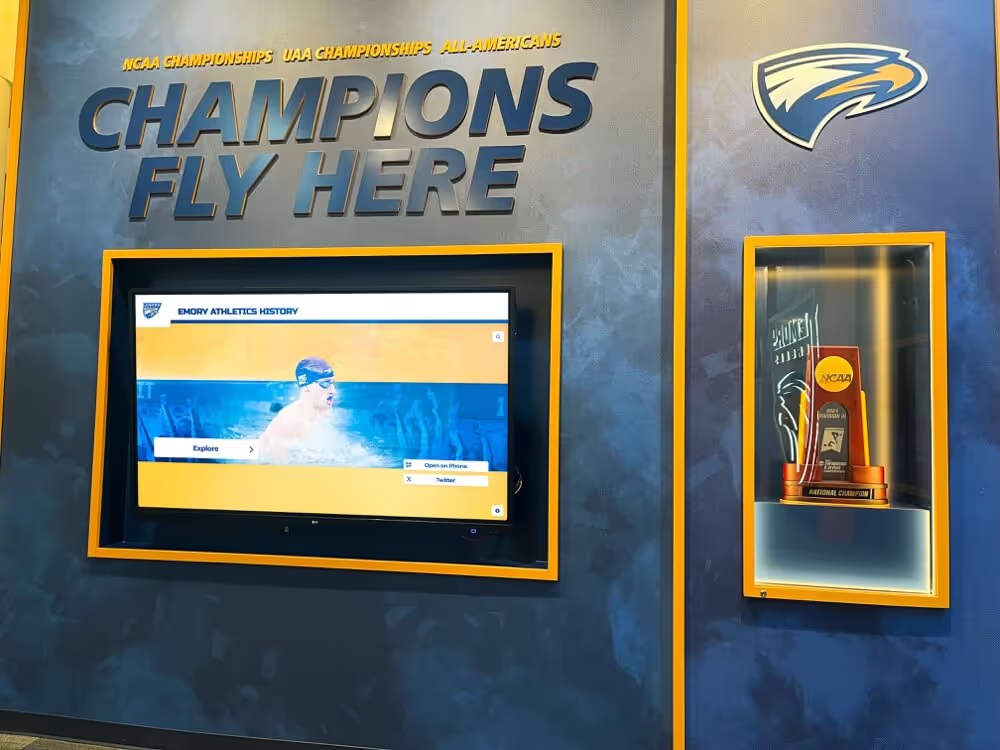
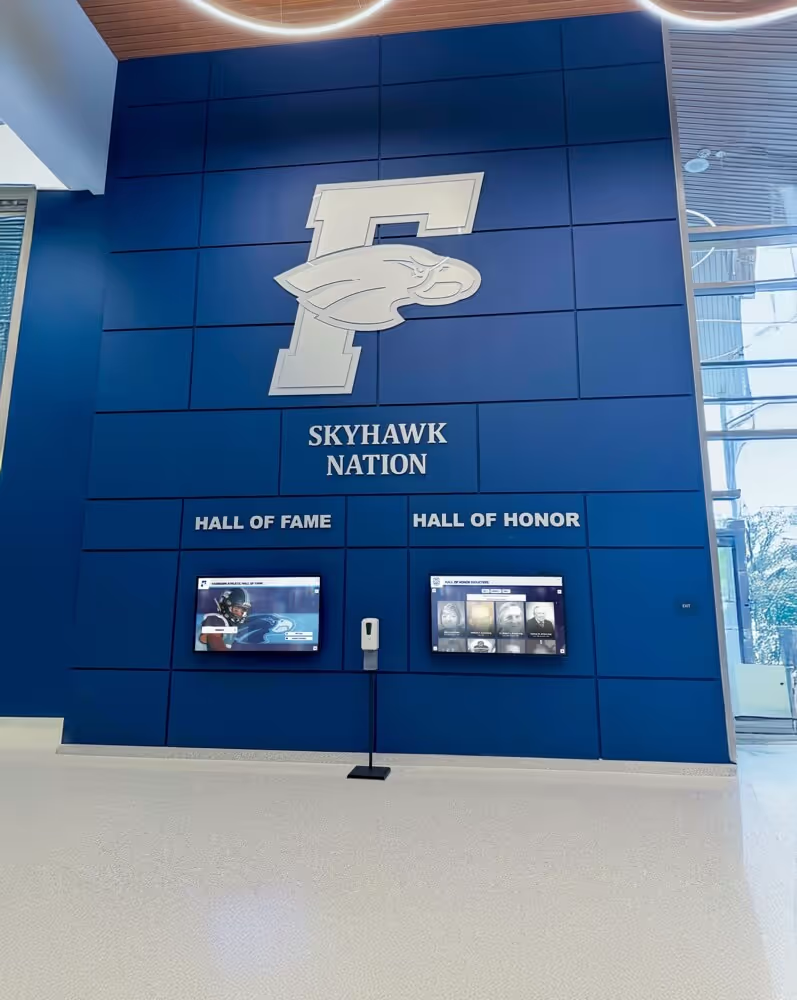
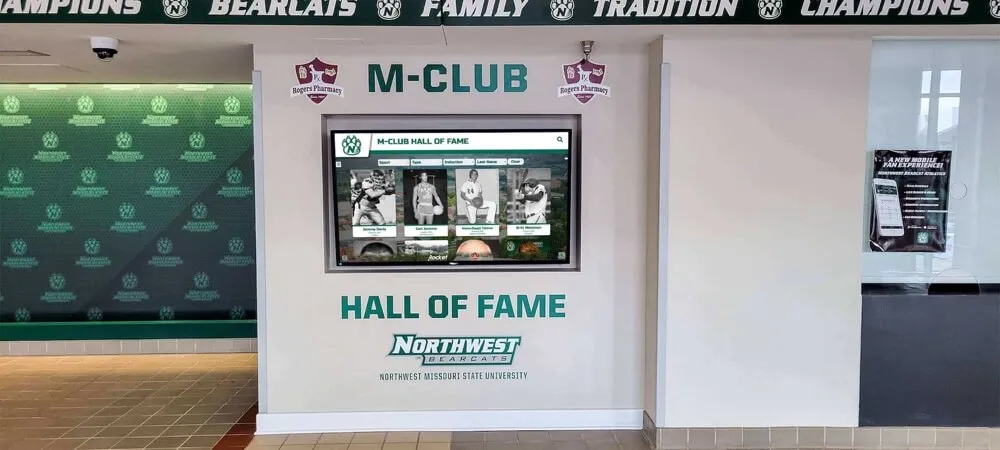
Digital systems overcome physical space limitations while adding multimedia capabilities:
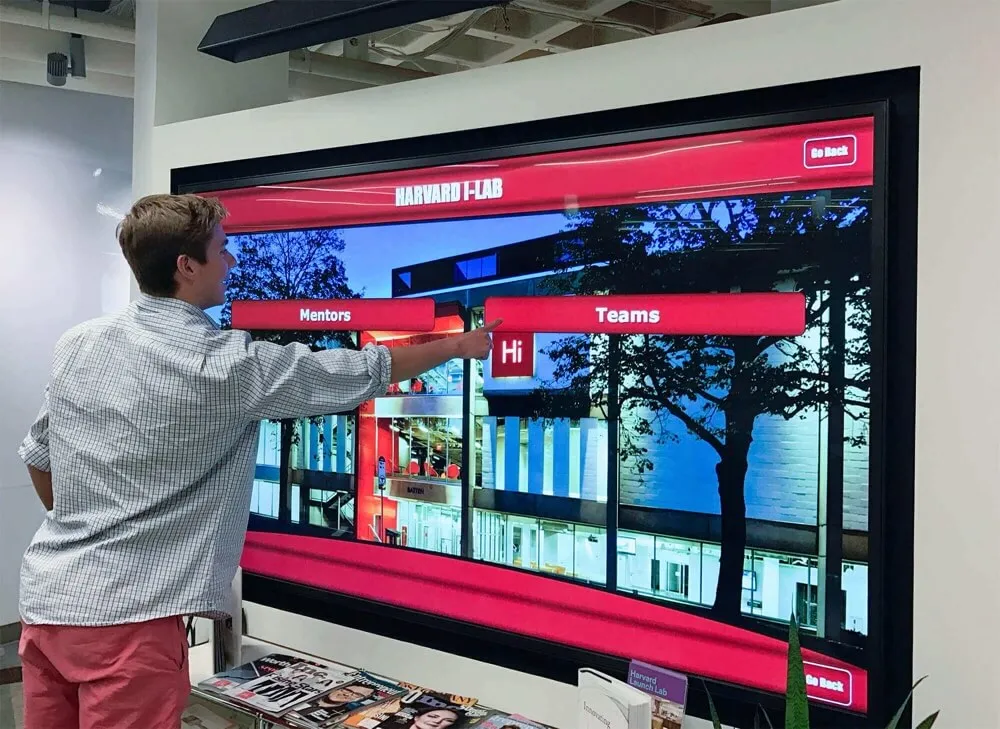
Interactive Touchscreen Displays:
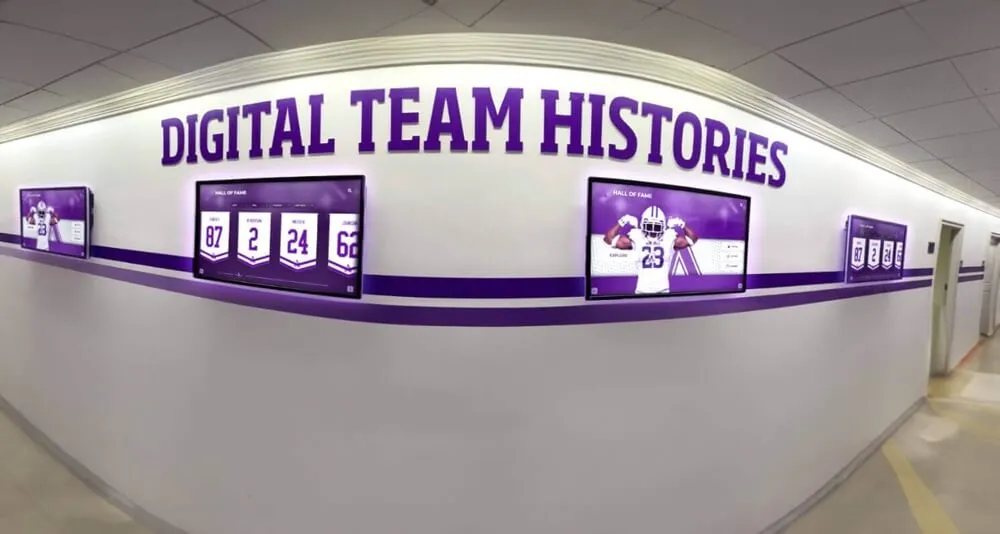
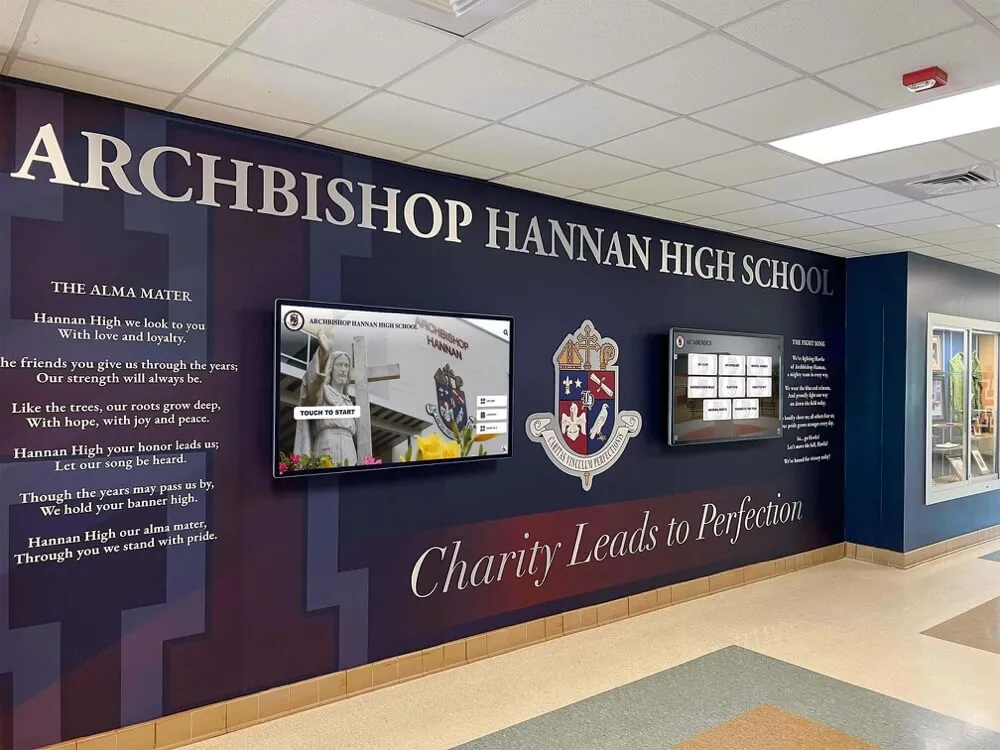
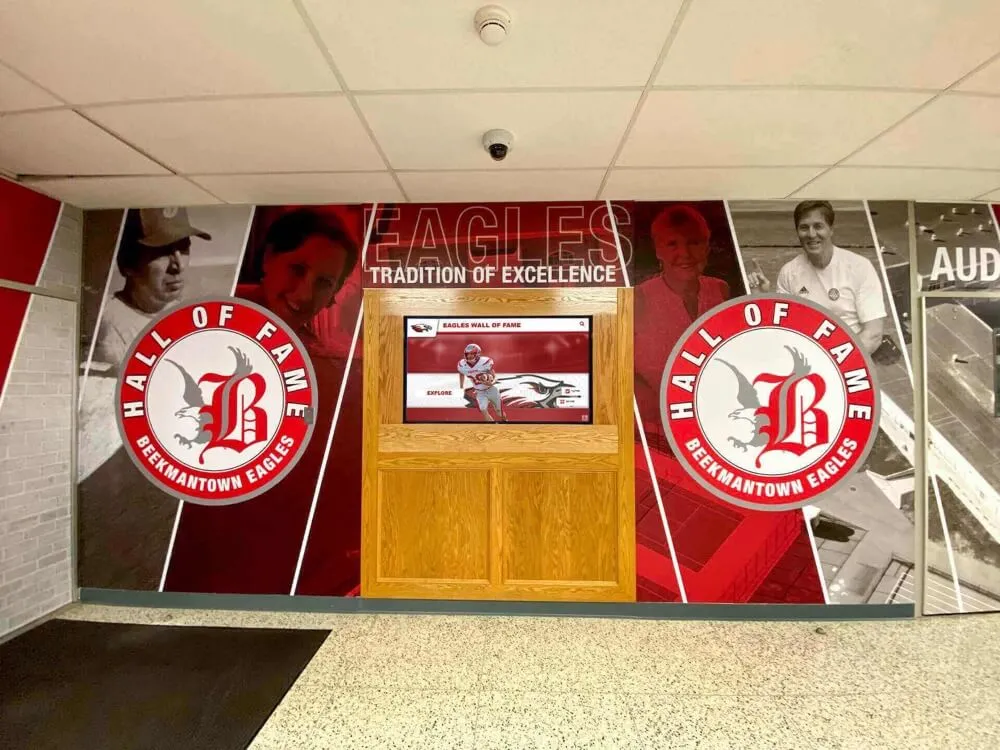
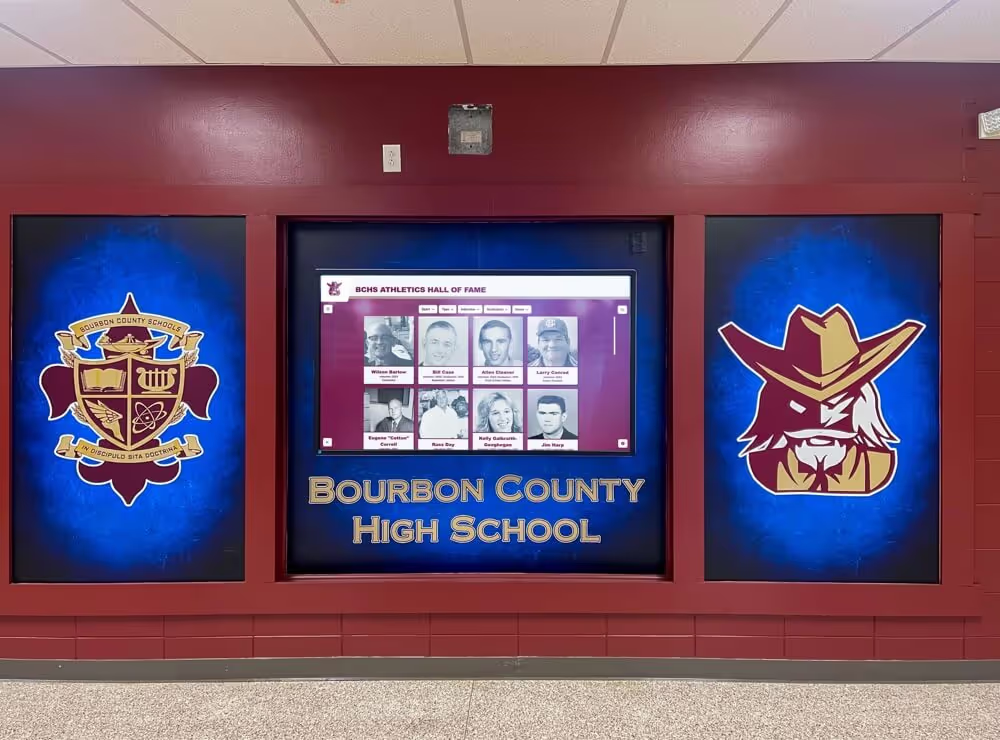
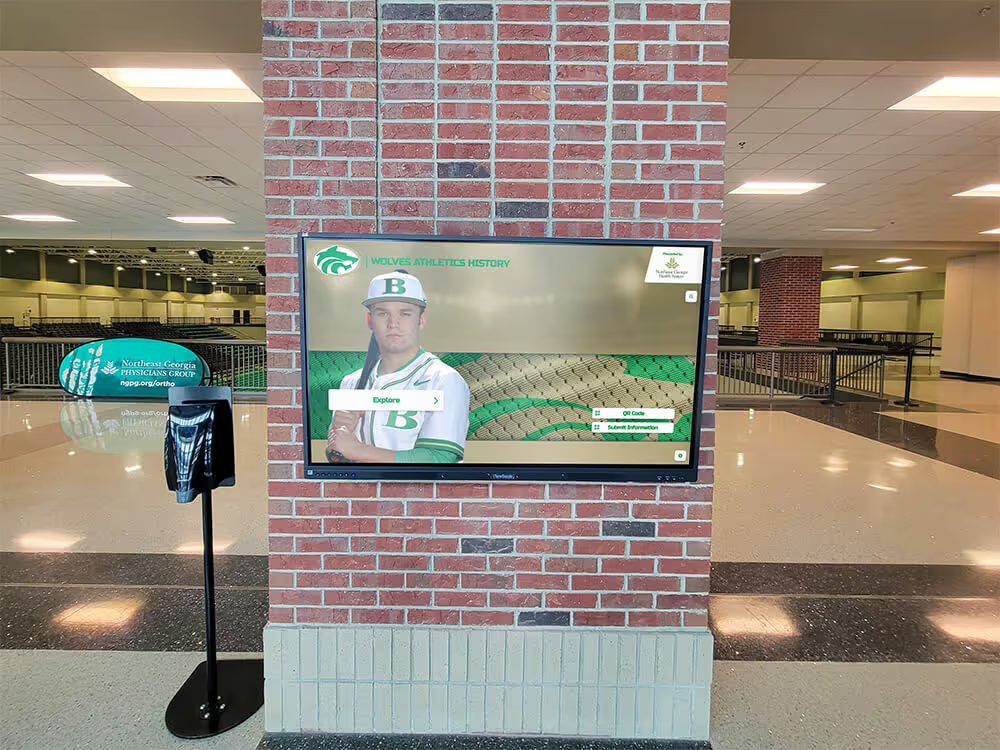
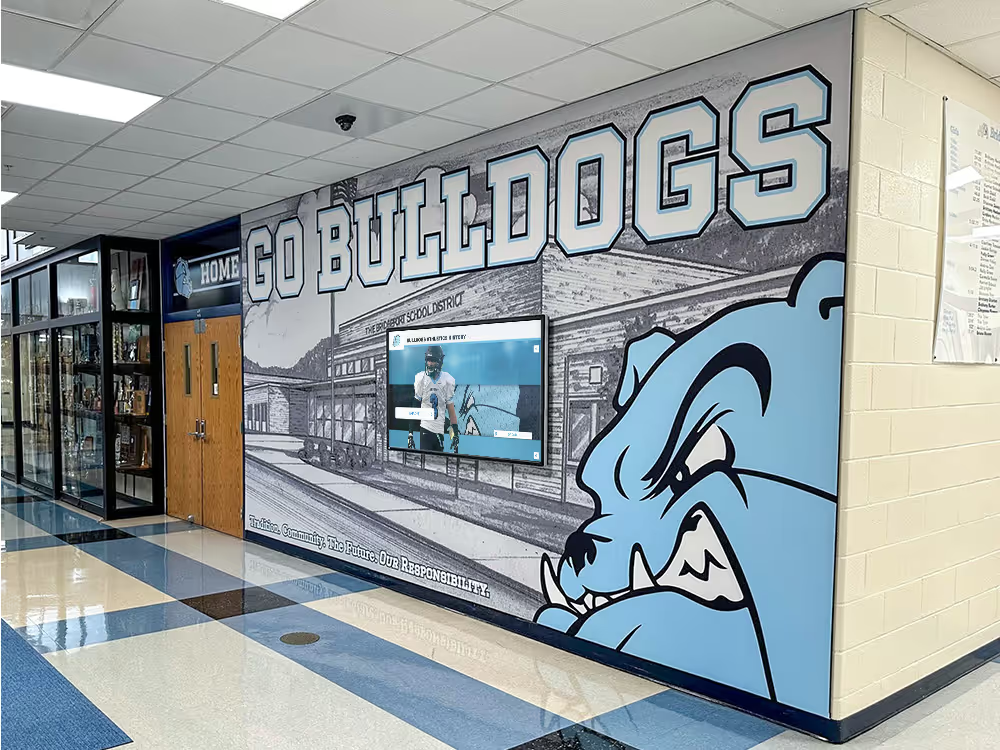
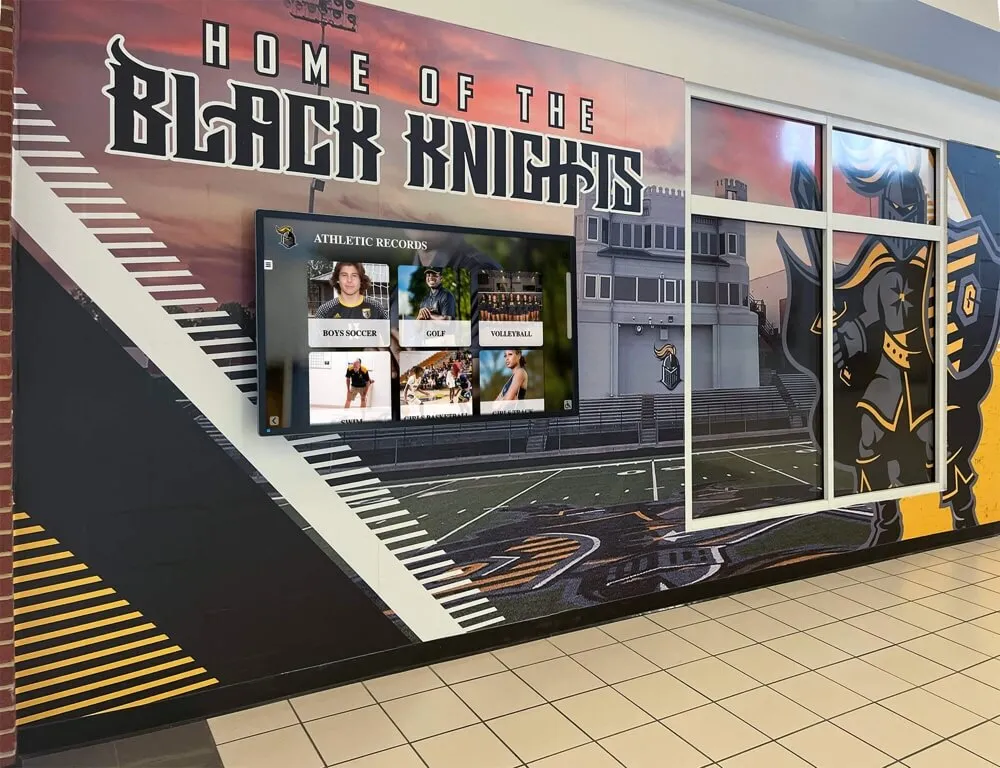
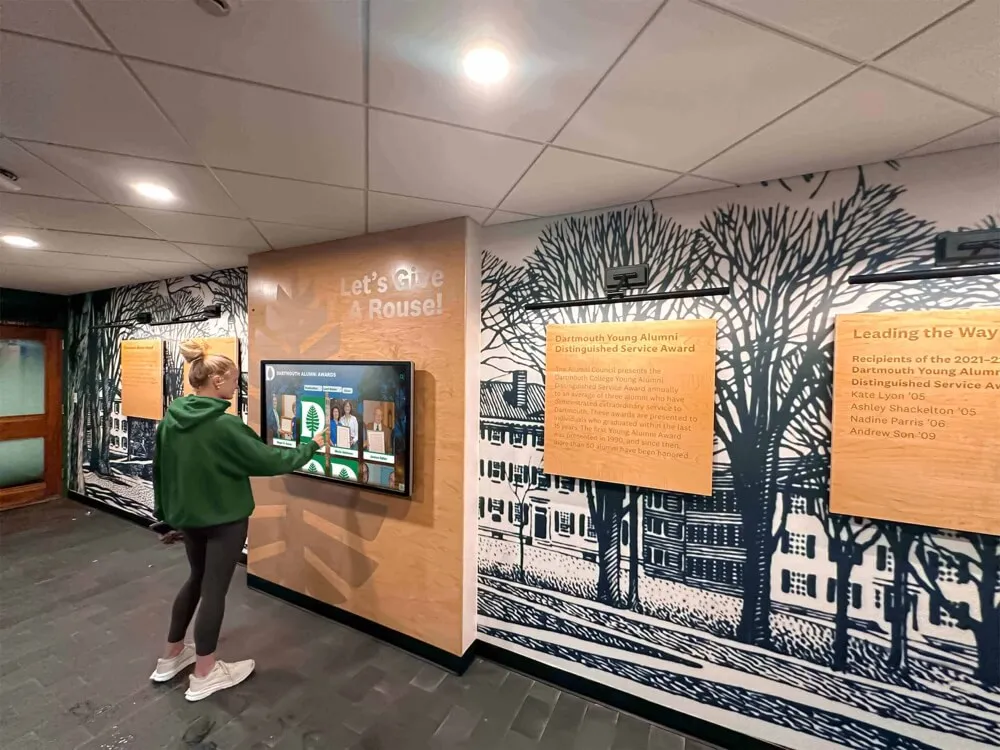
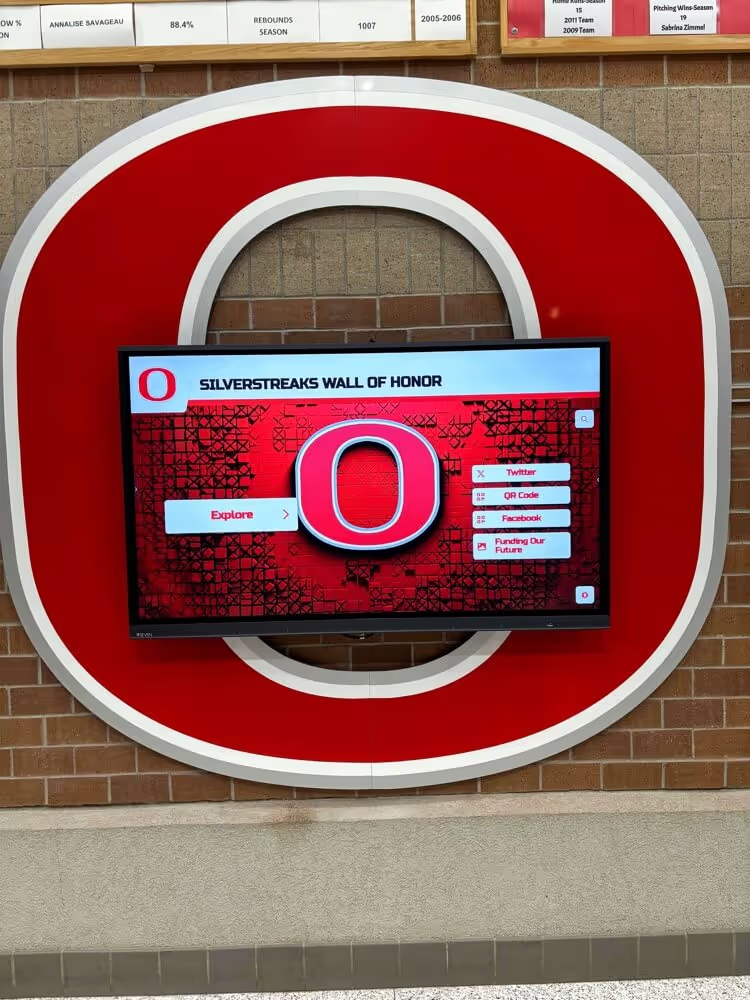
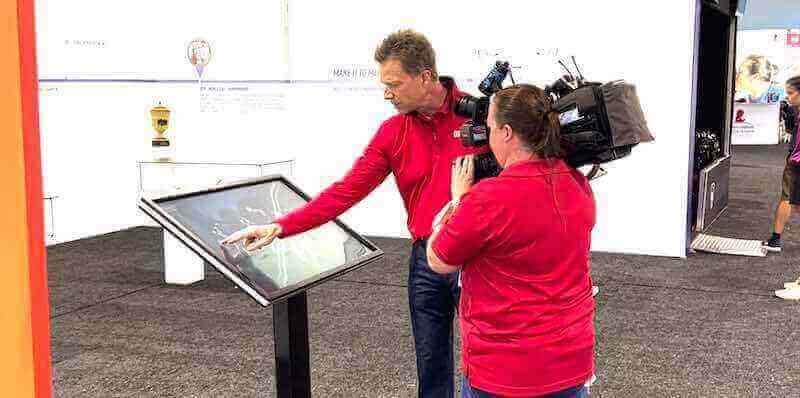
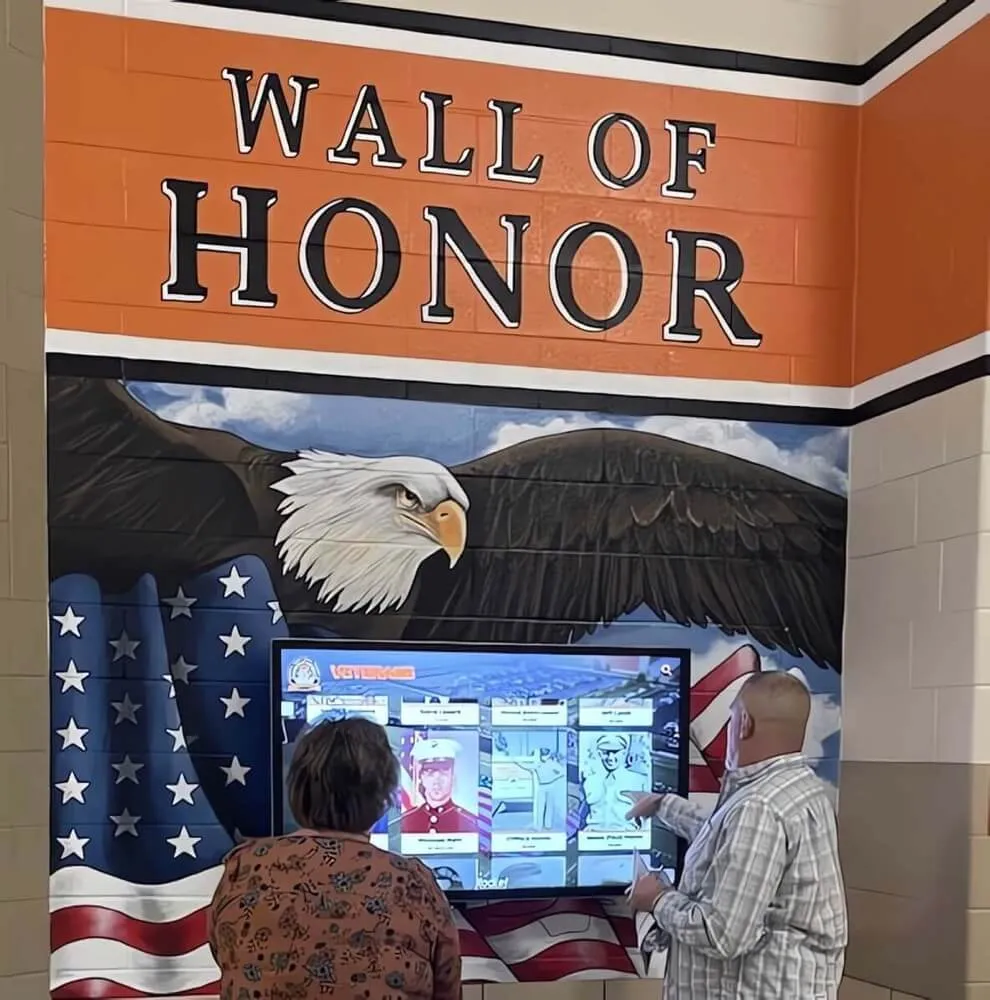
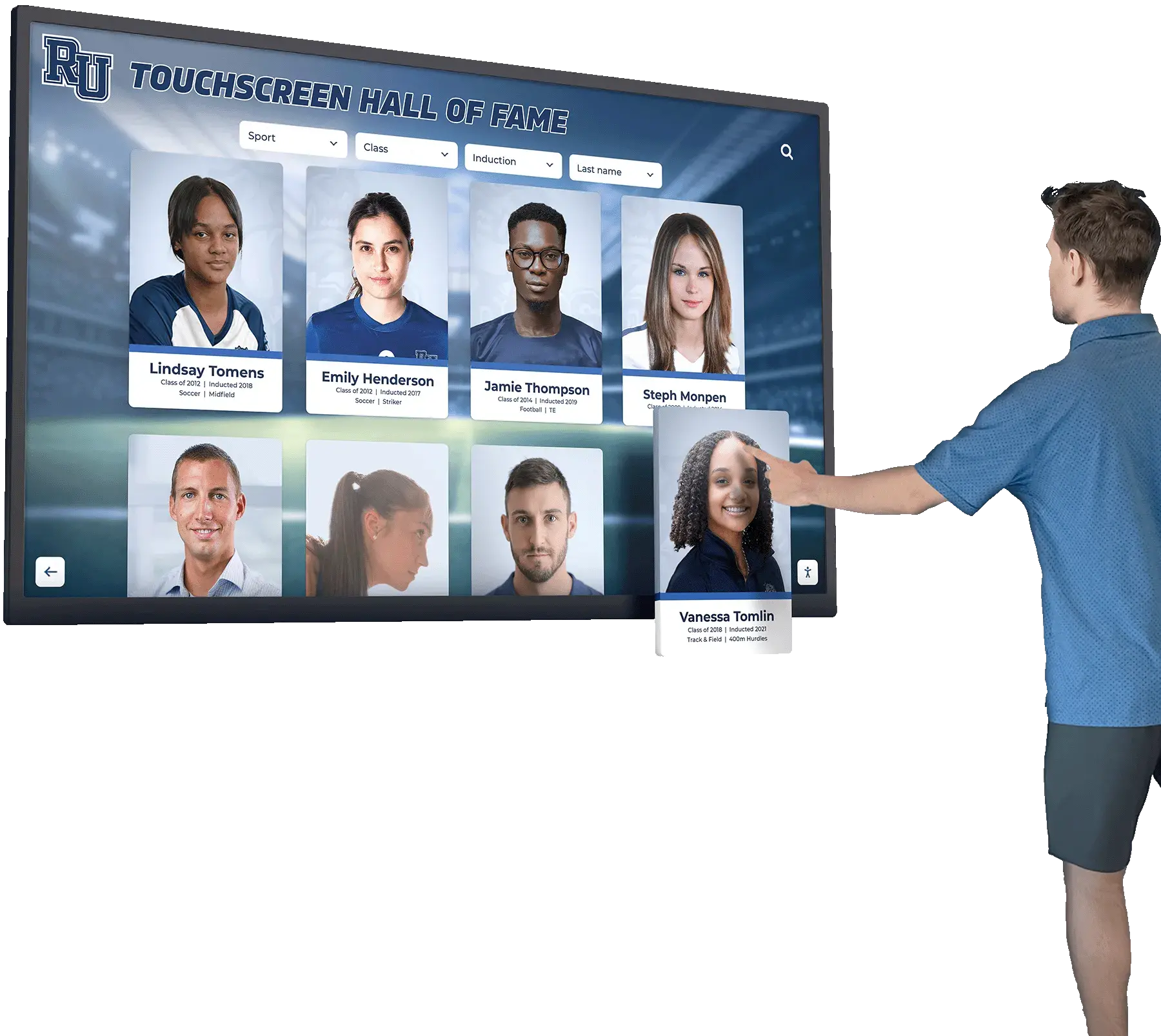
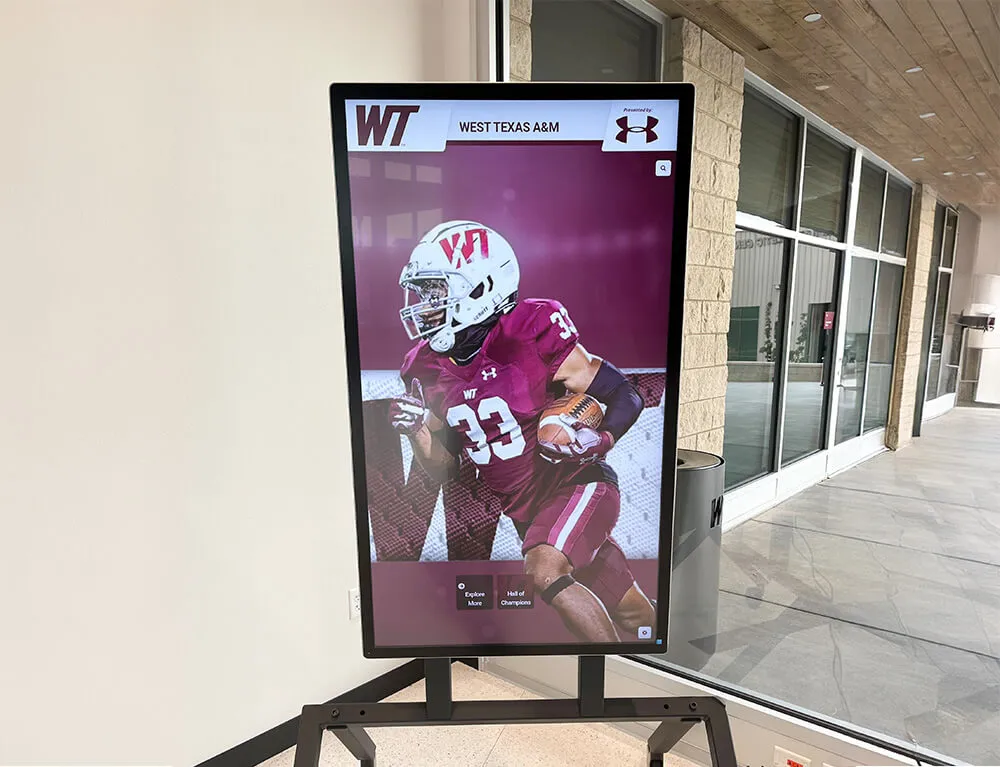
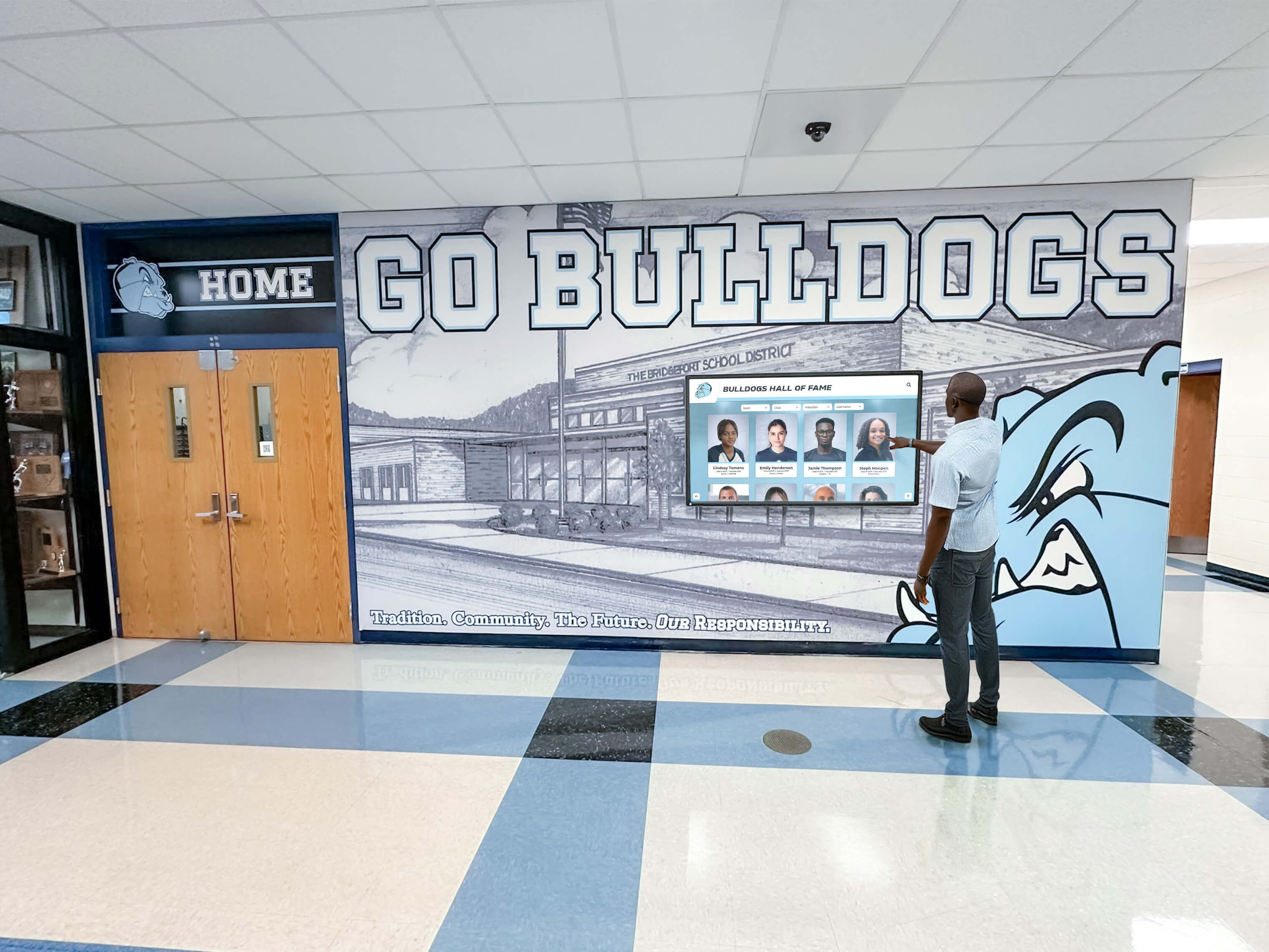
Large-format touchscreens enable comprehensive, searchable recognition:
- Unlimited inductee capacity unconstrained by physical space
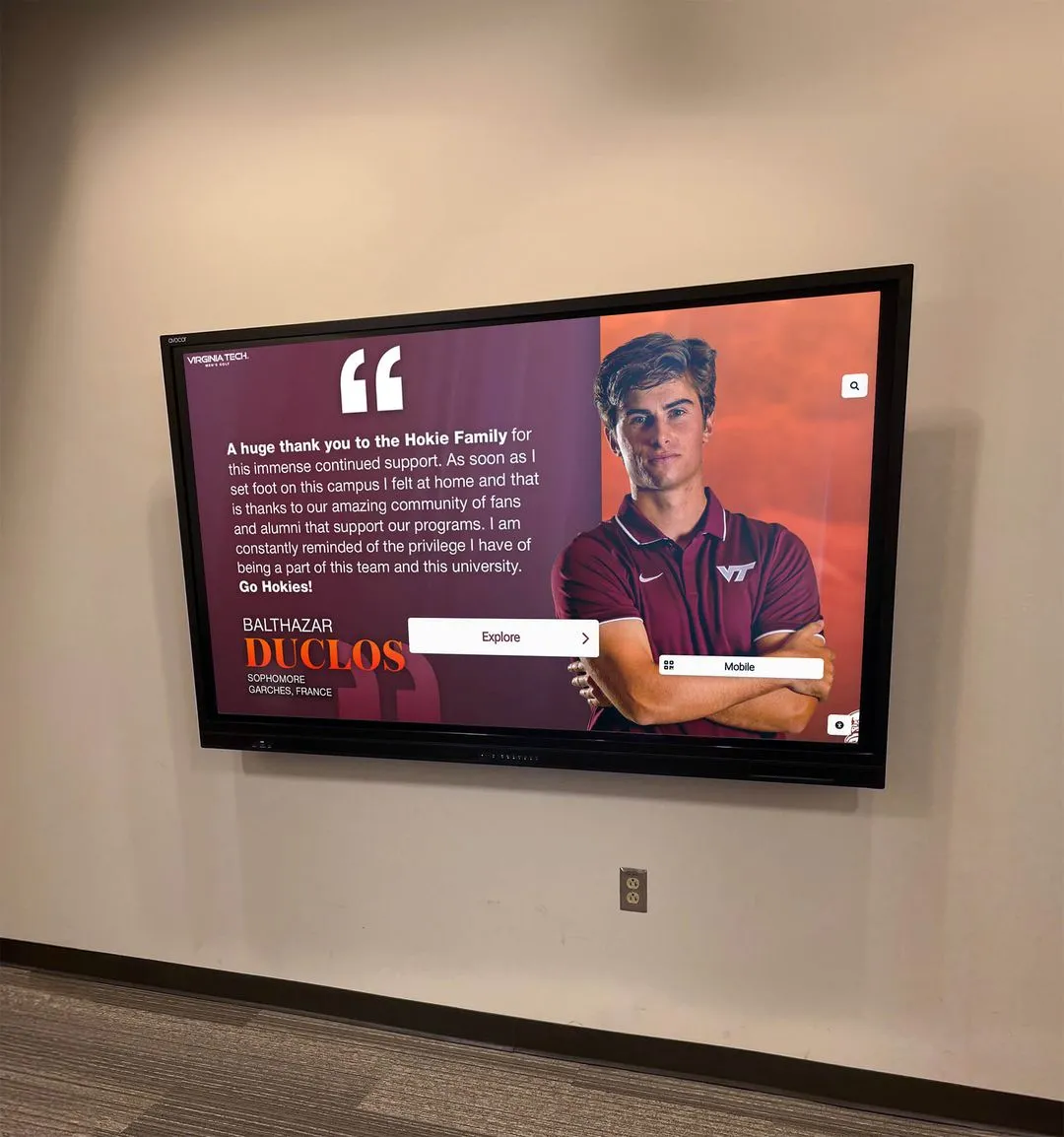
- Rich multimedia including photos, videos, and extensive biographies
- Easy content updates without physical reinstallation costs
- Searchable databases enabling visitors to find specific inductees
- Current athlete and team information alongside historical recognition
- Analytics showing visitor engagement and popular content
- Initial investment of $5,000-15,000 for single-screen installations
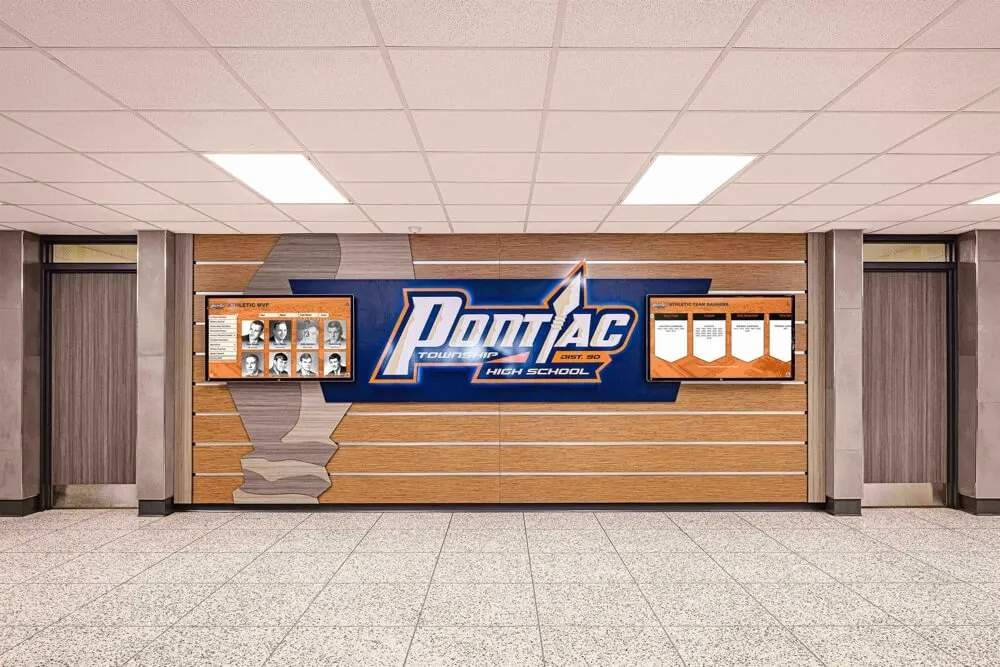
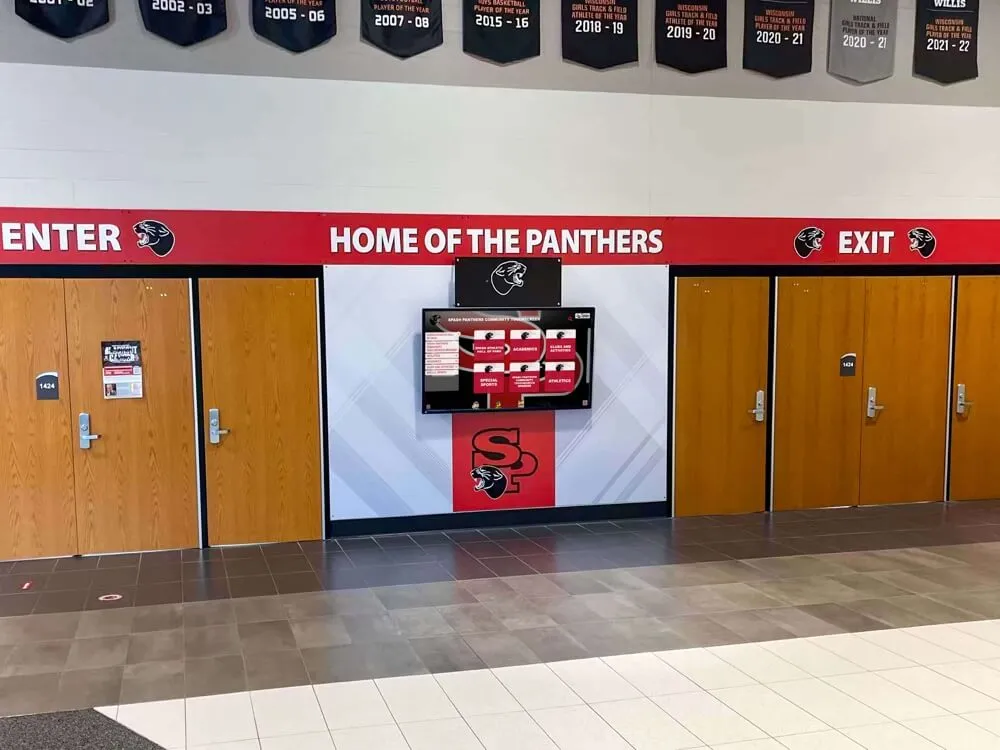
Digital systems particularly suit programs with significant historical backlogs or schools space-constrained for traditional displays. Solutions like those from Rocket Alumni Solutions provide user-friendly content management platforms enabling administrators to update recognition easily without technical expertise.
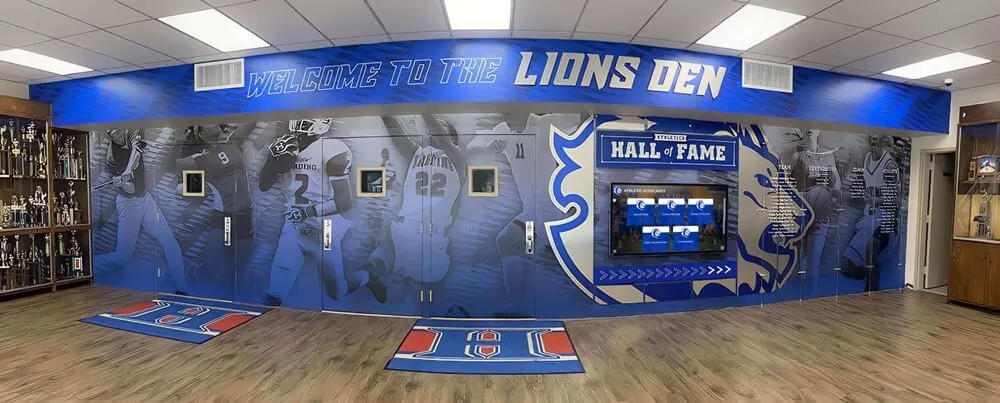
Hybrid Physical-Digital Approaches:
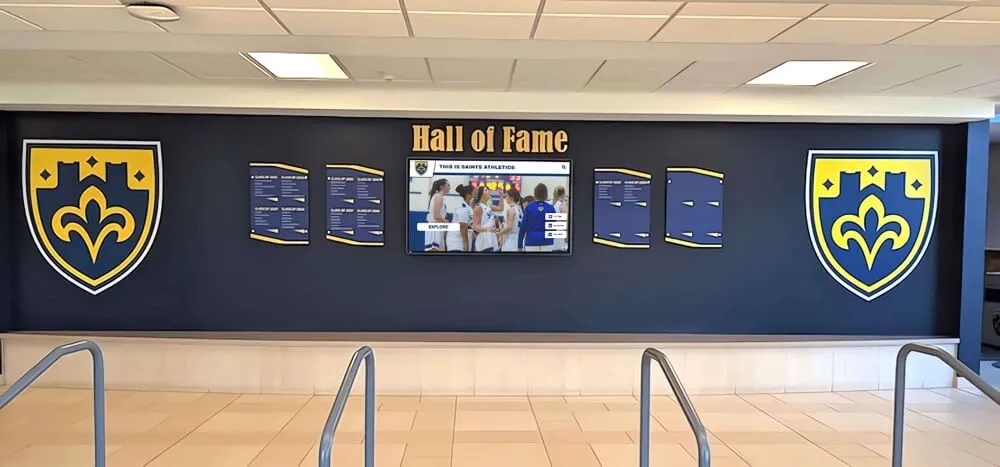
Many programs combine traditional and digital elements:
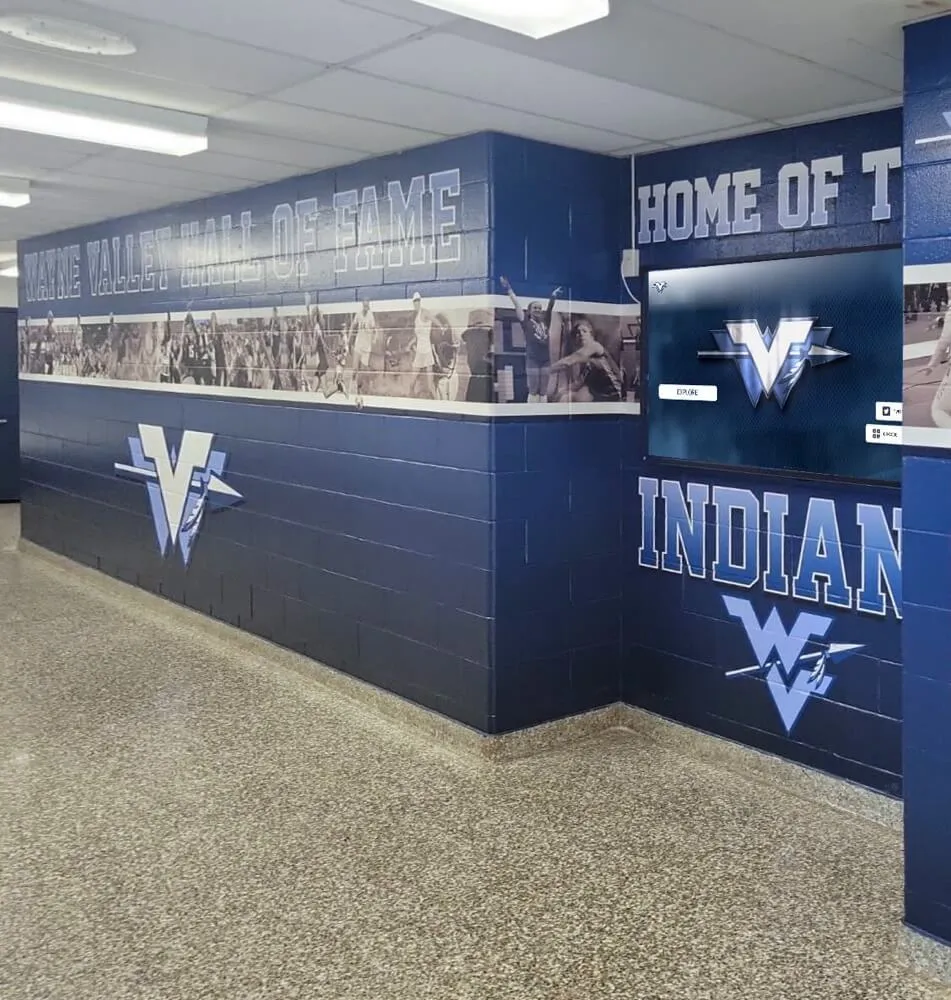
- Physical plaques for permanent lobby or hallway presence
- Digital displays providing biographical depth and multimedia content
- QR codes on physical plaques linking to online profiles
- Rotating spotlight displays highlighting featured inductees
- Physical recognition in prestigious locations with digital access elsewhere
Hybrid approaches preserve traditional recognition aesthetics while gaining digital benefits for storytelling and accessibility. Explore effective strategies for creating comprehensive digital hall of fame systems that complement existing recognition.

Cost-Benefit Analysis for Recognition Systems
Administrators must evaluate total cost of ownership across system lifespans:
Physical Display Costs Over 20 Years:
Consider long-term accumulation costs:
- 100 inductees × $350 average plaque cost = $35,000
- Installation and wall preparation: $5,000-10,000
- Periodic display reorganization or expansion: $3,000-5,000
- Plaque corrections or replacements: $2,000-4,000
- Total estimated cost: $45,000-54,000
Digital Display Costs Over 20 Years:
Factor in technology lifecycle and updates:
- Initial hardware and software: $12,000-15,000
- Annual software/hosting fees: $1,000-2,000 × 20 years = $20,000-40,000
- Hardware refresh at year 10: $8,000-10,000
- Content photography and video production: $5,000-10,000
- Total estimated cost: $45,000-75,000
While upfront costs differ significantly, long-term total ownership costs often converge. Digital systems provide substantially greater capacity and features for comparable investment, particularly for programs planning significant inductee volumes. Review comprehensive comparisons in guides to best digital hall of fame software for schools.
Planning and Executing Induction Ceremonies
Ceremonies transform administrative selection processes into community celebrations honoring athletic achievement.
Ceremony Format and Structure
Effective ceremonies balance formality with engagement:
Common Ceremony Components:
Most induction ceremonies include:
- Welcome remarks from school or athletic department leadership
- Overview of selection process and committee work
- Introduction of current committee members
- Individual inductee introductions with biographical highlights
- Inductee remarks or acceptance speeches
- Presentation of recognition plaques, rings, or certificates
- Group photo of inductee class
- Reception for inductees, families, and attendees
Ceremony length typically ranges from 90-150 minutes depending on inductee class size and program scope.
Scheduling and Timing Considerations:
Strategic scheduling maximizes attendance and impact:
- Evening events accommodating working families and alumni
- Weekend timing enabling travel for distant alumni
- Coordination with homecoming, reunions, or major athletic events
- Avoidance of competing community or school events
- Consistency of annual timing building tradition and expectation
- School facility availability and coordination
Many programs schedule induction ceremonies during basketball season homecoming events or spring athletic banquets, leveraging existing community gathering momentum.
Inductee Engagement and Family Involvement
Ceremonies should honor inductees while creating meaningful family experiences:
Inductee Communication and Preparation:
Advance coordination ensures smooth ceremony execution:
- Formal notification letters explaining ceremony details
- Biography information requests for program and display content
- Photo submission guidelines for quality recognition materials
- Speech guidance including length expectations and content suggestions
- Ticket allocation for family members and guests
- Lodging and travel assistance for distant alumni
- Pre-ceremony reception or dinner for inductees and families
Thorough inductee communication demonstrates respect while enabling quality ceremony production and recognition content development.
Family Recognition and Participation:
Including families enhances ceremony meaning:
- Reserved seating for inductee families
- Family member involvement in plaque or award presentation
- Recognition of family support during athletic careers
- Photo opportunities for multi-generational family groups
- Program biographical content mentioning family connections
- Accessibility accommodations for elderly family members
Family inclusion creates emotional resonance while strengthening alumni connection to institution through positive ceremony experiences.
Ceremony Budget and Funding
Ceremony costs vary significantly based on scope and funding sources:
Typical Ceremony Expense Categories:
Budget for essential ceremony elements:
- Facility rental if not using school venues: $500-2,000
- Catering for reception or dinner: $15-50 per person
- Recognition plaques, rings, or awards: $100-300 per inductee
- Printed programs and promotional materials: $300-800
- Photography and videography: $500-2,000
- Audio-visual equipment rental: $200-500
- Decorations and display materials: $200-500
- Total typical range: $2,000-8,000 depending on inductee class size
Funding Sources:
Most programs fund ceremonies through multiple sources:
- Athletic department operating budget allocations
- Booster club support or sponsorship
- Event ticket sales to community members
- Corporate sponsorships from local businesses
- Inductee contributions (controversial but occasionally used)
- Facility venue donations reducing rental costs
- Volunteer contributions reducing catering or production costs
Clear funding plans prevent ceremony quality degradation over time as initial enthusiasm wanes and budget pressures emerge. Explore additional strategies in guides to donor recognition displays for booster clubs.
Ongoing Program Management and Sustainability
Initial implementation excitement often fades without structures ensuring long-term program vitality.
Administrative Responsibility and Staffing
Sustainable programs assign clear operational ownership:
Role Definition and Accountability:
Specific staff members must own hall of fame operations:
- Overall program coordinator (typically athletic director or designee)
- Nomination and application management
- Committee coordination and meeting logistics
- Selection process administration and documentation
- Ceremony planning and execution
- Display or recognition system maintenance
- Communication and marketing responsibilities
- Budget management and fundraising
Written job description components formalize expectations while ensuring continuity during staff transitions.
Time and Resource Requirements:
Realistic workload assessment prevents program neglect:
- Nomination period management: 10-15 hours annually
- Committee coordination and meetings: 20-30 hours annually
- Ceremony planning and execution: 40-60 hours annually
- Display updates and maintenance: 10-20 hours annually
- Communication and marketing: 15-25 hours annually
- Total estimated time: 95-150 hours annually
Programs requiring more than 150 annual hours risk becoming unsustainable burdens on already-overcommitted athletic directors, necessitating additional staffing support or scaled program scope.
Marketing and Community Engagement
Proactive promotion extends program impact beyond inductees and ceremony attendees:
Communication Strategies:
Regular program visibility maintains community engagement:
- Annual nomination period announcements through multiple channels
- Inductee announcement releases to local media
- Social media content featuring inductees and historical profiles
- School newsletter or website features about program and inductees
- Display or recognition system promotion during campus events
- Alumni communication highlighting recent and historical inductees
- Student education about program and institutional athletic heritage
Consistent communication positions hall of fame programs as living institutional assets rather than occasional administrative tasks.
Leveraging Inductees as Program Ambassadors:
Inductees can promote programs and athletic participation:
- Inductee visits to current teams discussing program history
- Mentorship connections between inductees and current athletes
- Inductee involvement in recruitment events or campus tours
- Alumni event participation maintaining institutional connection
- Social media content featuring inductee stories and memories
- Career networking opportunities connecting inductees with students
Active inductee engagement creates ongoing value beyond one-time ceremony recognition while building multi-generational program community. Learn about effective approaches to alumni engagement through recognition programs that strengthen institutional connections.
Program Evaluation and Continuous Improvement
Regular assessment ensures programs continue serving institutional goals:
Success Metrics to Track:
Quantifiable indicators demonstrate program value:
- Nomination quantity and quality over time
- Ceremony attendance trends
- Inductee participation and satisfaction
- Community awareness through surveys or informal feedback
- Media coverage quality and quantity
- Display or recognition system visitor engagement (for digital systems)
- Budget sustainability and fundraising success
- Student-athlete awareness and program knowledge
Declining metrics indicate program health issues requiring attention before significant credibility or community support erodes.
Periodic Program Review:
Formal reviews every 3-5 years enable adjustments:
- Selection criteria effectiveness and fairness assessment
- Committee composition and governance evaluation
- Recognition format adequacy and sustainability
- Ceremony quality and attendee satisfaction review
- Administrative burden and staffing adequacy analysis
- Budget and funding source sustainability examination
- Stakeholder feedback gathering from coaches, athletes, and community
Reviews may identify needed bylaw amendments, process improvements, or resource adjustments ensuring programs remain vital and credible long-term.
Common Challenges and Solutions
Learning from typical program difficulties enables proactive problem prevention.
Managing Selection Controversy and Disappointed Nominees
Subjective selection processes inevitably disappoint worthy candidates and supporters:
Transparency in Process:
Clear procedures reduce controversy perception:
- Published selection criteria available to all nominators
- Disclosed committee membership and qualification basis
- Documented voting thresholds and decision requirements
- Communication explaining selection process complexity
- Recognition that worthy candidates may require multiple nominations
- Acknowledgment of difficult decisions among qualified nominees
Transparency cannot eliminate disappointment but reduces suspicion of improper influence or favoritism.
Appeals and Reconsideration Policies:
Limited appeal provisions address legitimate concerns:
- Factual error correction processes for inaccurate information
- Prohibition on appeals based merely on disagreement with judgment
- One-time reconsideration provisions for egregious oversights
- Automatic nomination carryover for specified period
- Committee discretion versus required reconsideration
- Documentation preventing repeated frivolous appeals
Appeal policies should correct genuine mistakes without enabling endless lobbying that burdens committees and undermines selection finality.
Maintaining Gender and Sport Equity in Recognition
Historical participation differences and unconscious bias create equity challenges:
Proactive Monitoring:
Regular analysis identifies systemic imbalances:
- Annual inductee demographics tracking by gender and sport
- Multi-year trend analysis revealing patterns
- Comparison to historical participation rates in different eras
- Nomination pool analysis showing upstream diversity issues
- Committee discussion of equity in each selection cycle
- Public reporting demonstrating equity commitment
Monitoring alone cannot solve equity challenges but enables informed committee action addressing imbalances.
Corrective Mechanisms:
Policies can address persistent inequities:
- Gender-balanced annual selection targets
- Sport-specific selection quotas ensuring diverse representation
- Veterans committee provisions addressing historical recognition gaps
- Outreach encouraging nominations from underrepresented categories
- Selection criteria review identifying bias toward certain sports
- Separate male and female selection tracks with equal annual slots
Corrective policies require careful design avoiding tokenism perception while achieving meaningful equity in recognition patterns. Review comprehensive approaches to equity in athletic recognition programs ensuring fair opportunities.
Preventing Program Stagnation or Abandonment
Initial enthusiasm often wanes as programs mature:
Institutional Integration:
Formal structures prevent program neglect:
- Board policy recognition establishing program official status
- Budget line items ensuring consistent funding
- Job description requirements formalizing staff responsibilities
- Administrative succession planning for program continuity
- Documentation systems preserving institutional memory
- Regular administrator reporting on program status
Integration into official institutional operations prevents programs from becoming discretionary activities abandoned during busy periods or staff transitions.
Periodic Reinvigoration:
Strategic refreshes maintain vitality:
- Milestone anniversary celebrations attracting renewed attention
- Recognition format updates modernizing displays or ceremonies
- Expanded recognition categories broadening program scope
- Alumni reunions or special events featuring hall of fame
- Student engagement initiatives connecting current athletes to history
- Technology updates enhancing visitor experience or accessibility
Programs requiring no evolution risk becoming stale historical artifacts irrelevant to current students and community members.
Conclusion: Building Hall of Fame Programs That Honor Excellence Sustainably
Athletic hall of fame programs serve institutions effectively when built on clear criteria, strong governance, sustainable operations, and appropriate recognition technology. The most successful programs balance reverence for athletic achievement with realistic administrative capacity, honor tradition while remaining relevant to current generations, and create meaningful recognition experiences for inductees while engaging broader school communities.
Administrators establishing or managing hall of fame programs should invest time developing comprehensive selection criteria preventing controversy and perceived favoritism, create diverse committees with clear decision-making protocols ensuring credible selections, select recognition formats matching institutional resources and technical capacity, plan ceremonies that honor inductees meaningfully while building community pride, and establish operational structures ensuring program vitality across administrative transitions and budget fluctuations.
Whether implementing programs for the first time, revitalizing stagnant initiatives, or modernizing successful legacy programs, thoughtful athletic hall of fame administration creates recognition systems celebrating achievement authentically while supporting broader goals including student-athlete motivation, alumni engagement, and institutional pride. The investment in strong program foundations pays dividends through decades of meaningful recognition that strengthens athletic programs and school communities.
Ready to modernize your athletic hall of fame program with digital recognition technology? Book a demo to explore comprehensive recognition solutions designed specifically for educational institutions prioritizing sustainable, engaging athletic recognition programs.