



Key Takeaways
Comprehensive athletic director salary guide covering pay ranges across states, experience levels, and school sizes. Learn what factors influence AD compensation and how to maximize earning potential in athletic administration.
Athletic directors serve as the backbone of school sports programs, managing everything from budgets and facilities to coaching staff and student athlete welfare. Whether you’re considering a career in athletic administration, negotiating compensation, or planning your professional trajectory, understanding the salary landscape across different states, experience levels, and institutional types provides essential context for making informed decisions. This comprehensive athletic director salary guide examines compensation patterns nationwide, explores the factors that significantly impact earning potential, and offers insights into how athletic directors can maximize their career advancement and compensation throughout their professional journey.
Understanding the Athletic Director Role and Its Value
Athletic directors shoulder substantial responsibilities that extend far beyond scheduling games and managing equipment budgets. Modern ADs function as department leaders, budget managers, compliance officers, facility coordinators, personnel supervisors, fundraising directors, and community liaisons simultaneously.
Core Responsibilities That Impact Compensation
The comprehensive scope of athletic director responsibilities directly influences compensation structures across educational institutions. These professionals oversee entire athletic departments, managing budgets that can range from hundreds of thousands to millions of dollars depending on institution size and program scope.
Personnel Management and Leadership responsibilities include hiring, supervising, and evaluating coaches across multiple sports, coordinating with athletic trainers, equipment managers, and support staff, developing professional development programs for coaching personnel, handling personnel issues and performance reviews, and building cohesive department cultures that support both competitive excellence and student welfare.
Budget Development and Financial Oversight requires athletic directors to create comprehensive department budgets aligned with institutional resources, allocate funding across sports programs fairly while meeting competitive needs, identify revenue opportunities through ticket sales, sponsorships, and fundraising, manage purchasing and vendor relationships for equipment and services, and ensure financial accountability and transparency in all department operations.
Compliance and Risk Management demands constant attention to state athletic association rules and regulations, NCAA regulations for schools with college-bound athletes, Title IX compliance ensuring equitable opportunities, safety protocols for facilities, equipment, and transportation, and insurance requirements and risk mitigation strategies protecting students and institutions.
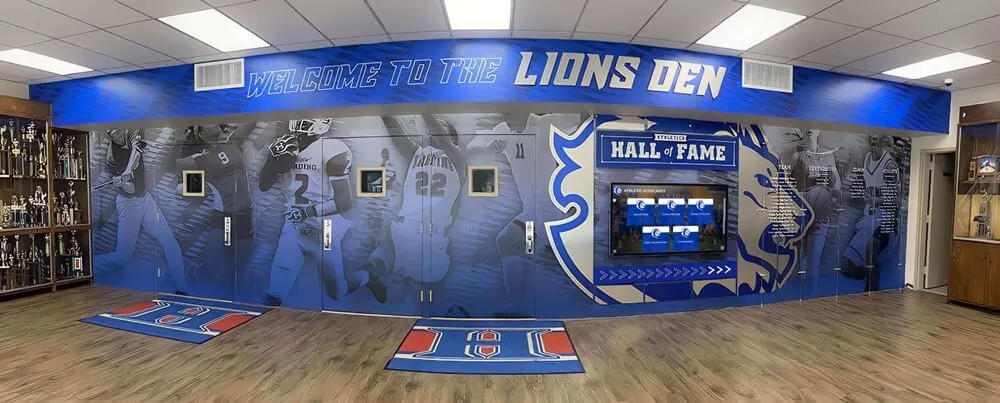
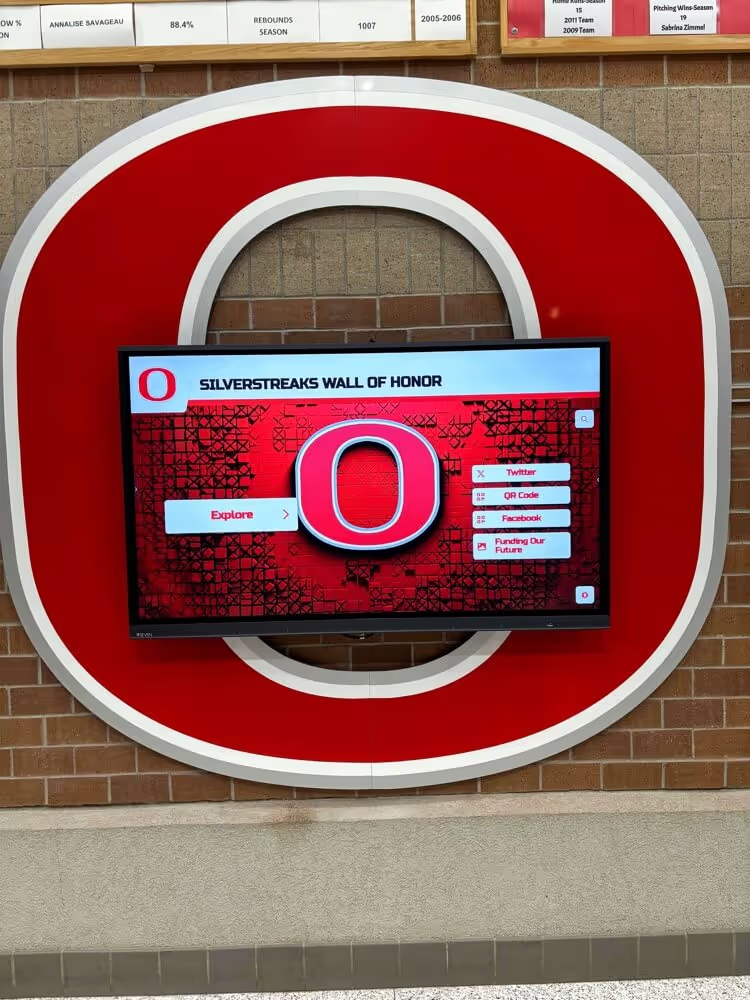
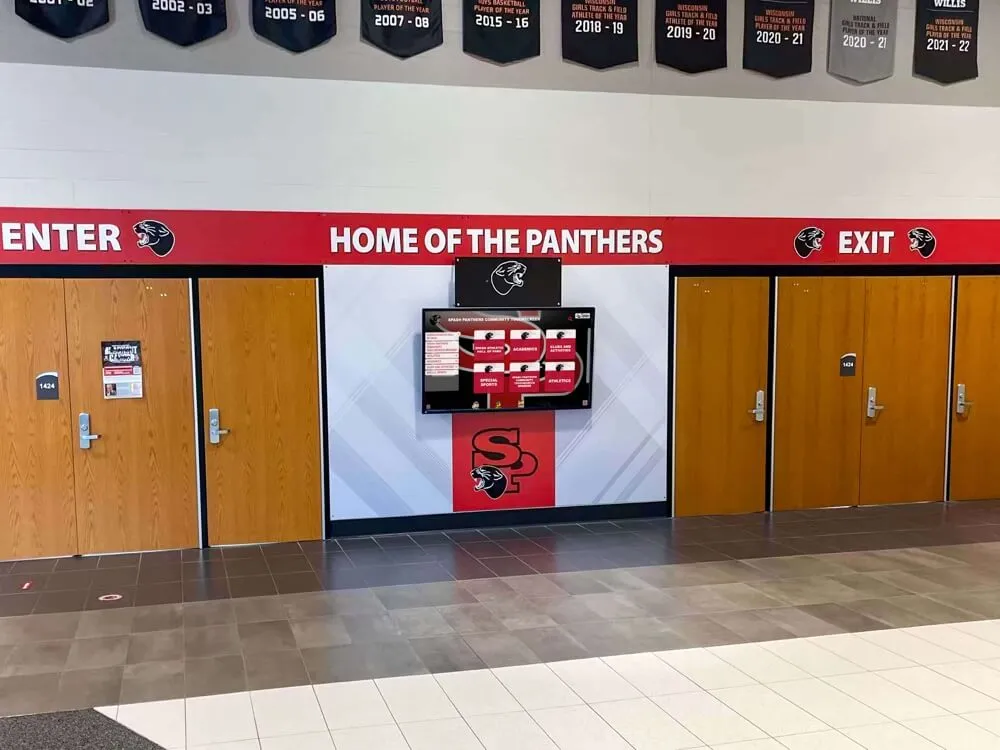
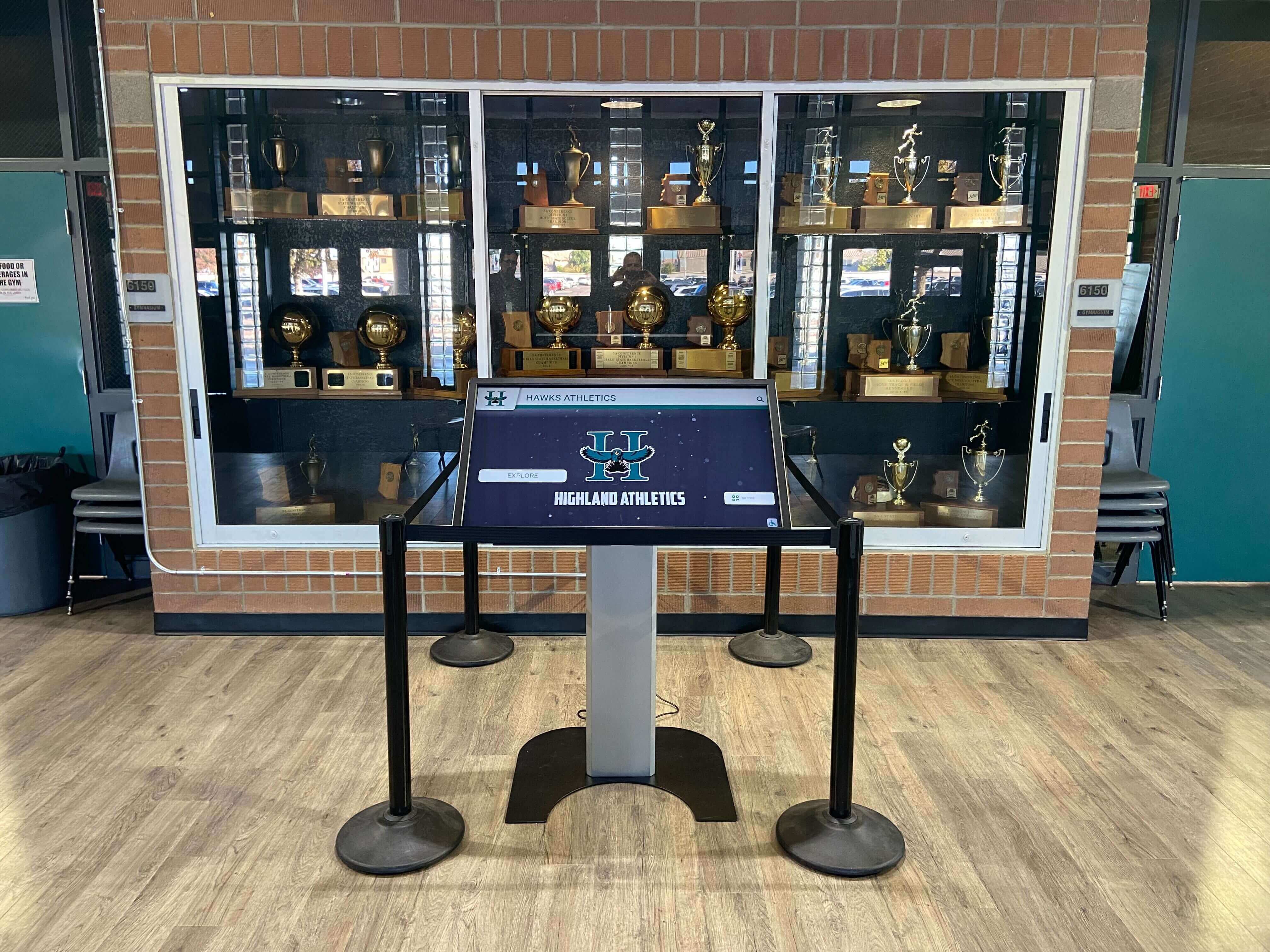
Facility Planning and Management involves coordinating use of gymnasiums, fields, tracks, and specialized sports facilities, scheduling facilities among teams, physical education classes, and community programs, planning maintenance, renovations, and capital improvements, working with grounds crews and maintenance staff, and ensuring facilities meet safety standards and competitive requirements. Schools increasingly incorporate digital recognition displays in athletic facilities to celebrate achievements and build program culture, representing one of many facility-related decisions athletic directors oversee.
Community and Stakeholder Relations requires athletic directors to communicate with parents about program policies, schedules, and expectations, coordinate with booster clubs and fundraising organizations, build relationships with local media covering school athletics, represent athletic programs to school boards and administration, and serve as public faces of athletic departments at community events.
The breadth of these responsibilities explains why athletic director compensation varies so significantly based on institution size, program complexity, and required expertise levels.
Athletic Director Salary Ranges by Experience Level
Experience dramatically impacts athletic director compensation, with established professionals at large institutions earning several times what entry-level administrators at small schools receive.
Entry-Level Athletic Directors (0-3 Years Experience)
Professionals new to athletic director positions typically start at smaller institutions or assistant AD roles at larger schools. Entry-level athletic directors often transition from successful coaching careers or positions as assistant athletic directors, bringing sport-specific expertise while developing comprehensive administrative skills.
Entry-level AD positions at small high schools typically offer compensation in the lower range of the salary spectrum, often structured as teaching positions with additional stipends for administrative responsibilities. These roles provide valuable experience managing complete athletic programs, even if budgets and staff sizes remain modest. Athletic directors at this level frequently teach physical education or other subjects while managing athletic department operations.
Schools with fewer than 500 students generally offer the most accessible entry points for aspiring athletic directors, though these positions demand versatility since ADs often personally handle tasks that specialized staff would manage at larger institutions. The experience gained in these comprehensive, hands-on roles provides essential foundation for career advancement.

Assistant athletic director positions at larger institutions offer another entry pathway, providing exposure to complex athletic department operations while working under experienced AD mentorship. These roles often focus on specific areas such as compliance, facilities, or sport-specific oversight, allowing professionals to develop specialized expertise.
Mid-Career Athletic Directors (4-10 Years Experience)
Athletic directors with established track records managing successful programs command significantly higher compensation, particularly when moving to larger schools or more competitive athletic conferences.
Mid-career professionals typically oversee schools with student populations between 500 and 1,500 students, managing multiple coaches, substantial budgets, and more complex facility and scheduling needs. At this career stage, athletic directors have typically navigated significant challenges—budget cuts, facility emergencies, personnel issues, compliance situations—building problem-solving capabilities that justify increased compensation.
Successful mid-career athletic directors often develop specializations that enhance their value, whether in fundraising and development, facility planning and construction projects, conference leadership roles, or building championship-caliber programs across multiple sports. These specialized accomplishments create career advancement opportunities and compensation growth.
Many athletic directors at this level pursue advanced degrees in sports administration, educational leadership, or business administration, credentials that support both effectiveness and compensation advancement. Professional certifications from organizations like the National Interscholastic Athletic Administrators Association (NIAAA) similarly enhance credentials and earning potential.
Senior Athletic Directors (10+ Years Experience)
Veteran athletic directors with extensive experience, proven track records, and strong professional reputations represent the highest compensation tier, particularly at large institutions with prominent athletic programs.
Senior athletic directors typically oversee comprehensive programs at schools with 1,500+ students, managing substantial budgets, large coaching staffs, complex facility systems, and high-profile athletic programs that receive significant community attention. These professionals navigate sophisticated challenges including major facility construction projects, significant fundraising campaigns, high-stakes personnel decisions, and complex conference and state association leadership roles.
The most accomplished athletic directors earn compensation packages that recognize their department leadership, institutional value, and specialized expertise. Senior ADs at prominent programs often receive compensation comparable to school principals or central office administrators, reflecting the scope of their responsibilities and their programs’ visibility within school communities.

Regional Salary Variations Across States
Geographic location significantly influences athletic director compensation, with substantial variations based on state funding formulas, cost of living differences, and regional approaches to compensating educational administrators.
High-Compensation Regions
States with higher overall educational funding, stronger teacher salary schedules, and higher costs of living typically offer the most competitive athletic director compensation. Northeastern states, mid-Atlantic regions, and parts of the West Coast generally provide higher compensation for educational administrators including athletic directors.
These regions typically feature stronger collective bargaining agreements that establish compensation schedules including administrative stipends, higher baseline teacher salaries that form the foundation for administrative compensation, and greater resources available for administrative positions beyond teaching. Urban and suburban districts in these regions typically offer the highest compensation levels, particularly for schools with large student populations and prominent athletic programs.
States with significant investment in athletic facilities and programs often compensate athletic directors more competitively, recognizing the specialized expertise required to manage complex, high-profile athletic departments. Districts in these regions frequently compete for talented athletic administrators, creating market pressure that drives compensation upward.
Moderate-Compensation Regions
Mid-range compensation typically characterizes Midwestern states, parts of the South, and some Mountain West regions where educational funding remains solid but doesn’t reach the levels of highest-paying states.
These regions often feature strong community investment in athletics, creating robust programs that require skilled administrative leadership even where compensation doesn’t match coastal regions. Athletic directors in these areas frequently develop strong connections with booster organizations and community supporters, supplementing limited institutional resources through fundraising and donor recognition programs.
Many schools in moderate-compensation regions offer strong benefits packages that partially offset lower base salaries, including pension programs, health insurance, and other benefits that contribute to total compensation value. Career satisfaction in these regions often derives from strong community connections, program-building opportunities, and quality of life factors beyond pure salary considerations.
Lower-Compensation Regions
Some states, particularly in rural areas or regions with limited educational funding, offer more modest athletic director compensation even for experienced professionals managing significant responsibilities.
Rural districts throughout the country frequently struggle to offer competitive compensation due to limited tax bases and constrained budgets, though these positions often provide quality of life benefits, lower costs of living, and strong community connections that partially offset salary limitations. Athletic directors in these regions typically manage with smaller support staffs, requiring greater personal involvement in operational tasks.
Small schools in lower-compensation regions often structure athletic director positions as teaching roles with administrative stipends rather than full-time administrative positions, limiting total compensation but providing opportunities for professionals who value classroom teaching alongside athletic administration.
Despite lower compensation, these positions offer valuable experience and the opportunity to make significant impacts in communities where athletic programs serve as important sources of school and community pride. Many successful athletic directors at larger, higher-paying institutions began their careers in these environments, gaining comprehensive experience that supported career advancement.

Factors Beyond Geography That Influence Athletic Director Salaries
While location and experience significantly impact compensation, numerous other factors determine where individual athletic directors fall within salary ranges.
School Size and Classification
Student enrollment represents one of the strongest predictors of athletic director compensation. Large schools with 2,000+ students typically offer the highest compensation, reflecting complex programs with numerous teams, large coaching staffs, substantial budgets, major facilities, and significant community visibility.
Mid-size schools (800-2,000 students) generally offer moderate compensation for managing multiple teams across various sports, coordinating with several coaches and support staff, managing budgets in the hundreds of thousands of dollars, and overseeing multiple athletic facilities. Small schools (under 800 students) typically offer more modest compensation, though these positions provide valuable comprehensive experience managing complete athletic programs with limited support staff.
Athletic classification and conference affiliation also influence compensation, with schools competing at higher competitive levels often investing more substantially in athletic department leadership to maintain program quality and competitive success.
Public Versus Private Institutions
Public school athletic directors typically receive compensation determined by district salary schedules, union contracts, and state funding formulas, creating more standardized but potentially limited compensation structures. Public sector positions often include strong benefits packages including pension programs, health insurance, and job security through tenure or contractual protections.
Private school athletic directors sometimes enjoy greater compensation flexibility, with salaries negotiated individually based on candidate qualifications, school resources, and market conditions. Elite private schools may offer highly competitive compensation to attract top administrative talent, particularly when athletic program quality serves as a significant institutional priority and marketing advantage.
Private institutions may offer different benefit structures, sometimes including tuition remission for employees’ children, housing allowances, or other perks that supplement base compensation. The total compensation picture requires evaluating both salary and benefits comprehensively.
Additional Responsibilities and Dual Roles
Many athletic directors, particularly at smaller institutions, hold dual roles that influence total compensation. Common combinations include athletic director/teacher positions where professionals teach classes while managing athletic departments, athletic director/coach roles where ADs coach one or more sports alongside administrative duties, and athletic director/activities director positions combining oversight of athletics and student activities.
These dual-role positions typically offer base teaching or coaching salaries plus administrative stipends, with total compensation reflecting the combined responsibilities. While potentially offering lower pure administrative compensation than dedicated AD positions at larger schools, dual roles can provide variety, continued connection to coaching or teaching, and appropriate compensation for smaller school contexts.
Some athletic directors take on additional responsibilities beyond their primary roles, such as serving as district athletic coordinators overseeing multiple schools, holding state or national athletic association leadership positions, or managing summer athletic camps and programs that supplement base compensation. These additional roles can significantly enhance total earnings while building professional reputation and networks.
Program Prominence and Success
Schools with highly visible, successful athletic programs sometimes offer premium compensation to retain talented athletic directors credited with program excellence. Athletic directors who build championship programs, successfully navigate major facility projects, significantly grow program participation, or enhance community support may negotiate higher compensation reflecting their demonstrated value.
Conference championships, state tournament appearances, and consistent competitive success create value that schools recognize when negotiating compensation packages. Athletic directors who develop reputations for excellence become attractive to other institutions, creating market pressure that can drive compensation increases at their current schools.
Similarly, athletic directors who successfully lead major initiatives—building new facilities, resolving compliance issues, restructuring programs, or dramatically improving department operations—demonstrate value that supports compensation advancement. Recognition through professional awards, state and national leadership positions, or prominence within athletic administration circles enhances marketability and compensation leverage.

Comprehensive Compensation: Beyond Base Salary
Understanding total athletic director compensation requires looking beyond base salary to benefits, stipends, and perks that significantly contribute to overall package value.
Standard Benefits Packages
Most athletic director positions include comprehensive benefits that substantially enhance total compensation value. Health insurance for employees and often families represents significant value, particularly for comprehensive coverage plans. Retirement benefits including pension programs or employer contributions to retirement accounts add substantial long-term value to compensation packages.
Paid time off including vacation days, sick leave, and holiday breaks provides work-life balance and represents real economic value. Life insurance, disability insurance, and other protective benefits offer security that enhances total compensation attractiveness.
For athletic directors in public school systems, state pension programs sometimes provide substantial retirement benefits that significantly increase total career earnings when calculated over full career arcs. These benefits particularly attract professionals planning long careers in education.
Performance Incentives and Bonuses
Some districts offer performance-based compensation tied to program success, department goals, or specific accomplishments. These incentives might reward conference championships or state tournament success, successful completion of facility projects, growth in athletic participation rates, or achievement of department objectives around safety, compliance, or budget management.
While less common in public education than private sector industries, performance incentives increasingly appear in competitive markets where districts seek to attract and retain top administrative talent. These incentives typically supplement rather than replace base compensation, providing additional earning potential tied to measurable results.
Professional Development Support
Quality athletic director positions often include support for professional development that enhances skills while representing valuable compensation components. Conference attendance allowances enable participation in state and national athletic administrator conferences, professional organization memberships support networking and continued learning, and advanced degree support through tuition reimbursement programs helps professionals pursue master’s degrees or doctoral studies in educational leadership or sports administration.
These professional development benefits serve dual purposes—enhancing athletic director effectiveness while providing valuable compensation that supports career advancement and skill development.
Supplemental Income Opportunities
Many athletic directors supplement base compensation through additional income sources related to their expertise and positions. Summer administrative work often continues year-round though athletic directors employed on academic-year contracts sometimes receive additional compensation for summer responsibilities. Athletic camp direction and coordination can provide supplemental income when ADs organize and oversee summer sports camps.
Speaking engagements and consulting work sometimes emerge for accomplished athletic directors sharing expertise with other schools or districts. While primary responsibilities should always take precedence, these supplemental opportunities can meaningfully enhance total annual earnings for established professionals.
Maximizing Your Athletic Director Earning Potential
Professionals seeking to optimize their athletic director compensation throughout their careers can employ strategic approaches that enhance both current earnings and long-term trajectory.
Educational Credentials and Certifications
Advanced degrees significantly impact athletic director hiring and compensation decisions. Master’s degrees in Educational Leadership, Sports Administration, Business Administration, or related fields have become increasingly standard for competitive positions, often required for athletic director roles at larger institutions or positions with higher compensation.
Professional certifications from the National Interscholastic Athletic Administrators Association (NIAAA) demonstrate specialized expertise and commitment to professional excellence. The Certified Athletic Administrator (CAA) credential particularly enhances professional credentials and can support compensation negotiations by documenting specialized competency in athletic administration.
State-specific administrative certifications or licenses required for certain positions may influence compensation, particularly in states with formal credentialing systems for athletic administrators. Understanding and obtaining relevant credentials for your state and target positions supports career advancement.
Building a Track Record of Success
Nothing enhances earning potential more than demonstrated success in athletic director roles. Building strong programs with consistent competitive success, implementing significant improvements in facilities, operations, or program quality, successfully managing budgets and demonstrating financial responsibility, and developing positive relationships with coaches, parents, and community stakeholders create reputations that open advancement opportunities.
Athletic directors should document accomplishments systematically—facility improvements completed, fundraising results achieved, program participation growth, competitive successes, and operational enhancements implemented. These documented achievements support compensation negotiations and career advancement applications.
Schools increasingly recognize the importance of comprehensive athletic recognition programs that celebrate athlete achievements and build program culture. Athletic directors who implement innovative recognition approaches demonstrate forward-thinking leadership that enhances their professional reputation.
Strategic Career Progression
Thoughtful career planning helps athletic directors maximize long-term earning potential. Starting at smaller schools to gain comprehensive experience, moving to larger institutions as skills and track records develop, seeking positions in higher-compensation regions when geographic flexibility exists, and pursuing progressive responsibility increases—from assistant AD to AD at small school to AD at larger institution—creates strategic advancement pathways.
Athletic directors should realistically assess when they’ve maximized growth potential at current positions and when new opportunities offer significant advancement. While loyalty to institutions that provide opportunities matters, professionals also deserve to pursue appropriate compensation for their expertise and accomplishments.
Networking within professional organizations creates awareness of opportunities and provides connections that facilitate career advancement. Active participation in state athletic director associations, national conferences, and professional development programs builds relationships that often lead to job opportunities and career advancement.
Negotiation Strategies and Timing
When opportunities arise, effective negotiation can significantly impact compensation outcomes. Athletic directors should research comparable positions to understand market rates for similar roles, document accomplishments and unique qualifications that justify premium compensation, and understand total compensation including benefits, not just base salary.
Initial job offers sometimes include negotiation room, particularly for strong candidates at competitive institutions. Professional, well-reasoned negotiation based on market research and demonstrated value often yields improved compensation without jeopardizing opportunities.
Timing compensation discussions strategically—following significant accomplishments, at contract renewal points, or when taking on expanded responsibilities—provides natural opportunities to address compensation advancement with current employers.
Career Outlook and Future Trends in Athletic Director Compensation
Understanding broader trends in athletic administration helps professionals anticipate how the field may evolve and what opportunities may emerge.
Growing Complexity and Professionalization
Athletic director roles have grown increasingly complex and specialized over recent decades, a trend likely to continue. Expanding compliance requirements, increasing legal and liability considerations, growing emphasis on student athlete mental health and welfare, and rising expectations for sophisticated program management all require enhanced professional expertise.
This growing complexity generally supports compensation growth as institutions recognize the specialized knowledge and professional capabilities required for effective athletic leadership. Schools increasingly view athletic directors as essential administrators requiring compensation competitive with other administrative roles rather than as supplemental stipends added to coaching or teaching positions.
Professional standards for athletic directors continue rising, with advanced degrees and specialized certifications becoming increasingly expected rather than exceptional. This professionalization trend typically supports compensation advancement as positions require more specialized credentials and expertise.
Title IX and Gender Equity Considerations
Title IX compliance and gender equity in athletics represent ongoing priorities that influence athletic director roles and compensation. Athletic directors increasingly manage complex Title IX considerations including equitable participation opportunities across gender, comparable facilities, equipment, and resources for male and female athletes, and balanced coaching quality and compensation.
Athletic directors with demonstrated expertise in creating equitable programs while maintaining competitive excellence across all sports bring valuable specialized knowledge that may support premium compensation. As schools emphasize equity and inclusion, athletic directors who effectively lead in these areas build strong professional reputations.
Technology Integration and Innovation
Modern athletic departments increasingly incorporate technology in operations, creating new areas where athletic director expertise matters. Digital scheduling and communication systems, online registration and payment platforms, digital recognition displays celebrating athletic achievement, video analysis tools for coaching staff, and social media and digital marketing for programs all require comfort with technology and innovation.
Athletic directors who embrace technology and lead departments toward innovative approaches often distinguish themselves professionally. While technology literacy alone doesn’t drive compensation, athletic directors who leverage technology to improve operations, enhance program visibility, and create efficiencies demonstrate leadership that supports career advancement. Institutions implementing comprehensive digital recognition solutions often look to athletic directors to champion these initiatives and integrate them into program culture.
Budget Pressures and Resource Constraints
Many school districts face ongoing budget challenges that constrain spending across all areas including athletic department administration. These pressures sometimes limit compensation growth despite increasing role complexity and responsibilities.
Athletic directors who develop creative approaches to resource challenges—effective fundraising, community partnerships, operational efficiencies, and strategic resource allocation—provide valuable skills during constrained budget periods. Success in managing programs effectively despite resource limitations demonstrates adaptability and leadership that schools value, potentially supporting compensation advancement even in challenging financial environments.
Districts recognizing that quality athletic leadership supports program success even during difficult budget times may protect athletic director compensation relative to other areas, viewing effective athletic administration as essential rather than supplemental.
Building Recognition Culture in Athletic Programs
Beyond compensation, successful athletic directors build program cultures that recognize and celebrate achievement at all levels. Comprehensive recognition approaches honor not just competitive success but also participation, improvement, leadership, and sportsmanship.
Athletic directors who implement thoughtful recognition programs create positive department cultures that engage students, coaches, and communities. Modern approaches often incorporate digital displays in athletic facilities that showcase current athlete achievements alongside program history, creating connections between past excellence and current opportunity.
Schools increasingly value athletic directors who think beyond just managing logistics to building comprehensive program experiences that support student development, celebrate achievement appropriately, and create lasting traditions. Recognition programs serve as one element where thoughtful athletic directors distinguish themselves through innovative leadership that enhances program culture.
Effective athletic directors understand that celebrating achievement—from individual athlete accomplishments to team successes to coaching excellence—builds the positive culture that supports both competitive success and student welfare. Recognition programs also engage families and communities, building support that helps programs thrive. Athletic directors who thoughtfully develop recognition approaches demonstrate leadership that extends beyond operational management to strategic program building.
Programs implementing comprehensive halls of fame or recognition walls find these initiatives strengthen program identity and tradition. Athletic directors leading these recognition initiatives demonstrate vision that enhances their professional accomplishments and reputations.
The Path Forward: Making Informed Career Decisions
Understanding athletic director compensation across experience levels, geographic regions, and institutional types provides essential context for career planning and decision-making. While salary represents an important consideration, comprehensive career satisfaction depends on multiple factors including professional challenge and growth opportunities, community and institutional culture fit, work-life balance and quality of life, and total compensation including benefits and non-salary factors.
The most successful athletic directors find positions that align their professional capabilities, personal values, and career goals with institutional needs and opportunities. Compensation matters, but finding environments where your skills create genuine value and where you can lead programs effectively provides satisfaction beyond salary alone.
Athletic directors serve vital roles in educational institutions, managing complex operations that significantly impact student experiences and school communities. Whether just beginning your career in athletic administration or seeking advancement after years of experience, understanding the compensation landscape helps you make informed decisions that support both professional success and appropriate recognition for your expertise and contributions.
As the field continues evolving, athletic directors who invest in professional development, build strong track records of accomplishment, embrace innovation, and lead with integrity position themselves for career success across changing contexts. The profession needs talented leaders committed to serving student athletes and building excellent programs—compensation structures increasingly reflect that essential value.
Ready to elevate your athletic program’s recognition and tradition? Rocket Alumni Solutions specializes in digital recognition displays that help athletic directors celebrate achievement, preserve program history, and build lasting traditions. Our touchscreen solutions showcase athlete accomplishments, team records, and hall of fame inductees through engaging, interactive experiences that inspire current students while honoring past excellence. Discover how modern recognition technology can transform your athletic program and create the comprehensive recognition culture your athletes deserve.