



Key Takeaways
Complete guide to athletic director requirements covering education degrees, professional certifications, leadership skills, and the competencies schools and universities expect from top candidates in 2026.
Ask any veteran hiring committee what separates a promising athletic director candidate from one who actually gets offered the job, and the answer rarely comes back as a single credential. Athletic director requirements today represent a layered combination of formal education, specialized certifications, operational experience, and demonstrable leadership character that schools have spent decades refining into increasingly specific job descriptions. Whether you are mapping your own career path into athletic administration or guiding your school through an AD search, this guide walks through every dimension of what qualifications schools genuinely expect.
Educational Requirements for Athletic Directors
Education forms the structural base of any athletic director’s qualifications. The field has moved well beyond the days when a successful coaching record alone opened AD doors—today’s programs expect candidates who have invested formal academic time into developing the knowledge required to lead complex, multi-sport departments.
Minimum Degree Requirements
The baseline educational expectation across most athletic director postings is a bachelor’s degree in a field directly relevant to the role. Degrees that consistently earn favorable reviews from hiring committees include:
- Physical Education or Kinesiology — builds foundational understanding of sport science, movement, coaching methodology, and physical development that connects directly to program planning
- Sports Management or Sports Administration — purpose-built curricula covering facility operations, scheduling, athletic compliance, financial management, and the business practices specific to athletic departments
- Education or Educational Leadership — prevalent among ADs who entered through classroom teaching and builds natural alignment with the school’s academic culture
- Business Administration — valued increasingly at larger schools where ADs manage significant budgets, negotiate facility contracts, and oversee revenue-generating programs
Rural schools and smaller districts occasionally hire candidates whose bachelor’s degrees fall outside these fields if the candidate brings exceptional coaching credentials and community relationships. However, the broader job market has shifted toward treating the bachelor’s degree as an entry qualifier rather than a sufficient credential by itself.

Graduate Education and Advanced Degrees
The master’s degree has effectively become the professional standard for athletic director positions at mid-size and large institutions. Search committees at schools with student populations above 800 routinely filter for graduate credentials before conducting initial screening. The most relevant graduate pathways are:
Master of Science in Sport Management — the most directly aligned credential in the field. Accredited programs cover athletic compliance systems, facilities planning, athletic marketing strategy, human resources management, financial planning, and event management in genuine depth. Internship and practicum components expose candidates to real department operations before they ever apply for an AD position.
Master of Education in Educational Leadership or Educational Administration — increasingly popular among candidates who want to position the athletic director role within a broader school leadership trajectory. This credential signals alignment with the school’s academic mission and positions candidates well in districts where athletic administration reports directly into the principal or superintendent’s leadership team.
Master of Business Administration — sought at larger schools and universities where the athletic director manages multi-million-dollar budgets, oversees revenue operations, and negotiates corporate partnerships or facility naming rights. MBA preparation often provides the financial modeling, strategic planning, and organizational management tools that even experienced coaches struggle to develop without formal instruction.
Doctor of Education (EdD) or PhD — rare at the high school level but expected at major universities, power conference programs, and flagship state institutions. Doctoral preparation signals institutional leadership capacity, comfort with research-informed decision making, and the strategic vision required to lead programs that operate more like small businesses than extracurricular activities.
Teaching Credentials and State Licensure
Many high school athletic director positions—particularly at schools below 500 students—require valid teaching certification, reflecting both practical necessity and philosophical preference. Practical necessity drives the requirement when the AD is expected to teach physical education, health, or another subject alongside administrative responsibilities. This combined model extends limited budgets while keeping experienced educators connected to direct student contact.
Philosophically, many school leaders believe that athletic directors who have taught understand classroom culture, instructional challenges, and the pressures facing coaches-who-teach in ways that pure administrators cannot. Teaching experience creates real credibility with faculty and coaching staff that supports more effective collaboration on the hard problems—scheduling conflicts, academic eligibility challenges, booster-parent tensions—that fill an AD’s calendar.
State licensure requirements add an additional layer that candidates frequently underestimate. Several states require athletic directors to hold valid teaching licenses, educational administrator licenses, or both as a legal condition of employment in school administrative roles. Candidates targeting positions in specific states should research licensure requirements early, since transferring or obtaining a new license in a state involves coursework, testing, and processing timelines that take months to complete.
Professional Certifications for Athletic Directors
Credentials beyond the degree signal specialized expertise, ongoing professional investment, and mastery of field-specific knowledge that general education programs simply don’t cover in adequate depth. Schools and districts at every level now reference certifications among preferred or required qualifications.
NIAAA Certification: The Professional Standard
The National Interscholastic Athletic Administrators Association offers the most widely recognized and respected certification pathway in interscholastic athletic administration. NIAAA credentials demonstrate mastery of the content domains central to running athletic departments—content that sports management degrees cover broadly but that NIAAA programs treat with genuine depth.
Registered Athletic Administrator (RAA) — the entry-level NIAAA credential for assistant athletic directors and aspiring ADs building their professional portfolio. RAA status requires completing foundational coursework through NIAAA’s Leadership Training Institute system and signals early commitment to professional development.
Certified Athletic Administrator (CAA) — the primary professional certification most frequently referenced in job postings. CAA candidates must document a qualifying combination of formal education, years of experience, and LTI coursework before sitting for a comprehensive examination. Certification validates competency across athletic operations, compliance management, personnel leadership, and ethical administration.
Certified Master Athletic Administrator (CMAA) — the pinnacle NIAAA credential, recognizing senior administrators who have demonstrated sustained excellence across the complete spectrum of athletic administration. CMAA candidates must already hold CAA certification, document extensive experience, complete advanced coursework, and demonstrate significant contributions to the profession through leadership roles, mentoring, or professional service.
For candidates building toward competitive searches, earning or actively pursuing CAA certification provides a measurable differentiator at the shortlist stage. Many districts now list CAA status in postings as a preference, and candidates who document active certification progress—even before completion—signal professional seriousness that committees notice.
State Athletic Association Credentials
Most state high school athletic associations maintain administrative development programs, and some offer credentials that hiring committees in those states specifically value. The National Federation of State High School Associations provides the NFHS-RAA (Registered Athletic Administrator) credential through coursework covering student eligibility administration, legal liability principles, risk management, and event management fundamentals.
State-specific programs vary considerably—some run multi-day summer leadership institutes, while others offer online modules or conference coursework that earns continuing education credit toward state-recognized credentials. Candidates who demonstrate active engagement with their state association’s professional development ecosystem signal investment in the specific regulatory landscape that governs their daily work, a quality that hiring committees at state-affiliated schools notice immediately.
Safety and Emergency Response Certifications
Athletic directors carry direct institutional responsibility for student athlete safety, and current emergency response credentials are prerequisites rather than optional additions. Universal expectations include:
- CPR/AED certification through the American Red Cross or American Heart Association, renewed on the one- to two-year cycle required by each certifying body
- First Aid certification covering emergency response for the range of injuries and medical events common in athletic environments
- Concussion management training addressing recognition, initial response, and return-to-play protocols—now legally mandated in most states and expected universally by national best practice standards
- Heat illness prevention certification — increasingly required following high-profile exertional heat stroke fatalities, with multiple states now mandating documented training for anyone responsible for athletic program safety
Athletic directors who treat safety credentialing as a living professional development commitment rather than a one-time checklist build genuine competency that protects athletes while demonstrating the leadership character that school communities expect.
Core Leadership Skills Schools Look For
Credentials qualify; leadership capabilities determine whether athletic directors succeed once hired. Behavioral interview processes, structured reference checks, and portfolio reviews have all become standard tools for assessing the specific leadership competencies that predict long-term performance.
Communication Across Multiple Constituencies
Athletic directors interact daily with students, parents, coaches, central administrators, board members, state association officials, community members, and boosters—each constituency with distinct communication expectations and information needs. Communication fluency is not a soft skill but an operational core competency.
Active listening before responding to parent concerns, coaching staff grievances, or student eligibility disputes prevents escalation and builds the reputation for fairness that enables effective leadership. Confident presentation to school boards, parent organizations, and community fundraising audiences requires synthesizing complex information under pressure and conveying direction with clarity. Clear, professional written communication in official correspondence, policy documentation, and program communications shapes how the athletic department is perceived across its entire stakeholder ecosystem.
Coaches appreciation and recognition programs provide athletic directors with structured frameworks for communicating genuine recognition to the staff who make programs run—a communication investment that pays compounding dividends in coach retention and morale.
Budget Development and Financial Management
Financial oversight sits at the center of athletic director responsibilities in ways that many aspiring ADs underestimate until they step into the role. High school athletic department budgets range from under $75,000 at smaller rural programs to well above $1 million at large suburban schools with comprehensive facility and travel obligations.
Schools specifically look for candidates who demonstrate competency in:
- Building comprehensive operational budgets that account for equipment replacement cycles, facility maintenance, transportation, officiating costs, and staff professional development alongside visible contest and activity costs
- Navigating procurement processes including competitive bidding, vendor management, and contract review that maximize value while meeting district compliance requirements
- Developing program revenue through strategic ticket programs, booster partnerships, facility rental agreements, concessions management, and fundraising event leadership
- Reporting financial data to administrators and boards with the accuracy and transparency that builds the institutional trust required for capital investment advocacy
Naming rights and donor recognition opportunities at schools represent one of the most powerful—and underutilized—revenue strategies available to athletic directors with genuine development instincts. ADs who can identify, cultivate, and close naming gift conversations significantly expand the capital available for facilities and program investment.

Strategic Planning and Program Vision
Schools want athletic directors who think beyond next season’s schedule and next year’s budget. Strategic thinkers approach the role by setting multi-year program goals aligned with institutional priorities and facilities trajectories, anticipating regulatory and competitive changes before they become crisis situations, and building program identity through deliberate choices about values, culture, and recognition rather than allowing these elements to develop passively.
Career planning for aspiring ADs benefits from understanding the full landscape of athletic director jobs and career pathways at the institutional level, including how different school sizes, governance structures, and program missions shape what the role actually demands.
Strong ADs also plan for facility capital needs years before crises force expensive emergency responses, advocating within budget cycles for appropriate investment rather than reacting to infrastructure failures. This long-term facilities thinking—combined with the ability to present capital plans to boards and administrators with clear data and compelling rationale—distinguishes administrators who lead programs forward from those who maintain the status quo.
Conflict Resolution and Personnel Management
Athletic directors supervise coaching staffs, assistant administrators, support personnel, and volunteer programs whose performance directly affects every student athlete in the program. Personnel management capability separates ADs who build enduring program cultures from those who cycle through recurring dysfunction.
Effective hiring—identifying candidates whose competitive coaching capability is matched by genuine alignment with program values—prevents the performance management situations that consume administrative capacity and damage team culture. Conducting performance evaluations that provide coaches with actionable development guidance, addressing performance problems directly and early, and building a department culture that retains talented staff all require leadership skills that no certification program alone can teach.
Conflict resolution capabilities matter equally for managing parent complaints about playing time decisions, eligibility controversies, and the occasional community controversy that escalates beyond the athletic department. Athletic directors who approach conflict with clear processes, consistent fairness, and appropriate confidentiality protect program integrity while demonstrating the professional character that school leadership expects from senior administrators.
Technical and Compliance Competencies
Modern athletic director requirements extend well beyond the coaching and community relations skills that traditionally defined the role. Technical fluency and compliance expertise now rank among the qualifications schools evaluate most carefully.
Title IX and Regulatory Compliance
Title IX gender equity compliance carries serious legal and reputational consequences for schools that fall short of requirements. Athletic directors serve as primary compliance stewards for their departments and must demonstrate:
- Accurate working knowledge of gender equity requirements covering participation opportunities, equitable scheduling of facilities and practice times, and equivalent treatment across men’s and women’s programs
- Proactive equity audit processes that identify and address imbalances before they attract regulatory scrutiny or formal complaint
- Familiarity with complaint investigation procedures, corrective action frameworks, and the documentation standards that protect institutions during oversight reviews
- Established relationships with district legal counsel and state association compliance resources that support accurate interpretation of evolving regulatory requirements
Beyond Title IX, compliance responsibility encompasses student eligibility verification systems, safe sport policies, transportation safety standards, facilities inspection requirements, and the increasingly complex regulations governing student athlete mental health and wellness resources. Candidates who demonstrate compliance depth—through experience, certification, or advanced coursework—signal that they will reduce institutional risk rather than create it.
Technology Integration and Digital Systems
The expectation that athletic directors understand and leverage technology has grown from a preference to a baseline requirement. Schools expect candidates who can:
- Implement scheduling platforms that manage facility reservations, transportation logistics, and multi-sport contest coordination
- Utilize eligibility management software and compliance documentation platforms that maintain accurate records across entire student athlete populations
- Deploy communication technology that keeps students, families, coaches, and community members informed efficiently and consistently
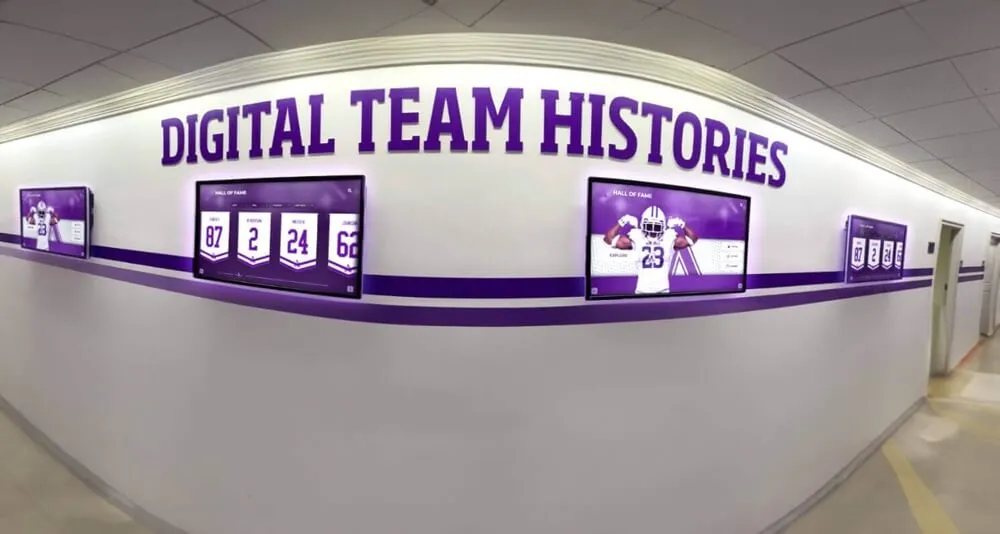
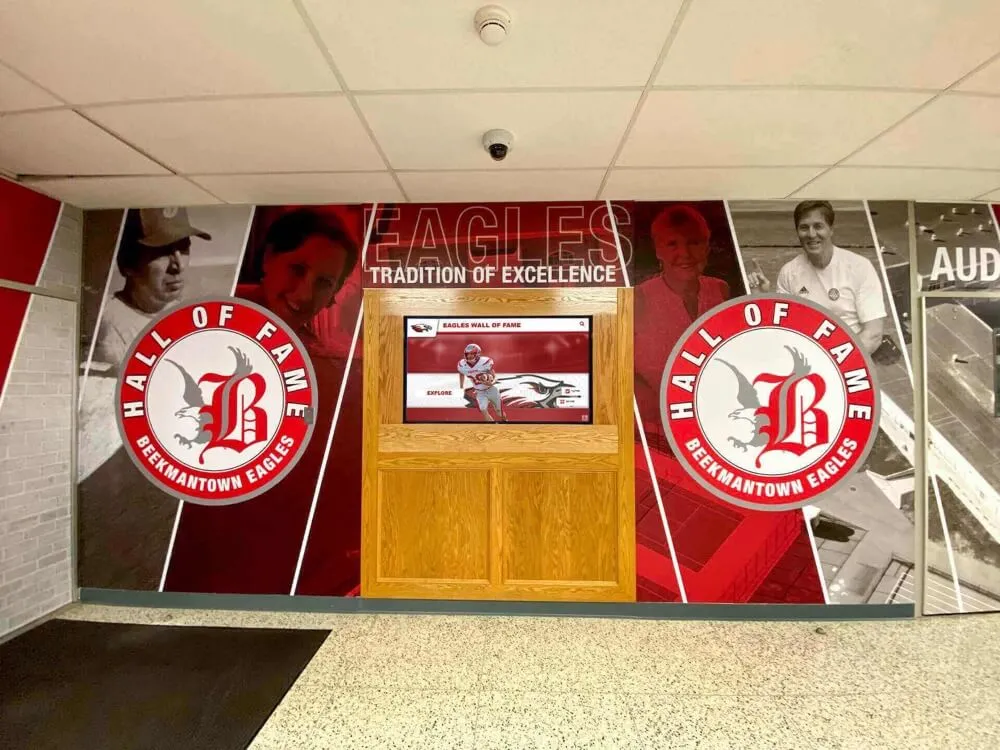
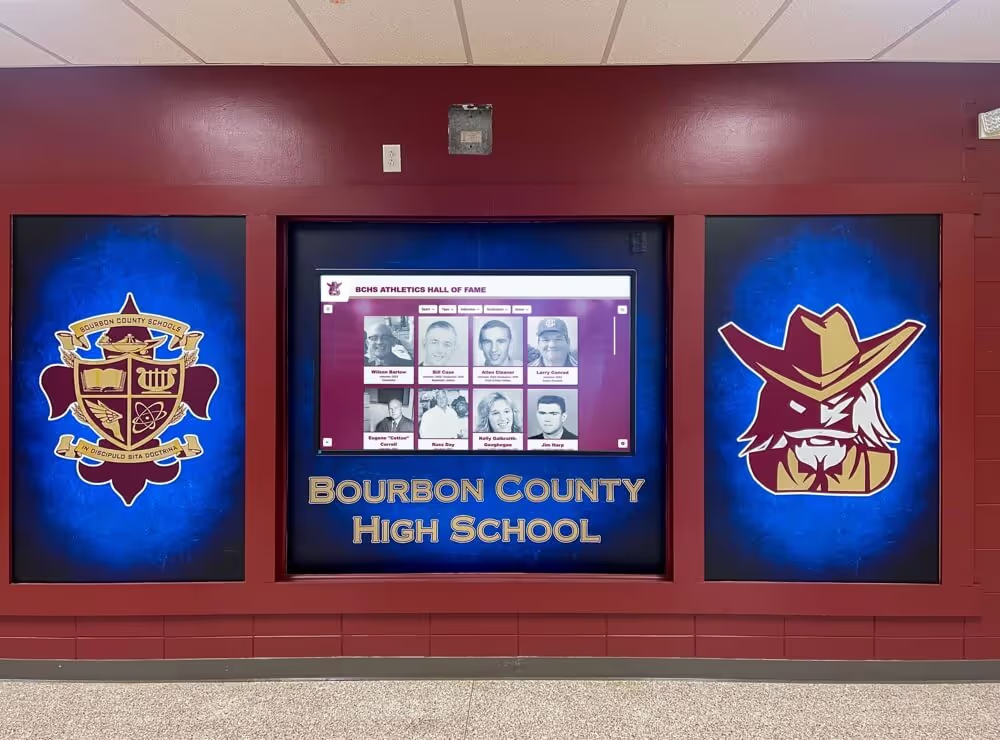
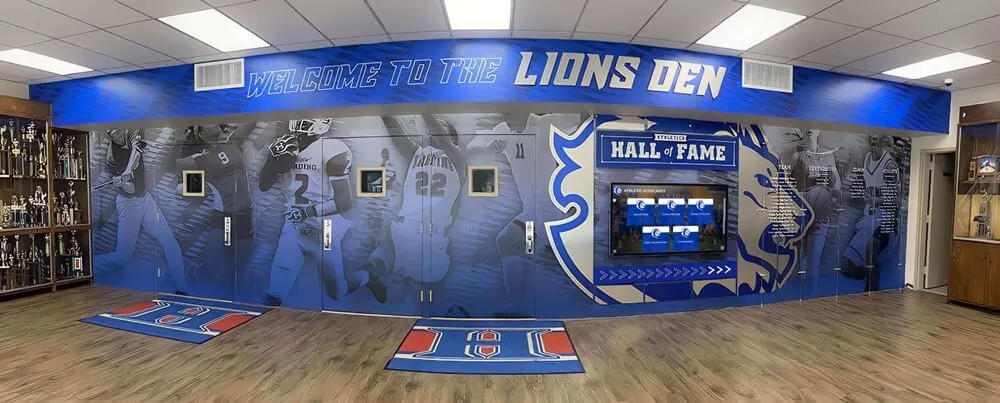
- Evaluate and implement recognition and display technology that modernizes how programs celebrate athletic achievement
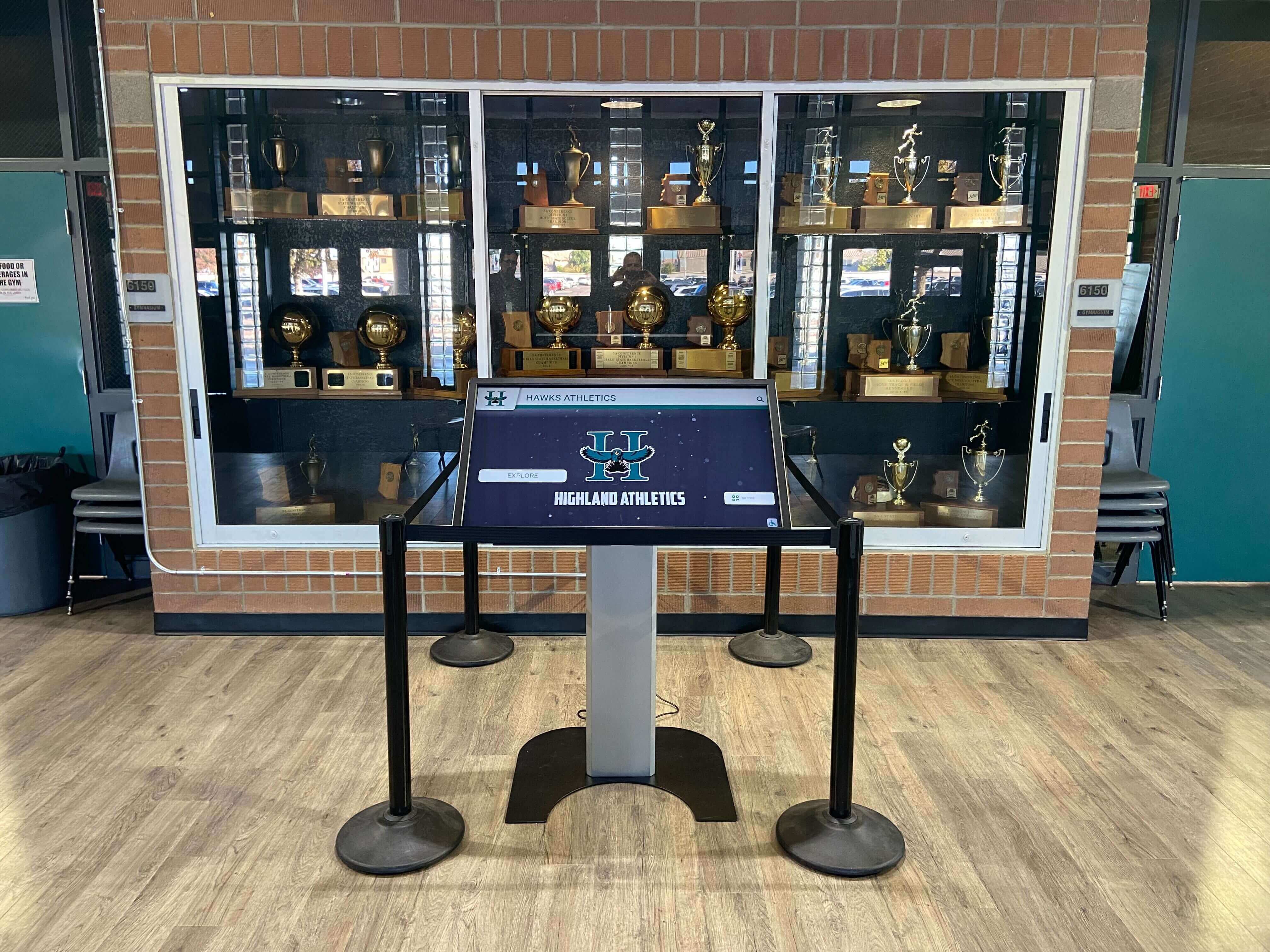
The digital hall of fame buying guide for high schools covers the full landscape of modern recognition technology options, helping athletic directors make informed investment decisions about systems that will serve programs for years. Understanding the full scope of available solutions—from interactive touchscreen walls to digital record boards—enables ADs to advocate for the right technology investments within their budget context.
Alumni Engagement and Development
The strongest athletic directors function as effective development officers for their programs, building relationships with former athletes, maintaining vibrant alumni communities, and creating authentic recognition experiences that motivate ongoing support. Alumni recognition events structured around genuine celebration—hall of fame inductions, milestone anniversary recognitions, championship commemorations—generate the kind of emotional connection that translates into financial generosity and volunteer engagement.
Schools at well-resourced levels specifically seek candidates with demonstrated fundraising and alumni relations experience. Archiving and displaying athletic program history digitally gives alumni tangible evidence that their contributions to the program are permanently honored—a powerful driver of continued support that forward-thinking ADs use to build sustained development programs.
How Athletic Directors Champion Recognition and School Culture
One of the most revealing questions in any athletic director search conversation is how candidates describe recognition—whether they see it as a perfunctory administrative obligation or as a meaningful leadership opportunity that shapes program culture.
The athletic director who understands recognition deeply knows that honoring past achievement does more than celebrate history. It communicates to current student athletes that their effort will be permanently remembered. It motivates alumni to maintain emotional investment in the program. It creates visible evidence of a culture worth joining for prospective student athletes and coaches evaluating where to commit their careers.

Designing recognition systems that feel meaningful rather than generic requires thoughtful attention to what specifically gets recognized and how. Sportsmanship award programs that celebrate character alongside competition create program values that persist across coaching changes and enrollment cycles. Programs that limit recognition to championship seasons miss the vast majority of student athlete contributions that actually build athletic culture.
The technology available for building recognition culture has evolved dramatically over the past decade. Division I athletics digital recognition systems once required institutional-scale budgets—but today’s platforms allow even modestly funded high school programs to create recognition environments that rival what major universities have traditionally built. Schools that transition from static trophy cases and aging plaques to interactive digital recognition systems consistently report that the shift changes how students, families, and visitors experience the athletic program.
Athletic directors who champion recognition initiatives also strengthen the broader case for program investment. When board members, superintendents, and community donors walk through facilities and see program history told compellingly—through interactive touchscreen walls, dynamic record boards, and professionally designed hall of fame displays—they experience the program’s value proposition in an immediate, visceral way that no budget report or athletic participation statistic can replicate.
Rocket Alumni Solutions builds touchscreen walls of fame, digital record boards, donor recognition displays, and comprehensive interactive recognition systems designed specifically for school athletic programs. Athletic directors who partner with Rocket gain a team that understands the specific constraints and aspirations of interscholastic programs—and can implement professional-grade recognition environments at schools of every size and budget level.
Building Your Path to Becoming an Athletic Director
Understanding the full picture of athletic director requirements allows aspiring administrators to build intentional career pathways rather than waiting for opportunity to arrive without preparation.
Career Progression Stages
Foundation building (years 0–5): Most athletic directors begin as student athletes who transition into coaching. Early career stages involve teaching, coaching one or more sports, and gradually accepting small administrative responsibilities—scheduling a specific sport’s contests, managing equipment inventories for a program, or coordinating logistics for a specific event. This stage builds credibility with coaches, practical familiarity with compliance fundamentals, and direct experiential understanding of what athletic departments require to operate.
Credential and specialization building (years 5–10): Aspiring ADs who have identified athletic administration as their career destination begin systematically pursuing formal credentials—completing graduate education if not already in progress, initiating NIAAA certification coursework, taking on assistant athletic director responsibilities when available, and building relationships within their state athletic association. This stage involves deliberately seeking experiences that address credential gaps, whether in compliance management, facilities oversight, budget administration, or personnel leadership.
Leadership demonstration (years 8–15): Candidates at this stage should be demonstrating leadership visible beyond their immediate program—serving on state association committees, presenting at professional development events, mentoring younger coaches and assistant administrators, and leading initiatives that create a documented track record of managing complex program challenges effectively. Building a professional reputation in this stage is what makes strong reference letters and peer advocacy possible in competitive searches.
Strategic leadership and advancement (year 15+): Senior ADs at this stage pursue larger programs, leadership roles within state and national organizations, and the most competitive searches that require extensive documented track records of program excellence, financial stewardship, and institutional leadership.

What Differentiates Top Candidates
Beyond meeting baseline athletic director requirements, the candidates who consistently succeed in competitive searches typically demonstrate one or more distinguishing capabilities:
Demonstrated program transformation — measurable evidence that a previous program improved under their leadership across competitive performance, participation numbers, financial health, facilities quality, or program culture in ways that go beyond normal year-to-year variation
Fundraising and development track record — documented success building donor relationships, leading campaigns, or creating sustainable booster structures that expanded program resources in meaningful and lasting ways
Recognition program leadership — evidence of intentional investment in athlete recognition and program identity, including modern digital recognition technology that elevates program culture and deepens alumni engagement for years after implementation
Professional network strength — meaningful, productive relationships within state and national athletic administration organizations that reflect genuine peer respect and professional investment over time
Compliance expertise — specific experience navigating complex compliance situations, conducting proactive equity audits, or leading program-wide compliance improvements that measurably reduced institutional risk
The best hall of fame tools for athletics programs have shifted the conversation about program investment from static trophy cases to dynamic digital recognition environments—and ADs who understand this shift and can advocate for modern recognition systems demonstrate a forward-thinking leadership perspective that search committees increasingly value.
Frequently Asked Questions About Athletic Director Requirements
What degree do you need to become a high school athletic director? Most high school athletic director positions require at minimum a bachelor’s degree in physical education, sports management, education, or a related field. Mid-size and larger schools commonly require or strongly prefer a master’s degree. Some states also require teaching certification or an educational administrator license as a legal prerequisite for employment in school administrative roles.
Is NIAAA certification required to become an athletic director? NIAAA certification is not universally required but is increasingly referenced as a preferred or required qualification, particularly at larger schools and in competitive searches. The Certified Athletic Administrator (CAA) credential is the most commonly listed NIAAA certification in job postings. Working toward CAA certification—and documenting that progress—strengthens applications even before the process is complete.
What leadership skills are most important for athletic directors? Hiring committees consistently prioritize communication and stakeholder management, budget development and financial oversight, conflict resolution and personnel management, strategic planning capability, and compliance expertise. The ability to build and sustain program culture—including through intentional athlete recognition—is increasingly treated as a core leadership competency rather than a supplemental nicety.
Do athletic directors need to have been coaches? Most athletic directors have coaching backgrounds, and prior coaching experience remains the most common pathway into athletic administration. However, candidates with backgrounds in athletic administration, facility management, or educational leadership who can demonstrate equivalent understanding of coaching culture and student athlete development have succeeded in the role without direct coaching histories.
What certifications should I pursue to become a more competitive athletic director candidate? Priority certifications include NIAAA’s CAA or documented progress toward it, current CPR/AED and First Aid credentials, state athletic association administrative credentials where available, and concussion management certification. Candidates targeting roles with significant facilities or financial management responsibilities should also consider relevant professional certifications in those specializations.
How important is experience with digital recognition systems? Experience with modern recognition technology is becoming an increasingly meaningful differentiator. Schools that have invested in digital hall of fame systems, interactive record boards, or touchscreen recognition walls want administrators who can manage and maximize these systems. Candidates who understand how to leverage recognition technology to strengthen program culture and deepen alumni engagement stand out in the searches where these systems already exist—and bring visible added value to schools that are evaluating whether to make these investments.
Athletic director requirements have never demanded more of candidates—or offered more meaningful opportunity for those who meet them. Schools across the country are investing in athletic programs that develop character alongside competition, build community relationships that outlast any single season, and create the kind of lasting memories that define what school experiences mean to everyone who passes through them.
For athletic directors ready to build programs that honor every athlete’s contribution, preserve decades of program history, and inspire the next generation of competitors, Rocket Alumni Solutions provides the digital recognition systems that make exceptional athletic culture visible and lasting. From interactive touchscreen walls of fame to dynamic digital record boards and donor recognition displays, Rocket helps athletic directors create the recognition environments that distinguish programs worth remembering.