



Key Takeaways
Comprehensive guide to finding athletic director jobs in 2026. Discover top job boards, networking strategies, required qualifications, resume tips, and proven methods to stand out in the competitive athletic administration field.
The role of athletic director has evolved dramatically over the past decade, transforming from primarily coaching coordination into a multifaceted leadership position demanding business acumen, technology fluency, compliance expertise, and community engagement skills. As schools and universities nationwide recognize athletics’ crucial role in student development and institutional identity, demand for qualified athletic directors continues growing—creating opportunities for aspiring professionals while intensifying competition for the most desirable positions.
Whether you’re a teacher-coach eyeing your first AD role, an assistant athletic director ready to lead your own program, or an experienced administrator seeking new challenges at larger institutions, navigating the athletic director job market requires strategic approaches that extend far beyond simply scanning job boards. This comprehensive guide reveals where to find the best athletic director openings, what qualifications truly matter to hiring committees, how to craft application materials that command attention, and proven strategies for standing out in competitive candidate pools—positioning you for success in securing the athletic director role that advances your career.
Understanding the Athletic Director Job Market in 2026
Before launching your job search, understanding current market dynamics, salary expectations, and institutional priorities helps you identify realistic opportunities while preparing compelling applications that address what schools actually need.
Current Demand and Market Trends
Athletic director positions across K-12 schools, community colleges, and universities demonstrate several notable trends shaping opportunities in 2026:
Increased Turnover Creating Opportunities: Research indicates that the average athletic director tenure has decreased from 8-10 years to 5-7 years over the past decade. This higher turnover stems from job complexity increases, burnout from expanding responsibilities, retirement of long-serving administrators from previous generations, and administrators moving to larger programs. For job seekers, increased turnover translates to more frequent openings.
Growing Emphasis on Revenue Generation and Fundraising: Schools at all levels increasingly expect athletic directors to secure funding through booster engagement, facility naming rights, corporate partnerships, community fundraising events, and grant applications. Job descriptions now commonly list development experience as preferred or required qualification, reflecting athletics’ evolution from purely educational function to revenue-critical institutional component.
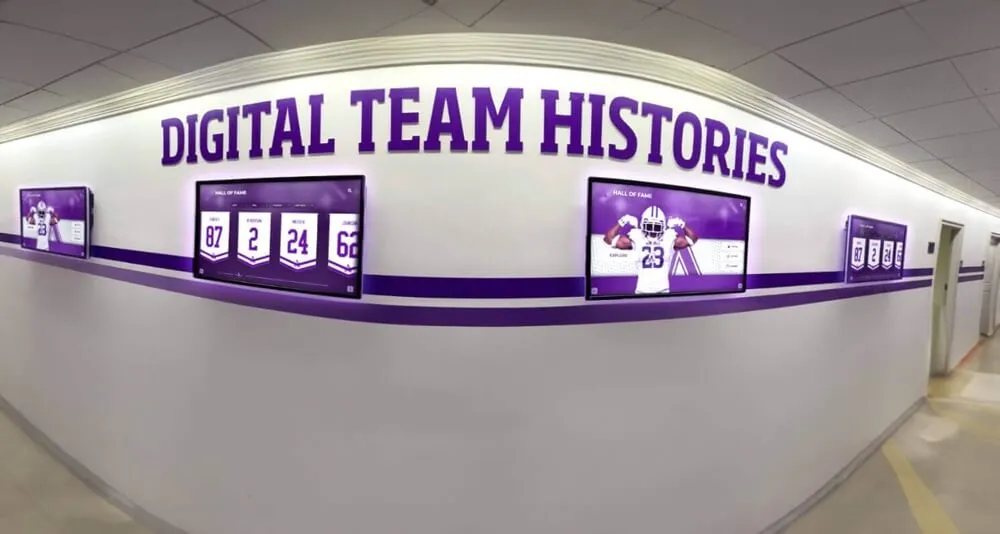
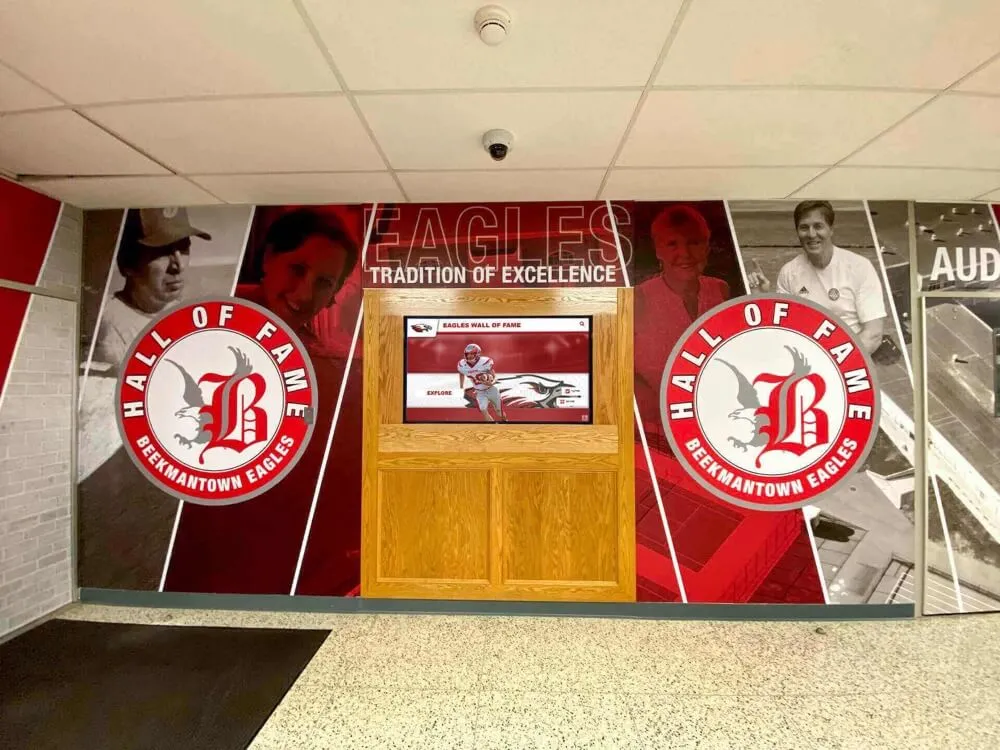
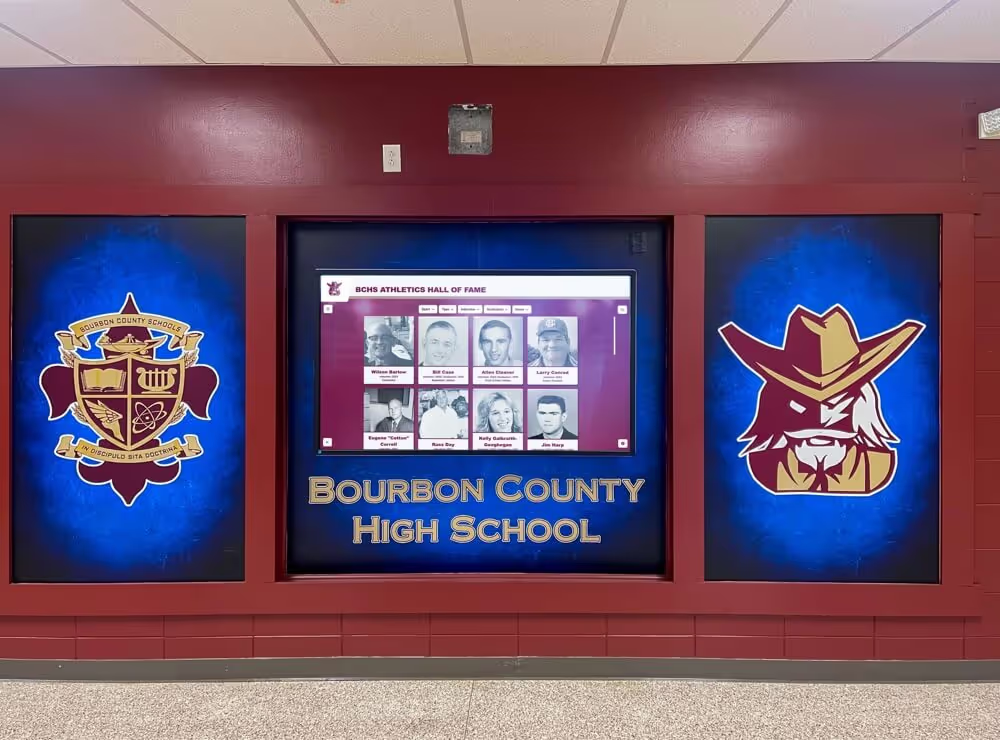
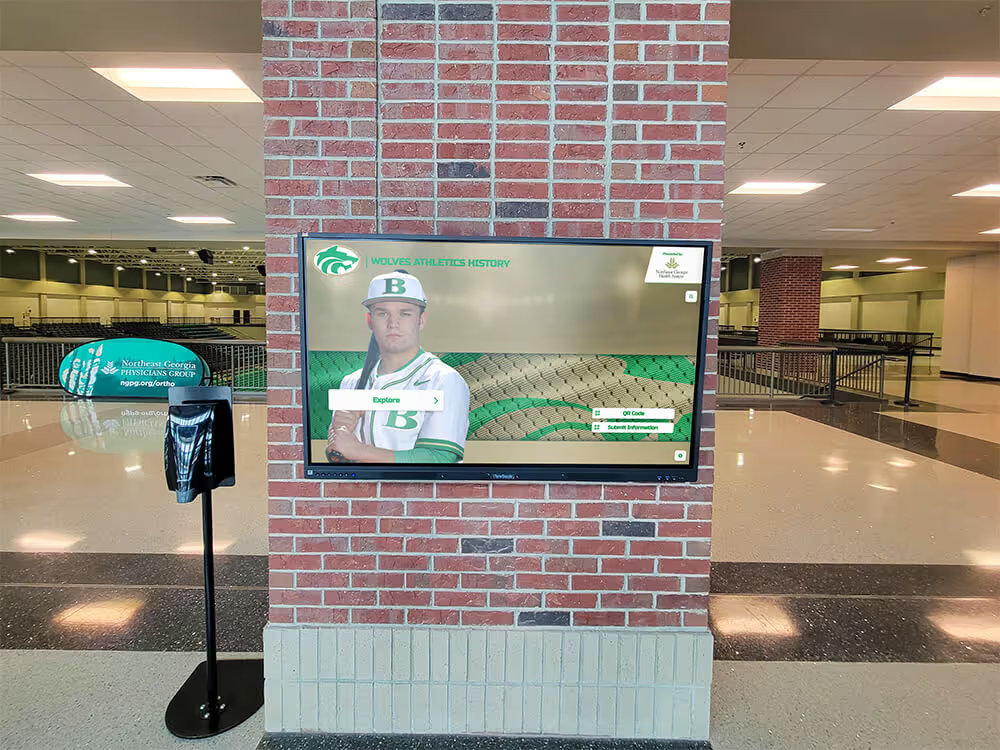
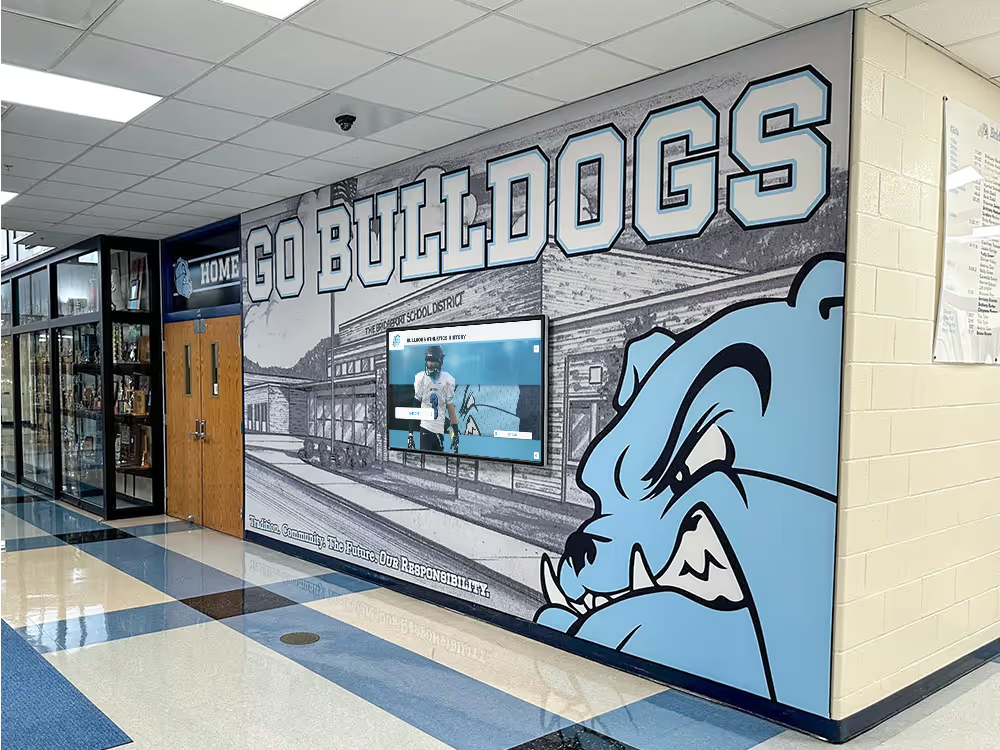
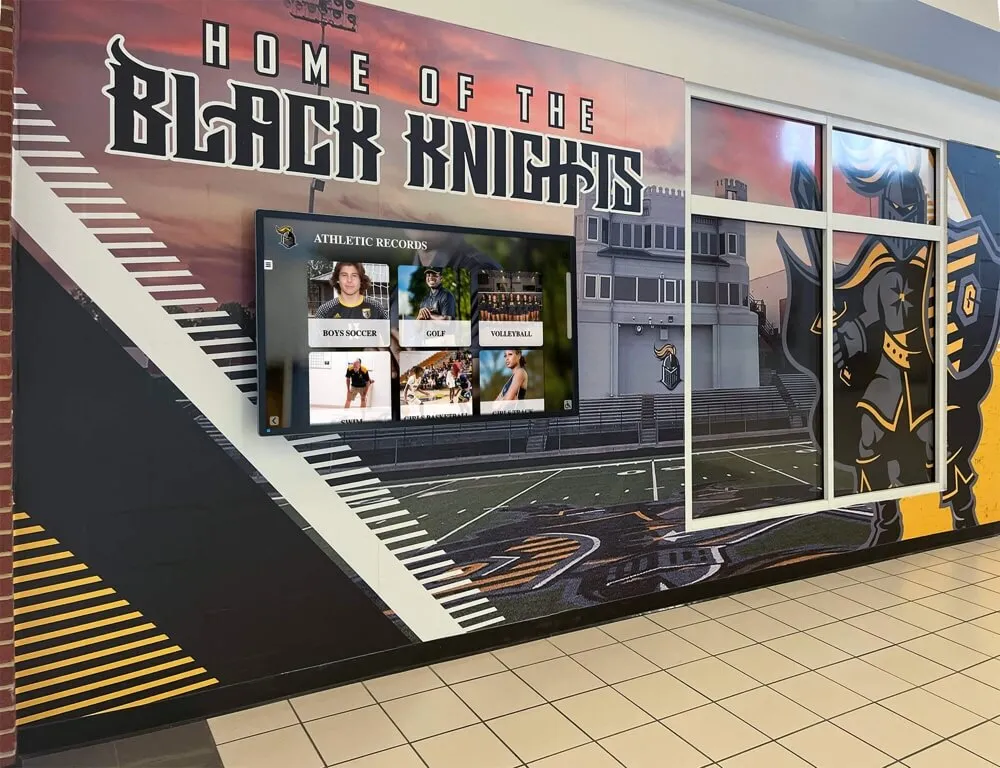
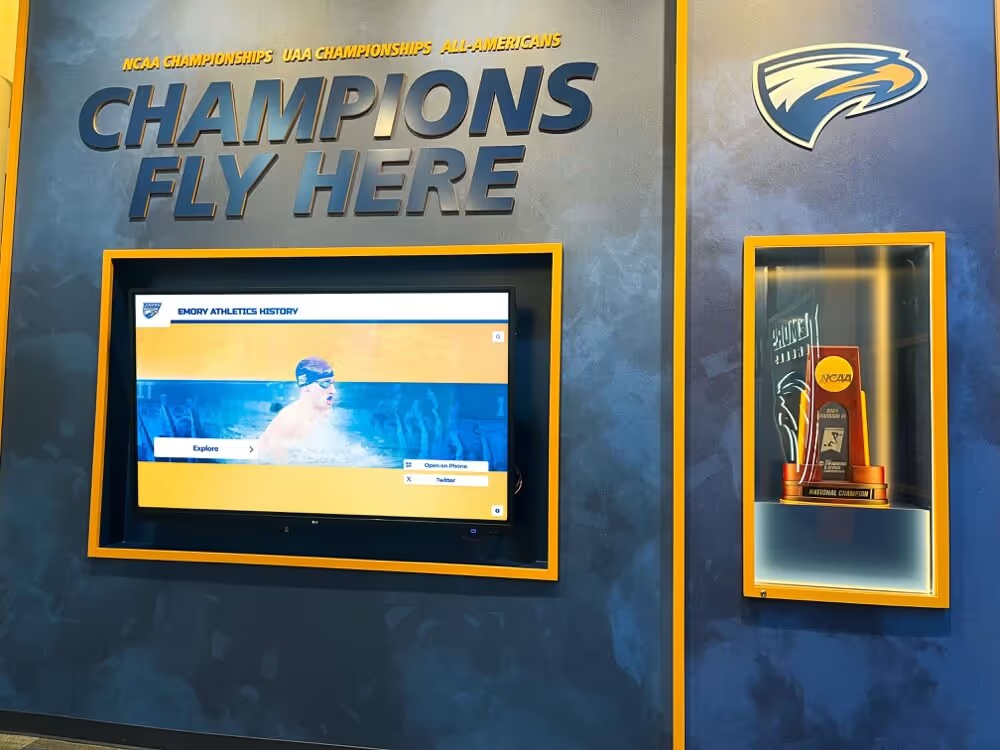
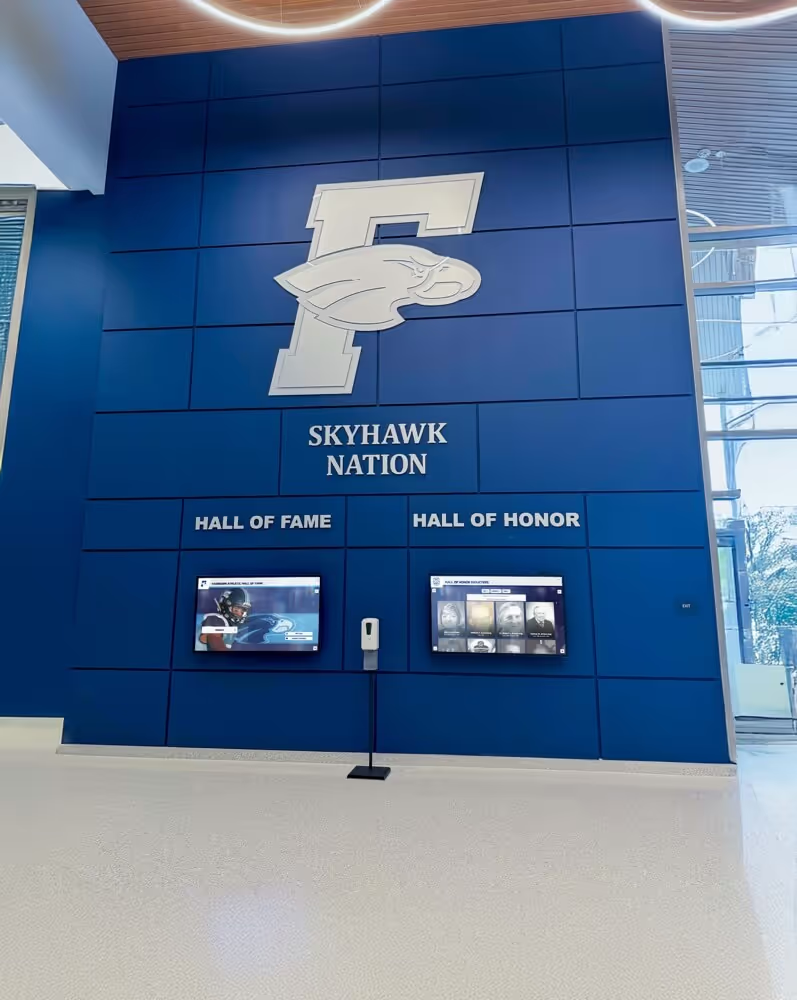
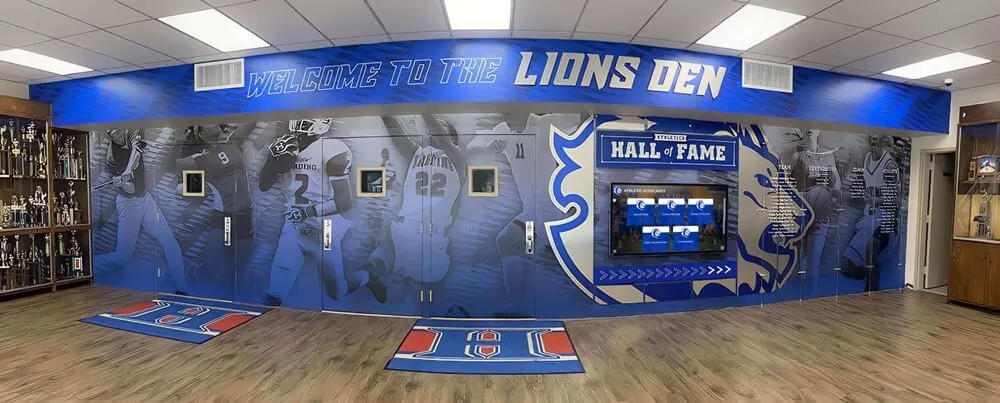
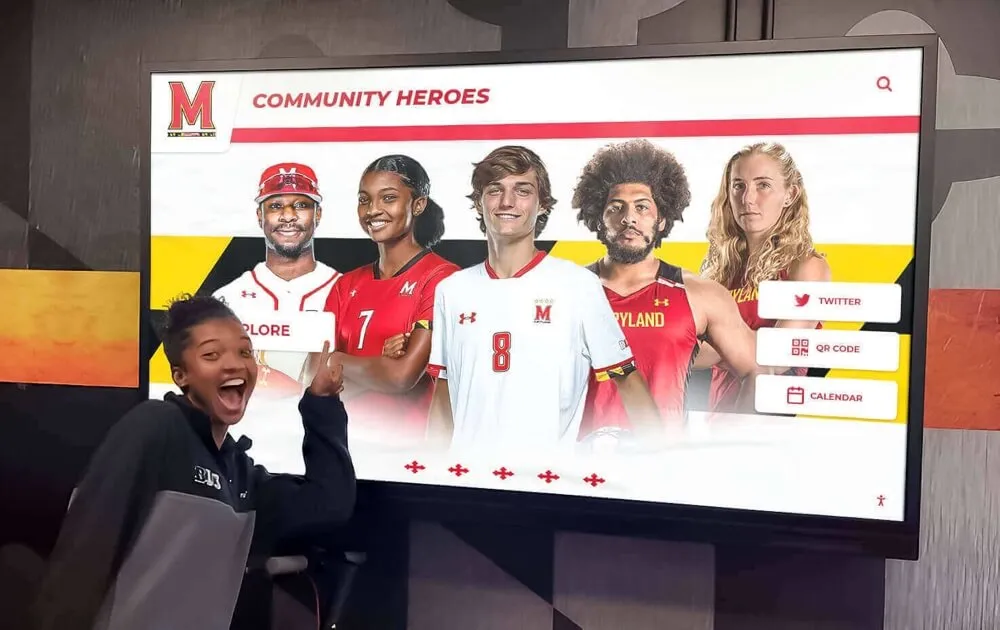
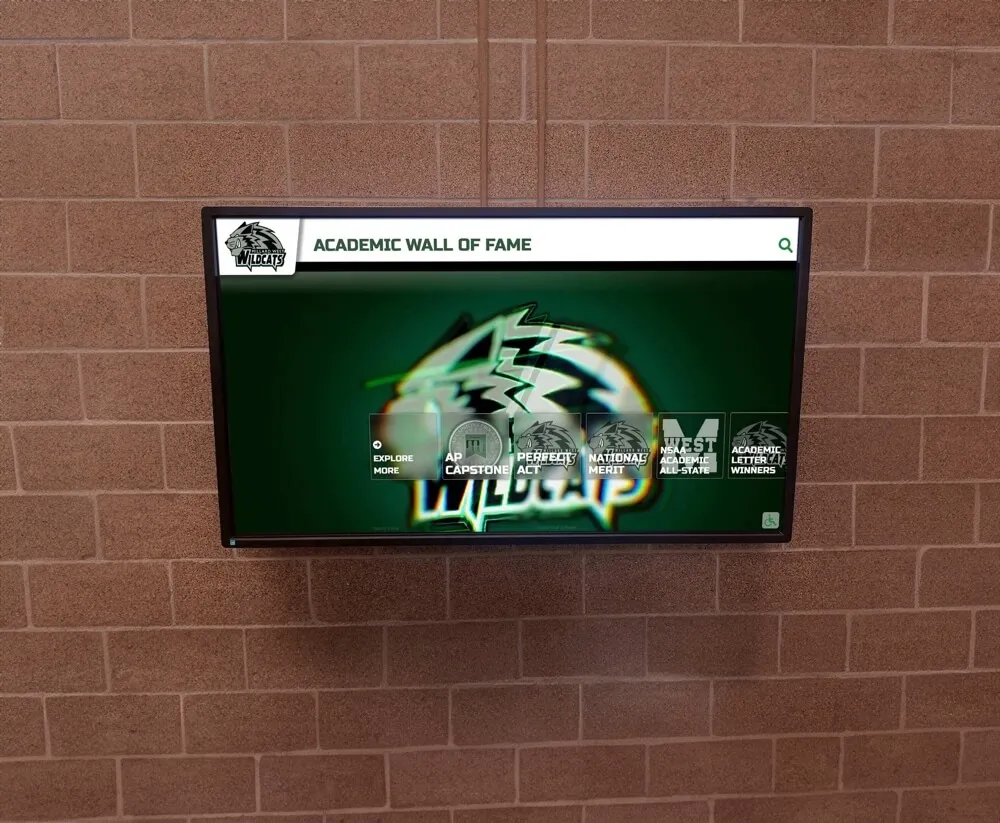
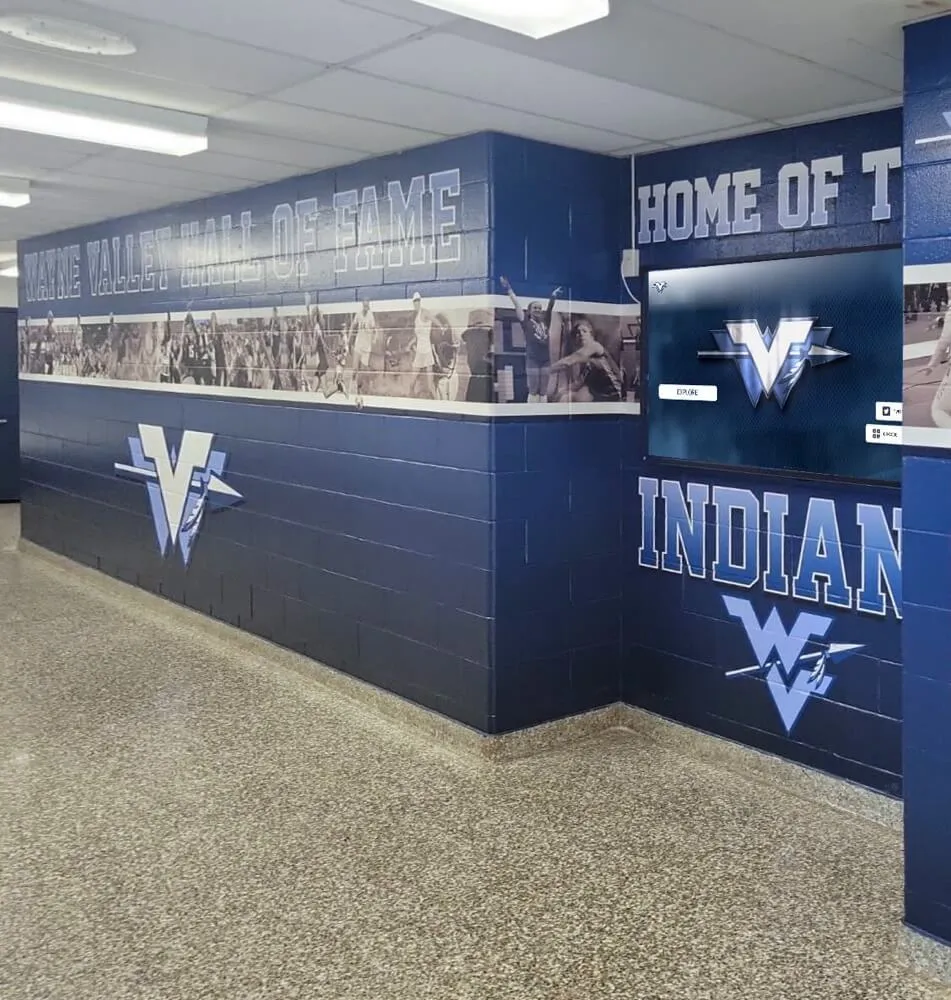
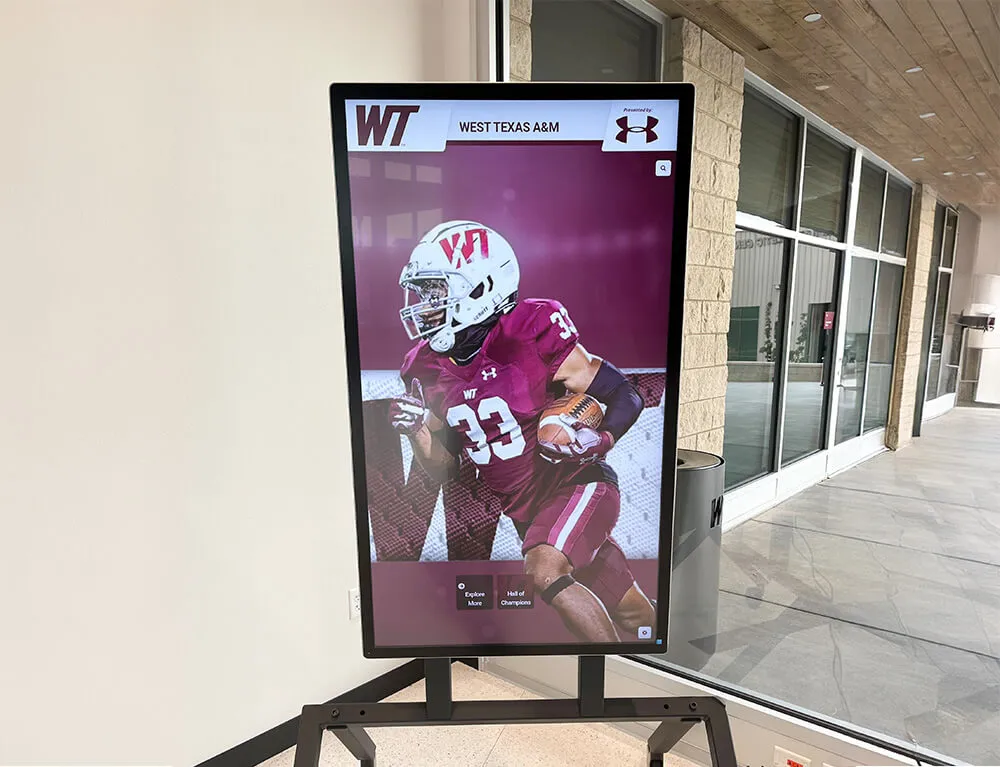
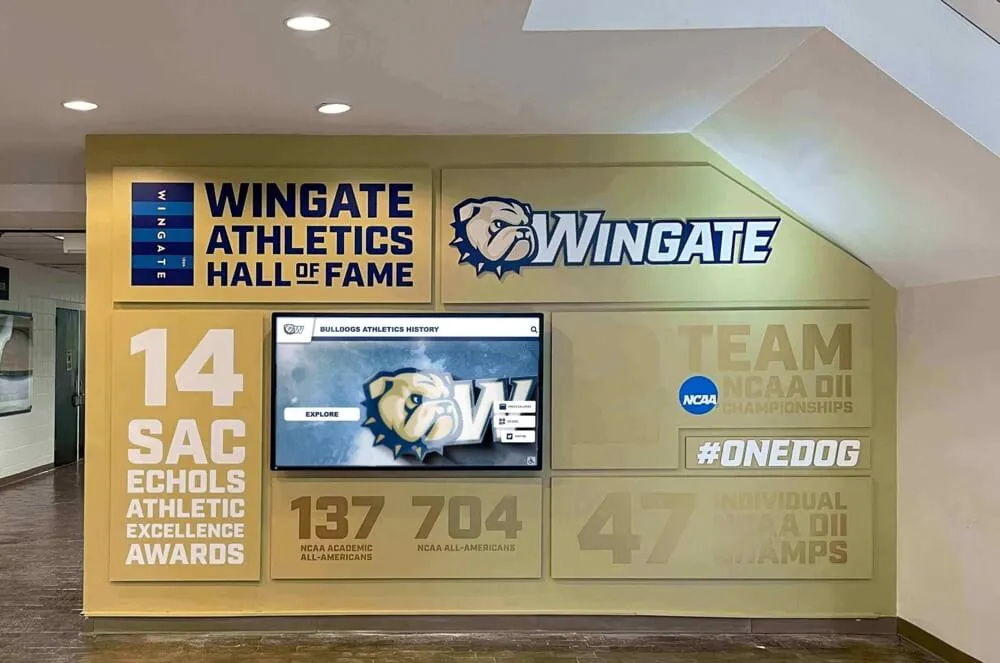
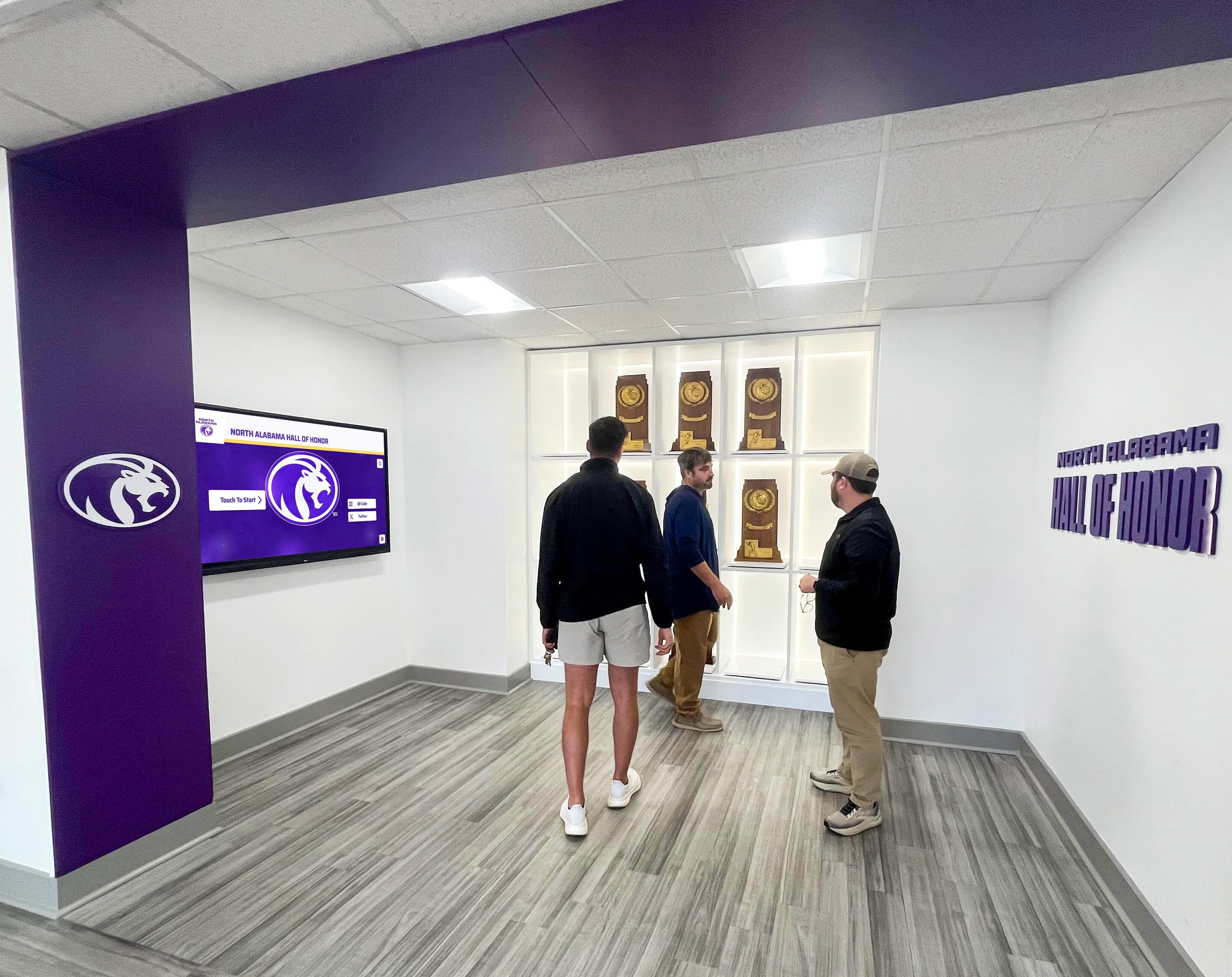
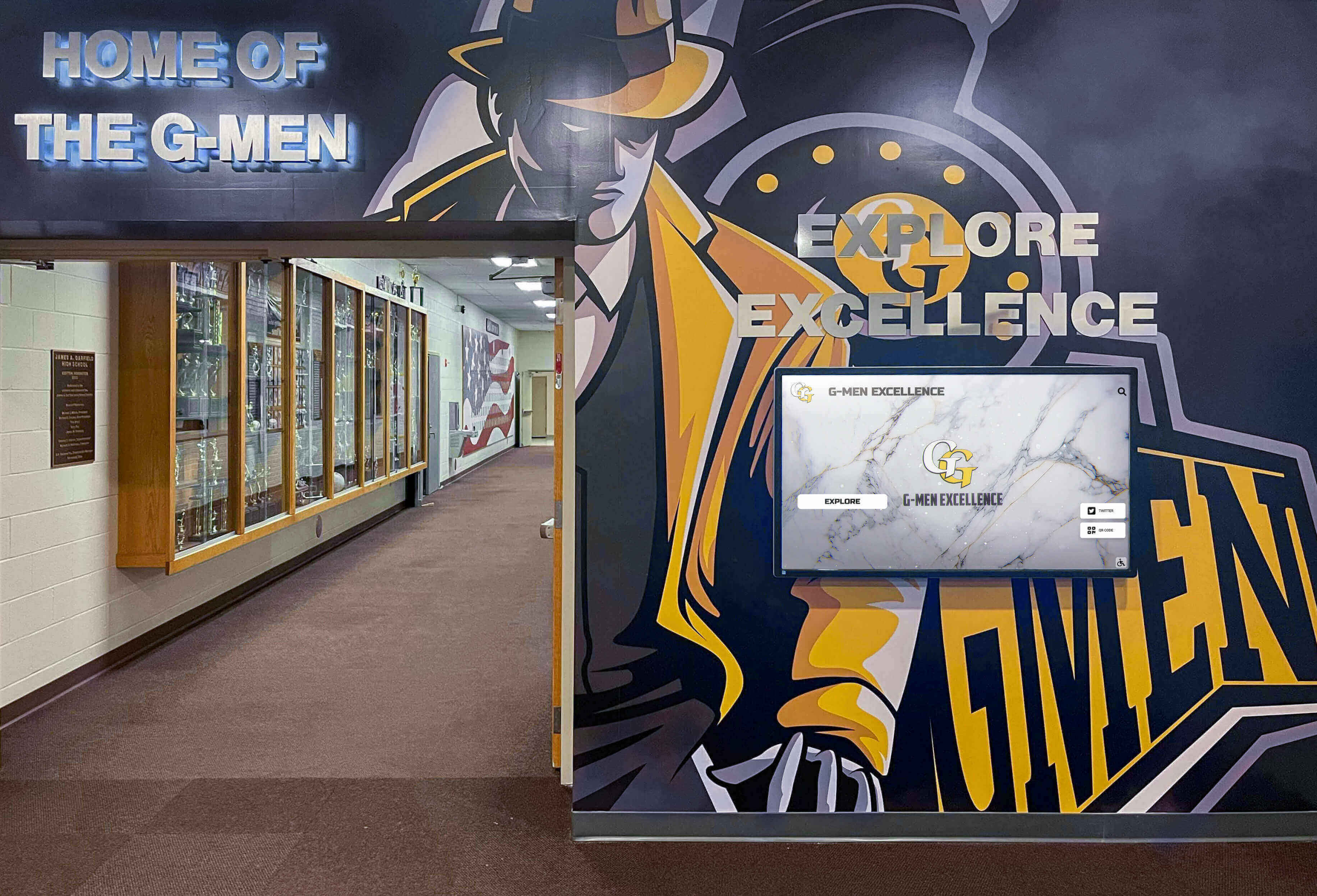
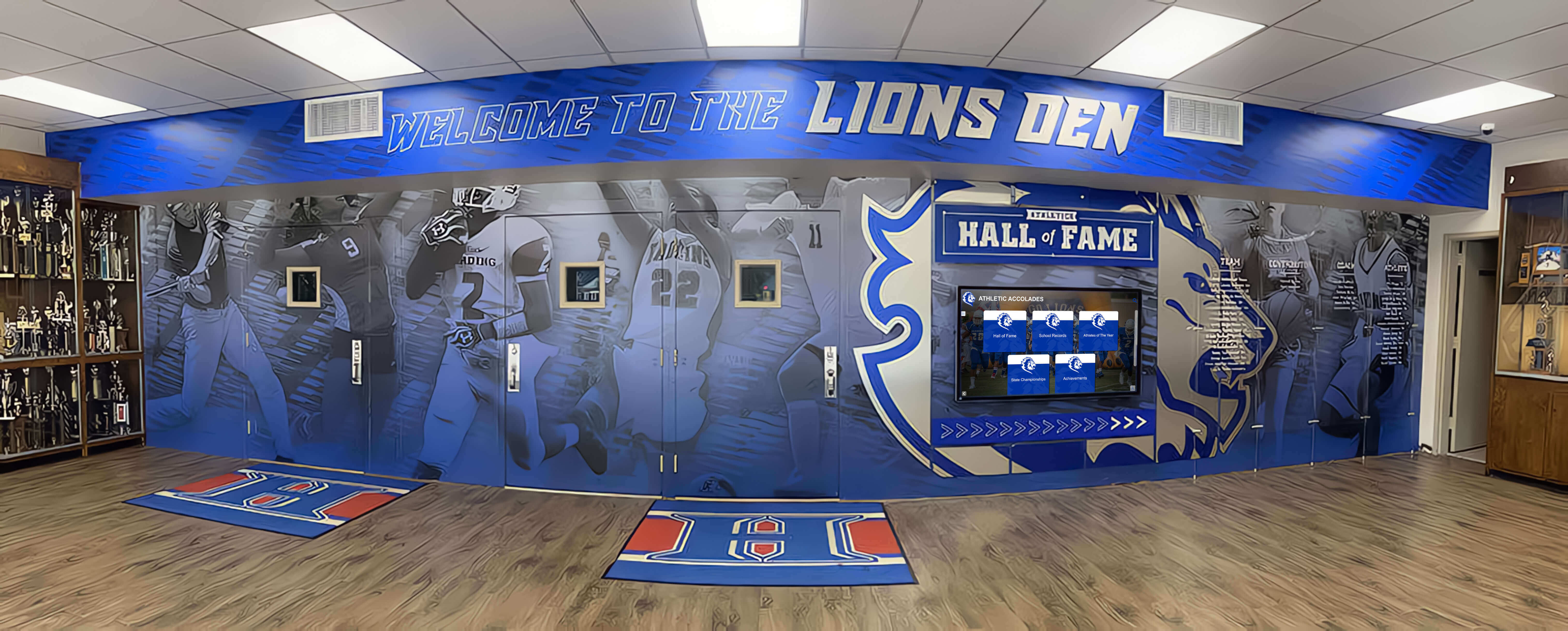
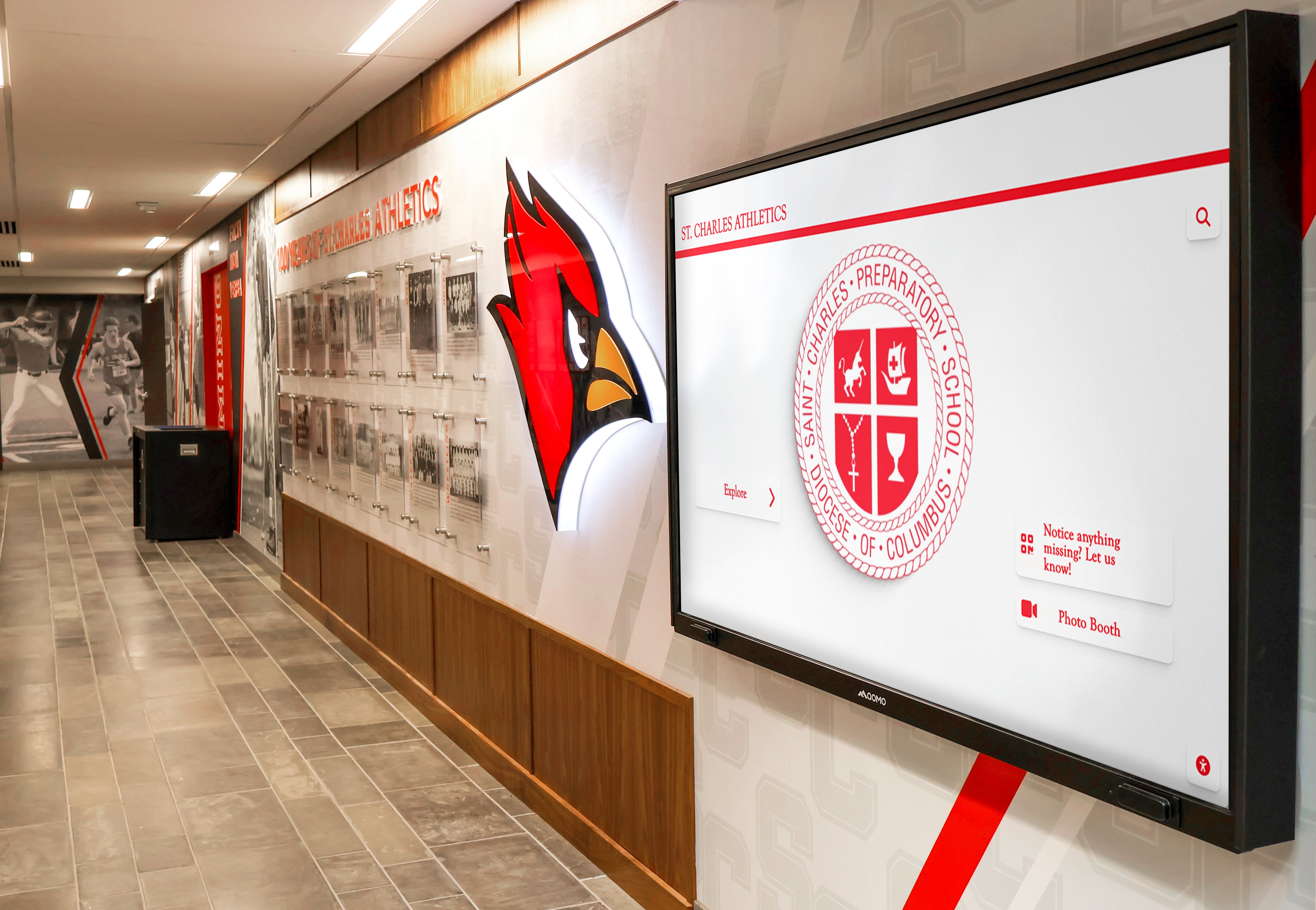
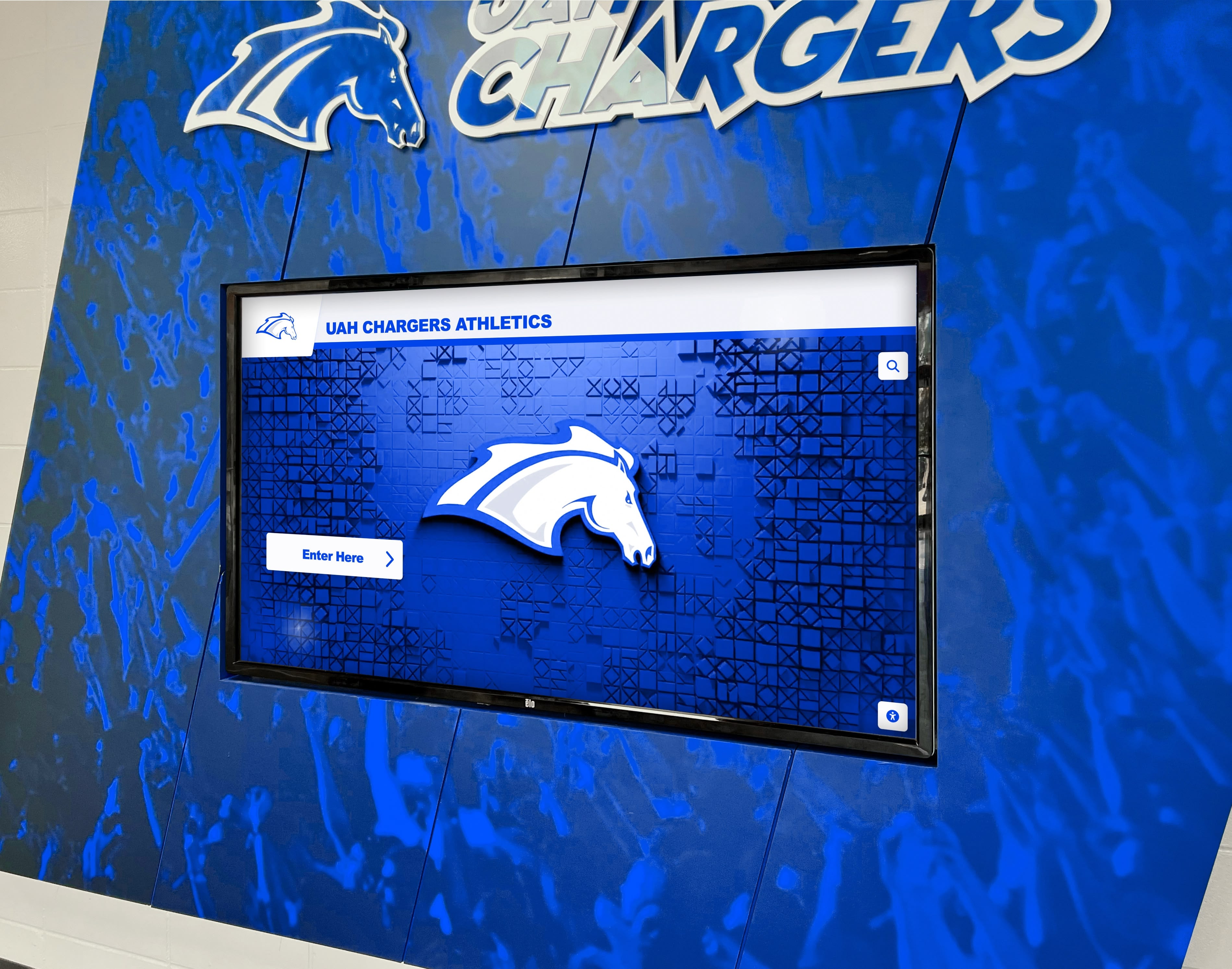
Technology Integration and Digital Transformation: Modern athletic directors must leverage technology for program management, compliance tracking, facility scheduling, communication platforms, recognition systems, and data analytics. Schools prioritize candidates demonstrating comfort with digital tools and ability to modernize traditional athletic department operations. Understanding modern solutions like digital recognition displays signals forward-thinking leadership approaches hiring committees value.
Compliance and Title IX Expertise Requirements: Regulatory complexity continues intensifying, particularly around Title IX gender equity, concussion protocols, eligibility verification, financial aid compliance for collegiate programs, and student safety requirements. Athletic directors carry personal and institutional liability for compliance failures, making demonstrated expertise increasingly critical qualification criteria.
Mental Health and Student-Athlete Wellness Focus: Contemporary athletic directors oversee comprehensive student-athlete wellness initiatives addressing mental health support, academic success resources, nutritional guidance, and injury prevention programs. Job candidates emphasizing holistic athlete development rather than purely competitive outcomes align with evolving institutional priorities.
Salary Expectations Across Different Levels
Compensation varies dramatically based on institutional level, geographic location, program size, and athletic department budget:
High School Athletic Directors: Salaries typically range from $55,000-$95,000 annually depending on school size and location. Smaller rural schools may offer $50,000-$65,000, while large suburban or urban high schools with extensive athletic programs commonly pay $75,000-$95,000. Many high school AD positions include teaching responsibilities with stipend-based athletic director compensation, typically $15,000-$30,000 beyond base teaching salary. High school positions rarely include performance bonuses, though some districts offer stipends for championship seasons or exceptional fundraising outcomes.
Community College Athletic Directors: Two-year college positions generally offer $65,000-$105,000 depending on institution size and whether athletics participate in NJCAA competition. Community college ADs typically focus entirely on athletic administration without teaching obligations, though smaller colleges may combine AD responsibilities with coaching specific sports.
Small College and Division III Athletic Directors: Private liberal arts colleges and Division III universities typically compensate athletic directors between $75,000-$125,000. These positions emphasize educational mission alignment and student-athlete academic success alongside competitive achievement, with limited or no athletic scholarships to manage.
Division II and FCS Athletic Directors: Mid-major universities competing in Division II or Football Championship Subdivision typically offer $90,000-$150,000 depending on program size, conference affiliation, and institutional budget. These positions involve scholarship management, NCAA compliance complexity, and increased pressure for competitive success.
Division I FBS and Major Conference Athletic Directors: Athletic directors at major universities competing in Power Five conferences earn $300,000-$1,500,000+ annually, with compensation reflecting program revenue generation, facility management oversight, coaching staff supervision, and institutional visibility. These elite positions represent career pinnacles rarely accessible without extensive experience progression through smaller programs.
Geographic Salary Variations: Cost of living and regional sports culture significantly impact compensation. Athletic director positions in California, Texas, Florida, and the Northeast typically offer higher salaries reflecting both living costs and intense athletic competition cultures, while positions in rural Midwest or Mountain West regions may offer lower nominal salaries that provide comparable purchasing power.
Where to Find Athletic Director Job Openings
Successful job searches utilize multiple channels simultaneously, as different schools advertise positions through varying platforms based on institutional type, region, and recruitment practices.
Specialized Athletic Administration Job Boards
Purpose-built platforms focusing specifically on athletic administration positions provide concentrated opportunities without noise from unrelated education or administrative roles:
NIAAA (National Interscholastic Athletic Administrators Association): The NIAAA job board at niaaa.org represents the premier resource for high school athletic director positions nationwide. Postings include detailed position descriptions, required qualifications, application procedures, and direct institutional contacts. NIAAA membership ($100-150 annually) provides unlimited job board access alongside professional development resources valuable throughout your career. Beyond job listings, NIAAA certification programs and conferences create networking opportunities that frequently lead to positions before public advertisement.
NCAA Market: For collegiate positions, the NCAA’s official job board lists athletic director openings across all divisions, conferences, and institutional types. The platform enables filtering by position level, division classification, geographic region, and application deadline—streamlining searches for candidates targeting specific opportunity types.
AFCA (American Football Coaches Association) and Sport-Specific Organizations: While primarily coaching-focused, organizations like AFCA, National Soccer Coaches Association, and National Federation of State High School Associations maintain job boards including athletic director positions, particularly at schools where football or specific sports drive athletic department identity and AD recruitment.
TeamWork Online: This comprehensive sports industry job board aggregates athletic director positions alongside coaching, marketing, operations, and business roles across professional sports, collegiate athletics, and high school programs. Advanced search filters enable targeting specific position types, geographic locations, salary ranges, and institutional characteristics.
HigherEdJobs: For college and university athletic director positions, HigherEdJobs provides comprehensive academic administration listings including detailed institutional information, application requirements, and position start dates. The platform’s filtering capabilities enable searching specifically for athletic director roles within desired geographic regions or institution types.
General Education Job Platforms
Broader education employment sites capture athletic director positions, particularly at public schools required to post openings on state or district systems:
State Education Department Job Systems: Most states maintain centralized job boards where public school districts must post all administrative positions including athletic directors. Examples include California’s EdJoin, Texas Education Agency job board, Florida Department of Education employment system, and state-specific platforms. These systems guarantee comprehensive coverage of public school positions within specific states, though navigation and search functionality varies significantly between platforms.
SchoolSpring and K12JobSpot: These national K-12 school job boards aggregate positions from thousands of districts, enabling geographic searches across multiple states simultaneously. While including numerous non-athletic administrative roles, filtering by “athletic director” or “director of athletics” effectively narrows results to relevant opportunities.
Indeed, LinkedIn, and General Employment Platforms: Major job aggregation sites capture many athletic director postings through automated collection from institutional websites and other sources. However, these platforms require careful searching and filtering to separate relevant athletic director positions from coaching roles, teaching positions with coaching components, and unrelated administrative jobs.

Direct Institutional Websites and Networking Channels
Many of the most desirable athletic director positions never appear on job boards, filled instead through internal promotion or network-based recruitment:
Target School and District Career Pages: If specific institutions or geographic regions particularly interest you, regularly checking their employment pages directly captures openings immediately upon posting—often days or weeks before distribution to job boards. Create a monitoring spreadsheet listing target schools with website links, checking weekly for new postings.
State Athletic Association Connections: State high school athletic associations (IHSA in Illinois, UIL in Texas, CIF in California, etc.) maintain extensive networks with member school athletic directors. Attending state association conferences, volunteering for committees, and building relationships with state office staff creates visibility and insider knowledge about upcoming openings before public announcement.
Conference and Regional Association Networking: Collegiate athletic conferences and regional high school associations host regular meetings, championships, and professional development events where athletic directors connect and discuss programs. Active participation in these communities positions you to learn about opportunities through informal channels while building relationships with colleagues who may recommend you for positions.
Professional Association Conferences: NIAAA conferences, NCAA convention programming for athletic administrators, and state-level AD association meetings create concentrated networking opportunities where relationships leading to future positions develop naturally. Job seekers who actively engage in sessions, volunteer for association committees, and build genuine professional relationships gain tremendous advantages over candidates relying exclusively on formal application processes.
LinkedIn Networking and Following Target Institutions: LinkedIn enables following specific schools, athletic conferences, and athletic directors, providing feeds with updates including position announcements. Proactively connecting with athletic directors at aspirational institutions, engaging meaningfully with their content, and building authentic relationships creates opportunities for informal conversations about career progression and future openings. Many experienced professionals identify networking through recognition events as crucial career development strategy.
Timing Considerations and Application Cycles
Understanding when positions typically open helps you prepare applications and monitor opportunities strategically:
High School Athletic Director Hiring Cycle: Most high school positions post between January and May for July start dates aligning with fiscal years and new school year preparation. However, mid-year openings occur when athletic directors accept other positions, retire unexpectedly, or face termination. Maintaining consistent job search activity throughout the year rather than limiting searches to traditional hiring seasons captures both planned and unexpected opportunities.
Collegiate Athletic Director Recruitment Timeline: College and university searches typically begin 6-12 months before desired start dates, with formal search committee processes involving multiple interview rounds, campus visits, and extensive vetting. Serious candidates should apply immediately upon position posting rather than waiting until deadlines, as review processes often begin before official application closure dates.
Essential Qualifications and Requirements for Athletic Director Positions
While specific requirements vary between institutions and position levels, certain qualifications appear consistently across nearly all competitive athletic director opportunities:
Educational Requirements and Preferred Credentials
Bachelor’s Degree (Minimum): Nearly all athletic director positions require minimum four-year degrees, though specific major requirements vary. Common degree backgrounds include physical education, kinesiology, sports management, educational administration, business administration, and general education with coaching endorsements. High school positions typically require teaching certification even when AD roles don’t include classroom responsibilities, reflecting state administrative credential requirements and institutional preferences for administrators understanding educational contexts from teaching experience.
Master’s Degree (Strongly Preferred or Required): Graduate degrees significantly enhance candidacy, particularly for larger programs and collegiate positions. Relevant master’s programs include educational leadership with athletic administration emphasis, sports management or administration, business administration (MBA) with sports focus, and kinesiology with administrative track. Many states now require educational leadership master’s degrees for administrative credentials necessary to hold athletic director titles in public schools.

Administrative Certifications: Professional certifications demonstrate commitment to athletic administration while providing practical knowledge hiring committees value:
NIAAA Leadership Training Courses (LTC): The Leadership Training Course series includes five levels addressing athletic administration fundamentals, human relations, personnel management, program organization, and contemporary issues. Completing multiple LTC levels (particularly CAA - Certified Athletic Administrator requiring LTC completion plus experience and education requirements) substantially strengthens high school AD candidacy.
State-Specific Athletic Administrator Licenses: Many states require specific administrative credentials for public school athletic director positions. Understanding and obtaining relevant state certifications for target geographic regions removes barriers preventing consideration regardless of other qualifications.
Sport-Specific Certifications: Coaching certifications, officials’ licenses, and sport safety credentials (concussion training, first aid, AED, CPR) demonstrate hands-on program understanding and regulatory compliance knowledge.
Professional Experience That Matters
Beyond credentials, specific experience types significantly strengthen athletic director applications:
Assistant Athletic Director Experience: Direct athletic administration experience, even in assistant or associate roles, provides tremendous advantages over candidates whose backgrounds include only teaching and coaching. Schools prefer candidates familiar with scheduling, eligibility management, facility oversight, budget administration, and compliance requirements rather than learning these responsibilities entirely on the job. If possible, seek assistant AD roles or volunteer for administrative responsibilities within current positions to build relevant experience before pursuing head AD positions.
Coaching Experience Across Multiple Sports: Athletic directors supervising diverse coaching staffs benefit from personal coaching experience understanding sport-specific challenges, seasonal demands, and coaching perspectives. Multi-sport coaching background demonstrates versatility and relationship-building capacity across different athletic communities. Candidates whose experience spans different sport types (individual versus team sports, fall versus spring versus winter seasons) show broader program understanding than single-sport specialists.
Teaching Experience in Educational Settings: For school-based athletic director positions, classroom teaching experience provides credibility with faculty colleagues, understanding of educational mission beyond athletics, and demonstrated ability to work with adolescent populations. Teaching experience also fulfills certification requirements in states requiring instructional background for administrative positions. When applying to institutions emphasizing academic-athletic balance, highlighting teaching accomplishments alongside coaching success demonstrates appropriate priority alignment.
Budget and Financial Management Experience: Athletic directors manage substantial budgets requiring skills in financial planning, expenditure tracking, procurement processes, fundraising coordination, and fiscal accountability. Experience demonstrating financial stewardship—whether through departmental budget management, booster coordination, fundraising campaign leadership, or grant administration—addresses common hiring committee concerns about candidates’ readiness for fiscal responsibilities.
Facility Management and Capital Projects: Overseeing athletic facility maintenance, coordinating renovations, managing construction projects, and planning facility improvements represent significant AD responsibilities. Experience with facility planning, vendor management, and capital fundraising campaigns strengthens applications, particularly for positions at schools contemplating facility improvements or managing aging athletic infrastructure. Understanding modern facility enhancement options demonstrates forward-thinking approaches to program development.
Compliance and Eligibility Management: Schools prioritize candidates demonstrating thorough understanding of eligibility requirements, transfer rules, recruiting regulations (for collegiate programs), Title IX compliance, and state or national association policies. Experience serving on eligibility committees, managing compliance documentation, or handling complex eligibility situations provides concrete evidence of essential expertise.
Interpersonal and Leadership Competencies
Technical qualifications alone prove insufficient without interpersonal skills enabling effective program leadership:
Communication Excellence: Athletic directors constantly communicate with diverse constituencies—coaches, student-athletes, parents, administrators, community members, media representatives, and booster organizations. Effective written communication for policies, updates, and formal correspondence combines with public speaking capabilities for parent meetings, booster presentations, and community events. During application processes, every interaction with hiring committees demonstrates communication capabilities that predict on-the-job effectiveness.
Conflict Resolution and Problem-Solving: Athletic programs generate inevitable conflicts—parent complaints about playing time, coaching staff disagreements, eligibility disputes, scheduling conflicts, and resource allocation tensions. Successful athletic directors navigate these challenges diplomatically while maintaining program integrity, relationships, and focus on student-athlete welfare. Interview responses addressing how you’ve handled difficult situations reveal conflict resolution approaches critical for AD success.
Relationship Building and Stakeholder Management: Athletic director effectiveness depends heavily on relationship quality with principals or university presidents, booster club leaders, facility management staff, community partners, media representatives, and athletic colleagues at other institutions. Candidates demonstrating genuine relationship investment and collaborative approaches to program advancement align with contemporary AD role requirements far more than authoritarian leadership styles.
Strategic Vision and Program Development: Hiring committees seek athletic directors who think beyond day-to-day operations to long-term program vision, strategic planning, continuous improvement, and innovation adoption. Application materials should demonstrate instances where you’ve identified program enhancement opportunities, developed strategic initiatives, secured resources for improvements, and achieved measurable progress toward ambitious goals.
Crafting Application Materials That Stand Out
Even supremely qualified candidates secure interviews only when application materials effectively communicate their capabilities, accomplishments, and potential value to prospective employers.
Writing a Compelling Athletic Director Resume
Your resume must balance comprehensive credential documentation with concise presentation enabling busy hiring committees to quickly assess your qualifications:
Strategic Document Structure: Rather than chronological employment history requiring reviewers to extract relevant information, organize resumes around competency themes aligning with athletic director role requirements. Consider section structure including:
- Professional Summary: 3-4 sentence overview positioning you as qualified candidate and highlighting unique value proposition
- Core Competencies: Bulleted list of key skills and areas of expertise (Athletic Program Leadership, Budget Administration, Compliance Management, Facility Oversight, etc.)
- Professional Experience: Position-by-position history with achievement-focused bullet points rather than duty descriptions
- Education and Credentials: Degrees, certifications, professional development highlighting qualifying credentials
- Professional Involvement: Association memberships, conference presentations, committee service demonstrating ongoing professional engagement
Achievement-Focused Position Descriptions: Rather than listing job responsibilities (“Managed athletic department budget” or “Supervised coaching staff”), emphasize specific accomplishments with quantifiable results demonstrating impact:
- “Increased athletic department revenue by 32% over three years through enhanced corporate sponsorship program and community fundraising initiatives”
- “Reduced athletic program operating costs by $45,000 annually through strategic scheduling optimization and vendor contract renegotiation while maintaining program quality”
- “Led comprehensive Title IX compliance review resulting in successful state audit, improved equity metrics, and expanded opportunities for female student-athletes”
- “Secured $1.2M in grants and donations funding athletic facility renovations including competition gymnasium upgrades and new strength training center”
- “Reduced athletic-related disciplinary incidents by 60% over two years through implementation of comprehensive student-athlete conduct expectations and support systems”
Quantified achievements provide concrete evidence of capabilities and results rather than generic responsibility claims any candidate might make.
Keyword Optimization for Applicant Tracking Systems: Many larger school districts and universities utilize applicant tracking systems (ATS) screening resumes before human review. Ensure your resume includes keywords and phrases appearing in job descriptions—specific software platforms mentioned, required certifications by exact name, and competency language matching institutional priorities. However, avoid simply copying position descriptions verbatim, as this appears insincere and doesn’t differentiate your candidacy.
Developing Persuasive Cover Letters
Generic cover letters reciting resume content waste opportunities to make compelling cases for your specific candidacy. Effective letters demonstrate genuine interest in particular positions while addressing institutional needs with relevant experience:
Customization Demonstrating Institutional Knowledge: Research target schools thoroughly before writing, incorporating specific information about their athletic programs, recent achievements, stated challenges, or strategic initiatives. References to “your school’s recent state championship in girls’ soccer” or “the facility improvement priorities outlined in your strategic plan” demonstrate genuine interest and serious candidacy versus mass application approaches.
Addressing Position Requirements Directly: Identify 3-4 most critical qualifications or challenges mentioned in job descriptions, then provide specific examples demonstrating your relevant experience addressing exactly those needs. If position descriptions emphasize fundraising, Title IX compliance, and multi-sport coaching experience, your cover letter should include concrete examples of your accomplishments in precisely those areas rather than generic career overview.
Showing Rather Than Telling: Instead of claiming “I am an excellent communicator with strong leadership skills,” provide specific examples illustrating these qualities through your actions and results: “When faced with community concerns about proposed schedule changes affecting youth sports, I organized a series of listening sessions with recreation departments and youth organizations, ultimately developing a collaborative solution that improved facility utilization by 35% while strengthening community partnerships.”
Professional Yet Personal Tone: While maintaining professional language and formal business letter format, effective cover letters allow some personality and authentic voice demonstrating you as a real person rather than generic administrator. Brief references to what drew you to athletic administration, what excites you about prospective institutions, or why specific position opportunities align with your career goals create connection beyond credential documentation.
Preparing Portfolio Materials and Supporting Documentation
Beyond required application documents, proactive candidates prepare supplemental materials demonstrating capabilities and accomplishments:
Professional Portfolio: Compile digital portfolio (on personal website or PDF document) including:
- Program Development Examples: Documents showing strategic plans you’ve developed, program evaluation reports, or improvement initiatives you’ve led
- Budget Materials: Sample budget documents (appropriately anonymized) demonstrating financial management capabilities
- Communication Examples: Newsletters, policy documents, presentation materials showcasing professional communication quality
- Media Coverage: Articles or features about programs you’ve led or achievements you’ve coordinated
- Reference Letters: Proactive collection of recommendation letters from superintendents, principals, coaches, and colleagues creates immediately available endorsements
Digital Presence and Online Reputation: Hiring committees routinely Google candidates and review social media profiles. Ensure your LinkedIn profile presents polished professional image, clean up questionable social media content or adjust privacy settings, consider developing professional website or online portfolio showcasing your background and philosophy, and create digital presence reflecting the professionalism and judgment expected of athletic directors. Many successful administrators maintain professional engagement platforms demonstrating their commitment to modern athletic program management.
Philosophy Statement: Prepare concise (1-2 page) athletic director philosophy statement articulating your core values, leadership approach, priorities for athletic program development, and vision for what excellent athletic programs achieve beyond competitive success. This document serves multiple purposes—clarifying your own thinking about athletic administration, providing material for application essays or interview responses, and offering optional supplement demonstrating thoughtfulness about the role.
Interviewing Successfully for Athletic Director Positions
Securing interviews represents significant accomplishment, but converting interview opportunities into job offers requires careful preparation and strategic approach:
Common Interview Questions and Effective Responses
Athletic director interview processes typically include similar question categories, allowing advance preparation of thoughtful responses:
Leadership Philosophy Questions:
- “Describe your leadership style and how it would benefit our athletic program”
- “How do you balance competitive excellence with educational mission?”
- “What makes an athletic program truly successful in your view?”
Effective responses: Articulate clear leadership philosophy grounded in specific principles rather than generic leadership language. Provide concrete examples illustrating your approach in action. Acknowledge that excellent athletic programs simultaneously pursue competitive success and broader educational outcomes—sportsmanship development, academic achievement, character formation, and inclusive opportunity rather than treating these as competing priorities.
Program Management Questions:
- “How would you approach creating the master athletic schedule for all sports?”
- “Describe your experience with budget development and financial management”
- “How do you ensure Title IX compliance across your athletic program?”
- “What systems would you implement for coaching staff evaluation?”
Effective responses: Demonstrate detailed knowledge of practical administrative processes rather than theoretical understanding. Walk through specific methodologies you’ve used, challenges you’ve encountered, and how you’ve solved problems. Acknowledge complexity while expressing confidence in your organizational capabilities and attention to detail.

Conflict Resolution and Problem-Solving Questions:
- “Tell me about a time you had to address a difficult parent situation”
- “How would you handle a coach violating program policies?”
- “Describe how you’ve dealt with conflicts between coaches competing for resources”
- “What would you do if you discovered an eligibility violation?”
Effective responses: Use STAR format (Situation, Task, Action, Result) providing specific examples demonstrating judgment, fairness, communication skills, and adherence to policies while maintaining relationships. Avoid responses suggesting you’d ignore problems, automatically side with coaches over parents or vice versa, or make decisions based primarily on personal relationships rather than policies and principles.
Vision and Strategic Thinking Questions:
- “What would your priorities be in your first 90 days?”
- “How would you approach building relationships with our booster organization?”
- “What innovations or improvements would you bring to our athletic program?”
- “Where do you see high school athletics heading in the next 5-10 years?”
Effective responses: Demonstrate that you’ve researched the specific program and understand current strengths and challenges. Avoid suggesting wholesale changes implying everything is broken, while also showing you wouldn’t maintain status quo without evaluation. Balance respect for program traditions with openness to thoughtful improvements. Understanding trends like modernizing athletic recognition systems signals awareness of contemporary program management approaches.
Personal Motivation Questions:
- “Why are you interested in this particular position?”
- “What drew you to athletic administration as a career?”
- “Where do you see your career in 5-10 years?”
- “Why are you leaving your current position?”
Effective responses: Demonstrate genuine interest in specific opportunity rather than just wanting any AD job. Reference specific aspects of institution, community, or program that appeal to you. Explain career progression in positive terms rather than criticizing current employers. Express ambition and growth mindset while also indicating genuine interest in prospective position rather than viewing it as brief stepping stone.
Preparing Thoughtful Questions for Interview Panels
Interviews conclude with opportunities to ask questions—use this time strategically to gather important information while demonstrating serious candidacy:
Questions About Program Priorities and Institutional Support:
- “What do you consider the athletic department’s most significant accomplishments in recent years?”
- “What challenges or opportunities do you see as priorities for the next athletic director?”
- “How does school administration view the role of athletics within overall educational mission?”
- “What resources and support can the athletic director expect from district or university administration?”
Questions About Expectations and Evaluation:
- “How will success be measured for this position? What would constitute an excellent first year?”
- “What are the most important relationships for the athletic director to build?”
- “How is the athletic director evaluated and by whom?”
- “What professional development opportunities exist for athletic administration?”
Questions About Day-to-Day Operations:
- “What is the current structure of the athletic department? Who reports directly to the AD?”
- “How is the athletic budget determined? What flexibility exists for program allocation decisions?”
- “What facility management responsibilities fall under athletic director oversight?”
- “What is the relationship between athletic director and booster organizations?”
Questions About Future Planning:
- “Are there anticipated facility projects or program expansions in the near future?”
- “How does the athletic department approach technology and innovation?”
- “What is the vision for the athletic program’s development over the next 3-5 years?”
Thoughtful questions demonstrate serious interest while providing crucial information for evaluating whether positions truly fit your goals and working style.
Following Up After Interviews
Professional follow-up distinguishes candidates and provides final opportunities to strengthen candidacy:
Immediate Thank You Messages: Send brief email thank-you notes within 24 hours to each interview panel member or search committee chair. Express appreciation for their time, reiterate interest in position, and briefly reference specific conversation element demonstrating your attention and engagement. Keep messages concise—3-4 sentences suffice for this immediate follow-up.
Substantive Follow-Up Letters: Within 2-3 days after interviews, send more detailed follow-up correspondence (email or formal letter depending on institutional culture) providing:
- Deeper expression of interest with specific references to institutional aspects that appeal to you
- Additional information addressing questions you felt you could have answered more effectively during interview
- References to materials you promised to provide or follow-up information about examples you discussed
- Reiteration of how your specific experience aligns with institution’s stated priorities
Patient Persistence: Respect stated decision timelines, but professional follow-up inquiries about process status after announced decision dates pass demonstrate continued interest without appearing desperate or pushy. Brief messages asking about process timeline or decision status keep your candidacy visible while respecting committee workload.
Additional Strategies for Standing Out in Competitive Candidate Pools
Beyond standard qualifications and application best practices, strategic career development positions you advantageously relative to other candidates:
Building Professional Visibility Through Association Involvement
Active participation in professional organizations creates recognition within athletic director communities, demonstrating commitment to profession while building relationships:
State Athletic Director Association Leadership: Volunteer for committees, present at conferences, serve in elected positions, or contribute to association publications. Visibility within state AD associations creates name recognition and professional reputation that influences hiring discussions, particularly for in-state positions.
National Organization Engagement: NIAAA involvement through conference attendance, Leadership Training Course completion, and program participation demonstrates investment in professional development. Consider presenting at conferences about innovative programs you’ve implemented, serving on national committees, or contributing to NIAAA publications—creating national visibility particularly valuable for candidates seeking positions outside home states.
Sport-Specific Organization Involvement: Participation in governing bodies for specific sports (state coaches associations, officials’ organizations, sport-specific administrative groups) broadens your network while demonstrating commitment to particular sports that may be institutional priorities for prospective employers.

Pursuing Continuing Education and Professional Development
Ongoing learning demonstrates growth mindset and commitment to excellence while building capabilities hiring committees value:
Advanced Degrees and Certifications: If you hold only bachelor’s degree, prioritizing master’s degree completion significantly enhances candidacy. Even with master’s degree, additional certifications like NIAAA’s CAA (Certified Athletic Administrator) or sport-specific credentials distinguish your qualifications.
Specialized Training Programs: Attend workshops and training programs addressing contemporary issues—Title IX compliance seminars, athletic budget management courses, coaching evaluation systems, crisis communication training, or technology implementation strategies. List relevant professional development on resumes demonstrating current knowledge rather than static credentials earned years ago.
Following Industry Trends and Innovations: Stay informed about athletic administration trends through professional publications, podcasts, conferences, and online communities. Understanding issues like modernizing program recognition systems, managing name-image-likeness issues at collegiate level, or adapting to changing participation patterns positions you as informed professional aware of contemporary challenges.
Creating Track Record of Innovation and Program Improvement
Rather than simply maintaining existing programs, develop reputation as innovator who improves programs:
Document Program Enhancements: Track and publicize improvements you’ve implemented—new programs launched, participation increases achieved, fundraising initiatives developed, facility improvements coordinated, or recognition systems modernized. Create portfolio documenting before-and-after comparisons illustrating your impact.
Secure Grant Funding: Successfully securing grants from state athletic associations, equipment manufacturers, or community foundations demonstrates initiative and resource development capability while funding program improvements strengthening your current position and resume credentials.
Implement Technology Solutions: Lead adoption of modern tools improving program operations—scheduling software, communication platforms, compliance tracking systems, or digital recognition displays. Technology implementation experience directly addresses hiring committee priorities while positioning you as forward-thinking administrator. Many successful athletic directors credit implementing modern recognition technology as visible improvement demonstrating their leadership capacity.
Publish and Present: Share your expertise through conference presentations, articles in professional publications, blog posts about athletic administration topics, or social media content addressing contemporary issues. Thought leadership creates professional visibility while demonstrating expertise and communication capabilities.
Leveraging Mentorship and Networking Relationships
Successful career progression rarely occurs in isolation—strategic relationship development accelerates advancement:
Identify and Cultivate Mentorship Relationships: Seek established athletic directors who’ll provide guidance, share insights about opportunities, offer feedback on career development, and potentially recommend you for positions. Effective mentorship relationships require genuine investment—offering value through assistance with their projects, volunteering for initiatives they lead, or providing help that makes relationships reciprocal rather than purely extractive.
Build Peer Networks: Connect with other assistant ADs and aspiring athletic directors sharing career stage and goals. Peer networks provide emotional support during challenging searches, information sharing about position openings, and potential future collaboration as careers progress. Today’s assistant AD peer may become tomorrow’s athletic director with hiring influence or inside knowledge about upcoming opportunities.
Maintain Relationships With Former Colleagues: Superintendents, principals, and athletic directors you’ve worked with throughout your career represent valuable professional network. Maintain periodic contact, share your career updates, and express interest in opportunities they may become aware of. Many positions get filled through referrals from trusted colleagues before ever reaching public job boards.
Engage on Professional Social Media: Thoughtfully participate in LinkedIn discussions, contribute to Facebook groups for athletic administrators, share relevant content demonstrating your expertise, and build genuine relationships with professionals across the country. Social media enables network expansion beyond geographic limitations while creating visibility that can lead to unexpected opportunities. Understanding comprehensive recognition strategies demonstrates well-rounded program leadership capabilities.
Conclusion: Positioning Yourself for Athletic Director Career Success
Securing athletic director positions in today’s competitive market requires far more than coaching experience and enthusiasm for athletics. Successful candidates strategically develop comprehensive qualifications spanning educational credentials, administrative experience, technical competencies, leadership capabilities, and professional networks—then communicate these qualifications compellingly through targeted applications, persuasive interviews, and sustained professional visibility.
The most effective job search approaches combine multiple strategies simultaneously: monitoring diverse job boards while building relationships that surface unlisted opportunities; strengthening credentials through continuing education while documenting concrete achievements in current roles; crafting tailored application materials for specific positions while maintaining consistent professional networking; and pursuing immediate opportunities while strategically developing capabilities positioning you for increasingly attractive positions throughout your career.
Understanding where to find athletic director openings represents just the starting point. Differentiating yourself from other qualified candidates requires demonstrating forward-thinking approaches to program management, commitment to student-athlete welfare and development, financial stewardship and resource development capability, technology fluency and willingness to embrace innovation, and genuine leadership ability to inspire coaches, engage communities, and build program cultures where students thrive.
As you pursue athletic director opportunities, remember that the most successful professionals in this field combine deep passion for athletics with broader commitment to education, view themselves as educators and student advocates rather than just sports managers, continuously develop their professional capabilities rather than relying on past credentials, build relationships and reputations within professional communities, and approach athletic administration as meaningful calling rather than simply employment.

Modern athletic programs require leadership that embraces innovation while honoring tradition—including thoughtful approaches to how programs celebrate achievement and build institutional pride. Contemporary athletic directors leverage technology platforms that streamline operations, enhance community engagement, and provide sustainable solutions for program recognition and historical preservation. Understanding options for modernizing athletic program recognition demonstrates the kind of forward-thinking leadership hiring committees seek in athletic administration candidates.
Your athletic director career journey will undoubtedly include challenges, setbacks, and rejection alongside eventual success. Unsuccessful applications don’t reflect personal failure but rather competitive reality in fields where numerous qualified candidates pursue limited positions. Each application, interview, and networking interaction builds capabilities and relationships positioning you for future opportunities even when immediate outcomes disappoint.
The investment you make in strategic career development—strengthening credentials, documenting accomplishments, building professional networks, crafting compelling applications, and maintaining persistent optimism—will ultimately position you to secure athletic director roles where you can make meaningful impact on student-athletes, educational communities, and the broader athletic programs you’ll have the privilege of leading.
Ready to take your athletic program to the next level with innovative recognition and technology solutions that showcase your leadership? Explore how Rocket Alumni Solutions provides comprehensive digital recognition platforms that help athletic directors build program pride, engage alumni communities, celebrate student-athlete achievement, and demonstrate the forward-thinking leadership that distinguishes exceptional athletic administrators. Whether you’re currently serving as an athletic director seeking to modernize your program or positioning yourself for future AD opportunities, understanding contemporary solutions for athletic recognition signals the innovative mindset and strategic thinking that defines successful careers in athletic administration.