



Key Takeaways
Discover effective art class gallery display strategies for schools. Learn how to create engaging student artwork exhibitions that celebrate creativity and inspire artistic excellence.
Art teachers and school administrators face a persistent challenge: how to effectively display student artwork in ways that genuinely celebrate student creativity, inspire continued artistic growth, maintain professional presentation standards, and make art accessible to the broader school community. Traditional approaches—cork boards with pushpins, rotating bulletin board displays, or limited glass cases—often fail to provide adequate space, professional presentation quality, or ongoing visibility for the volume and variety of student artwork schools produce.
This comprehensive guide examines everything schools need to know about implementing effective art class gallery displays in 2025. From designing physical gallery spaces and establishing exhibition rotations to implementing modern digital gallery solutions, this resource provides practical frameworks art departments can use to transform student art display from logistical challenge into powerful celebration of creativity that elevates arts programs, inspires students, and strengthens school culture.
Understanding Art Gallery Displays in Educational Settings
Before exploring implementation strategies, schools must understand what makes art gallery displays effective in educational contexts and how they differ from professional gallery exhibitions.
The Educational Purpose of Student Art Displays
Art gallery displays in schools serve multiple interconnected educational purposes beyond simply showing finished products.
Student Recognition and Validation: Displaying student artwork publicly validates artistic effort and accomplishment. When schools dedicate space and resources to professionally presenting student art, students understand their creative work matters. This validation proves especially meaningful for students who may not receive recognition through traditional academic or athletic channels.
Artistic Identity Development: Seeing their work displayed in gallery settings helps students develop identities as artists and creators. Exhibition experience connects classroom art-making to authentic artistic practice, helping students understand themselves as capable of producing work worthy of public presentation.
Peer Learning and Inspiration: Gallery displays create opportunities for students to study each other’s approaches, techniques, and creative solutions. Observing diverse artistic interpretations of similar prompts expands students’ understanding of creative possibility and inspires new directions in their own work.
Family and Community Engagement: Art displays invite families and community members into educational spaces to celebrate student creativity. These exhibitions create natural opportunities for positive family engagement with schools and help communities understand the value and quality of arts education programs.
Arts Advocacy: High-quality student art displays demonstrate program quality to administrators, school boards, and community members who make funding decisions. Professional gallery presentations validate arts education as essential rather than supplementary, building support for program sustainability and growth.
Types of School Art Gallery Spaces
Schools utilize diverse spaces for art display, each offering distinct advantages and presenting specific challenges.
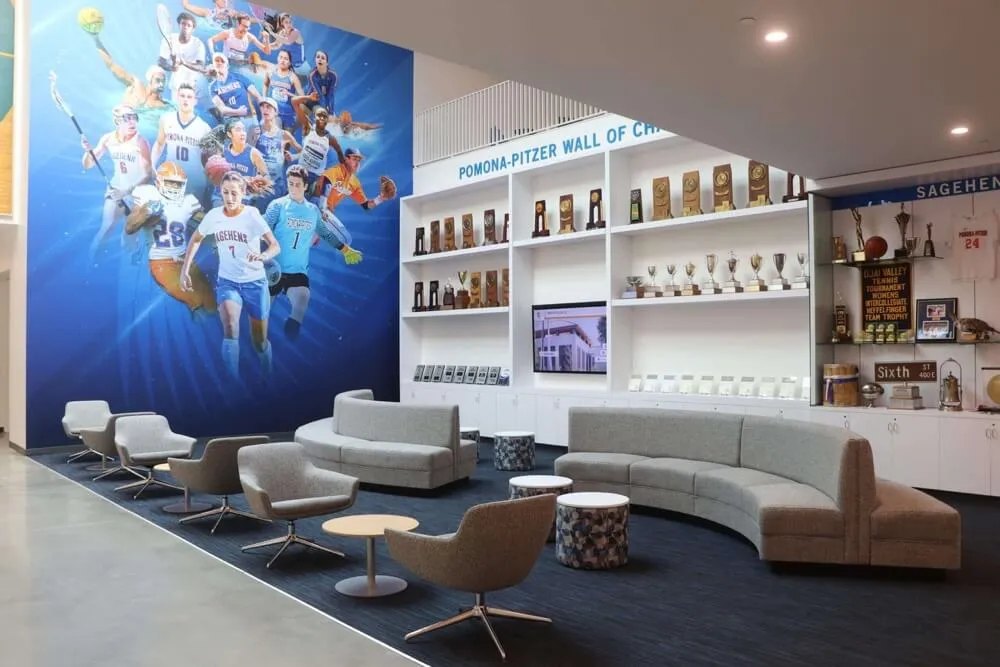
Dedicated Gallery Spaces: Some schools maintain dedicated gallery rooms or corridors designed specifically for rotating art exhibitions. These spaces typically feature professional lighting, consistent wall surfaces, and controlled environments that protect artwork while providing optimal viewing conditions. Dedicated galleries offer the most professional presentation but require significant space allocation and ongoing maintenance.
Hallway Gallery Walls: Many schools designate hallway sections as semi-permanent gallery spaces, installing display systems like rail hanging systems or permanent picture frames. Hallway galleries maximize visibility since students pass these spaces daily, but high-traffic locations require durable display solutions and regular maintenance to prevent damage.
Cafeteria and Common Area Displays: Displaying art in cafeterias, libraries, and student lounges places artwork in social gathering spaces where students naturally congregate. These locations ensure high visibility but may lack controlled lighting and present security challenges for valuable or fragile pieces.
Classroom and Art Room Displays: Traditional classroom bulletin boards and art room walls provide immediate display opportunities but typically reach limited audiences beyond students in specific classes. These displays serve important pedagogical purposes but may not provide the public recognition that broader gallery exhibitions offer.
Administrative and Office Displays: Placing student art in main office areas, conference rooms, and administrative spaces ensures visibility to adult visitors, community members, and decision-makers. These strategic placements demonstrate program quality to stakeholders while elevating the professionalism of school environments.
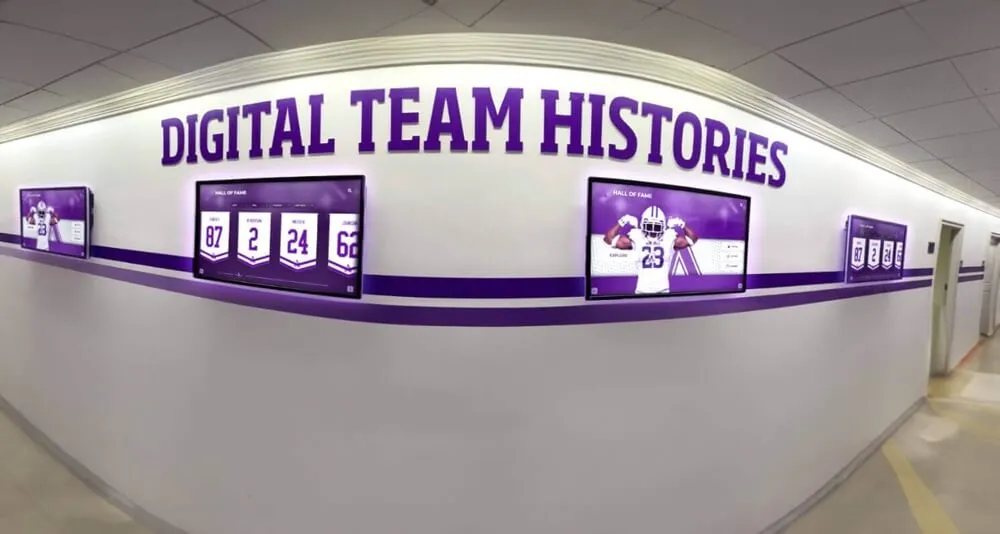
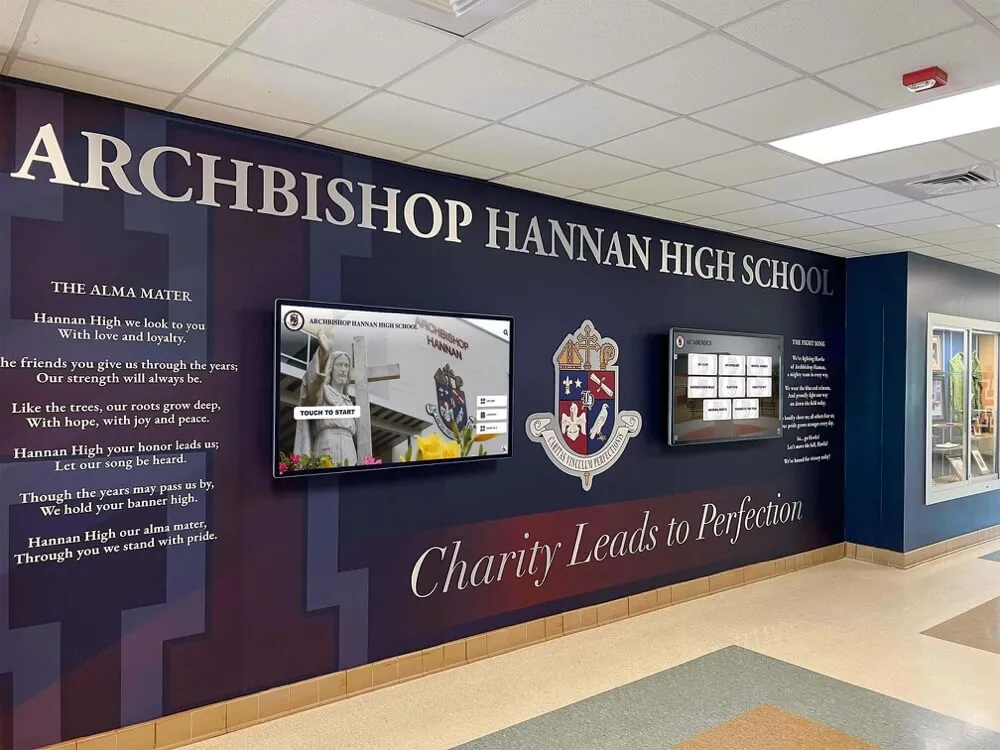
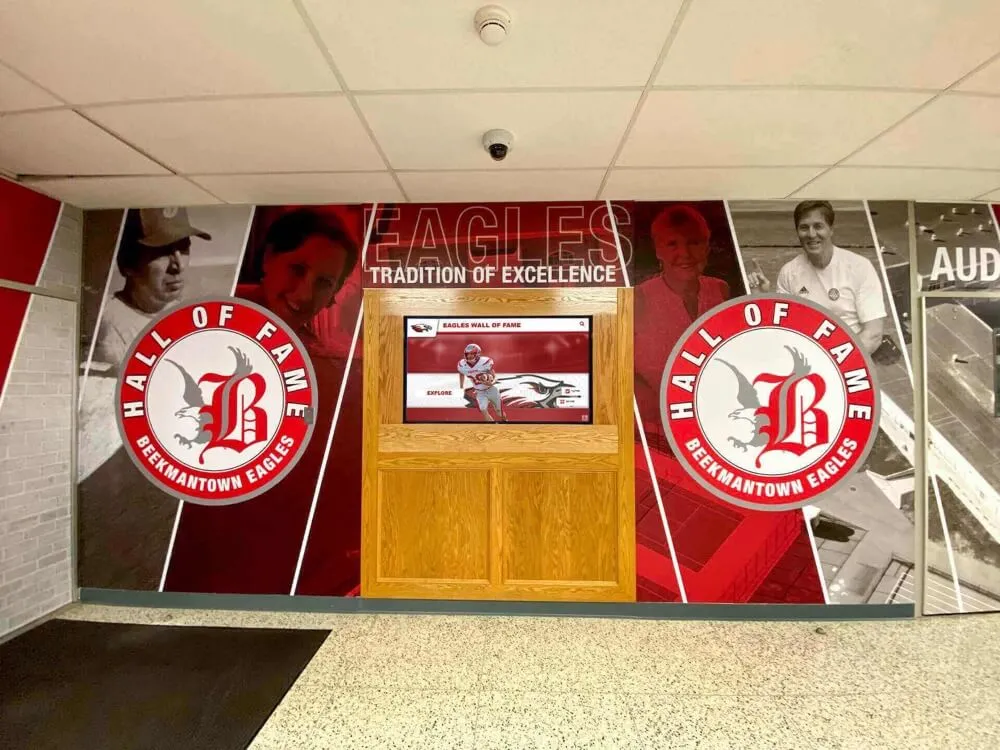
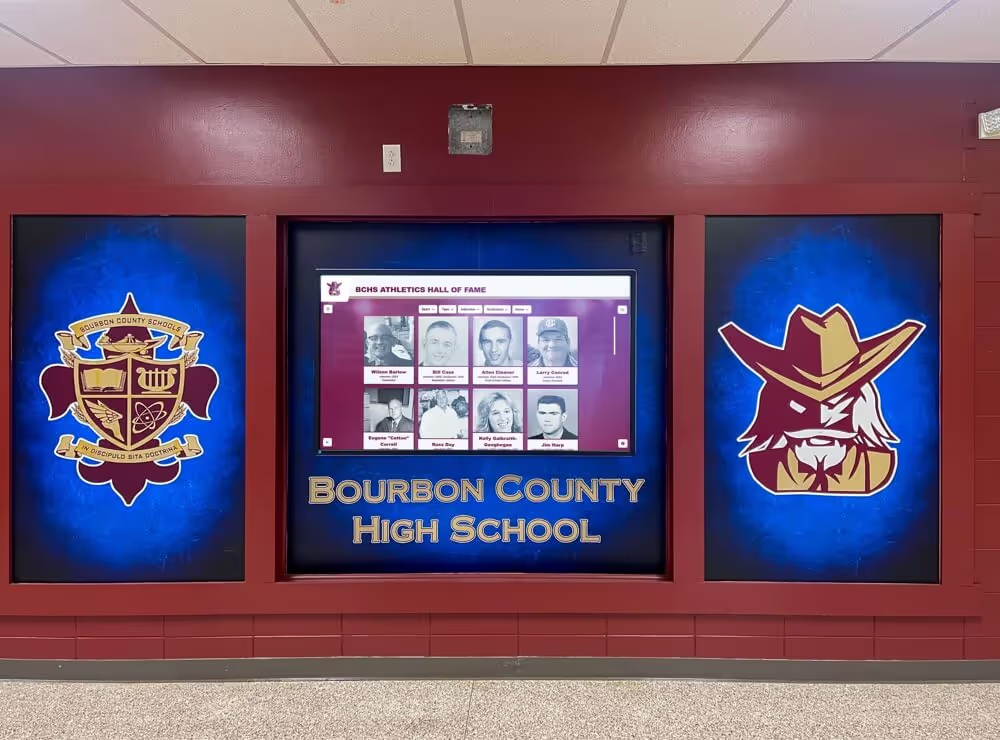
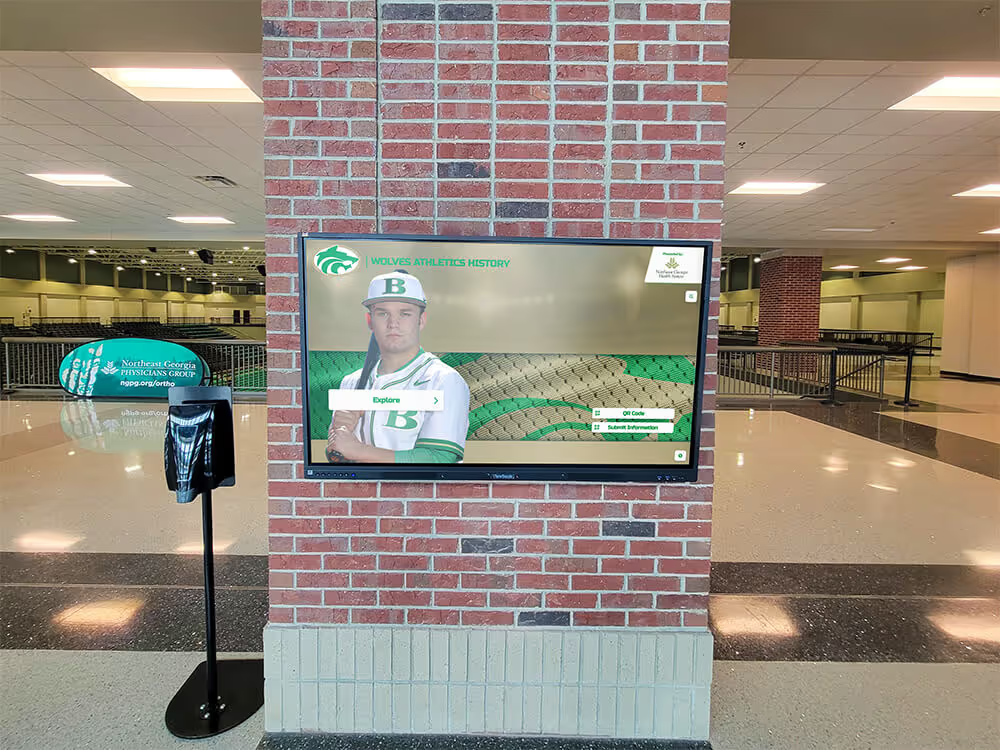
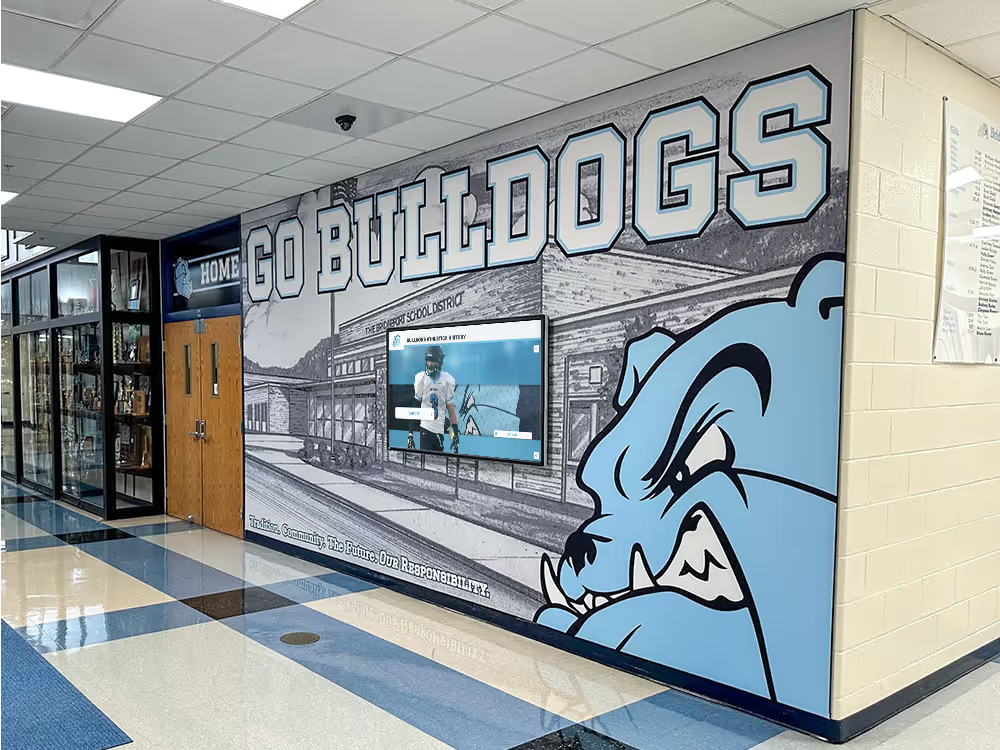
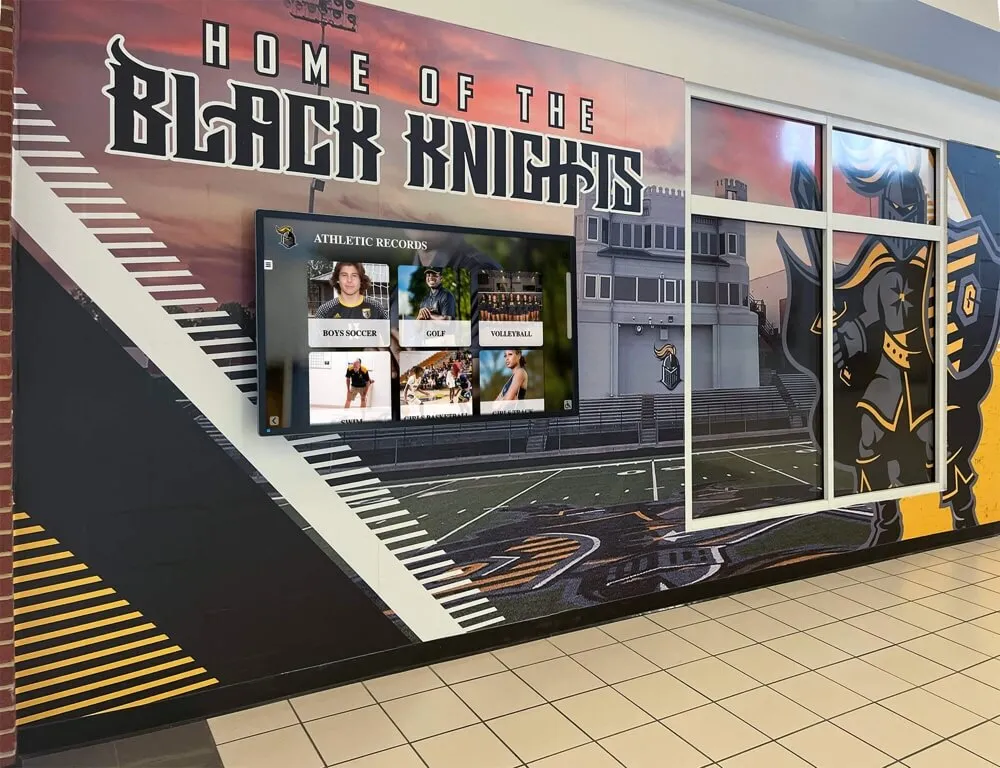
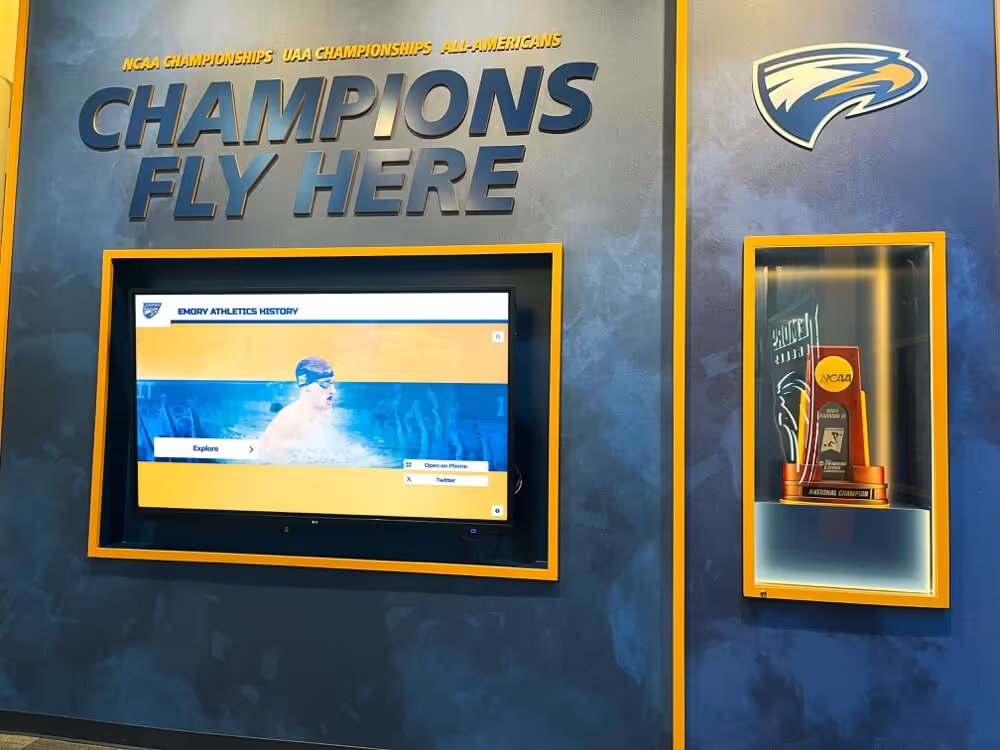
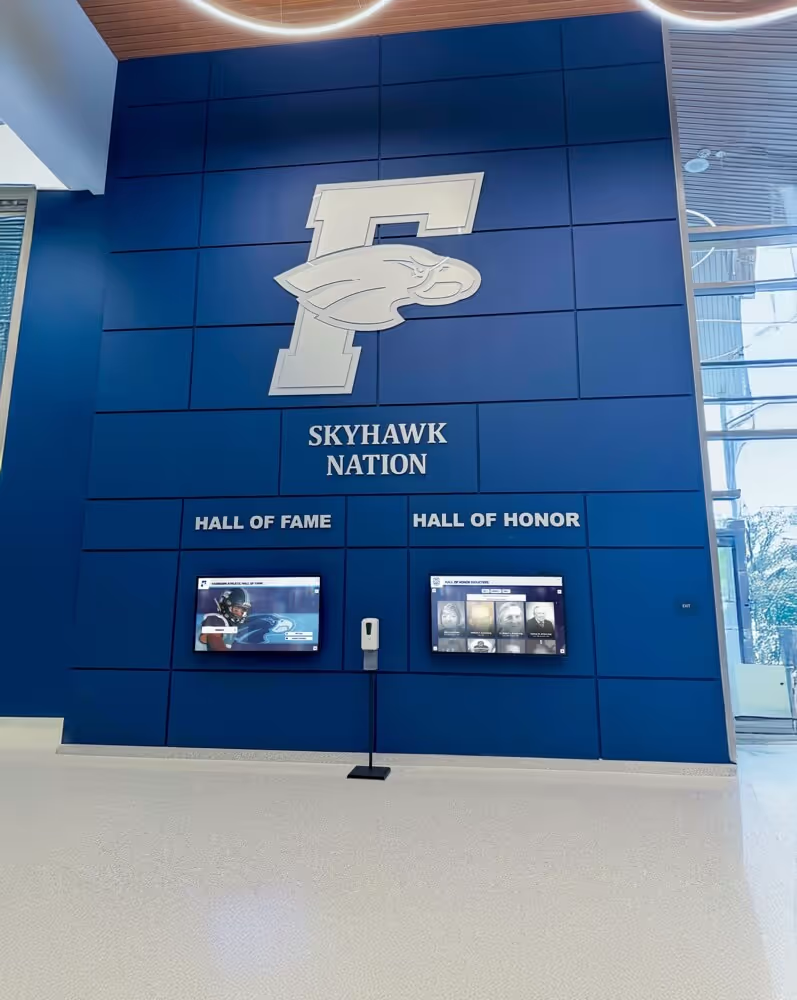
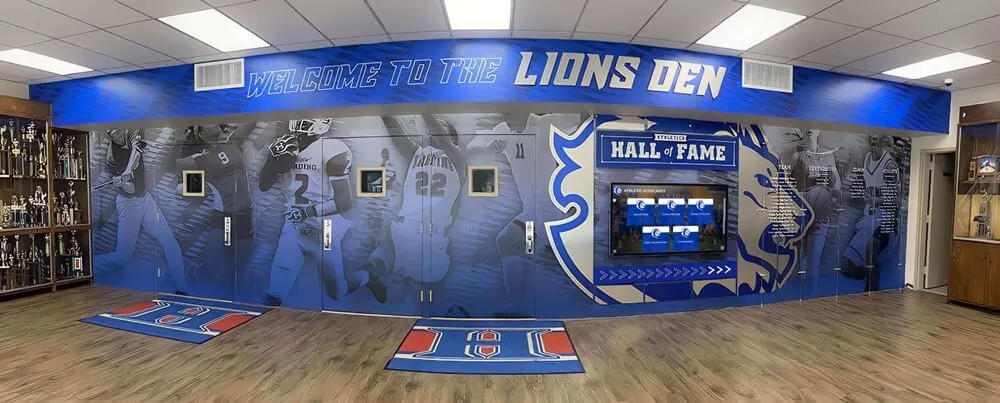
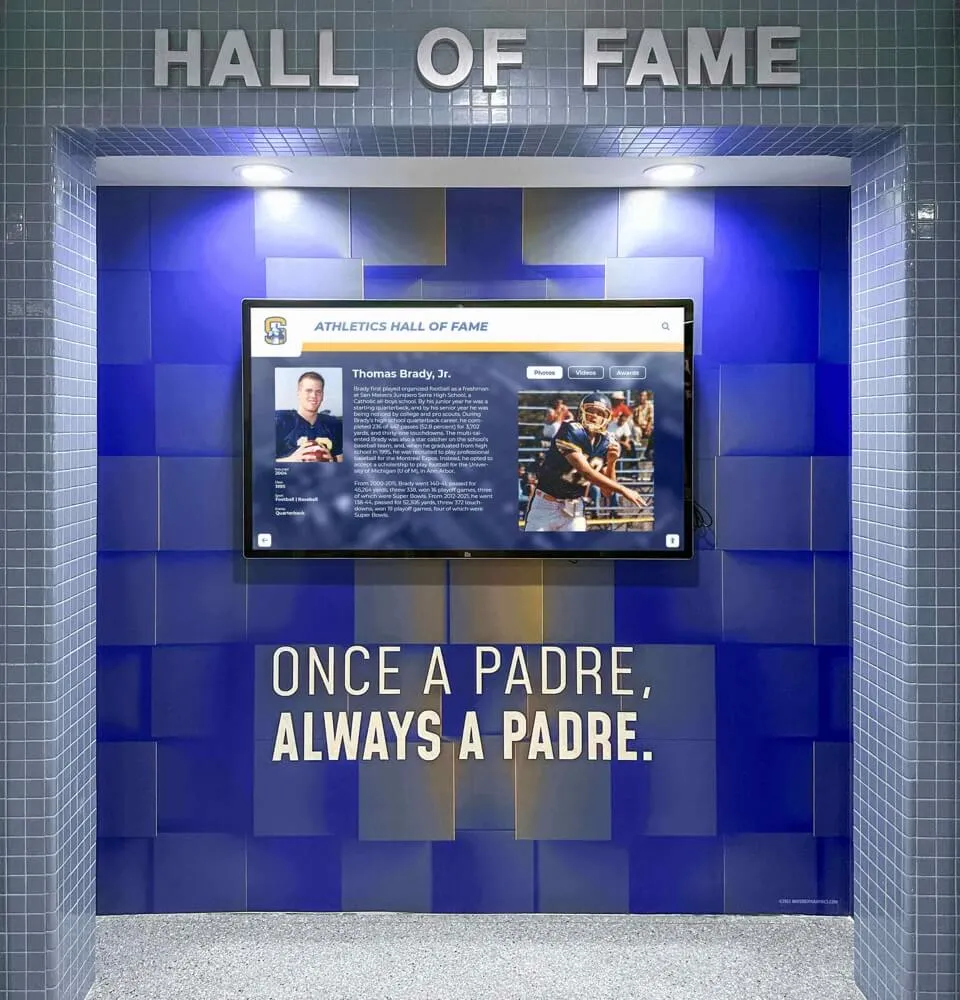
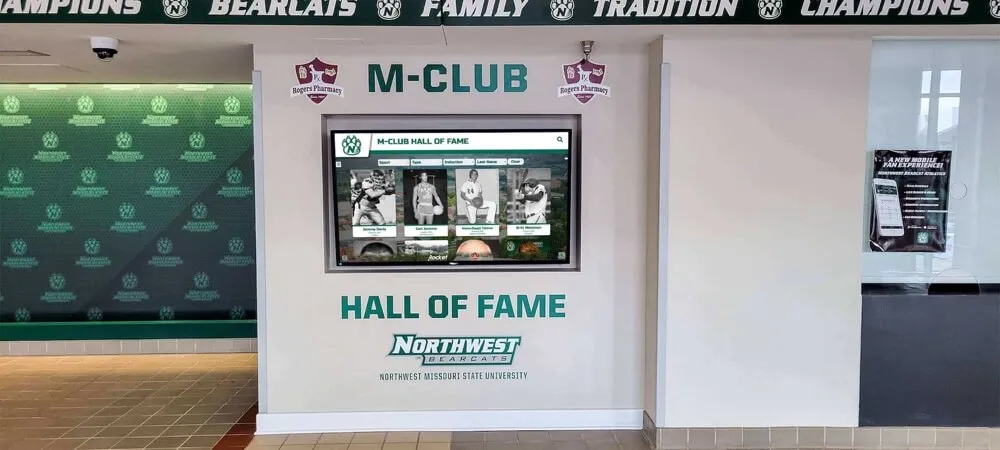
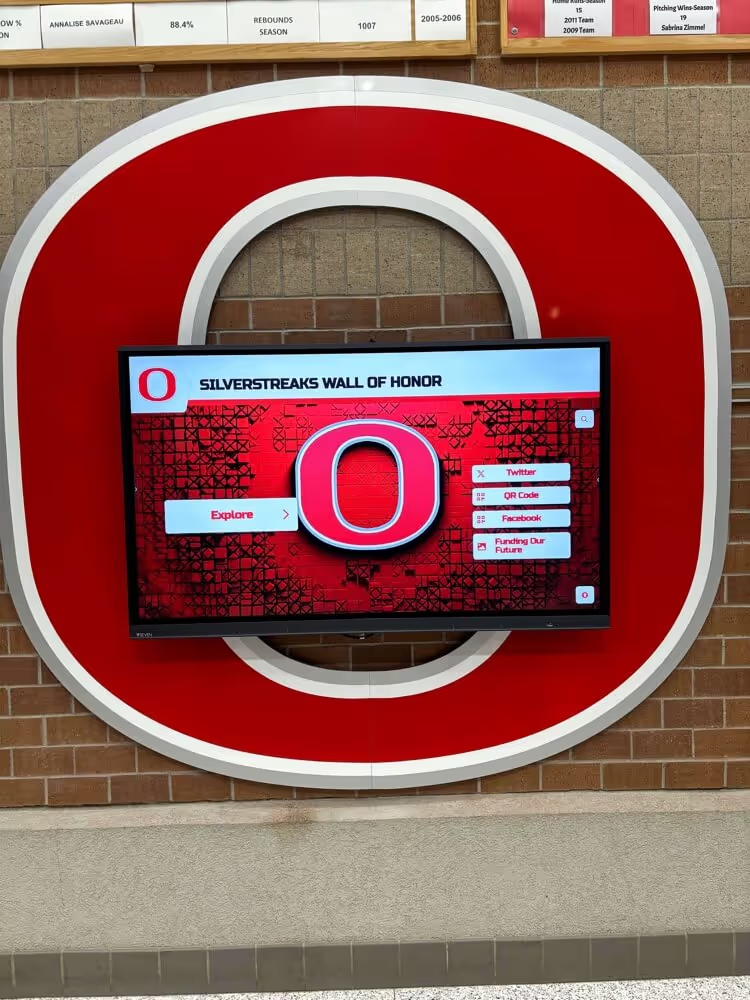
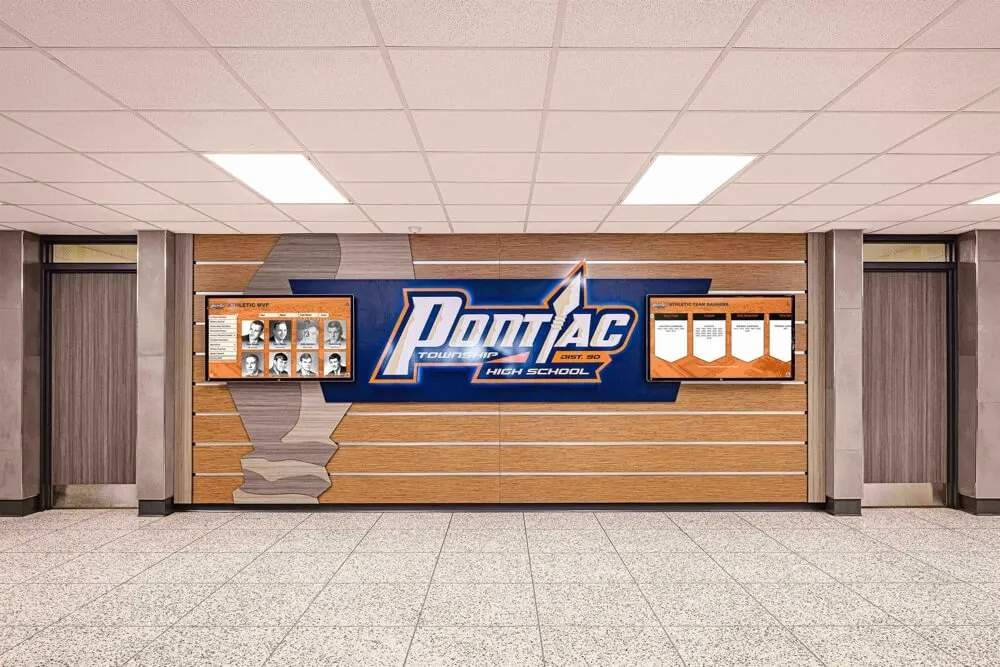
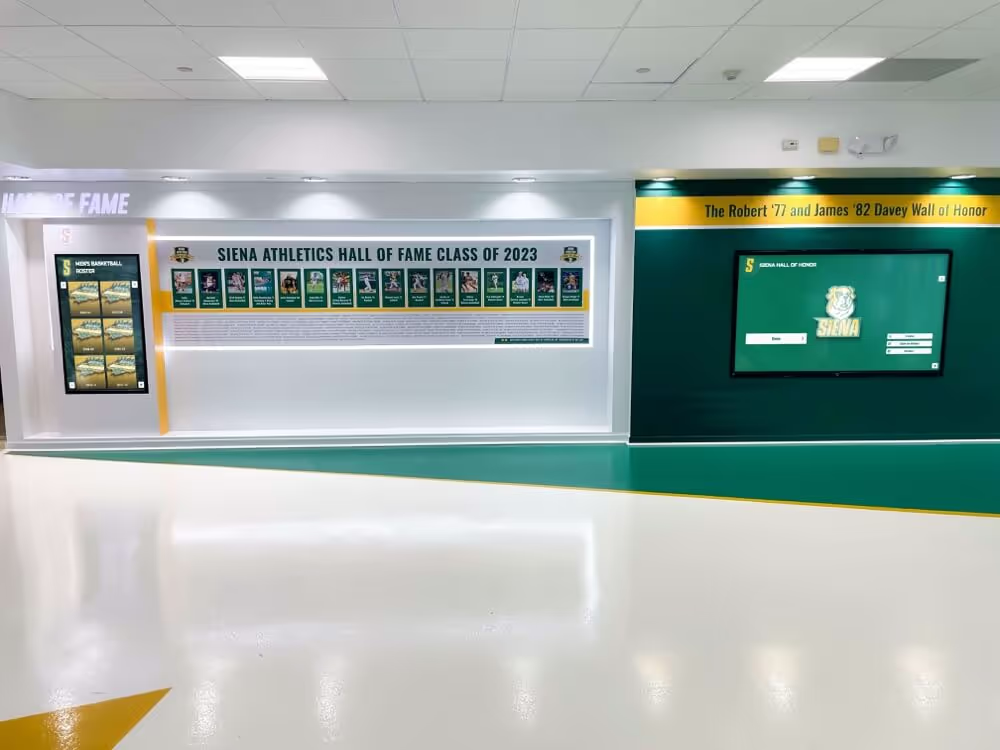
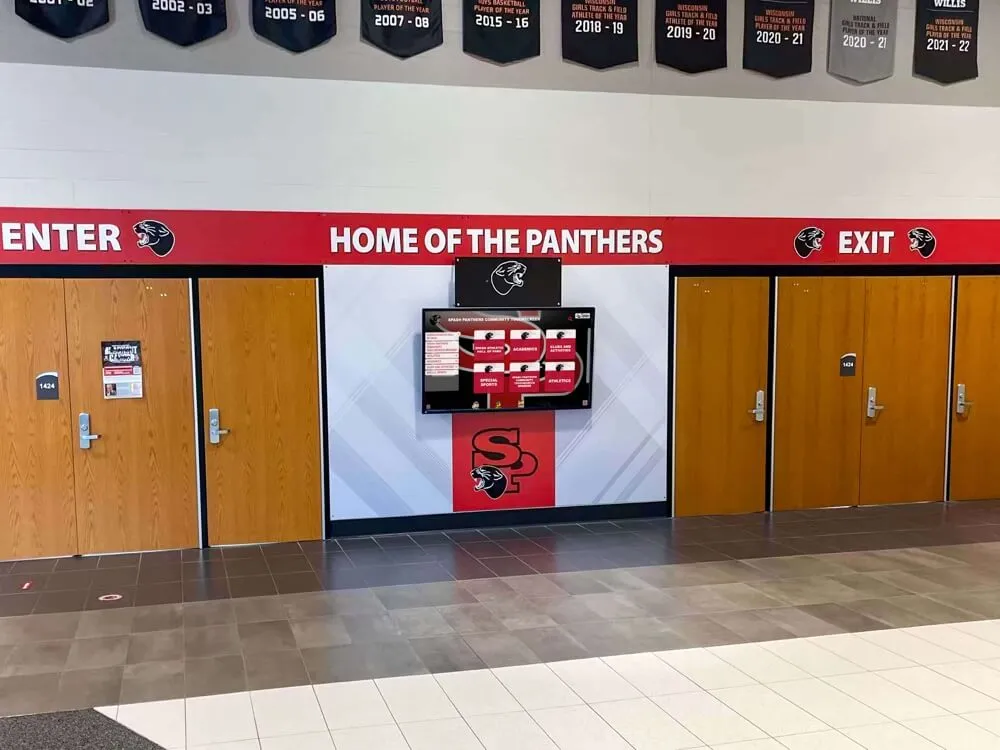
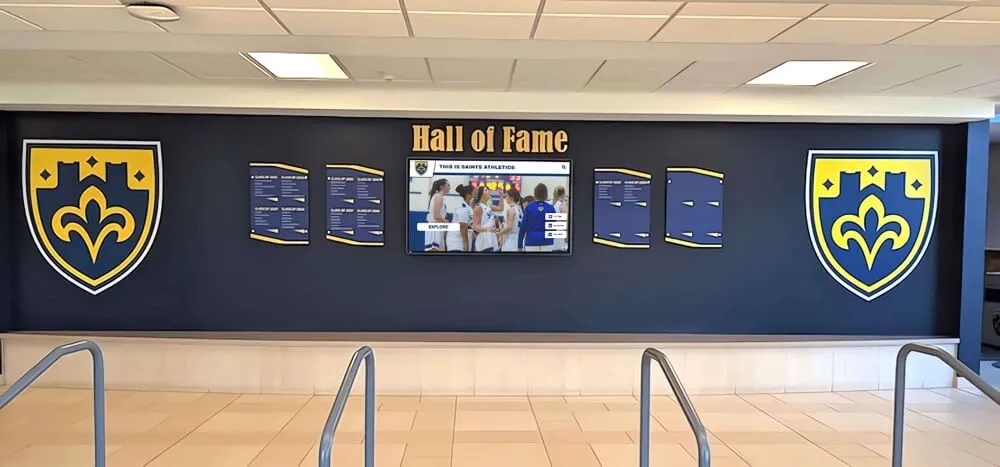
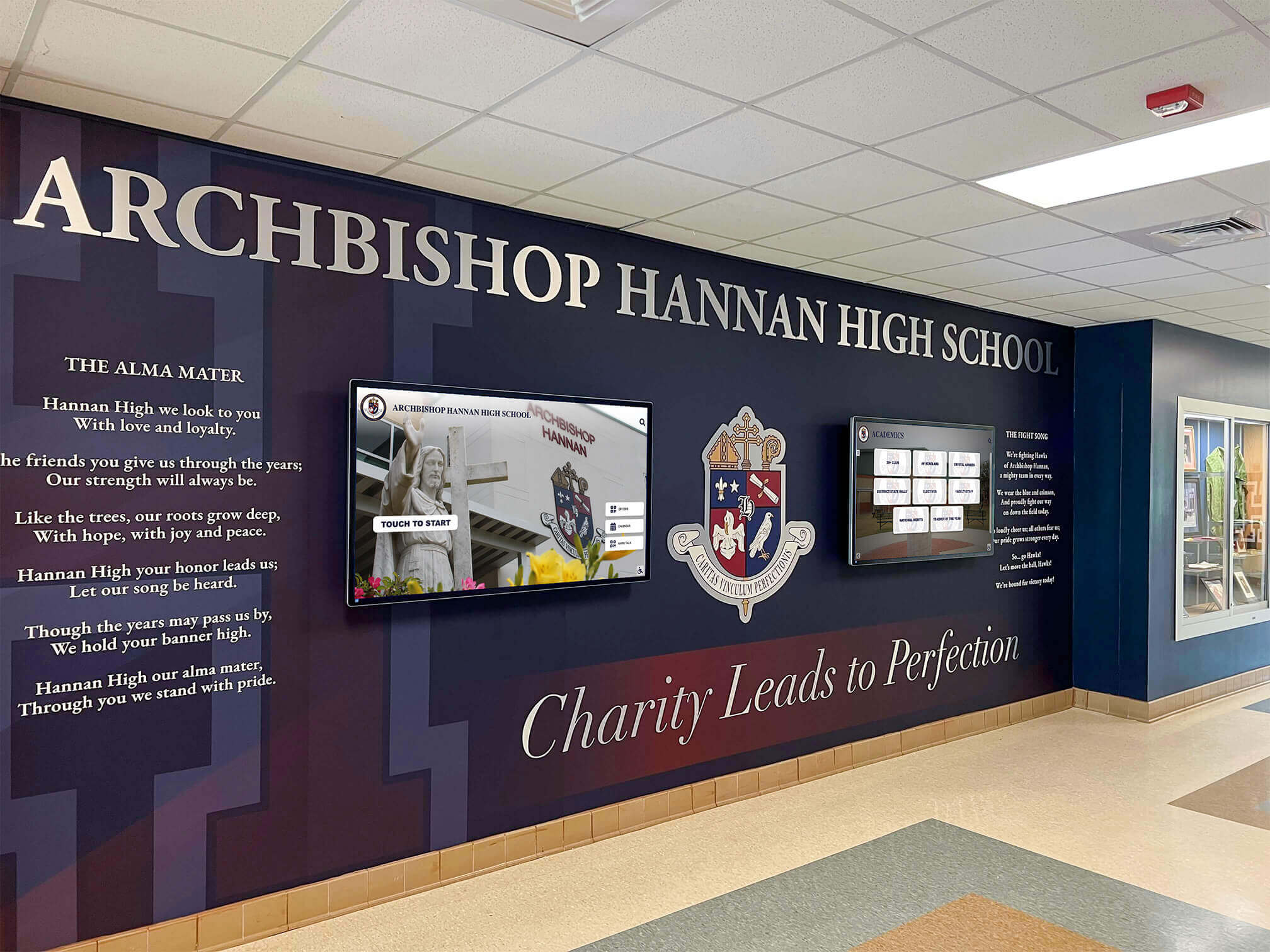
Digital Gallery Displays: Modern schools increasingly use digital screens and touchscreen displays for student artwork display. Digital solutions provide unlimited exhibition capacity, enable multimedia presentations, and allow remote community access through online platforms. Solutions like digital recognition displays offer schools the ability to present thousands of student artworks without physical space constraints.
Planning and Designing Physical Gallery Spaces
Creating effective physical gallery spaces requires careful attention to design principles that professional galleries employ while adapting approaches to educational contexts and budgets.
Gallery Wall Design and Preparation
The foundation of effective art display begins with properly prepared exhibition surfaces.
Wall Surface Considerations: Ideal gallery walls feature smooth, neutral-colored surfaces that allow artwork to stand out without competing visual elements. While professional galleries typically use pure white walls, schools often successfully use light gray or off-white surfaces that hide minor wear while maintaining neutral backgrounds. Avoid strong colors, busy patterns, or textured surfaces that distract from displayed artwork.
Wall Protection and Maintenance: High-traffic school environments demand durable wall surfaces that withstand frequent installation and removal of artwork. Consider applying semi-gloss or satin-finish paint that resists marking and cleans easily. For heavily used spaces, install clear protective paneling, sheet acrylic, or commercial-grade wall protection systems that prevent damage while maintaining professional appearance.
Hanging Systems and Flexibility: Rail hanging systems with adjustable cables or hooks provide maximum flexibility for exhibiting diverse artwork sizes and formats. These systems eliminate wall damage from repeated nail holes while allowing quick reconfiguration for different exhibitions. While rail systems require upfront investment, they deliver long-term value through reduced maintenance and increased flexibility.
Display Board Alternatives: For schools unable to dedicate permanent wall space, portable display boards or panel systems offer flexible gallery solutions. Free-standing panels allow transformation of multipurpose spaces into temporary galleries for special events while storing efficiently when not in use.
Lighting for Art Display
Proper lighting dramatically impacts how viewers experience artwork, making lighting among the most important gallery design elements.
Natural Light Considerations: While natural light creates inviting gallery environments, direct sunlight damages artwork through fading and heat. When utilizing spaces with windows, install UV-filtering window film and position artwork away from direct sun exposure. Consider how natural light changes throughout the day and seasons when planning exhibition layouts.
Artificial Lighting Solutions: Track lighting with adjustable fixtures provides optimal flexibility for illuminating diverse artwork sizes and positions. LED track lights offer energy efficiency, minimal heat output, and adjustable color temperatures. Position lights to minimize glare on glass-covered artwork while providing even illumination across displayed pieces.
Lighting Color Temperature: Use consistent color temperature across all gallery lighting to maintain color accuracy and professional appearance. Many art spaces prefer 3000-3500K “warm white” or 4000K “neutral white” LED bulbs that accurately render colors without harsh blue tones or excessively warm yellow casts.

Exhibition Layout and Design Principles
How artwork is arranged significantly impacts viewer experience and perceived professionalism.
Eye Level Hanging: Professional galleries typically hang artwork with centers at 57-60 inches from the floor, representing average adult eye level. In schools serving younger students, consider lowering display heights to ensure young viewers can comfortably engage with artwork. For mixed-height spaces, prioritize student accessibility over adult conventions.
Spacing and Breathing Room: Allow adequate space between artworks to give each piece individual presence. Professional galleries often use 3-6 inches of space between frames, with larger spaces between distinct bodies of work. Overcrowded displays diminish individual pieces and create visually chaotic environments.
Grouping Strategies: Organize exhibitions using consistent principles—by theme, medium, class section, or artistic concept. Clear organizational logic helps viewers understand relationships between works and provides intellectual frameworks for experiencing collections. For large exhibitions, create clear sections with labels explaining organizational approach.
Supporting Information: Include clear labels with each artwork providing title, artist name, grade level, medium, and brief description or artist statement when appropriate. Labels validate student authorship while providing context that deepens viewer understanding. Consider bilingual labels for multilingual communities.
Implementing Exhibition Rotation Systems
Effective gallery programs require systematic approaches to selecting, installing, and rotating exhibitions throughout school years.
Establishing Selection Criteria and Processes
Clear, equitable selection processes ensure broad student participation while maintaining exhibition quality.
Inclusive vs. Curated Approaches: Schools must balance two competing values—ensuring all students see their work displayed and maintaining professional presentation standards that validate arts programs. Consider hybrid approaches that combine fully inclusive exhibitions (everyone’s work appears) with curated shows highlighting particularly strong or thematically cohesive bodies of work.
Multiple Exhibition Types: Implement diverse exhibition formats throughout school years—grade-level shows displaying all students’ work from specific grades, thematic exhibitions curating work around concepts or techniques, senior showcases highlighting graduating students, and juried exhibitions where students submit work for faculty or peer selection committees.
Clear Selection Criteria: When exhibitions involve curation, establish selection criteria students understand—technical proficiency, creative risk-taking, thematic relevance, or demonstration of specific learning objectives. Clear criteria help students understand selection as educational assessment rather than arbitrary preference.
Managing Exhibition Timelines and Logistics
Systematic rotation schedules ensure gallery spaces remain fresh while providing adequate exhibition periods.
Exhibition Duration: Most school art galleries rotate exhibitions every 4-8 weeks, balancing logistics of installation with adequate viewing periods. Longer rotations reduce setup demands but risk audience fatigue, while frequent changes maintain novelty but increase workload. Align rotation schedules with grading periods or academic calendars to connect exhibitions with curricular cycles.
Installation and Deinstallation Processes: Develop systematic processes for artwork collection, labeling, installation, and return. Consider training student gallery assistants who help with installation work, gaining authentic museum experience while reducing teacher workload. Document processes to ensure consistency and enable delegation.
Artwork Management and Storage: Implement systems for tracking displayed artwork, protecting pieces during exhibition periods, and safely returning work to students. Consider retention policies for exceptional pieces schools may wish to preserve for archives or future retrospective exhibitions. Always obtain proper permissions before retaining student work.
Creating Opening Events and Gallery Experiences
Exhibition openings transform gallery displays from passive presentations into community-building events.
Family Art Nights: Schedule evening gallery opening receptions where families visit schools to view exhibitions, meet art teachers, and celebrate student creativity. These events create positive family engagement opportunities while building community appreciation for arts education. Consider light refreshments, student artist talks, or live art demonstrations to strengthen programming.
Artist Talks and Student Presentations: Invite featured student artists to present their work during class periods or opening events, discussing creative processes, inspirations, and challenges. These presentations develop communication skills while helping audiences engage more deeply with artwork beyond surface impressions.
Cross-Curricular Gallery Activities: Integrate gallery exhibitions into other subject areas—English classes write exhibition reviews or artist profiles, social studies classes examine historical contexts for artistic movements represented in student work, or math classes analyze geometric principles in displayed compositions. Integration demonstrates arts’ connections across curricula while increasing gallery visibility.
Digital Art Gallery Solutions for Schools
Modern technology provides schools new opportunities to expand gallery capacity, improve presentations, and extend community access beyond physical spaces.
Advantages of Digital Gallery Displays
Digital display solutions address many limitations inherent in traditional physical exhibitions.
Unlimited Exhibition Capacity: Physical gallery space limits how much artwork schools can display simultaneously—walls fill quickly with semester after semester of student production. Digital galleries eliminate capacity constraints, allowing schools to maintain permanent collections of student work from multiple years. Every student’s work can receive ongoing visibility rather than brief exhibition periods before disappearing into storage or returning home.
Multimedia Presentation Capabilities: Digital platforms showcase not just static images of finished work but also process videos, artist statements, inspiration boards, and progression documentation showing artistic development. For time-based media like video art, animation, or digital design work, digital displays provide native presentation formats physical galleries cannot match.
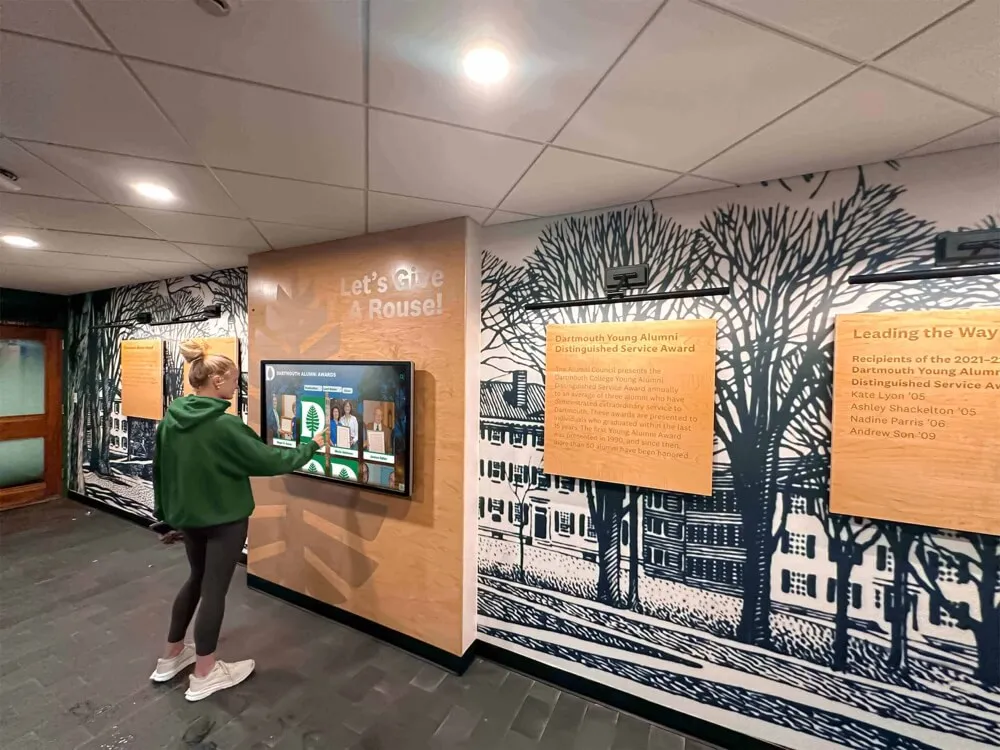
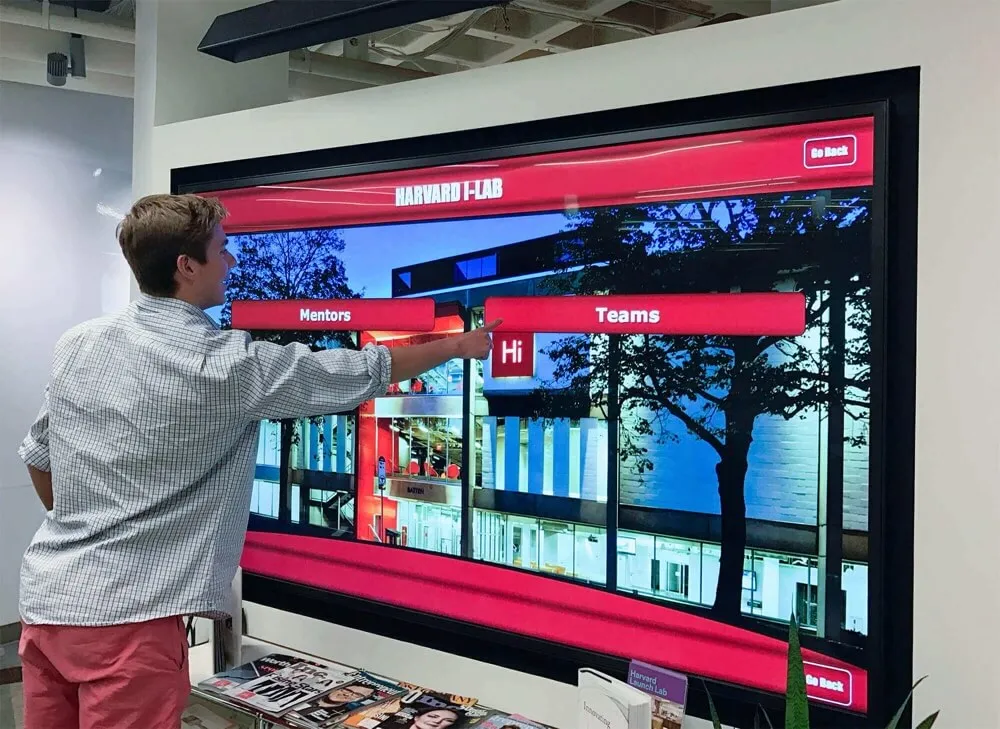
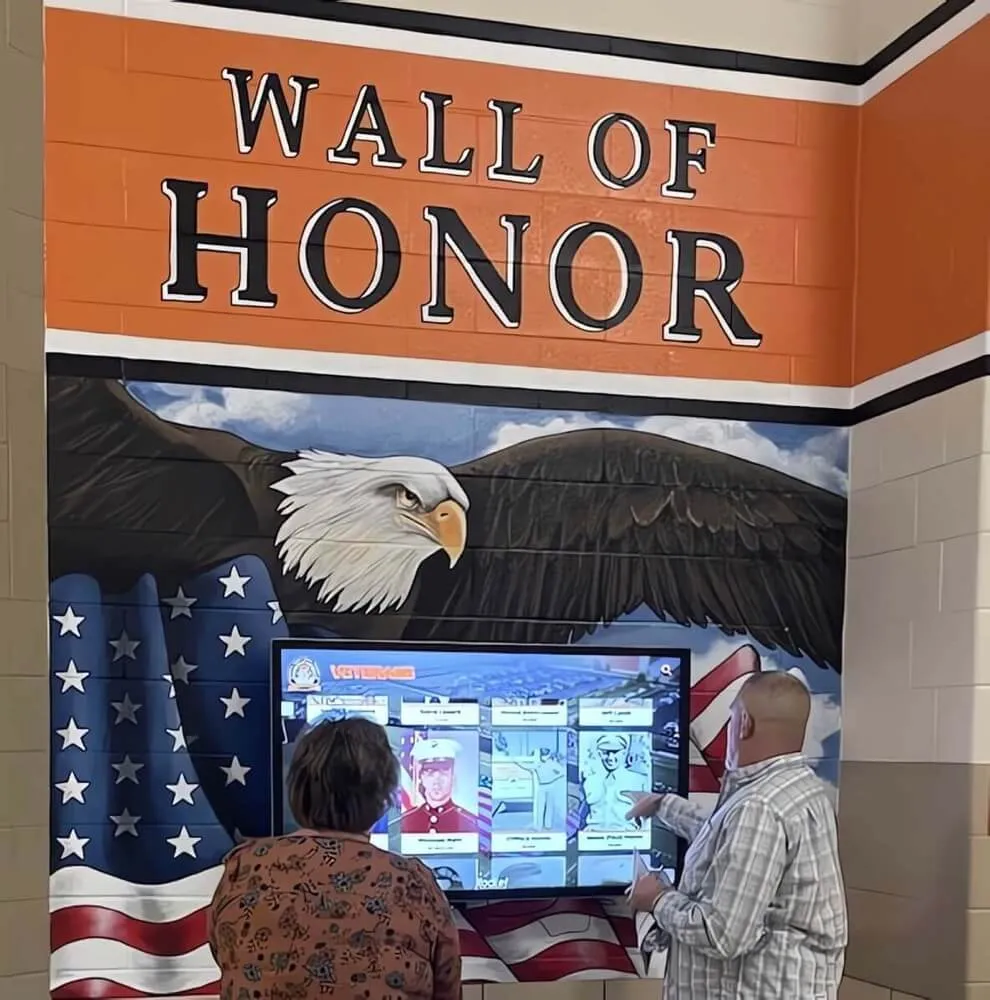
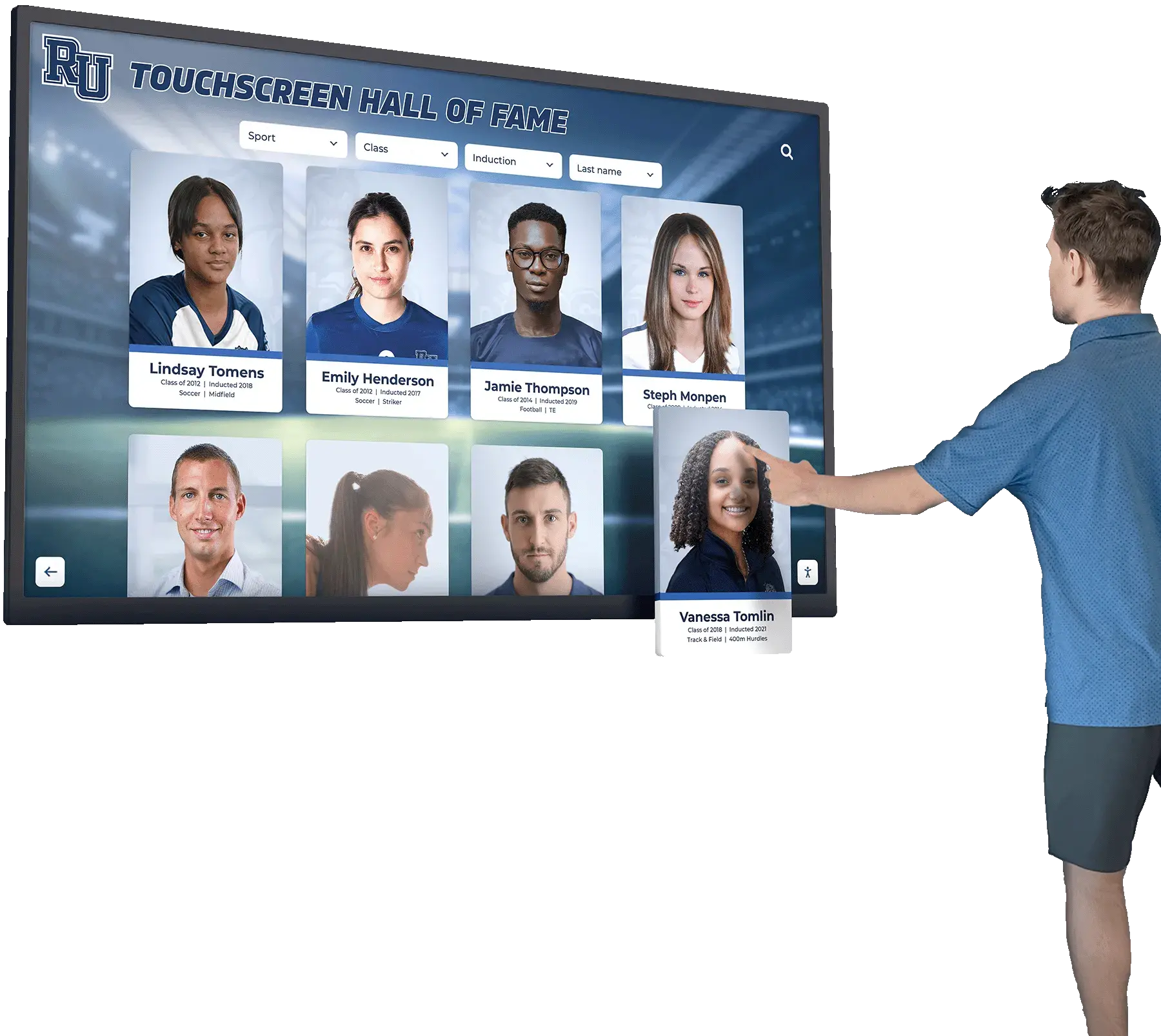
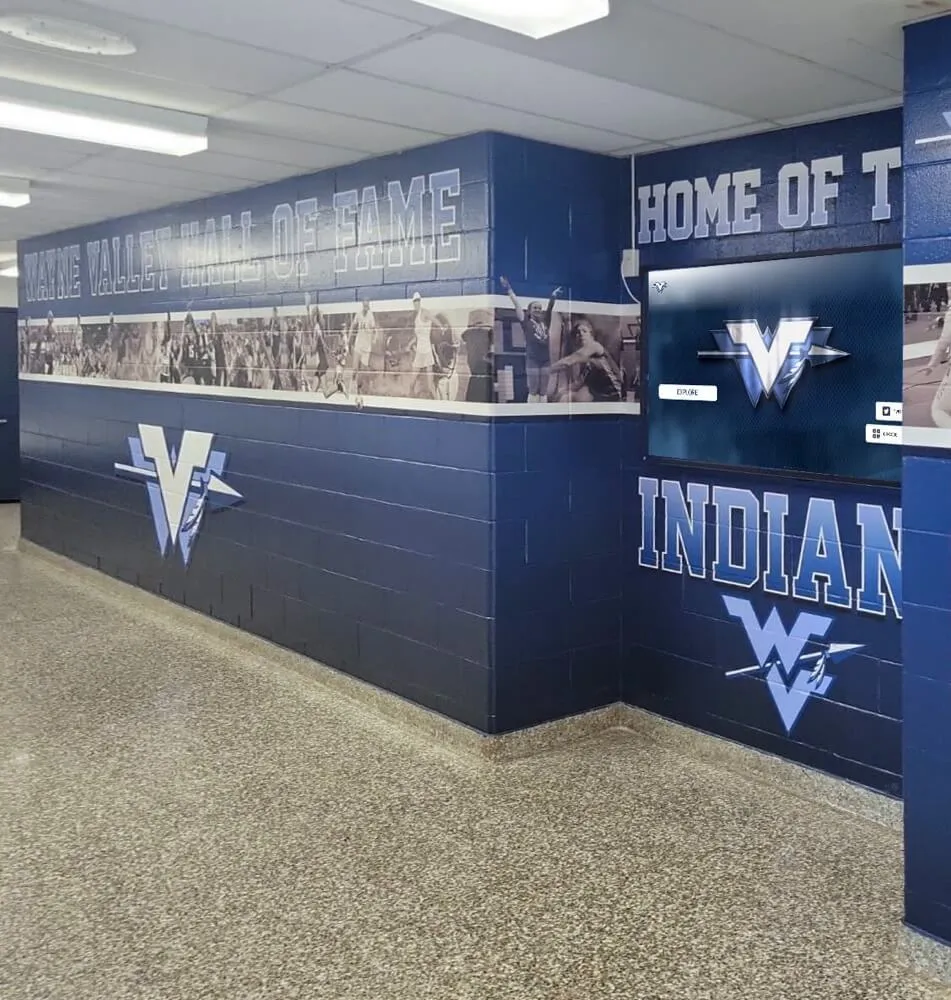
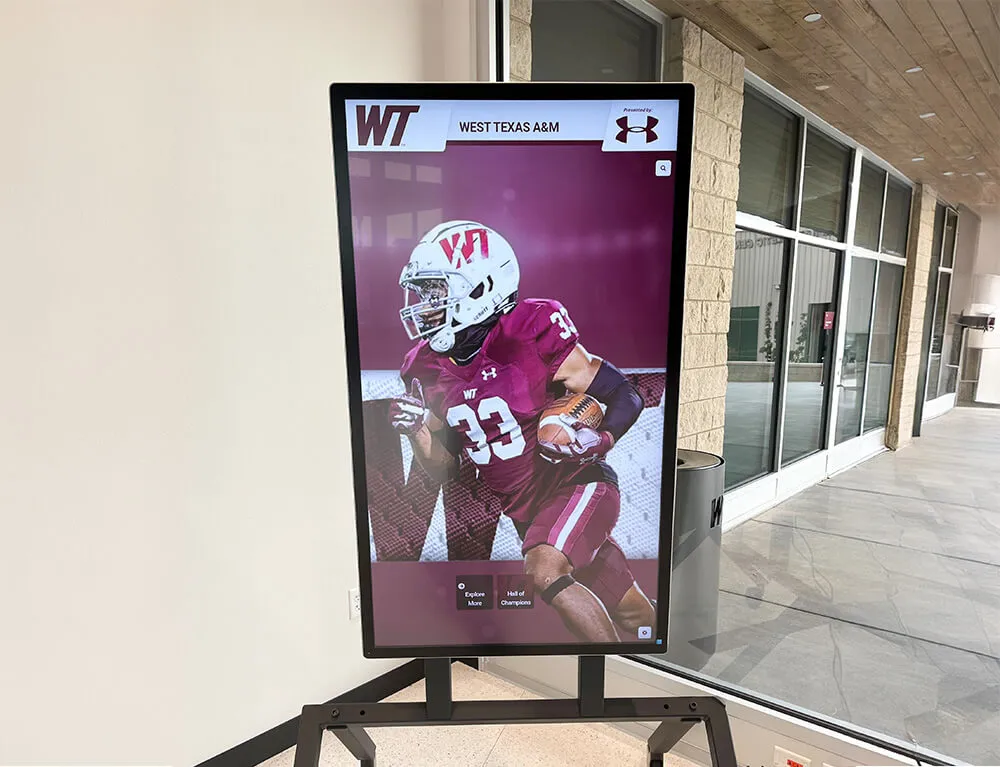
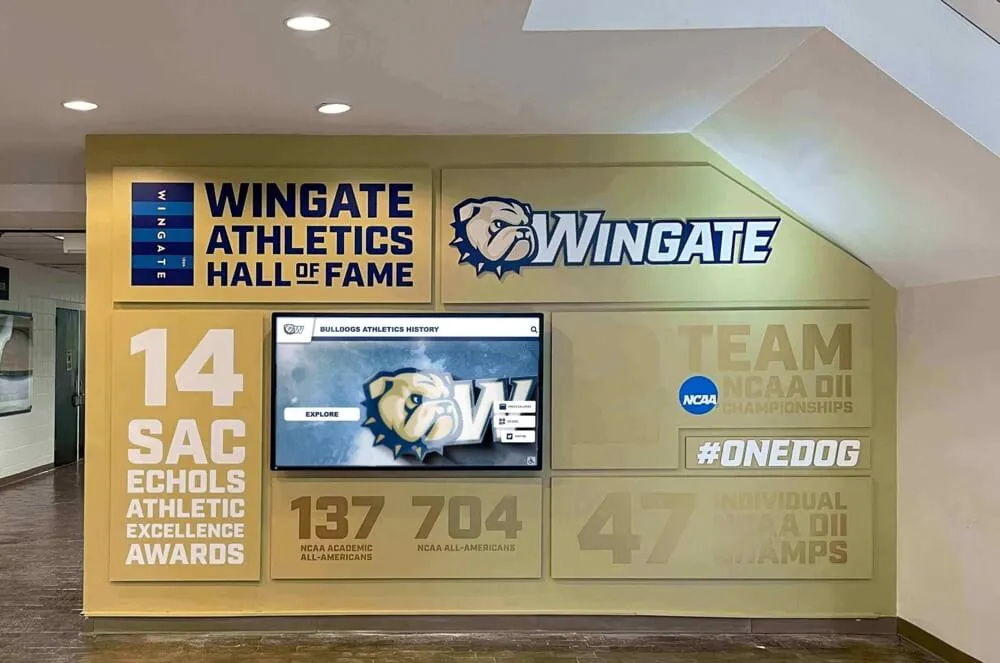
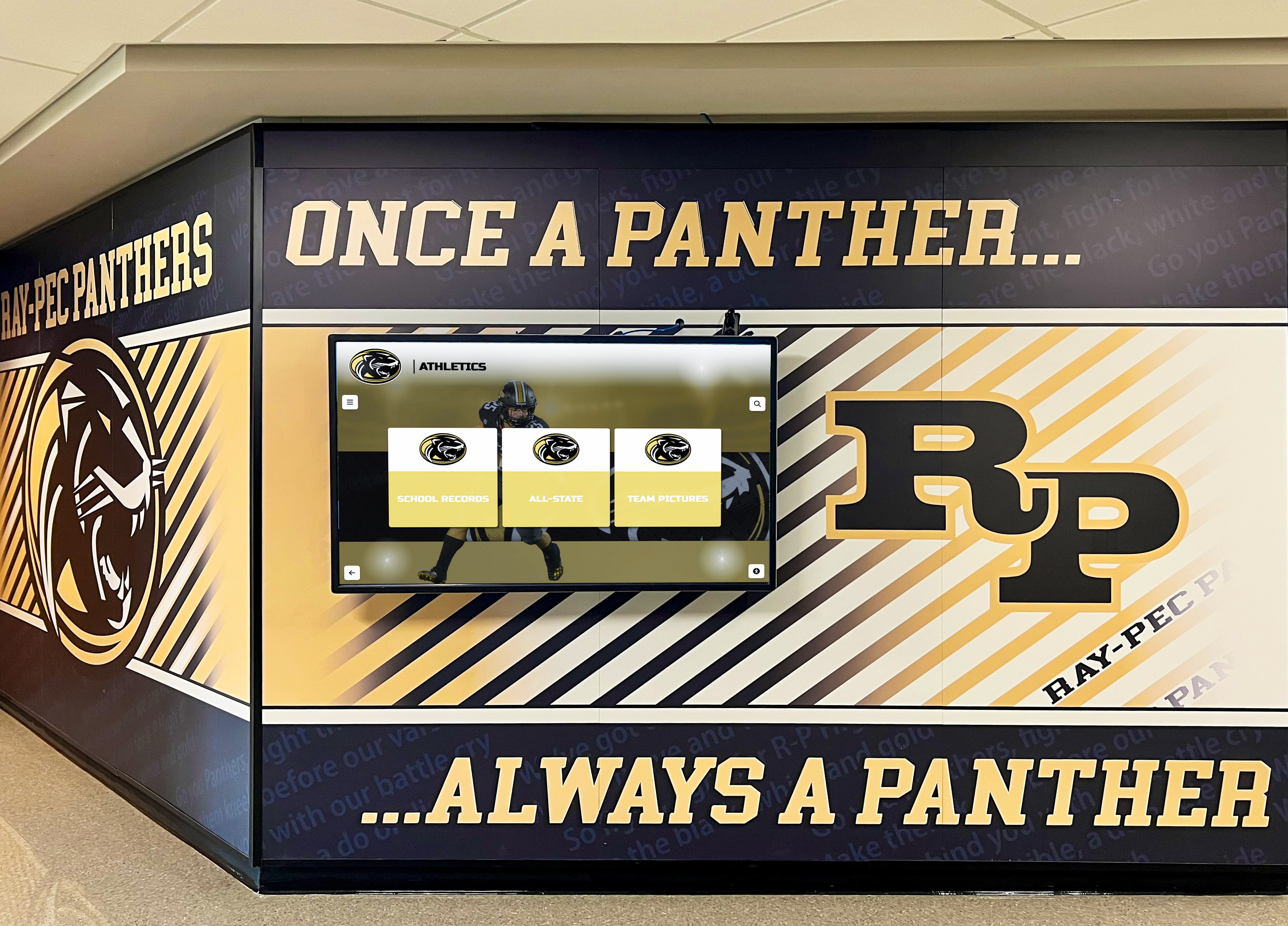
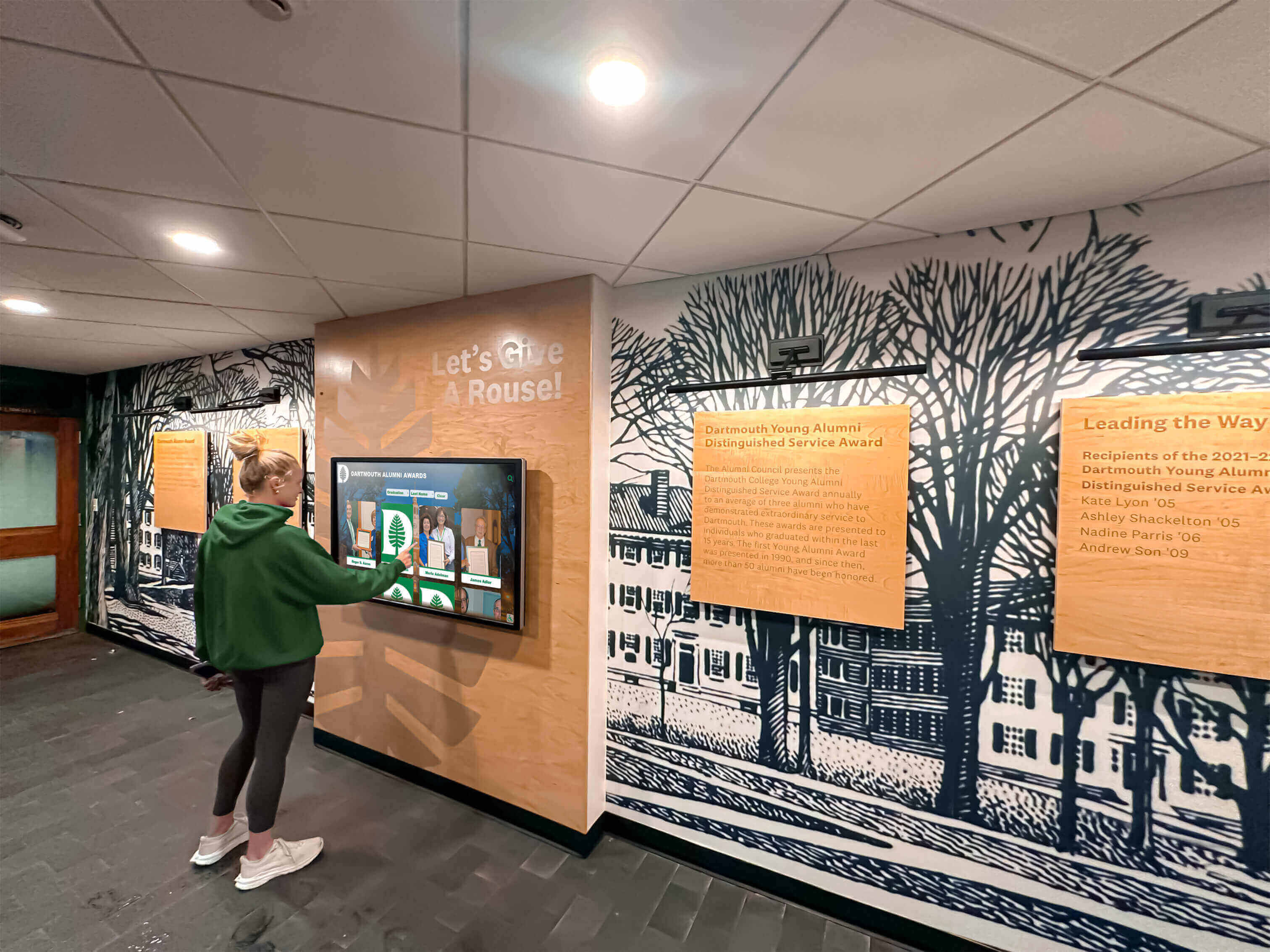
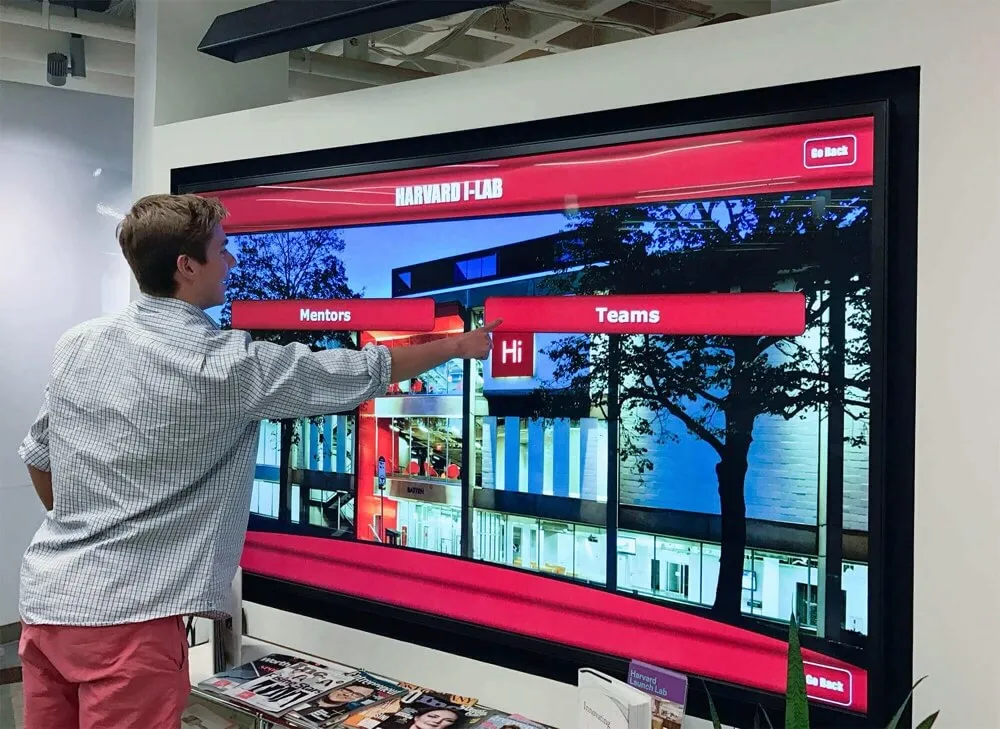
Enhanced Accessibility and Reach: Online galleries allow families, community members, and distant relatives to view student work remotely, dramatically expanding audience reach beyond those who physically visit school buildings. Digital accessibility proves especially valuable for families with limited ability to attend school events due to work schedules, distance, or other constraints. Modern interactive touchscreen displays offer engaging ways for visitors to explore extensive art collections at their own pace.
Searchable Databases: Digital galleries enable viewers to search collections by artist, medium, year, theme, or technique—making it easy to find specific students’ work or trace artistic development over time. This searchability provides value for portfolio development, program assessment, and celebrating individual artistic growth.
Professional Presentation Standards: High-quality digital displays present artwork with consistent lighting, professional formatting, and polished presentation that may exceed what budget-constrained physical galleries achieve. Digital presentations can include standardized formats that give every piece equivalent professional treatment.
Space and Maintenance Efficiency: Schools facing space constraints can implement impressive digital gallery programs without dedicating valuable square footage to physical display space. Digital displays require minimal ongoing maintenance compared to physical galleries needing regular artwork rotation, wall repair, and space upkeep.
Implementing Touchscreen Gallery Displays
Interactive touchscreen displays create engaging gallery experiences that encourage exploration and extended viewing.
Lobby and Common Area Installations: Position touchscreen displays in school lobbies, cafeterias, or library spaces where students, staff, and visitors naturally gather. These placements ensure high visibility while creating opportunities for spontaneous engagement with student artwork. Wall-mounted displays or floor-standing kiosks provide flexible installation options for diverse architectural contexts.
Simple Navigation Design: Effective touchscreen galleries feature simple, clear navigation that users of all ages can immediately understand. Organize artwork by grade level, medium, theme, or featured artist, with clear menu options and search capabilities. Include zoom functions allowing detailed examination of artwork technique and detail.
Multimedia Content: Use digital capabilities by including artist video statements, time-lapse documentation of creative processes, or audio recordings of students discussing their inspiration and techniques. These multimedia elements provide depth beyond what static images convey, helping audiences understand artistic intent and process.
Social Sharing Integration: Enable viewers to share favorite artworks via email or social media (with appropriate permissions and privacy protections), extending gallery reach and creating opportunities for students to receive broader recognition for their creative work. This sharing functionality transforms school galleries into platforms for community arts advocacy.
Creating Online Virtual Galleries
Web-based galleries complement physical and touchscreen displays by providing unlimited access anytime, anywhere.
Gallery Website Platforms: Schools can implement dedicated art gallery websites using content management platforms designed for exhibitions. These platforms typically feature customizable layouts, collection organization tools, and visitor engagement features. Many schools integrate gallery sections within existing school websites rather than maintaining separate domains.
Virtual Exhibition Design: Create curated online exhibitions that mirror physical gallery shows or develop digital-only presentations organized around themes, grade levels, or time periods. Include exhibition statements providing context and learning objectives, helping viewers understand educational frameworks underlying displayed work.
Student Portfolio Development: Virtual galleries serve as ongoing portfolio platforms where students accumulate bodies of work over multiple years. These portfolios prove valuable for college applications, scholarship competitions, or simply documenting artistic growth. Consider providing students access to curate personal portfolio pages within broader school gallery sites.
Community Engagement Features: Enable commenting (with moderation), ratings, or virtual voting for people’s choice awards. These interactive features increase engagement while creating community conversations around student creativity. Always implement appropriate moderation and privacy protections when enabling public interaction.
Hybrid Physical-Digital Gallery Approaches
Many schools find that combining physical and digital displays provides optimal solutions leveraging advantages of both approaches.
QR Code Integration: Place QR codes alongside physical artwork displays that link to expanded digital content—artist statements, process videos, related works, or background information. This augmented approach enriches physical viewing experiences while introducing audiences to digital gallery resources.
Digital Catalogs for Physical Exhibitions: Create digital catalogs documenting physical exhibitions, extending their lifespan beyond installation periods. These catalogs preserve exhibition records for program archives while allowing absent community members to experience shows they missed.
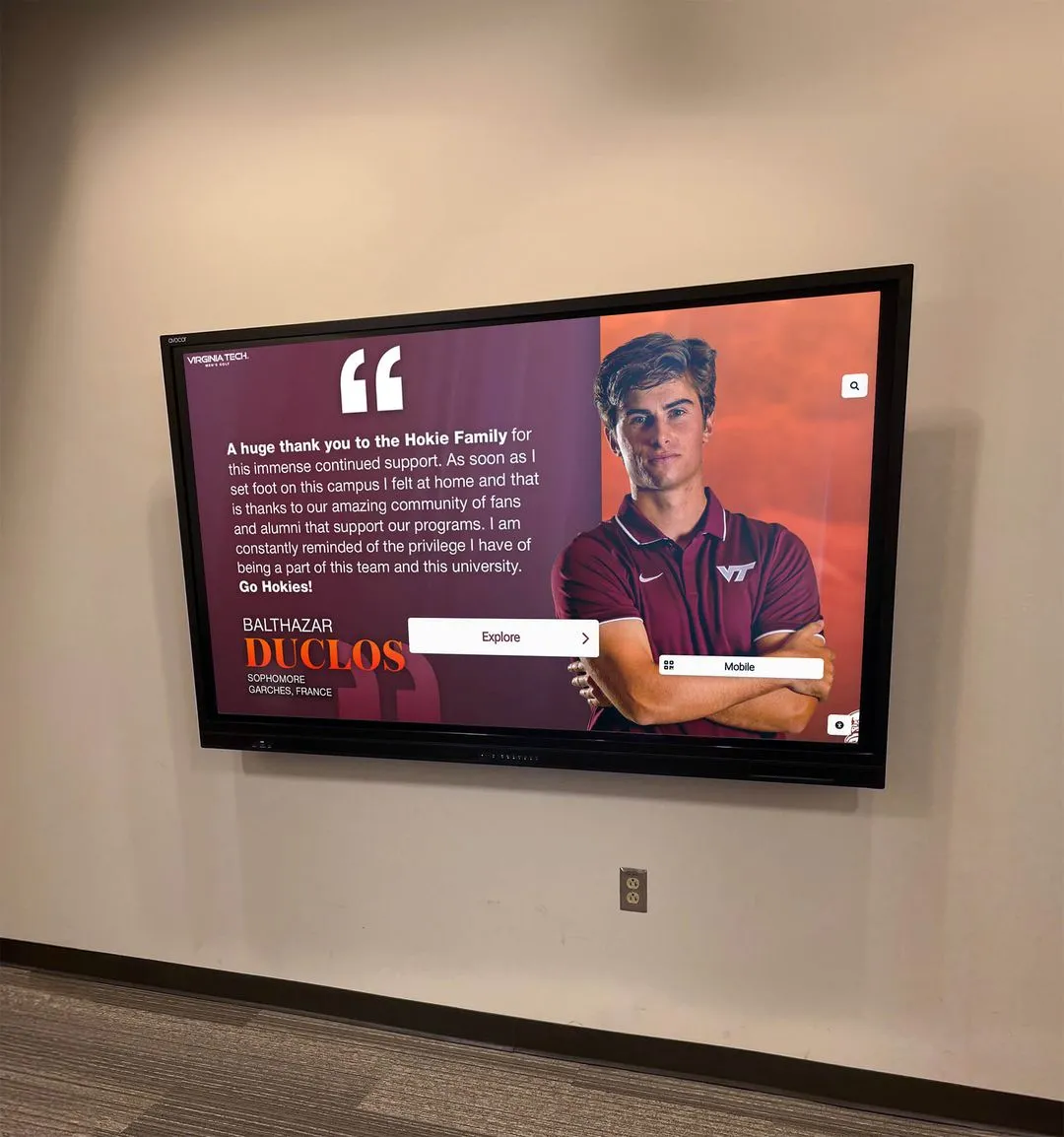
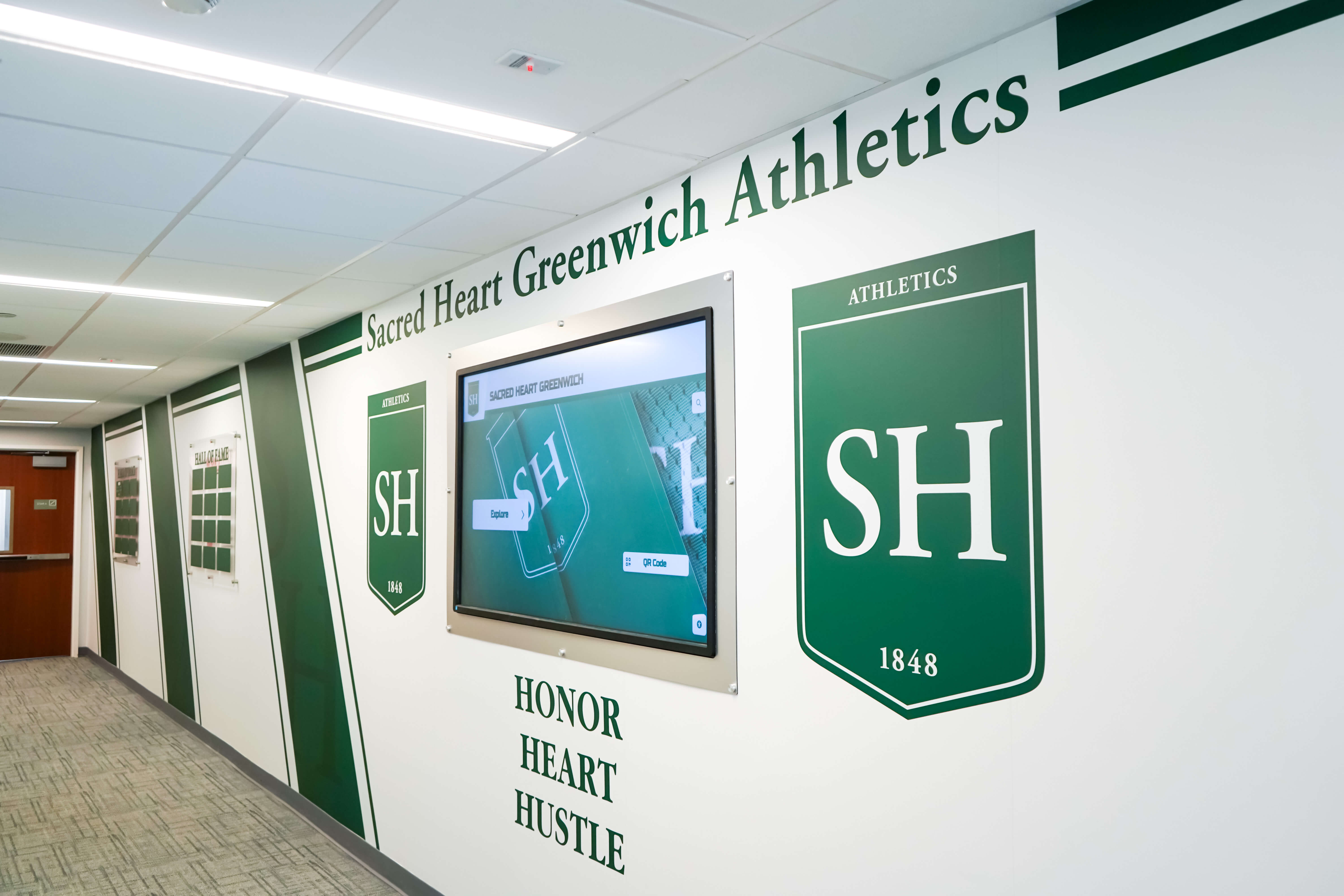
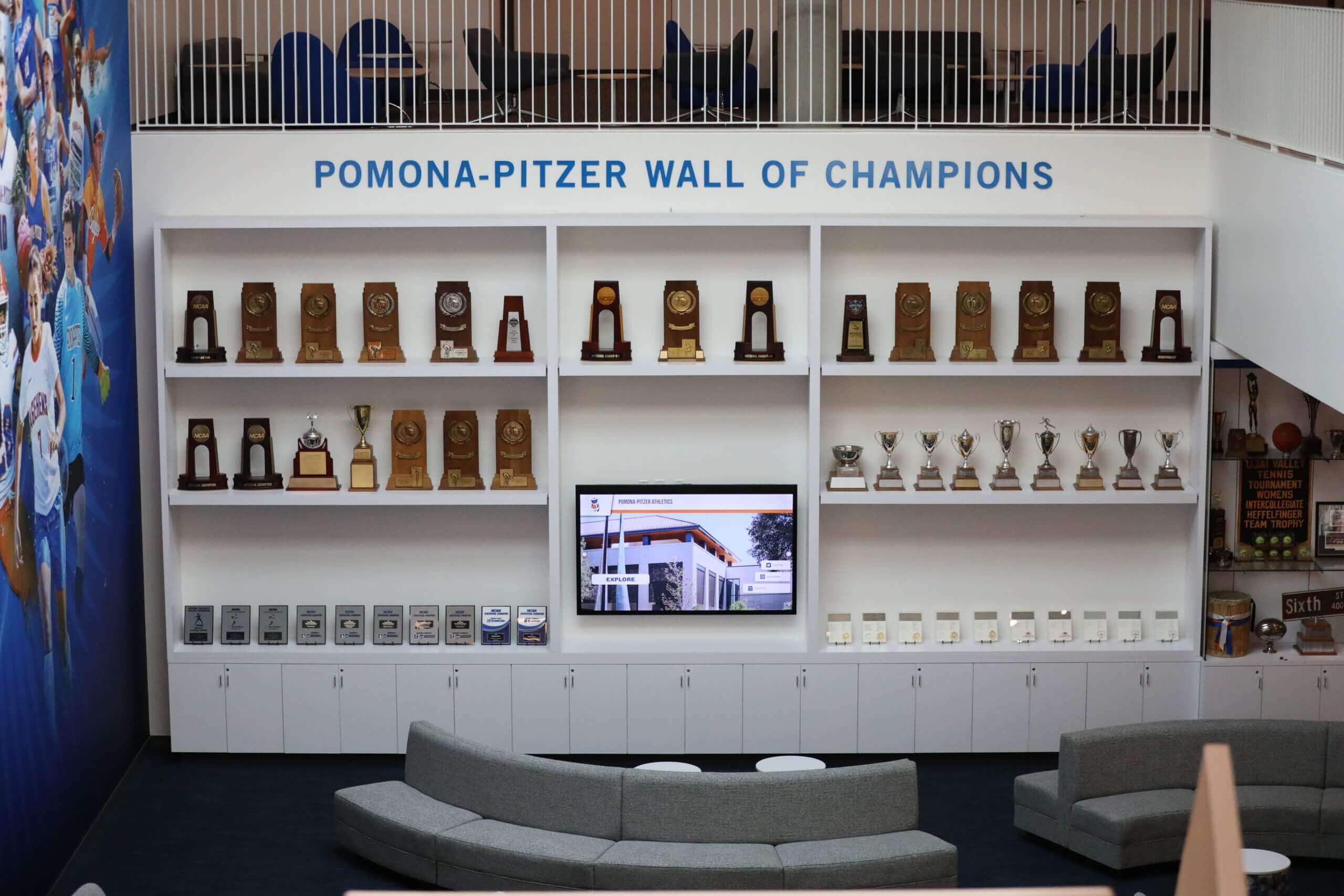
Rotation of Digital Content on Physical Screens: Position digital screens within physical gallery spaces displaying rotating collections of artwork too numerous for physical display. This approach expands physical gallery capacity while maintaining traditional gallery atmospheres audiences expect.
Best Practices for Different Art Mediums
Different artistic media present unique display challenges requiring specialized approaches.
Two-Dimensional Work: Drawings, Paintings, and Prints
Traditional flat artwork comprises the majority of school gallery exhibitions and benefits from established display conventions.
Mounting and Matting: Professional mounting and matting dramatically elevate presentation quality. While custom framing proves cost-prohibitive for most school exhibitions, standardized mats in common sizes provide affordable professional appearance. Consider purchasing bulk mat board in neutral colors and training students to cut custom mats as part of presentation skills curriculum.
Protection and Preservation: For valuable pieces or long-term exhibitions, provide protective glazing using glass or acrylic sheets. While glazing adds cost and weight, it prevents damage and allows display in high-traffic areas. For budget-constrained programs, prioritize protection for exceptional pieces or works displayed in vulnerable locations.
Handling Diverse Sizes: Student artwork comes in varied dimensions that challenge standardized display systems. Consider flexible hanging systems accommodating diverse sizes or establish standard dimensions for specific assignment types, simplifying future display logistics.
Three-Dimensional Work: Sculpture and Ceramics
Three-dimensional artwork requires specialized display considerations beyond wall hanging.
Display Cases and Pedestals: Sculptures and ceramic pieces need stable, secure display surfaces protected from handling damage. Glass display cases provide protection while enabling viewing from multiple angles. Pedestals or platforms raise work to appropriate viewing heights while signaling “don’t touch” through physical separation.
Lighting Considerations: Three-dimensional work benefits from directional lighting that creates shadows and dimension, revealing form and surface texture. Multiple light sources from different angles prevent flat, harsh lighting that diminishes sculptural qualities.
Rotation and Security: Valuable or fragile three-dimensional work requires secure display locations protected from accidental damage in high-traffic areas. Consider rotating these pieces through administrative offices or library display cases providing controlled access.
Digital and New Media Art
Contemporary art programs increasingly include digital design, photography, video, and time-based media requiring specialized presentation approaches.
Digital Displays for Digital Media: Screen-based artwork like digital illustration, graphic design, animation, or video art requires digital display formats. Dedicate screens in gallery spaces for rotating digital media presentations, or implement touchscreen displays where viewers can select pieces to view.
Print-on-Demand for Digital Work: Consider printing digital artwork on high-quality papers or canvas for physical gallery display. This approach allows digital work to participate in traditional gallery contexts while respecting its digital origins. Contemporary art galleries commonly display digital work as prints alongside native digital presentations.
Video and Time-Based Media: Video art and animation require dedicated screening areas with appropriate seating and audio capabilities. Create small screening rooms or alcoves within gallery spaces, or schedule screening events where audiences gather to experience time-based work collectively.
Photography Exhibitions
Photography requires specific attention to presentation standards established in professional photography galleries.
Print Quality and Sizing: High-quality photographic prints make significant differences in presentation impact. When budget allows, print photographs at professional labs or using high-quality school printers on appropriate photographic papers. Consider standardizing exhibition print sizes to simplify mounting and presentation.
Matting and Framing Standards: Photography galleries typically mount prints with wide white or off-white mats providing clean borders. Establish consistent matting standards for photography exhibitions, creating visual cohesion and professional appearance. Consider reusable frames with removable backs allowing easy print changes between exhibitions.
Organization by Theme: Photography exhibitions often benefit from tight organization by theme—environmental portraits, landscape series, social documentary, or technical explorations. Clear themes help viewers understand photographic intent beyond aesthetic appreciation.
Addressing Common Gallery Implementation Challenges
Schools encounter predictable obstacles when starting gallery programs. Recognizing these challenges allows for solution development.
Limited Space and Competing Priorities
Many schools face severe space constraints with every available wall and corridor already serving essential functions.
Creative Space Solutions: Look beyond traditional gallery spaces to find display opportunities. Consider ceiling-suspended display systems, door-mounted displays, exterior courtyard installations, or window displays visible from outside buildings. Some schools successfully use stairwell walls, bathroom corridors, or underutilized entrance vestibules for rotating exhibitions.
Temporary Gallery Transformations: Transform multipurpose spaces like cafeterias, gyms, or libraries into temporary galleries for special events or family art nights. Portable display systems allow quick installation and removal, maximizing flexibility when permanent gallery space remains unavailable. Art programs implementing hallway display systems can create professional gallery experiences without dedicated gallery rooms.
Prioritizing High-Visibility Locations: When space remains limited, prioritize the most visible locations for art display—main entrances, administrative office areas, or primary circulation corridors. Strategic placement in high-traffic areas maximizes impact even when overall display capacity remains constrained.
Budget Constraints and Resource Limitations
Art departments often work with minimal budgets that limit investment in professional display systems.
Phased Implementation: Build gallery infrastructure gradually over multiple years rather than attempting comprehensive implementation immediately. Start with one well-executed gallery wall or corridor, then expand as resources allow. Incremental development proves more sustainable than overambitious plans that stall due to resource limitations.
Grant and Fundraising Opportunities: Pursue arts education grants, local arts council funding, or parent organization support specifically for gallery infrastructure. Many funders appreciate tangible projects like gallery spaces that provide visible community benefits. Consider fundraising through art sales, auctions, or community sponsorships that directly support gallery development.
Student-Built Solutions: Incorporate gallery infrastructure construction into curriculum when appropriate. Advanced art students can design and build display systems, learning professional presentation skills while reducing program costs. Woodworking or industrial technology classes might construct pedestals, display cases, or framing systems as cross-curricular projects.
Community Resource Partnerships: Partner with local frame shops, art supply stores, or professional galleries for discounted materials, donated services, or equipment loans. Many businesses willingly support school arts programs through in-kind contributions even when cash donations remain limited.
Managing Exhibition Workload
Gallery programs create significant workload for art teachers already managing full teaching schedules.
Student Gallery Assistants: Train student volunteers as gallery assistants responsible for installation, labeling, documentation, and maintenance. Gallery assistant programs provide authentic career exploration for students considering museum or arts administration paths while reducing teacher workload. Consider offering independent study credit for serious gallery assistant commitments.
Simplified Rotation Schedules: Reduce exhibition frequency if quarterly rotations prove unsustainable. Two or three major exhibitions per year may prove more manageable than continuous monthly rotations while still providing meaningful display opportunities for most students.
Digital Gallery Efficiency: Digital gallery platforms dramatically reduce installation workload compared to physical exhibitions. Once initial digital infrastructure exists, adding artwork requires only photographing work and uploading images—a process students can help manage. The long-term efficiency gains from digital display systems often justify initial setup investments.
Administrative Support and Recognition: Advocate for administrative acknowledgment that gallery management constitutes legitimate professional responsibility worthy of support. Request release time, student assistant periods, or compensation for exhibition work beyond standard teaching duties.
Protecting Artwork and Managing Liability
Schools must balance accessibility with protection of valuable student work.
Security Considerations: For high-value pieces or vulnerable locations, implement protective display cases, security mounting systems, or surveillance coverage. Consider insurance for exceptional works if school policies allow. Document exhibited work photographically to prove condition in case of damage.
Handling Damage and Loss: Establish clear policies addressing artwork damage or loss, communicating expectations to students and families at exhibition outset. While most schools cannot guarantee complete protection, clear communication about reasonable precautions and potential risks manages expectations appropriately.
Permission and Copyright: Obtain proper permissions before displaying student work publicly or reproducing it digitally. Clear permission forms at course enrollment simplify ongoing exhibition processes while respecting student rights. Address copyright considerations when student work incorporates appropriated imagery or references copyrighted material.
Integration with Curriculum and Assessment
Gallery programs deliver maximum educational value when deliberately connected to curriculum and assessment practices.
Gallery as Learning Laboratory
Transform galleries from endpoint display spaces into active learning environments.
Gallery Critique Sessions: Conduct formal critique sessions in gallery spaces where students analyze exhibited work using critical frameworks learned in class. Gallery-based critiques help students develop analytical skills while learning professional discourse conventions used in art communities.
Cross-Grade Mentoring: Arrange visits where older students guide younger students through exhibitions, discussing artistic techniques, creative choices, and developmental progression. These mentoring interactions build community while providing older students with opportunities to reflect on their own artistic growth.
Writing and Documentation Integration: Require students to write artist statements, exhibition reviews, or curatorial proposals as gallery-connected assignments. Writing integration develops communication skills while deepening artistic thinking beyond purely visual production.
Assessment and Portfolios
Gallery exhibitions provide authentic assessment contexts beyond traditional classroom evaluation.
Juried Exhibition as Assessment: Consider juried exhibitions where students submit work for faculty or community artist selection committees. Jury processes mirror professional practices while providing external validation beyond teacher assessment. Clear criteria and constructive feedback ensure educational value rather than simple rejection.
Portfolio Development: Photograph exhibited work systematically to build ongoing portfolio documentation. These portfolios support program assessment, college applications, scholarship competitions, and personal artistic development tracking. Modern digital galleries can automatically generate portfolio materials from exhibited collections.
Public Presentation Skills: Exhibition openings where students present their work develop communication competencies increasingly valued across disciplines. Assessing presentation quality alongside artistic production emphasizes that artists must articulate meaning and process, not just create visual objects.
Evaluating Gallery Program Effectiveness
Systematic evaluation helps programs improve while documenting value for stakeholders.
Participation and Access Metrics
Track quantitative indicators of program reach and participation.
Student Participation Rates: Document what percentage of art students see their work exhibited annually. Comprehensive programs should ensure every student experiences exhibition at least once per year, with multiple opportunities for serious art students. Participation tracking identifies inequities requiring attention.
Visitor Engagement: When feasible, track gallery visitor numbers through sign-in sheets, digital display analytics, or observational counts. Visitor data demonstrates community engagement and program reach to administrators and funders.
Digital Access Statistics: Online galleries provide detailed analytics showing unique visitors, page views, geographic reach, and viewing duration. These metrics demonstrate program reach extending far beyond physical school communities.
Qualitative Impact Assessment
Beyond numbers, assess gallery program influence on students, culture, and community.
Student Voice and Reflection: Survey students about exhibition experiences—how display impacted their motivation, artistic identity, and perception of school arts programs. Student testimonials provide powerful evidence of program value for advocacy purposes.
Teacher Observation: Art teachers can assess how gallery programs influence classroom culture, student investment in craft, and quality of finished work. Many teachers report students approach projects more seriously when knowing work may be exhibited publicly.
Community Feedback: Gather input from families, staff, and community members about gallery program quality and impact. Parent comments about pride in student work, staff reports of positive school climate impact, or community expressions of appreciation for arts programming all demonstrate program value.
Future Trends in School Gallery Displays
Understanding emerging trends helps schools make investments aligned with future directions.
Augmented Reality and Interactive Experiences
Emerging technologies create new possibilities for experiencing artwork.
AR Gallery Enhancements: Augmented reality applications allow viewers to point smartphones at physical artwork to access supplemental content—process videos, inspiration sources, or layered information. AR bridges physical and digital gallery experiences while engaging tech-fluent student audiences. Schools exploring augmented reality displays can create immersive gallery experiences that extend far beyond traditional presentations.
Interactive Digital Exhibitions: Touchscreen interfaces enable viewers to manipulate digital artwork, explore layers, or interact with generative pieces. These interactive capabilities prove especially relevant for digital media, animation, or computational art forms increasingly common in contemporary art curricula.
Virtual Reality Gallery Experiences
VR technology enables gallery experiences that go beyond physical limitations.
Virtual Gallery Spaces: Schools can create virtual 3D gallery environments viewable through VR headsets or web browsers, allowing remote visitors to “walk through” exhibitions as if physically present. Virtual galleries prove especially valuable for geographically dispersed communities or during circumstances limiting physical school access.
VR Art Experiences: VR enables presentation of artwork designed for virtual environments—360-degree compositions, spatial installations, or experiential pieces impossible in physical spaces. As VR becomes more accessible, expect increased use in advanced art curricula and exhibition practices.
Community-Engaged Gallery Programming
Schools increasingly connect gallery programs to broader community engagement initiatives.
Public Art and Community Spaces: Extend school galleries beyond buildings through public art installations in partner community venues—libraries, municipal buildings, local businesses, or outdoor public spaces. These community partnerships increase program visibility while contributing to community cultural vitality.
Intergenerational Art Programs: Partner with senior centers, community organizations, or local artists for intergenerational exhibitions combining student work with community member creations. These partnerships build connections while demonstrating art’s universal capacity to communicate across age and background differences.
Social Justice and Advocacy Exhibitions: Contemporary art education increasingly emphasizes social awareness and advocacy. Gallery programs can highlight exhibitions addressing social issues, environmental concerns, or community needs—positioning art as tool for civic engagement and change rather than only aesthetic expression.
Conclusion: Transforming Student Art Display Into Educational Asset
Effective art gallery programs extend far beyond decorating hallways with student work. Well-designed gallery experiences validate student creativity, inspire artistic growth, build community appreciation for arts education, and create authentic contexts for developing professional presentation and communication skills. Whether implementing traditional physical galleries, digital display solutions, or hybrid approaches combining multiple strategies, schools can create gallery programs that celebrate every student’s creative voice while raising overall arts education quality.
The most successful gallery programs share common characteristics—clear organizational systems ensuring equitable participation, professional presentation standards validating student work, regular rotation maintaining fresh engagement, and deliberate connections to curriculum maximizing educational value. By approaching gallery display as essential educational infrastructure rather than optional decoration, schools demonstrate genuine commitment to arts education while creating powerful tools for inspiring excellence and building community.
Modern solutions like interactive digital displays and online galleries enable schools to overcome traditional limitations of space, budget, and capacity while providing presentation quality and accessibility that physical galleries alone cannot match. As schools increasingly recognize gallery programs as vital components of comprehensive arts education, expect continued innovation in how student creativity receives the celebration and visibility it deserves.
Ready to transform your school’s student art display program with modern digital gallery solutions? Book a demo to explore how interactive touchscreen displays can showcase unlimited student artwork while creating engaging gallery experiences that inspire artistic excellence and community pride.