



Key Takeaways
Explore Arizona high school football programs, rankings, and championship traditions. Learn how schools celebrate success through digital recognition displays and preserve their football legacy.
Under the Friday night lights of Arizona’s football stadiums, high school teams compete with intensity that reflects the state’s deep commitment to developing championship-caliber programs. From the sprawling Phoenix metro area to Tucson’s historic programs and smaller communities across the state, Arizona high school football has established itself as one of the nation’s premier talent pipelines, consistently producing collegiate All-Americans and NFL stars. The combination of year-round training opportunities, competitive conference structure, and passionate community support creates an environment where football excellence thrives at all levels.
The Arizona Interscholastic Association (AIA) governs high school football across six conferences, creating competitive balance while ensuring schools of all sizes compete for state championships. This structure, combined with Arizona’s population growth and investment in athletic facilities, has elevated high school football from regional interest to nationally recognized programs that attract college recruiting attention from coast to coast. Understanding Arizona’s football landscape—including conference structure, elite programs, championship traditions, and recognition approaches—provides insights into what makes the state a high school football powerhouse.
Understanding Arizona’s High School Football Structure
The AIA conference system creates competitive frameworks that balance fairness with championship opportunities across dramatically different school sizes.
Conference Classification and Enrollment-Based Divisions
Arizona divides high school football programs into six conferences based on student enrollment, with periodic realignment ensuring classifications reflect current demographics:
Conference 6A: Premier Programs
The state’s largest schools compete in 6A, typically enrolling 1,600+ students. This conference features well-resourced suburban programs in the Phoenix metro area with extensive facilities, large coaching staffs, and deep talent pools. Schools like Chandler, Hamilton, Perry, and Mountain Pointe represent 6A’s elite tier with championship expectations annually.
Conference 5A: Major Programs
Schools with approximately 1,200-1,600 students compete in 5A, including established programs from Phoenix suburbs, Tucson, and other population centers. This conference produces highly competitive football with programs like Higley, Casteel, and Centennial building recent championship traditions.
Conference 4A: Mid-Size Schools
Programs with 800-1,200 students make up 4A, featuring schools from smaller Phoenix suburbs, Tucson area, and regional cities. The conference includes traditional powers like Saguaro, Cactus, and Salpointe Catholic that consistently compete for championships despite smaller enrollment.
Conference 3A: Small School Programs
Schools enrolling 400-800 students compete in 3A, representing smaller communities and private schools across Arizona. Programs like Yuma Catholic and Show Low maintain competitive traditions despite limited resources compared to larger conferences.
Conference 2A and 1A: Rural and Small Community Football
The smallest Arizona programs compete in 2A (200-400 students) and 1A (under 200 students), often representing rural communities where football serves as central community identity. These programs face unique challenges including player numbers, travel distances, and facility limitations, yet maintain passionate support and competitive spirit.
This classification structure ensures competitive balance while creating multiple paths to state championships, allowing programs of all sizes to pursue excellence against similarly-resourced opponents.
Playoff Structure and Championship Path
Arizona’s playoff system provides clear paths to state championships across all conferences:
Open Division: Elite Competition
The Open Division features the top eight teams statewide regardless of conference, creating a “championship of champions” that determines Arizona’s best overall team. This relatively new format addresses competitive imbalance issues while providing marquee matchups between elite programs.
Conference Playoffs
Each conference from 6A through 1A conducts its own playoff tournament, typically including 16 teams per conference. The bracket format creates four playoff rounds: first round, quarterfinals, semifinals, and championship games. Higher seeds receive home-field advantage in early rounds, rewarding regular season success.
Selection and Seeding
Computer rankings based on wins, losses, and strength of schedule determine playoff qualifiers and seeding. This objective system reduces controversy while incentivizing challenging regular season schedules rather than pursuing easy victories against weaker opponents.
Championship Game Venues
State championship games rotate among Arizona’s premier college stadiums, including Sun Devil Stadium in Tempe, Arizona Stadium in Tucson, and other college venues. These settings provide championship-worthy atmospheres while giving high school players experiences competing in major stadiums.
This playoff structure creates drama and competitive balance while ensuring championship opportunities exist across all school enrollment levels. Schools celebrating these achievements often seek comprehensive ways to honor championship moments, similar to approaches detailed in resources about coaching recognition programs that celebrate program builders.
Arizona’s Elite Football Programs and Championship Traditions
Certain programs have established sustained excellence through championship cultures, facility investments, and systematic player development approaches.
Phoenix Metro Area Powerhouses
The Phoenix metropolitan area produces many of Arizona’s most successful programs:
Chandler High School
The Wolves represent Arizona’s premier modern dynasty, winning multiple state championships across recent decades while consistently producing Division I college recruits and NFL talent. Chandler’s success stems from exceptional coaching, state-of-art facilities, and ability to attract elite athletes to their program. The school’s football complex rivals small college facilities with dedicated weight rooms, film rooms, and practice fields supporting year-round development.
Hamilton High School
The Huskies built championship tradition under legendary coach Steve Belles, establishing systematic approaches to player development and competitive excellence. Hamilton’s success demonstrates how sustained coaching excellence creates program cultures that maintain competitiveness across coaching transitions and roster changes.
Saguaro High School
Perhaps Arizona’s most renowned talent factory, Saguaro consistently produces college and NFL players despite competing in lower conferences than their 6A rivals. The Sabercats’ success with players like Byron Murphy (NFL cornerback), Christian Kirk (NFL receiver), and numerous college stars demonstrates that elite player development transcends enrollment advantages.
Mountain Pointe High School
The Pride competes at 6A’s highest level with consistent playoff appearances and championship contention. Their program emphasizes balanced team excellence rather than relying solely on individual stars, creating sustainable competitive models.
Perry High School
The Pumas represent suburban Phoenix’s newest powerhouse with rapid ascension to elite status following school opening. Perry’s success demonstrates how well-resourced new programs can quickly establish championship traditions in areas with growing populations and athletic talent.
These programs share common characteristics including exceptional facilities, experienced coaching staffs, year-round training programs, and community support that treats football as year-round priority rather than seasonal activity.
Tucson Area Traditional Powers
Southern Arizona maintains its own football traditions with programs competing against Phoenix area dominance:
Salpointe Catholic High School
The Lancers represent Tucson’s most consistent championship program, combining Catholic school tradition with football excellence. Salpointe competes in 4A despite resources and talent matching larger conferences, regularly defeating larger schools through systematic excellence and coaching continuity.
Canyon del Oro High School
The Dorados built championship tradition in northwest Tucson, establishing competitive excellence in 5A competition. Their success demonstrates that schools outside the Phoenix metro area can compete for state championships through smart coaching and committed community support.
Tucson Salpointe Catholic and Others
Multiple Tucson programs including Mountain View, Sahuaro, and Catalina Foothills maintain competitive traditions while navigating challenges of competing against Phoenix area schools with larger enrollment and greater resources.
Southern Arizona programs often emphasize fundamentals and disciplined execution over pure athleticism, creating competitive advantages through technical excellence and strategic preparation.
Small School Excellence
Arizona’s smaller conferences produce equally passionate football traditions:
Yuma Catholic High School
The Shamrocks dominate 3A football with multiple championships, creating dynasty-level success despite small enrollment. Yuma Catholic demonstrates that sustained coaching excellence and community support enable small programs to establish championship cultures rivaling larger schools.
Show Low High School
The Cougars represent rural Arizona football with passionate community support and competitive tradition in mountain regions. Their success shows that geographic isolation doesn’t prevent championship achievement when communities prioritize program support.
Blue Ridge High School
Programs from Arizona’s northern regions compete despite unique challenges including weather, travel distances, and smaller talent pools. These schools maintain football traditions that bind communities together while providing student-athletes with competitive opportunities.
Small school programs often feature multi-sport athletes playing multiple positions, creating versatile competitors and tight team bonds. Many preserve their championship achievements through recognition displays showcasing program history for future generations.

Arizona High School Football Rankings and State Recognition
Multiple ranking systems track Arizona program performance throughout seasons:
Major Ranking Sources
MaxPreps Rankings
The national platform provides conference-specific and statewide rankings with comprehensive statistics, scores, and player information. MaxPreps rankings influence playoff seeding and provide objective performance measures based on results and strength of schedule.
AZPreps365
This Arizona-specific platform specializes in high school sports coverage with detailed rankings, analysis, and insider information. AZPreps365 provides weekly ranking updates with explanations for changes and expert commentary on program trajectories.
Arizona Republic/azcentral.com Rankings
The state’s major newspaper publishes weekly rankings during football season with sports journalists providing analysis and context. Media rankings generate discussion and debate while highlighting top programs to broader audiences.
Coaches Poll Rankings
The AIA conducts coaches polls where program leaders vote on top teams in each conference. These insider rankings provide unique perspectives from those directly competing against ranked programs.
Ranking Criteria and Methodologies
Rankings typically consider win-loss records, strength of schedule, margin of victory, performance against ranked opponents, and historical program success. Computer algorithms remove subjectivity while human rankings incorporate contextual factors like injuries and schedule difficulty.
Understanding ranking methodologies helps schools appreciate recognition significance when their programs achieve top rankings. Many schools highlight ranking achievements alongside championships through comprehensive recognition displays that document program excellence across multiple measures.
Championship Traditions and Celebration Approaches
Arizona schools celebrate football success through various recognition methods that honor achievements while inspiring future teams:
Traditional Recognition Methods
Time-honored approaches to celebrating championships include:
Championship Banners
Schools hang banners in stadiums, gymnasiums, and hallways commemorating state championships, conference titles, and playoff achievements. The accumulation of banners over decades creates visual program histories that demonstrate sustained excellence.
Trophy Cases and Physical Displays
Hardware displays showcase championship trophies, playoff participation awards, and individual honors. Many schools organize cases chronologically, allowing visitors to trace program evolution through competitive achievements.
Wall Plaques and Honor Boards
Permanent plaques list championship team rosters, coaches, and season records. These installations ensure future generations remember contributors to championship success while creating tangible program legacies.
Letterman Jackets and Team Recognition
Championship teams often receive special jacket patches, rings, or other physical recognition items celebrating their achievements. These tangible rewards create lasting memories for participants while symbolizing accomplishment.
While traditional methods provide meaningful recognition, they face limitations including space constraints, difficulty updating information, and limited capacity for storytelling beyond basic facts and dates.
Modern Digital Recognition Solutions
Contemporary schools increasingly implement digital recognition platforms that overcome traditional limitations:
Comprehensive Digital Displays
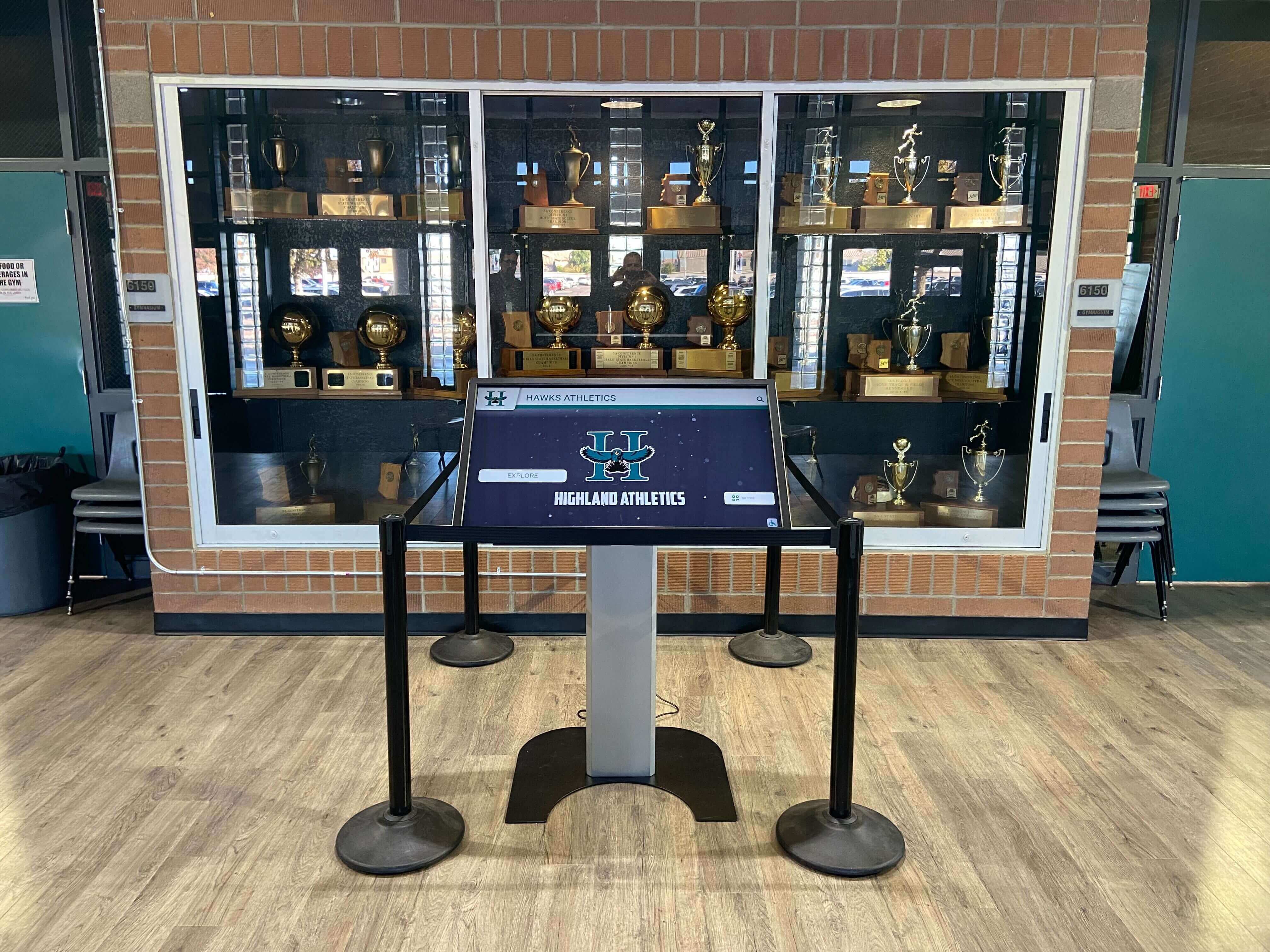
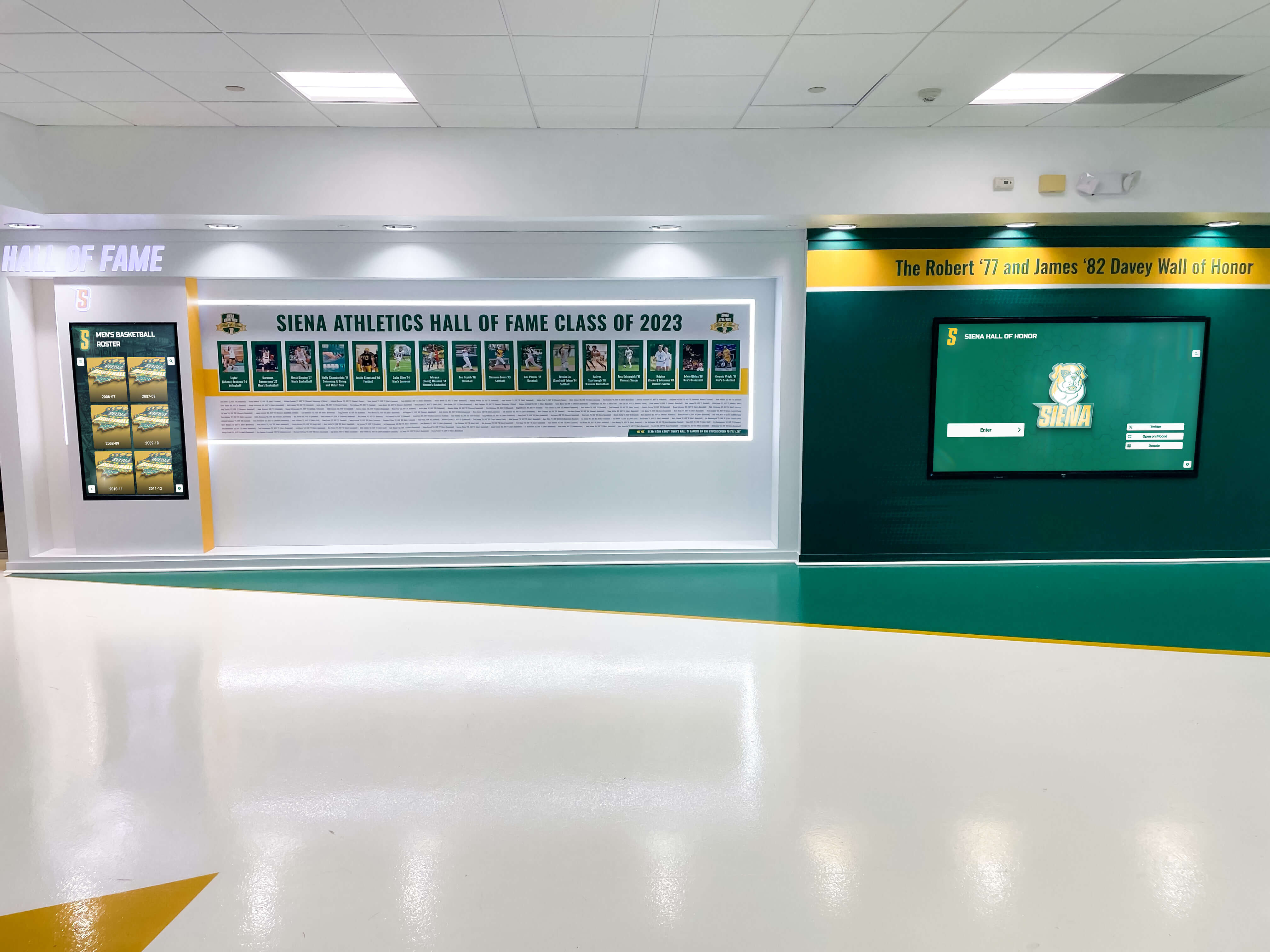
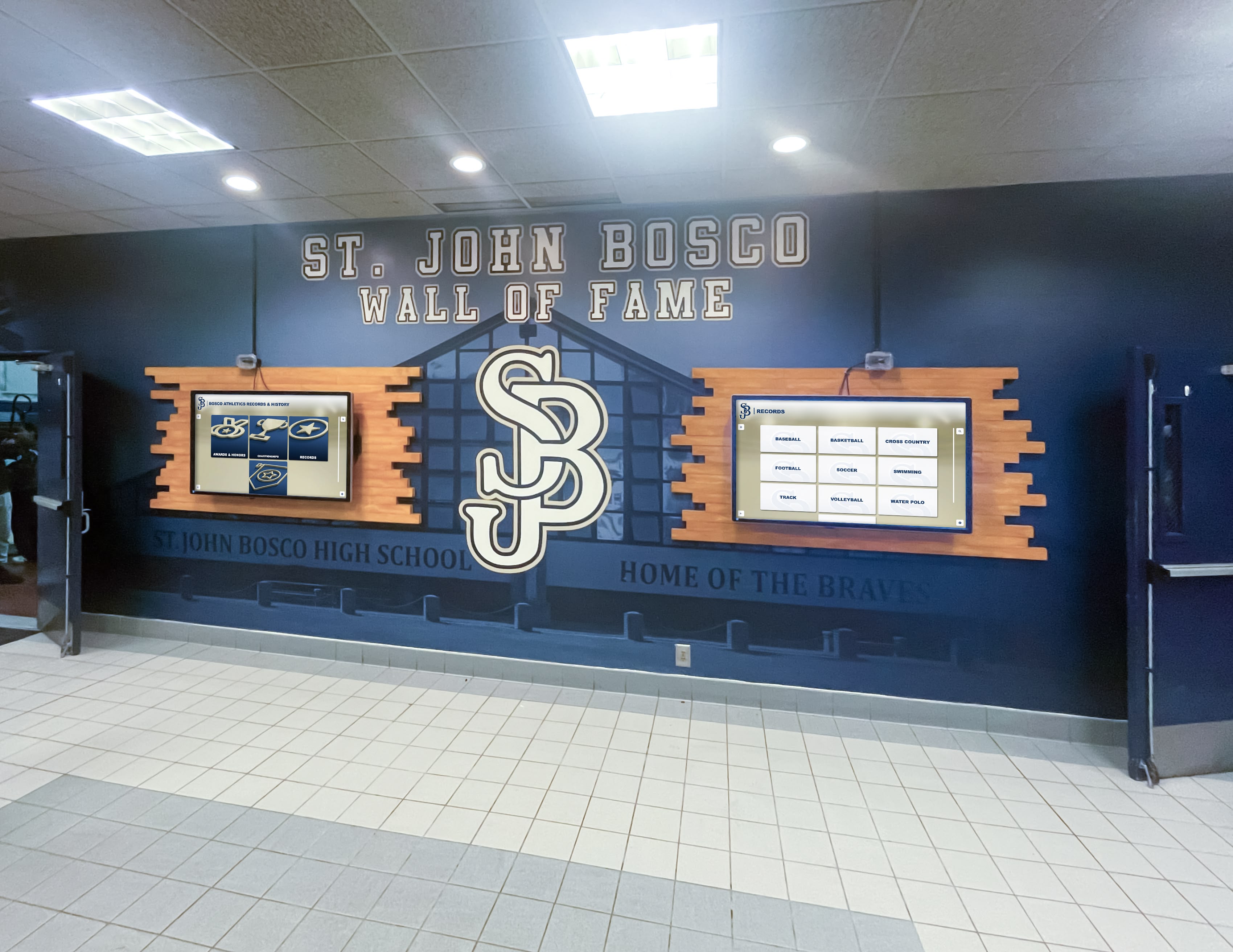
Modern systems provide unlimited capacity for recognizing achievements across all sports and years. Digital platforms accommodate photos, videos, statistics, complete rosters, and rich narratives preserving not just results but the complete championship journey.
Interactive Exploration
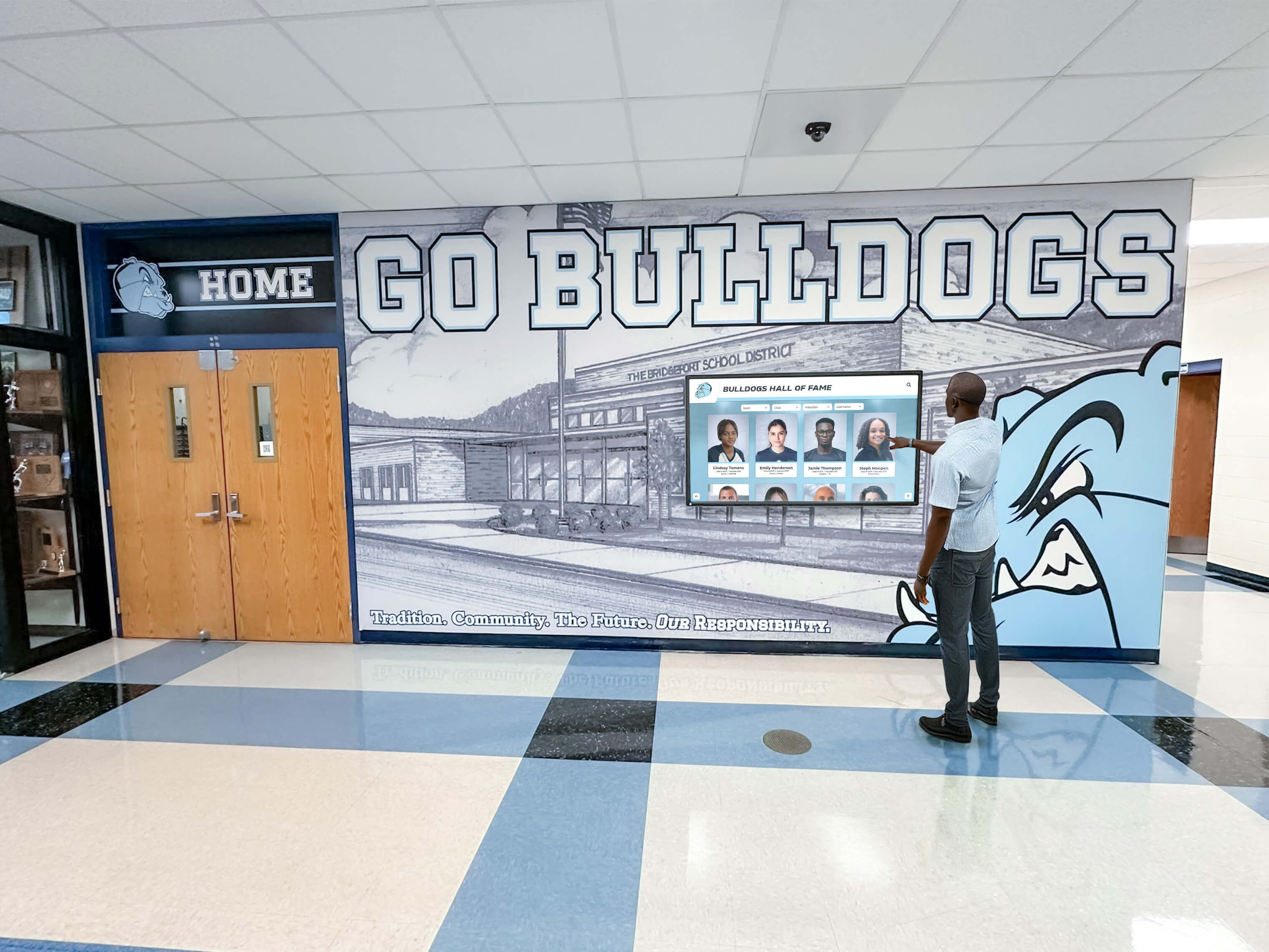
Visitors can search for specific players, teams, or seasons instantly rather than scanning physical plaques. Interactive features create engaging experiences where students, alumni, and community members actively explore program history rather than passively viewing static displays.
Multimedia Storytelling
Digital systems excel at preserving complete championship narratives including game highlights, season recaps, individual player spotlights, coaching insights, and community celebration documentation. This comprehensive approach transforms recognition from historical records into engaging stories that connect emotionally with audiences.
Cloud-Based Management
Web-based content management enables instant updates after championship victories without waiting for plaque fabrication. Authorized staff can add content easily, ensuring recognition remains current and complete.
Remote Accessibility
Web-enabled platforms allow alumni to explore championship history from anywhere in the world, extending recognition reach beyond physical school visitors. This accessibility strengthens alumni connections while increasing program visibility.
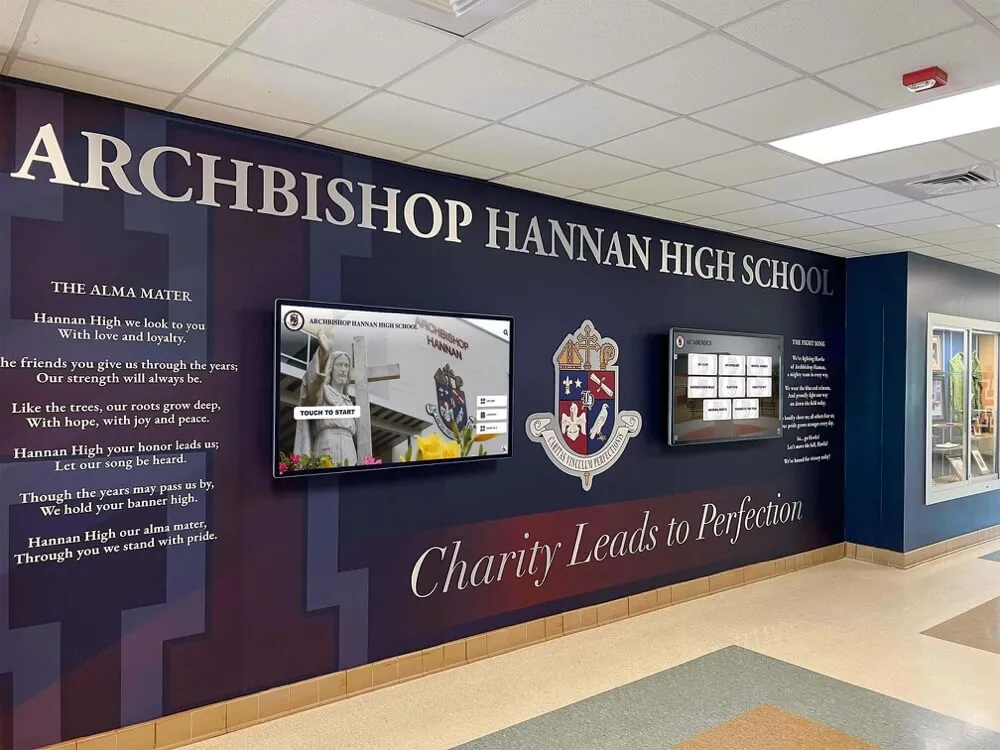
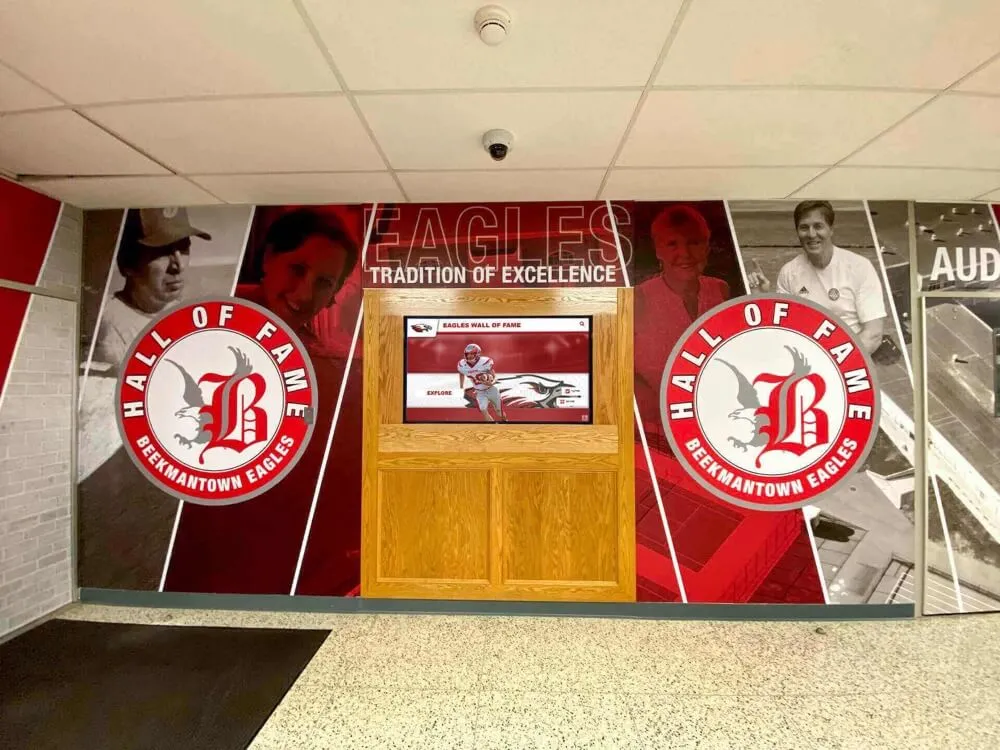
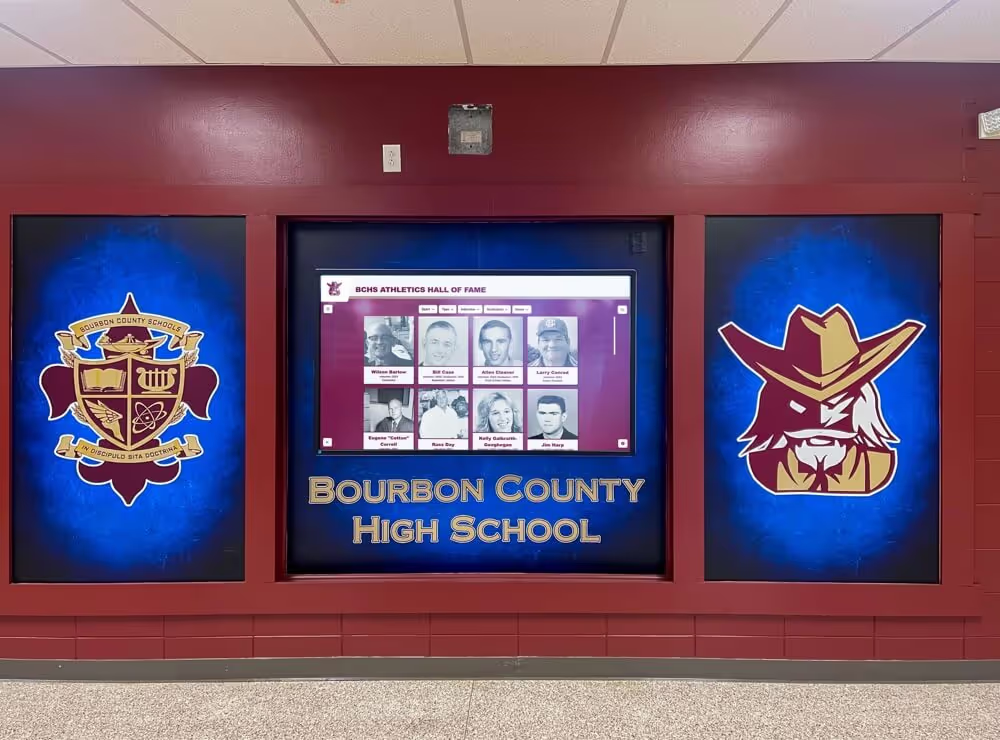
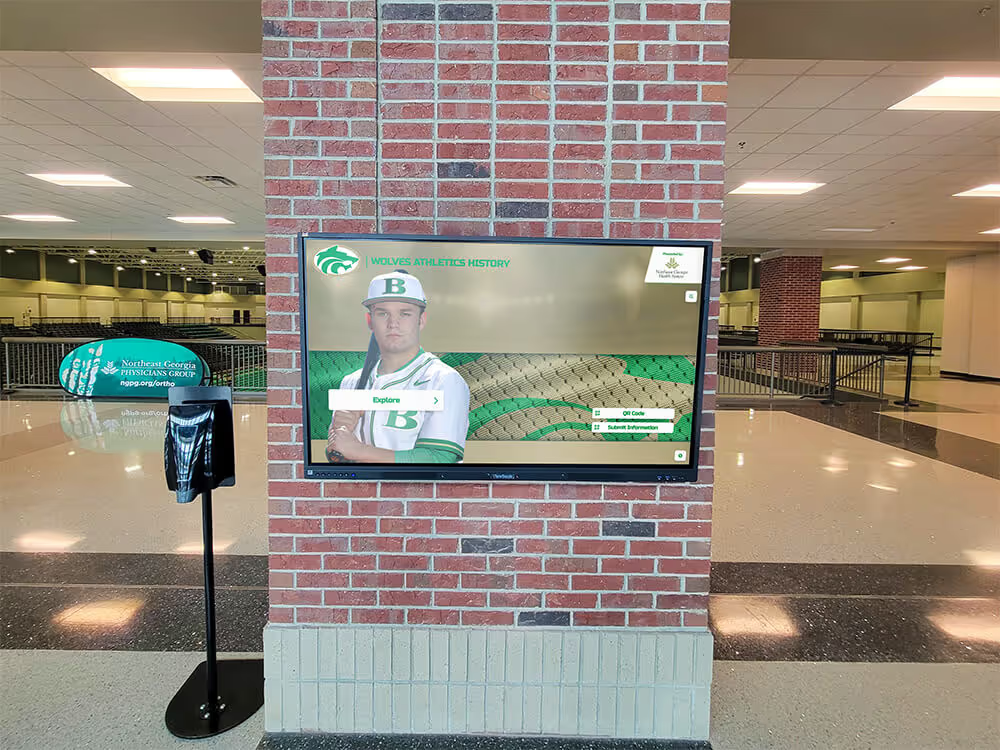
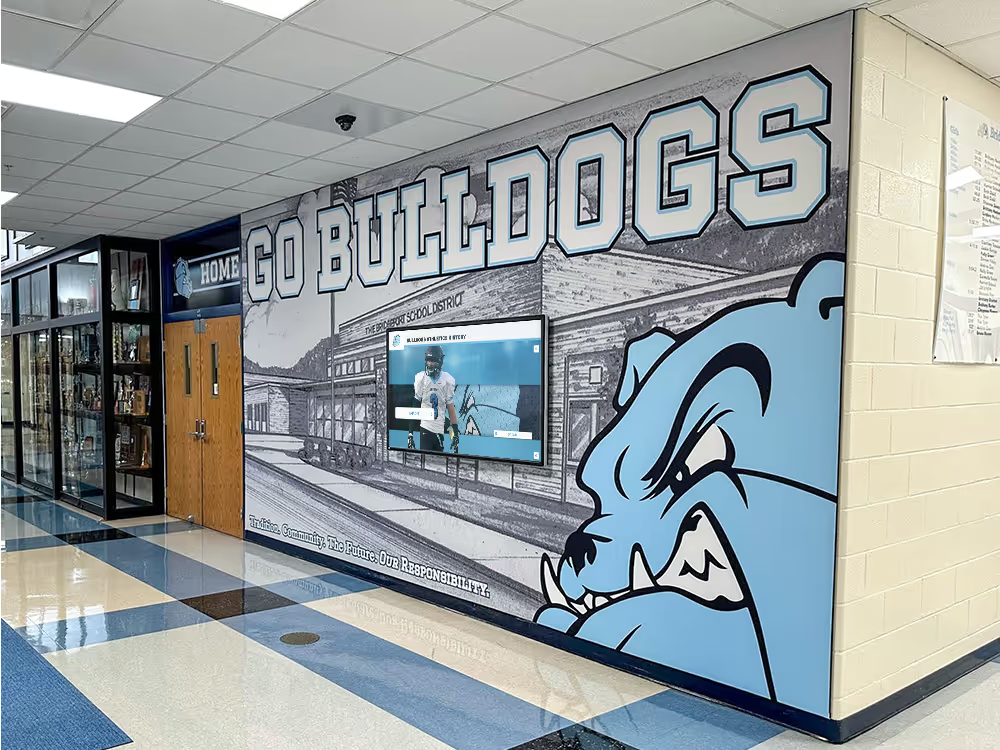
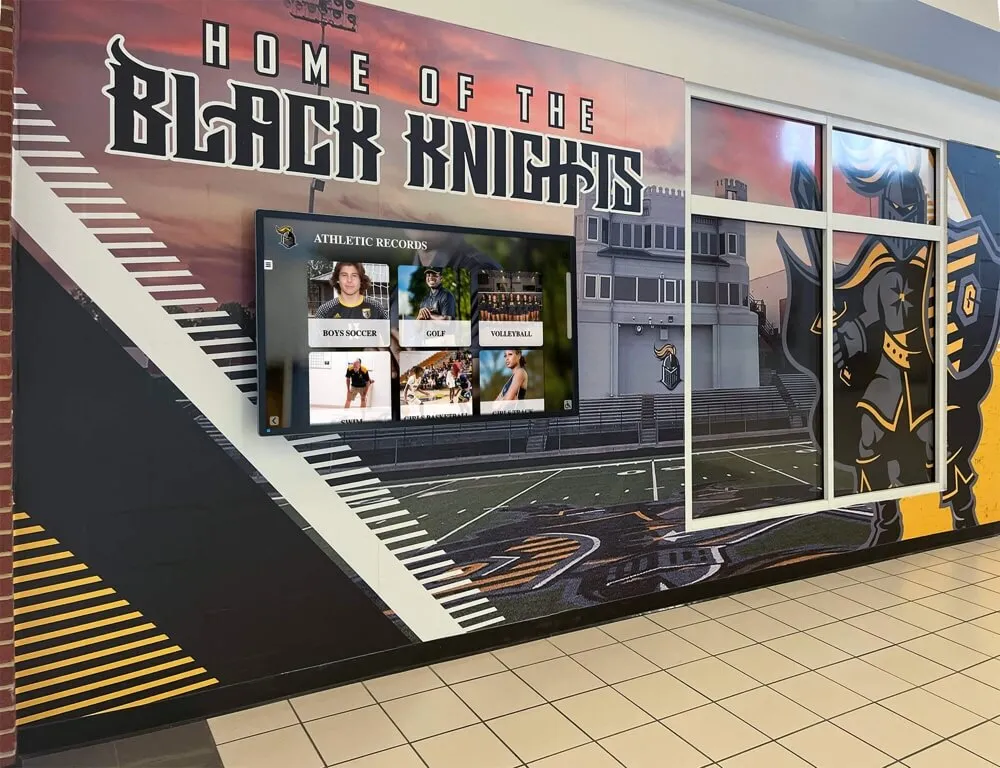
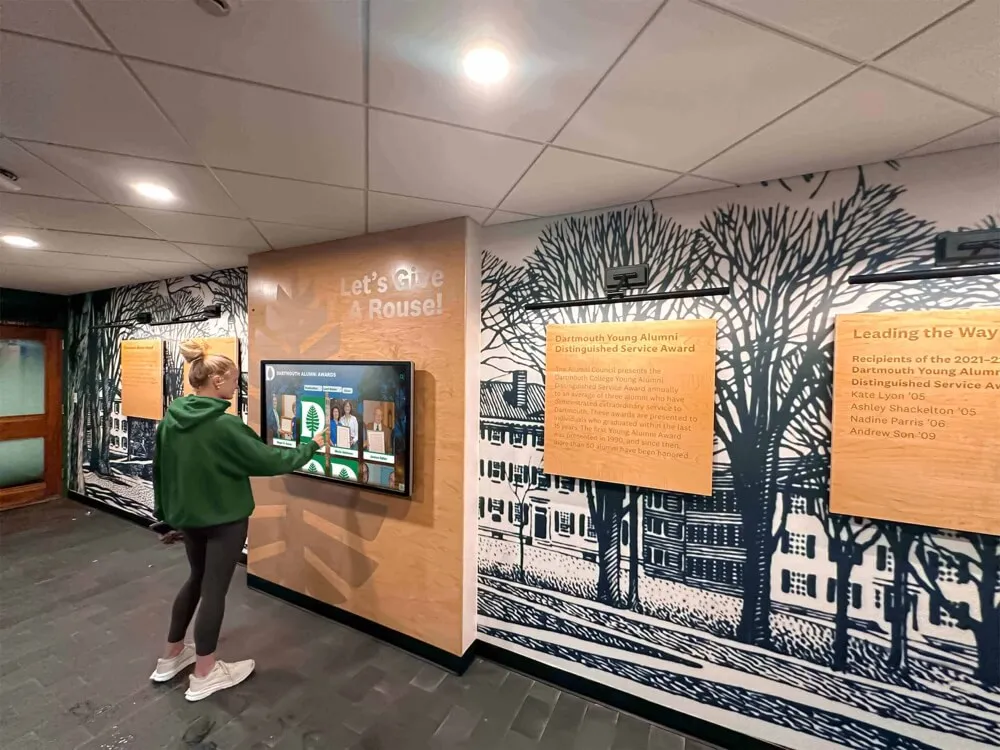
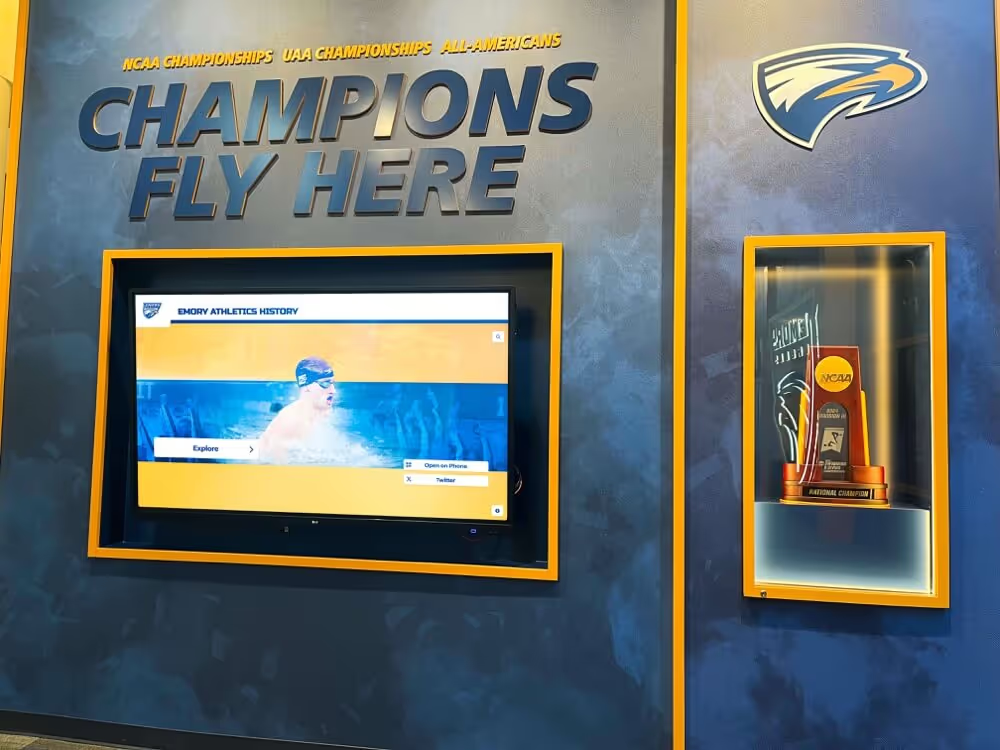
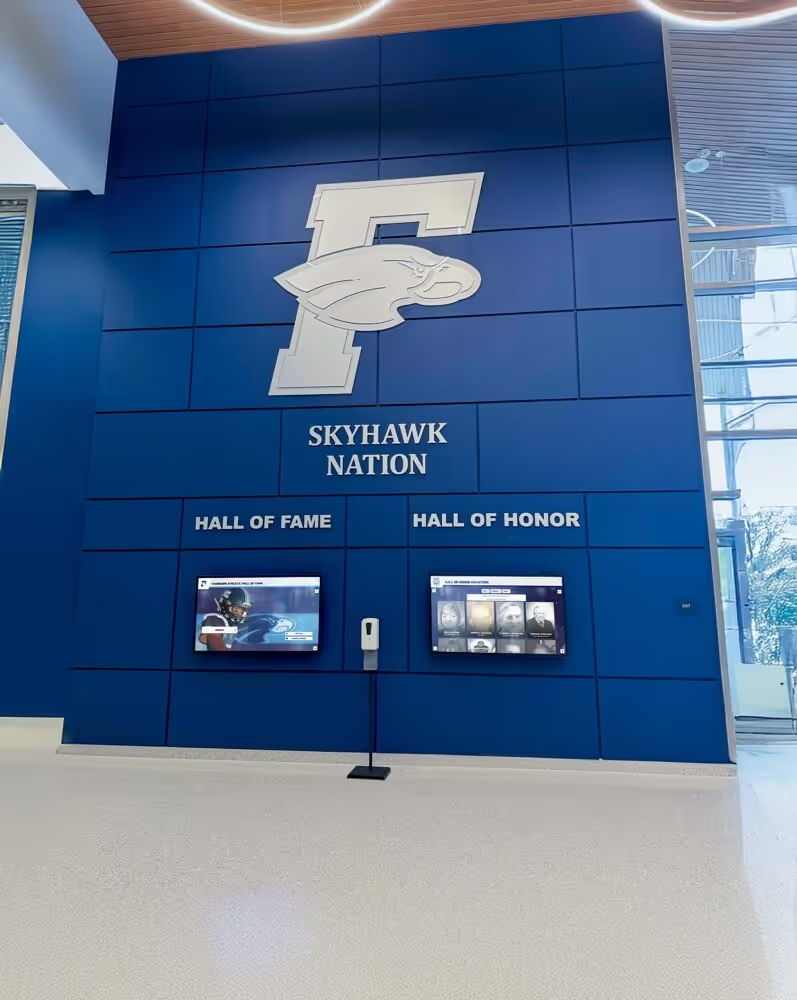
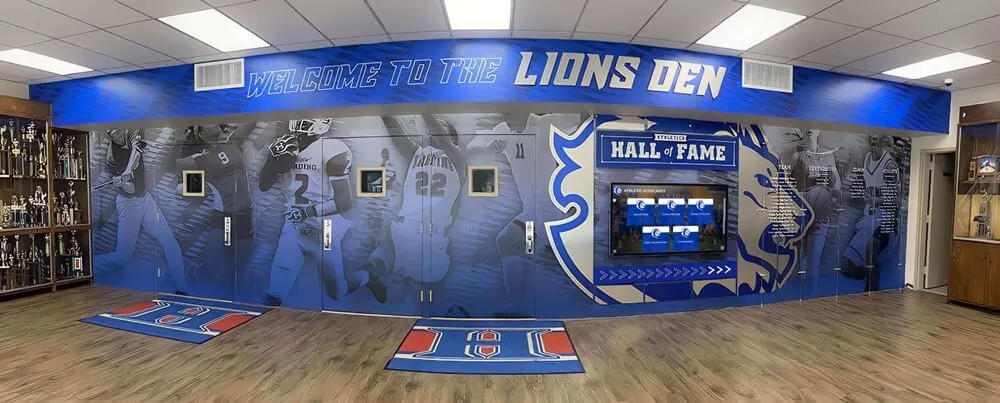
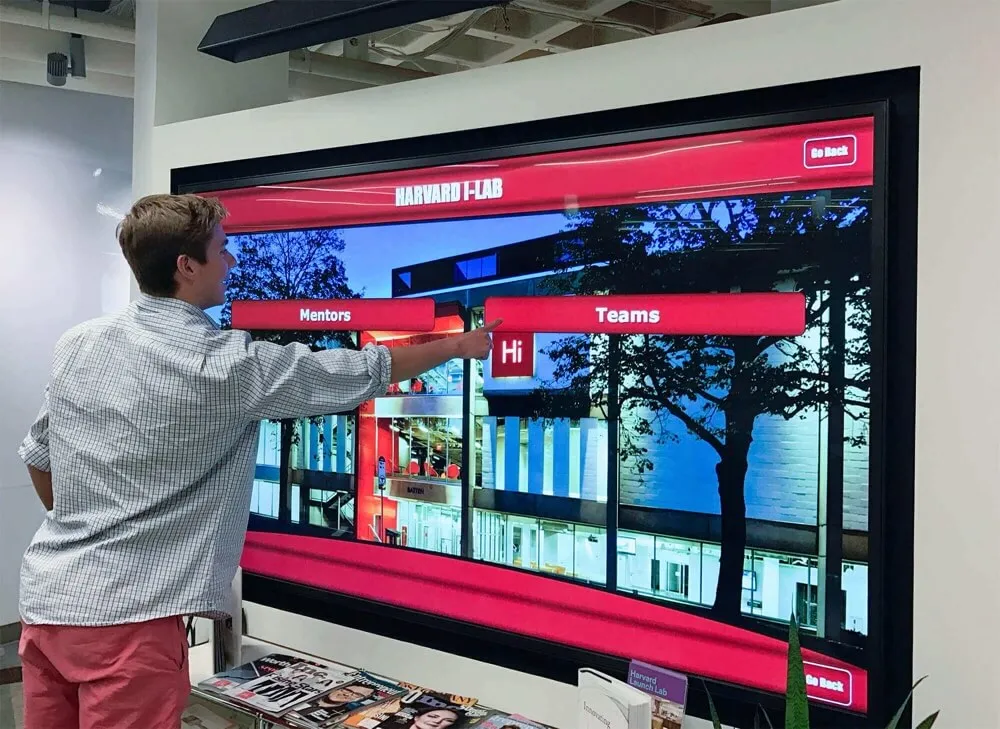
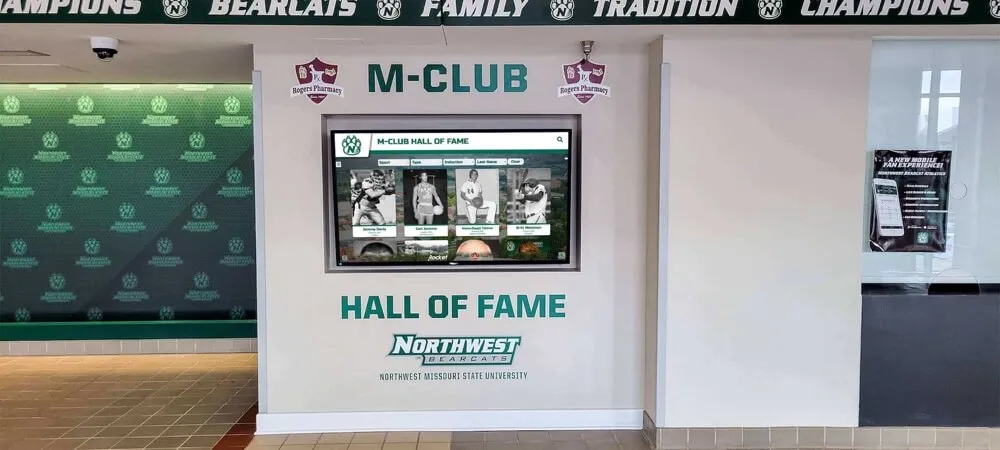
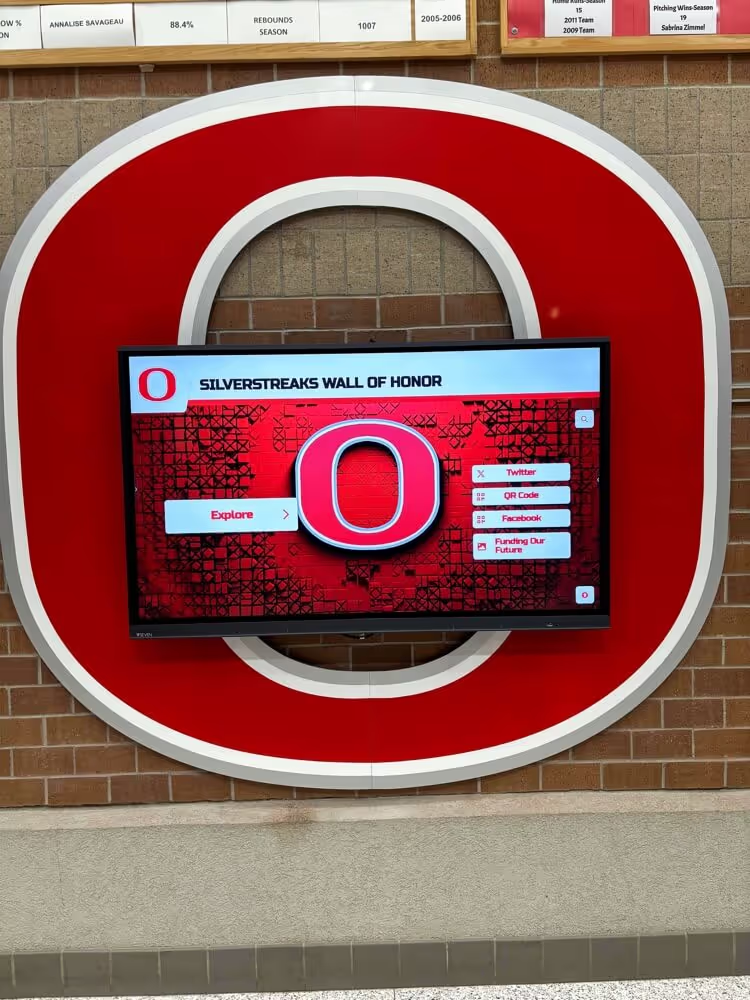
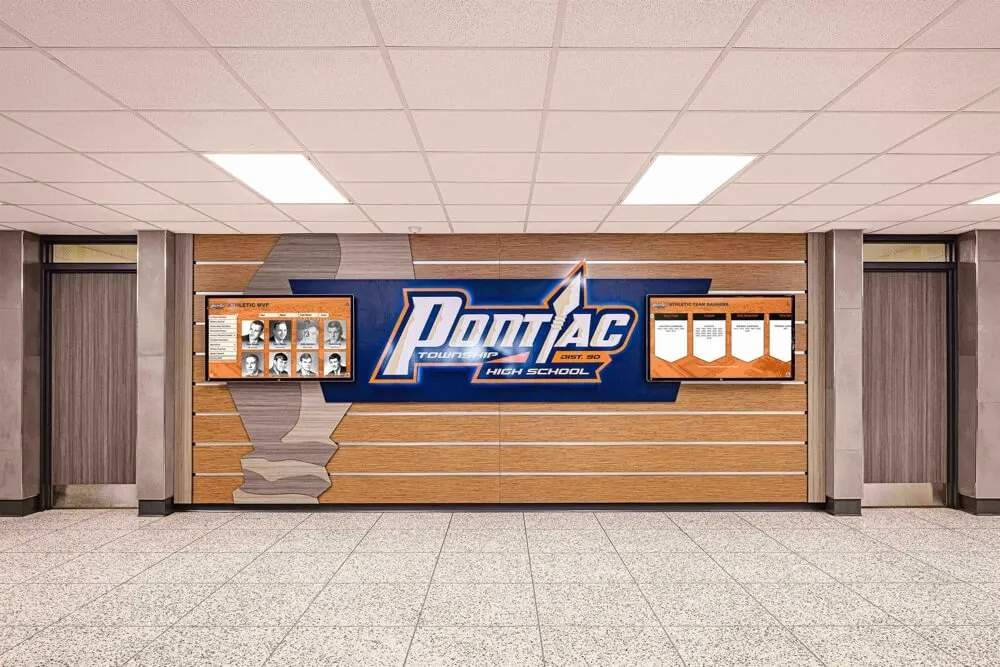
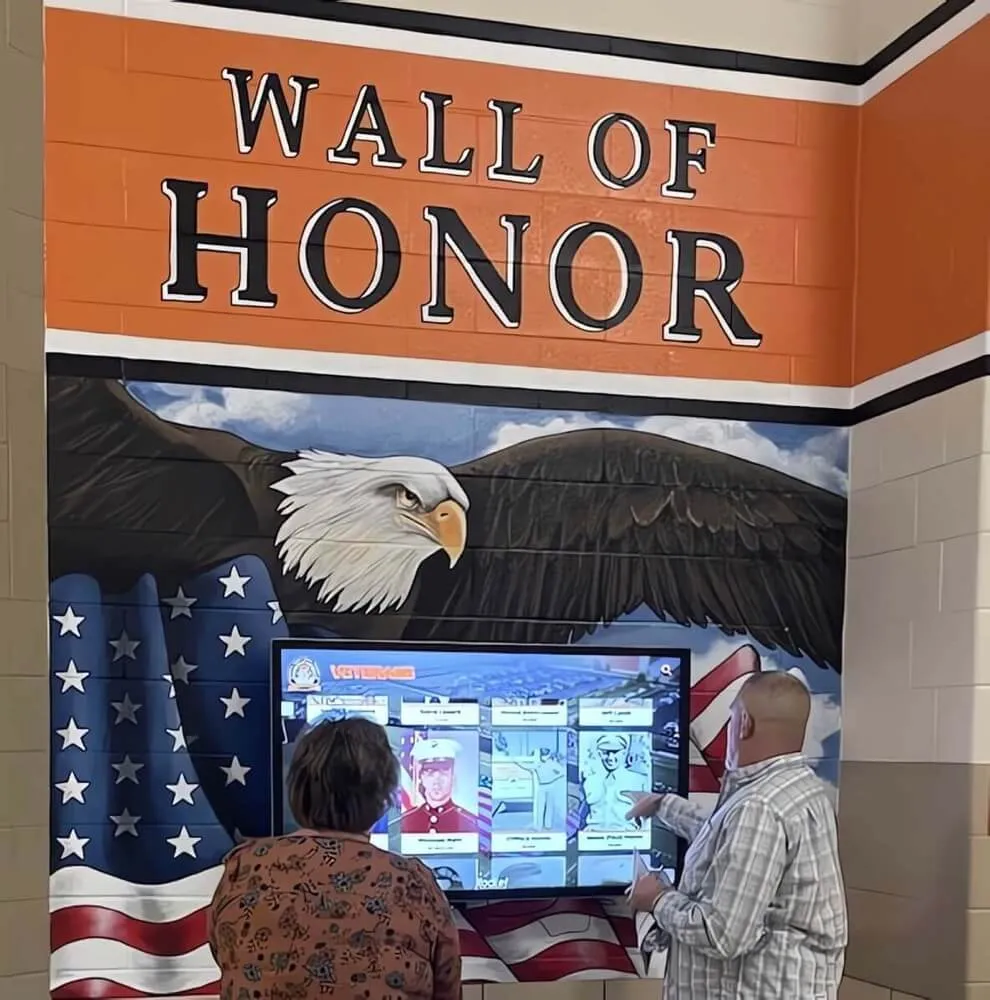
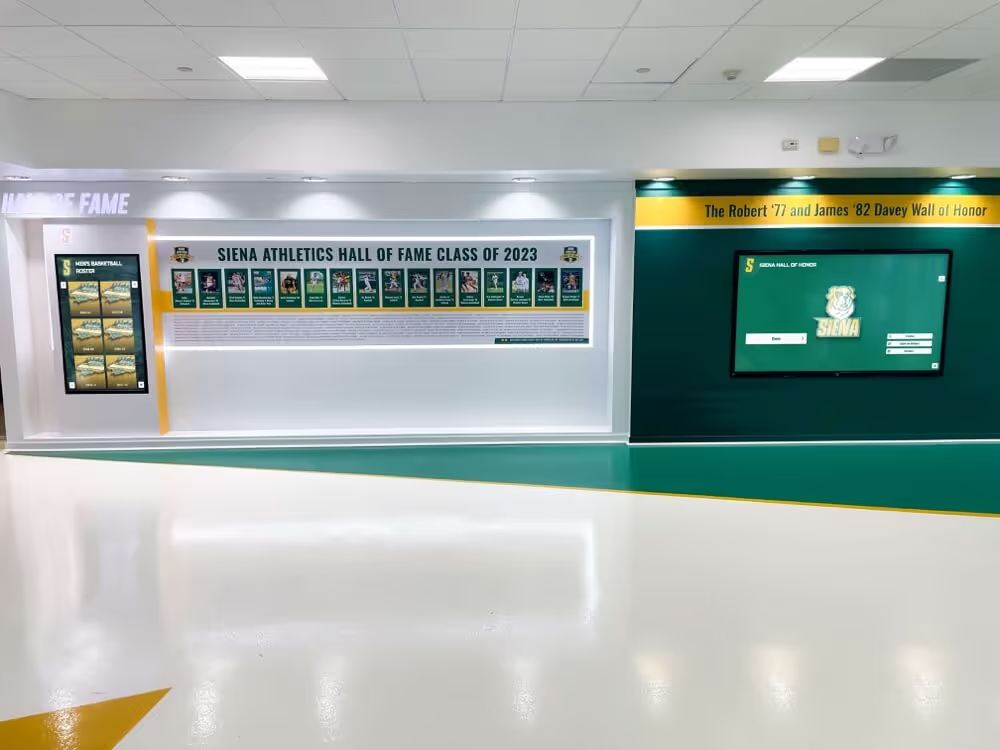
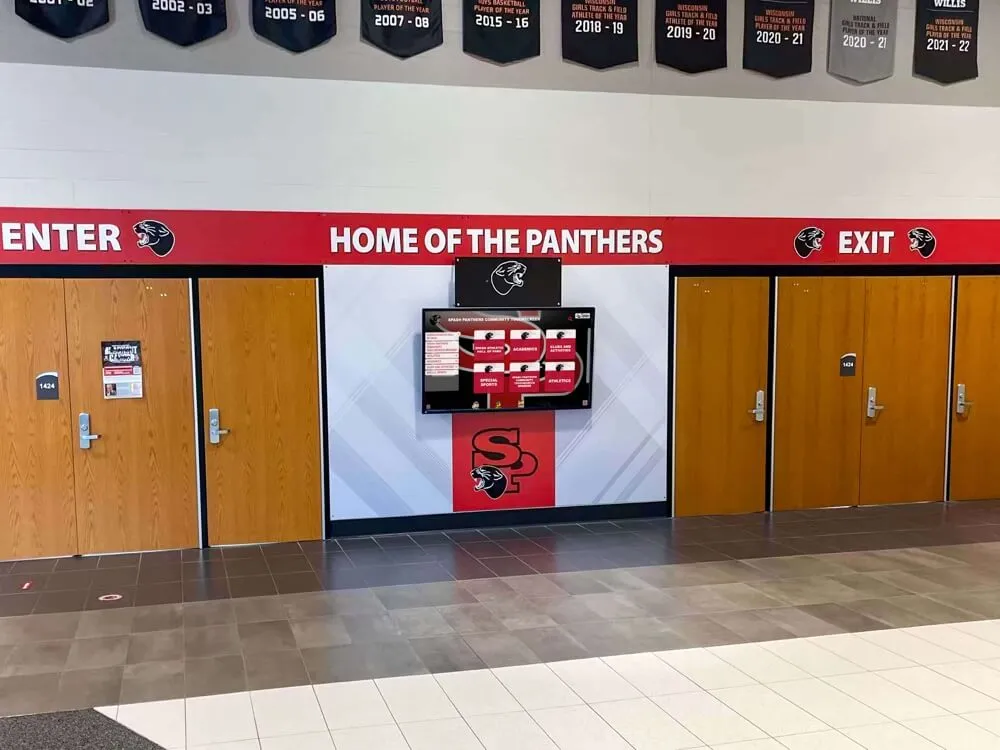
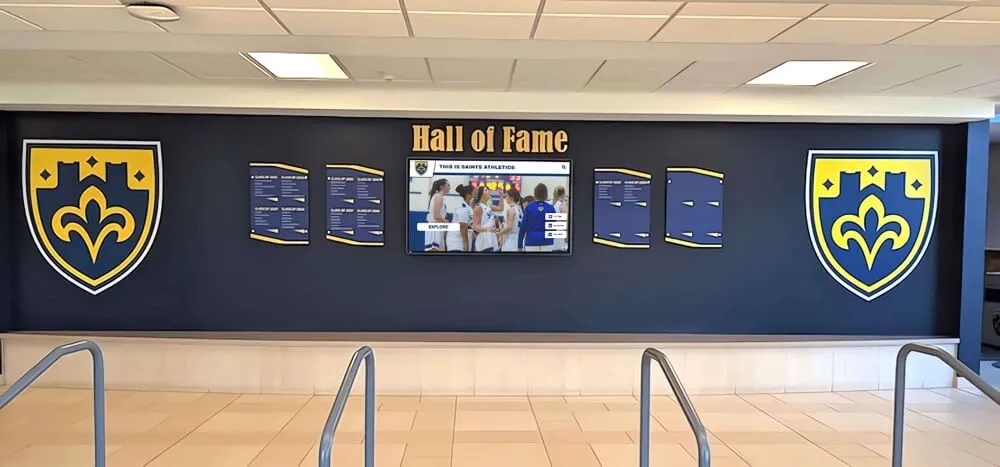
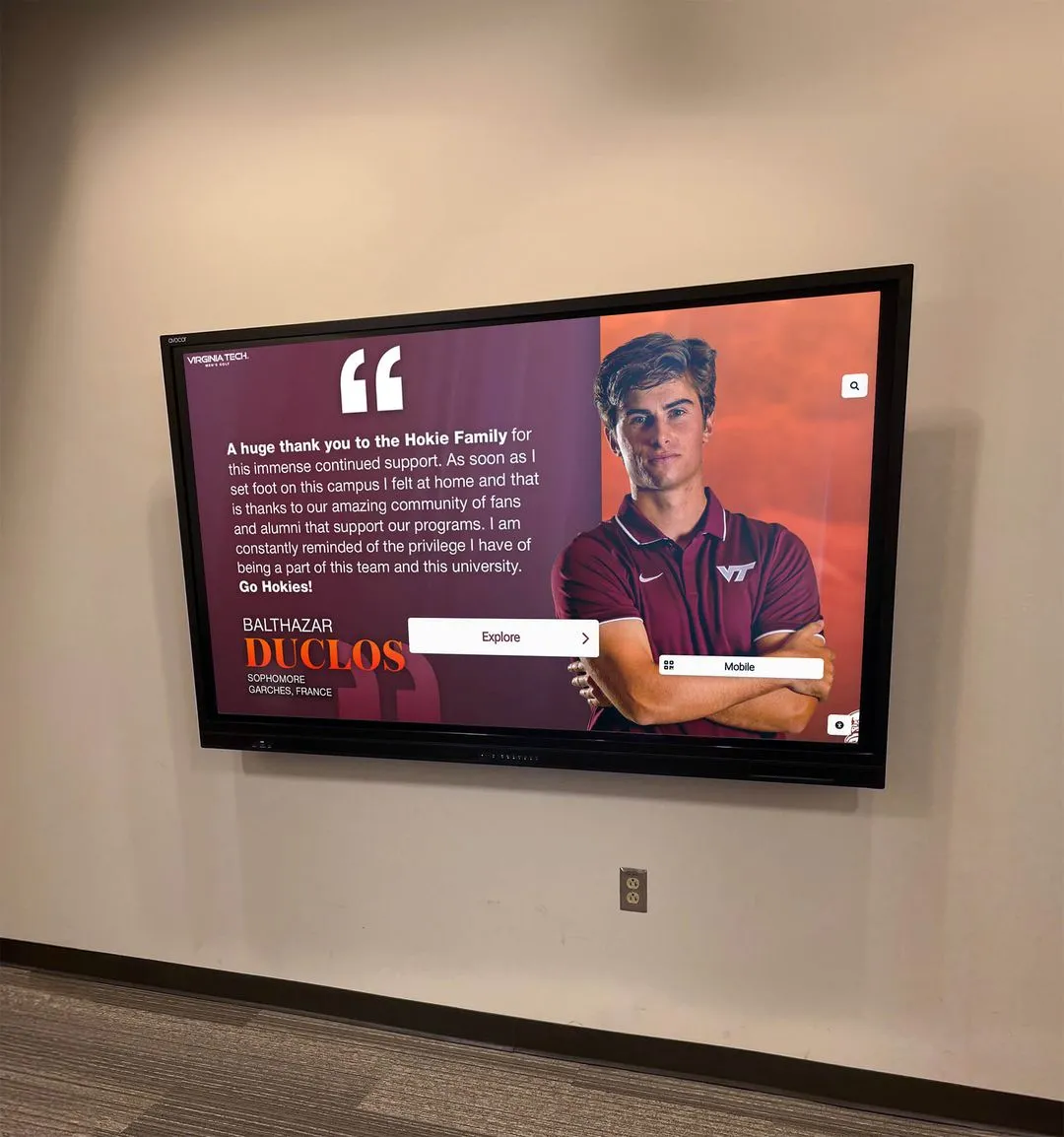
Solutions like those from Rocket Alumni Solutions provide purpose-built platforms designed specifically for athletic recognition rather than generic digital signage requiring extensive customization. Schools implementing digital recognition displays for athletic achievements position themselves to preserve football traditions comprehensively while engaging contemporary audiences.

Player Development and College Recruitment Pipeline
Arizona’s high school football programs serve as talent pipelines to collegiate and professional levels:
College Recruitment Landscape
Pac-12 Recruiting
Arizona State University and University of Arizona recruit heavily from in-state programs, creating natural pathways for top Arizona talent. Both programs prioritize keeping elite state prospects home while competing against national programs for top recruits.
National Program Attention
Elite programs like Alabama, Ohio State, USC, and other national powers regularly recruit Arizona’s top talents. Players from Chandler, Saguaro, Hamilton, and other elite programs receive scholarship offers from coast to coast, demonstrating the quality of Arizona high school football.
Division I Pipeline
Beyond elite programs, Arizona produces hundreds of Division I college players annually across FBS and FCS programs. Schools throughout the state send athletes to college programs, not just the most well-known powerhouses.
Junior College System
Arizona’s robust junior college football programs provide development opportunities for late bloomers and academic qualifiers, creating additional pathways to four-year college football.
Player Development Approaches
Successful Arizona programs share systematic development approaches:
Year-Round Training
Elite programs conduct off-season strength training, spring practices, summer 7-on-7 competitions, and fall camps that create continuous development cycles. Arizona’s climate enables year-round outdoor training unavailable in many states.
Position-Specific Coaching
Larger programs employ specialized position coaches rather than expecting assistants to coach multiple position groups. This specialization enhances technical development and creates expertise advantages.
Film Study and Preparation
Top programs emphasize detailed film study, game preparation, and strategic understanding rather than relying solely on athletic superiority. Mental preparation distinguishes elite programs from merely talented ones.
Showcase Participation
Top athletes participate in camps, combines, and 7-on-7 tournaments that provide college coach exposure. These showcases supplement high school seasons while demonstrating skills in controlled settings.
Schools often highlight their college placement success through recognition displays showcasing where program alumni continue their football careers. This documentation validates program quality while inspiring current athletes to pursue their college football dreams.
Facility Development and Program Resources
Investment in facilities distinguishes Arizona’s elite programs:
Stadium and Practice Facilities
Game Day Stadiums
Top programs feature stadiums with substantial seating capacity, quality playing surfaces, impressive lighting systems, locker room facilities, and press boxes. Some Arizona high schools maintain stadiums rivaling small college venues, creating home-field advantages through facility quality.
Practice Infrastructure
Elite programs provide multiple practice fields enabling position group work, dedicated special teams areas, and separate spaces for JV and freshman teams. Practice field quality and quantity directly impact preparation effectiveness.
Indoor Facilities
Some programs have invested in indoor practice facilities providing weather-protected training spaces. While Arizona’s climate generally enables year-round outdoor practice, indoor spaces provide controlled environments for specific training needs.
Training and Support Resources
Weight Room Programs
Modern strength and conditioning facilities with certified strength coaches distinguish elite programs. Year-round lifting programs develop physical capabilities essential for competitive excellence.
Sports Medicine Support
Partnerships with sports medicine providers, athletic training coverage at practices and games, and injury prevention programs demonstrate comprehensive athlete care. Quality medical support reduces injury risks while expediting recovery.
Technology Integration
Video analysis systems, player tracking technology, and communication platforms enhance preparation and player development. Technology investments create competitive advantages through enhanced preparation and analysis.
Nutritional Support
Some programs provide team meals, nutritional guidance, and hydration support ensuring athletes receive proper fueling for performance and recovery.
Facility and resource disparities between well-funded programs and smaller schools create competitive advantages that classification systems partially address. Recognizing these realities helps contextualize competitive achievements across different resource levels.
Challenges Facing Arizona High School Football
Despite overall program strength, Arizona football faces various challenges:
Heat and Climate Considerations
Summer Practice Safety
Arizona’s extreme summer heat creates significant safety concerns during preseason practices. Programs must carefully manage practice timing, hydration protocols, and heat acclimatization to prevent heat-related illnesses.
Facility Requirements
Access to shaded practice areas, air-conditioned spaces for breaks, and quality hydration systems becomes essential rather than optional in Arizona’s climate. Schools must invest in infrastructure supporting safe summer training.
Season Timing Debates
Discussions periodically emerge about moving football season later to avoid August and September heat. However, moving seasons creates conflicts with other sports and impacts playoff schedules.
Competitive Balance Issues
Resource Disparities
Significant differences exist between well-resourced suburban programs and schools with limited budgets, creating advantages unrelated to coaching or player development quality.
Transfer and Recruitment Concerns
Open enrollment policies and school choice create situations where elite athletes concentrate at particular schools, potentially reducing competitive balance. Debates continue about transfer eligibility rules and recruitment restrictions.
Private School Advantages
Private schools compete across classifications while sometimes attracting talent from broad geographic areas beyond neighborhood boundaries, creating perceived competitive advantages.
Participation and Safety Concerns
Declining Youth Participation
National trends showing reduced youth football participation due to concussion concerns and competing activity options affect Arizona programs’ feeder systems and player development pipelines.
Concussion Protocols
Enhanced awareness of traumatic brain injury risks requires comprehensive concussion protocols, baseline testing, and return-to-play procedures that prioritize athlete safety.
Season Length Considerations
Championship teams potentially play 15+ games from August through December, raising questions about season length, academic impact, and cumulative injury risk.
Addressing these challenges while preserving what makes Arizona football excellent requires ongoing attention from athletic administrators, coaches, and the AIA.
Community Impact and School Pride
Football success creates impacts extending beyond athletic achievements:
Building School Culture
Student Body Engagement
Successful football programs engage entire student populations through spirit weeks, student section traditions, and school-wide celebrations. Football creates unifying experiences connecting students across grades and social groups.
Institutional Identity
Championship success enhances overall school reputation and community perception. Schools known for football excellence often benefit from positive associations extending to academic programs and other activities.
Alumni Connection
Football traditions create lasting alumni bonds as graduates maintain program connections through attending games, supporting booster clubs, and following team success from distances. These connections strengthen institutional relationships that benefit schools beyond athletics.
Economic and Community Impact
Local Business Benefits
Friday night football games generate economic activity as restaurants, gas stations, and retailers benefit from game attendance. Championship runs amplify these impacts through extended seasons and increased community engagement.
Regional Recognition
Successful programs put communities on state and sometimes national maps through media coverage, recruiting attention, and championship achievements. This visibility benefits communities through enhanced recognition and pride.
Community Unity
Football provides shared experiences that unite diverse community members around common purpose. In increasingly fragmented society, these communal gatherings create rare opportunities for unified celebration and identity.
Schools preserving football achievements through comprehensive recognition honor these community contributions while documenting traditions that extend beyond athletic competition. Resources about building school pride through recognition provide frameworks for celebrating program impact.

Looking Forward: Arizona Football’s Future
Arizona high school football continues evolving while maintaining traditions that make programs special:
Technology Integration
Digital Recruitment Tools
Enhanced highlight video systems, online recruiting profiles, and digital showcases provide players with unprecedented opportunities to gain college attention. Technology democratizes recruitment by reducing geographic disadvantage.
Analytics and Performance Tracking
Data analysis tools provide insights about performance, efficiency, and strategic decision-making. Programs embracing analytics may gain competitive advantages through enhanced preparation and in-game adjustments.
Virtual Training Resources
Online playbook systems, virtual reality training applications, and remote coaching tools supplement traditional preparation methods, creating new development opportunities.
Recognition and Historical Preservation
Digital platforms ensure championship achievements and program traditions receive lasting documentation through multimedia archives, searchable databases, and engaging displays that honor past excellence while inspiring future athletes.
Maintaining Competitive Excellence
Coaching Development
Continuing education for coaches, mentorship programs connecting experienced and emerging coaches, and systematic coaching development ensure program quality across competitive levels.
Facility Investments
Ongoing improvements to stadiums, practice facilities, and support resources demonstrate commitment to providing athletes with quality environments for development and competition.
Safety Protocols
Continuous improvement in concussion management, heat safety, emergency response, and overall player welfare demonstrates prioritization of athlete wellbeing alongside competitive success.
Youth Development
Strengthening feeder programs through youth football support, middle school program quality, and systematic player development pipelines ensures future program sustainability.
Arizona’s future football success depends on balancing tradition with necessary evolution, maintaining community passion while addressing contemporary challenges, and preserving what makes programs special while embracing beneficial changes.
Celebrating Arizona’s Football Excellence
Arizona high school football represents remarkable achievement across multiple dimensions—competitive excellence on fields, systematic player development preparing athletes for college success, community building creating shared identity, and traditions connecting generations through shared passion. From Phoenix metro powerhouses competing for national recognition to small rural programs binding communities together through Friday night tradition, Arizona football creates meaning extending far beyond game outcomes.
The state’s classification structure ensures championship opportunities exist across all school sizes, while elite programs demonstrate that sustained excellence results from comprehensive commitment to facilities, coaching, player development, and community support. Rankings and recognition systems validate competitive achievement while motivating programs to pursue continuous improvement.
Schools honoring football achievements through comprehensive recognition programs preserve traditions while inspiring future athletes. Whether implementing traditional banners and trophy cases or adopting modern digital recognition platforms, the key is ensuring that championships, individual achievements, and program traditions receive lasting commemoration worthy of the dedication and passion they represent.
As Arizona high school football continues evolving through technology integration, facility improvements, and enhanced player safety, the core elements that make programs special remain constant—passionate communities supporting young athletes, dedicated coaches developing players beyond football, and traditions creating connections across generations. These enduring values ensure Arizona’s position as a premier high school football state will continue regardless of how specific elements evolve.
For families choosing schools, athletes selecting programs, and communities supporting teams, Arizona high school football provides experiences shaping character, building relationships, and creating memories lasting lifetimes. The Friday night lights illuminate not just athletic competition but community gathering spaces where shared passion creates something larger than individual achievement—collective identity, sustained tradition, and enduring excellence.
Ready to celebrate your football program’s achievements with recognition displays that honor tradition while embracing modern capabilities? Explore how Rocket Alumni Solutions creates comprehensive digital recognition platforms specifically designed for athletic programs, preserving championship legacies through engaging, professional displays that inspire current athletes while honoring the heroes who built your program’s traditions.