



Key Takeaways
Comprehensive guide to displaying annual 5K school fundraiser history, year-over-year leaderboards, sponsor recognition, donor walls, volunteer spotlights, and photo galleries through modern digital recognition systems.
The Evolution of School 5K Fundraiser Events
School-based 5K fundraiser events have evolved from simple fun runs into sophisticated community events that generate substantial revenue while strengthening institutional connections and promoting health and wellness.
The Modern 5K Fundraiser Landscape
- Significant Fundraising Impact: Well-managed school 5K events regularly generate $15,000-$100,000+ in annual revenue through registration fees, sponsorships, and donations
- Multi-Generational Participation: 5K races attract participants from young children to grandparents, creating inclusive community events
- Sponsor and Donor Engagement: Corporate sponsorships, local business partnerships, and individual donations provide critical revenue streams
- Year-Round Community Building: Successful programs maintain visibility and engagement beyond race day through ongoing recognition
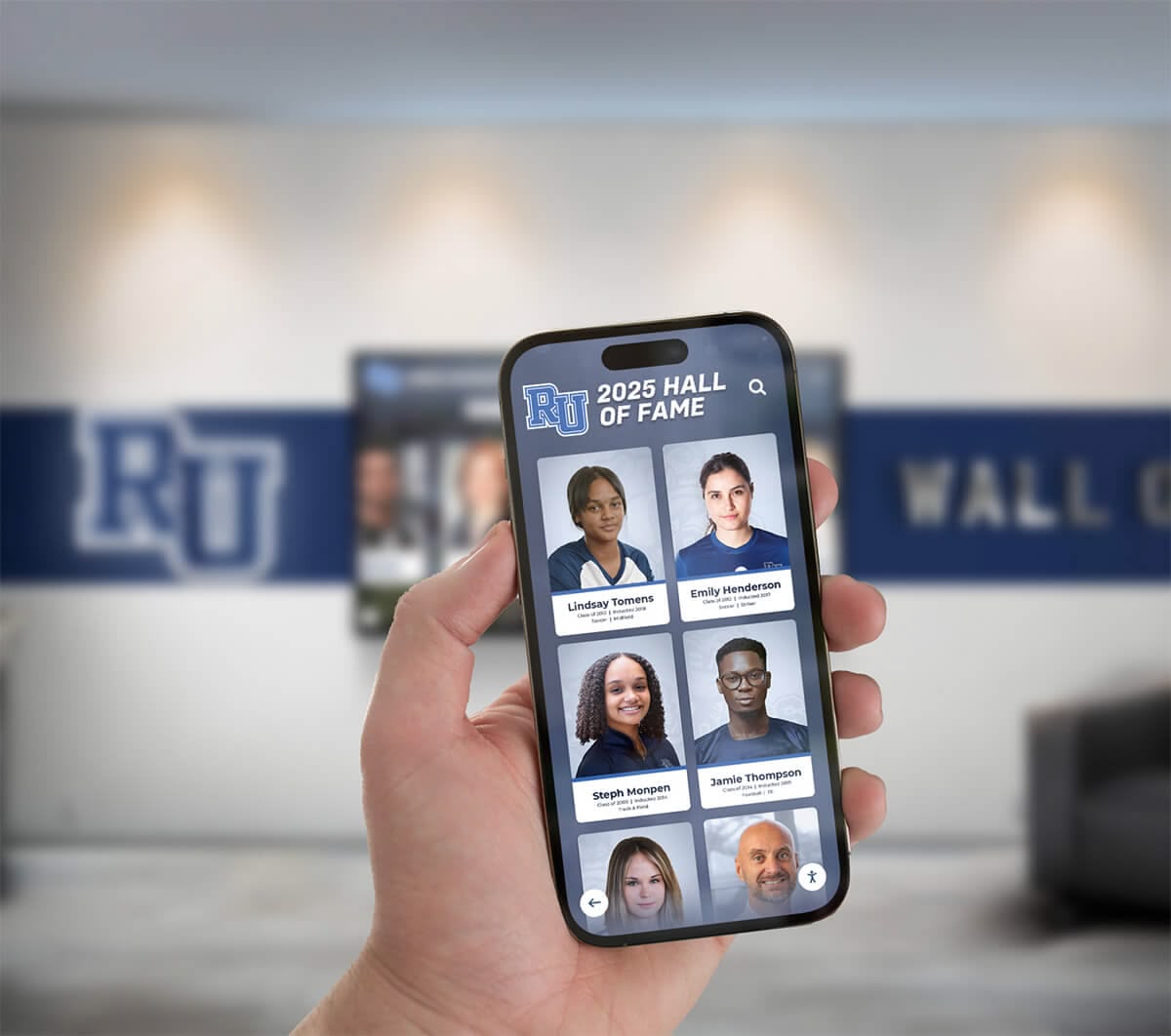
- Digital-First Communication: Participants expect convenient digital access to registration, race information, results, and historical data
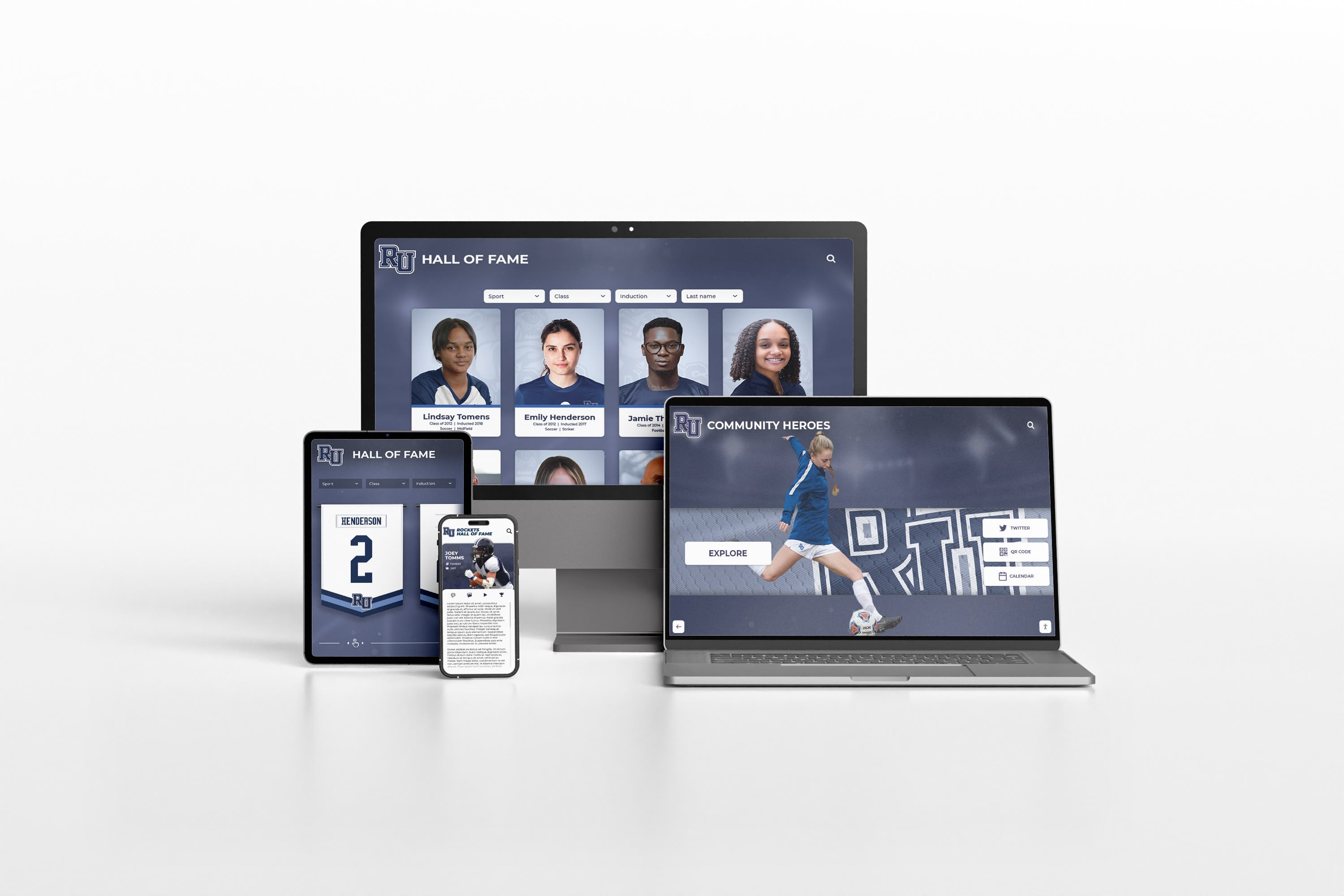
Traditional approaches to 5K event management—printed race bibs, paper registration forms, static trophy displays, and forgotten historical results—no longer meet participant and donor expectations. Community members accustomed to digital convenience in every other aspect of their lives expect the same from school fundraising events. Simultaneously, schools recognize the value of preserving and showcasing decades of 5K history as part of broader community engagement and fundraising strategies.
Why Digital Recognition Systems Are Perfect for 5K Fundraiser Management
Digital recognition platforms offer comprehensive solutions that address both the historical preservation and current event management needs of annual 5K fundraiser events.
Comprehensive Historical Archives
🏆 Year-Over-Year Leaderboards
Maintain complete race history with top finishers across all age groups, divisions, and event years
📸 Photo Gallery Archives
Preserve thousands of race photos organized by year, featuring participants, memorable moments, and event evolution
🤝 Sponsor & Donor Recognition
Create permanent digital recognition for sponsors and donors that extends far beyond race day
📊 Fundraising Impact History
Track total funds raised over the years with stories showing how the money has made a difference
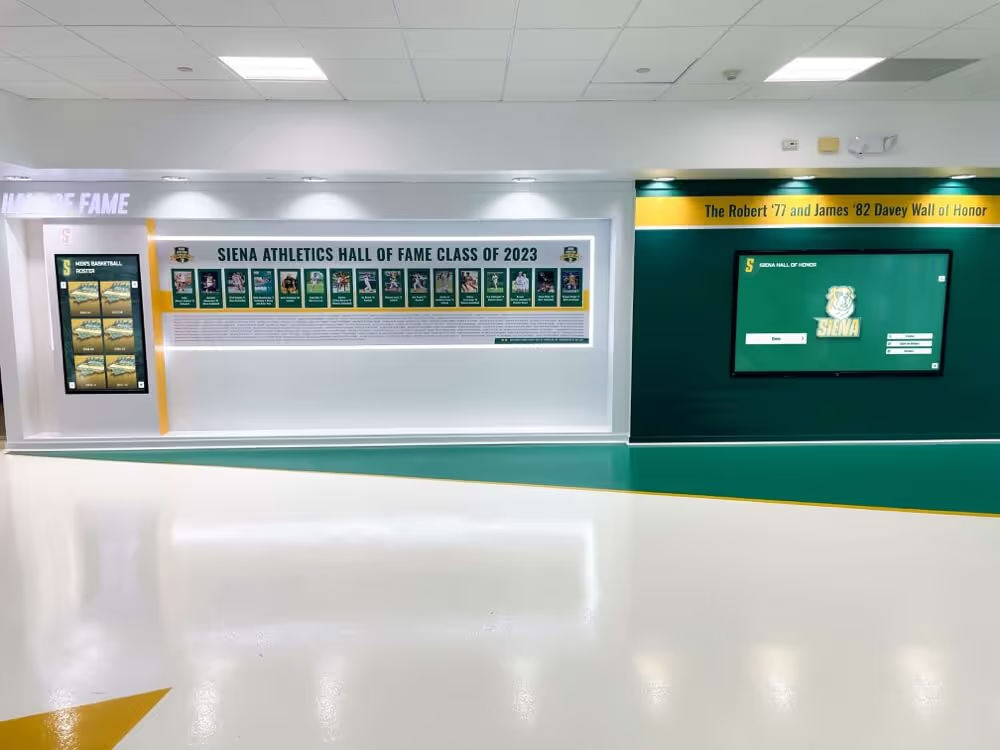
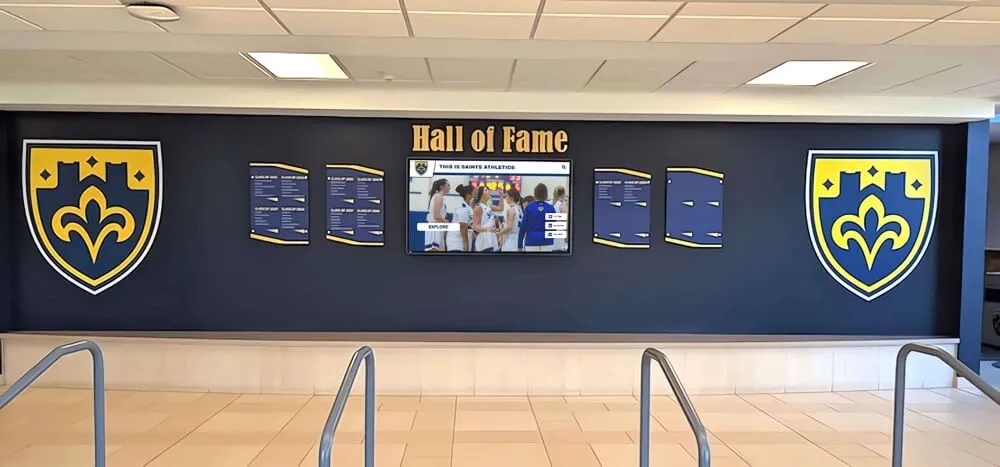
The most significant advantage of digital recognition systems is their unlimited capacity to store and display information. Where traditional trophy cases might show only the most recent year’s winners or a handful of plaques, digital solutions can house comprehensive records dating back to your event’s first race.
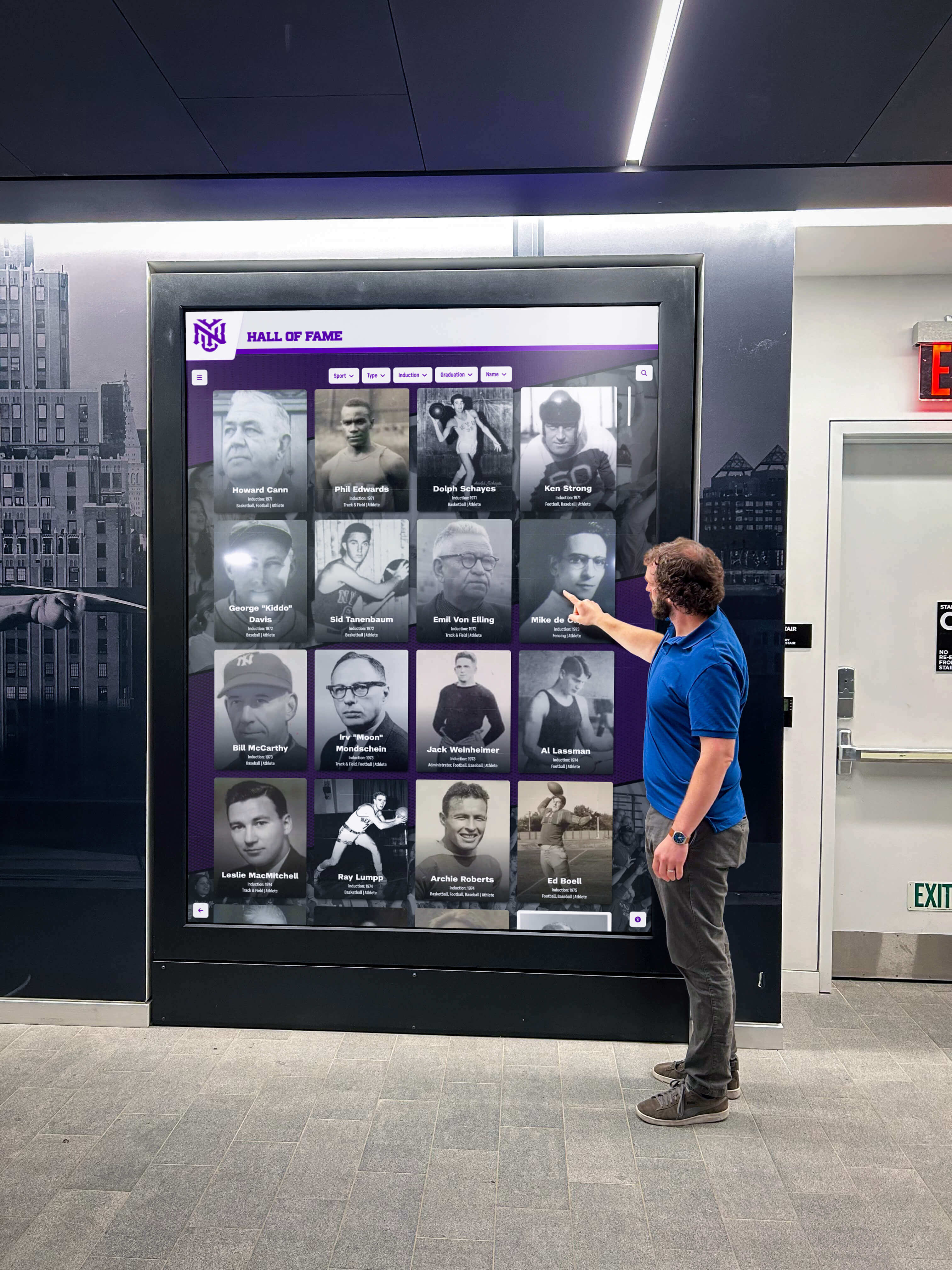
For institutions with broader donor recognition programs, integrating 5K fundraiser history creates a complete picture of community engagement and philanthropic support. Visitors exploring your digital displays can discover not just athletic achievements, but also the community members who have supported the school through decades of participation in fundraising events.
Centralized Event Information Hub
Beyond historical preservation, digital recognition systems excel at distributing current event information. Rather than scattered communication across emails, social media posts, and printed flyers, a digital display provides a single source of truth for all race details.
Essential Information to Display:
5K Race Details Participants Need:
- Date and Time: Clear display of race date, registration opening, and race start time
- Location: Course map, start/finish line location, and parking information
- Registration: Direct links to online registration with QR codes and deadline information
- Pricing: Individual and family registration fees, early-bird discounts, and fundraising minimums
- Course Details: Elevation profile, mile markers, water stations, and route description
- Schedule: Full event day schedule including warm-up, race start times by division, and awards ceremony
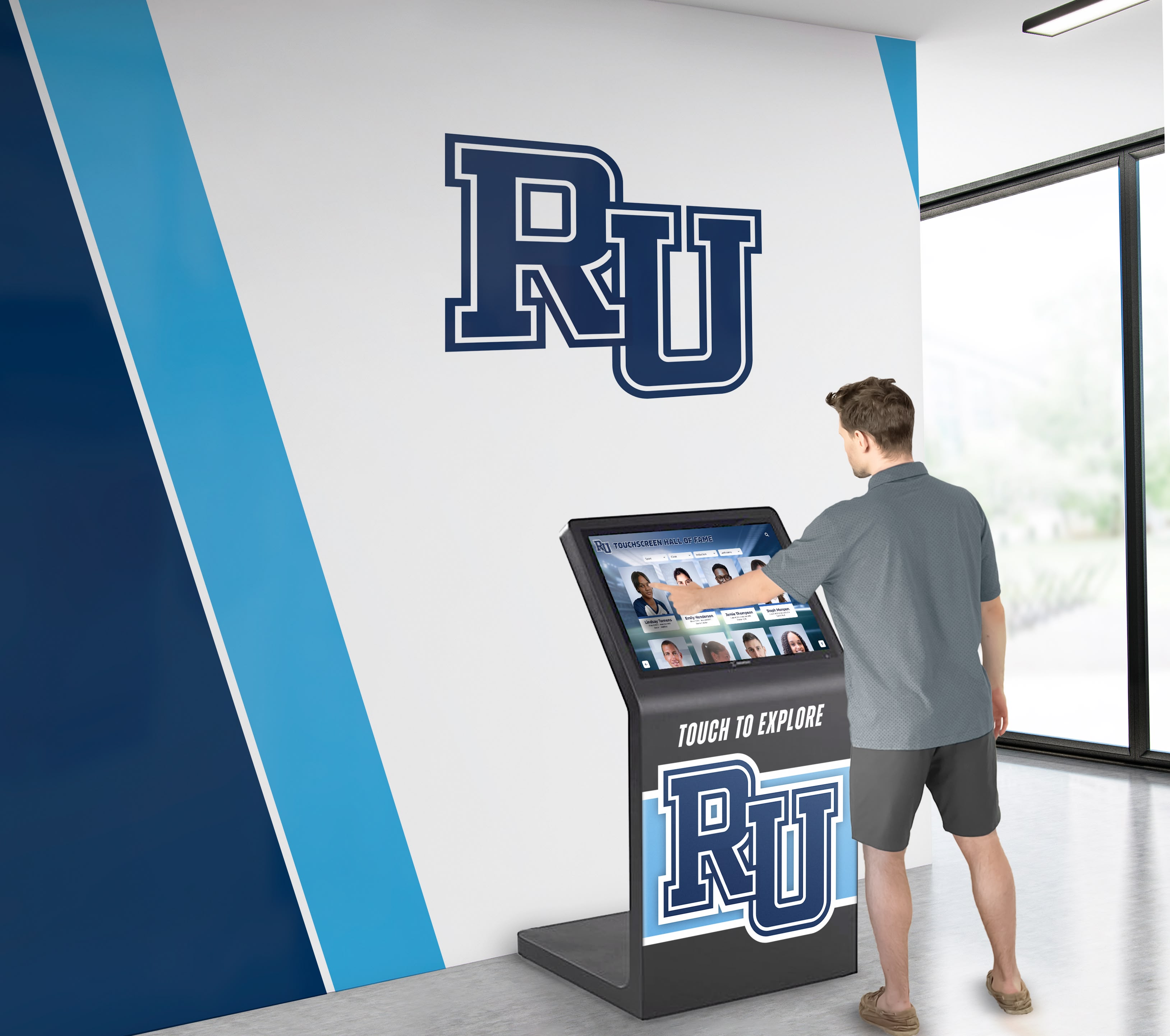
This centralized approach particularly benefits community members who may not regularly check school emails or social media. When they visit campus for other events, games, or meetings, prominent digital displays ensure race information reaches them at high-traffic touchpoints throughout the year.
Showcasing Year-Over-Year Leaderboards and Race Results
One of the most compelling features of digital recognition for 5K events is the ability to preserve and display comprehensive race results across multiple years, creating historical context and friendly competition.
Creating Comprehensive Race Archives
Historical Race Data to Preserve:
Overall Winners by Year
- Male and female overall champions
- Top 3 finishers in each year
- Course records and record progression
- Repeat champions and winning streaks
- Fastest times by decade
Age Group Competition
- Division winners across all age groups (Under 10, 10-14, 15-19, 20-29, 30-39, 40-49, 50-59, 60-69, 70+)
- Top 3 finishers in each age group by year
- Age group records
- Multi-year age group champions
Special Recognition Categories
- Fastest student participants
- Fastest faculty and staff
- Fastest family teams
- Largest family participation
- Multi-year participation milestones (5-year, 10-year, 15-year participants)
- Fundraising leaders (individuals who raised the most donations)
Team and School Competition
- School team results (if multiple schools participate)
- Classroom or grade-level team competitions
- Faculty department competitions
- Alumni team results
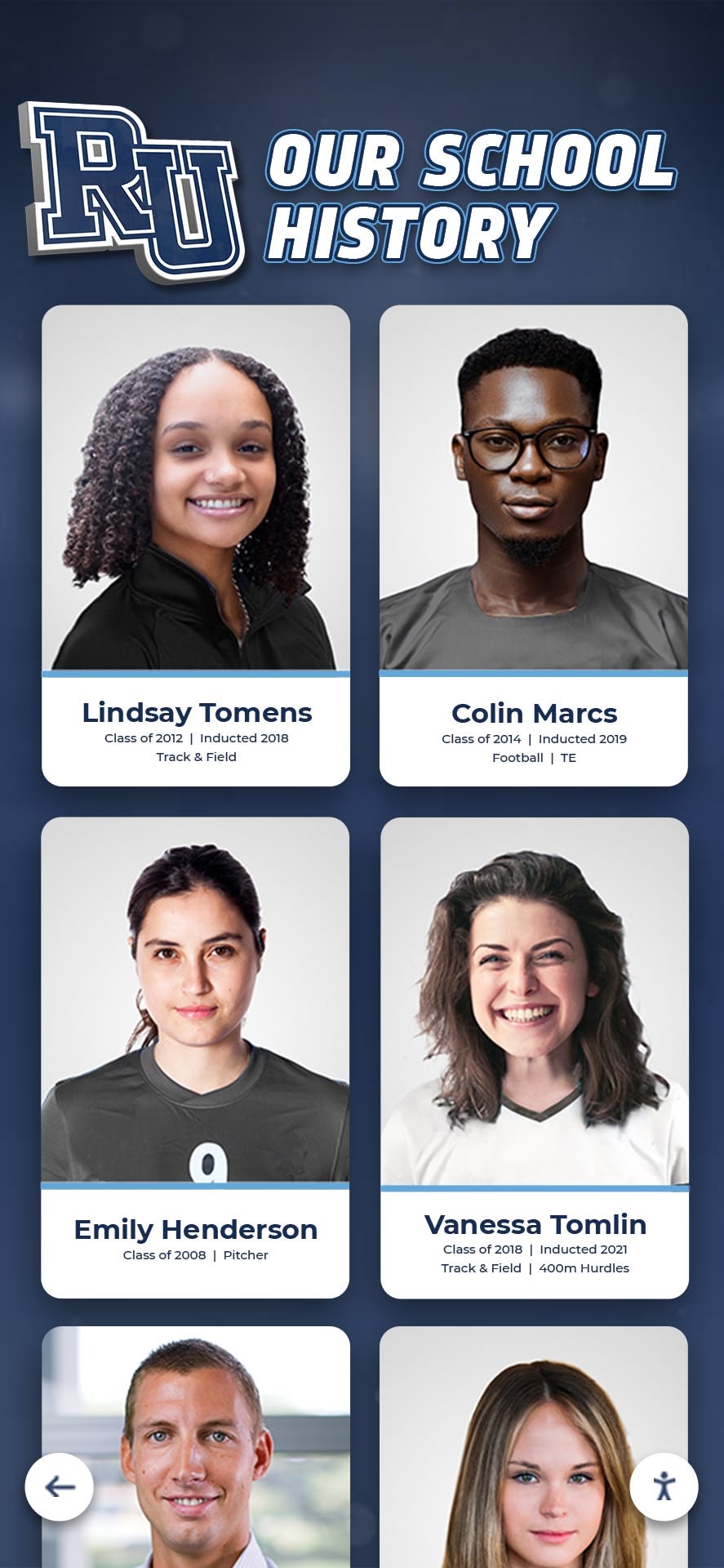
Solutions like Rocket Alumni Solutions make organizing this historical race data straightforward through intuitive content management systems, similar to how schools manage K-12 fundraising programs. Rather than requiring technical expertise, event coordinators or advancement staff can upload race results and organize leaderboards independently.
Year-Over-Year Comparison Features
Digital displays enable powerful comparison features that print materials cannot match:
Comparison Capabilities:
- View how individual participants’ times have improved over multiple years
- Compare current year results against historical benchmarks
- Track course record progression and near-misses
- Display “all-time fastest” leaderboards alongside annual winners
- Show participation growth trends over the years
- Highlight returning participants and their consistency
These comparison features create engaging content that keeps community members returning to displays to discover new insights and track their own progress across multiple race years.
Sponsor Recognition and Website Integration
Race sponsors deserve recognition that extends far beyond race day and creates meaningful value for their support. Digital recognition systems provide sophisticated sponsor visibility with integration capabilities that enhance sponsor partnerships.
Multi-Level Sponsor Recognition Strategy
Title Sponsor Recognition:
- Prominent logo placement on all digital displays
- Dedicated sponsor profile pages with company information and website links
- Integration with race branding (“The [Company Name] 5K for Education”)
- Year-round visibility in high-traffic campus locations
- Photo galleries featuring sponsor representatives at race events
- Impact statements showing how sponsorship supports school programs
Supporting Sponsor Packages:
- Tiered logo placement based on sponsorship level (Gold, Silver, Bronze)
- Category sponsorship opportunities (water station sponsor, finish line sponsor, t-shirt sponsor, race bib sponsor)
- Rotating display features ensuring all sponsors receive prominent visibility
- Direct website links from digital displays to sponsor websites
- Duration guarantees (sponsor recognition remains active for 12 months minimum)
Individual and Family Sponsor Recognition:
- Recognition of individual donors at all giving levels
- Family team sponsor listings
- Memorial race participation recognition
- Multi-year sponsor milestone acknowledgment
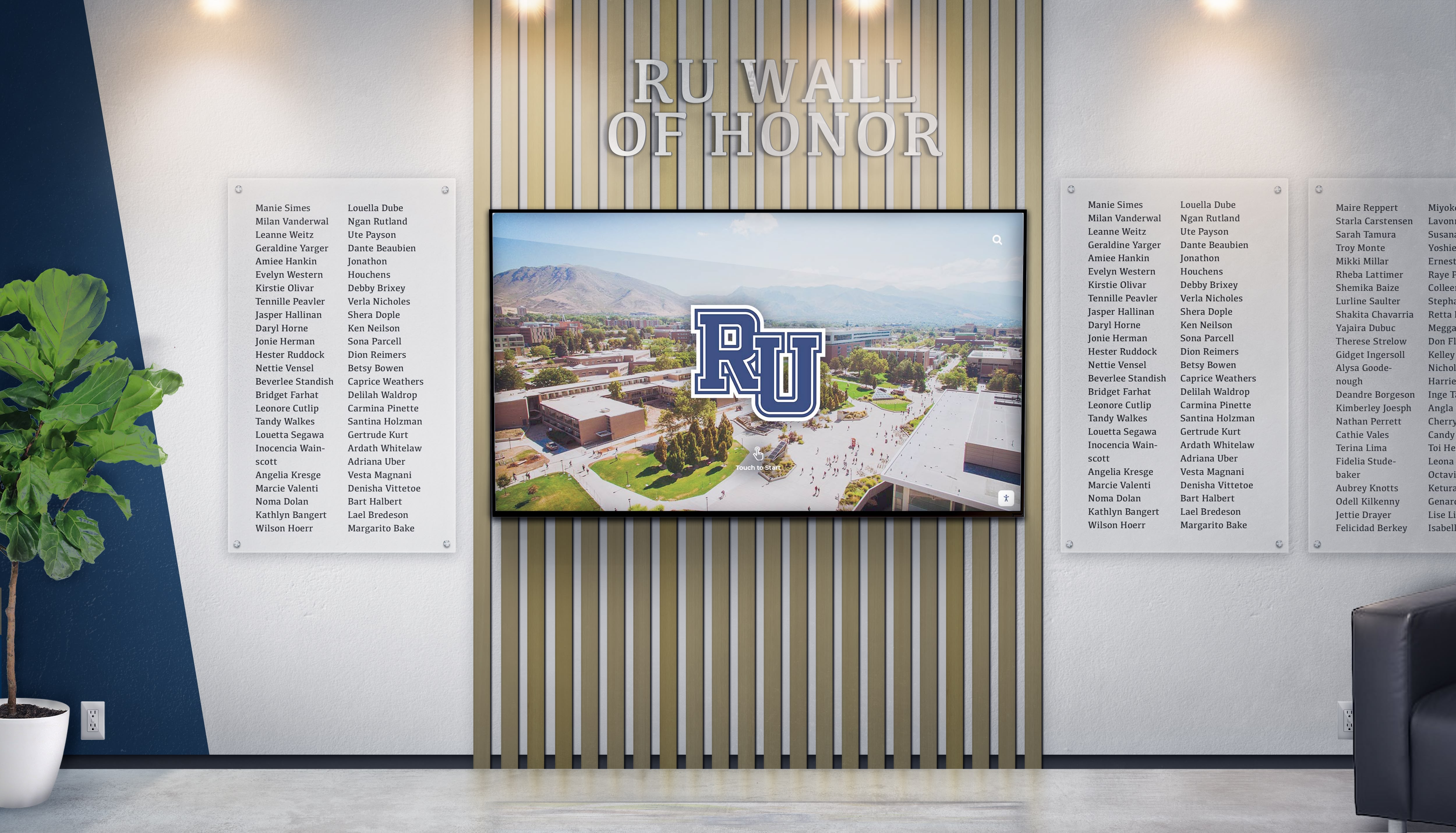
Sponsor Website Integration and Boosted Recognition
One of the most valuable features modern digital recognition systems offer is direct integration with sponsor websites. When sponsors are featured on your digital displays, you can include:
Website Integration Features:
- Clickable sponsor logos linking directly to sponsor websites
- QR codes visitors can scan to instantly visit sponsor sites
- Brief sponsor descriptions describing their products or services
- Special offers or promotions sponsors want to share with the school community
- Social media connections to sponsor pages
- Video content from sponsors explaining their support
This integration creates measurable value for sponsors beyond simple logo visibility. Sponsors can track website traffic originating from your digital recognition displays, quantifying the promotional value of their support. This data-driven approach makes sponsor recruitment more successful and justifies increased sponsorship levels.
For schools exploring donor recognition more broadly, the same principles apply. Platforms designed for donor recognition provide similar integration capabilities that extend beyond 5K events to support comprehensive fundraising programs.
Donor Recognition Walls for 5K Fundraisers
Beyond sponsors who provide upfront financial support, many 5K fundraisers incorporate individual fundraising where participants collect donations. Digital recognition walls display all contributors and create motivation for increased giving.
Comprehensive Donor Recognition
Donor Wall Components:
Digital Donor Recognition Features:
- All Donor Levels: Recognize every donor regardless of contribution amount
- Giving Level Categories: Organize donors into tiers ($25-$99, $100-$249, $250-$499, $500-$999, $1,000+)
- Searchable Database: Allow visitors to search for specific donors by name
- Year-by-Year Organization: Display donors organized by the race year they contributed
- Cumulative Recognition: Highlight multi-year donors and their total lifetime giving
- Family Recognition: Group family members' donations together when appropriate
- Memorial Giving: Create special recognition for donations made in memory or honor of someone
- Corporate Matching Gifts: Recognize both individual donors and matching companies
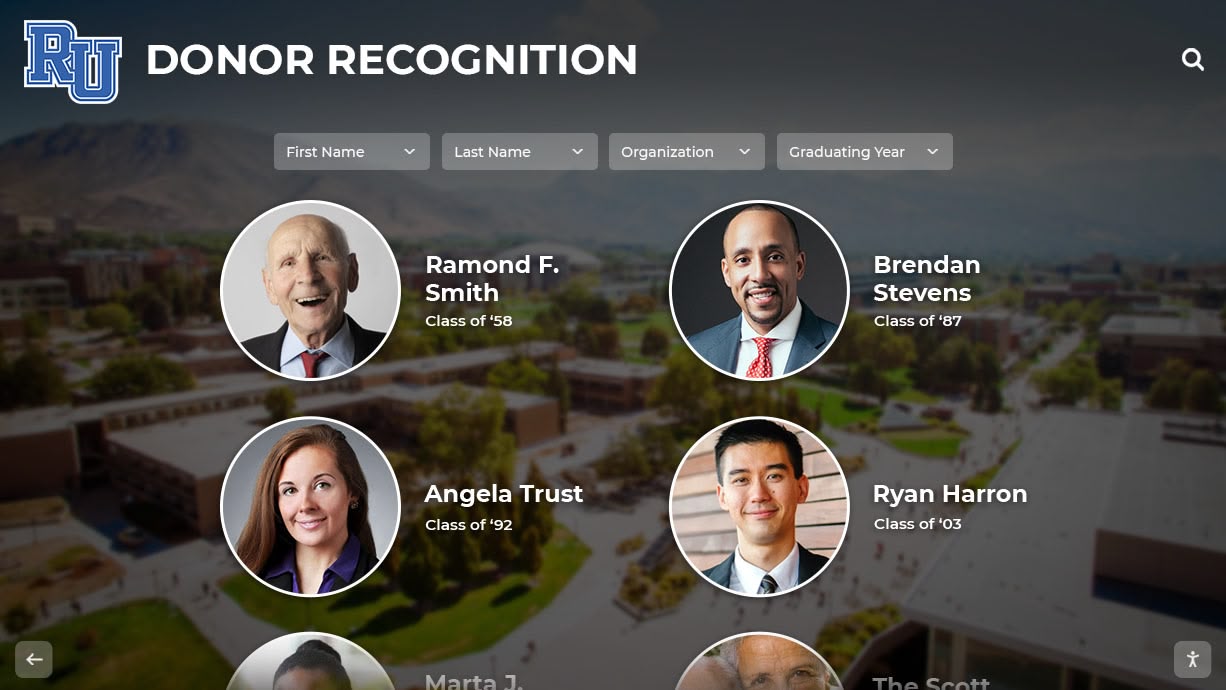
Fundraising Storytelling and Impact Recognition
The most effective donor recognition extends beyond simple name listings to tell compelling stories about fundraising impact:
Impact Storytelling Elements:
- Total funds raised each year with trend visualization
- Cumulative fundraising totals across all race years
- Specific programs, scholarships, or initiatives funded by race proceeds
- Student testimonials about how fundraising has benefited them
- Before-and-after comparisons showing tangible improvements funded by the race
- Future fundraising goals and progress toward ambitious targets
This storytelling approach transforms transactional donations into emotional connections where donors see concrete evidence of their impact, encouraging continued support in future years. Schools can apply similar strategies used in Giving Tuesday donor recognition to maximize fundraising event engagement.
Volunteer Spotlights and Recognition
Successful 5K fundraiser events depend on dozens or hundreds of volunteers who contribute their time and energy. Comprehensive digital recognition ensures volunteer contributions receive appropriate acknowledgment.
Volunteer Recognition Strategies
Volunteer Spotlight Features:
Race Day Volunteer Recognition
- Complete volunteer rosters organized by role (registration, course marshals, water stations, finish line, timing, etc.)
- Individual volunteer profiles with photos
- Number of races volunteered and years of service
- Special recognition for multi-year volunteers
- Team volunteer recognition (scout troops, student organizations, community groups)
Planning Committee Recognition
- Race director and committee chairs with leadership roles
- Planning committee members and their contributions
- Year-over-year committee participation
- Special projects and innovations committee members developed
Behind-the-Scenes Contributors
- Course design and safety teams
- Marketing and communications volunteers
- Sponsor recruitment teams
- Day-of logistics coordinators
- Technology and timing system operators
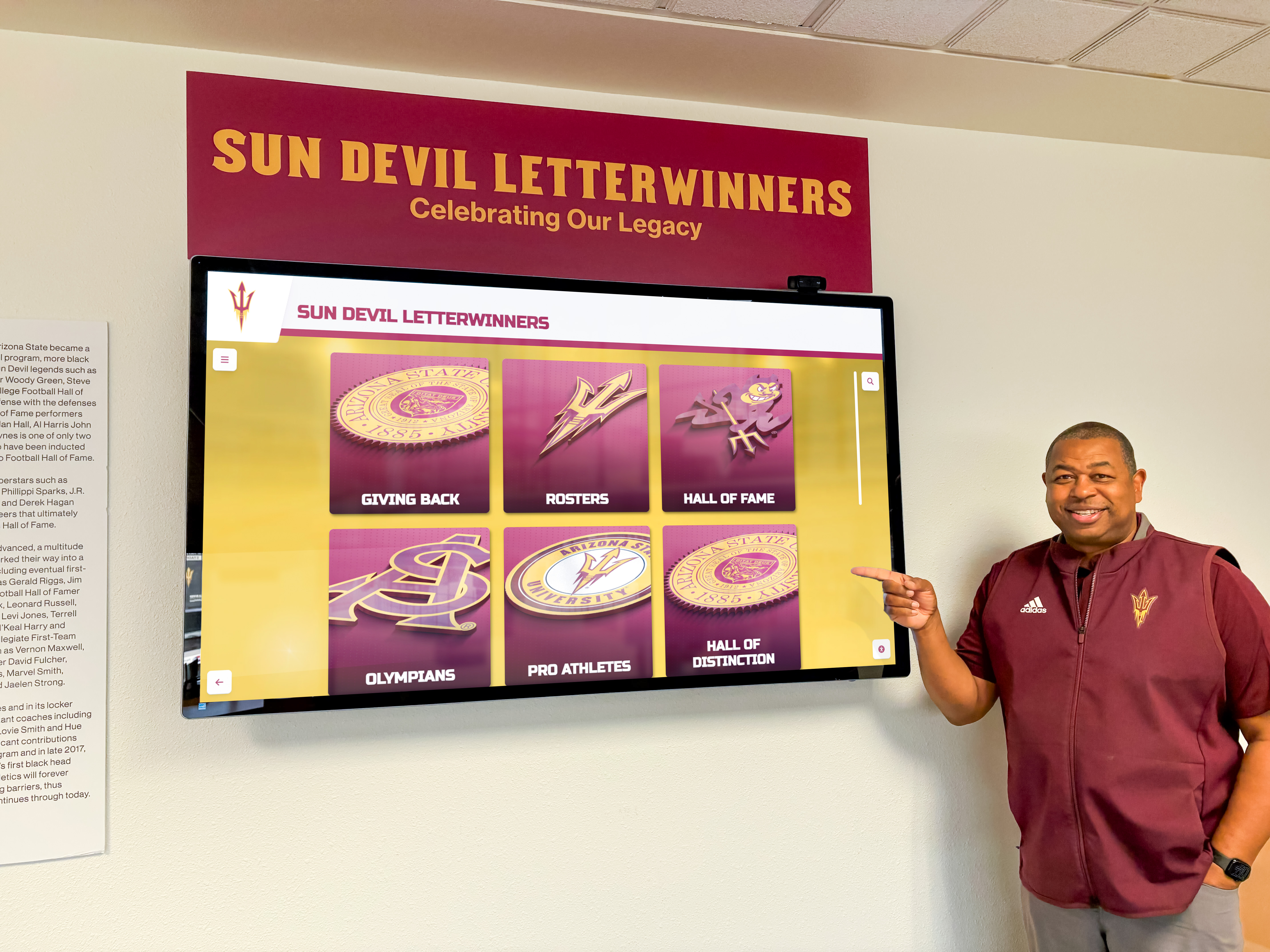
Volunteer Impact Stories
Beyond listing names, compelling volunteer recognition tells stories about dedication and impact:
Volunteer Narrative Elements:
- Profiles of volunteers who have served for 10, 15, or 20+ years
- Stories about why volunteers return year after year
- Volunteer recruitment success stories
- Family volunteering traditions spanning generations
- Student volunteers who benefited from the race and now give back
- Unexpected moments and volunteer problem-solving stories
- Volunteer appreciation messages from race directors and school leadership
This recognition serves dual purposes: honoring current volunteers appropriately while recruiting future volunteers who see the community appreciation and meaningful experiences volunteering provides. The same volunteer recognition strategies used for school galas apply effectively to 5K events.
Photo Gallery Management by Year
Visual documentation of 5K fundraiser events preserves memories, demonstrates participation growth, and creates engaging content that attracts repeated interaction with digital displays.
Comprehensive Photo Organization
Photo Gallery Structure:
📅 Year-by-Year Organization
Organize photos into galleries for each race year, allowing easy browsing of event history
🏃 Race Moment Categories
Categorize photos by race moments: start line, on-course action, finish line, awards ceremony, volunteers, sponsors
🔍 Searchable Participants
Tag photos with participant names enabling personal photo searches
📱 Social Sharing
Enable easy photo sharing to social media from digital displays
Photo Content to Capture Annually:
Pre-Race Activities
- Registration and packet pickup
- Warm-up sessions
- Start line gathering and energy
- Sponsor booth activities
- Volunteer team preparations
- Weather conditions and atmosphere
Race Action
- Start line runners taking off
- On-course participants at various mile markers
- Water station interactions
- Course marshals and volunteers encouraging runners
- Family cheering sections
- Challenging course sections (hills, turns)
- Runners supporting each other
Finish Line Moments
- Winners crossing finish line
- Personal achievement moments
- Families reuniting after the race
- Finish line celebrations
- Timing clock displays
- Exhaustion and triumph expressions
Post-Race Celebration
- Awards ceremony presentations
- Age group winner recognition
- Sponsor acknowledgments
- Volunteer appreciation
- Community gathering and refreshments
- Children’s activities
- Fundraising total announcements

Engaging Photo Features
Digital recognition platforms enable photo features impossible with traditional albums:
Interactive Photo Capabilities:
- Slideshow displays rotating through all photos
- Participant search finding all photos featuring specific individuals
- Year comparison viewing the same course location across multiple years
- Social media integration allowing direct sharing from displays
- QR code access enabling mobile photo downloads
- Facial recognition suggesting photos participants might be in
- Crowdsourced photo contributions from participant cameras
These capabilities transform photo galleries from static archives into dynamic content that community members actively engage with, discovering themselves, friends, and family while reliving memorable race experiences. Similar photo organization software helps communities preserve and share event memories effectively.
Race Day Integration and Real-Time Updates
Digital recognition systems extend beyond campus displays to enhance race day experiences through mobile integration and real-time content updates.
Mobile Access and Live Race Features
Modern digital recognition platforms offer mobile-responsive interfaces allowing participants to access race information from smartphones before, during, and after the event.
Pre-Race Mobile Features:
- Complete race information and logistics
- Interactive course maps with turn-by-turn descriptions
- Weather forecast and race day updates
- Parking and arrival instructions
- Bib number lookup
- Personal fundraising page links
- Training tips and preparation resources
Race Day Mobile Integration:
- Live race timing and results updates
- Real-time leaderboards by division
- Participant tracking (where runners are on the course)
- Photo sharing capabilities
- Live video streaming from start/finish lines
- Social media feeds with race hashtags
- Immediate results posting
Post-Race Engagement:
- Personal results with division placement
- Complete race results across all categories
- Photo gallery access organized by race segment
- Personal race highlights and statistics
- Fundraising total impact announcements
- Social sharing of race accomplishments
- Registration links for next year’s race
Creating Real-Time Engagement
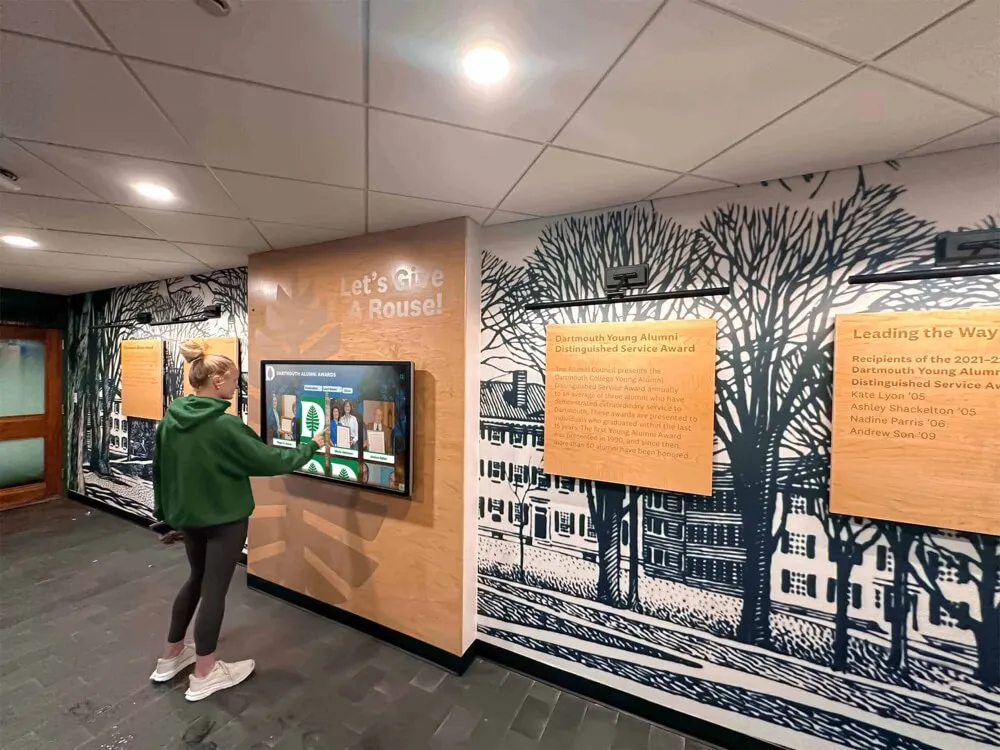
The ability to update content instantly during race day transforms static information into dynamic engagement opportunities:
Real-Time Update Opportunities:
- Post live leaderboards as participants cross timing mats
- Share action photos from course photographers throughout the race
- Announce division winners immediately after timing confirmation
- Highlight special moments (course records, milestone achievements)
- Feature sponsor spotlights rotated throughout race day
- Stream awards ceremony to displays and mobile devices
- Update fundraising totals as final numbers are calculated
- Share participant testimonials and race experiences
This real-time capability builds excitement and maintains engagement throughout race day, allowing spectators to follow progress and celebrate achievements as they happen.
Integration with Broader School Fundraising and Engagement
The most effective approach to 5K fundraiser management recognizes that the event represents just one component of comprehensive fundraising and community engagement strategies. Digital recognition systems allow you to connect race content to broader institutional priorities.
Year-Round Fundraising Engagement
Post-Race Momentum:
Immediately following your 5K, update digital displays with results, photos, and impact stories while enthusiasm remains high:
- Recognition of division winners and personal records
- Showcase top fundraisers and their contribution impact
- Highlight volunteer contributions and behind-the-scenes work
- Feature sponsor thank-you messages with their visibility
- Display total funds raised and specific allocation plans
- Share memorable moments and race highlights
- Provide registration links for next year while motivation is fresh
Off-Season Engagement:
During months between races, maintain 5K visibility through strategic content rotation:
- Countdown campaigns as next race date approaches
- Training tip series helping participants prepare
- Throwback photos from past races on milestone dates
- Spotlight stories of long-time participants
- Updates showing how previous race funds made concrete impact
- Early-bird registration announcements with incentive deadlines
- Sponsor recruitment showcasing recognition opportunities
- Volunteer recruitment featuring rewarding experiences
Cross-Program Integration
Connect 5K fundraiser data with other school recognition and fundraising programs:
Integration Opportunities:
- Link race participants to broader alumni recognition systems and donor databases
- Cross-promote other school fundraising events to 5K participants
- Recognize major donors whose support includes 5K sponsorship
- Celebrate students who benefit from race-funded programs
- Connect volunteer service to community service recognition
- Integrate race history with school digital archives and anniversary celebrations
- Feature race milestones in school history displays
Technical Implementation and Best Practices
Successfully implementing digital recognition for 5K fundraiser management requires attention to several technical and strategic factors.
Content Management Workflow
Establish clear processes for managing race content:
Recommended Structure:
- Primary administrator (development office, event coordinator, or athletic director)
- Content approval workflow for major updates
- Quick-update procedures for time-sensitive race day information
- Annual content refresh schedule after each race
- Historical content organization ensuring easy navigation
- Photo upload and tagging workflows involving volunteers
Digital recognition platforms are designed for non-technical users, meaning IT department involvement isn’t required for routine content management. However, establishing clear responsibilities ensures systems remain dynamic rather than becoming outdated after initial setup.
Hardware Selection and Strategic Placement
Display Considerations:
- Screen size appropriate for viewing distance and location
- Commercial-grade displays designed for continuous operation
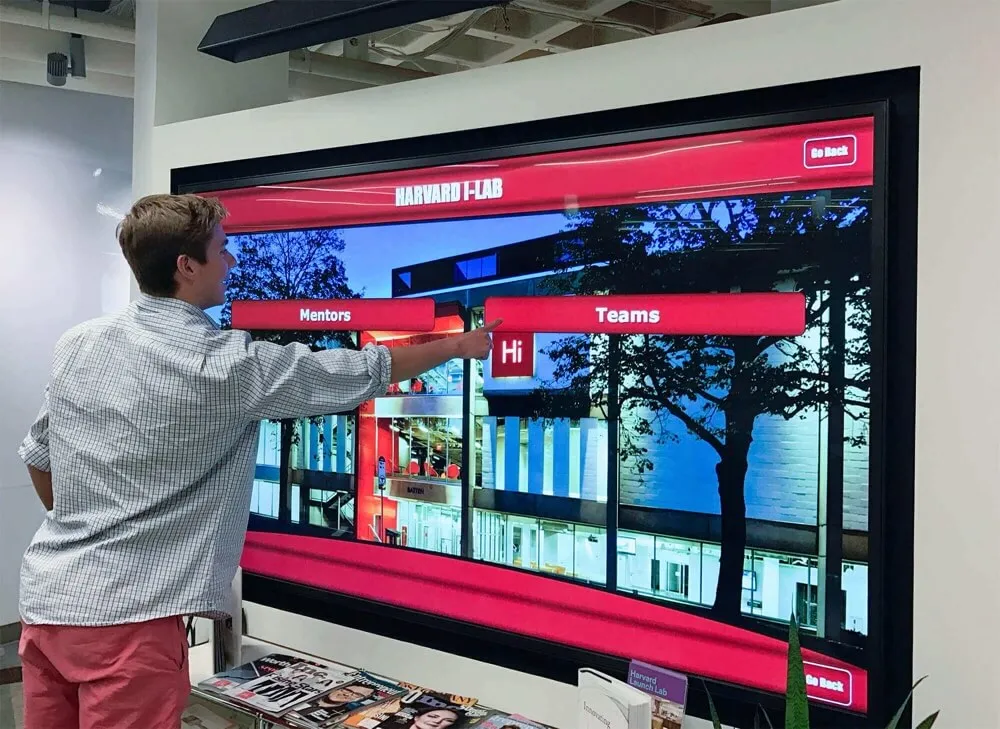
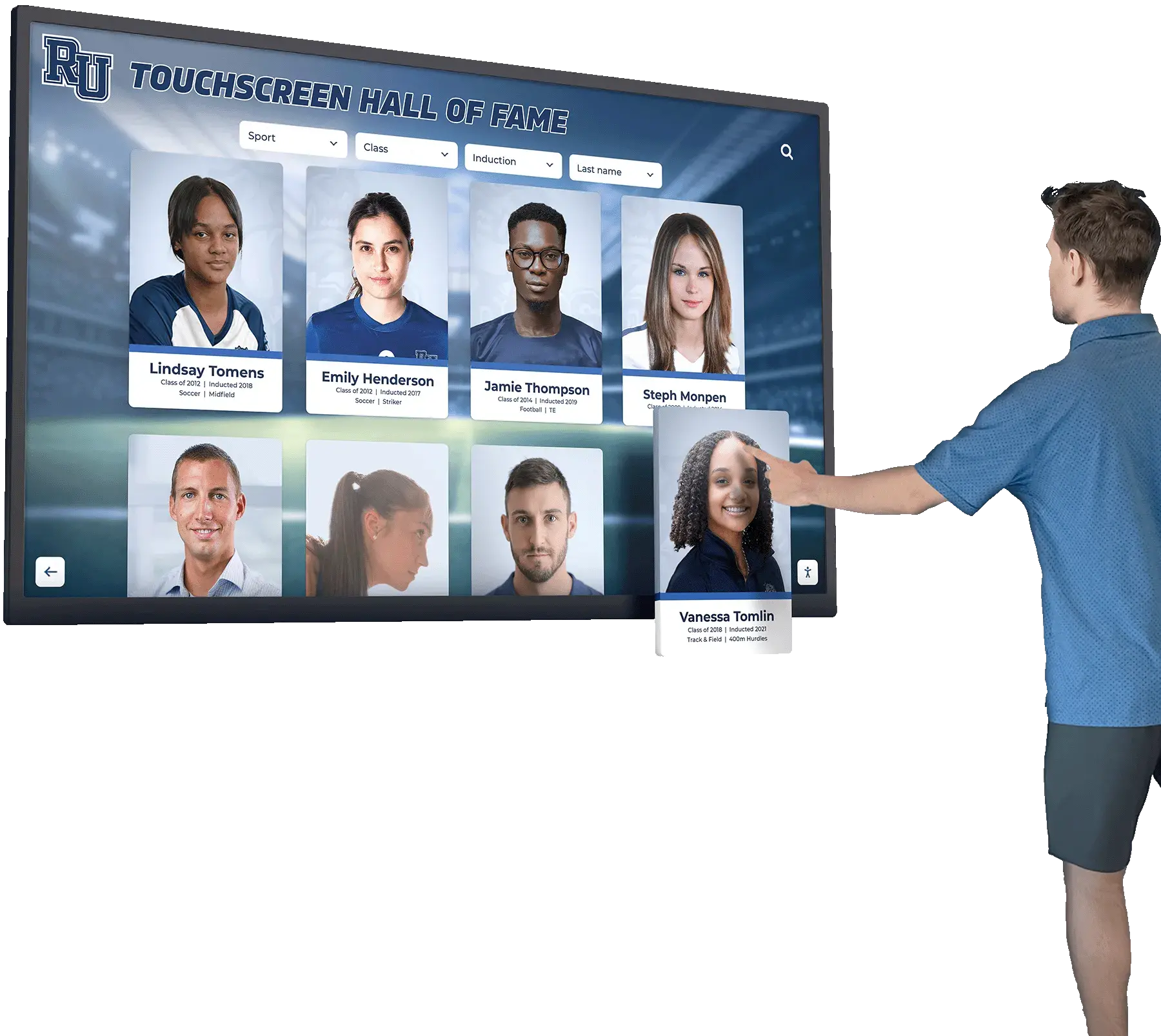
- Touchscreen capability for interactive exploration
- Adequate brightness for ambient lighting conditions
- Network connectivity for content updates
- Mounting options (wall-mounted, freestanding kiosks, portable displays)
Strategic Placement Locations:
Optimal display locations for 5K fundraiser recognition:
🏫 Main Entrances
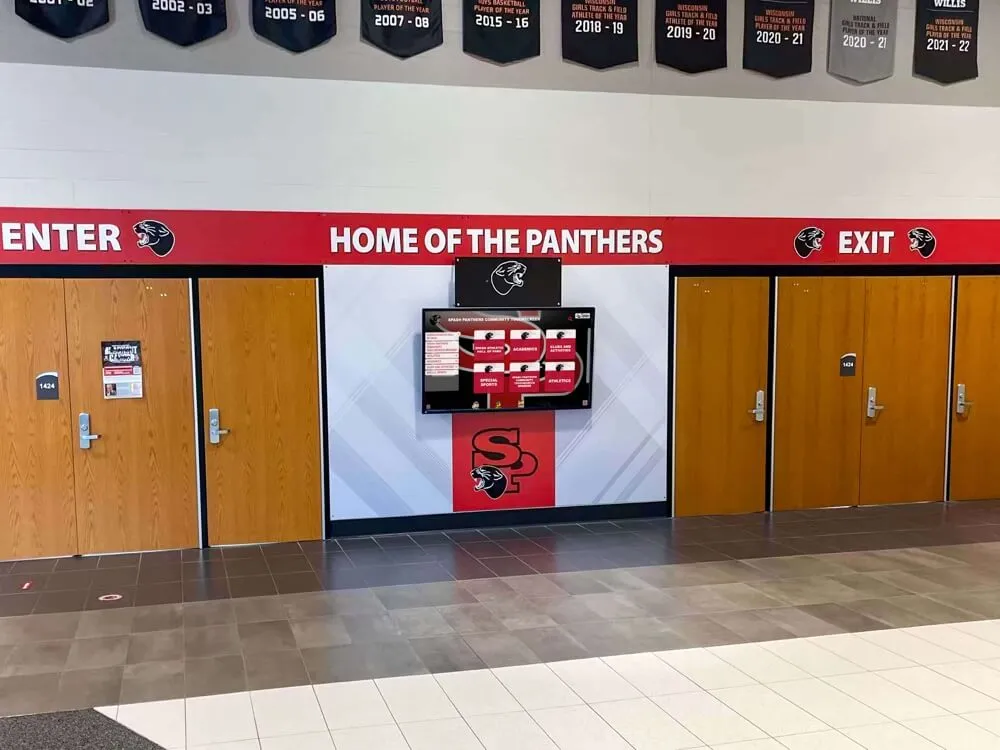
School main entrances and lobbies where all visitors, students, and families pass daily
🏃 Athletic Facilities
Gymnasiums, fitness centers, and athletic complexes where physical activity is celebrated
🎓 Administration Buildings
Central offices where parents, donors, and community members visit for meetings
📚 Student Centers
Cafeterias, commons areas, and gathering spaces with high student traffic
🎪 Event Venues
Locations hosting other community events, concerts, and fundraisers
💼 Development Offices
Advancement and fundraising areas where donor conversations happen
Measuring Success and Continuous Improvement
Track meaningful metrics demonstrating 5K program impact:
Key Performance Indicators
Engagement Metrics:
- Digital display interaction time and frequency
- Most-viewed content sections (results, photos, sponsors, etc.)
- Mobile access statistics and app downloads
- Search queries revealing what people look for
- Social media sharing from digital platforms
- Repeat visit patterns and returning users
Race Impact Metrics:
- Year-over-year participation growth
- Registration timeline patterns (early vs. late registration trends)
- Fundraising totals and per-participant averages
- Sponsor revenue growth and retention rates
- Volunteer recruitment success and retention
- New participant conversion rates
- Multi-year participant retention
Communication Effectiveness:
- Reduction in event information inquiries
- Early-bird registration conversion rates
- Sponsor satisfaction and renewal rates
- Post-race engagement with results and photos
- Database updates from race participation
- Community awareness survey results
Gathering Stakeholder Feedback
Systematically collect feedback about digital recognition systems:
- Post-race surveys asking about information accessibility and recognition satisfaction
- Participant focus groups discussing race experience and digital engagement
- Sponsor feedback on recognition value and website integration effectiveness
- Volunteer input on ease of recognition and appreciation
- Committee member assessment of content management capabilities
- Comparison data against pre-digital implementation benchmarks
This feedback drives continuous improvement, ensuring digital systems evolve with user needs and maximize value for all stakeholders.
Conclusion: Transforming 5K Fundraisers Through Digital Recognition
Annual 5K fundraiser events represent significant investments of planning time, volunteer energy, and community engagement. Maximizing the return on these investments requires modern approaches to both event management and historical preservation that honor all contributors while supporting ongoing fundraising success.
Digital recognition solutions like Rocket Alumni Solutions transform how schools manage every aspect of 5K fundraiser programs. By providing comprehensive platforms for housing decades of race history, displaying year-over-year leaderboards, integrating sponsor website recognition, creating donor recognition walls, spotlighting volunteer contributions, and organizing photo galleries by year, these systems address the complete lifecycle of fundraising event management.
The most compelling aspect of digital recognition for 5K events is versatility. The same system showcasing race history can feature academic recognition, celebrate athletic achievements, honor distinguished faculty, support comprehensive donor recognition, and connect with broader community engagement strategies. This multi-purpose functionality ensures displays remain dynamic while maximizing institutional investment.
As you plan your next annual 5K fundraiser, consider how digital recognition systems could enhance every aspect of the experience—from helping prospective participants discover your event's rich history to providing sponsors with website-integrated visibility to creating lasting archives that celebrate decades of community support. The technology exists to transform successful fundraisers into exceptional ones that drive meaningful institutional impact year after year.