



Key Takeaways
Discover how museum history touchscreens are revolutionizing America's 250th celebration. Complete guide to interactive heritage displays, digital storytelling, and engaging history exhibits for museums and cultural institutions.
America stands at a historic threshold. In 2026, the nation celebrates its 250th anniversary—the Semiquincentennial—marking two and a half centuries since the Declaration of Independence established a revolutionary democratic experiment. This milestone offers museums, historical societies, cultural institutions, and communities nationwide extraordinary opportunities to engage visitors with American history, heritage, and national identity through commemorative exhibits and programs. Yet the traditional museum experience—static placards, aging photographs, and dusty artifacts behind glass—no longer captivates modern audiences accustomed to interactive digital experiences in every aspect of life. Museum history touchscreens represent the evolution of heritage presentation, transforming how institutions tell complex historical narratives while engaging diverse audiences through immersive, personalized, and memorable experiences. This comprehensive guide explores how interactive touchscreen technology elevates America’s 250th celebration exhibits, implementation strategies for museums and cultural institutions, content development approaches for compelling historical storytelling, and how digital recognition platforms serve educational, civic, and community organizations preserving and presenting American heritage.
Understanding America’s 250th Celebration and Its Significance
Before exploring technology solutions, understanding the scope and strategic importance of the Semiquincentennial provides essential context for planning effective commemorative exhibits and programs.
The Semiquincentennial: More Than Just an Anniversary
America’s 250th celebration encompasses far more than a single day marking July 4, 2026. The America250 Foundation coordinates a multi-year observance encouraging communities nationwide to examine American history, celebrate achievements, acknowledge challenges, and envision the nation’s future across diverse perspectives and experiences.
The observance creates opportunities for museums and cultural institutions to present comprehensive historical narratives that static anniversary exhibits cannot match. Interactive touchscreen platforms enable institutions to explore complex themes including founding principles and constitutional development, Revolutionary War experiences across different populations, westward expansion and territorial development, industrial transformation and technological innovation, immigration waves and cultural diversity, civil rights movements and social justice evolution, military conflicts and international relationships, artistic and cultural contributions across generations, and contemporary challenges requiring historical context.
According to the America250 Foundation, the celebration aims to engage all Americans in exploring how the past informs present and future, recognizing diverse contributions to national development, and strengthening civic engagement through historical understanding. Museums implementing interactive digital exhibits serve these goals by making history accessible, engaging, and relevant to contemporary audiences.
Why Traditional Museum Exhibits Fall Short for Comprehensive Historical Narratives
Traditional static displays—text panels, framed photographs, artifact cases—served museums well for generations but face inherent limitations when presenting complex, nuanced historical narratives required for meaningful America 250th exhibits.
Physical Space Constraints: Museums possess finite wall space and display cases, forcing difficult prioritization decisions about which stories, documents, and artifacts receive precious physical space. Comprehensive American history spanning 250 years involves thousands of significant events, millions of contributors, and countless perspectives impossible to represent adequately through physical displays alone.
Single Narrative Limitations: Static exhibits typically present linear chronological narratives or curator-selected thematic approaches. Visitors follow predetermined paths encountering information in fixed sequences regardless of personal interests, prior knowledge, or desired exploration depth.
Limited Accessibility: Physical exhibits require visitors to travel to specific museum locations during operating hours. Families living hundreds of miles from major history museums, individuals with mobility limitations preventing travel, international audiences interested in American history, and communities lacking nearby cultural institutions all face barriers accessing important heritage content through traditional physical-only approaches.
Engagement Challenges: Research on museum visitor behavior consistently demonstrates that audiences—particularly younger generations—spend minimal time reading lengthy text panels. Studies indicate average museum visitors spend less than 30 seconds examining individual exhibits before moving to the next display. Static content fails to capture sustained attention necessary for meaningful historical understanding. Digital interactive museum displays address these engagement challenges through compelling multimedia presentations and personalized exploration paths.
Update Difficulties: Physical exhibits require expensive, time-consuming renovations when institutions want to incorporate new scholarship, add recently discovered materials, or reflect evolved historical interpretations. Many museums maintain displays for decades without updates due to renovation costs and operational disruptions. School history touchscreen solutions demonstrate how institutions of all sizes can maintain current, relevant exhibits through easy digital content updates.
How Interactive Touchscreen Technology Transforms Historical Storytelling
Museum history touchscreens address traditional exhibit limitations while enabling engagement strategies impossible through static displays alone.
Interactive Touchscreen Advantages for Historical Museums
🗺️ Unlimited Content Capacity
Digital platforms present thousands of historical documents, photographs, narratives, and multimedia elements within single touchscreen displays. Museums explore comprehensive topics thoroughly without physical space constraints limiting depth or breadth of historical coverage.
🎯 Personalized Exploration Paths
Visitors navigate content according to personal interests, prior knowledge, and available time. Historical exhibits support quick 5-minute overviews for casual visitors and deep 45-minute explorations for history enthusiasts—all through the same interface adapting to individual needs.
📱 Multi-Platform Accessibility
Comprehensive platforms extend beyond physical museum kiosks through web portals and mobile applications. Communities worldwide explore American history content remotely, dramatically multiplying exhibit reach and educational impact beyond those physically visiting museums.
🎬 Rich Multimedia Storytelling
Interactive displays incorporate video documentaries, audio oral histories, animated timelines, 3D artifact examinations, and interactive maps creating emotional connections that text-only exhibits cannot match. Multimedia presentations make history memorable and meaningful across diverse learning styles.
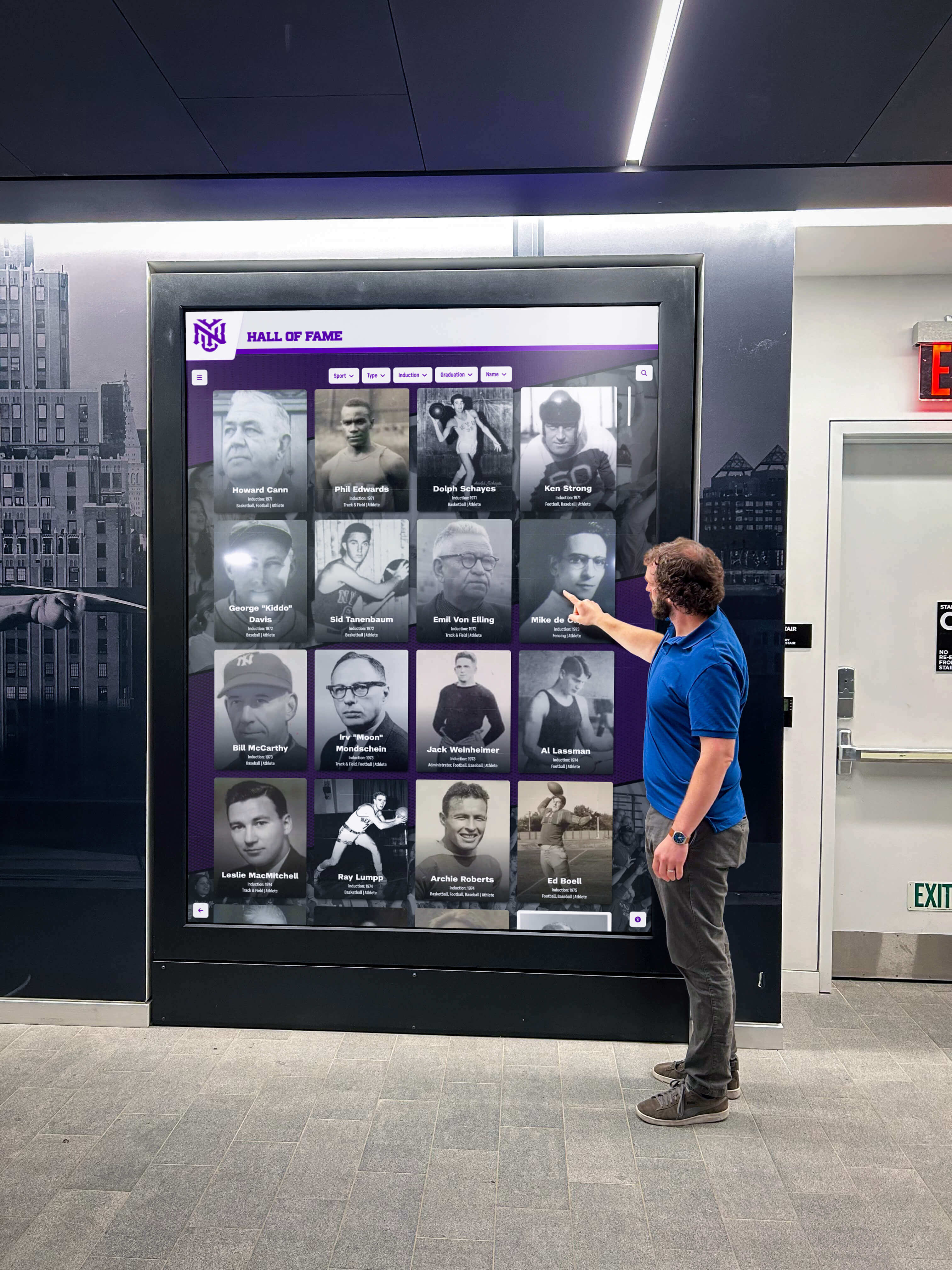
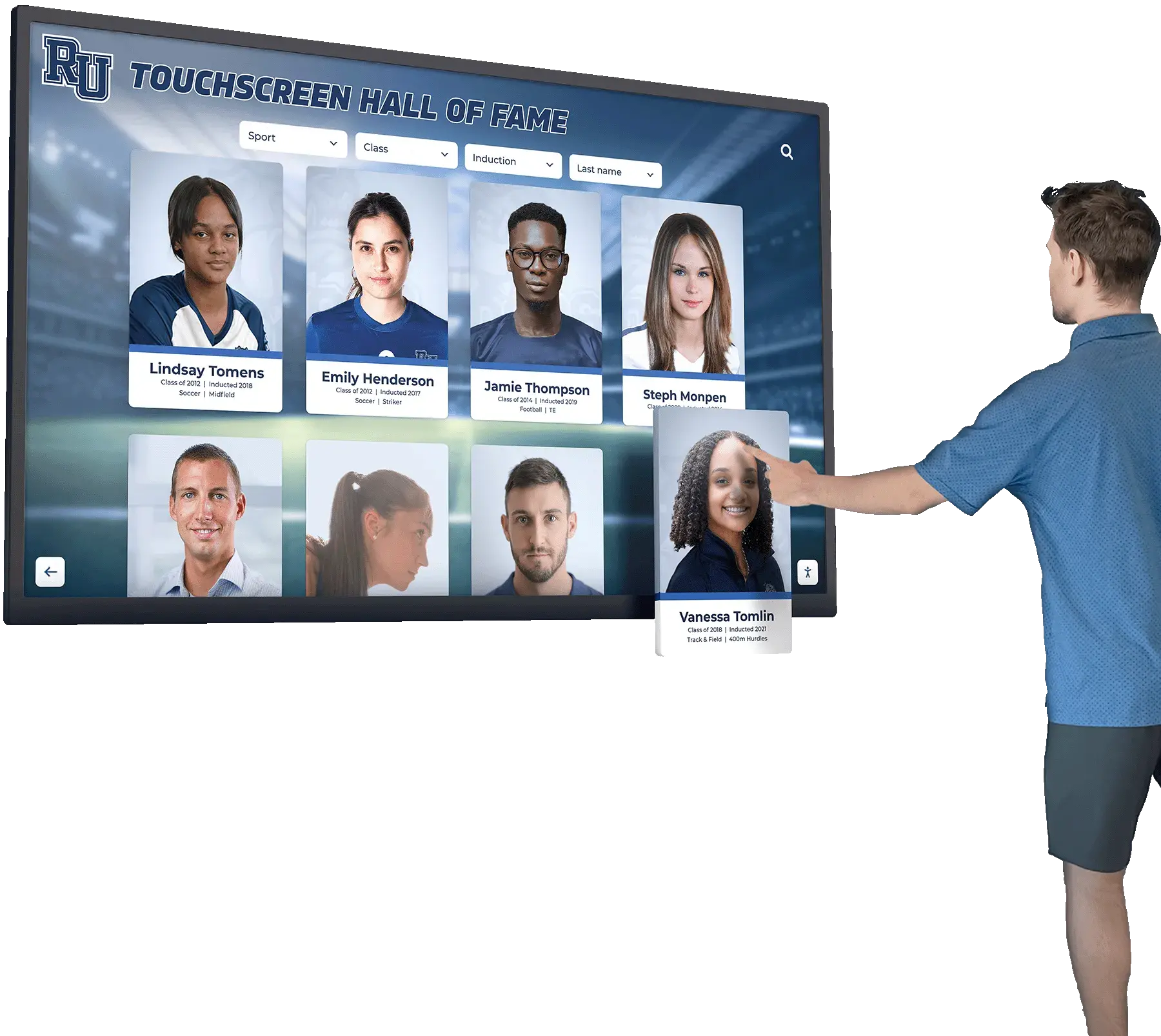
Solutions like Rocket Alumni Solutions provide platforms specifically designed for historical recognition and heritage presentation, incorporating features museums require for compelling America 250th exhibits including searchable databases organizing vast historical content, timeline visualizations presenting chronological narratives interactively, primary source integration enabling examination of original documents, multiple perspective frameworks presenting diverse viewpoints, and content management systems enabling updates as new materials emerge.
Essential Content Components for America 250th Museum Exhibits
Successful Semiquincentennial exhibits balance comprehensive historical coverage with engaging presentation approaches that resonate with contemporary audiences across diverse backgrounds and interests.
Founding Documents and Constitutional Heritage
The Declaration of Independence and Constitution form the foundation of American democratic institutions, warranting thorough examination in anniversary exhibits exploring both original context and enduring influence.
Revolutionary Context and Declaration Development
Interactive exhibits should explore the political, philosophical, and economic circumstances prompting colonial separation from Britain. Touchscreen timelines can present the sequence of events from early colonial discontent through committees drafting the Declaration, Continental Congress debates and modifications, and July 4, 1776 adoption.
Primary source integration enables visitors to examine drafts showing Thomas Jefferson’s original language compared to final approved text, revealing compromise and debate inherent in founding processes. Interactive comparison tools can highlight specific changes, explaining why delegates modified or removed certain passages and what those decisions reveal about revolutionary priorities and conflicts.
Digital tools that bring history to life enable museums to present founding documents through immersive experiences impossible with traditional glass-case displays. High-resolution document scans allow detailed examination of handwriting, signatures, and physical condition while interpretive overlays provide historical context for modern readers unfamiliar with 18th-century language conventions.
Constitutional Development and Ratification
The Constitution’s creation through the 1787 Philadelphia Convention and subsequent state ratification debates represents another critical period warranting comprehensive examination. Interactive exhibits can explore competing visions during the Constitutional Convention, the Great Compromise balancing large and small state interests, Federalist and Anti-Federalist debates during ratification campaigns, and Bill of Rights development addressing individual rights concerns.
Multimedia presentations incorporating video explanations, animated graphics showing governmental structure, and interactive quizzes testing visitor understanding help audiences grasp complex constitutional principles and mechanisms in accessible formats.
Revolutionary War: Multiple Perspectives and Experiences
Comprehensive Revolutionary War exhibits move beyond simplified patriotic narratives to examine diverse experiences across different populations affected by the conflict.
Military Campaigns and Strategic Development
Interactive maps enable visitors to follow military campaigns chronologically, examining major battles, troop movements, and strategic decisions. Touch-enabled map interfaces allow zooming between continental-scale views showing overall campaign progression and detailed battle-specific maps examining tactical decisions.
Multimedia battle presentations can incorporate historical paintings, period maps, modern terrain photographs, animated tactical diagrams, and video explanations from historians providing context. Visitors gain nuanced understanding of how geographic factors influenced strategic decisions and why certain battles proved decisive.
Diverse Population Experiences
Effective exhibits examine how revolution affected different populations including Continental Army soldiers and militia members, British and Hessian forces, Loyalist Americans supporting Crown, enslaved individuals calculating which side offered freedom possibilities, Native American nations navigating between competing colonial powers, women managing households, businesses, and farms during wartime, and non-combatant civilians caught in conflict zones.
Interactive databases can present individual biographical profiles representing diverse experiences—not just famous generals and statesmen but ordinary people whose lives were transformed by revolution. Personal narratives create emotional connections making historical events tangible for contemporary audiences.
State and Local History: Connecting National Narrative to Community Experience
National history gains meaning when connected to specific communities where visitors live, work, and build connections to place and heritage.
State-Specific Revolutionary Contributions
Each state played unique roles during the Revolution and early Republic development. Interactive exhibits can explore state-specific battle sites and military contributions, notable state residents who participated in founding, state ratification debates and concerns, and early statehood development including constitutions and governance.
Museums in states without significant Revolutionary War activity can explore how territory development, statehood admission, and later historical events connected to founding principles and constitutional framework established during the Revolutionary era.
Local Community Heritage
Interactive platforms excel at presenting granular local history impossible to include in national-level exhibits. Community-focused content can highlight founding families and early settlers, local industry and economic development, civic institutions and community organizations, architectural heritage and historic preservation, and notable local figures who contributed to regional or national development.
Academic and community history archiving provides frameworks for documenting local heritage through systematic digitization of historical materials including photographs, documents, and oral histories that become accessible through interactive museum displays.
Civil Rights, Social Justice, and Expanded Democracy
Honest examination of America’s 250-year journey requires acknowledging both progress toward founding ideals and ongoing struggles for equality and justice.
Abolition, Civil War, and Reconstruction
Interactive exhibits should explore the institution of slavery contradicting founding principles of equality and liberty, abolitionist movements and antislavery activism, Civil War causes, conduct, and consequences, Emancipation and Thirteenth Amendment ending slavery, Reconstruction efforts and failures extending or restricting citizenship rights, and post-Reconstruction developments including segregation and disenfranchisement.
Multimedia presentations can incorporate photographs, documents, oral histories, and video commentary from historians providing context for understanding this complex, painful period and its lasting implications.
Women’s Suffrage and Gender Equality
The journey toward women’s political, economic, and social equality constitutes essential American history components warranting thorough examination. Interactive content can present early advocacy at Seneca Falls Convention and beyond, state-by-state suffrage campaigns and victories, Nineteenth Amendment ratification completing political rights, ongoing struggles for workplace equality and civil rights, and contemporary gender equality challenges and progress.
Biographical databases can honor suffrage leaders, activists, and ordinary women whose efforts advanced equality—providing recognition often absent from traditional history narratives focused predominantly on male political and military leaders.
Civil Rights Movement and Continuing Advocacy
The Civil Rights Movement represents one of America’s most significant struggles to fulfill founding promises of equality and justice. Comprehensive exhibits explore the Jim Crow segregation system, NAACP legal strategies including Brown v. Board of Education, Montgomery Bus Boycott and Rosa Parks, Freedom Riders and interstate commerce integration, March on Washington and Martin Luther King Jr.’s leadership, Voting Rights Act and political empowerment, and ongoing civil rights advocacy addressing contemporary inequality.
Interactive timelines enable visitors to explore movement chronology, examining how specific events built upon each other creating momentum toward legislative and social change. Video presentations incorporating documentary footage, oral histories from participants, and historian commentary bring this relatively recent history to life for visitors who may remember these events or whose parents lived through them.
Immigration, Cultural Diversity, and American Identity
America’s heritage as a nation of immigrants shaped cultural, economic, and social development across 250 years. Interactive exhibits can explore colonial and early Republic immigration from Europe, 19th-century Irish and German immigration waves, Asian immigration and exclusion including Chinese Exclusion Act, Ellis Island and early 20th-century European immigration, mid-century immigration restrictions and policy evolution, late 20th-century immigration from Latin America and Asia, contemporary immigration debates and refugee resettlement, and cultural contributions enriching American society across generations.
Interactive databases presenting immigrant stories through biographical profiles, photographs, and oral histories personalize statistical immigration data, revealing human experiences behind demographic trends. Community history projects often uncover valuable local immigration narratives that national exhibits overlook but that resonate powerfully with local populations.
Technological Innovation and Economic Transformation
America’s technological and economic development over 250 years transformed not just domestic life but global economic and technological landscapes. Interactive exhibits can present industrial revolution and manufacturing development, transportation evolution from canals through railroads to automobiles, communication technology from telegraph through internet, agricultural mechanization and productivity growth, medical and scientific advancement improving health and longevity, energy development from coal through oil to renewable alternatives, and digital revolution transforming information, commerce, and social interaction.
Interactive timelines with rich multimedia content enable visitors to explore how specific innovations emerged, spread, and transformed American life. Comparison tools can show how daily life changed across different eras—helping contemporary audiences appreciate technological progress sometimes taken for granted.
Technology Platforms and Implementation Strategies for Museum History Touchscreens
Selecting appropriate technology and planning systematic implementations significantly impact exhibit effectiveness, visitor engagement, and long-term sustainability for heritage institutions with limited technical resources.
Hardware Selection for Museum Environments
Museum touchscreen displays require commercial-grade hardware designed for extended daily operation in public environments rather than consumer electronics with limited lifespans and durability.
Display Specifications and Sizing
Professional museum installations typically utilize 55-75 inch displays for primary exhibits providing sufficient screen area for detailed content exploration while remaining manageable for installation and maintenance. Key specifications include commercial displays rated for 16-18 hours daily operation with 50,000+ hour lifespans, touchscreen capabilities supporting at least 10-point multi-touch for intuitive gesture controls, brightness levels (450-700 nits) ensuring visibility under museum lighting conditions, anti-glare treatments reducing reflection interference in well-lit spaces, and landscape or portrait orientation options matching exhibit design requirements.
Larger 85-98 inch displays create dramatic focal points for major exhibits but require sufficient viewing distances (10-15 feet) and substantial structural support. Smaller 43-55 inch displays work effectively for supplementary exhibits or space-constrained installations.
Computer Hardware and Performance Requirements
Touchscreen displays require dedicated computer systems powering content delivery and interaction. Museum installations benefit from commercial-grade PCs or media players designed for 24/7 operation, solid-state drives improving reliability and performance, sufficient processing power for smooth video playback and graphics rendering, adequate memory (16GB+) supporting responsive multi-user interactions, and fanless or quiet cooling systems minimizing operational noise in museum environments.
Modern cloud-based platforms reduce local storage requirements by streaming content from remote servers, but museums should maintain local content caching ensuring functionality during internet disruptions.
Mounting Solutions and Physical Integration
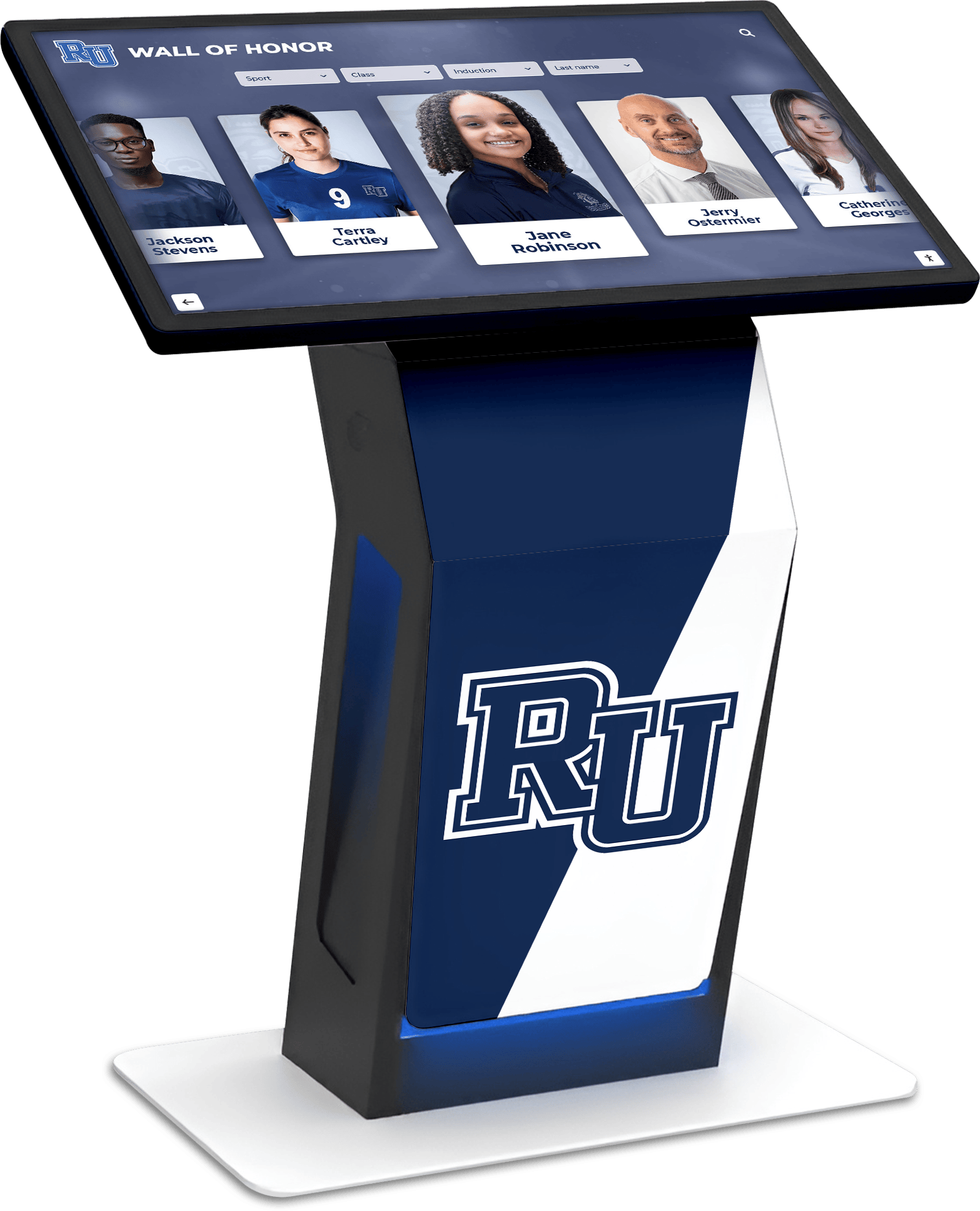
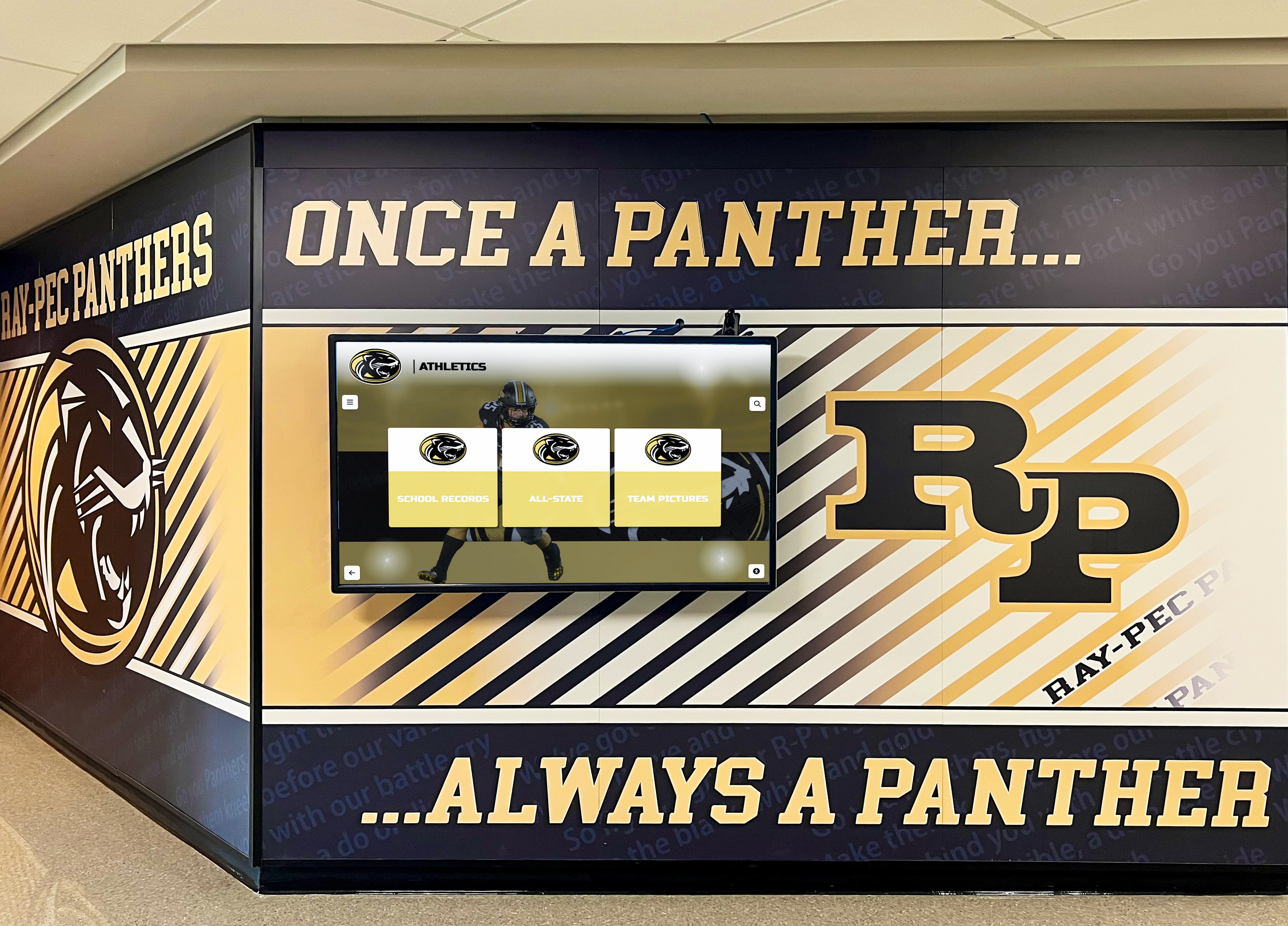
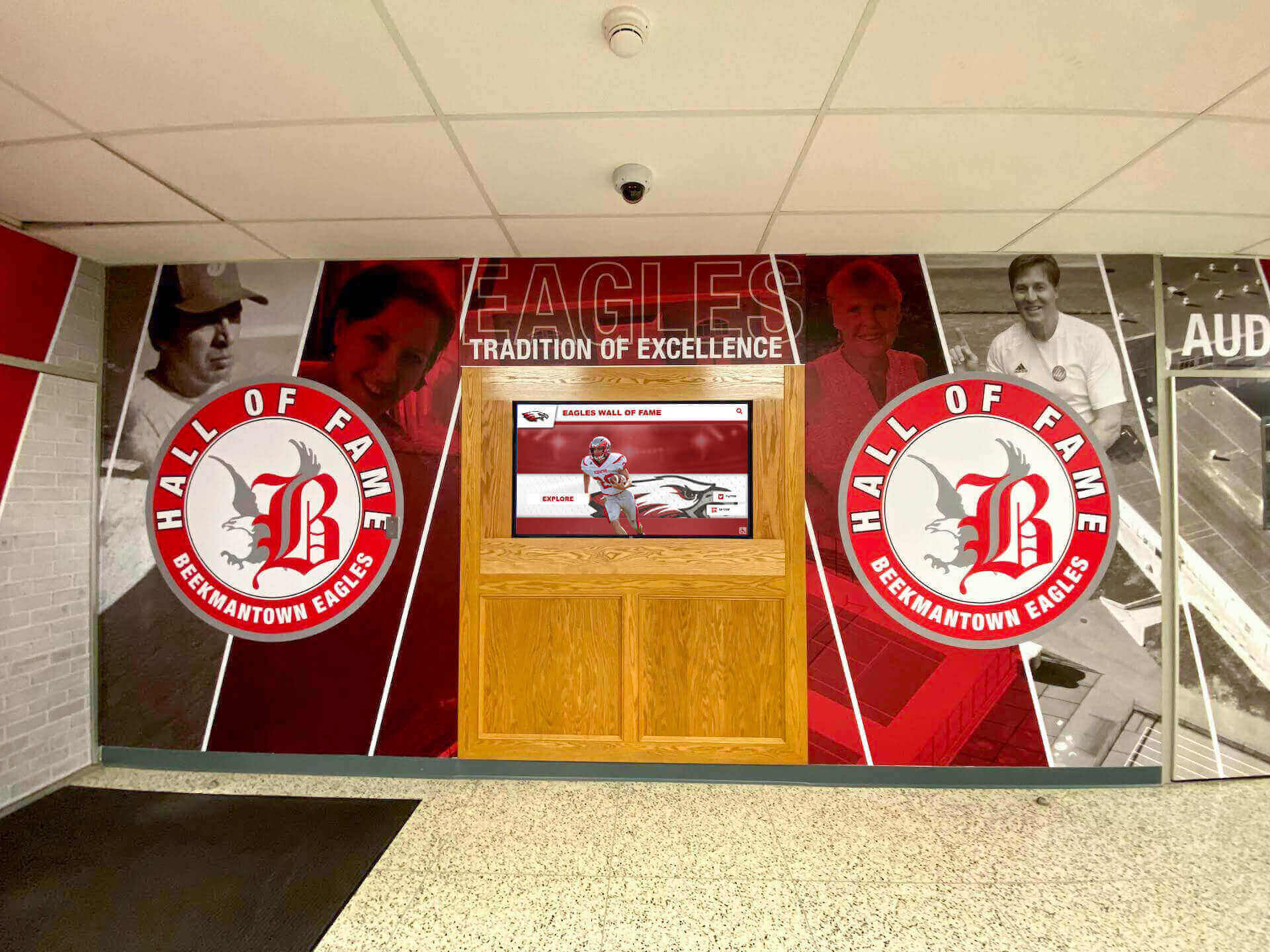
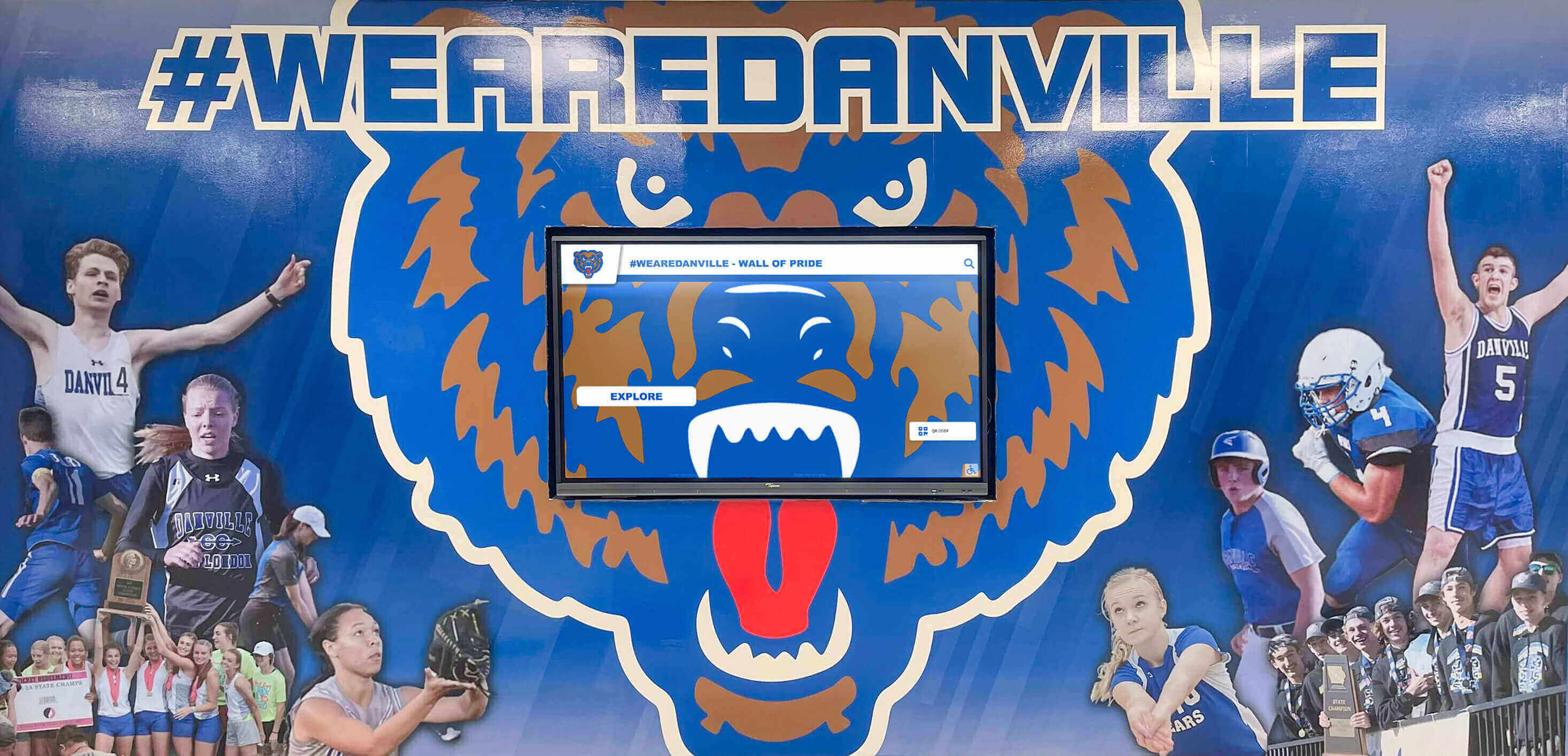
Professional installations integrate displays naturally within museum architecture rather than appearing as afterthought consumer electronics mounted on walls. Effective approaches include custom millwork surrounds creating finished appearances, recessed wall mounting minimizing physical profiles, freestanding kiosk enclosures providing finished structures, ADA-compliant mounting heights (15-48 inches from floor) ensuring wheelchair accessibility, and cable management concealing wiring within walls or enclosures.
Professional integration creates polished installations befitting cultural institutions while providing security, maintenance access, and protection from environmental factors.
Software Platforms: Purpose-Built Museum Solutions vs. Generic Digital Signage
Museums require specialized software platforms designed specifically for interactive historical content rather than generic digital signage broadcasting one-way information.
Essential Platform Capabilities
Effective museum history platforms provide searchable databases organizing vast historical content with multiple filtering options, timeline interfaces presenting chronological narratives with rich multimedia, content management systems enabling updates by non-technical museum staff, responsive design adapting layouts to different screen sizes and orientations, multimedia support for photos, videos, documents, audio, and 3D models, remote management allowing content updates from anywhere with connectivity, and analytics tracking revealing how visitors interact with content.
Comprehensive touchscreen software guides help museums evaluate platforms based on specific institutional needs, technical capabilities, and budget constraints.
Content Organization and Navigation
Intuitive navigation proves more important than feature quantity for visitor engagement. Effective interfaces provide clear visual hierarchies guiding attention naturally, consistent navigation patterns reducing learning curves, touch targets sized appropriately for diverse users including children and elderly visitors, loading times under 2 seconds preventing abandonment and frustration, search functionality enabling visitors to find specific topics quickly, and breadcrumb trails showing current location within content hierarchies.
User testing with diverse visitor populations reveals navigation problems before public launches, allowing refinements improving accessibility and effectiveness.
Cloud-Based Platforms vs. Local Server Infrastructure
Museums implementing interactive exhibits face decisions about content hosting and management infrastructure significantly affecting costs, complexity, and operational requirements.
Infrastructure Comparison for Museum Touchscreen Systems
Local Server Infrastructure
- Advantages: Complete control over data and systems; no ongoing internet requirements; potentially faster content loading for local displays
- Disadvantages: High upfront costs for server hardware ($5,000-$20,000+); requires IT expertise for setup and maintenance; vulnerable to hardware failures without redundancy; difficult remote content updates; expensive backup and disaster recovery
- Best For: Large museums with established IT departments, very large media libraries (terabytes), or locations with unreliable internet connectivity
Cloud-Based Platforms
- Advantages: Low upfront costs; no server hardware to maintain; automatic backups and disaster recovery; remote content management from anywhere; scalable storage growing with needs; automatic software updates
- Disadvantages: Ongoing subscription costs; requires reliable internet connectivity; potential latency loading large media files; less control over infrastructure
- Best For: Small to mid-size museums, institutions with limited IT resources, organizations requiring remote management, phased implementations growing over time
Most small to mid-size historical societies and community museums find cloud-based platforms offer optimal combinations of capability, accessibility, and manageability within realistic budget and technical resource constraints. Solutions like Rocket Alumni Solutions provide cloud-based museum platforms specifically designed for heritage institutions requiring powerful features without complex IT infrastructure.
Comprehensive vs. Phased Implementation Approaches
Museums face decisions about implementation scope and timing—comprehensive single-phase launches versus phased approaches spreading costs and efforts across multiple stages.
Comprehensive Single-Phase Implementations
Large museums with substantial budgets and resources sometimes implement entire exhibit systems simultaneously including multiple touchscreen displays across museum spaces, complete historical content covering all topics comprehensively, custom exhibit design and architectural integration, professional multimedia content production, and staff training preparing entire teams before public launch.
Comprehensive approaches deliver immediate impact and ensure design consistency across entire museum. However, they require substantial upfront investment ($100,000-$500,000+ for major museums), long development timelines before public benefit, and challenges adjusting based on visitor feedback after major commitments.
Phased Implementations
Most museums benefit from phased approaches beginning with focused pilot installations demonstrating value before comprehensive commitments. Effective phasing strategies include starting with single primary touchscreen covering highest-priority content ($15,000-$35,000), prioritizing America 250th commemorative content launching before 2026 anniversary, expanding displays and content based on visitor response and funding availability, developing initial content from readily available materials expanding later, and learning from pilot experience before committing to comprehensive systems.
Phased approaches spread costs across multiple budget cycles, allow adjustments based on real visitor behavior, demonstrate value to stakeholders funding subsequent phases, and deliver immediate benefit rather than waiting years for comprehensive system completion.
Content Development: Creating Compelling Historical Narratives
Technology platforms provide infrastructure, but compelling content creates meaningful visitor experiences achieving museum educational missions. Systematic content development approaches balance scholarly accuracy with engaging presentation formats.
Research and Historical Accuracy
Museum exhibits require thorough research ensuring factual accuracy, appropriate context, and balanced perspective reflecting current historical scholarship.
Primary and Secondary Source Research
Content development should incorporate primary sources including original documents, letters, diaries, photographs, and artifacts providing direct evidence, and secondary sources including scholarly books, academic articles, and historian analyses providing interpretation and context.
Museums should consult historians with relevant expertise, particularly when addressing controversial or sensitive topics requiring careful framing. Content should acknowledge historical debates and multiple interpretations rather than presenting singular authoritative narratives as if historical understanding were settled and unchanging.
Citation and Attribution Standards
Professional exhibits require proper citation enabling visitors to explore topics further while establishing institutional credibility. Interactive platforms can incorporate embedded citations linking to source materials, photo and document credits identifying collections and copyright holders, historian attributions acknowledging expertise informing content, and further reading recommendations directing interested visitors to additional resources.
Transparent sourcing demonstrates scholarly rigor while enabling visitors to verify information and explore topics more deeply according to personal interests.
Multimedia Content Production
Engaging interactive exhibits incorporate diverse media types supporting varied learning styles and creating emotional connections beyond text-only presentations.
Photography and Visual Documentation
Historical photographs provide powerful visual documentation connecting contemporary audiences to past events and people. Effective use includes high-resolution scanning enabling detailed examination and enlargement, contextual captions explaining when, where, who, and why photographs were created, comparative presentations showing same locations across different eras, and themed collections grouping related images telling coherent visual stories.
Academic history archiving programs provide frameworks for systematic photograph digitization creating accessible visual collections supporting museum exhibits and community engagement.
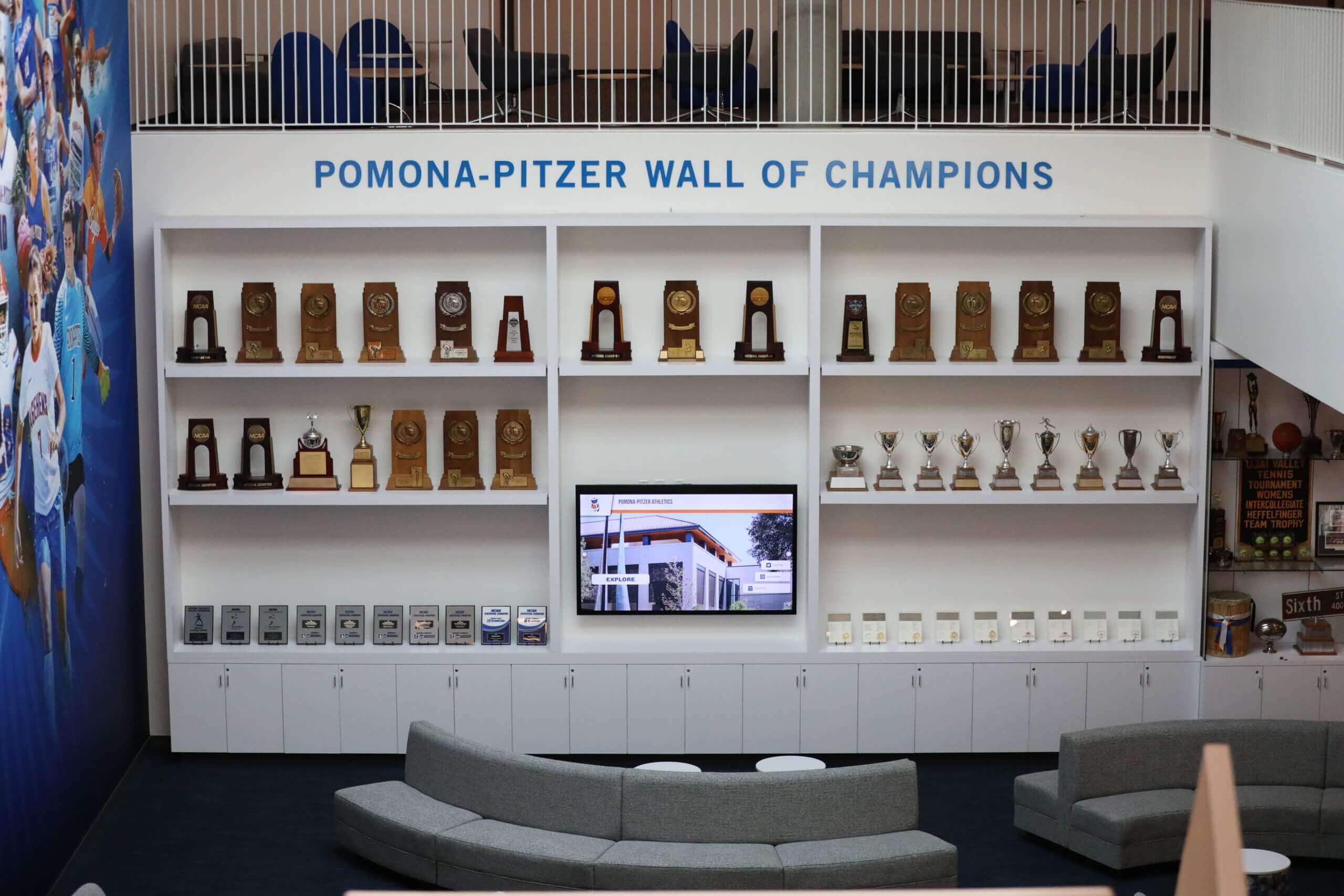
Video Production and Documentary Content
Video content creates visceral connections to historical subjects through moving images, sound, and narrative storytelling. Museum video content can incorporate documentary-style historical overviews providing accessible introductions, oral history interviews with historians or community members, archival footage from 20th-century events, animated graphics explaining complex concepts or processes, and location footage showing historical sites in contemporary context.
Professional production quality matters for institutional credibility, but emerging technologies including smartphone video capabilities enable museums to produce meaningful content without expensive broadcast-quality production budgets. Five-minute videos proving useful and engaging far exceed 30-minute productions too long for typical museum visitor attention spans.
Audio Narratives and Oral Histories
Audio content supports visitors preferring listening to reading while accommodating visually impaired audiences. Effective audio includes narrated historical overviews accessible as alternatives to text, oral history recordings preserving first-person memories and perspectives, period music providing cultural context and atmosphere, and document readings bringing historical text to life through spoken presentation.
Museums can record local community members sharing family histories, memories, and connections to historical events—creating valuable oral history archives while building community engagement with exhibit development processes.
Interactive Features and Engagement Tools
Interactive capabilities transform passive information consumption into active exploration creating more memorable and meaningful experiences.
Searchable Historical Databases
Comprehensive databases organizing vast historical content enable visitors to find specific topics, people, events, or locations matching personal interests. Effective databases provide multiple search and filter options including keyword search across all content, date range filtering focusing on specific time periods, geographic filters exploring state or regional history, topic categories grouping related content, and person filters finding specific historical figures.
Advanced databases enable faceted search combining multiple filters—for example, showing all Revolutionary War content from a specific state during a particular year—revealing connections and patterns single-filter searches miss.
Interactive Timelines
Timeline interfaces present chronological narratives enabling visitors to understand historical sequence, causation, and development over time. Effective timelines provide multi-scale viewing from broad century or decade views to specific year or month details, milestone markers highlighting significant events warranting detailed exploration, multimedia integration incorporating photos, videos, and documents at relevant timeline points, parallel tracks showing simultaneous developments in different themes or locations, and zoom/pan controls enabling intuitive temporal navigation.
History touchscreen software evolution studies demonstrate how timeline interfaces improve historical comprehension compared to traditional chronological text presentations.
Comparative and Analysis Tools
Interactive tools enable visitors to compare historical information revealing insights single-view presentations miss. Comparison features can include before/after image sliders showing location changes over time, statistical comparisons examining demographic or economic trends, document comparison tools showing drafts and revisions, map overlays comparing territorial boundaries across different periods, and thematic comparison exploring how different states or communities experienced similar historical phenomena.
Accessibility and Inclusive Design
Museums serve diverse populations requiring thoughtful design ensuring all visitors access content regardless of ability, background, or prior knowledge.
ADA Compliance and Technical Accessibility
Legal accessibility requirements form minimum standards thoughtful design should exceed. Essential considerations include screen reader compatibility for visually impaired visitors, keyboard navigation supporting visitors unable to use touchscreens, closed captioning for all video content supporting deaf and hard-of-hearing audiences, adjustable text sizes and contrast ratios supporting vision needs, and mounting heights (15-48 inches from floor) enabling wheelchair user interaction.
Language and Reading Level Considerations
Clear communication serves visitors with varying education levels, reading abilities, and English language proficiency. Strategies include plain language avoiding jargon and unnecessary complexity, multiple reading level options from simplified summaries to detailed scholarly content, translation capabilities providing content in languages reflecting local demographics, and multimedia alternatives enabling learning through videos, images, and audio rather than text-only presentation.
Cultural Sensitivity and Inclusive Perspectives
Comprehensive historical exhibits acknowledge diverse experiences and perspectives rather than presenting single dominant narratives. Thoughtful approaches include content acknowledging painful and controversial history honestly, multiple perspective presentations showing how different populations experienced historical events, recognition of indigenous peoples whose histories predate European colonization, and contemporary relevance connections helping visitors understand how historical events shape present circumstances.
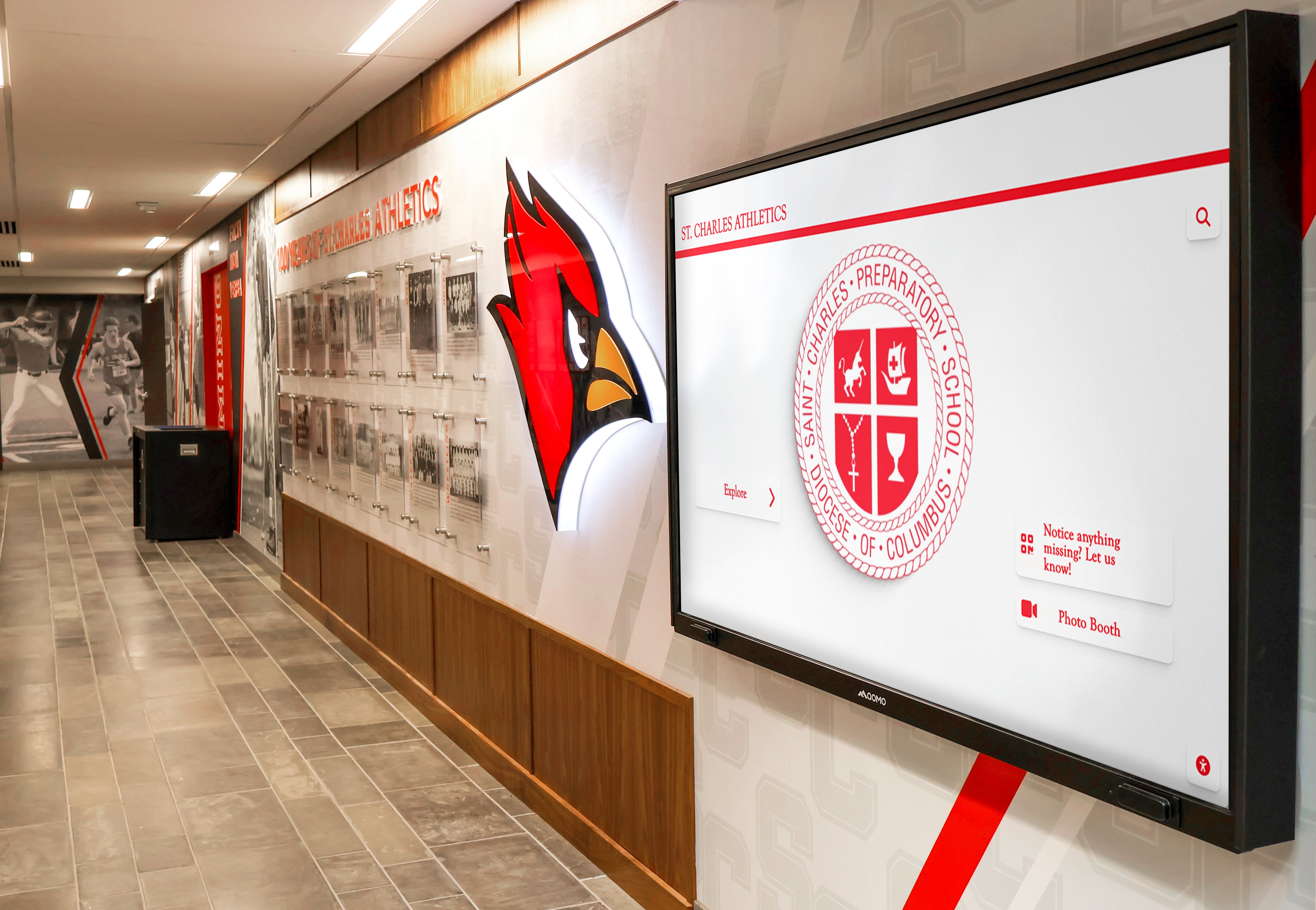
Implementation Planning: Step-by-Step Process for Museum History Touchscreens
Successful interactive exhibit implementations follow systematic approaches delivering value throughout development processes rather than requiring years before any benefits materialize.
Phase 1: Planning and Needs Assessment
Define Objectives and Success Metrics
Clear objectives guide technology selection and content development while enabling effectiveness assessment. Museums should establish specific goals including educational outcomes articulating what visitors should understand or appreciate, engagement targets defining desired interaction depth and duration, accessibility objectives ensuring diverse population access, community connection goals strengthening visitor relationships to heritage, and operational requirements including staff capabilities and maintenance capacity.
Success metrics enable ongoing assessment including visitor satisfaction survey responses, engagement analytics from touchscreen interaction data, attendance impacts comparing pre and post-implementation traffic, and community feedback from stakeholders and partners.
Assess Existing Materials and Content Gaps
Inventory existing historical materials available for digitization including photographs, documents, artifacts, oral histories, and previous exhibit content. Identify content gaps requiring research, acquisition, or production to tell comprehensive stories achieving defined objectives.
Materials assessment reveals whether museums can develop meaningful exhibits primarily from existing collections or whether substantial new content development proves necessary affecting timelines and budgets.
Budget Development and Funding Strategy
Comprehensive budget planning includes hardware costs for touchscreen displays and computer systems, software licensing or subscription fees, professional installation and integration expenses, content digitization and production costs, training for staff and volunteers, ongoing technical support and maintenance, and contingency funds for unexpected challenges or opportunities.
Museums should explore diverse funding sources including operational budget allocations, capital campaign inclusion positioning technology as infrastructure investment, grant applications to historical and cultural funding organizations, sponsorship programs engaging businesses in heritage support, and memorial opportunities allowing families to support exhibits honoring loved ones.
Museum kiosk planning guides provide detailed frameworks for budget development and implementation planning customized for cultural institutions.
Phase 2: Technology Selection and Vendor Evaluation
Platform Evaluation Criteria
Museums should systematically evaluate platform options using consistent criteria including ease of content management for non-technical staff, feature set supporting required interactivity and multimedia, scalability accommodating collection growth over time, vendor experience with museum and cultural heritage applications, total cost of ownership including ongoing fees, support quality and response time guarantees, and integration capabilities connecting with existing systems.
Request detailed demonstrations with sample historical content similar to planned exhibits. Generic product presentations using corporate or educational examples may not reveal platform suitability for museum applications.
Vendor References and Portfolio Review
Contact references from comparable institutions that implemented similar systems. Key questions include overall satisfaction with platform and partnership, implementation timeline and challenges encountered, ongoing support responsiveness and quality, staff training and learning curve experiences, content management ease for non-technical users, and recommendations they would make to new customers.
Portfolio reviews showing previous museum installations provide valuable insight into vendor design capabilities and understanding of cultural institution needs versus generic commercial applications.
Phase 3: Content Development and Production
Content Planning and Organization
Systematic content planning ensures comprehensive coverage aligned with exhibit objectives. Effective approaches include outline development identifying major themes and subtopics, content inventory documenting available materials for each topic, gap identification revealing research or production needs, priority ranking focusing initial efforts on highest-value content, and development timeline phasing content creation across available resources.
Many museums successfully engage volunteer researchers, docents, and community historians in content development—extending institutional capacity while building community ownership of exhibits.
Digitization and Media Production
Transform physical historical materials into digital formats suitable for interactive presentation through high-resolution photograph scanning (600+ DPI for archival quality), document scanning with OCR enabling text search, video production telling historical narratives or presenting oral histories, audio recording of narrations and interviews, and graphic design creating maps, diagrams, and visual explanations.
Library digitization programs provide transferable workflows applicable to museum historical material digitization supporting interactive exhibits.
Content Management and Organization
Upload and organize digitized content within chosen platform using consistent metadata standards, establish navigation hierarchies and relationships between content elements, implement search tags enabling content discovery, test interactive features ensuring functionality, and conduct quality assurance reviewing all content for accuracy and presentation quality.
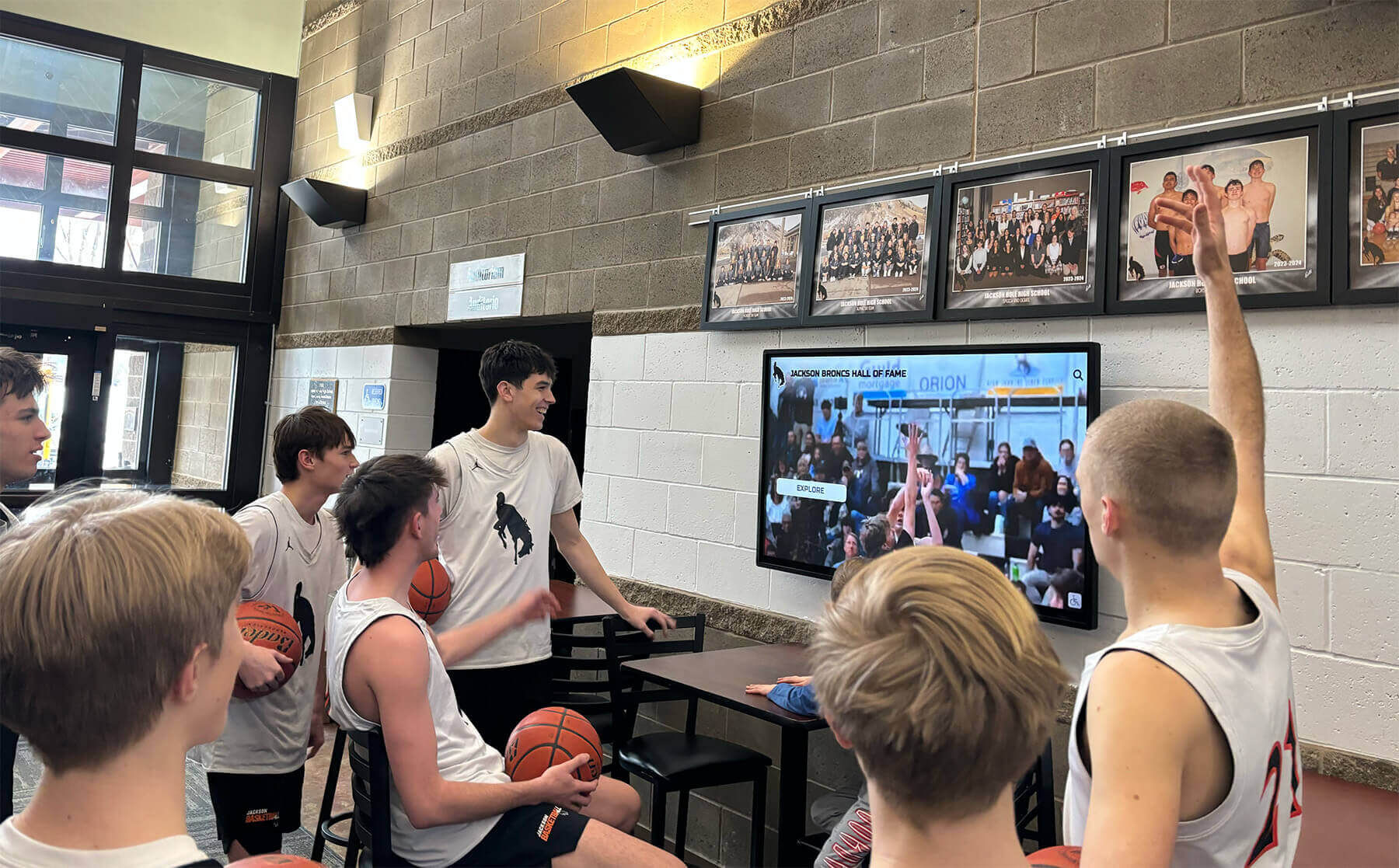
Phase 4: Installation and Staff Training
Professional Installation
Hardware installation should include display mounting with proper structural support, computer system installation and configuration, network connectivity establishment, cable management and power distribution, protective enclosures or barriers preventing damage, and comprehensive testing verifying all functions operate correctly.
Professional installers ensure reliable operation and polished appearances befitting cultural institutions while addressing technical challenges museums lack internal expertise to resolve independently.
Staff Training and Documentation
Comprehensive training ensures staff can independently manage exhibits and assist visitors. Training should cover content management system operation including adding and editing content, basic troubleshooting resolving common technical issues, visitor assistance strategies helping guests navigate interfaces, accessibility features ensuring all visitors receive support, and emergency procedures addressing system failures or damage.
Written documentation and video training materials enable ongoing reference and training for new staff joining after initial implementations.
Phase 5: Launch and Ongoing Operation
Soft Launch and Testing
Limited soft launch periods enable museums to identify issues before major public announcements. Approaches include staff and volunteer testing with critical feedback, invited community leader previews building support, school group visits providing youth perspective, and observation studies watching real visitor interactions revealing interface problems.
Soft launch feedback enables refinements improving experiences before high-traffic public launches when negative impressions prove harder to overcome.
Marketing and Community Engagement
Strategic launch promotion builds awareness and traffic including press releases to local media outlets, social media campaigns across museum channels, email announcements to member lists and community partners, special events like ribbon cuttings or VIP previews, and school outreach engaging educational communities.
Ongoing Content Updates and Maintenance
Exhibits require continuous attention maintaining functionality and relevance through regular content additions and updates, seasonal or anniversary-related featured content, technical maintenance and software updates, visitor feedback collection and response, and performance monitoring through analytics and observation.
Living exhibits that evolve continuously maintain relevance and encourage repeat visits from community members discovering new content with each encounter.
Extending Museum Impact Through Digital Platforms
Physical museum touchscreen installations represent only one component of comprehensive digital strategies extending heritage access far beyond those who can visit physical locations.
Web-Based Virtual Museums
Online platforms provide global access to historical content serving distant audiences, scholars, students, and descendants exploring heritage remotely. Web platforms provide all database functionality available on physical touchscreens, advanced search capabilities exceeding physical kiosk limitations, personalized accounts allowing users to save favorites or create custom collections, mobile-responsive design supporting smartphones and tablets, high-resolution document and photo examination, and social sharing tools amplifying content reach.
Many institutions discover web platforms generate significantly more engagement than physical museum visits due to global accessibility and convenience. A regional historical society might host 5,000 annual museum visitors but serve 150,000+ web platform users—30 times greater digital reach.
Educational Integration and Curriculum Support
Museum digital platforms provide valuable resources for formal education including standards-aligned lesson plans connecting exhibits to curriculum, classroom activities using museum content for student research, virtual field trip alternatives when physical visits prove impractical, teacher resources supporting history instruction, and student research tools enabling independent exploration.
Educational partnerships position museums as essential community resources while introducing young people to heritage potentially inspiring lifelong interest and future visitation.
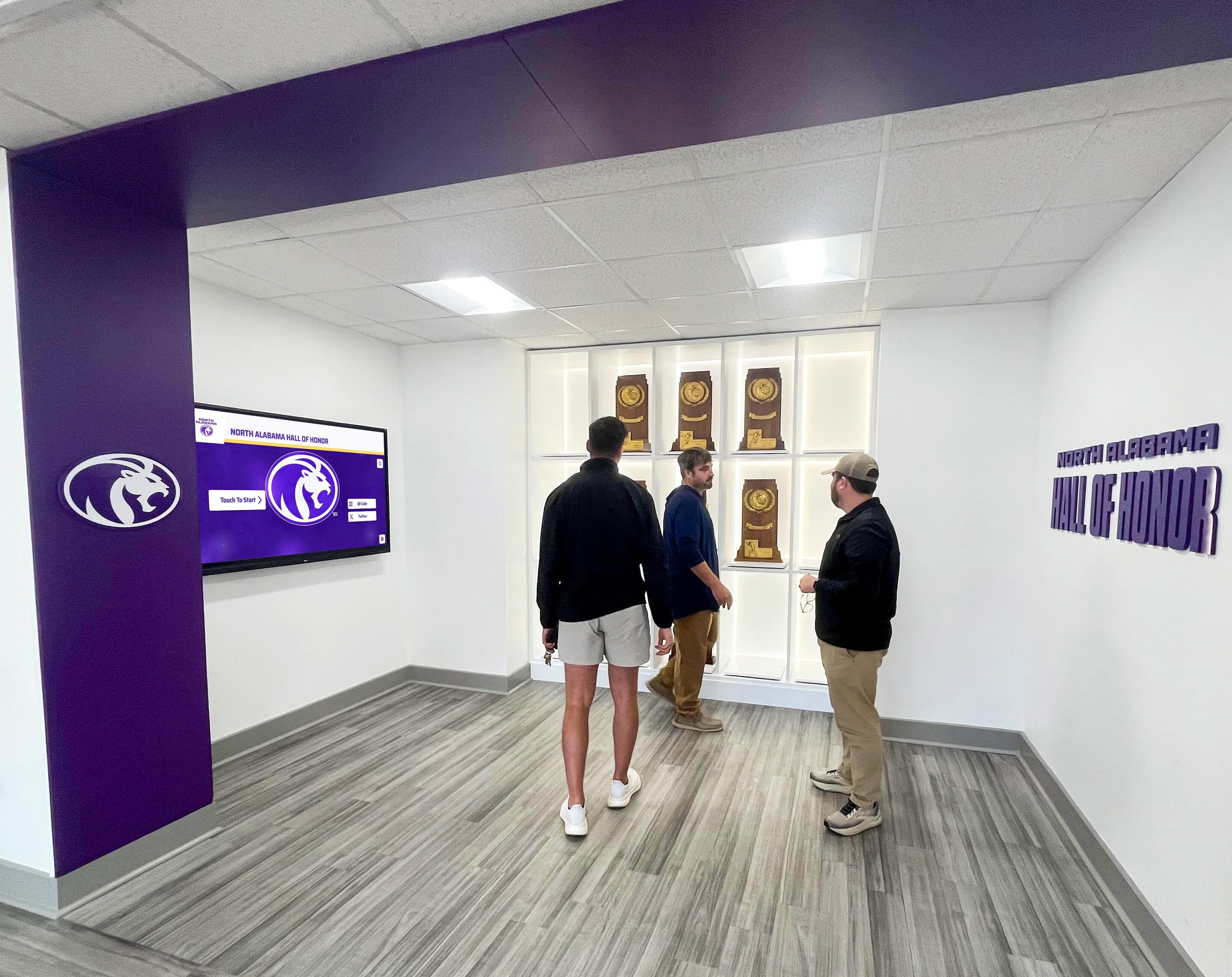
Community Contribution and Crowdsourcing
Interactive platforms enable community members to contribute personal stories, photographs, and knowledge enriching institutional collections. Contribution features can include submission portals accepting photographs, documents, and stories, moderation workflows enabling staff review before publication, credit systems recognizing contributor names, comment capabilities allowing visitors to share memories or information, and family tree connections linking individuals to historical figures or events.
Community contribution creates shared ownership while extending museum capacity by enlisting public help identifying photographs, correcting information, and sharing materials institutions would never otherwise access. Interactive museum best practices increasingly emphasize two-way engagement rather than one-way institutional presentations.
Social Media Integration and Digital Storytelling
Museum content gains amplified reach through social media sharing and digital storytelling campaigns. Effective strategies include daily historical posts sharing interesting facts, images, or documents, anniversary commemorations marking historical event dates, behind-the-scenes content showing collections management and exhibit development, user-generated content campaigns encouraging community photo and story sharing, and influencer partnerships engaging popular local social media accounts.
Social media transforms museums from institutions visitors engage occasionally into continuous digital presences that maintain regular connection and awareness.
Case Studies: Successful Museum History Touchscreen Implementations
Examining successful implementations provides valuable lessons for institutions planning interactive exhibits for America’s 250th celebration.
Regional Historical Society: Phased Implementation Success
A mid-sized regional historical society serving a metropolitan area implemented touchscreen exhibits through systematic phasing demonstrating value before comprehensive commitments. Their approach included initial $25,000 investment in single 65-inch touchscreen displaying local Revolutionary War history, first-year content covering available materials without extensive new research, successful grant application funding second-phase expansion including additional display and content production, three-year development creating comprehensive local history database, and web platform launch providing remote access multiplying engagement beyond physical museum.
Five years after initial installation, the society reports 40% increased annual museum attendance, 85,000+ annual web platform users, substantial membership growth, and successful capital campaign partially attributed to enhanced community engagement through digital exhibits demonstrating institutional vitality.
State History Museum: Comprehensive America 250th Exhibit
A state history museum planned comprehensive Semiquincentennial exhibit implementing extensive interactive technology as centerpiece of anniversary programming. Their $750,000 investment included seven large-format touchscreens throughout exhibit galleries, comprehensive content covering state’s role in Revolution, Constitutional development, and 250-year history, professional video and multimedia production, physical artifact integration combining traditional and digital elements, and companion mobile application enabling takeaway experience.
The museum reports the America 250th exhibit became their most-visited installation, generating significant media coverage, increasing out-of-state visitation, and creating national model other institutions have toured to study for their own implementations.
Community Heritage Center: Budget-Conscious Grassroots Approach
A small community heritage center in a rural town implemented meaningful interactive exhibits with minimal budget through creative resource management. Their approach included volunteer digitization of photograph collections and oral histories, student intern video production through university partnership, open-source platform customization reducing software costs, local business sponsorship funding single display and computer, and community launch event generating enthusiasm and awareness.
Their $12,000 total investment created powerful community connection point that residents regularly show visiting family members and that schools use for local history education. The heritage center reports increased donations and volunteer engagement since interactive exhibit launch demonstrated institutional innovation and community commitment.
Conclusion: Preserving and Presenting America’s Story for Future Generations
America’s 250th celebration represents extraordinary opportunity for museums, historical societies, cultural institutions, and communities nationwide to engage audiences with national heritage, local history, and the ongoing American democratic experiment. Traditional static exhibits served museums well for generations but face inherent limitations presenting complex, nuanced historical narratives required for meaningful Semiquincentennial commemoration.
Museum history touchscreens transform how institutions tell American stories—creating engaging, interactive, personalized experiences that resonate with contemporary audiences while preserving historical accuracy and scholarly rigor. Interactive platforms enable comprehensive content impossible within physical space constraints, personalized exploration paths serving diverse visitor interests and knowledge levels, multimedia storytelling creating emotional connections text-only exhibits cannot match, and extended digital access multiplying impact far beyond physical museum walls.
Successful implementations require systematic planning addressing clear objectives, thoughtful technology selection matching institutional capabilities and resources, compelling content development balancing scholarship with accessibility, professional installation and integration, and ongoing operation maintaining relevance and functionality over years and decades. Museums of all sizes—from major state institutions to small community heritage centers—can implement meaningful interactive exhibits through strategic approaches including phased development, alternative funding, volunteer engagement, and platform selection matching specific needs.
As America approaches its 250th anniversary, the stories we choose to tell, the voices we choose to amplify, and the methods we use to engage contemporary audiences with historical heritage will shape how future generations understand the American experiment and their roles continuing it. Interactive museum technology provides powerful tools for this essential cultural work—making history accessible, engaging, and meaningful for all Americans regardless of background, location, or ability.
The technology has matured. Professional platforms designed specifically for cultural institutions balance power with usability. Successful implementations across thousands of museums demonstrate proven approaches. The compelling question facing heritage institutions today is not whether to implement interactive technology but rather how to design exhibits that serve community needs while honoring complex, nuanced history worthy of America’s 250-year journey.
Ready to Create Your America 250th Interactive History Exhibit?
Whether you’re planning comprehensive Semiquincentennial commemoration, enhancing existing exhibits with interactive technology, or creating community heritage displays connecting local history to national narratives, museum history touchscreens provide powerful platforms for engaging audiences while preserving and presenting American heritage.
Discover how interactive recognition technology can transform your museum or heritage institution. Talk to our team to explore comprehensive solutions for America’s 250th celebration exhibits and ongoing historical presentation serving your community for generations.
Your community’s history deserves presentation worthy of its significance. With thoughtful planning, appropriate technology, and committed operation, you can create museum exhibits that honor the past, engage the present, and inspire future generations’ continued connection to American heritage and civic participation.