



Key Takeaways
Complete alumni reunion planning checklist with month-by-month timeline, budget templates, venue selection tips, and engagement strategies. Essential guide for reunion committees planning successful alumni events.
Why Alumni Reunions Matter
Alumni reunions serve as powerful touchpoints that strengthen institutional bonds, inspire giving, create mentorship opportunities, and build lasting community connections. Well-executed reunion events generate engagement that extends far beyond a single evening, creating ripple effects across fundraising, student recruitment, and institutional pride.
Research consistently shows that alumni who attend reunions demonstrate higher lifetime giving rates, increased volunteer participation, and stronger advocacy for their alma maters. The personal connections renewed during reunion events transform passive graduates into active institutional supporters who refer students, mentor current learners, and champion their schools within professional and social networks.
For educational institutions, reunions also provide invaluable opportunities to showcase campus improvements, celebrate institutional achievements, and share strategic vision with engaged alumni audiences naturally receptive to supporting continued growth and excellence.
The 12-Month Alumni Reunion Planning Timeline
Successful reunion planning follows a structured timeline that distributes workload strategically while ensuring adequate preparation for each critical component. This month-by-month checklist guides reunion committees through the entire planning process from initial organization through post-event follow-up.
12 Months Before: Foundation and Committee Formation
Form Your Reunion Committee
Recruit diverse committee members representing different perspectives, networks, and skill sets. Effective committees typically include 8-15 volunteers combining recent graduates with longer-term alumni, geographic diversity, and representation across different involvement levels.
Key committee roles include:
- Committee Chair: Overall coordination and decision-making authority
- Treasurer: Budget management and financial tracking
- Communications Lead: Marketing, invitations, and ongoing alumni outreach
- Venue Coordinator: Location research, contract negotiation, and logistics
- Program Director: Event schedule, activities, and entertainment planning
- Registration Manager: Attendee tracking, payment processing, and guest services
Establish Clear Goals and Budget Parameters
Define what success looks like for your reunion beyond simple attendance numbers. Consider goals around fundraising targets, engagement metrics, volunteer recruitment, or specific institutional objectives your reunion can support.
Develop realistic budget projections covering all anticipated expenses including venue rental, catering, entertainment, decorations, printing and mailing costs, technology needs, and contingency reserves. Most successful reunions budget $75-150 per expected attendee depending on venue choices and program ambition.
Set Your Reunion Date
Choose dates that avoid major holidays, competing institutional events, or predictable conflicts. Weekend dates typically maximize attendance, with Friday evening kickoff events followed by Saturday programming proving most popular.
Consider whether to align your reunion with existing institutional events like homecoming weekends, major athletic competitions, or campus-wide celebrations that provide additional draw and programming options.
11 Months Before: Venue Selection and Save-the-Date
Research and Visit Potential Venues
Evaluate venue options considering capacity requirements, location accessibility, parking availability, ambiance, catering capabilities, technology infrastructure, and total cost. Common reunion venue choices include:
- On-Campus Facilities: Alumni centers, student unions, athletic facilities, or outdoor campus spaces
- Hotels and Conference Centers: Convenient for out-of-town guests requiring accommodations
- Restaurants and Event Spaces: Appropriate for smaller, more intimate gatherings
- Unique Local Venues: Museums, historic buildings, or special locations creating memorable experiences
Request detailed proposals from finalists including all-inclusive pricing, floor plans, available dates, catering menus, and references from previous events.
Secure Your Primary Venue
Negotiate contracts carefully, understanding cancellation policies, deposit requirements, final guest count deadlines, and what’s included versus additional charges. Many venues require 25-50% deposits at booking with final payments due weeks before events.
Send Save-the-Date Communications
Early save-the-date announcements maximize calendar space for your event. Send initial communications 10-11 months ahead through multiple channels including email, social media, and traditional mail for alumni without email addresses.
Save-the-dates should include confirmed date, general location, preliminary pricing if determined, registration timeline, and contact information for questions. Creating effective alumni engagement strategies requires consistent communication starting early in the planning process.
10 Months Before: Program Planning and Budget Finalization
Design Your Reunion Program
Outline the complete event schedule considering what activities will create meaningful connections while honoring diverse interests. Successful reunion programs typically include:
- Welcome reception: Informal mingling with light refreshments
- Campus tours: Showcasing improvements and new facilities
- Dining events: Seated dinners, casual buffets, or cocktail receptions
- Entertainment: Live music, DJs, photo booths, or multimedia presentations
- Recognition ceremonies: Honoring distinguished alumni or milestone classes
- Breakout activities: Career panels, athletic events, family-friendly programming
- Closing events: Farewell brunches or casual gatherings
Finalize Budget and Pricing
Solidify all budget line items with confirmed vendor quotes and realistic projections. Determine ticket pricing that covers costs while remaining accessible to diverse economic situations. Many reunions offer tiered pricing with individual tickets, couple packages, and discounted rates for recent graduates or retired alumni.
Consider whether to include fundraising components within reunion events—many institutions successfully integrate giving opportunities without making reunions feel transactional or uncomfortable.
9 Months Before: Vendor Selection and Marketing Launch
Book Key Vendors
Secure contracts with caterers (if not venue-provided), photographers, videographers, entertainment, audio-visual equipment providers, and any specialized vendors for unique program elements.
Request references, review portfolios, understand cancellation policies, and clarify exactly what services are included at quoted prices. Popular vendors book months ahead, especially for peak reunion seasons in spring and fall.
Launch Comprehensive Marketing Campaign
Develop multi-channel marketing strategy combining email campaigns, social media promotion, website updates, print mailings, and personal outreach. Effective reunion marketing emphasizes emotional connection and community rather than transactional event details alone.
Create compelling messaging that answers “Why should I attend?” through stories highlighting reconnection opportunities, campus transformations, program highlights, and the unique value of milestone celebrations.
8 Months Before: Registration System and Communications Plan
Implement Online Registration
Set up user-friendly registration systems that streamline sign-ups while collecting necessary information. Effective registration platforms should:
- Accept various payment methods (credit cards, checks, payment plans)
- Allow ticket modifications and guest additions
- Send automatic confirmation emails
- Track attendees and generate reports
- Offer optional add-ons (merchandise, additional events, special meals)
Create Communications Calendar
Plan regular touchpoints maintaining momentum through the months leading to your reunion. Effective communication cadences typically include:
- Monthly updates highlighting program details, featured alumni, or campus news
- Registration milestone celebrations (“50 classmates registered!”)
- Countdown communications building excitement in final weeks
- Practical logistics information as events approach
Segment communications when appropriate—recent registrants receive different messages than those still considering attendance.
7 Months Before: Special Programming and Sponsorships
Develop Special Recognition Elements
Plan any special recognition components including awards ceremonies, hall of fame inductions, or milestone class honors. Building strong alumni networks often includes formal recognition that celebrates achievement while inspiring continued engagement.
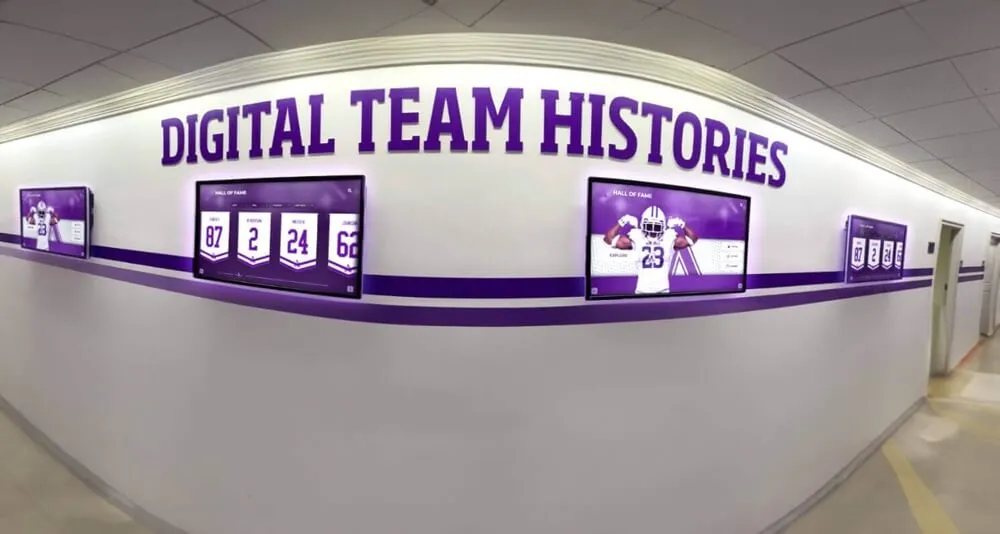
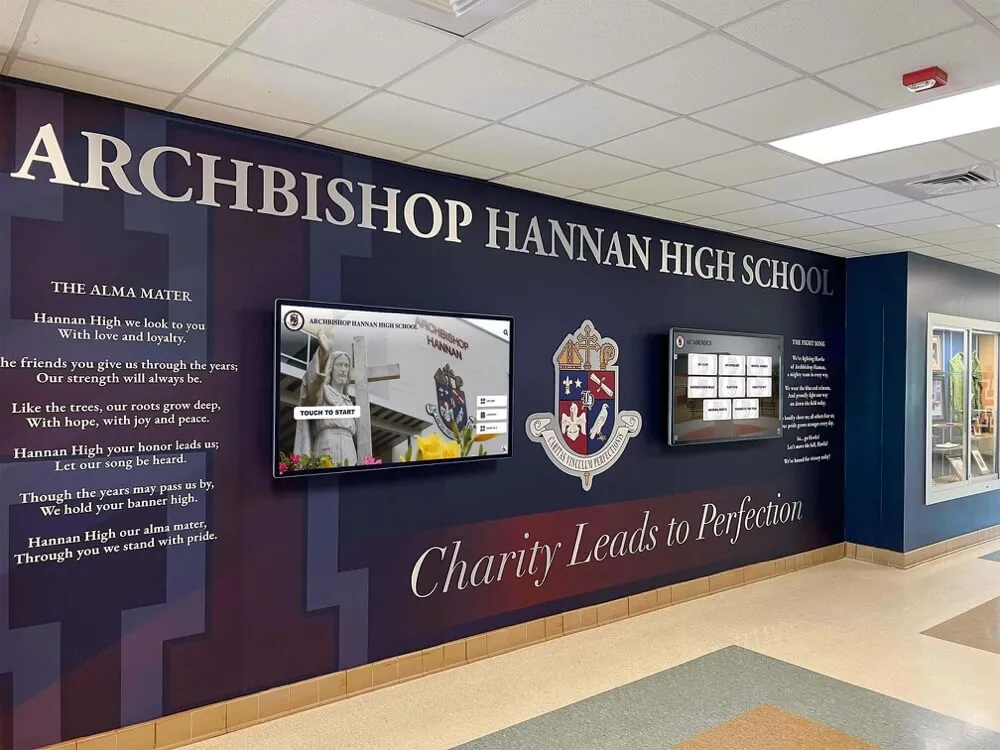
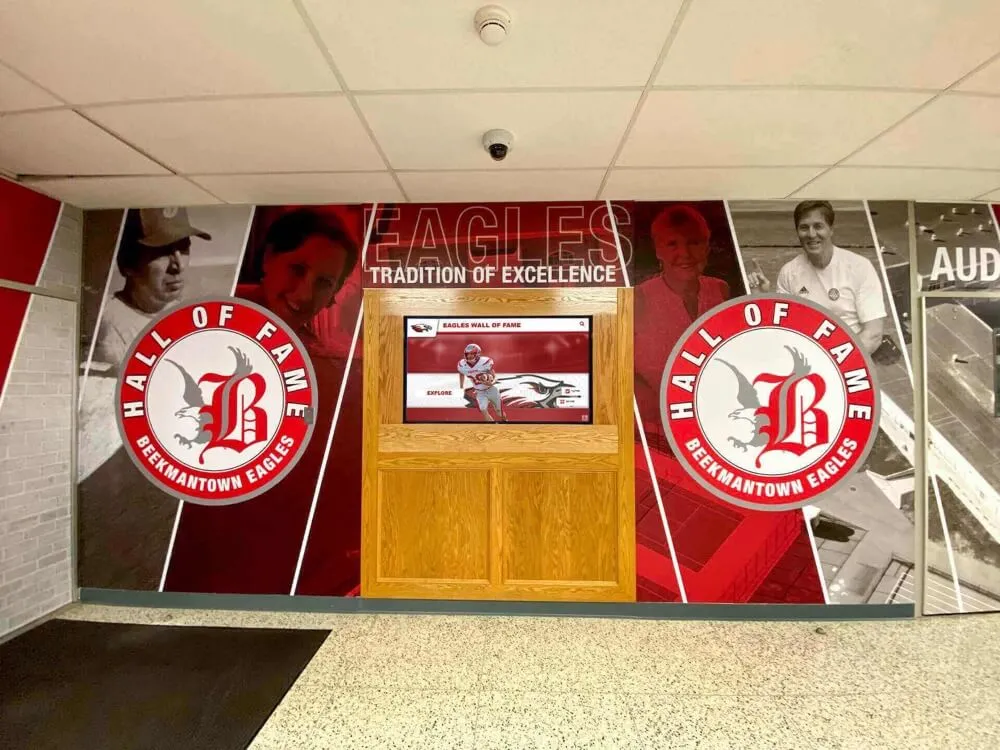
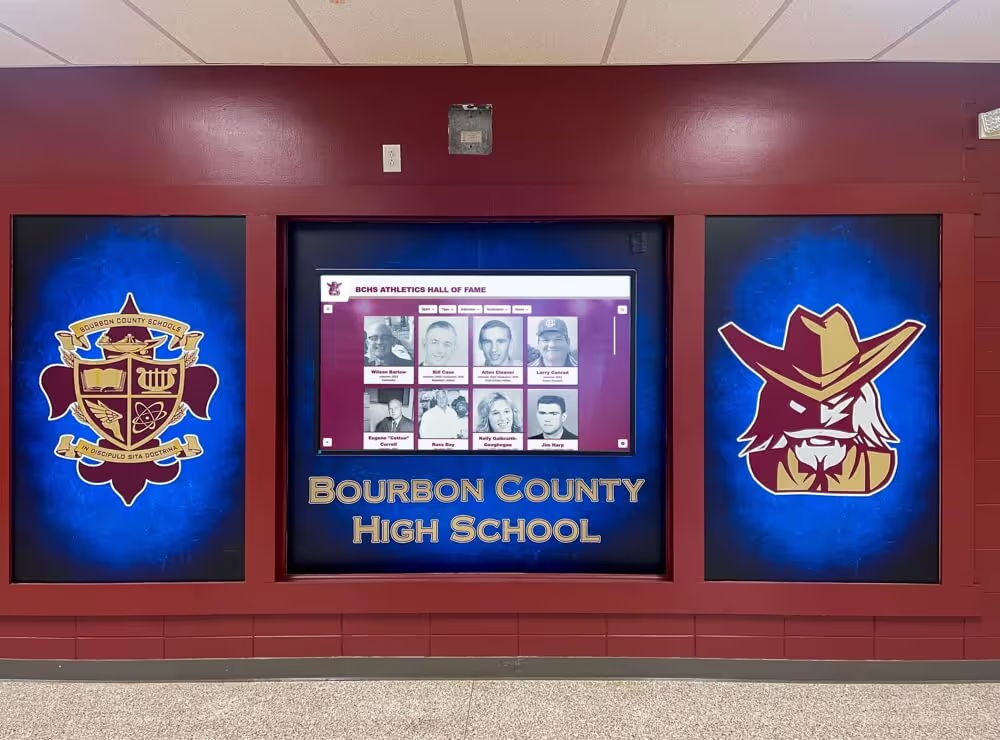
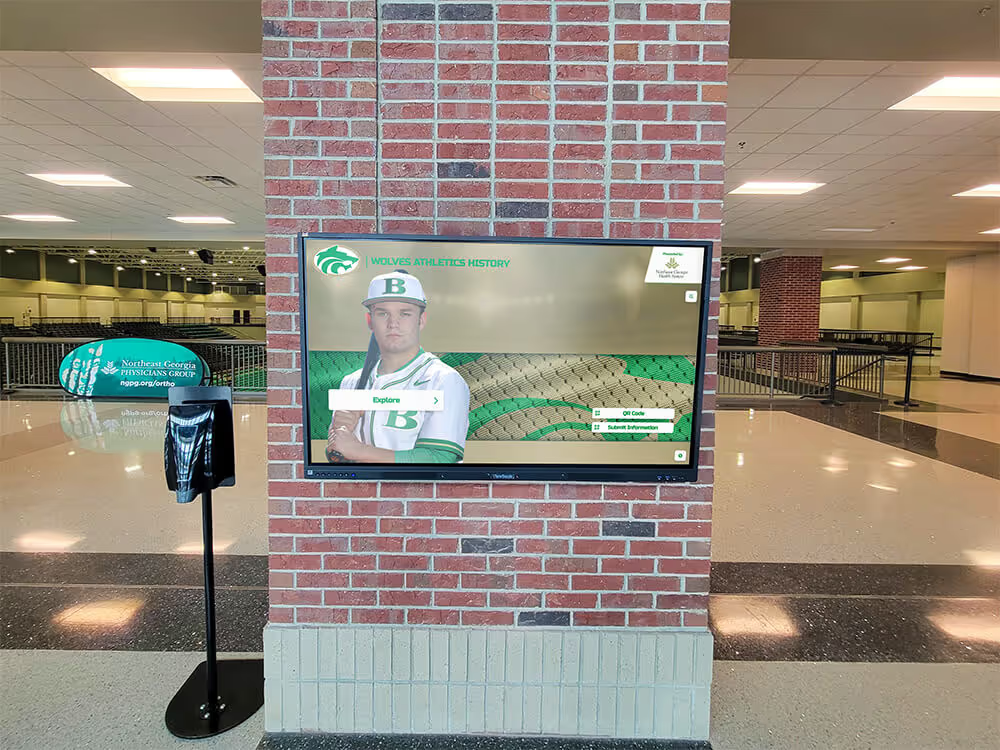
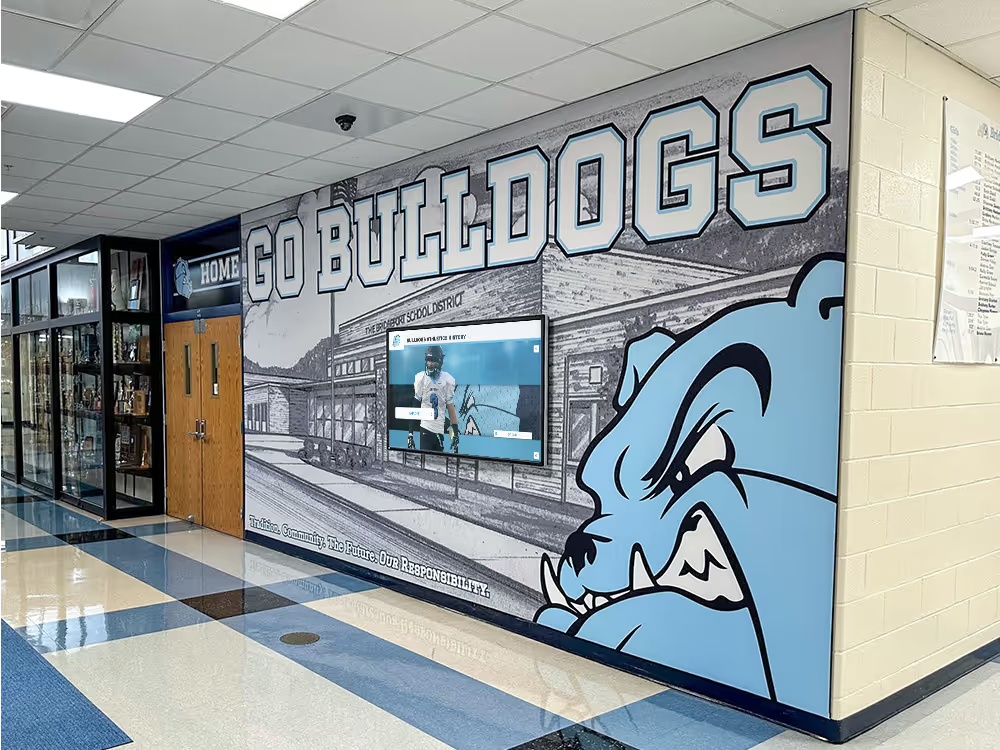
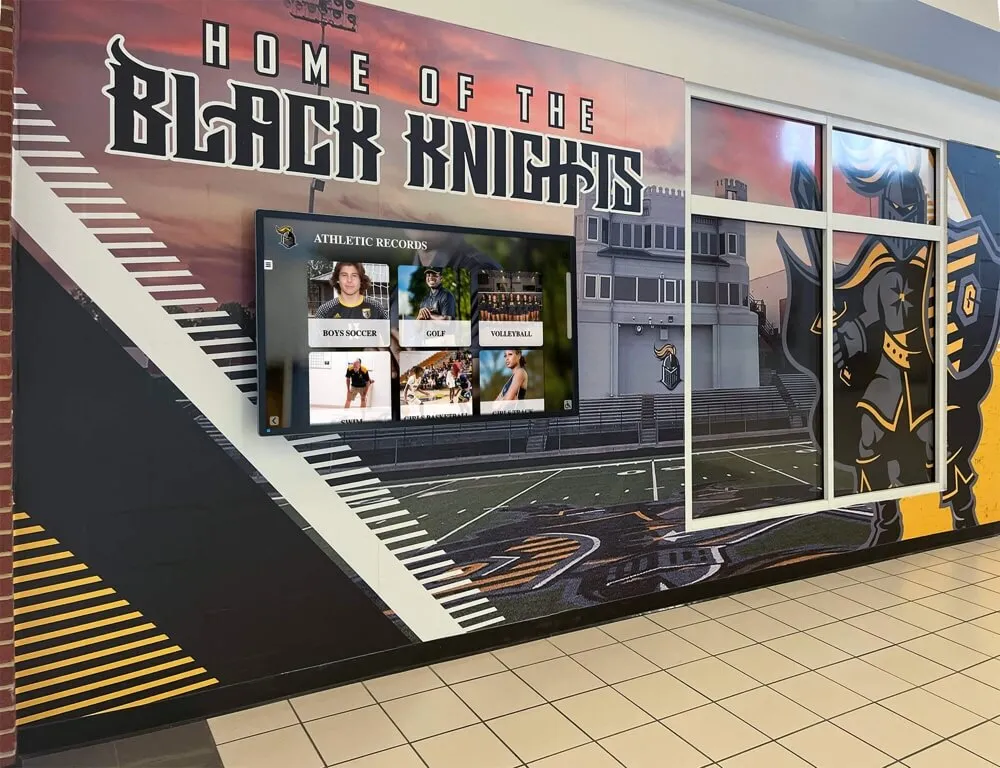
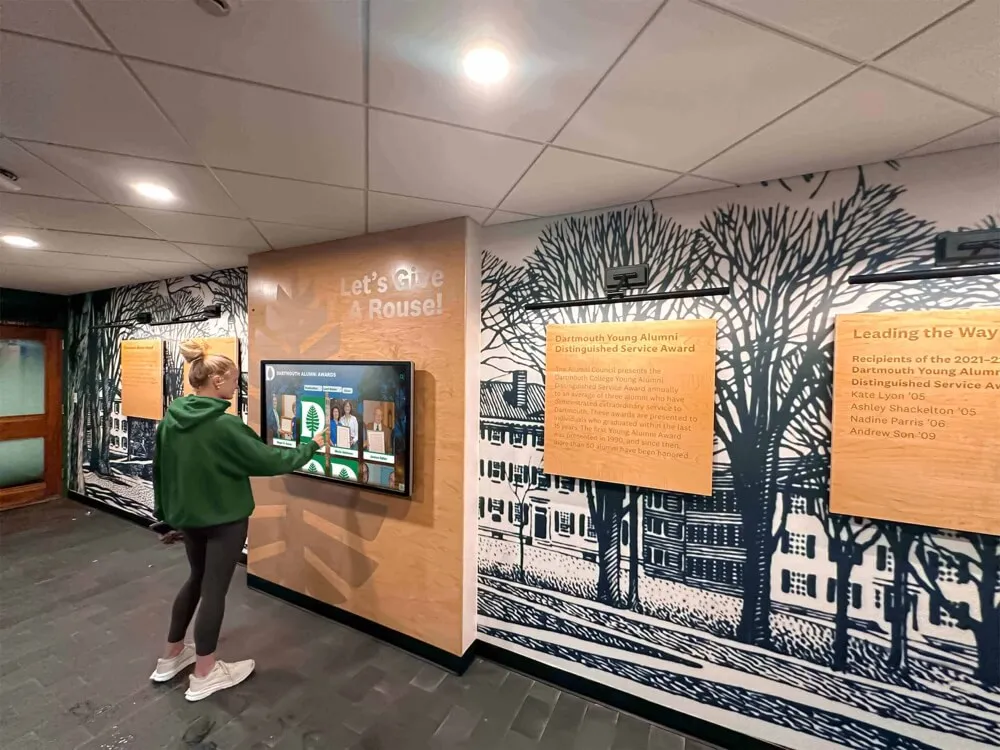
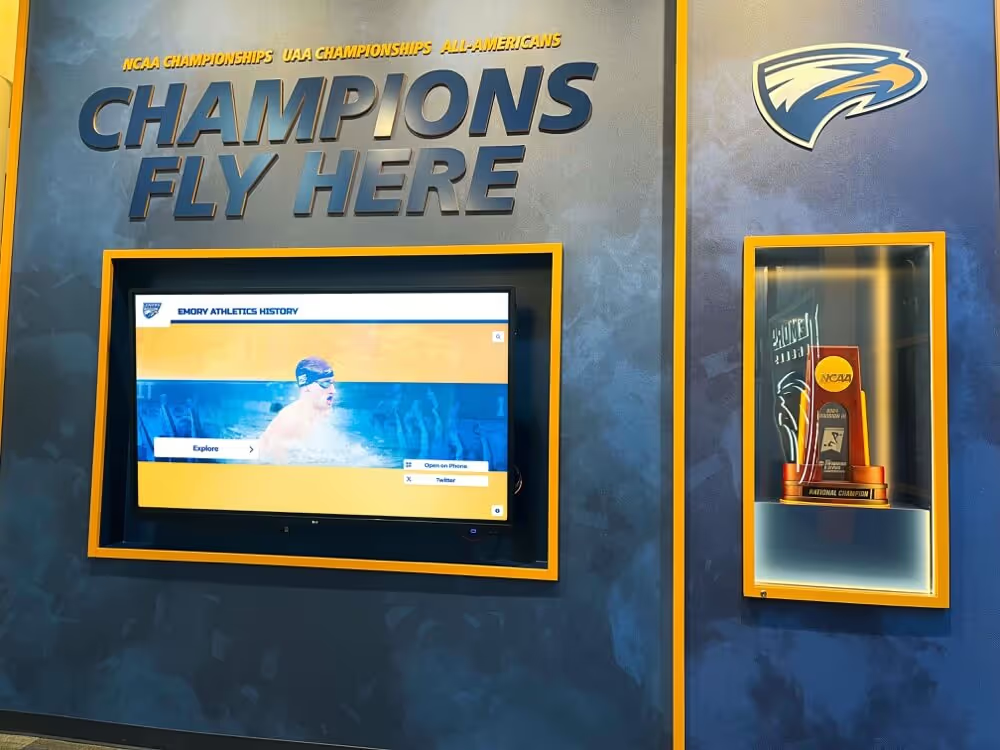
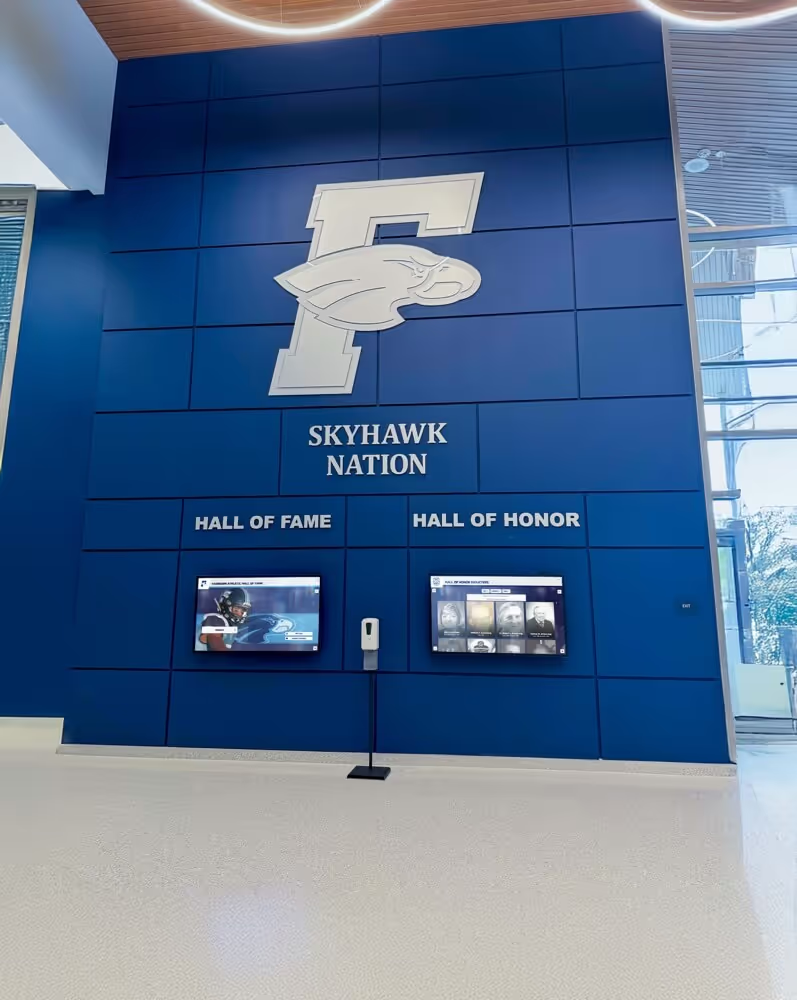
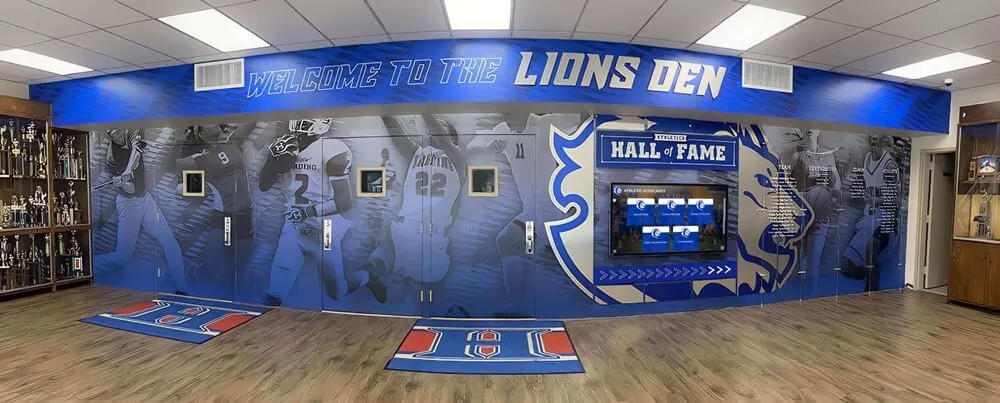
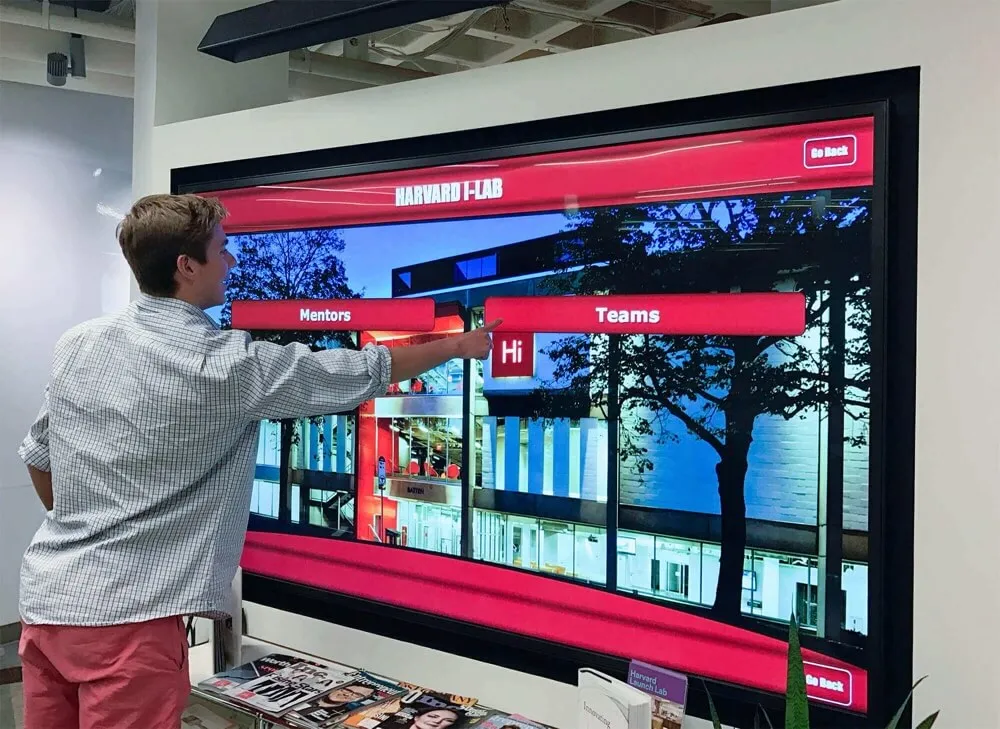
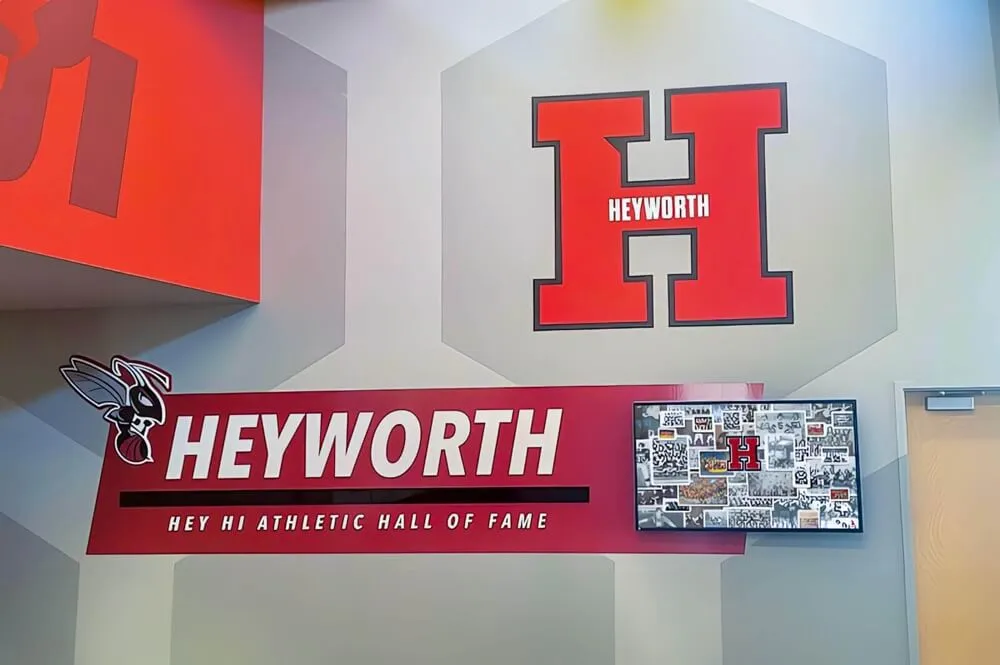
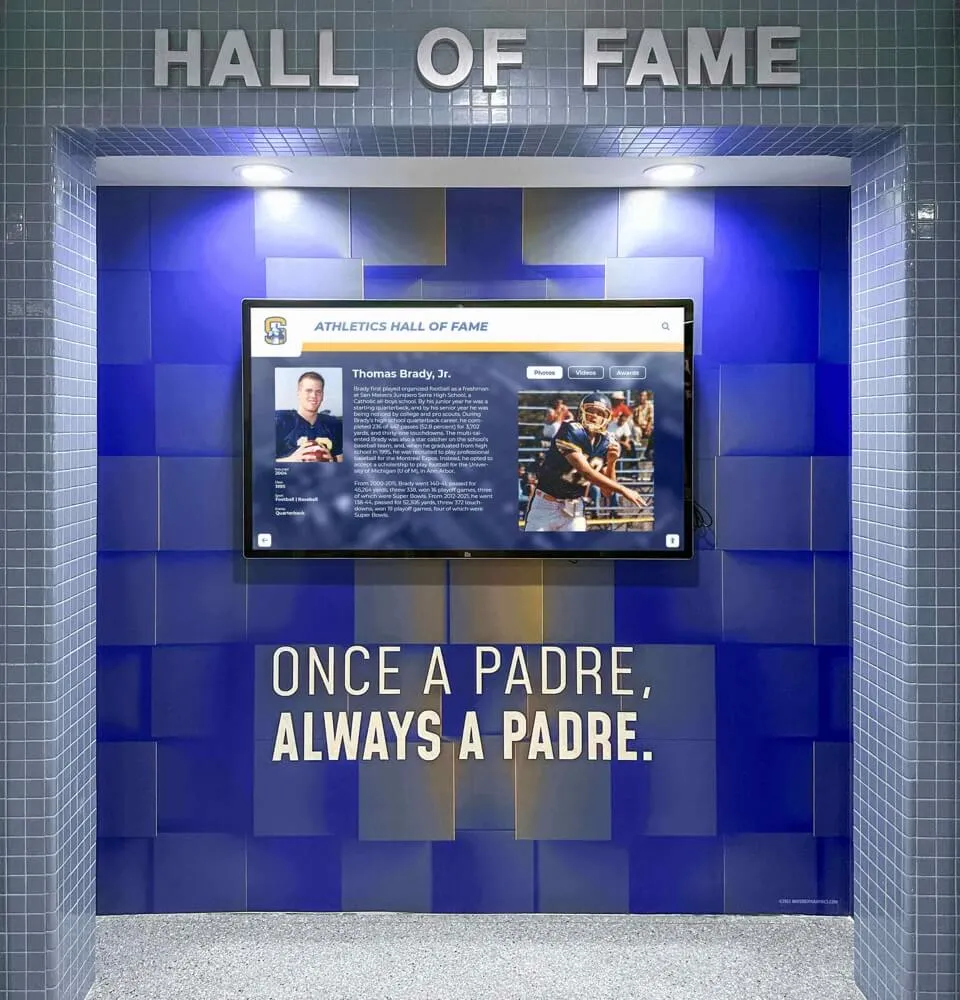
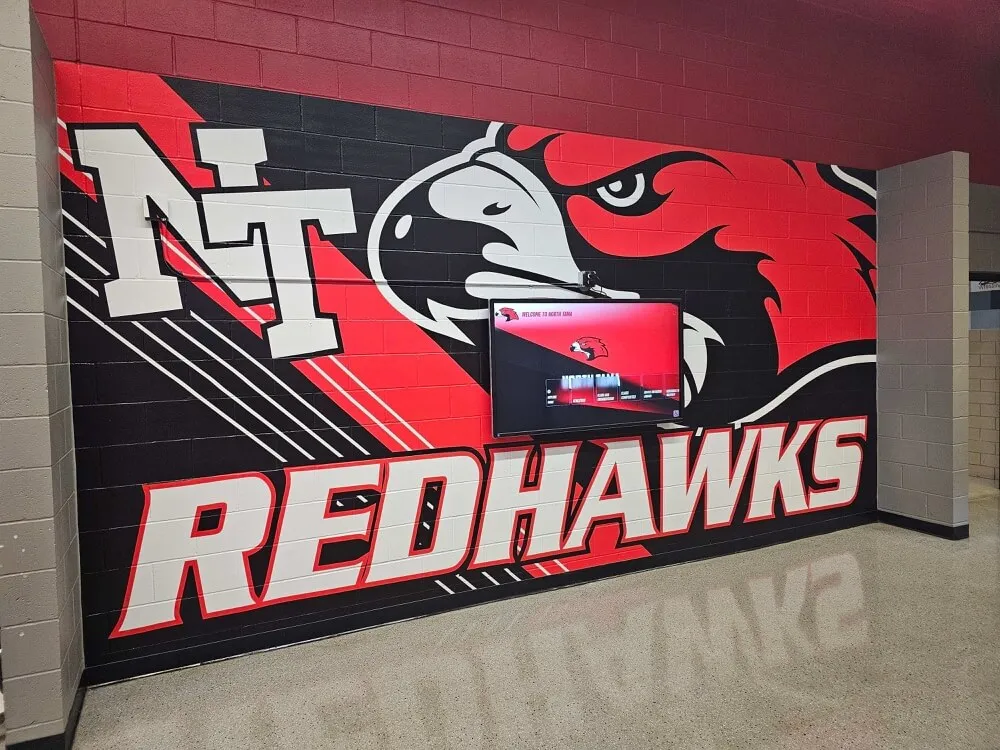
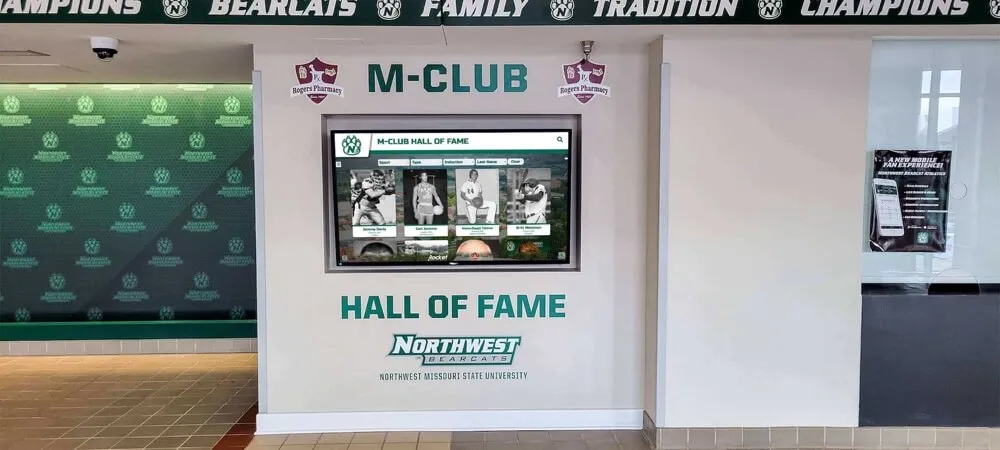
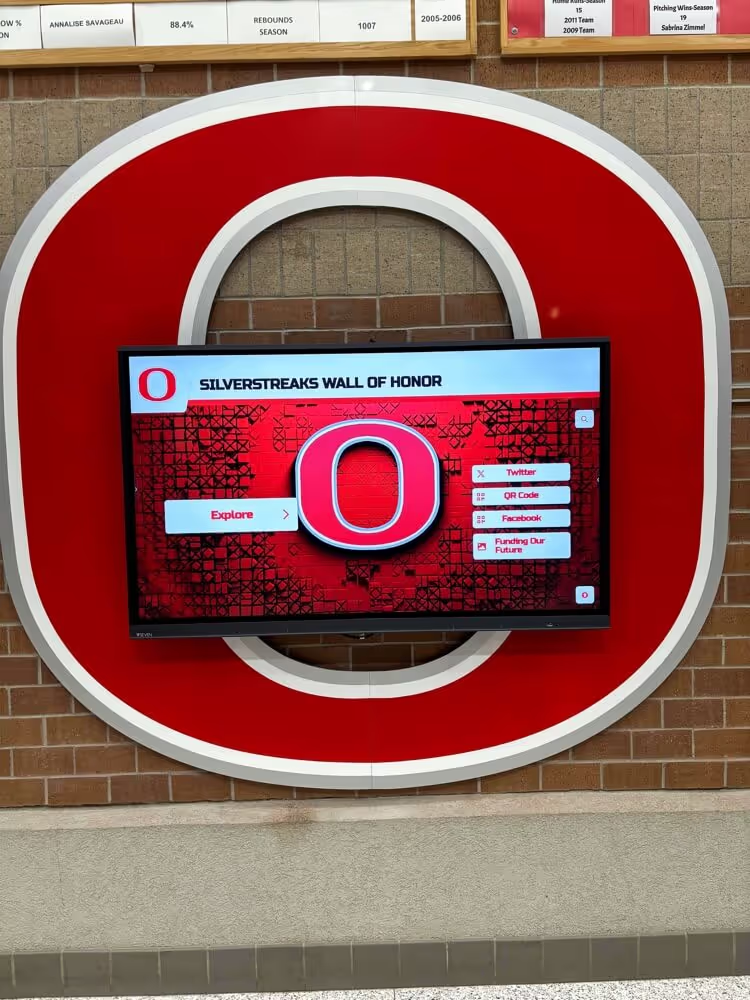
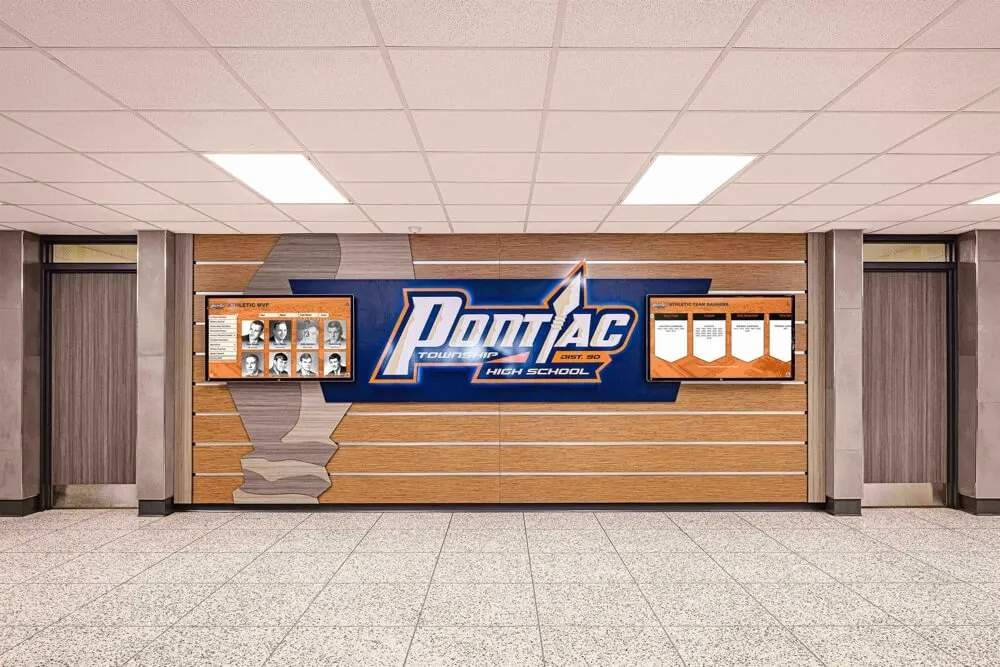
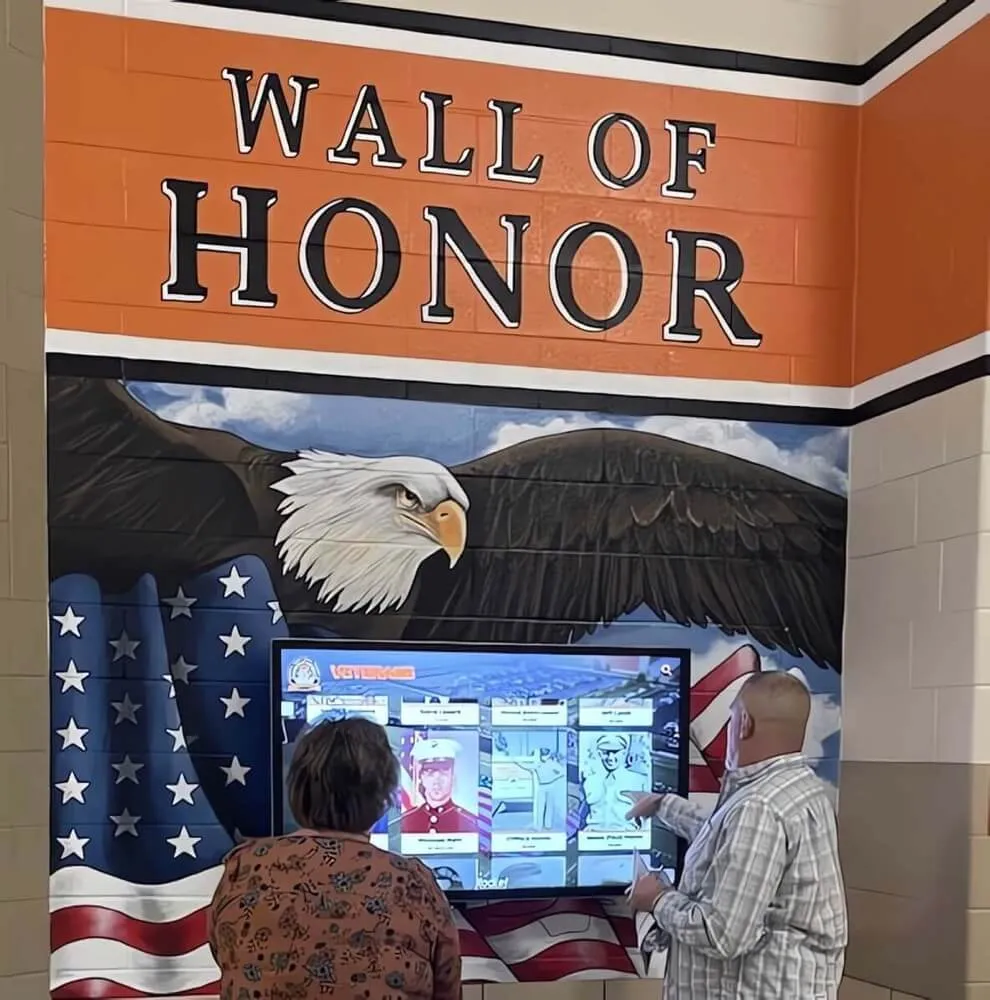
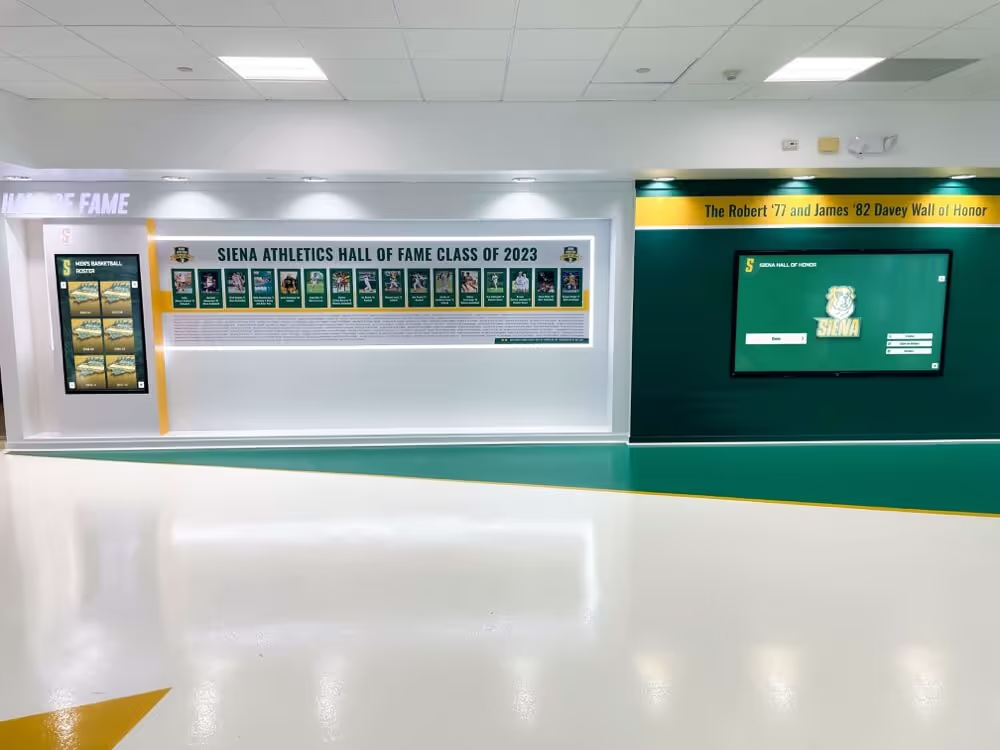
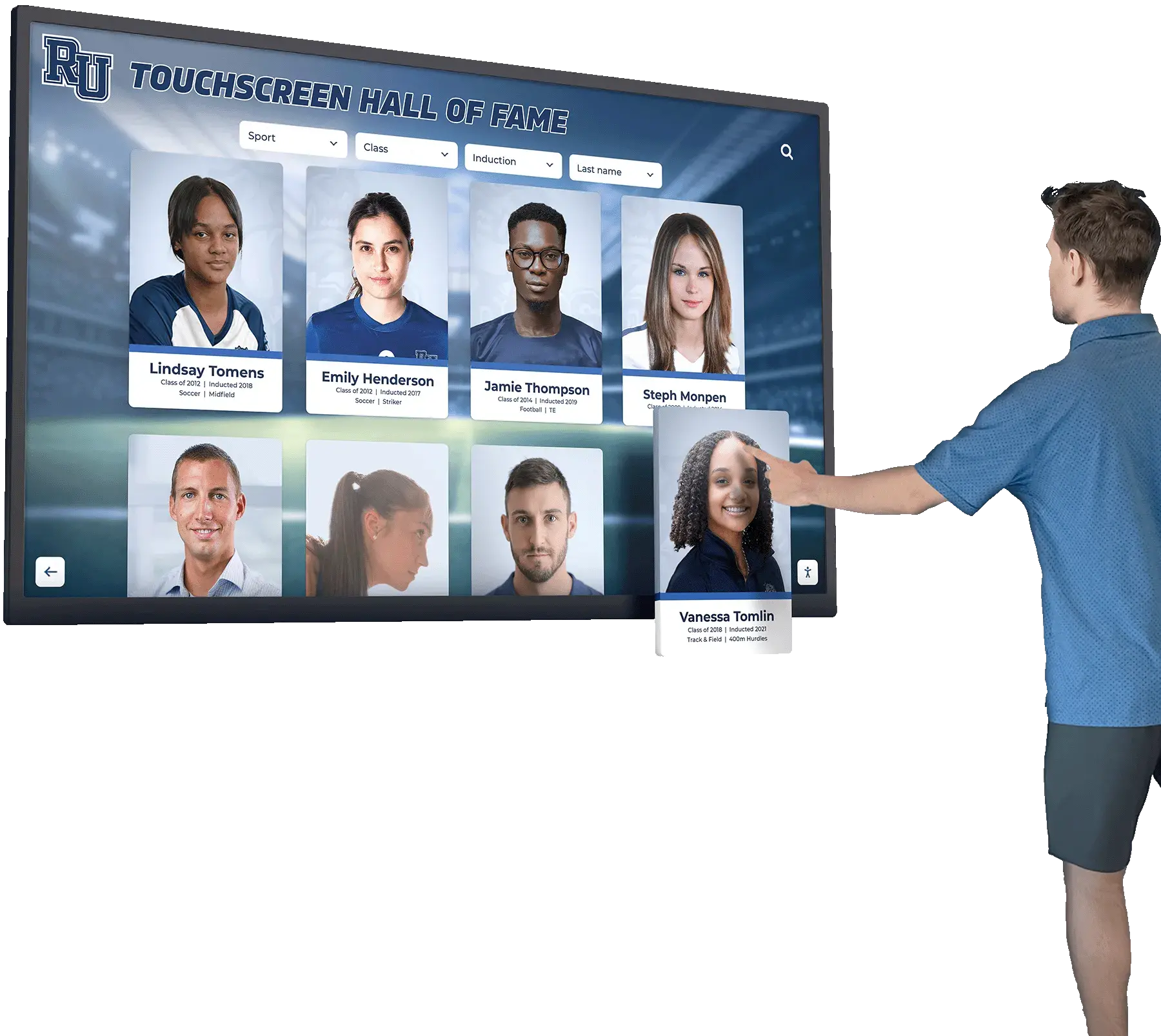
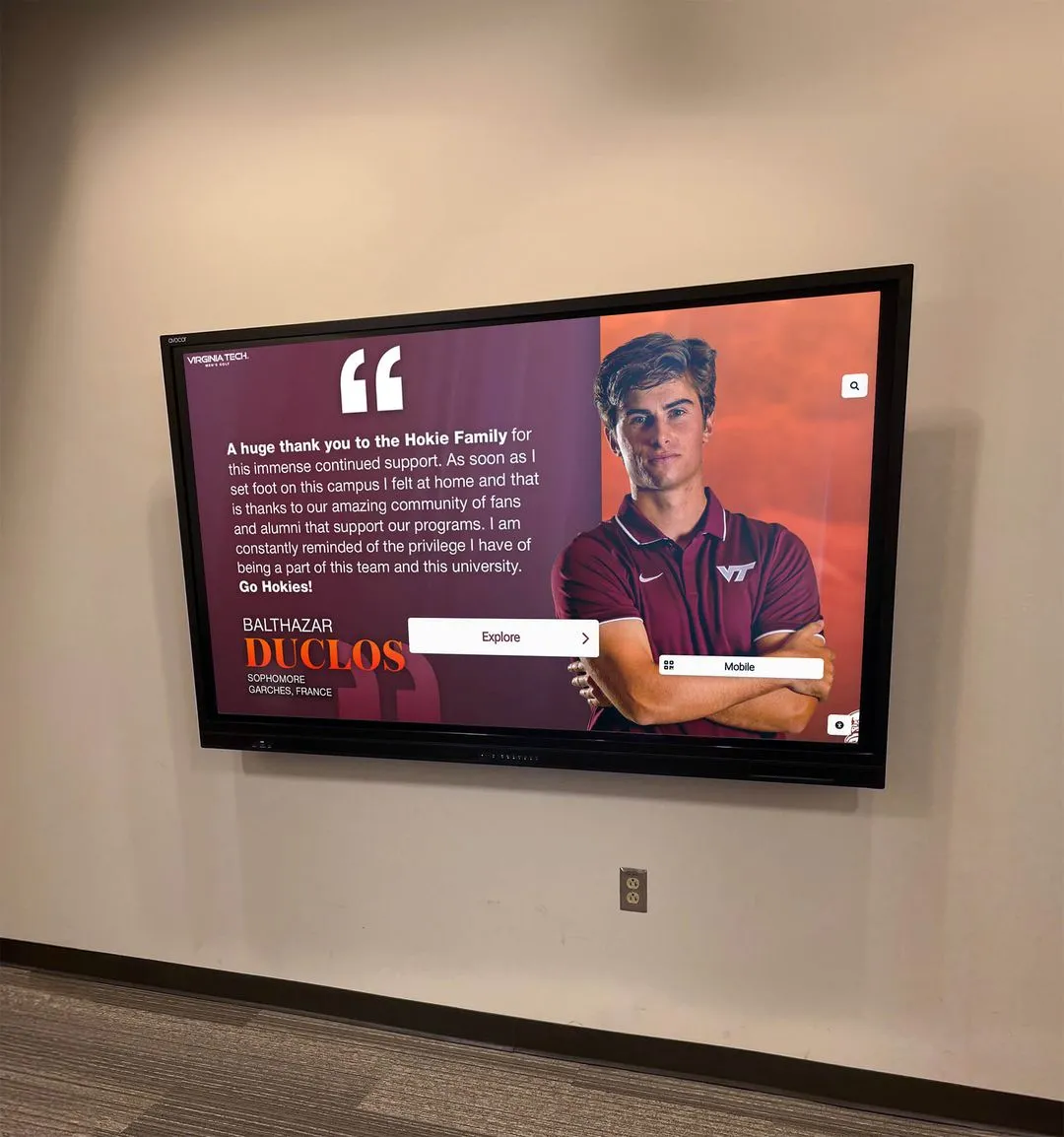
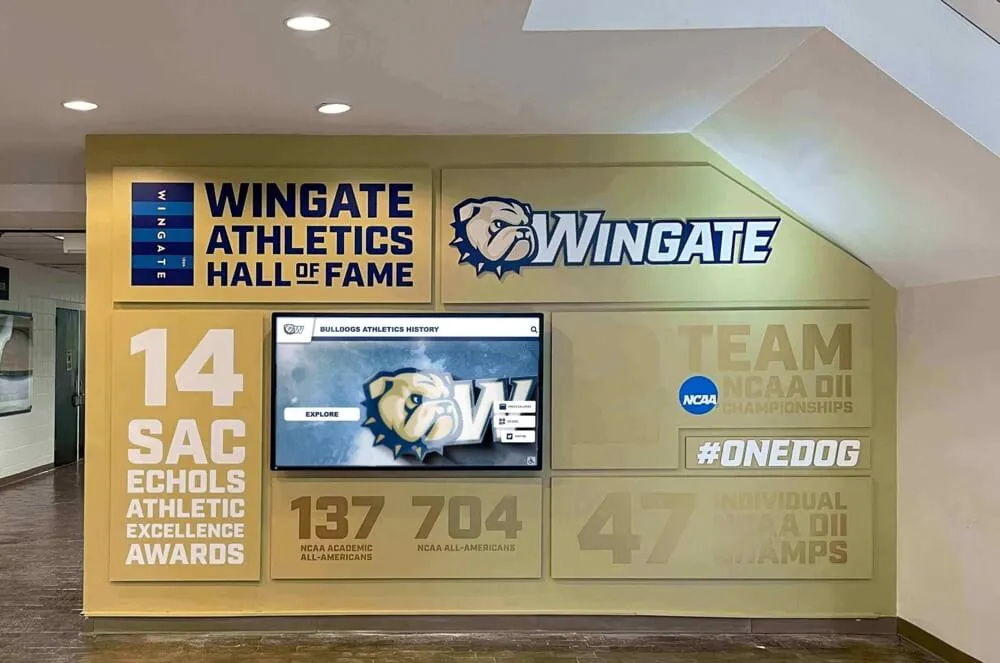
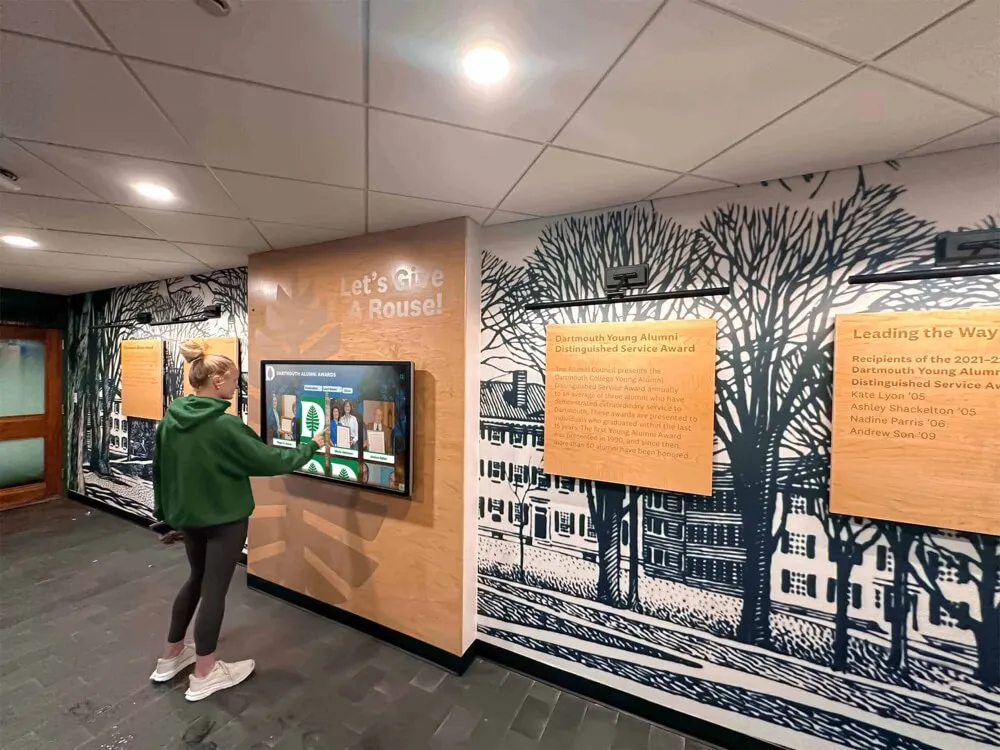
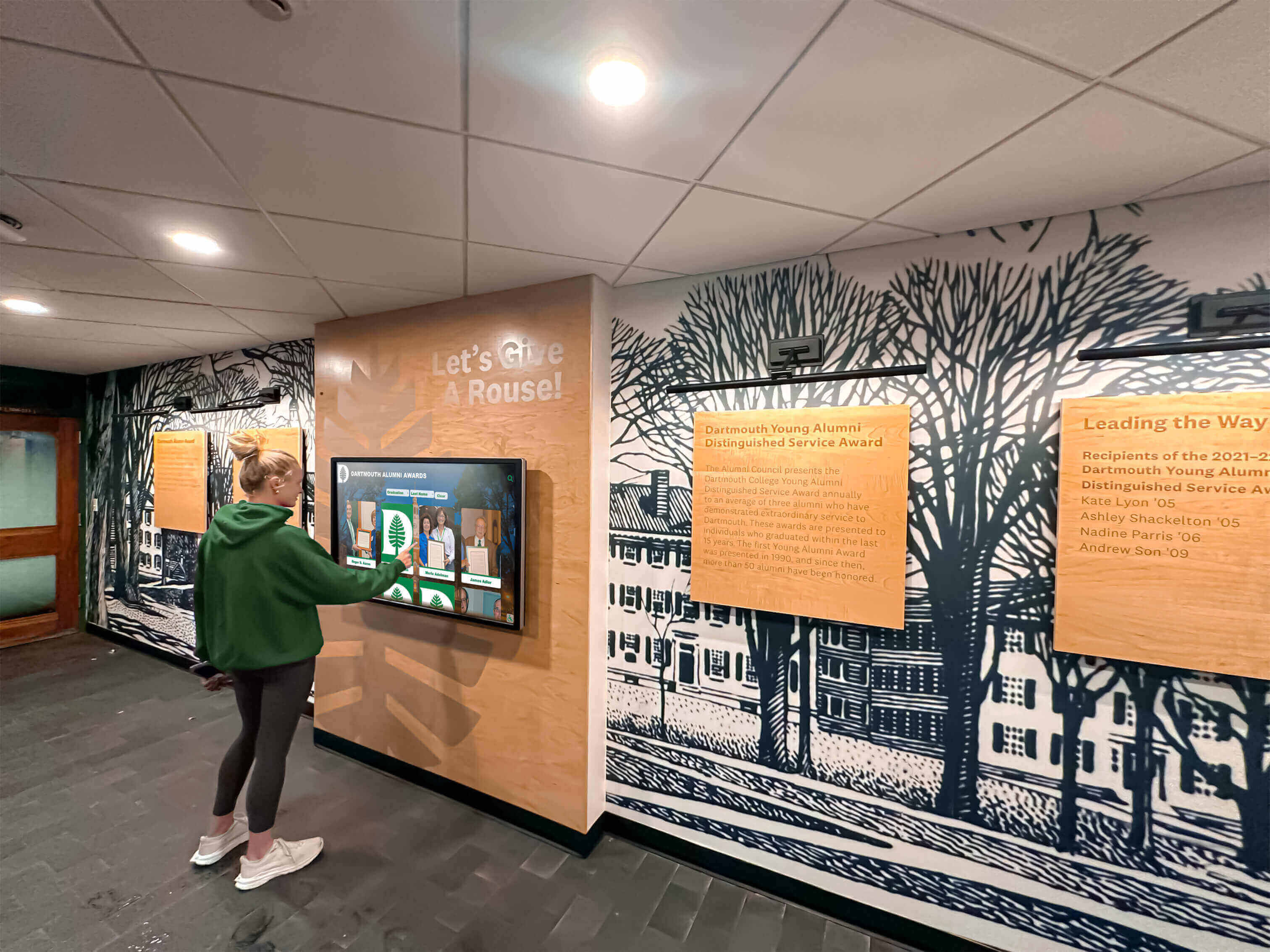
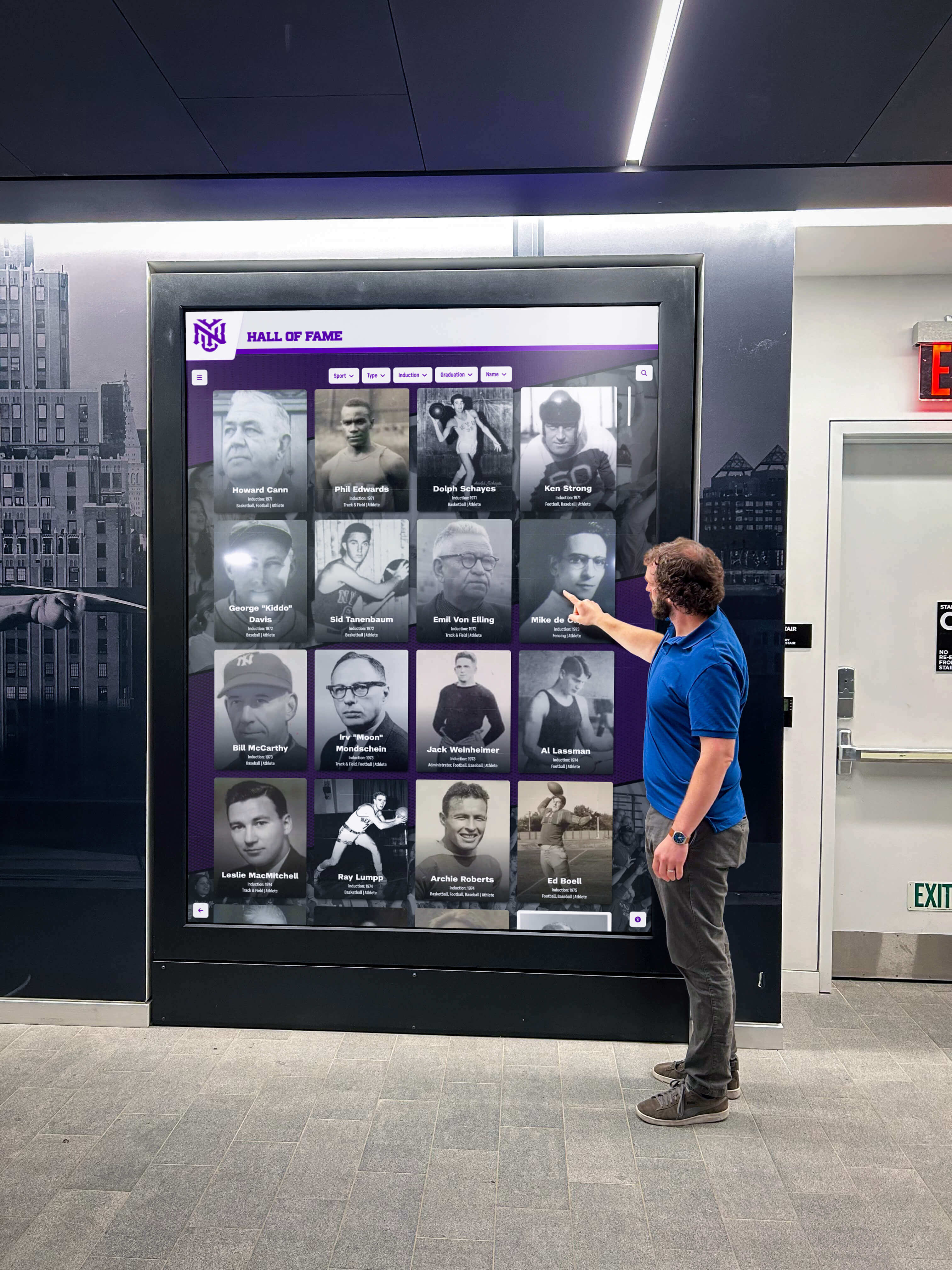
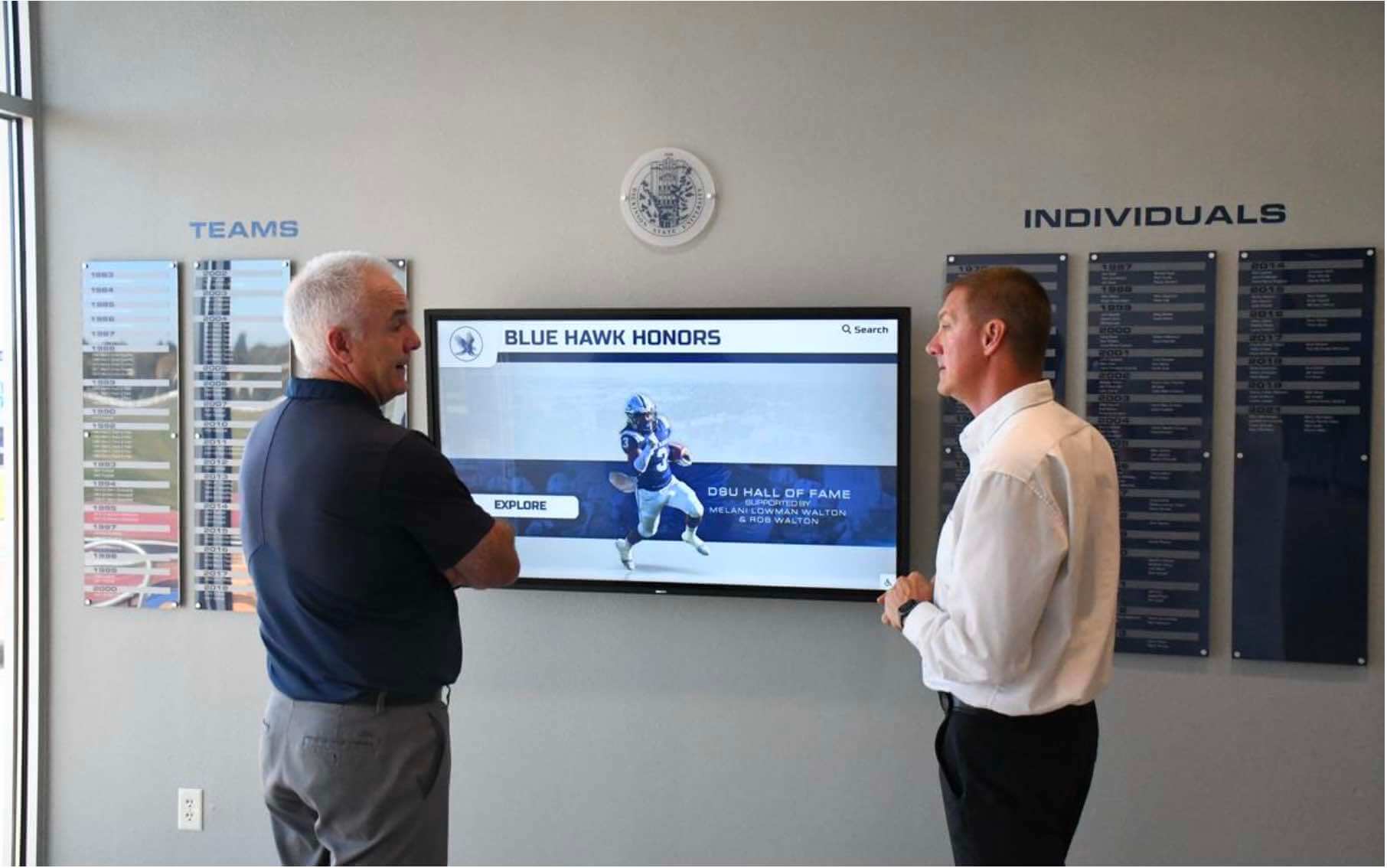
For institutions with digital recognition systems, reunion events provide perfect opportunities to showcase these displays and announce new inductees. Modern interactive touchscreen technology allows reunion attendees to explore alumni achievements, share memories, and connect with institutional history in engaging ways.
Pursue Event Sponsorships
Reach out to potential sponsors including local businesses owned by alumni, corporate partners, or institutional departments willing to support reunion programming. Sponsorships offset costs while demonstrating community support.
Develop tiered sponsorship packages with corresponding recognition benefits, making participation accessible at various investment levels.
6 Months Before: Volunteer Recruitment and Content Development
Recruit Additional Volunteers
Expand beyond core committee to recruit day-of volunteers for registration, hospitality, photography, social media coverage, setup/breakdown, and guest services. Most successful reunions deploy 15-25 volunteers supporting various functions.
Create Reunion Content and Materials
Develop all printed and digital materials including programs, name tags, signage, slideshows or video presentations, memory books, and commemorative materials. This phase requires:
- Gathering historical photos and institutional archives
- Creating alumni spotlights or “where are they now” features
- Designing branded materials maintaining visual consistency
- Producing video content showcasing institutional evolution
Consider creating digital signage content that can be displayed during reunion events, celebrating alumni achievements while providing conversation starters.
5 Months Before: Enhanced Promotion and Early Registration Push
Intensify Marketing Efforts
With registration open and program details finalized, increase marketing frequency and reach. Strategies include:
- Personal phone calls to class officers and influential alumni
- Social media campaigns featuring countdown graphics and testimonials
- Alumni publication features or advertisements
- Targeted email campaigns to specific demographic segments
- Video messages from institutional leaders or notable alumni
Launch Early Registration Incentives
Create urgency through early-bird pricing discounts, limited-availability VIP experiences, or entry into prize drawings for advance registrations. Psychological triggers including scarcity (“first 50 registrants receive…”) and deadlines (“early pricing ends…”) effectively motivate action.
4 Months Before: Logistics Coordination and Contingency Planning
Finalize All Logistical Details
Confirm arrangements with all vendors, venues, and service providers. Create detailed run-of-show documents outlining minute-by-minute schedules for setup, program flow, and breakdown.
Address logistical considerations including:
- Parking arrangements and shuttle services
- Accessibility accommodations for guests with disabilities
- Childcare options for family-friendly reunions
- Weather contingency plans for outdoor elements
- Technology infrastructure for presentations or livestreaming
Develop Risk Management Plans
Identify potential issues and create backup plans. Consider insurance coverage for event cancellation or liability, establish emergency response protocols, and brief volunteers on handling common situations.
3 Months Before: Final Registration Push and Program Refinement
Execute Final Marketing Push
With three months remaining, shift marketing messaging to emphasize urgency, showcase registered classmates, and highlight unique program elements. “Don’t miss out” messaging becomes more prominent as deadlines approach.
Feature testimonials from registered attendees, create FOMO (fear of missing out) through exclusive program reveals, and leverage peer influence by publicly recognizing class participation milestones.
Refine Program Based on Registration Data
Adjust programming, catering quantities, and logistical arrangements based on actual registration trends. If registration exceeds expectations, consider expanding venue capacity or adding programming. If below targets, evaluate whether to adjust program scope or intensify promotion.
2 Months Before: Operational Details and Volunteer Preparation
Confirm Final Numbers and Details
Provide preliminary guest counts to caterers and venues (most require final numbers 7-14 days before events). Confirm all vendor contracts, delivery schedules, and technical requirements.
Train Volunteers and Brief Committee
Hold comprehensive volunteer orientation covering assignments, schedules, protocols, and emergency procedures. Provide volunteers with detailed briefing materials, contact lists, and clear expectations for their roles.
Review complete program flow with entire committee ensuring everyone understands their responsibilities and how different elements coordinate.
6 Weeks Before: Communications Intensification
Send Detailed Event Information
Provide registered attendees with comprehensive event details including:
- Complete program schedules
- Venue information with maps and parking instructions
- Dress code guidelines
- Hotel recommendations and group rates
- Special activity requirements or pre-registration
- Contact information for questions
For milestone reunions or special celebrations, consider creating commemorative recognition displays honoring significant achievements from graduating classes.
3 Weeks Before: Final Preparations
Finalize All Operational Elements
Complete all remaining preparation tasks including printing programs, assembling registration packets, preparing name tags, creating directional signage, and organizing volunteers’ materials.
Conduct final walk-throughs of all venues confirming setup plans, identifying potential issues, and ensuring all technical requirements can be accommodated.
Submit Final Headcounts
Provide guaranteed attendance numbers to caterers and venues according to contract requirements, typically 7-14 days before events.

1 Week Before: Final Countdown
Conduct Final Committee Meeting
Review complete event flow, confirm all volunteers understand assignments, address any last-minute questions, and ensure everyone has necessary contact information.
Send Final Reminders
Communicate final reminders to registered attendees including weather forecasts (if relevant for outdoor elements), last-minute schedule adjustments, parking instructions, and expressions of excitement about seeing everyone soon.
Event Day: Execution Excellence
Arrive Early for Setup
Begin venue setup well ahead of guest arrival allowing time to address unexpected issues. Most committees arrive 3-4 hours before events for comprehensive setup and testing.
Execute Your Program
Follow run-of-show documents while maintaining flexibility to adjust based on actual flow and guest energy. Capture extensive photo and video documentation for post-event communications and future marketing.
Maintain Guest Experience Focus
Throughout events, prioritize guest comfort, engagement, and enjoyment. Empower volunteers to address issues promptly and ensure leadership remains visible and accessible to attendees.
Post-Reunion Follow-Up: Sustaining Momentum
Reunion impact extends well beyond event dates when committees execute strategic follow-up maintaining connections and building toward future engagement.
Immediate Post-Event Actions (Within 1 Week)
Send Thank-You Communications
Express gratitude to attendees, volunteers, sponsors, and vendors within days while events remain fresh in everyone’s minds. Personalized acknowledgment strengthens relationships and sets positive tone for ongoing engagement.
Share Photos and Memories
Create online galleries allowing attendees to relive experiences, download photos, and tag classmates. User-generated content from attendees sharing their own photos extends reunion visibility throughout alumni networks.
Collect Feedback
Send brief surveys gathering attendee perspectives on what worked well, what could improve, and what they’d like to see at future events. This intelligence proves invaluable for planning subsequent reunions.
Medium-Term Follow-Up (Within 1 Month)
Financial Reconciliation
Complete all accounting including vendor payments, expense reimbursements, and financial reports for stakeholders. Transparent financial management builds credibility for future events.
Comprehensive Event Report
Document attendance statistics, financial performance, feedback summaries, lessons learned, and recommendations for future reunion committees. This institutional knowledge prevents reinventing processes repeatedly.
Sustain Engagement
Transition reunion energy into ongoing alumni engagement through volunteer recruitment, mentorship program promotion, fundraising appeals, or committee formation for next reunion cycles. The heightened connection following reunions creates optimal timing for engagement invitations.
Building Toward Future Reunions
Maintain Communication
Continue periodic alumni communications preventing relationships from going dormant until next major reunion. Regular newsletters, social media engagement, and targeted outreach sustain connections nurtured during reunions.
Consider implementing year-round digital displays that keep alumni connected to institutional life between major events, showcasing achievements and maintaining visibility.
Document and Preserve
Create comprehensive documentation including planning timelines, vendor contacts, successful program elements, budget templates, and volunteer resources. Future committees benefit enormously from institutional knowledge preservation rather than starting from scratch.
Common Reunion Planning Challenges and Solutions
Even meticulously planned reunions encounter obstacles. Anticipating common challenges and preparing solutions ensures committees handle issues effectively.
Low Registration Numbers
Challenge: Despite extensive promotion, registration lags behind targets.
Solutions:
- Personal outreach from classmates to classmates proves more effective than institutional communications
- Flexible payment plans removing financial barriers
- Virtual attendance options for distant or busy alumni
- Simplified programming reducing time commitment concerns
- Targeted communications addressing specific objections
Budget Constraints
Challenge: Limited budgets restrict programming options and venue choices.
Solutions:
- Creative venue selections including free campus spaces or donated locations
- Volunteer-powered execution minimizing paid staffing
- Sponsorship cultivation offsetting major expenses
- Tiered programming with optional paid add-ons beyond free base events
- Strategic vendor negotiations leveraging institutional relationships
Committee Volunteer Burnout
Challenge: Small committees become overwhelmed by workload.
Solutions:
- Distribute responsibilities across larger volunteer bases
- Leverage technology automating routine tasks
- Establish realistic timelines preventing last-minute scrambles
- Recognize and appreciate volunteers regularly throughout planning
- Create clear role definitions preventing scope creep
Diverse Alumni Expectations
Challenge: Different generations and demographics want different reunion experiences.
Solutions:
- Varied programming including formal and casual elements
- Optional breakout activities appealing to specific interests
- Multi-day formats allowing selective participation
- Family-friendly options alongside adults-only programming
- Survey-based planning incorporating diverse perspectives
Leveraging Technology for Better Reunions
Modern technology significantly enhances reunion planning efficiency and guest experiences when thoughtfully implemented.
Registration and Communication Platforms
Cloud-based event management systems streamline registration, payment processing, communications, and reporting. Purpose-built platforms handle complex requirements like guest tracking, dietary preferences, and merchandise sales while providing real-time analytics guiding decision-making.
Alumni Recognition Displays
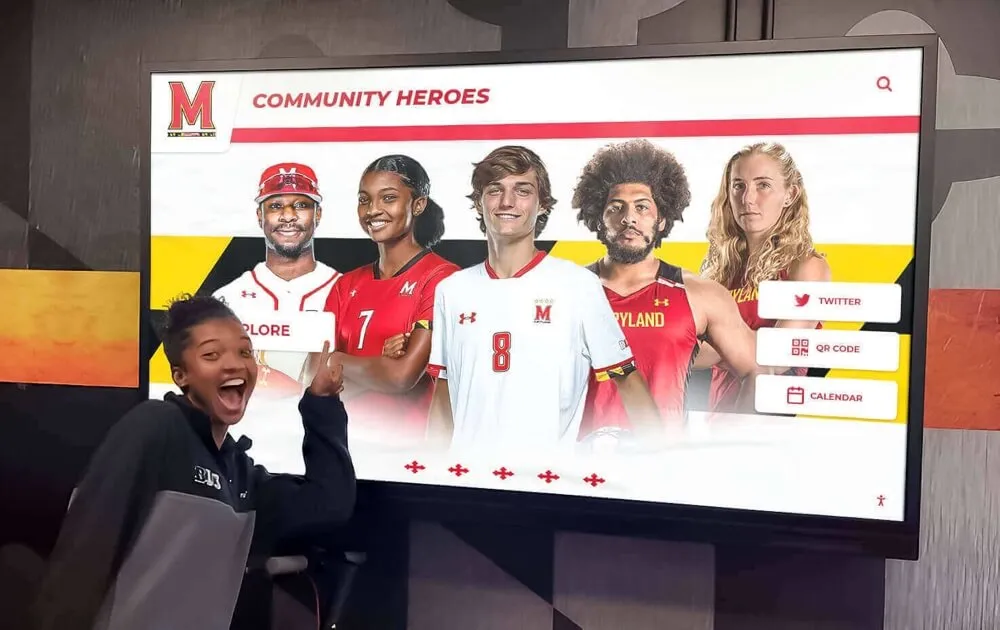
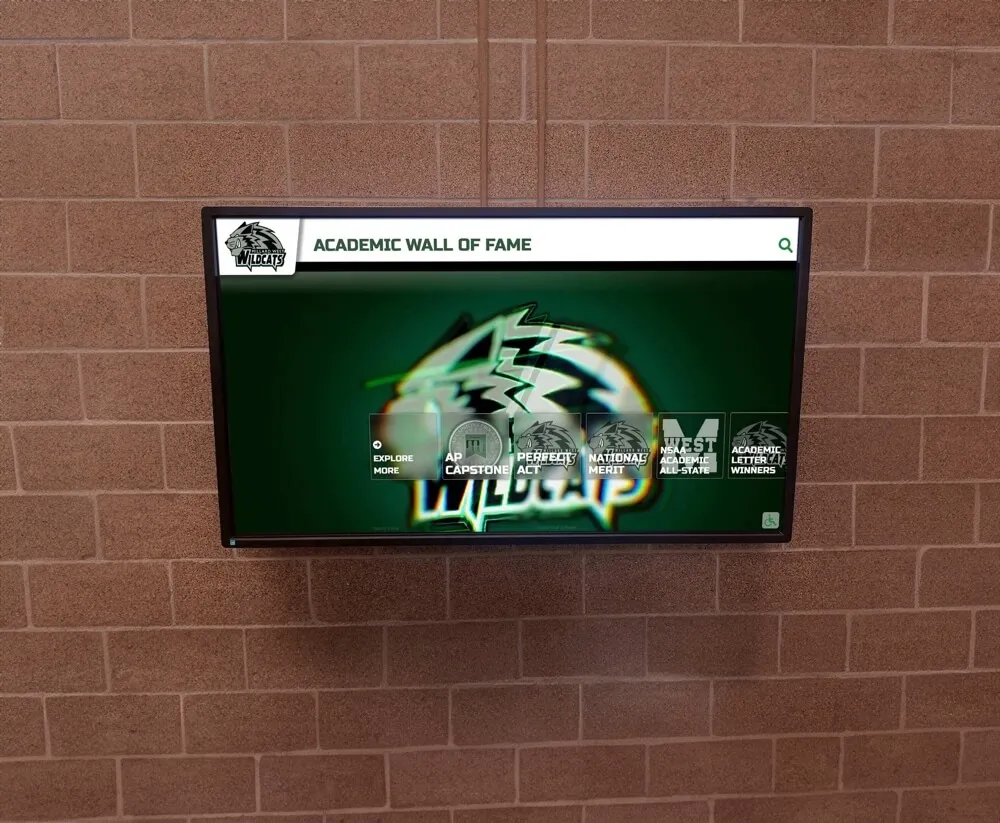
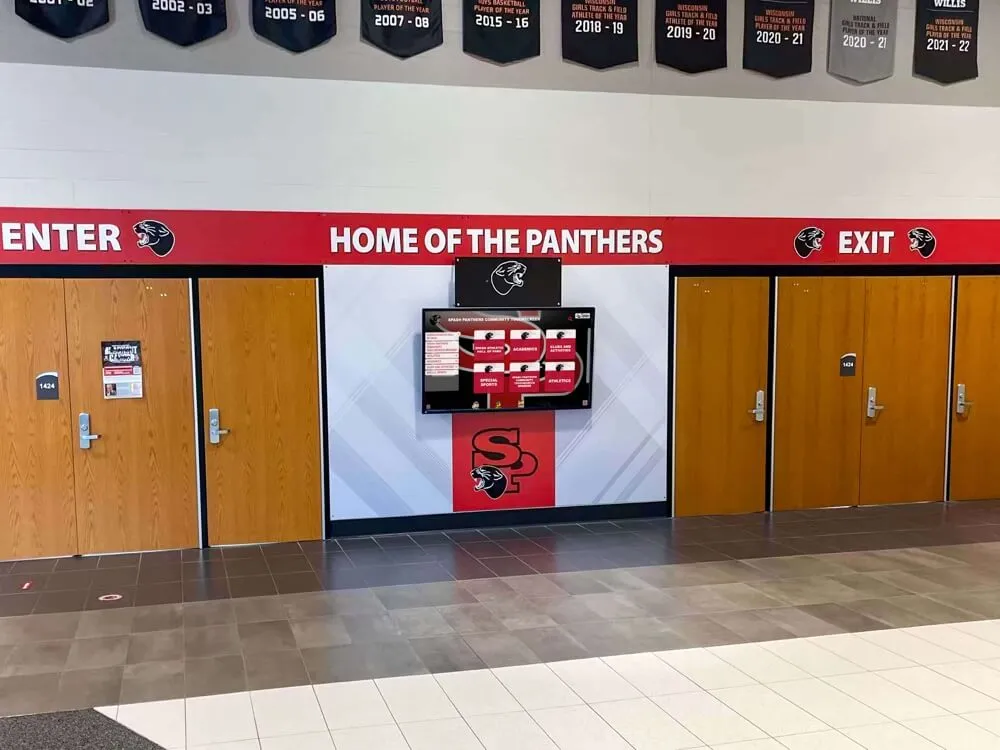
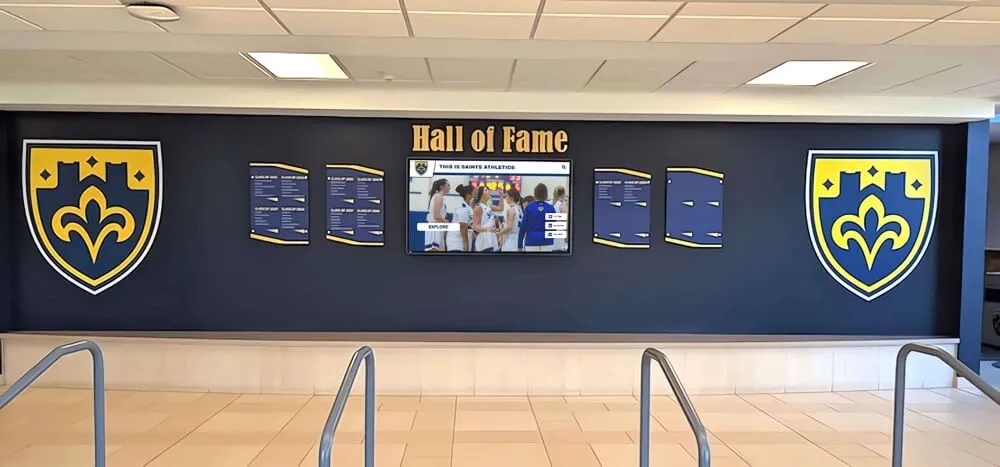
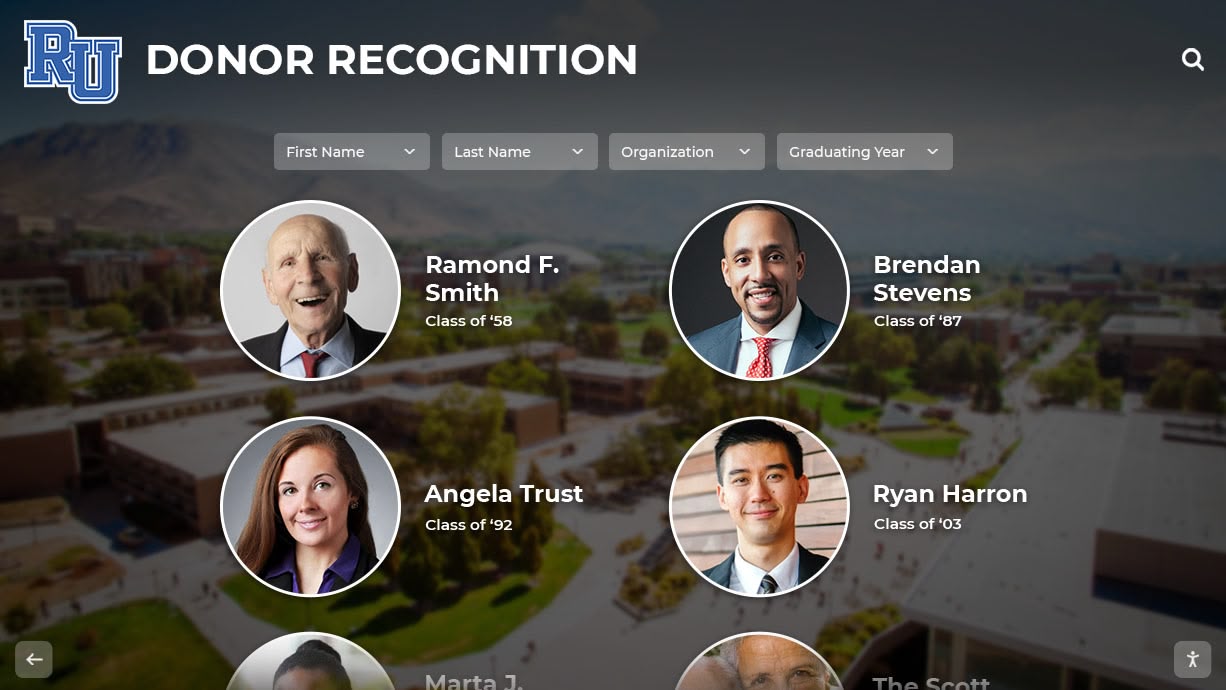
Digital recognition systems create engaging focal points during reunions while serving institutional needs year-round. Interactive displays allow reunion attendees to explore classmate achievements, submit their own updates, and engage with institutional history in memorable ways.
Solutions like Rocket Alumni Solutions provide comprehensive platforms specifically designed for educational institutions, combining recognition walls, digital signage, and content management systems that reunion committees can leverage for event programming.
Virtual and Hybrid Options
For alumni unable to attend in person, livestreaming key program elements extends participation beyond physical venues. Virtual options particularly benefit international alumni, those with mobility limitations, or individuals with schedule conflicts preventing travel.
Hybrid reunion formats combining in-person gatherings with virtual components maximize participation while accommodating diverse circumstances increasingly common in distributed alumni populations.
Making Your Reunion Memorable
Beyond logistical execution, truly successful reunions create emotional experiences that attendees remember for years and eagerly anticipate repeating.
Personal Touches That Matter
Small details create outsized impact:
- Personalized name tags including graduation photos creating instant conversation starters
- Memory walls where attendees post notes, photos, and reflections
- Carefully curated playlists featuring music popular during attendees’ student years
- Tribute videos recognizing deceased classmates honoring their memory
- Surprise appearances from beloved former faculty or staff
Creating Share-Worthy Moments
Design program elements specifically intended for social media sharing, extending reunion visibility throughout alumni networks:
- Photo opportunities with branded backdrops or iconic campus locations
- Interactive displays encouraging engagement and documentation
- Special announcements or reveals creating buzz
- Live social media walls aggregating attendee posts
These shared moments amplify reunion marketing organically while documenting experiences for non-attendees who might attend future events.
Honoring Tradition While Embracing Innovation
Successful reunions balance respect for tradition—classic elements alumni expect and cherish—with innovative programming demonstrating institutional vitality and forward momentum. This balance honors the past while celebrating the present and future.
Traditional elements like class rings, dedications, and commemorative displays coexist effectively with cutting-edge technology and contemporary programming when thoughtfully integrated.
Budget Template and Financial Planning
Realistic financial planning prevents budget overruns and ensures reunion committees can deliver promised experiences while maintaining fiscal responsibility.
Typical Reunion Budget Categories
Venue and Facility Costs (30-40% of budget):
- Space rental fees
- Setup and breakdown charges
- Audio-visual equipment
- Furniture and table settings
- Parking fees
Food and Beverage (25-35%):
- Meal service (plated, buffet, or stations)
- Bar service and beverages
- Service charges and gratuity
- Special dietary accommodations
Marketing and Communications (10-15%):
- Invitation printing and mailing
- Email platform subscriptions
- Promotional materials
- Advertising placements
- Website development
Entertainment and Programming (10-15%):
- Live music or DJ services
- Photo booth rentals
- Speakers or special guests
- Decor and ambiance elements
- Commemorative items
Administrative and Miscellaneous (5-10%):
- Registration system fees
- Name tags and materials
- Signage and directionals
- Volunteer appreciation
- Contingency reserves
Revenue Sources
Balance expenses through diverse revenue streams:
- Ticket sales from attendees
- Institutional subsidies or alumni association support
- Corporate and individual sponsorships
- Merchandise sales
- Voluntary contributions from attendees
Most successful reunions aim for financial sustainability or modest surpluses supporting future alumni programming rather than treating events primarily as fundraising vehicles.
Measuring Reunion Success
Define and track meaningful metrics demonstrating reunion value and identifying improvement opportunities for future events.
Quantitative Metrics
- Attendance Rate: Percentage of invited alumni who registered and attended
- Financial Performance: Revenue versus expenses and per-attendee cost efficiency
- Registration Timeline: When attendees registered informing future marketing pacing
- Geographic Distribution: Where attendees traveled from justifying venue choices
- Demographics: Age ranges, family status, professional fields represented
Qualitative Assessment
- Attendee Satisfaction: Survey responses about overall experience and specific elements
- Engagement Quality: Depth of connections formed and conversation quality
- Emotional Impact: Stories shared and memories created
- Volunteer Experience: Committee member satisfaction and willingness to serve again
- Institutional Benefit: Advancement goals achieved and relationships strengthened
Long-Term Impact Indicators
- Post-Reunion Giving: Changes in donation patterns among attendees
- Ongoing Engagement: Volunteer recruitment, mentorship participation, event attendance
- Referrals and Advocacy: Student referrals and institutional promotion
- Social Media Reach: Ongoing conversations and community building online
Conclusion: Creating Connections That Last
Alumni reunions represent far more than single-event gatherings—they’re strategic touchpoints in comprehensive engagement programs that strengthen institutional bonds, inspire generosity, and build communities transcending graduation dates and geographic boundaries.
Successful reunion planning requires sustained committee effort, careful attention to countless details, and unwavering focus on creating experiences that honor the past while celebrating ongoing connections. The 12-month timeline outlined in this guide distributes workload strategically while ensuring adequate preparation for each critical component, from early venue selection through post-event follow-up that sustains momentum between reunion cycles.
Whether planning your first reunion or your fiftieth, following structured approaches while maintaining flexibility to adapt based on your specific community’s needs and preferences creates events that attendees remember fondly and eagerly anticipate repeating. The connections renewed, memories created, and relationships strengthened during well-executed reunions deliver lasting value that extends throughout alumni lifetimes and across institutional generations.
Ready to Elevate Your Alumni Reunion?
Modern technology can transform your reunion experience while supporting year-round alumni engagement. Discover how Rocket Alumni Solutions provides comprehensive digital recognition platforms that enhance reunion events while strengthening ongoing alumni connections. From interactive displays showcasing distinguished graduates to dynamic content systems celebrating institutional achievement, the right technology solutions amplify reunion impact while building sustainable engagement programs that thrive between major events.
Contact us today to explore how modern recognition technology can support your reunion planning while creating lasting value for your entire alumni community.