



Key Takeaways
Discover 100 actionable alumni event ideas for high schools, charter schools, colleges, universities, and grad programs. Build engagement through networking, service, career development, and creative programming that strengthens institutional bonds.
Alumni engagement represents one of the most valuable yet frequently underutilized assets educational institutions possess. Graduates hold the collective power to advance institutional reputation, mentor current students, support fundraising initiatives, and sustain community traditions across generations. Yet many schools and universities struggle to maintain meaningful connections after graduation, watching alumni networks fade from engaged communities into disconnected contact lists.
Effective alumni programming requires consistent, creative event planning that offers genuine value to participants rather than simply requesting their time or donations. This comprehensive guide presents 100 actionable alumni event ideas spanning private high schools, public high schools, charter schools, colleges, universities, and graduate programs. Each category addresses specific engagement objectives while providing adaptable frameworks institutions can customize based on their unique cultures, resources, and graduate populations.
Why Alumni Event Ideas Matter: The Strategic Value of Graduate Engagement
Before exploring specific event concepts, understanding the strategic importance of alumni programming helps institutions prioritize resources and measure success appropriately.
Building Sustainable Institutional Support Networks
Alumni represent perpetual stakeholder communities whose engagement determines institutional capacity across multiple dimensions. Graduates who maintain active connections through consistent programming demonstrate measurably higher participation in mentorship opportunities, financial contributions, recruitment referrals, career networking, volunteer leadership, and institutional advocacy.
Research consistently shows that alumni who attend at least one event within their first five years post-graduation remain engaged at three times the rate of those who never participate in programming. Early engagement creates habit patterns that sustain across decades, making initial post-graduation programming particularly important for long-term relationship building.
Creating Value Exchange Rather Than Extraction
The most successful alumni programs operate on reciprocal value exchange rather than one-directional requests for graduate support. When institutions consistently provide career development resources, professional networking opportunities, personal enrichment experiences, and meaningful community connections, alumni willingly reciprocate through time contributions, financial support, and active participation.
Conversely, institutions that primarily contact alumni for fundraising appeals or volunteer requests without offering consistent value find engagement declining steadily. Effective programming creates regular touchpoints that give before asking, building trust and demonstrating institutional commitment to lifelong relationships.
Traditional Alumni Event Ideas (Ideas 1-20)
Classic alumni programming approaches remain effective when executed thoughtfully, providing familiar structures graduates recognize and value.
Annual Reunion Events
1. Class Reunion Weekends: Milestone reunions (5th, 10th, 25th, 50th years) bringing classmates together for multi-day celebrations featuring campus tours, social gatherings, athletic events, and recognition ceremonies. Strategic scheduling during homecoming or commencement amplifies attendance by creating additional programming around reunion weekends.
2. All-Alumni Homecoming Celebrations: Campus-wide homecoming events welcoming all graduation years for athletic competitions, tailgates, parade participation, facility tours, and community celebrations. Homecoming provides natural reunion timing when campus energy peaks and current students actively participate.
3. Multi-Class Reunion Gatherings: Combined reunions grouping multiple graduation years (cluster reunions) enabling smaller classes to achieve critical mass while reducing per-class planning burden. This approach works particularly well for institutions with smaller graduating classes where single-year reunions struggle with attendance.
4. Decade Reunions: Organizing by decade (1990s, 2000s, 2010s) rather than specific years creates broader cohorts enabling cross-year connections while simplifying event planning. Decade format appeals to alumni who identify more with era culture than specific graduation year.
5. Regional Alumni Chapter Reunions: Localized gatherings in major cities where alumni concentrations justify regular programming. Regional chapters enable consistent year-round engagement beyond annual campus visits, particularly valuable for institutions drawing national or international student bodies.
Recognition and Awards Events
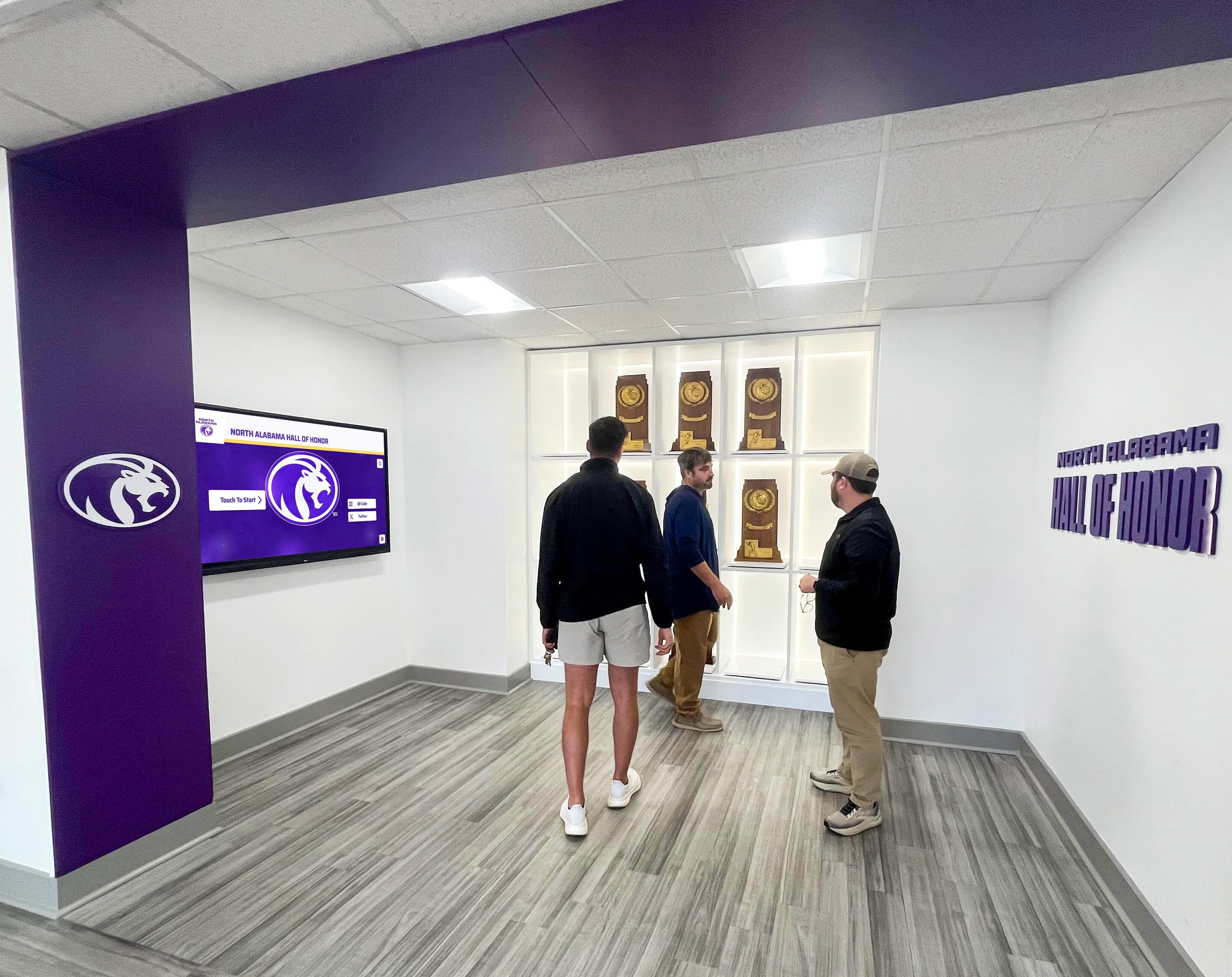
6. Alumni Hall of Fame Induction Ceremonies: Formal programs inducting distinguished graduates into institutional halls of fame, combining recognition dinners with campus celebrations honoring exceptional achievement. Induction weekends attract honorees’ families and professional networks while inspiring current students through tangible success examples.
7. Distinguished Alumni Award Dinners: Annual galas recognizing graduates who achieved professional excellence, demonstrated exceptional service, or brought honor to institutions through their accomplishments. Award programs create aspirational standards while celebrating diverse achievement types across multiple fields.
8. Young Alumni Achievement Awards: Recognizing outstanding accomplishments from recent graduates (typically 10-15 years out) who demonstrate early-career excellence. Young alumni awards provide recognition tier appropriate for graduates still establishing careers while creating engagement opportunities with emerging leaders.
9. Lifetime Service Recognition Events: Honoring alumni who provided sustained volunteer service, mentorship, or institutional support across decades. Service recognition validates non-financial contributions while demonstrating institutional appreciation for time investment.
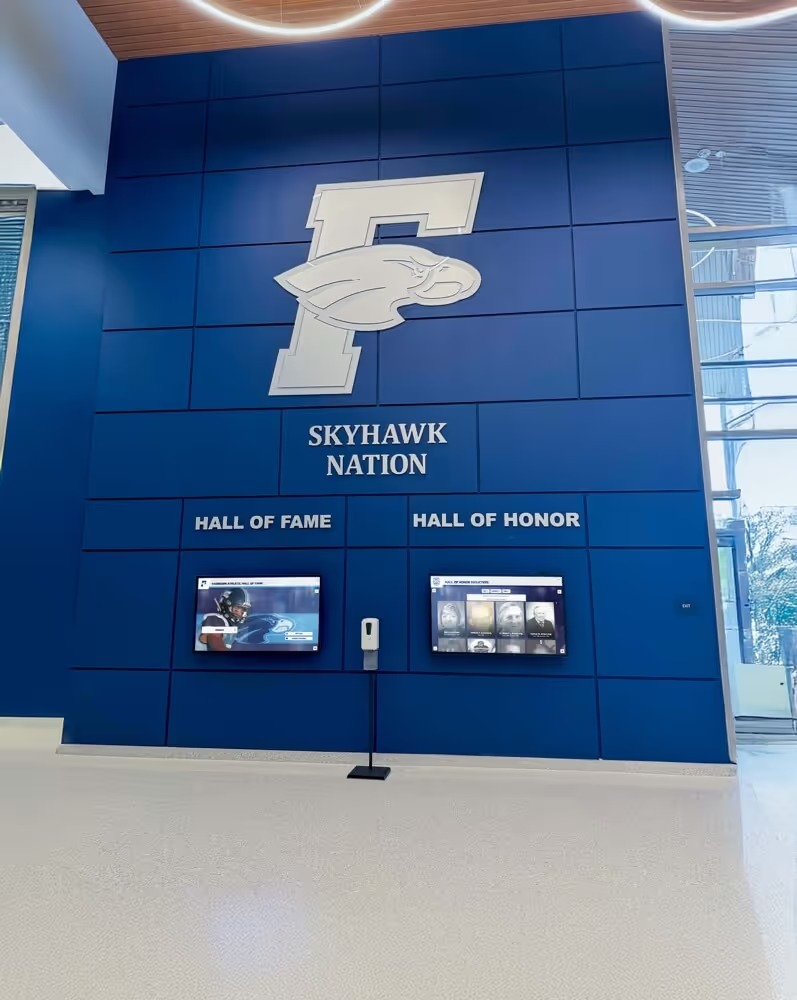
10. Athletic Hall of Fame Ceremonies: Sport-specific or combined athletic recognition programs inducting accomplished student-athletes, championship teams, and distinguished coaches. Athletic recognition often generates strong attendance due to team loyalty and competitive achievement celebration.
Social and Networking Events
11. Alumni Cocktail Receptions: Evening social events in campus venues or off-site locations providing casual networking opportunities with light refreshments. Cocktail formats work well for young professional alumni seeking career connections without formal programming commitments.
12. Family-Friendly Picnics: Daytime outdoor events enabling alumni to introduce spouses, partners, and children to campus communities while reconnecting with classmates. Family inclusion broadens appeal while demonstrating institutional interest in graduates’ complete lives rather than just their school connections.
13. Alumni Golf Tournaments: Competitive or recreational golf events combining sport participation with networking opportunities and fundraising potential. Golf tournaments appeal to specific alumni demographics while providing natural conversation frameworks during play.
14. Alumni Tailgate Parties: Pre-game gatherings before major athletic competitions providing social opportunities combined with school spirit celebration. Tailgates capitalize on existing event attendance while creating dedicated alumni spaces within larger game day experiences.
15. Wine and Beer Tasting Events: Curated tasting experiences featuring alumni-owned wineries, breweries, or beverage businesses when possible. Tasting events provide sophisticated social environments while potentially showcasing graduate entrepreneurial success.
Educational and Professional Development
16. Alumni Speaker Series: Regular presentations featuring accomplished graduates sharing expertise, career journeys, or industry insights with alumni and current student audiences. Speaker series position institutions as ongoing professional development resources while showcasing graduate achievement.
17. Professional Development Workshops: Skill-building sessions on career advancement topics—leadership development, financial planning, communication skills, technology trends, or industry-specific knowledge. Workshop programming delivers tangible career value while reinforcing institutional commitment to lifelong learning.
18. Career Networking Nights: Industry-specific or general networking events connecting alumni across experience levels for mentorship, job opportunities, and professional relationship building. Structured networking provides value to both emerging and established professionals seeking connections.
19. Alumni Business Showcase Events: Exhibitions featuring graduate-owned businesses, startups, or professional services enabling alumni to network while supporting each other’s enterprises. Business showcases create economic value while strengthening community bonds through mutual support.
20. Continuing Education Seminars: Academic or practical learning opportunities taught by faculty, alumni experts, or external specialists on topics appealing to graduates interested in personal enrichment or professional development. Continuing education reinforces institutional teaching mission while serving alumni intellectual curiosity.
Career-Focused Alumni Event Ideas (Ideas 21-35)
Professional development and career advancement programming provides concrete value that motivates sustained alumni engagement while supporting graduate success.
21. Industry-Specific Career Panels: Field-focused discussions featuring alumni working in specific industries (healthcare, technology, finance, education, law) sharing career insights with graduates considering those fields or seeking advancement within them.
22. Resume Review Sessions: One-on-one consultations where career services professionals or experienced alumni provide personalized resume feedback, helping graduates optimize applications for career transitions or advancement opportunities.
23. Mock Interview Workshops: Practice interview experiences where alumni receive constructive feedback on presentation, communication, and interview technique from experienced professionals or career coaches. Mock interviews prepare graduates for actual interview performance.
24. LinkedIn Profile Optimization Clinics: Guided sessions helping alumni enhance professional social media presence through profile review, headline optimization, experience description improvement, and strategic networking strategies.
25. Job Search Strategy Seminars: Comprehensive guidance on contemporary job search approaches including application systems, networking tactics, recruiter relationships, and negotiation strategies from career experts and successful alumni.
26. Entrepreneurship Workshops: Practical sessions for alumni considering business ownership covering business planning, funding strategies, legal structures, marketing approaches, and operational fundamentals from successful alumni entrepreneurs.
27. Alumni Startup Pitch Competitions: Events where alumni entrepreneurs present business concepts to judges (potentially including alumni investors) competing for feedback, mentorship, or potential seed funding opportunities.
28. Corporate Partnership Job Fairs: Recruiting events connecting alumni-owned businesses or companies with strong alumni employee bases to graduates seeking career opportunities, creating mutual value for employers and job seekers.
29. Informational Interview Speed Dating: Structured networking format enabling alumni to conduct brief informational interviews with graduates working in fields they’re exploring, efficiently connecting information seekers with experienced professionals.
30. Salary Negotiation Workshops: Targeted training on compensation negotiation covering market research, value articulation, negotiation tactics, and benefits evaluation from negotiation experts or experienced HR professionals.
31. Executive Coaching Sessions: Premium programming offering small-group or individual executive coaching from leadership development professionals, providing high-value service to senior-level alumni while demonstrating institutional investment in their continued success.
32. Women in Leadership Summits: Events specifically addressing career advancement challenges and opportunities for female alumni through panels, workshops, and networking focused on leadership development, work-life integration, and professional advancement.
33. Graduate School Application Workshops: Guidance sessions for alumni considering advanced degrees covering program selection, application requirements, essay writing, recommendation solicitation, and admissions test preparation.
34. Board Service Training Programs: Preparation for alumni interested in nonprofit board service covering governance responsibilities, financial oversight, strategic planning, and effective board membership from experienced board members.
35. Alumni Consulting Network Launch Events: Programs establishing formal consulting networks where alumni offer professional expertise to support each other’s businesses or organizations, creating structured mutual assistance frameworks.
Service and Impact Alumni Event Ideas (Ideas 36-50)
Community service and social impact programming enables alumni to contribute meaningfully to causes they care about while strengthening institutional connections through shared purpose.
36. Alumni Service Days: Organized volunteer opportunities where graduates collaborate on community service projects—park restoration, food bank assistance, habitat construction, school support—building camaraderie through shared contribution.
37. Mentorship Program Kickoff Events: Launches for formal mentorship initiatives connecting experienced alumni with recent graduates, current students, or younger alumni seeking career guidance and professional support.
38. Scholarship Fundraising Events: Gatherings focused on raising funds for financial aid programs, potentially featuring scholarship recipients sharing impact stories demonstrating how alumni support transforms educational access.
39. Alumni Blood Drive Competitions: Organized blood donation events potentially structured as friendly competitions between graduation years, athletics teams, or regional chapters while serving critical community health needs.
40. Environmental Stewardship Projects: Sustainability-focused service events like campus beautification, tree planting, recycling initiatives, or conservation projects enabling environmentally conscious alumni to advance ecological priorities.
41. Educational Equity Initiatives: Programs where alumni volunteer as tutors, career mentors, or college application coaches for underserved student populations, leveraging graduate expertise to expand opportunity.
42. Disaster Relief Fundraisers: Emergency response events mobilizing alumni resources to support communities affected by natural disasters or humanitarian crises through fundraising, supply collection, or direct volunteer assistance.
43. Pro Bono Professional Services Events: Opportunities where alumni professionals provide free expertise—legal clinics, tax preparation assistance, medical screenings, financial planning consultations—serving community members who cannot afford professional services.
44. Alumni Giving Days: Concentrated 24-hour fundraising campaigns creating urgency and community participation around institutional support, often featuring matching gifts, giving challenges, and real-time progress tracking.
45. Campus Improvement Projects: Hands-on initiatives where alumni physically contribute to facility enhancements—painting, landscaping, equipment installation, historical restoration—directly improving spaces current students use.
46. Career Readiness Programs for Current Students: Events where alumni volunteer as resume reviewers, mock interviewers, career panel participants, or networking event hosts, directly supporting current student career preparation.
47. Alumni Association Board Service Recruitment Events: Programs identifying and cultivating alumni willing to serve in formal governance roles within alumni associations, development boards, or institutional advisory councils.
48. Legacy Society Recognition Events: Special gatherings honoring alumni who made estate gift commitments or achieved major lifetime giving milestones, recognizing transformational philanthropy while encouraging others to consider planned giving.
49. School Supply Drive Competitions: Organized campaigns where alumni donate school supplies, books, technology, or learning materials for current students or community schools, with friendly competition between classes or regions.
50. International Service Trip Alumni Reunions: Gatherings for alumni who participated in study abroad, service trips, or international programs during their student years, reconnecting based on shared transformational experiences.
Academic and Intellectual Alumni Event Ideas (Ideas 51-65)
Intellectually stimulating programming demonstrates institutional commitment to lifelong learning while engaging graduates’ curiosity and scholarly interests.
51. Faculty Lecture Series for Alumni: Presentations by distinguished faculty on research breakthroughs, academic disciplines, or contemporary issues, bringing campus intellectual life to graduate audiences interested in continued learning.
52. Book Club Gatherings: Regular reading group meetings discussing literature, non-fiction, or books written by alumni authors, creating intellectual community while celebrating graduate literary achievement.
53. Research Symposiums Open to Alumni: Academic conferences featuring faculty and student research where alumni can attend presentations, view poster sessions, and engage with cutting-edge scholarship in fields matching their interests.
54. Debate Watch Parties: Organized viewing events for political debates, major speeches, or significant public events with facilitated discussion enabling alumni to engage contemporary issues within respectful, intellectually curious frameworks.
55. Documentary Film Screenings: Curated film events featuring documentaries on topics relevant to institutional mission, alumni interests, or contemporary social issues, followed by moderated discussions exploring themes presented.
56. Alumni Author Reading Series: Events showcasing graduates who published books, providing platform for alumni writers to share work while enabling community members to support graduate literary accomplishment.
57. Philosophy Cafe Discussions: Informal gatherings exploring philosophical questions, ethical dilemmas, or existential topics through Socratic dialogue creating intellectually engaging environments without requiring specialized expertise.
58. Science Cafe Presentations: Accessible science communication events where researchers explain complex topics—climate science, medical breakthroughs, technological innovations—to general audiences in casual settings like coffee shops or pubs.
59. History and Heritage Programs: Events exploring institutional history, local community heritage, or historical topics through presentations, archive viewings, or guest historian lectures appealing to alumni interested in historical knowledge.
60. TED-Style Alumni Talks: Brief, high-impact presentations where alumni share “ideas worth spreading” on diverse topics—personal experiences, professional insights, creative pursuits, or unconventional perspectives—in engaging 10-15 minute formats.
61. Current Events Discussion Forums: Moderated conversations examining significant news stories, policy debates, or cultural phenomena, providing frameworks for civil discourse on potentially contentious topics within respectful intellectual communities.
62. Museum or Cultural Institution Tours: Group visits to museums, galleries, historical sites, or cultural venues led by curators or experts, combining cultural enrichment with social connection among alumni with shared intellectual interests.
63. Language and Culture Exchange Events: Gatherings for alumni interested in practicing foreign languages or exploring different cultures through presentations, food, music, or conversation with multilingual alumni or international graduate populations.
64. Writing Workshop Series: Skill-building sessions for alumni interested in creative writing, memoir, professional writing, or other literary pursuits, taught by accomplished writers including potentially published alumni authors.
65. Guest Lecture Series from Distinguished Visitors: Major speaker events bringing prominent leaders, scholars, artists, or public figures to campus with reserved seating or special receptions for alumni, providing exclusive access to significant intellectual programming.
Arts and Cultural Alumni Event Ideas (Ideas 66-75)
Creative programming celebrates artistic expression while engaging alumni with diverse interests beyond professional networking or traditional reunion formats.
66. Alumni Art Exhibition Openings: Gallery events showcasing work by graduate artists across media—painting, sculpture, photography, digital art—providing platform for creative alumni while enriching campus cultural offerings.
67. Alumni Theater Productions: Performances featuring alumni actors, directors, playwrights, or production staff, potentially including reunion productions of shows from student years recreating meaningful artistic experiences.
68. Musical Concert Series: Performances by alumni musicians across genres—classical, jazz, rock, folk, electronic—celebrating graduate musical talent while providing entertainment for alumni audiences and campus communities.
69. Film Festival Screenings: Curated festivals showcasing work by alumni filmmakers, potentially organized competitively with audience voting or jury prizes recognizing outstanding graduate cinematographic achievement.
70. Poetry and Spoken Word Evenings: Performance events featuring alumni poets, spoken word artists, or storytellers sharing original work in intimate settings celebrating literary and performance art.
71. Alumni Dance Showcase Performances: Concerts featuring alumni dancers and choreographers across styles—ballet, modern, hip hop, cultural traditions—demonstrating diverse movement artistry within graduate community.
72. Culinary Events Featuring Alumni Chefs: Dining experiences, cooking demonstrations, or tasting menus created by graduates working in culinary fields, combining gastrourmet experiences with celebration of alumni culinary success.
73. Fashion Show Fundraisers: Runway events featuring designs from alumni fashion designers, stylists, or creative professionals, often structured as fundraisers supporting scholarships or institutional priorities while showcasing creative talent.
74. Photography Exhibition Receptions: Gallery openings displaying photographic work by alumni photographers across genres—documentary, portrait, landscape, artistic—providing recognition platform while enriching campus visual arts programming.
75. Creative Writing Reading Series: Literary events where alumni authors read from published works or works-in-progress, creating supportive creative community while celebrating graduate literary accomplishment.
Athletic and Wellness Alumni Event Ideas (Ideas 76-85)
Sport and wellness programming taps into athletic identity many alumni maintain while promoting health, competition, and team spirit.
76. Alumni Athletic Competitions: Sport tournaments or leagues enabling graduates to compete—softball, basketball, soccer, volleyball—recreating athletic experiences while building community through shared competition.
77. Alumni vs. Varsity Exhibition Games: Friendly competitions pitting alumni against current teams in various sports, creating intergenerational connections while showcasing current program strength and alumni continued athletic ability.
78. Fitness Challenge Programs: Multi-week wellness initiatives encouraging alumni to achieve fitness goals—steps, distance, strength training—potentially using apps for tracking and virtual community support regardless of geographic location.
79. Alumni Athletic Clinics: Skills training sessions where accomplished alumni athletes or professional coaches conduct clinics for community youth or current students, positioning alumni as mentors while supporting athletic development.
80. Running Club Meetups: Regular group runs organized by pace level enabling alumni runners to maintain fitness while building social connections through shared athletic pursuit.
81. Yoga and Meditation Sessions: Wellness programming led by certified instructors (potentially alumni) offering stress reduction, mindfulness practice, and physical fitness appropriate for diverse ability levels.
82. Sports Viewing Parties: Organized gatherings to watch professional teams featuring alumni players, championship competitions, or major sporting events, combining athletic fandom with social connection.
83. Charity Race Team Participation: Institutional teams for marathons, triathlons, cycling events, or obstacle courses where alumni train and compete together for charitable causes, combining fitness with philanthropy.
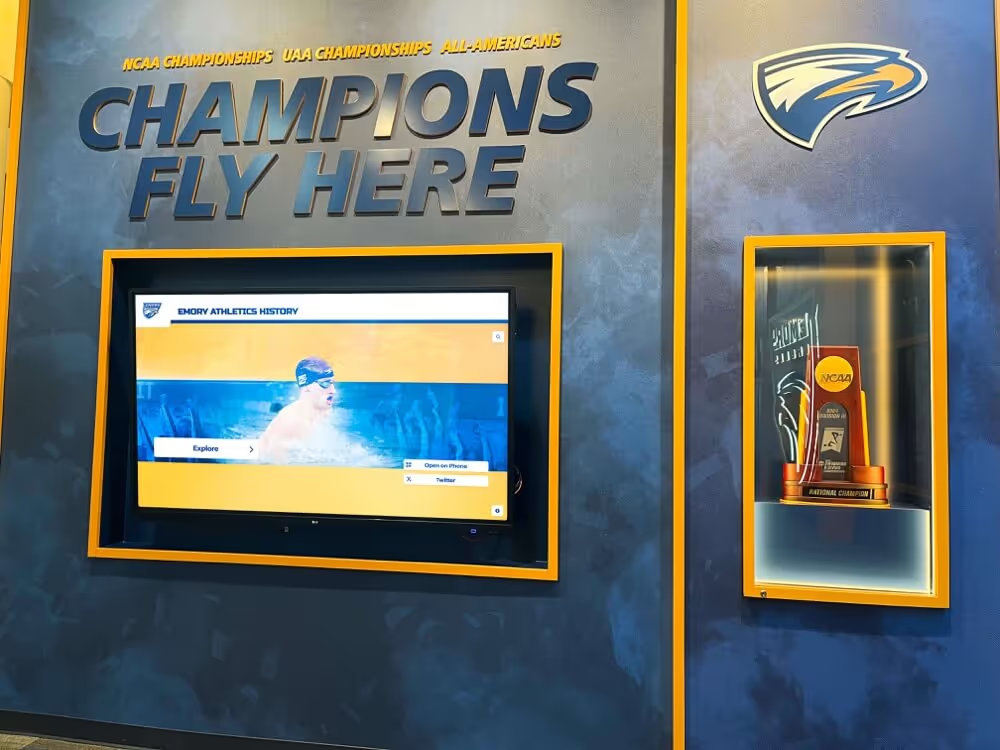
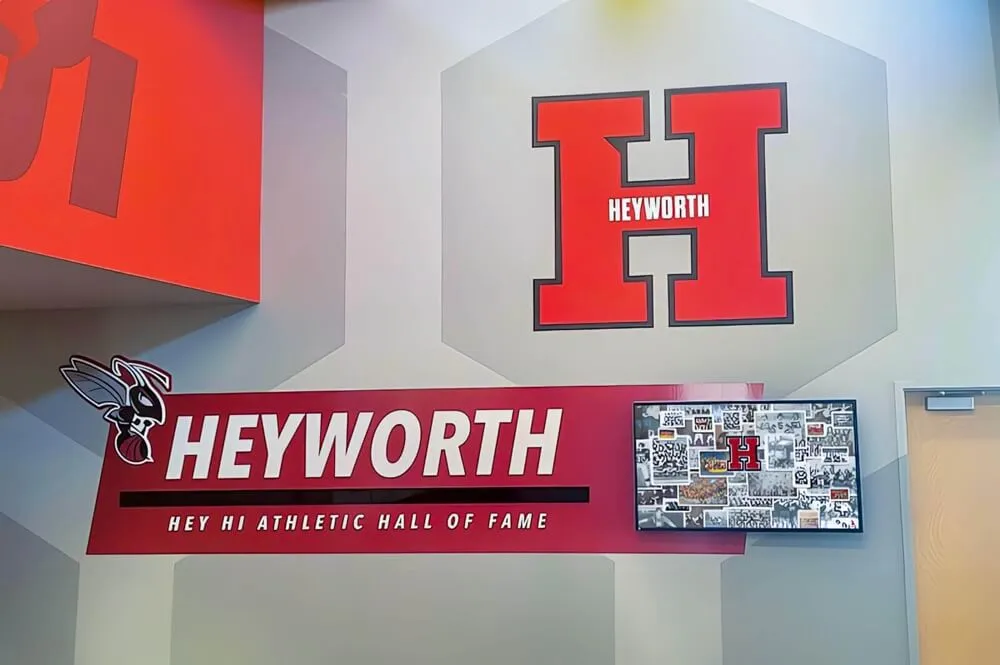
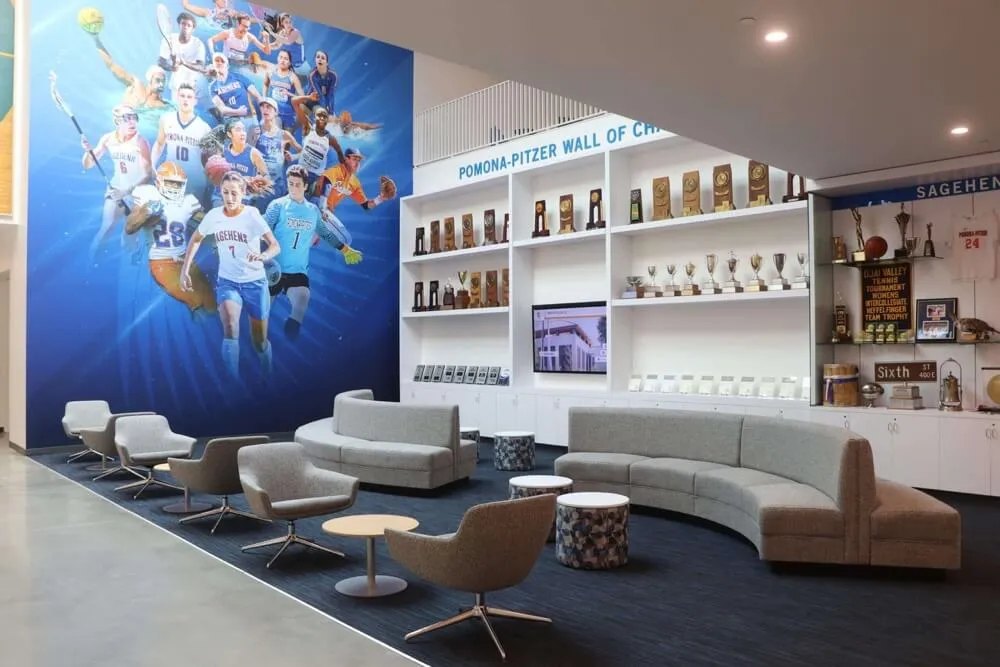
84. Alumni Athletic Awards Banquets: Recognition dinners honoring athletic hall of fame inductees, championship team anniversaries, or distinguished coaching careers, celebrating sports heritage while connecting athletic alumni cohorts. Schools implementing comprehensive athletic recognition programs through digital displays create year-round celebration beyond single banquet events.
85. Golf Outings and Tennis Tournaments: Classic alumni sporting events providing competitive yet social athletic opportunities combined with natural networking environments during play.
Virtual and Hybrid Alumni Event Ideas (Ideas 86-95)
Digital programming expands reach beyond geographic constraints while accommodating schedule flexibility increasingly important to modern alumni.
86. Virtual Networking Coffee Chats: Brief online meetings connecting small groups of alumni for casual conversation and professional networking without requiring travel or significant time commitment.
87. Online Career Development Webinars: Virtual professional development sessions on career topics accessible to alumni regardless of location, often recorded for on-demand viewing accommodating diverse schedules.
88. Digital Reunion Experiences: Virtual gatherings for classes unable to travel for in-person reunions, featuring video conferencing, virtual campus tours, digital memory sharing, and remote social activities.
89. Streaming Athletic Events with Alumni Commentary: Live broadcasts of games with dedicated alumni viewing platforms, potentially including alumni commentators providing insider perspectives and nostalgic references.
90. Online Cooking Classes with Alumni Chefs: Interactive virtual culinary experiences where alumni chefs guide participants through recipe preparation, combining skill learning with social connection through shared cooking experience.
91. Virtual Book Club Video Conferences: Online discussion groups enabling alumni worldwide to participate in reading communities without geographic constraints, often featuring author Q&A sessions with alumni writers.
92. Webinar Series on Contemporary Issues: Educational programming exploring current topics—technology trends, policy debates, cultural phenomena—delivered virtually to maximize accessibility and enable archived viewing.
93. Digital Volunteer Opportunities: Remote service projects like virtual tutoring, online mentorship, social media support for nonprofits, or digital skills training enabling alumni to contribute expertise without geographic constraints.
94. Online Auction Fundraisers: Digital bidding events featuring experiences, memorabilia, alumni business services, or unique opportunities, providing fundraising mechanism accessible to entire alumni population regardless of location.
95. Hybrid Reunion Formats: Combined in-person and virtual reunion programming enabling remote alumni to participate in activities like keynote addresses, award ceremonies, or panel discussions even when unable to attend campus physically.
Creative and Unique Alumni Event Ideas (Ideas 96-100)
Innovative programming differentiates institutions while creating memorable experiences that strengthen emotional bonds and generate positive word-of-mouth.
96. Alumni Escape Room Challenges: Team-based problem-solving experiences in physical or virtual escape rooms requiring collaboration, communication, and critical thinking, building camaraderie through shared challenge in unconventional format.
97. Time Capsule Opening Ceremonies: Special events revealing time capsules sealed by previous graduating classes, creating intergenerational connection and nostalgic reflection while potentially planting new capsules for future opening.
98. Alumni Survivor Competition Events: Multi-challenge competitions inspired by reality television formats testing diverse skills—physical, mental, social—creating memorable bonding experiences through unconventional team activities.
99. Mystery Alumni Guest Reveal Events: Surprise gatherings where attendee identity of distinguished or celebrity alumni remains secret until event arrival, creating anticipation and excitement while honoring particularly notable graduates.
100. Alumni Innovation Competitions: Events challenging graduates to propose innovative solutions to institutional challenges, community problems, or social issues, with winning concepts receiving implementation support, funding, or recognition. Programs showcasing alumni innovation and creativity through digital platforms maintain year-round visibility beyond single competition events.
Implementation Framework: Executing Successful Alumni Events
Having 100 event ideas provides options, but execution quality determines whether programming actually strengthens alumni engagement or wastes limited resources.
Strategic Event Selection and Planning
Not every institution should implement all 100 event types. Effective alumni programming requires strategic selection aligned with institutional priorities, alumni demographics, available resources, and engagement objectives.
Assessment Factors:
- Alumni population characteristics including age distribution, geographic concentration, career fields, and demonstrated interests
- Institutional priorities such as fundraising, mentorship, student recruitment, or community service advancement
- Available resources including budget allocations, staff capacity, volunteer leadership, and facility access
- Historical participation patterns showing which event types generated strong attendance and positive feedback
- Competitive analysis examining peer institution programming identifying gaps or opportunities
Planning Timeline:
Successful events require adequate lead time ensuring thorough preparation rather than rushed execution:
- Major events (reunions, galas, conferences): 6-12 months advance planning
- Medium events (receptions, workshops, competitions): 3-6 months advance planning
- Small events (coffee chats, webinars, local gatherings): 4-8 weeks advance planning
- Recurring series: Annual planning cycle establishing full-year calendar at once
Promotion and Communications Strategy
Outstanding programming fails without adequate promotion ensuring target audiences know events exist and understand value propositions.
Multi-Channel Communication:
- Email campaigns to segmented lists based on graduation year, geographic location, or interest profiles
- Social media promotion across platforms alumni use (LinkedIn for professional events, Instagram for young alumni, Facebook for reunion-age populations)
- Website event calendars with registration functionality and detailed event information
- Direct mail for milestone reunions or major recognition events reaching alumni with outdated email addresses
- Alumni publication features in magazines, newsletters, or digital communications
- Peer-to-peer promotion encouraging registered attendees to invite classmates
Compelling Messaging:
Event promotions should clearly communicate value proposition answering “Why should I attend?” through:
- Specific outcomes attendees will gain (career connections, skill development, social reconnection, personal enrichment)
- Featured speakers, performers, or honored guests creating draw through notable participants
- Social proof showing registration numbers or testimonials from previous attendees
- Scarcity messaging for limited-capacity events or early registration deadlines
- Visual assets including photos from previous similar events showing experience quality
Technology Enablement for Event Management
Modern event management requires technology infrastructure supporting registration, communication, and engagement tracking.
Essential Technology Components:
- Registration platforms collecting attendee information, processing payments, and tracking capacity
- Email marketing systems enabling segmented communication and automated reminder sequences
- Event mobile apps for large gatherings providing schedules, attendee directories, and real-time updates
- Virtual meeting platforms for online or hybrid events ensuring accessible participation
- Check-in systems streamlining arrival processes while capturing attendance data
- Survey tools gathering feedback for continuous improvement
Organizations implementing comprehensive digital recognition platforms can integrate alumni event content with permanent recognition displays, creating sustained visibility beyond single gatherings.
Measuring Event Success and ROI
Strategic organizations track metrics determining which programming delivers strongest engagement and institutional value.
Quantitative Metrics:
- Registration and attendance numbers showing draw and actual participation
- Revenue generation from ticket sales, fundraising, or sponsorships
- Cost per attendee calculating efficiency of resource utilization
- First-time attendee percentage measuring new engagement acquisition
- Repeat attendance rates showing sustained interest across multiple events
- Geographic reach demonstrating ability to engage dispersed populations
Qualitative Indicators:
- Post-event surveys measuring satisfaction, value perception, and future participation intent
- Anecdotal feedback from conversations, testimonials, or unsolicited communications
- Social media engagement through shares, comments, and user-generated content
- Volunteer recruitment resulting from events introducing alumni to institutional needs
- Giving conversion from attendees subsequently making financial contributions
- Mentorship connections formed during networking events
Data-driven assessment enables continuous improvement, resource reallocation toward highest-performing formats, and evidence-based advocacy for sustained alumni programming investment.
Adapting Event Ideas for Different Institutional Types
While the 100 ideas presented work across educational contexts, specific institutional types benefit from customization reflecting unique circumstances.
Private High School Alumni Events
Private secondary schools typically maintain smaller, more intimate alumni populations with stronger institutional loyalty developed through selective admission and intensive campus experiences.
Adaptation Strategies:
- Emphasize family legacy programming connecting multi-generational families
- Leverage strong parent-alumni relationships for volunteer recruitment and event support
- Focus on local and regional events since private school populations often remain geographically concentrated
- Integrate current student performance opportunities showcasing institutional quality to alumni
- Emphasize service and giving messaging appropriate to typically affluent graduate populations
- Create exclusive access experiences capitalizing on institutional prestige and distinctive traditions
Public High School Alumni Events
Public schools serve broader community populations with diverse socioeconomic backgrounds and varied post-graduation trajectories requiring inclusive, accessible programming.
Adaptation Strategies:
- Minimize cost barriers through free or low-cost event formats ensuring accessibility
- Emphasize community service connecting alumni to local needs and shared geographic identity
- Leverage athletic events as natural gathering opportunities given strong sports culture in many public schools
- Create casual, welcoming formats accommodating diverse comfort levels with formal events
- Celebrate diverse achievement types beyond traditional academic or professional metrics
- Partner with local businesses for venue support and sponsorship reducing institutional costs
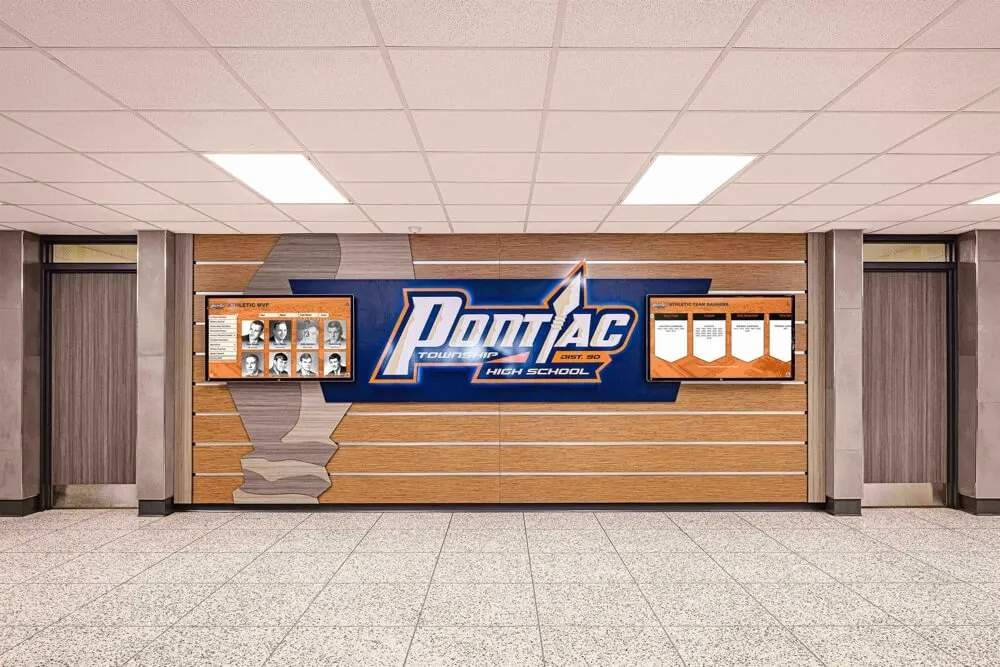
Organizations developing public school recognition programs find that visible celebration of graduate achievement motivates sustained community engagement across diverse populations.
Charter School Alumni Events
Charter schools typically have younger institutional histories with emerging alumni programs requiring creative approaches building traditions without established precedents.
Adaptation Strategies:
- Focus on young alumni events since charter movement primarily expanded in past 20-30 years
- Emphasize digital and virtual programming reaching tech-savvy younger graduate populations
- Create founding class special recognition establishing traditions future classes will aspire to join
- Leverage mission-driven messaging connecting alumni to educational innovation and community impact
- Build mentorship programs connecting recent graduates with current students in early college or career phases
- Document and celebrate institutional growth story positioning alumni as pioneers
College and University Alumni Events
Higher education institutions typically maintain the most developed alumni programs with dedicated staff, substantial budgets, and sophisticated engagement strategies.
Adaptation Strategies:
- Develop school or college-specific programming (business school, engineering, arts) enabling targeted engagement around professional identities
- Create national and international chapter networks given geographically dispersed graduate populations
- Invest in premium experiences like travel programs, cultural excursions, or executive education appropriate to typical college graduate earning capacity
- Emphasize career networking given professional advancement importance to college alumni populations
- Integrate academic programming leveraging faculty expertise and research prestige
- Develop sophisticated giving programs including major gift cultivation and planned giving promotion
Graduate Program Alumni Events
Professional and graduate programs—MBA, law, medicine, education—serve specialized populations requiring targeted programming reflecting advanced credentials and established careers.
Adaptation Strategies:
- Emphasize professional networking and career advancement highly valued by credentialed professionals
- Create executive programming like leadership summits appropriate to senior professional levels
- Develop continuing education offerings maintaining professional certifications or expanding expertise
- Facilitate peer connections across cohorts since small program sizes limit same-cohort networking pools
- Leverage specialized expertise for panels, mentorship, and pro bono professional service
- Support career transitions common among mid-career professionals returning to graduate education
Budget-Conscious Alumni Event Implementation
Effective programming need not require unlimited budgets. Creative approaches deliver meaningful engagement within realistic financial constraints.
Low-Cost Event Formats
Free or Nearly Free Options:
- Virtual events eliminating venue, catering, and travel costs
- Campus-based gatherings using institutional facilities at no rental cost
- Volunteer-led programs where alumni provide expertise without honoraria
- Outdoor events in public parks reducing facility expenses
- Casual coffee shop meetups requiring only beverage purchases
- House parties hosted by volunteer alumni in their homes
Revenue-Generating Approaches:
- Ticketed events where registration fees cover costs plus margin supporting other programming
- Sponsorship solicitation from alumni businesses or corporate partners
- Silent auction components during events generating funds while engaging attendees
- Vendor partnerships providing donated food, venues, or services in exchange for promotional opportunities
- Combined fundraising where events double as development opportunities
- Legacy programs where event proceeds fund scholarships or institutional priorities
Volunteer-Powered Programming
Alumni volunteers represent most valuable resource institutions possess, capable of providing extraordinary value when properly organized and supported.
Volunteer Roles:
- Reunion planning committees organizing milestone celebrations for their classes
- Regional chapter leaders coordinating local events in their geographic areas
- Career mentors providing professional guidance without requiring institutional staff mediation
- Event hosts offering homes, offices, or connections for gathering spaces
- Program presenters sharing expertise through workshops, panels, or lectures
- Registration desk assistants, greeters, and logistics support at large events
Volunteer Support Framework:
Successful volunteer utilization requires infrastructure supporting rather than exploiting alumni generosity:
- Clear role descriptions defining expectations, time commitments, and responsibilities
- Adequate staff support providing guidance, resources, and troubleshooting assistance
- Recognition programs thanking volunteers publicly and appreciating their contributions
- Training opportunities ensuring volunteers possess skills needed for successful execution
- Communication channels enabling volunteers to ask questions and coordinate effectively
Digital Recognition: Sustaining Engagement Beyond Single Events
While events create valuable periodic touchpoints, sustained alumni engagement requires year-round visibility and connection opportunities. Digital recognition platforms transform occasional event attendance into continuous institutional relationships.
Interactive Alumni Displays
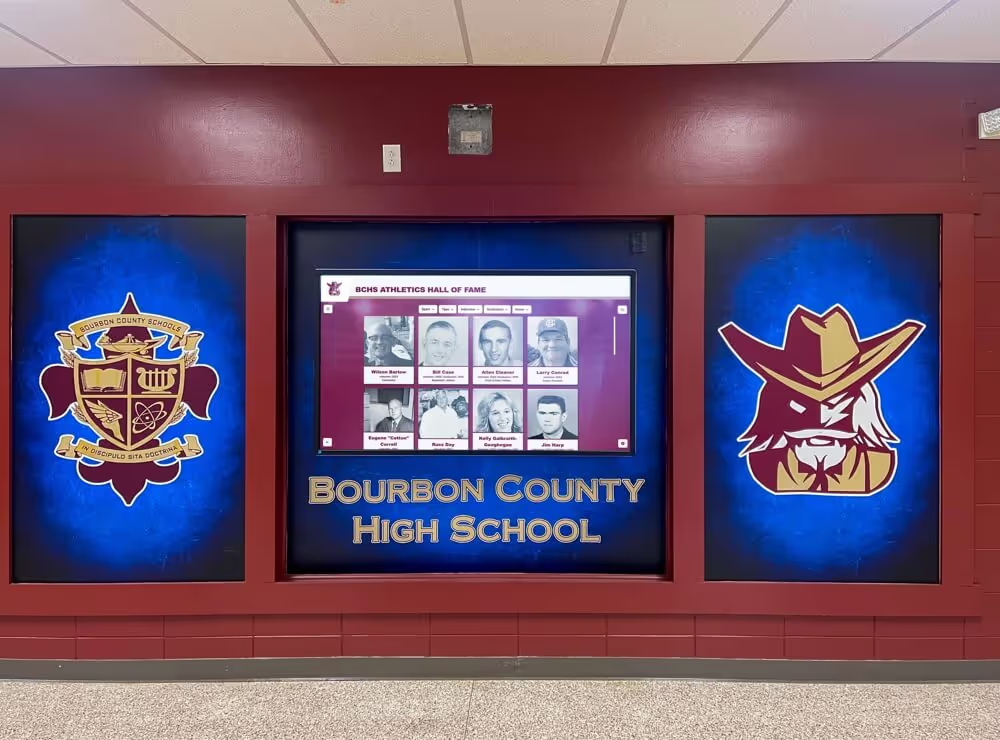
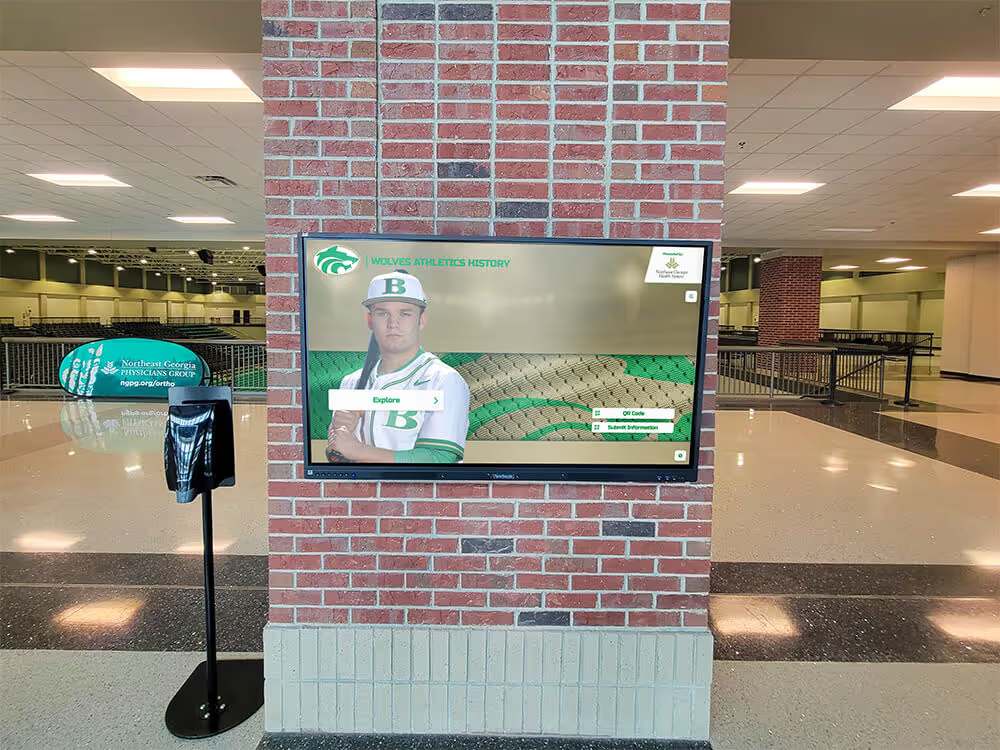
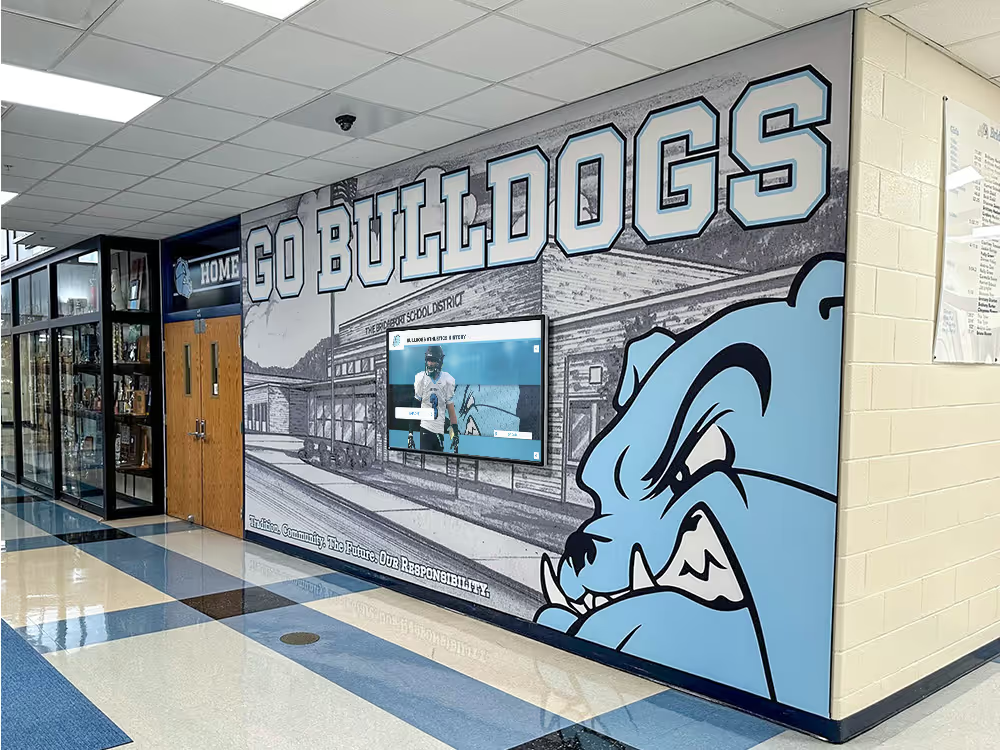
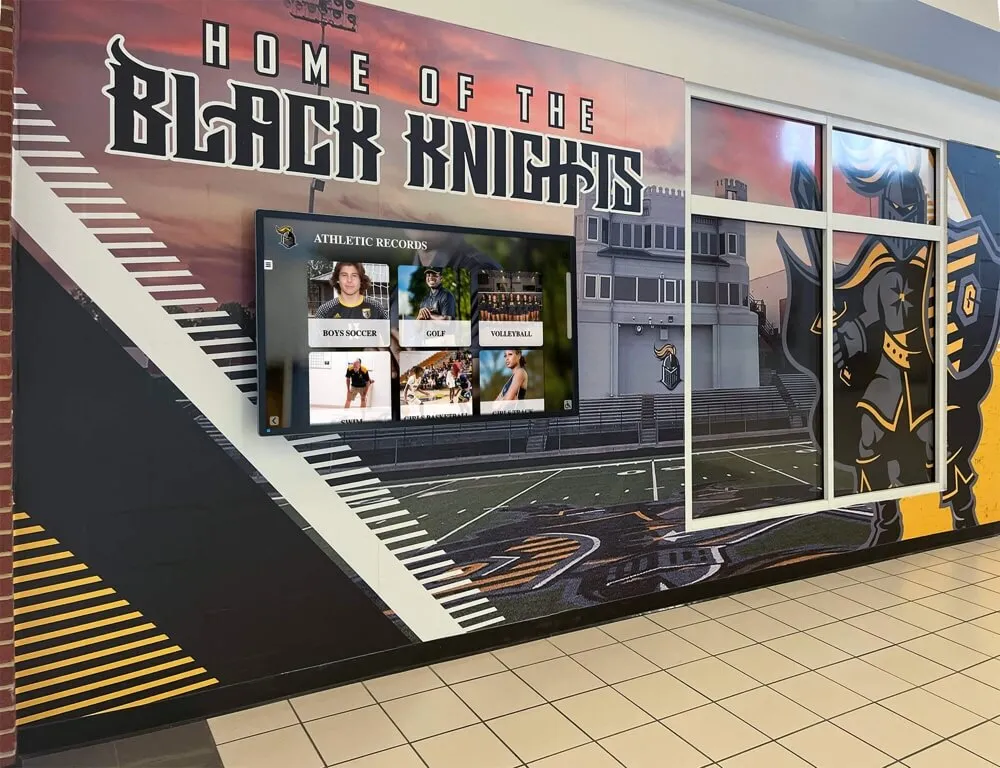
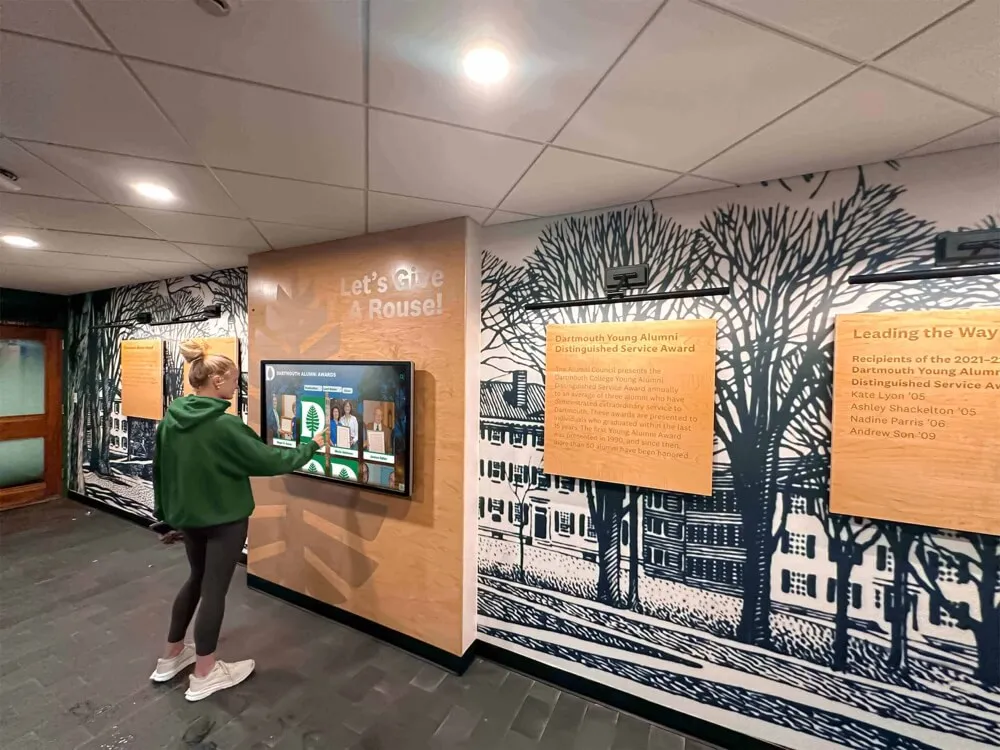
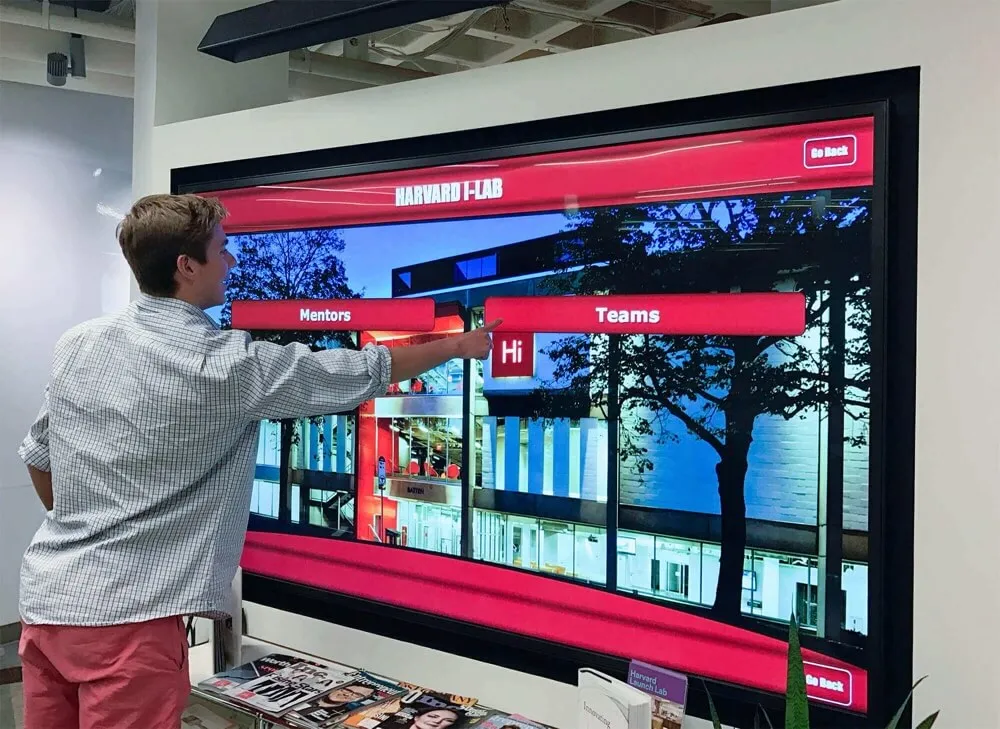
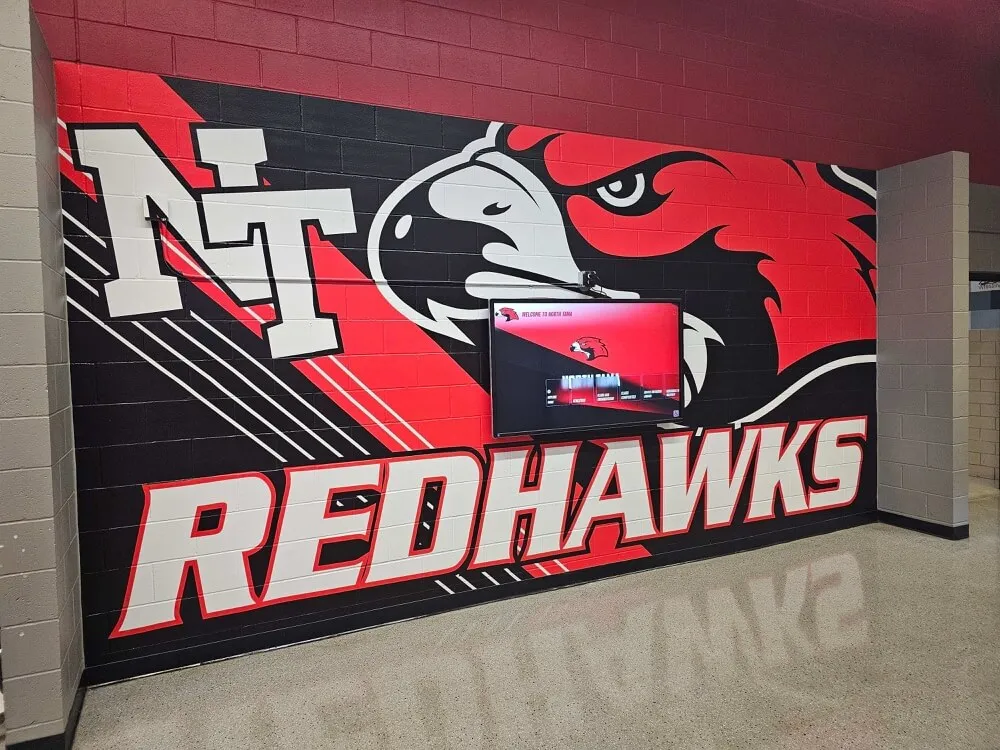
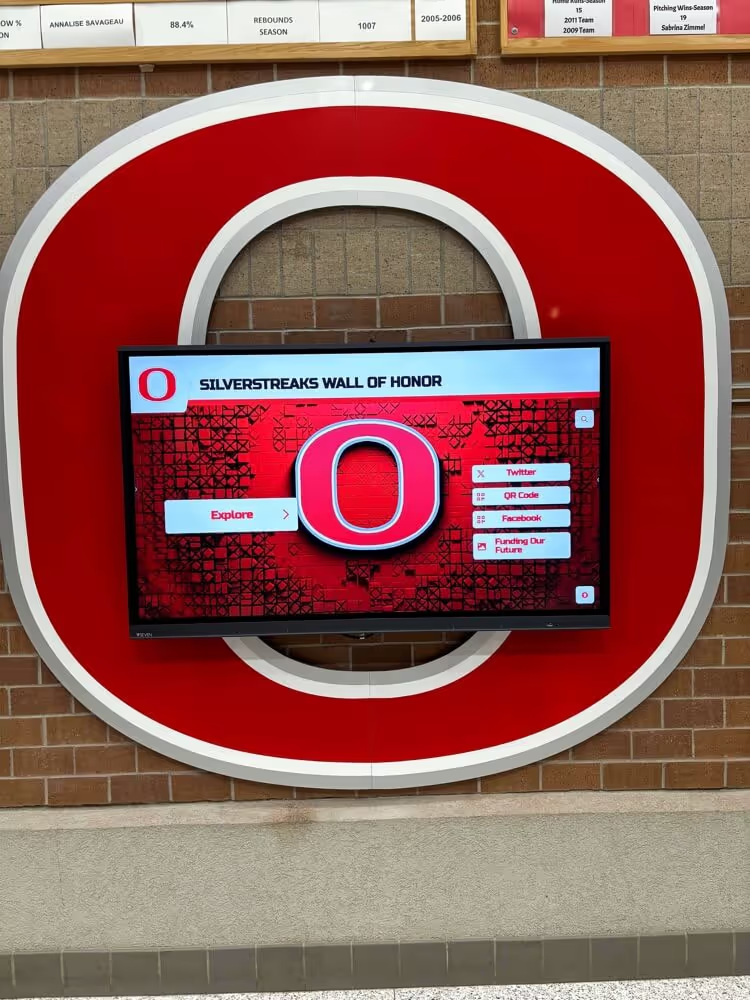
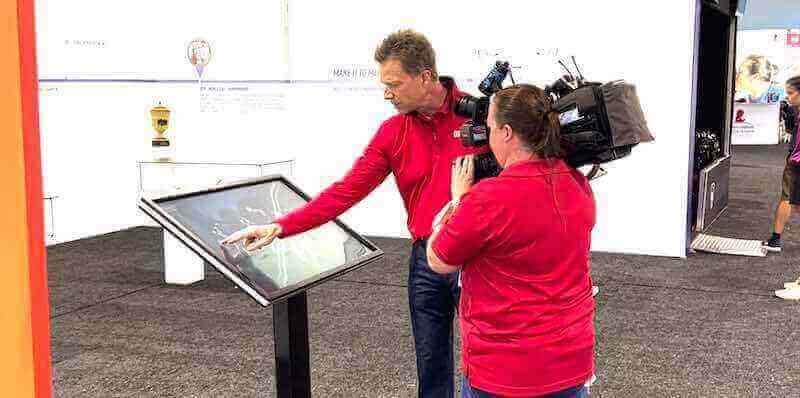
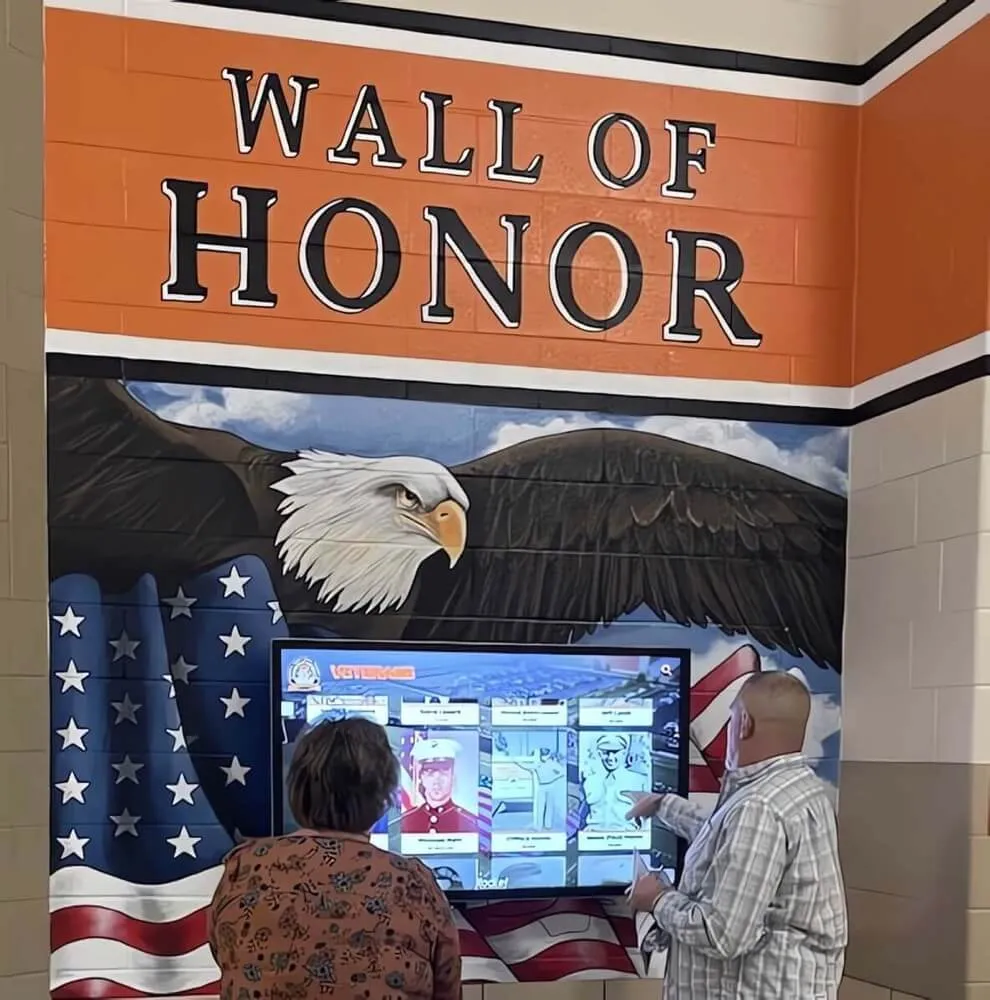
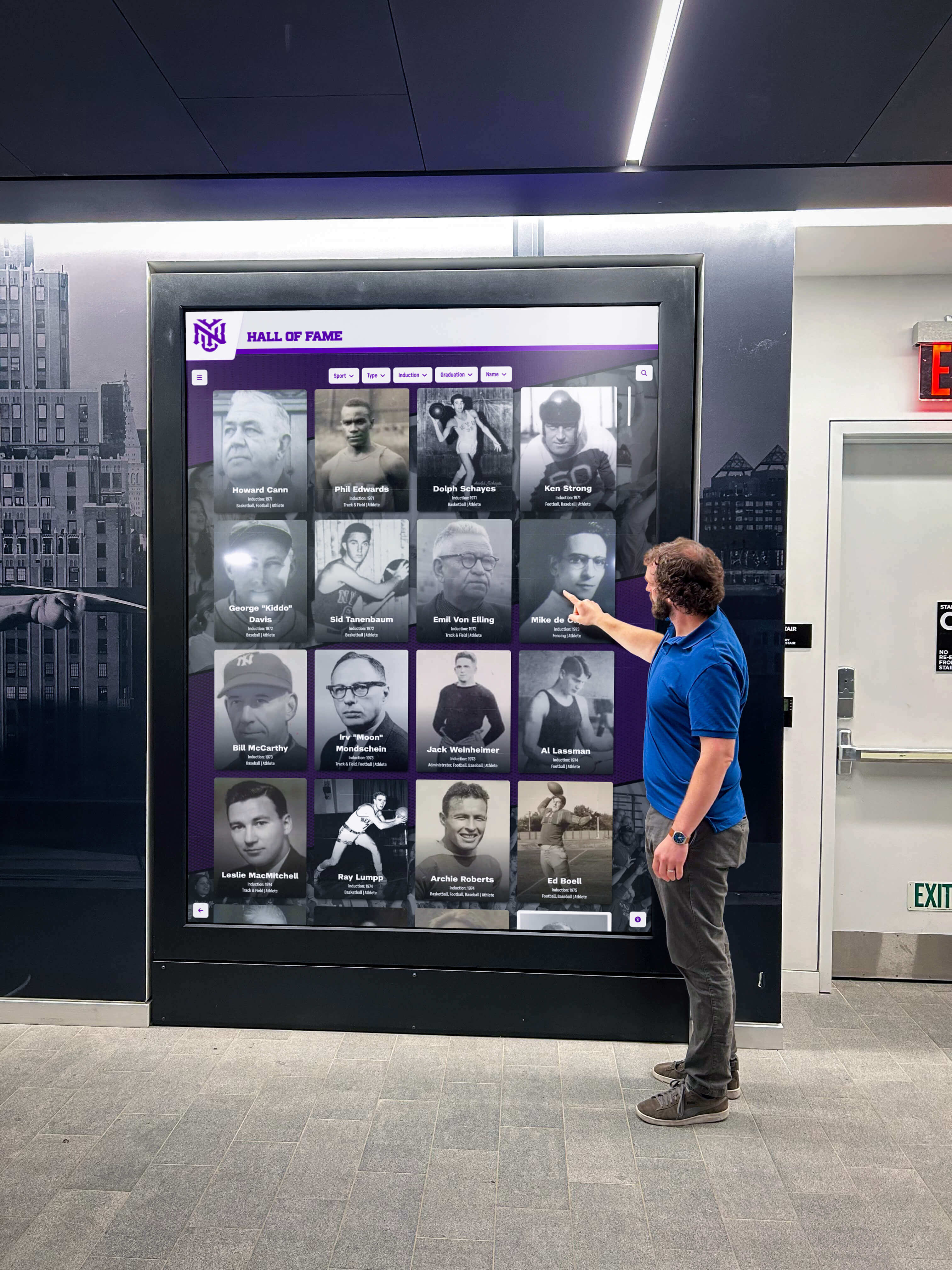
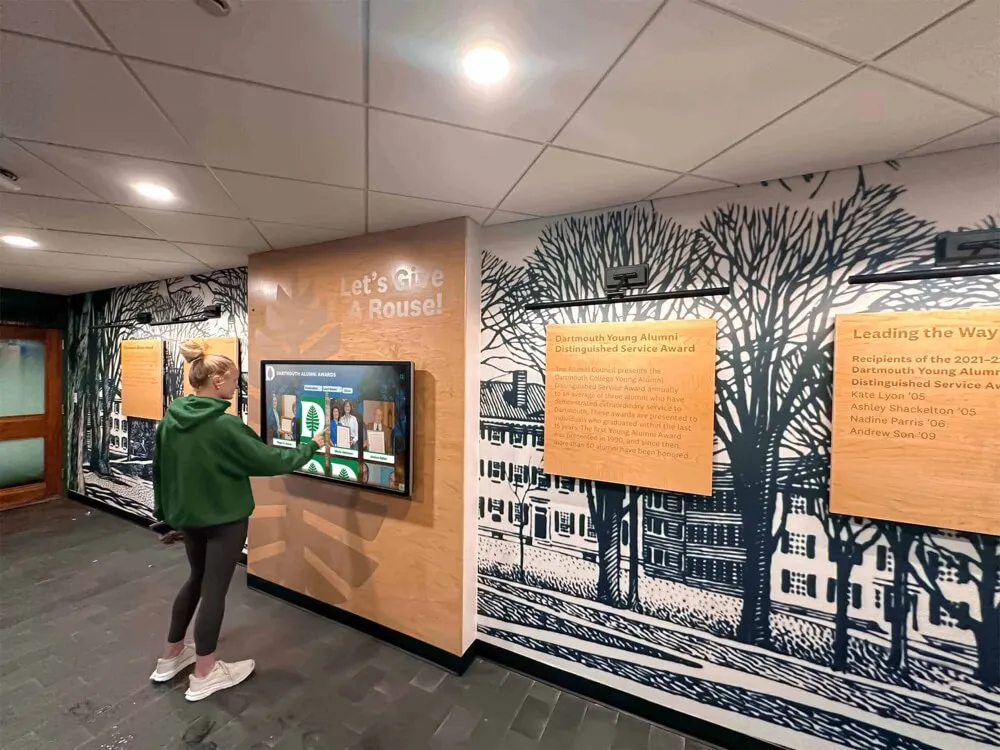
Modern touchscreen systems installed in campus locations create permanent alumni celebration accessible to all community members—current students, visiting families, prospective students, and returning graduates.
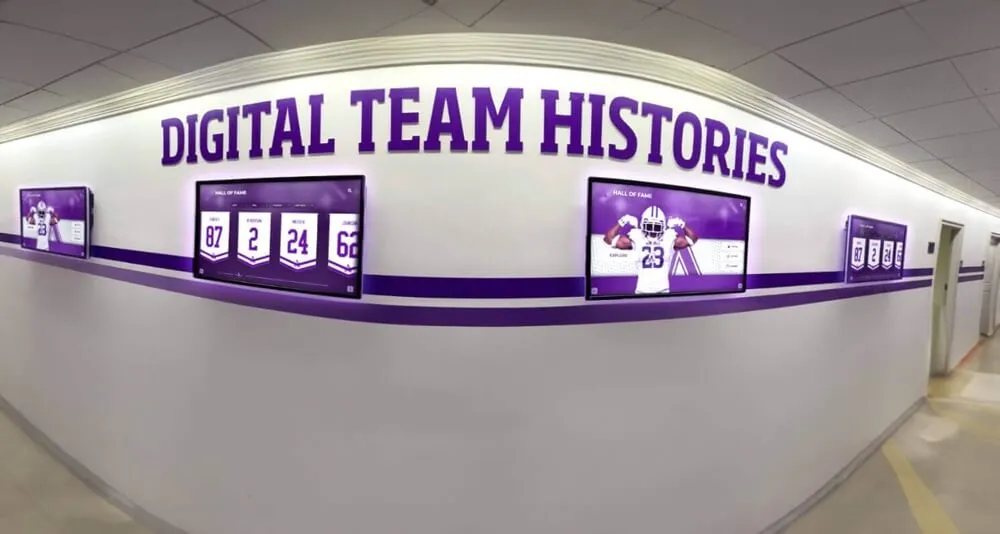
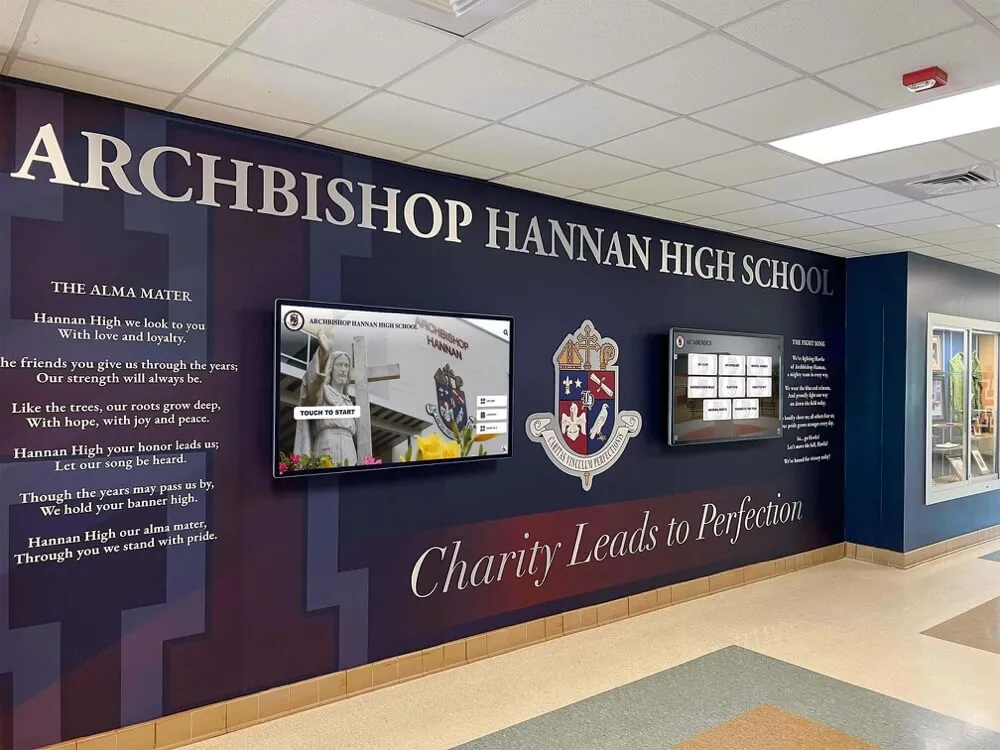
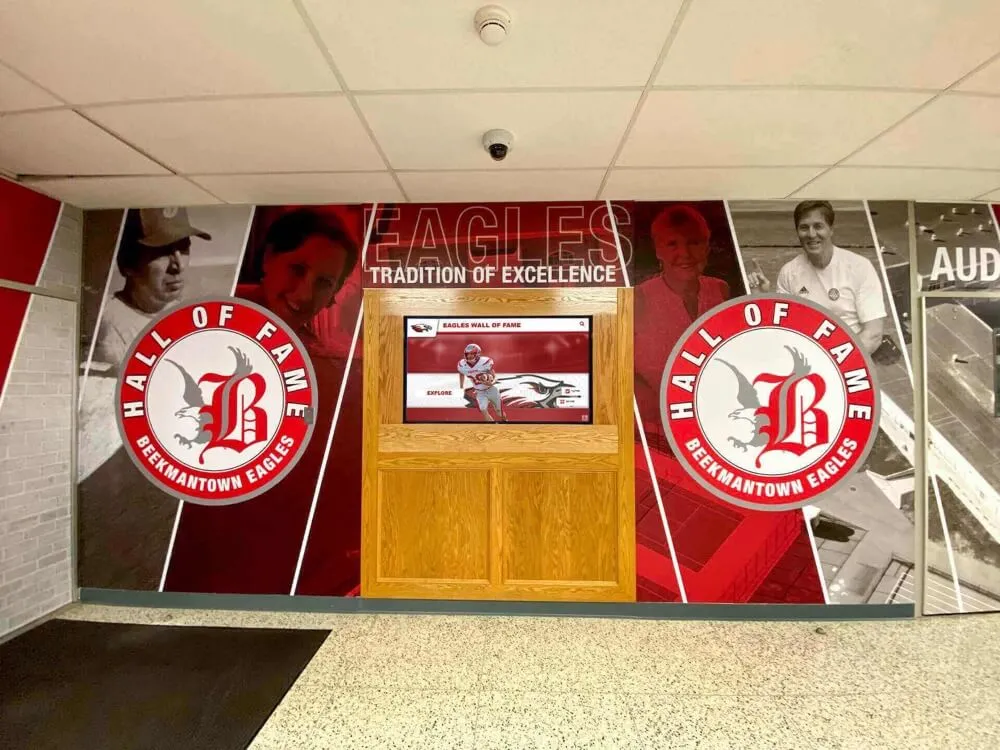
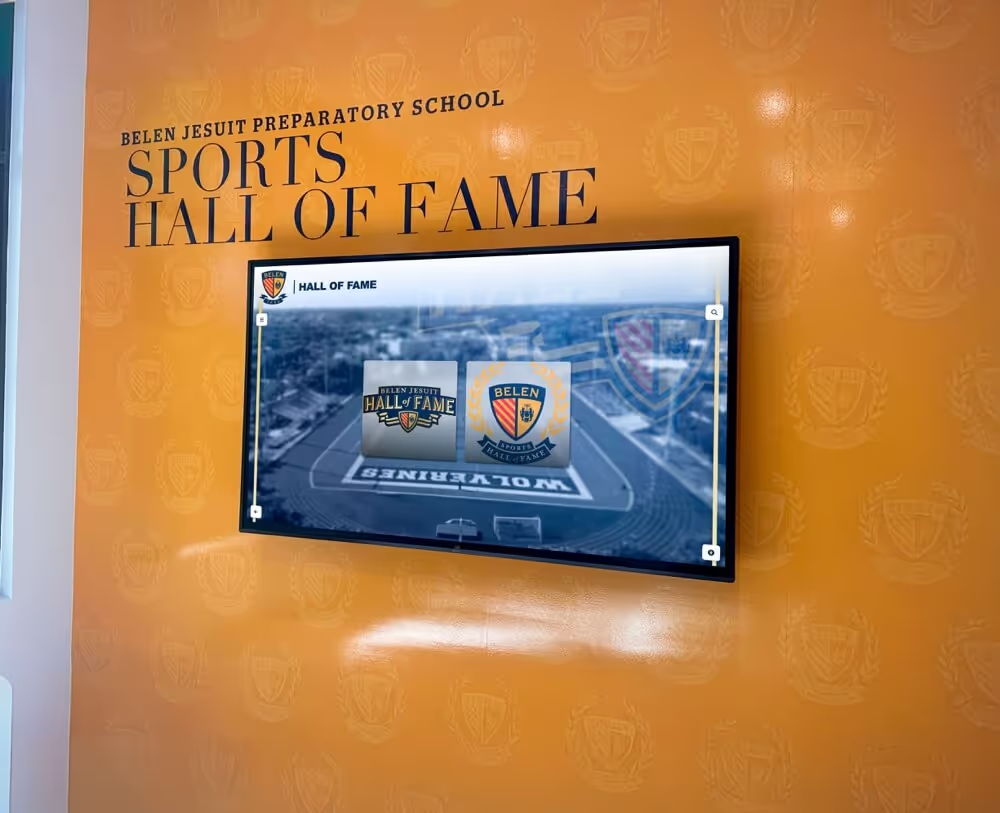
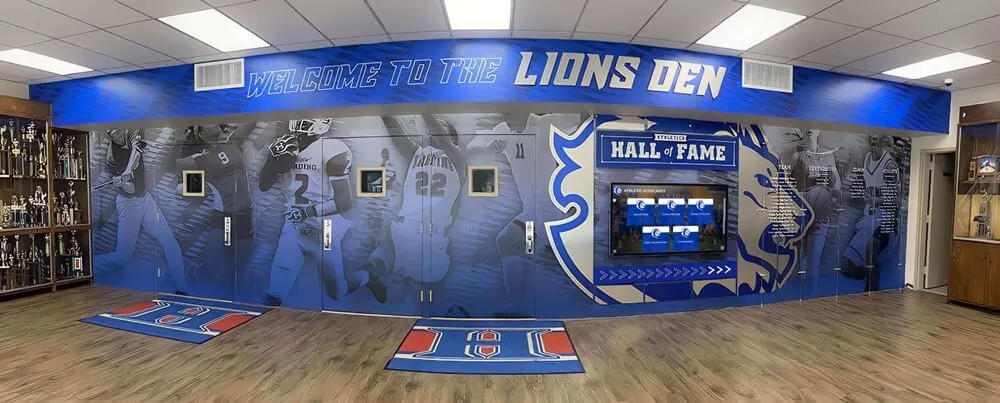
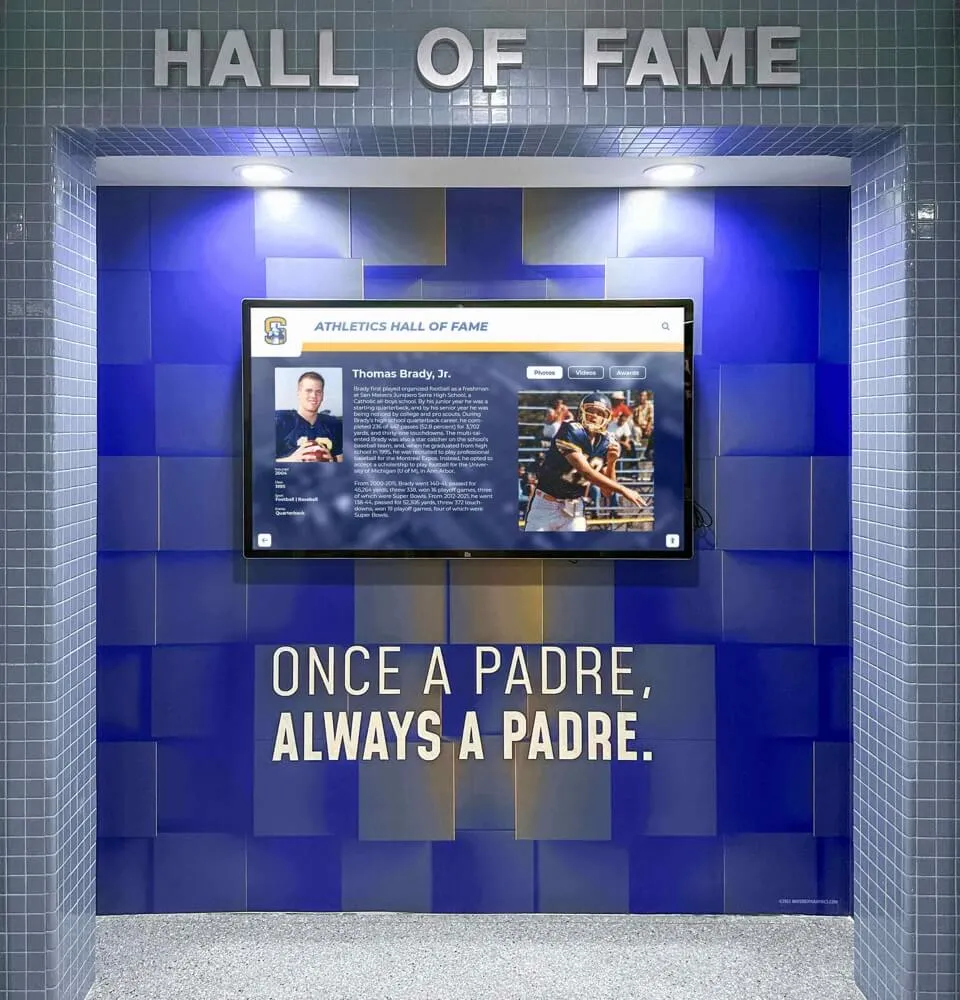
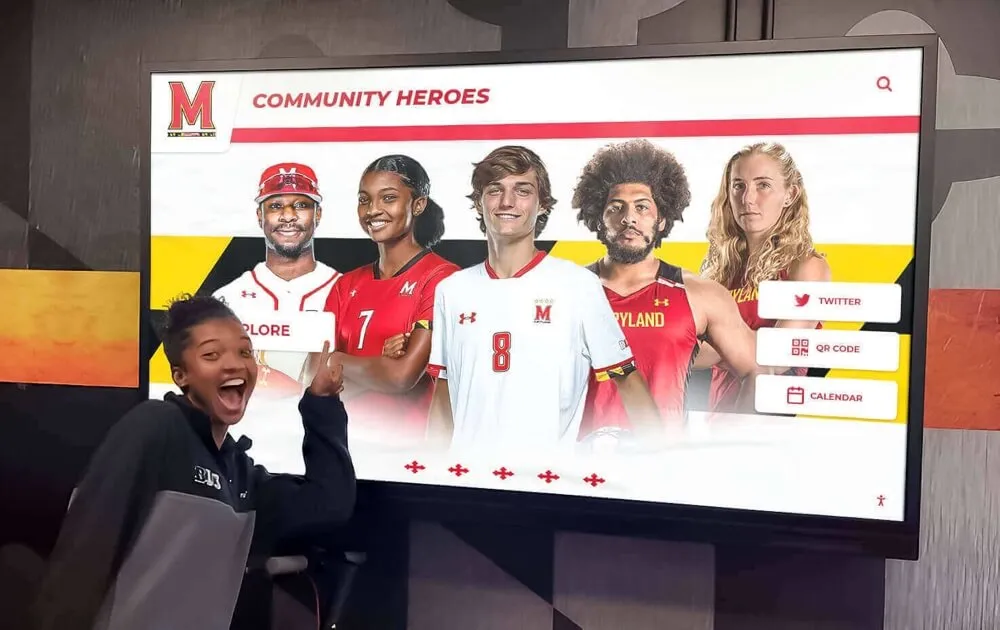
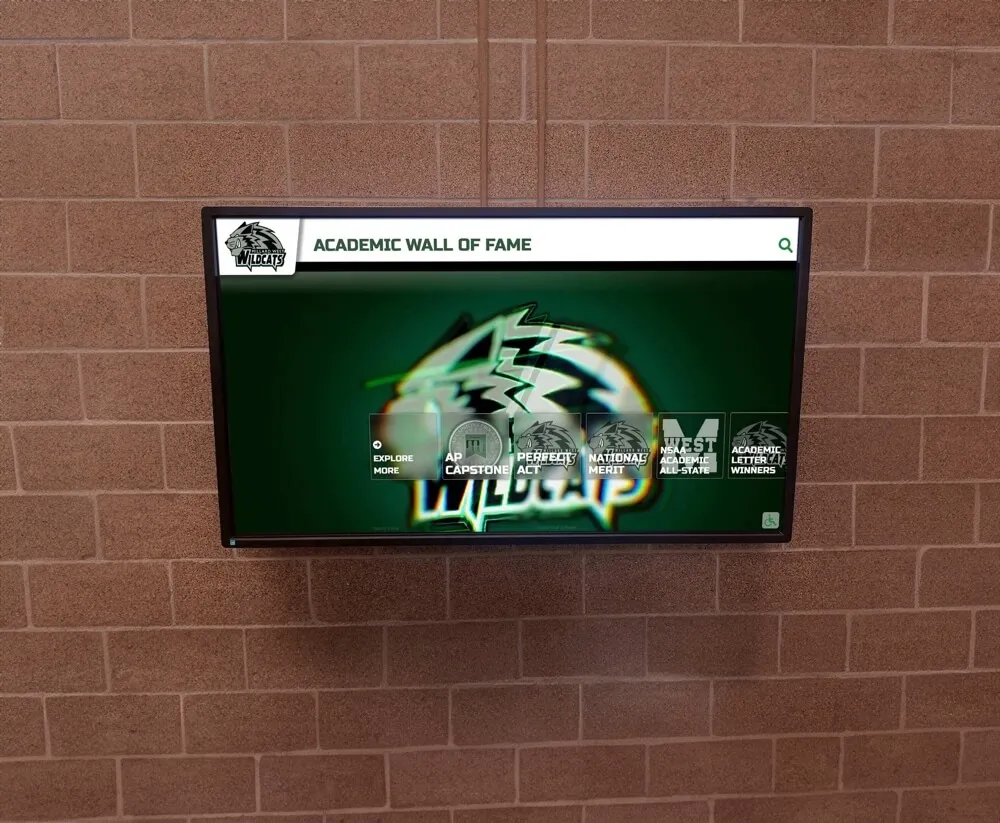
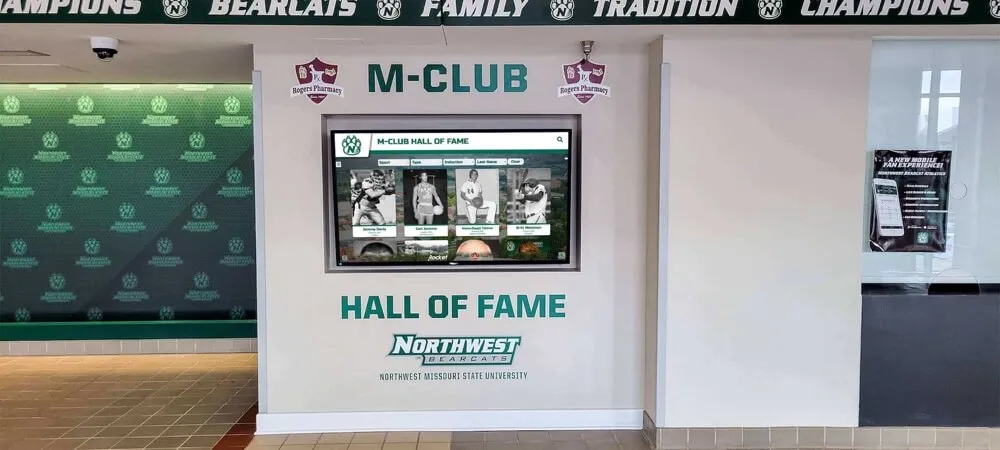
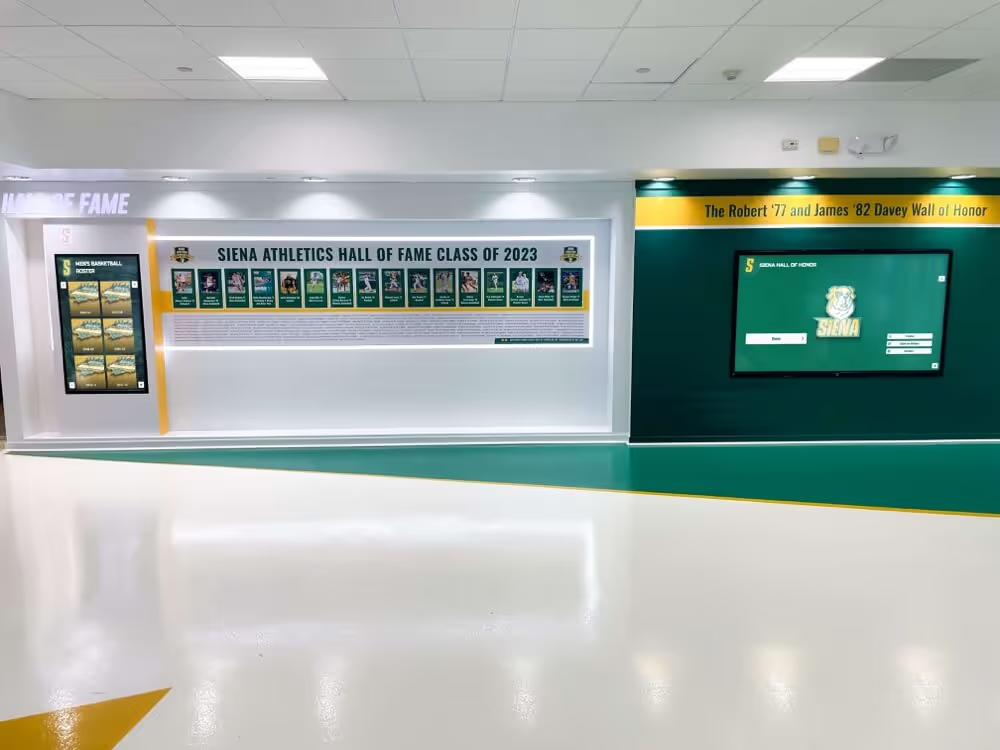
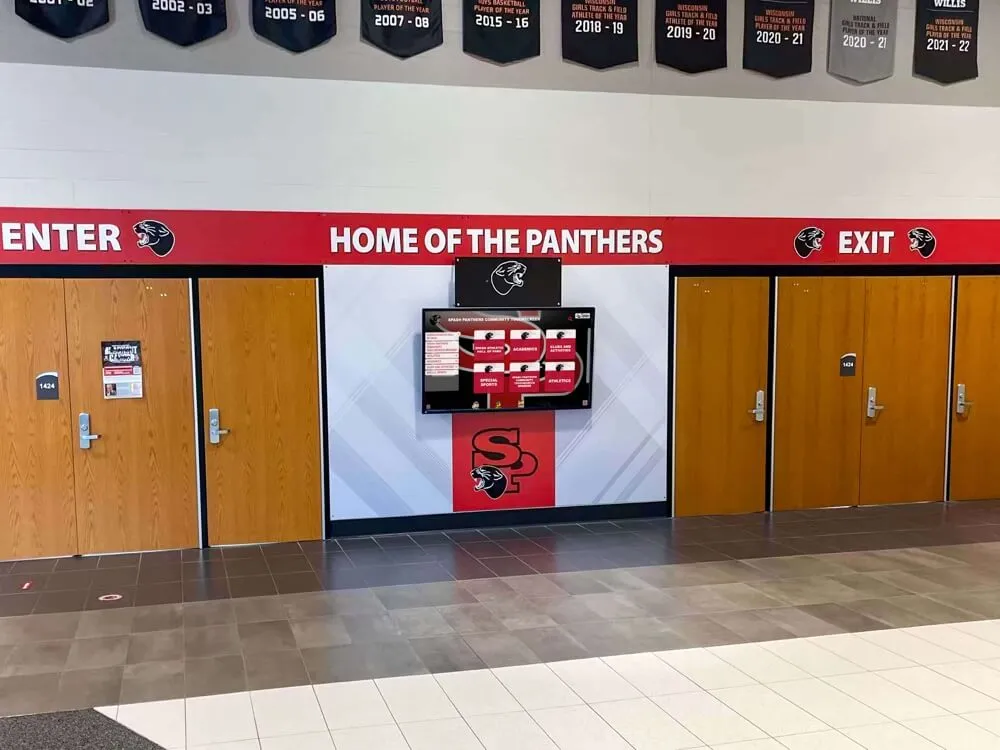
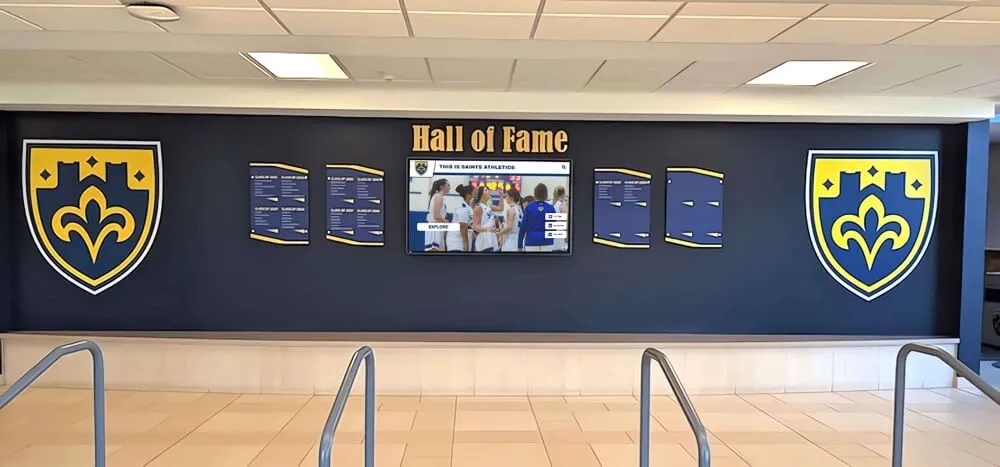
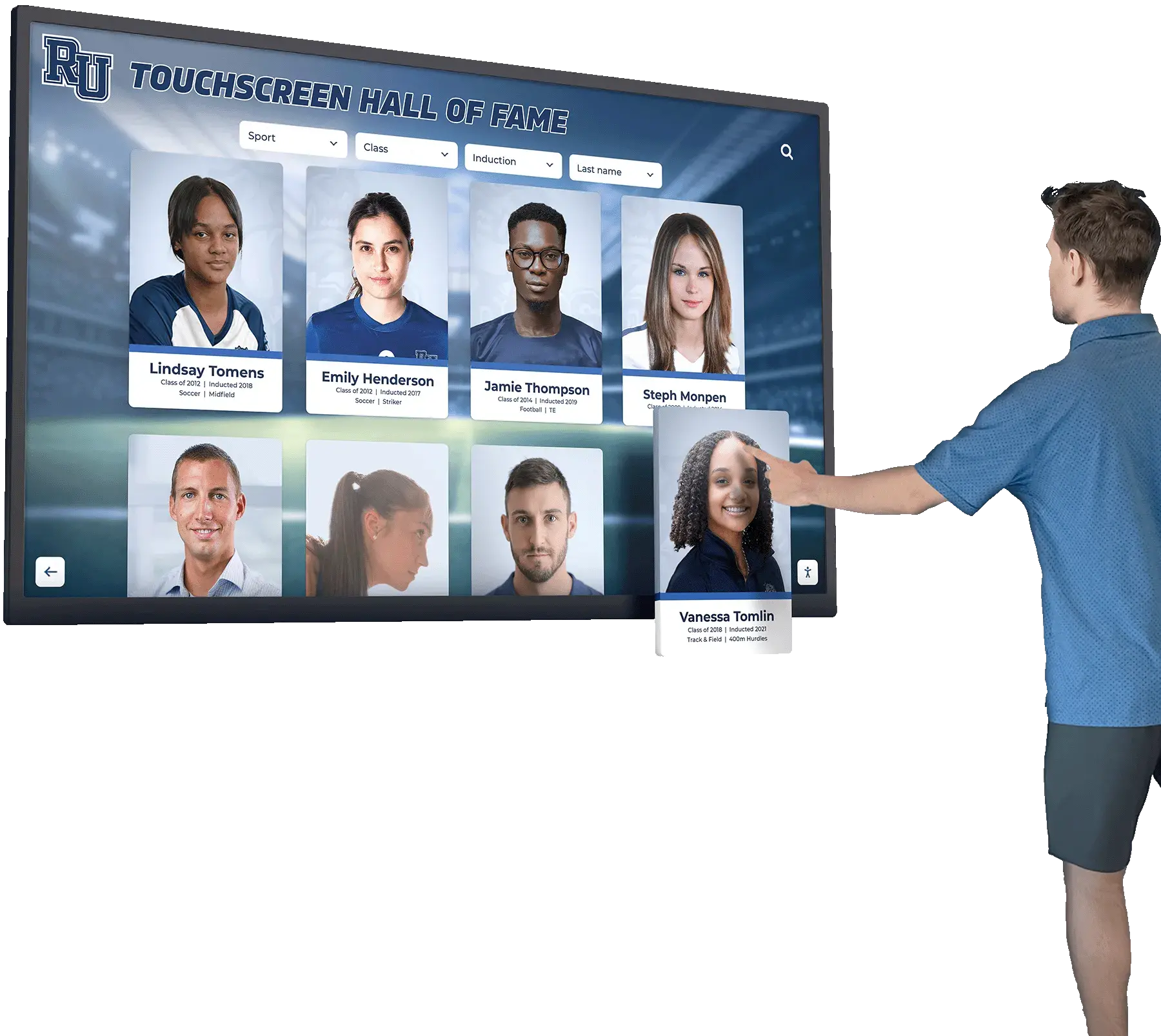
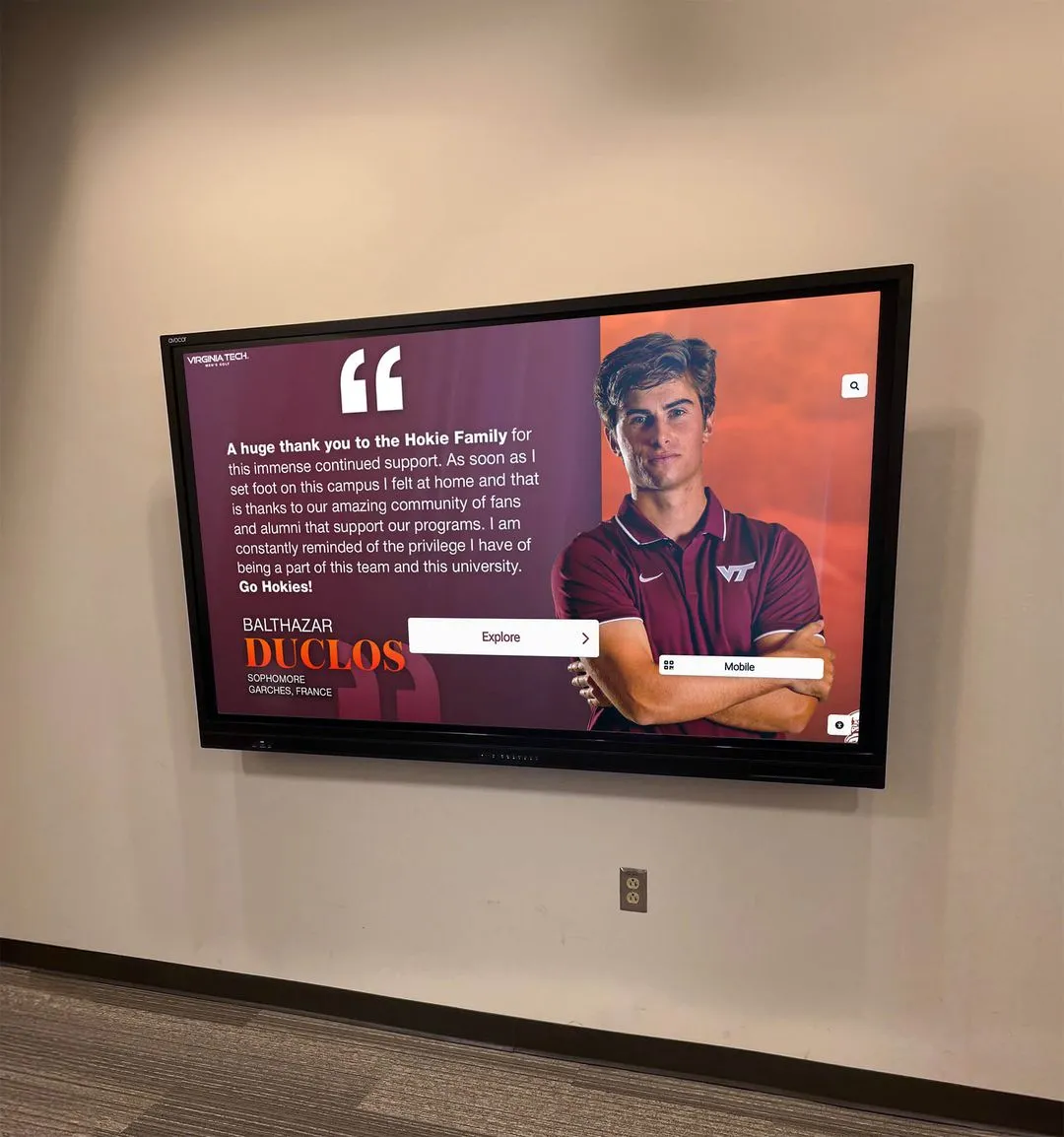
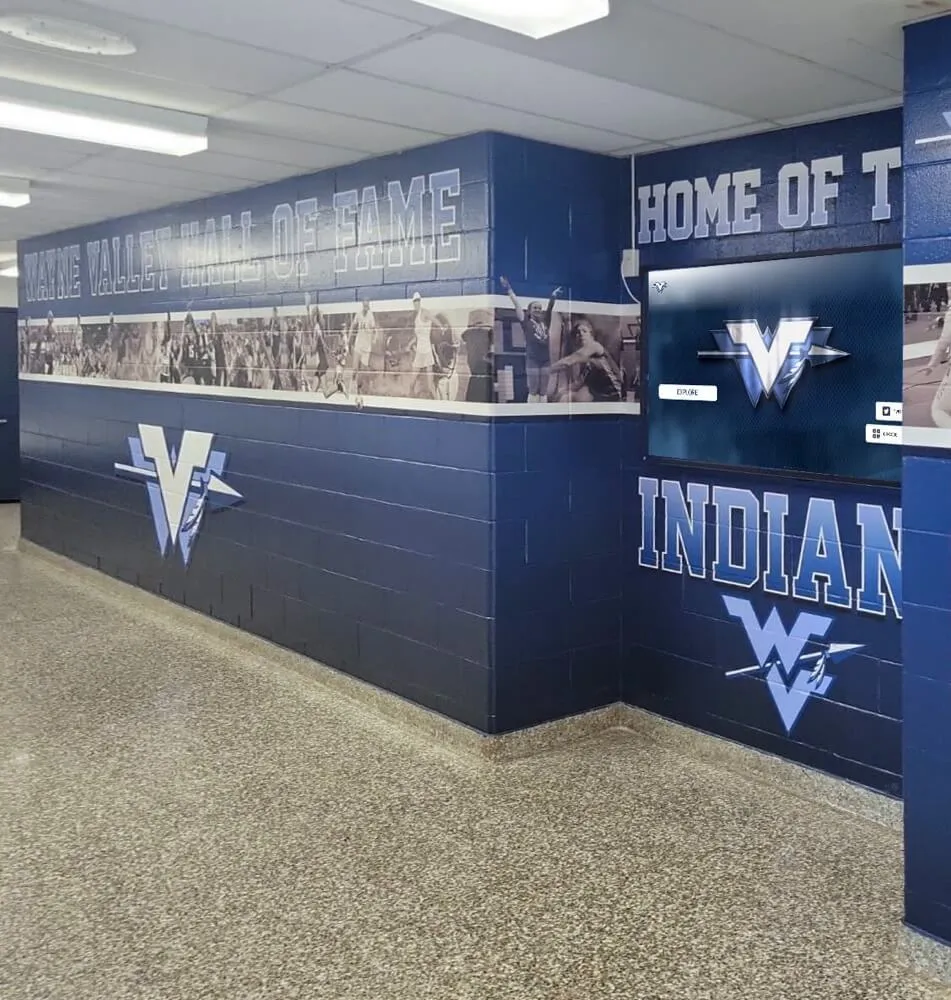
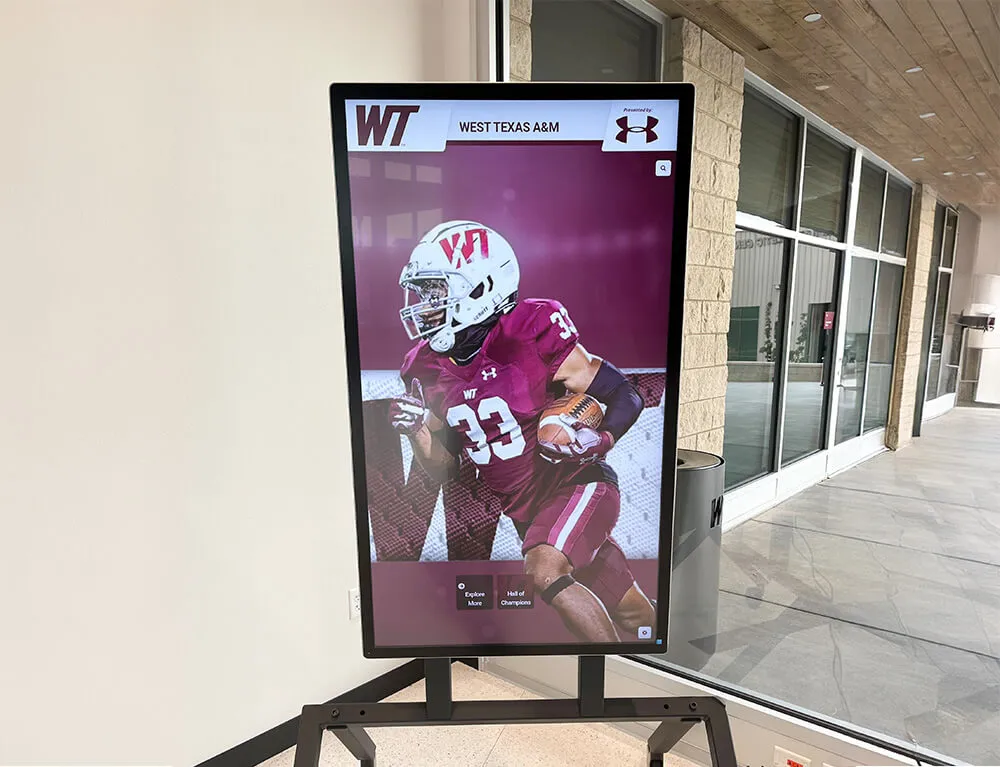
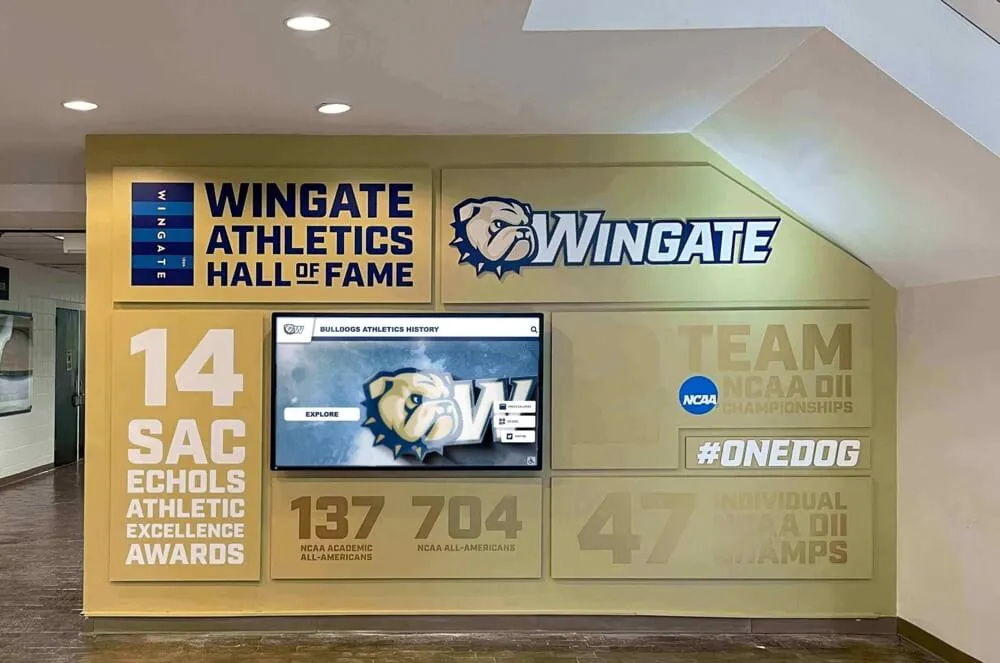
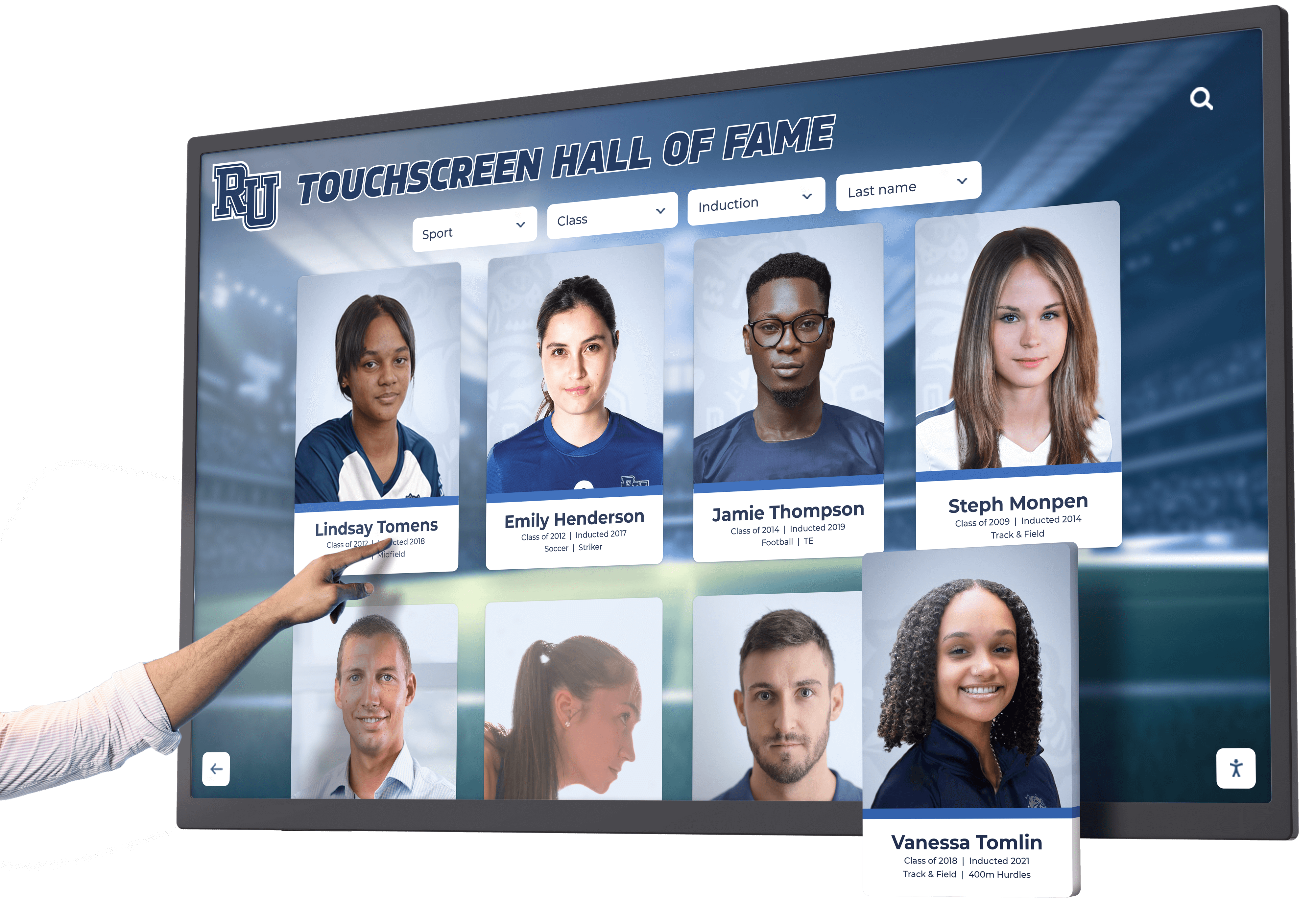
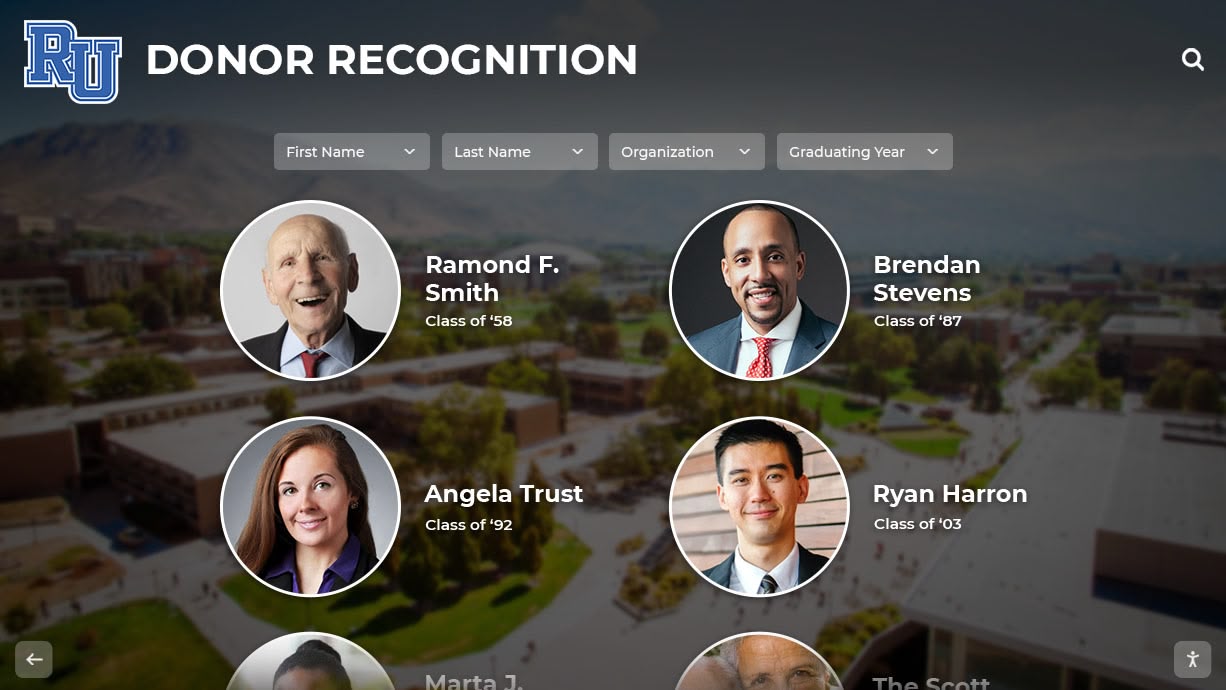
These platforms showcase hundreds or thousands of alumni profiles, achievement stories, career information, and historical documentation in searchable, engaging formats that static plaques cannot match. Alumni featured prominently on campus displays remain connected to institutions through visible honor while current students gain inspiration from tangible success examples.
Solutions like Rocket Alumni Solutions provide comprehensive platforms where institutions easily manage alumni recognition, update information remotely, showcase multimedia content including photos and videos, enable search and filtering by decade or achievement type, integrate with existing databases, and track engagement analytics showing which profiles generate most interest.
Organizations implementing modern digital recognition systems report enhanced alumni pride, increased giving participation, strengthened student inspiration, and improved recruitment outcomes from visible graduate success demonstration.
Web-Based Alumni Directories
Online platforms enabling alumni to maintain profiles, search classmate information, update career details, and communicate with each other create self-service engagement tools reducing staff burden while expanding connection opportunities.
Directory Capabilities:
- Searchable databases by name, year, location, employer, or industry
- Privacy controls allowing alumni to determine visibility levels
- Messaging functionality enabling direct peer communication
- Career networking features facilitating mentorship and job referrals
- Event registration integration linking directories to programming
- News feed functionality sharing accomplishments and life updates
Social Media Alumni Communities
Strategic social media presence creates informal engagement channels where alumni maintain light-touch connections without formal event participation requirements.
Platform-Specific Strategies:
- LinkedIn groups for professional networking and career content
- Facebook groups for social connection, nostalgia, and reunion organization
- Instagram accounts showcasing campus life and alumni accomplishments visually
- Twitter presence sharing institutional news and engaging real-time conversations
- YouTube channels featuring alumni interviews, event recordings, and campus content
- TikTok or emerging platforms reaching younger alumni through native content formats
Consistent, valuable content creation keeps alumni engaged during periods between events while building awareness that drives future program participation.
Conclusion: Building Comprehensive Alumni Engagement Ecosystems
Alumni events represent essential components of holistic engagement strategies but work most effectively within comprehensive ecosystems providing multiple connection pathways rather than single annual touchpoints.
The 100 event ideas presented in this guide provide frameworks institutions can adapt based on their unique circumstances, populations, and objectives. No institution should attempt implementing all formats simultaneously—strategic selection aligned with clear goals, available resources, and alumni preferences delivers superior results compared to scattered programming attempting everything without focus.
Effective alumni engagement shares common characteristics regardless of specific event selections:
- Consistent programming establishing predictable rhythms alumni anticipate and plan around
- Value creation providing tangible benefits rather than only requesting graduate support
- Multiple formats accommodating diverse interests, schedules, and participation preferences
- Assessment and iteration using data to continuously improve programming effectiveness
- Volunteer partnership distributing workload while building alumni ownership in community success
- Technology integration streamlining management while expanding reach through digital channels
- Recognition emphasis celebrating achievement while inspiring current students through graduate success
Institutions that view alumni programming as strategic investment rather than optional expense build sustainable engagement ecosystems that advance multiple institutional priorities simultaneously. Engaged alumni strengthen fundraising capacity through increased giving, enhance recruitment through referrals and testimony, support current students through mentorship and career assistance, elevate institutional reputation through their professional accomplishments, and sustain community traditions connecting generations across decades.
Modern alumni engagement requires combining traditional event programming with continuous recognition through digital platforms that maintain visibility and connection year-round. Solutions like Rocket Alumni Solutions provide comprehensive recognition systems complementing event programming by showcasing alumni achievement permanently, inspiring current students through graduate success examples, enabling easy content management without technical expertise, offering unlimited recognition capacity as communities grow, and creating accessible displays engaging all community members.
Ready to transform how your institution celebrates alumni achievement while building sustained engagement? Comprehensive digital recognition platforms honor graduate excellence while creating the year-round visibility that keeps alumni connected between events. Your graduates accomplished remarkable things—effective recognition programs ensure those achievements inspire future generations while strengthening the institutional bonds that benefit everyone.
Book a demo to explore how digital recognition solutions complement your alumni event programming to create comprehensive engagement ecosystems that honor the past while building the future.