



Key Takeaways
Discover effective alumni engagement ideas that universities use to maintain lasting connections with graduates. Learn proven strategies for building community, increasing participation, and fostering lifelong relationships.
Alumni engagement has evolved far beyond annual giving campaigns and reunion weekends. Today’s most successful universities employ diverse strategies that recognize the changing expectations of graduates across multiple generations. Millennials and Gen Z alumni expect digital-first experiences, personalized communication, and clear value propositions. Meanwhile, older generations appreciate traditional touchpoints combined with modern conveniences. Effective engagement strategies must bridge these preferences while creating authentic connections that transcend transactional relationships.
Why Alumni Engagement Matters More Than Ever
The benefits of strong alumni engagement extend throughout the entire university ecosystem. Engaged alumni donate at significantly higher rates—research consistently shows that graduates who participate in at least one alumni event within five years of graduation give at three times the rate of non-participants. Beyond financial contributions, connected alumni provide invaluable mentorship, career networking opportunities, student recruitment leads, and authentic advocacy that no marketing budget can replicate.
Universities with thriving alumni communities report measurable advantages:
- Increased Giving Rates: Alumni participation in annual giving climbs 25-40% when universities implement comprehensive engagement strategies
- Enhanced Student Outcomes: Current students benefit from expanded mentorship programs, internship opportunities, and career guidance
- Stronger Institutional Reputation: Active alumni networks amplify university achievements and attract prospective students
- Sustainable Community Building: Multi-generational connections create lasting traditions that strengthen institutional identity
The challenge lies in developing engagement approaches that feel authentic rather than transactional. Alumni quickly recognize when institutions contact them solely for donations or favors. Successful programs prioritize giving value before asking for support, creating reciprocal relationships built on mutual benefit rather than one-sided extraction.
Digital Recognition: The Foundation of Modern Alumni Engagement
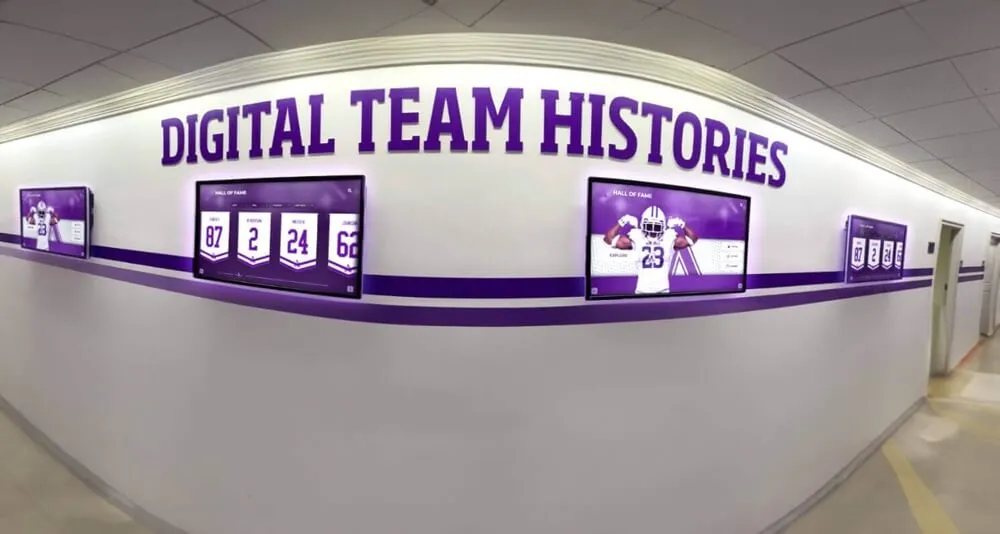
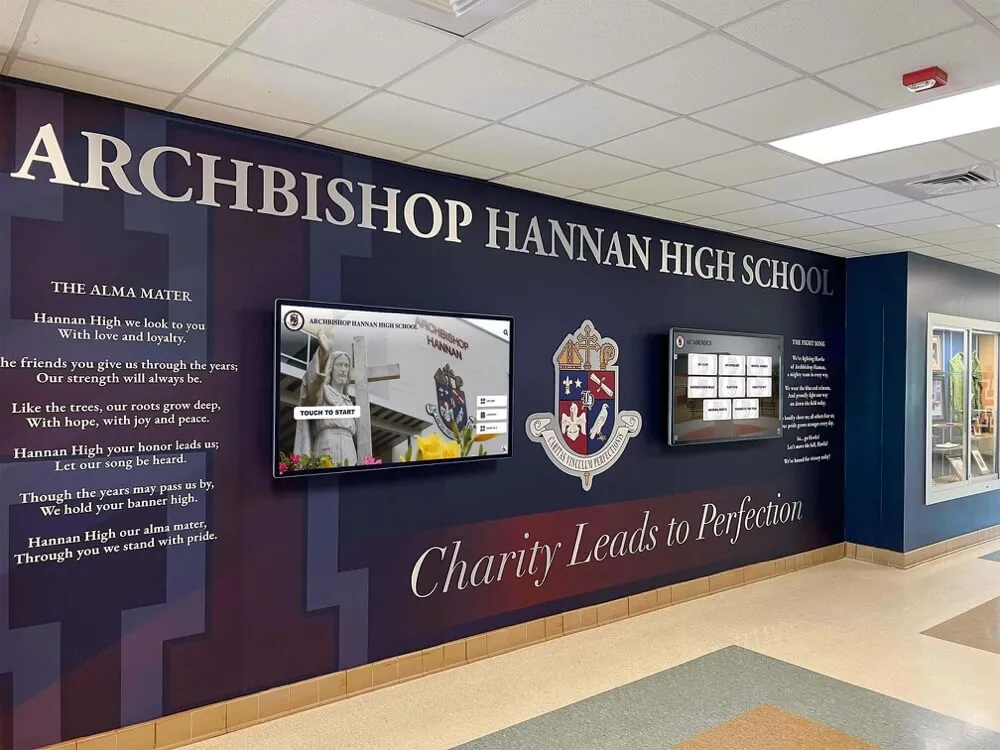
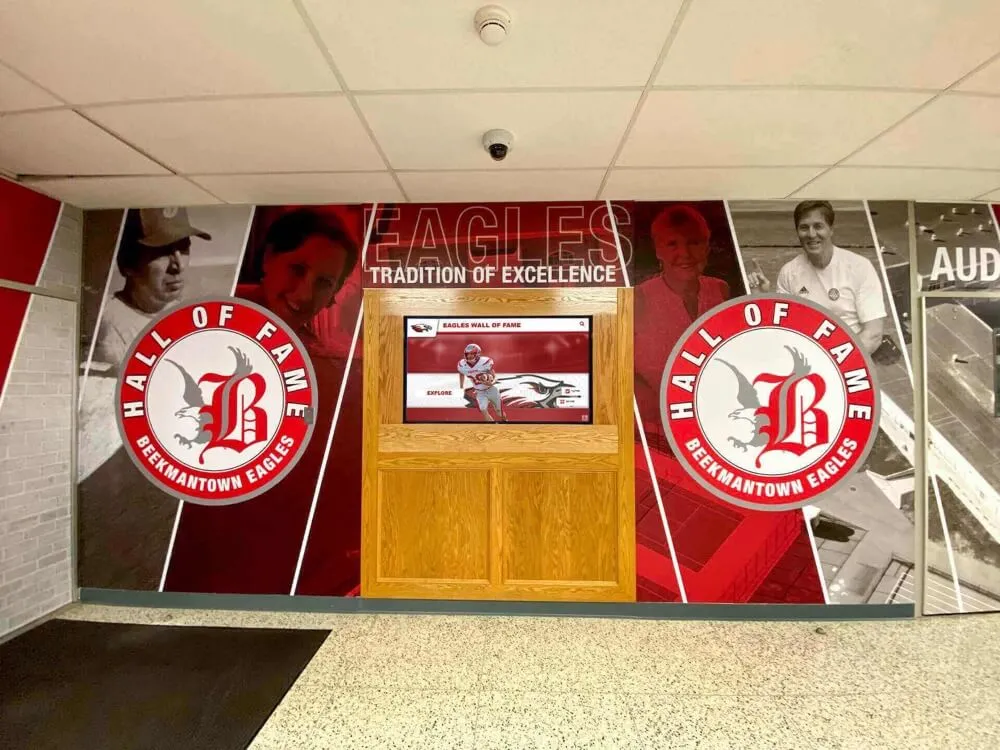
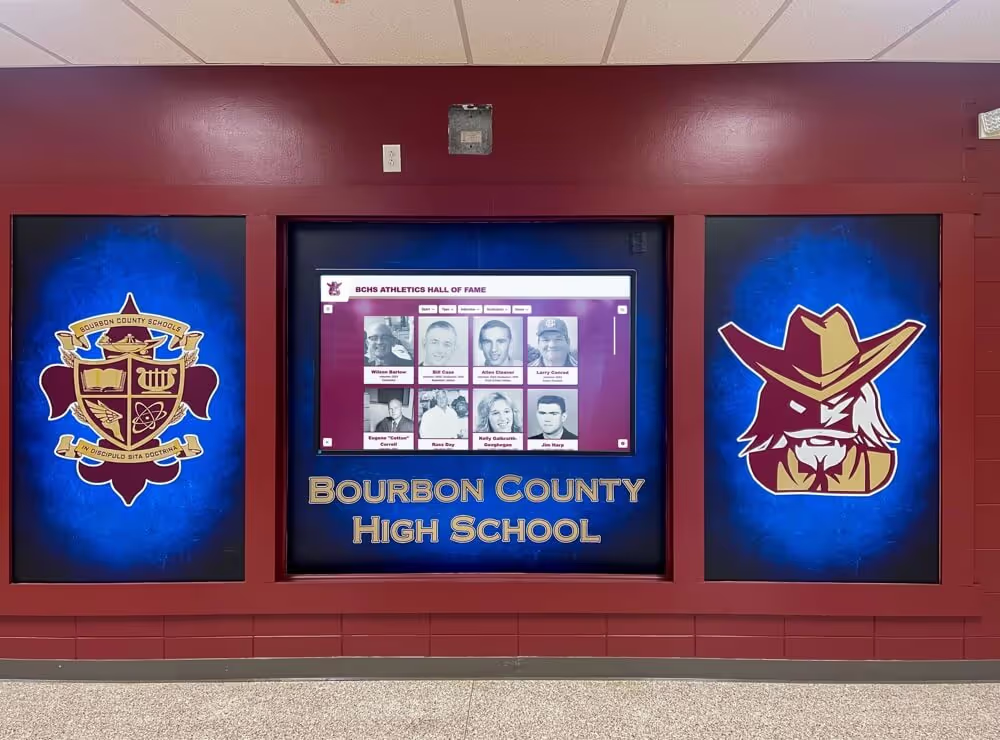
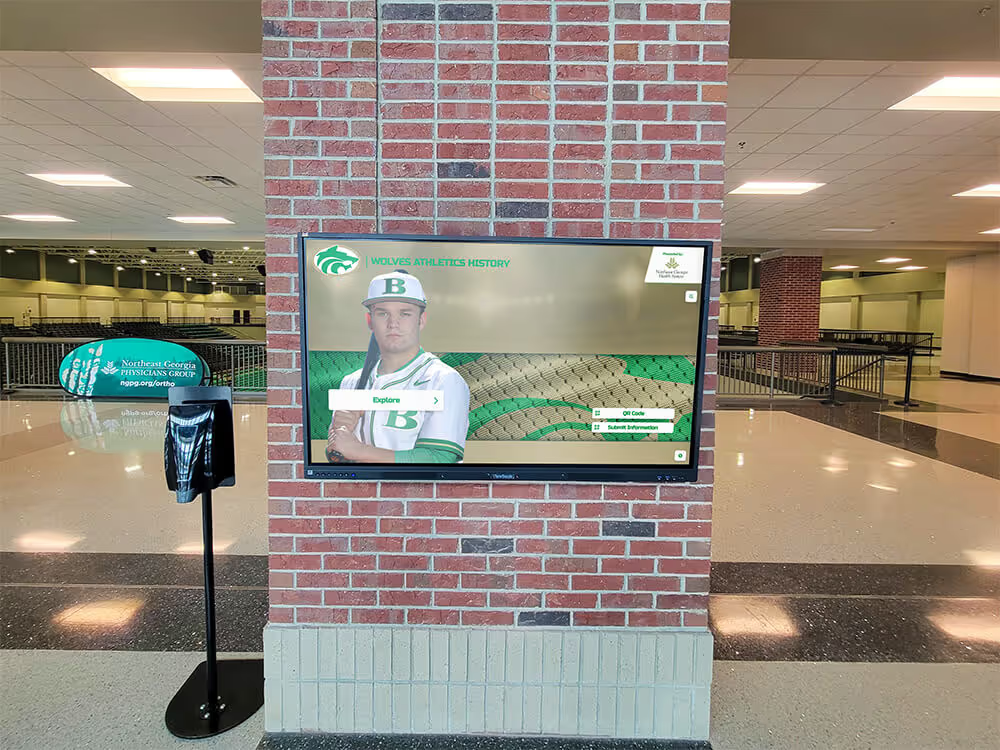
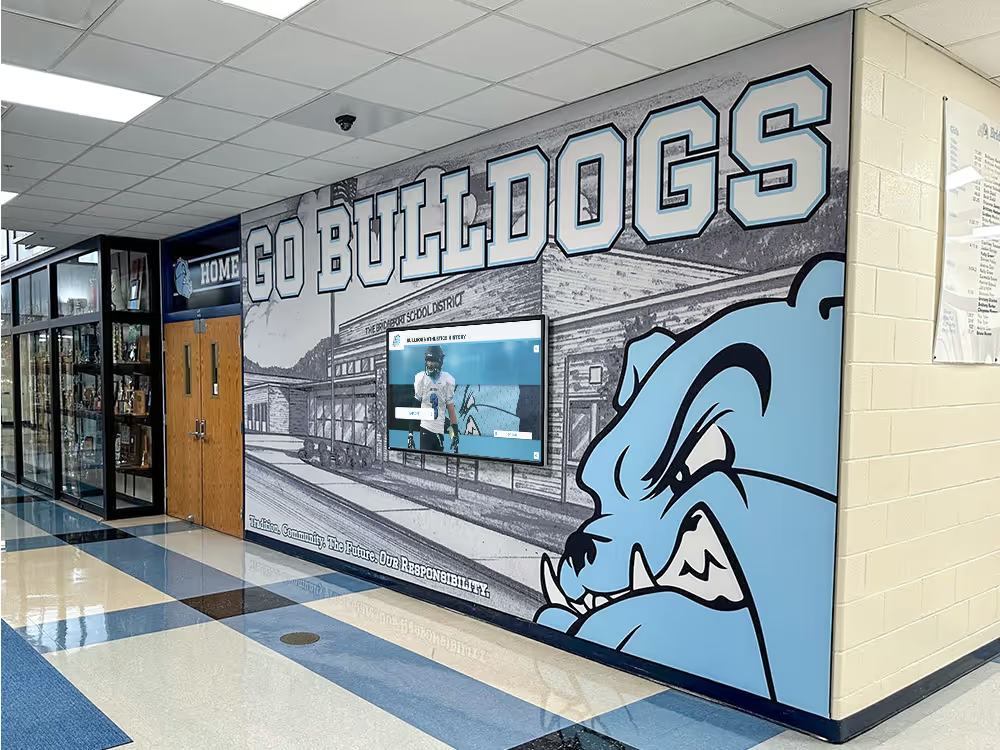
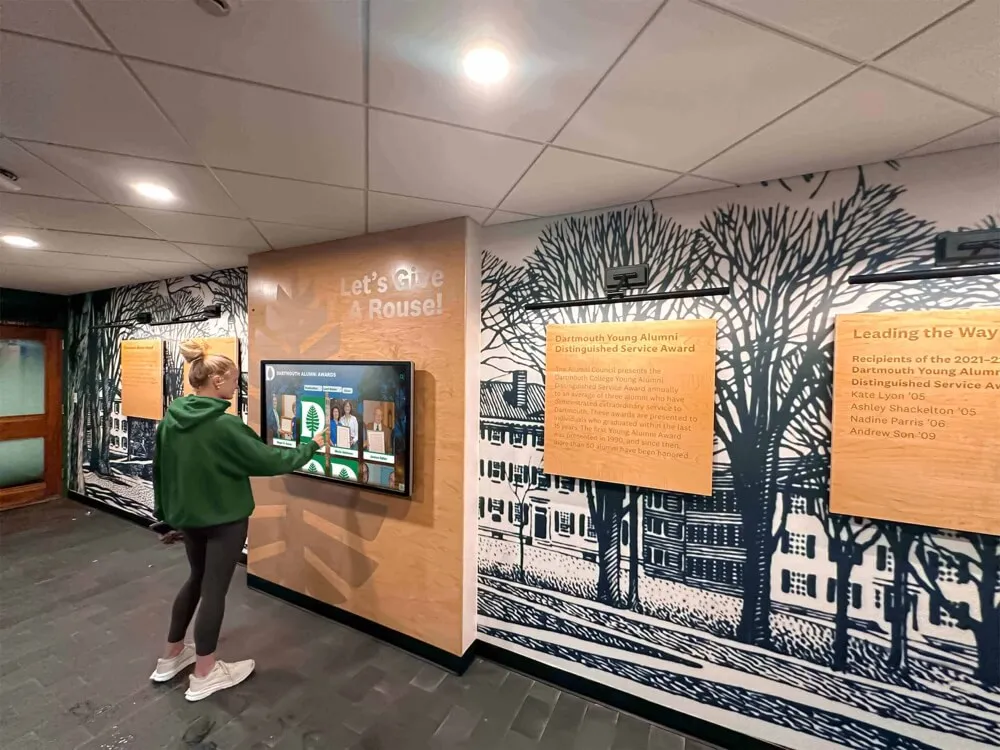
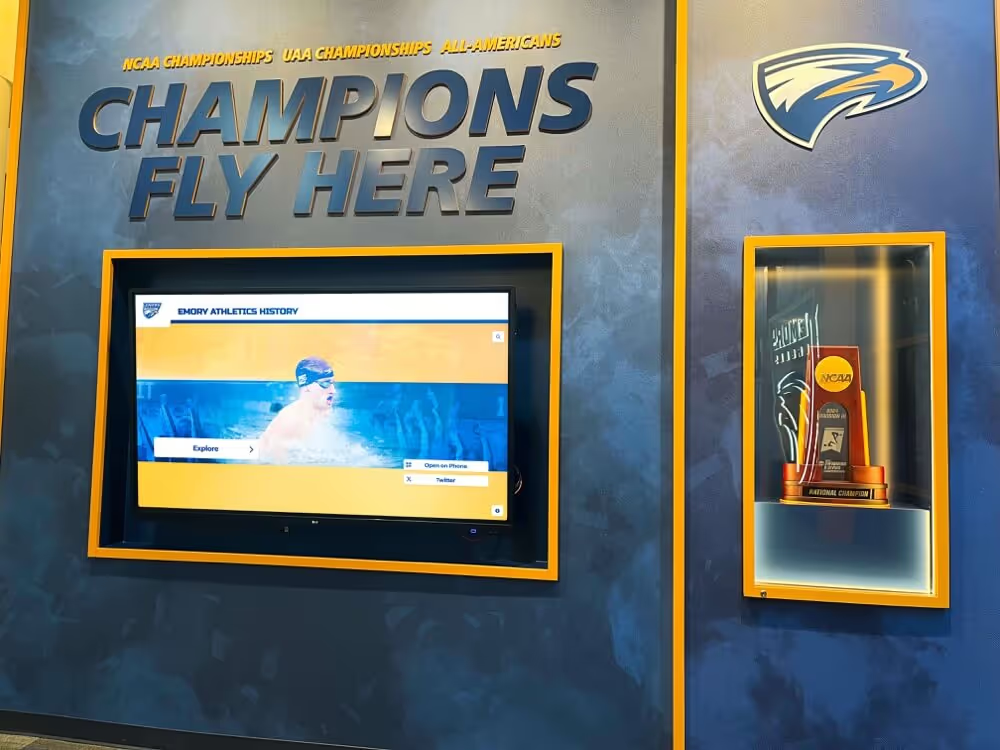
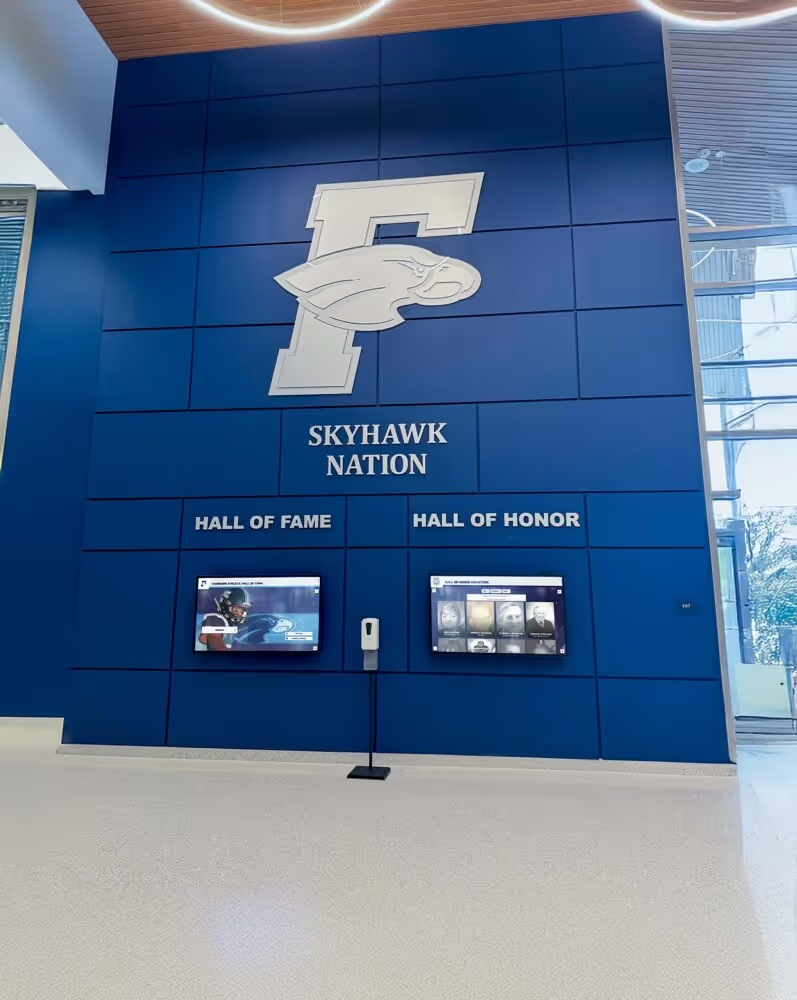
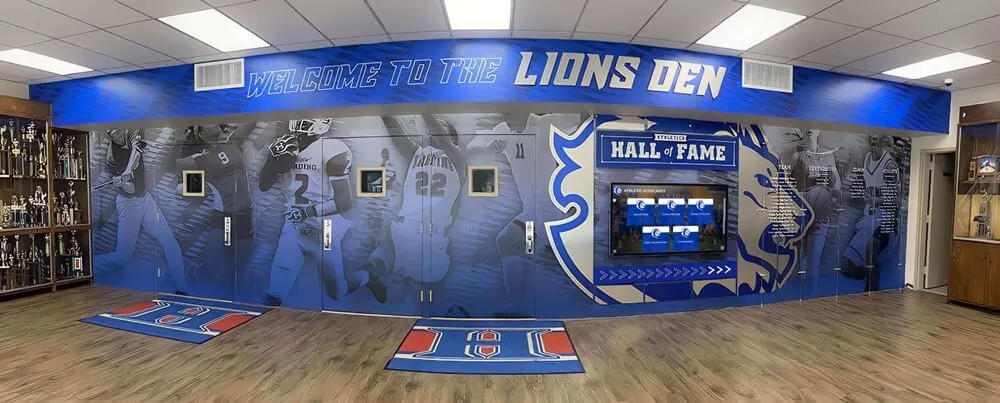
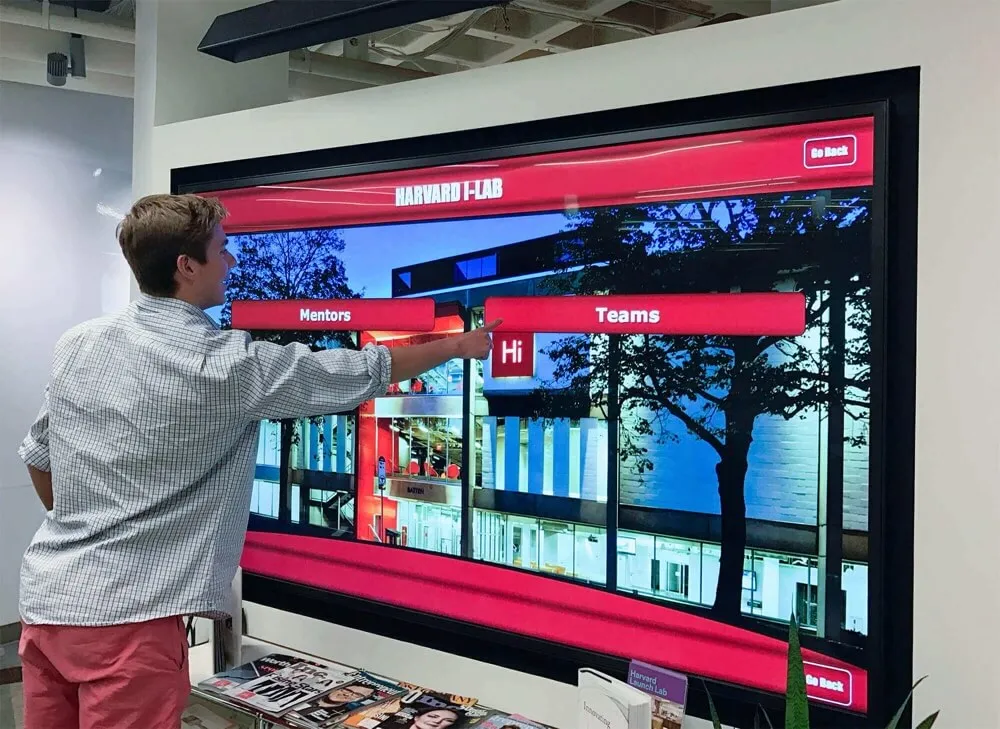
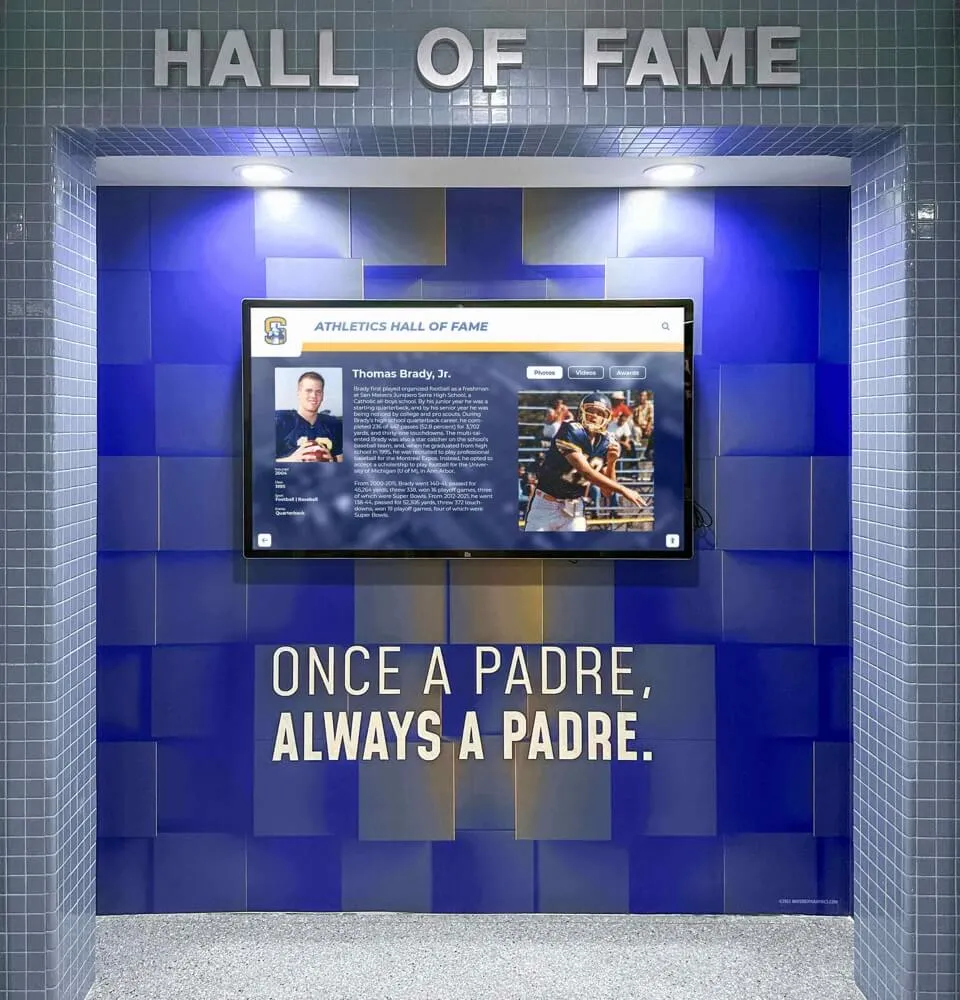
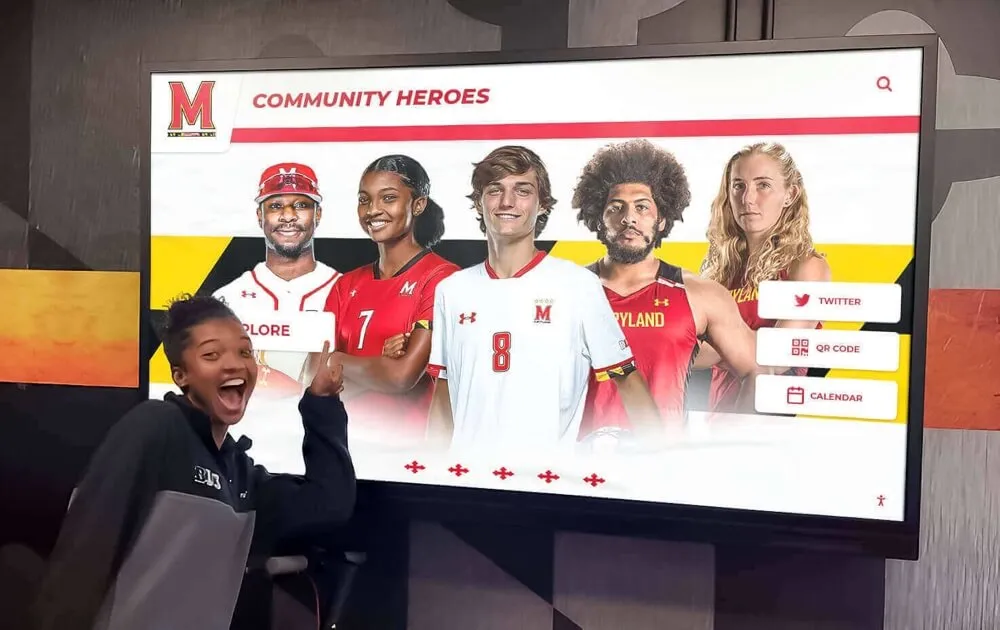
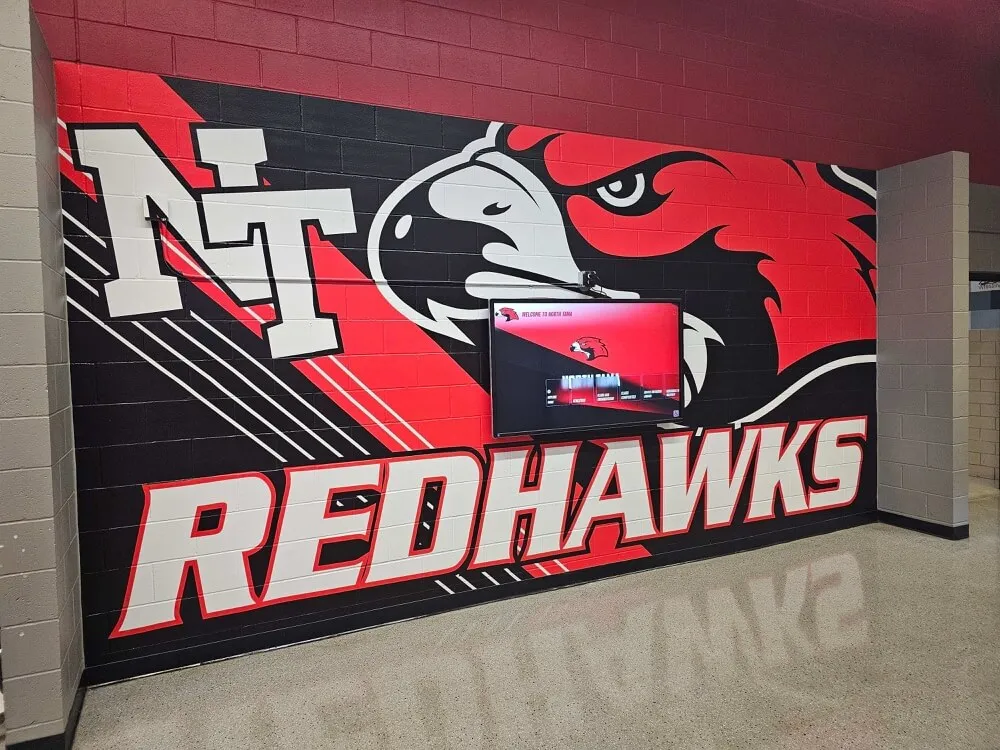
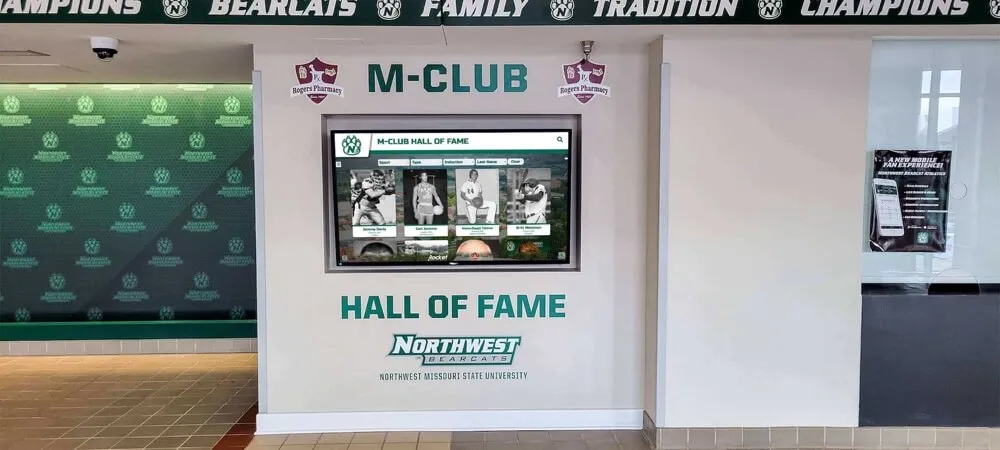
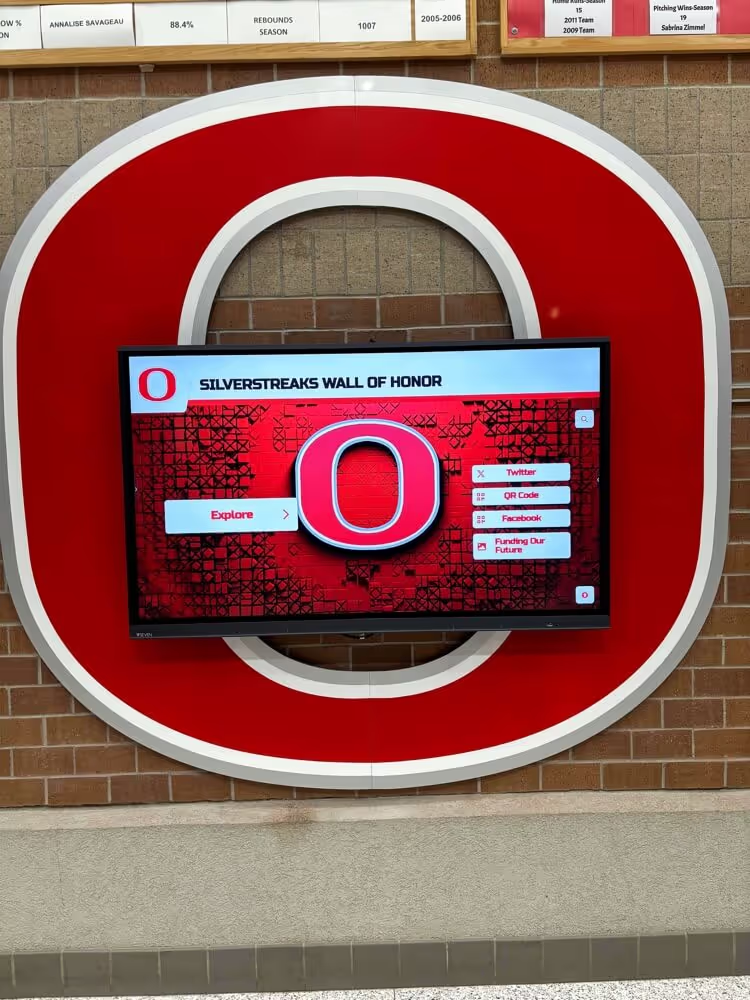
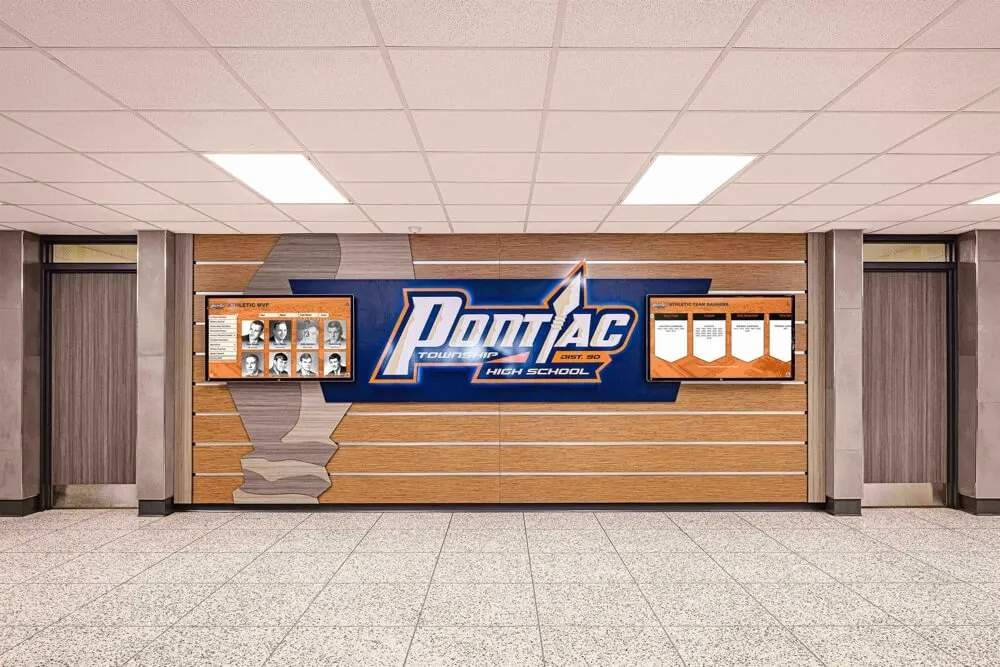
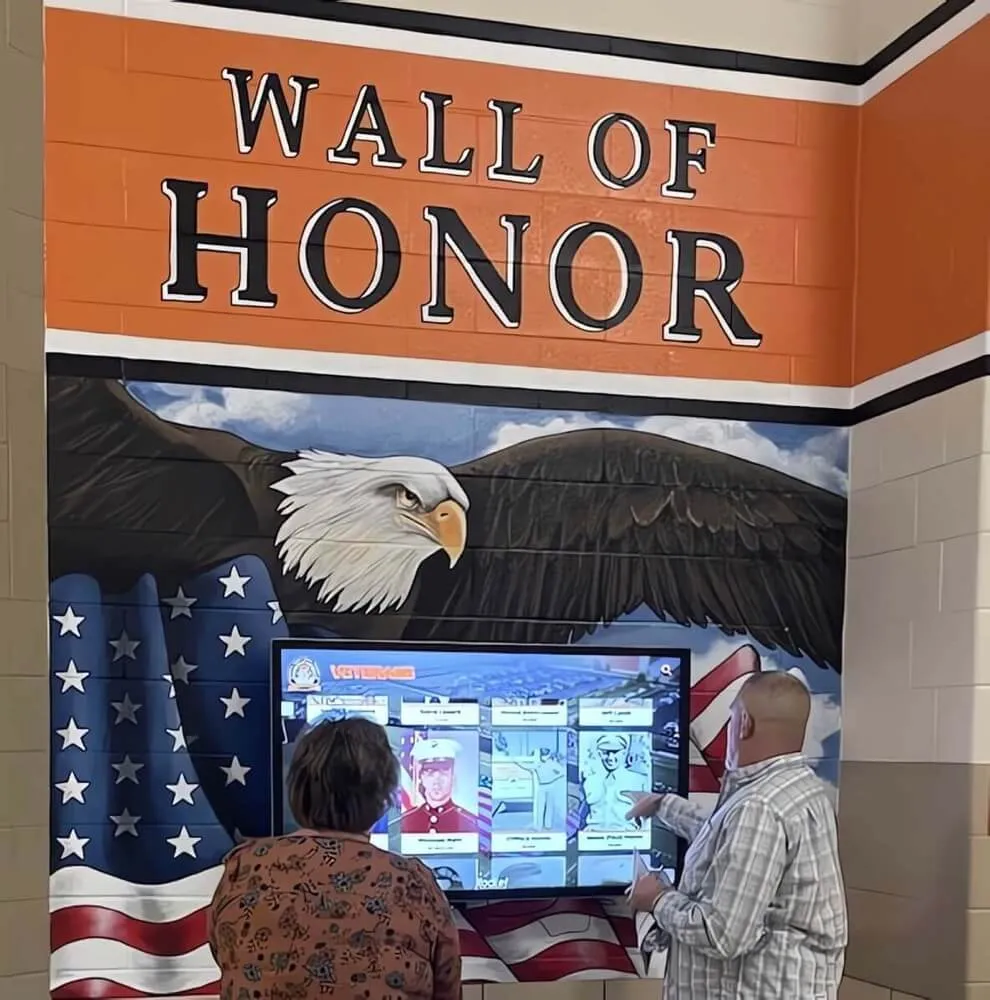
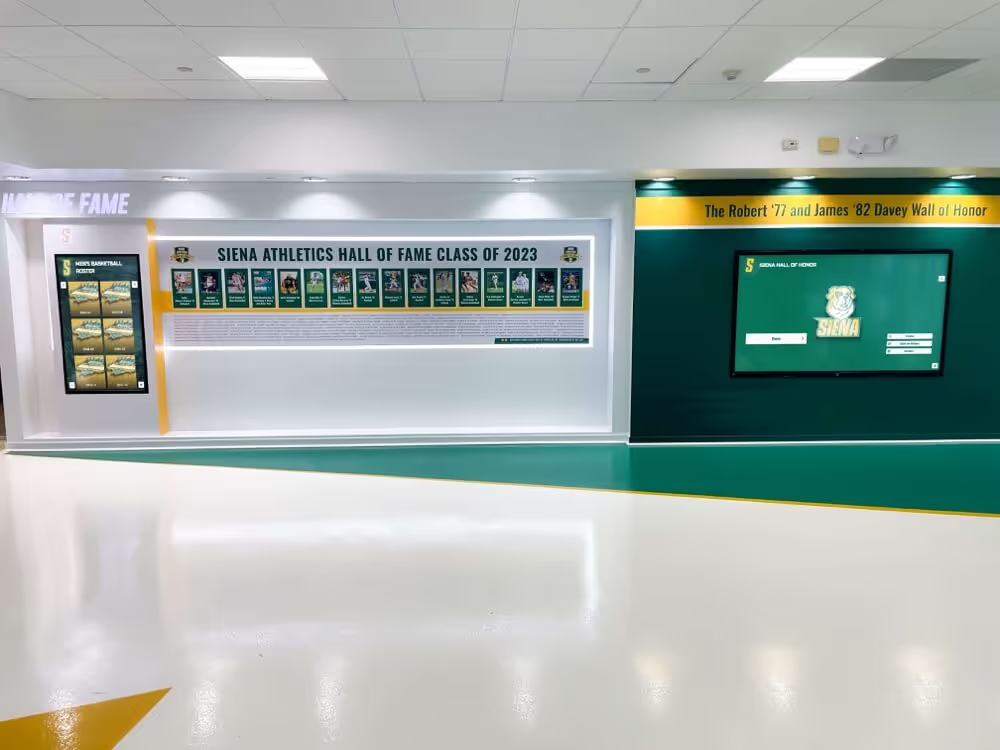
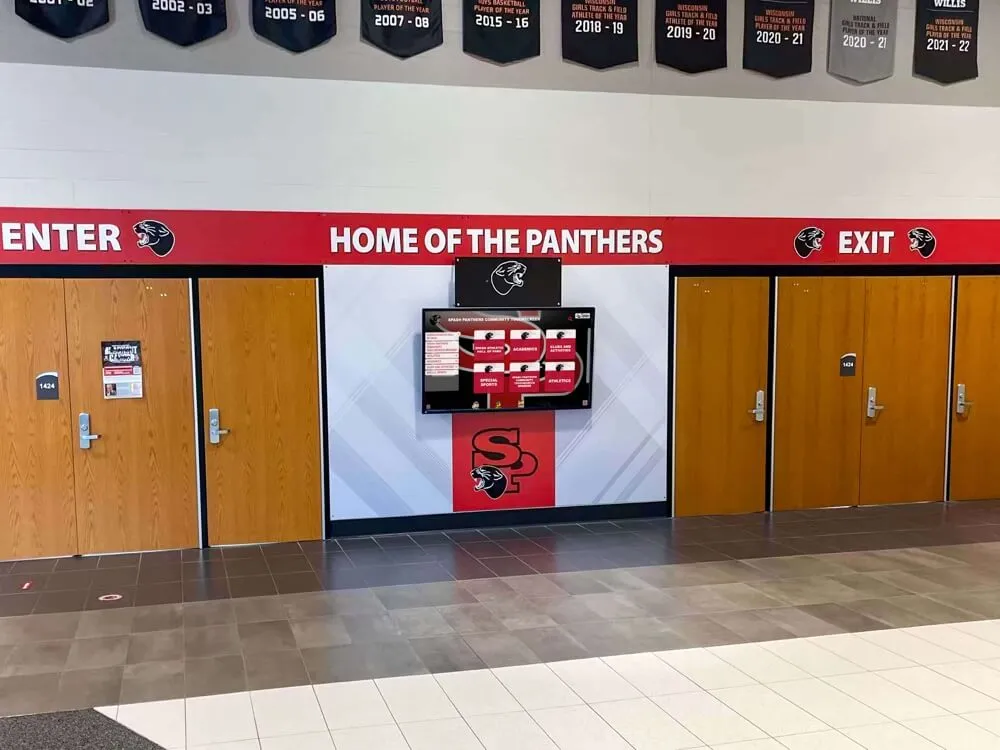
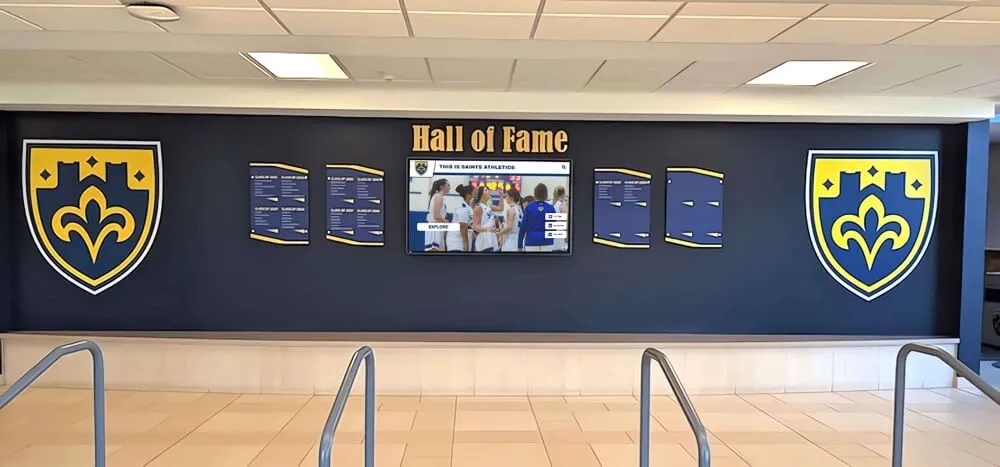
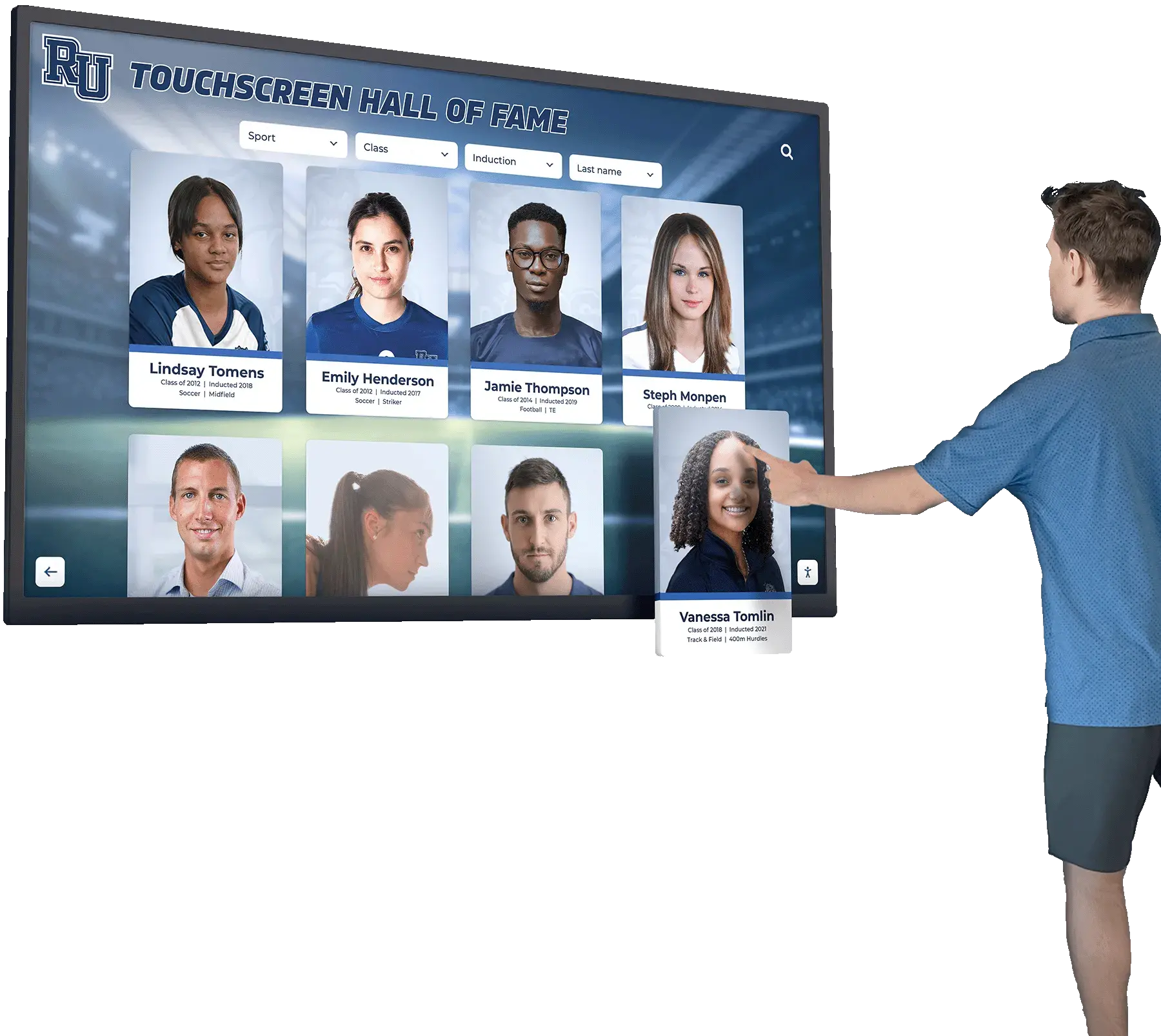
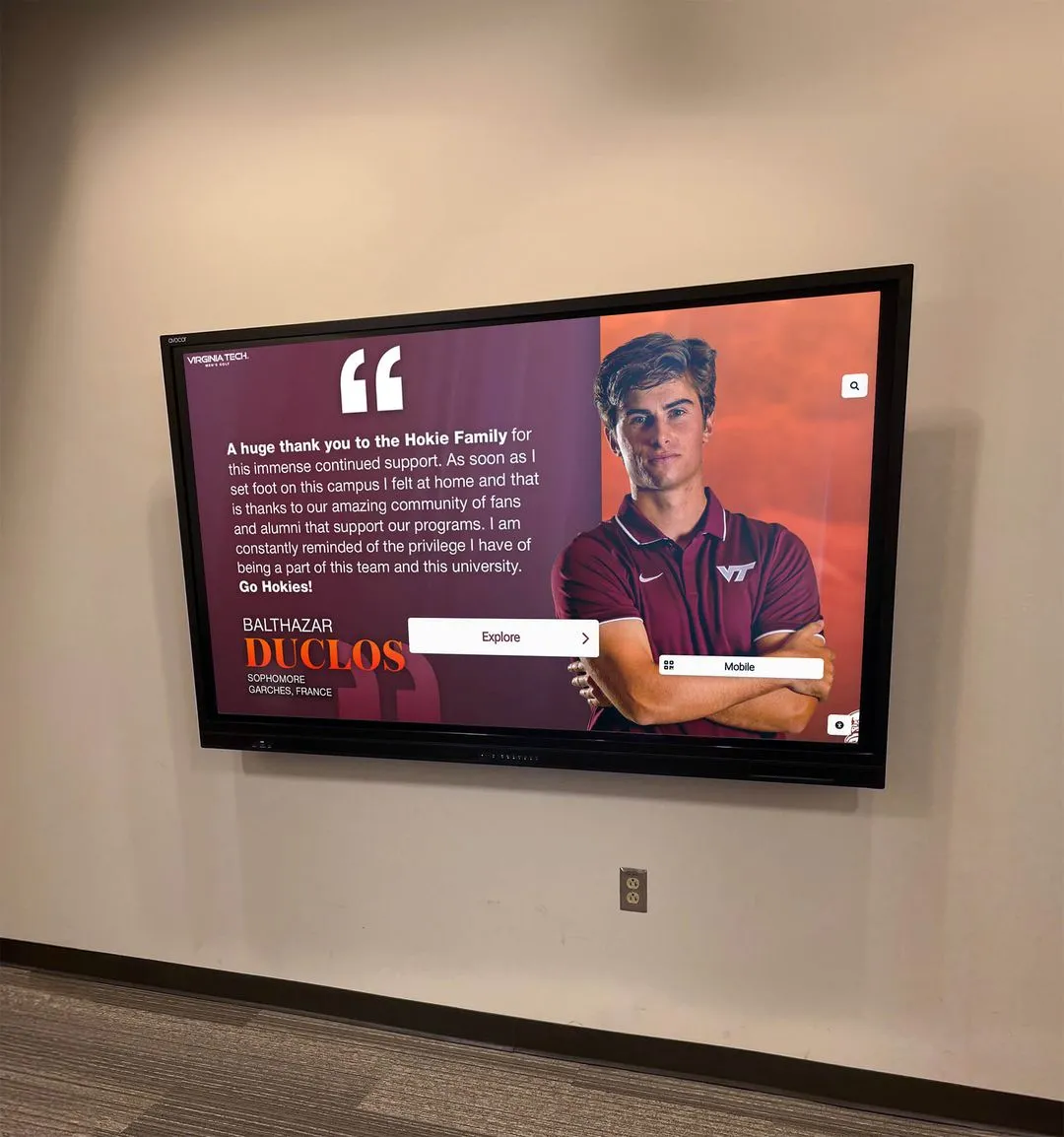
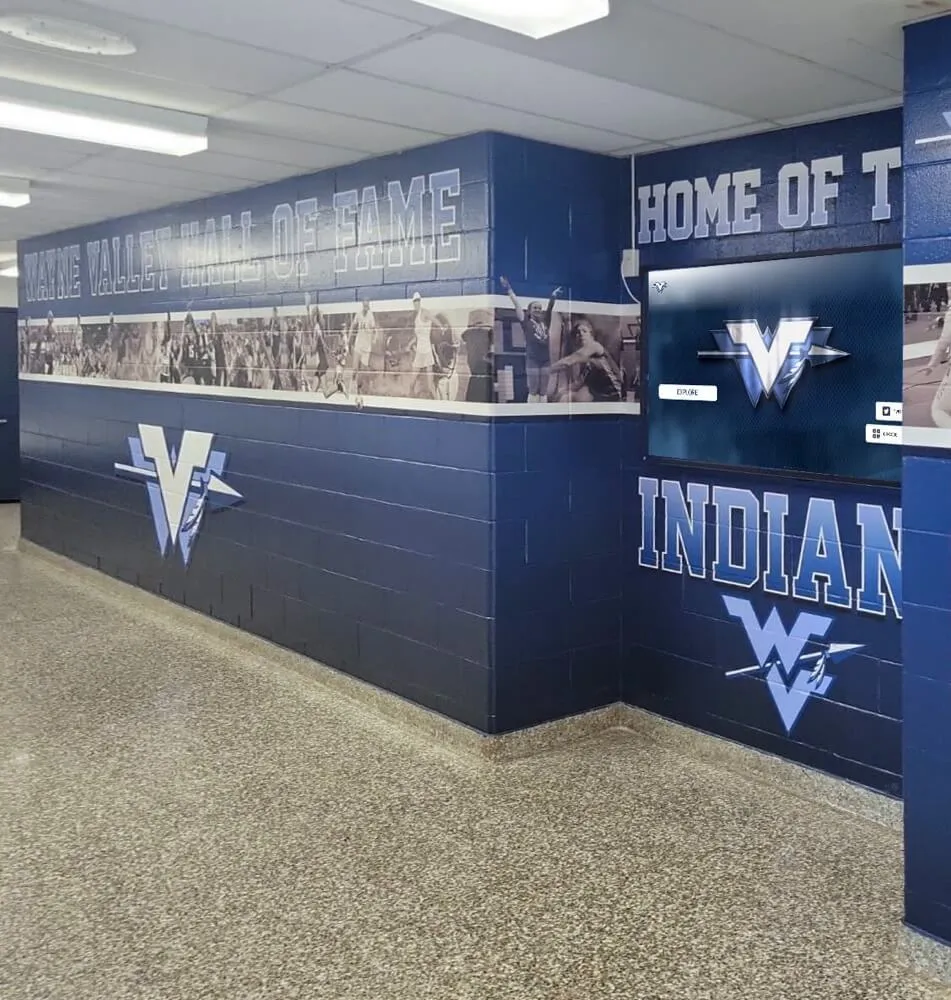
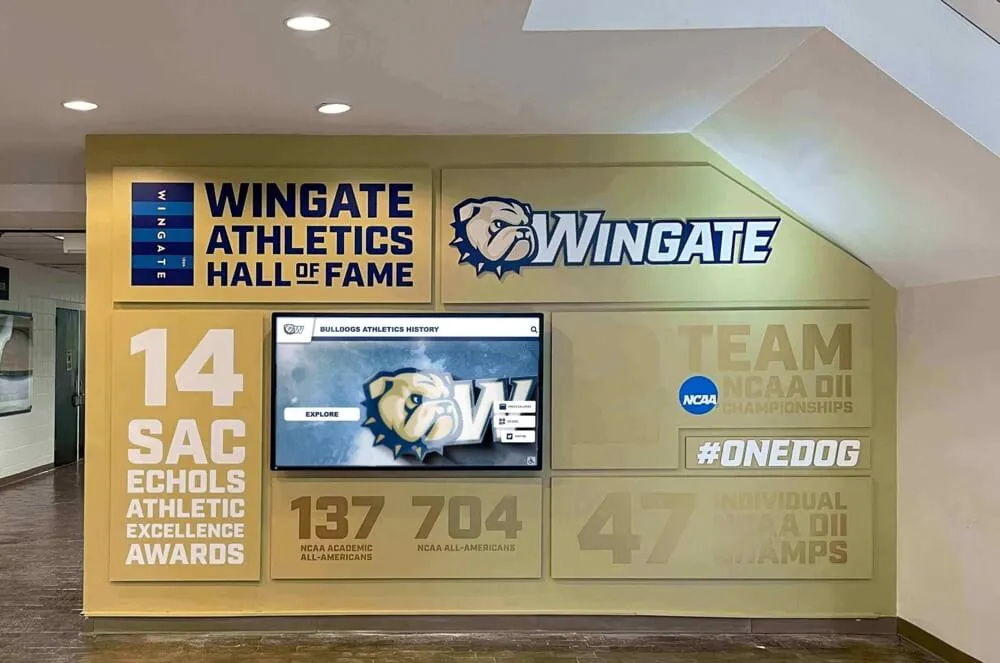
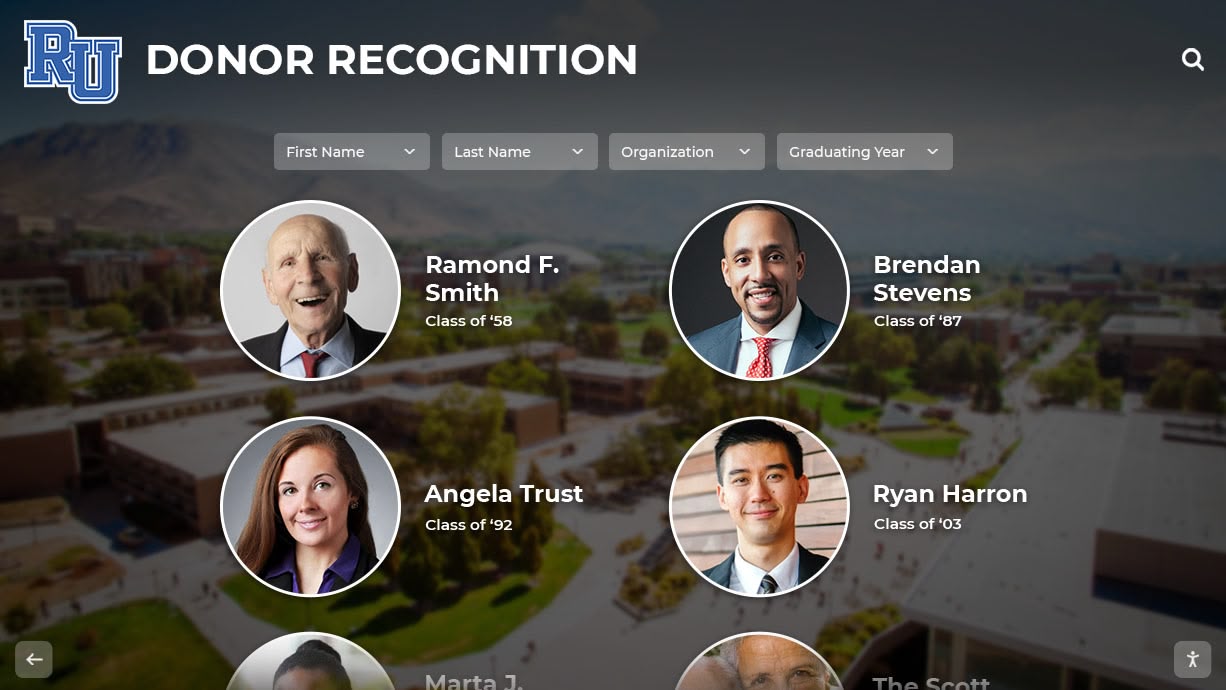
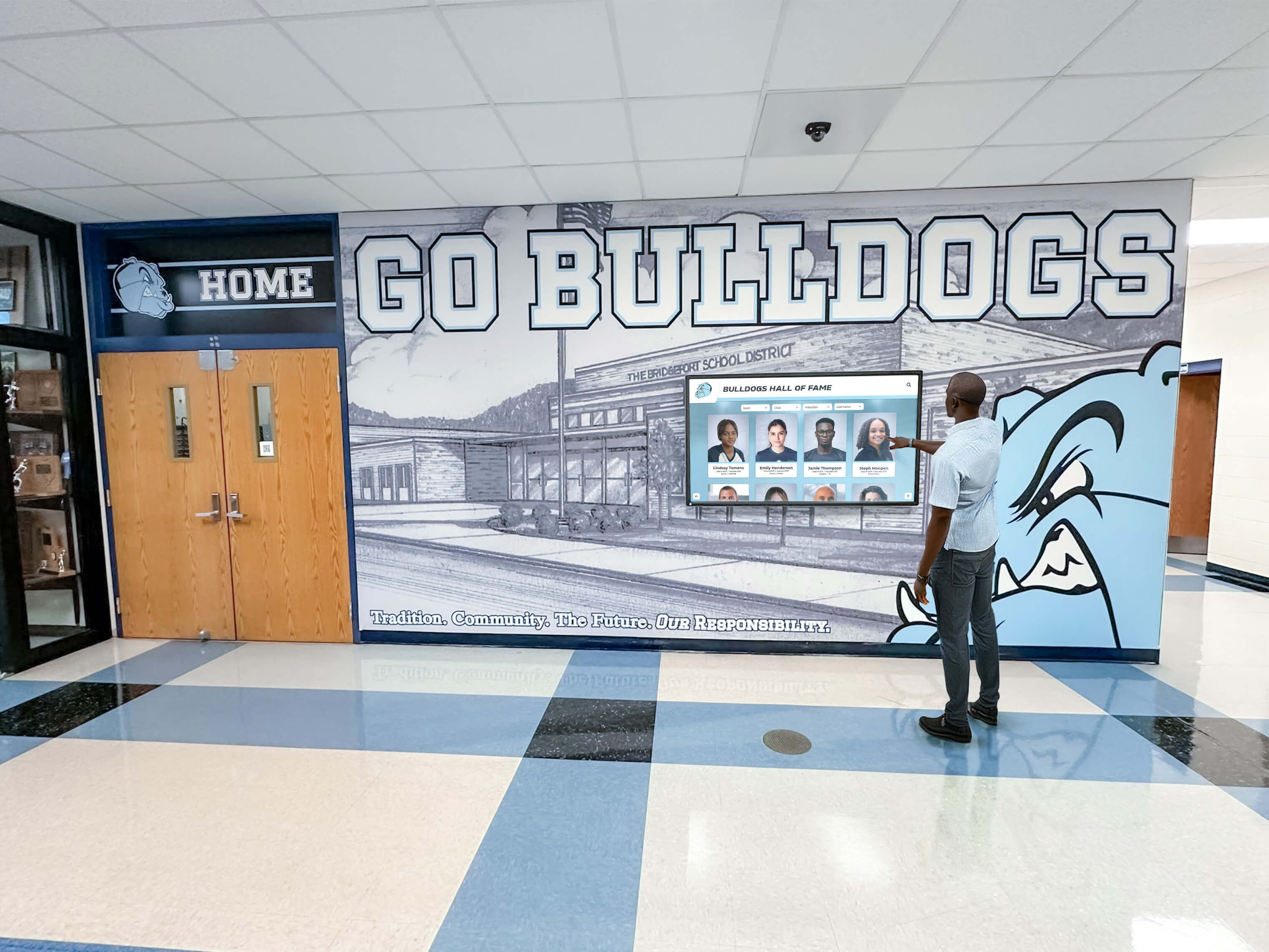
One of the most effective alumni engagement ideas involves creating permanent, visible recognition that celebrates graduate achievements year-round. Interactive digital displays transform traditional recognition approaches by showcasing unlimited alumni profiles in searchable, engaging formats that static plaques simply cannot match.
Modern digital recognition systems installed in prominent campus locations accomplish multiple engagement objectives simultaneously:
Continuous Visibility
Unlike reunion events that occur annually, recognition displays celebrate alumni achievements every single day, creating year-round touchpoints with graduates who visit campus or view content online.
Unlimited Capacity
Digital platforms eliminate the space constraints of physical plaques, enabling universities to recognize hundreds or thousands of alumni without renovation costs or wall space limitations.
Easy Updates
Career progressions, new achievements, and updated information can be added instantly through cloud-based content management, keeping recognition current and relevant.
Student Inspiration
Current students discover potential career paths and see tangible evidence of successful outcomes, strengthening their own connection to institutional values and traditions.
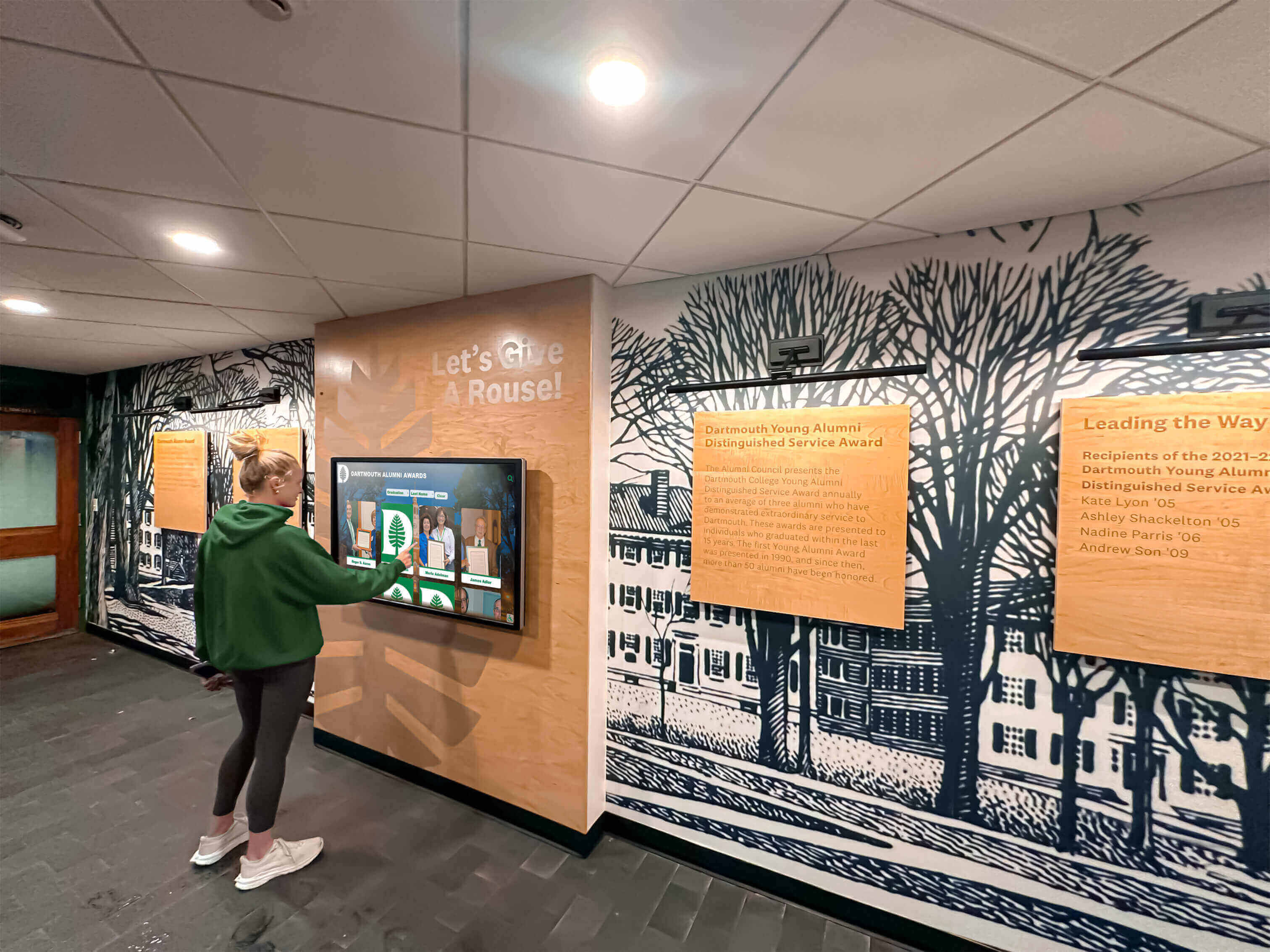
Solutions like Rocket Alumni Solutions provide comprehensive digital recognition platforms specifically designed for educational institutions. These systems combine intuitive touchscreen interfaces with robust content management capabilities, enabling universities to maintain dynamic alumni recognition without requiring specialized technical expertise. The platforms support multimedia content including photos, videos, and detailed career narratives that bring alumni stories to life in ways traditional recognition cannot achieve.
Universities implementing digital recognition report significant engagement improvements. Alumni feel honored by prominent visibility, current students gain career inspiration, campus visitors see evidence of institutional impact, and advancement offices maintain continuously updated recognition that supports fundraising conversations. This multi-stakeholder value makes digital recognition displays one of the highest-return alumni engagement investments institutions can make.
Personalized Communication Strategies
Generic mass emails achieve dismal open rates and minimal engagement. Successful alumni communication requires sophisticated segmentation that delivers relevant, personalized content to specific audience groups based on their characteristics, interests, and engagement history.
Strategic Segmentation Approaches
Demographic Segmentation:
- Graduation decade (tailoring messaging to generational preferences and communication styles)
- Geographic location (promoting regional events and local networking opportunities)
- Degree program and major (sharing discipline-specific content and career resources)
- Career industry (providing relevant professional development and networking)
Behavioral Segmentation:
- Giving history (stewardship messaging for donors, cultivation approaches for prospects)
- Event attendance patterns (promoting similar programming to demonstrated interests)
- Email engagement levels (adjusting frequency and content based on responsiveness)
- Website interaction data (targeting content based on demonstrated information seeking)
Lifecycle Segmentation:
- Recent graduates (career support, entry-level networking, young alumni programming)
- Mid-career professionals (leadership development, advanced networking, parent programs)
- Established leaders (board opportunities, major gift cultivation, legacy programs)
- Retirees (emeritus programming, planned giving, mentorship opportunities)
Modern constituent relationship management systems make this segmentation straightforward. Universities can automate personalized communication at scale while maintaining the authentic, relevant messaging that drives engagement. The key lies in ensuring each communication provides genuine value rather than simply requesting support.
Mentorship Programs: Creating Mutual Value
Alumni mentorship programs represent powerful engagement tools that create win-win scenarios for all participants. Current students receive career guidance and professional connections they desperately need. Alumni mentors stay connected to their alma mater while experiencing the personal satisfaction of helping the next generation succeed. The university facilitates valuable relationships that strengthen its community while demonstrating ongoing commitment to student success.
Structured Matching
Pair mentors and mentees based on compatible career interests, industries, geographic locations, and personality factors using assessment tools and algorithms
Clear Expectations
Define specific time commitments, communication frequencies, and relationship objectives so both parties understand program requirements and outcomes
Training Resources
Provide mentors with guidance on effective mentoring practices, conversation frameworks, and boundary setting to ensure productive relationships
Digital Platforms
Utilize technology enabling virtual mentorship conversations, scheduling coordination, and resource sharing regardless of geographic constraints
Regular Check-ins
Monitor relationship progress through periodic surveys and touchpoints identifying issues early while gathering success stories for program promotion
Public Recognition
Celebrate participating mentors through campus displays, publications, and events acknowledging their contributions and encouraging broader participation
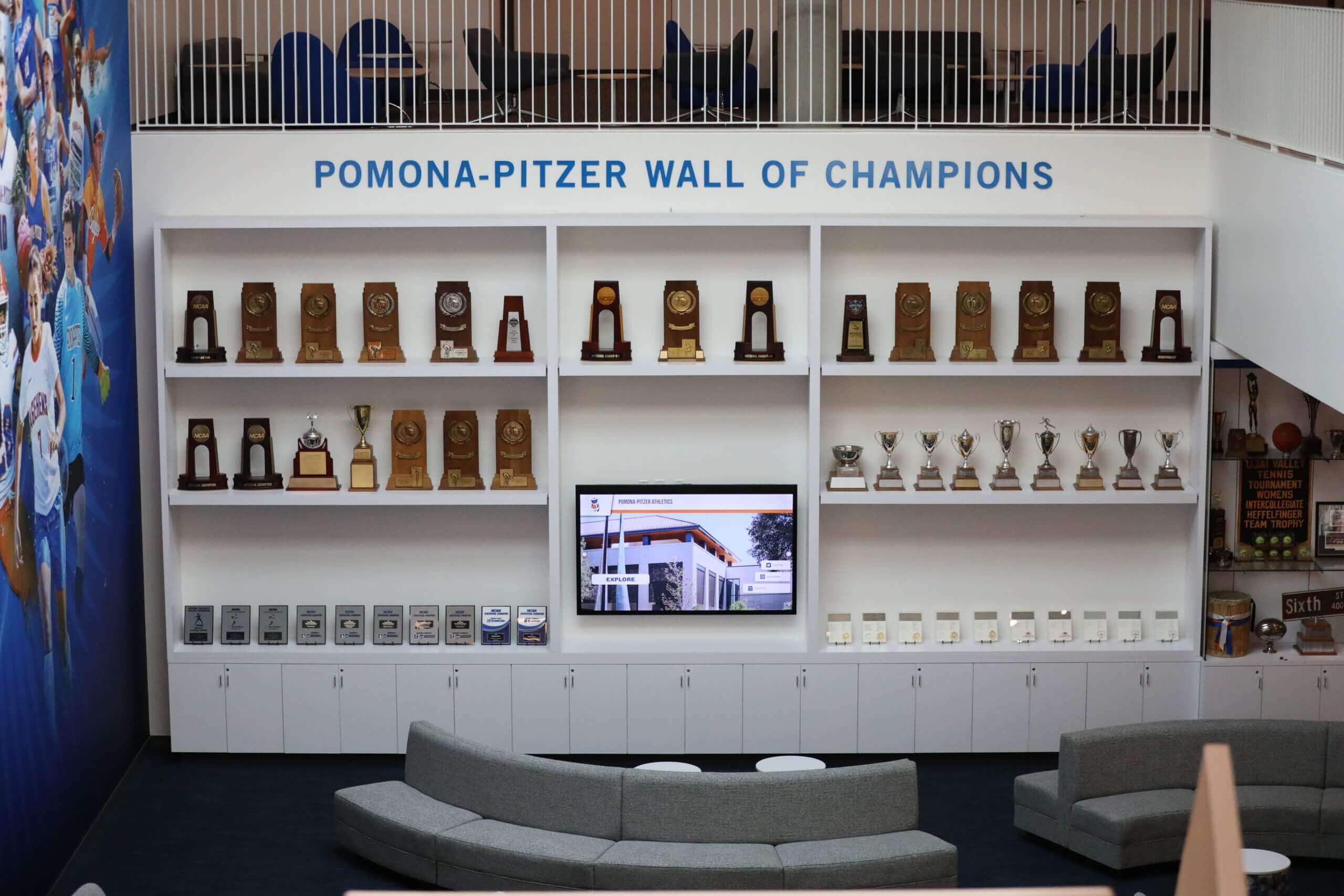
Universities can expand mentorship beyond traditional one-on-one formats. Group mentorship brings multiple alumni together with student cohorts. Speed mentoring enables brief conversations with numerous mentors in single events. Industry panels feature alumni discussing career paths with interested students. Virtual coffee chats connect mentors and mentees for informal 30-minute conversations. Each format serves different purposes while maintaining the core value proposition: authentic connection between experienced professionals and aspiring graduates.
The most successful mentorship programs integrate with broader alumni engagement strategies rather than operating as isolated initiatives. Recognition systems showcase mentor contributions. Event programming brings mentors together for networking and appreciation. Communication strategies highlight mentor impact stories. This integration amplifies program visibility while demonstrating how mentorship fits within comprehensive alumni engagement ecosystems.
Career Services Integration
Alumni remain interested in career development throughout their professional lives, not just during initial job searches. Universities that extend career services to graduates create ongoing value propositions that drive sustained engagement while supporting alumni professional success.
Lifelong Career Support Programming
Professional Development Workshops: Regular sessions on leadership development, communication skills, industry trends, negotiation strategies, and emerging technologies provide concrete skill-building opportunities that alumni actively seek. Virtual delivery eliminates geographic barriers while recorded sessions enable on-demand access accommodating busy professional schedules.
Job Board and Networking Platforms: Exclusive online platforms connecting alumni employers with graduate job seekers create mutual value. Employers gain access to pre-vetted candidates sharing institutional values. Job seekers discover opportunities through trusted networks. Universities facilitate matches that strengthen alumni professional communities.
Industry-Specific Networking Events: Gatherings organized around career sectors—healthcare, technology, education, finance, nonprofit—enable targeted networking among alumni working in similar fields. These events provide higher networking value than general mixers by ensuring relevant professional connections and conversations.
Career Transition Support: Many alumni change careers mid-life, returning to universities for guidance during uncertain transitions. Providing assessment tools, counseling services, and peer networks for career changers demonstrates institutional commitment to lifelong success while engaging alumni during vulnerable moments when support carries particular meaning.
Executive Coaching and Leadership Programs: Senior-level alumni appreciate sophisticated professional development appropriate to executive challenges. Universities with strong business or leadership programs can leverage faculty expertise to create premium programming that engages accomplished graduates while generating revenue supporting broader alumni initiatives.
These career-focused offerings address the fundamental question every alumni engagement program must answer: “What value does maintaining this connection provide to me?” When universities consistently deliver professional benefits, alumni naturally reciprocate through donations, mentorship, and active participation.
Event Programming: Creating Diverse Touchpoints
While digital recognition and online platforms provide continuous engagement infrastructure, in-person and virtual events create memorable experiences that strengthen emotional bonds and facilitate meaningful connections among alumni and between graduates and their institutions.
Traditional Reunion Frameworks
Milestone reunions remain engagement cornerstones, but successful programs have evolved beyond simple class gatherings:
Enhanced Reunion Elements:
- Campus facility tours showcasing improvements since graduation
- Student performance showcases demonstrating program excellence
- Faculty panels discussing research advances and institutional developments
- Volunteer recognition ceremonies honoring class leadership
- Networking sessions facilitating professional connections
- Family-friendly activities enabling spouse and children participation
Virtual Reunion Components:
- Live-streamed keynote addresses accessible to remote alumni
- Virtual campus tours for graduates unable to travel
- Digital memory books collecting reunion photos and stories
- Online giving campaigns coordinated with reunion weekends
- Social media integration amplifying reunion visibility
- Post-event recordings enabling asynchronous participation
Innovative Event Formats
Beyond traditional reunions, creative programming expands engagement opportunities:
Regional Chapter Events: Local gatherings in cities with alumni concentrations enable consistent touchpoints without requiring campus travel. Happy hours, cultural outings, service projects, and professional networking events maintain connections while respecting time constraints and travel limitations.
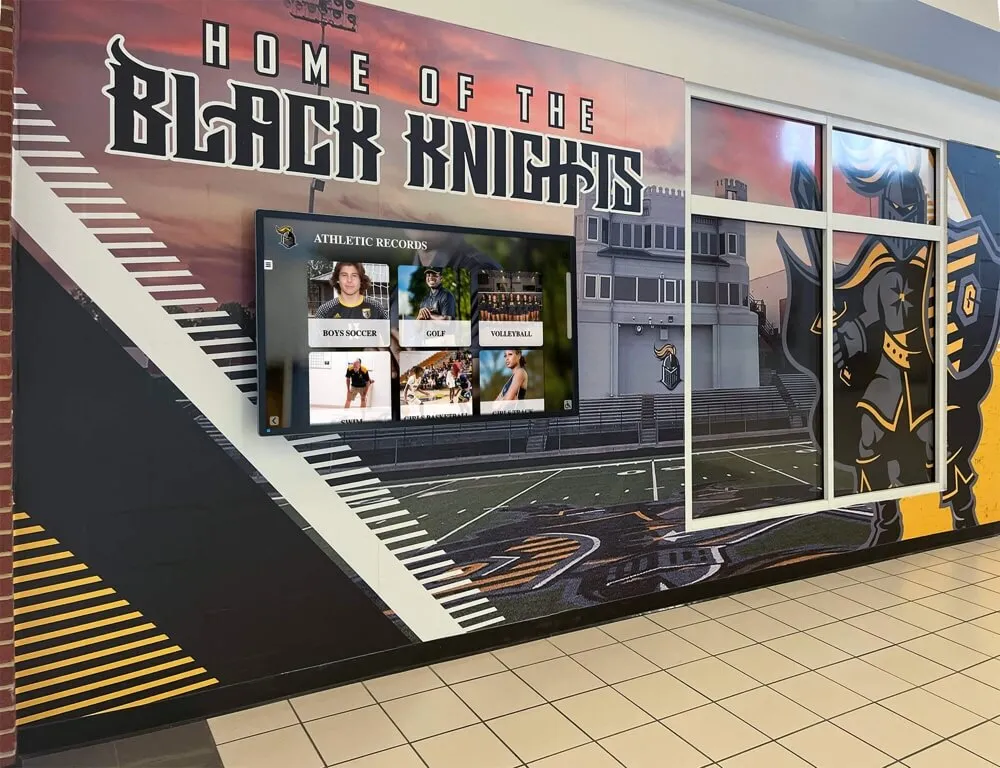
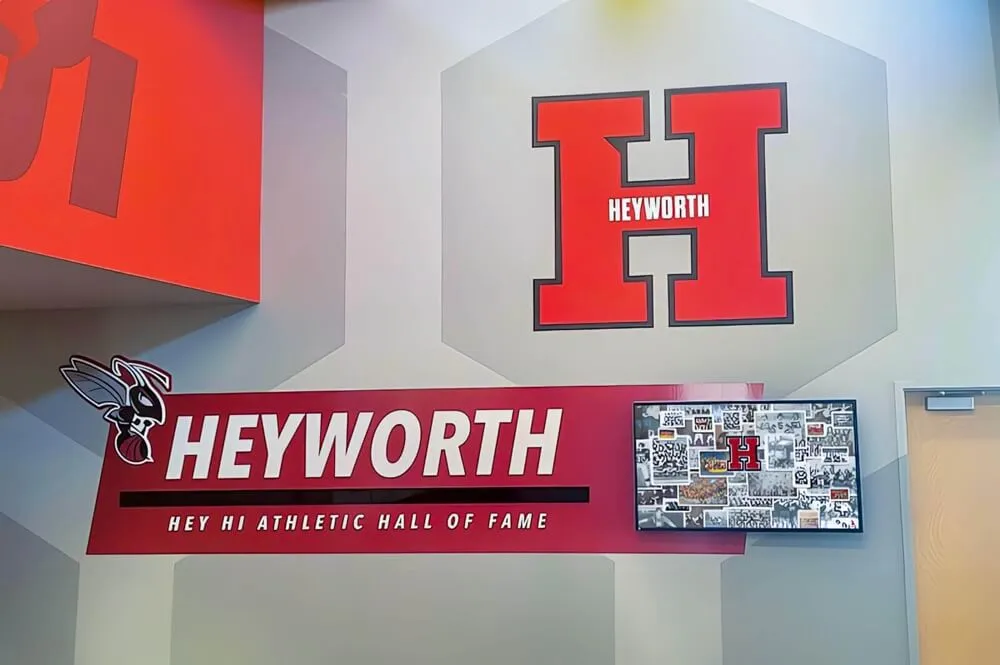
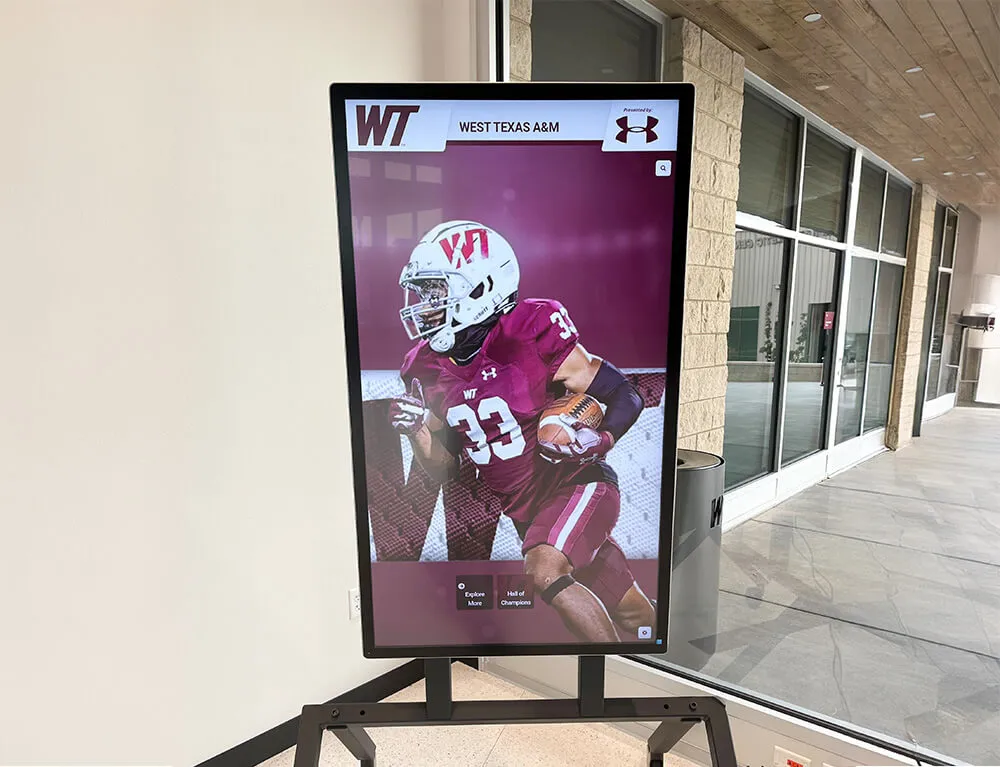
Affinity Group Programming: Events organized around shared interests rather than graduation years—athletics, arts, volunteer service, specific academic programs—create communities based on passion rather than arbitrary date cohorts. These groups often demonstrate stronger engagement than class-year organizations. For athletic alumni, digital displays showcasing sports achievements create year-round touchpoints that complement periodic events.
Family Weekend Programs: Events welcoming alumni families to campus introduce next-generation potential students while celebrating family legacy traditions. These gatherings recognize that alumni lives extend beyond their student experiences, demonstrating institutional interest in their complete family stories. Interactive campus displays help families explore institutional history while showcasing alumni achievements that inspire prospective students.
Virtual Lecture Series: Online presentations by distinguished faculty, accomplished alumni, or external experts provide intellectual engagement accessible regardless of location. Topics spanning academic disciplines, current events, and professional development appeal to diverse alumni interests while positioning the university as an ongoing learning resource.
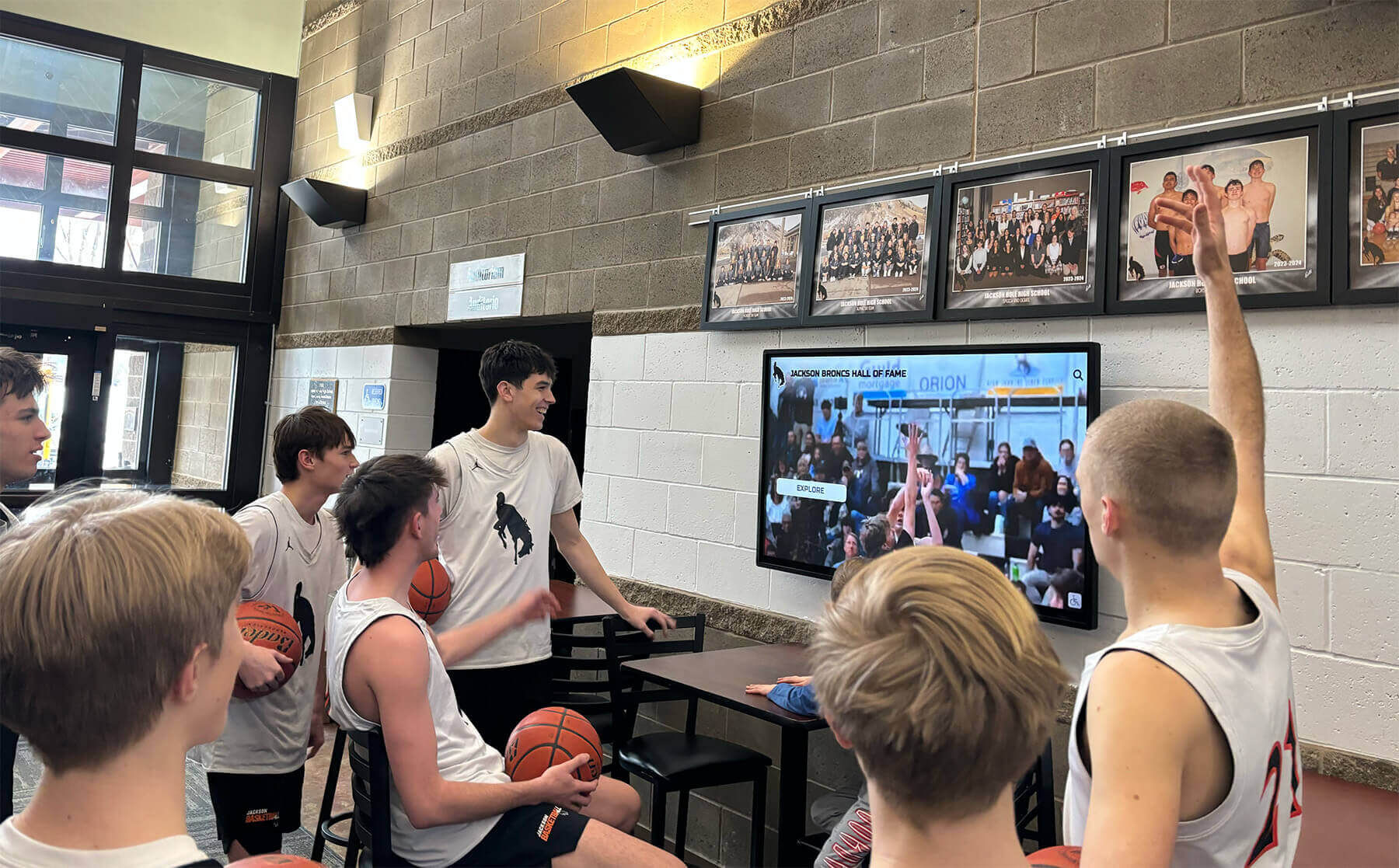
Universities successfully engaging diverse alumni populations offer programming variety ensuring multiple opportunities for participation. No single event format appeals to all graduates—career stage, geographic location, family status, interests, and available time all influence participation preferences. Comprehensive calendars providing diverse options throughout the year maximize the likelihood that each alumnus finds at least some programming personally valuable.
Social Media and Digital Community Building
Social media platforms provide free, immediate channels for alumni engagement when used strategically rather than simply broadcasting institutional news. The most effective social media approaches prioritize community building, authentic conversation, and value delivery over promotional messaging.
Platform-Specific Strategies
LinkedIn Groups and Content: Professional networking platform LinkedIn serves career-focused alumni seeking industry connections, job opportunities, and business development. Universities should maintain active LinkedIn presence through alumni groups facilitating professional networking, company pages sharing institutional news and faculty expertise, sponsored content reaching alumni with targeted messaging, and employee advocacy encouraging staff to amplify university content.
Facebook Community Management: Facebook remains valuable for social connection, particularly among older alumni demographics. Active Facebook groups enable peer-to-peer interaction, event promotion, nostalgic content sharing, and community conversation. Universities should facilitate discussions, celebrate milestones, share campus updates, and respond authentically to questions and comments rather than simply pushing promotional content.
Instagram Visual Storytelling: Instagram’s visual focus works well for showcasing campus beauty, student experiences, and alumni achievements through compelling imagery. Strategies include alumni takeover days where graduates share their daily lives, behind-the-scenes campus content creating insider access feelings, user-generated content reposting alumni photos, and stories providing ephemeral updates maintaining top-of-mind awareness.
Emerging Platform Experimentation: Younger alumni increasingly engage through newer platforms. Universities should experiment with TikTok short-form video, Discord community servers, Threads text-based conversation, and whatever platforms emerge next. Early adoption positions institutions as innovative while reaching graduates where they naturally spend time.
The key to social media success lies in two-way engagement rather than one-way broadcasting. Responding to comments, asking questions, facilitating conversations among alumni, and celebrating community member achievements creates authentic connection that generic promotional posting cannot achieve.
Volunteer Opportunities: Activating Alumni Time and Talent
Not all alumni can contribute financially, but many possess time, expertise, and enthusiasm they willingly share when universities provide meaningful volunteer opportunities with clear value propositions and manageable commitments.
Diverse Volunteer Pathways
Admissions Support:
- Prospective student interviews in geographic regions
- Information sessions for admitted students
- Campus tour guide participation
- Student recruitment event staffing
- Accepted student phone call campaigns
Career Development:
- Mock interview facilitation
- Resume review services
- Industry panel participation
- Job shadowing host opportunities
- Informational interview availability
Fundraising Assistance:
- Peer-to-peer giving campaign leadership
- Class reunion fundraising coordination
- Phonathon participation
- Major gift prospect identification
- Planned giving advocacy
Event Leadership:
- Regional chapter coordination
- Reunion planning committee participation
- Event host opportunities
- Speaker series organization
- Social programming development
Successful volunteer programs share common characteristics: clear role definitions specifying time commitments and expectations, adequate staff support providing resources and answering questions, meaningful work offering genuine value rather than make-work activities, public recognition thanking volunteers through interactive displays and digital platforms, and community building connecting volunteers with each other, not just with the institution.
Universities implementing comprehensive recognition programs can showcase volunteer contributions alongside career achievements, demonstrating that institutions value service equally with professional success. This visible appreciation motivates sustained participation while inspiring others to contribute their time and expertise.
Data-Driven Optimization and Continuous Improvement
Effective alumni engagement requires measuring what works, analyzing why certain approaches succeed while others fail, and continuously optimizing strategies based on evidence rather than assumptions.
Key Engagement Metrics
Participation Indicators:
- Active email addresses and contact information accuracy
- Email open rates and click-through rates by segment
- Event registration and attendance numbers
- Website login frequency and page views
- Social media engagement rates
- Volunteer participation statistics
Giving Metrics:
- Alumni giving participation rate
- Average gift size by graduation cohort
- Donor retention and lapse rates
- Major gift pipeline quality
- Planned giving commitment levels
- Total dollars raised from alumni sources
Connection Metrics:
- Directory profile completion rates
- Mentorship program participation
- Career services engagement levels
- Student-alumni interaction frequency
- Referral rates for admissions
- Alumni survey satisfaction scores
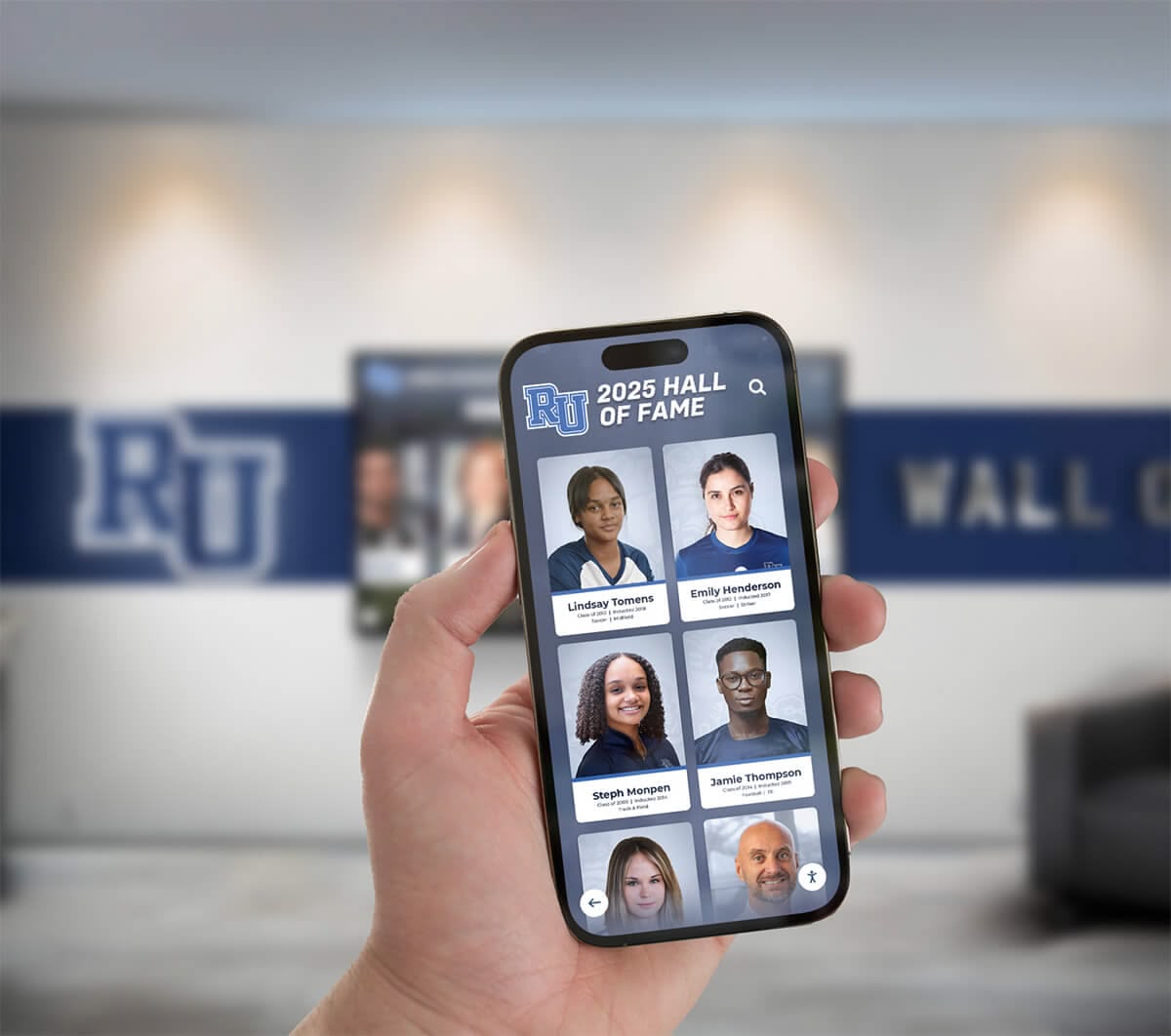
Regular analysis of these metrics reveals patterns guiding strategic decisions. Which email subject lines generate highest open rates? What event formats drive strongest attendance? Which communication channels reach younger versus older alumni most effectively? What recognition approaches correlate with increased giving? Data answers these questions, enabling evidence-based resource allocation and program refinement.
The most sophisticated universities conduct A/B testing on communication approaches, survey alumni regularly about preferences and satisfaction, track engagement across multiple touchpoints creating comprehensive profiles, share metrics with campus leadership demonstrating program value, and use insights to justify continued investment in alumni engagement infrastructure.
Creating Accessible, Inclusive Alumni Communities
Effective engagement strategies must recognize and accommodate alumni diversity across multiple dimensions—age, geographic location, socioeconomic status, career achievement, family circumstances, cultural background, and personal interests all influence how graduates prefer to engage with their institutions.
Removing Engagement Barriers
Financial Accessibility: Many alumni face budget constraints limiting their ability to attend ticketed events, travel to campus, or make financial contributions. Free or low-cost programming options ensure that engagement opportunities exist for all graduates regardless of current financial circumstances. Virtual event alternatives eliminate travel costs while enabling participation from anywhere. Sliding-scale pricing or need-based scholarships for premium programs prevent exclusion based on ability to pay.
Geographic Inclusion: Alumni living far from campus require engagement options beyond in-person campus visits. Regional chapter programming brings university presence to alumni locations. Virtual events enable participation regardless of geographic distance. Online communities facilitate connection without travel requirements. Universities with truly global alumni networks must consider time zone challenges when scheduling live programming while offering recorded content for asynchronous access.
Career Stage Relevance: Recent graduates need different engagement opportunities than mid-career professionals or retirees. Young alumni programming emphasizes career development, affordable social activities, and peer networking. Mid-career offerings focus on leadership development, executive networking, and family programming. Retired alumni appreciate intellectual stimulation, volunteer opportunities, and legacy program participation. Comprehensive engagement calendars include programming relevant to each career and life stage.
Cultural Competency: Universities serving diverse student bodies must ensure alumni programming reflects and celebrates this diversity through inclusive language and imagery, culturally relevant programming, diverse leadership representation, religious and cultural observance respect, and multilingual communications when appropriate. Alumni should see themselves reflected in institutional engagement approaches rather than feeling like afterthoughts or token representatives.
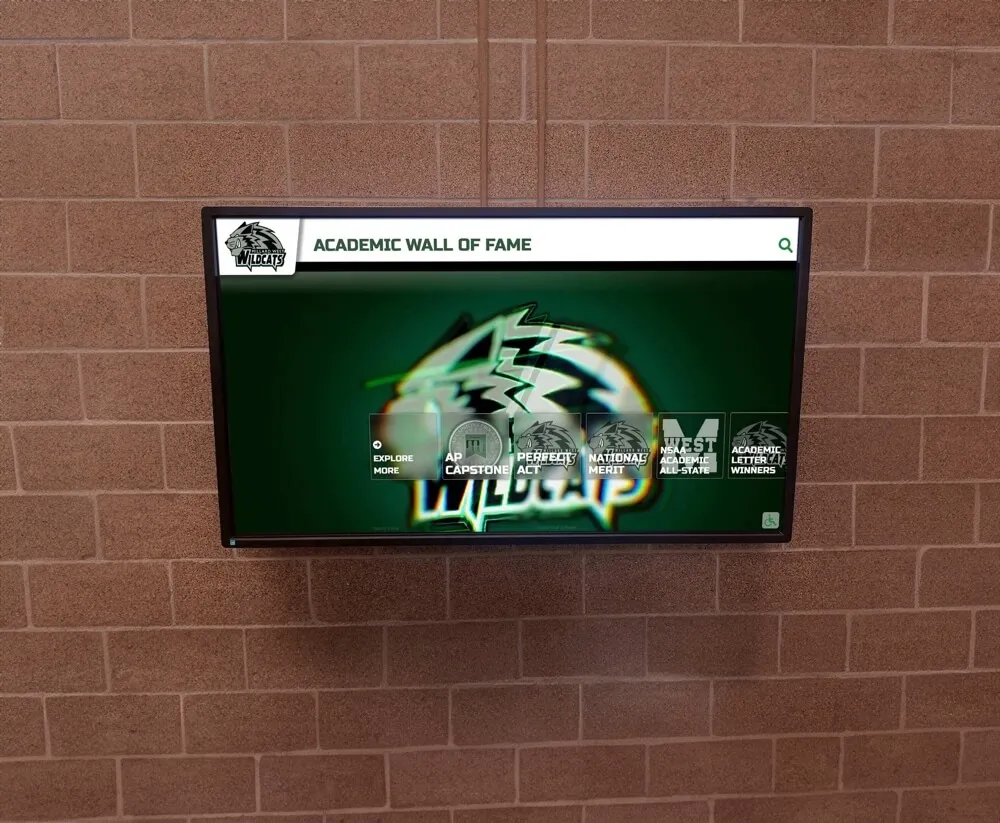
Universities developing inclusive digital displays demonstrate commitment to accessibility by ensuring recognition platforms meet WCAG standards, accommodate diverse abilities, and celebrate varied forms of achievement beyond traditional career success metrics. This inclusive approach to recognition reinforces messages that all alumni belong in institutional communities regardless of their circumstances or achievements.
Technology Infrastructure Supporting Scale
Sustaining comprehensive alumni engagement requires technology infrastructure enabling efficient operations, personalized communication, and scalable program management as alumni communities grow over time.
Essential Technology Components
Constituent Relationship Management (CRM) Systems: Robust CRM platforms serve as engagement program foundations, maintaining comprehensive alumni records including contact information, giving history, event participation, volunteer activities, career details, and communication preferences. Modern systems enable sophisticated segmentation, workflow automation, interaction tracking, reporting and analytics, and integration with other institutional platforms.
Digital Recognition Platforms: Solutions like Rocket Alumni Solutions provide specialized technology for showcasing alumni achievements through interactive displays, online directories, mobile applications, and integrated content management. These platforms handle unlimited profiles, support multimedia content, enable remote updates from anywhere, provide searchable interfaces, track engagement analytics, and integrate with CRM systems ensuring data consistency across platforms. When evaluating options, consider comprehensive digital signage solutions that extend beyond basic recognition to create multi-purpose campus engagement tools.
Communication and Marketing Automation: Email marketing platforms, social media management tools, and marketing automation systems enable personalized communication at scale. Features include segmented email campaigns, automated workflows triggered by behaviors or dates, A/B testing capabilities, performance analytics, social media scheduling and monitoring, and landing page creation for event promotion and campaign management.
Event Management Solutions: Registration platforms, virtual meeting tools, mobile event apps, and check-in systems streamline event logistics while capturing valuable engagement data. These solutions handle online registration and payment processing, capacity management and waitlists, automated reminder communications, virtual event hosting with interactive features, attendee networking facilitation, and post-event survey collection.
Universities evaluating technology should prioritize solutions that integrate seamlessly, scale efficiently as programs grow, provide excellent support and training, offer mobile-friendly interfaces, protect data security and privacy, and demonstrate proven success within higher education contexts. Technology should enable rather than complicate engagement efforts.
Measuring Return on Investment
Alumni engagement requires resource investment—staff time, budget allocations, technology costs, event expenses, and opportunity costs from choosing these priorities over alternatives. Demonstrating return on investment justifies continued commitment while identifying most effective approaches deserving additional resources.
Quantifying Engagement Value
Direct Financial Returns:
Alumni engagement investments generate measurable financial returns through increased giving participation, larger average gift sizes, major gift pipeline development, planned giving commitments, and corporate partnership opportunities. Conservative analysis shows that universities increasing alumni giving participation by even 5 percentage points generate substantial incremental revenue—for an institution with 50,000 contactable alumni and $150 average gift:
- 5% baseline participation = 2,500 donors × $150 = $375,000 annual giving
- 10% improved participation = 5,000 donors × $175 = $875,000 annual giving
- Annual increase = $500,000 from engagement-driven participation growth
Over five years, this incremental $500,000 annually totals $2.5 million in additional fundraising revenue, easily justifying six-figure investments in comprehensive engagement infrastructure and programming.
Indirect Strategic Value:
Beyond direct fundraising impact, alumni engagement delivers strategic benefits including enhanced student recruitment through alumni referrals and authentic testimonials, improved career outcomes for students through mentorship and networking, elevated institutional reputation from accomplished, engaged alumni communities, sustained traditions and institutional identity across generations, and volunteer capacity supporting diverse institutional priorities.
These intangible benefits resist precise quantification but carry undeniable value for institutional mission advancement. The most compelling business case for alumni engagement combines quantifiable financial returns with qualitative strategic impact, presenting comprehensive value proposition to institutional leadership and boards.
Conclusion: Building Lifelong University Communities
Alumni engagement represents far more than fundraising strategy or nice-to-have programming. It reflects institutional commitment to viewing graduates as lifelong community members deserving ongoing support, recognition, and connection rather than simply former customers whose value ended at commencement.
The most successful alumni engagement approaches share common characteristics: they provide genuine value to alumni through career support, networking, learning, and recognition rather than only requesting support; they employ diverse strategies accommodating varied preferences, life stages, and circumstances; they leverage technology for scale and efficiency while maintaining authentic human connection; they measure effectiveness and optimize continuously based on evidence; and they integrate engagement throughout institutional operations rather than isolating it within advancement offices.
Universities implementing these proven alumni engagement ideas report transformative results: giving participation increases of 25-40%, expanded mentorship and volunteer capacity supporting students, stronger institutional reputation attracting prospective students, sustained traditions connecting generations, and thriving communities where alumni actively choose to remain engaged because they receive meaningful value from these relationships.
Digital recognition platforms exemplify how modern technology enables sophisticated engagement approaches that previous generations could only imagine. Solutions like Rocket Alumni Solutions transform traditional static plaques into dynamic, interactive experiences showcasing unlimited alumni achievements, updating instantly with new accomplishments, inspiring current students through tangible success examples, and creating year-round visibility that maintains top-of-mind awareness between major events.
Ready to transform how your university engages alumni while creating visible recognition that celebrates graduate achievements? Comprehensive digital recognition systems provide the foundation for sustained engagement by honoring excellence, facilitating discovery, supporting storytelling, and demonstrating institutional commitment to lifelong relationships. Combined with strategic programming, personalized communication, and authentic value creation, these platforms enable universities to build the thriving alumni communities that every institution deserves.
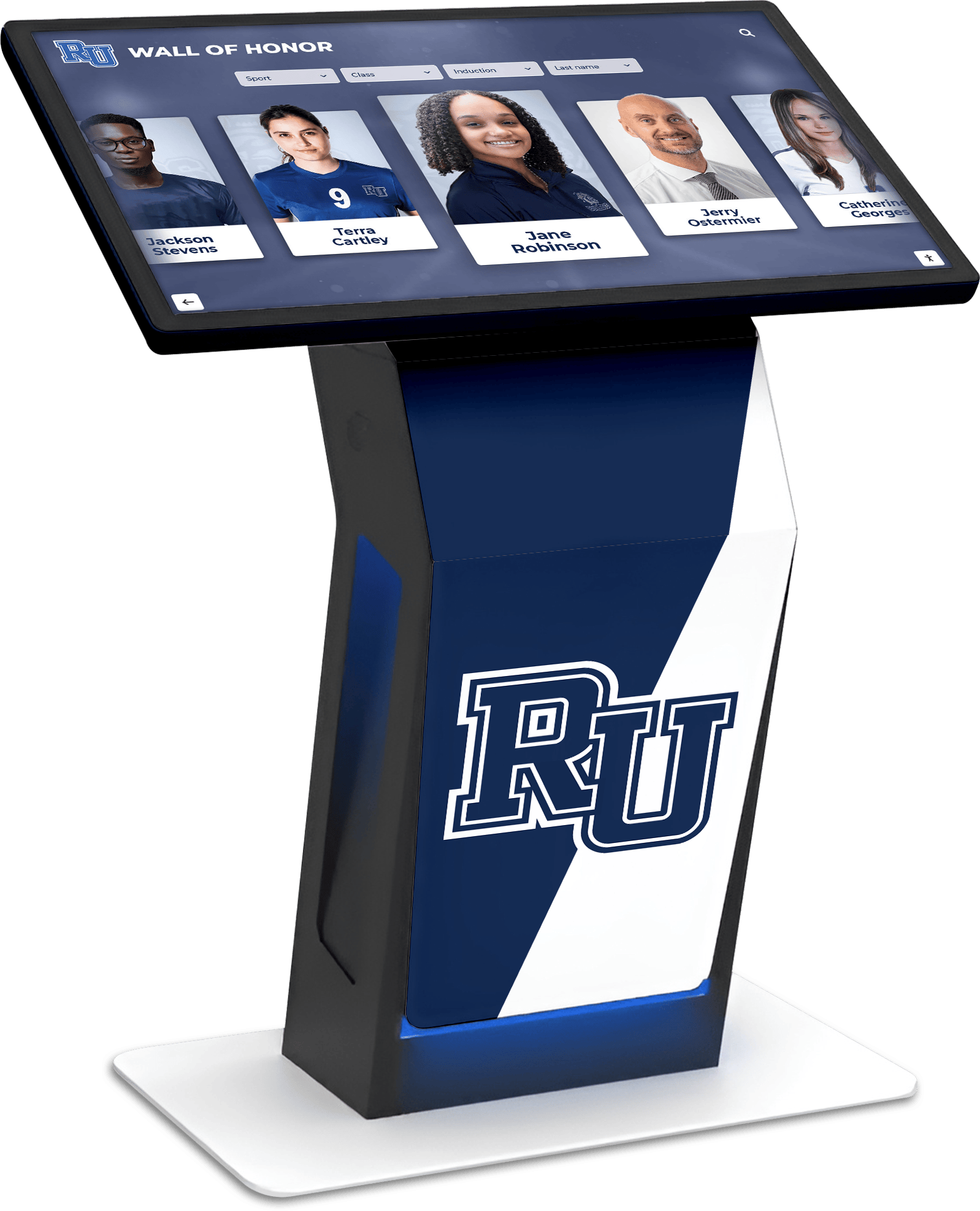
Transform Your Alumni Engagement Strategy
Discover how interactive recognition displays and comprehensive engagement platforms strengthen graduate connections while increasing participation and support. Explore Rocket Alumni Solutions to see how digital recognition systems create the visibility and value that keep alumni connected for life. Your graduates accomplished remarkable things—ensure those achievements inspire current students while building the engaged communities that advance institutional mission for generations to come.