



Key Takeaways
Complete guide to all-conference team selection across high school and college sports. Learn what all-conference honors mean, selection criteria, different team tiers, and how schools recognize these prestigious athletic achievements.
What Is an All-Conference Team?
All-conference teams recognize the most outstanding athletes within a specific athletic conference during a particular season. These honors identify players whose performance, statistics, leadership, and overall impact placed them among the elite competitors across all teams competing within the same conference structure.
Understanding Athletic Conference Structure
Before understanding all-conference selection, it’s essential to grasp how athletic conferences function within the broader sports landscape.
High School Athletic Conferences typically group schools by geographic proximity, enrollment size, or competitive classification. Schools within a conference compete against each other regularly throughout the season, with conference standings determining playoff positions and championships. A conference might include anywhere from six to twenty schools, all competing for conference titles and individual recognition.
College Athletic Conferences operate similarly but often carry more defined competitive and academic requirements for membership. Division I conferences like the SEC, Big Ten, ACC, and Pac-12 include major universities competing at the highest collegiate level. Division II and III conferences, along with NAIA and NJCAA conferences, provide similar structures at different competitive tiers.
The conference structure creates natural comparison groups where coaches and selection committees can evaluate athletes competing against similar competition levels under comparable conditions throughout an entire season.
What All-Conference Selection Means for Athletes
Earning all-conference recognition signifies that an athlete’s performance throughout the season ranked among the very best within their competitive conference. This designation represents more than just statistical achievement—it acknowledges consistent excellence, competitive impact, leadership qualities, and overall contribution to team success.
Athletic Validation and Achievement Recognition
For athletes who invest thousands of hours training, practicing, and competing, all-conference selection provides tangible validation that their dedication produced results recognizable by coaches, media, and athletic communities. These honors confirm that performance quality met or exceeded elite standards within competitive contexts where dozens or hundreds of talented athletes compete for limited recognition.
College Recruiting and Athletic Opportunities
All-conference honors significantly impact college recruiting for high school athletes. College coaches evaluate hundreds of prospects annually, and all-conference designations provide credible third-party validation of athletic ability. Athletes with multiple all-conference selections demonstrate sustained excellence rather than isolated strong performances, making them more attractive recruiting targets.
For college athletes, all-conference recognition enhances transfer opportunities, graduate transfer possibilities, and professional athletic prospects. These honors appear in athletic resumes, media guides, and recruiting materials, creating lasting documentation of competitive excellence.
Program Recognition and School Pride
When athletes earn all-conference honors, recognition extends beyond individual achievement to reflect positively on coaching quality, program development, and overall school athletic reputation. Schools producing multiple all-conference athletes annually demonstrate program strength and competitive excellence, enhancing institutional standing within conference hierarchies and broader athletic communities.
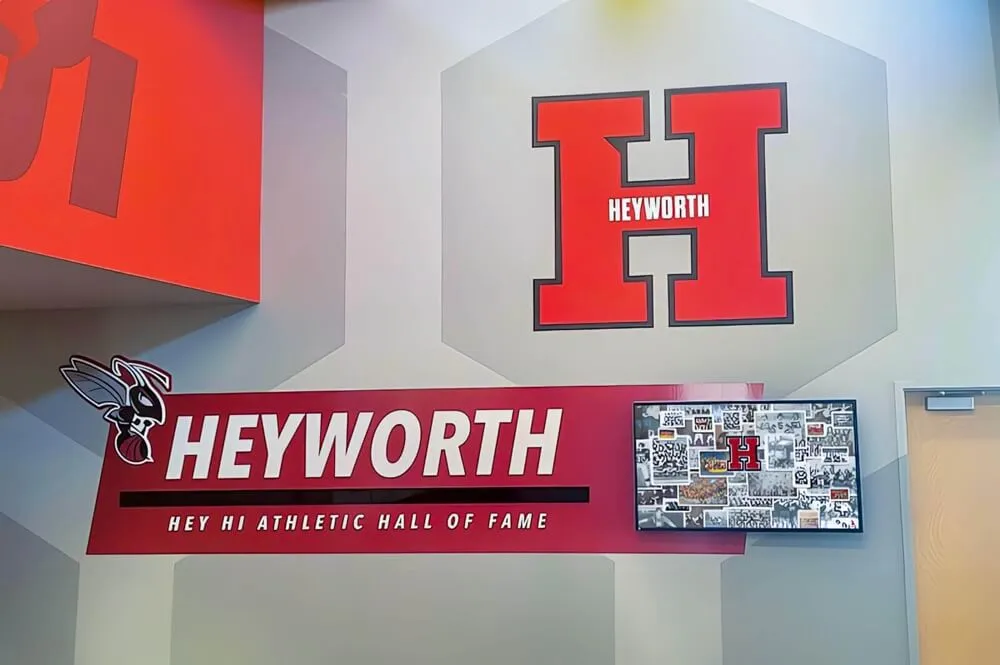
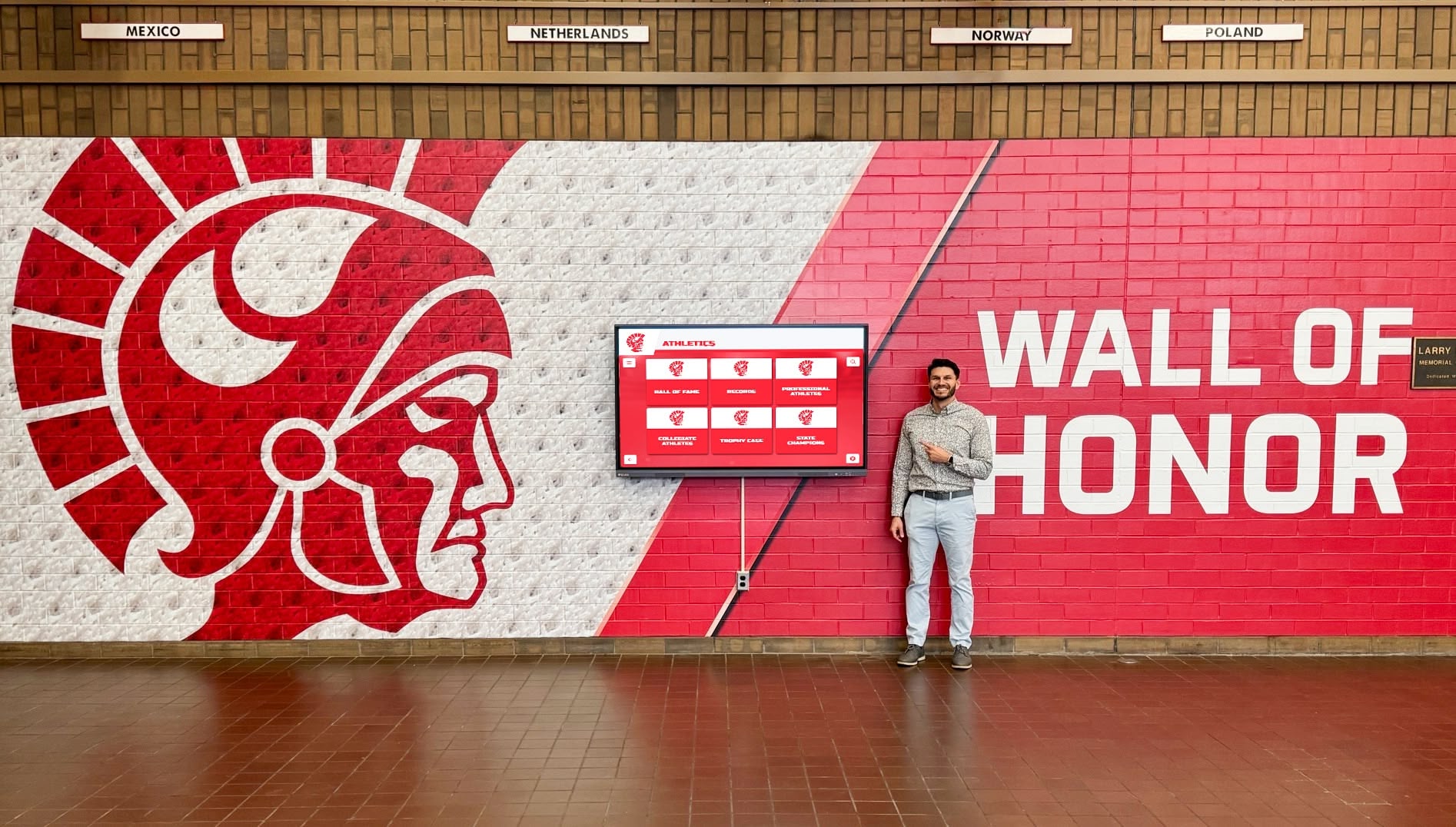
Recognition displays featuring all-conference athletes, similar to comprehensive athletic recognition programs, create visible celebration of achievement that inspires current athletes while documenting program excellence for prospective athletes and community members.
How All-Conference Teams Are Selected
Selection processes vary by conference, sport, and competitive level, but most follow systematic approaches designed to identify the most deserving athletes fairly and consistently.
Coach Voting Systems
The most common all-conference selection method involves head coaches from conference member schools voting for athletes from opposing teams based on season-long observation and competitive experience.
Post-Season Balloting Process
Following regular season or conference tournament completion, league commissioners or athletic directors distribute ballots to head coaches listing eligible athletes. Coaches typically cannot vote for their own players, ensuring that selections reflect opinions of opposing coaches who competed against athletes throughout the season.
Ballots usually require coaches to select specific numbers of athletes at each position—perhaps naming two guards, two forwards, and one center in basketball, or specific offensive and defensive positions in football. Some conferences use ranked voting where coaches list players in preference order, while others use simple selection voting where any athlete receiving sufficient votes earns recognition.
Position-Specific vs. At-Large Selection
Team sports like football, basketball, soccer, and volleyball typically use position-specific selection, ensuring balanced representation across various roles. This approach recognizes that offensive linemen contribute differently than quarterbacks, and defensive specialists merit consideration alongside prolific scorers.
Individual sports like track and field, swimming, cross country, and golf often use performance-based at-large selection, with top finishers at conference championships or those achieving best seasonal marks earning all-conference designation regardless of event distribution.
Media Panel Selection
Some conferences, particularly at collegiate levels, incorporate media voting alongside or instead of coach voting. Sports journalists covering conference athletics throughout the season vote for all-conference teams based on their observations, statistical analysis, and comprehensive season coverage.
Media Voting Advantages
Media-based selection theoretically provides more objective assessment since journalists lack direct competitive interests in outcomes. Media members often have access to comprehensive statistics and video that may not be available to all coaches, potentially enabling more informed evaluation. Additionally, media voting can recognize athletes from less visible programs who perform exceptionally but whose coaches lack conference influence or recognition.
Combined Voting Models
Many conferences use hybrid approaches where both coaches and media vote, with selections requiring majority support from combined voter pools. This balanced approach leverages coaching expertise about competitive nuances while incorporating media perspective about season-long performance and statistical achievement.
Statistical and Performance-Based Selection
Certain conferences and sports rely primarily on objective performance criteria rather than subjective voting, using predetermined statistical thresholds or championship placement to determine all-conference recognition.
Objective Performance Thresholds
In individual sports, all-conference selection might automatically include athletes achieving specific performance standards—perhaps all runners completing cross country championship courses under certain times, or all swimmers achieving qualifying times in conference meets. Wrestling programs might designate all conference tournament finalists or semifinalists as all-conference selections.
This objective approach eliminates voting bias and politics, providing clear performance targets athletes understand from season beginning. However, it may overlook context like injury recovery, strength of competition, or development trajectory that informed voting might consider.
Selection Timing and Announcement
All-conference selections typically occur shortly after season completion—within one to four weeks following regular season or conference tournament conclusions. This timing allows adequate deliberation while maintaining relevance and timely recognition for honored athletes.
Most conferences announce all-conference teams through official press releases distributed to member schools, local media, and conference websites. Schools then share these honors through their own communications channels including websites, social media, school announcements, and local press notifications, amplifying recognition across broader audiences.
Different Levels of All-Conference Recognition
Most conferences employ tiered recognition systems creating multiple levels of all-conference honor rather than simply designating single “all-conference teams.”
First Team All-Conference
First Team All-Conference represents the highest individual honor within conference structures, recognizing the absolute elite performers at each position or within each competitive category.
Selection Standards and Exclusivity
First Team selections typically include only the single best athlete at each position across the entire conference, or the top 10-15 overall performers in sports without position-specific selection. These athletes demonstrated exceptional statistics, competitive excellence, leadership, and overall impact placing them definitively among conference elite.
In football, for example, a conference might select two First Team quarterbacks, four running backs, six offensive linemen, and proportional defensive positions—ensuring representation across all roles while maintaining exclusivity. Basketball might designate five First Team selections representing the very best guard and forward combinations conference-wide.
First Team All-Conference selections carry the most weight for college recruiting, scholarship opportunities, and athletic recognition because they unambiguously identify top-tier performers without qualification or shared status with lower tiers.
Second Team All-Conference
Second Team All-Conference recognizes athletes who performed exceptionally but whose overall body of work placed them just below First Team level. These athletes often posted impressive statistics, contributed significantly to team success, and competed effectively against top opponents, yet another athlete at their position slightly exceeded their performance.
Understanding Second Team Significance
Second Team selection remains highly prestigious, particularly in large, competitive conferences where dozens of talented athletes compete for limited recognition. The difference between First Team and Second Team frequently comes down to narrow statistical margins, strength of schedule, or subjective coaching preferences rather than substantial performance gaps.
Athletes earning Second Team All-Conference honors demonstrated elite-level ability and achievement deserving substantial recognition, and many Second Team selections go on to successful college or professional careers matching or exceeding those of First Team counterparts. For schools implementing comprehensive athletic achievement recognition, both First and Second Team honors merit equal display prominence and celebration.
Third Team All-Conference and Honorable Mention
Larger conferences or those seeking to recognize greater numbers of deserving athletes sometimes include Third Team All-Conference designations or Honorable Mention categories.
Third Team All-Conference extends recognition to additional high-performing athletes, perhaps including the top 20-30 conference performers overall or third-best athletes at specific positions. These selections acknowledge that strong competitive conferences produce many excellent athletes deserving recognition even when they may not crack top-tier selections.
Honorable Mention All-Conference provides the broadest recognition category, sometimes including any athlete receiving votes from selection committees even if they didn’t accumulate sufficient support for team selection. Honorable Mention might recognize 30-50 or more athletes across large conferences, providing acknowledgment of solid performance without diluting the prestige of higher team designations.
While these lower tiers carry less recruiting weight than First or Second Team selections, they still represent meaningful achievement deserving school celebration and recognition display inclusion.
Specialty and Superlative Categories
Beyond team selections, many conferences recognize specific superlative achievements through specialty awards that complement all-conference team designations.
Player of the Year and Position-Specific Awards
Most conferences select Conference Player of the Year, recognizing the single most outstanding athlete across the entire conference regardless of position. This honor represents the absolute pinnacle of conference achievement, typically going to First Team selections whose performance exceeded even other elite athletes.
Position-specific awards like Offensive Player of the Year, Defensive Player of the Year, Goalkeeper of the Year, or event-specific recognition in individual sports provide additional acknowledgment of specialized excellence within competitive contexts.
Coach of the Year and Team Awards
Conferences typically honor coaching excellence through Coach of the Year awards, recognizing head coaches who guided teams to exceptional success, exceeded expectations, or demonstrated outstanding program development. These awards complement athlete recognition by acknowledging the coaching that helped produce all-conference performers.
Some conferences also designate All-Conference Academic Teams or Scholar-Athlete honors, similar to Academic All-American recognition, celebrating athletes who excel both competitively and academically.
All-Conference Selection Across Different Sports
While general selection principles remain consistent, specific processes and traditions vary significantly across different sports and competitive structures.
Team Sports All-Conference Selection
Team sports like football, basketball, soccer, volleyball, hockey, and lacrosse typically use position-specific selection ensuring representation across various roles and playing styles.
Football All-Conference Teams
Football’s positional complexity necessitates comprehensive selection structures. Conferences typically select separate Offensive and Defensive All-Conference Teams, and often Special Teams recognition as well. Within offensive selections, positions might include quarterbacks, running backs, wide receivers, tight ends, offensive linemen (sometimes differentiated by guards, tackles, and centers), and occasionally fullbacks or hybrid positions.
Defensive selections include defensive linemen, linebackers (sometimes separated into inside and outside positions), defensive backs (cornerbacks and safeties), and occasionally specialized positions like nickel backs. Special teams recognition includes kickers, punters, returners, and sometimes long snappers.
This comprehensive approach ensures that all contributing roles receive appropriate consideration rather than limiting recognition to high-visibility scoring positions. Schools can showcase football all-conference athletes through digital trophy case displays that accommodate the volume of honored athletes across multiple position categories.
Basketball All-Conference Teams
Basketball selection typically designates guards and forwards without excessive positional subdivision, recognizing that modern basketball involves fluid position definitions. Conferences might select two or three guards and two or three forwards for First Team All-Conference, with similar distributions for Second Team and beyond.
Point guards, shooting guards, small forwards, power forwards, and centers all compete for these positions, with selection based on statistical production, defensive impact, leadership, and overall contribution to team success. Some conferences create separate men’s and women’s basketball all-conference teams, while others use identical selection structures across both.
Soccer, Volleyball, and Other Team Sports
Soccer all-conference selection typically includes defenders, midfielders, forwards, and goalkeepers, with specific numbers at each position based on conference size and selection philosophy. Volleyball designates setters, outside hitters, middle blockers, defensive specialists, and liberos. Hockey recognizes forwards, defensemen, and goalies across multiple team tiers.
Each sport’s selection structure reflects positional requirements and competitive realities, ensuring that all essential roles receive appropriate recognition rather than limiting honors to the highest-scoring or most visible athletes.
Individual Sports All-Conference Recognition
Sports where athletes compete individually or in discrete events use different selection approaches emphasizing performance results over position-specific voting.
Track and Field All-Conference Recognition
Track and field conference championships provide natural selection frameworks. Conferences typically designate all athletes finishing in top positions at conference championship meets—perhaps top three, top six, or top eight depending on conference size—as All-Conference in their specific events.
This approach recognizes sprinters, distance runners, hurdlers, jumpers, throwers, and multi-event athletes proportionally based on competitive results. Athletes competing in multiple events can earn all-conference recognition in each, acknowledging that versatile performers who excel across several events demonstrate exceptional athletic ability.
Similarly, swimming and diving programs recognize all-conference athletes based on conference championship placement or achievement of specific qualifying times, creating objective performance-based selection criteria.
Wrestling All-Conference Teams
Wrestling conference recognition typically honors top finishers at conference tournaments within each weight class. Depending on tournament structure and conference size, all-conference might include finalists, semifinalists, or all top-four or top-eight placers at each weight.
This approach ensures that each weight class receives equal recognition while acknowledging the tournament placement hierarchy reflecting competitive quality. It also prevents voting politics from influencing selection, since tournament results provide unambiguous performance evidence.
Golf and Tennis All-Conference Selection
Golf conferences typically recognize top individual finishers at conference championships regardless of team affiliation, perhaps designating the top 10-15 individual scorers as All-Conference. Some conferences also consider season-long performance including stroke averages or tournament placements beyond just conference championships.
Tennis all-conference selection might recognize top singles players based on conference tournament results or season records, along with top doubles teams. The individual and team nature of tennis requires selection structures accommodating both competitive formats appropriately.
Recognizing All-Conference Athletes at Your School
When athletes earn all-conference honors, schools should implement comprehensive recognition approaches that celebrate achievement appropriately while inspiring current and future athletes.
Immediate Recognition and Celebration
Timely acknowledgment following all-conference announcements demonstrates that schools value and celebrate these achievements.
Public Announcements and Social Media
Announce all-conference selections during morning announcements, creating school-wide awareness and celebration. Share recognition through school social media platforms with athlete photos, statistics, and achievement context. Update school and athletic department websites with all-conference honoree features including detailed profiles and accomplishments.
Send press releases to local media outlets generating community coverage that extends recognition beyond school boundaries. This immediate public recognition ensures athletes receive timely celebration while achievements remain current news rather than delayed acknowledgment weeks or months later.
Direct Athlete Recognition
Contact all-conference athletes and families directly with congratulatory messages from coaches, athletic directors, and school administrators. Provide physical certificates or commemorative items acknowledging the honor. Consider special recognition during upcoming athletic events, school assemblies, or awards ceremonies.
Direct personal recognition demonstrates genuine institutional appreciation beyond just public announcements, creating memorable moments that athletes cherish throughout their lives. Implementing comprehensive coach appreciation recognition alongside athlete honors reinforces that success results from combined athlete and coaching excellence.
Creating Permanent Recognition Displays
Beyond immediate celebration, effective programs create lasting recognition that maintains visibility year-round and across multiple years as all-conference athletes accumulate.
Traditional Physical Recognition Options
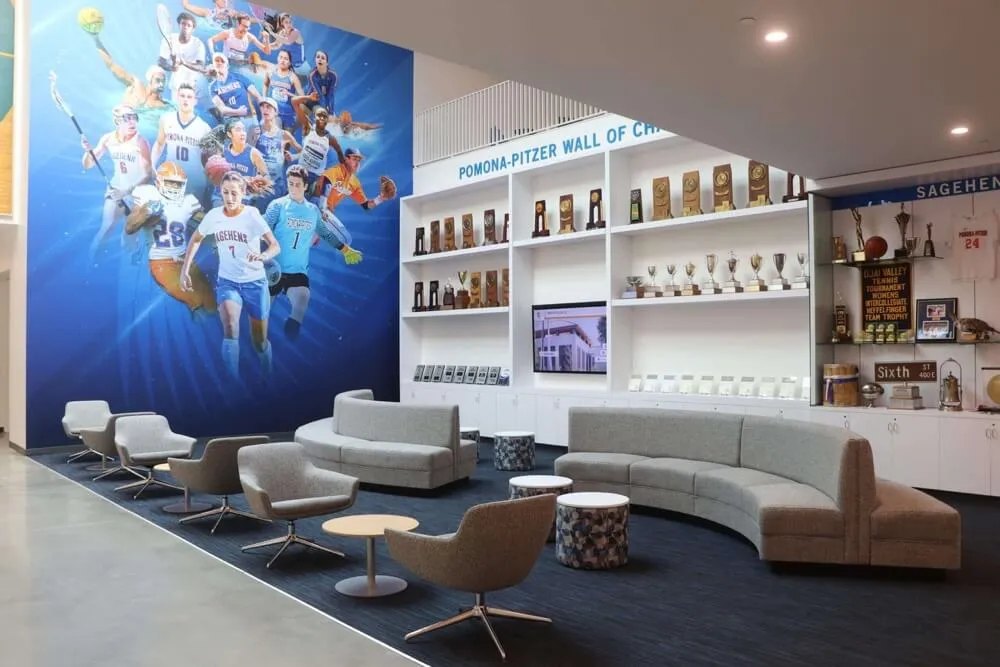
Schools have historically recognized all-conference athletes through physical displays including trophy cases with engraved plaques, hallway recognition boards featuring photos and names, lobby displays in athletic facilities, and banner recognition in competition venues.
These traditional approaches create tangible permanent recognition that athletes can physically view and photograph. However, they face practical limitations including finite physical space restricting how many athletes can be recognized before displays fill completely, difficulty and expense updating displays annually with new honorees, static content providing only basic information without broader achievement context, and fixed locations limiting visibility to specific facility areas.
Modern Digital Recognition Platforms
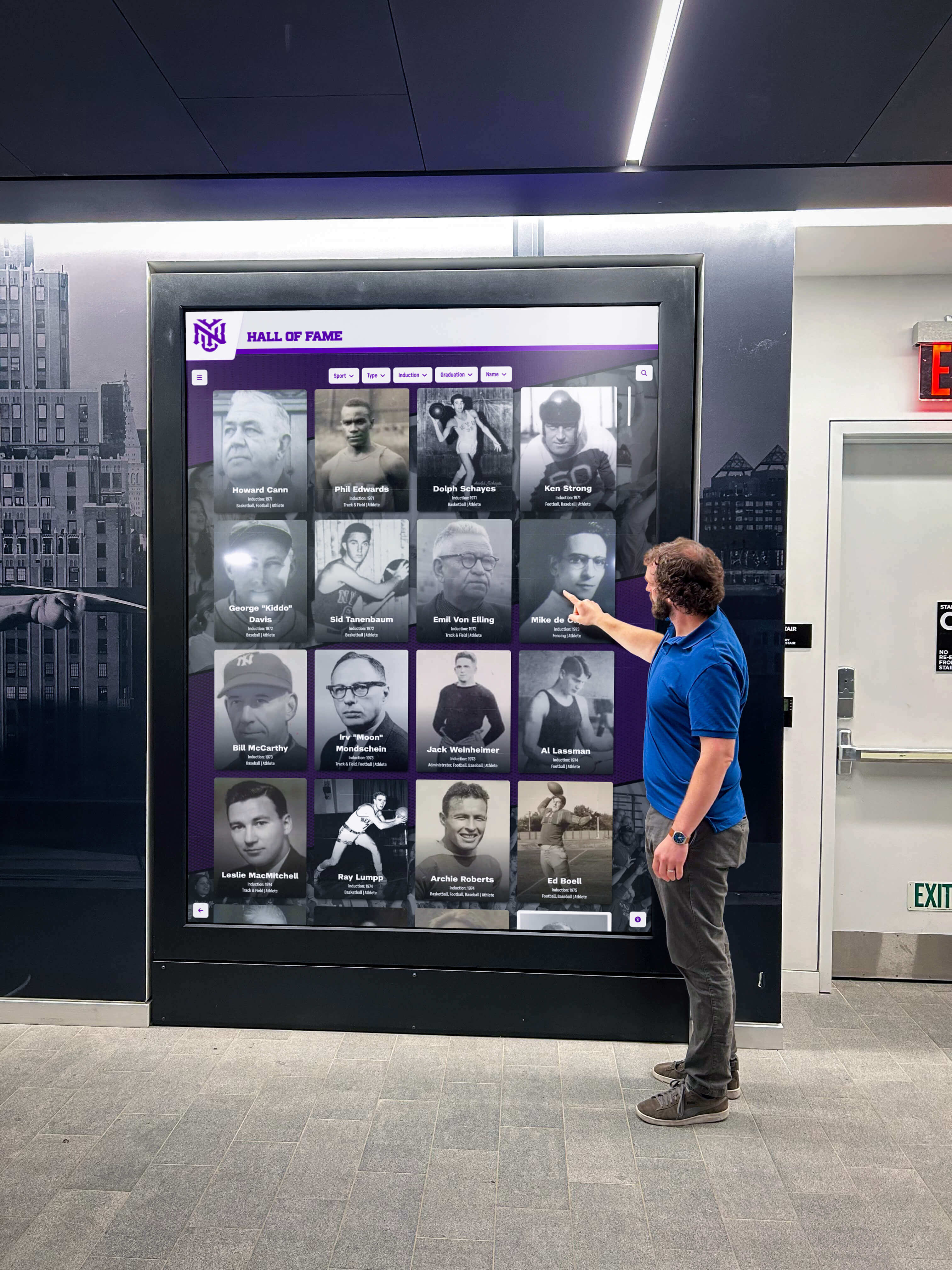
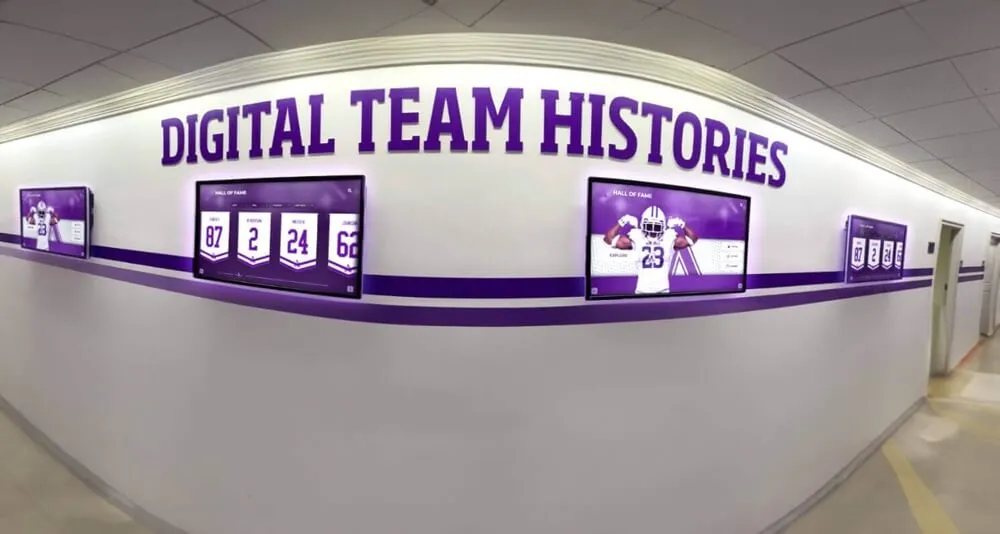
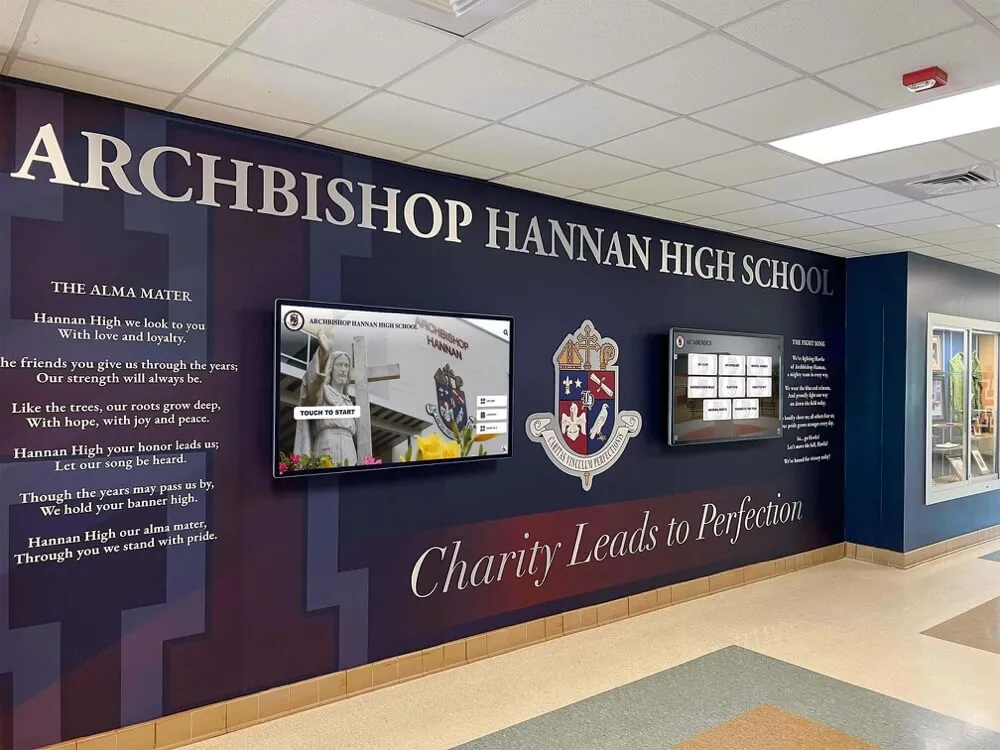
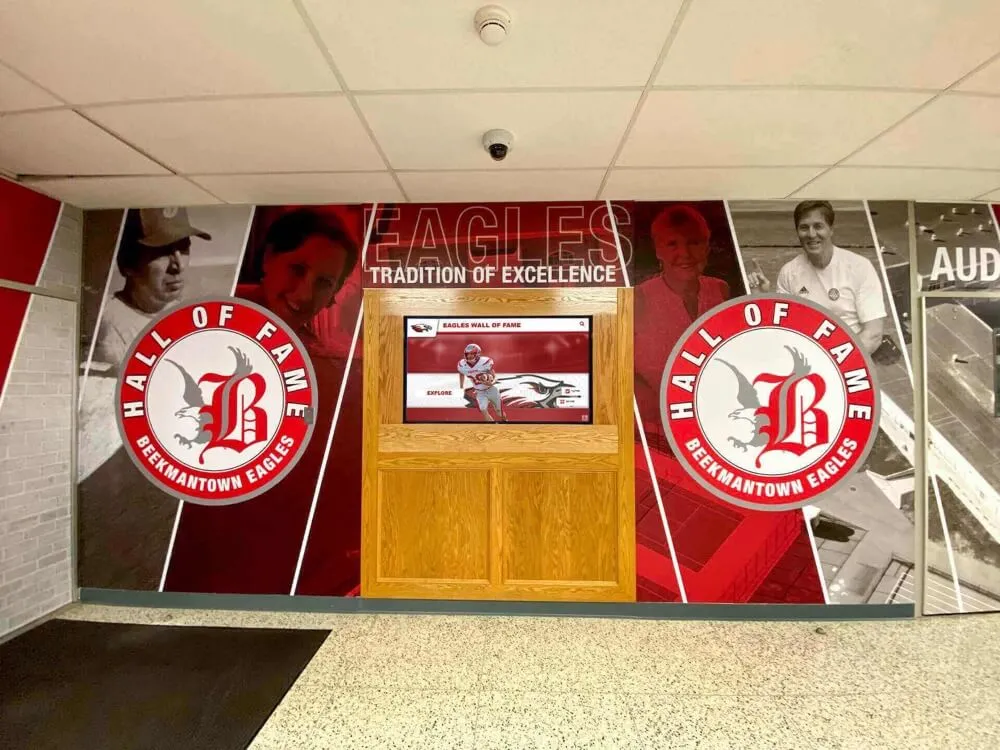
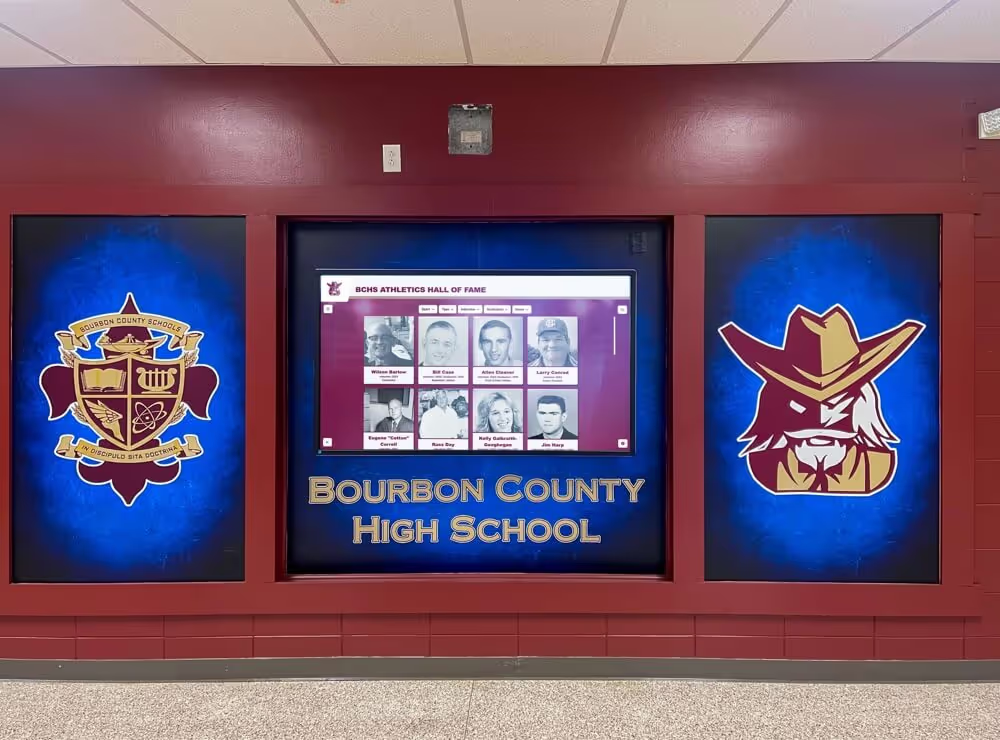
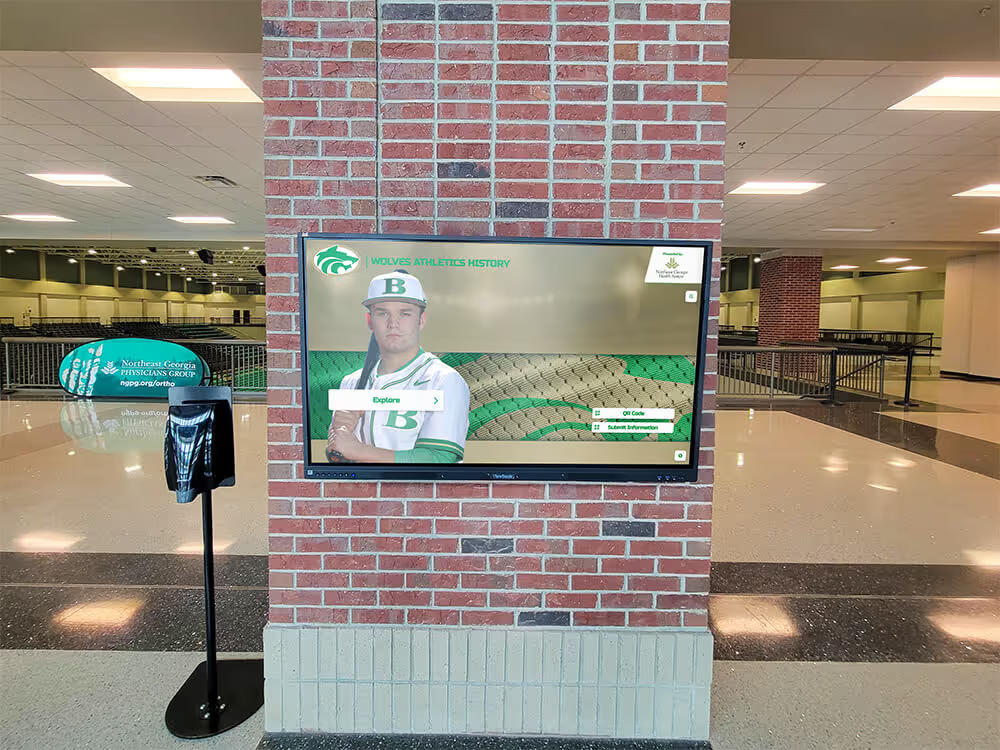
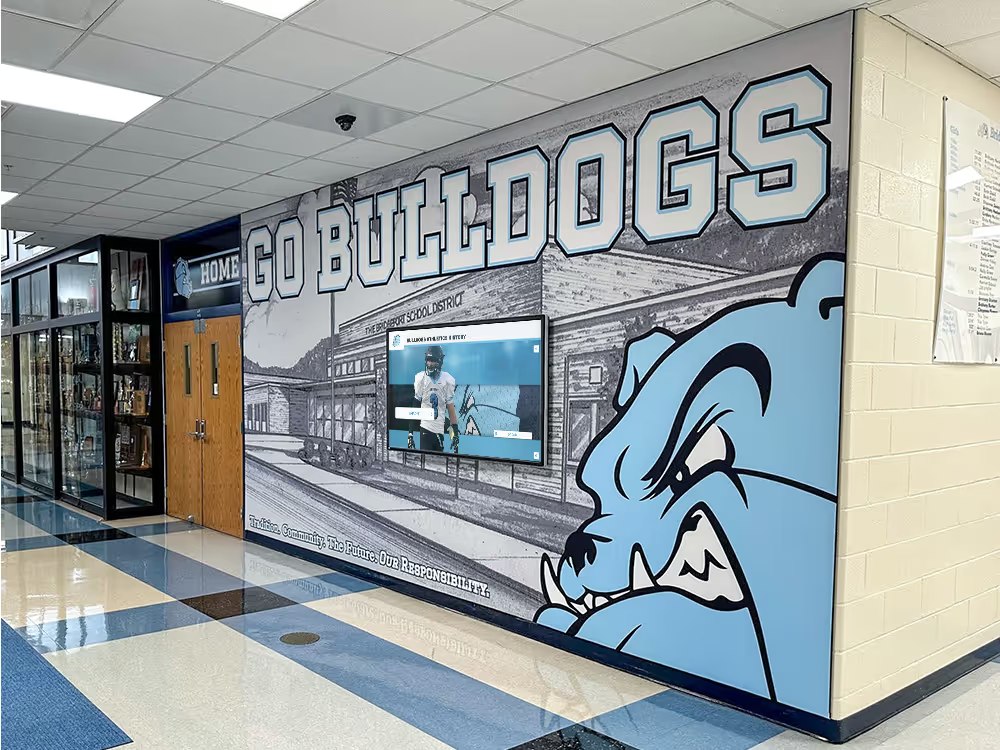
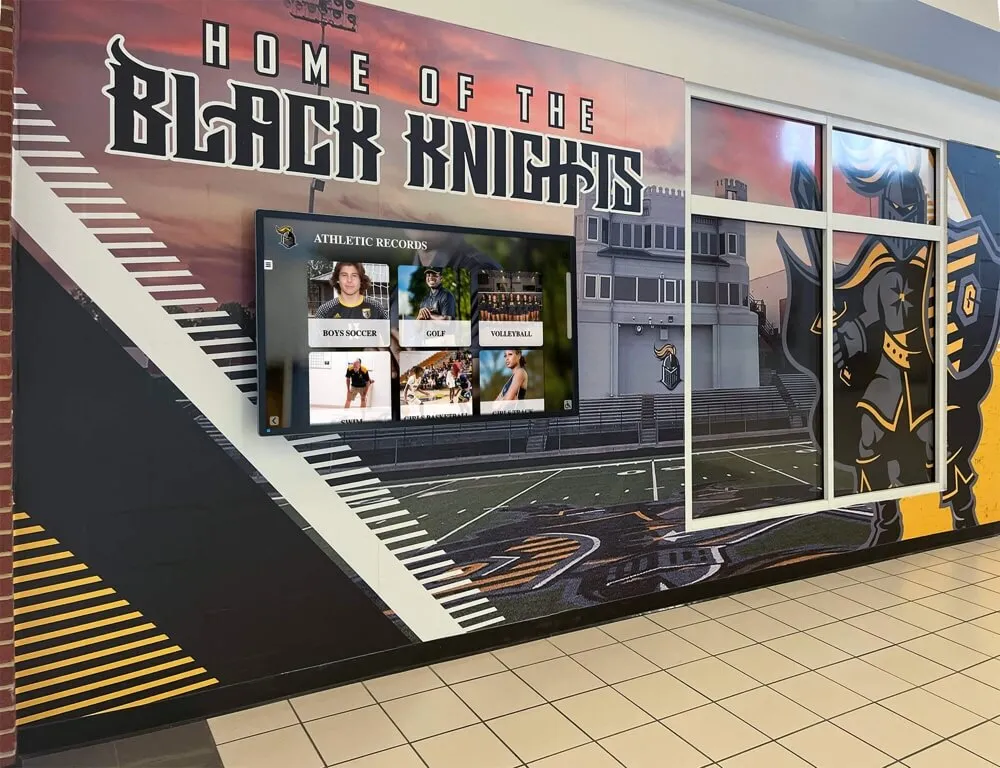
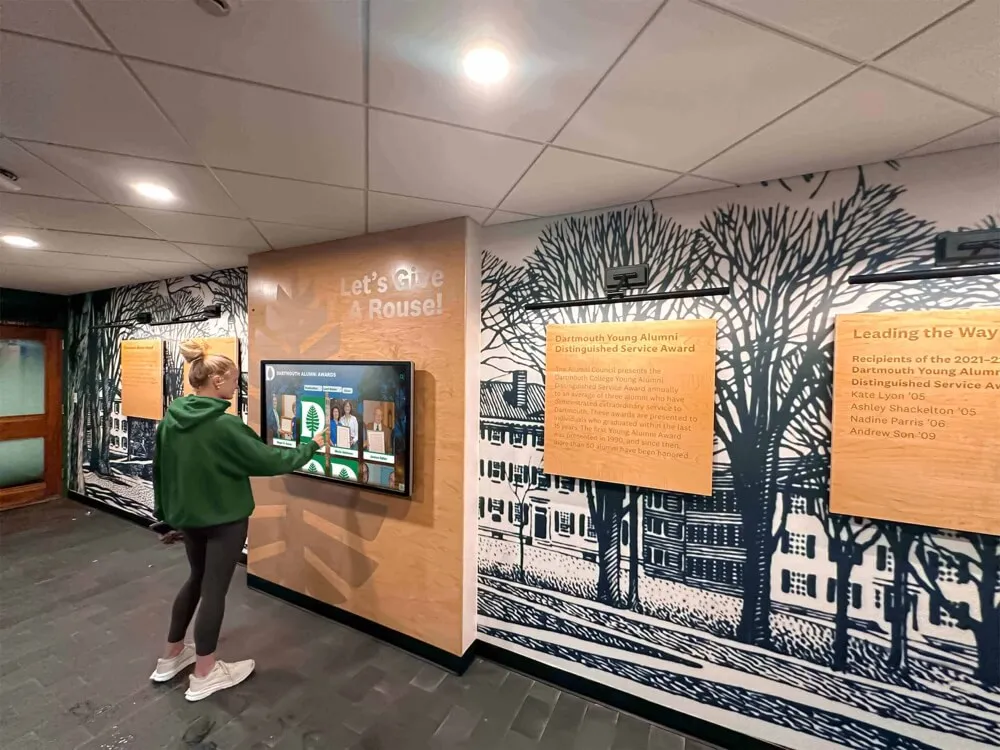
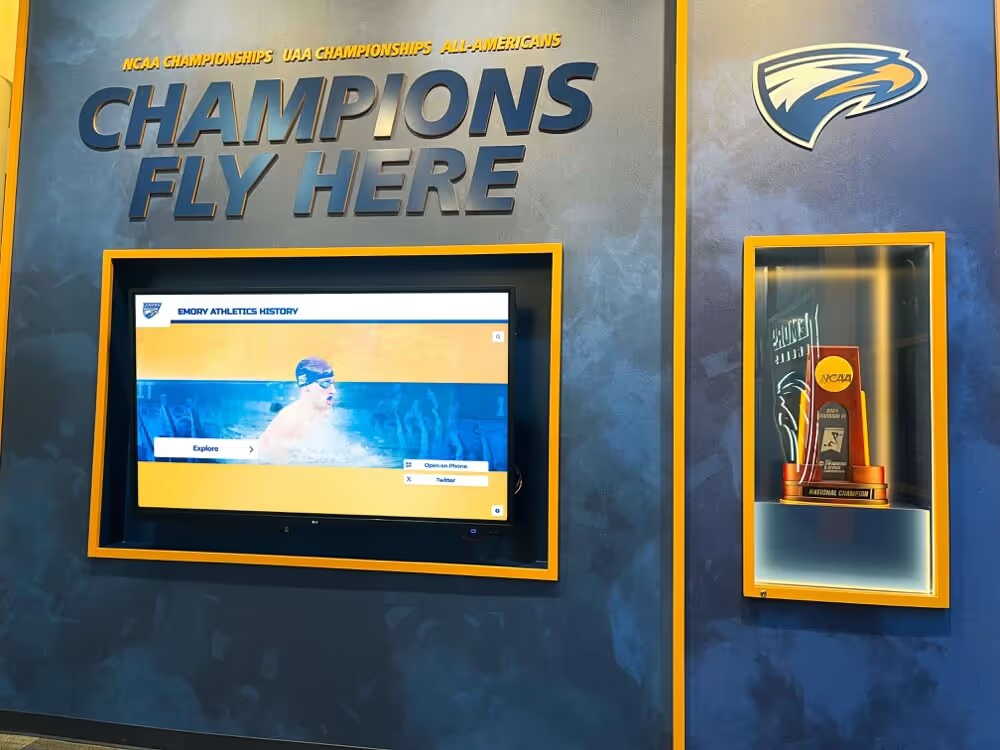
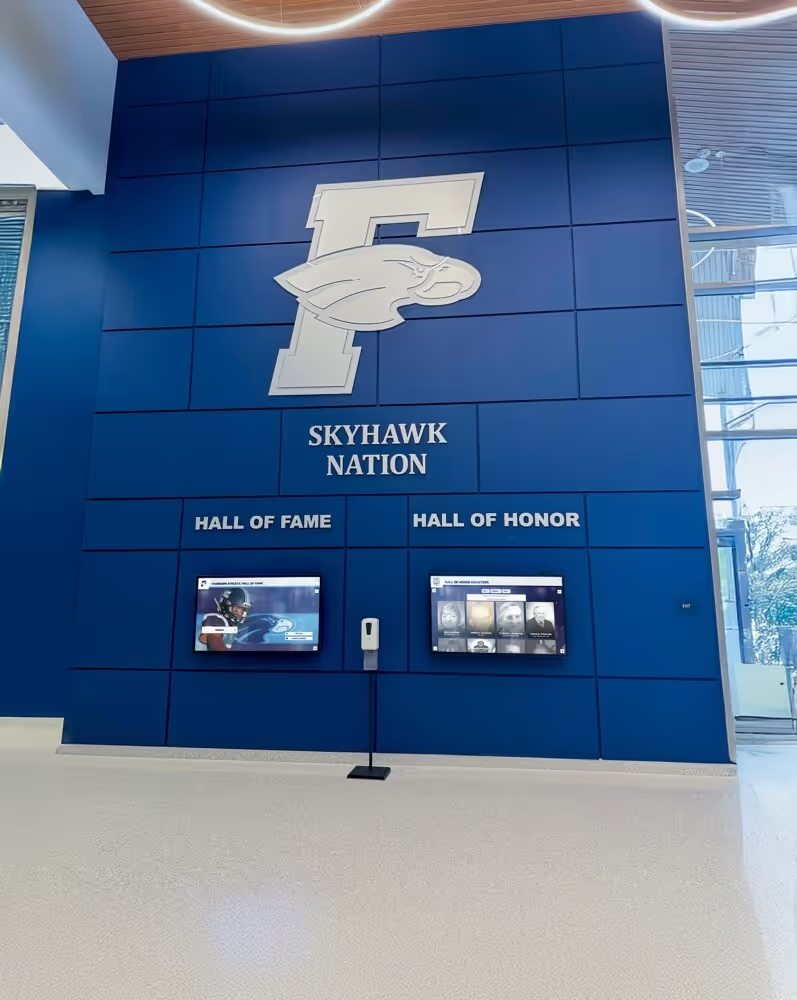
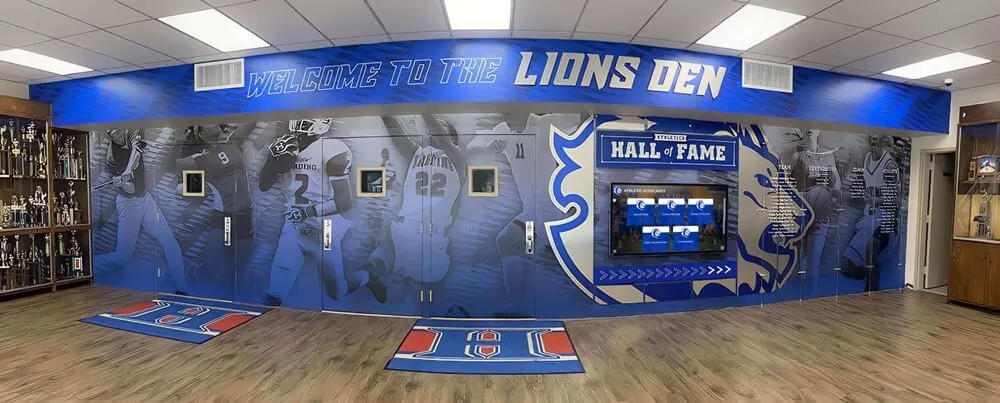
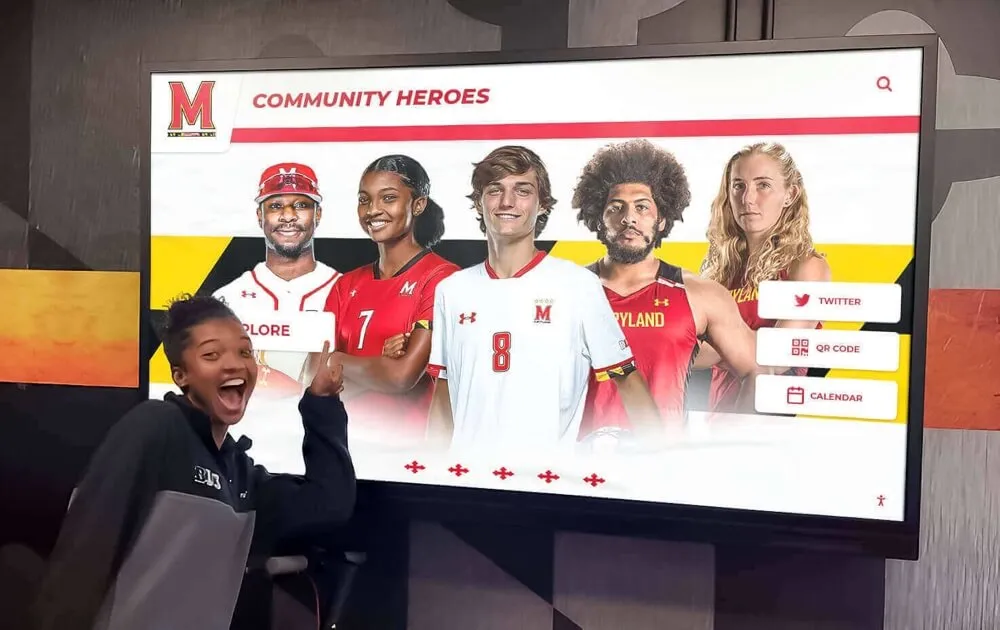
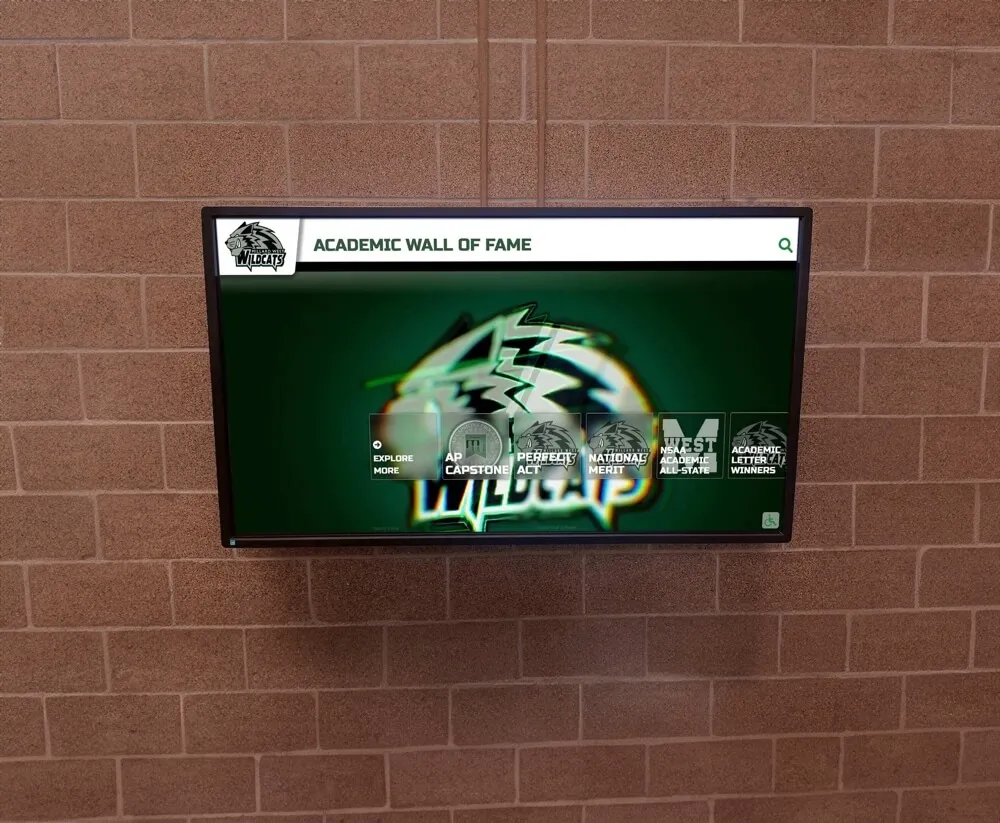
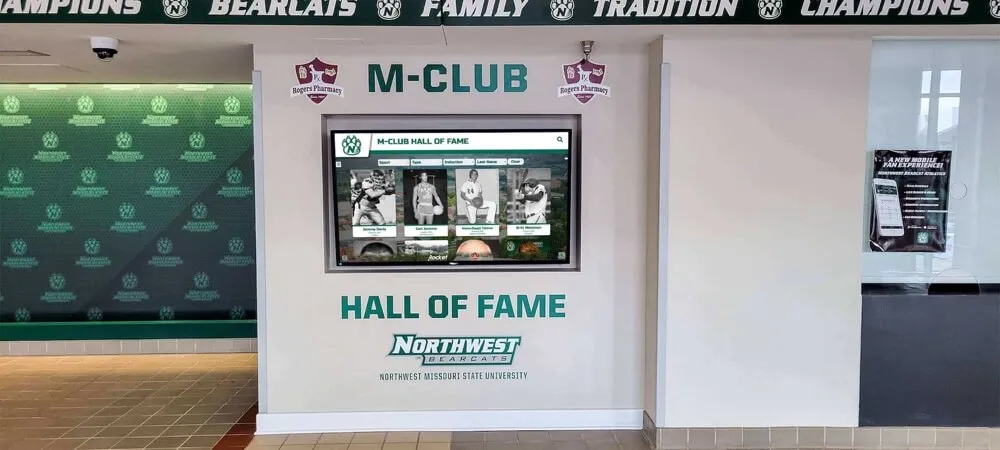
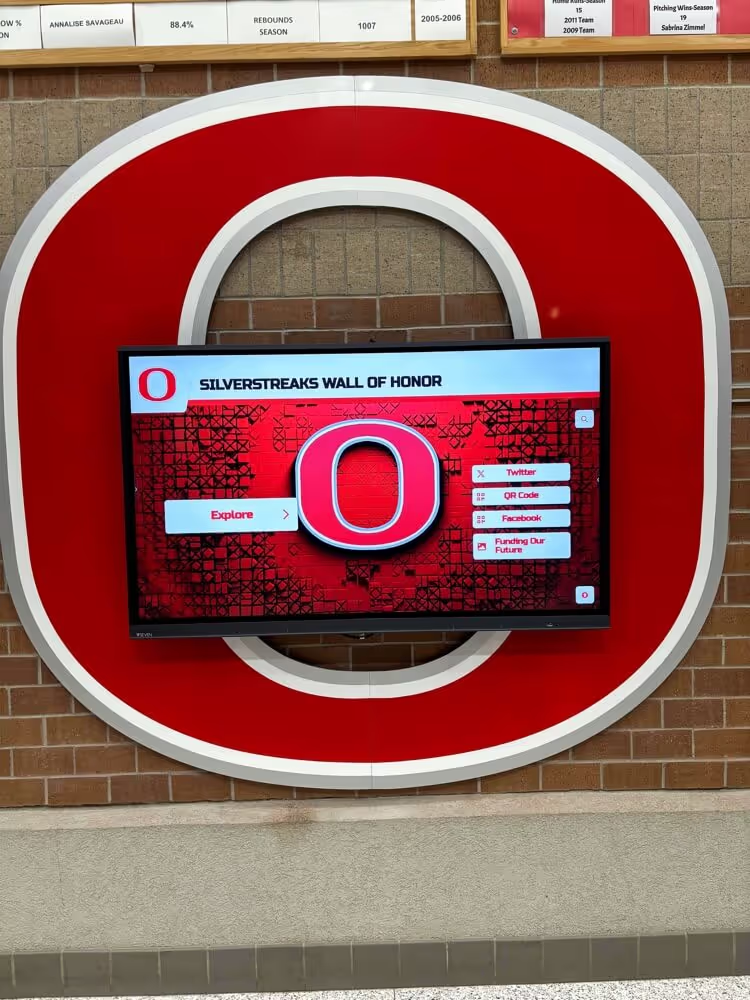
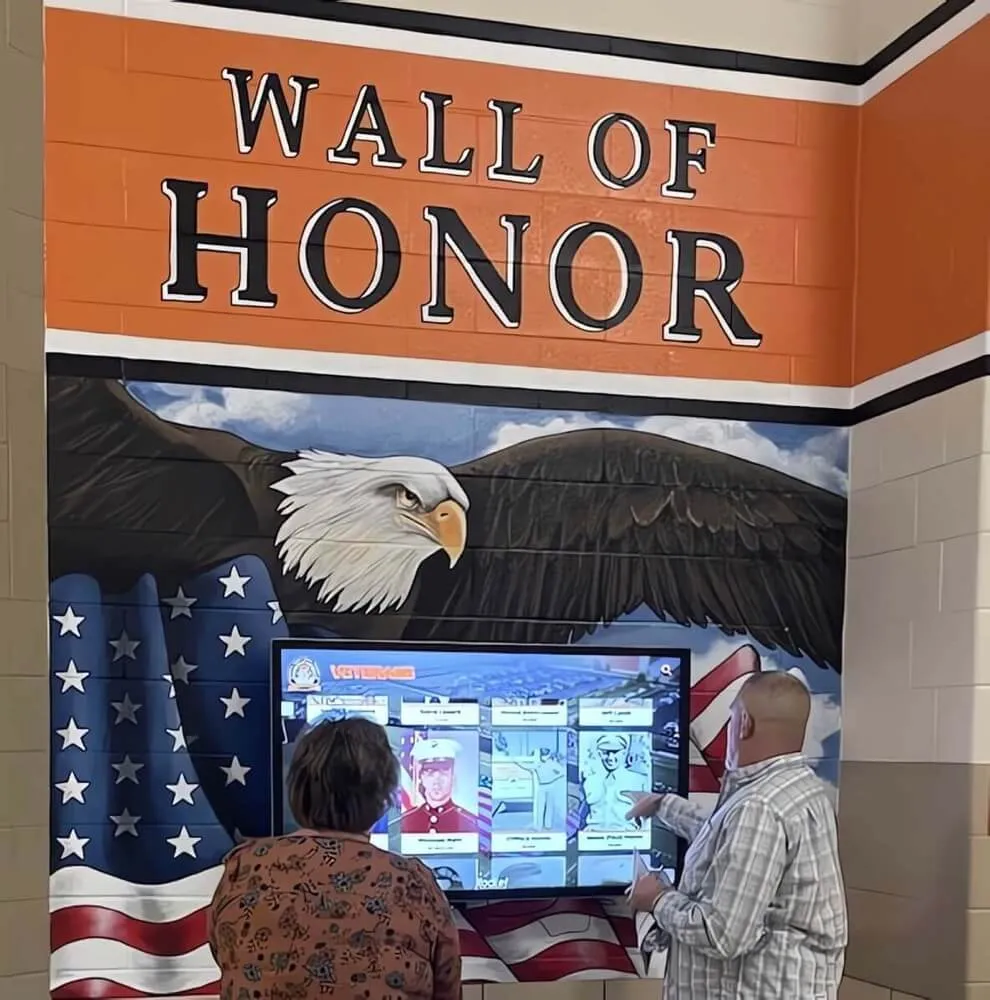
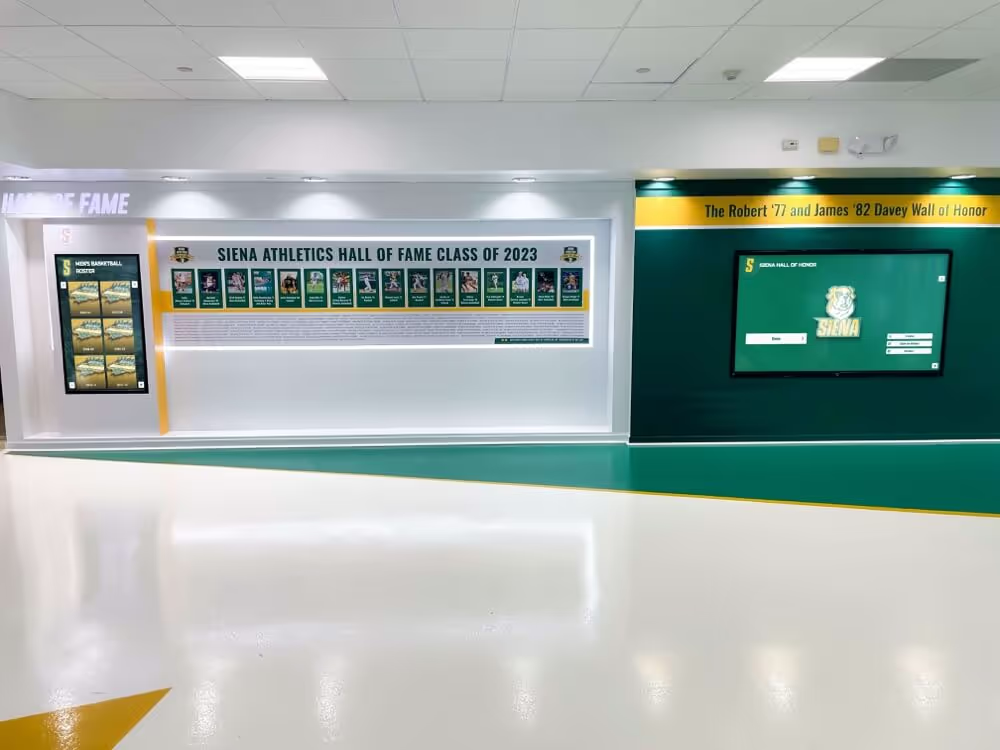
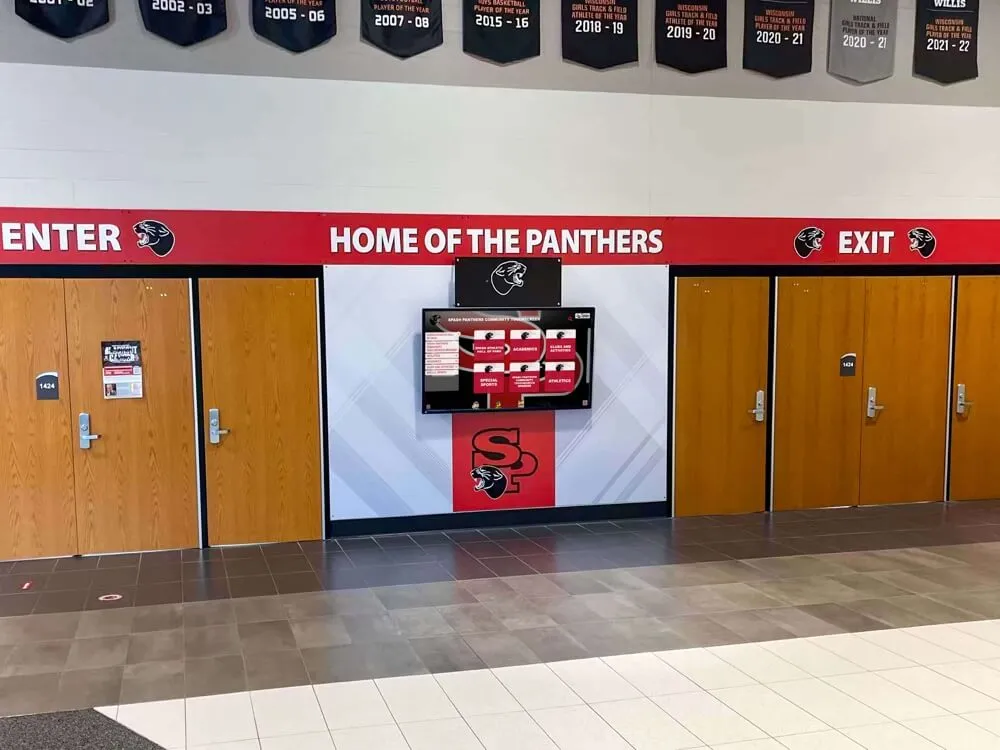
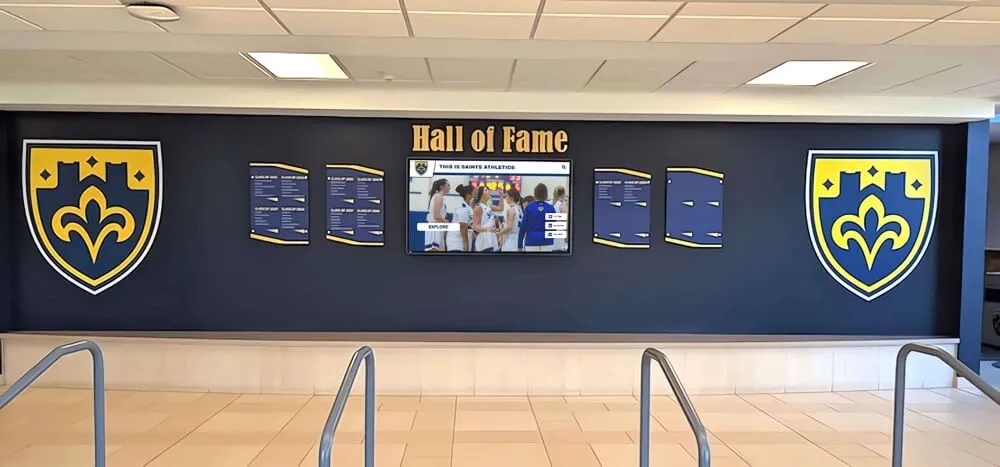
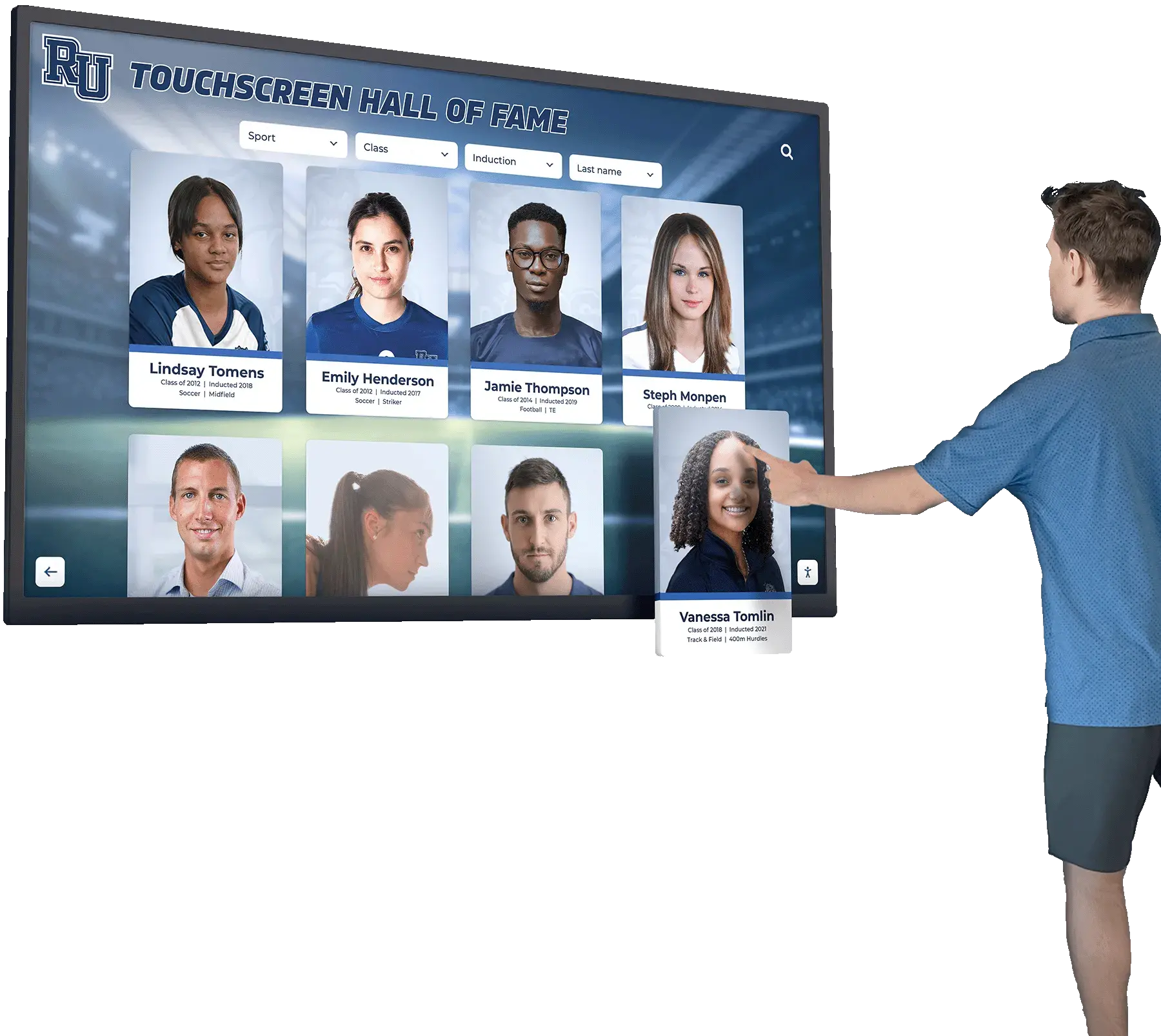
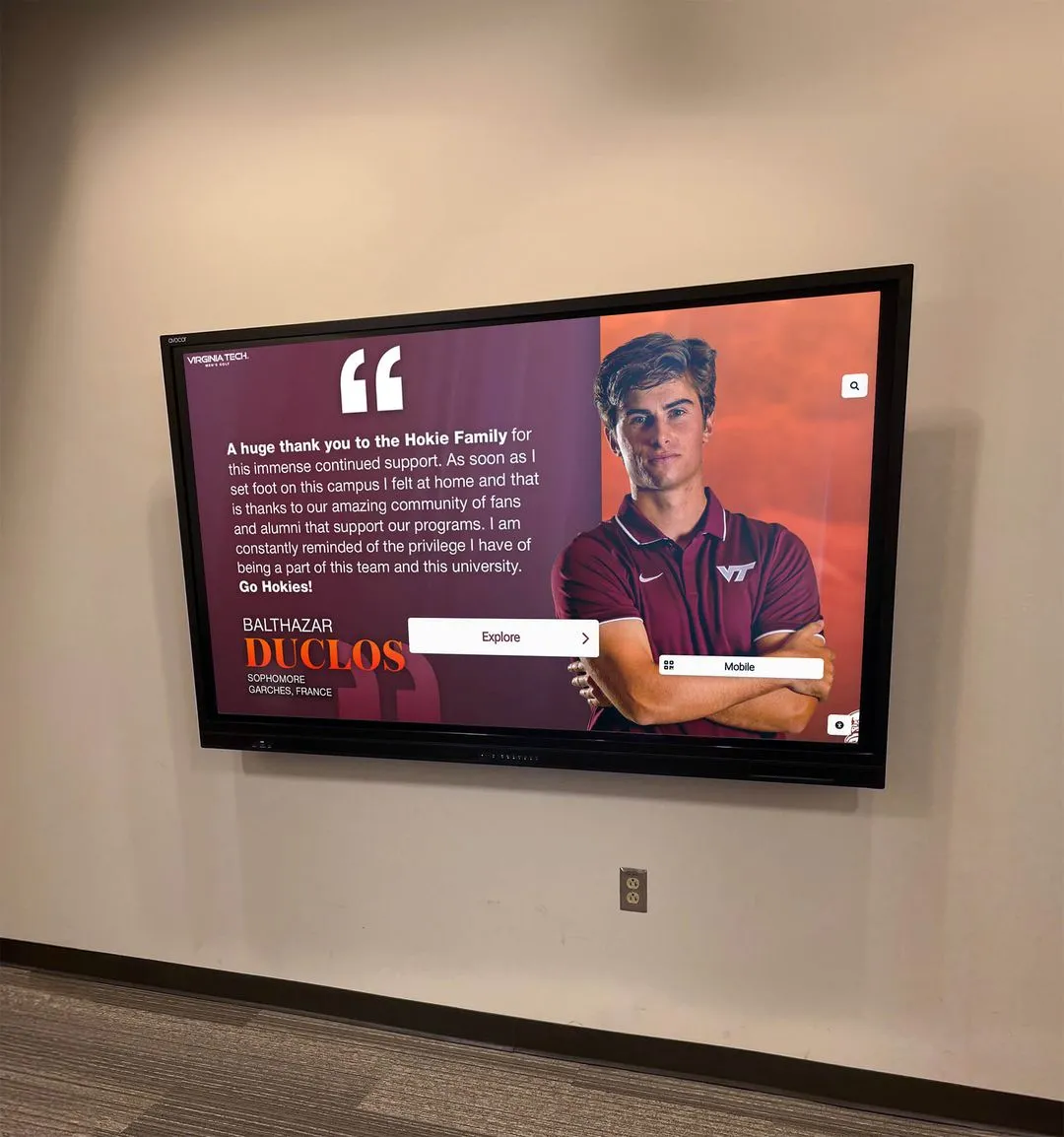
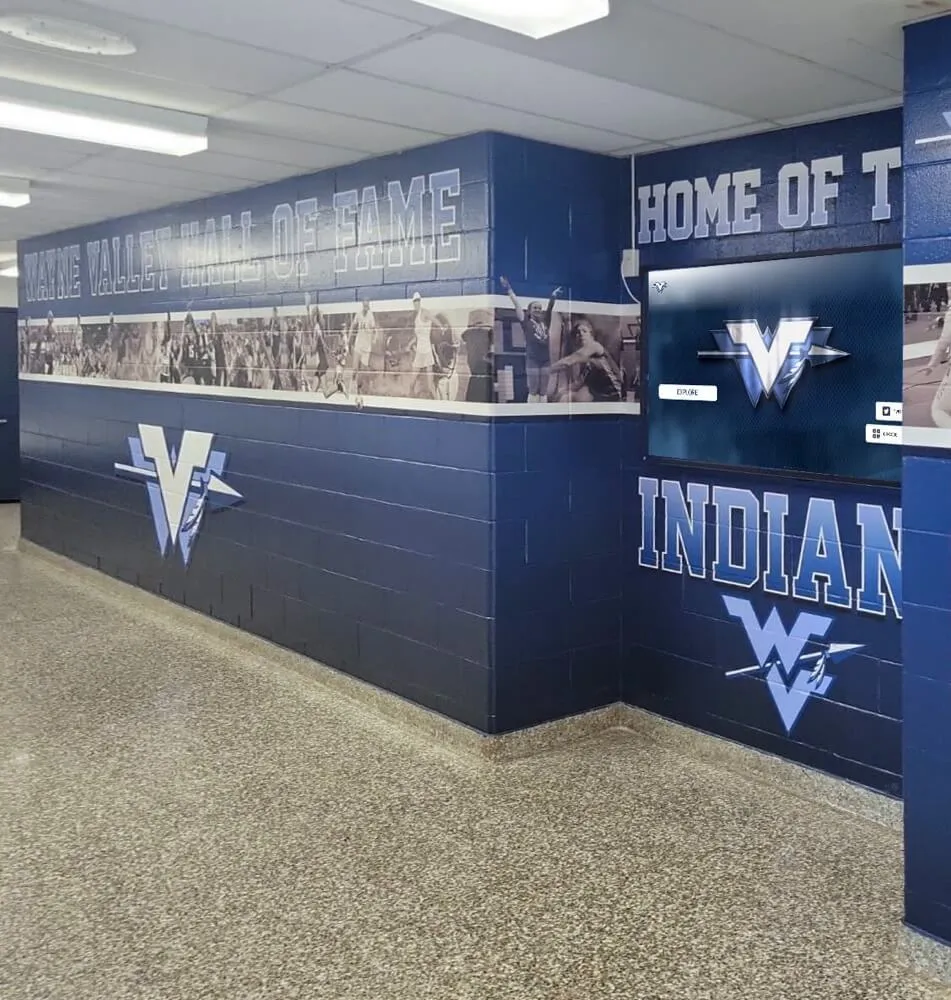
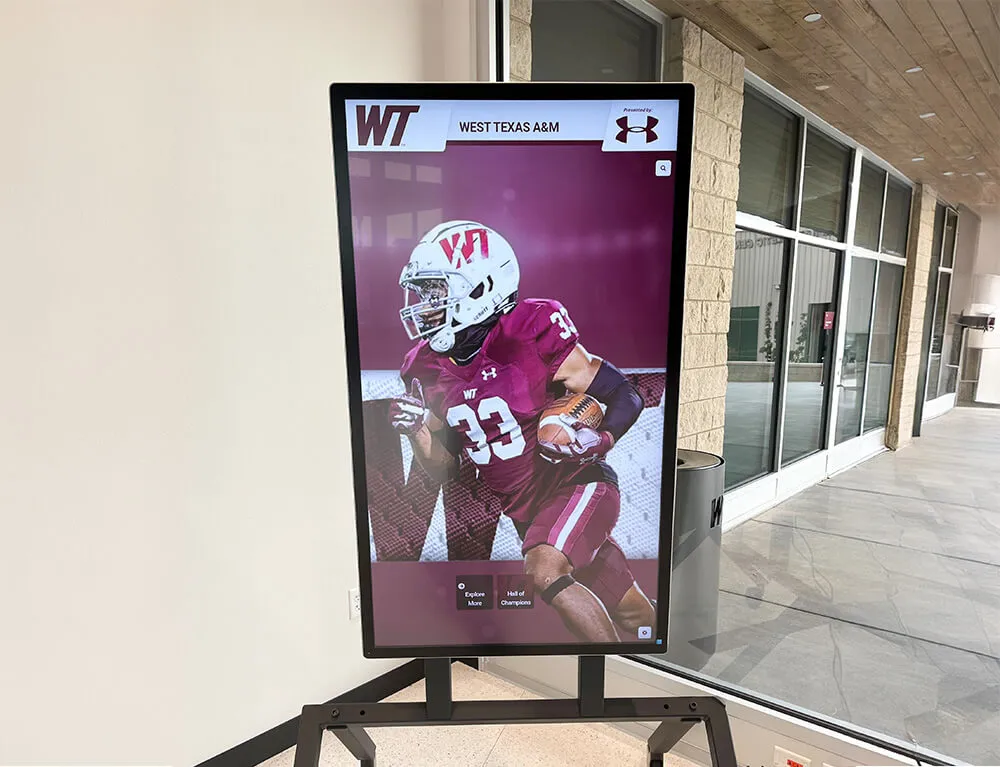
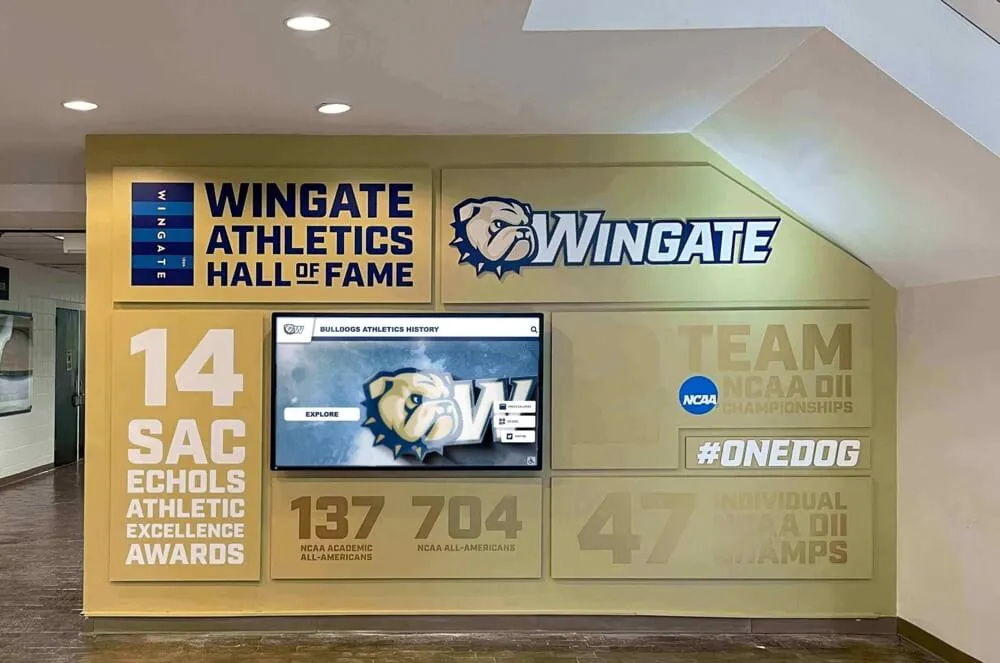
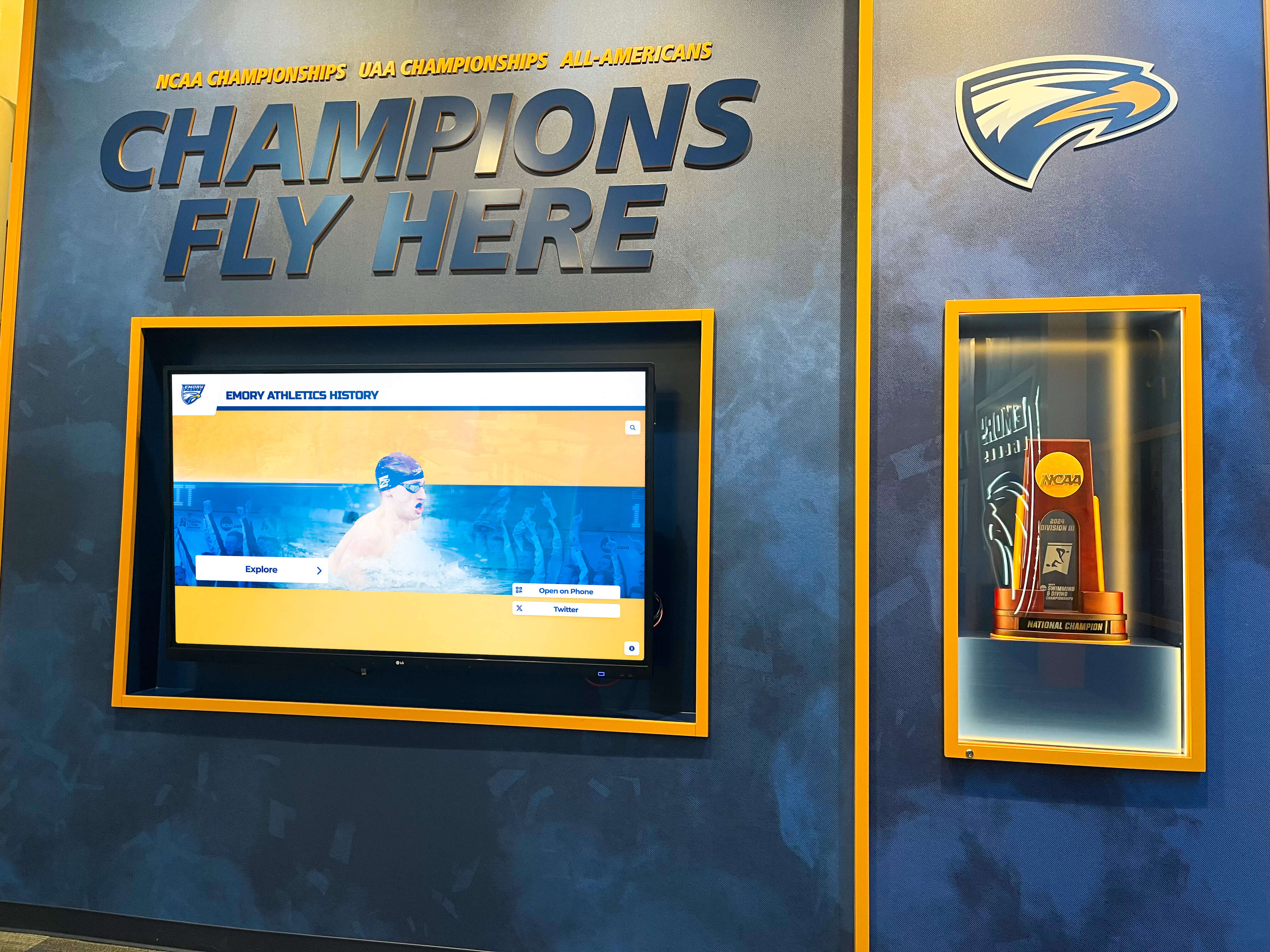
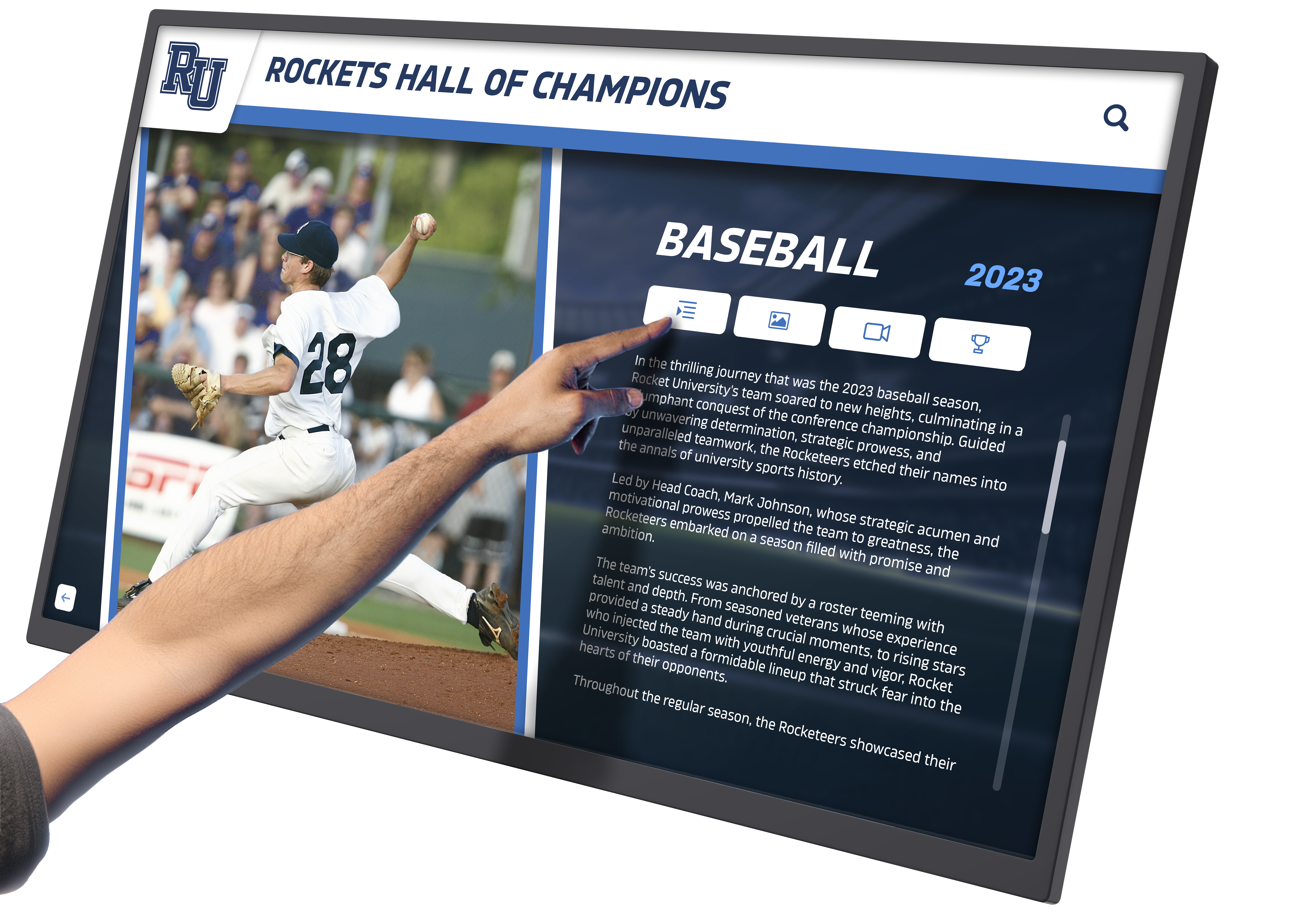
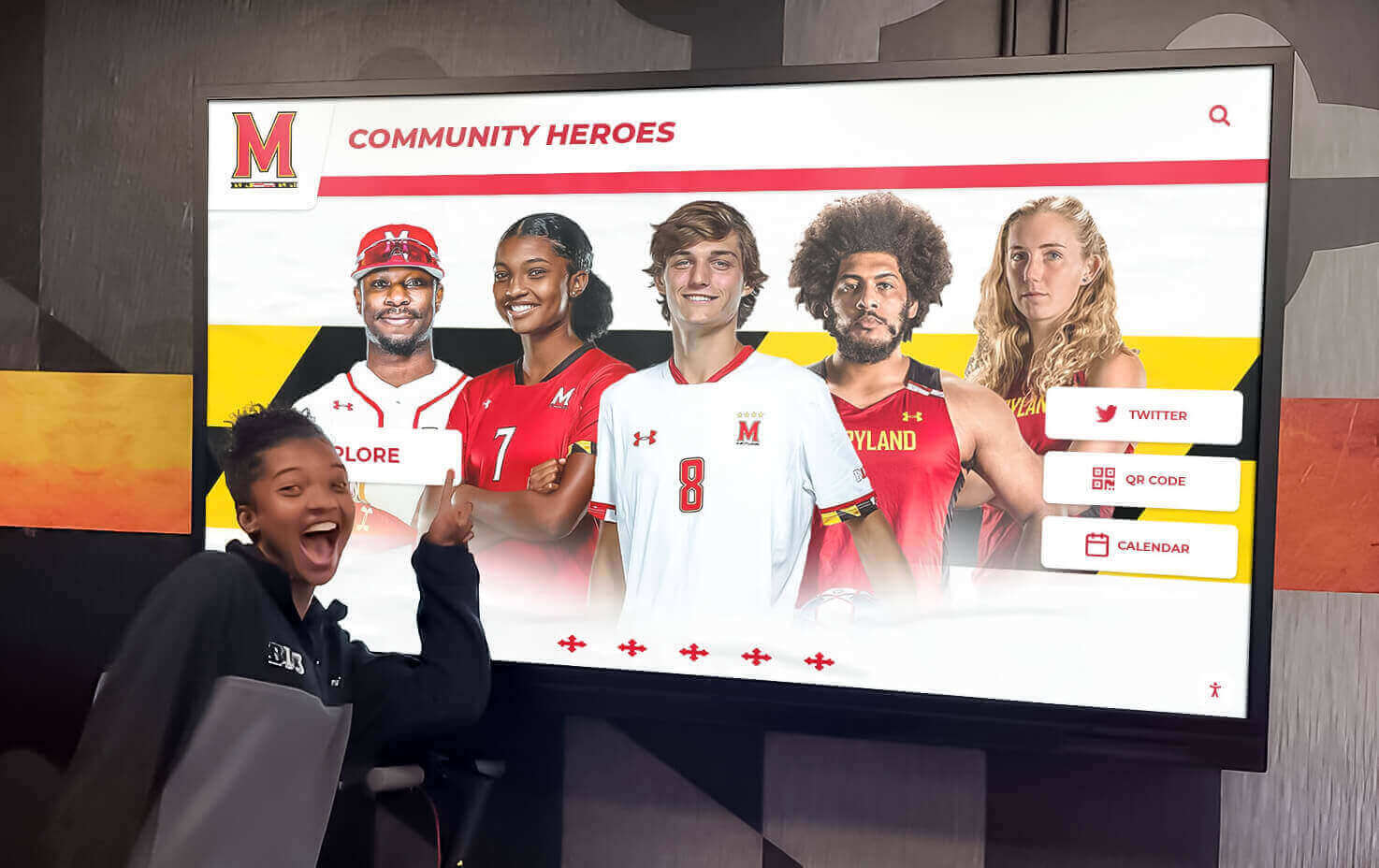
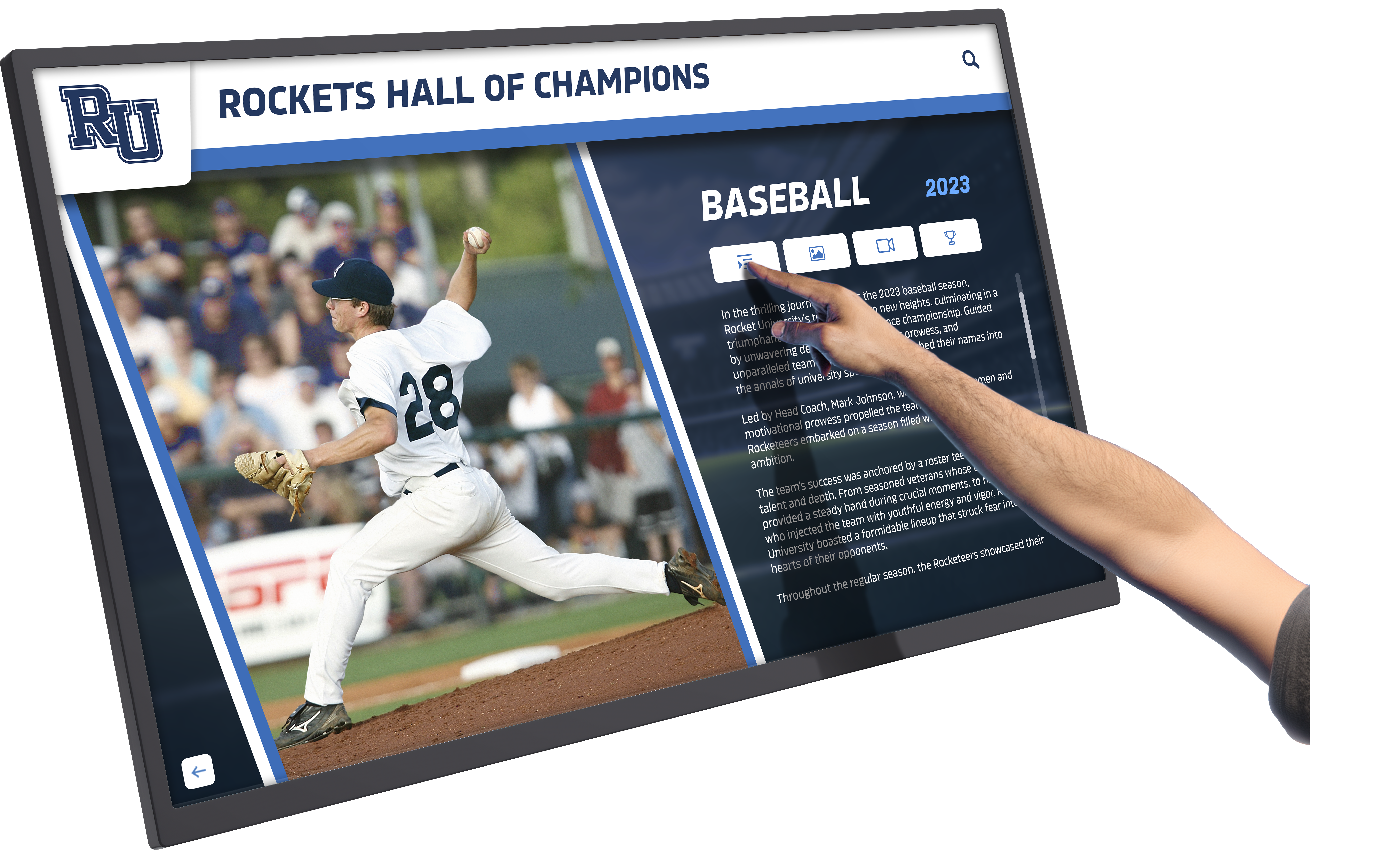
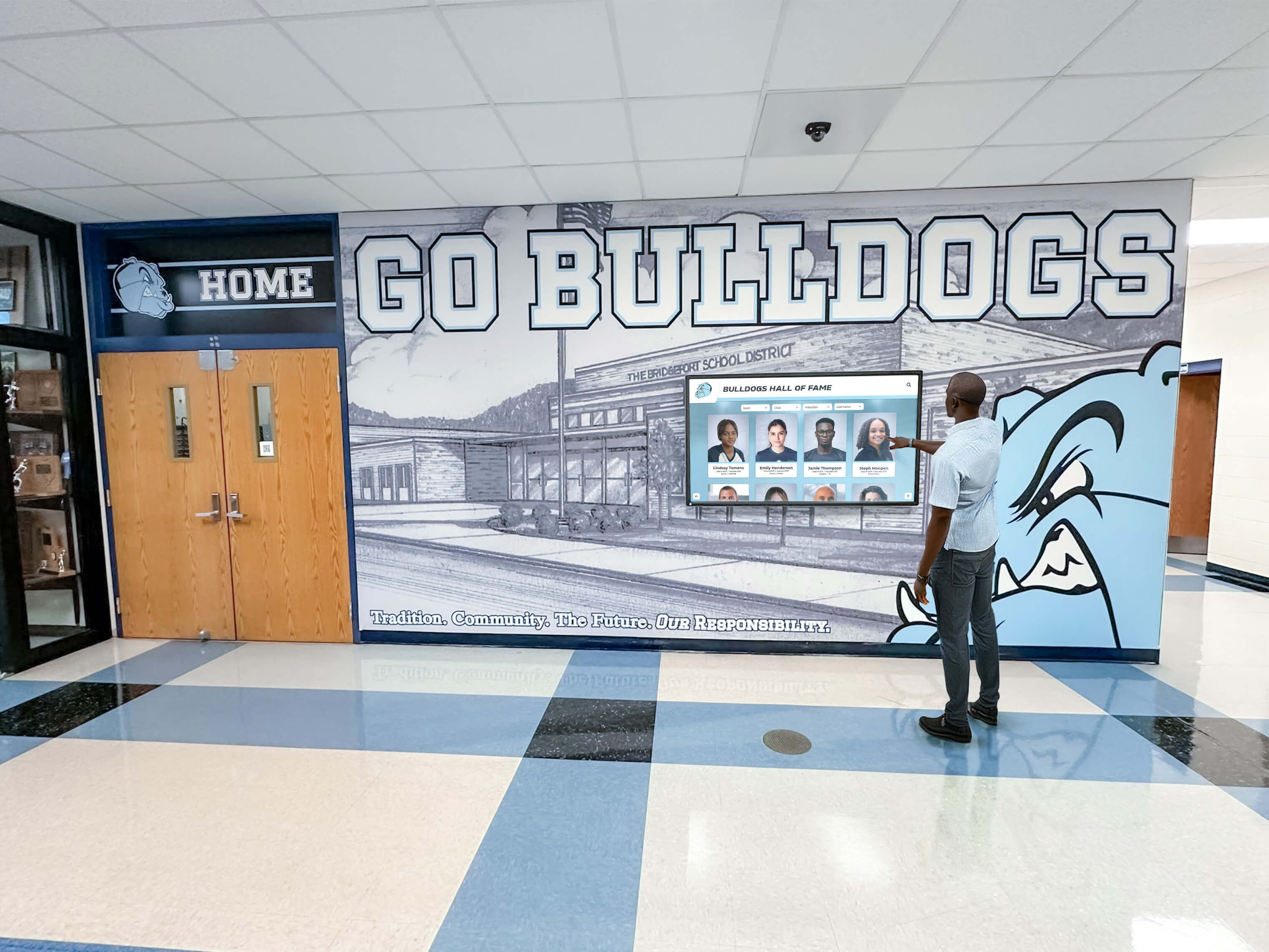
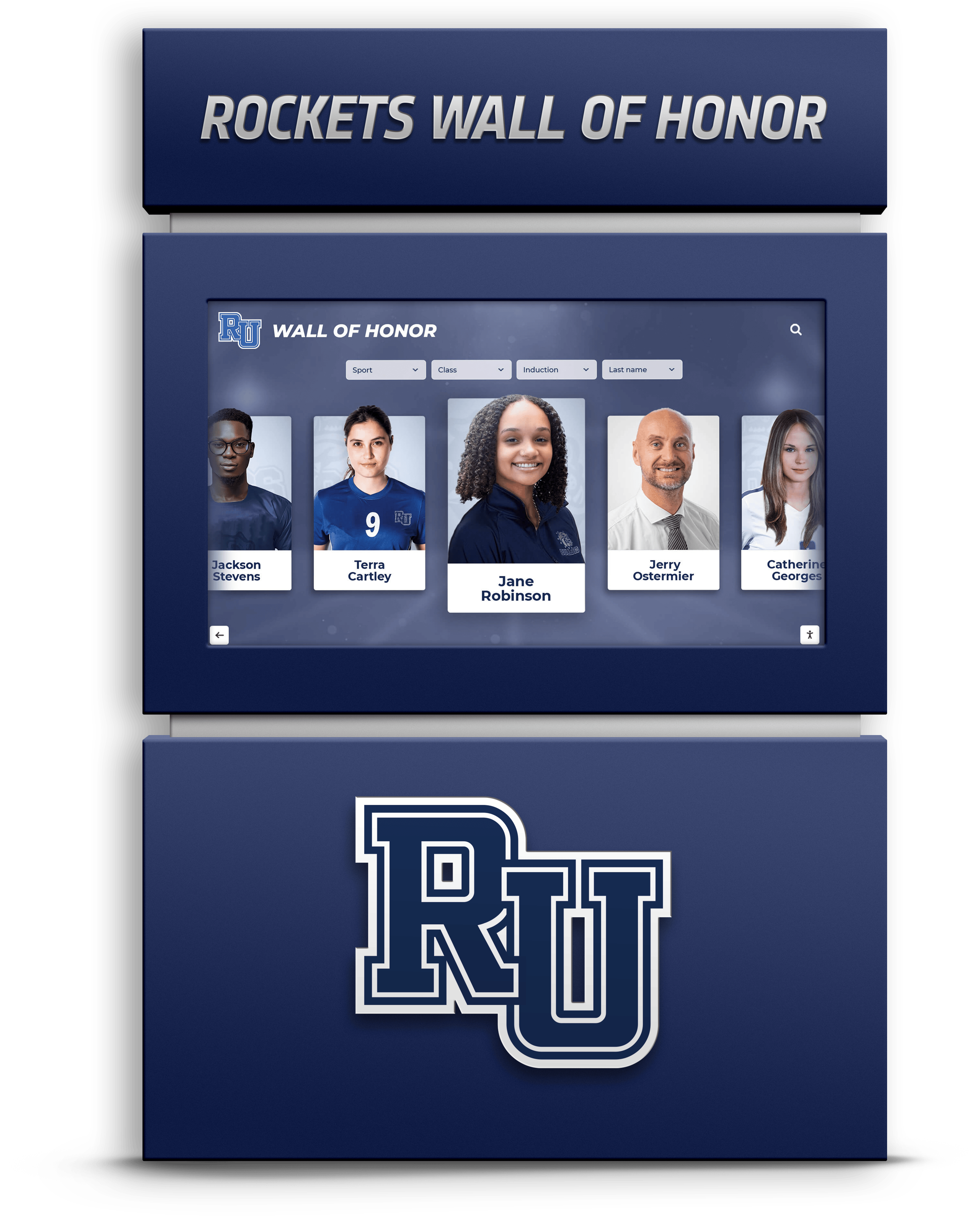
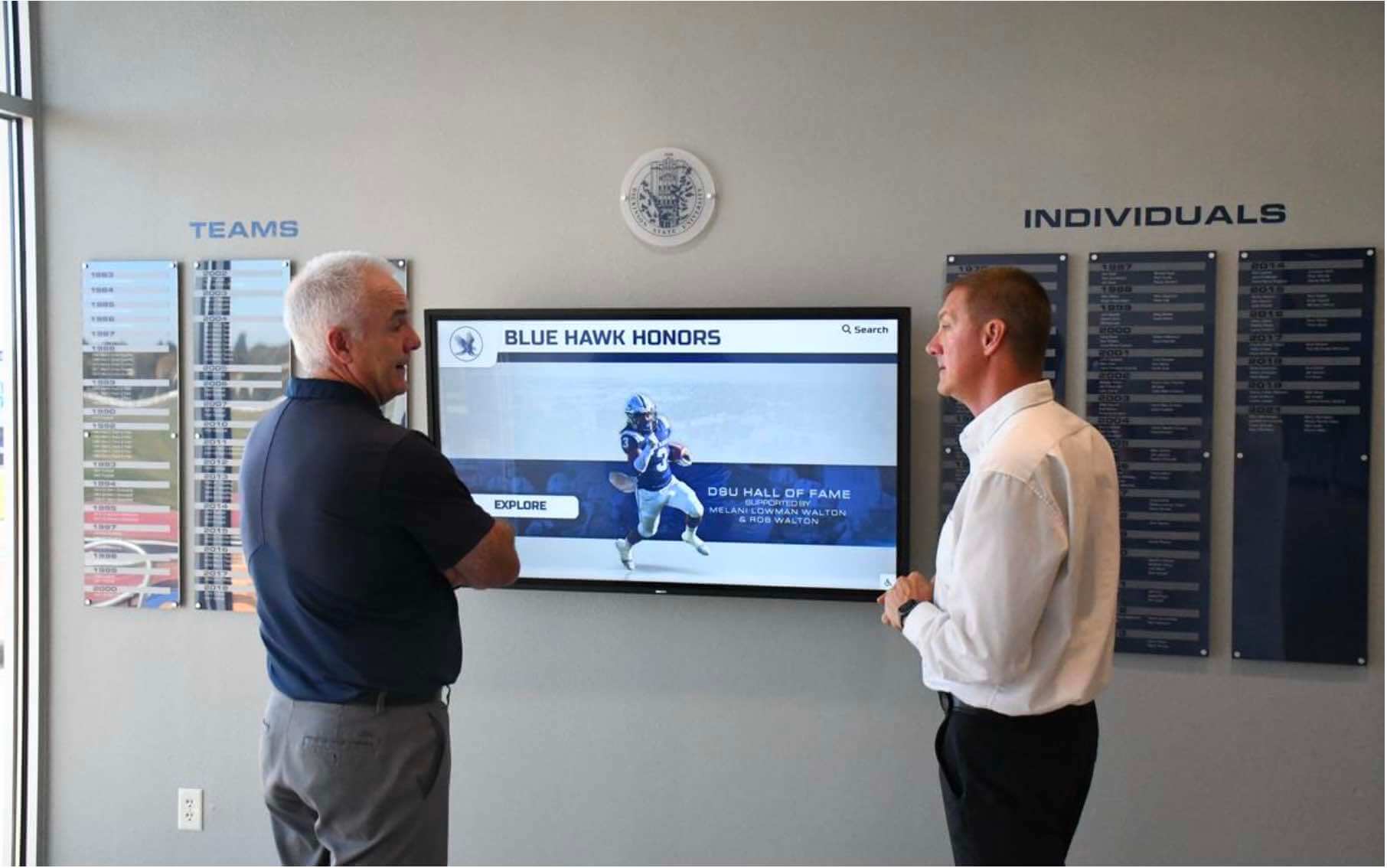
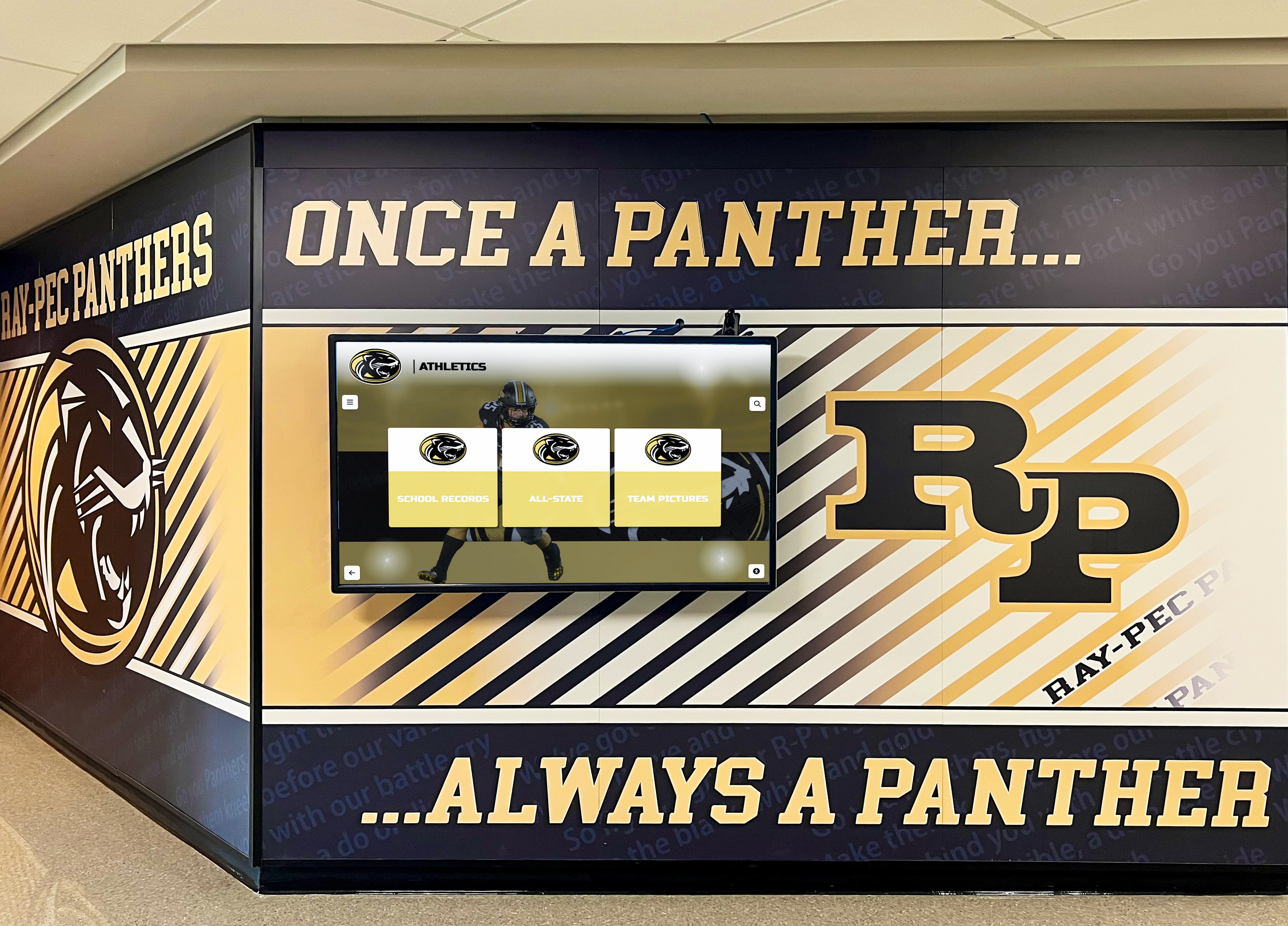
Digital recognition solutions address traditional limitations while enhancing engagement and accessibility. Interactive touchscreen displays can showcase unlimited numbers of all-conference athletes across all years without space constraints, incorporate rich multimedia content including photos, videos, statistics, and biographical information, update instantly through cloud-based content management systems adding new honorees immediately, enable search and filtering allowing visitors to find specific athletes by name, sport, or year, and integrate with school websites extending recognition access beyond physical facility locations.
Solutions like Rocket Alumni Solutions provide purpose-built platforms specifically designed for athletic recognition, offering intuitive interfaces that schools can manage without technical expertise while creating engaging experiences that inspire current athletes by showcasing program tradition and achievement history.
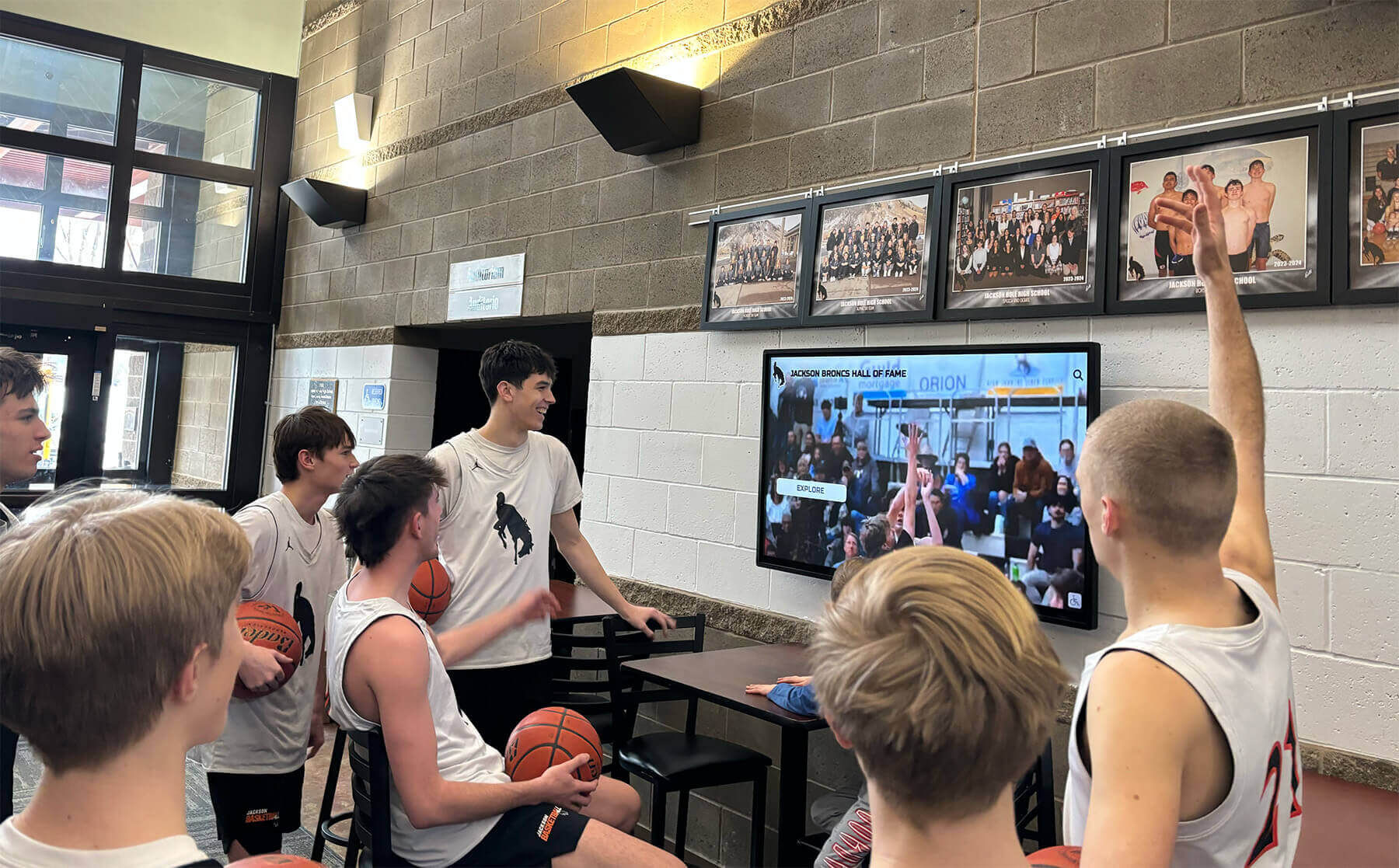
Schools implementing digital recognition displays report significantly improved engagement compared to static trophy cases, particularly among younger students who expect interactive digital experiences rather than passive information consumption.
Comprehensive Profile Content for All-Conference Athletes
Effective recognition goes beyond simply listing names, creating complete profiles that tell achievement stories and provide context helping audiences understand selection significance.
Essential Profile Components
All-conference athlete profiles should include athlete name and graduation year, specific all-conference designation (First Team, Second Team, etc.), sport and position, season or year of recognition, and athletic conference name. Expand beyond basics with season statistics leading to all-conference selection, team accomplishments during honored season, other awards or recognition earned, key games or performances demonstrating excellence, and biographical context about athletic journey and development.
Multimedia Content Enhancement
Incorporate action photographs from competition showing athletes performing, award ceremony or recognition event photos, video highlights of key performances when available, athlete quotes reflecting on their achievements and experience, and coach testimonials providing context about athletic development and competitive impact.
Rich multimedia content transforms simple name recognition into compelling narratives that engage audiences emotionally while inspiring current athletes by demonstrating that peers from their school achieved similar excellence through dedication and performance. Schools can find guidance on creating engaging content through resources about athletic award displays.
Integrating All-Conference Recognition Into Athletic Culture
All-conference recognition achieves maximum impact when woven into broader school athletic culture rather than treated as isolated occasional acknowledgment.
Annual Recognition Traditions
Establish consistent annual events specifically honoring that year’s all-conference athletes, creating anticipated celebration moments where school communities acknowledge exceptional achievement. These might include spring athletic awards banquets recognizing all-conference athletes alongside team awards, fall recognition ceremonies during homecoming weekends bringing together current and former athletes, or dedicated all-conference celebration events focusing exclusively on conference honors.
Consistent traditions demonstrate sustained institutional commitment to celebrating all-conference achievement rather than sporadic recognition depending on whether particular coaches or administrators prioritize it.
Current Athlete Inspiration
Position all-conference recognition prominently where current athletes encounter it regularly during training and preparation. Display recognition in locker rooms, weight rooms, training facilities, and team meeting spaces rather than limiting visibility to administrative corridors or public lobbies.
When athletes see all-conference recognition daily, it creates constant reminder of achievement possibilities and standards to pursue. Consider adding “pathway to all-conference” educational content explaining specific skills, statistics, or performance elements selection committees value, helping ambitious athletes understand concrete steps toward earning similar recognition.
All-Conference vs. All-State and Other Honors
Understanding how all-conference recognition relates to other athletic honors helps contextualize achievement significance and selection processes.
All-Conference vs. All-State Recognition
While all-conference teams recognize excellence within specific athletic conferences, all-state honors identify top performers across entire states regardless of conference affiliation.
Selection Pool Differences
All-conference selection draws from athletes competing within single conferences—perhaps 8-15 schools depending on conference size. All-state selection evaluates athletes from hundreds of schools across entire states, creating significantly larger and more competitive selection pools.
Consequently, all-state honors typically carry greater prestige than all-conference recognition due to broader competitive context. However, athletes competing in highly competitive conferences may find all-conference selection more difficult than all-state recognition if their conference includes multiple elite programs and athletes.
Selection Process Variations
All-conference selection typically relies on coach voting or performance results within conference structures. All-state selection often involves media panels, statewide coaching committees, or athletic association decisions drawing on nominations from regional representatives who evaluate athletes across diverse competitive contexts.
For comprehensive guidance on all-state recognition, resources about all-state athlete honors provide detailed explanations of selection processes and recognition approaches.
All-Conference and Conference Championship Relationships
All-conference team selection and conference championship outcomes relate but remain distinct recognitions acknowledging different achievement types.
Individual vs. Team Recognition
Conference championships recognize collective team success—winning conference tournaments or finishing regular seasons with best overall records. All-conference teams honor individual excellence regardless of team performance, acknowledging that outstanding athletes often compete for programs that may not win championships due to overall roster depth or competitive circumstances.
Athletes from championship teams often earn all-conference honors due to their contributions to team success, but selection isn’t limited to championship teams. Outstanding performers from middle-tier or struggling teams frequently receive all-conference recognition based on individual statistical achievement and competitive excellence despite team limitations.
Complementary Recognition
Comprehensive athletic recognition programs celebrate both team success through conference championship acknowledgment and individual excellence through all-conference athlete recognition, demonstrating that achievement takes multiple forms deserving equal institutional celebration. Digital recognition platforms can showcase both categories within integrated systems that tell complete program stories.
All-Conference and Academic Achievement Integration
The most effective recognition programs honor complete student-athletes by celebrating both athletic all-conference honors and academic excellence.
Scholar-Athlete Recognition Programs
Implement recognition systems that highlight when all-conference athletes also maintain strong academic performance through GPAs, honor roll status, or academic awards. Create special “Academic All-Conference” designations for athletes meeting both athletic and academic criteria, similar to National Honor Society recognition that celebrates academic achievement.
This integrated approach reinforces that athletic excellence and academic success complement rather than compete with each other, helping students understand that commitment to training and competition doesn’t preclude educational achievement.
The Impact of All-Conference Recognition on Athletes
All-conference honors create meaningful impacts extending well beyond simple award acknowledgment, influencing athletic development, educational opportunities, and lifelong connection to sports and schools.
College Recruiting and Scholarship Opportunities
For high school athletes aspiring to compete collegiately, all-conference recognition significantly enhances recruiting profiles and scholarship prospects.
Recruiting Visibility and Credibility
College coaches evaluate hundreds or thousands of prospective athletes annually. All-conference designations provide credible third-party validation of athletic ability from sources beyond high school coaches who might naturally promote their athletes. When college recruiters see multiple all-conference selections across athlete careers, it signals sustained competitive excellence against quality opposition rather than isolated strong performances.
Athletes with First Team All-Conference honors attract attention from higher-level programs and receive more scholarship offers than comparable athletes lacking conference recognition. For athletes competing in highly visible conferences with strong reputations, all-conference status carries particular weight since recruiters understand the competitive quality required to earn such recognition.
Athletic Resume Building
All-conference selections become permanent additions to athletic resumes, recruiting profiles, and highlight packages athletes share with college programs. These honors appear in media guides, recruiting databases, and scholarship applications, creating documentation of achievement that enhances credibility across all recruiting communications.
Athletes pursuing opportunities through recruiting events, showcase competitions, or transfer portals benefit from all-conference recognition that distinguishes their profiles from others with similar statistics but without formal conference acknowledgment. Resources about college recruitment recognition explain how various honors impact recruiting processes.
Personal Development and Confidence
Beyond tangible recruiting benefits, all-conference recognition provides psychological and developmental benefits supporting athlete growth.
Validation of Commitment and Work Ethic
Athletes invest enormous time and energy in training, practicing, and competing. All-conference recognition provides external validation that this commitment produced measurable results, reinforcing work ethic and dedication. This validation proves particularly meaningful during challenging periods when athletes question whether their investment remains worthwhile.
Motivation for Continued Excellence
Earning all-conference honors as underclassmen creates motivation to maintain or exceed that performance level in subsequent seasons. Athletes who achieve first all-conference recognition as sophomores or juniors often set goals of repeating selection or advancing from Second Team to First Team, driving continued performance improvement through their careers.
Similarly, athletes who narrowly miss all-conference selection gain motivation to enhance specific skills or statistical areas preventing recognition, creating development targets for subsequent seasons.
Lifelong Connection and Pride
All-conference recognition creates lasting connections to athletic careers and schools that persist long after competitive careers end.
Personal Achievement Milestones
Most athletes remember all-conference seasons throughout their lives as highlights of athletic careers, markers of peak performance and recognition. These memories provide sources of pride and accomplishment that enhance life satisfaction and self-identity even decades after competition concludes.
Alumni all-conference athletes often maintain stronger connections to schools and athletic programs than non-recognized athletes, attending reunions, supporting current programs, and engaging with institutional communications. Recognition displays featuring all-conference athletes, particularly modern interactive displays, maintain these connections by providing platforms where alumni can revisit their achievements and share recognition with families and friends.
Inspiration for Next Generations
All-conference athletes often become role models for younger family members, community youth, or current school athletes. The ability to point to formal recognition like all-conference selection enhances credibility when mentoring emerging athletes or encouraging youth participation in sports.
Recognition displays create physical manifestations of these role model relationships, allowing all-conference athletes to share achievement evidence with those they inspire while demonstrating that elite performance remains achievable for dedicated athletes.
Best Practices for Schools Implementing All-Conference Recognition Programs
Schools committed to comprehensively honoring all-conference athletes should follow systematic approaches ensuring effective recognition that serves multiple stakeholder needs.
Establishing Consistent Recognition Protocols
Develop clear policies defining how all-conference athletes receive recognition, ensuring consistency across sports and years rather than ad-hoc approaches varying by coach preferences or administrative attention.
Standardized Recognition Components
Define standard recognition elements all-conference athletes receive regardless of sport including announcement during school assemblies or morning announcements, feature profiles on school website and social media channels, inclusion in permanent recognition displays (physical or digital), certificates or commemorative items provided to athletes, and recognition at appropriate athletic events or awards ceremonies.
Standardization ensures equitable recognition across all sports rather than high-profile programs receiving extensive celebration while less visible sports get minimal acknowledgment. This equity demonstrates institutional commitment to honoring excellence across all athletic contexts.
Timeline and Responsibility Assignment
Designate specific personnel responsible for coordinating all-conference recognition—perhaps athletic directors, athletic communications staff, or activities coordinators. Establish timelines for each recognition component, ensuring systematic execution rather than delayed or forgotten acknowledgment.
For example, protocols might specify that within one week of all-conference announcement, staff will post social media recognition and update website profiles. Within two weeks, athletes receive certificates and recognition items. Within one month, permanent displays update with new honorees. Clear assignments and timelines prevent recognition gaps while distributing workload appropriately.
Creating Comprehensive Historical Records
Beyond current-year recognition, maintain complete historical records of all-conference athletes throughout school history, preserving achievement documentation and enabling historical perspective on program development.
Database Development and Maintenance
Compile databases including all-conference athletes across all years, sports, and recognition levels. Include athlete names, graduation years, sports and positions, all-conference designation levels, specific seasons of recognition, and any available statistics or achievement context.
This database becomes foundation for historical recognition displays, allowing comprehensive celebration of program tradition and achievement rather than limiting recognition to recent years. Many schools discover that compiling complete historical records reveals forgotten achievements and unrecognized patterns demonstrating sustained program excellence.
Alumni Engagement and Information Gathering
Engage alumni all-conference athletes to supplement incomplete historical records, share memories and context about their achievements, provide contemporary photographs or media if archival materials are unavailable, and maintain current information about post-athletic careers and accomplishments.
Alumni participation enriches recognition while strengthening institutional connections. Consider implementing alumni recognition programs that engage former all-conference athletes as mentors for current athletes or program ambassadors within communities.
Balancing Recognition Across Sports and Genders
Ensure all-conference recognition programs provide equitable celebration across all athletic programs regardless of sport visibility, team success, or gender.
Sport-Neutral Recognition Standards
Apply identical recognition protocols whether athletes compete in high-profile sports like football and basketball or less visible programs like cross country, swimming, or tennis. First Team All-Conference selection in any sport merits equivalent celebration, display prominence, and institutional acknowledgment.
Avoid implicit hierarchies suggesting some all-conference achievements matter more than others. When recognition displays, social media posts, or ceremonies provide disproportionate attention to certain sports while minimizing others, it communicates that only particular athletic excellence deserves full celebration.
Title IX Compliance and Gender Equity
Federal Title IX requirements mandate equitable treatment of male and female athletes, extending to recognition programs alongside competitive opportunities and resource allocation. Schools must ensure all-conference recognition for women’s sports receives equal prominence, display space, celebration, and institutional resources as recognition for men’s sports.
Regular assessment of recognition equity across gender helps identify unintentional disparities, enabling corrective action ensuring complete fairness in celebrating achievement regardless of gender. Many schools find that digital recognition platforms naturally support gender equity by eliminating space constraints that previously forced difficult decisions about which athletes could fit within limited physical displays.
Future Trends in All-Conference Recognition
Recognition approaches continue evolving as technology advances and expectations change, creating new opportunities for celebrating all-conference achievement.
Enhanced Digital Experiences
Future all-conference recognition will increasingly leverage advanced technologies creating more engaging and accessible experiences.
Mobile Integration and Social Sharing
Modern recognition platforms integrate seamlessly with mobile devices, allowing athletes to access and share their all-conference profiles instantly through personal phones and social media platforms. QR codes placed near physical recognition displays link to expanded digital profiles containing video highlights, detailed statistics, and comprehensive achievement narratives.
This mobile integration multiplies recognition visibility exponentially beyond in-person facility visitors, allowing athletes to share accomplishments with extended networks while enabling prospective athletes to explore program traditions remotely before campus visits.
Video and Multimedia Enhancement
As video capture and editing tools become ubiquitous, all-conference recognition increasingly incorporates video highlights showing actual athletic performances that earned recognition. Short highlight reels, athlete interviews, and coach testimonials create richer recognition experiences than static text and photos alone.
These multimedia enhancements make recognition more engaging for younger audiences accustomed to video content while preserving achievement contexts more completely than traditional text-based approaches. Schools developing video recognition content find that multimedia significantly increases audience engagement and emotional connection.
Data Analytics and Performance Context
Advanced analytics provide enhanced context helping audiences fully appreciate all-conference achievement significance.
Historical Performance Comparisons
Future recognition platforms will enable statistical comparisons showing how current all-conference athletes’ performances compare to previous honorees from the same program. Visual data presentations might display season statistics alongside historical averages, revealing when current athletes exceeded or matched historical program bests.
These comparisons add compelling context demonstrating achievement magnitude while creating natural connections between current and historical all-conference athletes.
Conference-Wide Competitive Context
Enhanced data integration will provide broader competitive context showing where all-conference athletes ranked statistically across entire conferences or how their performance compared to state or national benchmarks. This expanded perspective helps audiences understand that First Team All-Conference selection in highly competitive conferences may reflect performance exceeding All-State or even national standards.
Personalized Recognition Experiences
Emerging technologies will enable increasingly personalized recognition experiences tailored to individual viewer interests and connections.
User-Customized Display Content
Interactive recognition displays will allow users to filter and customize content based on personal interests—perhaps showing only all-conference athletes from specific sports, graduation years matching visitor ages, or athletes who share visitor hometowns or backgrounds. This personalization creates more relevant experiences increasing engagement and connection.
AI-Powered Narrative Generation
Artificial intelligence will assist in creating compelling narrative content about all-conference athletes by analyzing statistics, identifying achievement patterns, and generating engaging descriptions highlighting most significant accomplishments and contextual factors. This technology will help schools maintain comprehensive, high-quality recognition content without requiring extensive staff writing time.
Conclusion: Celebrating Conference Excellence Appropriately
All-conference recognition represents distinguished achievement deserving comprehensive celebration that honors athlete dedication while inspiring current and future competitors to pursue similar excellence. Whether athletes earn First Team selection in highly competitive conferences or Honorable Mention acknowledgment in their first varsity seasons, these honors validate countless hours of training, competitive commitment, and performance excellence.
Schools committed to appropriately recognizing all-conference athletes should implement systematic approaches ensuring consistent, equitable, and comprehensive celebration across all sports and years. Effective recognition programs combine immediate celebration through announcements and ceremonies with permanent recognition displays maintaining year-round visibility. They provide rich context explaining what all-conference selection means and the achievement significance, creating inspiration for current athletes while preserving program history.
The evolution from space-constrained trophy cases to unlimited digital recognition platforms has transformed what schools can achieve in all-conference athlete recognition. Modern solutions like those from Rocket Alumni Solutions eliminate physical limitations while adding engaging interactive features, comprehensive multimedia content, and web accessibility extending recognition reach far beyond facility walls.
By implementing comprehensive all-conference recognition programs, schools demonstrate authentic commitment to celebrating athletic excellence, create inspiration motivating current athletes toward similar achievement, strengthen program traditions and institutional pride, and preserve achievement legacies ensuring that exceptional athletic performance receives lasting acknowledgment it deserves.
Ready to create comprehensive recognition for your all-conference athletes that inspires current students while preserving program tradition? Modern digital recognition solutions from Rocket Alumni Solutions provide unlimited capacity, rich multimedia capabilities, and engaging interactive experiences that honor elite athletic achievement appropriately across all sports and years.
Whether celebrating football First Team selections, basketball conference players of the year, individual sport conference champions, or any athletic excellence within conference contexts, the right recognition approach preserves achievement while creating powerful connections between past success and future aspiration.