



Key Takeaways
Understanding all-conference meaning and significance for high school athletes. Learn what all-conference honors represent, their impact on college recruitment, and how schools celebrate these prestigious athletic achievements with modern recognition displays.
When your child comes home announcing they’ve been named all-conference, the pride is immediate—but you might wonder exactly what this honor means. All-conference recognition represents one of the most significant individual achievements in high school athletics, acknowledging athletes whose performance throughout the season ranked among the very best within their athletic conference. For student-athletes, these selections validate thousands of hours of training, demonstrate competitive excellence against peer schools, and create opportunities that extend well beyond the current season.
Understanding what all-conference honors signify, how they impact an athlete’s future, and why schools invest in celebrating these achievements helps parents, athletes, and administrators appreciate why this recognition matters far more than a certificate in a drawer or a line on a resume.
What Does All-Conference Mean in High School Sports?
All-conference recognition means an athlete performed at an elite level among all competitors within their athletic conference throughout an entire season. Unlike game-by-game performance awards or single-event recognition, all-conference honors evaluate sustained excellence across the complete competitive schedule.
The Competitive Context That Makes All-Conference Meaningful
Athletic conferences group schools of similar size, geographic proximity, and competitive level. When an athlete earns all-conference recognition, they’ve distinguished themselves not just within their own team, but among every athlete competing in that sport across all conference schools. In a conference of ten schools, each fielding teams of 15-20 athletes, being selected all-conference means ranking among perhaps the top 10-15 performers out of 150-200 total competitors.
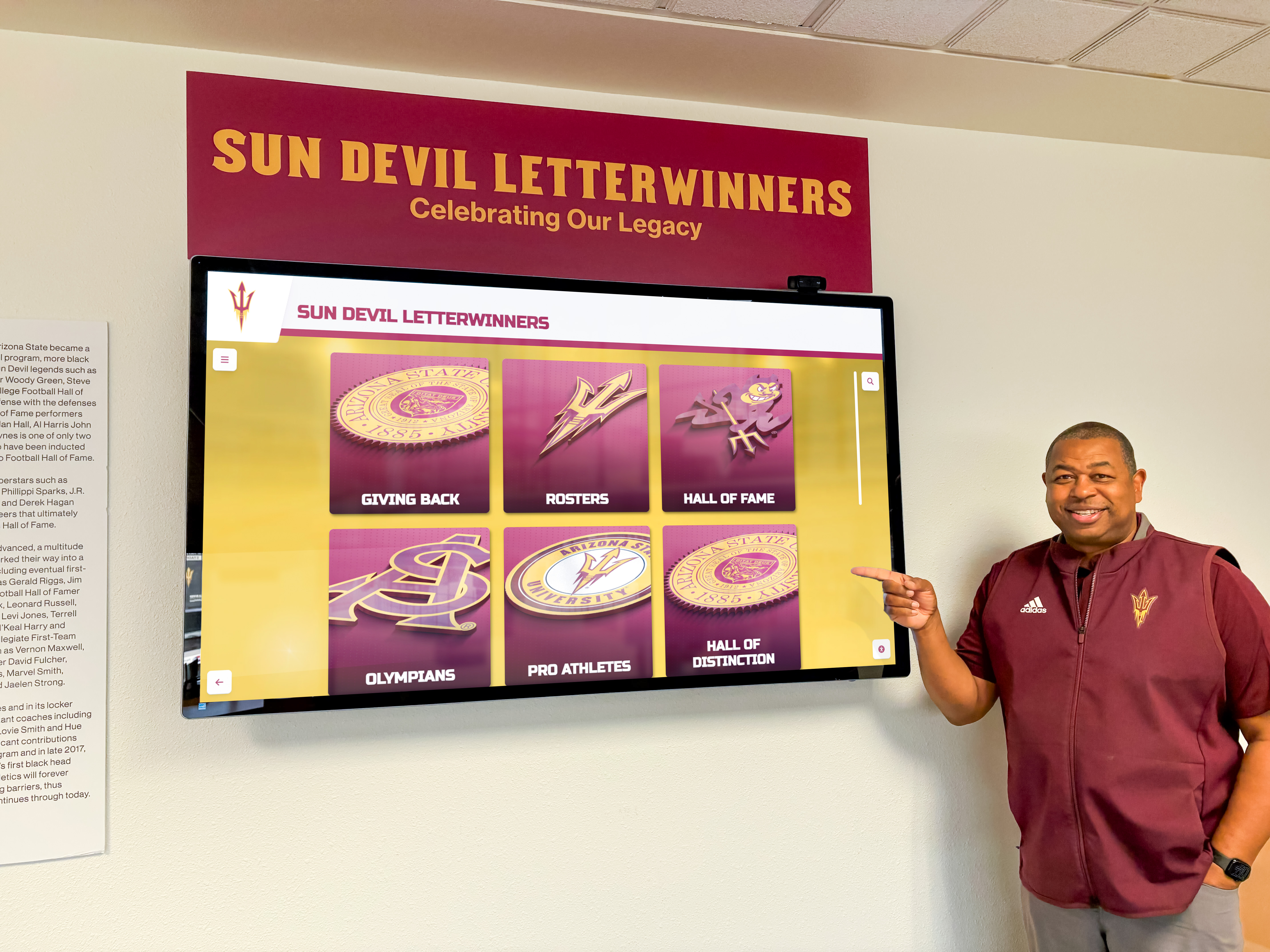
This context matters when evaluating what the honor represents. All-conference athletes didn’t just perform well against one opponent on one night—they demonstrated consistent excellence throughout an entire season against multiple quality opponents, earning recognition through sustained performance rather than single exceptional moments.
Different Tiers of All-Conference Recognition
Most conferences utilize multiple recognition tiers acknowledging varying levels of achievement:
First Team All-Conference represents the absolute highest level of recognition, typically limited to the best 7-15 athletes across the entire conference depending on sport and position requirements. First team selections generally include the top one or two athletes at each position, creating an “ideal” team representing the conference’s very best performers.
Second Team All-Conference recognizes the next tier of elite performers—athletes who demonstrated exceptional ability but competed for positions against first team selections. Second team honors still represent elite status, acknowledging perhaps the top 20-30 athletes conference-wide.
Honorable Mention All-Conference extends recognition to additional deserving athletes who performed at high levels without quite reaching first or second team status. These selections acknowledge consistent quality performance and often represent the top 40-50 athletes conference-wide.
All-Conference Academic honors athletes who excelled both athletically and academically, typically requiring specific GPA thresholds along with athletic performance standards. These selections celebrate the student-athlete ideal, recognizing that excellence in competition and classroom represents the true goal of high school athletics.
The specific terminology and tiers vary by conference, with some using different designation systems, but the underlying principle remains consistent—recognizing graduating levels of sustained excellence throughout a competitive season.
Why All-Conference Recognition Matters for Student-Athletes
All-conference honors carry significance that extends well beyond the immediate recognition, creating tangible benefits for athletes as they continue their educational and athletic journeys.
Impact on College Athletic Recruitment
College coaches and recruiters actively track all-conference selections when identifying potential recruits. All-conference recognition provides third-party validation of an athlete’s abilities, confirming that coaches from opposing schools—who have no incentive to inflate assessments—consider this athlete among the conference’s best performers.
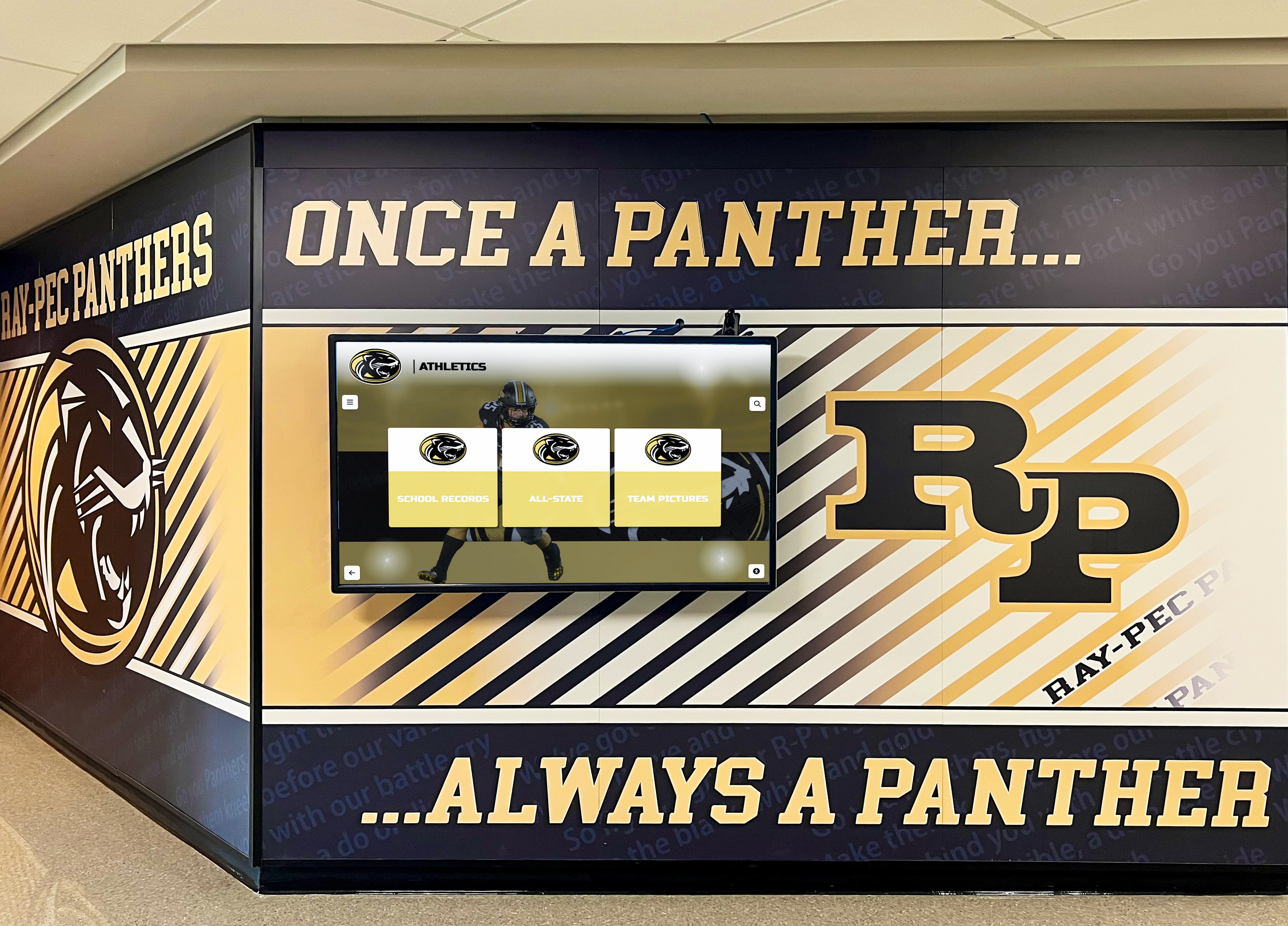
For athletes aspiring to compete collegiately, all-conference selections strengthen recruiting profiles significantly. When college coaches receive hundreds of athlete profiles, all-conference recognition immediately signals competitive quality, helping athletes stand out in crowded recruitment pools. Multiple years of all-conference selection demonstrate not just talent but consistency—a quality college programs highly value.
The level of competition within the conference matters here as well. All-conference recognition from highly competitive conferences carries particular weight because college recruiters understand the quality of competition these athletes faced. This context is why detailed digital recognition displays that include season statistics, opponent quality, and conference standings help college coaches evaluate all-conference athletes more comprehensively.
Scholarship Consideration and Academic Benefits
All-conference recognition strengthens scholarship applications both for athletic and academic awards. Athletic scholarship committees consider all-conference honors as demonstrated achievement evidence, while academic scholarship programs often look favorably on students who balanced competitive athletics with academic success.
The all-conference academic designation particularly strengthens applications for academic scholarships and honors programs. These selections demonstrate time management, commitment, and the ability to excel simultaneously in multiple demanding environments—qualities colleges actively seek.
Personal Validation and Confidence Building
Beyond tangible benefits, all-conference recognition provides profound personal validation for athletes who’ve invested countless hours developing their skills. The acknowledgment from coaches across the conference—many of whom developed game plans specifically to stop these athletes—confirms that the sacrifice, early morning workouts, and dedicated practice produced measurable results.
This validation builds confidence that extends beyond athletics. Athletes learn that sustained effort produces recognition, that excellence gets acknowledged, and that performance matters. These lessons transfer to academic pursuits, career development, and personal goal setting throughout life.
How Selection Processes Work: Understanding the Evaluation
All-conference selection processes vary by conference and sport, but most follow similar fundamental approaches that emphasize objective performance evaluation and peer assessment.
Coach Voting and Nomination Systems
The most common selection method involves head coaches from each conference school submitting nominations and participating in voting processes. After the season concludes, coaches typically nominate their own athletes while also identifying standout performers from opposing teams. This dual perspective—knowing your own athletes deeply while recognizing threats from opponents—creates balanced evaluation.
Voting systems usually prevent coaches from voting for their own athletes at certain selection levels, ensuring recognition results from peer assessment rather than self-promotion. Some conferences weight votes by finish position, giving coaches from championship teams slightly more influence on the premise that they best understand elite performance requirements.
Statistical Performance Metrics
Objective statistical measures increasingly inform all-conference selections, particularly in sports with extensive quantifiable metrics. Basketball selections consider points per game, shooting percentages, rebounds, and assists. Baseball and softball selections evaluate batting averages, earned run averages, and fielding percentages. Track and field uses times, distances, and heights that provide objective comparison across competitors.
Statistics don’t determine selections alone—coaches understand that context matters, that system differences affect individual statistics, and that some contributions don’t appear in box scores. However, statistical excellence combined with coach recognition creates the strongest cases for all-conference honors.
Position-Specific Requirements and Considerations
Selection processes consider position-specific requirements, recognizing that different positions contribute differently and that comparing a pitcher’s value to a center fielder’s requires understanding their distinct roles. Most selections ensure representation across positions rather than simply selecting the statistically highest performers regardless of position.
This position awareness ensures balanced recognition that acknowledges excellence wherever it appears on the field or court. It also means athletes competing for positions with fewer available selections face more intense competition for recognition than those at positions with multiple selection spots.
How Schools Celebrate and Display All-Conference Achievements
Schools recognize the significance of all-conference honors by creating prominent displays and celebrations that acknowledge these achievements while inspiring current and future athletes.
Traditional Recognition Methods
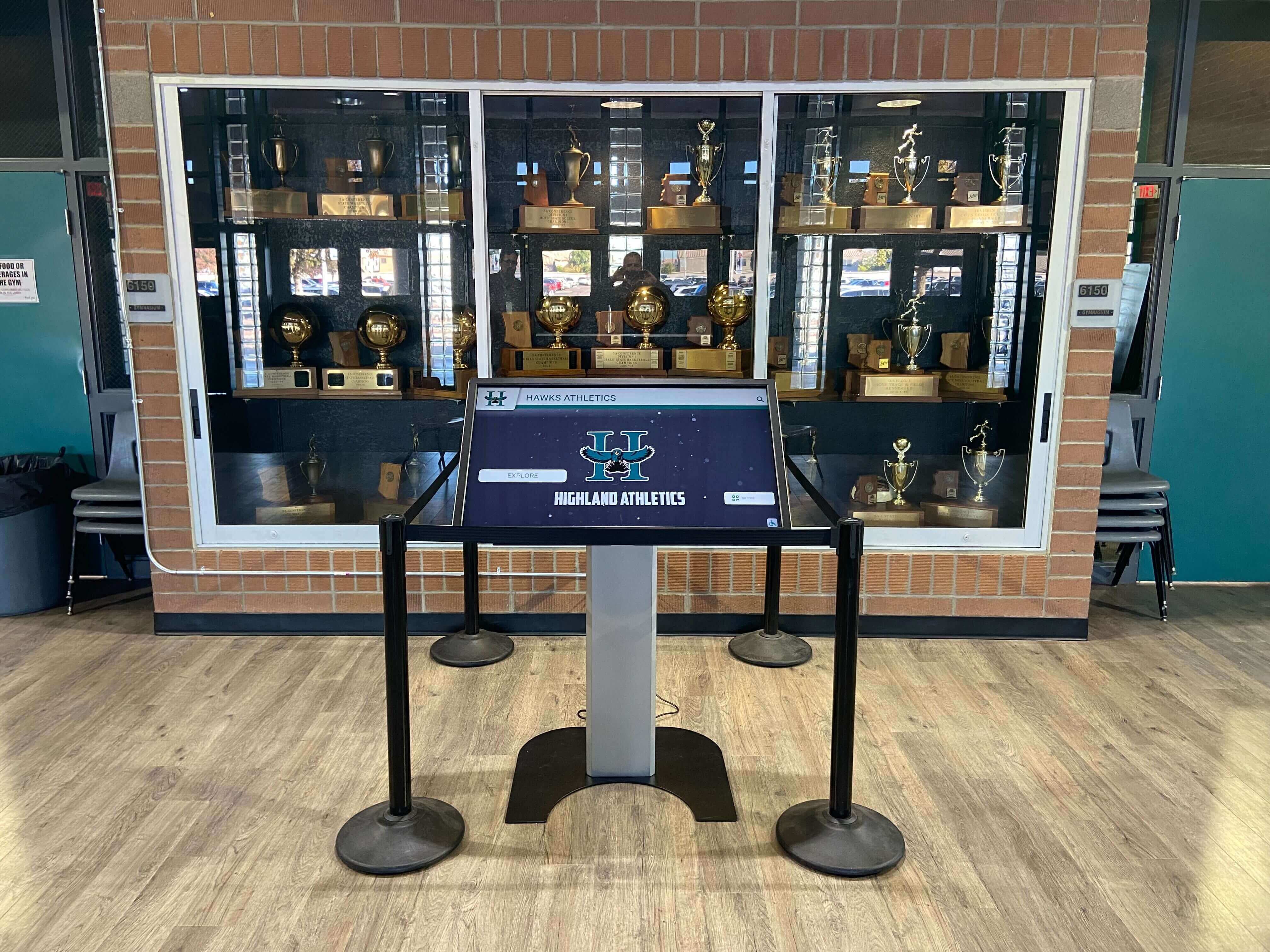
Traditional recognition approaches include certificates presented at awards banquets, plaques displayed in trophy cases, names listed on hallway recognition boards, photos featured in athletics wings, and announcements during school assemblies or athletic events. These time-tested approaches provide formal acknowledgment and create permanent records of achievement.
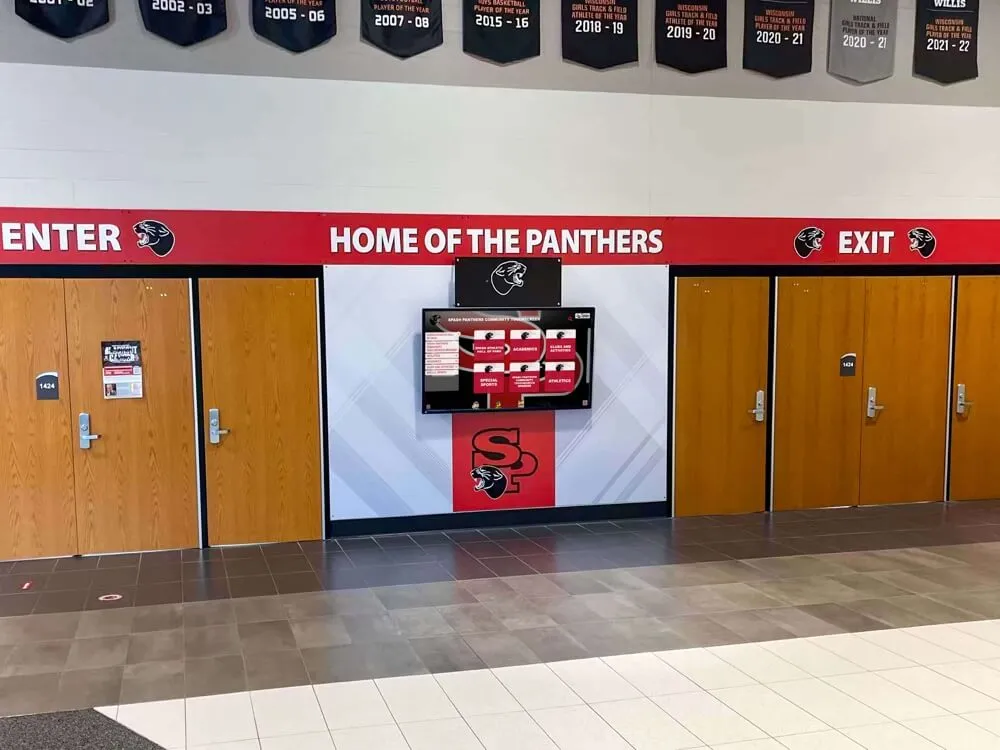
Many schools maintain all-conference recognition boards where athletes’ names get added annually, creating historical records showing decades of athletic excellence. These traditional displays serve important archival purposes, documenting program history and establishing legacy connections between past and present athletes.
Modern Digital Recognition Displays
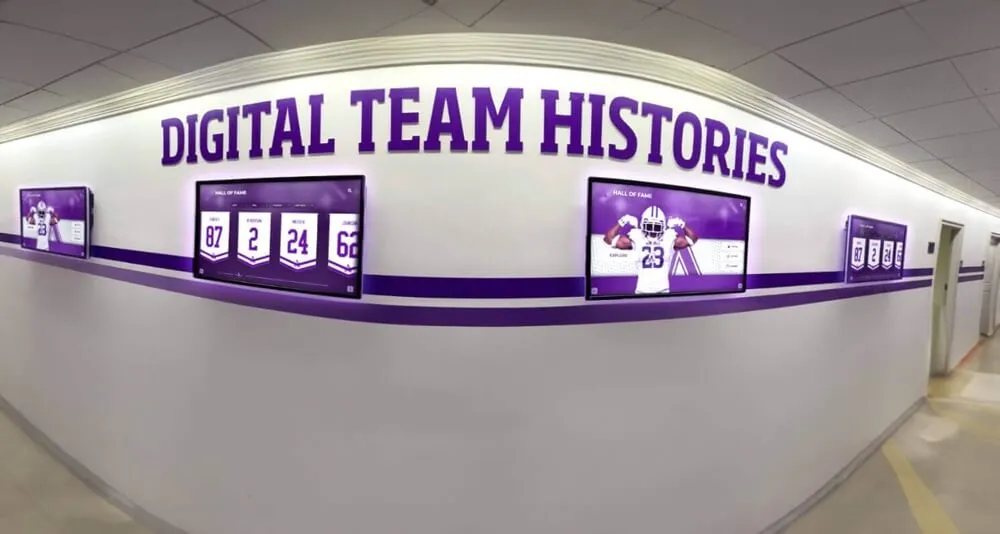
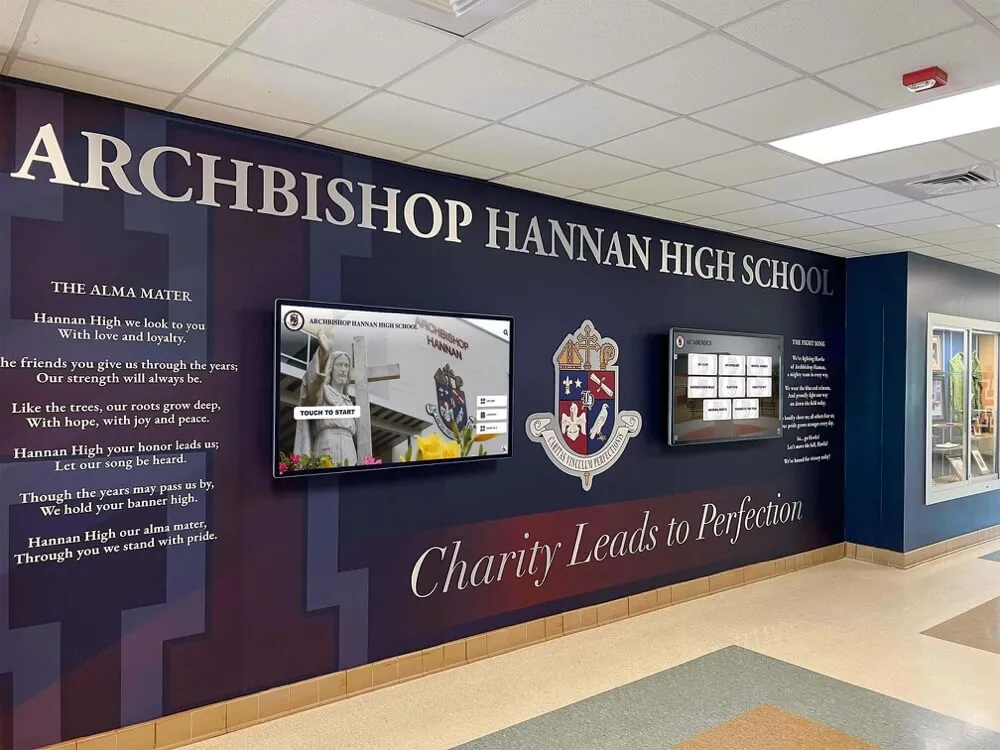
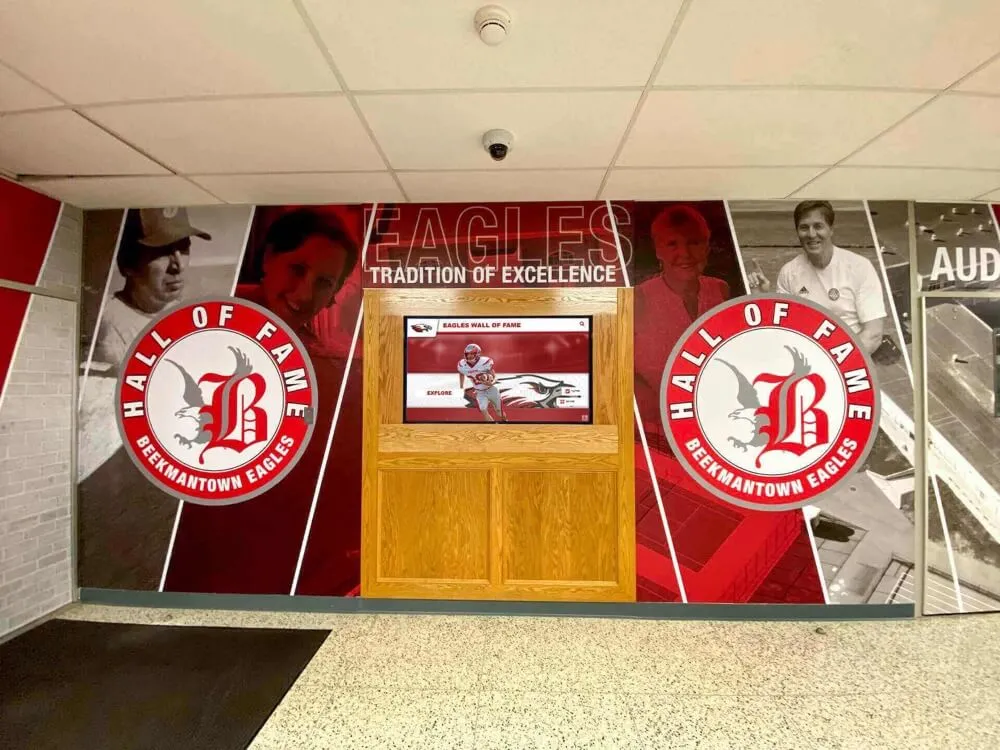
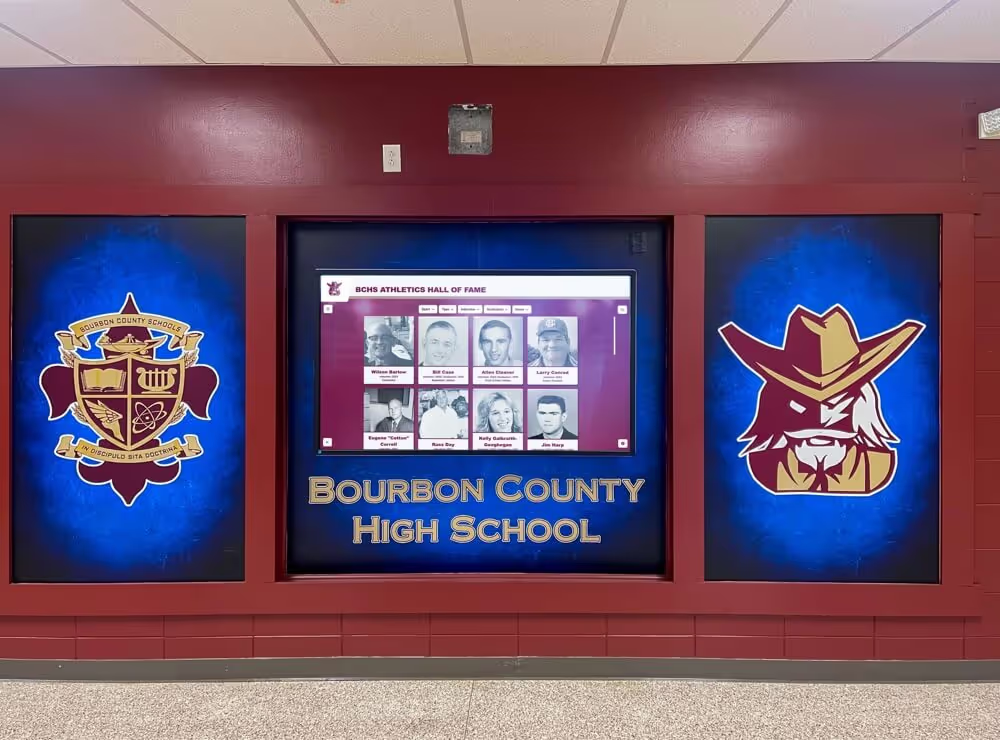
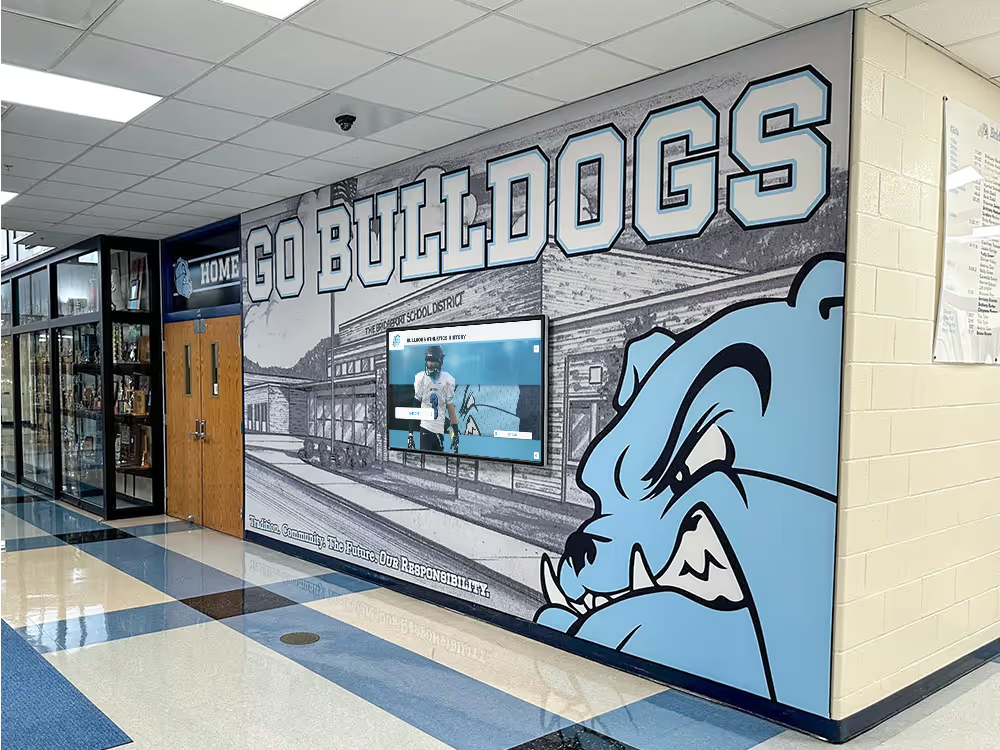
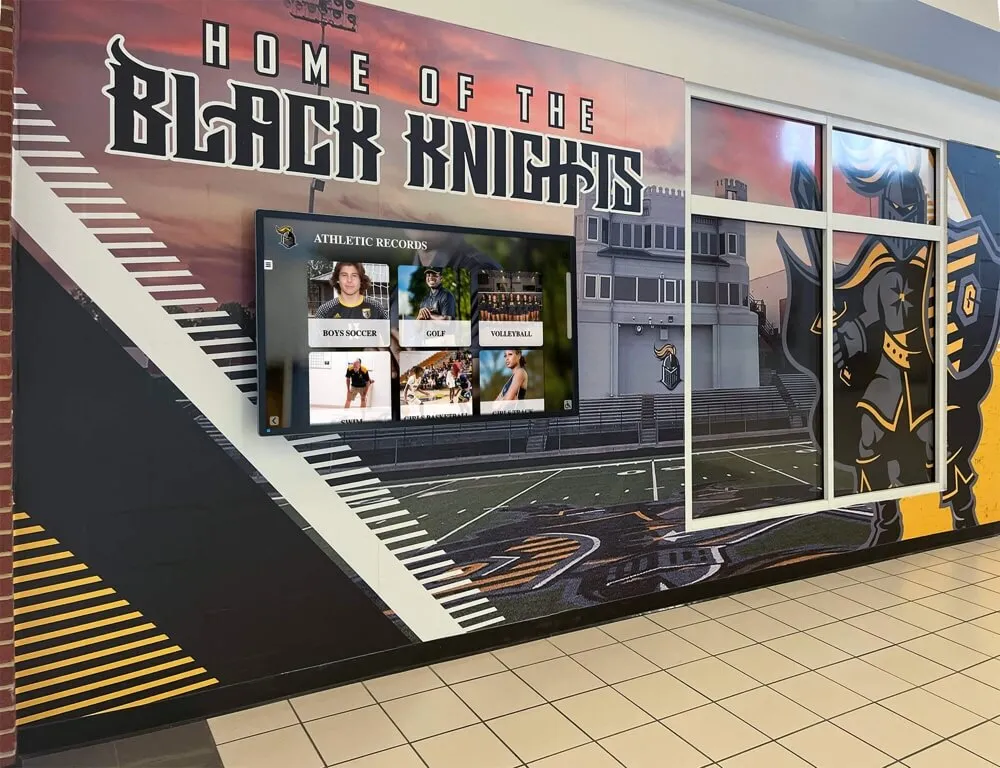
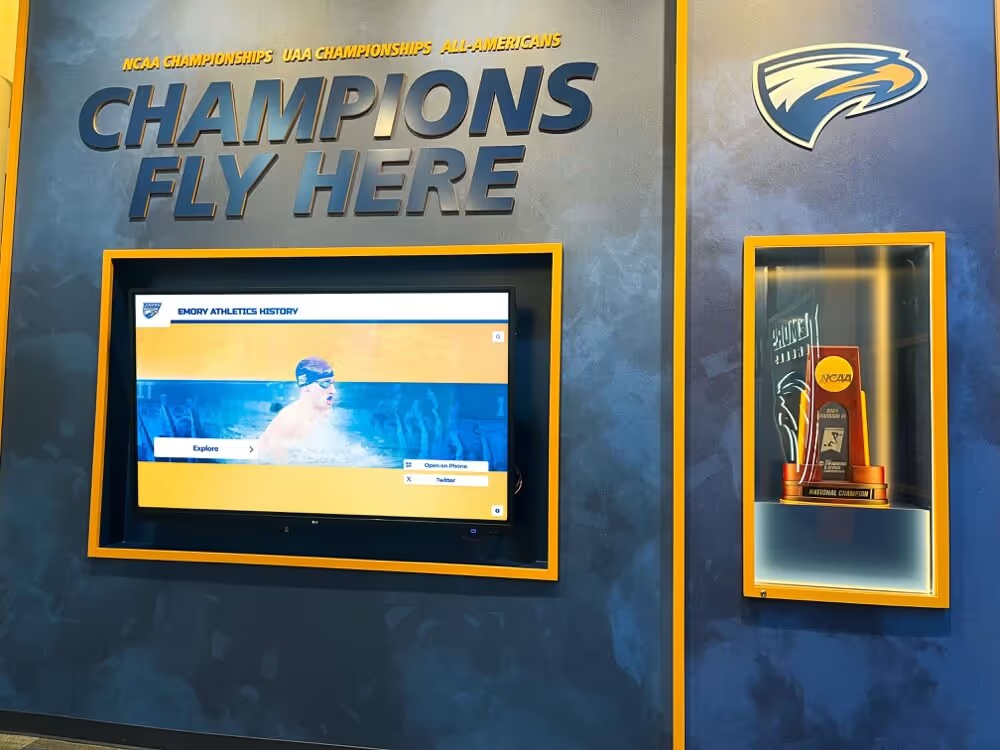
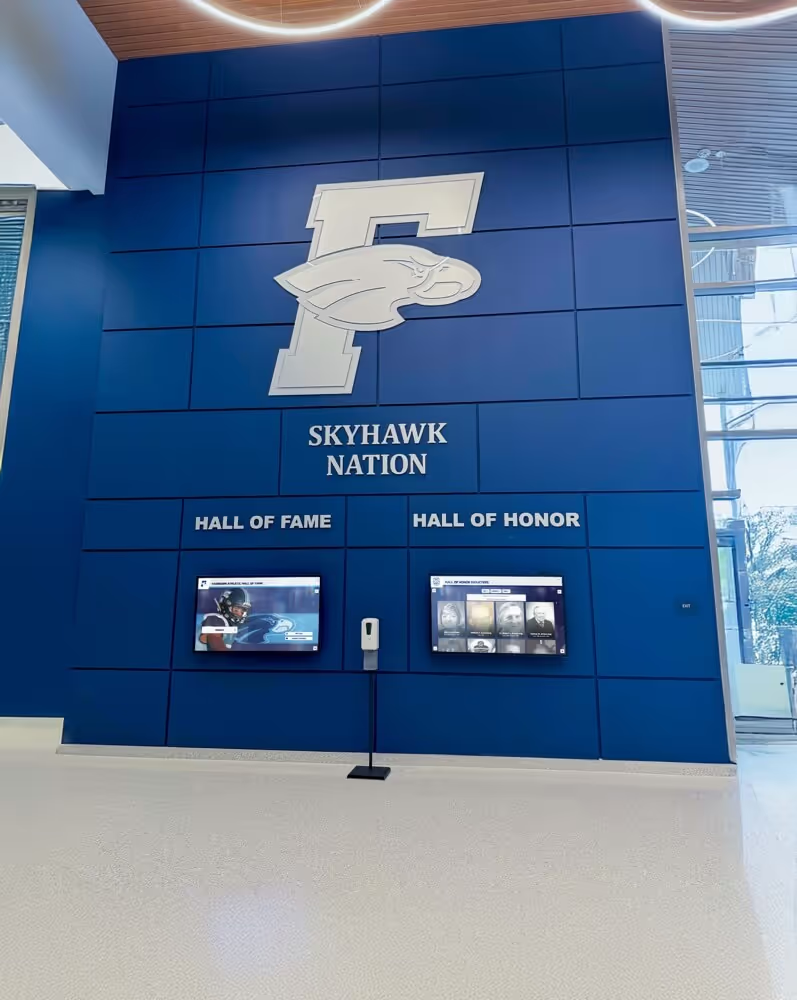
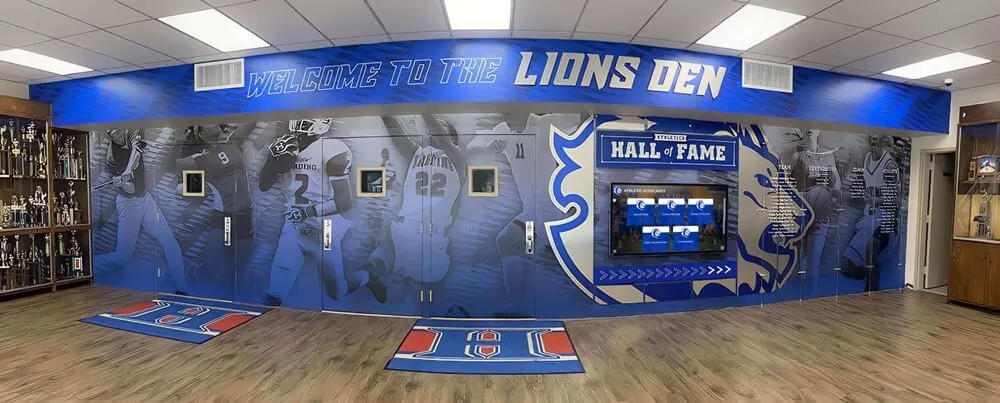
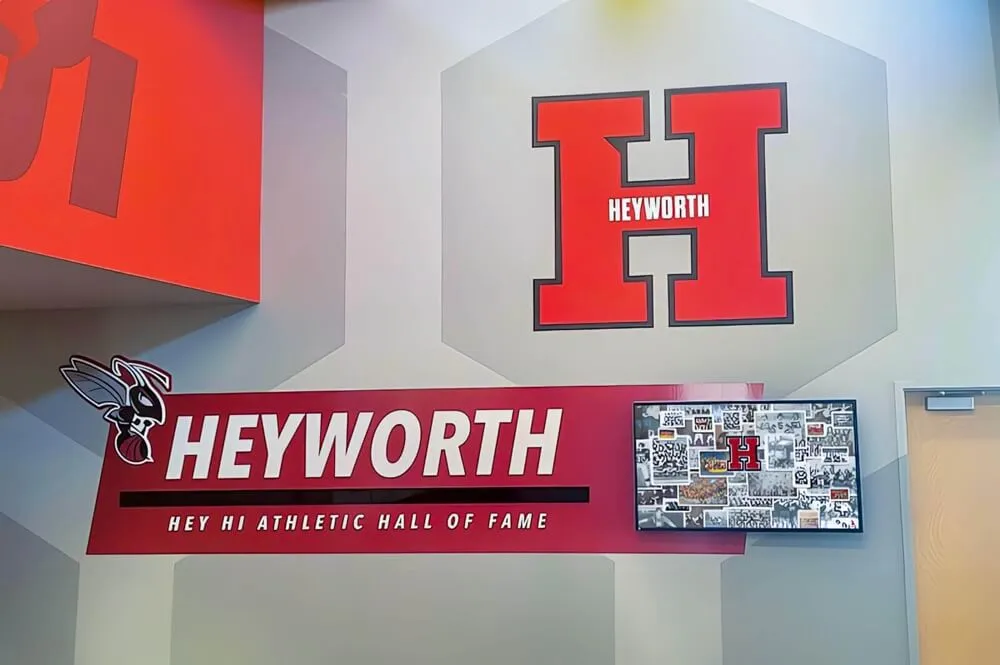
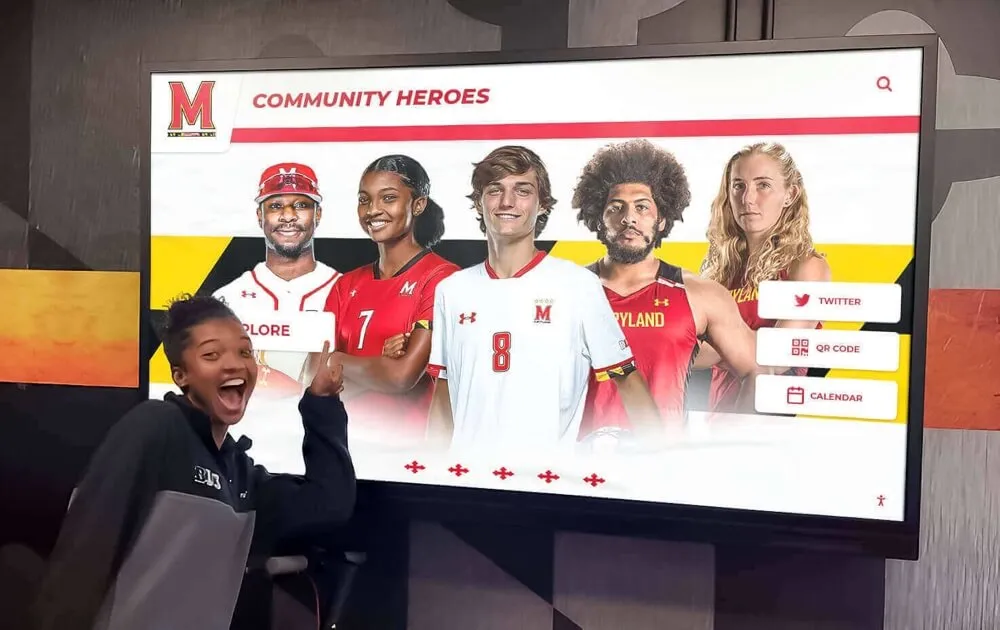
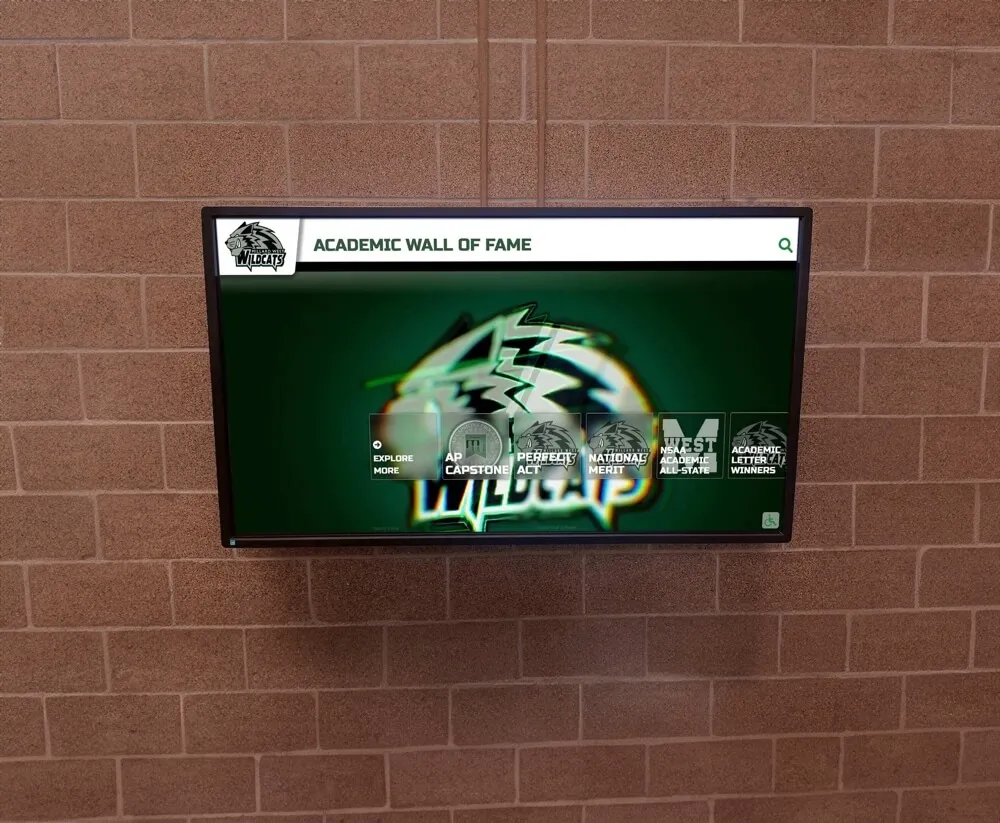
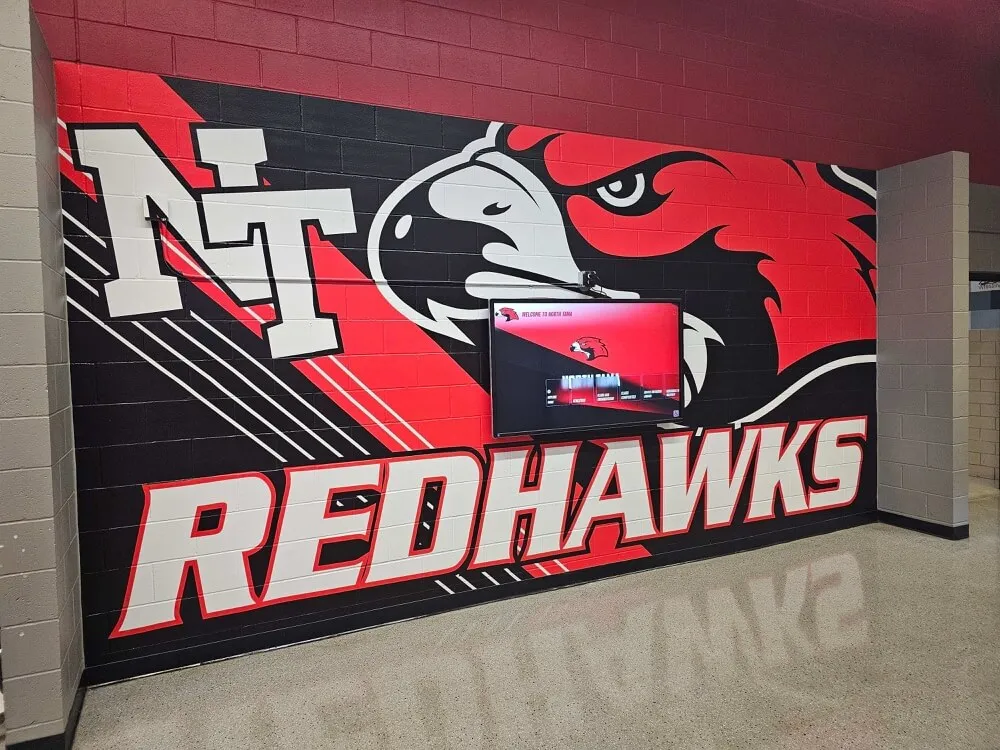
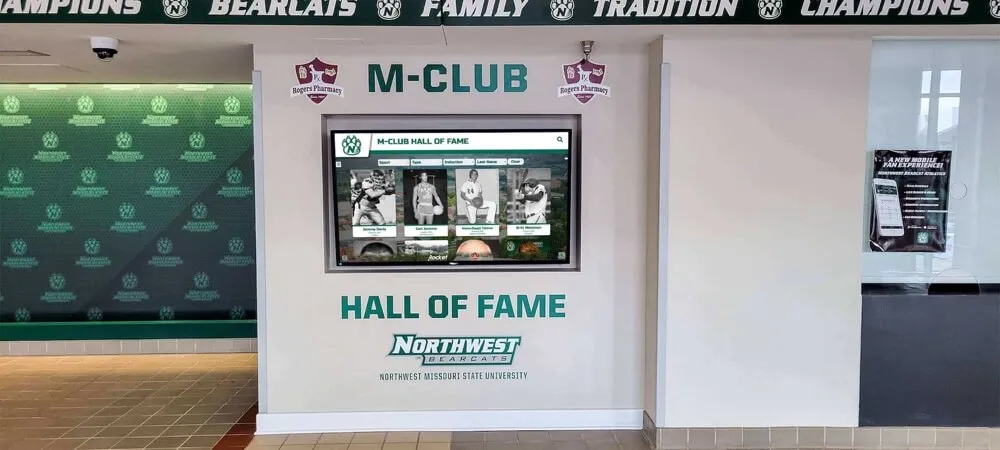
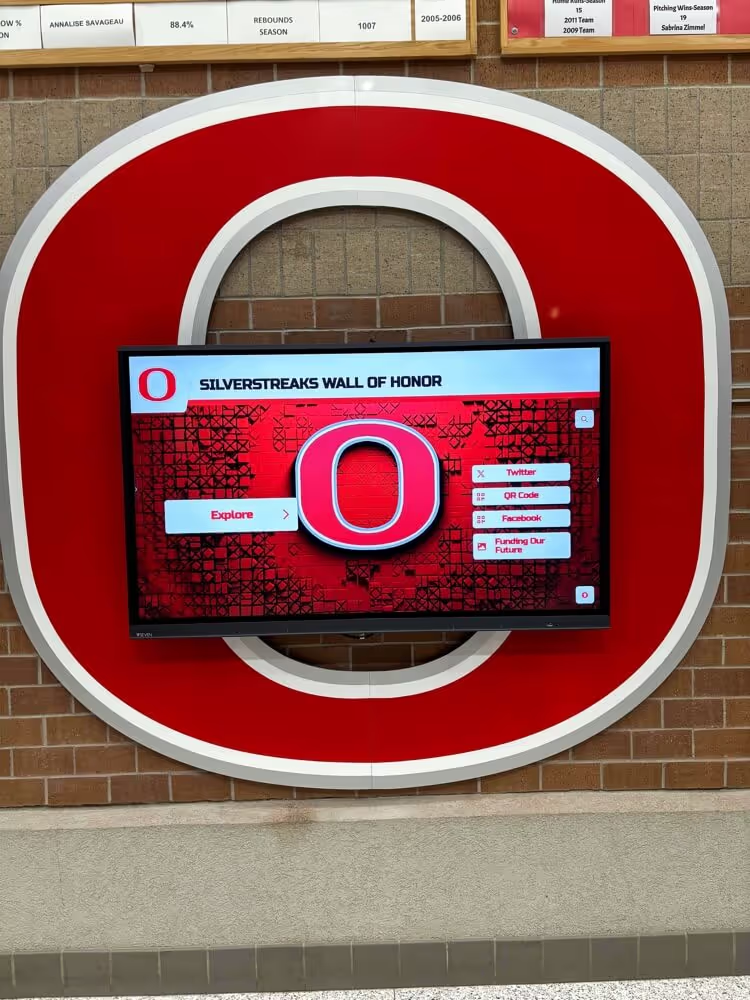
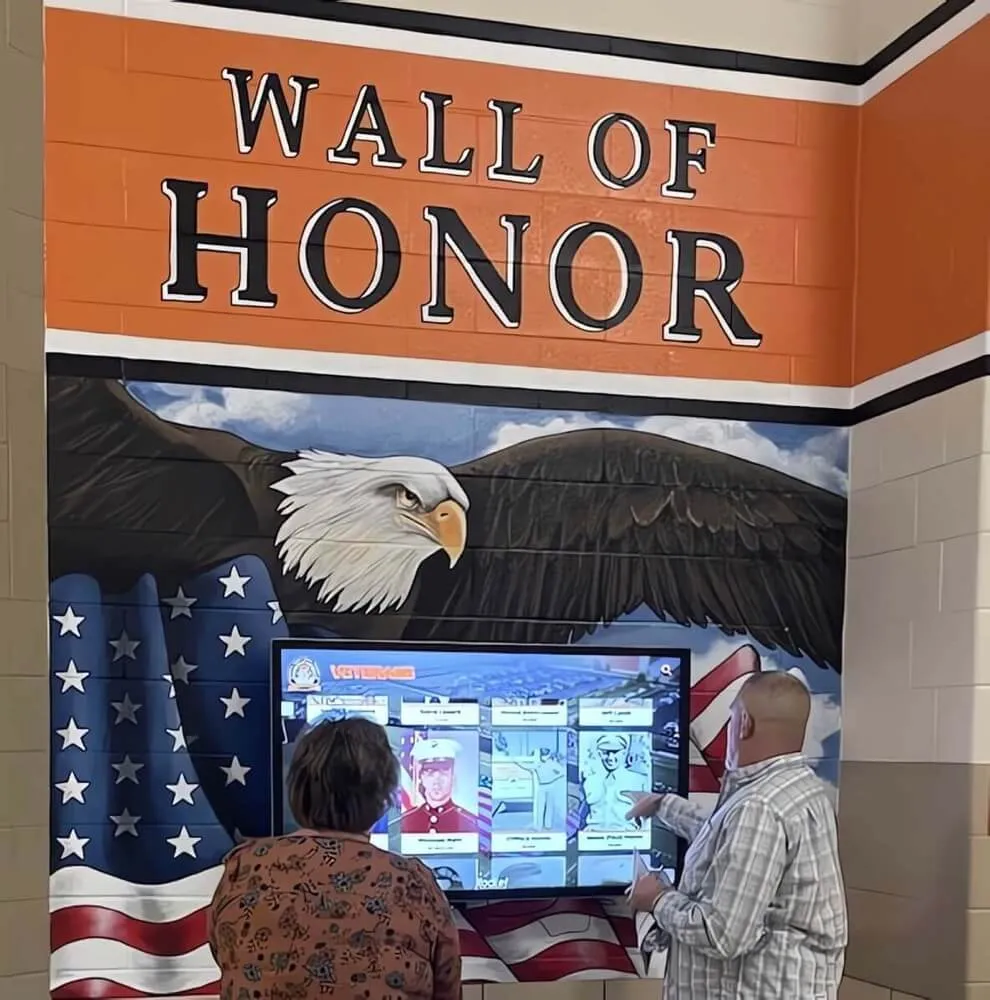
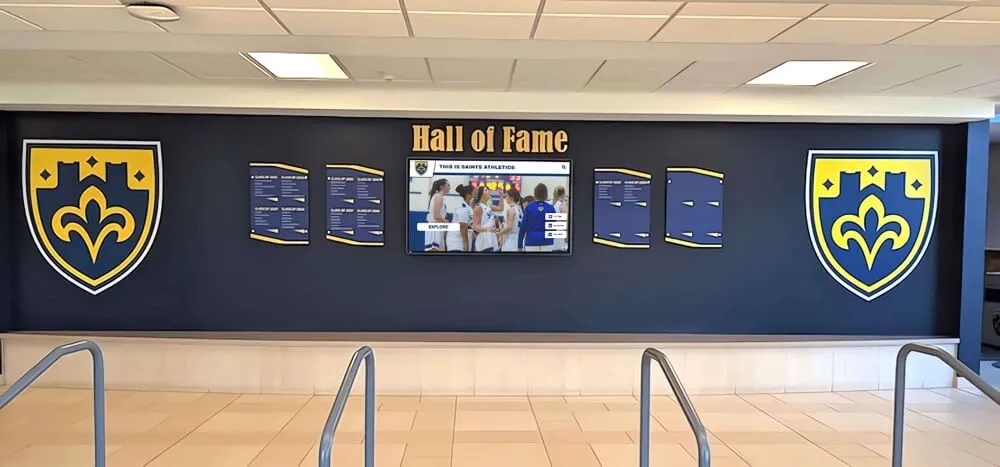
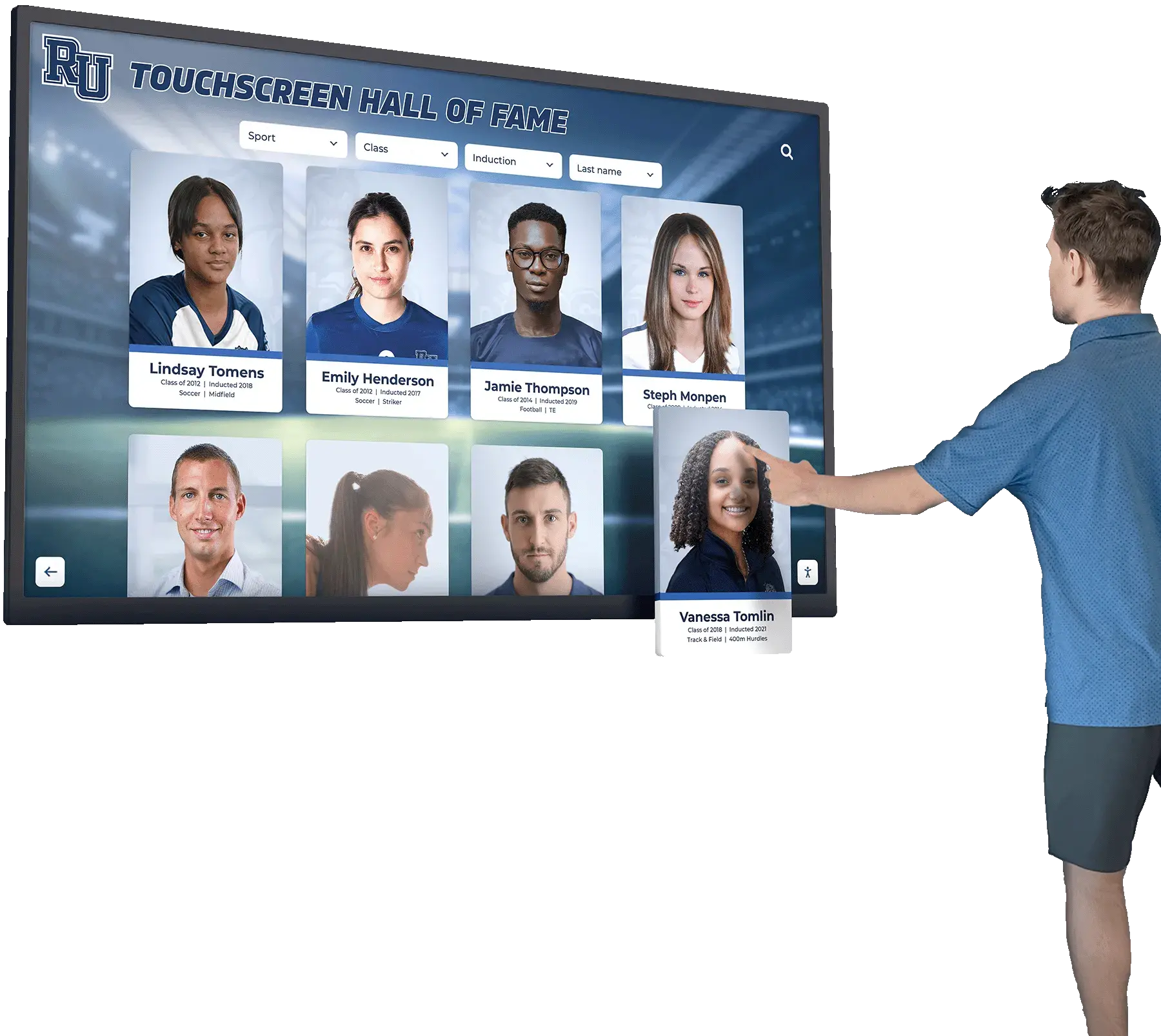
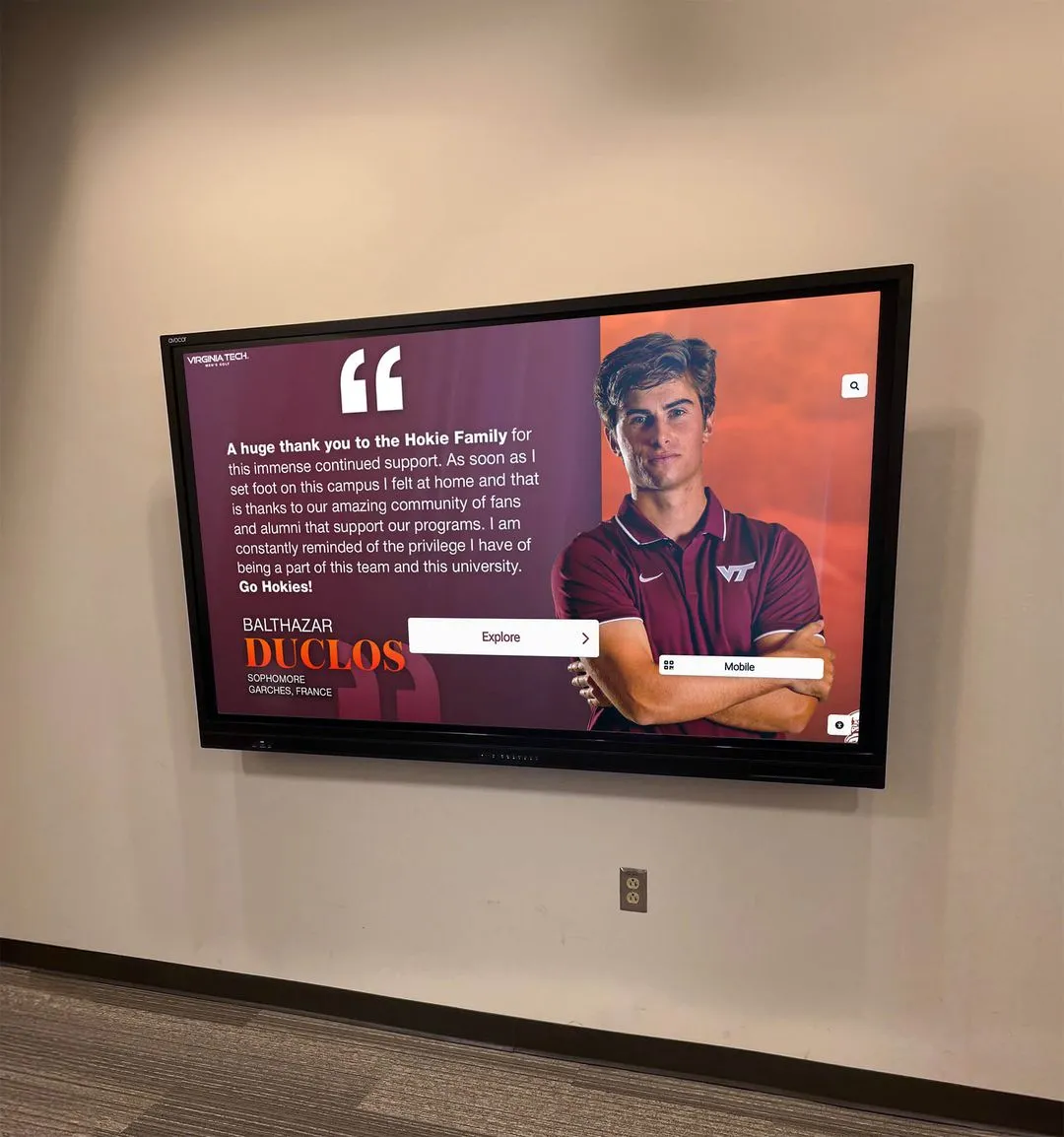
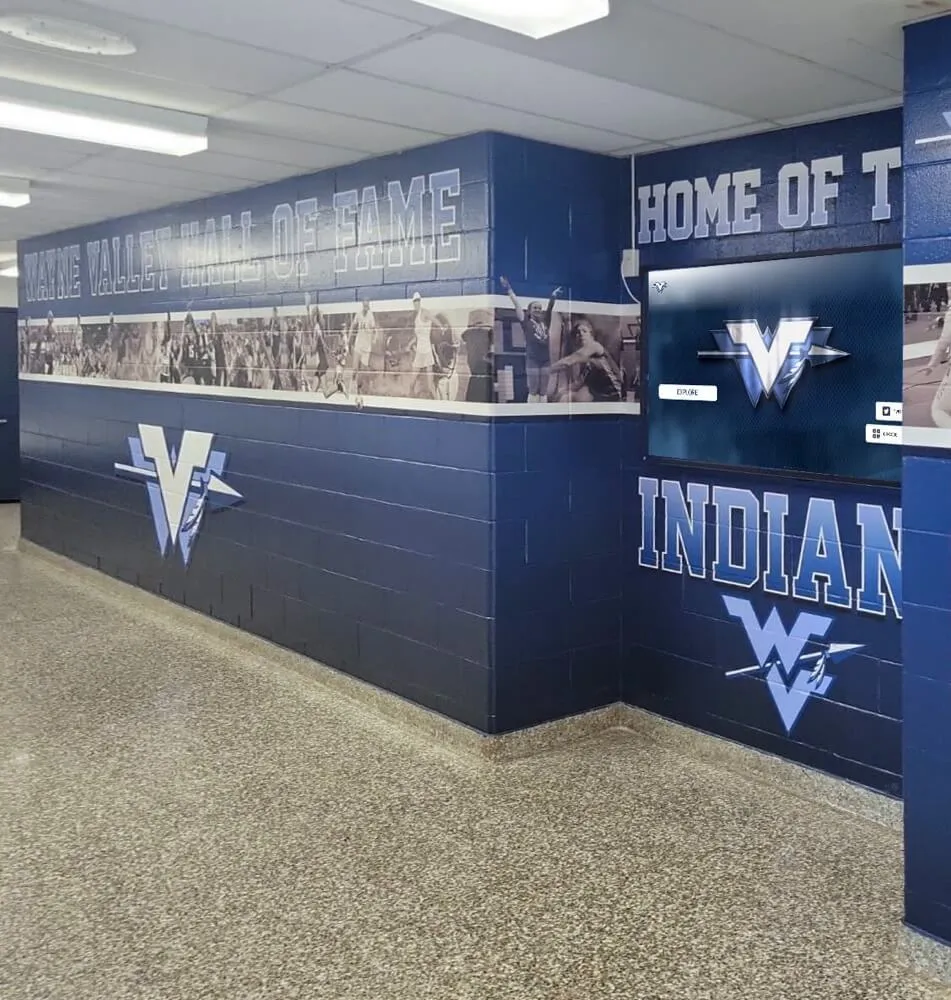
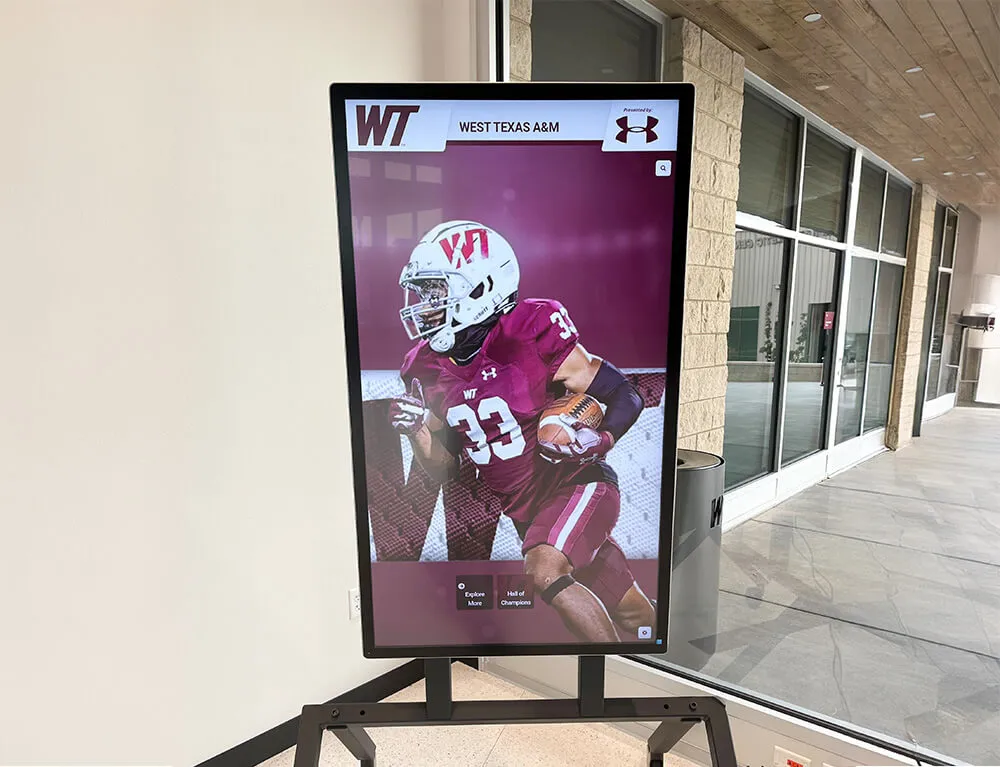
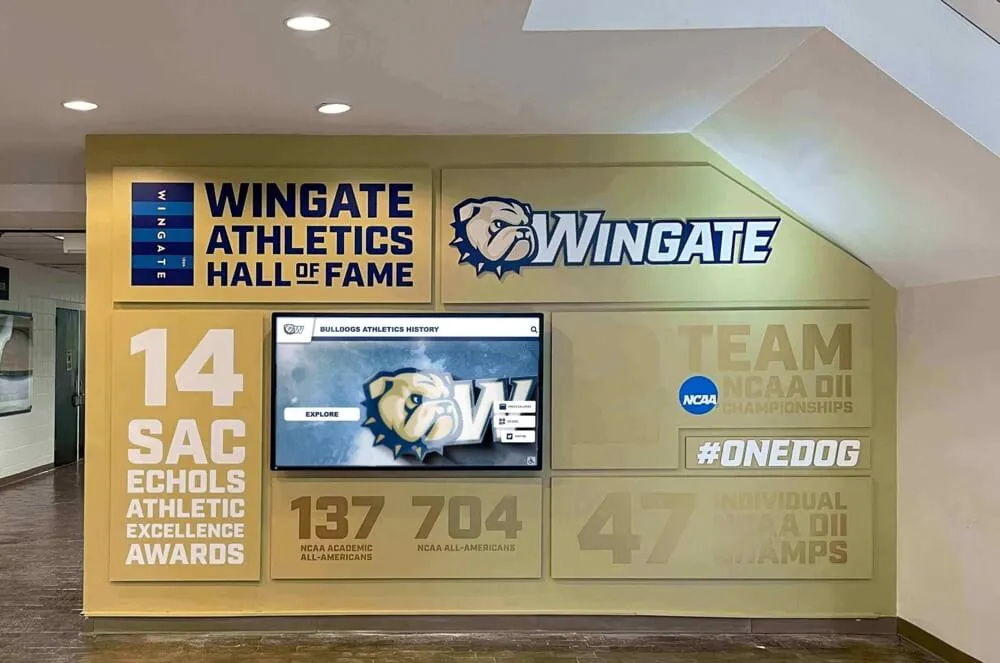
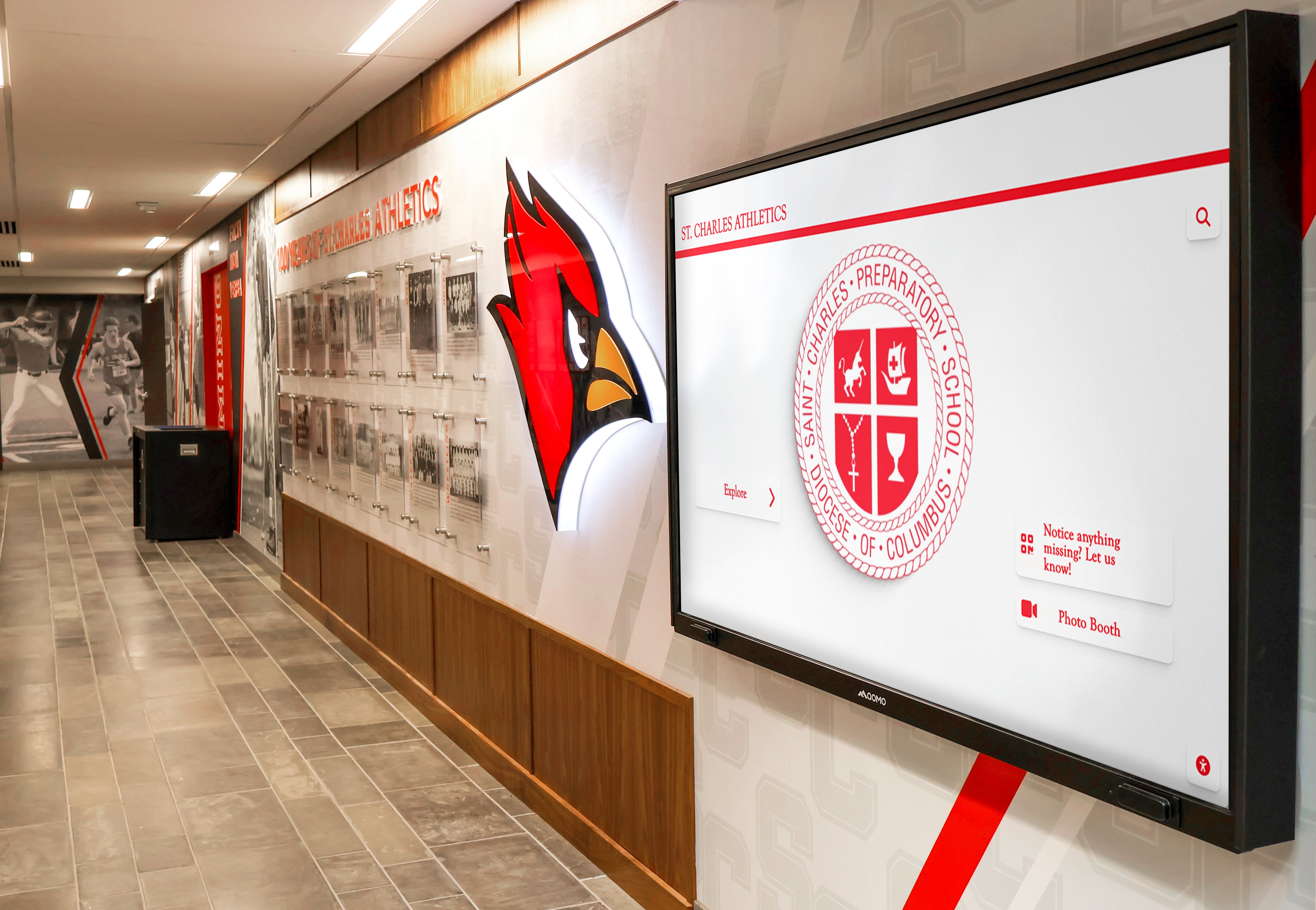
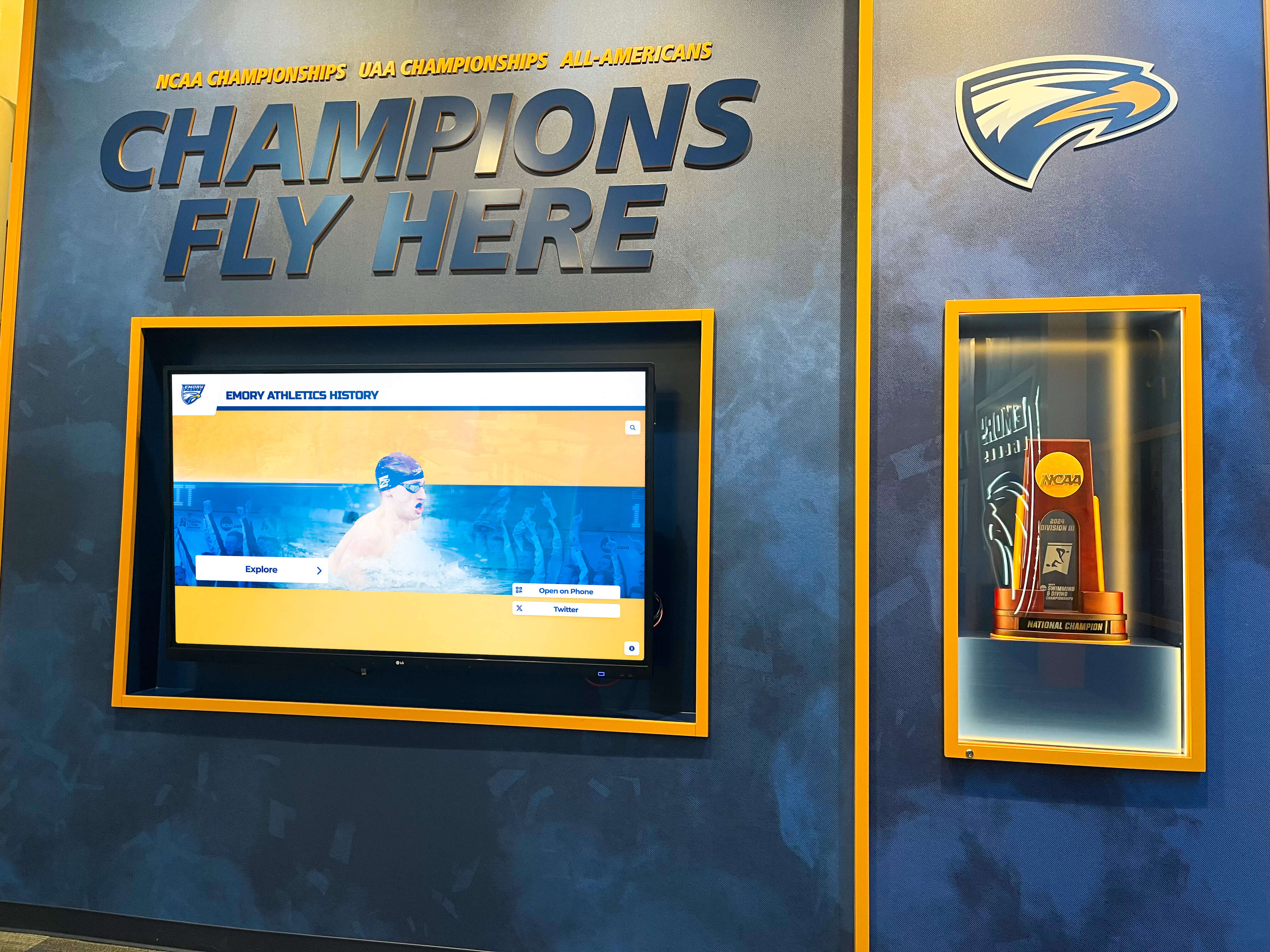
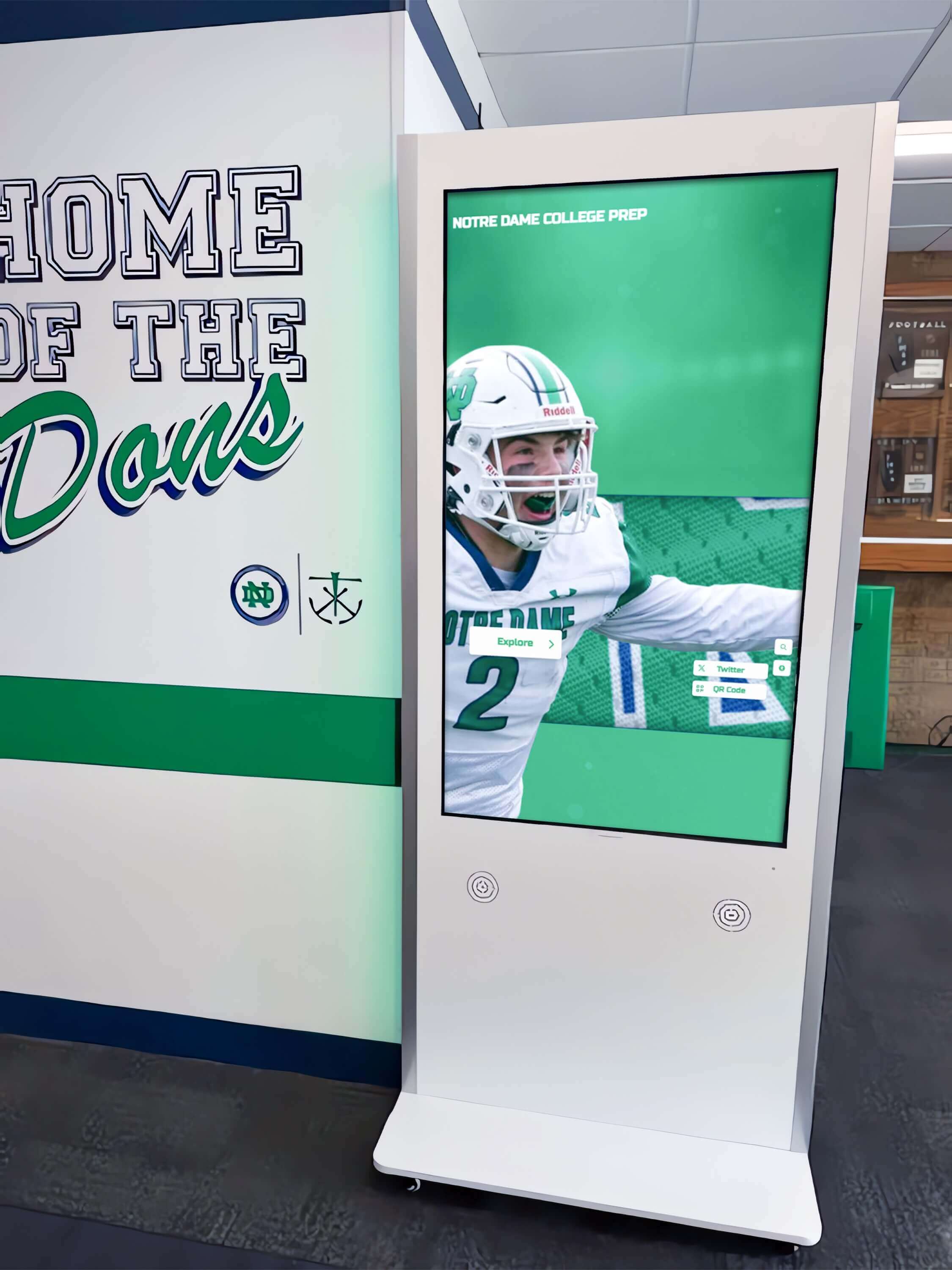
Progressive athletic programs increasingly utilize digital recognition displays that transform how schools celebrate all-conference achievements. These interactive touchscreen systems allow comprehensive athlete profiles including photos, statistics, season highlights, and personal stories that static displays cannot accommodate.
Digital platforms address limitations of traditional recognition methods that struggled to display increasing numbers of honorees without creating overwhelming wall space requirements. Solutions like those from Rocket Alumni Solutions enable schools to honor unlimited numbers of athletes while maintaining visually appealing, easily navigable displays that visitors actually engage with rather than walk past.
The searchability of digital systems matters particularly for athletes, families, and recruiters. Parents can quickly locate their student’s recognition among hundreds of honorees. College recruiters can efficiently review all-conference selections across multiple sports and years. Alumni visiting campus can search for their own recognition from years or decades past. This functionality transforms recognition from passive displays into interactive experiences that increase engagement dramatically.
Creating Meaningful Public Recognition
The most effective recognition approaches make all-conference achievements visible throughout school communities rather than hiding them in athletics-only spaces. Displaying honors in main lobbies, cafeterias, and high-traffic areas ensures the broader school community—not just athletes and sports fans—sees and appreciates these accomplishments.
This visibility serves multiple purposes. It celebrates individual achievement publicly, demonstrating that the school values athletic excellence. It inspires younger athletes by showing what’s possible with dedication. It reinforces school pride by highlighting program success. And it communicates to visitors—including college recruiters, community members, and prospective families—that the school produces competitive athletic programs.
Schools with limited display space particularly benefit from digital recognition solutions that maximize recognition within confined areas, displaying comprehensive information on single screens rather than requiring extensive wall space for traditional plaques and photos.
The Lasting Impact of All-Conference Recognition
All-conference honors create lasting impact that extends well beyond high school, shaping how athletes view themselves and opening doors that might otherwise remain closed.
Building Athletic Résumés and Portfolios
All-conference recognition becomes a cornerstone of athletic résumés that athletes use throughout recruitment processes. These selections provide concrete achievement evidence that distinguishes athletes when competing for roster spots, scholarship consideration, and recruiting attention. The ability to list multiple years of all-conference recognition demonstrates sustained excellence rather than single-season performance spikes.
When athletes create highlight videos, recruiting profiles, or application materials for college programs, all-conference recognition provides third-party credibility that self-reported accomplishments cannot match. College coaches receive countless communications from athletes claiming exceptional ability—all-conference selections from respected conferences provide verification that these claims have merit.
Reinforcing Life Lessons About Excellence and Recognition
Perhaps the most valuable impact of all-conference recognition involves the life lessons athletes internalize about how excellence gets acknowledged and rewarded. Athletes learn that consistent performance gets recognized even in competitive environments. They discover that sustained effort throughout entire seasons matters more than isolated exceptional performances. They understand that peer recognition—being acknowledged by those who competed against you—represents especially meaningful validation.
These lessons transfer directly to academic pursuits, professional careers, and personal development. The understanding that excellence requires sustained effort, that recognition results from performance rather than potential, and that achievement gets acknowledged by those who understand quality—these insights serve athletes throughout their lives regardless of whether they ever compete athletically beyond high school.
Creating School Legacy and Pride
All-conference selections contribute to institutional legacy, documenting program excellence over time and creating traditions that connect past and present. When current athletes see names of all-conference selections from previous decades, they understand they’re participating in something larger than themselves, contributing to ongoing stories of excellence that preceded them and will continue after they graduate.
This legacy consciousness builds school pride and program culture. Athletes strive not just for personal achievement but to uphold standards established by those who came before. The sense of contributing to something enduring motivates higher performance and deeper commitment than purely individual goals typically generate.
Schools that maintain comprehensive records of all-conference selections—particularly through searchable digital archives—strengthen this legacy consciousness by making historical achievement easily accessible rather than buried in storage boxes or forgotten filing cabinets.
Maximizing the Value of All-Conference Recognition
Schools, athletes, and families can take specific actions to ensure all-conference recognition receives appropriate celebration and creates maximum benefit.
For Athletes: Leveraging Recognition in Recruitment
Athletes should proactively incorporate all-conference recognition into recruitment communications. Include selections prominently in email signatures, athlete profiles, recruiting videos, and direct communications with college coaches. Don’t assume coaches automatically know about these achievements—make them visible and easy to find.
Document the competitive context surrounding all-conference recognition. If your conference is particularly competitive, if you competed against multiple college-recruited athletes, or if your statistics ranked highly in state or regional comparisons, include this context. Help college coaches understand not just that you earned all-conference recognition, but what that recognition required and represented.
Maintain relationships with high school coaches who can speak knowledgeably about your all-conference achievements when college coaches call for references. Coaches who directly observed your performance and participated in conference-wide evaluation processes provide valuable third-party perspectives that strengthen your recruiting profile.
For Parents: Supporting Recognition Beyond the Award
Parents can support the lasting value of all-conference recognition by documenting achievements comprehensively. Photograph award presentations, preserve certificates and commemorative items, and maintain records of statistics and accomplishments that contextualize the recognition. These materials become valuable when creating recruiting portfolios or scholarship applications.

Encourage athletes to write reflective statements about what all-conference recognition means to them, what they learned through the season, and how the experience shaped their understanding of commitment and excellence. These reflections become powerful essay material for college applications and scholarship competitions.
Consider how recognition gets preserved and displayed at home. Creating dedicated spaces that celebrate athletic achievements—whether traditional shadow boxes or digital photo displays—reinforces the significance of these accomplishments while providing visible reminders of what disciplined effort produces.
For Schools: Creating Comprehensive Recognition Programs
Schools maximize all-conference recognition value by creating comprehensive programs that go beyond minimal acknowledgment. Design recognition systems that make achievements highly visible, easily discoverable, and meaningfully contextualized rather than simply listing names without supporting information.
Invest in recognition infrastructure that scales sustainably as programs produce increasing numbers of all-conference athletes over time. Traditional static displays reach capacity limits quickly, creating difficult decisions about what achievements get removed to accommodate new recognition. Digital recognition platforms from providers like Rocket Alumni Solutions solve this scaling challenge by accommodating unlimited honorees without requiring additional physical space.
Establish consistent recognition protocols ensuring all sports receive equivalent acknowledgment regardless of profile or popularity. All-conference recognition in football shouldn’t receive dramatically different treatment than all-conference recognition in swimming or tennis. Consistent standards communicate that the school values excellence regardless of where it appears.
Create opportunities for all-conference athletes to share their experiences with younger athletes through panels, mentoring programs, or recorded interviews. This peer-to-peer sharing makes recognition more meaningful while inspiring younger athletes by showing what’s achievable with dedication.
For Athletic Directors: Strategic Recognition Planning
Athletic directors should view recognition infrastructure as strategic investment rather than decorative expense. Quality recognition systems contribute to recruitment success, athlete retention, program culture, and community perception—all factors that directly impact program success and sustainability.
When evaluating recognition solutions, consider total cost of ownership including installation, content updates, maintenance, and scalability. Initial investment in comprehensive digital systems often proves more cost-effective long-term than repeatedly updating inadequate traditional displays or leaving achievements unrecognized due to space constraints.
Ensure recognition systems remain current and accurate. Out-of-date displays with missing recent achievements or unchanged content communicate that the school doesn’t truly value recognition. Establish clear protocols and assign specific responsibilities for updating recognition displays promptly after seasons conclude and selections are announced.
Coordinate with advancement offices and communications departments to leverage athletic recognition in broader institutional messaging. All-conference selections provide compelling content for social media, newsletters, and community communications that showcase school excellence to multiple stakeholder audiences.
Common Questions About All-Conference Recognition
How many athletes typically earn all-conference recognition?
The number varies significantly by conference size, sport, and selection tier. First team selections usually include 7-15 athletes total (representing ideal starting lineups or key positions), while including all tiers might recognize 30-50 athletes total out of conference-wide populations of 150-300 competitors in any given sport.
Does all-conference recognition guarantee college athletic opportunities?
All-conference recognition strengthens college recruitment prospects substantially but doesn’t guarantee opportunities. College programs evaluate multiple factors including academic qualifications, position needs, recruiting budgets, and fit with program culture. All-conference recognition validates athletic ability and competitiveness but represents one component among many in complex recruitment decisions.
Can athletes earn all-conference recognition in multiple sports?
Yes, multi-sport athletes can earn all-conference recognition in each sport where their performance merits selection. Some athletes earn all-conference honors across multiple sports within the same year, demonstrating exceptional athletic versatility. These multi-sport selections often receive special recognition as they’re relatively rare and demonstrate unusual athletic range.
How do all-conference selections compare to all-district or all-state recognition?
All-conference recognition evaluates athletes within their specific conference (typically 8-15 schools). All-district or all-region expands evaluation to larger geographic areas including multiple conferences. All-state represents the highest level of recognition within a state, selecting the very best athletes regardless of conference or district. Generally, all-conference serves as a prerequisite for higher-level recognition—athletes must typically earn all-conference selection before consideration for all-district or all-state honors.

Should athletes include all-conference recognition on college applications?
Absolutely. All-conference recognition represents significant achievement that demonstrates commitment, competitive excellence, and sustained performance. Include these selections in activities lists, honors sections, and wherever applications request athletic achievements. Don’t assume admissions officers automatically know what all-conference means—briefly contextualize the recognition (e.g., “selected among top 12 performers from 200+ conference-wide competitors”).
How long should schools maintain records of all-conference selections?
Schools should maintain permanent records of all-conference selections as part of institutional athletic history. These records document program excellence, create historical continuity, and provide valuable information for alumni, researchers, and program evaluation. Digital archiving makes permanent record-keeping feasible without requiring infinite physical storage, enabling comprehensive historical documentation that traditional methods couldn’t accommodate.
Conclusion: Celebrating Excellence Creates More Excellence
All-conference recognition represents significant achievement that deserves celebration proportional to the commitment required to earn it. When schools create visible, meaningful recognition systems that honor these accomplishments, they communicate that excellence matters, that sustained effort produces acknowledgment, and that the institution values athletic achievement as part of comprehensive student development.
The most effective recognition approaches balance tradition and innovation—honoring the heritage of athletic excellence while utilizing modern tools that increase accessibility, engagement, and impact. Digital recognition platforms enable schools to celebrate every all-conference athlete comprehensively without space constraints while providing interactive experiences that traditional static displays cannot match.
For schools ready to transform how they celebrate all-conference achievements and other athletic honors, Rocket Alumni Solutions provides comprehensive digital recognition systems designed specifically for educational institutions. These intuitive, searchable platforms enable unlimited recognition, engaging multimedia profiles, and permanent archiving that ensures every athlete’s achievement receives the visibility and celebration it deserves—today and for generations to come.