



Key Takeaways
Explore the rich traditions and history of Alabama high school football playoffs. Learn about championship formats, legendary programs, and how schools celebrate playoff success through permanent recognition displays.
Friday nights in Alabama transform into cultural events as communities gather under stadium lights to watch high school football teams compete for playoff glory. In a state where football represents far more than sport—serving as a thread connecting generations, defining community identity, and creating lasting traditions—the high school football playoffs embody the pinnacle of athletic competition and school pride. From the opening round through championship games played in legendary college stadiums, Alabama’s playoff system showcases the state’s deep commitment to football excellence while providing student-athletes with experiences that resonate throughout their lives.
The Alabama High School Athletic Association (AHSAA) playoff structure creates championship opportunities across seven classifications, ensuring schools of all sizes compete for state titles against similarly-enrolled institutions. This comprehensive system, combined with Alabama’s passionate fan culture and tradition-rich programs, produces playoff atmospheres rivaling collegiate competition. Understanding the history, format, and traditions surrounding Alabama high school football playoffs provides insights into why this state remains one of the nation’s preeminent high school football destinations.
Understanding the Alabama High School Football Playoff System
The AHSAA playoff structure balances competitive fairness with the drama of single-elimination championship tournaments, creating a format that determines state champions across all school enrollment levels.
Classification Structure and Competitive Balance
Alabama’s seven-classification system ensures schools compete against institutions with similar enrollment, preventing large metropolitan schools from dominating smaller rural programs:
Classification Breakdown:
- Class 7A: Largest schools (typically 1,200+ students), including suburban Birmingham, Huntsville, Mobile, and Montgomery programs with extensive resources and large talent pools
- Class 6A: Large schools competing in major population centers and larger suburban communities
- Class 5A: Mid-size schools often serving smaller cities and consolidated county systems
- Class 4A: Smaller county seat schools and rural consolidated programs
- Class 3A: Small-town programs with deep community connections and multi-generational traditions
- Class 2A: Rural schools where football serves as primary community gathering point
- Class 1A: Smallest schools where entire towns rally behind playoff runs
This classification structure undergoes periodic realignment as school enrollments shift, ensuring competitive balance remains fair across the state. The Alabama system creates compelling storylines as traditional powers face emerging programs, while small-town dynasties compete with the intensity and preparation of their larger counterparts.
Playoff Selection and Seeding Process
Alabama’s playoff qualification system rewards both regular season success and strength of schedule through a sophisticated point system:
Point Accumulation System:
Teams earn points for victories with bonuses for defeating quality opponents. The system accounts for:
- Win-loss records weighted by opponent classification
- Strength of schedule calculations based on opponent win percentages
- Bonus points for defeating playoff-qualifying teams
- Region championship success providing seeding advantages
- Head-to-head results breaking ties between similar point totals
The top 16 teams in each classification qualify for playoffs, with seeding determining first-round matchups and providing home field advantage for higher seeds in early rounds. This creates regular season incentives for challenging schedules rather than pursuing easy victories against weaker opponents.
Regular Season Region Play:
Before playoffs begin, teams compete in region schedules with division rivals. Region championships provide prestige and favorable playoff seeding, creating multiple competitive objectives throughout the season. Strong region performance often predicts playoff success, as battle-tested teams from competitive regions arrive in playoff brackets prepared for championship-level competition.
Playoff Bracket Structure and Championship Path
The 16-team bracket in each classification creates a clear four-round path to state championships:
Round One: All 16 teams compete with higher seeds hosting lower seeds, creating home-field advantages for regular season success
Quarterfinals: Eight teams remain with continued home-field advantages for higher seeds, though competitive matchups often emerge as quality programs advance
Semifinals: Four teams compete for championship game berths, typically at neutral sites or higher seed locations, with intensity and atmosphere escalating dramatically
State Championship Games: Two teams compete at premier college stadiums for state titles, championship rings, and permanent recognition in school history
This progression creates multiple celebration opportunities for advancing teams while ensuring that championship runs require consistent excellence across four consecutive playoff victories against increasingly difficult competition. Schools celebrating these achievements often implement comprehensive recognition programs similar to approaches detailed in guides for football recognition displays that honor championship moments.
Alabama’s Legendary Football Programs and Championship Traditions
Certain programs have established championship traditions spanning decades, creating models for football excellence while inspiring communities through sustained competitive success.
Historic Powers Across All Classifications
Alabama’s championship history features both large metropolitan programs and small-town dynasties:
Class 7A/6A Championship Programs:
Large-school football in Alabama showcases programs with extensive resources, dedicated facilities, and year-round training programs:
- Hoover High School: The Birmingham suburb’s program gained national attention through MTV’s “Two-A-Days” series while establishing a dynasty with multiple state championships in the 2000s and 2010s
- Thompson High School: Emerging as a recent powerhouse with back-to-back championships and dominant playoff performances
- Central-Phenix City: East Alabama program competing near the Georgia border with multiple championships and consistent playoff appearances
- Auburn High School: The college town program with strong community support and championship tradition
- McGill-Toolen: Mobile program with Catholic school tradition and multiple championship runs
These large-school programs compete with intensity matching collegiate atmospheres, featuring extensive coaching staffs, sophisticated offensive and defensive schemes, and recruiting attention from college programs nationwide.
Small-School Dynasties:
Alabama’s smaller classifications produce equally impressive championship traditions:
- Piedmont: The Calhoun County program has won numerous state championships across multiple classifications, establishing one of Alabama’s most consistent dynasties
- T.R. Miller: The Brewton program competes in Class 3A with a rich championship tradition and playoff appearances spanning decades
- Cherokee County: Warriors football represents small-town excellence with multiple state titles and passionate community support
- Fyffe: The DeKalb County program has dominated Class 2A/3A football with multiple championships in recent years
- Mars Hill Bible: Emerging program showing that sustained excellence can develop in smaller schools with strong culture and commitment
These programs demonstrate that championship football transcends school size, with small-town communities providing support and tradition rivaling larger suburban programs. Many of these schools maintain extensive recognition programs celebrating their championship heritage through displays that inspire current players while honoring past heroes.
Championship Game Venues and Memorable Moments
Alabama’s championship games create lasting memories by utilizing premier college facilities:
Protective Stadium (Birmingham):
The state’s newest major stadium, opened in 2021, provides a modern championship venue with professional-level amenities. Multiple classification championships are held here, creating festival-like atmospheres as communities from across Alabama converge in Birmingham.
Jordan-Hare Stadium (Auburn University):
Auburn’s 87,000-seat stadium hosts championship games that allow student-athletes to compete where Auburn Tigers play SEC football. The experience of running through the tunnel onto a major college field creates unforgettable moments for high school players and their families.
Bryant-Denny Stadium (University of Alabama):
Championship games at Alabama’s stadium in Tuscaloosa provide players with experiences in one of college football’s most iconic venues. The tradition-rich setting adds gravitas to championship achievements while connecting high school excellence to Alabama’s legendary football culture.
Cramton Bowl (Montgomery):
The historic Montgomery stadium has hosted countless championship games over decades, creating its own tradition as Alabama’s capital city welcomes competing communities for title game celebrations.
These venues elevate championship experiences beyond typical high school competition, providing settings worthy of the accomplishment while creating memories that championship teams treasure for lifetimes. Schools often preserve these moments through recognition displays that allow future students to experience championship atmospheres virtually.

Playoff Traditions That Define Alabama Football Culture
Beyond the competitive structure, specific traditions and cultural elements distinguish Alabama high school football playoffs:
Community Support and Playoff Atmosphere
Alabama communities transform during playoff runs:
Playoff Week Traditions:
Schools and towns create special atmospheres during playoff weeks through:
- Pep rallies with increased energy and community participation as playoffs progress
- Local business window displays supporting teams with championship messages
- Community fundraising for team meals, travel expenses, and championship gear
- School hallway decorations created by student organizations and booster clubs
- Local media coverage intensifying with each playoff round advancement
- Social media campaigns rallying alumni and community members regardless of location
Travel Support:
Alabama fans travel extensively for playoff games, with communities chartering buses, organizing tailgates, and creating away-game atmospheres rivaling home contests. Small towns essentially close for championship games as entire communities make pilgrimages to support their teams.
Financial Investment:
Playoff runs require significant resources. Booster clubs and communities fund travel, equipment, playoff uniforms, and celebration activities, demonstrating tangible commitment to football excellence. This financial support reflects football’s central role in community identity.
Playoff Coaching Legends and Mentorship
Alabama’s playoff success often traces to legendary coaches who build championship cultures:
Coaching Excellence:
Successful playoff coaches typically demonstrate:
- Long tenures building program culture across multiple player generations
- Systematic approaches to strength training, skill development, and strategic preparation
- Mentorship extending beyond football to academic support and character development
- Connections to college programs providing pathways for talented players
- Alumni networks maintaining program involvement across decades
- Assistants who develop into successful head coaches elsewhere, spreading program philosophy
Many of Alabama’s most successful coaches have compiled 200+ career victories with multiple championships, becoming community legends whose impact extends far beyond win-loss records. Schools honor these coaching legacies through halls of fame and recognition programs celebrating their contributions. Resources like guides to honoring coaching excellence provide frameworks for celebrating these program builders.
Player Development and College Recruitment
Alabama high school football playoffs serve as showcases for college recruitment:
Recruitment Attention:
Playoff games attract extensive college coaching attention:
- SEC programs closely monitor in-state talent during playoff competition
- National programs recruit Alabama’s top players, recognizing state’s talent development
- Playoff performance under pressure influences scholarship offers and recruiting rankings
- Championship game exposure at college stadiums provides natural transition to next level
- Playoff statistics and achievements factor heavily in college evaluation processes
Player Preparation:
Alabama’s competitive playoff environment prepares players for collegiate success:
- Single-elimination pressure teaches mental toughness required at higher levels
- Sophisticated offensive and defensive schemes match college complexity
- Strength and conditioning programs in top programs rival small college operations
- Film study and preparation habits established during playoff runs transfer to college
- Championship experience provides confidence entering collegiate competition
The pipeline from Alabama high school playoffs to SEC and national programs demonstrates the developmental quality of the state’s football culture. Many schools highlight this college placement success as program validation, showcasing alumni achievements through comprehensive recognition displays.
Celebrating and Preserving Playoff Success
Schools preserve playoff achievements and championship runs through various recognition methods that honor participants while inspiring future teams:
Traditional Recognition Approaches
Time-honored methods for celebrating playoff success include:
Championship Banners:
Banners hanging in gymnasiums and stadiums provide visible reminders of championship achievements, with schools adding new banners after each successful playoff run. The accumulation of banners over decades creates visual program histories that inspire current athletes.
Trophy Cases:
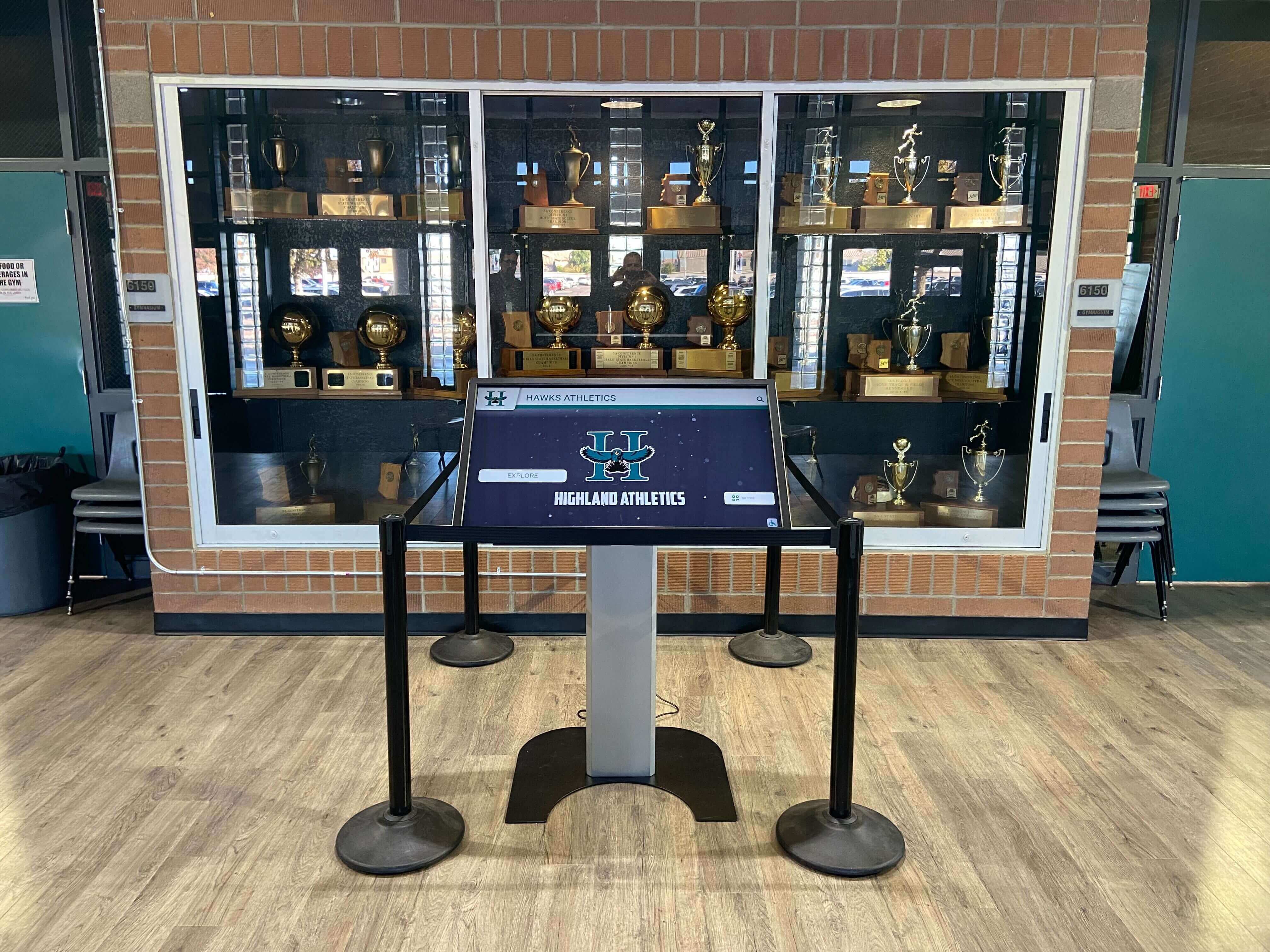
Physical hardware displays showcase championship trophies, runner-up awards, and playoff participation recognition. Many schools organize trophy cases chronologically, allowing visitors to trace program development through competitive hardware.
Wall Plaques and Nameplates:
Individual plaques honor championship teams, listing complete rosters with coaches and staff. These permanent installations ensure future generations remember contributors to championship success.
While these traditional approaches provide tangible recognition, they face limitations including physical space constraints, difficulty updating information, and limited storytelling capacity beyond basic names and dates.
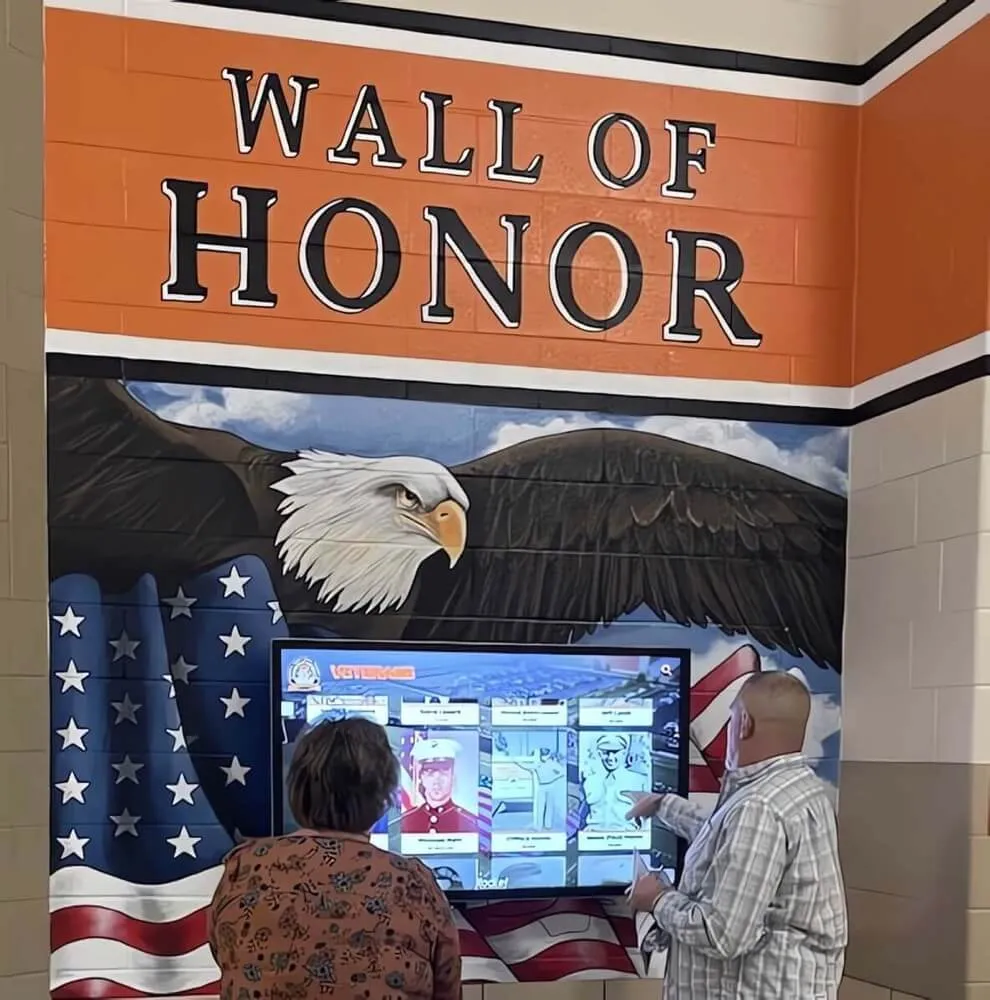
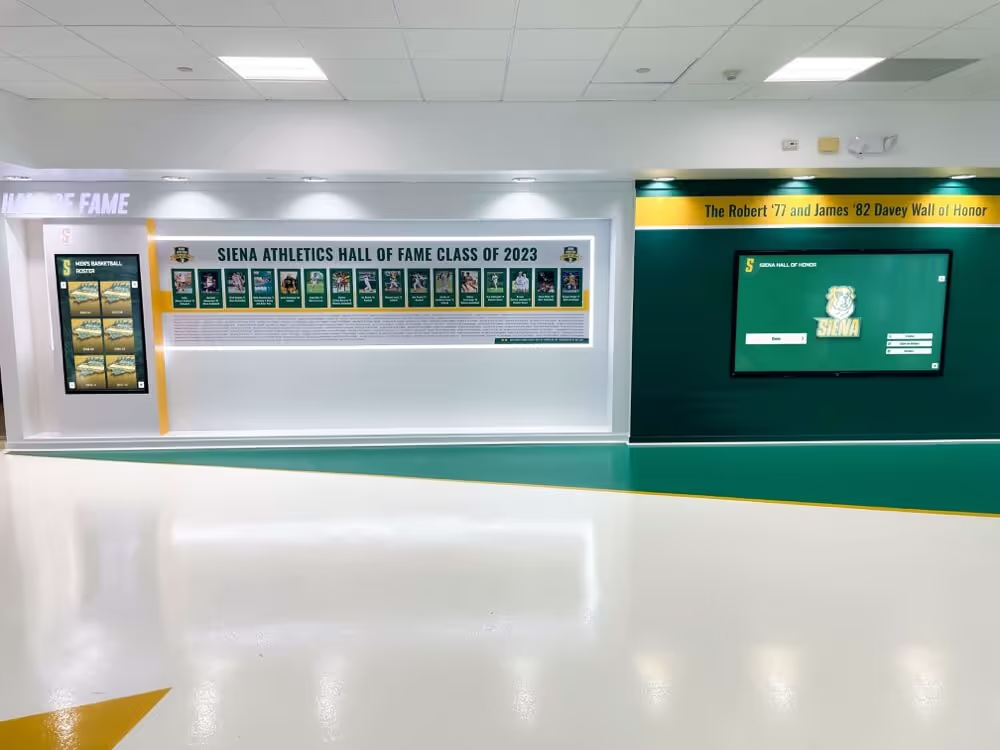
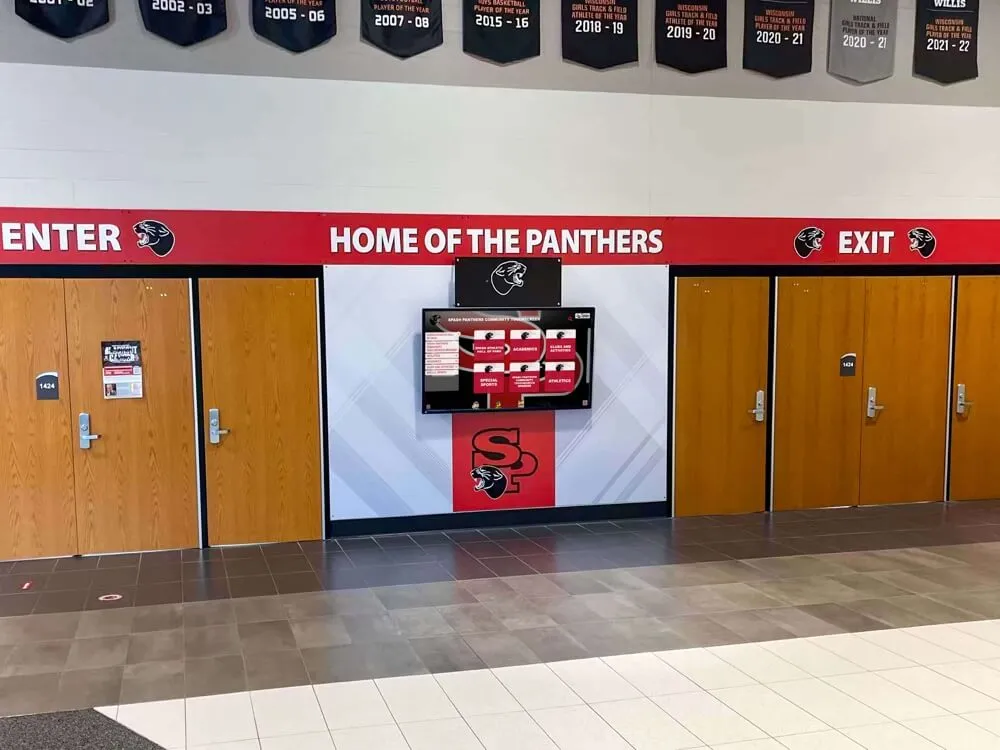
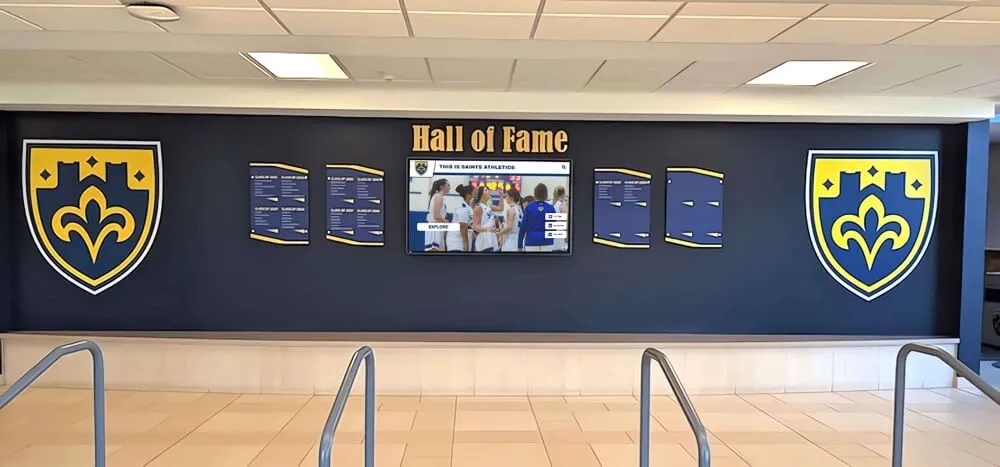
Modern Digital Recognition Systems
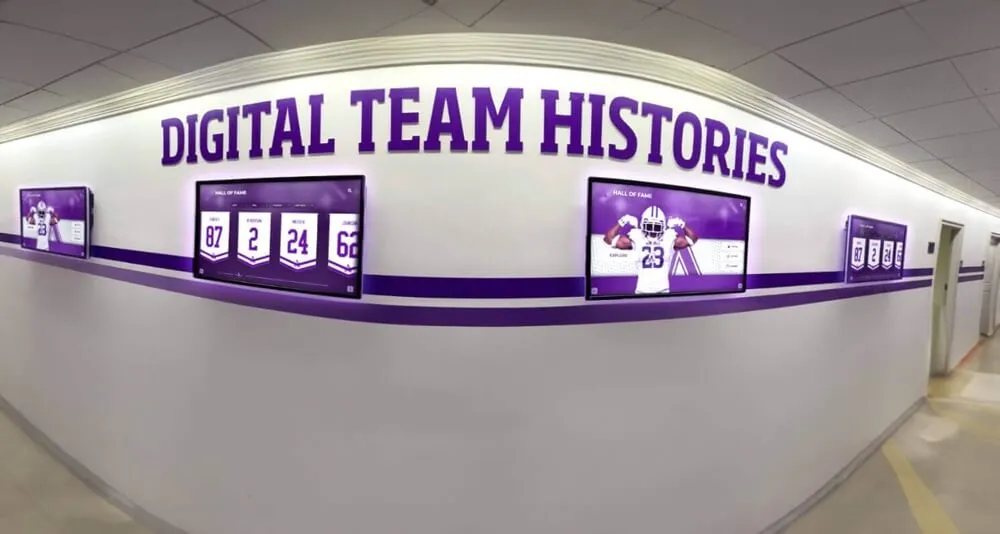
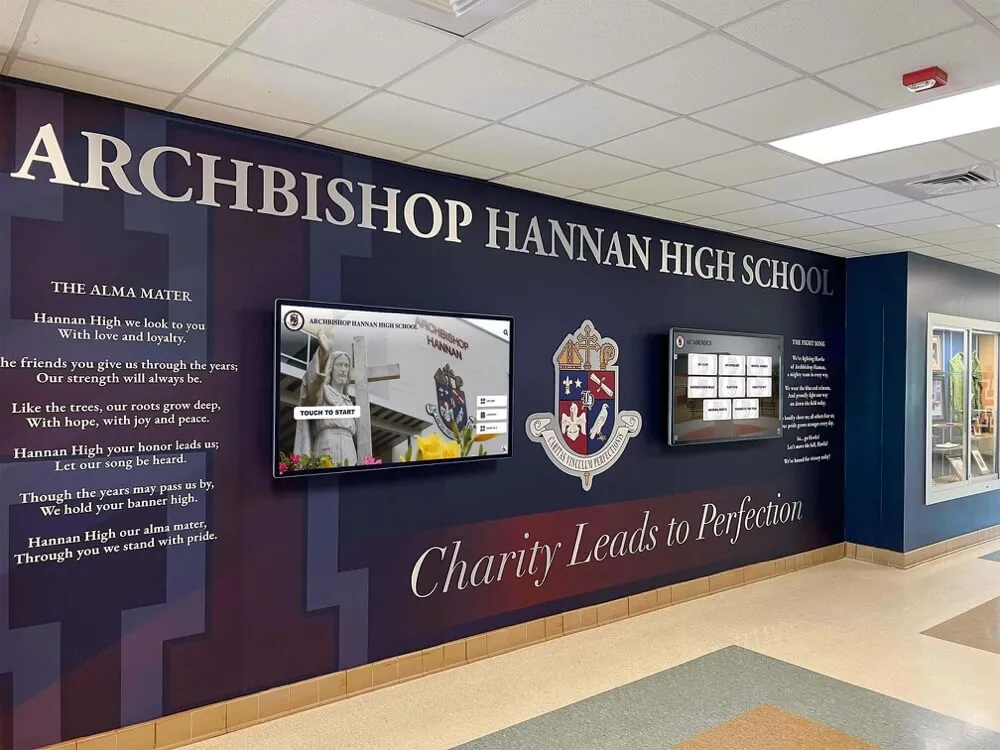
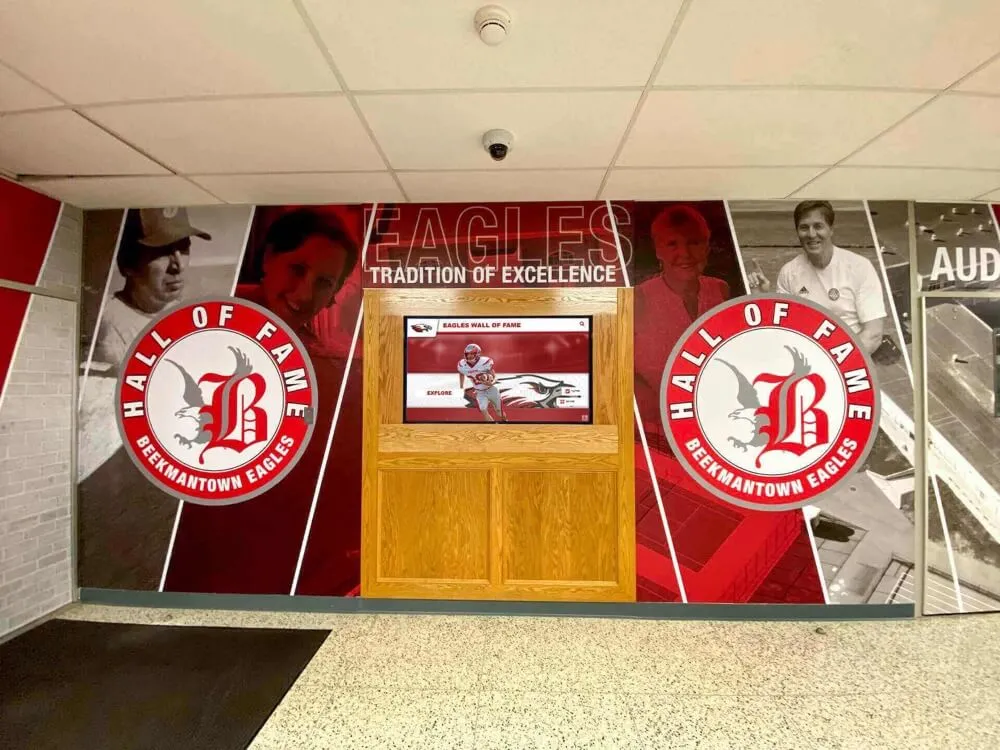
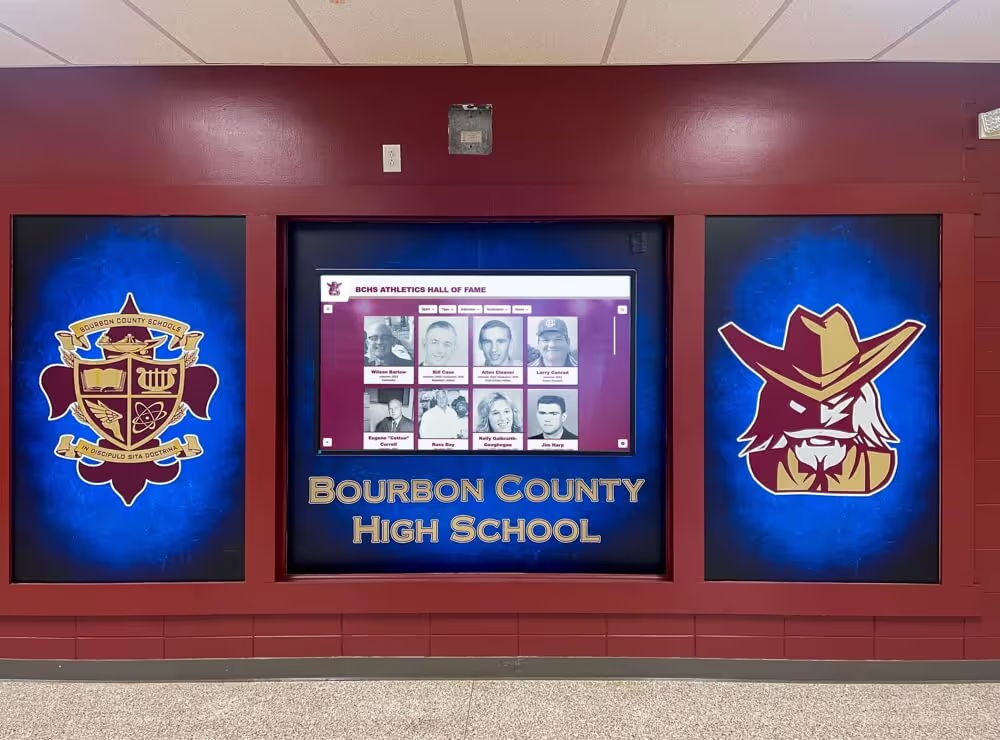
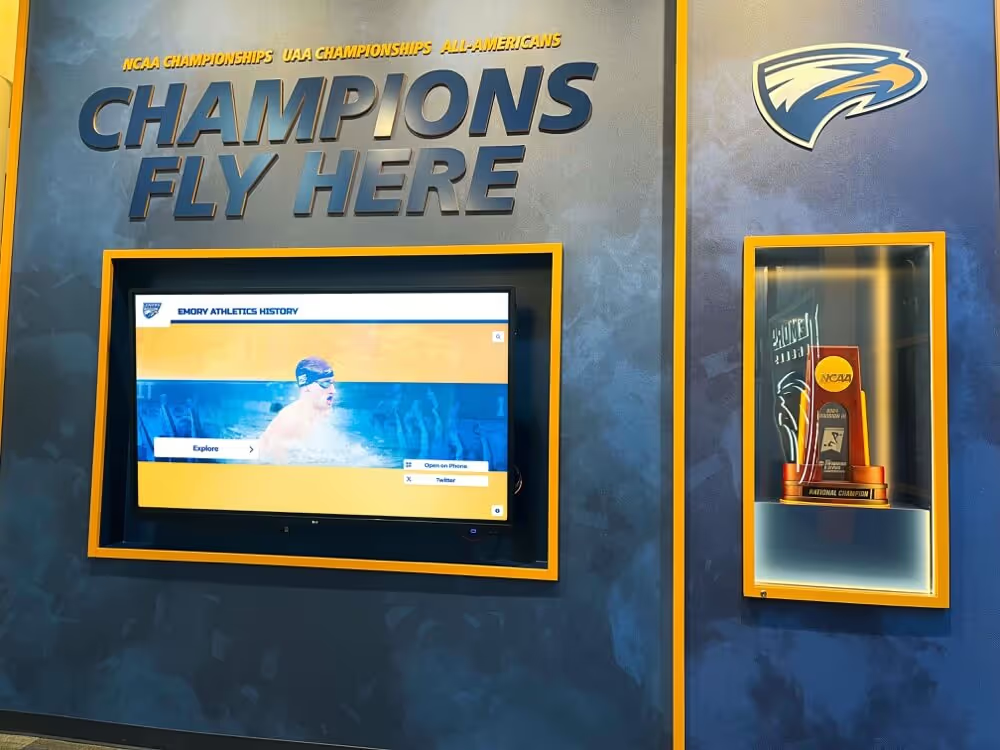
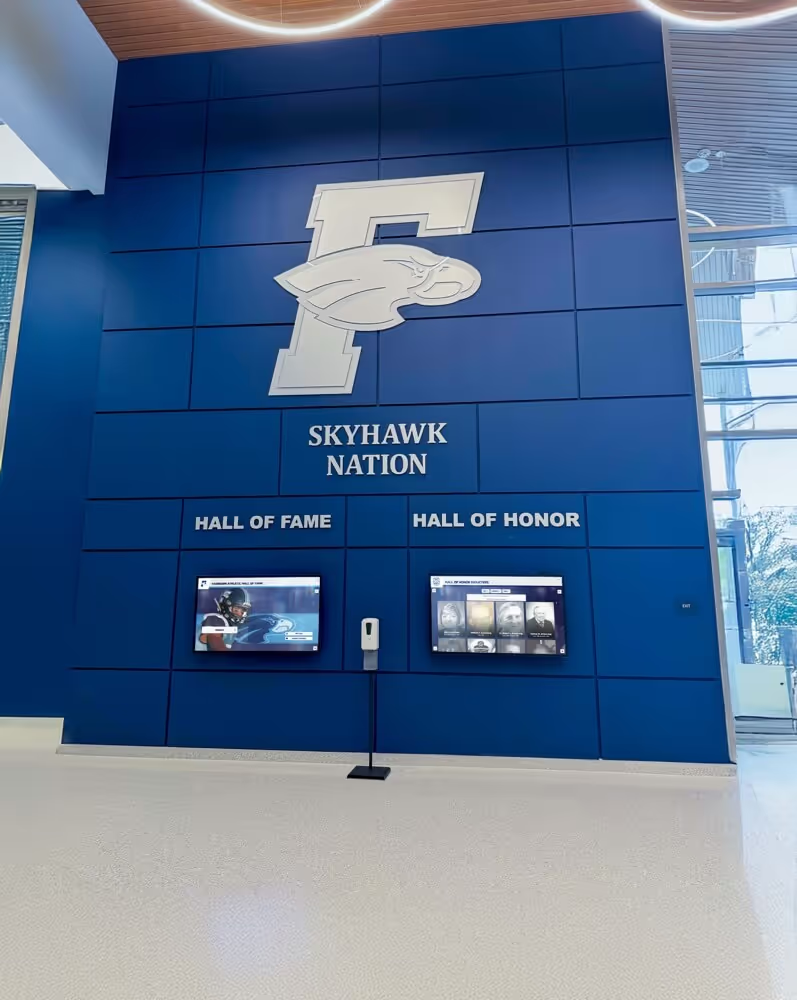
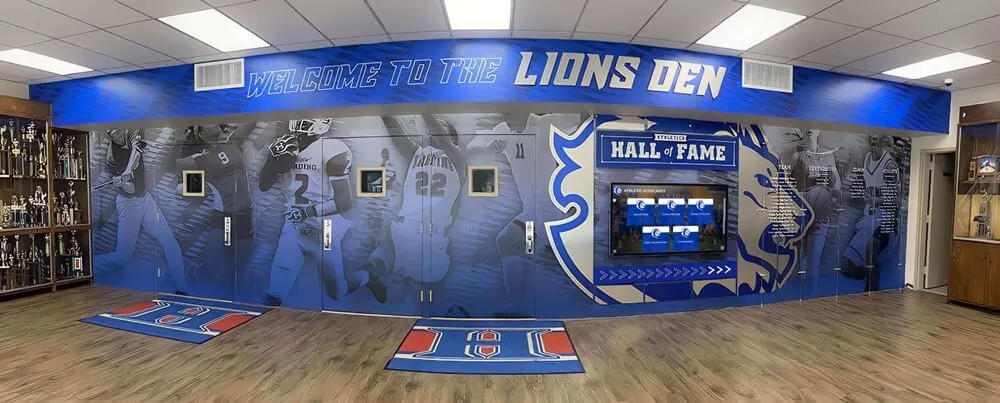
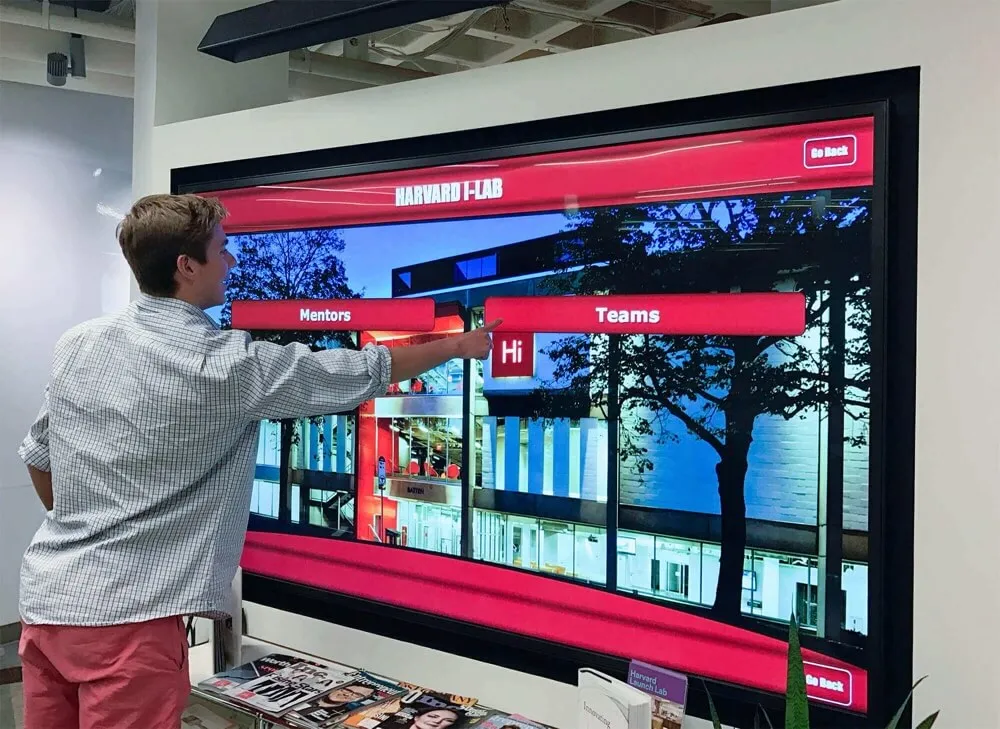
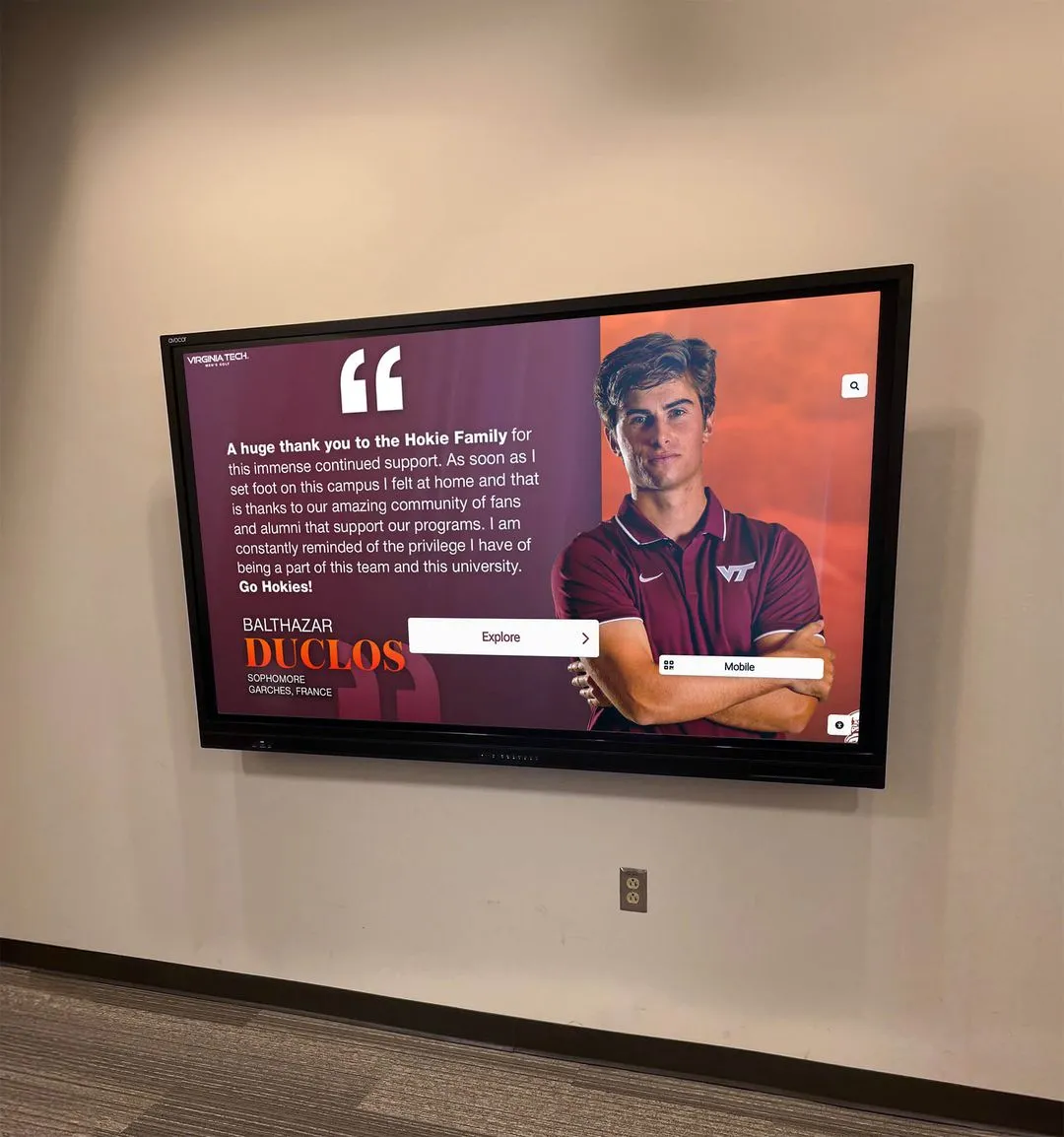
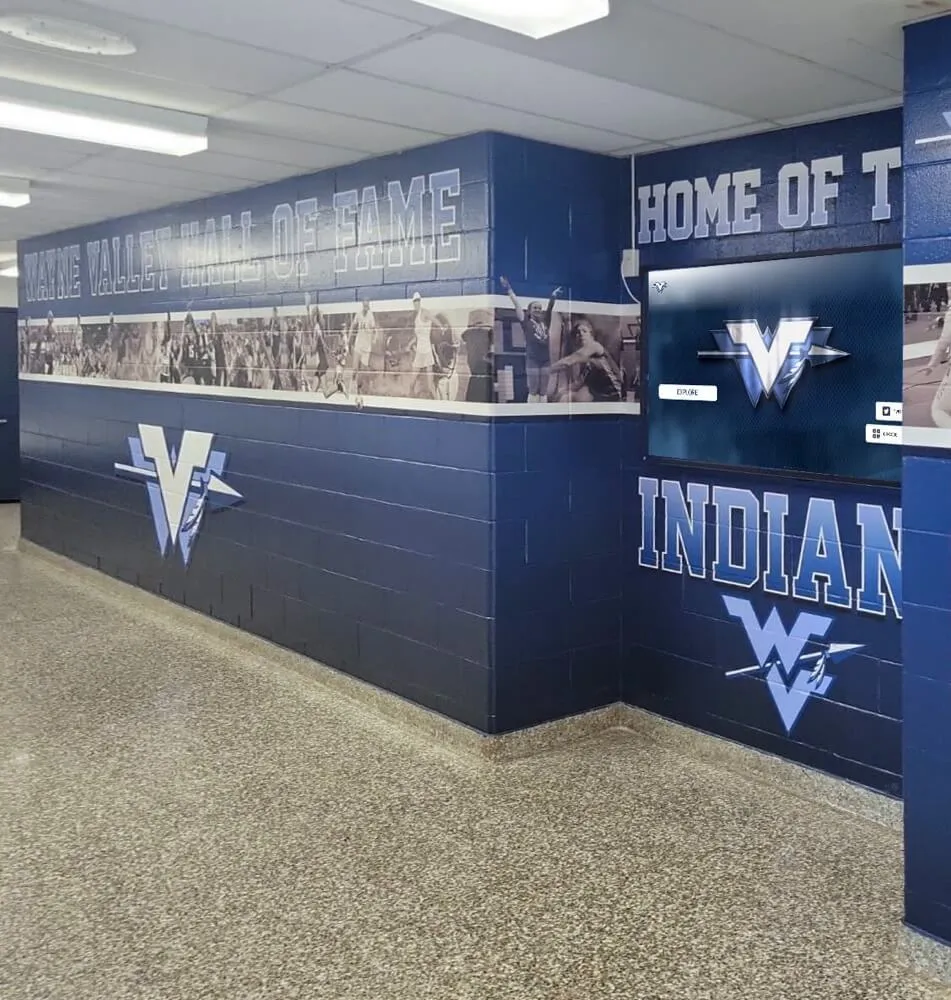
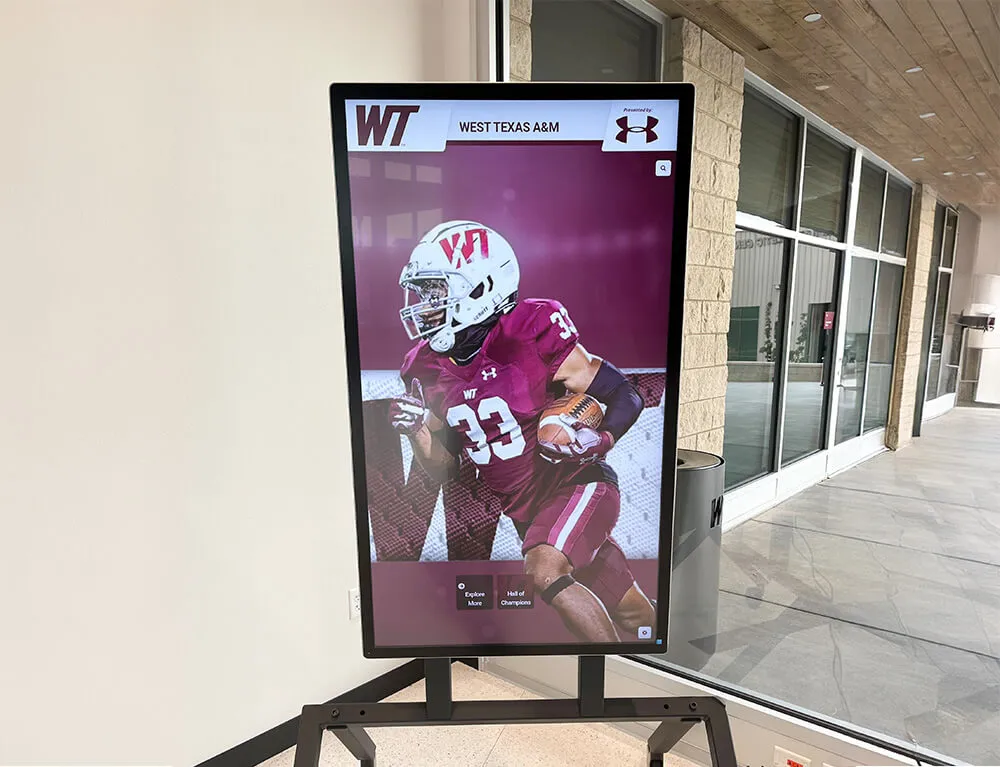
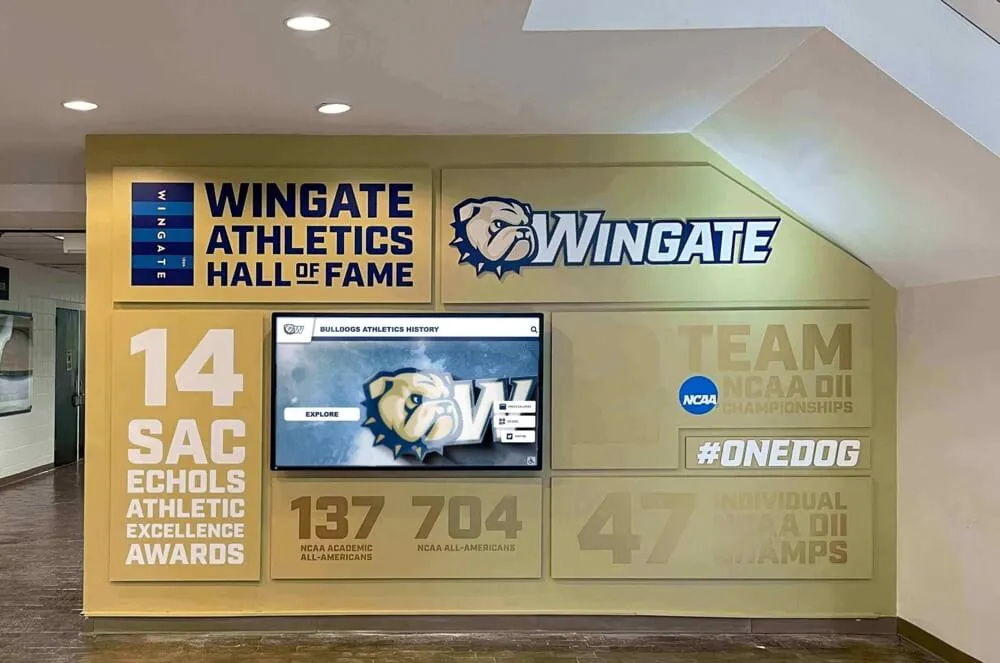
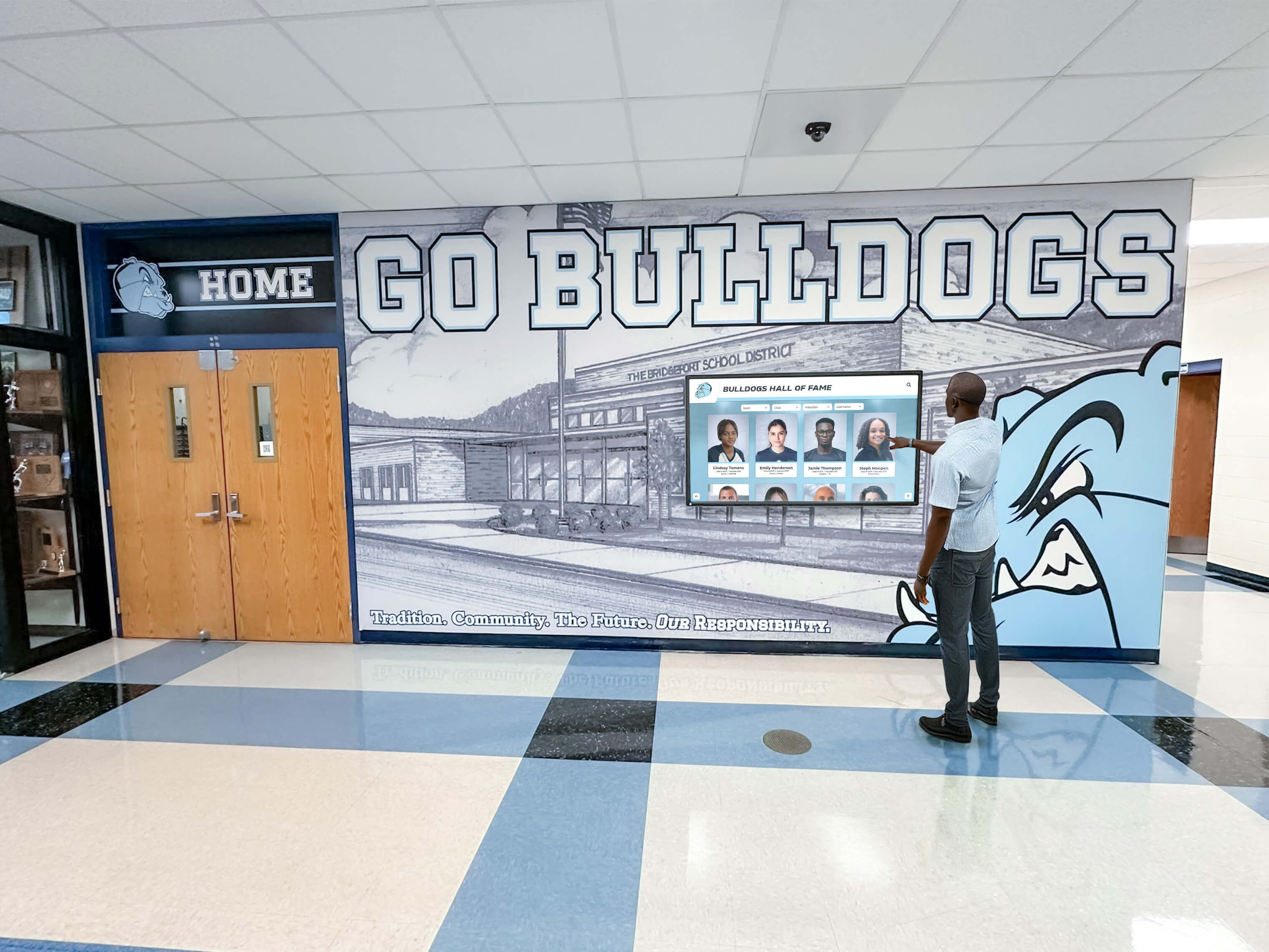
Contemporary schools increasingly implement digital recognition platforms that overcome traditional limitations while enhancing engagement:
Comprehensive Digital Displays:
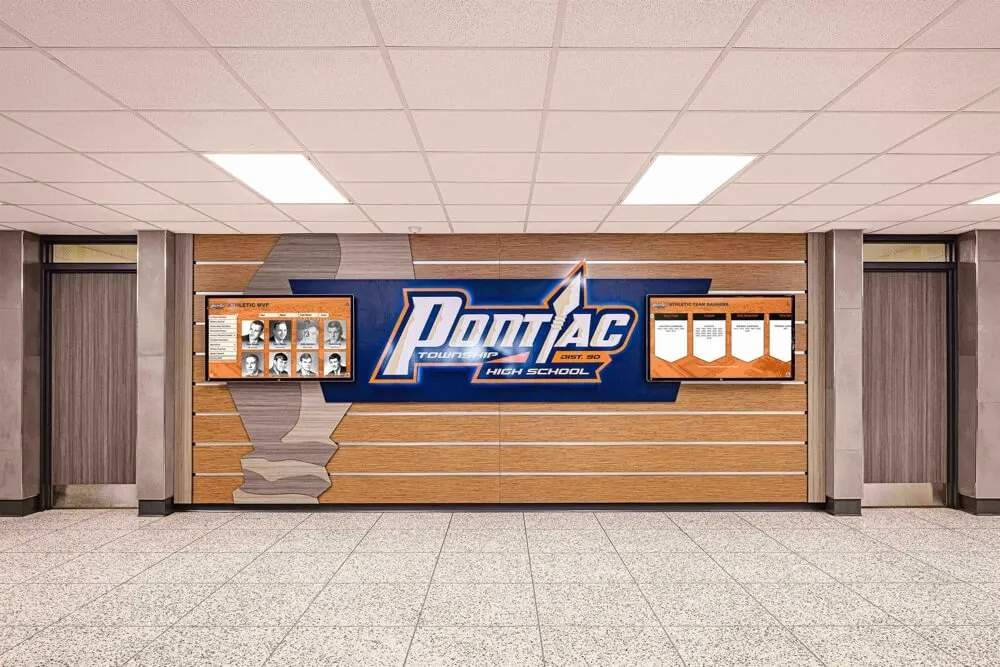
Modern recognition systems provide:
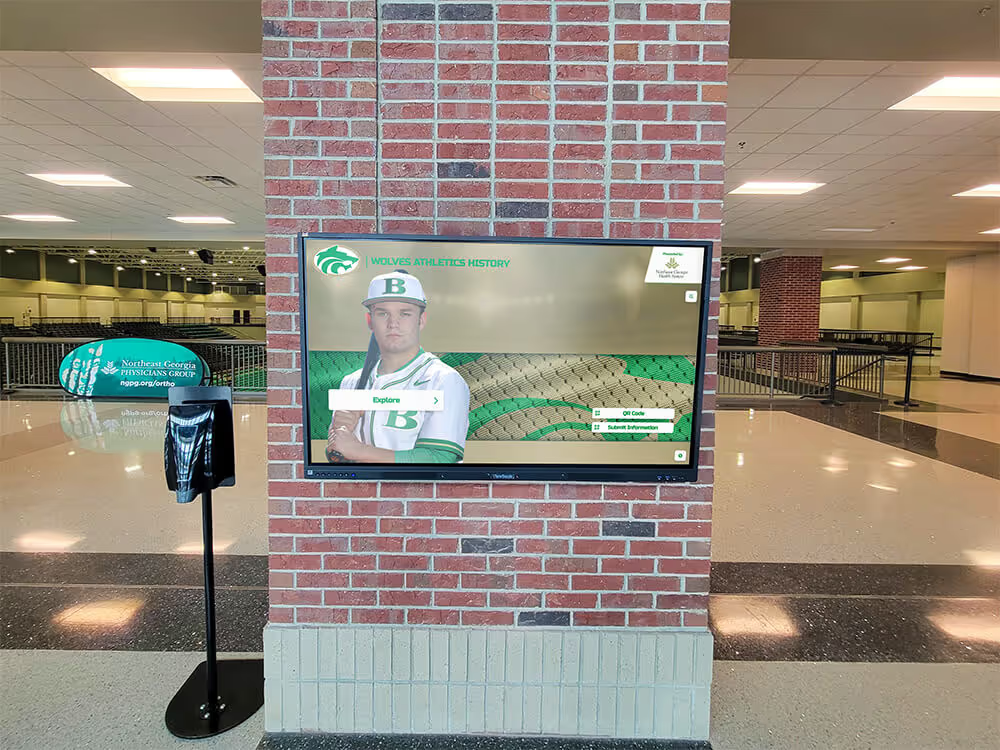
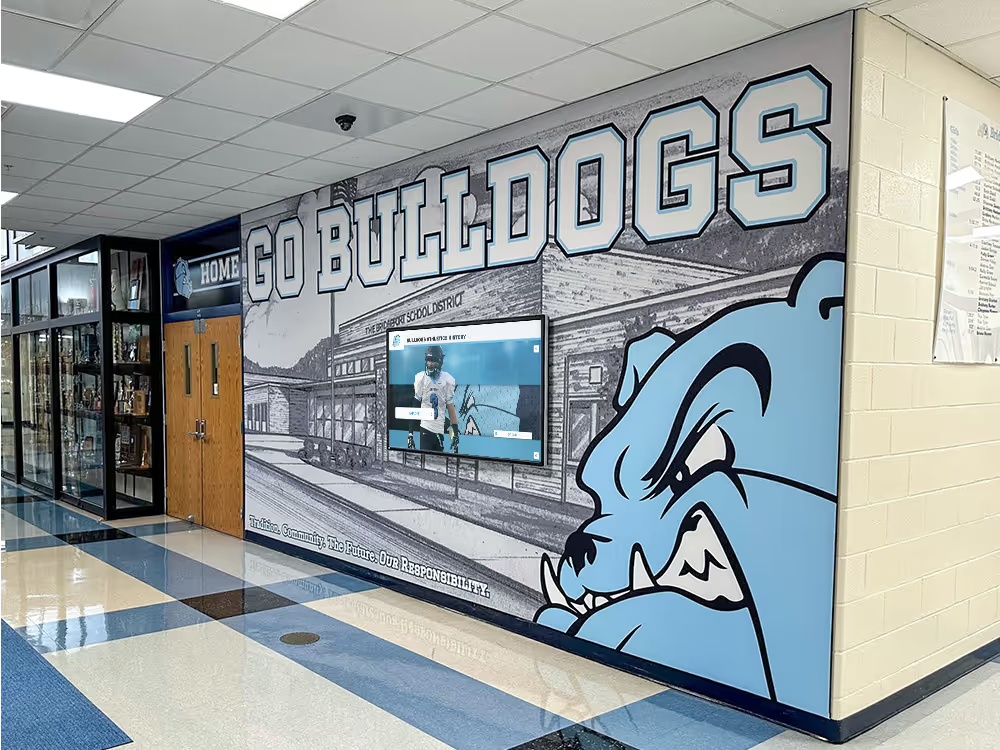
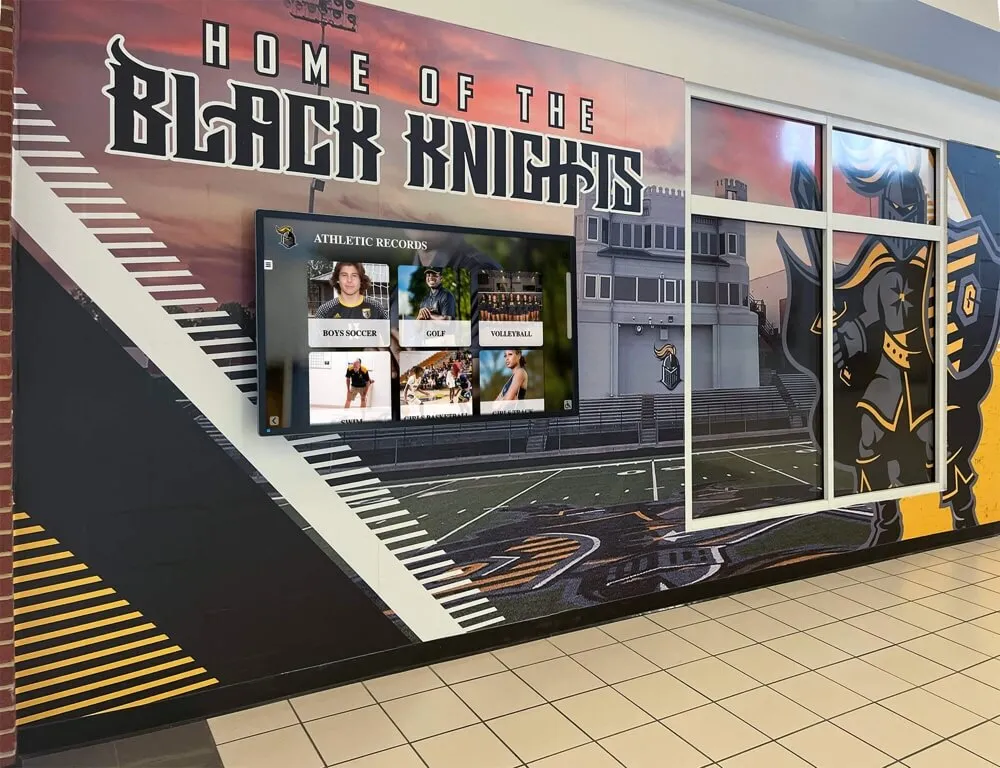
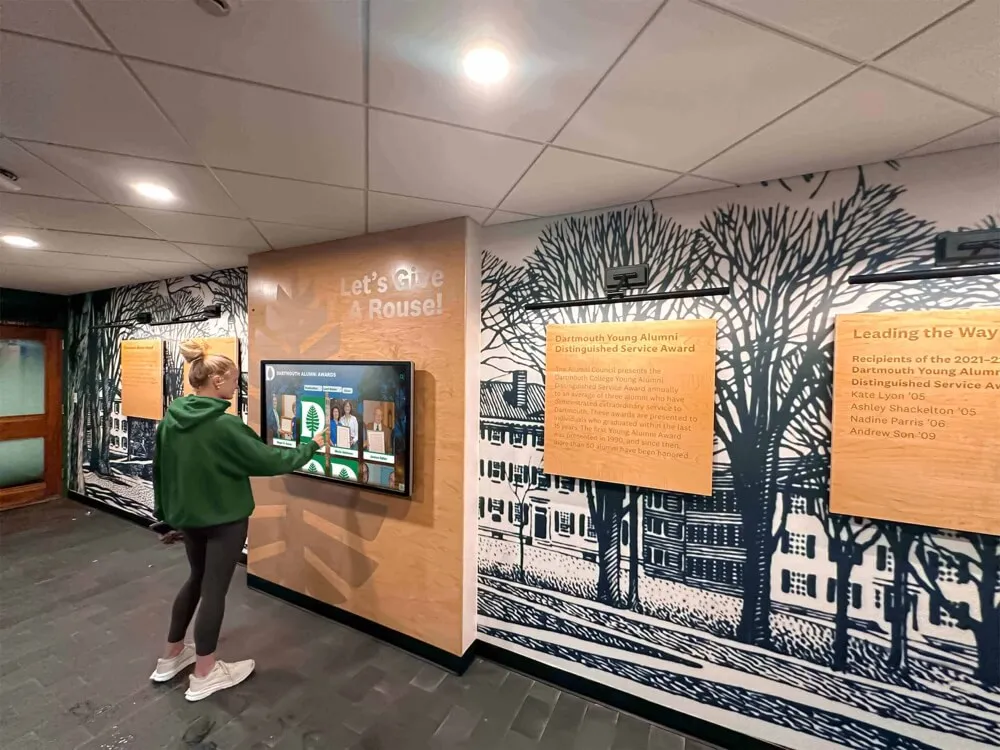
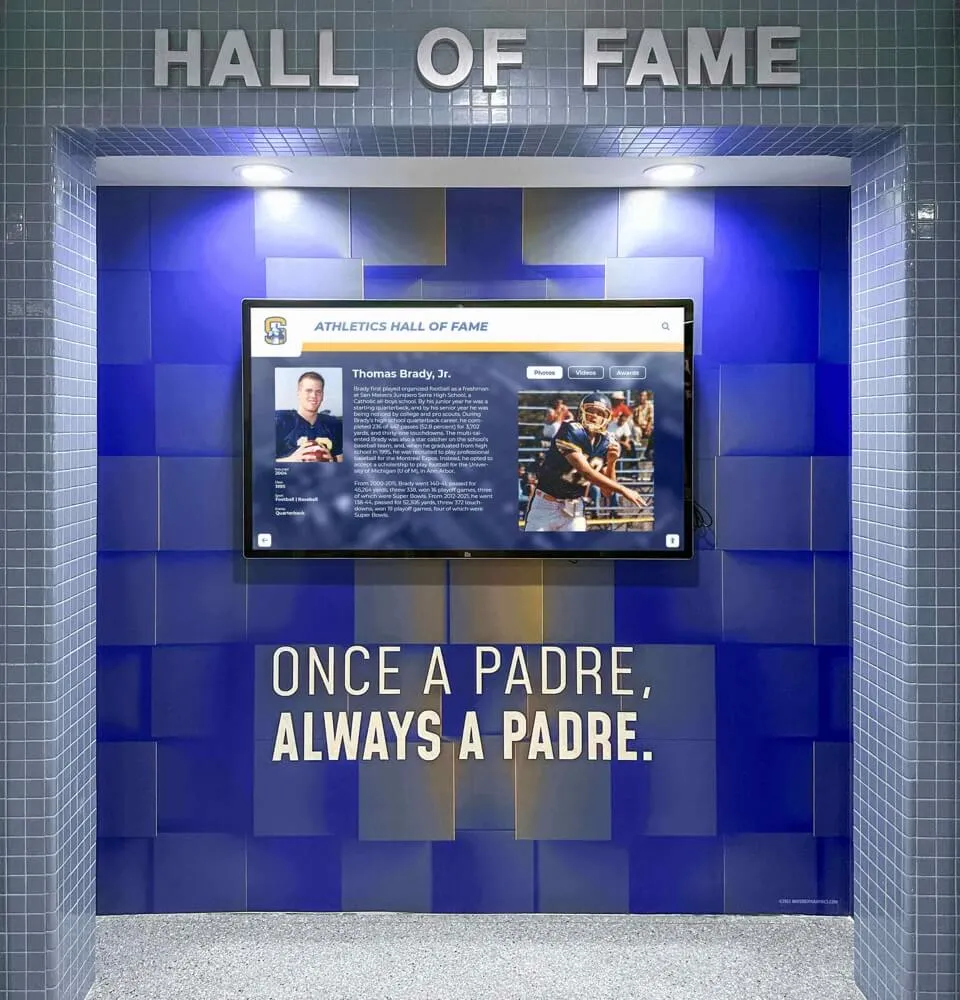
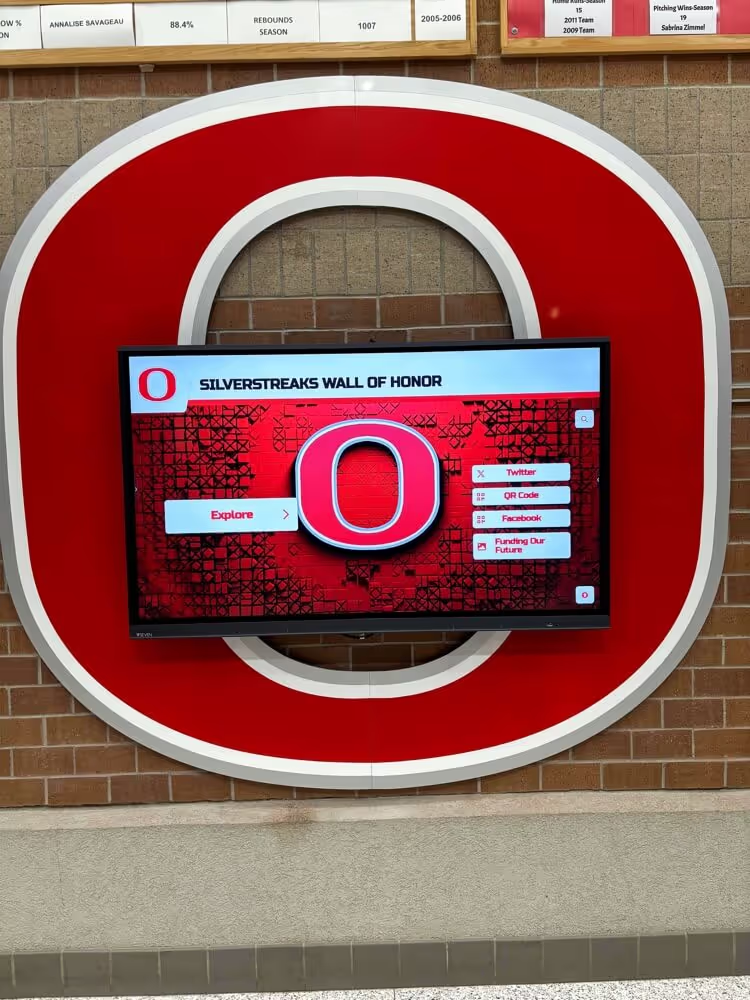
- Unlimited Capacity: Digital platforms accommodate unlimited teams, players, and championships without physical space constraints, ensuring all playoff achievements receive appropriate recognition
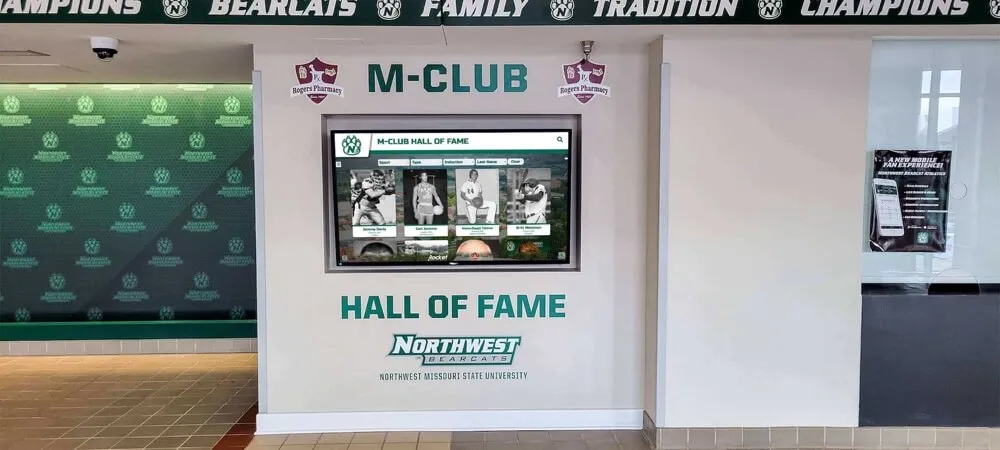
- Rich Multimedia Storytelling: Photos, videos, statistics, and written narratives create comprehensive championship documentation preserving not just results but the journey and emotions of playoff runs
- Searchable Databases: Visitors can find specific players, teams, or seasons instantly rather than scanning dozens of plaques searching for particular achievements
- Easy Content Updates: Cloud-based management enables instant additions after playoff victories without waiting for plaque fabrication and installation
- Remote Accessibility: Web-based viewing allows alumni to explore championship history from anywhere, extending recognition reach beyond physical school visitors
- Analytics and Engagement Tracking: Schools understand which content resonates most, informing recognition strategies and demonstrating program value
Preserving Complete Playoff Narratives:
Digital systems excel at preserving entire playoff experiences rather than just championship results:
- Round-by-round game summaries with statistics and highlights
- Season context explaining team development leading to playoff success
- Individual player spotlights celebrating performance under playoff pressure
- Coaching strategy discussions detailing preparation and game-planning
- Community support documentation showing how towns rallied behind teams
- Post-graduation updates tracking where championship players are now
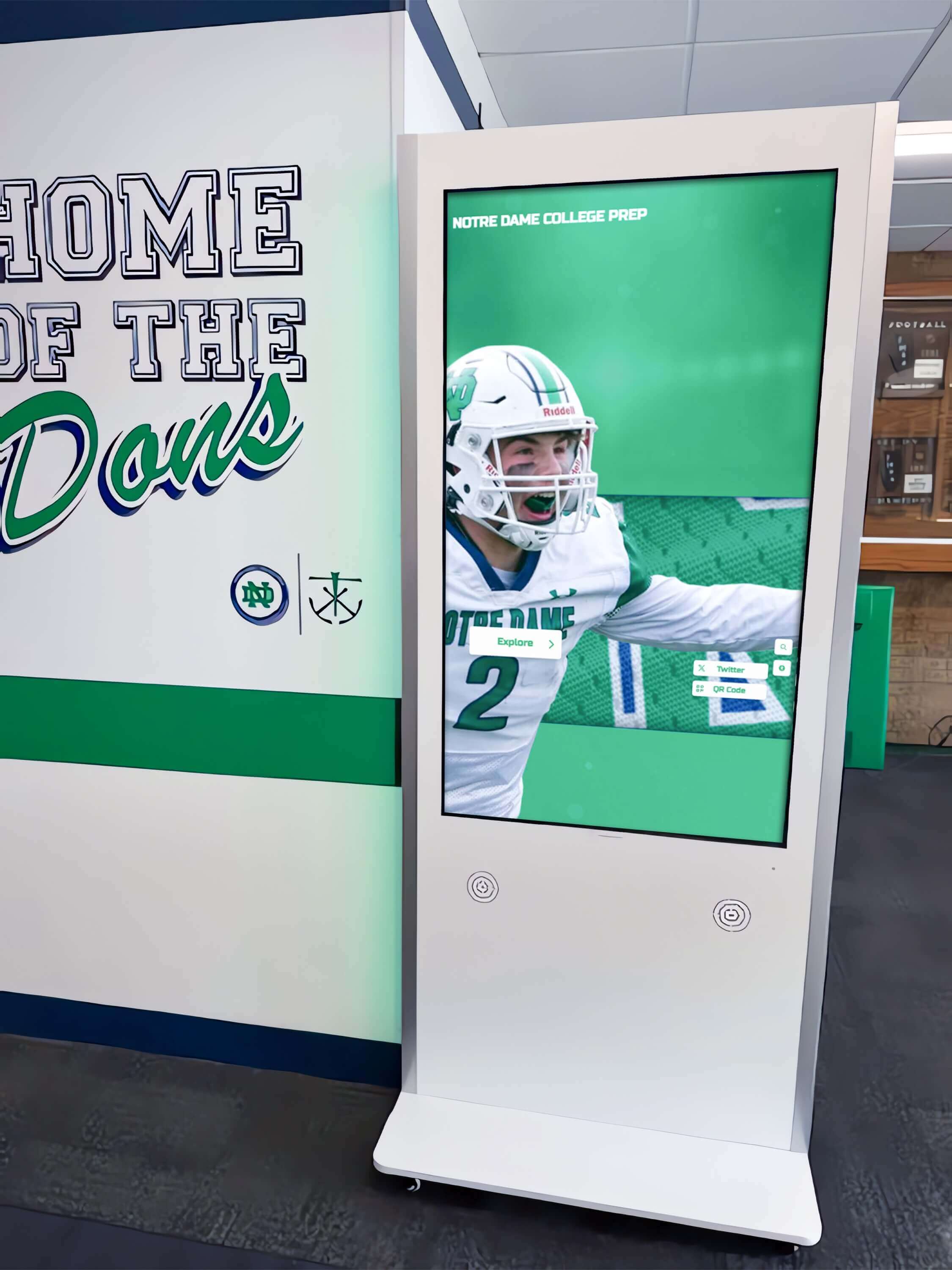
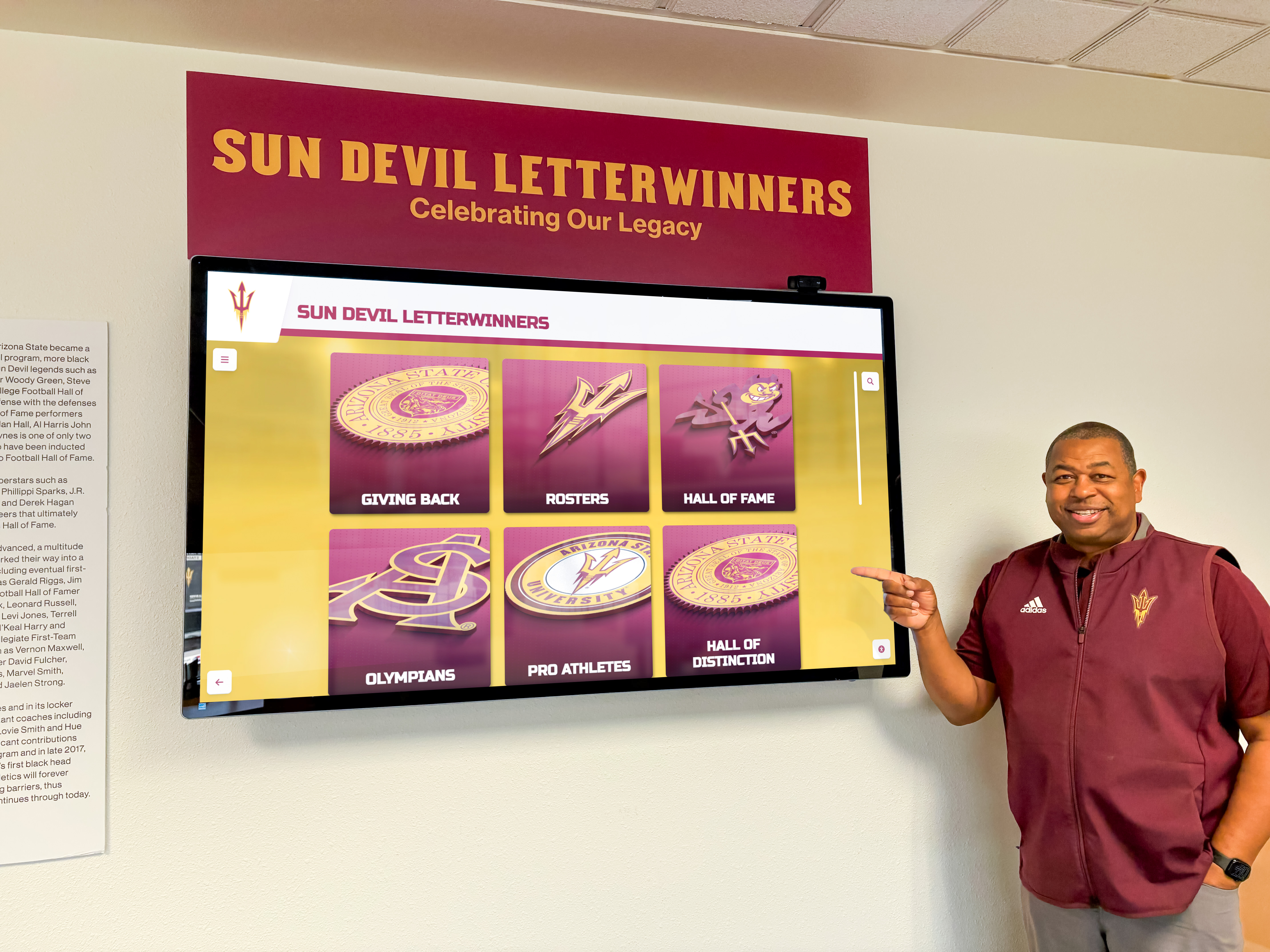
This comprehensive approach transforms recognition from simple historical records into engaging storytelling that connects past excellence with current programs. Solutions like those from Rocket Alumni Solutions provide purpose-built platforms designed specifically for school athletic recognition rather than generic digital signage systems requiring extensive customization.
Integrating Academic and Athletic Achievement:
The most effective recognition programs celebrate complete student-athlete success:
- Highlighting championship players’ academic achievements and classroom excellence
- Featuring college placement and scholarship success of championship team members
- Recognizing character awards and community service alongside athletic accomplishments
- Profiling career success of championship alumni beyond their playing days
- Connecting athletic excellence to institutional values emphasizing holistic development
This integrated approach demonstrates that playoff success represents one dimension of comprehensive student development rather than isolated athletic achievement. Programs seeking to balance recognition can explore resources on academic recognition alongside athletic displays that celebrate well-rounded excellence.
Regional Rivalries and Playoff Drama
Alabama’s playoff structure intensifies already fierce regional rivalries when traditional opponents meet in postseason competition:
Historic Playoff Matchups
Certain playoff matchups have created legendary games and lasting memories:
Birmingham Area Battles:
When Birmingham suburban powerhouses like Hoover, Vestavia Hills, Mountain Brook, or Thompson meet in playoffs, the intensity escalates beyond regular season contests. These games often draw 10,000+ spectators and generate statewide attention.
Mobile Region Championships:
Coastal programs including McGill-Toolen, UMS-Wright, Spanish Fort, and Fairhope create playoff drama when Gulf Coast bragging rights combine with championship implications.
North Alabama Showdowns:
When programs like Muscle Shoals, Hartselle, Decatur, Athens, and Florence compete in playoffs, the Tennessee River Valley rivalry tradition intensifies with state championship aspirations on the line.
Black Belt Classics:
Smaller classification playoffs often feature schools from Alabama’s Black Belt region, where football represents community identity and playoff matchups carry cultural significance extending beyond sport.
These regional rivalries ensure that playoff paths often require defeating traditional rivals under championship pressure, adding dramatic layers to competitive excellence.
Upset Tradition and Cinderella Stories
Alabama playoffs regularly produce memorable upsets as lower-seeded teams defeat favored opponents:
David vs. Goliath Moments:
Small-school programs occasionally defeat larger classification programs in playoff reclassification years or defeat heavily-favored opponents through preparation, execution, and home-field advantage in early playoff rounds.
Improbable Championship Runs:
Teams entering playoffs as lower seeds occasionally navigate brackets to championship games through a combination of peaking at the right time, injury luck, and clutch performances under pressure.
These Cinderella stories become permanent program lore, with communities celebrating unlikely playoff runs for decades while inspiring future teams facing long odds in their own championship pursuits.
Weather and Field Conditions Impact
Alabama’s late-season playoffs often feature challenging weather adding drama to championship pursuits:
November and December Football:
Unlike early season games played in oppressive heat and humidity, playoff contests occur during Alabama’s fall and early winter, creating conditions requiring adaptation:
- Cold temperatures by Alabama standards affecting ball handling and execution
- Rain and muddy field conditions favoring rushing attacks and strong defense
- Occasional freezing temperatures in North Alabama for late playoff rounds
- Wind affecting passing games and special teams execution
Teams demonstrating mental toughness and physical preparation often prevail in adverse playoff conditions, with weather resilience becoming part of championship identity.
Impact on School Culture and Community Identity
Playoff success creates lasting impacts extending beyond athletic achievement:
Building School Pride and Institutional Identity
Successful playoff runs strengthen school culture:
Student Body Engagement:
Playoff atmospheres engage entire student populations:
- School-wide spirit weeks with daily themes building toward playoff games
- Student section coordination creating impressive visual displays and unified cheering
- Cross-grade connections as older and younger students share playoff experiences
- Academic pause as schools embrace playoff weeks as special occasions
- Alumni returns creating multi-generational school community gatherings
Institutional Pride:
Championship success enhances overall school reputation:
- Positive media coverage extending beyond sports sections to general community news
- Academic program recognition benefiting from increased school visibility
- Enrollment interest from families attracted to successful, pride-filled institutions
- Teacher and staff morale lifted by positive community atmosphere
- District pride when schools achieve playoff success reflects well on entire system
Economic Impact on Communities
Playoff runs generate significant economic activity:
Local Business Benefits:
Community businesses profit from playoff excitement:
- Restaurants and hotels benefit from visiting team and fan spending
- Sporting goods stores sell team merchandise and fan apparel
- Printing businesses produce signs, banners, and promotional materials
- Local media outlets gain advertising revenue from increased playoff coverage
- Service organizations conduct fundraisers supporting team expenses
Tourism and Regional Recognition:
Deep playoff runs put communities on statewide maps:
- Media coverage introduces communities to broader Alabama audience
- Championship game participation brings community delegations to host cities
- Regional pride emerges when area programs succeed in playoffs
- Economic development benefits from positive community identity associated with excellence
Creating Lifelong Bonds and Alumni Connection
Playoff experiences create lasting relationships:
Team Cohesion:
Playoff pressure forges extraordinary team bonds:
- Shared adversity and triumph creating lifelong friendships
- Reunion traditions among championship teams celebrating anniversaries
- Mentorship relationships between championship alumni and current players
- Professional networking among former teammates in adult careers
- Family traditions as children of championship players attend same schools
Alumni Engagement:
Championship success strengthens alumni connections:
- Increased alumni attendance at games and school events during playoff runs
- Financial contributions to athletic programs from engaged alumni
- Volunteer coaching and mentoring by former championship players
- Social media communities connecting championship alumni across distances
- Homecoming and reunion planning centered on championship anniversaries
Schools leveraging these connections through recognition programs maintain stronger alumni relationships while providing current students with living connections to program history. Resources on building alumni engagement through recognition offer frameworks for sustaining these valuable relationships.
Challenges and Evolution of Alabama Playoff Football
As the landscape evolves, Alabama high school football playoffs face various challenges and adaptation requirements:
Competitive Balance and Classification Debates
Ongoing discussions address fairness and competitive balance:
Enrollment vs. Talent Concentration:
Some programs consistently reload with talent despite enrollment, raising questions about whether classification by enrollment alone ensures competitive balance. Debates consider:
- Private school recruitment advantages compared to geographic public school restrictions
- Magnet programs attracting students specifically for athletic opportunities
- Transfer policies and their impact on competitive balance
- Success penalties or playoff seeding adjustments for consistent championship programs
Regional Strength Variations:
Certain regions consistently produce more competitive programs than others, creating debates about whether statewide seeding should account for regional strength disparities beyond pure win-loss records.
Health, Safety, and Season Length Concerns
Extended playoff runs create health considerations:
Season Duration:
Championship teams potentially play 15+ games from August through December, raising questions about:
- Player safety with extended seasons and cumulative injury risk
- Academic impact as students balance rigorous playoff schedules with coursework
- Rest and recovery time between games during compressed playoff schedules
- Off-season training and recovery periods before spring practice
Concussion Protocols:
Increased awareness of traumatic brain injury impacts football at all levels, with Alabama schools implementing:
- Enhanced concussion protocols requiring medical clearance before return
- Independent neurological evaluations for suspected concussions
- Baseline testing programs enabling better post-injury assessment
- Coaching education about concussion recognition and immediate response
Facility and Resource Disparities
Differences in resources create advantages:
Facility Quality:
Wealthy suburban programs often feature facilities rivaling small colleges:
- Indoor practice facilities enabling weather-independent preparation
- Weight rooms with sophisticated equipment and full-time strength coaches
- Video analysis systems providing immediate game film review
- Medical support including athletic training staff and sports medicine partnerships
Coaching and Support Staff:
Resource differences affect coaching quality:
- Full-time athletic directors and head coaches in wealthy districts versus teachers coaching after classroom duties
- Extensive assistant coaching staffs in large programs versus minimal help in smaller schools
- Off-season training program sophistication varying dramatically across classifications
- Recruiting budgets enabling camps, combines, and exposure events for some programs
While classification structure addresses enrollment disparities, resource differences within classifications continue creating competitive advantages for well-funded programs.
Looking Forward: The Future of Alabama High School Football Playoffs
Alabama’s playoff system will continue evolving while maintaining traditions that make state football special:
Technology Integration
Modern technology enhances playoff experiences:
Live Streaming and Digital Access:
Expanded digital access allows:
- Live game streaming for families unable to attend distant playoff contests
- On-demand replay availability preserving playoff performances
- Statistical tracking providing detailed analytics unavailable in previous eras
- Social media engagement connecting communities during playoff runs
- Virtual watch parties when distance prevents physical attendance
Recognition and Historical Preservation:
Digital platforms ensure playoff achievements receive lasting recognition:
- Comprehensive multimedia documentation of championship runs
- Searchable archives allowing future generations to explore program history
- Interactive displays engaging current students with past excellence
- Analytics demonstrating recognition program value and visitor engagement
- Cloud-based platforms ensuring preservation regardless of physical facility changes
Schools implementing digital recognition systems for athletic achievements position themselves to preserve playoff traditions for decades while engaging contemporary audiences through technology they use daily.
Maintaining Tradition While Embracing Change
Alabama football’s strength lies in balancing innovation with tradition:
Preserving Core Values:
Regardless of changes, Alabama playoff football will continue emphasizing:
- Community identity and pride connected to local programs
- Student-athlete development preparing young people for life success
- Coaching mentorship extending beyond tactical football instruction
- Academic achievement alongside athletic excellence
- Character development and sportsmanship even in intense competition
Adapting to Contemporary Realities:
While maintaining traditions, Alabama football must address:
- Declining rural participation as population shifts to metropolitan areas
- Competition from other sports and activities for talented athletes
- Safety concerns requiring continuous protocol improvement
- Resource equity ensuring opportunities across economic circumstances
- Technology integration enhancing rather than replacing human connection
The programs successfully navigating these challenges will be those that honor tradition while thoughtfully embracing necessary evolution.
Conclusion: Celebrating Alabama’s Playoff Football Legacy
Alabama high school football playoffs represent far more than athletic competition. They embody community identity, create lifelong memories, preserve cultural traditions, and provide developmental experiences shaping young people’s character. From the opening round through championship games in college stadiums, Alabama’s playoff system showcases the state’s unmatched commitment to high school football excellence.
The traditions surrounding playoff football—community support rallying behind teams, legendary coaches building championship cultures, rival matchups creating unforgettable drama, and championship celebrations bringing communities together—distinguish Alabama as one of the nation’s premier high school football destinations. These traditions persist because they connect generations, provide shared experiences transcending typical entertainment, and create meaning extending beyond Friday night final scores.
Schools honoring playoff achievements through comprehensive recognition programs preserve these traditions while inspiring future athletes to pursue their own championship dreams. Whether implementing traditional plaques and banners or adopting modern digital recognition systems, the key is ensuring that playoff success receives lasting commemoration worthy of the sacrifice, dedication, and community support that made it possible.
As Alabama high school football continues evolving, the playoff system will adapt while maintaining the core values that make it special. The programs successfully preserving tradition while embracing necessary change will be those that recognize football’s role in comprehensive student development, community building, and cultural preservation—understanding that championships represent not just athletic triumph but collective community achievement.
For Alabama communities, playoff football creates shared experiences that bind people together across generations, economic circumstances, and social divisions. In an increasingly fragmented society, the communal experience of supporting local high school teams through playoff runs provides rare opportunities for unified purpose and collective celebration. This community-building function ensures that Alabama high school football playoffs will remain culturally significant regardless of how the sport itself evolves.
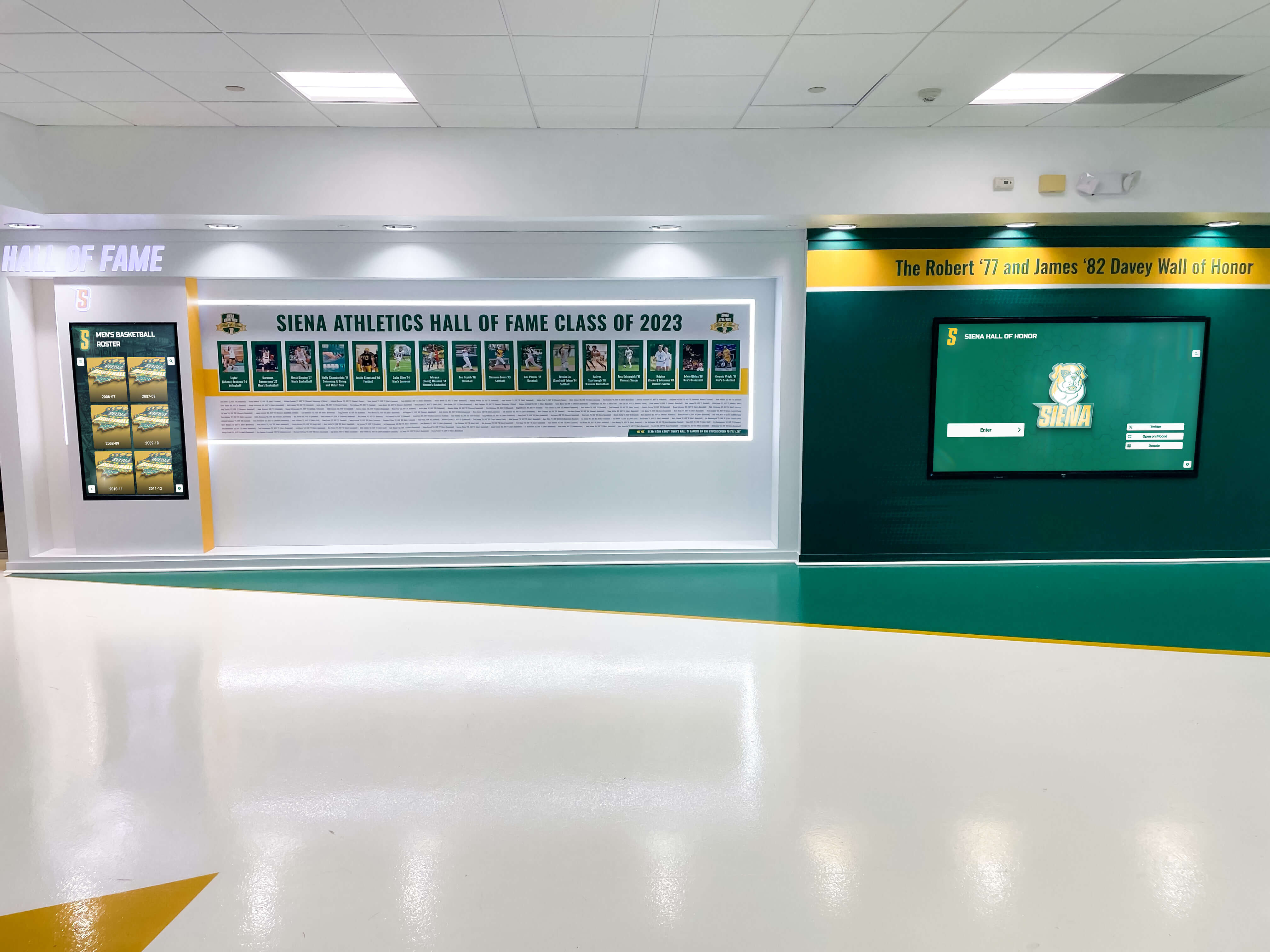
Ready to celebrate your school’s playoff achievements with recognition displays that honor tradition while embracing modern capabilities? Explore how Rocket Alumni Solutions creates comprehensive digital recognition platforms specifically designed for athletic programs, preserving championship legacies through engaging, professional displays that inspire current athletes while honoring the heroes who came before them.