



Key Takeaways
Discover comprehensive academic honors examples for your school. Learn effective recognition categories, selection criteria, implementation strategies, and modern display solutions that celebrate exceptional student achievement.
Schools seeking to strengthen their academic recognition programs face a common challenge: determining which types of honors will genuinely motivate students, celebrate diverse forms of excellence, maintain meaningful standards, and build cultures where intellectual achievement receives the visibility it deserves. Generic recognition approaches—basic honor roll lists, standard certificates, one-size-fits-all awards—often fail to capture the full spectrum of exceptional achievement happening in contemporary educational settings.
This comprehensive guide provides concrete academic honors examples schools can implement immediately. From traditional recognition categories to innovative approaches celebrating diverse talents, you’ll discover practical frameworks for designing comprehensive academic honor systems that inspire excellence, engage families, validate effort across multiple dimensions, and create lasting documentation of scholarly achievement that students treasure for decades.
Traditional Academic Honor Categories
Time-tested recognition programs continue to provide valuable frameworks for acknowledging exceptional student performance. These established categories create clear achievement targets while offering structures schools can customize to their unique contexts.
Honor Roll Programs
Honor roll represents the most widely implemented academic recognition, acknowledging students who maintain specific grade point average thresholds throughout marking periods or semesters.
Single Honor Roll: Many schools establish one threshold—typically 3.5 GPA on a 4.0 scale—recognizing all students exceeding that standard equally. This approach emphasizes selectivity and prestige, making recognition particularly special while maintaining manageable implementation requirements.
Tiered Honor Roll Systems:
More comprehensive programs create multiple achievement tiers:
- High Honor Roll or First Honors: 3.7-4.0 GPA recognizing exceptional achievement
- Honor Roll or Second Honors: 3.3-3.69 GPA acknowledging strong performance
- Honorable Mention: 3.0-3.29 GPA validating solid scholarly effort
Tiered systems create multiple recognition opportunities while maintaining meaningful distinctions between achievement levels. Students who narrowly miss top honors still receive acknowledgment rather than complete exclusion, which research suggests maintains motivation more effectively than all-or-nothing approaches.

Weighted vs. Unweighted Considerations: Schools using weighted GPAs that award extra points for advanced, honors, or AP courses must decide whether honor roll criteria use weighted or unweighted calculations. Weighted approaches reward students challenging themselves with rigorous coursework rather than selecting easier classes to maintain high grades. However, they may disadvantage students without access to advanced courses due to scheduling or prerequisites.
Consider dual recognition tracks honoring achievement through both calculation methods, ensuring students in various academic programs have realistic pathways to acknowledgment. Schools implementing comprehensive academic recognition programs find that multiple pathways create more equitable systems.
Dean’s List and President’s List Recognition
Originally collegiate distinctions, dean’s list programs increasingly appear in high schools seeking to establish more selective academic recognition beyond standard honor roll.
President’s List: Reserved for students achieving perfect 4.0 GPA, this highest honor acknowledges flawless academic performance across all coursework during a specific period. The exclusivity creates genuine prestige while providing an aspirational target for high-achieving students.
Dean’s List: Typically requires 3.7-3.99 GPA, recognizing exceptional achievement that falls just short of perfection. This tier honors students performing at exceptional levels while acknowledging that occasional grades below A don’t diminish overall excellence.
Credit Load Requirements: Effective dean’s list programs often require minimum course loads—commonly 5-6 classes at the high school level—preventing students from achieving high GPAs through extremely light schedules. Credit minimums ensure recognition honors substantive achievement rather than strategic under-enrollment.
Cumulative GPA Distinctions
Recognition based on entire academic careers rather than single marking periods honors sustained excellence across multiple years.
Valedictorian and Salutatorian: Traditional top-ranked student recognition based on cumulative GPA remains meaningful in most contexts, particularly when schools clearly communicate calculation methodologies, weighted versus unweighted approaches, and tie-breaking procedures.
Top Scholar Percentages: Beyond single valedictorian designation, many schools recognize top 5%, top 10%, or top 25% of graduating classes. Percentage-based recognition accommodates larger cohorts while maintaining selectivity signaling exceptional achievement. This approach proves especially valuable in schools where multiple students achieve perfect or near-perfect GPAs, making single valedictorian designation feel arbitrary.
Four-Year Consistency Awards: Students maintaining honor roll status throughout entire high school careers demonstrate remarkable consistency deserving special recognition beyond standard marking period acknowledgments. Multi-year achievement awards validate persistence, time management, and sustained commitment as essential components of academic excellence.

Subject-Specific Academic Honors Examples
Departmental recognition acknowledges students demonstrating exceptional mastery in particular disciplines, validating specialized achievement beyond cumulative GPA metrics.
Core Academic Discipline Awards
Subject-specific honors create opportunities to celebrate students who may not achieve highest overall GPAs but demonstrate exceptional capability in particular areas.
English/Language Arts Excellence Awards:
- Outstanding Achievement in Literature and Composition
- Advanced Writing and Communication Award
- Literary Analysis Excellence Recognition
- Creative Writing Achievement Honor
- Research and Academic Writing Distinction
English awards should consider factors beyond just grades, including teacher recommendations emphasizing analytical thinking, quality of written work, intellectual curiosity about literature, participation in class discussions, and contributions to school publications or writing communities.
Mathematics Achievement Awards:
- Mathematical Excellence Recognition
- Advanced Mathematics Scholar Award
- Problem-Solving and Analytical Thinking Honor
- Computational Thinking Excellence
- Mathematics Competition Achievement
Mathematics recognition can incorporate performance on standardized assessments, success in math competitions like AMC or MATHCOUNTS, completion of advanced coursework sequence, demonstrated ability to explain mathematical concepts, and contributions to peer learning through tutoring or study groups.
Science Scholar Recognition:
- Scientific Inquiry and Research Excellence
- Laboratory Skills and Experimental Design Award
- STEM Achievement Recognition
- Environmental Science Leadership
- Life Sciences or Physical Sciences Distinction
Science awards should acknowledge not just test performance but also laboratory skills, safety practices, quality of scientific writing, research project completion, science fair participation, and demonstrated understanding of scientific methodology.
Social Studies and History Excellence:
- Historical Analysis and Critical Thinking Award
- Civic Engagement and Social Studies Achievement
- Geographic Literacy Excellence
- Current Events Understanding Recognition
- Humanities Scholar Award
Social studies recognition can consider essay quality, analytical thinking demonstrated in assessments, participation in history competitions like National History Day, understanding of civic processes, and ability to connect historical patterns to contemporary issues.
World Languages Proficiency Awards:
- Spanish/French/German/Mandarin Excellence Recognition
- Advanced Language Proficiency Achievement
- Cultural Understanding and Communication Award
- World Language Competition Distinction
Language awards should evaluate oral proficiency, written communication skills, cultural knowledge demonstration, performance on standardized proficiency assessments like AAPPL or STAMP, and participation in language competitions or cultural events. Schools implementing end-of-year recognition programs often feature robust subject-specific categories recognizing diverse talents.
Specialized Program and Elective Recognition
Beyond core academics, specialized programs deserve dedicated recognition categories acknowledging unique achievement dimensions.
Fine Arts Academic Excellence:
- Visual Arts Scholarship and Achievement
- Performing Arts Academic Excellence
- Music Theory and Composition Recognition
- Theater Arts Academic Achievement
- Art History and Appreciation Award
Fine arts academic recognition differs from performance-based awards by focusing specifically on scholarly achievement—grades in arts courses, understanding of theory and history, ability to analyze and critique artistic work, and completion of rigorous arts coursework.
Career and Technical Education (CTE) Excellence:
- Business and Entrepreneurship Academic Achievement
- Engineering and Technology Scholar Recognition
- Health Sciences Academic Excellence
- Agricultural Sciences Achievement Award
- Information Technology and Computer Science Distinction
CTE recognition should honor both classroom achievement and demonstration of practical skills, industry certification completion, project-based learning excellence, and understanding of professional standards and practices. Many schools find that comprehensive CTE program displays showcase the full breadth of student accomplishments in applied learning contexts.
Specialized Academic Honors and Distinctions
Beyond standard category-based recognition, specialized honors acknowledge unique circumstances, exceptional efforts, or specific accomplishment types deserving dedicated acknowledgment.
Advanced Coursework and Testing Achievement
Recognition for challenging oneself with rigorous coursework and demonstrating mastery through standardized assessments validates students who pursue academic stretch opportunities.
Advanced Placement (AP) Recognition:
- AP Scholar with Distinction (scoring 3+ on five or more AP exams with average score of 3.5+)
- AP Scholar with Honor (average score of 3.25+ on all AP exams taken, and scores of 3+ on four or more exams)
- AP Scholar (scores of 3 or higher on three or more AP exams)
- Highest AP Exam Score Achievement (perfect 5 scores)
- Most AP Courses Completed with Excellence
According to College Board data, students completing multiple AP courses and examinations with high scores demonstrate exceptional academic capability warranting recognition. Schools should celebrate AP achievement regardless of whether students qualify for official College Board AP Scholar designations, creating internal recognition for students challenging themselves with college-level work.
Standardized Testing Excellence:
- ACT 30+ Club Recognition (top 7% nationally)
- ACT Perfect Score Achievement (36 composite)
- SAT 1400+ Excellence Recognition
- SAT Perfect Score Achievement (1600)
- PSAT/National Merit Scholar Recognition
- State Assessment Proficiency Excellence
High standardized test scores provide external validation of academic capability. Schools implementing standardized test achievement displays create permanent documentation of exceptional performance while motivating future students toward similar achievement levels. Understanding graduation honor cord meanings helps schools establish comprehensive recognition systems connecting academic achievement to graduation ceremony traditions.
Dual Enrollment and Early College Recognition:
- College Credit Achievement While in High School
- Highest College GPA While Dual Enrolled
- Most College Credits Earned in High School
- Early College Program Completion with Distinction
Students successfully completing college courses while enrolled in high school demonstrate readiness for advanced academic challenges. Recognition should acknowledge successful dual enrollment participation, credits earned toward college degrees, college GPAs achieved, and any honors or recognitions received from partnering colleges.
Academic Competition and External Recognition
Achievement in competitive academic contexts provides objective evidence of exceptional capability through external assessment rather than solely internal grading standards.
Mathematics Competitions:
- American Mathematics Competition (AMC 10/12) Achievement
- MATHCOUNTS School, Chapter, State, or National Qualification
- Mathematical Olympiad (AIME, USAMO) Participation
- Regional or State Mathematics Competition Distinction
Science Competitions and Research:
- Science Fair Regional, State, or National Winner
- International Science and Engineering Fair (ISEF) Qualifier
- Junior Science and Humanities Symposium Recognition
- Research Symposium Presentation and Award
- Science Olympiad Team Achievement and Individual Medals
Humanities and Language Competitions:
- National History Day School, State, or National Recognition
- Writing Contest Winner (Scholastic Art & Writing Awards, etc.)
- Debate and Forensics Tournament Achievement
- Model UN Distinguished Delegate Recognition
- National Latin Exam or National Greek Exam Excellence
- Foreign Language Competition Achievement (Le Grand Concours, National Spanish Exam, etc.)
Interdisciplinary Academic Competitions:
- Quiz Bowl or Academic Bowl Team Achievement
- Academic Decathlon or Pentathlon Competition Success
- Knowledge Bowl or Scholars Bowl Recognition
- Technology and Engineering Competition Excellence
Celebrating external competition achievement demonstrates that schools value academic accomplishment regardless of who officially bestows recognition while connecting students to prestigious regional and national programs enhancing college applications.

National Honor Societies and Organization Memberships
Selective academic honor societies provide structured recognition programs combining achievement with character, leadership, and service.
National Honor Society (NHS): The most widely recognized academic honor society in high schools, NHS selection typically requires minimum 3.0-3.5 GPA, demonstrated leadership, significant service hours, and strong character references. NHS membership provides prestigious recognition appearing on college applications while connecting students to service opportunities and scholarship programs.
National Junior Honor Society (NJHS): Middle school equivalent of NHS, NJHS recognizes younger students demonstrating exceptional achievement while establishing early patterns of academic excellence, service, and leadership that continue through high school.
Subject-Specific Honor Societies:
- Mu Alpha Theta (Mathematics Honor Society)
- National English Honor Society
- Science National Honor Society
- Rho Kappa (Social Studies Honor Society)
- Sociedad Honoraria Hispánica (Spanish Honor Society)
- Société Honoraire de Français (French Honor Society)
- Tri-M Music Honor Society
- National Art Honor Society
- National Technical Honor Society
Subject-specific societies provide specialized recognition for students demonstrating sustained excellence and passion in particular disciplines. These organizations often require higher GPA thresholds in specific subject areas while offering discipline-focused service projects, competitions, and networking opportunities.
Recognition for Effort, Growth, and Special Circumstances
While traditional academic honors focus primarily on absolute achievement levels, comprehensive recognition systems include categories acknowledging improvement, perseverance, and excellence despite challenging circumstances.
Academic Improvement and Growth Recognition
Students demonstrating dramatic improvement or remarkable academic turnarounds deserve acknowledgment even when absolute achievement levels remain moderate compared to lifelong high performers.
Most Improved Student Awards:
- Quarter-to-Quarter Improvement Recognition
- Semester-to-Semester Achievement Growth
- Full-Year Academic Turnaround Excellence
- Multi-Year Academic Transformation Recognition
Improvement awards typically consider GPA increases of 0.5 points or more, movement from failing to passing in previously difficult subjects, dramatic grade improvements in specific courses, or sustained upward achievement trajectories across multiple marking periods.
Growth Mindset Achievement Recognition: Rather than focusing solely on grades, growth mindset awards acknowledge students demonstrating increased effort, improved study habits, enhanced learning strategies, willingness to seek help and support, and persistence through academic challenges. These honors validate that effort and approach matter as much as natural ability.
Overcoming Adversity and Perseverance Recognition
Students achieving academic excellence despite significant personal challenges, learning differences, or difficult circumstances demonstrate exceptional determination worthy of special acknowledgment.
Academic Excellence Despite Challenges:
- Achievement While Managing Chronic Illness or Disability
- Excellence While Balancing Significant Family Responsibilities
- Success While Overcoming Learning Differences
- Achievement While Navigating Personal or Family Hardship
These sensitive recognition categories require careful consideration of privacy and student comfort. Some students welcome public acknowledgment of obstacles overcome, while others prefer recognition without specific detail about challenges faced. Schools should work with students and families to determine appropriate acknowledgment approaches respecting individual preferences.
English Language Learner (ELL) Academic Excellence: Students achieving high academic performance while simultaneously developing English proficiency deserve specific recognition. ELL excellence awards acknowledge both subject-matter achievement and language development progress, validating the remarkable cognitive demands of learning complex content in non-native languages.
Leadership in Learning and Peer Support
Academic excellence extends beyond individual achievement to include supporting others’ scholarly success and creating positive learning environments.
Peer Tutoring Excellence Recognition: Students providing sustained peer tutoring or academic support demonstrate mastery of content while developing teaching skills and supporting collective academic culture. Recognition should require documented tutoring hours, positive feedback from supported students, and evidence of genuine impact on others’ learning.
Study Group Leadership Awards: Students organizing and facilitating effective study groups contribute to collaborative learning cultures. Recognition acknowledges initiative in bringing peers together, creating inclusive learning environments, and demonstrating leadership within academic contexts.
Academic Mentorship Recognition: Upper-class students mentoring younger peers or new students provide invaluable support easing academic transitions. Mentorship recognition honors students sharing knowledge, offering encouragement, and modeling effective academic behaviors for those following behind them.
Modern Recognition Delivery and Display Solutions
How schools present and communicate academic honors significantly impacts program effectiveness, student motivation, and community engagement. Contemporary recognition extends far beyond paper certificates and brief announcements.
Digital Recognition Displays and Interactive Technology
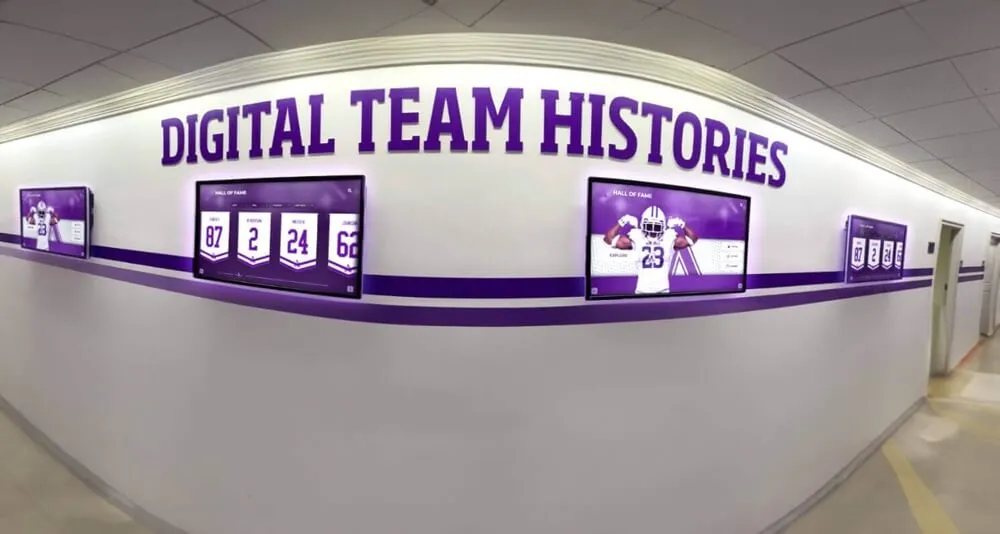
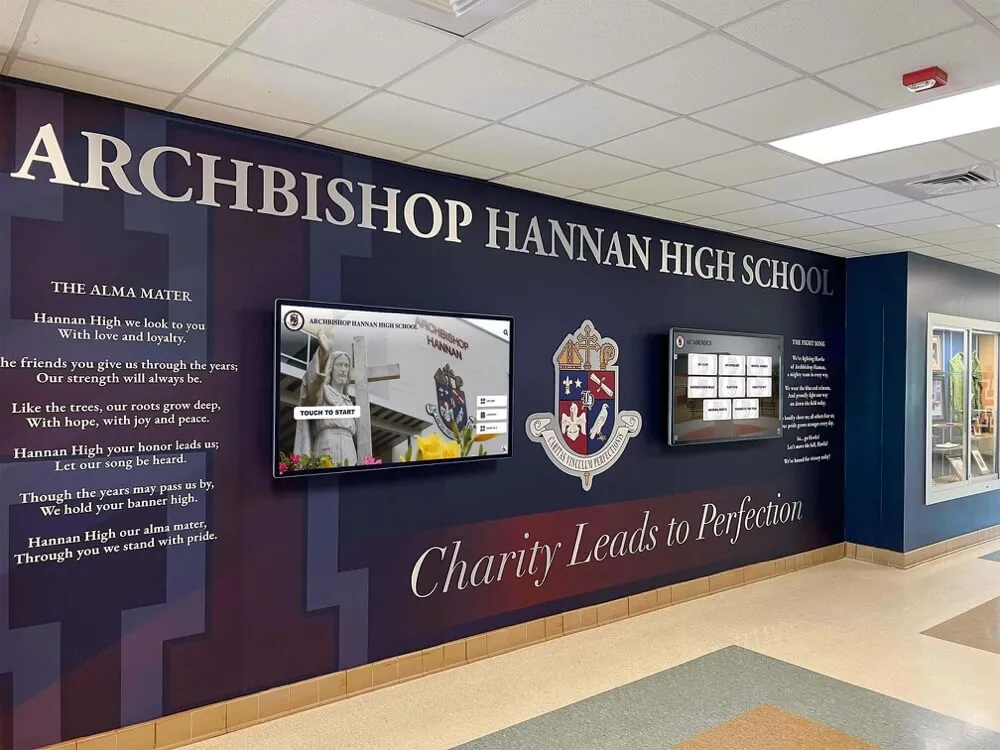
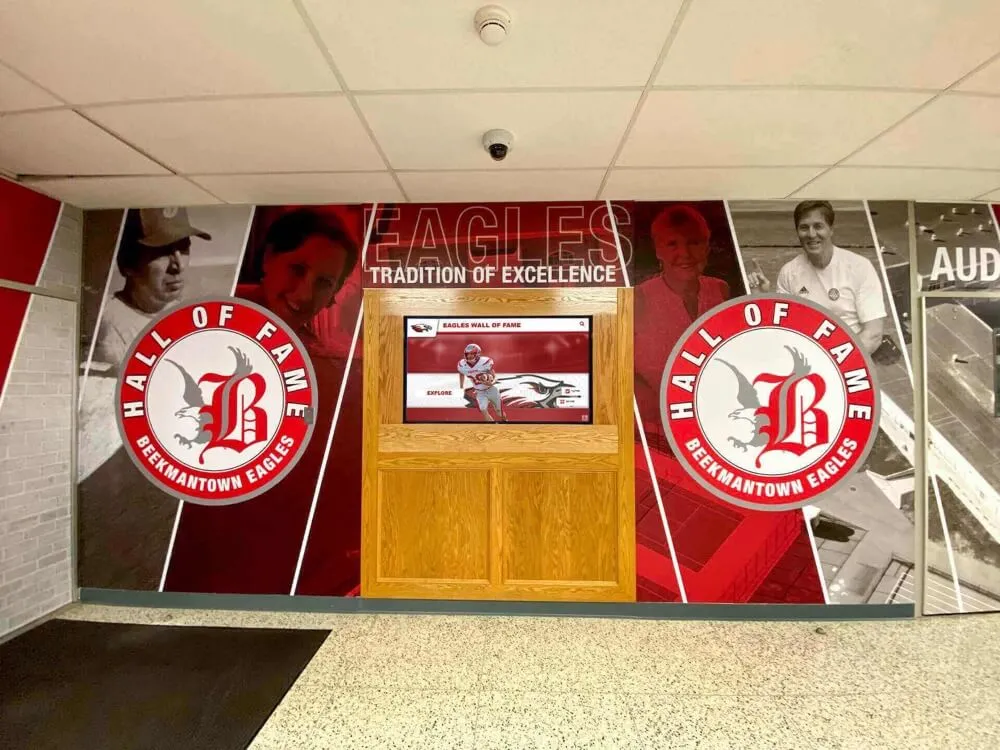
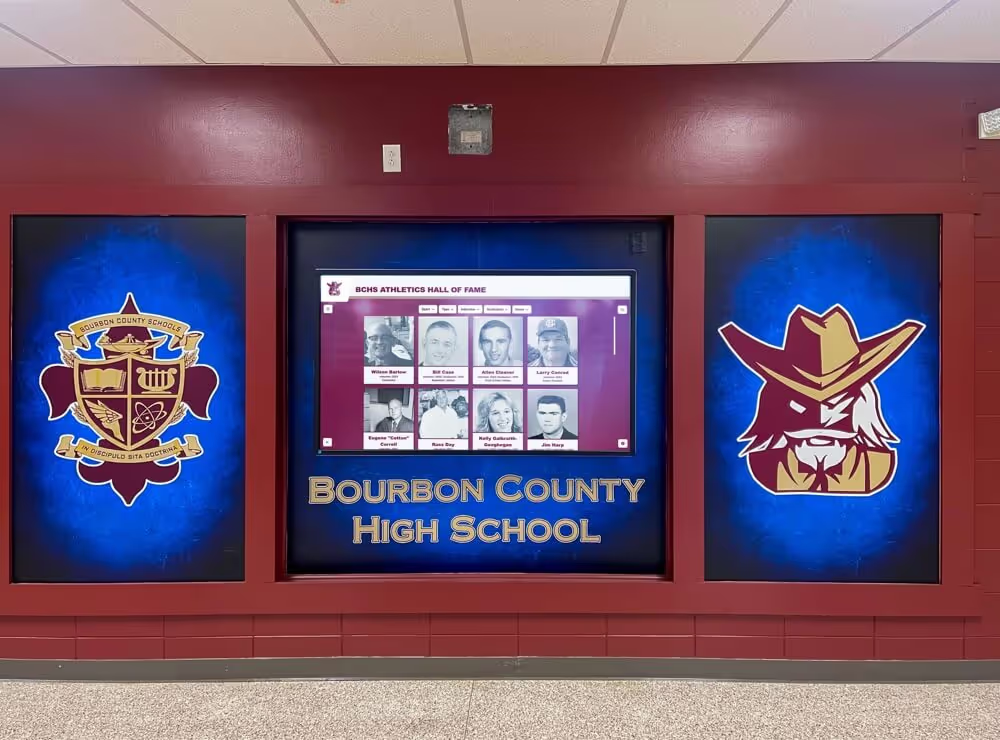
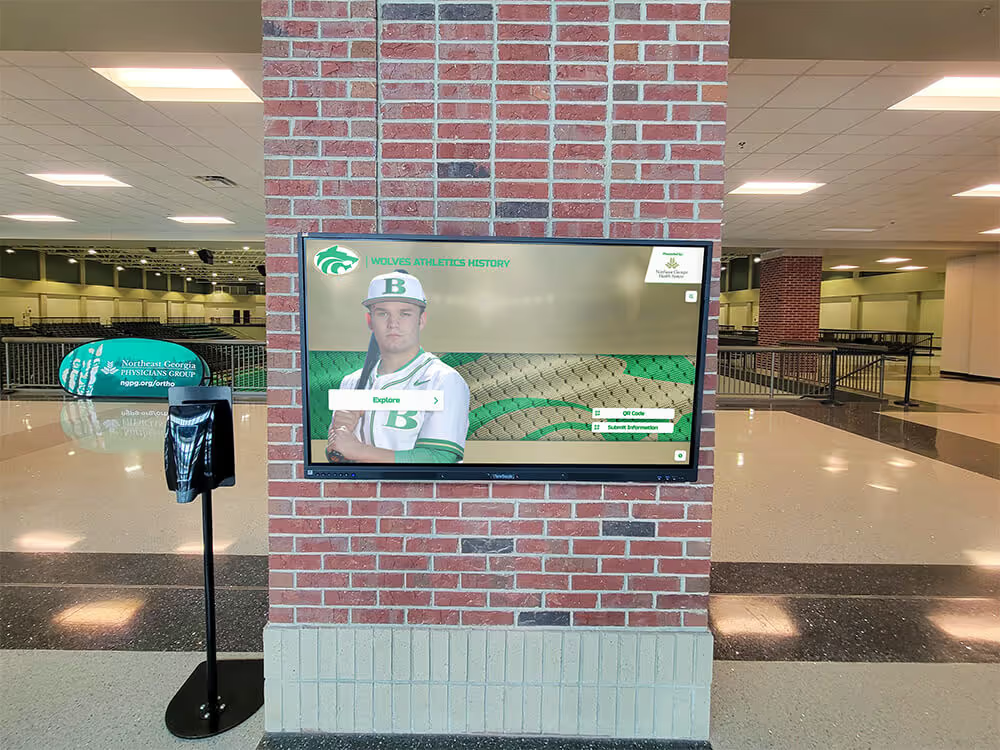
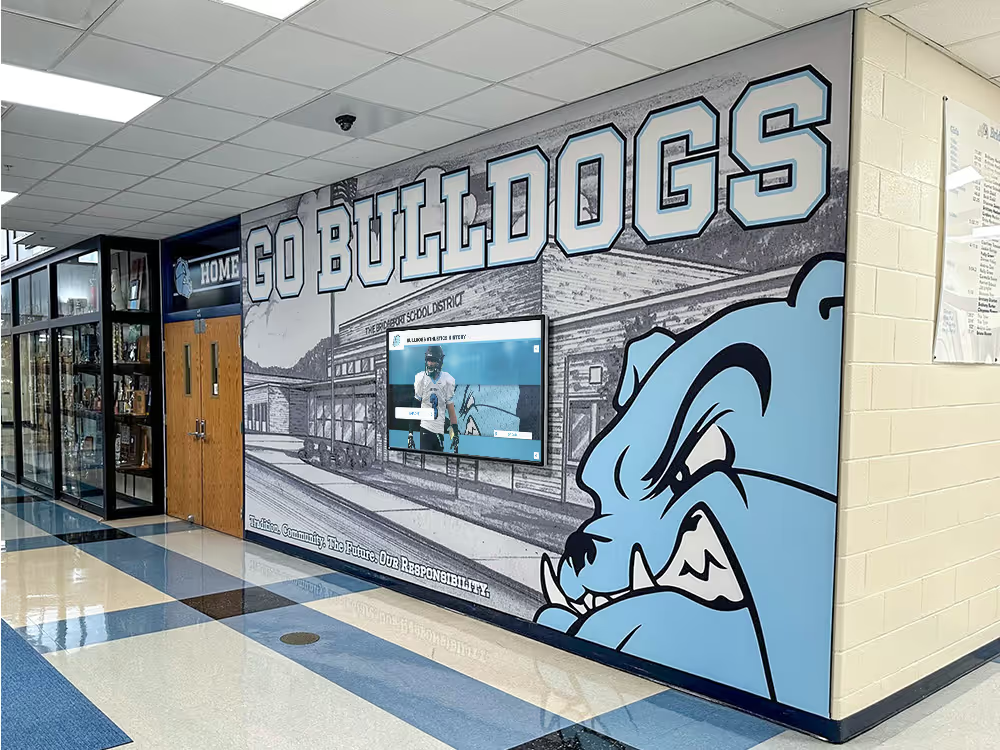
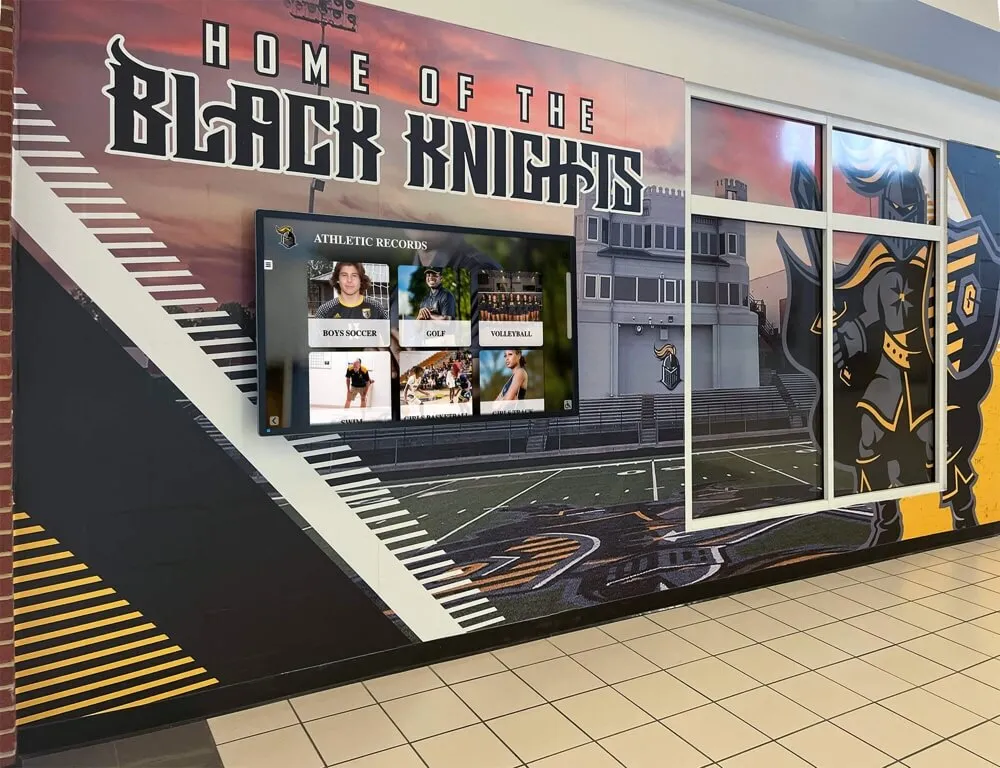
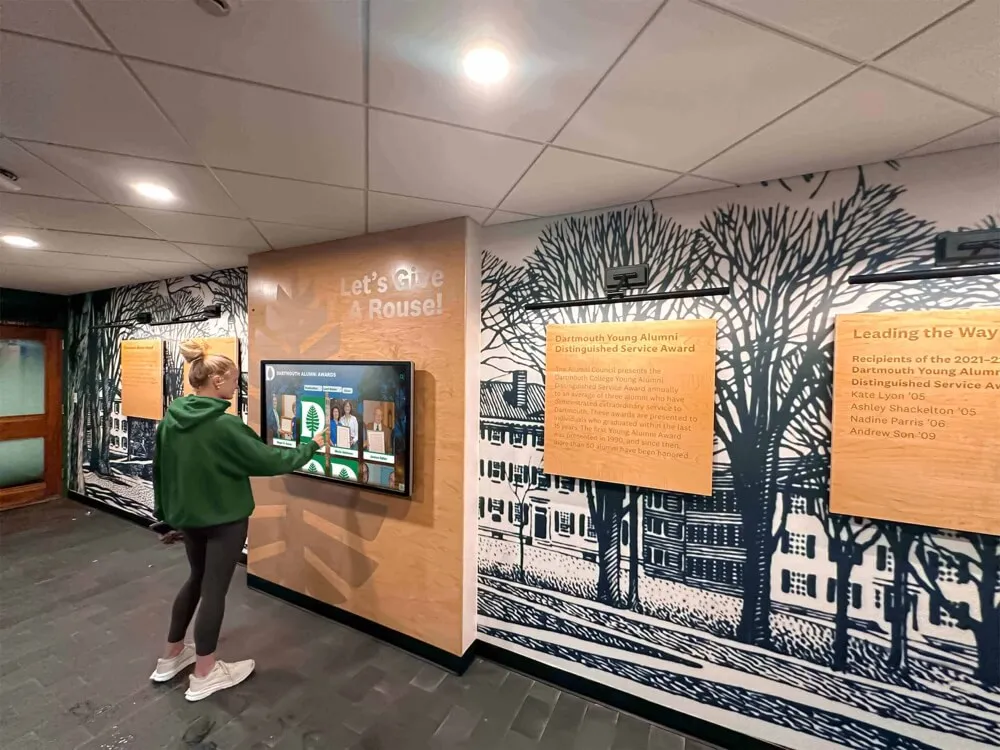
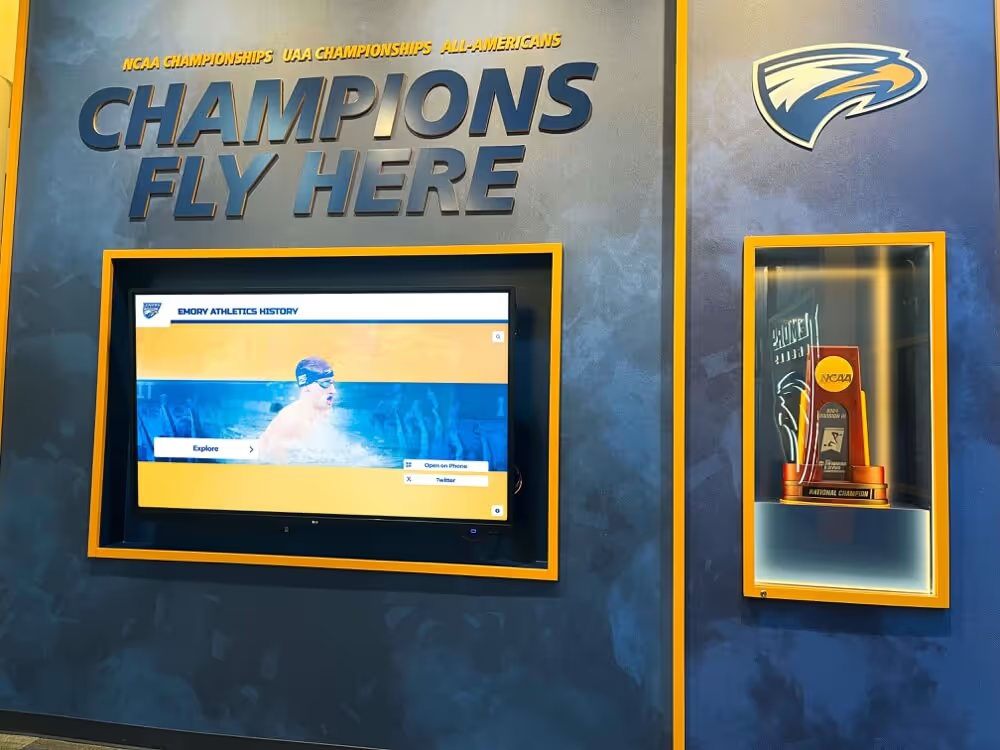
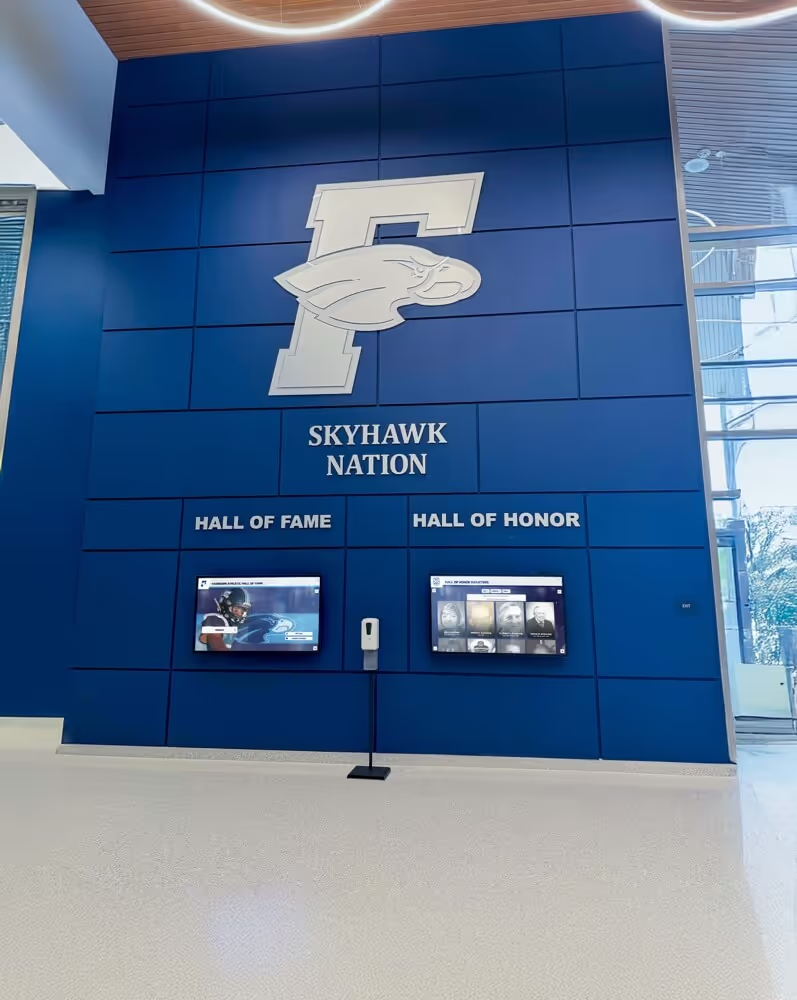
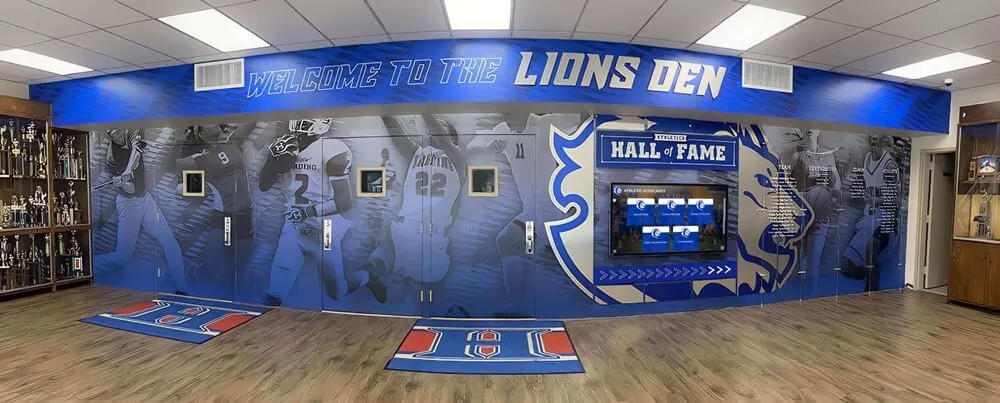
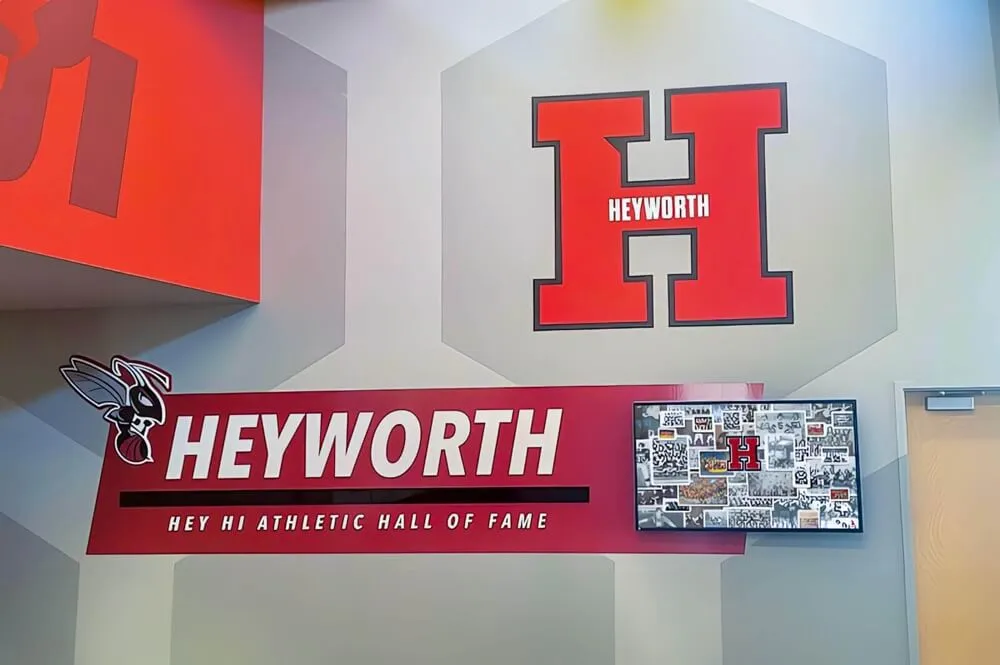
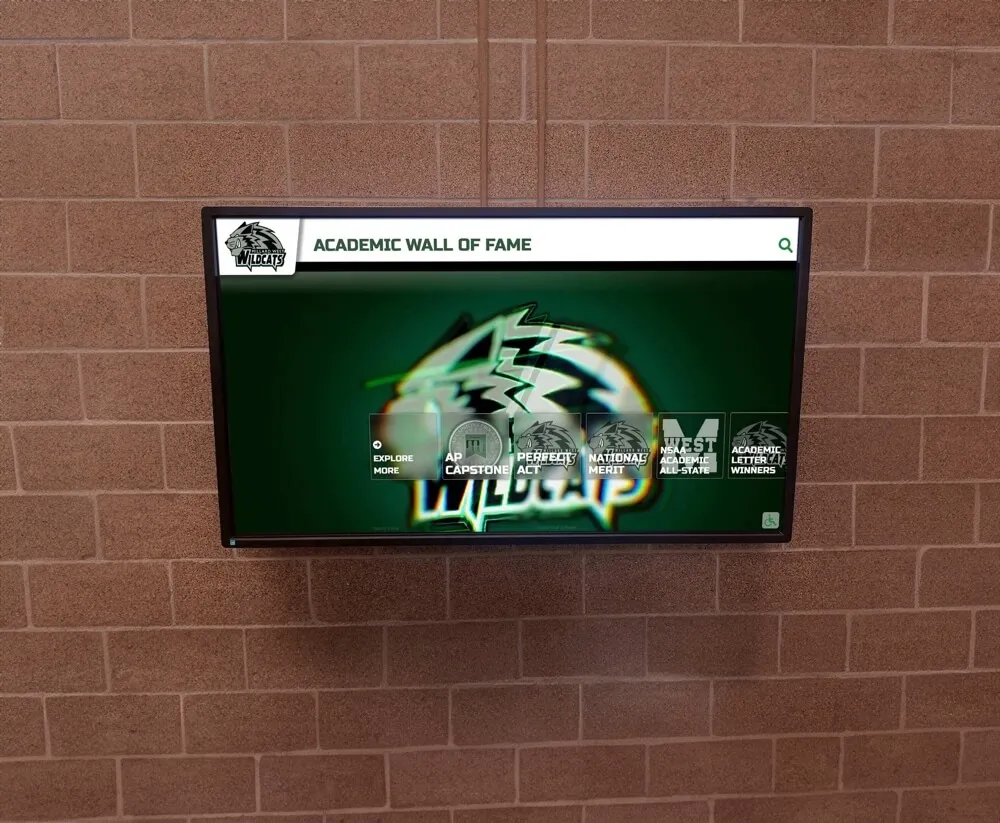
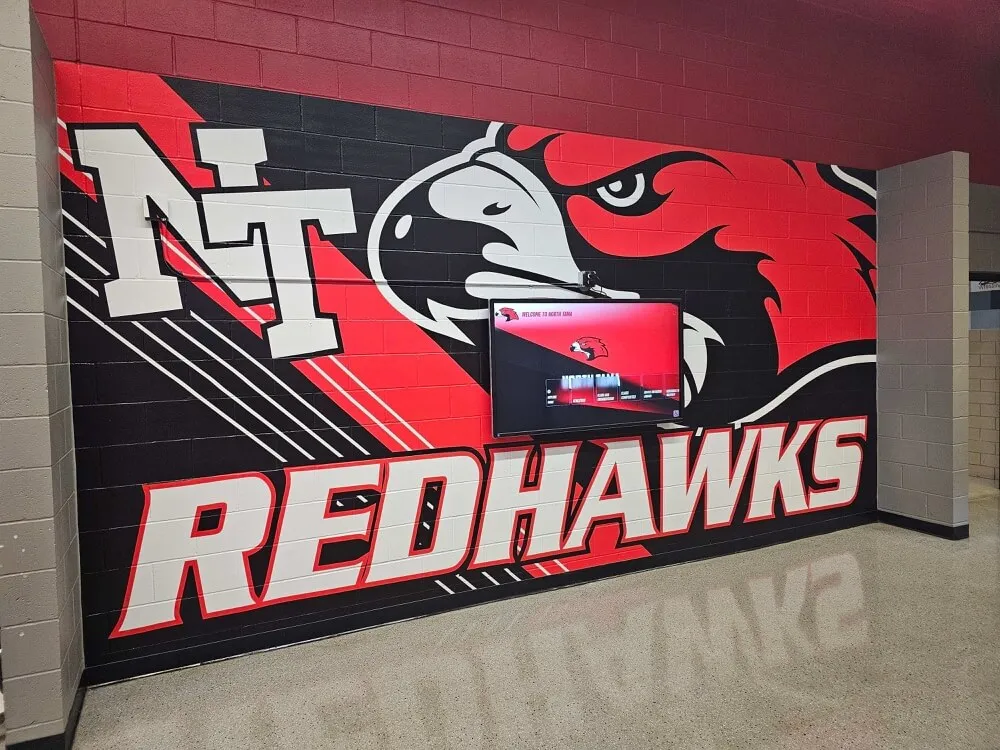
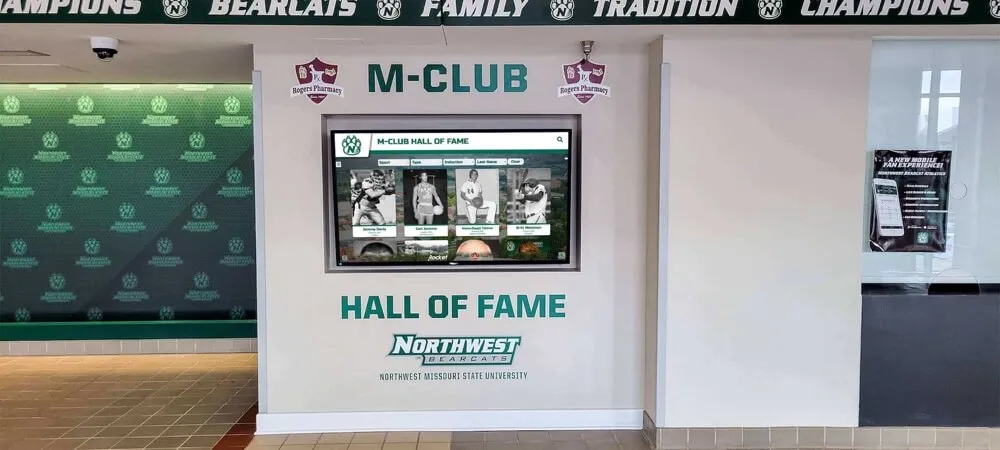
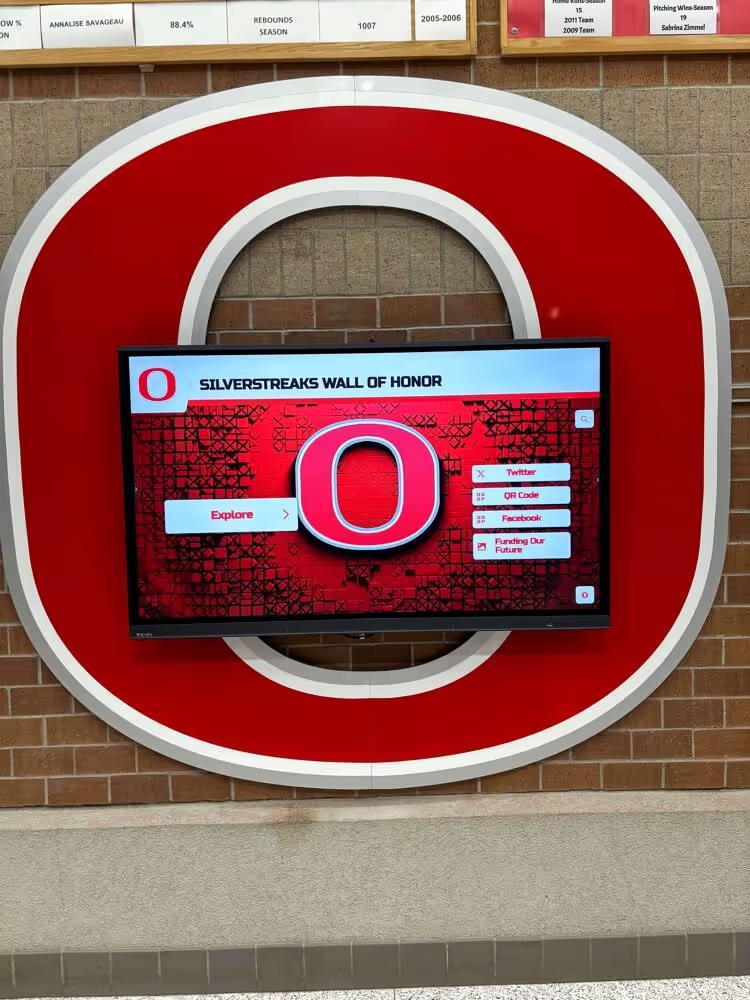
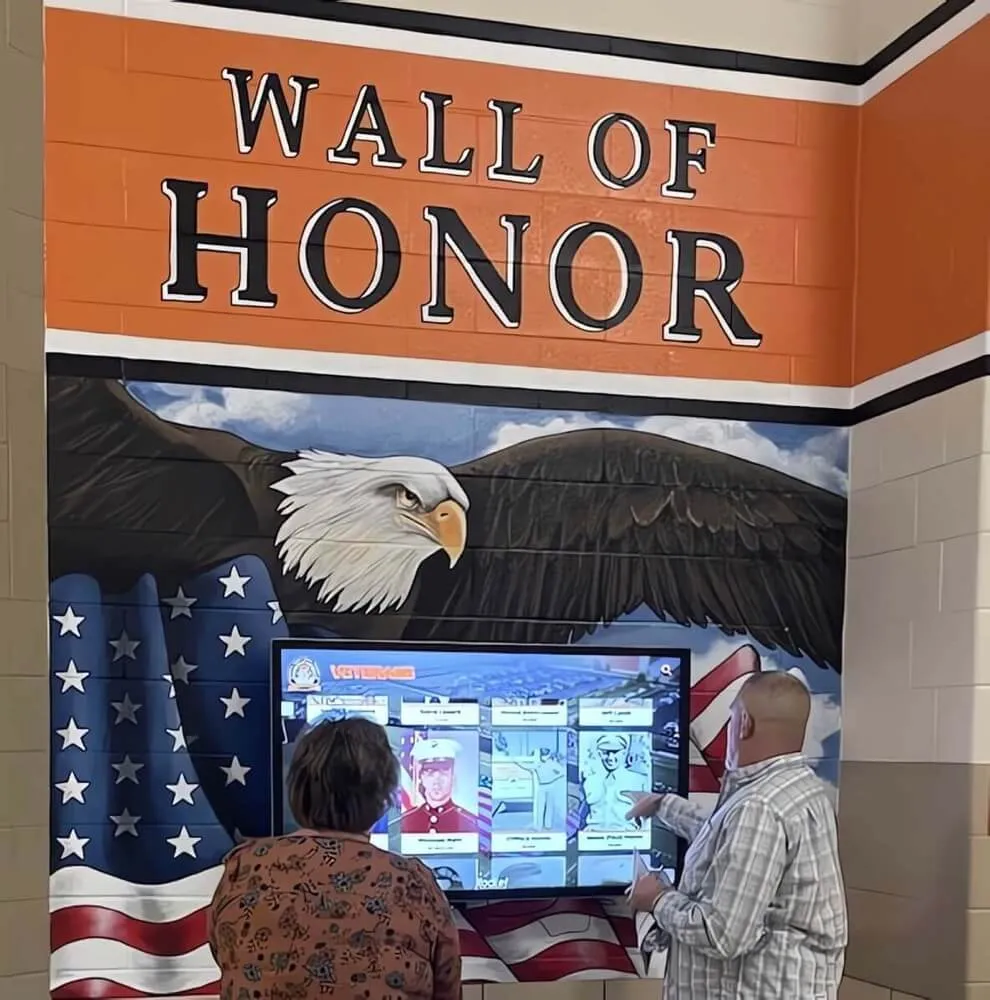
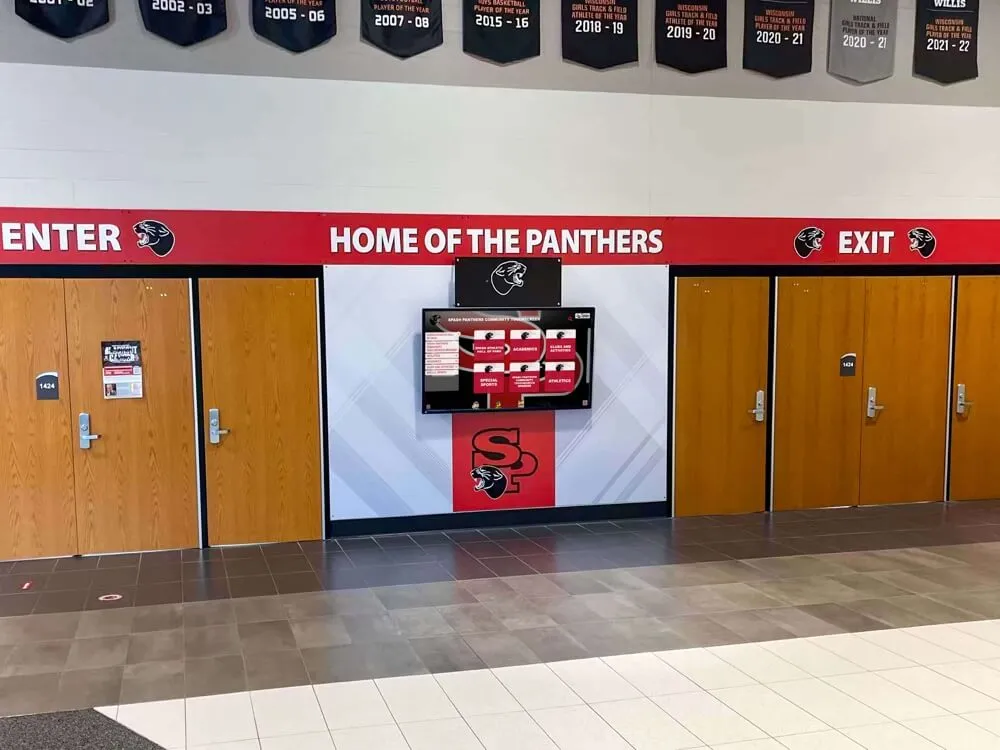
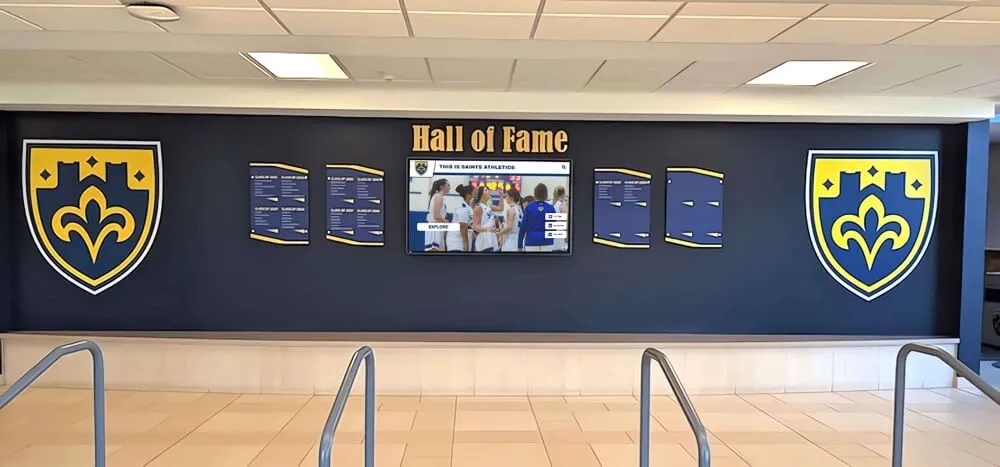
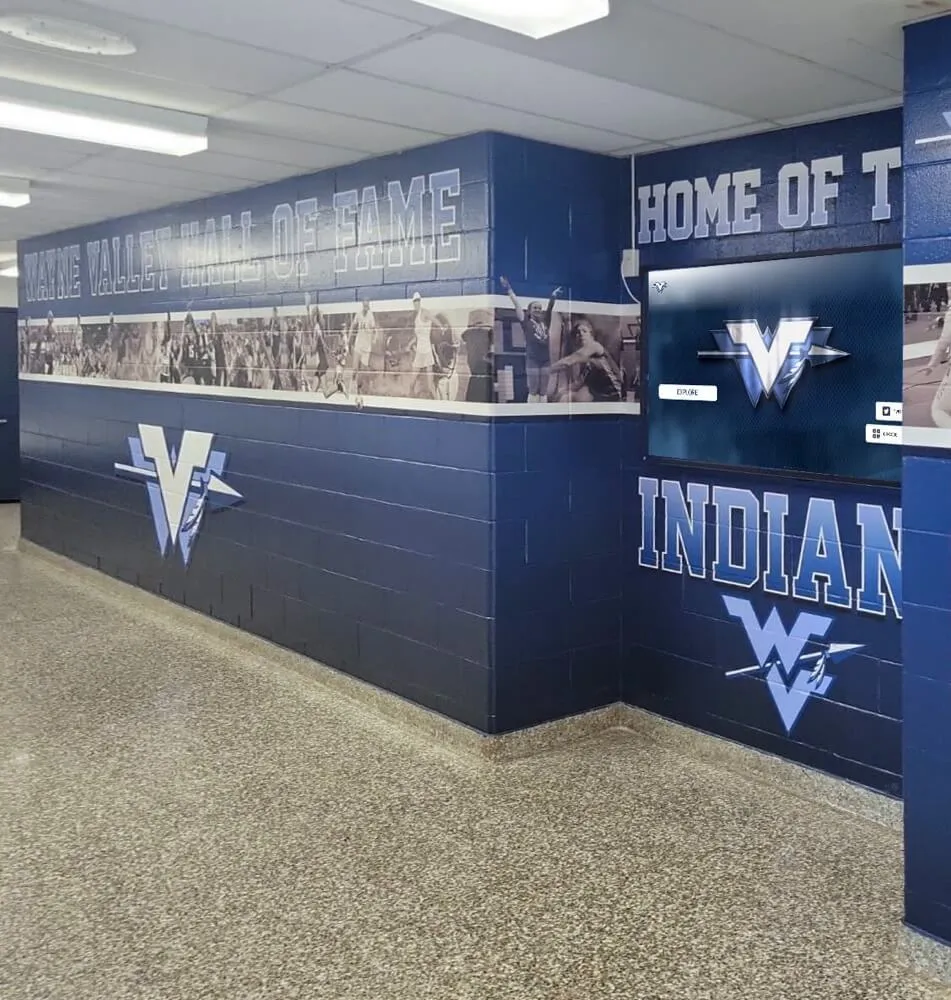
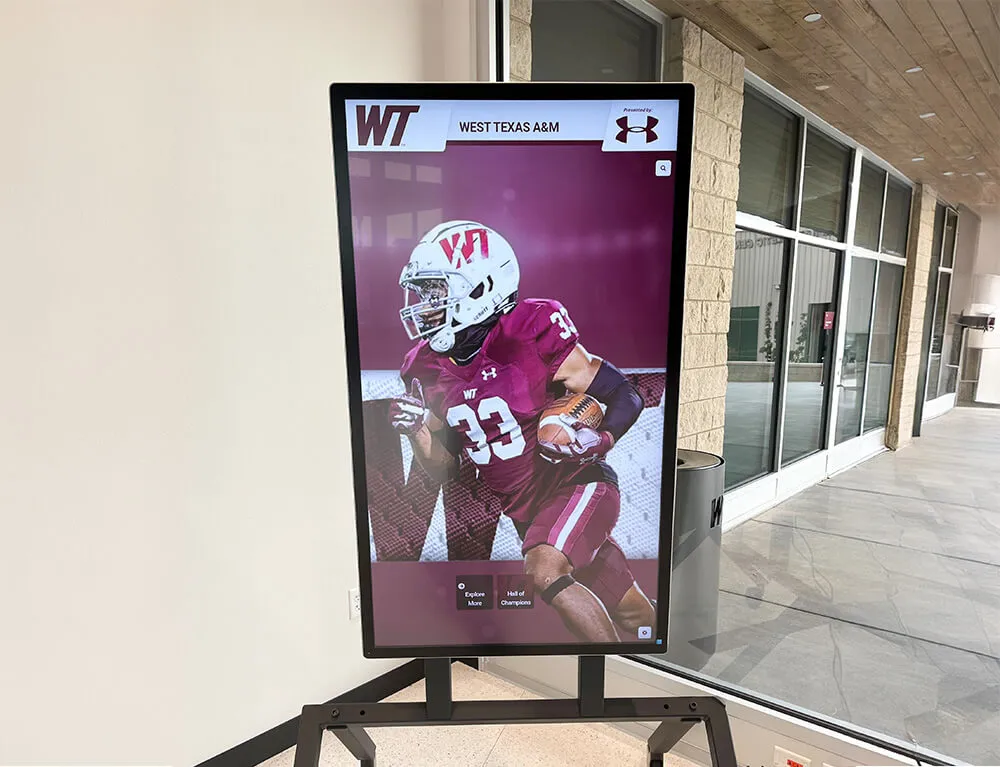
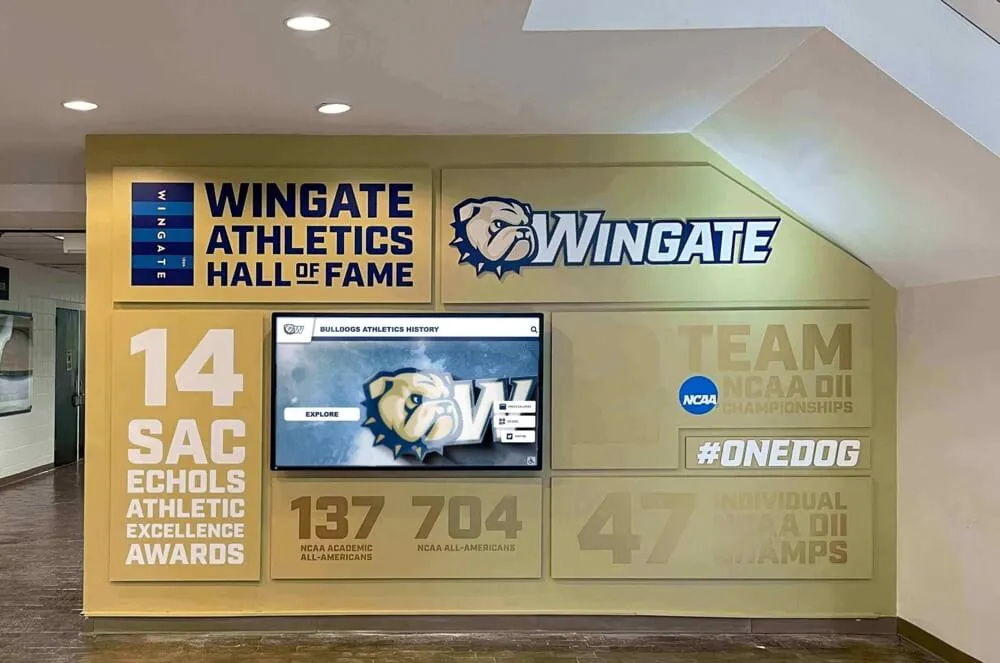
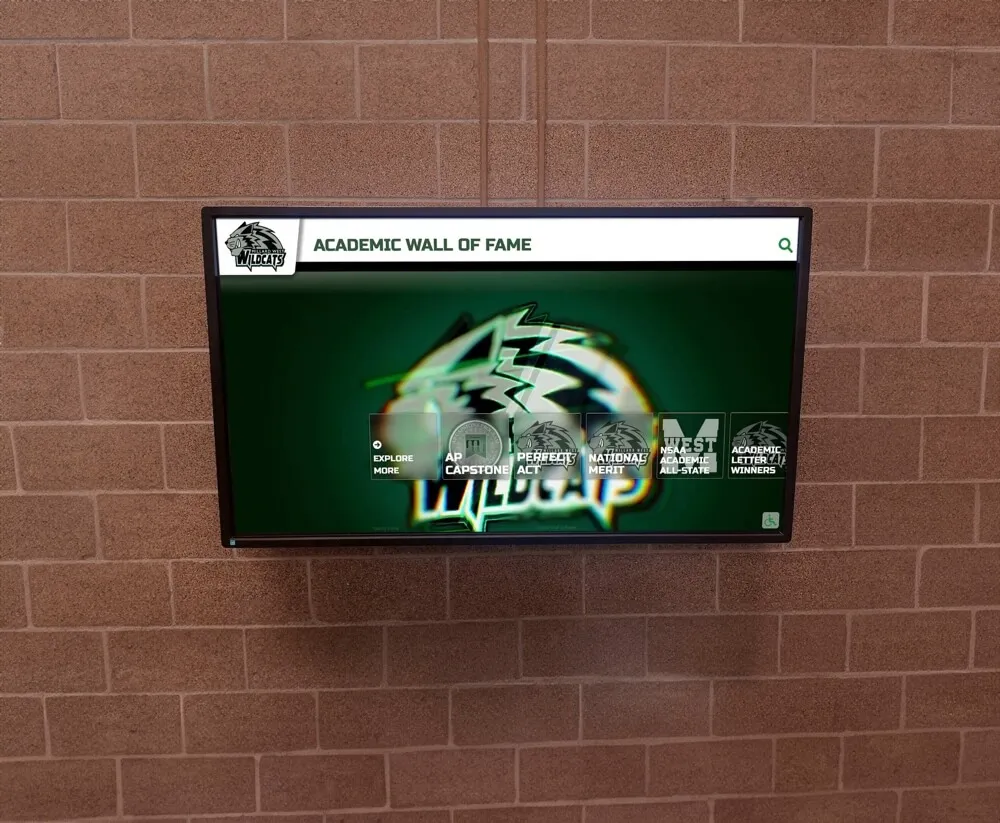
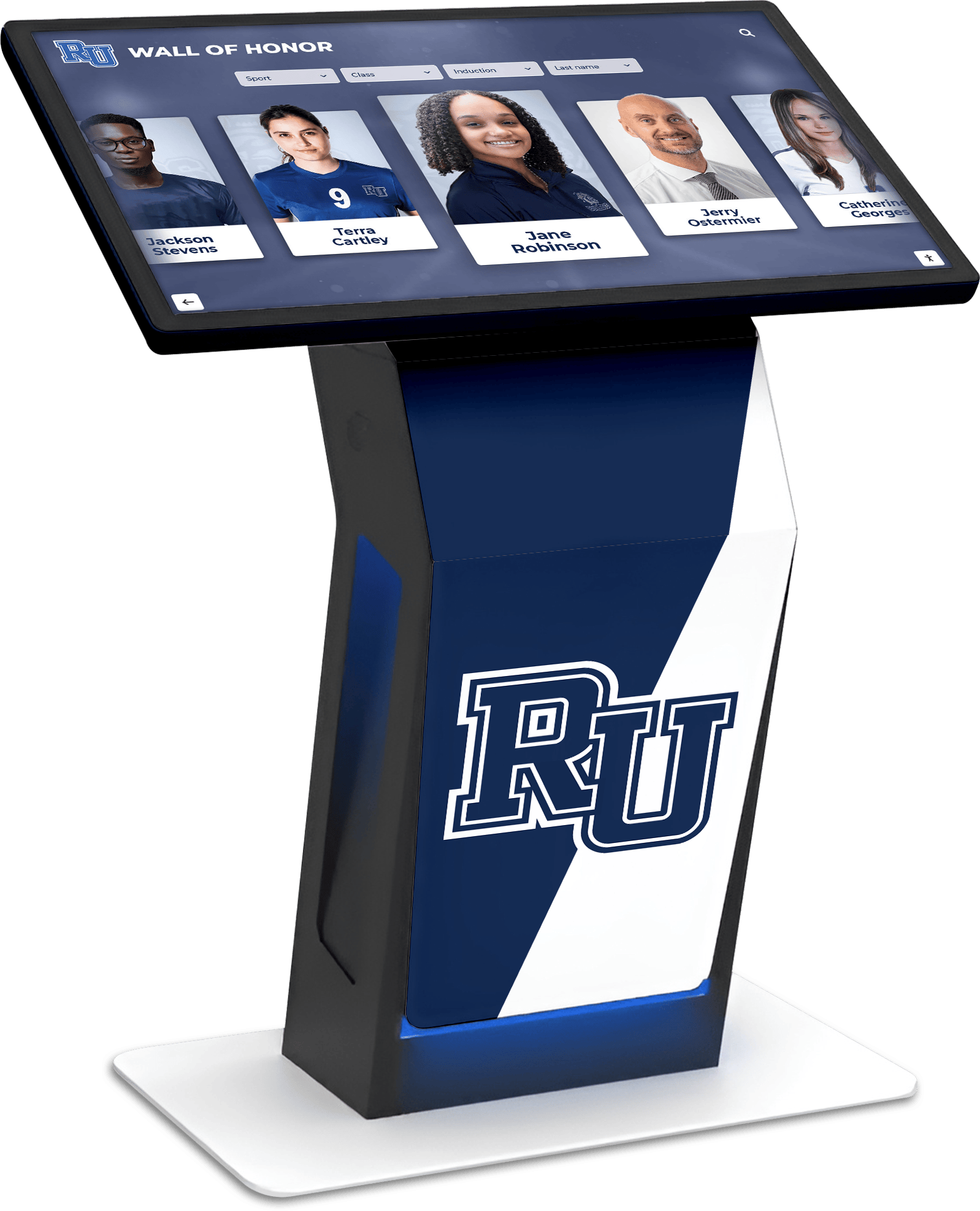
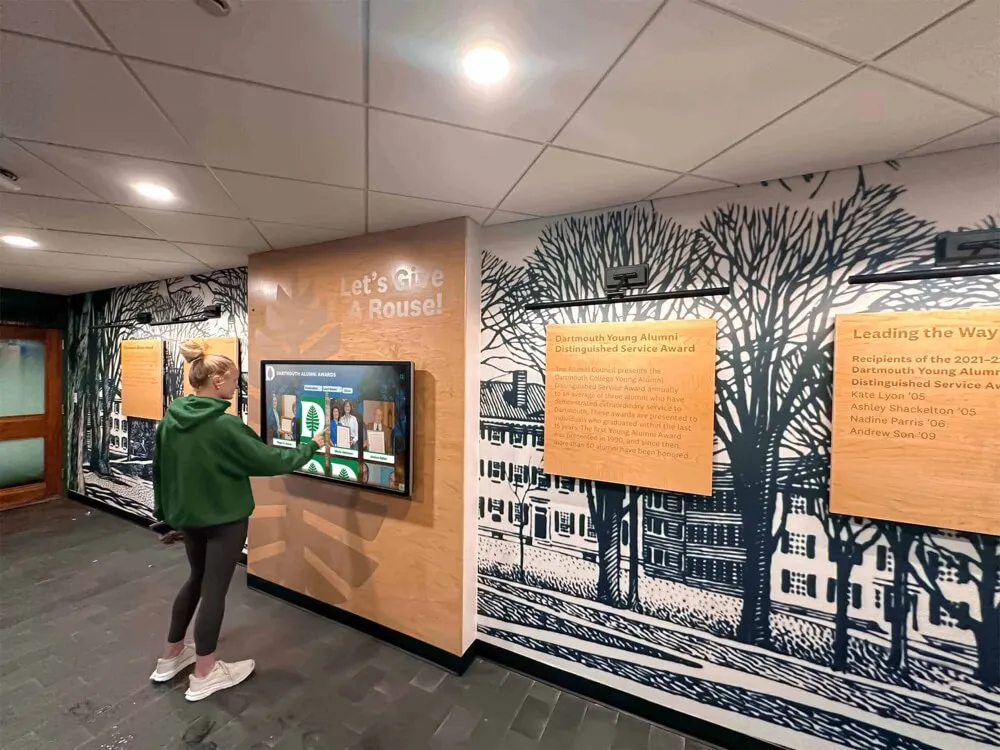
Interactive digital systems transform academic recognition from momentary acknowledgment into permanent, engaging documentation of scholarly excellence accessible to entire school communities.
Advantages of Digital Academic Honors Displays:
Unlimited Recognition Capacity: Digital platforms eliminate physical space constraints entirely. A single interactive display can showcase every academic honor recipient across multiple years, categories, and achievement types—content requiring dozens of physical trophy cases, bulletin boards, or wall plaques.
Research indicates that 63% of people report digital signage catches their attention compared to only 30% who notice traditional static displays. This increased engagement means more students, families, and visitors actually notice and interact with academic recognition content.
Rich Multimedia Recognition Profiles: Digital systems enable detailed honor documentation far beyond simple names and award titles:
- Professional student photographs
- Specific achievement descriptions and accomplishment details
- Recognition histories across multiple years and categories
- Academic statistics and achievement metrics
- Quotes from students about their scholarly experiences
- Connections to broader school history and alumni achievement networks
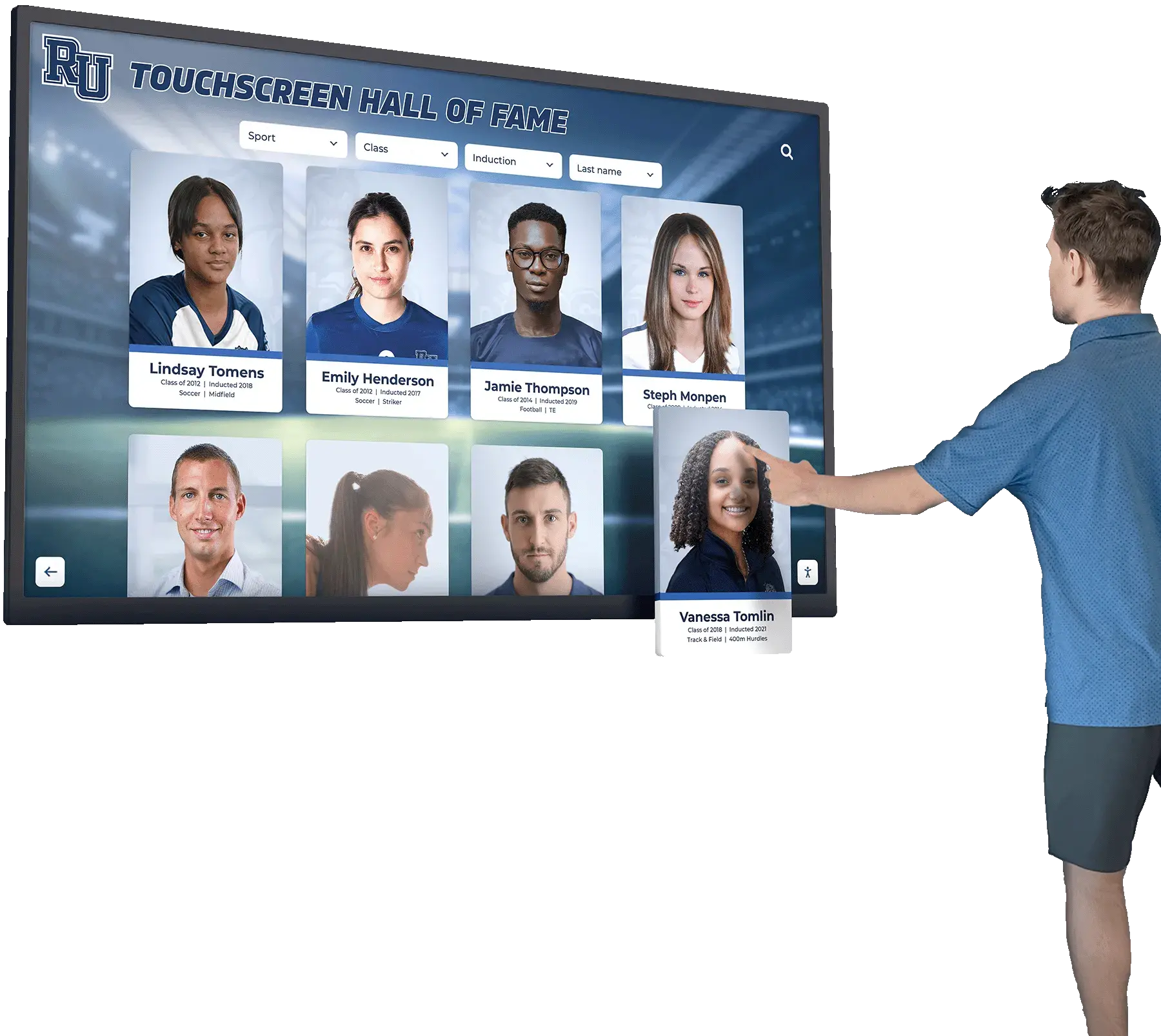
Searchable and Interactive Engagement: Unlike static displays visitors glance at while passing, interactive digital recognition systems invite active engagement. Students, families, and visitors can search by name, browse by graduation year, filter by achievement type, view detailed profiles with complete recognition histories, and explore connections between current students and historical honorees.
Effortless Content Management: Traditional recognition displays require physical updates, printing, mounting, and manual replacement each time new recipients need acknowledgment. Digital recognition updates instantly through cloud-based content management systems that authorized staff can access from any device. After each marking period’s honor roll calculation, schools can update recognition displays within minutes rather than spending hours on manual bulletin board updating.
Integration with Comprehensive Recognition Ecosystems: Modern digital platforms showcase academic excellence alongside athletic achievements, performing arts recognition, service awards, and other accomplishments within unified systems. This integration demonstrates that schools value well-rounded excellence across multiple dimensions while creating comprehensive student achievement documentation.
Schools implementing comprehensive digital recognition solutions benefit from professional implementation, ongoing technical support, intuitive content management, and proven platforms specifically designed for educational recognition contexts. Many schools exploring digital display options discover that modern technology makes academic honor programs significantly more visible and engaging.
Formal Recognition Ceremonies and Events
Ceremonial presentations create memorable experiences elevating academic acknowledgment beyond simple name lists or digital profiles.
Annual Academic Honors Night: Dedicated evening ceremonies specifically for academic recognition create prestigious events where families attend, administrators present honors, featured speakers inspire continued excellence, and students receive sustained celebration from assembled communities. Components of effective ceremonies include:
- Opening remarks from school leadership emphasizing academic values
- Introduction of each award category with explanation of significance
- Individual recipient recognition with achievement descriptions
- Student speaker testimonials about academic journey experiences
- Faculty acknowledgment of educators who inspired achievement
- Special performances or presentations celebrating intellectual community
- Reception opportunities for families to celebrate together
Grade-Level Recognition Assemblies: Smaller-scale ceremonies within grade levels create more intimate celebrations while reducing logistical complexity compared to school-wide events. Grade-level formats allow age-appropriate messaging while ensuring honorees receive dedicated time and attention.
Integration into Existing Programs: Alternatively, incorporate academic excellence recognition into graduation ceremonies, honors convocations, back-to-school nights, or existing school events. This approach requires less dedicated coordination while still providing meaningful public acknowledgment.
Schools planning comprehensive recognition celebrations can coordinate academic honors with broader calendars of recognition events throughout school years.

Online Recognition and Social Media Strategies
Web-accessible content and strategic social media engagement extend recognition beyond physical school spaces to broader communities.
Dedicated Website Recognition Sections: Create robust website pages featuring:
- Current marking period honor roll lists
- Dean’s list and highest honors recipients
- Searchable archives of historical honor recipients
- Detailed award descriptions and selection criteria
- Photo galleries celebrating recognized students
- Student testimonials about their academic experiences
Social Media Recognition Strategies: Strategic social media use amplifies academic recognition while creating shareable content engaging broader communities:
Individual Honor Posts: Create dedicated posts celebrating honor roll students, award recipients, or achievement milestones with photos and specific accomplishment descriptions. Individual posts give each honoree dedicated visibility and shareable content for their families.
Achievement Compilation Features: Short video compilations featuring photos, student testimonials, and achievement highlights create engaging content that performs well on social platforms while meaningfully honoring multiple students within consolidated posts.
Live Recognition Coverage: Live streaming honor ceremonies or posting real-time updates during recognition events creates immediate engagement and broader participation from community members unable to attend physically.
Privacy and Permission Considerations: Always obtain appropriate permissions before featuring students on public platforms. Follow district policies regarding student privacy, photo releases, and personally identifiable information. When uncertain, use first names only or request explicit family permission for fuller identification and specific achievement details.
Establishing Fair Selection Criteria and Processes
Academic honors maintain credibility and motivational impact only when selection processes feel fair, transparent, and consistently applied across all students.
Developing Clear Qualification Standards
Published Criteria Documentation: Document all honor categories, qualification requirements, GPA thresholds, credit load minimums, and special considerations in student handbooks, school websites, and communications distributed to families. Transparency prevents perceptions of favoritism or inconsistency while helping students understand achievement targets they can pursue.
Weighted Rubrics for Complex Honors: Awards considering multiple achievement factors require structured evaluation rubrics. For example, department excellence awards might weight:
- Subject-specific grades (50%)
- Teacher recommendations (20%)
- Standardized assessment performance (15%)
- Competition participation and results (10%)
- Independent projects or research (5%)
Weighted rubrics create comprehensive assessment considering diverse achievement indicators rather than single metrics potentially favoring certain student populations.
Consistent Application Across Demographics: Track honor distribution across demographic groups, socioeconomic indicators, English language learner status, special education services, and academic program tracks. When data reveals certain populations consistently receive recognition at dramatically different rates, investigate causes and consider modifications ensuring all exceptional students have realistic pathways to acknowledgment.
Addressing Special Circumstances and Edge Cases
Transfer Student Policies: Establish clear policies regarding when newly enrolled students become eligible for marking period honors. Requiring full marking period enrollment prevents gaming while ensuring sufficient assessment data exists for meaningful evaluation.
Grade Rounding Protocols: If honor roll threshold is 3.500, does 3.495 qualify after rounding or not? Document transparent rounding policies—typically to three decimal places—preventing perceived arbitrariness in borderline cases.
Modified Curriculum Considerations: Students receiving special education services with modified curricula or alternative grading require thoughtful approaches. Consider parallel recognition categories honoring achievement relative to individualized education plan goals while maintaining appropriate standards for general education honors.
Incomplete Grades and Withdrawals: Document how incomplete grades affect eligibility, whether students with course withdrawals remain eligible, and processes for determining qualification when standard assessment data is unavailable.
Building Sustainable Academic Honors Programs
Successful recognition systems require systematic planning, consistent implementation, and ongoing assessment ensuring long-term effectiveness.
Program Planning Infrastructure
Recognition Committee Formation: Assemble diverse committees including administrators providing institutional leadership, teachers from various departments representing different perspectives, counselors understanding student needs and achievement patterns, data coordinators supporting accurate qualification determination, and potentially student representatives ensuring youth voice in recognition design.
Annual Recognition Cycle: Establish predictable timelines for honor determination, recognition preparation, family communication, public acknowledgment ceremonies, and display updates. Consistent scheduling creates accountability while helping families anticipate and celebrate achievements.
Budget Allocation: Dedicate funding for academic recognition including digital display systems and technology, certificates and physical awards, ceremony expenses and facility rentals, photography and documentation, and ongoing program operations and improvements.
Schools should allocate academic recognition budgets proportional to investments in athletic or arts recognition, demonstrating institutional commitment to valuing intellectual achievement equivalently with other accomplishments.
Continuous Assessment and Improvement
Quantitative Metrics to Track:
- Total students recognized across all honor categories
- Demographic distribution of honor recipients
- Year-over-year achievement trends
- Recognition program participation and awareness rates
- College admission and scholarship outcomes for honored students
Qualitative Assessment:
- Student perceptions about recognition program fairness and meaning
- Family satisfaction with recognition processes and celebrations
- Faculty perspectives on program effectiveness and cultural impact
- Community awareness of academic excellence culture
- Alumni connections to recognition received during school years
Evidence-Based Refinement: Make strategic improvements based on assessment data:
- Adjust selection criteria ensuring fairness and appropriate calibration
- Add or modify honor categories addressing identified recognition gaps
- Enhance ceremony formats increasing engagement and meaning
- Improve communication reaching families more effectively
- Expand technology and displays maintaining contemporary relevance
Conclusion: Creating Cultures Where Academic Excellence Thrives
Academic honors represent far more than lists of high-achieving students and certificates acknowledging accomplishment. When implemented thoughtfully, comprehensive recognition programs create systematic ecosystems that validate exceptional scholarly achievement, communicate institutional values about intellectual pursuits, motivate students toward higher achievement levels, build school cultures where academic success receives genuine celebration, strengthen school-family-community partnerships around learning, and establish lasting traditions honoring intellectual accomplishment across generations.
The most effective academic honors programs share common characteristics: clear, published criteria consistently applied; multiple honor categories celebrating diverse forms of achievement; meaningful recognition formats making honors feel genuinely special; modern technology enhancing visibility and accessibility; comprehensive communication strategies engaging families and communities; continuous assessment and improvement based on evidence; and sustainable implementation persisting across leadership changes.
The investment schools make in academic honors programs pays dividends in student motivation, institutional culture, family engagement, and community pride. Recognition communicates that schools notice exceptional students, value their intellectual efforts, celebrate their accomplishments publicly, and believe in their potential to contribute meaningfully to society through their scholarly capabilities.
Modern solutions like those offered by Rocket Alumni Solutions provide comprehensive platforms designed specifically for educational recognition, offering intuitive content management, engaging interactive displays, permanent achievement documentation, searchable historical archives, and proven approaches that help schools build the recognition cultures their exceptional students deserve. Whether implementing digital academic displays, comprehensive achievement tracking systems, or integrated recognition networks celebrating accomplishments across academic, athletic, and artistic domains, contemporary technology enables schools to honor academic excellence more comprehensively and effectively than ever before.
Ready to transform how your school celebrates academic achievement? Explore comprehensive recognition solutions that honor exceptional student accomplishment while building school cultures where learning is genuinely valued and scholarly excellence receives the sustained celebration it deserves. Your students achieve remarkable things every day—effective academic honors programs ensure those achievements receive acknowledgment that inspires continued excellence and builds educational communities where all students can thrive.