



Key Takeaways
Discover effective strategies for implementing academic excellence awards in your school. Learn award categories, selection criteria, recognition methods, and modern digital solutions that celebrate exceptional student achievement.
Schools face a critical challenge: how to meaningfully recognize academic excellence in ways that motivate continued achievement, celebrate diverse talents, maintain fairness, and build cultures where intellectual accomplishment receives the visibility it deserves. Traditional recognition approaches—brief honor roll announcements, basic certificates, static bulletin boards—often fall short of creating the impactful experiences that contemporary students, families, and communities expect from comprehensive academic excellence programs.
This comprehensive guide examines everything schools need to know about implementing effective academic excellence awards in 2026. From establishing meaningful award categories and transparent selection criteria to implementing modern digital recognition displays, this resource provides practical frameworks schools can use to transform academic recognition from routine obligation into powerful culture-building tools that inspire excellence across entire student communities.
Understanding Academic Excellence Awards in Educational Settings
Before implementing award programs, schools must understand what academic excellence awards actually accomplish, why they matter beyond simple acknowledgment, and how they contribute to broader educational missions.
Defining Academic Excellence Awards
Academic excellence awards represent systematic programs that acknowledge and celebrate exceptional student achievement in scholarly pursuits. These programs extend beyond standard honor roll recognition to celebrate specific accomplishments, sustained excellence, subject mastery, and academic contributions that distinguish students as exceptional scholars.
Key Characteristics of Academic Excellence Awards:
Selectivity: Unlike honor roll programs that may recognize 20-40% of students meeting GPA thresholds, academic excellence awards typically acknowledge the top 5-10% of students demonstrating truly exceptional achievement. This selectivity ensures awards carry genuine prestige and meaning.
Comprehensive Achievement: Excellence awards often consider multiple factors beyond just grades—standardized test performance, academic competition results, course rigor, subject-specific mastery, research accomplishments, and sustained achievement patterns over multiple years.

Public Recognition: Academic excellence demands visible celebration. These awards typically include formal ceremonies, prominent displays, public announcements, and documentation ensuring achievements receive sustained attention from school communities and beyond.
Permanent Documentation: Unlike temporary honor roll acknowledgments that change each marking period, academic excellence awards often create permanent records—engraved plaques, digital achievement displays, or archive systems documenting exceptional scholars across generations.
The Educational Impact of Recognition Programs
Educational psychology research reveals multiple mechanisms through which academic excellence awards influence student motivation, institutional culture, and achievement patterns.
Achievement Motivation and Goal Setting: Visible recognition of exceptional achievement creates aspirational targets that motivate effort among current and future students. When schools prominently celebrate academic excellence, students develop clear understanding that scholarly accomplishment matters and receives meaningful acknowledgment from their communities.
Academic Identity Development: Students who receive recognition for exceptional achievement often internalize identities as scholars and intellectually capable individuals. These internalized identities influence academic choices, responses to challenge, and long-term educational trajectories well beyond school years.
Cultural Values Communication: Recognition systems communicate institutional values about what matters. Schools that invest equivalent resources celebrating academic achievement as athletic championships signal that intellectual accomplishment holds equal importance—shaping cultural perceptions and community priorities.
Family and Community Engagement: Academic excellence awards create opportunities to engage families and broader communities in celebrating student achievement. These occasions strengthen school-community relationships while creating shared experiences where diverse stakeholders unite around common values of educational excellence.
Essential Award Categories for Comprehensive Recognition
Effective academic excellence programs include multiple award categories recognizing diverse forms of exceptional achievement rather than single recognition types that may systematically favor certain student populations.
Subject-Specific Excellence Awards
Departmental awards acknowledge students demonstrating exceptional mastery in particular disciplines, validating achievement in specific academic areas.
Core Subject Awards:
- English/Language Arts Excellence
- Mathematics Achievement Award
- Science Scholar Recognition
- Social Studies/History Excellence
- World Languages Proficiency Award
Subject-specific awards work particularly well because they celebrate students who may not achieve highest overall GPAs but demonstrate exceptional capability in particular areas. These awards validate specialized talents while encouraging depth over breadth in academic exploration.
Selection Criteria for Subject Awards:
- Grades in discipline-specific courses
- Teacher recommendations and classroom contributions
- Performance on departmental assessments
- Participation in subject-related competitions or activities
- Demonstration of intellectual curiosity beyond required coursework
Many schools implementing elementary school recognition programs find that subject-specific awards resonate particularly well with younger students developing academic interests and identities around particular disciplines.

Cumulative Achievement Recognition
Awards recognizing sustained excellence across entire academic careers honor students who consistently perform at exceptional levels over extended periods.
Valedictorian and Salutatorian Recognition: Traditional top-ranked student acknowledgment based on cumulative GPA remains meaningful in many contexts, particularly when schools clearly communicate calculation methodologies, weighted versus unweighted GPA approaches, and qualification requirements.
Top Scholar Percentage Recognition: Beyond single valedictorian designation, many schools recognize top 5% or top 10% of graduating classes. Percentage-based recognition accommodates larger cohorts while maintaining selectivity signaling exceptional achievement.
Four-Year Honor Roll Achievement: Students maintaining honor roll status throughout entire high school careers demonstrate remarkable consistency deserving special recognition beyond standard marking period acknowledgments.
Perfect Attendance with Academic Excellence: Combined recognition honoring students who maintain exceptional grades alongside perfect or near-perfect attendance validates commitment, time management, and dedication as essential components of academic success.
Advanced Coursework and Testing Excellence
Recognition for challenging oneself with rigorous coursework and demonstrating mastery on standardized assessments validates students who pursue academic challenge.
Advanced Placement (AP) Excellence:
- AP Scholar with Distinction
- Top AP Exam Scores in Multiple Subjects
- Highest Number of AP Courses Completed
- Highest Combined AP Score Achievement
According to College Board data, students completing multiple AP courses and examinations with high scores demonstrate exceptional academic capability warranting recognition. Schools should celebrate AP achievement regardless of whether students qualify for official College Board AP Scholar designations.
Standardized Testing Achievement:
- High ACT Scores (30+ club, perfect 36 scores)
- Exceptional SAT Performance
- PSAT/National Merit Recognition
- State Assessment Excellence
Schools implementing digital display systems for standardized test achievement create permanent documentation of exceptional performance while motivating future students toward similar achievement levels.
Dual Enrollment and Early College Recognition: Students completing college courses while enrolled in high school demonstrate readiness for advanced academic challenges. Recognition should acknowledge successful dual enrollment participation, credits earned, and college GPAs achieved.
Academic Competition and External Recognition
Achievement in competitive academic contexts provides objective evidence of exceptional capability through external assessment rather than internal grading standards.
Mathematics Competitions:
- American Mathematics Competition (AMC) qualifiers
- MATHCOUNTS state and national competitors
- Mathematical olympiad participants
- Statistics and calculus competition achievers
Science Competitions and Research:
- Science fair regional, state, and national winners
- Research symposium presenters and award recipients
- Science olympiad team members and medalists
- Environmental and engineering competition achievers

Humanities and Language Competitions:
- Writing contest winners and published authors
- History day competition qualifiers and winners
- Debate and forensics tournament achievers
- Foreign language proficiency examination excellence
- National Latin Exam and Classical competition recognitions
Interdisciplinary Competitions:
- Quiz bowl and academic bowl team members
- Academic decathlon and pentathlon competitors
- Model UN distinguished delegate awards
- Economics challenge and business plan competition winners
Celebrating external competition achievement demonstrates that schools value academic accomplishment regardless of who officially bestows recognition while connecting students to prestigious regional and national programs that enhance college applications.
Special Recognitions for Exceptional Circumstances
Certain academic achievements warrant specific recognition categories acknowledging particular accomplishments or characteristics.
Academic Improvement Awards: Students demonstrating dramatic GPA improvement or remarkable academic turnarounds deserve acknowledgment even when absolute achievement levels remain moderate compared to lifelong high performers. Improvement recognition validates growth mindset principles while celebrating effort and determination.
Overcoming Adversity Recognition: Students achieving academic excellence despite significant personal challenges, learning differences, or difficult circumstances demonstrate exceptional determination worthy of special acknowledgment. These awards validate resilience and perseverance as essential components of academic success.
Leadership in Learning: Recognition for students who actively contribute to others’ academic success through peer tutoring, study group leadership, or creating positive learning environments acknowledges that academic excellence extends beyond individual achievement to include supporting collective scholarly community.
Research and Scholarship Awards: Students completing original research, publishing academic work, or contributing to scholarly knowledge production at high school level demonstrate exceptional intellectual maturity deserving specific recognition beyond standard achievement categories.
Establishing Fair and Transparent Selection Criteria
Academic excellence awards maintain credibility and motivational impact only when selection processes feel fair, transparent, and consistently applied across all students.
Developing Weighted Selection Rubrics
Multi-factor rubrics create comprehensive assessment approaches considering diverse achievement indicators rather than single metrics that may favor certain student populations.
Sample Academic Excellence Rubric:
Cumulative GPA (40% weight):
- 4.0 unweighted: 40 points
- 3.9-3.99: 38 points
- 3.8-3.89: 35 points
- 3.7-3.79: 30 points
Course Rigor (25% weight):
- Number of AP/Honors courses completed
- Enrollment in advanced mathematics and sciences
- Dual enrollment participation
- Challenging elective selections beyond requirements
Standardized Testing (15% weight):
- ACT/SAT scores
- AP examination scores
- Subject-specific standardized assessments
- State testing performance
Academic Competitions and External Recognition (10% weight):
- Regional, state, or national competition participation
- Awards and recognitions received
- Academic honor society memberships
- External scholarship selections
Teacher Recommendations and Classroom Contributions (10% weight):
- Faculty nominations emphasizing intellectual curiosity
- Classroom participation and leadership
- Contributions to academic culture
- Demonstrated passion for learning beyond grades
Weighted rubrics prevent overemphasis on any single metric while creating comprehensive achievement assessment. Schools should publicize rubric criteria ensuring transparency about how selection decisions occur.
Ensuring Equity and Accessibility
Academic excellence programs must carefully examine whether recognition systems inadvertently create systematic advantages for certain student populations while excluding others with equal capability.
Monitoring Recognition Patterns: Track award distribution across demographic groups, socioeconomic indicators, English language learner status, special education services, and academic program tracks. When data reveals certain populations consistently receive recognition at dramatically different rates, investigate causes and consider modifications ensuring all exceptional students have realistic pathways to acknowledgment.
Multiple Recognition Pathways: Single award type may systematically favor students in particular programs or with specific advantages. Creating diverse award categories—cumulative achievement, subject-specific excellence, competition success, improvement, leadership—validates different forms of exceptional achievement and creates multiple pathways for diverse students to experience celebration.
Considering Context and Opportunity: Students lacking access to AP courses, academic competitions, or test preparation resources face systematic disadvantages in recognition systems emphasizing these elements. Consider context-appropriate recognition approaches or weight factors students can control regardless of resource access.
Language and Learning Difference Accommodations: Students receiving special education services, English language learners, or those with documented learning differences require thoughtful consideration ensuring recognition criteria remain accessible. Modified curricula, alternative assessment, and accommodation use should not automatically disqualify students from recognition eligibility when achievement levels demonstrate genuine excellence relative to appropriate standards.
Documentation and Communication Requirements
Transparent processes require clear documentation and proactive communication ensuring all stakeholders understand award criteria, selection processes, and qualification requirements.
Published Award Criteria: Document all award categories, selection rubrics, weighting factors, and qualification requirements in student handbooks, school websites, and communications distributed to families. Transparency prevents perceptions of favoritism or inconsistency while helping students understand achievement targets.
Selection Committee Structures: Establish diverse selection committees including administrators, teachers from multiple departments, counselors, and potentially student representatives. Committee-based selection reduces individual bias while ensuring multiple perspectives inform recognition decisions.
Appeals Processes: Create clear procedures for addressing concerns about selection decisions or award eligibility questions. Fair appeals processes provide accountability while demonstrating institutional commitment to equitable recognition.
Timeline Communication: Publicize award timelines including nomination periods, selection timeframes, and announcement dates. Clear timelines help students and families understand processes while creating accountability for consistent implementation.
Modern Recognition Delivery Beyond Traditional Ceremonies
While formal award ceremonies remain valuable, comprehensive recognition strategies incorporate multiple touchpoints creating sustained visibility and deeper community impact.
Digital Recognition Displays and Interactive Technology
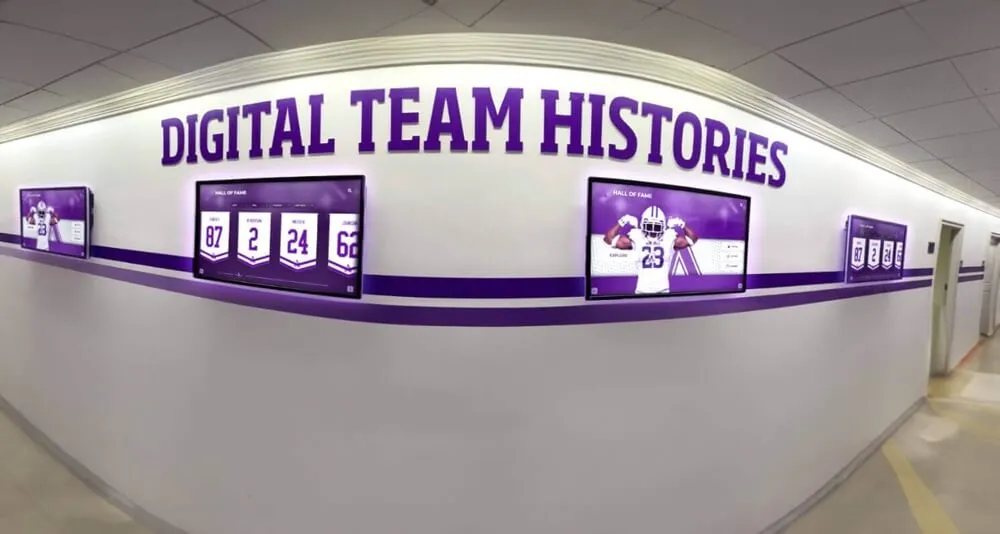
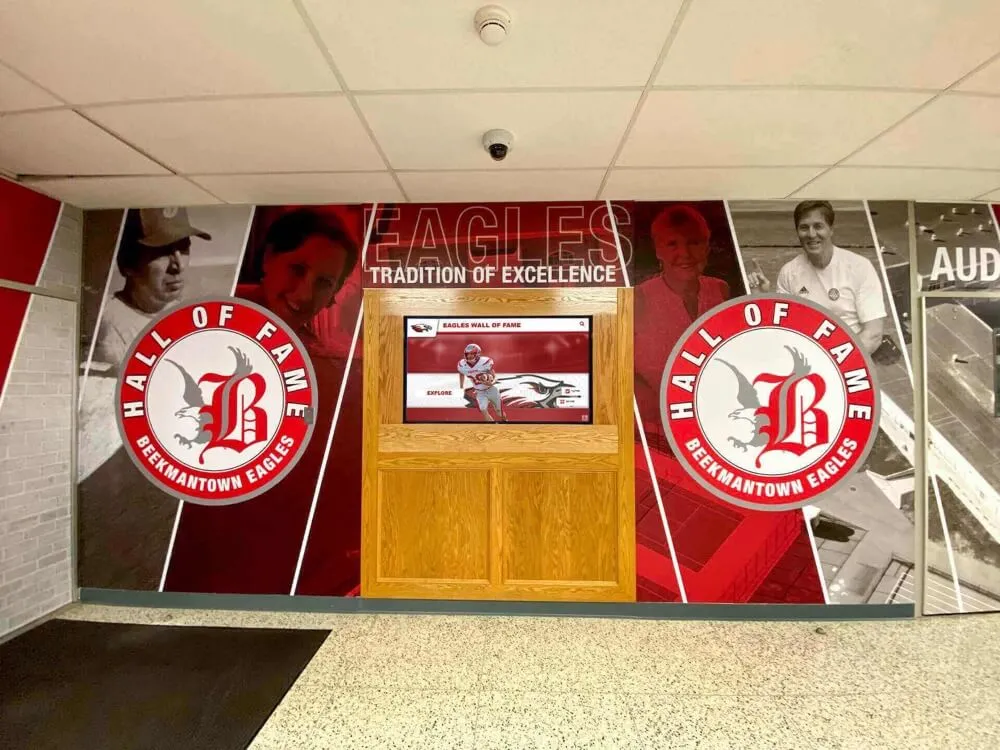
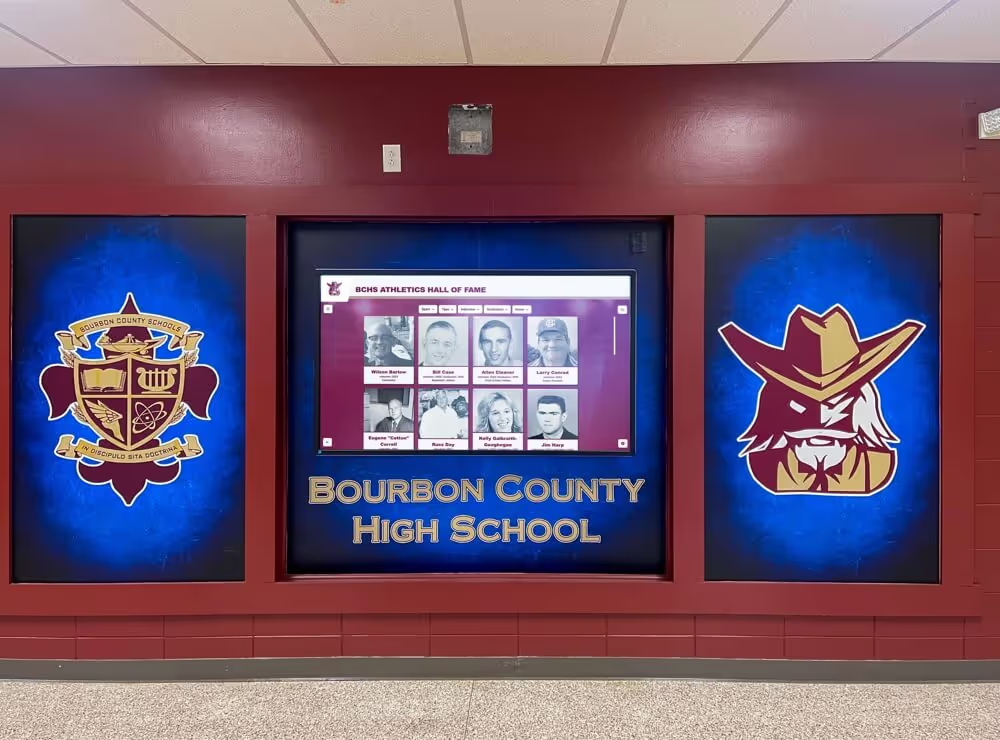
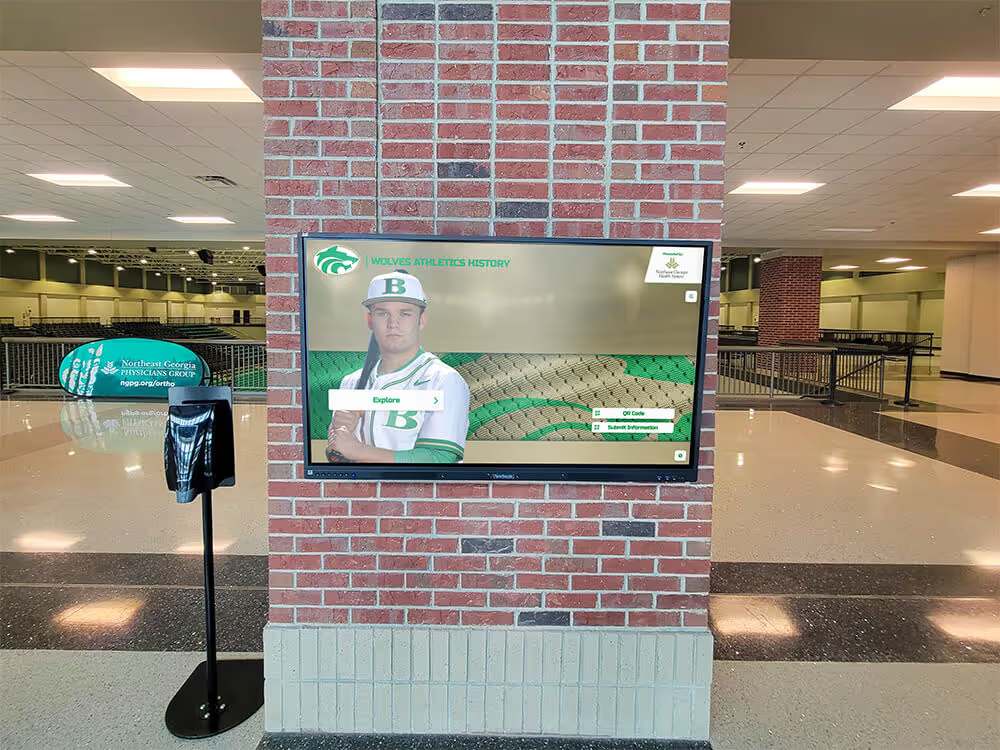
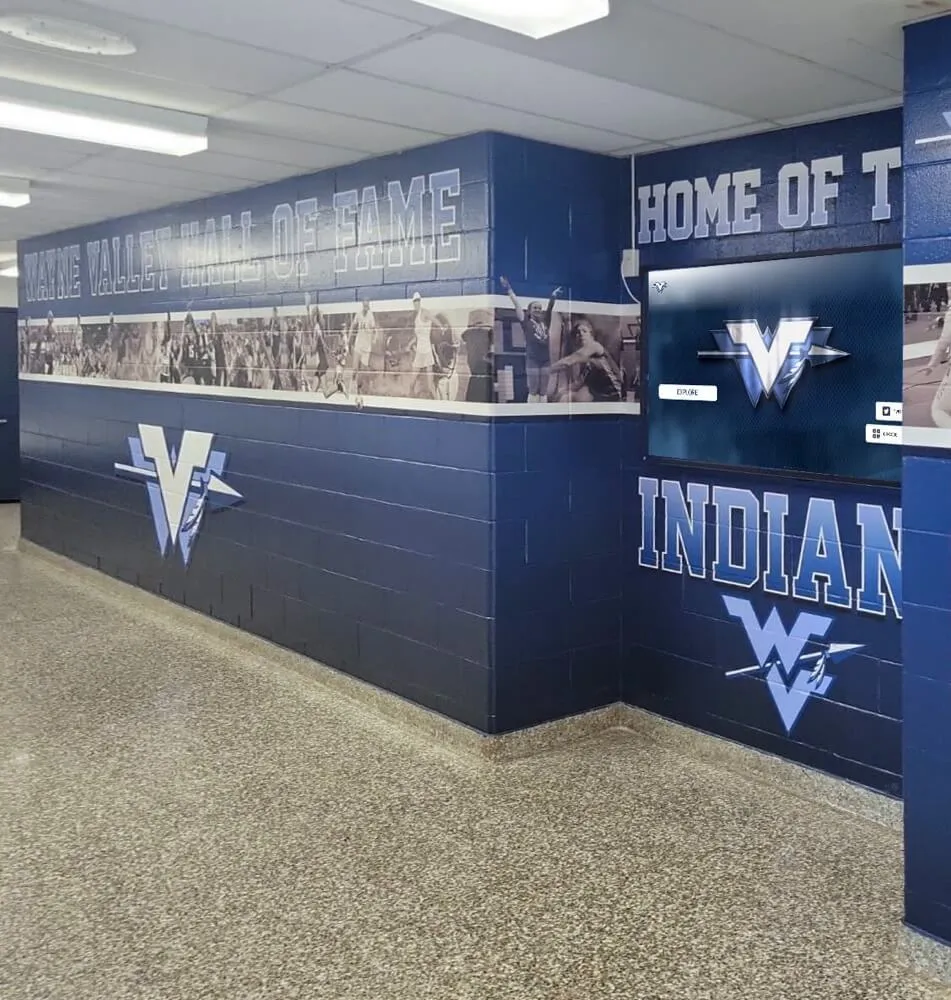
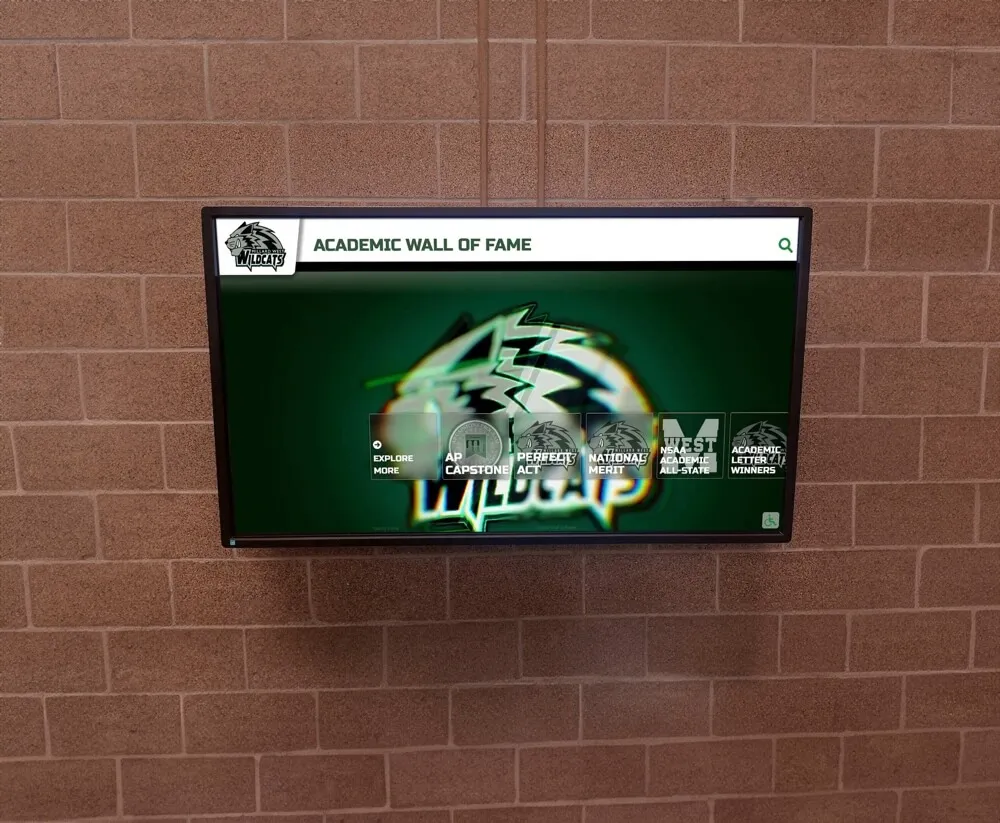
Interactive digital systems transform academic recognition from momentary acknowledgment into permanent, engaging documentation of scholarly excellence accessible to entire school communities.
Advantages of Digital Academic Recognition:
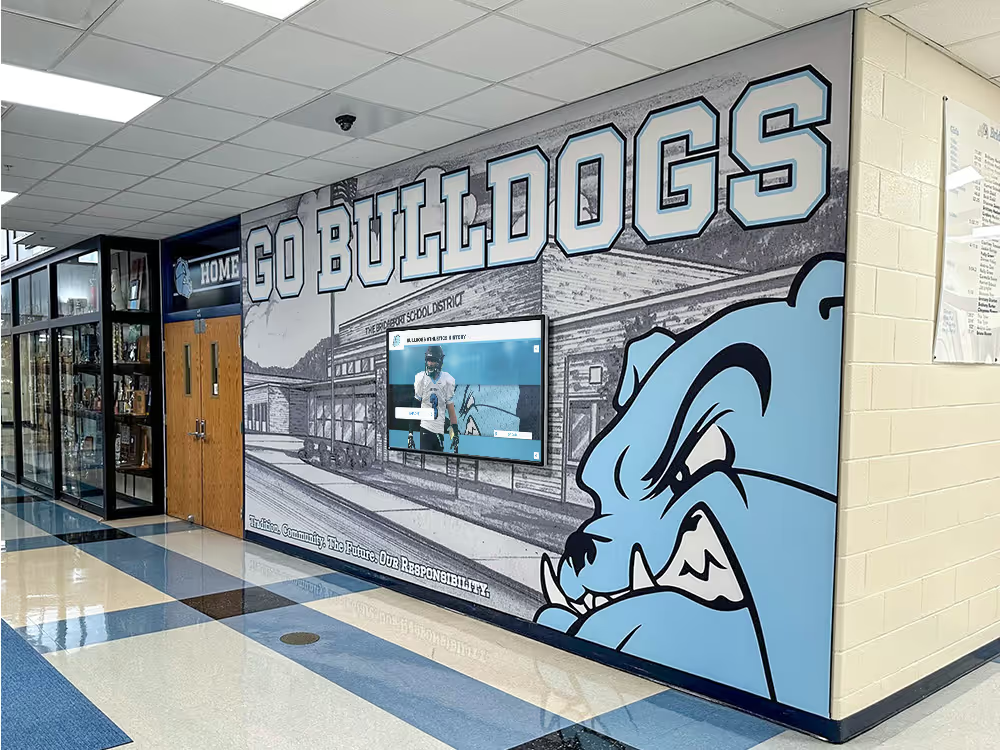
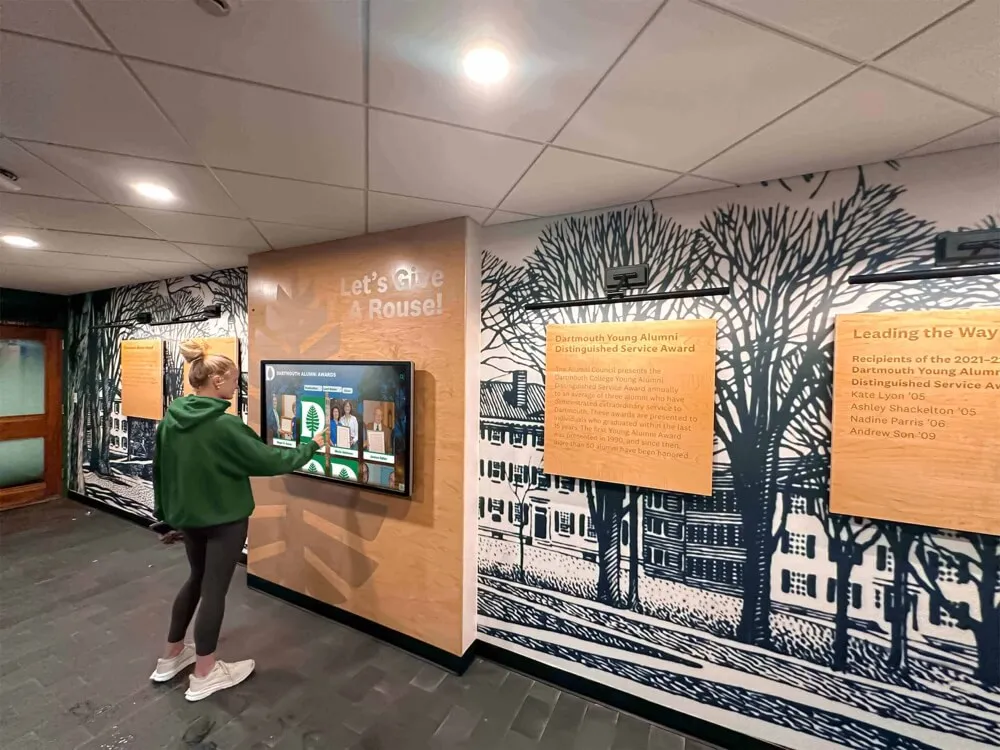
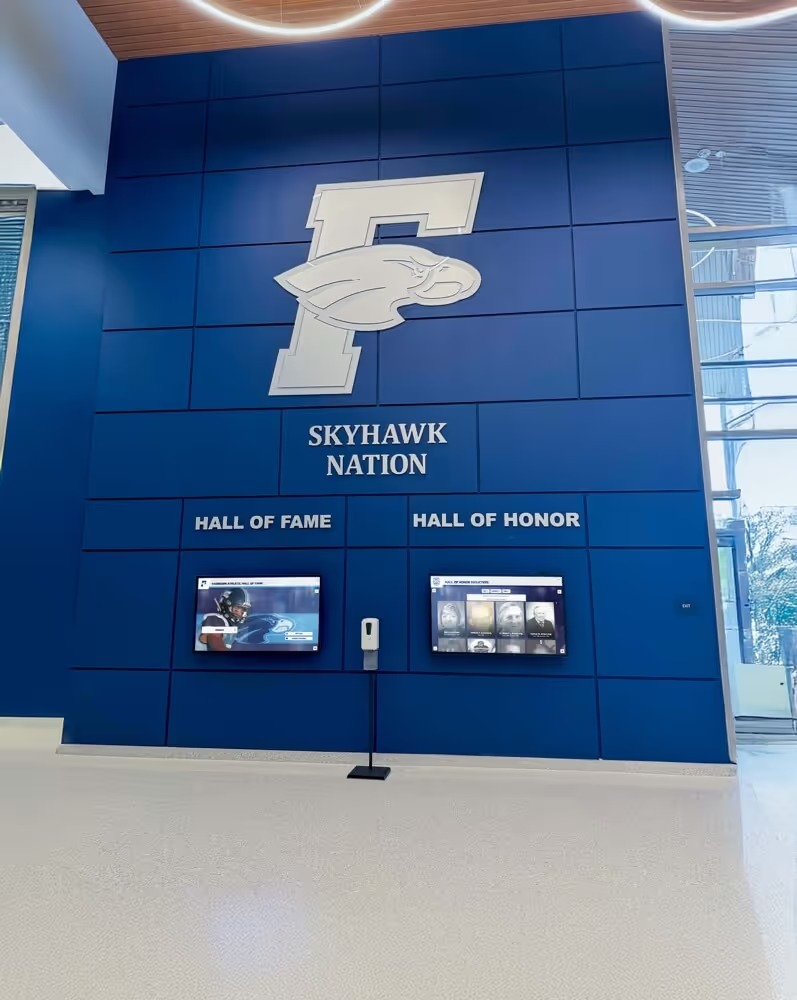
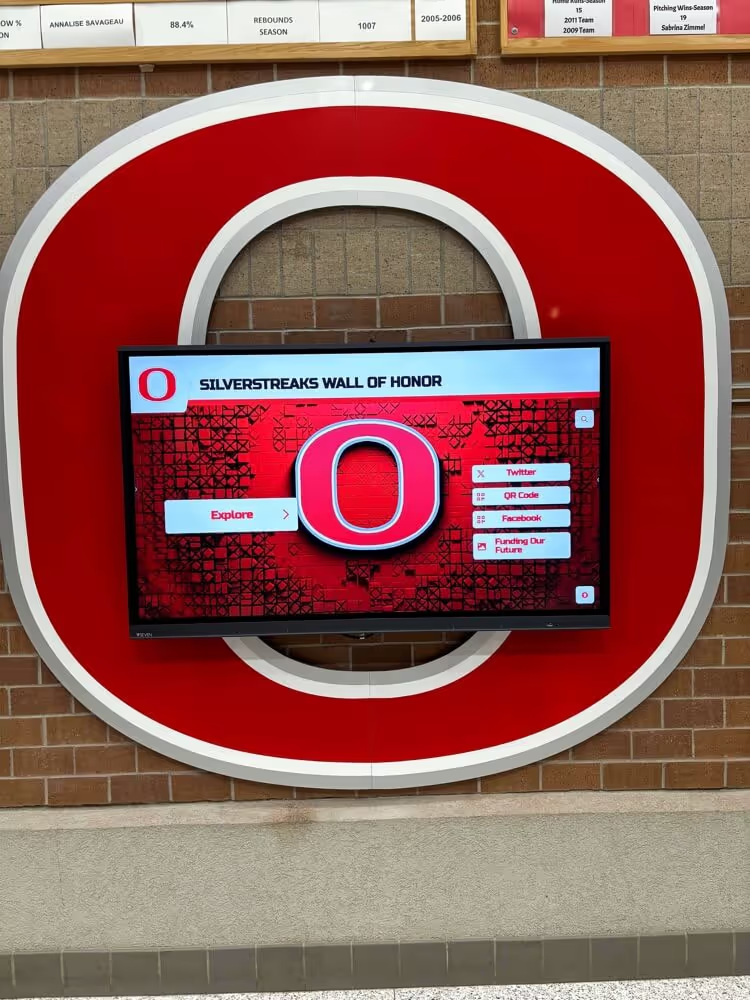
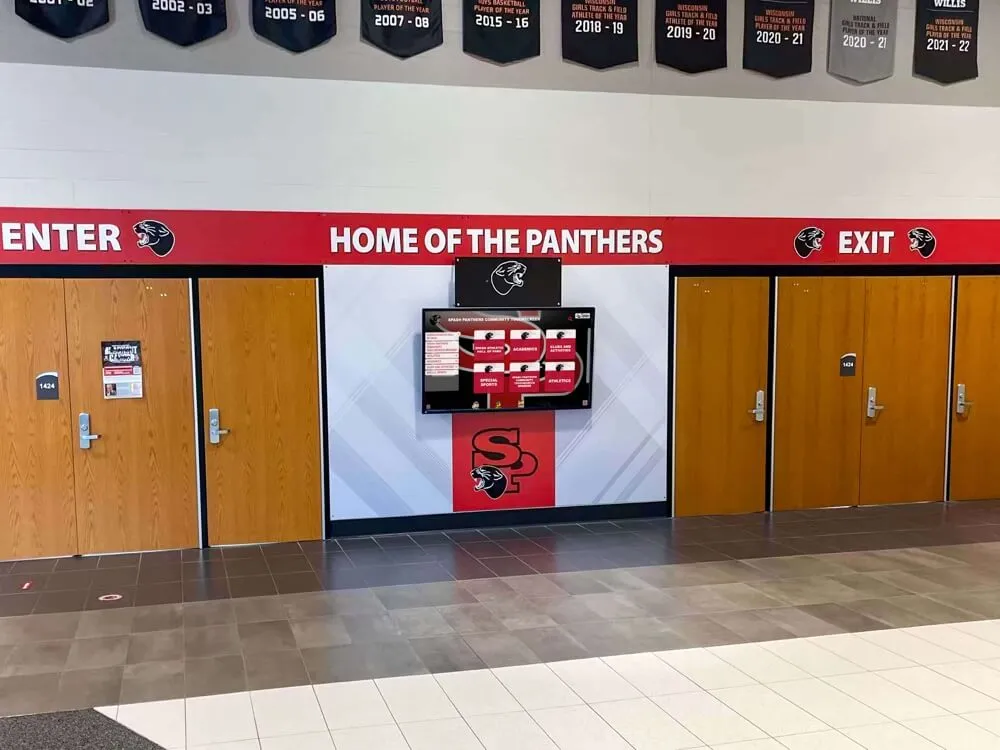
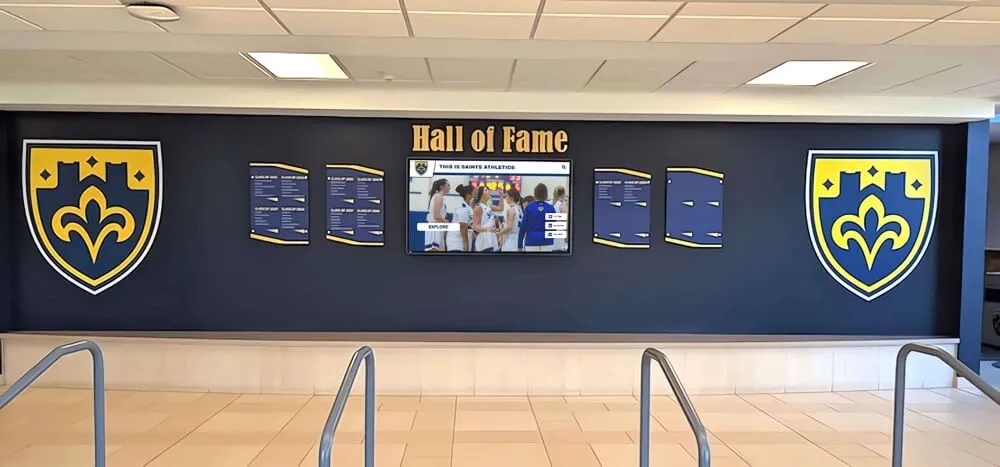
Unlimited Capacity and Comprehensive Documentation: Digital platforms eliminate space constraints entirely. A single display can showcase every academic excellence award recipient across multiple years, categories, and achievement types—content requiring dozens of physical trophy cases or display boards.
Research indicates that 63% of people report digital signage catches their attention compared to only 30% who notice traditional static displays. This increased engagement means more students, families, and visitors actually notice and interact with academic recognition content.
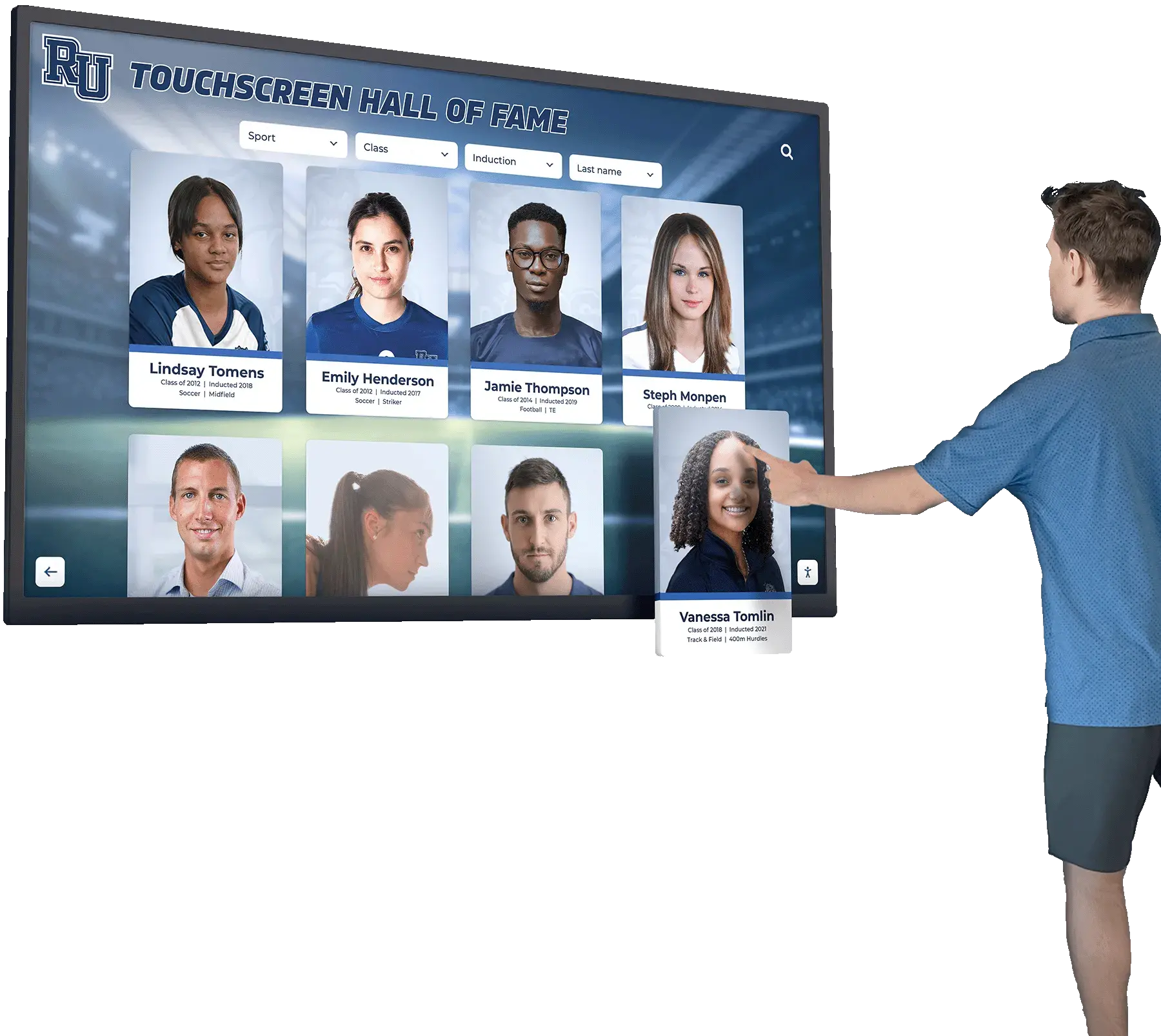
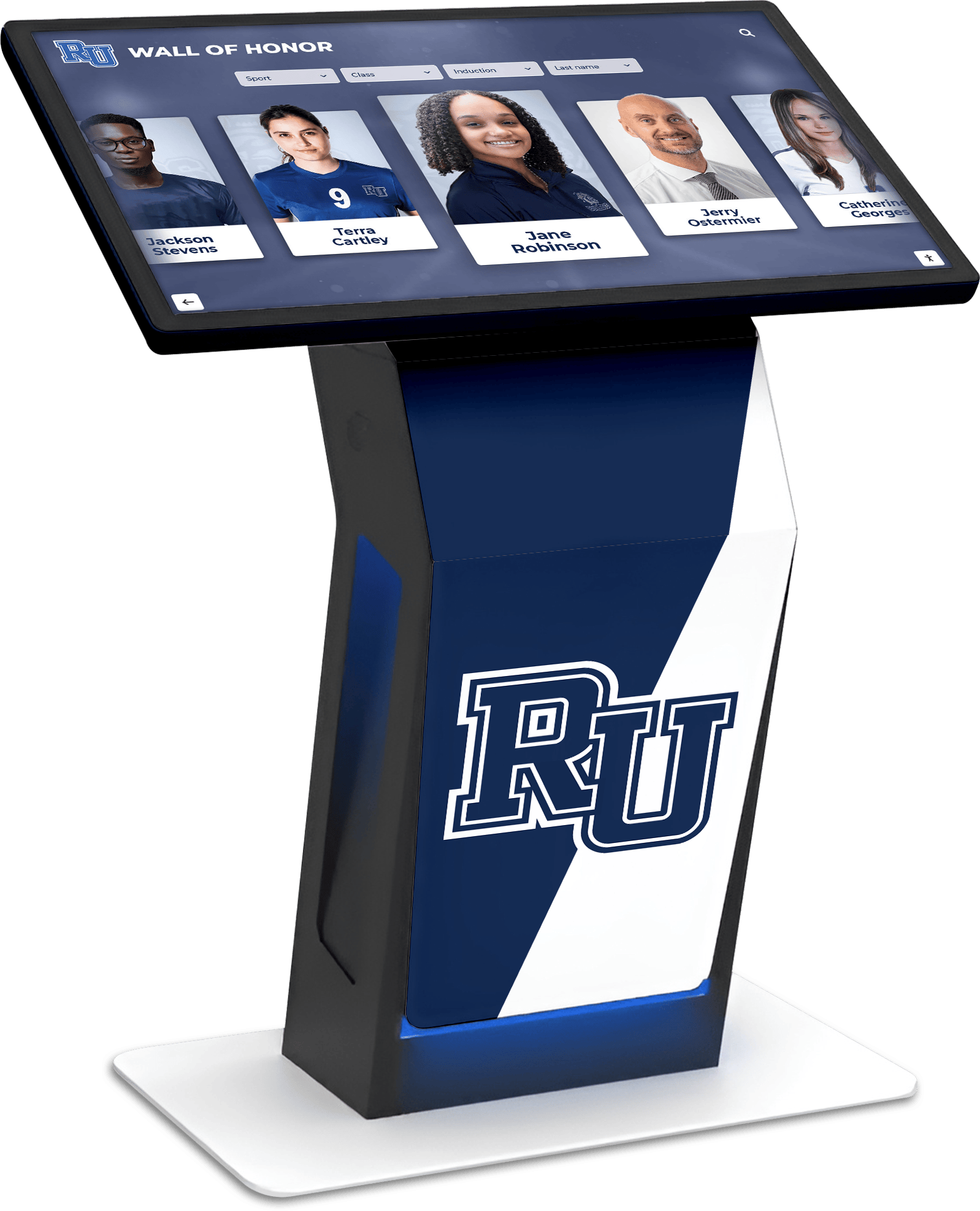
Rich Multimedia Profiles: Digital systems enable detailed recognition far beyond simple names and award titles:
- Professional student photographs
- Specific achievement descriptions and accomplishments
- Recognition histories across multiple years
- Academic statistics and achievement metrics
- Connections to broader school history and alumni networks
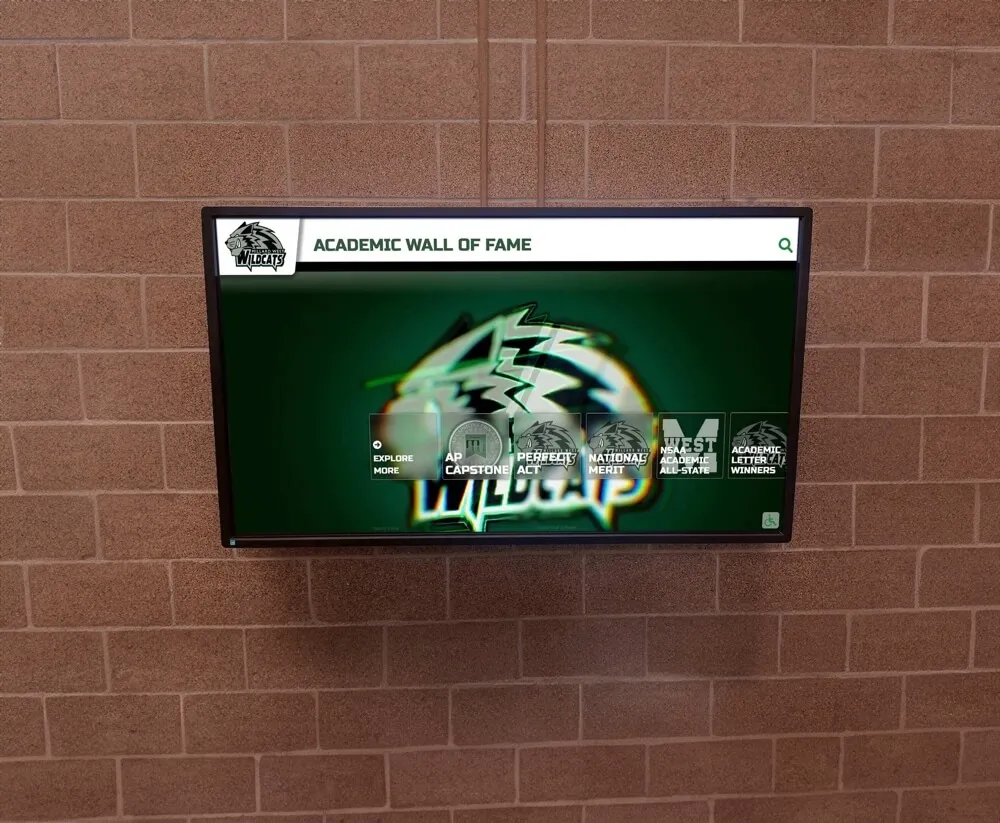
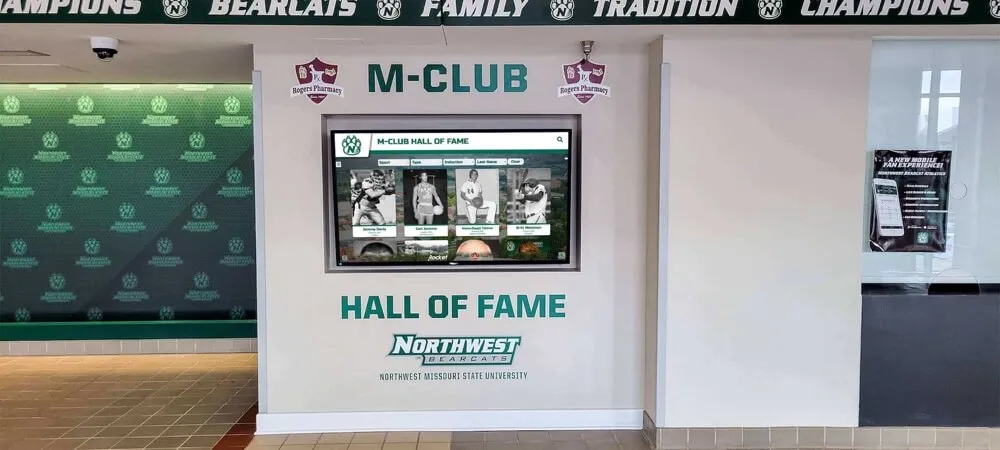
Searchable and Interactive Engagement: Unlike static displays visitors glance at while passing, interactive digital recognition systems invite active engagement. Students, families, and visitors can search by name, browse by year, filter by achievement type, and view detailed profiles with complete recognition histories.
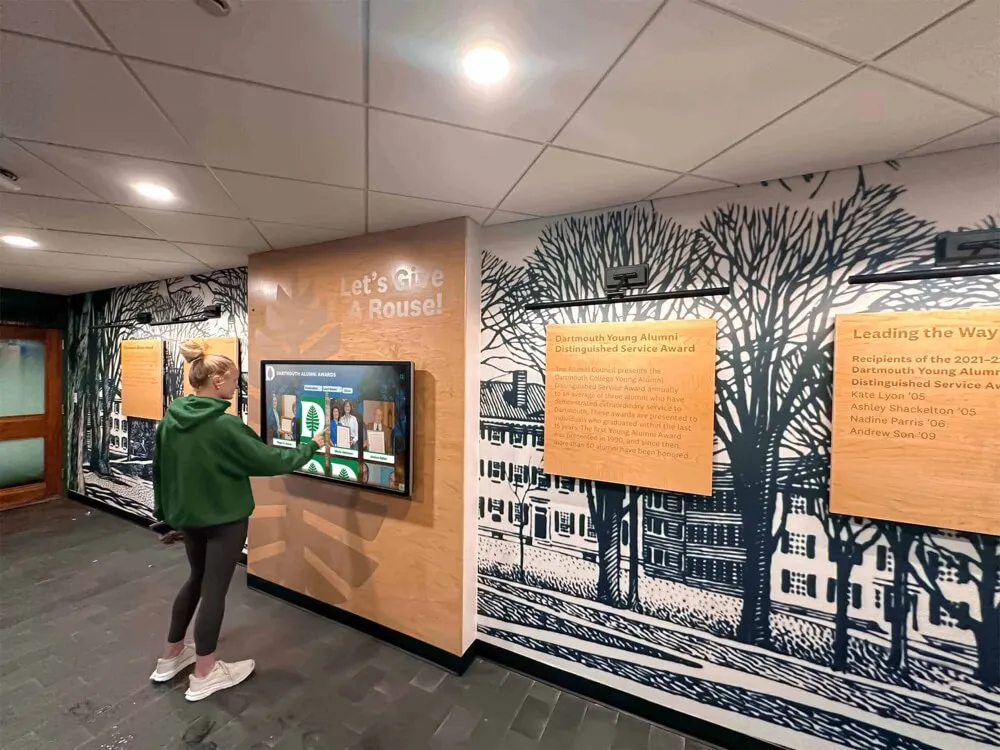
Effortless Updates and Management: Traditional recognition displays require physical updates, printing, mounting, and manual replacement each time new recipients need acknowledgment. Digital recognition updates instantly through cloud-based content management that authorized staff can access from any device. After award selections, schools can update recognition displays within minutes rather than hours of manual work.
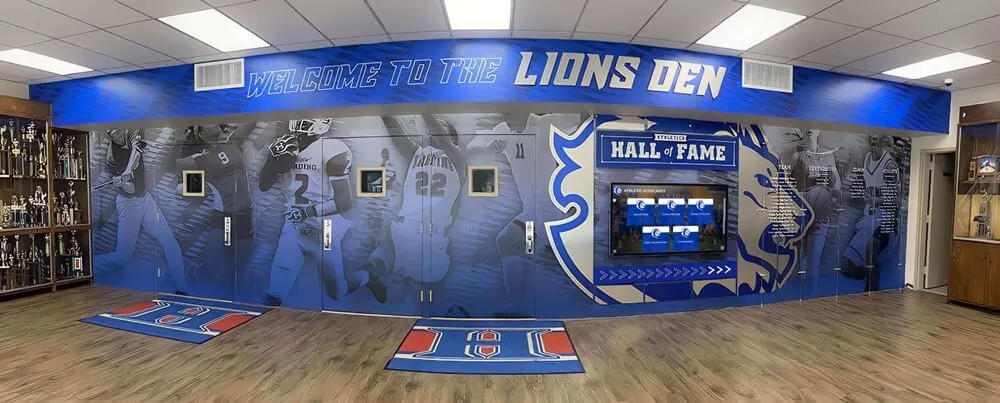
Integration with Comprehensive Recognition Ecosystems: Modern digital platforms can showcase academic excellence alongside athletic achievements, performing arts recognition, service awards, and other accomplishments within unified systems. This integration demonstrates that schools value well-rounded excellence across multiple dimensions while creating comprehensive student achievement documentation.
Schools implementing white glove support and turnkey digital recognition solutions benefit from professional implementation, ongoing technical support, and proven platforms specifically designed for educational recognition contexts.
Formal Recognition Ceremonies and Events
Ceremonial presentations create memorable experiences elevating academic acknowledgment beyond simple name lists or digital profiles.
Annual Academic Awards Night: Dedicated evening ceremonies specifically for academic recognition create prestigious events where families attend, administrators present honors, featured speakers inspire continued excellence, and students receive sustained celebration from assembled communities.
Components of Effective Academic Ceremonies:
- Opening remarks from school leadership emphasizing academic values
- Introduction of each award category with explanation of significance
- Individual recipient recognition with achievement descriptions
- Student speaker testimonials about academic journey experiences
- Faculty acknowledgment of educators who inspired achievement
- Special performances or presentations celebrating intellectual community
- Reception opportunities for families to celebrate together
Grade-Level or Department Recognition Events: Smaller-scale ceremonies within grade levels or academic departments create intimate celebrations while reducing logistical complexity compared to school-wide assemblies. Department-based events allow subject-specific focus where discipline experts explain achievement significance.
Integration into Existing Programs: Alternatively, incorporate academic excellence recognition into graduation ceremonies, honors convocations, or existing school events. This approach requires less dedicated coordination while still providing meaningful public acknowledgment.
Virtual Participation Options: Live streaming or recording recognition ceremonies enables participation from family members unable to attend physically, creates permanent documentation of recognition moments, and extends celebration visibility to broader communities.
Comprehensive Online and Social Recognition
Extend recognition beyond physical spaces through web-accessible content and strategic social media engagement.
Dedicated Website Recognition Sections: Create robust website pages featuring:
- Current year academic excellence award recipients
- Searchable archives of historical award winners
- Detailed award descriptions and selection criteria
- Photo galleries celebrating recognized students
- Video interviews or testimonials from recipients
- Downloadable certificates or recognition graphics
Social Media Recognition Strategies: Strategic social media use amplifies academic recognition while creating shareable content engaging broader communities:
Individual Recognition Posts: Create dedicated posts celebrating each award recipient with photos and achievement descriptions. Individual posts give honorees dedicated visibility and shareable content for their families.
Achievement Compilation Videos: Short video compilations featuring photos, student testimonials, and achievement highlights create engaging content that performs well on social platforms while meaningfully honoring multiple students within single posts.
Live Recognition Coverage: Live streaming award ceremonies or posting real-time updates during recognition events creates immediate engagement and broader participation.
Privacy and Permission Considerations: Always obtain appropriate permissions before featuring students on public platforms. Follow district policies regarding student privacy, photo releases, and personally identifiable information.
Building Sustainable Academic Excellence Programs
Successful recognition programs require systematic planning, consistent implementation, and ongoing assessment ensuring long-term effectiveness and cultural impact.
Program Planning and Infrastructure Development
Committee Formation: Assemble diverse planning committees including school administrators providing institutional leadership, teachers from various departments representing different perspectives, counselors understanding student needs and achievement patterns, and potentially student representatives ensuring youth voice.
Budget Allocation: Establish dedicated funding for academic recognition including award materials and certificates, ceremony expenses and facility rentals, recognition display systems and technology, ongoing program operations and updates, and special recognition elements for graduating seniors.
Schools should allocate academic recognition budgets proportional to investments in athletic recognition, demonstrating institutional commitment to valuing intellectual achievement equivalently with other accomplishments. Many schools implementing comprehensive digital recognition systems find that digital platforms offer cost-effective solutions providing maximum visibility with minimal ongoing expenses.
Technology Selection and Implementation: Evaluate recognition technology platforms considering ease of content management, engaging user interface and experience, integration capabilities with student information systems, accessibility compliance for all users, scalability to accommodate growing recognition needs, and vendor support and training resources.
Purpose-built educational recognition platforms provide advantages over general digital signage systems by offering specialized features designed specifically for academic contexts, content templates optimized for student recognition, and implementation support from vendors understanding educational environments.
Annual Recognition Cycle Operations
Fall Semester:
- Publicize award categories and selection criteria
- Communicate nomination and selection timelines
- Begin tracking student achievement data
- Plan ceremony dates and venue reservations
Winter/Spring:
- Collect teacher nominations and recommendations
- Calculate achievement metrics and rubric scores
- Conduct selection committee meetings and finalist determinations
- Prepare recognition materials and ceremony programs
- Update digital displays with current year recipients
Late Spring:
- Conduct formal recognition ceremonies
- Distribute physical awards and certificates
- Launch social media recognition campaigns
- Update online recognition galleries
- Document program for continuous improvement assessment
Summer:
- Conduct program assessment and effectiveness review
- Analyze recognition distribution patterns
- Collect systematic feedback from students, families, and staff
- Make strategic improvements for following year
- Archive recognition documentation
Continuous Improvement and Program Assessment
Quantitative Metrics to Track:
- Total number of students recognized across all categories
- Demographic distribution of award recipients
- Participation rates in academic competitions and advanced coursework
- Year-over-year achievement trends in recognized students
- College admission and scholarship outcomes for recognized scholars
Qualitative Assessment:
- Student perceptions about recognition program fairness and meaning
- Family satisfaction with recognition processes and celebration
- Faculty perspectives on program effectiveness and impact
- Community awareness of academic excellence culture
- Alumni connections to recognition received during school years
Evidence-Based Refinement: Make strategic improvements based on assessment data:
- Adjust selection criteria ensuring fairness and appropriate calibration
- Add or modify award categories addressing identified recognition gaps
- Enhance ceremony formats increasing engagement and meaning
- Improve communication reaching families and community more effectively
- Expand technology and displays maintaining contemporary relevance
Conclusion: Building Cultures Where Academic Excellence Matters
Academic excellence awards represent far more than lists of high-achieving students and certificates acknowledging accomplishment. When implemented thoughtfully, these programs create systematic recognition ecosystems that validate exceptional scholarly achievement, communicate institutional values about intellectual pursuits, motivate students toward higher achievement levels, build school cultures where academic success receives genuine celebration, strengthen school-family-community partnerships, and establish traditions honoring intellectual accomplishment across generations.
Effective academic excellence programs share common characteristics: clear, fair selection criteria consistently applied, multiple award categories celebrating diverse forms of achievement, meaningful recognition formats making awards feel genuinely special, modern technology enhancing visibility and accessibility, comprehensive communication strategies engaging families and communities, continuous assessment and improvement based on evidence, and sustainable implementation persisting across leadership changes.
The investment schools make in academic excellence awards pays dividends in student motivation, institutional culture, family engagement, and community pride. Recognition communicates that schools notice exceptional students, value their intellectual efforts, celebrate their accomplishments publicly, and believe in their potential to contribute meaningfully to society through their scholarly capabilities.
Modern solutions like those offered by Rocket Alumni Solutions provide comprehensive platforms designed specifically for educational recognition, offering intuitive content management, engaging interactive displays, permanent achievement documentation, and proven approaches that help schools build the recognition cultures their exceptional students deserve. Whether implementing digital academic displays, comprehensive achievement tracking systems, or integrated recognition networks celebrating accomplishments across academic, athletic, and artistic domains, digital technology enables schools to honor academic excellence more comprehensively and effectively than ever before.
Ready to transform how your school celebrates academic achievement? Explore comprehensive recognition solutions that honor exceptional student accomplishment while building school cultures where learning is genuinely valued and scholarly excellence receives the sustained celebration it deserves. Your students achieve remarkable things every day—effective academic excellence awards ensure those achievements receive acknowledgment that inspires continued excellence and builds educational communities where all students can thrive.